LEGO Technic recreates scaled Porsche GT4 e-Performance to inspire young motorheads

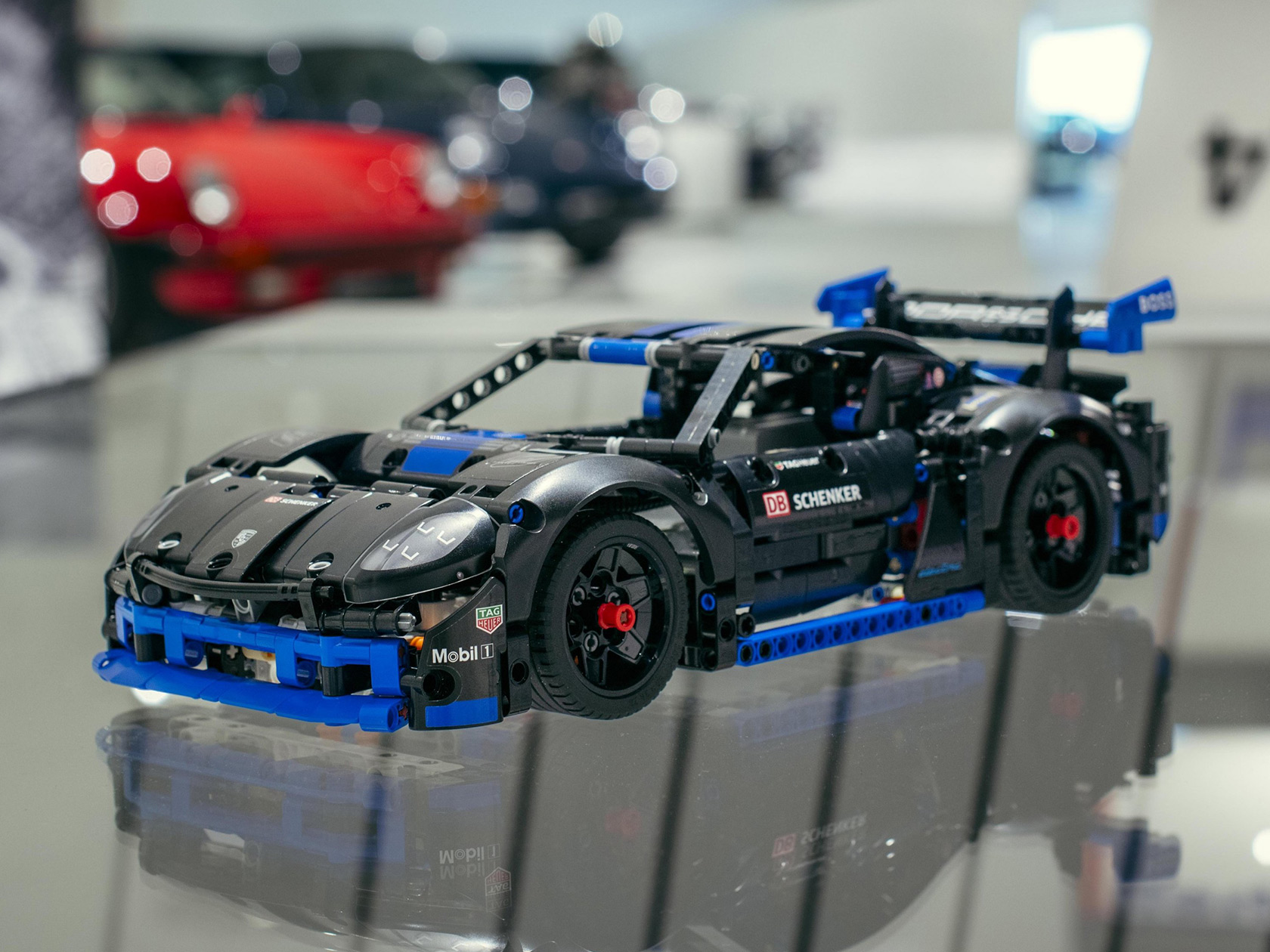
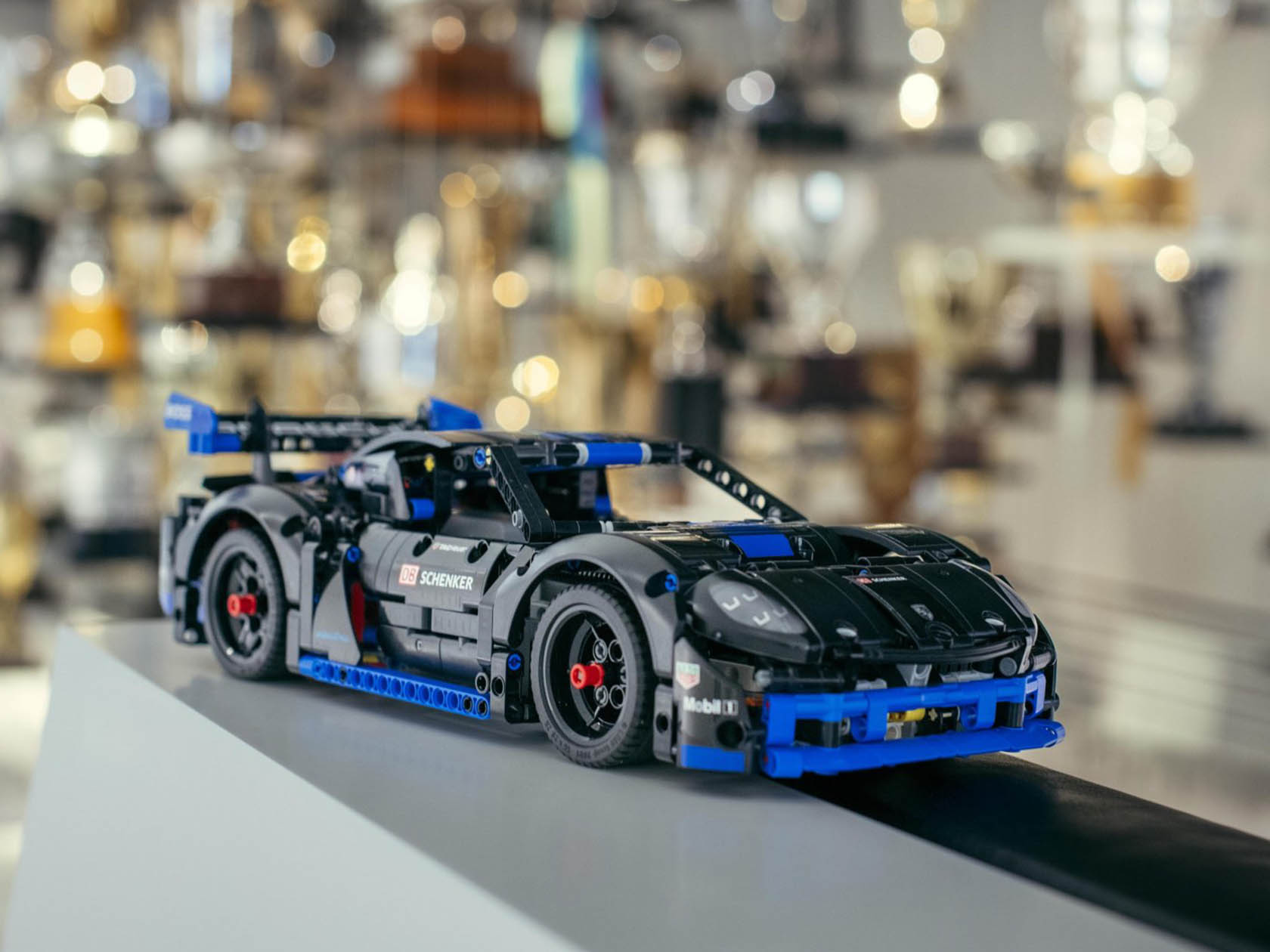
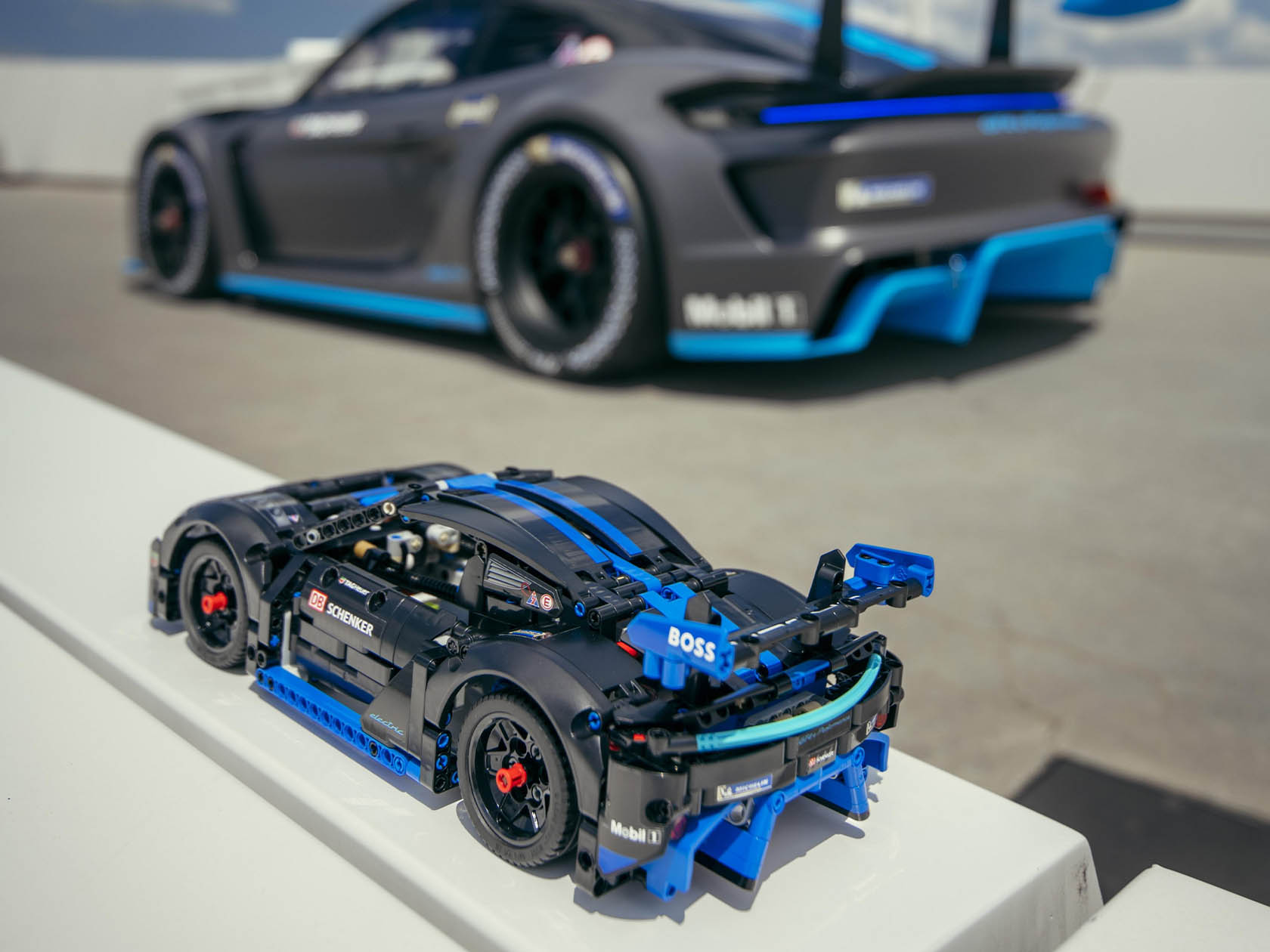
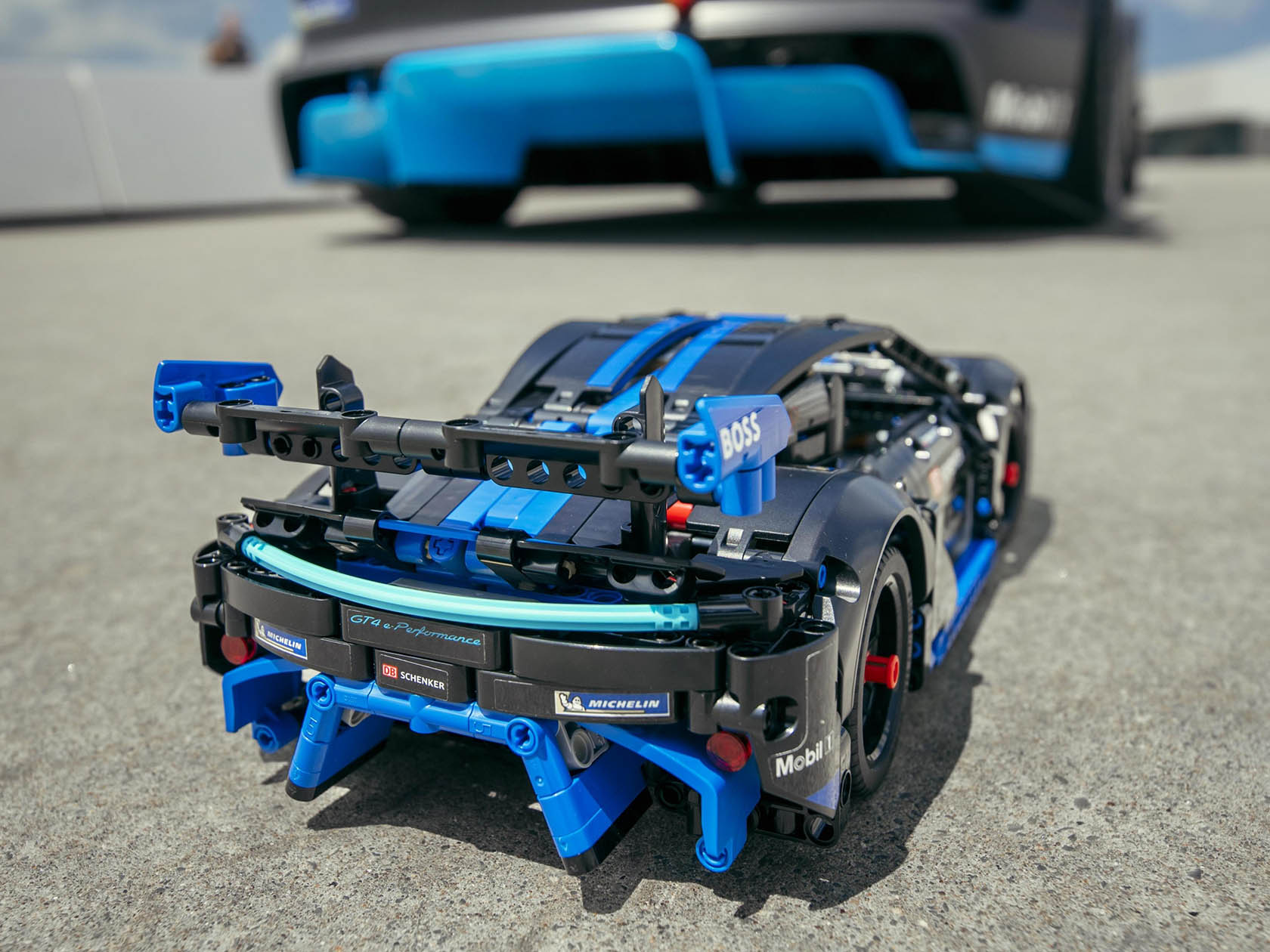
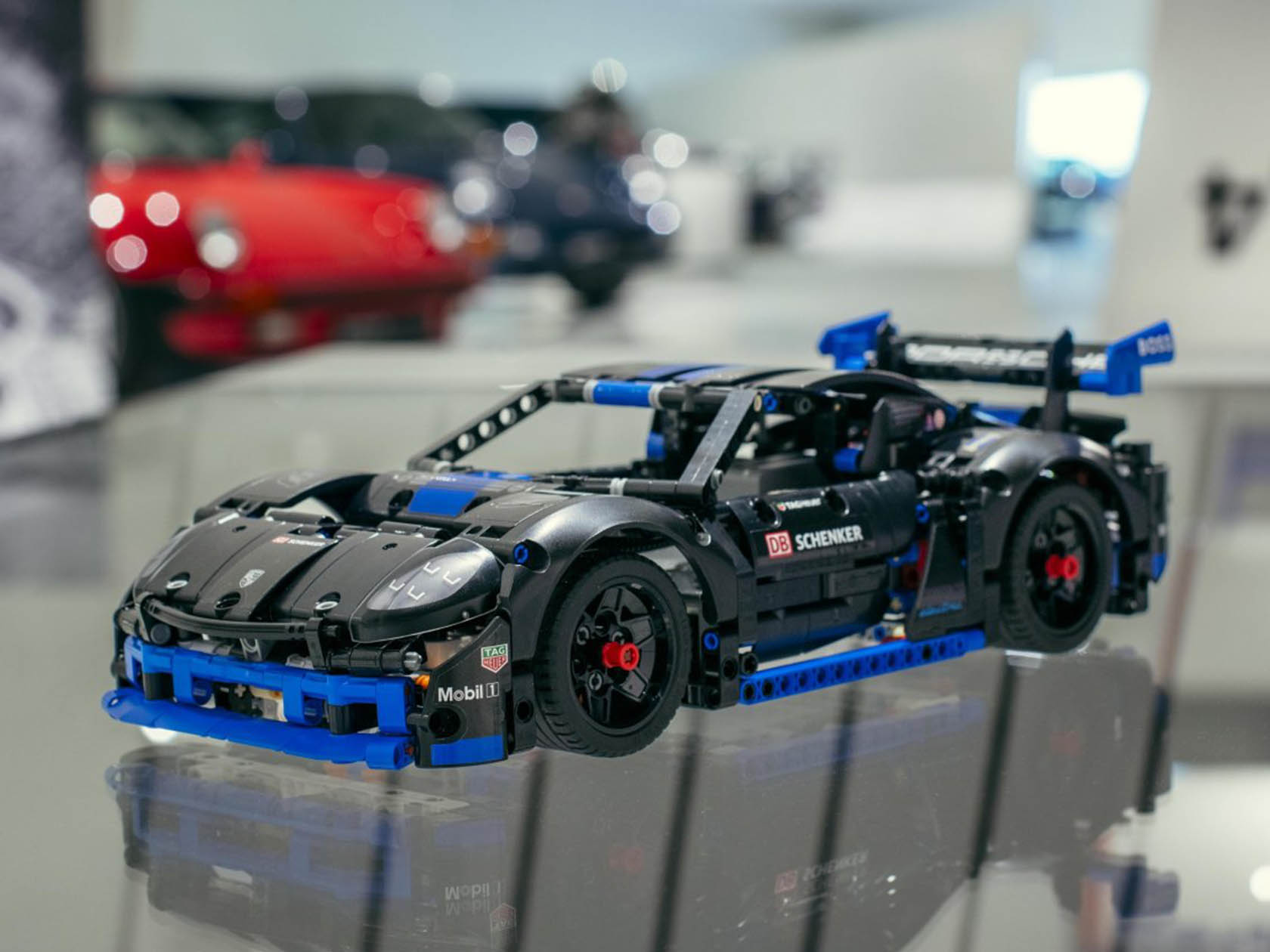
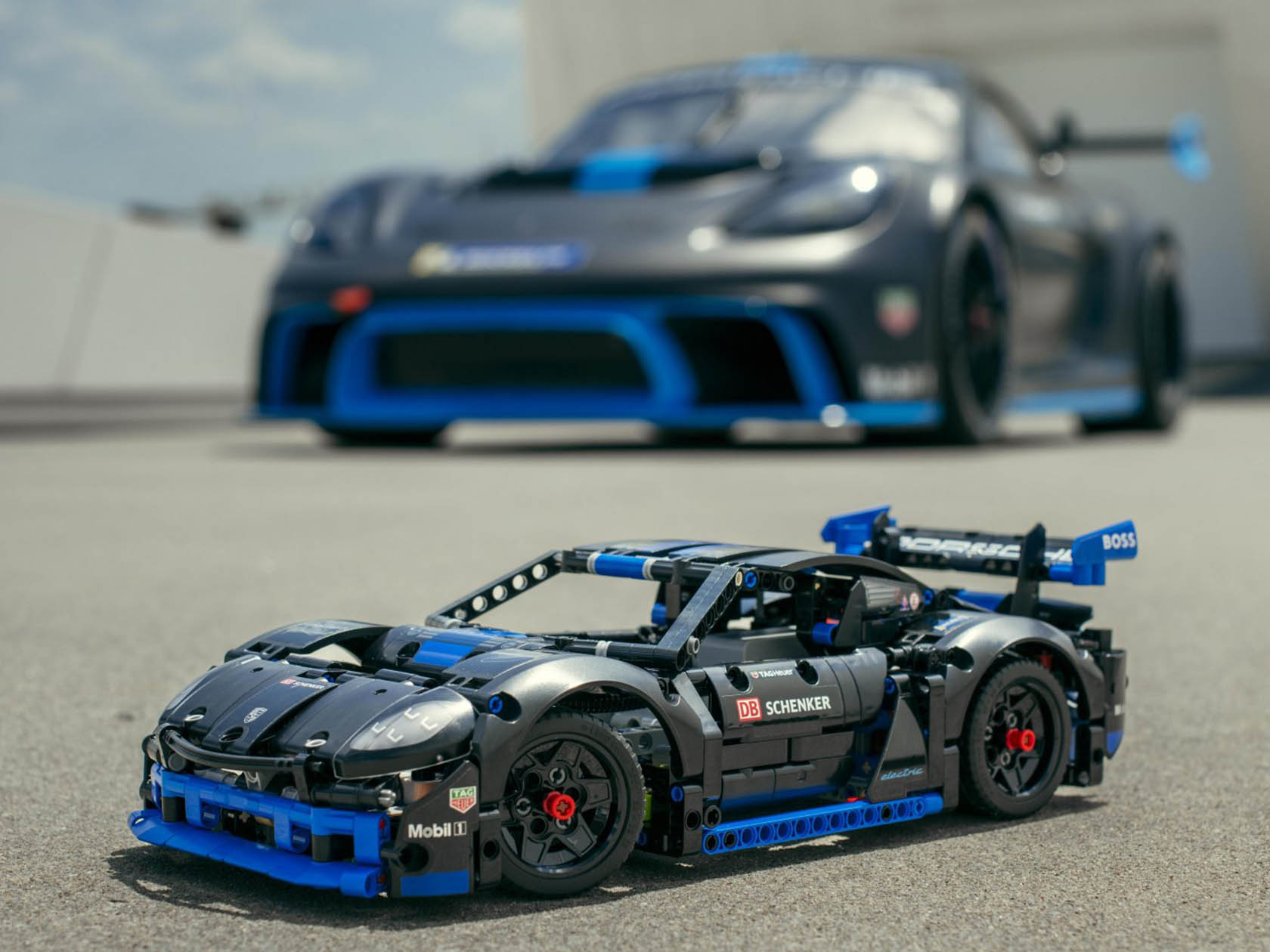
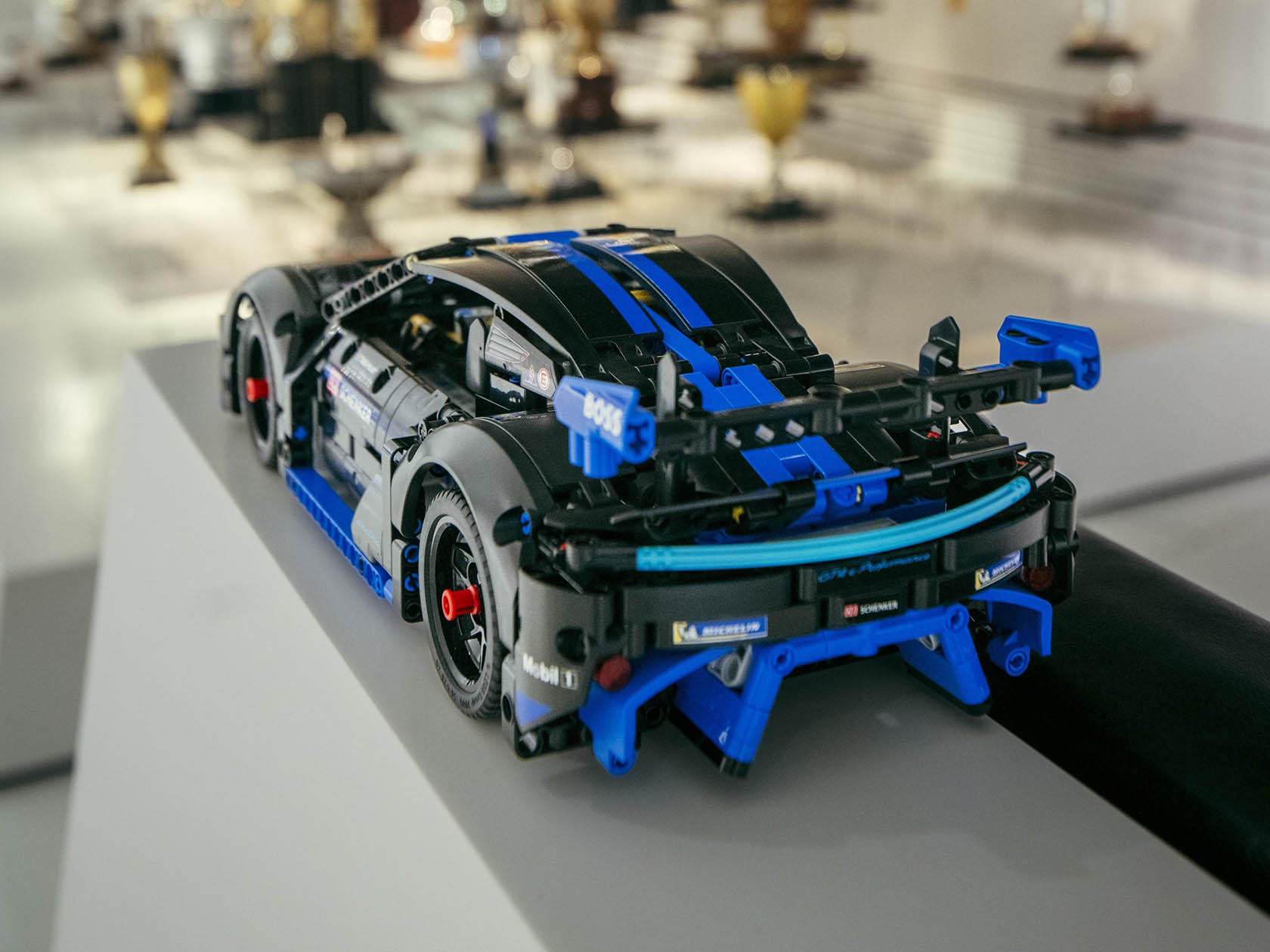
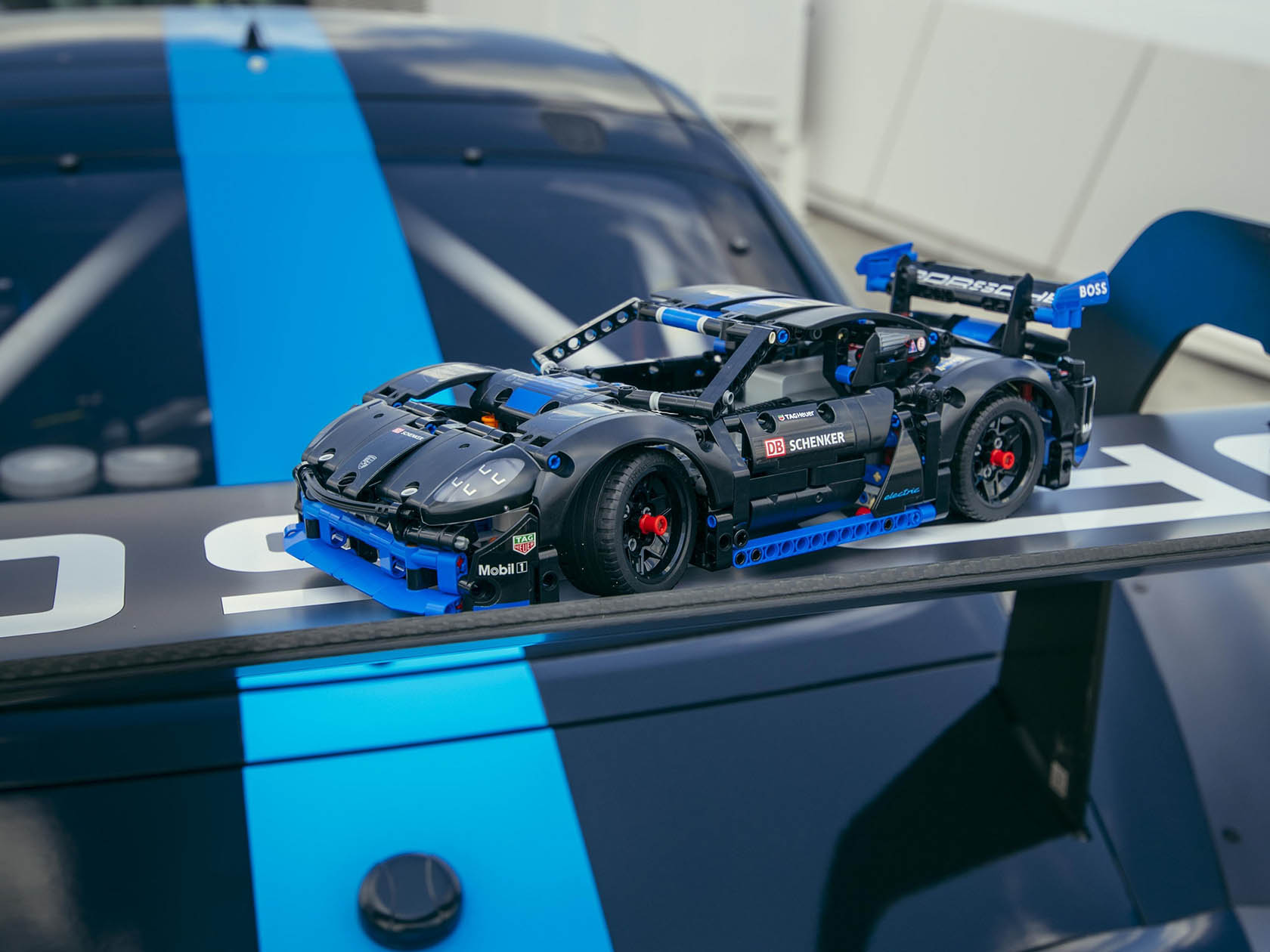
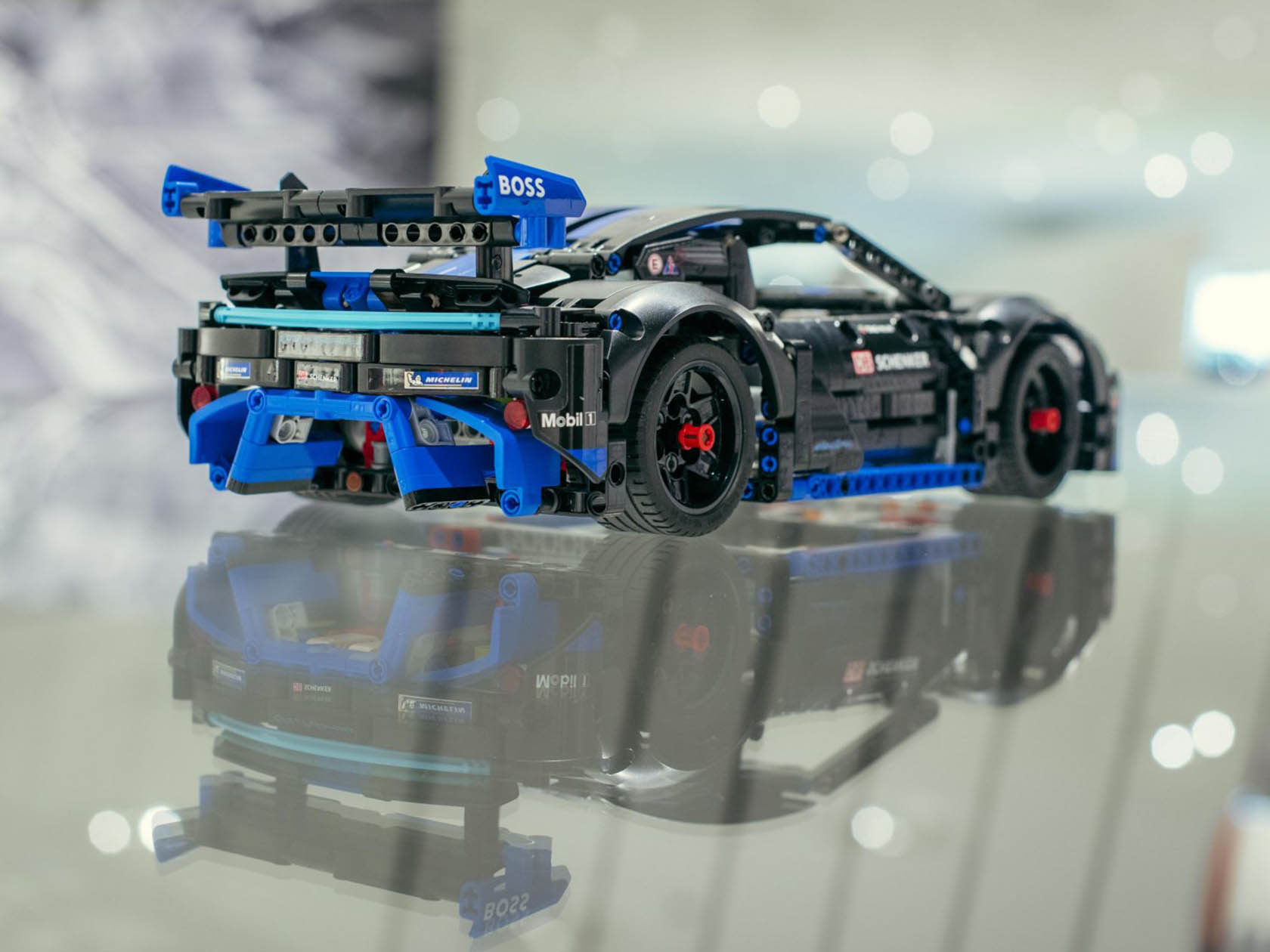
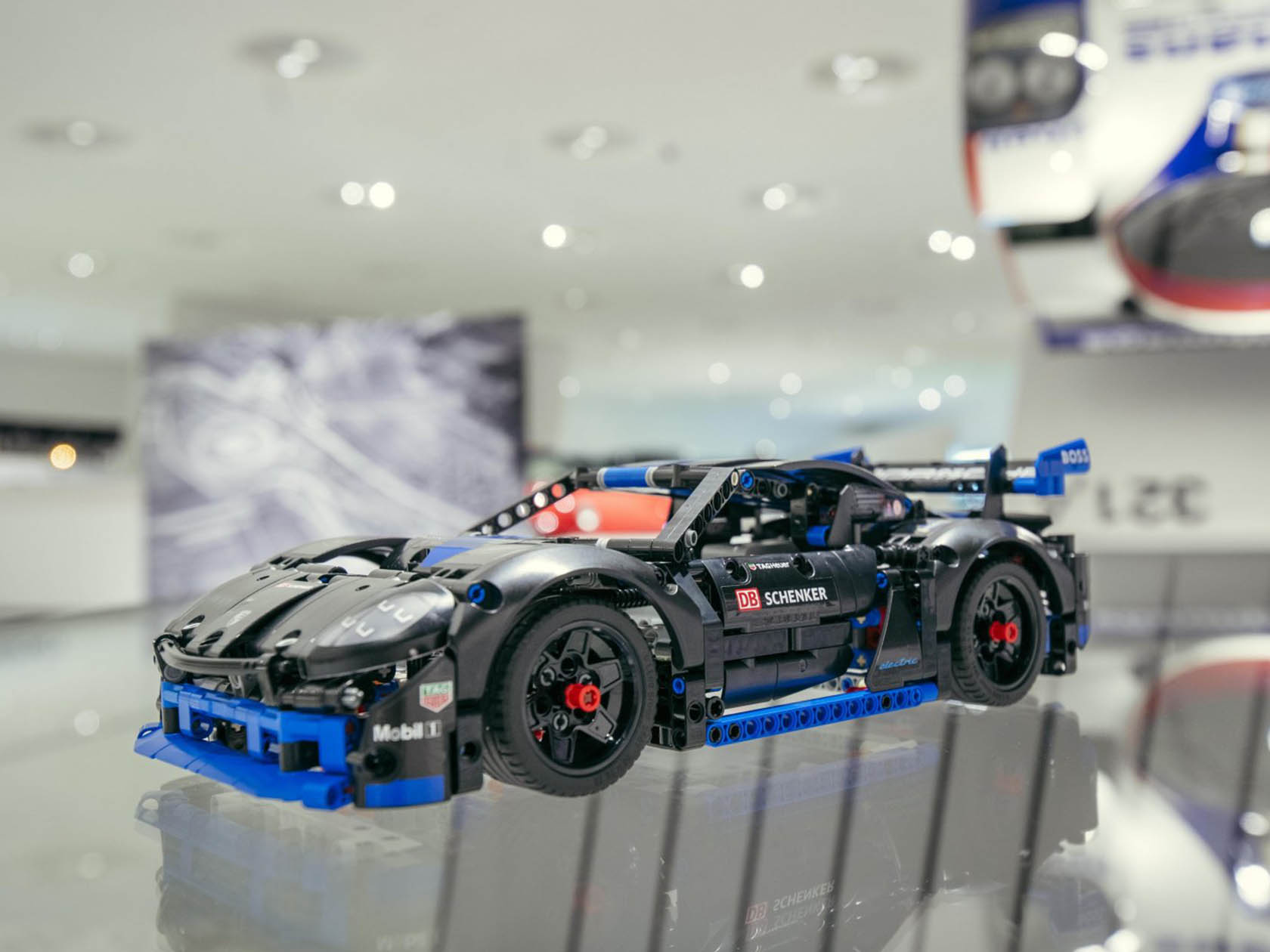
LEGO Technic has displayed its profound affinity for performance cars in the past month or so. The latest to rise in their famed list is the LEGO Porsche GT4 which exists because of a special cause. It’s a part of the Porsche 4Kids program which aims to allow young car enthusiasts to get up close and personal with the new all-electric GT4 e-Performance. This will be done through the Porsche 4Kids holiday program held from July 30 to August 18 at the Porsche Museum in Stuttgart.

Surprisingly the LEGO supercar is not a part of the Ultimate Car Concept Series that has similar LEGO sets like the McLaren P1 and Mercedes-Benz G Wagon. Unlike other Technic models, this one is not up for grabs and can only be tested out in real-time at the museum. Also, mark your calendars on 6 August for the special event hosted by Porsche GT4 e-developer Björn Förster and Lego designers Ann Karring and Aurelien Rouffiange.

Designer: LEGO and Porsche

As Jenny Simchen from the Porsche 4Kids programme at the museum explained, “We give the kids the opportunity to delve into the fascinating world of Porsche and Lego, test the GT4 e-Performance as Lego racing drivers, and play an active role themselves.” The kids and adults can interact with the remote-controlled performance Porsche and other Technic models to learn more about Porsche’s tech innovation.

So far there are no details about the brick count of this exclusive set, the scale version (we assume it’ll be a 1:8 model), or the overall dimensions. LEGO Technic and Porsche have kept the surprise element for this one till the set is explored by eager kids at the museum. The only thing known is that tickets for the special event can be booked online and priced at $30.

The post LEGO Technic recreates scaled Porsche GT4 e-Performance to inspire young motorheads first appeared on Yanko Design.
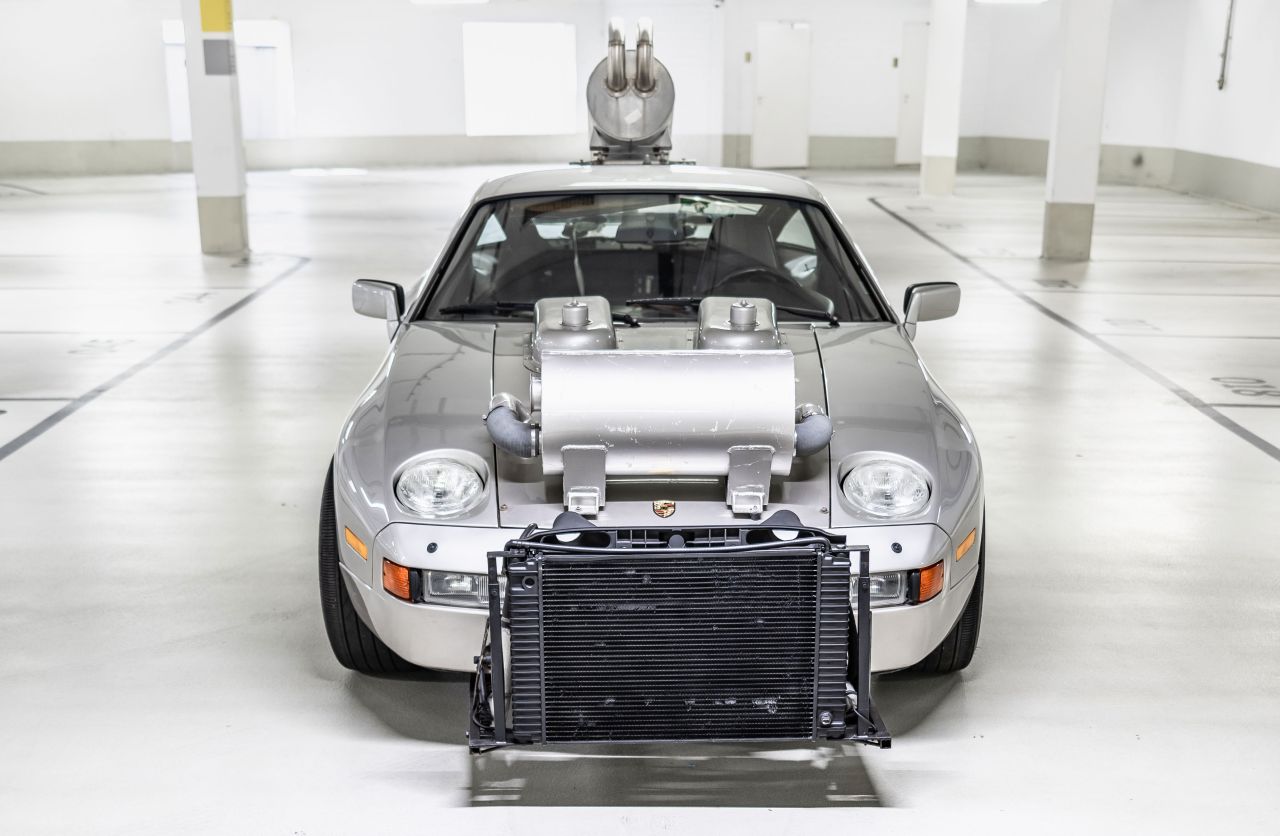
This Mad Max-esque Porsche 928 had a very important role in achieving 911’s current status quo

While the Porsche 911 has evolved into an iconic roadster, the Porsche 928 has played second fiddle in shaping the acoustics for the sports car all these years. You probably might never have heard about the Porsche 928 but the famed grand tourer initially created to replace the 911, faded away into the mid-90s.

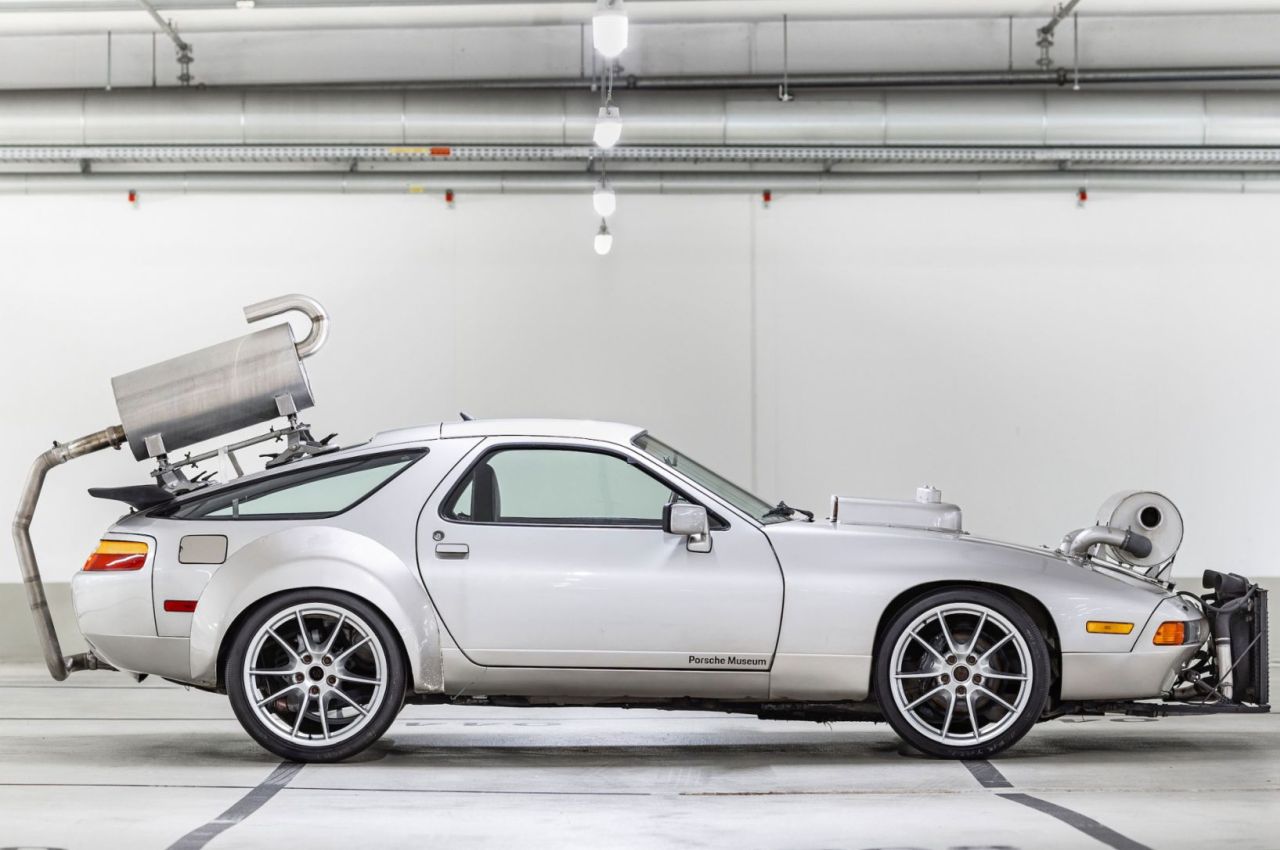
One lucky Porsche 928 served as a testbed for three decades to test the noise to help the German manufacturer stay within the permissible limits of the law while also having a sweet sound signature compared to the competition. The Grand Tourer was the perfect fit as opposed to the 924 which had a lower engine speed, the 911 which was too loud, or the 944 which had a lot of gearbox rattle at low speeds. Porsche test engineer Harald Mann called it the dinosaur for obvious reasons.

Designer: Porsche

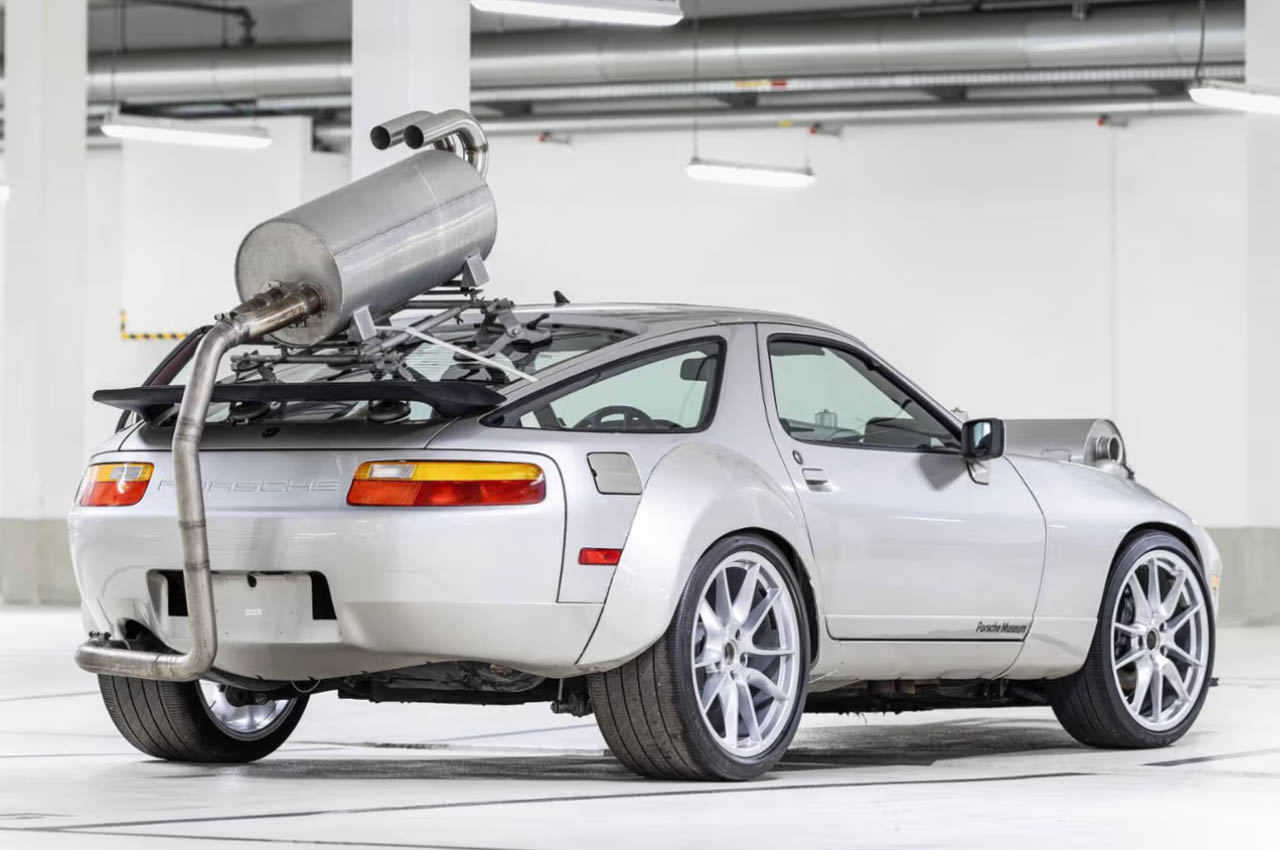
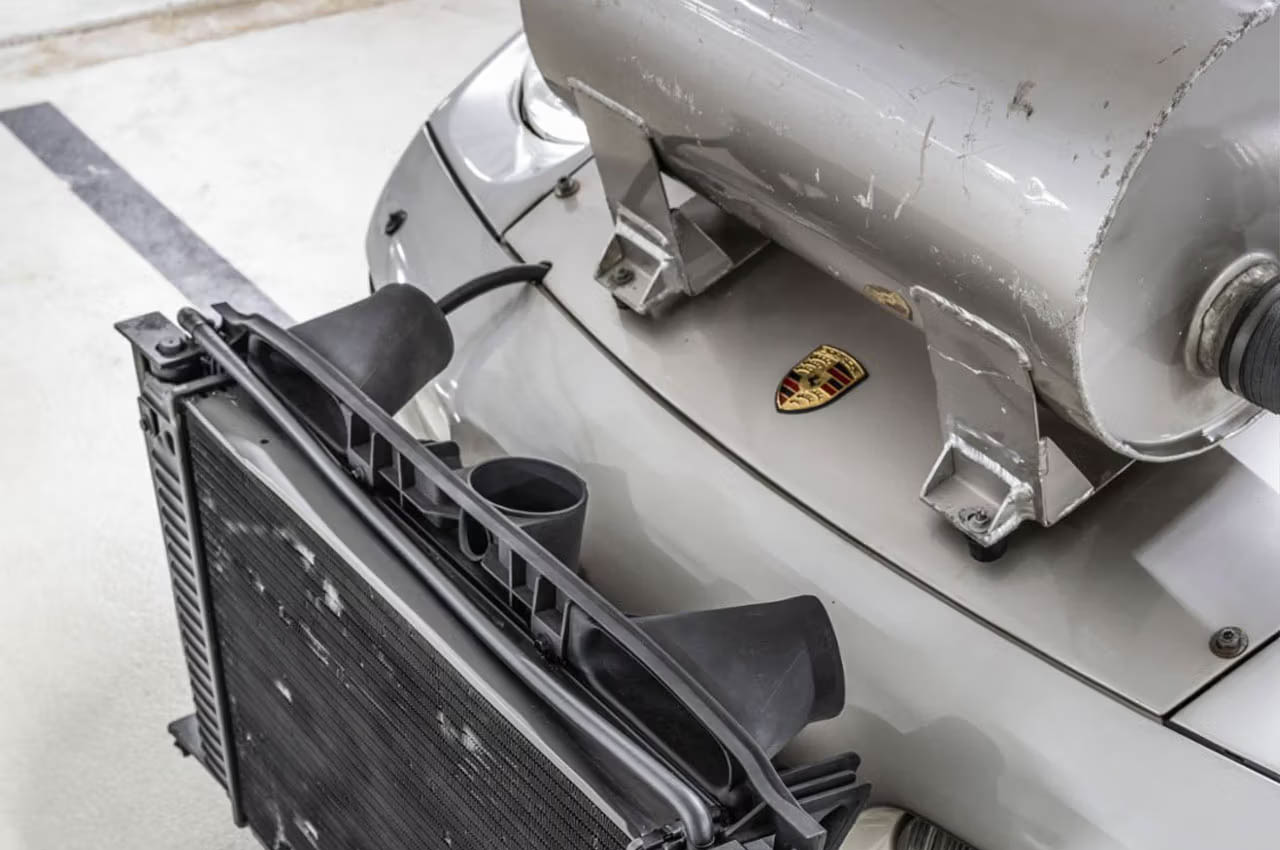
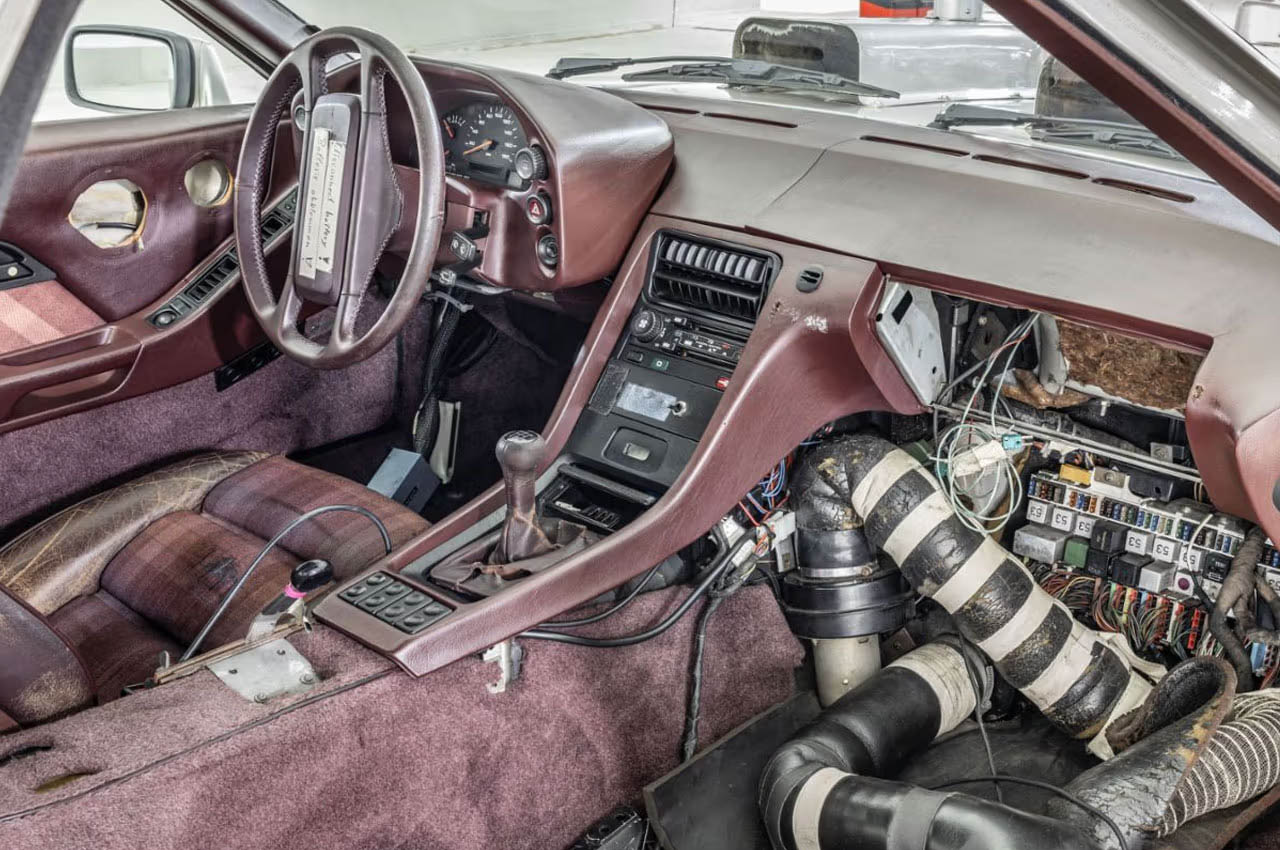
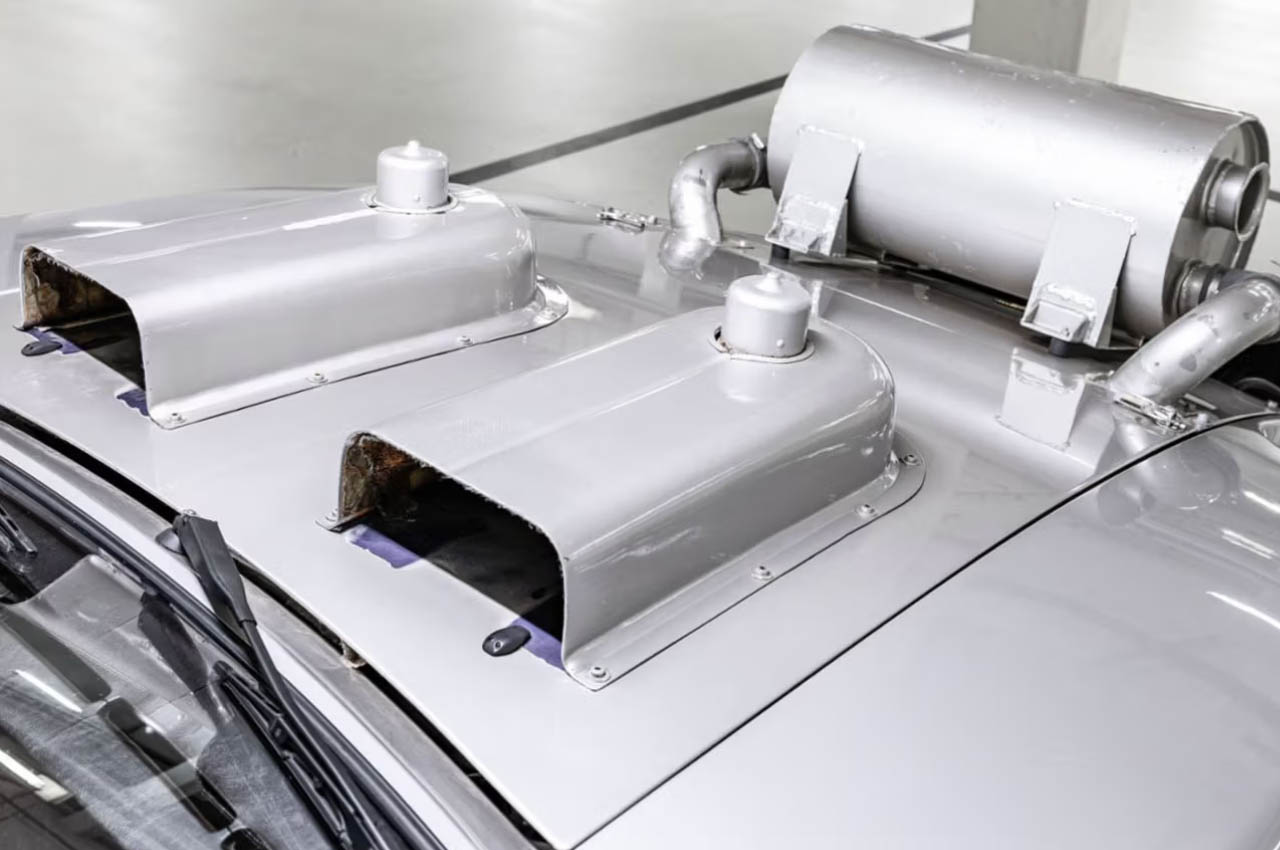
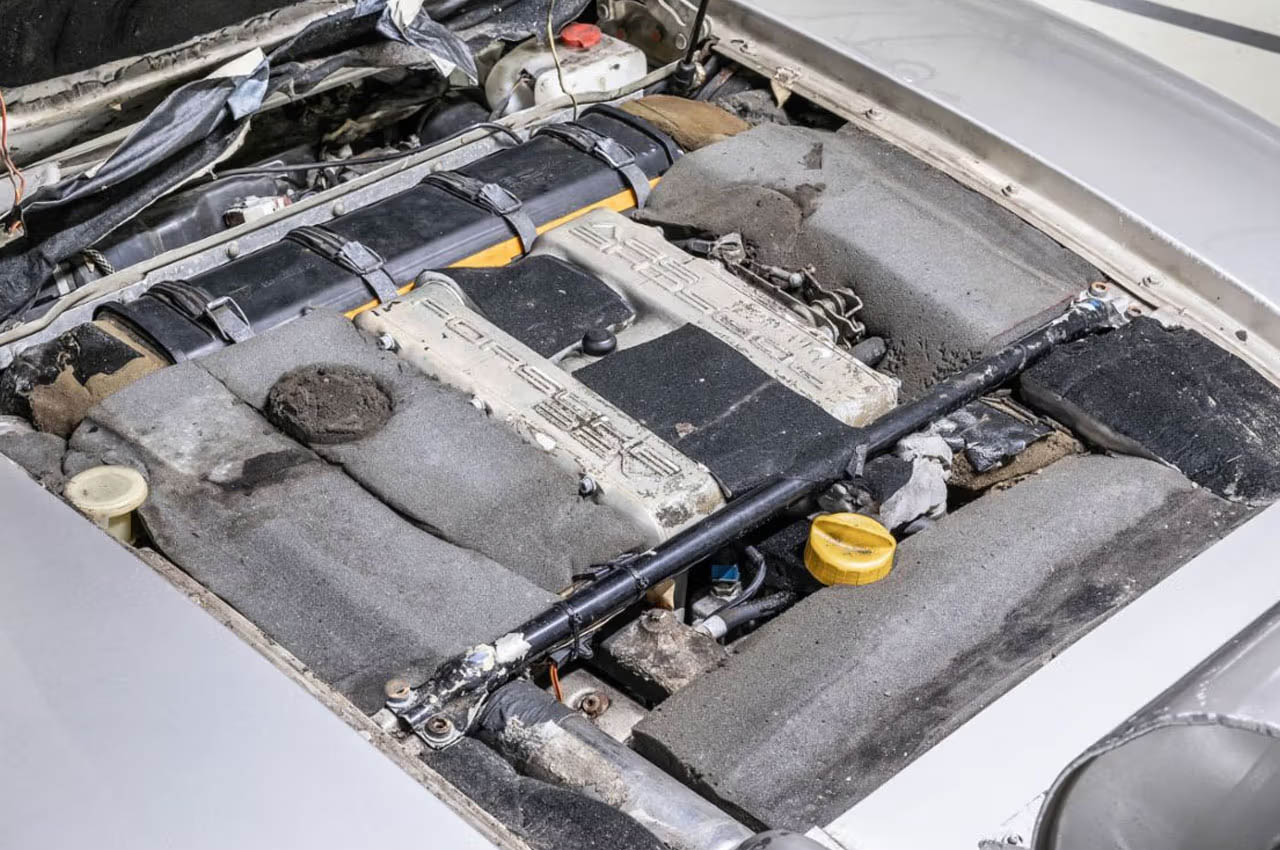
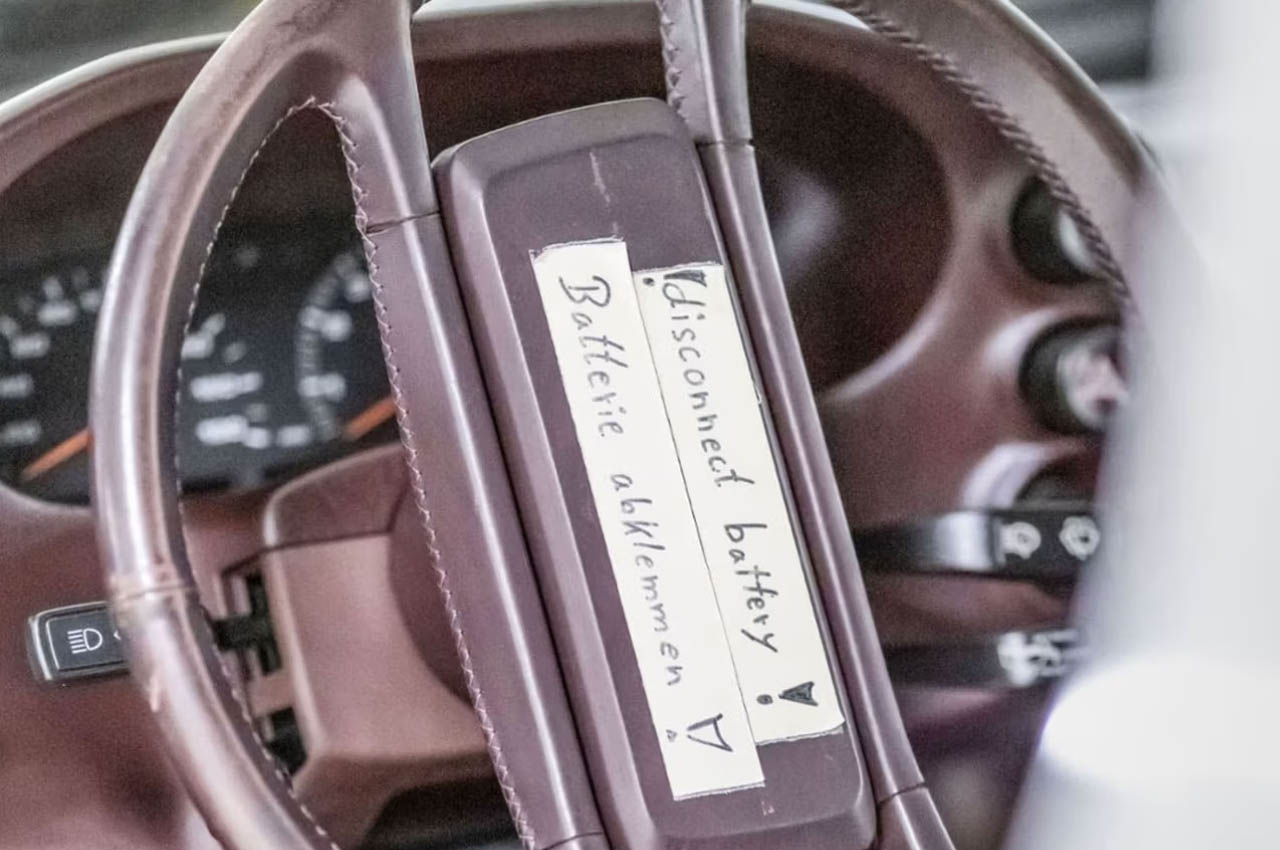
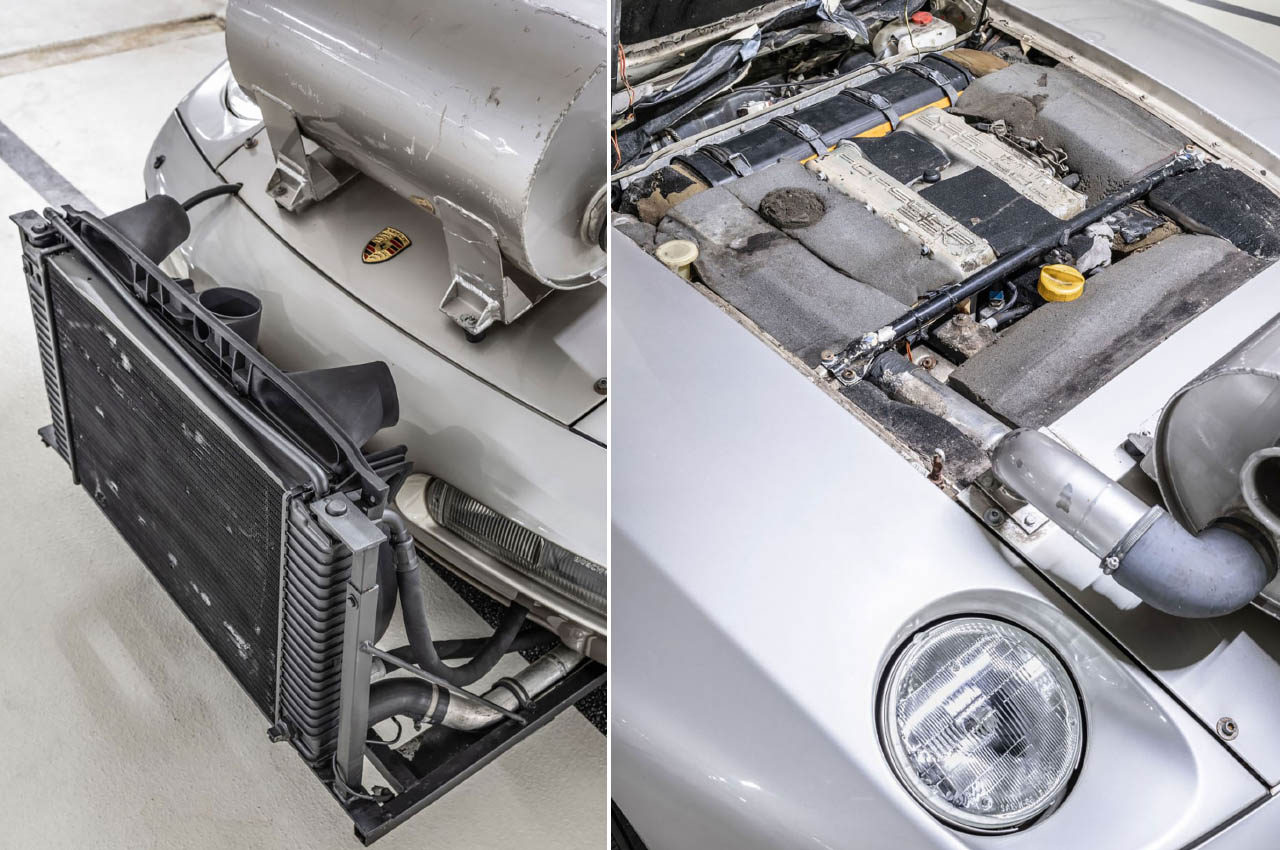
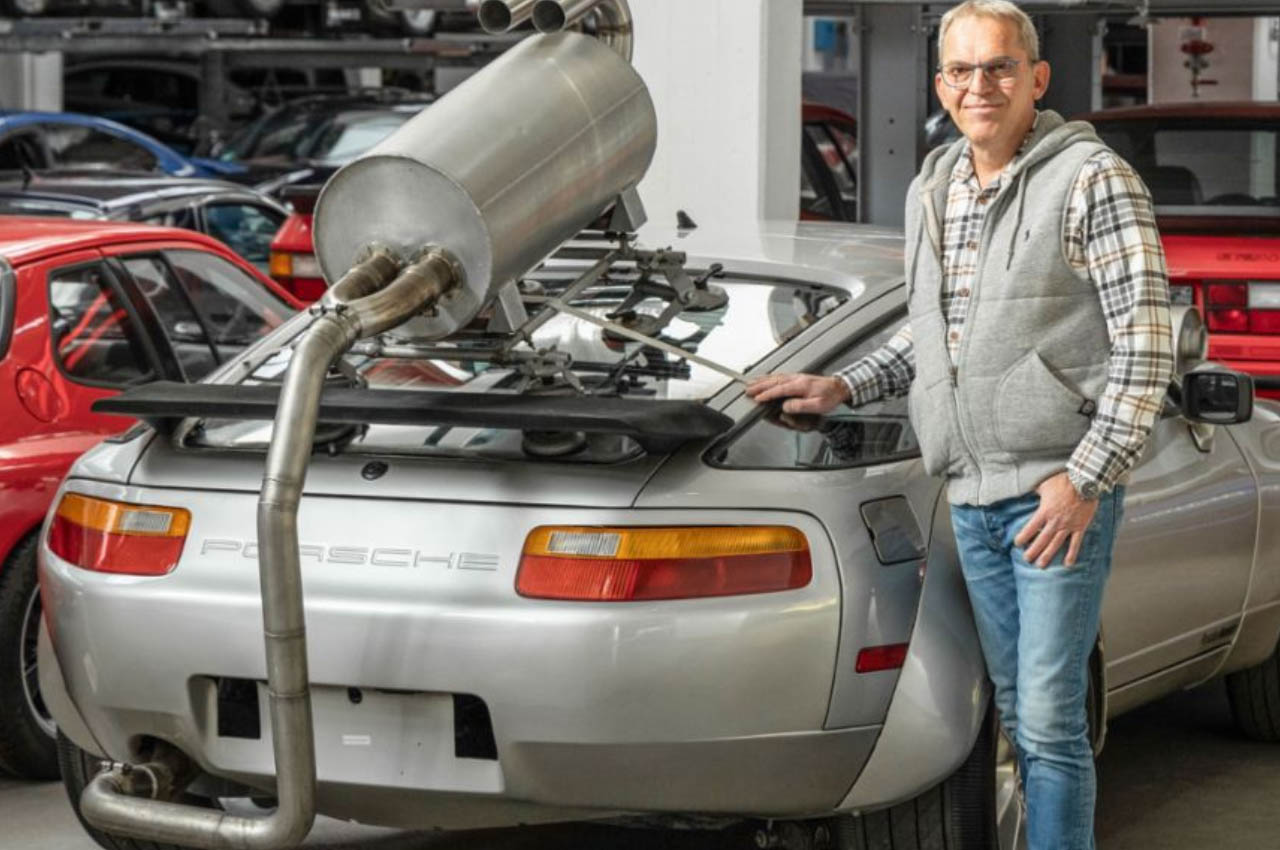
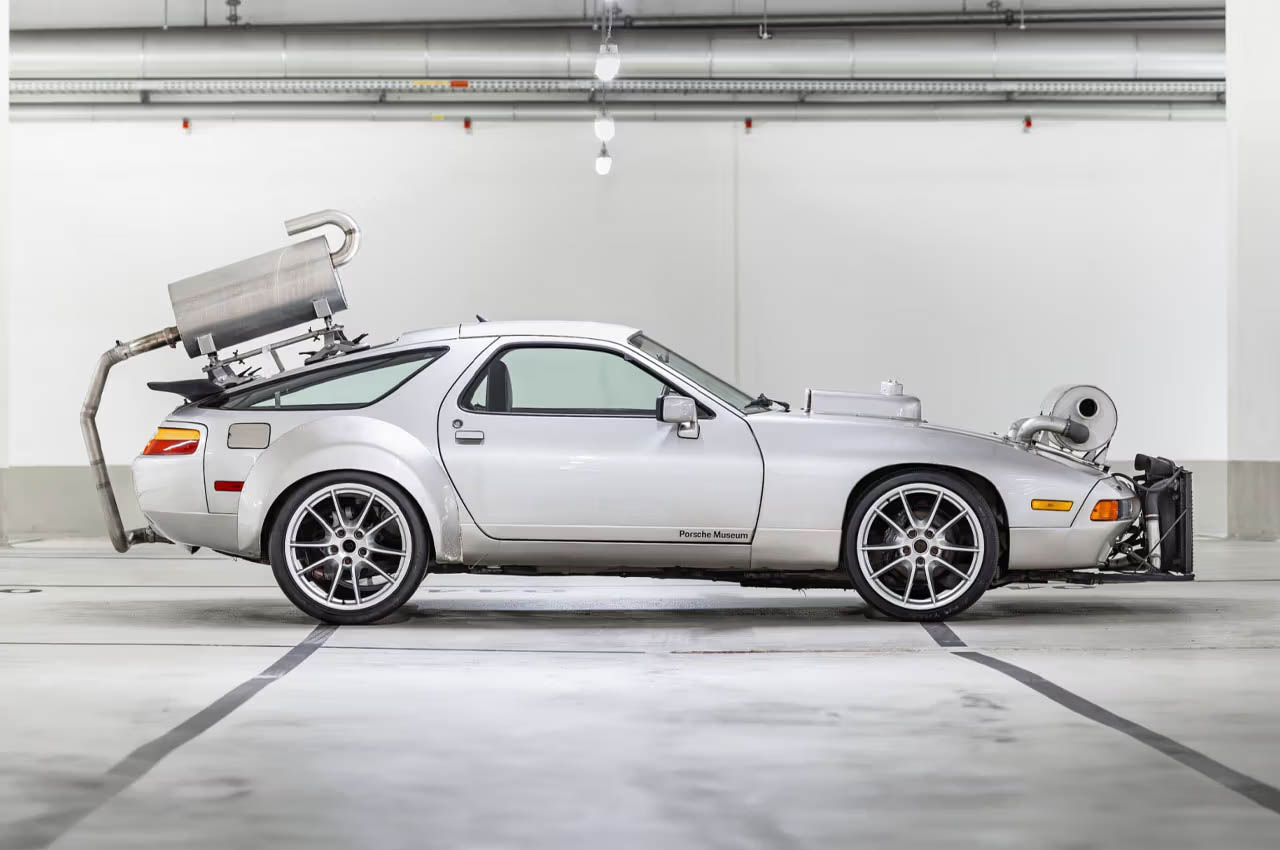
The prized vehicle saw a host of additions for the purpose of acoustic testing, like adding scoops to the engine compartment or bonnet. Porsche had a routine of testing the car to achieve the sweet 63 dB low noise level by accelerating to 30 mph and smoothly moving up to 37 mph on a 20-meter stretch rigged with microphones. This one-off gem also comes with a 5.4 liter V8 engine refined from the early 90s tests. The vehicle’s interiors are kept to a minimum, making it a unique proposition. No doubt it adorns the Porsche Museum now for automotive enthusiasts to revel in the live history of Porsche’s innovation.

What we are interested in about the rare 928 is its Mad Max-esque looks that have a hint of Back to The Future element. The engineers had to wrap the car in cotton wool for noise dampening, and it was mounted on the radiator giving it a very intimidating persona. On the rear, the enormous exhaust silencer strapped to the window gives off the same vibe. Imagine this rare Porsche driving on the streets for Instagrammable reels and pictures.

The post This Mad Max-esque Porsche 928 had a very important role in achieving 911’s current status quo first appeared on Yanko Design.
The Apple Vision Pro is already playing a critical role in the Automotive, Filmmaking, and Healthcare industry

Who knew that Porsche would become the Vision Pro’s most valuable customer?!

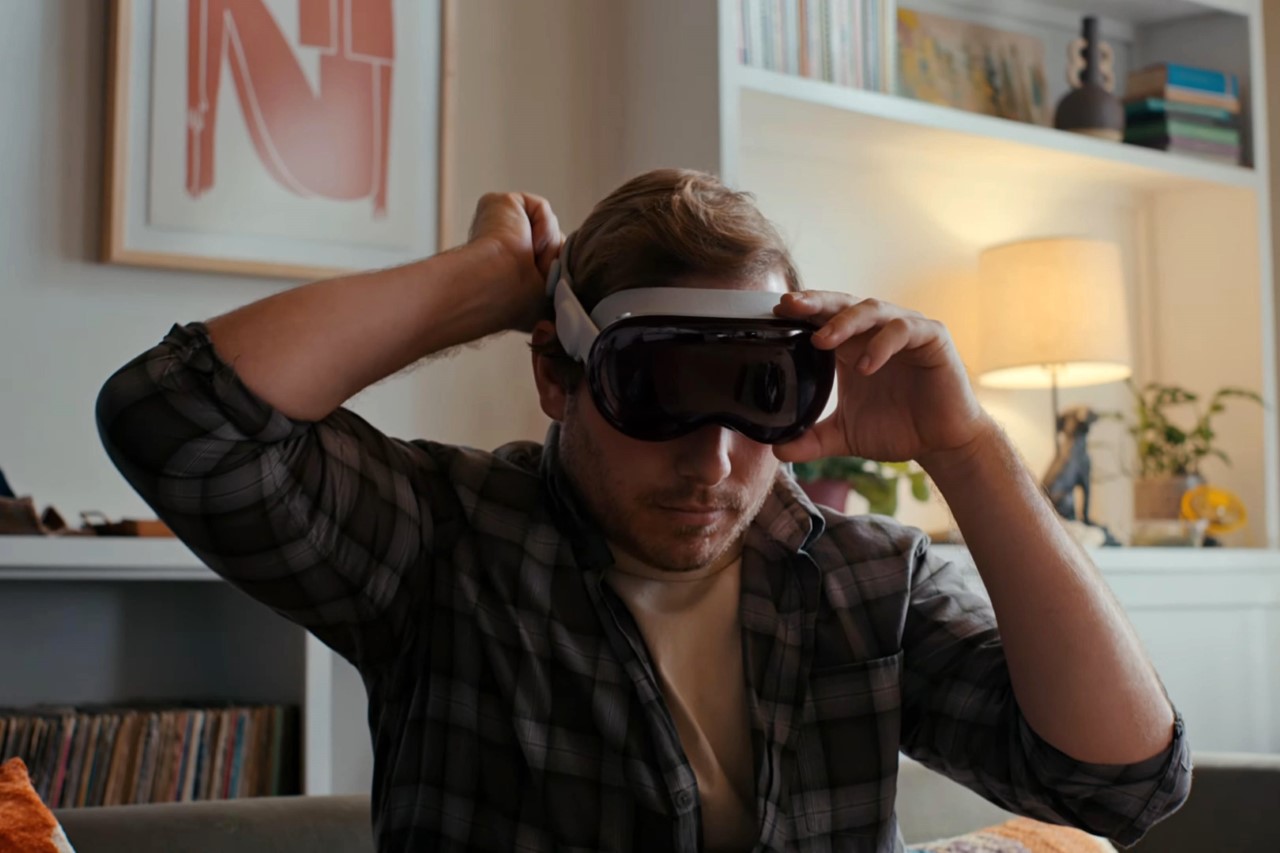
Addressing people for the first time since the Vision Pro went on sale in March, Tim Cook decided to give viewers an update of the Vision Pro’s success during this year’s iPad keynote. Although it isn’t clear exactly how many spatial headsets the company sold so far, although the Vision Pro is surely finding its footing in certain industries beyond just the average movie-watching and multi-screen workspace scenarios that Apple sold us on back at WWDC last year when the headset was first announced.

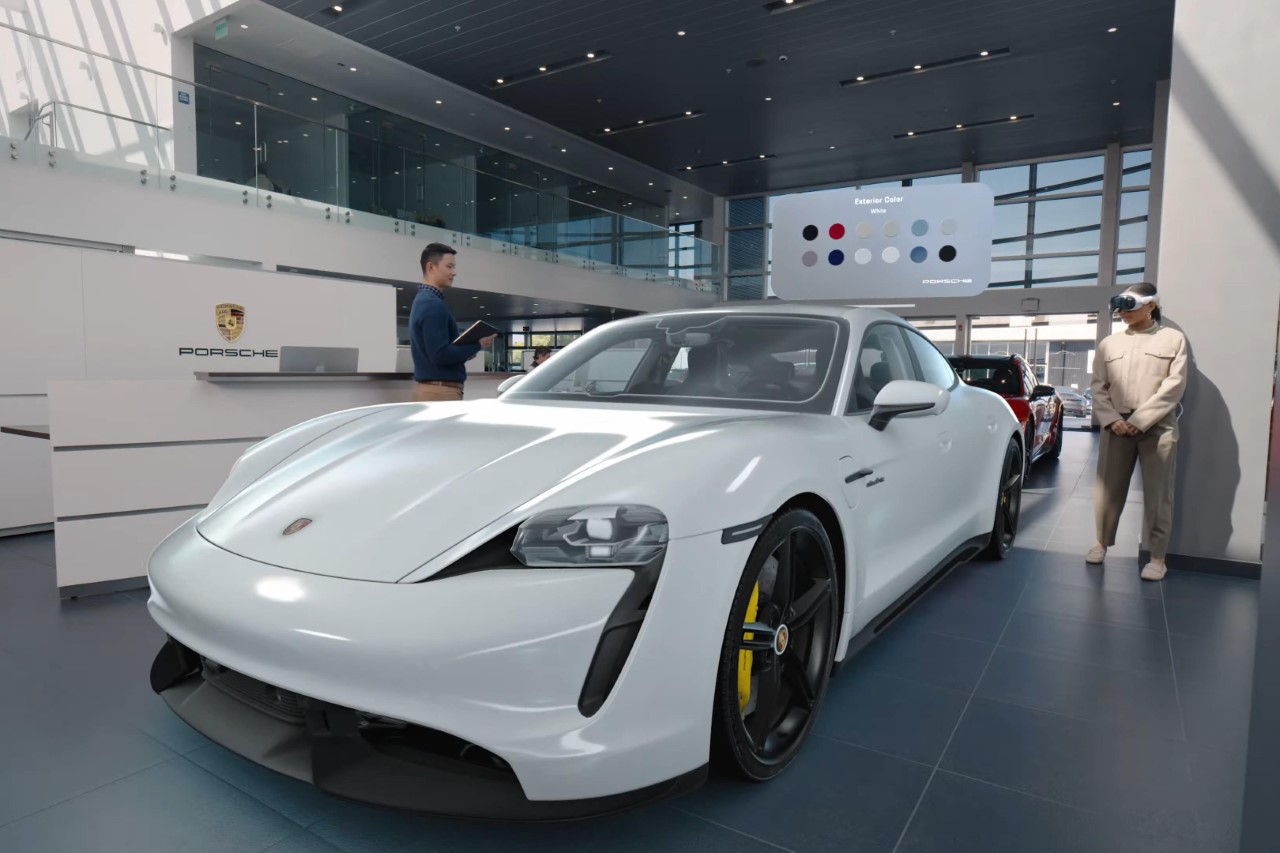
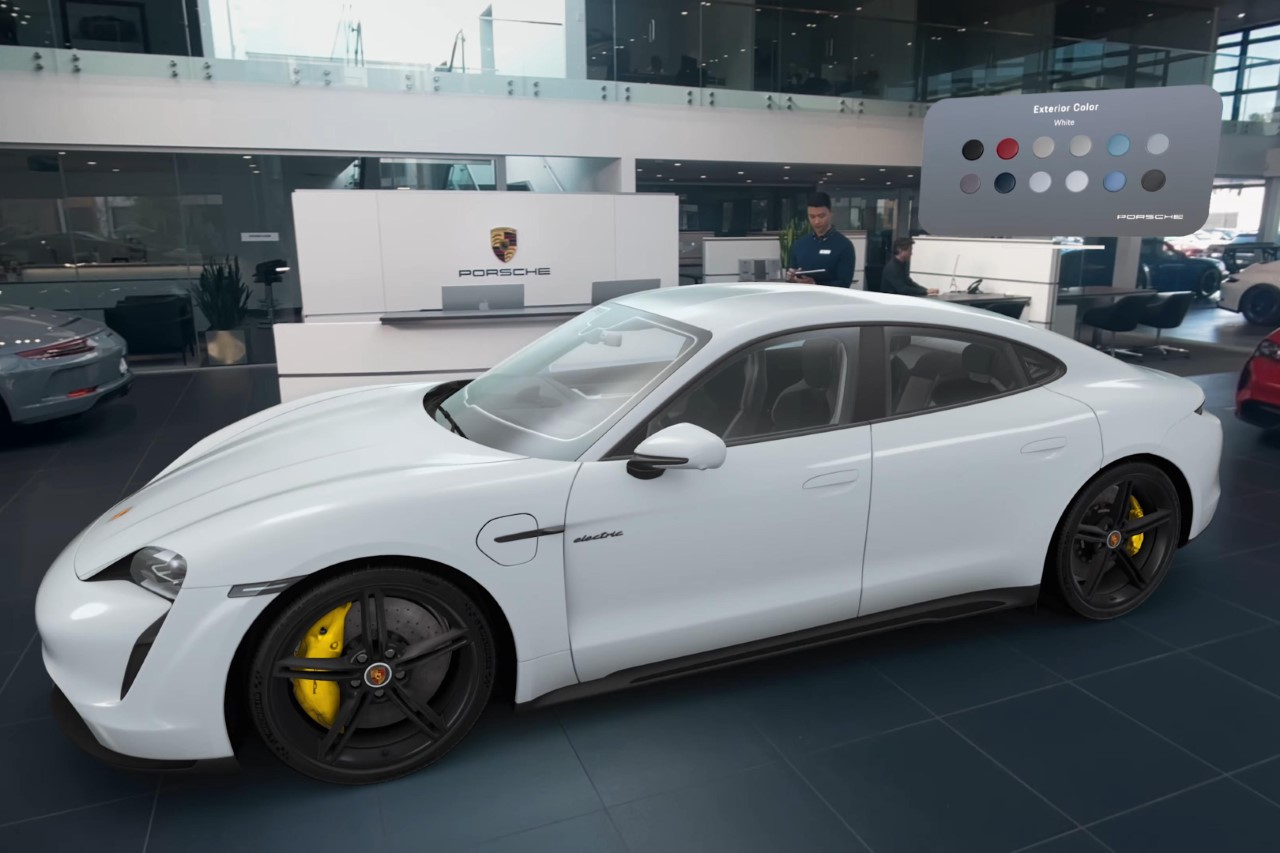
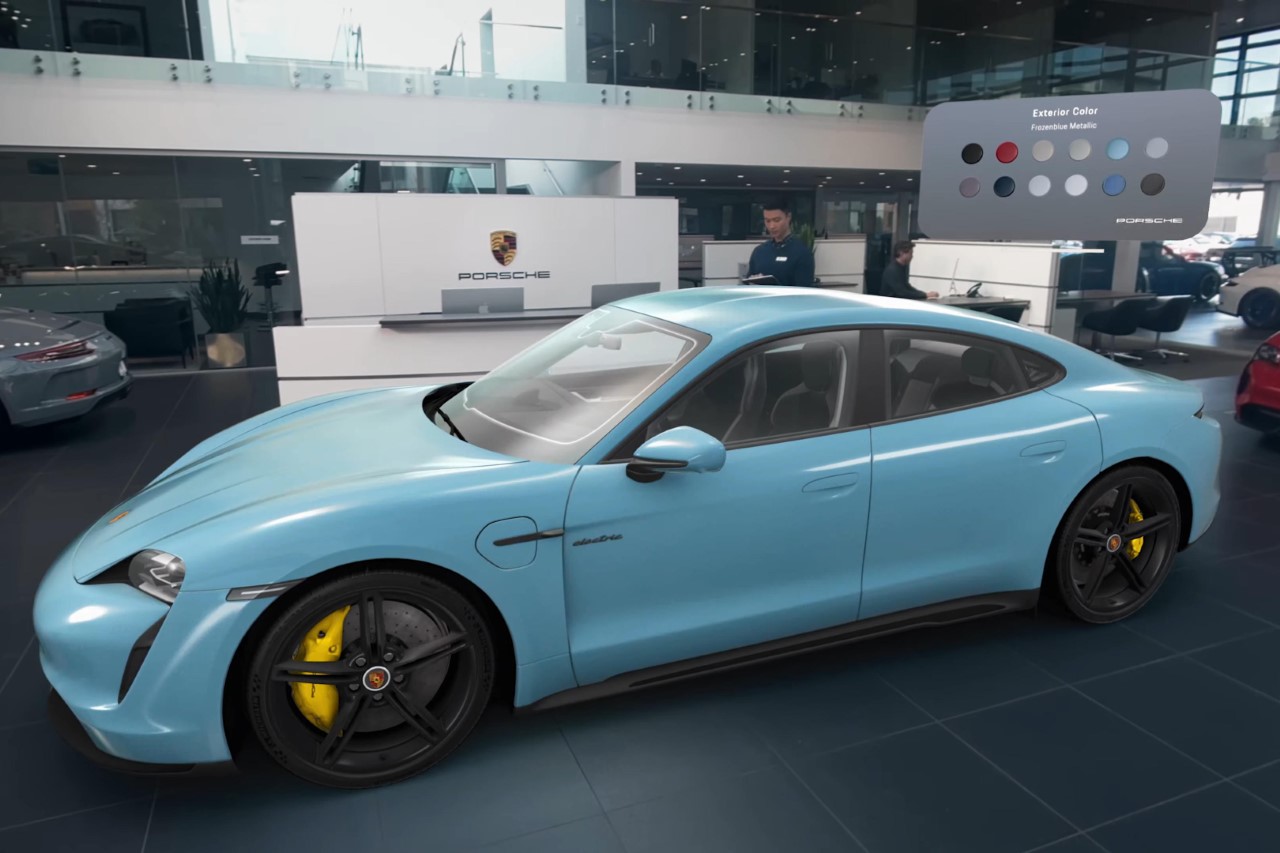
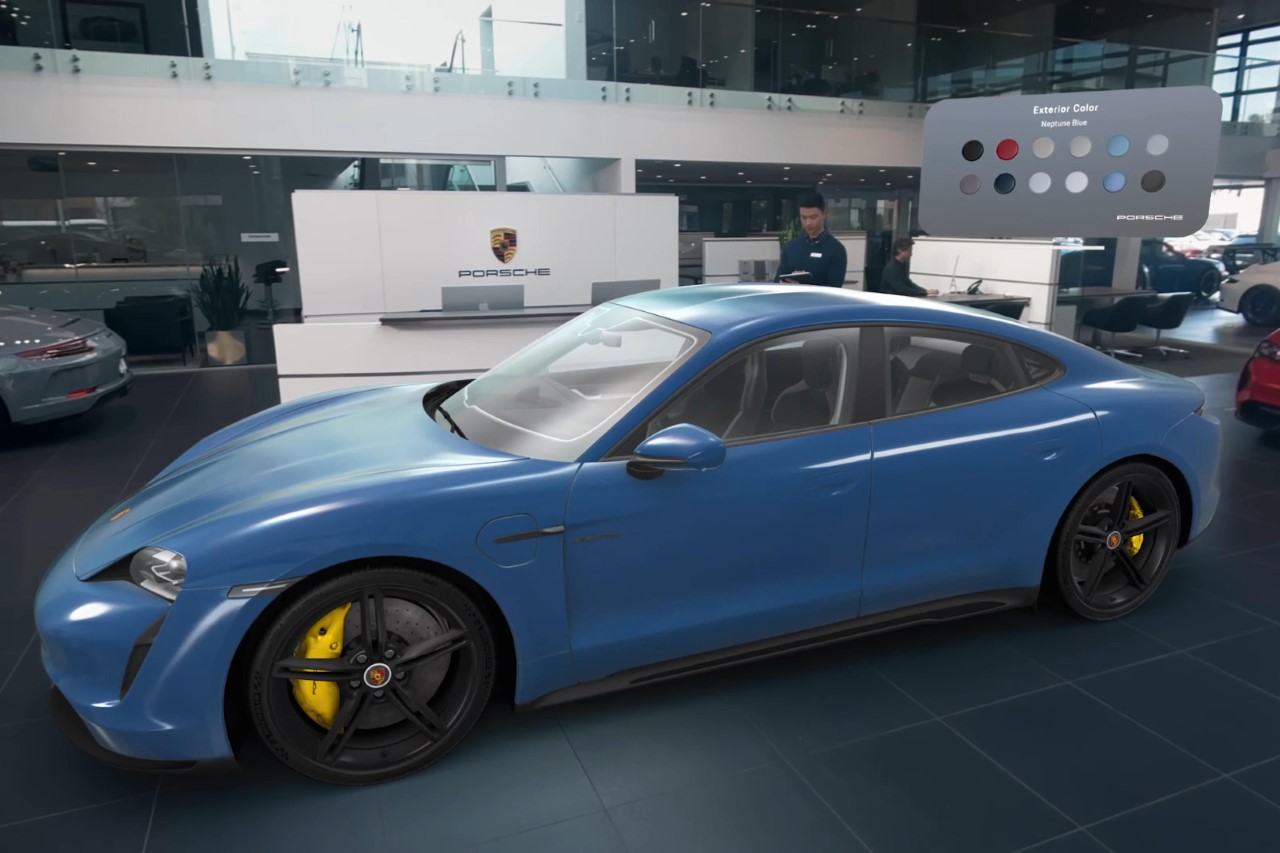
Cook mentioned that the Vision Pro is already becoming a crucial part of Porsche’s showroom experience, with the automotive giant investing heavily in building spatial experience centers around the Vision Pro and their cars. Prospective buyers can wear the Vision Pro to easily and quickly see all the car’s color options in virtual reality instead of looking at images or swatches in a catalog. The Vision Pro’s incredibly high resolution displays help customers experience the car in ways that were never though possible, allowing Porsche to provide a new dimension to their showroom’s UX in ways that other car companies cannot. Additionally, the headset also enables track experiences, and can also be used to train service technicians, harnessing the true power of Spatial Computing. Quite like the Apple Watch eventually settled into becoming a healthcare device, even though the company originally wanted it to be a fashion-tech wearable, the Vision Pro is only now finding its footing months after its announcement and delivery.

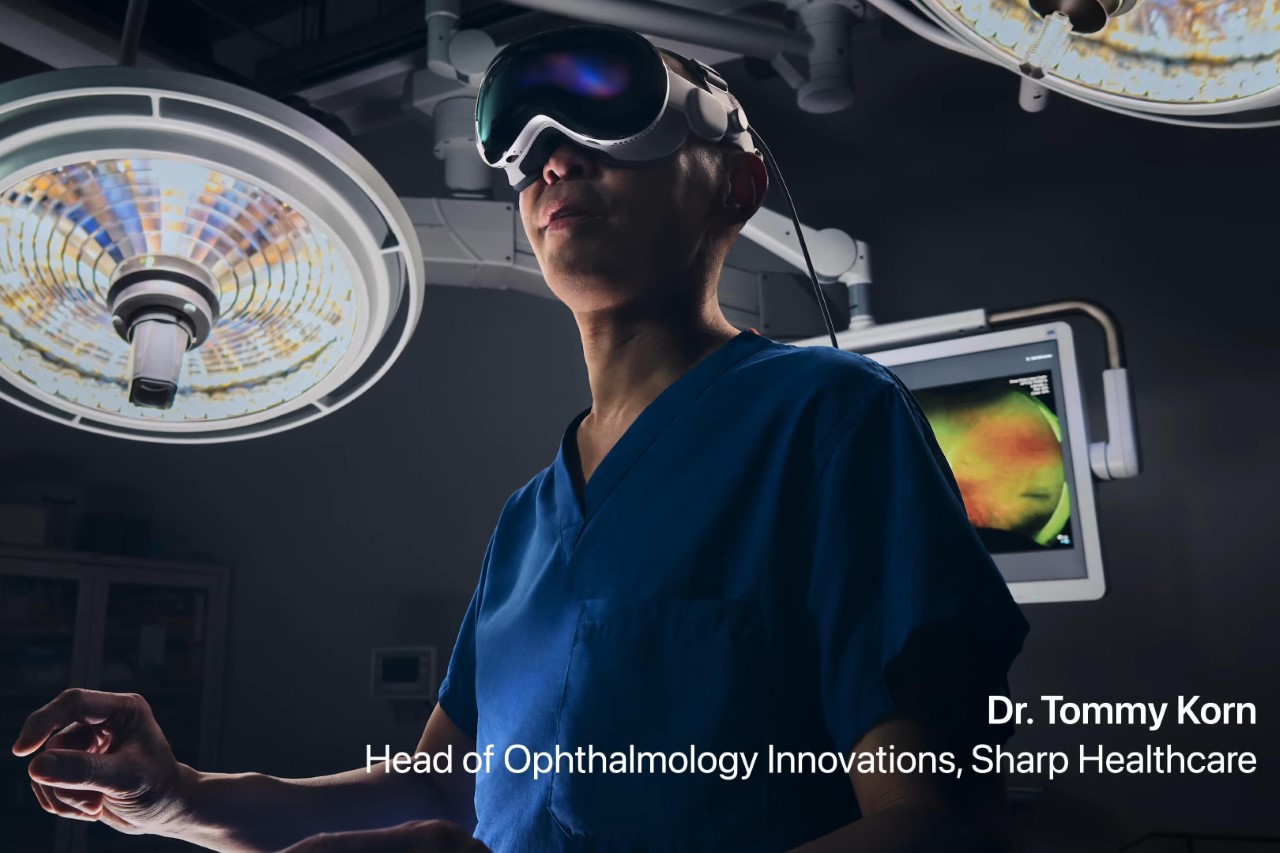
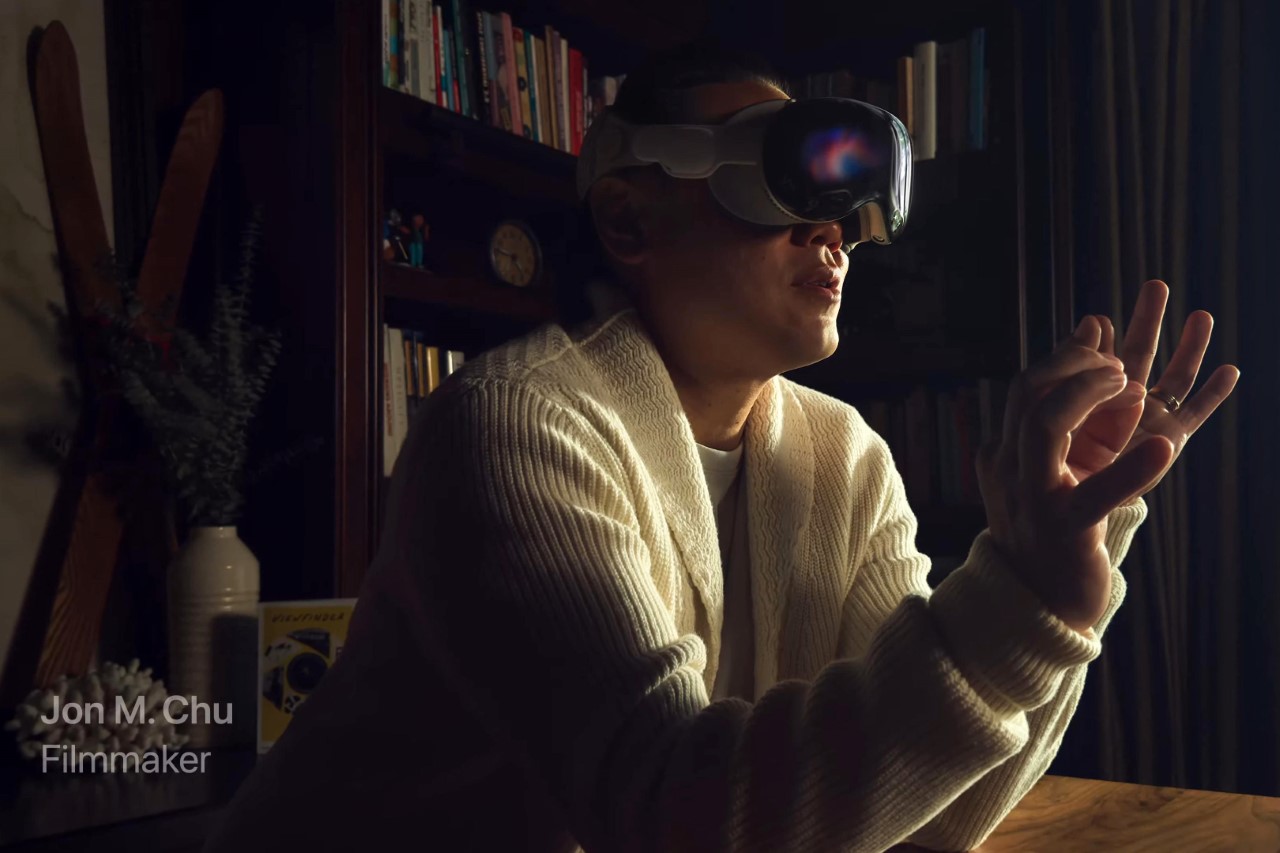
What’s remarkable is that Apple’s Vision Pro managed to breach the filmmaking industry and the healthcare industry just months after being delivered – something that Meta hasn’t really spoken at length about when it comes to their devices, and something that Microsoft’s own Hololens has taken years to achieve (at least in the healthcare and military research industries). Cook spoke about Dr. Tommy Korn, using the Vision Pro to improve surgical eye care through simulations and visualizations, while director Jon M. Chu was using the Vision Pro to oversee the entire post-production process for his upcoming film Wicked.

While entertainment and healthcare seemed like sure shot areas where the Vision Pro would create some form of procedural disruption, seeing Porsche invest so heavily in reinventing their showroom and technical training domains by relying on Vision Pros is fascinating. It’s been just over 2 months since the first Vision Pro was delivered to customers, so one can only wait and see what updates Apple provides us with over the next few months. The 2024 WWDC will mark the first anniversary of the headset’s announcement, and maybe we’ll get a few more upgrades to the device’s software as well as some updates on its industrywide acceptance. Hopefully even a price drop, perhaps? Or maybe that’s just wishful thinking!

The post The Apple Vision Pro is already playing a critical role in the Automotive, Filmmaking, and Healthcare industry first appeared on Yanko Design.
Porsche Mission S ‘Boattail’ Concept showcases a Thrilling New Aerodynamic Form

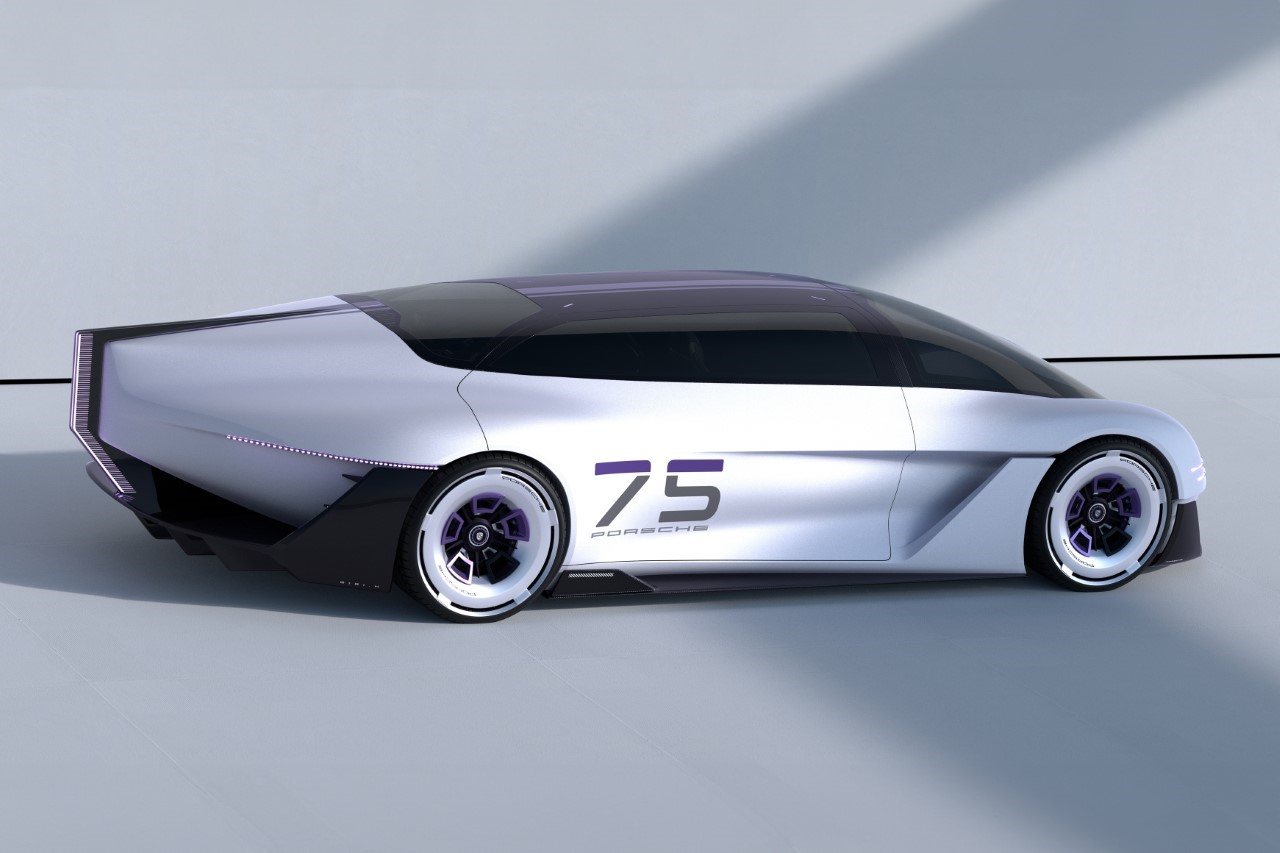
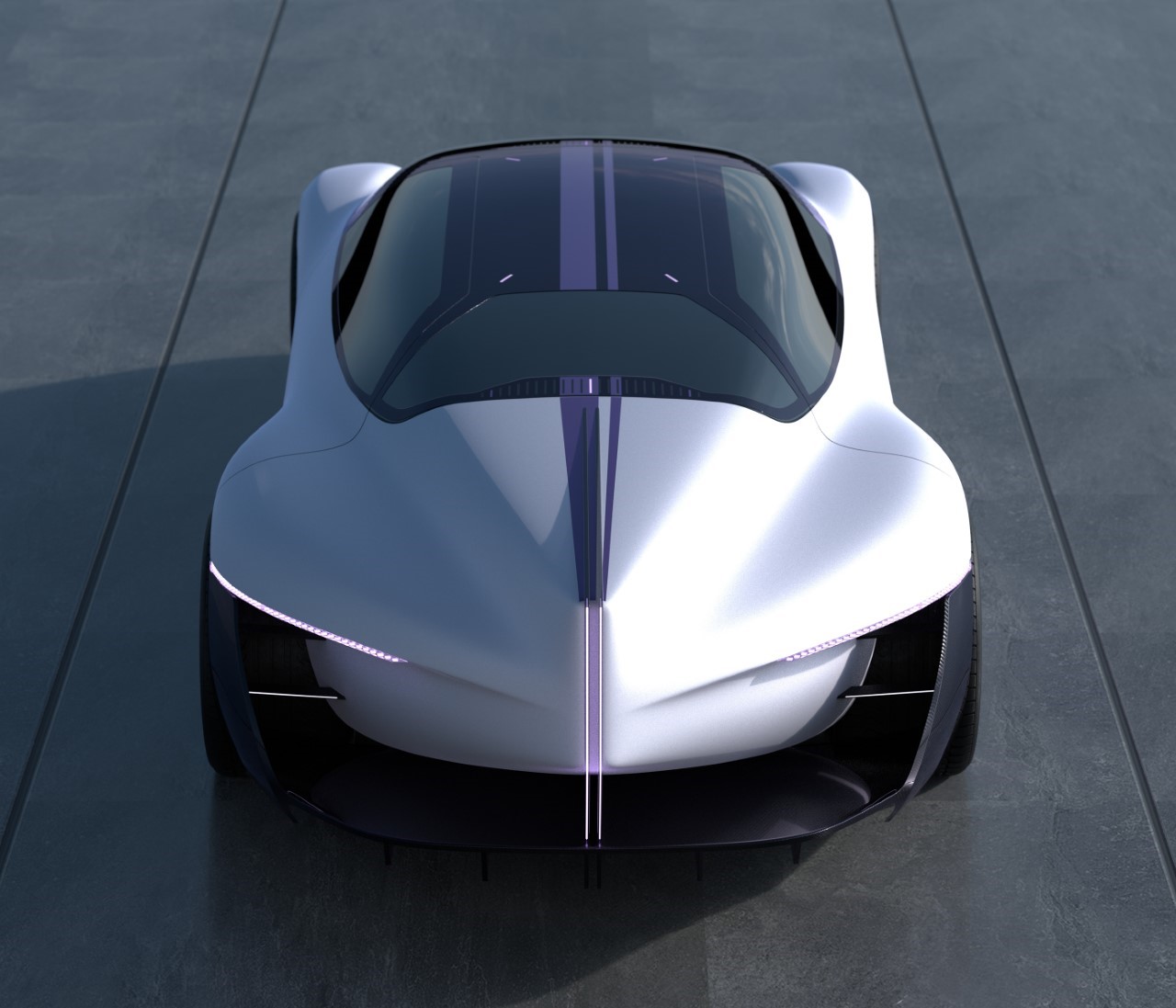
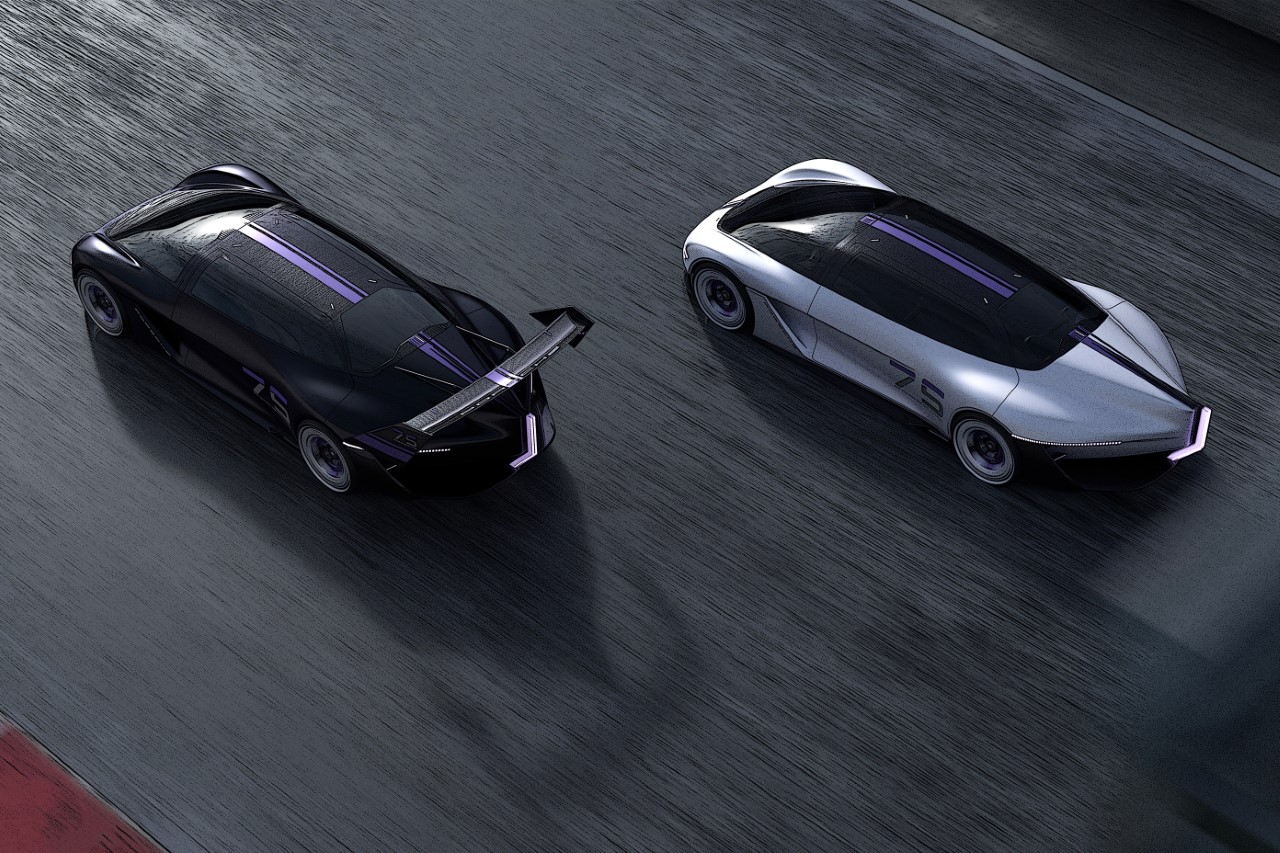
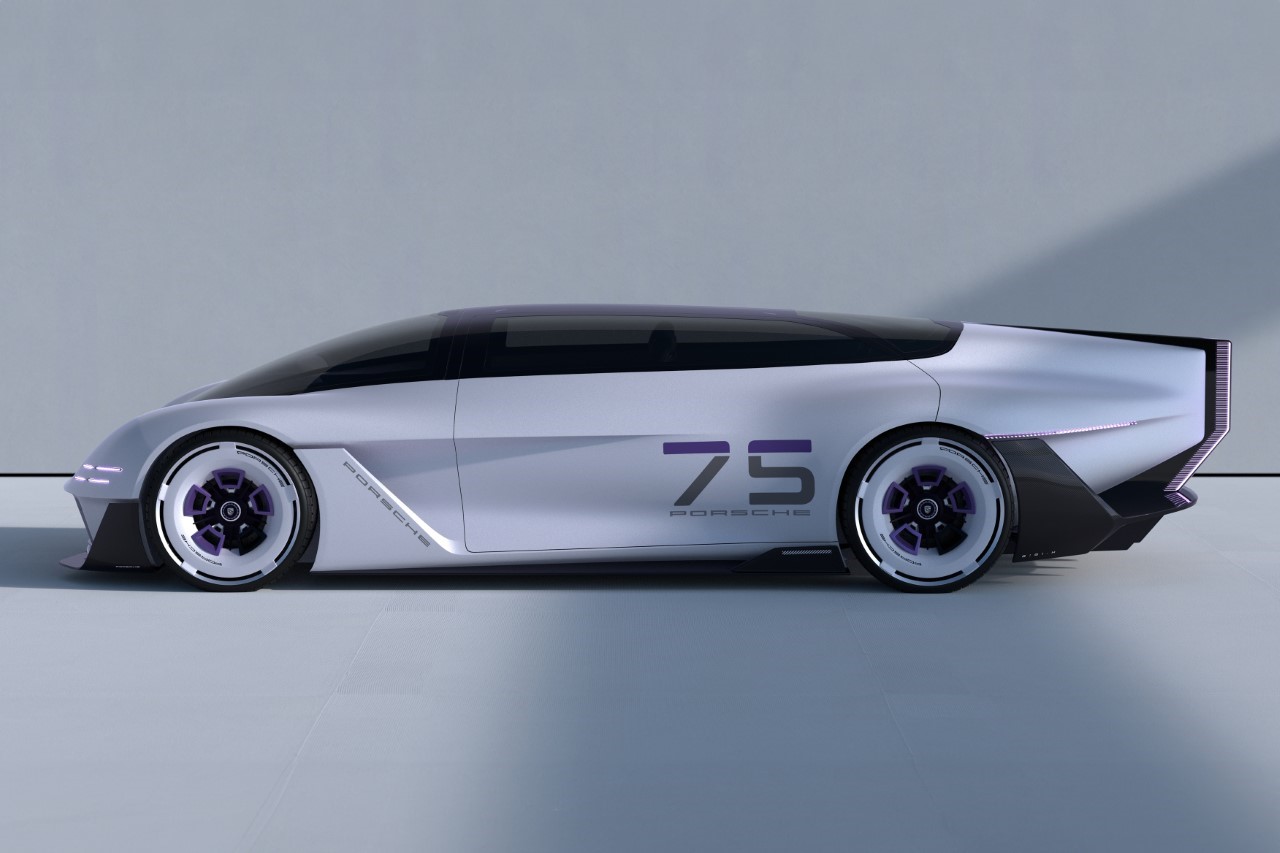
They say the teardrop shape is considered one of the most aerodynamic profiles ever, given how it effortlessly bends the air around it to glide through with minimal drag. The tail of a teardrop plays a crucial role in this process, explaining the importance of tails in birds, planes, and boats. The Porsche Mission S by Zhe Huang brings that feature to automotive design. Created as a hyper-racing MPV, the Mission S recreates the professional racing experience for regular folk with its 911-esque proportions, supercar-esque cockpit, and unique teardrop rear that takes the term ‘boattail’ to new lengths.
Designer: Zhe Huang

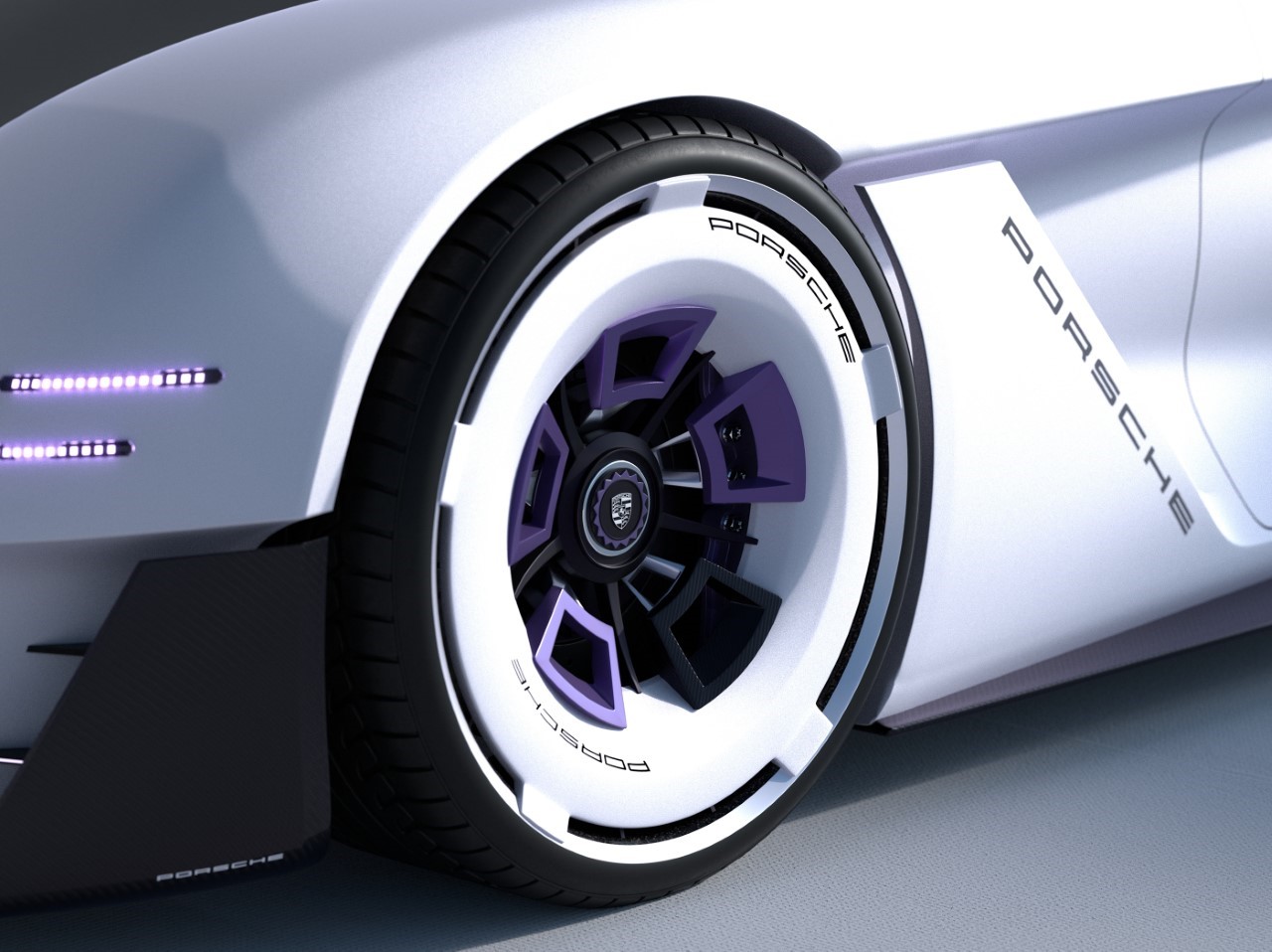
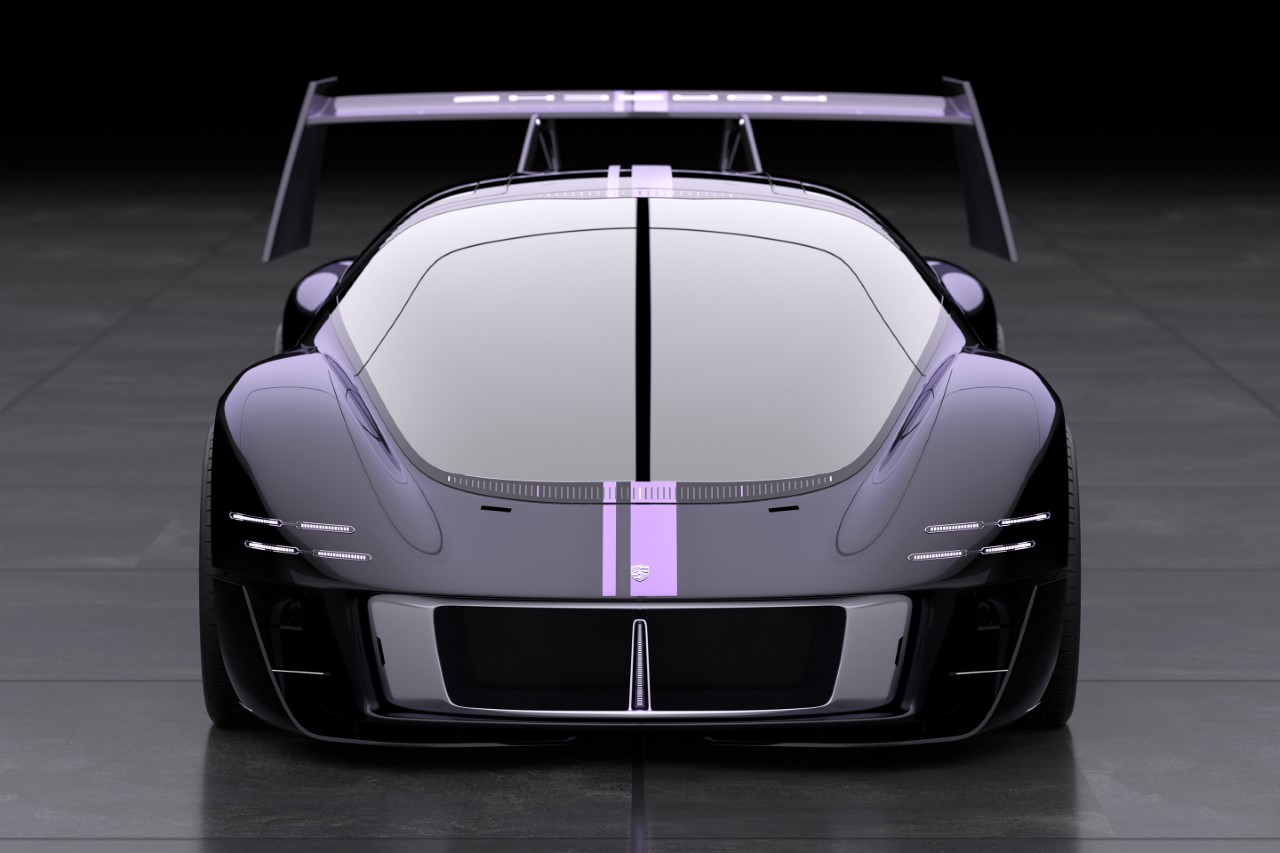
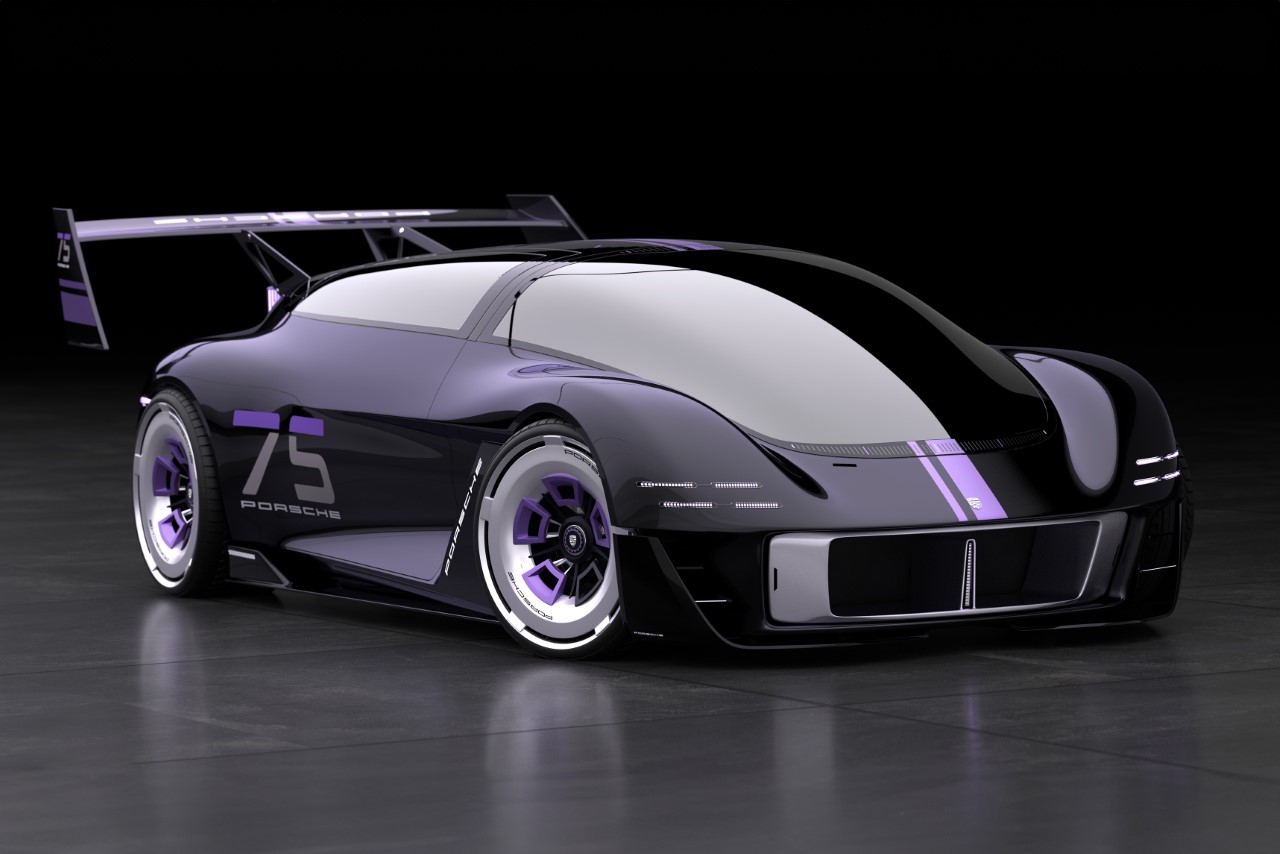
The Mission S was designed as a part of Huang’s internship at studiokurbos, Shanghai. Although unaffiliated with the Porsche brand, the Mission S builds on the German marque’s automotive legacy, channeling the same energy that Porsche had when it debuted the Mission X or even the 919. This isn’t your friendly-looking Cayman or 911. It eschews the rounded-headlight curvy design language for something that’s more purpose-built for a racetrack.

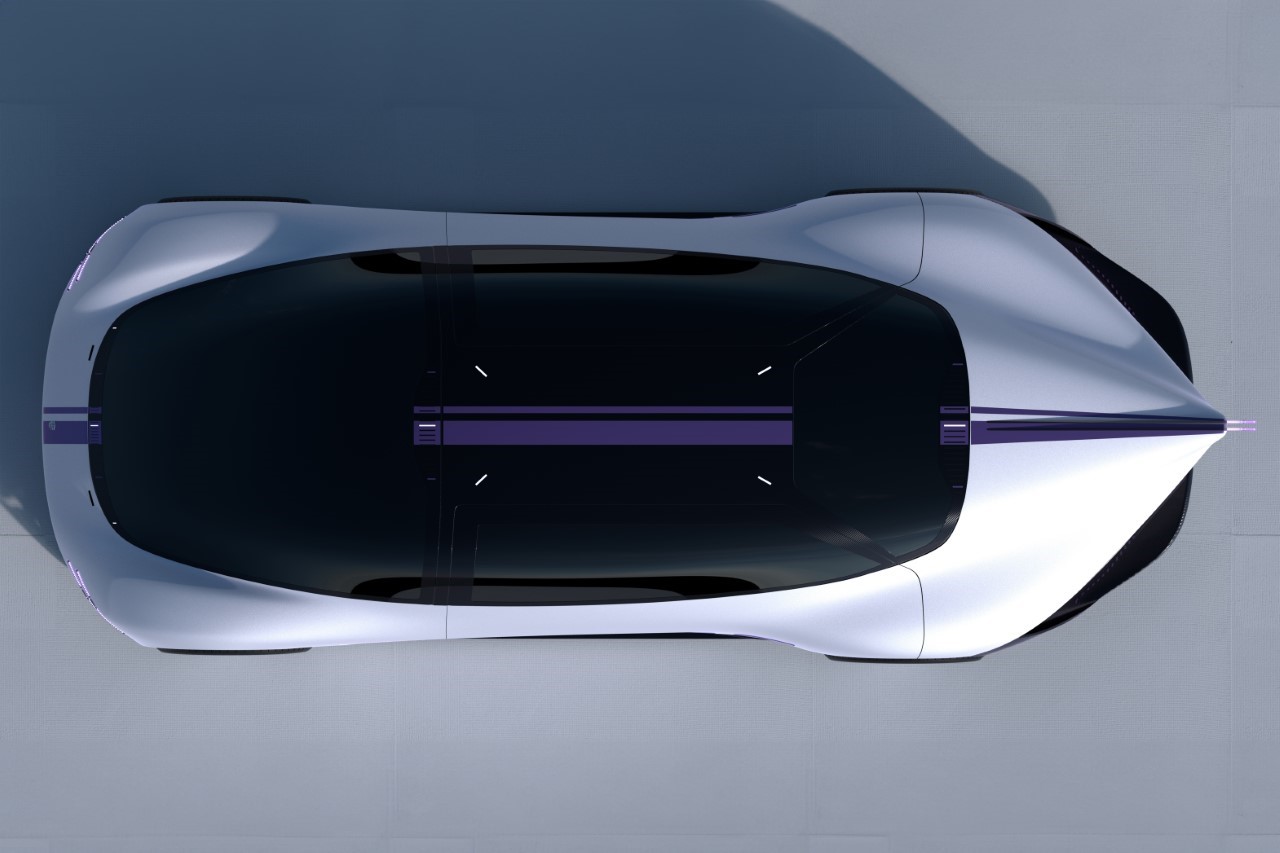
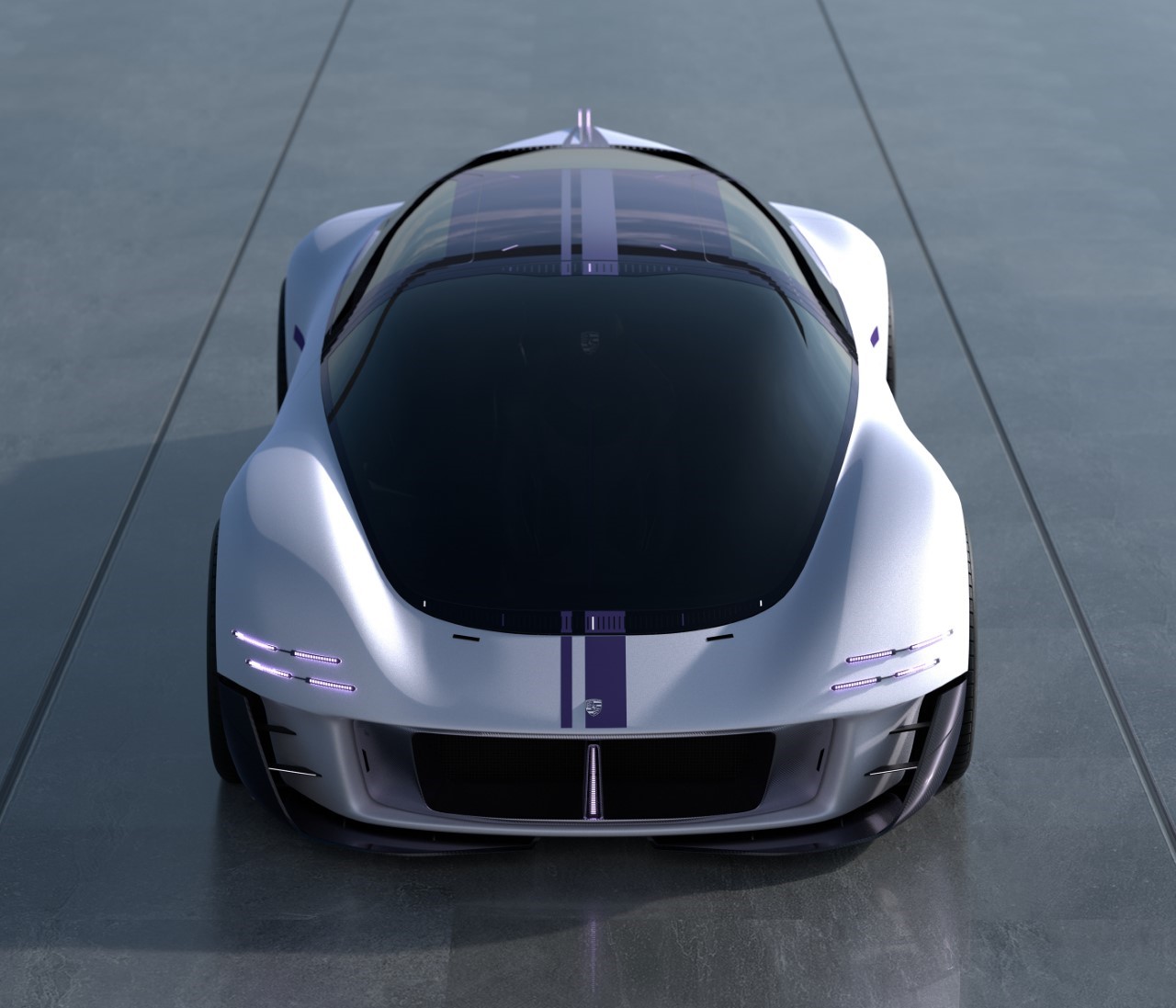
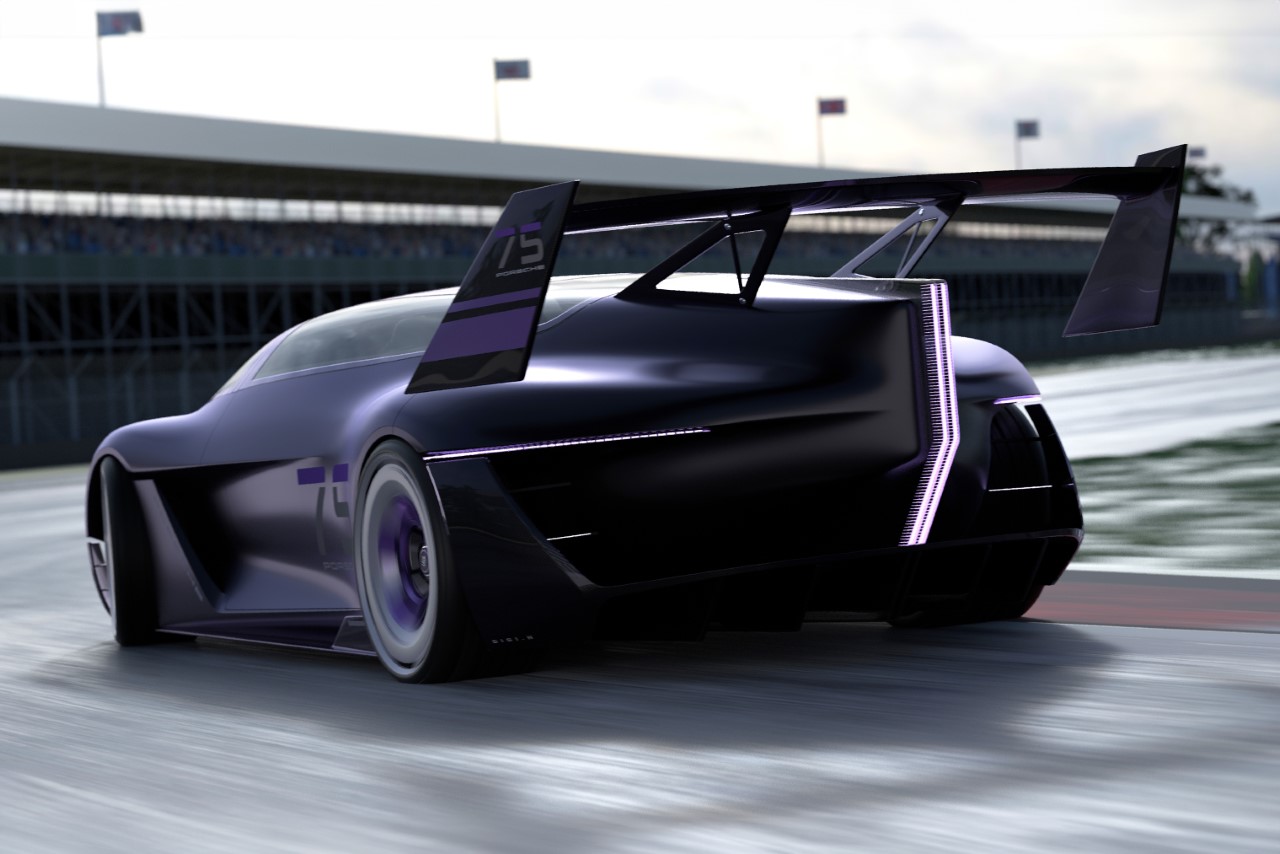
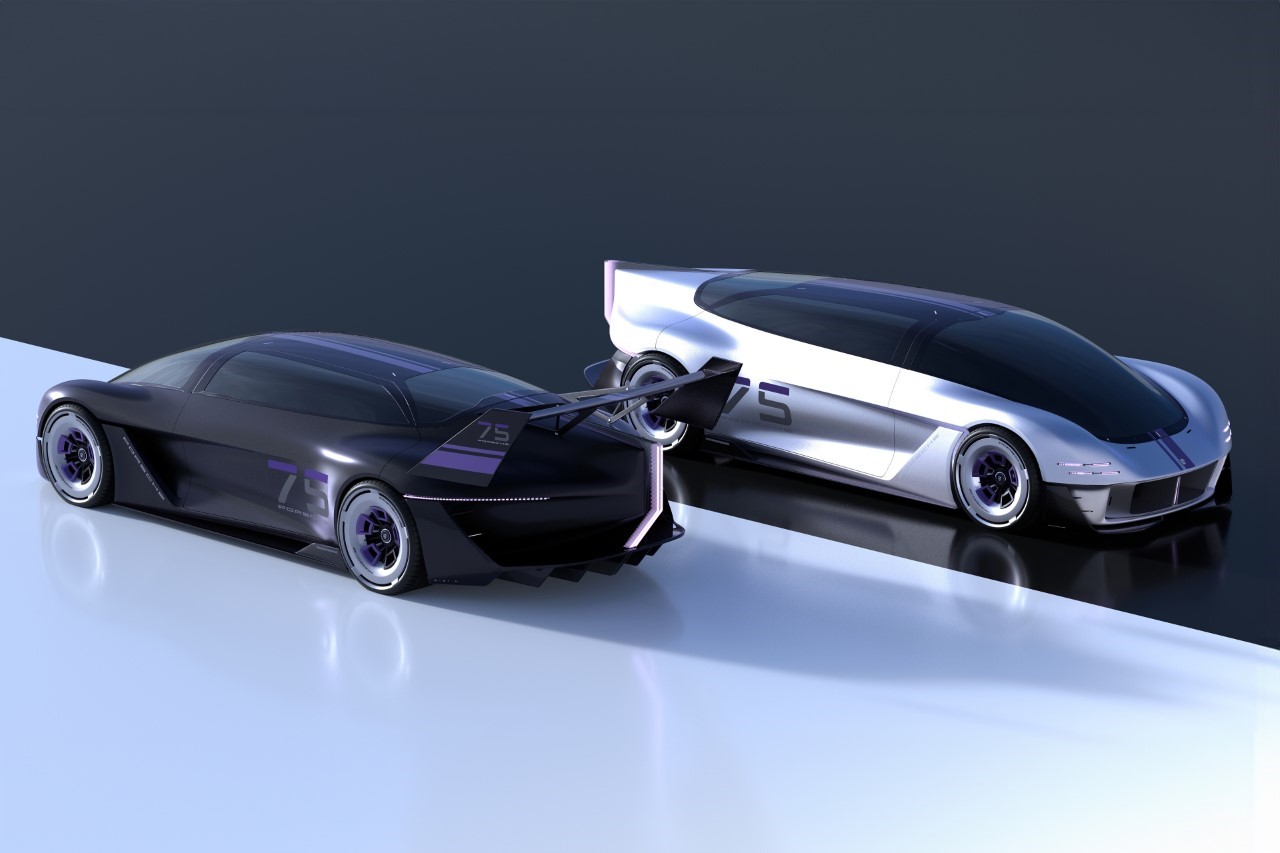
The car sports a rather smooth design with flowy surfaces that come together cleanly, instead of being overrun with vents, grooves, and other dramatic details you’d see in overtly aggressive racecars from the likes of Lamborghini. The Mission S doesn’t completely surrender its curves, but rather limits the use of them to the front fenders, keeping its silhouette rather simple. A highlight of its design is its unconventional tail, which tapers off when viewed vertically, resulting in a centrally-located edge-lit taillight. “The design inspiration comes from the waterdrop in ‘Three Body’, which gives the car an extremely dynamic and pure body shape like the Porsche 908 and Porsche Vision Gran Turismo,” Huang says.

The Mission S measures 5.6m (18.3 feet) long and 2.1m (6.8 feet) wide, allowing five passengers including a professional racer to sit inside its cockpit. It stands at 1.26m (4.1 feet) tall, matching the height of the 911, while having the occupants inside sit in a more supercar-esque posture.

Embracing its futuristic demeanor, light-strips make quite an appearance in the Mission S’ design, with their presence on the front in the form of the headlights, as well as the back where the centrally located taillight is also accompanied by lights on each side.

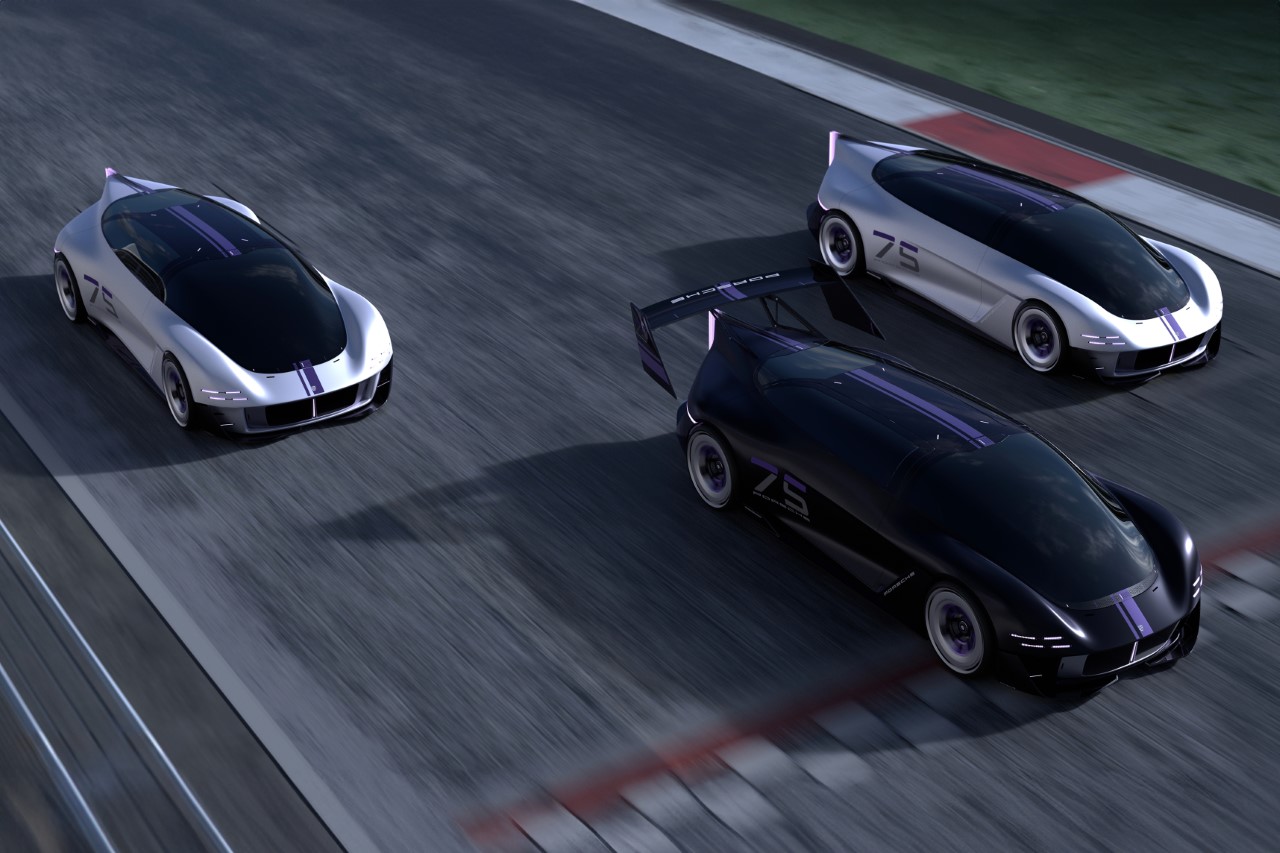
The Mission S experience can be divided between its two variants, rather appropriately named the White and the Black versions. For the faint of heart, the White version prioritizes comfort and friendliness… but if you’re looking to put the pedal to the metal and taste the adrenaline, the Black variant offers faster speeds, a more thrilling experience, and sports a spoiler at the back to maximize downforce for that asphalt-hugging speed experience.

Quite like the Mission X which was revealed in June of this year, it seems like the Mission S concept embraces an electric drivetrain too. It doesn’t discard the venting on the front, which would be a telltale sign of an EV, but rather retains it perhaps for cooling and airflow purposes. One rather elongated door on either side gives access to the Mission S’ interiors, which seat up to 5 people in a 1+2+2 format. The car’s windshield extends all the way from the front to the back, creating a bubble-like effect that is interrupted by the car’s same-color pillars and roof but still strives to offer a panoramic view for its occupants with windows that stretch from the front to the back, and that expansive windshield.

The Mission S aims to deliver the thrill of racing to non-racers with its S trifecta – Speed, Spaciousness, and a Subversive Experience. Although currently just a fan-made concept (with no official endorsement from Porsche), it serves as a great case study for a new car format – with a 5-seater design that doesn’t sacrifice spaciousness… and that gorgeous tail that allows the car to cut through air like a sizzling hot knife through butter!

The post Porsche Mission S ‘Boattail’ Concept showcases a Thrilling New Aerodynamic Form first appeared on Yanko Design.