visionOS 2 is Here: A Game-Changer for Spatial Computing?

visionOS 2

visionOS 2.0, the latest update to Apple’s spatial computing operating system for the Vision Pro headset, introduces a range of significant enhancements focused on refining the user experience and expanding the device’s capabilities. The video below from Zollotech gives us a detailed look at the latest version of Apple’s visionOS. This update brings improvements to […]

The post visionOS 2 is Here: A Game-Changer for Spatial Computing? appeared first on Geeky Gadgets.

DJI launches the Action 5 Pro camera with subject tracking and improved video

DJI has been chipping away at GoPro's action cam dominance and just took another big step with the launch of the Action 5 Pro. With a new "next-gen" sensor, it promises improved video quality, along with extended battery life, bigger displays and a new feature, subject tracking and centering. 

The 1/1.3-inch sensor is the same size as the one on the Action 4, but DJI says it now boasts 13.5 stops of dynamic range, "making it the first action camera with specs that rival professional cameras." Maximum photo resolution is 40 megapixels (MP), up from 10MP on the Action 4. The lens has the same 155 degree field of view and f/2.8 aperture as the last model.

DJI launches the Action 5 Pro camera with subject tracking and improved video
Steve Dent for Engadget

You can shoot 4K at up to 120p in 16:9 as before, but it now supports 4K 120p capture at 4:3 (3,840 x 2,880 pixels) — so slow ultra-slow-mo can be captured to the entire sensor if you want to crop the image later. Resolution is still capped at 4K UltraHD, though, where the GoPro 13 supports up to 5.3K 8:7 (5,312 x 4,648) capture, giving users more cropping options.

Moreover, it supports 1080p capture at up to 240fps, and can accelerate that to an eye-ripping 960fps by using frame extrapolation (making up fake frames out of real ones). 

As before, images can be recorded in 10-bit D-Log M and HLG to boost dynamic range. DJI says you can shoot "high-dynamic, low-light video" at 4K/60fps to retain shadow details without overexposing highlights. It also comes with a SuperNight mode that uses AI noise reduction to yield relatively clean video in low light.

DJI launches the Action 5 Pro camera with subject tracking and improved video
Steve Dent for Engadget

The new 1950mAh has a higher capacity than the previous 1770mAh model, which allows for up to 4 hours of continuous use or around 50 percent more than before (the Action 5 Pro can still use the previous model's batteries, too). Also helping that is a new 4nm chip and algorithm that optimizes for energy savings. "Even in temperatures as low as -20° C (-4°F), the camera can reliably record video for up to 3.6 hours," DJI adds.

A key new feature is subject centering and tracking that lets creators shoot without a gimbal. As with other DJI products (ActiveTrack on drones), it intelligently detects a subject's position and dynamically adjusts the composition to keep the subject centered in the frame. This is done digitally, obviously, and resolution is reduced to 2.7K — but it could still be a great benefit for extreme sports and other creators. As before, it offers "robust stabilization" and HorizonSteady that keeps the camera level through 360 degrees of motion.

DJI launches the Action 5 Pro camera with subject tracking and improved video
Steve Dent for Engadget

The Action 5 Pro is EN13319 certified to be waterproof without a case down to 20m (66 feet), 2m more than before. It can start recording automatically as soon as you're underwater and comes with an interesting new feature: a pressure gauge to record underwater depth, duration and altitude data to ensure user safety. 

Though the body is the same size as before, both OLED screens are larger thanks to smaller bezels, up 16 percent. The larger rear screen is now 2.5-inches diagonally, up from 2.25 inches and the largest on any mainstream action cam, according to DJI. As before, the Action 4 works with the DJI Mic 2 for high-quality sound recording and you can simultaneously use the built-in mic for ambient sound. 

DJI launches the Action 5 Pro camera with subject tracking and improved video
Steve Dent for Engadget

Another nice addition is 47GB of built-in storage and 80MB/s transfer rates via Wi-Fi 6.0 or USB 3.0. Other features include an updated Mimo app, Wi-Fi livestreaming, timecode for multiple camera syncing and a pre-record feature.

I've had the Action 5 for a short time and it largely resembles the previous model, other than larger power and record buttons, a different internal mic opening and a hole at the bottom for the pressure sensor. Other features like the magnetic mount are carried over from the Action 3. The improvements look promising, so stay tuned for a more detailed review (where I hopefully won't wreck my face). 

DJI Action 5 Pro action camera
Steve Dent for Engadget

Perhaps the best news about the Action 5 is that it's cheaper than the Action 4 at $349 in the Pro Combo package that includes the camera and one battery, a protective frame, quick-release adapter mount and more. The Action 5 Pro Adventure Combo adds two more batteries and a charger along with a 1.5m extension rod for $449. Both are now available at DJI's store and most authorized retail partners. 

This article originally appeared on Engadget at https://www.engadget.com/cameras/dji-launches-the-action-5-pro-camera-with-subject-tracking-and-improved-video-130006706.html?src=rss

Oprah buys back her Apple TV+ documentary to lock it away

A documentary on Oprah Winfrey is no longer coming to Apple TV+. Why, you might ask? Well, Winfrey, herself, bought back the rights to it, PageSix reports. Allegedly, Winfrey and filmmaker Kevin Macdonald clashed on the final product, with the latter not making requested edits.

A spokesperson for Winfrey put things a bit nicer: "As the Apple TV+ deal was coming to an end, Ms. Winfrey bought back the rights to her docu-series and has since decided to put the doc on hold. Ms. Winfrey believes Lisa Erspamer and Kevin MacDonald are incredibly talented filmmakers and is grateful for the time and energy they put into the project." Erspamer previously worked with Winfrey for a long time at OWN but was let go in 2012.

Winfrey was initially very involved in Apple TV+, even speaking at its launch. She signed a multi-year deal with the platform, launching shows such as The Oprah Conversation, but the agreement ended in 2022. It's unclear how much Winfrey, a billionaire, had to spend to get the rights back, with some sources saying it was in the millions and others claiming just six figures.

This article originally appeared on Engadget at https://www.engadget.com/entertainment/oprah-buys-back-her-apple-tv-documentary-to-lock-it-away-130002869.html?src=rss

What to Expect From Apple’s October Mac Event

October Mac Event

Apple enthusiasts are eagerly anticipating the company’s October event, which promises to showcase an impressive array of new Mac and iPad products. The event is set to unveil significant updates for the Mac Mini, MacBook Pro, iMac, iPad Mini, and the base iPad. These updates will focus on advancements in design, performance, and hardware specifications, further solidifying Apple’s position as […]

The post What to Expect From Apple’s October Mac Event appeared first on Geeky Gadgets.

US citizens can now apply for their passport online

Getting a passport in the US can be quite the rigmarole, but it is about to get a bit simpler. The State Department has announced that online passport renewal is officially available to the public, following multiple pilot programs. In a statement, Secretary of State Antony Blinken credited increased staffing and technological improvements with fueling both this advancement and reduced passport waiting times. 

Until now, applying for a new passport required mailing a printed form, a passport-sized photo, a photocopy of a valid ID, a person's most recent passport and a check. Americans could also bring the documents to a passport acceptance facility and potentially pay with cash or a credit card. 

However, online passport applications won't be available to every American citizen. Individuals are eligible if they reside in the US, are over the age of 25 and their passport expired after 2019 or will expire in the next year. This means that anyone getting their first passport in more than five years, who lives abroad or is under 25, won't benefit from the change. The new system is also not available to anyone changing their name or gender. 

These restrictions could change in the future. "This is not going to be the last thing that we do," Assistant Secretary for Consular Affairs Rena Bitter said in a briefing. "We want to see how this goes and then we'll start looking at ways to continue to make this service available to more American citizens in the coming months and years." For now, if you quality, follow the steps for online passport renewal here. 

This article originally appeared on Engadget at https://www.engadget.com/us-citizens-can-now-apply-for-their-passport-online-124330791.html?src=rss

The EU gives Apple six months to make cross-device interoperability easier

The European Commission is done waiting for Apple to comply with the rules of the Digital Markets Act (DMA). It has started proceedings designed to ensure that the company complies with its interoperability obligations as one of DMA's designated gatekeepers, which are made up of the industry's largest and most important players. The commission explained that under the DMA, it has the right to "adopt a decision specifying the measures a gatekeeper has to implement to ensure effective compliance," and it's giving Apple six months to comply with the measures it comes up with if it doesn't want to face huge fines. 

One of the areas the commission will focus on is iOS connectivity for connected devices, such as smartwatches, headphones and virtual reality headsets. The manufacturers of these products "depend on effective interoperability with smartphones and their operating systems," the commission said. It plans to specify how Apple should provide effective interoperability that would allow non-Apple devices to easily pair and connect with iPhones, as well as to get notifications. The commission will also look at the process Apple set up to address developers' requests for third party interoperability with iOS and iPadOS. 

"Today is the first time we use specification proceedings under the DMA to guide Apple towards effective compliance with its interoperability obligations through constructive dialogue," EU competition chief Margrethe Vestager said in a statement. "We are focused on ensuring fair and open digital markets. Effective interoperability, for example with smartphones and their operating systems, plays an important role in this. This process will provide clarity for developers, third parties and Apple. We will continue our dialogue with Apple and consult third parties to ensure that the proposed measures work in practice and meet the needs of businesses."

Back in June, the commission issued its preliminary findings for an investigation it opened on Apple. It found that Apple breached DMA rules because it wouldn't allow App Store developers to freely tell users about alternate payment options outside of its ecosystem. The company told Engadget that time that it "has made a number of changes to comply with the DMA in response to feedback from developers and the European Commission" over the preceding months. 

Apple has made several changes to its system to avoid getting fined in the EU, including opening up iOS and iPadOS to third-party app stores and allowing developers access to its NFC technology. It has also withheld new features from European users due to DMA rules, however, including Apple Intelligence, iPhone Mirroring on the Mac and SharePlay Screen Sharing. 

The company told Bloomberg that it has conjured ways that would allow developers to request additional iOS and iPadOS interoperability while protecting its users' security. It added that undermining its systems' protections would put its European users at risk. As the news organization notes, the commission could launch an investigation into Apple if the company doesn't comply with the measures it comes up with over the next six months. If found guilty, the company could face a fine worth 10 percent of its global annual revenue. 

This article originally appeared on Engadget at https://www.engadget.com/big-tech/the-eu-gives-apple-six-months-to-make-cross-device-interoperability-easier-140030456.html?src=rss

Why Carry a Toolbox – TI-MMS EDC Screwdriver Multitool

TI-MMS EDC Screwdriver Multitool

If you are searching for a single tool capable of handling a multitude of tasks, all while fitting comfortably in your pocket. The Titanium Magnetic Screwdriver Integrated Tool (TI-MMS) is worth checking out as a new addition to your everyday carry (EDC) toolkit. With its unmatched versatility, portability, and efficiency. This EDC tool is not […]

The post Why Carry a Toolbox – TI-MMS EDC Screwdriver Multitool appeared first on Geeky Gadgets.

Become an iPhone Pro: 18 Power Tips for iOS 18

iOS 18

iOS 18 introduces a wide array of new features and enhancements designed to elevate your iPhone experience to new heights. Whether you’re a seasoned iPhone user or new to the platform, these 18 essential tips will help you harness the full potential of the latest iOS update and transform the way you interact with your […]

The post Become an iPhone Pro: 18 Power Tips for iOS 18 appeared first on Geeky Gadgets.

Iranian hackers tried to send Trump leaks to Biden campaign

In late June and early July, Iranian hackers sent unsolicited emails to people associated with President Biden's camp. Those emails contained excerpts from materials not available to the public that had been stolen from former President Trump's campaign, according to a joint statement issued by the Office of the Director of National Intelligence, the FBI and the Cybersecurity and Infrastructure Security Agency. The feds clarified that there's no evidence that those recipients replied to the sender. In addition, the bad actors sent stolen materials to news publications, including The Washington Post and Politico. 

The Post reported in August that the FBI was investigating Iranian hackers' attempt to infiltrate both Trump's and Biden's (now Kamala Harris') campaigns using spear-phishing techniques. Feds didn't find any evidence that anybody from the Democratic Party fell for their scheme. But the bad actors were reportedly able to take control of an email account owned by Roger Stone, a long-time Trump adviser, which they then used to send more emails with spear-phishing links to his contact list. 

"As the lead for threat response, the FBI has been tracking this activity, has been in contact with the victims, and will continue to investigate and gather information in order to pursue and disrupt the threat actors responsible," the authorities said in their announcement. 

The stolen materials were sent from an AOL account through emails signed with the name "Robert," according to The Post. When asked by the publication, they denied that they were connected to Iranian cyber attackers. While the feds didn't say what materials were sent out, The Post says they include the Trump campaign's research on Republican vice-presidential nominee JD Vance, as well as internal poll results. 

Trump's camp is now calling for the Harris camp to disclose what materials it received, while asking news publications not to publish the stolen information. Harris spokesperson Morgan Finkelstein said the Democratic campaign is cooperating with authorities, since some of their people were also targeted on their personal emails, but they're "not aware of any material being sent" to them directly.

Microsoft previously found evidence that a group linked to the Iranian government created a website that throws attacks and insults at former President Trump. But Iran isn't the only country that's attempting to interfere with this year's presidential election in the US. Microsoft recently reported that Kremlin-affiliated Russian troll farms are running disinformation campaigns focused on discrediting Harris and her running mate Tim Walz. These Russian troll farms have been releasing inauthentic videos showing the Democratic nominees in a bad light, including one that used a fake actor to accuse Harris of being involved in a 2011 hit-and-run incident that paralyzed a 13-year-old girl. 

This article originally appeared on Engadget at https://www.engadget.com/general/iranian-hackers-tried-to-send-trump-leaks-to-biden-campaign-120017606.html?src=rss

Samsung Galaxy Z Fold 6 Review: Tried and Tested Design You Can Trust

PROS:


  • Classic, no-nonsense, and reliable design

  • Improved screen size and aspect ratio

  • Strong performance and feature set

  • Long-term software support and IP48 rating

CONS:


  • Still more expensive than competing brands

  • Decent but dated camera system

RATINGS:

AESTHETICS
ERGONOMICS
PERFORMANCE
SUSTAINABILITY / REPAIRABILITY
VALUE FOR MONEY

EDITOR'S QUOTE:

The Galaxy Z Fold 6 exudes a maturity that offers elegance, performance, and reliability, a much-needed respite from a fast-changing and unpredictable foldable phone landscape.

By now, almost every major smartphone manufacturer other than Apple has launched a foldable phone. That includes even Google, who surprisingly didn’t stop at just one generation of the Pixel Fold. Of course, the ones that paved the way still have the lion’s share of that market, which means Samsung is still the leader in foldables of both the “book type” and the small clamshell design. Being first, however, doesn’t always mean you’ll end up always leading, and some have pointed out that the latest Galaxy Z Fold 6 is proof that the giant has been lagging behind. Is that the case, or are the new generation of flashy foldables setting people’s expectations instead? We put the Samsung Galaxy Z Fold 6 in our hands and give it a good turn to see if “old” is a bad thing in this case.

Designer: Samsung

Aesthetics

Samsung has taken a lot of heat for the Galaxy Z Fold 6’s design, with some people calling it iterative and dated. Such criticisms, however, are based on the presumption that new designs are always better or that changing designs every generation is a good thing. It should be noted that Apple, which is consistently hailed for its designs, would hold on to designs for years before making changes, and even then, the changes are often very minimal or even subtle. Sometimes, it’s a sign of maturity and reliability, giving people something familiar and comforting in an ever-changing smartphone market.
Samsung Galaxy Z Fold6

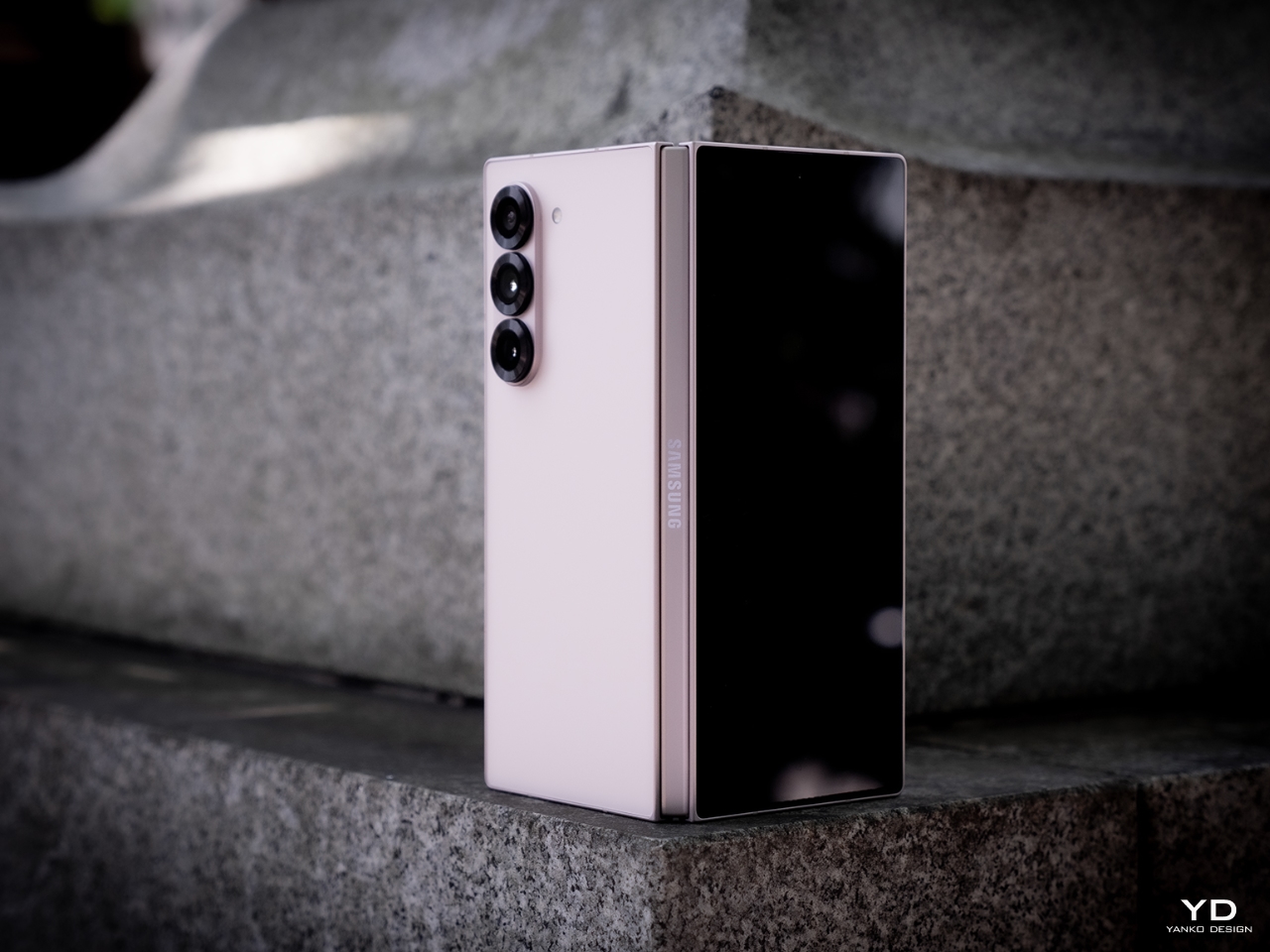
It’s not that the Galaxy Z Fold 6 is unattractive. On the contrary, it looks pretty elegant, distinguished, and refined. The most significant visual changes include the sharper corners, a larger and wider Cover Screen, and thinner bezels around the displays. Together with the flat edges from the last generation’s design, the Galaxy Z Fold 6 looks more similar to the Galaxy S24 Ultra, also launched this year. Samsung has ensured that its design DNA isn’t lost across devices, increasing the holding power of its brand, at least for this year.

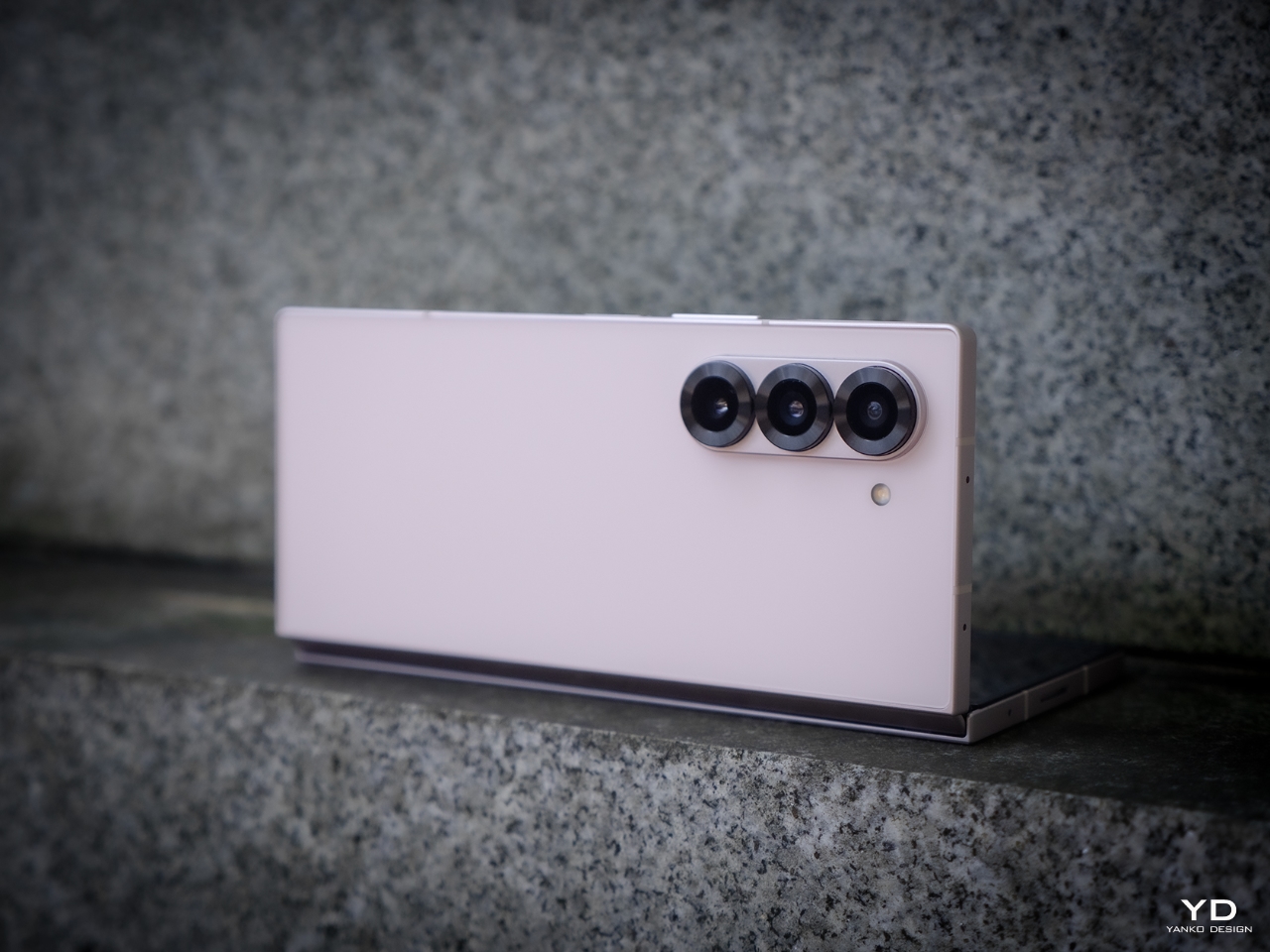
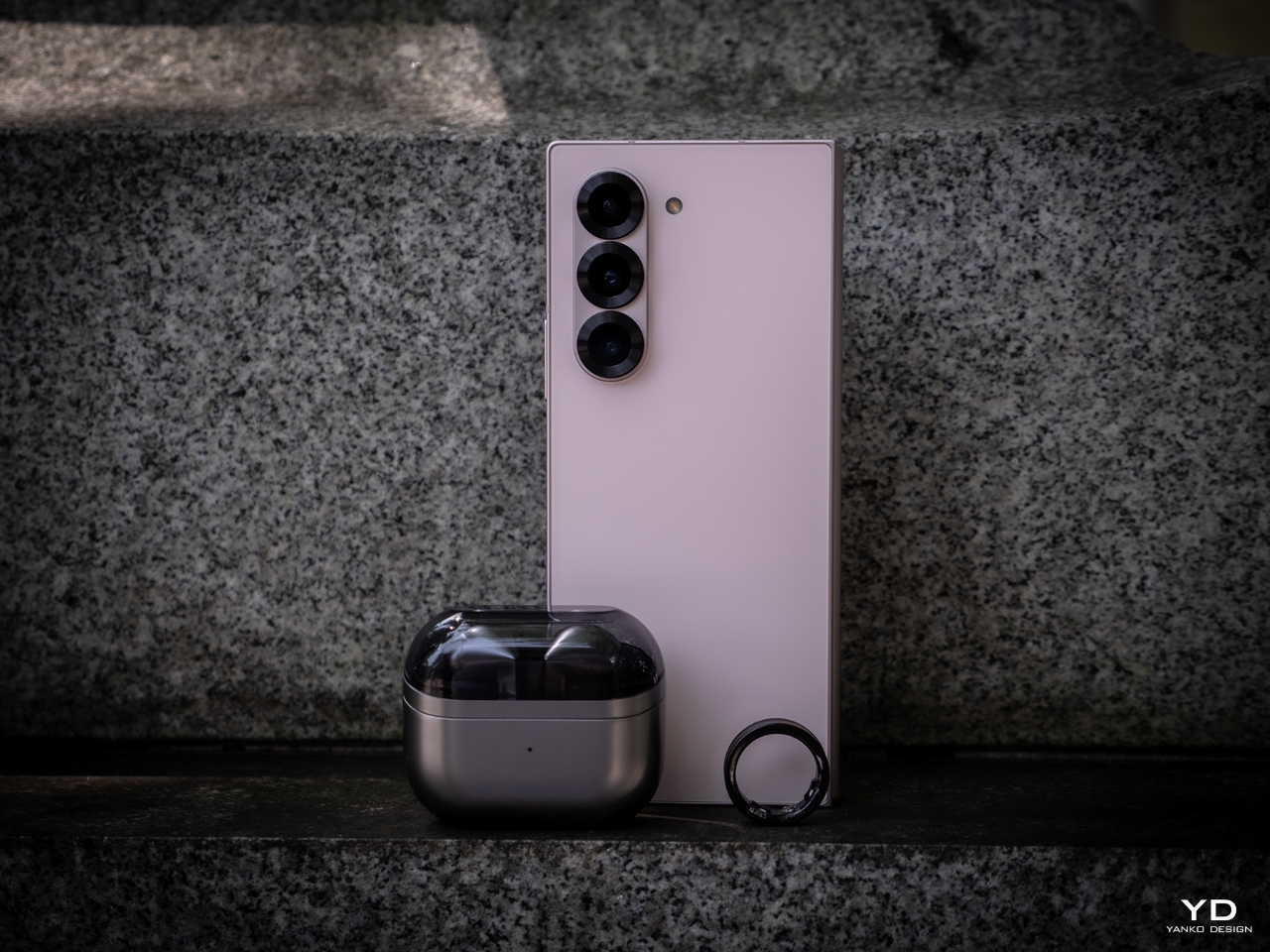
The Galaxy Z Fold 6 embraces a more minimalist design language in stark contrast to almost every other foldable phone in the market today. That’s probably best seen in the triple camera setup on the back of the device, just three small equal-sized circles on a discreet pill-shaped island. Of course, there’s a cost to pay for that compact design, which we’ll get to later, but it’s hard to deny the appeal of such an aesthetic compared to the more obnoxious discs and blocks protruding from the backs of other foldable phones.

Ultimately, you get an elegant and premium-looking design that isn’t so far removed from the Galaxy S24 series, especially the Galaxy S24 Ultra. Is it iterative? Sure, but that in itself isn’t always a negative. Samsung made a few discernible changes but kept the overall language the same over the years. It might be exciting to see what new designs other brands will cook up next, but that novelty can fade quickly, leaving you with a design that might be a bit eye-catching at first but becomes more of an eye-sore in the long run.

Ergonomics

If there’s one major flaw in Samsung’s Galaxy Fold design, it would be the narrow and tall external screen. That made it awkward and even uncomfortable to use the foldable phone when folded, which pretty much defeated the purpose of having a screen there in the first place. Although not in the same vein as the Google Pixel Fold or the OnePlus Open, Samsung may have finally fixed that problem in the Galaxy Z Fold 6, potentially making it the first usable iteration of its line.
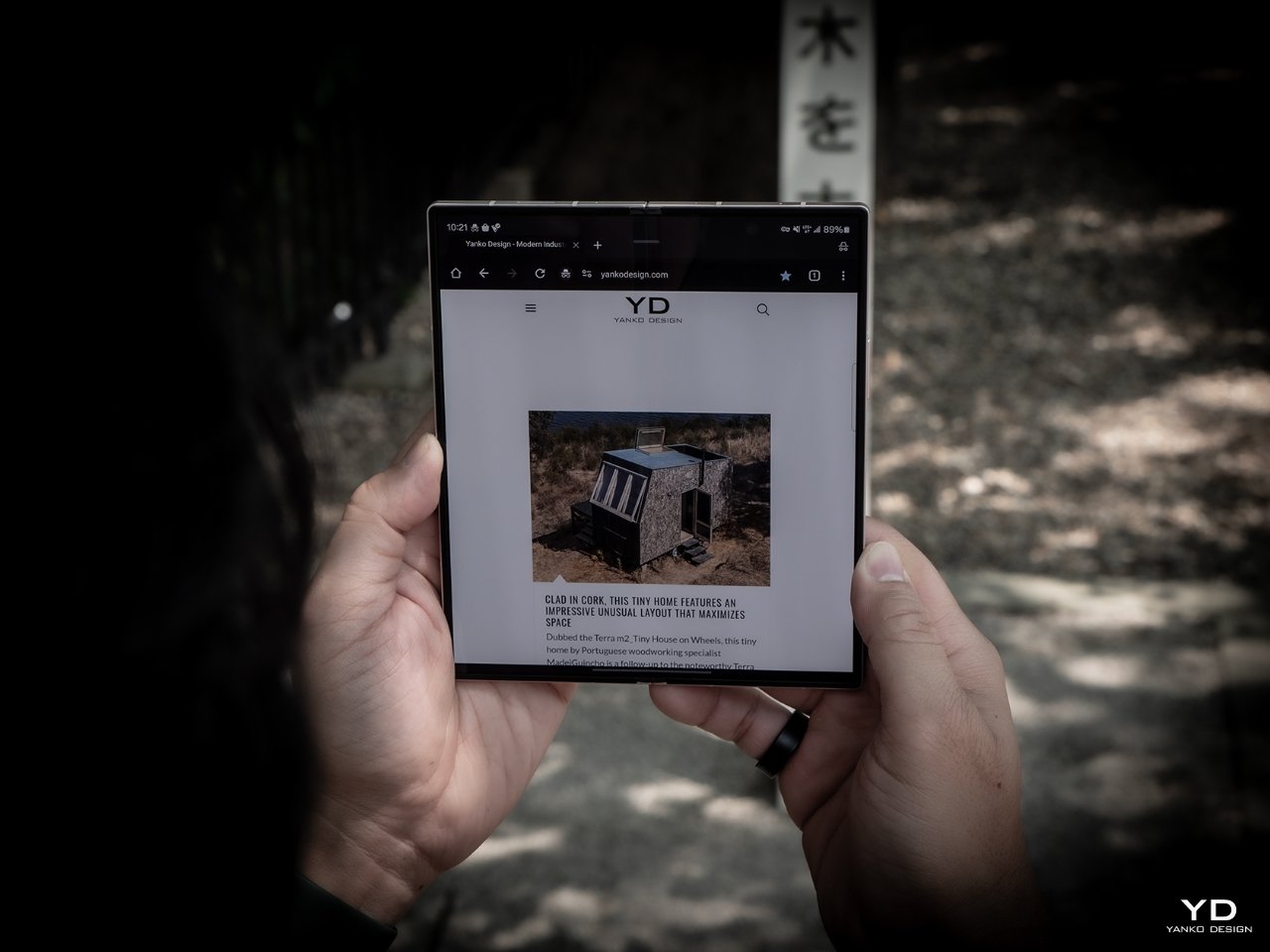
The larger 6.3-inch Cover Screen now covers a wider area, partly thanks to the reduction of bezels around it and partly thanks to sharpening the corners. Together with the overall lighter body and flat edges, the Galaxy Z Fold 6 is easier to hold and use as a phone. It’s still narrower than a regular smartphone, but not by much anymore. Samsung may have finally reached a good compromise in this design that works when the phone is closed and when it’s open.

Of course, using the Galaxy Z Fold 6 as a mini tablet is still a pleasure, even more so now. It now looks and feels more like a very colorful e-book reader, especially with its squarish shape. Although the screen size remains the same compared to last year’s model, reducing bezels and flat edges gives it an edge (pun intended) when handling the device.

Performance

Like with the design, Samsung used a tried and tested formula for the Galaxy Z Fold 6’s hardware, which pretty much means top-of-the-line specs, at least for the most part. The Qualcomm Snapdragon 8 Gen 3 is still the undisputed smartphone performance king outside of Apple’s kingdom, and the 12GB of RAM, though modest by today’s standards, is still decent, especially with some RAM Plus extension.
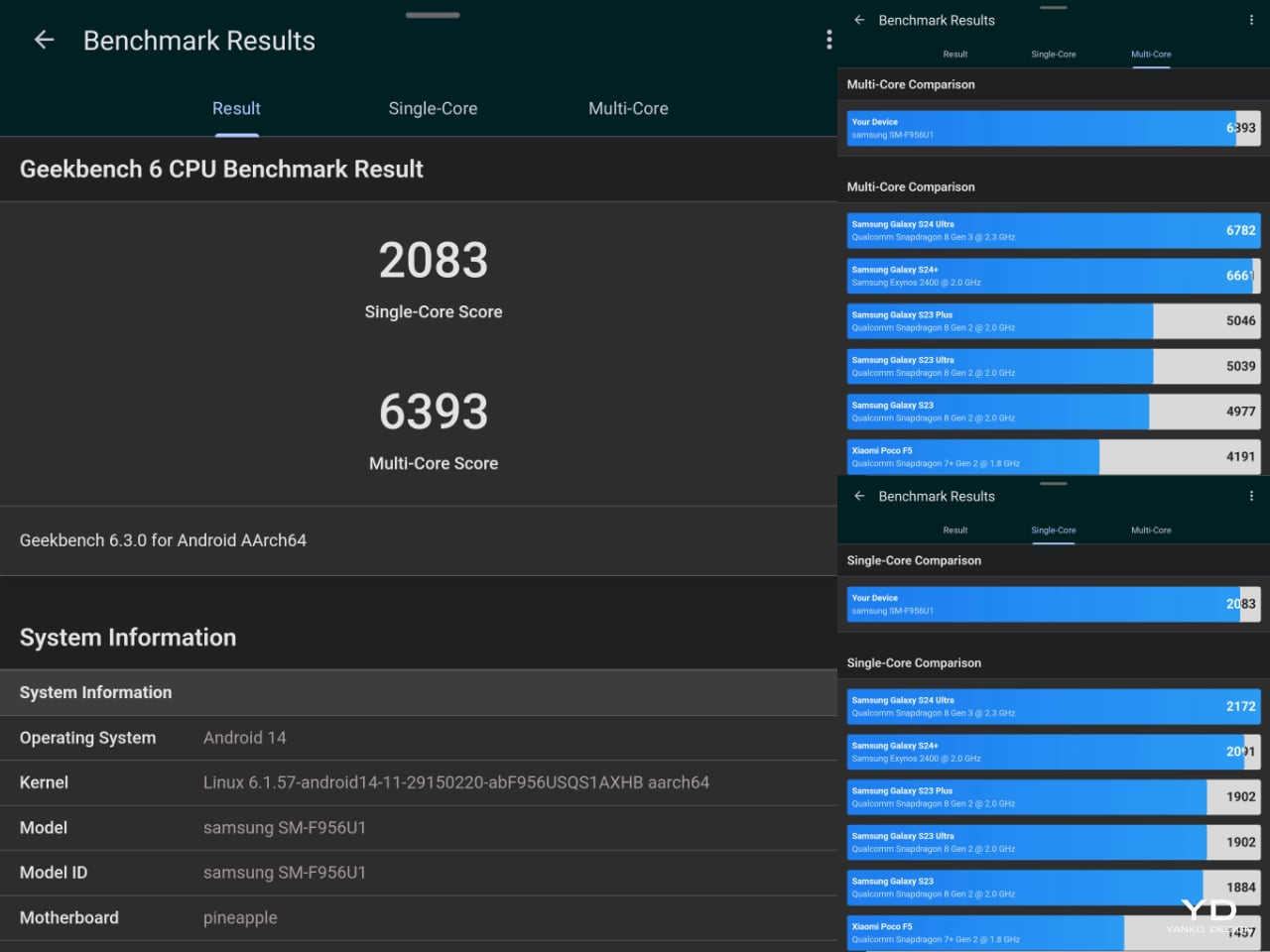
The external screen is just as bright and vibrant as ever, just now even larger than before. The internal 7.6-inch screen might not seem to have changed much until you realize you haven’t been noticing the crease as much. It’s still there if you look for it, but it has even less of a telling presence this year. With powerful silicon and gorgeous screens, the Galaxy Z Fold 6 never comes up short in performance, whether watching videos, playing games, or simply scrolling through social media. Of course, that includes AI features, though these still feel a bit more gimmicky and entertaining rather than practical for everyday use.

That said, hardware is also one area where the criticism of Samsung’s iterative approach holds the most water. As mentioned, 12GB of RAM, while usable, is pretty tight and frugal these days. Samsung has also been using the same 4,400mAh battery and the same 25W “quick” charging since the Galaxy Z Fold 3 in 2021. The latter is probably a compromise to keep the Galaxy Z Fold 6 almost as light as a regular non-foldable phone, but its age definitely starts to show.


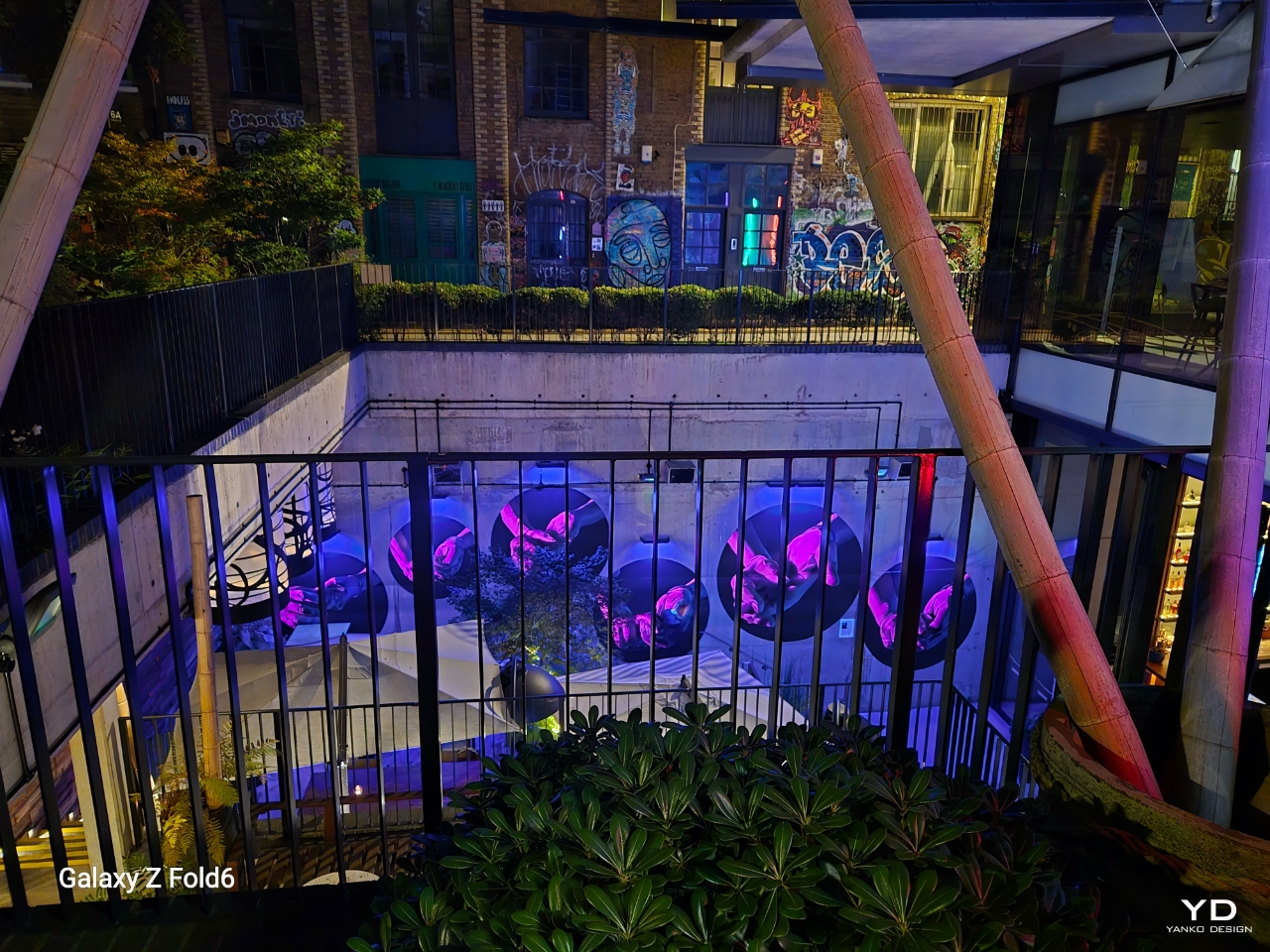
Perhaps the biggest point of contention for Samsung’s 2024 foldable is the camera system, which has remained virtually unchanged since 2022. On the back, you have a 50MP main camera, a 10MP telephoto with 3x optical zoom, and a 12MP ultra-wide shooter, perhaps the only significant upgrade to this year’s foldable. On the external screen, you get the same 10MP front-facing camera, and inside is the same dismal 4MP under-display camera. It’s pretty much the same formula, so you’re getting almost the same results, which, fortunately, isn’t all that bad.


To be clear, the Galaxy Z Fold 6 still takes great photos, but it is lagging behind even its own cousins in this department. Samsung may be trying to pull an Apple in doing more with less, using computational photography and AI to compensate for hardware deficiencies, but those can only do so much. You definitely get plenty of detail, a wider dynamic range, and accurate colors, especially with sufficient lighting, and the new ultra-wide camera also takes brighter photos. Regardless, given its price tag, you’d probably expect a bit more than “decent.” In other words, you are not paying for the cameras or the photography experience.
Sustainability

As one of the world’s biggest smartphone manufacturers, Samsung has a big responsibility to help keep the planet alive for future generations. Thankfully, it takes that responsibility quite seriously, and every year, we see it take steps on multiple fronts to ensure its phones become sustainable parts of modern life. This year’s foldable includes plenty of recycled materials, including plastic, glass, aluminum, cobalt, and rare earth metals. For the first time in a Galaxy phone, the Galaxy Z Fold 6 includes recycled gold and copper components.

Samsung is also doing its part to make the rather pricey foldable phone last as long as possible through improved durability and software support. The Galaxy Z Fold 6 is the first of its kind to achieve an IP48 rating, a significant improvement over its predecessors’ IPX8 rating. Samsung also promises seven OS upgrades and seven years of security updates, ensuring that this expensive investment won’t become obsolete quickly, especially considering how its cameras are already on the old side at this point.

Value

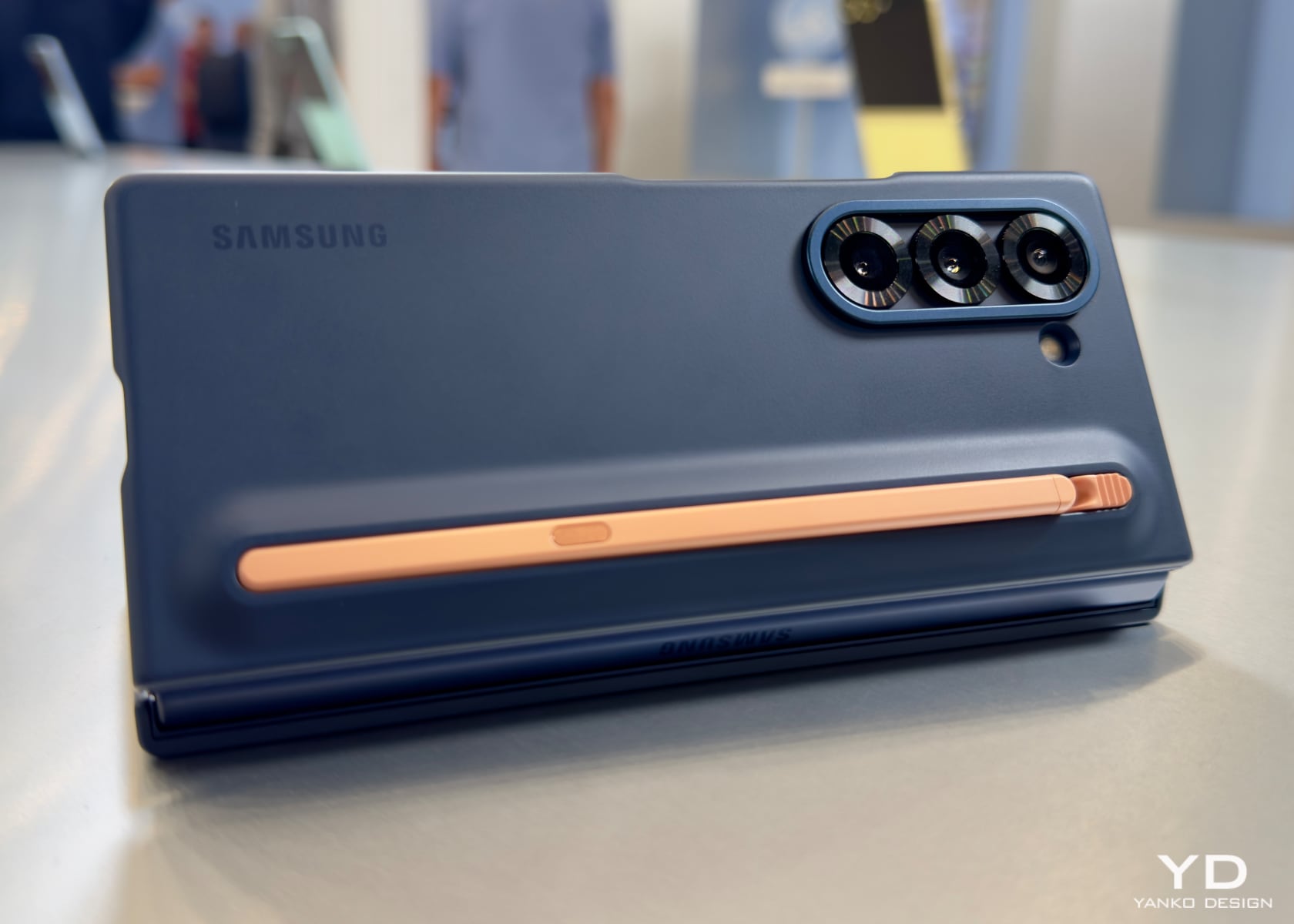
The Galaxy Z Fold 6 might not have mind-blowing cameras or an eye-popping design, but it offers plenty of features that matter. It is one of the extremely few that supports an active stylus with pressure sensitivity and one of an even smaller group of phones with a desktop mode that makes you feel like you’re using an Android PC. With solid performance and a stylish minimalist design, what’s not to love?
Most definitely, the price amounts to $1,900 for a paltry 256GB of storage. That’s not only the most expensive “normal” foldable in the market today, but it’s even strangely $100 higher than the Galaxy Z Fold 5 when it launched last year. With few upgrades and changes, you’d be forgiven for scratching your head at Samsung’s decision. At that price point, you’d expect a little bit more, maybe a bit more battery, a bit more RAM, or better yet, a bit more camera prowess. Fortunately, the Galaxy Z Fold 6 is made to last, though that still makes it feel more like a luxury item than a consumer product, which could be Samsung’s intention.
Verdict

The fast-paced dynamics of the smartphone market have trained our brains to look for new things every year, whether it’s a new design, new hardware, or a new feature. Newer doesn’t always mean better, and the Galaxy Z Fold 6 is proof of that. It has a classic design focuses on the essentials and leaves out all the fluff, creating an aesthetic that is as luxurious as its price tag. Yes, we wish Samsung had delivered more, especially regarding the cameras, but that also has trade-offs for design and usability. In the final analysis, Samsung wisely picked its battles to deliver a foldable phone with an elegant design and a solid set of features you can rely on for years to come.
The post Samsung Galaxy Z Fold 6 Review: Tried and Tested Design You Can Trust first appeared on Yanko Design.