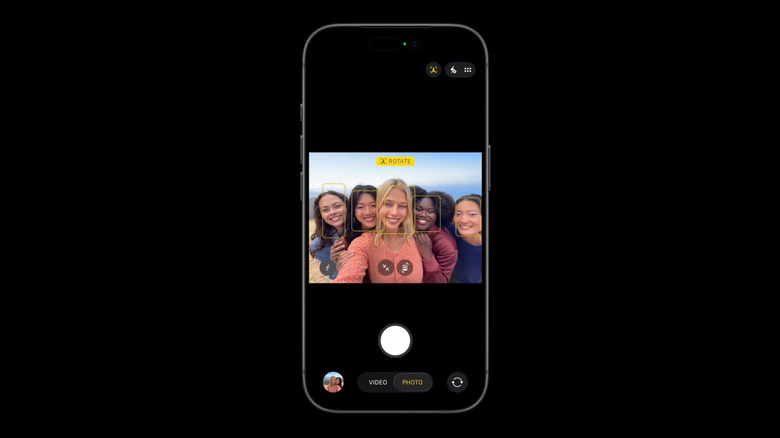
For the last several years, the premium smartphone camera has been a story about software eating hardware. Google’s computational photography turned mediocre sensors into benchmark toppers. Samsung’s AI processing chased detail out of dark scenes that the lens glass alone could never recover. Apple built the Photonic Engine specifically to run post-capture processing at speeds no competitor could match. The results have been genuinely impressive across the board. They have also been, at a fundamental level, a workaround.
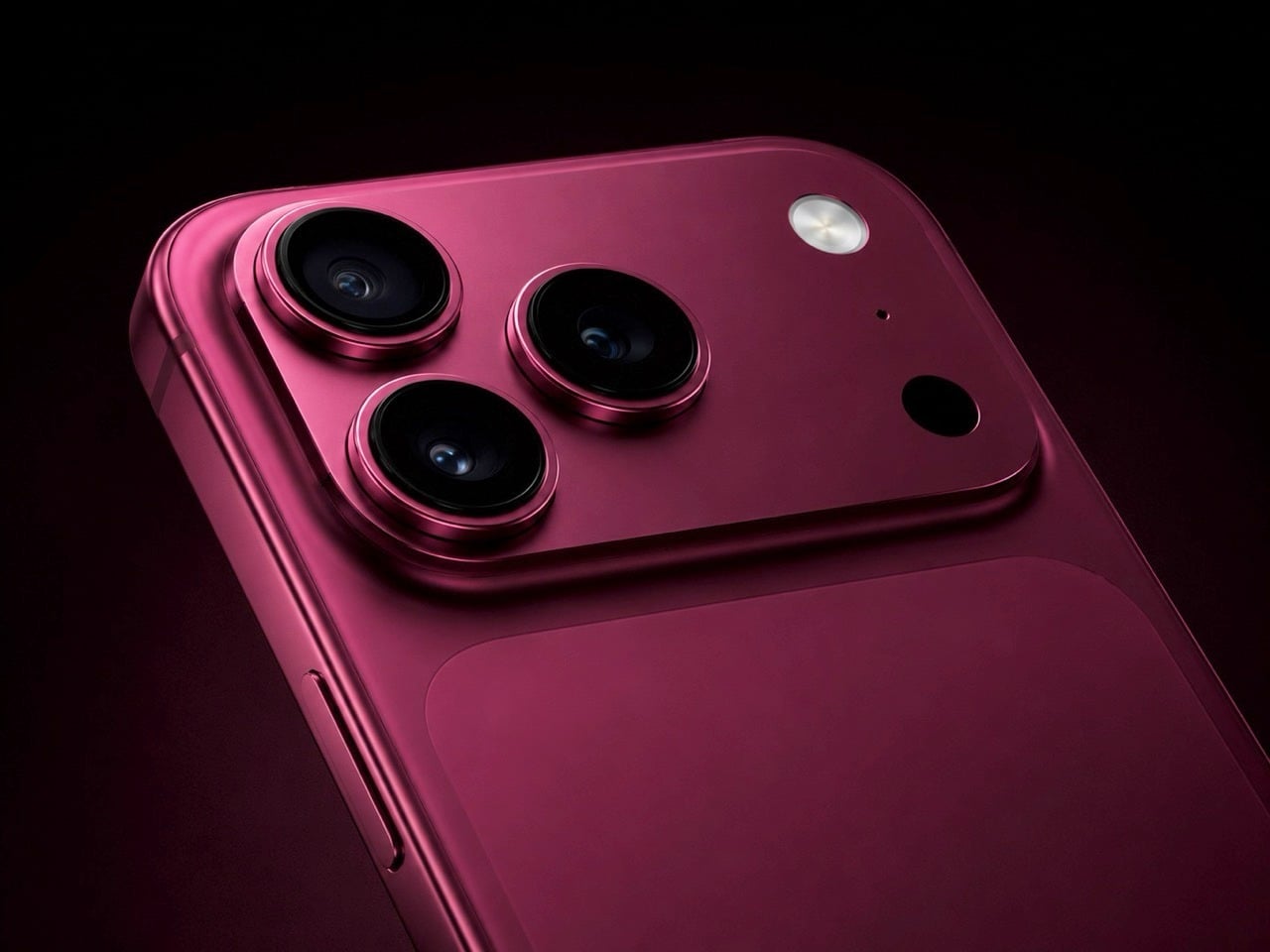
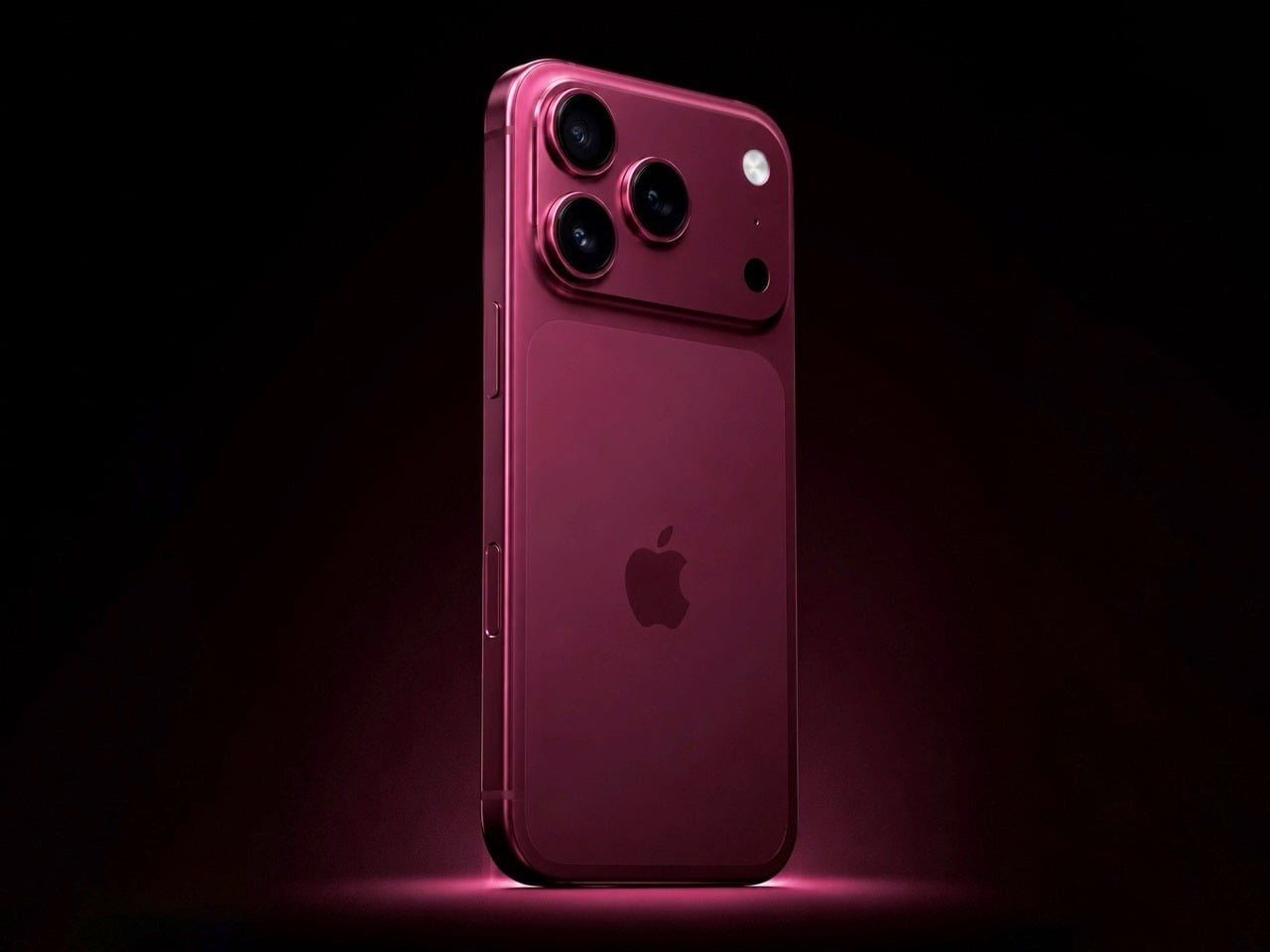
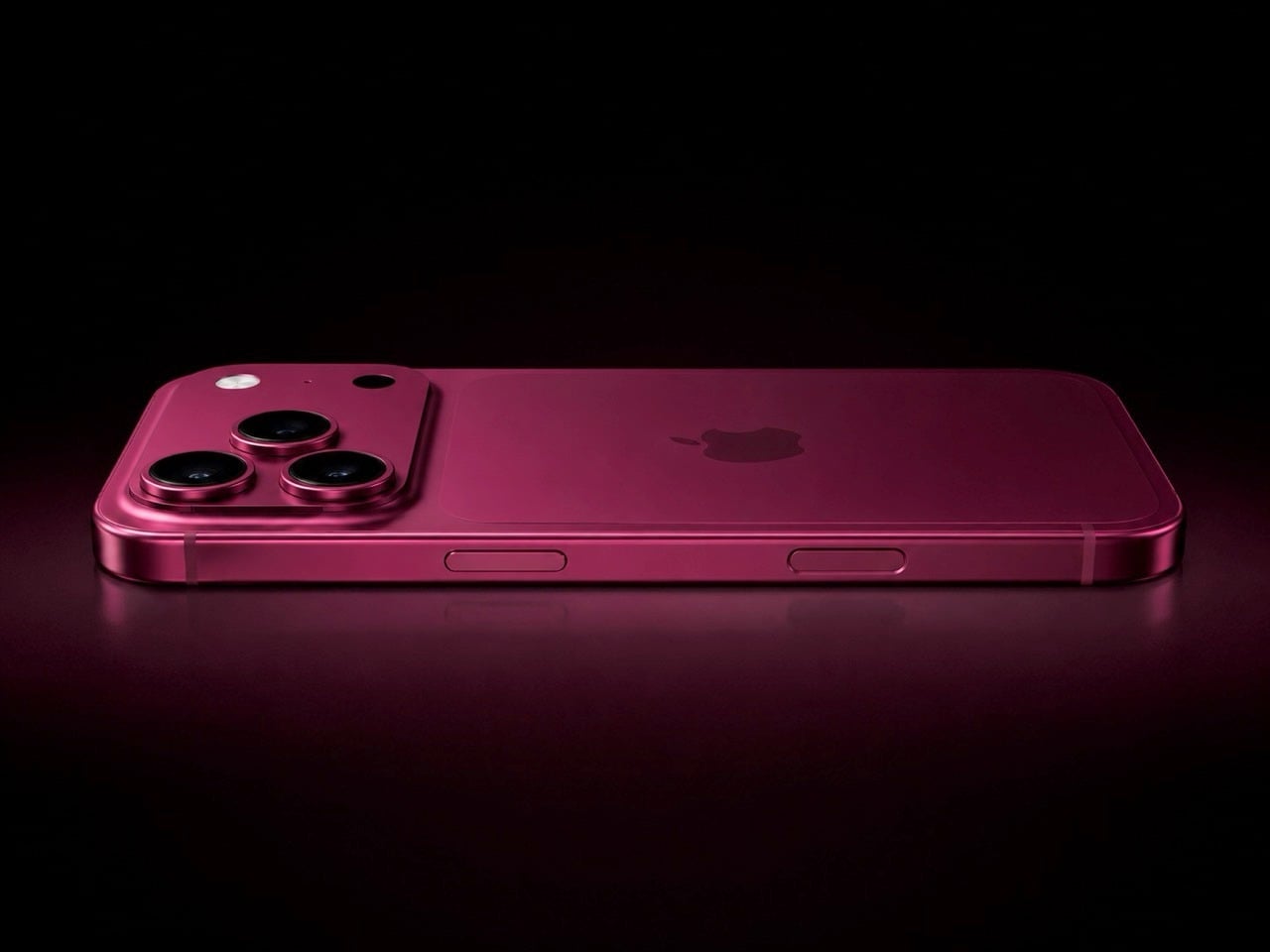
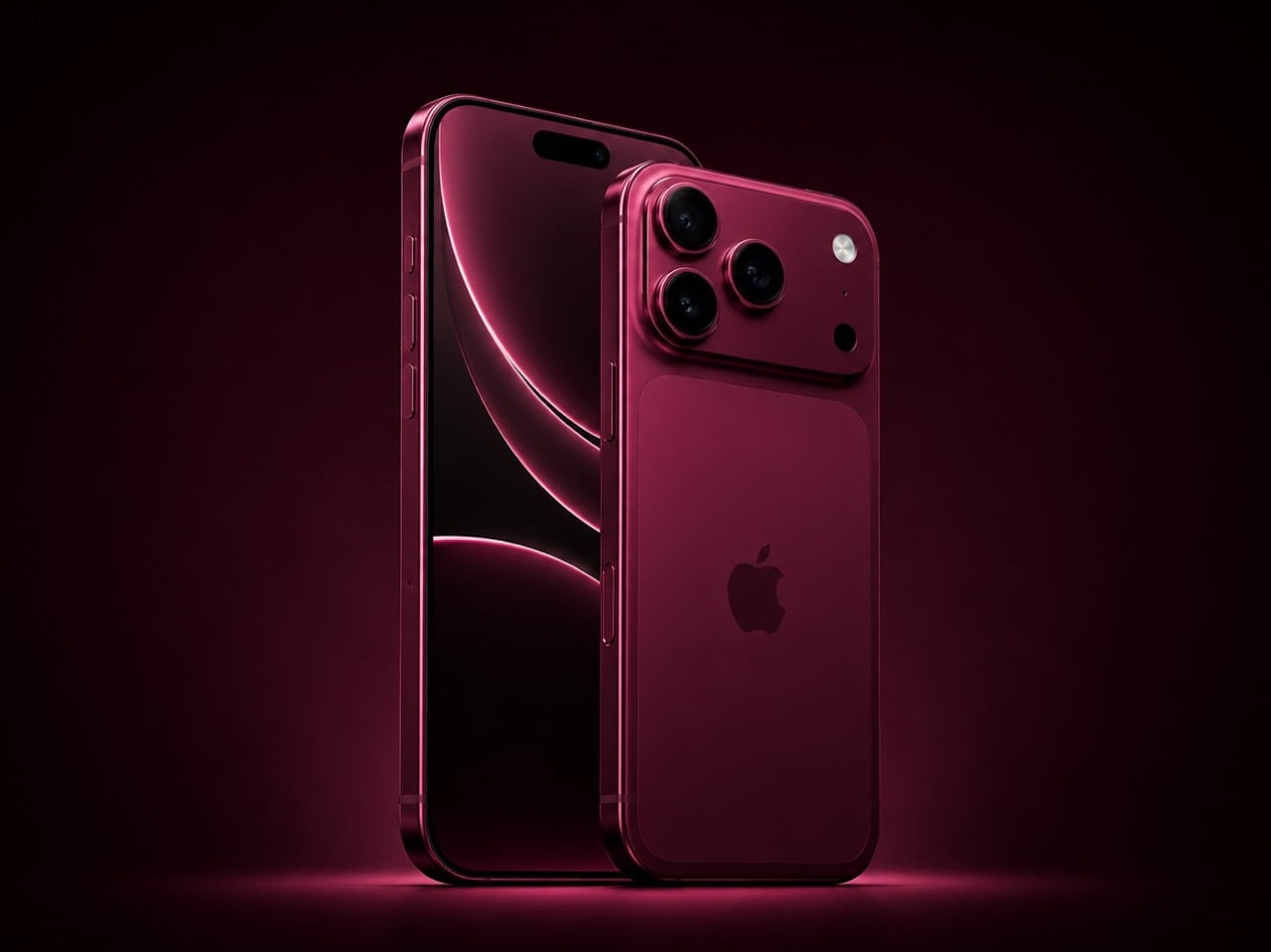
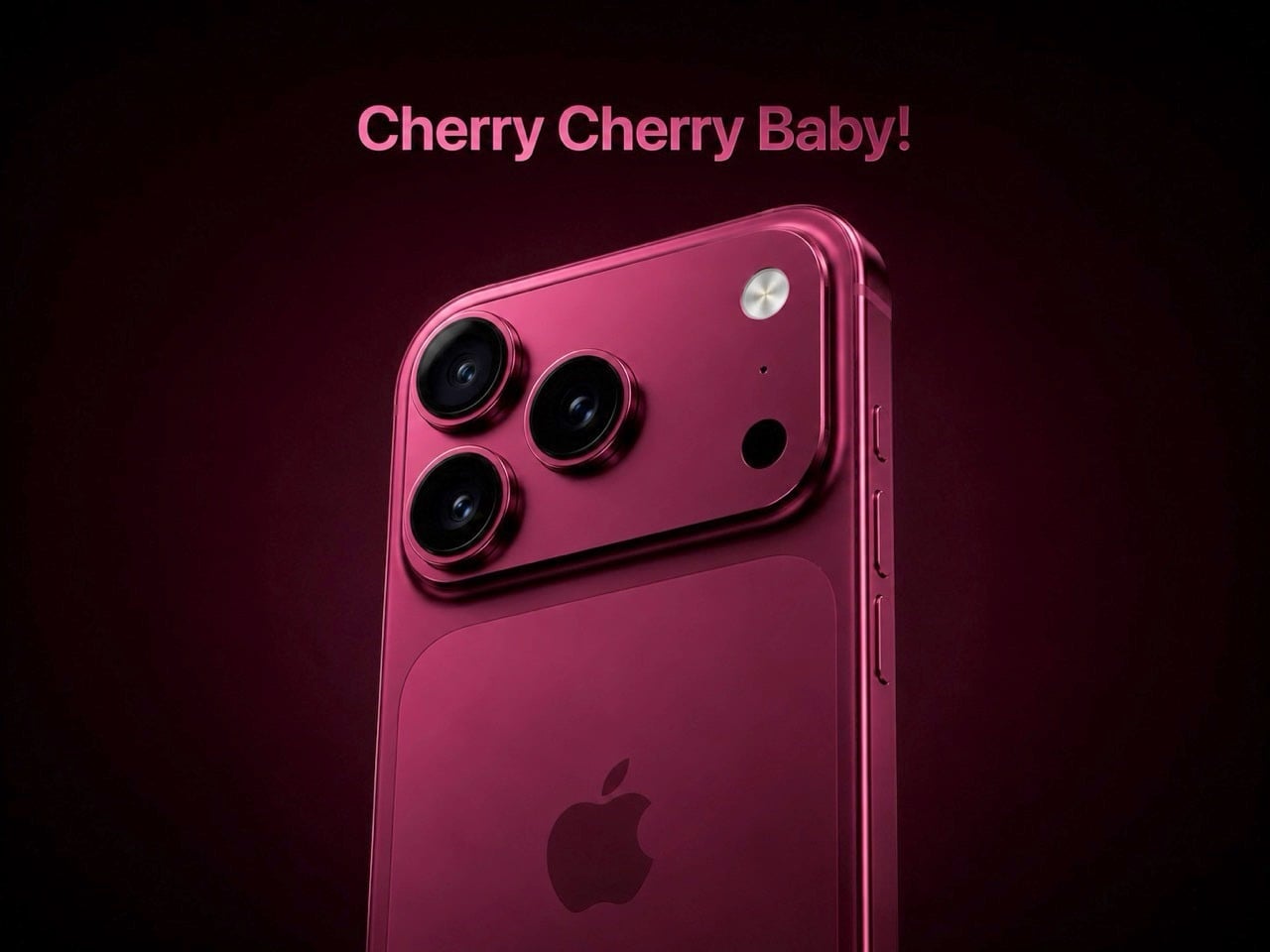
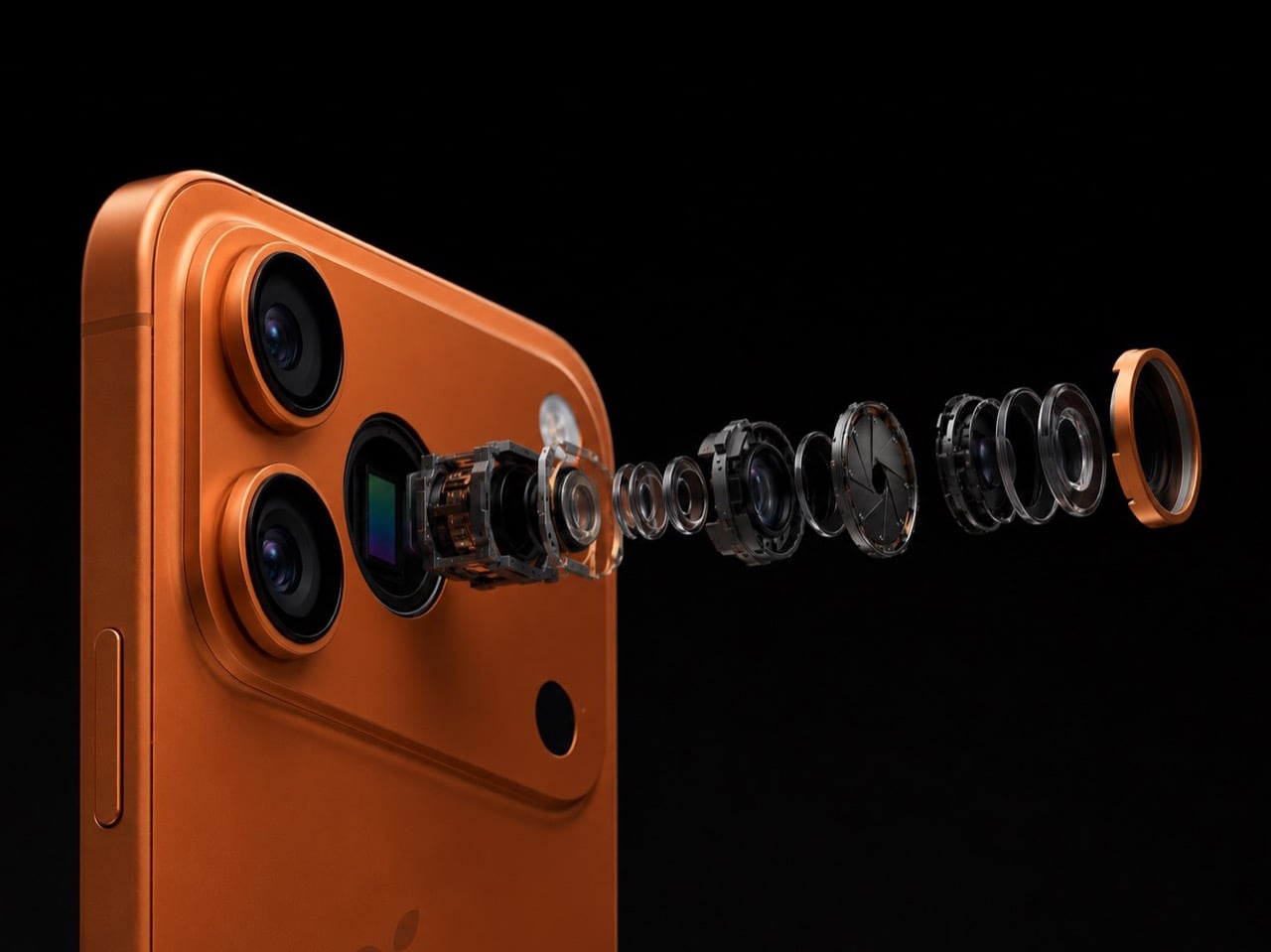
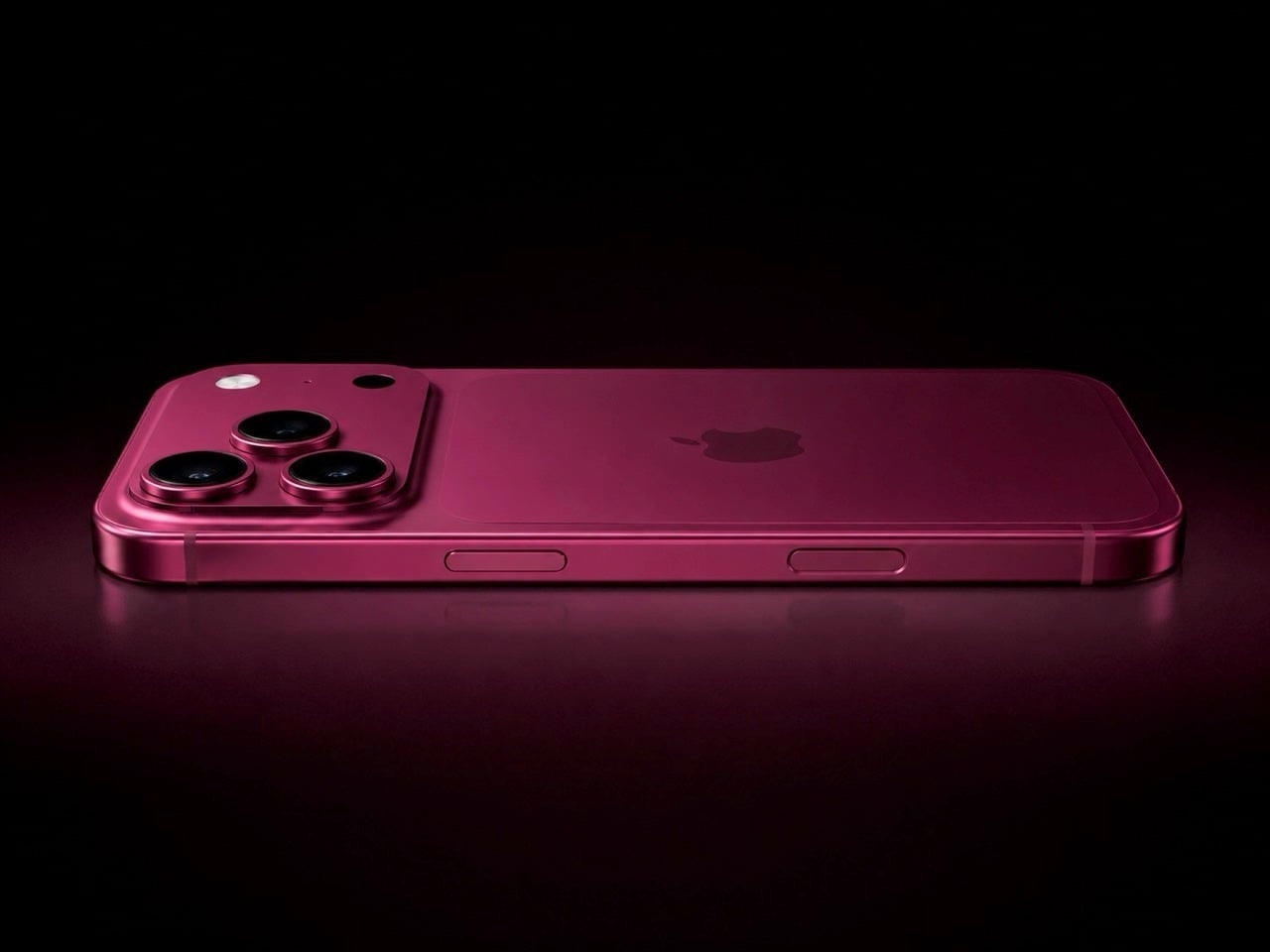
Leaked supply chain data from April points toward Apple choosing a different approach for the iPhone 18 Pro Max: a mechanical iris, physical aperture blades, the kind of variable light control that photographers have relied on since the nineteenth century. Chinese component supplier Sunny Optical has already entered production on the actuators that make the system work, turning what analyst Ming-Chi Kuo first flagged in December 2024 into a confirmed hardware reality. The rest of the 2026 leak picture, the 2nm A20 Pro chip, under-display Face ID, and the Dark Cherry colorway we detailed last week, all reads differently once you understand that Apple is building around mechanical principles, with algorithms serving the physics rather than substituting for it.
Designer: Apple
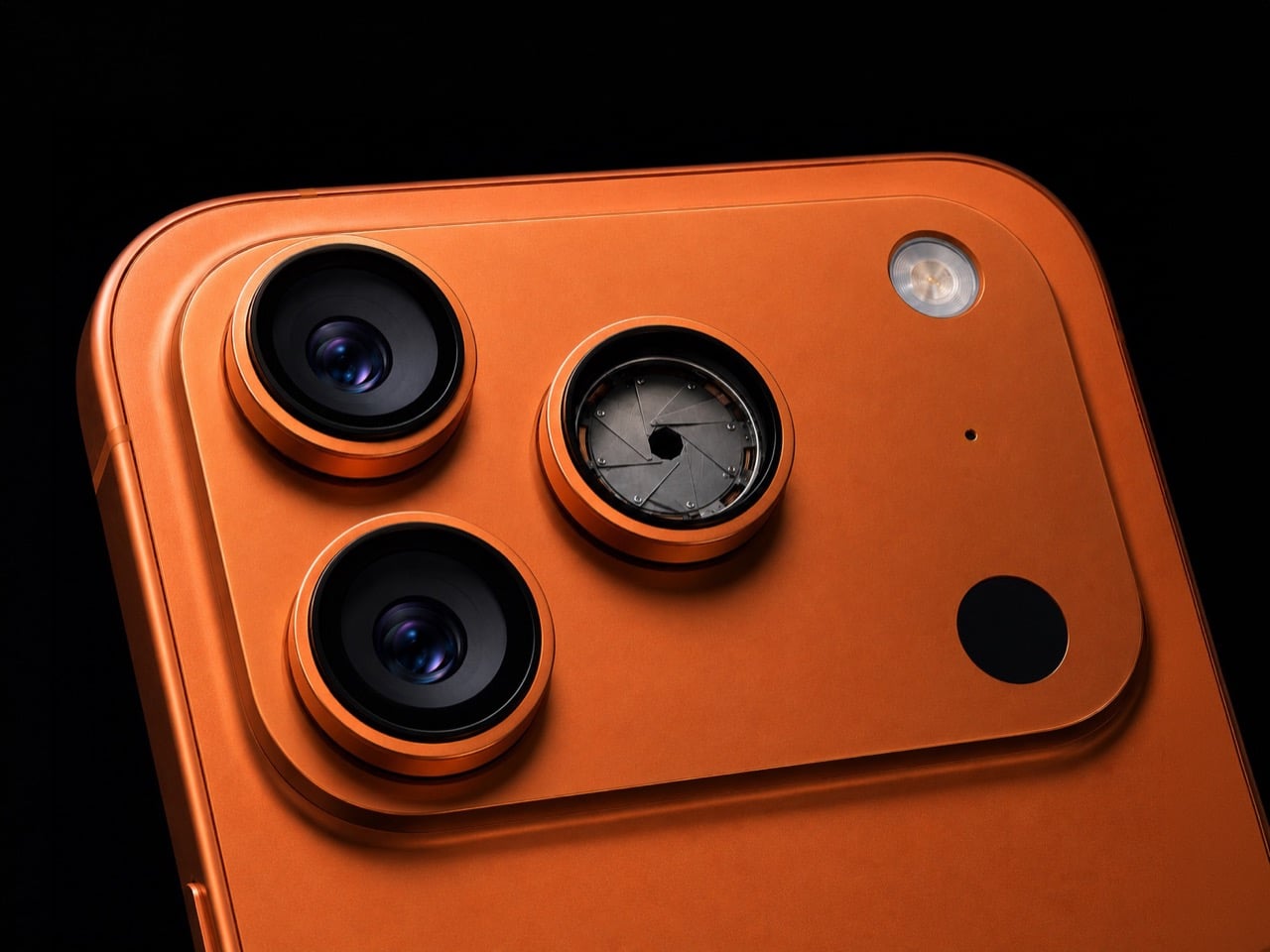
Samsung attempted this exact feature with the Galaxy S9 and S9+ in 2018, building a diaphragm that toggled between f/1.4 and f/4.0 across eight discrete steps, then dropped it entirely from the Galaxy S10 the following year without explanation. First-hand testing at the time found inconsistent results, portrait artifacts, and a setting so buried in the menus that most users shooting in auto mode never engaged it deliberately. The engineering problem is formidable: fitting moving aperture blades, their actuators, and the mechanical tolerances those blades require into a camera stack measured in single-digit millimeters is a precision manufacturing challenge of a different category than any software update can address. Apple commissioning Sunny Optical specifically for custom actuator production, with that production already underway, signals a more deliberate, supply-chain-integrated approach to the problem. Something changed between 2018 and now at the component level that makes this viable where Samsung could not make it reliable at scale.
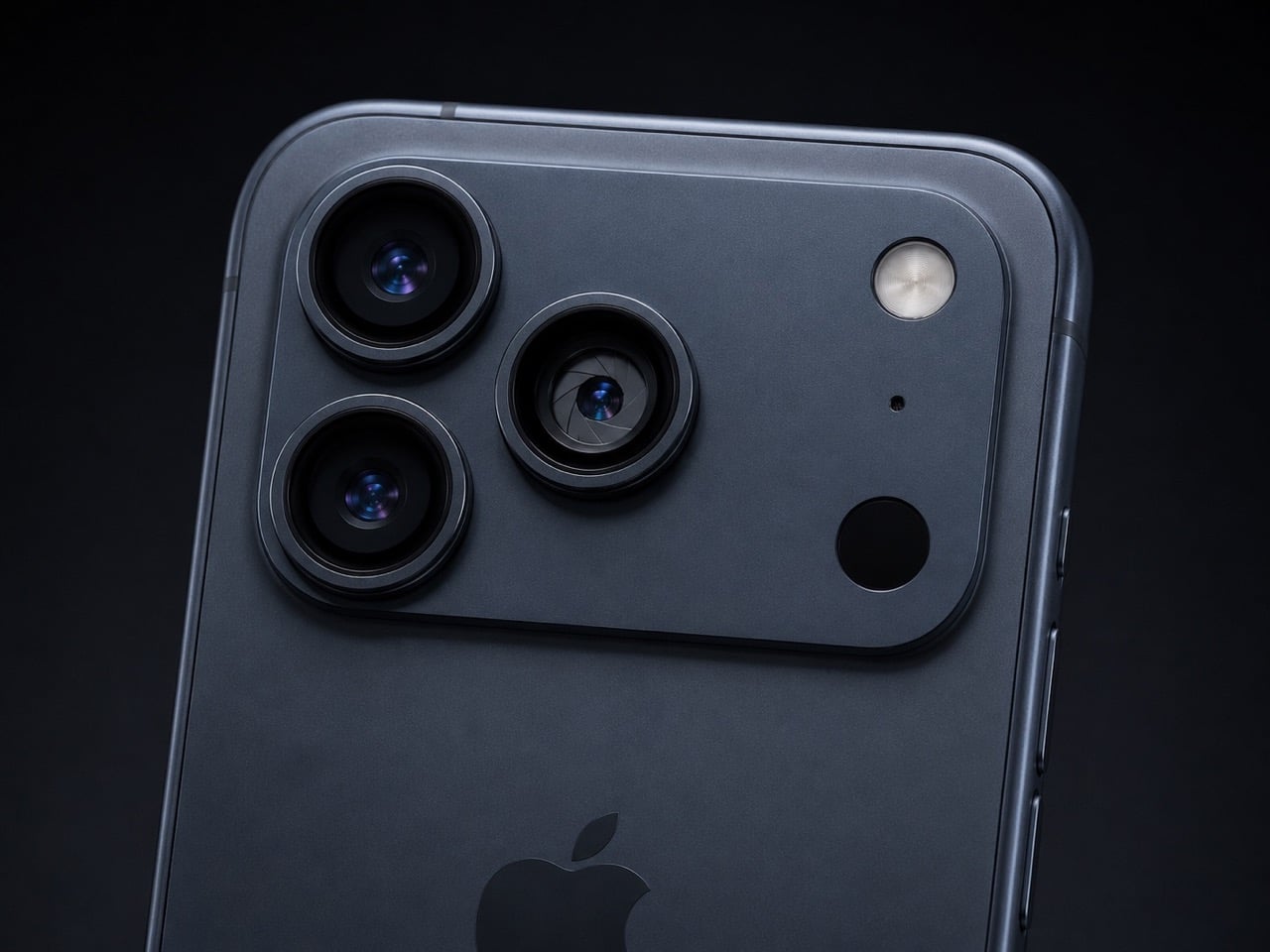
Every iPhone Pro from the 14 through the 17 has shot at a fixed f/1.78, the lens always wide open, with software compensating for everything the hardware cannot adjust. Leaks point to a range spanning f/1.6 to f/22 on the 18 Pro Max, meaning optically controlled exposure for the first time in the Pro line’s history. Stopping down in bright conditions eliminates the overexposure that Apple’s current tonemapping corrects after capture, and a physical aperture produces depth-of-field falloff curves around hair and translucent fabric that computational bokeh gets wrong often enough to notice. The A20 Pro chip on TSMC’s 2nm process, with RAM integrated directly onto the same wafer as the CPU, GPU, and Neural Engine, delivers the projected 30% efficiency gain that makes running simultaneous mechanical and computational systems sustainable at the battery level. Apple is accepting a thicker chassis and a heavier phone, projected at around 8.8mm and 240 to 243 grams, to pay for all of it.
Several things the current leak record cannot answer will determine how much of the mechanical iris matters in real-world use. The number of aperture blades is unconfirmed, and that figure directly shapes bokeh quality, with more blades producing a rounder, optically cleaner out-of-focus shape. Repairability is a genuine concern, since moving parts inside a camera module that already carries one of Apple’s steeper service costs introduces a new failure mode into an expensive component. Blade longevity over years of daily shooting has surfaced in none of the supply chain reporting, and that is the kind of question only a full product lifecycle can answer. What September will reveal is whether Apple has resolved the reliability problem that ended Samsung’s attempt in 2018, and whether physics can now outperform the algorithms that have defined the camera conversation for a decade.
The post iPhone 18 Pro Max Leak: Mechanical Iris Camera, 2nm A20 Pro and Dark Cherry Finish first appeared on Yanko Design.