Morphable Shows How a Game Controller Could Adjust to Your Hands

Settling in for “just one more run” usually means your thumbs, wrists, or forearms start complaining long before the game is done. Most controllers are fixed objects that expect your body to adapt, which can lead to repetitive strain or numbness. You either push through the discomfort or take breaks that feel like interruptions, but rarely can you adjust the hardware itself to match how your hands actually feel in that moment.

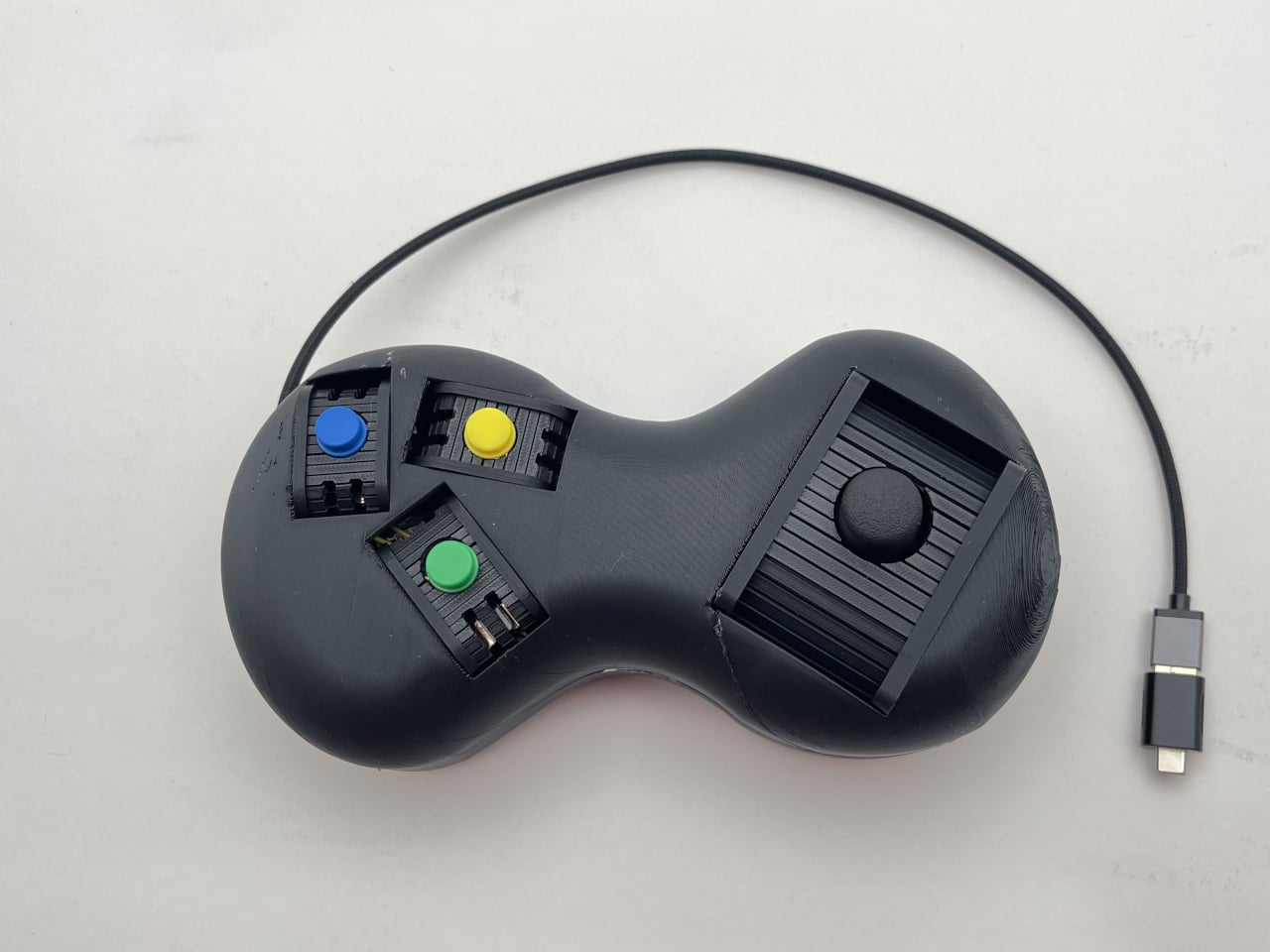
Morphable is a DIY adjustable gamepad built around a peanut-shaped shell and sliding modules for the joystick and buttons. It is designed to reduce strain by letting you reposition inputs to match your hands and play style, and if something starts to feel off mid-game, you can shift the layout instead of stopping. The whole thing is open-source and 3D-printable, built by someone who wanted their controller to adapt.

Designer: maggs_cas
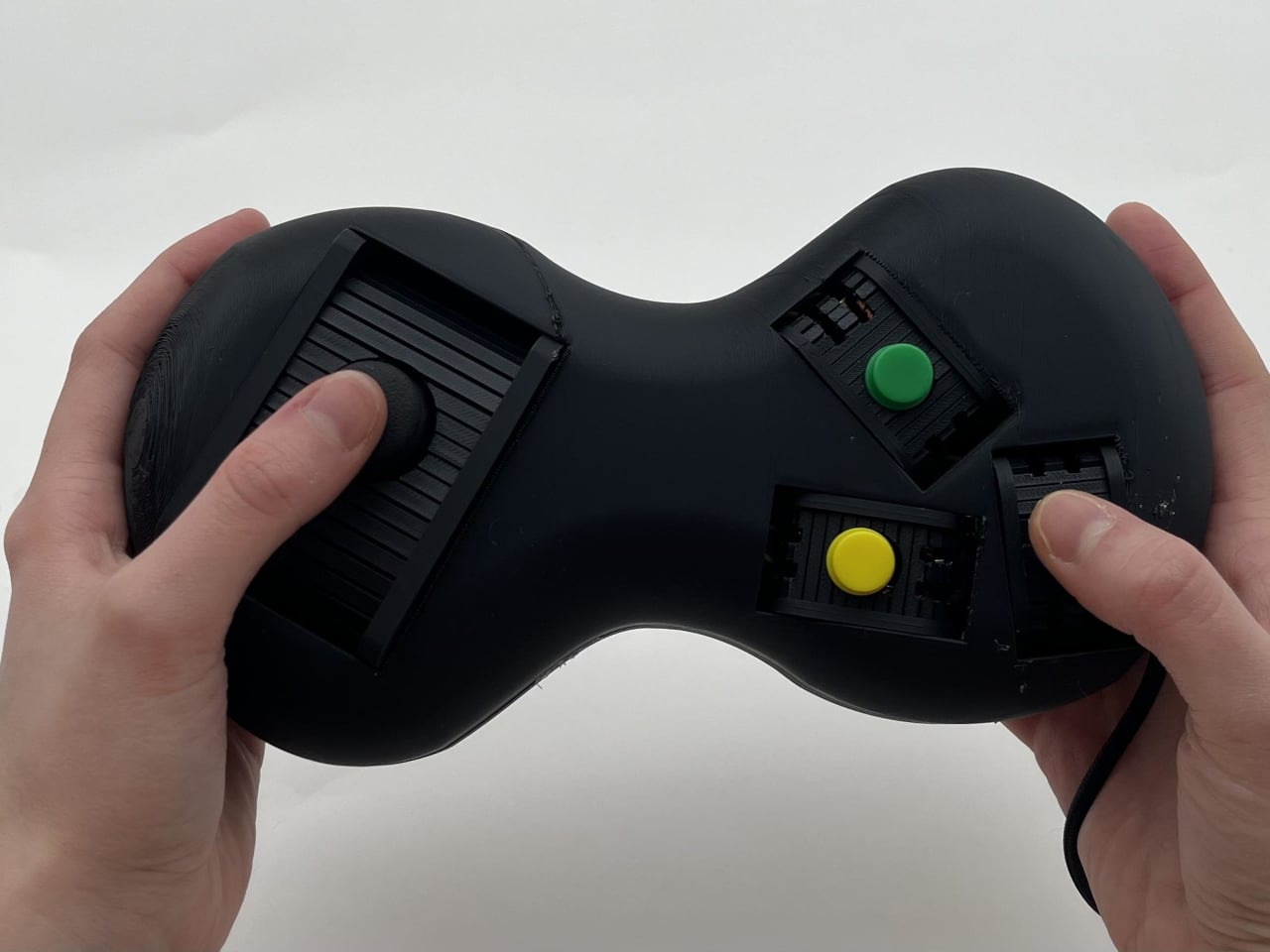
Playing a demanding game for an hour or two, you might start with a familiar layout and then nudge a button rail closer to your thumb when your reach starts to feel tight. Maybe you slide the joystick slightly inward so your wrist can straighten, or move a frequently used button lower so another finger can take over. The controller encourages micro-adjustments that let different muscles share the work instead of overloading the same joints.

Each button sits on a small sled that rides on a rail, held in place by magnet tape. Underneath, copper tape runs along the base, and wires press against it to carry signals. The joystick uses a similar sled and rail. This setup means you can slide modules around freely while the Arduino inside still sees every press and movement, maintaining electrical contact as things shift without needing screws.
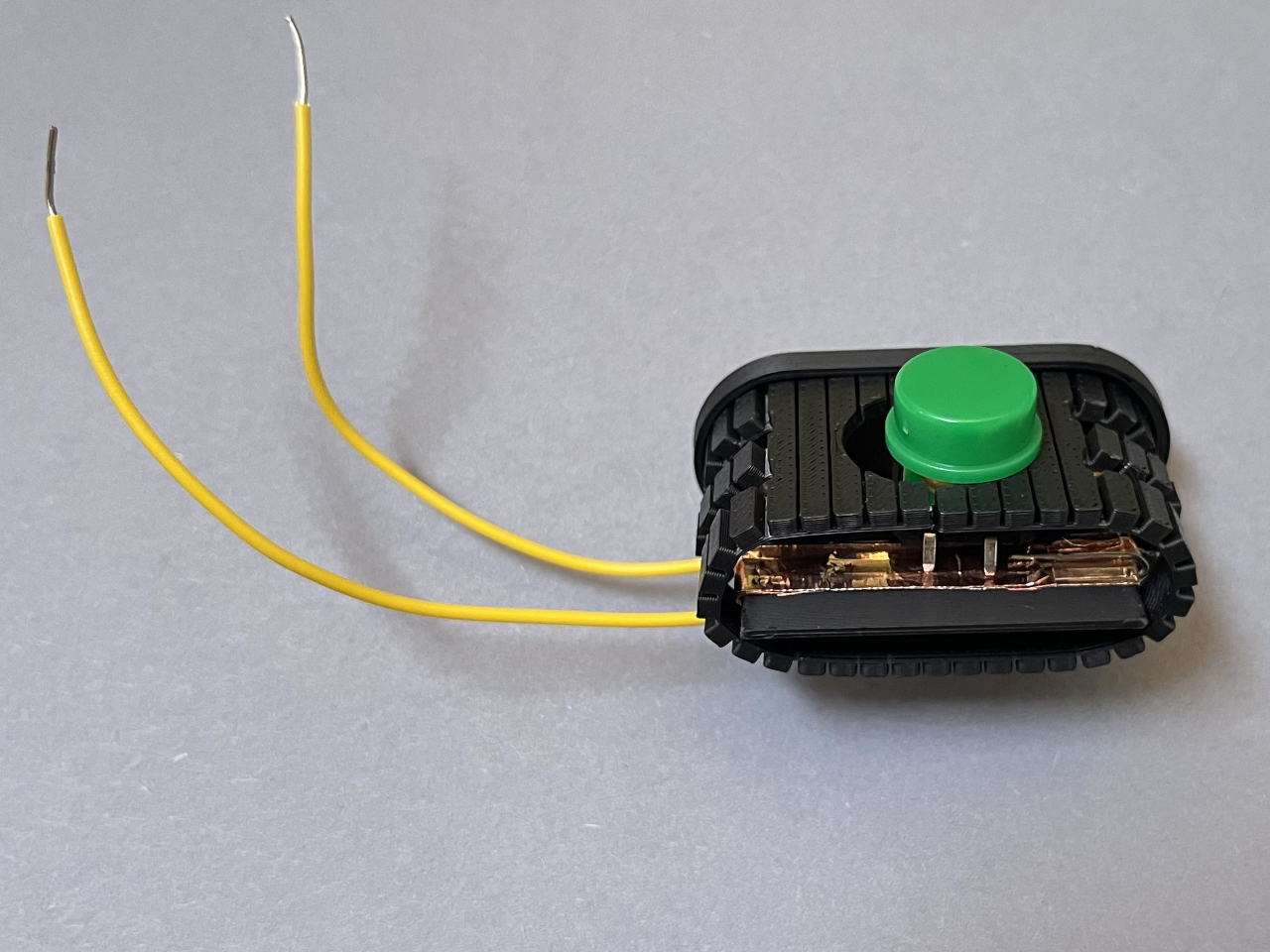
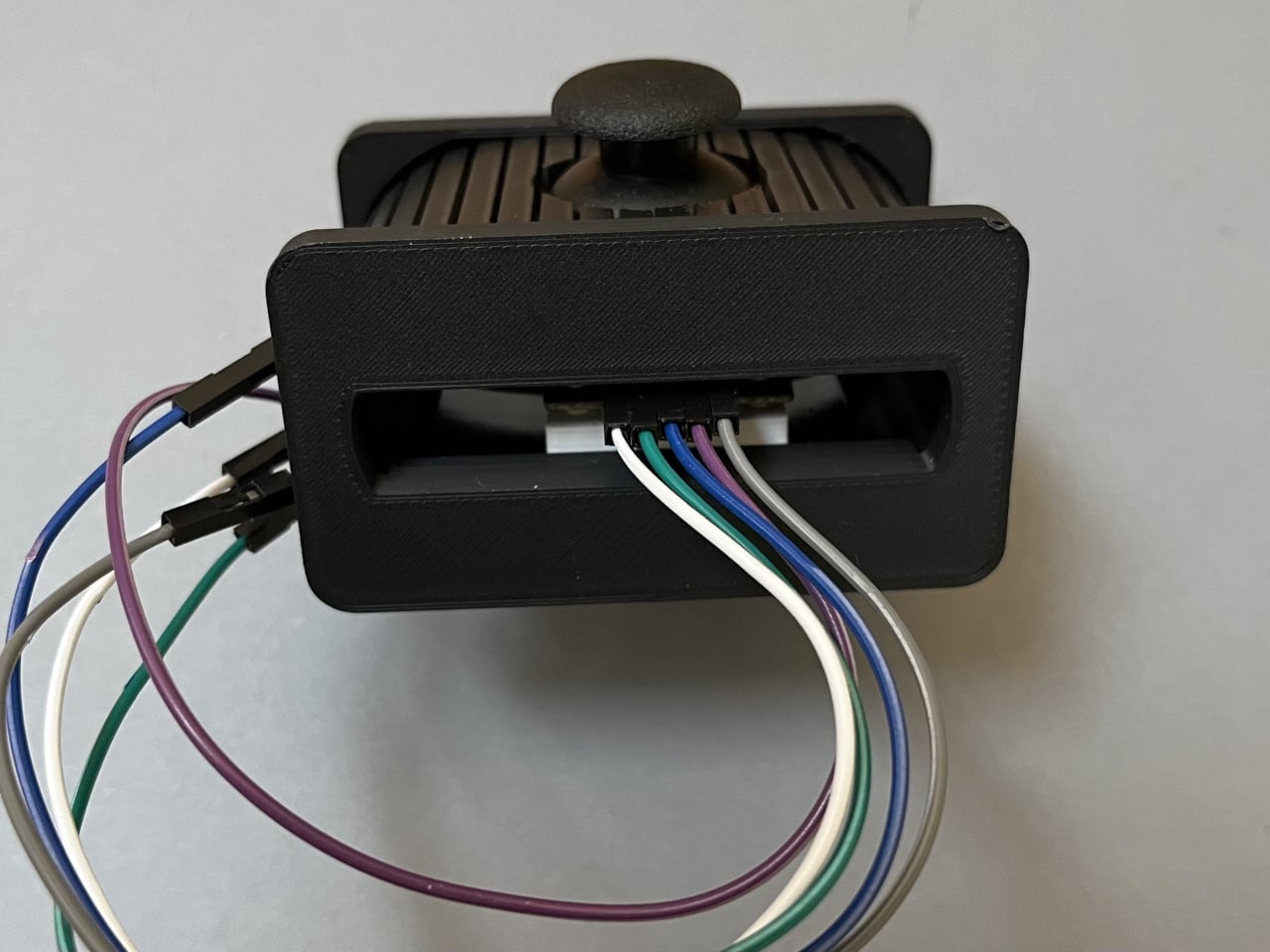
Morphable uses an Arduino Leonardo, which can pretend to be a USB keyboard. The three buttons and joystick axes are wired to specific pins, and the code maps them to keys like E, J, and K for games such as Hollow Knight. Because it shows up as a keyboard, you can remap controls in software and experiment with different layouts without being locked into a console’s default scheme.

The main body is a smooth, 3D-printed peanut shape that fills both palms and keeps wrists in a more neutral position than a flat gamepad. There are no sharp edges, and the weight is spread across the hands instead of concentrated under the thumbs. Combined with the movable modules, the shell lets you tune the controller to your posture instead of the other way around.
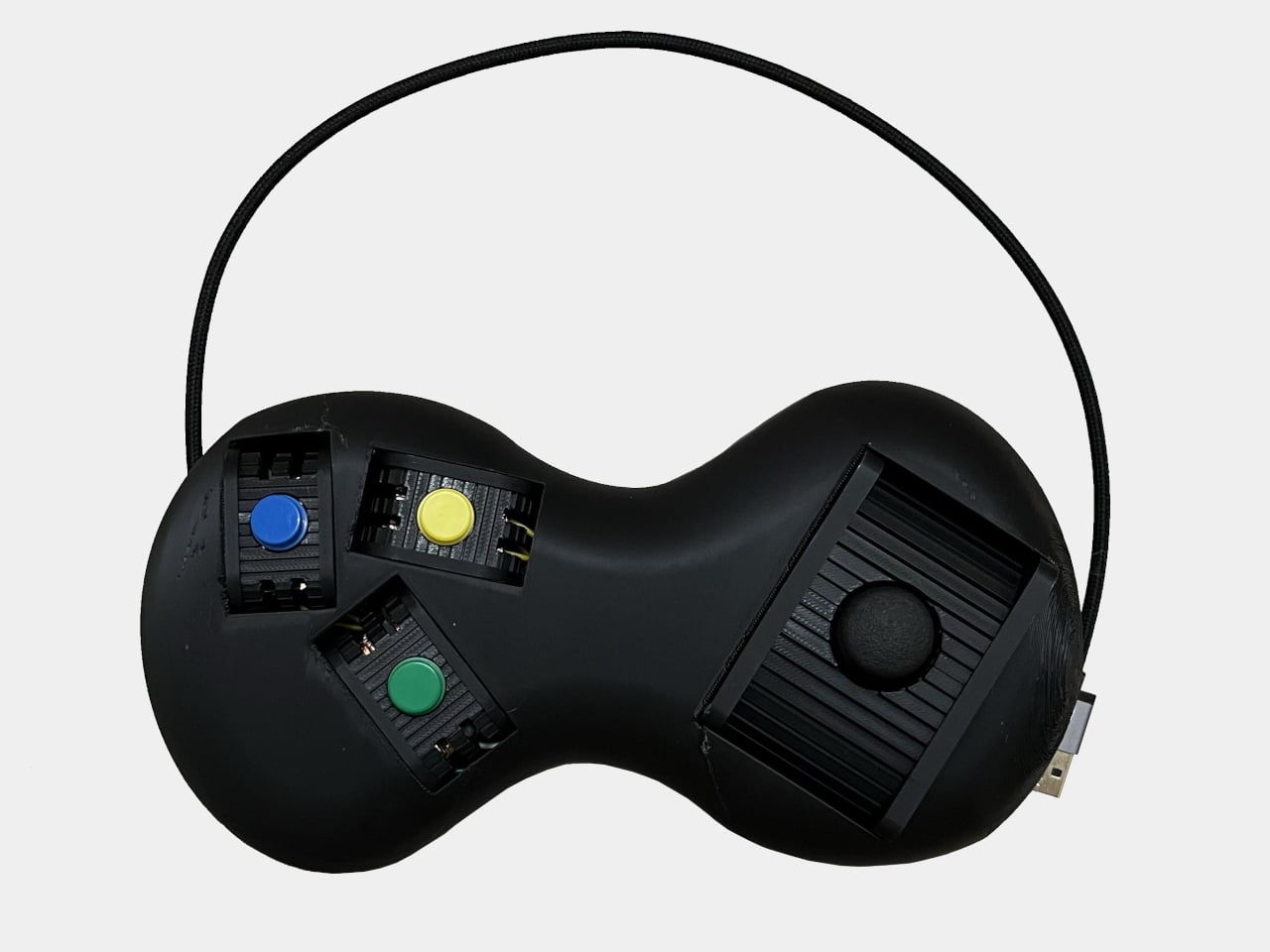
Morphable is less about one perfect layout and more about the idea that your ideal layout changes over a night, a week, or a year. Hardware does not have to be static; it can be something you keep adjusting as your body and habits shift. Fixed plastic shells dominate the market, but a controller that invites you to move things around to stay comfortable feels like a quietly radical prototype.

The post Morphable Shows How a Game Controller Could Adjust to Your Hands first appeared on Yanko Design.
These Fallout Nuka-Cola artisan keycaps are ridiculous, beautiful, and exactly what your keyboard deserves

Fallout never lets go of Nuka-Cola. You can be ankle deep in irradiated sludge, low on ammo, and still your brain pings when you see that red script on a rusted machine. The games trained everyone to read those machines as little probability engines. Maybe caps, maybe chems, maybe a ghoul behind the door. That association sticks. You see Nuka-Cola now and your fingers almost reach for the VATS key out of habit.

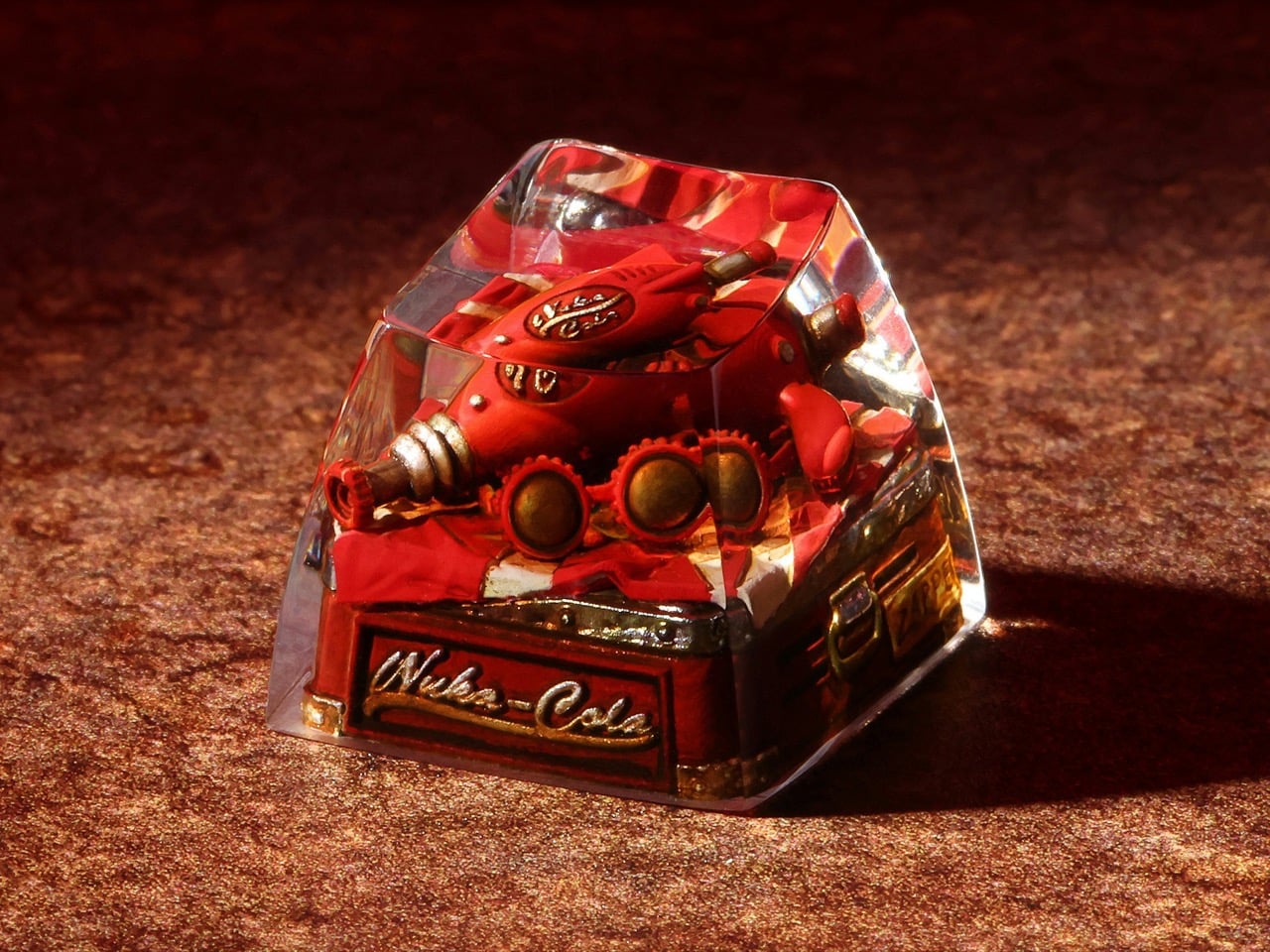
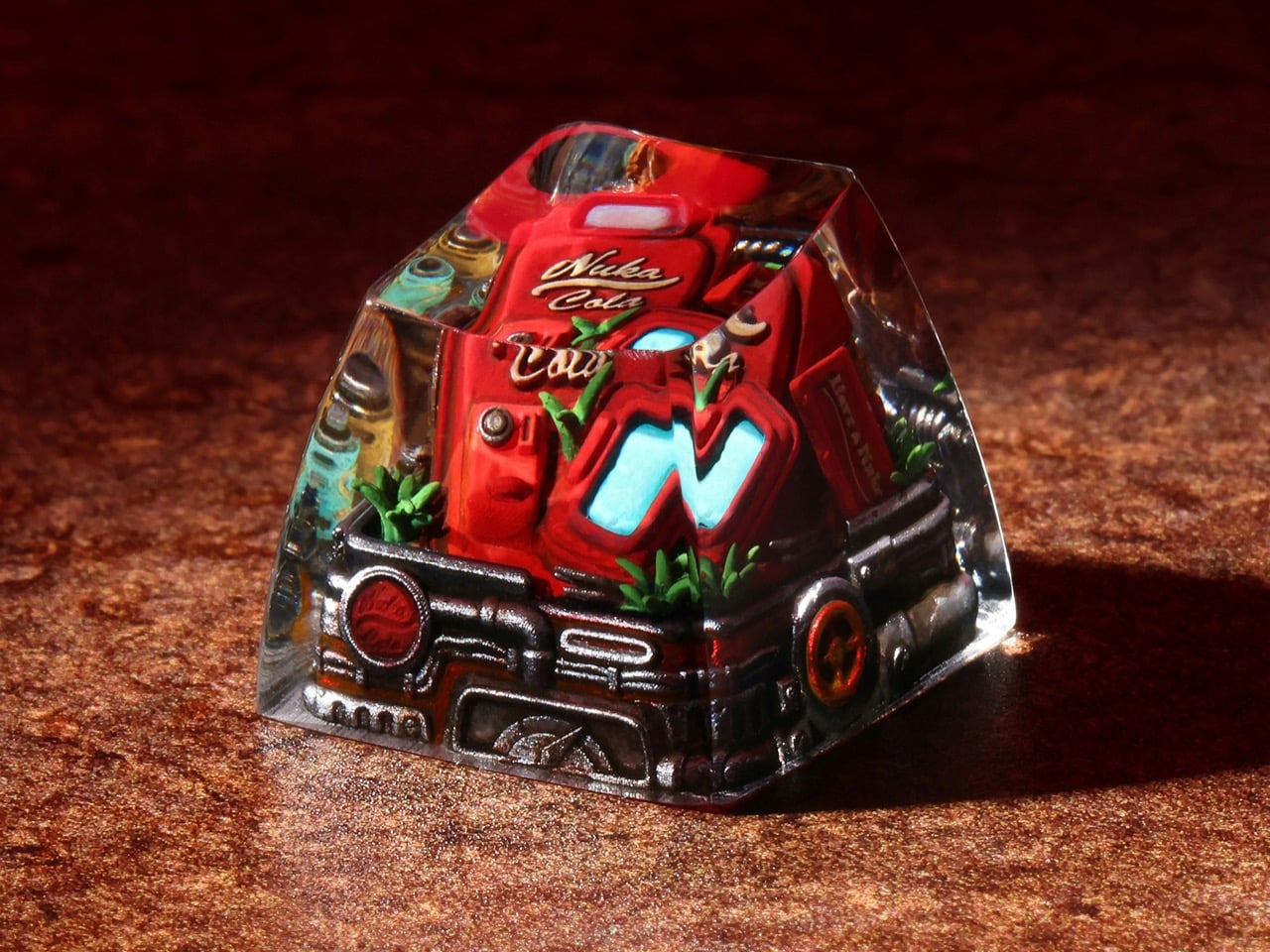
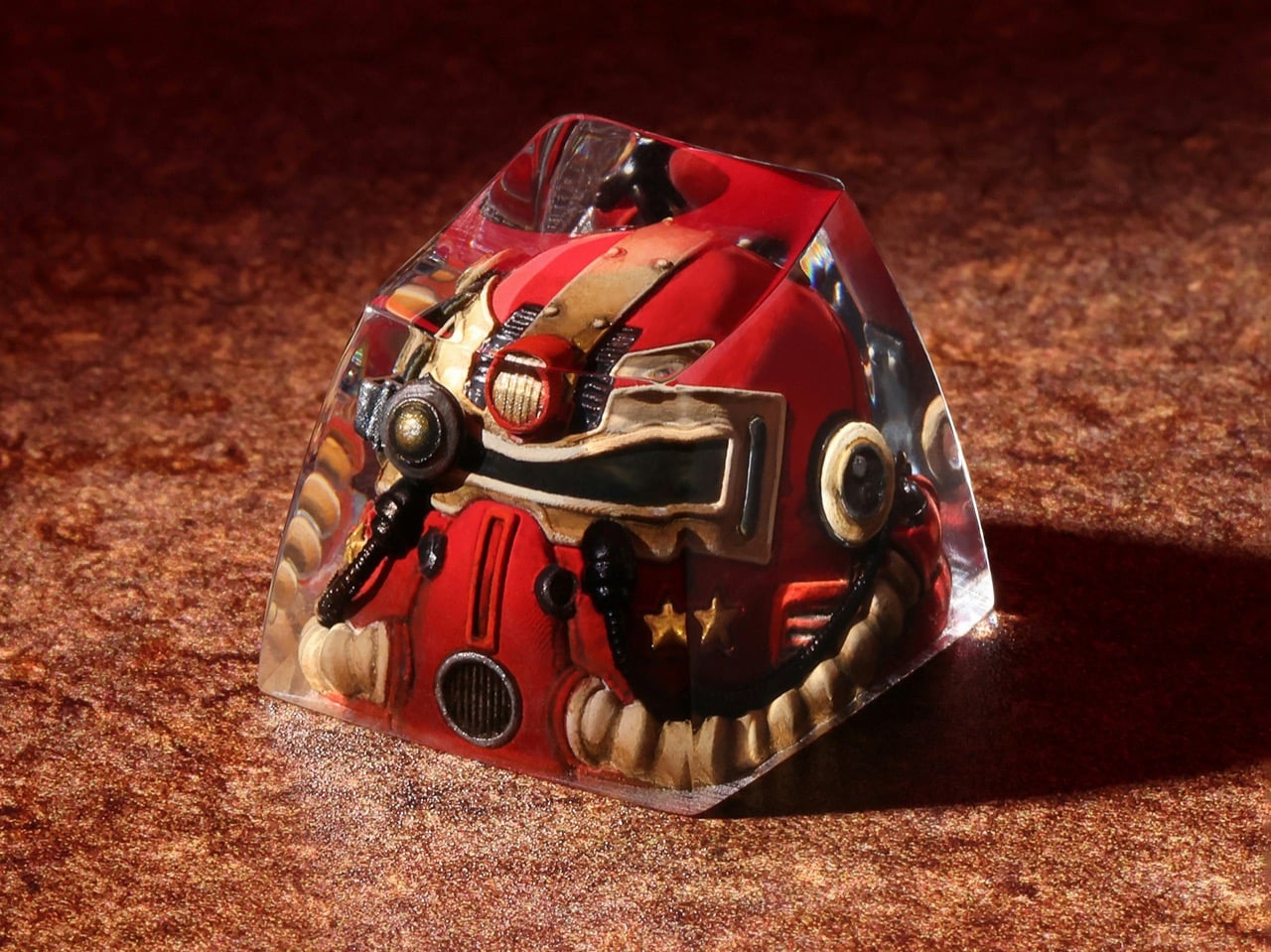
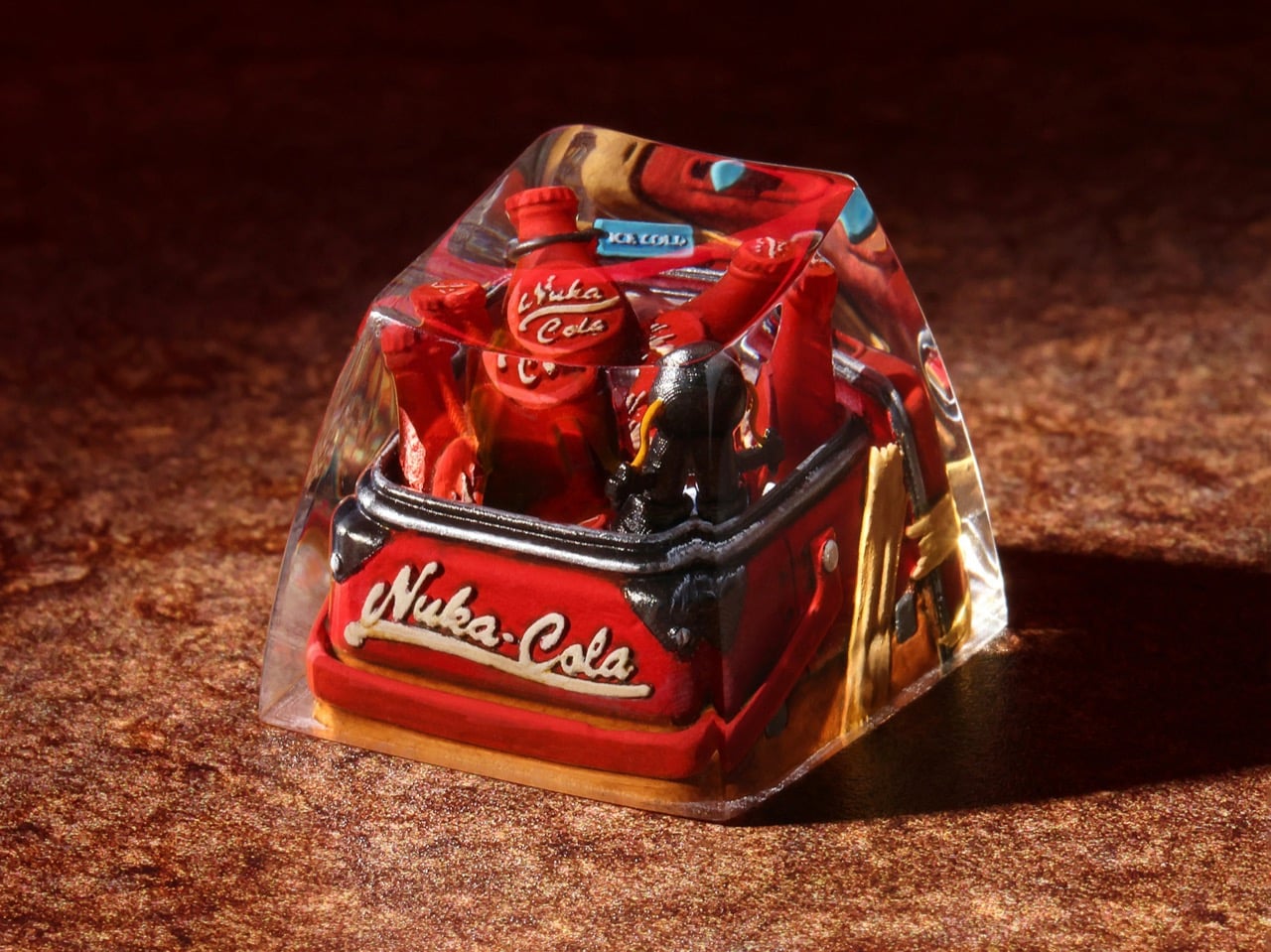
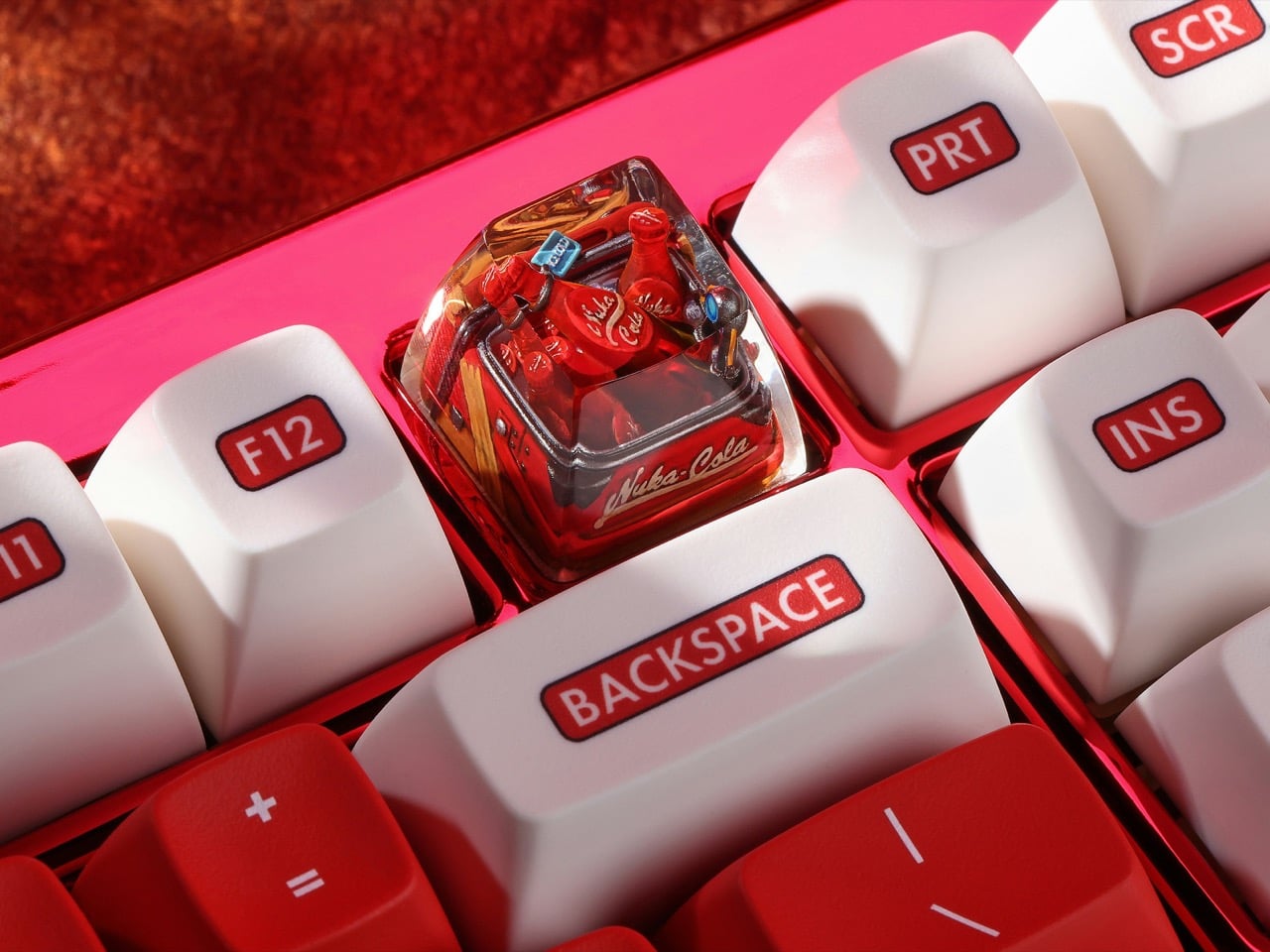
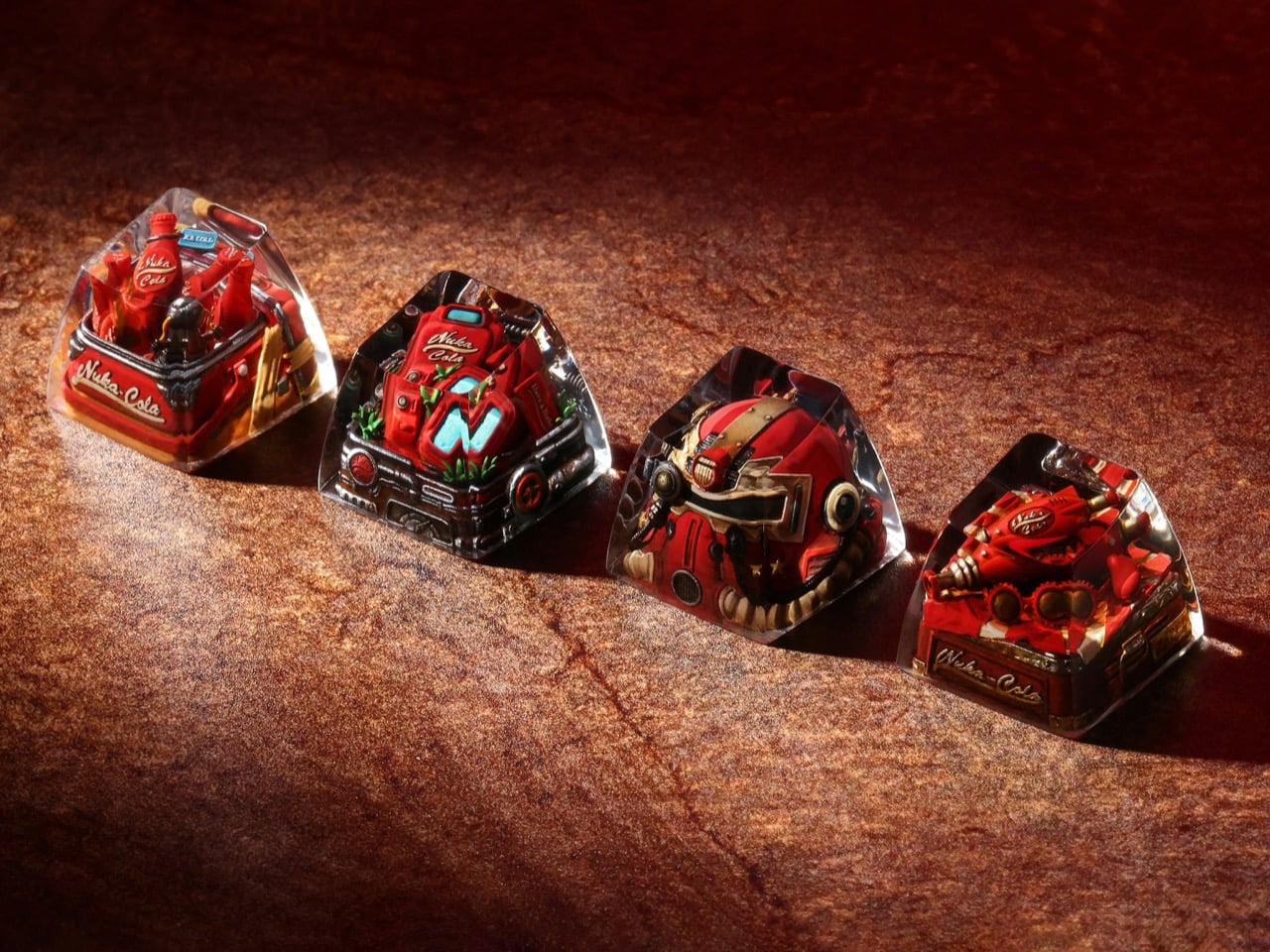
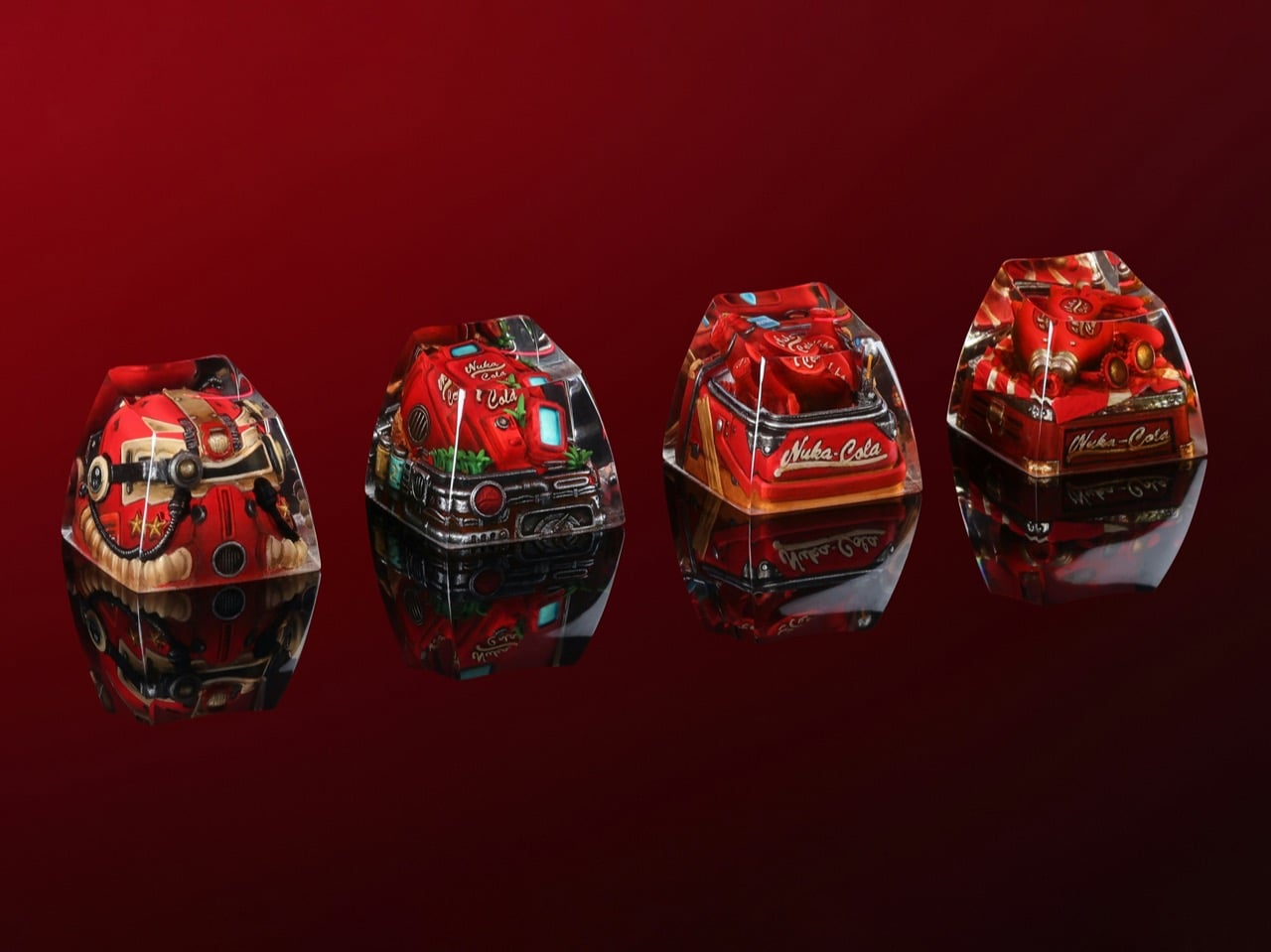
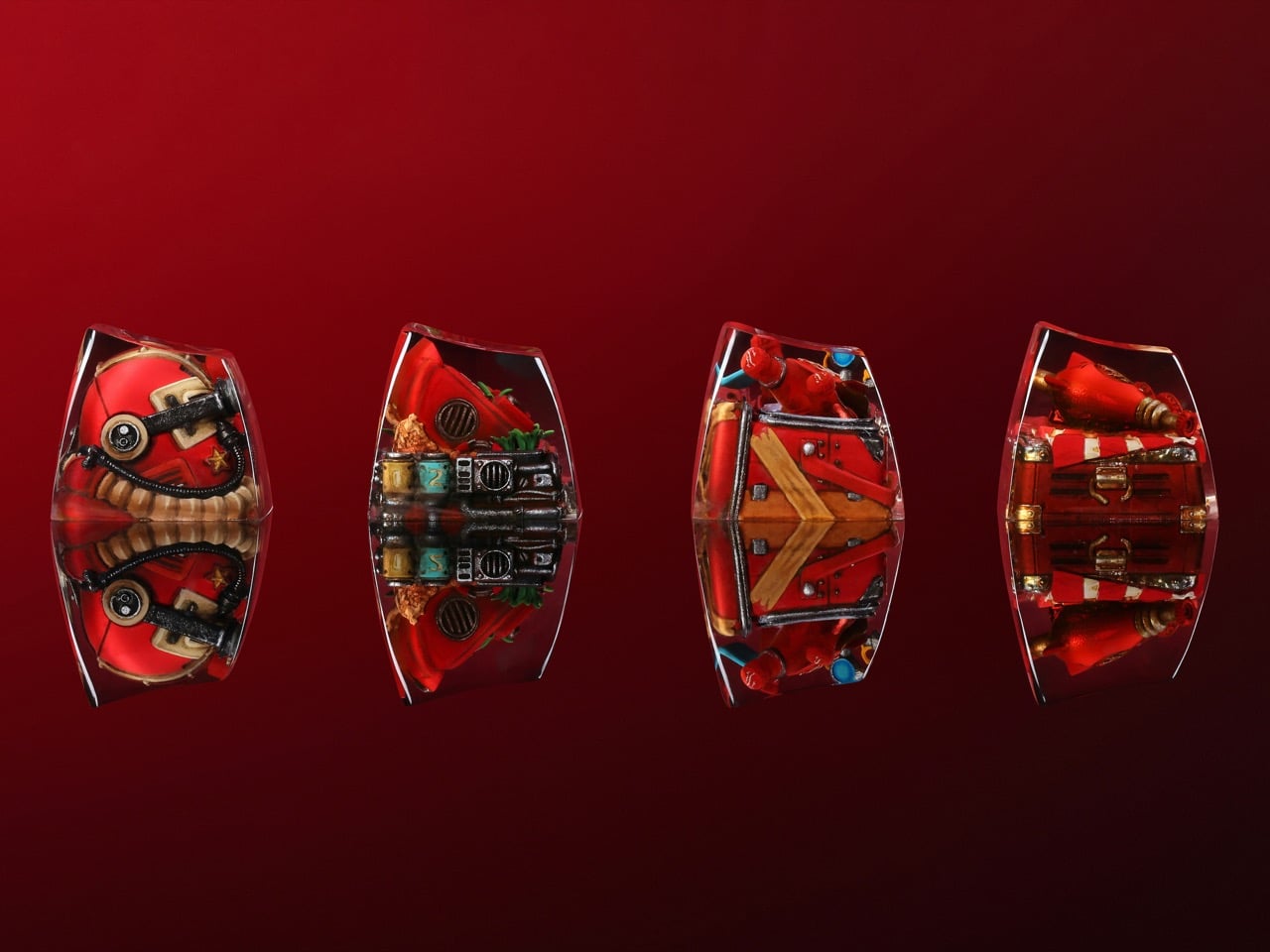
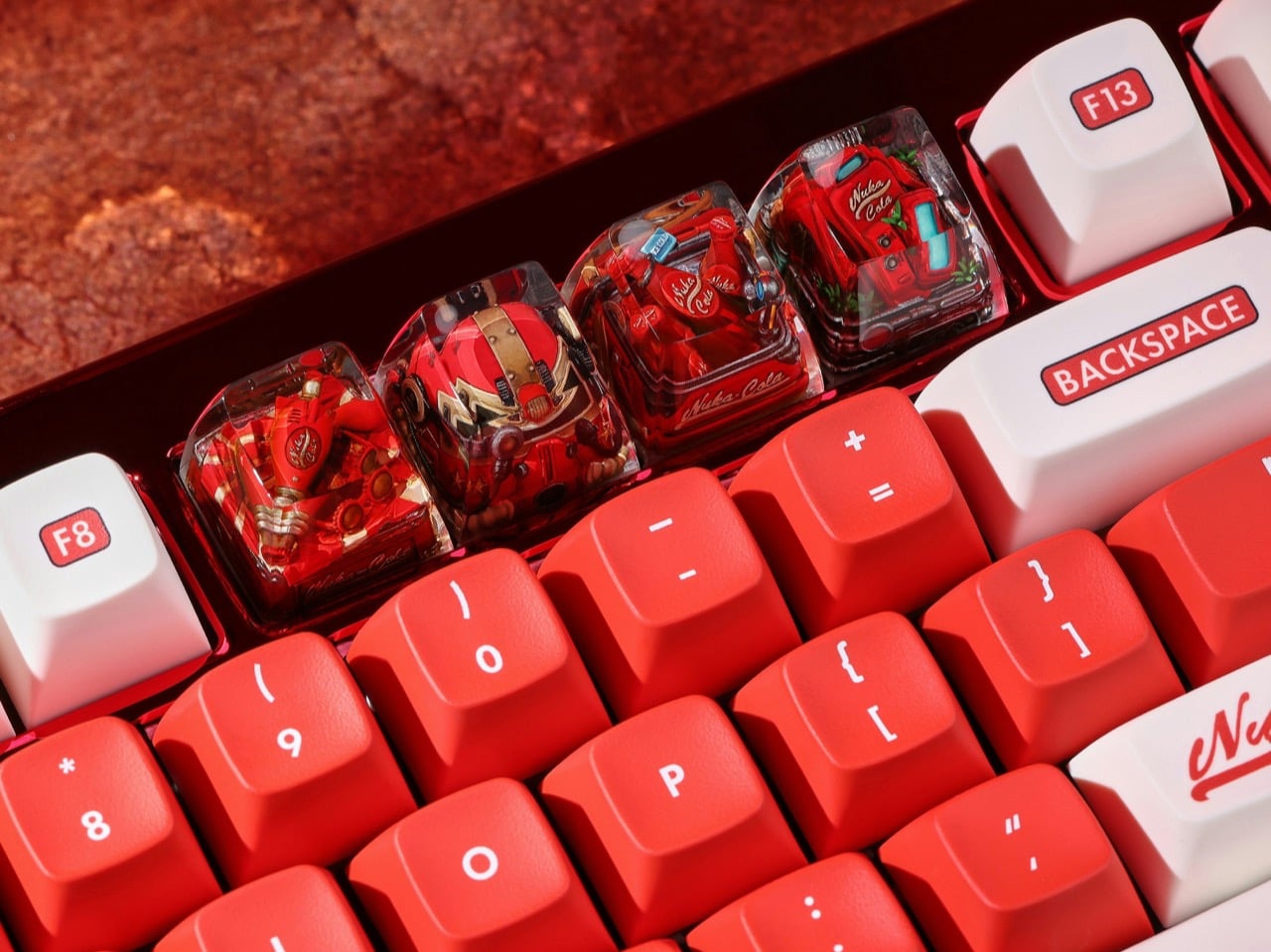
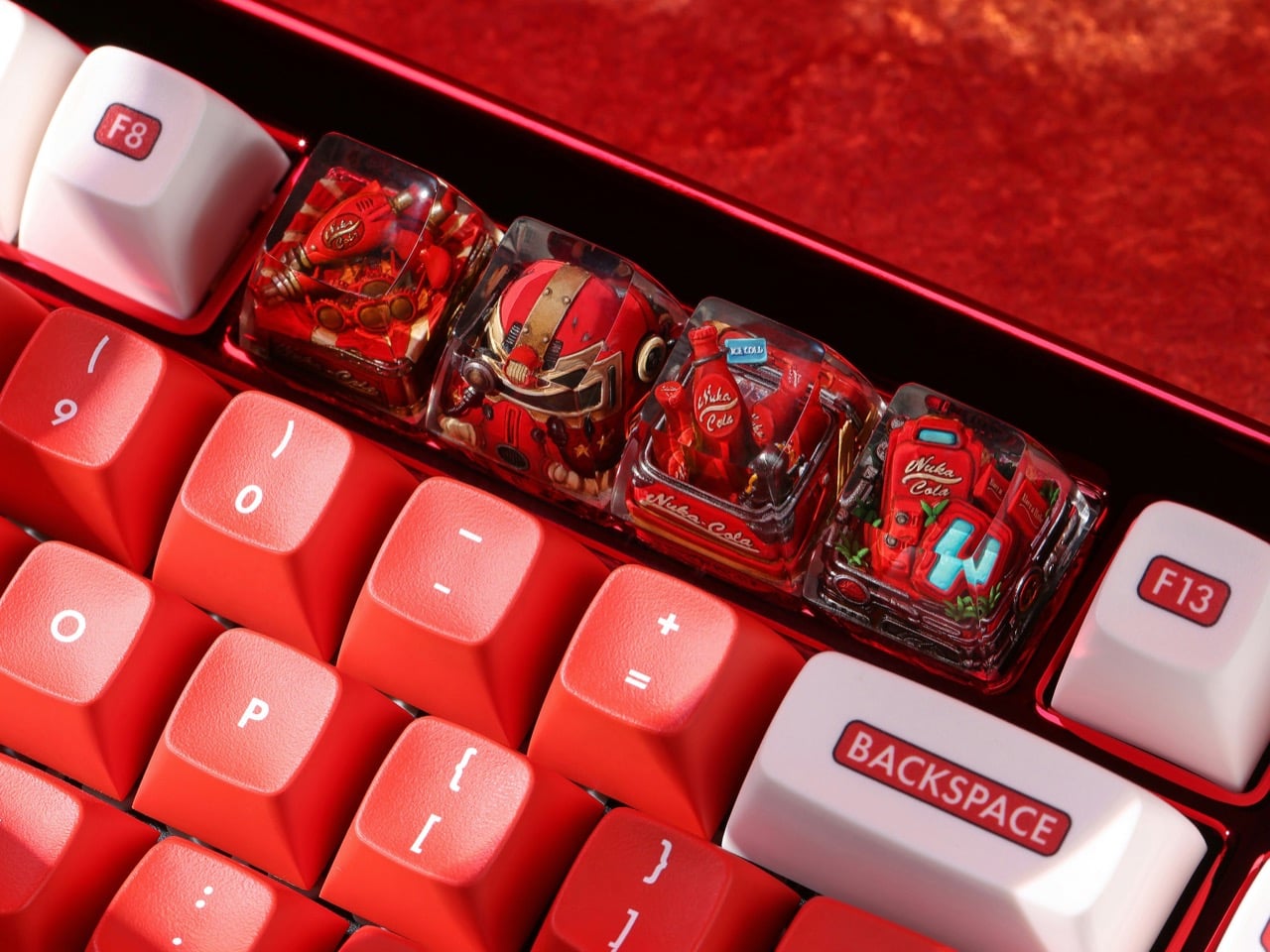
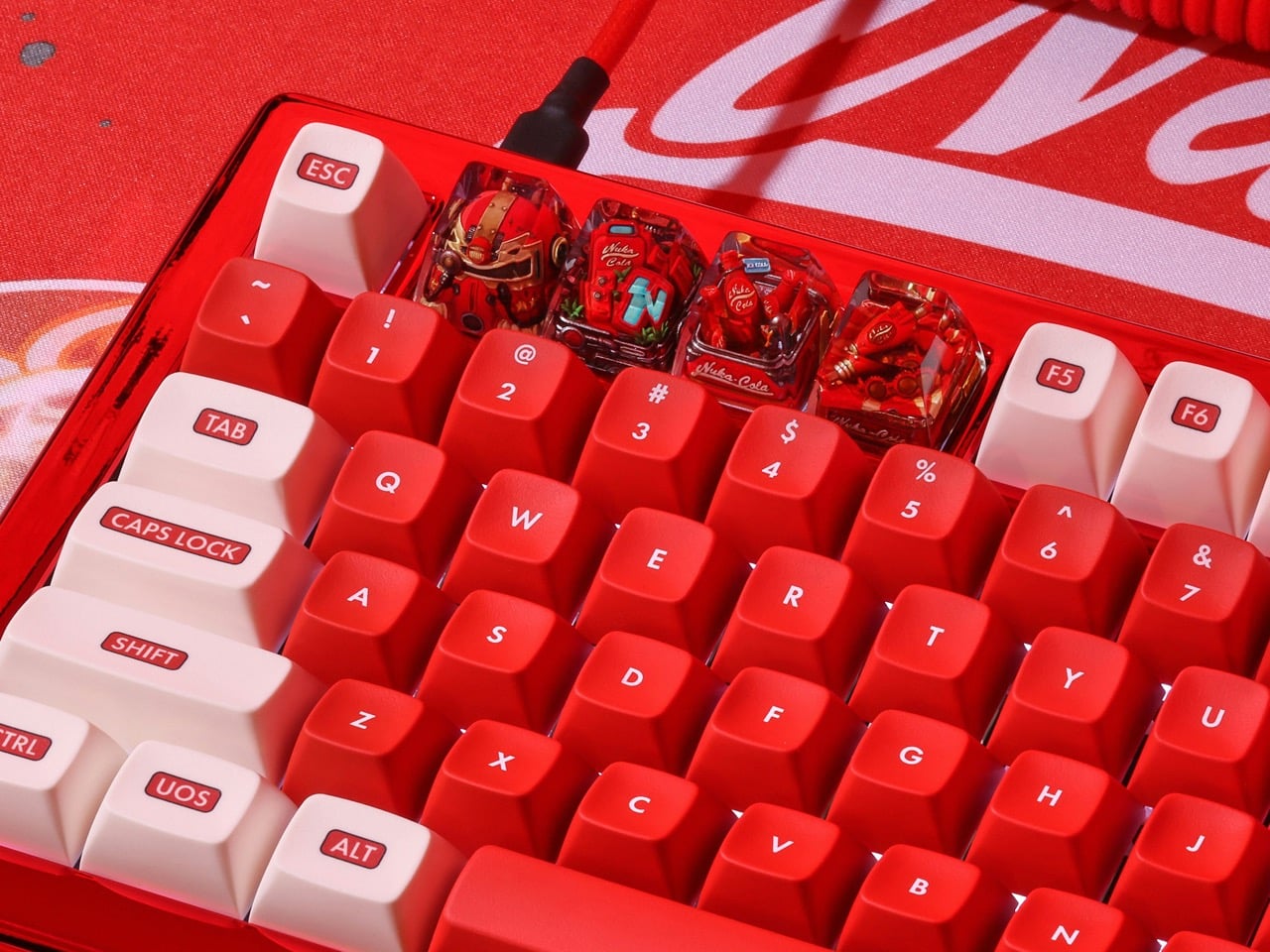
So when Drop and Dwarf Factory freeze that whole relationship inside a 1U keycap, it feels weirdly logical. Four tiny scenes, all Nuka flavored. Vending machine, bottle crate, Power Armor helmet, Thirst Zapper. Each one parked on an SA R1 profile shell, roughly 18 millimeters across, tall enough to tower over your number row. They are desk jewelry that behaves like keyboard hardware, and that crossover is where this stuff gets interesting.

Designer: Dwarf Factory for Drop

The sheer density of the diorama in each cap is something you have to respect. We are talking about a standard 1U footprint, roughly 18 millimeters square, that contains a fully realized scene with foliage, weathering, and legible micro-branding. The clear resin shell acts as a magnifier, giving the internal sculpture a sense of depth that tricks the eye. You can see the undercuts on the vending machine and the individual ropes on the bottle crate. Achieving that kind of fidelity in a multi-stage casting process, for a part that needs to meet the mechanical tolerances of a keyboard stem, is no small feat.

They were smart about the four designs they chose, too. It feels like a curated set that covers the core pillars of the Nuka-Cola experience: the vending machine for environmental storytelling, the bottle crate for loot, the Thirst Zapper for that weird corporate goofiness, and the Power Armor helmet for combat. It tells a more complete story than just slapping a Vault Boy face on a key. Together, they create a tiny narrative across your function row, a silent testament to the wasteland’s most persistent brand.

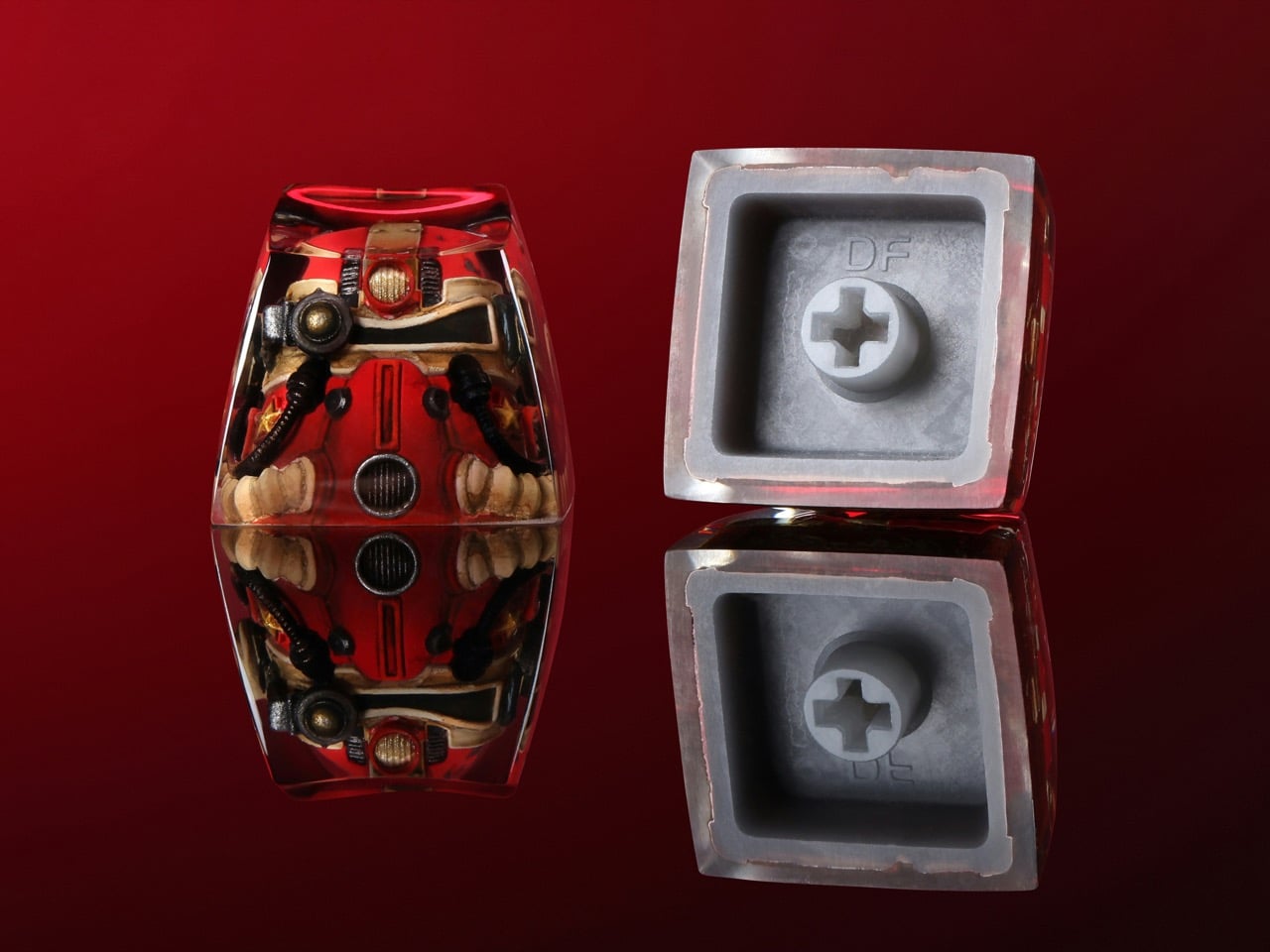
These things are tall, sitting at a full SA R1 profile height of around 16 millimeters. On a low-profile board they would look like monoliths, but that verticality feels right for Fallout’s chunky, retro-futuristic hardware. Dwarf Factory is using its standard multi-part resin casting and hand-painting process, all sealed in a polished acrylic shell. They fit standard Cherry MX stems, so compatibility is wide, but anyone running Kailh Box switches is out of luck due to the wider housing. It’s a niche product for a niche within a niche, and the specs reflect that.

Of course, that kind of hand-painted, multi-stage resin work is why these things have a seventy-dollar question mark attached to each key. That price point immediately pushes them out of the realm of simple accessories and into the category of functional jewelry for your desk. You are not just buying a keycap, you are commissioning a tiny sculpture that happens to be keyboard-compatible. It is an absurd purchase by any rational metric, but the entire custom keyboard hobby abandoned rationality several years ago. This is for the person who sees their keyboard as a gallery, not just a tool.

The way they interact with backlighting is another clever touch. The glow-in-the-dark pigment and internal geometry create this irradiated halo effect at night, with light bouncing around inside the resin instead of just shining through a legend. It looks like your keyboard has been sitting a little too close to a glowing sea. Drop one of these on a retro-themed beige board and it looks like canonical hardware from the Fallout universe. Put it on a modern RGB rig and it becomes a preserved relic, a piece of the old world trapped in a futuristic frame.

Given their handmade nature, these keycaps don’t come cheap. Each individual cap starts at $69 from Drop’s website (unless they get sold out and sell on the aftermarket for even higher). I assume the handcrafting cost is high, but the licensing fees with Fallout are even higher. Drop’s even debuted Fallout-themed mechanical keyboards/keycaps/mats that are more mass-produced which sell for a lot cheaper (you can see them in the images above and below)… although if you’re a bit of a collector, you’d want to spring for the artisan stuff, whether it’s to mount on a keyboard or showcase on a platform behind a glass cover.

The post These Fallout Nuka-Cola artisan keycaps are ridiculous, beautiful, and exactly what your keyboard deserves first appeared on Yanko Design.
Japan’s Pokémon Hotel Rooms Put 100+ Characters on Your Ceiling (And Gyarados in Your Bathroom)

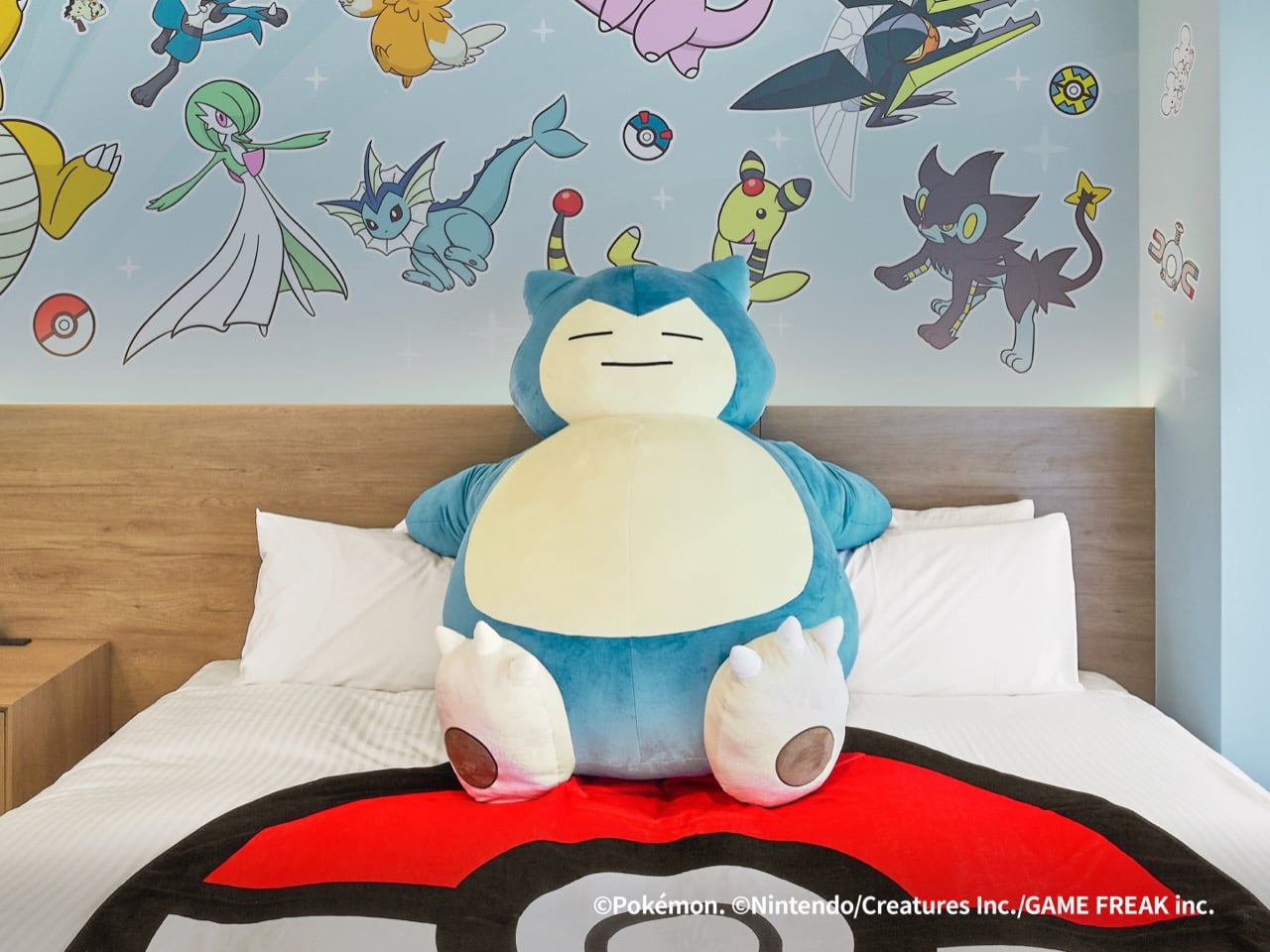
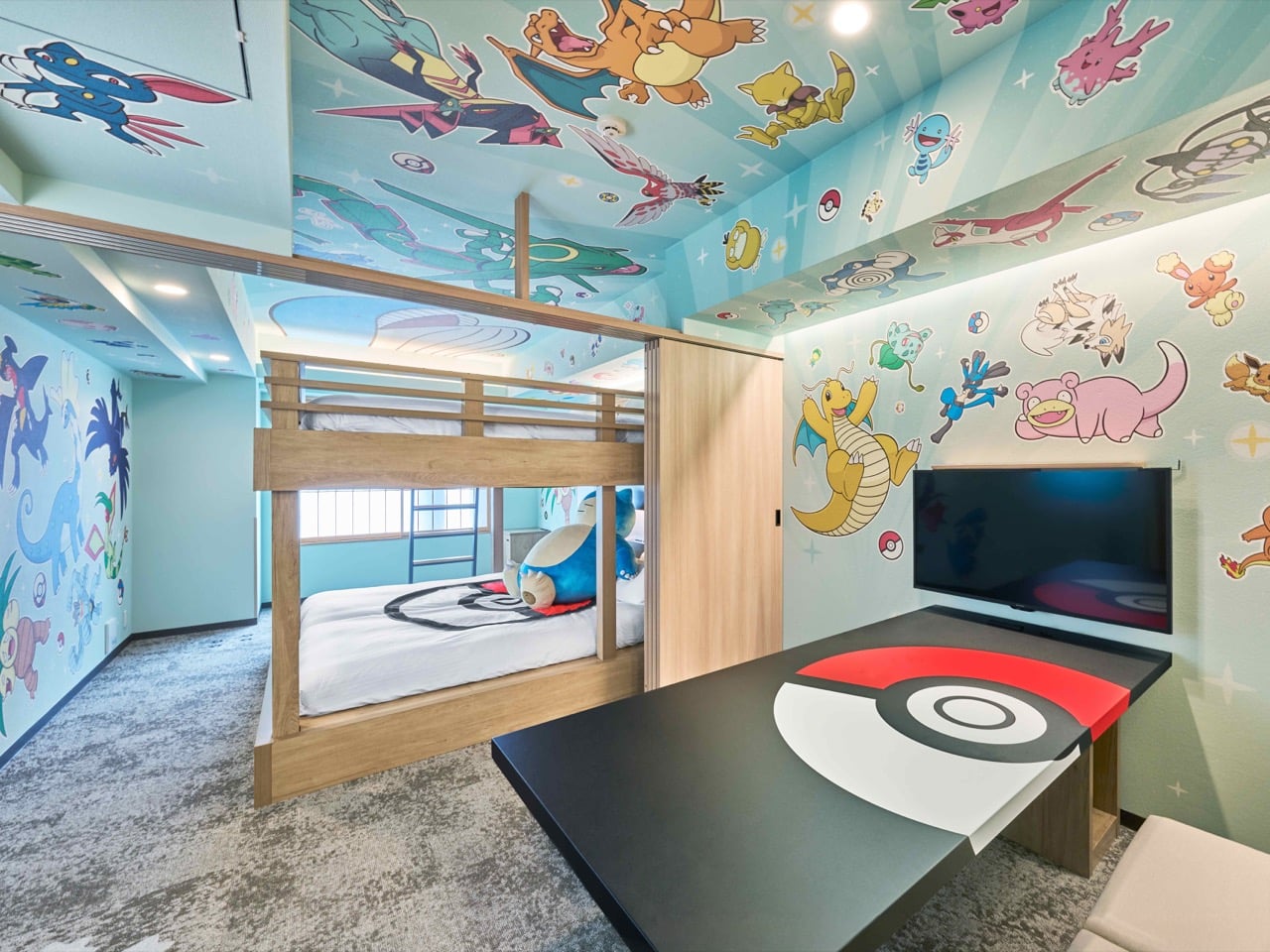
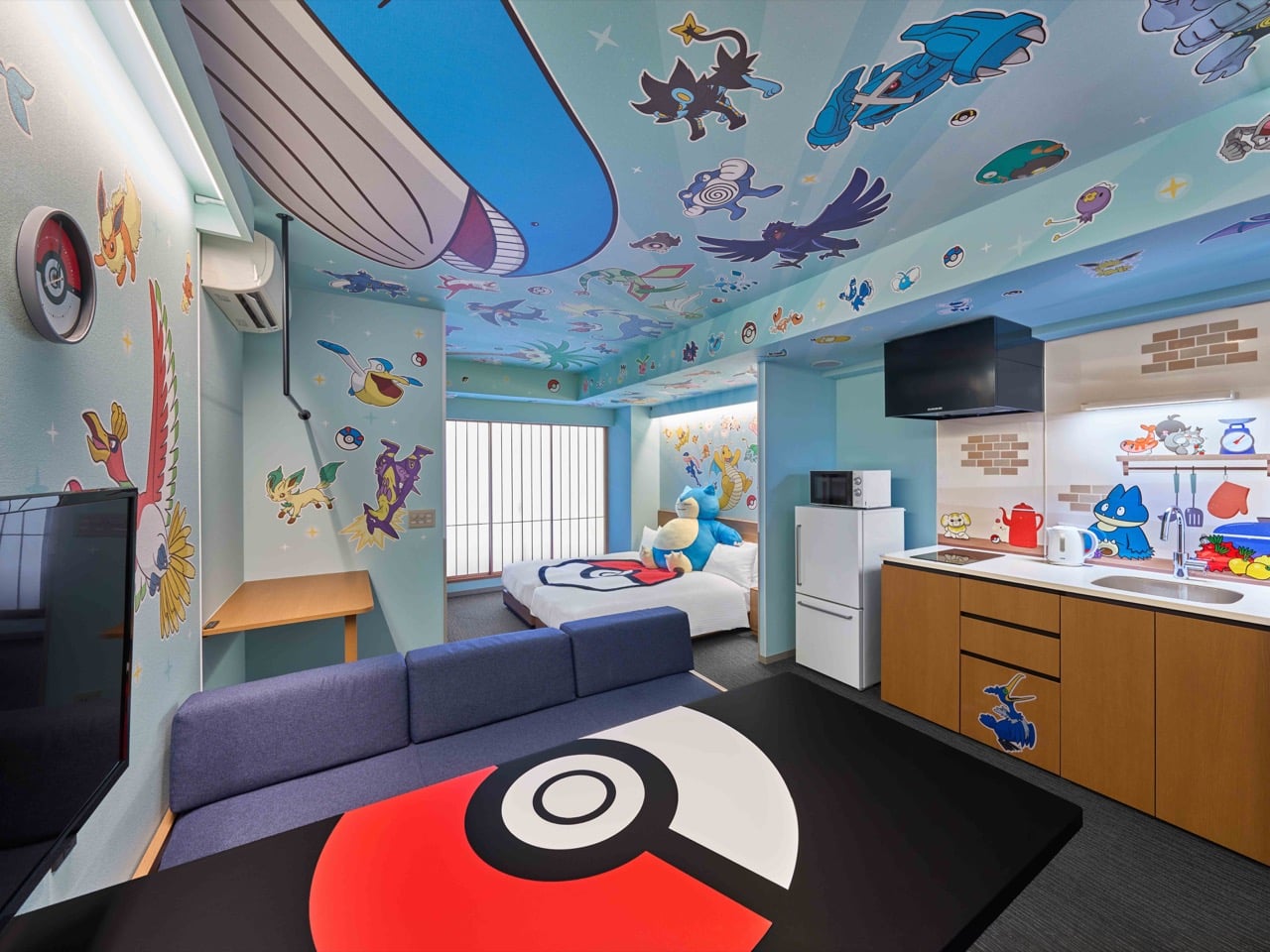
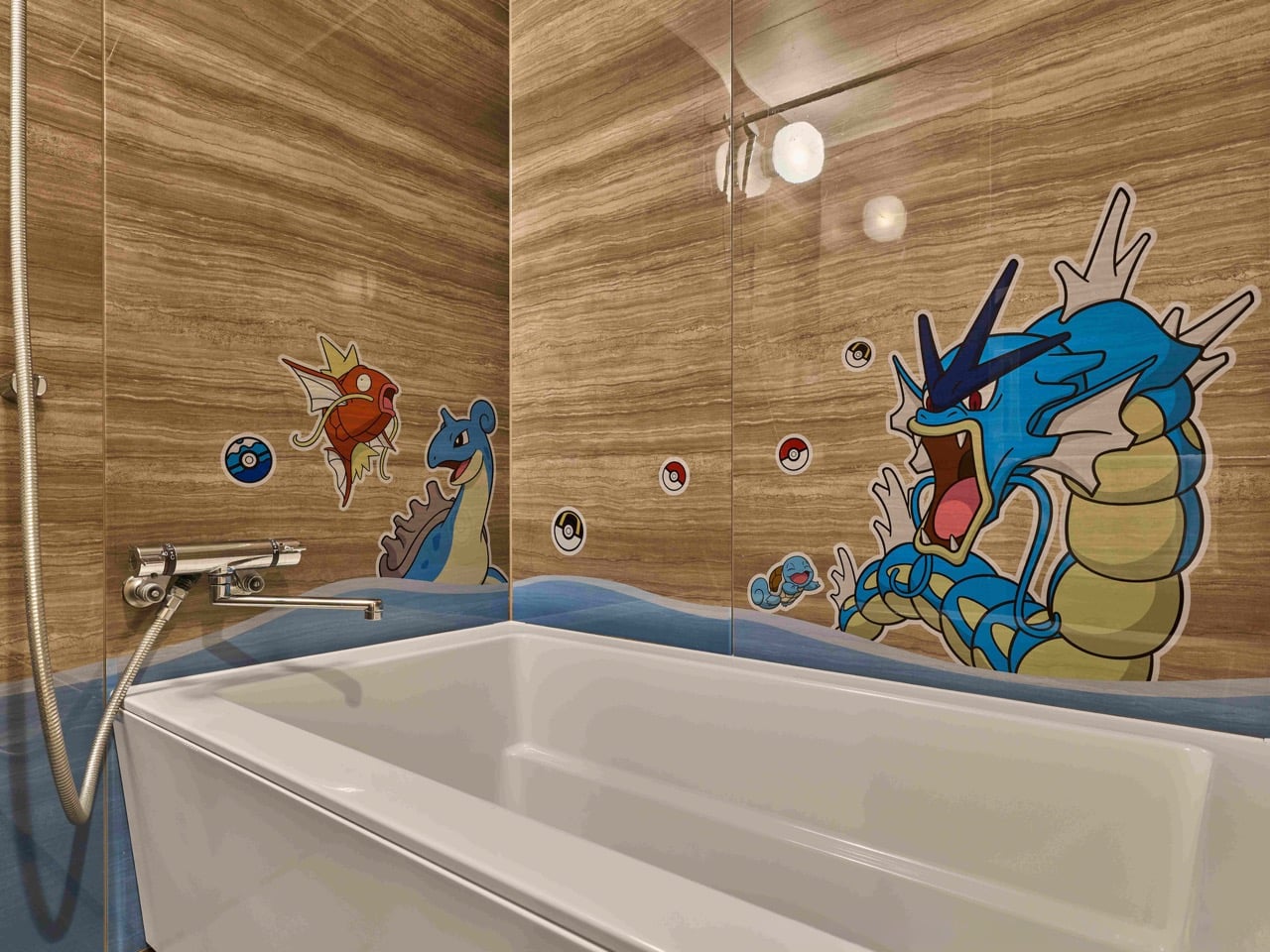
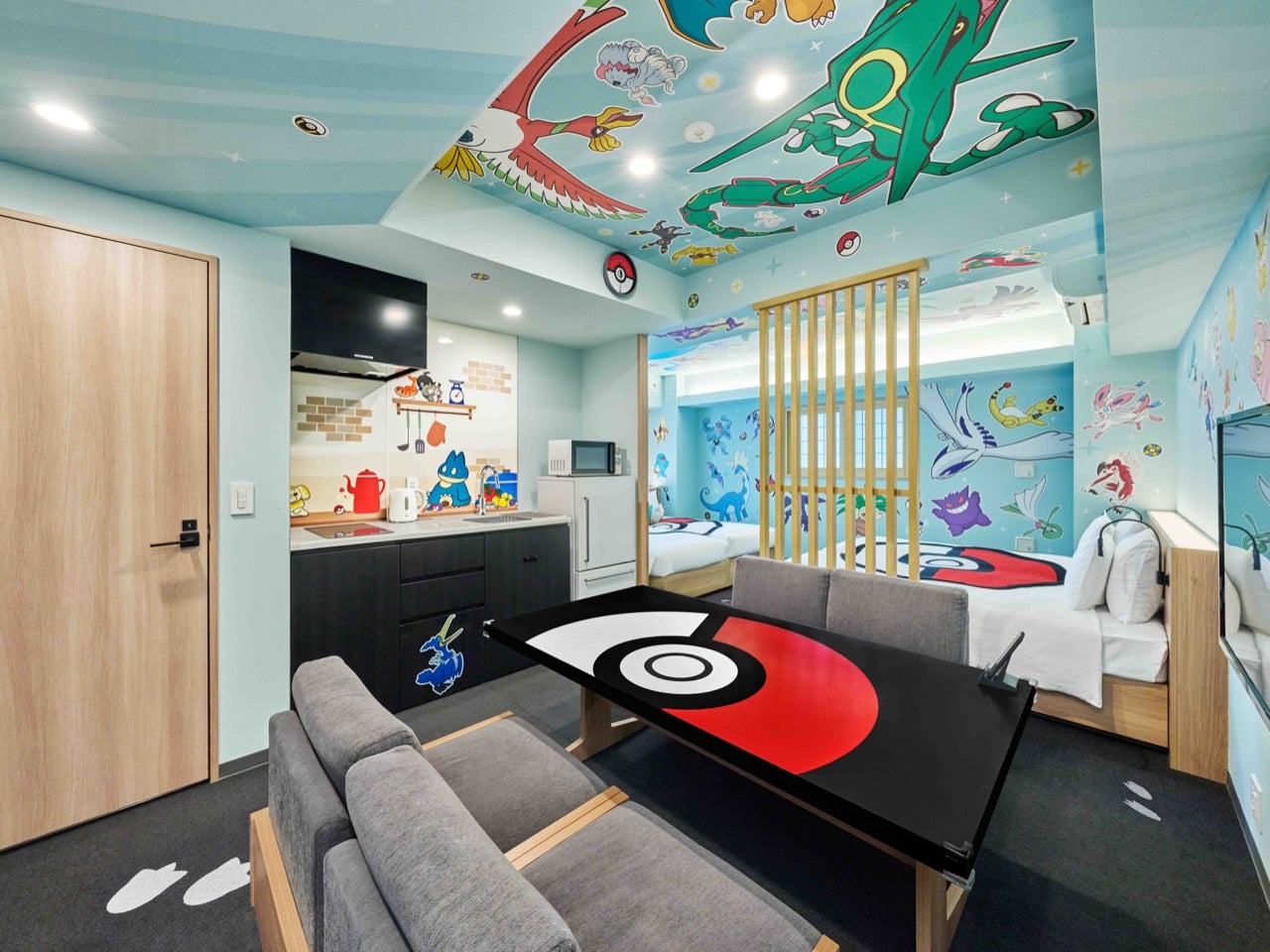
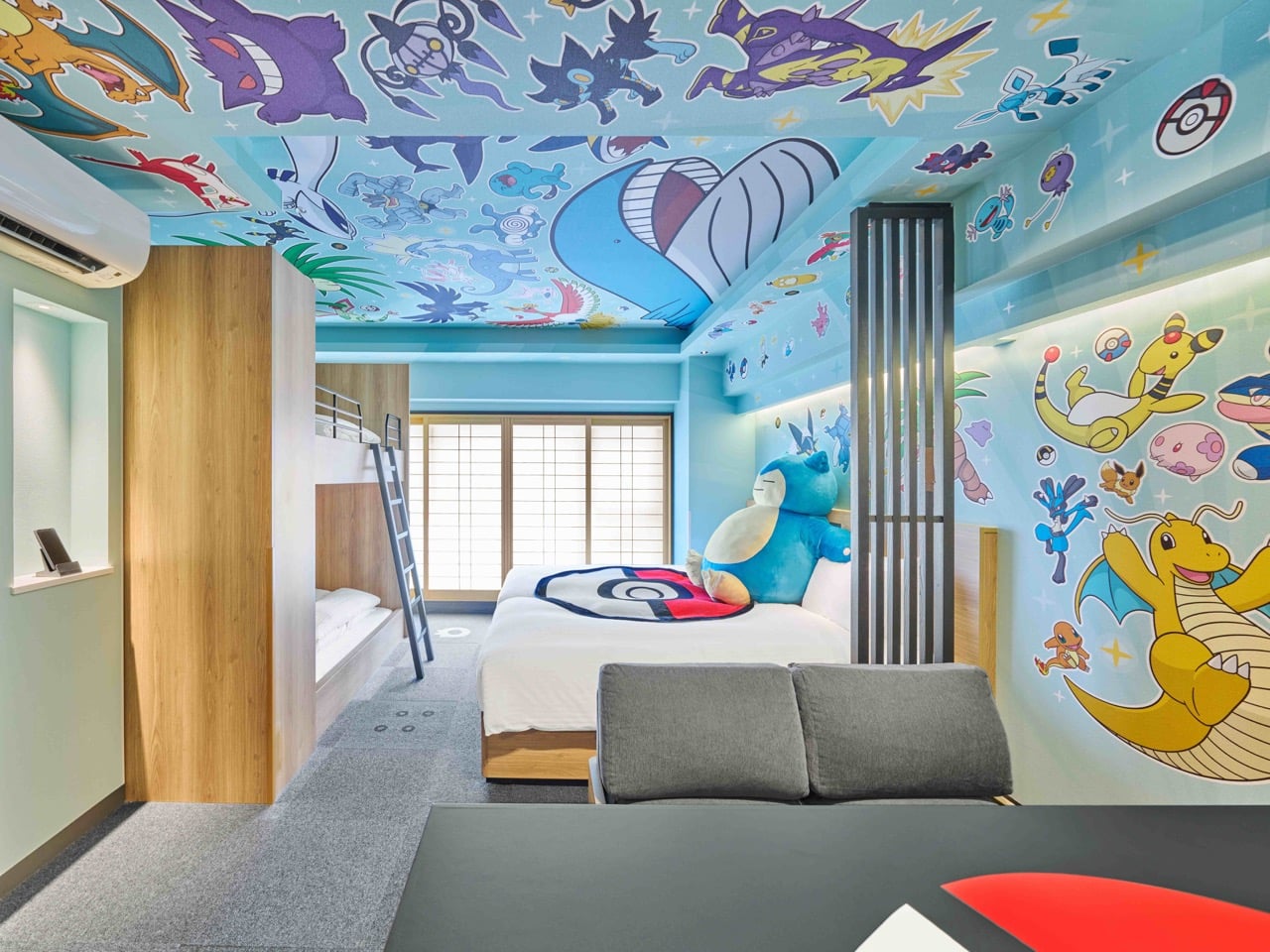
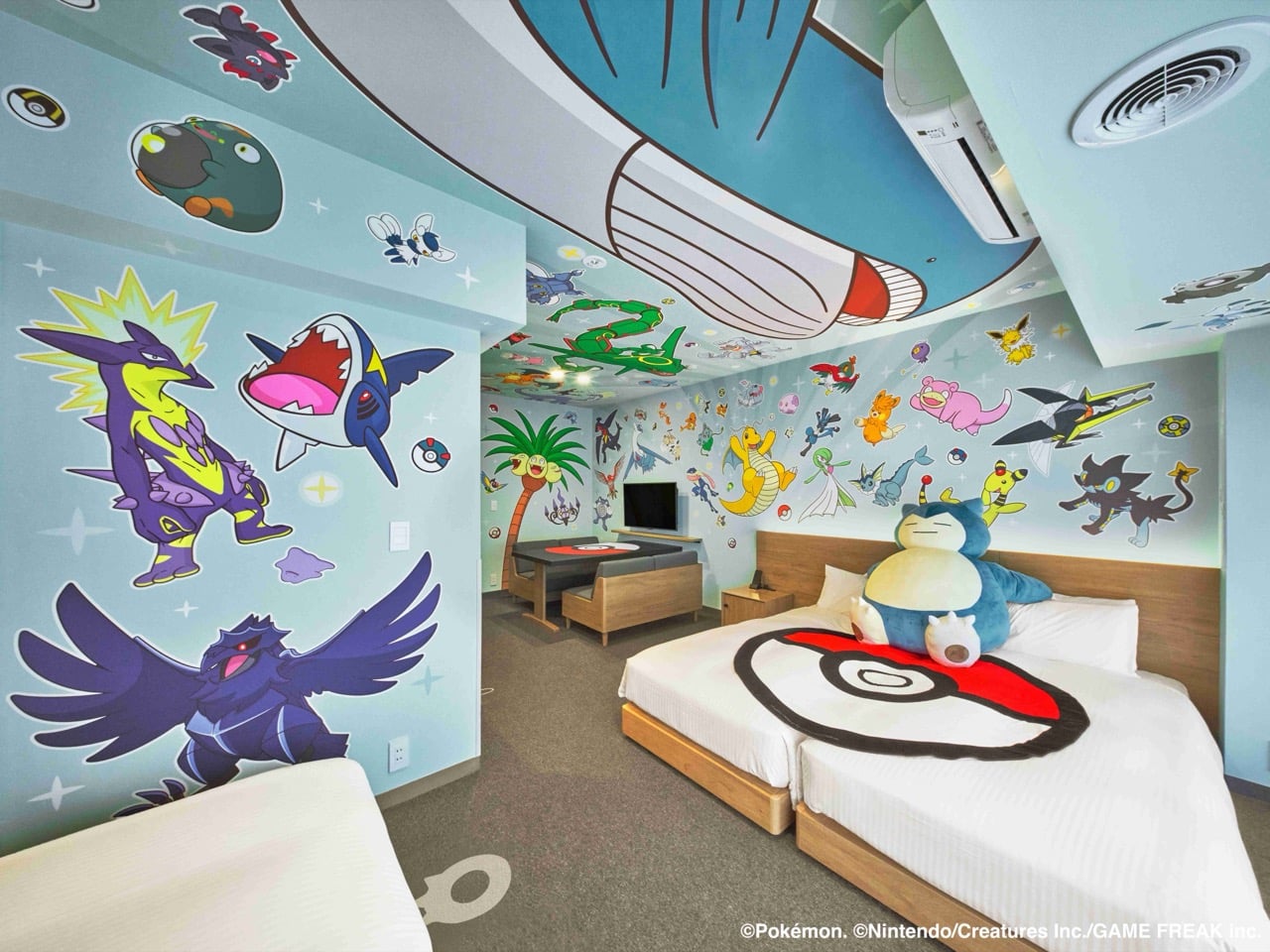
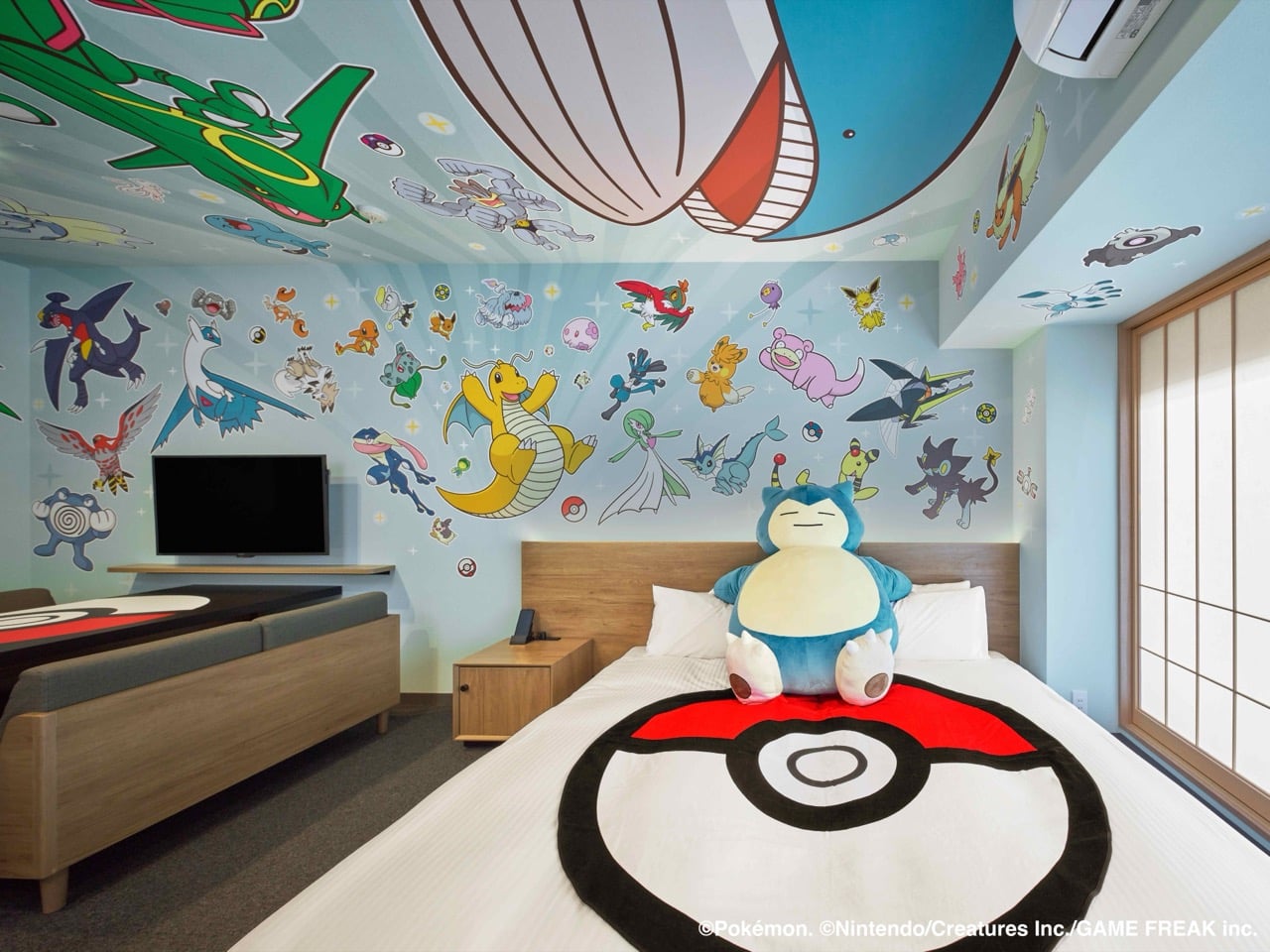
Snorlax is napping on your bed. Rayquaza soars across the ceiling. Gyarados splashes through your bathroom walls. This is not a fever dream—this is checking into a MIMARU Pokémon Room, where over 100 beloved characters have escaped their Poké Balls to transform apartment-style hotels across Japan into immersive wonderlands.

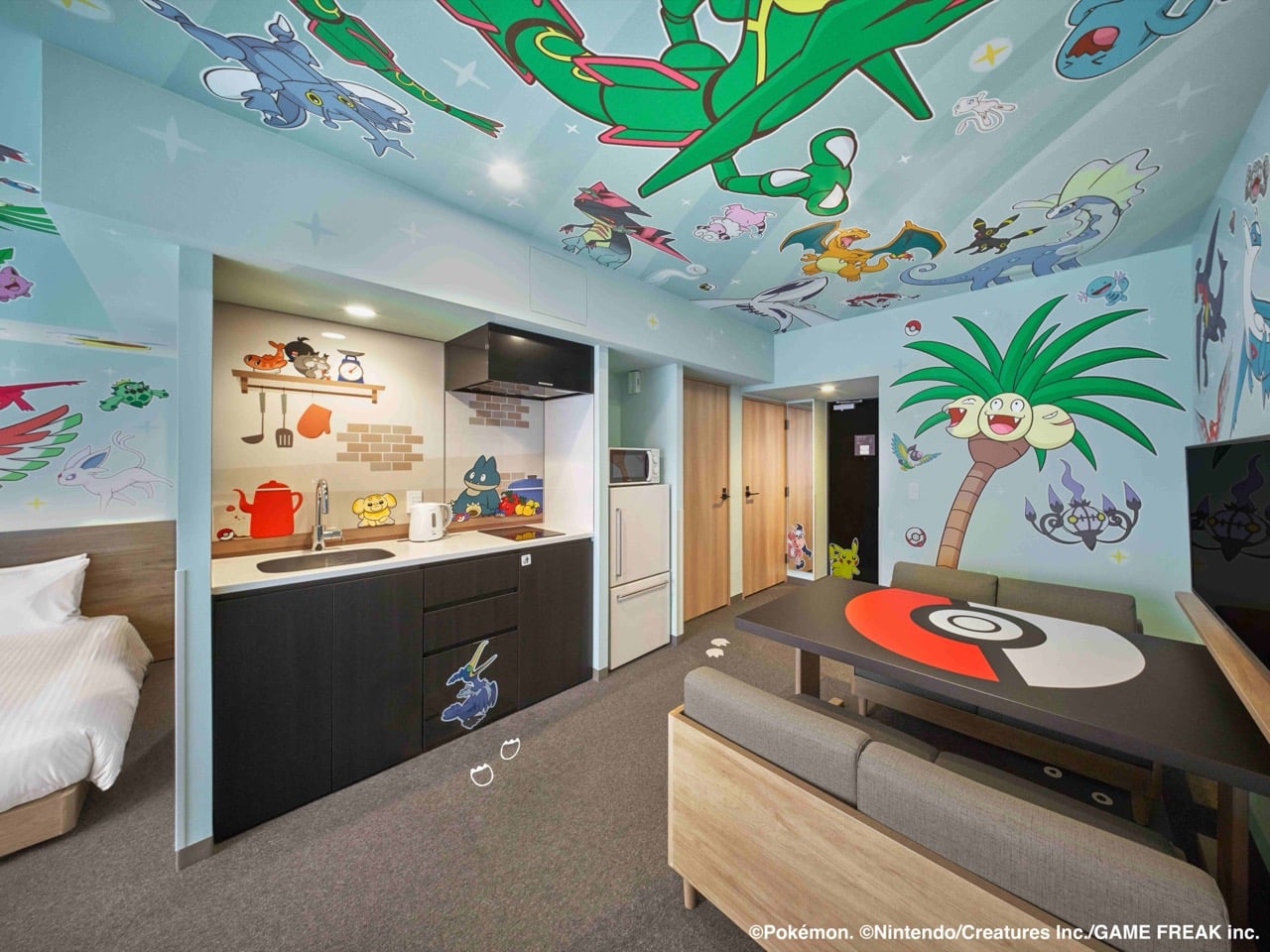
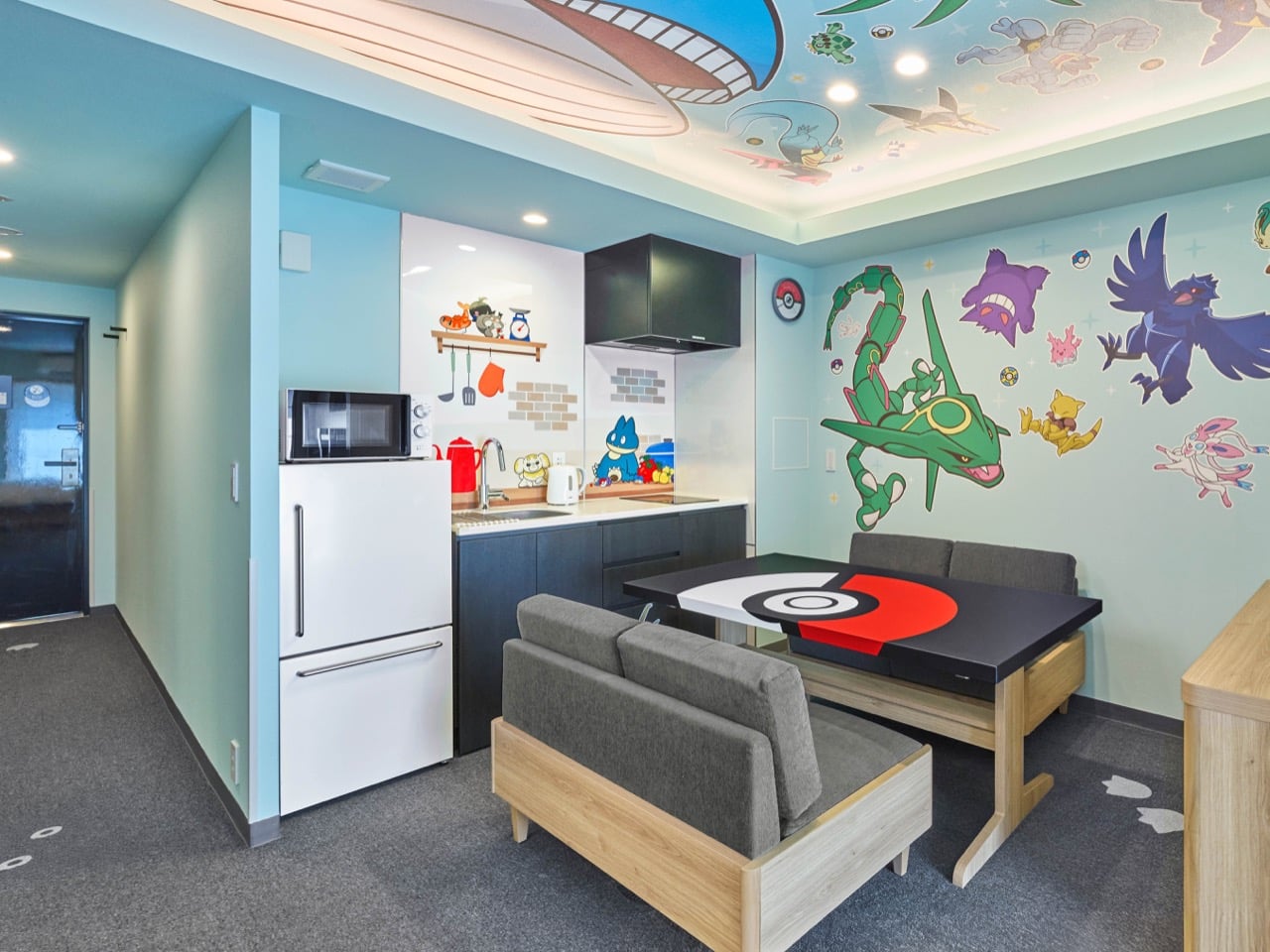
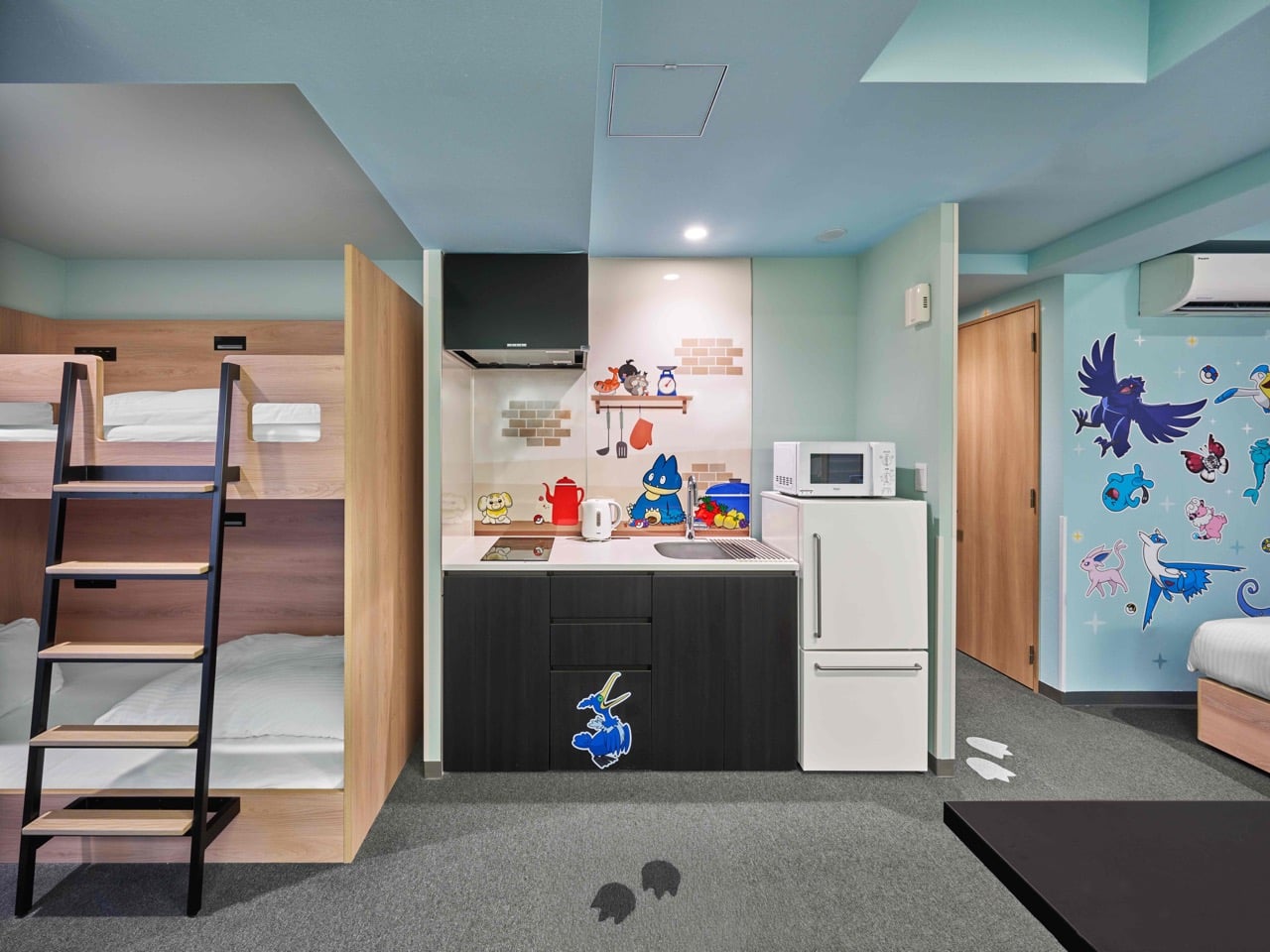
Since their 2019 debut, these themed accommodations have evolved from a novel concept into a hospitality phenomenon, now spanning 10 properties in Tokyo, Kyoto, and Osaka. The latest renovation doubles down on what made them irresistible: more Pokémon, more family-friendly spaces, and meticulous attention to detail. Water-types gather in bathrooms. Food-loving characters populate kitchens. Even the dining table and tableware echo the iconic Poké Ball design. For families seeking more than generic hotel rooms and Pokémon fans wanting to live inside their childhood obsession, MIMARU has created something genuinely special.

Designers: Nintendo & Mimaru Hotels

Most themed hotels give you a logo on the wall and call it a day. MIMARU went full maximalist and put 100+ Pokémon across every available surface including the ceiling, which most designers treat like dead space. The apartment format solves the actual problem of traveling with kids or groups: you need a kitchen, you need separate sleeping areas, you need room to exist without climbing over each other. Scaling from the 2019 launch to 10 properties across Tokyo, Kyoto, and Osaka means this concept is making serious money. Hotels kill ideas that don’t work. They expand what drives bookings.

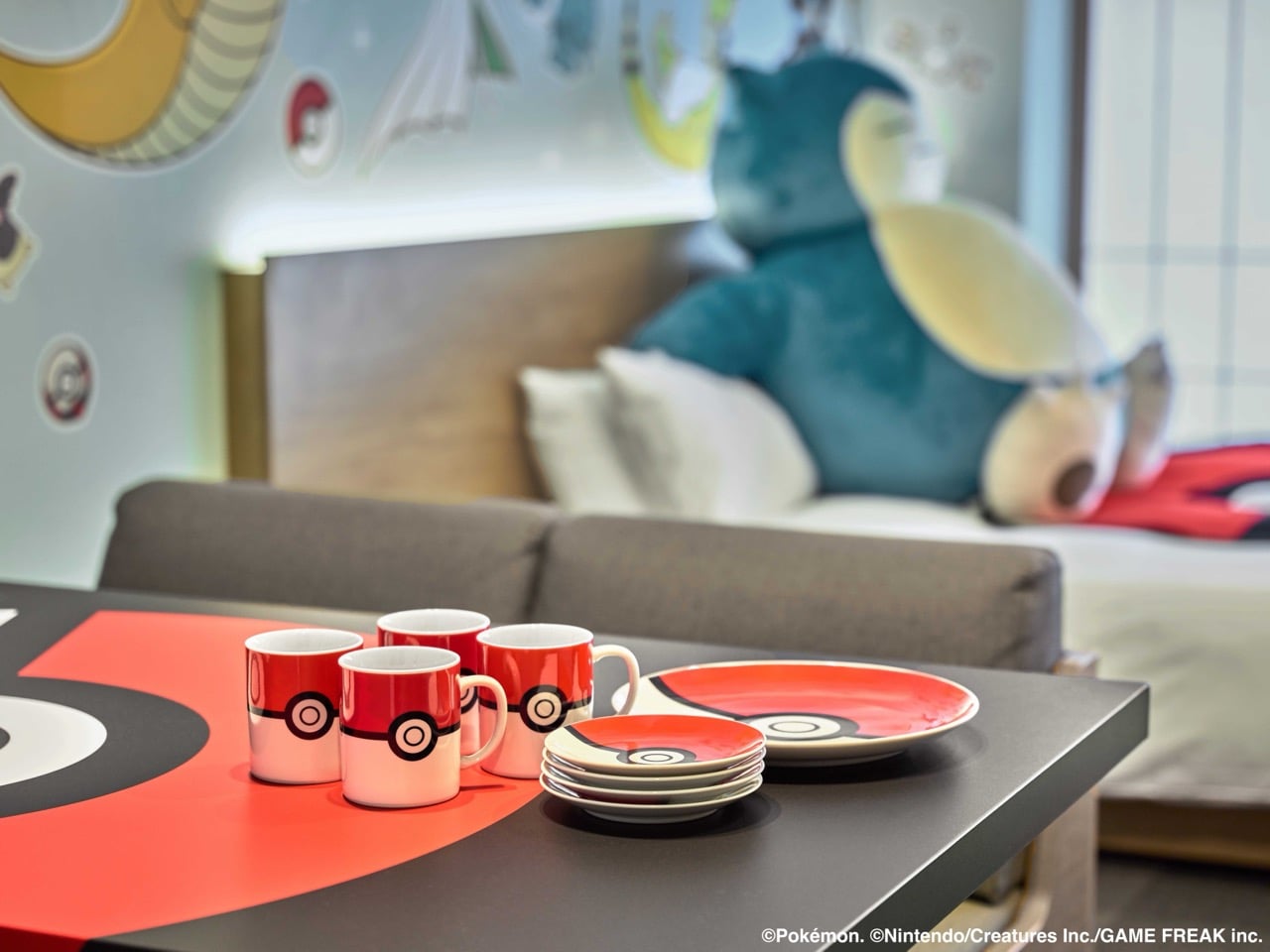
Custom Poké Ball plates and mugs mean you’re eating breakfast off themed dinnerware. The dining table itself has the circular red and white design built in. These aren’t afterthought details or cheap branded merchandise they threw in a gift shop basket. The tableware extends the experience into every meal without being obnoxious about it. You’re drinking coffee from a Poké Ball mug while surrounded by wall art of Charizard and Dragonite. The layering works because each element reinforces the others instead of competing for attention.

You walk in and there’s a massive Snorlax plushie sprawled across Poké Ball bedding. Every guest photographs this thing. Every review mentions it. It’s become the signature element that people specifically request when booking. The plushie works because it’s tactile, huggable, and perfectly in-character for Snorlax to be permanently napping on your bed. It’s also shameless Instagram bait, which means free marketing from every family that stays there. The design team knew exactly what they were doing when they made this the centerpiece.

Water-types live in the bathroom. Food-obsessed Pokémon populate the kitchen. Flying and legendary types take over the ceiling murals. Someone actually thought about spatial logic instead of randomly slapping characters everywhere like a kid with stickers. Lapras and Magikarp around the bathtub makes intuitive sense. Pikachu hanging out near the dining table with other food-loving characters feels natural when you’re making breakfast. This kind of ecosystem thinking is rare in themed spaces, which usually prioritize maximum logo visibility over coherent storytelling. The renovation team understood that immersion breaks when placement feels arbitrary.

Every stay includes MIMARU-exclusive merchandise you can’t get anywhere else. Limited edition fabric bags, collectible items that only guests receive. This is retention marketing dressed up as a perk, and it’s extremely effective. People collect these things. They post about them. They keep them as physical reminders of the experience, which triggers “remember when we stayed at the Pokémon hotel” conversations years later. Creating scarcity around a hotel stay is smart business. Making guests feel like they’re part of something exclusive rather than just renting a room builds the kind of emotional attachment that drives repeat bookings.

The properties sit near major tourist hubs and transportation centers, which balances fantasy with practicality. You can spend your day exploring Shibuya or Kyoto’s temples, then return to your Pokémon sanctuary at night. International families especially appreciate the apartment setup because it lets them cook meals and avoid the exhausting hotel-restaurant cycle. Guest feedback consistently uses phrases like “living in the Pokémon world,” which is the gold standard for themed hospitality. You want people feeling transported, not just tolerating cute wallpaper for a night.

The post Japan’s Pokémon Hotel Rooms Put 100+ Characters on Your Ceiling (And Gyarados in Your Bathroom) first appeared on Yanko Design.
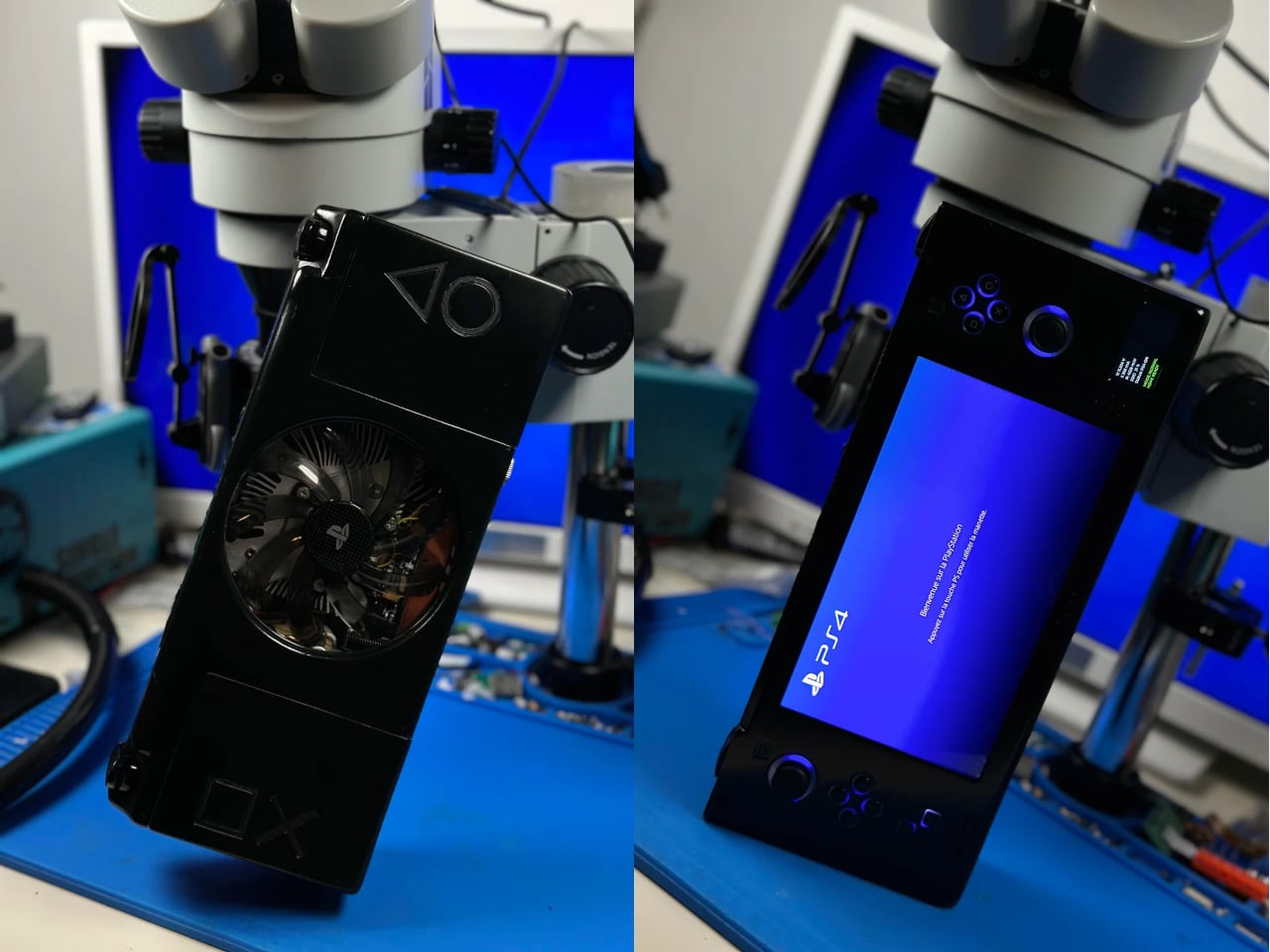
Someone Built the PS4 Portable Sony Never Made with a 7-Inch OLED

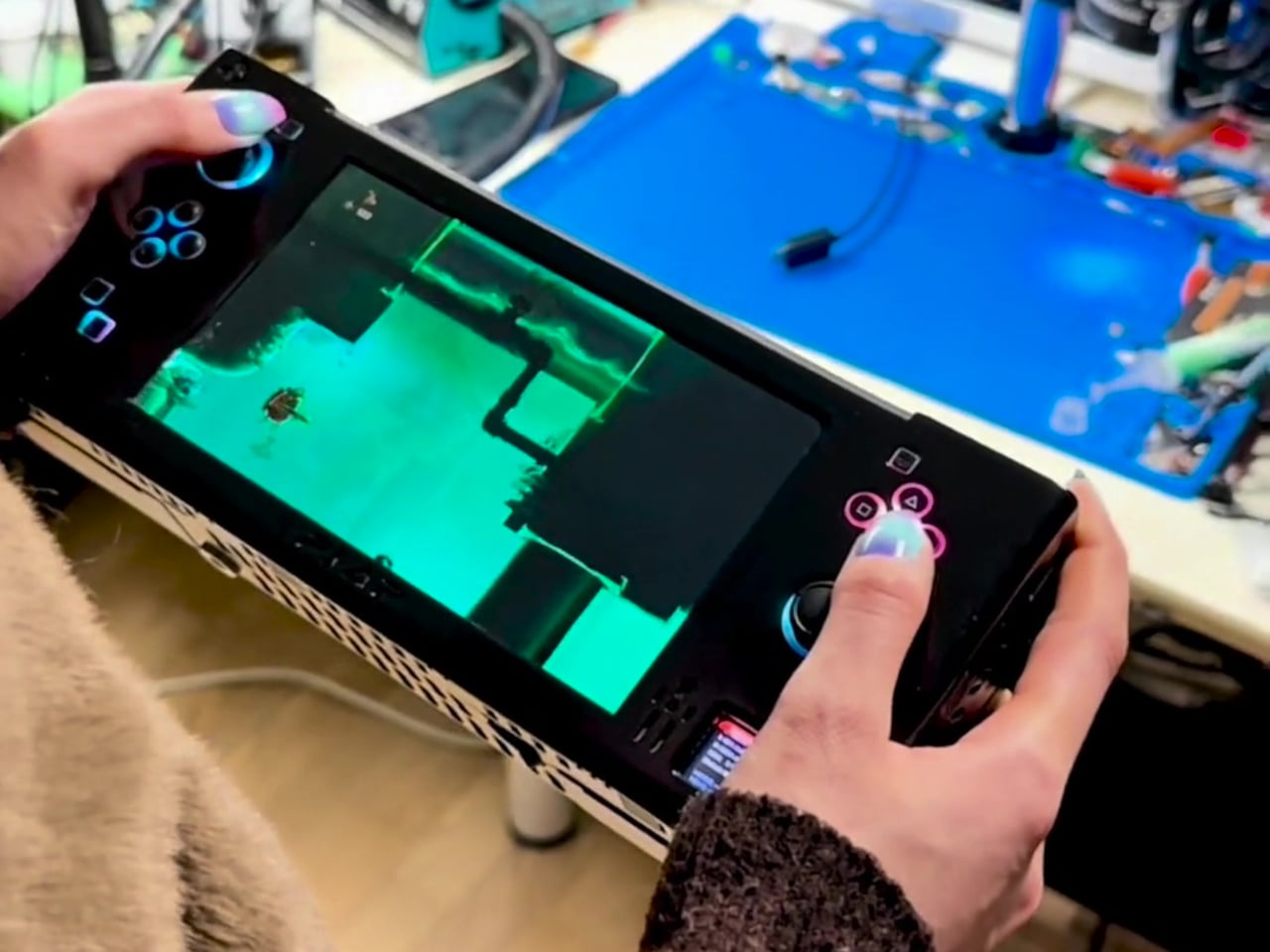
The PS4 era is over, but the library is still incredible, and the only way to enjoy it portably has been streaming or emulation with compromises in latency, compatibility, and control. The fantasy of a true PS4 handheld that runs games natively has floated around for years, but Sony never built one. Reddit user wewillmakeitnow decided to stop waiting and built it himself instead.

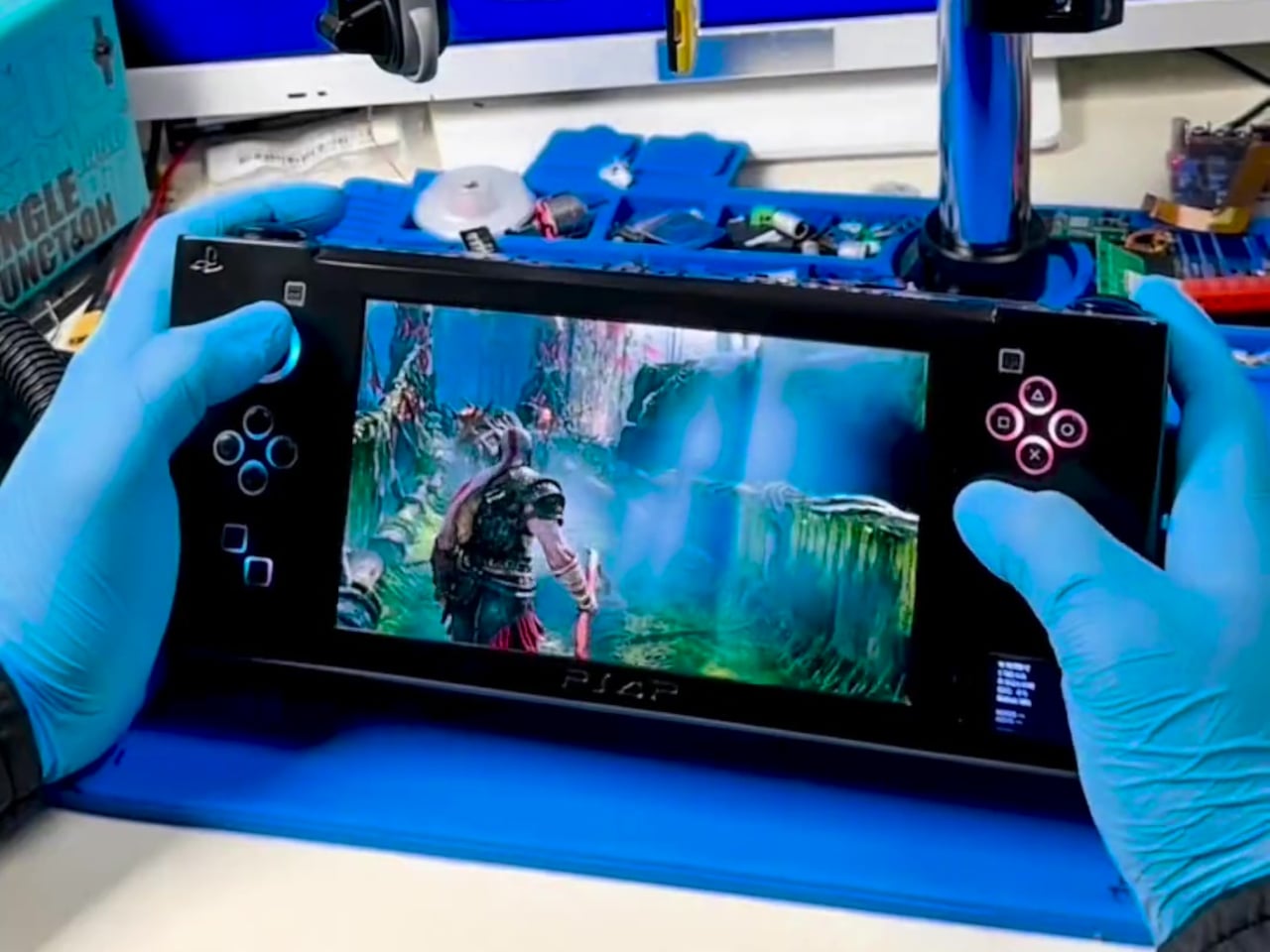
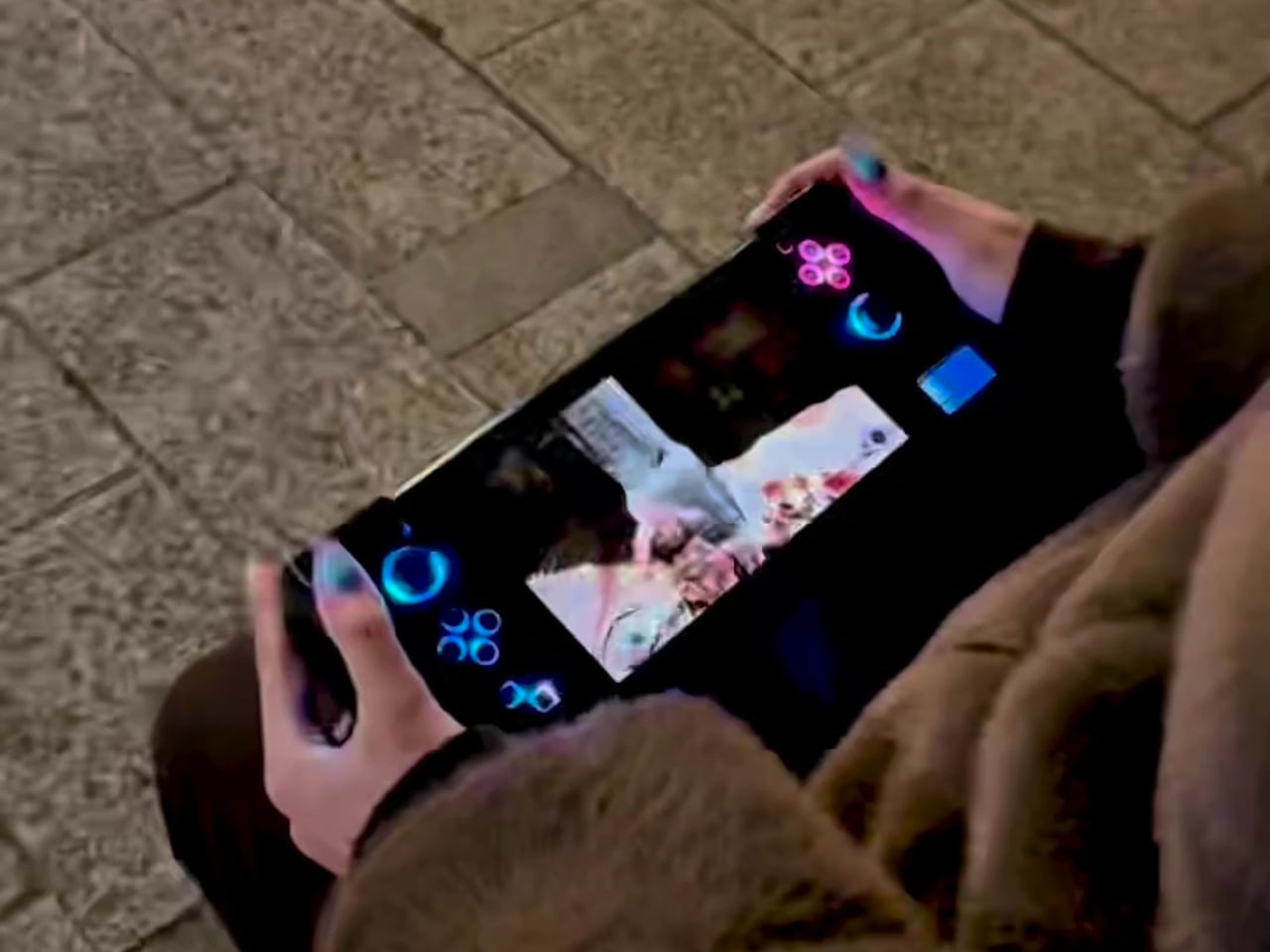
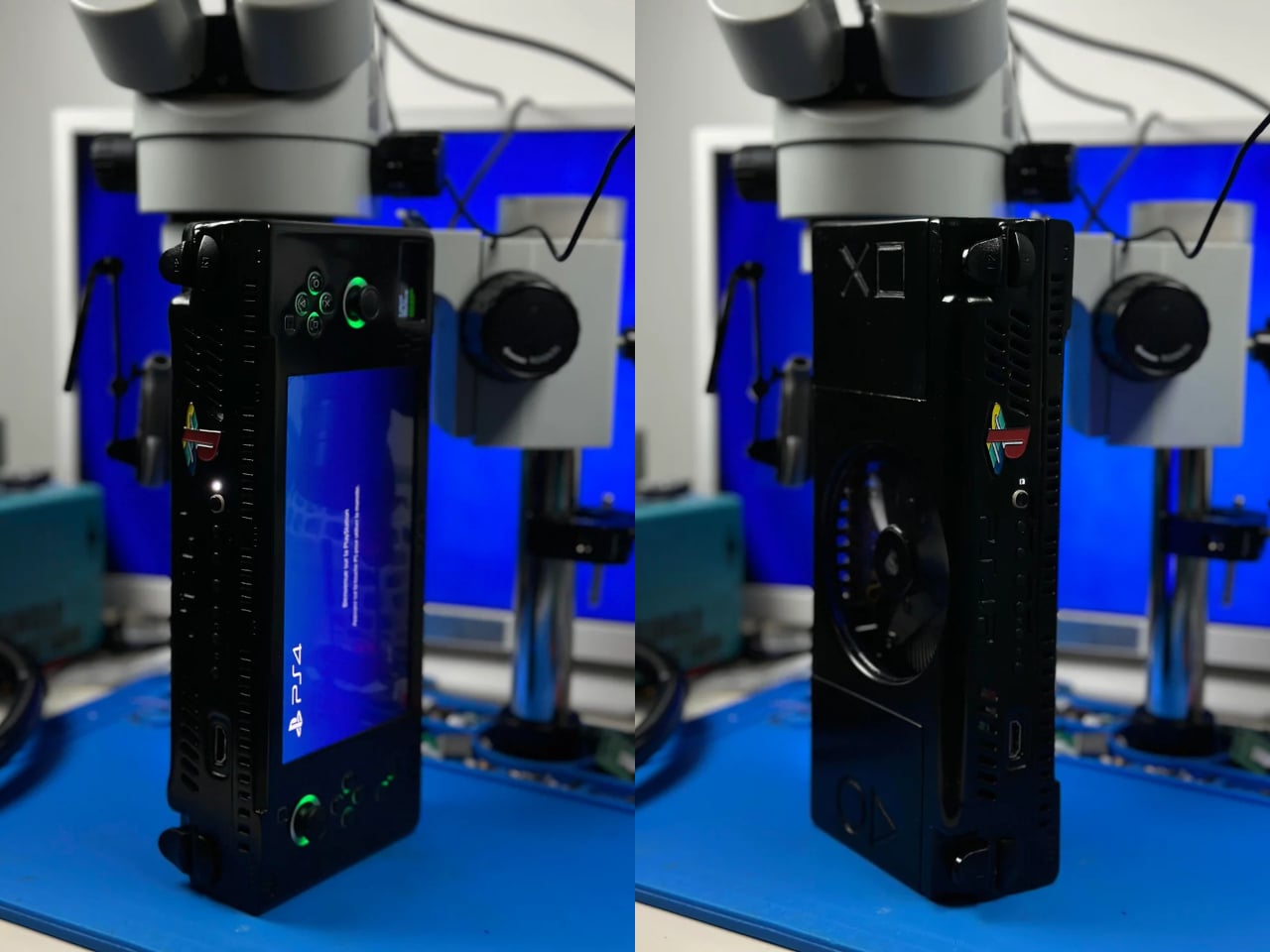
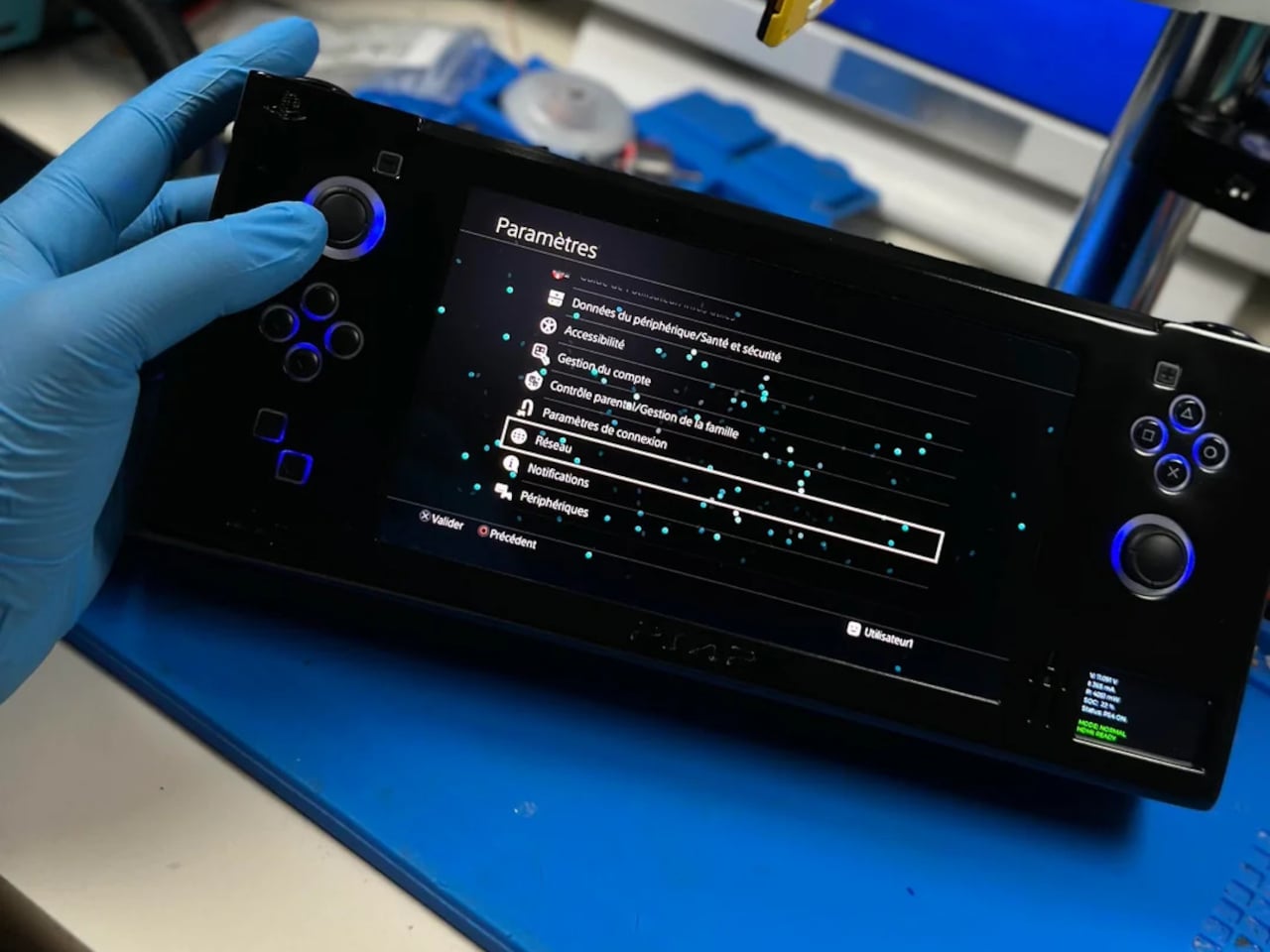
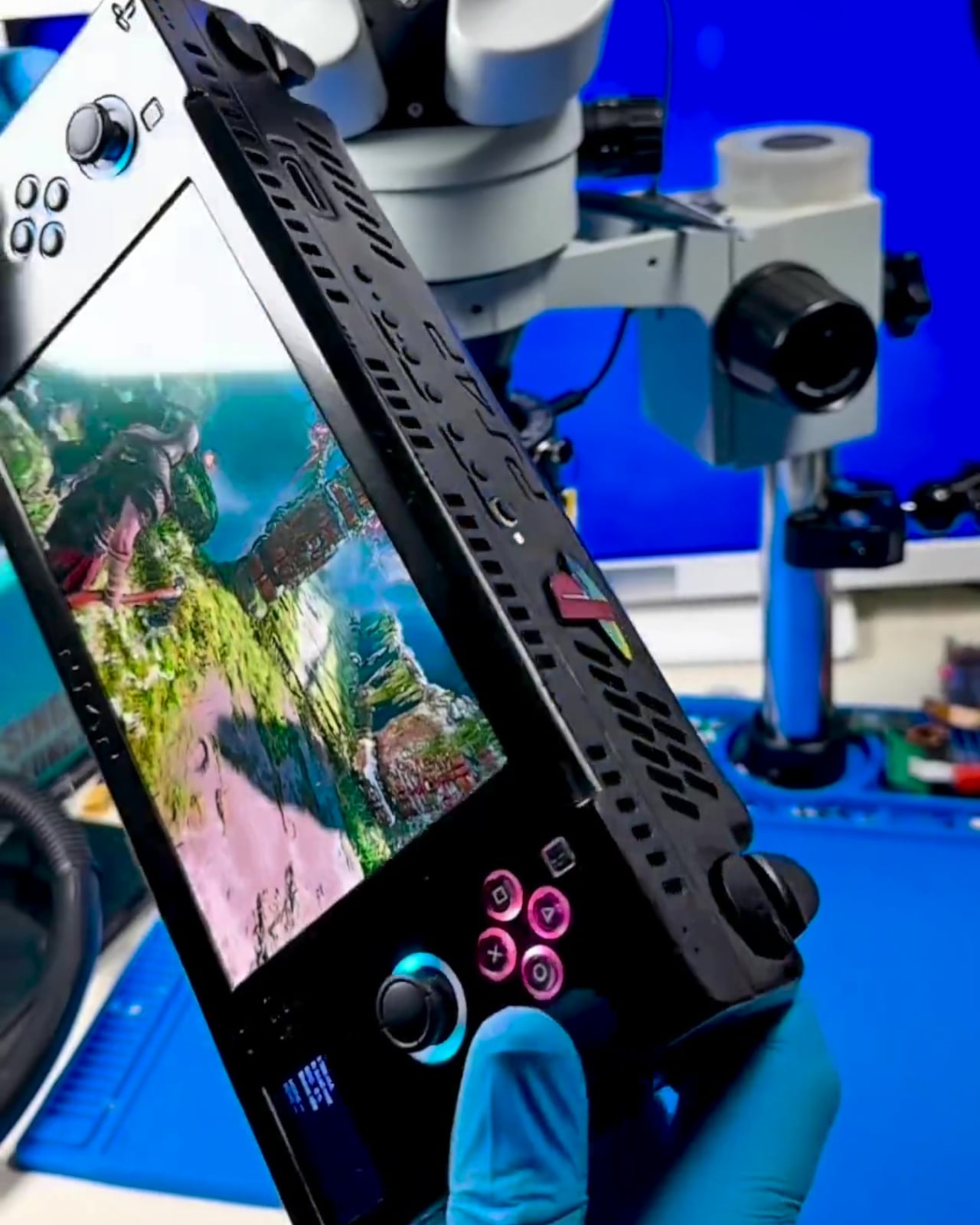
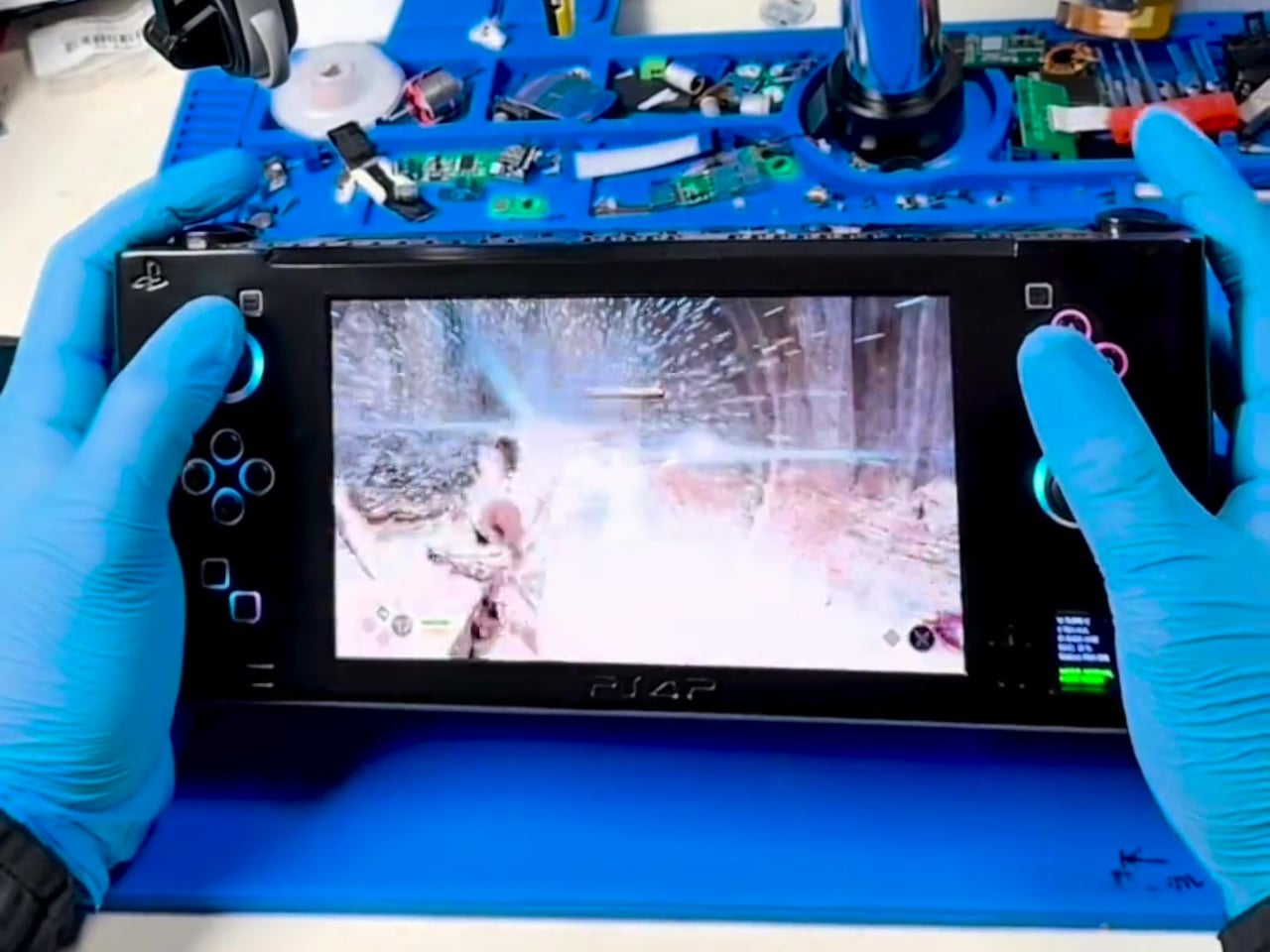
This is not a Raspberry Pi or a cloud device but a heavily modified PS4 Slim motherboard, cut and re-laid to be as compact as possible while keeping full functionality. The builder redesigned the layout for better power efficiency and thermals, then wrapped it in a custom ABS enclosure with full controls and a 7-inch 1080p OLED screen, turning a console into something that looks and plays like a handheld from an alternate timeline.

Designer: wewillmakeitnow

The cooling story is where most of the work lives. A new airflow path, custom heatsinks, and a large rear fan are managed by an onboard ESP32 microcontroller. The ESP32 runs custom firmware to watch temperatures in real time, enforce thermal thresholds, trigger emergency shutdowns, and supervise power draw and battery charging. It is the safety brain that makes running a console-class APU in your hands viable instead of a thermal disaster.

The power system uses six 21700 cells at 6,000 mAh each in a 3S2P configuration, roughly 130 Wh of energy. Under lighter loads, the system pulls around 44W for about three hours of play. In demanding games, it can draw close to 88W and land closer to an hour and a half before shutdown, at around 10V, which protects the pack. There is also a dedicated port for playing on AC.

The handheld still behaves like a PS4 when you want it to. There is HDMI out for plugging into a TV, multiple USB-C ports for charging, configuration, and connection to controllers or external drives, plus a USB 3.0 port for storage. In that mode, it stops being a handheld and becomes a very small PS4 Slim you can drop next to a hotel TV.

All of this comes at a cost. The enclosure is about 113mm x 270mm x 57mm, with sharp edges and no sculpted grips, and the weight is likely well north of a kilogram once you add the board, cooling, and batteries. The builder chose to let the shell hug the motherboard as tightly as possible, sacrificing rounded comfort to keep the footprint from ballooning further.

This one-off build shows both the promise and limits of turning a living-room console into a handheld. It proves that a native PS4 portable is technically possible if you accept thickness, weight, and fan noise. It also quietly asks what might happen if a company with Sony’s resources took the idea seriously. Until then, it stands as someone picking up their favorite console and refusing to put it down.

The post Someone Built the PS4 Portable Sony Never Made with a 7-Inch OLED first appeared on Yanko Design.
Anbernic RG G01 gaming controller monitors your heart rate while you play

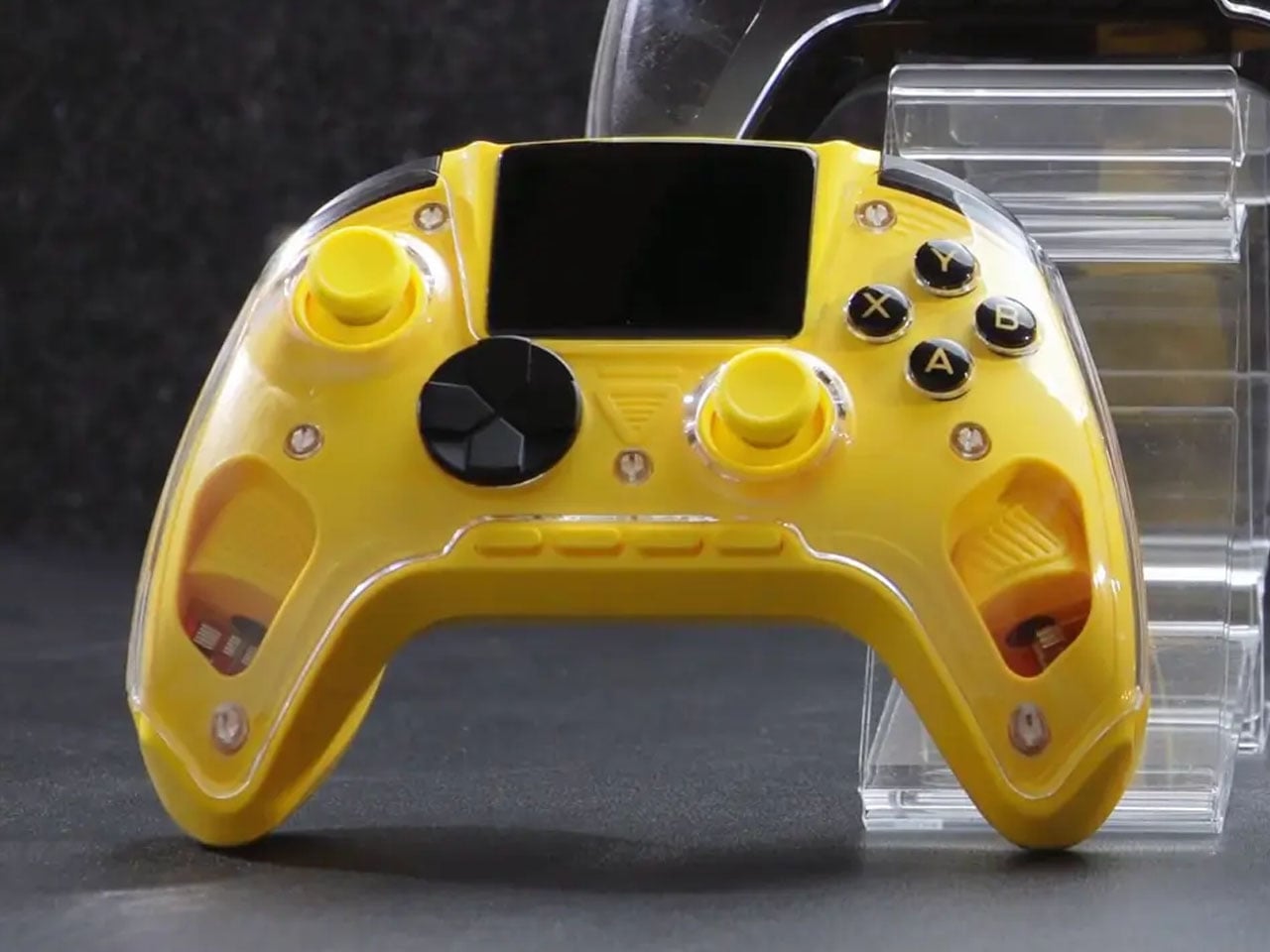
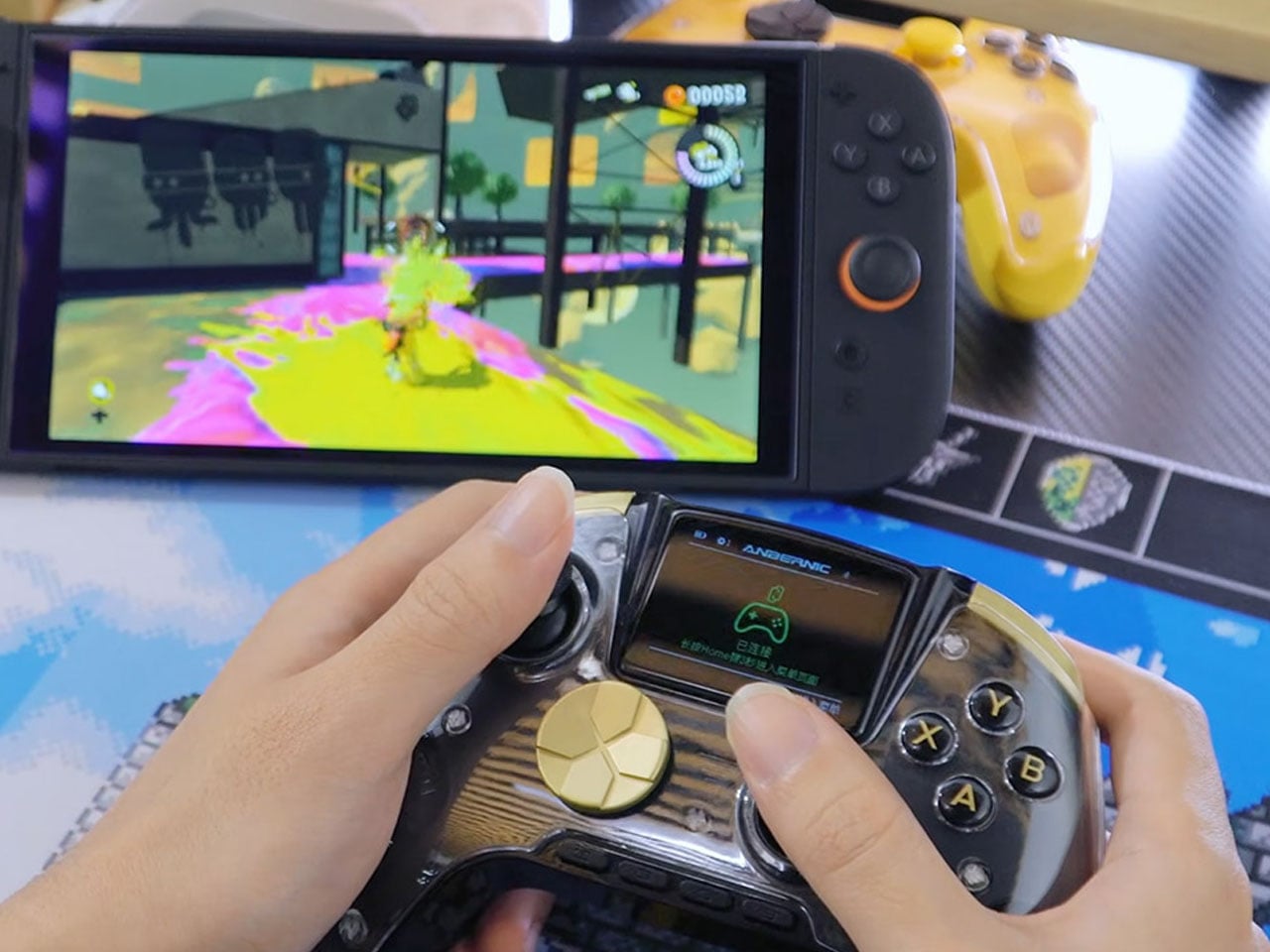
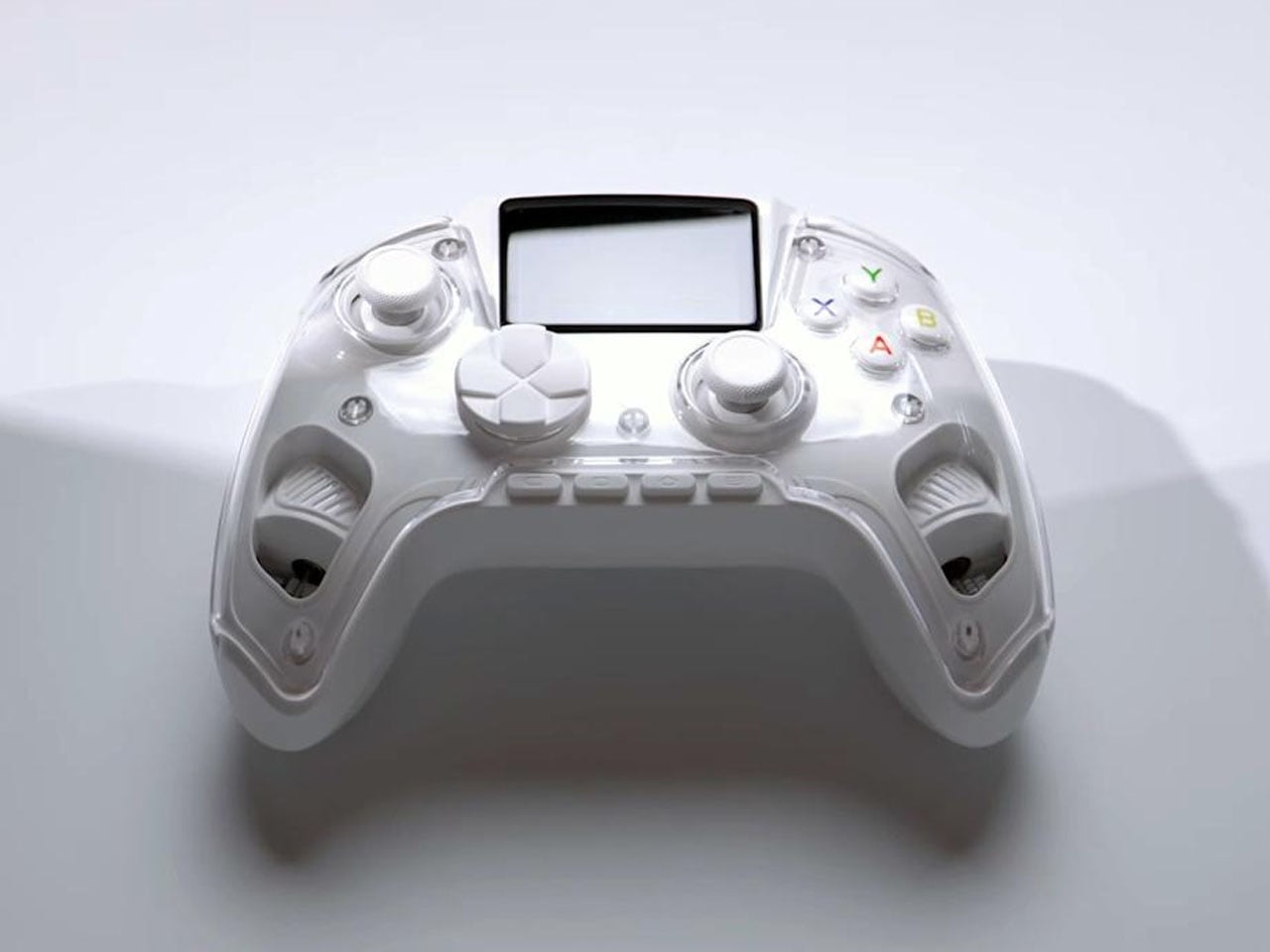
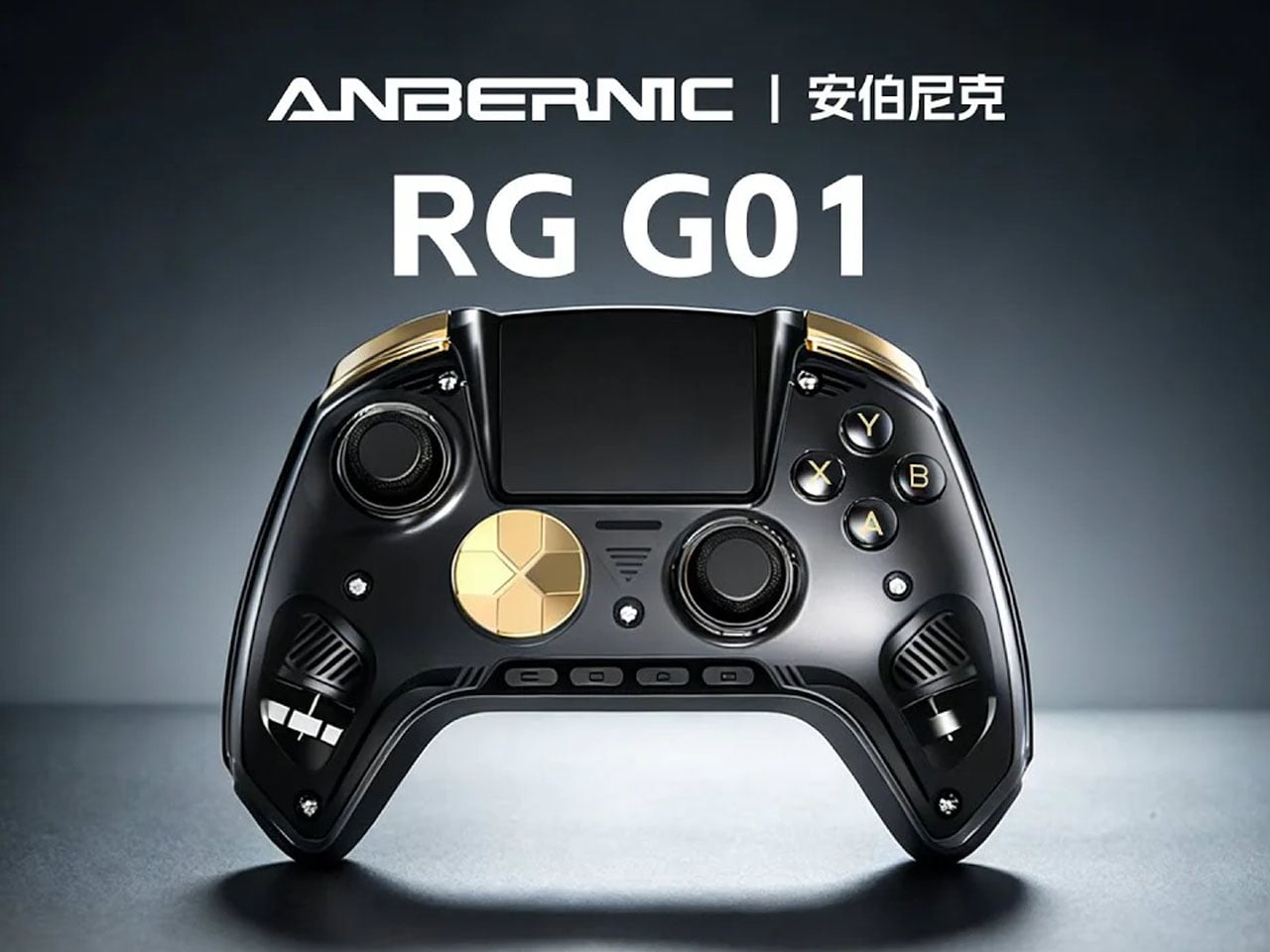
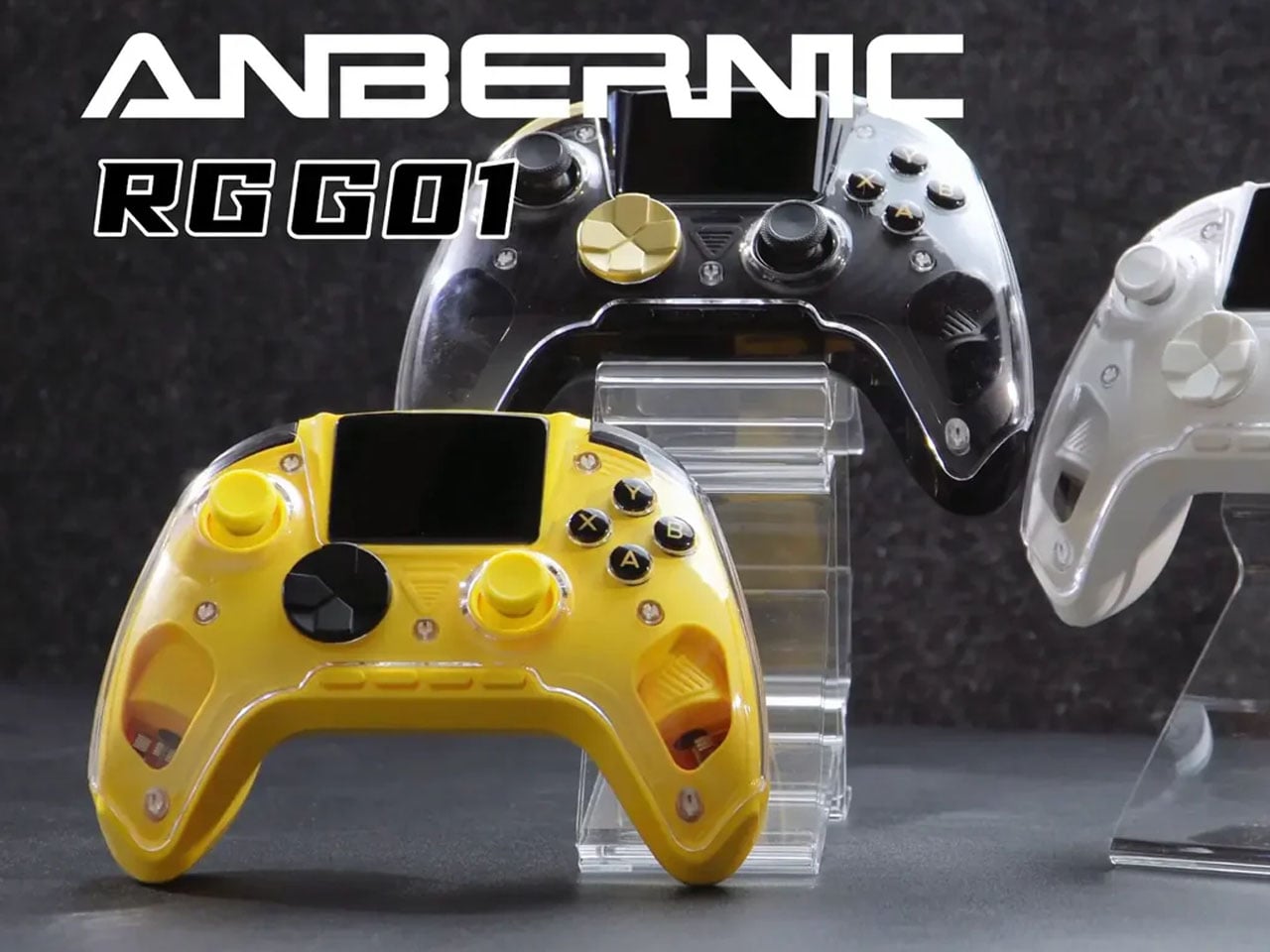
Anbernic is known for its retro gaming handheld devices has a respectable lineup of controllers as well. Looking to take the challenge to market leaders like GameSir and 8BitDo, the Chinese gaming accessories maker has revealed the RG G01 wireless controller for smartphones, PC, and Nintendo Switch. The gamepad does all the stuff that you’d expect from a gaming accessory, but has features you normally don’t see in gaming accessories.

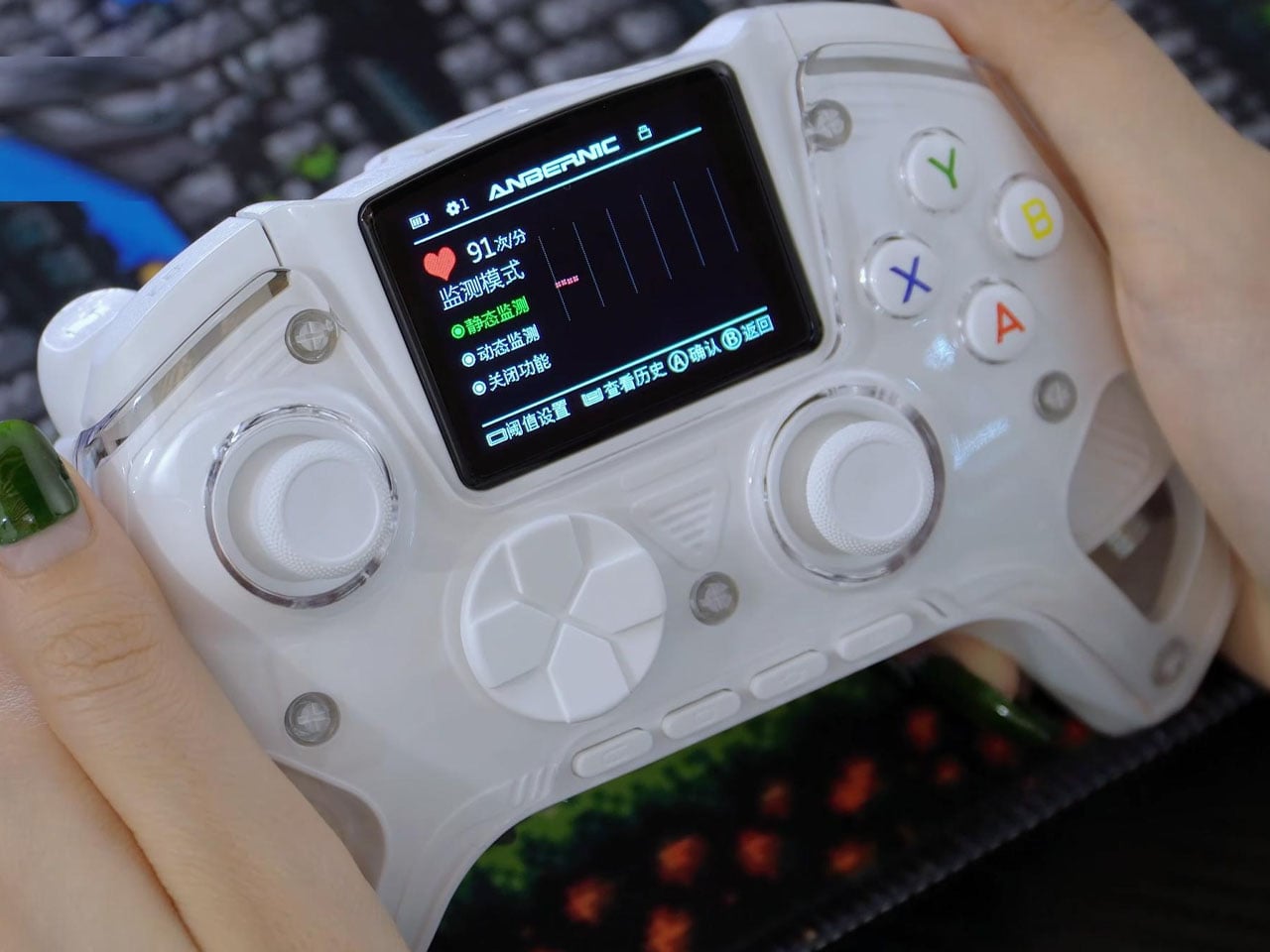
The controller has a heart rate sensor embedded in the grip where your palms rest to identify when you are pumping too much adrenaline in action and should cool down a bit. These sensors measure your pulse in real time, displaying it on the controller’s screen and even triggering an alarm when your rate spikes. Anbernic calls it their first pro-level gamepad, and stamping the internal with a heart rate sensor may not help you detect any terminal signs, but it will let you keep an eye on how intensely you are engulfed in action.

Designer: Anbernic

Another standout feature with the RG G01 (RG for Retro Gaming) is the inclusion of Purple Kirin inductive joysticks that use capacitive sensing for accurate movement. This is done by measuring the small electric currents and turning them into digital signals to control movement. Unlike the Hall effect or TMR joysticks, which employ magnetic fields, already a technology used in high-end gamepads, this is a level higher. Complementing this are dual-mode triggers that let you switch between linear feel for nuanced control and microswitch mode for crisp actuation in shooters or racing games.

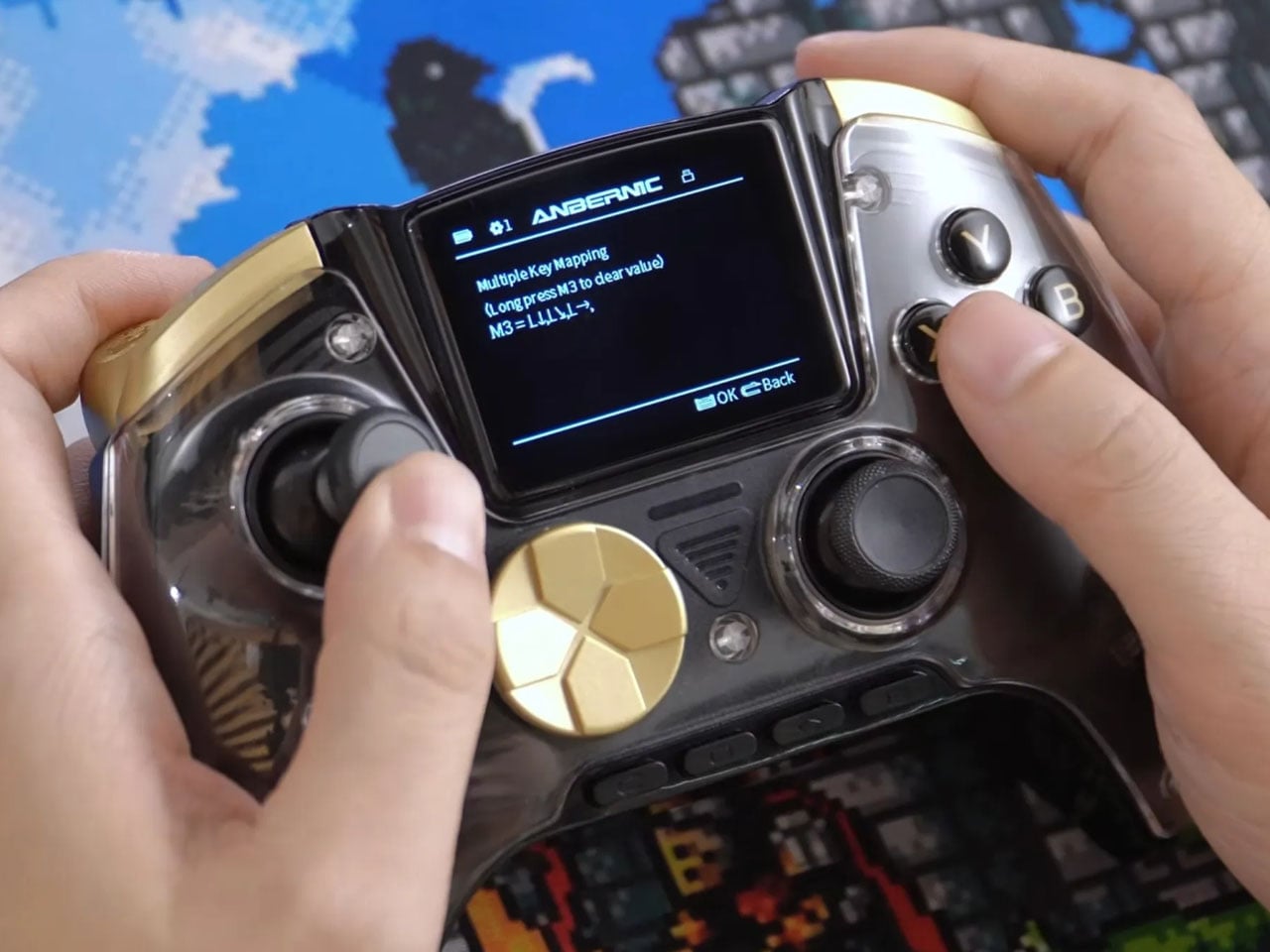
Anbernic’s RG G01 builds on that foundation with a suite of upgrades aimed at gamers who want more control and customization right in their hands. At the heart of its innovation is a built-in 2.5-inch HD smart screen that lets players adjust button mappings, create and manage macros, and fine-tune settings without opening an app on a phone or PC. This on-device control makes configuration intuitive and keeps you in the flow of your session.  The RG G01 offers Bluetooth 5.0, 2.4 GHz wireless, and wired USB-C modes, all with a 1000 Hz polling rate that helps ensure ultra-low latency whether you’re playing locally or in a competitive environment. This high polling rate, typically found in premium gamepads, means inputs are registered quickly and consistently across platforms like PC, SteamOS, Linux, Nintendo Switch, Android, and iOS.

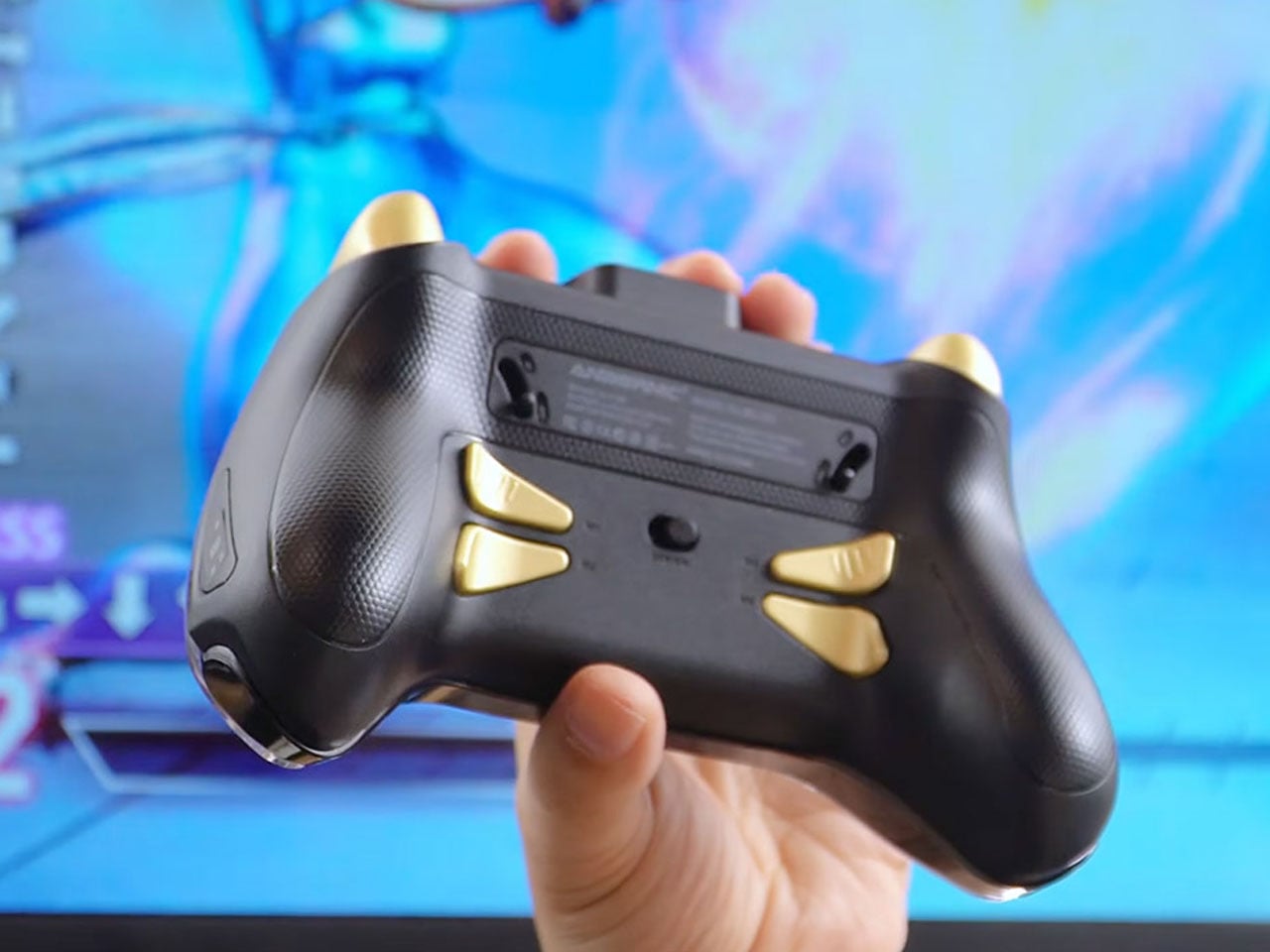
The controller doesn’t skimp on motion or tactile feedback either. A six-axis gyroscope enables motion controls in compatible games, while dual asymmetric pendulum motors deliver immersive vibration feedback that responds to in-game action. Programmable macro buttons on the rear add another layer of control, letting you assign complex input sequences to simple presses—handy for fighting games or intensive multiplayer titles.

Anbernic hasn’t confirmed pricing or exact availability yet, but the RG G01 is positioned above its previous budget-oriented controllers, like the RG P01 and RG DS, suggesting a more premium price point. As a versatile, fully featured controller with distinct hardware upgrades and cross-platform support, the RG G01 offers a compelling option for gamers who want deeper control and unique features beyond what conventional gamepads provide.

The post Anbernic RG G01 gaming controller monitors your heart rate while you play first appeared on Yanko Design.
This Insane Vertical MMO Mouse Packs 10 Thumb Buttons And A 45-Degree Grip For Your Wrist

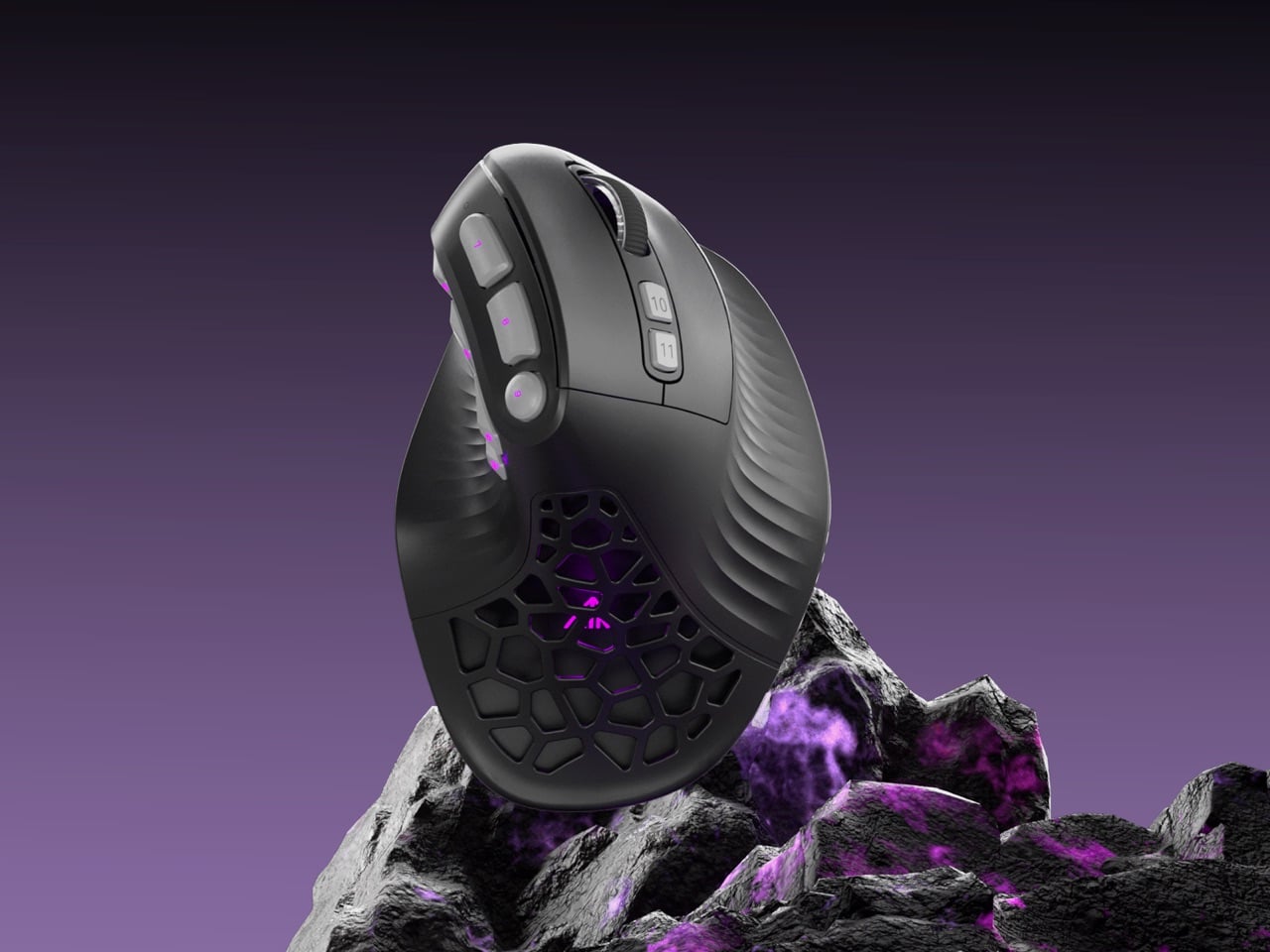
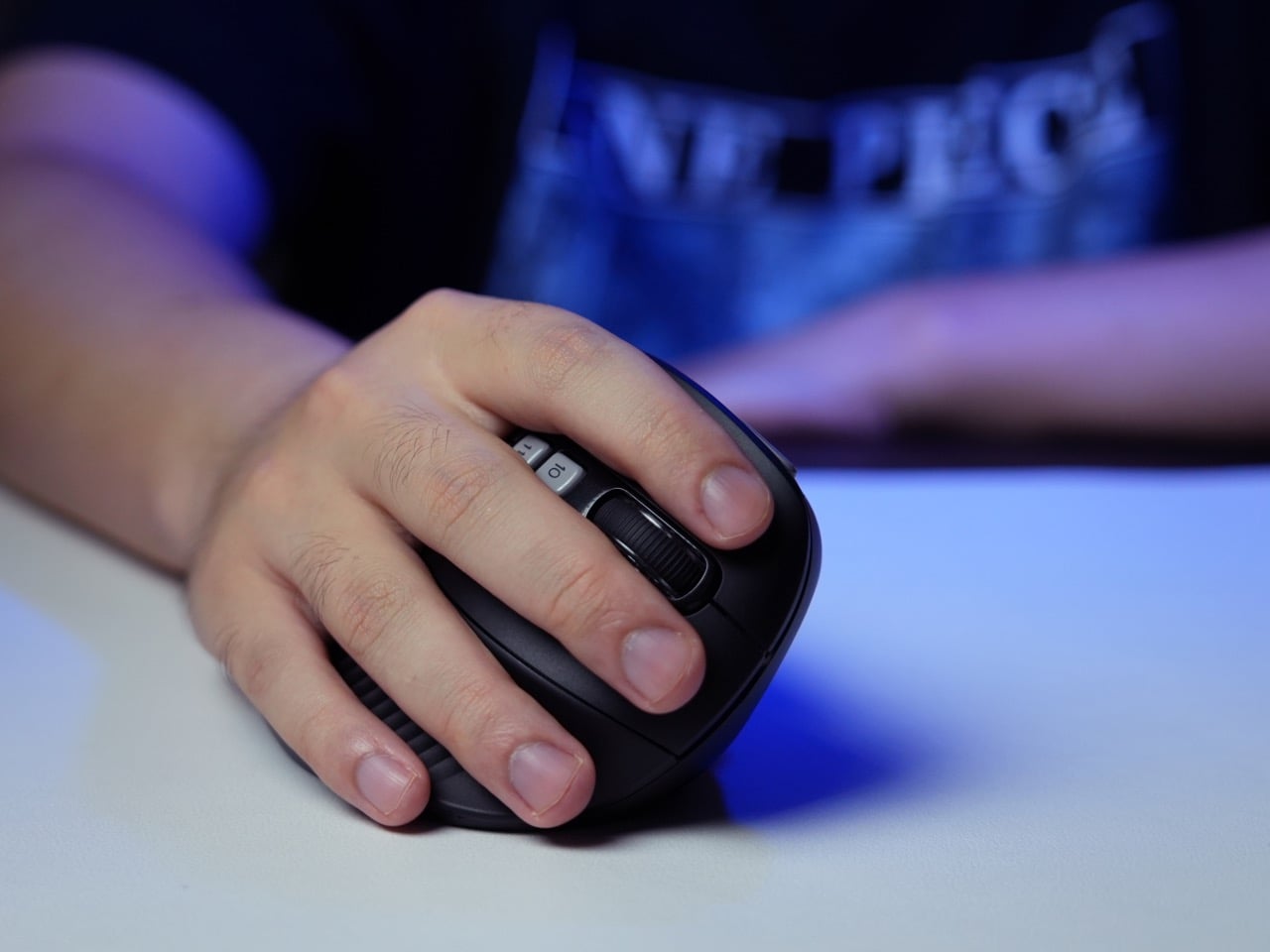
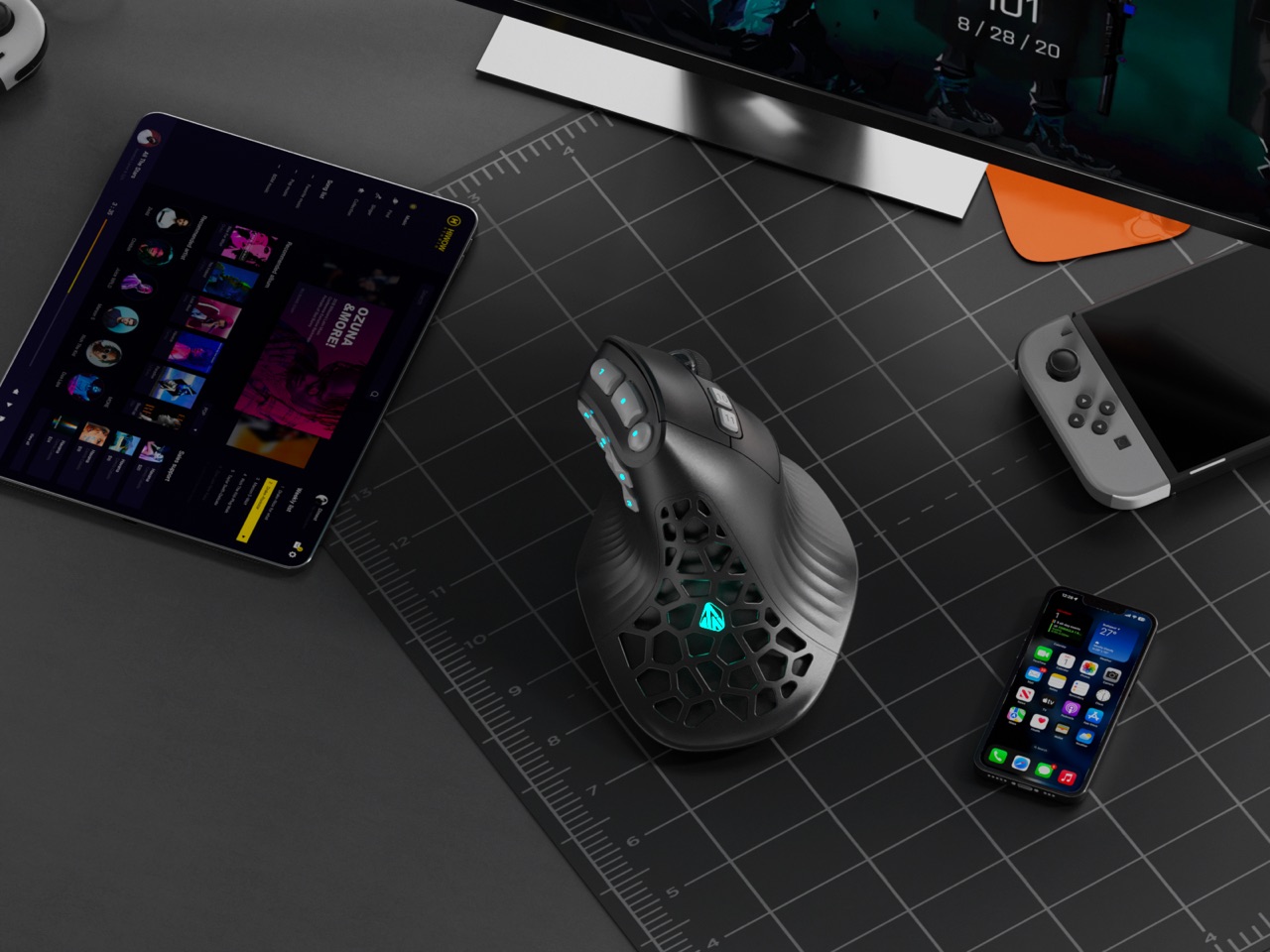
Vertical mice promise ergonomic relief. MMO mice deliver tactical control. Pick one, because the market says you can’t have both. Except SOLAKAKA apparently didn’t get that memo. The E9 Pro arrives as the first vertical MMO mouse, featuring a 45 degree ergonomic grip alongside a 10 button thumb panel that would make World of Warcraft players weep with joy. It feels like the peripheral equivalent of discovering your favorite coffee shop also serves excellent ramen.

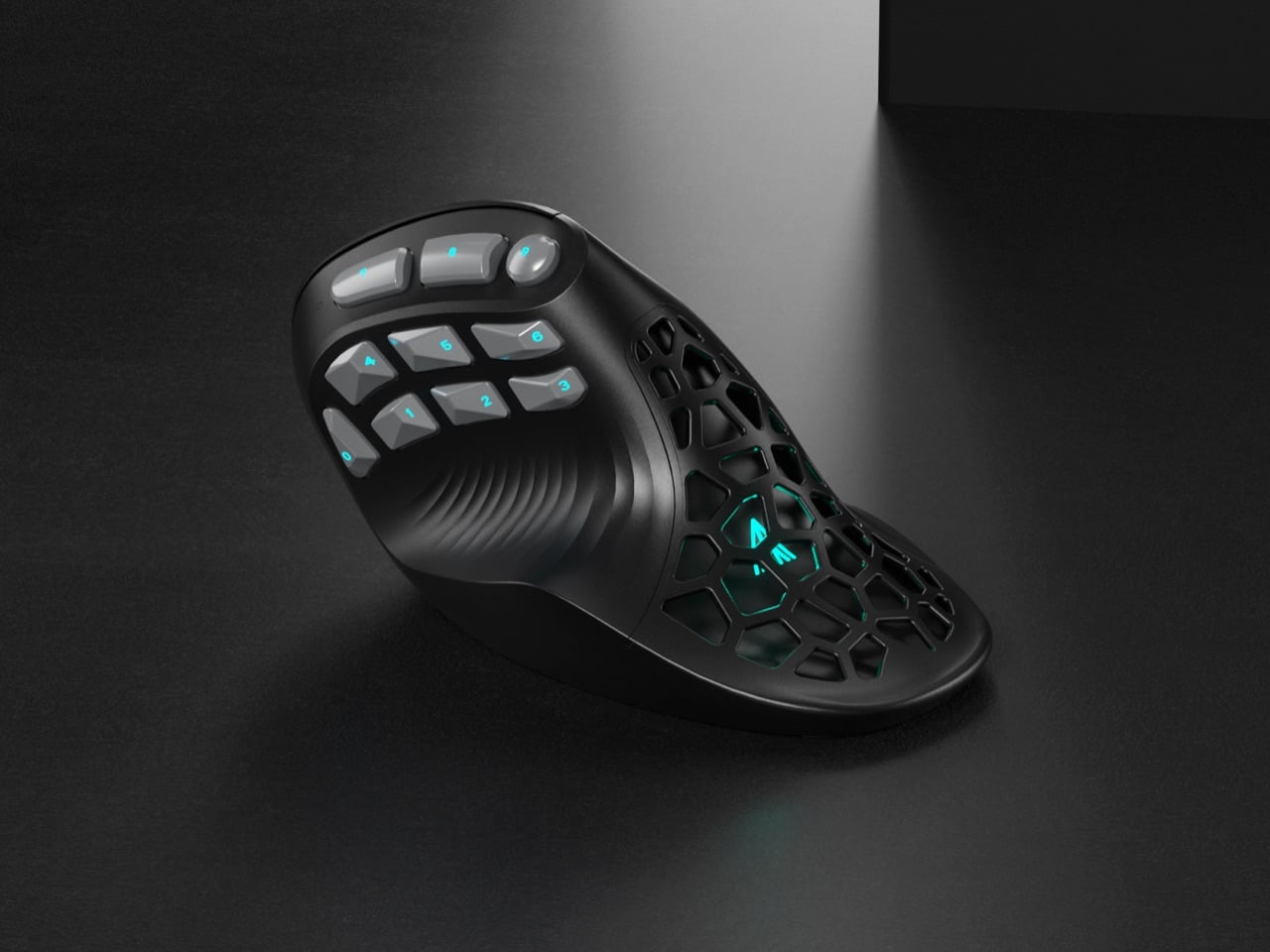
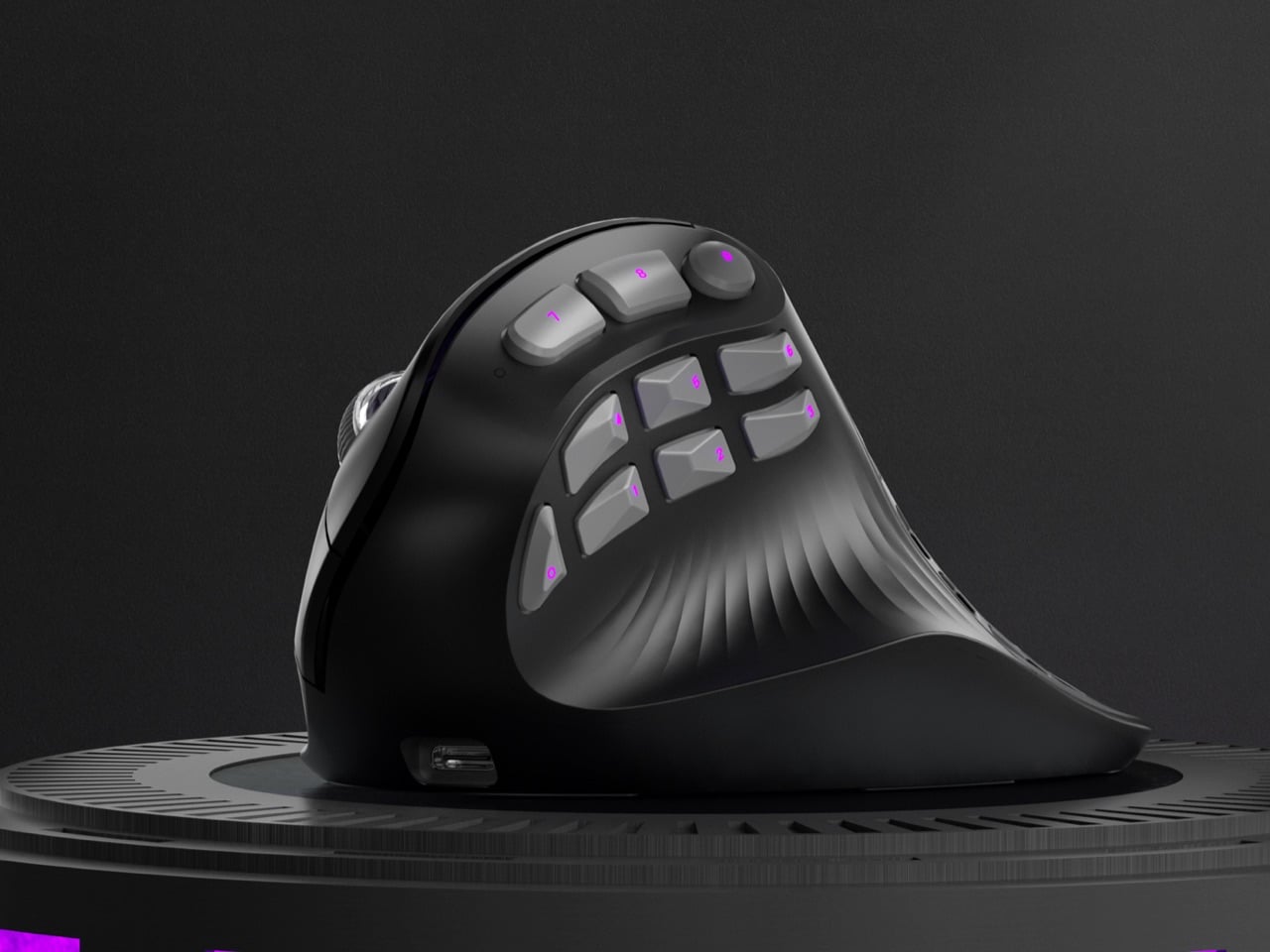
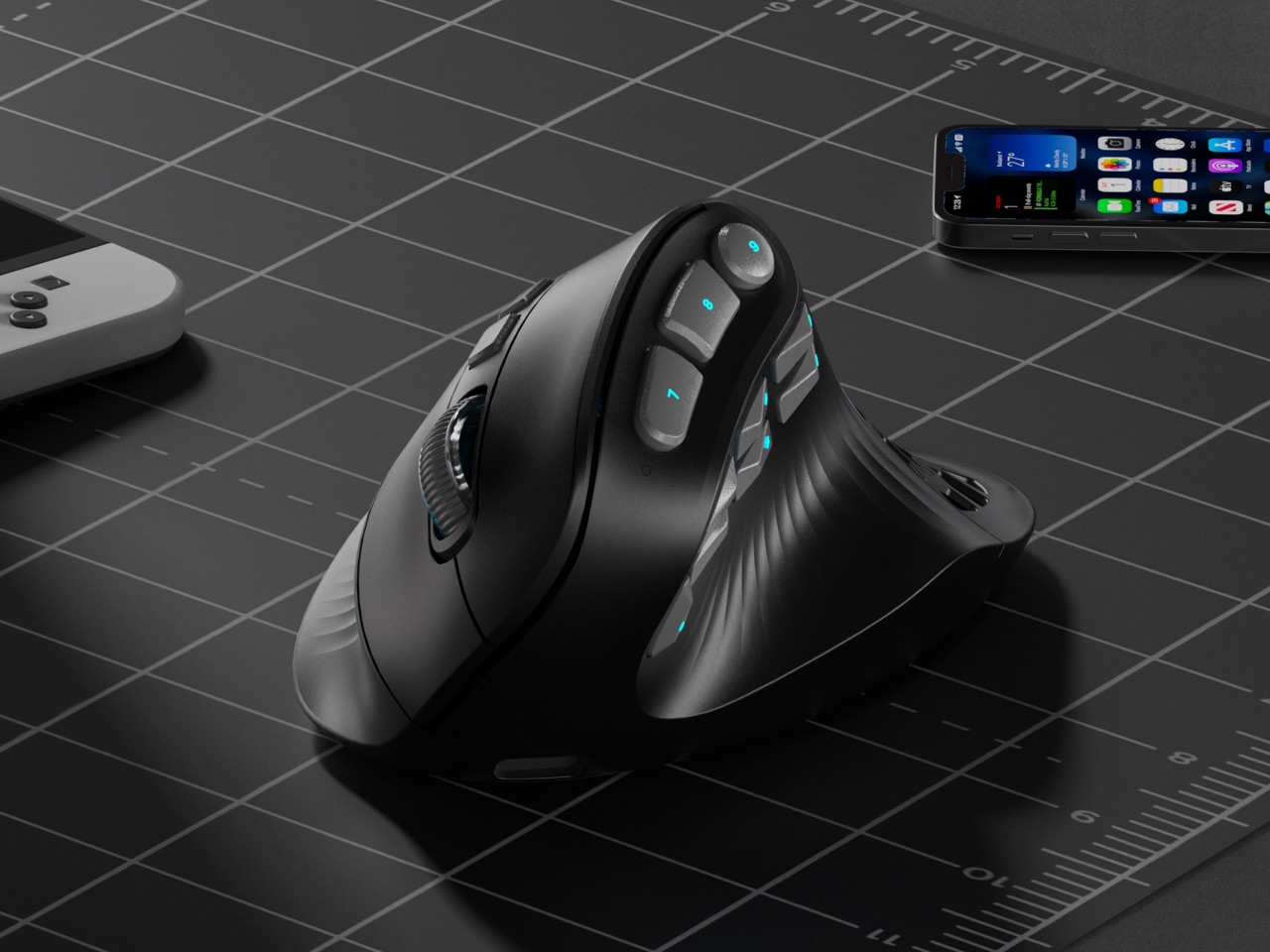
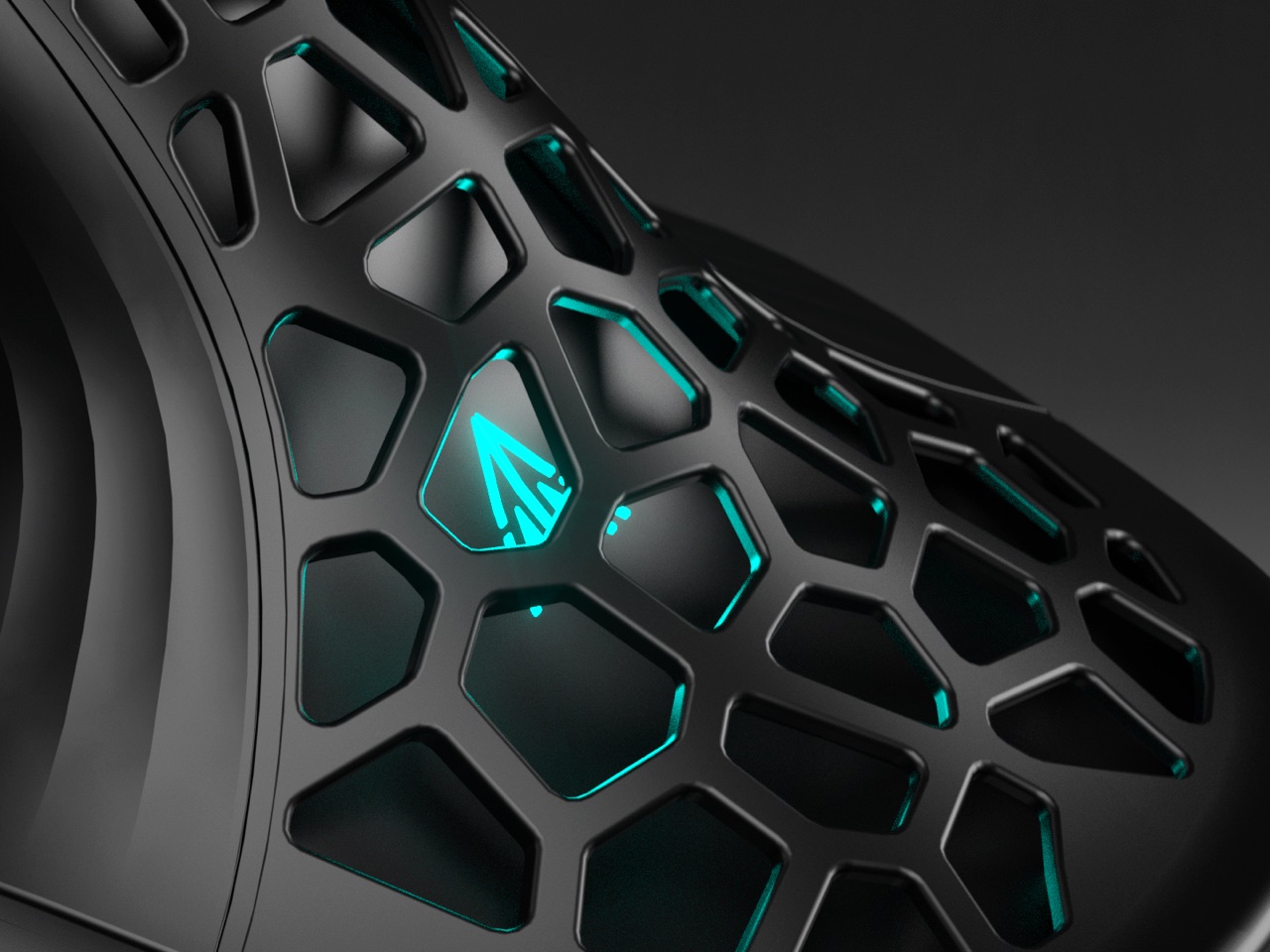
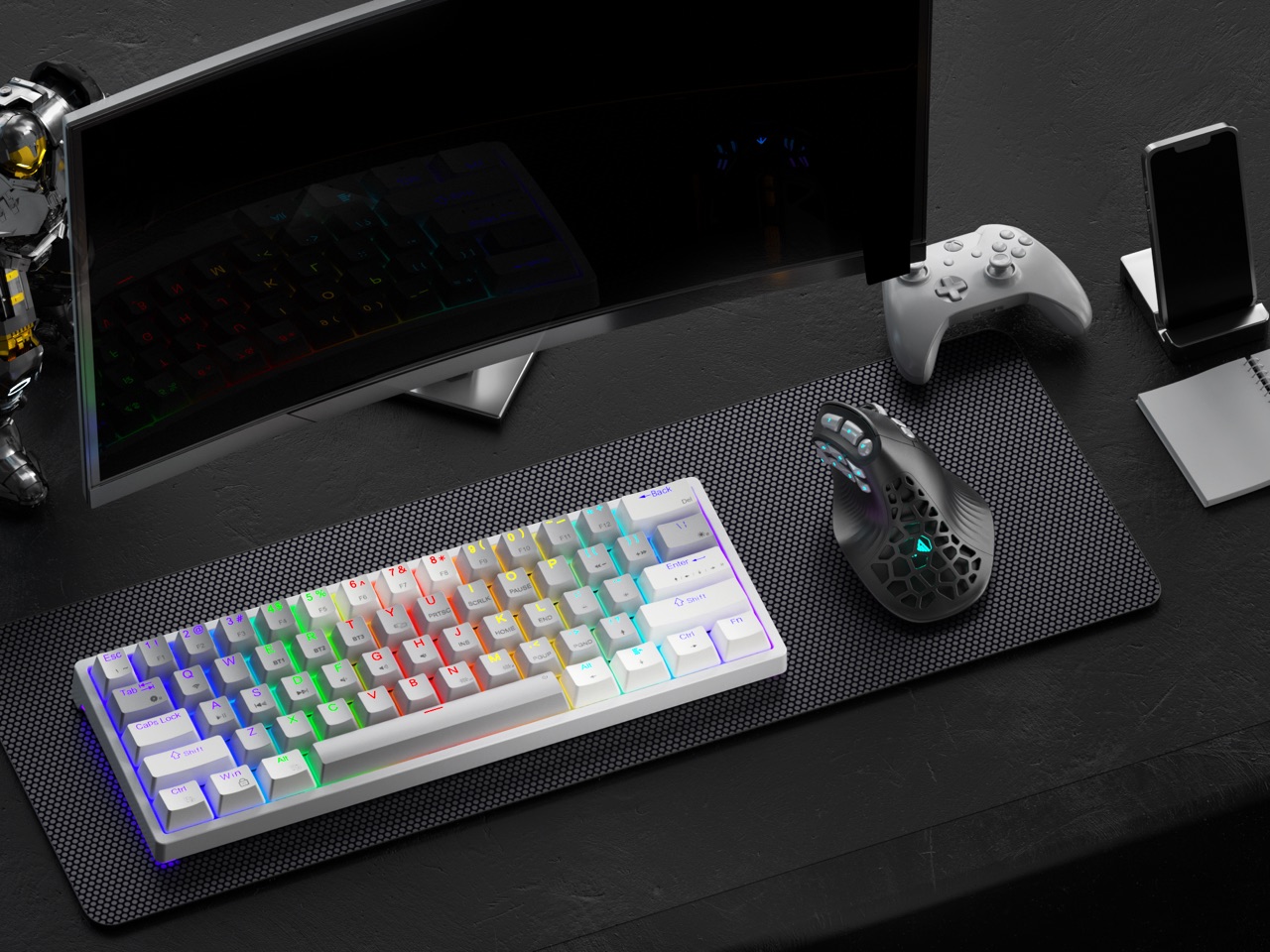
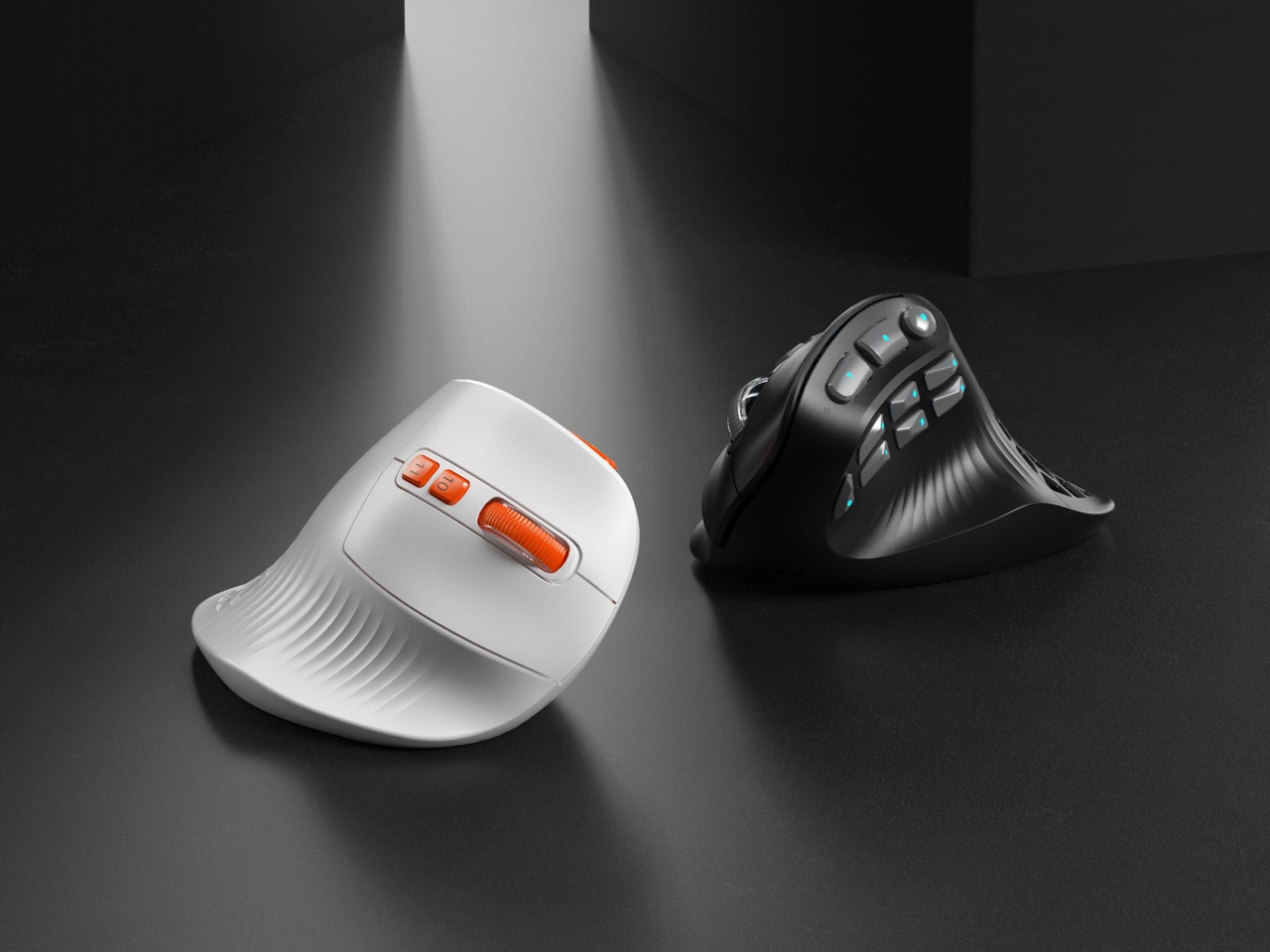
The design centers on a tactical thumb zone where all 10 side buttons follow the natural arc of your thumb movement. No stretching, no hunting, just muscle memory doing its thing. The vertical orientation keeps your wrist in a handshake position rather than the pronated twist that causes repetitive strain. A grille style cutout pattern ventilates the palm rest while dropping weight to 97 grams, and the PAW3395 sensor handles up to 36,000 DPI for people who like their precision surgical. Offered in understated black gray and louder white orange colorways, the E9 Pro targets anyone who refuses to choose between comfort and capability.

Designer: SOLAKAKA

Click Here to Buy Now: $69 $89 ($20 off) Hurry! Only 41 left of 850.

You just have to admire the silhouette for a second. Most ergonomic mice look like orthopedic devices that got lost on the way to the pharmacy. The E9 Pro, however, still reads as a performance machine. Its shell is all sharp planes and deliberate curves, giving it a confident, architectural presence on a desk. That grille cutout on the palm rest is a brilliant piece of multi-tasking design; it slashes weight, creates a distinct visual identity, and provides some welcome ventilation for those marathon gaming sessions. It’s a design that feels both aggressive and intelligent, which is a tough needle to thread.

That 45 degree tilt is the perfect middle ground, offering a natural handshake grip that takes the strain off your forearm without feeling as alien as some of the more extreme 90 degree vertical mice. You can feel the logic behind it instantly. SOLAKAKA says they landed on this angle after 300 hours of testing across gaming, coding, and design, and it shows. The sculpted palm and thumb supports provide a secure anchor for your hand, letting you relax your grip instead of constantly pinching the mouse. It feels less like you’re holding a device and more like the device is an extension of your hand’s natural posture.

But let’s be real, we’re all here for that thumb cluster. Ten buttons on a vertical mouse sounds like a recipe for chaos, but the execution is incredibly clever. Instead of a boring grid, the buttons are laid out in a gentle arc that follows the natural sweeping motion of your thumb. It’s a racetrack for your digit, with each button acting as a distinct landmark. This is a massive leap forward for muscle memory, turning what could be a fumbling mess into an intuitive control panel. For anyone juggling macros, creative tool palettes, or complex skill rotations, this layout is a game changer.

And the performance hardware inside is absolutely top-tier. The PixArt PAW3395 is the same flagship sensor you find in elite esports mice, capable of a wild 36,000 DPI, 650 IPS tracking, and 50g of acceleration. This isn’t an ergonomic mouse with gaming parts bolted on; it’s a legitimate performance mouse built on an ergonomic chassis. The polling rate ramps up to 8,000 Hz in wired mode for near-zero latency, and the tri-mode connectivity gives you the freedom to switch between a lag-free 2.4 GHz dongle, Bluetooth, and a direct USB C connection. A beefy 1000 mAh battery keeps the whole operation running for ages.

This brings us to the weight. Vertical mice with this many features often have some heft, easily tipping the scales at 120 grams or more. The E9 Pro comes in at a nimble 97 grams, and that makes a world of difference. The lighter weight, combined with the ergonomic grip, means less inertia and less torque on your wrist when you’re making fast, sweeping movements or quick flick shots. It’s a detail that shows a deep understanding of how ergonomics and performance are intertwined. That grille isn’t just for looks; it’s a core part of a thoughtful weight-reduction strategy that pays off every time you move the mouse.

The whole package comes in two distinct flavors. The black and gray model is pure stealth, ready to blend into a professional workstation or a minimalist gaming setup. Then you have the white and orange version, which looks like it drove right off a sci-fi movie set, with vibrant orange accents highlighting the buttons and grille. It’s a fantastic bit of personality. Through its Kickstarter campaign, the E9 Pro is available for around $69 for early backers, which is an incredibly competitive price for a mouse that’s not just entering a category but creating a new one. This is one of those designs that feels so right, you wonder why nobody did it sooner.

Click Here to Buy Now: $69 $89 ($20 off) Hurry! Only 41 left of 850.

The post This Insane Vertical MMO Mouse Packs 10 Thumb Buttons And A 45-Degree Grip For Your Wrist first appeared on Yanko Design.
NYXI Hyperion 3 Finally Gives the Switch 2 a Grown-Up Controller

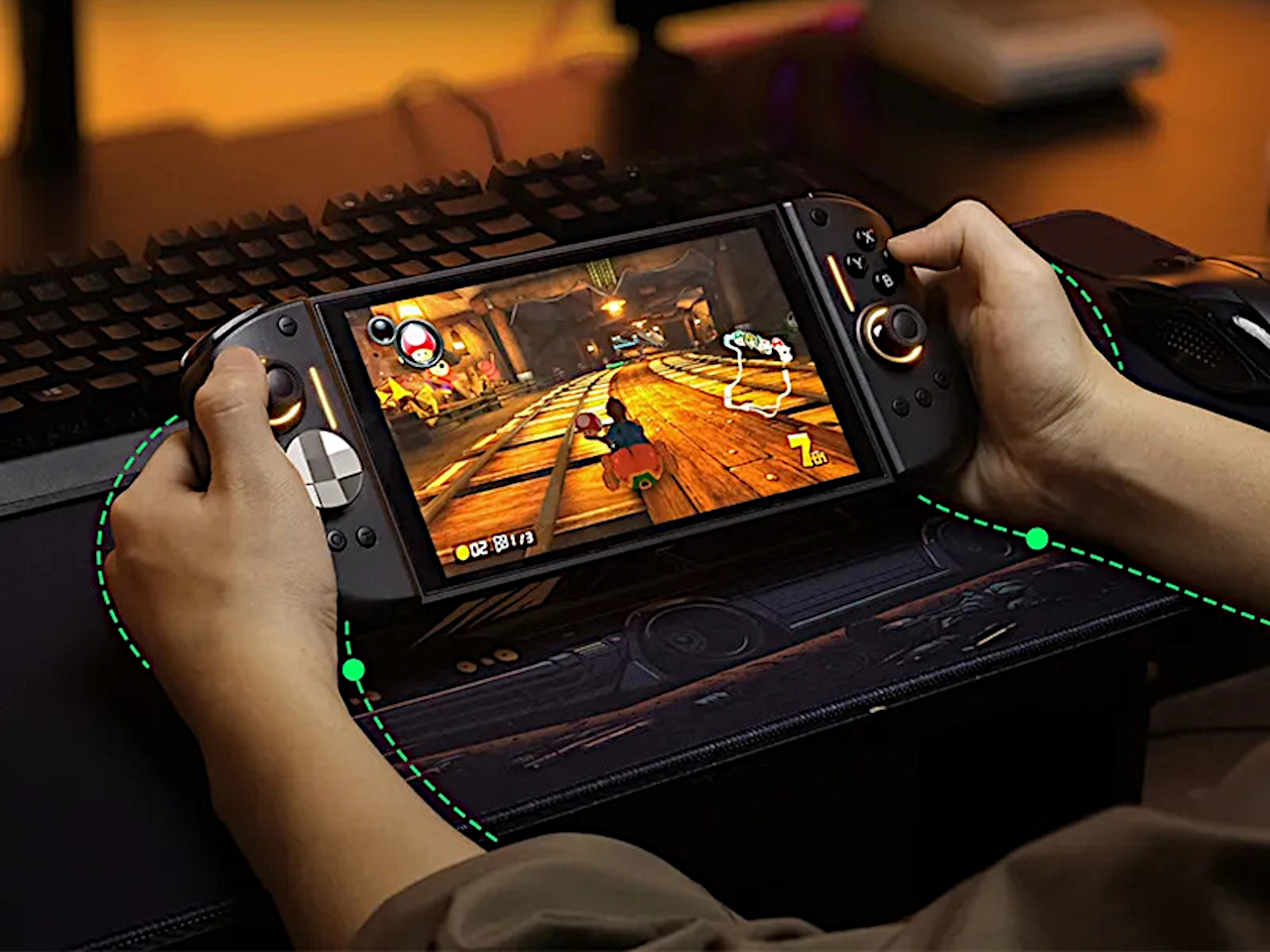
Playing the Switch 2 for more than an hour in handheld mode means the flat Joy-Cons and small buttons start to feel like a compromise. Your hands end up clawed around the rails, drift anxiety creeps in, and you start shifting your grip to avoid cramping. NYXI’s Hyperion 3 is built for people who treat the Switch 2 like a main console, not a travel toy used in short bursts.

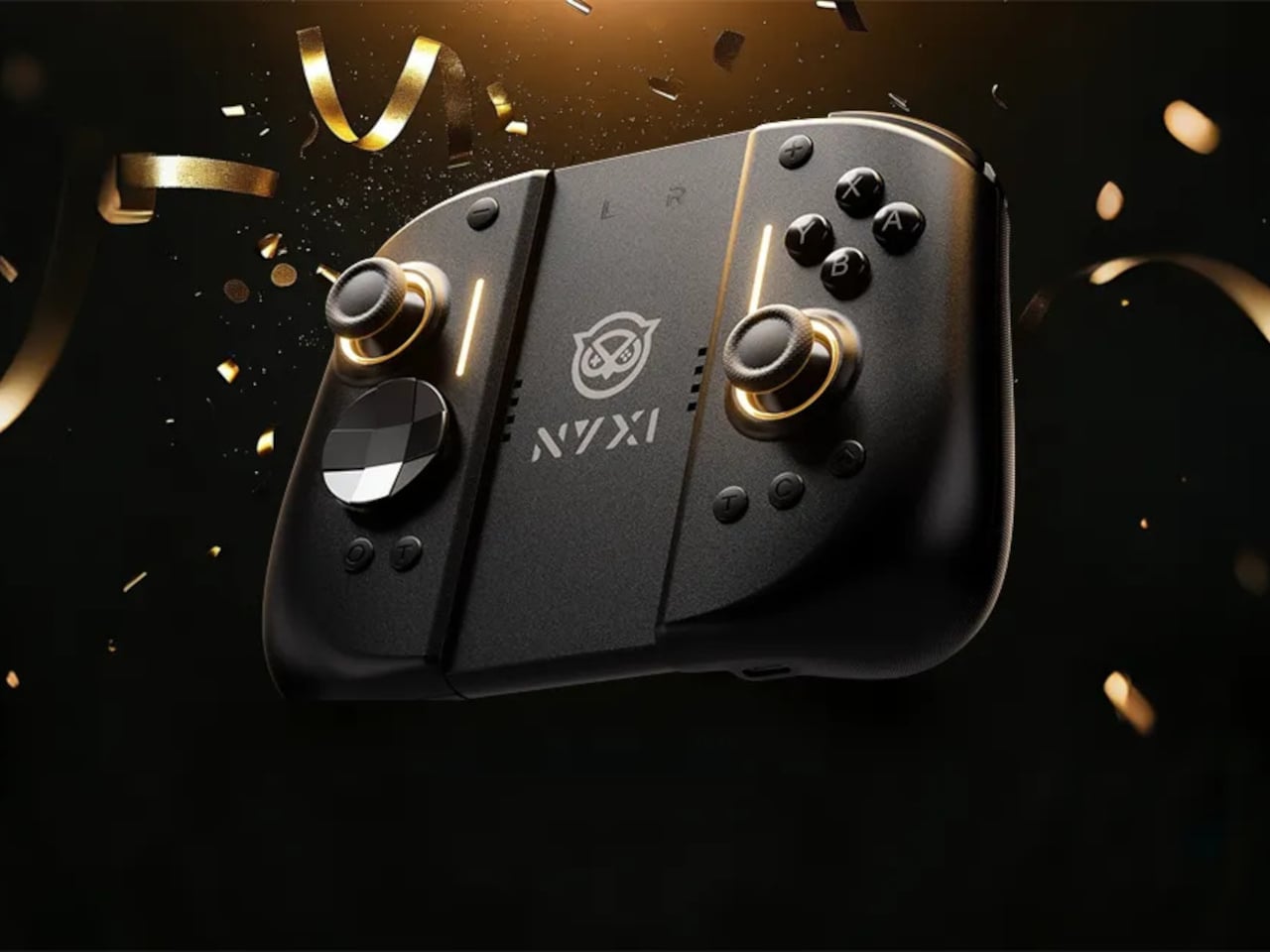
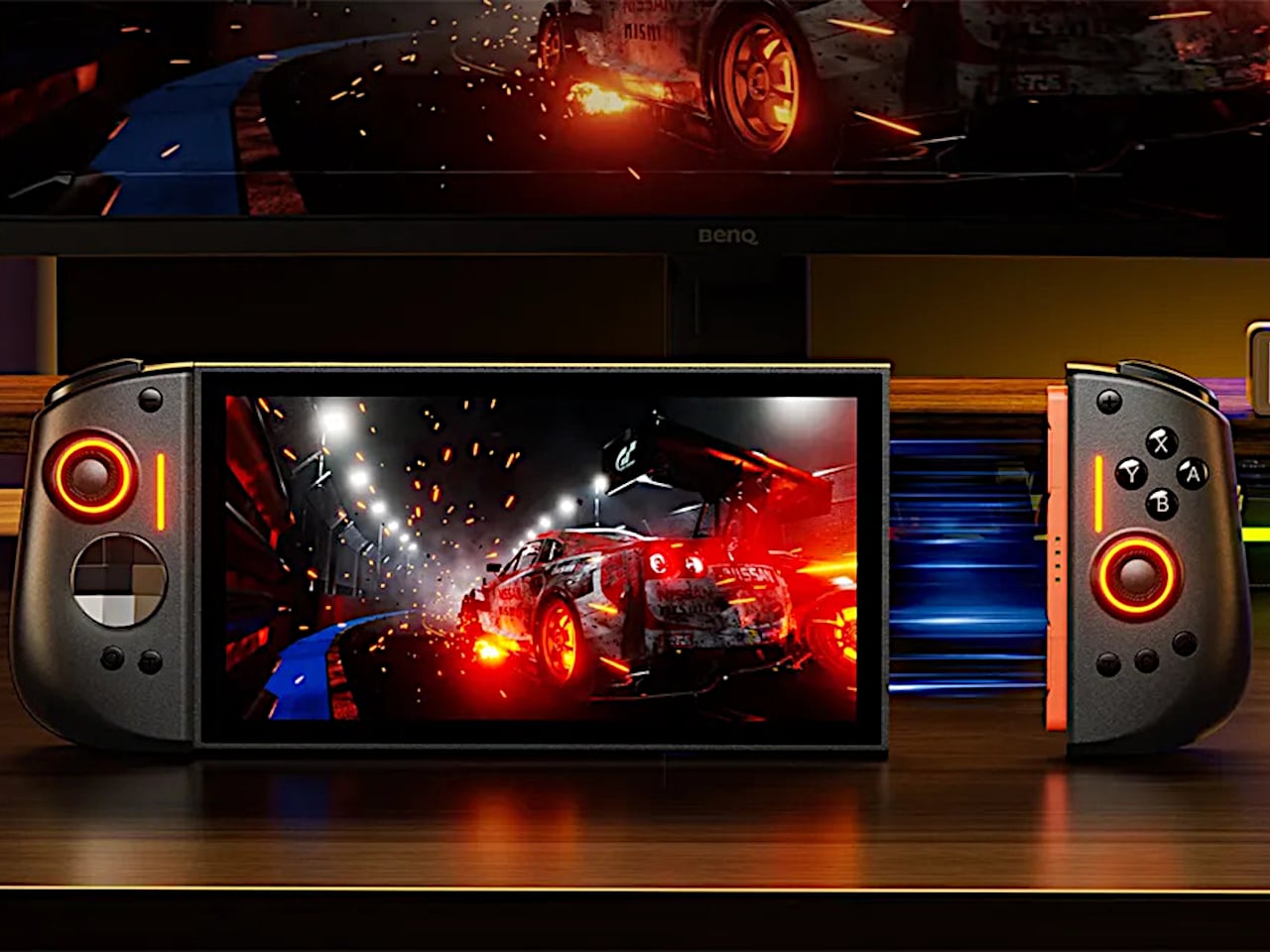
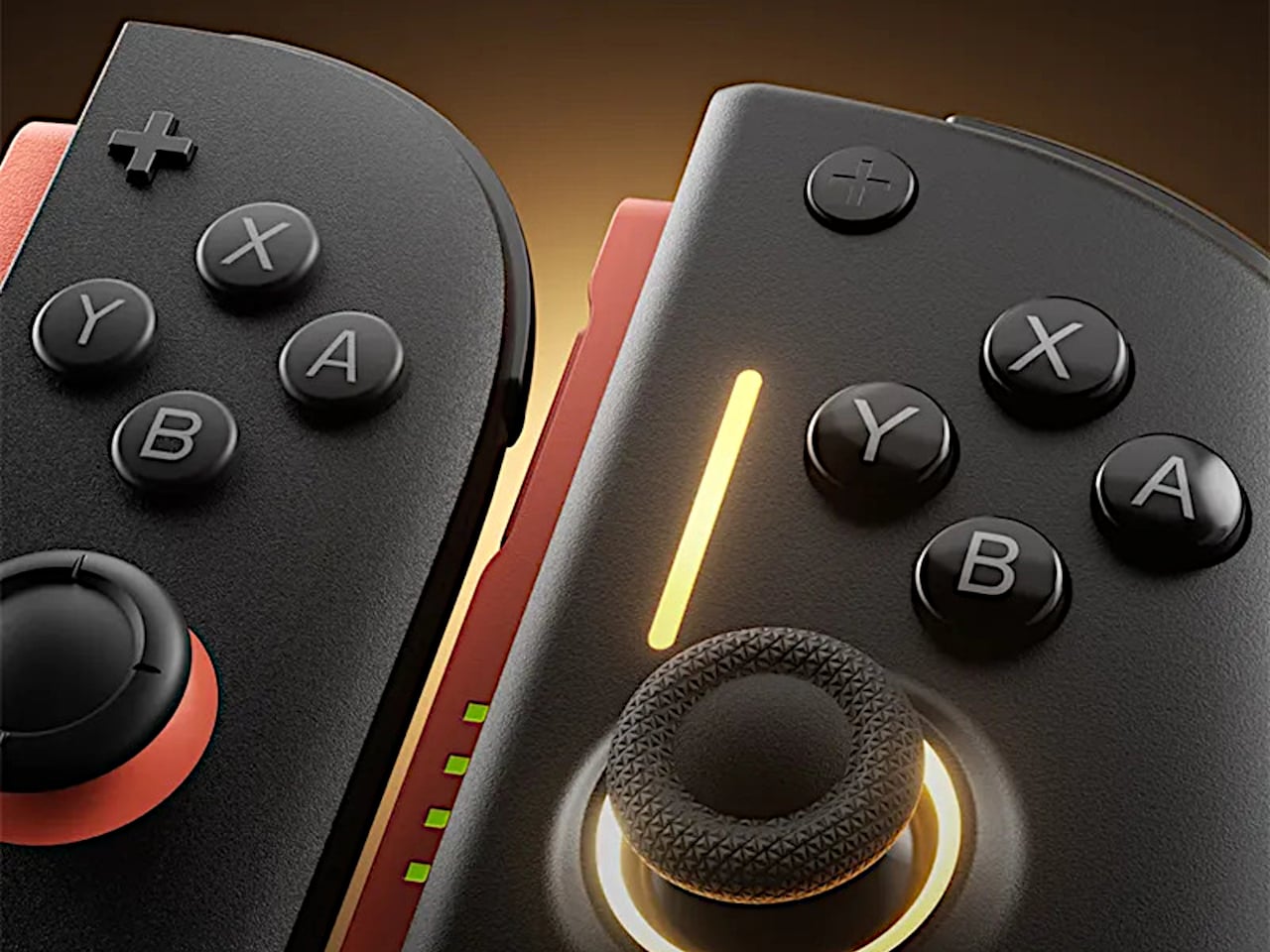
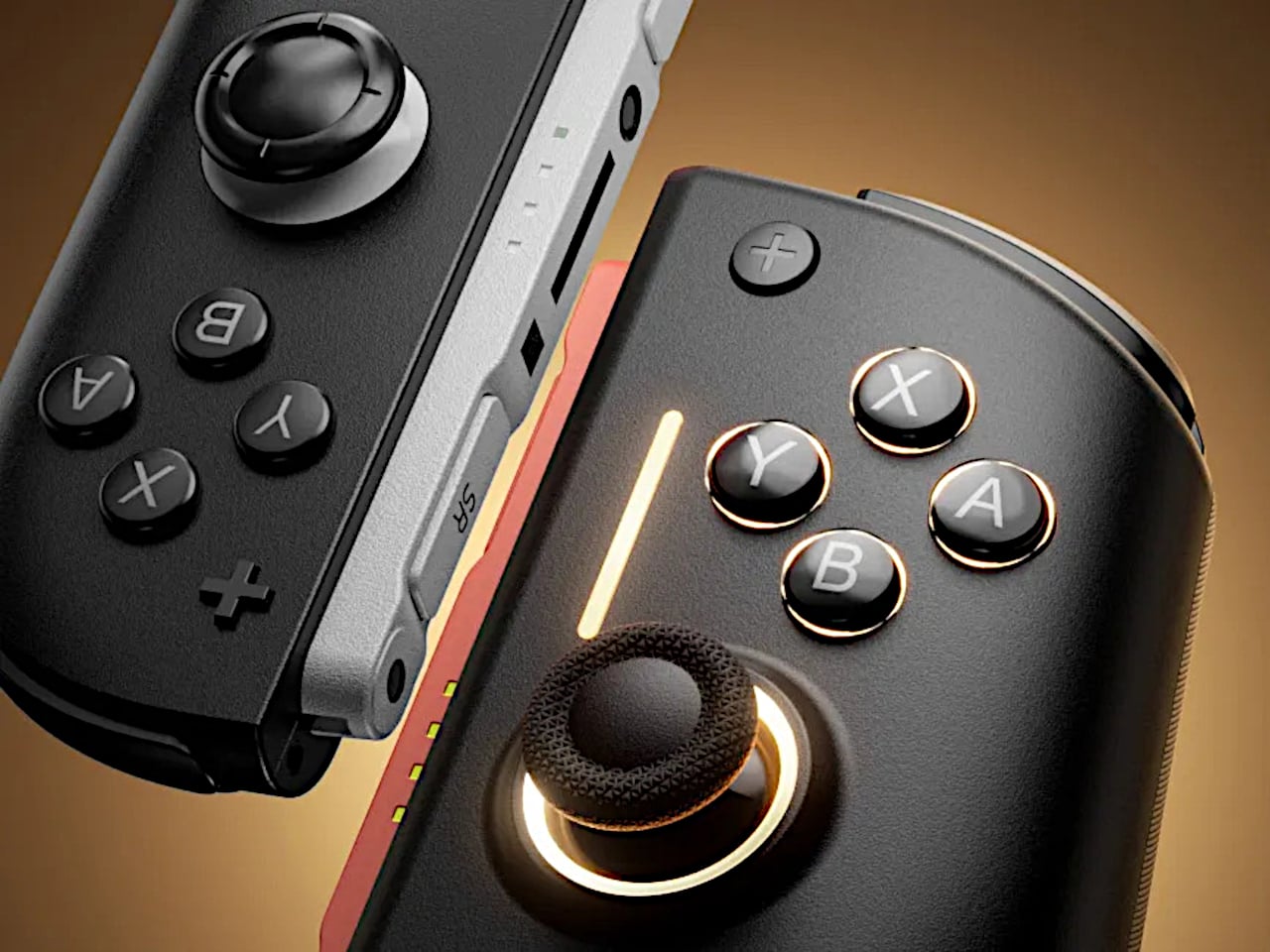
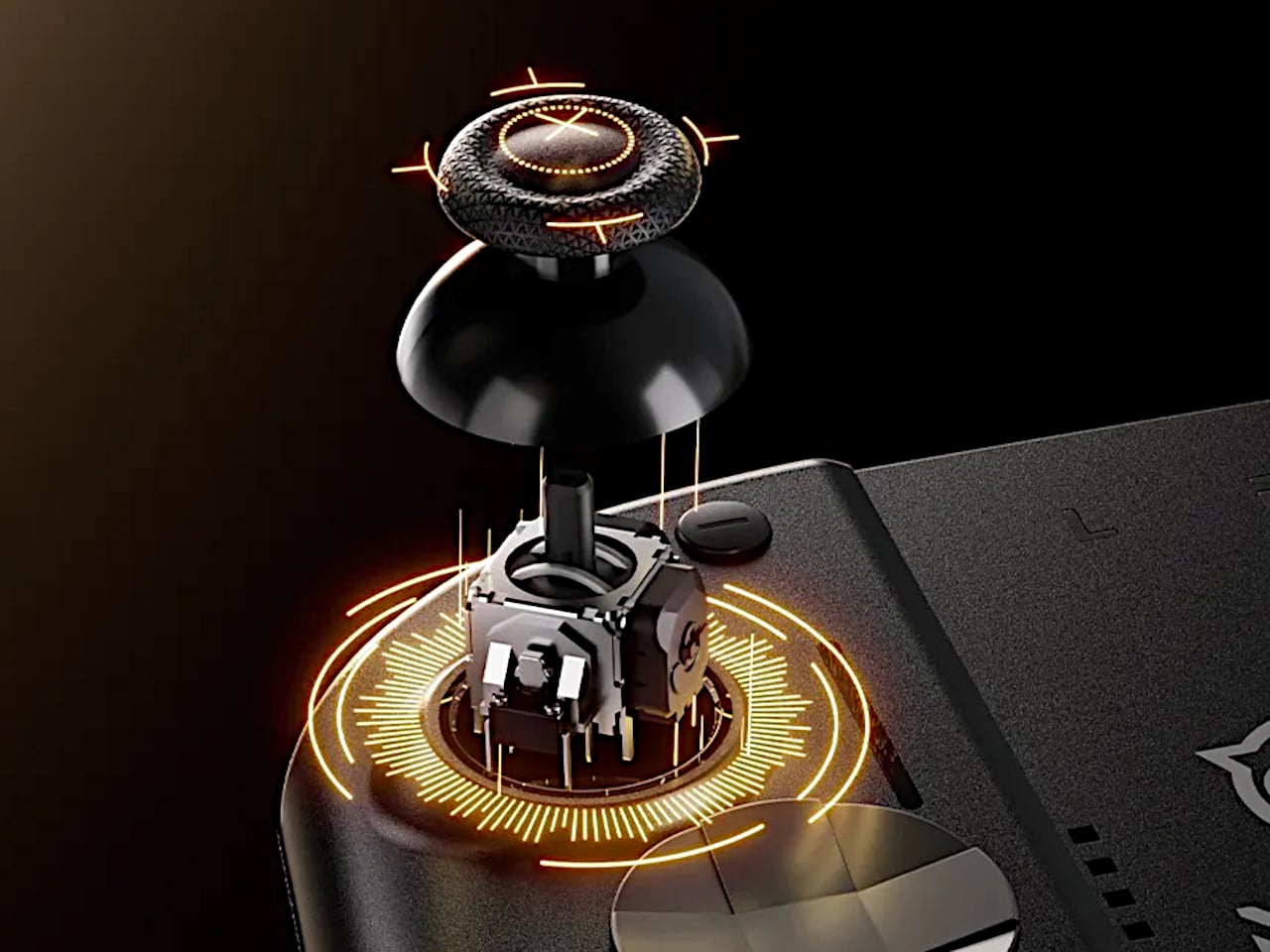
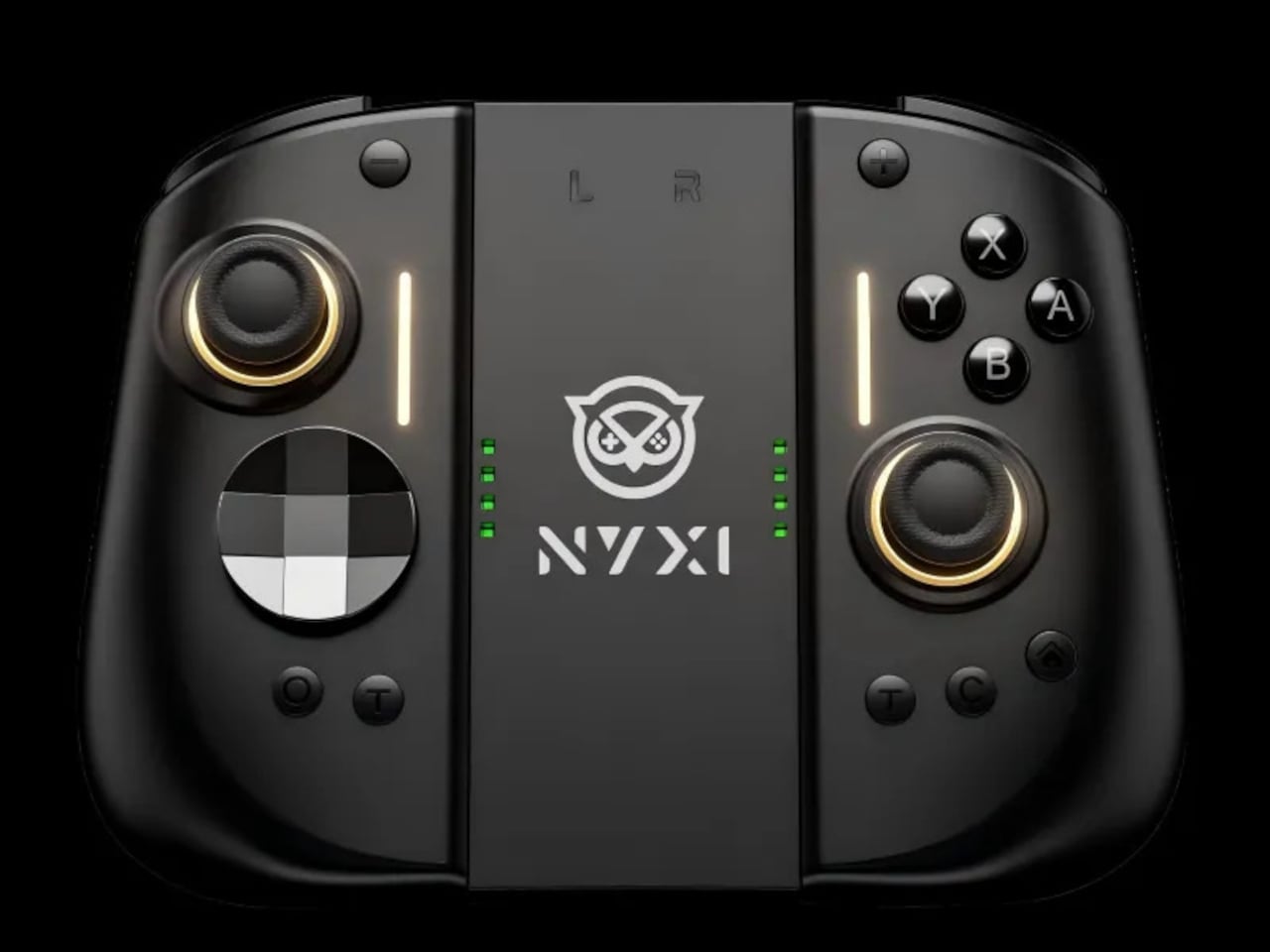
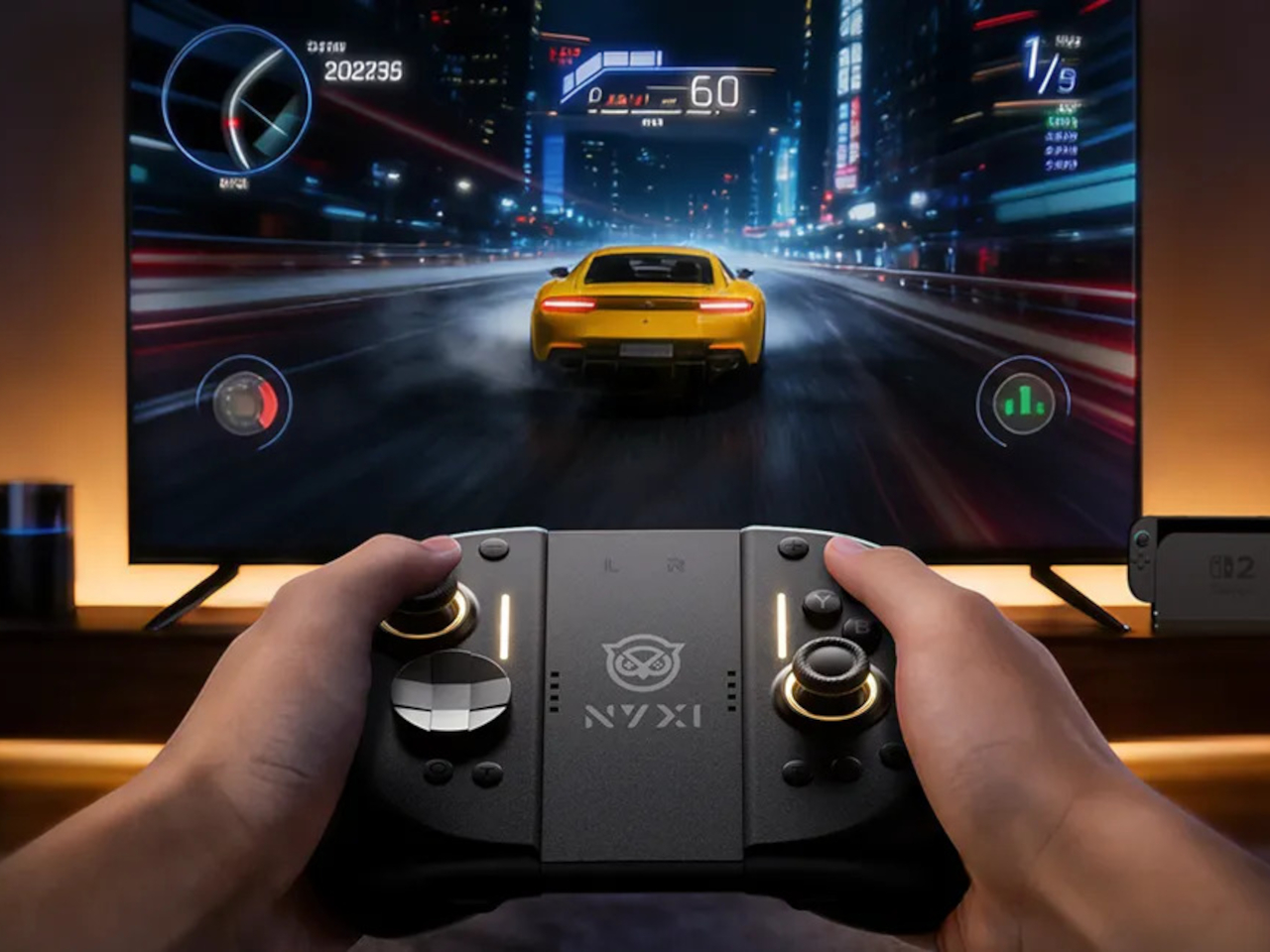
NYXI’s Hyperion 3 is a wireless JoyPad that snaps onto the Switch 2 for handheld play and works as a standalone pad when docked. It adds real grips, larger sticks, and more spaced-out buttons, swapping the usual potentiometer sticks for hall-effect joysticks designed to be drift-free over the long haul. It is pitched as the world’s first ergonomic JoyPad for Switch 2, treating comfort and reliability as primary goals.

Designer: NYXI

Settling into a long RPG or racing game in handheld mode, the full-size grips let your hands relax instead of pinching edges. The hall-effect sticks feel smooth and precise, and you are not waiting for the first sign of drift that ruined your last controller. The strong magnetic lock keeps everything solid, so the console feels like one piece rather than a screen with two wobbly handles threatening to flex apart.

The larger micro-switch face buttons and D-pad click with a clear, mechanical feel, making fast inputs and diagonals more reliable in fighters or platformers. The 9-axis gyro gives you fine motion aiming in shooters or steering in racers, so you can lean on tilt controls without fighting laggy sensors or imprecise calibration that drifts halfway through a match.

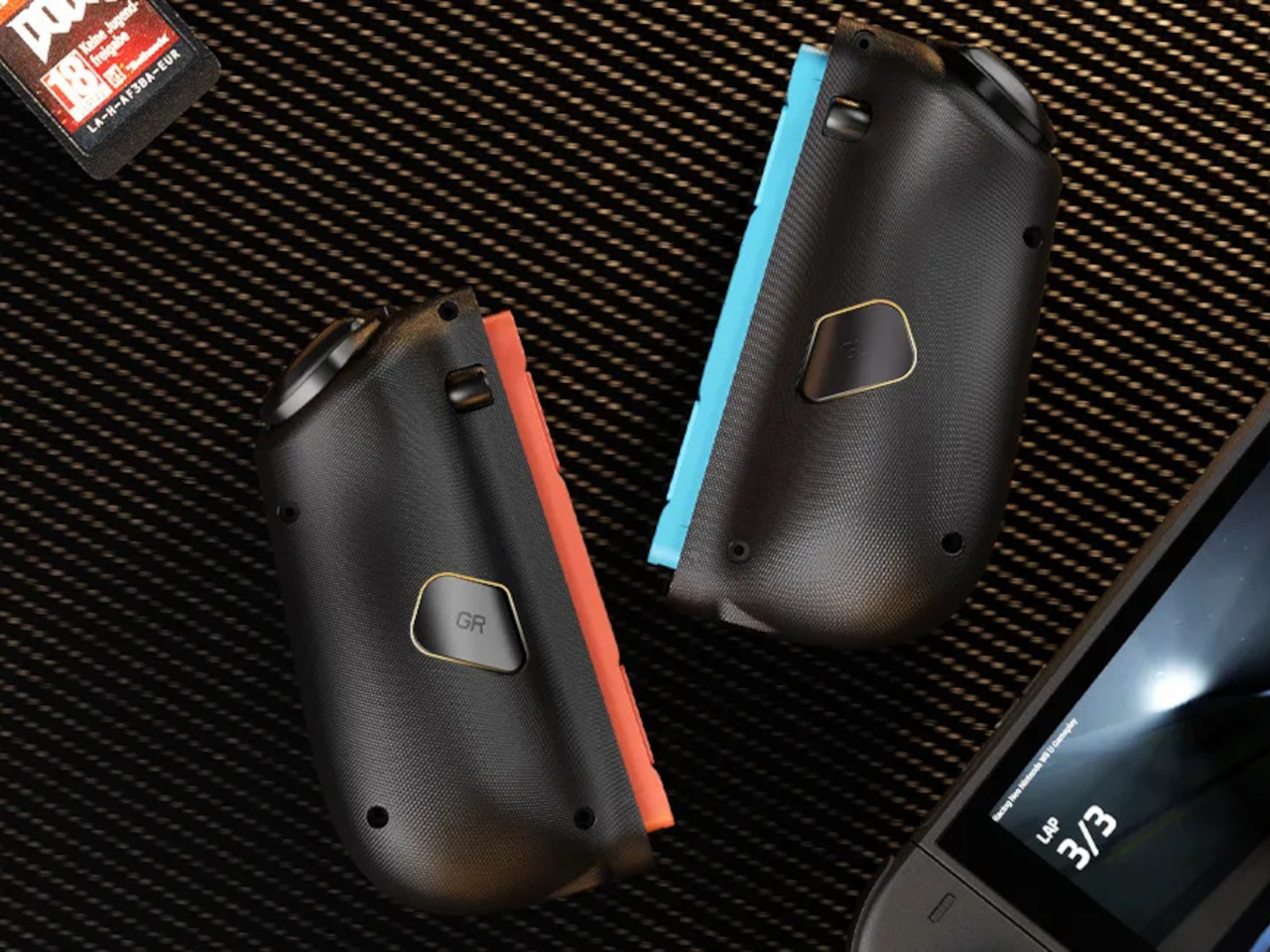
The programmable back buttons let you move key actions off the face buttons, so your thumbs can stay on the sticks more often. Mapping jump, reload, or item use to the back means fewer awkward stretches, especially in games designed around a traditional pad. Over time, that small shift in where your fingers land makes the controller feel tailored to your habits instead of forcing you into Nintendo’s layout.

Hyperion 3 is not as slim or neutral as Nintendo’s own Joy-Cons. The full-size grips and gaming-centric styling make the Switch 2 less pocketable and more like a small console with a screen. That is exactly the point, though, a handheld that finally feels built for adult hands, even if it means giving up a bit of throw-in-a-bag convenience.

Hyperion 3 shows what happens when a third-party accessory takes the Joy-Con format seriously as a starting point, not a template to clone. By fixing drift, upgrading buttons, adding back paddles, and leaning into ergonomics, it treats the Switch 2 like a platform deserving of pro-level hardware. Playing on Nintendo’s hybrid for hours makes that kind of overkill feel pretty reasonable.

The post NYXI Hyperion 3 Finally Gives the Switch 2 a Grown-Up Controller first appeared on Yanko Design.
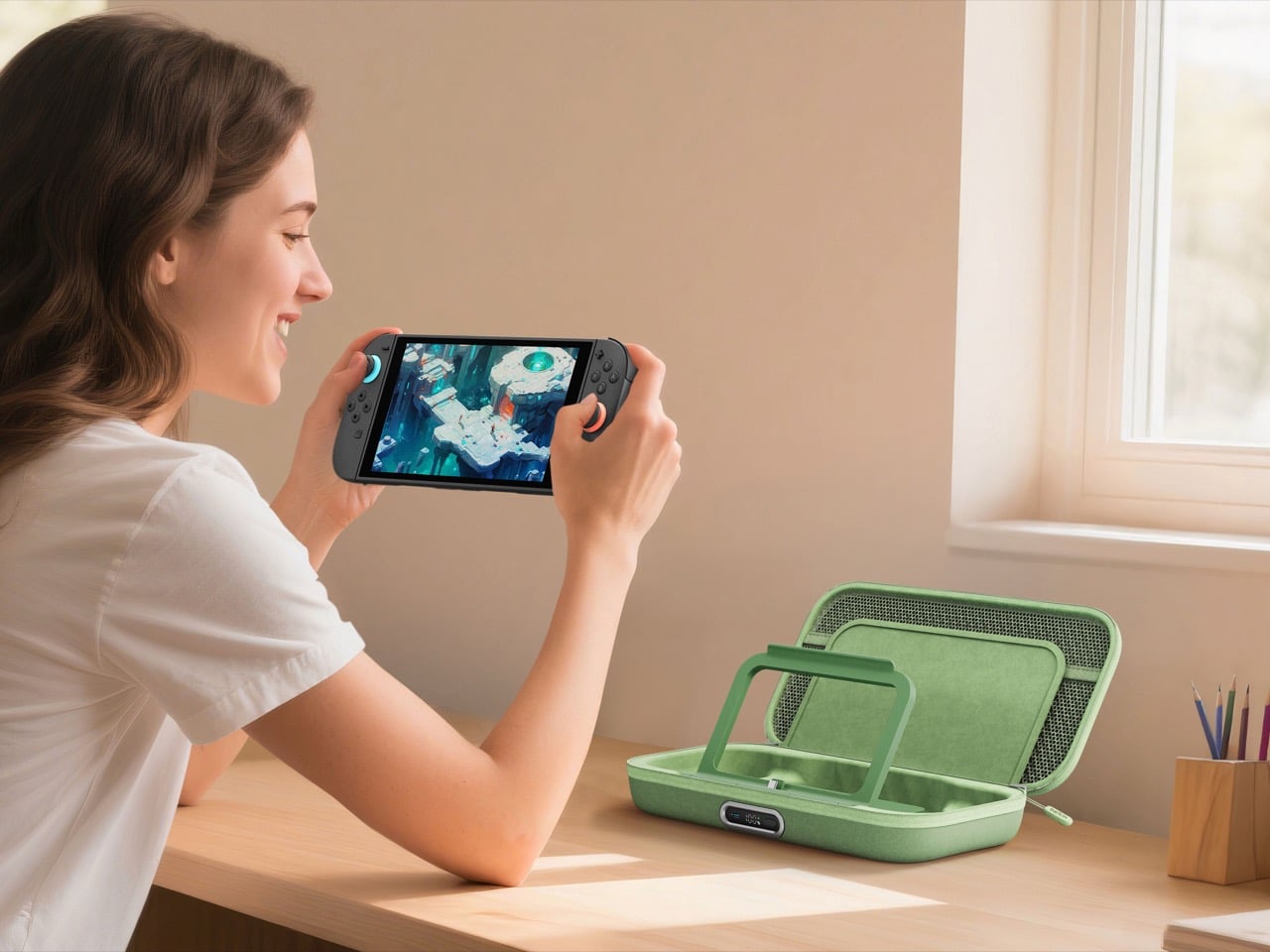
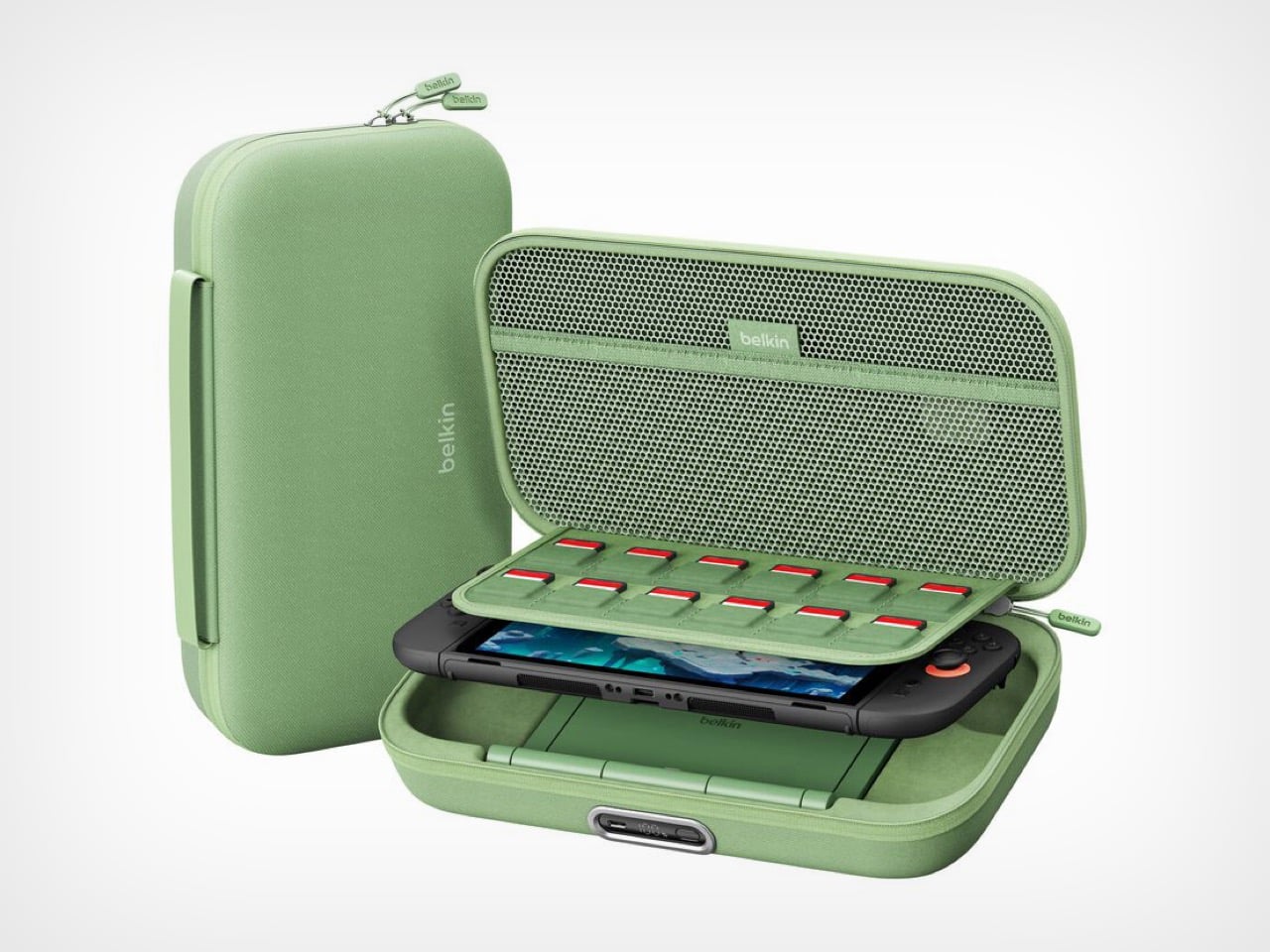
Belkin’s New Switch 2 Docking Case Has a 10,000mAh Battery That Lets You Charge While Shut

The best gaming accessories solve problems you didn’t know you had. Before you use them, the old way seems fine. After you use them, going back feels like torture. Belkin’s new Charging Case Pro for Nintendo Switch 2 falls squarely into this category.

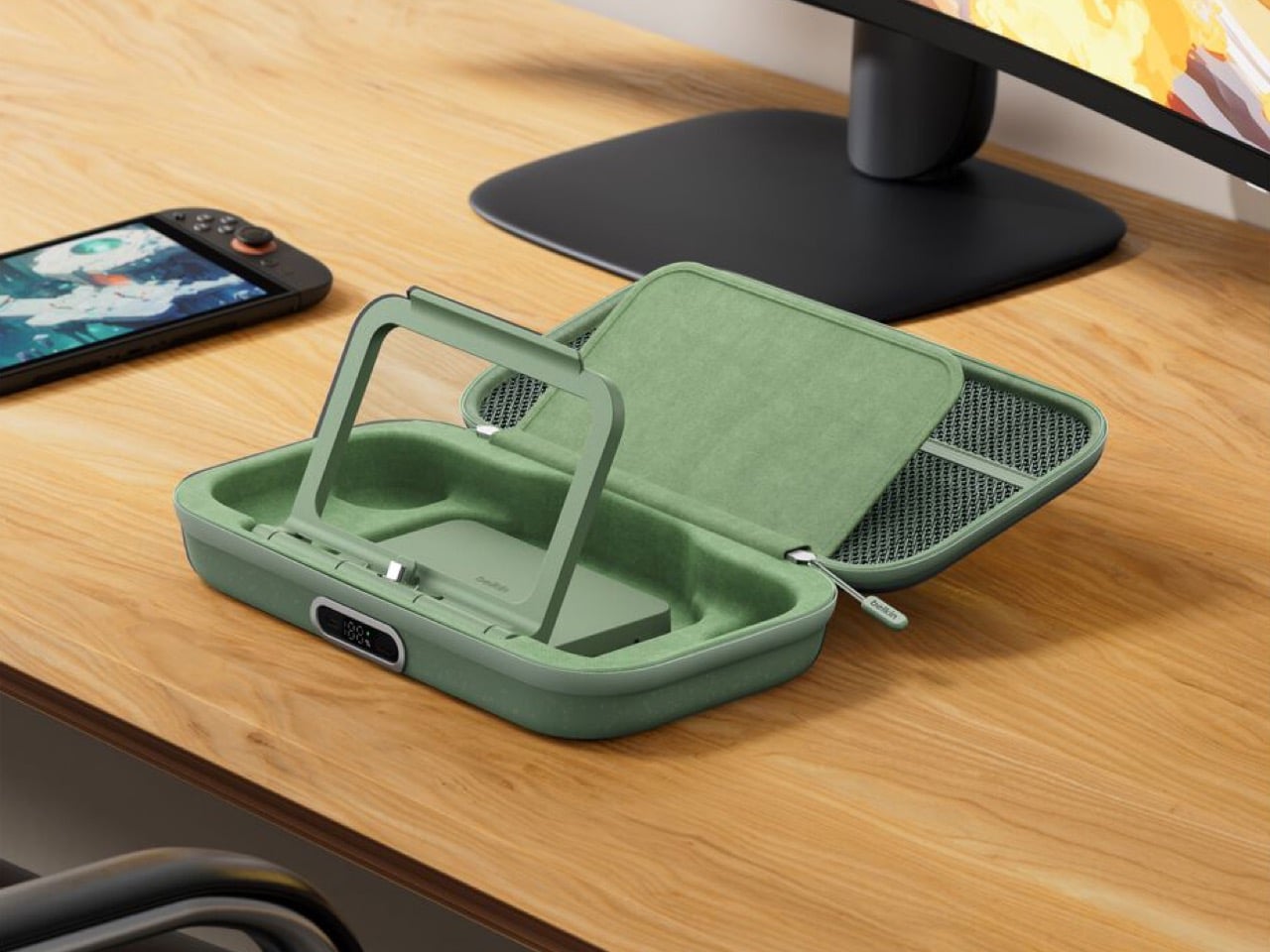
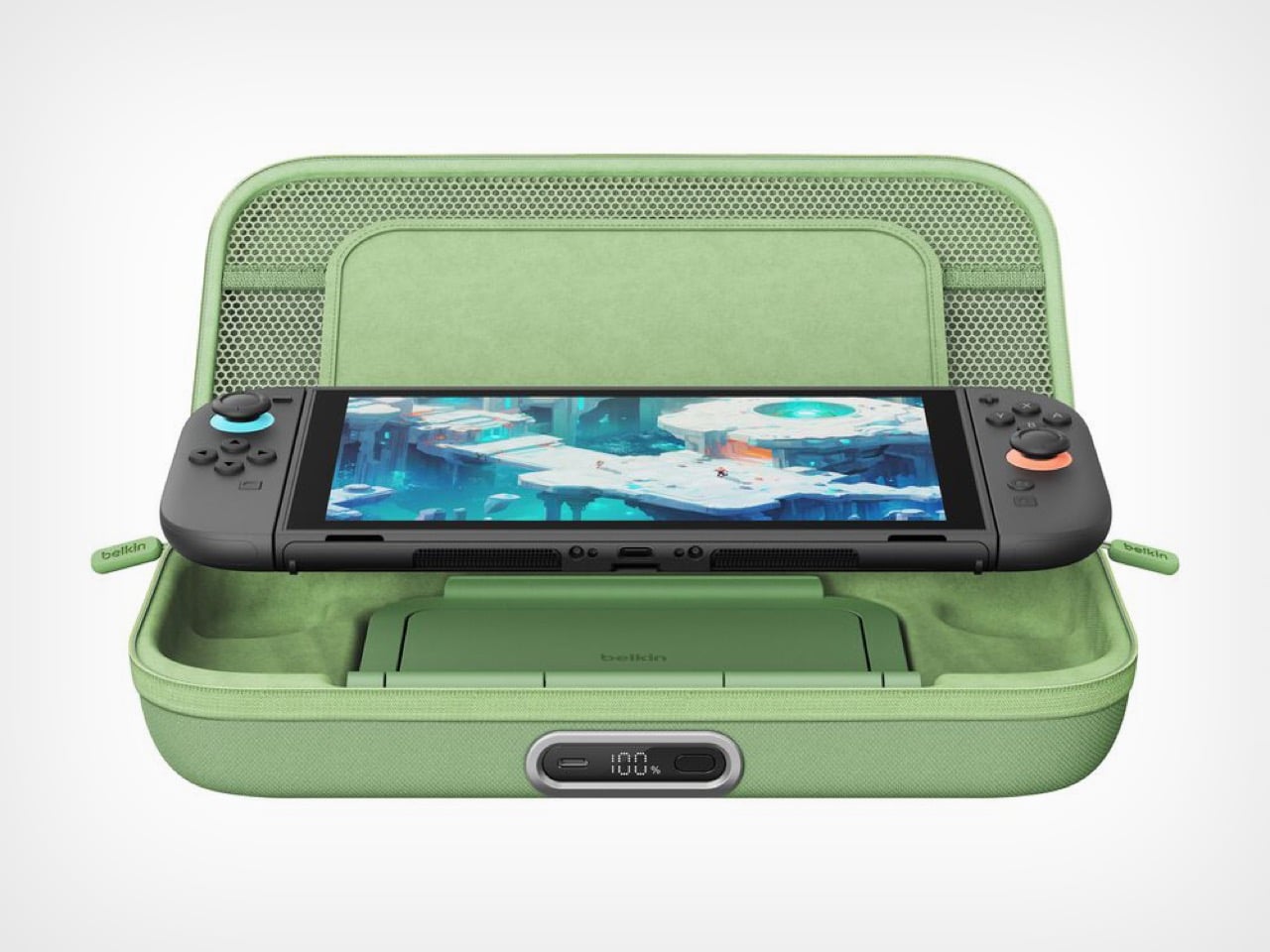
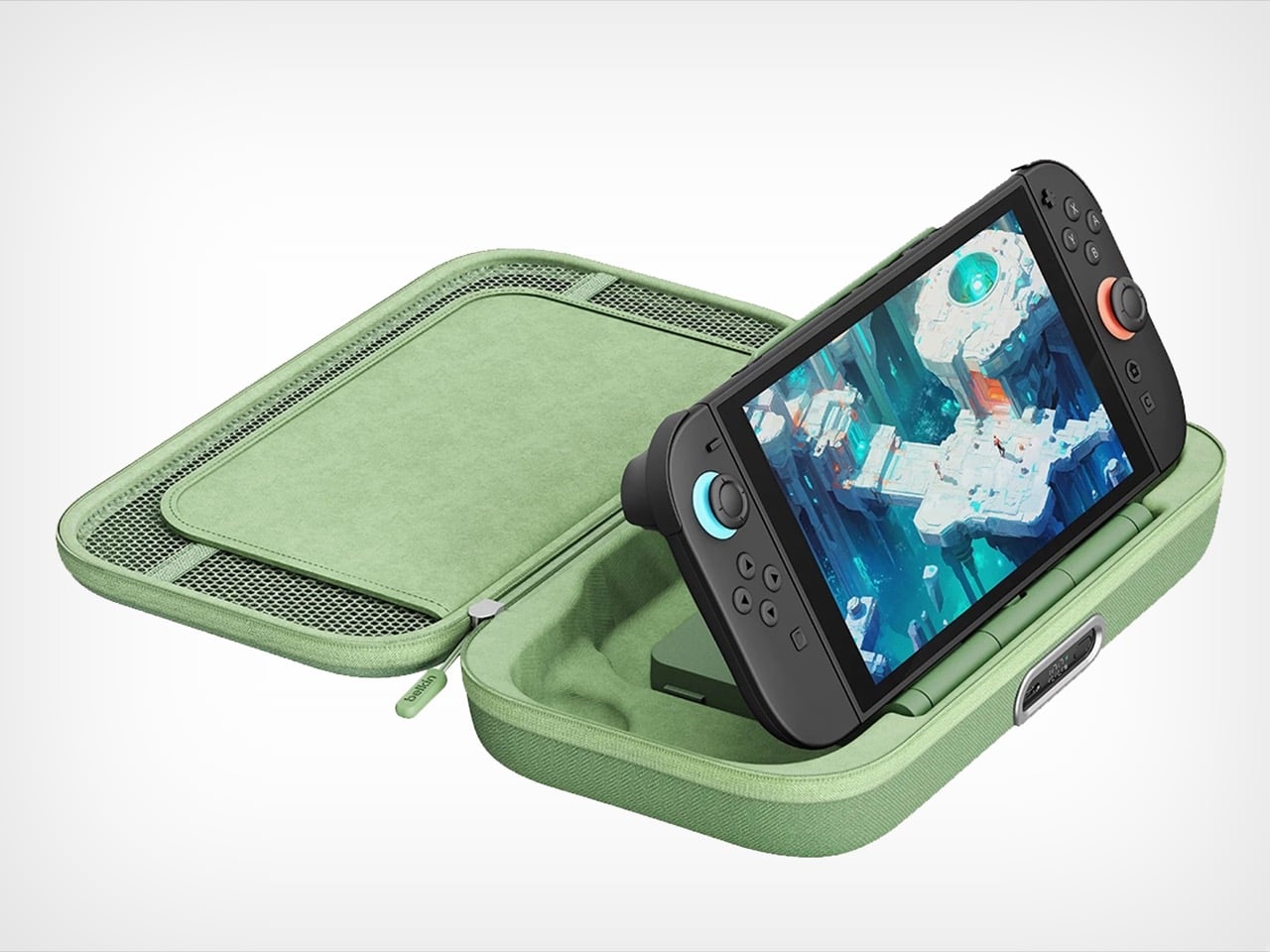
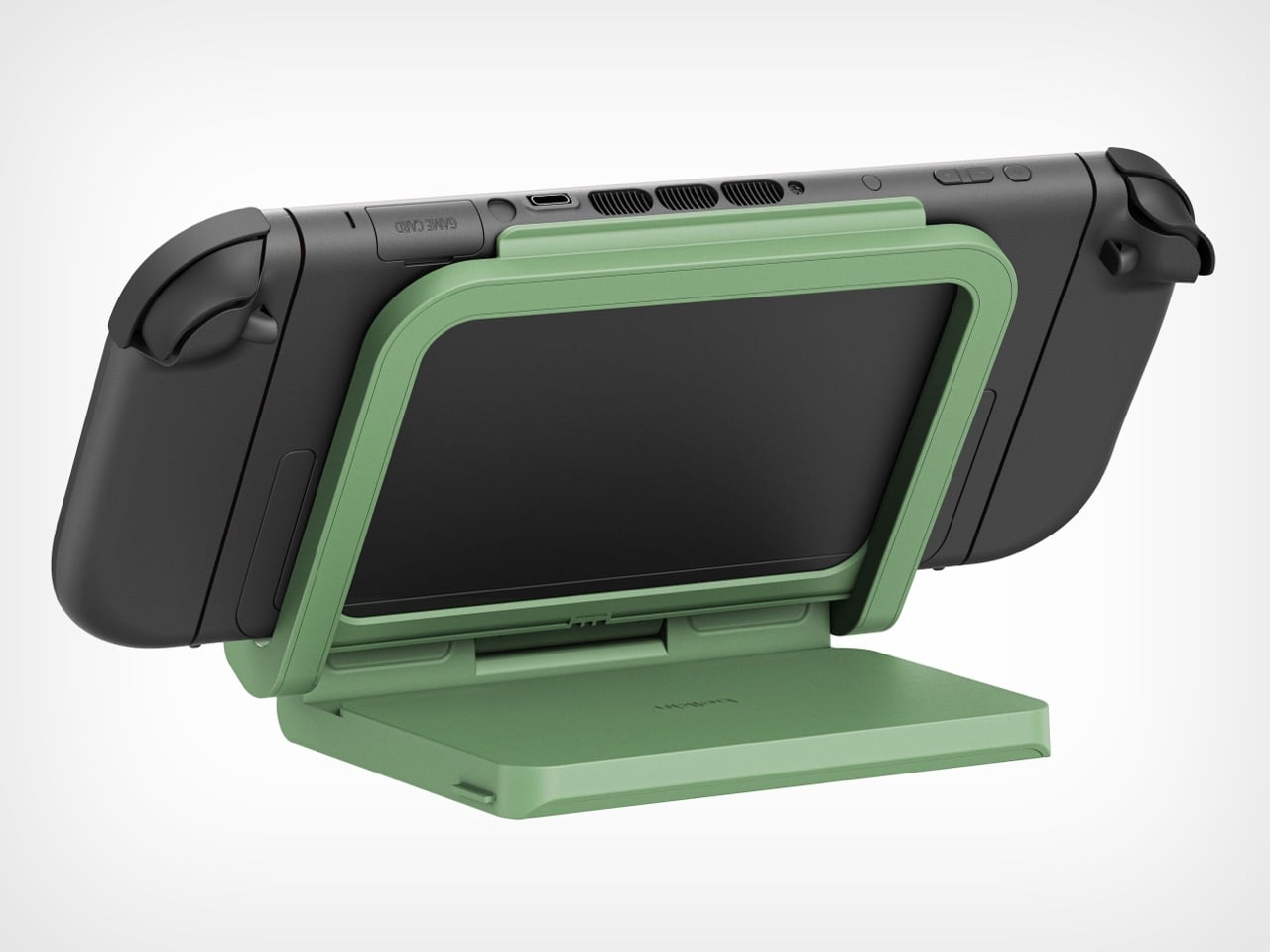
The original Charging Case launched last June with a solid concept: protect your Switch 2 and keep it powered during long trips. But Belkin’s designers clearly listened to user feedback and spotted the pain points. The Pro version addresses nearly every frustration from the first generation. You can charge the battery without unzipping the case. You get a proper integrated stand instead of relying on the console’s kickstand. There’s even a battery level display so you’re never guessing how much juice remains. These aren’t revolutionary features individually, but together they transform a good accessory into an essential one.

Designer: Belkin

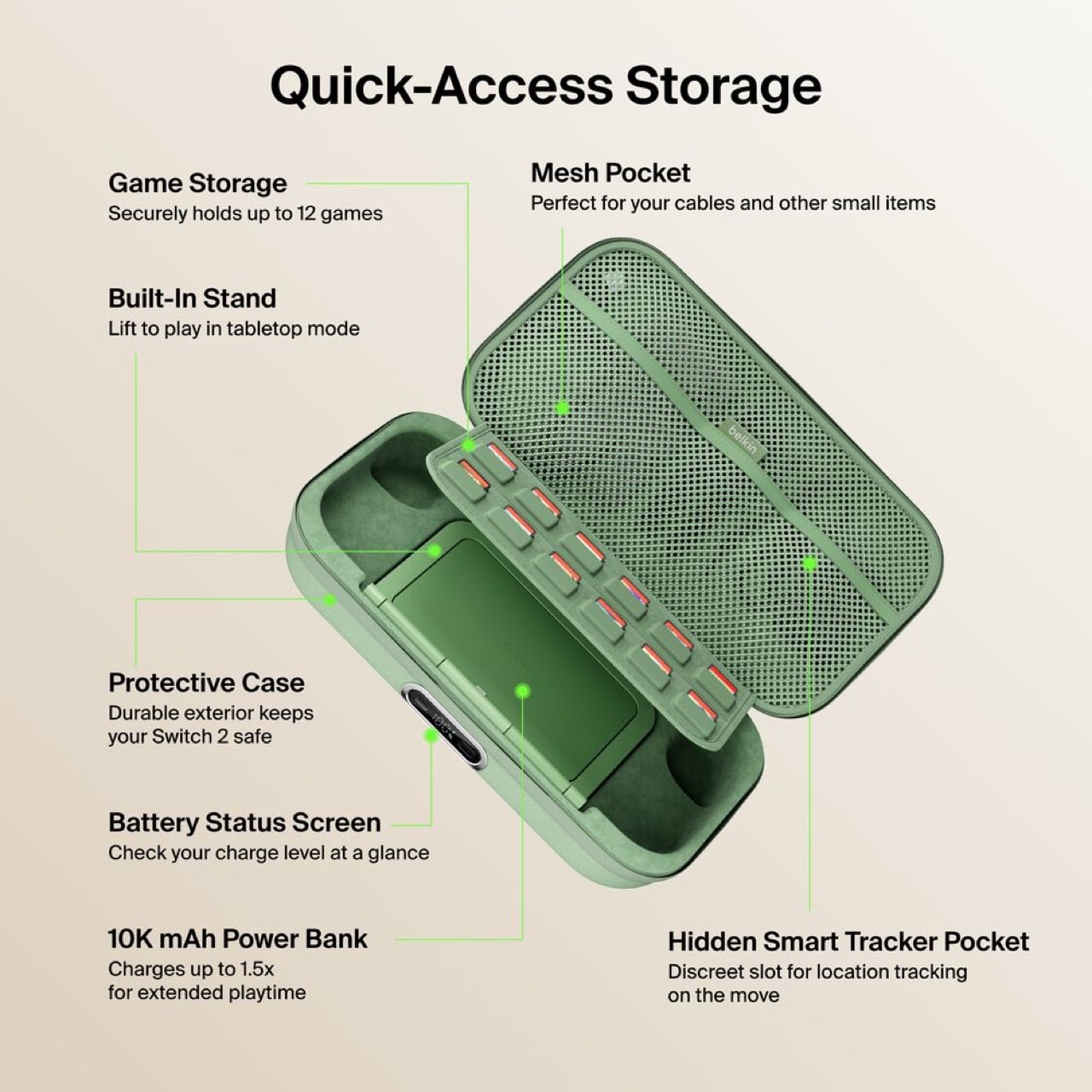
Having to unzip your case, fish out the battery pack, plug it in separately, then put everything back together just to charge overnight is the kind of stupid friction that kills products. The external USB-C port fixes this entirely. Leave your Switch 2 inside, plug one cable into the front, done. The little OLED display shows precise battery percentage, which actually matters when you’re deciding whether to top up before a three-hour flight or risk it.

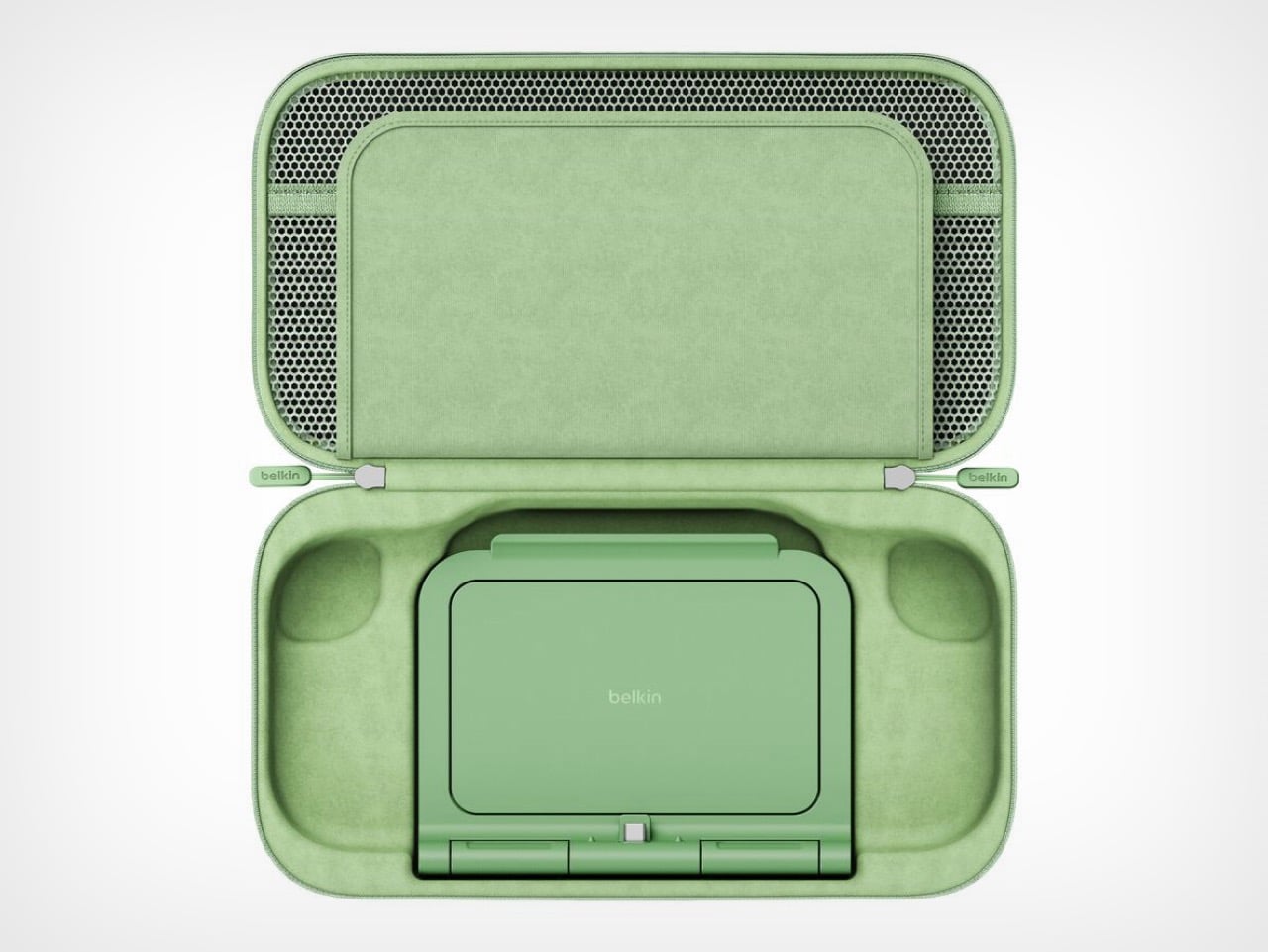
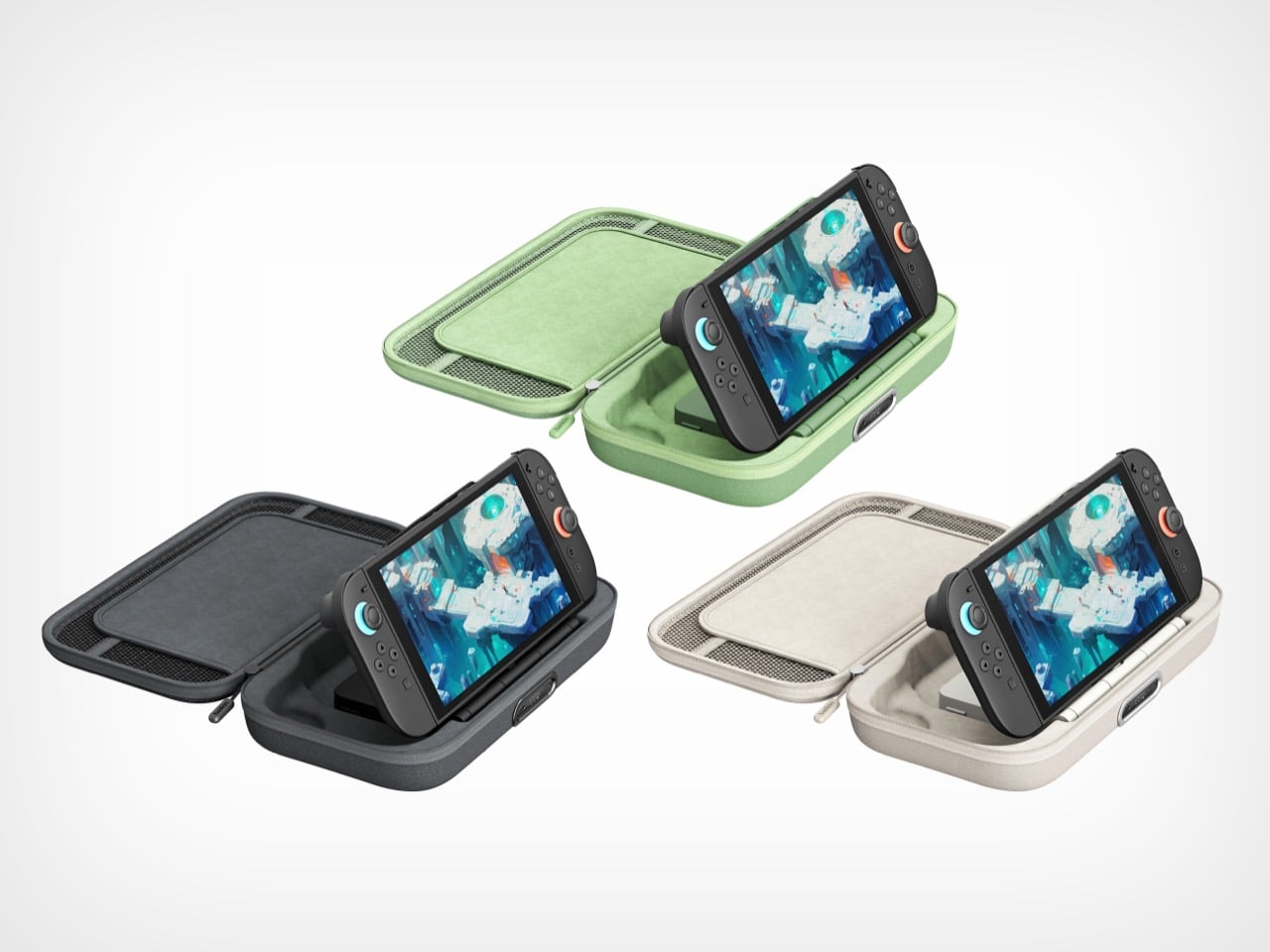
The 10,000mAh battery doubles as an adjustable stand with a built-in USB-C connector. The Switch 2 slots onto it like the official dock and starts charging immediately at whatever viewing angle works. The original version forced users to balance the console on its mediocre kickstand while a cable dangled between device and battery. One approach solves the problem. The other creates new ones.

Belkin claims 1.5 full charges from the 10,000mAh capacity, translating to 12 to 15 extra hours depending on what’s running. Graphically intensive games like Zelda sequels will drain faster than pixel art indie platformers, but either way that’s enough power to cross the Atlantic twice before needing an outlet. For a case this compact, the capacity-to-size ratio makes sense. A bigger battery would mean carrying a brick.

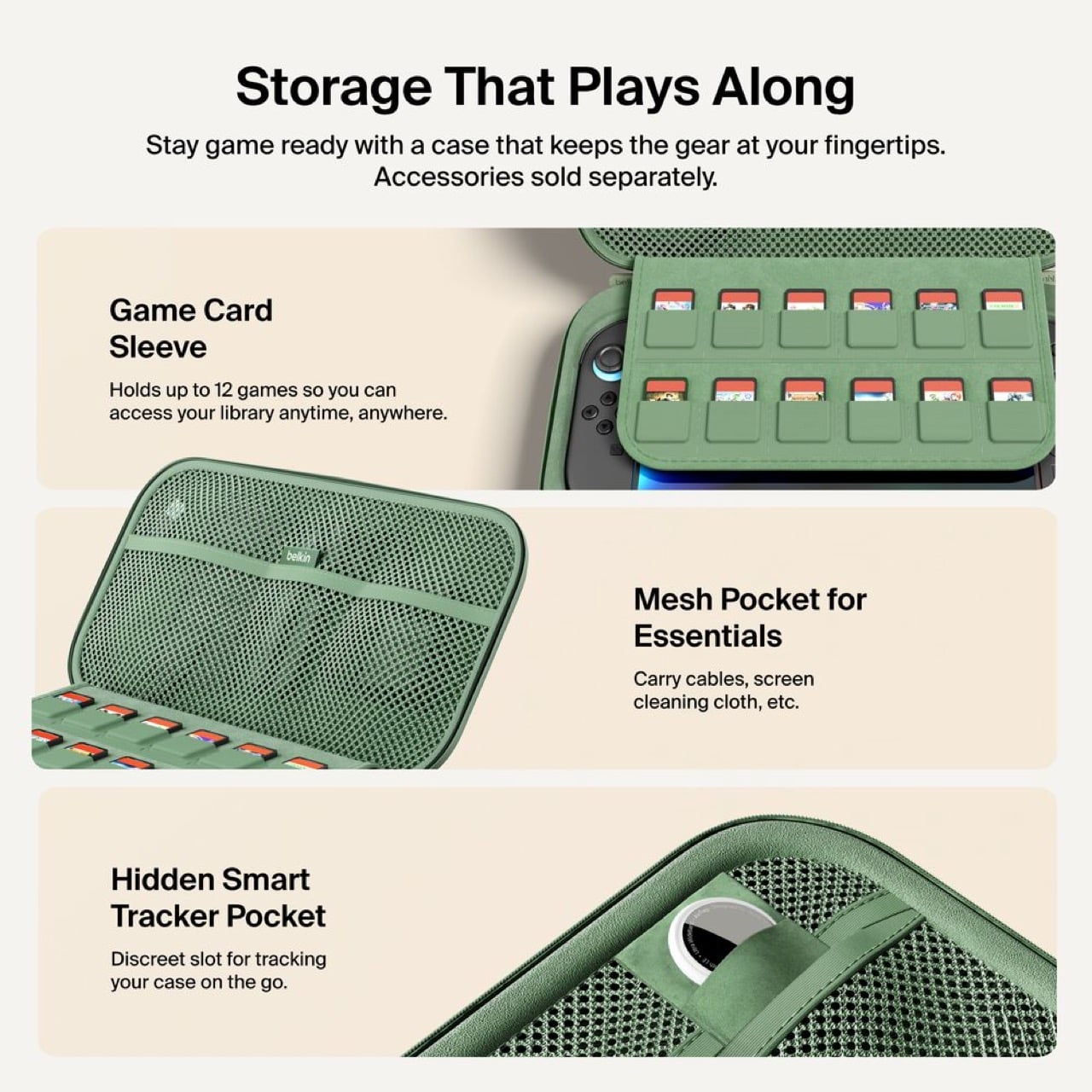
Twelve individual game cartridge slots sit under a flip-down cover, each one molded to prevent rattling. A mesh pocket handles cables and microfiber cloths. Belkin included a hidden compartment sized exactly for an AirTag or Tile tracker. Considering a fully loaded case with console represents about $500 of hardware, location tracking becomes a practical feature rather than a gimmick. People lose things. Expensive things get stolen. Planning for that shows sensible product design.

Three colorways: sage green, black, sandy beige. The green matches Nintendo’s brand aesthetic. Black hides wear better over time. The beige photographs well but might show dirt faster than the darker options.

Charging $99.99 means a $30 jump from the original’s $69.99 price. That’s a 43% increase, which sounds aggressive until you itemize the changes. External charging port. Battery display. Integrated stand with direct connection. Better storage. Refined build quality throughout. Spread $30 across those improvements and the math works. Belkin could have pushed $120 easily and still moved units. They left money on the table, frankly.

This reads like version 2.0 engineering instead of the lazy incremental updates most companies ship. Belkin rebuilt the internal layout, redesigned the battery for dual purpose use, and solved actual user complaints instead of adding RGB lighting or whatever. Most “Pro” accessories just mean “black version, higher price.” This one actually earns the name.

Own the original and it works fine? Skip this. Shopping for your first Switch 2 charging solution or fed up with your current setup? Start here. It’s up on Belkin’s site now, probably hitting Amazon within a week because that’s how 2026 works.

The post Belkin’s New Switch 2 Docking Case Has a 10,000mAh Battery That Lets You Charge While Shut first appeared on Yanko Design.
Mangmi Pocket Max handheld boasts magnetic modular D-Pad and ABXY buttons

The handheld wars are entering the territory where end-users will benefit the most, getting the best hardware at the most competitive prices. Ayaneo, Anbernic, and other new players in the handheld market are vying for dominance, which is likely to manifest in sharp pricing. Android handheld maker Mangmi, targeting the entry level of the gaming community, wants to join the tussle with its new iteration of a gaming handheld device.

The Chinese maker is known for its $99 Air X handheld that punches well above its weight, giving retro handhelds priced around $150 a run for their money. Now, the Pocket Max handheld revealed this week, wants to take things further in the quest for handheld supremacy. Going by the revealed specs, we assume the handheld will be priced around $200, making it compete with the likes of Retroid Pocket Mini V2. Considering the global RAM shortage, anything less than that would be a good option for gamers who play a lot of emulation titles.

Design: Mangmi

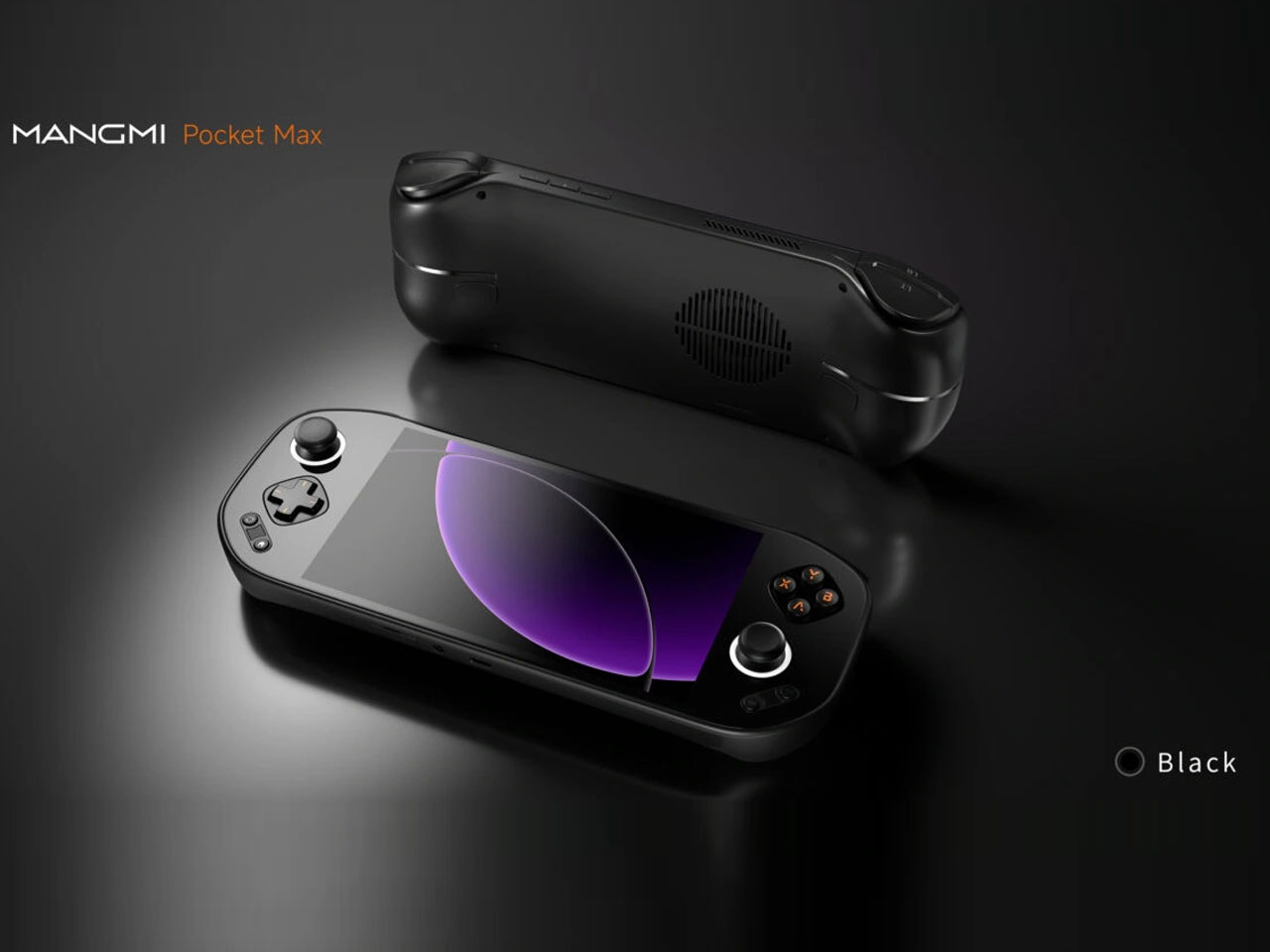
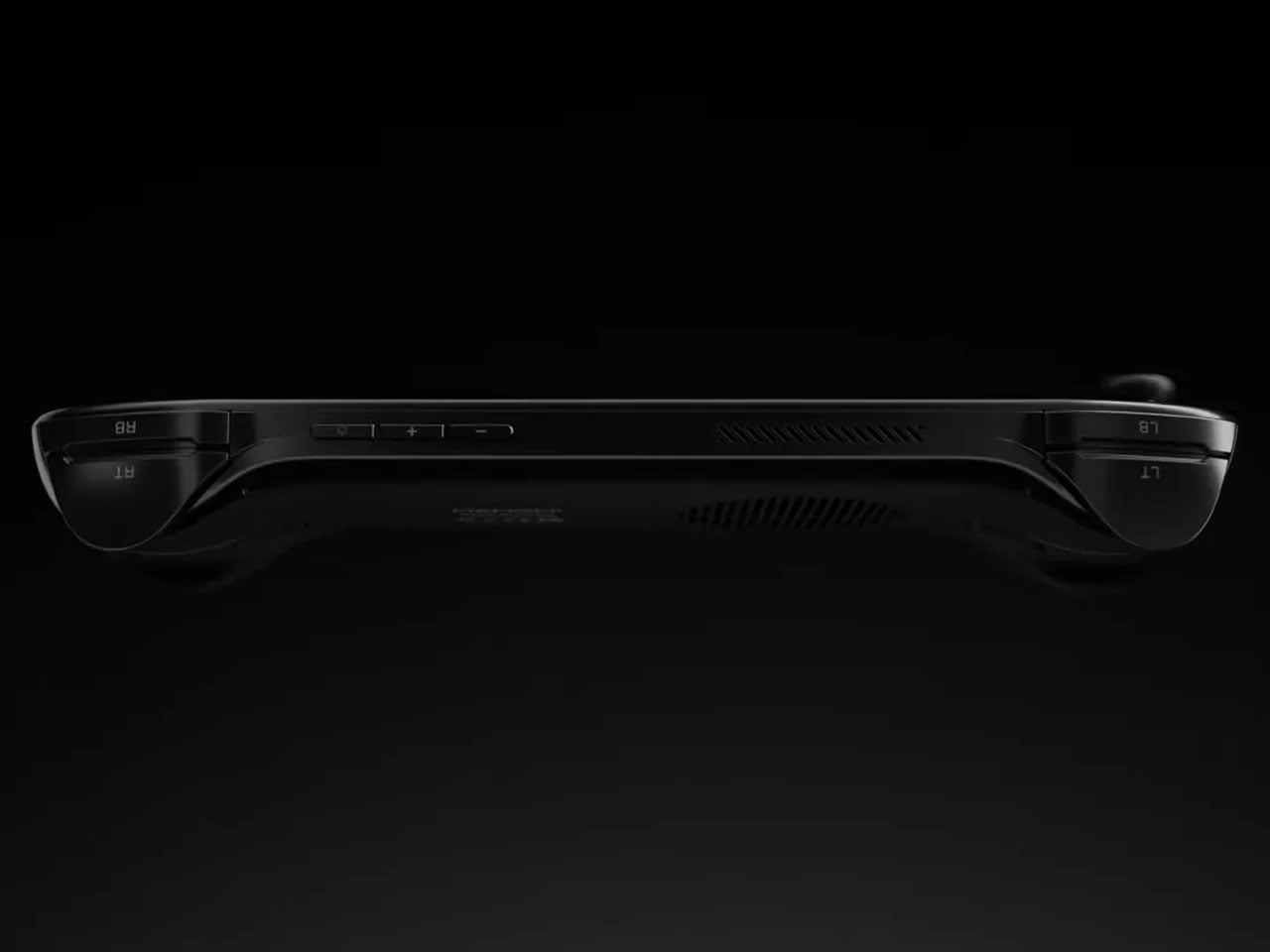
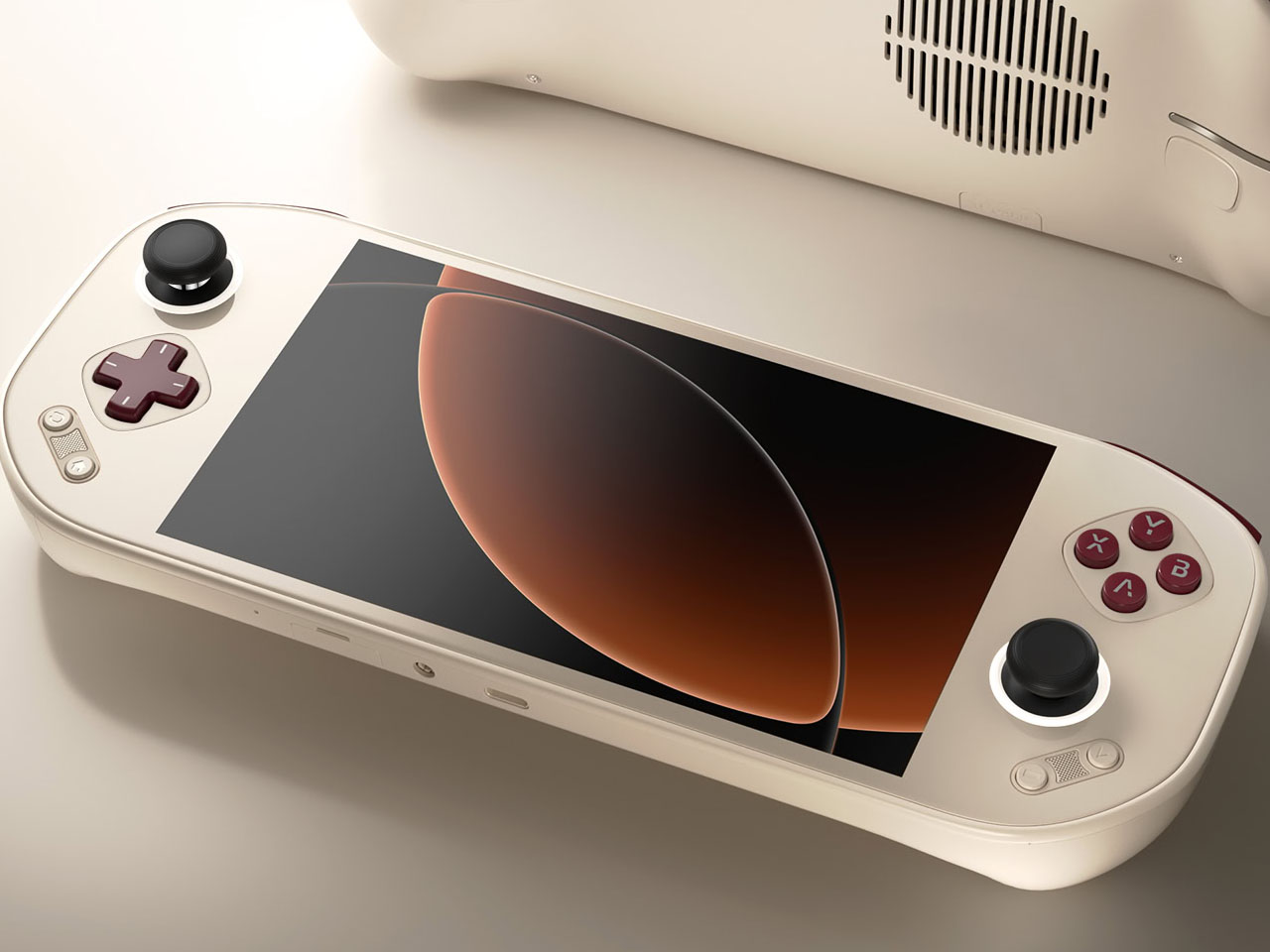
While the Air X touted the portable aesthetics, the Pocket Max targets gamers who want to swap better performance with a bit of sacrifice in size. For now, Mangmi has released some renders and the specifications of the gadget. It’ll have a 7-inch AMOLED display with 1920 × 1080 HD resolution and 144Hz refresh rate. The device will be powered by the Snapdragon 865 processor, which also powers the Retroid Pocket 5 and Ayaneo Thor Lite. If we go by the official specs sheet, Mangmi will offer the handheld in one variant only that will have 8GB LPDDR4X RAM and 128GB UFS 3.1 storage, which can be extended via the MicroSD card slot.

For extended gaming sessions, the Android 13 handheld gets an 8,000mAh battery with a charging capacity of up to 27W. This is done via the USB-C port that also supports video output. You also get a 3.5mm headphone jack for lossless video output. To maintain constant framerates in graphics-intensive titles, there is an active cooling fan to keep the temperature to a minimum. Wi-Fi 6 and Bluetooth 5.1 connectivity take care of all your wireless connectivity needs.

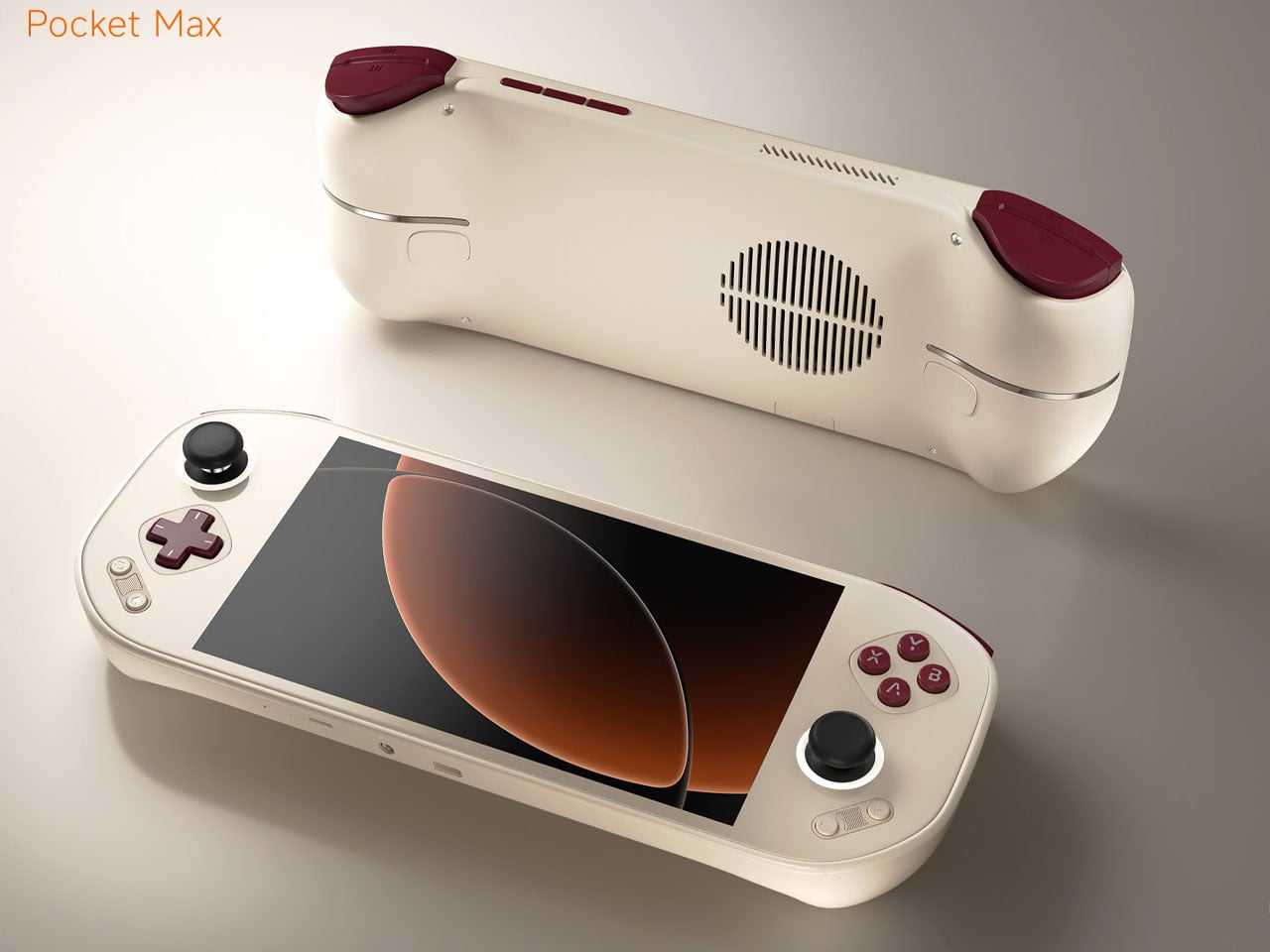
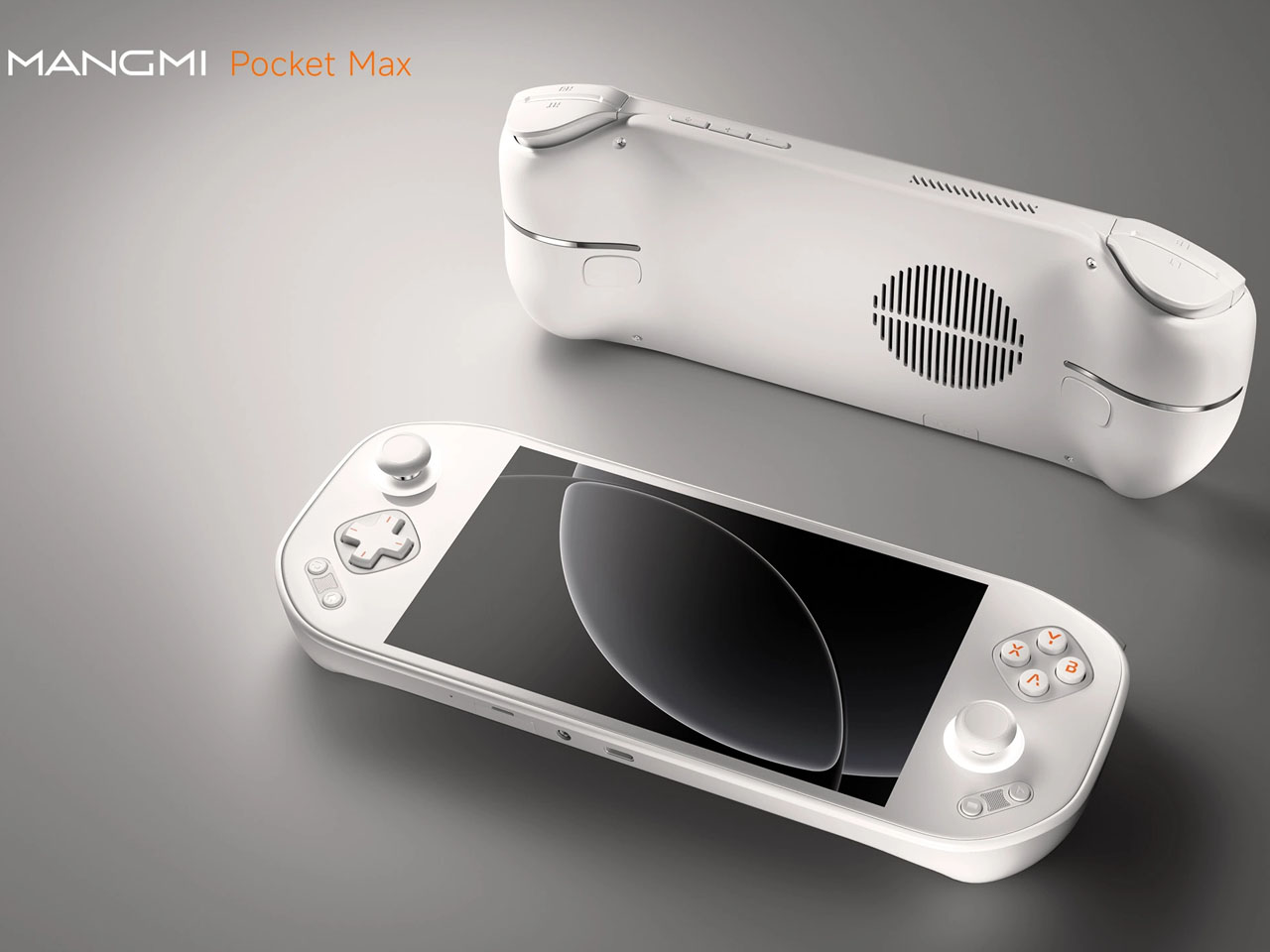
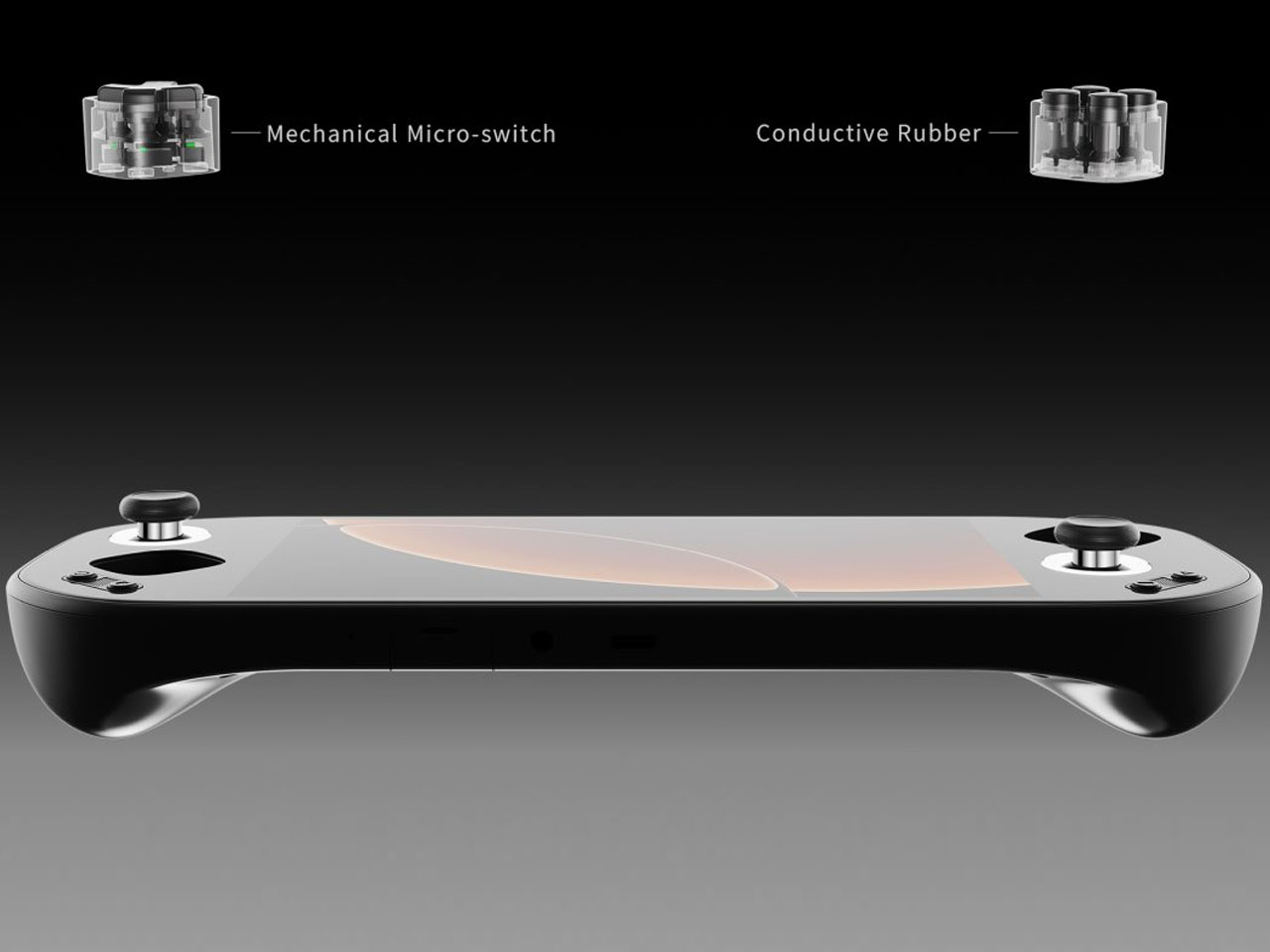
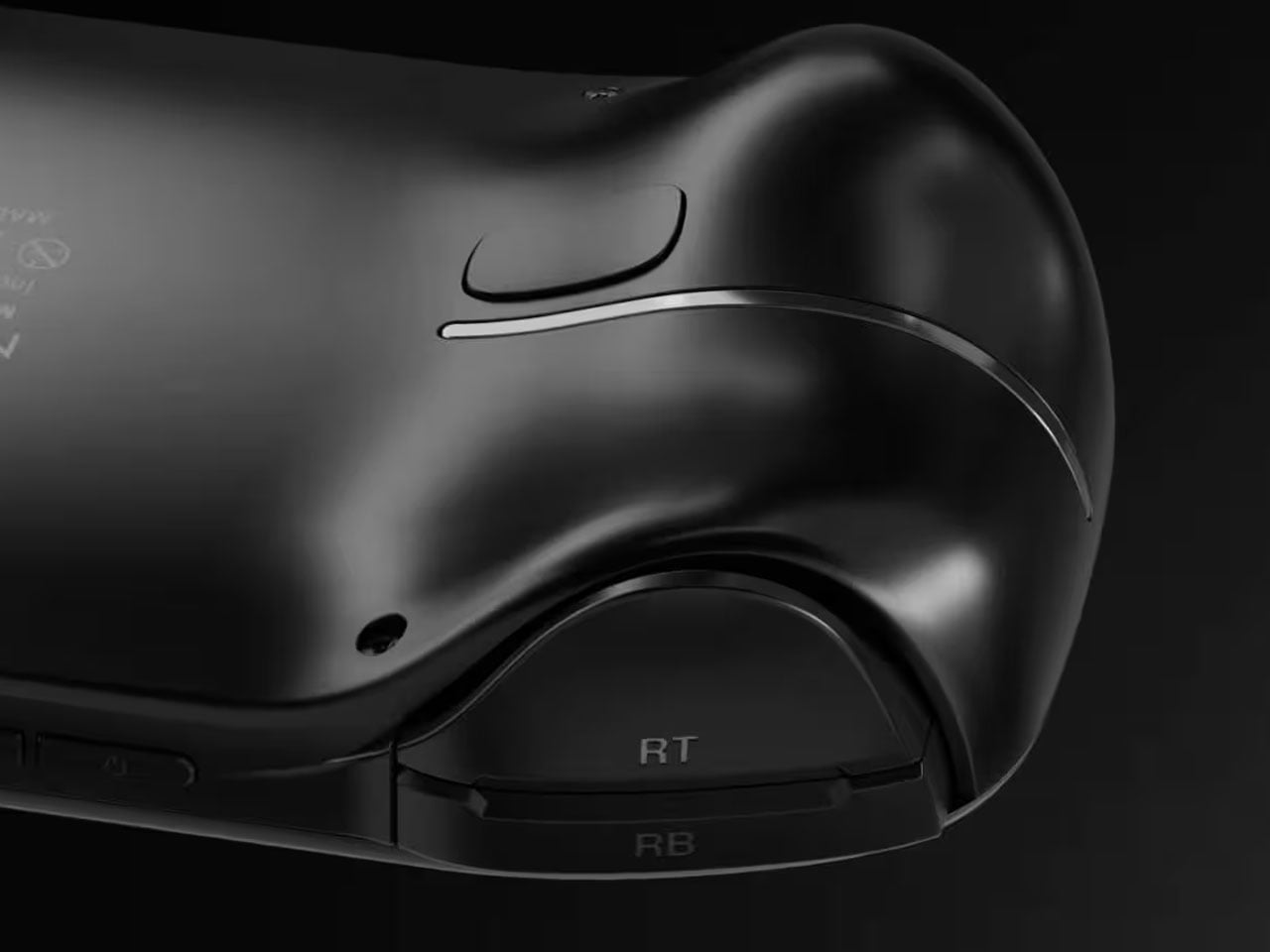
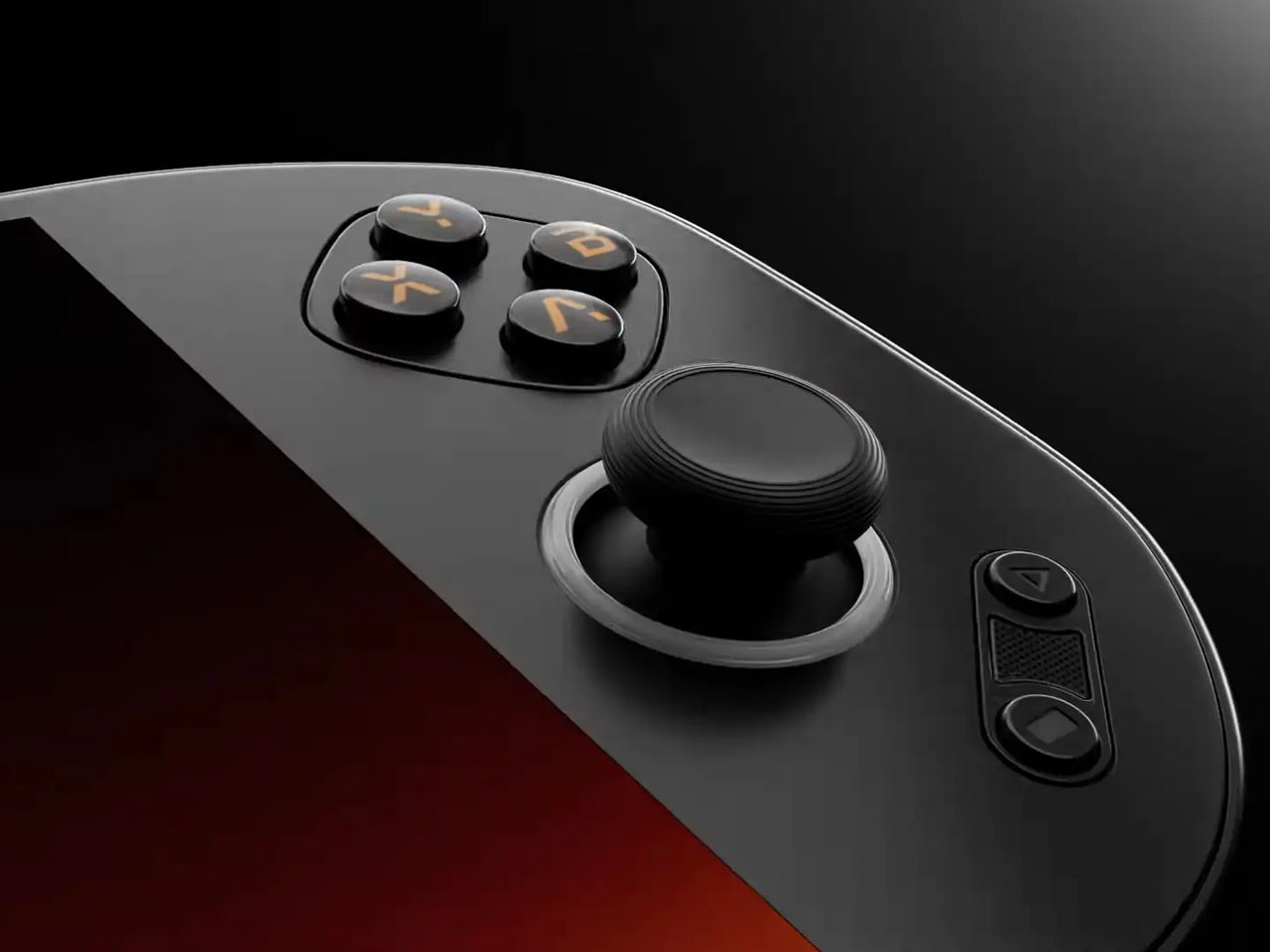
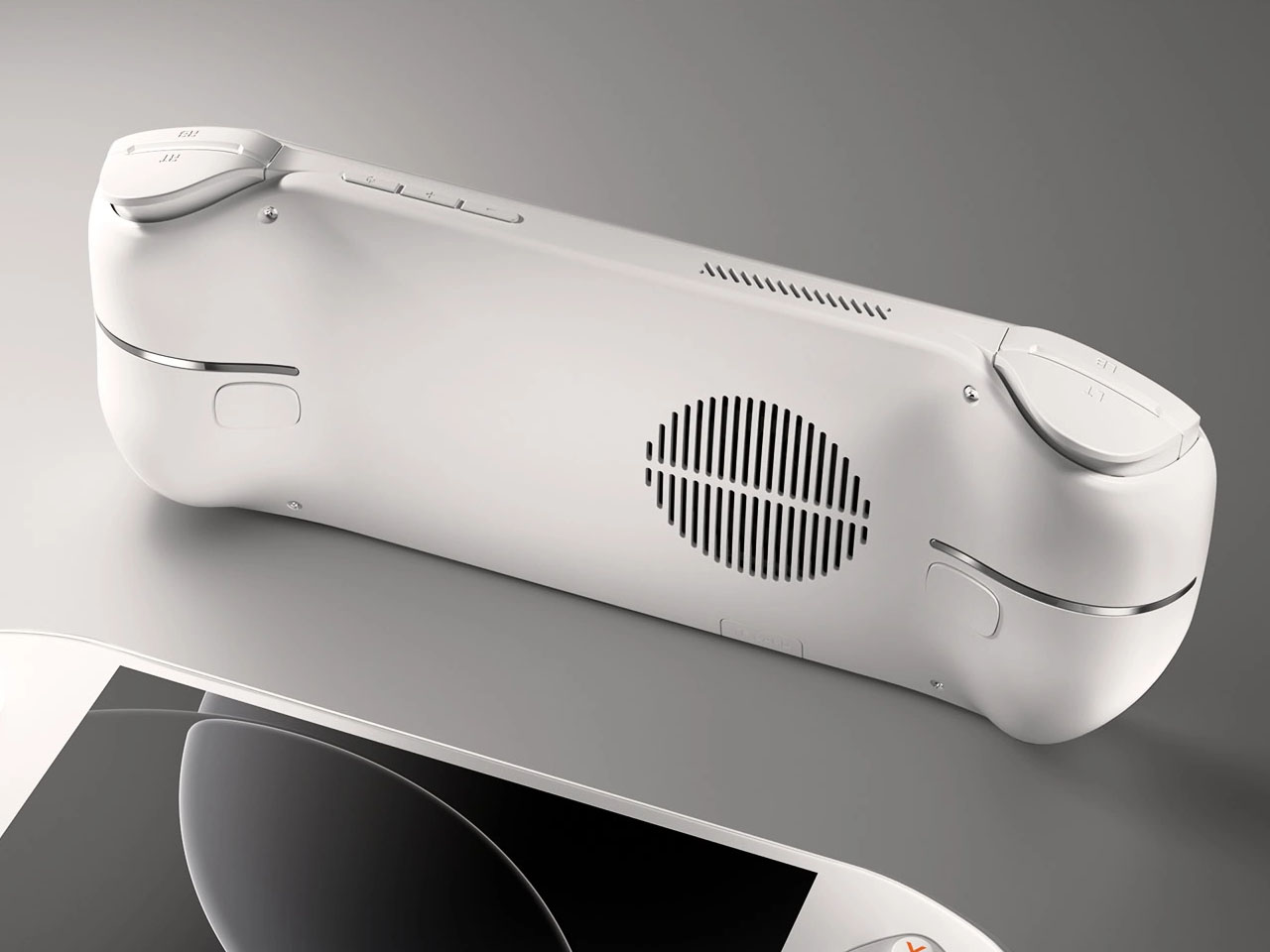
The gaming device comes with magnetic modular D-Pad and ABXY buttons, which is a good addition if they can survive the onslaught of emotional gamers. The maker claims this to be the first-ever Android-powered handheld with modular magnetic buttons. Other than this, the handheld follows suit with asymmetric TMR thumbsticks with RGB ring lights, Hall Effect triggers, and a 6-axis G-sensor. Pocket Max is on the heavier side at 450 grams and has slightly beefy dimensions of 10 inches high, 4 inches wide, and 0.7 inches thick. When finally released, the handheld will come in White, Black, and Retro GB color variants.


The post Mangmi Pocket Max handheld boasts magnetic modular D-Pad and ABXY buttons first appeared on Yanko Design.
Mangmi Pocket Max handheld boasts magnetic modular D-Pad and ABXY buttons

The handheld wars are entering the territory where end-users will benefit the most, getting the best hardware at the most competitive prices. Ayaneo, Anbernic, and other new players in the handheld market are vying for dominance, which is likely to manifest in sharp pricing. Android handheld maker Mangmi, targeting the entry level of the gaming community, wants to join the tussle with its new iteration of a gaming handheld device.
The Chinese maker is known for its $99 Air X handheld that punches well above its weight, giving retro handhelds priced around $150 a run for their money. Now, the Pocket Max handheld revealed this week, wants to take things further in the quest for handheld supremacy. Going by the revealed specs, we assume the handheld will be priced around $200, making it compete with the likes of Retroid Pocket Mini V2. Considering the global RAM shortage, anything less than that would be a good option for gamers who play a lot of emulation titles.

Design: Mangmi

While the Air X touted the portable aesthetics, the Pocket Max targets gamers who want to swap better performance with a bit of sacrifice in size. For now, Mangmi has released some renders and the specifications of the gadget. It’ll have a 7-inch AMOLED display with 1920 × 1080 HD resolution and 144Hz refresh rate. The device will be powered by the Snapdragon 865 processor, which also powers the Retroid Pocket 5 and Ayaneo Thor Lite. If we go by the official specs sheet, Mangmi will offer the handheld in one variant only that will have 8GB LPDDR4X RAM and 128GB UFS 3.1 storage, which can be extended via the MicroSD card slot.

For extended gaming sessions, the Android 13 handheld gets an 8,000mAh battery with a charging capacity of up to 27W. This is done via the USB-C port that also supports video output. You also get a 3.5mm headphone jack for lossless video output. To maintain constant framerates in graphics-intensive titles, there is an active cooling fan to keep the temperature to a minimum. Wi-Fi 6 and Bluetooth 5.1 connectivity take care of all your wireless connectivity needs.

The gaming device comes with magnetic modular D-Pad and ABXY buttons, which is a good addition if they can survive the onslaught of emotional gamers. The maker claims this to be the first-ever Android-powered handheld with modular magnetic buttons. Other than this, the handheld follows suit with asymmetric TMR thumbsticks with RGB ring lights, Hall Effect triggers, and a 6-axis G-sensor. Pocket Max is on the heavier side at 450 grams and has slightly beefy dimensions of 10 inches high, 4 inches wide, and 0.7 inches thick. When finally released, the handheld will come in White, Black, and Retro GB color variants.


The post Mangmi Pocket Max handheld boasts magnetic modular D-Pad and ABXY buttons first appeared on Yanko Design.