Nintendo’s Switch 2 console sales just dropped significantly
Nintendo's Switch 2 sales fell ahead of an expected price hike next month.
Screen time management has spawned an entire industry of apps, built-in focus modes, notification filters, and weekly usage reports that most people glance at and promptly ignore. The fundamental problem with all of them is that they live on the same device you’re trying to avoid, which keeps willpower in charge of the whole arrangement. And willpower, predictably, tends to lose that particular argument somewhere around the third notification.
The Sonic Digitox The Routine sidesteps that problem entirely by making your phone physically unreachable for as long as you decide. It’s a timed lock case with no app to disable, no passcode to talk yourself into entering, and no settings menu to rationalize your way through. You put the phone in, set the lock, and that’s the end of your access until the timer says otherwise.
Designer: Sonic
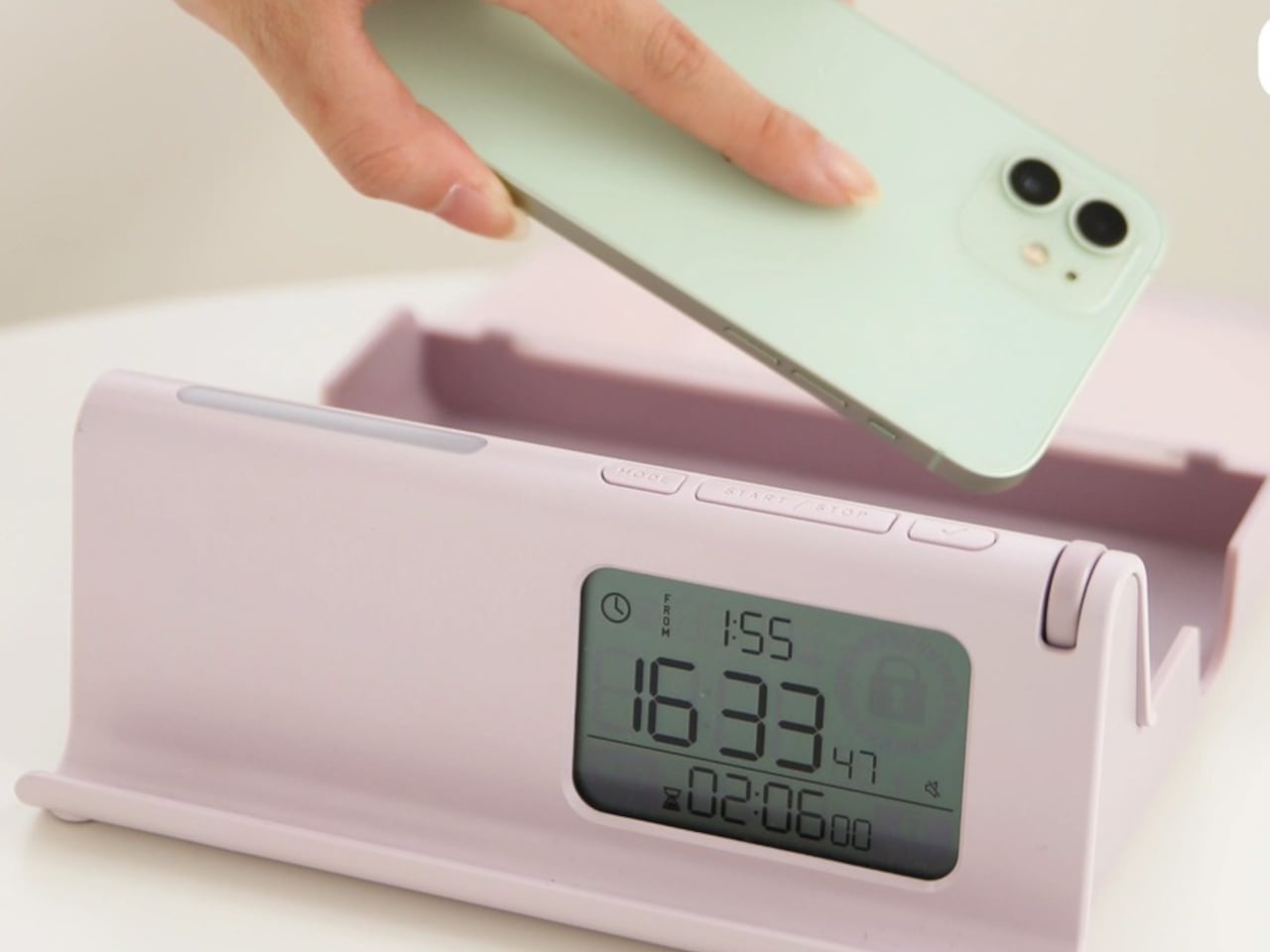
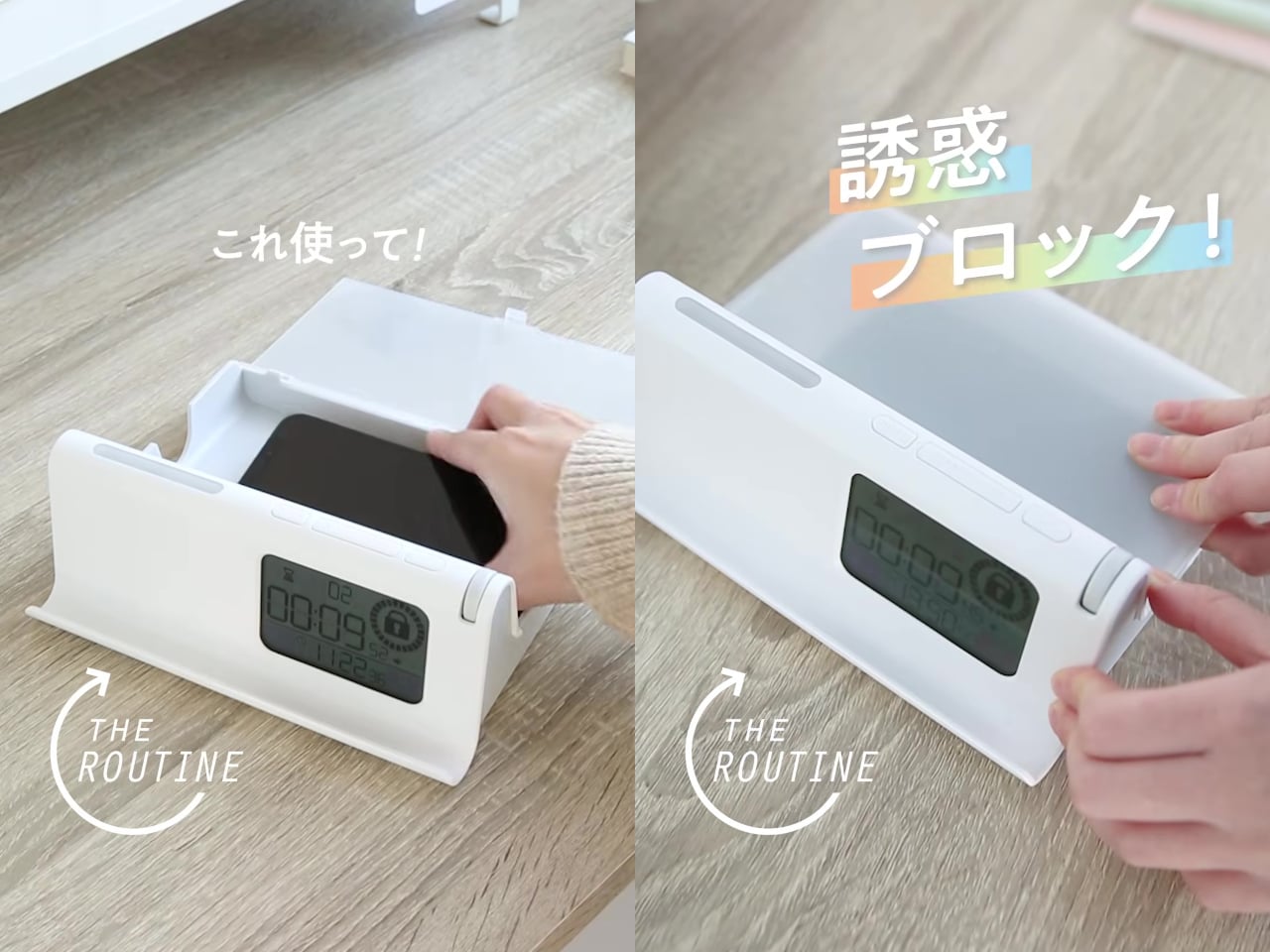
Two lock modes handle different approaches to the problem. Routine Lock works on a schedule, letting you define repeating daily windows during which the case locks automatically and signals each transition with light and sound. If 11 PM to 7 AM is meant to be phone-free, the case enforces that without asking for your cooperation every night, which is precisely the point.
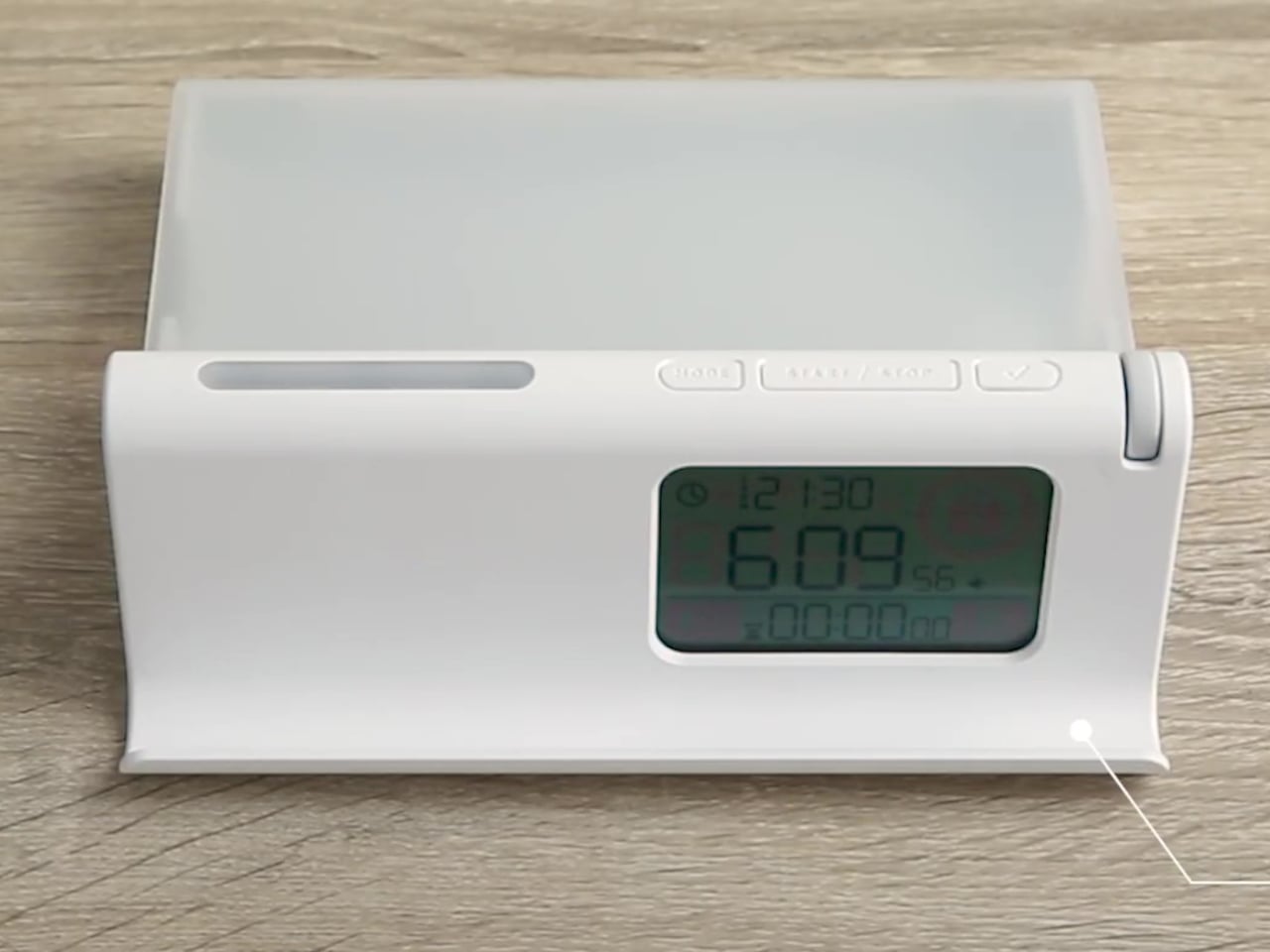
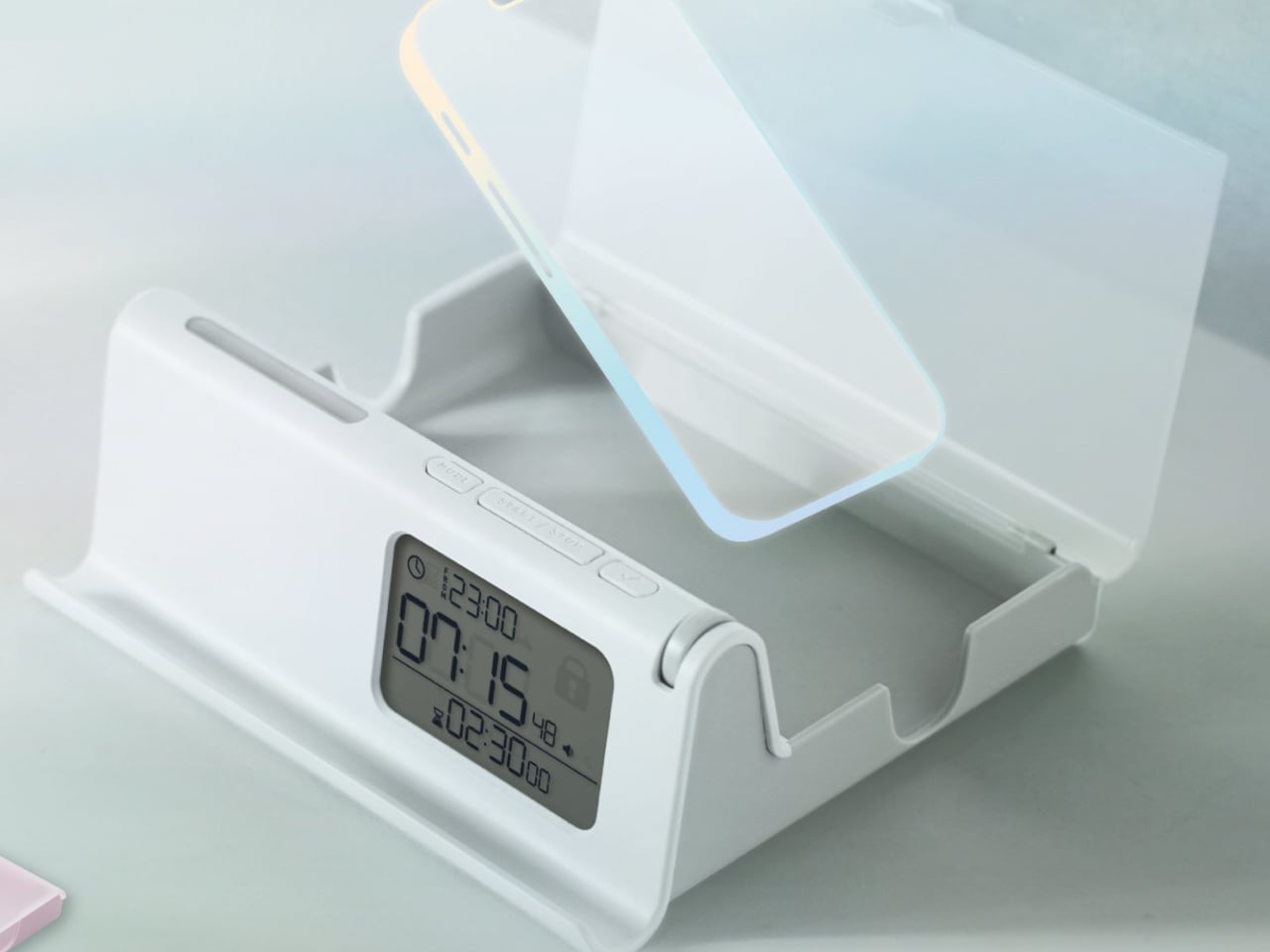
Timer Lock handles the more immediate situation where you need to focus right now, without a preset schedule. You set a countdown of up to 99 hours and 59 minutes, and the phone stays sealed until it runs out. For a study session, a focused work morning, or a dinner where nobody at the table needs to be somewhere else digitally, it removes the option before the habit has a chance to argue back.
Neither mode traps you completely. An emergency reset function exists for genuine urgency, but it isn’t quiet about it. Triggering it sounds a one-minute alarm and leaves a RESET mark displayed on the case for 24 hours afterward. The friction is deliberate, designed to make the difference between an actual emergency and a momentary craving feel tangible rather than theoretical.
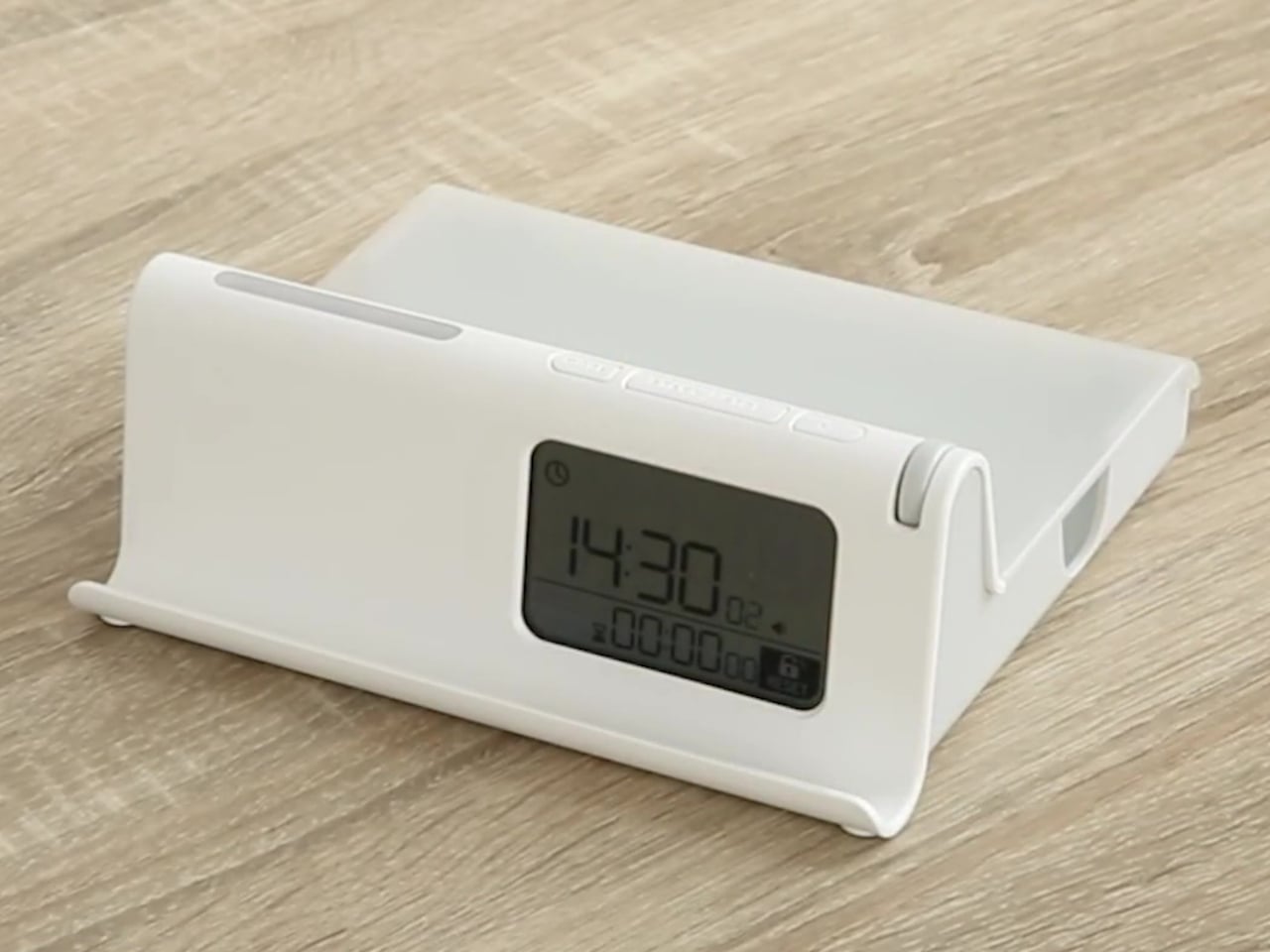
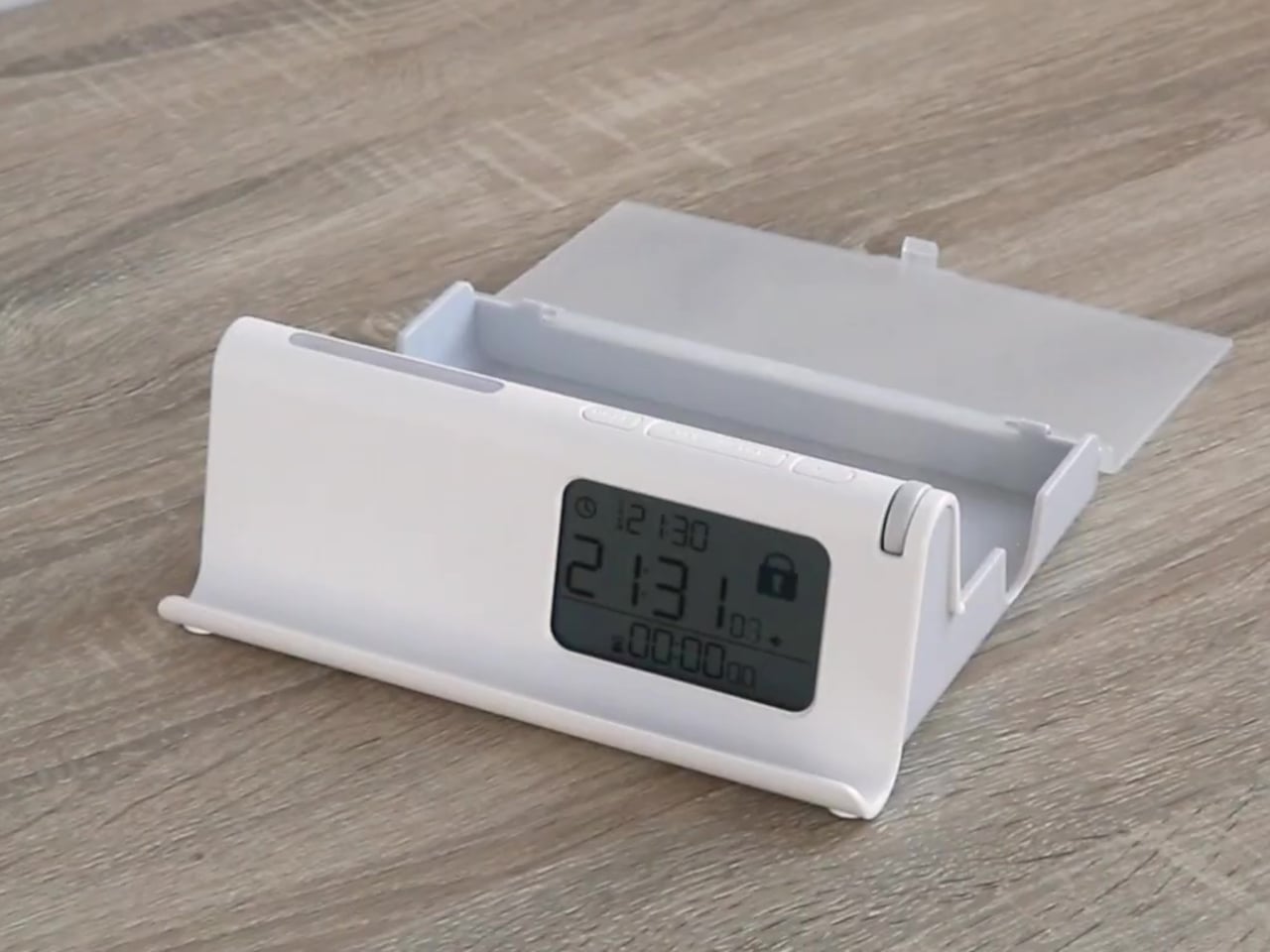
Two additional modes round out the four-mode system for lighter use. Time Display shows the time without any lock, while a Timer mode runs a count-up or countdown without physically securing the phone. The case also includes a goal sticker and a smartphone contract form, a pairing that makes it a practical tool for parent-child agreements around device time, where putting terms in writing and then sealing the phone inside creates a layer of accountability that app-based controls don’t quite replicate.
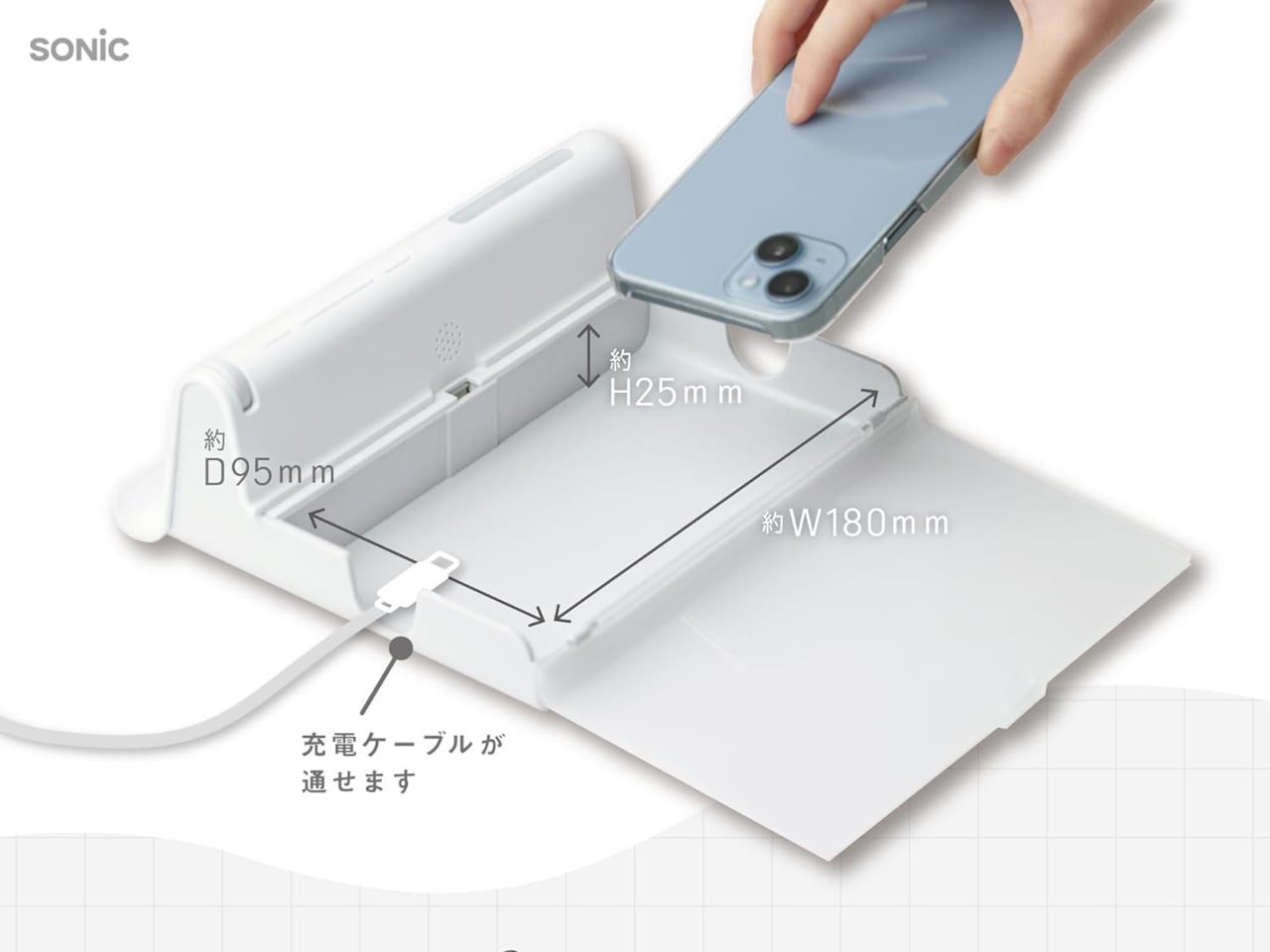
The body is ABS plastic with a polycarbonate lid, running on three AAA batteries, and the whole thing measures approximately 190mm x 70mm x 170 mm. It comes in white, blue, and pink, and was recognized with a category award at the 2026 Japanese Stationery Awards, which is about as specific an endorsement as a phone lock case can hope for.
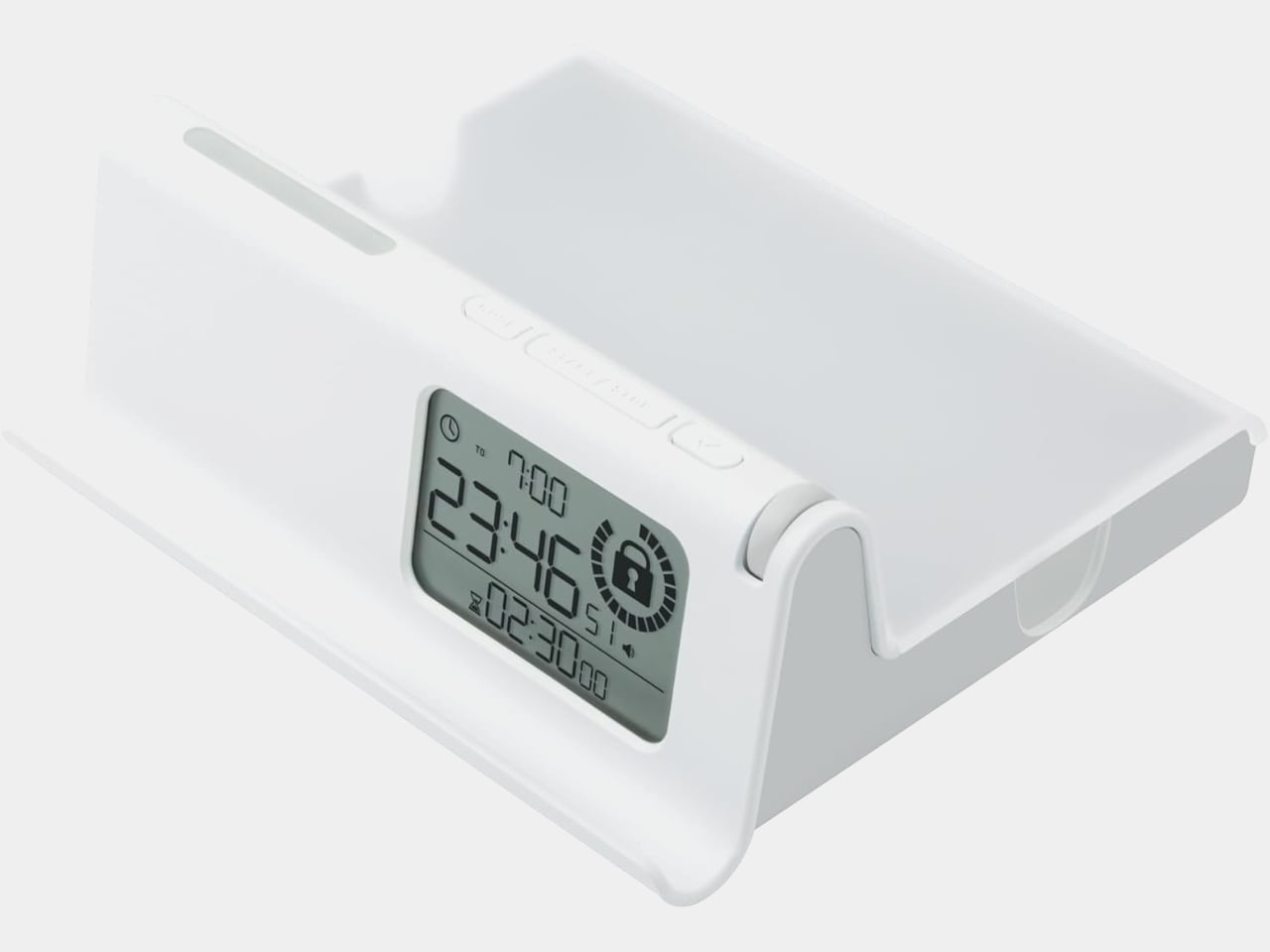
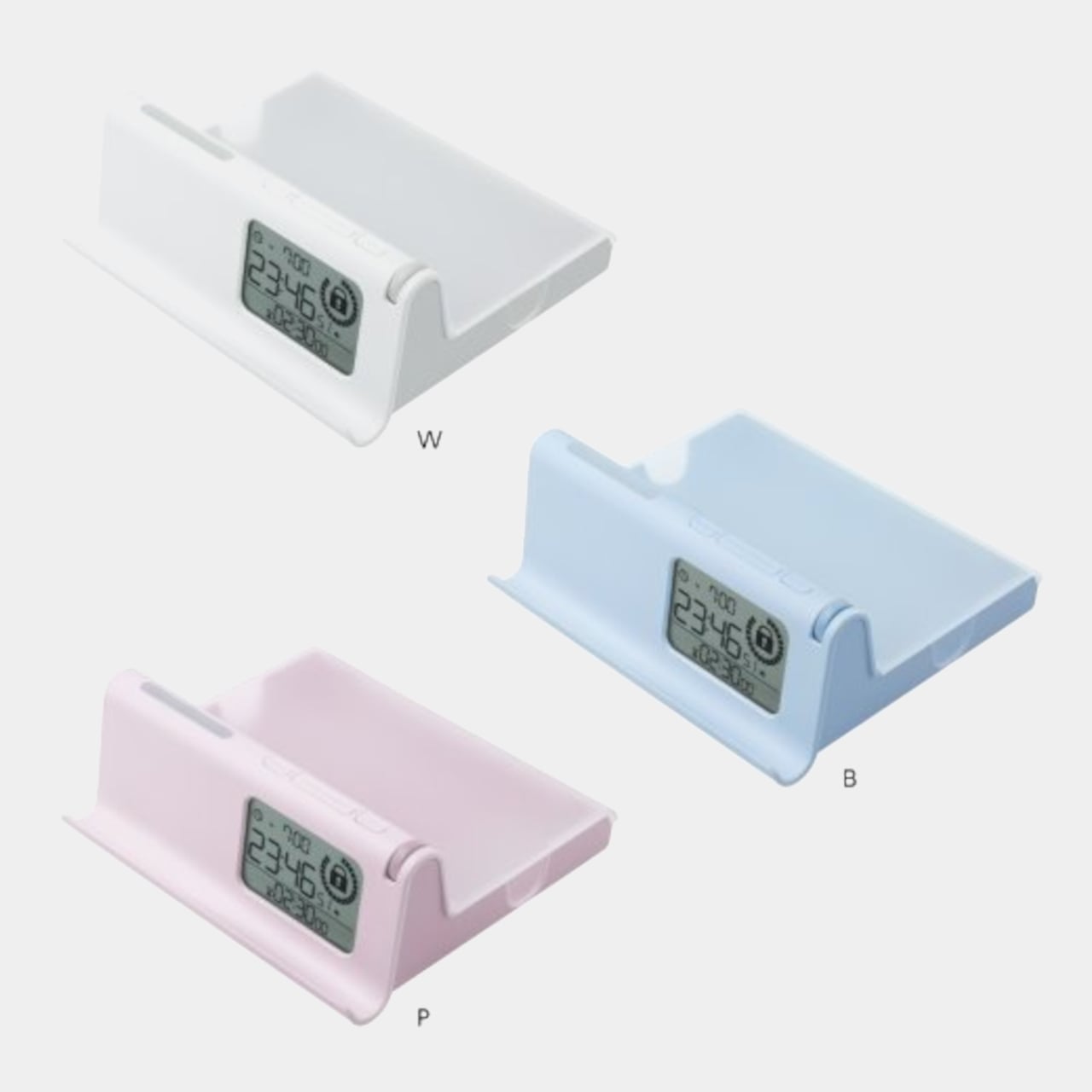
There’s a refreshing bluntness to what the Digitox offers. Most products in the digital wellness space treat phone overuse as a behavioral settings problem, one more toggle away from being solved. This one treats it as a custody problem, and the solution is handing custody over to a box that doesn’t negotiate. At roughly $33, it costs less than a single month of most productivity apps and requires no subscription to keep working.
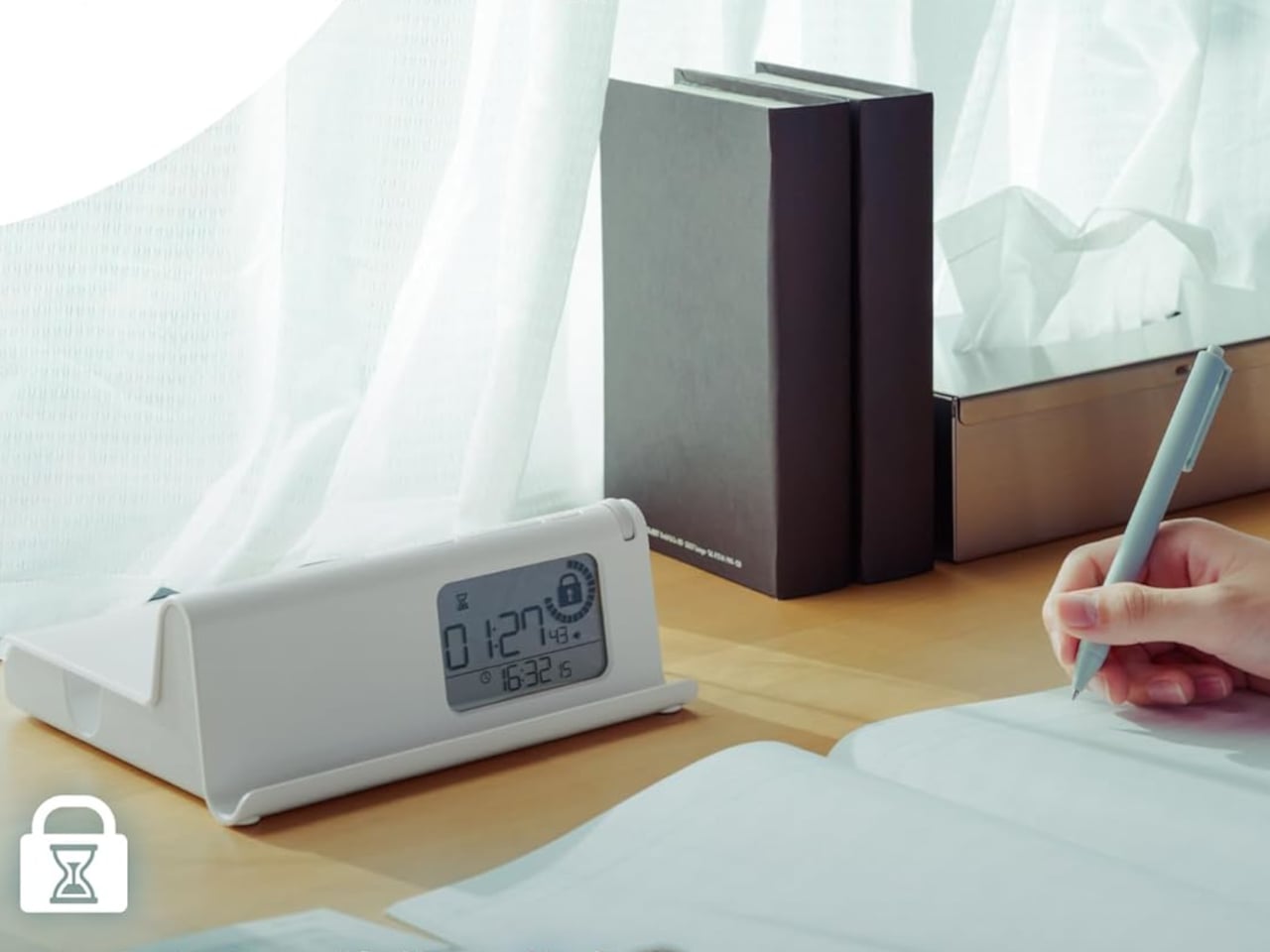
The post The $33 Box That Locks Your Phone and Judges You for Opening It Early first appeared on Yanko Design.
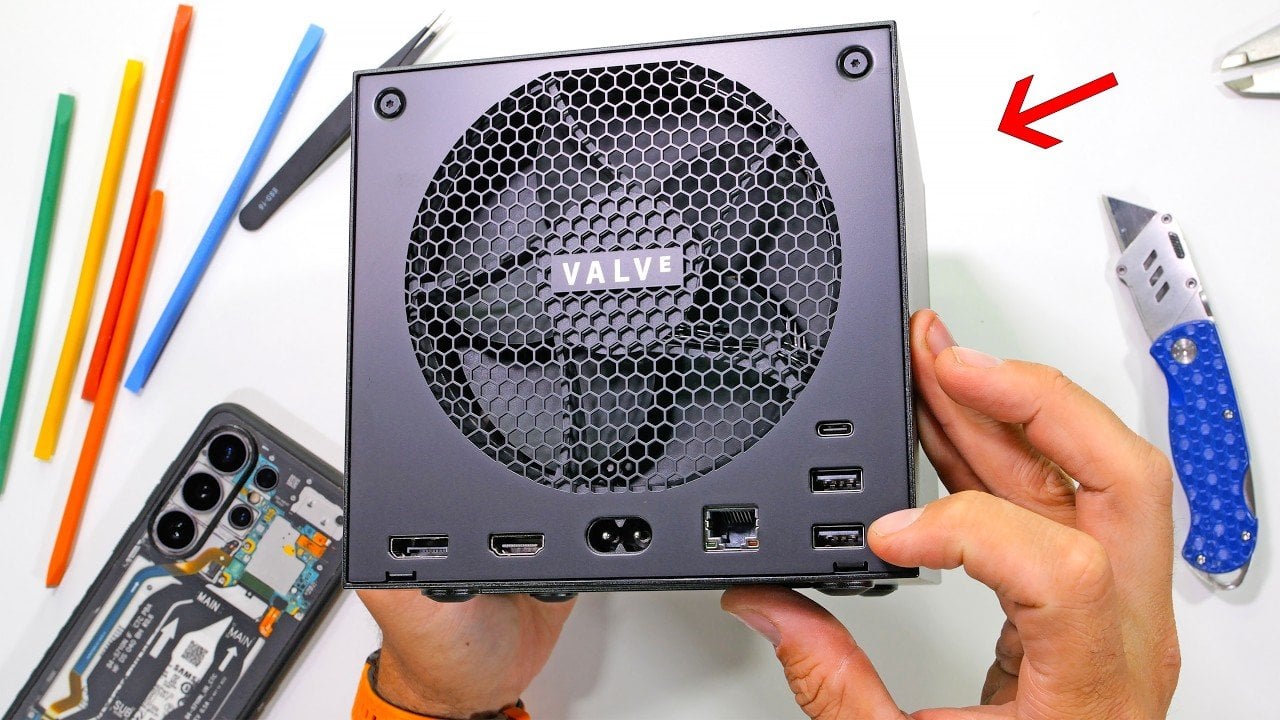
The Steam Machine, developed by Valve, is a compact desktop computer designed to deliver the immersive PC gaming experience directly to your living room. Priced at $1,049, it combines impressive performance with modularity, making it a versatile option for gamers. However, the lack of an included controller, sold separately for $100, raises questions about its […]
The post Teardown Reveals What Valve is Hiding Inside the New Steam Machine appeared first on Geeky Gadgets.
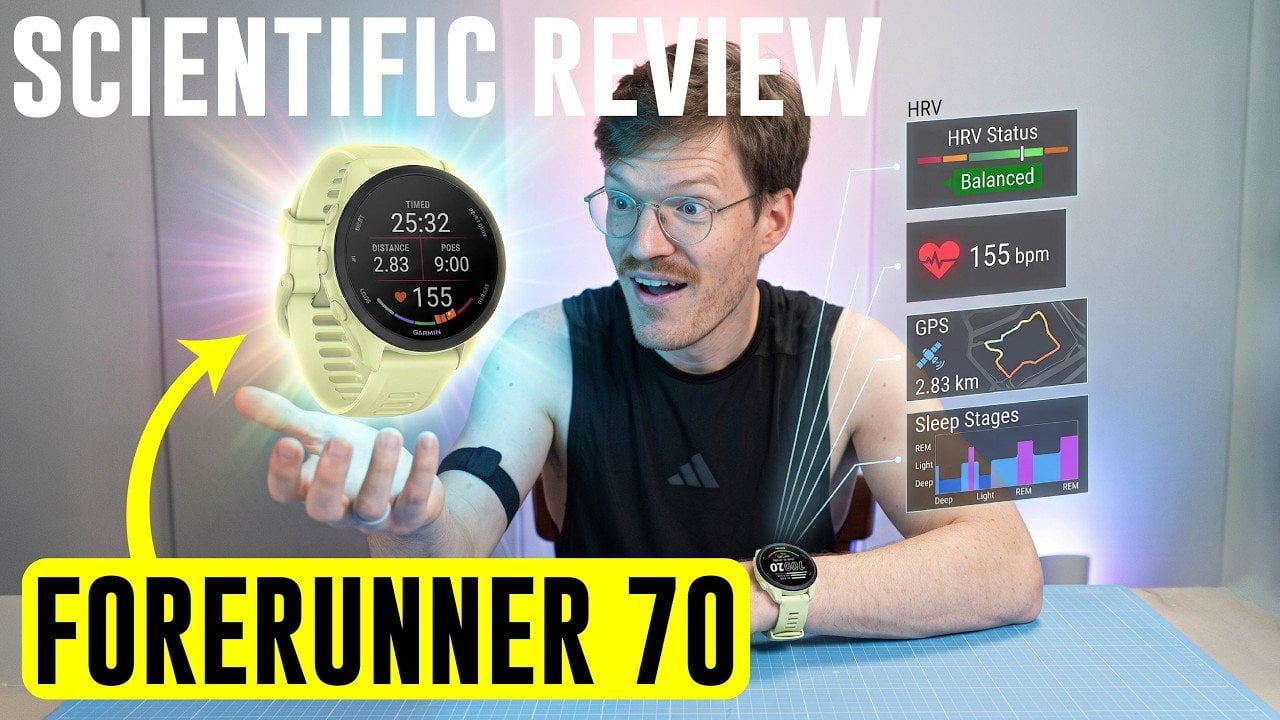
The Garmin Forerunner 70 stands out as a practical, entry-level running watch designed for those who value essential fitness metrics over premium features. In this review, The Quantified Scientist examines its performance across key areas, including heart rate monitoring, sleep tracking and GPS accuracy. For example, the watch delivers a strong heart rate correlation of […]
The post Garmin Forerunner 70 Hits 0.99 Heart Rate Accuracy in Runs appeared first on Geeky Gadgets.
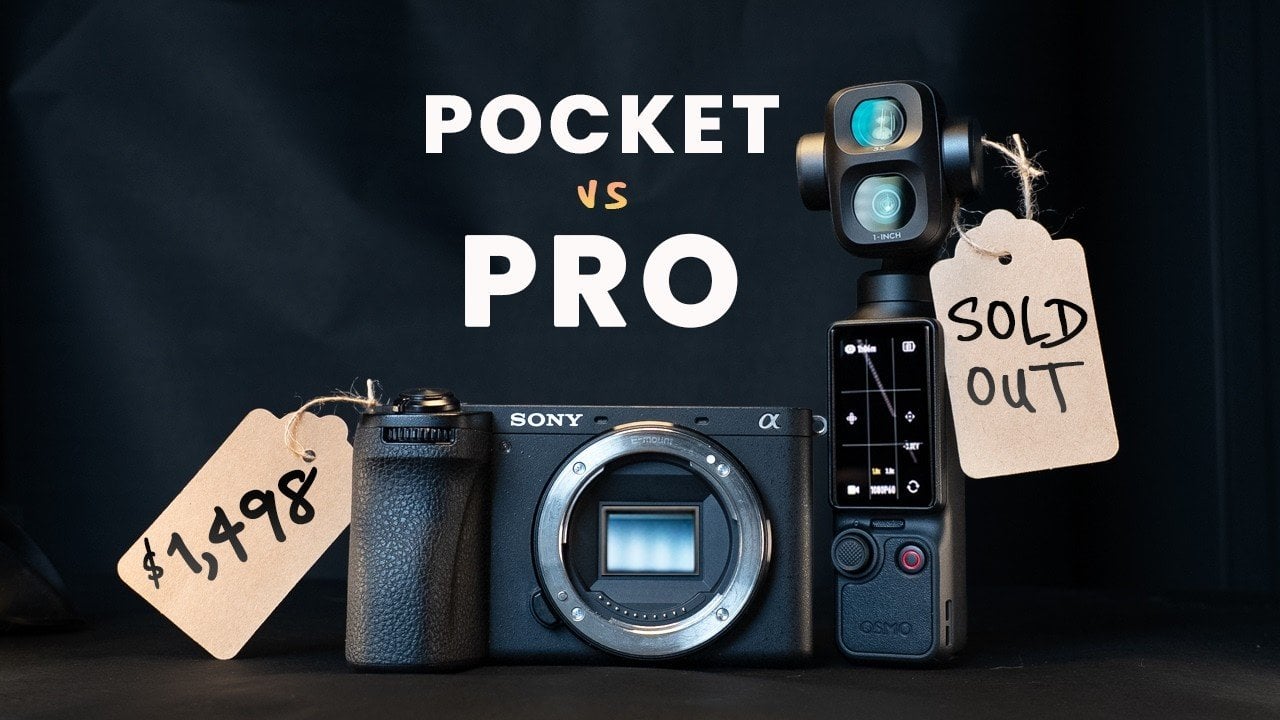
Choosing between the Pocket 4P and the Sony a6700 involves weighing portability against performance. The Pocket 4P stands out with its built-in gimbal stabilization and lightweight design, making it a practical choice for travelers and casual videographers. However, its fixed lens system and smaller sensor may limit creative flexibility and low-light performance. The Sony a6700, […]
The post Choose Sony A6700 for Lenses or Pocket 4P for Portability appeared first on Geeky Gadgets.
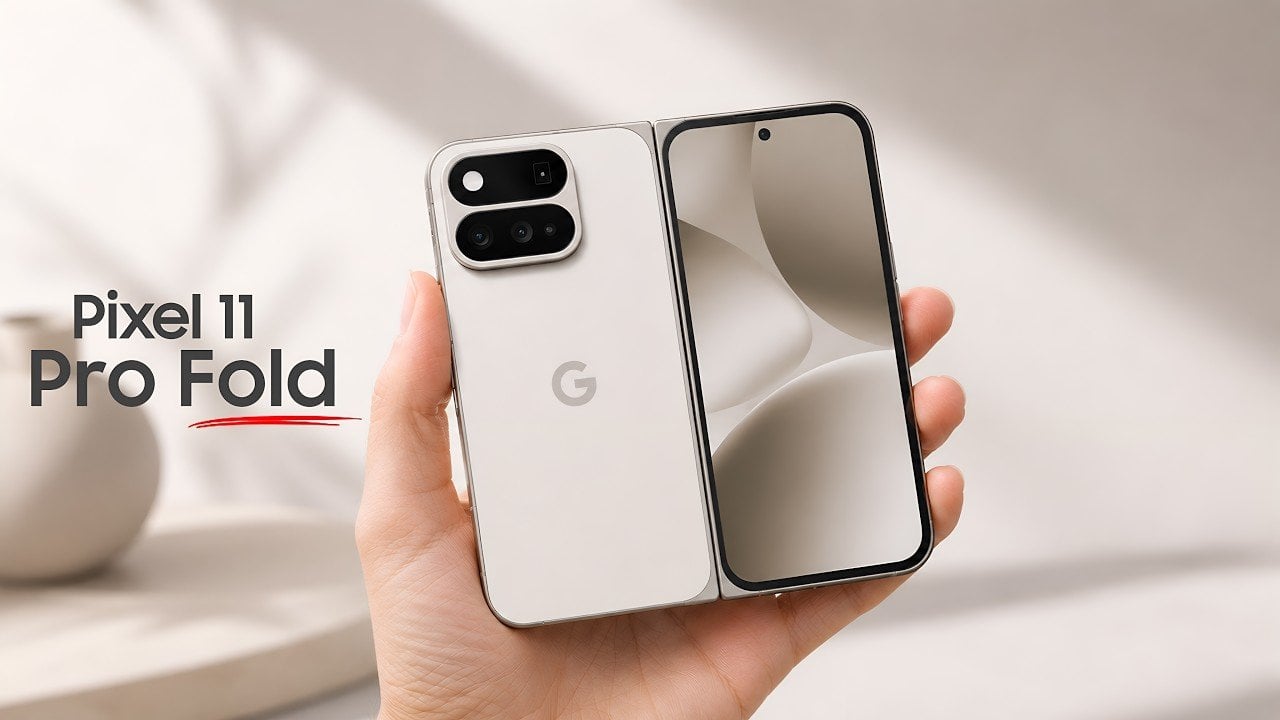
Google has officially teased the Pixel 11 Pro Fold, its latest addition to the ultra-premium foldable smartphone market. This highly anticipated device emphasizes refinement over radical innovation, offering subtle yet meaningful upgrades in design, performance, and functionality. However, its premium pricing raises questions about its value proposition for consumers in an increasingly competitive landscape. Refined […]
The post Pixel 11 Pro Fold Video Teaser Proves Leaks Right About Google’s Next Flagship appeared first on Geeky Gadgets.


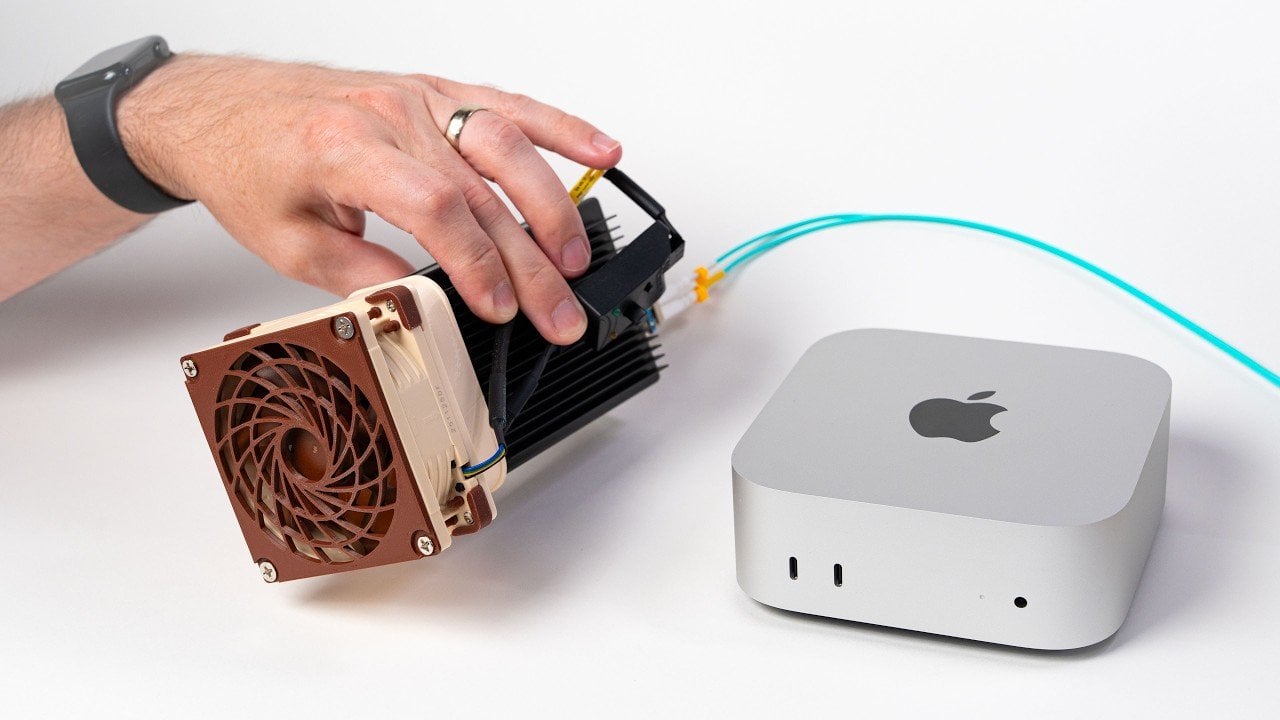
Upgrading a Mac for faster networking, such as moving from 10-gigabit to 25-gigabit Ethernet, can be prohibitively expensive due to the high cost of Thunderbolt adapters. Jeff Geerling highlights a cost-effective alternative by repurposing server pull hardware and using fiber optic cables to achieve similar performance. This method offers a practical way to enhance connectivity […]
The post Used Server Parts Bring 25-Gigabit Ethernet to Mac Studio appeared first on Geeky Gadgets.
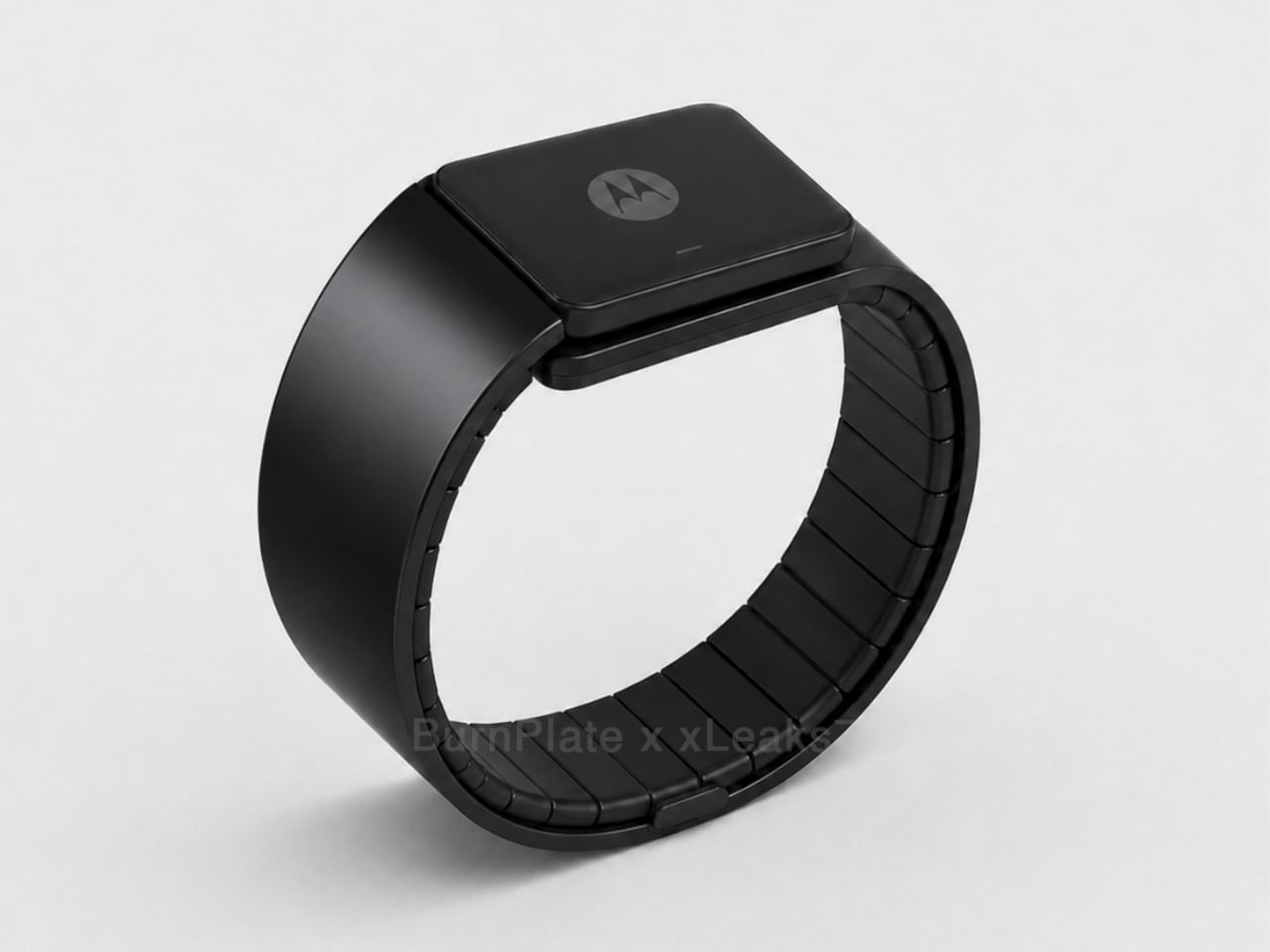
The idea of merging a smartwatch and a smartphone into a single device has been floating around the industry for years, mostly because the obvious inconvenience is right there: two screens on two separate devices, one tiny and worn on the wrist, the other large and kept in a pocket, each doing essentially half the job the other can’t. The logical question is whether one of those devices could do both jobs depending on the situation.
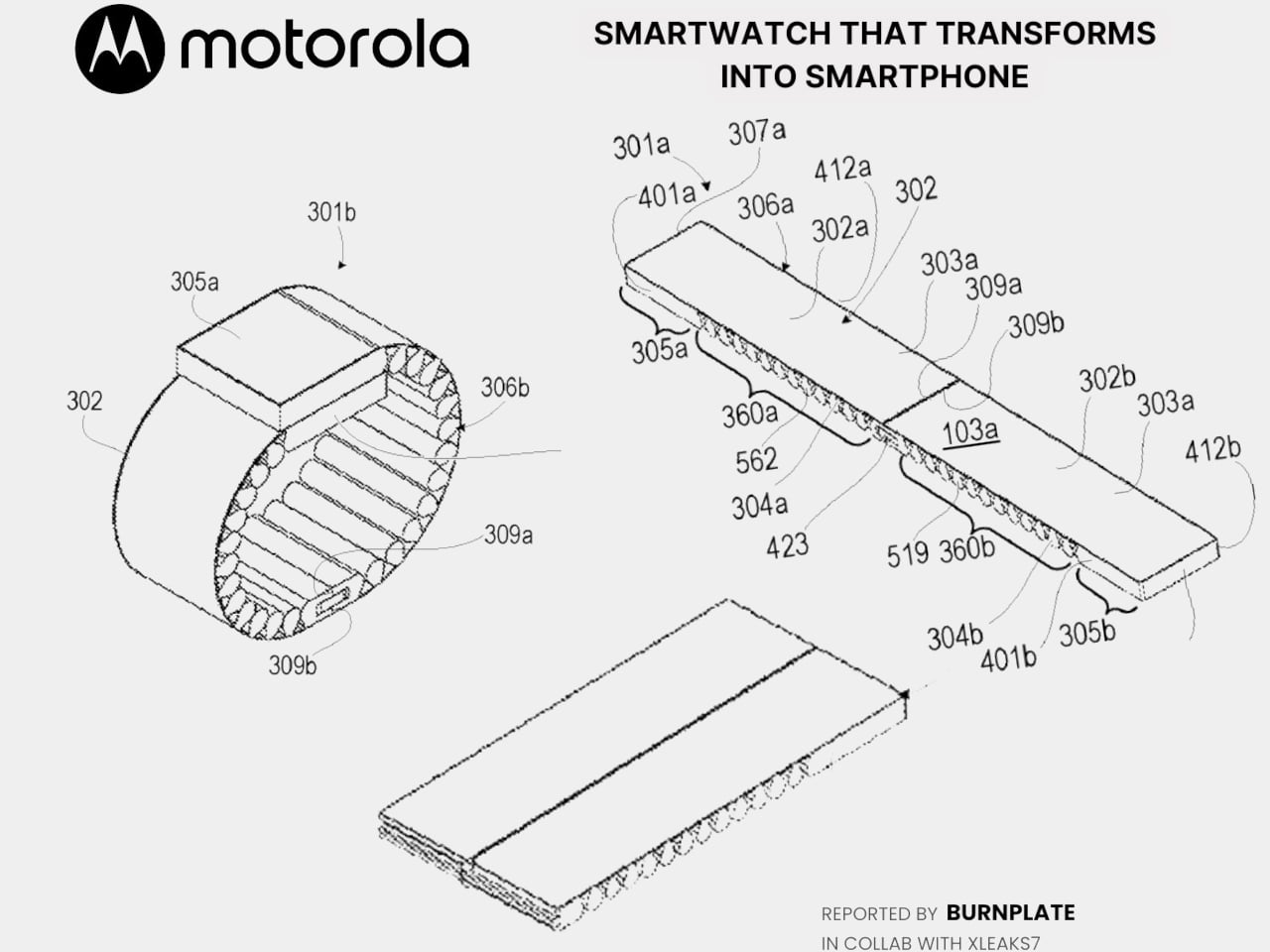
Motorola’s latest patent, officially registered as US12,693,705 under the title “Pivoting wearable reconfigurable screen,” proposes exactly that. The device starts on the wrist as a conventional smartwatch, its flexible display curved around the band. When more screen real estate is needed, the strap pivots and unfolds, flattening into a short, wide display format that functions as a handheld device. A third configuration folds the bottom quarter into an “L” shape, turning the unit into a self-standing desk display.
Designer: Motorola (via Burnplate, David Kowalski/xeaks7)
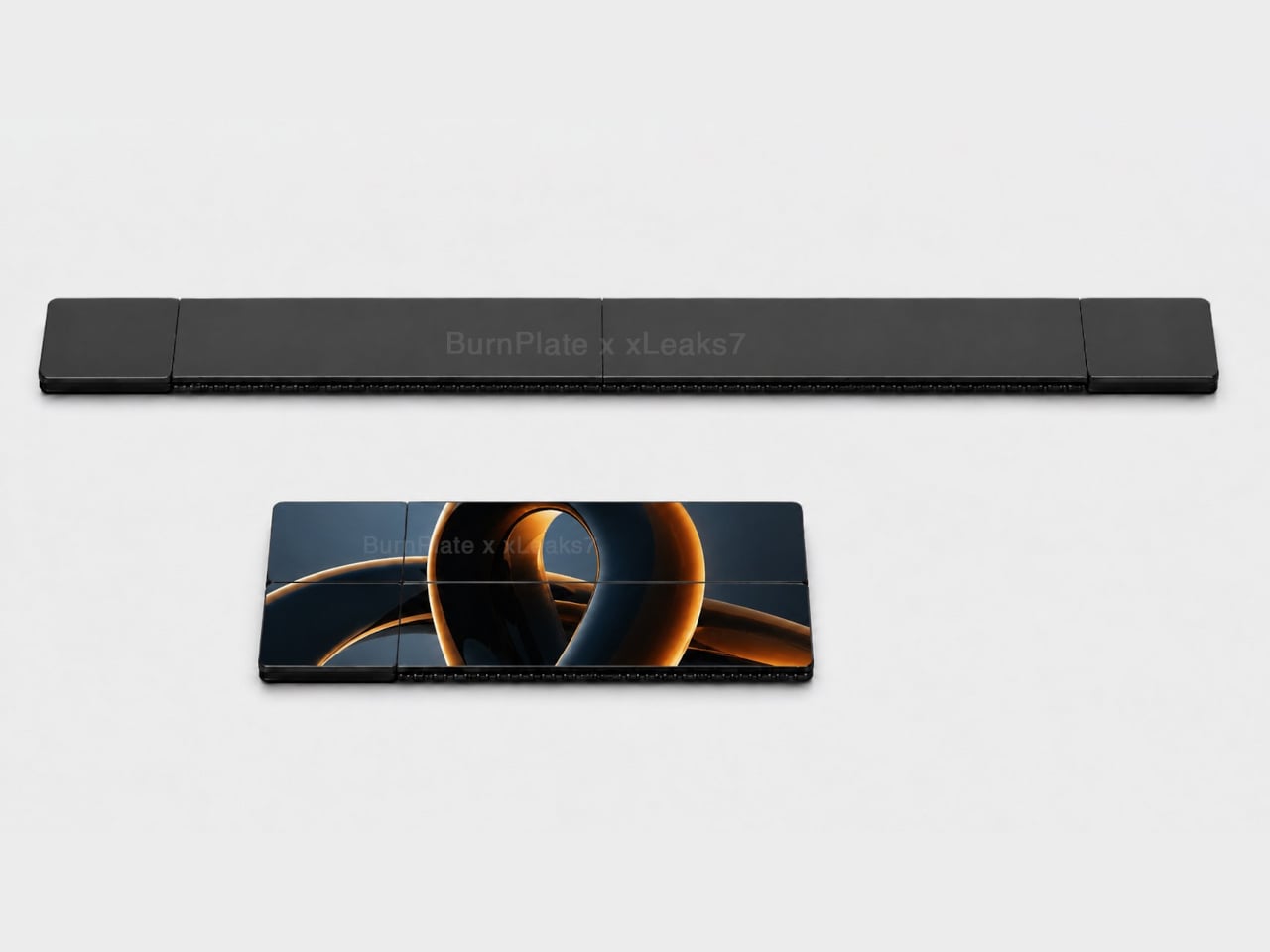
The mechanism that makes it possible is the strap itself. Rather than housing a traditional watch face with a fixed display, almost the entire outer surface of the band carries a flexible screen. Worn, it reads like a standard wearable. Removed and unfolded, that same surface becomes the display area of a compact, landscape-oriented device. The pivot point is what separates this from simply being a wrist-wrap phone like earlier concepts.
That distinction matters because Nubia tried the wrist-phone idea back in 2018 with the Alpha, and the result was a fascinating but limited object. The Alpha wrapped a 4.01-inch OLED display around the upper wrist, delivering more screen real estate than any smartwatch before it, but the display stayed wrapped. It curved beautifully, could make calls, take photos, and run apps, but it never transformed into anything. The watch was the watch, full stop.
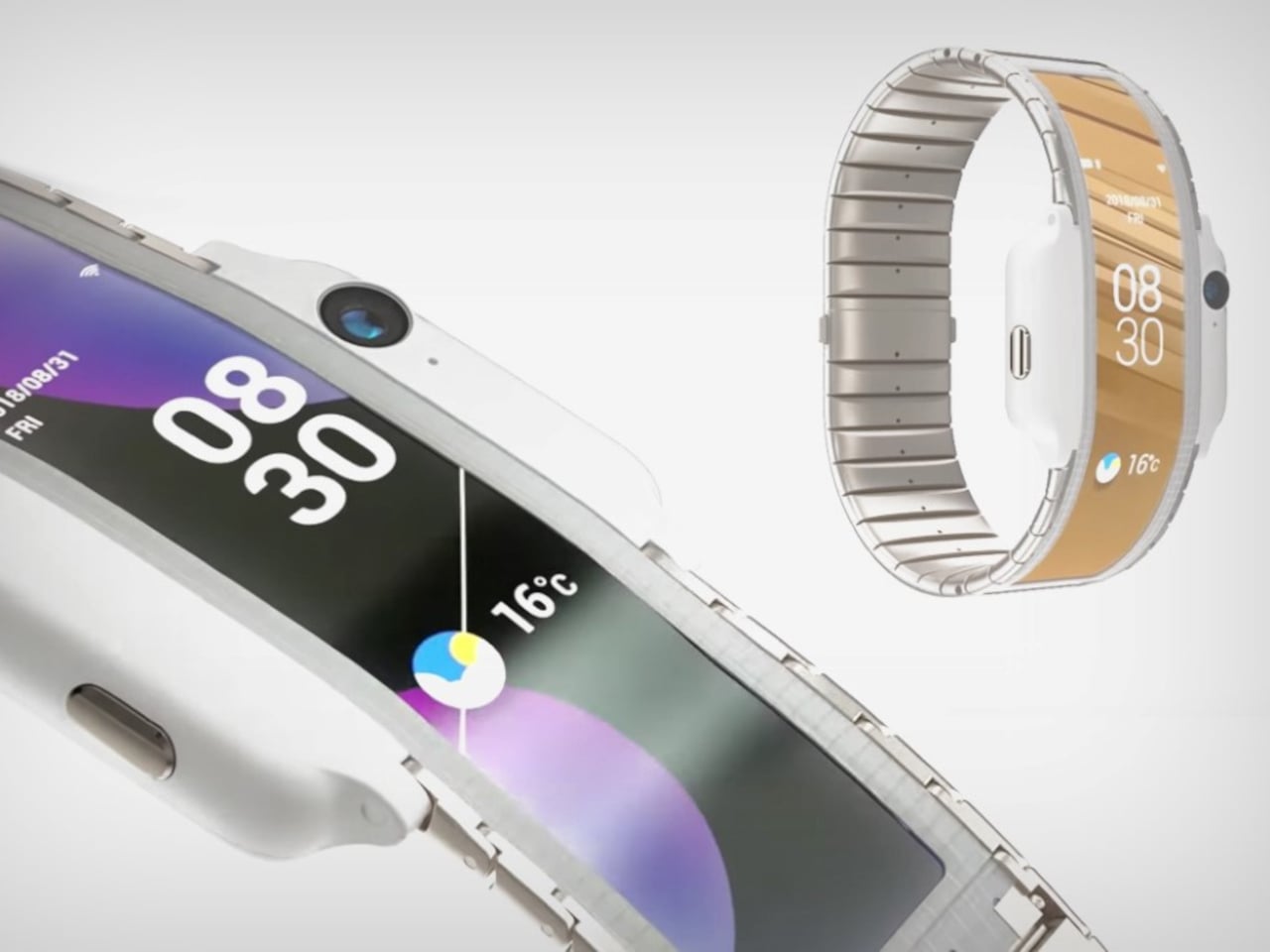
Nubia Alpha
Motorola’s patent reverses the logic. Rather than making a phone you can wear, it proposes a watch you can unfold. The distinction isn’t purely semantic. A device that starts as a watch and transforms into a handheld is solving a different problem than one that starts as a phone and straps to your wrist. The first carries a reasonable identity in both states; the second always feels like a compromise in one of them.
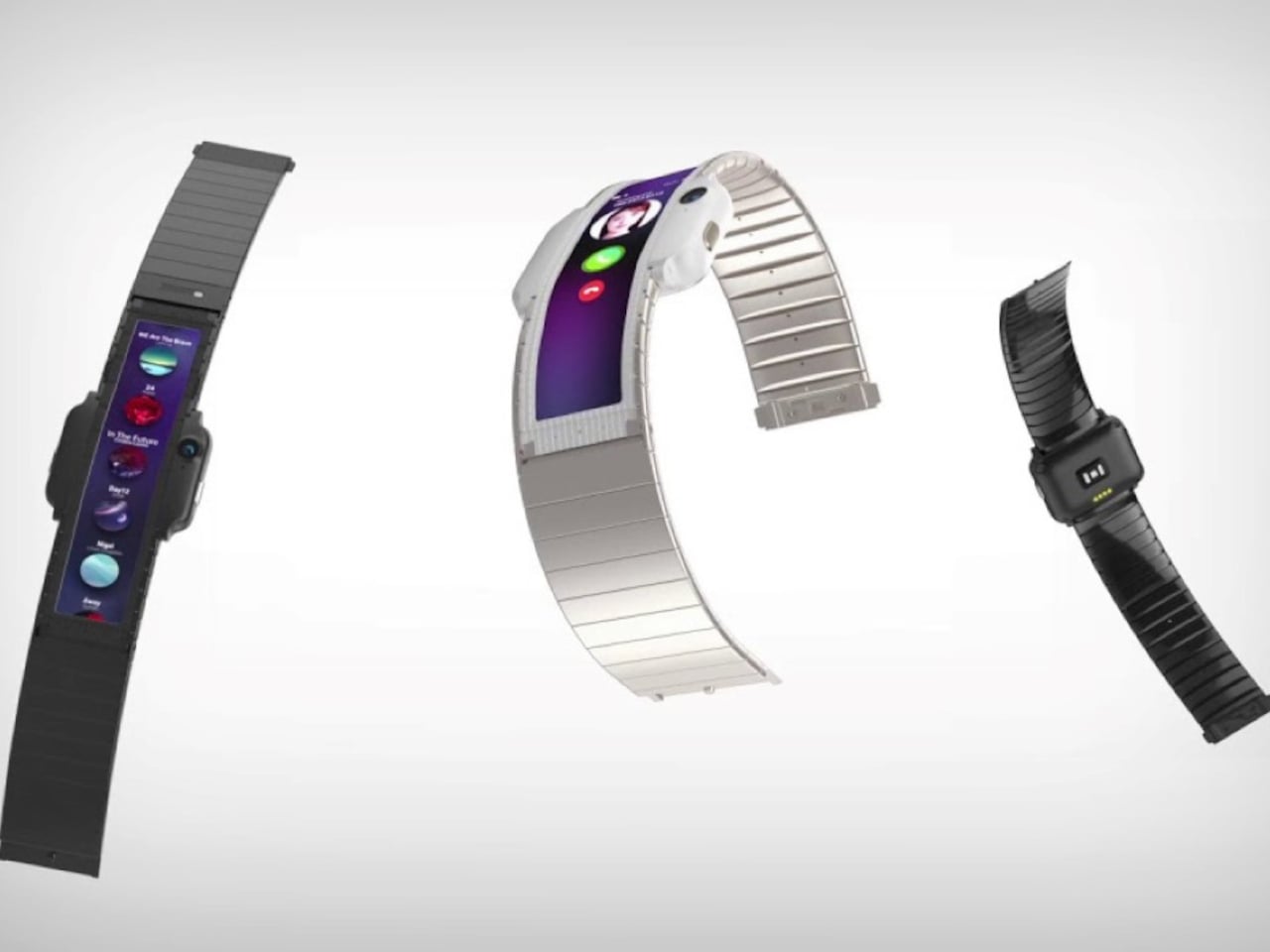
Nubia Alpha
The Nubia Alpha’s sticking point wasn’t the display, which was genuinely impressive and ahead of its time. It was the software, the battery, and the form factor’s limits in practice. Nubia never took the concept further after the original and a 2020 follow-up. The flexible display remained horizontal and wrist-bound, never taking the step toward becoming a genuinely detachable, self-sufficient screen.
Whether Motorola’s patented concept eventually ships as a real device is a separate question entirely. Patents are filed routinely without becoming products, and this one would require flexible display technology durable enough to handle daily wrist bending and regular unfolding, a battery that fits within strap dimensions, and software that transitions cleanly between modes. None of those are trivial problems.
Still, the direction of thinking has clearly shifted since 2018. Nubia asked what happens when a smartphone lives on your wrist. Motorola is asking what happens when a watch becomes a screen the moment you need one.
The post Motorola’s Patent Isn’t a Phone You Wear, It’s a Watch You Unfold first appeared on Yanko Design.