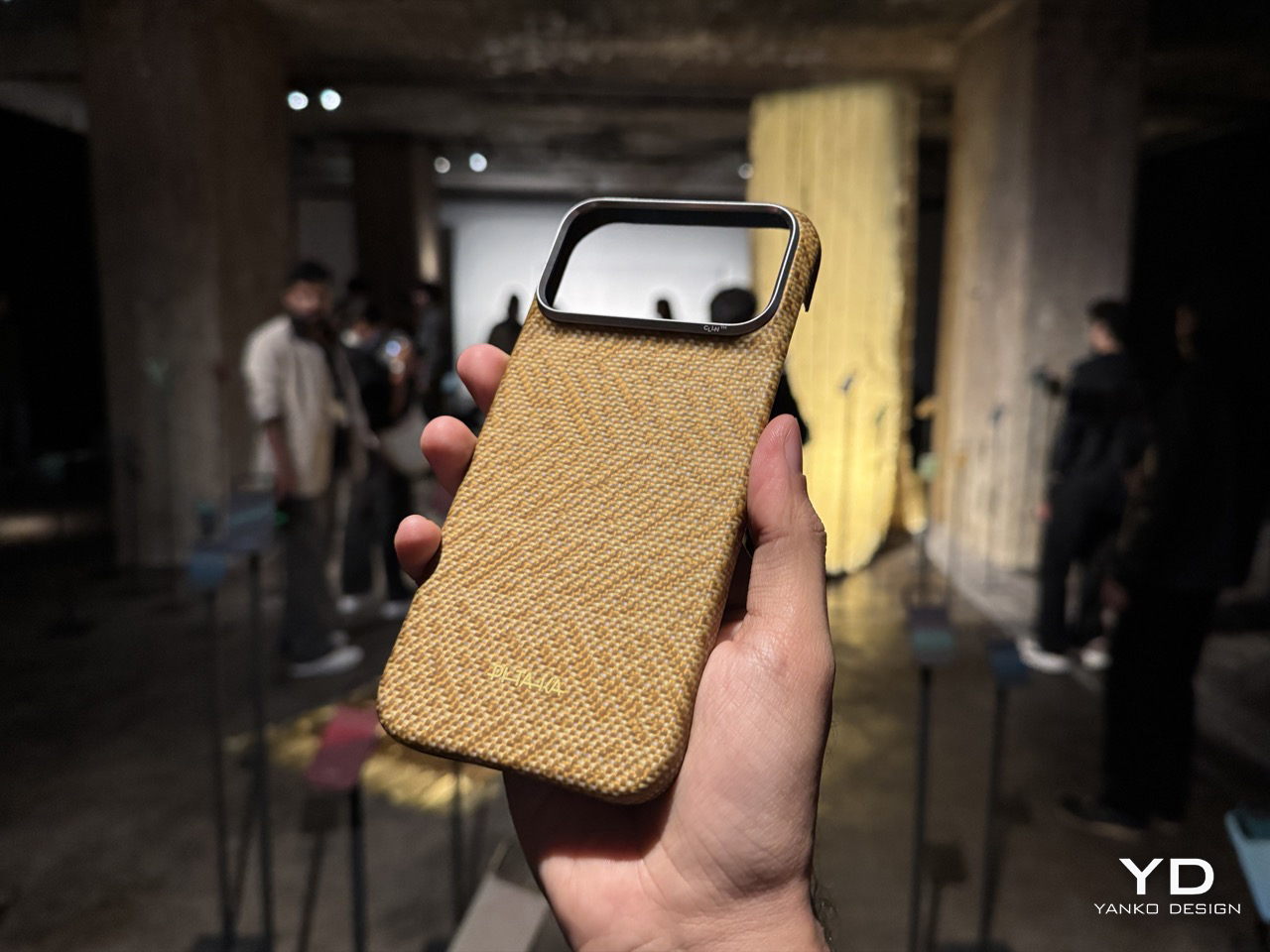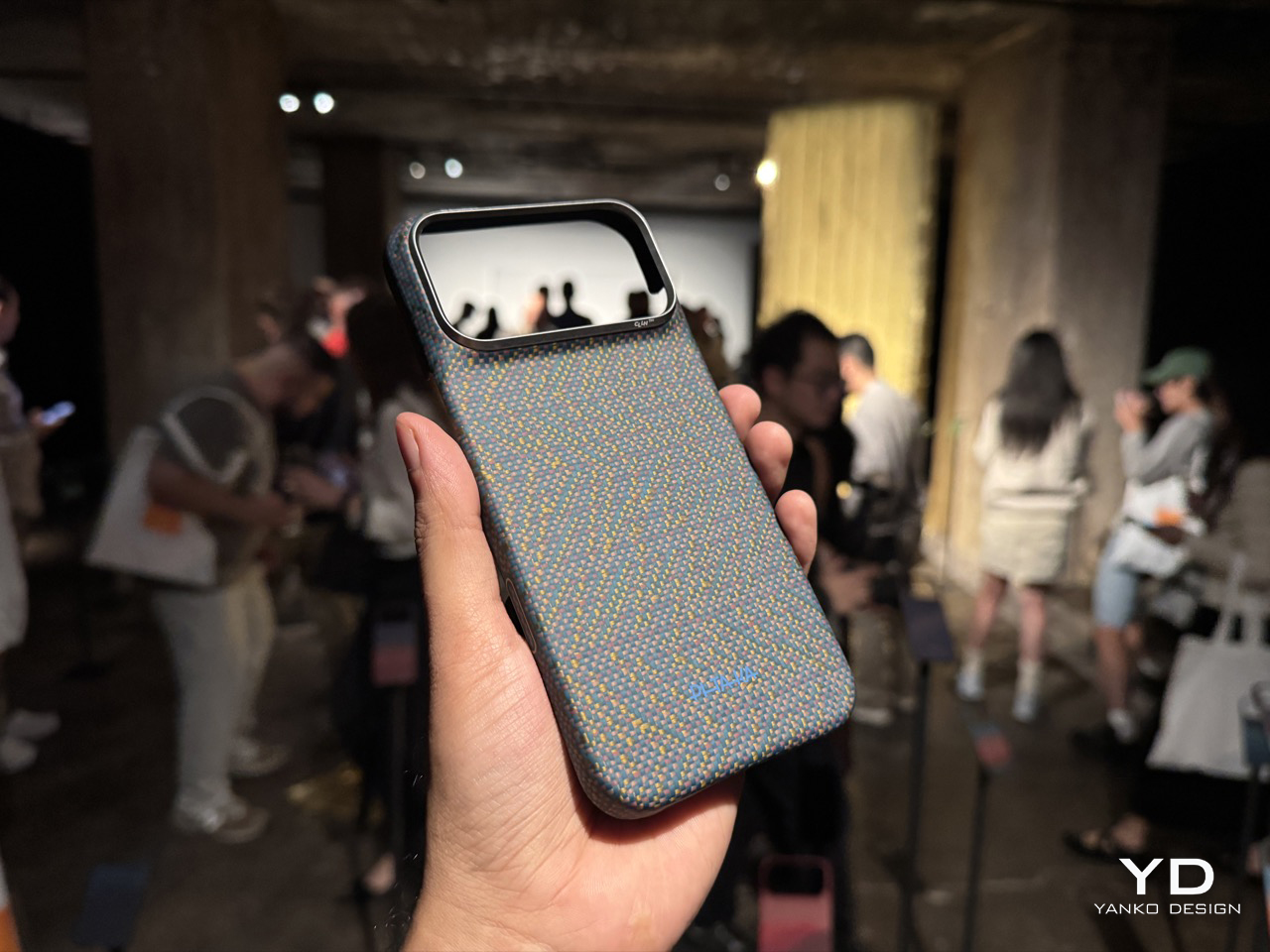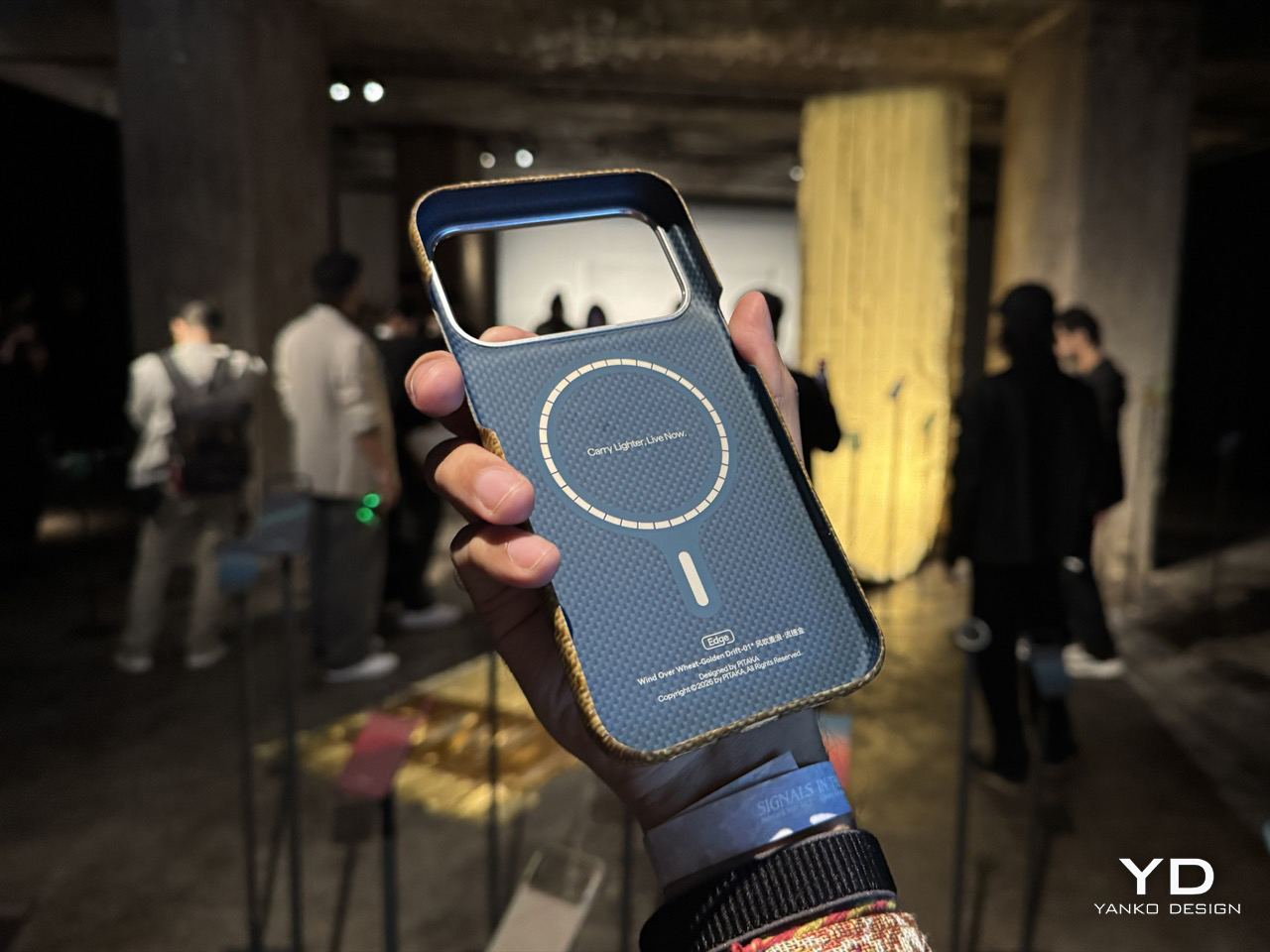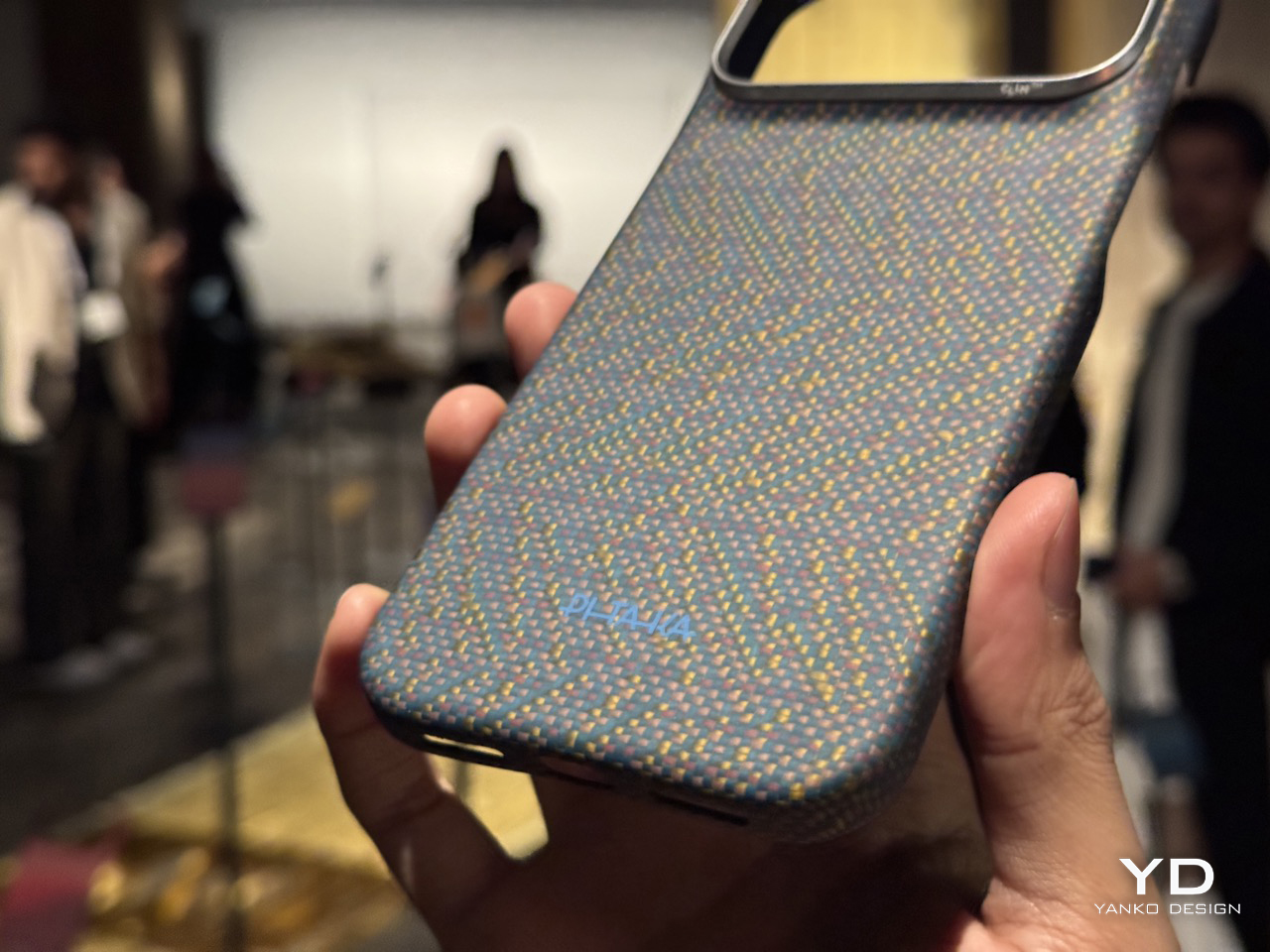
TORRAS x FPF Limited Edition Review: Portugal’s 2026 World Cup Case With a Stand

PROS:


  • Thoughtful Portugal-inspired design

  • Award-winning rotating Ostand system

  • Fully MagSafe-compatible

  • Secure textured side detailing

CONS:


  • Portugal and football connection may not resonate with everyone

  • Expressive color palette and graphics are too bold for minimalist tastes

  • Higher price point compared to other cases

RATINGS:

AESTHETICS
ERGONOMICS
PERFORMANCE
SUSTAINABILITY / REPAIRABILITY
VALUE FOR MONEY

EDITOR'S QUOTE:

The TORRAS × FPF Limited Edition earns its stripes through genuine design depth and a rotating stand that quietly changes how you use your phone every day.

The premium phone case market has refined itself to a point where technical competence is almost a given. Protection ratings, slim profiles, and magnetic compatibility have become standard expectations rather than differentiating features. That baseline has pushed the most interesting cases in this space to compete on a different level entirely, one defined by design identity, material intelligence, and a sense of purpose that goes beyond the purely utilitarian.

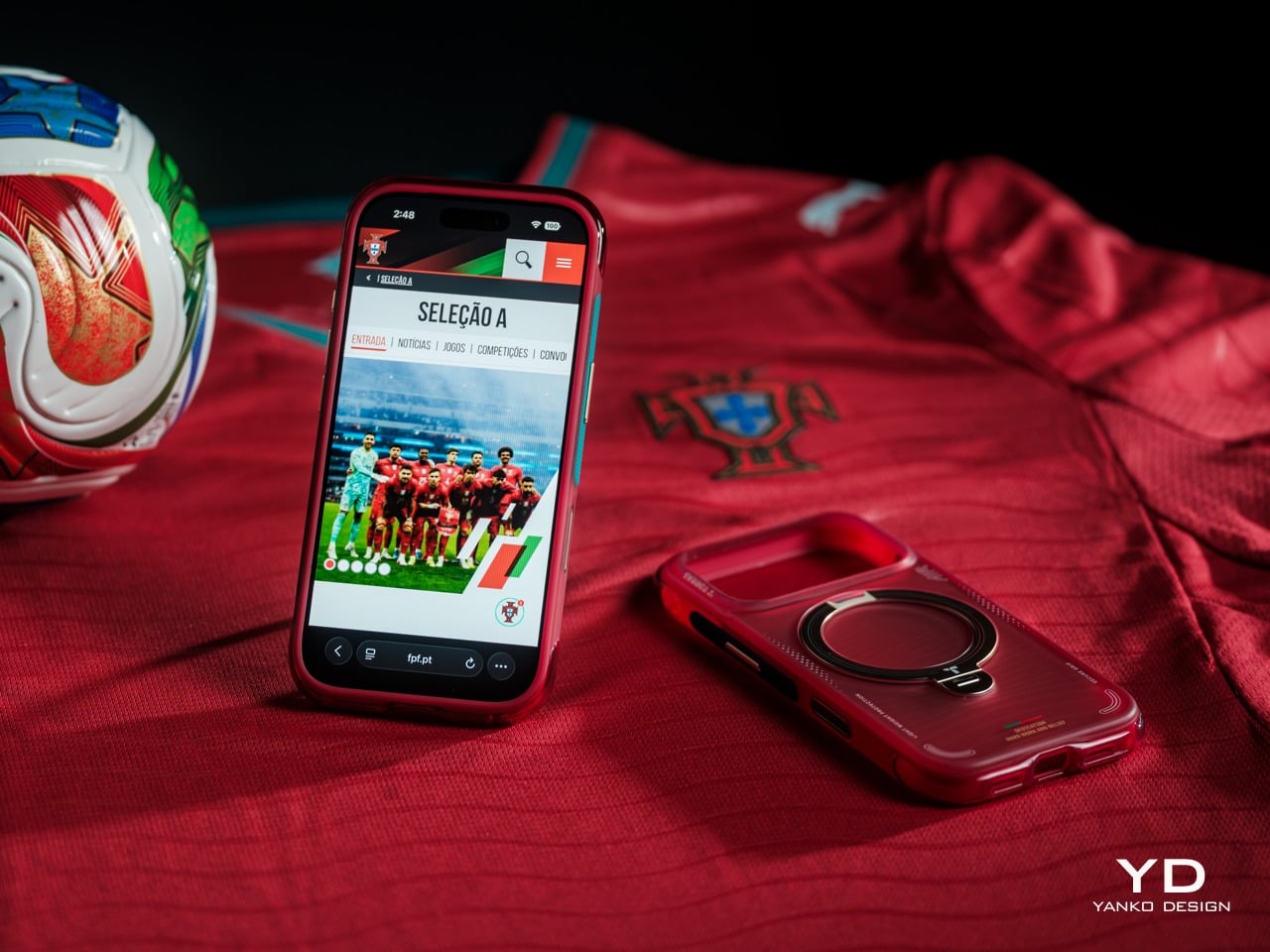
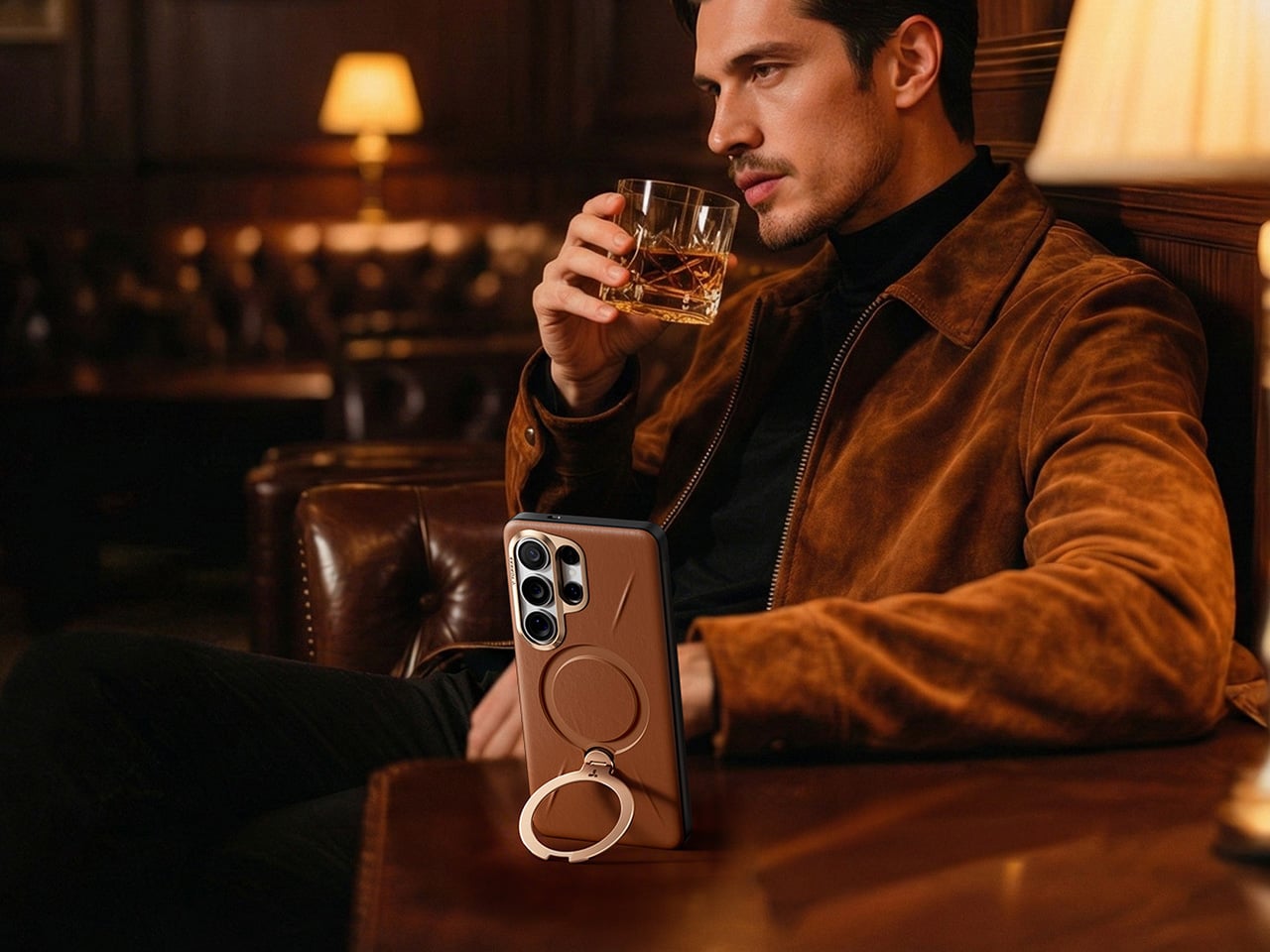
The TORRAS Q3 Air Portugal National Football Team Limited Edition for iPhone 17 Pro Max is precisely that kind of case. Built on the Q3 Air Ostand platform, it brings Portugal’s national team identity, its colors, maritime heritage, and championship legacy into a functional accessory with a rotating stand, magnetic compatibility, and solid protective architecture. It’s a combination that genuinely earns the “limited edition” label.

Designer: TORRAS

Click Here to Buy Now: $69.99 | Website Link Here.

Aesthetics

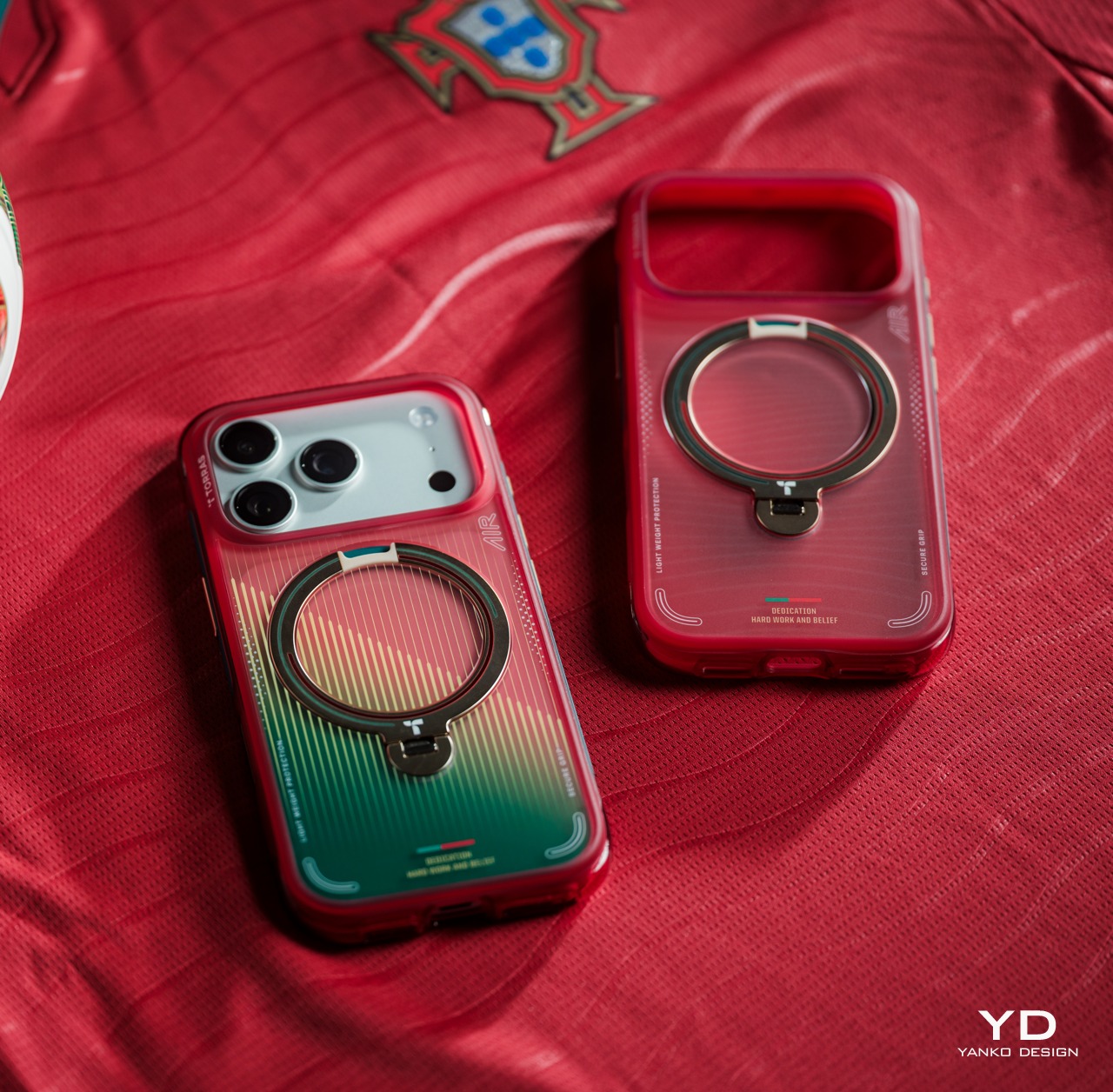
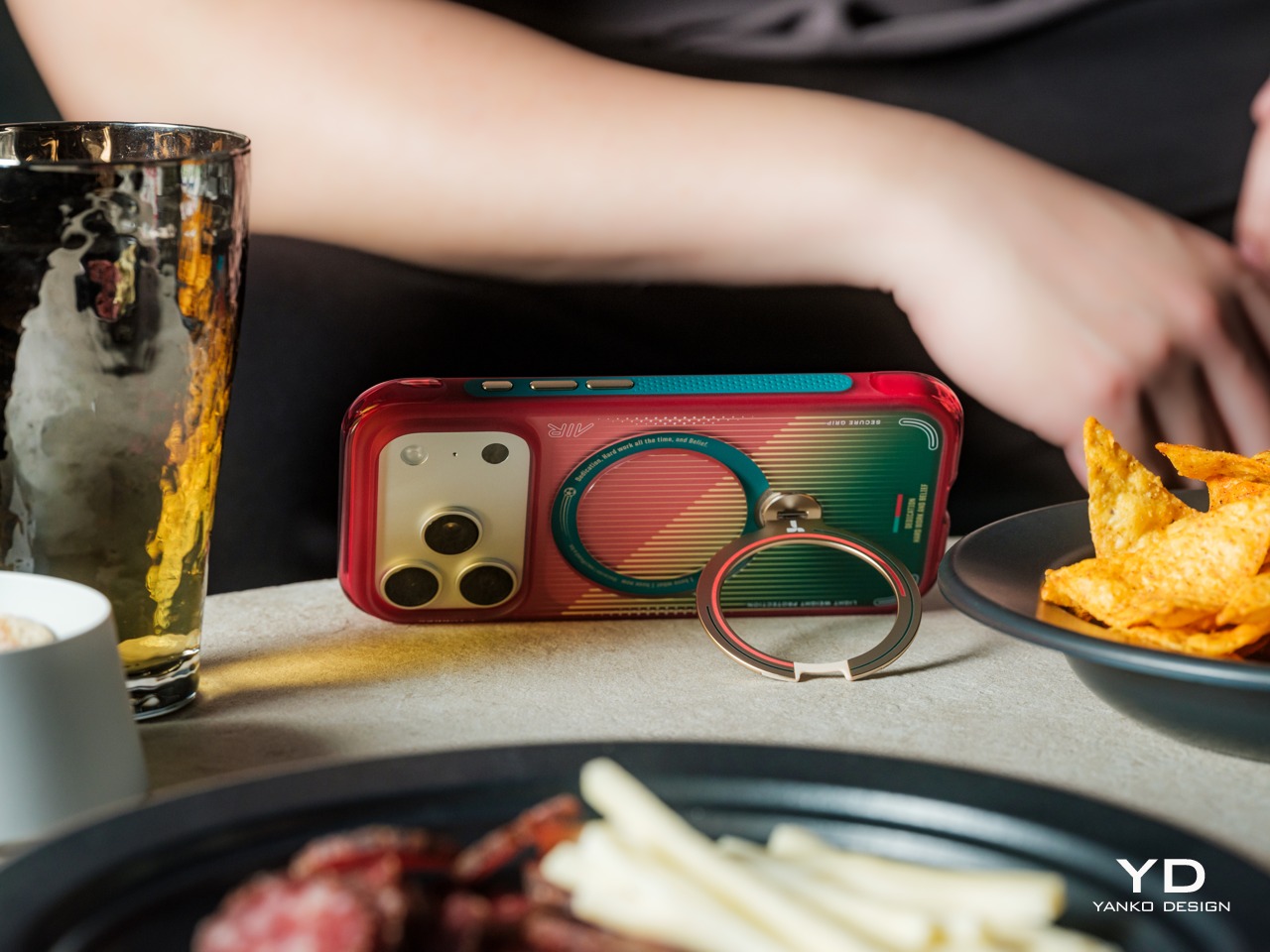
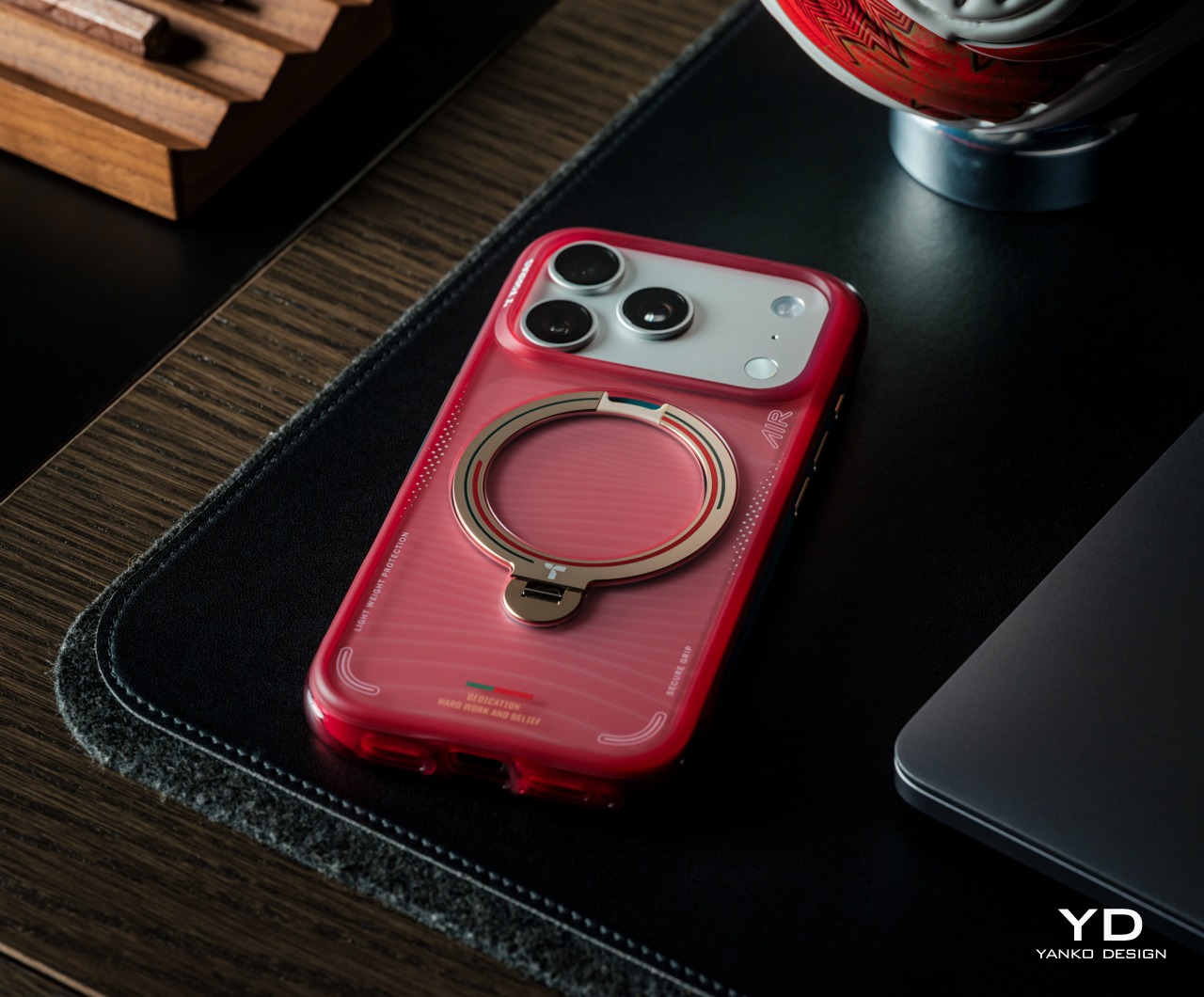
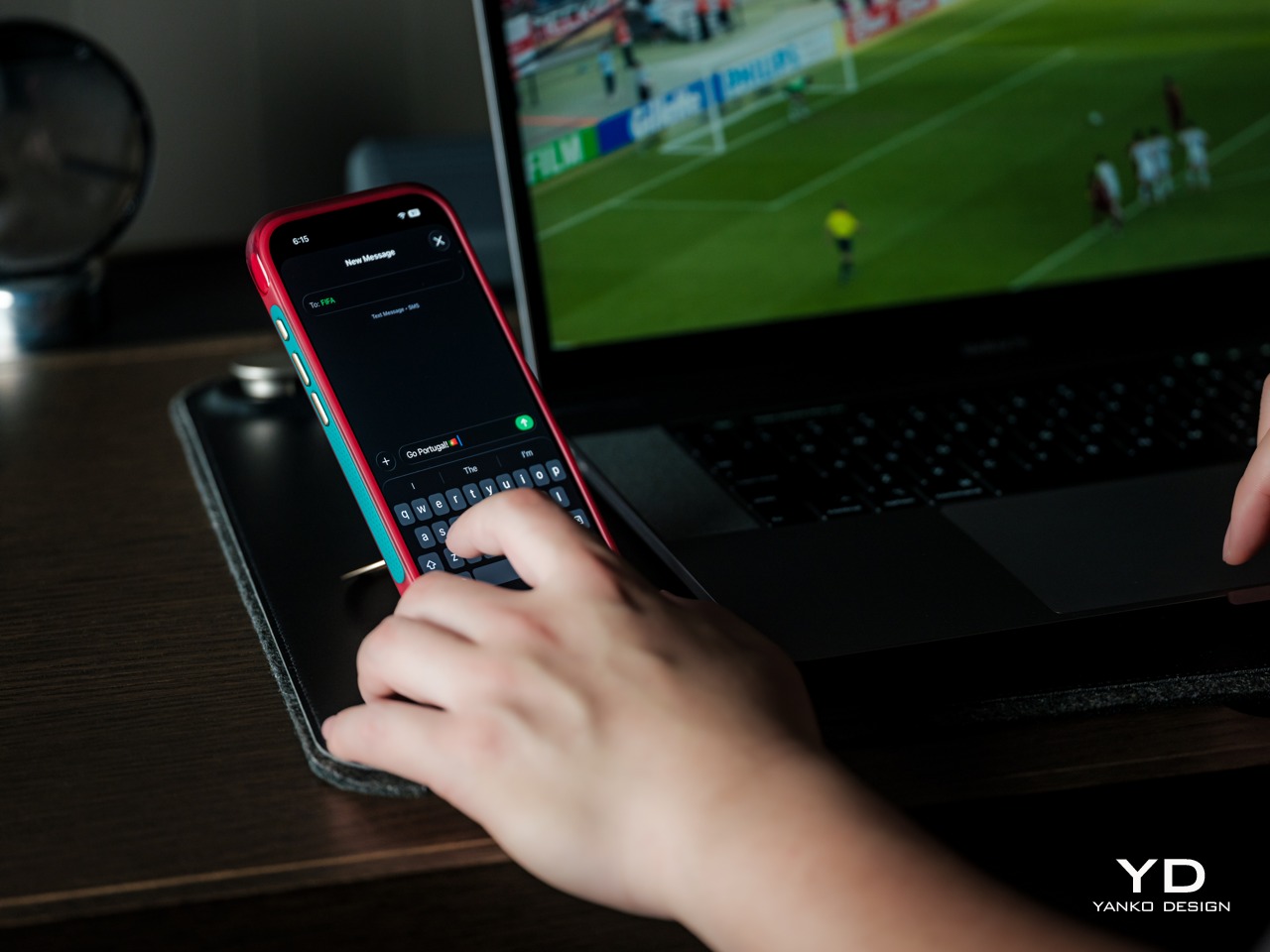
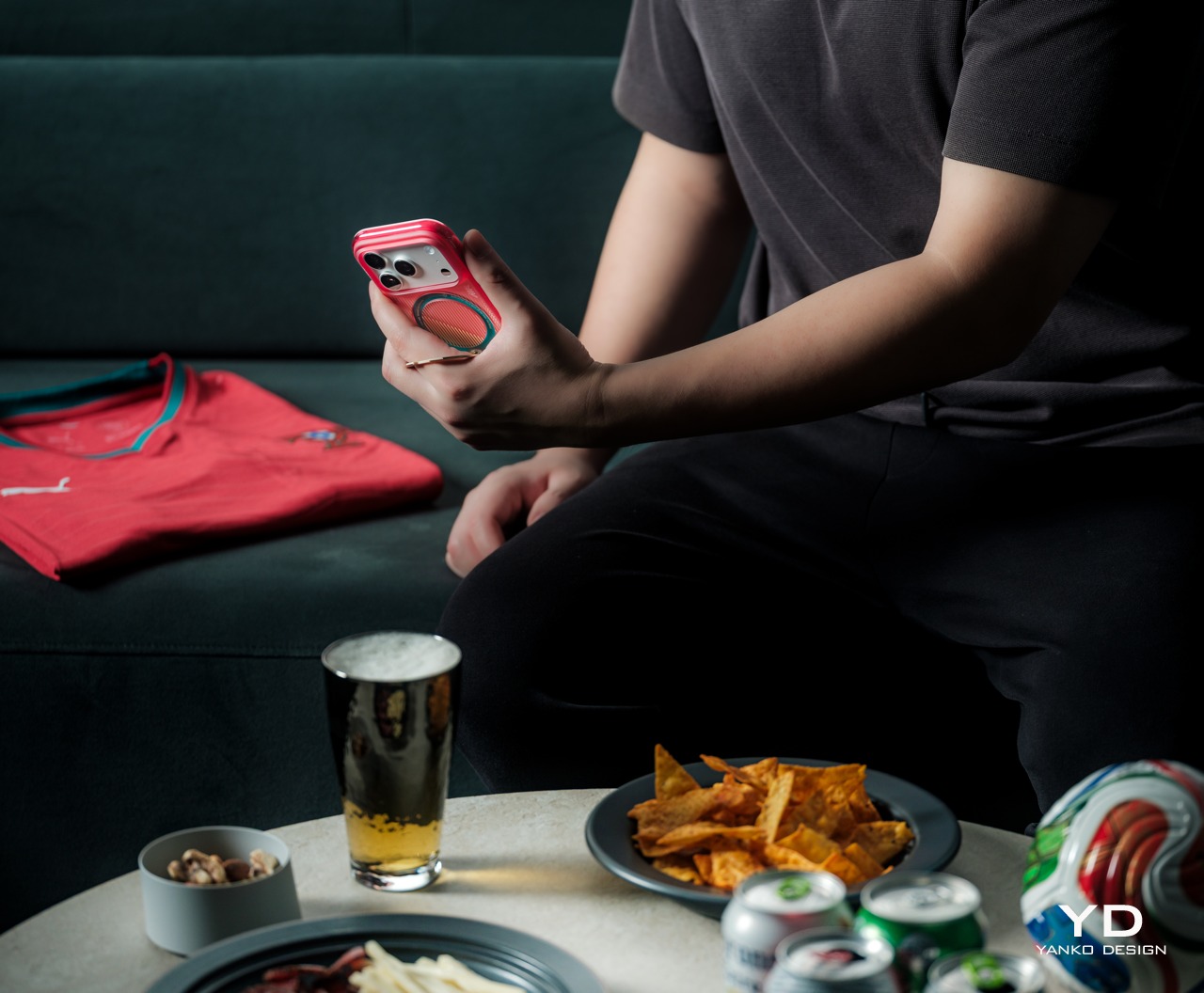
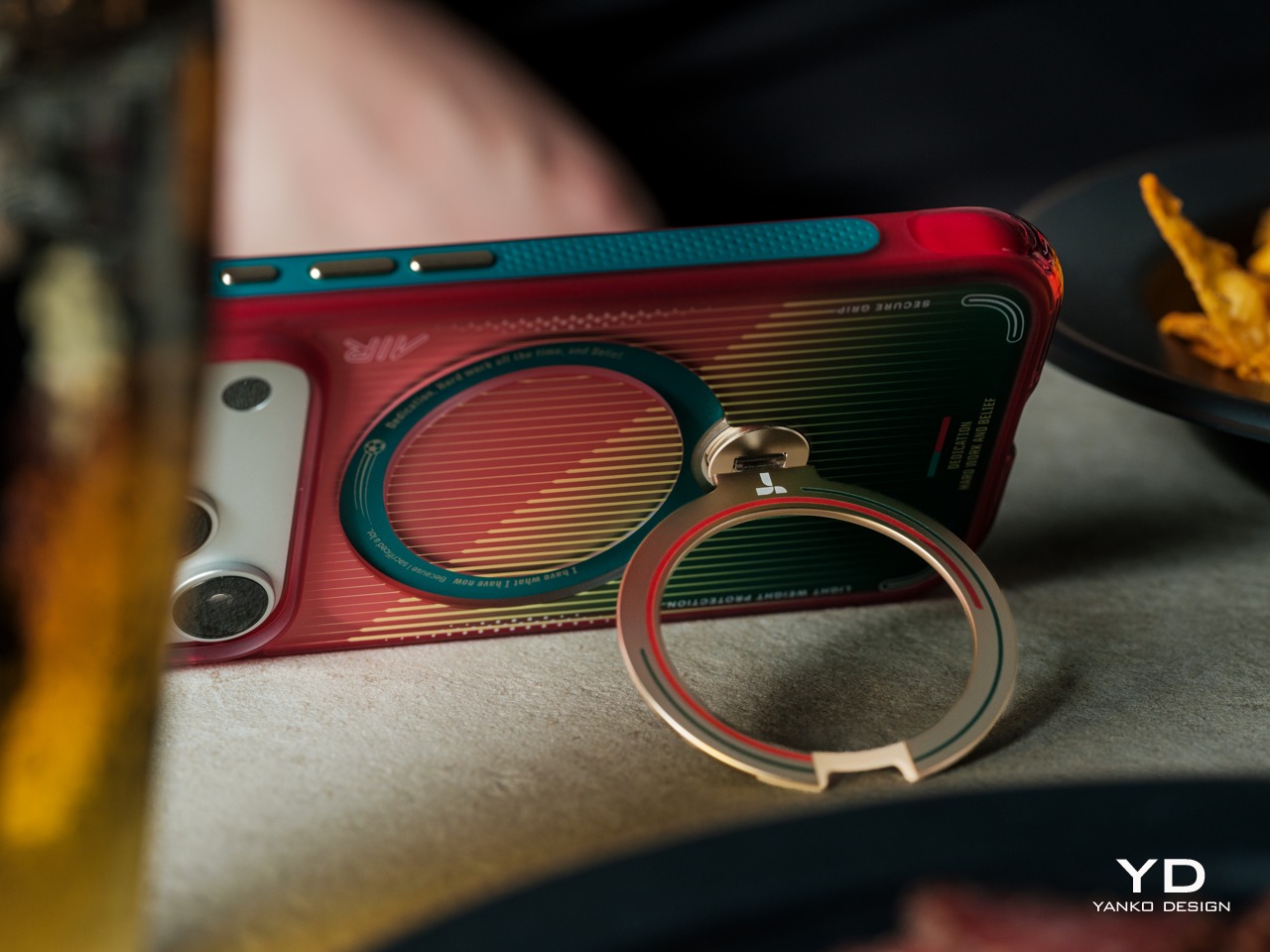
Portugal’s national colors aren’t subtle, and this case doesn’t try to temper them. The translucent crimson shell gives the design a vivid, confident presence while still letting the case’s structural layers show through, which adds depth that solid-color shells typically can’t offer. The result is visually bold in a way that feels deliberate and controlled, leaning into the energy of Portuguese football culture without tipping into anything that feels overwrought.

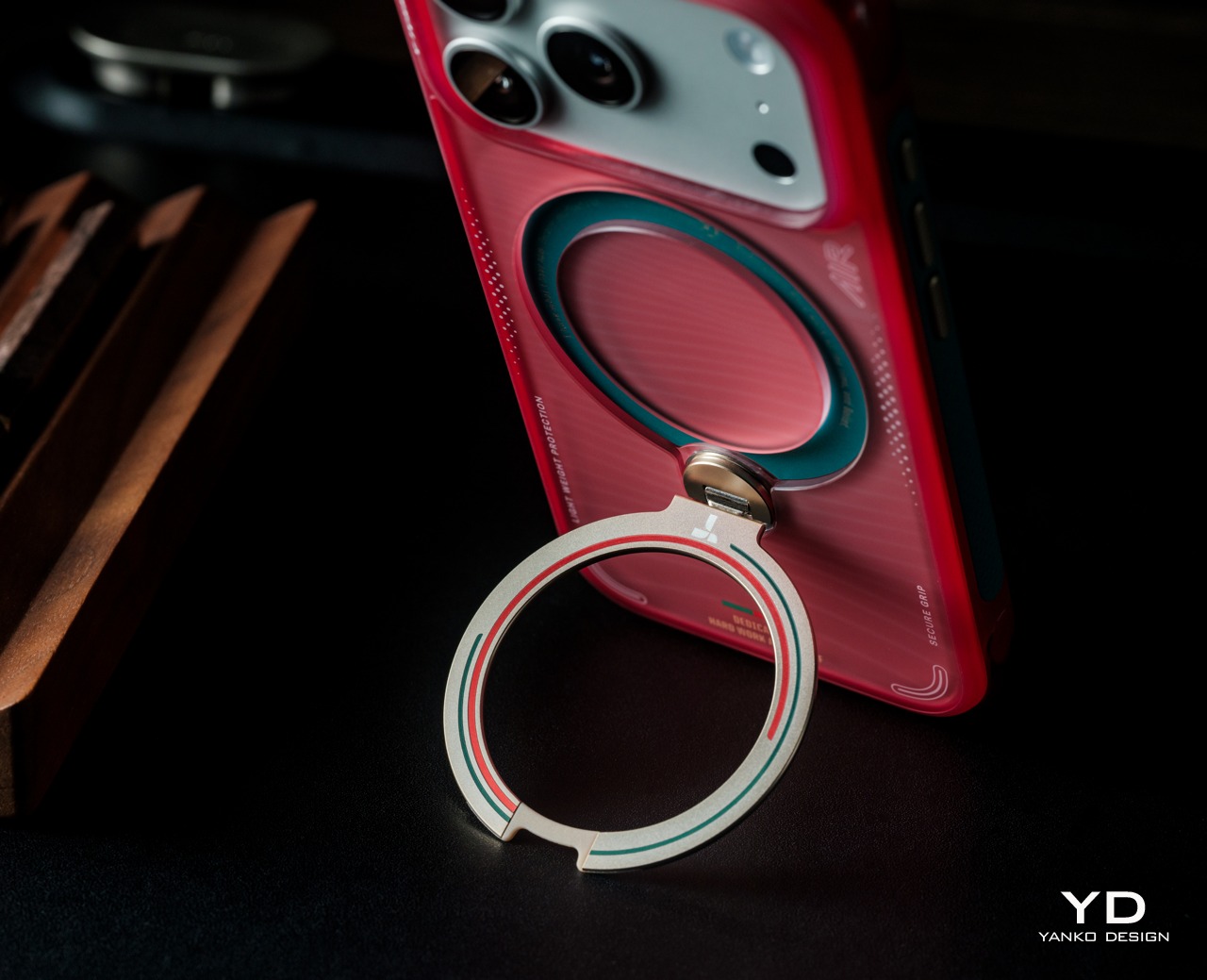
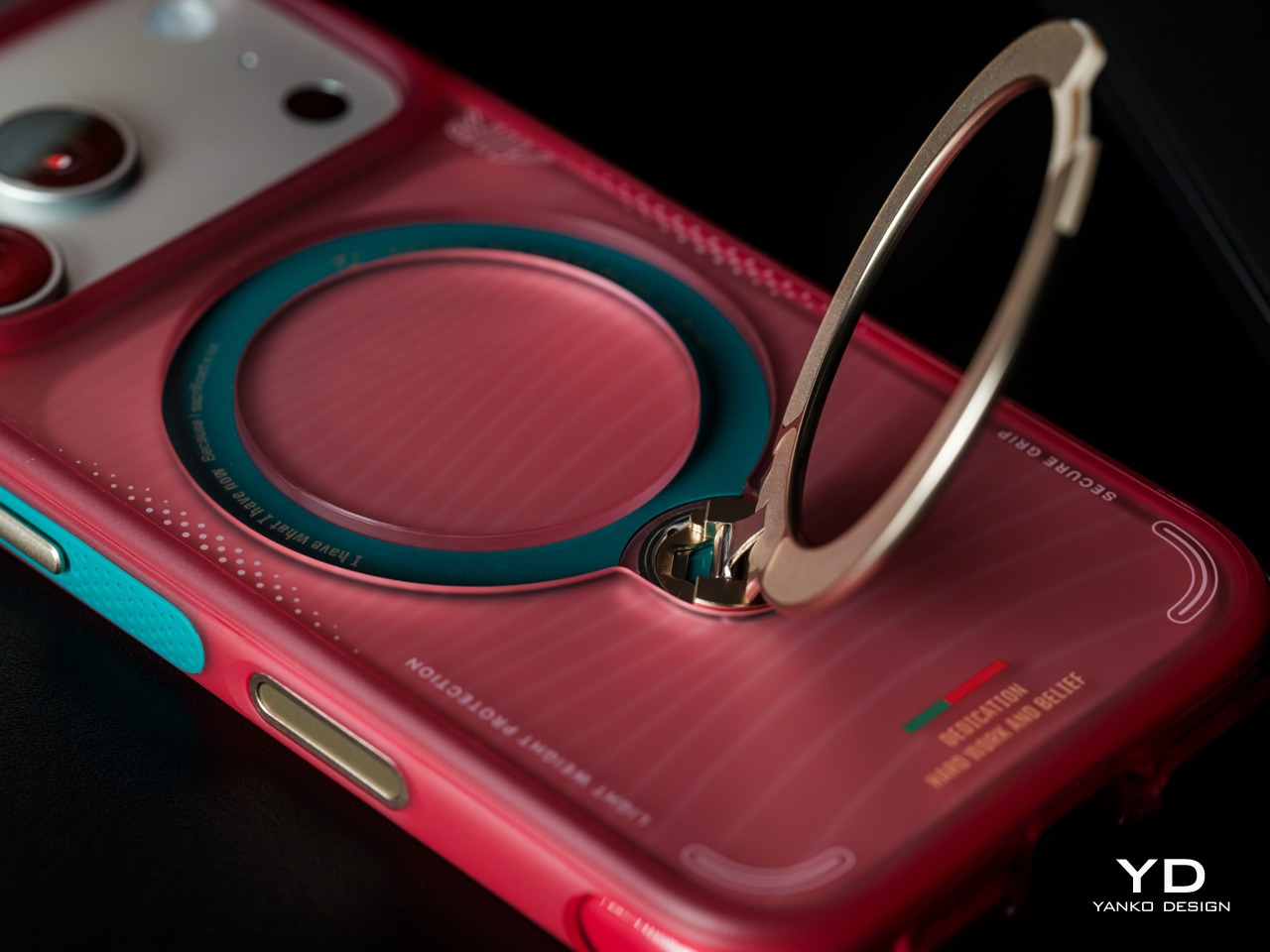
The back of the case is where the design story gets specific. Fine horizontal striping draws a clear visual reference to the texture of a football jersey, while the circular framing around the magnetic ring gives the composition a natural focal center. Gold accents on the ring stand connect to Portugal’s championship legacy, and Portugal’s Quinas emblem appears in the airbag structure as a rewarding detail on closer inspection.

What separates this collaboration from typical team merchandise is the depth of the cultural reference. The wave patterns running through the design draw from Portugal’s maritime history rather than just the football crest, and the gold elements speak to themes of honor and achievement that run through both the country’s history and its footballing legacy. These aren’t decorative choices; they’re a considered visual language built from real cultural material.

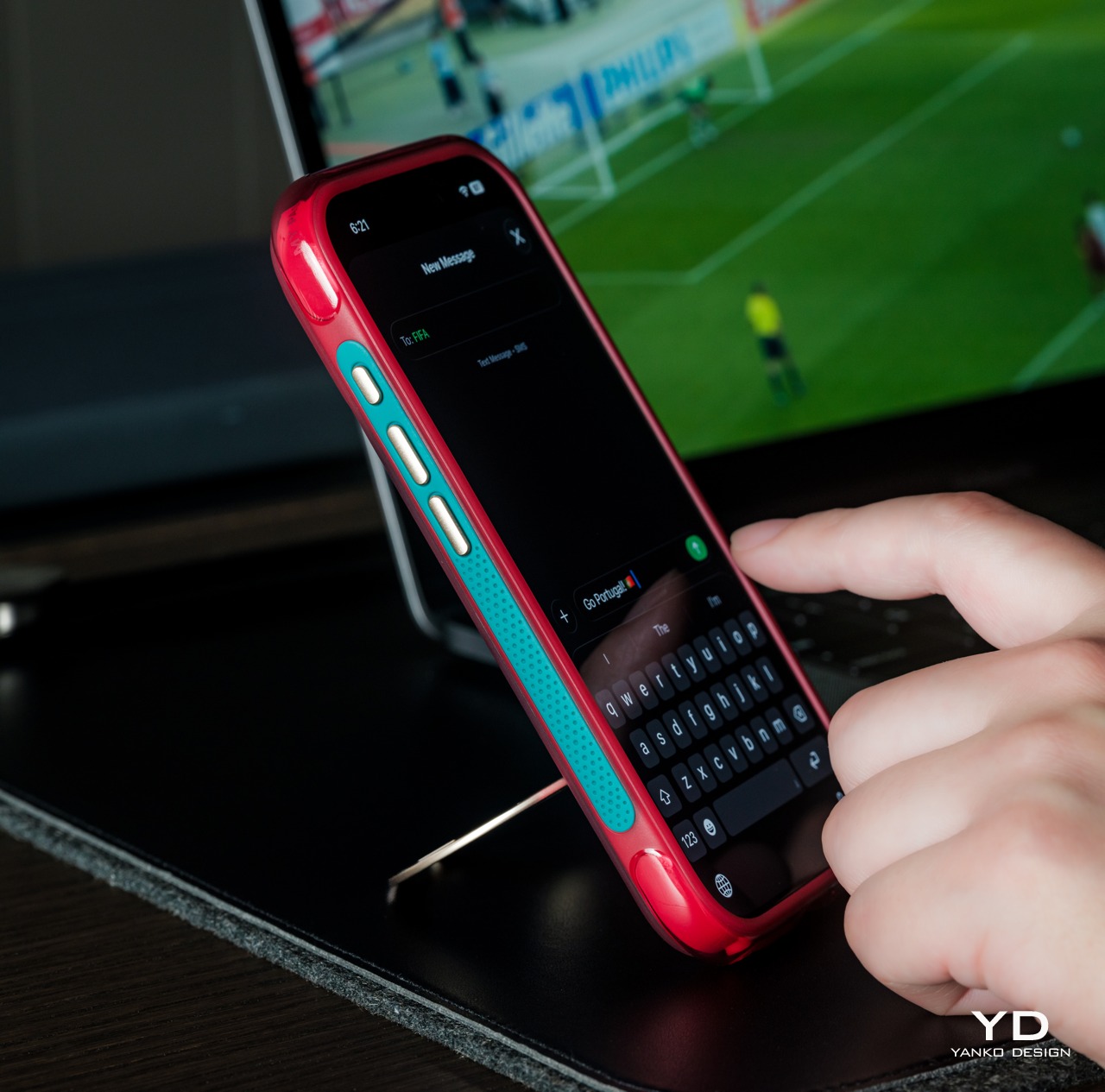
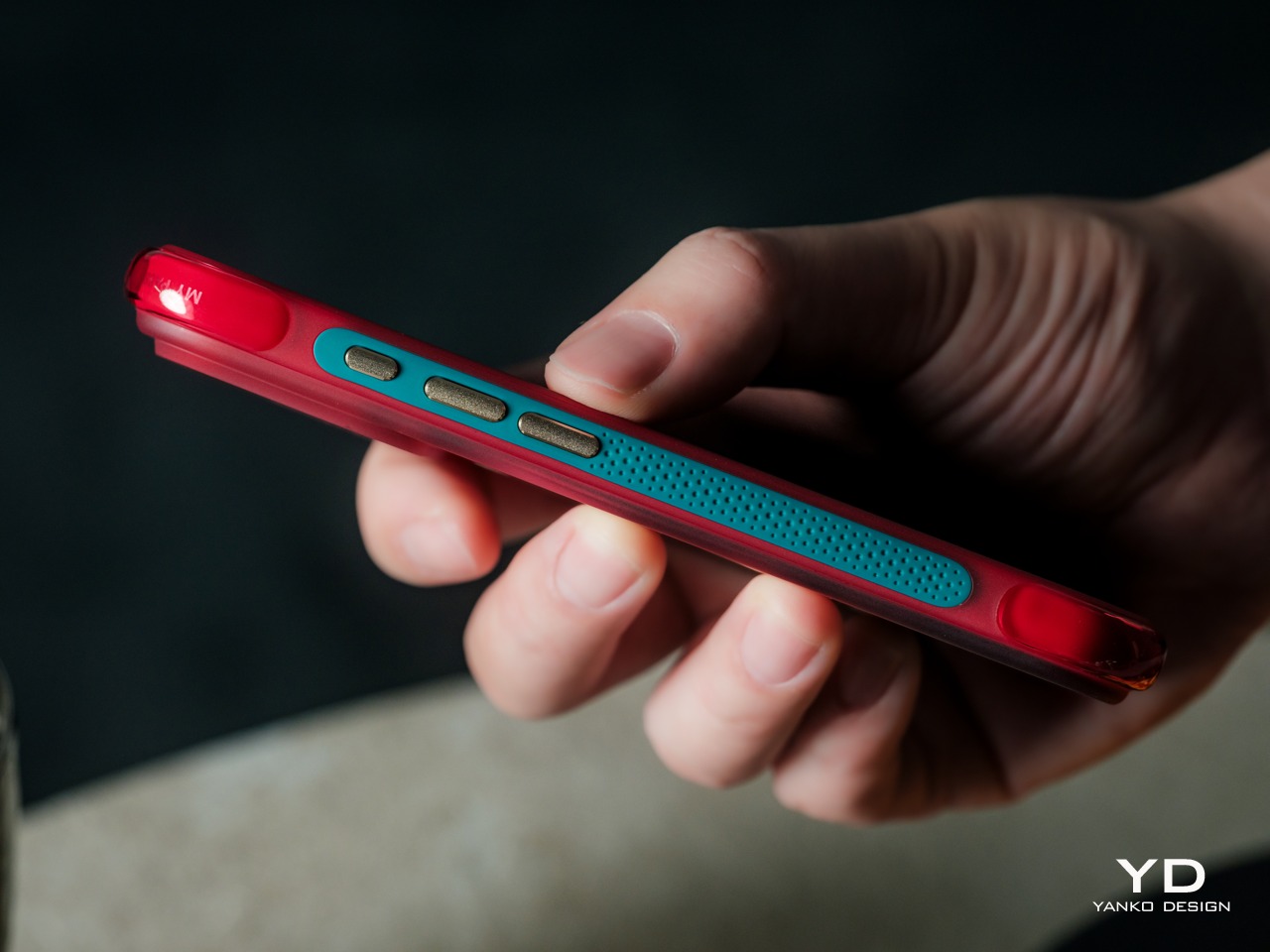
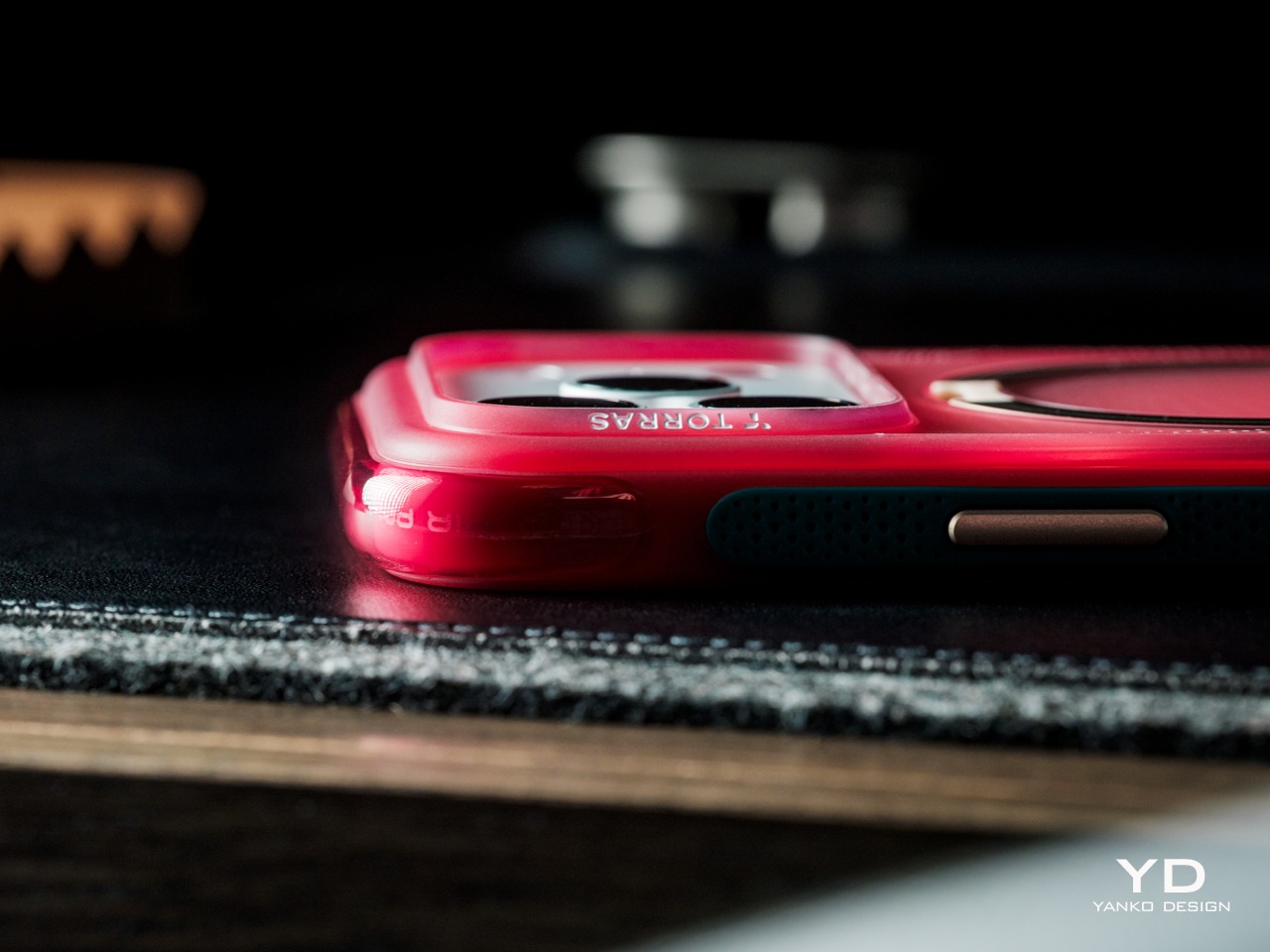
The lateral profile adds another layer to the overall composition. A teal green accent runs along the side rails, creating a sharp contrast against the red shell that reads as unmistakably Portuguese in its color pairing. The buttons carry a warm metallic finish that echoes the gold used across the design, and the tactile grip texturing on the edges reinforces that every surface of this case has been considered.

Ergonomics

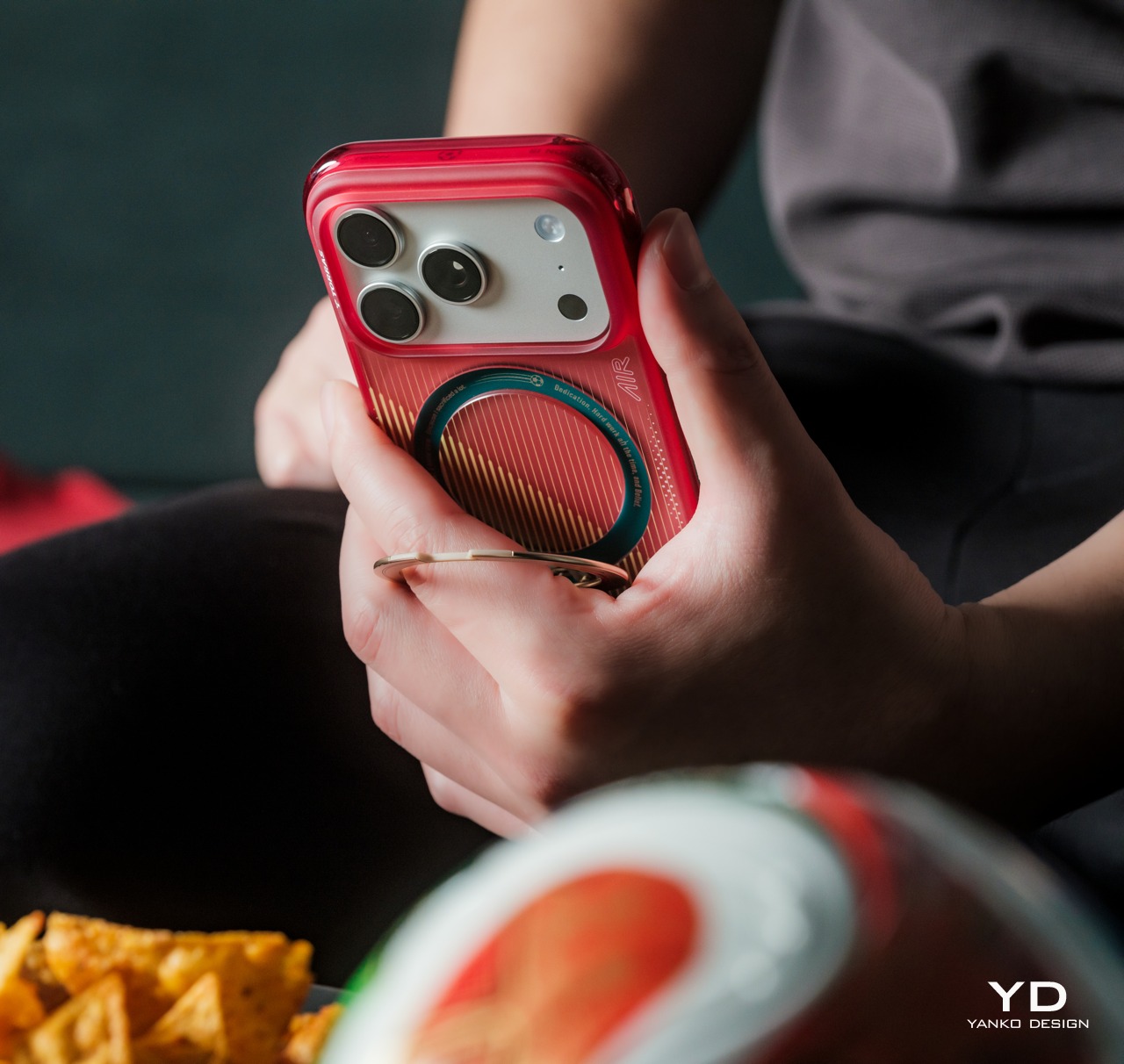
The Q3 Air Ostand platform was designed for daily carry from the ground up, and the Q3 Air Portugal Football Edition fully inherits those ergonomic priorities. The textured side rails give the phone a secure grip in hand, and the overall profile adds enough structure to feel purposeful without pushing into the territory of cumbersome bulk. It’s comfortable to hold for extended stretches and easy to manage with one hand.

The ring stand, folded flat against the back, adds a natural grip point that makes single-handed use of the iPhone 17 Pro Max genuinely more manageable. On a device this size, that matters more than it might seem on paper. When deployed, the stand clicks into place and holds whatever angle you set, making hands-free viewing a quick and reliable option rather than an occasional curiosity.

The case also carries well in a pocket, which isn’t always a given with stand-equipped accessories. The ring folds flat enough to avoid catching on fabric, and the overall thickness stays reasonable for an iPhone case with a fully integrated hardware mechanism. Moving between a bag, a desk, and a hand throughout a busy day feels natural, which is what you’d want from something worn this often.

Performance

The functional centerpiece of the Ostand series is its rotating magnetic ring stand, which supports 360-degree rotation, 180-degree flipping, and a magnetic hold that snaps securely onto metal surfaces and stays put once set. Propping the iPhone hands-free on a flat surface for a video call, a watch-party stream, or a spontaneous recording takes seconds, and the stand holds whatever angle you choose without needing adjustment.

That hands-free capability sits at the heart of what TORRAS calls “Record Your Passion,” the campaign built around the idea that documenting training sessions, matchday rituals, and shared moments is part of the sporting experience itself. Setting the phone down on a gym floor, snapping it onto lockers and training equipment, or propping it on a table during a watch party transforms it from a passive device into an active participant.

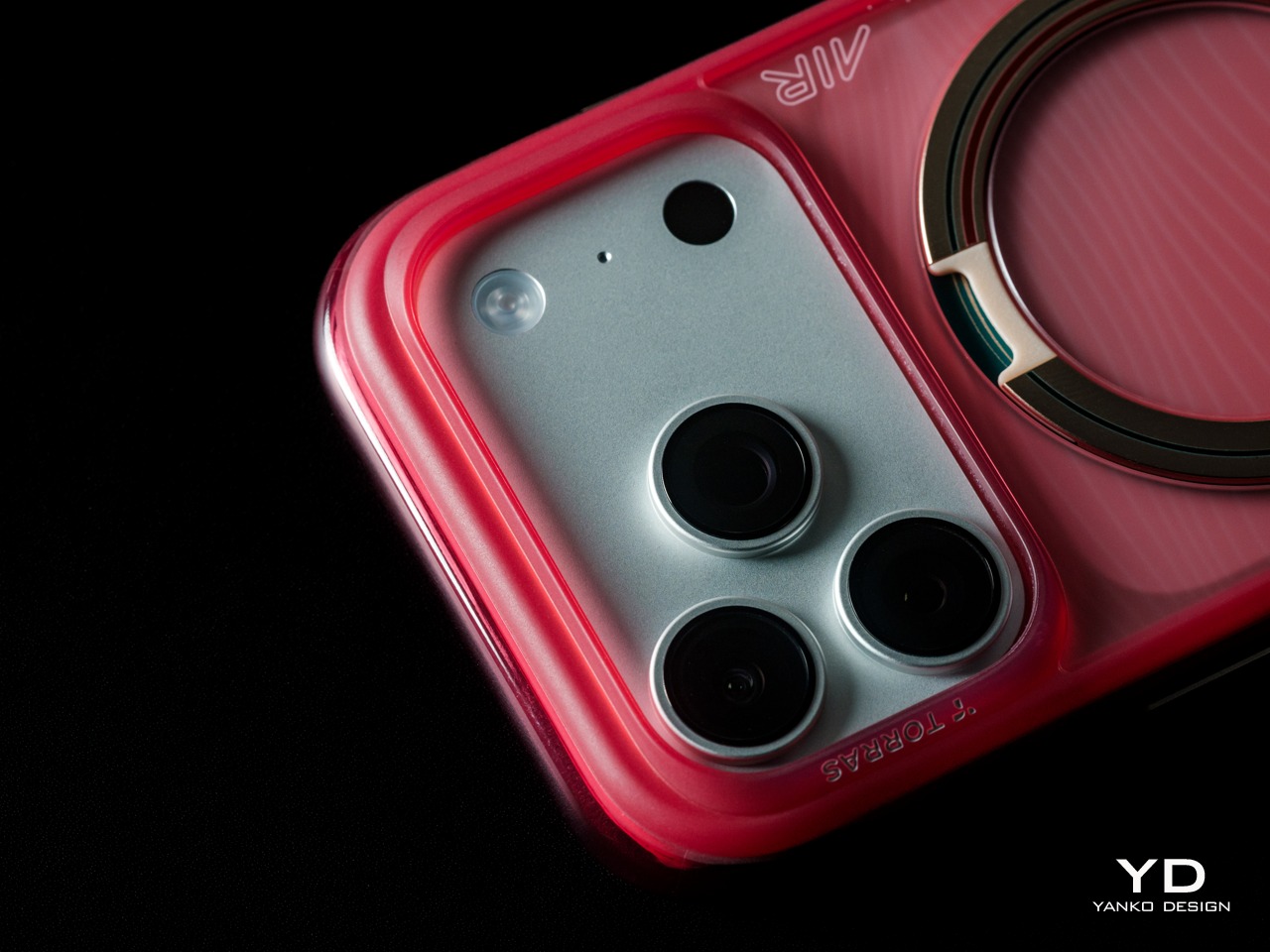
On the protective side, the case uses airbag technology that hugs the top and bottom edges and wraps around the corners. This air-cushioning structure, one of the Q3 Air’s signature innovations, protects the areas where drops tend to concentrate their force. By buffering and dispersing the force of impact, the TORRAS Q3 Air Portugal Football Limited Edition provides peace of mind for those unavoidable accidents of life.

A raised camera lip also keeps the lenses from direct contact with flat surfaces, an often unforeseen consequence in everyday use. The reinforced frame wraps the phone’s edges in a way that provides structural confidence throughout. It’s the kind of protection that works quietly in the background rather than advertising itself through unnecessary bulk.

The case is also fully MagSafe compatible, preserving the magnetic ring system so that wireless charging and MagSafe accessories work without interruption. For iPhone 17 Pro Max owners already invested in the magnetic ecosystem, that compatibility keeps everything running as expected. The full suite of MagSafe accessories, from chargers to wallets, connects and functions just as reliably as it would with any premium iPhone case.

Sustainability

The most honest form of sustainability in phone accessories comes down to longevity, even if the product itself is made of your typical synthetic materials. A case that holds its structural integrity and visual quality over years of daily use reduces the frequency of replacement, which matters more than most people consider. The Portugal Football Edition is built on a platform engineered for resilience, with reinforced corners, a durable shell, and a stand mechanism that holds up through consistent use.

The limited-edition format adds an interesting dimension to the longevity argument. Objects with cultural weight tend to stay in people’s hands rather than getting rotated out at the next refresh. A case tied to Portugal’s journey through the 2026 World Cup carries a specific cultural moment with it, giving it an emotional durability that significantly extends its useful life past what a generic alternative could claim.

Value

Limited-edition collaboration cases carry a $69.99 price premium by nature, and this one makes a clear case (pun intended) for that premium being earned rather than simply charged. The FPF edition packages the Q3 Air Ostand’s rotating stand, air-cushion protection, and full MagSafe compatibility inside a design rooted in Portuguese heritage and a genuinely considered visual system. That’s a lot of functional hardware and design thinking in one accessory.

For someone already drawn to the Ostand’s stand functionality, the Portugal Football Edition makes the value proposition even clearer. The design premium doesn’t come at any cost to the case’s functional strengths. You’re getting the same protective architecture and rotating stand mechanism, with the added dimension of a culturally layered identity that gives the accessory a meaning and visual presence that plain cases simply can’t offer.

The limited availability also factors into the value equation. This isn’t a mass-produced accessory available at any time; it’s tied to a specific cultural collaboration with a defined production run. For buyers who value their accessories carrying a genuine story rather than a borrowed aesthetic, the FPF edition offers something that feels irreplaceable in a way that standard catalog options simply aren’t positioned to match.

Verdict

The TORRAS Q3 Air Portugal Football Limited Edition for iPhone 17 Pro Max is a premium phone case that earns its place in that category through functional integrity and genuine design depth. The rotating stand is a practical differentiator that changes daily phone habits in a meaningful way, the protective architecture is solid, and the cultural design language is rich enough to hold up far beyond the initial impression.

For football fans with an eye for design, or iPhone 17 Pro Max owners who want a case that carries a real story behind its finish, the timing of this collaboration is excellent. Portugal is heading into the 2026 World Cup cycle with a clear sense of purpose, and TORRAS has built an accessory that connects to that energy in a way that’s both functional and genuinely worth holding onto.

Click Here to Buy Now: $69.99 | Website Link Here.

The post TORRAS x FPF Limited Edition Review: Portugal’s 2026 World Cup Case With a Stand first appeared on Yanko Design.

This E Ink Flip Case Shows the Time Without Ever Waking Your Phone

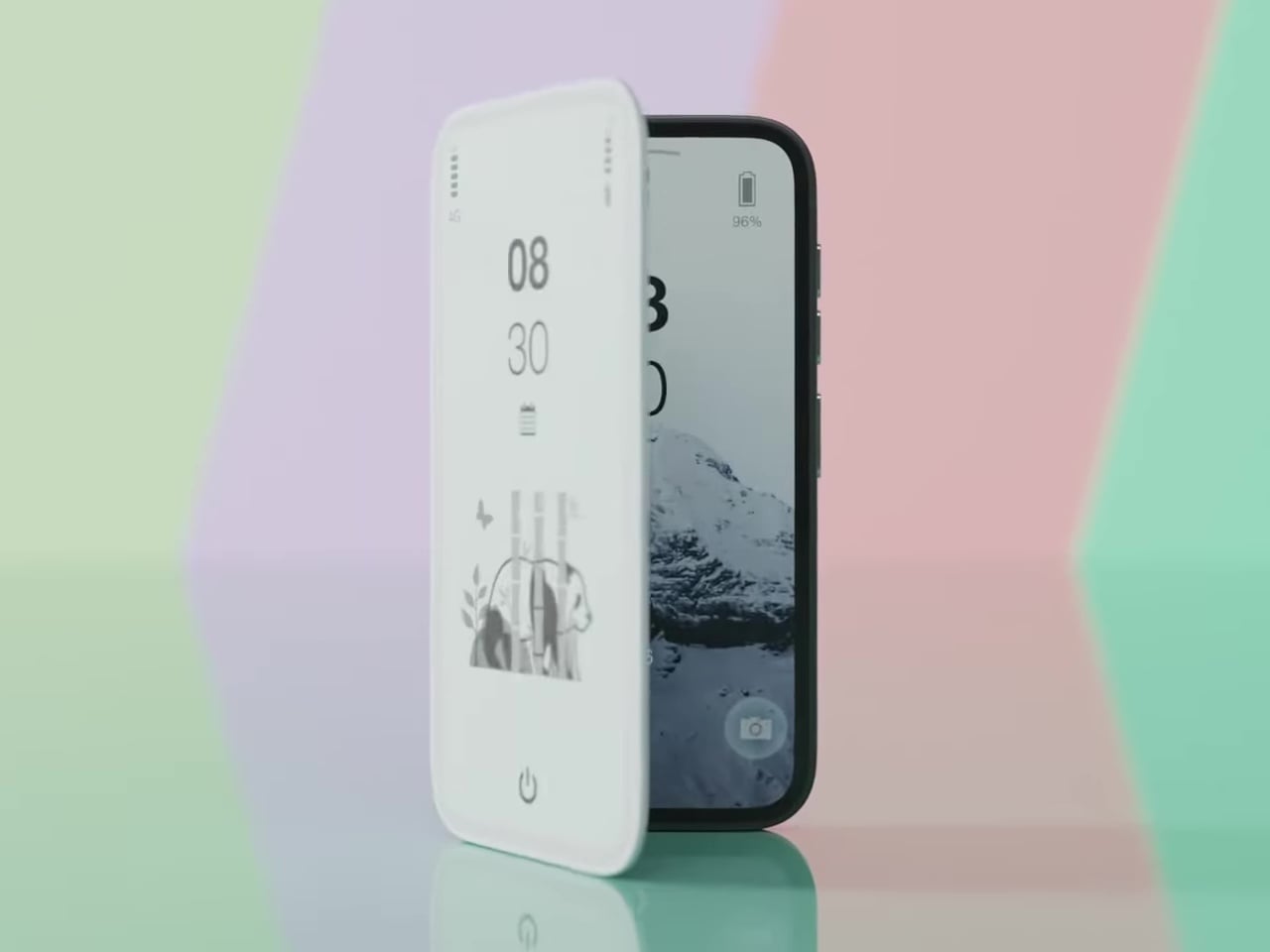
Smartphone cases have become one of the more predictable corners of the mobile accessory market. Most of them do exactly what you’d expect: wrap around the phone, absorb some impact, and stay out of the way. A few go further with card slots or battery packs, but the core idea hasn’t changed much in years. You’re still waking the screen every time you want a quick glance at the time.

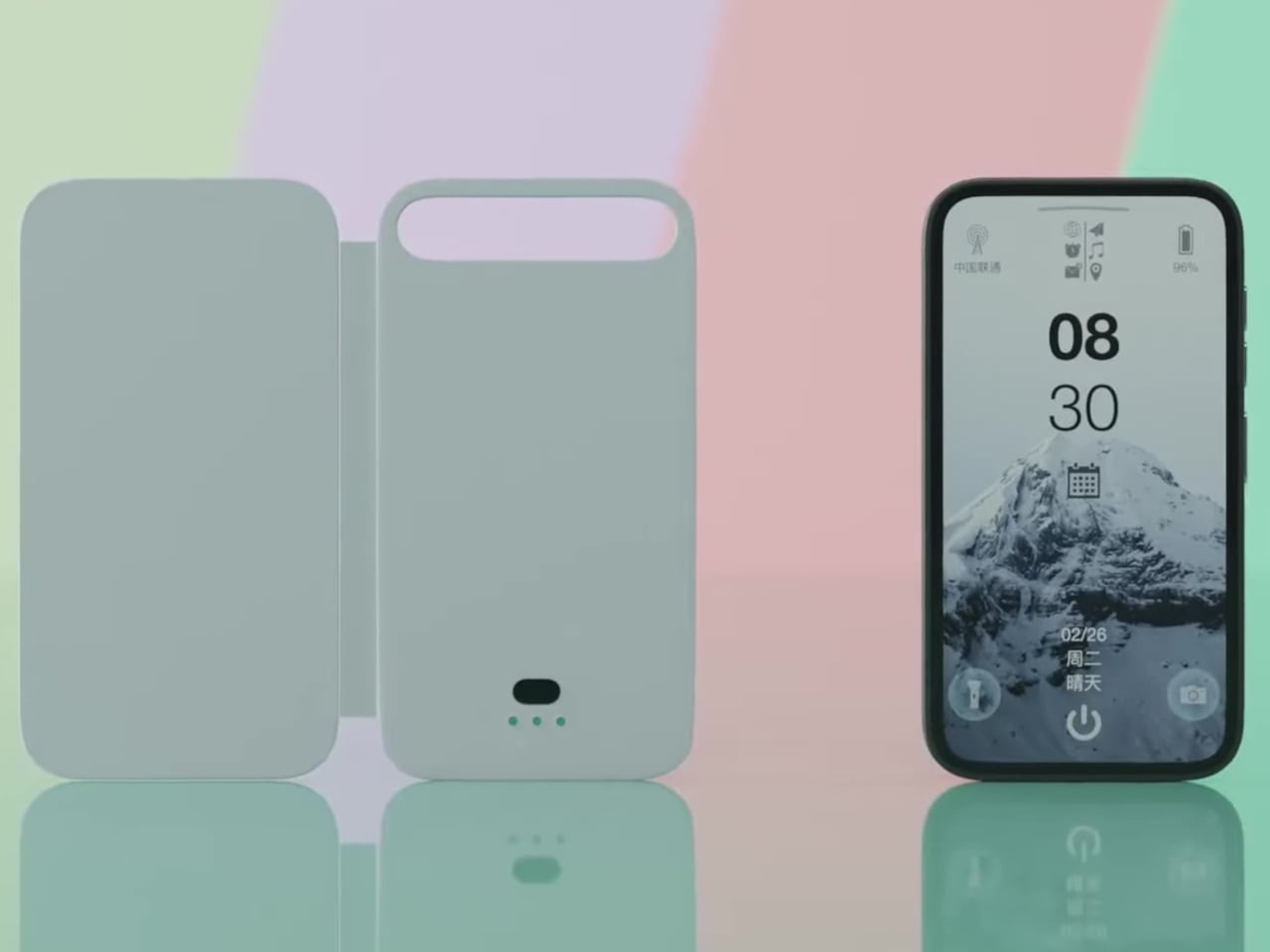
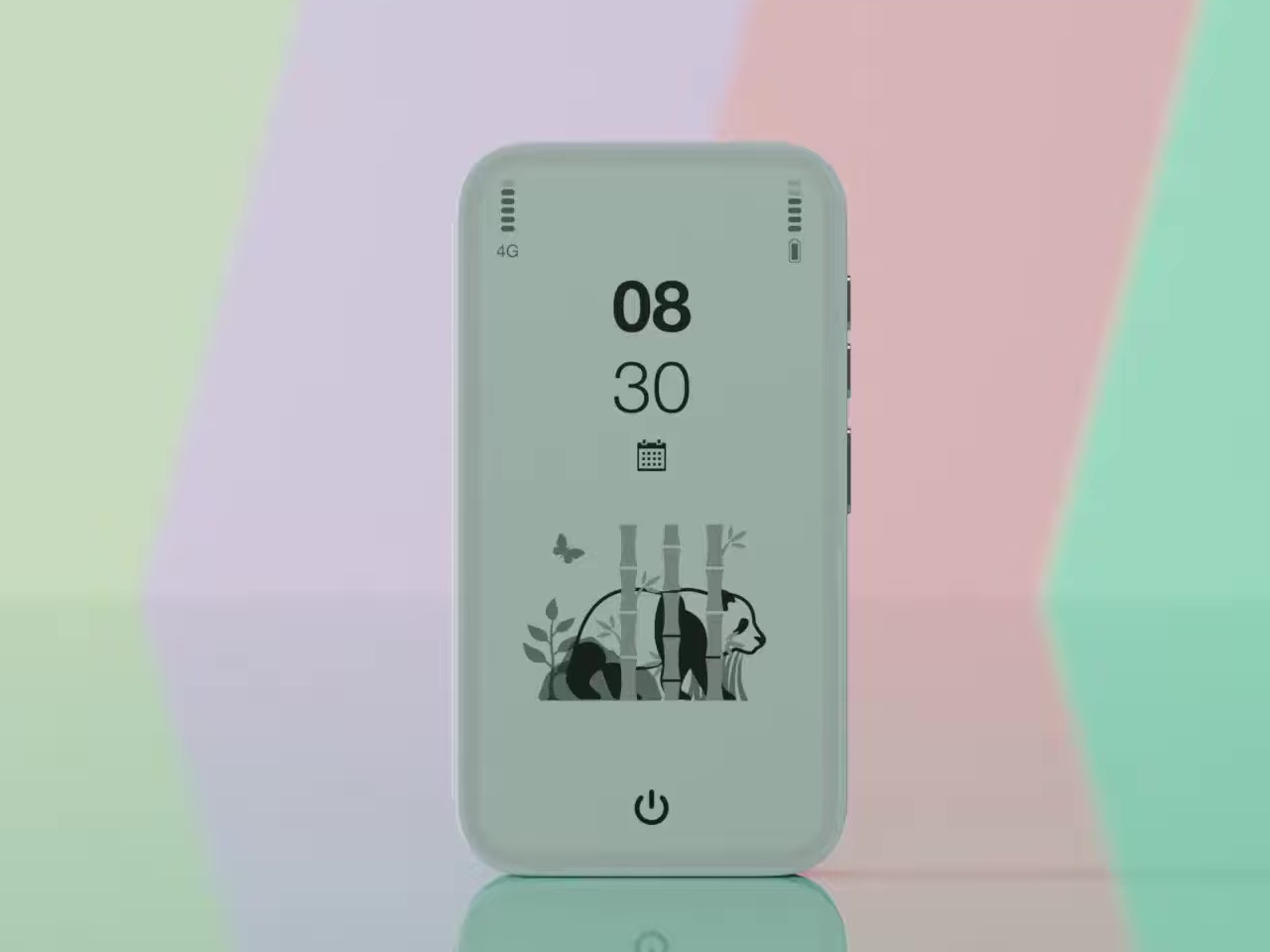
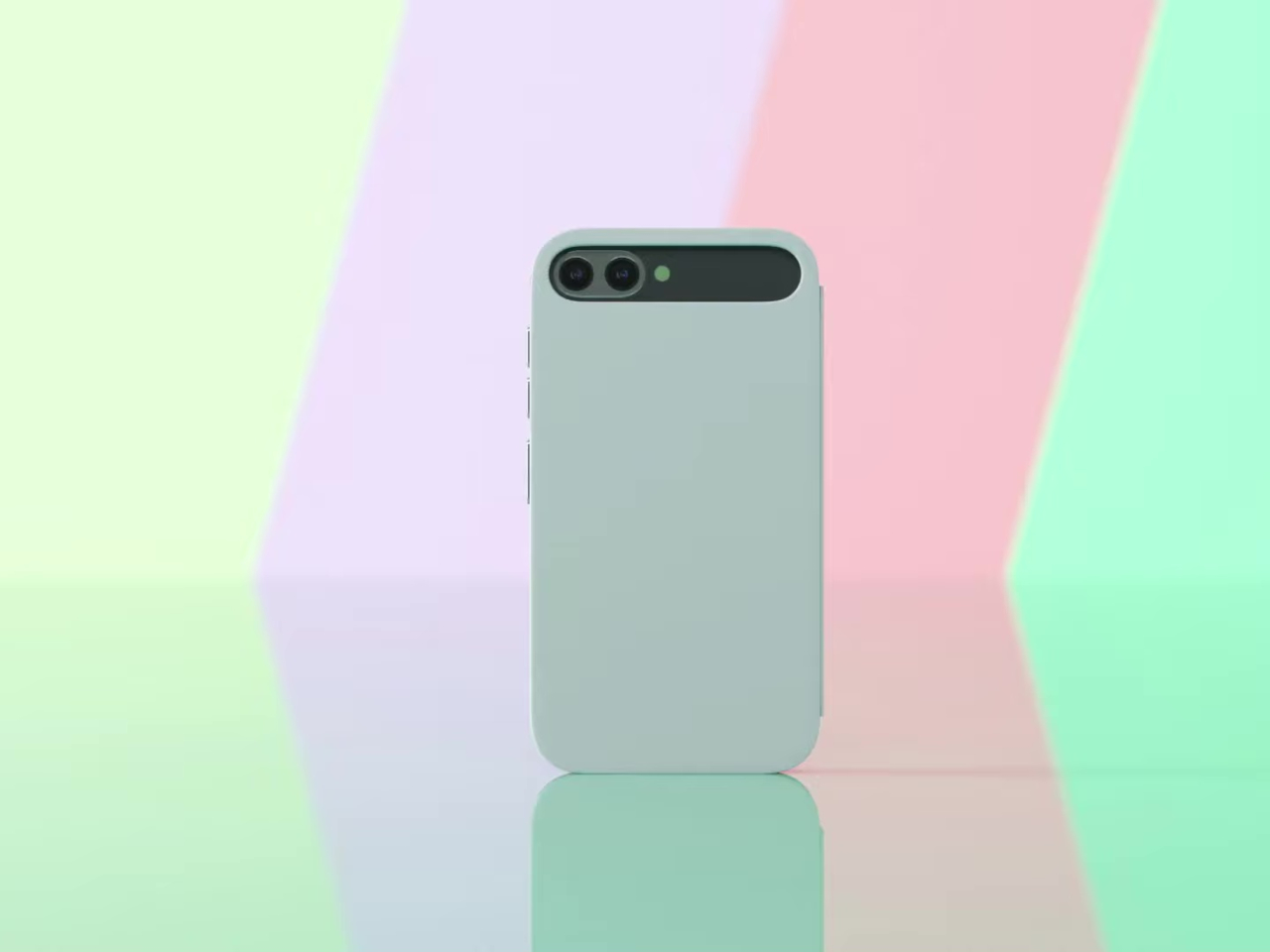
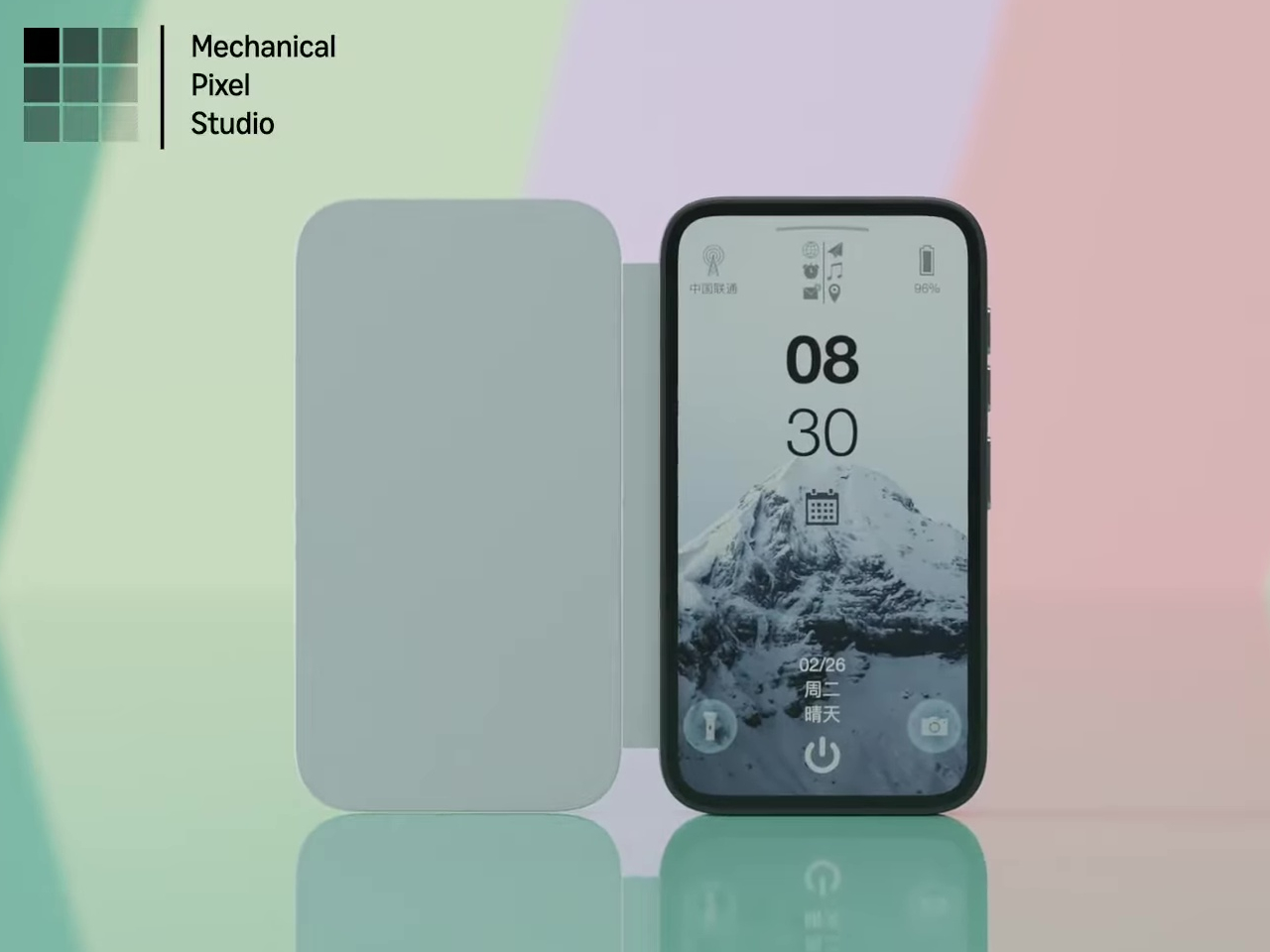
Pixel Dynamics’s E Ink Flip Cover concept takes a simpler approach. It’s a flip-style case with an E Ink screen on the outer panel, so even when the cover is shut, and the phone is locked, you can still check the time, date, battery level, and signal without waking the main display. E Ink only draws power when the image changes, making it a natural fit for an always-on panel.

Designer: Pixel Dynamics

There’s more to the display than status data, though. Beyond the time, date, and connectivity readouts, you can set it to show ambient illustrations that make the cover feel more personal, less like a utility panel, and more like something worth looking at. An E Ink screen isn’t going to win awards for visual richness, but for something that stays visible all day without demanding attention, that’s a reasonable ask.

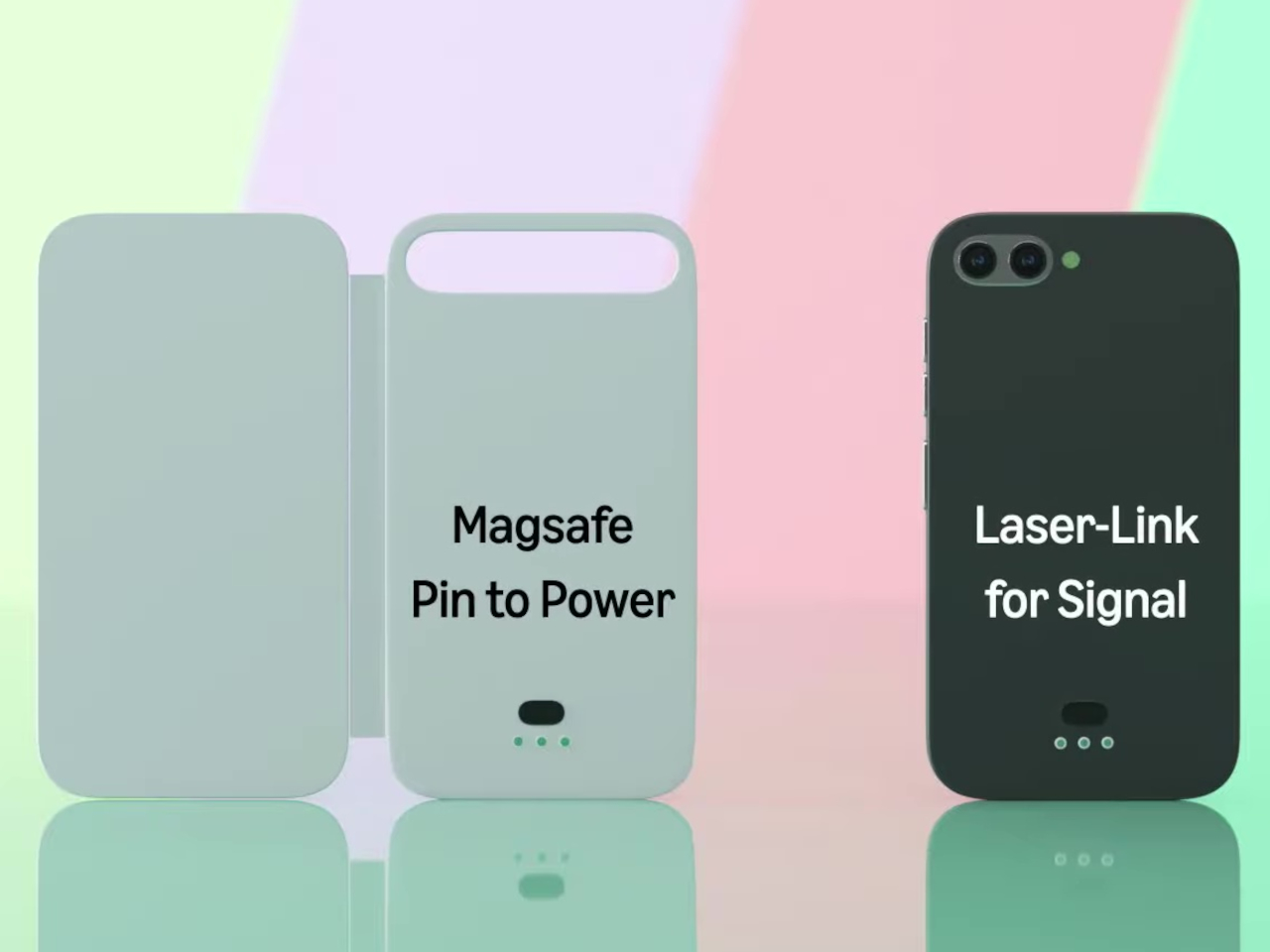
The case attaches to the phone through a MagSafe-style magnetic system, snapping into place without any physical ports. Power is handled through contact pins that draw directly from the phone’s battery, so there’s nothing to charge separately and no second battery bloating the profile. That’s a smart call; one of the quickest ways to kill an otherwise good accessory concept is to make the user manage another charging cable.

Data between the case and the phone travels through what the concept calls Laser-Link, pitched as a higher-efficiency alternative to Bluetooth or NFC. The idea is that replacing radio-based communication with a laser signal gets you faster data transfer with less power overhead and no interference issues. It’s still concept-level technology, of course, so there aren’t any real specs to evaluate, but the thinking behind it is sound.

Put it together, and the pitch is easy to follow. You keep the phone in your pocket or face-down on a desk, and the E Ink panel handles quick glances that don’t need the main screen, saving the battery drain of waking an OLED display dozens of times a day. When you do need the full phone, flipping the cover open gets you there just as fast as any other case.

That said, a few things here are easier to propose than to build. Laser-Link doesn’t have a clear path to production yet, and it raises obvious questions about reliability when the phone and case aren’t perfectly aligned. The E Ink display part is more grounded, since that technology already exists in other accessories.

The phone case hasn’t had a genuine design moment in quite a while, and a concept that starts asking what the outer panel can actively do for you is a reasonable place to start that conversation. It still has a long road before reaching any shelf, but for a category that’s mostly been stuck recycling the same rigid shells, that’s actually not a bad place to be.

The post This E Ink Flip Case Shows the Time Without Ever Waking Your Phone first appeared on Yanko Design.

One Galaxy S26 Ultra Case Glows in the Dark. The Other Has a Built-In Thermal Sensor. Pick One.

Most people buy a phone case the same way they buy a phone. They want it to feel like them. Some people want basic, slim protection that keeps the phone looking as close to naked as possible. Others want rugged, military-grade armor that could survive a construction site. Some hunt for modular systems with swappable wallets and stands. Others obsess over grip texture, or thermal performance, or MagSafe ecosystem compatibility. The criteria are wildly personal, and the options are endless. It sounds like a trivial consumer category until you realize the global phone case market is worth tens of billions of dollars. People are buying identity as much as they are buying protection. Aulumu, the Shenzhen-based accessory brand with a growing cult following, seems to have understood this from day one.

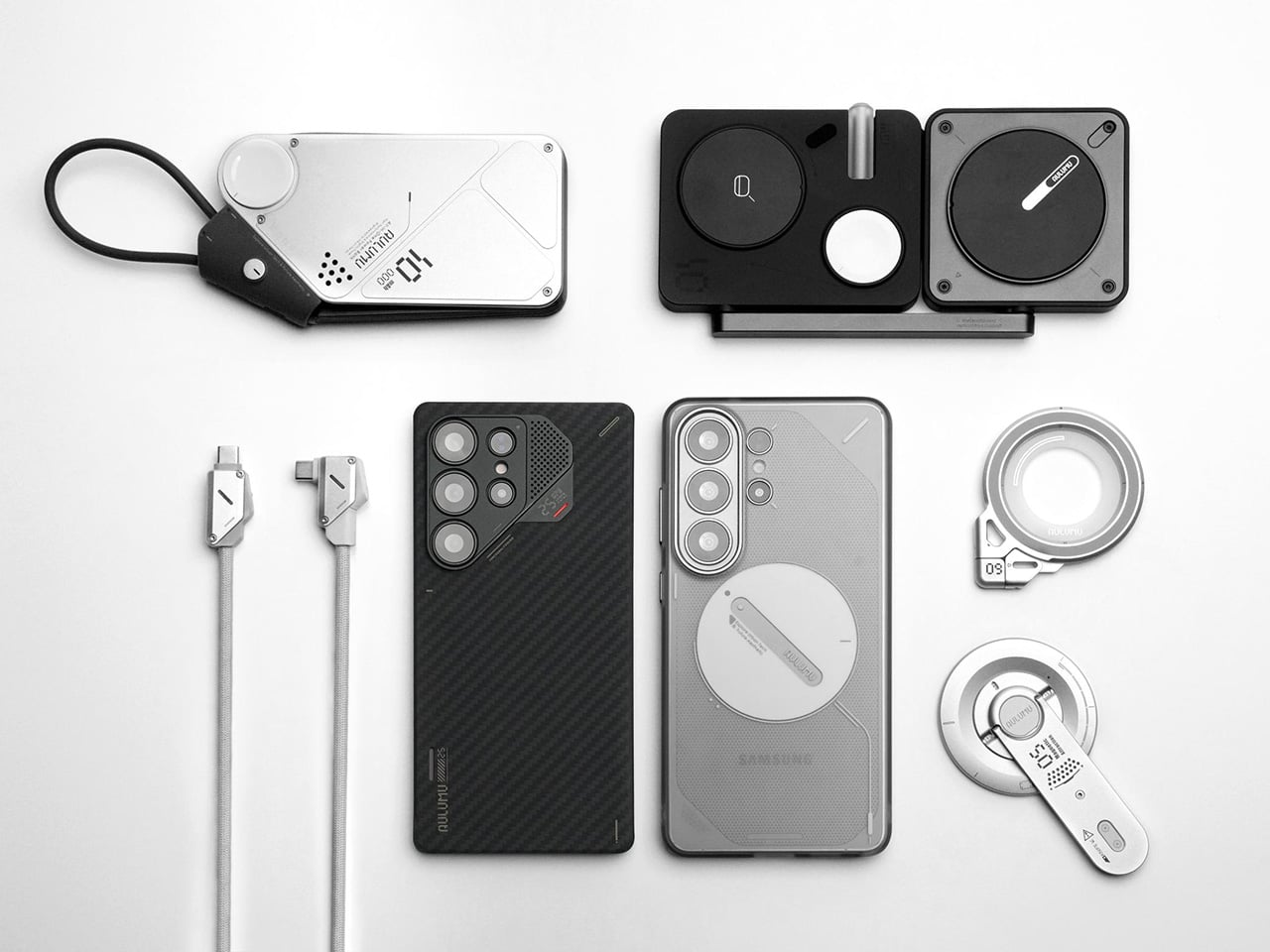
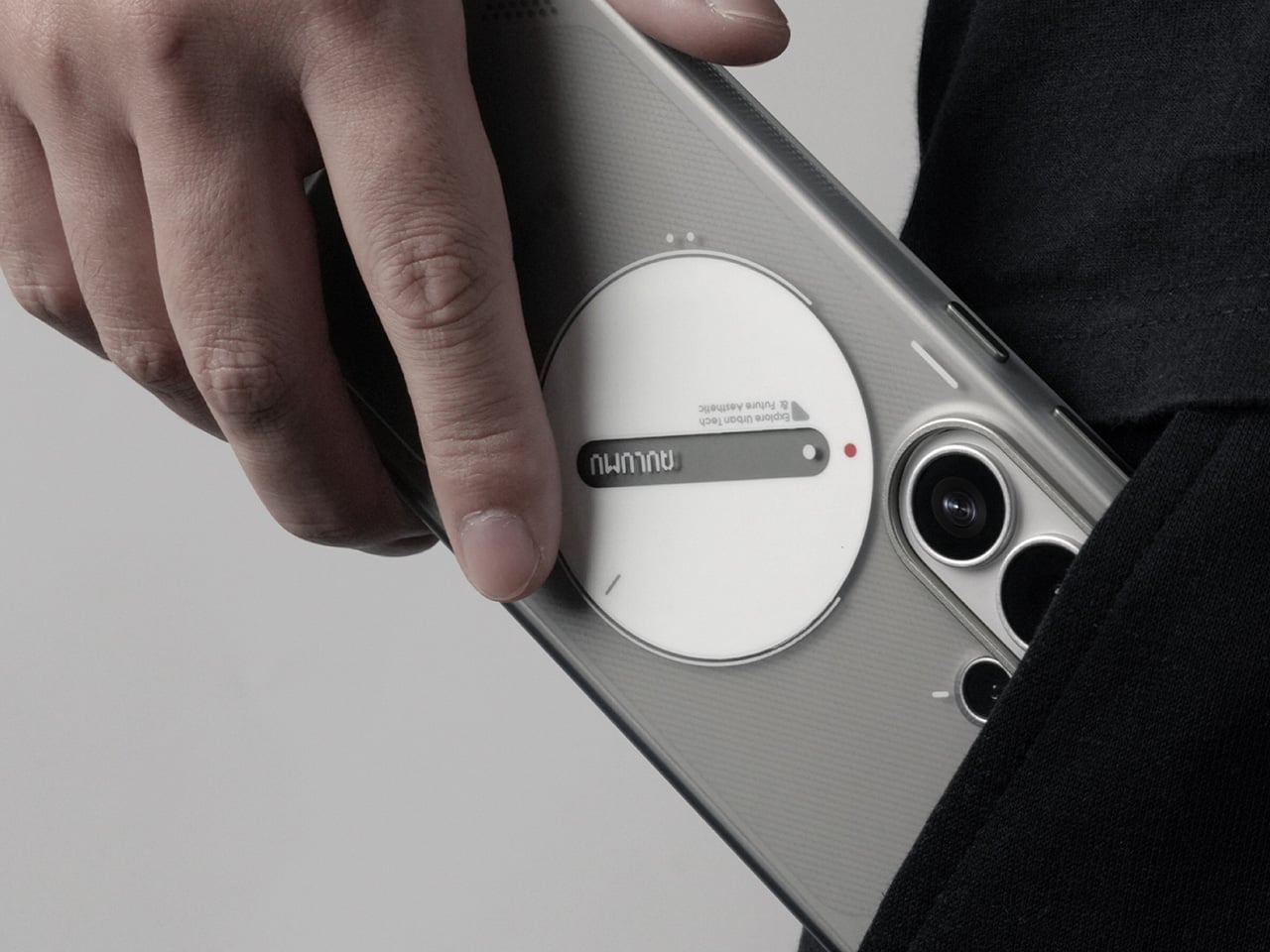
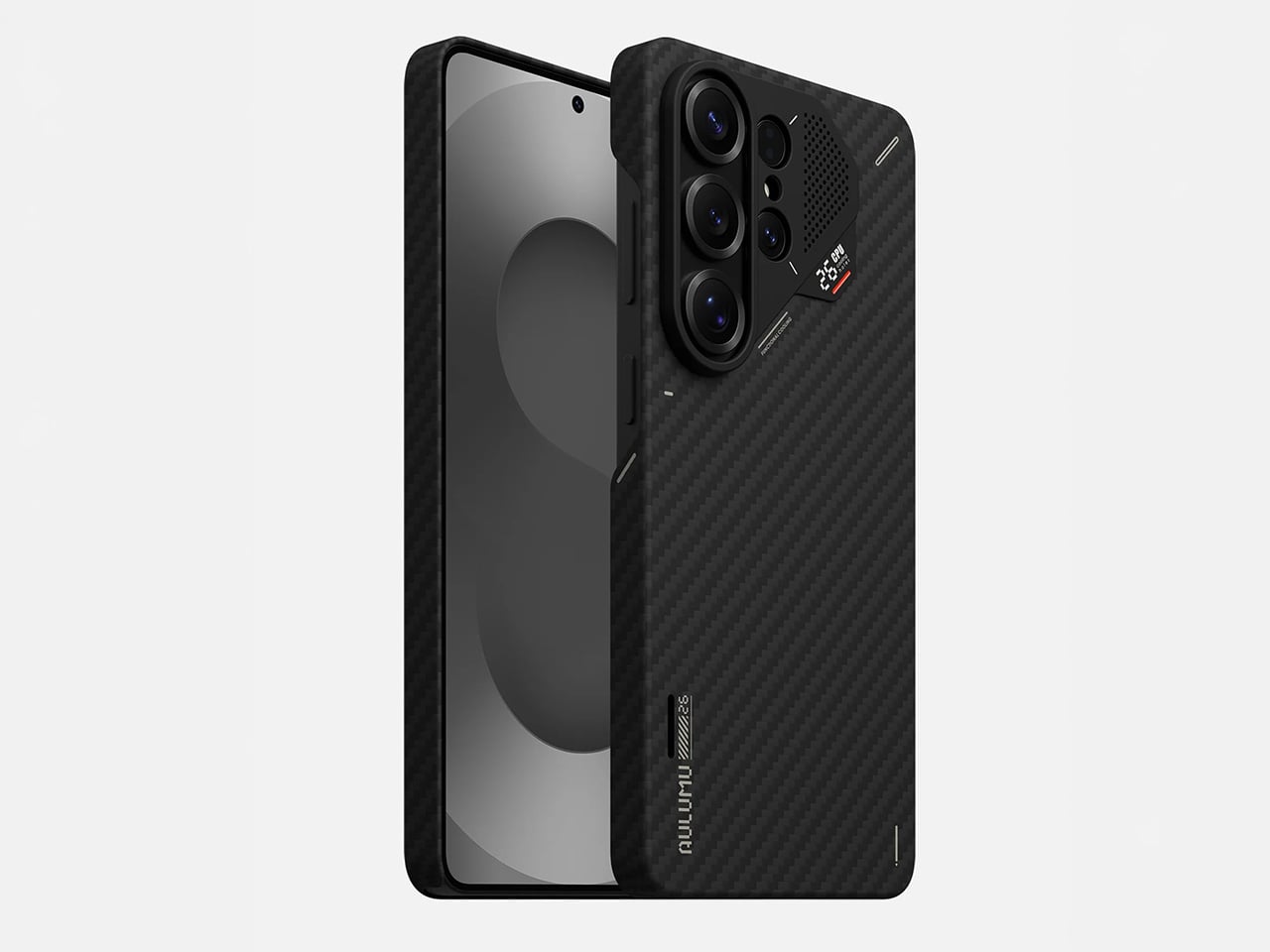
Which is exactly why the brand showed up to the Samsung Galaxy S26 Ultra’s launch with two cases that could hardly be more different from each other. The S26U Frosted Glow Case is a frosted TPU build with a photosensitive UFO disc on the back that charges under light and glows electric green in the dark, doubling as a MagSafe alignment guide. The S26U Ultra-Slim Aramid Fiber Case wraps the same phone in aerospace-grade 1500D woven fiber and hides a CoolHyper thermal management system inside, complete with a color-changing temperature indicator. One is for the person who wants their phone to have a personality. The other is for the person who treats their S26 Ultra like a workstation. Aulumu built both because the S26 Ultra owner is never just one type of person.

Designer: Aulumu

S26U Frosted Glow Case: A Glowing Case That Wants Your Attention (And Earns It)

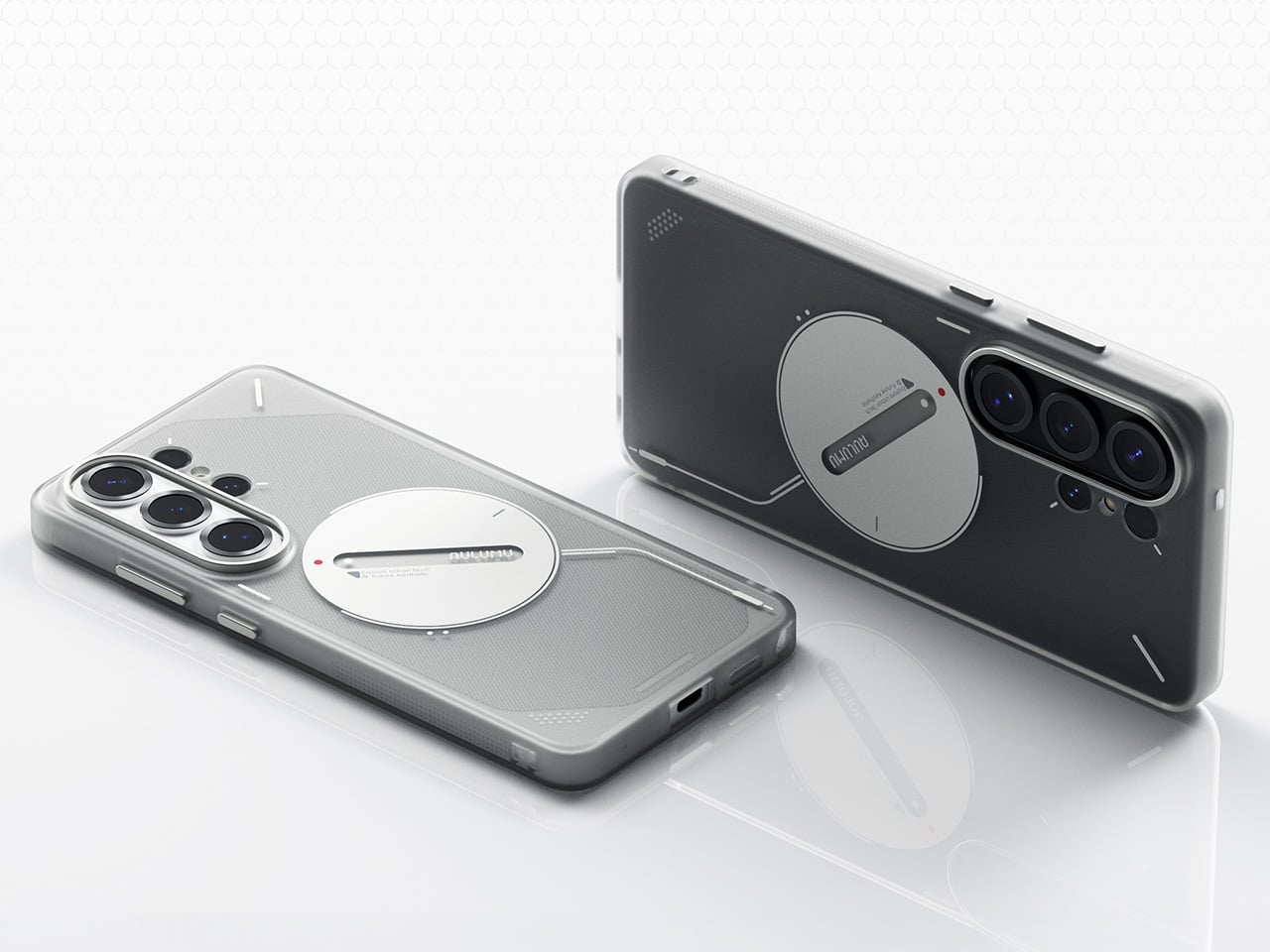
The visual centerpiece of this case is the big glowing circle on the back. Aulumu calls it a “Glow UFO Design,” and it’s made from a photosensitive material that soaks up light during the day and gives off a bright green glow when the lights go out. It’s a neat trick that makes your phone easy to find on a nightstand and gives it a ton of personality. The graphic is printed using a two-layer IMD process, meaning it’s embedded inside the TPU plastic itself so you don’t have to worry about it fading or scratching off. The main body has a frosted, translucent finish, so you can still see a hint of the Galaxy S26 Ultra’s actual color, but with a diffused, softer look.

They also got the small details right, especially the parts you actually touch. Instead of turning the phone’s satisfyingly clicky buttons into mushy plastic bumps, Aulumu used separate aluminum alloy buttons that preserve that original tactile feel. That same metal is used to create a tough, raised lip around the entire camera module, giving you a solid barrier of protection that feels much more reassuring than a simple sliver of raised plastic.

That glowing ring isn’t just for looks, either; it’s the case’s built-in MagSafe magnet array. It’s a really clever way to integrate a functional feature into the core aesthetic, so you don’t have that generic white circle plastered on the back. All your MagSafe accessories, from chargers to wallets, snap right into place, guided by the UFO design. This thing is clearly built for someone who wants their phone to be a bit of a statement piece. It’s expressive and fun, but it doesn’t skimp on the practical stuff like good buttons and legitimate camera protection.

Why We Recommend It

You know a case design is working when the flashiest feature turns out to be the most functional one. The glowing UFO disc is a passive MagSafe alignment guide that charges under ambient light and radiates green in the dark, and it genuinely earns its place on the back of the phone. The 2-layer IMD construction keeps the embossed pattern from fading, the aluminum alloy buttons feel identical to the S26 Ultra’s own hardware, and the anti-slip dot texturing gives you real confidence holding a phone this large one-handed. All of that lands at $35.98. For someone who bought the S26 Ultra because they wanted their tech to have a personality, this case is the natural next step.

Click Here to Buy Now: $32.39 $35.98 (10% off, use coupon code “YANKO10OFF”). Hurry, deal ends in 48-hours!

S26U Ultra-Slim Aramid Fiber Case: A High-Performance Cover Built for the Power User

This case is wrapped in 1500D aramid fiber, which is the same family of high-strength synthetic material used in body armor and aerospace components. It’s incredibly thin and light, but it offers serious scratch resistance and rigidity that you just can’t get from plastic or silicone. The case barely adds any bulk to the Galaxy S26 Ultra, preserving its original form factor while giving it a stealthy, woven finish. The texture itself is smooth with just a hint of the interwoven pattern, providing a confident feel in the hand that isn’t exactly grippy, but certainly not slippery. It’s a piece of precision hardware for someone who appreciates advanced materials and wants protection that feels more engineered than simply molded.

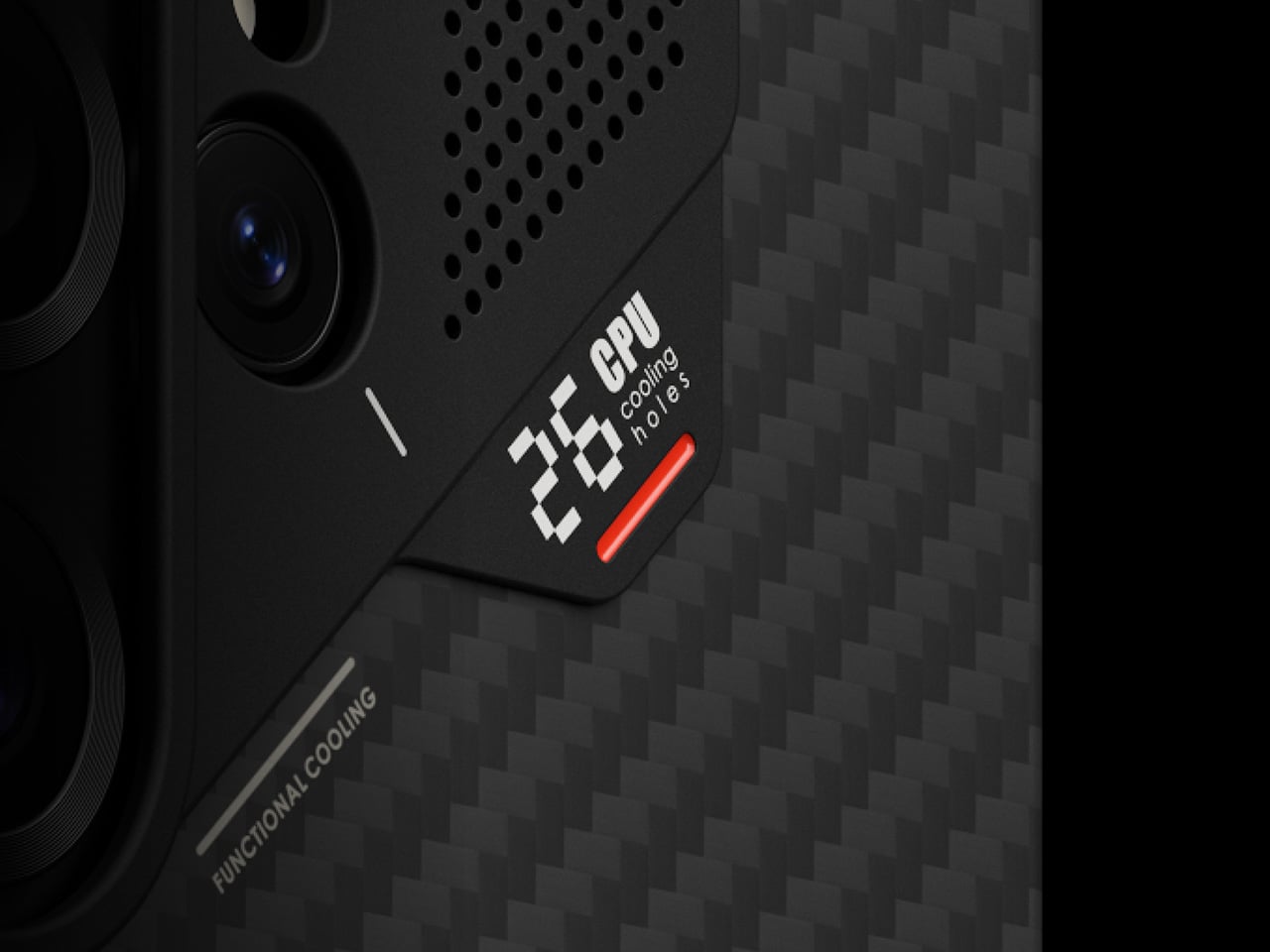
What really separates this case from other aramid fiber options is the little tech-badge built into the back. Aulumu calls it the CoolHyper system, and it’s designed to help manage the S26 Ultra’s thermal output during heavy use. The system uses what the company calls “superconducting cooling” to pull heat away from the phone’s core. More practically, that little badge near the camera has a color-changing indicator that reacts to the phone’s temperature. It gives you a quick, visual cue when the device is heating up, making it a functional dashboard for power users who are gaming, editing video, or pushing the processor hard. It’s a genuinely nerdy feature that serves a real purpose.

Even with its focus on slimness and thermal tech, the case doesn’t neglect basic protection. The camera system is shielded by a raised aluminum alloy frame, providing a rigid barrier against drops and impacts right where the phone is most vulnerable. This metal accent adds to the case’s premium, industrial feel while serving a critical defensive role. The whole package is designed for the person who views their S26 Ultra as a high-performance tool. It offers a sophisticated, understated aesthetic backed by aerospace-grade materials and a clever, functional cooling monitor, delivering on the promise of being slim, strong, and genuinely smart.

Why We Recommend It

The S26 Ultra is a device people buy for peak performance, and most cases punish you for doing exactly that by trapping heat against an already warm chassis. The CoolHyper system changes that equation, with a silicone pad and aluminum alloy plate combination that Aulumu claims keeps temperatures up to 1-2°C cooler during heavy workloads. Add 1500D aramid fiber construction at 0.6mm on the frame and 1.2mm on the back, and you have a case that makes the phone feel barely dressed while actually making it thermally smarter than going naked. The color-changing temperature indicator is the kind of detail a power user appreciates immediately. At $69.98, this is the case for someone who treats their S26 Ultra like a tool and wants every component around it pulling its weight.

Click Here to Buy Now: $62.99 $69.98 (10% off, use coupon code “YANKO10OFF”). Hurry, deal ends in 48-hours!

The post One Galaxy S26 Ultra Case Glows in the Dark. The Other Has a Built-In Thermal Sensor. Pick One. first appeared on Yanko Design.

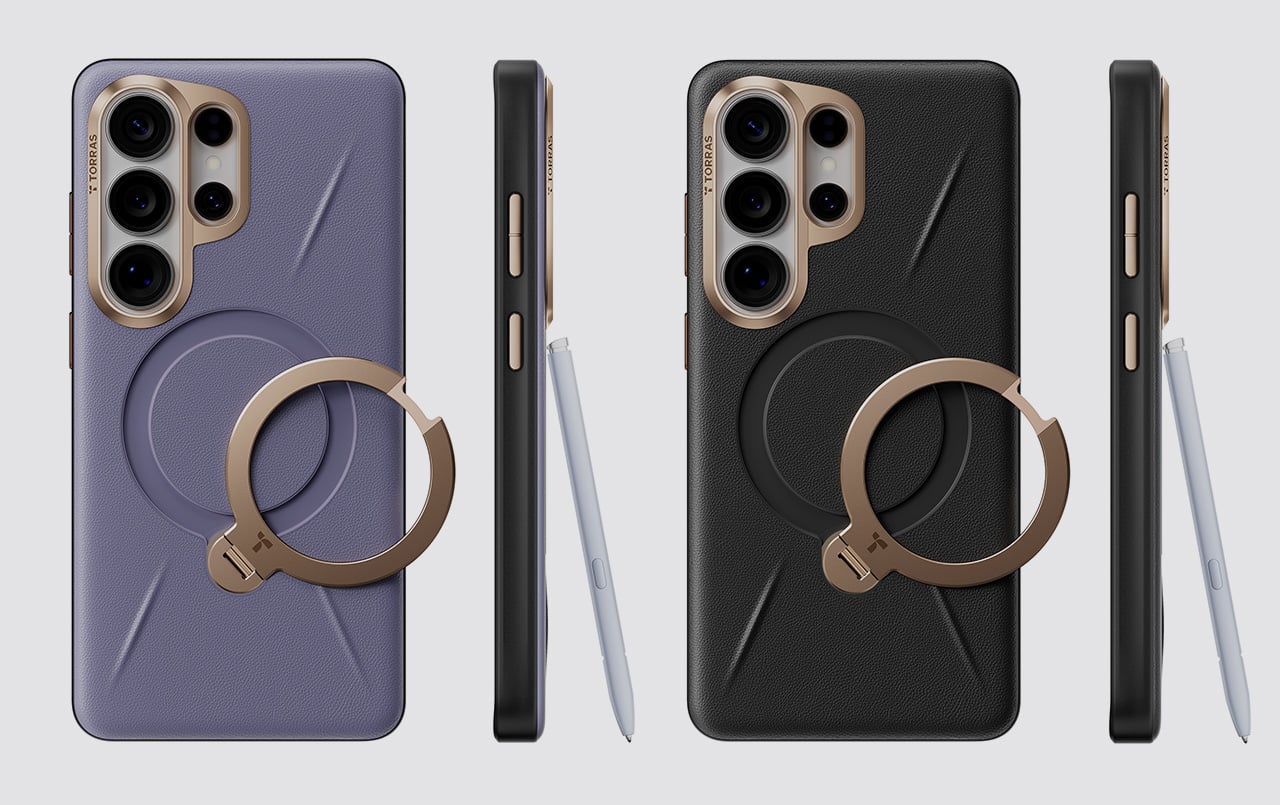
TORRAS’ Galaxy S26 Ultra Case Has a 360° Rotating Magnetic Stand, Leather-Like Skin, and a Design Award

Galaxy S26 Ultra users tend to fall into a specific category. They’re the people who picked the Ultra not because they needed the absolute maximum specs, but because they actually use those specs. The 200MP camera system gets put to work, the S Pen stays in regular rotation, and the phone handles everything from spreadsheet edits to client presentations. Cases for these users need to solve real problems, which makes the TORRAS Ostand Q3 Vegskin feel purpose-built rather than mass-marketed.

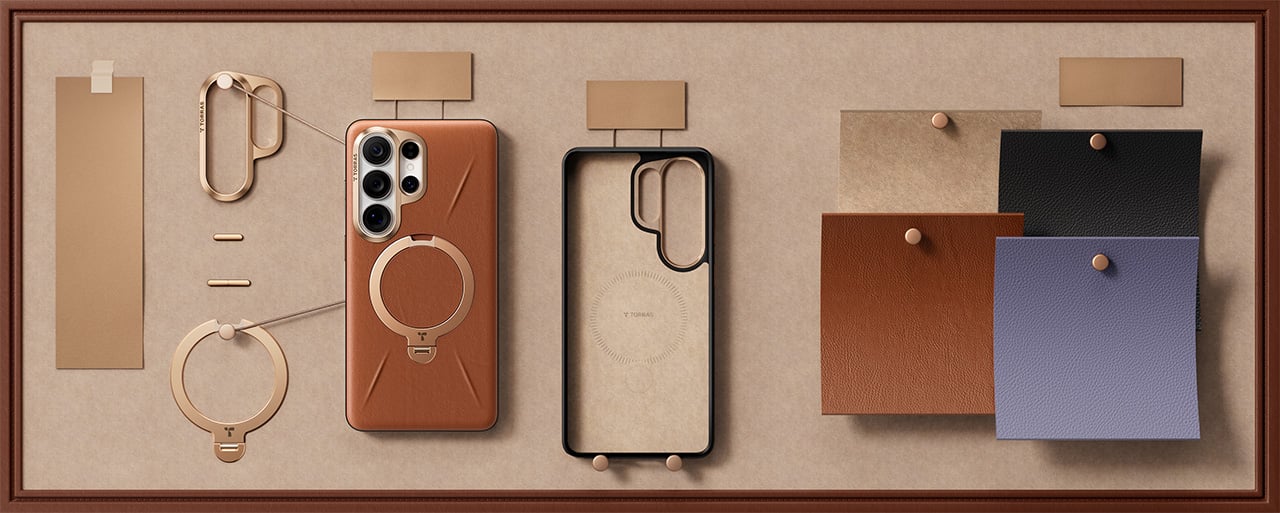
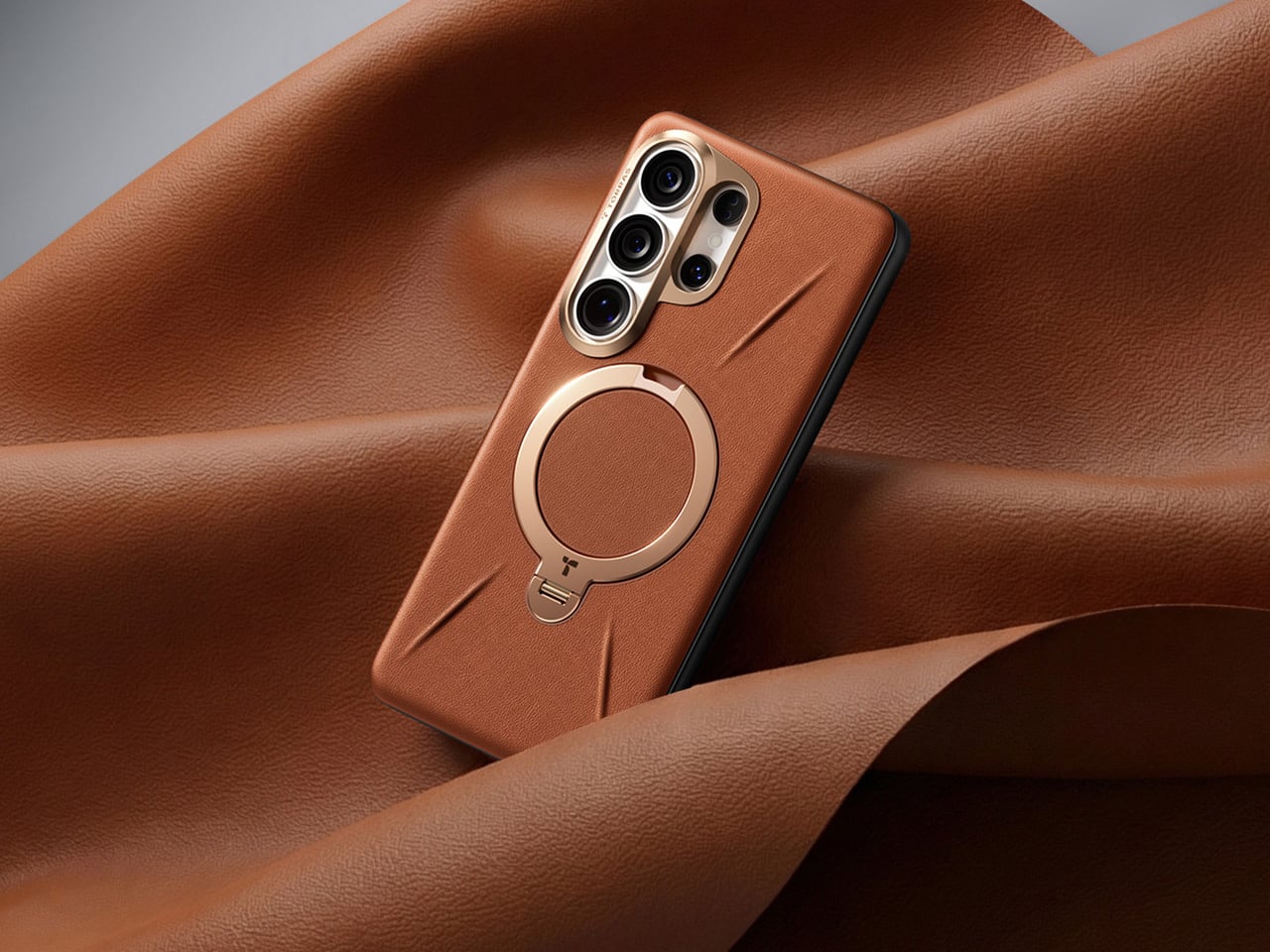
Vegskin covers the back panel with organic silicone fabric that mimics the texture of quality calfskin leather, complete with Italian-inspired embossing that delivers a matte, slightly velvety surface. The material resists oil and water stains while offering antibacterial and anti-mold protection, staying clean through daily handling without constant maintenance. Inside, a beige microfiber lining guards the S26’s glass back from scratches and scuffs. The combination of materials creates a case that works in business settings without looking sterile, pairs well with casual use without feeling too relaxed, and handles outdoor situations without compromise.

Designer: TORRAS

Click Here to Buy Now: $51.30 $56.99 (10% off, use coupon code “YANKO111”). Hurry, deal ends in 48-hours! Amazon Link Here.

The Ostand has been arguably TORRAS’ most clever invention, providing an ultra-slim yet robust O-shaped ring/stand that rotates on a 360° pivot point for flexible gripping as well as docking (while sitting flush against the case when shut). The Tora-Hold™ perfects on that technology by packing components that are slimmer, stronger, and somehow smoother in their motion and use too. Eight layers of intricate components (down to micrometers in thickness) deliver the 360-degree rotation with stable angle-locking at any position you choose. The stand measures 2.7mm thick, integrating seamlessly into the backplate when closed, which matters because most kickstand cases add noticeable bulk that ruins the phone’s profile. Flip it open and the hinge operates silently, tuned for smooth reliable motion through over 30,000 rotations according to durability testing. The aerospace-grade aluminum construction went through more than 400 trials refining texture, tone, and color, which explains why the champagne gold finish feels considered rather than flashy.

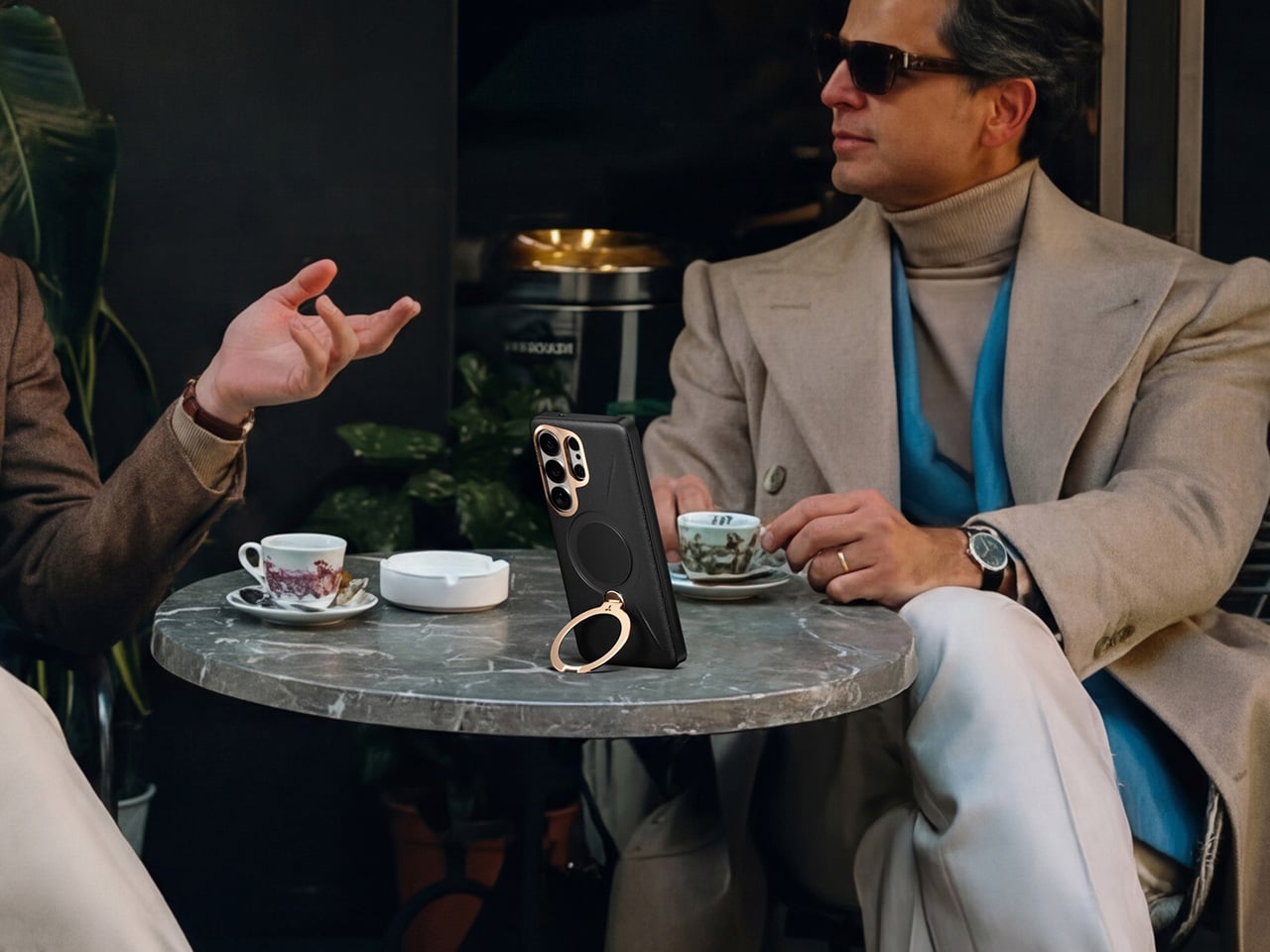
Four quick-stop positions at 90°, 180°, 270°, and 360° let you snap the stand into place for fast setup, but the mechanism also locks smoothly at any angle between those points – a feature I’ve come to absolutely fall in love with on TORRAS’ Ostand cases. The magnetic ring doubles as a stand and a mounting solution, delivering 15N of magnetic force that holds firmly to car mounts, refrigerators, whiteboards, or any magnetic surface you encounter. That force rating means the phone stays put during workouts or bumpy commutes, which makes the stand viable for actual use rather than occasional convenience. The one-click locking and hidden hinge design keeps the mechanism from feeling like an afterthought bolted onto the case. And, your S26 Ultra will be wireless charging capable with this case on.

The lens guard deserves its own mention because TORRAS designed it specifically for the S26’s camera layout. A precision raised frame wraps around the camera module, following Samsung’s left-high, right-low runway-and-pillar design that keeps the lenses elevated above flat surfaces. The protection works without blocking the flash, the 10MP telephoto cameras, or the radar sensors Samsung packed into that corner, so every shooting function stays fully operational. Camera bump designs change with every phone generation, and cases that ignore those specifics end up causing problems with focus or flash washout. TORRAS clearly mapped the S26’s exact sensor placement, which matters when you’re spending flagship money on computational photography.

The sides use concave TPU that curves to fit your hand naturally, creating a secure hold without adding aggressive texture or rubber grips that collect lint. Soft-touch TPU increases friction just enough to prevent slips while keeping the case comfortable during extended handling, which matters when you’re scrolling through long documents or editing photos. The metal buttons deliver precise tactile feedback with every press, maintaining the satisfying click of the S26’s physical controls instead of mushing them into spongy approximations. Samsung brought back the S Pen slot for the Ultra, and TORRAS built an ergonomic cutout that makes removal effortless with one press for smooth extraction. Little details like that separate cases designed around a specific phone from universal designs adapted to fit whatever Samsung releases.

TORRAS prices the Ostand Q3 Vegskin at $54.99, positioning it in premium territory alongside first-party Samsung cases and established accessory brands. Three colors cover different aesthetic preferences: Amber Brown for warmth and character, Obsidian Black for understated professionalism, and Amethyst Purple for users who want their tech to show some personality. The case works exclusively with the S26 Ultra, designed around that specific body and camera configuration. If you’re investing in the Vegskin, might as well grab one of TORRAS’s 9H hardness screen protectors too, since a premium phone with a scratched display isn’t particularly pleasing to the eye or the pocket.

Click Here to Buy Now: $51.30 $56.99 (10% off, use coupon code “YANKO111”). Hurry, deal ends in 48-hours! Amazon Link Here.

The post TORRAS’ Galaxy S26 Ultra Case Has a 360° Rotating Magnetic Stand, Leather-Like Skin, and a Design Award first appeared on Yanko Design.

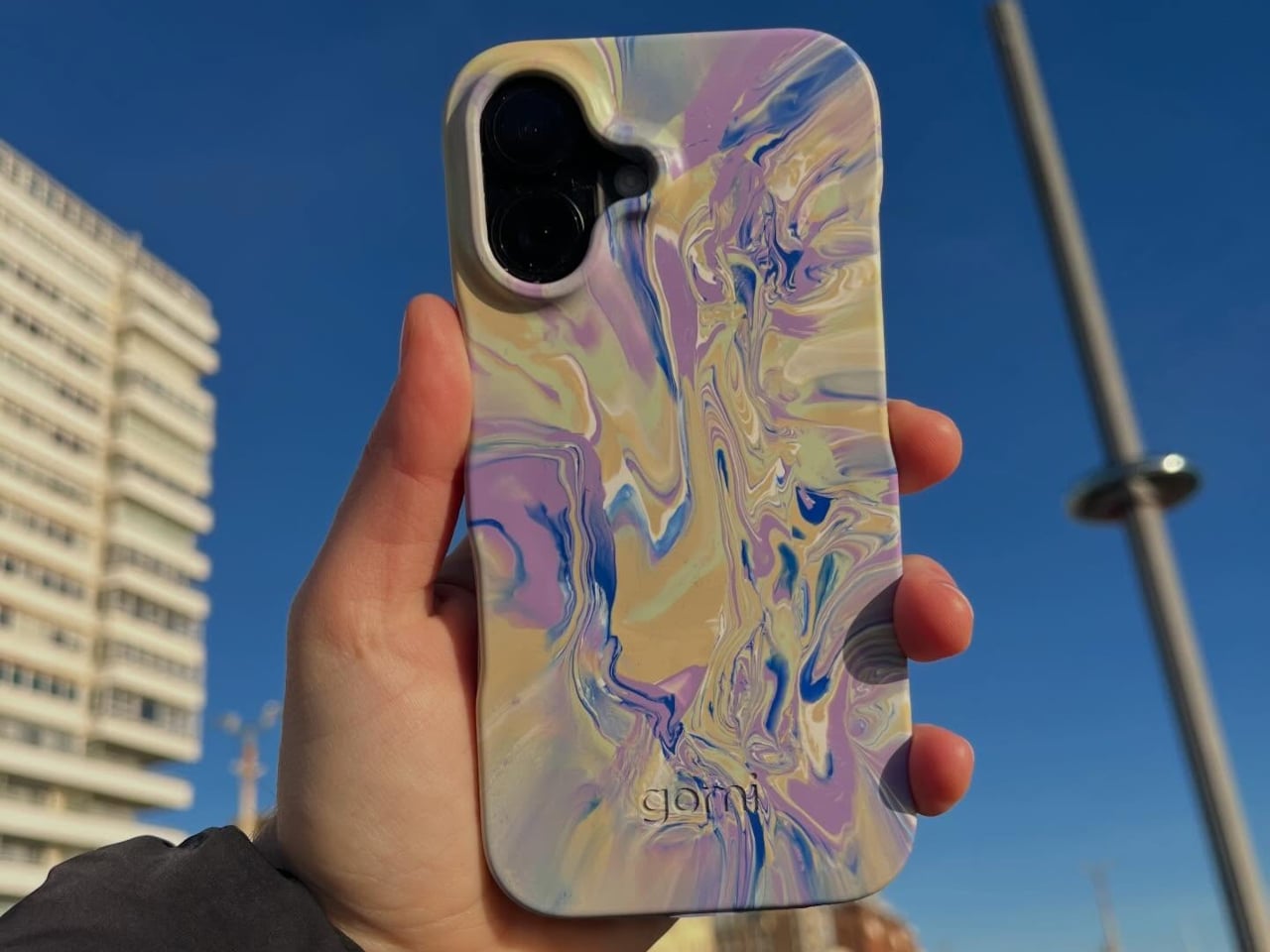
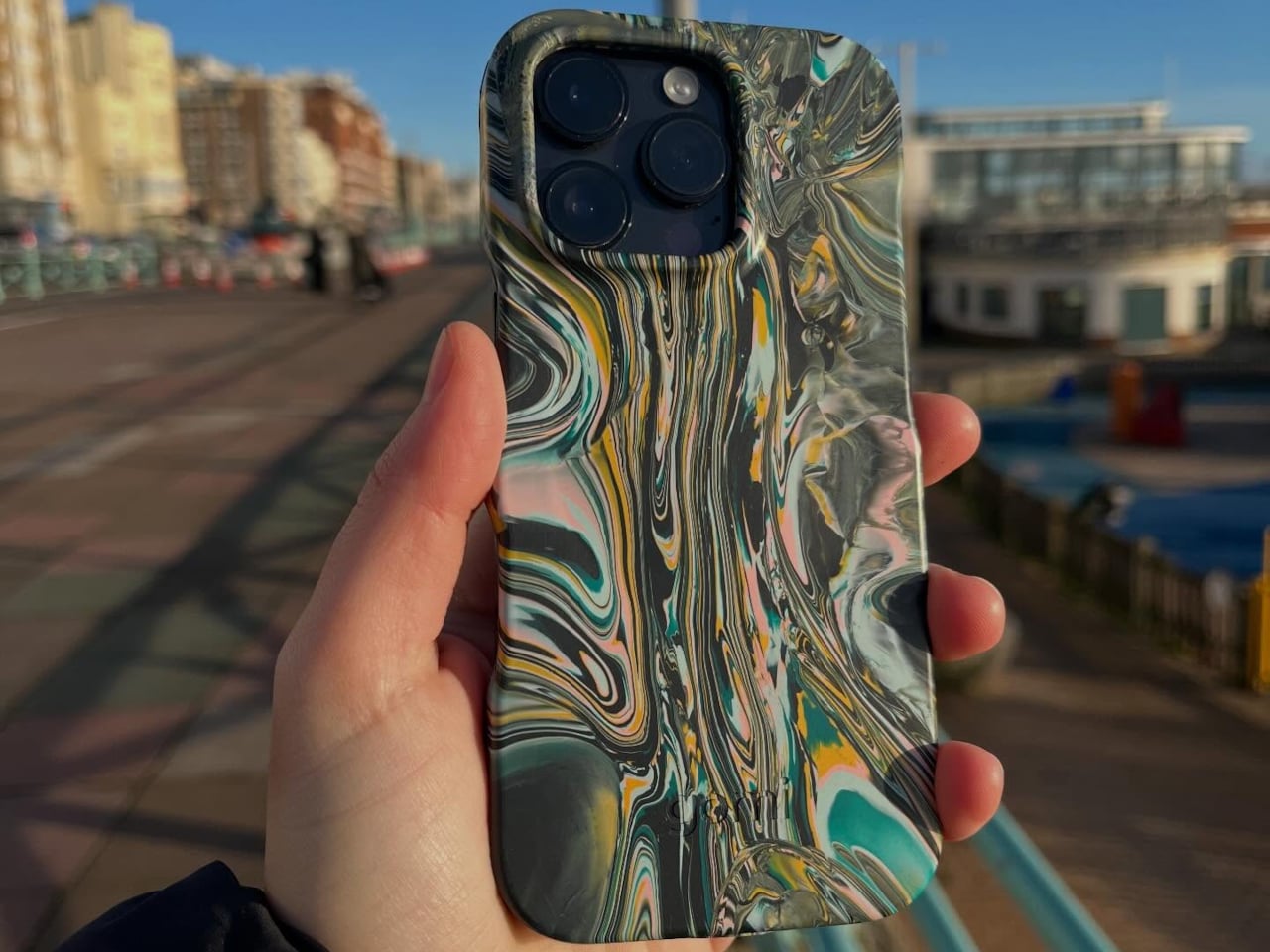
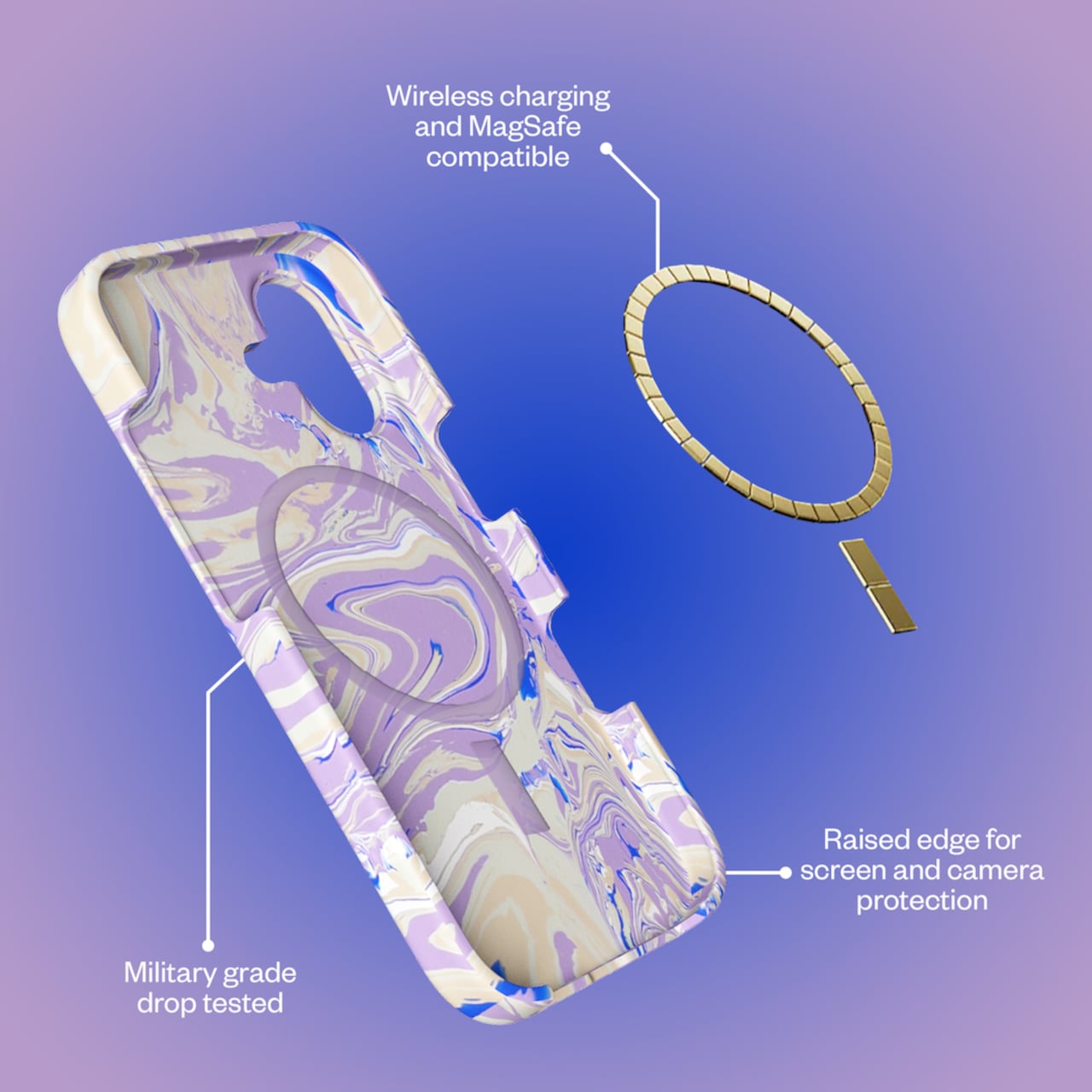
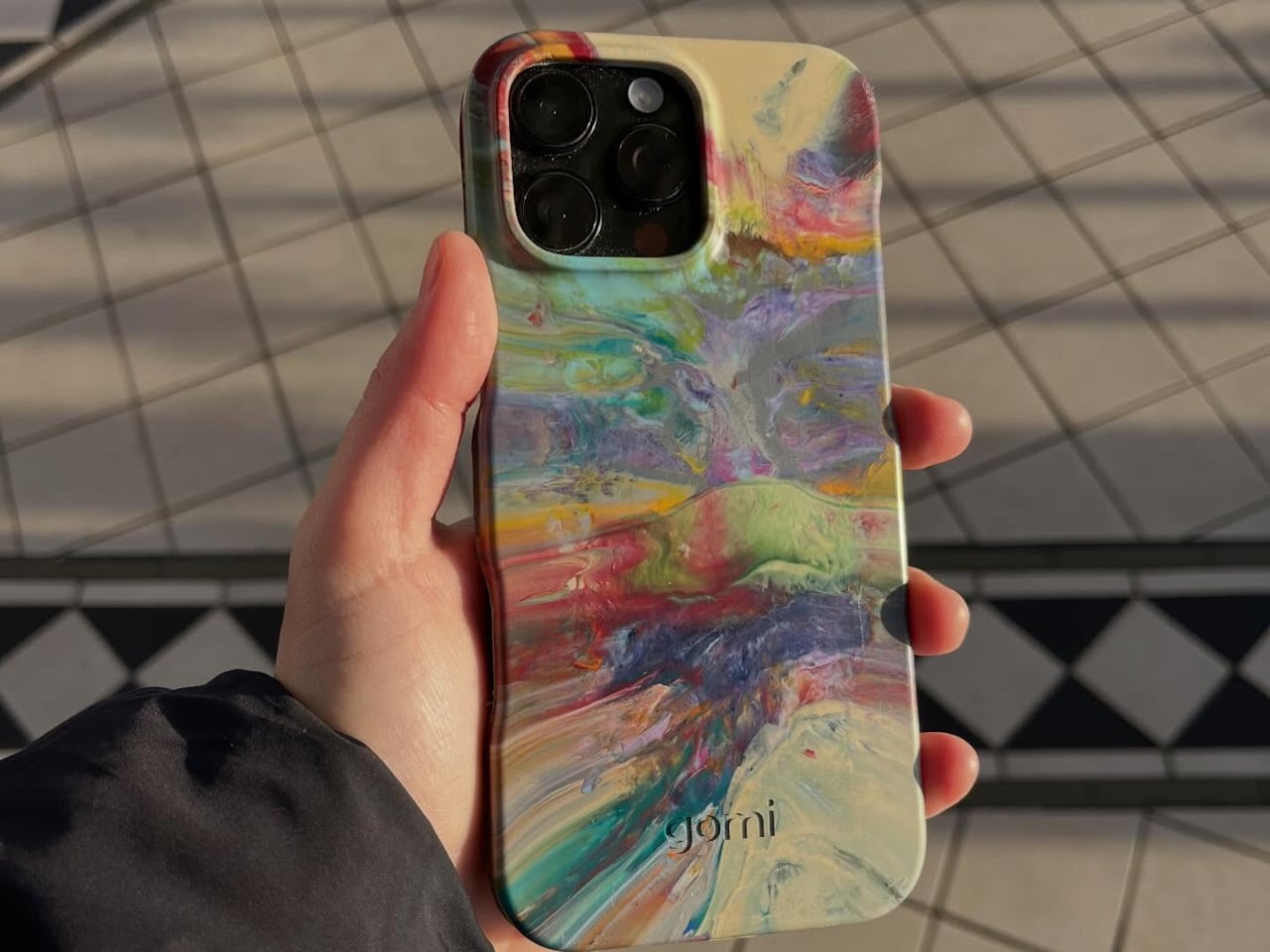
Gomi Phone Case Is 100% Recycled, and No Two Look Exactly the Same

Phone cases change often. New phone, new case, new colour, and those old cases quietly pile up in drawers or end up in landfill. The accessory industry treats cases as fast fashion, even though the phone inside is already a major environmental hit. Gomi is a small Brighton studio trying to slow that churn down with a different promise, a case that can be repaired forever and remoulded when you upgrade.

The forever phone case is handmade from 100% recycled plastic, backed by a simple guarantee, free repairs for life, and a £20 (around $28) upgrade when you get a new phone. Instead of buying a new case every upgrade cycle, you send the old one back, and they remold the same material into a new form factor, turning the case into something closer to a subscription on the material itself rather than another piece of disposable gear.

Designer:
Gomi

The case is made from recycled plastic that can be reheated and reshaped, so chips and cracks can be repaired, and whole cases can be melted down into new ones. There is no such thing as an end of life in their model; the material either becomes another case or another Gomi product. That circular loop is the core idea, not just the fact that the plastic came from waste in the first place.

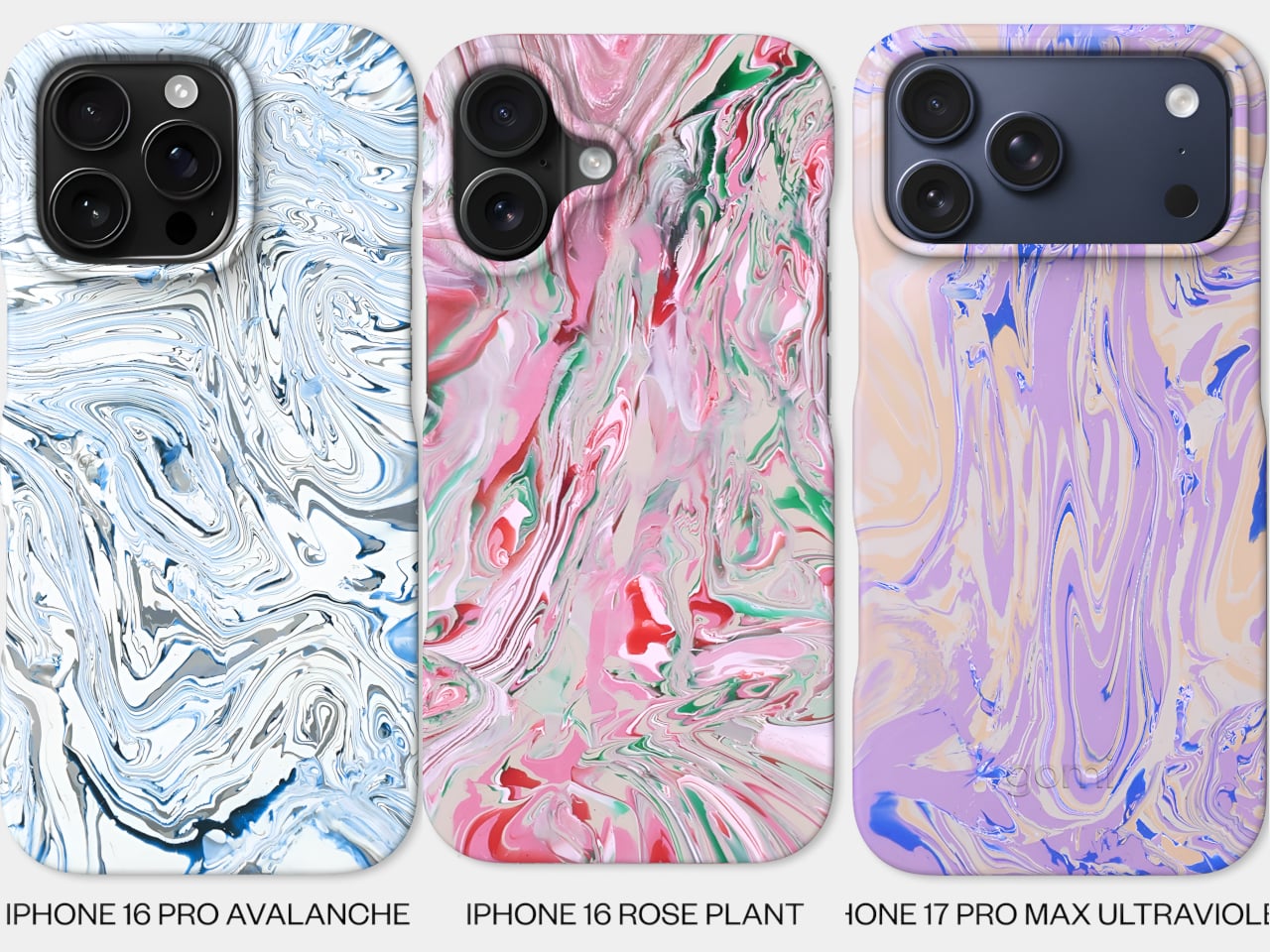
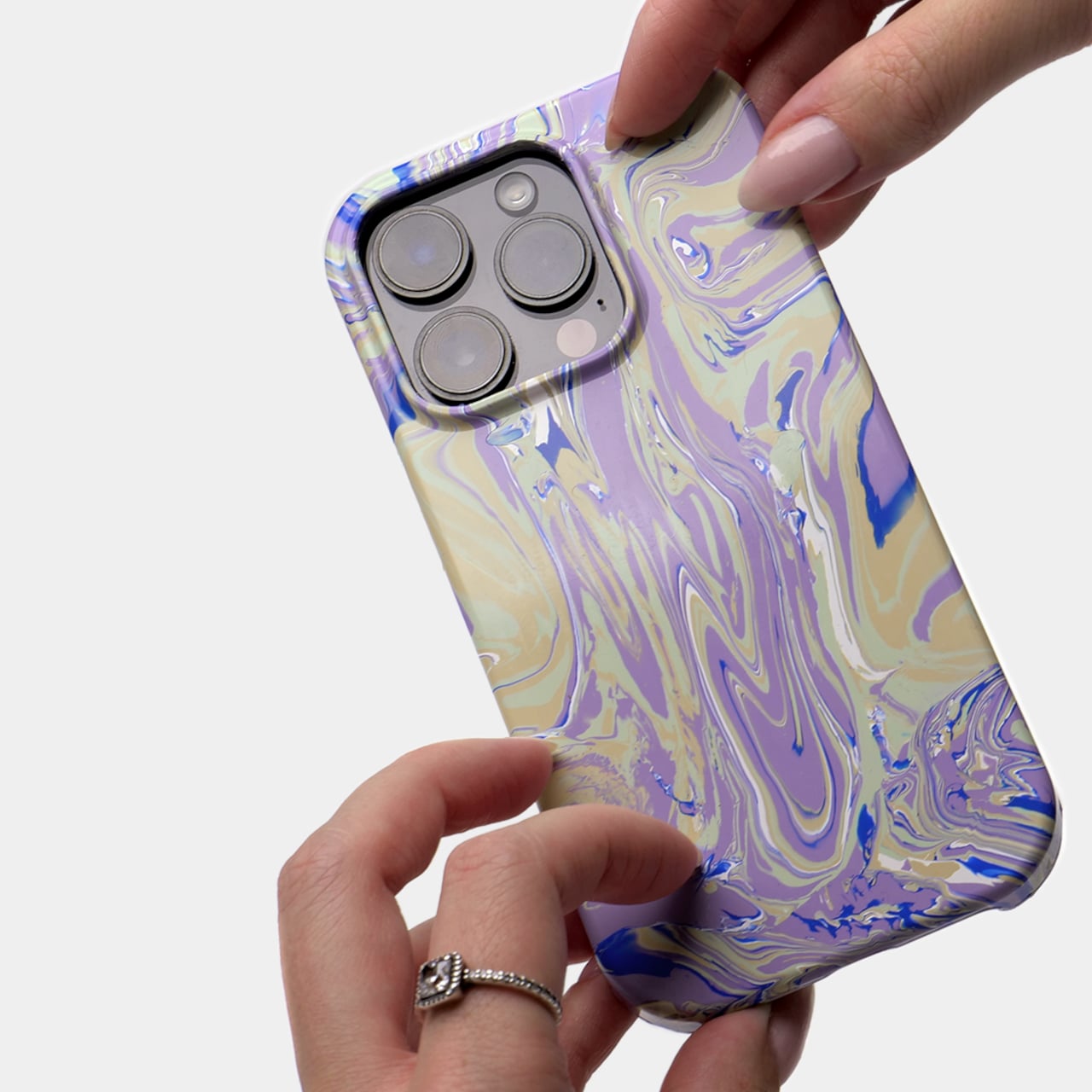
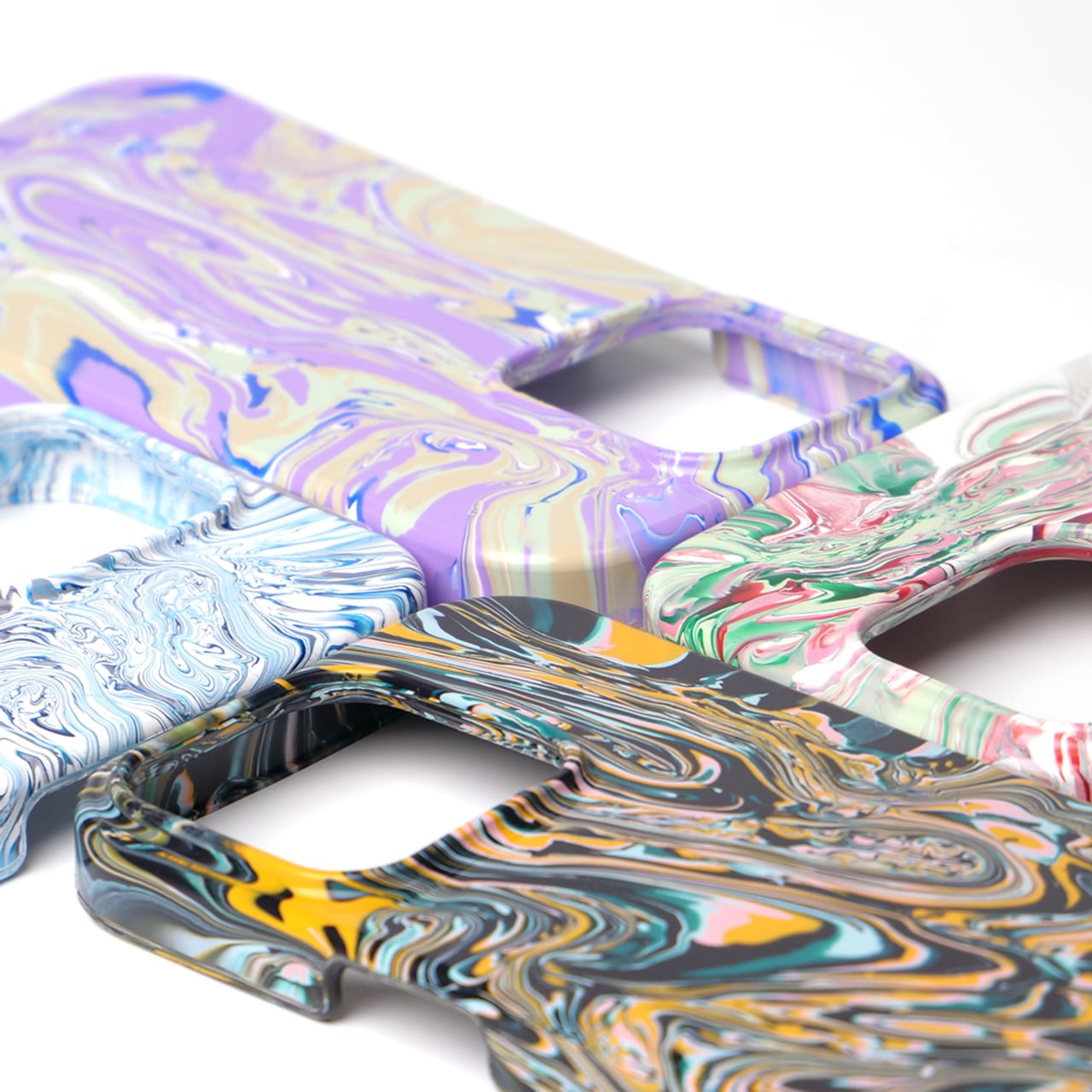
Each case is pressed from mixed plastic, creating a marbled pattern that cannot be repeated. No two cases are the same, which makes the randomness part of the appeal rather than a defect. Colourways like Panther or pastel mixes become loose guidelines rather than exact prints, and the result is a one-of-one object that looks like a tiny slab of recycled terrazzo wrapped around your phone, and no one else has the exact pattern.

The practical side covers raised edges for screen and camera protection, a snug fit, and drop testing to what Gomi calls military grade. You can add MagSafe compatibility as an option, which means a ring of magnets inside the case to keep chargers, wallets, and docks aligned. If you do not use MagSafe accessories, you can skip it, but the option keeps the case compatible with modern iPhone habits and workflows.

Every case is handmade in Brighton, UK, by a small independent team, and buying one supports that workshop rather than a faceless factory. The brand leans into that, promising free delivery across the UK, EU, and USA, and a 30-day money-back guarantee. It is a small detail, but it reinforces the idea that this is a long-term relationship, not a one-off impulse buy you forget about when the next design trend arrives.

The forever case quietly asks you to think about your phone differently. The device may still change every few years, but the material wrapped around it does not have to. A case that can be repaired, remoulded, and upgraded for a small fee instead of being replaced entirely is a modest shift, yet in a category built on disposability and seasonal colour drops, it starts to feel like a surprisingly radical one.

The post Gomi Phone Case Is 100% Recycled, and No Two Look Exactly the Same first appeared on Yanko Design.

In an Era of Touchscreens, Why Clicks’ iPhone Keyboard Case is a Touch of Genius

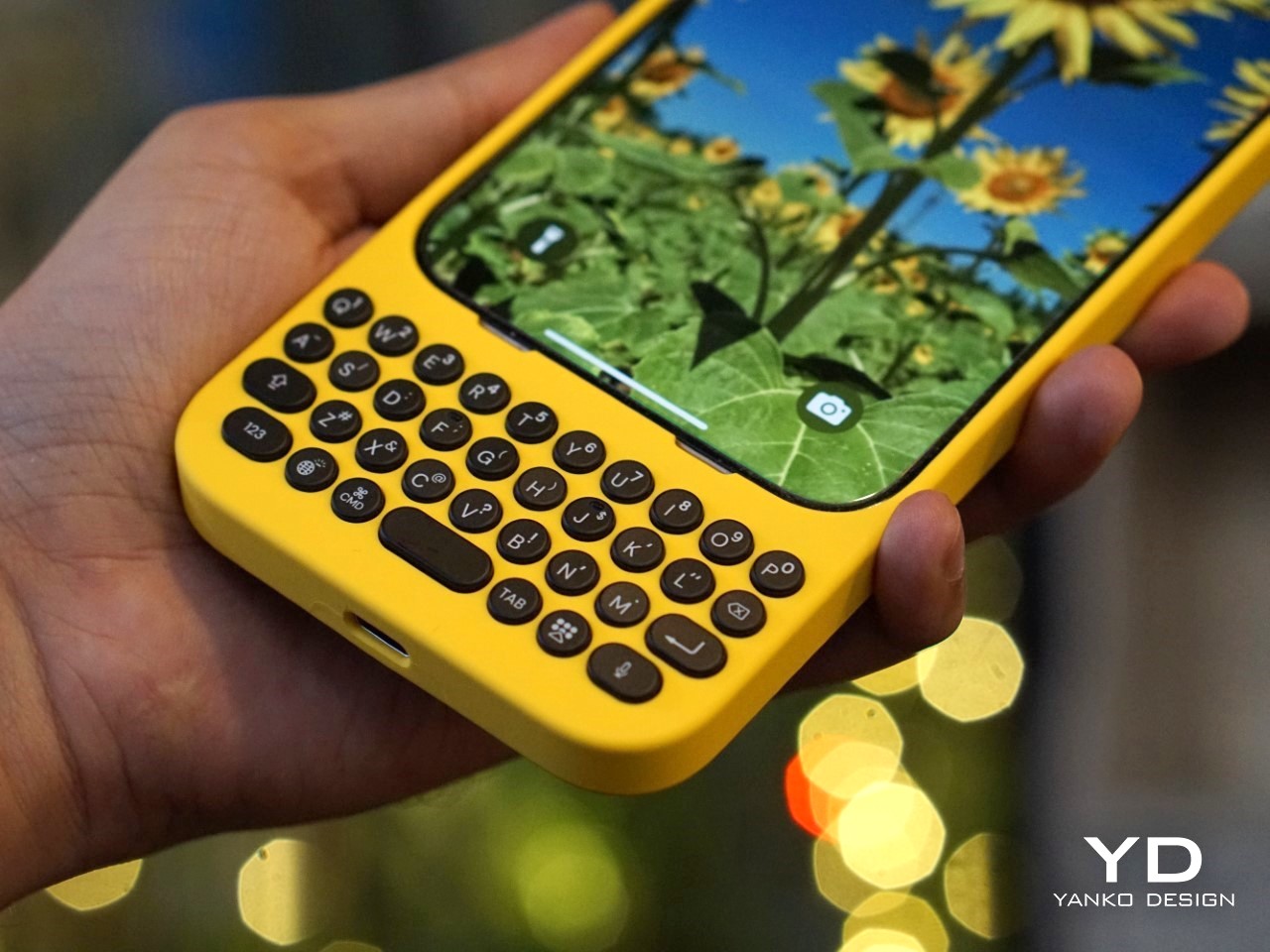
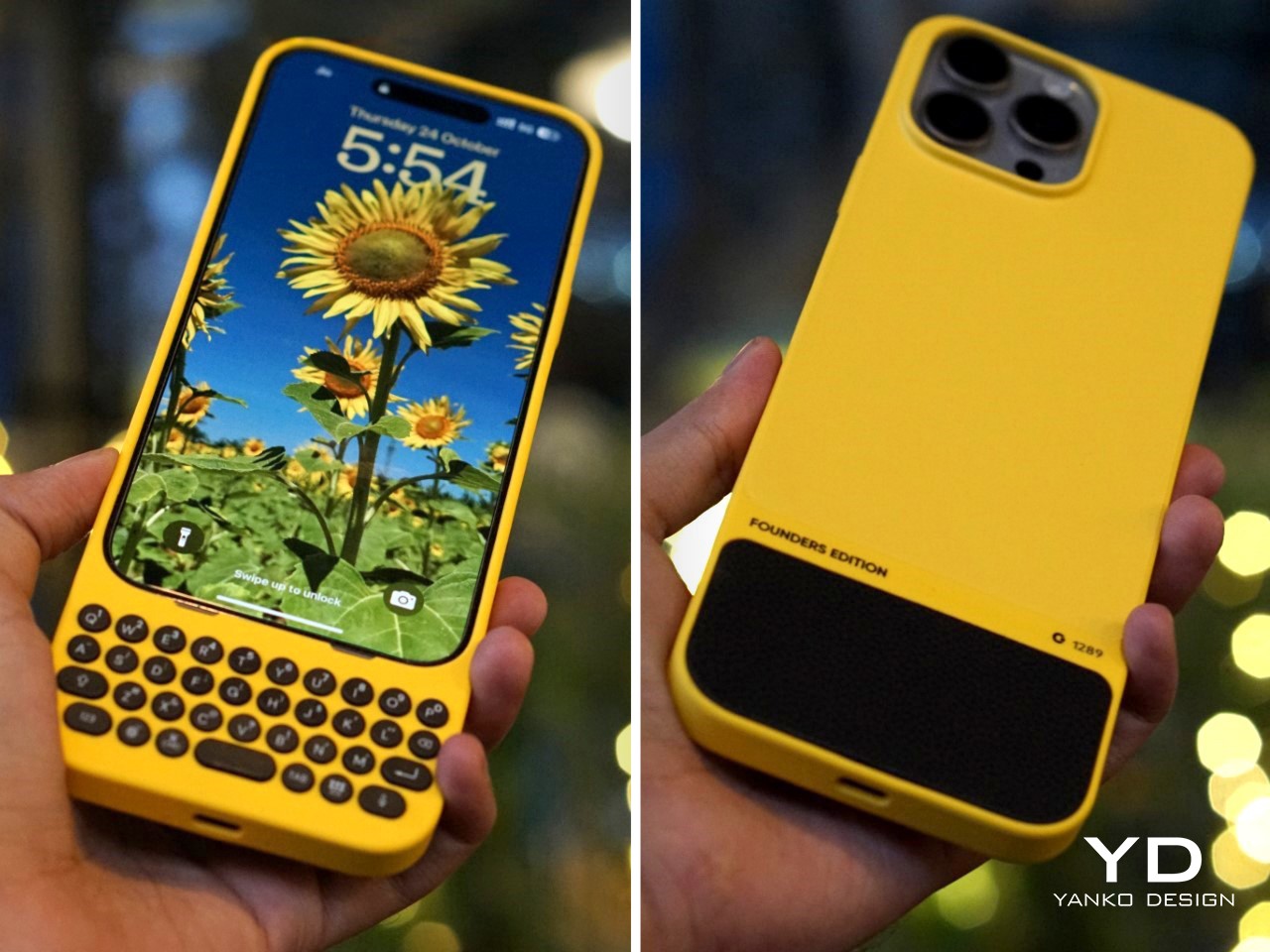
I’m going to say what we’ve all thought at some point: typing on touchscreen keyboards is a pain. Sure, it’s the norm now, but after years of mashing glass, I still long for the satisfying click of real buttons. The typos, the autocorrect mishaps, the constant toggling between letters, numbers, and emojis—it’s enough to make even the most seasoned smartphone user want to throw their phone across the room. And I’m not alone. Despite the dominance of touchscreens, there’s a growing group of people who just miss the feel of tactile keys beneath their thumbs. Enter Clicks, a physical keyboard for iPhones, and perhaps the best attempt yet at bringing back the tactile typing experience many of us crave.

But make no mistake, Clicks isn’t some relic from the past—it’s a modern accessory that embraces the best of what physical keyboards have to offer while blending seamlessly with today’s tech. And that makes it a fascinating piece of tech in a world that’s overwhelmingly gone touch-only.
The Market Demand for Tactile Keyboards

If you’ve ever lamented the loss of physical keys on phones, you’re far from alone. Many users, from former BlackBerry enthusiasts to those who simply struggle with touchscreens, have voiced their frustrations for years. Kevin Michaluk, affectionately known as CrackBerry Kevin from his early days as a BlackBerry champion, shared how he frequently heard from people who missed the days when they could type without staring at their screens. “I knew the demand was there because I’m the guy who gets emailed and tweeted constantly about, ‘Kevin, when is there going to be a new phone with buttons?’” he said. It’s a request that never stopped, even as BlackBerry transitioned to focusing on software.
What’s surprising, though, is that Clicks’ appeal isn’t just about nostalgia. Sure, former BlackBerry fans are part of the mix, but there’s also a new audience—those who never experienced physical keyboards on phones before. For many, Clicks offers a different kind of productivity. “It’s not about trying to bring back the past, but rather finding a balance between modern tech and tactility,” Kevin noted. In other words, it’s not just about what we lost with the shift to touchscreens, but what we could gain by bringing physical keys back.
Designing for the Modern Smartphone User

The team behind Clicks understood that making a physical keyboard for the iPhone had to be about more than just hitting the nostalgia button. They needed to design a product that felt like a natural extension of today’s smartphones. That meant looking beyond just adding keys and instead focusing on how users actually interact with their devices.
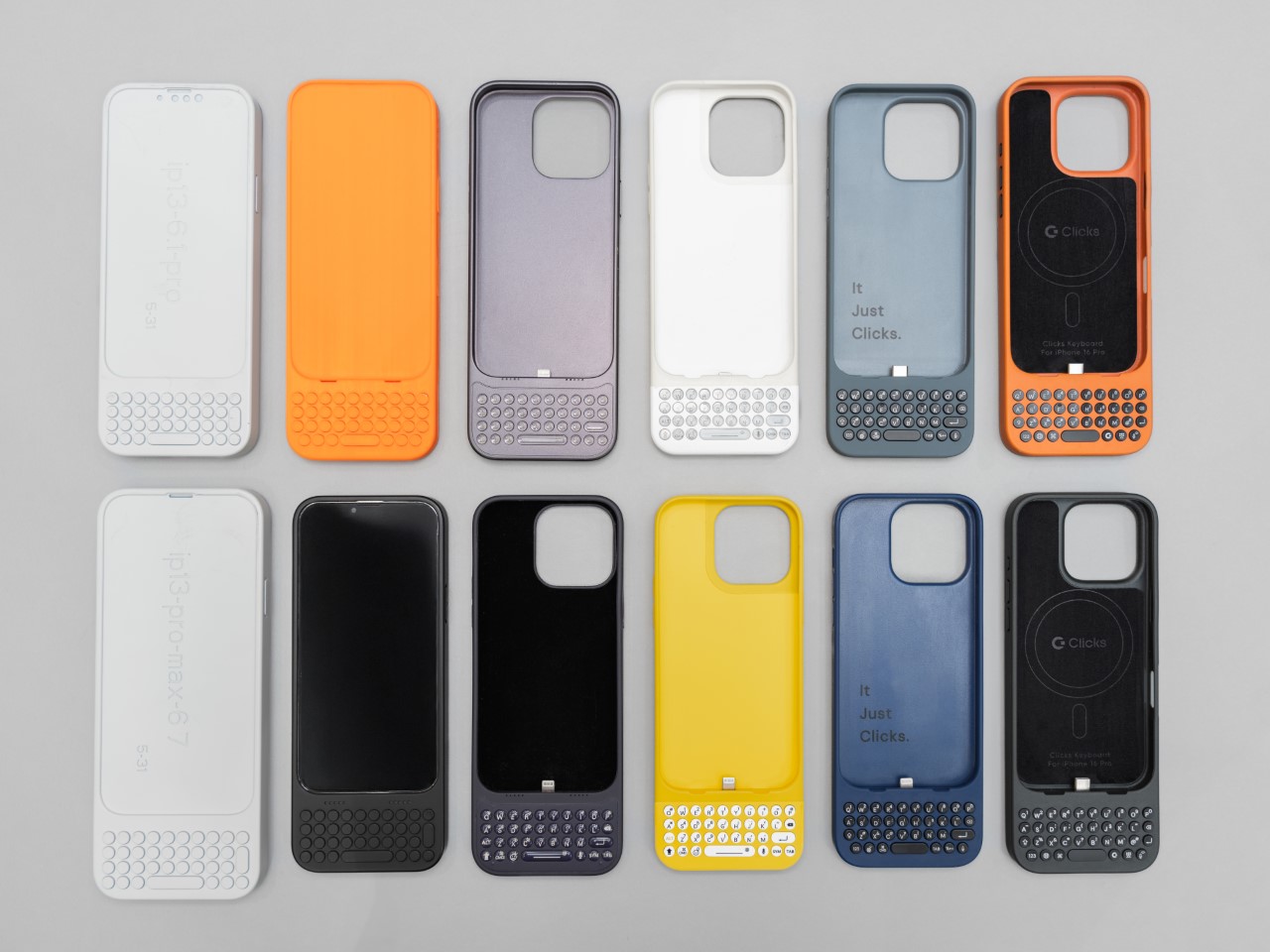
 

Image Credits: Clicks
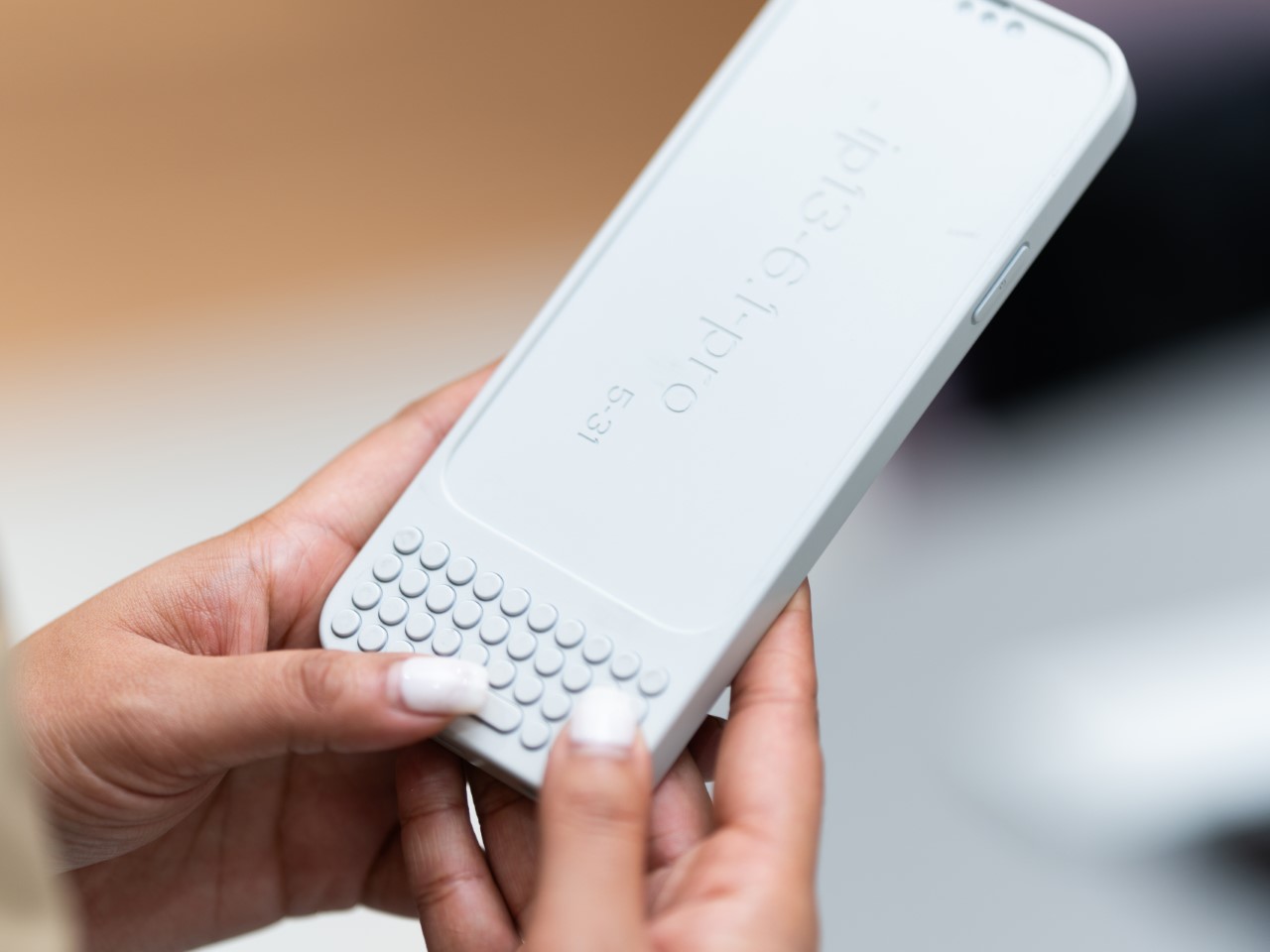
Image Credits: Clicks

For Clicks, this meant a painstaking design process that involved multiple iterations and constant refinements. From the start, the team knew they wanted to build something that was as much about form as it was about function. “We thought, what would Apple do if they built a keyboard for the iPhone?” Kevin recalled. That meant focusing on clean lines, premium materials, and a seamless integration with the iPhone’s software.
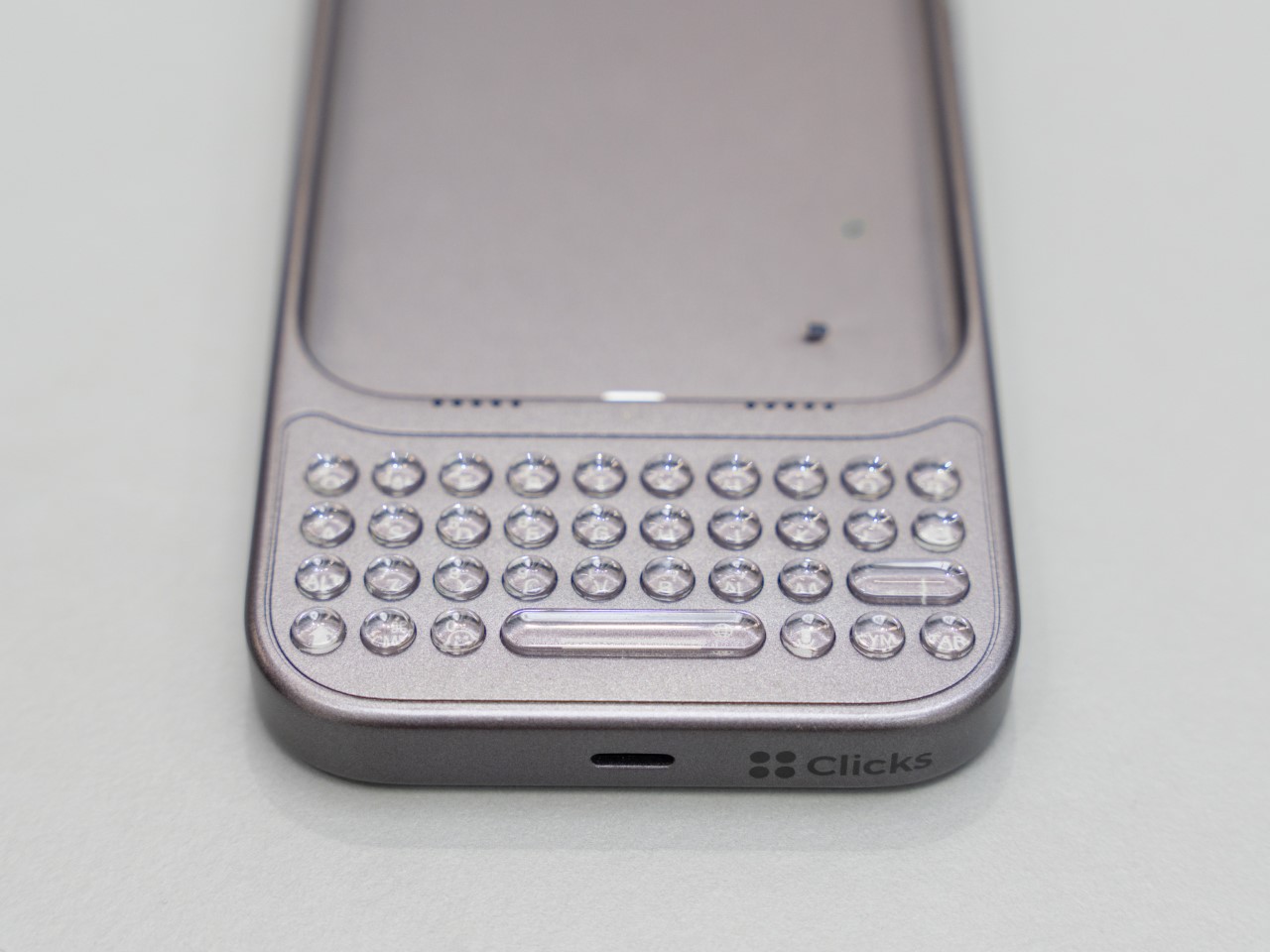
Image Credits: Clicks

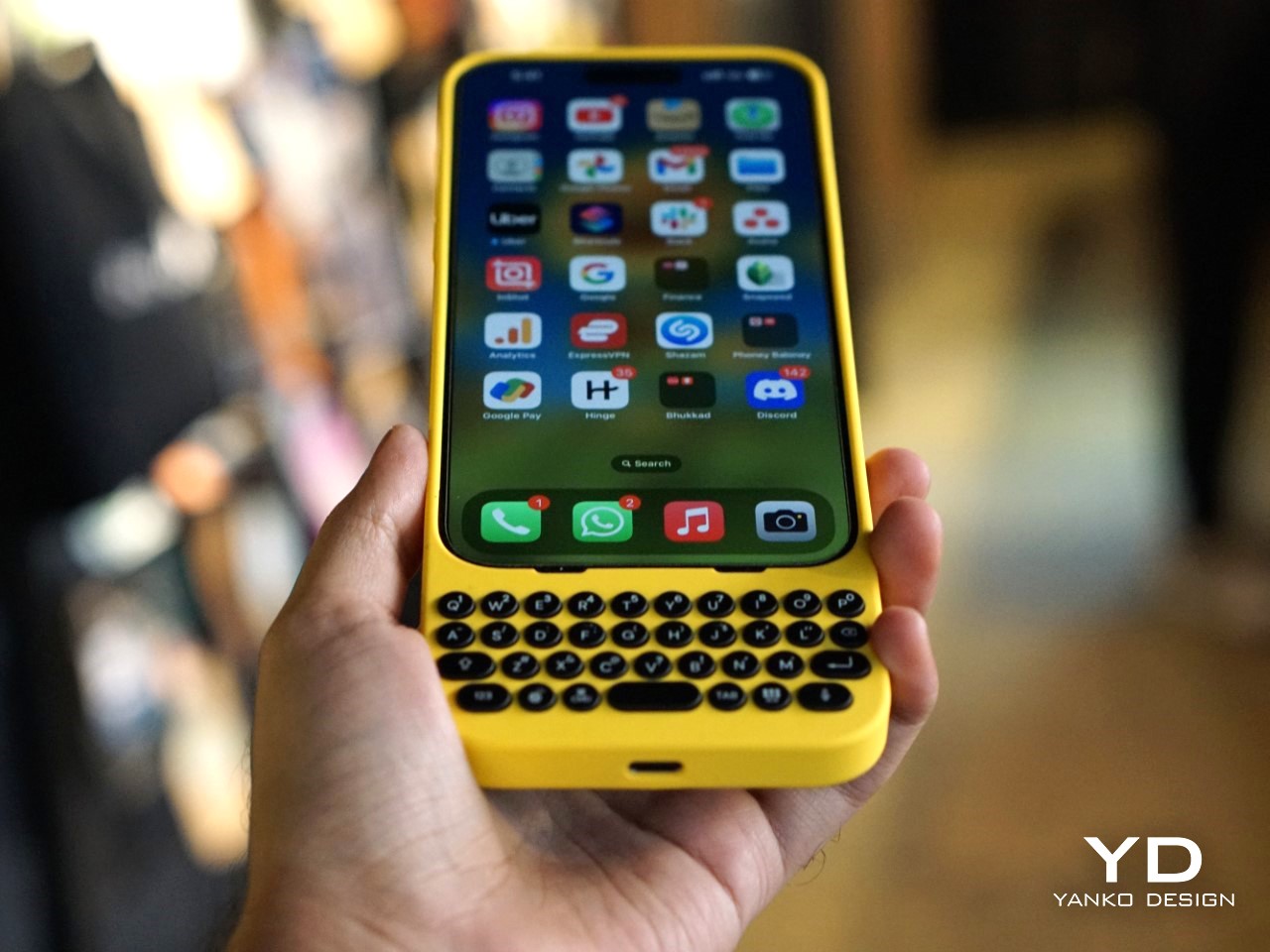
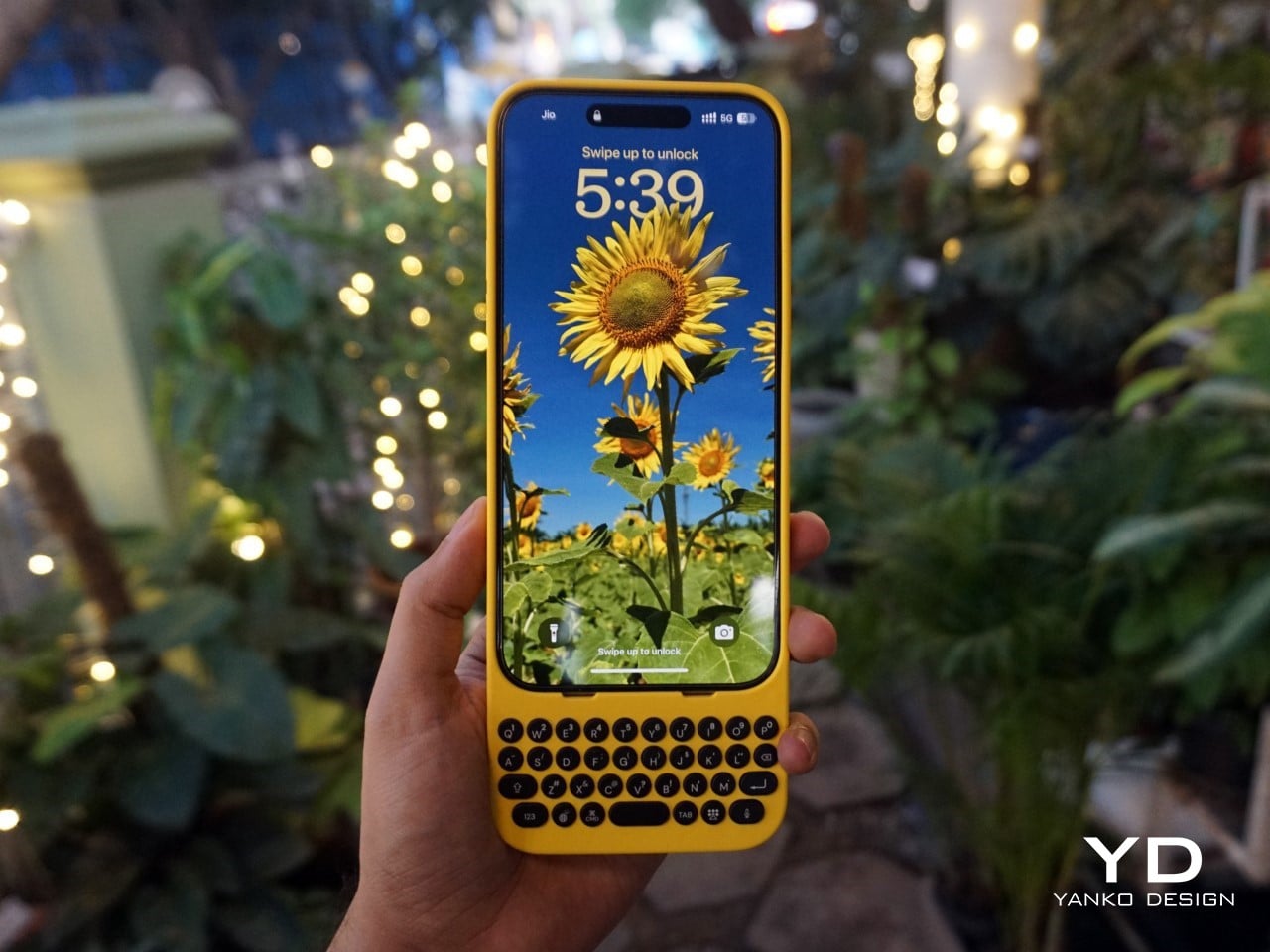
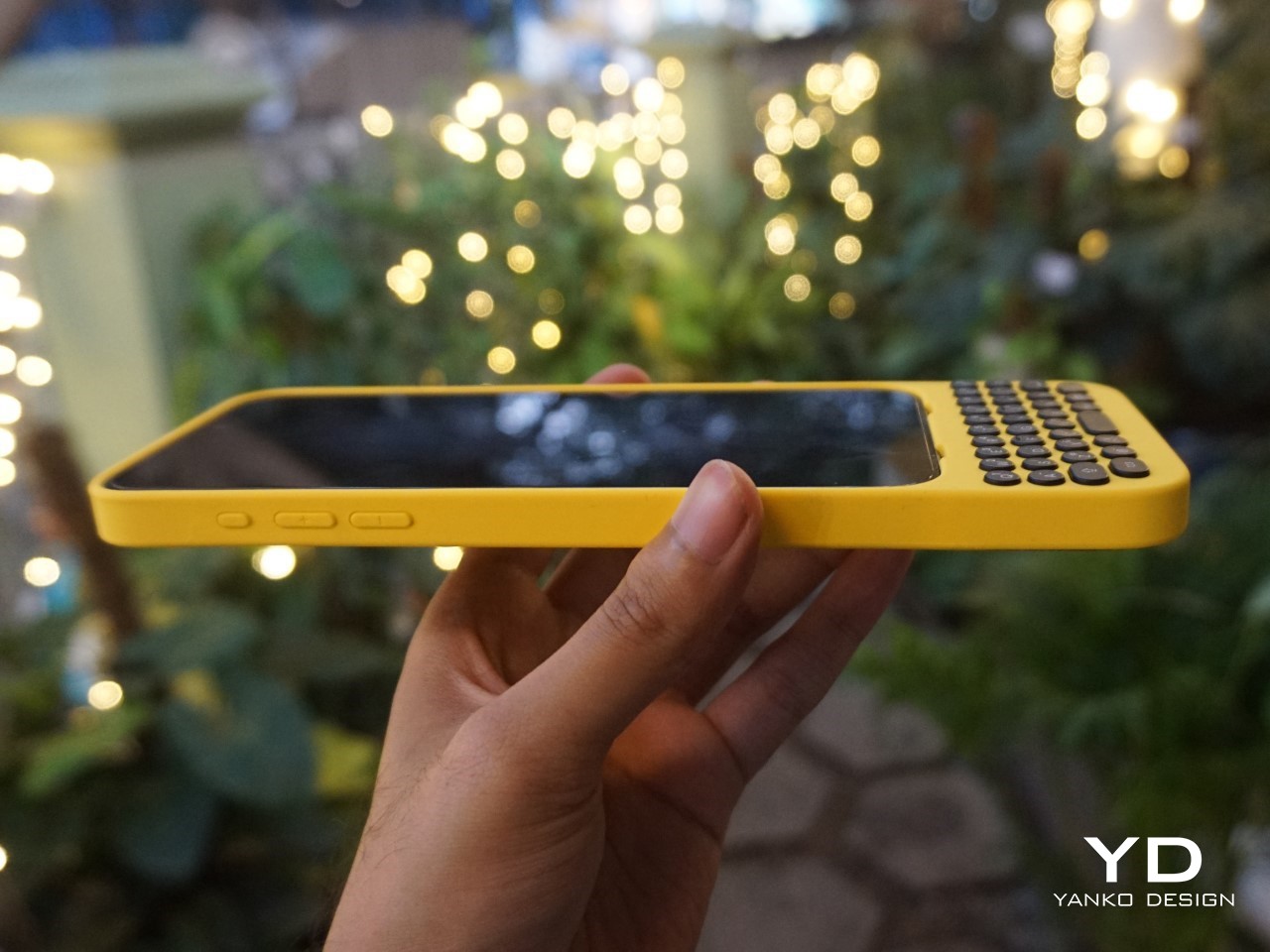
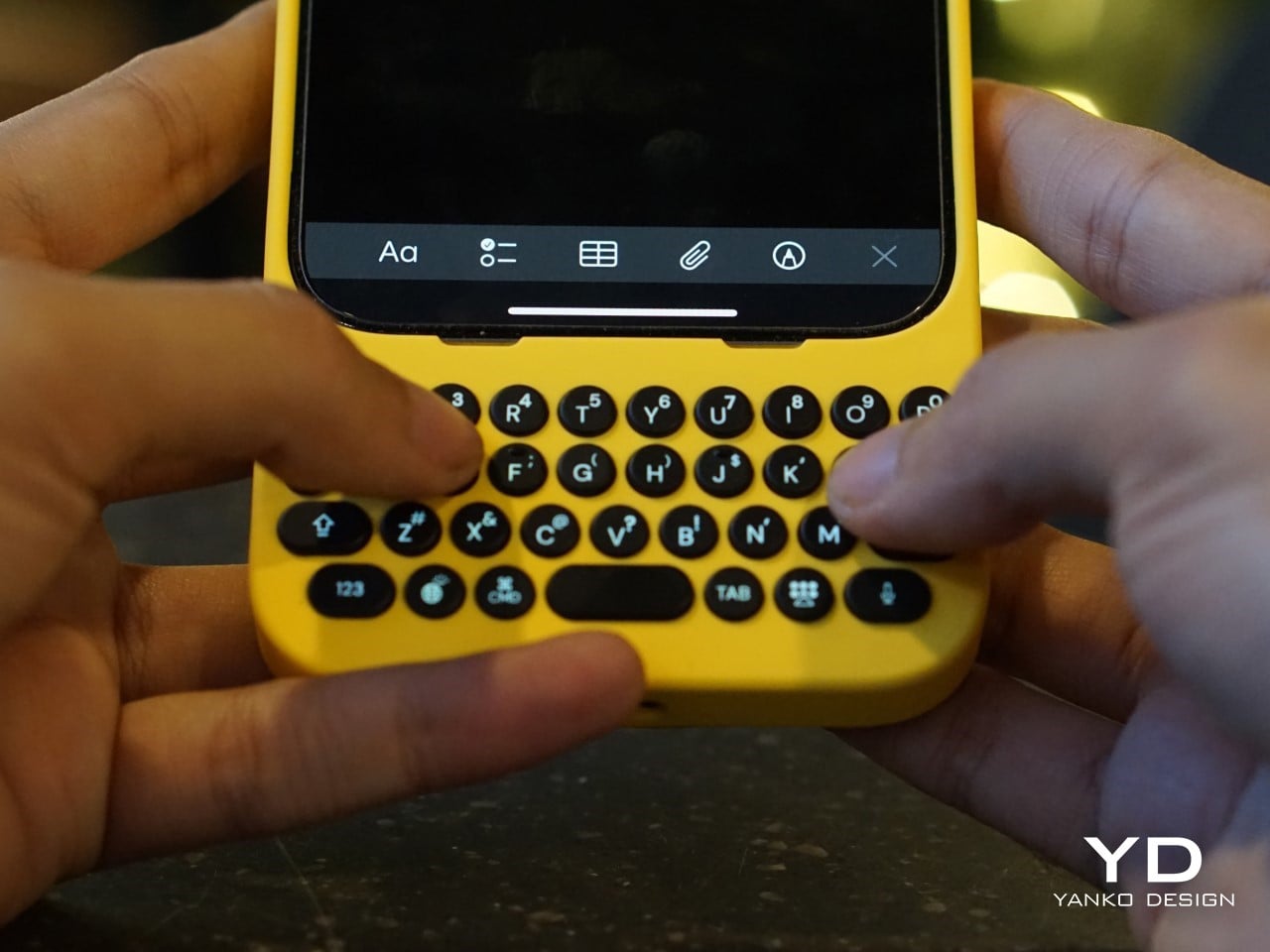
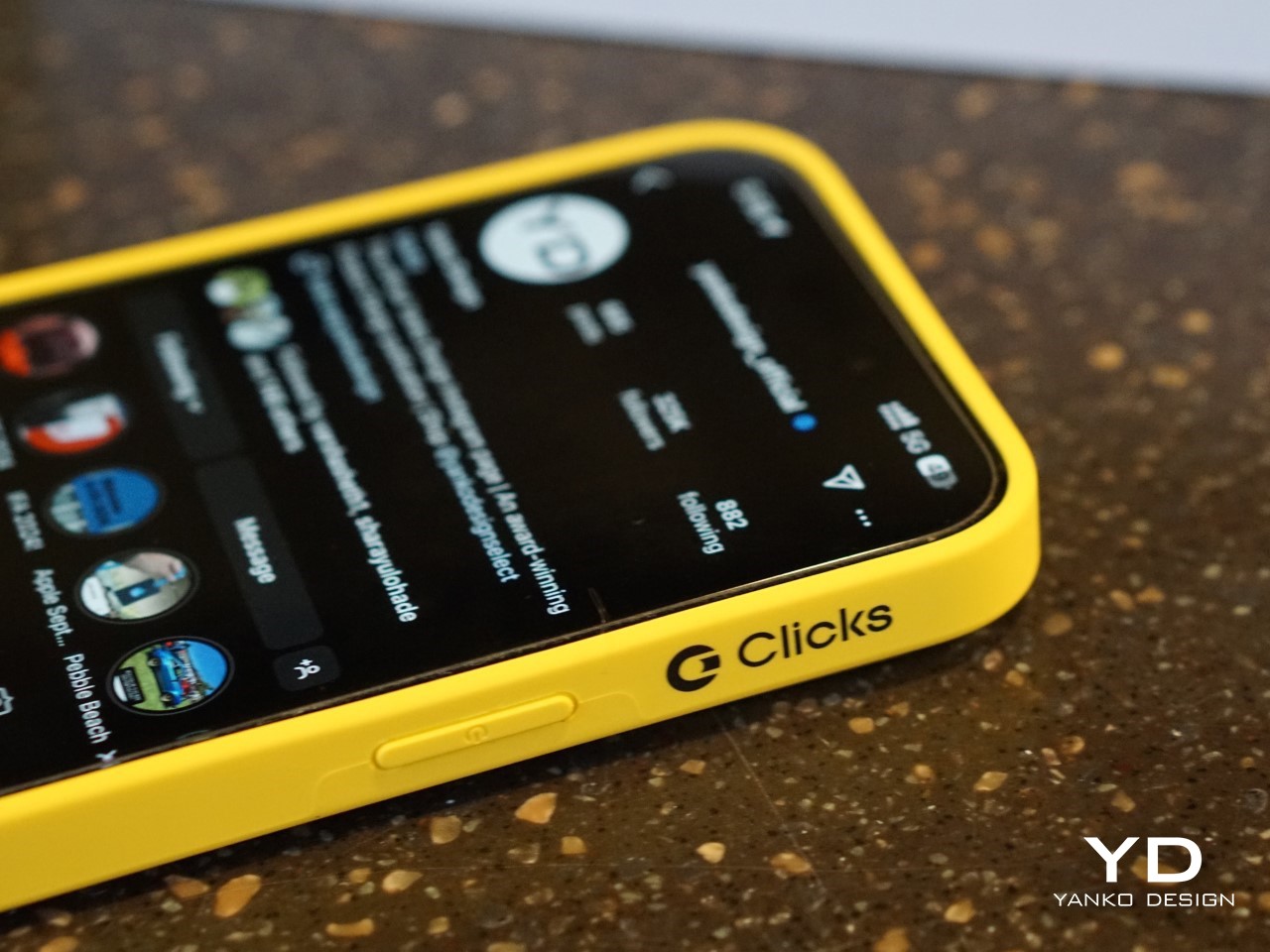
The result is a device that attaches to the bottom of an iPhone, offering a full QWERTY layout while leaving most of the screen visible—a big plus for those of us tired of losing half the display to a virtual keyboard. But achieving this wasn’t easy. One of the biggest challenges, according to Jeff, was balancing the tactile feel of the buttons with the need for backlighting. “Backlighting makes a product like this much more complicated than if you didn’t have it. We had to redesign the pushers and domes several times to get the perfect click while also avoiding light bleed,” he explained. It’s the kind of obsessive attention to detail that sets Clicks apart from gimmicky keyboard cases.
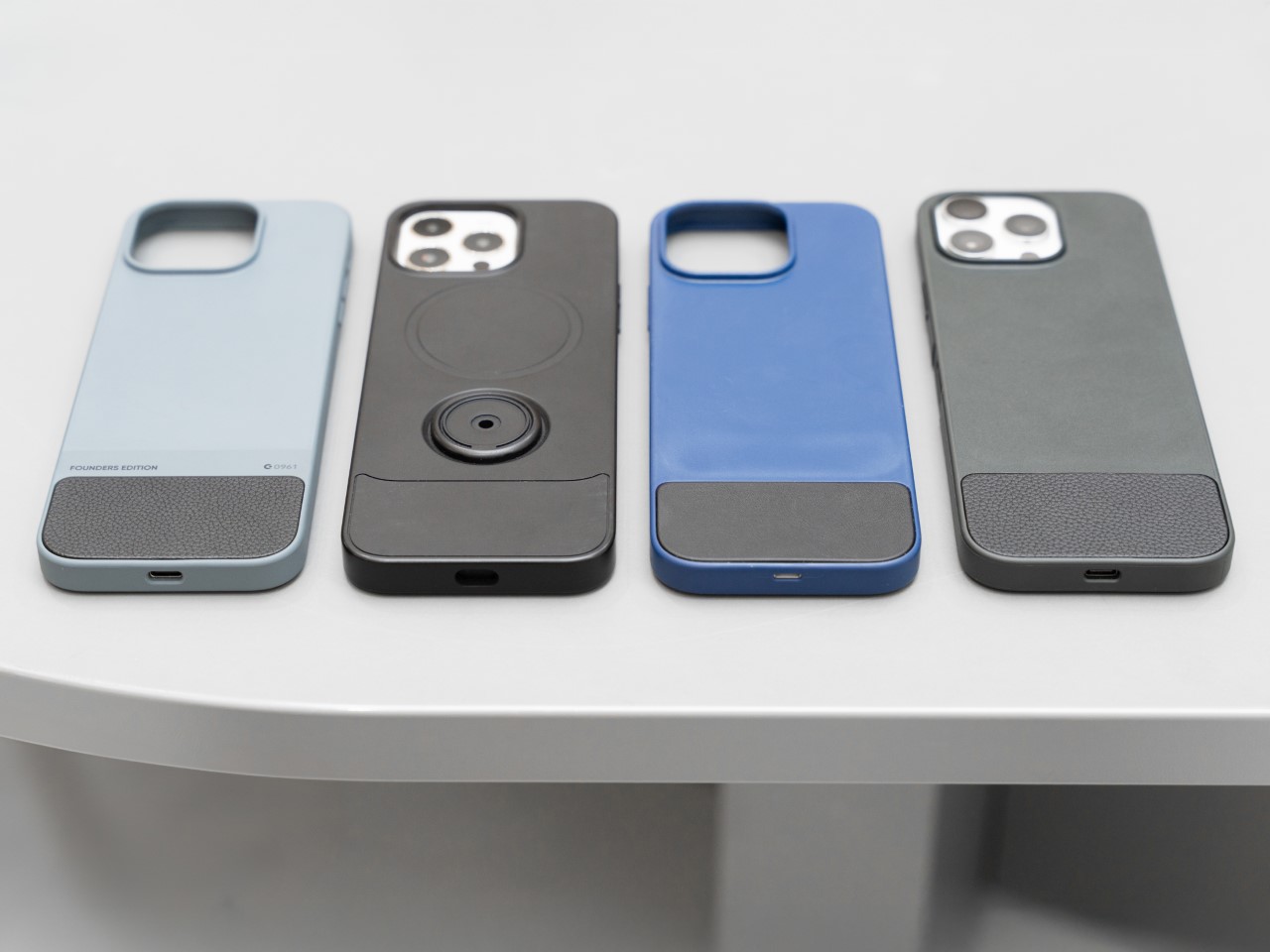
Image Credits: Clicks

A New Generation of Button Enthusiasts

While Clicks may look like a throwback at first glance, its user base tells a different story. Nearly half of Clicks users have never used a phone with physical keys before, according to Kevin, and that’s a surprising twist. For many of these new users, the attraction isn’t just about typing—it’s also about the added functionality that physical keys can bring to their smartphone experience.

Sure, there’s a bit of a learning curve. Typing on physical keys isn’t exactly the same as tapping on glass. It takes a bit of practice to build up the muscle memory needed to reach those higher typing speeds. But the payoff? A typing experience that feels far more intuitive and natural. Jeff pointed out that, “If you put in the time to develop the skill of typing on buttons again, you get to that moment where you can type without looking, and it’s amazing—it’s like magic again.” It’s an experience that resonates with people who use their phones as serious productivity tools, whether they’re composing long emails or just firing off quick texts without constantly peering down at the screen.

And then there’s the added bonus of reclaiming screen real estate. For users who are tired of virtual keyboards consuming half of their display, Clicks offers a breath of fresh air. It’s a little like trading in a cramped studio apartment for a place with a view—you suddenly have room to stretch out and breathe.
Accessibility Benefits and Inclusivity

One of the most unexpected success stories for Clicks has been its popularity among visually impaired users. For people who can’t rely on visual feedback, the tactile feel of physical keys makes all the difference. Kevin mentioned that the team has received heartfelt feedback from users who found that Clicks transformed their experience with smartphones. “What’s been most emotional for us is hearing from the accessibility market. People are saying, ‘You’ve changed my life,’” he shared.
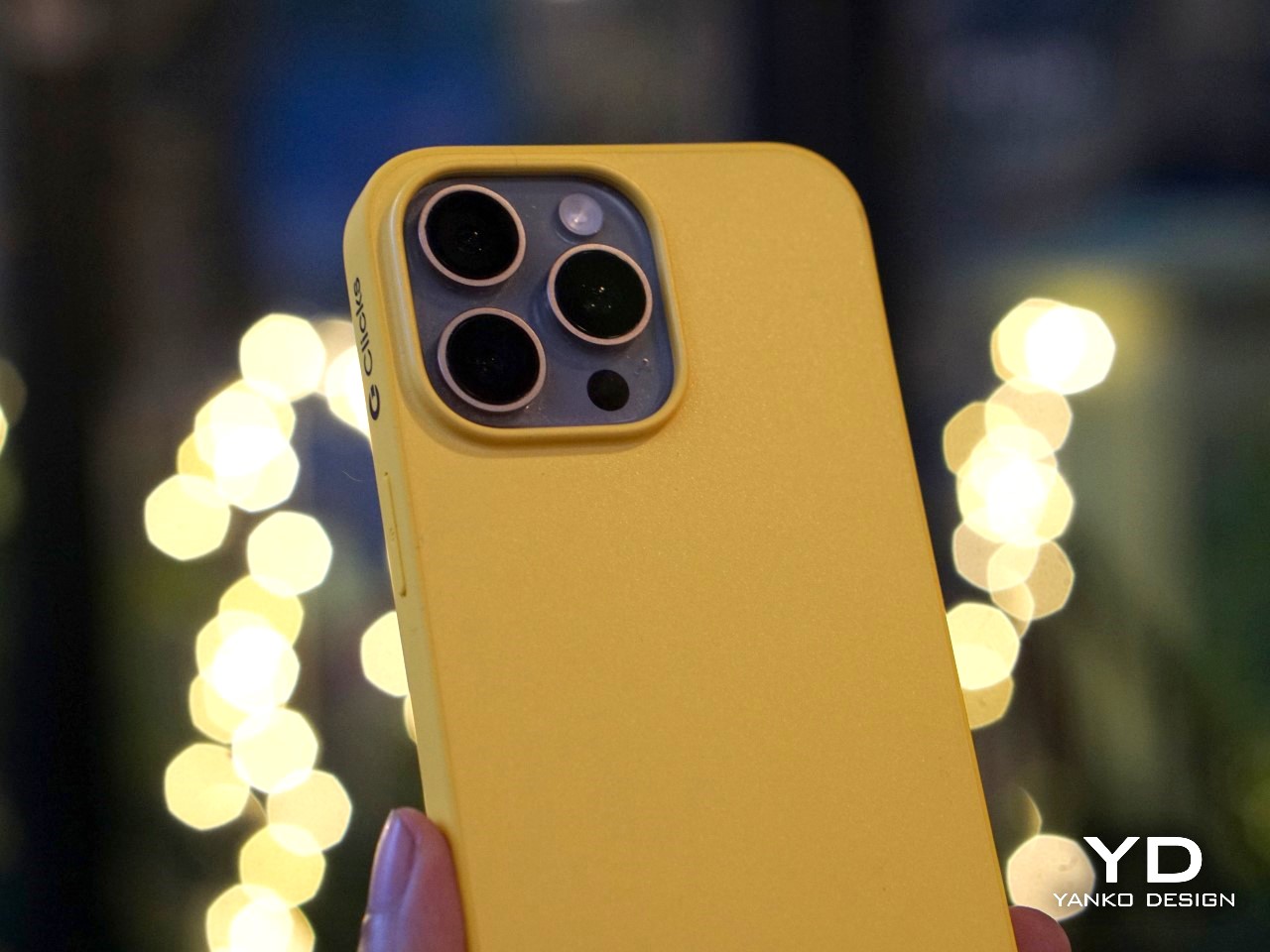
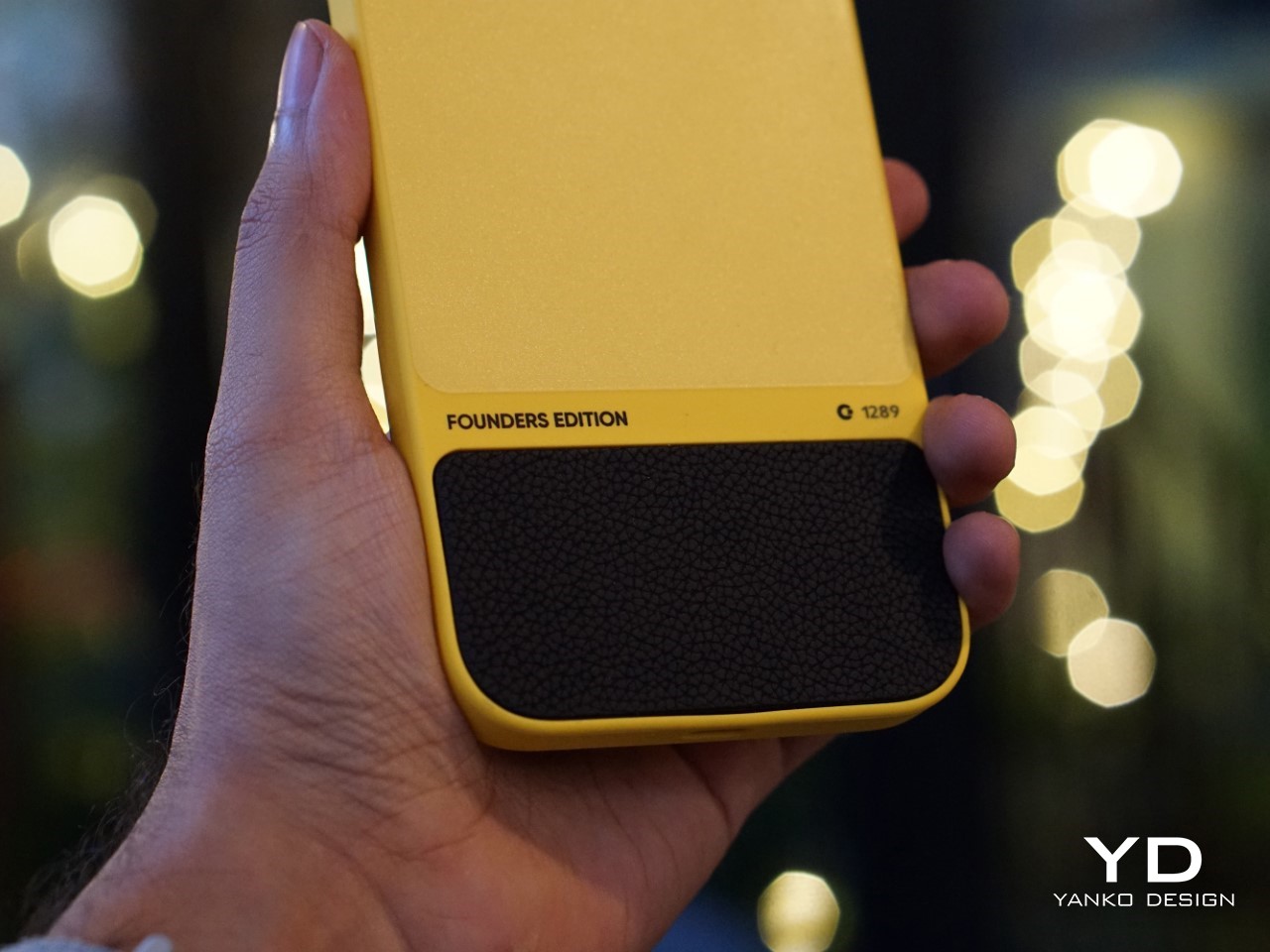
But what really stands out is that Clicks didn’t set out to be an accessibility device. Instead, it was designed as a premium, stylish product that anyone would want to use. This has resonated with users who don’t want their device to scream “medical aid.” As Kevin put it, “We wanted to make something that felt trendy, culturally relevant—something that anyone would be proud to use.”

It’s a reminder that good design isn’t just about how a product looks or feels, but also how it makes people feel. In this case, Clicks has managed to strike a balance, creating a device that offers practical benefits without sacrificing style.
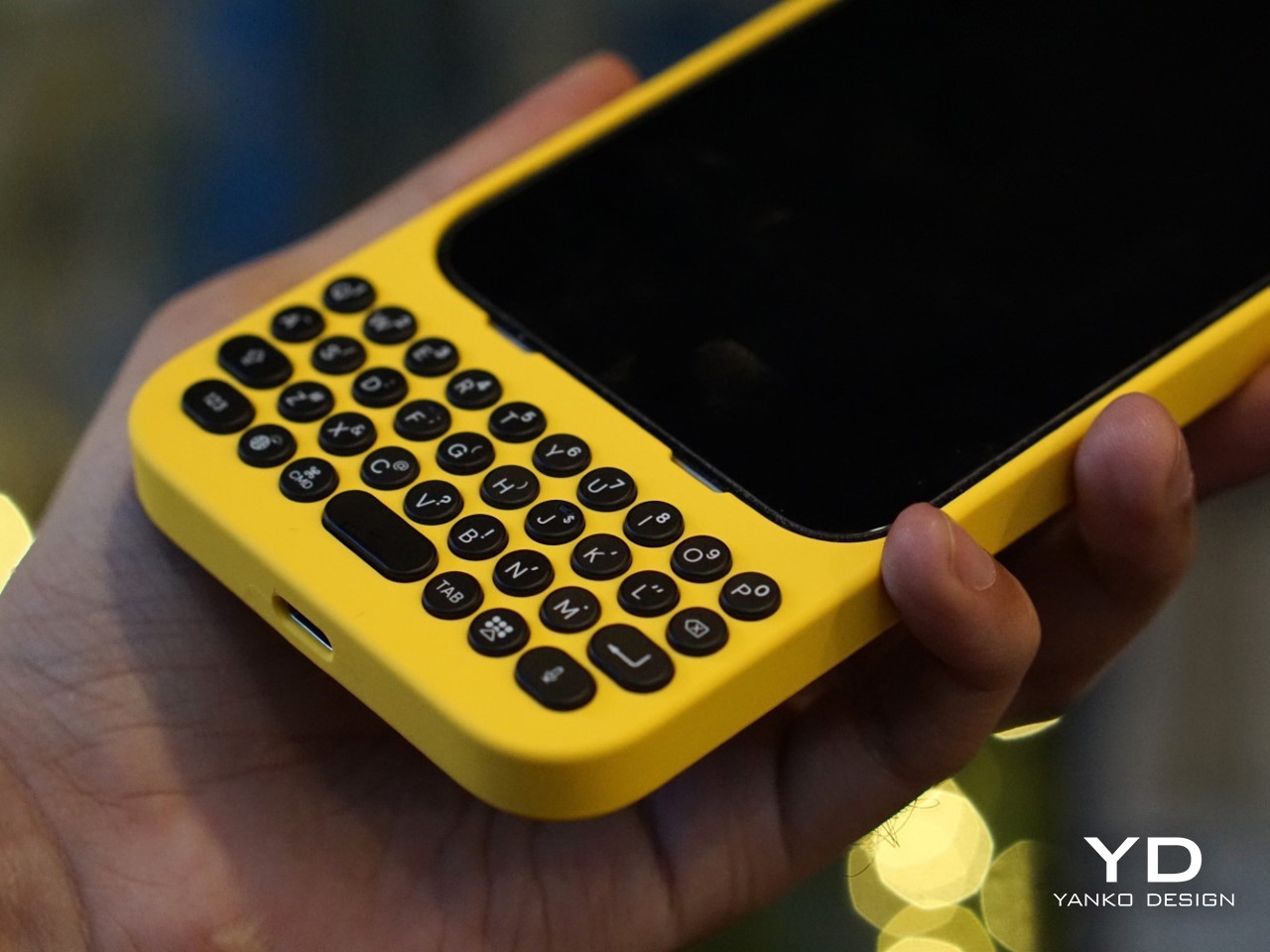
Challenges of Designing for a Modern Smartphone Market

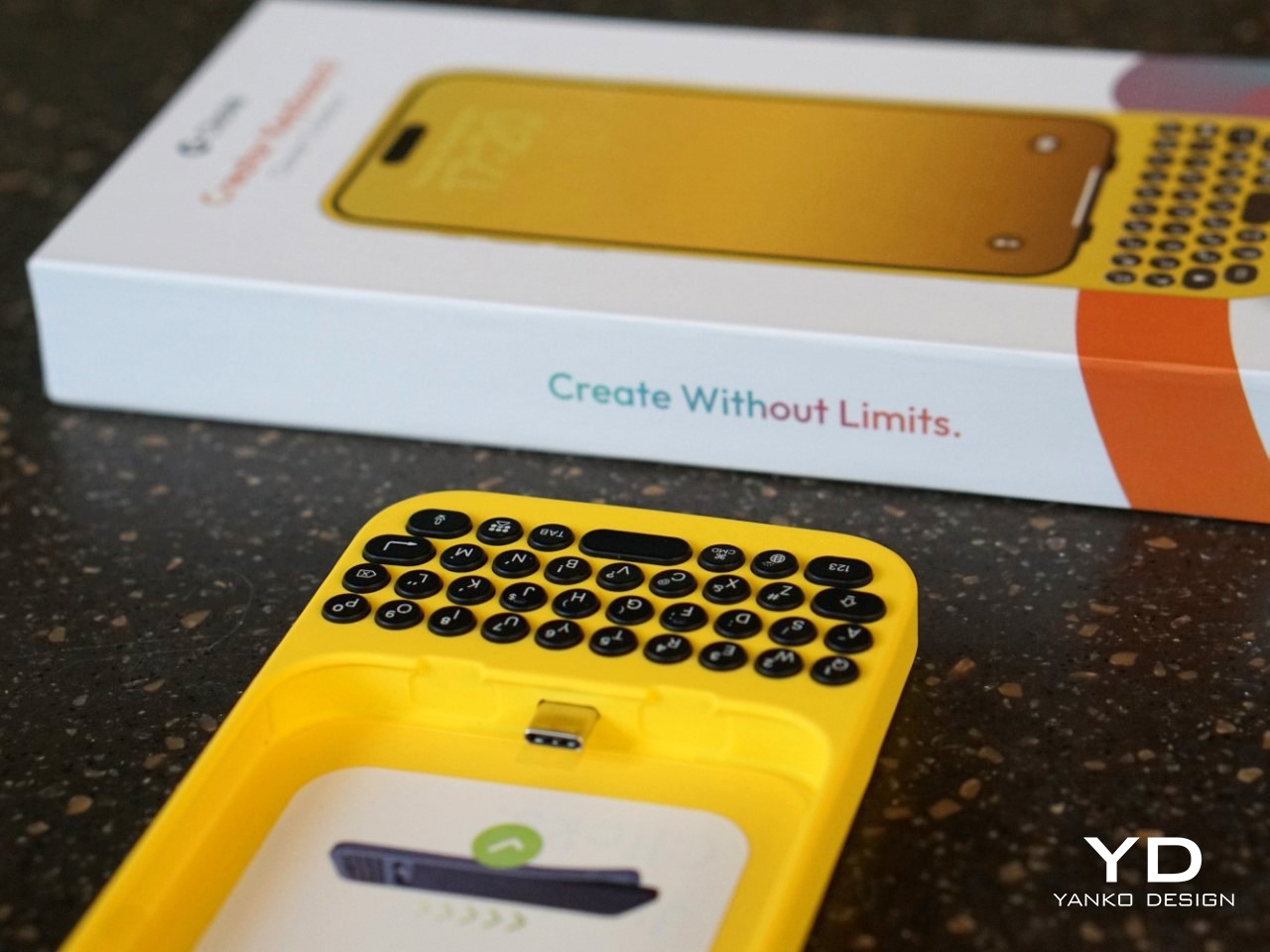
Creating a physical keyboard for today’s smartphones isn’t without its hurdles. The Clicks team faced challenges like achieving MFI compliance (Apple’s strict certification for accessories) and adapting to the iPhone’s transition from Lightning to USB-C. Kevin explained that this shift forced the team to make tough decisions about functionality. “With USB-C, we had to choose between charging and data transfer. We prioritized charging because that’s what most users needed day-to-day, but we’re always working on ways to improve,” he noted.
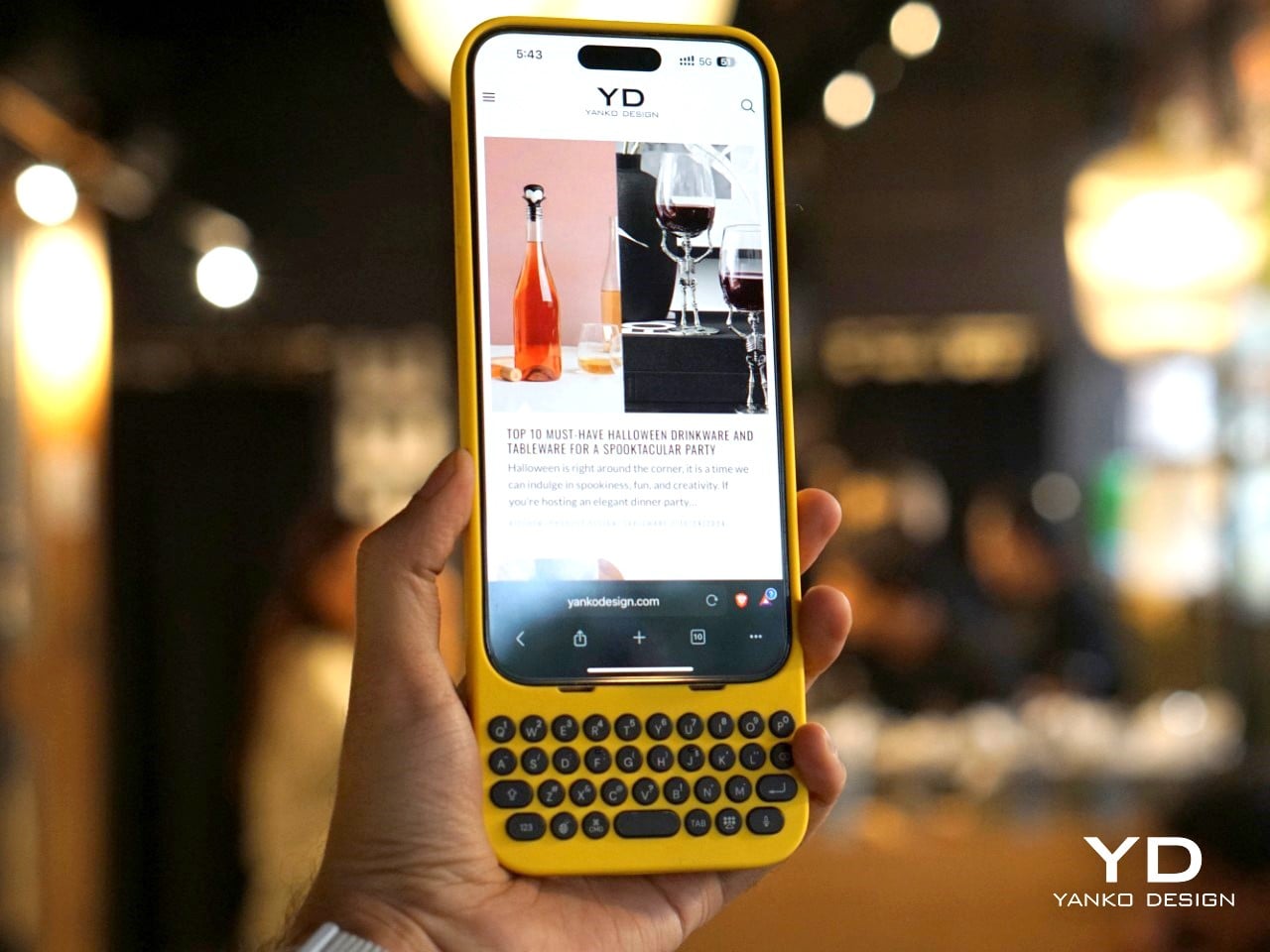
Another design dilemma was how to maintain a high-quality typing experience without making the device too bulky. Early prototypes experimented with different button layouts, from larger space bars to various key sizes. Jeff described how they refined the design through constant user feedback: “We tested several versions with different button materials and layouts, and made over 100 refinements before we got to the final version that shipped.”

The focus was always on making Clicks feel like a natural extension of the iPhone, rather than a clunky add-on. That’s why the final product opts for solid buttons with a satisfying tactile click, rather than cheaper, translucent keys that could have compromised the overall feel.
The Future of Physical Keyboards in a Touchscreen World

While Clicks is currently focused on iPhones, the team hasn’t ruled out expanding to other devices. “You can’t not think about it,” Kevin teased when asked about potential Android versions. The demand is there, and as long as there are users who prefer tactile input, there’s room for innovation. But for now, Clicks is focused on refining its product for iPhone users and building a community of dedicated users who love what the product offers.

What’s clear is that Clicks taps into a larger trend—a realization that perhaps the touchscreen revolution went too far in eliminating physical controls. We’re seeing it in other areas too, like the backlash against touch-only controls in cars. People want that tactile feedback, and Clicks is betting that the same is true for smartphone users.
What’s Next for Clicks?

So, where does Clicks go from here? The team is already working on future iterations, refining everything from button feel to software integration. Kevin emphasized that they’re committed to making each version better than the last: “We always aim to build the best product we can, and we’ll keep pushing the boundaries of what’s possible.”

But even as they look forward, Clicks has already made a mark. It’s proven that there’s a market for people who don’t want to compromise on their typing experience—those who believe that sometimes, the future needs a bit of the past. And as I type this out on my own touchscreen keyboard, struggling yet again with autocorrect, I can’t help but think they might just be on to something.

The post In an Era of Touchscreens, Why Clicks’ iPhone Keyboard Case is a Touch of Genius first appeared on Yanko Design.
These Color E-ink Cases let you put Wallpapers on the BACK of your Smartphone too

A phone case that goes perfectly with MKBHD’s Panels app subscription…

Phones have been getting smarter, faster, and flashier, but let’s be honest—most cases? They’ve been playing catch-up. E-ink displays on phone cases made their debut years ago, but they’ve remained stuck in a world of grayscale… until now. Reinkstone’s new 4-color e-ink cases aren’t just breaking that mold; they’re practically reinventing it. Forget the drab black-and-white screens of the past. These cases bring vibrant cyan, magenta, yellow, and black into the picture, transforming the back of your phone into something that feels almost alive. It’s the closest thing to having a foldable phone with a dual screen!

Designer: Reinkstone

It’s not just the color that grabs your attention—it’s the seamless integration with your phone. There’s no bulky battery strapped to the back, no charging cables to wrestle with. Reinkstone’s clever use of NFC technology takes care of that. Your phone powers the case wirelessly, transmitting both power and data through NFC. E-ink displays have negligible power consumption (they only need power while changing pixels), so the cases work just fine without needing a battery pack or a dedicated charging port. Change the display using a companion app, and just like that, the back of your phone updates in real-time. It feels effortless, the kind of feature that makes you wonder why it wasn’t done sooner. It’s not magic, but it’s pretty close.

About the e-ink screen – it’s roughly the size of a trading card, which might not sound groundbreaking, but in the world of phone cases, it’s a revelation. Gone are the days of dull, static covers. This little screen is the perfect canvas for photos, to-do lists, your boarding pass, or a QR code of your website or social media if you’re heavy into networking. And yes – while it might not replace your main screen for binge-watching or endless scrolling, it does offer a burst of practicality. Quick flashes of information on your phone’s backside? It’s a feature you didn’t know you needed until you have it.

Reinkstone didn’t stop at just a pretty screen – durability is baked into these cases as well. They’ve wrapped the e-ink display in explosion-proof tempered glass, ensuring your photos and lists stay protected even if your phone decides to take a tumble. The body of the case is built from Bayer TPU—a material known for being tough, flexible, and capable of surviving drops up to 1.8 meters. Inside, the tech gets even smarter, with a patented multi-layer flexible PCB keeping everything running smoothly without adding bulk. In a world where form often outpaces function, Reinkstone is balancing both like a pro.

And just when you think it might interfere with your day-to-day phone usage, Reinkstone’s already thought of it. Their custom-designed NFC antenna ensures you won’t run into any trouble when making contactless payments or scanning for public transport. You still get to tap and go without any hiccups. It’s almost as if the case isn’t even there—until, of course, you want it to be.

As for pricing, Reinkstone knows how to sweeten the deal. Normally, their cases sit around the $100 mark, but they’re currently on sale—$74.90 for the Reink Case C1 (iPhone 13 to 15 Pro Max) and $79.90 for the Reink Case Knight (Samsung Galaxy S24 Ultra)… that’s just a few bucks more than the Panels+ annual subscription for MKBHD’s wallpaper app, and should be no big deal if you are a “wallpaper power-user” like Marques.


The post These Color E-ink Cases let you put Wallpapers on the BACK of your Smartphone too first appeared on Yanko Design.

iPhone Case Transforms into an Analog Controller to play Game-Boy and other Handheld Emulator Games

I honestly can’t remember a time when case-makers for the iPhone were THIS overwhelming but yeah, we’ve probably covered 5 iPhone cases in the past week alone and this might be the 6th. Designed for the iPhone 15 and 16 Pro Max, the GameBaby from Bitmo Lab transforms your phone into a gaming handheld, reminiscent of the classic Game Boy. What makes the GameBaby stand out isn’t just its nod to the past—it’s the practical design that integrates a functional gaming experience into something as ubiquitous as a phone case. Unlike typical cases, the GameBaby features a two-piece system. The upper half acts like a standard iPhone protector, while the lower section brings in physical buttons styled after classic handheld gaming consoles. When you’re ready to jump into a game, the bottom half flips to the front, giving you a set of tactile controls that instantly transport you to the 90s.

Designer: Bitmo Lab

Instead of fiddling with external controllers or Bluetooth devices, the GameBaby lets you enjoy gaming on your iPhone without needing extra power sources. There’s no need to worry about charging it or pairing it with your phone via Bluetooth. Just flip the lower half of the case 180° and re-attach it to turn it into an analog control panel. The buttons work mechanically by touching virtual buttons on your screen, so you can jump into gaming without the extra steps that can often make mobile gaming accessories feel cumbersome. It’s a sleek solution for gamers who want to keep things simple but still enjoy the tactile feedback of physical controls—a rarity in the touchscreen-dominated world we live in today.

The GameBaby case works with various button layouts from systems like the original Game Boy, Game Boy Color, Game Boy Advance, and NES, all through the use of customizable emulator skins. This means you can swap between different layouts depending on the game you’re playing, giving you a level of control not often found in mobile gaming. Although it doesn’t come preloaded with emulators or games, the case is designed to work seamlessly with the Delta emulator, which is known for its support of over 7,000 games. So, while you might need to handle the software side yourself, the hardware is built to accommodate a huge range of gaming options.

While the concept of turning your iPhone into a retro gaming device is certainly intriguing, Bitmo Lab has taken it a step further by making the design practical for everyday use. When you’re not gaming, the controller portion folds back and clicks into place, protecting the back of your phone like a regular case. This makes the GameBaby functional beyond just gaming—it’s still an iPhone case, after all. You can slip it into your pocket, take it on the go, and occasionally fiddle with the buttons and controls like they’re fidget details.

For those itching to relive their childhood gaming days, the GameBaby case is now available for pre-order. Early adopters can snag it for $19.99, but only for the first 1,000 units. After that, the price jumps to $24.99 during the remainder of the pre-order phase, eventually hitting its retail price of $39.99. With the iPhone 16’s official announcement just last week, the timing of this release seems perfectly aligned for those planning to upgrade their phone but still want a dash of nostalgia in their everyday carry (although I see no Camera Control cutout on the case’s design yet). While Bitmo Lab has yet to confirm exact shipping dates, the early bird pricing makes it a tempting offer for those looking to secure a piece of retro gaming merch for their next iPhone.

The post iPhone Case Transforms into an Analog Controller to play Game-Boy and other Handheld Emulator Games first appeared on Yanko Design.

CASETiFY Ultra Bounce iPhone 16 series cases are fashioned with up to 32.8 ft drop protection

I’m not a big fan of fancy smartphone cases. A simple protective silicone cover does the job for me. But when it comes to a device from the iPhone 16 series per se, you want a cover that protects the guts of your prized possession with military grade standard. Who would know this better than the nerds at CASETiFY, who design iPhone cases with style, functionality, durability, and sustainability in mind?

CASETiFY Ultra Bounce for the iPhone 16 is the extension of the Bounce series cases from the outfit. These cases, as the name would suggest, do not bounce around in ecstasy of hugging the iPhone, but share their moniker with the idea of shock-absorbing properties of the material they are made from. For instance, the MagSafe-compatible Ultra Bounce is made from a mix of recycled phone cases and plant-based materials.

Designer: CASETiFY

The efficiency of durable construction and premium finish of the Ultra Bounce is a given considering the company’s excessive focus on it over the years. But to display that in a new light, using different camera angles and soft backgrounds, designer Zelig Sound and Tektura Studio showcase how the case design merges style and protection along with engrossing elements that reinforce the case’s durability features.

The goal well achieved puts the case through everyday adventures and depicts what the record-breaking 10x military-grade standard and up to 32.8 ft drop protection, that Ultra Bounce cases are certified with, would mean when confronted with difficult scenarios. The phone – at all times – remains cushioned from all sides and angles and ensure it remins protected from shock and scratch at all times.

The Ultra Bounce has a raised camera lens protection to ensure scraping the camera lens on day-to-day usage and rendering maximum shock absorption when the phone is to land camera first on the ground. Adding to the unconditional safety and protection of the iPhone 16 series is the range of hands-free functionalities the $100 Ultra Bounce design brings to the table. You can clip the case anywhere using a carabiner or carry it around in a lanyard.

The post CASETiFY Ultra Bounce iPhone 16 series cases are fashioned with up to 32.8 ft drop protection first appeared on Yanko Design.
ESR iPhone 16 Classic Hybrid Case with Stash Stand Review: Stay Original, Stay Protected

PROS:


  • Slim and light, lets original iPhone 16 design shine

  • Multi-angle stash stand also protects the camera

  • Unbeatable all-around protection

  • Doesn't get in the way of MagSafe features

CONS:


  • Stand doesn't support (tall) vertical orientation

RATINGS:

AESTHETICS
ERGONOMICS
PERFORMANCE
SUSTAINABILITY / REPAIRABILITY
VALUE FOR MONEY

EDITOR'S QUOTE:

ESR's newest range of Classic Hybrid Cases with Stash Stand gives the iPhone 16 the protection it deserves with no compromise to functionality nor a hit on its innate beauty.

The new iPhone 16 series is here, along with a new generation of accessories designed to complement Apple’s latest and greatest smartphone. While the iPhone has changed considerably over the years, what hasn’t really changed is its price tag, making it quite an expensive investment that people want to protect and keep for as long as possible. There is no shortage of cases that promise that, but many of these cover up the iPhone’s minimalist beauty with gaudy designs and fatten up the otherwise slim profile in the name of rugged durability. Other cases also add some functionality that complicates the iPhone’s appearance and use, going against the spirit of simplicity that Apple embraces. It’s rare to come across a phone case that offers protection that doesn’t obscure the original design or adds utility that doesn’t compromise other features. The new ESR iPhone 16 Classic Hybrid Case with Stash Stand and its siblings promise exactly that and we put them in our hands to see how well that promise holds.

Designer: ESR

Click Here to Buy Now: $19.99

Aesthetics

One of the biggest reasons why some people are hesitant to slap a protective case on their phones is that these cases tend to make the phones look ugly and bulky. Of course, there are people who actually prefer to dress up their phones with stickers and decals, but the large majority want to show off their new phone’s pristine beauty, especially if that phone is an iPhone. That Apple logo on the back is, of course, a matter of pride for owners so it feels counterintuitive to cover that up with a thick and opaque case.

There’s a reason that ESR puts the “Classic” label on this series of cases for the new iPhone 16. Despite offering an impressive set of protective features, the transparent back still lets the original style and color of the iPhone 16 shine through, though you do have choices of colored edges to match the iPhone’s natural color as well. With a back that’s only 1.6mm thick, it doesn’t add that much bulk to the slim and sleek phone.

The ESR Classic Hybrid Case with Stash Stand embraces Apple’s minimalist design language, offering protection that you can’t see but definitely feel. It has no extraneous markings or branding that would mar the otherwise pristine beauty of the iPhone 16. It hugs the phone’s frame so tightly that it almost looks like a transparent skin wrapped around the phone. And the parts that you do see are also designed to be aesthetic, like the zinc alloy of the camera guard kickstand with a matte finish that just seamlessly blends with the camera bump’s design. ESR clearly had not just phone protection in mind but also user satisfaction in seeing the classic elegance of their iPhone 16 without worrying about accidents.
Ergonomics

Smartphone cases actually do double duty when it comes to protection. They buffer the force of impact when phones fall or bump into hard objects, but they also add some texture to the phone’s back to increase their grip. In other words, cases make it easier to hold the phone and reduce the risk of dropping it, and when you do drop it, the cases absorb some of the shock and protect the material underneath from scratches and dings.
Of course, that’s only true for cases that don’t increase the size and weight of the phone to the point of making it uncomfortable to hold or don’t use a material that’s even more slippery than the phone’s glass or metal rear. Fortunately, the ESR Classic Hybrid definitely checks the right boxes here as well, with an overall thickness of only 14.2mm and a weight of only 42g (1.7oz). The materials themselves also have a kind of “sticky” quality that prevents the phone from slipping off your hand easily. That stash stand also functions as a ring you can hang from your finger while your hands are carrying other things, almost like a built-in loop. It would have been nice if it could also function like a popsocket of sorts so you can hold the phone with even more confidence, but the current design doesn’t make that possible. That’s a puzzle that ESR will hopefully solve in future iterations of the Stash Stand.

Performance

A protective case is only as good as the protection it offers, and the ESR Classic Hybrid with Stash Stand for the iPhone 16 definitely has plenty of that to go around, almost literally. Almost every side of the case has a feature that ensures the safety of the phone no matter which side it drops on, including the 1.2mm raised edge around the screen and the 0.7mm raised camera guard. There’s also the acrylic-PC material used for the back of the case for enhanced durability and a TPU edge that is promised not to discolor and turn yellow over time.

One unique feature of ESR cases is its Air Guard corners, which are basically small empty pockets that serve as cushions for the most common part of the phone that hits the pavement. These look like very small bumps rather than obnoxious bumpers, staying true to the minimalist design language that the Classic Hybrid cases embrace. All of these give the cases military-grade protection, enough to meet the MIL-STD-810H standard for shock protection. The case can protect the phone from an 11-foot drop, offering iPhone 16 owners peace of mind without compromising their experience.

The “Stash Stand” part of the ESR Classic Hybrid’s name comes from the camera guard that flips down to transform into a multi-angle stand, supporting angles of anywhere between 15 to 85 degrees for your preferred viewing angle. Unlike other built-in phone stands like rings and popsockets, the stash stand gets out of the way when you don’t need it and even protects your cameras. The one disadvantage to this design is that you can’t prop up your phone vertically unless you lay it almost flat on a table, which is fine for scrolling through social media but not for video calls.

Apple’s introduction of MagSafe technology presented a design problem for case makers, especially those with rugged and thick materials. MagSafe won’t work through such cases, at least not without some clever designs and technologies. Fortunately, that’s no longer a problem today and, even better, ESR has found ways to actually improve on the technology. For one, it has even stronger magnets, about 1.5kg of magnetic locking force, so you don’t have to worry about the case making accessories loose and detach accidentally. It can even let the phone charge faster than with other MagSafe-compatible cases, beating its competitors by an average of 30 minutes. Best of all, the magnetic ring is embedded in the case itself, so it won’t scratch your iPhone’s back.

All in all, the ESR iPhone 16 Classic Hybrid Case with Stash Stand offers unparalleled, military-grade protection that doesn’t get in the way of your enjoyment of your phone. It retains the iPhone 16’s natural beauty while also giving you color options to match your phone and your style. It’s a no-compromise design that brings the best of all worlds while staying true to Apple’s own design philosophy.

Sustainability

Like many protective cases these days, the ESR Classic Hybrid is a mixture of different materials that each offer a different kind of protection. The acrylic-PC material on its back offers durability and scratch resistance, while the TPU around the edges gives flexibility and shock absorption. Unfortunately, these materials are also known to be non-sustainable, though there is definitely research and experiments on using alternative materials that produce the same durable properties.

That’s not to say, however, that ESR isn’t doing due diligence in creating a greener future, but its sustainability results are a little bit more indirect. For one, it offsets its carbon emissions through the ClimatePartner program. In addition, it helps keep phones away from trash bins and dump sites longer by protecting these precious devices and ensuring their longevity. You might not see a phone case as a “green” product, but ESR is definitely doing its part in healing the planet in its own small ways.

Value

Starting at only $19.99, the ESR Classic Hybrid Case with Stash Stand is pretty much a no-brainer for new iPhone 16 owners. After all, you are getting an impressive amount of protection against accidents and a built-in stand that stays out of the way and out of sight when you don’t need it. Plus, it retains the iPhone 16’s slim profile, sleek looks, and original style, allowing you to enjoy the natural colors you selected when you bought it. What’s not to love?

And for those who want something more or something different, they don’t have to stray far from ESR’s other new iPhone 16 cases. The Cloud Soft Case with Stash Stand, for example, has the same basic design but uses premium liquid silicone to give the phone a softer touch. The Cyber Tough Case with Stash Stand, on the other hand, levels up the durability with a 3-layer design that includes a robust PC backing, a flexible TPU shell, and an inner PORON lining. With these three designs, ESR has got all your iPhone 16 protection needs covered and in your preferred style.

Verdict

Just like with power banks, smartphone cases have become a fact of modern mobile life. No matter how durable companies make their phones, there will still be that nagging fear of throwing away money when, not if, you accidentally drop your precious investment. With the arrival of the iPhone 16, ESR took the opportunity to showcase the best of its design with the Classic Hybrid Case with Stash Stand. Offering military-grade protection that doesn’t make the iPhone 16 look like a tank, this case with a built-in stand is something you’ll have no reason to take off once you’ve put it on.

Click Here to Buy Now: $19.99

The post ESR iPhone 16 Classic Hybrid Case with Stash Stand Review: Stay Original, Stay Protected first appeared on Yanko Design.