REDMAGIC Astra 2 Review: The Gaming Tablet That Finally Keeps Its Cool

PROS:


  • Distinctive visible liquid cooling design

  • Gorgeous and responsive 9.06-inch 2.4K display

  • Impressive performance across the board

  • Dual USB-C ports for charging while playing

CONS:


  • Modest IP54 dust and water resistance

  • Very basic camera performance

RATINGS:

AESTHETICS
ERGONOMICS
PERFORMANCE
SUSTAINABILITY / REPAIRABILITY
VALUE FOR MONEY

EDITOR'S QUOTE:

The REDMAGIC Astra 2 is the rare gaming tablet that makes its engineering the most interesting thing about it.

Gaming tablets have long chased desktop-class performance, but thermal throttling has always been the real ceiling. The more demanding the session, the more heat builds up, and the more the chip has to dial back to protect itself. Vapor chambers and cooling fans have helped, but none has fundamentally changed the equation. The gap between peak specs and what a device can actually sustain has remained difficult to close.

REDMAGIC’s answer is the Astra 2 Gaming Tablet, which brings liquid cooling to a consumer tablet for the very first time. It pairs that with a 9.06-inch OLED display running at 185Hz and the Snapdragon 8 Elite Gen 5 chipset, all in a design that’s as visually interesting as it is capable. And rather than just a bullet item on a spec list, the Astra 2 makes that defining feature visible for everyone to see. But does it deliver on its promise, or is it just another design gimmick to woo gamers? We take it for a spin to find out.

Aesthetics

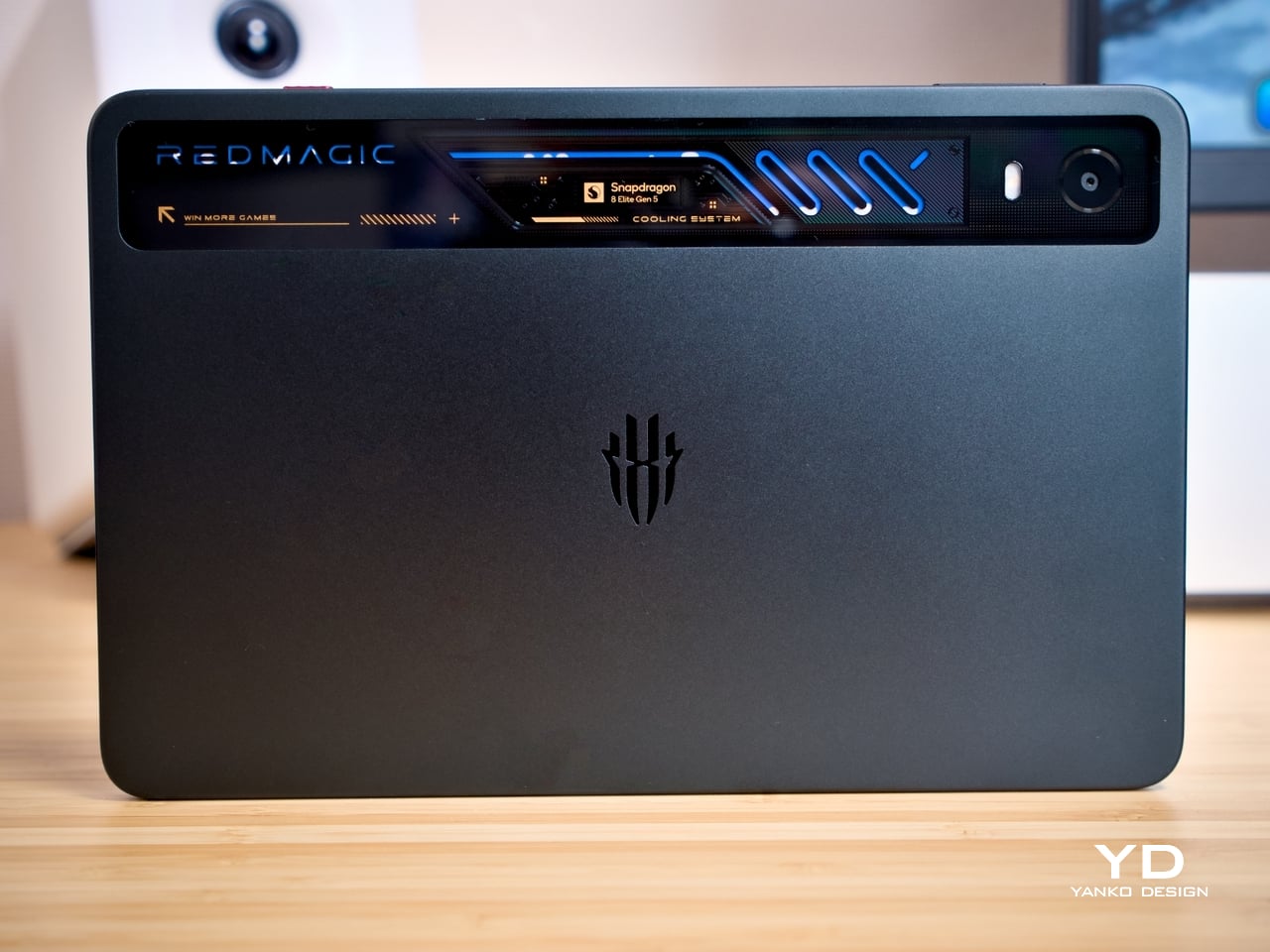
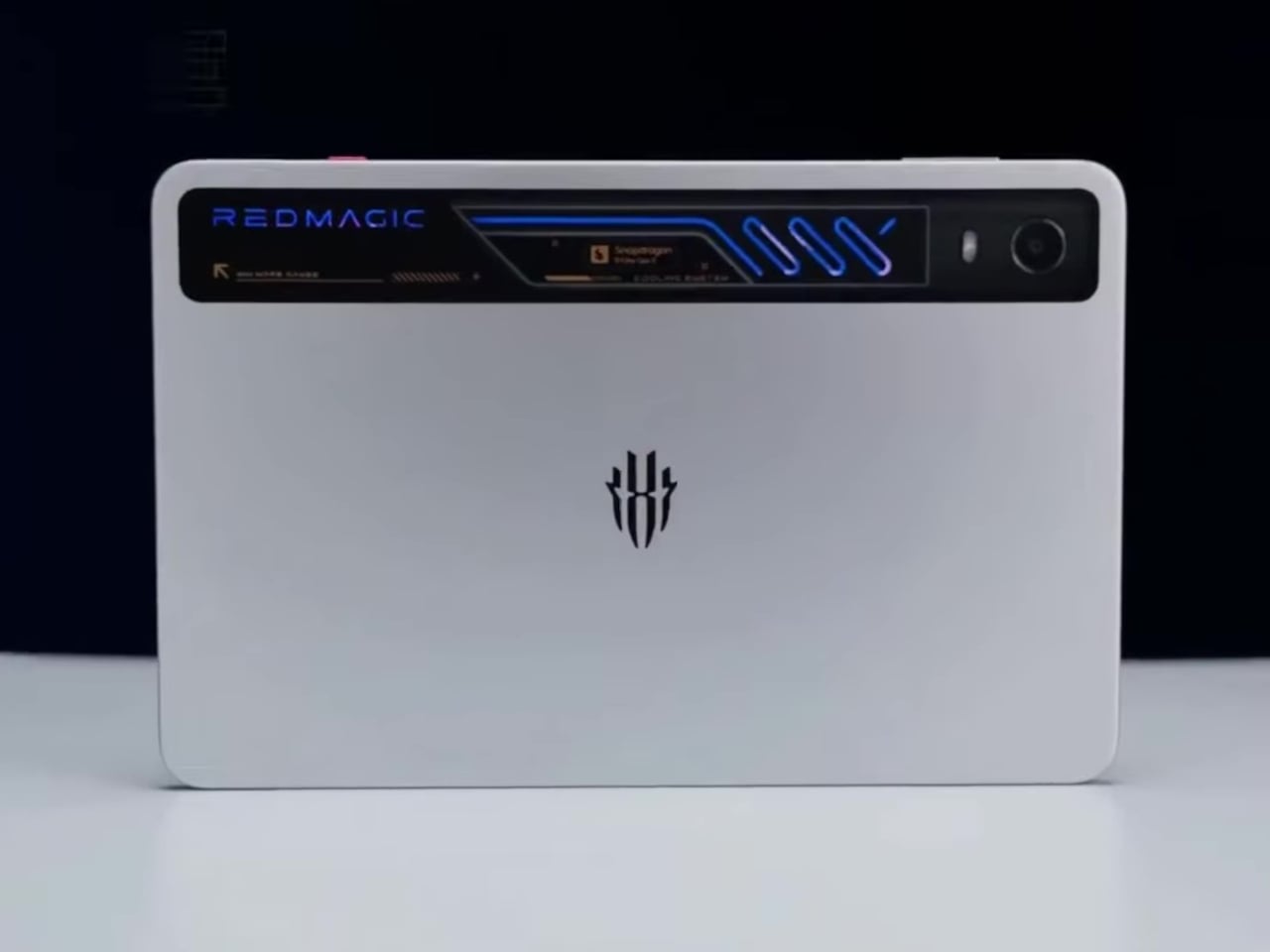
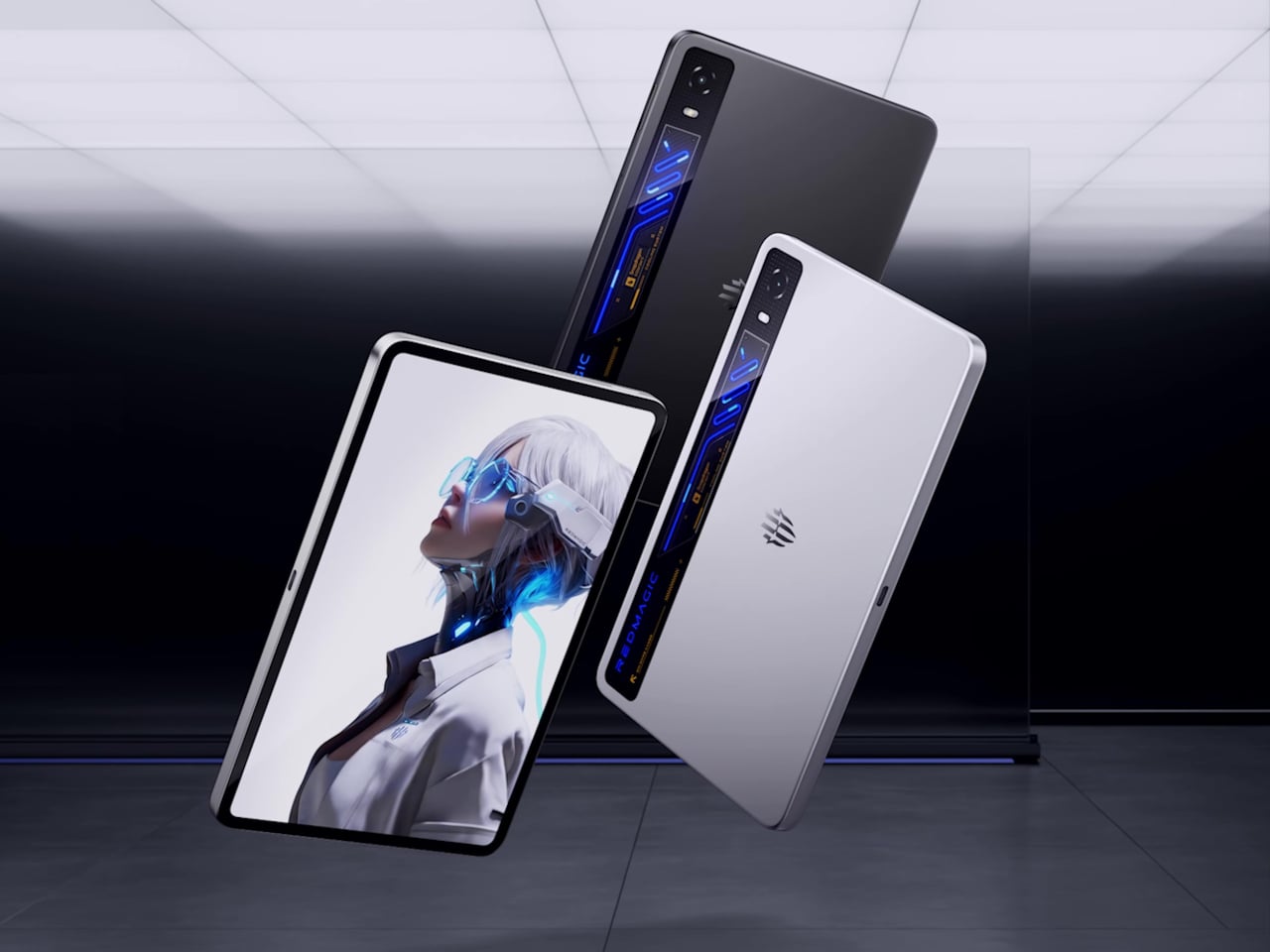
Most gaming tablets announce themselves loudly, with aggressive angles and bold branding that leave little to the imagination. The Astra 2 takes a different approach. Its body is flat matte aluminium in dark charcoal Eclipse or light silver Starfrost, with a subtly embossed REDMAGIC trident at the center of the rear panel. There’s no camera bump, no competing surface details, nothing vying for attention against the one element the design clearly prioritizes.

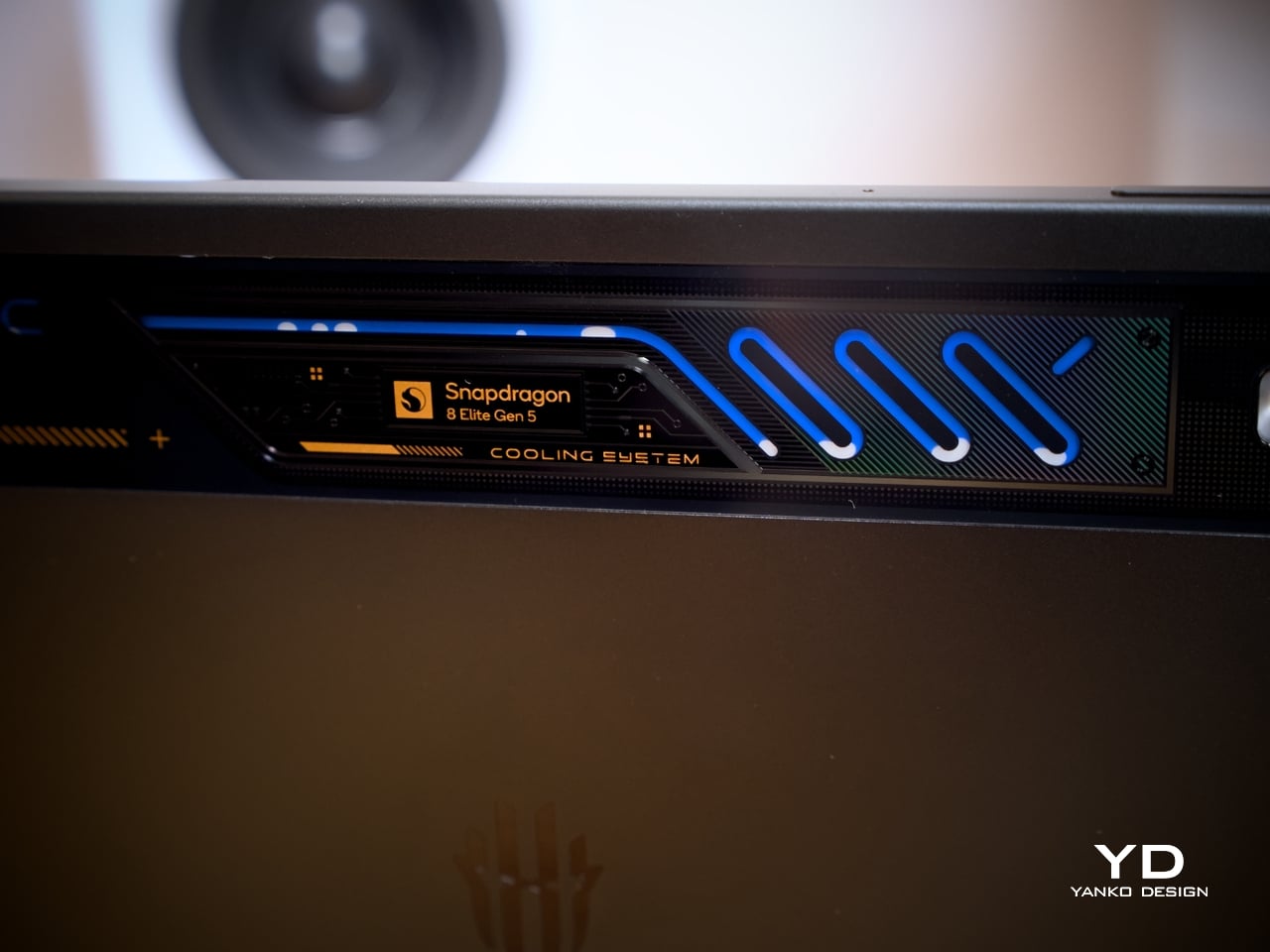
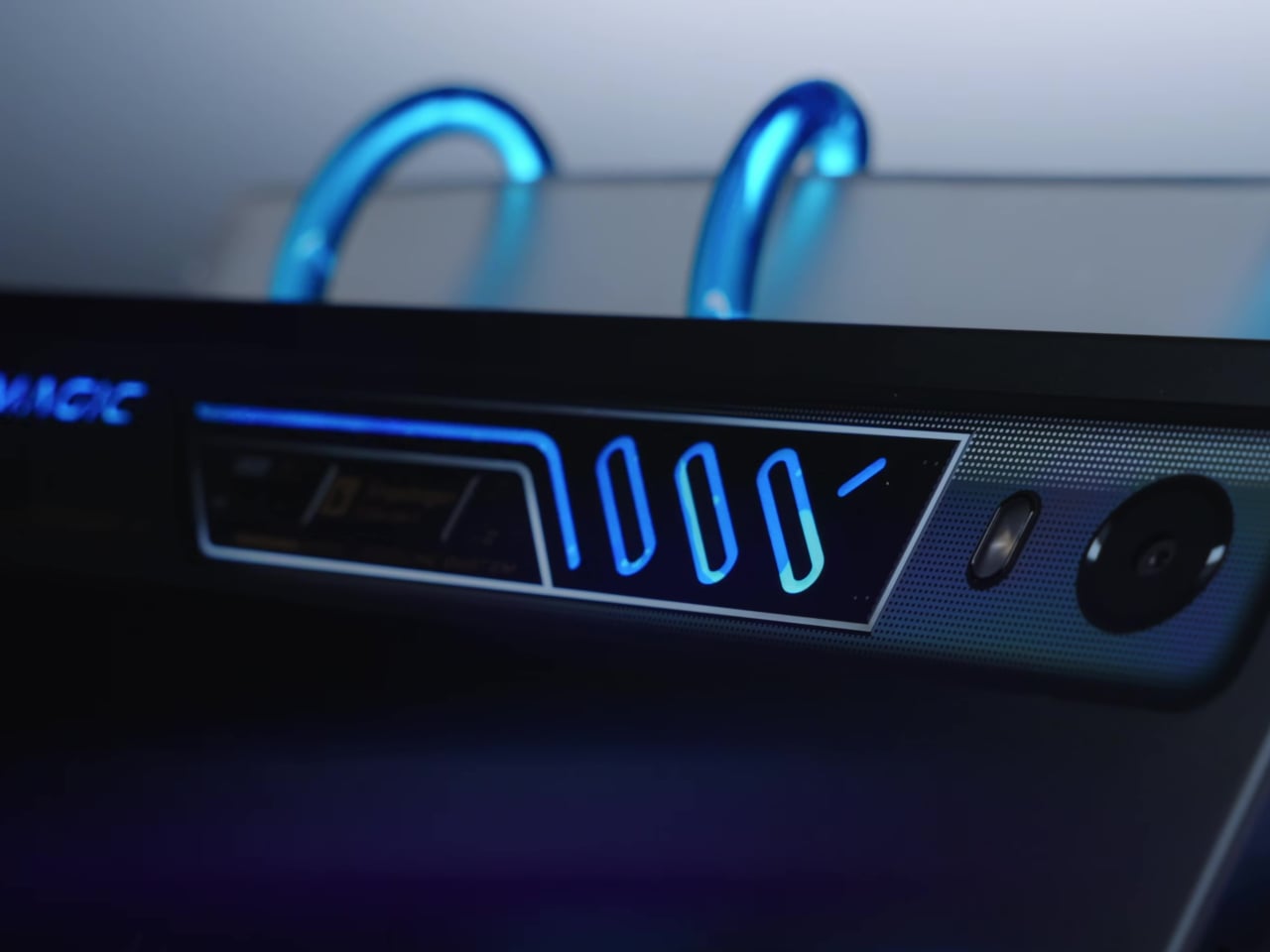
That element is the transparent cooling strip along the top edge of the rear. Beneath it, serpentine liquid cooling channels glow in blue RGB, with the Snapdragon 8 Elite Gen 5 badge and “COOLING SYSTEM” lettering etched into the surround. It reads like a nod to gaming PC culture, where lit, windowed hardware has long been a mark of serious intent. Here, that reference is earned.

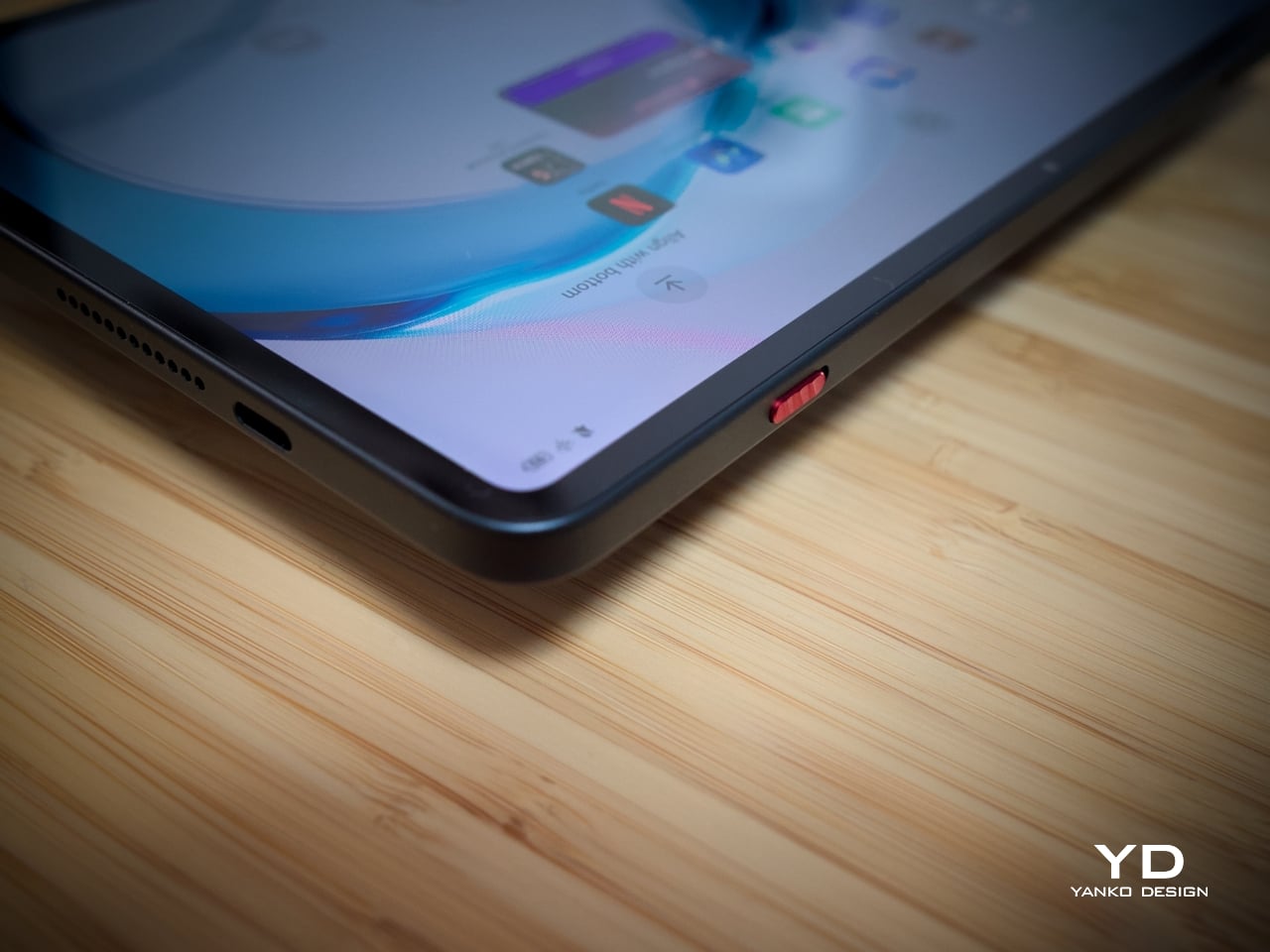
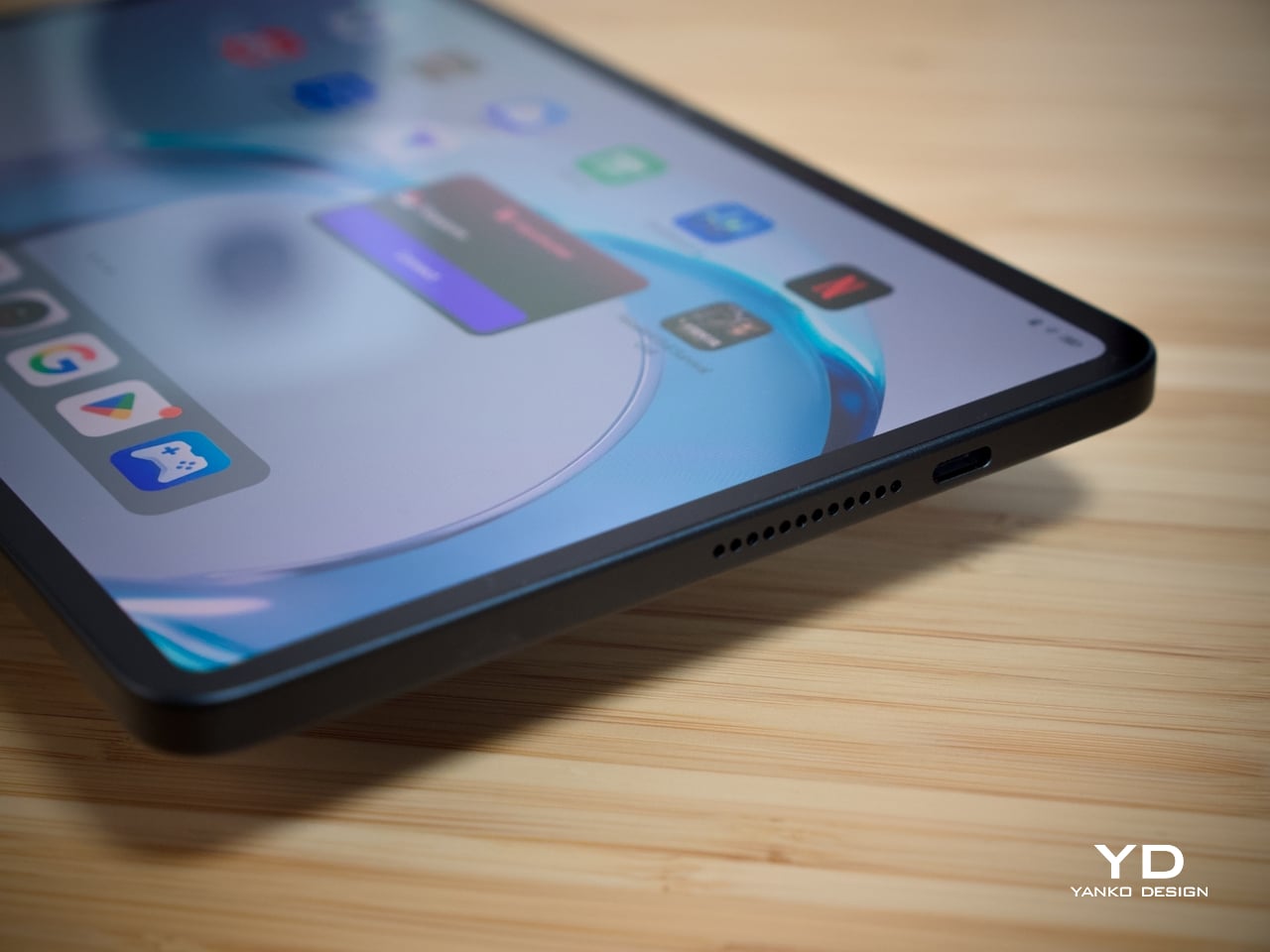
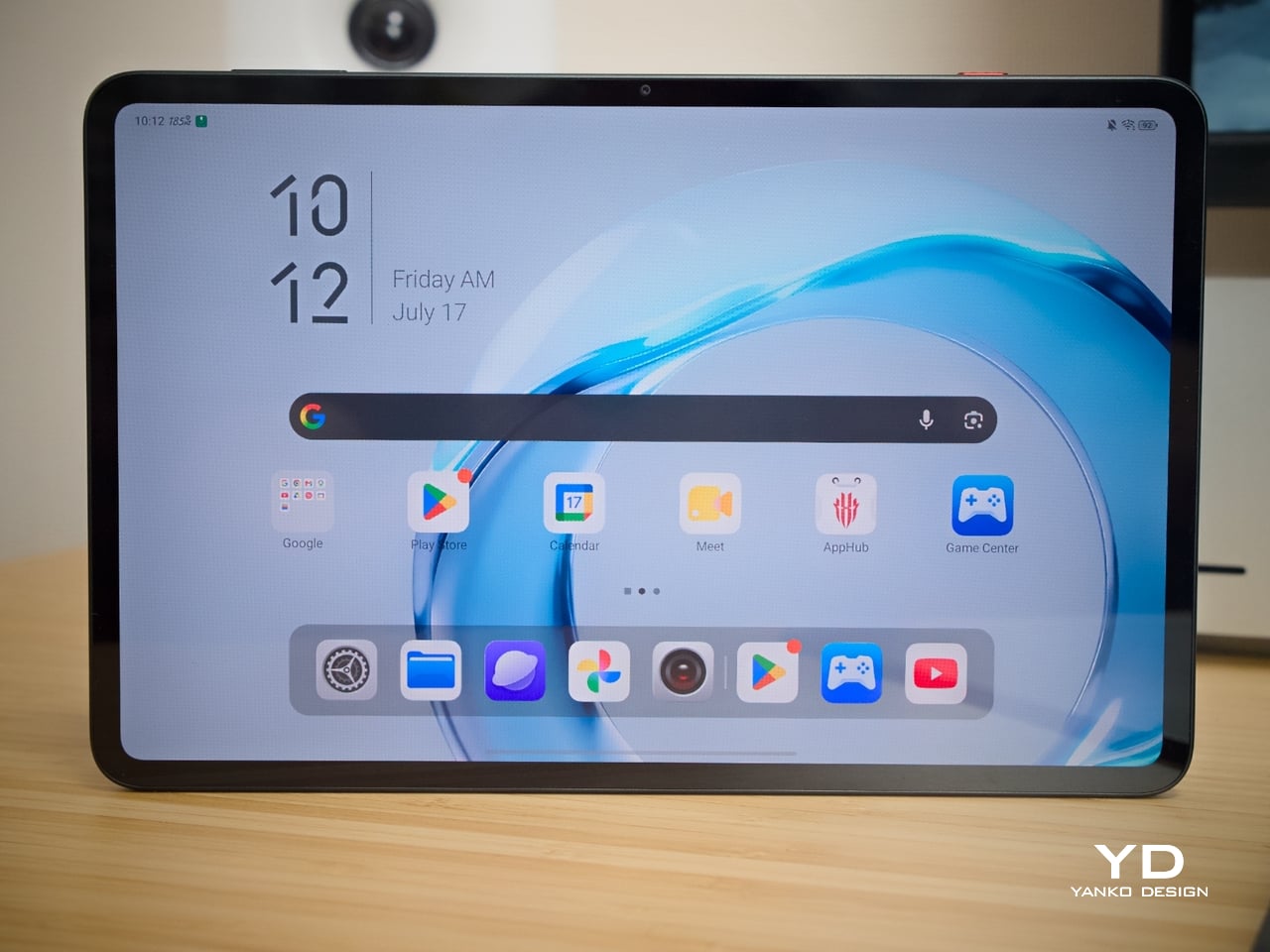
The front face is equally considered. With 4.9mm bezels and a 90.1% screen-to-body ratio, the display fills almost all of the face, and the front camera is practically invisible at 1.9mm in diameter, the smallest on any tablet. A red Magic Key provides the only real color accent, small but deliberately placed. Between colorways, Starfrost makes the blue cooling strip more dramatic, while Eclipse keeps things precisely controlled.

The REDMAGIC Astra 2 offers a tasteful middle ground between loud gaming gear and professional tech gadget. It has a head-turning design that doesn’t distract constantly, letting that first impression last even when you’re no longer paying attention. It has that character of maturity that gamers of this generation are looking for in their gear, especially when they’re out and about.

Ergonomics

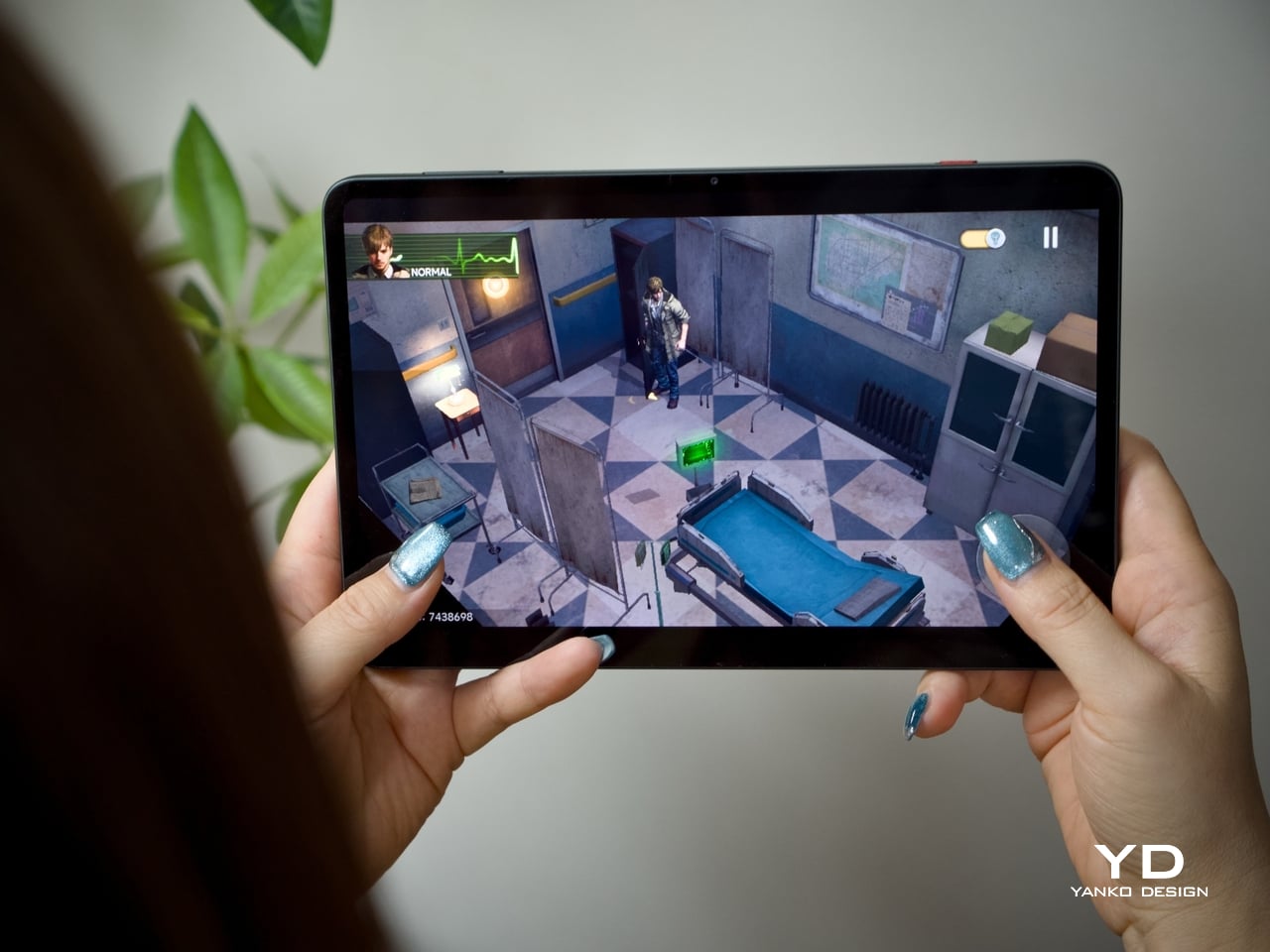
At 363g and 6.9mm thin, the REDMAGIC Astra 2 is genuinely comfortable to hold through extended sessions. The flat back sits flush on any surface without rocking, which matters more in practice than it sounds. The 9.06-inch size puts on-screen controls within natural thumb reach in landscape mode, and the rounded corners distribute the weight evenly enough that the tablet doesn’t become a burden during a long session.

The dual USB-C layout is the real game-changer here, pardon the pun. A USB 3.2 Gen 2 port on the short side and a USB 2.0 on the long edge means a charging cable is always accessible regardless of orientation without blocking your hands, allowing comfortable play while charging. The Magic Key is customizable beyond its default GameSpace launch, and both fingerprint and face unlock work in wet conditions, a practical benefit for a device regularly used during intense gaming sessions.

Performance

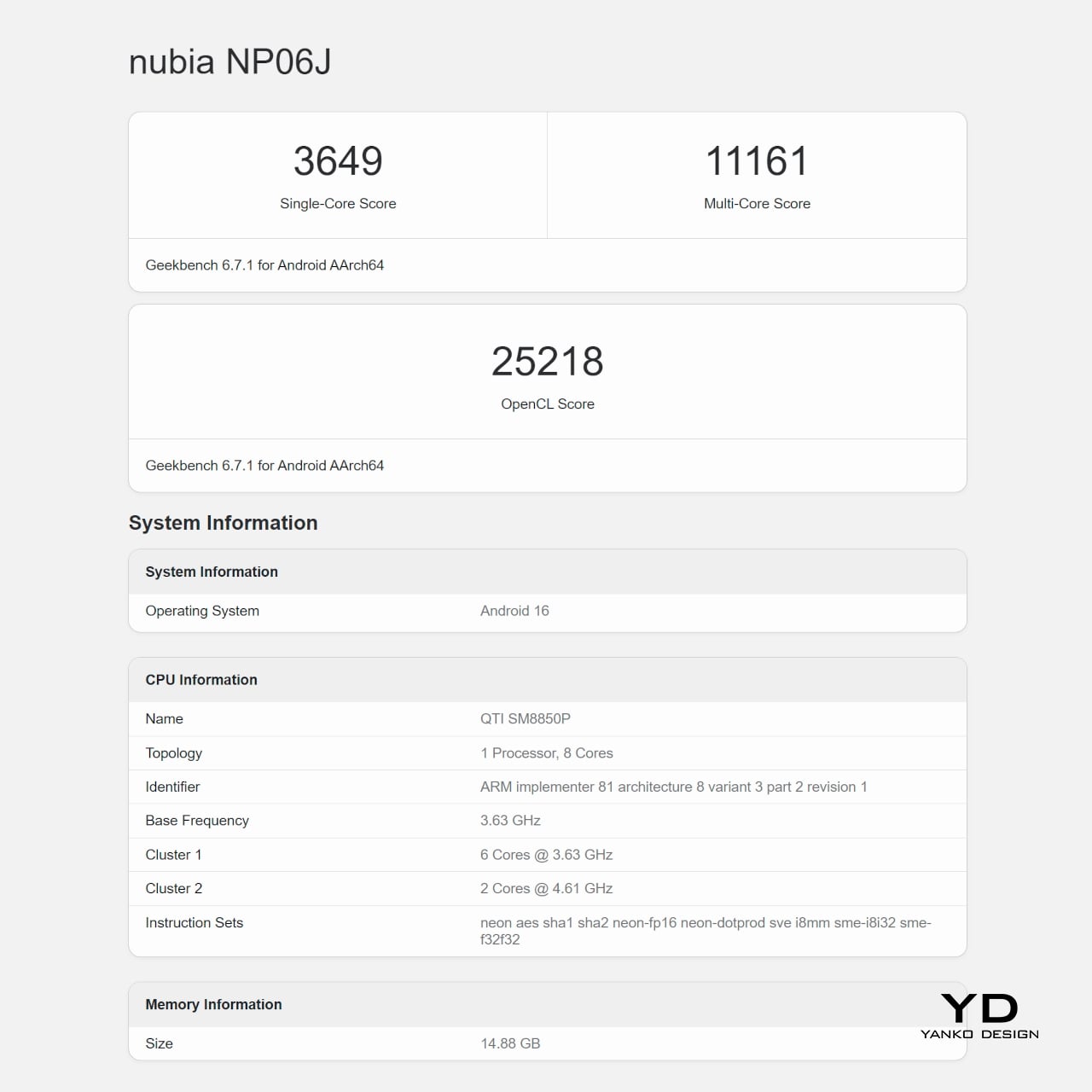
The Snapdragon 8 Elite Gen 5 runs on a 3nm architecture with a peak clock speed of 4.6 GHz and notably lower power consumption than its predecessor. Alongside it sits REDMAGIC’s RedCore R4 co-processor, which dynamically allocates CPU, GPU, memory, cooling, and touch resources in real time based on what each game demands. You also get 12GB or 16GB of RAM, depending on your configuration, which is plenty not only for games but for some heavy-duty multitasking.

The AquaCore Cooling System 2.0 is what makes extended performance possible, with REDMAGIC being the first mass-produced tablet brand to pioneer liquid cooling. A piezoelectric micropump circulates fluorinated liquid through micron-laser-cut channels inside the device body. Liquid Metal 3.0 transfers chip heat rapidly to a large vapor chamber, which distributes it across the entire device. Together, these three components maintain stable performance during prolonged gaming sessions in a way conventional cooling simply can’t match.

What all these mean in practice is that you get higher FPS stability and faster responsiveness with lower power draw and less heat. Performance is stable and optimized, whether you’re gaming, enjoying a video binge, or, on rare occasions, being productive thanks to the plethora of apps available on Android 16. As with gaming PCs, good gaming hardware tends to result in good performance across the board, and the REDMAGIC Astra 2 proves it.

The 9.06-inch H5 OLED panel runs at 185Hz, currently the highest refresh rate on any OLED gaming tablet. Resolution sits at 2.4K, or 2400×1504, and peak brightness reaches 1,600 nits. These deliver a screen that is bright, vibrant, and a joy to look at, both for gaming and other visual content. The next-gen custom Synaptics touch controller delivers 300Hz average and up to 2,000Hz instantaneous touch sampling, making the screen feel immediately precise and responsive even with sweaty hands.

The battery is rated at 8,500mAh and supports fast 75W charging, though it eschews wireless charging for that feat. On regular tablets, that’s definitely enough to last for a day or two, but gamers know how fast you can burn through that in just a few hours of gaming, especially at max settings. Thankfully, the Astra 2’s dual USB-C design and safeguards not only allow but even encourage you to charge while playing, minimizing downtime as long as you’re near a wall socket.

While the REDMAGIC Astra 2 excels in most cases, it doesn’t have much to show when it comes to mobile photography. The single 13MP camera is, for the most part, decent, while the 9MP front camera is clearly intended for video calls and live streaming more than taking selfies. None of these is surprising, of course, as this is a tablet that’s laser-focused on delivering a super gaming experience first and foremost.

Sustainability

The Astra 2 is built to handle daily wear without fuss. The aviation-grade aluminium frame resists flexing, Corning Gorilla Glass 3 protects the display against scratches and impacts, and an IP54 rating covers dust protection and water splashes from any direction. That’s the appropriate level for a device that lives on desks, in bags, and in hands, covering the real conditions a gaming tablet encounters day to day. That said, it’s not exactly what you would expect from a device at this price point.

The Astra 2 ships on REDMAGIC OS 11.5 running Android 16, starting on the current version of the OS rather than entering the market already a software generation behind. Unfortunately, the brand has not made any commitment to future software updates, which does raise some concerns about its longevity in that department.

Value

The 12GB/256GB Astra 2 starts at $749 in North America and €699 in Europe. At that price, it’s the only tablet available with both a 185Hz OLED display and liquid cooling. Comparable gaming tablets in this range use LCD panels at lower refresh rates with conventional cooling, making the REDMAGIC Astra 2 the clear leader in terms of specifications that define sustained gaming performance.

The 16GB/512GB tier goes up to $849, and the software platform adds real value to both configurations. Frame Rate Boost uses interpolation to smooth gameplay on titles that cap their native frame rate, intelligently inserting extra frames for more fluid motion, while the system upscales games to 2K resolution for a visually impressive experience. The Astra 2 is Wi-Fi only, which is standard for gaming tablets at this level and accurately reflects where serious mobile gaming actually takes place.

USB On-The-Go support means keyboards, mice, and external drives connect directly without needing a computer as a host. DisplayPort output supports external displays at up to 8K resolution at 60FPS, and the Gravity X desktop mode enables full keyboard-and-mouse PC-style play directly from the tablet. It may not have a Switch-like modular design, but the capabilities allow the Astra 2 to meet gamers where they are, be it while waiting in line, in the comfort of their bed, or on an extended session on their desk.

Verdict

What makes the REDMAGIC Astra 2 interesting as a design object isn’t any single specification but how well the decisions relate to each other. The dual USB-C ports, the 185Hz OLED, the flat profile, and the vapor chamber geometry all feel purposeful rather than assembled from a spec sheet. There’s a coherence here that suggests these components were conceived together, not independently justified and bolted on.

The cooling strip is worth one final note, particularly for design-minded readers. Most consumer electronics go to considerable effort to hide their internal complexity behind smooth, opaque surfaces. The REDMAGIC Astra 2 puts a window in the back panel and lets the working hardware be the visual centerpiece, a straightforward and honest position, and one that’s genuinely satisfying to see in a product at this level.

The post REDMAGIC Astra 2 Review: The Gaming Tablet That Finally Keeps Its Cool first appeared on Yanko Design.

nubia Just Built the World’s First Phone That Does Things on Its Own

Smartphone makers have been adding AI features for a few years now, and at this point, the marketing language around them has become fairly predictable. A phone summarizes your messages, suggests reply text, cleans up your photos, and maybe transcribes a meeting. These are genuinely useful tools, but they’re still responding to individual requests. The phone doesn’t actually do anything on its own. Someone still has to ask.

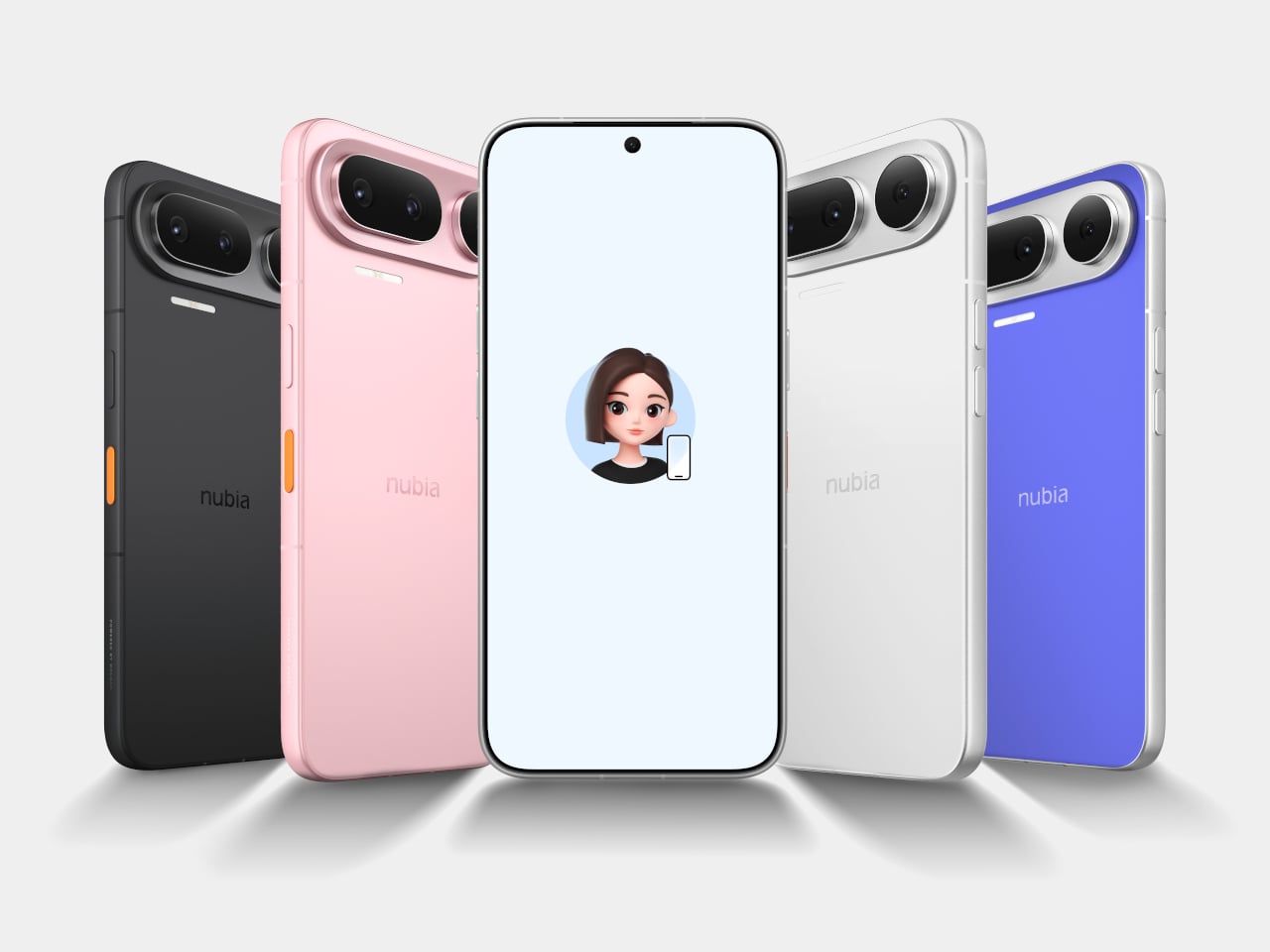
The nubia NaviX Ultra is making a more ambitious claim. Unveiled at the World Artificial Intelligence Conference in Shanghai, it’s being positioned as the world’s first AI agent smartphone, and the distinction matters. An AI agent doesn’t just respond to prompts; it operates across apps and services on behalf of the user, handling multi-step tasks without being asked to execute each one individually. Nubia is calling this system-level integration rather than a feature layer.

Designer: nubia

That distinction isn’t entirely hypothetical for nubia. The NaviX Ultra’s predecessor, the nubia M153 with Doubao AI assistant, debuted earlier this year in partnership with ByteDance and sold out its initial 30,000-unit batch on launch day in China. The NaviX Ultra is the commercial follow-up to that limited run, now carrying the Doubao assistant at a system level that nubia describes as enabling autonomous cross-platform operation. The phone also received the 2026 SAIL Award ahead of its unveiling.

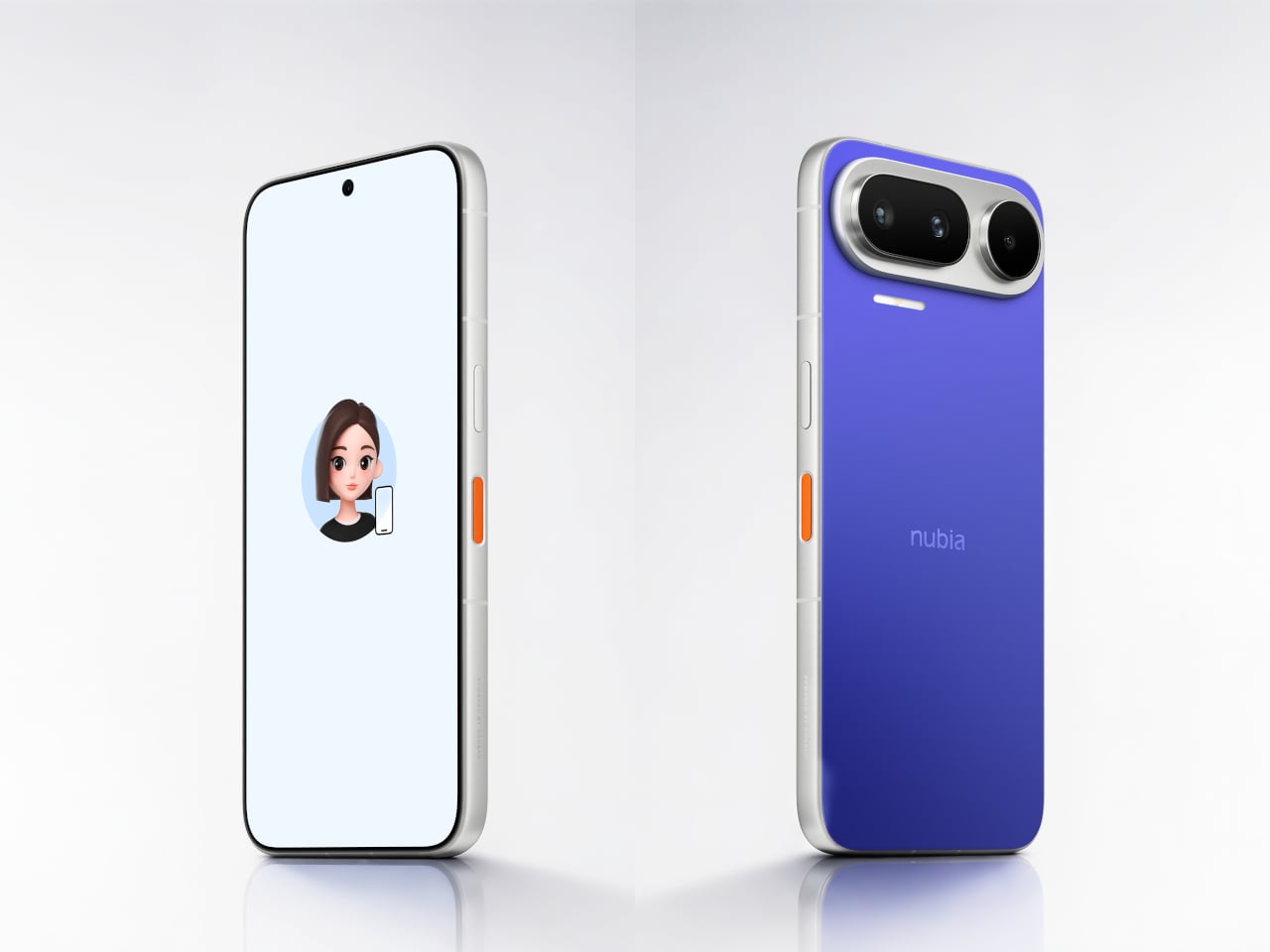
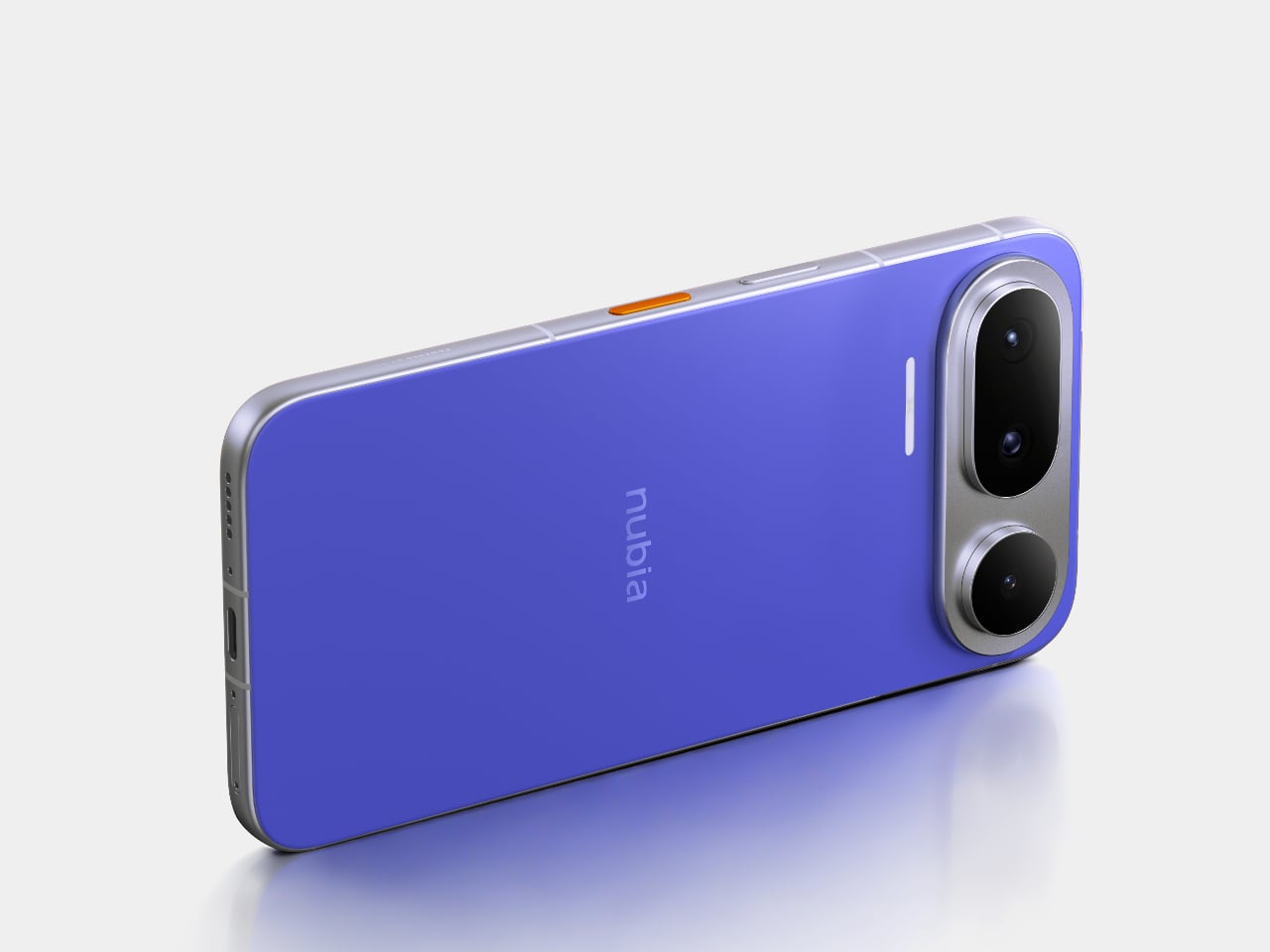
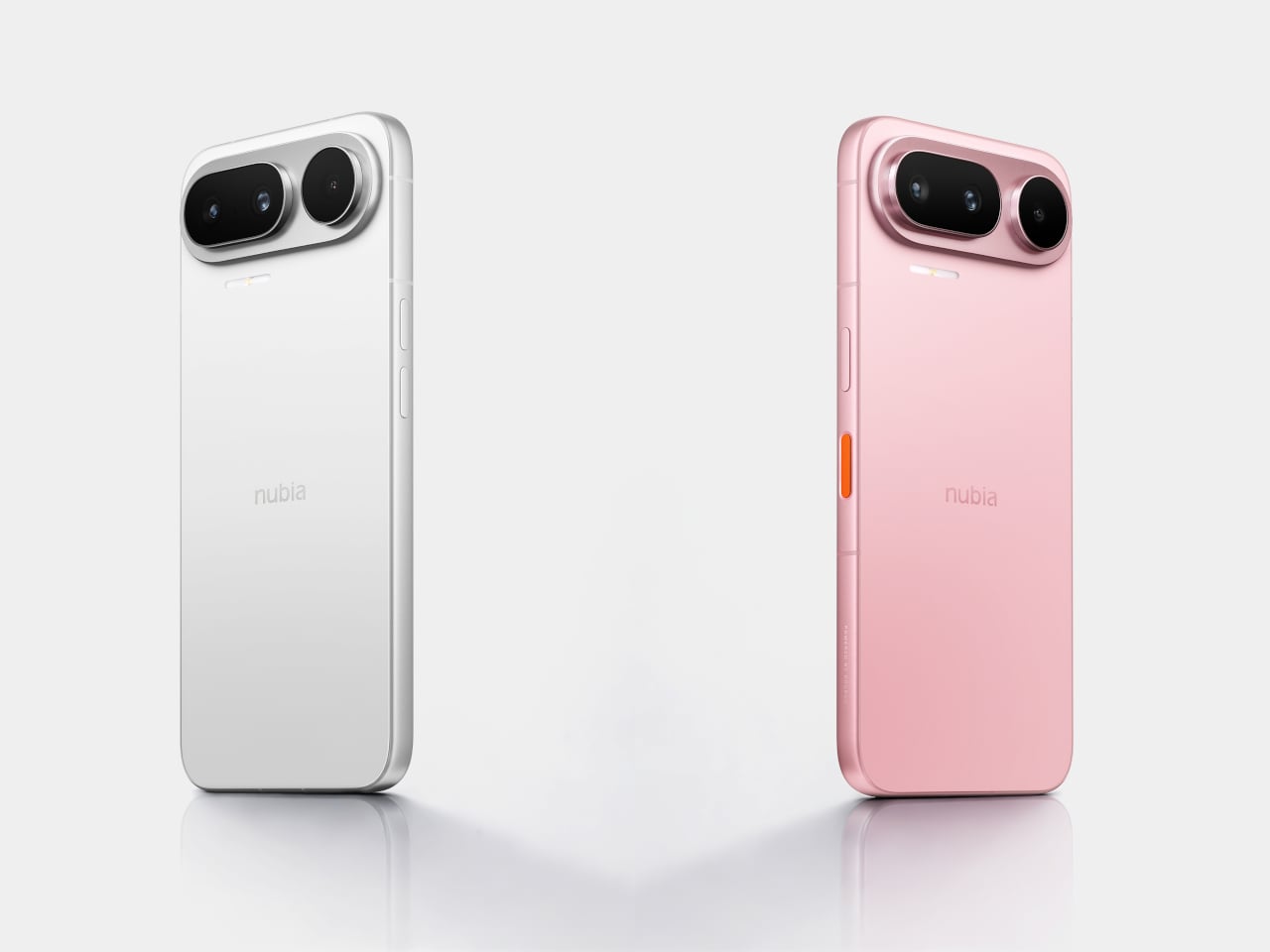
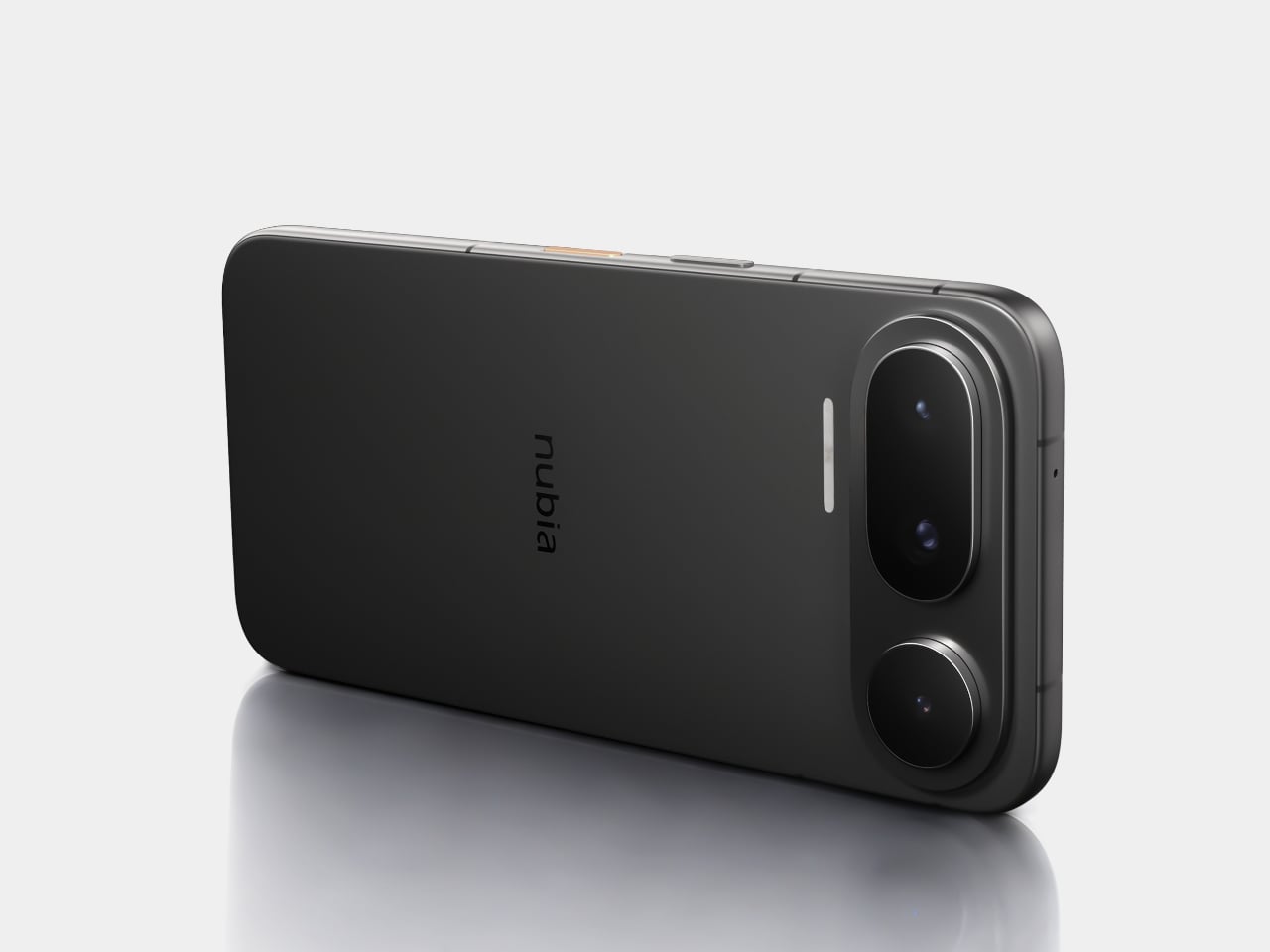
The hardware specifics haven’t been fully confirmed yet. What nubia has revealed ahead of launch is the design: a metal-framed body with exceptionally narrow bezels, a triple rear camera arranged in a horizontal Pixel-style bar, and a dedicated AI button on the frame. The phone comes in four colorways: Blue Horizon, Black, Dreamscape, and White. Whether the internal hardware matches the ambition of the software positioning is still an open question until full specs are released.

What’s interesting about the NaviX Ultra’s framing isn’t just the technical claim. It’s what the AI agent model implies about how people actually use their phones. The friction of switching between apps, re-entering context, and manually chaining tasks together is real, and it’s something that feature-level AI has only partially addressed. A phone that can hold that context across apps and act on it changes the interaction model rather than just adding a new tool to an existing one.

Nubia’s Doubao partnership with ByteDance gives the NaviX Ultra’s AI ambitions a specific cultural and software context. Doubao is one of the most widely used AI assistants in China, which gives this particular agent integration a large user base to learn from. Whether the system-level AI agent lives up to the label is something that will only be testable after the full device is in hand, but nubia is at least asking a more interesting question than most of its competitors have been willing to pose publicly.

The post nubia Just Built the World’s First Phone That Does Things on Its Own first appeared on Yanko Design.

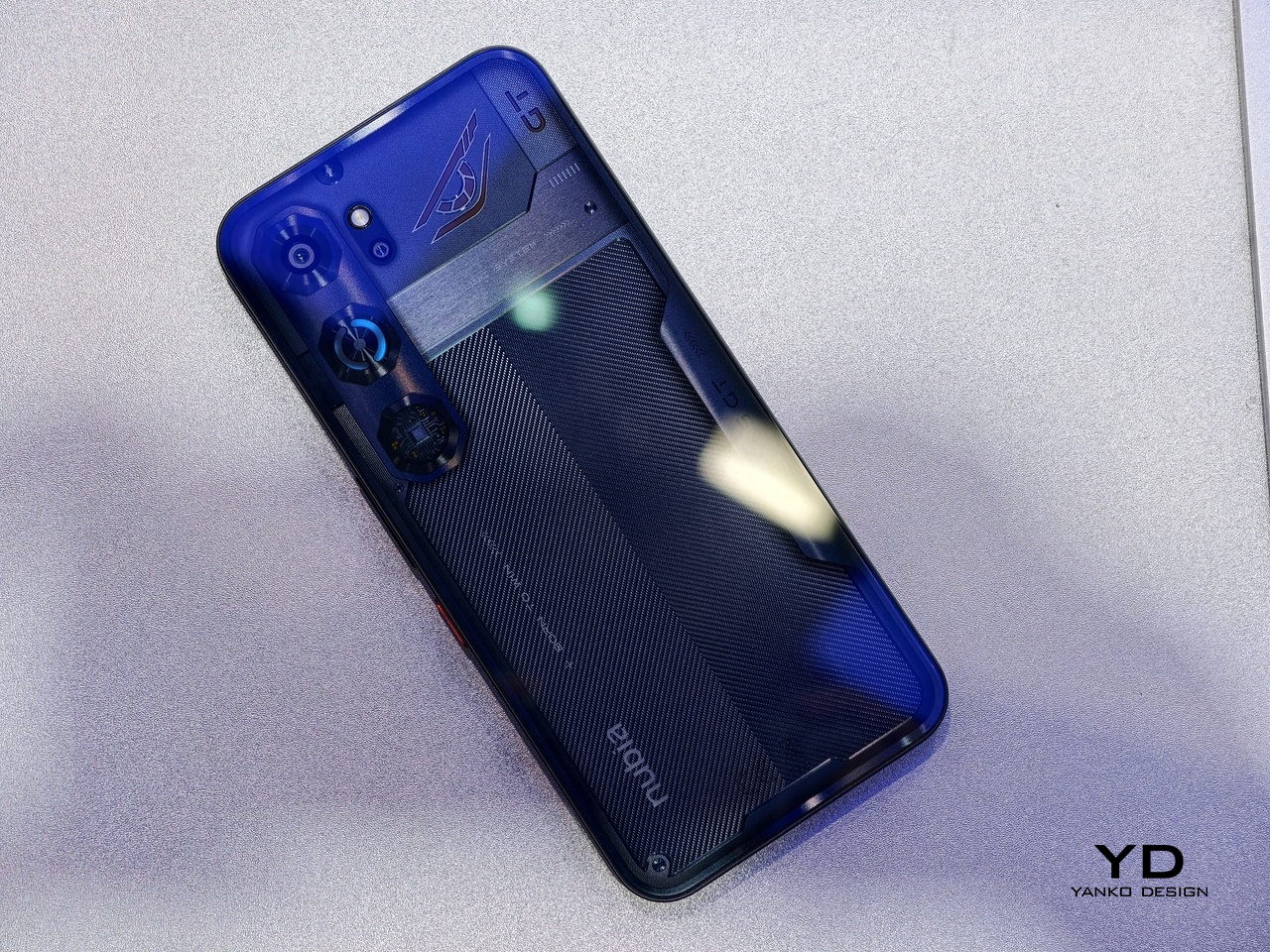
nubia Neo 5 GT: €399 Gaming Phone With a Built-In Cooling Fan

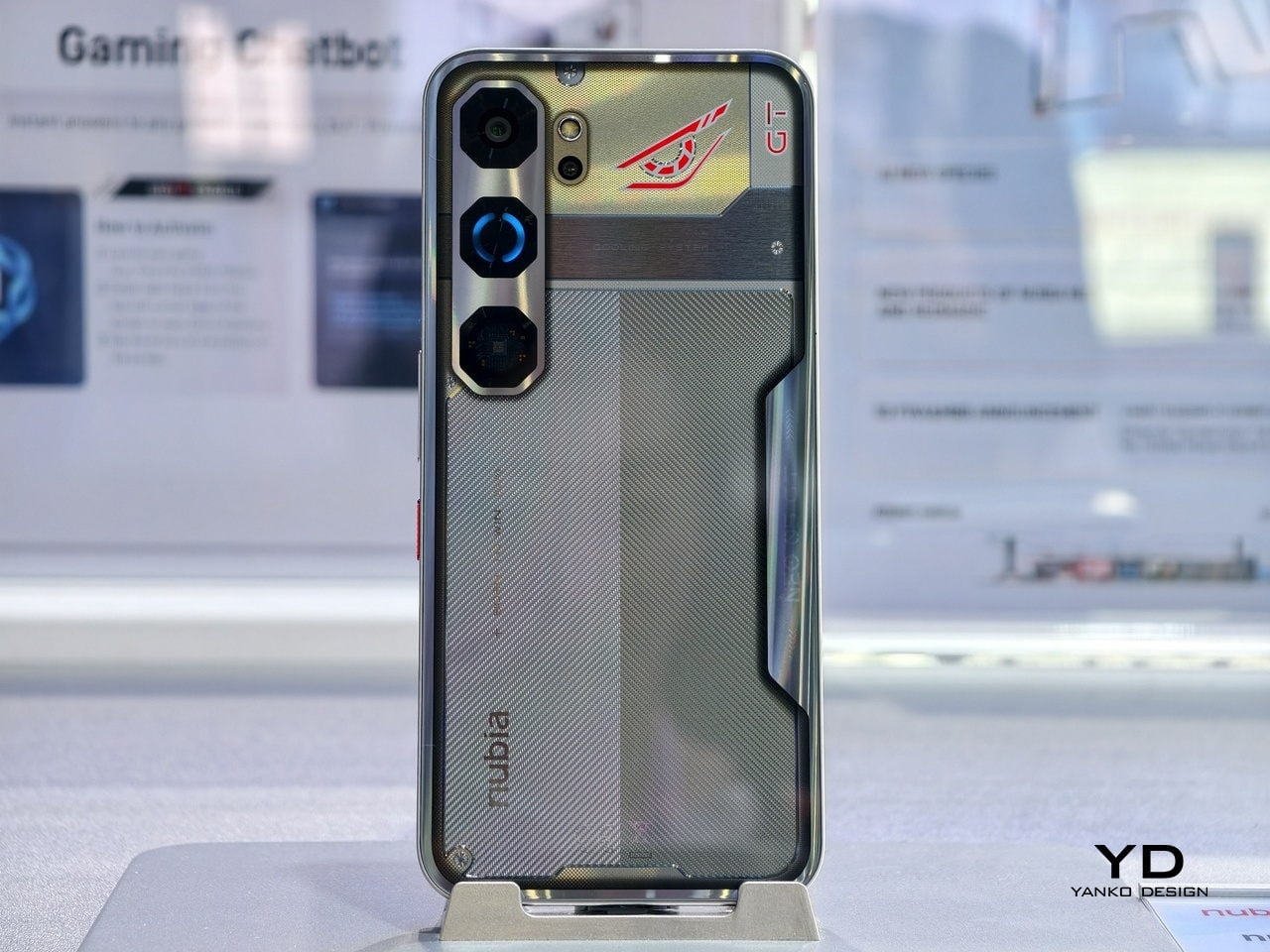
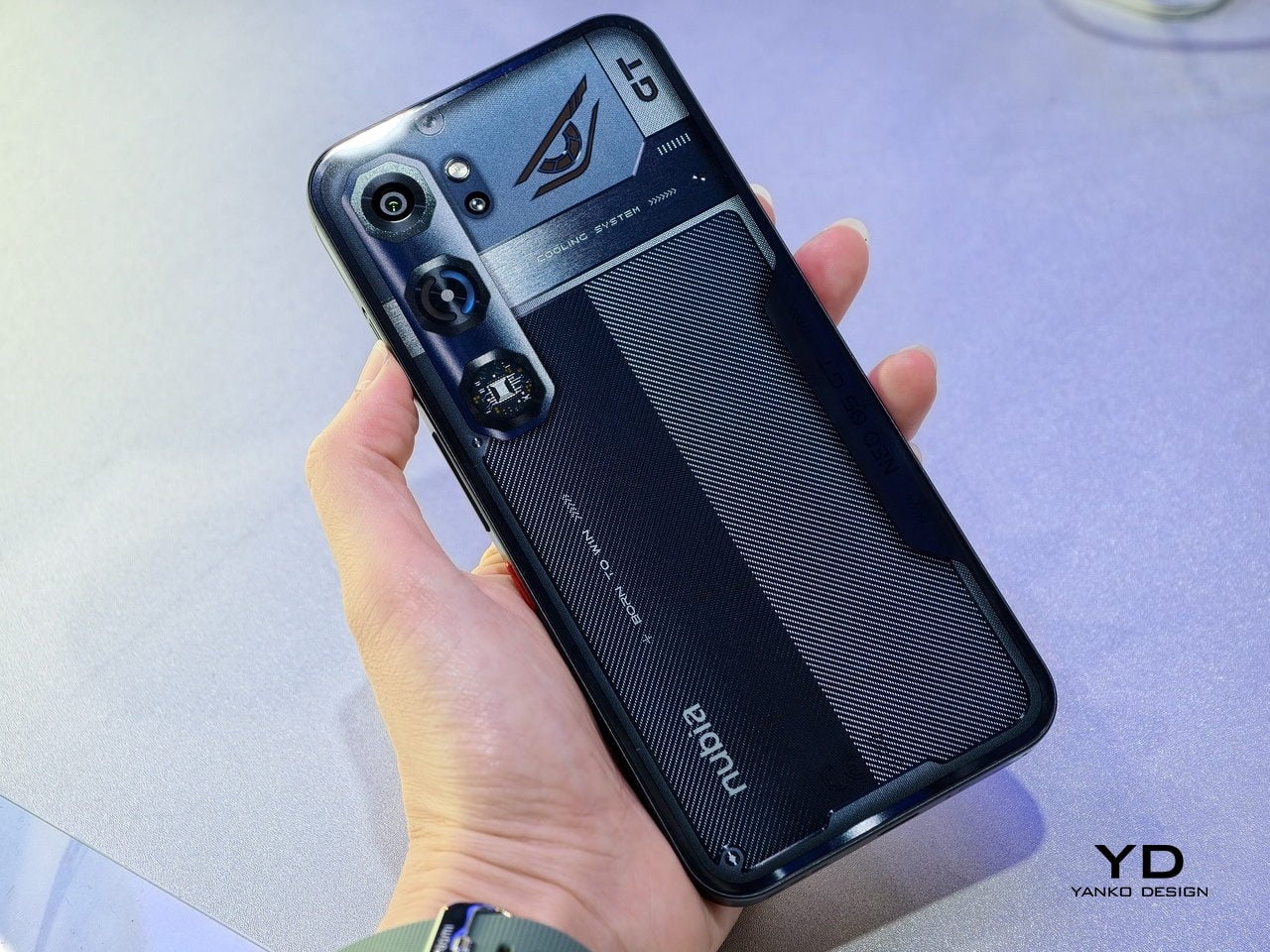
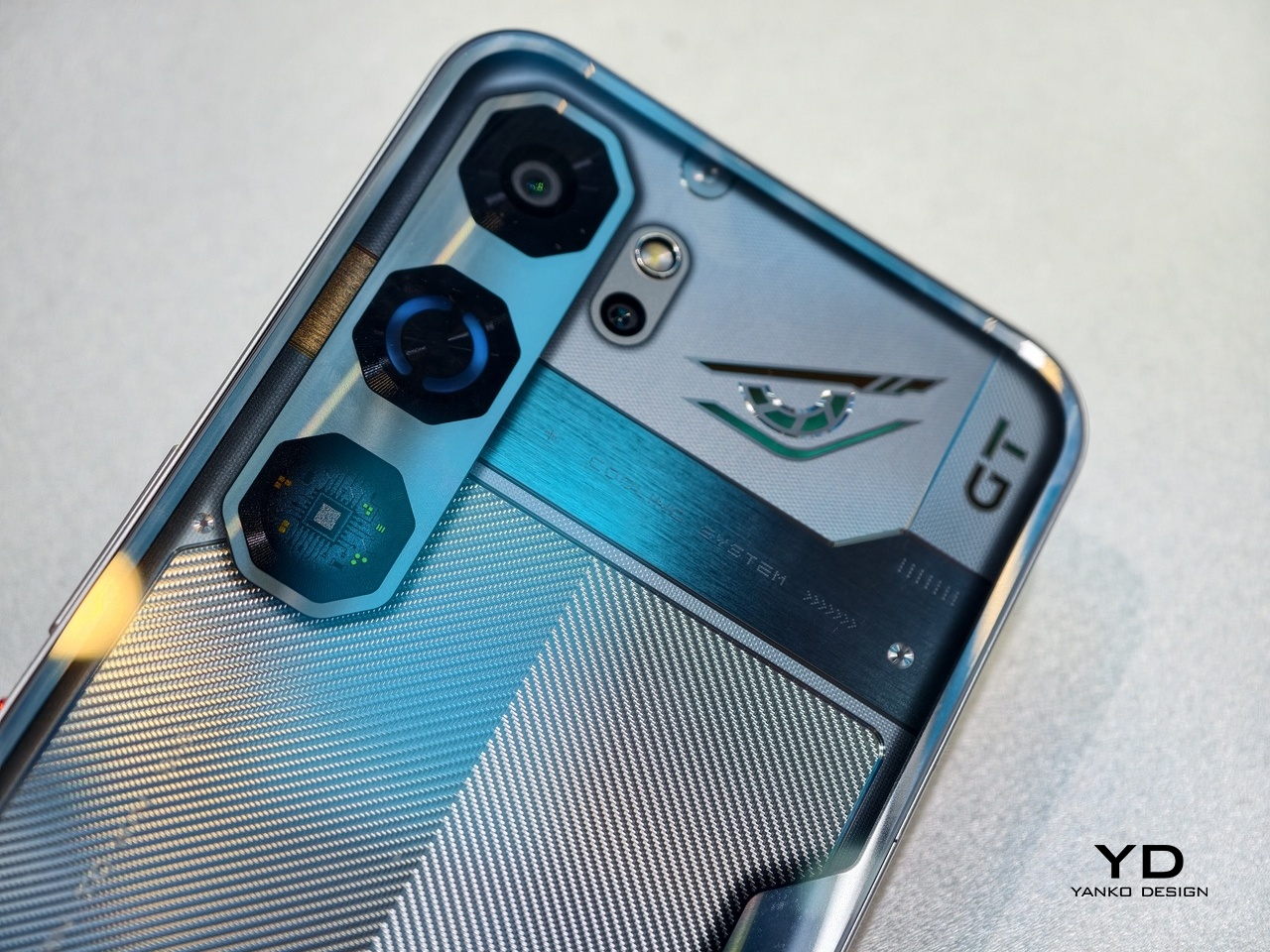
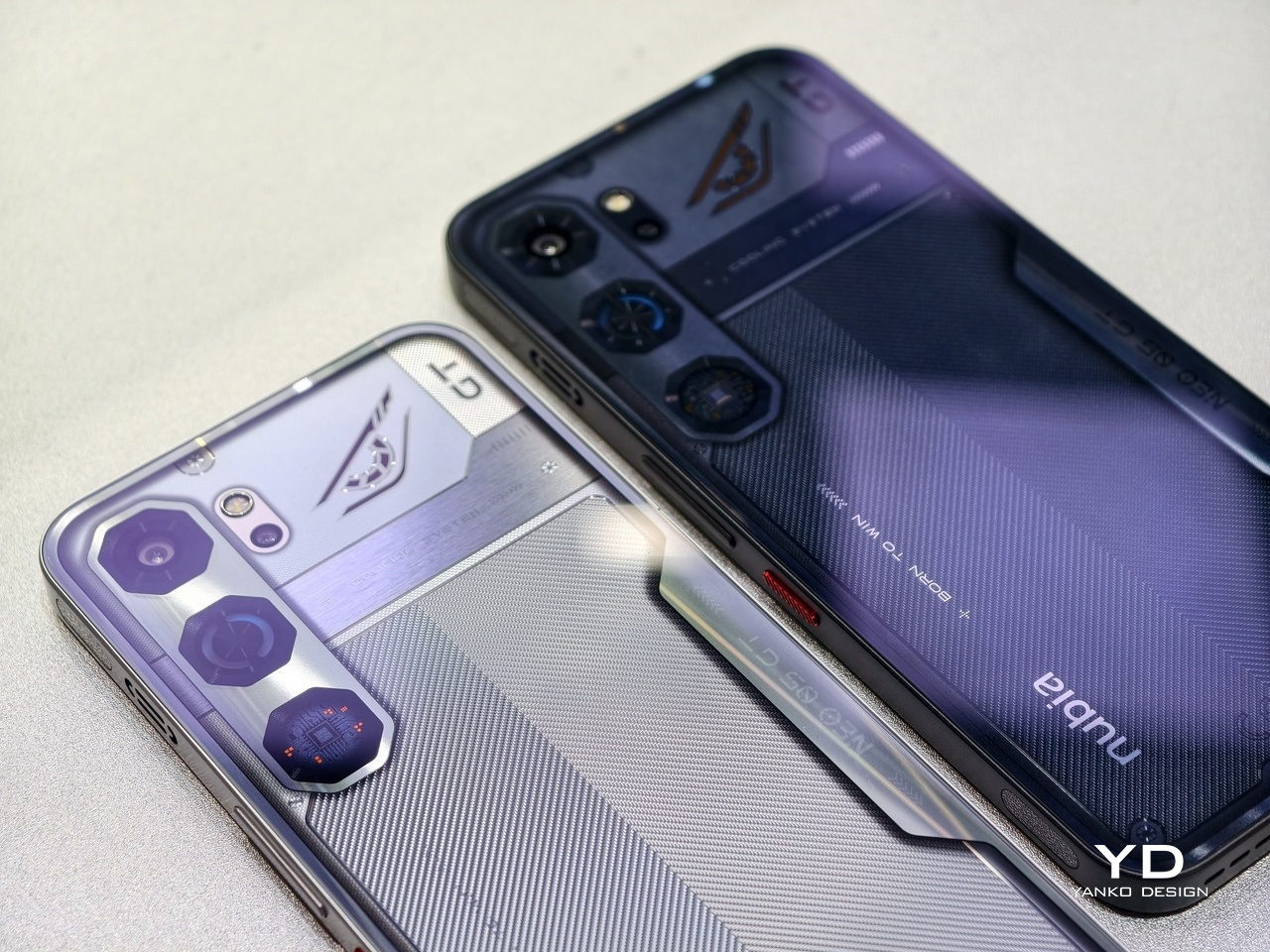
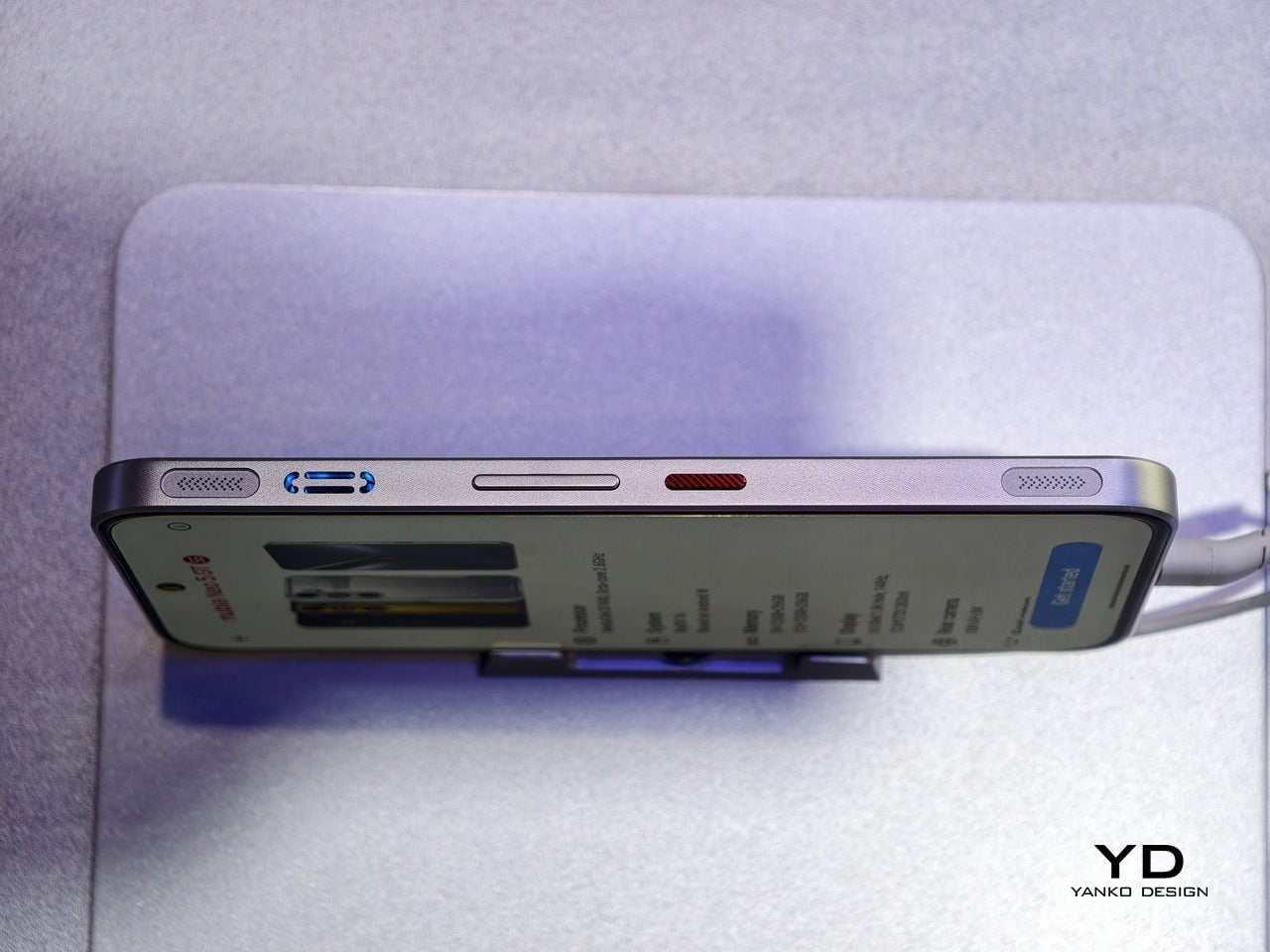
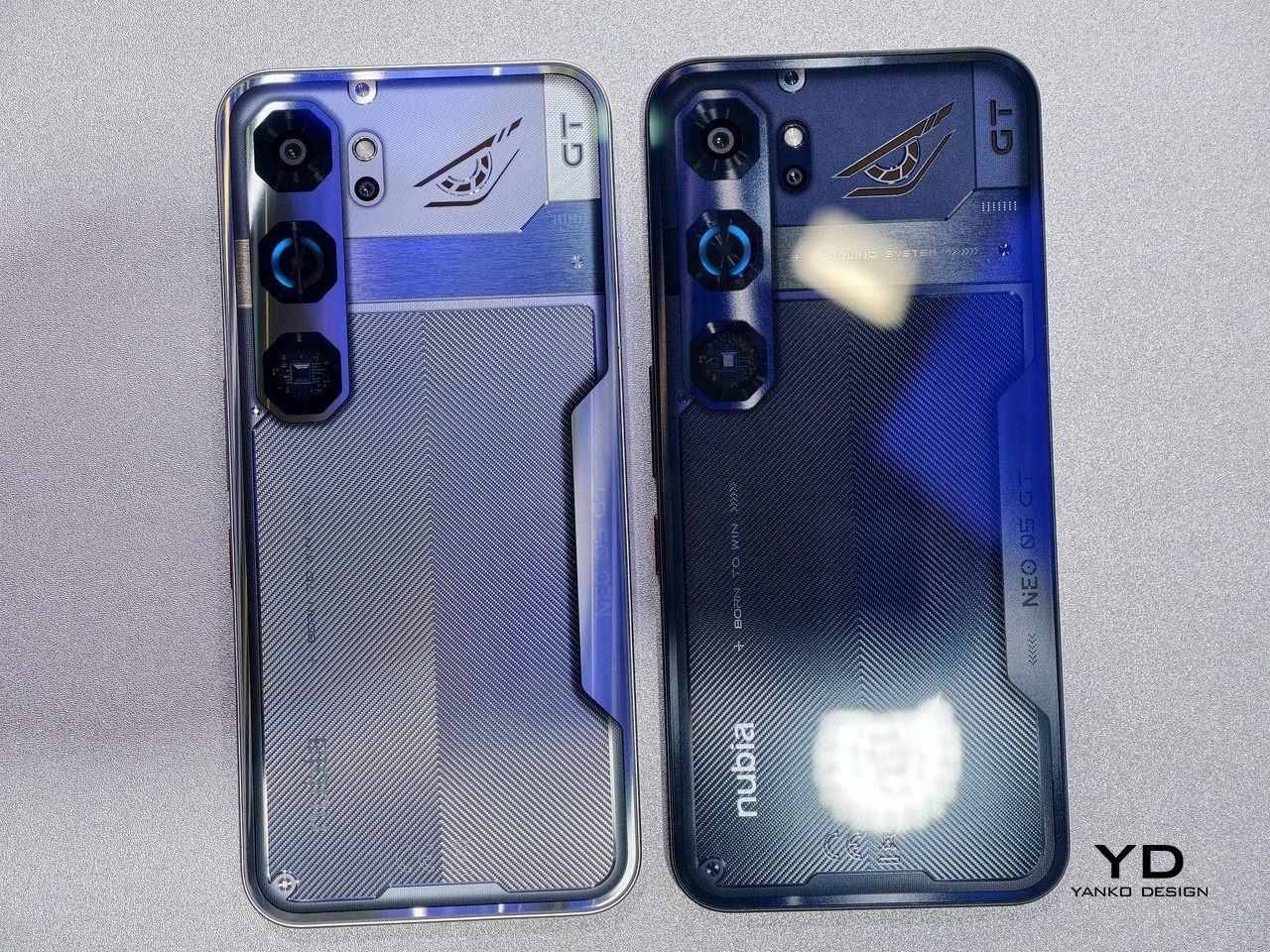
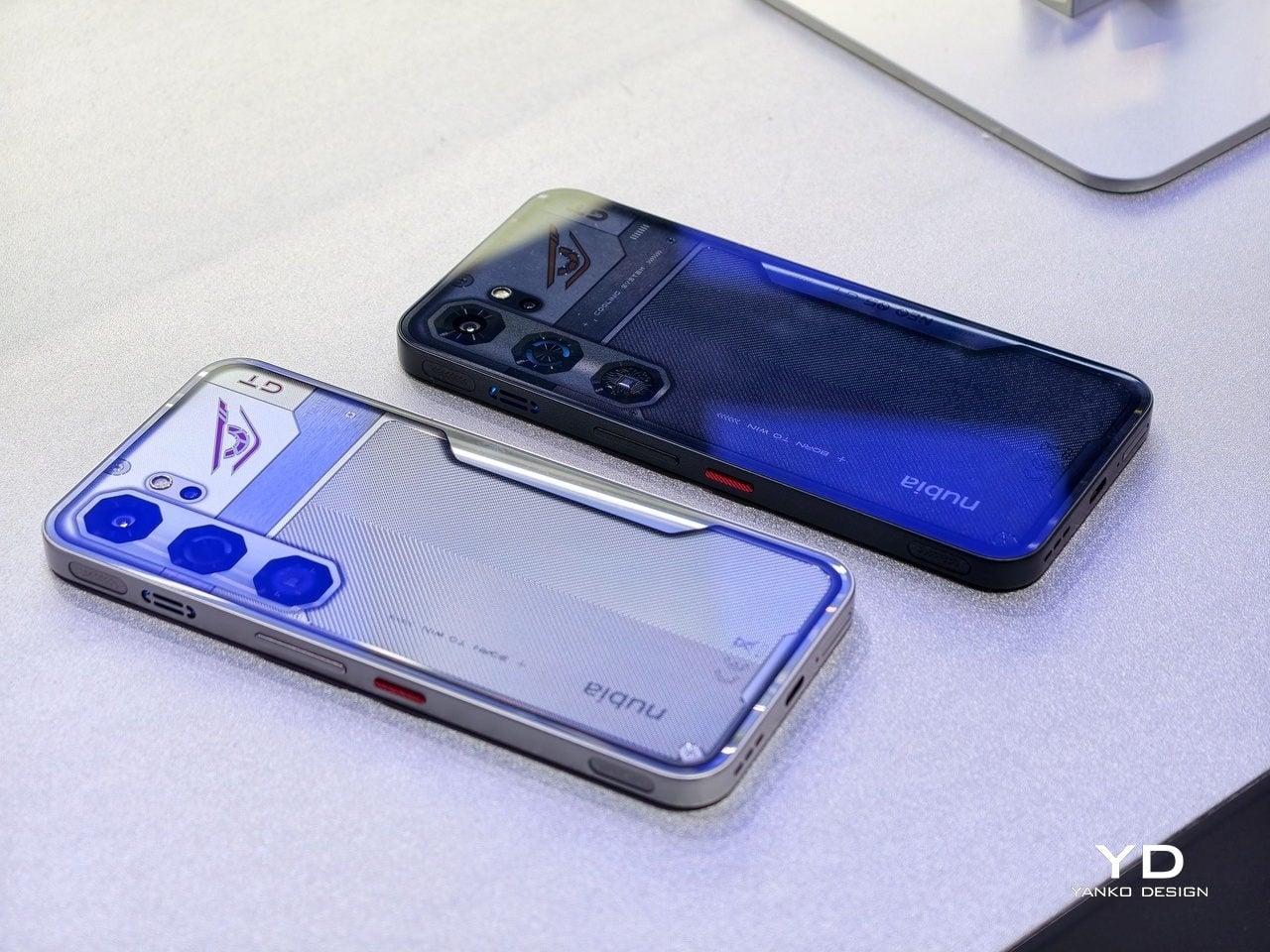
Gaming phones have a reputation for looking like they were designed by someone who just discovered RGB lighting for the first time. Big, chunky, aggressive, and occasionally embarrassing to pull out in public. The nubia Neo 5 GT takes a different approach: keep the silhouette clean, make the back completely flat with no camera bump, and deal with the overheating problem that plagues every long session by putting an actual fan inside.

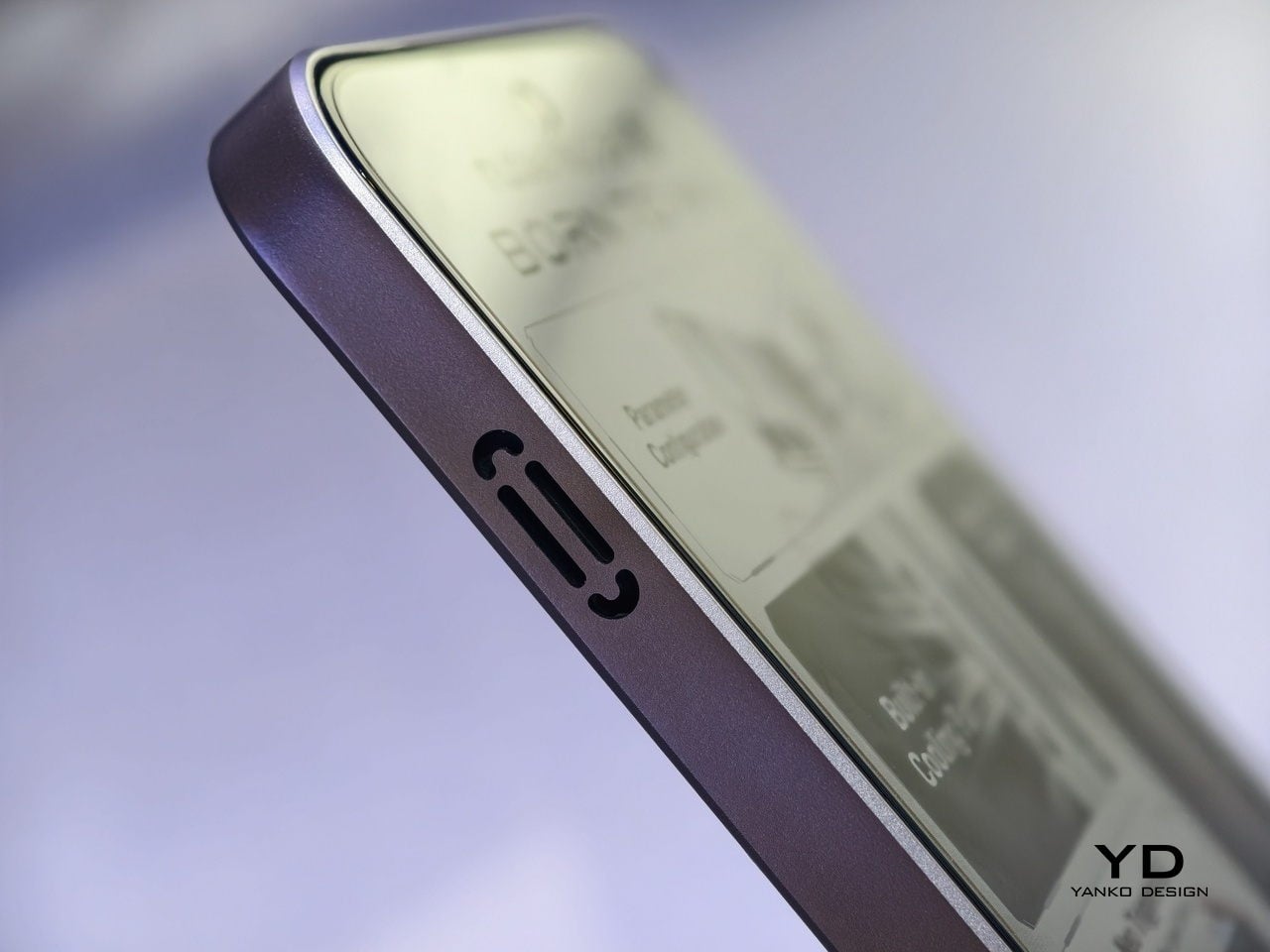
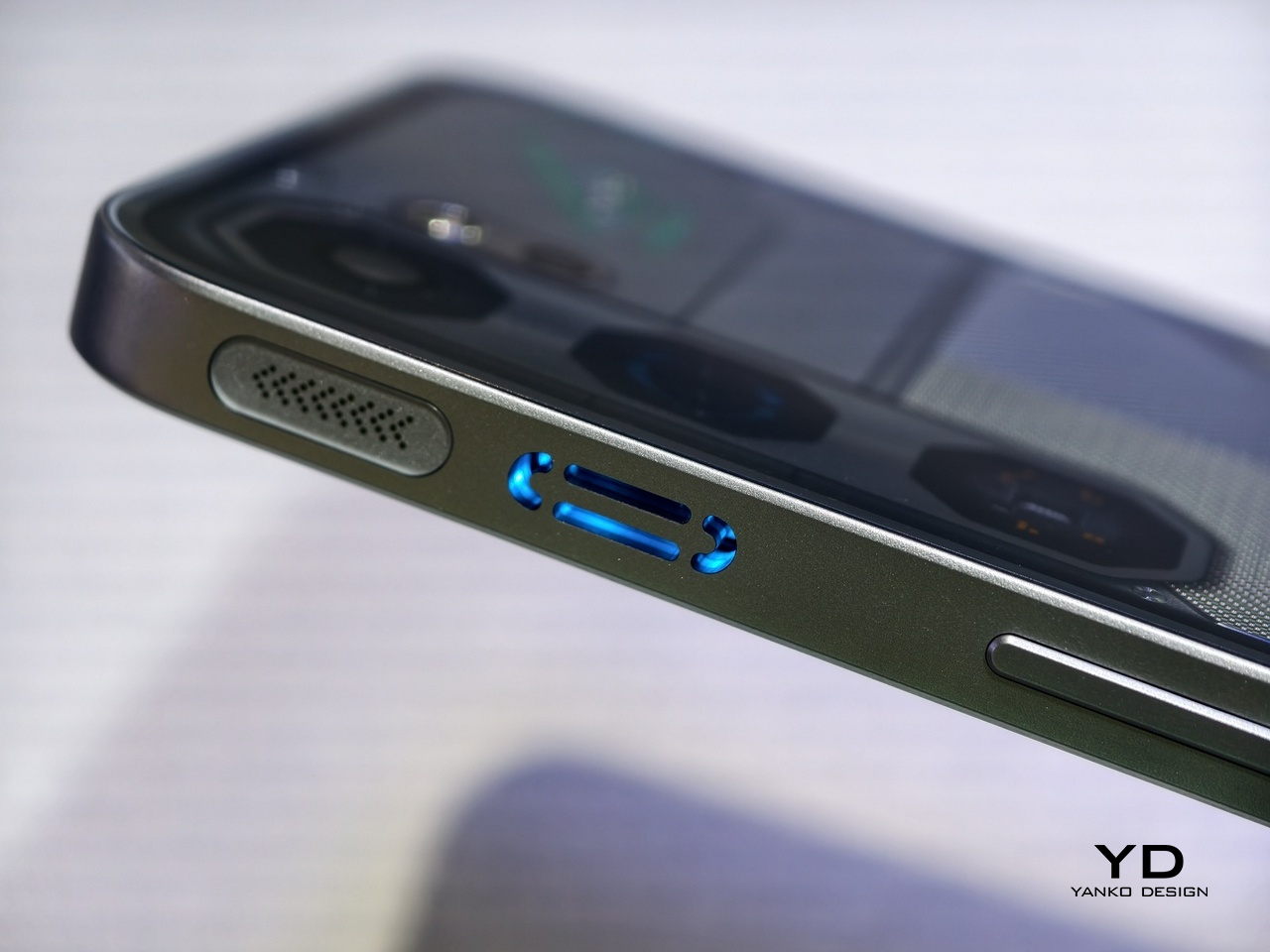
That last part is worth pausing on. Nearly every smartphone manages heat passively, relying on vapor chambers and graphite layers. The Neo 5 GT adds a built-in active cooling fan, paired with a Through-Flow Duct design that channels fresh airflow directly over the CPU and battery across a 29,508 mm² cooling area. nubia claims it’s the only device in its price class doing this, and at €399, that’s a hard combination to find anywhere else.

Designer: nubia

The processor is the MediaTek Dimensity 7400, a 4 nm chip paired with LPDDR Max 6400 Mbps memory and managed by nubia’s NeoTurbo Engine. The phone is officially certified for 120 FPS gameplay on Garena Free Fire and Mobile Legends: Bang Bang, and reaches 90 FPS on Delta Force. Whether sustained frame rates hold at those figures over a full match, rather than just during benchmarks, is a question active cooling is specifically designed to answer.

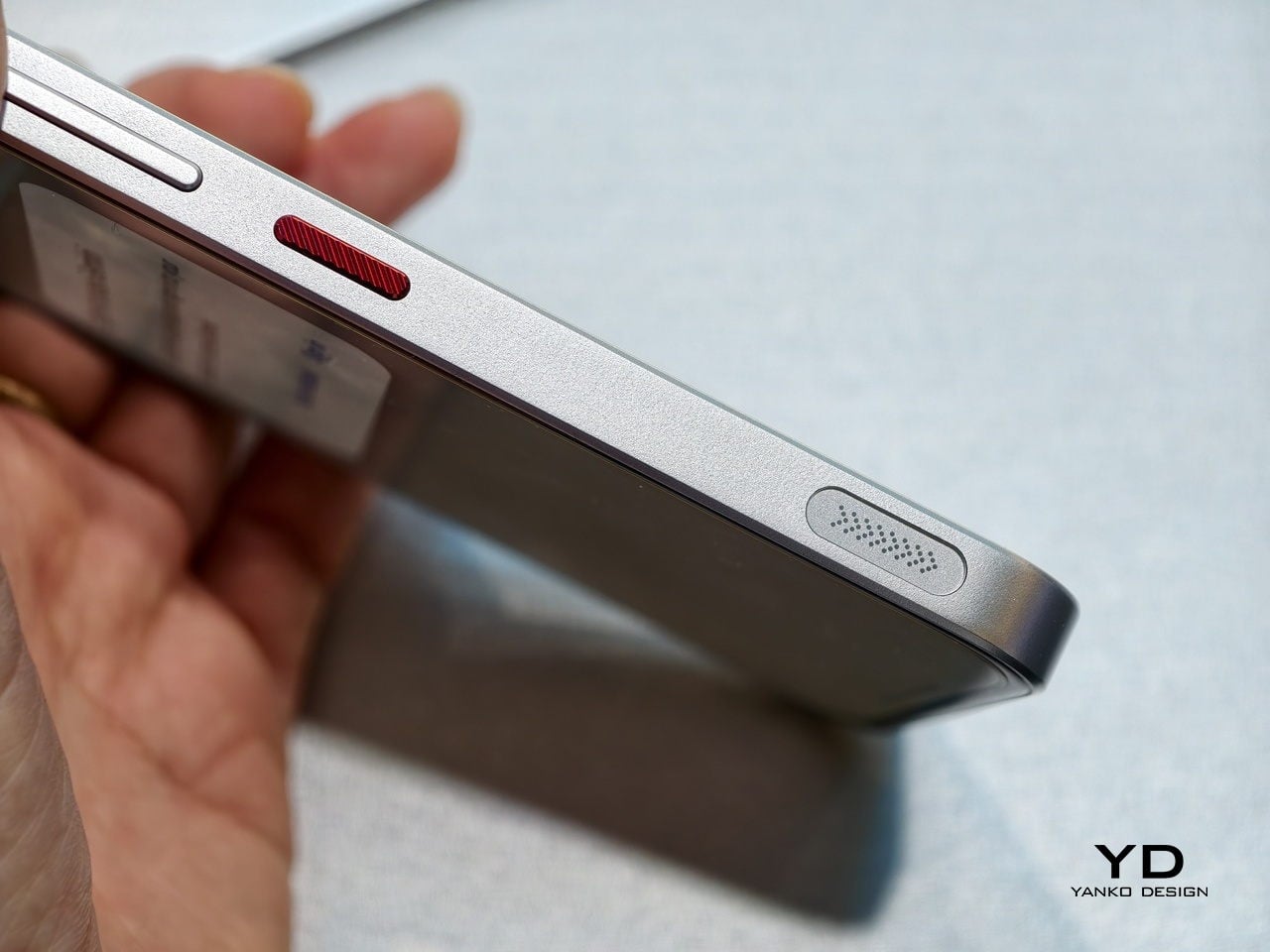
Physical controls come through Neo Triggers 5.0, shoulder buttons running at 550 Hz with sub-5.5 ms latency and a 3,049 Hz touch sampling rate. The 6.8-inch 1.5K AMOLED display runs at 144 Hz with 4,500 nits peak brightness, genuinely useful for outdoor play. Magic Touch 3.0 keeps the screen responsive when fingers are wet or sweaty, a detail that sounds minor until a match-deciding moment slips through an unresponsive tap.

Battery life gets similar attention. The 6,210 mAh dual-cell pack supports up to 80 W fast charging, dropping to 45 W for European markets. Bypass Charging routes power directly to the phone during gaming without cycling it through the battery, extending lifespan over time. A 5% Extreme Mode squeezes out up to 23 additional minutes of gameplay or 29 hours of standby from the last sliver of charge, useful for anyone who routinely forgets to plug in.

AI Game Space 5.0 houses AI Copilot Demi 2.0, which covers real-time Gaming Coach updates for FPS and MOBA titles, a Gaming Chatbot for mid-session queries, and automatic message replies during play. Outside of games, there’s a 50 MP triple rear camera, AI Scam Alert, AI Translate, and AI Memory for everyday tasks. The nubia Neo 5 at €299 and the larger nubia Neo 5 Max, with its 7.5-inch display, round out the series with different trade-offs.

The Neo 5 GT’s real pitch is straightforward: sustained performance at mid-range pricing, in a form factor that doesn’t announce itself as a gaming phone the moment it leaves a pocket. The flat back and the lack of a camera bump are easy to take for granted until you remember what most gaming phones look like.

The post nubia Neo 5 GT: €399 Gaming Phone With a Built-In Cooling Fan first appeared on Yanko Design.

Nubia Z80 Ultra Review: Style, Stamina, and a 35mm Camera Edge

PROS:


  • Stunning "true full-screen" experience

  • Eye-catching Van Gogh-inspired Starry Night design

  • 50MP camera with 35mm optical lens gives a more natural "human eye" output

  • Dual-stage physical button mimics tactile camera experience

CONS:


  • Not available in markets like the US, UK

  • Ultra-wide camera has no OIS

RATINGS:

AESTHETICS
ERGONOMICS
PERFORMANCE
SUSTAINABILITY / REPAIRABILITY
VALUE FOR MONEY

EDITOR'S QUOTE:

The nubia Z80 Ultra delivers the rare combination of professional 35mm optics, multi-day battery stamina, and a truly notch-free display in a design that refuses to blend in.

Flagship smartphones have become predictable, with most settling into the same design language, camera arrays, and battery compromises that force users to choose between power and portability every year. The nubia Z80 Ultra breaks from that pattern with a phone that bets big on three things other flagships often sacrifice: a truly immersive, notch-free display; a massive 7200mAh battery that lasts days; and a 35mm optical lens that brings a professional photographic perspective to smartphone photography.

Powered by the Snapdragon 8 Elite Gen 5, the nubia Z80 Ultra targets users who want a device that excels at gaming, photography, and endurance without forcing compromises. Available in Black, White, and a limited Starry Night Blue edition, the phone blends bold design with technical innovation, aiming to stand alongside the best from Samsung and Apple while carving its own path through unique features and design philosophy. But does it deliver its promises beyond the juicy spec sheet? We take it for a spin to find out.

Designer: nubia

Aesthetics

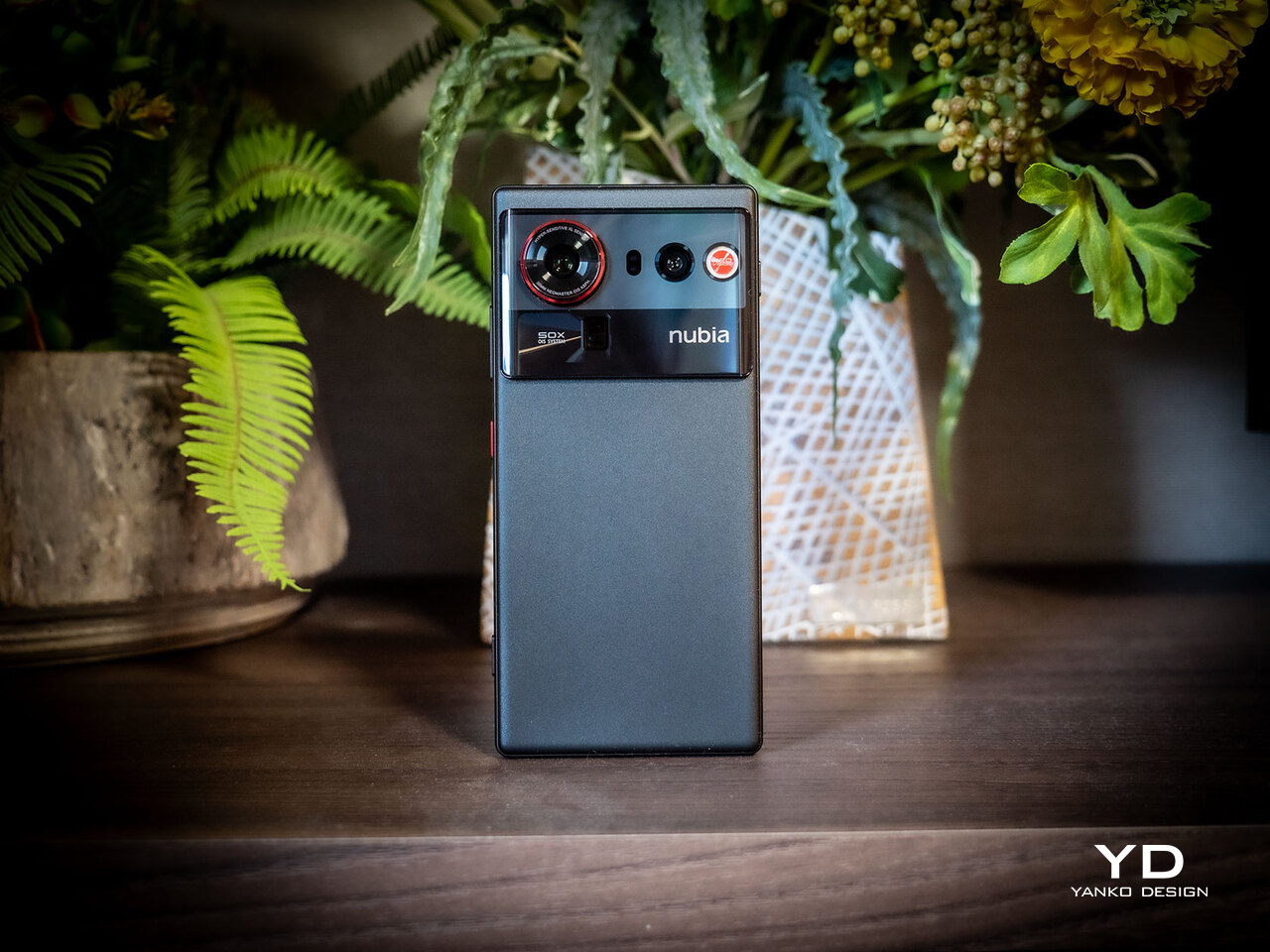
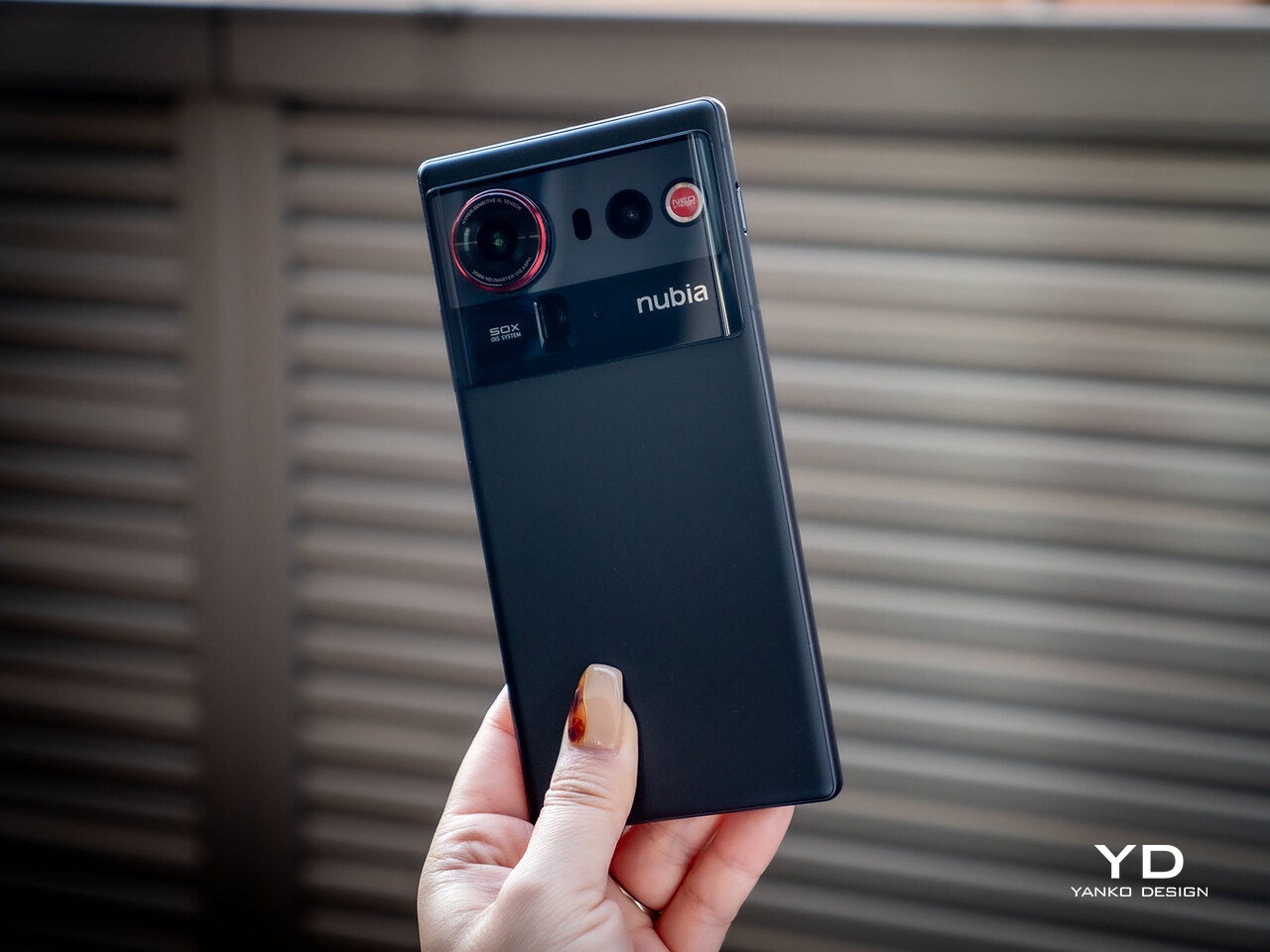
The Z80 Ultra’s design immediately sets it apart from the sea of glass-and-metal rectangles dominating the flagship space right now. The review unit in black showcases a soft stardust matte finish that resists fingerprints and feels warm to the touch rather than cold and clinical. The luminous red ring encircling the main camera creates a visual anchor, drawing the eye without overwhelming the minimalist rear panel’s clean geometry.

The camera module occupies slightly less space than previous-generation nubia flagships, giving the back a more balanced, less top-heavy appearance. The arrangement of three lenses, flicker sensor, and laser autofocus module within the raised island feels considered and symmetrical. The DECO area occupies just 13 percent of the back, leaving plenty of room for the nubia branding and the distinctive red physical button on the right edge.

The four-sided curved bonding process and subtle arc edges give the nubia Z80 Ultra a refined, ergonomic profile. The 2nd-generation Longxi glass front is smooth and flat with a 2.5D flexible display that curves gently at the edges, creating a seamless transition between screen and frame. The crystal fiber body feels substantial and premium, while the rounded corners prevent any sharpness or discomfort during extended holding periods.
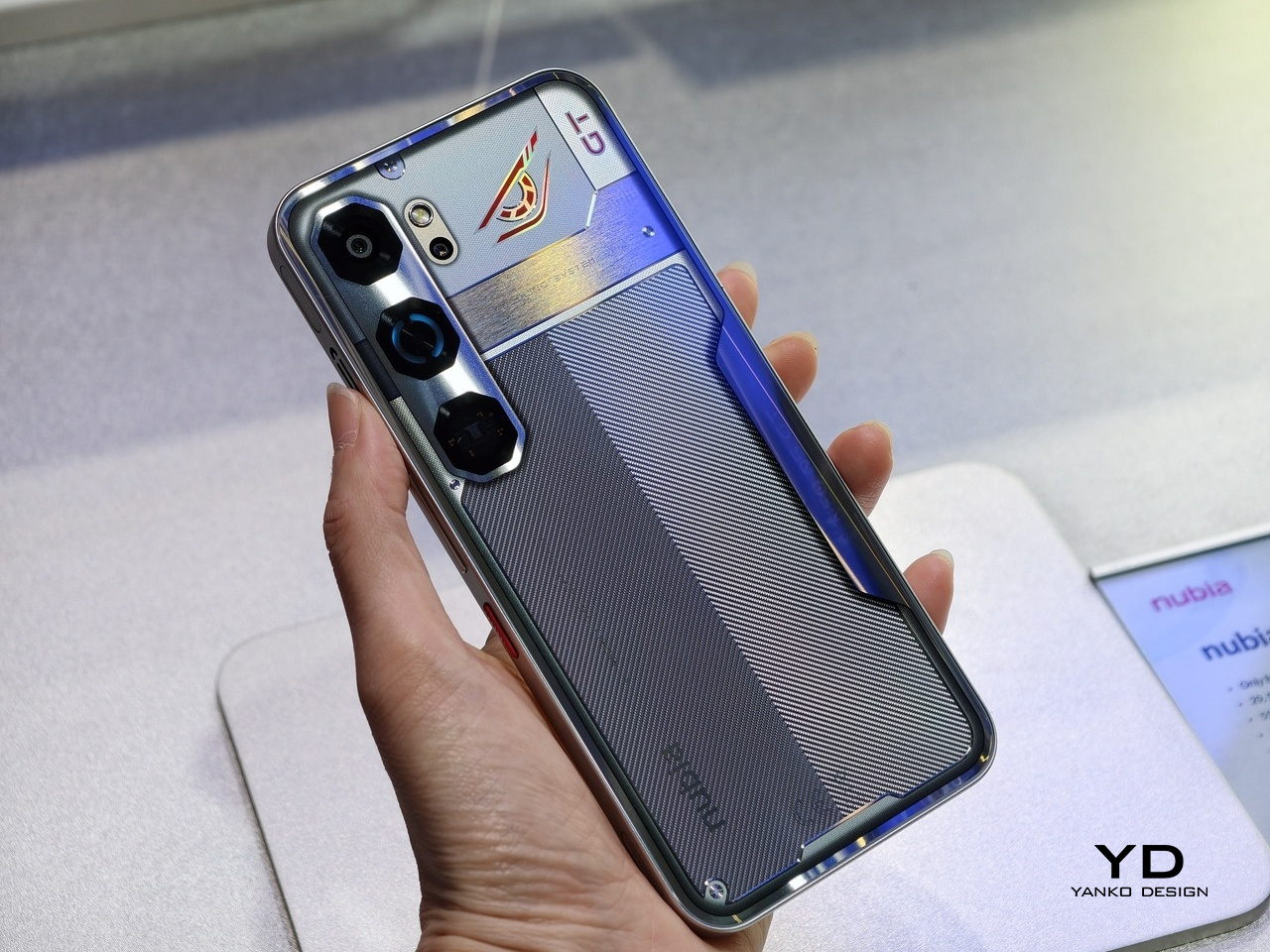
The Blue Starry Night edition takes the aesthetic in a dramatically different direction, with a Van Gogh-inspired swirling pattern across the entire back panel. This artistic approach makes the phone feel like a collectible statement piece rather than just a communication device. The black variant reviewed here offers understated elegance for those who prefer subtlety, while the white version provides a clean, modern alternative for minimalists.

Ergonomics

Despite the large 6.85-inch display, the Z80 Ultra manages to feel balanced and manageable in daily use. The curved back and tapered edges nestle comfortably in the palm, distributing the 227-gram weight evenly across the hand. The device never feels unwieldy during extended gaming sessions or prolonged photo walks, thanks to the thoughtful weight distribution and grip-friendly curves that encourage natural hand positioning.
The dual-stage physical camera button on the right edge provides tactile control that touchscreen shutters simply cannot match. Half-pressing focuses and locks exposure, while a full press captures the shot with satisfying mechanical feedback. For mobile photography enthusiasts who miss the feel of dedicated cameras, this button brings back the ritual of deliberate shooting. The button’s placement is natural for index finger access during landscape shooting.

Button placement follows a logical pattern, with the power button and volume rocker positioned for easy thumb access during normal holding. The ultrasonic fingerprint sensor embedded in the display responds instantly, unlocking the phone in well under a second. The customizable shortcut key can be programmed for quick camera access, flashlight activation, or any frequently used function, adding convenience without cluttering the minimal design.

The phone slips into jeans pockets without excessive bulk, though its width may challenge smaller pockets or hands. The slim 8.6mm profile helps offset the large footprint, and the matte finish prevents the phone from sliding on smooth surfaces when placed face-up on tables or desks during meetings and meals.

Performance

The Snapdragon 8 Elite Gen 5, paired with up to 24GB LPDDR5X RAM and 1TB UFS 4.1 storage, delivers flagship performance that handles everything from intensive gaming to rapid photo editing without breaking stride. App launches are instantaneous, multitasking between dozens of apps feels seamless, and sustained gaming maintains stable frame rates thanks to the advanced cooling architecture working quietly in the background.
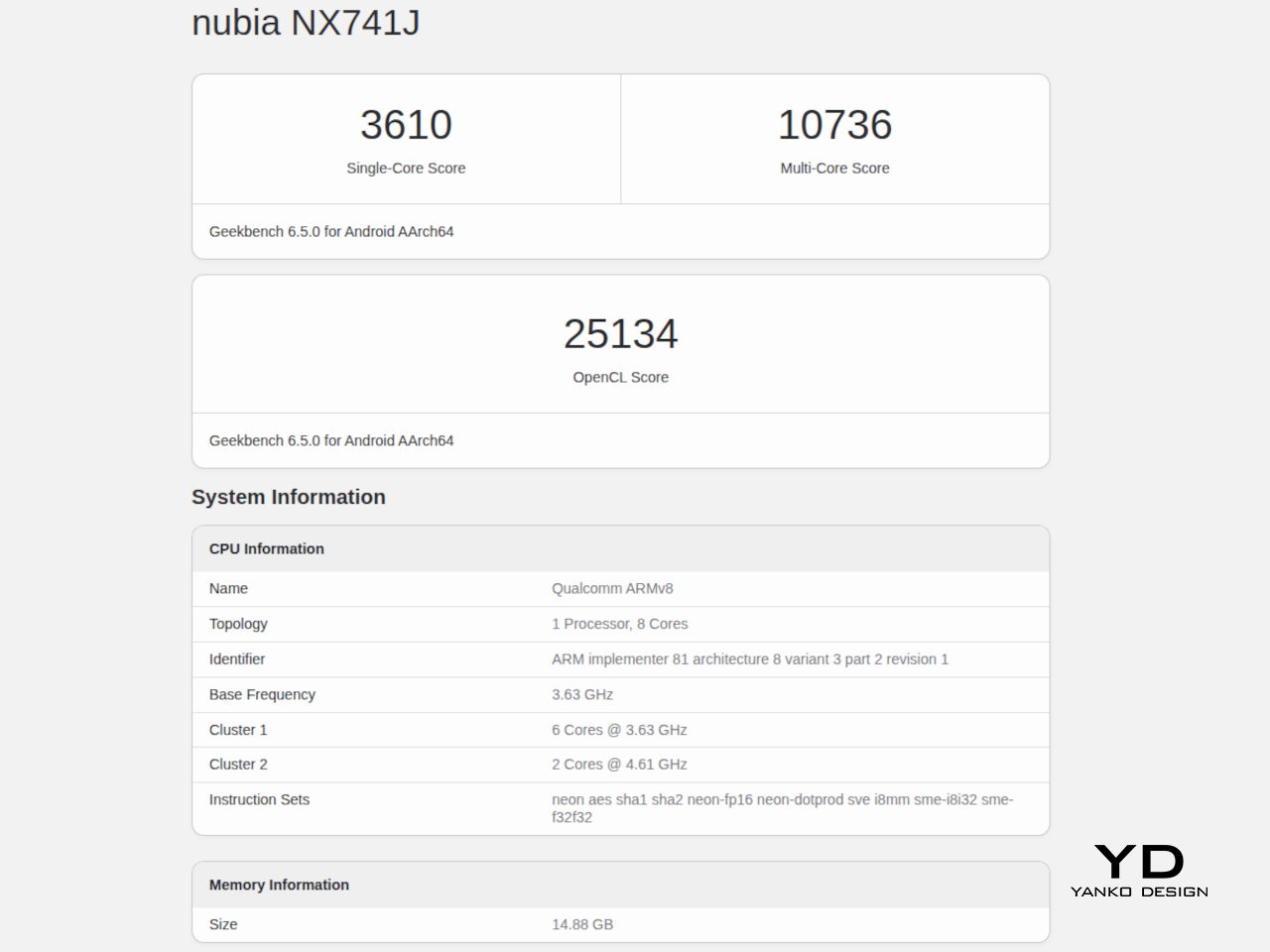
The REDMAGIC CUBE Gaming Engine optimizes power delivery and thermal management during gameplay. Running demanding titles like Genshin Impact at maximum settings with the 144Hz display active, the phone maintains smooth performance with minimal frame drops. The AI Super Frame Stabilization keeps motion fluid even during fast-paced action, while the 3000Hz touch sampling rate ensures every tap and swipe registers immediately for competitive advantage.
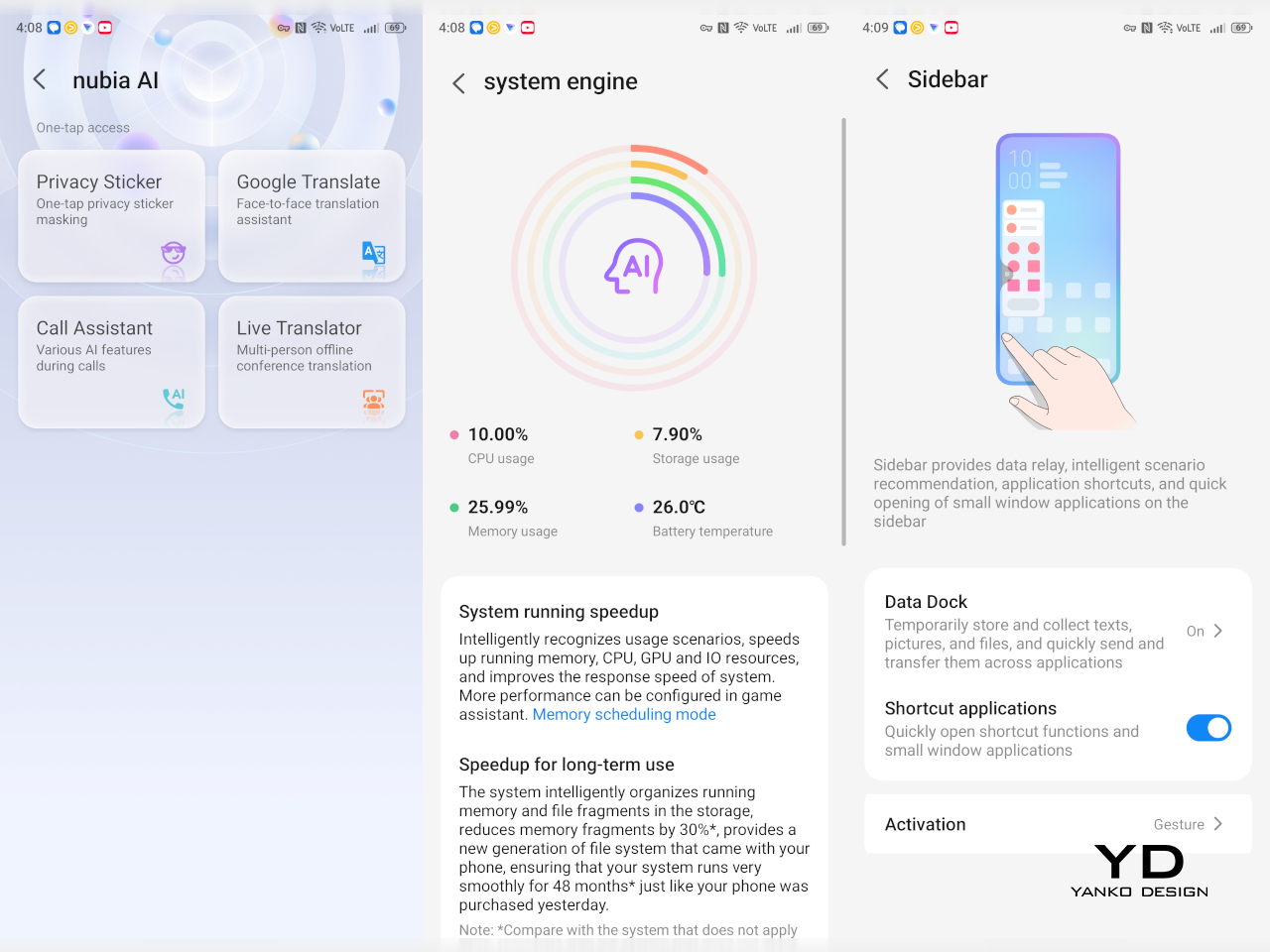
The advanced composite liquid metal and oversized 3D Ice Steel vapor chamber cooling system represents a significant upgrade, increasing cooling area by 35 percent over previous models. This thermal management prevents the performance throttling that plagues thinner flagships during sustained loads. During extended gaming sessions lasting over an hour, however, the phone got a little warm to the touch, but not so much to be uncomfortable.

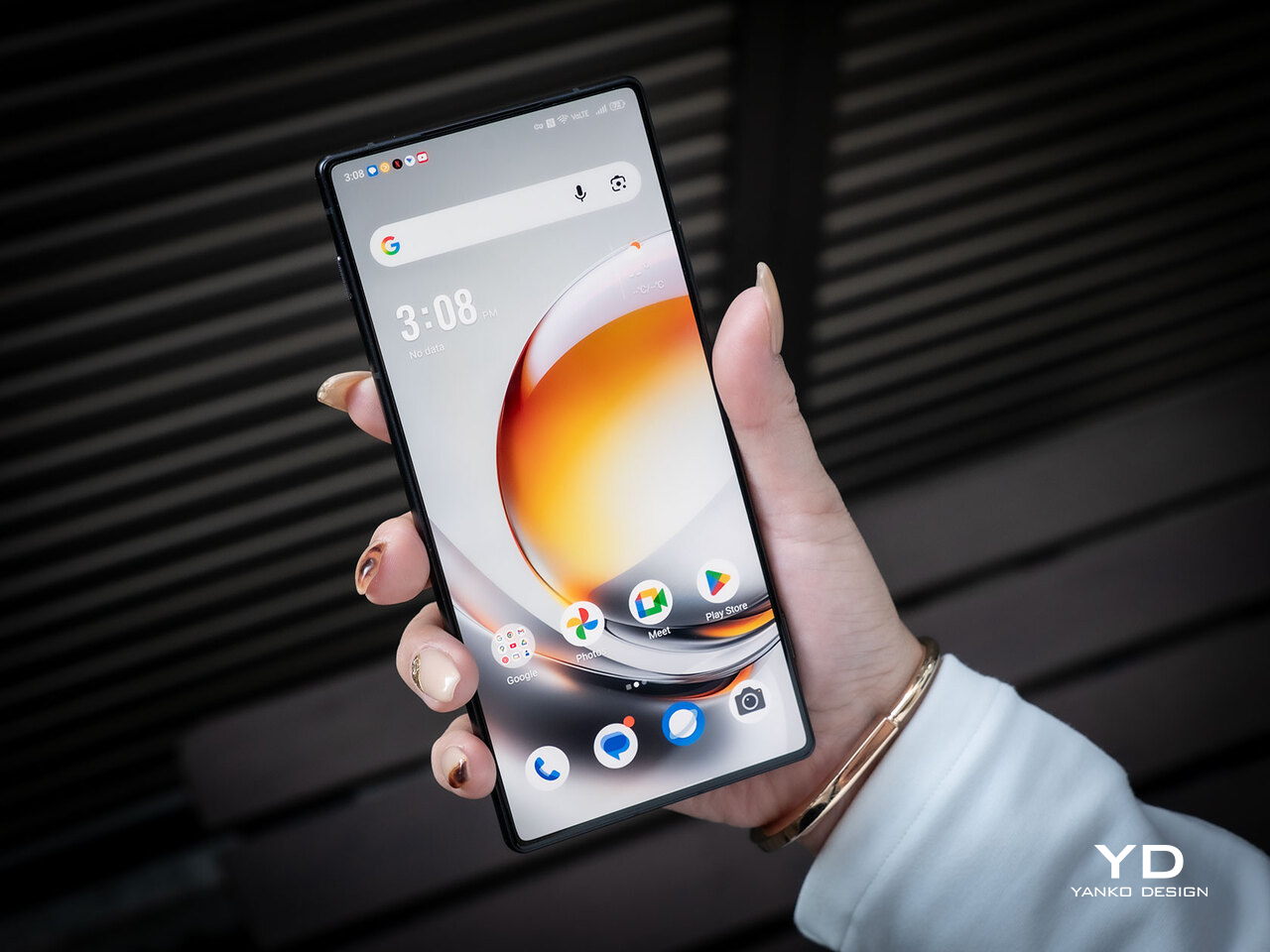
The 6.85-inch BOE X10 AMOLED display is the star of the show, offering a truly immersive, notch-free viewing experience. The 1.5K resolution (2688×1216) delivers sharp text and detailed imagery, while the 144Hz refresh makes scrolling and gaming feel buttery smooth. Peak brightness of 2000 nits means the screen remains visible even in direct sunlight, and the 100 percent DCI-P3 color gamut ensures photos and videos look vibrant and accurate.
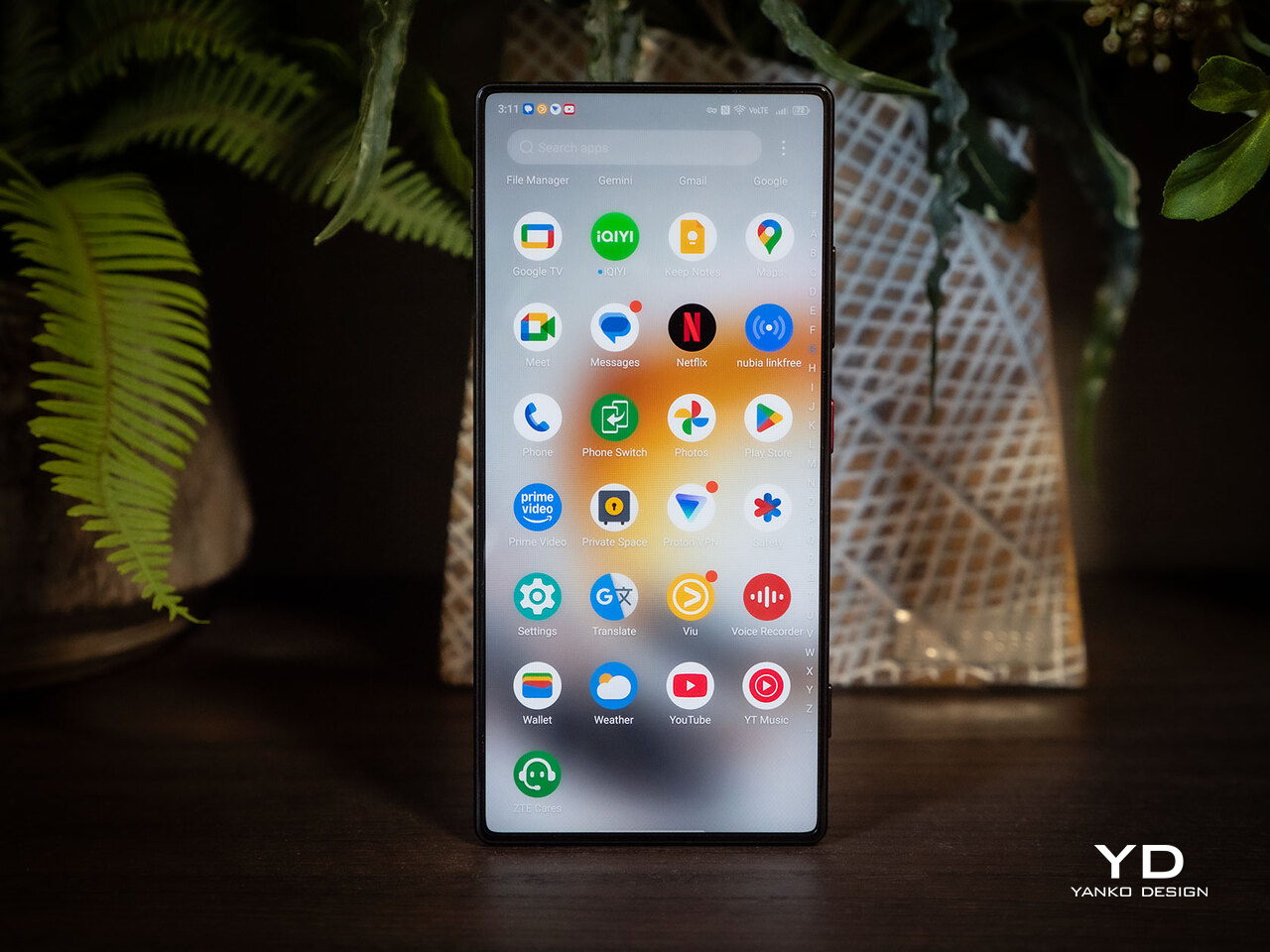
The under-display camera technology hides the 16MP selfie camera beneath the screen, preserving the seamless visual experience. While selfie quality in challenging low light doesn’t quite match dedicated punch-hole cameras, the trade-off for an uninterrupted display feels worthwhile for content consumption, gaming, and the overall visual aesthetic. Outdoor and well-lit selfies remain sharp and detailed, making the compromise reasonable for most users.

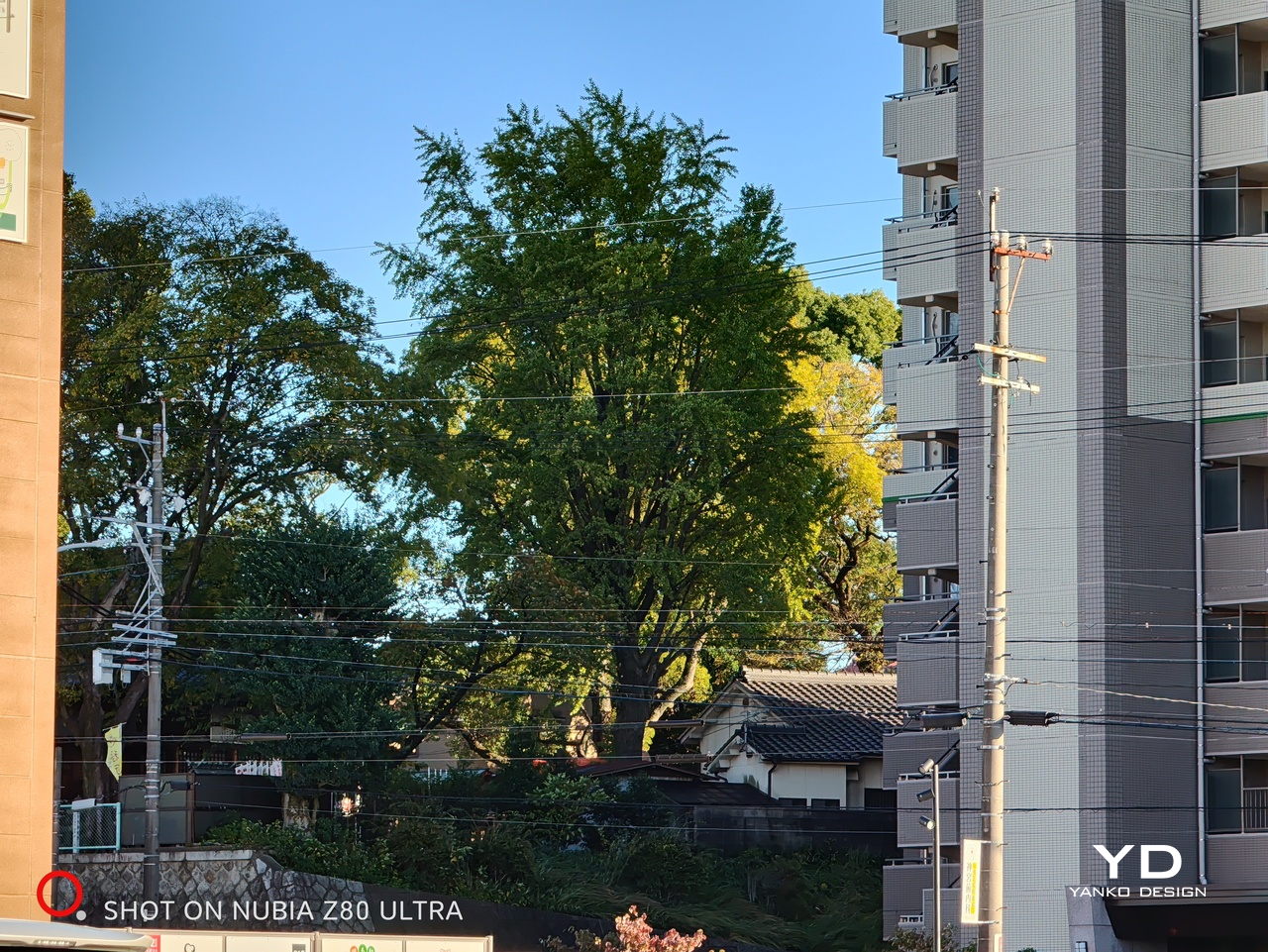
The triple camera system built around the 35mm f/1.7 main lens offers a perspective that feels natural and professional compared to the wider 24mm or 26mm lenses most flagships employ. Street photography, portraits, and documentary-style shots benefit from the reduced distortion and beautiful subject isolation that 35mm provides. The focal length matches human vision more closely, making compositions feel intuitive and authentic rather than artificially wide or compressed.

The 50MP ultra-wide and 64MP telephoto round out the system, providing versatile coverage from macro close-ups at 5.5cm to 85mm equivalent for portraits and distant subjects. The dual-stage camera button, combined with over 21 creative filters and Pro mode controls, makes the nubia Z80 Ultra feel like a dedicated camera that happens to make phone calls rather than the other way around. Strangely, while both main and telephoto cameras tout optical image stabilization or OIS, the ultra-wide shooter doesn’t.

The massive 7200mAh silicon-carbon battery delivers multi-day endurance that surpasses virtually every flagship competitor. Moderate use with mixed gaming, photography, and streaming easily stretches to two full days, while lighter use can push three days between charges. The 80W wired charging reaches 50 percent in about 20 minutes, and the 80W wireless charging (with nubia’s wireless charging kit) offers cable-free convenience without sacrificing speed.

Sustainability

Build quality inspires confidence from the moment the phone comes out of the box. The crystal fiber construction feels solid and resistant to flex, while the Longxi glass front shows excellent scratch resistance during daily use. The matte back finish hides minor scuffs and maintains its appearance even after weeks of handling without a case, though the included magnetic case adds protection without bulk.

The IP68 and IP69 ratings provide exceptional durability for real-world conditions. The phone survives accidental spills, rain exposure, and even high-pressure water jets during testing scenarios, emerging unscathed and fully functional. This level of protection adds confidence for daily carry in any weather, at the beach, or during outdoor photography sessions where conditions can’t always be controlled. The robust sealing around ports and buttons maintains integrity without compromising accessibility.

Value

The nubia Z80 Ultra positions itself as a flagship alternative that offers premium features without commanding the absolute highest prices in the market. The combination of the 35mm optical lens, 7200mAh battery, truly full-screen display, and advanced cooling system creates a value proposition that stands out from competitors who often sacrifice one or more of these features for slimness or cost savings.

For photography enthusiasts, the 35mm lens alone justifies consideration. Where most flagship cameras default to wider 24mm perspectives that distort faces and architecture, the nubia Z80 Ultra’s 35mm provides the “humanist eye” perspective prized by professional photographers for natural, pleasing compositions. The dual-stage physical button and extensive manual controls add value for users who want creative control rather than purely computational photography.

One significant limitation affects the Z80 Ultra’s global value proposition: regional availability. The phone is not officially sold in some countries, such as the United States, Canada, the United Kingdom, or Japan, limiting access for many potential buyers. This limited availability means warranty support, software updates, and customer service may be challenging for buyers outside official markets. Network band compatibility and potential import costs could also affect value for those considering gray-market purchases.

Verdict

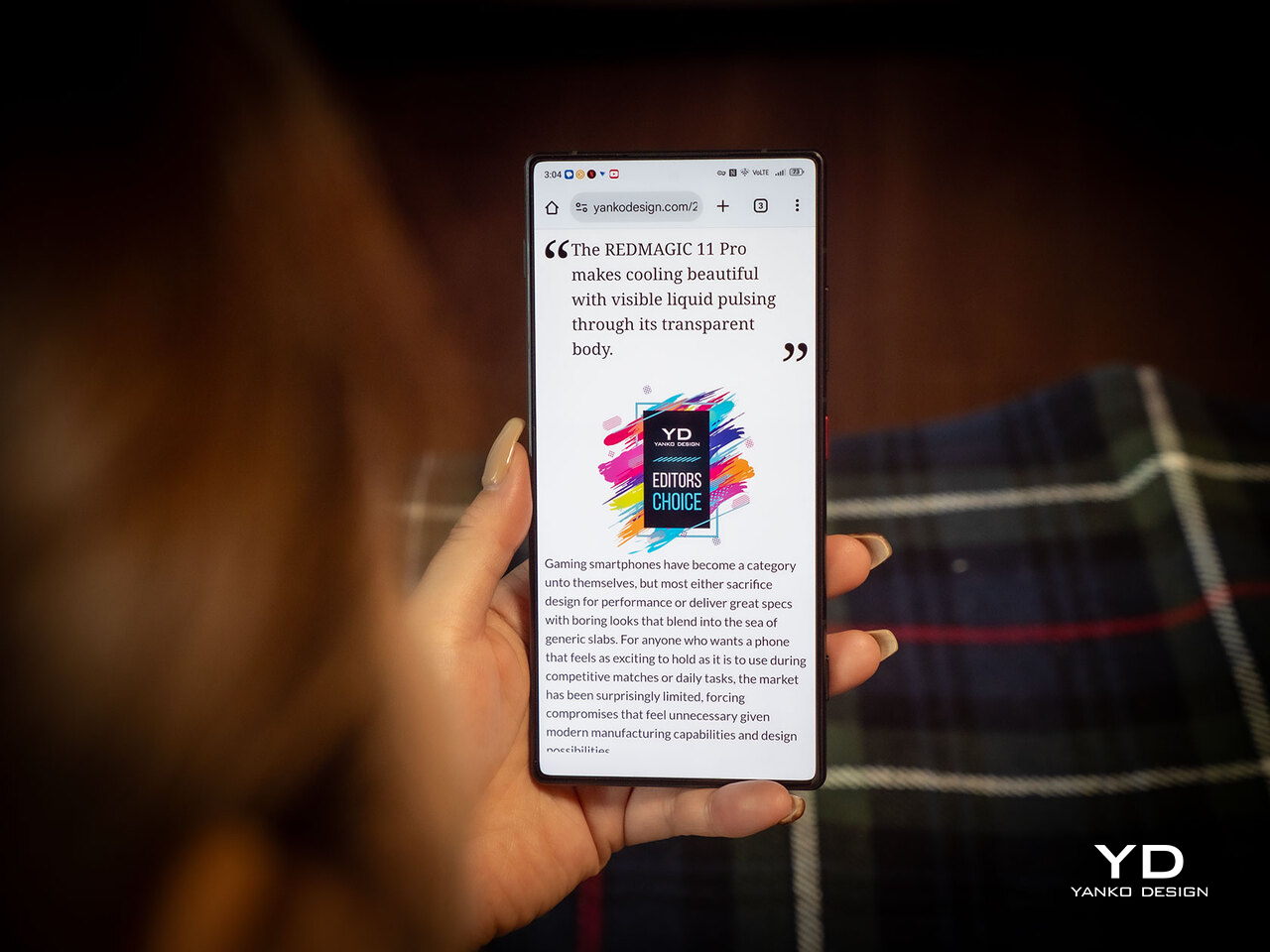
The nubia Z80 Ultra delivers on its promise of blending style, stamina, and photographic substance in a package that stands apart from mainstream flagships. The combination of a truly immersive notch-free display, professional 35mm camera optics, and exceptional battery life creates a phone that excels at the things that matter most for daily use: consuming content, capturing memories, and staying powered throughout extended days without constant charging anxiety.

For design-conscious users who value innovation over brand familiarity, nubia the Z80 Ultra offers a refreshing alternative with its bold aesthetic choices, tactile controls, and technical features that prioritize user experience over spec-sheet bragging rights. While limited regional availability may restrict its audience, those in supported markets will find a flagship that confidently competes with the best while carving its own distinctive identity through thoughtful design and engineering choices.
The post Nubia Z80 Ultra Review: Style, Stamina, and a 35mm Camera Edge first appeared on Yanko Design.