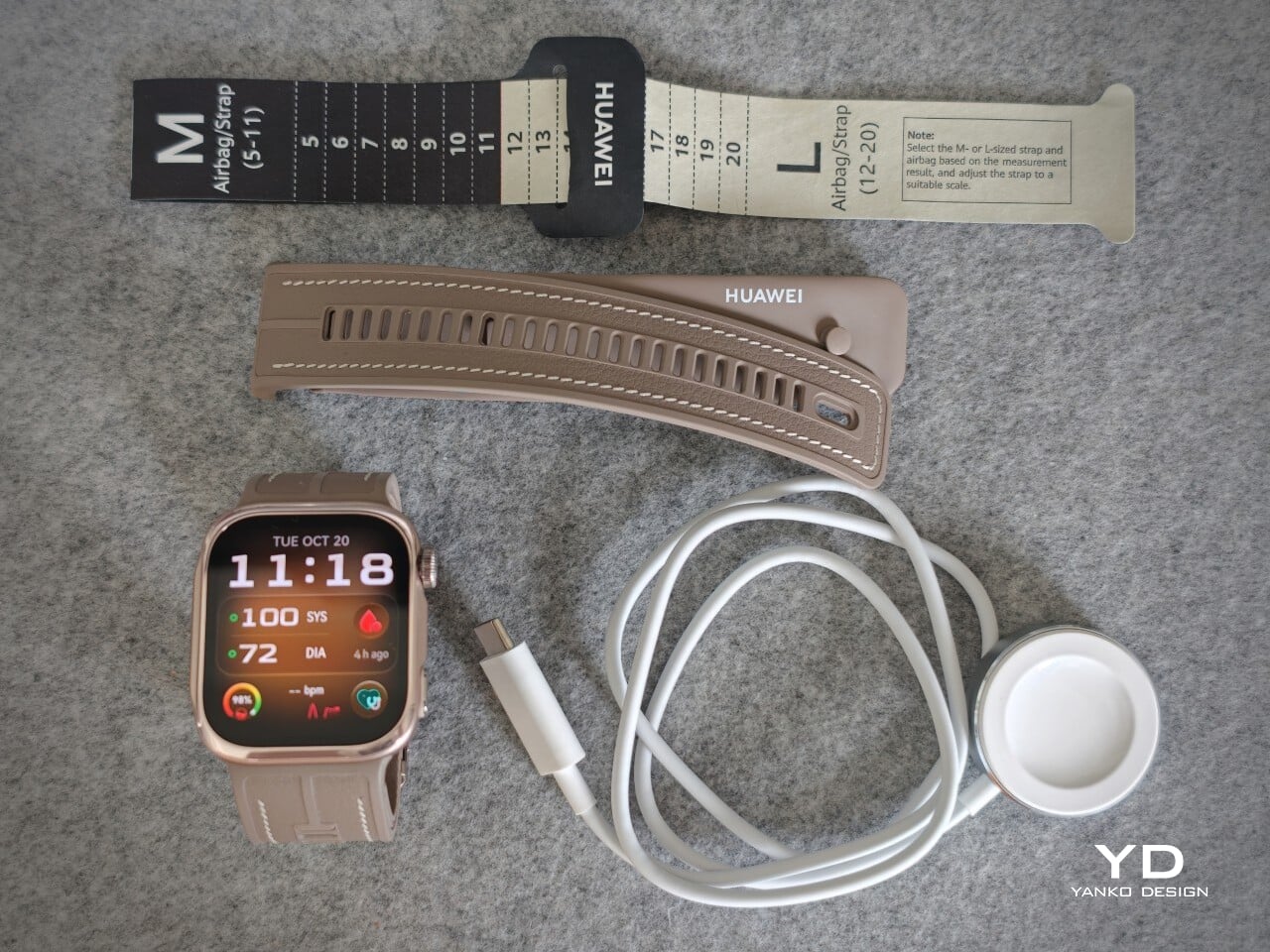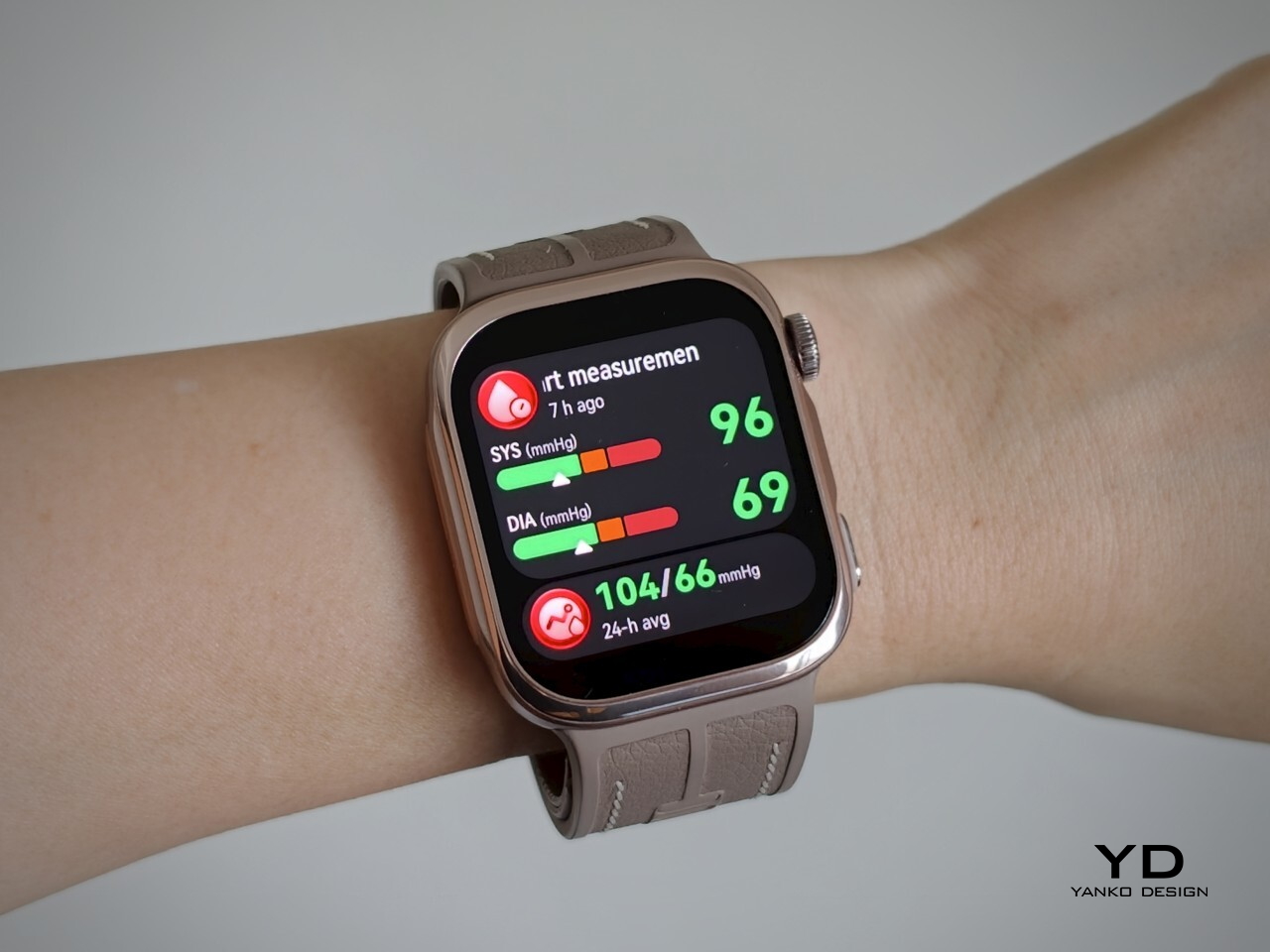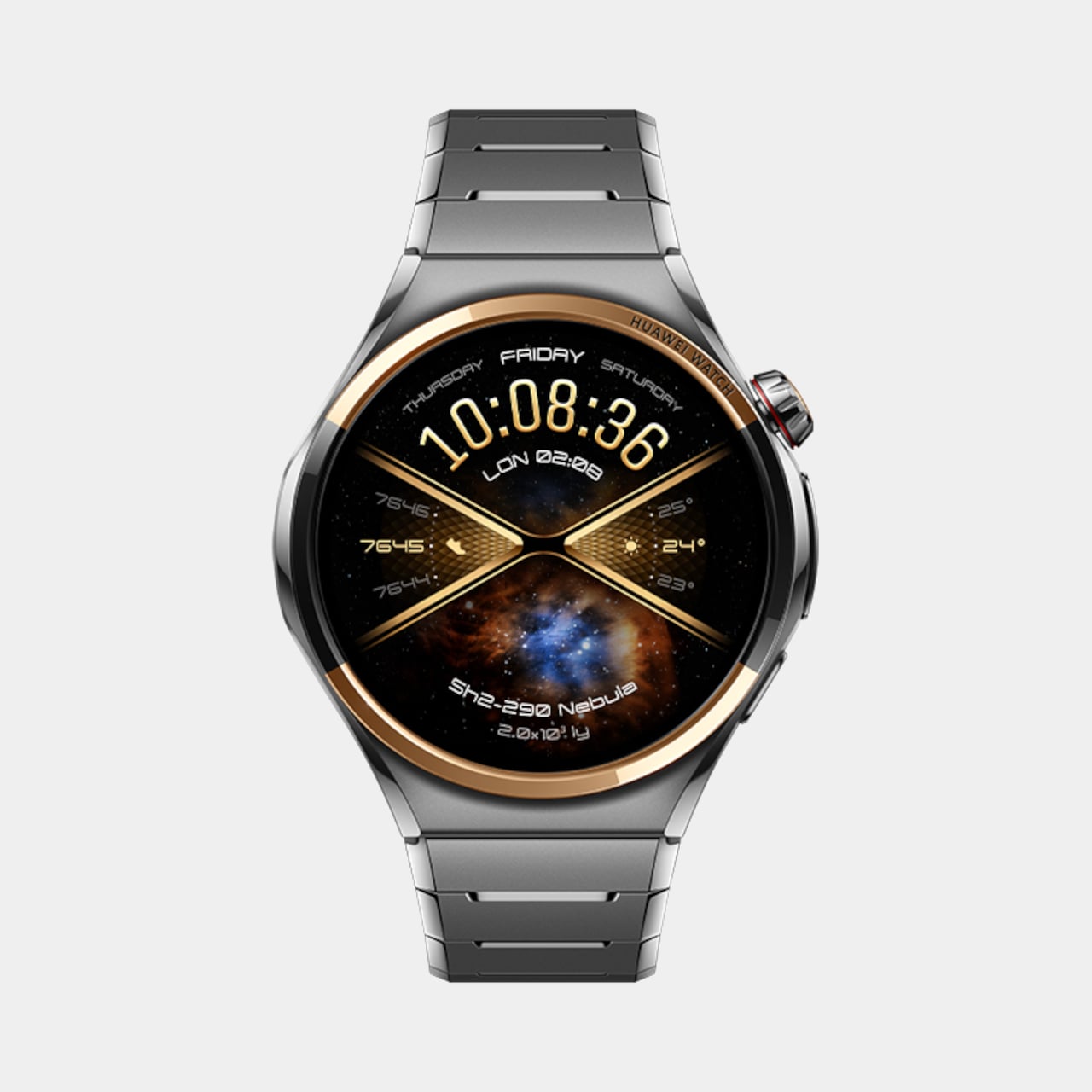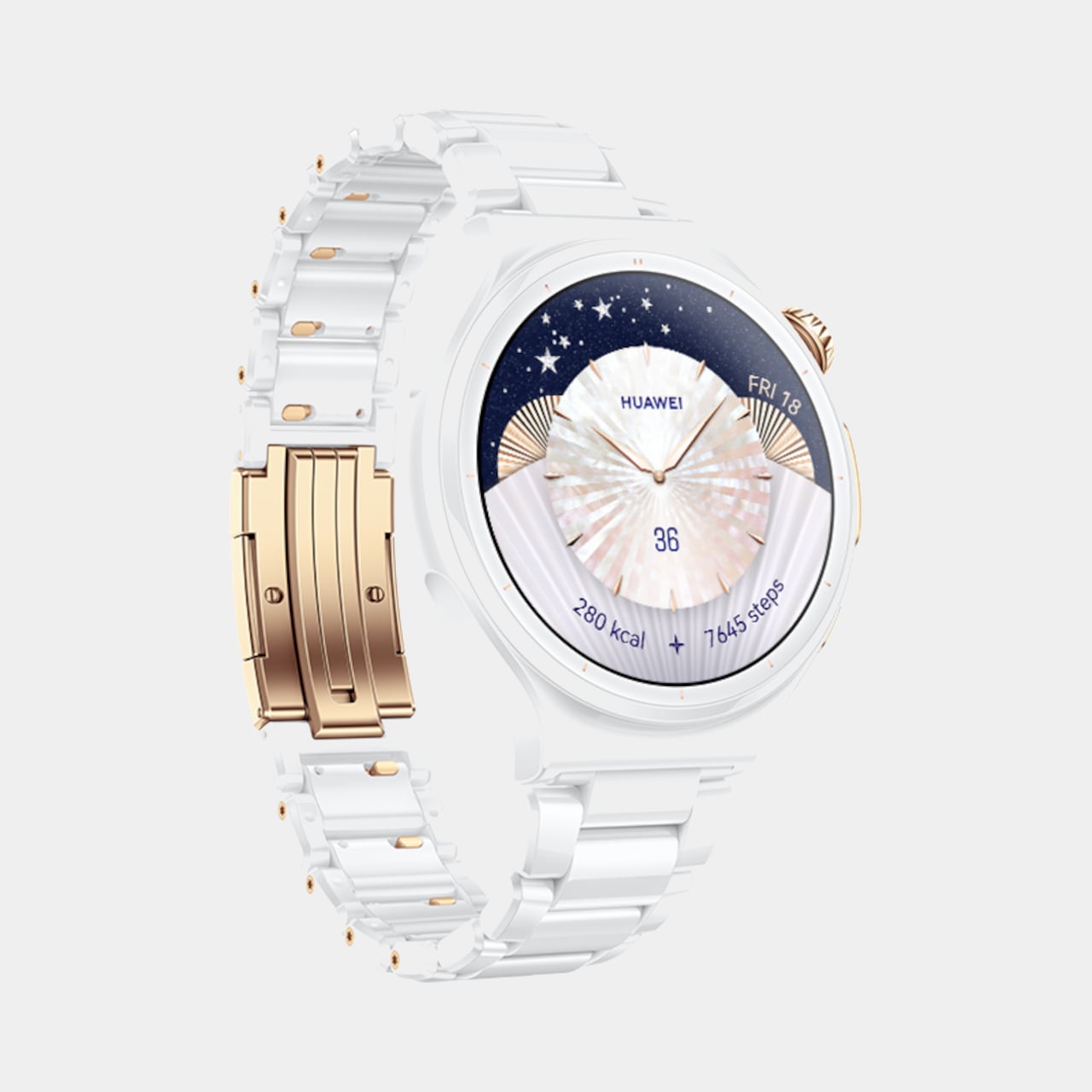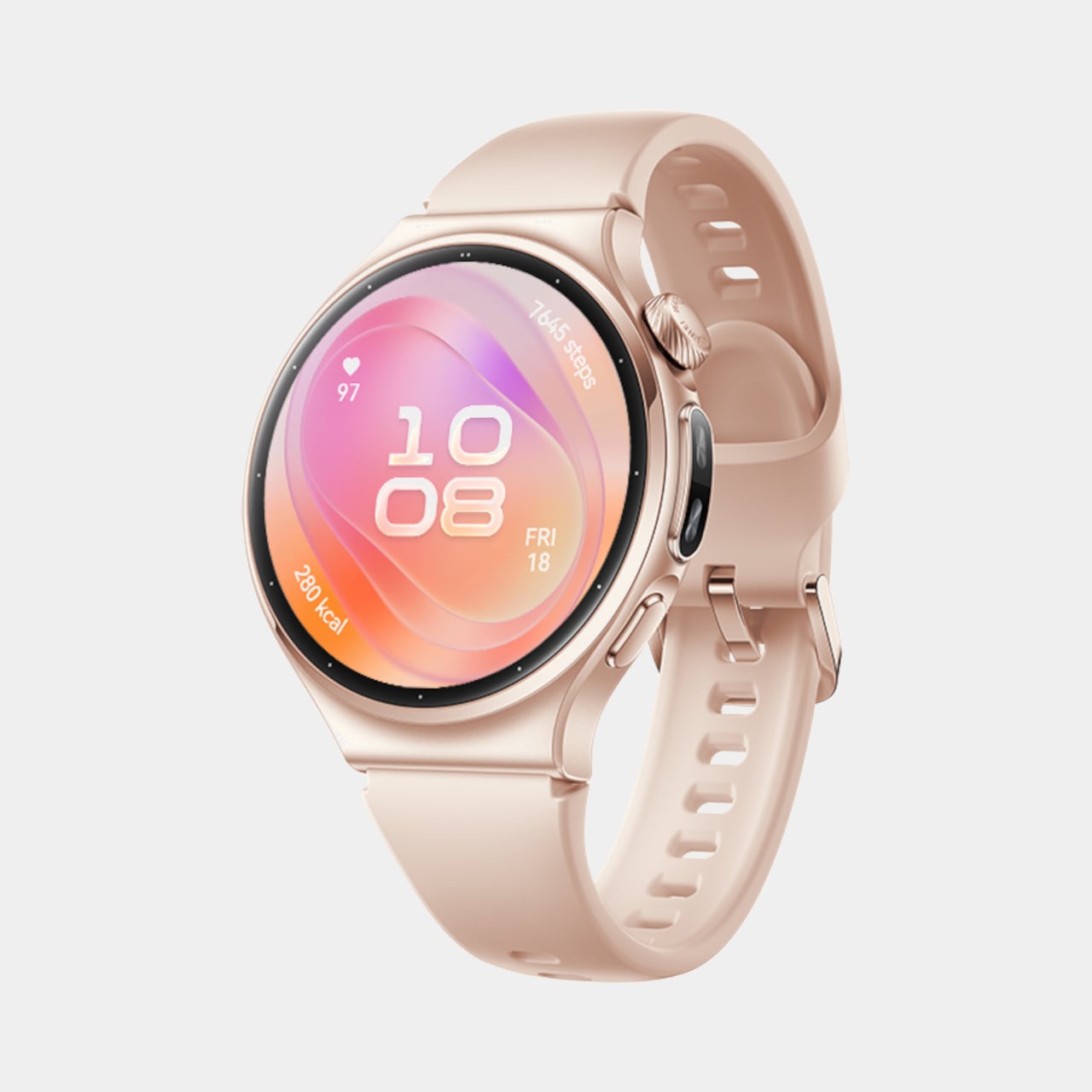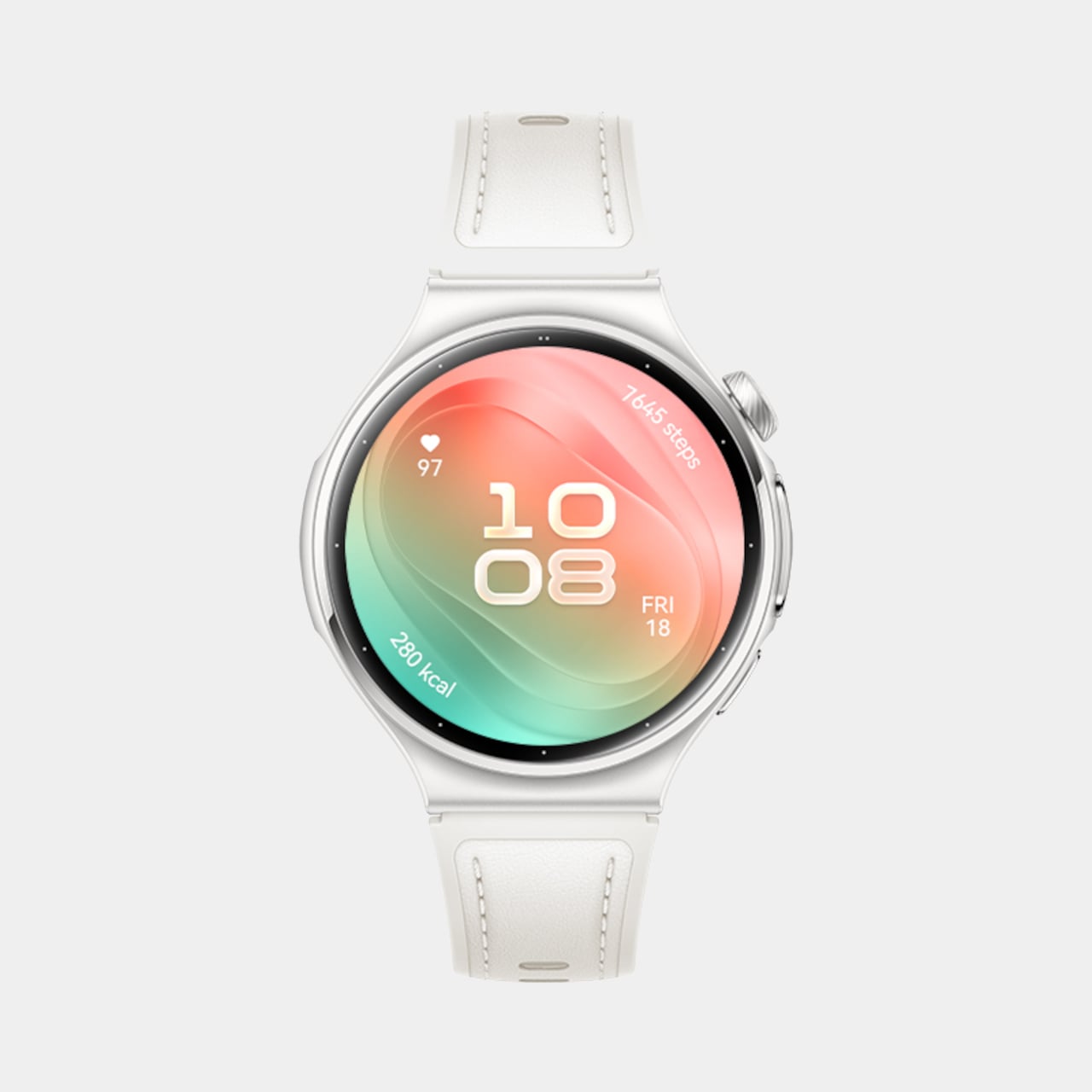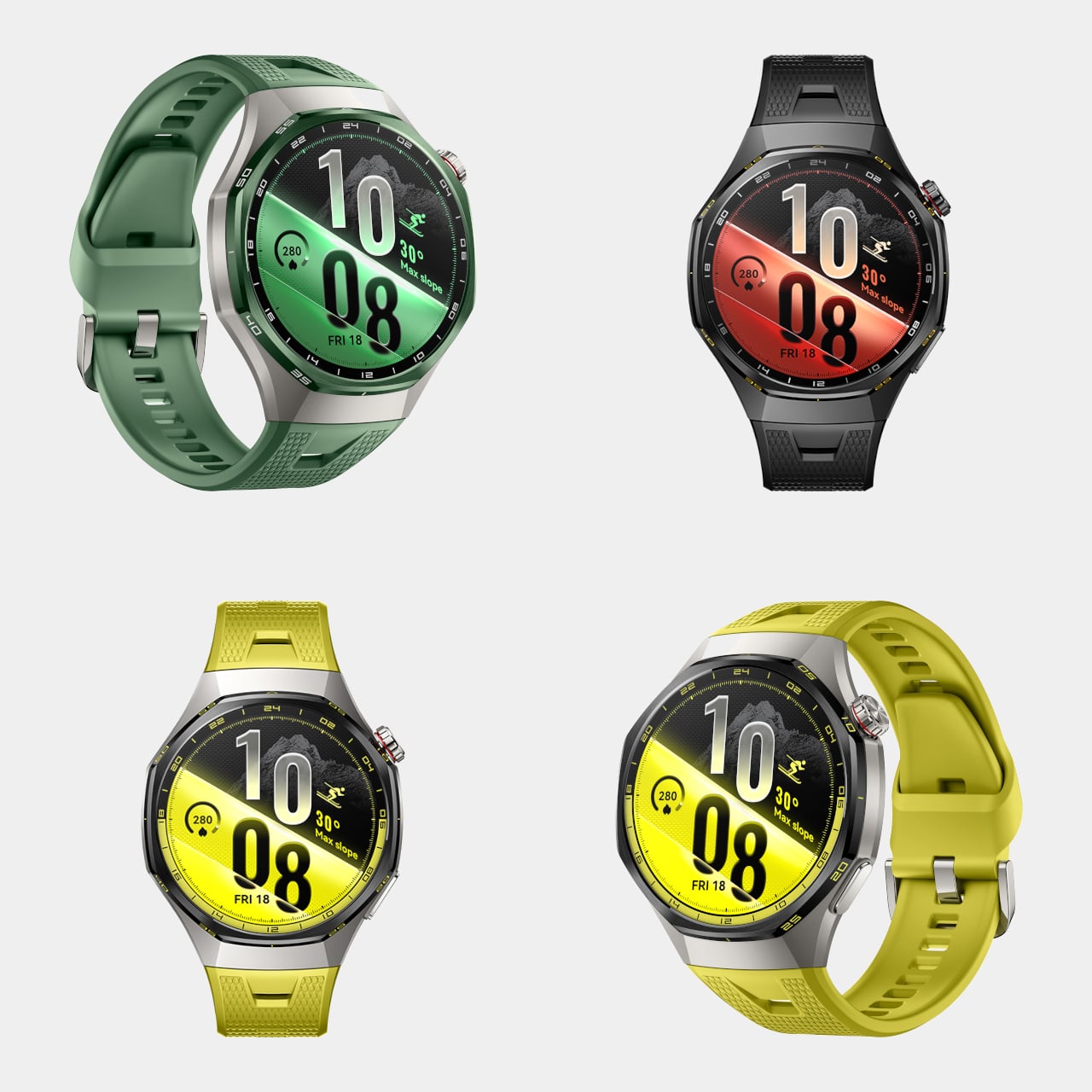
This Huawei Kids Watch Flips, Detaches, and Packs 2 Cameras

Huawei is returning to the children’s wearable category with the Watch Kids X1 series, a new lineup that feels noticeably more design-driven than the average kid-safe smartwatch. Announced during the company’s global launch event in Thailand, the series generated visible excitement from the audience, signaling strong interest in a product that brings a more playful and expressive take to kids’ tech. Instead of reducing the device to a wrist-bound tracker with calling features, Huawei gives it a more dynamic physical identity. The result is a wearable that balances parental reassurance with the kind of tactile, camera-friendly interaction that actually appeals to kids.

The series includes the Watch Kids X1 and Watch Kids X1 Pro, and both models lean heavily into transformable hardware. The standard version uses a flippable, 360-degree rotatable design, while the Pro adds a detachable module that can be removed from the strap and used more like a tiny handheld camera with its housing case. That shift in form makes the X1 series feel less like a miniature adult smartwatch and more like a hybrid object designed around play, communication, and movement.

Designer: Huawei

Both devices feature a 1.82-inch AMOLED touchscreen with a 480 x 408 resolution, giving the watches a bright, modern face that feels more premium than the category usually suggests. Huawei also equips the lineup with a 5MP front camera and a 13MP rear camera for HD video calls and photos, reinforcing the idea that these are communication-first wearables rather than simple step counters with GPS.

Safety remains a core part of the pitch. The Watch Kids X1 series supports multiple positioning methods, including dual-band satellite and GNSS-based tracking, along with additional location assistance modes designed to improve accuracy indoors and outdoors. Huawei also includes parental controls and health-oriented features, framing the watch as both a child-friendly gadget and a practical family tool.

There is also a more expressive side to the design. The watches support filters, stickers, timer shooting modes, and friend-adding gestures such as touching devices together or shaking hands. These details may sound small, but they turn the product from a passive utility into something performative and social, which is exactly where children’s tech often succeeds or fails.

Battery life appears to be centered around an 850mAh cell, with reports claiming charging can reach 50 percent in about 20 minutes. Connectivity includes cellular support with 2G, 3G, and 4G compatibility, alongside WLAN, Bluetooth, and GNSS. That combination positions the X1 series as a compact communication hub for calls, messages, photos, and location sharing.

The Watch Kids X1 series shows that Huawei does not treat safety features and delight as opposing ideas. The flip, rotate, and detach mechanics give the product a sense of personality, while the cameras and bright display make it feel more like a creative object than a compliance device. For a category that often defaults to chunky plastic and strictly functional design, that is a meaningful shift.

The Watch Kids X1 is priced at €249, while the Watch Kids X1 Pro comes in at €349. If those figures hold across broader availability, Huawei is clearly positioning the pair above the most basic children’s wearables and closer to a premium family tech accessory with stronger industrial design ambitions.

The post This Huawei Kids Watch Flips, Detaches, and Packs 2 Cameras first appeared on Yanko Design.

Your Samsung Galaxy Watch will soon predict sudden fainting before it happens

Fitness trackers and smartwatches are great at monitoring various body parameters, so we can learn from the input and take care of our health and lifestyle. While we are on top of the calorie count, steps walked, and stress levels, we are often negligent about how these smartwatches with heart rate monitoring and SpO2 detection can help with preventive care. Alerting us ahead of time when something is not right with the body.

Amid other interesting features like heart irregularity and fall detection, the Samsung Galaxy Watch is now getting another new feature. The Galaxy Watch is tested to be able to predict fainting caused by vasovagal syncope (VVS). A preventive care option that can help up to 40% of people who “experience vasovagal syncope over their lifetime.”

Designer: Samsung

Samsung in a collaborative clinical study with Chung-Ang University Gwangmyeong Hospital in South Korea, has developed a technique to monitor vasovagal syncope with high accuracy. The technique is possible using a Galaxy Watch, which, through the obtained bio-signals, can successfully predict impending fainting episodes up to five minutes in advance with 84.6 percent accuracy, Samsung notes in its press brief.

With its ability to predict fainting episodes before they happen, the Galaxy Watch should be able to offer preventive care to people struggling with vasovagal syncope. VVS is a common condition, and not dangerous in itself, but sudden falls and unattended episodes can leave patients with serious injuries, including a concussion.

Professor Junhwan Cho from the Cardiology department of the participating hospital informs that “Up to 40% of people experience vasovagal syncope over their lifetime, with one-third experiencing recurrent episodes.” If patients can receive early warning signs, they can get to a safe place or call for help. This can help reduce injuries and in cases, even prevent them.

In the collaborative clinical study, a total of 132 patients with suspected vasovagal syncope were tested. VVS fainting generally happens when a person’s blood pressure and heart rate abruptly drop. Reasons for this can be different, but the body’s response is often the same: fainting! The Galaxy Watch, with its photoplethysmography (PPG) sensor, was used to analyze the heart rate variability (HRV) data with an AI algorithm and it was successfully found to predict impending fainting episodes with great accuracy.

Samsung does not share as to when this feature will be commercially available on its Galaxy Watch series. But we learn via its press release that the Korean tech giant desires to work on “personalized, preventive health solutions,” and enhance the health monitoring capabilities of its wearables (including the smartwatch) through “collaboration with leading medical institutions.”


The post Your Samsung Galaxy Watch will soon predict sudden fainting before it happens first appeared on Yanko Design.

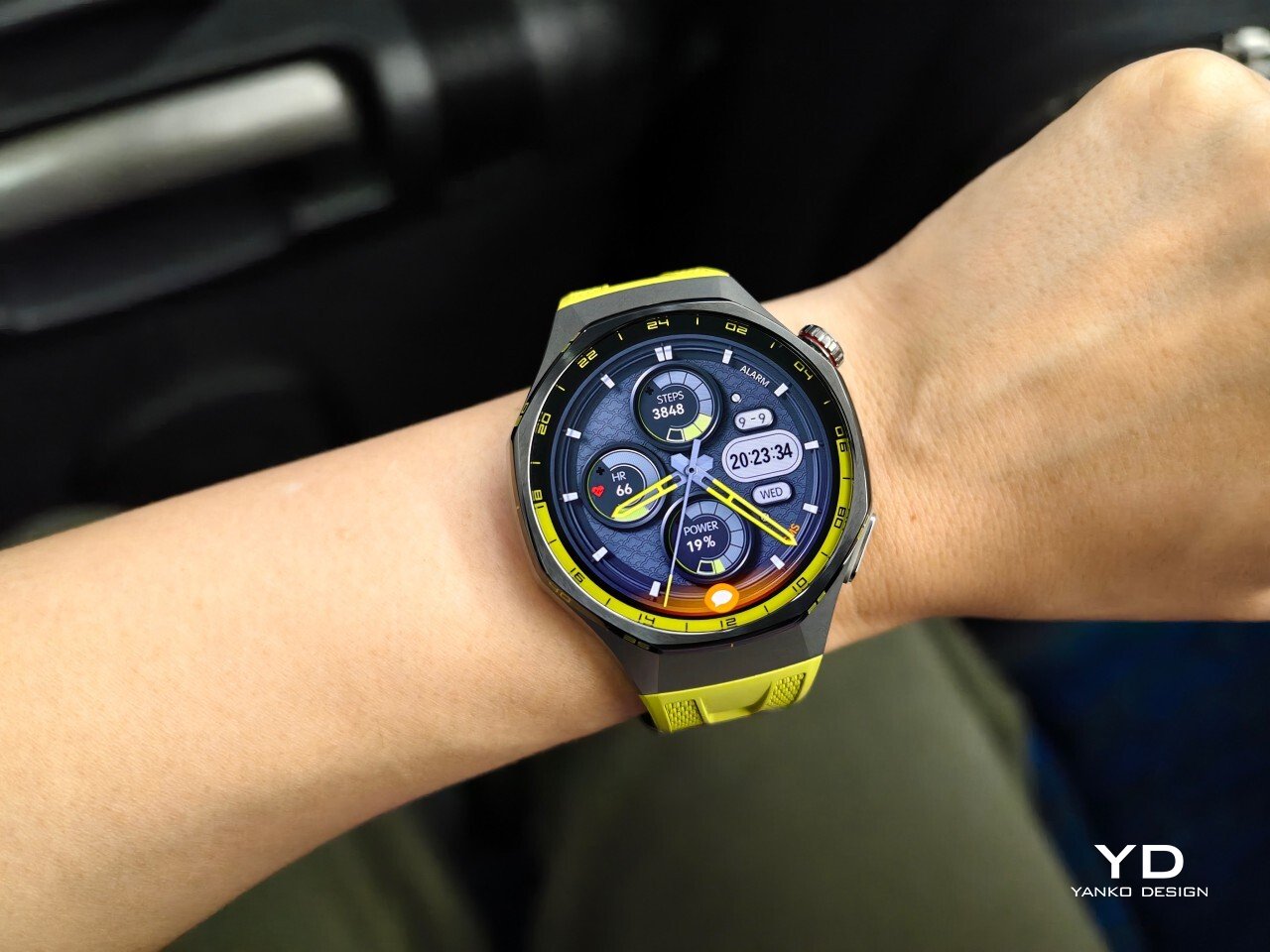
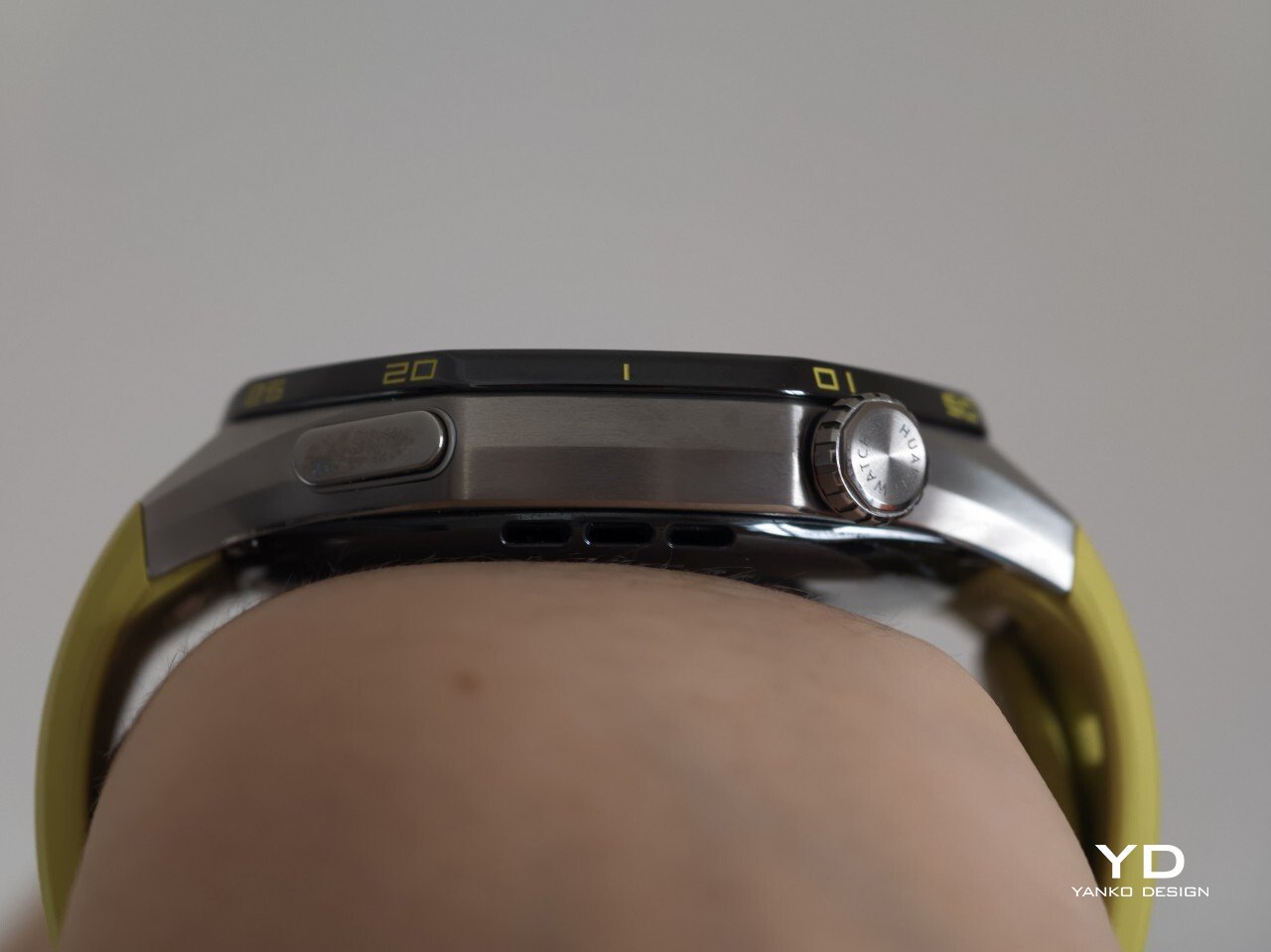
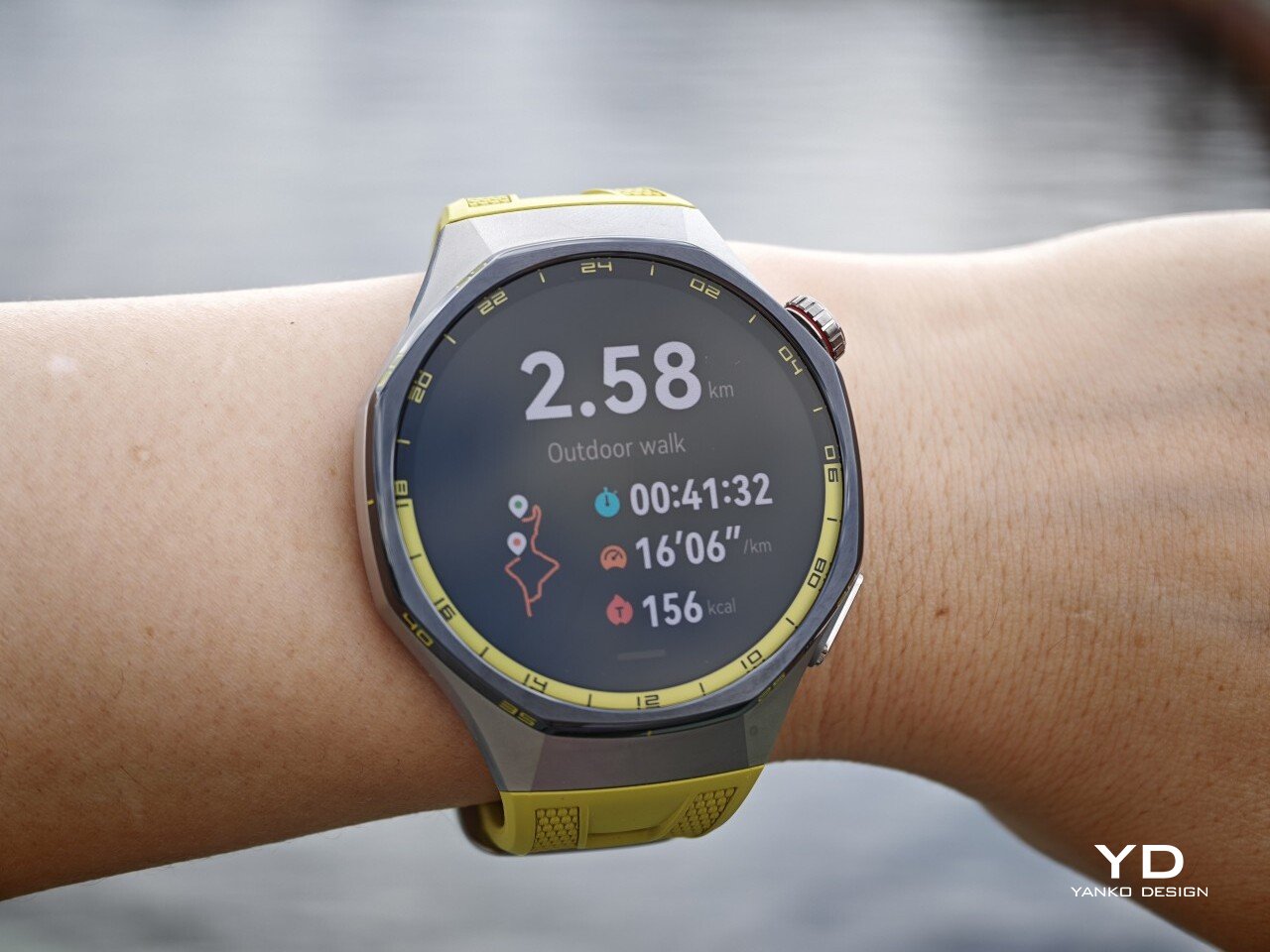
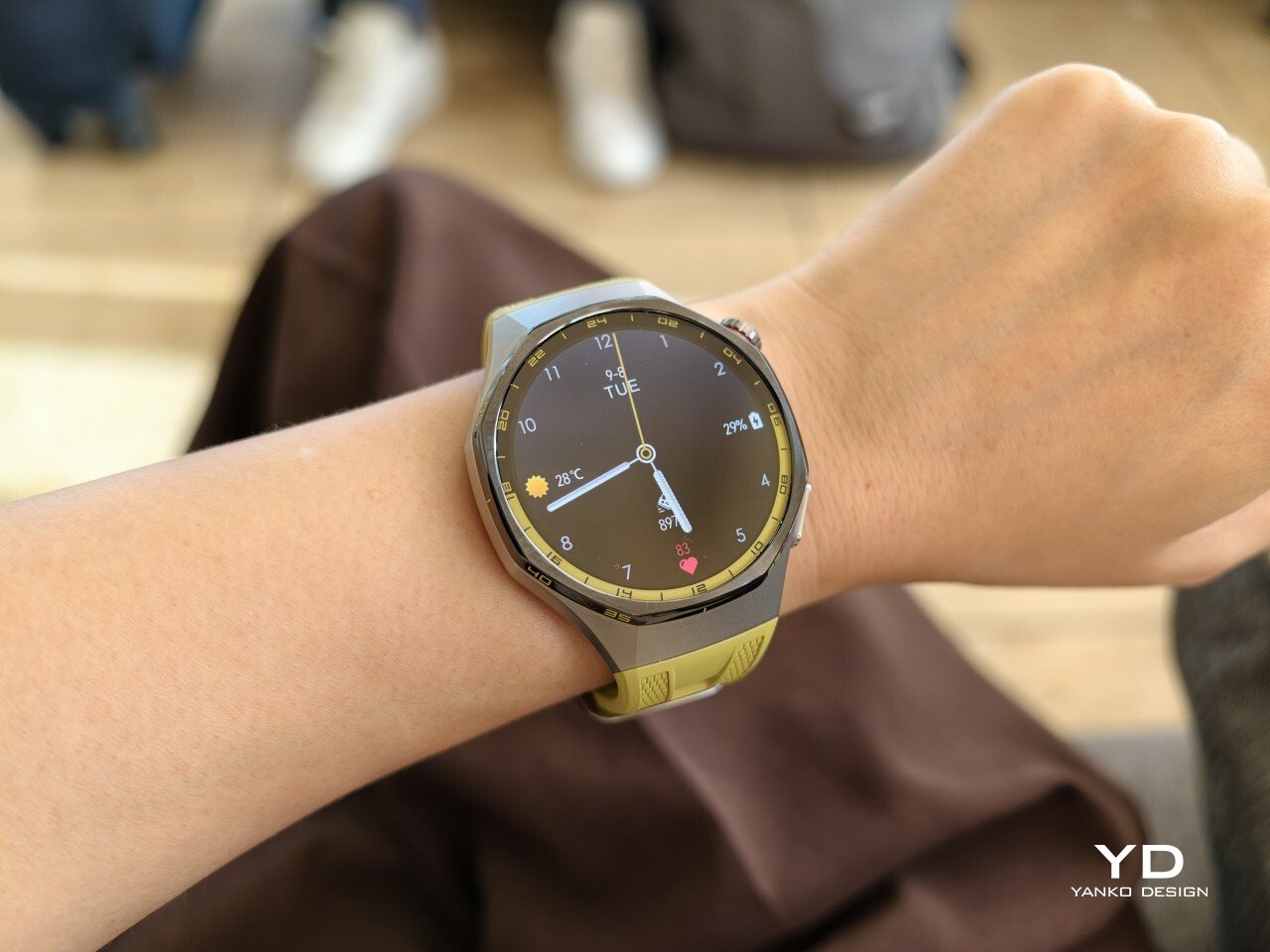
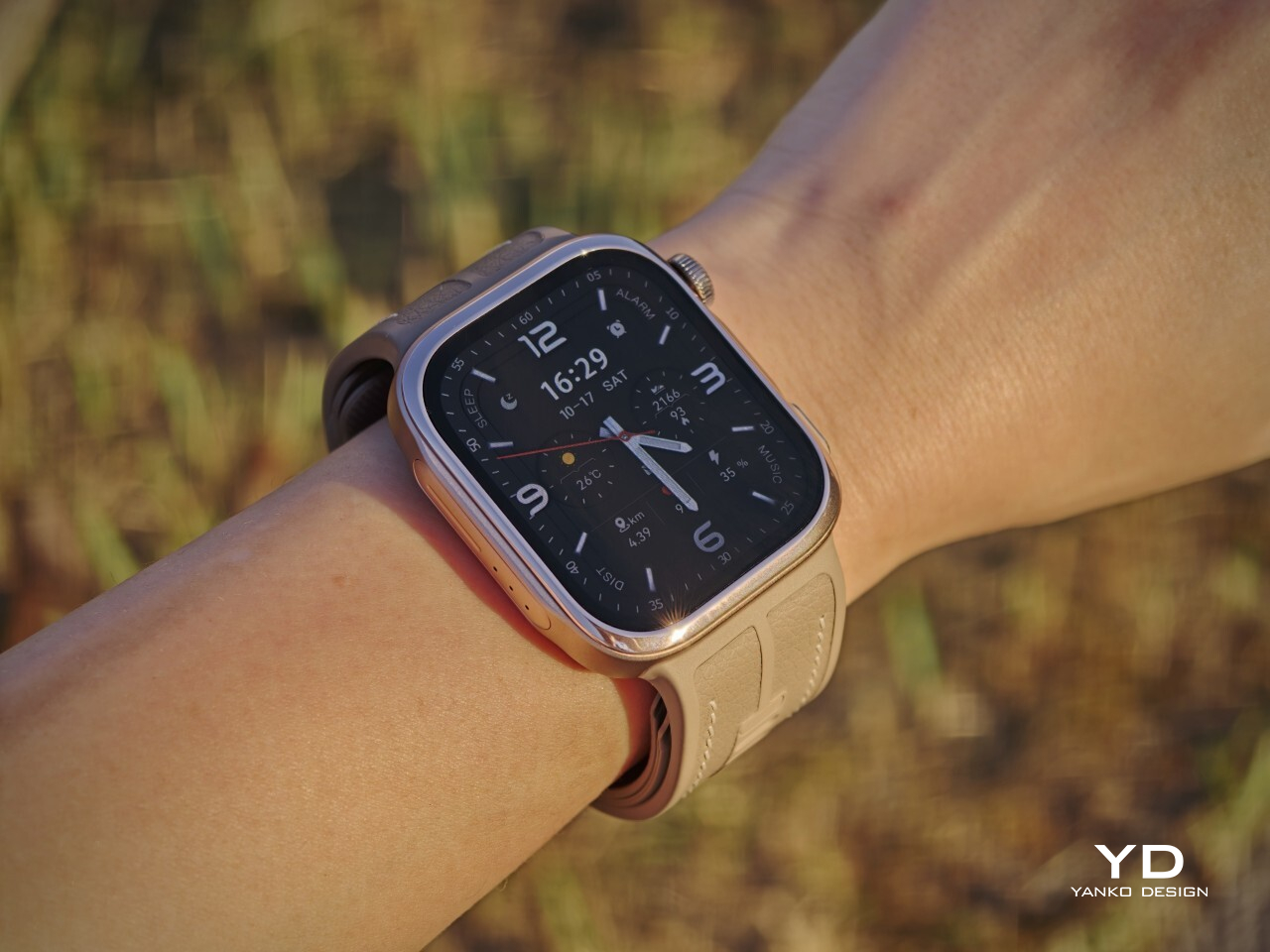
Huawei Watch Fit 5 Pro Review: More Than Its Slim Design Suggests

PROS:


  • Excellent battery life

  • Bright, vivid display

  • Lightweight and slim design

  • Strong sports and health tracking features

CONS:


  • App ecosystem is still limited compared to WatchOS or Wear OS

  • Some features are restricted by region or work best with a Huawei phone

RATINGS:

AESTHETICS
ERGONOMICS
PERFORMANCE
SUSTAINABILITY / REPAIRABILITY
VALUE FOR MONEY

EDITOR'S QUOTE:

The Huawei Watch Fit 5 Pro blends style, comfort, and serious fitness features into a smartwatch that feels more capable than its slim design suggests.

Huawei has launched the Watch Fit 5 series, continuing the evolution of a product line that now feels far more ambitious than its name might suggest. The Watch Fit 5 Pro is only the second Pro entry in the series after the Watch Fit 4 Pro, but it makes a strong case for why that upgrade matters. Rather than simply offering a slightly nicer version of the standard model, Huawei is using the Pro label to push the Fit line into more premium territory.

That shift is immediately clear in the hardware, but it goes beyond looks. The Watch Fit 5 Pro combines a slim and comfortable design with higher-end materials, stronger health tracking, and a deeper set of sports and outdoor features than you might expect from something this light. After spending time with the Orange version, I found myself appreciating not just how much Huawei has added, but how well the watch still holds onto the easy-wearing character that made the Fit series appealing in the first place.

Aesthetics

The Huawei Watch Fit 5 Pro is largely identical to its predecessor in overall shape, and that familiarity works in its favour. It continues Huawei’s Apple Watch Ultra-like approach, with a squared display, a rotating crown, and a secondary button on the right side, but slimmer and sleeker in execution. Rather than reinventing the formula, Huawei has refined it, giving the Watch Fit 5 Pro a cleaner and more polished presence than the Watch Fit 4 Pro.

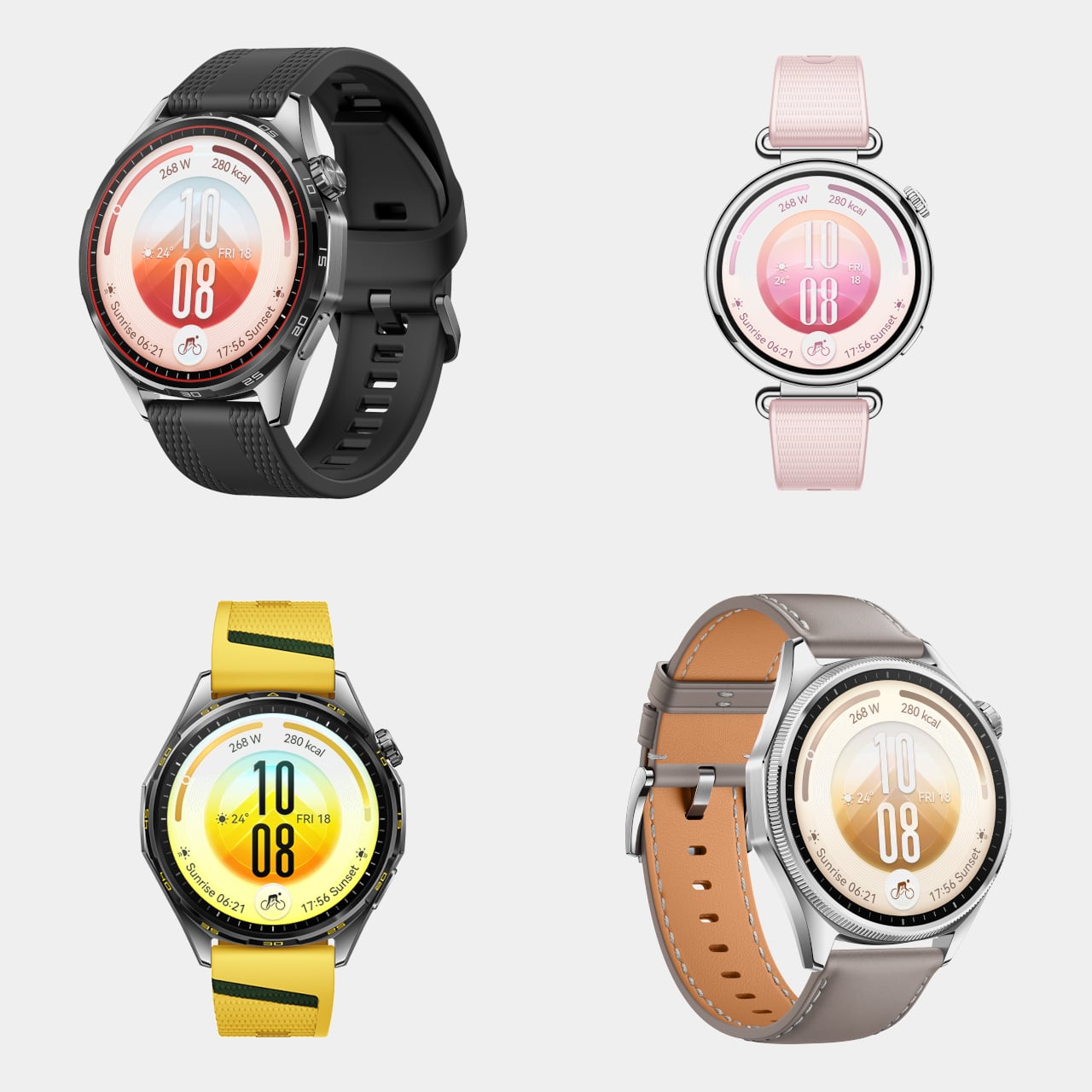
Huawei offers the watch in three colour versions, Orange, Black, and White, and each gives the design a distinct mood. The Orange version pairs a subtle warm gold-toned body with a vivid orange woven strap, along with an orange accent line around the bezel that stands out more clearly than on the other two models. The Black version is the most understated of the trio, with a black body, a black fluoroelastomer strap, and a matching black accent line around the bezel that blends in much more subtly. The White version is the most distinctive, using what Huawei calls Aerospace-Grade Nanoceramic Metal, where the surface is treated through oxidation technology to create a ceramic-like texture while also improving hardness and stain resistance. It too has a matching white accent line around the bezel, but like the black model, it is more understated than the orange version.

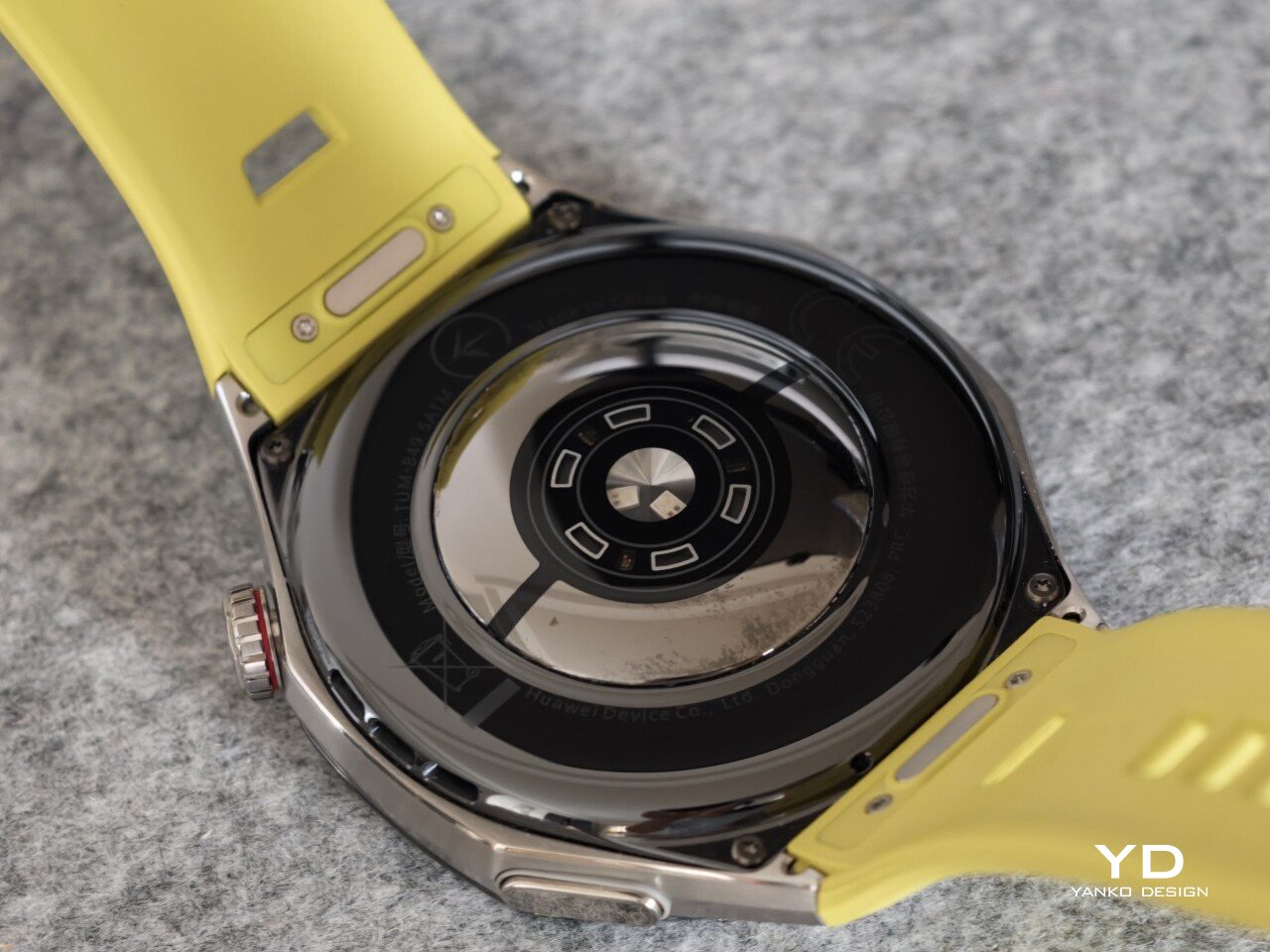
Part of what makes the Watch Fit 5 Pro feel more premium is its material mix. Huawei uses 2.5D sapphire glass, a titanium alloy bezel, and an aluminium alloy body, which gives the watch a stronger sense of quality than most slim fitness-focused wearables. Even if the silhouette remains familiar, the finishing does a lot of heavy lifting. The watch looks more elevated than a typical rectangular sports tracker, and that added material richness helps justify the Pro positioning.

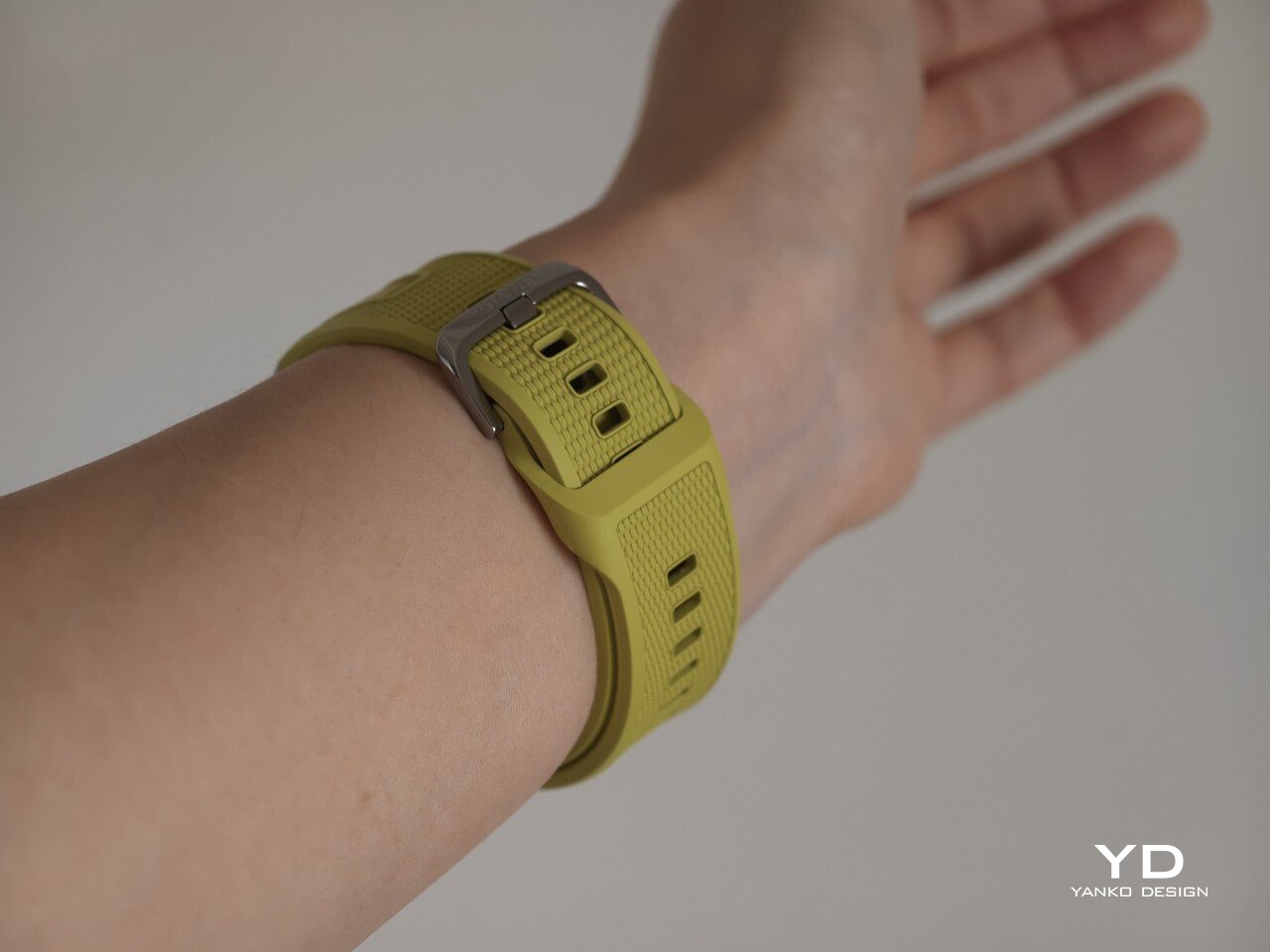
I received the Orange version, and while I like the overall design, I am less convinced by one specific detail. The subtle warm gold tone of the body looks great, and I especially like the brushed metal texture, which gives the finish a bit more depth. The woven orange strap also gives the watch plenty of character without feeling cheap. But I am not a fan of the orange accent line around the bezel. I understand the intention, since it adds contrast and a more dynamic feel, but for me, it also makes the front of the watch look busier than necessary. It is still an attractive watch, but that accent slightly interrupts an otherwise polished design.

Ergonomics

One of the most impressive things about the Watch Fit 5 Pro is how little bulk Huawei seems to have added despite how much the watch offers. It measures 44.5 × 40.8 × 9.5 mm and weighs just 30.4 g without the strap, which helps it feel surprisingly manageable for a smartwatch with features like ECG, golf maps, trail tools, and diving support. On paper, it sounds like a device that could easily become too much for everyday wear. In practice, it does a good job avoiding that trap.

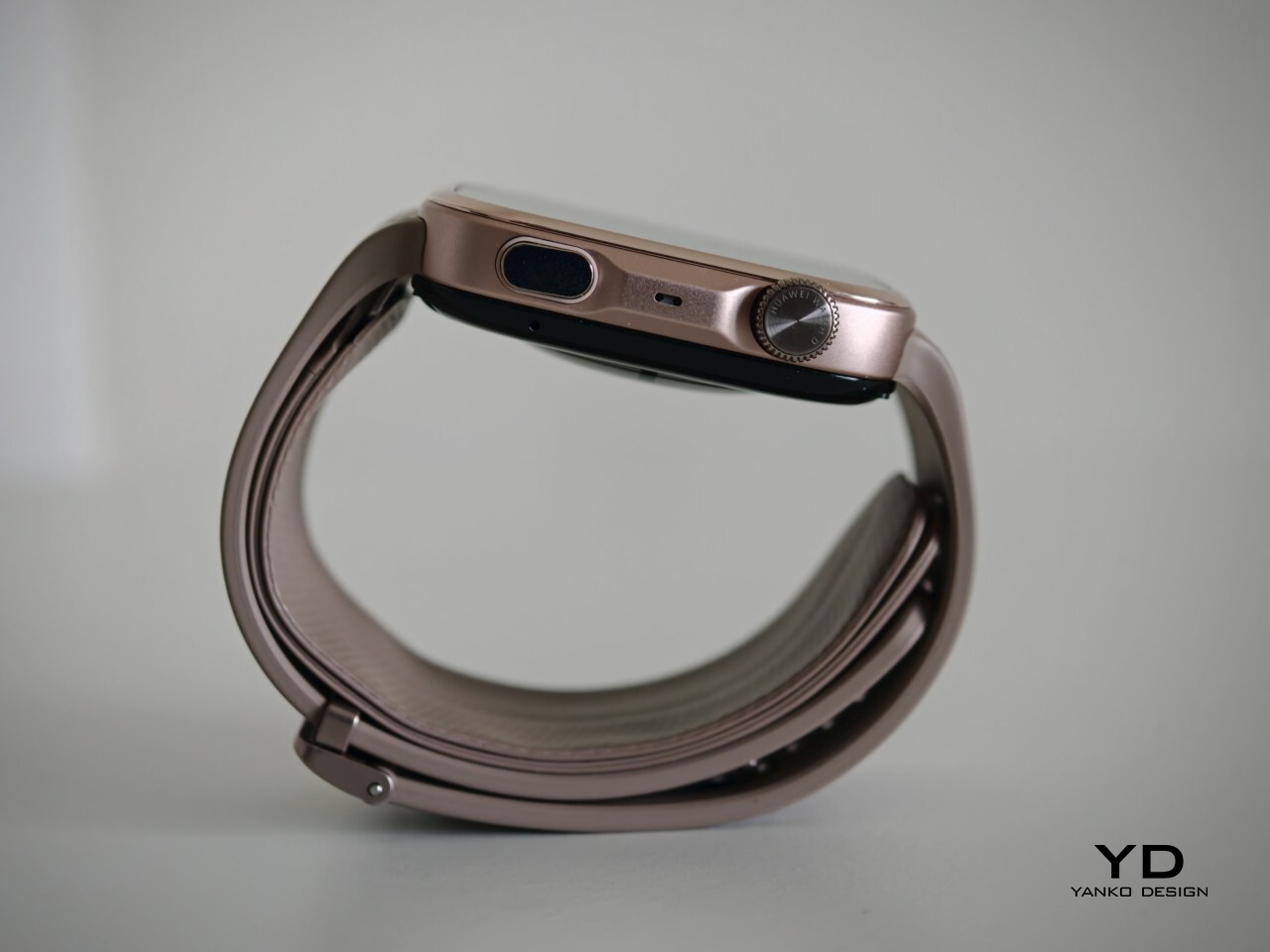
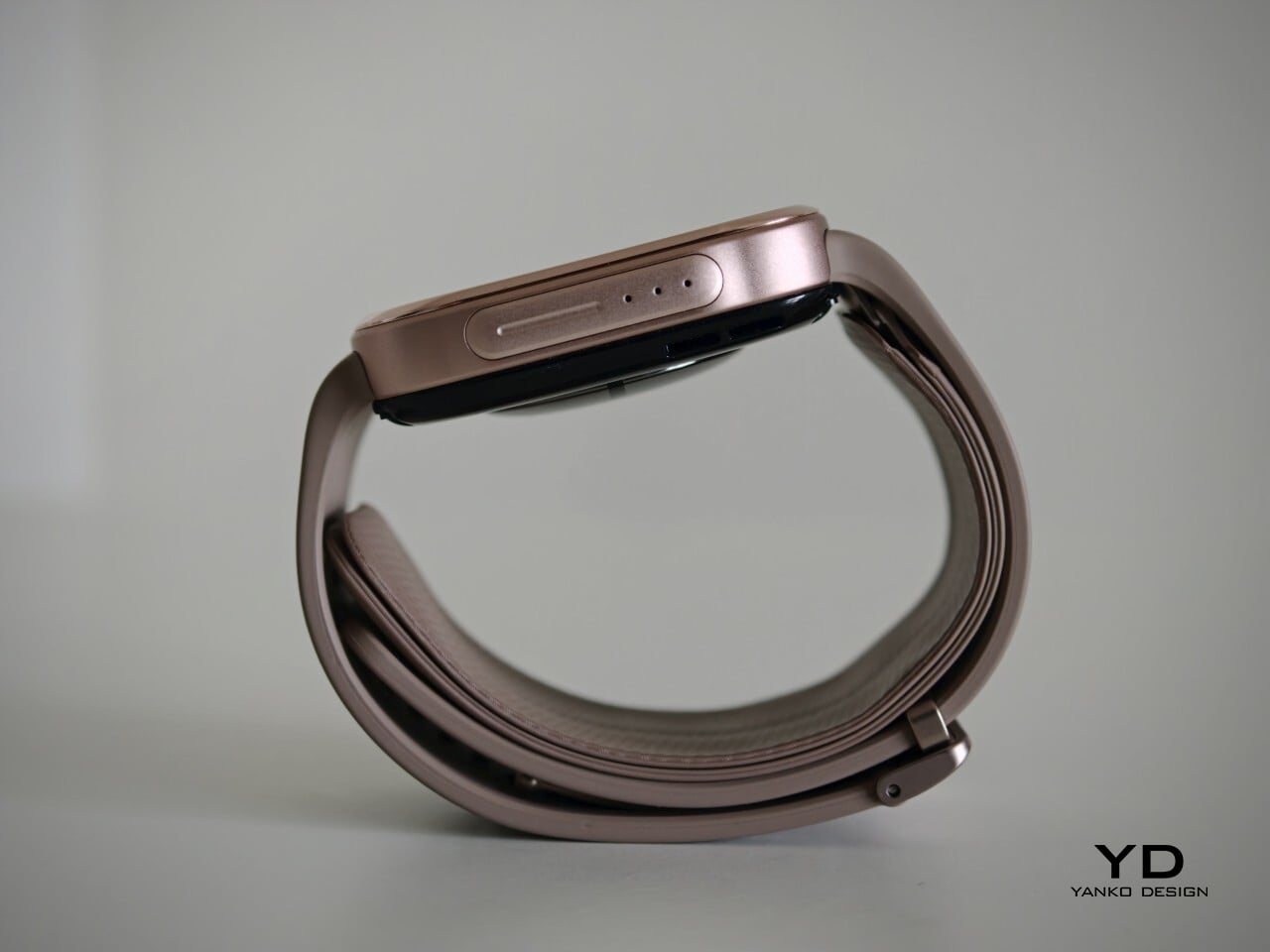
Comfort is not only about weight. It is also about how easily a watch disappears into your routine. A model with this many features would be far less appealing if it felt awkward at a desk, uncomfortable in bed, or distracting during a run. Thankfully, the Watch Fit 5 Pro remains slim and light on the wrist, while the crown and side button are neatly integrated into the frame. I found the watch, especially with the breathable fabric strap, comfortable enough for all-day wear, even on a small wrist, which makes a real difference over longer stretches of use.

The smaller details are well handled, too. The rotating crown and side button are both responsive, and the haptic feedback on the crown feels pleasantly precise. The screen has a slight curve at the edges, so swiping in from the side never feels sharp or awkward against the finger. The fabric strap is also easy to put on and take off, while staying secure once fastened. Altogether, the Watch Fit 5 Pro feels like a watch designed not just to look sleek, but to stay comfortable and easy to use throughout the day.

Performance

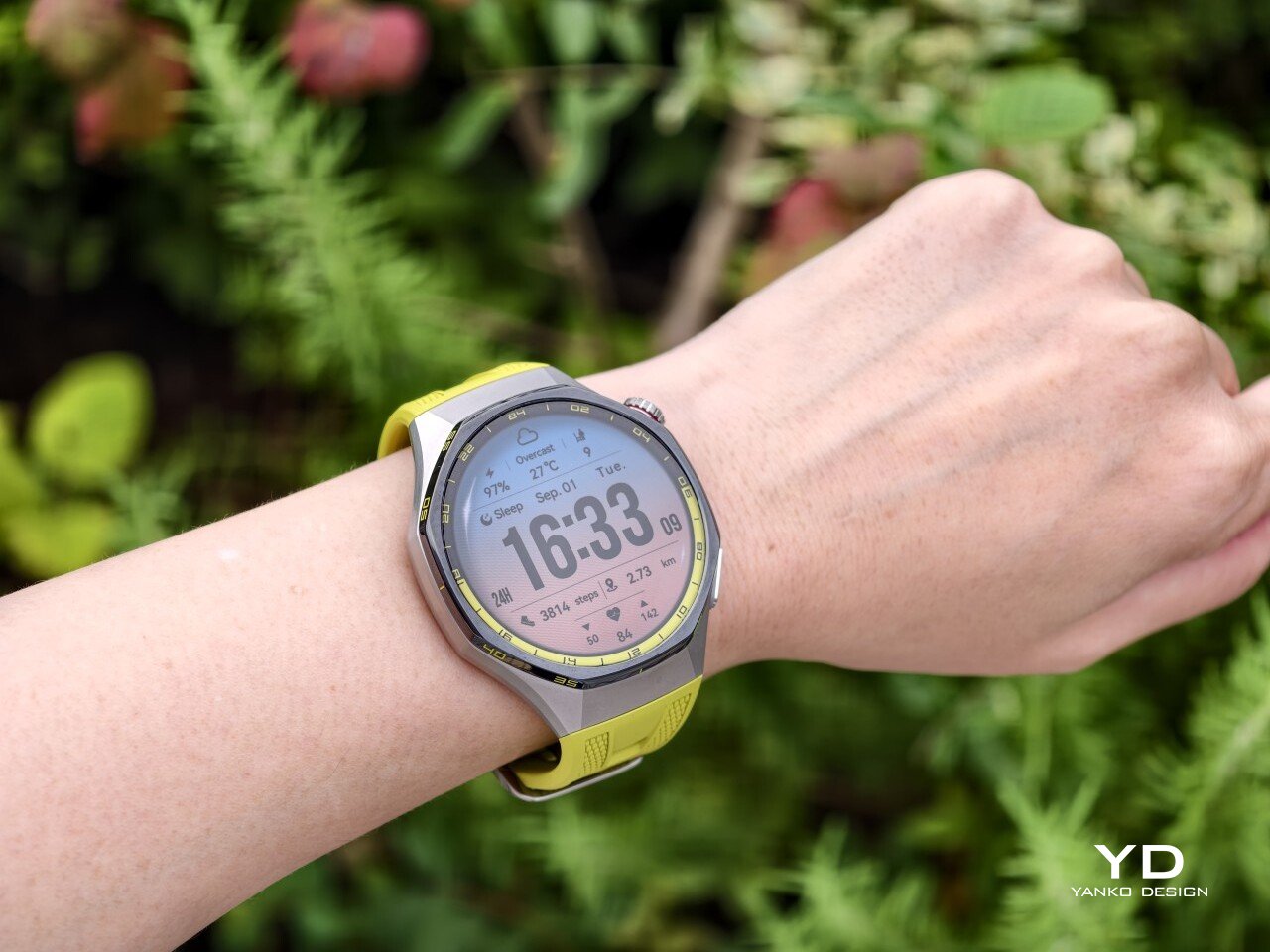
Huawei has upgraded the display to a 1.92-inch panel with an 83 percent screen-to-body ratio, evenly slim borders, and peak brightness of up to 3000 nits. Compared with the Watch Fit 4 Pro, which had a 79 percent screen-to-body ratio, the new model feels more immersive and more expansive at a glance. The slimmer borders make the interface look cleaner, while the brighter screen makes a real difference outdoors. For a watch built around workouts and activity, that matters more than raw numbers on a spec sheet. A bright and easily readable display is one of those things you notice every single day.

The Watch Fit 5 Pro is compatible with both iOS and Android, though you need to install the Huawei Health app, either through a QR code or directly from Huawei’s website. The watch runs HarmonyOS 6, and its smart features feel fairly basic by smartwatch standards. Notifications are supported, and you can reply using preset messages, emoji, or the on-screen keyboard. There is also Bluetooth calling, along with a remote camera shutter feature, though opening the camera remotely still requires a Huawei phone. You can also install third-party apps through Huawei AppGallery, but the overall app ecosystem remains more limited than what you get on Apple’s watchOS or Google’s Wear OS. Huawei also offers plenty of watch face designs, which adds some welcome personality and makes the watch easier to tailor to your taste. AI voice assistance is available too, but only for Huawei phone users.

The interface is generally easy to navigate. Swiping down or rotating the crown downward brings up the quick menu, while swiping up or rotating the crown upward opens notifications. Swiping in from the right brings up the widget panels. Pressing the side button once opens the workout menu, and this can also be customized as a shortcut, which adds a bit of flexibility to the experience. That said, pressing the side button twice is assigned to the Wallet shortcut, and this cannot be changed. This feels less useful if contactless payment is not supported in your region, which limits part of the watch’s convenience.

The sports side is where the Watch Fit 5 Pro starts to feel much more serious than a typical slim fitness watch. Huawei has added a richer set of cycling metrics, including virtual power, virtual cadence, and real-time grade, while trail running gets route navigation, off-course alerts, map zooming, split elevation, and estimated distance to markers. Golf is another major differentiator, with support for more than 17,000 course maps, up from 15,000 on the Watch Fit 4 Pro, alongside vector layouts, green view, custom distance measurement, and live scorecard features. There is also support for 40-metre free-diving. Taken together, these features make the Watch Fit 5 Pro feel less like a stylish wellness watch with extra modes and more like a genuinely capable sports companion.

Huawei is also pushing the watch harder on health tracking. The Watch Fit 5 Pro supports ECG analysis, arterial stiffness detection, pulse wave arrhythmia analysis, sleep breathing awareness, emotional well-being tracking, and the Diabetes Risk Study. That is an ambitious set of tools for a watch in this category, and it shows that Huawei wants the Pro model to do more than count steps and monitor heart rate. Some of these features are region-dependent, which is worth keeping in mind, but the overall package still feels notably broader than what the Fit line used to offer. It gives the Watch Fit 5 Pro a stronger sense of purpose beyond fitness alone.

Even if you are not into cycling, golf, free-diving, or most of the 100-plus workout modes, the Watch Fit 5 Pro still offers plenty of practical reasons to care. One of the more charming additions is Mini-workout, which includes 30 guided movements designed to help you exercise anytime and anywhere, complete with playful panda animations. I appreciated this because I tend to shy away from regular exercise, and it encouraged me to fit in quick stretches and more movement throughout the day. I do wish Mini-workout were easier to access, as it is tucked under “Courses and Plans” in the Workout menu. If you use the dedicated Mini-Workout Panda watch face, you can also open it directly from the home screen.

In daily use, the upgraded Huawei Sunflower Positioning System also proved accurate for GPS tracking. Sleep tracking is detailed, and I especially appreciated the easy-to-understand sleep report in the app. Huawei Health also lets you manually add sleep records, which came in handy on nights when I went to bed without wearing the watch.

Battery life remains one of the Watch Fit 5 Pro’s biggest strengths. It uses a 471 mAh battery, with Huawei claiming up to 7 days of typical use, 10 days of light use, and as much as 25 hours in trail run mode. It also supports 60-minute wireless fast charging. Those figures matter because a watch with a bright display and this many sensors could easily become high maintenance, yet Huawei still seems focused on making it practical for daily use. In my experience, the real-world performance comes close to those claims. That makes the Watch Fit 5 Pro far more convenient than smartwatches that demand charging every day or two. I do wish the included magnetic charger used USB-C rather than USB-A.

Sustainability

Sustainability is not a major part of Huawei’s pitch for the Watch Fit 5 Pro, and unfortunately, that seems to be true for most smartwatches on the market. There is little emphasis on recycled materials, repairability, or broader environmental commitments. As a result, this is not a watch that stands out as an especially sustainability-focused product.

What it does offer is durability and a bit of long-term flexibility. With sapphire glass, a titanium alloy bezel, and an aluminium body, the Watch Fit 5 Pro feels better built than many lightweight fitness watches. The strap is also easily replaceable without any extra hardware, which is a small but meaningful advantage if the original band wears out or if you simply want to change the look over time. It is also compatible with both iOS and Android, which adds a bit of flexibility if your phone platform ever changes. That does not make it a sustainability leader, but it does suggest a product designed to stay useful for longer rather than be quickly replaced.

Value

At £249.99, the Huawei Watch Fit 5 Pro feels competitively priced rather than aggressively cheap, and that is what makes its value proposition work. Huawei is not trying to win purely by offering the lowest price. Instead, it is offering a slim and comfortable watch with premium materials, a bright display, strong battery life, broad health tracking, and a surprisingly serious set of sports and outdoor features. That combination makes it feel more substantial than many rivals that sit somewhere between a basic fitness band and a full smartwatch.

That value does come with some limits. The smart features are still fairly basic by broader smartwatch standards, the app ecosystem remains more limited than what you get from Apple or Google, and features like Wallet will matter less in regions where support is restricted. Even so, I think Huawei has judged the balance well. At its price point, the Watch Fit 5 Pro does not need to be the smartest watch in its class to feel like good value. For the right user, especially someone who wants a sleek, lightweight watch with serious fitness and outdoor ability, it is a well-judged package at a fair price.

Verdict

After spending time with it, the Huawei Watch Fit 5 Pro feels like a smartwatch that understands. The Huawei Watch Fit 5 Pro strikes a convincing balance between style, comfort, and capability. It takes the slim and approachable Fit formula and elevates it with better materials, a brighter and more immersive display, stronger sports and health features, and battery life that remains comfortably practical. Just as importantly, it still feels light and easy to live with, which is not something every feature-packed smartwatch manages to achieve.

It is not perfect. The smart features are still fairly basic by broader smartwatch standards, the app ecosystem remains limited, and some functions become less useful depending on your region or phone. But if your priorities lean more toward fitness, health tracking, comfort, and design than deep app support, the Watch Fit 5 Pro makes a very strong case for itself. It is not trying to be the smartest watch you can buy. It is trying to be a sleek, capable, and highly wearable one, and in that role, it succeeds.

The post Huawei Watch Fit 5 Pro Review: More Than Its Slim Design Suggests first appeared on Yanko Design.

You Can Play Pokémon Gold on Your Wrist, Thanks to a 2-Year Build

Retro gaming handhelds have had a genuine second life in recent years. Original Nintendo hardware has been cloned, shrunken, and reimagined into increasingly unhinged form factors by modders who see the Game Boy lineup as the most suitable canvas for this kind of project. The builds have become their own subculture, where the unofficial requirement is always constructing something that makes everyone else feel like they aren’t trying hard enough.

YouTube creator Chris Hackmann, known online as LeggoMyFroggo, took things further than most. He spent more than two years building the Time Frog Color, a Game Boy Color shrunk down to wrist-watch dimensions. From the start, he gave himself three non-negotiable rules: it had to use the original GBC CPU, it had to accept physical cartridges, and it had to keep time when turned off. No emulation, no shortcuts.

Designer: Chris Hackmann (LeggoMyFroggo)

Those three constraints drove everything that followed. Standard GBC screens are too large, so the display was scaled down to a 1.12-inch LCD. That screen can’t read the GBC’s parallel RGB output natively, so an RP2040 microcontroller was added purely as a signal translator. This created the foundation for a stacked PCB arrangement, with an LCD driver board on the bottom and the CPU board sitting just above it.

The cartridge requirement was its own puzzle. Standard Game Boy cartridge slots aren’t watch-sized, so Hackmann swapped the slot for an M.2 connector, the type normally found in NVMe computer drives. The custom cartridges that plug into it aren’t simple ROM cards; they’re full MBC3 flash builds with their own RAM, mapper chip, and a coin cell battery that keeps save files intact between sessions.

All of that stacking pushed the watch body to 15mm thick, noticeably chunkier than an Apple Watch at roughly 10 mm. There was no room for a battery inside, so it went into the silicone strap instead. A flexible PCB runs through nearly the entire band via overmolding, carrying power back into the main body. It’s a bizarre solution that also happens to be the only sensible one.

The watch body is CNC’d from 6061 aluminum and anodized purple, which reads as a direct nod to Nintendo’s color sensibilities. Controls are fitted into the sides of the housing, with four face buttons on one edge and a custom-machined rocker D-pad on the other, both backed by silicone membranes. The unit shown in the video doesn’t include a speaker, as the component missed the deadline.

Hackmann is upfront about the trade-offs. The Time Frog Color offers a “less than optimal playing experience” by his own admission, with battery life that won’t compare favorably against most wearables. It’s a thick, quirky device with controls tucked into the edges and a cartridge protruding from the back. But you can load up Pokémon Gold and play it on your wrist, which isn’t something most projects can claim.

The post You Can Play Pokémon Gold on Your Wrist, Thanks to a 2-Year Build first appeared on Yanko Design.
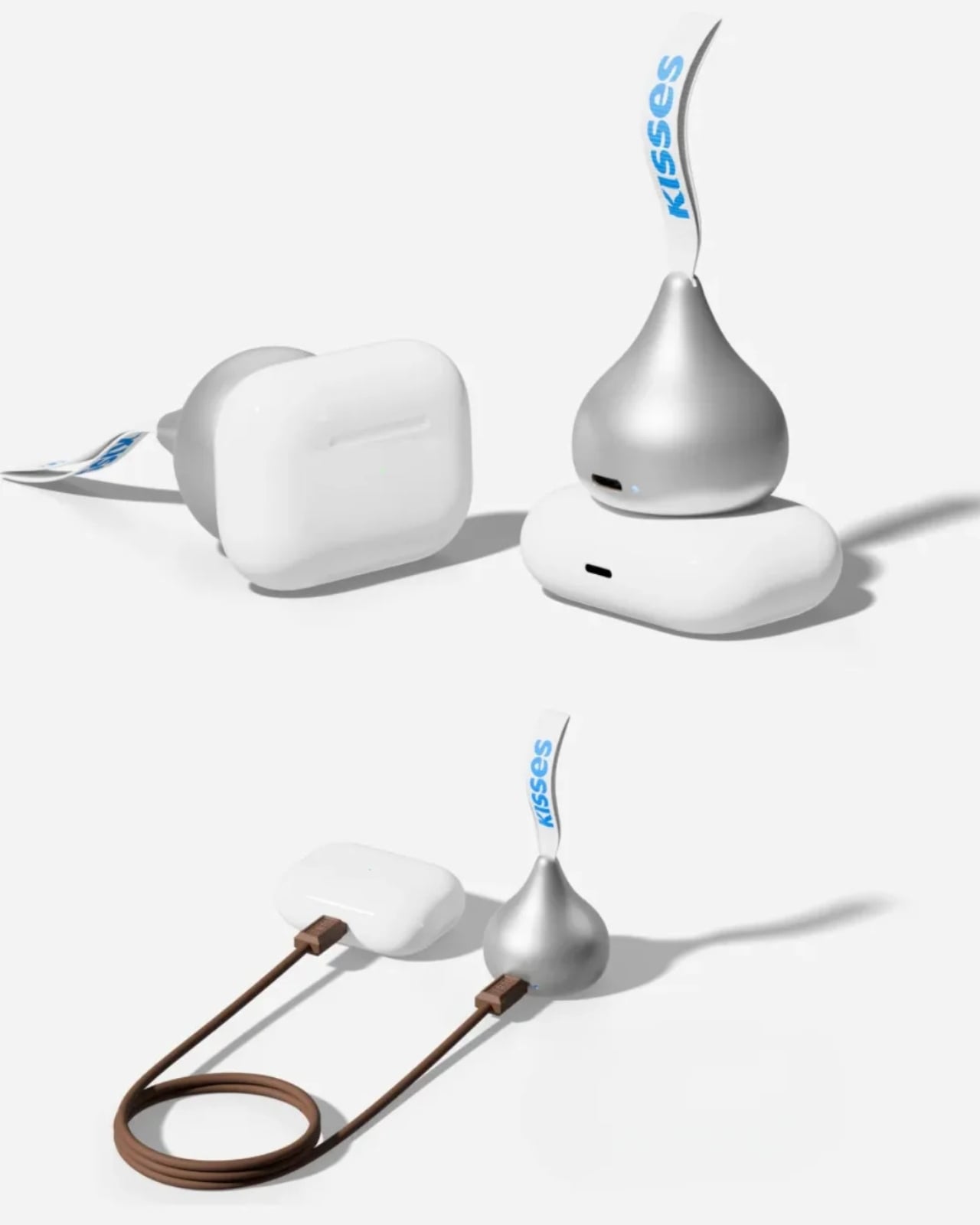
Rogbid SpinX smartwatch has built-in scroll wheel and tactical flashlight

Most modern smartwatches are essential health and connectivity hubs, featuring high-resolution OLED/LCD screens, comprehensive health monitoring, built-in GPS, NFC for contactless payments, and whatnot. They focus on fitness tracking while being highly practical and comfortable to wear.

Rogbid wants to change the perception of a smartwatch from just being a health tracking wearable that stays connected to your smartphone to one that is utilitarian within its own rights. The Chinese smartwatch brand has revealed the SpinX smartwatch that comes with a scroll wheel for navigating menus and other options with better precision. This little change simplifies things for the wearer, which is a small win that goes a long way.

Designer: Rogbid

This precision scroll wheel has a full-area pressure-sensing system to make operations smooth. The little hardware comes with a full-area pressure-sensing system that eliminates any blind spots, especially in the corners. Essentially, we are talking about a 360-degree pressure-sensing control system that brings faster command navigation to the fore and improves the overall experience. The SpinX smartwatch comes with a 1.43-inch AMOLED display with a 466 x 466 pixel resolution. The elements displayed are going to be color correct since it has 99.5% Adobe RGB color accuracy.

Apart from the intuitive scroll wheel control, the watch has a built-in flashlight that is much more than the bright screen mode that normal smartwatches use for the flashlight function. SpinX goes a step further by adding a specialized optical lens and a deep reflector for better results. The focused beam from this flashlight is very useful in inclement weather conditions as it prevents light scattering. This comes very handy on foggy nights and rainy seasons. The flashlight comes in three modes: High, Beam, Strobe, and SOS for a more granular control over the usage scenarios.

Another highlighting feature of the smartwatch is the built-in 1100mAh battery pack, which ensures you don’t need to recharge it for 40 days on active usage. In the standby mode, it can last up to 100 days, which is staggering. Compare that to my Galaxy Watch’s meagre backup that lasts only a day at best, and this smartwatch already has my vote. The 3ATM water-resistant watch is adventure-ready with military-grade durability (MIL-STD 810H certified) and a built-in compass.

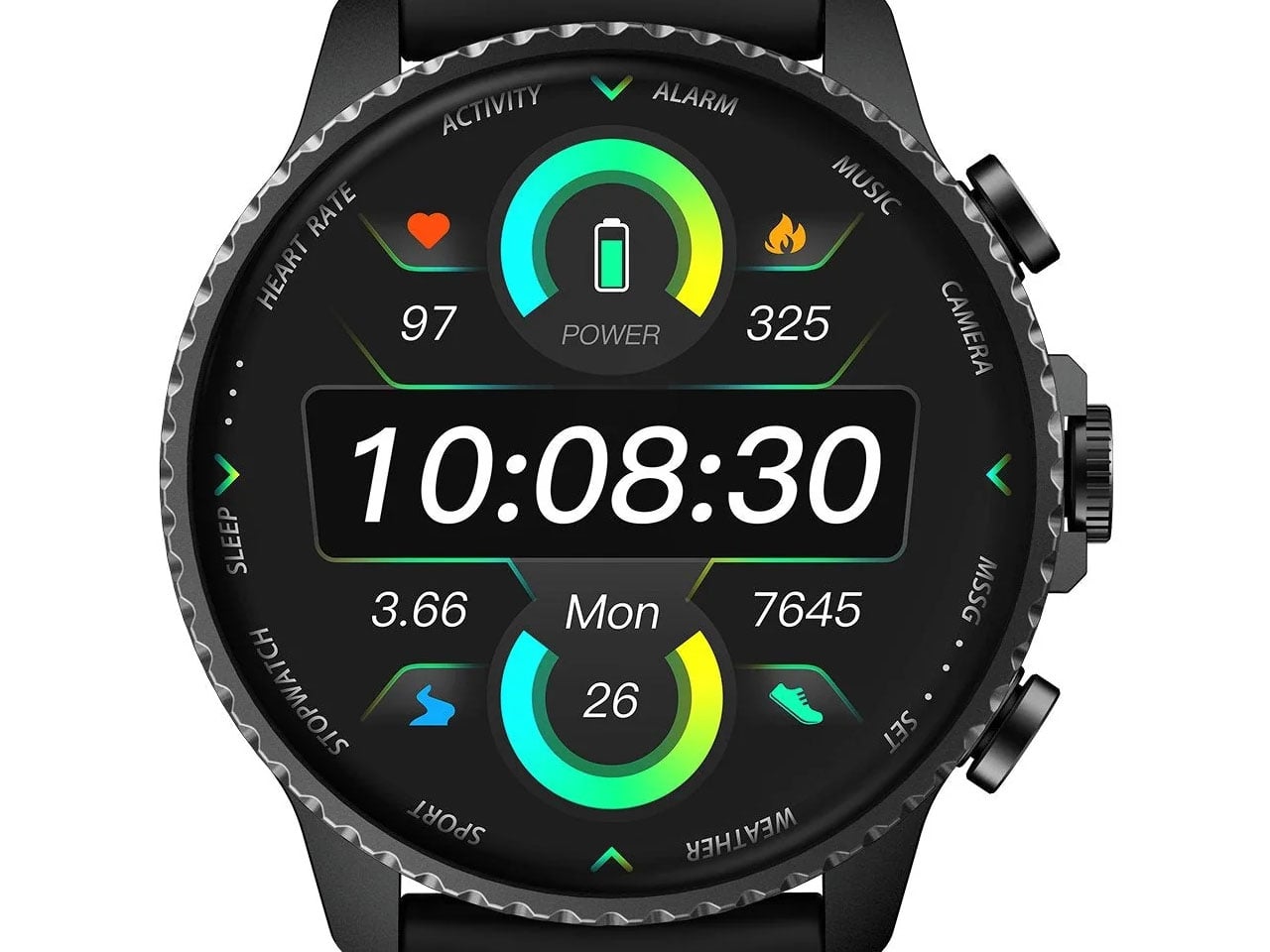
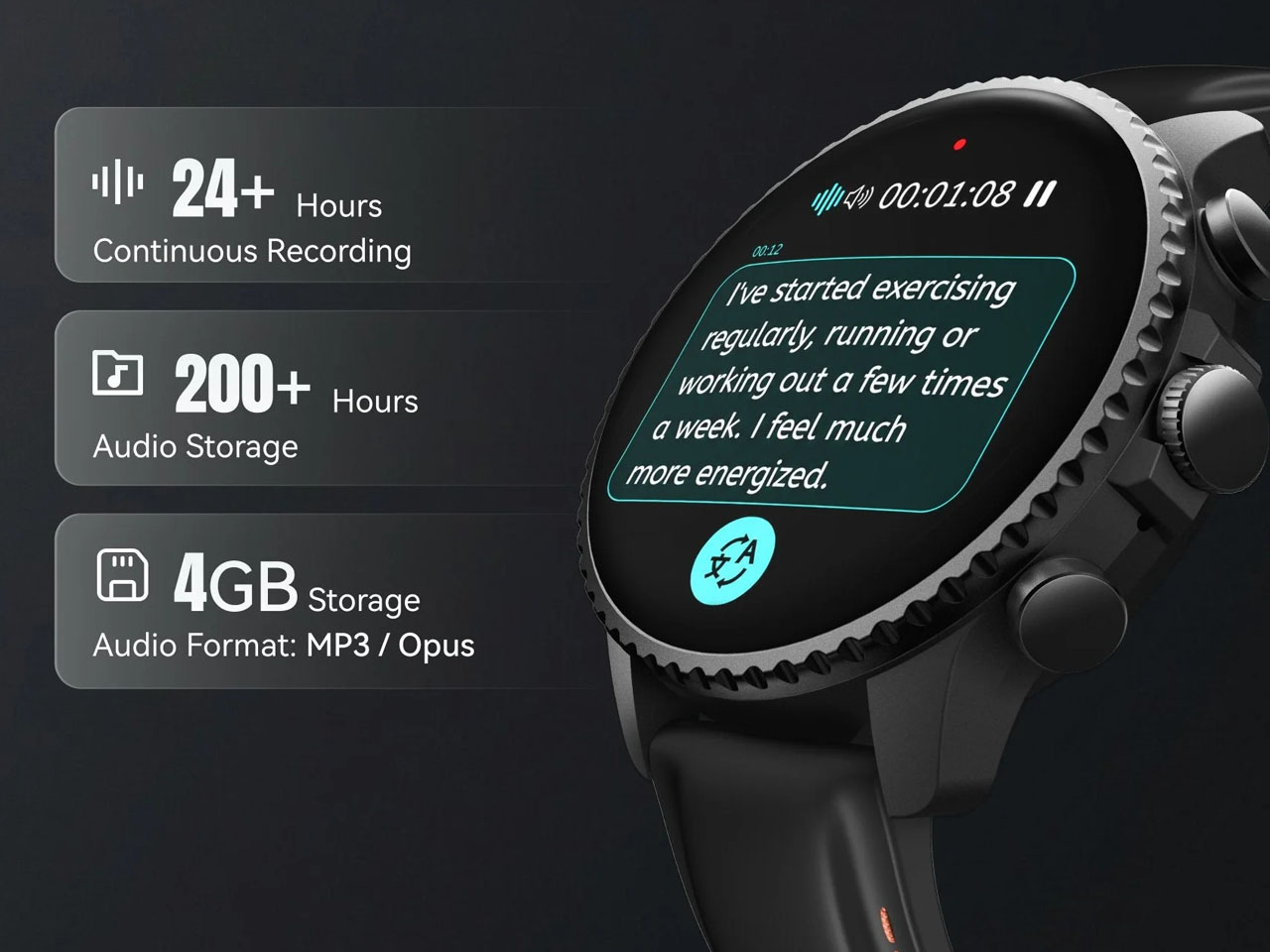
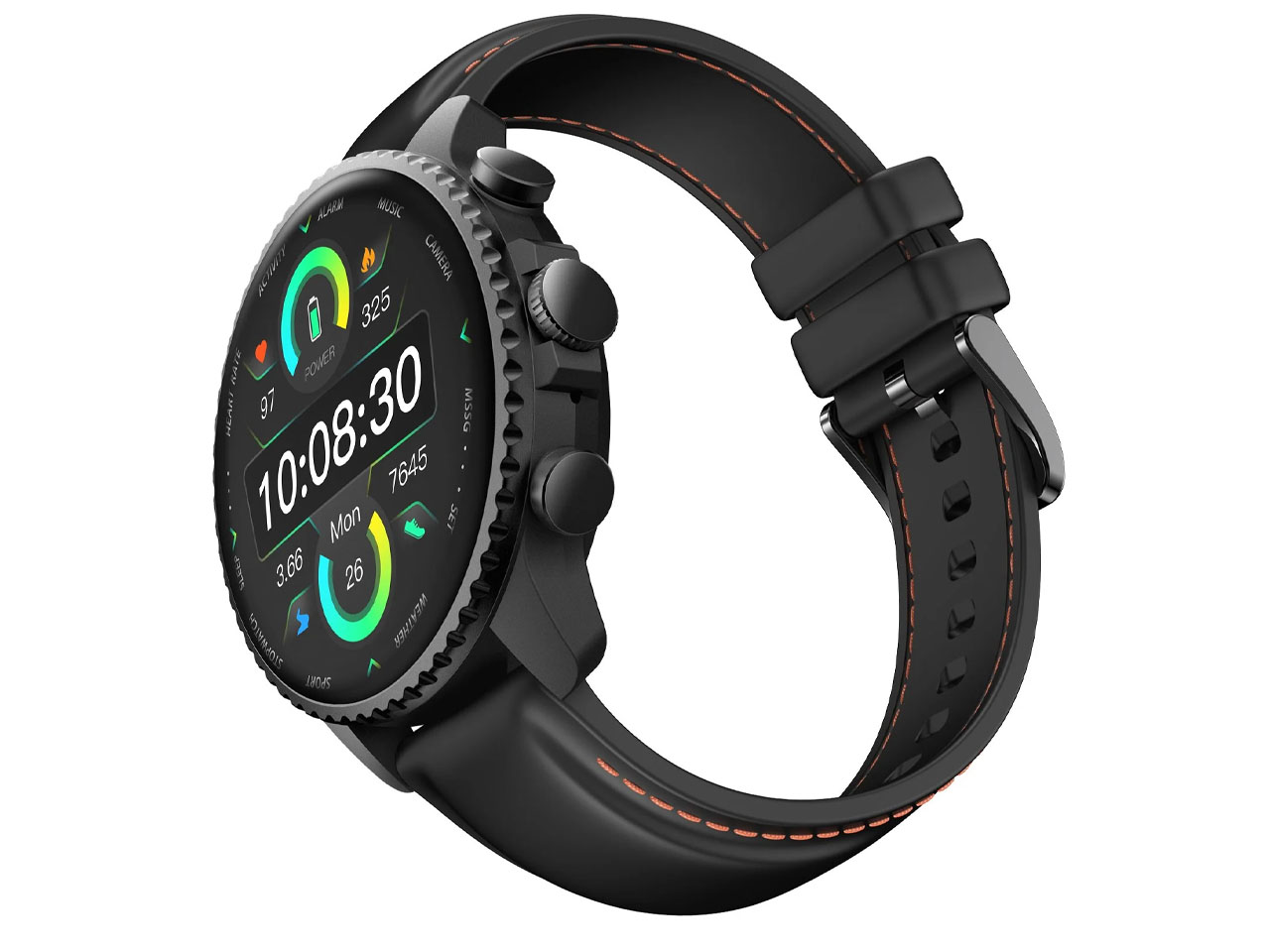
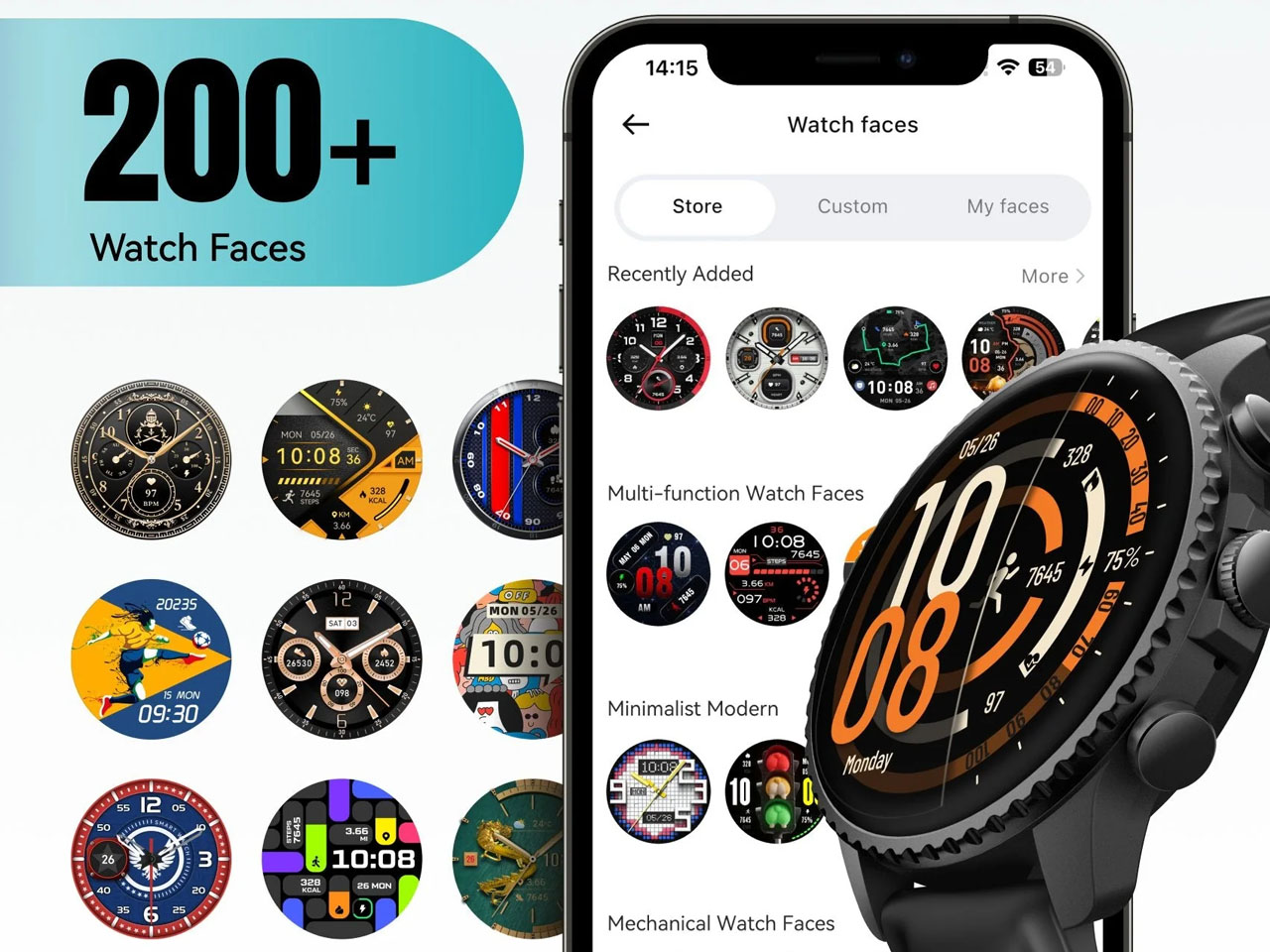
Of course, it comes with comprehensive health tracking features like a heart rate monitor, tracking SPO2 levels, and keeping a tab of sleep health. For active individuals, the smartwatch has more than 100 sports modes, including an activity tracker. The watch faces on this one can be customized as per your liking, and the Bluetooth 5.4 connectivity to your phone keeps things seamless. SpinX is available in classic black finish with the option to choose from the Tech Black or Vibrant Orange scroll wheel. With a price tag of $50, this smartwatch is already going to be on many people’s wishlists, I’m sure.

The post Rogbid SpinX smartwatch has built-in scroll wheel and tactical flashlight first appeared on Yanko Design.
Yanko Design’s Best of MWC 2026: When Engineering Gets Obsessive

Every year, MWC arrives like a controlled flood of announcements, each one louder than the last. Cameras with more megapixels, batteries with bigger numbers, screens with higher refresh rates than the human eye can meaningfully appreciate. It’s easy to walk away from Barcelona with a head full of specs and no clear sense of what any of it actually felt like to hold, use, or live with. The products that matter don’t always win the spec sheet battle.

The ones worth paying attention to are the ones built around a specific, almost stubborn design conviction. A team that decided thinness wasn’t a compromise but the whole point. Engineers who spent years rethinking how a GPS antenna sits inside a running watch. Designers who asked what a laptop would look like if it finally adapted to the user instead of demanding the opposite. Those are the products that stopped people on the MWC 2026 show floor, and these are the design decisions that made them worth stopping for.
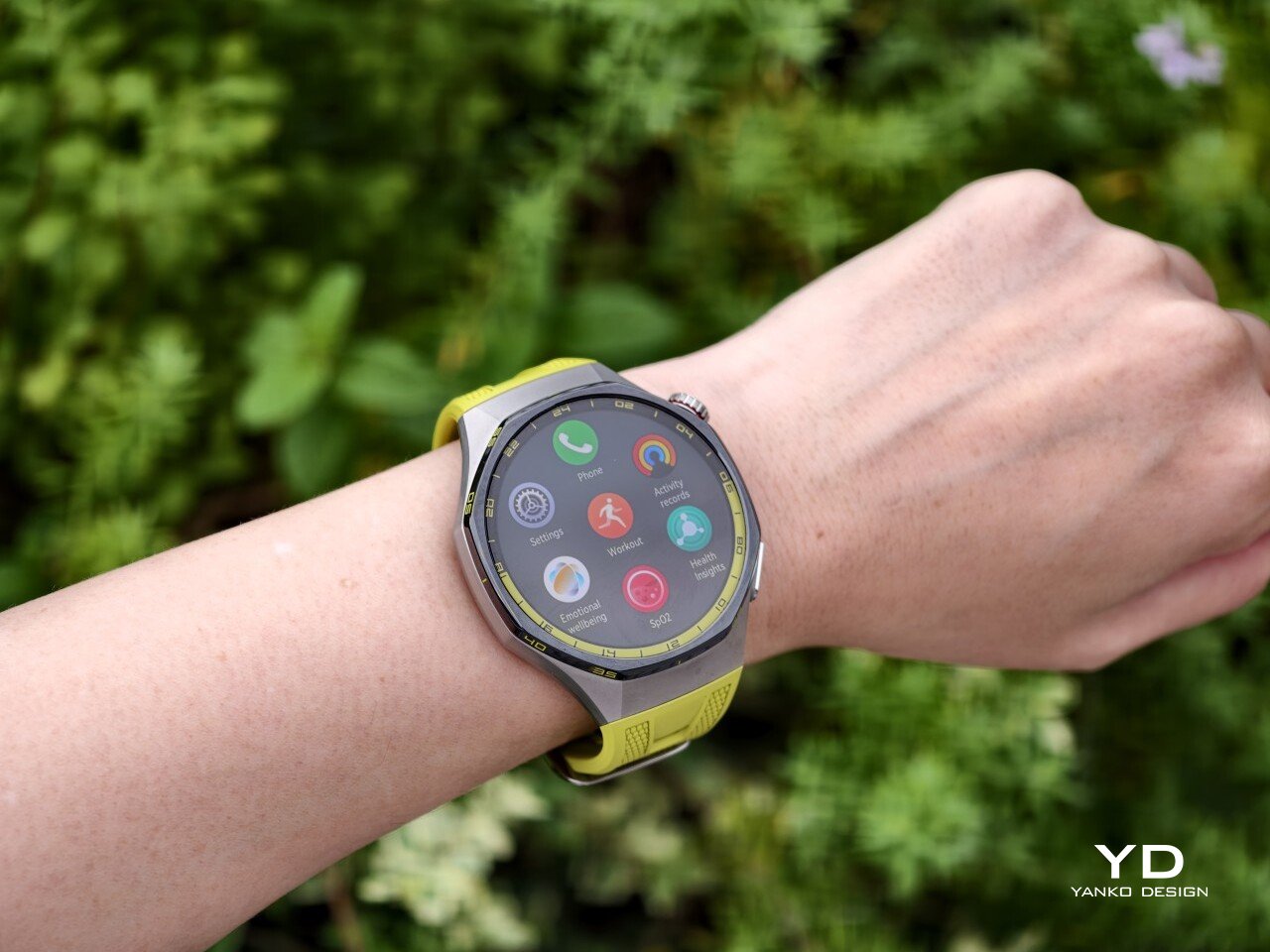
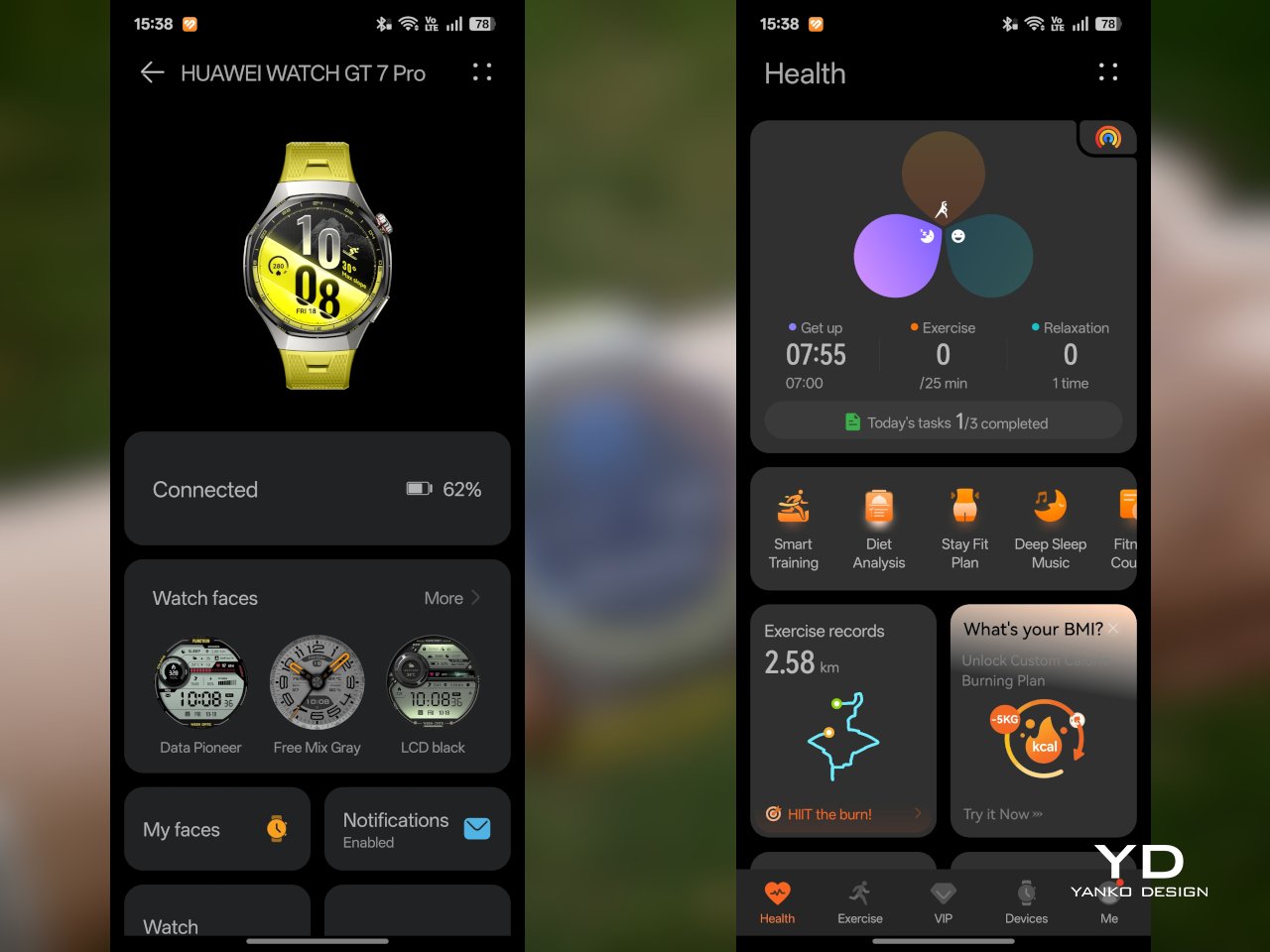
HUAWEI WATCH GT Runner 2 Smartwatch

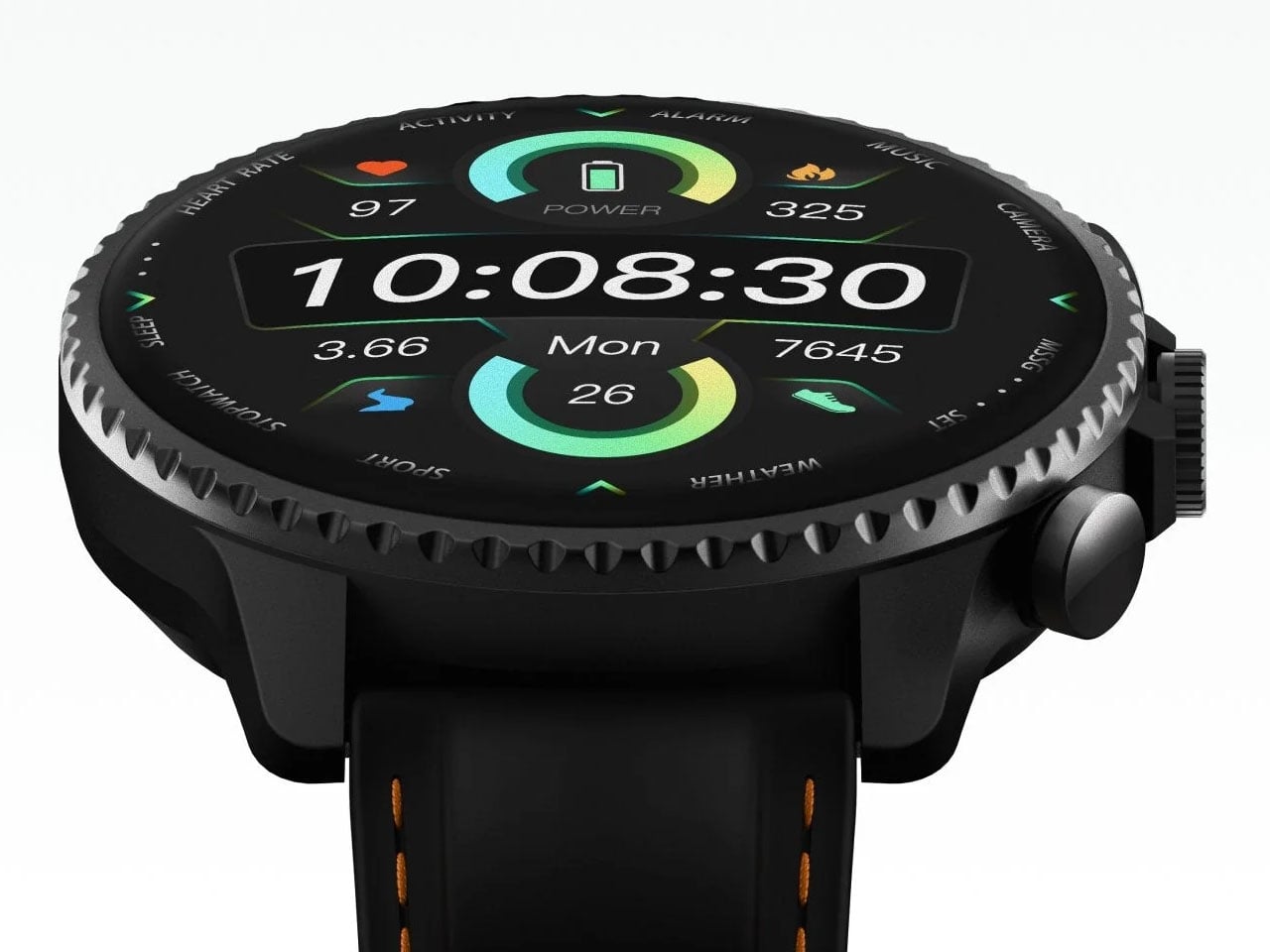
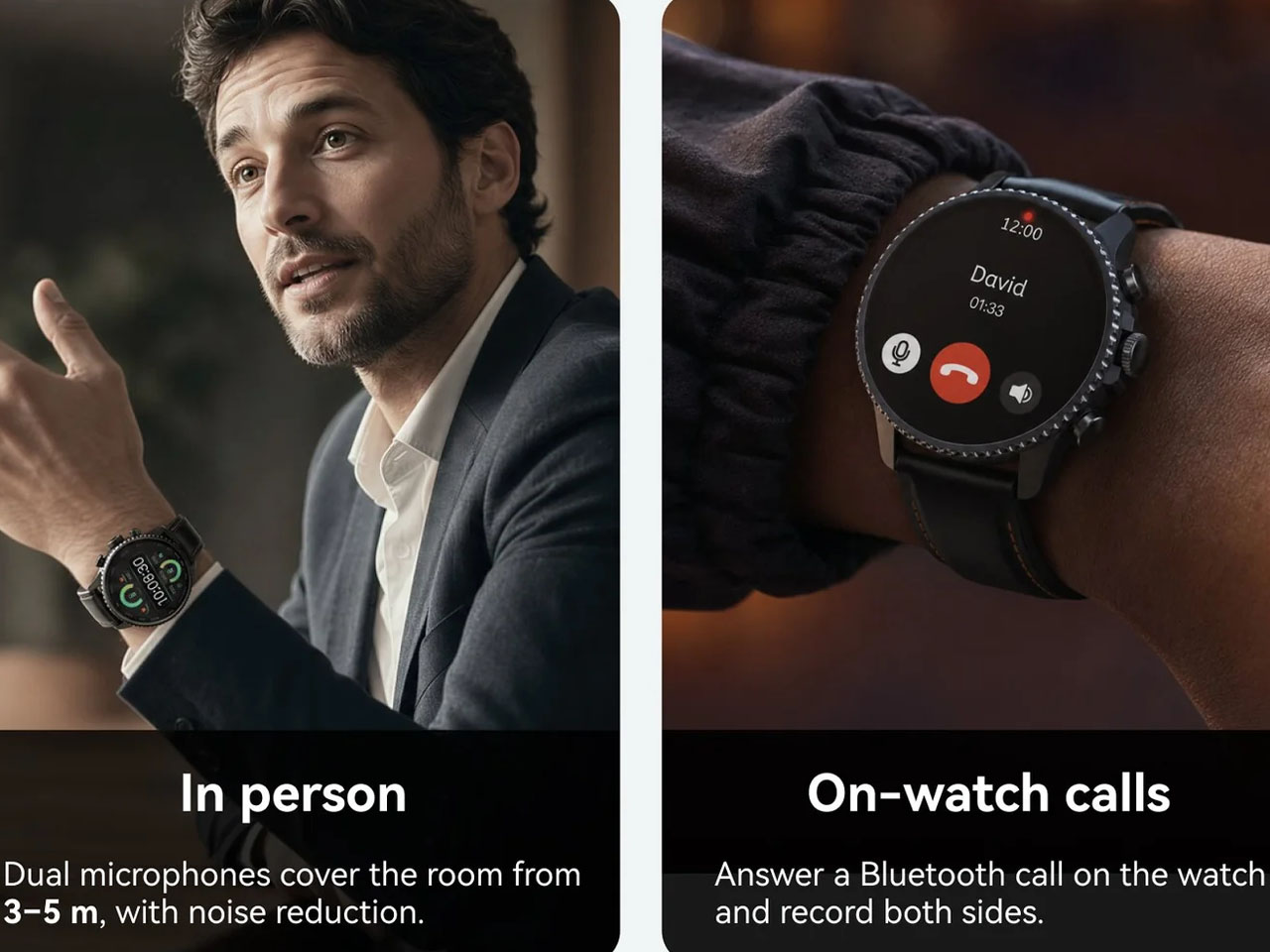
GPS watches for runners have always played both sides of a strange contradiction: the more seriously you take running, the more you end up wearing a small computer that weighs down your wrist and distracts you with irrelevant notifications. Huawei’s answer to that tension is the Watch GT Runner 2, a dedicated running watch built around the single question of what a wrist-worn device actually needs to do well for someone logging serious miles.

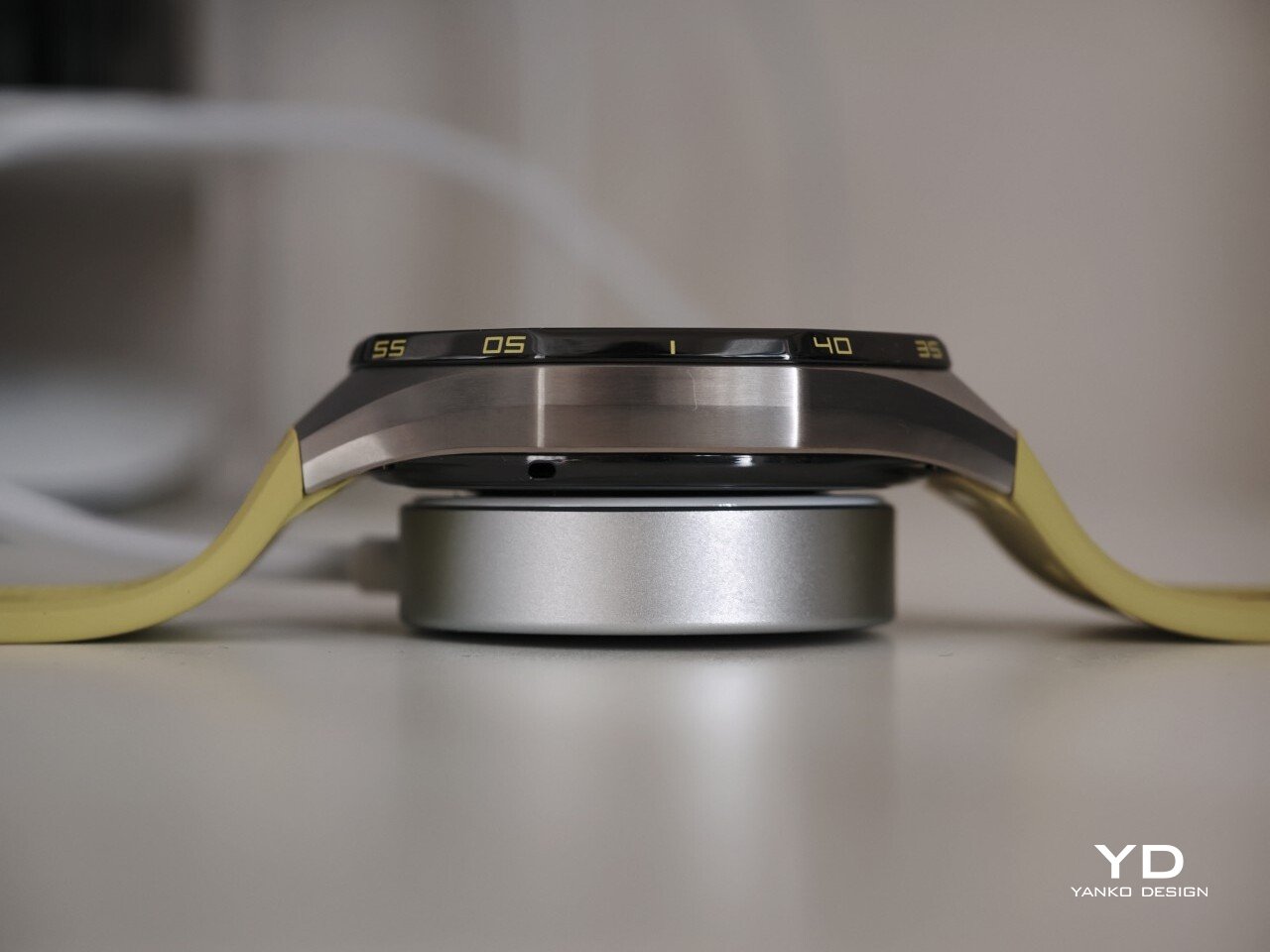
Five years of development went into the GPS architecture, which tells you where Huawei’s engineering priorities landed. The 3D floating antenna design, paired with an intelligent converged positioning algorithm, claims 20% better accuracy than its predecessor, holding signal through tunnels and tree cover where most watches lose the thread. The body itself is nanomolded aerospace-grade titanium at just 34.5 grams, with a 10.7mm profile that doesn’t fight the wrist wearing it.

Designer: Huawei

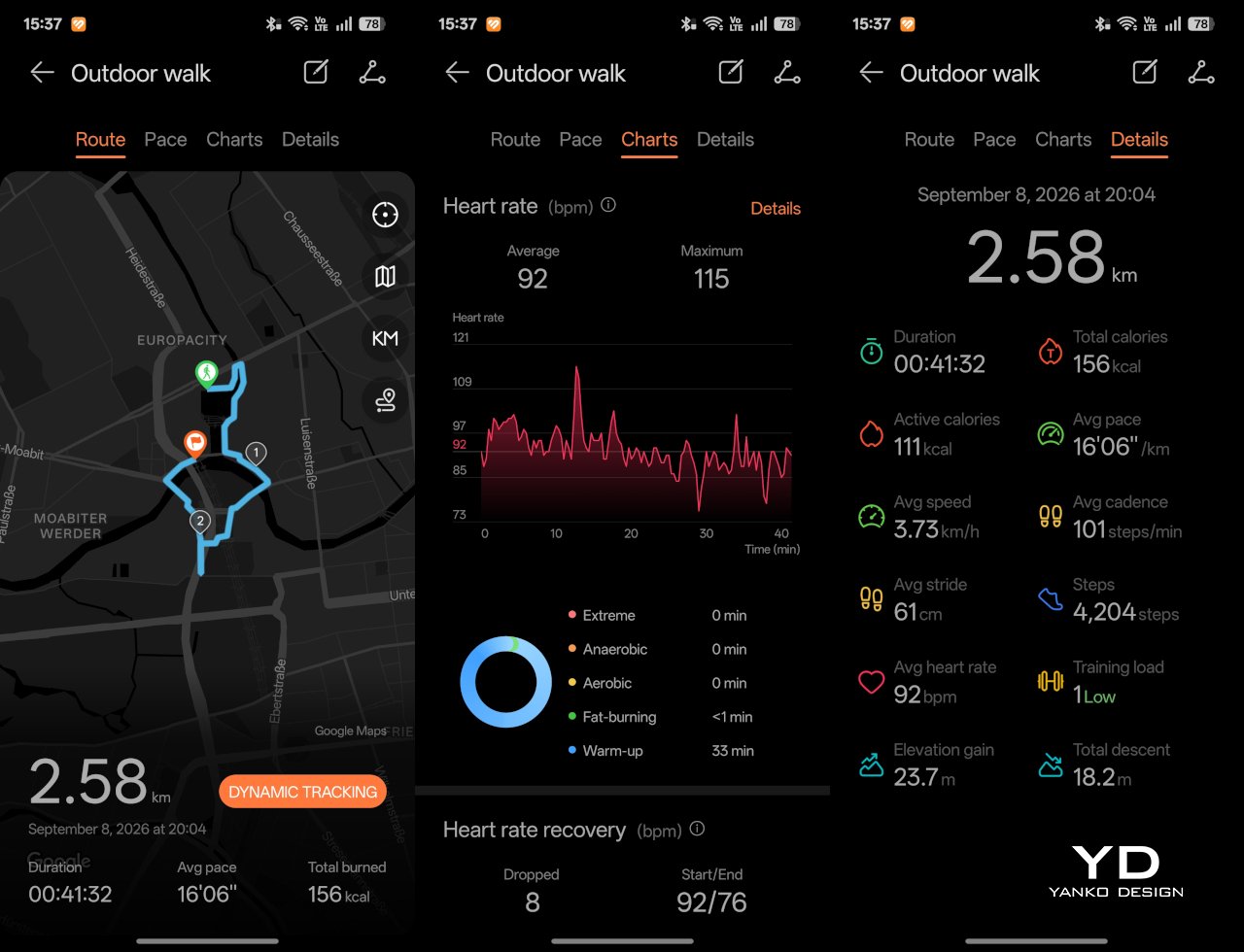
The Intelligent Marathon Mode is where the Huawei Watch GT Runner 2 really shines. Developed alongside the dsm-firmenich Running Team, it functions as an on-wrist coach with customized training plans, real-time pace charts, a digital pacer showing how far ahead or behind your target you are, and a personalized fueling reminder so you don’t bonk at kilometer 30. Performance prediction uses your Running Ability Index and physical data to estimate finish times, which either motivates you or quietly humbles you.

Health monitoring goes beyond the usual heart rate and step counts. ECG analysis triggers 30 minutes post-exercise, HRV is tracked throughout the day, and the PPG sensor can flag potential atrial fibrillation risks. Battery life reaches 32 hours in outdoor workout mode with GPS active, backed by a cell with 68% higher energy density than the previous generation. Curve Pay integration also lets you leave your phone and wallet behind on long runs entirely.

The Huawei Watch GT Runner 2 covers both ends of the spectrum, from amateurs wanting a smart training companion to athletes chasing records with lactate threshold and power metrics. At 34.5 grams with a breathable AirDry woven strap, it’s built to disappear on your wrist. What remains to be seen is whether marathon coaching calibrated with elite runners translates meaningfully to the rest of us.

MemoMind One AI Glasses

Most AI glasses have made the same mistake: designing around the technology first and hoping the wearability sorts itself out later. The result is eyewear that signals to everyone around you that something unusual is happening on your face. MemoMind, a new AI hardware brand incubated by projector company XGIMI, took the opposite approach with its debut product, building from a decade of optical engineering experience to make glasses that simply look like glasses.

The MemoMind One is the flagship of the lineup, combining integrated speakers with a dual-eye air display that layers information over your field of view without demanding your full attention. The multi-LLM hybrid operating system handles real-time translation, voice summaries, transcription, and contextual reminders, all accessible through head-motion controls and a conversational interface. Since its CES 2026 debut, software updates have expanded navigation integration and refined how the AI delivers information without interrupting natural interaction.

Designer: XGIMI

Personalization sits at the center of the MemoMind design philosophy in a way most wearable tech ignores entirely. Frames are fully customizable, temples are interchangeable, and the glasses support prescription lenses, meaning you can actually wear them as your everyday eyewear rather than carrying a second pair of frames. That design decision alone separates MemoMind from most competitors, where the hardware dictates the look and the wearer adapts accordingly.

The broader MemoMind lineup shows how deliberately the brand has thought through different user needs. The MemoMind Air Display weighs just 28.9 grams and uses a single-eye monocular display for a lighter-touch AI presence, aimed at commuters and minimalists who want information without visual density. The MemoMind Air goes further still, dropping the display entirely for a microphone-only model that makes the AI presence nearly invisible, present when useful and undetectable when not.

MemoMind One is set for preorder in April 2026, with the Air Display and Air models following later in the year. What XGIMI has built here is a clear and considered answer to the question of how AI should sit on your face: quietly, comfortably, and without announcing itself to the room. The design conviction behind MemoMind is that the best wearable AI is the kind you stop noticing you’re wearing.

Honor Robot Phone Concept

Smartphones have been flat rectangles for so long that the design conversation around them has largely shifted to cameras, refresh rates, and how thin the bezels are. Honor arrived at MWC 2026 with a genuinely different question: what if the phone itself could move? The Robot Phone concept puts a 4DoF gimbal system inside a handheld device, built around what Honor calls the industry’s smallest micro motor, with the motor size reduced by 70% compared to existing solutions.

Designer: Honor

The gimbal does two distinct things, and they pull in interestingly different directions. On the imaging side, three-axis mechanical stabilization works alongside an AI stabilization engine to keep footage steady through complex, dynamic movement. A double-tap locks the AI onto any subject, tracking it even through sudden changes or brief obstructions. Honor also introduced an AI Spinshot mode, supporting 90-degree and 180-degree rotations, a move that borrows directly from cinema camera rigs and scales it down to one hand.

The second application is where the concept gets harder to categorize. Honor has designed the gimbal to express what it calls embodied AI interaction, meaning the phone physically responds to what’s happening around it. It nods during agreement in video calls, adjusts its orientation to keep you in frame automatically, and moves to the rhythm of music playing through its speakers. These are features that a spec sheet cannot really describe, and that makes the Robot Phone one of the more genuinely curious things shown at MWC 2026, even as a concept still working toward a commercial release.

Xiaomi Vision Gran Turismo EV Concept

The Vision Gran Turismo program is where car brands go to design without consequences. No production targets, no crash tests, no accountants in the room. Ferrari has done it. Porsche has done it. Now Xiaomi, a company that started by selling smartphones and rice cookers, has become the 36th brand to join and the first technology company ever invited. Gran Turismo producer Kazunori Yamauchi extended the invitation personally at the GT World Series in London.

Designer: Xiaomi

The design problem Xiaomi decided to obsess over is one every hypercar team faces: low drag gives you straight-line speed, high downforce gives you corners, and optimizing hard for either one usually compromises the other. Xiaomi’s answer was to eliminate the trade-off entirely by building aerodynamics into the body itself. No bolted-on wings, no add-on splitters. A teardrop cockpit, airfoil-shaped structural members, and embedded channels that guide air from nose to tail. The Accretion Rims are the detail worth pausing on: magnetically held wheel covers that stay perfectly still while the wheels rotate beneath them, cooling the brakes through internal turbine fins while cutting drag from spinning surfaces.

Inside, Xiaomi replaced the usual carbon-and-leather tension of a hypercar cockpit with something it calls the Sofa Racer, a continuous loop of dashboard, doors, and seating upholstered in 3D-knitted fabric pulled from sportswear manufacturing. The Xiaomi Pulse system reads driver state through sensors and responds through light and sound rather than screens and alerts. It all connects to Xiaomi’s broader Human x Car x Home ecosystem, which is either a genuinely interesting idea about how cars fit into a connected life, or a lot of ecosystem language wrapped around a very beautiful virtual concept car.

TECNO Modular Magnetic Interconnection Technology

The modular phone idea has been attempted before, most famously by Google’s Project Ara, which spent years promising a phone you could rebuild like Lego before quietly disappearing in 2016. The premise was compelling, and the execution proved stubborn. TECNO’s approach at MWC 2026 is different in one important way: rather than replacing the phone’s internal components, the Modular Magnetic Interconnection Technology keeps the phone slim and complete on its own, then lets you snap additional hardware onto it magnetically when you actually need it.

Designer: TECNO

The concept arrives in two visual flavors, ATOM and MODA, but the underlying system is the same across both. Over a dozen modules compose the Customizable Modular Suite, covering stackable battery packs, action cameras, telephoto lenses, and more, each attaching and communicating through the magnetic interconnection system. The scale and visual coherence of the accessory ecosystem is genuinely striking. Everything shares a design language, sits flush when attached, and reads as a single object rather than a phone with things stuck to it.

The ATOM edition makes the clearest design statement of the two, with its white and red palette, ribbed surfaces, and a camera module that looks pulled straight from a mirrorless system. TECNO’s core argument is that keeping the phone genuinely slim in daily use, while letting the modules handle the heavier lifting on demand, sidesteps the trade-off that has defined smartphone design for years. Add what you need, remove what you don’t, and the phone adapts to the moment rather than trying to anticipate every one of them in advance.

T10 Bespoke Luxury Custom IEM

There are 150 of these made each year. That’s it. Each one starts as a conversation, not a product listing, where you sit down with the team and work through finishes, metals, and sculptural forms until the result is entirely yours. The chassis is ceramic zirconium, machined to roughly half the volume of an AirPod and assembled with micro-screws and gaskets the way a Swiss watchmaker approaches a movement. Some configurations arrive in mirror-polished obsidian black YTPZ ceramic with 24k rose-gold plating over solid bronze. Others wear navy-blue Cerakote over polished zirconia with hand-rubbed tung-oil burl wood inserts. The newest collection reaches into diamonds, amethysts, and fine metals, with one-of-a-kind builds priced past $115,000. These aren’t earbuds that happen to look expensive. They’re objects you’d keep in a case and hand down.

Designer: EAR Micro, Klipsch

What separates the T10 Bespoke from anything else isn’t just the materials. It’s what’s packed into that tiny chassis. An ARM primary processor runs alongside a dedicated co-processor, with twin Cadence Tensilica Hi-Fi DSPs handling the signal chain. You get selectable amplifier modes, Class D for efficiency, and Class A/B when you want the fuller analog character. The Sonion Balanced Armature driver, tuned with Klipsch from the X10 lineage, feeds from a signal path that supports Sony LDAC at 24-bit/96kHz. That resolution matters because the hardware can actually deliver it. The PCB inside spans less than 1.13 square centimeters, with folding wings to fit the geometry. It’s the kind of engineering that usually stays behind a rack somewhere. Here it’s in your ear.

The interaction layer is equally thoughtful. Bragi OS powers the whole thing, supporting touch controls, voice commands, and head-motion gestures so you rarely have to reach for your phone. Battery life runs 8 to 9 hours per earbud, stretching past 30 hours with the case, and a 15-minute fast charge gets you to 85%. ANC is tuned in-house, and the founder calls it best in class, which is a claim that holds up in context, given the hardware underneath it. The deeper point is that this isn’t a product built to a price point or a roadmap. The chassis is replaceable. The battery is replaceable. The shell is replaceable. You’re not buying a device with a two-year lifespan. You’re buying something designed to stay with you, improve over time, and still be relevant long after everything else has been recycled.

Lenovo AI Workmate Concept

Most AI assistants live inside a screen, which means interacting with them still involves picking up a device, unlocking it, and navigating to something. Lenovo’s AI Workmate Concept takes a different position, literally: it sits on your desk as a physical object, a spherical head on an articulated arm mounted on a circular base, designed to be always present and always on without requiring you to go looking for it.

Designer: Lenovo

The design is built around natural interaction rather than typed commands or app interfaces. It responds to voice, gesture, and writing, with on-device AI processing inputs locally for privacy. The more distinctive capability is spatial output: the Workmate can project content directly onto a nearby surface, turning a desk or wall into a temporary display for documents, presentations, or notes. It also handles practical business tasks like scanning and summarizing documents and assisting with content creation, positioned as a desk companion rather than a novelty.

The physical form is what makes the concept worth paying attention to as a design argument. The spherical head, articulated arm, and glowing base ring give the device a clear presence and orientation, somewhere between a desk lamp and a friendly robot, without tipping into either. It acknowledges you spatially rather than waiting to be summoned from a notification panel. Whether a desk companion with animated eyes and a projector becomes something people actually want next to their laptops is the real design question Lenovo is exploring here, and MWC 2026 was its first public test of that answer.

Huawei Mate 80 Pro Max

Huawei’s Mate series has always been the line where the company makes its clearest design statements, and the Mate 80 Pro Max carries that further with a body that steps away from the fiber-reinforced plastic back of the standard Pro in favor of an aluminum alloy construction throughout. The result is a phone with more physical presence and a slightly larger footprint. Both share the same Dual Space Rings camera module design that has become the Mate family’s most recognizable feature, two concentric rings framing the rear cameras in a configuration that reads as intentional rather than incidental.

Designer: Huawei

The display on the Pro Max stretches farther to 6.9 inches while keeping the same LTPO OLED panel with 1440Hz PWM dimming and Kunlun Glass 2 protection. Powered by the same Kirin 9030 Pro chipset in their top configurations, the Max differentiates itself through physical scale and materials rather than raw internals. The battery also steps up to 6000mAh, though paired with the same 100W wired charging. The color options shift too: where the Pro comes in Black, White, Green, and Gold, the Max trades the softer tones for Black, Silver, Blue, and Gold.

What the Mate 80 Pro Max represents is a familiar kind of product logic: take the established design, make it bigger, make the materials more premium, and add the battery capacity to match the larger chassis. The Dual Space Rings identity carries across both models intact, so the design conversation between the two is less about direction and more about degree. With a significantly higher price tag, the Pro Max is considered step up for buyers who want the full physical expression of what the Mate 80 series is about.

Honor Magic V6 Foldable phone

Foldable phones have spent years promising the future while feeling fragile, bulky, and anxious about rain. Honor’s design obsession with the Magic V6 was to solve all three problems at once without letting any of them compromise the others. The result is an 8.75mm folded profile, putting it in iPhone-thin territory, paired with a 6,660mAh silicon-carbon battery, the largest ever fitted into a foldable at this thickness.

Designer: Honor

That battery figure is where the real engineering story lives. Silicon-carbon cells pack more energy into less space than conventional lithium-ion, but higher silicon content creates expansion stress that can crack cells over charge cycles. Honor’s fifth-generation silicon-carbon material, developed with ATL, reaches 25% silicon content. That’s what allows the capacity and the thinness to coexist without one compromising the other.

The Magic V6 also carries both IP68 and IP69 ratings, a first for any foldable. IP68 handles submersion; IP69 covers high-pressure, high-temperature water jets. Getting both on a device with a moving hinge, a crease depth reduced by 44% over the previous generation, and a display reflectivity as low as 1.5%, reflects how much structural engineering went into something that still opens and closes hundreds of times daily.

Lenovo ThinkBook Modular AI PC Concept

Laptops have been making the same basic promise for decades: here is one device that does everything, carry it everywhere. The trade-off has always been that “everything” means compromises, a screen too small for real work, a body too thick for a bag, a keyboard that disappears when you want a tablet. Lenovo’s ThinkBook Modular AI PC Concept at MWC 2026 takes a different position entirely, built around a “carry small, use big” philosophy that lets a single 14-inch base system reconfigure itself depending on where you are and what you’re doing.

Designer: Lenovo

The modularity here is practical rather than speculative. A secondary display attaches to the top cover for face-to-face sharing or closed-lid use, sits alongside the base on an integrated kickstand as a portable travel monitor in portrait or landscape, or swaps with the keyboard to create a dual-screen setup stretching the combined workspace to roughly 19 inches. The Bluetooth keyboard detaches entirely. IO ports, including USB Type-A, USB Type-C, and HDMI, are interchangeable depending on what a given day requires. Pogo-pin connectors handle power and data transfer between modules, keeping the system stable and self-contained throughout all the rearranging.

What makes the ThinkBook Modular concept worth paying attention to as a design argument is the restraint behind it. Rather than trying to anticipate every scenario inside one fixed chassis, Lenovo accepted that the device itself should be the smallest possible useful thing and let the user decide what gets added to it. A laptop that adapts to the workflow instead of the other way around is an old idea that has never quite landed in a form people actually use. This concept is still exactly that, a proof of concept with no confirmed release date, but the underlying logic is more considered than most modular hardware that has come before it.

Leica Leitzphone by Xiaomi

Xiaomi has made plenty of capable camera phones, but the Leica Leitzphone takes a different approach entirely, treating the smartphone less like a spec competition and more like an extension of Leica’s century-old obsession with optical craft. The silver aluminum frame carries tactile knurling, a rotatable camera ring, and the iconic Leica Red Dot, sitting against a black fiberglass back pulled directly from classic Leica rangefinder design language.

Designer: Xiaomi x Leica

That camera system is where the conviction becomes most legible. A 1-inch sensor with LOFIC HDR technology handles the main shooting duties, alongside a 200MP telephoto at 75 to 100mm and a 14mm ultra-wide. The rotatable physical camera ring, assignable to focal length, focus, or bokeh, gives the experience a tactile dimension that touchscreen sliders simply cannot replicate. Thirteen Leica color styles and a dedicated Essential Mode recreating the Leica M9 and M3 look complete the package.

The rest of the hardware keeps pace: Snapdragon 8 Elite Gen 5, a 6.9-inch 3500-nit OLED display, and a 6000mAh battery with 90W wired charging. The Leica UX layer goes further than a cosmetic theme, reshaping system fonts, icons, and widgets into a coherent visual identity rooted in Leica’s design language. For anyone who has wanted smartphone photography to feel less like operating software and more like handling a real camera, this is the most direct answer yet.

TCL Tbot Smartwatch Desktop Companion for Kids

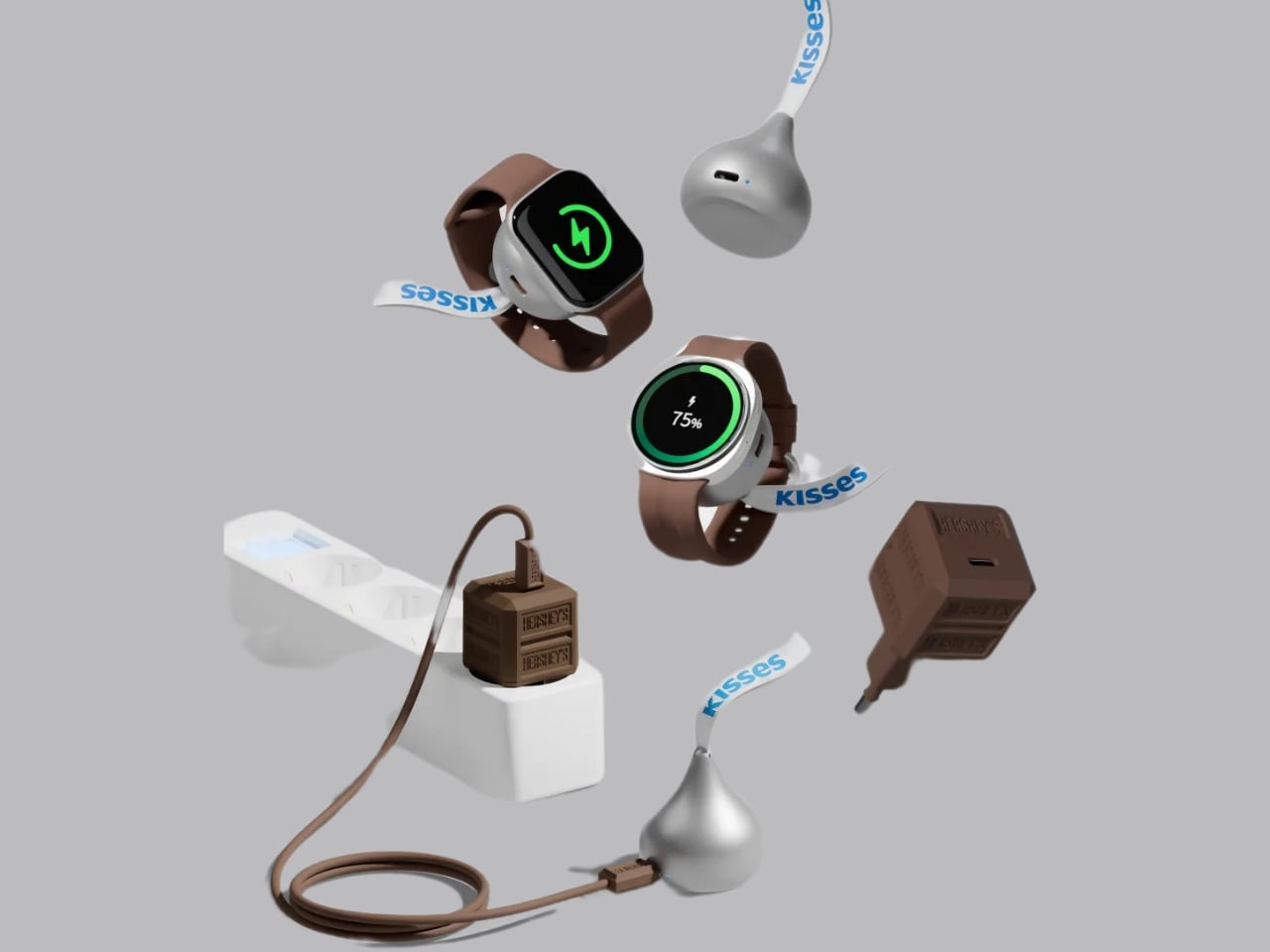
Kids’ smartwatches have gotten good at keeping children connected to parents while they’re out, but they go dark the moment they come off the wrist. That’s the gap TCL is trying to close with the Tbot, a magnetic desktop dock that pairs with TCL’s kids’ watches, like the MoveTime MT48, to keep the experience going at home during charging. Rather than letting the device sit idle on a nightstand, the Tbot turns that downtime into something more purposeful.

Designer: TCL

The companion functions as an AI assistant shaped around a child’s daily rhythm, setting wake-up alarms, bedtime reminders, and Pomodoro-style study timers through age-appropriate guidance. It also doubles as a learning partner for guided discovery, a sleep companion that tells bedtime stories, and a parental alert hub that sends configurable notifications when parents need to stay in the loop. The idea is continuity between the outdoors and the home, with the watch and dock working as two parts of the same connected experience.

TCL is positioning the Tbot as a concept for now, still in its development phase while the company works through applicable regulations around AI features for children. That measured approach actually makes sense given the audience, since parental permission and age-appropriate guardrails are built into its design from the start. Getting that balance right between a helpful AI companion and appropriate boundaries for kids is exactly the kind of design problem worth taking slowly.

Lenovo Yoga Book Pro 3D Concept

3D creation on a laptop has always involved a certain amount of peripheral management, between mice, styluses, and the occasional spacemouse bolted to the side of the desk. The Yoga Book Pro 3D Concept takes aim at that setup by building a glasses-free 3D display directly into a dual-screen laptop, letting creators view depth, form, and spatial relationships on screen without any additional equipment. Lenovo’s AI software handles 2D to 3D conversion on the upper PureSight Pro Tandem OLED display, and can even generate an environment around the converted object on command.

Designer: Lenovo

The dual-screen concept laptop also offers a rather interesting interaction feature. Zero-touch gestures read hand movements in front of the RGB camera, letting users zoom and rotate 3D objects without touching the screen at all. The lower display acts as a touch surface with snap-on physical pads that pop up adjustment controls, like lighting and viewing angle, wherever they’re placed. It’s a workflow designed to keep creators in the work rather than hunting through menus.

As a concept, the Yoga Book Pro 3D is still a proof of intent rather than a product you can buy, but it represents a genuinely specific design problem solved with unusual conviction. Glasses-free 3D displays have struggled to convince outside of niche applications, so how well the actual display holds up for extended professional use will be the real test when this moves closer to production.

Vivo X300 Ultra and Camera Cage

Most smartphone camera rigs are an afterthought, a collection of third-party mounts and adapters held together by optimism. Vivo is taking a different approach with the X300 Ultra’s dedicated Camera Cage, a pro-grade frame designed specifically around the phone rather than adapted from generic cinema accessories. Dual grip handles, cold shoe mounts, quick-release ports, and dedicated physical buttons for shutter and zoom come built into one coherent system.

Designer: vivo

The cage is also where the ZEISS Telephoto Extender Gen 2 Ultra slots in, an APO-certified lens co-engineered with ZEISS that pushes the X300 Ultra to a 400mm equivalent focal length with full 200MP optical output. Gimbal-grade optical image stabilization and motion-tracking focus sit underneath all of that reach. An integrated multi-level cooling fan handles thermal load during extended video shoots, solving the problem that turns most “pro mobile video” sessions into a race against an overheating warning.

What makes the setup genuinely interesting is the conviction behind it. Vivo isn’t treating the cage as a novelty accessory but as the central argument for how a smartphone can function as a serious production tool. The phone alone is one thing; inside this cage, with the extender attached and physical controls in hand, it becomes a fundamentally different experience.

TECNO x Tonino Lamborghini TAURUS Mini Gaming PC

Gaming PCs have never been shy about their presence, big towers, aggressive angles, and enough RGB to illuminate a small runway. The Tonino Lamborghini TECNO TAURUS compresses all of that energy into a mini PC chassis, with an all-metal body, red-accented lighting, and see-through panels that put the water-cooling loop on full display. It’s unapologetically theatrical, and that’s clearly the entire point of the exercise.

Designer: TECNO

Under that showpiece exterior sits an Intel Core i9-13900HK with 14 cores running up to 5.4GHz, alongside an NVIDIA GeForce RTX 5060 on the Blackwell architecture at 145W total graphics power. A roughly 10,000mm² pure copper water-cooled cold plate and triple-fan setup handle thermals in that compact body. A real-time performance monitor on the chassis lets you watch CPU and GPU loads without opening a single app, which feels very on-brand for a machine this self-aware.

TECNO’s first collaboration with Tonino Lamborghini positions this as a desktop you’d put on your desk rather than under it, treating the machine as a design object as much as a gaming rig. Fifteen ports and WiFi 6E keep the practical side well covered. What’s genuinely interesting is how much of the design budget went into making the cooling system the visual centerpiece, turning thermal engineering into the main aesthetic argument.

Unihertz Titan 2 Elite QWERTY Phone

Physical keyboard phones never really died; they just quietly retreated to a corner of the internet where people complained loudly about touchscreen autocorrect. Unihertz has been serving that corner for years with its Titan series, and the Titan 2 Elite is the most refined version yet. Gone is the chunky frame of its predecessor; in its place comes a slimmer 75mm-wide body, a 4.03-inch 120Hz AMOLED display with a punch-hole camera, and the same four-row QWERTY keyboard that the series built its following on.

Designer: Unihertz

The keyboard itself doubles as a touchpad, letting you scroll and navigate with a thumb swipe across the keys, a trick carried over from earlier Titans that still feels genuinely useful. Although nothing’s confirmed yet, it’s expected to run on a MediaTek Dimensity 7300 with 12GB of RAM and 512GB of storage, which is a solidly capable mid-range setup for a phone that’s really selling you on input, not raw performance. More notable is the software commitment: Android 16 out of the box, updates promised through Android 20, and security patches running until 2031, a rare five-year horizon for a device in this price range.

The Titan 2 Elite arrives at an interesting moment, with the Clicks pulling attention toward keyboard accessories for iPhones and Unihertz countering with a dedicated standalone device instead. There’s a meaningful difference between treating the keyboard as an add-on and building an entire phone around it, and that’s the bet Unihertz is making here.

The post Yanko Design’s Best of MWC 2026: When Engineering Gets Obsessive first appeared on Yanko Design.