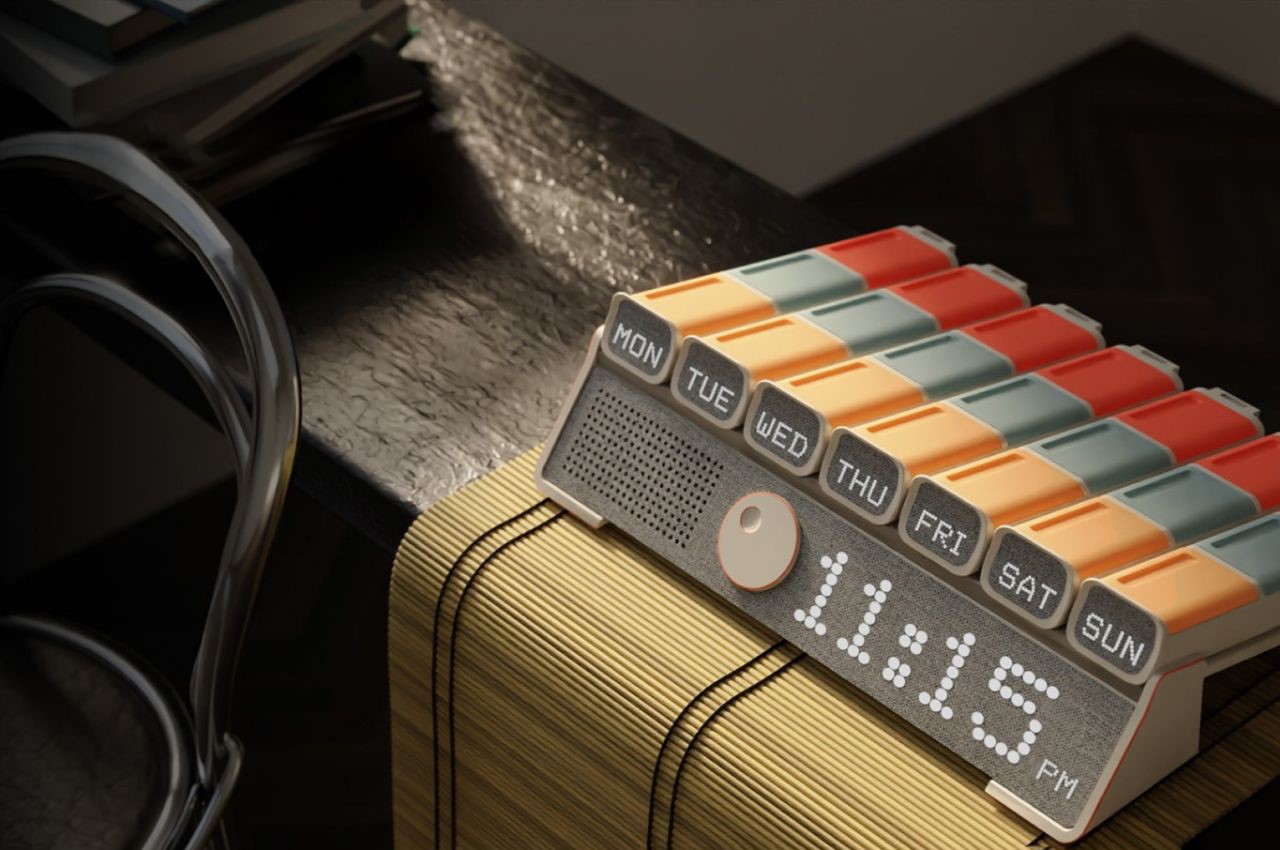
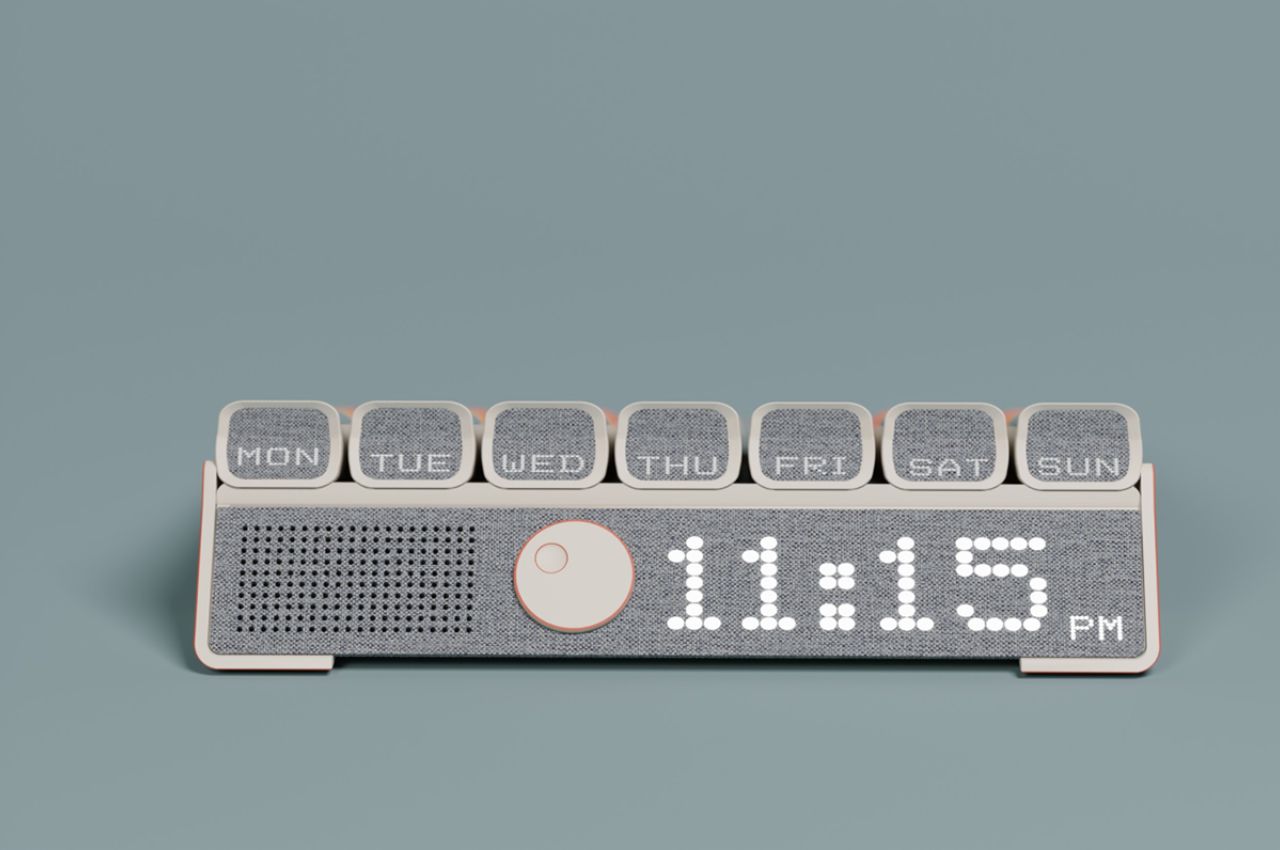
MedEasy, a thoughtful medicine box designed for the elderly, aims to address the challenges faced by seniors in managing their medications independently, focusing on regions in India with a significant population of elderly individuals living alone, such as Tamil Nadu and Nagaland.
Designer: Tarun Pahadiya
The primary goal of the MedEasy project is to create a product that serves as a reliable companion for the elderly, helping them remember, manage, and stock their medicines efficiently. With a focus on addressing the loneliness prevalent among seniors living alone, the product aims to contribute to the well-being of this demographic, which constitutes 5.7% of senior citizens in India.
MedEasy primarily caters to elderly individuals who struggle with proper medication adherence due to memory issues or limited motor activities. This includes elderly family members, individuals living alone with forgetfulness concerns, and those dealing with Alzheimer’s issues. Secondary users encompass caretakers, including nurses, young family members, doctors, and NGO helpers who interact with the product to support the primary users.
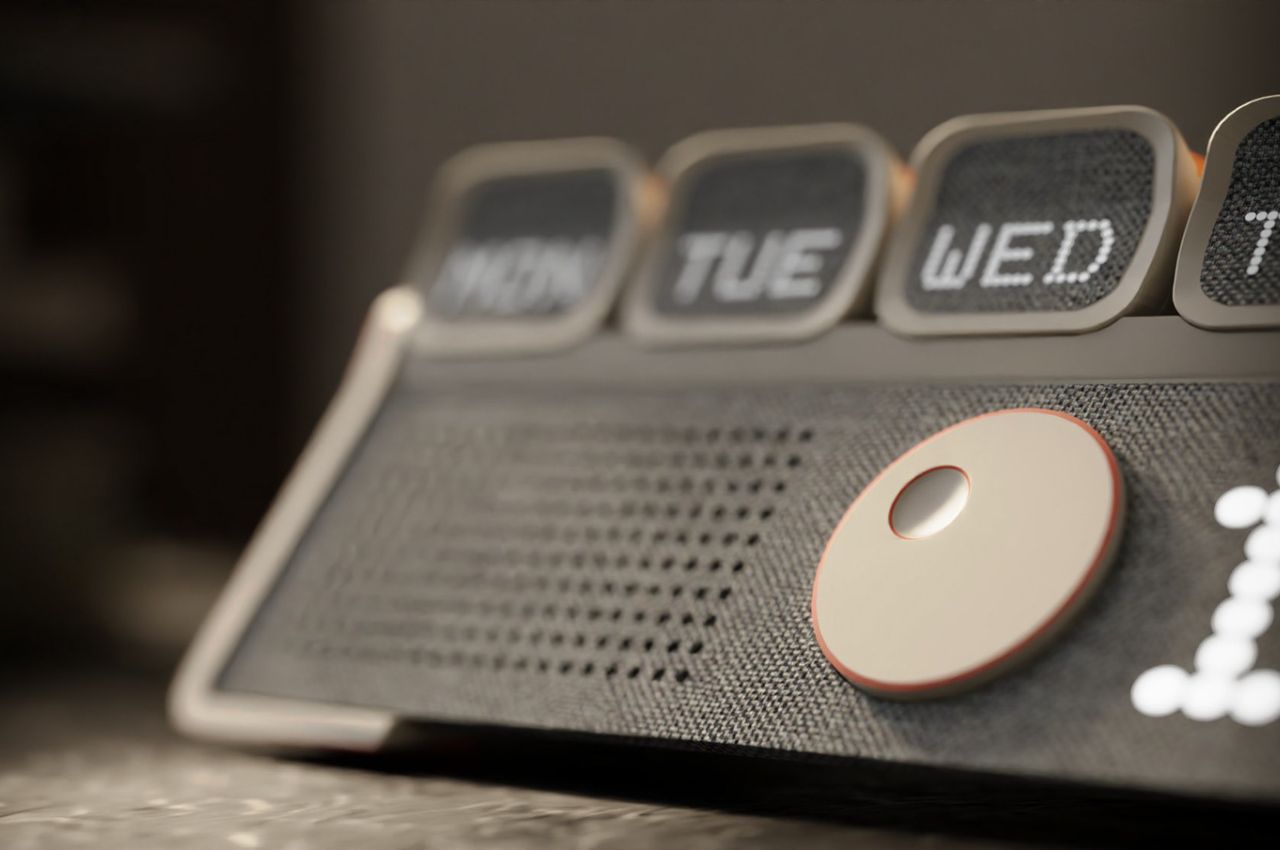
Conducting extensive market research revealed key insights, emphasizing the importance of addressing sensory degradation with age, monitoring proper medication dosage, reducing dependence on others for medication, and creating a positive and engaging process for medication adherence. Additionally, the elderly often avoid taking their prescribed doses consciously, necessitating reminders and easy refill and dispensing mechanisms, however, I believe there could be a more emotional approach to motivating them to take their dosages which can be explored, rather than just reminders if they avoid them on purpose.
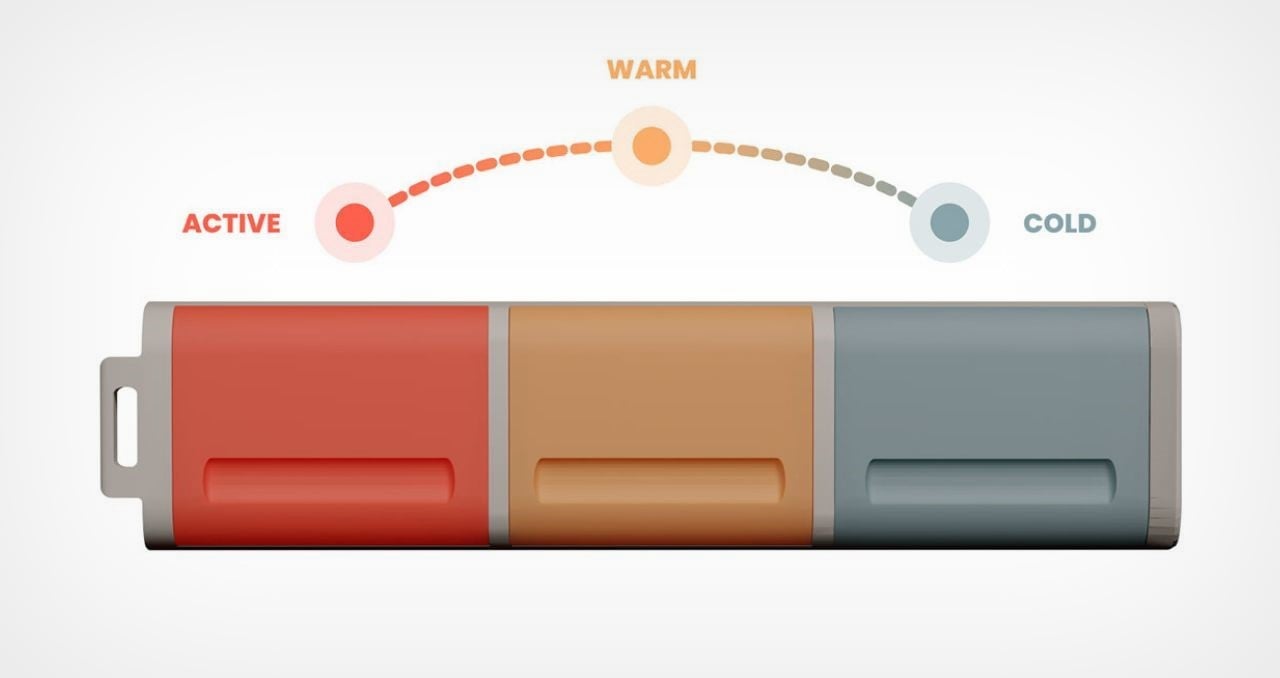
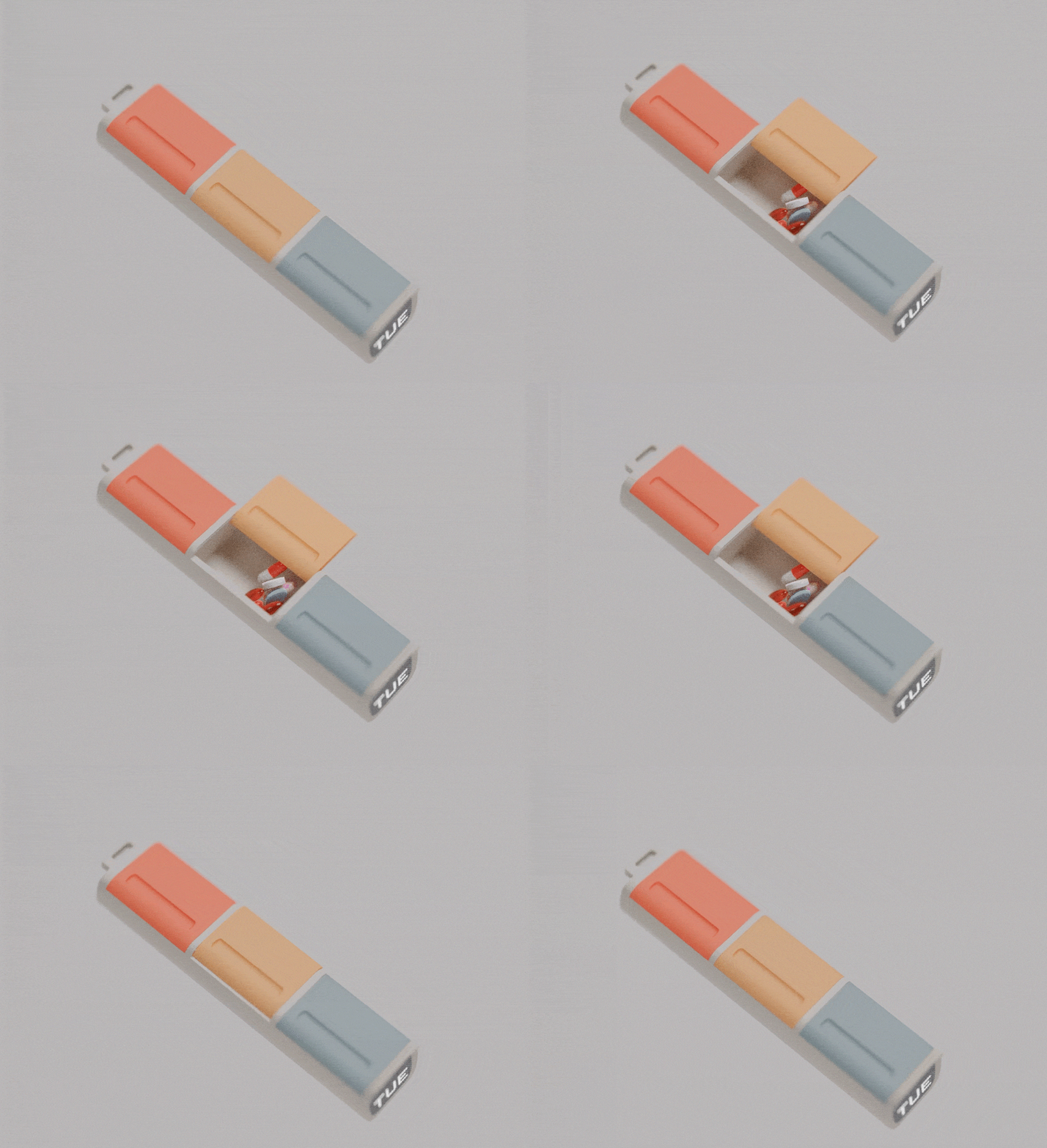
Inspired by the “less but better” ethos of Dieter Rams, the designer employs a minimalist, functional, and timeless design. The prototype underwent rigorous testing, focusing on the sliding-out day sections, the ambidextrous nature of the product, and the ease of interaction with the opening of cells. The color palette reflects morning, noon, and night cues, fostering a visually captivating aesthetic.
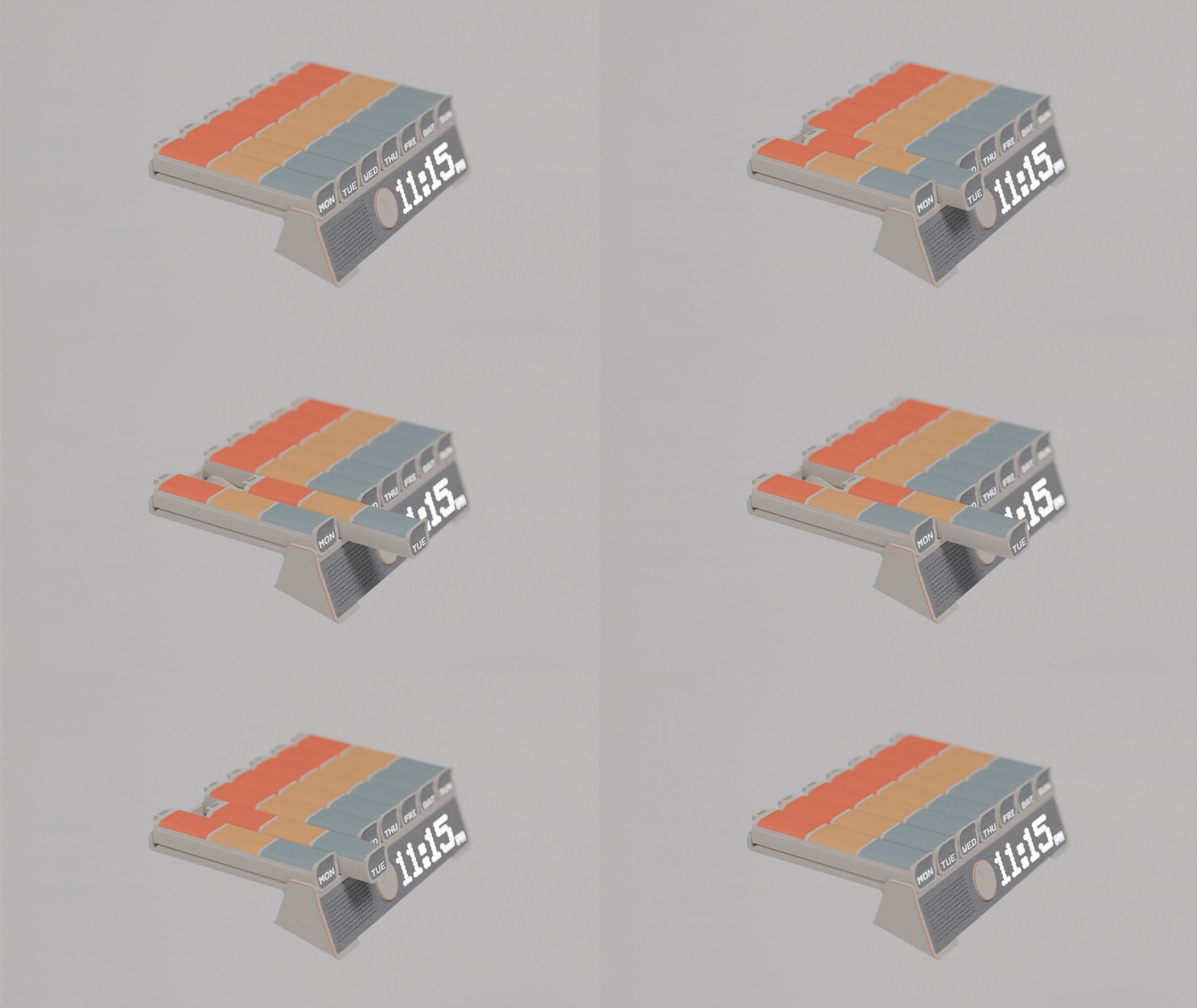
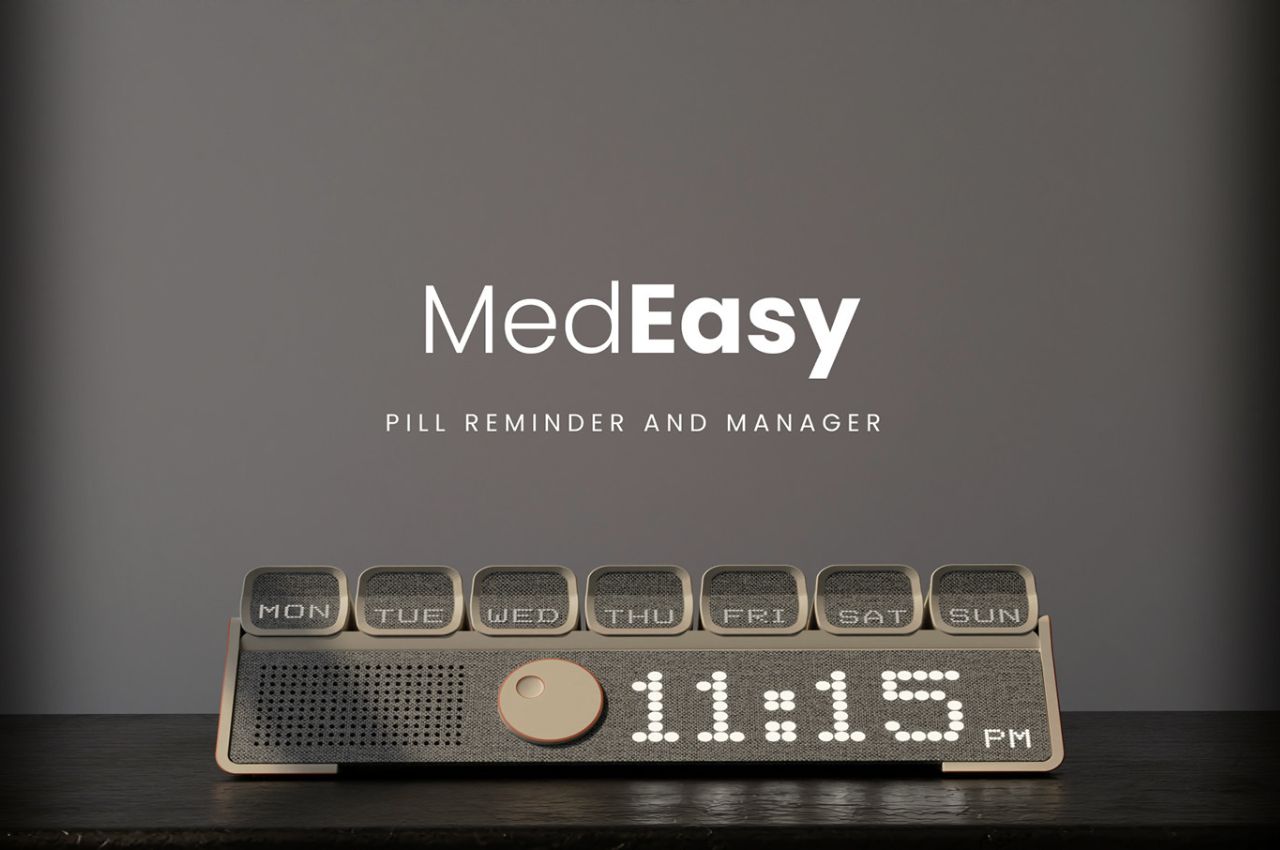
Slide Action: The sliding mechanism allows users to effortlessly remove cells, reducing physical effort while providing a smooth experience.
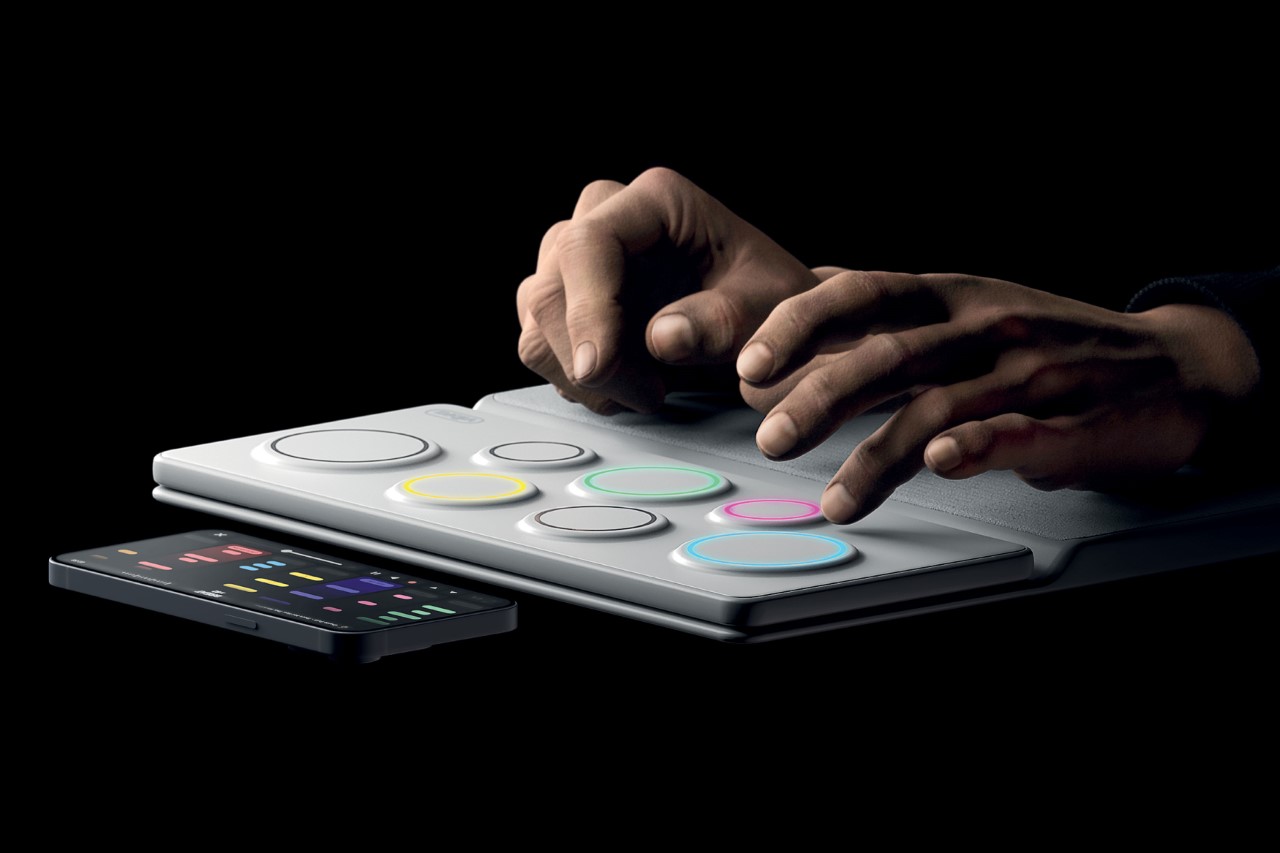
Physical Controls: The product incorporates minimal yet impactful physical controls for essential functions, ensuring ease of use with scrolling and selection.
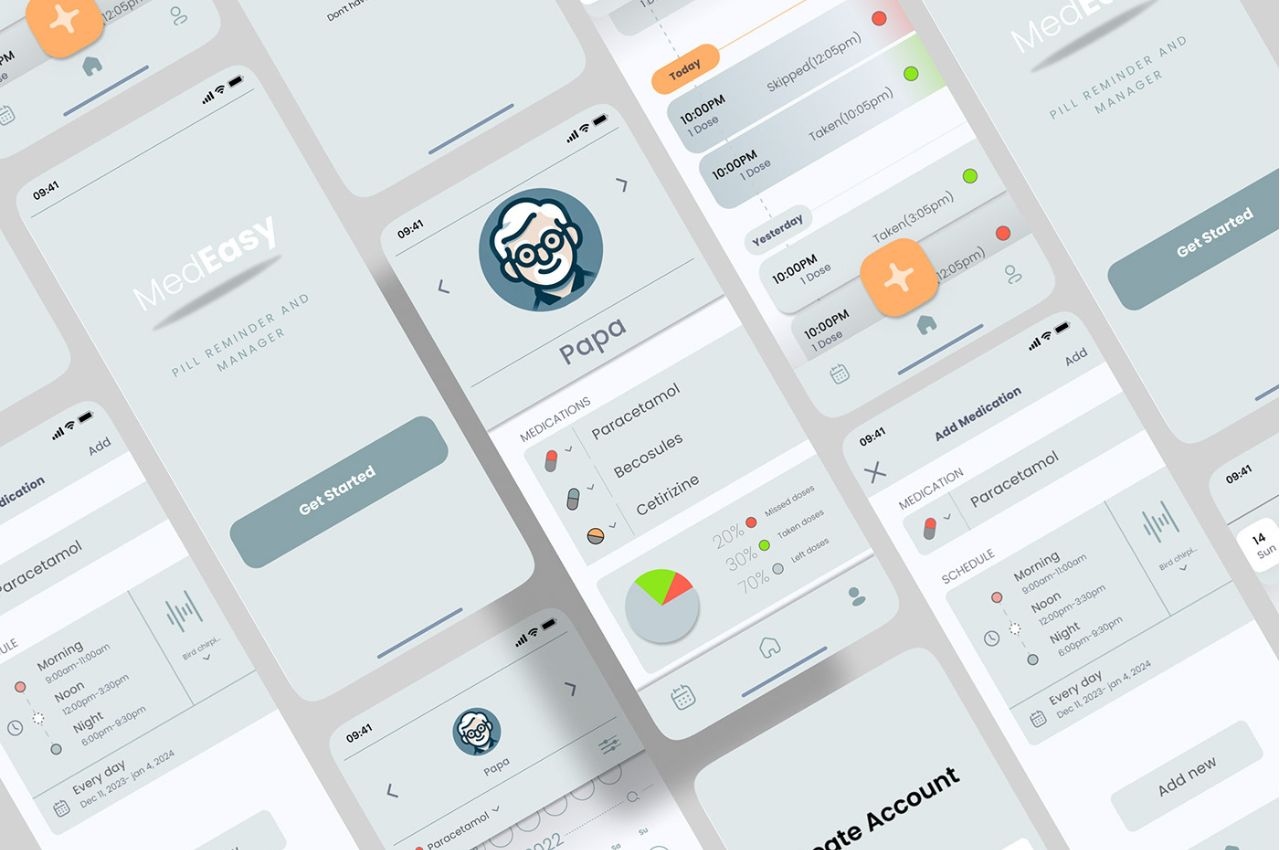
Clean UI: Employing a simple and calm visual language to minimize visual complexity, fostering a welcoming approach to enhance user interaction with the product.
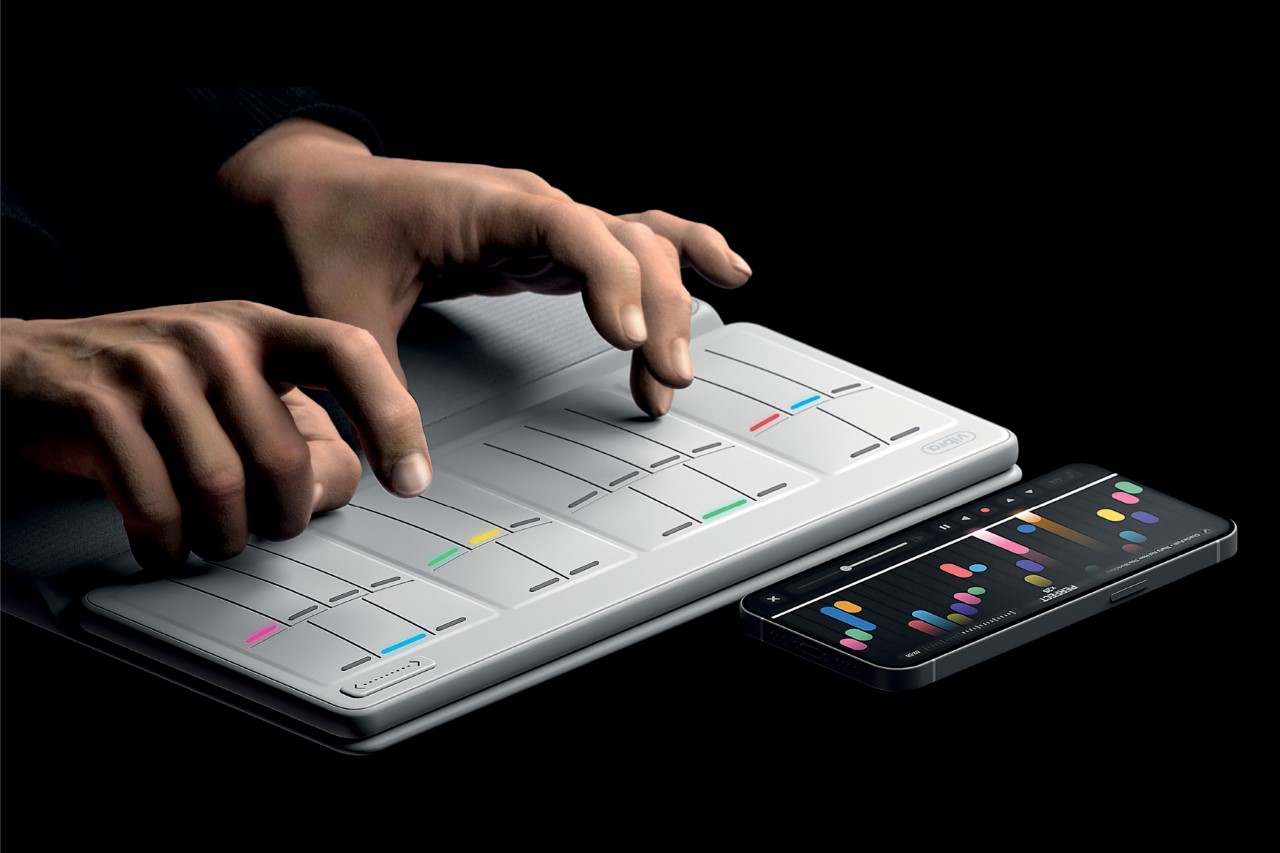
App Support: The inclusion of a user-friendly app enhances the medication management experience, providing interfaces for tracking medications, dosages, and schedules. This feature enables remote monitoring and management by caregivers, ensuring timely adherence and reducing the risk of errors.
MedEasy is not just a medicine box; it’s a comprehensive solution that empowers elderly individuals to take control of their medication regimen. By combining thoughtful design, cutting-edge technology, and a user-centric approach, MedEasy contributes to the well-being and independence of seniors, ensuring they can lead fulfilling lives with confidence and peace of mind.
The post MedEasy: A Medicine Box That Reminds The Elderly Of Their Dosages first appeared on Yanko Design.