Giant Turtle-shaped beach restaurant gives diners the epitome of nature-inspired and themed decor

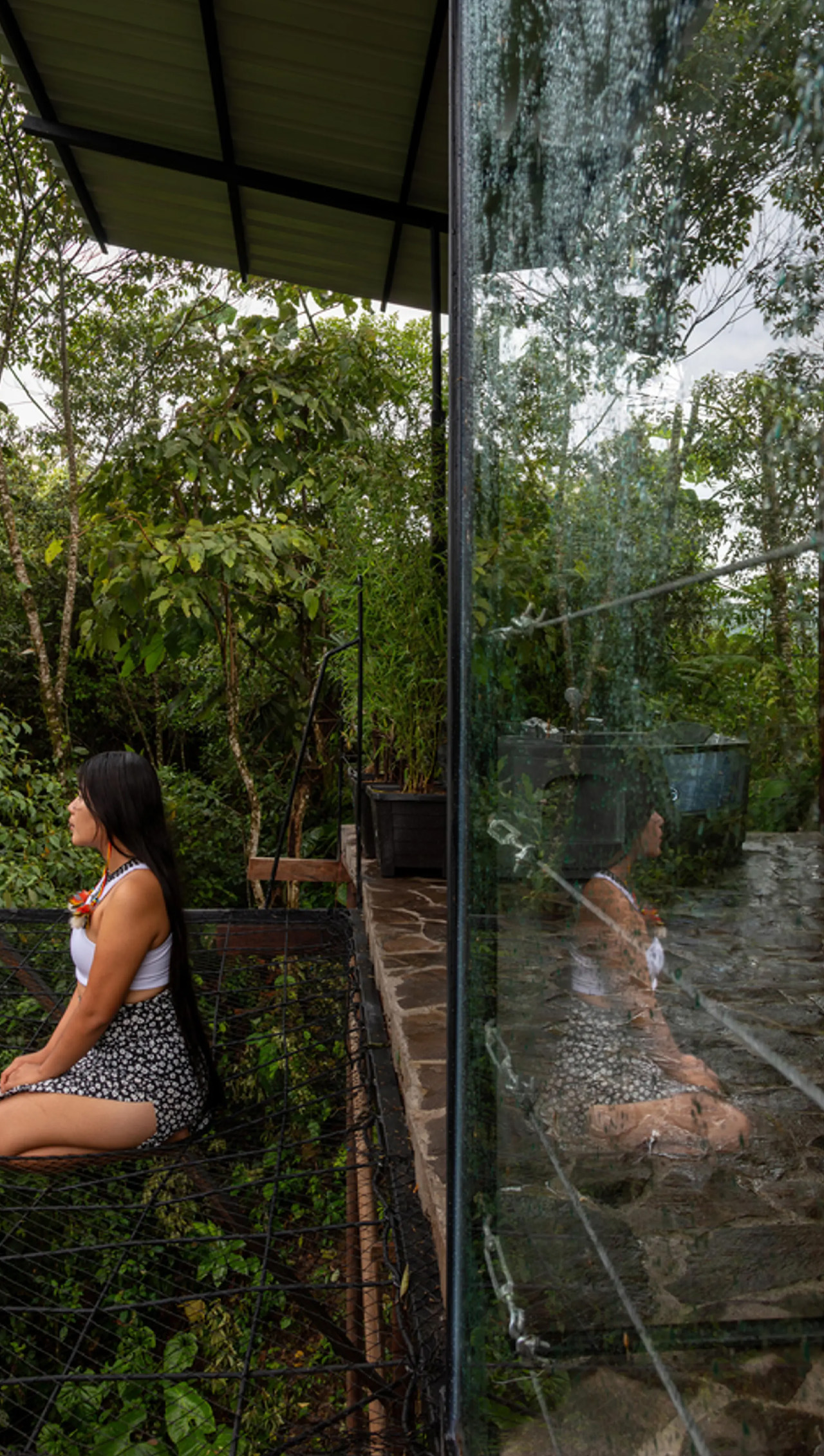
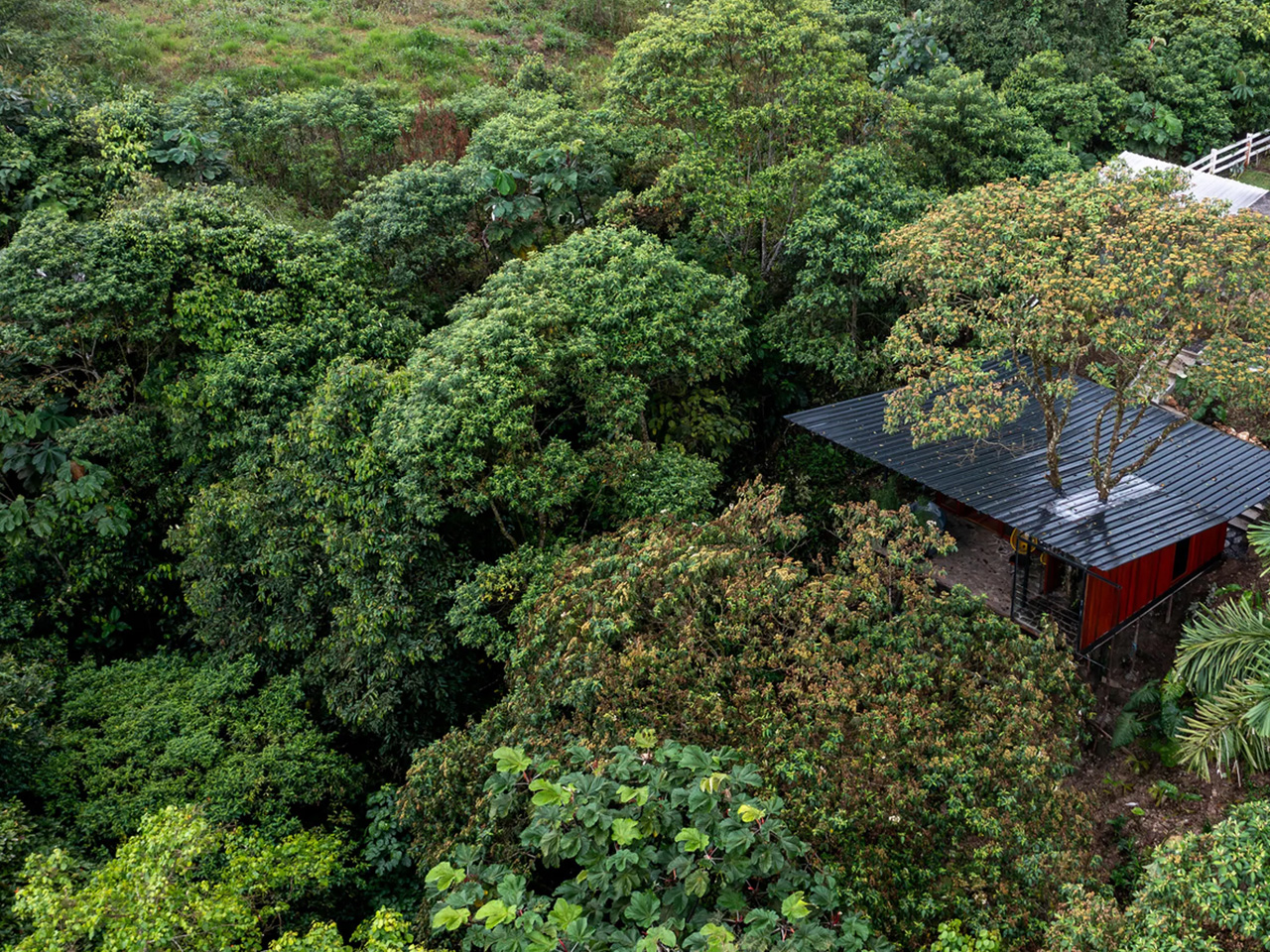
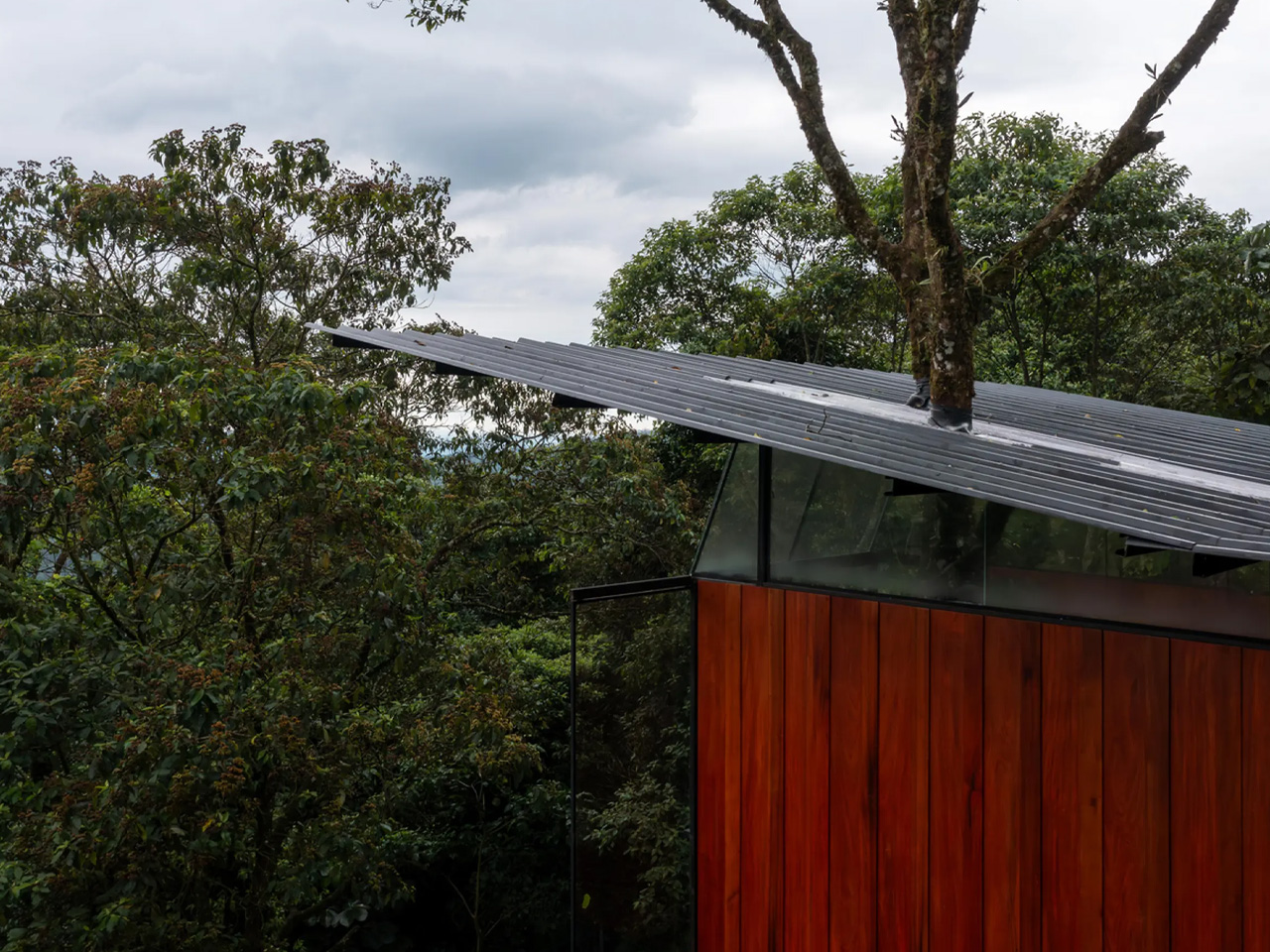
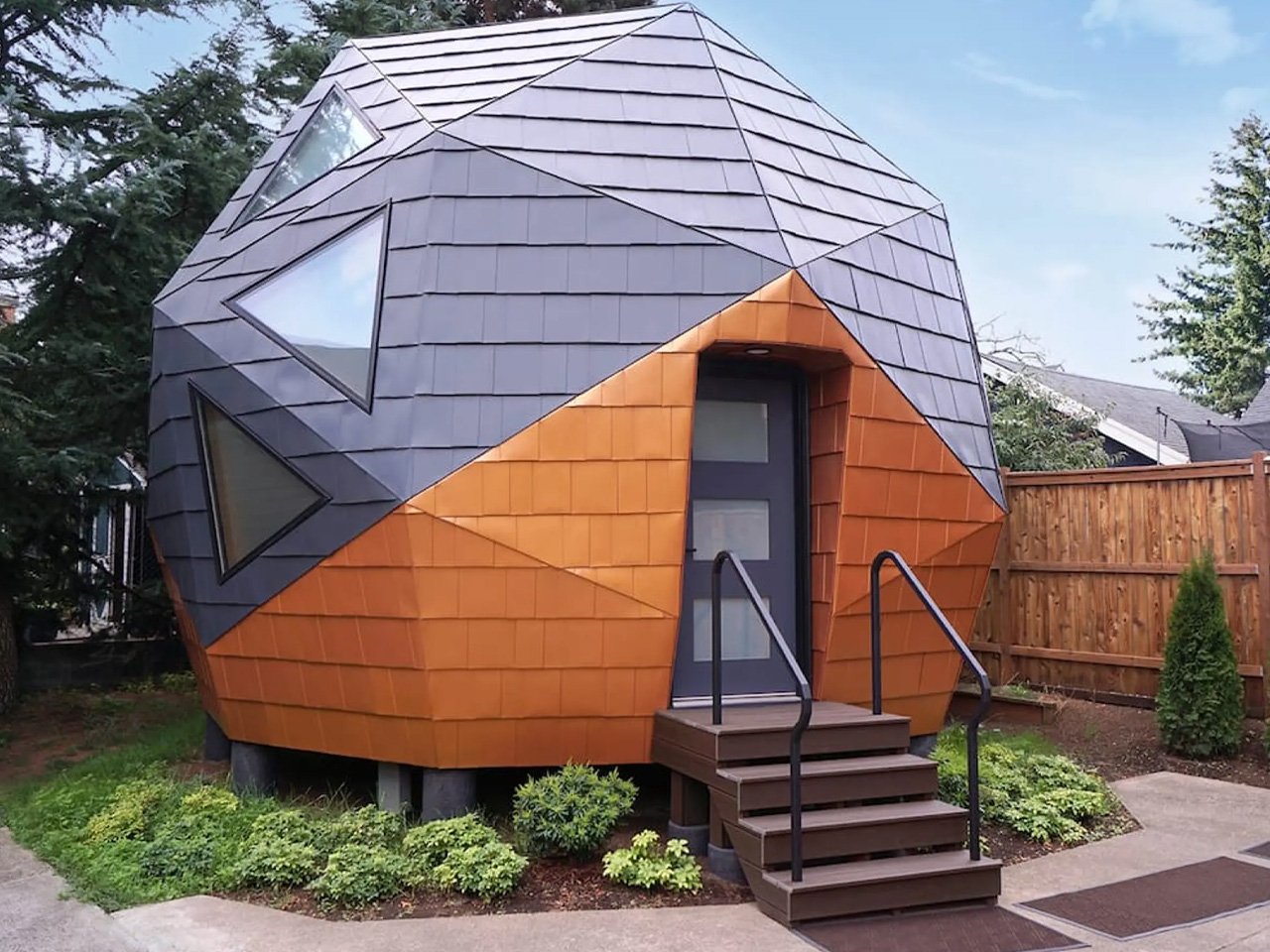
Nestled along the coastline, the Turtle Restaurant emerges as an architectural and artistic marvel, paying homage to the ocean’s most graceful creature—the sea turtle. Crafted entirely from bamboo, this sustainable and awe-inspiring structure seamlessly blends with the beach vibe, creating a unique and harmonious dining experience.

Designer: Thilina Liyanage

The entire restaurant is like a puzzle of smaller geometric fragments, meticulously joined together to resemble a giant turtle. Bamboo, chosen as the primary construction material, not only reflects the local availability of this resource but also highlights its eco-friendly nature. Known for its sturdiness and biodegradability, bamboo aligns perfectly with the vision of sustainability, offering both strength and natural aesthetics.

The main entrance, located at the back of the turtle, seamlessly connects to the forest, creating a pathway that intertwines with nature. Additionally, two side entries welcome guests directly from the beach, providing a smooth transition between the restaurant and its coastal surroundings.

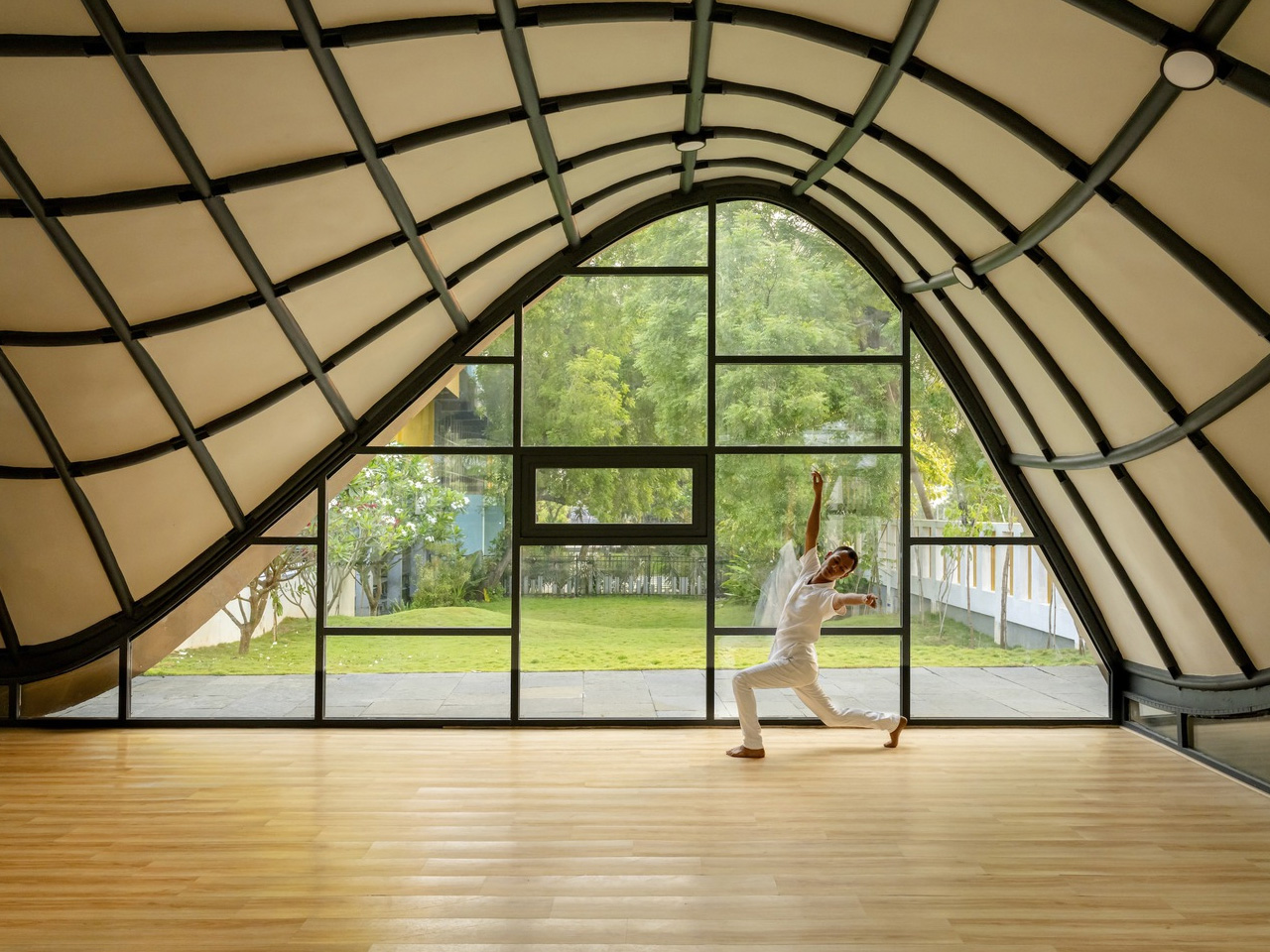
The turtle’s shell serves as the main space, sheltering the restaurant and evoking a sense of awe. The central portion of the shell is open, serving as a skylight that bathes the interior in natural light, creating an open and airy atmosphere. The shell extends into outdoor decks on the sides, offering patrons a complete outdoor experience and stunning views of the surrounding forest.

The bamboo arches play a dual role, serving as structural supports for the shell while also adding a touch of drama and privacy to different sections of the restaurant. Tilted arches on the sides create a perception of grandeur, enhancing the visual appeal and making the space appear larger than life.

To cater to varied preferences, the Turtle Restaurant offers three types of seating—lounge chairs, cane chairs, and regular cushioned wooden chairs. Guests can choose their preferred seating option based on comfort and the desired vibe, ensuring a personalized dining experience.

While the restaurant already boasts a captivating design, the addition of a stairway leading to the inside of the turtle’s head could offer a unique vantage point for patrons. This feature not only enhances the overall experience but also provides a photogenic spot for capturing the beauty of the beach from a different angle.

As the sun sets, the Turtle Restaurant transforms into a magical space with the help of recessed ground lights and pendant lights. The subtle illumination creates a warm and inviting ambiance, making it an ideal setting for a premium beach bar experience.

The post Giant Turtle-shaped beach restaurant gives diners the epitome of nature-inspired and themed decor first appeared on Yanko Design.

Wooden Pavilion With A Sunken Walkway Is Designed To Facilitate Orchid Cultivation

Located outside Puerto Escondido, Mexico, at Casa Wabi is a majestic pavilion made from wood. Created by the Mexican architecture studio Centro de Colaboración Arquitectónia, the Orchid Pavilion was commissioned by the art institute Casa Wabi to be built surrounding the Tadao Ando-designed center.

Designer: Centro de Colaboración Arquitectónia

The rather unique and eccentric-looking pavilion includes a rose-colored sunken walkway with benches on the sides and gravel-filled spaces in between the slabs. It has a simple wooden structure with an A-shaped canopy over the sunken walkway. Horizontal wooden slats cover the face of the pavilion. Clay basins have been installed along the apex of the buildings, with bowls facing the sky to collect rainwater that will filter into the space below, forming a drip-irrigation system, and creating a humid environment. Holes have been dug along the walkway, in turn exposing the gravel, and allowing water to drip below and evaporate, providing sustenance to life inside.

“Firstly, the pavilion is a simple and austere machine,” said CCA. “The water is collected by clay-based trays that remain permanently humid.” “The breeze and heat enable the orchids to drink water directly from the environment, eliminating the need for manual watering of the specimens,” they continued.

While building the pavilion, the studio tried to incorporate Japanese sensibility and slight touches with the work of local craftsmen. Local materials were used in the construction of the structure. Vases are hung from the joists of the pavilion, and they hold orchids, which have been curated from the local area. A little basin with a faucet has been positioned at the end of the walkway, providing visitors with a space to drink water, next to the orchids.

“The sound of dripping in the bowls resonates with different natural cycles and human activity,” said CCA. The pavilion is designed to be a “cool, semi-submerged space”, which provides visitors with an opportunity to appreciate the diversity and beauty of orchid species, while also letting them connect with nature and the roof of life.

The post Wooden Pavilion With A Sunken Walkway Is Designed To Facilitate Orchid Cultivation first appeared on Yanko Design.
The Nomad 30 Tiny House Is The Perfect Little Home On Wheels To Support An Off-Grid Adventurous Lifestyle

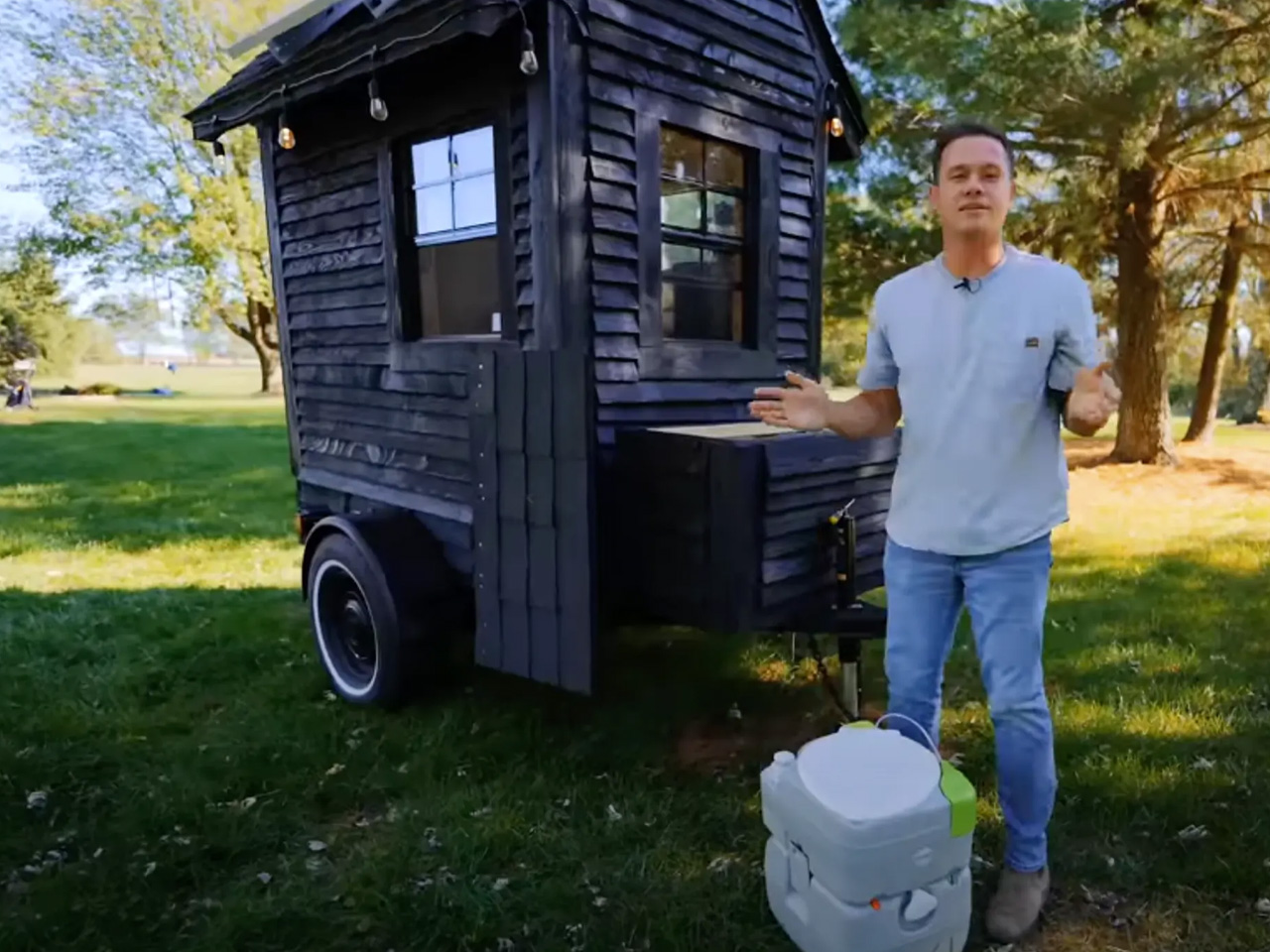
Minimaliste originally designed Nomad – an all-weather tiny home with a small and easy-to-tow package. And recently they unveiled a newer version – the Nomad 30. The Nomad 30 is an upgraded tiny home with a newly improved interior layout and an adventure-ready off-grid design. This tiny home is perfect for those who want to adopt an off-grid lifestyle and have an adventurous life on the road.

Designer: Minimaliste

As its name quite aptly signifies, the Nomad 30 has a length of 30 feet. It is founded on a double-axle trailer that is adjustable, hence the wheels can easily be moved forward or backward on the trailer, allowing the weight to be balanced effectively, making the home quite easy to tow. The tiny home has a sleek yet warm appeal to it, and it is finished in steel sheets and faux wood steel, which is intended to be low maintenance.

You can access the cozy home via a folding deck, and steps at its rear which can be operated with a winch and a remote control. A double glass door leads you from the living room to the outside. The living room in the Nomad 30 is more spacious as compared to previous Nomad models, and it contains a lot of storage space, as well as a sofa bed and a wall-mounted TV. The space also includes a mini-split-air-conditioning system and a heat recovery air exchanging system.

Adjacent to the living room is a kitchen, and it accommodates a dining area that can seat up to four people. The dining area also includes integrated storage space. The kitchen is amped with a propane-powered oven, a four-burner stove, a washer/dryer, a double sink, and a fridge/freezer. The cabinetry also locks up to facilitate safer travel, and a folding extending countertop is also included. The tiny home has a bathroom as well, lined with a composting toilet, a small bathtub and shower, and a sink.

The post The Nomad 30 Tiny House Is The Perfect Little Home On Wheels To Support An Off-Grid Adventurous Lifestyle first appeared on Yanko Design.
Charming Birdhouse-Style Tiny Home Could Be Your Next Vacation Rental Destination

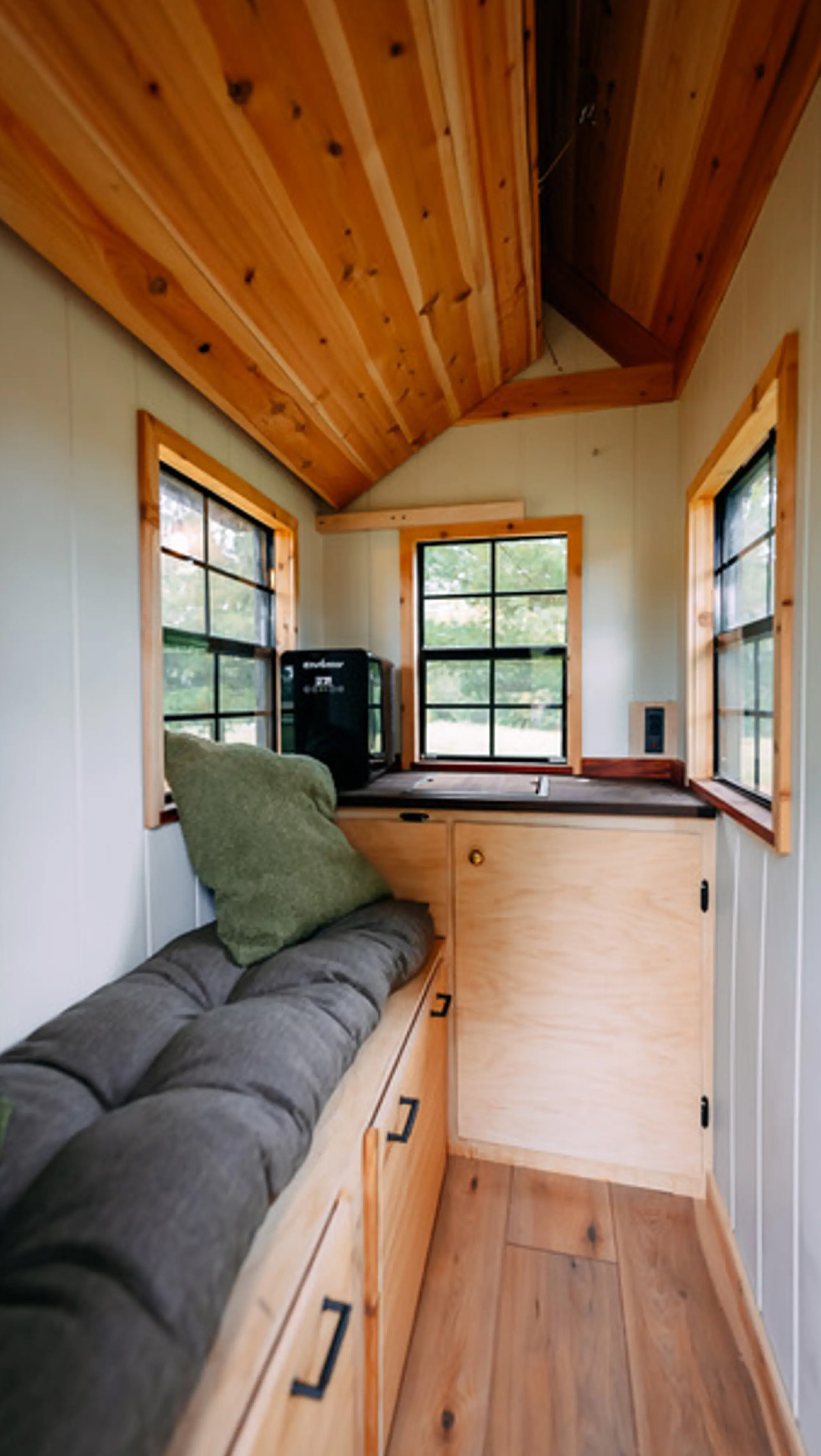
Dubbed the Buitenverblijf Nest, this unique-looking cabin is designed by Namo Architecture and i29 Architects. It is an idyllic little cabin elevated in a forest in the Netherlands. The cabin is inspired by a birdhouse but it looks like a rather massive one. It can accommodate a family of four, although a bit tightly. The tiny home is tucked away in the Netherlands’ Hoge Veluwe National Park and is quite similar to BIG’s Biosphere.

Designer: Namo Architecture and i29 Architects

The cabin is part of a series of 11 dwellings in the cabin and was designed to be vacation rentals by the local authorities. The Buitenverblijf Nest is elevated on slender black supports and is raised 7.5 meters above the forest floor. The exterior of the home has space for birds,  bats, and insects, as well as solar panels on the roof that give access to power.

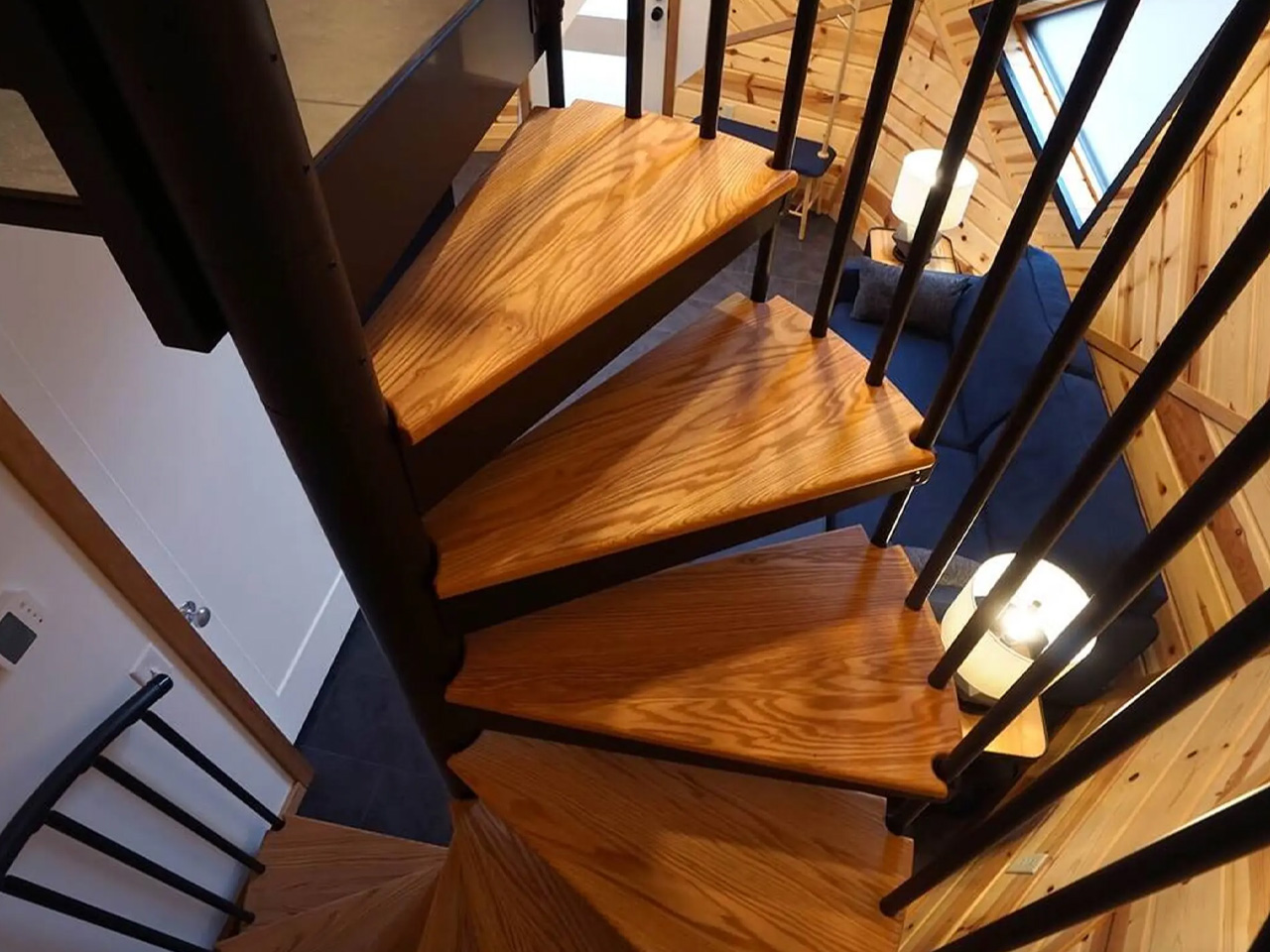
As you enter the home, you are welcomed by a 55-square-meter space. You can enter the cabin via a spiral staircase, and a terrace area leads you to the first floor. The home incorporates generous glazing, as well as a circular porthole-style window, that allows natural light to stream in throughout the day. These windows also offer lovely views of the forest. The layout of the home is designed to be simple and functional, with a compact living room equipped with some seating and a table, and a kitchen with an induction stove, fridge, sink, oven, cabinetry, and dishwasher.

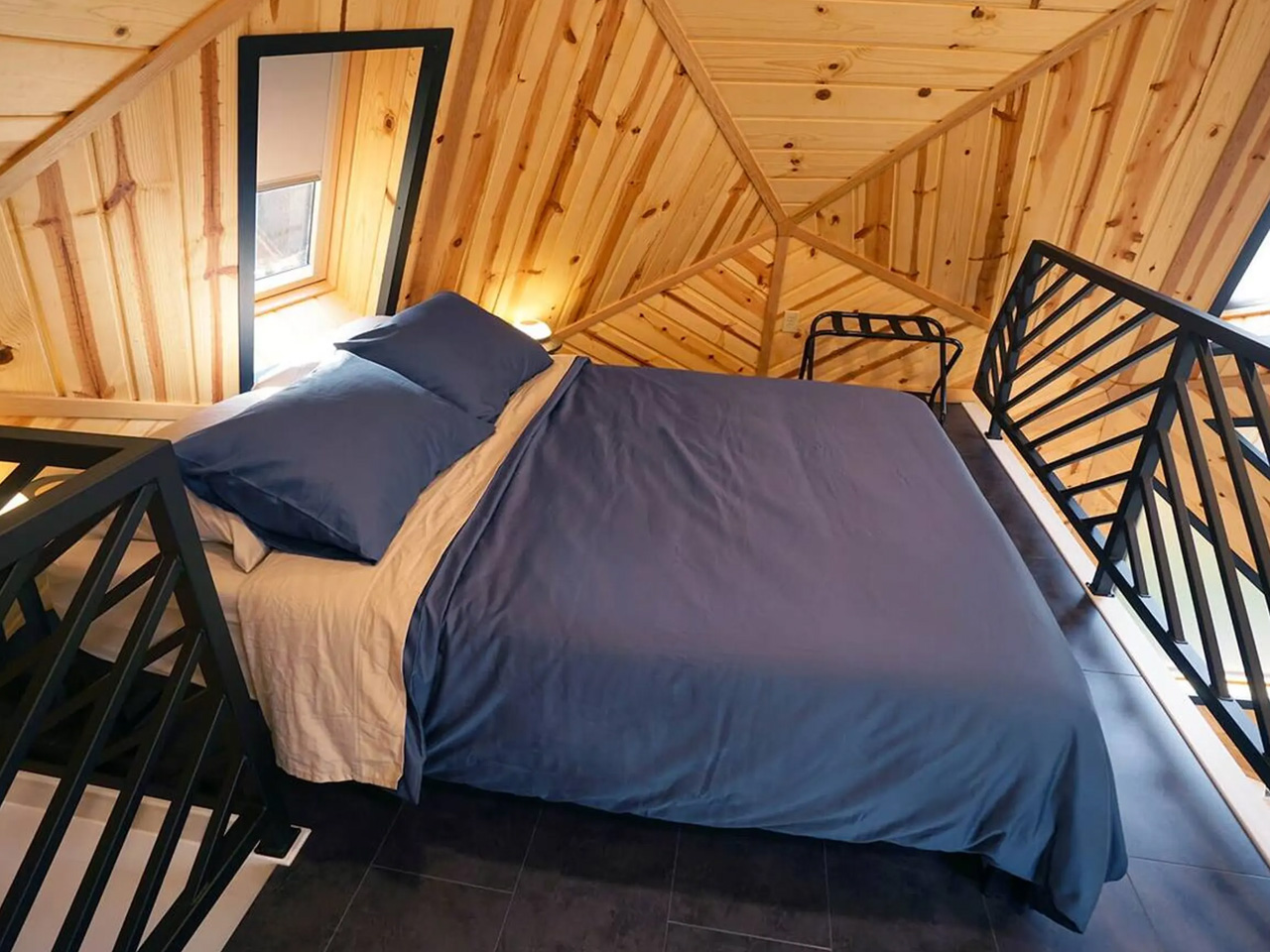
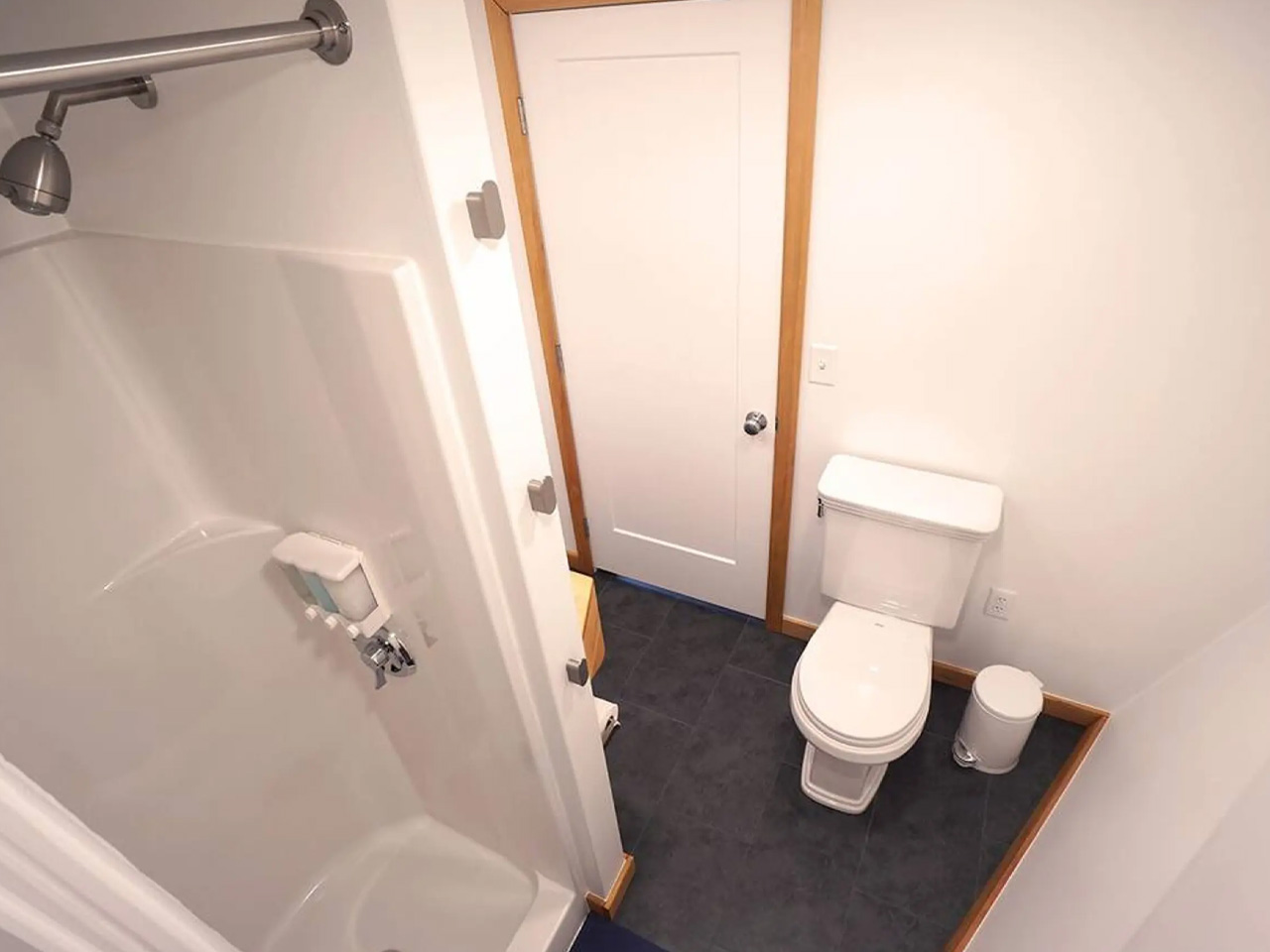
The staircase also leads you to a bathroom with a mezzanine floor which includes a shower, sink, and toilet. The uppermost story serves as the bedroom. It has plenty of headroom for visitors to stand upright, and it accommodates a four-person bed and a porthole-style window. The room seems to be suitable for a small family – a couple and their children. If you want to check out the birdhouse-style tiny home yourself – it is available for rent on Airbnb!

The post Charming Birdhouse-Style Tiny Home Could Be Your Next Vacation Rental Destination first appeared on Yanko Design.
Unlike Its Spooky Namesake, This Hill House Is Futuristic, Surreal & Built From Concrete

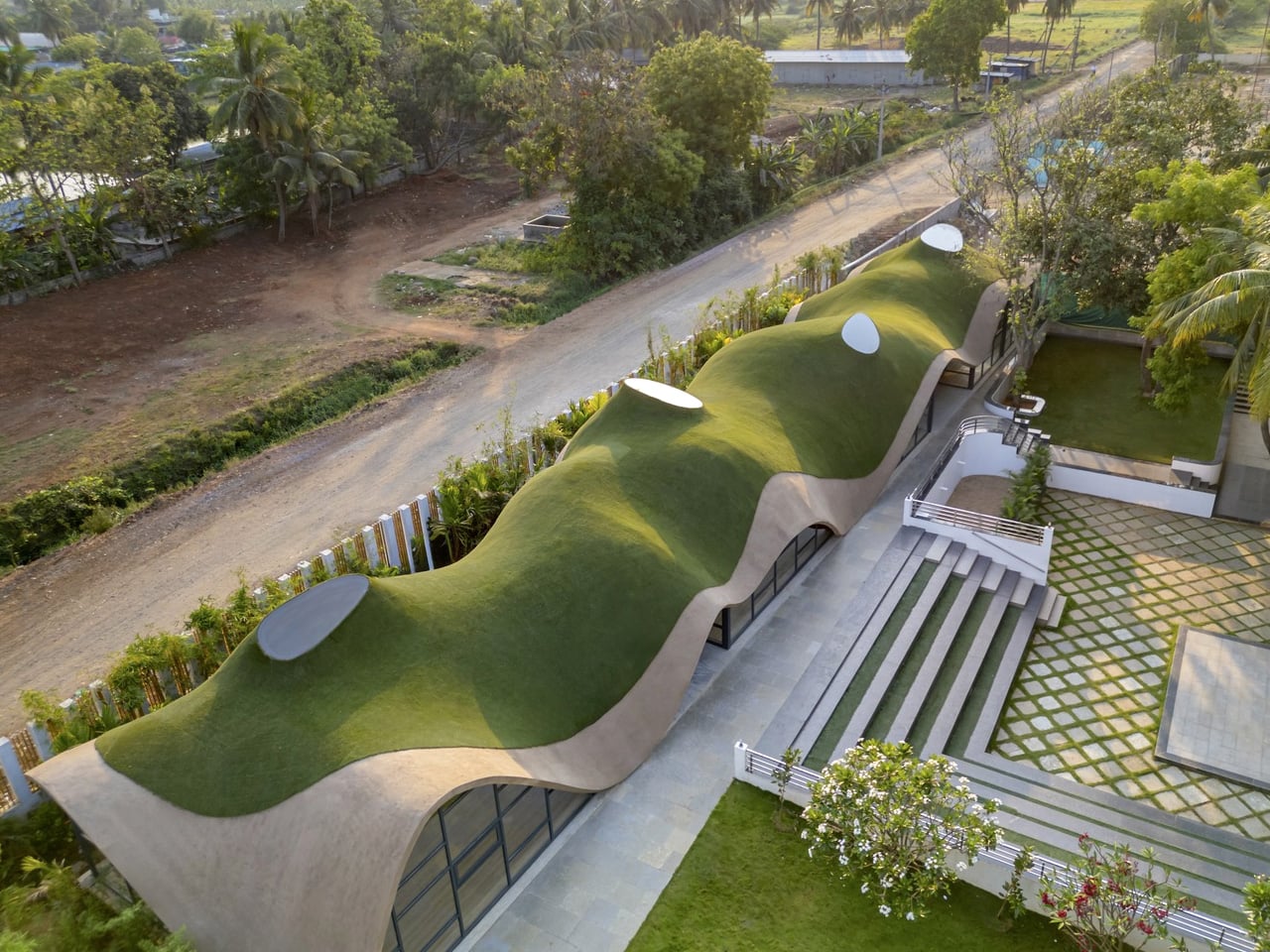
Called the Hill House, this 10,720-square-foot mammoth structure is home to art collectors Bruce Heavin and Lynda Weinman. Tucked away in Montecito, California the home is truly eye AND mind-boggling. The home is designed by Southern California-based Donalson+Partners, and it does seem to be inspired by other Hill Houses, that seem to be omnipresent in the US, and in the famous Shirley Jackson novel ‘The Haunting of Hill House’. But the inspiration and similarity only apply to the home’s size and uniqueness, not spookiness.

Designer-  Donaldson+ Partners

The home is quite intriguing to look at and is constructed from concrete. Weinman and Heaven instructed the architectural team to create something that would “explore the emotional and irrational”. With these instructions, Donaldson tried to build something that was structurally innovative, and had an almost surreal feel to it, while also maintaining a harmonious connection to the natural landscape. This led to the birth of the rather odd yet futuristic-looking Hill House.

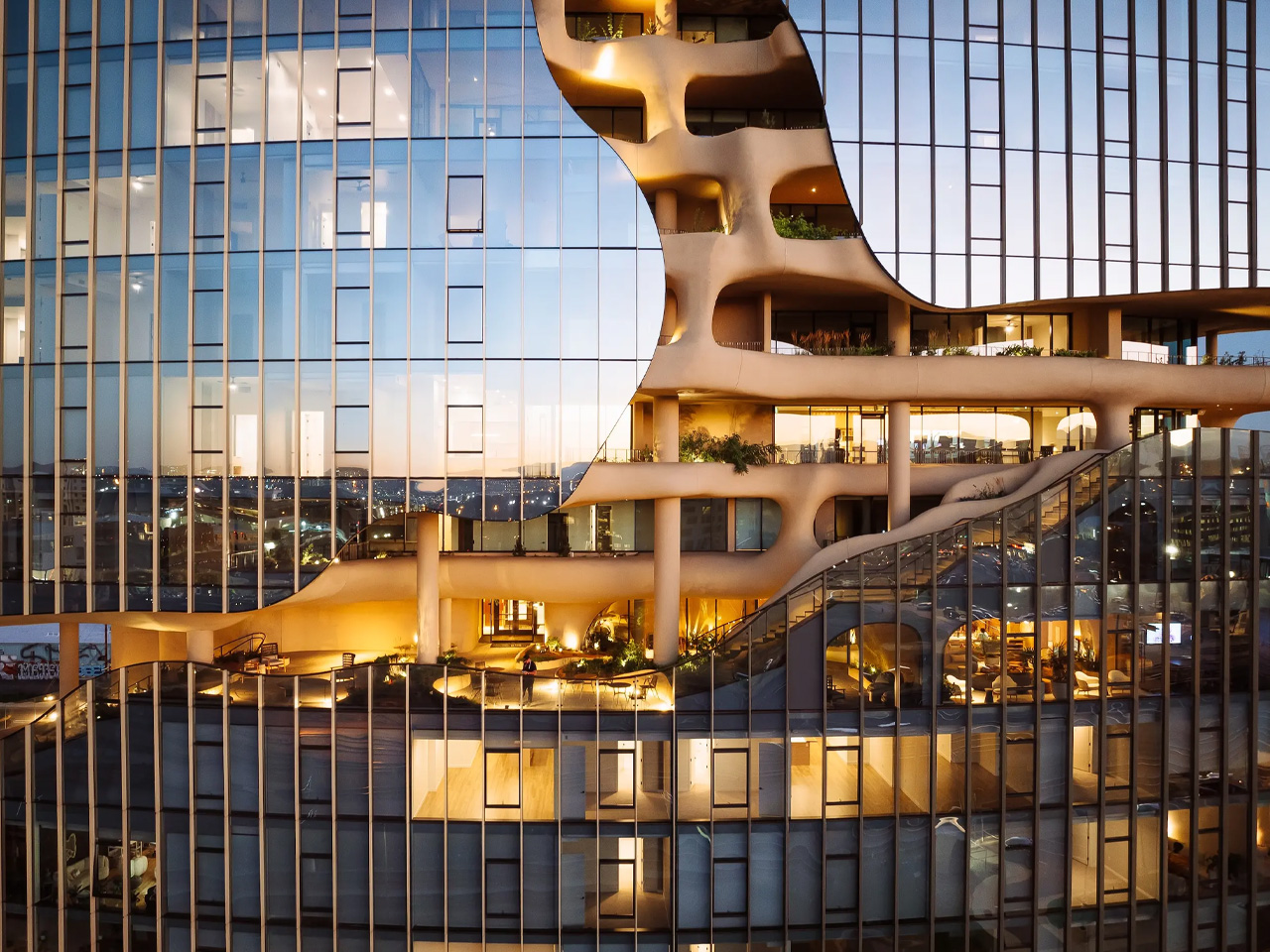
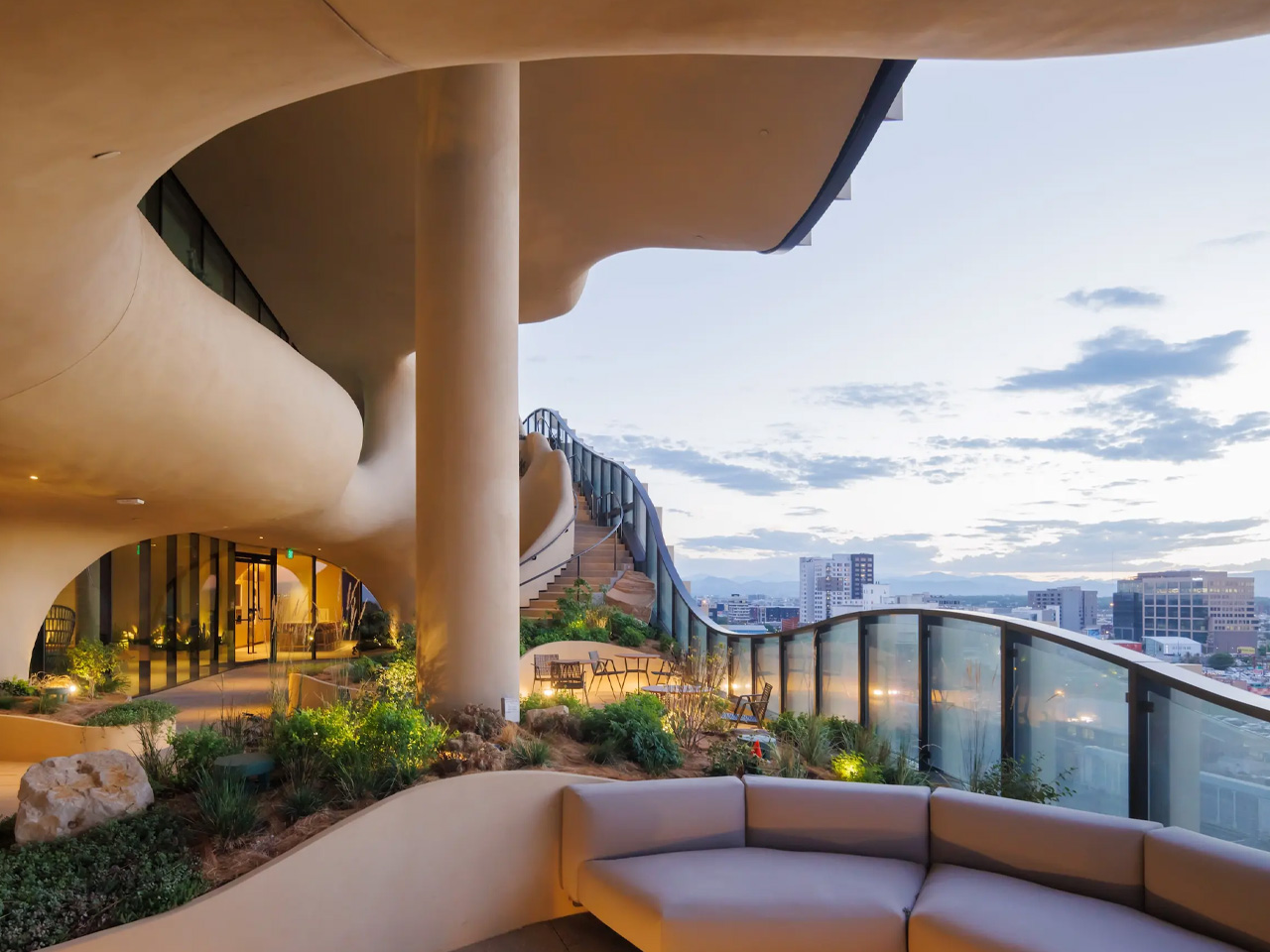
As you look at the Hill House, it brings to mind the image of a warped doughnut with a sunken courtyard nestled in the center, and the rooms positioned around it in two levels. Donaldson wanted to focus on the site’s topography as much as the architectural object of the home. The home’s lower level is set against the ground, while the upper level is topped with a walkable and fully planted roof. As visitors enter the home, they are often surprised by how comfortable it is. They are welcomed by a massive living and dining room, and which leads to a desert-inspired central garden, while myriad twists and turns guide them into the various nooks and crannies of the home.

The interiors of the Hill House are quite luxurious and comfortable. Some of the amenities in the home are a movie theater, a large garage with an automobile turntable, a bar, and a rec room. The basement of the home features a working fireplace, and it is marked by a swirl-like structure, which guests can enter, creating a truly surreal experience, unlike anything you experience in most homes these days.

The post Unlike Its Spooky Namesake, This Hill House Is Futuristic, Surreal & Built From Concrete first appeared on Yanko Design.
Featuring Two Massive Skylights, This Wooden Tiny Home Opens Up To The Skies

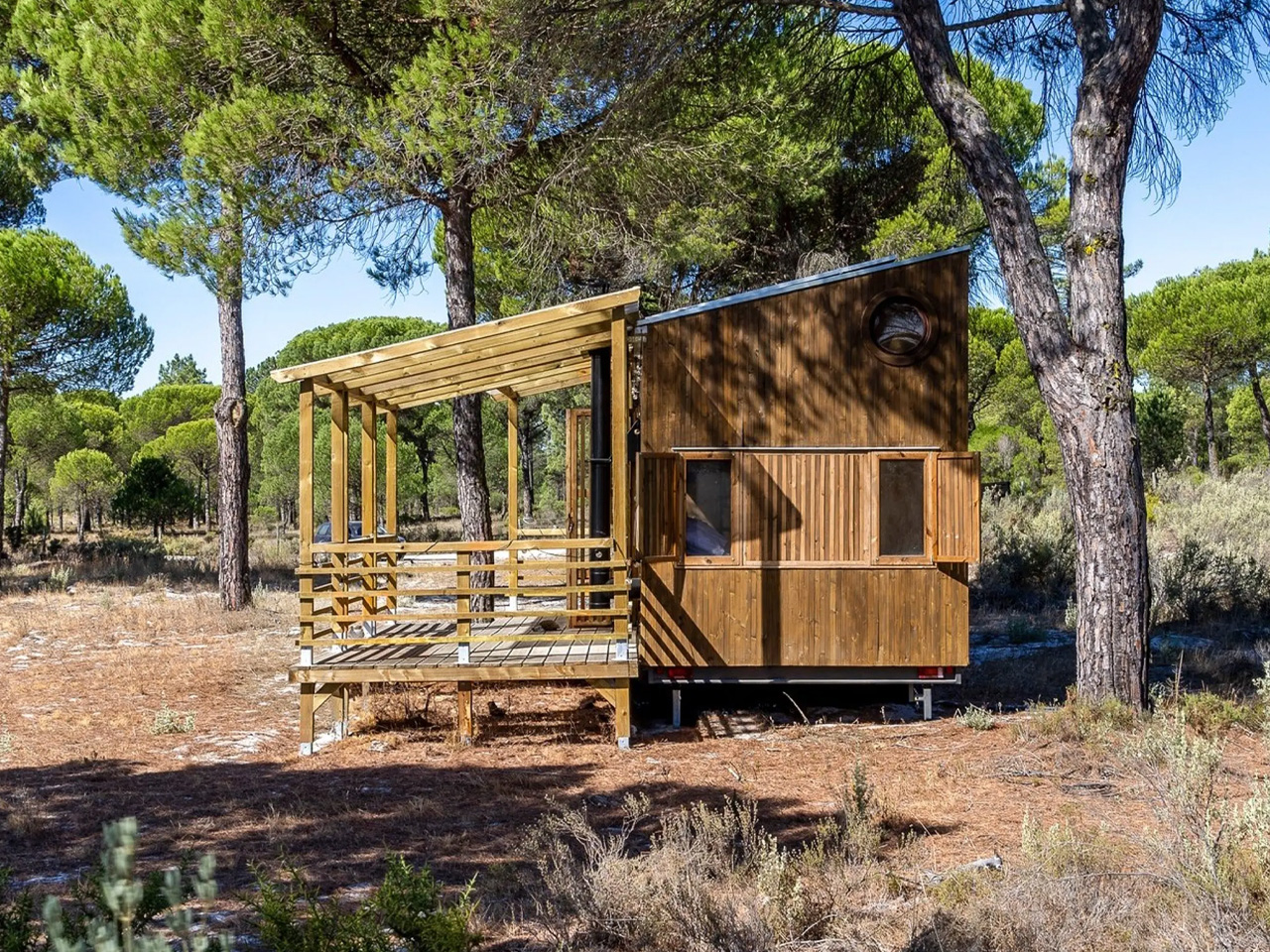
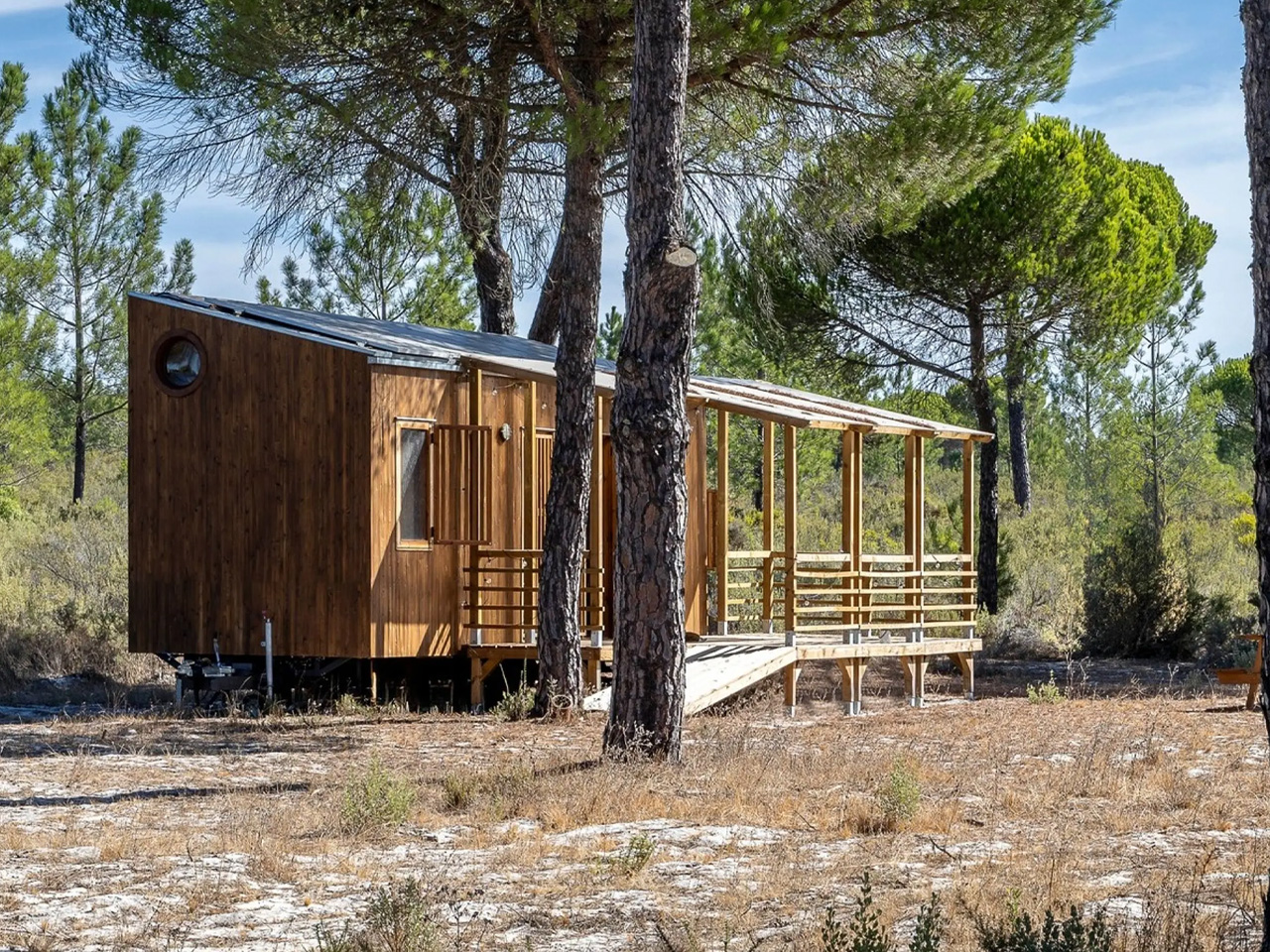
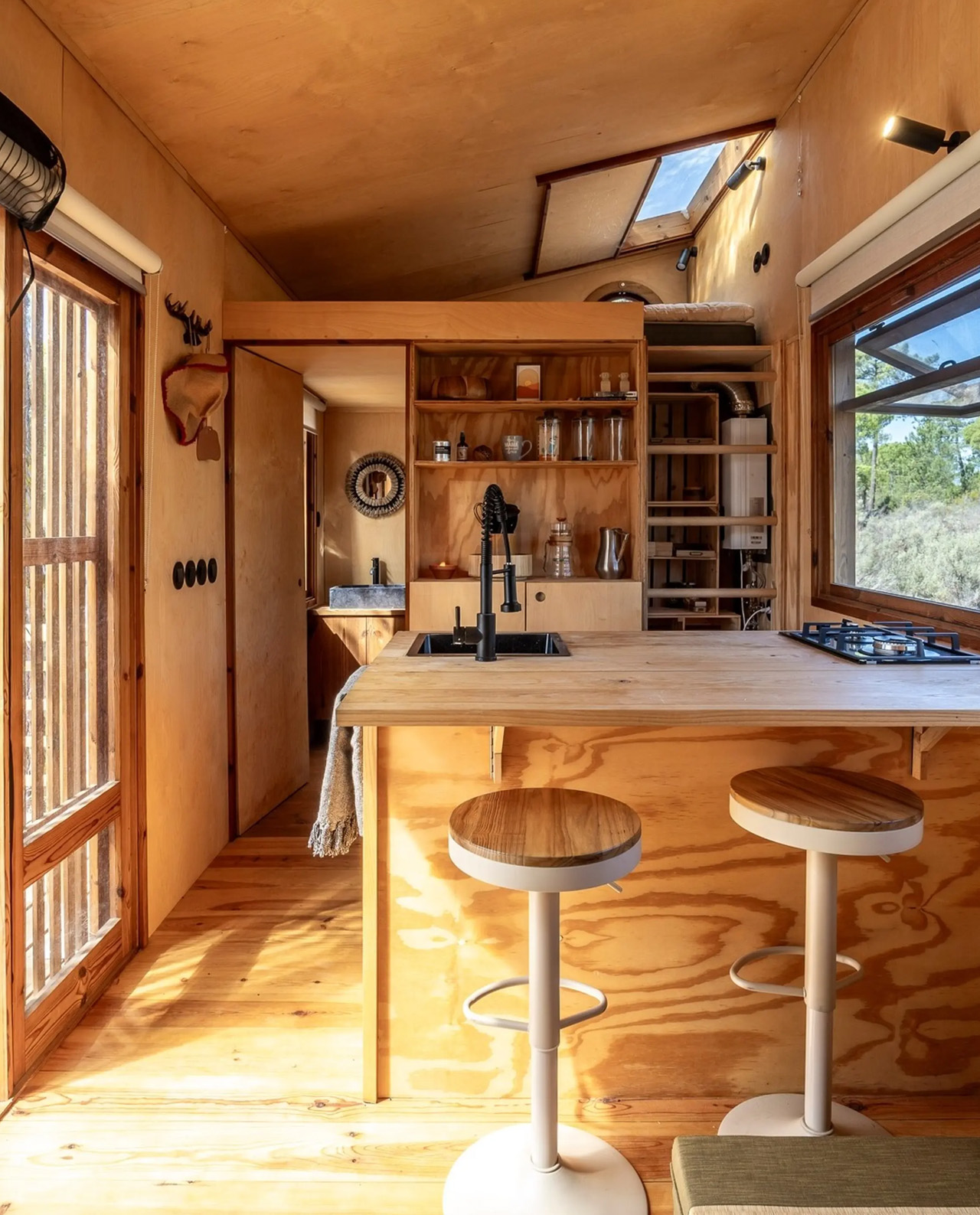
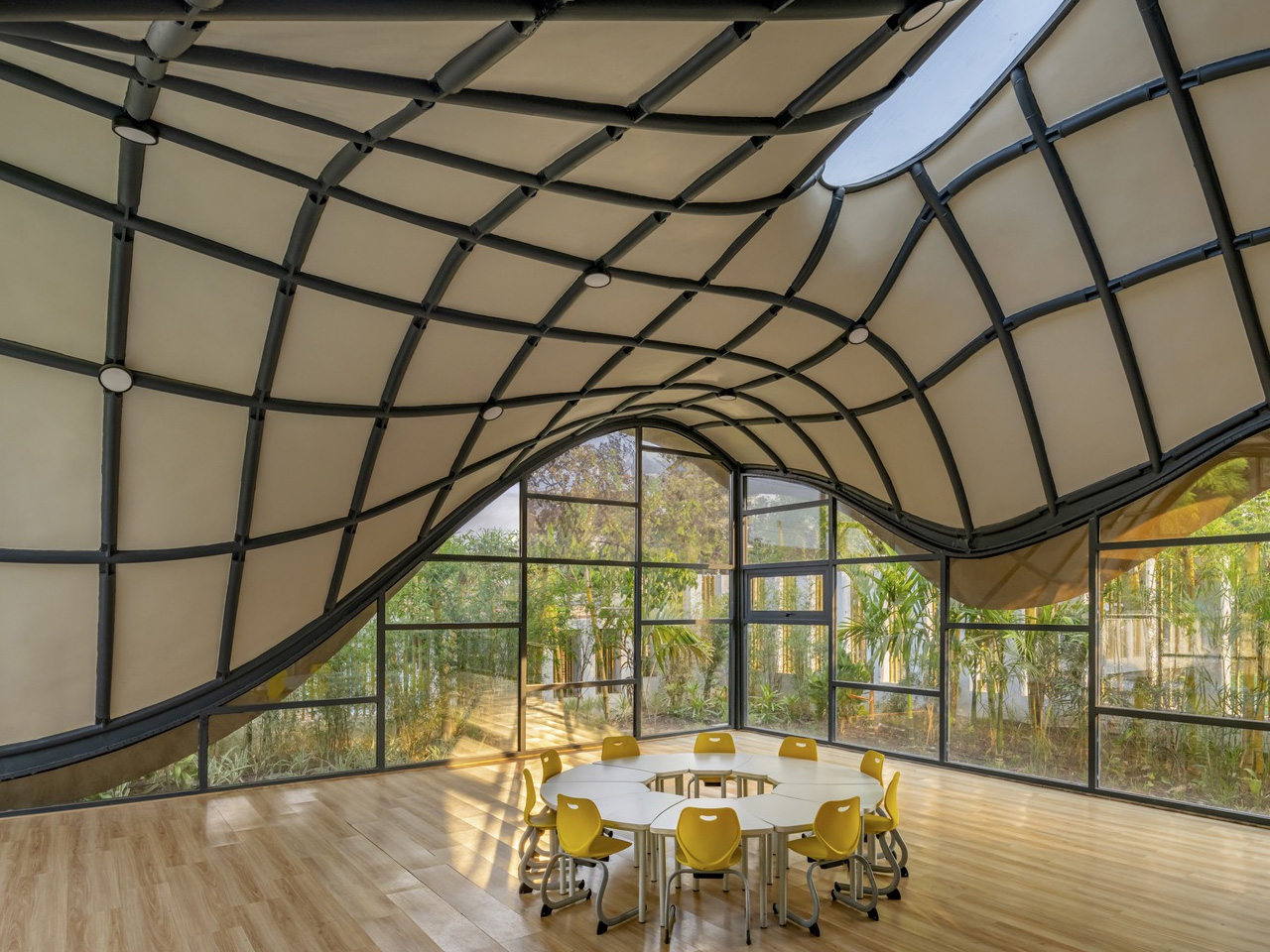
Portugal-based Madeiguincho released an exciting range of tiny homes that truly impacted the market. Their tiny homes boast stunning wooden detailing while maintaining a minimal and calming allure. Magdeiguincho’s Vigia and Baleia tiny homes made quite a mark, however, the firm’s latest model Raposa deserves some attention as well. The Raposa tiny home continues Madeiguincho’s legacy of brilliant timber craftsmanship, but what sets it apart is its huge operable skylights and double doors.

Designer: Madeiguincho

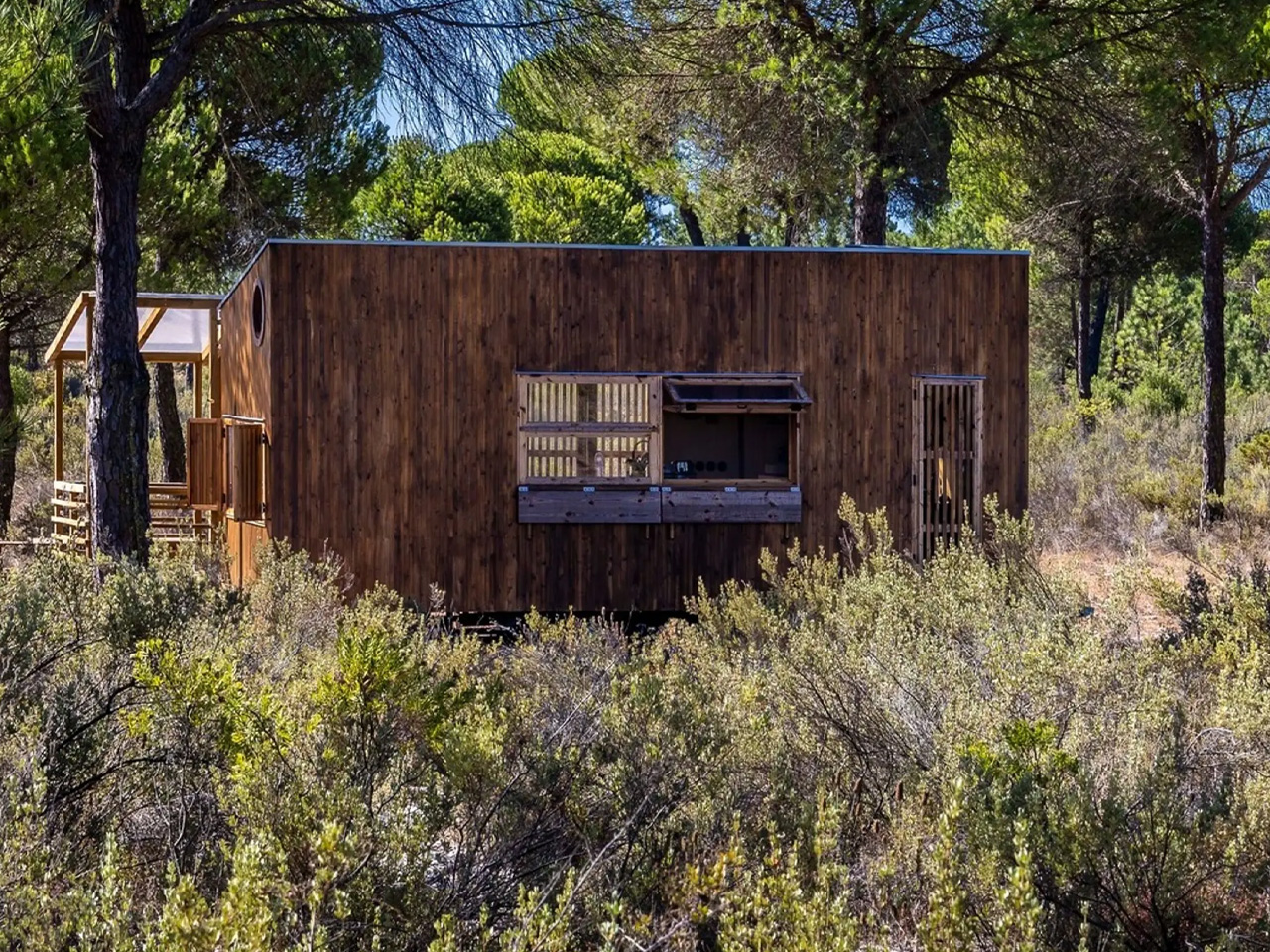
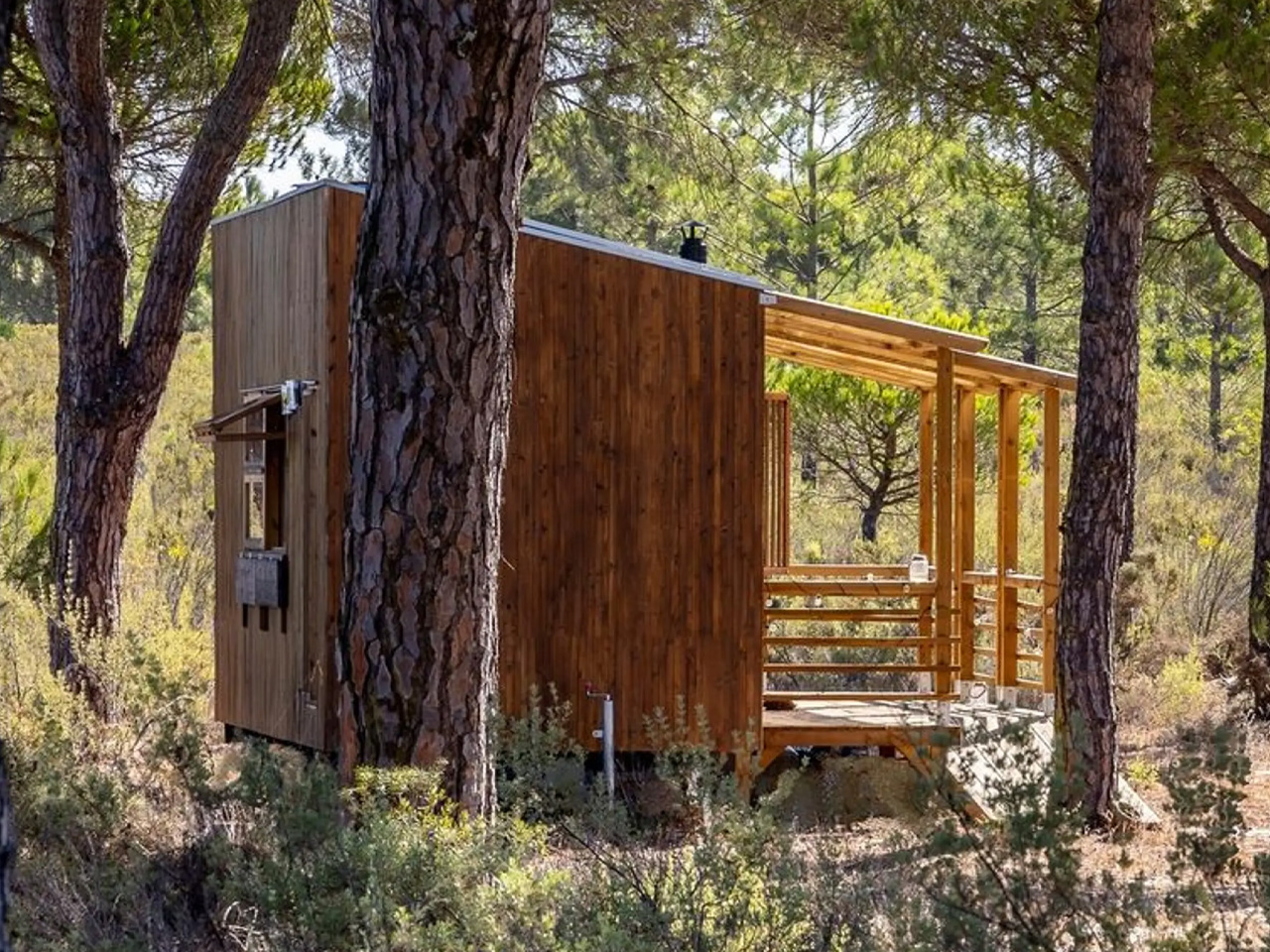
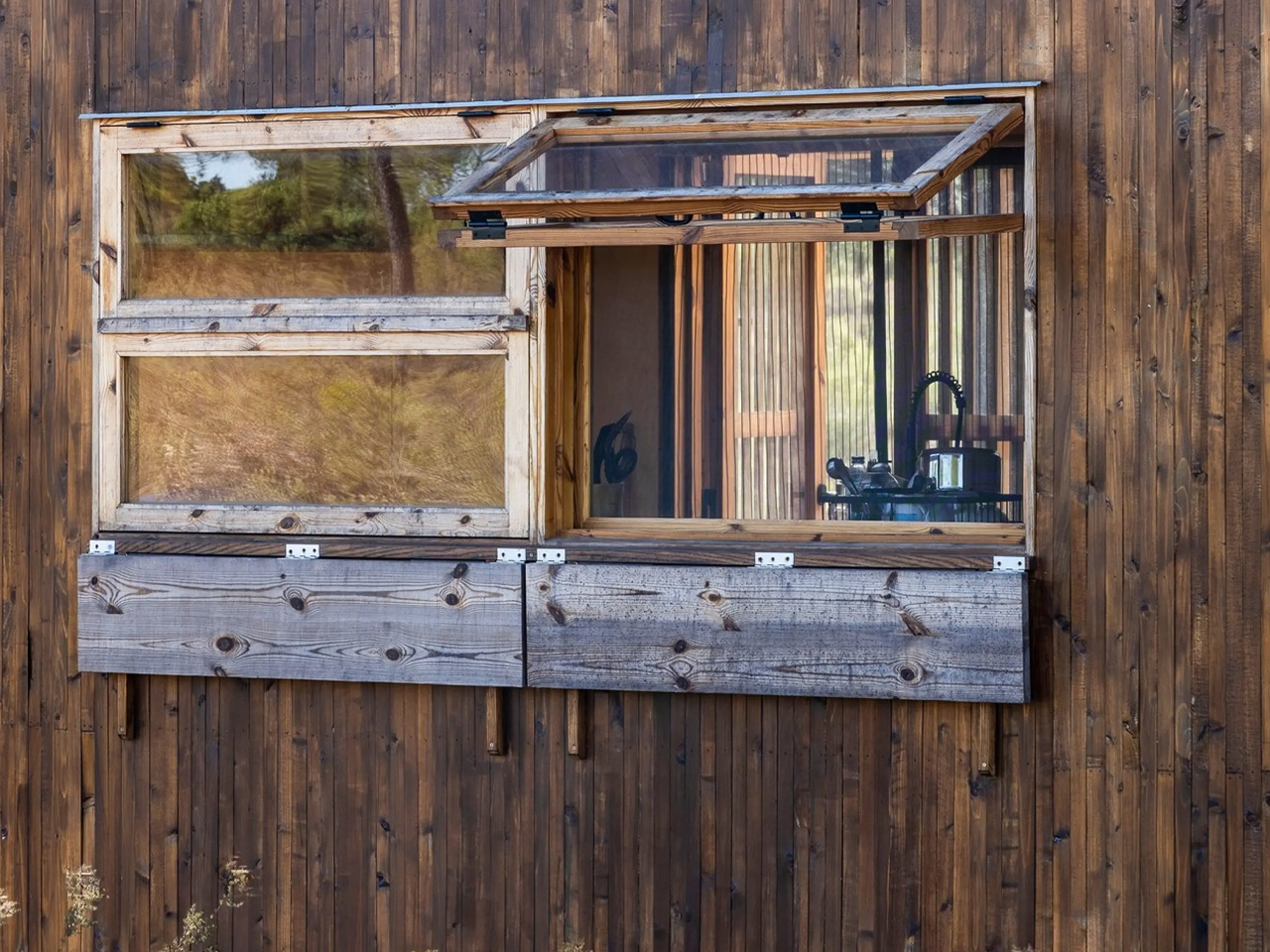
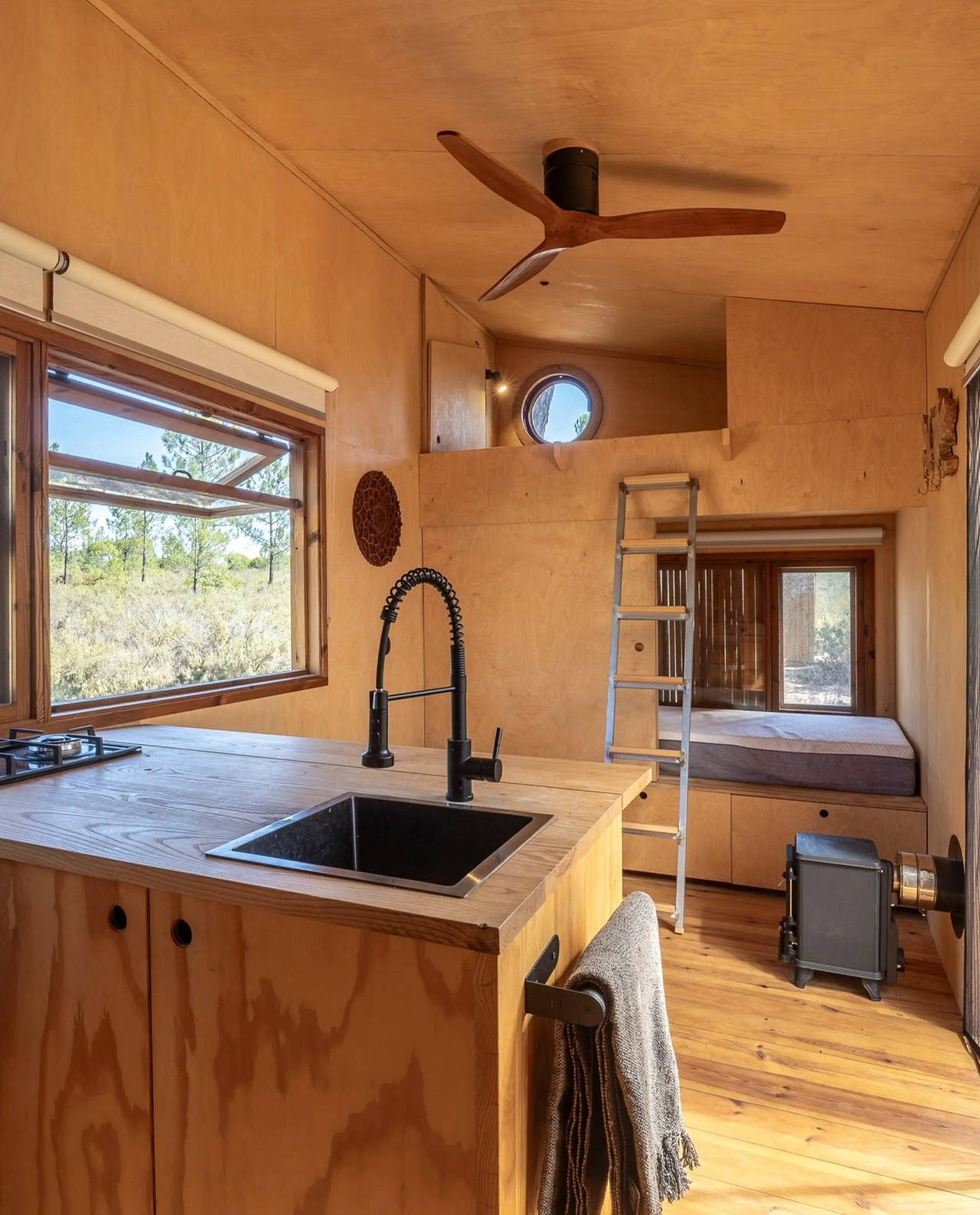
When you translate Raposa to Portuguese, it means Fox and the lovely tiny home is truly foxy! It is based on a double-axle trailer and measures 23 x 8 feet. It is not the largest tiny home on the market and has a comfortable compact size in comparison to the conventional North American tiny homes we usually come across. However, it would be considered the average size in Europe. The home is completely highlighted by wood, both inside and out. Besides some wonderful woodwork, it also showcases generous glazing and operable wooden shutters.

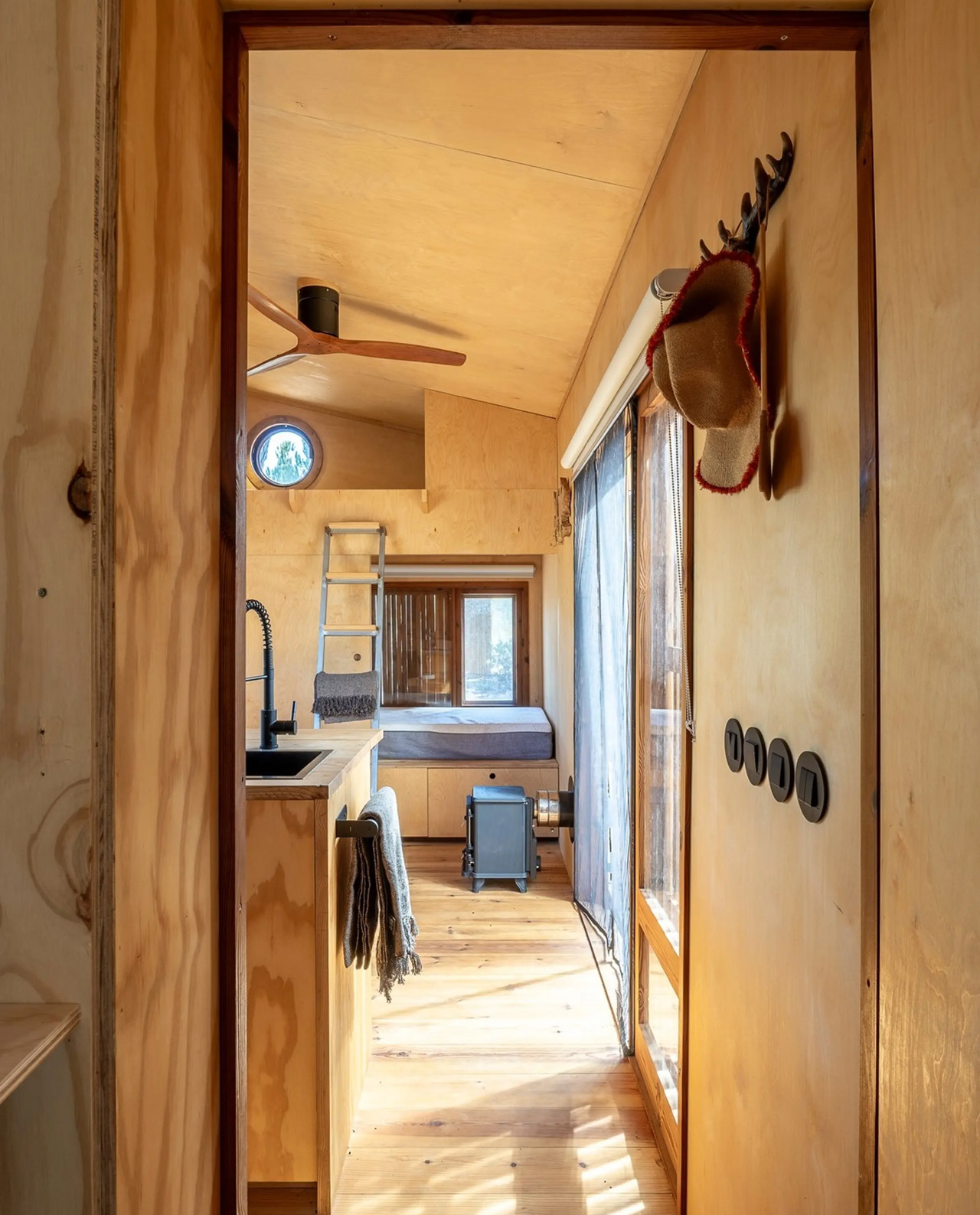
As visitors enter the Raposa tiny home, they are welcomed by double glass doors that lead them to the living room. The living room is adorned with an L-shaped storage-integrated sofa, coffee table, and a wood-burning stove. The kitchen isn’t far off from the living room, and it is equipped with a sink, stove, and cabinetry.

The ceiling of the home is one of the highlights. It features two massive skylights, that open up the home. They can be slid open, and locked into place when the weather is pleasant. Or can be shut back up when the mood strikes. However, the skylights are operable by hand in the bedroom, while in the living room, the owners need to use a pole to open them up. This does seem quite inconvenient speaking, but hey at least you get access to the starry skies without leaving the comforts of your home.

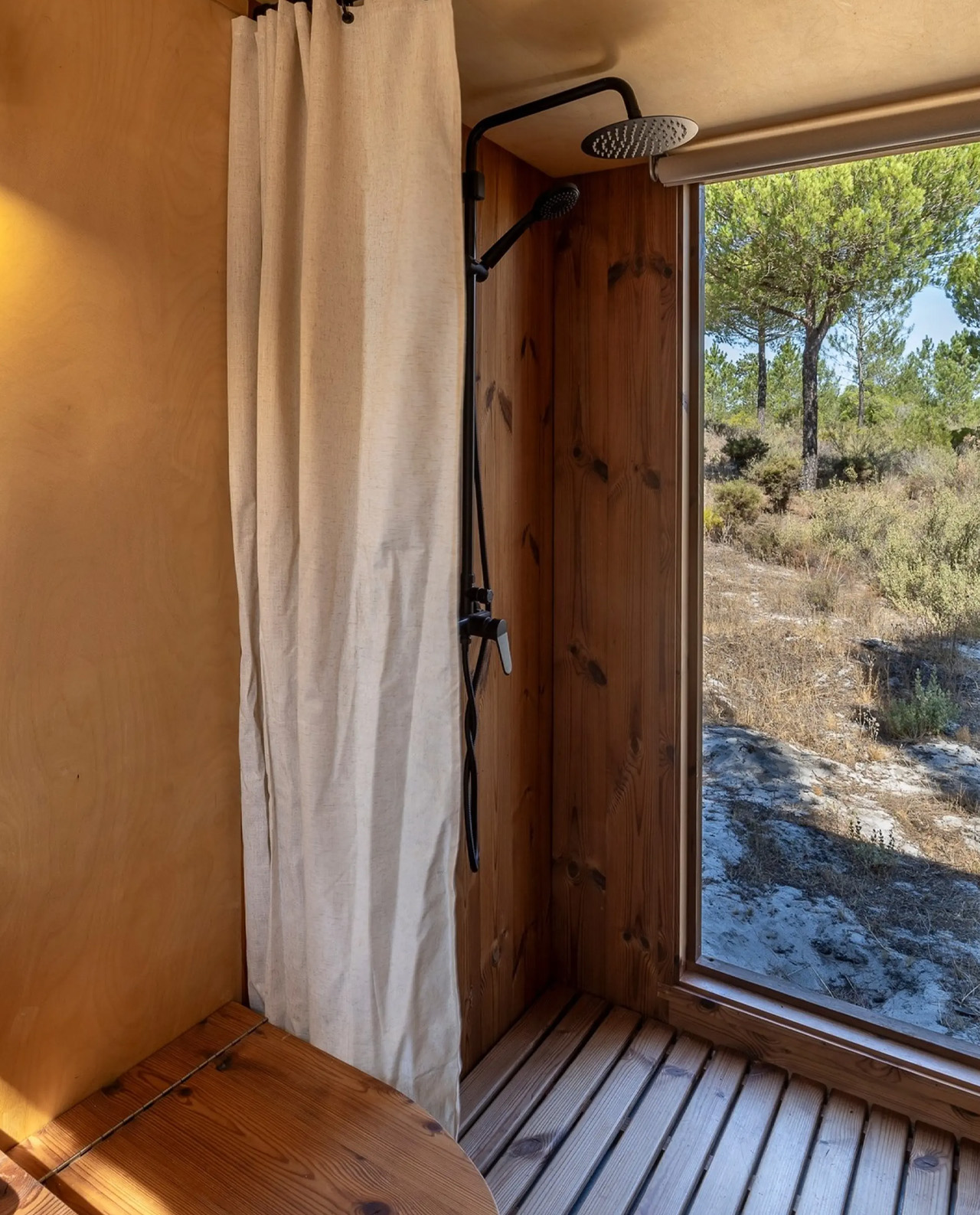
The bathroom is located at the other end of the home and has its own entrance. The bathroom is simple with a shower, flushing toilet, and stone sink. The bedroom is located on the upper story and can be accessed via a storage-integrated staircase. The bedroom is similar to most rooms seen in tiny homes, it has a typical loft space with a low ceiling and space for a double bed.

The post Featuring Two Massive Skylights, This Wooden Tiny Home Opens Up To The Skies first appeared on Yanko Design.
The Boho Duplex Is Two Tiny Homes Merged Into One, Offering A Corridor-Style Home

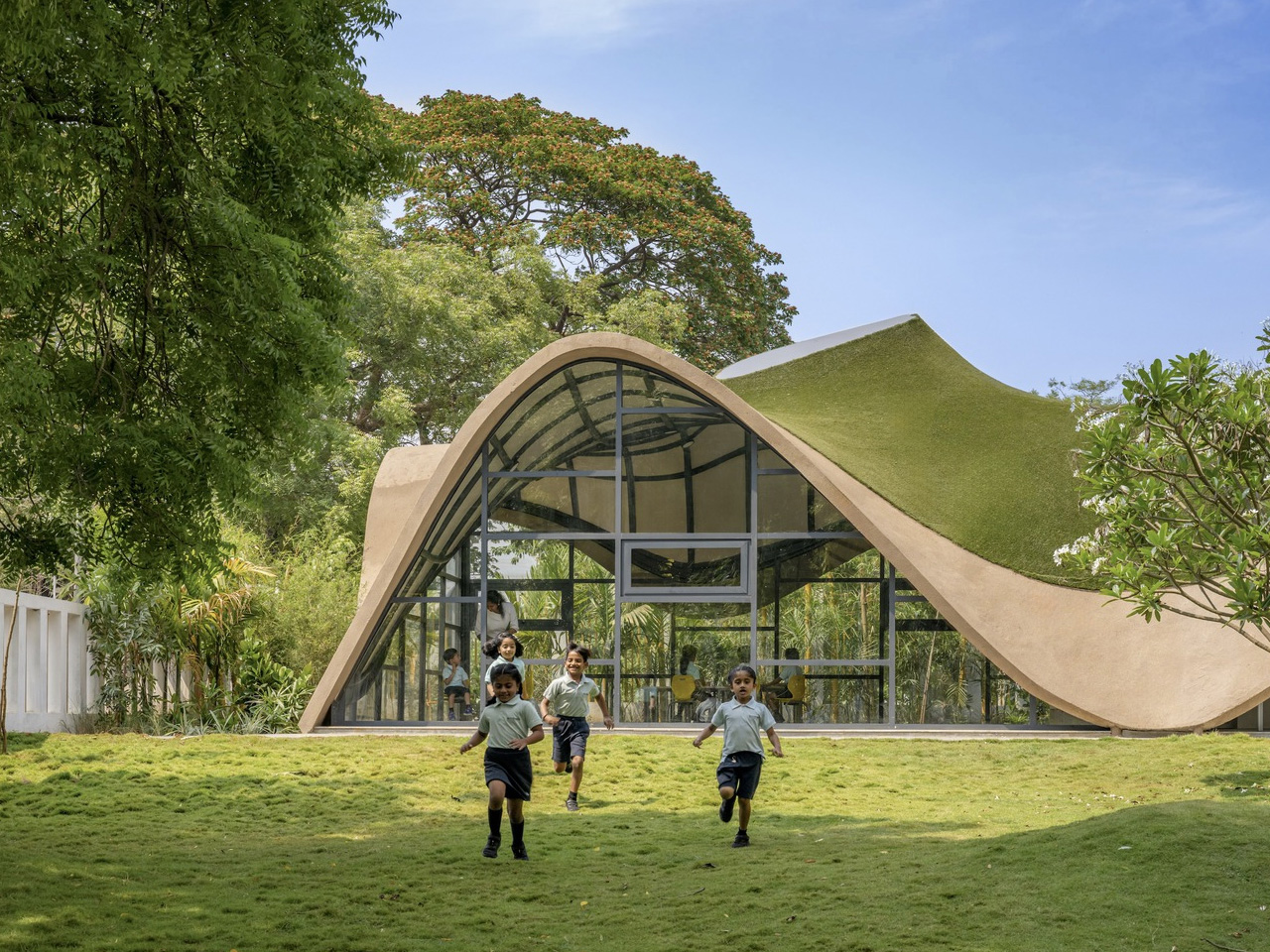
The Boho Duplex is truly a one-of-a-kind tiny home, as it is actually two homes combined in one. You tend to see a lot of innovative tiny homes on the market, some that extend upwards, while some extend downwards, but Boho is the first of its kind, which combines two houses into one. It is designed by Escape and includes two separate dwellings combined in one shell, complete with separate front doors, and self-contained interiors.

Designer: Escape

Boho Duplex consists of two Vista Boho models that have been harmoniously merged together, end to end. The home is finished in cedar and has a length of 42 feet. This is quite long for a tiny home, although it is not the largest home we’ve come across. When you enter the first home, you are welcomed by a multipurpose living space. A majority of this room is occupied by a bed, integrated storage, and a wall-mounted TV. The space also includes a small sofa and a kitchen area. The kitchen area holds an induction cooktop, fridge/freezer, sink, cabinetry, and washer/dryer, as well as a drop-down desk area to work and dine in. It also includes a well-designed bathroom with a shower, a flushing toilet, and a small sink.

The other section of the tiny home can be accessed via its door. Unfortunately, there is no interior connecting door, which does seem a bit inconvenient. The layout is mirrored, perfectly reflecting the other tiny home, featuring the same multipurpose room with a bed, seating, kitchen, and a bathroom nearby. The Boho Duplex’s layout and design are truly unique and could lead to a whole new genre of tiny homes being created.

Currently, there is no information on the Boho Duplex’s overall price, but information can be gathered by contacting Escape directly.  It seems like an unconventional, yet exciting option for those who want to hop onto the tiny home bandwagon, but are tired of the typical over-saturated designs on the market. The Boho Duplex could be a refreshing change, one that doesn’t sacrifice functionality, utility, and practicality.

The post The Boho Duplex Is Two Tiny Homes Merged Into One, Offering A Corridor-Style Home first appeared on Yanko Design.
Norwegian-Style Summer House Encourages “Inside-Outside” Living, Offering An Escape From Urban Woes

I’m always a fan of beautiful holiday homes that let you soak up the sun, and take a break from your urban worries. And, a cozy holiday home that seems perfect for a nature escape is the I/O cabin by studio Erling Berg. This holiday home has access to picturesque views of the ocean in Risør, on Norway’s southern coast. It is clad in locally sourced spruce and is elevated off the ground using wooden pillars.

Designer: Erling Berg

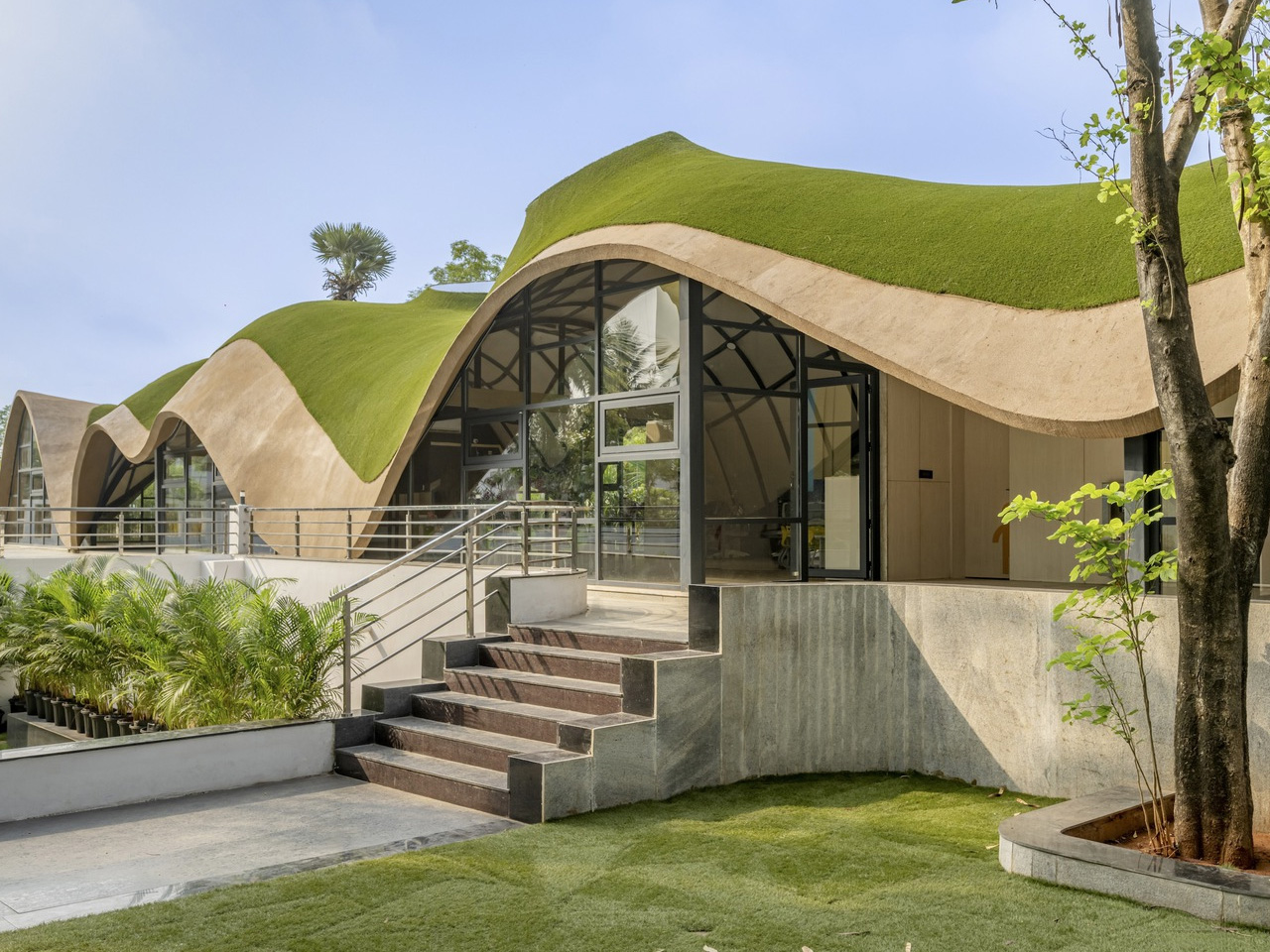
The I/O Cabin is subtly perched on a sloped terrain. The home consists of three volumes connected via a wooden deck, and smartly positioned to form an atrium that serves as the center of the space. This builds “inside-outside” spaces that perfectly suit the everchanging Norwegian climate. “As a summer house on the coast of Norway, the weather will change fast, often changing during the day, creating both inside and outside hours. Therefore, we wanted to create a house with easy access to its insides and outsides, with good circular and visual connection between the two elements,” said Erling Berg.

The three separate volumes are placed on the wooden deck, which floats above the property and is supported by cross-laminated timber beams. The beams also offer support to the cantilevered roof of the home. The shape and design of the roof were created to offer shade and shelter from the sun and to also allow light to stream into the central atrium. The roof provides protection from rain and extreme weather condition as well.

As you enter the I/O cabin, you are welcomed by the atrium which connects to the main living area, four bedrooms, and a shower. All the rooms are placed in a U-shape around the central space. The interiors of the home have a warm and welcoming vibe. The walls are clad in white painted horizontal wood siding, while the ceiling and the floors showcase white oiled source timber, which further enhances the natural aesthetic of the space – a design style that is commonly seen in traditional Norwegian coastal cabins.

“The materiality is both based on local, genuine materials and a traditional color palette that can be found in summer houses along the Norwegian coast from the 1950s and 60s,” said Berg. “[It is] a functional palette, merging the warmth of the wood textures with white painted panels, making the interior cool, yet warm and bright.”

The post Norwegian-Style Summer House Encourages “Inside-Outside” Living, Offering An Escape From Urban Woes first appeared on Yanko Design.
Zaha Hadid Designs Revolutionary Hydrogen Refueling Station for Sustainable Boating

Zaha Hadid Architects, renowned for pushing the boundaries of architectural design, has recently unveiled a groundbreaking project in collaboration with NatPowerH—a subsidiary of the NatPower group. The NatPowerH Hydrogen Refueling Station is poised to become the world’s first green hydrogen refueling infrastructure, and it’s specifically tailored for Italy’s boating industry. With plans to deploy 100 stations across the Mediterranean in the next six years, this ambitious project aims to address environmental concerns and significantly reduce greenhouse gas emissions from recreational boats.

Designers: Zaha Hadid Architects and NatPower H

At the helm of this initiative is NatPower H, a pioneering global developer of innovative technologies for the production, storage, and distribution of green hydrogen. The €100 million investment will kickstart the installation of the green hydrogen infrastructure in the summer of 2024, with a vision to establish 100 refueling stations throughout the Mediterranean by 2030.

The NatPowerH Hydrogen Refueling Station spans 50 square meters and stands out for its commitment to harnessing renewable energy sources. Through a combination of wind, solar, and other sustainable technologies, the station generates hydrogen while emitting only water vapor and warm air—making it a trailblazer in eco-friendly hydrogen production.

Zaha Hadid Architects has designed the NatPowerH Hydrogen Refueling Station with a focus on scalability, sustainability, and safety. The modular nature of the station allows it to adapt to diverse locations across the Mediterranean. This adaptability ensures that each refueling station can be customized based on specific location needs, such as seating arrangements, pedestrian turnover, size, and facilities for bike charging.

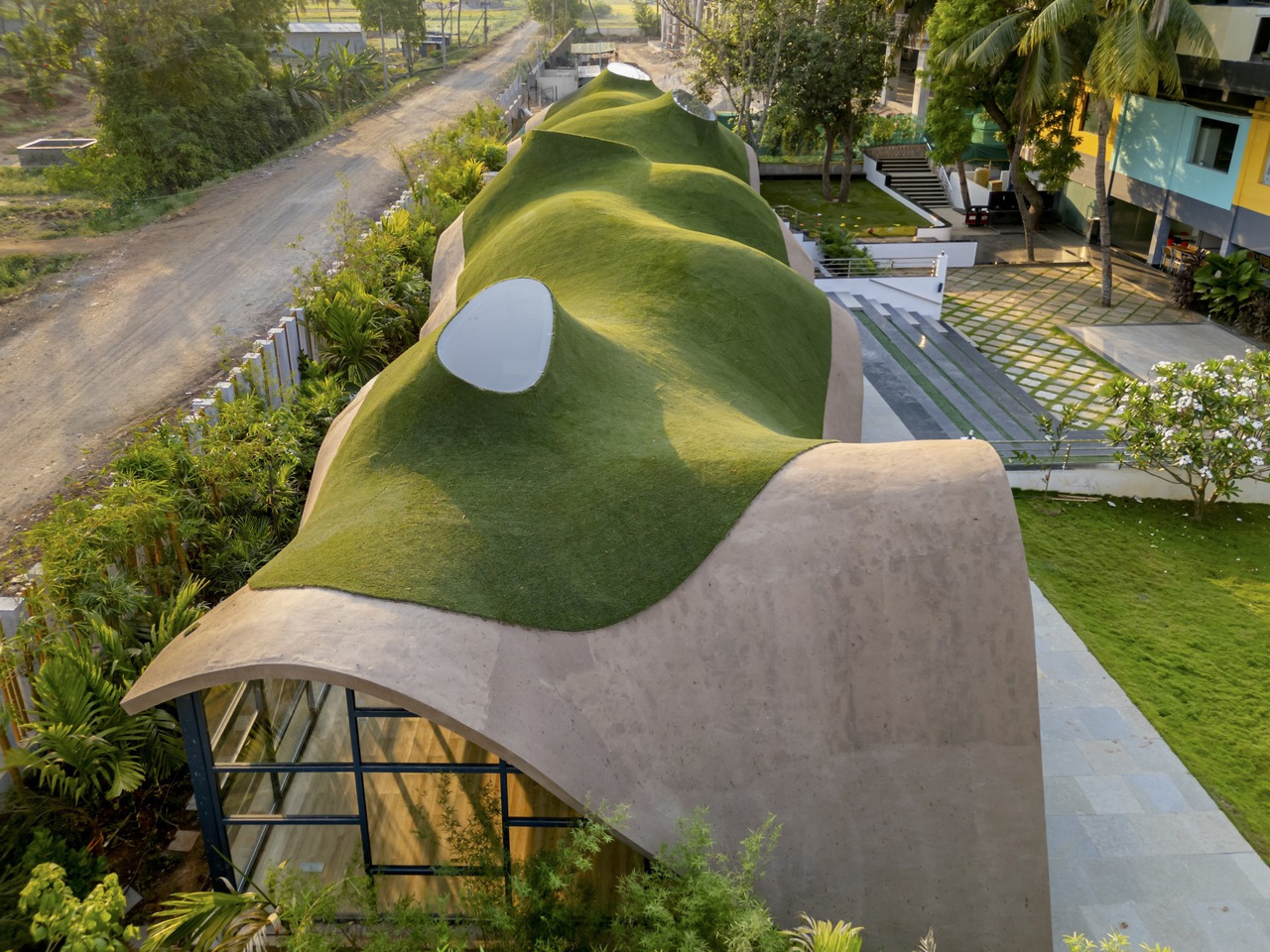
In terms of construction, the NatPowerH Hydrogen Refueling Station incorporates innovative 3D robotic material placement. This technology enables the creation of fully recyclable, dry-assembled masonry, minimizing construction waste. The design draws inspiration from nature, mimicking the striated structures and fluid geometries inherent in Mediterranean landscapes and marine ecosystems.

The circular construction of the refueling stations aligns with NatPower H’s commitment to circularity and the preservation of marine ecosystems. Through the use of low-carbon concrete generated through geometric design rather than increased material usage, the structural materials required are reduced by up to 50%, without compromising performance.

NatPower H’s green hydrogen infrastructure aims to revolutionize the recreational boating industry by creating a network of sustainable energy hubs in major Italian marinas. The initiative responds to the increasing demand for sustainable vessels in the face of ecological concerns. The establishment of protected marine areas worldwide, prohibiting the use of diesel engines, underscores the industry’s need for ecologically sustainable developments.

Collaborating with Zaha Hadid Architects, NatPower H ensures that the construction of the green hydrogen refueling stations adheres to the highest safety standards. The partnership leverages Zaha Hadid Architects’ expertise in modular systems and adaptable designs, allowing for customized configurations based on the unique requirements of each location.

In a broader strategic move, NatPower H has also partnered with Bluegame, a renowned yacht builder, to provide green hydrogen for hydrogen-powered chase boats participating in the upcoming 37th America’s Cup. This collaboration exemplifies the potential benefits of establishing and distributing green hydrogen in the rapidly growing sustainable boating market.

The NatPowerH Hydrogen Refueling Station, designed by Zaha Hadid Architects, represents a landmark project in the transition towards sustainable marine transportation. With its innovative design, commitment to circular construction, and strategic partnerships, this project is set to redefine the future of green hydrogen infrastructure in the recreational boating industry, paving the way for a more eco-friendly and sustainable maritime sector.

The post Zaha Hadid Designs Revolutionary Hydrogen Refueling Station for Sustainable Boating first appeared on Yanko Design.
Uniquely Shaped Concrete Dwellings Connected Via A Concrete Ring Showcase Community Living In South Korea

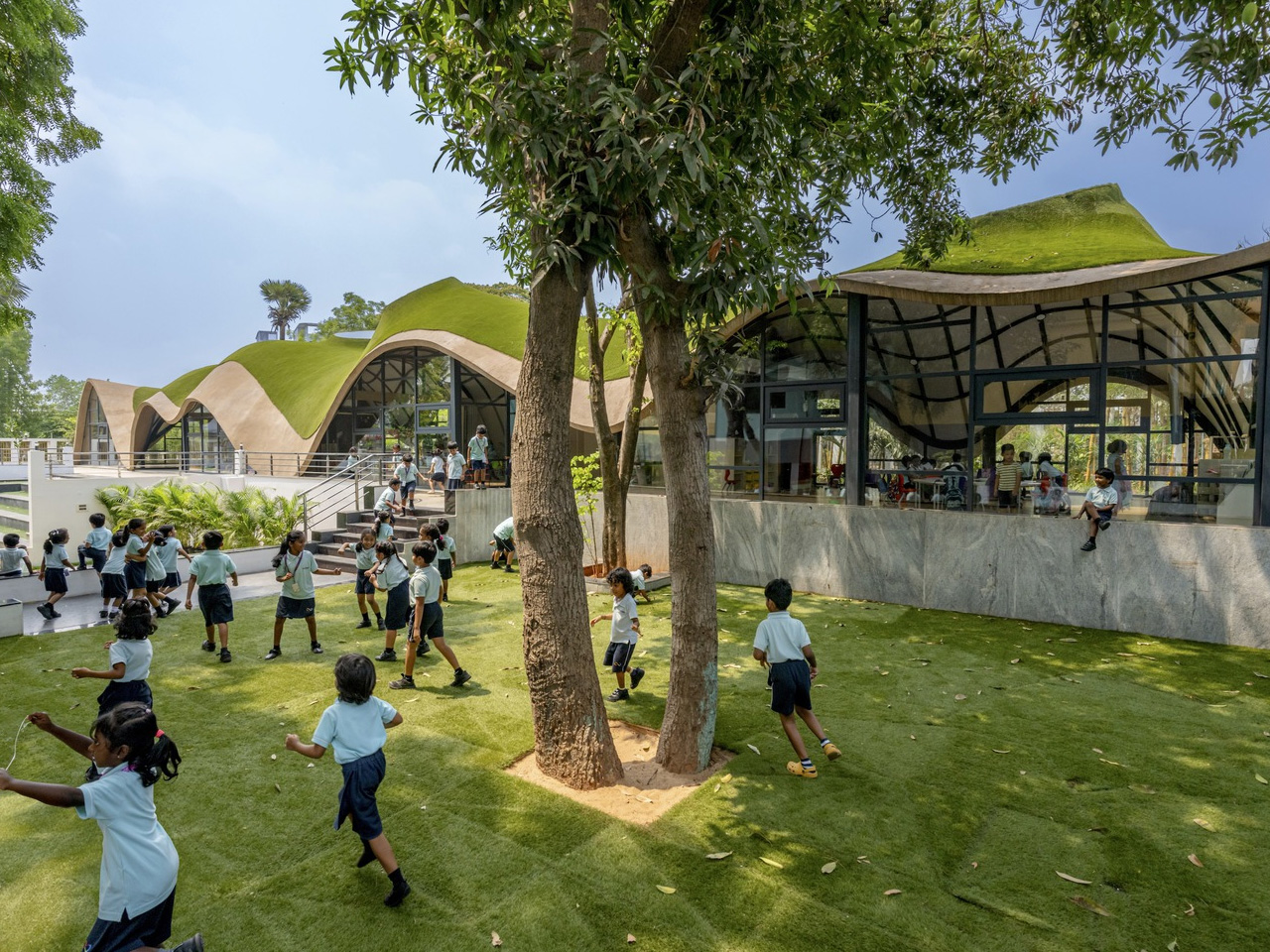
Seoul-based studio AOA architects designed ‘Hoji Gangneung’ – a series of distinctive and unique-looking concrete dwellings that are connected via a raised and circular path. Nestled in the South Korean countryside, in Gangwon-do, the Hoji Gangneung is made up of a family house for the owner, as well as three guesthouses, and a communal building. The property highlights how innovatively community living can be elevated and planned.

Designer: AOA Architects

One of the four homes is called the Round House, and it has quite an interesting semi-circular end. Another one of the houses has an octagonal shape and a central courtyard. The other two homes and the communal building feature rectangular floor plans, and have different roof shapes. The communal building is equipped with a mono-pitch roof, and one of the rectangular houses has an adorable but ordinary gable roof. The last home on the site is called the Long House, and it features a gable roof with a raised central section and a lovely skylight, which forms an elongated light well. “Every building has its own shape, size, and character, allowing guests to enjoy each space distinctly through shadow play,” said AOA Architects principal Jaewon Suh.

While designing the various buildings, AOA Architects were inspired by countryside structures like warehouses and cabins. They wanted to create a space that is influenced by its surroundings, while also creating something new and innovative “The main concept and goal of the design is to build something familiar and also unfamiliar in a rural area,” said Suh. “For some, the Octagonal House looks like a nomadic tent and feels like an octagonal pavilion, the Long House looks like a milk carton or a grain warehouse, and the Round House looks like a slender piece of wood or a face with a hat, but these associations do not matter.”

All the buildings have been built from textured concrete, and are topped by corrugated metal roofs. The communal building has an exposed concrete structure, and massive glass doors that occupy one wall, which lead to the concrete walkway and offer expansive views of the various houses.

The post Uniquely Shaped Concrete Dwellings Connected Via A Concrete Ring Showcase Community Living In South Korea first appeared on Yanko Design.