Phones & Drones examines the Insta360 Luna Ultra, a compact gimbal camera developed in collaboration with Leica, designed for content creators seeking advanced functionality in a portable form. Notable features include 8K video recording, AI-powered subject tracking and a detachable OLED screen. However, the unboxing revealed concerns about the included tripod system, which lacks stability […]
The gap between what camping gear looks like in product photos and what it actually does at a campsite used to be wide enough to drive a truck through. That gap has quietly closed. The category has produced a generation of objects built around a single idea: that equipment you trust with your weekend shouldn’t look like it was designed by someone who has never spent a night outdoors.
This list covers everything a serious campsite demands — shelter, fire, cooking, light, power, water, and the tools that keep everything running between them. Eight products, each with a specific design argument behind it. Some are from the YD Shop. Others earned their place through the blog. All of them pass the test that matters most: you pack them once and never pull them back out of the kit bag.
1. Retrowave 7-in-1 Radio
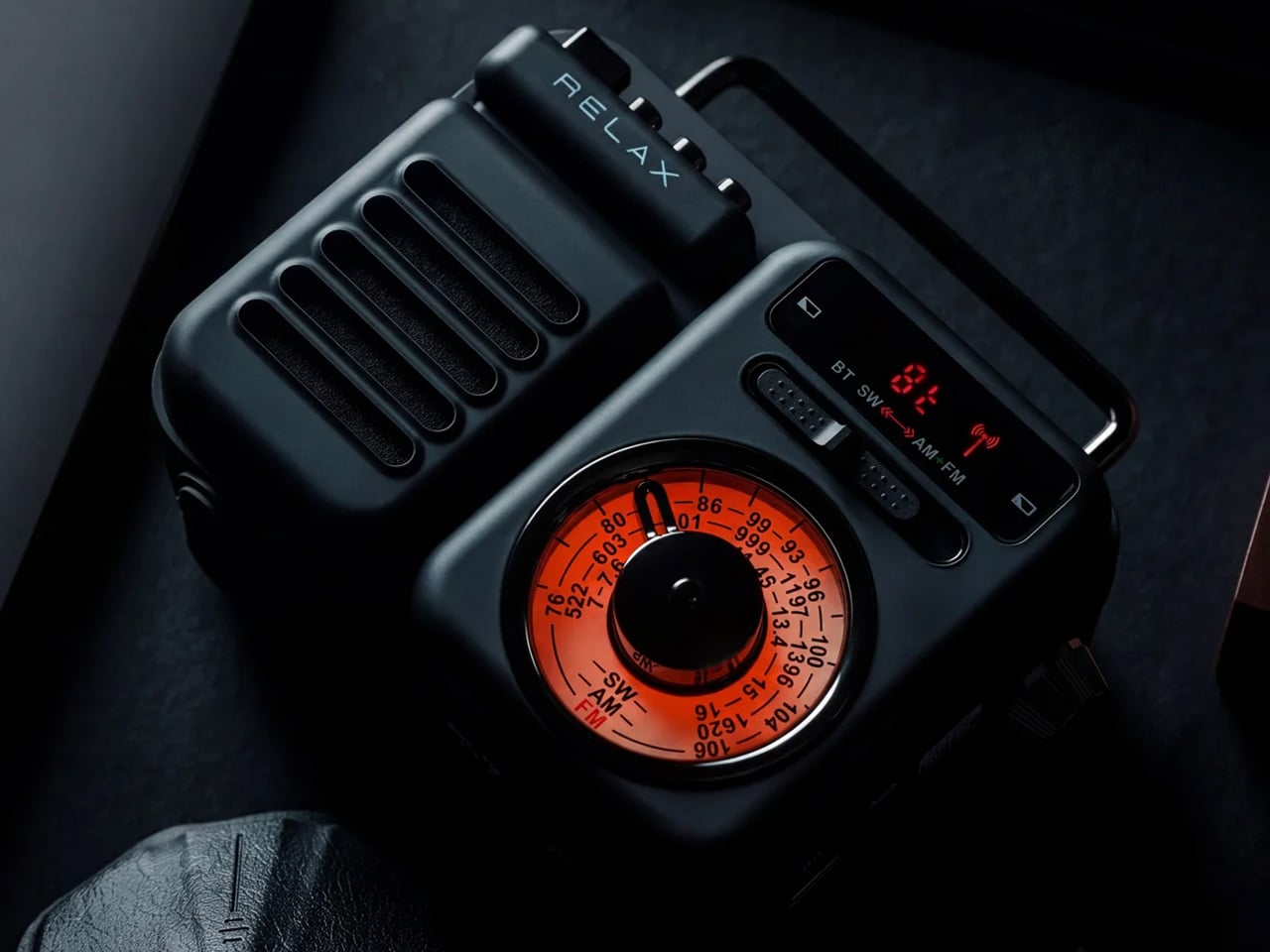
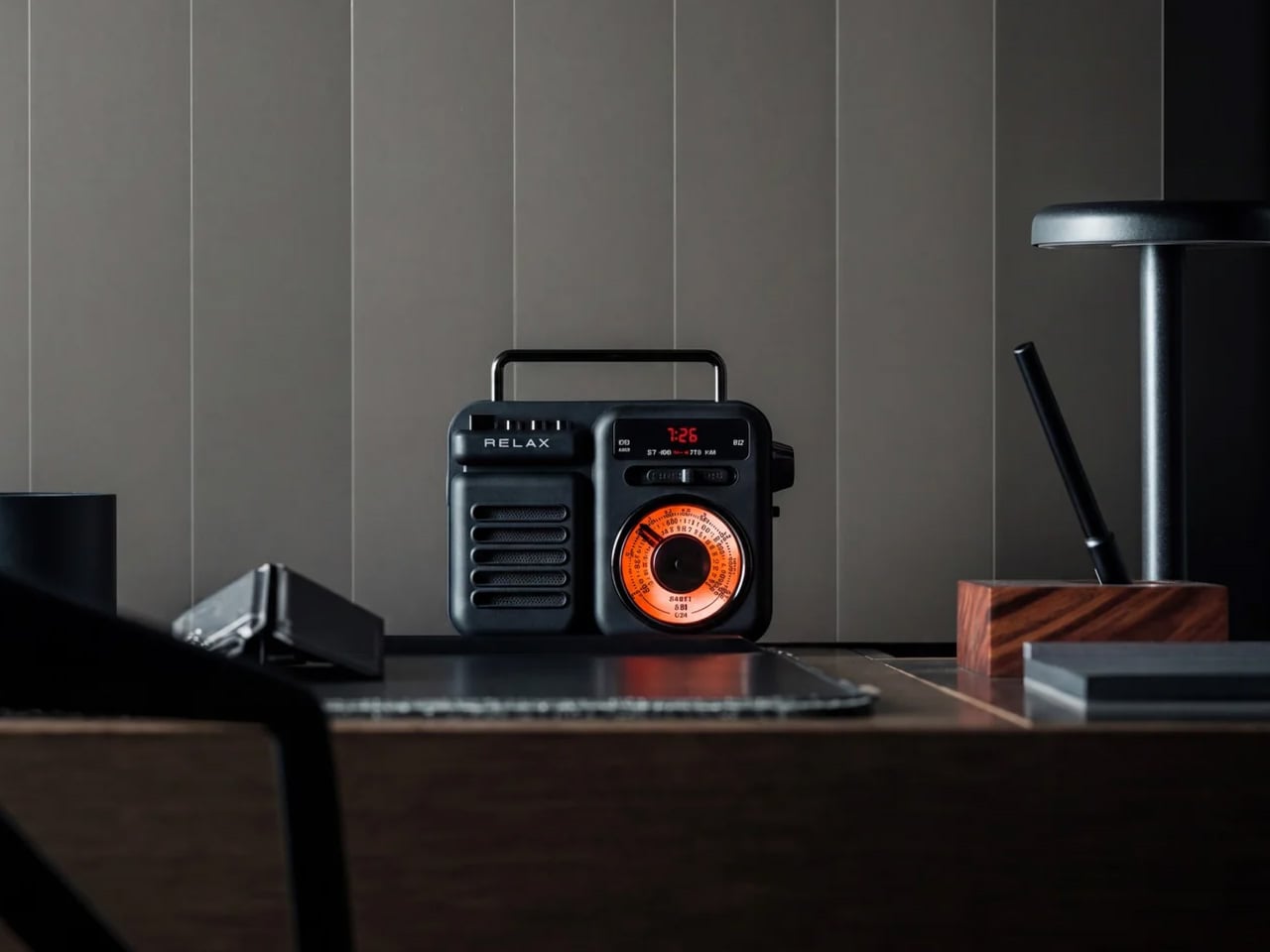
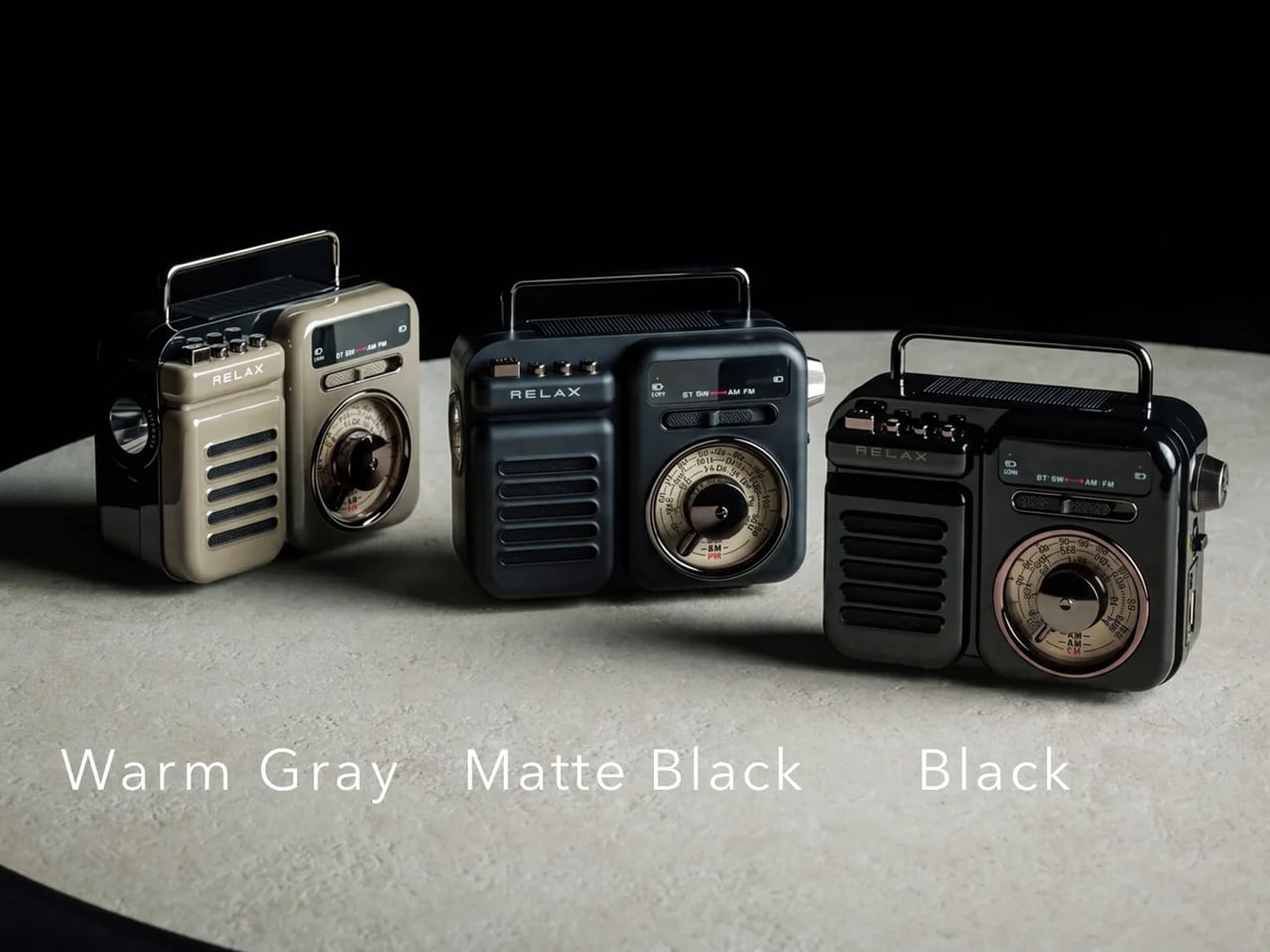
The Retrowave earns its place in a camping kit through an argument that has nothing to do with aesthetics, even if the aesthetics are genuinely good. A tactile tuning dial, compact body, and warm visual language borrowed from classic Japanese radio design make it an object worth displaying on a shelf. What it’s actually doing is more pragmatic: running AM, FM, and shortwave without an app, streaming via Bluetooth when connectivity holds, and charging via solar panel and hand-crank when it doesn’t.
The SOS alarm and built-in flashlight sit quietly in the background, present without demanding attention on a trip where everything goes smoothly, decisive when it doesn’t. Smart speakers go silent when Wi-Fi drops. Earbuds die at the wrong moment. Phones drain precisely when you need them most. The Retrowave doesn’t ping you or demand perfect conditions. It plays, charges, and illuminates across seven functions without asking for seven different charging cables.
Seven functions in a single body remove the need to carry and manage multiple separate items
Solar and hand-crank charging keep it fully functional off-grid with no outlets required
What we dislike
The retro aesthetic may read as decorative to buyers who haven’t yet used it in an actual off-grid context
Shortwave reception quality varies depending on geographic location and surrounding terrain
2. Haven Spectre Ultralight Hammock Tent
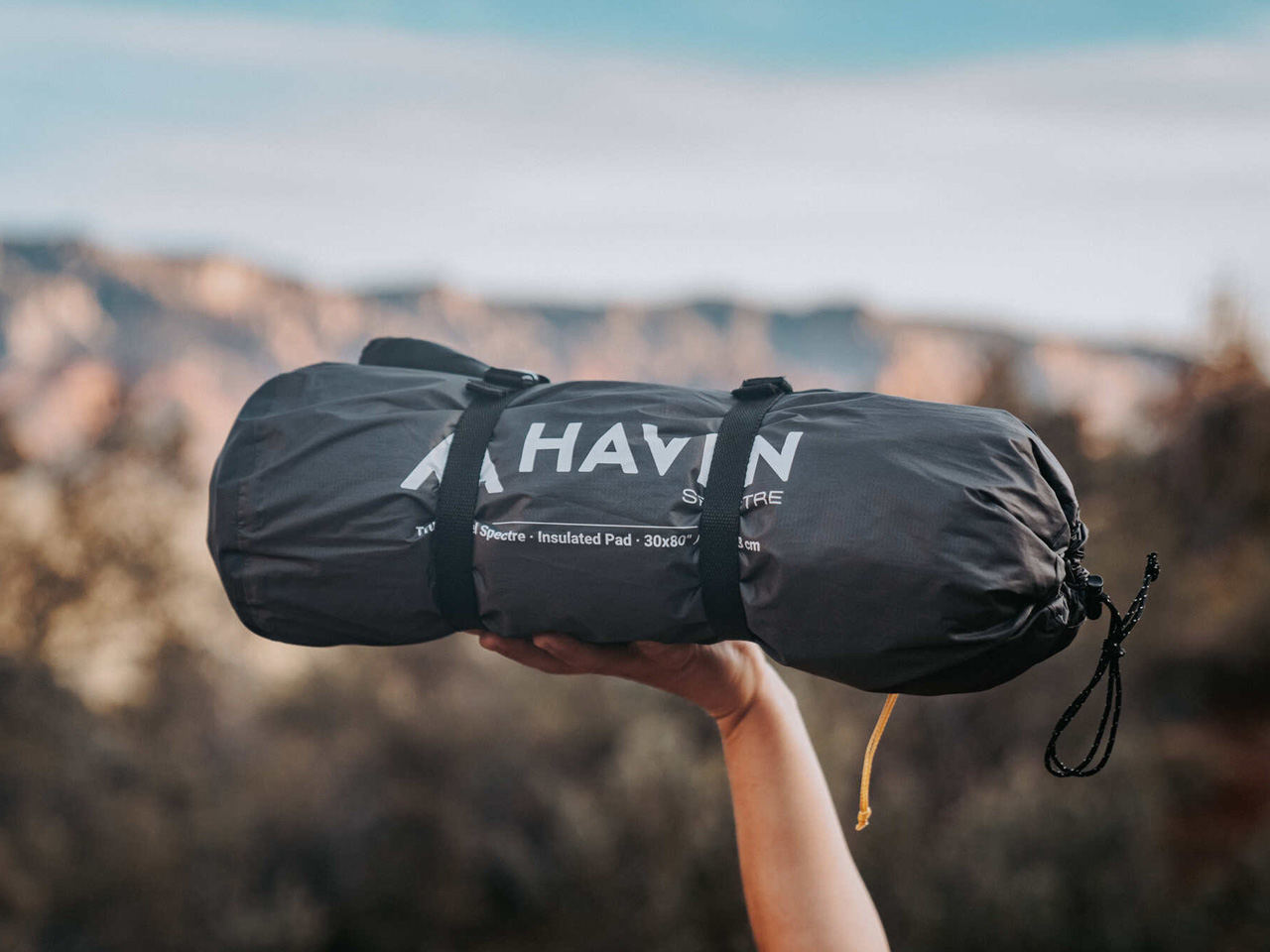
Every experienced hammock camper knows the problem but rarely admits it out loud: traditional hammocks fold your body into a shape that doesn’t encourage real sleep. The Haven Spectre addresses this with a flat-lay design that keeps your spine aligned and your night predictable. For anyone who has tried and quietly abandoned hammock camping after a single uncomfortable night, this is the version worth revisiting. Featherlight without feeling compromised, built from years of field-tested feedback, and light enough to disappear into a pack you’re already carrying.
What separates the Spectre from its predecessors is the thinking behind how a person actually sleeps in the field. The integrated structure holds its form without demanding constant readjustment through the night. String it up, get in, and it works. For long-distance hikers and weekend backpackers alike, that reliability reduces the cognitive load of a night outdoors. Less time fussing with rigging means more energy for the trail ahead, which is exactly the trade-off a well-designed piece of kit should make for you.
What we like
Flat-lay sleeping position solves the banana-curve problem that makes traditional hammocks genuinely uncomfortable for full nights
Years of customer-driven refinement make this Haven’s most polished and advanced version to date
What we dislike
Requires trees at the right spacing and height, which limits viable campsite choices in open terrain
Premium price point puts it out of reach for casual campers who might only use it a handful of times a year
3. Portable Fire Pit Stand
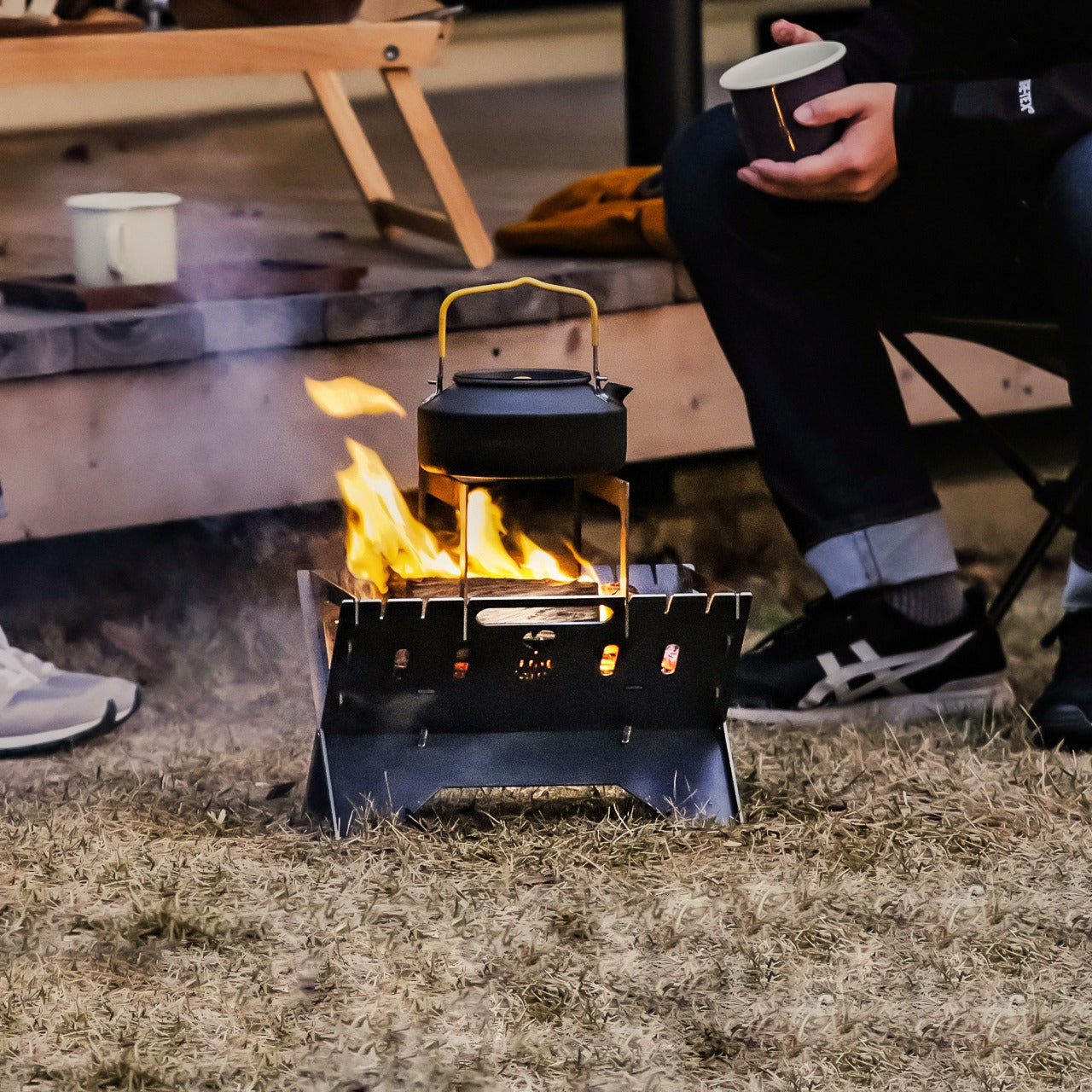
The fire pit category is full of oversized objects that need a truck bed and a second person. The Portable Fire Pit Stand sidesteps this entirely. Prototype sheet metal technology precision-cuts black steel plates that resist warping and distortion under sustained heat. It assembles without tools, folds flat when packed, and holds the kind of campfire that earns its place as both a functional heat source and the visual anchor of any campsite worth sitting around for more than ten minutes.
What separates this from a standard fire ring is the stand’s insistence on being a proper object rather than functional hardware. The black steel finish works against any outdoor backdrop, and the construction doesn’t bow or deform the way cheaper alternatives do after their third use. It elevates the fire off the ground, making it workable on sensitive surfaces and at campgrounds where ground fires are restricted. The kind of gear that moves from situational purchase to permanent kit after the first night out.
Heat-resistant sheet metal resists warping through repeated use across multiple camping seasons
Elevates fire off the ground for sensitive surfaces and sites where open ground fires are restricted
What we dislike
Steel construction adds more weight than ultralight fire alternatives for backpackers counting grams
No integrated grill grate included, which requires a separate purchase
4. Camprit TiStove
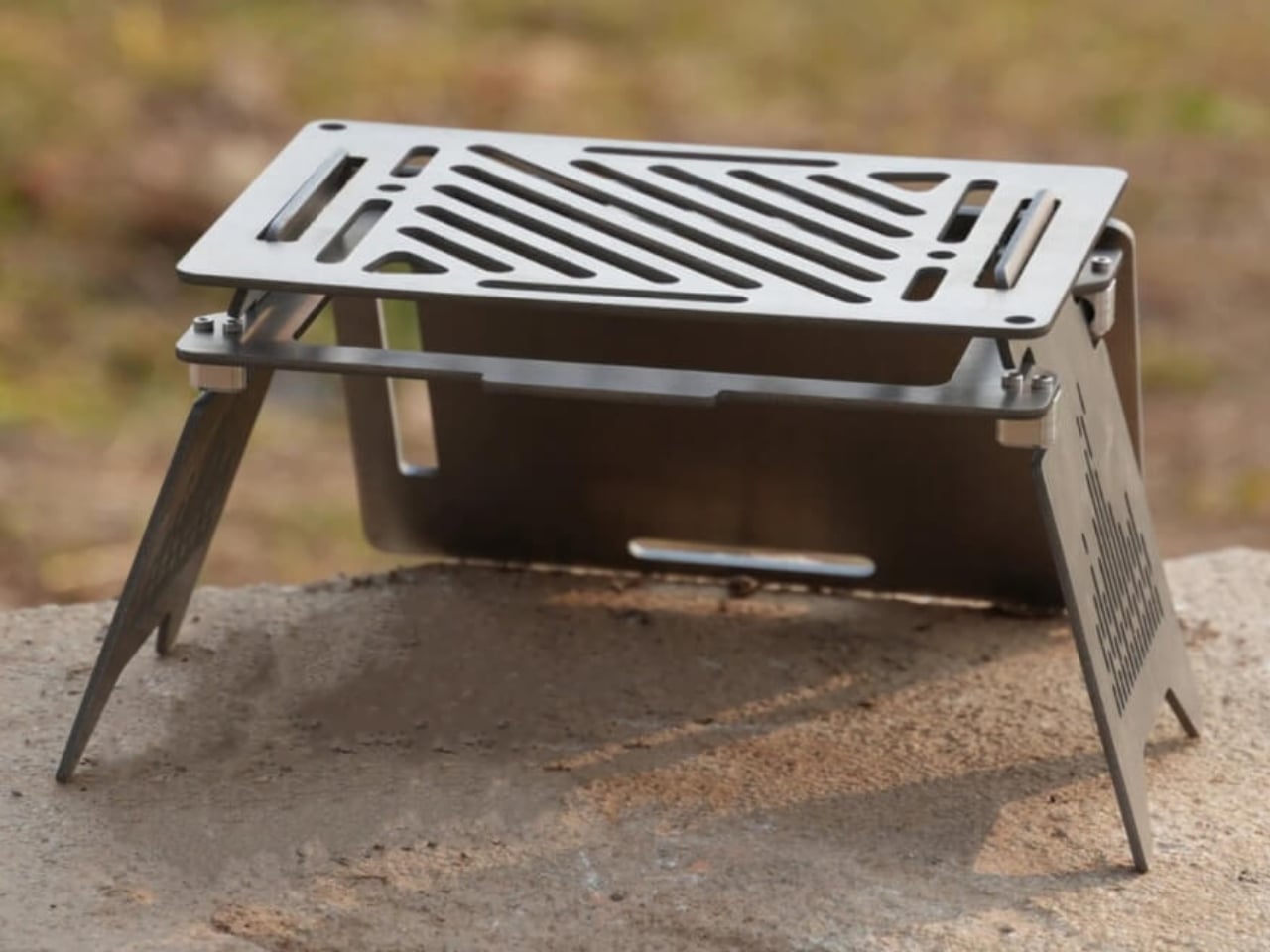
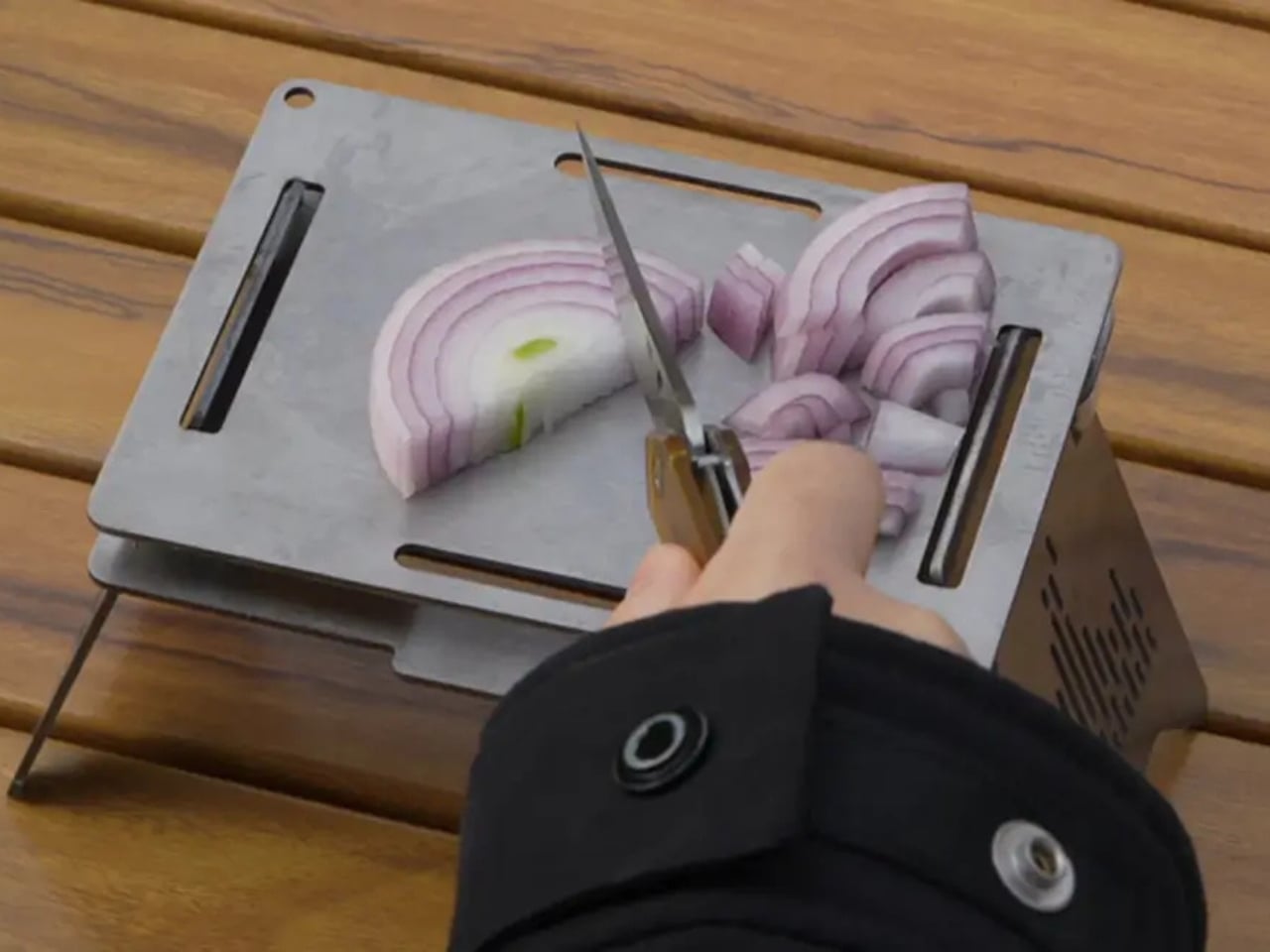
Five flat pieces of Grade 5 titanium. Two foldable legs and three interchangeable cooking panels that pack completely flat and come in under 1.5 pounds. Camprit’s insight was direct: most camp stoves lock you into a single cooking method. The TiStove gives you three, with panels that reconfigure for boiling, grilling, or open-fire cooking. The extra panels double as a windshield. As heat is applied over time, titanium changes color naturally, marking each stove with its own accumulated cooking history.
The beauty of the TiStove is in what it removes. There’s no ignition system to fail at altitude, no gas canister threading to seize in the cold, no assembly logic that requires a manual at a campsite in the dark. The pieces lock together mechanically without fasteners and disassemble in seconds. Compatible with any fuel source — wood, gas burner, alcohol — it stays genuinely adaptable to wherever the trip leads. For anyone who has stood over a failed stove in the cold, this addresses the problem at its root.
What we like
Packs completely flat at under 1.5 lbs with three interchangeable cooking panel configurations
Compatible with any fuel source including wood, gas, and alcohol with no dependency on a single system
What we dislike
Requires a separate burner or fuel source, as nothing is self-contained out of the box
Titanium panels need careful packing to avoid scratching against each other in transit
5. Blavor Power Station + Camping Lantern
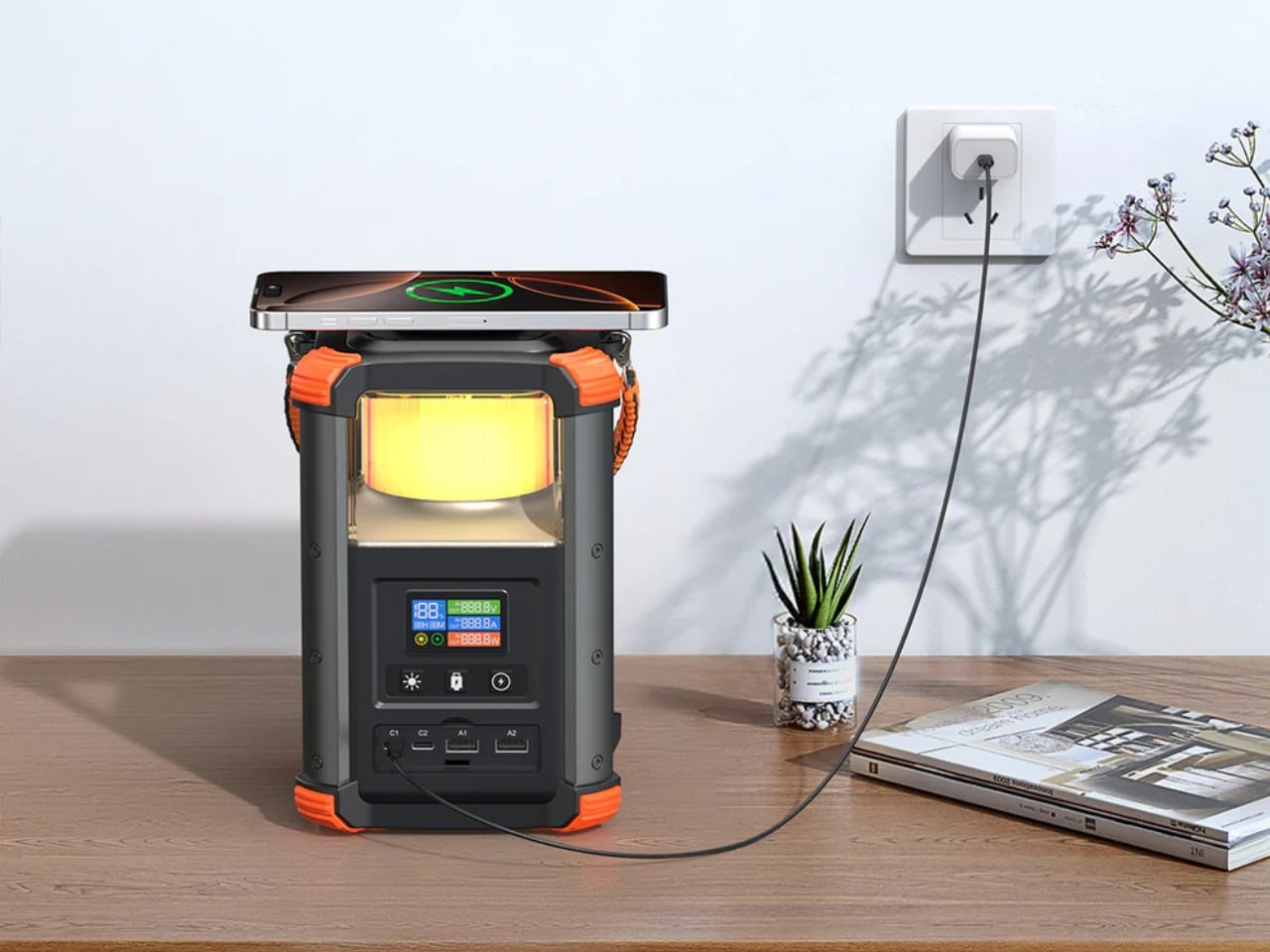
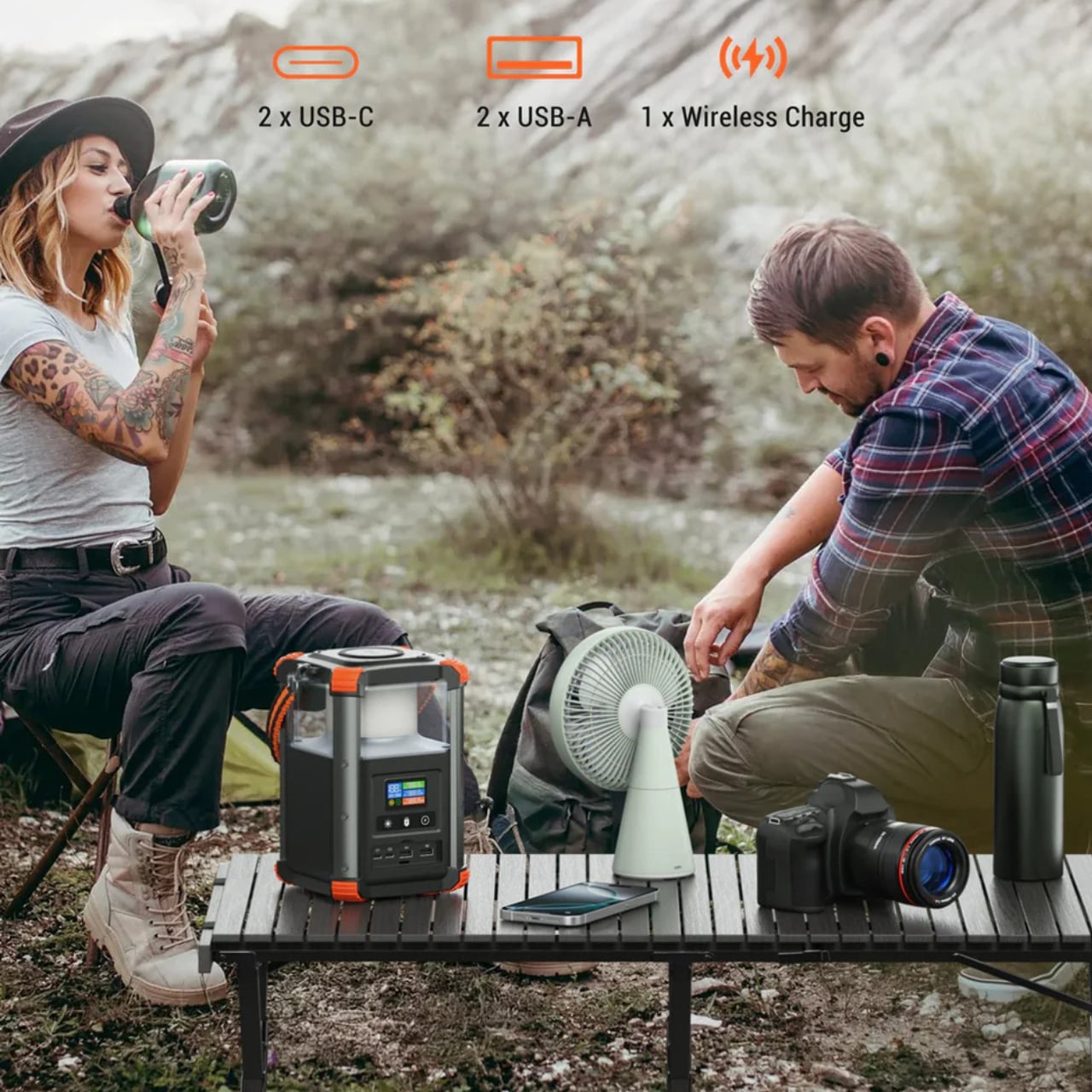
Most portable power stations look like they were designed by someone who has never spent a night outdoors. The Blavor sidesteps that problem by building a camping lantern into the form factor from the start. The result is a device barely bigger than a tall water bottle that functions as both a light source and a five-pathway charging hub, covering solar, AC, car adapter, USB-C, and micro USB, with a digital display that keeps battery status visible without any guesswork in the field.
The real value here is how naturally the two functions coexist. When the lantern is on, the power bank is right there. When you’re charging your phone overnight, the ambient glow does quiet work inside the tent without needing a separate light source. It doesn’t ask you to choose between illuminating your site and keeping your devices alive. For campers who have always carried a separate lantern and a separate battery pack, the consolidation alone justifies the purchase before the first trip is even planned.
What we like
Five charging pathways give it a flexibility that most single-use power banks simply can’t match across different environments
Lantern and power station coexist without compromising each other — the dual function feels designed in, not bolted on
What we dislike
Battery capacity may leave multi-day off-grid users reaching for supplemental charging sooner than expected
The cylindrical form can be slightly awkward to pack flush alongside flat gear in a structured bag
6. NoxTi Tritium Keychain
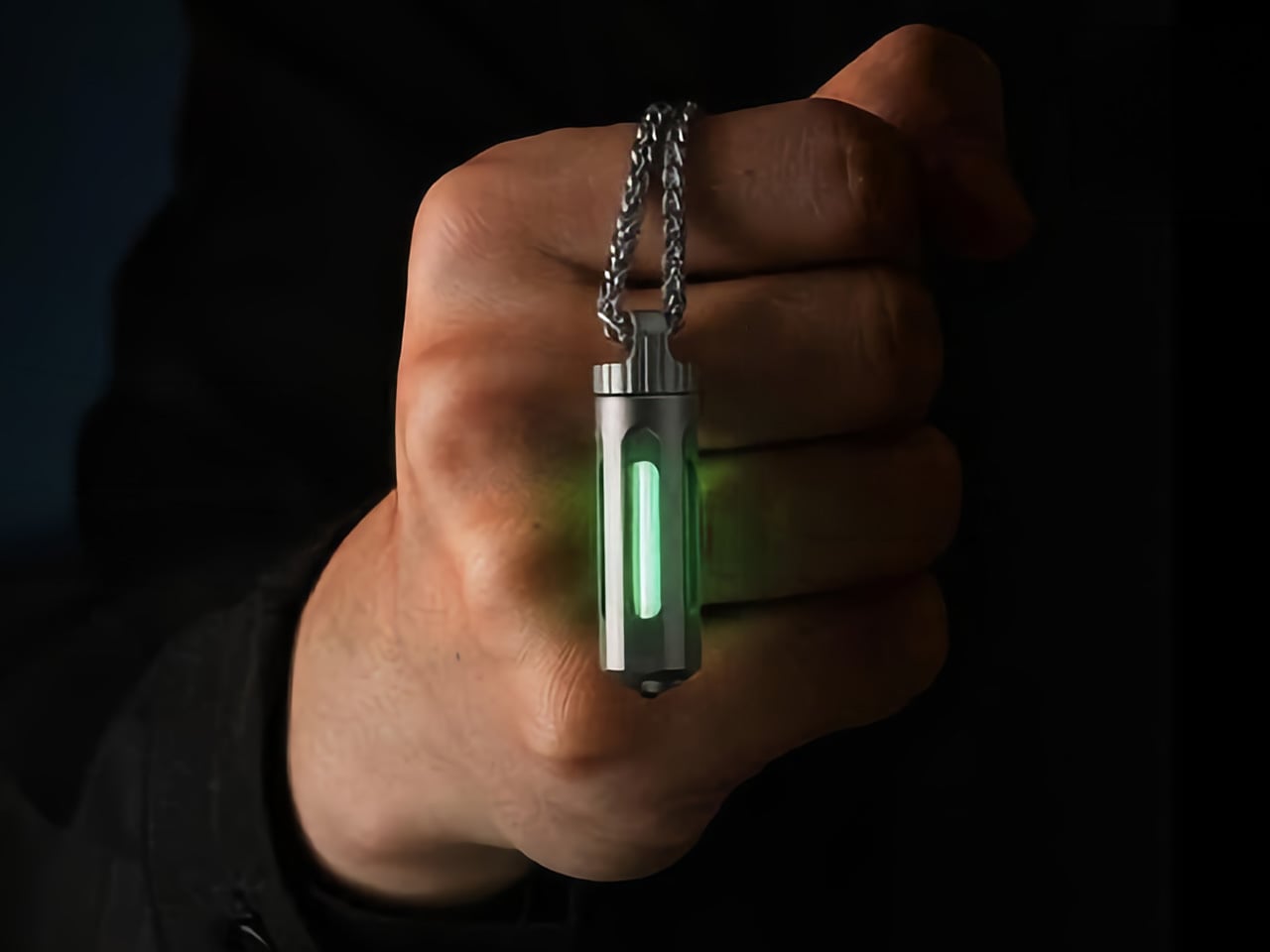
A 45mm CNC-machined Grade 5 titanium cylinder weighing 10.7 grams. The NoxTi carries a tritium vial inside a precision quartz tube with 92% light transmission and glows continuously for 25 years through pure radioactive decay. No switch. No battery. No charging. Tritium is a hydrogen isotope whose beta particle decay strikes a phosphor coating and produces light as a straightforward byproduct of existing. The process requires nothing from you and stops for nothing around you.
At a campsite, the NoxTi earns its keep in the dark. It marks your keys at the bottom of a bag, identifies your tent entrance without hunting for a torch, and stays visible at the bedside through a full night without being asked to. The ceramic-tipped glass breaker at the tail end adds genuine emergency utility. The titanium body is fully serviceable — when the vial dims after two decades, you press the old tube out and slide a new one in. Six glow colors are available, including Apple Green for maximum visibility and Red for night-vision preservation.
What we like
25-year continuous glow powered entirely by physics with no battery, no charging, and no failure point
Fully user-serviceable titanium body becomes a platform you keep and swap cores into indefinitely
What we dislike
Glow output is intentionally faint — it marks and locates but does not illuminate
The tritium light source requires some buyer education before the value proposition fully lands
7. 8-in-1 EDC Scissors
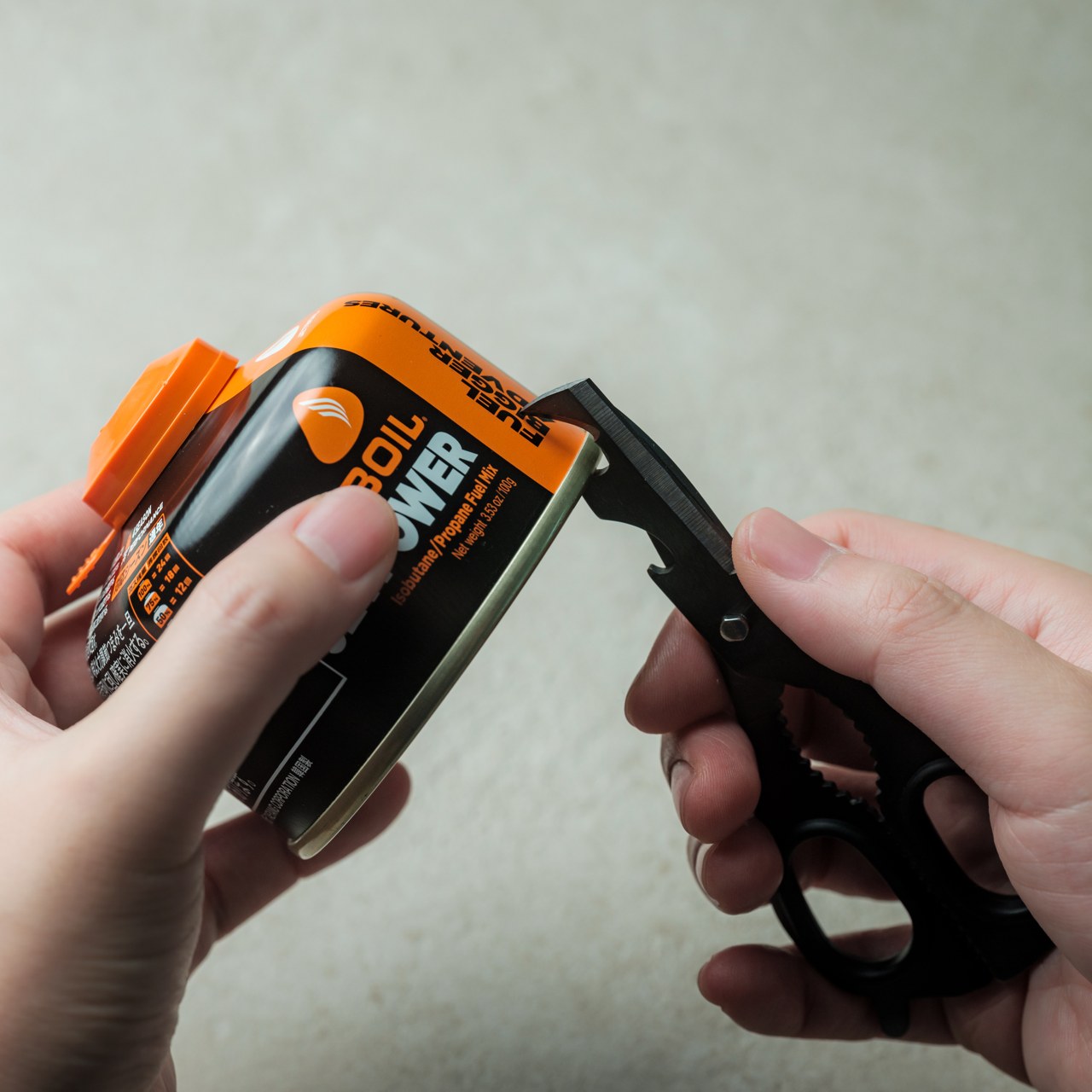
Eight functions in a scissors form that actually makes sense. The 8-in-1 EDC Scissors consolidate camp tools that typically spread across multiple pouches — cutting, wire stripping, can opening, bottle opening, and more — into one compact unit that clears airport security and sits naturally in any carry configuration. The design avoids the bulk penalty that multi-tools typically impose by keeping the scissors form as the organizing principle, with everything else radiating from a familiar object rather than a complex folding mechanism.
The camp use case is straightforward: fewer items in the kit bag, one tool that covers the practical range for a full day at a site. The EDC angle matters here too. These leave the campsite and go into a jacket pocket, daypack, or carry-on without demanding special consideration or a conversation at security. For minimalist packers, replacing scissors, a knife, a bottle opener, and a wire stripper with one object that weighs almost nothing is the kind of design math that earns permanent shelf space well past the camping season.
Eight functions in a scissors form that passes airport security without issue
Small enough for jacket pocket carry well beyond the campsite context
What we dislike
The scissors mechanism is not a substitute for a dedicated camp or survival knife
Individual tool sizes are necessarily smaller than their standalone counterparts
8. GoSun Flow
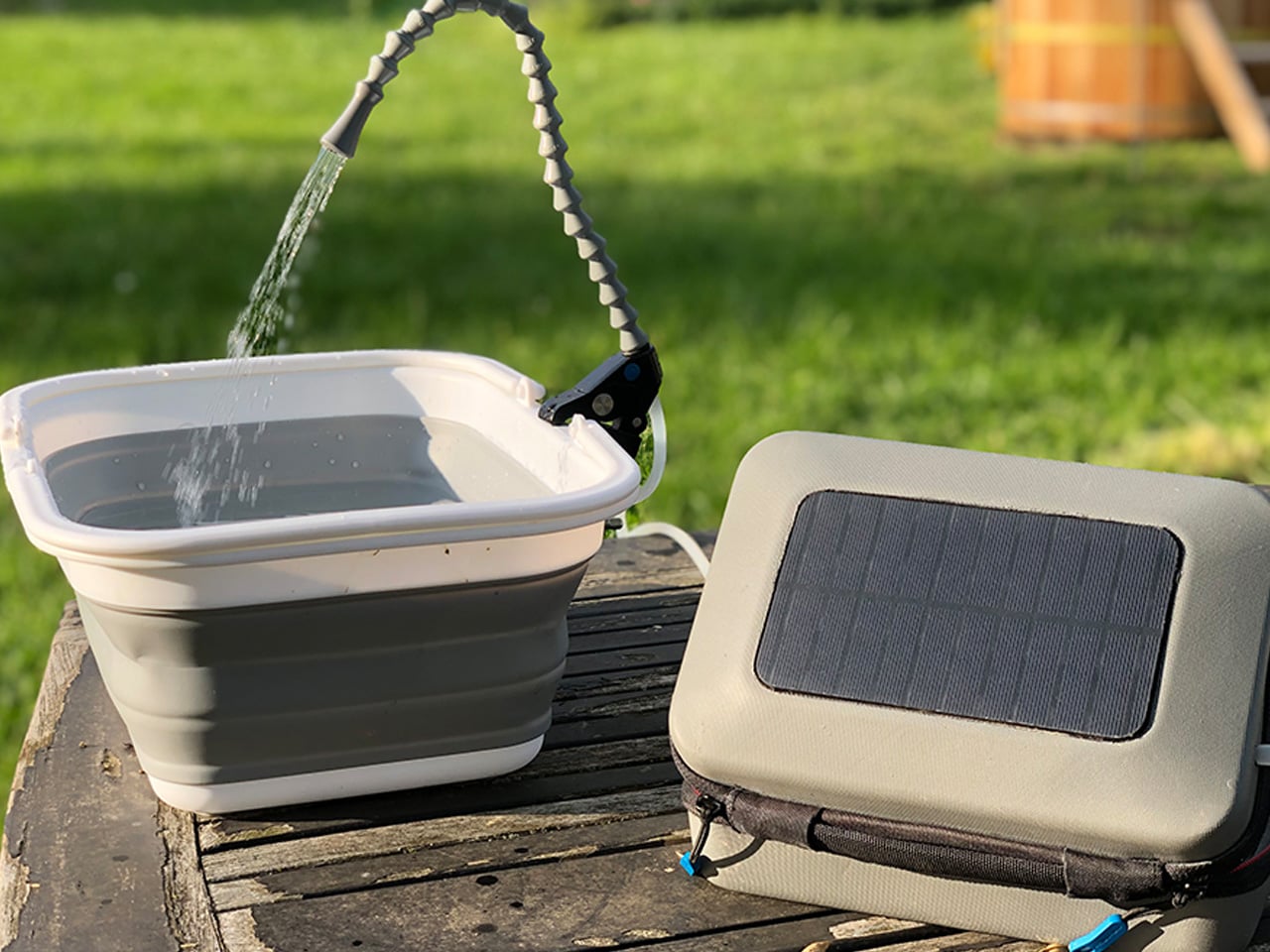
Water is camping’s most basic constraint, and the GoSun Flow addresses it at the source. The solar-powered purifier eliminates 99.99% of waterborne pathogens while pumping one liter of clean water per minute from virtually any freshwater source. The system compresses into a backpack, and the flexible faucet clamps to branches, tables, or tailgates, turning any access point into a functional sink. It’s the difference between rationing bottled water and treating the nearest stream as infrastructure worth designing around.
The GoSun Flow doubles as a portable handwashing station and solar-heated shower. The vacuum-insulated solar heater delivers a warm five-minute shower after 30 minutes of sun exposure, which reframes what clean means on a multi-day trip. It runs on USB power when solar isn’t available, and the filter handles up to 1,000 liters before replacement. For anyone who has ever compromised on hygiene to protect pack weight, this removes that trade-off without replacing it with a heavier one.
What we like
Purifies 99.99% of pathogens and delivers a solar-heated shower from a single portable system
1,000-litre filter life with USB power backup when solar isn’t available
What we dislike
Cannot process saltwater, which limits utility at coastal campsites
Multiple components increase the number of parts to manage and potentially misplace in the field
The Gear Caught Up. Now the Excuses Haven’t.
Camping used to ask a simple question: how much discomfort are you willing to trade for time outside? The gear on this list makes that question harder to answer. Not because the outdoors have gone soft, but because the design has finally caught up to what the experience actually demands. A hammock that keeps your spine aligned. A stove that packs flatter than a magazine. A keychain that glows for a quarter century without a single battery.
The consistent thread across all eight is that none require specialist knowledge, a lengthy setup window, or conditions that only exist on a perfect summer evening. Each removes a specific friction point that camping used to accept as part of the deal. Pack these, and the question embedded in this headline becomes something you’ll need a quiet moment actually to think through.
Apple CarPlay is more than just a tool to connect your iPhone to your car’s infotainment system. It’s a robust platform packed with hidden features and customization options that can transform your driving experience. Designed with safety, convenience, and enjoyment in mind, CarPlay offers a range of functionalities that go beyond the basics. By […]
Fully autonomous AI coding systems may sound like the ultimate goal for software development, but Cole Medin highlights why this approach isn’t always the most practical. Instead of aiming for complete independence from human input, the optimal setup often involves a thoughtful balance between automation and oversight. For example, at Level 3 autonomy, where AI […]
The iPhone 18 Pro is poised to redefine the premium smartphone experience, combining innovative hardware, refined aesthetics, and practical innovations. While maintaining a design language familiar to Apple enthusiasts, this latest iteration introduces meaningful upgrades in performance, connectivity, and usability. These advancements, however, come with a higher price tag, reflecting the increasing cost of premium […]
SteamOS, a Linux-based operating system developed by Valve, is emerging as a compelling alternative to Windows for gamers. Designed specifically for gaming, it eliminates much of the overhead associated with traditional operating systems, offering a lightweight and efficient platform. Deck Ready explores how SteamOS shines on AMD hardware, such as Ryzen CPUs and Radeon GPUs, […]
Apple’s iOS 27 builds upon the solid foundation of iOS 26, introducing a series of performance enhancements and compatibility updates aimed at refining the user experience. From faster app launches to significantly improved AirDrop transfer speeds, iOS 27 focuses on optimizing everyday interactions. While the changes may appear subtle on the iPhone 14, the update […]
Samsung has taken a bold step in the premium tablet market with the Galaxy Tab S12 Plus and Galaxy Tab S12 Ultra, coming in September 2026. These flagship devices are designed to elevate the tablet experience, focusing on innovative display technology, robust performance, and extended software support. By omitting the standard 11-inch model, Samsung signals […]
The MacBook Neo has garnered significant attention in the tech world for its sleek design, dependable performance, and recent price adjustments. Initially launched at $600, the base model now starts at $700, while the 512GB version is priced at $800. This price increase reflects broader industry trends, including a global shortage of RAM and storage […]