8 Best Japanese Stationery Finds So Clever You’ll Question Why the Rest of the World Even Bothers

Japanese stationery operates on a different set of assumptions. Where most of the world treats pens, notebooks, and desk accessories as afterthoughts, Japan treats them as design problems worth solving with the same precision applied to architecture or automotive engineering. The difference shows up in the details: magnetic closures calibrated to be silent, paper engineered for a specific ink behavior, and leather cut from a single hide. Hence, the grain tells a continuous story.

We have been collecting our favorites for a while now, and this batch feels particularly well-considered. These are not gimmicks dressed in minimalist packaging. Each product here earns its place through a specific, clever solution to a friction most people have accepted as normal. From a pencil that never needs sharpening to a wooden postcard case that borrows its form from ceramic storage traditions, this is stationery that makes the rest of the world’s offerings feel like rough drafts.

1. Inseparable Notebook Pen

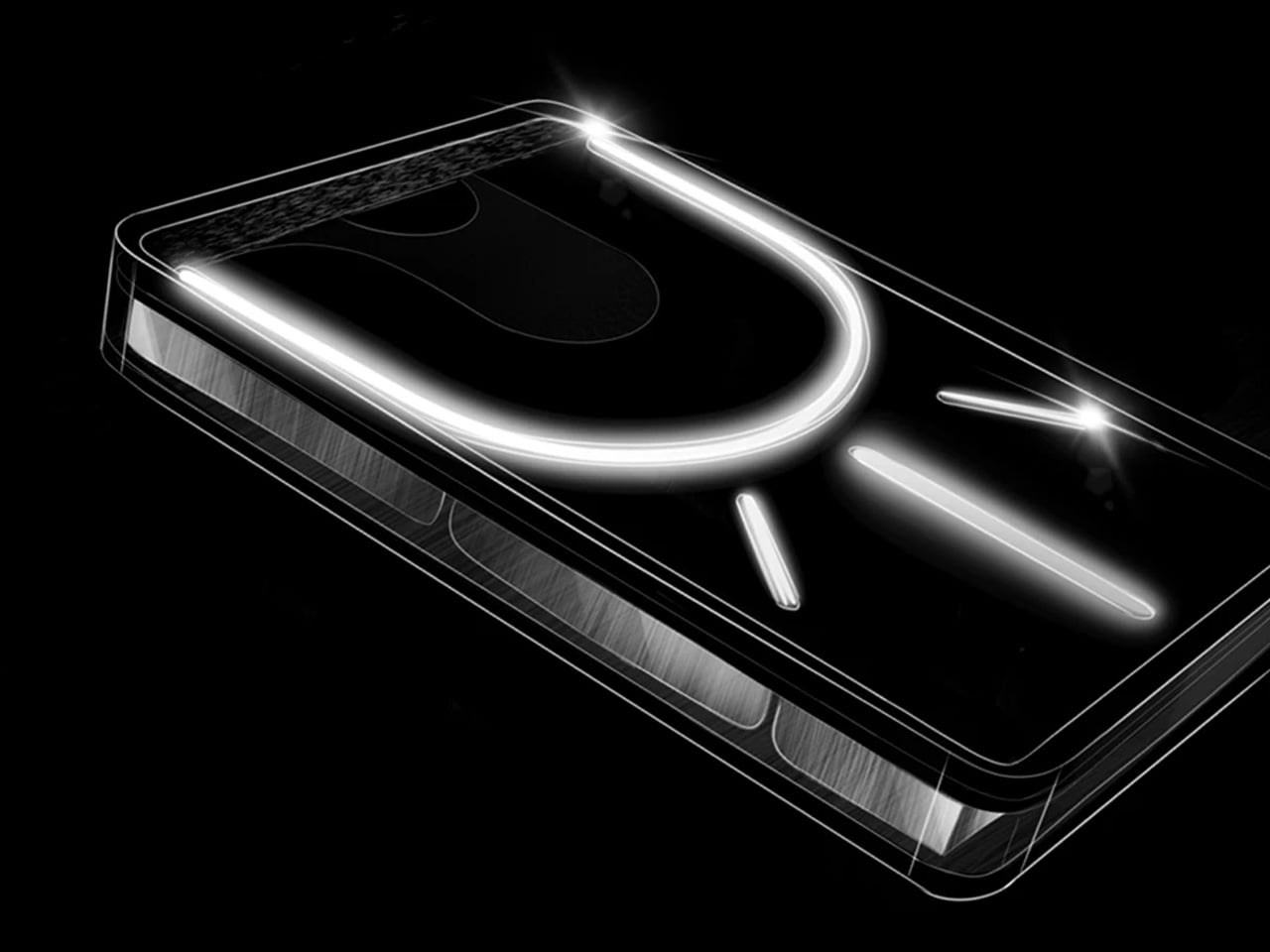
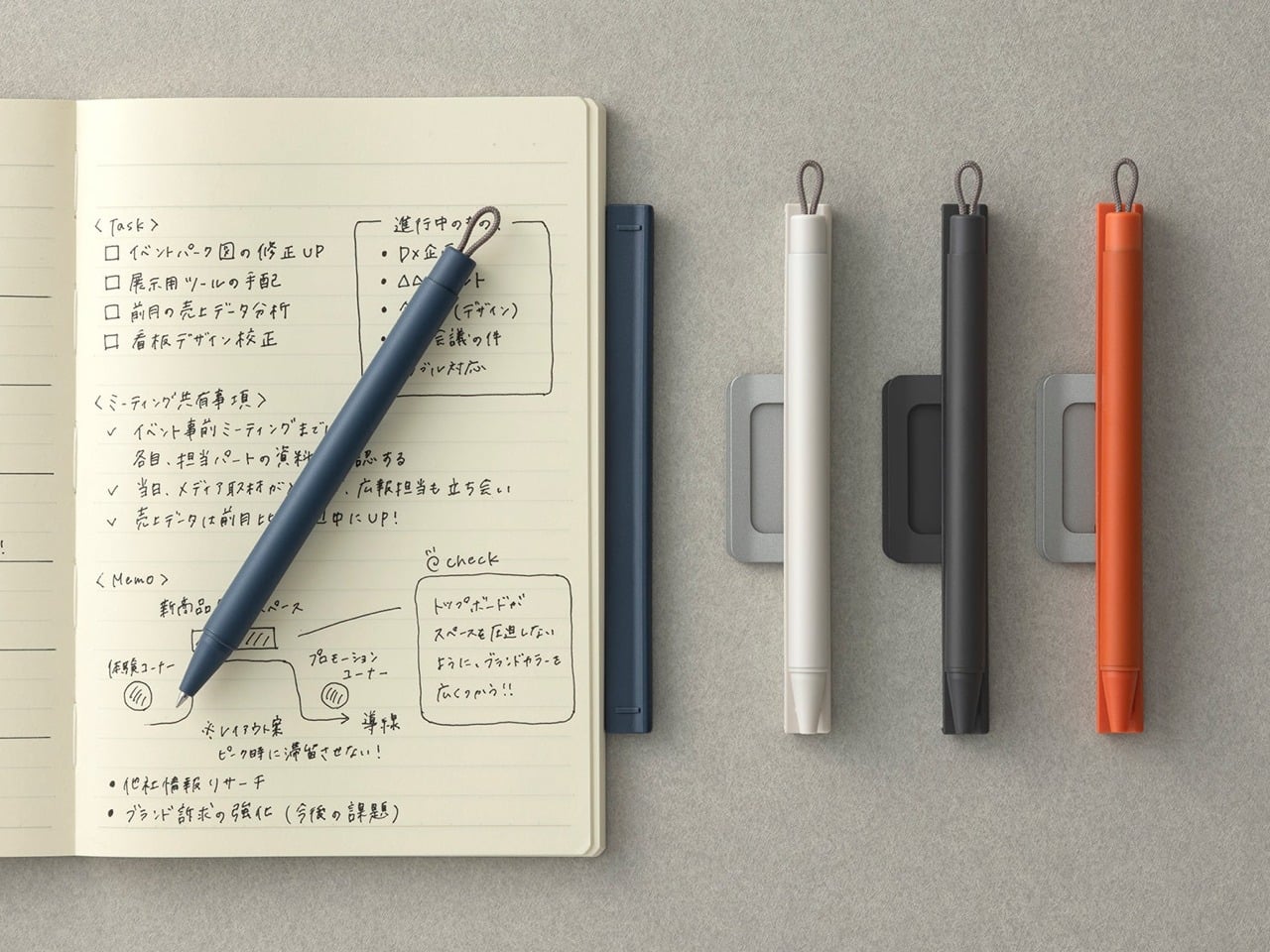
Most pens exist independently of the surface they write on. The Inseparable Notebook Pen rejects that premise entirely, using a magnetic clip to lock itself to your notebook cover. A built-in silencer dampens the attachment, so there is no click or rattle, just a quiet lock into place. The barrel is minimalist, comfortable during long sessions, and the ink flow is smooth and immediate.

Japanese stationery brands have long understood that the gap between reaching for a pen and writing is a moment of lost momentum. This pen eliminates that friction. The form is understated, almost invisible against a notebook cover, which is the point. Tools that disappear into your workflow tend to be the ones that last the longest.

Click Here to Buy Now: $19.95

What we like

  • The magnetic clip holds firm during transit but releases with zero effort when needed.
  • The silencer turns a mundane attachment into something tactile and deliberate.

What we dislike

  • The minimalist barrel may feel too slim for those who prefer wider-grip pens.
  • Ink cartridge options are limited, restricting personalization for specific ink preferences.

2. Stalogy Editor’s Series 365-day Notebook (A6)

Stalogy’s 365 Days Notebook packs 368 pages of ultra-thin paper into an A6 form factor that still fits a coat pocket. Each page carries minimal printed detail: dates, days, a faint grid, and time indicators. Ignore them or use them. The paper writes with a smoothness that recalls Hobonichi Techo’s Tomoe River stock, letting ink glide without feathering or bleed-through.

The real strength is flexibility. This notebook works equally well with bullet journaling, daily planning, freeform sketching, or straightforward notes, all without forcing a single organizational method. Most planners assume they know how a day should be structured. This one steps back and lets the user decide, which is a rarer quality than it should be.

What we like

  • Thin paper keeps 368 pages from becoming a brick, maintaining genuine pocketability.
  • Minimal page markings make it equally useful for structured planning and unstructured creative work.

What we dislike

  • Date and time markings are printed extremely small, making them difficult to read in low light.
  • Heavy fountain pen inks will ghost through the thin paper, limiting compatibility with certain instruments.

3. FoldLine Pen Roll

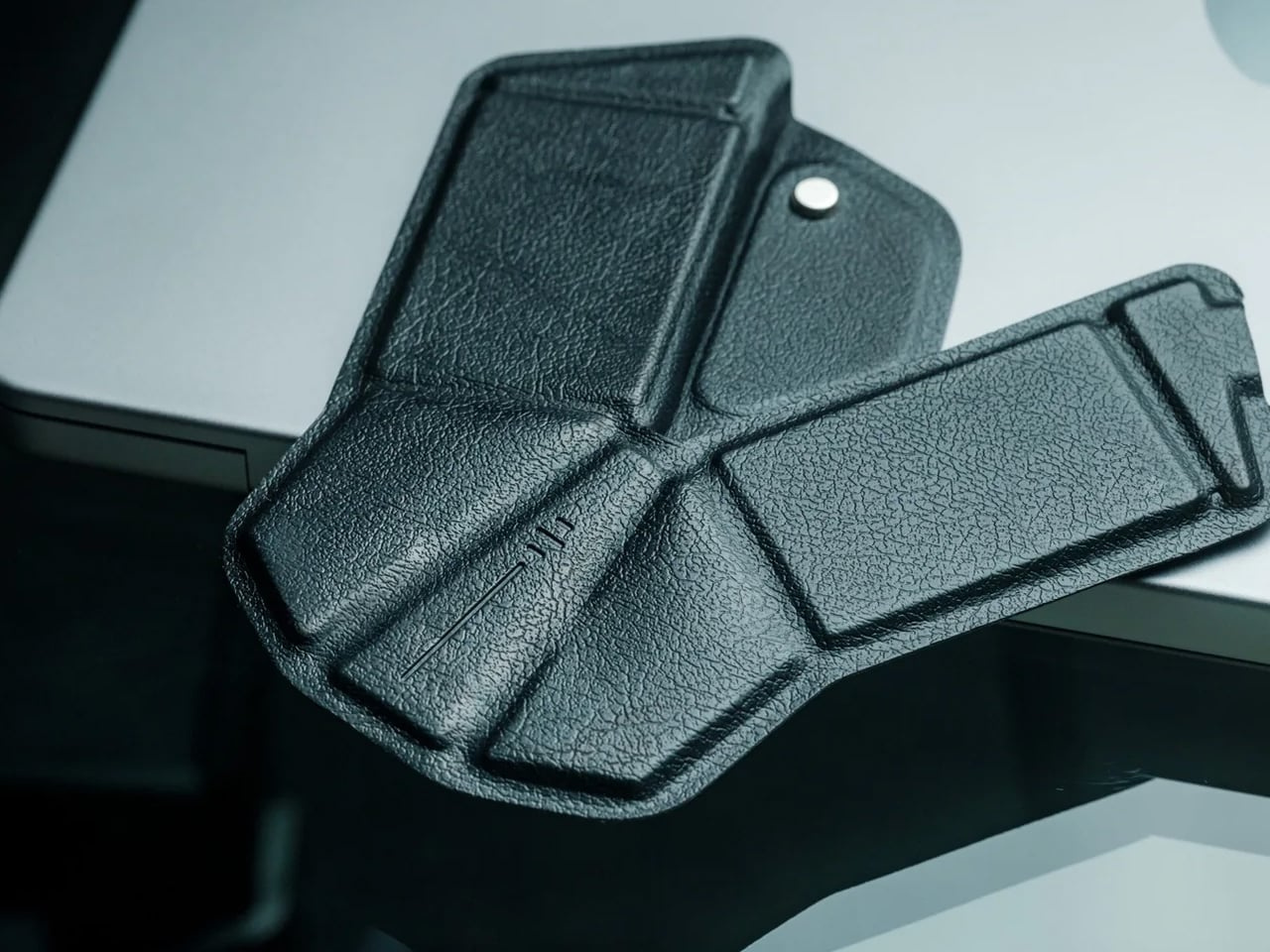
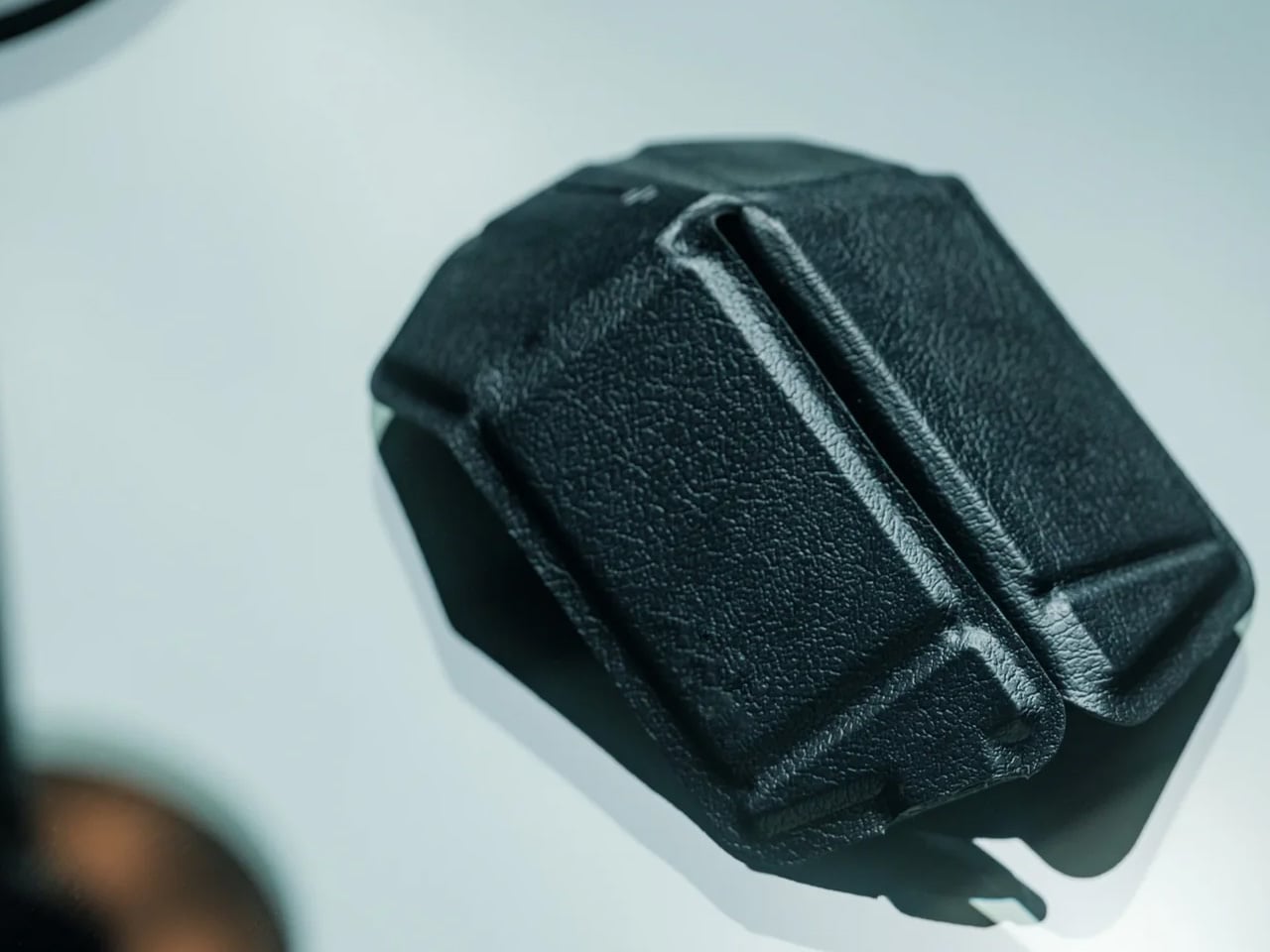
Cut from a single piece of Italian leather, the FoldLine Pen Roll converts from a carrying case to a functional desk tray in under two seconds using origami-inspired folding geometry: no stitched partitions, no zippers. The natural wrap of the fold separates and protects each pen, and metal-bodied instruments stay scratch-free without dedicated slots.

Unfolded, it creates a defined rectangular workspace on any surface: a cafe table, an airplane tray, a hotel desk. That containment matters. Scattered pens create micro-distractions, and a tray eliminates the chaos without occupying permanent desk space. The leather develops a patina over time, improving with age rather than deteriorating.

Click Here to Buy Now: $135.00

What we like

  • The two-step unfolding mechanism feels intuitive enough to be fast and intentional enough to feel like a ritual.
  • Single-piece leather construction means no stitching to fail and no partitions to limit capacity.

What we dislike

  • Without individual pen slots, instruments can shift during aggressive bag movement.
  • Italian leather at this quality carries a price premium well outside impulse-purchase territory.

4. Memento Business Card Log

Business cards are collected, shoved into wallets, and forgotten. The Memento Business Card Log, designed by Japanese brand Re+g, rejects that cycle. It stores up to 120 cards using a two-point slit system that keeps each card secure, and the facing page offers dedicated space for handwritten notes about the person: a conversation detail, a follow-up date, a distinguishing trait.

Re+g’s proprietary binding allows pages to be reordered by category, importance, or any logic that makes sense. The paper stock has a warm, tactile quality. Writing a note by hand about someone forces a level of attention that tapping a phone screen cannot replicate. The log becomes a record not just of who was met, but of how those meetings felt.

Click Here to Buy Now: $35.00

What we like

  • The proprietary binding allows page reordering, so the system evolves with the user.
  • Dedicated note space alongside each card slot turns passive storage into active relationship memory.

What we dislike

  • At 120 cards, heavy networkers will fill the log fast, requiring a second volume.
  • The analog format means no search function, so finding a specific card requires manual browsing.

5. Classiky Chestnut Postcard Case

Classiky’s Chestnut Postcard Case borrows its design language from the wooden boxes used in Japan to store precious ceramics. Varnished Japanese chestnut wood gives it a warmth and grain that plastic or metal storage cannot approach. The proportions (17.6 x 11.6 x 12.4 cm) are calibrated for standard postcards, with two removable separators and a magnetic closure that shuts with clean, weighted precision.

This is a storage object built to outlast its contents. The chestnut deepens in color over years of handling rather than fading, and the removable separators allow flexible configuration depending on collection size. For collectors, letter writers, or anyone who values the physical artifact of a postcard, this case turns storage into curation.

What we like

  • Varnished Japanese chestnut ages beautifully, growing richer in tone over the years of handling.
  • Removable separators allow for a flexible internal configuration across different collection sizes.

What we dislike

  • Dimensions are postcard-specific, so the case cannot accommodate larger formats, such as A5 prints.
  • The craftsmanship and material quality place it at a premium that limits its appeal for casual purchases.

6. Sonic Kakusta

The Sonic Kakusta starts as a soft pen case and transforms into a triangular desk stand that props pens at a 60-degree angle for easy visibility and access. A built-in divider splits the interior into two sections, while a second divider in the lid creates a small shelf for erasers and sticky notes. Strong magnets hold the folded lid in place, preventing the stand from collapsing mid-use.

That 60-degree angle is the smartest detail. Steep enough to display pen tops for identification, shallow enough that pens slide in and out without tipping the case. For anyone working between home, office, and library, the Kakusta eliminates the need to carry both a case and a desk cup. One object handles both roles without appearing to be a compromise.

What we like

  • The magnetic lid holds the stand shape on uneven surfaces without collapsing.
  • The lid divider doubles as a shelf for small items, adding utility most pen cases ignore.

What we dislike

  • Soft material offers limited protection against crushing in an overpacked bag.
  • The triangular footprint is wider than a flat case, occupying more bag space than a traditional pouch.


7. Pocket Everlasting All-Metal Pencil

The Pocket Everlasting All-Metal Pencil uses a graphite and metal alloy tip that deposits marks through friction rather than material loss. The core does not shorten. The point does not dull. The manufacturer claims roughly 10 miles of writing, and the marks are erasable with a standard eraser. At 4.7 inches with a cap, it slips into a shirt pocket without protest.

Traditional pencils generate shavings, require sharpeners, and degrade in humid conditions. This pencil sidesteps all three. The all-metal body has a substantial heft without being heavy, and the graphite-alloy line plays well with watercolor and wet media because it does not bleed when painted over. For field note-takers who need a tool that never fails at the wrong moment, this is a quietly radical solution.

Click Here to Buy Now: $19.95

What we like

  • The graphite-alloy tip eliminates sharpening, shavings, and the risk of a dull point at the worst time.
  • Compatibility with watercolor and wet media makes it versatile for mixed-media sketching.

What we dislike

  • Line weight is fixed, so artists needing variable stroke thickness will find it limiting.
  • The metallic graphite tone differs subtly from traditional pencil graphite, which may bother purists.

8. Stellar Edge Scissors

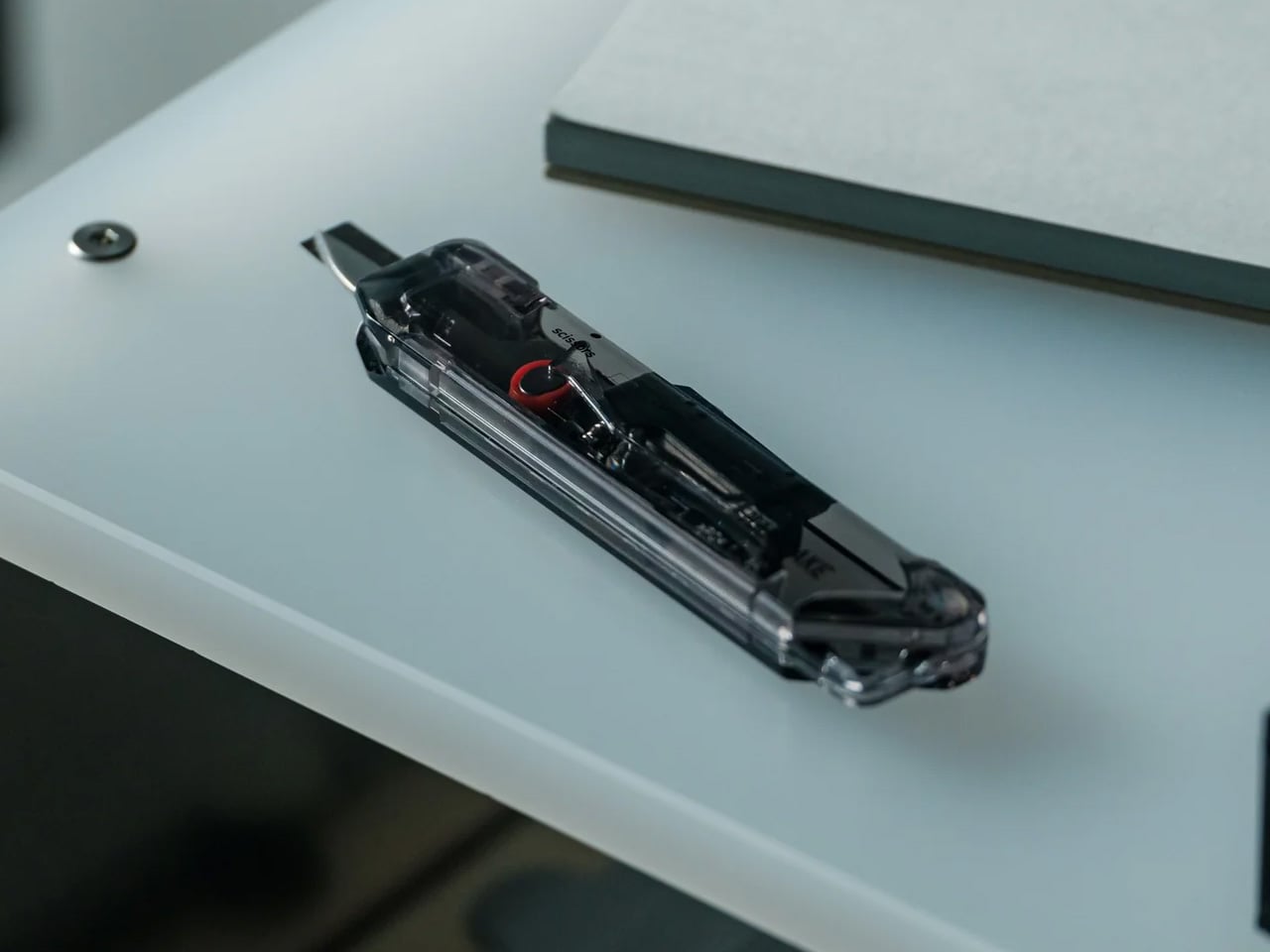
Scissors are the most overlooked object on a desk. The Stellar Edge Scissors argue that this neglect is a design failure. Crafted from Japanese stainless steel, the blades hold their edge far longer than standard office scissors, and the polished, seamless handles distribute weight so evenly that extended cutting sessions produce no hand fatigue. Every curve has been considered, from the finger loop radius to the pivot tension.

Each snip has a clean, controlled resistance that comes from precise blade geometry and tight manufacturing tolerances. The polished finish reduces friction against tape and adhesive paper, which tend to gum up matte or coated blades. The ergonomic shaping fits both left and right hands without the usual ambidextrous compromise. For anyone who uses scissors more than once a week, these make the ordinary feel considered.

What we like

  • Japanese stainless steel holds a sharp edge far longer than standard office scissor alloys.
  • Weight distribution across the handles eliminates fatigue during extended cutting sessions.

What we dislike

  • The premium material and finish come at a price point difficult to justify for occasional use.
  • The polished surface shows fingerprints easily, so it requires regular wiping to maintain a clean aesthetic.

Where this leaves us

Eight products, and the common thread is not aesthetics or branding. It is the refusal to accept that everyday tools should be disposable, forgettable, or merely functional. Japanese stationery design starts from the assumption that the interaction between a person and a tool is worth engineering down to the last magnetic click, the last gram of weight distribution, the last millimeter of paper thickness.

The rest of the world makes stationery. Japan makes instruments. The difference is not in the materials alone, though those matter. It is in the insistence that a pen’s relationship to a notebook, a scissors’ resistance against paper, or a wooden box’s aging behavior are all design problems that deserve solutions. These eight products are proof that once experienced, going back feels like a downgrade.

The post 8 Best Japanese Stationery Finds So Clever You’ll Question Why the Rest of the World Even Bothers first appeared on Yanko Design.
8 Best Travel Gadgets & Tools Men Who Fly Constantly Refuse to Leave Without

Frequent flyers develop rituals. Not superstitions, but systems, small corrections built over dozens of boarding passes and red-eye recoveries that separate a tolerable trip from a miserable one. The gear that survives this process tends to be invisible in the best sense: compact enough to vanish into a carry-on, functional enough to earn its pocket space, and designed with the kind of restraint that does not scream “gadget” at TSA.

We have spent a good chunk of this year tracking products that solve the specific, unglamorous problems of constant air travel. Not the flashy stuff that lives in a CES sizzle reel, but the tools that answer real questions: how do I sleep upright, stay caffeinated in a hotel with terrible coffee, or keep my workout intact when the gym is a repurposed storage closet? These eight picks are the ones that survived the edit, each one earning its spot through a combination of smart engineering and a refusal to waste space.

1. StillFrame Headphones – A slow, deliberate approach to travel audio.

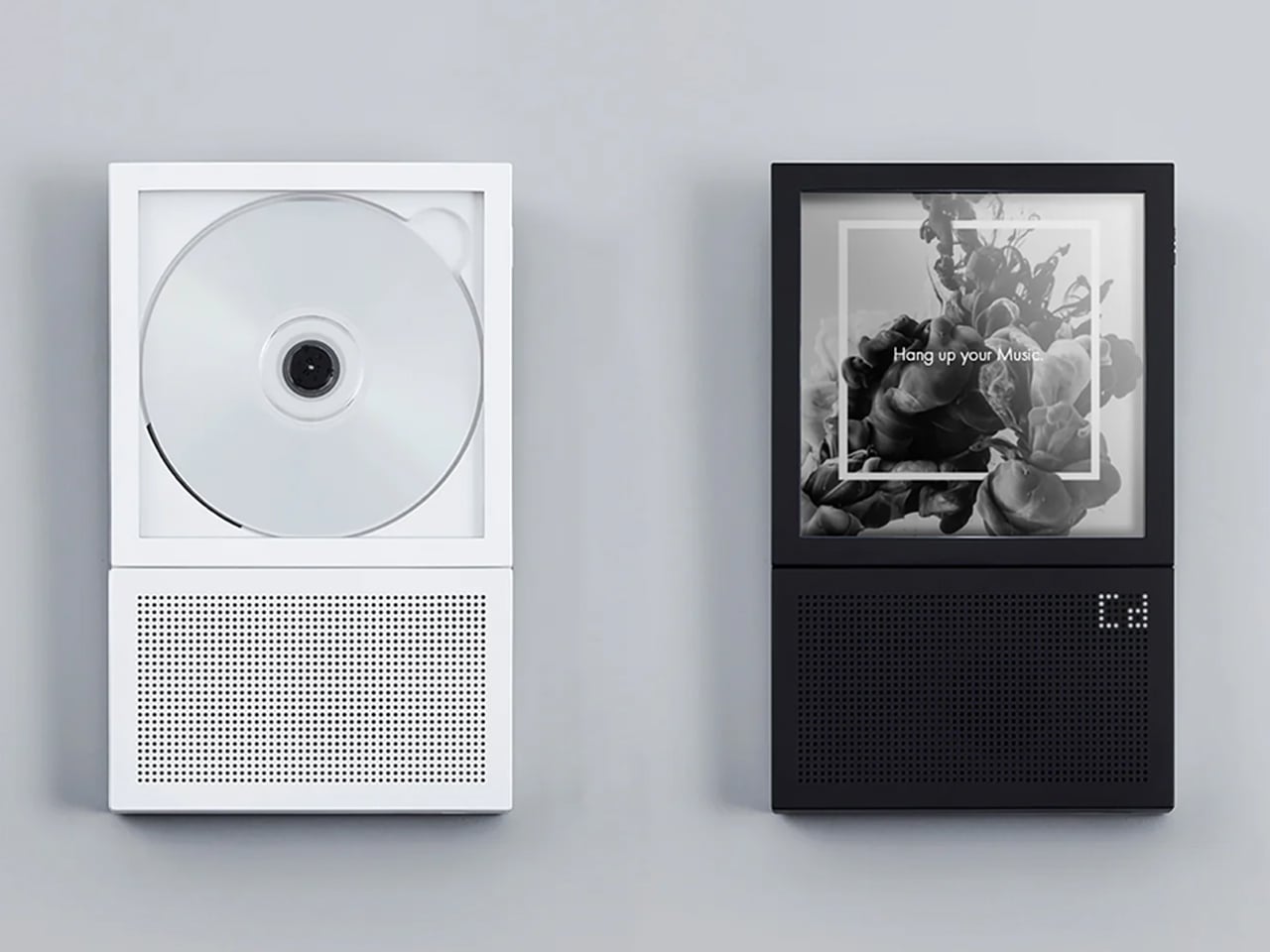
StillFrame wireless headphones took the predictable race toward bass-heavy, noise-blasting cans and went the opposite direction. The form echoes the quiet geometry of ’80s and ’90s CDs, a deliberate reference that signals intent before a single track plays. These headphones are built around the idea that listening on a plane doesn’t have to mean sealing yourself inside a foam-padded vault.

The 40mm drivers produce a wide, open soundstage that treats quiet tracks like small environments rather than compressed streams of data. Noise cancelling kicks in when isolation is needed, and transparency mode pulls the world back in with a tap. For men who fly weekly and spend hours with headphones on, the fit matters more than the spec sheet. StillFrame sits between the suffocation of over-ears and the intrusion of in-ears, offering something lighter and more sustainable for long-haul wear. That middle ground is where most travel headphones fall short, and where these headphones excel.

Click Here to Buy Now: $245.00

What we like

  • The open soundstage brings texture to quieter music that gets lost in most closed-back travel headphones.
  • Switching between noise-cancelling and transparency mode is seamless enough to use mid-conversation with the cabin crew.

What we dislike

  • The on-ear form factor will not block as much ambient noise as a full over-ear design, which limits effectiveness on louder aircraft.
  • Battery life details remain sparse, and wireless headphones live or die by how well they survive a transatlantic route.

2. Nikon 4x10D CF Pocket Binoculars – Optical clarity that fits a jacket pocket.

Binoculars feel like relics from a leather-cased era. Nikon’s 4x10D CF pocket binoculars challenge that perception by shrinking the form factor down to something that slips into a blazer without creating a bulge or demanding its own case. These are not competing with a smartphone’s digital zoom. They exist in a different category, prioritizing the experience of true optical viewing over pixel counts and algorithmic processing.

The design decision that makes these work for frequent flyers is the discretion. Traditional binoculars announce themselves. These almost disappear. The optical quality stays sharp for the size, delivering a viewing experience that feels immediate and free of the digital artifacts that plague phone-based zoom. Reading a departure board from across a terminal, catching architectural details in a layover city, or scanning a landscape from an airport lounge window: the use cases are oddly specific and consistently useful for anyone whose life involves constant movement through unfamiliar places.

What we like

  • The form factor is compact enough to carry daily without dedicating bag space or adding noticeable weight.
  • Optical viewing quality avoids the processing lag and color distortion of smartphone zoom.

What we dislike

  • 4x magnification is modest, which limits usefulness for anything beyond mid-range observation.
  • The compact size means a smaller objective lens, so performance drops in low-light conditions where larger binoculars thrive.

3. COFFEEJACK – Nine bars of pressure, zero dependence on hotel equipment.

Hotel coffee is a problem that frequent travelers have accepted for too long. COFFEEJACK, built by Hribarcain, was designed to make that acceptance unnecessary. This pocket-sized espresso maker generates 9 to 10 bars of pressure through a manual hydraulic pump, matching the extraction output of professional café equipment. The lower chamber holds ground coffee, a built-in tamper levels and packs the grounds automatically, and hot water goes into the upper chamber. Work the pump, and a crema-topped espresso appears in the field.

The engineering gap between this and other portable coffee options is worth understanding. A French press operates under 1 bar of pressure. An Aeropress or Moka pot peaks at roughly 3 to 4 bars. COFFEEJACK reaches 9 to 10 consistently, manually, without a power source. That difference is what separates hotel-lobby drip from the real thing. The entire device is made from 100% recycled plastic, making it a more considered alternative to the pod-based systems that generate single-use waste with every cup. For men who treat their morning coffee as non-negotiable (and after a 6 AM landing, it absolutely is), this earns permanent carry-on status.

What we like

  • 9 to 10 bars of manual pressure match professional espresso machines without electricity, pods, or proprietary cartridges.
  • The built-in tamper eliminates the need to carry a separate tool, keeping the kit self-contained.

What we dislike

  • Hot water is still a requirement, which means sourcing it from a kettle, hotel tap, or thermos before brewing.
  • The manual pump action requires a bit of effort and technique that takes a few attempts to master.

4. BlackoutBeam Tactical Flashlight – 2300 lumens in a body that fits a Dopp kit.

Most flashlights either look like they belong in a military surplus store or feel like cheap giveaways from a trade show. BlackoutBeam sits between those extremes with 2300 lumens of output, a 300-meter throw, and an industrial design that does not embarrass itself sitting next to a passport wallet. The 0.2-second response time means light arrives the moment the button is pressed, with no warm-up delay.

The travel case for a flashlight this capable is more practical than dramatic. Navigating poorly lit hotel parking garages, finding a rental car in an unlit airport lot, walking unfamiliar streets after dark. These are not survival scenarios; they are Tuesday nights on a business trip. The aluminum body carries an IP68 rating for water and dust resistance, so rain and rough handling are non-issues. What makes this particular light worth its bag space is the combination of output and size. At 2300 lumens with a 300-meter range, it outperforms most flashlights twice its size while slipping into a side pocket without protest.

Click Here to Buy Now: $89.00

What we like

  • 2300-lumen output with a 300-meter throw handles everything from close-range tasks to illuminating distant areas.
  • IP68-rated aluminum construction handles rain, drops, and the general abuse of constant travel without degradation.

What we dislike

  • A light this powerful will drain batteries faster than lower-output alternatives, meaning recharging becomes another travel task.
  • The tactical aesthetic, while restrained, could attract unwanted attention at security checkpoints in certain countries.

5. Comes AI travel companion – An AI assistant that sees what is around the corner.

Solo travel has a specific kind of friction that apps alone cannot solve. Comes is a small AI-powered companion device equipped with a high-performance camera that observes surroundings and offers assistance in real time. The design has a modular, detachable structure that adapts to different travel situations, functioning as a navigation aid, translator, and contextual guide depending on the moment.

The scenario it solves best is the one frequent travelers know well: arriving in a new city, stepping off a train or out of an airport, and facing that brief window of disorientation before the phone GPS loads and the bearings click into place. Comes fills that gap by walking through navigation in a way that feels supportive rather than screen-dependent. Voice interaction keeps hands free, and the camera-based awareness means it can interpret signs, menus, and spatial context without requiring manual input. For men who move through multiple cities in a single week, the device acts as a persistent local guide that does not need Wi-Fi to be useful in the moment it matters most.

What we like

  • The modular design adapts to different carry and mounting configurations depending on the travel context.
  • Camera-based awareness interprets real-world visual information without requiring the user to stop and type.

What we dislike

  • AI-powered devices in this category still depend heavily on software updates and server-side processing, which introduces latency in areas with weak connectivity.
  • Battery management across the camera, AI processing, and wireless communication will be a limiting factor on long travel days.

6. Pocket Monkii 2 – A full bodyweight training system that packs smaller than a book.

Gym access on the road is either a depressing hotel treadmill or a day pass at a facility that requires a 20-minute detour. Pocket Monkii 2 is a compact training system that packs cables, handles, a ladder, and an isometric tool into a kit small enough to throw into a carry-on without sacrificing space for anything else. The all-new package includes unlimited access to the Monkii app, which provides workout instructionals and progress tracking.

What makes this different from a resistance band tossed into a suitcase is the system design. The cables are built for durability across hundreds of sessions, and the combination of tools allows for a full bodyweight program rather than a handful of isolated exercises. The 21-Day Habit guide included with purchase pushes past the typical “use it twice and forget it” pattern that plagues most portable fitness equipment. For frequent flyers who refuse to lose their training momentum to a travel schedule, this is the closest thing to a portable gym that does not feel like a compromise or require anchoring to a hotel door frame that was never designed to hold body weight.

What we like

  • The compact kit fits inside a carry-on and provides enough variety for a complete bodyweight training session.
  • App integration with workout instructionals and progress tracking adds structure that standalone resistance bands lack.

What we dislike

  • Cable-based systems require an anchor point, and not every hotel room has a suitable door or fixture for secure attachment.
  • The learning curve for isometric and suspension-style exercises is steeper than traditional resistance training.

7. Auger PrecisionLever Nail Clipper – A century of Japanese blade-making in an 86mm package.

Grooming on the road tends to fall apart at the small details. Nail clippers are the item most likely to be forgotten, borrowed from a front desk, or purchased in desperation from an airport convenience store where the options are universally terrible. Kai Corporation, Japan’s blade authority since 1908, built the Auger PrecisionLever to make that entire cycle unnecessary.

The patented revolver-style lever shifts the pivot point closer to the blade, optimizing pressure with every press. That mechanical advantage means cleaner cuts on thicker nails with less effort and more control. The blades are crafted from stainless cutlery steel, cutting cleanly without tearing or splitting. At 67 grams with an 86mm footprint, the clipper has a weighted feel that is stable in hand while still slipping into a Dopp kit without claiming space. For a tool that gets used a few times a week and lives in the bottom of a toiletry bag, the difference between a precision instrument and a generic clipper is felt every single time. This one makes the case that even the smallest object in a travel kit deserves actual engineering.

Click Here to Buy Now: $49.00

What we like

  • The patented lever mechanism delivers more cutting force with less manual effort, especially on thicker nails.
  • Stainless cutlery steel blades cut cleanly without the tearing or crushing common in cheaper clippers.

What we dislike

  • Premium nail clippers occupy a price point that most people will not consider until they have suffered through enough bad ones.
  • The 67-gram weight, while satisfying in hand, adds up when every gram in a dopp kit is contested.

8. Loop – A neck pillow that abandoned the U-shape entirely.

The U-shaped travel pillow has been the default for decades, and it has been mediocre for every single one of those decades. The Loop Pillow rejected the template. Its infinitely adjustable loop design wraps around the neck tightly or loosely, providing lift near the shoulder to support the head at whatever angle sleep actually arrives. If the U-shape is a one-size-fits-all solution, the Loop is a continuous adjustment that conforms to the person rather than the other way around.

The construction uses thermo-sensitive memory foam that molds to neck contours over time, paired with a moisture-wicking, breathable outer cover that keeps skin dry during sleep. Two cover colors correspond to a warm side and a cool side, allowing the sleeper to choose based on cabin temperature. The pillow works whether the head rests forward, to the side, or against the back of the seat, which alone puts it ahead of every rigid U-pillow on the market. For men who fly red-eyes regularly and have accepted that airplane sleep will always be imperfect, the Loop does not promise perfection. It promises adaptability, and on a cramped overnight flight, that distinction makes all the difference.

What we like

  • The infinitely adjustable loop design works with multiple sleeping positions instead of forcing a single neck angle.
  • Thermo-sensitive memory foam and a dual-temperature cover adapt to both the body and the cabin environment.

What we dislike

  • The loop form factor looks unconventional and takes a few uses to figure out the wrapping technique that works best.
  • Memory foam retains heat over long periods, and the breathable cover can only offset so much warmth during a 10-hour flight.

Where The Suitcase Closes

These eight products share a common thread. None of them demands attention, and none of them wastes space. They are corrections to the small, recurring failures of constant travel: bad coffee, bad sleep, bad lighting, lost training days, and the slow erosion of routine that comes with living out of a carry-on. The best travel gear is the kind that disappears into the rhythm of a trip rather than creating new problems to manage.

What ties this list together is not a category or a price point but a design philosophy. Each product earned its spot by answering a specific question that frequent flyers have asked, tested, and refined through repetition. The carry-on has limited real estate. These eight justify every square inch they claim.

The post 8 Best Travel Gadgets & Tools Men Who Fly Constantly Refuse to Leave Without first appeared on Yanko Design.
Japan Just Solved Spring Home Refresh With 8 Minimalist Accessories That Make Your Space Feel New

Spring cleaning has a way of exposing how tired a room can feel. Swapping out a duvet cover or rearranging furniture only goes so far. What actually shifts a space is the accumulation of small, considered objects, the kind that carry weight in both design and meaning. Japan has been refining that philosophy for centuries, and right now, its makers are producing pieces that feel less like accessories and more like answers.

The eight pieces below come from workshops and studios rooted deeply in Japanese craft traditions, from the granite quarries of Kagawa to the porcelain villages of Nagasaki. Each one brings something entirely distinct to a room: texture, scent, sound, light or a quiet kind of order. None of them demands visual attention. That restraint is precisely what makes them so effective at resetting a space, slowly and convincingly, for spring.

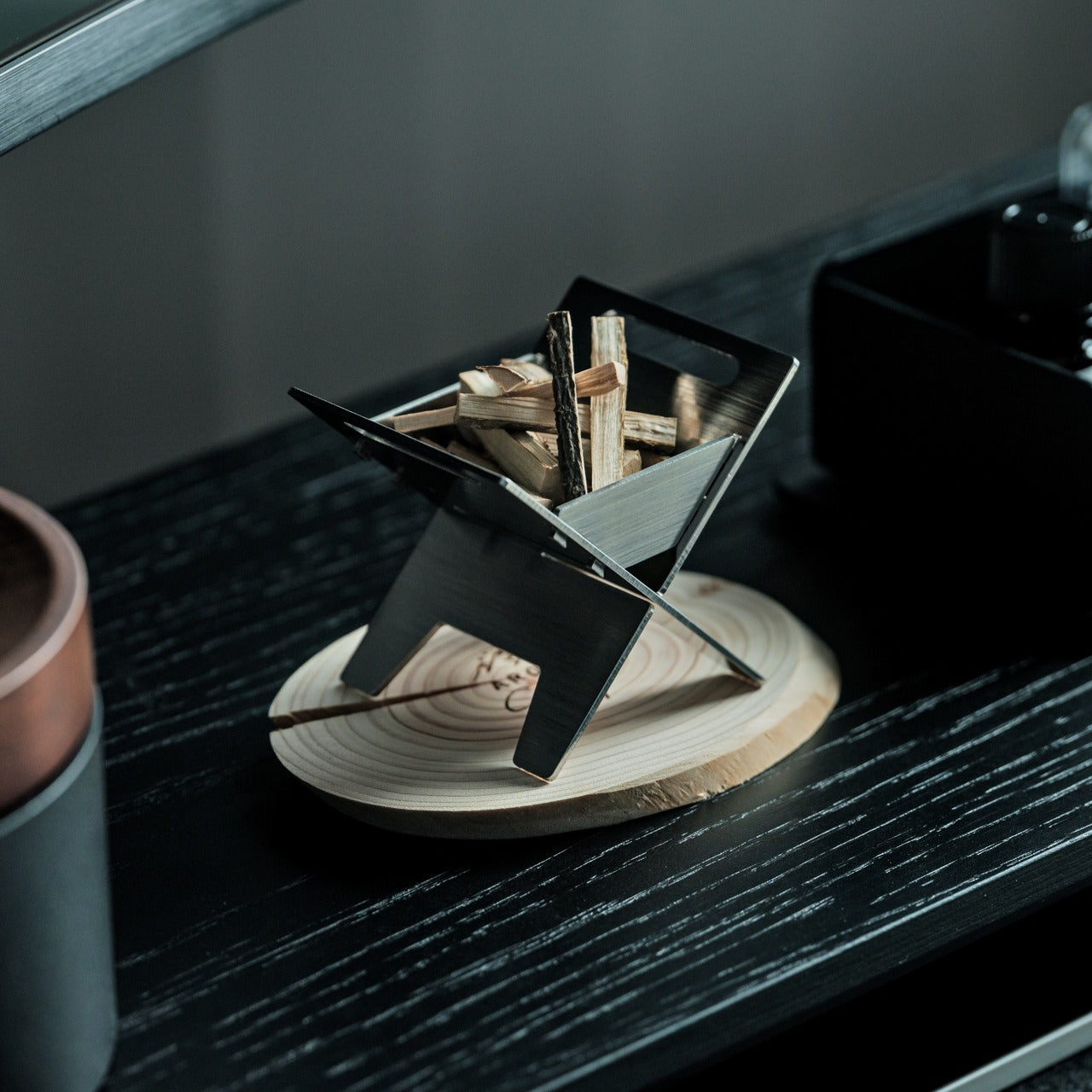
1. Miniature Bonfire Wood Diffuser Set

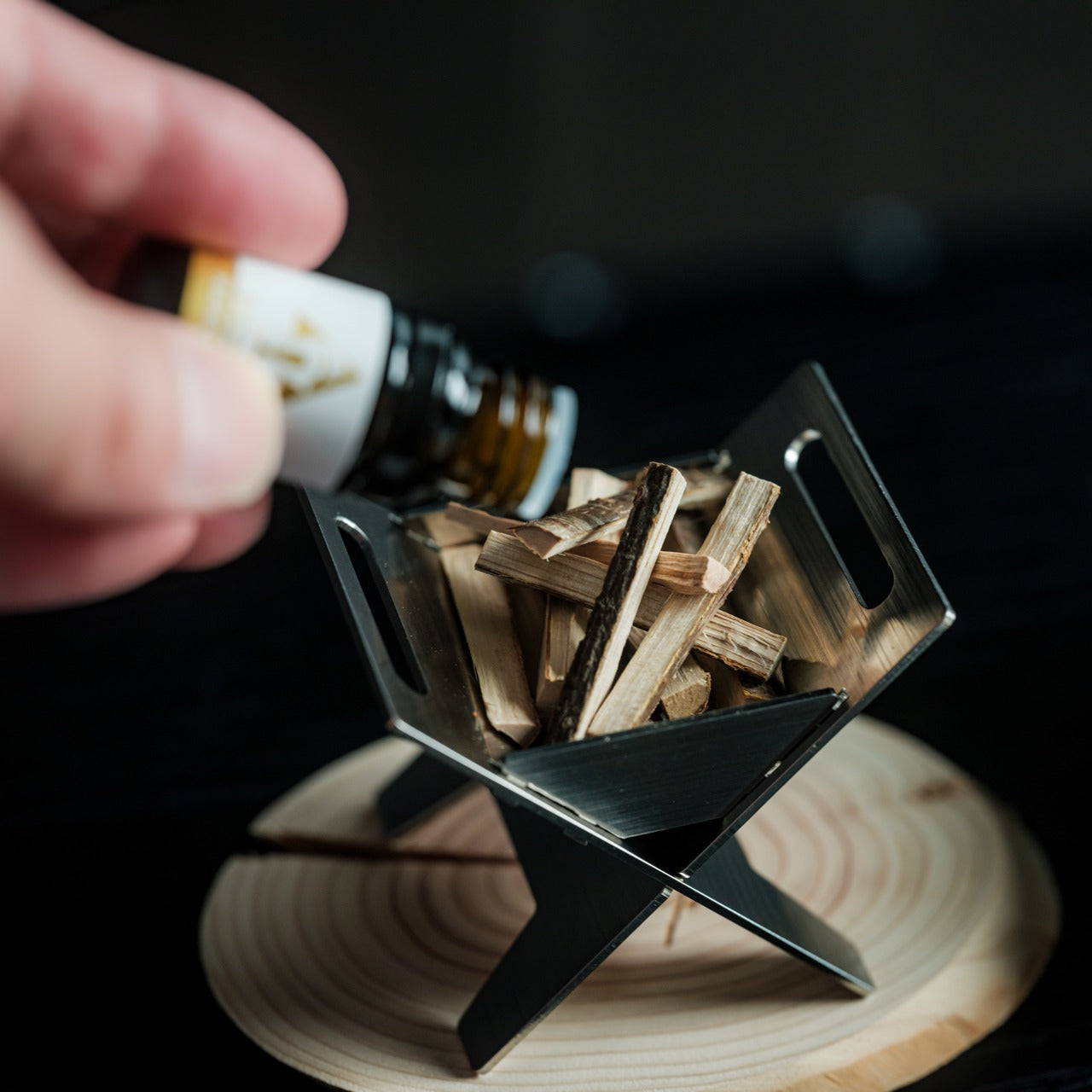
The first thing you notice about the Miniature Bonfire Wood Diffuser Set is that it shouldn’t work as well as it does. A stainless steel campfire, sized for a shelf, capturing the scent of mountain forests through bundled miniature firewood. Yet everything about it, the tying knot, the proportions, the way the essential oil disperses, feels entirely intentional. It pulls the atmosphere of Mt. Hakusan into whatever room you place it in, with the same gentleness as a forest breeze moving through cedar.

For spring, this diffuser does something conventional reed diffusers rarely manage: it gives the scent a visual story. The trivet feature makes it genuinely dual-purpose, transforming into a pocket stove for an indoor camping ritual that bridges the gap between winter’s coziness and spring’s restlessness. Built from rust-resistant stainless steel, it holds up to repeated use without losing its clean, sculptural presence. As a centerpiece on a coffee table or entryway shelf, it reframes the whole room around calm.

Click Here to Buy Now: $99.00

What We Like

  • Mt. Hakusan essential oil brings a real, named place into the room.
  • The trivet conversion makes it an experience, not just a decorative object.

What We Dislike

  • Scent radius may fall short in larger, open-plan spaces.
  • Mt. Hakusan oil refills are specialty items, difficult to source outside Japan.

2. Aji Stone Book End Large

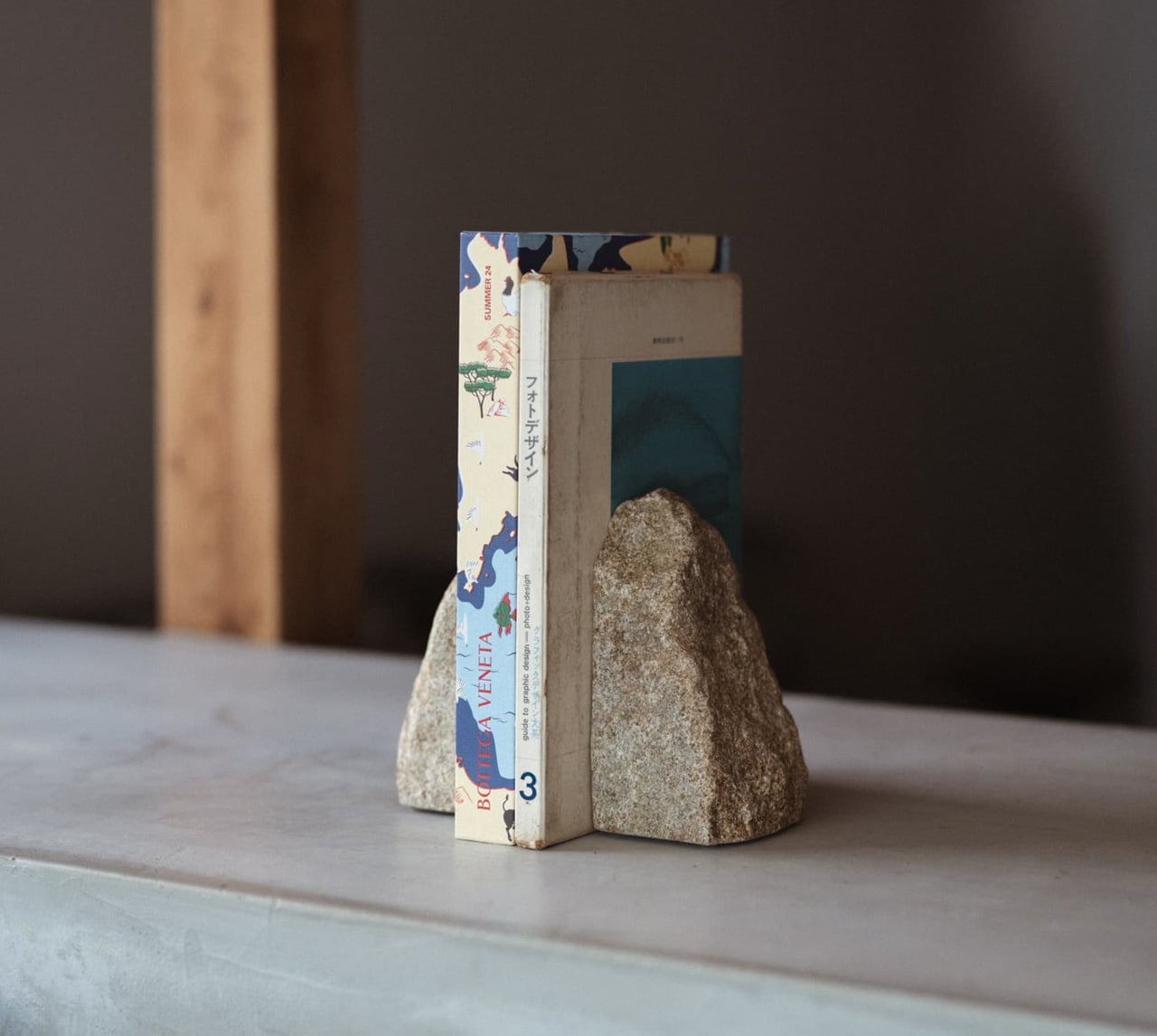
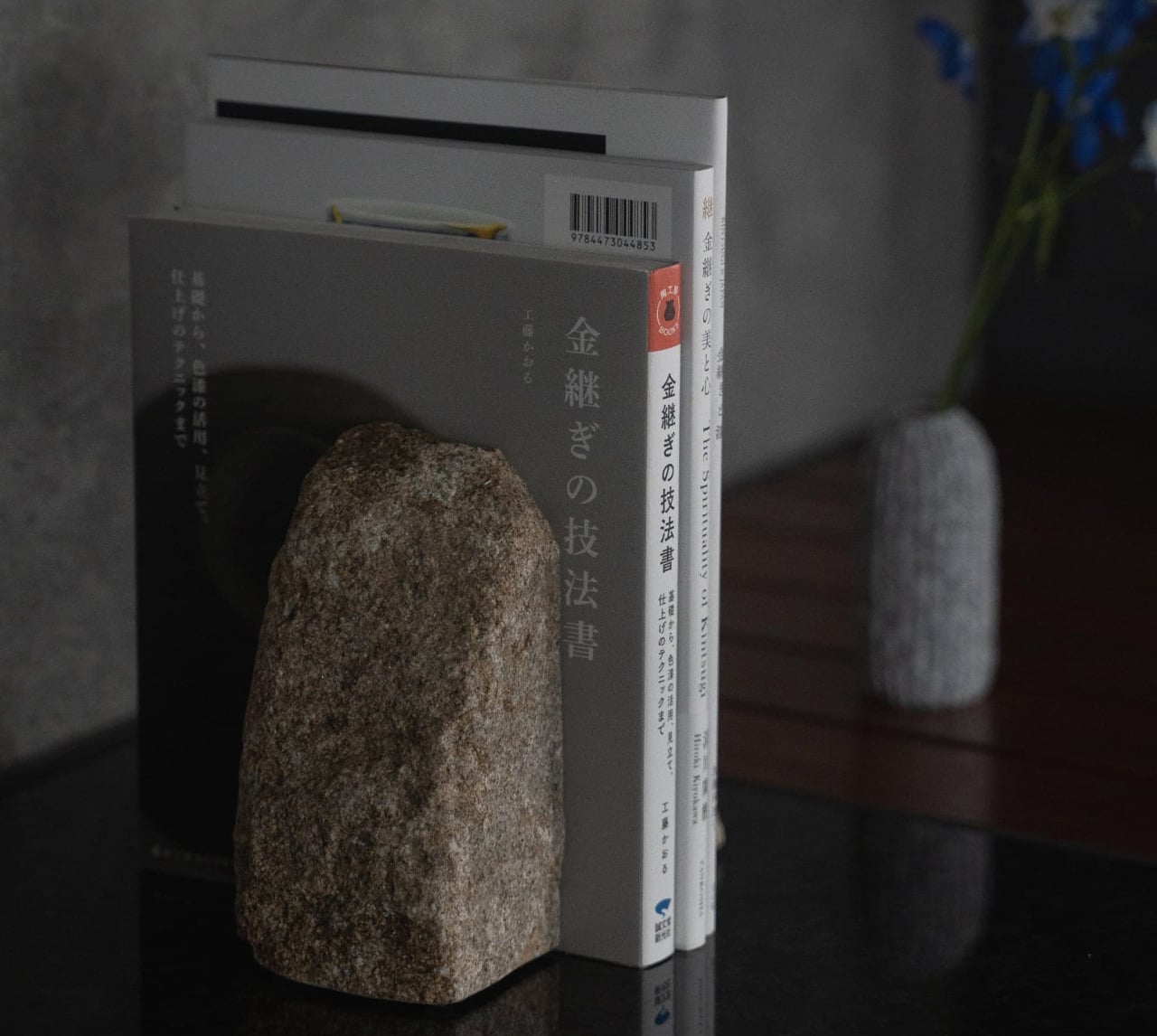
Aji Stone is known in Japan as the diamond of granite, quarried exclusively from the northeastern region of Takamatsu City in Kagawa Prefecture, where its exceptional density and refined grain make it unlike any other decorative stone. The Aji Stone Book End Large is perfectly split from a single stone. It holds large books without shifting and carries a physical presence that mass-produced bookends simply cannot replicate.

What makes this bookend particularly suited for a spring refresh is its restraint. It doesn’t decorate; it anchors. A shelf of books held between two blocks of Aji stone immediately reads as curated rather than accumulated, which is a subtle but significant shift for any living space. Its low moisture absorption and resistance to weathering mean it can sit near a window or in an entryway without degrading over time. Spring cleaning often calls for removal. This is the rare piece worth adding.

What We Like

  • Each piece carries natural individuality that no factory process can reproduce.
  • Dense enough to hold the heaviest books without shifting.

What We Dislike

  • At $240, it asks for real confidence in its long-term design value.
  • Significant weight makes repositioning effortful once placed.

3. Nousaku Slim Wind Chime

Wind chimes occupy a strange, undervalued category in home design: they’re atmospheric tools more than decorative objects, and the Nousaku Slim Wind Chime understands that completely. This chime features a deliberately narrowed opening that concentrates sound into a sharp, transparent tone with a slightly lower pitch than a standard wind chime. It’s the sonic equivalent of a cool spring breeze arriving through an open window, producing a calm, focused resonance that a wider opening simply cannot achieve.

In spring, when windows stay open and air starts moving freely again, this chime becomes a functional part of a room’s ambiance rather than a decorative afterthought. Its slim, elongated form is considered as its sound, clean lines that integrate into the architecture of a space rather than competing for visual attention. Pair it with the Nousaku Wind Chime Onion model and the two produce a layered, resonant harmony that no single chime can generate on its own.

What We Like

  • The narrowed opening produces a precise, lower-pitched tone that feels intentional.
  • Pairs with the Nousaku Wind Chime Onion for a harmony no single chime achieves.

What We Dislike

  • Focused tonal range may feel too controlled for those who prefer a fuller sound.
  • Largely silent in poorly ventilated spaces or rooms with closed windows.

4. Hasami Porcelain Planter

The Hasami Porcelain Planter is the product of a village, not a factory. Made in Hasami, a porcelain-producing town in Nagasaki Prefecture with a craft tradition stretching back to the Edo period of 1603, each piece passes through the hands of artisans who specialize in specific stages of production before it reaches the market. That distributed labor creates a quality that is difficult to manufacture any other way. The result is a planter that feels entirely resolved in both form and finish.

Designer Takuhiro Shinomoto drew the collection’s proportions from the Jubako, Japan’s traditional stacking lacquerware box, and that heritage shows in every curve. The planter’s clean lines and stackable form mean it works as beautifully in a cluster as it does alone. The natural finish, neither matte black nor clear glaze but the raw, textured surface of the porcelain itself, makes it ideal for spring: honest materials, seasonal planting, and a connection to earth that feels earned rather than styled.

What We Like

  • Village craft passed down since the Edo dynasty lives in every piece.
  • The Jubako-proportioned stackable form unlocks genuine multifunctionality.

What We Dislike

  • Unfinished porcelain surface shows marks more readily than a glazed alternative.
  • Specialty retail distribution makes expanding or replacing pieces difficult.

5. Genji-Kō Inspired Incense Burner

Kōdō, the Japanese art of incense appreciation, is one of the country’s oldest sensory practices, and the Genji-Kō Inspired Incense Burner gives it a visual form genuinely worth owning. The design draws from the Genji-kō diagram, a pattern developed to map the chapters of The Tale of Genji through five vertical lines forming 52 distinct configurations. Each configuration represents a chapter of Japan’s most revered literary work, and the burner translates that literary architecture into an object that functions as beautifully as it references.

For spring in particular, incense shifts a room in a way that no visual rearrangement can replicate: it changes the air itself. This burner earns a place on any shelf through the quality of its conceptual design alone, but its relationship to The Tale of Genji, Japan’s eleventh-century literary masterpiece, gives it a cultural resonance that elevates the daily ritual of lighting incense into something more intentional. Place it on a low shelf near an open window and let the morning light and season do the rest.

What We Like

  • The Genji-kō diagram ties a daily ritual to one of Japan’s greatest literary traditions.
  • Incense changes the air itself, and this piece makes that shift feel entirely deliberate.

What We Dislike

  • The design’s depth lands best with some familiarity with Kōdō and The Tale of Genji.
  • Limited published specifications make it harder to assess physical fit before purchasing.

6. Rustic Ceramic Trivet with Antique Nail Design

The Rustic Ceramic Trivet with Antique Nail Design sits at the intersection of kitchen utility and tabletop art. A stunning ceramic piece whose surface carries a pattern that mimics the texture of aged iron nails, it is a tool for creating grounding earth energy and mindful dining rituals, which sounds like marketing until you place it on a table and recognize how meaningfully it shifts the mood of a meal. It earns its place through presence alone.

The antique nail pattern gives it a tactility that glazed ceramics rarely offer, and the warm earth tones pair naturally with the organic materials, linen, wood, and stone, that define spring table settings. A trivet is typically invisible in the design sense, a purely functional object that disappears the moment the pot is set down. This one refuses that role without tipping into decorative excess. It protects surfaces while adding a quiet, aged presence to the table that earns it a permanent position rather than seasonal rotation.

What We Like

  • The antique nail pattern reads as a considered tabletop object even when not in use.
  • Earns its space through function first, with aesthetics following naturally from the craft.

What We Dislike

  • Textured surfaces can collect residue and require more careful cleaning than smooth ceramics.
  • An earthy aesthetic may not suit very clean, contemporary kitchen settings.

7. Pop-Up Book Vase

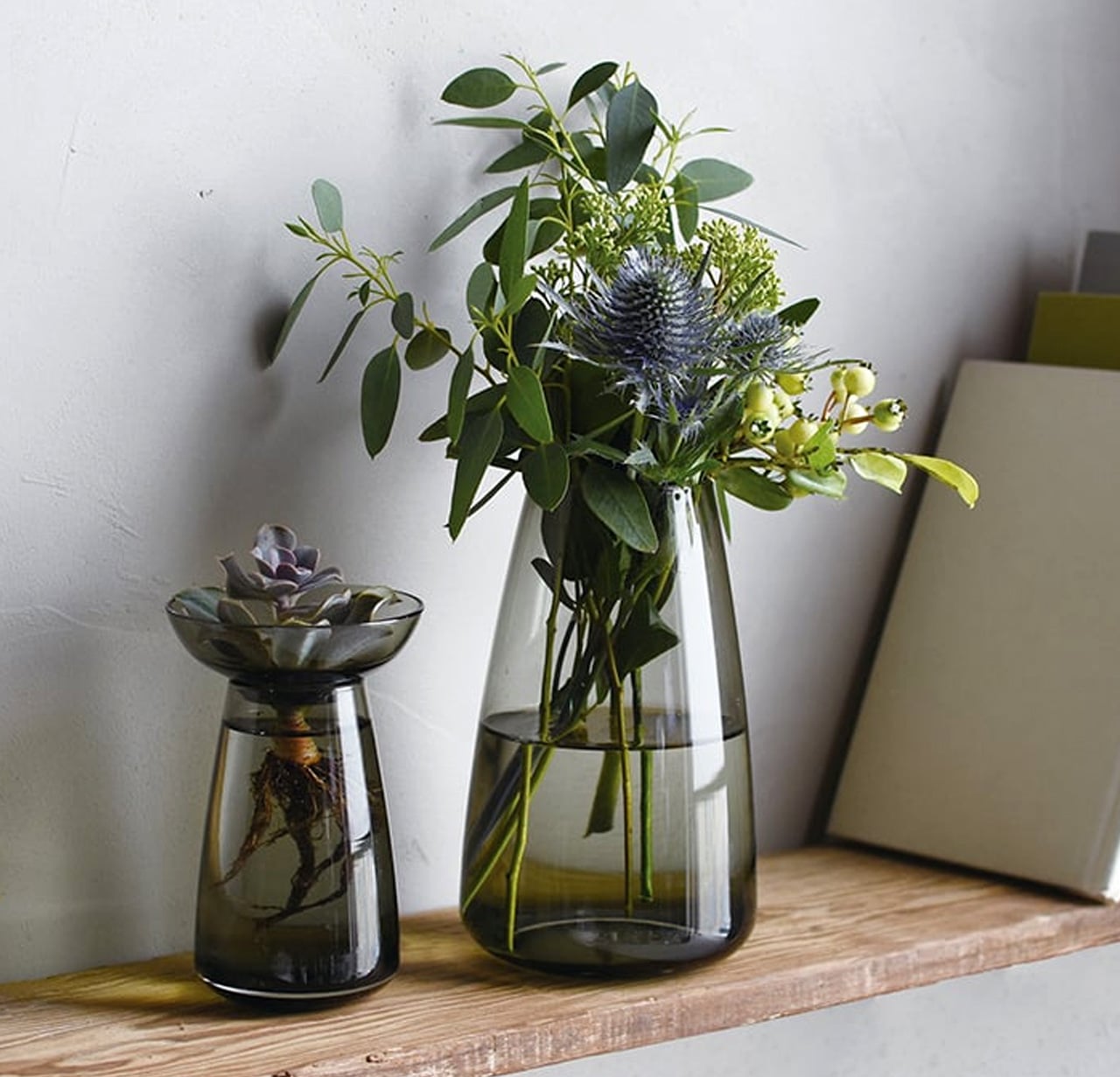
The Pop-Up Book Vase is a banger in a soft and unassuming form: it takes one of the most familiar objects in a home and completely recontextualizes it. Open the cover and a 3D vase cutout rises from the pages, holding flowers the way a stage set holds a performance. Three different pop-up designs offer enough variety to keep the presentation fresh across weeks of seasonal blooms. Made entirely from 100% natural pulp with a water-resistant coating, it’s approachably practical and surprisingly robust for its form.

For a spring refresh, this vase works particularly well because it asks almost nothing of its context. Set it on a dining table, a windowsill, or a bookshelf, and the pop-up structure creates its own visual event regardless of the surrounding decor. Flip the book upside down,n and the arrangement transforms entirely, offering a new perspective on the same flowers. It rewards curiosity, which in a home setting is a rarer quality than most design objects manage to carry through to everyday use.

Click Here to Buy Now: $39.00

What We Like

  • Three built-in pop-up designs keep the display fresh without a new purchase.
  • Water-resistant pulp construction handles flowers without compromising form.

What We Dislike

  • Limited water capacity suits single stems better than full bouquets.
  • May not fully replace a conventional vase for everyday, high-volume use.

8. Riki Alarm Clock

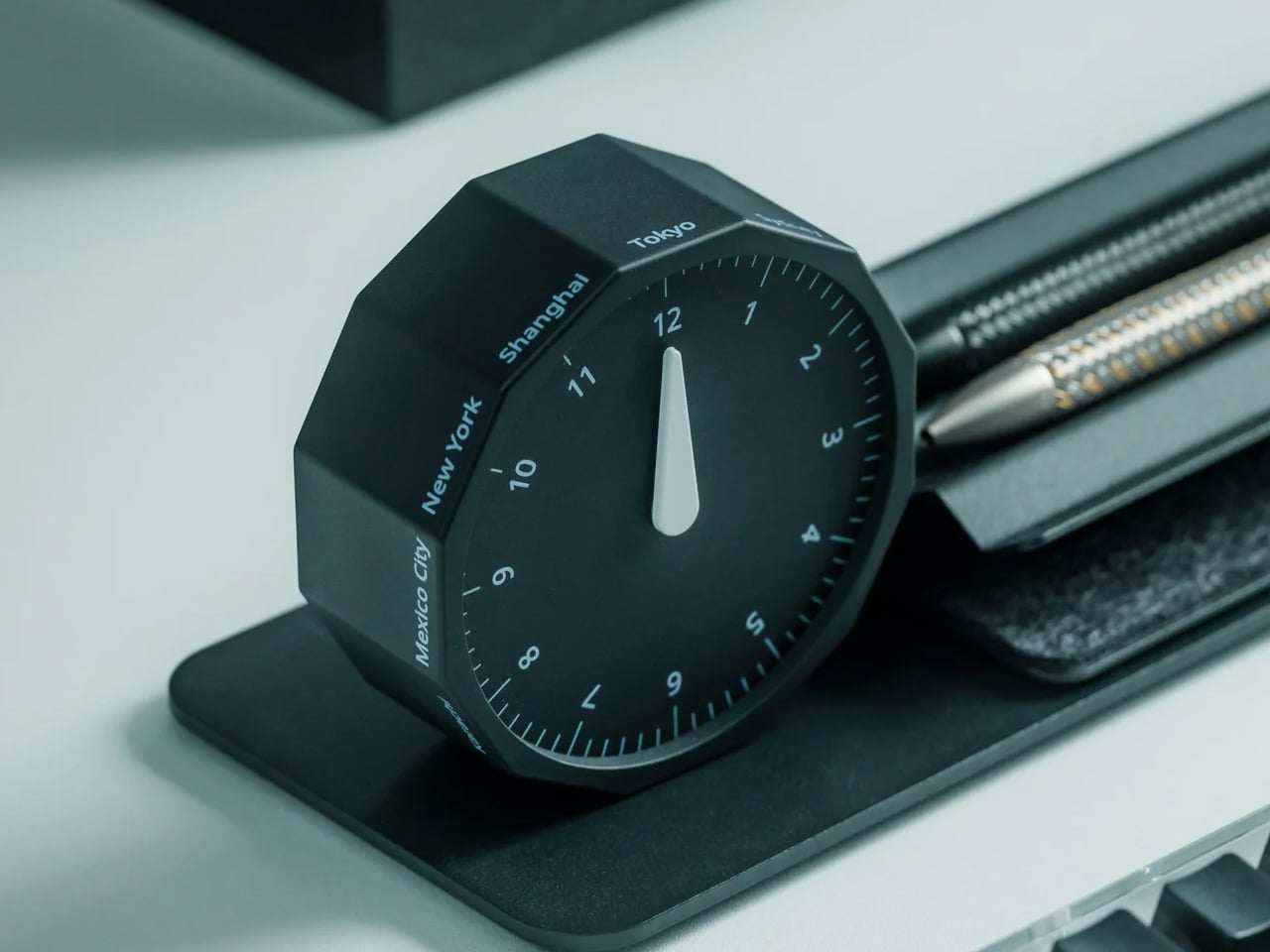
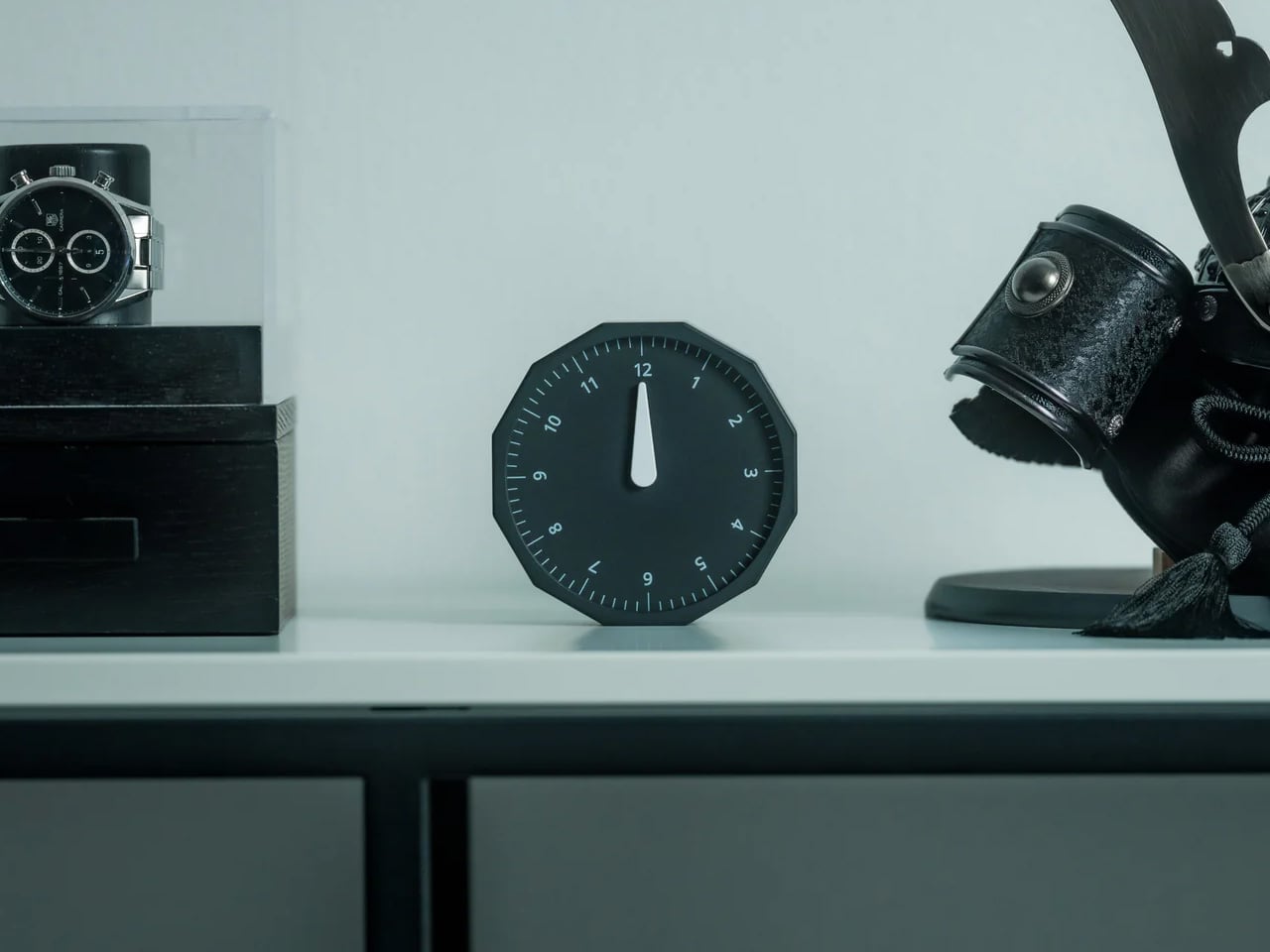
Riki Watanabe was one of Japan’s most celebrated modernist designers, and the Riki Alarm Clock is proof of why his legacy endures. Produced by Lemnos, this analog clock earned the Good Design Award through choices that look deceptively simple: oversized, legible numerals designed to read clearly from across a room, a completely silent movement that eliminates any audible tick, and a single button that consolidates the alarm, snooze function, and built-in internal light into one seamless, unhurried control.

Spring is the season when the phone starts creeping back into the bedroom. The Riki Clock offers a direct, aesthetically grounded alternative. Its timeless analog face, silent enough not to disturb light sleep, replaces the notification-laden device on your nightstand with an object that is simply, reliably there. Morning waking becomes a softer experience, one shaped by the warm quality of the clock’s internal light rather than the cold glow of a screen. For the bedroom’s spring reset, this is exactly where to start.

What We Like

  • Silent movement removes the most common complaint about analog clocks entirely.
  • Good Design Award credentials and Riki Watanabe’s legacy make it genuinely worth owning.

What We Dislike

  • A single-button interface may need a brief adjustment period for new users.
  • Low-light time checks require activating the internal light, adding one extra step.

These 8 Japanese Pieces Don’t Refresh Your Space. They Reset It.

Spring doesn’t need a renovation. It needs intention. The eight pieces gathered here don’t make noise about what they are: they simply show up in a room and shift the register of everything around them. A stone bookend earns permanence. A ceramic trivet slows a meal. A wind chime marks the exact moment a new season arrives. Japanese design has long understood that the smallest objects carry the longest meaning.

The through line across all eight is craft, objects made by people who understand their materials and know when restraint is the right answer. That clarity translates directly into a home. You don’t need all eight. Adding even one to your spring refresh will do more than any repainting ever could. That is the quiet confidence of Japanese design: it doesn’t ask for your attention, but it almost always earns it.

The post Japan Just Solved Spring Home Refresh With 8 Minimalist Accessories That Make Your Space Feel New first appeared on Yanko Design.
8 Best Japanese Kitchen Gadgets & Tools That Make Cooking Feel Zen

Japanese kitchen design operates on a philosophy that transcends mere functionality. Each tool embodies centuries of refinement, where form and purpose merge into something approaching meditation. The best Japanese kitchen gadgets don’t just perform tasks—they transform cooking from a chore into a ritual, from a necessity into a practice. These tools invite slowness, demand presence, and reward attention with results that feel effortless yet profound.


Western kitchens often accumulate gadgets that promise convenience but deliver clutter. Japanese design takes the opposite approach: fewer tools, greater intention, deeper satisfaction. The implements featured here represent that minimalist mastery, where every curve, every material choice, every weight distribution serves both practical and experiential goals. They make cooking feel less like a production and more like a meaningful participation, something zen.

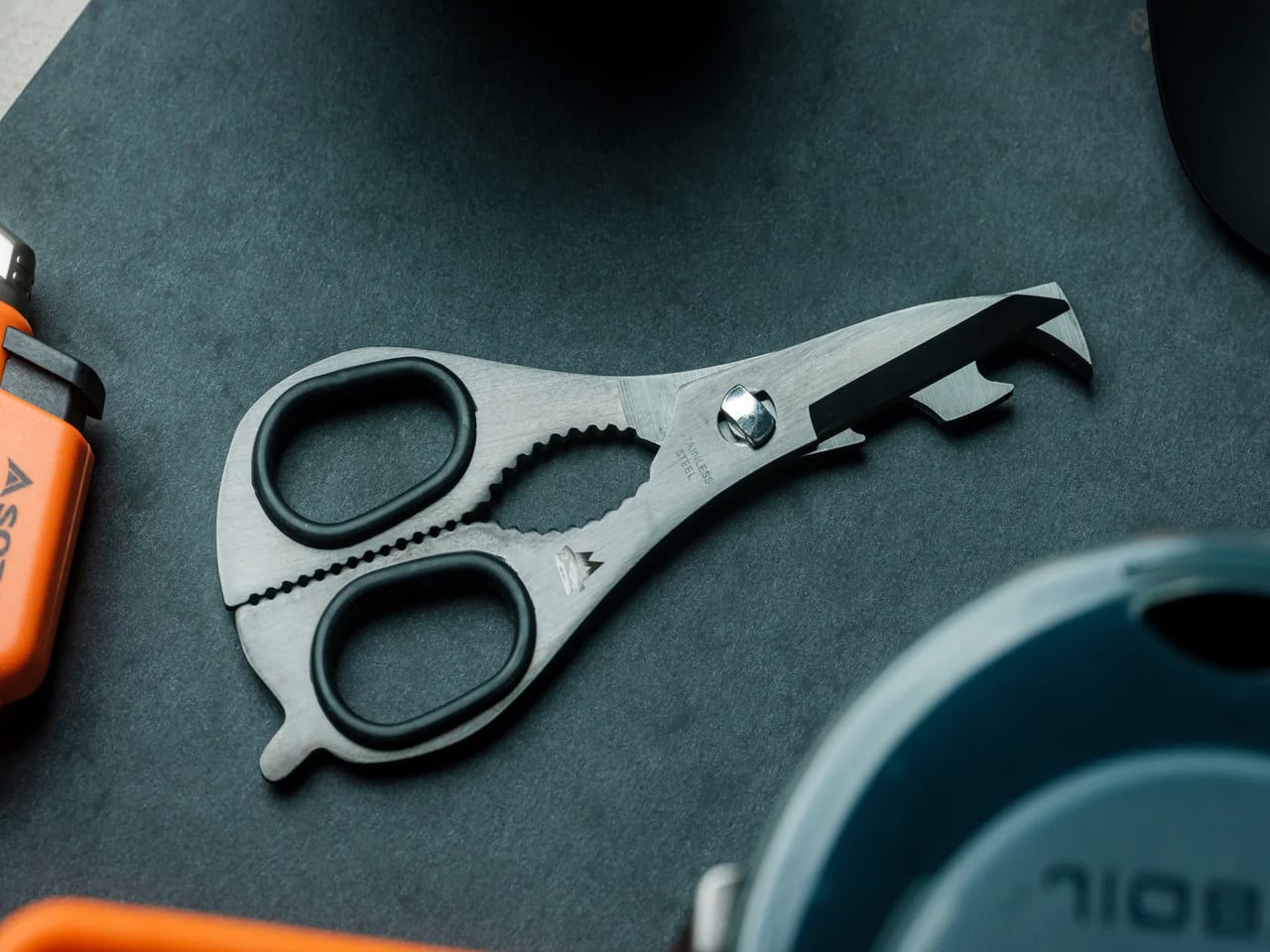
1. Precision Chef Kitchen Scissors

Most Western kitchens relegate scissors to the junk drawer, pulling them out occasionally for packaging or emergency herb trimming. The Precision Chef Kitchen Scissors rewrite that relationship entirely, becoming the primary tool you reach for before your knife even enters consideration. Specially engineered curved serrated blades slice through meat, vegetables, pizza, and herbs with startling ease, while the oxidation coloring creates a commanding black finish that resists deterioration. The ergonomic design includes a crucial detail: when laid flat, the blades hover above the surface, preserving both sharpness and sanitation between uses.

The genuine versatility transforms these scissors from a specialty item into a drawer consolidation. Butchering chicken becomes faster than knife work, requiring fewer cuts and less cleanup. Trimming fat, portioning pizza, opening stubborn packages, and detailed vegetable prep—the Precision Chef handles everything with authority. The curved serrated design grips slippery meats and fibrous vegetables that regular scissors struggle to control. The substantial build inspires confidence for heavy-duty tasks while maintaining precision for delicate work. For anyone seeking to simplify their kitchen, these scissors genuinely replace multiple knives, kitchen shears, herb scissors, and pizza cutters in one elegant package.

Click Here to Buy Now: $99.00

What We Like

  • The curved serrated blades provide a superior grip on ingredients that slip away from standard scissors
  • The oxidation black finish resists fading and adds visual drama to your knife block
  • Blades that don’t touch surfaces when flat maintain sharpness longer and improve hygiene
  • The consolidation factor genuinely reduces drawer clutter without sacrificing capability

What We Dislike

  • The specialized blade design might require adjustment if you’re accustomed to traditional kitchen shears
  • The substantial build, while confidence-inspiring, adds weight that some users might find tiring during extended prep sessions

2. Smart Tea Pot

Tea preparation in Japanese culture approaches a ceremony, where temperature, timing, and intention determine whether you’re drinking hot leaf water or experiencing something transcendent. This revolutionary smart teapot brings that tea master precision into everyday practice through app-connected brewing technology. Six advanced sensors analyze your heart rate, finger temperature, and environmental conditions to tailor each brew to your current physical and emotional state. The comprehensive tea database stores optimal brewing conditions for everything from delicate white teas to robust pu-erh, ensuring authentic flavor and aroma without guesswork or timer-watching.

The personalized brewing system transforms tea from a beverage into a responsive ritual. Morning green tea brews differently from evening chamomile, not just in temperature and steeping time, but calibrated to your biometric data in that specific moment. The intuitive app interface removes the interruption of manual monitoring, letting you remain present rather than anxiously checking the clock. The technology doesn’t complicate the tea experience—it removes complications, creating space for the meditative aspects of tea preparation to emerge. This teapot understands that perfect tea isn’t about following rigid recipes but responding to the infinite variables of human experience and environmental context.

Click Here to Buy Now: $349.00

What We Like

  • Biometric sensors create genuinely personalized tea experiences that respond to your current state
  • The comprehensive tea database eliminates guesswork for unfamiliar varieties
  • App connectivity provides consistency without requiring constant monitoring
  • The technology enhances rather than interrupts the meditative tea ritual

What We Dislike

  • The learning curve for app features might frustrate users seeking immediate simplicity
  • The reliance on technology introduces failure points that traditional teapots avoid entirely

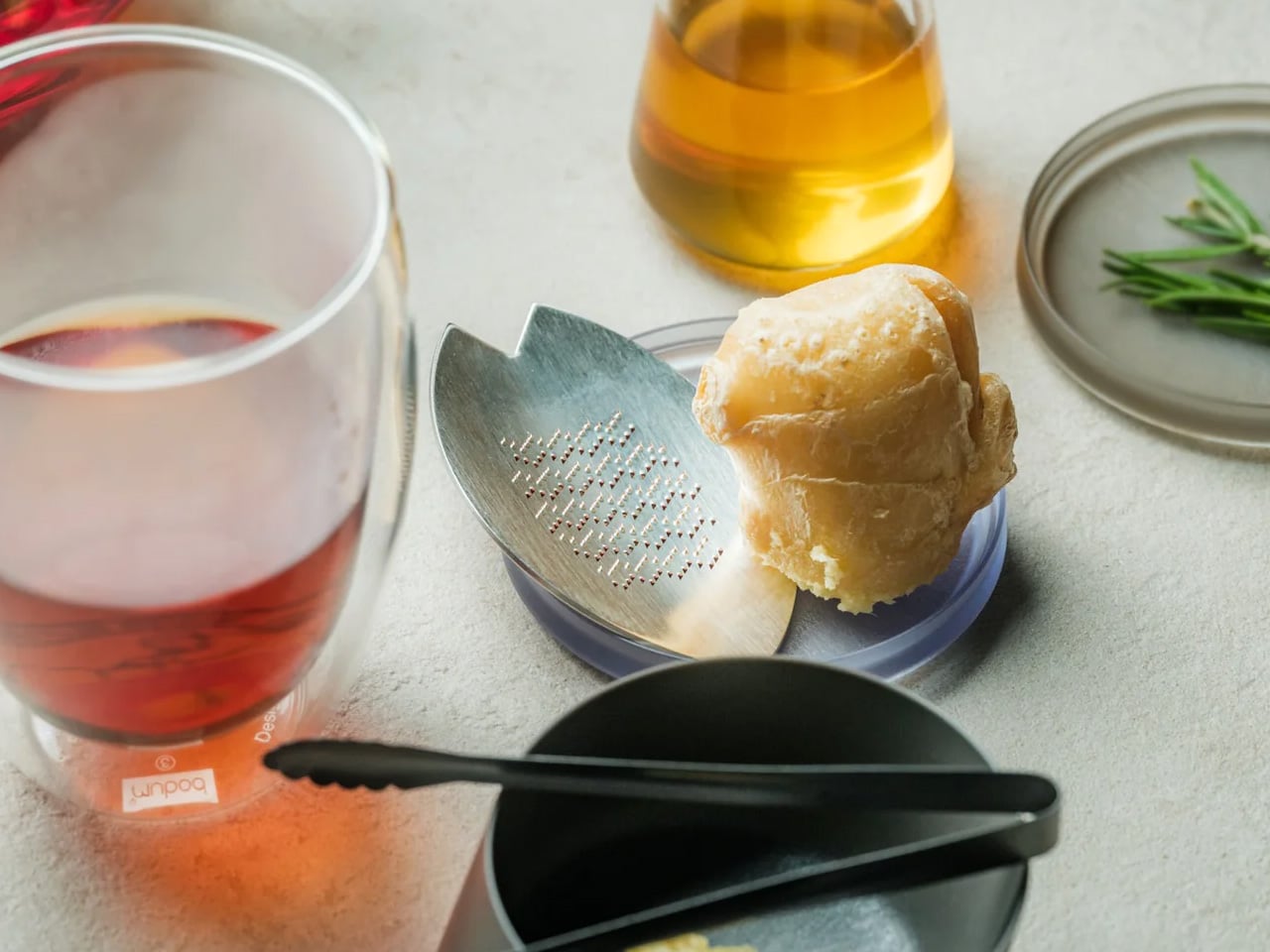
3. Plate Grater

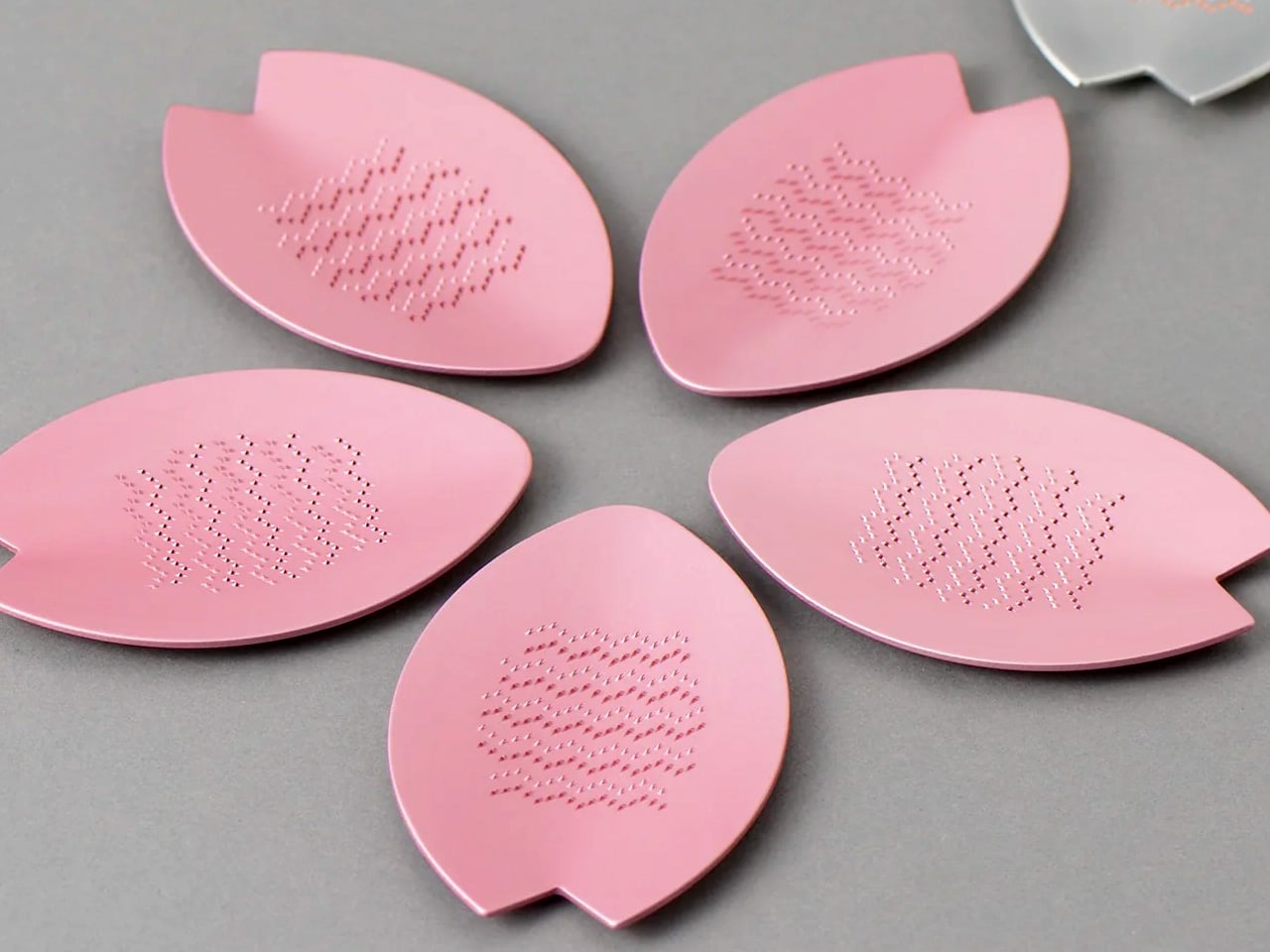
Wasabi, daikon, ginger—certain ingredients demand fresh preparation at the moment of serving, not hours before, when flavor and aroma peak. This round plate grater brings tableside garnish preparation from restaurant kitchens into home dining through elegant simplicity. The circular grating motion feels therapeutic rather than tedious, creating a mindful pause between cooking and eating. Crafted from durable stainless steel with an anti-slip silicone base that doubles as a protective cover, the thin and lightweight design stores easily without occupying precious drawer real estate.

The tableside preparation transforms garnishes from afterthought into engagement. Grating fresh wasabi for sashimi, daikon for tempura, and ginger for grilled fish—the circular motion becomes part of the dining ritual rather than prep work to rush through. The compact round design fits naturally at the table without commanding excessive space or attention. The anti-slip base provides stability during use and protection during storage. The therapeutic circular grating motion offers a moment of presence between cooking and consumption, a brief meditative pause that enhances appreciation for what follows. This grater makes fresh garnish preparation so effortless and pleasant that you’ll find reasons to grate things you previously bought pre-processed.

Click Here to Buy Now: $65

What We Like

  • The circular grating motion creates a genuinely therapeutic preparation experience
  • The compact round design fits naturally at dining tables without crowding
  • The dual-purpose silicone base prevents slipping during use and protects during storage
  • Fresh garnish preparation becomes a ritual rather than a chore

What We Dislike

  • The round plate design limits the types of ingredients that can be effectively grated
  • The compact size, while space-efficient, means slower processing for larger quantities

4. Iron Frying Plate

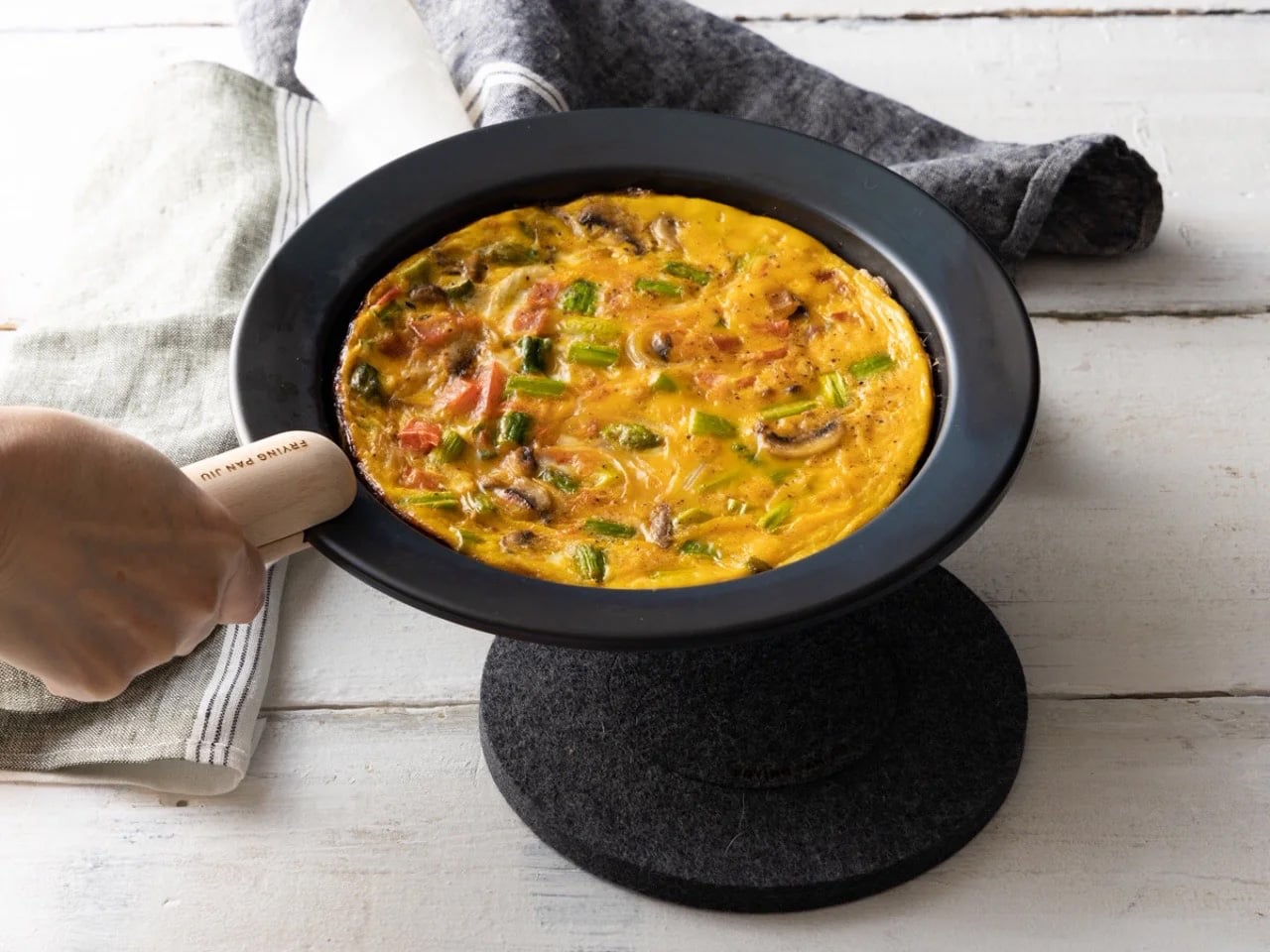
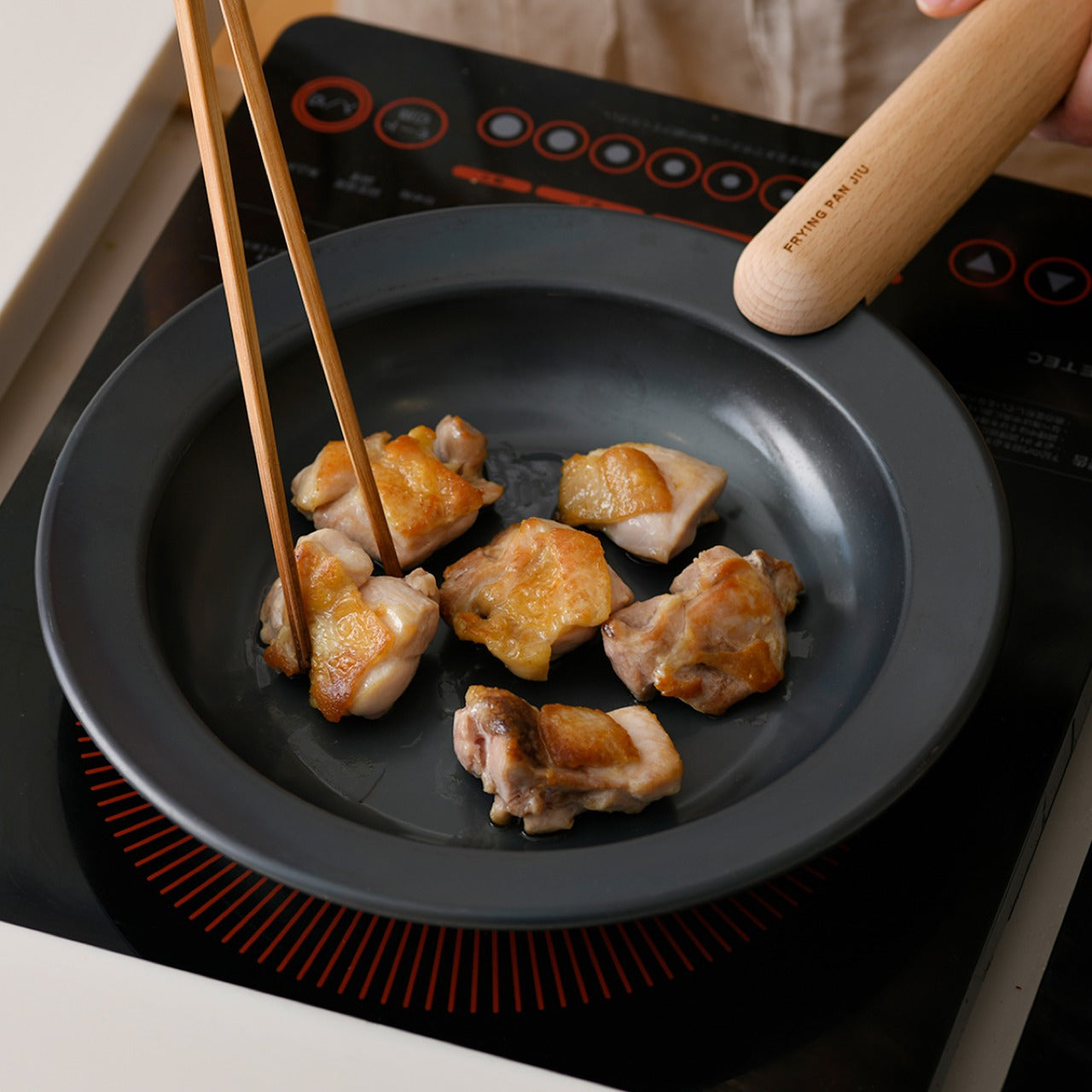
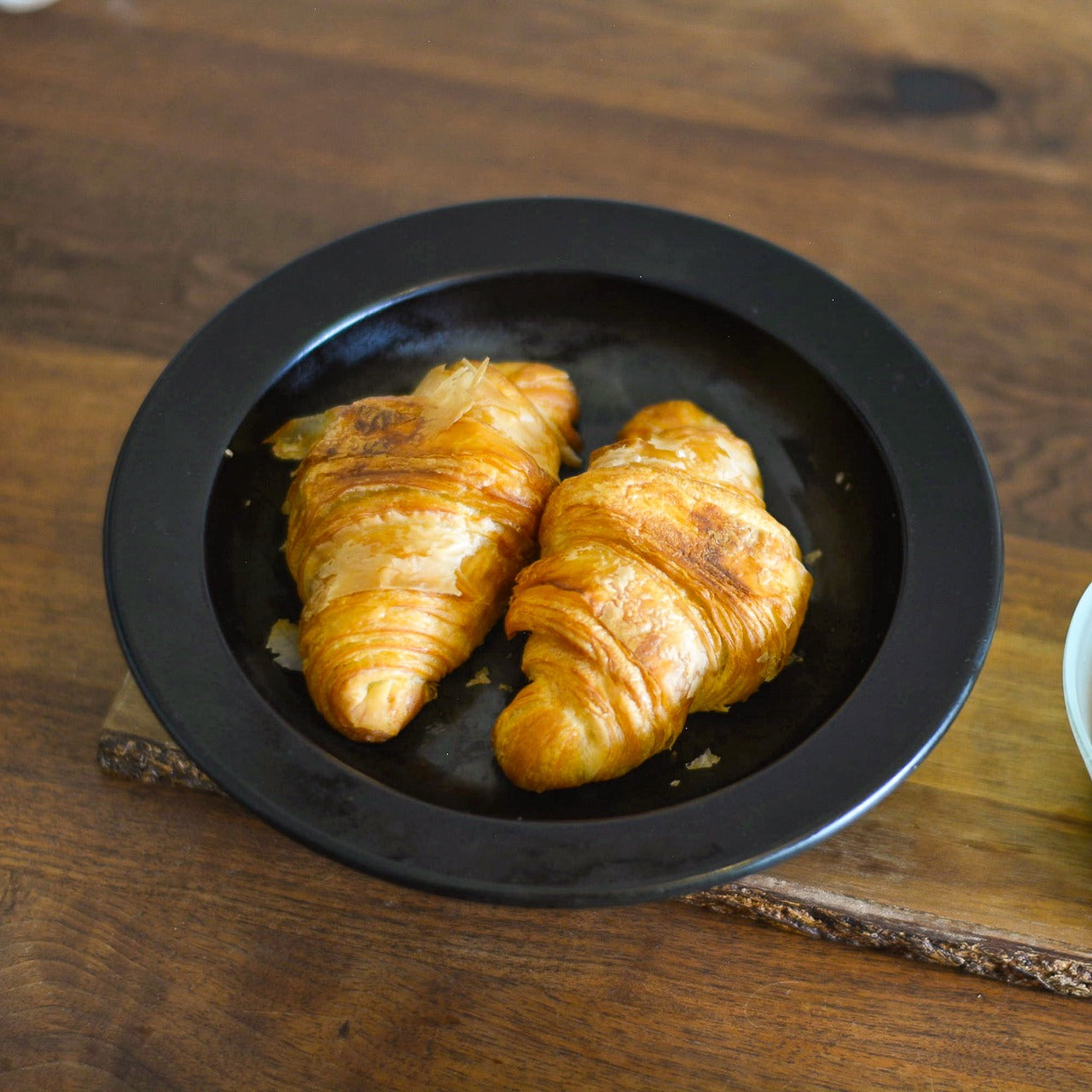
Western dining creates an artificial separation between cooking vessel and serving dish, transferring food from pan to plate in a ritual that cools ingredients and adds cleanup steps. The JIU Iron Frying Plate eliminates that middleman—the frying pan is your plate, the plate is your frying pan, collapsing cooking and eating into a seamless experience. Crafted from rust-resistant mill scale steel with a detachable wooden handle, this cookware brings out superior flavors and textures while reducing the barriers between preparation and enjoyment. The uncoated surface comes ready to use immediately, requiring no seasoning or special preparation rituals.

The boundary-blurring design creates intimacy with your food that standard plating disrupts. Eggs sizzle on your breakfast table, fish arrives still crackling from the heat, and vegetables steam visibly as you lift fork to mouth. The immediacy preserves temperature, texture, and visual drama that dissipate during transfers. The detachable wooden handle attaches and releases with one hand, transforming cookware into serveware in seconds. The rust-resistant and stick-resistant mill scale steel develops natural non-stick properties through use without chemical coatings. The design invites slower, more attentive eating—you’re not rushing through a cooled plate but pacing yourself with a vessel that retains heat and presence throughout the meal.

Click Here to Buy Now: $69.00

What We Like

  • The cook-and-serve design preserves temperature and texture better than transferred plating
  • The one-handed handle attachment provides seamless transitions from stove to table
  • The uncoated mill scale steel requires no seasoning and develops natural non-stick properties
  • The retained heat encourages a slower, more mindful eating pace

What We Dislike

  • The hot serving surface requires careful handling and might not suit households with young children
  • The iron construction adds weight compared to standard plates

5. Obsidian Black Mini Grip Tongs

Precision suffers when tools don’t match the task scale. Standard tongs designed for flipping steaks and tossing salads become clumsy instruments when arranging delicate appetizers or plating intricate dishes. These Obsidian Black Mini Grip Tongs at 4.9″ or 7″ provide the precise control that detailed food work demands. Crafted from SUS821L1 stainless steel, offering twice the strength of standard SUS304, the design achieves exceptional durability in lightweight form. The dark oxidized finish creates a striking visual presence whether working in the kitchen or serving at the table.

The compact dimensions transform tasks that feel awkward with full-sized tongs into natural, comfortable movements. Arranging bite-sized hors d’oeuvres, distributing breakfast sausages, flipping delicate shrimp, plating garnishes—the smaller scale provides distance for hygiene while maintaining the dexterity to handle fragile ingredients. The doubled steel strength allows thinner construction without sacrificing durability, reducing hand fatigue during extended prep sessions. The corrosion resistance ensures longevity despite frequent exposure to acidic ingredients and moisture. The dark finish adds sophistication that bridges kitchen and dining contexts, looking equally appropriate during cooking and tableside service. These tongs fill the precision gap that standard kitchen tools overlook.

Click Here to Buy Now: $25.00

What We Like

  • The compact size provides precise control for delicate ingredients and detailed plating
  • The doubled steel strength enables a lightweight design without compromising durability
  • The corrosion-resistant material withstands acidic ingredients and frequent washing
  • The dark finish transitions elegantly from kitchen work to tableside service

What We Dislike

  • The smaller size limits utility for larger ingredients or high-volume cooking tasks
  • The specialized nature means they supplement rather than replace standard-sized tongs

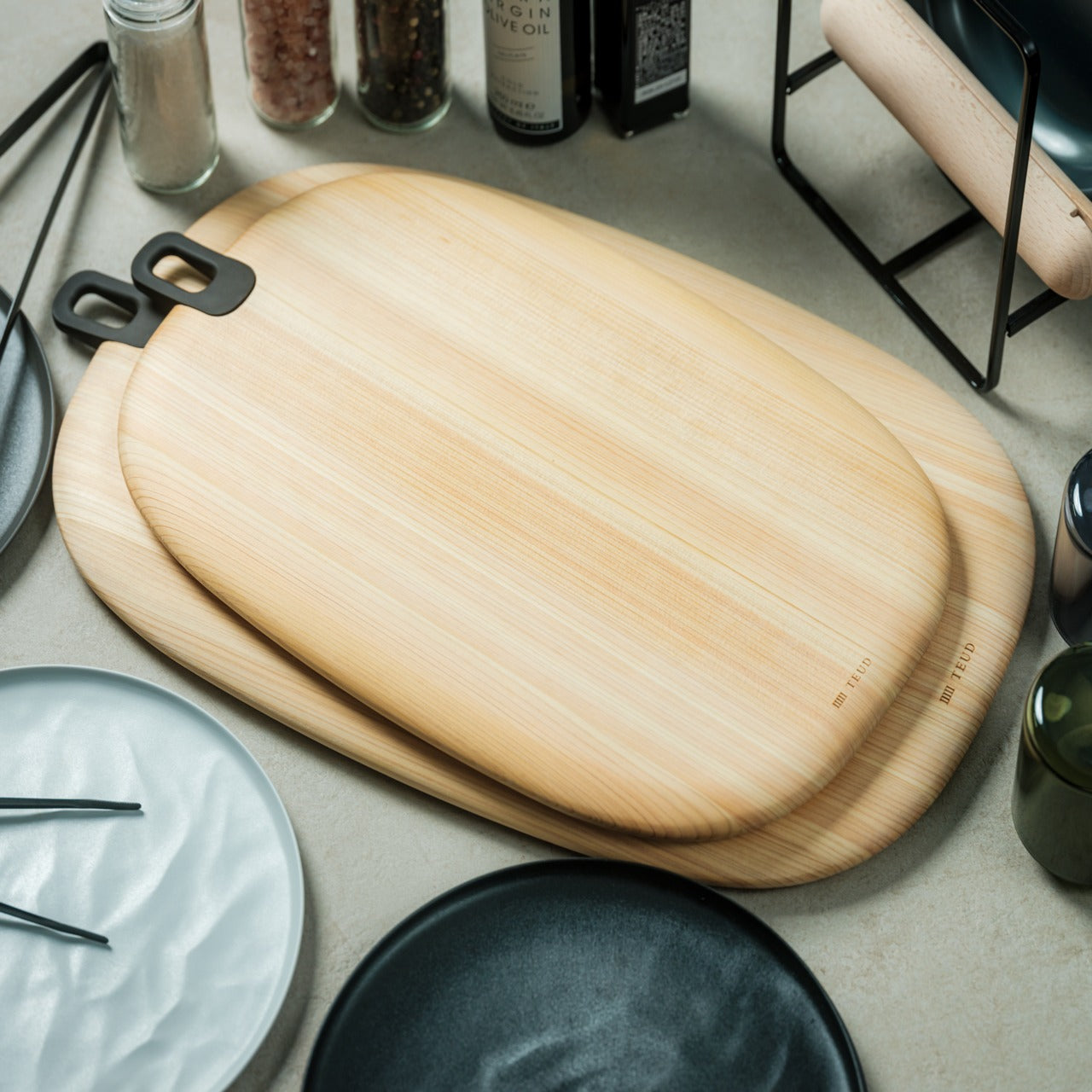
6. Hinoki Essence Cutting Board

Cutting boards in Western kitchens lean toward two extremes: hard plastic that preserves knife edges but feels clinical, or soft wood that comforts hands but dulls blades. The Hinoki Essence Cutting Board achieves the balance that Japanese cypress is renowned for—medium hardness that offers resistance without damaging knives. The majestic hinoki wood naturally resists mold while the water-resistant silicone coating penetrates wood fibers to prevent damage. The gentle, rounded shapes and integrated handle provide both aesthetic grace and practical functionality for hanging and hygienic drying.

The cutting experience on hinoki transforms knife work from task into sensory practice. The wood provides satisfying feedback without the harsh impact of hard surfaces or the mushy give of soft materials. The natural aroma of cypress adds olfactory dimension to food preparation, creating an atmosphere that plastic and bamboo cannot replicate. The design revives traditional hinoki use in forms suited to modern lifestyles and aesthetic sensibilities. The integrated handle facilitates hanging storage that promotes air circulation and drying. The water-resistant treatment extends durability without coating the surface in synthetic films. The gentle curves blend naturally with contemporary kitchen interiors while honoring traditional Japanese woodworking aesthetics. This cutting board makes knife work feel intentional rather than mechanical.

Click Here to Buy Now: $59.00

What We Like

  • The medium hardness protects knife edges while providing satisfying cutting feedback
  • The natural hinoki aroma adds sensory dimension to food preparation
  • The water-resistant silicone treatment penetrates fibers without a synthetic coating
  • The integrated handle enables hygienic hanging storage and natural drying

What We Dislike

  • The cypress wood requires more maintenance attention than plastic alternatives
  • The premium material commands a higher price compared to standard cutting boards

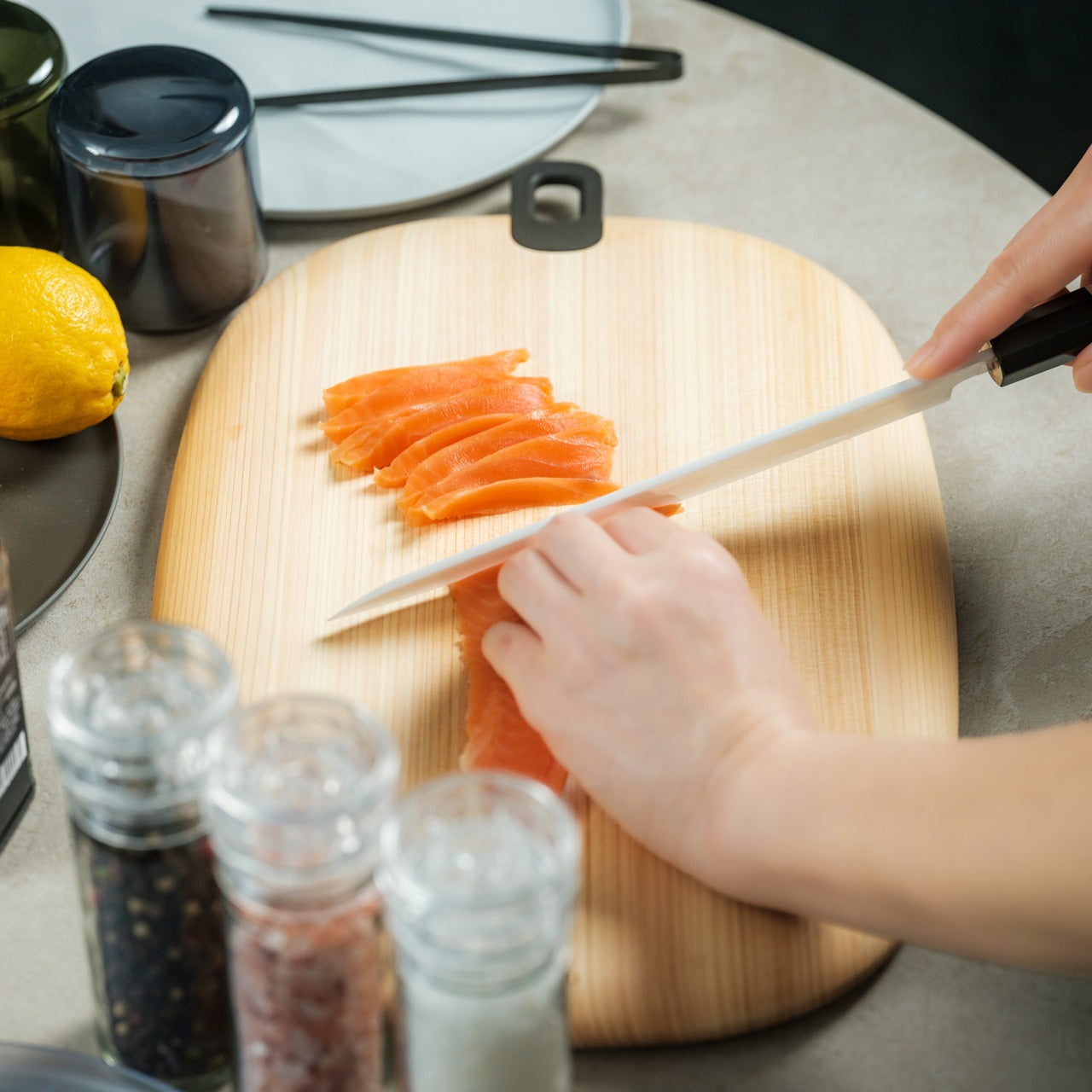
7. Precision Ceramic Sashimi Knife

Raw fish demands knife performance that metal blades, for all their centuries of refinement, struggle to deliver. The Precision Ceramic Sashimi Knife represents the convergence of Japanese craftsmanship and advanced material science, creating a blade twice as hard as stainless steel with sharpness lasting 200 times longer than conventional edges. The single-bevel design emulates the classic yanagiba with a concave back, reducing friction for effortless, drag-free cuts. The lightweight ceramic construction enables extended use without hand fatigue, while the advanced material requires minimal maintenance and virtually eliminates sharpening routines.

The cutting experience transforms sashimi preparation from a technical challenge into a flowing motion. The exceptional sharpness preserves delicate fish texture and cell structure that duller blades tear and compress. The friction-reducing concave back allows the blade to glide through ingredients with minimal resistance and maximum control. The lightweight design enables the precise, continuous strokes that proper sashimi cutting requires without the arm fatigue that metal blades produce. The ceramic material doesn’t impart metallic taste or oxidation to delicate seafood. The longevity of the edge means consistent performance over years rather than gradual degradation between sharpenings. This knife allows home cooks to achieve the finesse of expert sushi chefs, creating visually stunning and flavorful dishes that honor the ingredient.

Click Here to Buy Now: $299

What We Like

  • The ceramic material maintains sharpness 200 times longer than conventional steel blades
  • The single-bevel design with concave back enables effortless, drag-free cuts
  • The lightweight construction reduces hand fatigue during extended preparation
  • The non-reactive material prevents metallic taste transfer to delicate seafood

What We Dislike

  • The ceramic blade, while exceptionally hard, is more brittle than steel and requires careful handling
  • The specialized design focuses on sashimi and delicate work rather than general-purpose cutting

8. Supreme Daikon Radish Grater

Grating might seem like straightforward physics—sharp protrusions shredding softer materials—but Japanese craftsmanship reveals the profound difference between merely reducing ingredients and properly transforming them. The Supreme Daikon Radish Grater features traditional Hon-Meguri diagonal sharp blades individually carved by skilled artisans using sharp chisels. The innovative Quattro blade pattern, arranged in four directions, reduces slipping and provides stable, stress-free grating. The thick stainless steel construction combines exceptional durability with ease of maintenance, while the finely honed blades grate without tearing fibers, producing a smooth and fluffy texture perfect for gourmet presentations.

The grating experience reveals why Japanese artisans dedicate careers to perfecting such seemingly simple tools. The Hon-Meguri technique creates exceptionally sharp and durable blades that outlast stamped alternatives by years. The Quattro blade arrangement provides consistent performance regardless of grating direction, eliminating the frustration of ingredients slipping across ineffective zones. The careful blade geometry shears cleanly through ingredient fibers rather than tearing them, preserving moisture and creating the light, fluffy texture that properly grated daikon demands. The thick stainless steel construction provides rigidity that cheaper graters lack, ensuring consistent blade exposure and pressure. This grater makes the difference between grated daikon that weeps liquid and turns mushy versus the cloud-like mounds that Japanese restaurants achieve.

Click Here to Buy Now: $99.00

What We Like

  • The traditional Hon-Meguri technique creates exceptionally sharp and durable hand-carved blades
  • The Quattro blade pattern provides stable performance in all grating directions
  • The finely honed blades shear cleanly without tearing fibers for superior texture
  • The thick stainless steel construction ensures durability and rigidity

What We Dislike

  • The artisan craftsmanship commands premium pricing compared to stamped graters
  • The specialized design focuses on daikon and similar ingredients rather than general-purpose grating

Finding Zen Through Better Tools

Japanese kitchen tools don’t promise to save time or eliminate effort—they promise to make that time and effort worthwhile. Each implement featured here transforms mundane cooking tasks into opportunities for presence, precision, and satisfaction. The scissors that replace multiple tools, the teapot that responds to your biometric state, the cutting board that breathes cypress aroma into your prep work—these aren’t conveniences but invitations to slow down and pay attention.

The zen of cooking emerges not from rushing through tasks but from tools that reward attention with superior results. These Japanese gadgets and tools create that space, that possibility, that invitation. They ask you to notice the therapeutic circular motion of tableside grating, the satisfying feedback of knife meeting hinoki, the visual drama of food served directly from the cooking vessel. They transform kitchen work from something to finish quickly into something worth experiencing fully, where the cooking becomes as nourishing as the eating.

The post 8 Best Japanese Kitchen Gadgets & Tools That Make Cooking Feel Zen first appeared on Yanko Design.