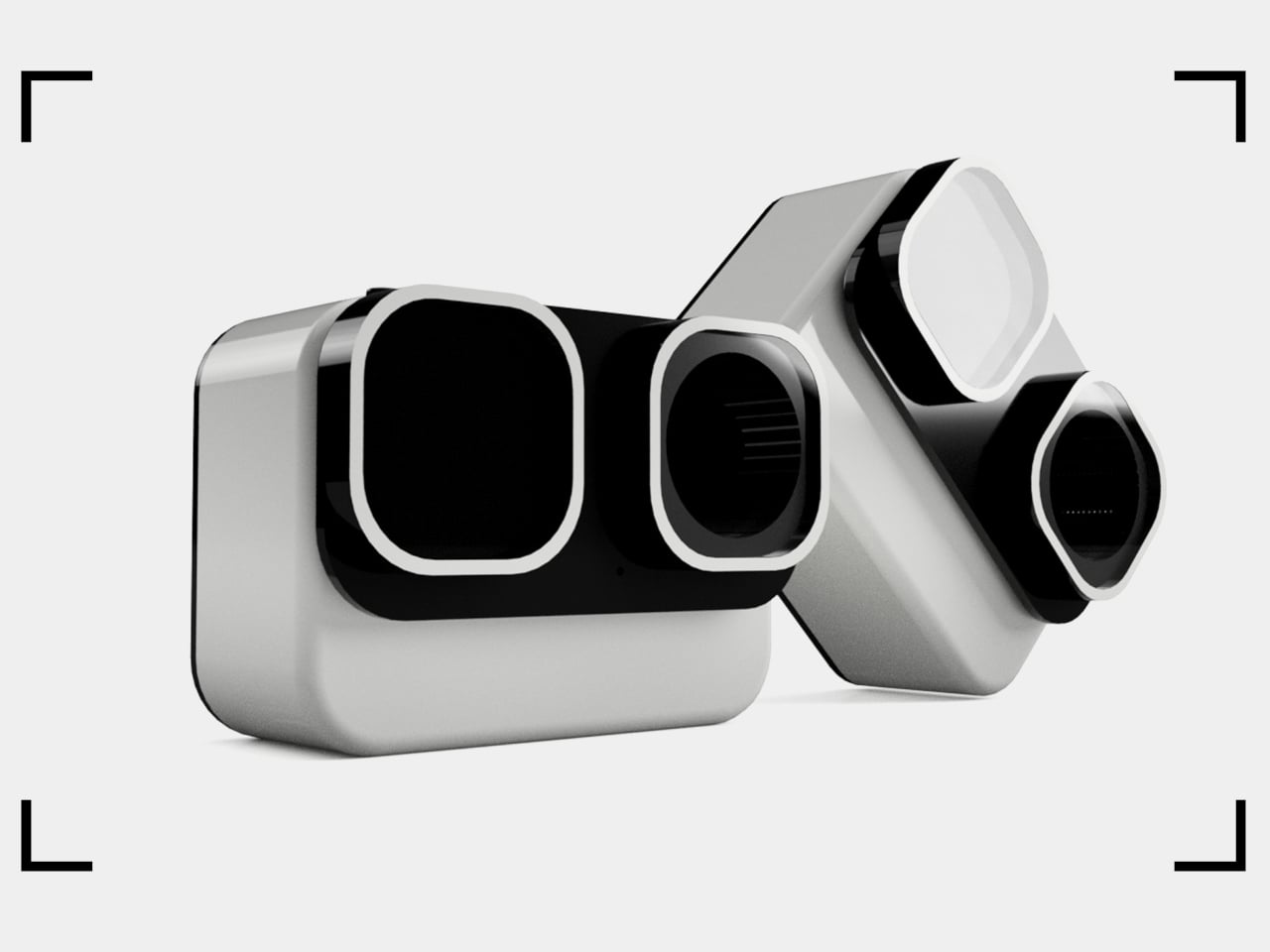
This Panda-Faced Action Camera Might Finally Get Kids Off Their Tablets

Kids are natural documentarians. Long before anyone hands them a camera, they’re narrating adventures out loud, pointing at bugs, dragging adults toward things worth seeing. The problem is that nothing currently bridges that instinct and an actual usable device. Smartphones are too distracting. Adult action cameras have interfaces that assume familiarity with exposure menus. Yashas Verma’s Cubix concept starts not with specs, but with a face.

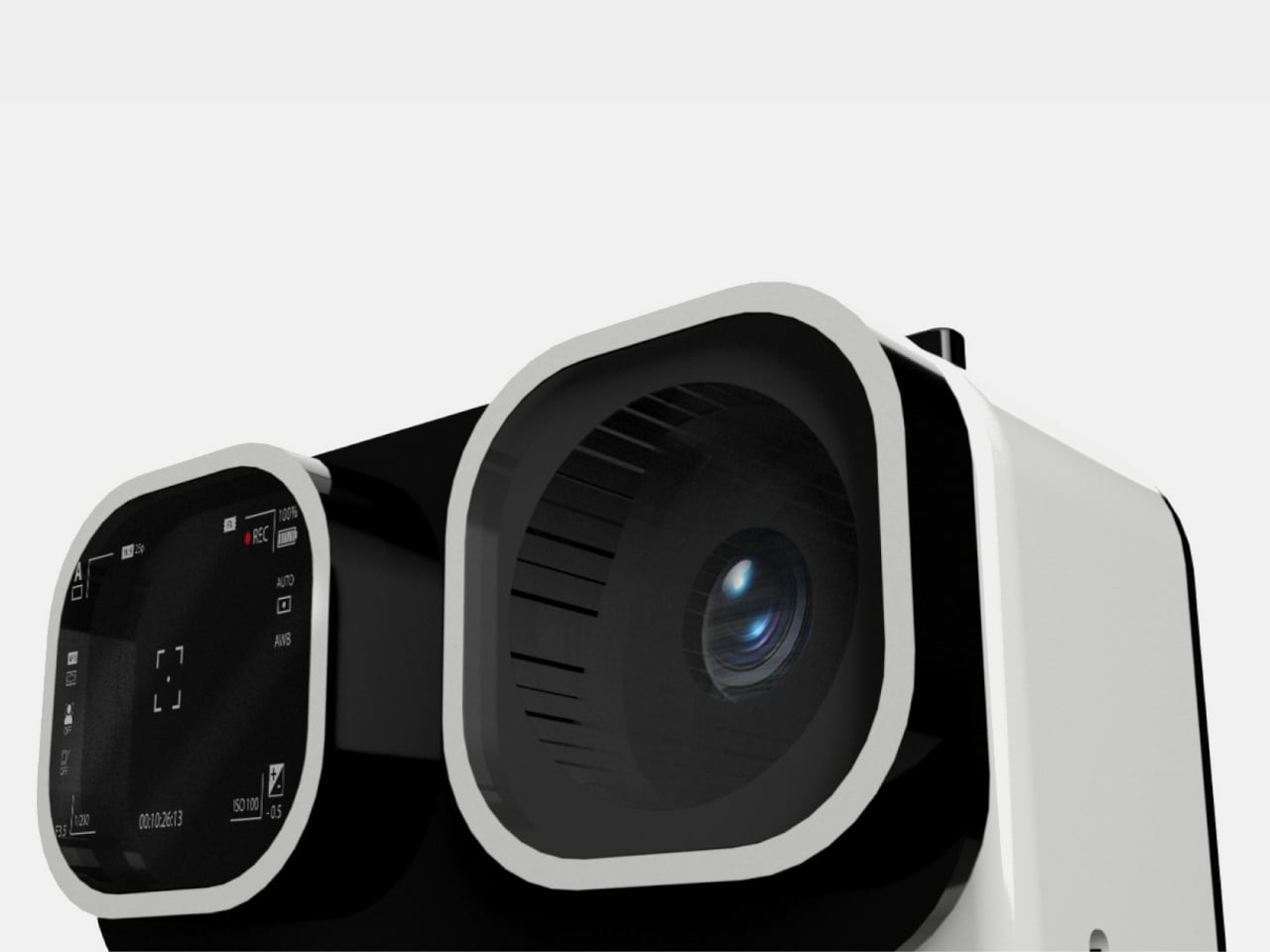
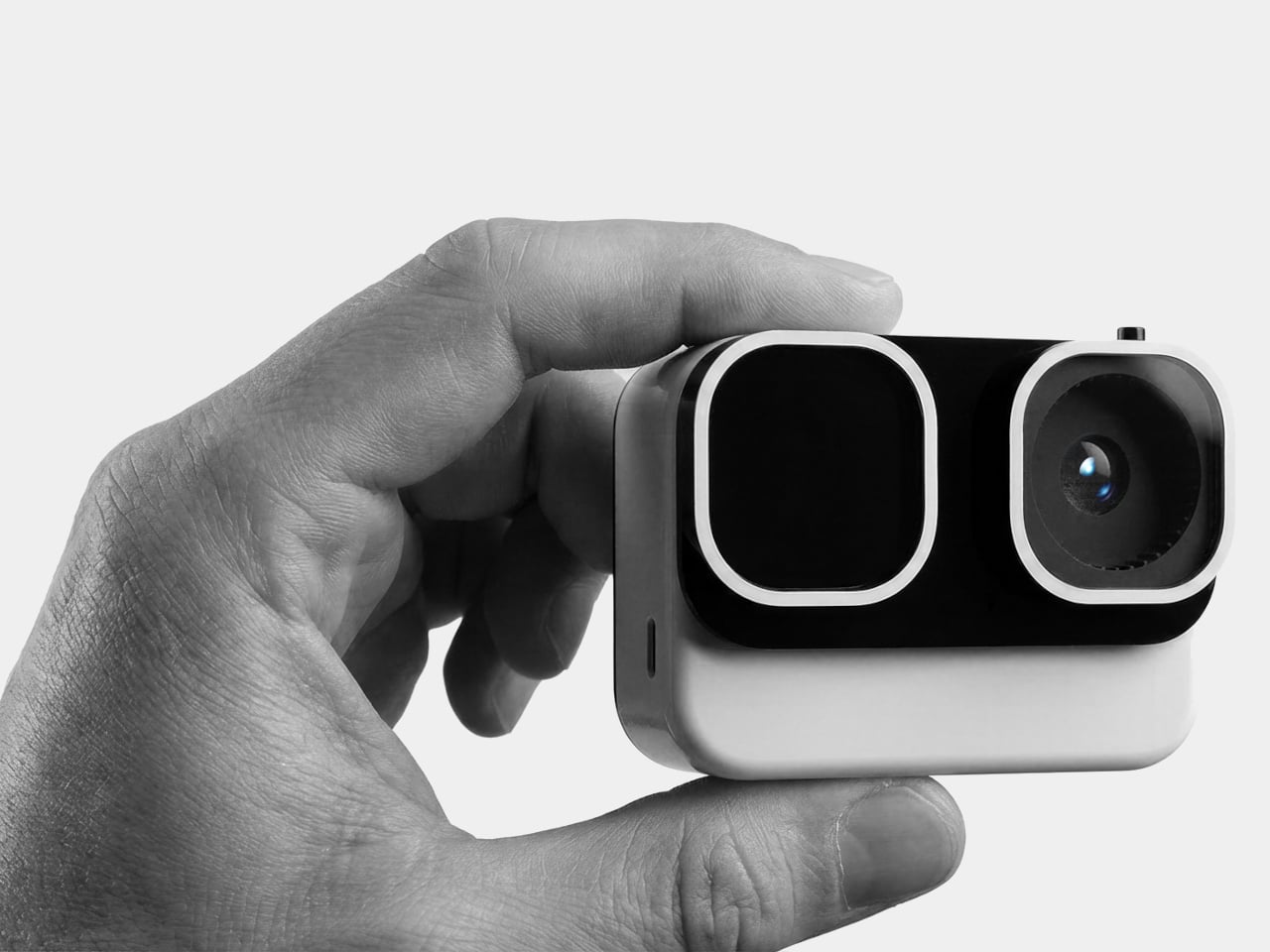
The panda reference is obvious and, more importantly, immediately likable. Two large “squircle” apertures dominate the front, one housing the lens and the other a screen, arranged side by side like a pair of wide-set eyes. The body is white with a matte finish, and the front panel is glossy black. That contrast reads less like a colorway decision and more like a character, which is entirely the point.

Designer: Yashas Verma
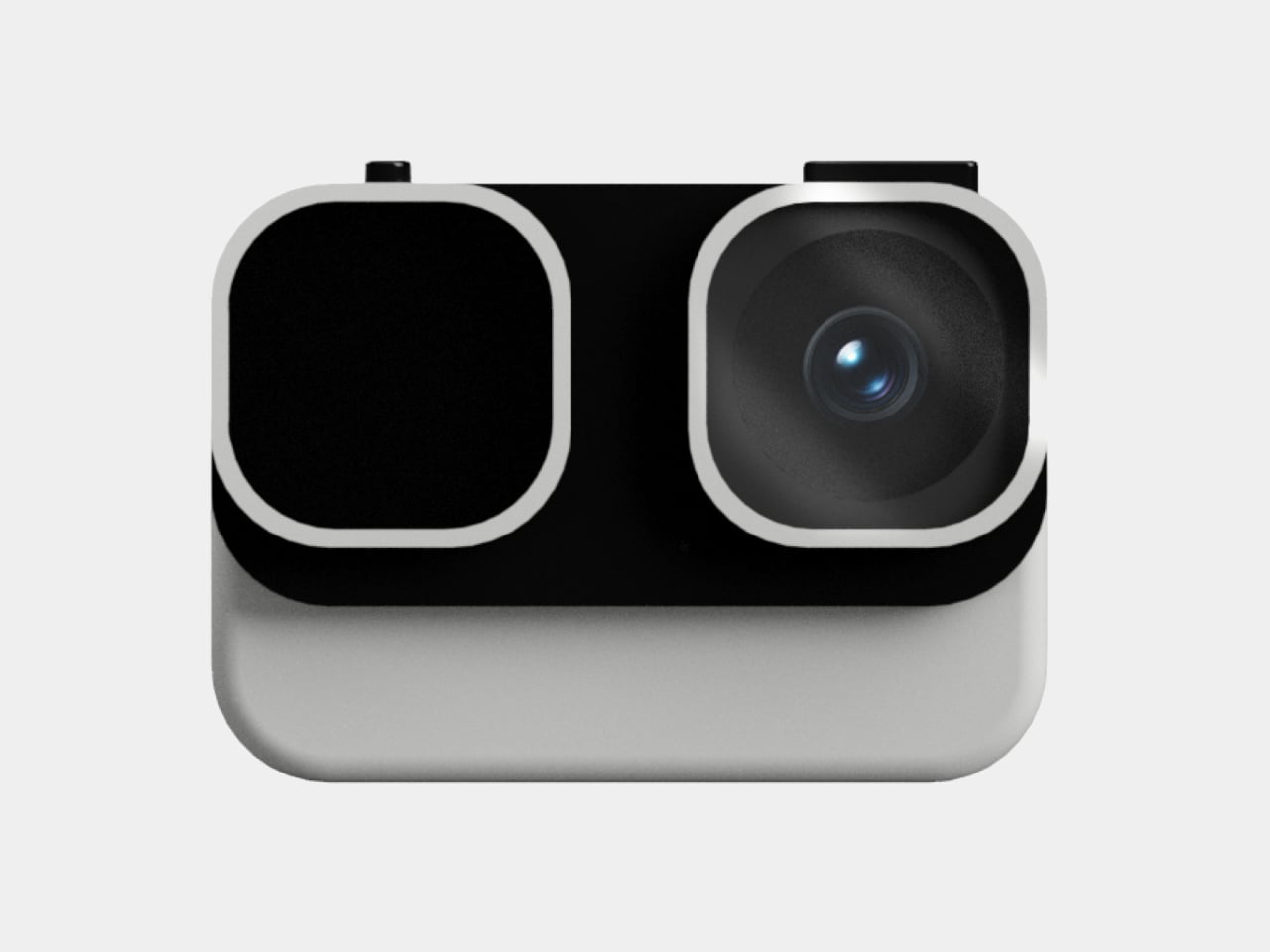
Verma’s design moodboard places the concept on a spectrum between “tech” and “cute,” and the finished form lands firmly in the middle. Minimal enough to avoid looking like a toy, warm enough not to feel clinical. The rounded-square geometry carries through from the front apertures to the body corners, giving the whole object a visual consistency that student concept work often skips over in favor of surface polish.
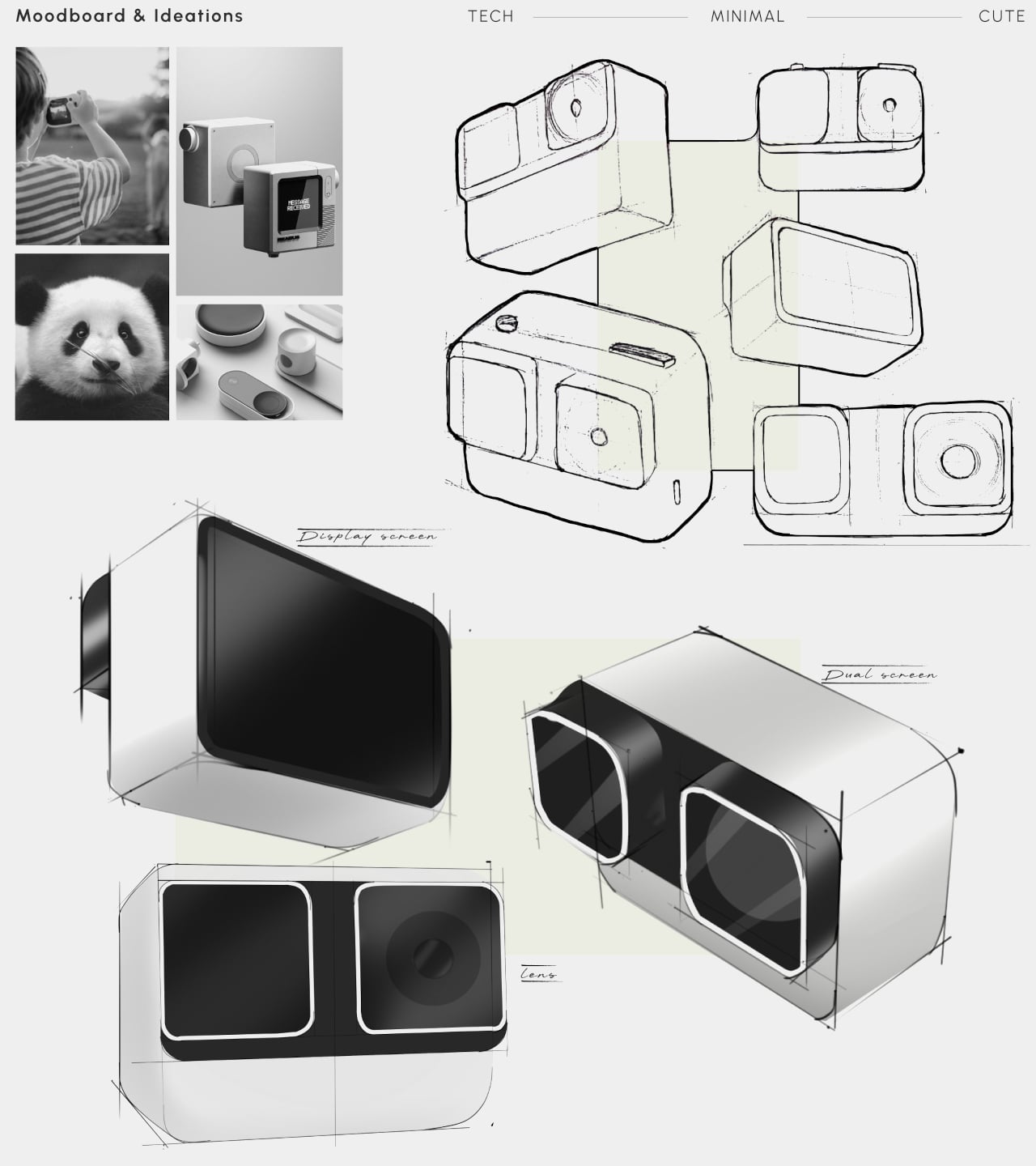
The dual-screen setup solves a genuine behavioral problem. Action cameras for adults assume a single rear screen because operators rarely need to see themselves. Kids, who tend toward vlogging more than action sports, want to check the frame constantly. The front screen handles selfie framing, the rear touch screen manages settings and playback. Removing that guesswork is the single most child-appropriate decision in the entire design.
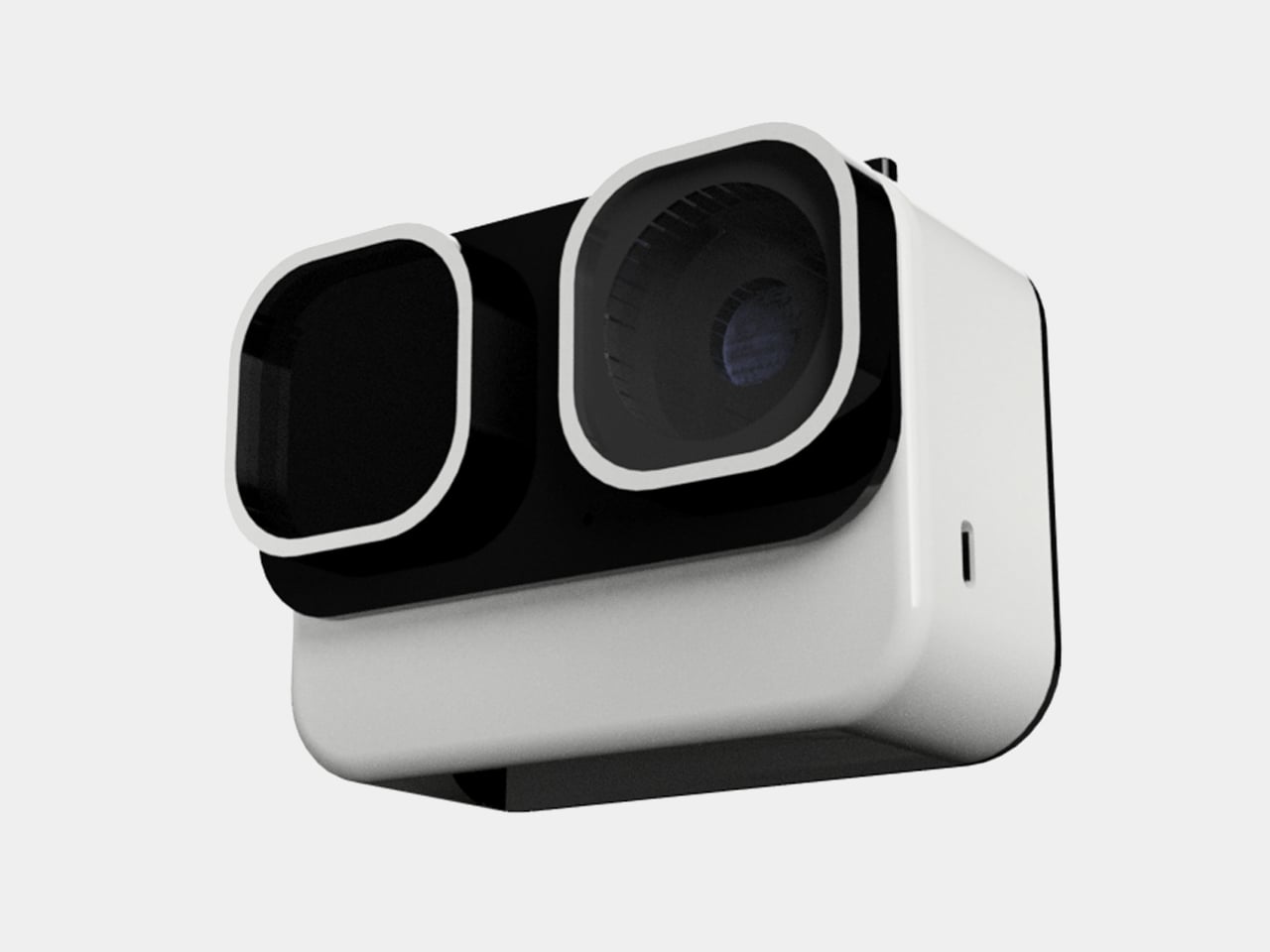
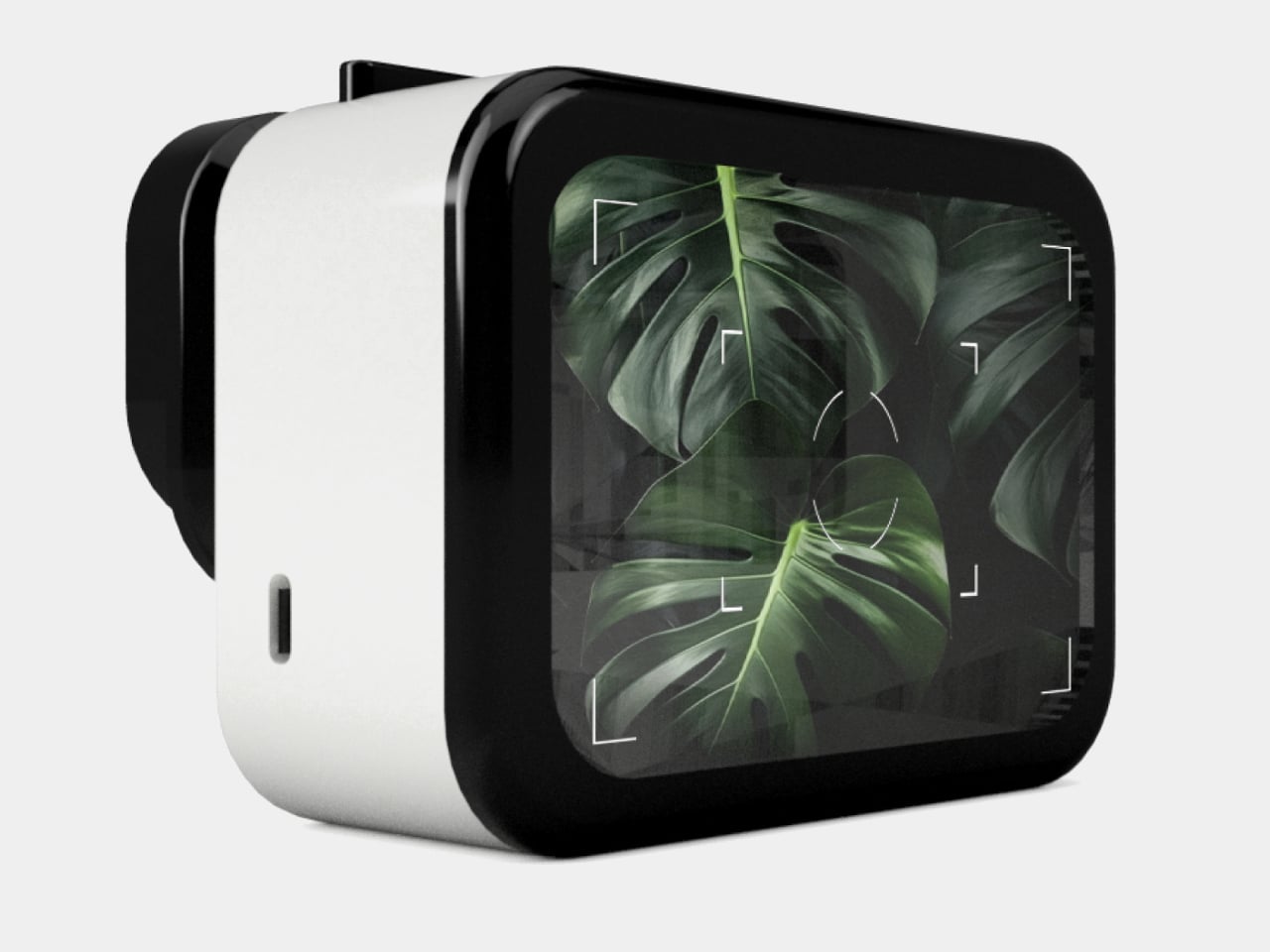
The body is sized for smaller hands, with one-handed operation as the stated goal. That matters when the other hand is holding a bike grip, a climbing hold, or a very interesting stick. Waterproofing and durability are mentioned in the concept brief, though no specific ratings are given. A child’s definition of waterproof tends to involve full submersion and zero warning, and the gap between those expectations and a modest splash rating has disappointed parents before.
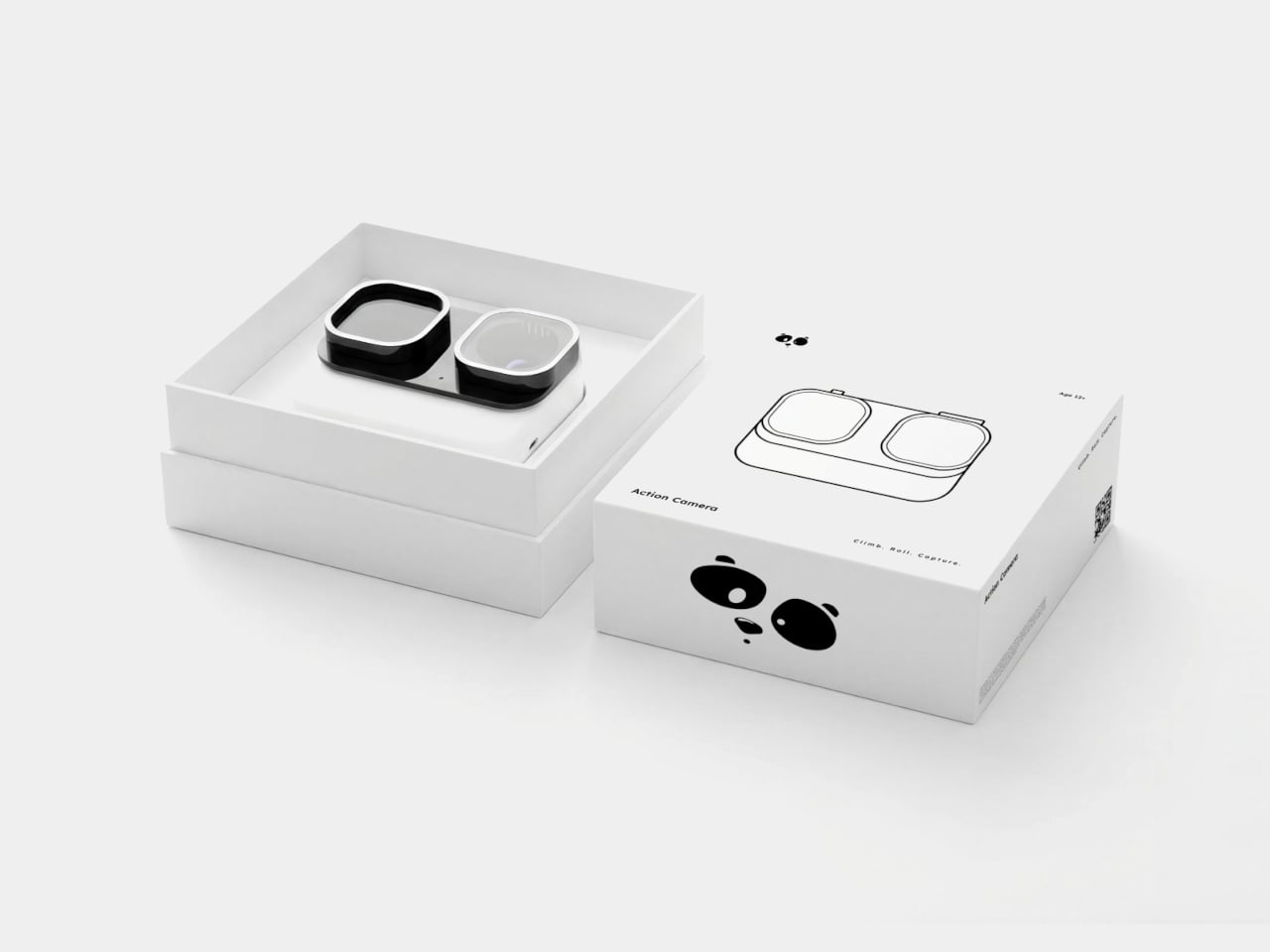
The packaging carries the panda-eye graphic, the same black-and-white palette, and the tagline “Climb. Roll. Capture.” The box also shows an age rating of 10+, which quietly shifts the target older than the concept language implies. A ten-year-old and a seven-year-old are very different grip sizes, and the design’s success depends heavily on which end of that range it was actually built for.
The post This Panda-Faced Action Camera Might Finally Get Kids Off Their Tablets first appeared on Yanko Design.
This Rugged Phone’s Action Camera Pops Off to Become a Wearable

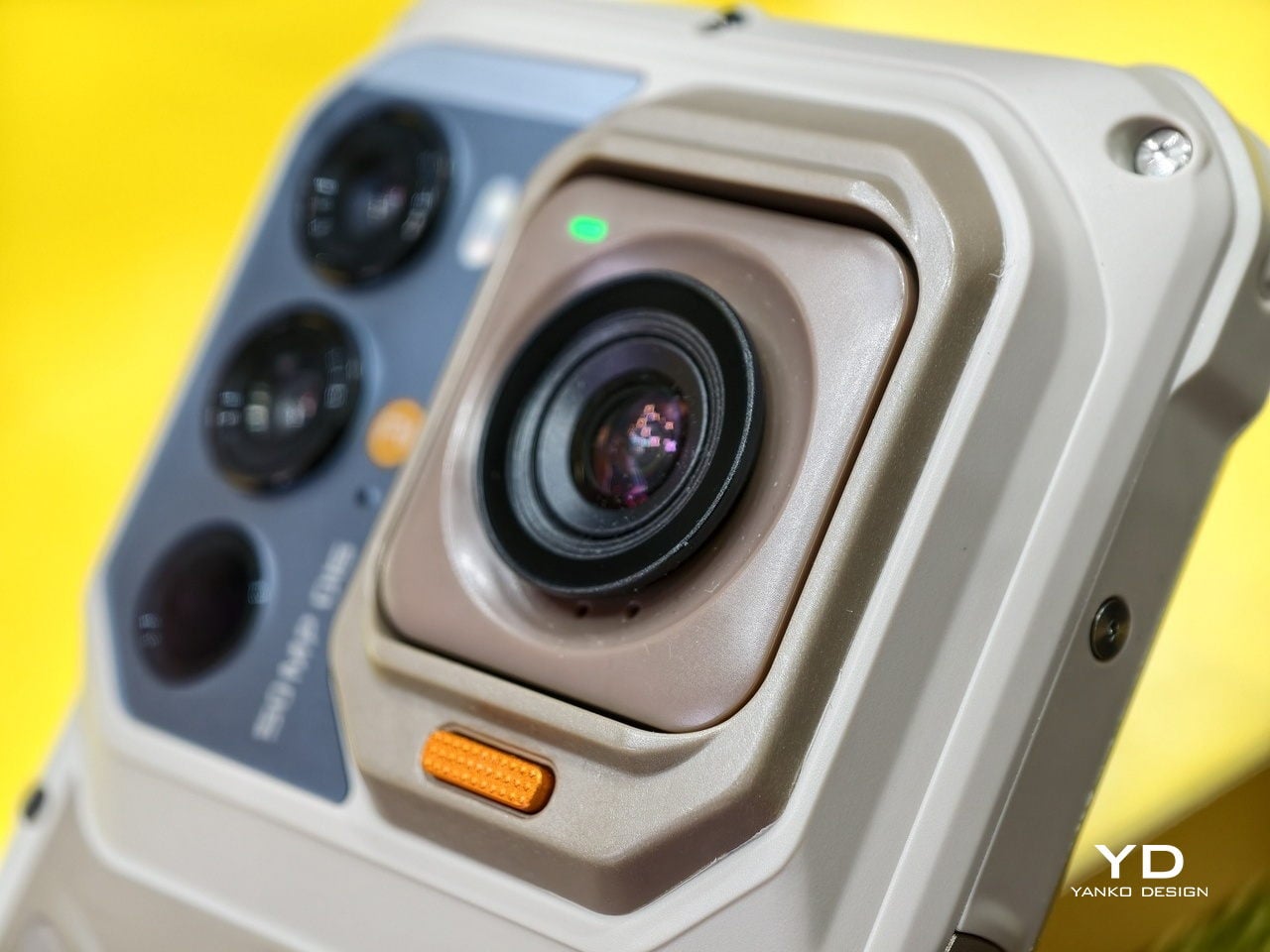
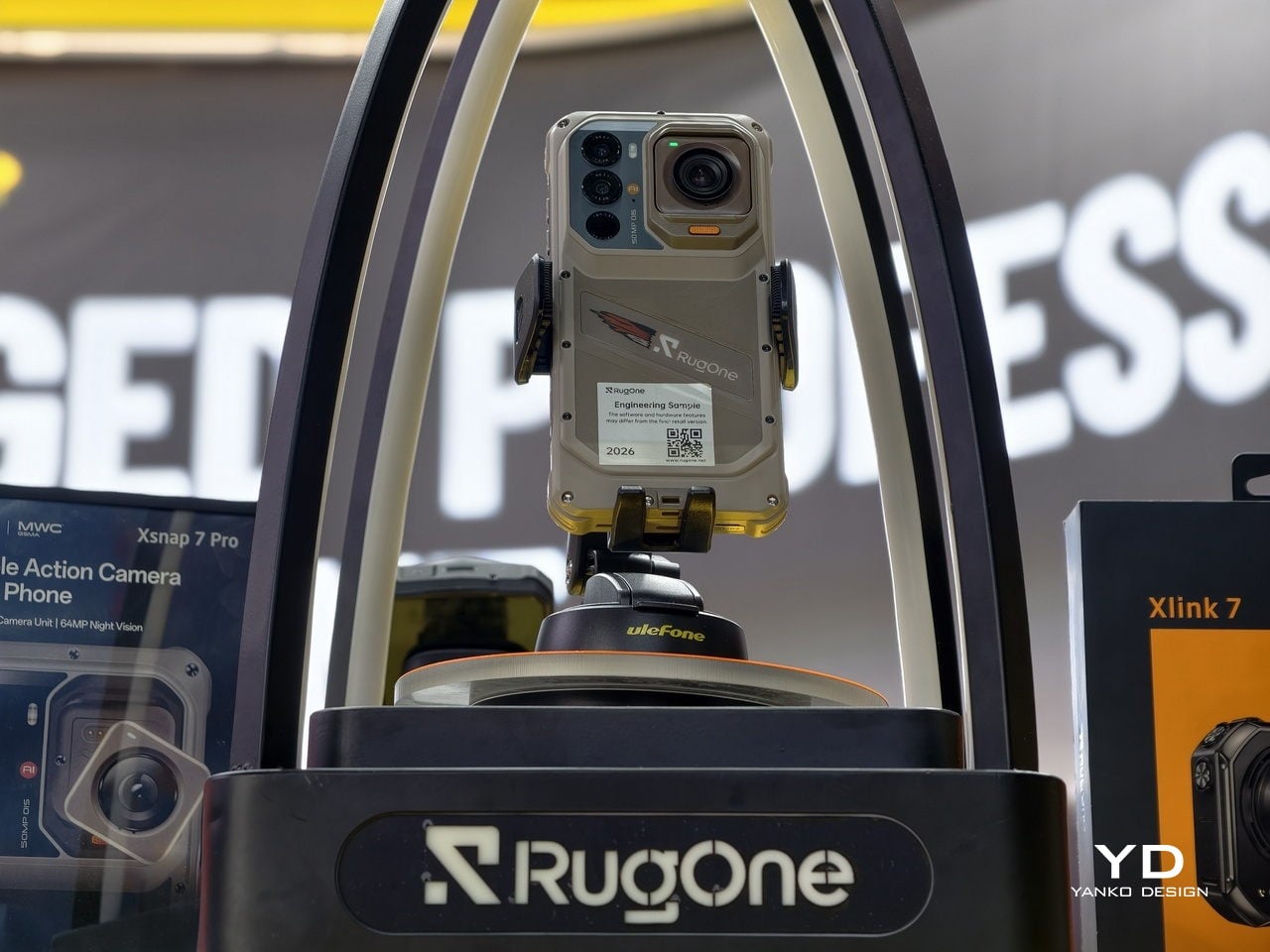
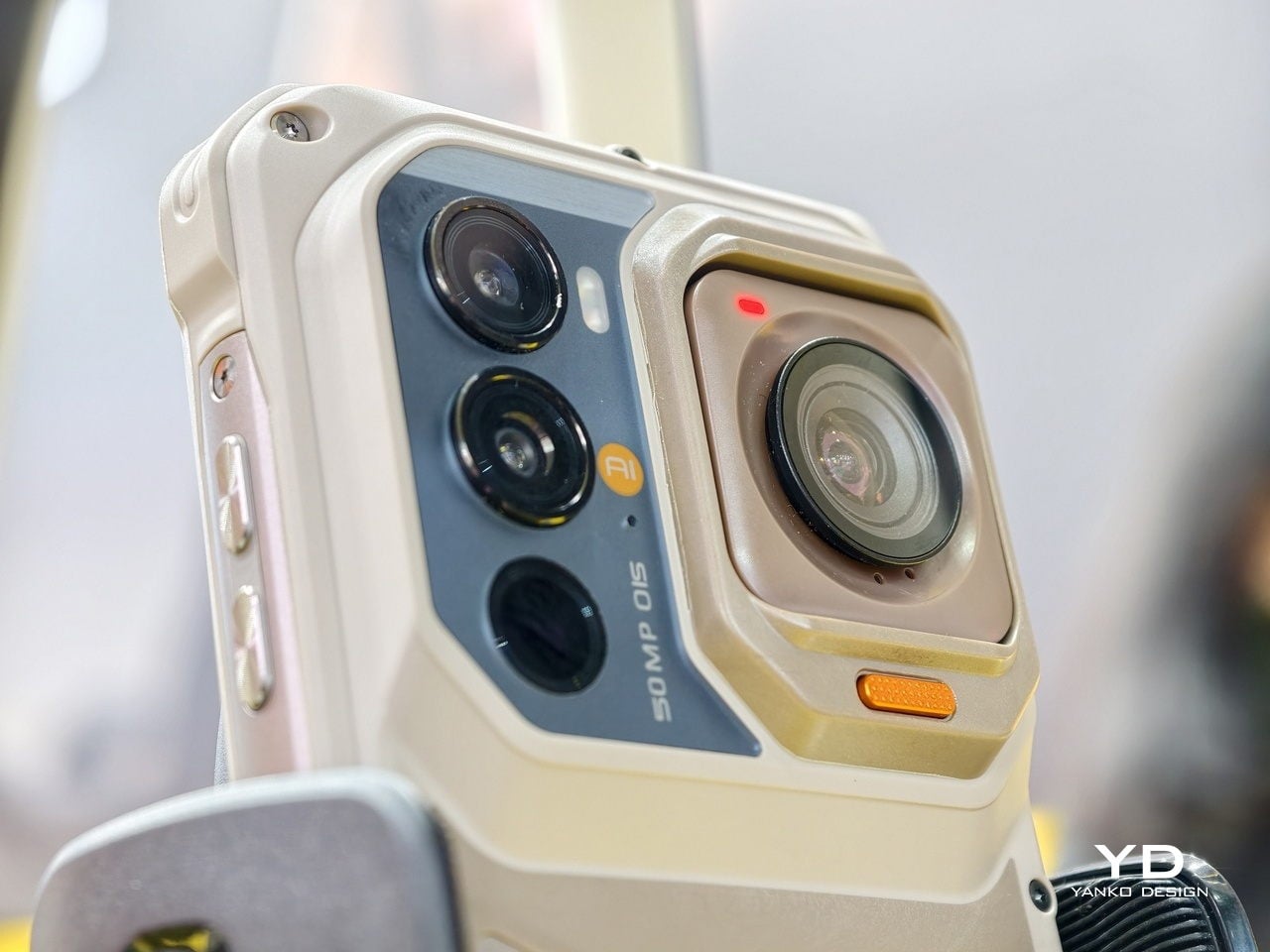
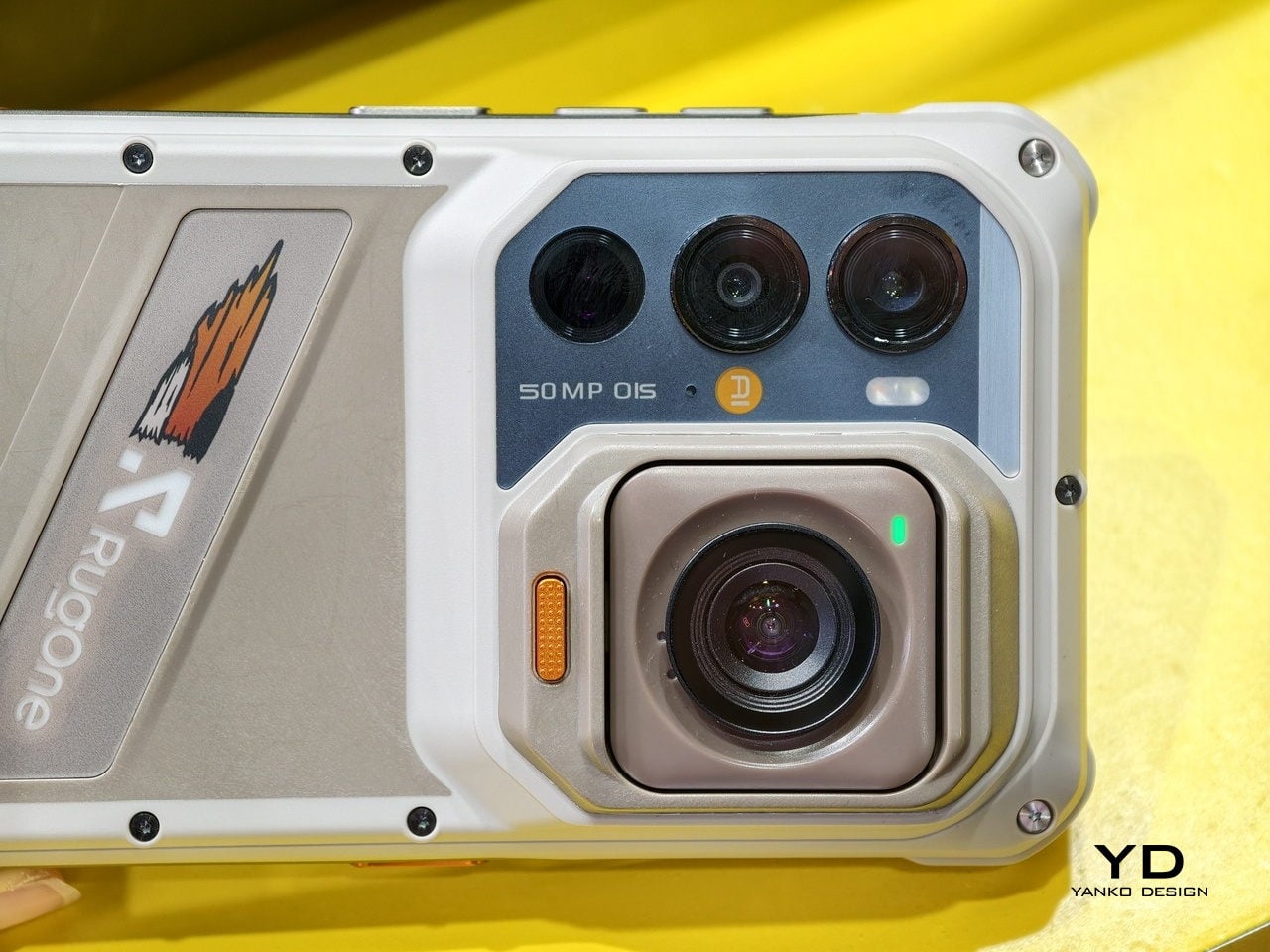
Action cameras and rugged phones have always solved slightly different problems. One survives the adventure; the other documents it. Bringing both means two devices, two cables, and two things to lose in a river. Ulefone’s RugOne Xsnap 7 Pro tries to close that split by putting a detachable magnetic action camera directly on the back of the phone, so both jobs start from one object.

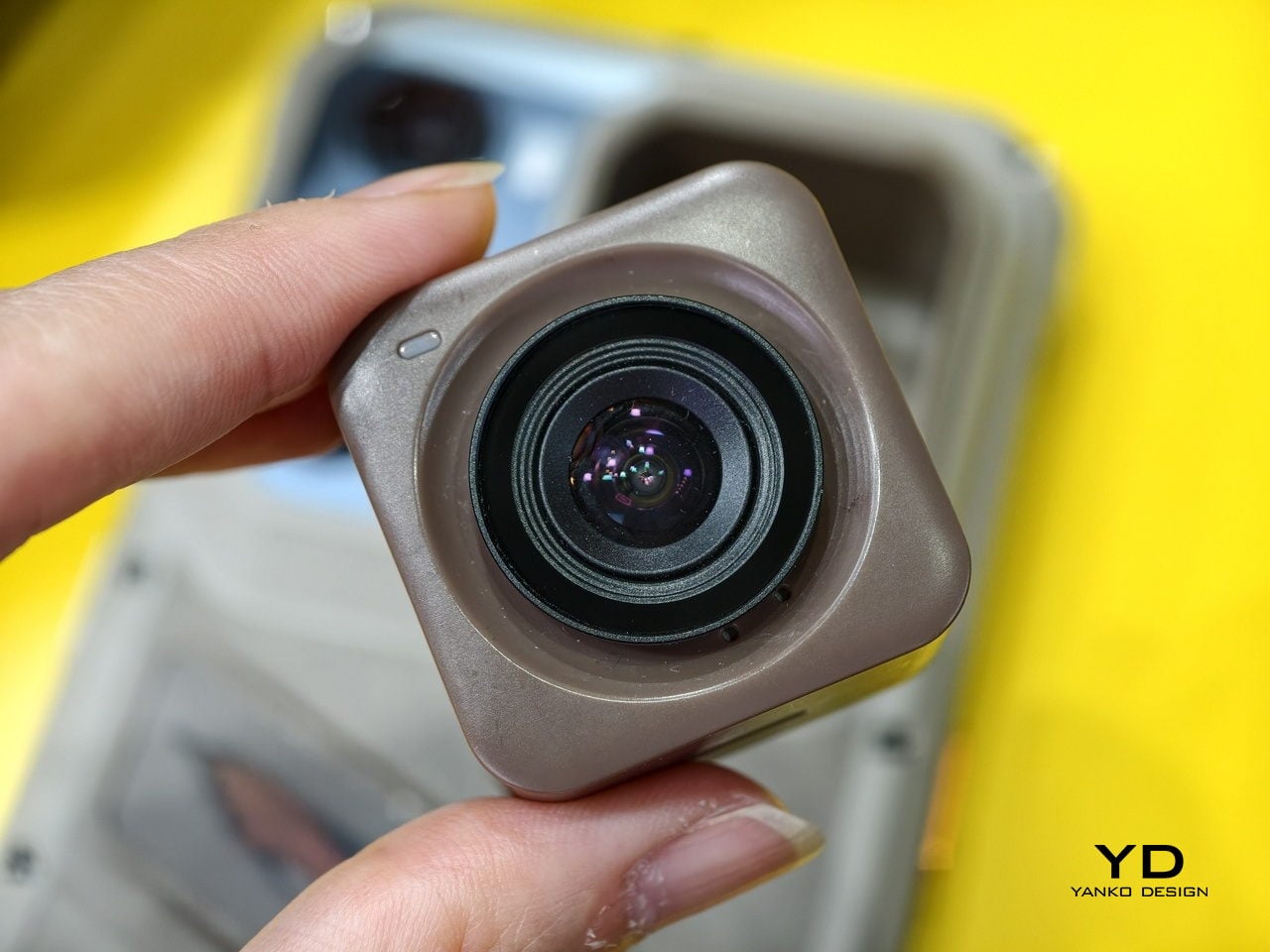
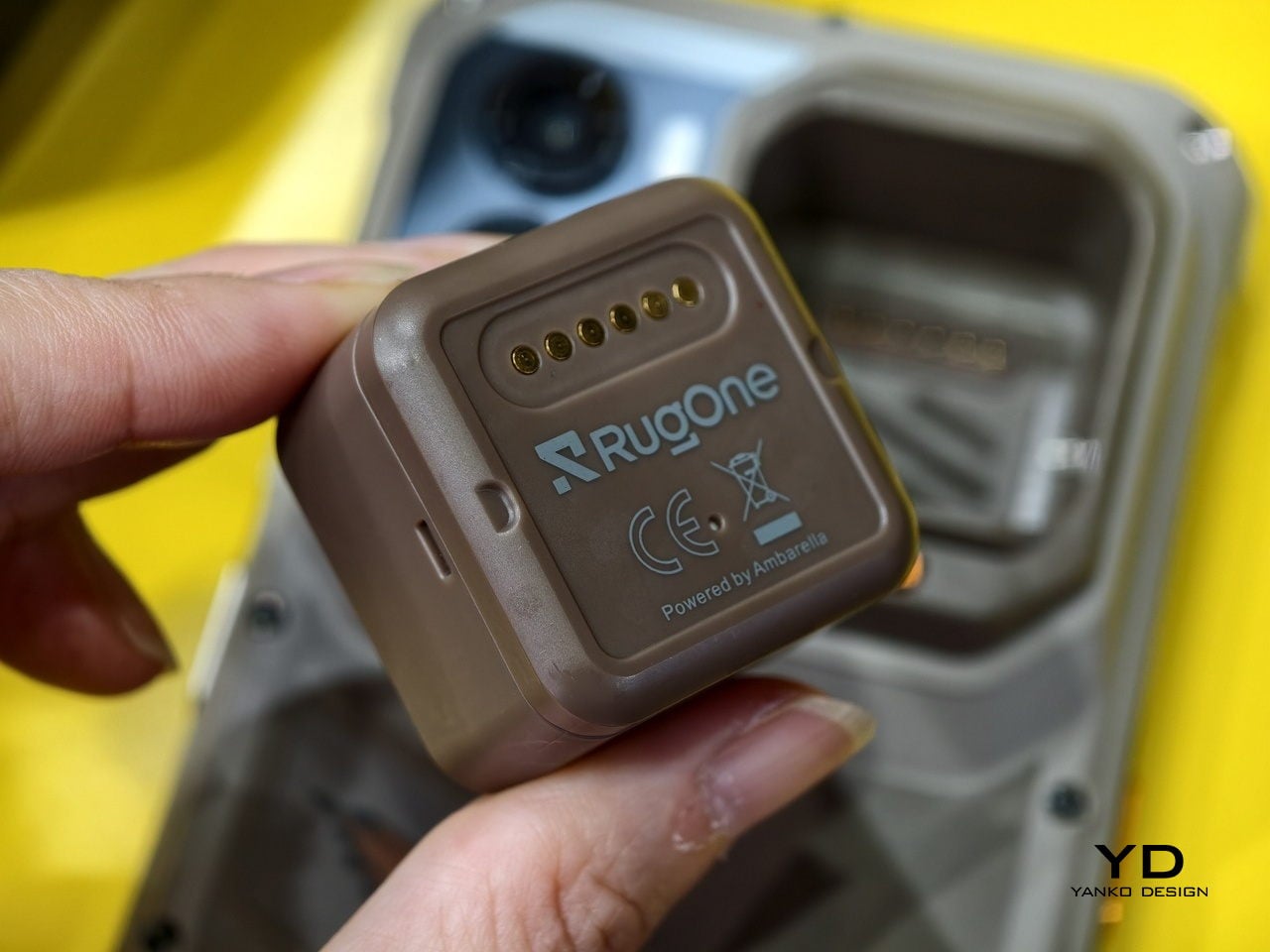
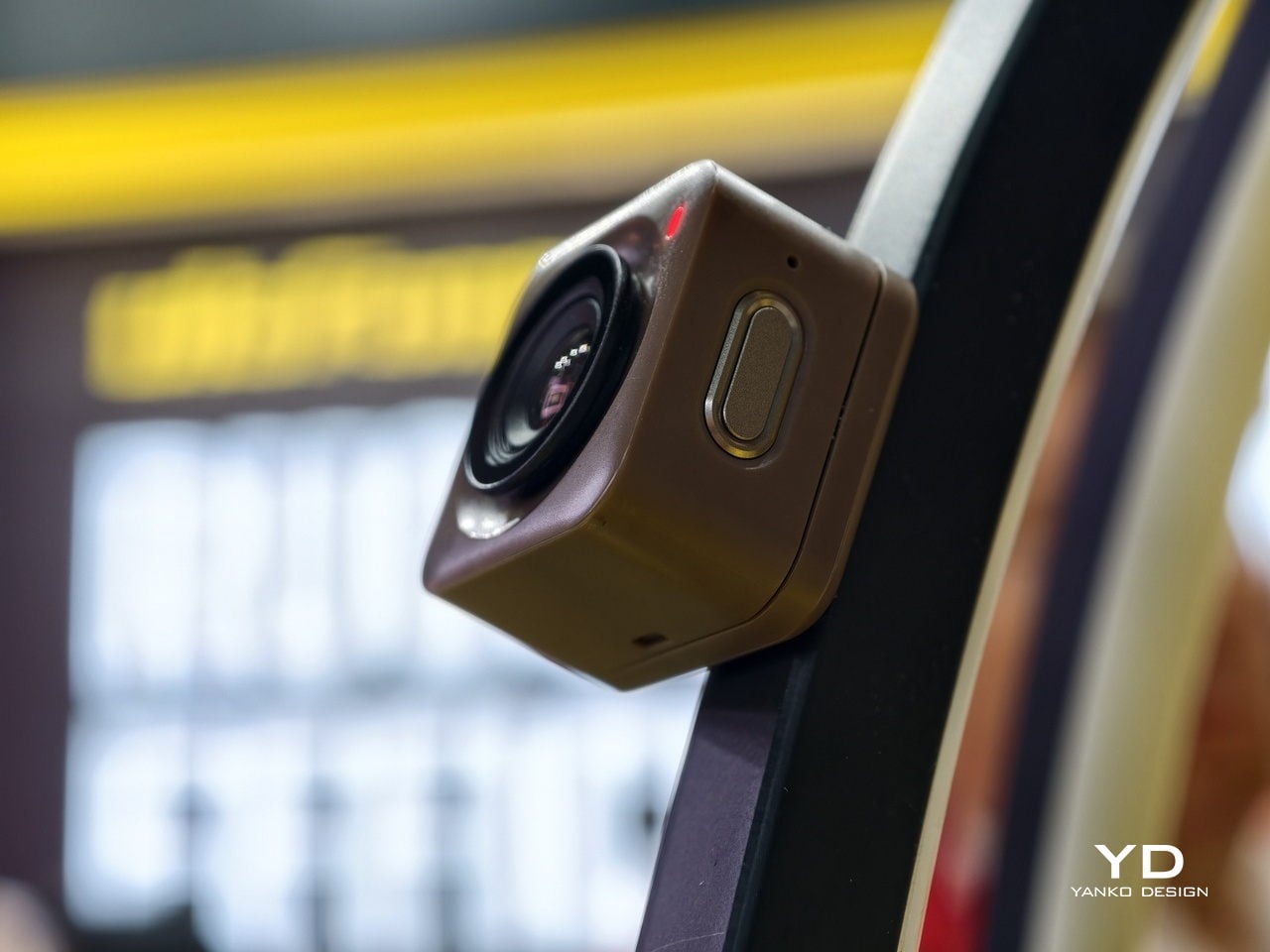
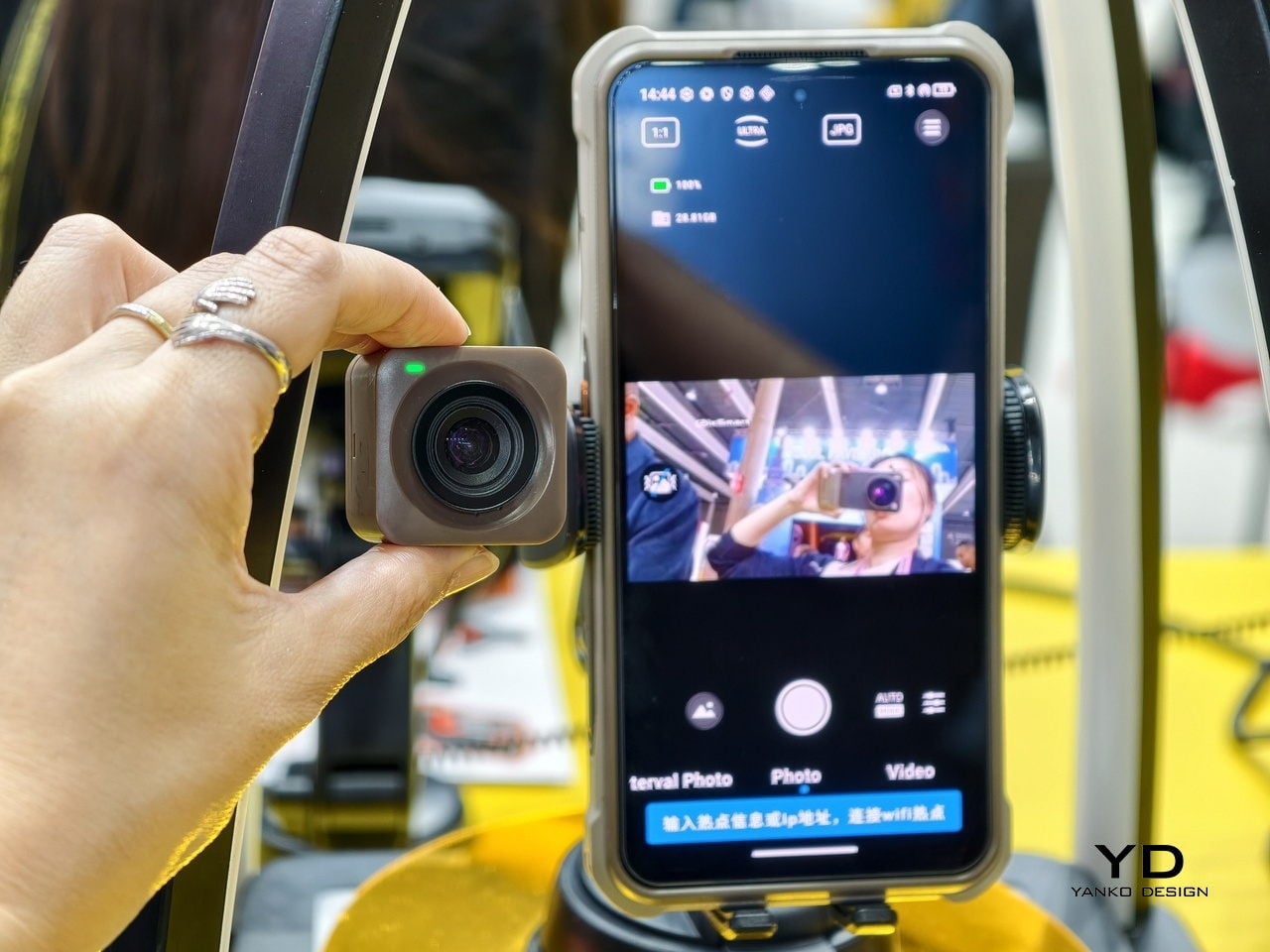
The module snaps onto the rear chassis magnetically, drawing obvious design inspiration from the Insta360 GO series, and peels off into a fully independent wearable. Stick it on a helmet or a bike frame, and it films hands-free while the phone handles viewing and charging. The two pieces are built as a single system, not as separate products that happen to coexist on the same body.

Designer: Ulefone

Ulefone has not yet disclosed the module’s sensor resolution, video specifications, or battery life. Given its thumb-sized form, runtime is likely limited; the Insta360 GO 3S manages roughly 30 minutes per charge in a comparably small body. That is workable for a short trail run or a surf session, but it will not replace a dedicated action camera for a full day out. The production specs will matter a lot once they arrive.

The phone itself is not an afterthought. A MediaTek Dimensity 8400 5G chipset sits inside, paired with a 50 MP OIS main camera, a 64 MP night vision lens, and a 9,000 mAh battery behind a 6.67-inch 1.5K AMOLED display at 120 Hz. That night vision lens is the kind of spec aimed at people who are actually outdoors after dark, not those who like to imagine they could be.

Ulefone is also pitching the magnetic dock as the base for a broader module ecosystem, with planned additions that include thermal imaging, night vision enhancement, and a professional lens suite. That framing is familiar territory in the modular phone space and has collapsed under its own ambitions before. Tracking how many of those planned modules actually ship, rather than staying on a roadmap slide, will be worth watching.

Pricing has not been set, and a mid-2026 commercial launch is the current target. The things that will actually determine the phone’s value, including how quickly the module detaches, how reliably the phone recognizes reattachment, and how cleanly footage syncs, are details that only a finished unit in regular use can settle.

Rugged phones have spent years stacking specs that most owners never actually invoke, so a design decision that changes what the phone physically does day to day is worth paying attention to. The module ecosystem is what separates a compelling demo from a genuinely useful product, and that part of the story depends entirely on whether the follow-through arrives on time and in one piece.

The post This Rugged Phone’s Action Camera Pops Off to Become a Wearable first appeared on Yanko Design.