DOOGEE Fire 7 Ultra rugged smartphone doubles as a push-to-talk radio for instant team communication

Rugged smartphones have long been DOOGEE’s playground, as the brand frequently experiments with bold ideas that blur the line between utility gadget and everyday smartphone. Past releases have showcased this experimental streak successfully. The DOOGEE S200 embraced a mech-inspired aesthetic with a design that looked more like a piece of futuristic equipment than a typical handset, while the DOOGEE S98 leaned into spy-gadget territory with a secondary rear display and an unmistakably tactical vibe. Even more unusual was the DOOGEE S119, a device that literally mounted a smartwatch-like display on its back.

The newly introduced DOOGEE Fire 7 Ultra continues that spirit of experimentation but shifts the focus toward communication rather than design theatrics. Instead of simply building a phone that survives harsh environments, DOOGEE is positioning the Fire 7 Ultra as a hybrid device that combines smartphone functionality with the instant communication capabilities of a professional two-way radio system.

Designer: DOOGEE
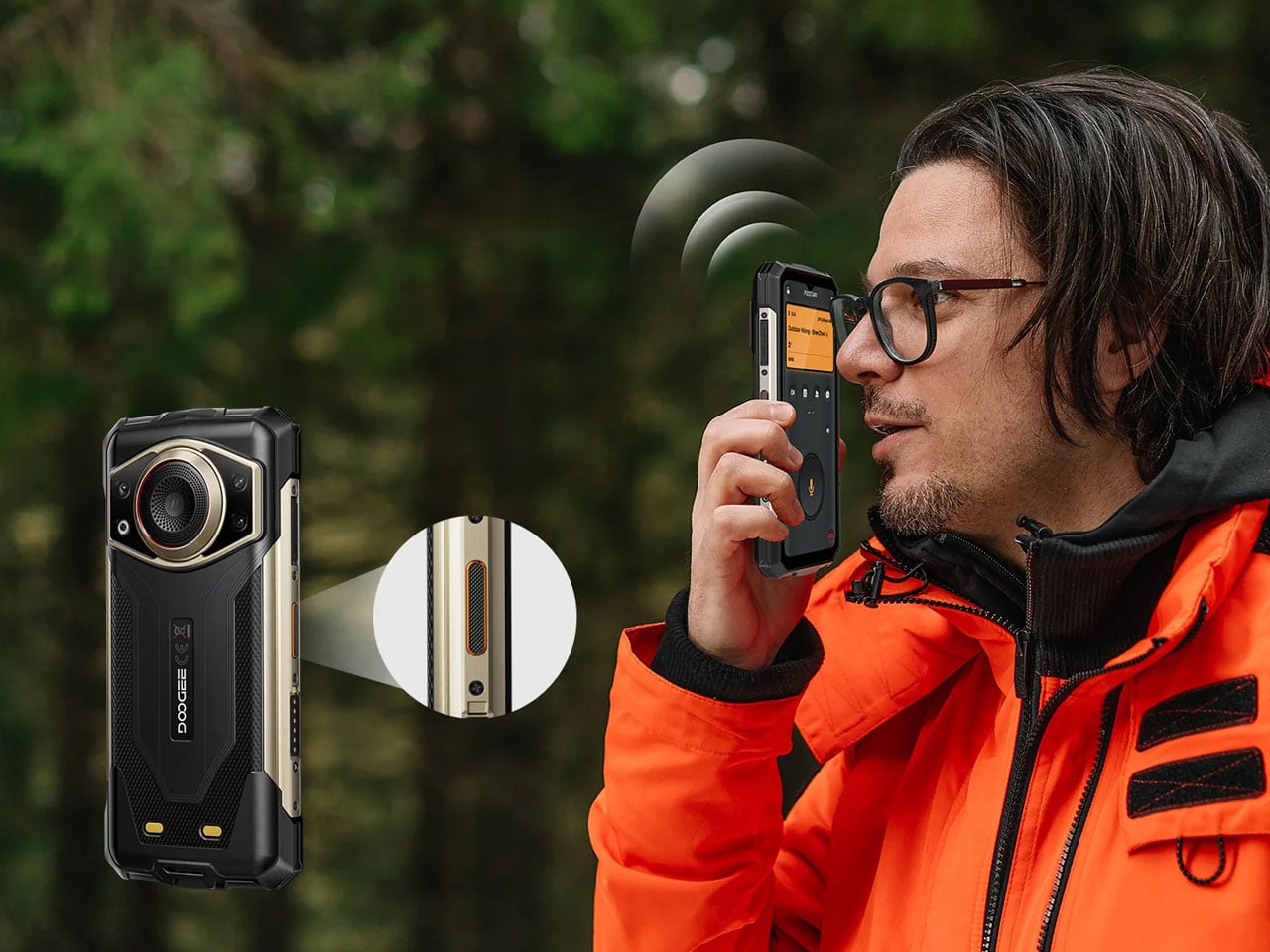
At the heart of the Fire 7 Ultra is its Push-to-Talk Over Cellular (PoC) system, a feature designed to transform the phone into a real-time communication hub for teams. Using cellular or Wi-Fi connectivity, the device allows users to initiate instant voice communication with a single press of a dedicated PTT button on the side. This setup enables one-to-one or group communication similar to traditional walkie-talkies but without the range limitations typically associated with radio hardware. As long as there is network connectivity, the communication range is essentially unlimited, making it suitable for field teams, logistics crews, event staff, and emergency responders.

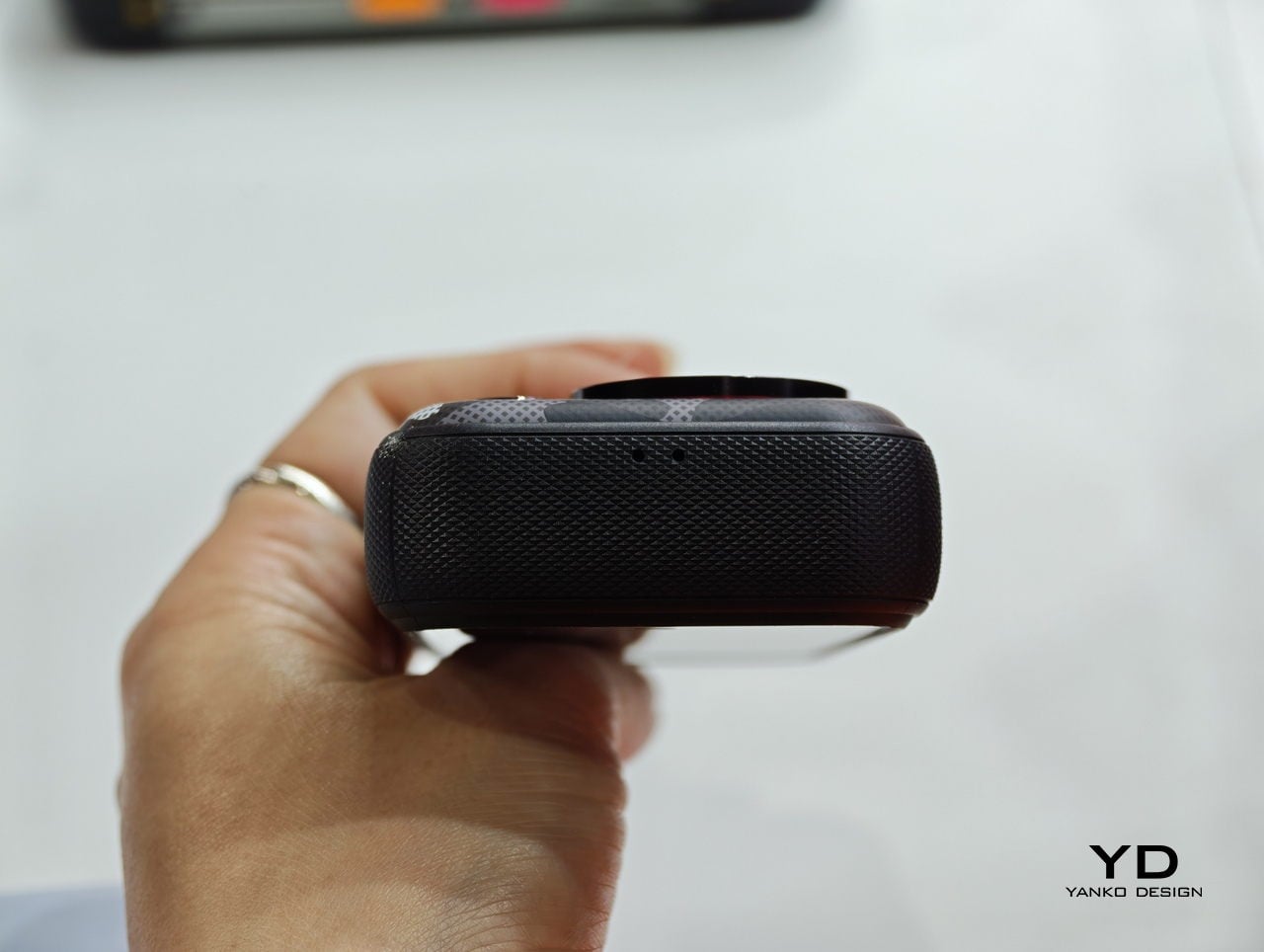
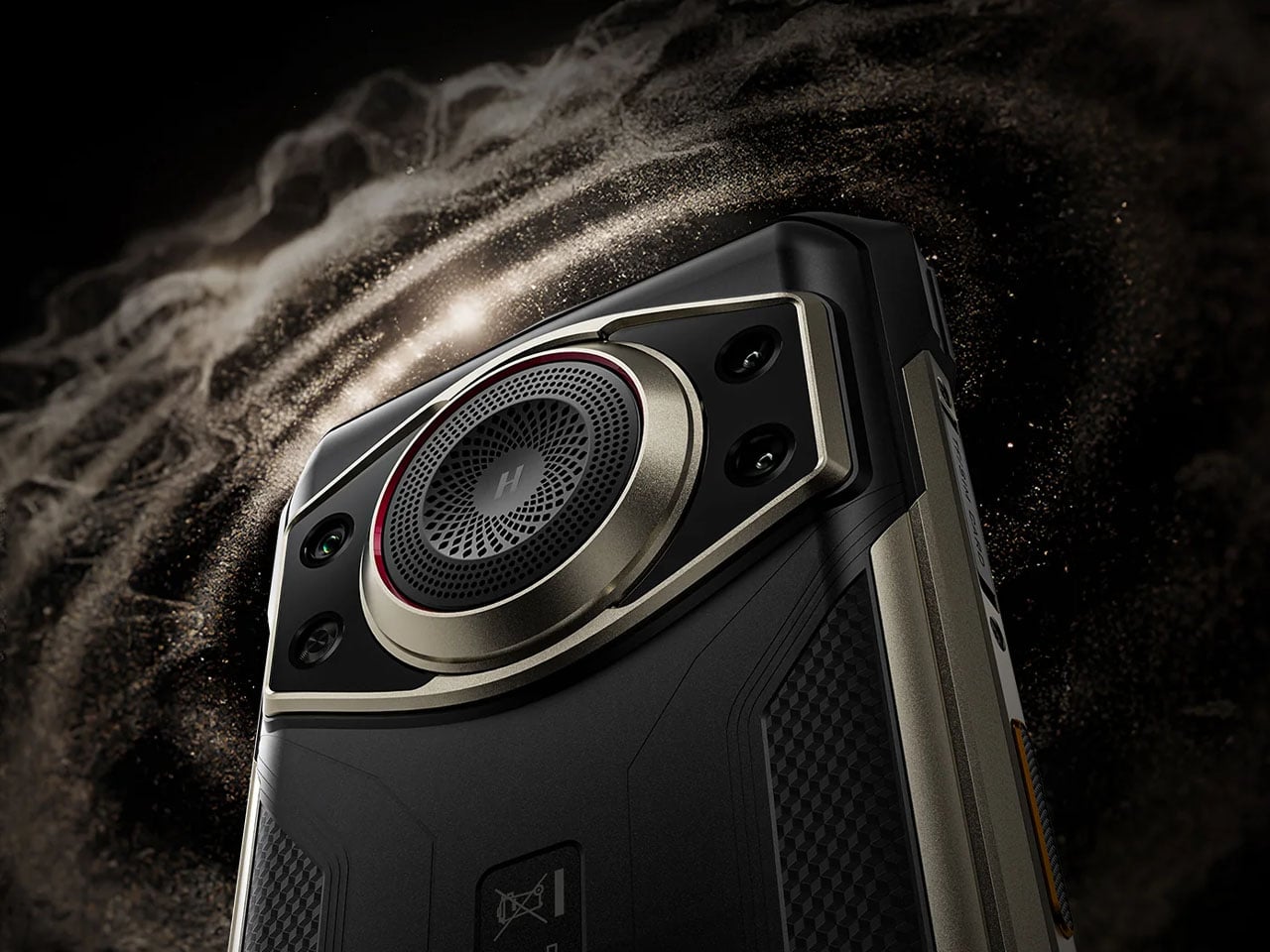
The device also incorporates a short-range Bluetooth intercom mode for situations where cellular coverage is unavailable. This feature allows nearby users to communicate directly with each other without relying on network infrastructure, which can be particularly useful in environments such as tunnels, forests, or construction zones. Supporting these communication features is a powerful 125-decibel speaker powered by a 34mm, 3.5W driver, ensuring that voice transmissions remain clear even in noisy outdoor environments.

Durability remains a USP of the Fire 7 Ultra’s design philosophy. The phone carries IP68 and IP69K water and dust resistance ratings and meets MIL-STD-810H durability standards, allowing it to withstand water immersion, dust exposure, and accidental drops from around 1.5 meters. The rugged construction is paired with a large 6.6-inch IPS display featuring a 90Hz refresh rate and HD+ resolution, protected with reinforced glass designed to handle demanding outdoor conditions. Powering the device is MediaTek’s Dimensity 6300 chipset, a 6nm processor that supports 5G connectivity while delivering efficient performance for everyday tasks and communication-heavy workloads. The phone ships with 8GB of RAM, which can be virtually expanded up to 32GB, alongside 256GB of internal storage and a microSD slot for further expansion.

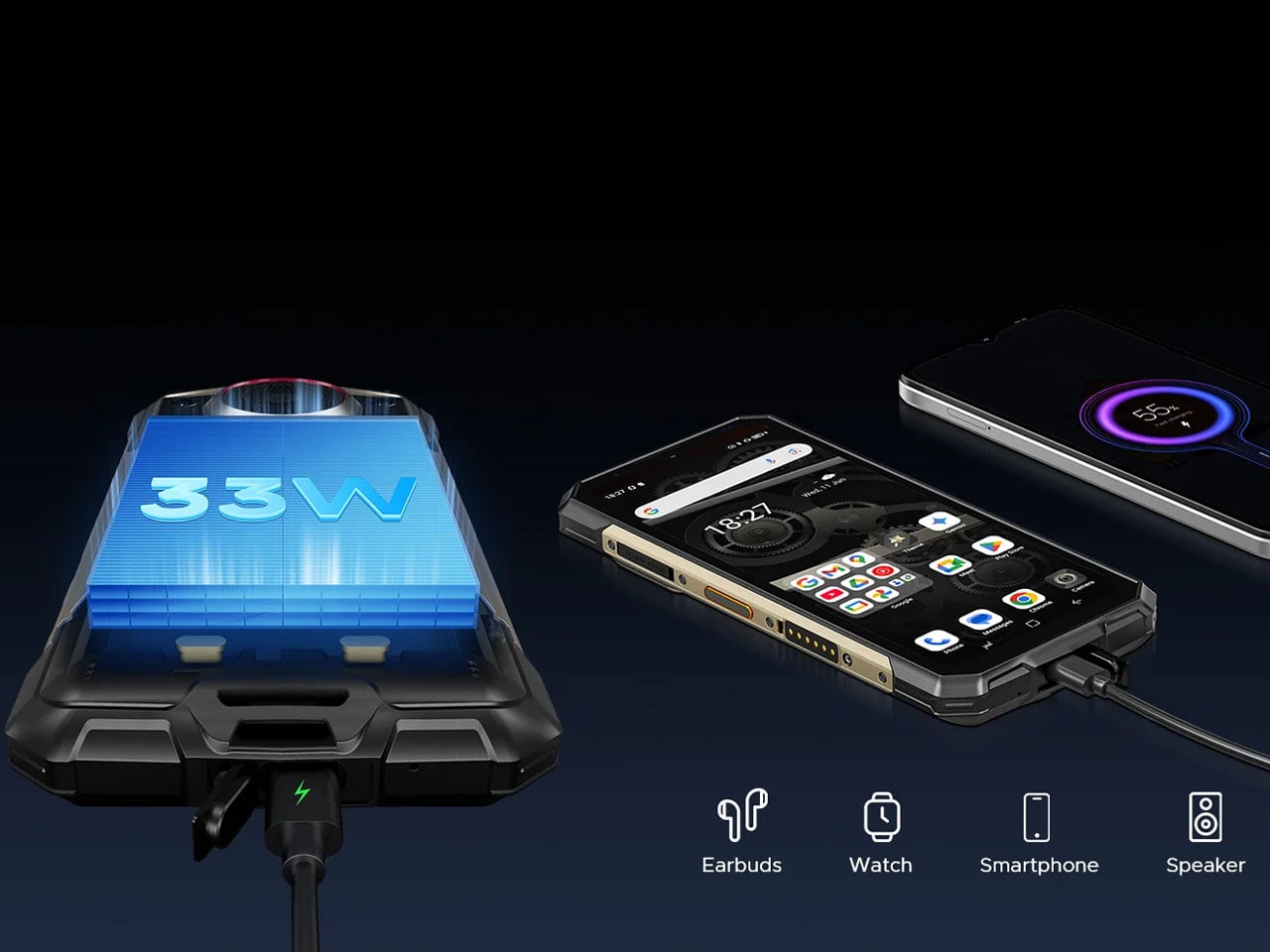
A massive 13,000mAh battery keeps the device operational for extended field use, reducing the need for frequent charging during long shifts or outdoor expeditions. The phone supports 33W fast charging and even includes reverse charging capabilities, allowing it to power smaller devices such as earbuds or smartwatches when needed. The camera setup is straightforward but capable, featuring a 64-megapixel main camera paired with a 2-megapixel macro lens and a 16-megapixel front-facing camera. Running on Android 15, the phone also supports features such as NFC for contactless payments, side-mounted fingerprint recognition, facial unlock, and a triple card slot that accommodates two SIM cards and a microSD card simultaneously.

The DOOGEE Fire 7 Ultra phone is currently available at official stores and select online retailers, with pricing around $360 for the 8GB RAM and 256GB storage variant.
The post DOOGEE Fire 7 Ultra rugged smartphone doubles as a push-to-talk radio for instant team communication first appeared on Yanko Design.
This Tiny Rugged Phone Has a 152° Action Camera and GoPro Mounts

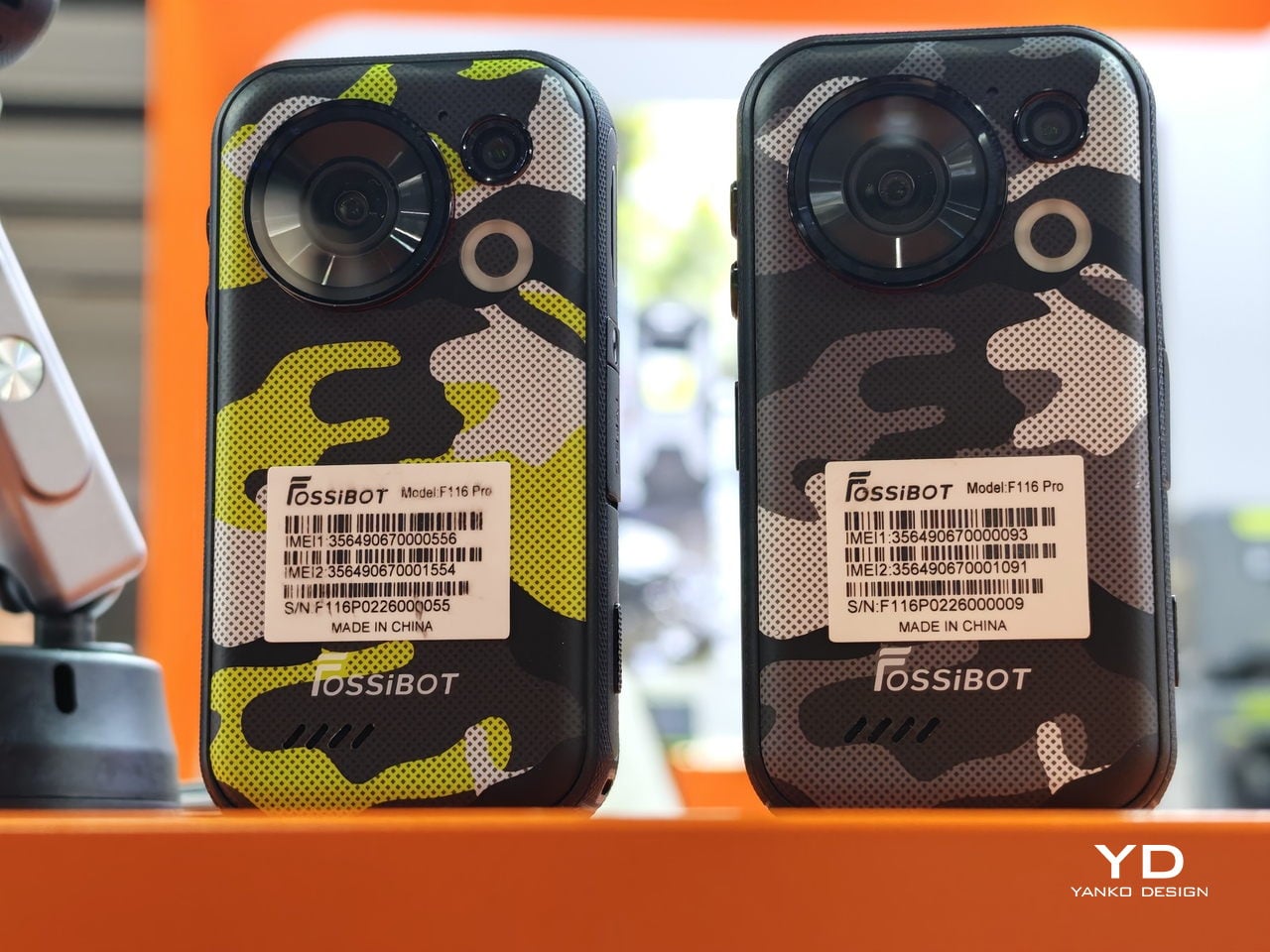
Action cameras are great until you realize you’ve left yours at home. Phones are always with you, but most of them are too big, too fragile, or too awkward to mount anywhere useful. The FOSSiBOT F116 Pro is a compact, rugged phone that tries to solve both problems at once, and the approach is specific enough to be interesting.

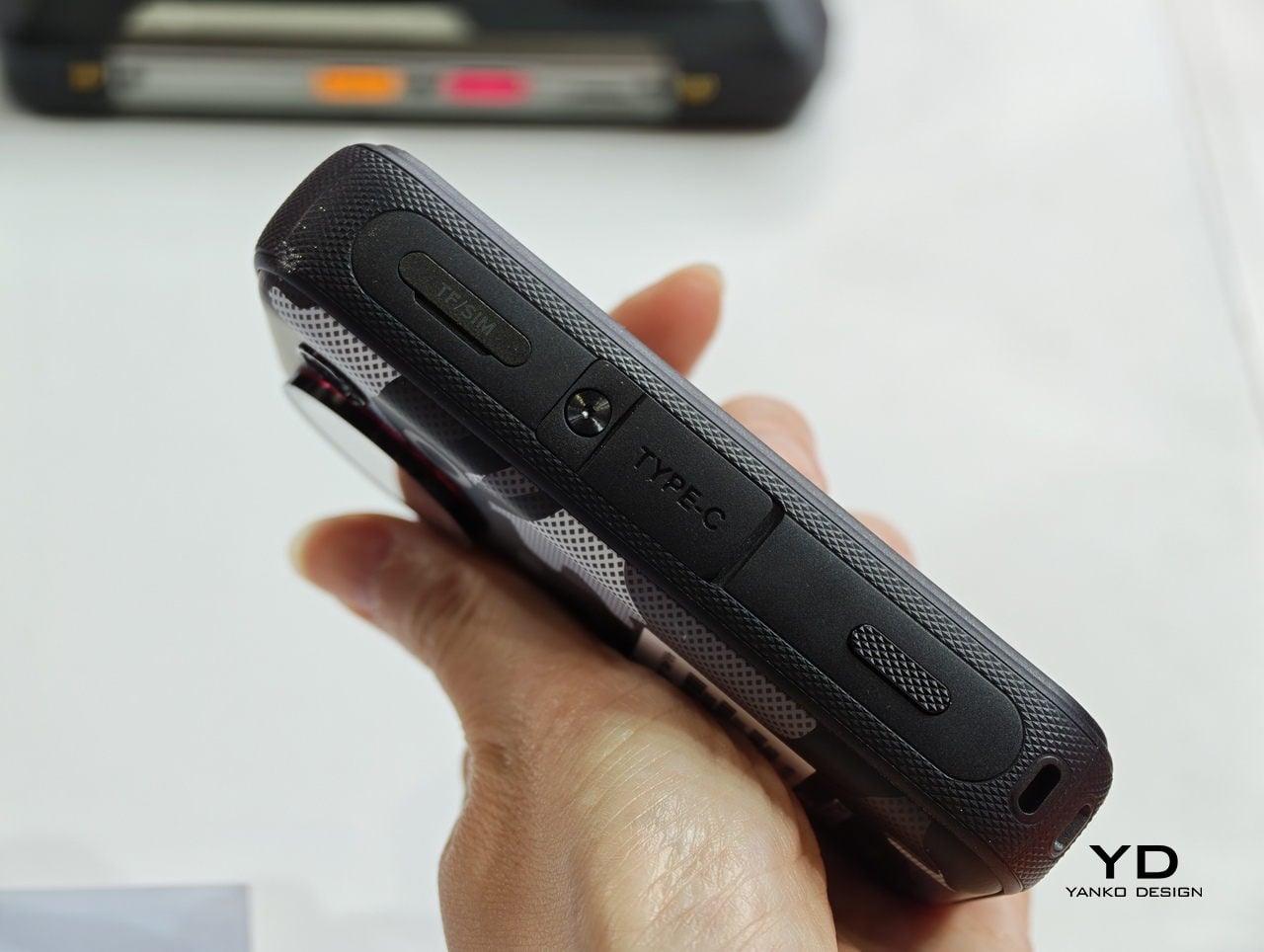
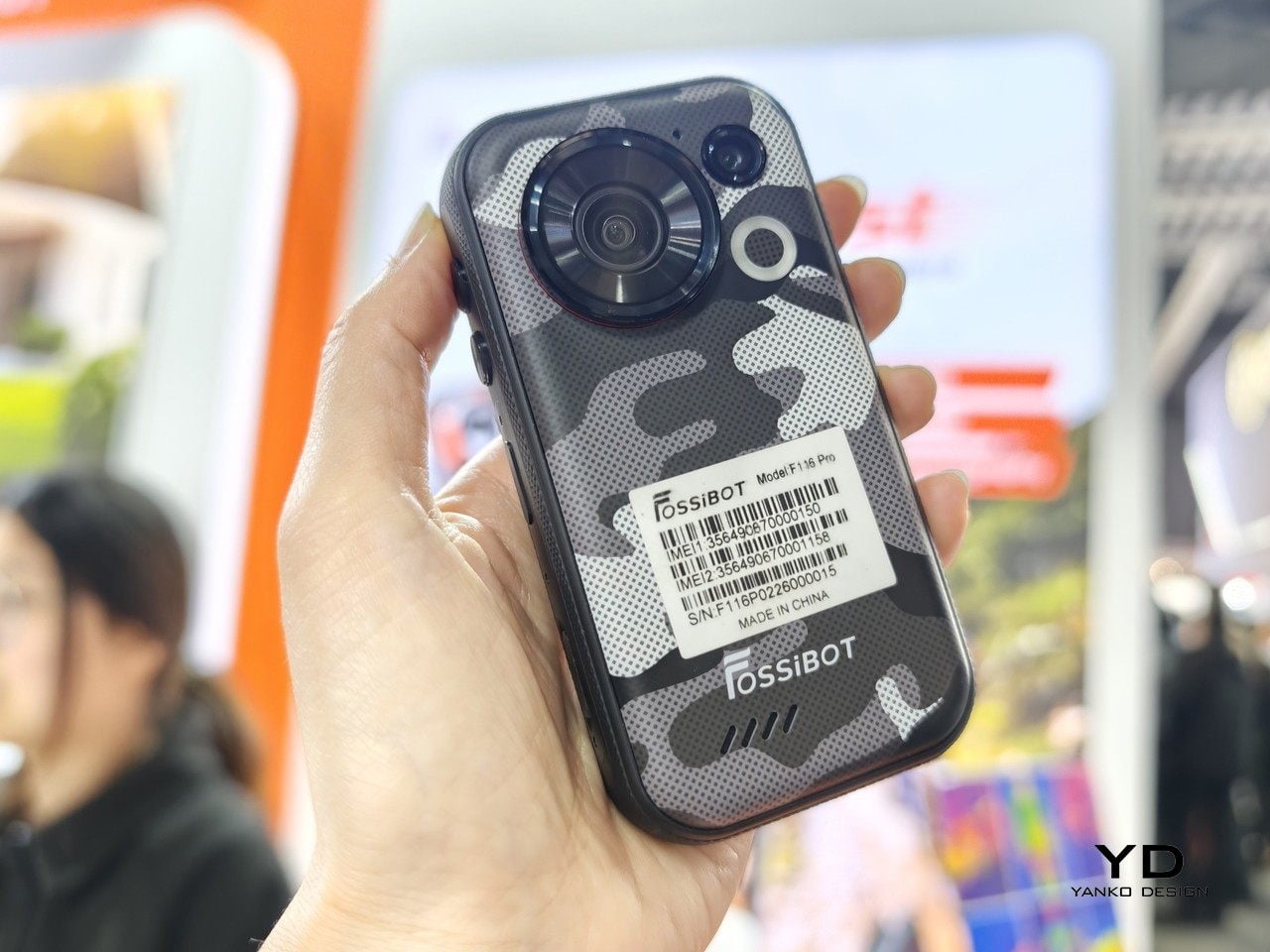
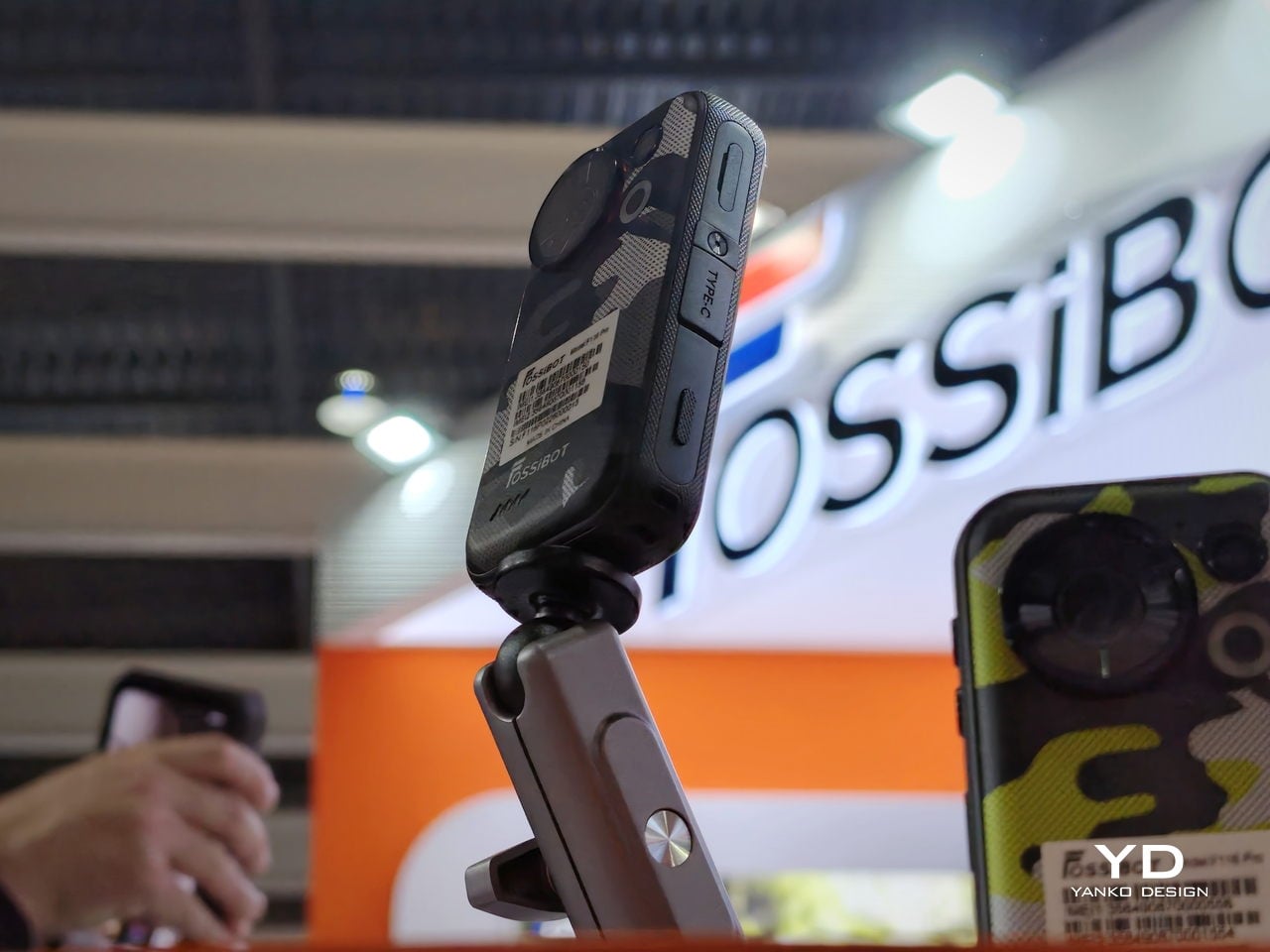
The F116 Pro is built around a 4.05-inch display and has a standard 1/4-inch screw socket at the bottom, the same thread you’d find on a tripod or a GoPro accessory. That means it works with the same ecosystem of mounts that action cameras already use: chest straps, suction cups, handheld grips, and neck mounts. The phone goes where the camera goes, instead of staying in your pocket while you film.

Designer: FOSSiBOT

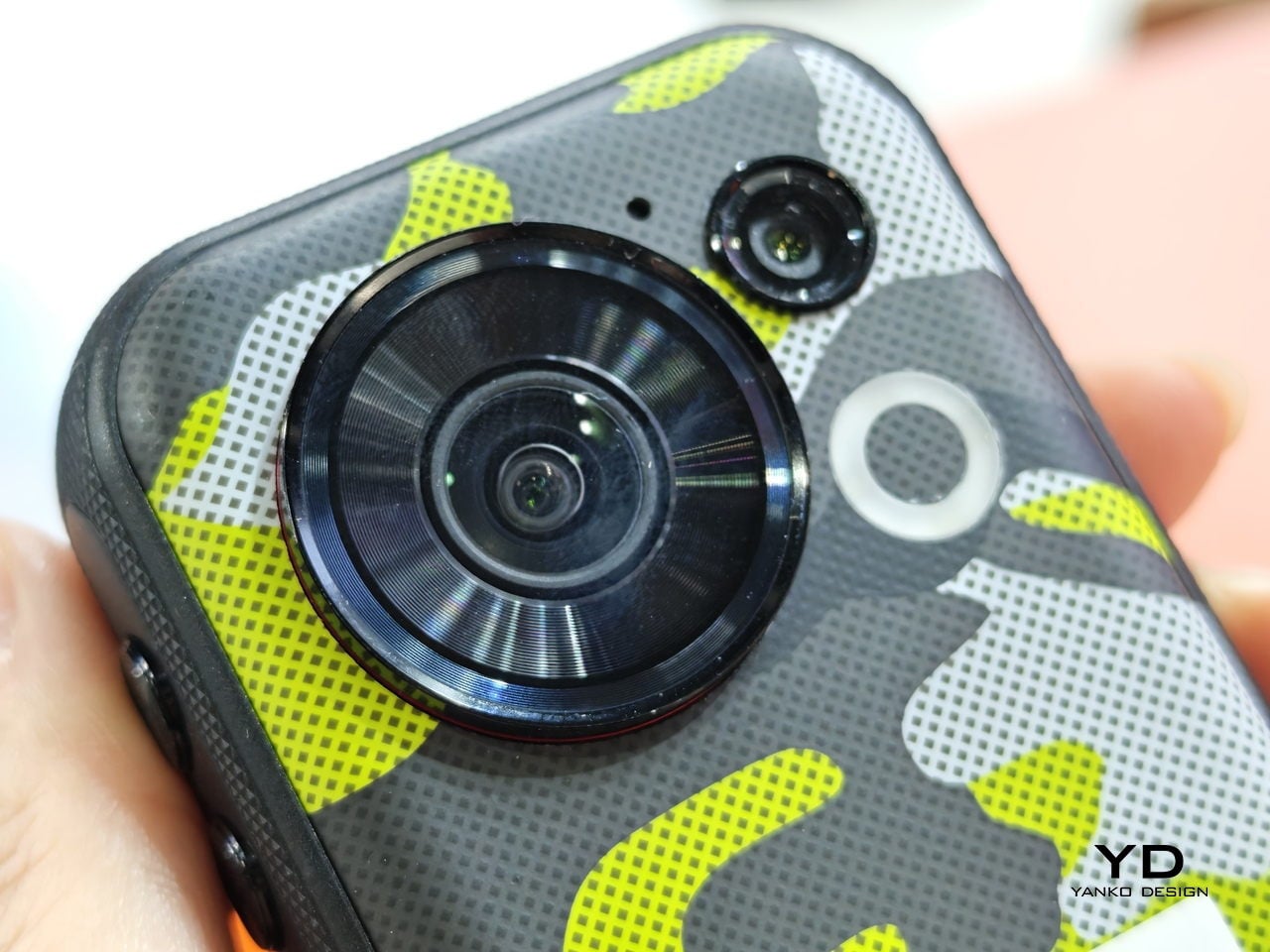
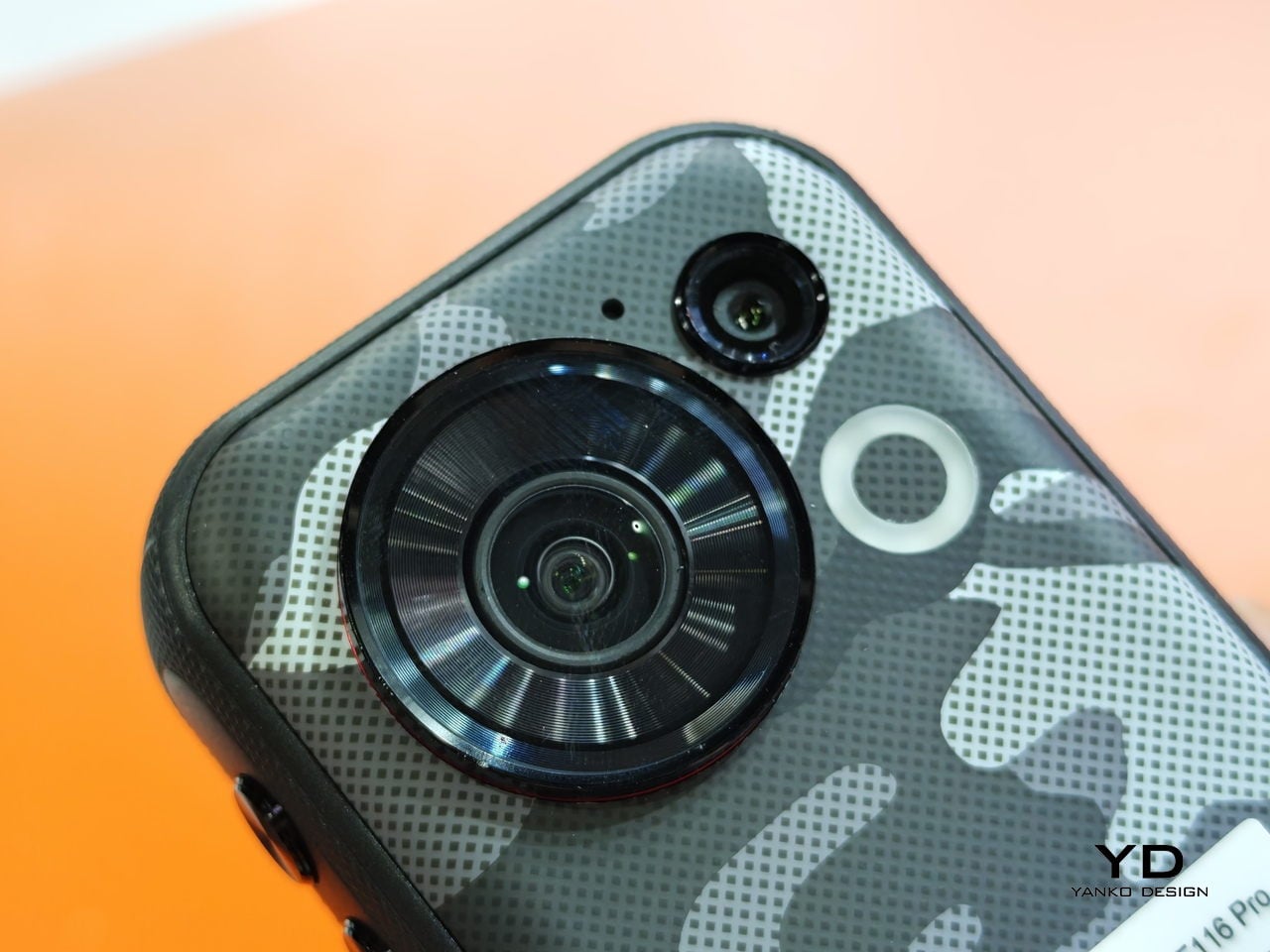
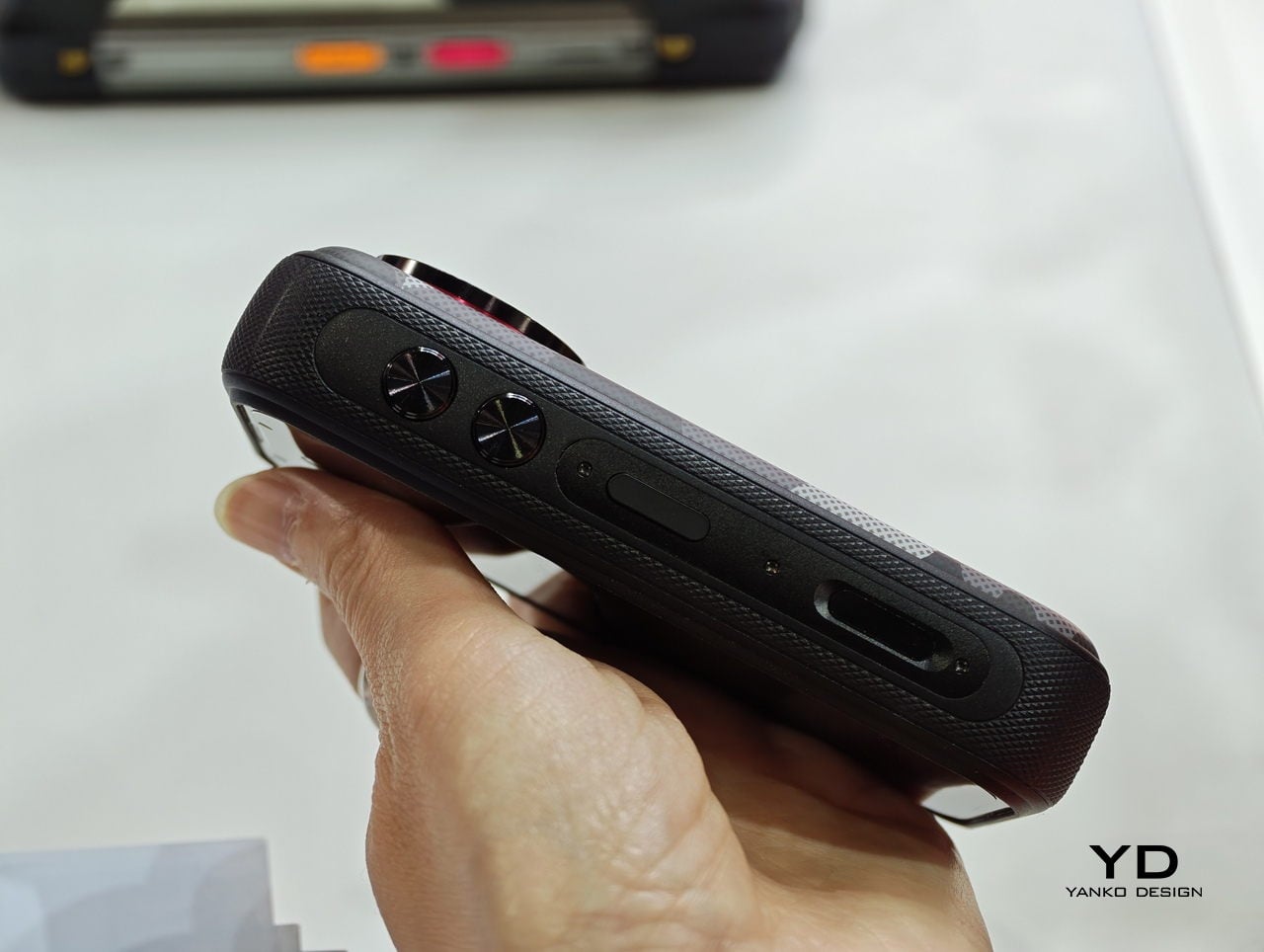
The camera is a 48 MP wide-angle unit with a 152.6-degree field of view, which is genuinely wide. Most smartphone ultrawide lenses sit somewhere between 70 and 90 degrees for comparison. Built-in stabilization smooths out footage on bumpy terrain, and a dedicated physical camera button on the body launches the camera instantly without unlocking the phone first, which matters more than it sounds when you’re actually moving.

Inside, the phone runs on a MediaTek Dimensity 7300 chipset built on a 4nm process, paired with 12GB of RAM and 256GB of storage, expandable up to 1TB with a now-rare microSD card slot. The display refreshes at 120Hz, 5G connectivity means footage can leave the device without hunting for Wi-Fi, and a 3,700 mAh battery with 33W charging keeps things moving. Modest numbers, but proportionate to a 4-inch screen and mid-range specs.

There’s also a rear circular LED that FOSSiBOT calls a “Light Signal Tower,” which cycles through colors and can be set to show notifications. It reads as a feature designed more for personality than practicality, but on a device this small, glancing at the back for alerts without waking the screen has some logic to it.

The compact body is the most interesting design choice here, and also the one that will define the experience. At 4.05 inches, the screen is smaller than almost anything else currently on the market. That’s a genuine advantage for one-handed operation and pocket carry, and a real limitation for anything that benefits from screen size: reading, navigation, video playback. The F116 Pro is betting its users want something small enough to forget they’re carrying it.

FOSSiBOT has been around since 2022 and claims more than 1.5 million users across its lineup. The F116 Pro showed up at CES earlier this year, and again at MWC 2026, which suggests the company is serious about getting it in front of people. The more honest question is whether a mountable, rugged, mini-format phone lands in a gap the market actually has, or one the market has already decided it doesn’t need.

The post This Tiny Rugged Phone Has a 152° Action Camera and GoPro Mounts first appeared on Yanko Design.
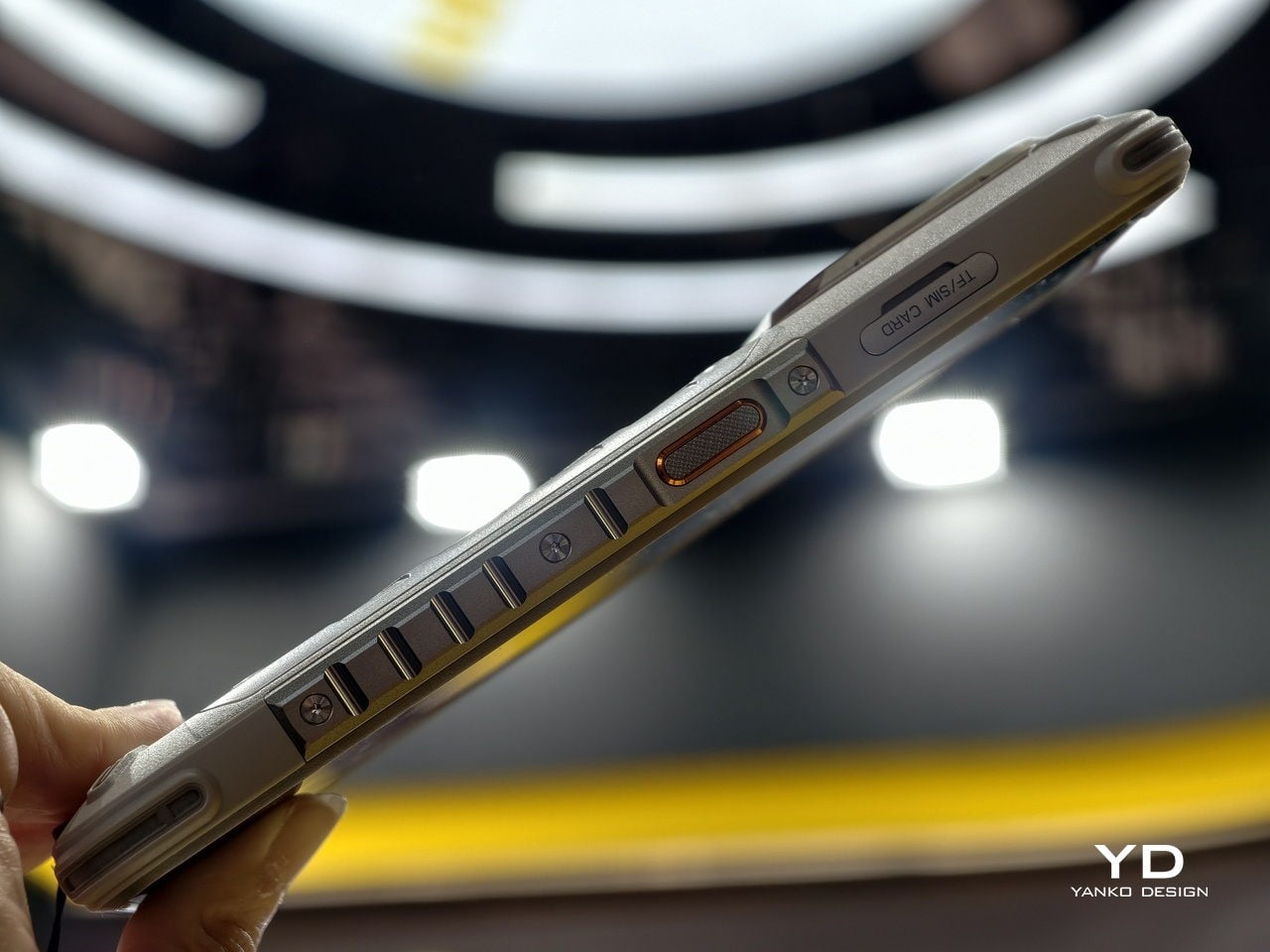
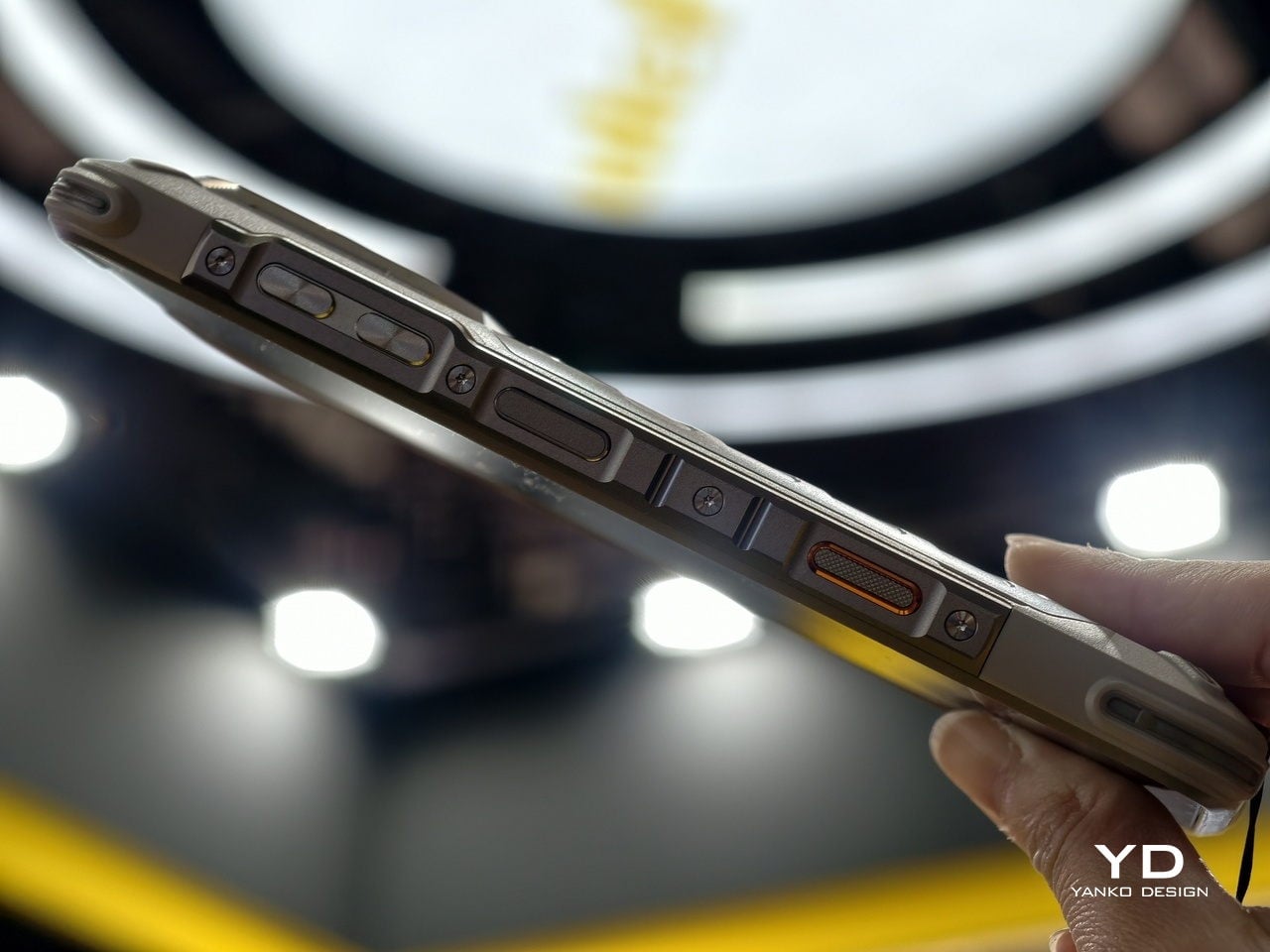
This Rugged Phone Ships With 2 Batteries You Can Hot-Swap

Dead battery anxiety is real, and for most people, the solution is either a power bank they forgot to charge or a desperate search for an outlet. Flagship phones have been getting faster at charging for years, but none of them have gone back to the one fix that actually solves the problem: a battery you can take out and replace with a fresh one, right there on the trail.

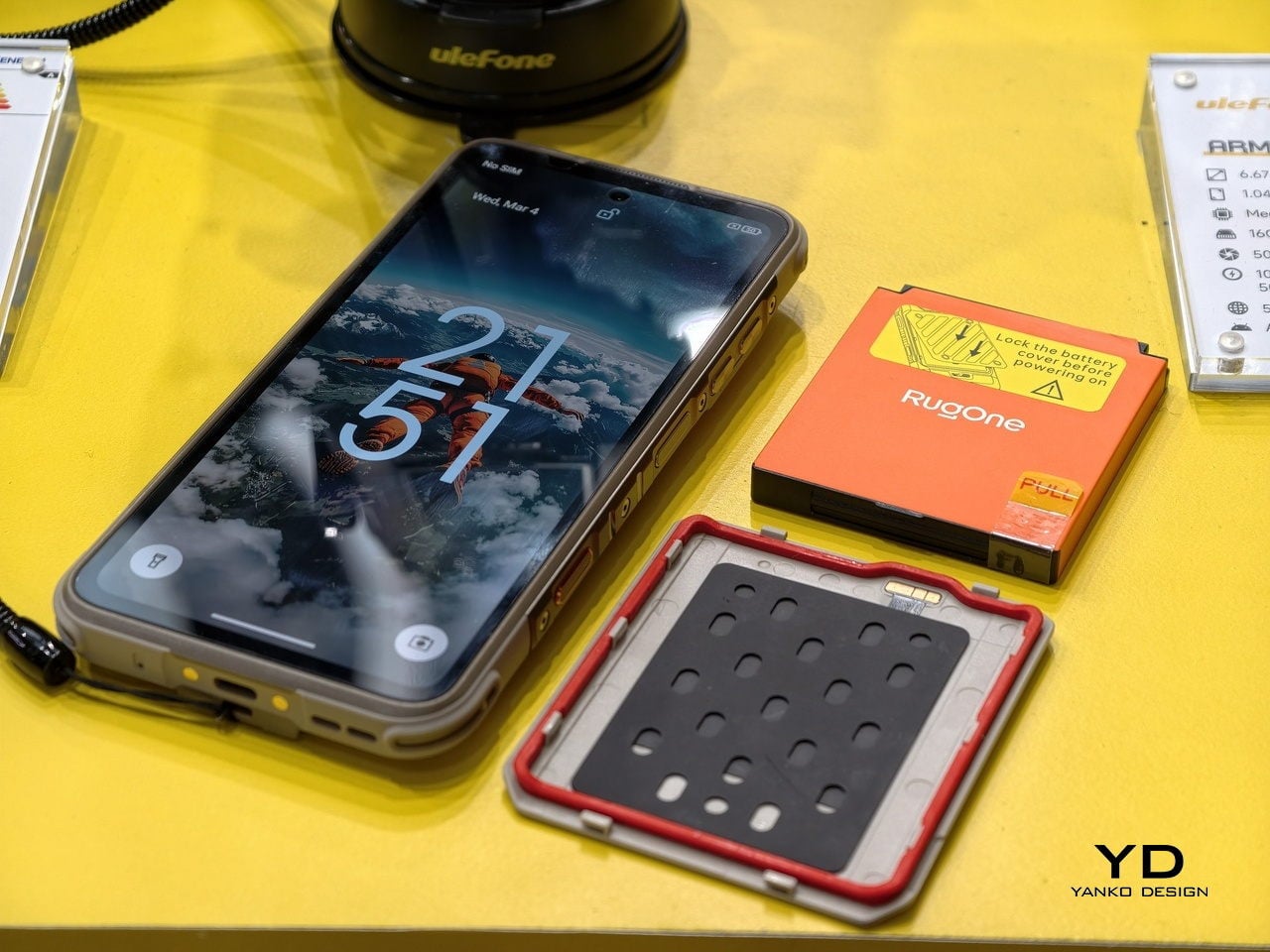
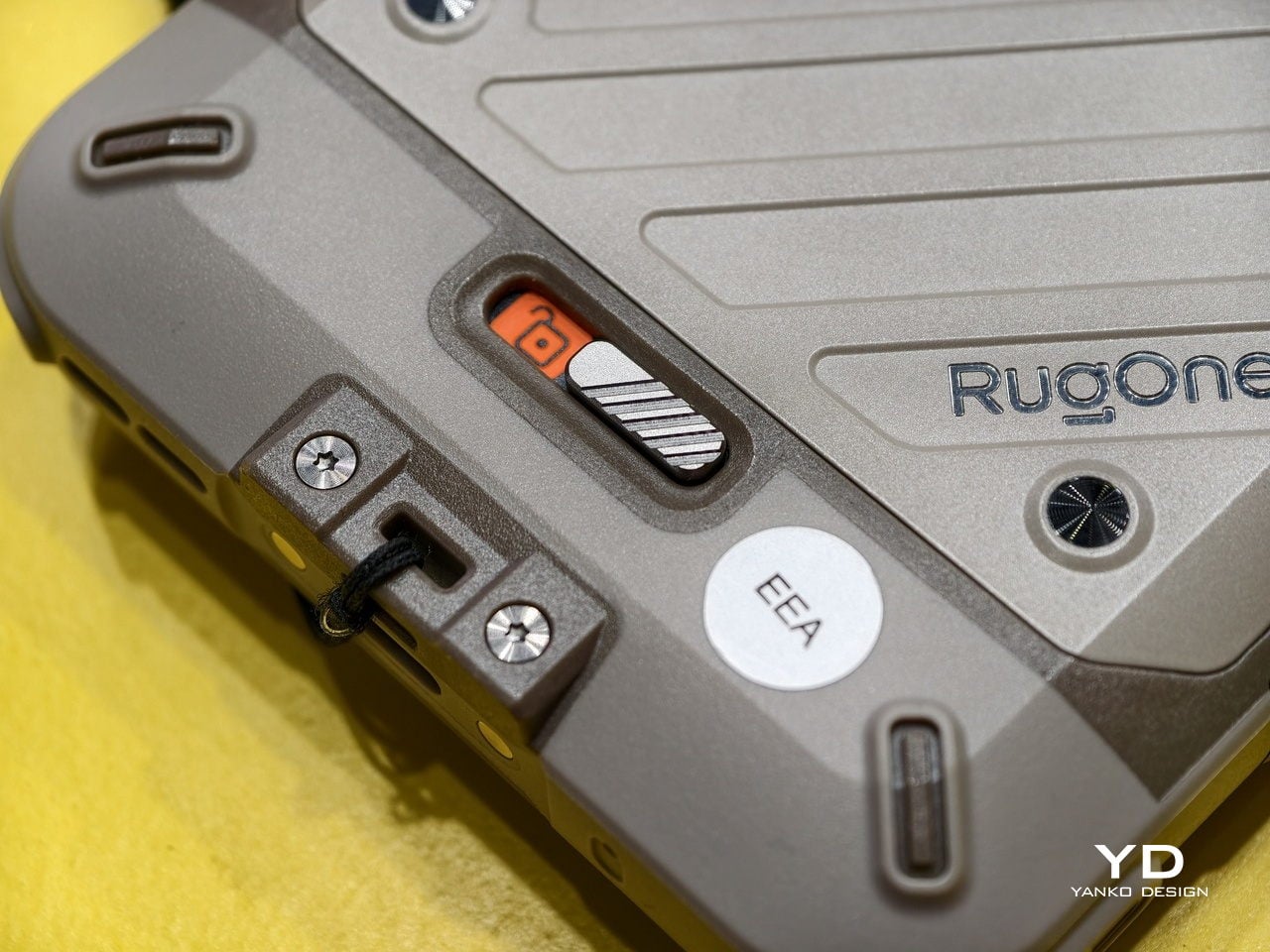
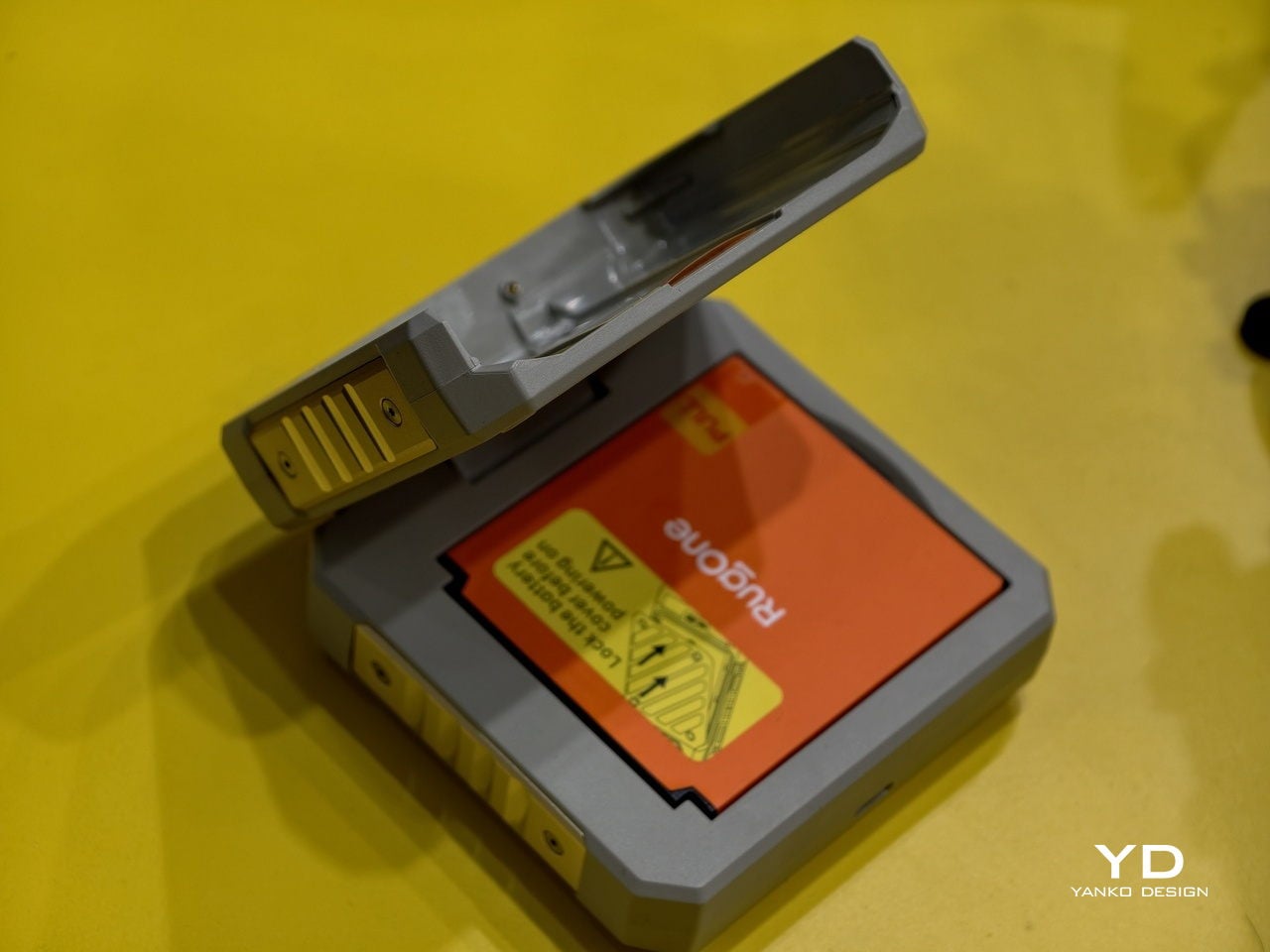
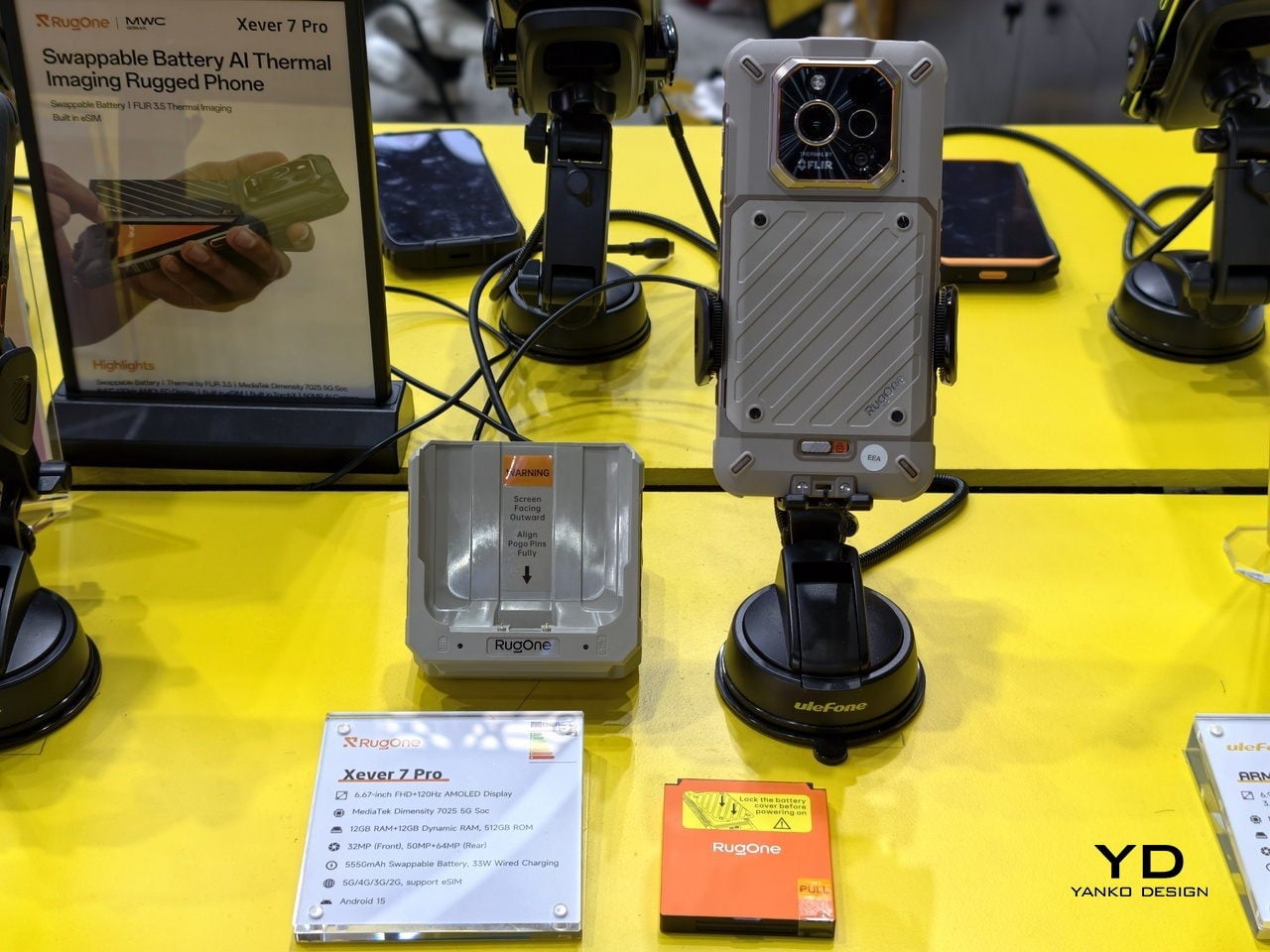
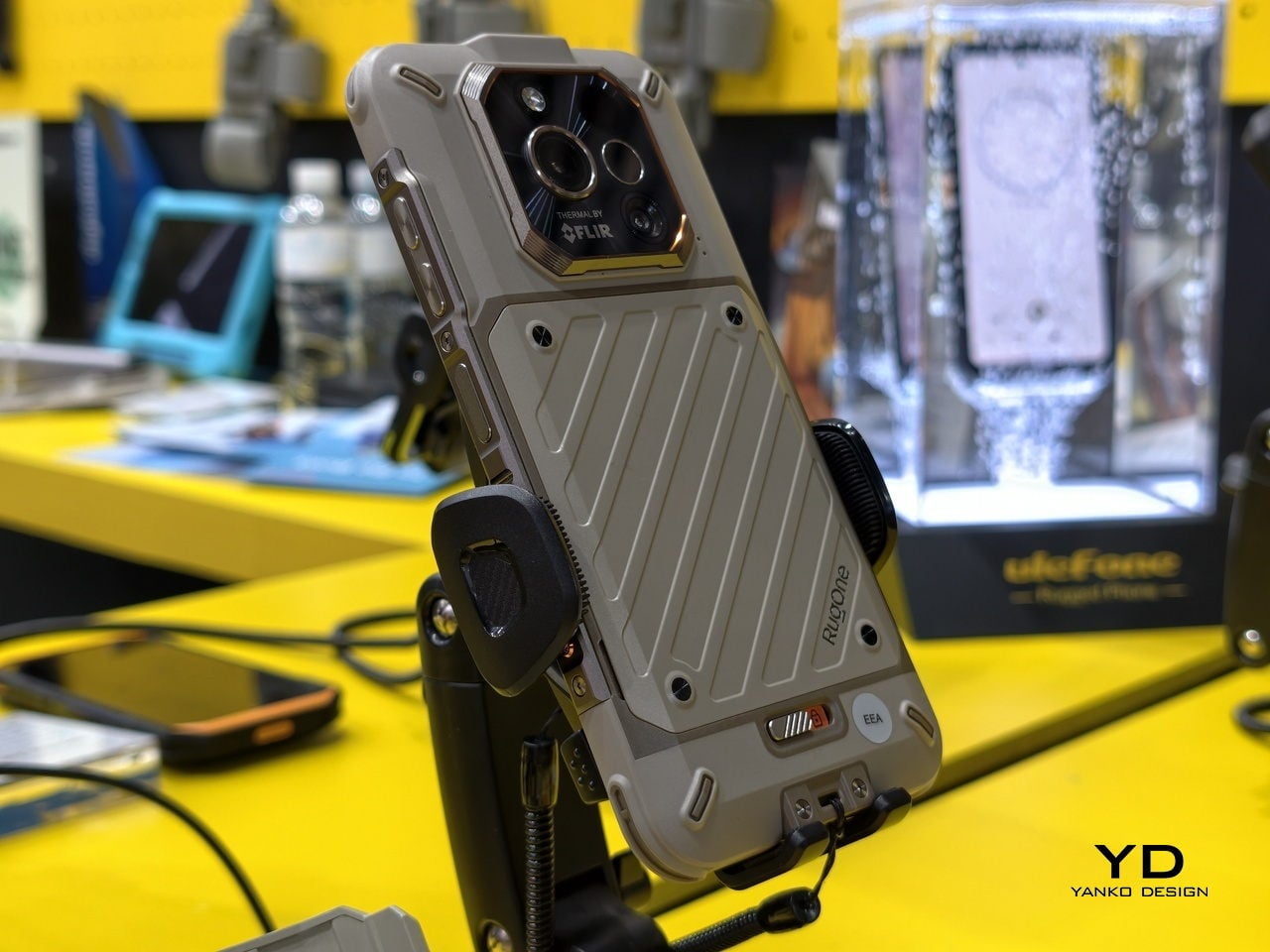
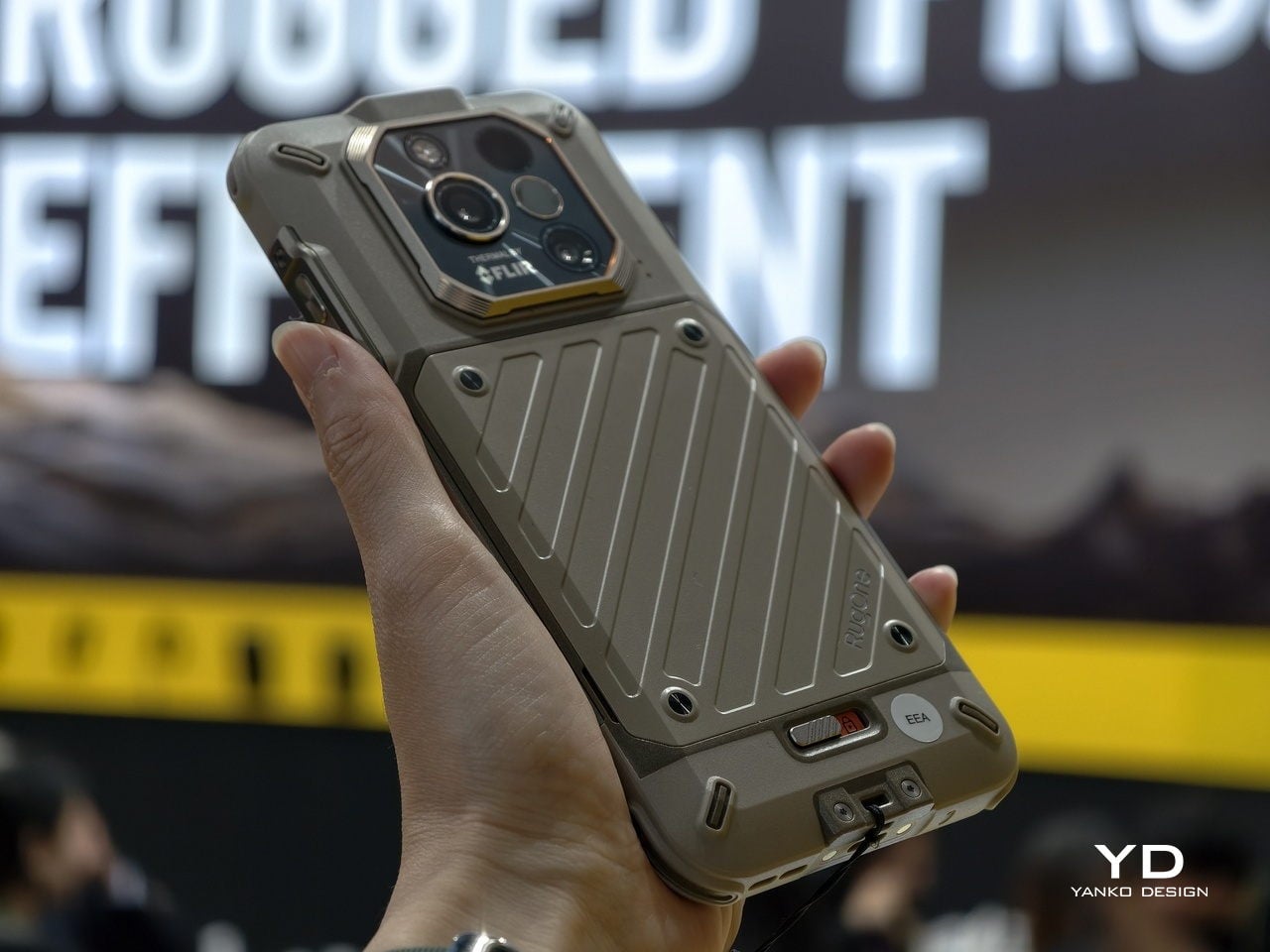
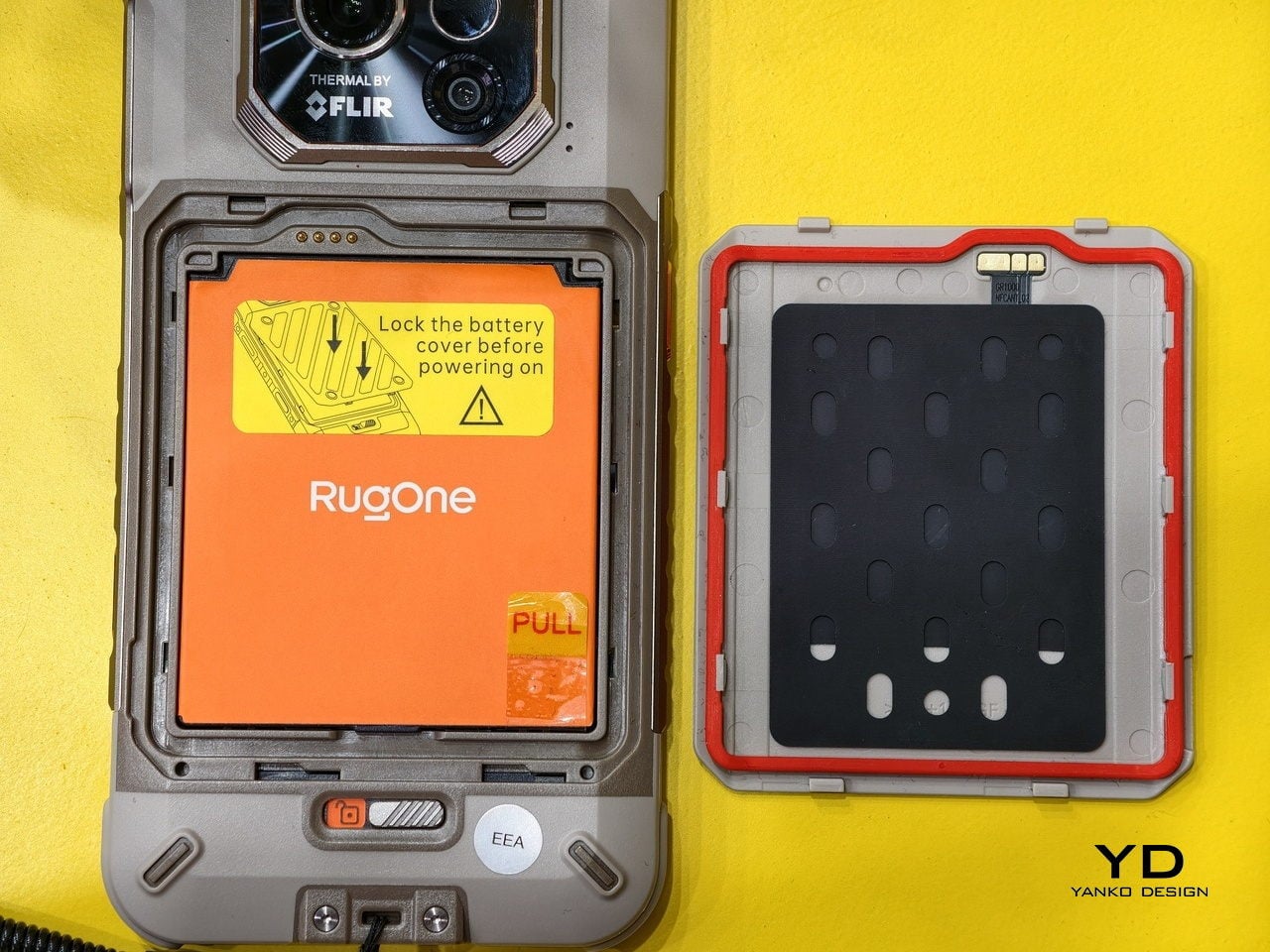
That is exactly what the RugOne Xever 7 does. It ships with two 5,550 mAh batteries and a built-in buffer cell that keeps the phone alive during the swap, so you never have to restart. The whole process takes under 180 seconds. There is no hunting for a socket, no waiting out a charging cycle, and no watching the percentage tick up while your plans sit on hold.

Designer: Ulefone

The phone is IP69K and IP68 rated, survives drops per MIL-STD-810H certification, and weighs 325 g, which is heavy but not unusual for a rugged device with this much packed inside. The 64 MP night vision camera uses four built-in infrared lights to shoot in complete darkness, which is genuinely useful if you have ever tried to photograph a campsite at 2 a.m. with a regular phone and gotten nothing.

There is also a 50 MP main camera with optical image stabilization, a 50 MP ultra-wide with a 117.3-degree field of view, and a 32 MP front camera. The phone supports underwater photography as well, with controls you can operate while submerged. Video tops out at 2K at 30 fps, which is fine for most outdoor documentation but a step behind phones at similar price points that record at 4K.

The display is a 6.67-inch AMOLED panel running at 120 Hz with a 2,200-nit peak brightness, which holds up well in direct sunlight. Inside is a MediaTek Dimensity 7025 chipset paired with 12 GB of RAM and 512 GB of storage, expandable to 2 TB via microSD. That chipset is mid-range by current standards, so this is not a performance-first phone, but it handles everyday tasks without friction.

Charging runs at 33W over USB-C or 18W through the Pogo Pin dock that comes in the box. The dock charges the spare battery simultaneously, so by the time your current battery runs low, the backup is already full and ready. That closed loop is the smartest part of the whole system, and the detail that makes the swappable battery feel like a considered design decision rather than a novelty.

Android 15 runs clean here, with Google Gemini built in, a 230-lumen flashlight, an X-axis linear vibration motor, and a 3.5 mm headphone jack that has no business still being this satisfying to find on a phone. The Xever 7 does not try to reinvent what a rugged phone is. It just fixes the one thing that frustrates people most, and lets everything else do its job quietly.

The post This Rugged Phone Ships With 2 Batteries You Can Hot-Swap first appeared on Yanko Design.
This Rugged Phone’s Action Camera Pops Off to Become a Wearable

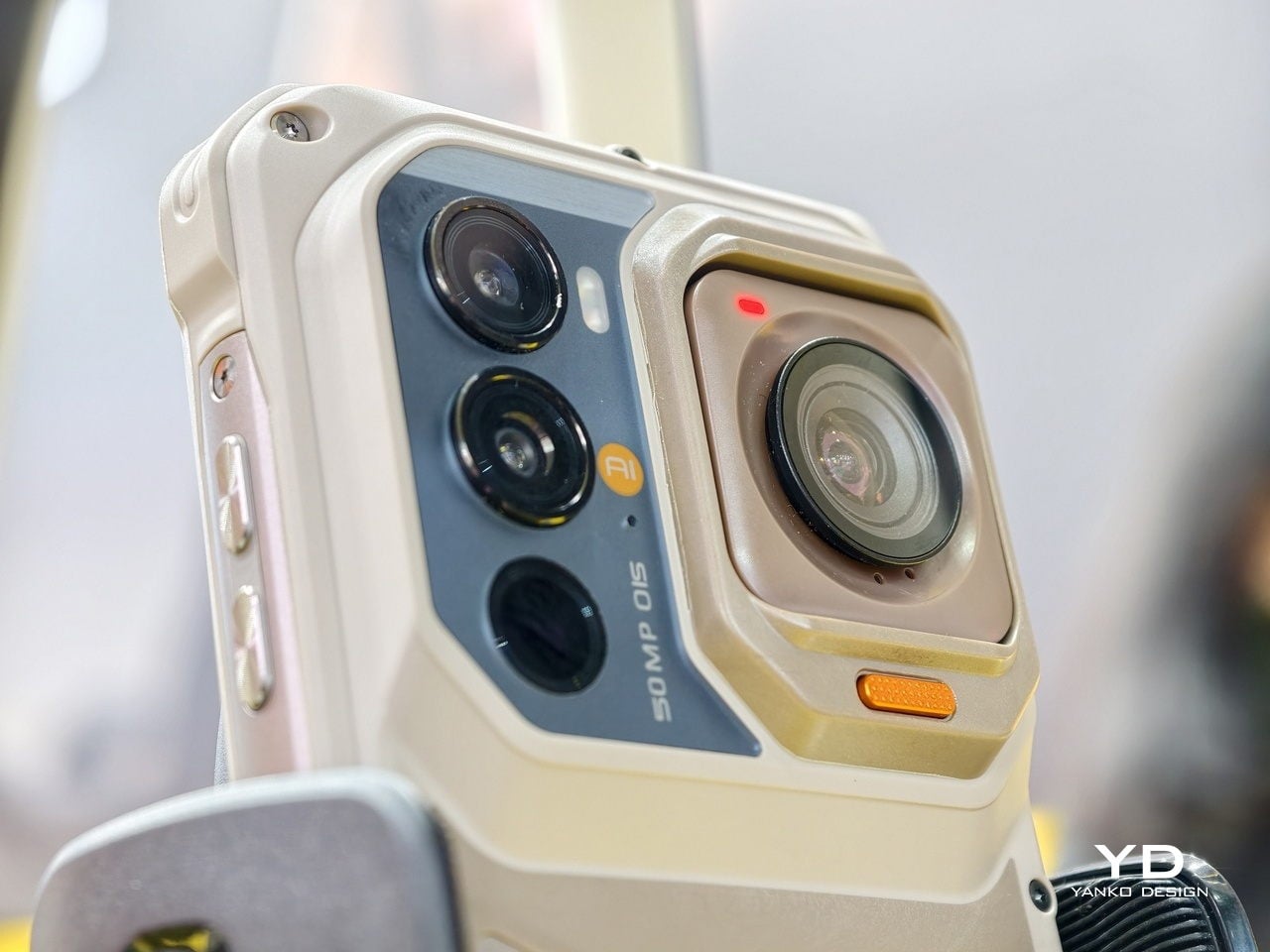
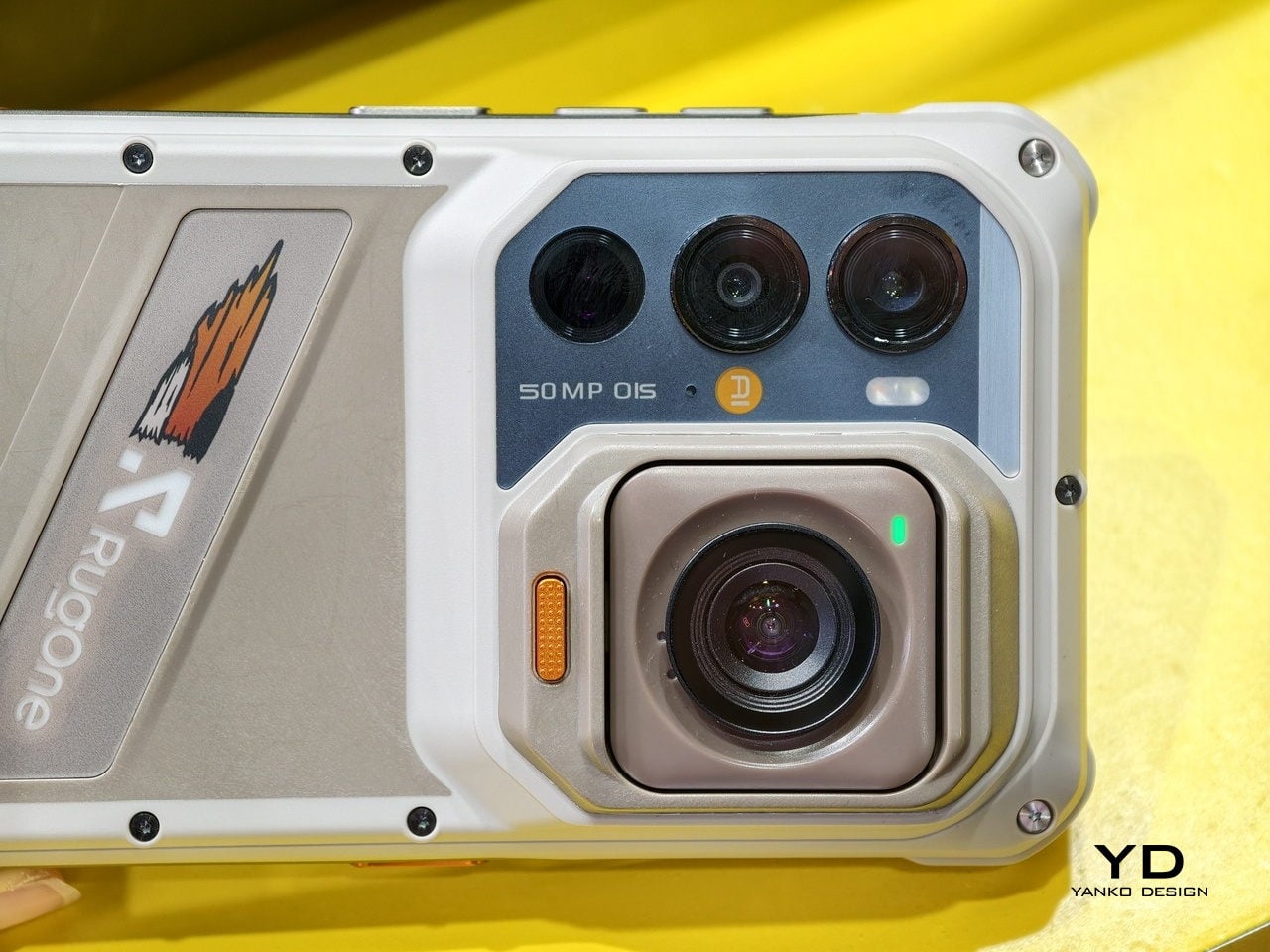
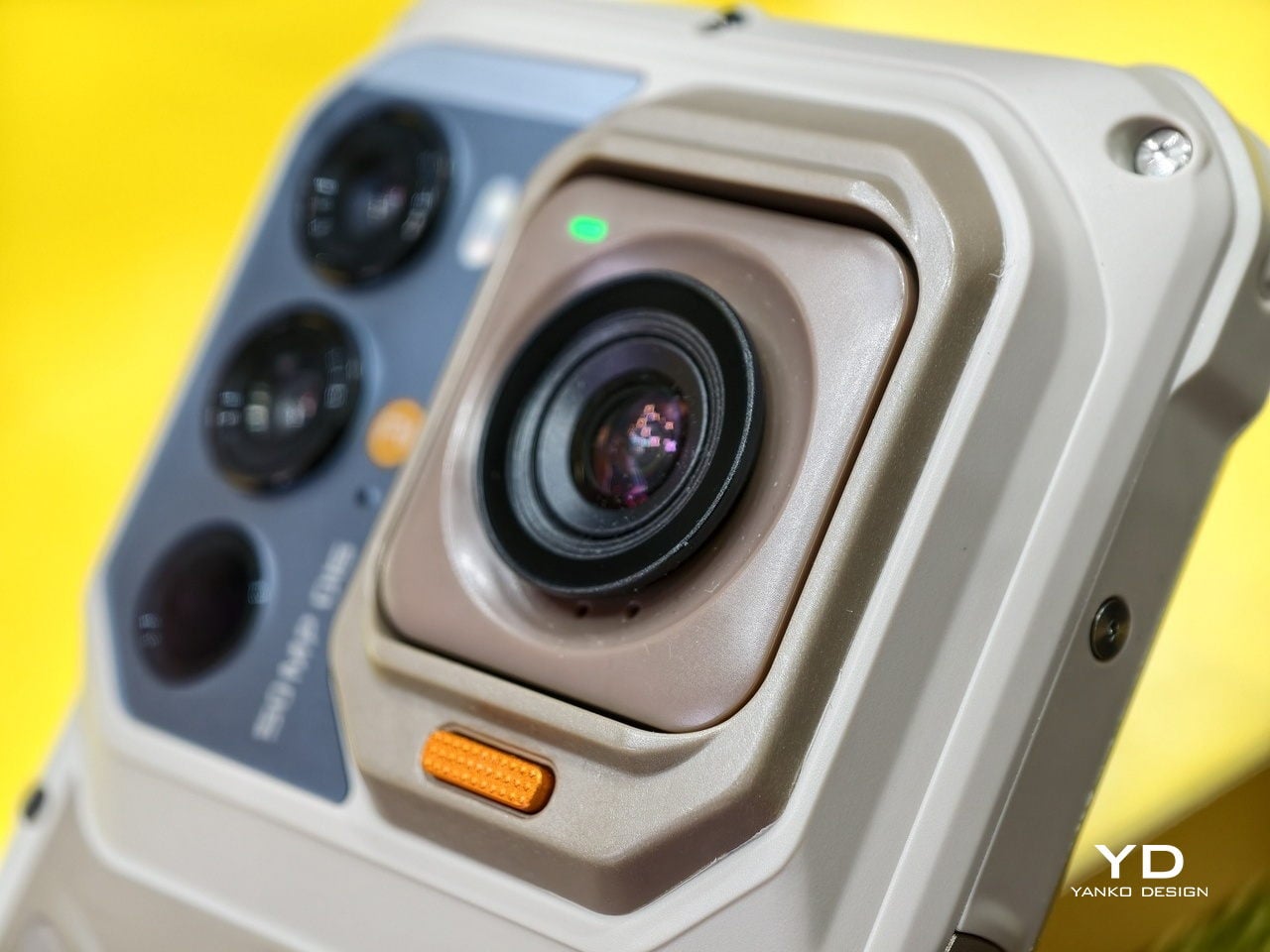
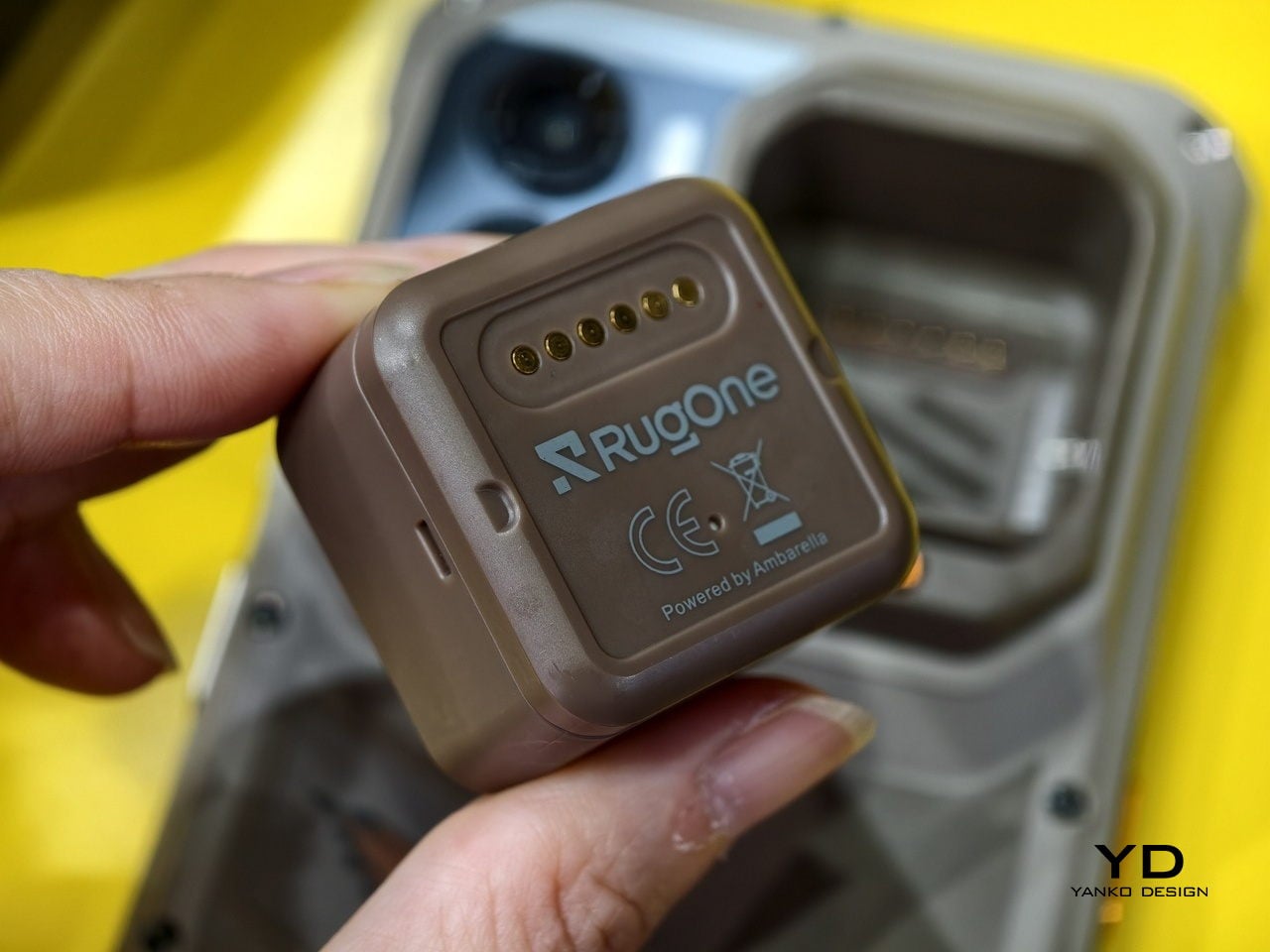
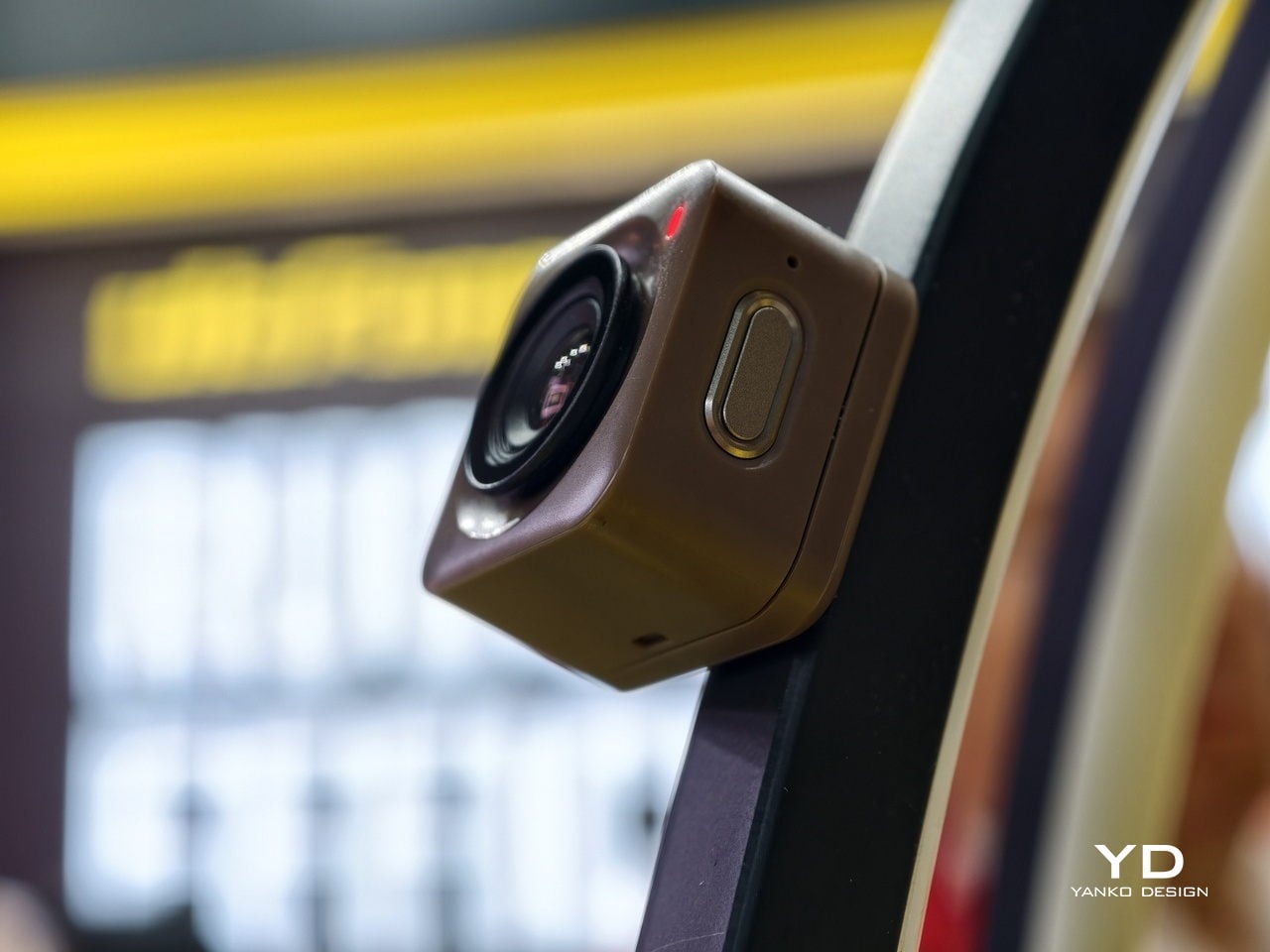
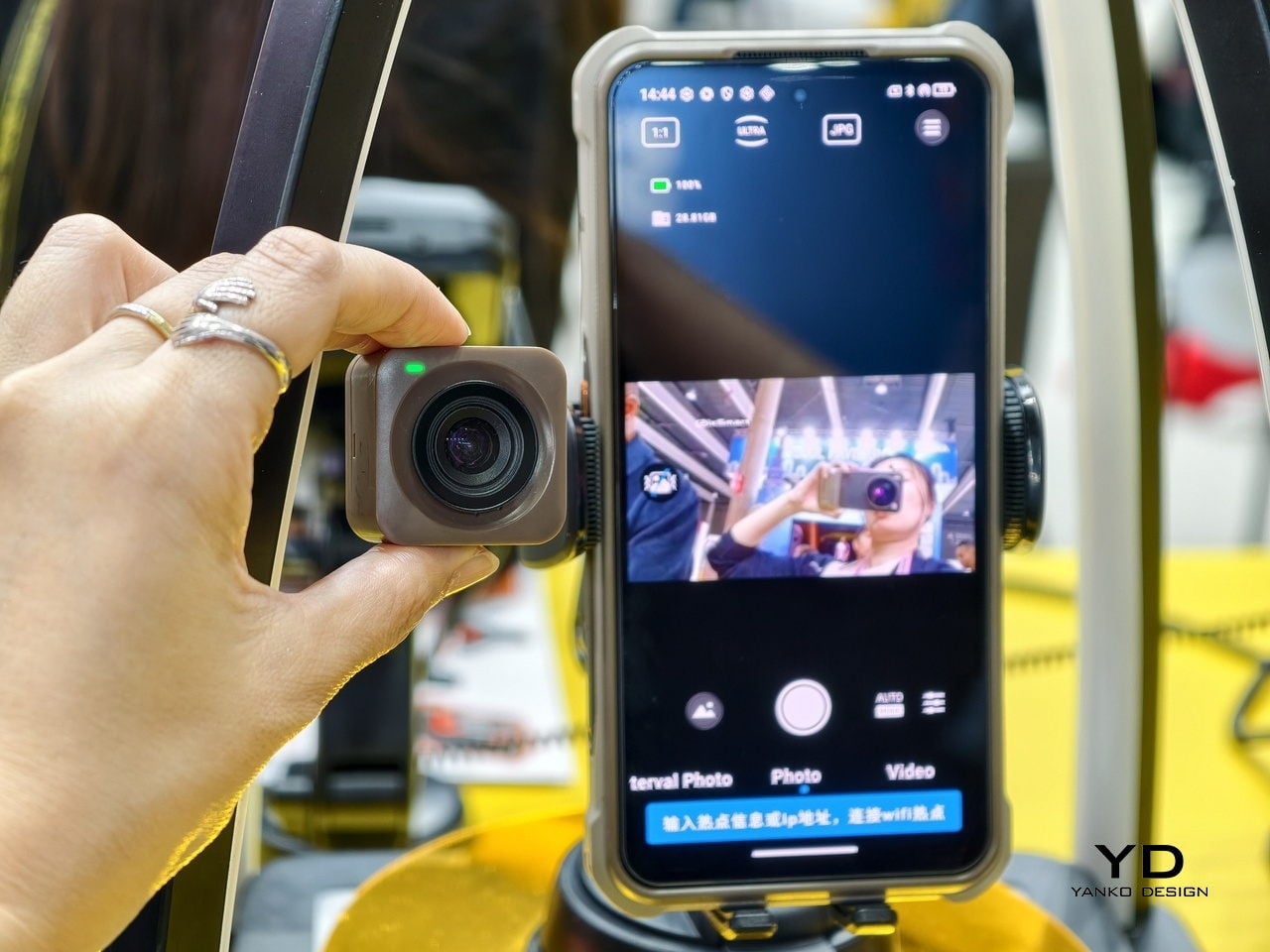
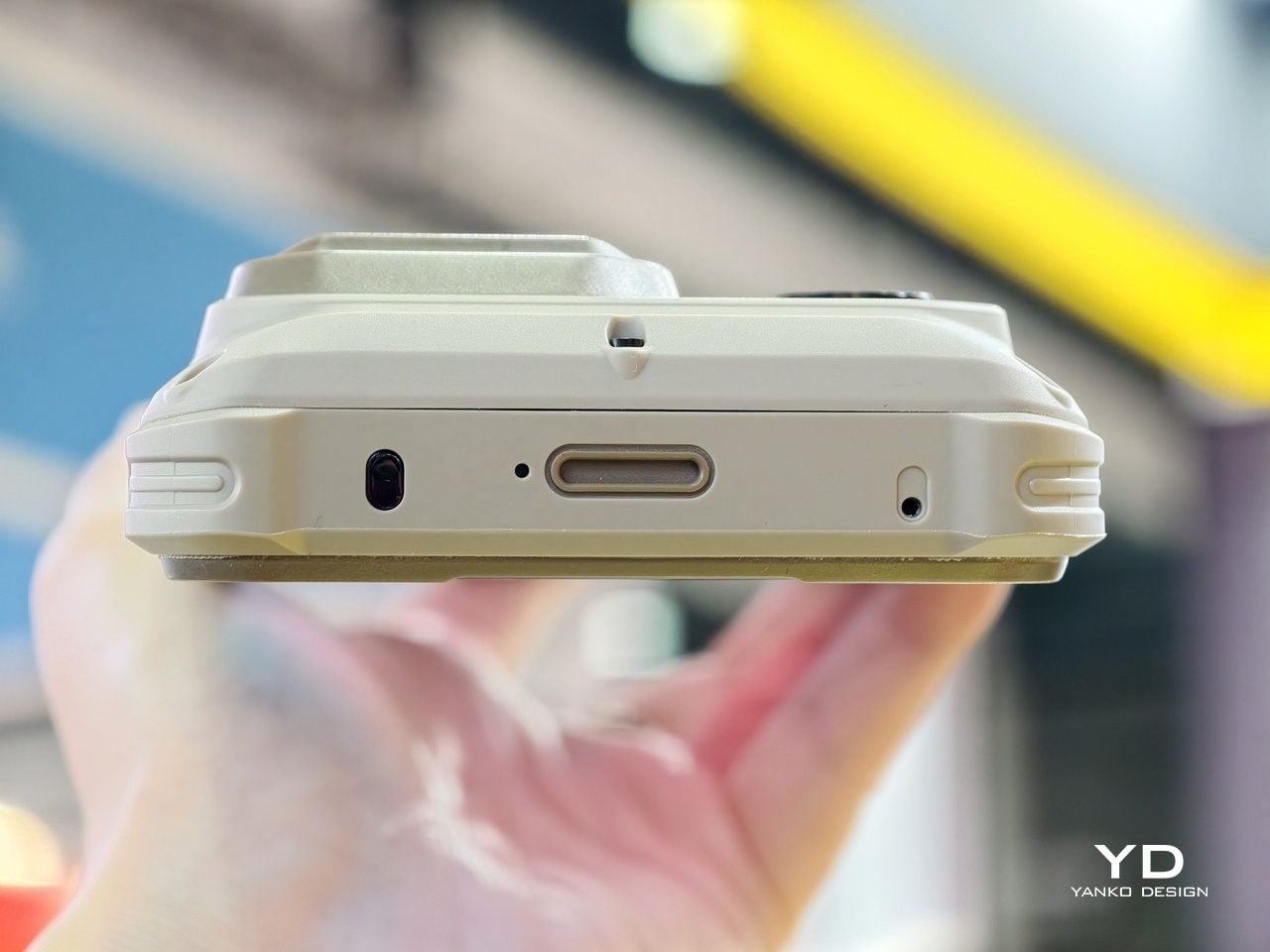
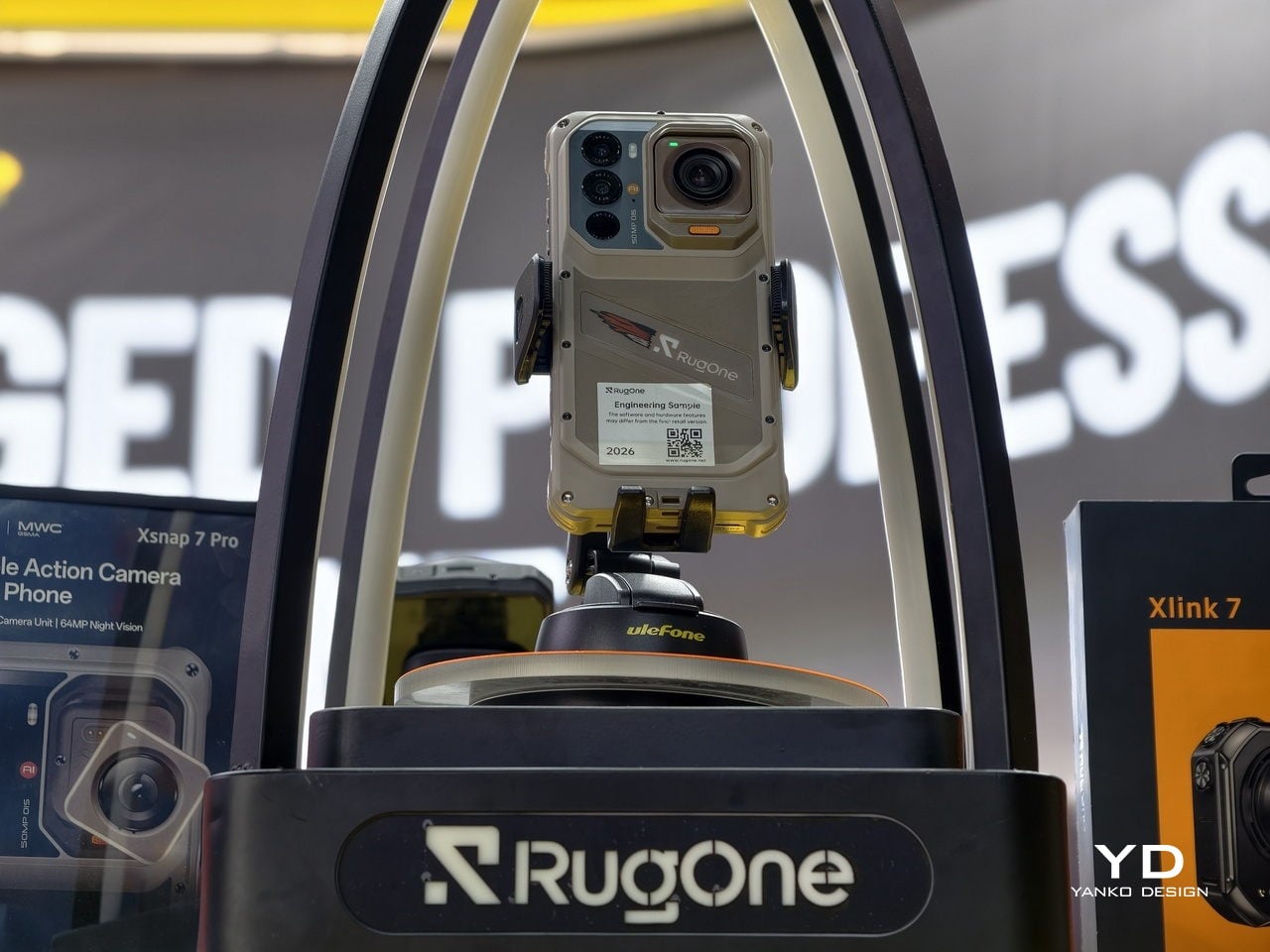
Action cameras and rugged phones have always solved slightly different problems. One survives the adventure; the other documents it. Bringing both means two devices, two cables, and two things to lose in a river. Ulefone’s RugOne Xsnap 7 Pro tries to close that split by putting a detachable magnetic action camera directly on the back of the phone, so both jobs start from one object.

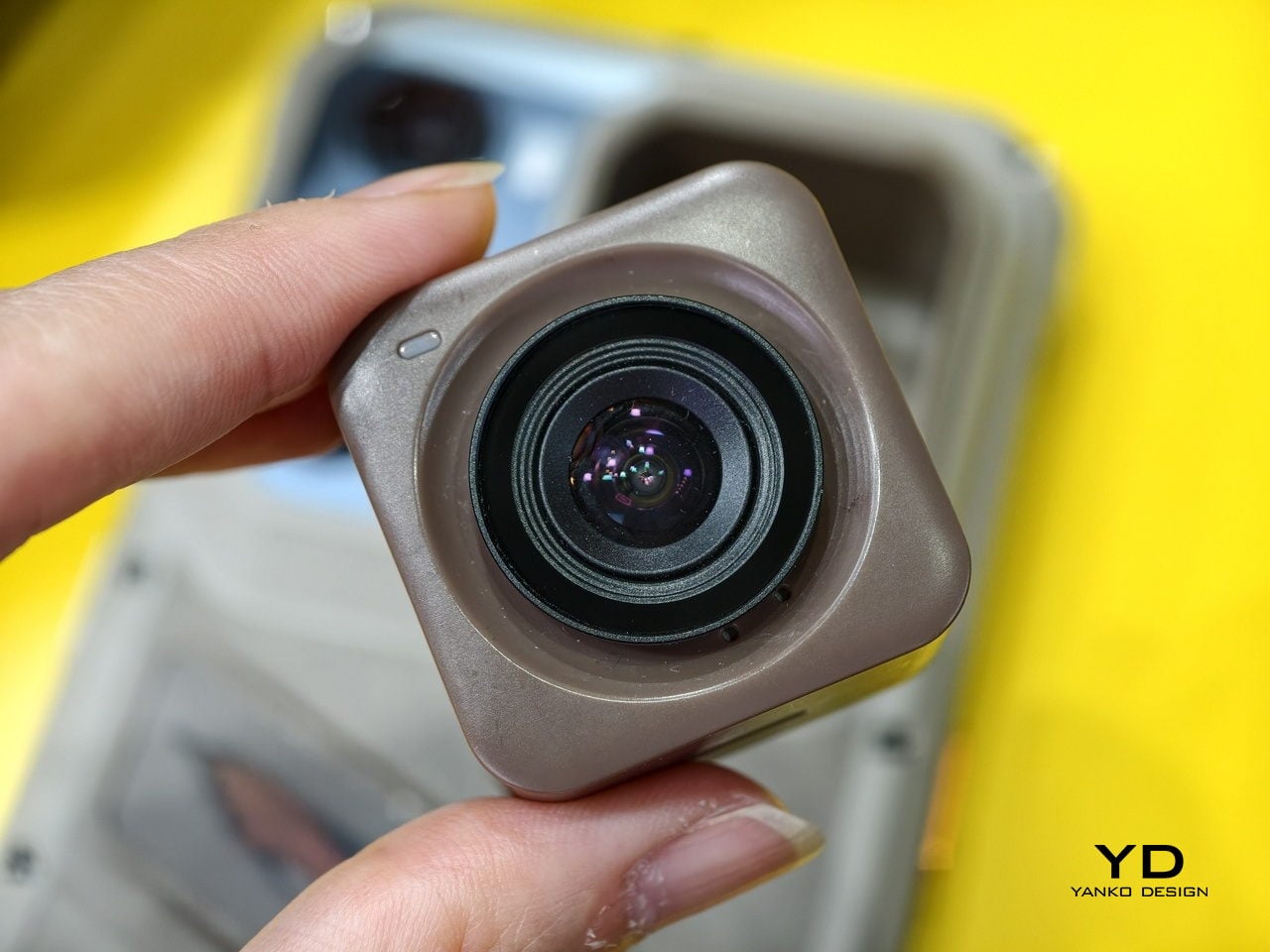
The module snaps onto the rear chassis magnetically, drawing obvious design inspiration from the Insta360 GO series, and peels off into a fully independent wearable. Stick it on a helmet or a bike frame, and it films hands-free while the phone handles viewing and charging. The two pieces are built as a single system, not as separate products that happen to coexist on the same body.

Designer: Ulefone

Ulefone has not yet disclosed the module’s sensor resolution, video specifications, or battery life. Given its thumb-sized form, runtime is likely limited; the Insta360 GO 3S manages roughly 30 minutes per charge in a comparably small body. That is workable for a short trail run or a surf session, but it will not replace a dedicated action camera for a full day out. The production specs will matter a lot once they arrive.

The phone itself is not an afterthought. A MediaTek Dimensity 8400 5G chipset sits inside, paired with a 50 MP OIS main camera, a 64 MP night vision lens, and a 9,000 mAh battery behind a 6.67-inch 1.5K AMOLED display at 120 Hz. That night vision lens is the kind of spec aimed at people who are actually outdoors after dark, not those who like to imagine they could be.

Ulefone is also pitching the magnetic dock as the base for a broader module ecosystem, with planned additions that include thermal imaging, night vision enhancement, and a professional lens suite. That framing is familiar territory in the modular phone space and has collapsed under its own ambitions before. Tracking how many of those planned modules actually ship, rather than staying on a roadmap slide, will be worth watching.

Pricing has not been set, and a mid-2026 commercial launch is the current target. The things that will actually determine the phone’s value, including how quickly the module detaches, how reliably the phone recognizes reattachment, and how cleanly footage syncs, are details that only a finished unit in regular use can settle.

Rugged phones have spent years stacking specs that most owners never actually invoke, so a design decision that changes what the phone physically does day to day is worth paying attention to. The module ecosystem is what separates a compelling demo from a genuinely useful product, and that part of the story depends entirely on whether the follow-through arrives on time and in one piece.

The post This Rugged Phone’s Action Camera Pops Off to Become a Wearable first appeared on Yanko Design.
The First ‘Surveillance Smartphone’ with Thermal Imaging and Night-Vision Cameras: Ulefone Armor 27T Pro+

Ulefone has a knack for designing rugged phones tagged with unique features that make them unique. Case in point, the Armor 30 Pro with a 4W 118dB loudspeaker in the middle of the hexagonal camera bump. Now the Chinese manufacturer has come up with another durable phone that has a feature most of us would love out in the wild.

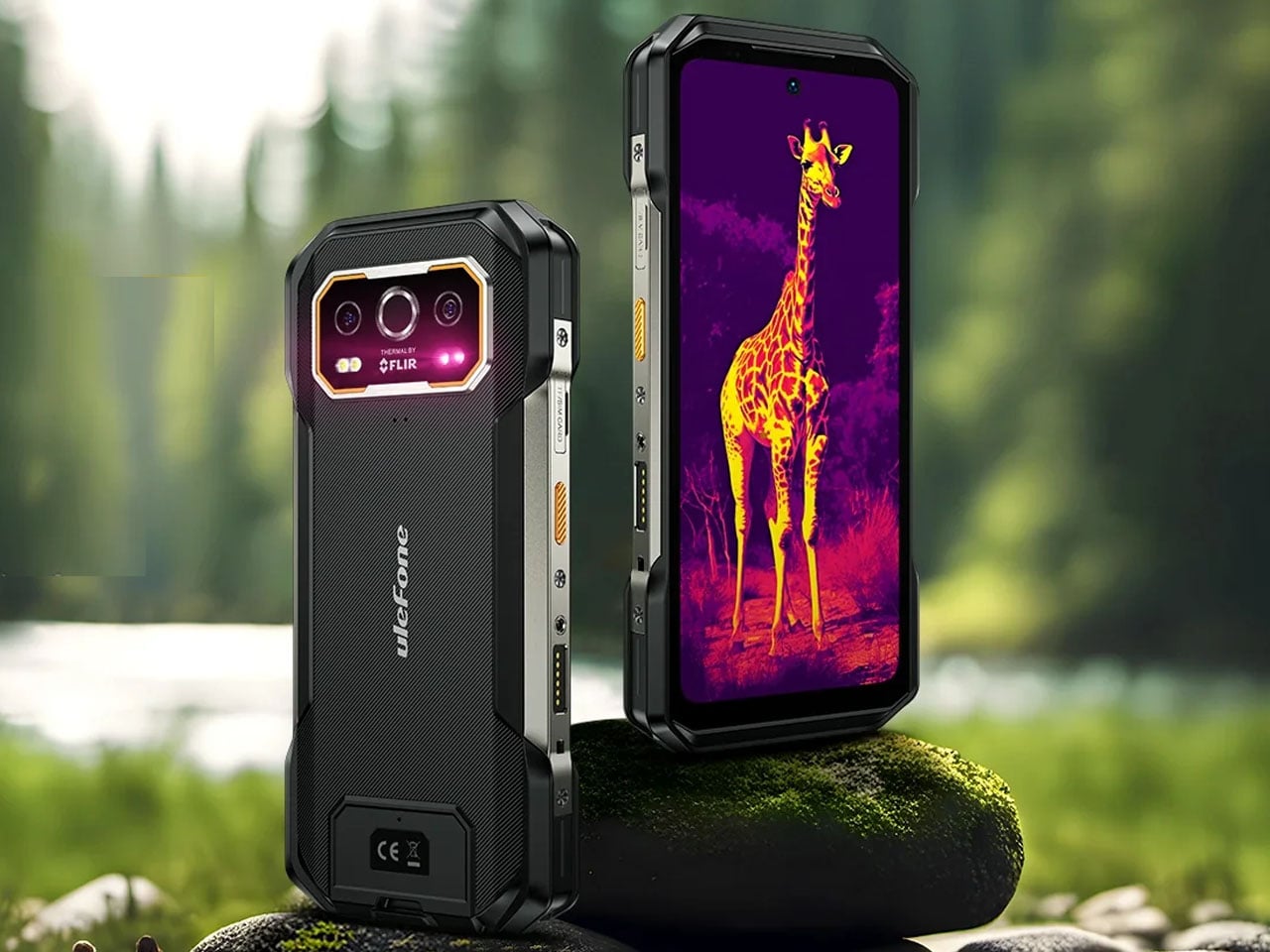
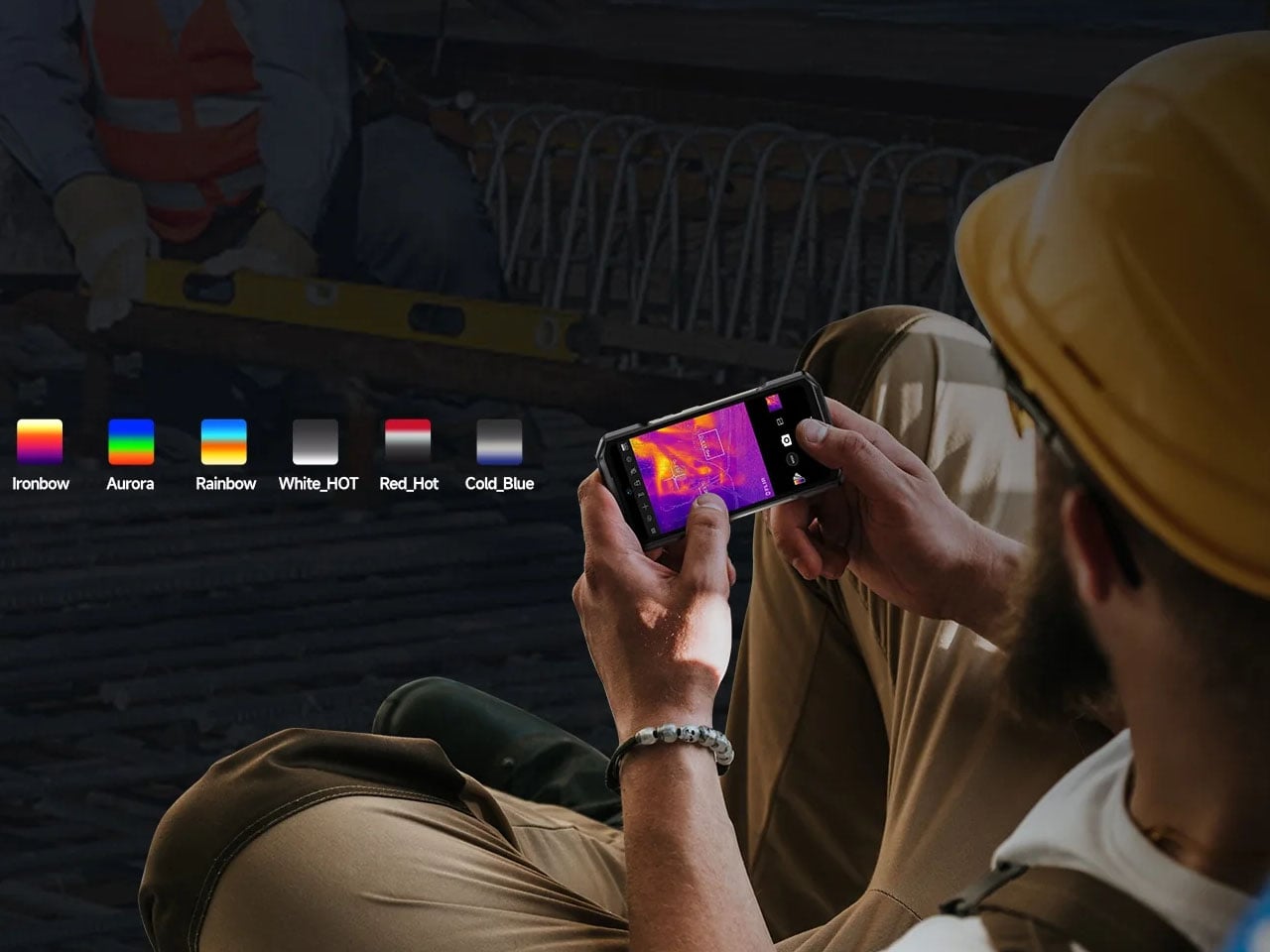
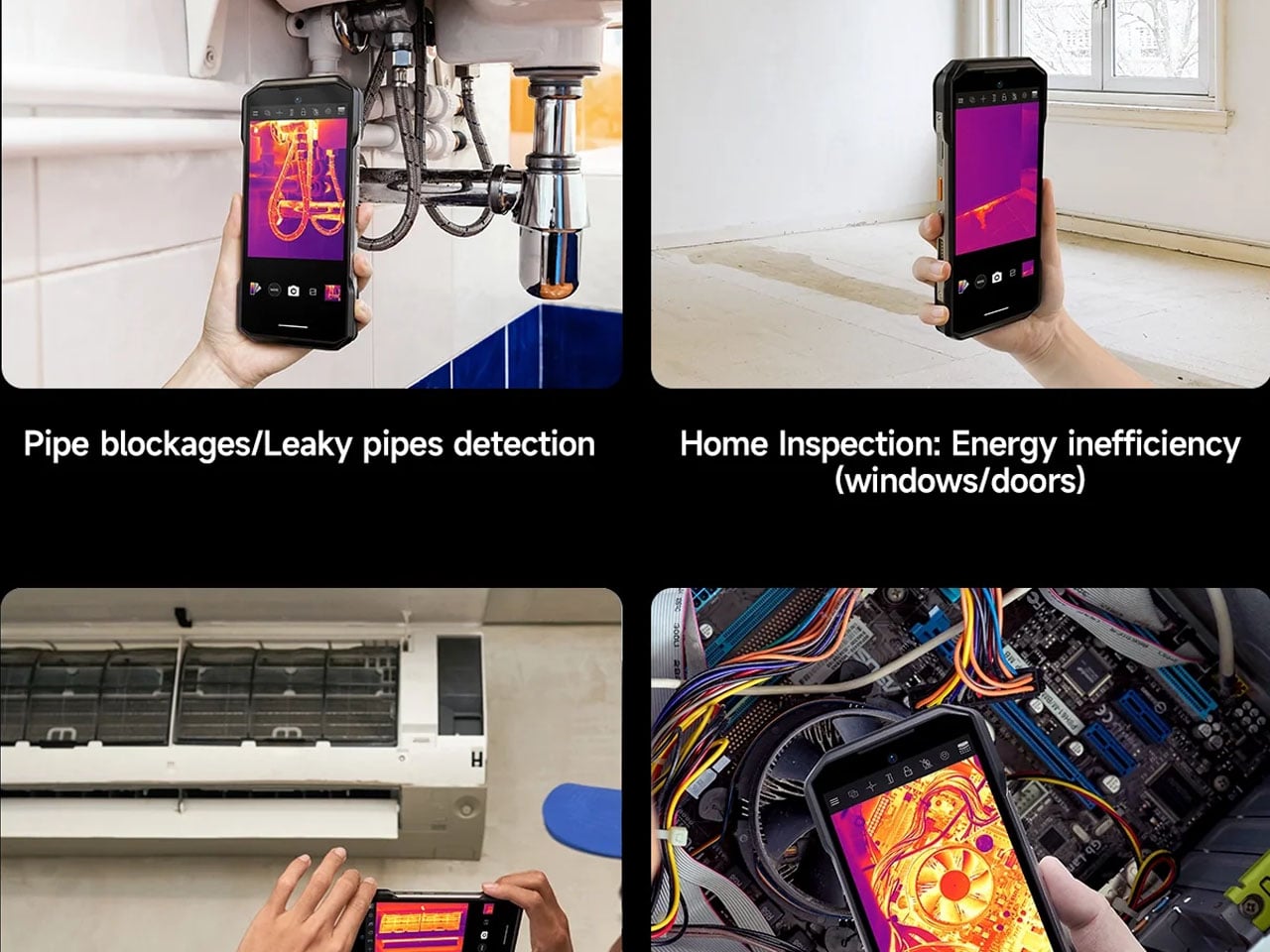
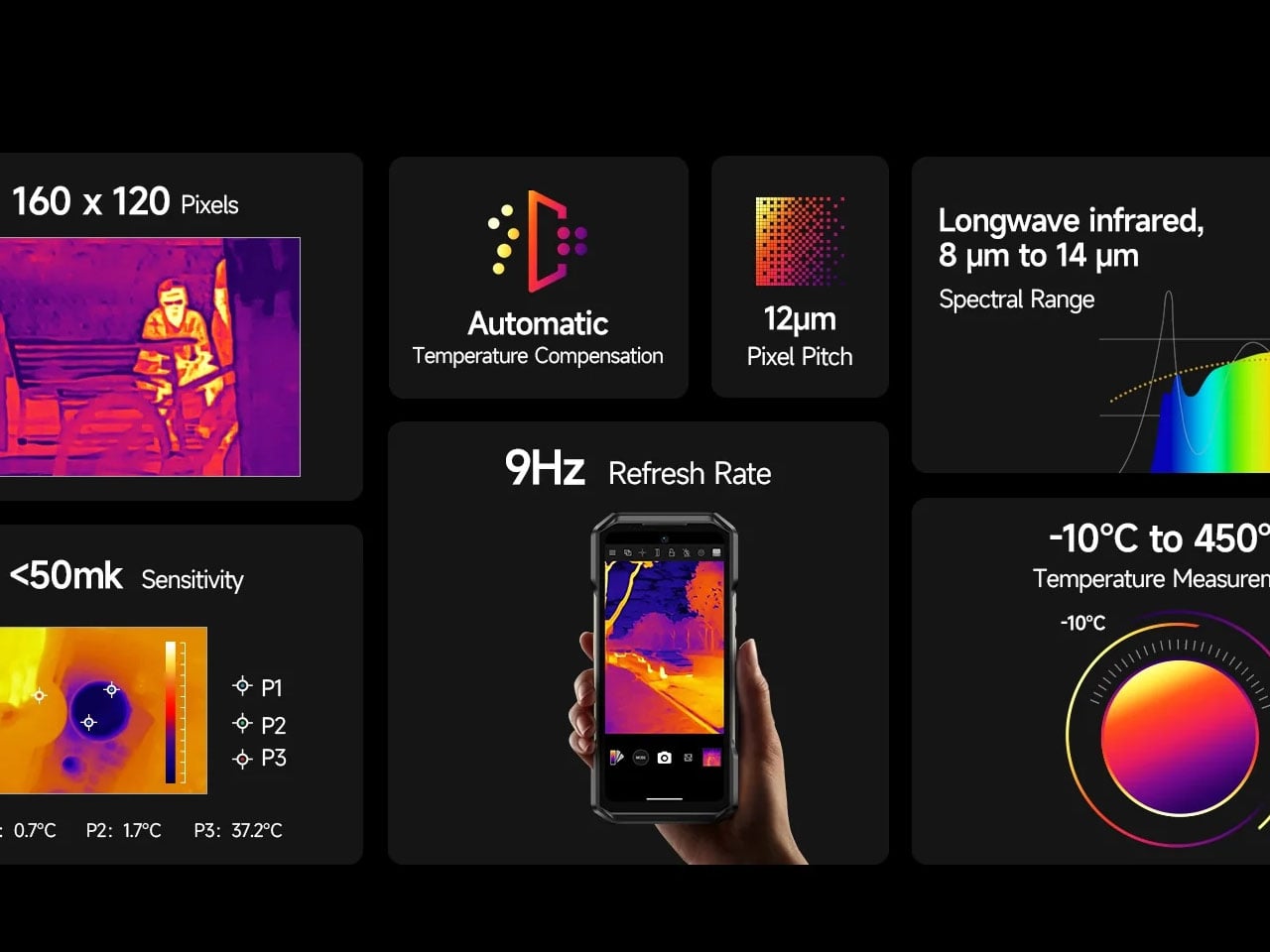
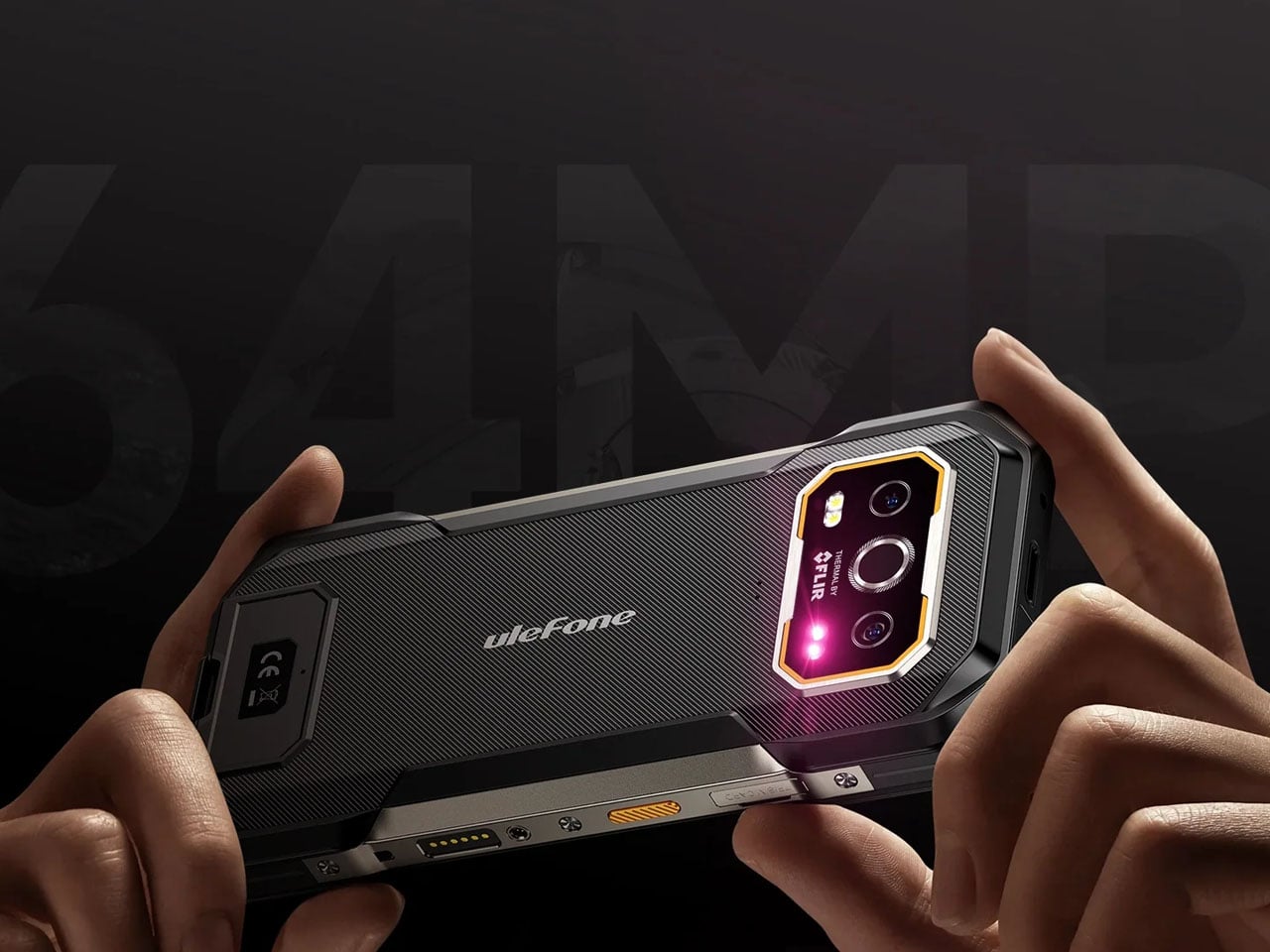
This is the Armor 27T Pro+ smartphone that boasts a triple camera setup that has more up its sleeve than most smartphones on the market. The device has a camera system capable of thermal imaging and infrared night vision, which should come in handy in a wide range of situations. Whether you are alone in the wild looking out for sneaky wild animals, tracking heat signatures in a complicated home vent system, or simply showing off some cool party tricks; the device stands out in the crowd. According to Ulefone, the FLIR thermal cam penetrates darkness, glare, fog, or dense smoke for a clear heat signature.

Designer: Ulefone

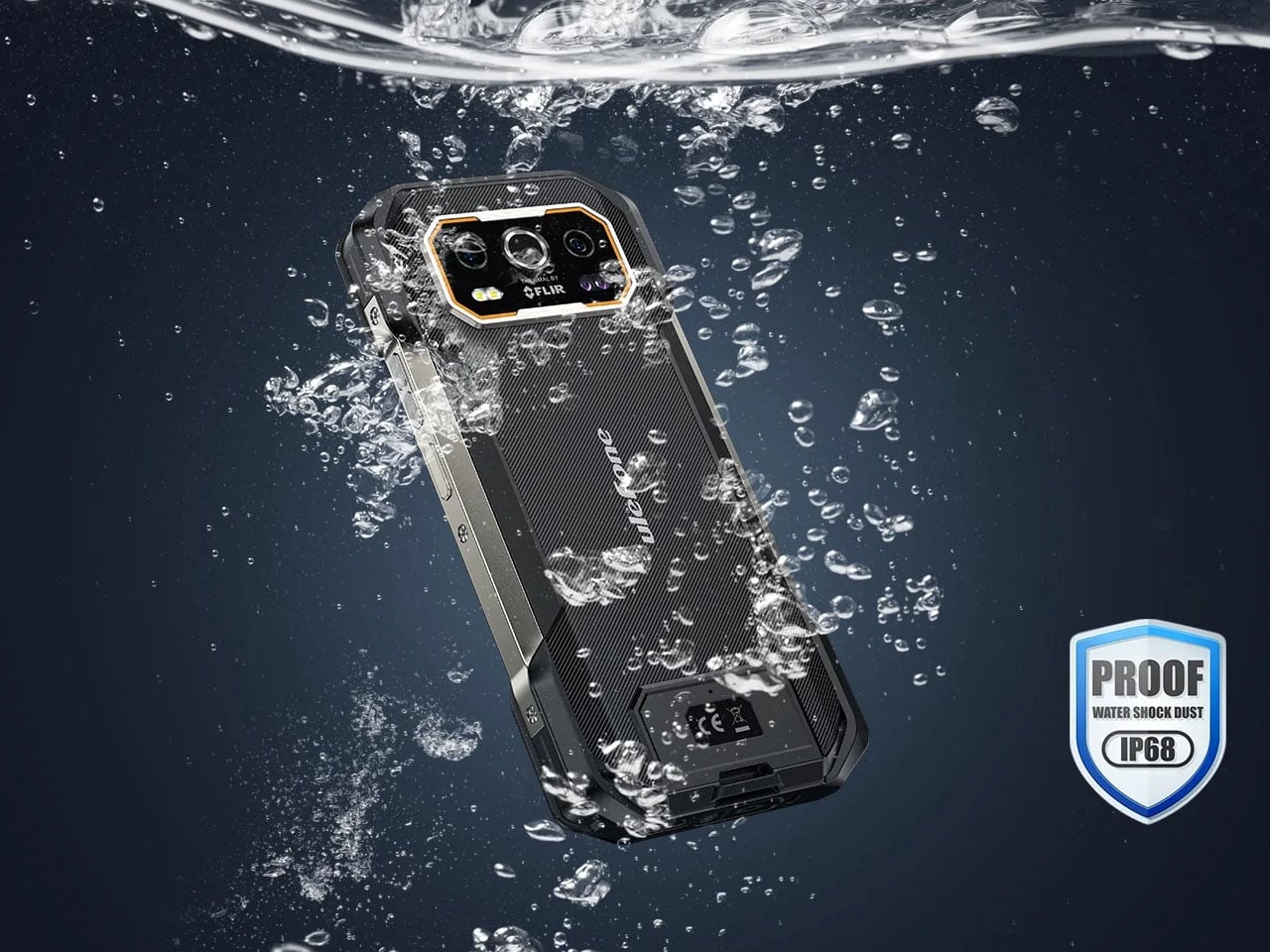
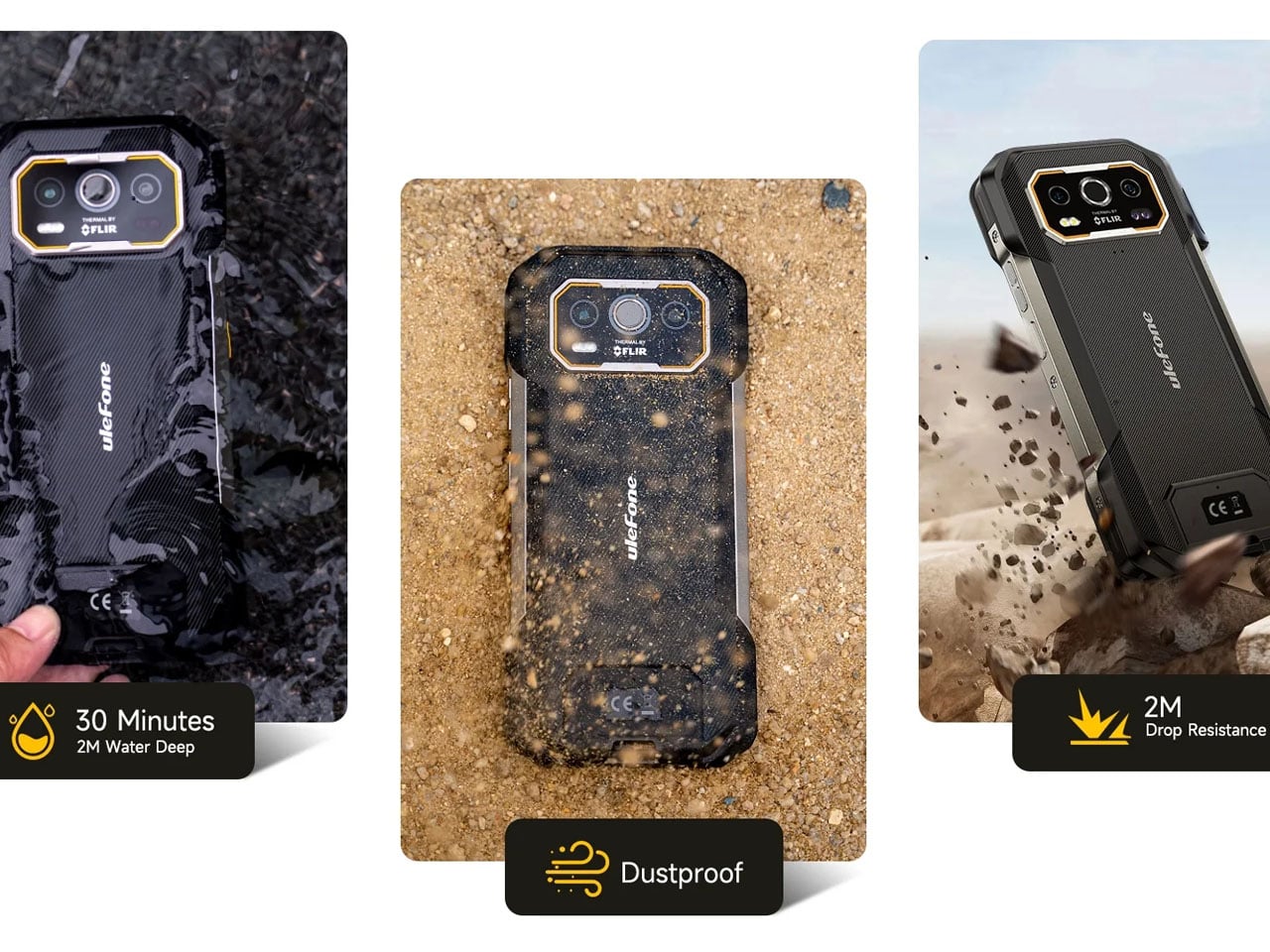
Armor 27T Pro+ extends its use beyond the daily driver use as it is the perfect fit for outdoor professionals, search & rescue personnel, or hobbyist hunters tracking their next elusive target. Built like a tank, the smartphone has P68 and IP69K water and dust resistance ratings, along with the MIL-STD-810H military durability certification. You can pressure wash it or simply shrug off the beat skipping drops that other phones would not survive. Clearly, the phone is meant for extreme outdoor conditions where your popular flagship will begin to show the signs of submission. With a weight twice that of a normal phone, the Armor 27T Pro+ creates a distinct niche for itself with the advanced camera system.
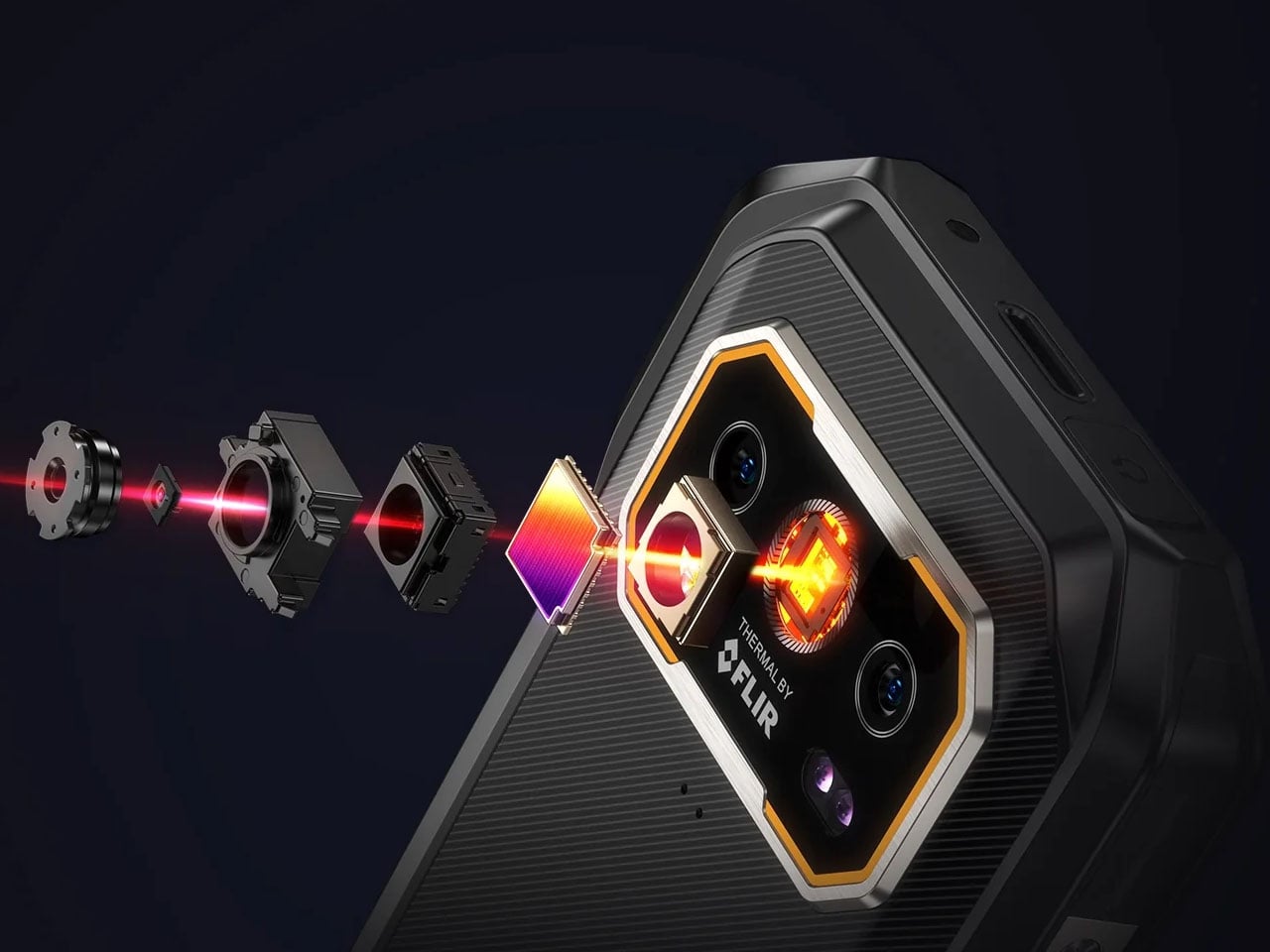
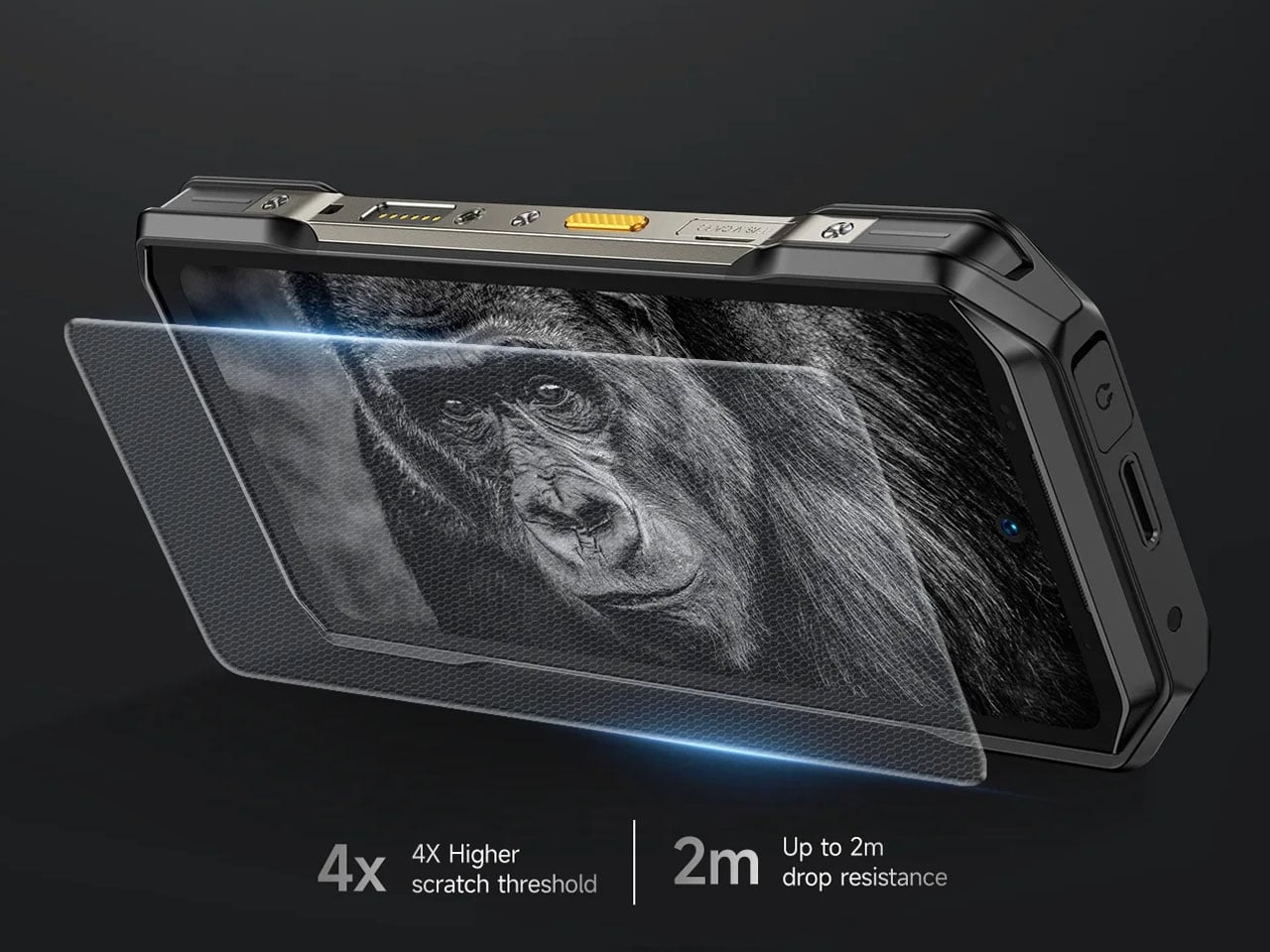
The 5G Android device is powered by the MediaTek Dimensity 6300 system-on-chip and paired with the 24 GB RAM (12GB virtual memory). The onboard storage of 256 GB is respectable, but can be extended to upto 2TB with the microSD card. 6.78-inch Corning Gorilla Glass Victus display is also impressive with the Full HD+ resolution (1,080 x 2,460 pixels), 120 Hz refresh rate and 680-nit peak brightness for viewing in bright outdoor conditions. The premium glass display gives you peace of mind against scratches and drops from as high as 6.6 feet on rock-hard surfaces.

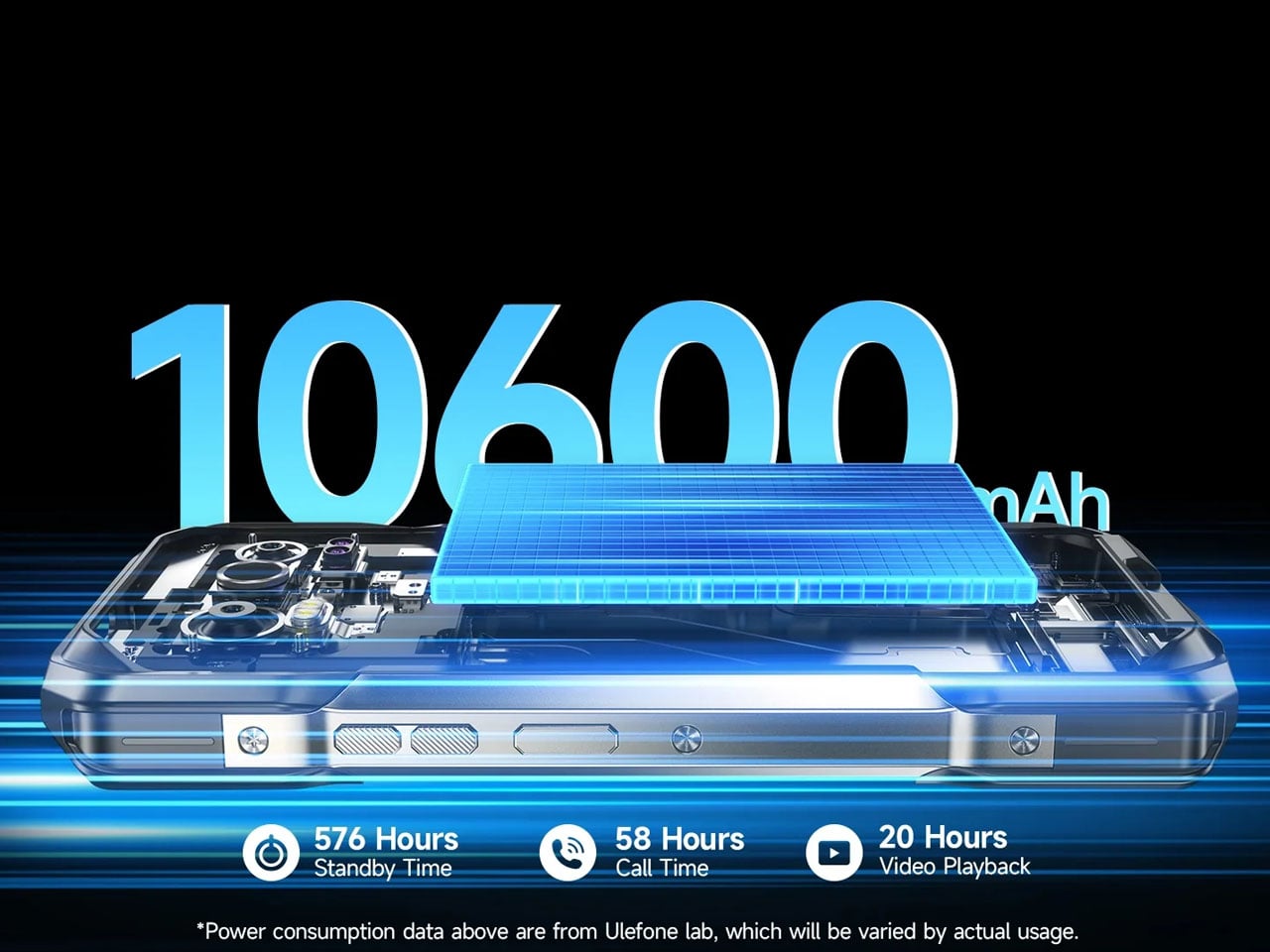
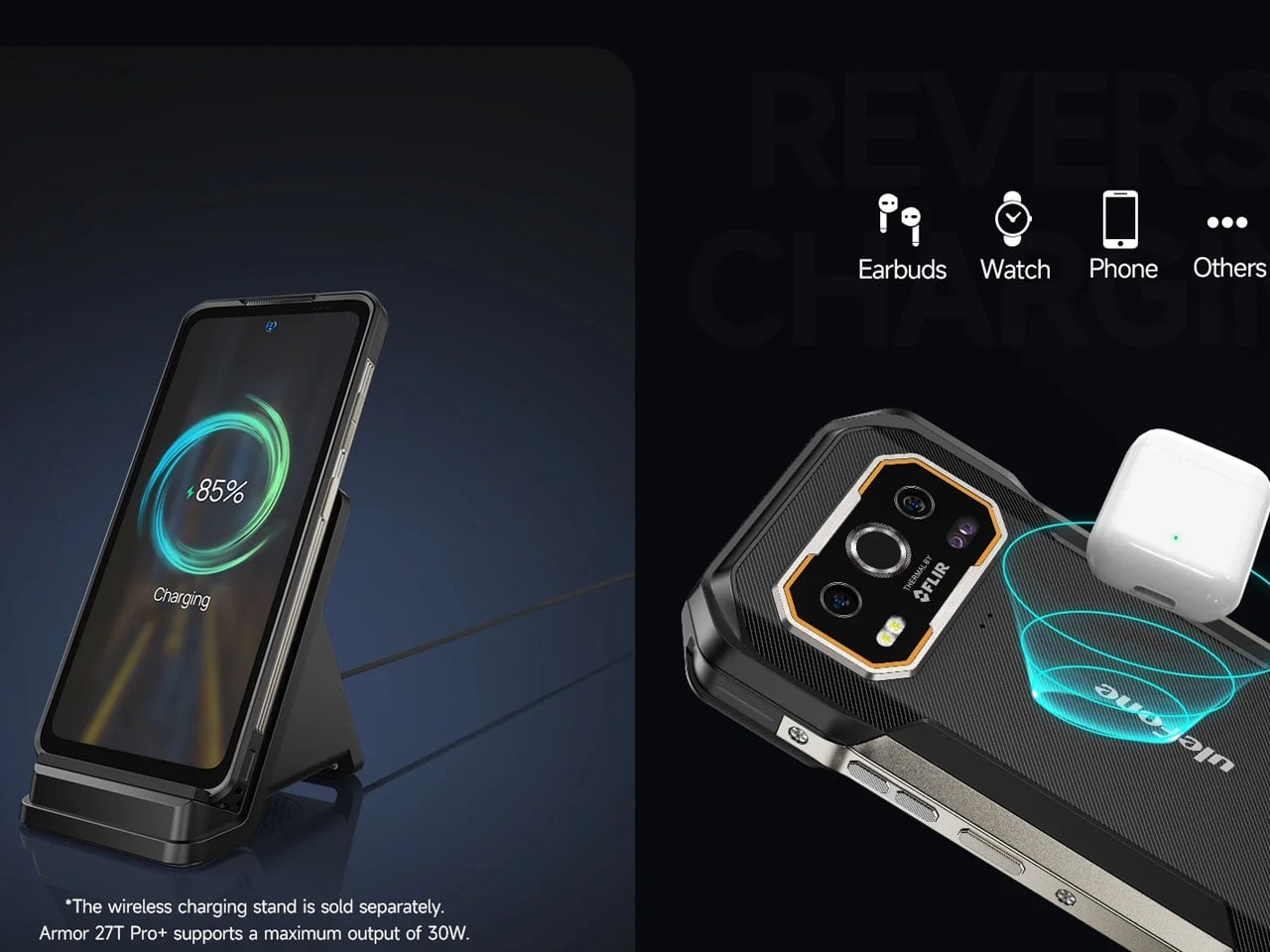
Standout feature of the device is the 10,600-mAh solid-state battery, which offers higher energy density compared to a similar capacity Li-ion battery. On top of that, the battery also has a longer lifespan since it can perform well in extreme temperatures of -30 degrees Celsius. The phone supports wireless charging and reverse charging when needed. It comes with a uSmart 2.0 connector to tether the endoscope and microscope attachment for inspection tasks.

The post The First ‘Surveillance Smartphone’ with Thermal Imaging and Night-Vision Cameras: Ulefone Armor 27T Pro+ first appeared on Yanko Design.