Most of us abandon a project after a few weeks of frustration. Olivier Gomis sat on one for five years, then came back and finished it. The Bowl Curved Pursuit is Gomis’s latest release, a handcrafted woodturning that looks, at first glance, like it was generated by some algorithmic design software rather than made by two hands in a workshop. The curves twist and rotate in a way that feels almost mathematically precise, each wood segment following the one before it in a pattern that spirals elegantly around the bowl’s body. It’s the kind of object that makes you look twice, then a third time, trying to work out how it was actually made. That’s kind of the point.
Gomis, a French woodturner and furniture maker, has been building a reputation for designs that sit right at the edge of what woodworking is supposed to look like. His work doesn’t whisper “rustic” or “farmhouse.” It says something closer to “sculpture” and means it. His portfolio spans coloured pencil vases, massive segmented bowls, and geometric pieces that wouldn’t look out of place in a contemporary design gallery. But the Curved Pursuit feels like a moment of arrival, a design he clearly couldn’t let go of until he got it right.
Designer Name: Oliveri Gomis
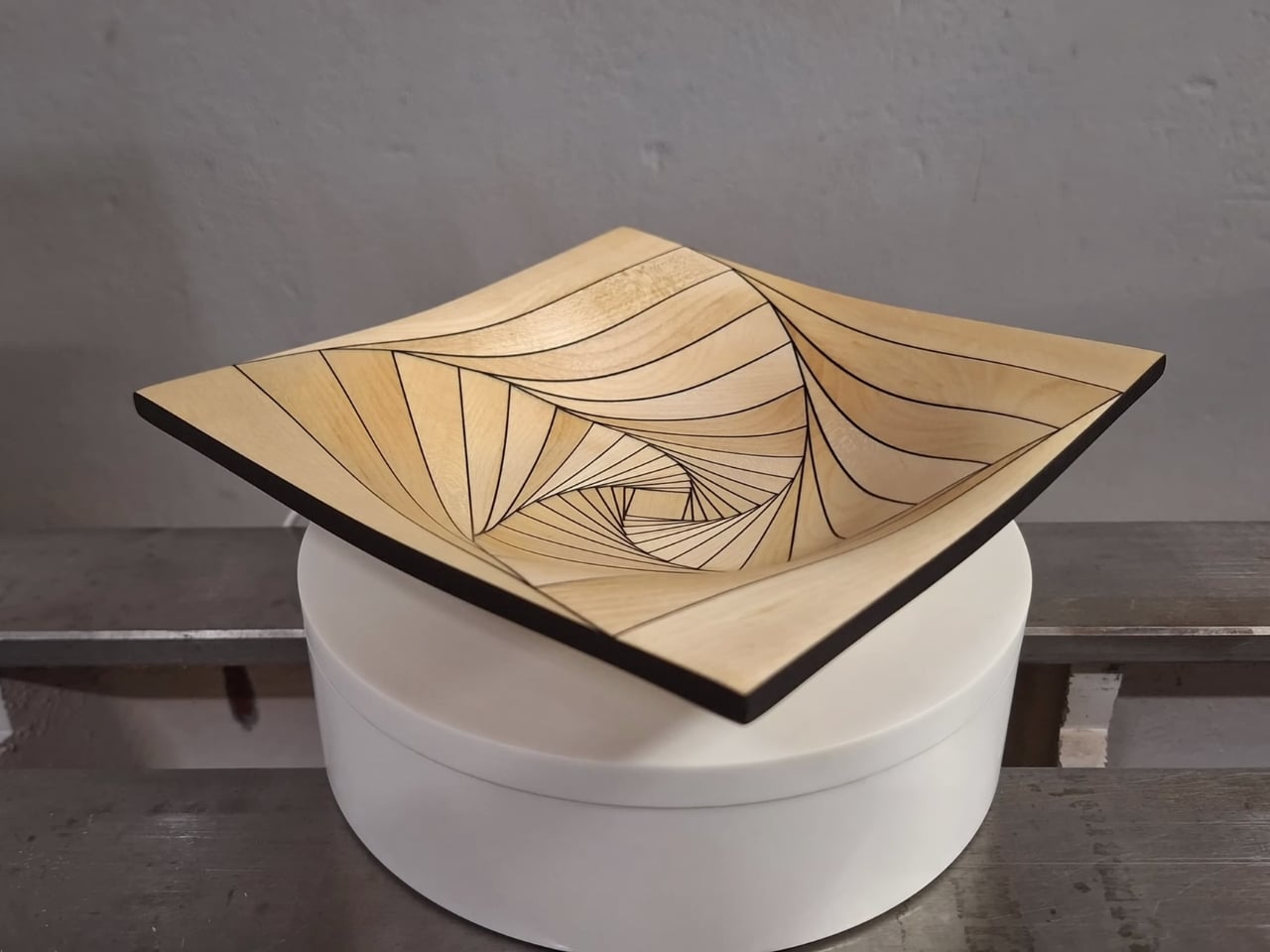
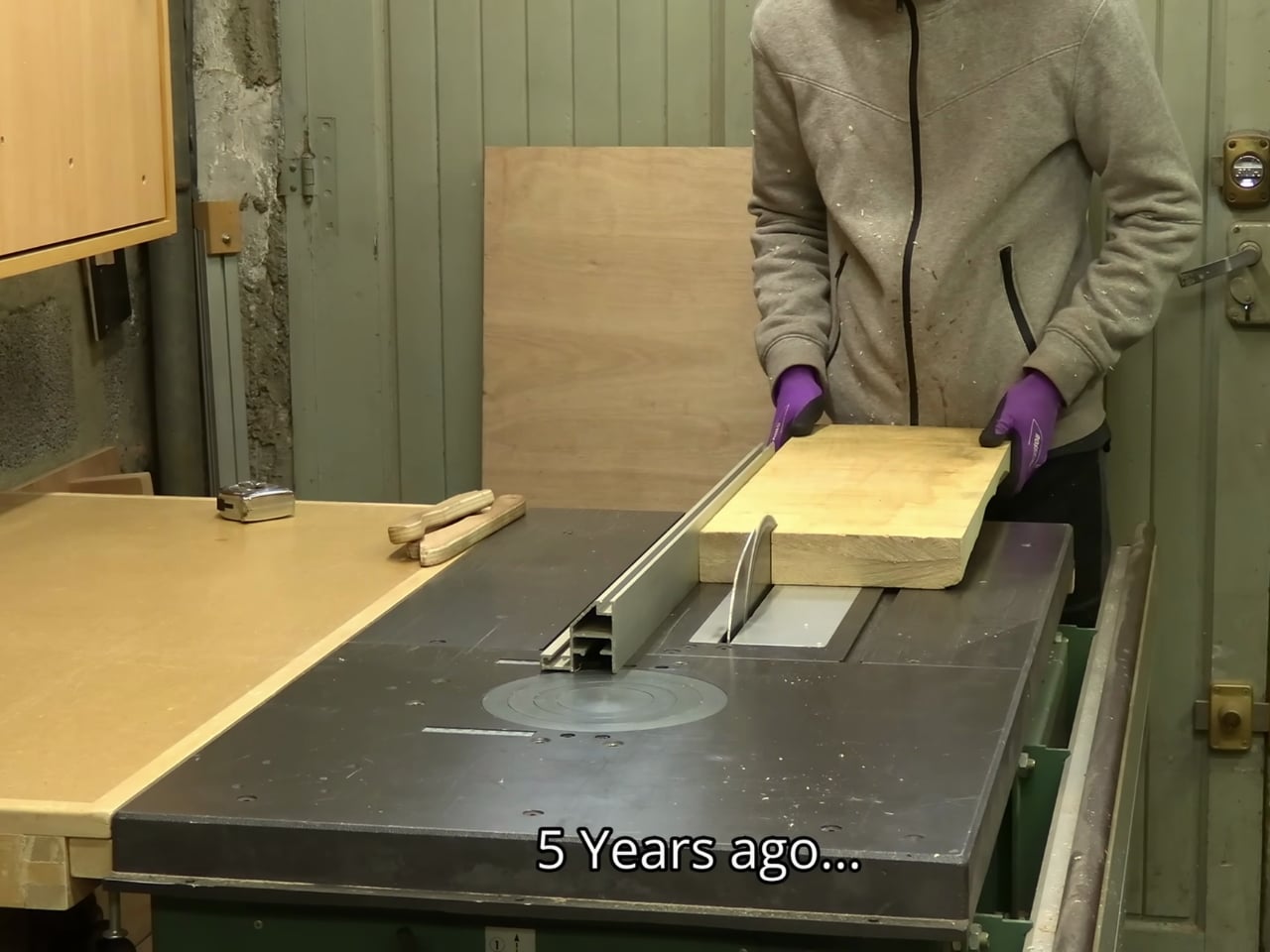
The process is deceptively methodical. Gomis built the bowl by gradually stacking and rotating wood pieces before cutting them on a table saw, then mounted the entire structure on a lathe and carved it into its final form. That sequence, stacking, rotating, cutting, turning, sounds simple enough until you consider how much precision is required at every stage. A miscalculation in the rotation angle and the whole pattern collapses into something ordinary. The five-year gap between conception and completion makes a lot more sense once you understand those margins.
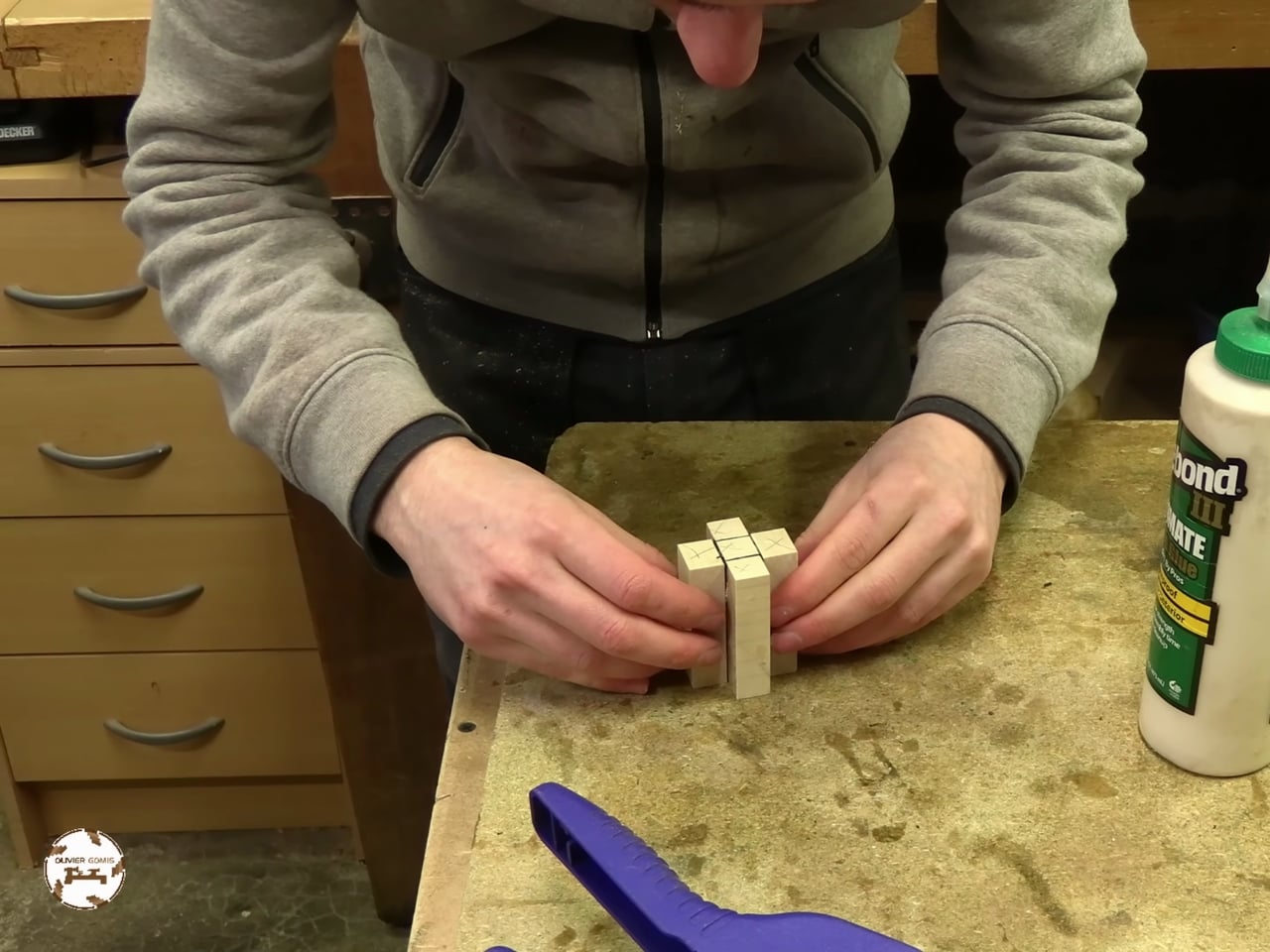
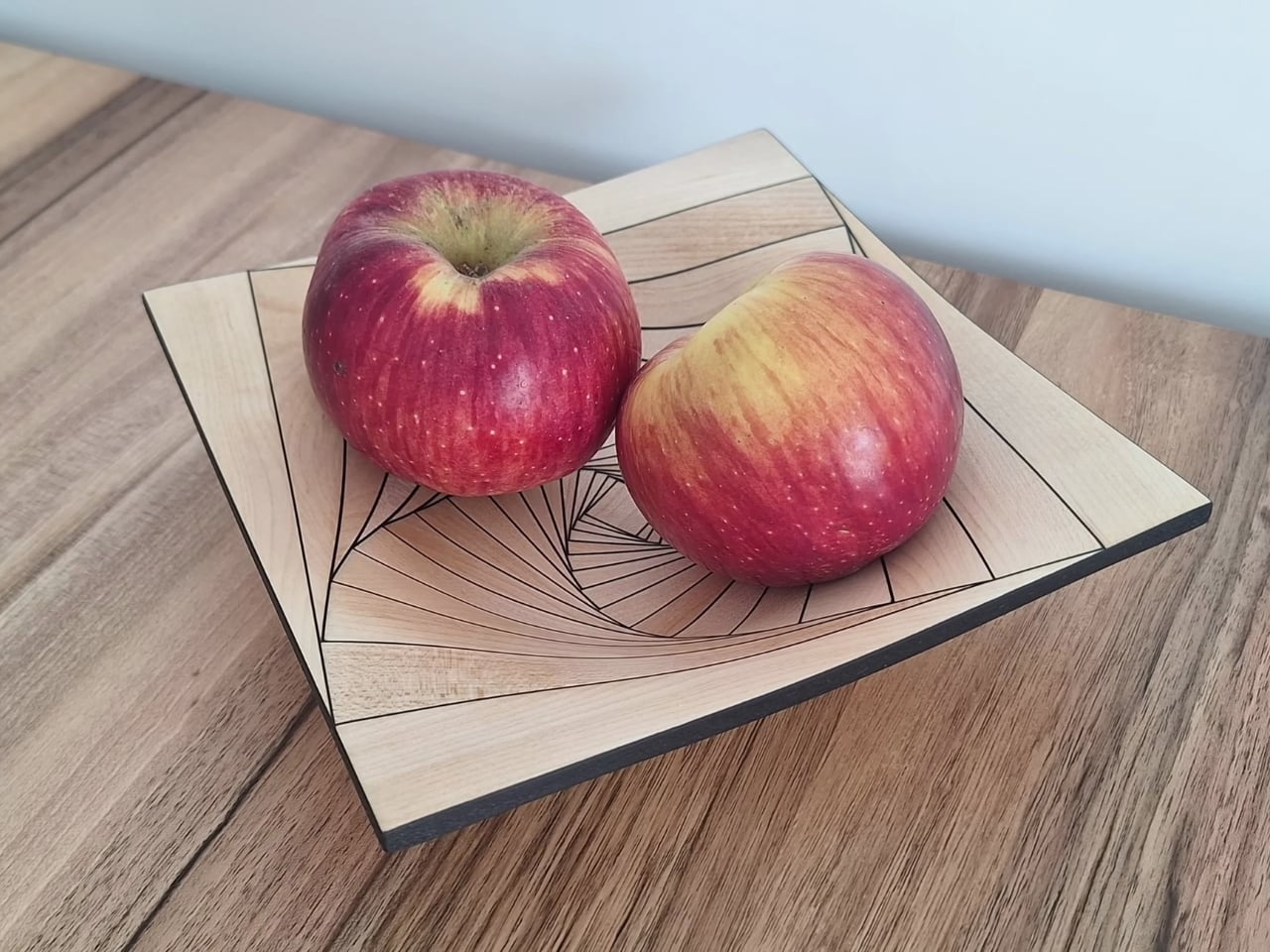
What gets me about this bowl is how visible the thinking is. You can trace the logic of the design just by looking at it. The segments aren’t decorative afterthoughts, they’re structural decisions, each one informing the curve that follows. For a piece of functional decor, that’s a rare quality. Most objects in this category are either beautiful or interesting. The Curved Pursuit manages to be both, and does it without trying to explain itself.
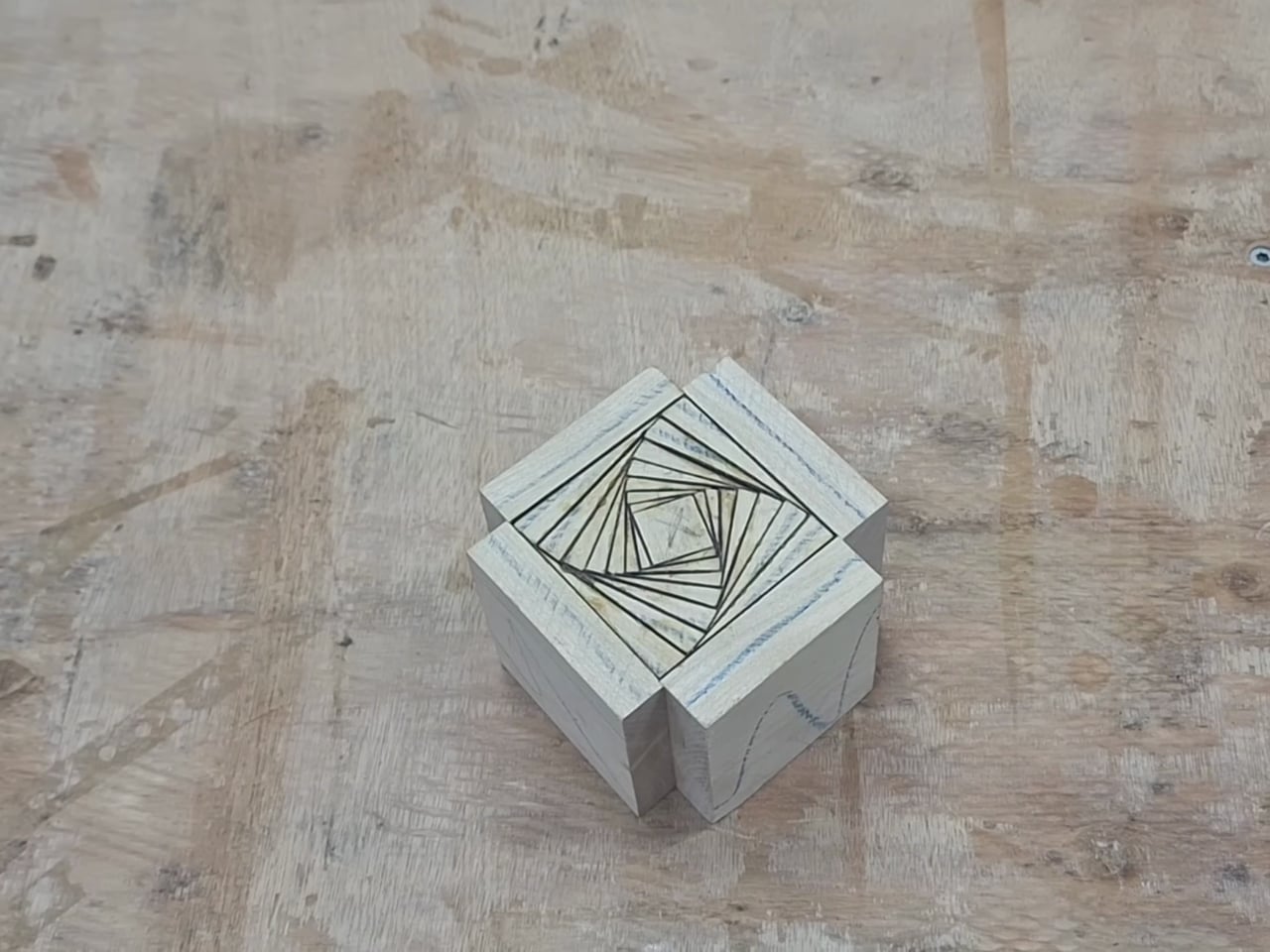
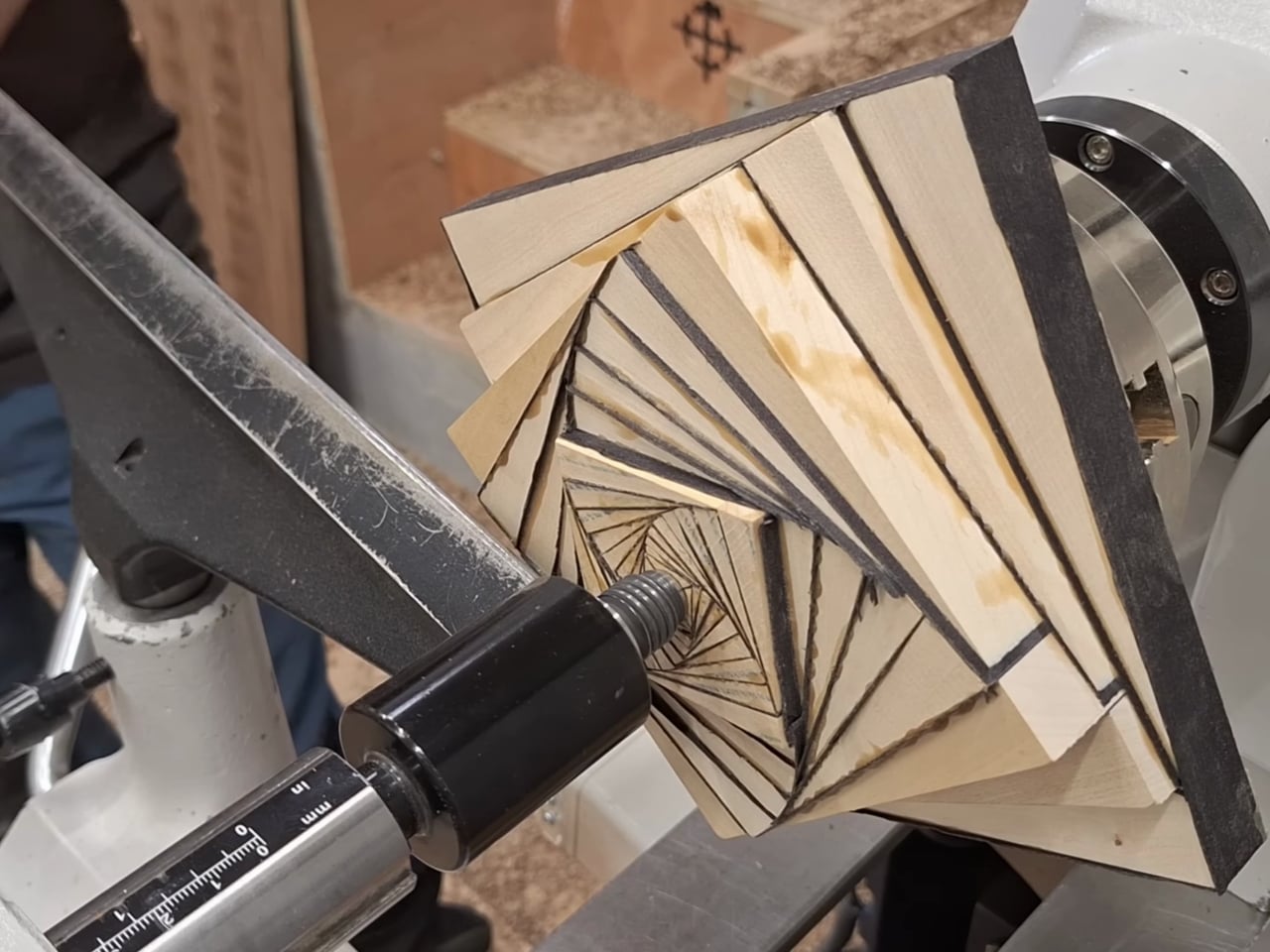
The price sits at $372 USD, available to order on commission. That number might give some people pause, but I’d argue it’s almost suspiciously reasonable for what you’re getting. This isn’t a production piece pulled from a conveyor belt. It’s a hand-built object that required five years of problem-solving to even exist. Commissioning one means you’re essentially getting a slice of a very specific creative obsession, which is not something that ends up on most people’s shelves by accident.
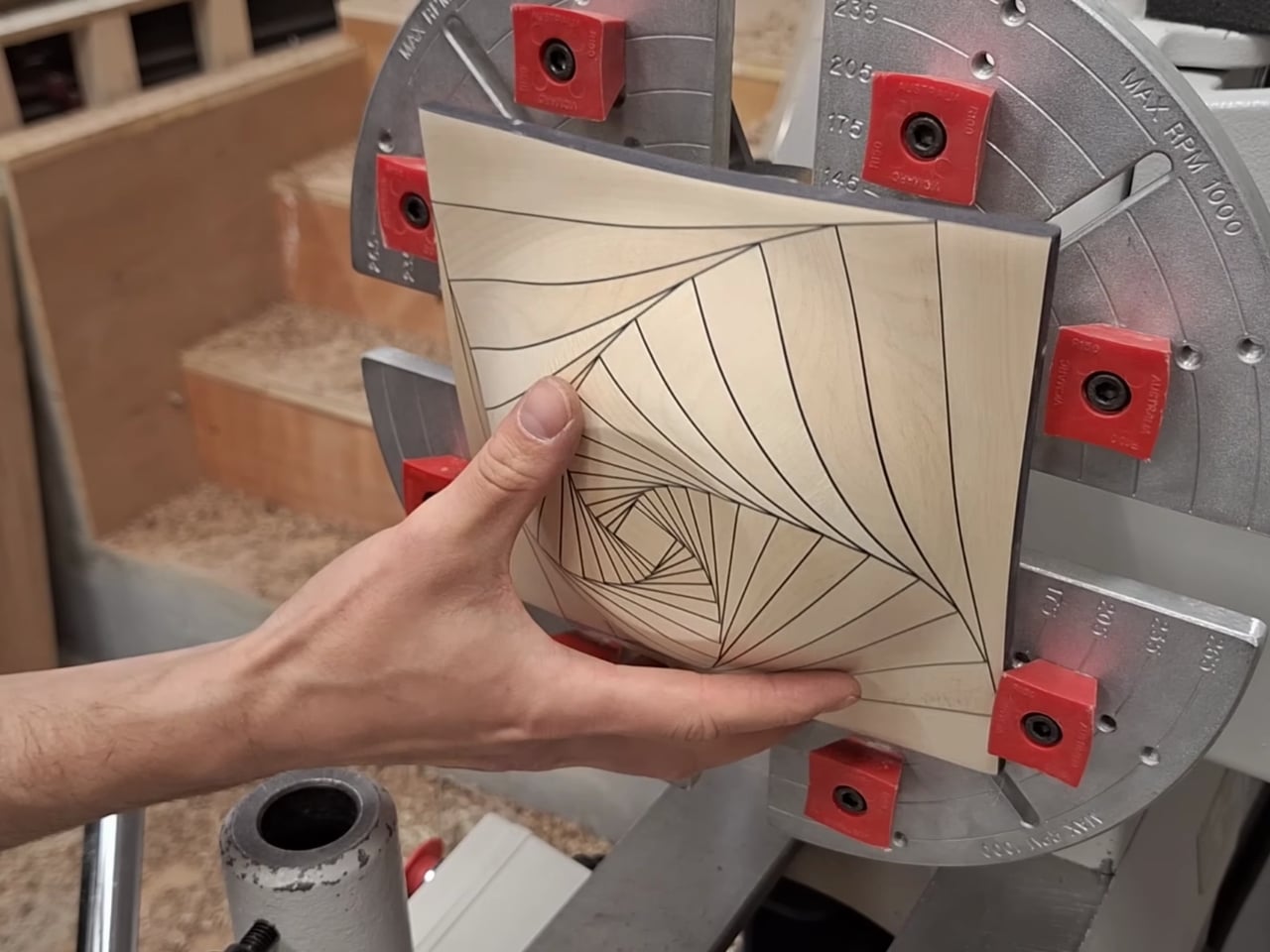
There’s also a broader conversation happening here about craft in the age of mass production. We live at a moment when almost anything can be printed, extruded, or manufactured at scale, and yet the appetite for handmade objects keeps growing. Not out of nostalgia exactly, but out of a genuine desire to own something that carries a human fingerprint. Gomis’s work taps directly into that. His YouTube channel documents every step of his process with no shortcuts hidden, which is both a smart move and a generous one. Watching him work makes the finished objects more meaningful, not less. You come away from his videos understanding not just how a piece was made, but why it matters.
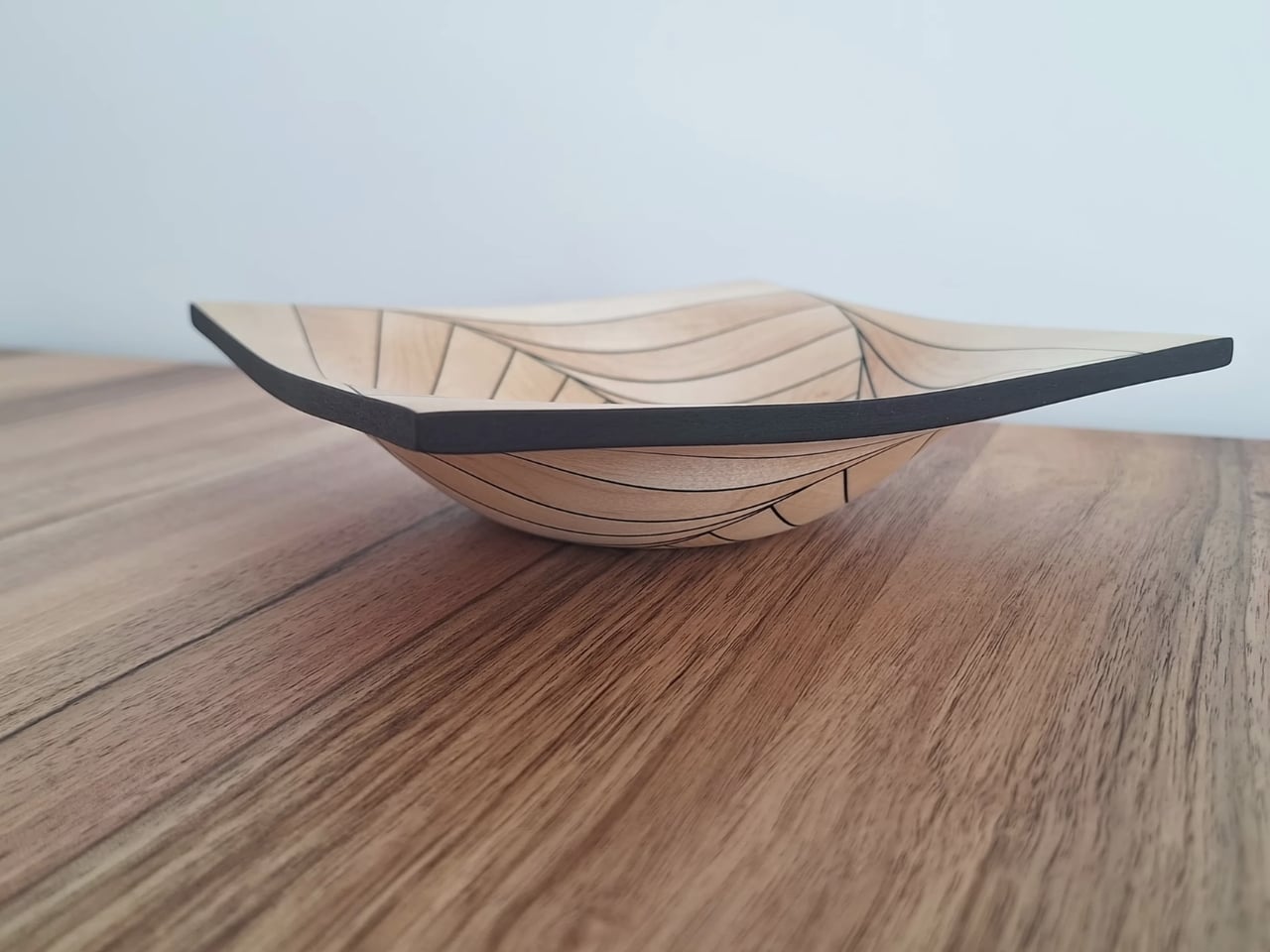
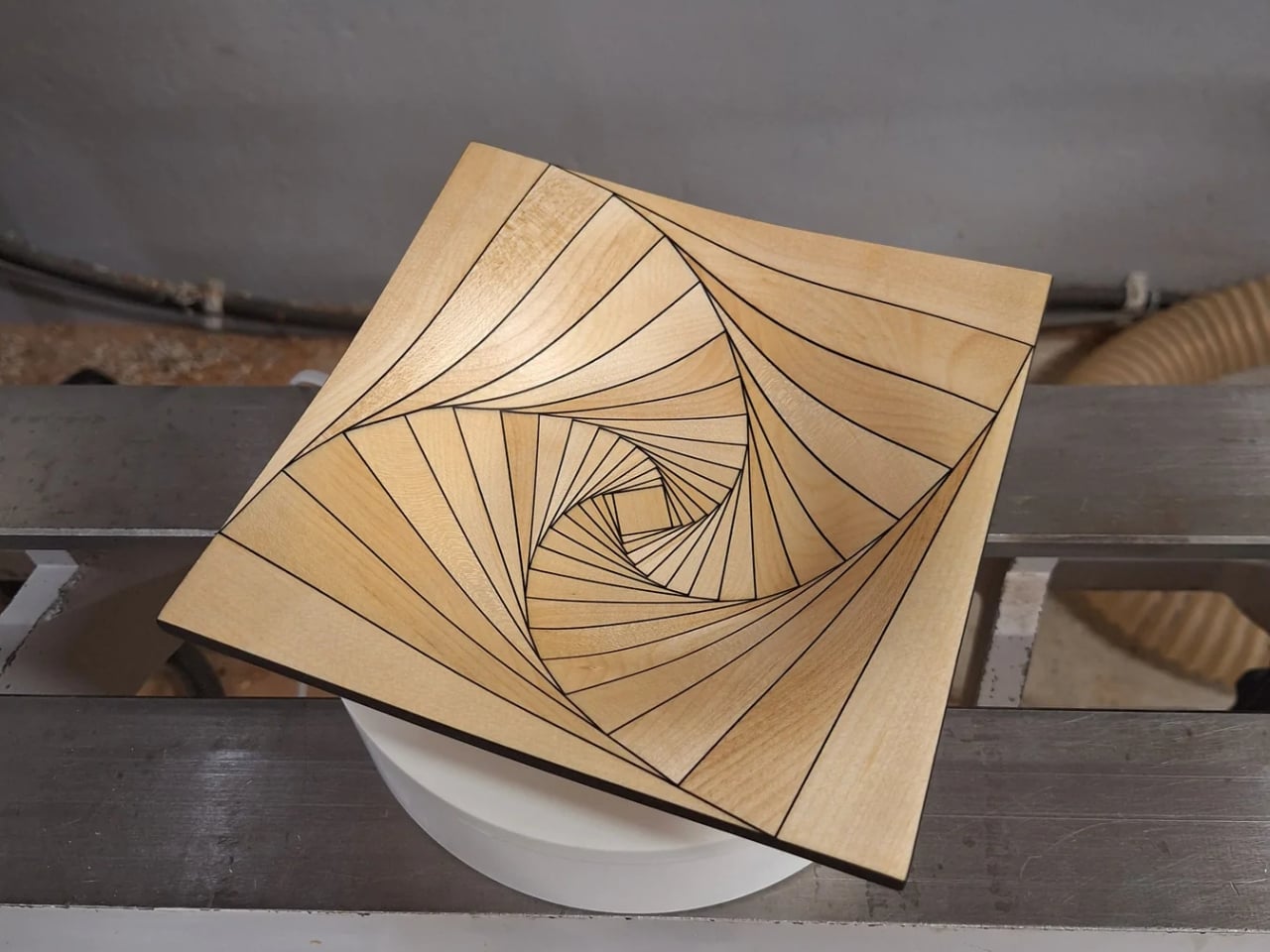
The Bowl Curved Pursuit is the kind of design that rewards attention. It doesn’t immediately give everything away. The more you sit with it, the more the geometry reveals itself, the precision, the patience, the particular stubbornness it takes to return to something after five years and finally decide it’s ready. Somewhere between design and craft, between art object and kitchen counter, Gomis has made something genuinely hard to categorize. If that sounds like a compliment, it is.
The post Five Years, One Bowl, and a Woodturner Who Refused to Quit first appeared on Yanko Design.