What If Your Spoon Could Evolve? This Designer Found Out

We use spoons dozens of times a day without giving them a second thought. They’re just there, scooping soup, stirring coffee, delivering cereal to our mouths with mechanical reliability. But BKID co asked a question that sounds almost absurd at first: what if spoons were alive? What if they could evolve like living organisms, adapting to their environment through the same forces that shaped every creature on Earth?

The result is Evolving Spoon, a project that treats cutlery like a species subject to Darwin’s rules. It’s part design experiment, part philosophical thought exercise, and entirely fascinating to look at.

Designer: BKID co

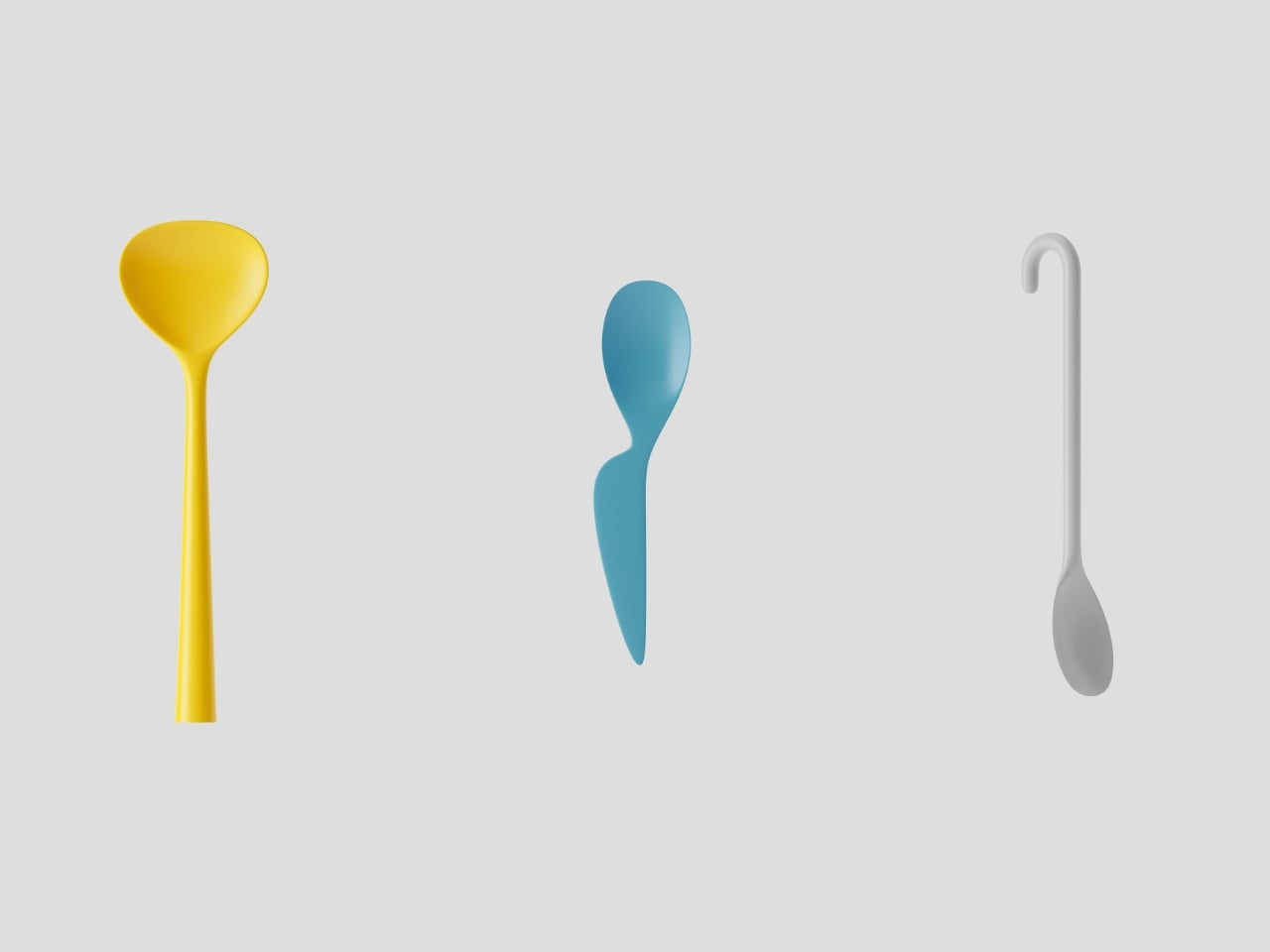
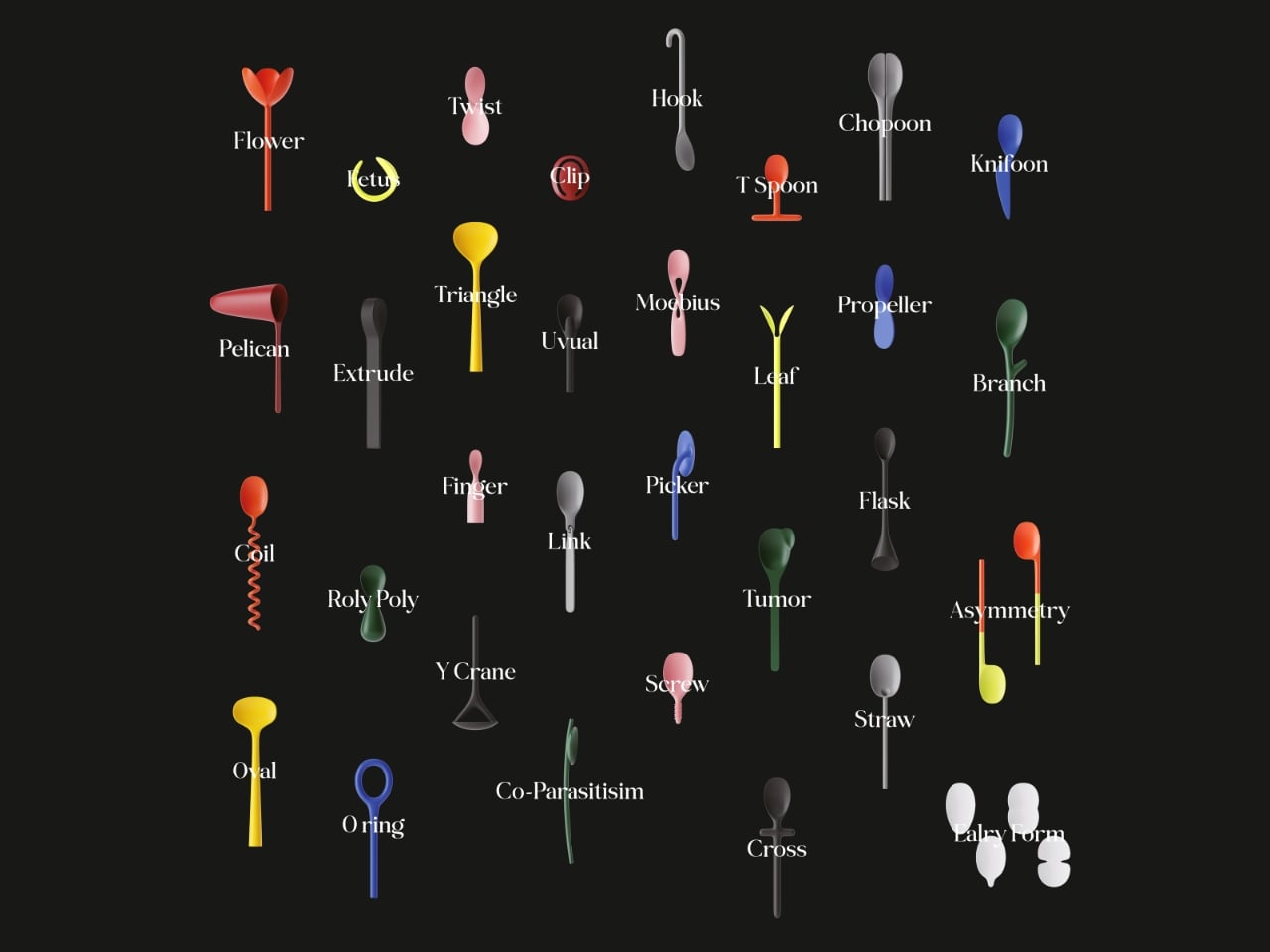
The premise starts with a simple observation. Spoons exist in a constantly changing ecosystem of human behavior. We eat different foods, adopt new dining styles, and our household compositions shift over time. If a spoon were a living thing responding to these environmental pressures, how would it transform? Would it grow branches to grip noodles better? Develop a hook for hanging? Split into multiple heads for sharing?

BKID co applied four key principles of Darwinian evolution to answer these questions. Recombination, where traits from different “parent” spoons merge to create hybrid offspring. Mutation, introducing random variations that might prove useful or utterly bizarre. Natural selection, where the most functional forms survive while impractical ones fade away. And the handicap principle, the counterintuitive idea that sometimes a costly trait signals quality, like a peacock’s unwieldy tail.

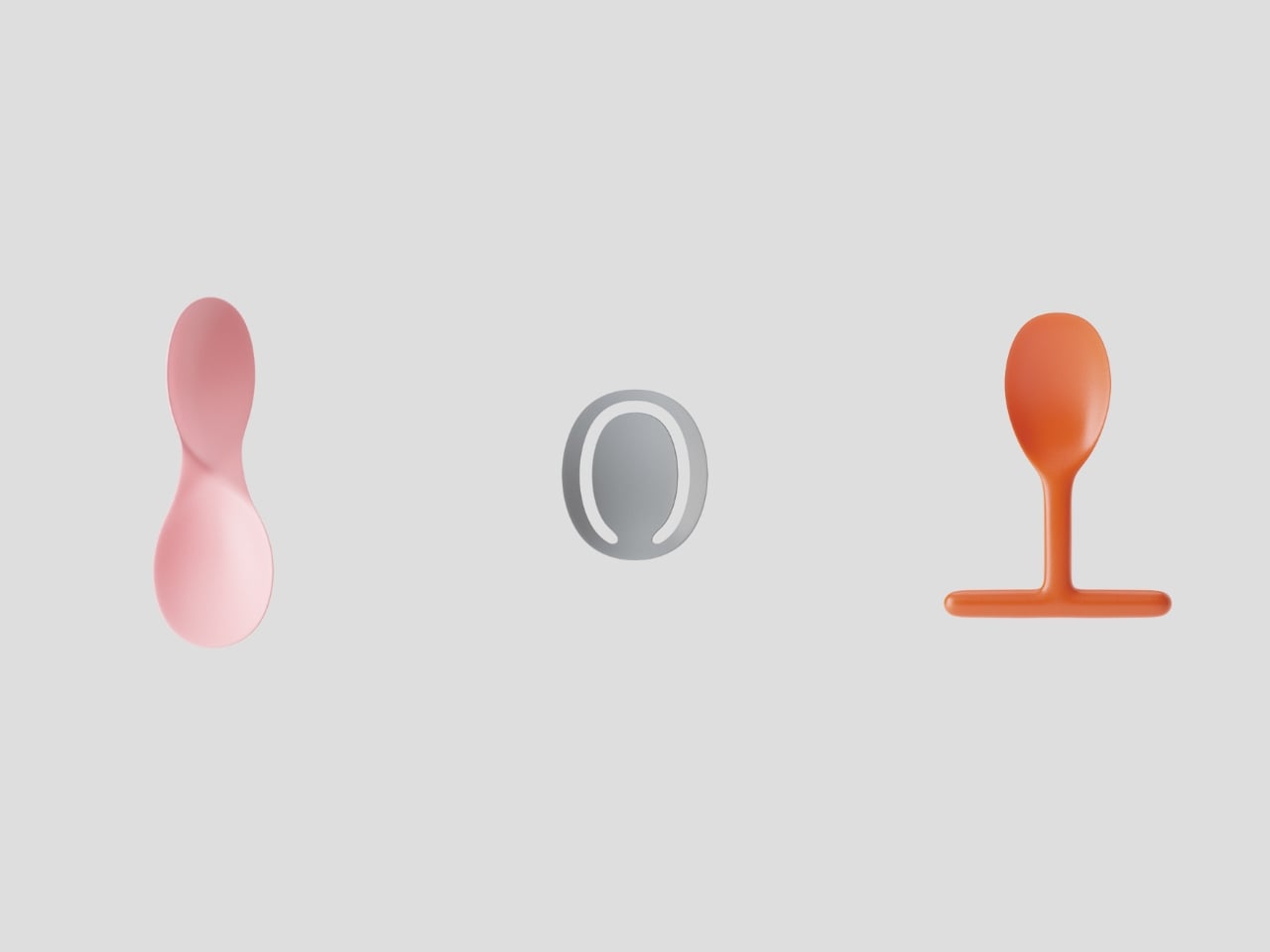
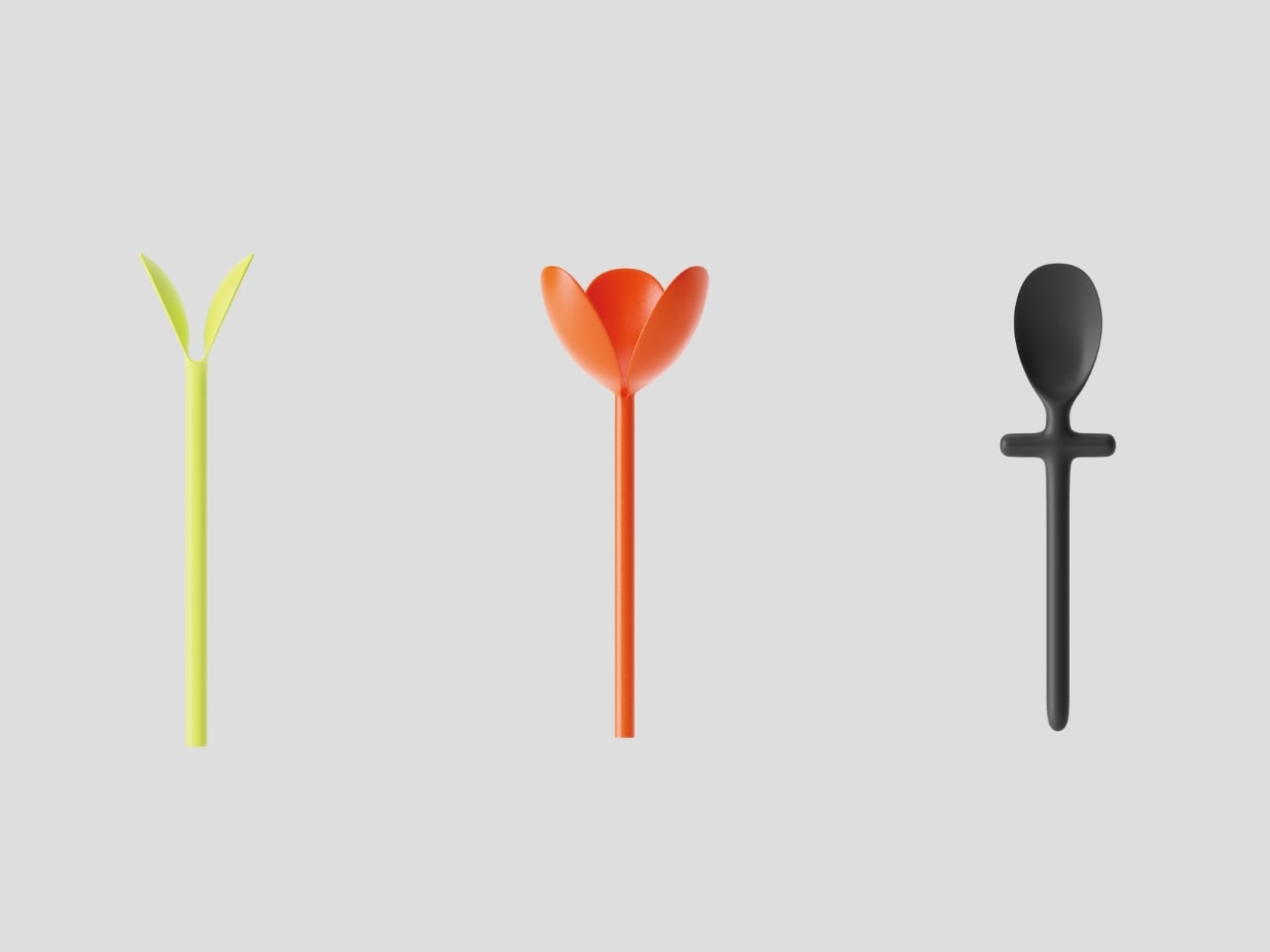
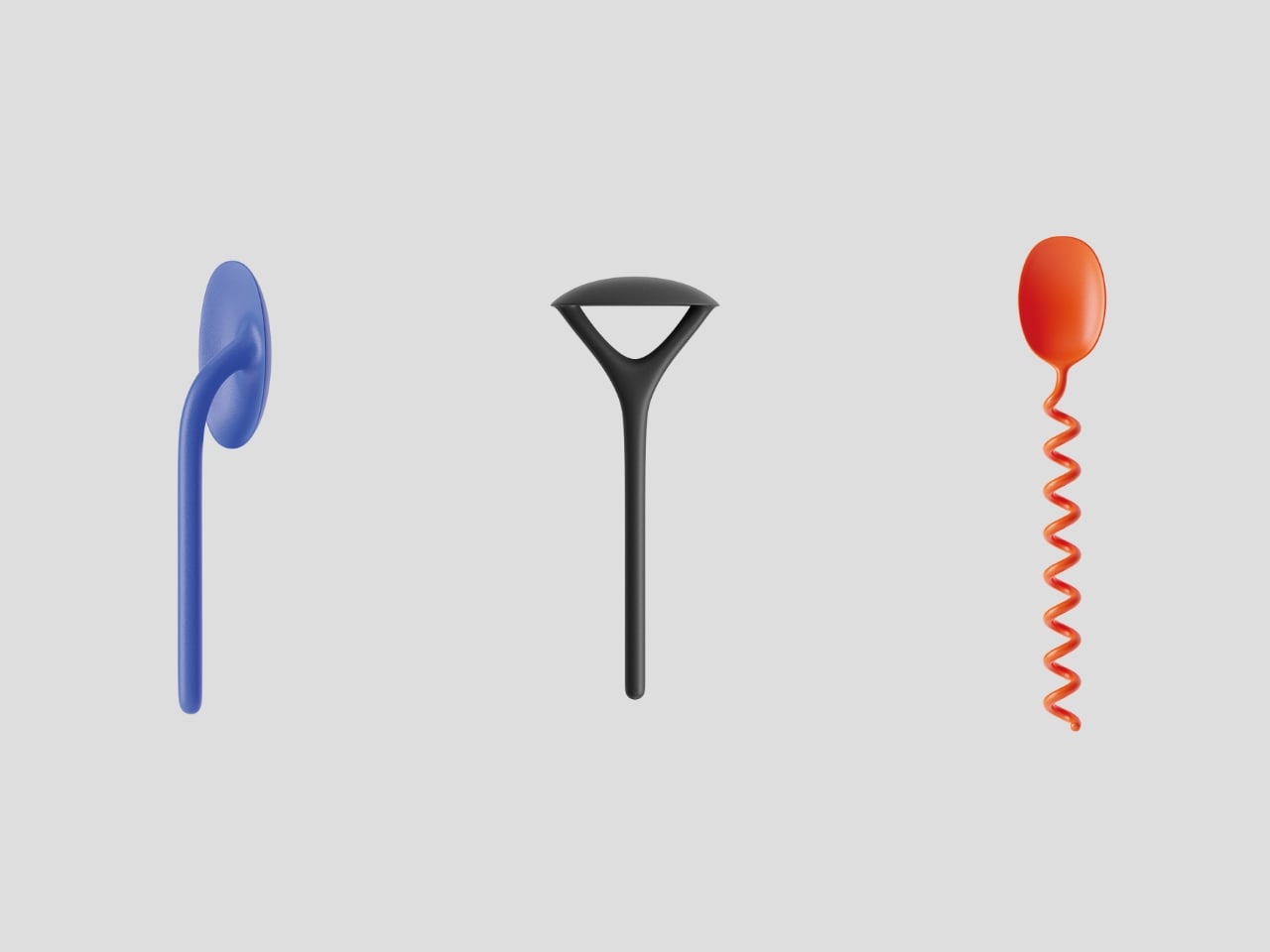
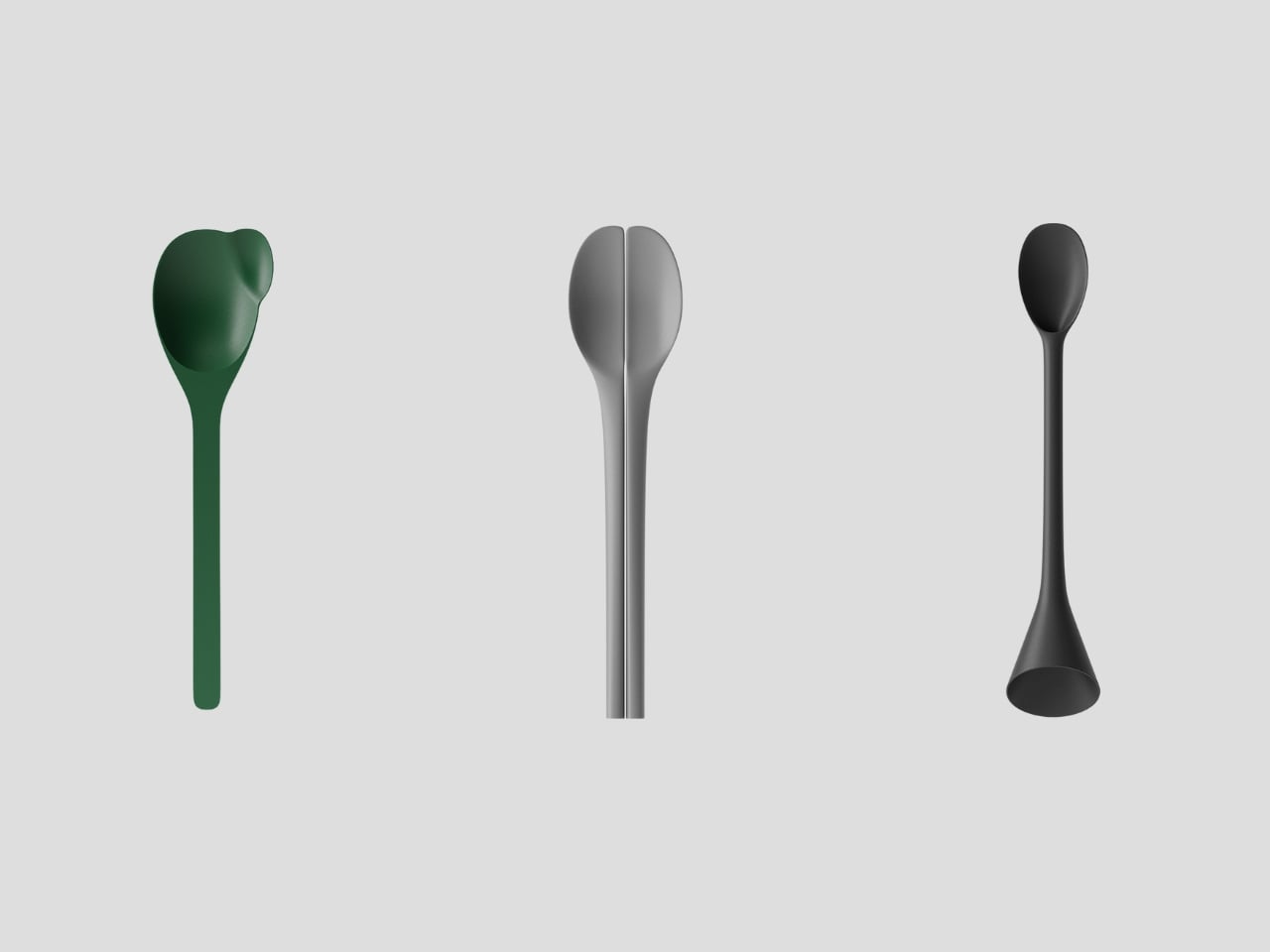
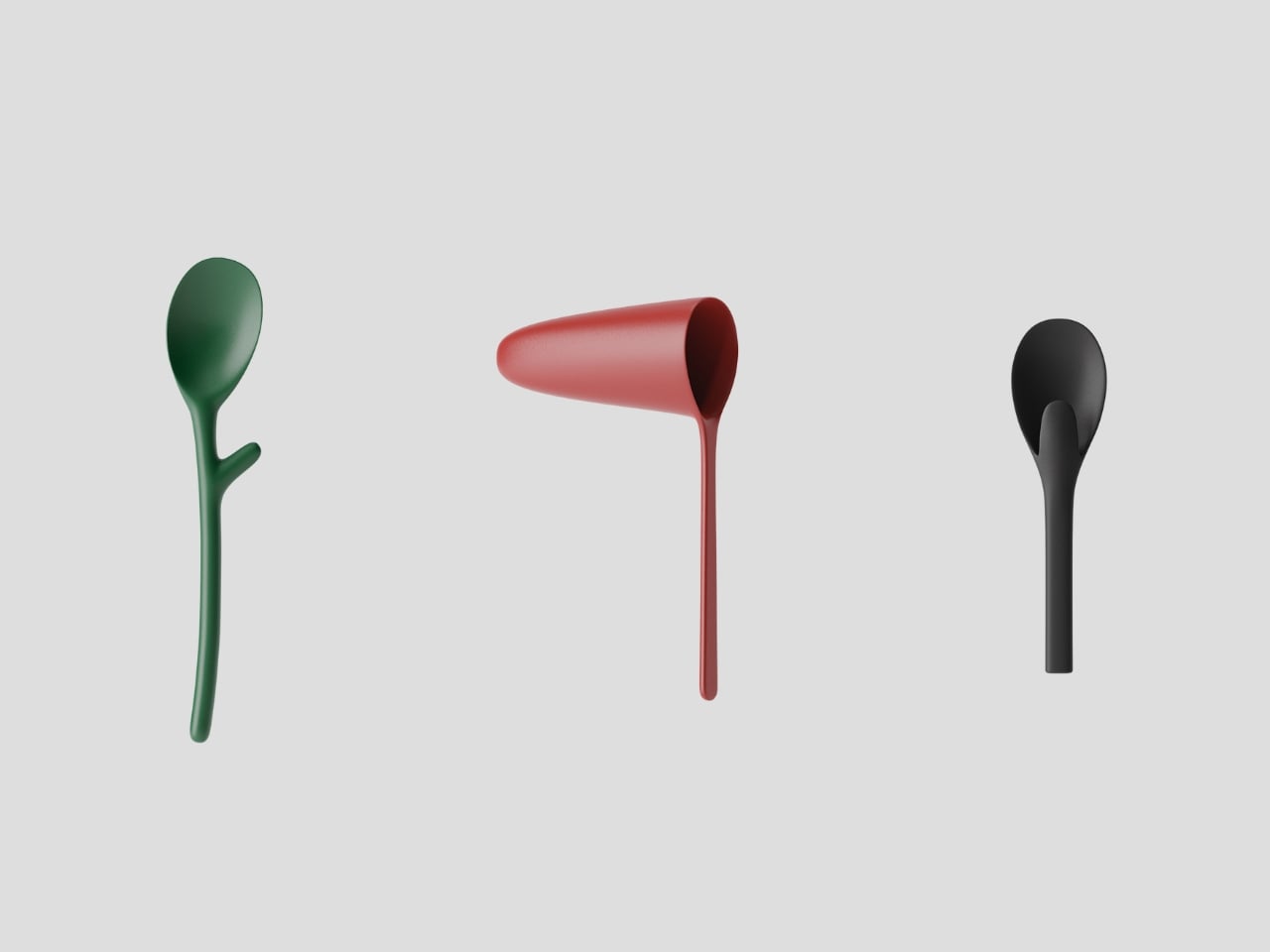
What emerges from this framework is a collection of spoons that look like they belong in a natural history museum of an alternate universe. There’s one with a spiraling corkscrew handle, as if it adapted to stir thick liquids with maximum efficiency. Another splits into a tulip shape at the bowl, perhaps “evolving” to let multiple people eat from the same dish. A green spoon sprouts a small branch from its handle, like it’s halfway between cutlery and plant life.

Some designs feel almost uncomfortably organic. A pink spoon curves with an hourglass figure that suggests it mutated for ergonomic grip. A black spoon with a triangular cutout in its handle looks like it underwent natural selection for lighter weight and material efficiency. Others border on the absurd, which is precisely the point. Evolution doesn’t always produce sleek perfection. Sometimes it creates the platypus or the blobfish, creatures that work despite looking deeply weird.

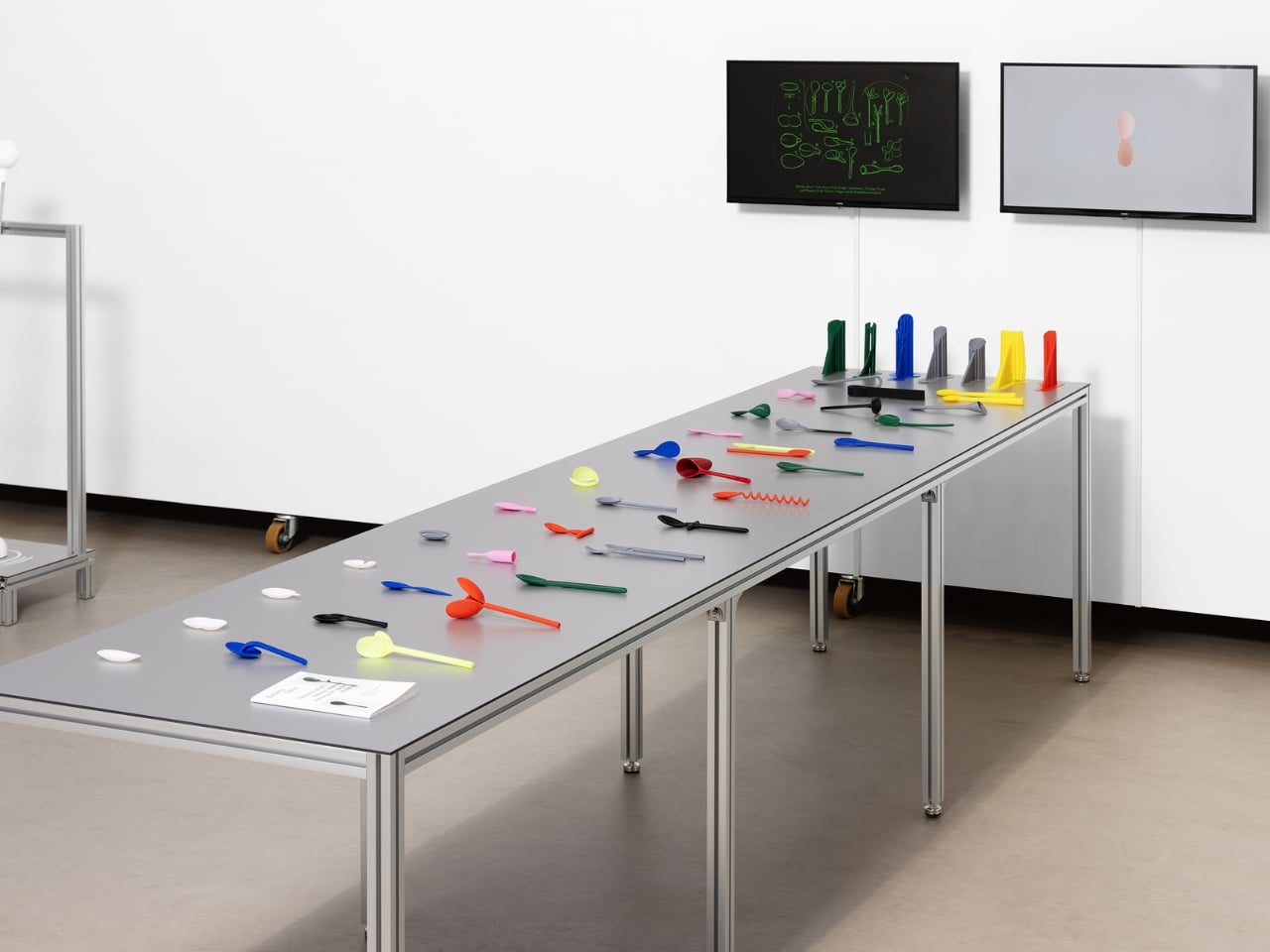
The technical execution deserves attention too. BKID co used FDM 3D printing, a process that deposits material layer by layer, making each spoon a physical artifact of a future that doesn’t exist. The designers describe it as creating fossils of imaginary life forms. That framing transforms these objects from mere design experiments into something more poetic. They’re evidence of parallel evolution, proof that form follows function even in hypothetical scenarios.

The project’s real brilliance lies in how it makes us reconsider the ordinary. We think of spoons as finished objects, perfected centuries ago and now simply manufactured in endless identical copies. But Evolving Spoon suggests that even the most mundane tools exist in dialogue with their environment. They could adapt, specialize, diversify. A spoon for soup doesn’t need to look like a spoon for ice cream, which doesn’t need to resemble a spoon for medicine.

It also raises questions about design philosophy in an age of digital fabrication. When 3D printers can produce any shape as easily as they produce standard forms, why do we keep making the same objects over and over? Evolution thrives on variation. Maybe our material culture should too. Displayed together, these mutant spoons create a taxonomy of possibilities. Some would actually work better than conventional designs for specific tasks. Others are pure speculation, beautiful or strange but not particularly functional. All of them challenge the assumption that objects are static, that a spoon in 2026 should look identical to a spoon from 1926.

BKID co hasn’t just designed weird spoons. They’ve built a bridge between biology and product design, using evolutionary theory as a creative engine. The result is playful, thought-provoking, and visually arresting. It reminds us that even in the mundane act of eating, there’s room for imagination, adaptation, and a little bit of evolutionary chaos.

The post What If Your Spoon Could Evolve? This Designer Found Out first appeared on Yanko Design.
This Cutlery Set Celebrates the Machine That Made It

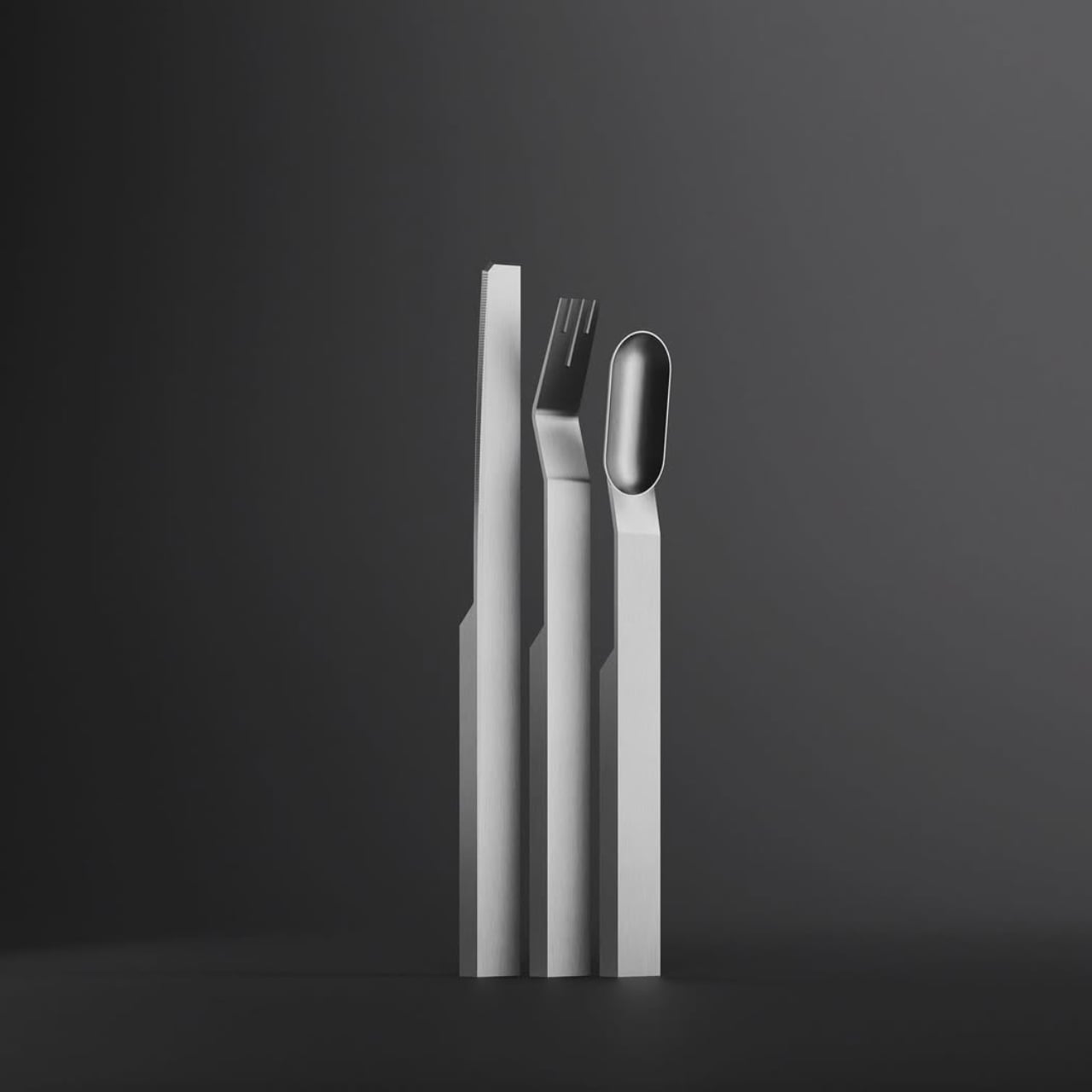
There’s something inherently rebellious about celebrating the process instead of hiding it. But most products are still designed to look effortlessly smooth, polished to perfection, and stripped of any trace of how they came to be. Atelier Andy Carson’s G-Code flatware takes the opposite approach. This cutlery set doesn’t just acknowledge its manufacturing origins, it flaunts them.

The name itself is a clever nod to the digital backbone of modern production. G-code is the programming language that tells CNC machines exactly where to cut, mill, and carve. It’s the invisible blueprint that translates design into reality, one precise coordinate at a time. By naming this flatware collection after that very code, Australian-based designer Andy Carson and his collaborator Sam Collett are making a bold statement: the machine is not just a tool, it’s part of the story.

Designer: Atelier Andy Carson

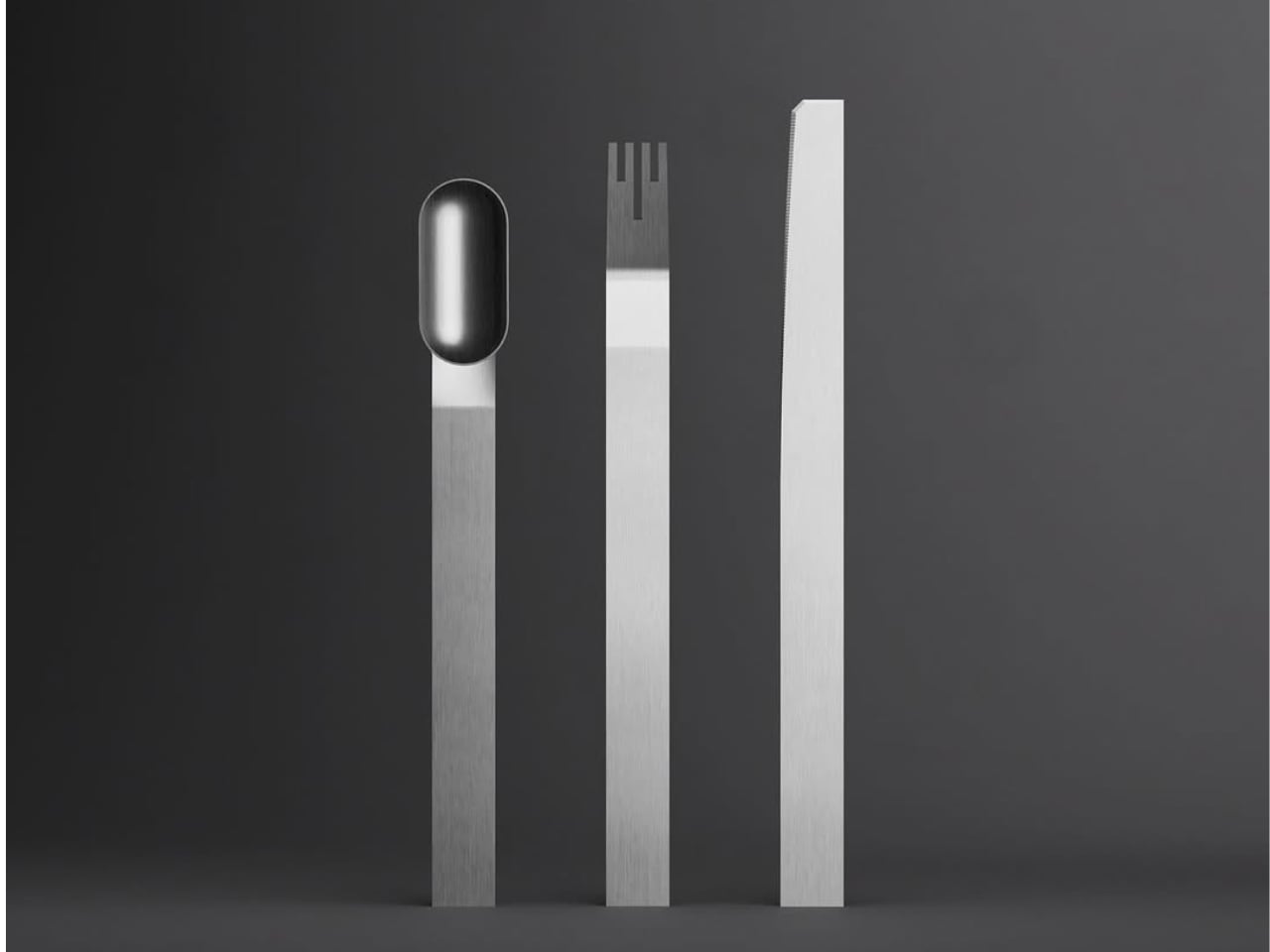
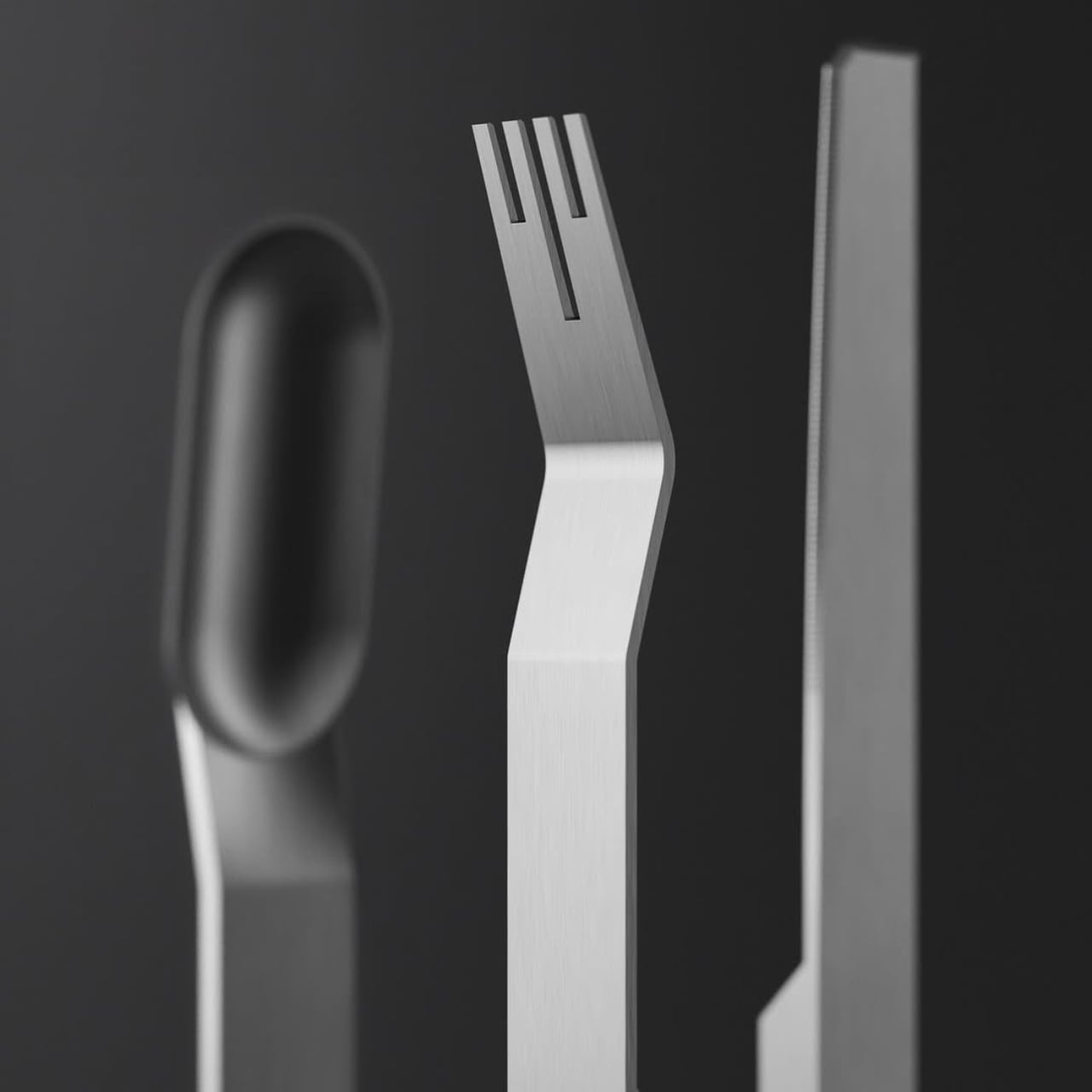
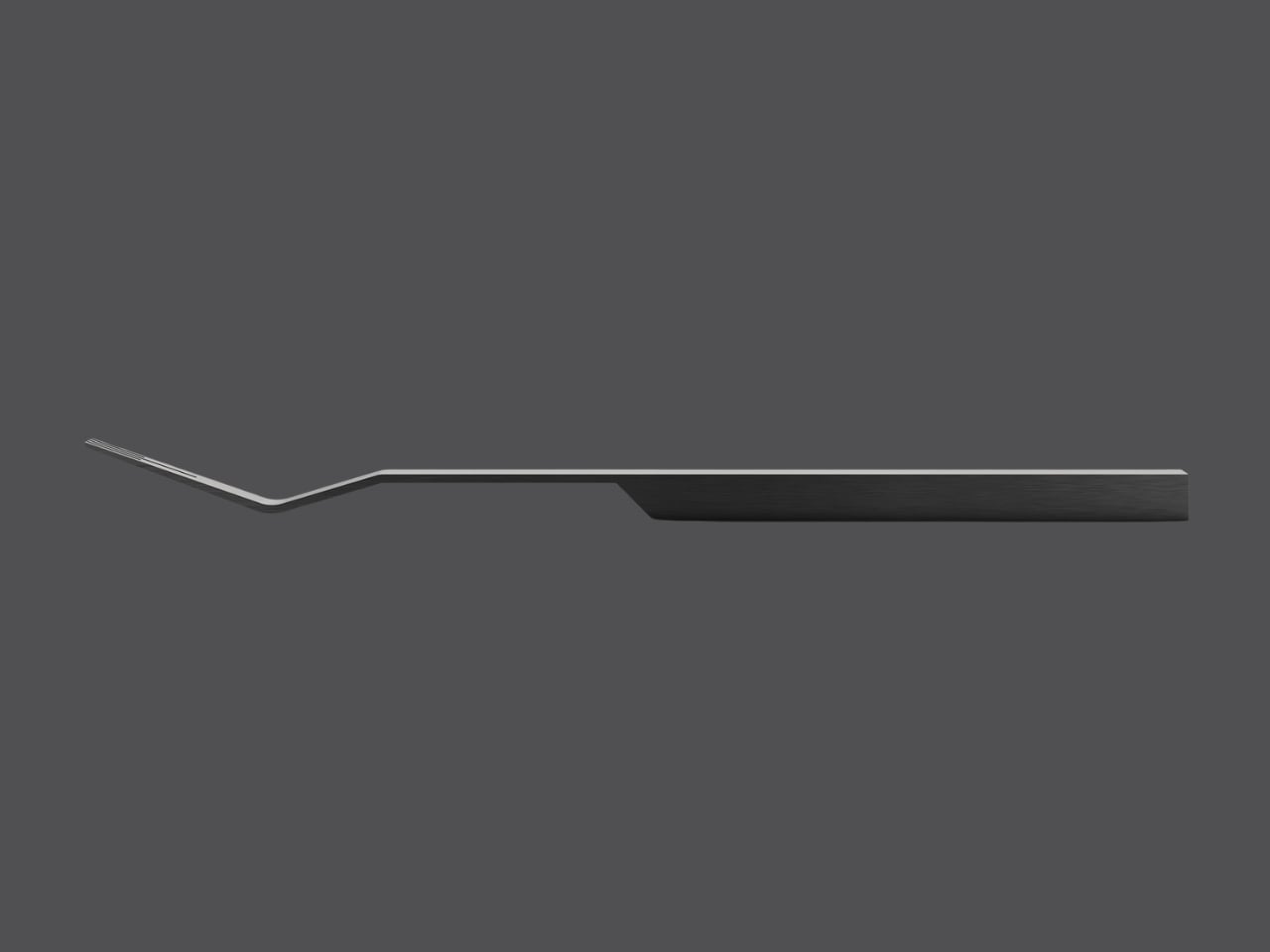
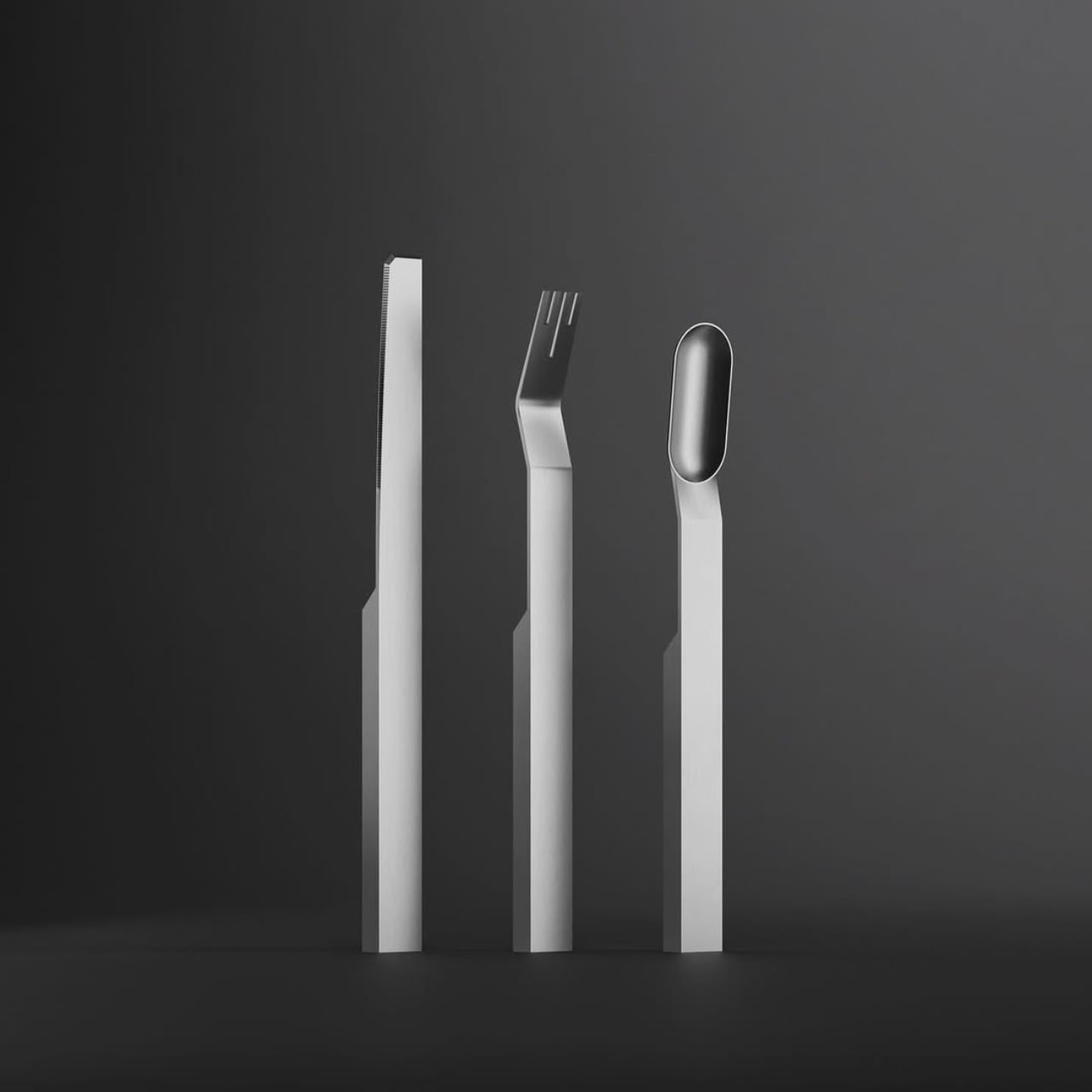
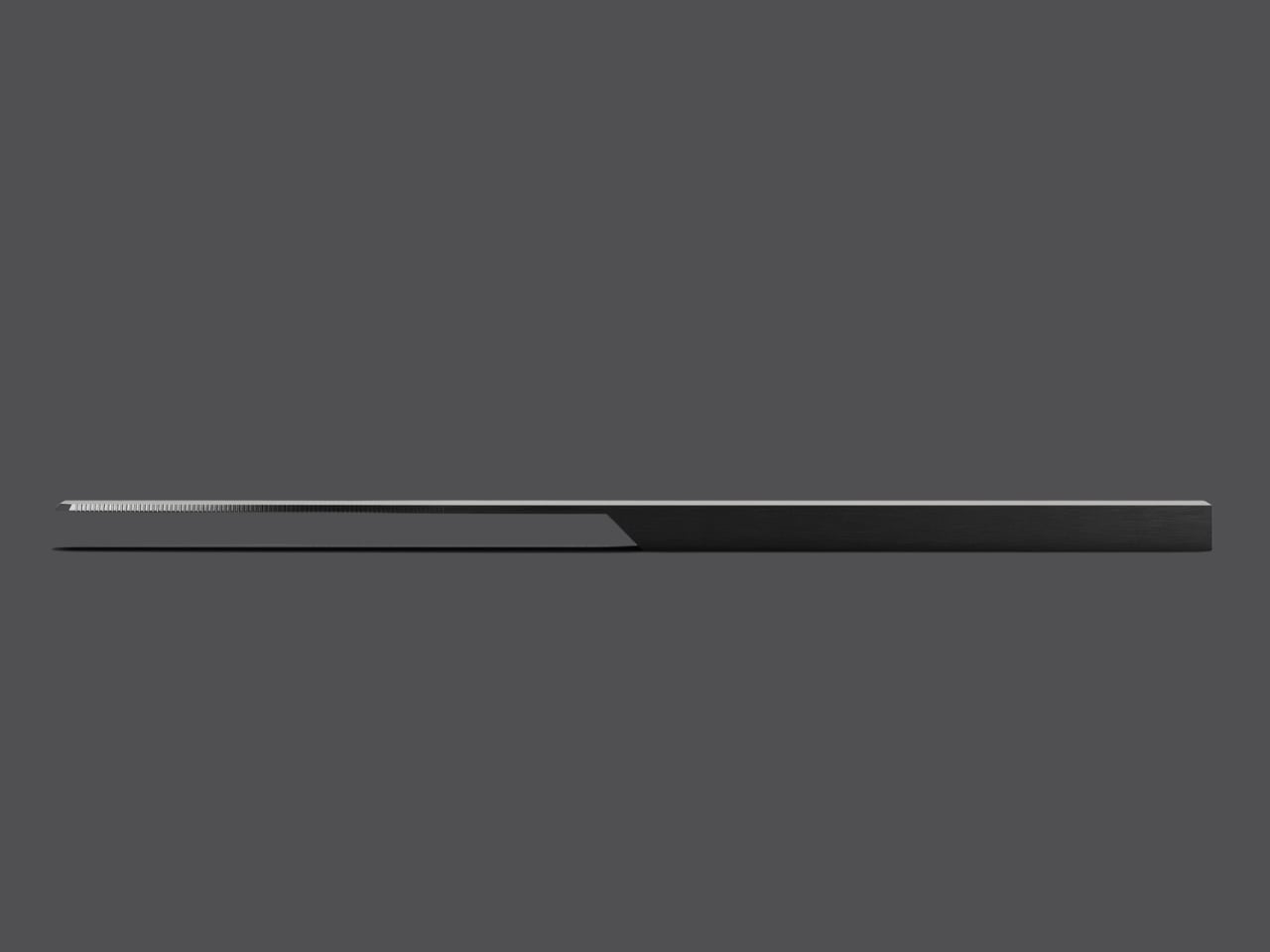
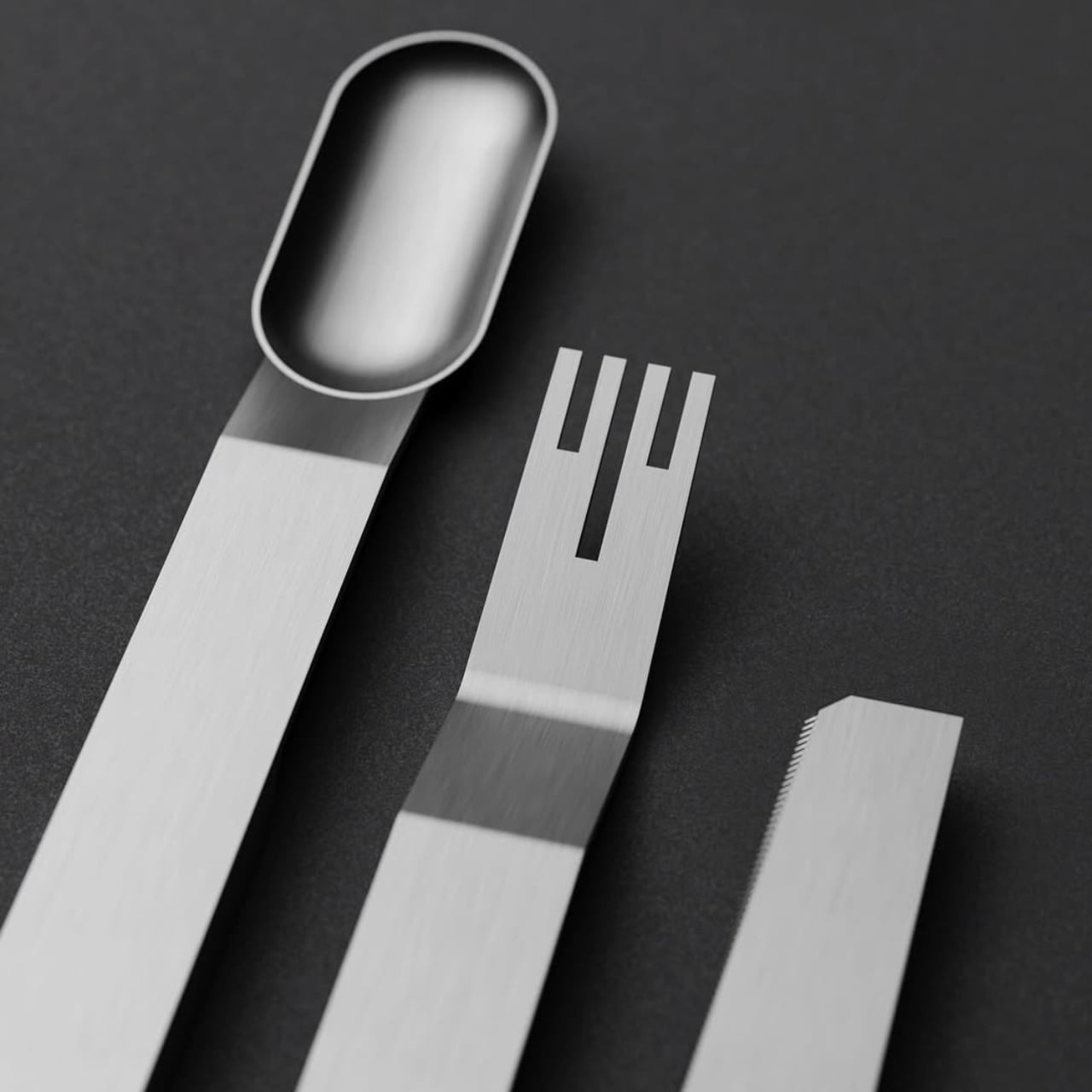
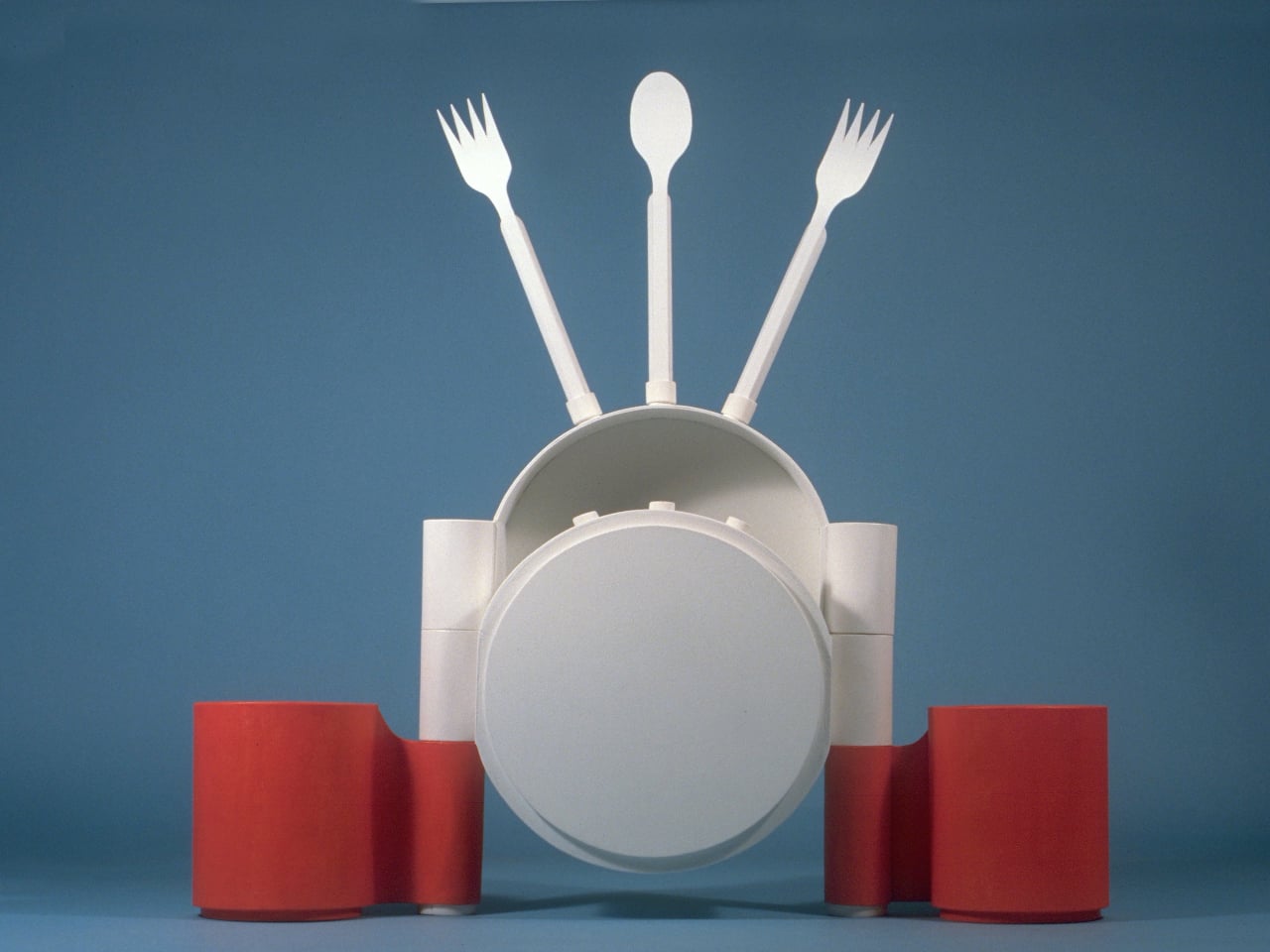
You can see that story in every angle of these pieces. Each implement in the set, a knife, fork, and spoon, is milled from solid stainless steel bar stock. There’s no stamping, no casting, no traditional manufacturing shortcuts that would smooth away the evidence of creation. Instead, what you get are geometric forms with crisp edges, flat planes, and subtle facets that catch the light in unexpected ways.

The aesthetic is unapologetically industrial, yet somehow it doesn’t feel cold or impersonal. The handles are rectangular and minimalist, tapering slightly as they extend toward the functional end. The fork features an intriguing angular bend that adds sculptural interest while maintaining perfect balance. The spoon’s oval head sits atop its geometric handle like a carefully considered punctuation mark. Even the knife, with its serrated edge, feels more like a piece of architecture than a simple eating utensil.

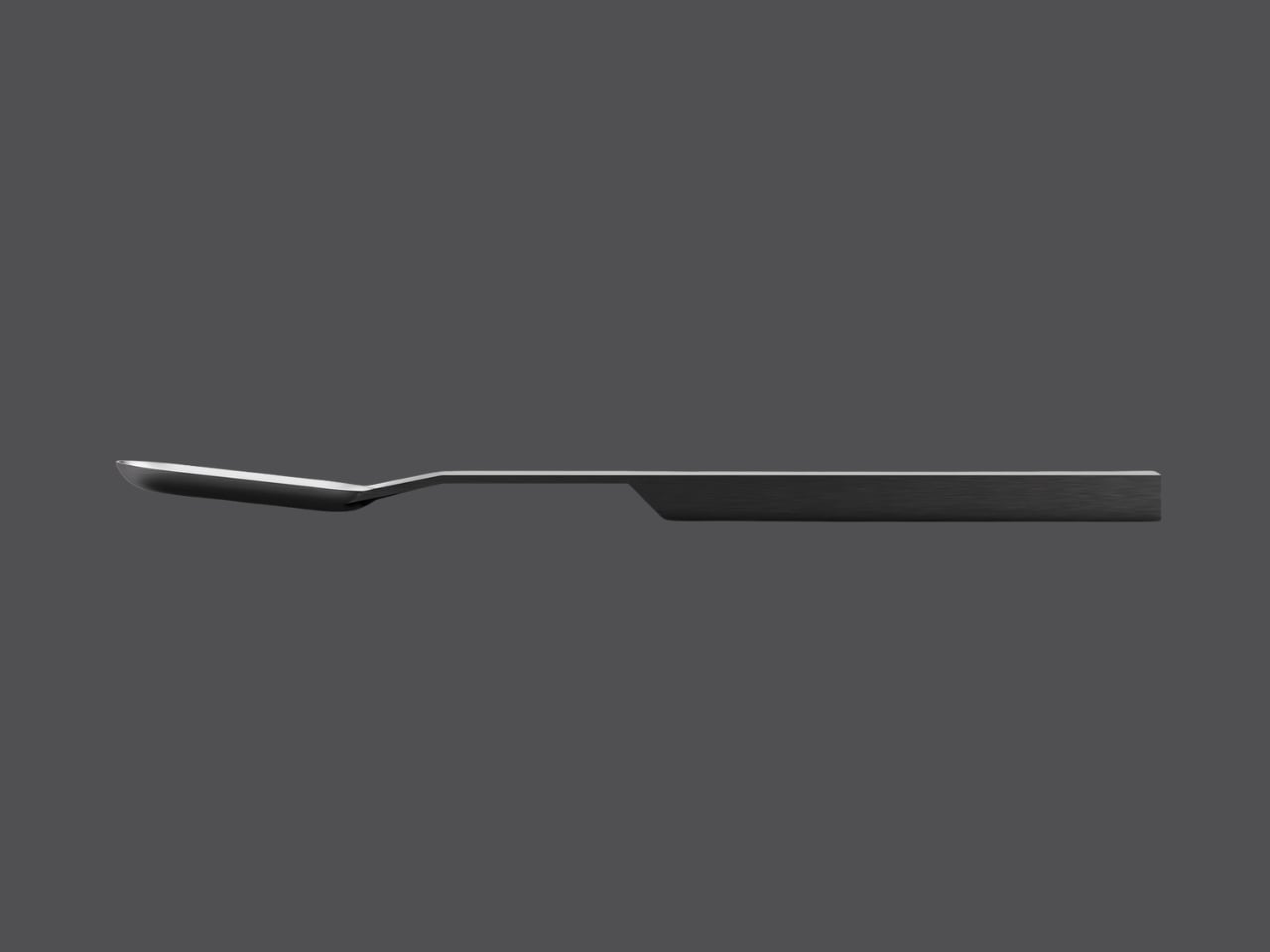
What makes this design particularly smart is how form and function work together so seamlessly. The weighted handles aren’t just about aesthetics or that satisfying heft you feel when you pick one up. They serve a practical purpose, ensuring that the head of each utensil hovers above the table surface when you set it down. It’s a thoughtful touch that addresses hygiene without requiring a separate knife rest or worrying about sauce staining your tablecloth. This approach challenges the conventions of how cutlery is typically made and what it’s supposed to look like. Most flatware relies on stamping or casting to achieve smooth, anonymous forms that disappear into the background of a meal. G-Code does the opposite. It asks to be noticed, to be appreciated not just as a functional object but as a celebration of precision manufacturing.

There’s a broader conversation happening here about honesty in design. In an era when so much of what we consume is mass-produced but styled to look artisanal, G-Code takes the reverse path. It’s a product that embraces its machined origins and turns them into a virtue. The flat surfaces, the geometric precision, the visible traces of the milling process, these aren’t flaws to be hidden. They’re features to be celebrated.

The monochromatic photography that accompanies the project only reinforces this philosophy. Shot against dark gray backgrounds, the flatware pieces stand like monoliths, their shadows as carefully composed as the objects themselves. The lighting emphasizes every edge, every transition from one plane to another, revealing the complexity within apparent simplicity. It’s worth noting that this isn’t just an exercise in theoretical design. These pieces are meant to be used, held, experienced. The matte finish on the stainless steel provides just enough grip without feeling rough. The proportions are calibrated for comfort. The balance point of each piece feels natural in your hand.

In a design landscape often dominated by either hyper-ornamentation or bland minimalism, G-Code carves out its own territory. It proves that celebrating manufacturing processes doesn’t mean sacrificing elegance, and that industrial aesthetics can coexist with everyday functionality. It’s flatware that makes you think about how things are made, why certain choices matter, and what it means when a designer decides to show their work rather than hide it. For anyone who appreciates when form, function, and manufacturing philosophy align perfectly, G-Code is a masterclass in intentional design. It’s proof that sometimes the most interesting stories are told not by what we conceal, but by what we choose to reveal.

The post This Cutlery Set Celebrates the Machine That Made It first appeared on Yanko Design.
0.25 oz Spork Perfect for Outdoor Enthusiasts Seeking Lightweight Gear

It has become trendier these days to pack your meals when you’re going out, whether to eat lunch in the office or to enjoy a brief excursion. It’s not always a positive experience, though, and not just because of the food preparation but also because of the tableware you have to bring. There’s a specific class of utensils designed to be carried around, but many of them are either too heavy or even too flimsy. And then there’s the fact that most of these come as a set that you bring with you all the time, and if you lose one, the rest become almost unusable. The 0.25 oz Aero Spork was designed precisely to address those concerns, combining an innovative design and expert craftsmanship to deliver the one cutlery to rule them all.

Click Here to Buy Now: $17 $20 (15% off at checkout). Hurry, deal ends in 24 hours!

Although most indoor cutlery is made from metal, there is a wider variety of those that are designed to travel with you, each with its own strengths and weaknesses. Plastic utensils are lightweight but easy to break, while metal is durable but heavy. Some try to have very thin bodies to offset that weight, but they end up making your hands feel cramped after a while. They also mostly come as a set, at most a pair of a spoon and a fork, but you’ll be left at a disadvantage when you lose one or the other. Of course, sporks exist to combine those two into one, but the vast majority of them are more cumbersome to use than they’re worth.

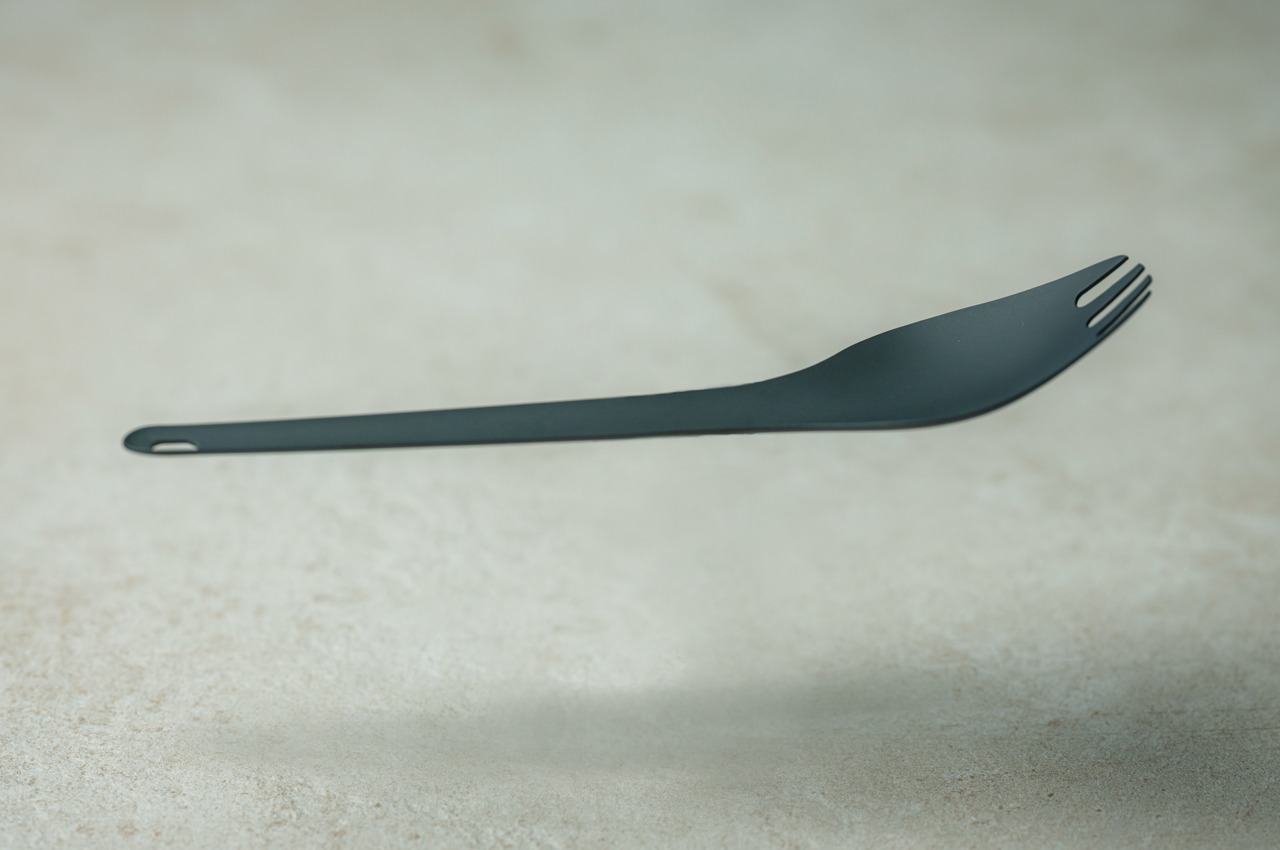
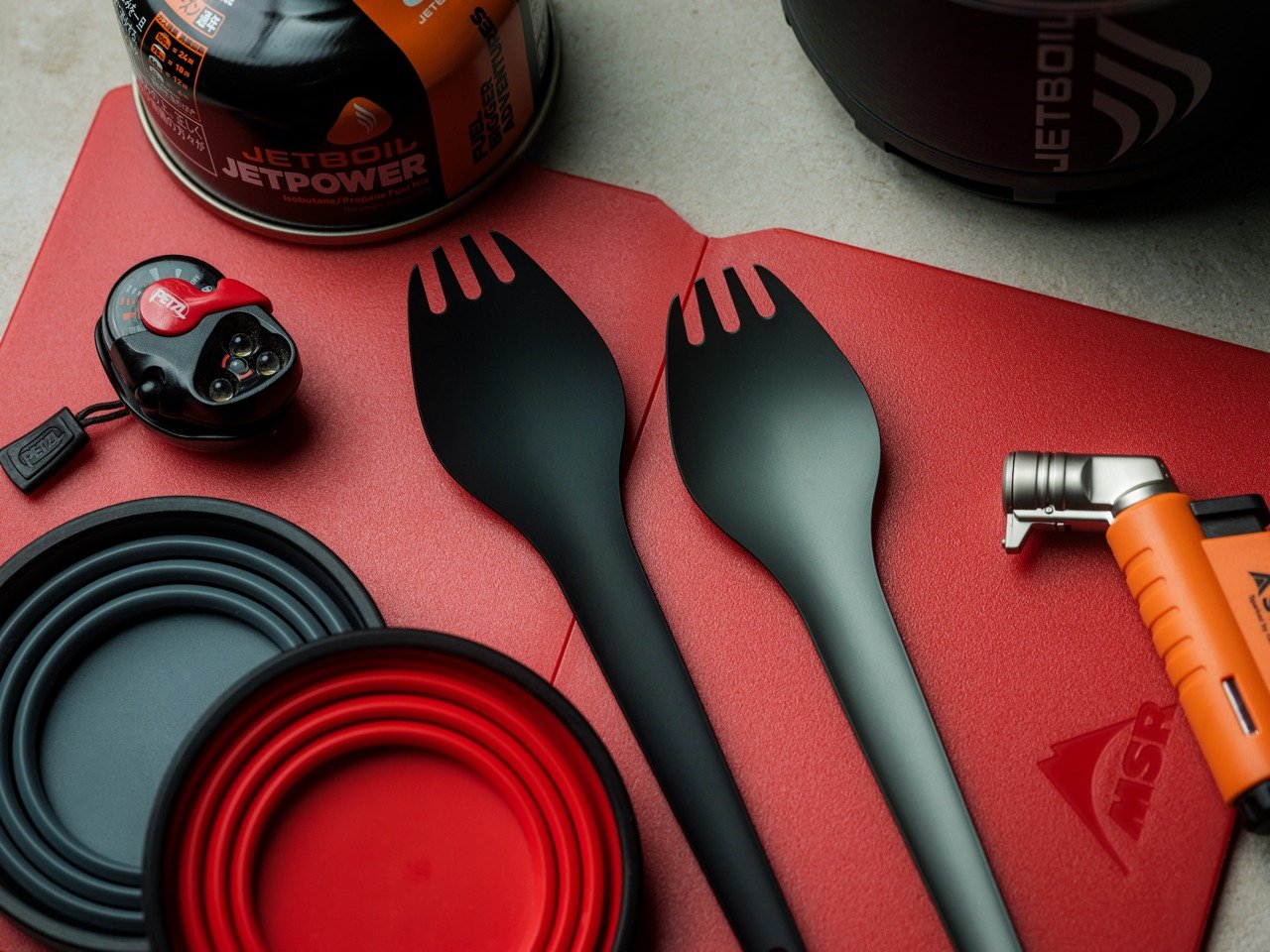
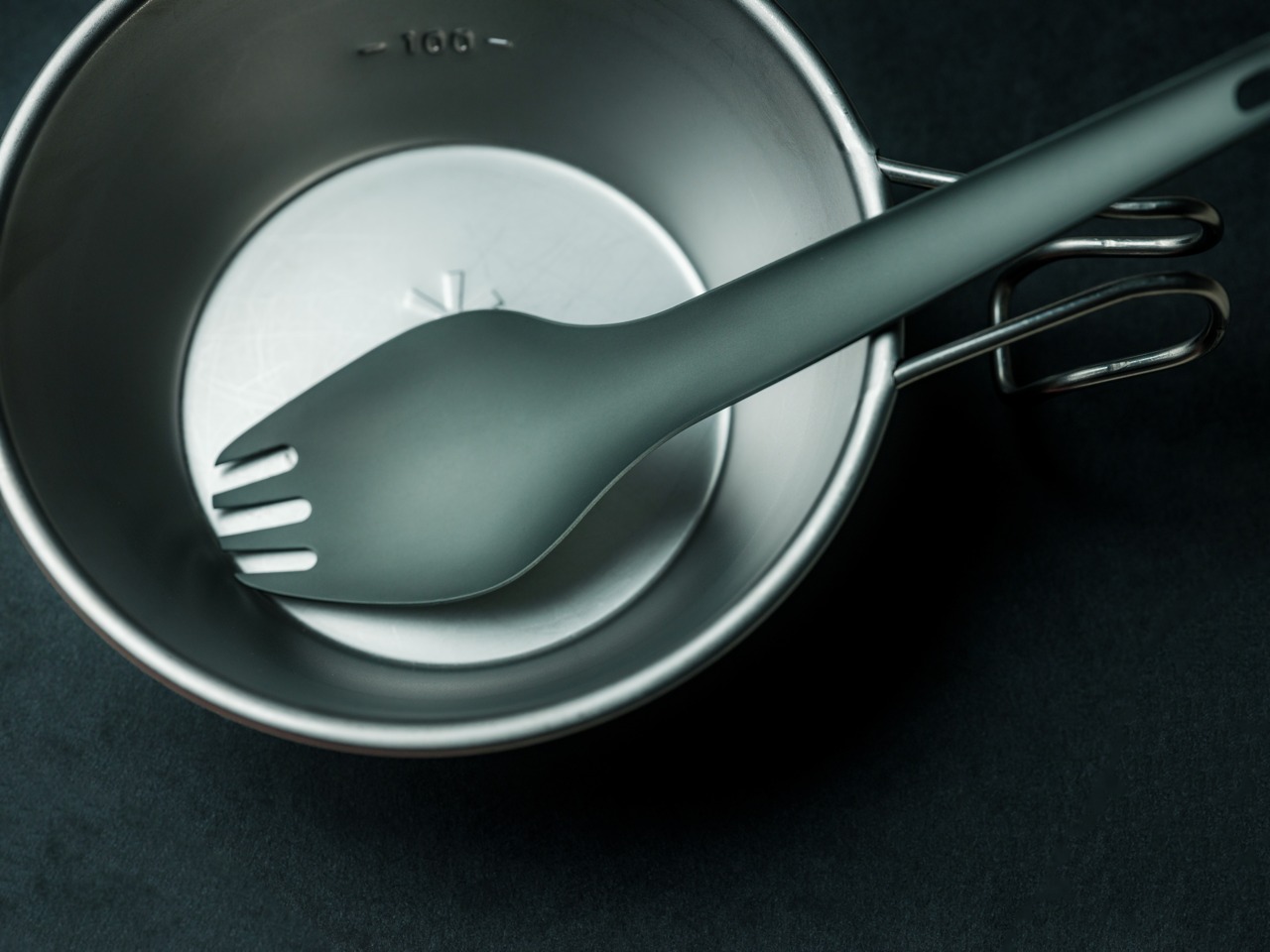
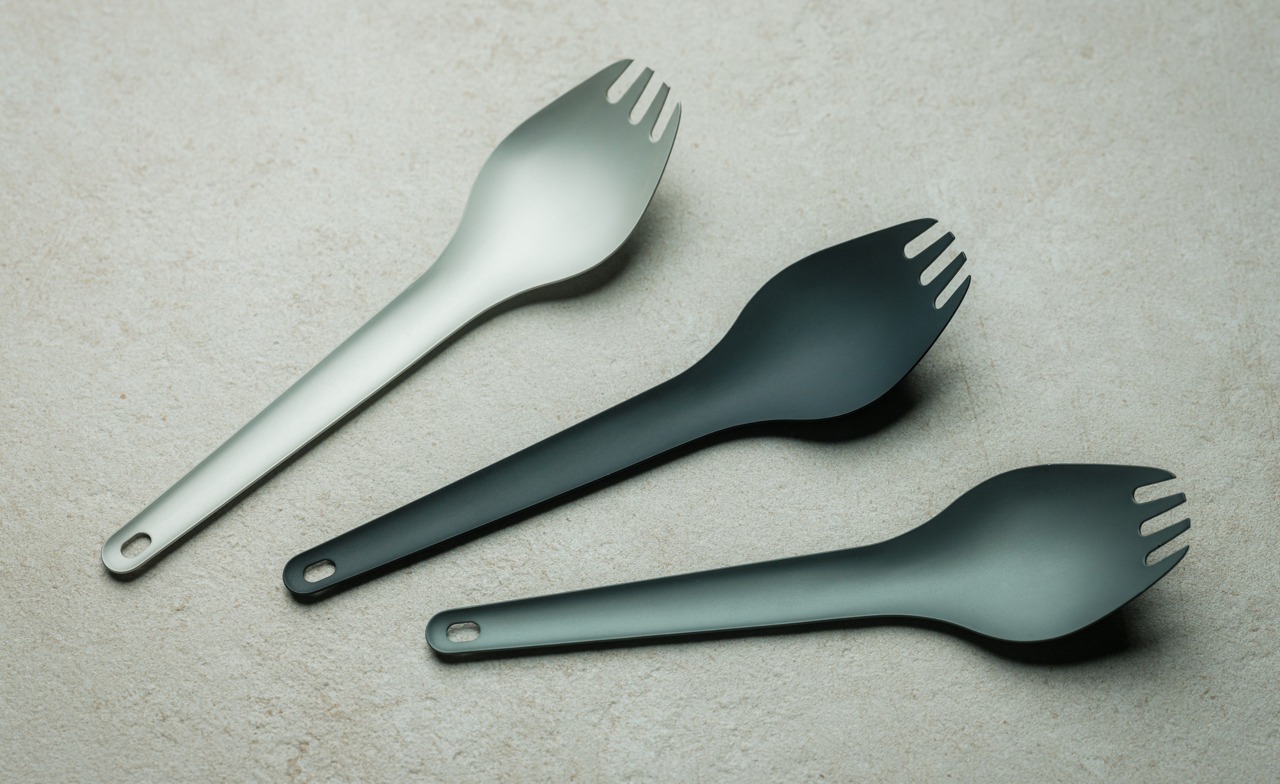
This lightweight metal spork, in contrast, was meticulously designed to give your hands a break while you’re taking your lunch break. At only 0.25oz (7g), you can hardly feel its weight so your hand won’t feel strained the more you enjoy your meal. Being lightweight, however, doesn’t mean it’s fragile. With a special anodized aluminum exoskeleton, it remains tough as nails and ready to scoop up or pierce through food.

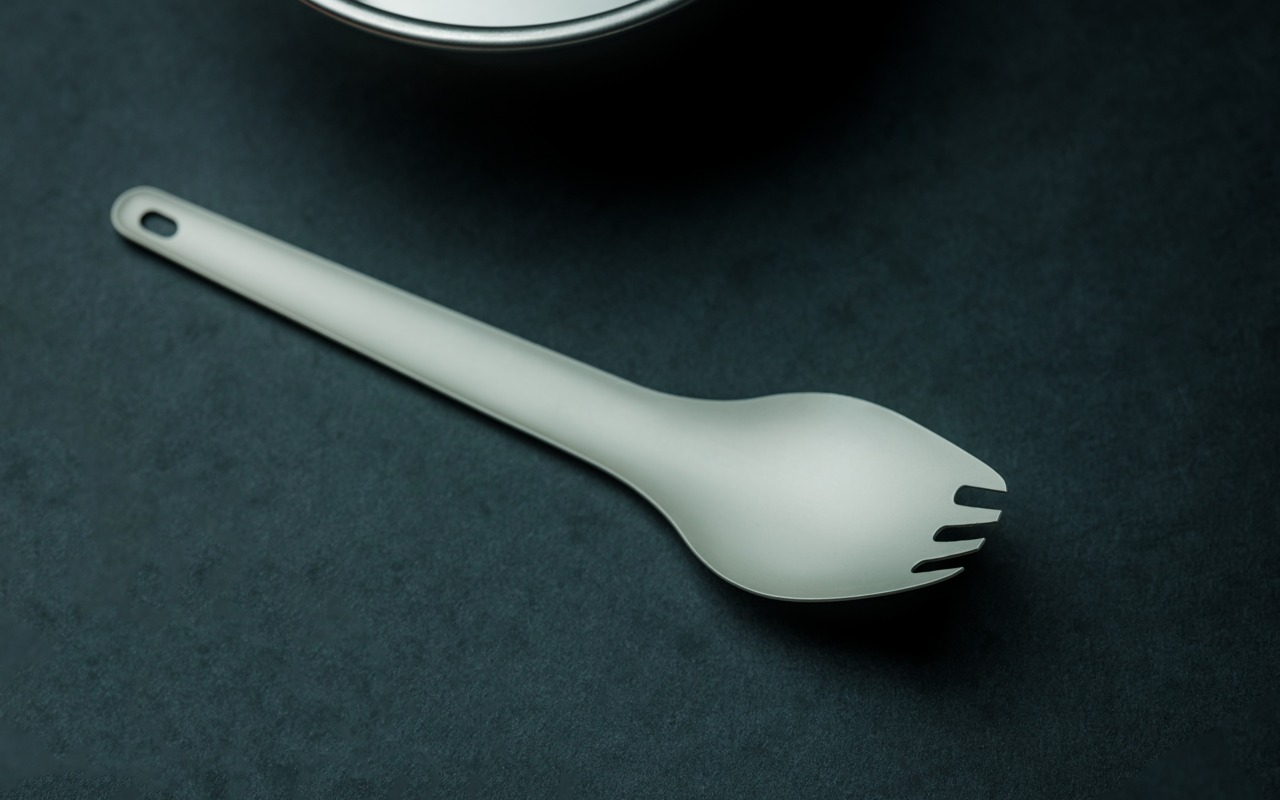
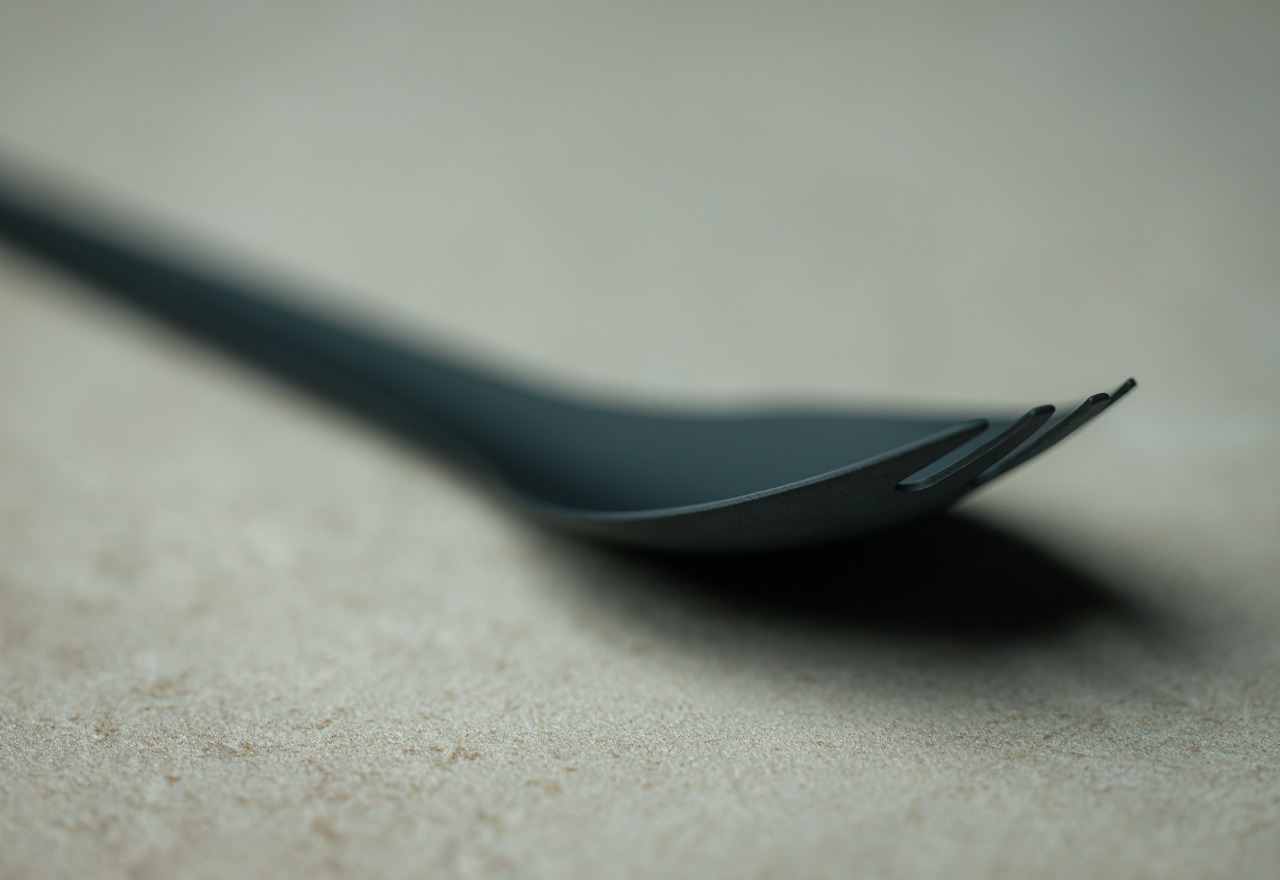
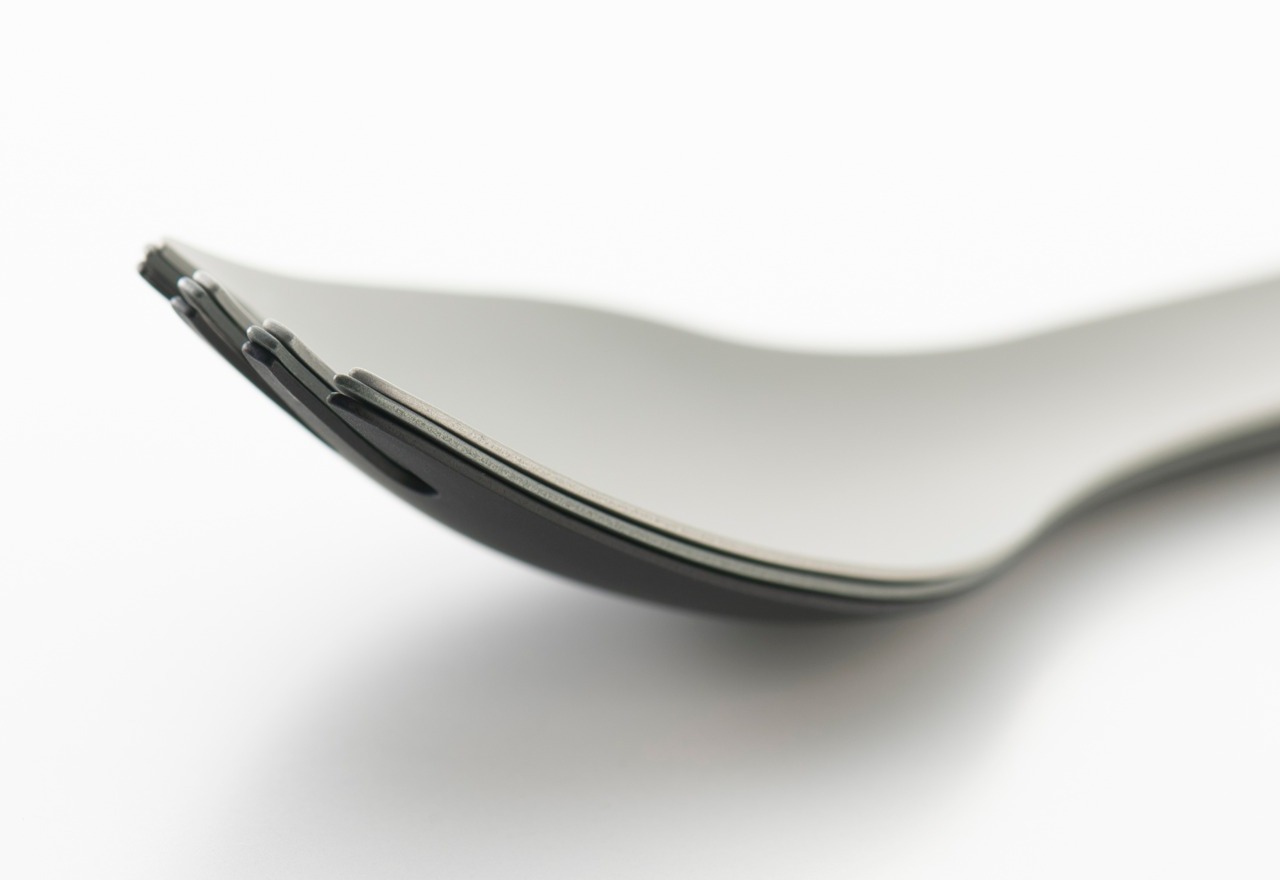
The spork’s design might strike one as odd, but it wasn’t made on a whim nor is it purely aesthetic. Inspired by the curved plate structure used in architecture like the Sydney Opera House, the spork gains a body that is both lightweight and surprisingly strong. The wide and curved handle is also designed for ergonomics, allowing your finger to rest more comfortably inside the curve. Even the shape of the head itself is different from the norm. Instead of trying to copy the rounded shape of spoons, it tapers a bit towards the tip to make it easier to twirl noodles like pasta around it.

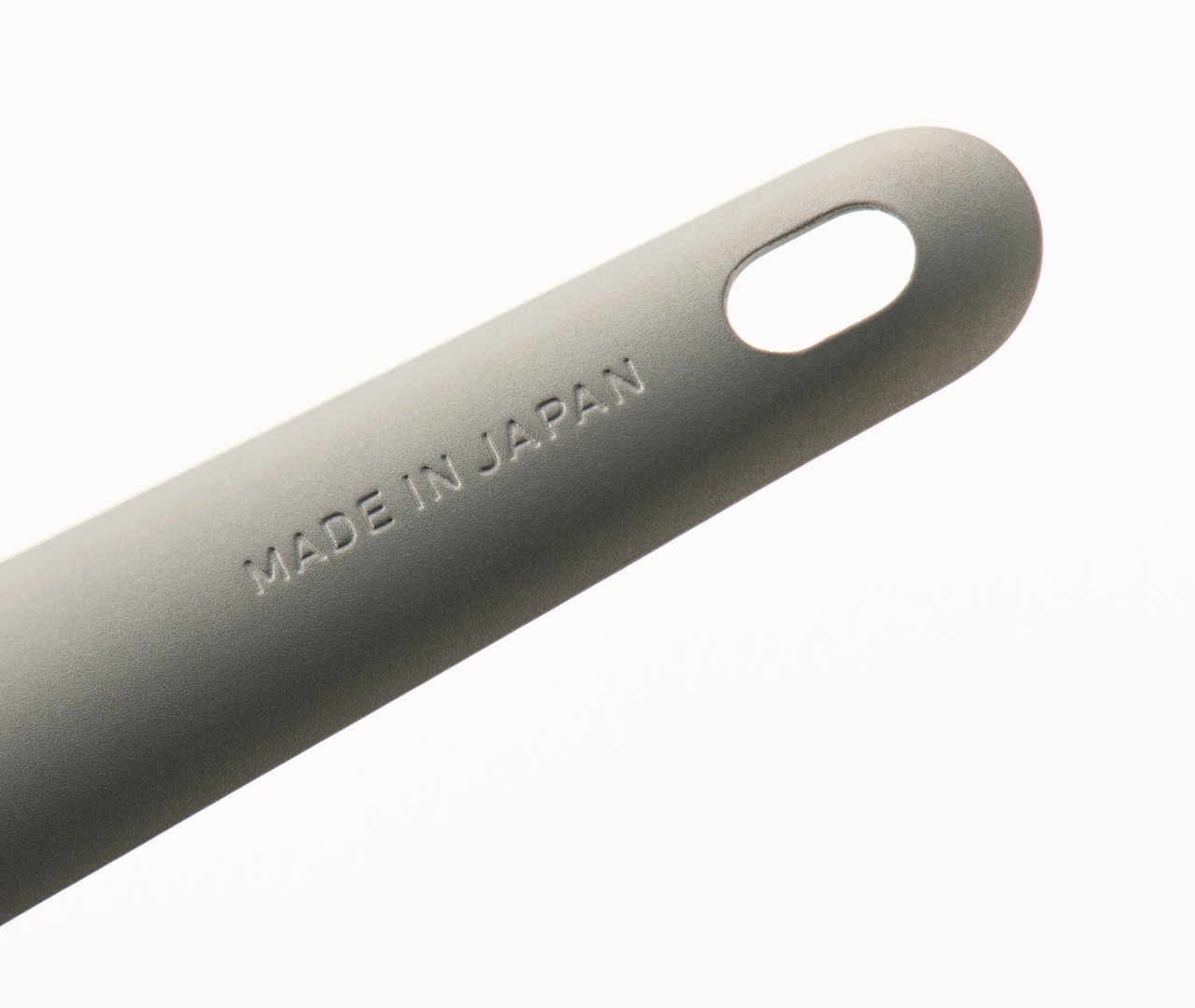
Sporks were invented to have both a spoon and a fork in one for practical convenience, but their designs haven’t exactly been comfortable to use, long-lasting, and visually appealing. In other words, they’re not considered the best cutlery to use. Made by expert metalworkers from Tsubame City, Niigata Prefecture, Japan, this innovative metal spork shatters those misconceptions with a lightweight yet durable body, a unique yet practical design, and a beautiful minimalist aesthetic that makes each bite a joy.

Click Here to Buy Now: $17 $20 (15% off at checkout). Hurry, deal ends in 24 hours!

The post 0.25 oz Spork Perfect for Outdoor Enthusiasts Seeking Lightweight Gear first appeared on Yanko Design.