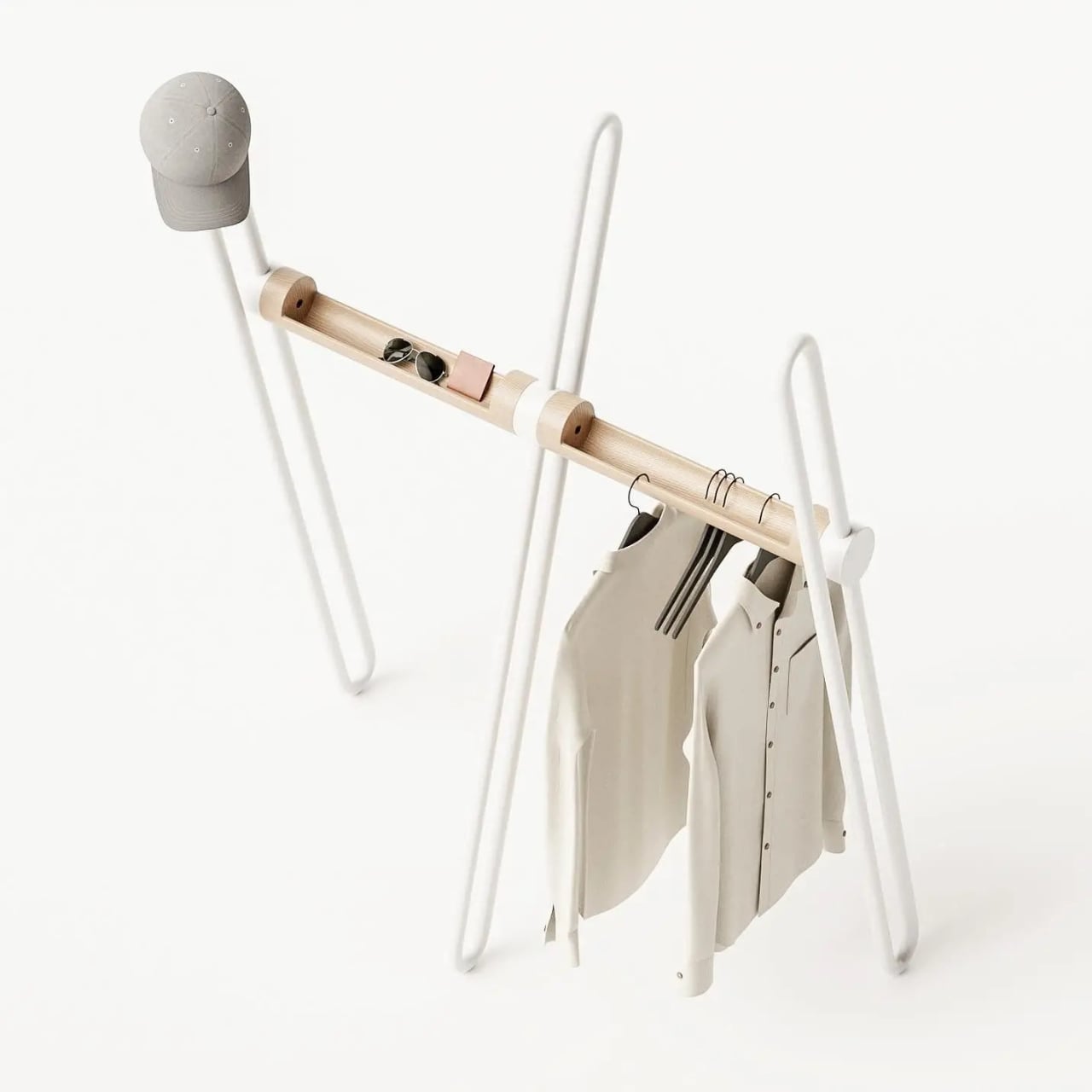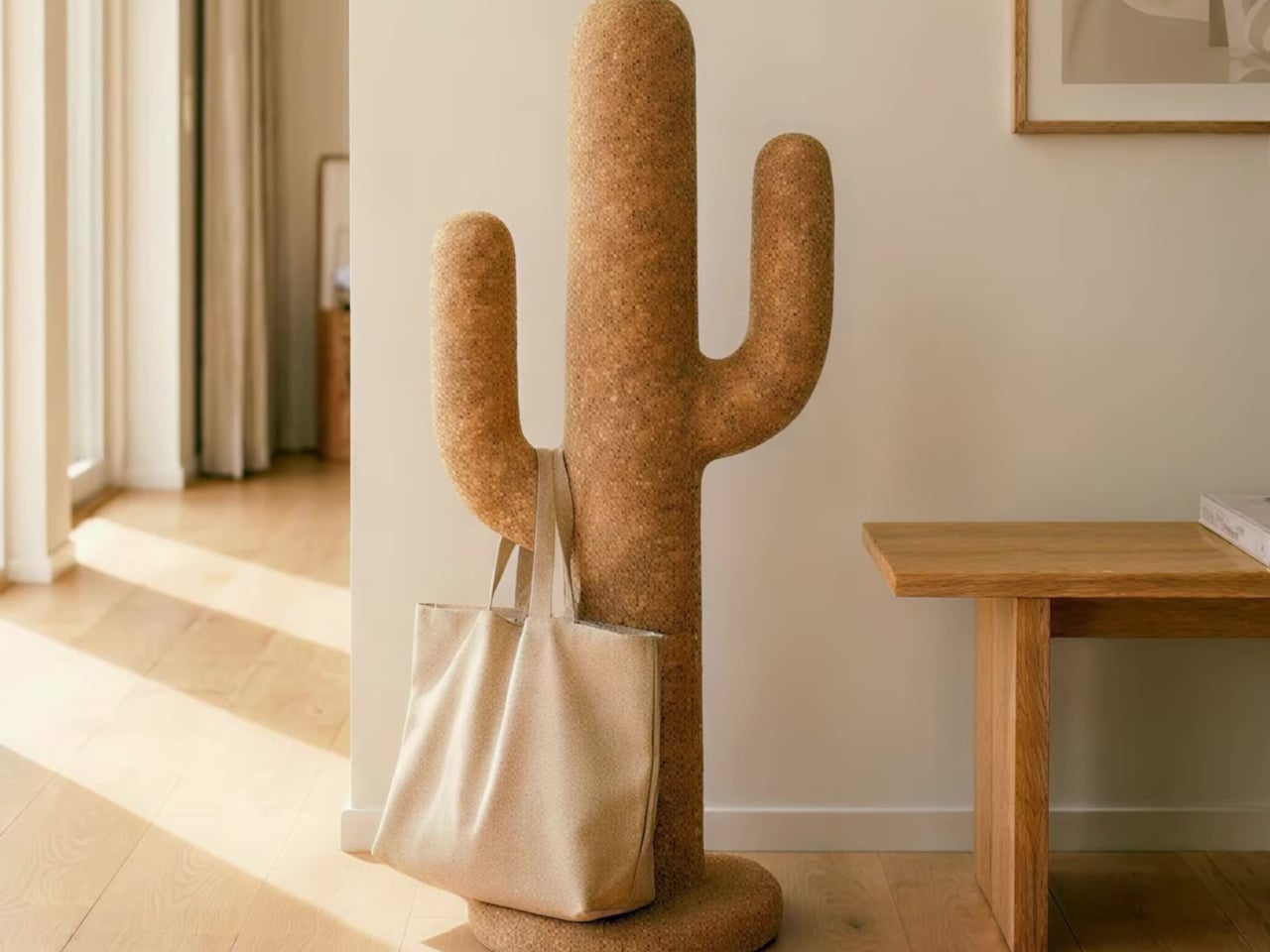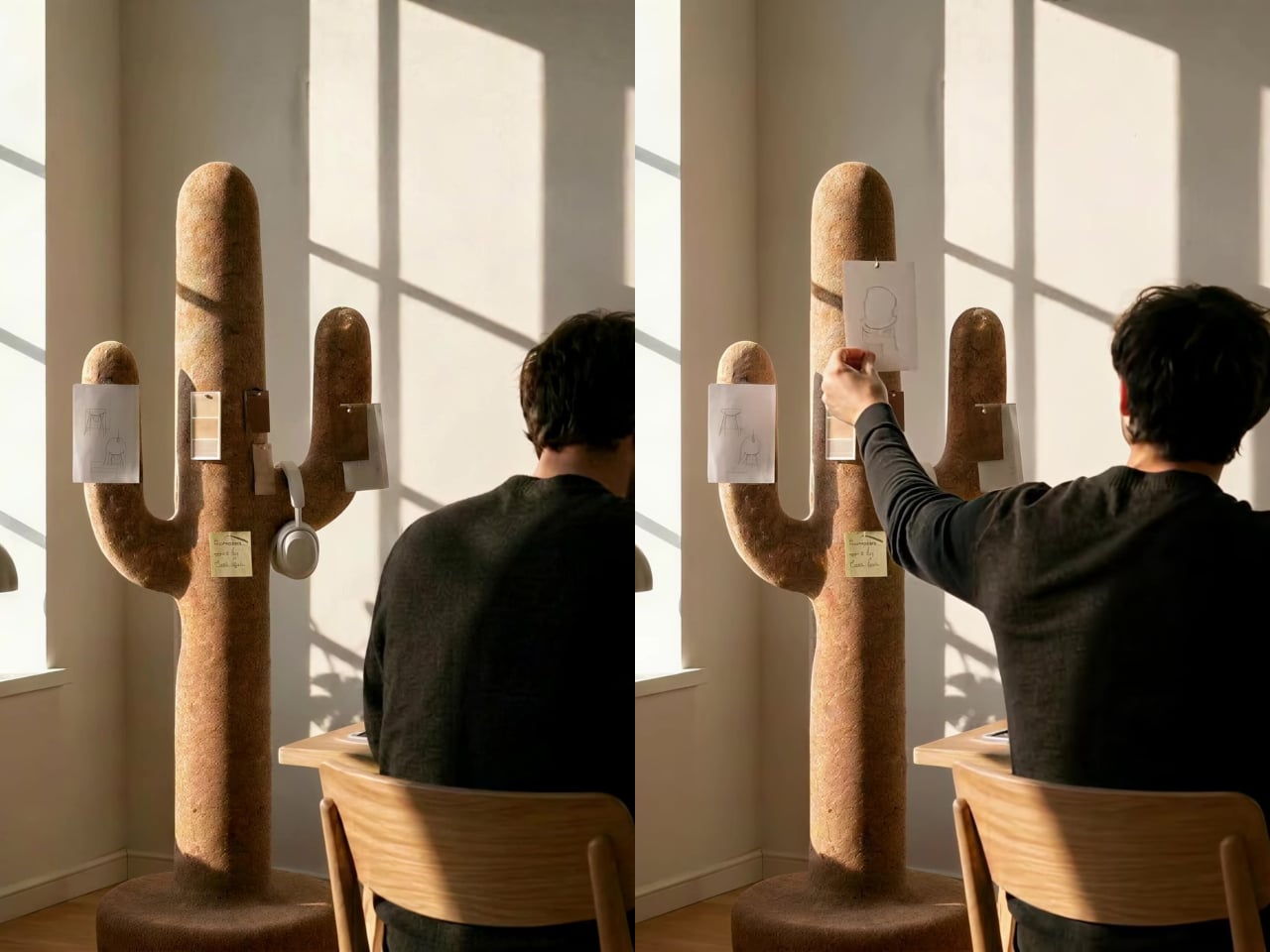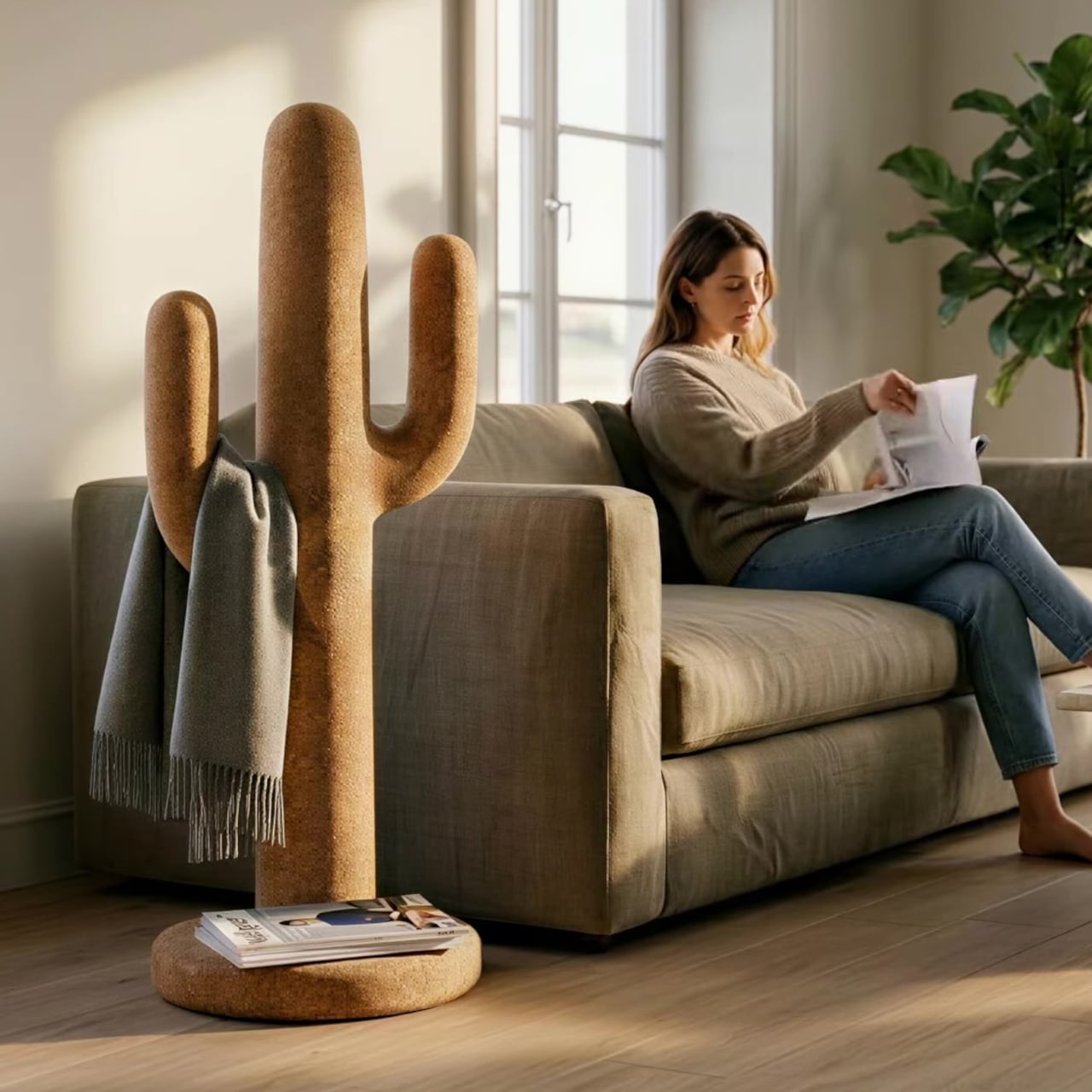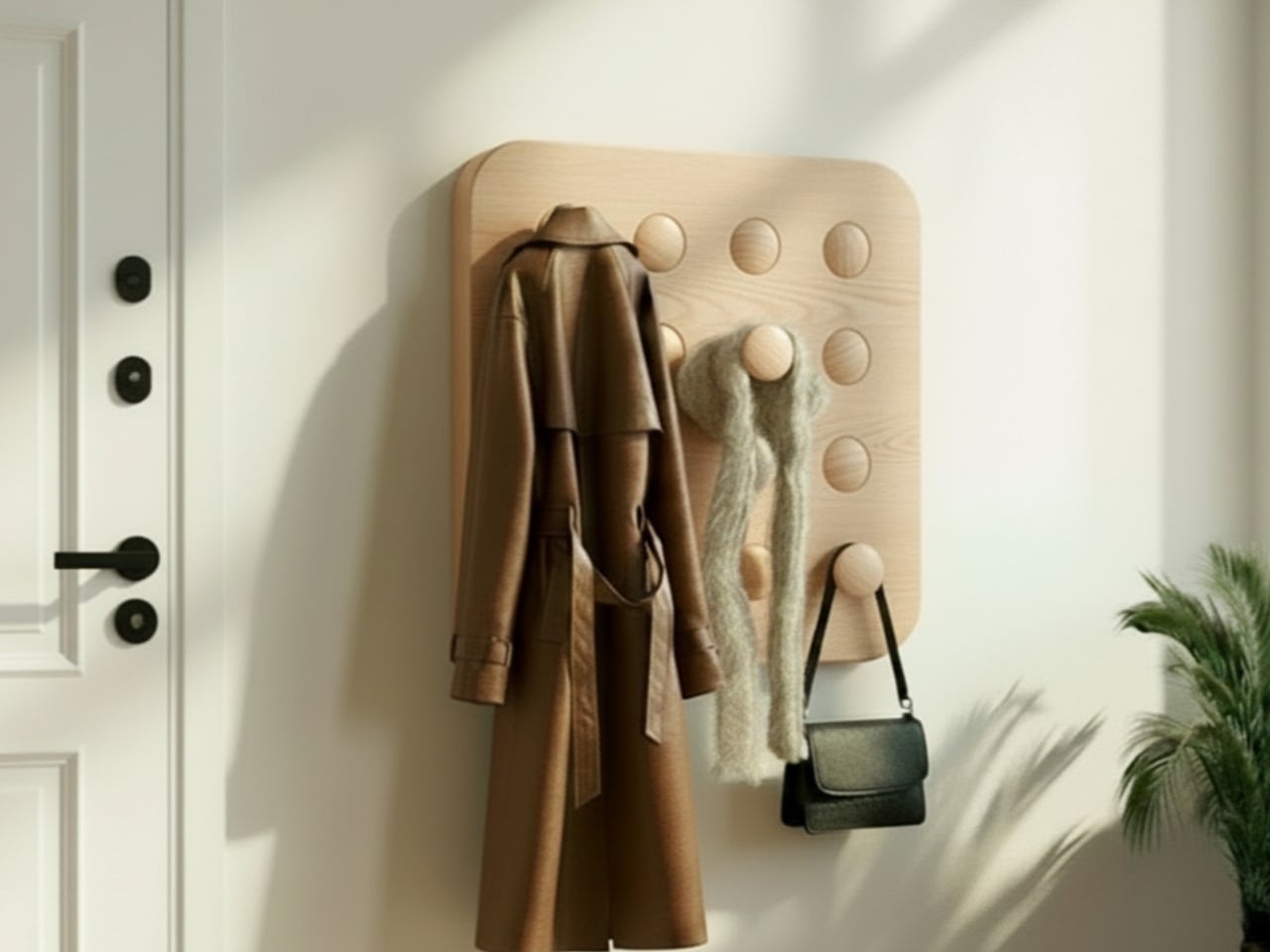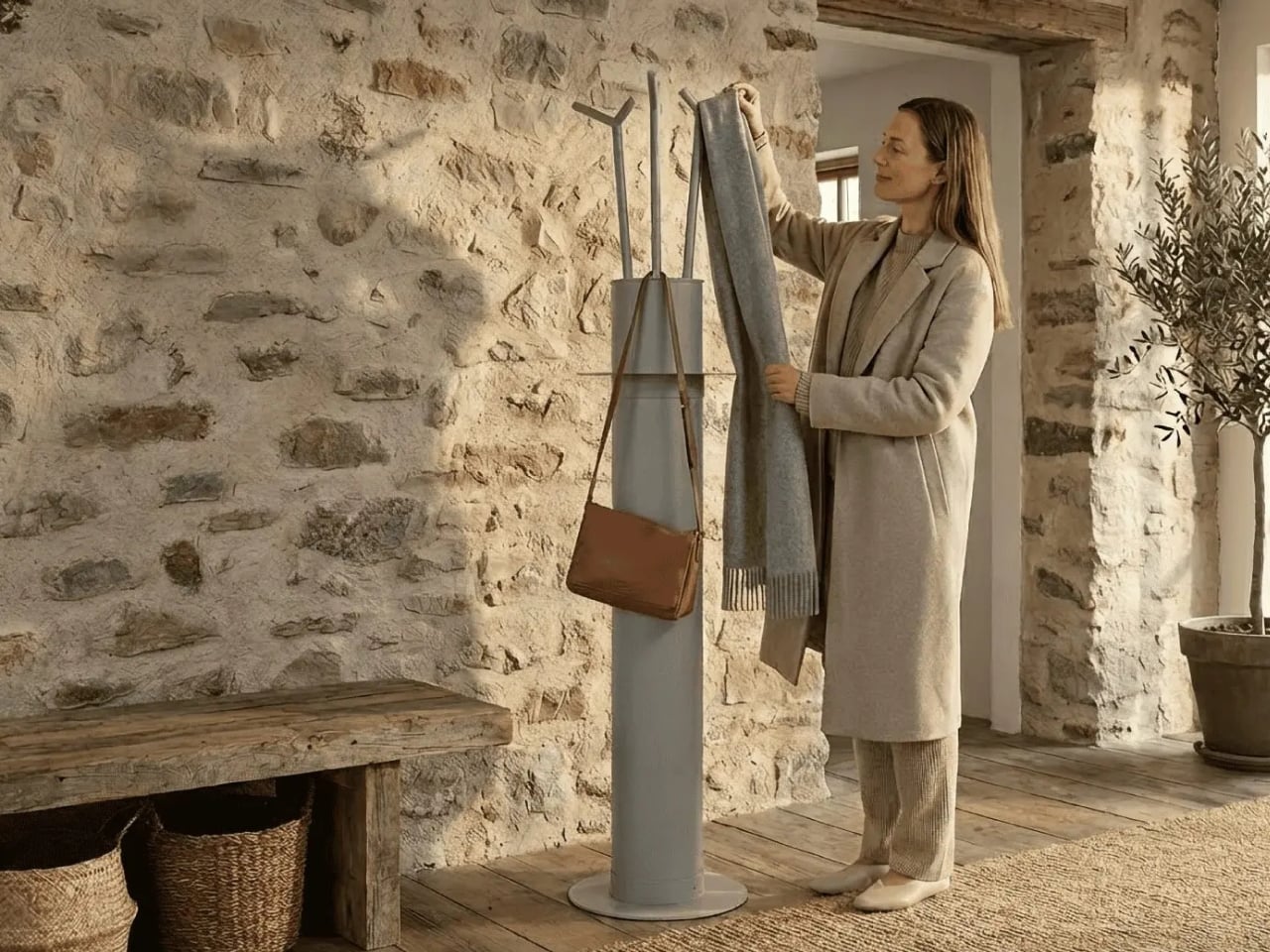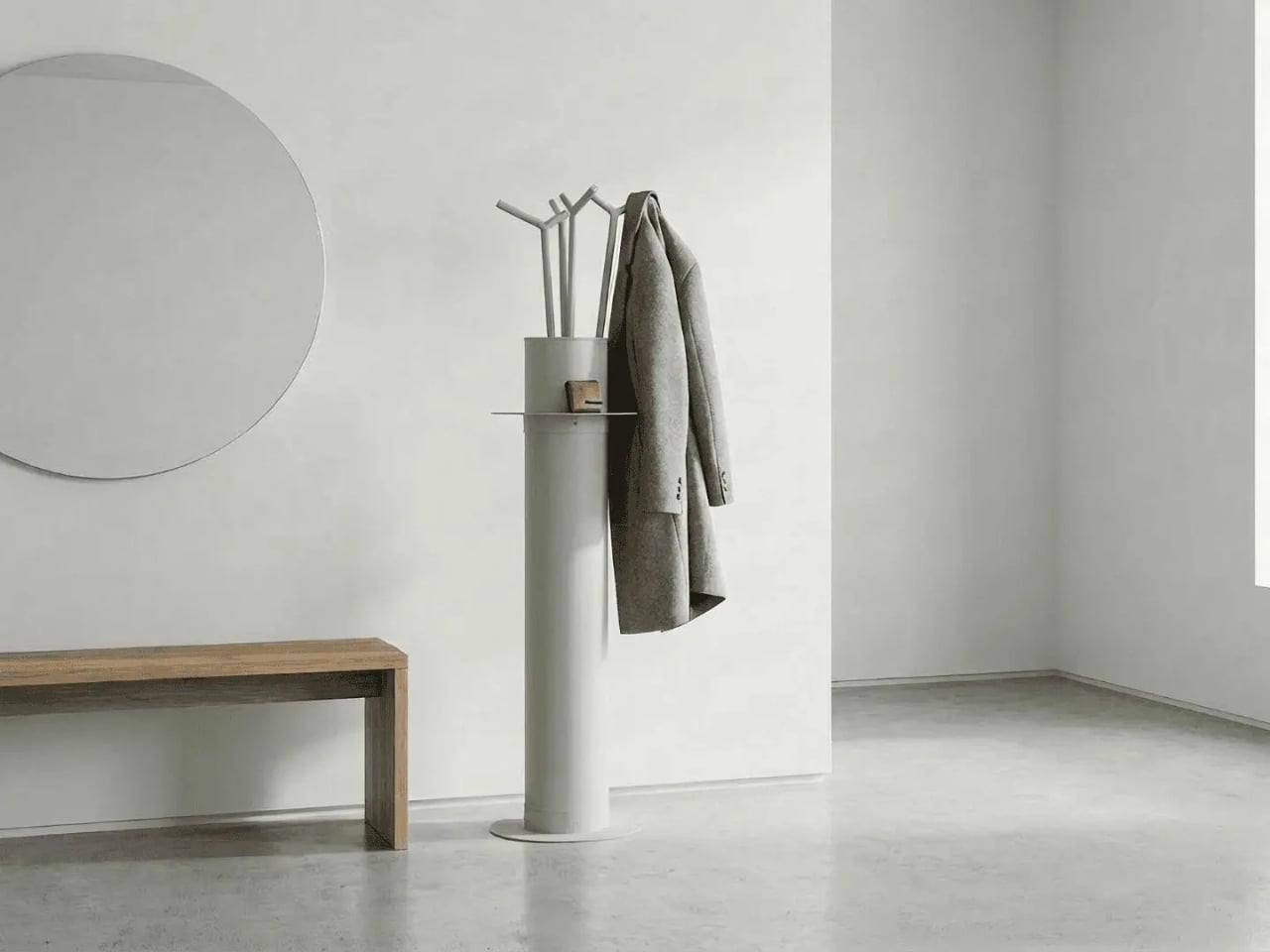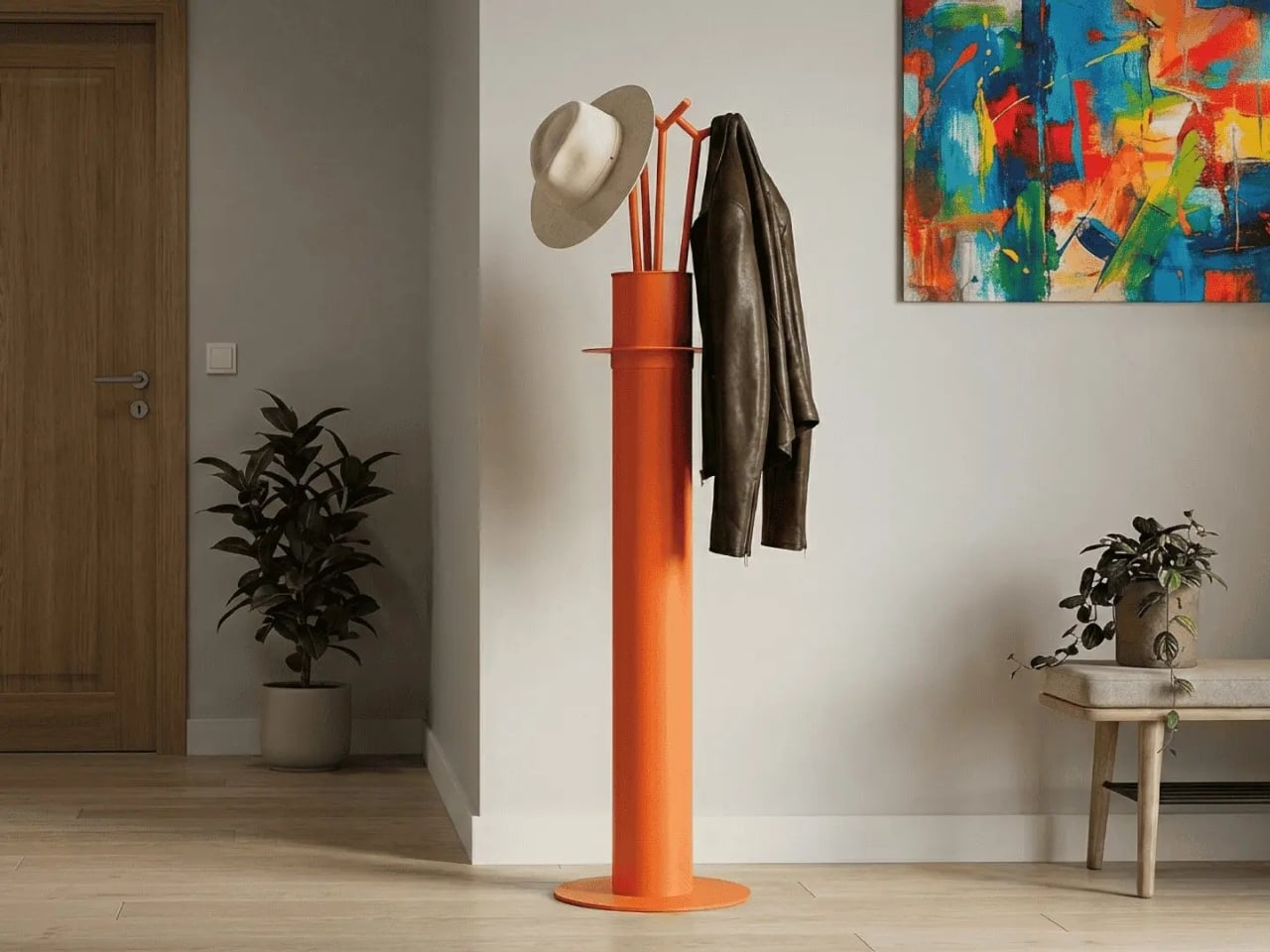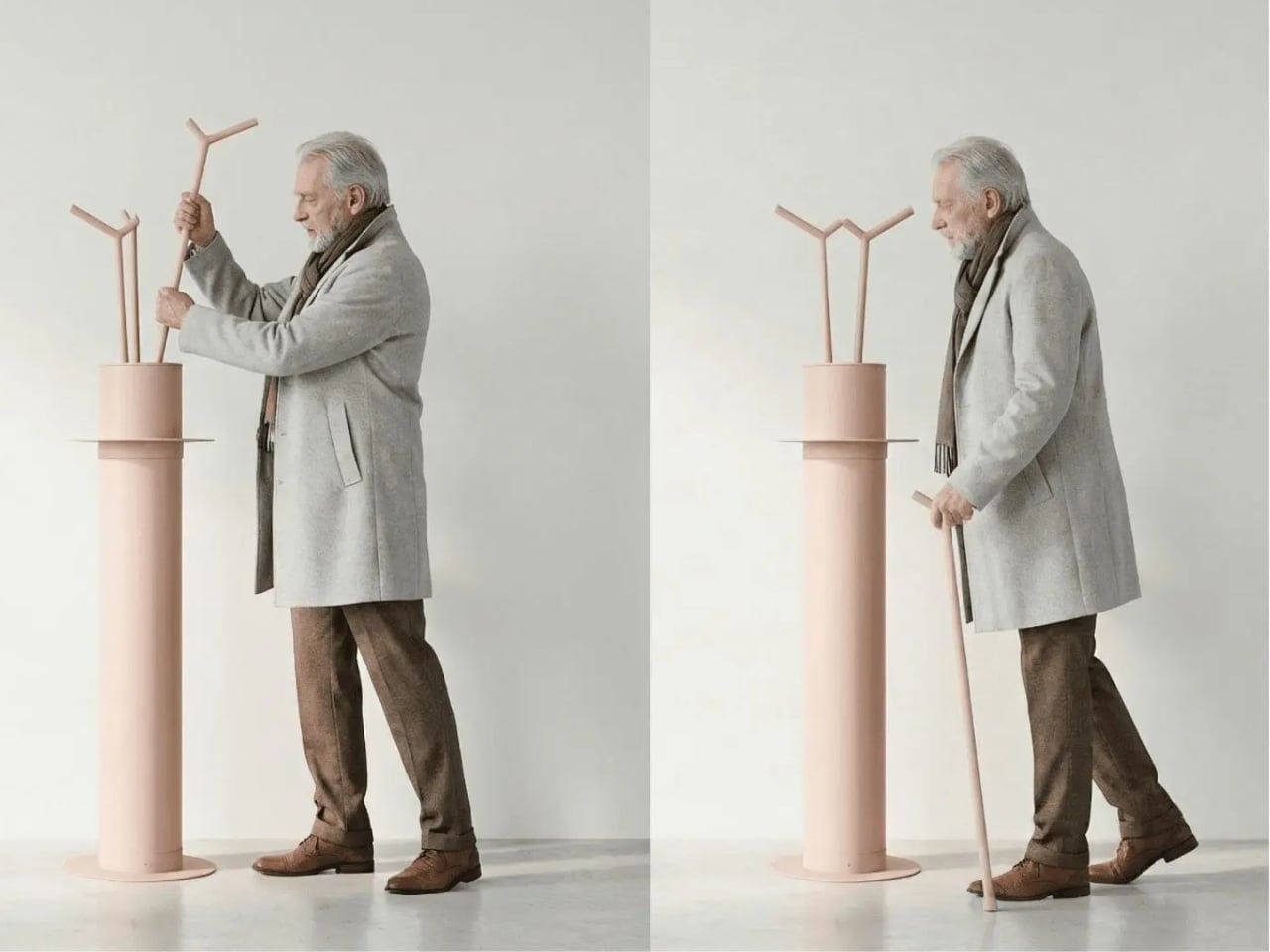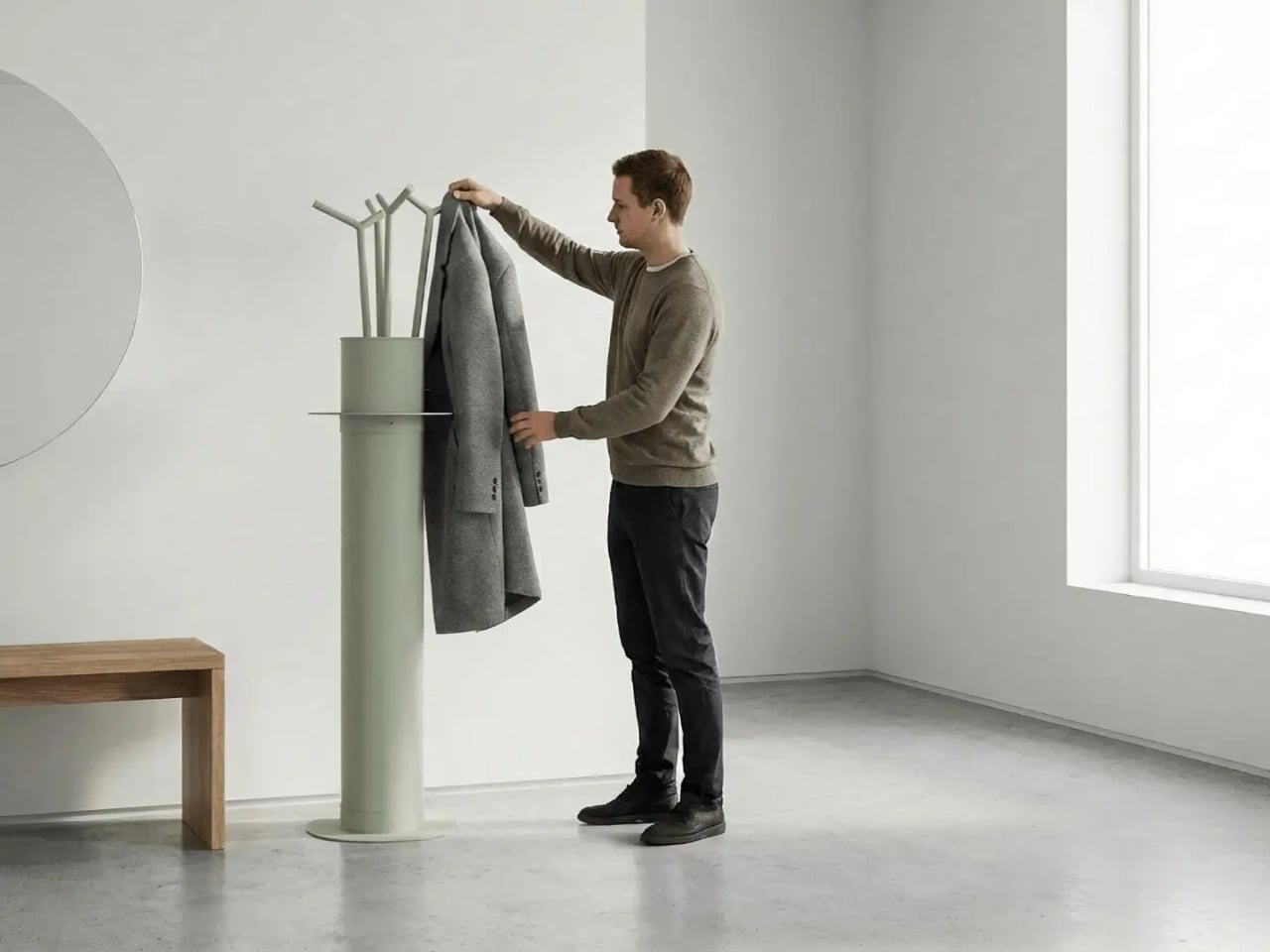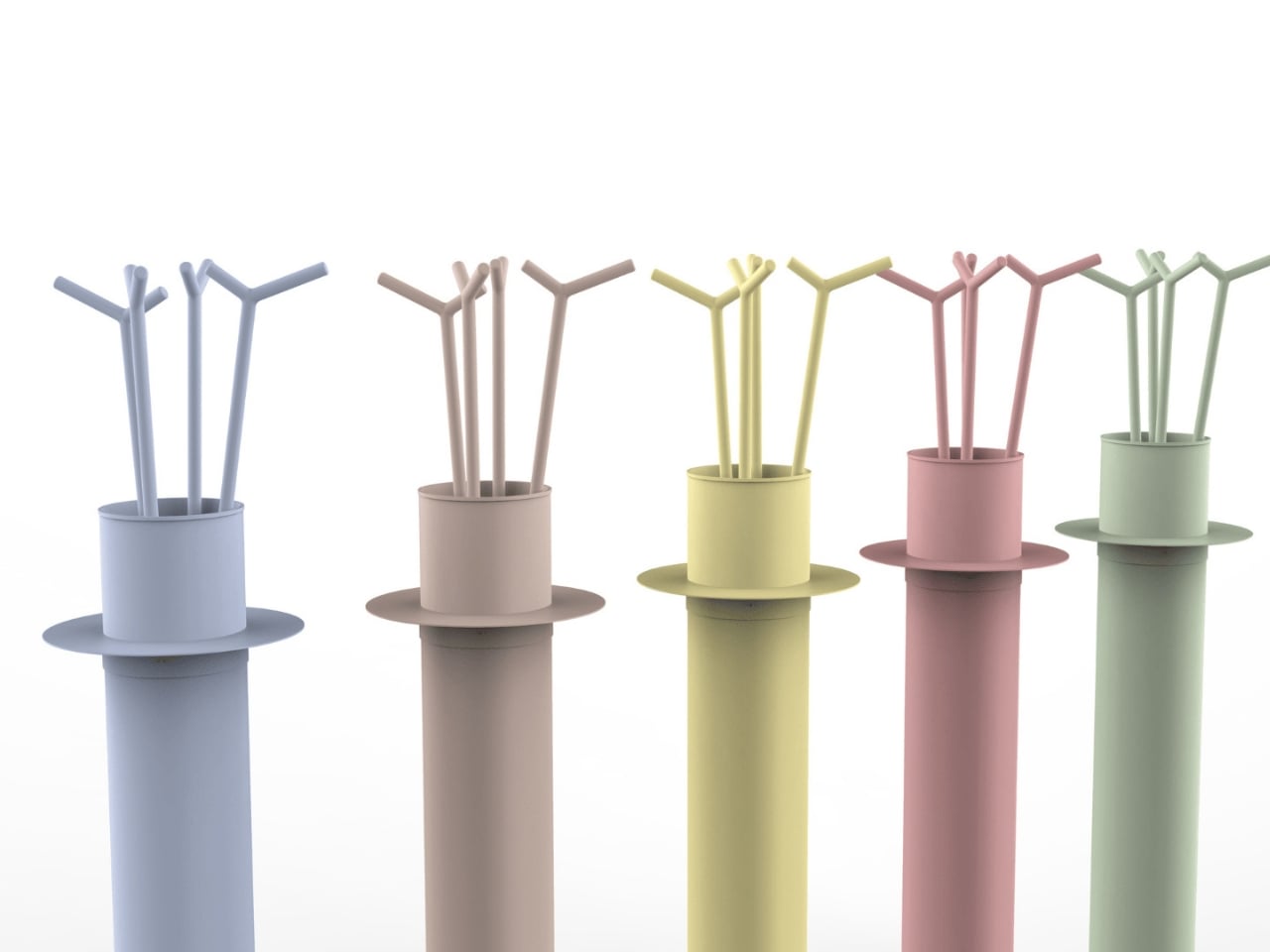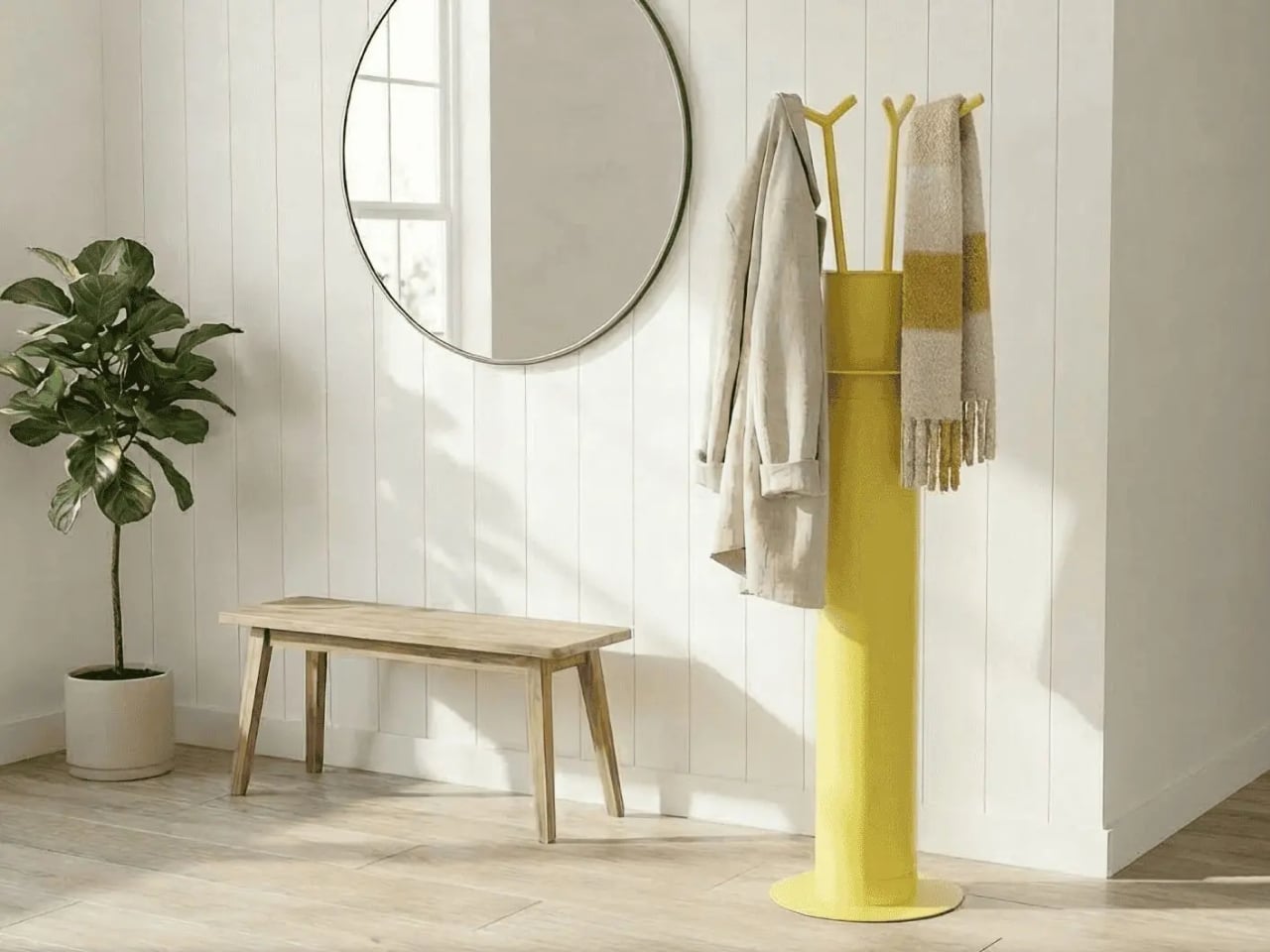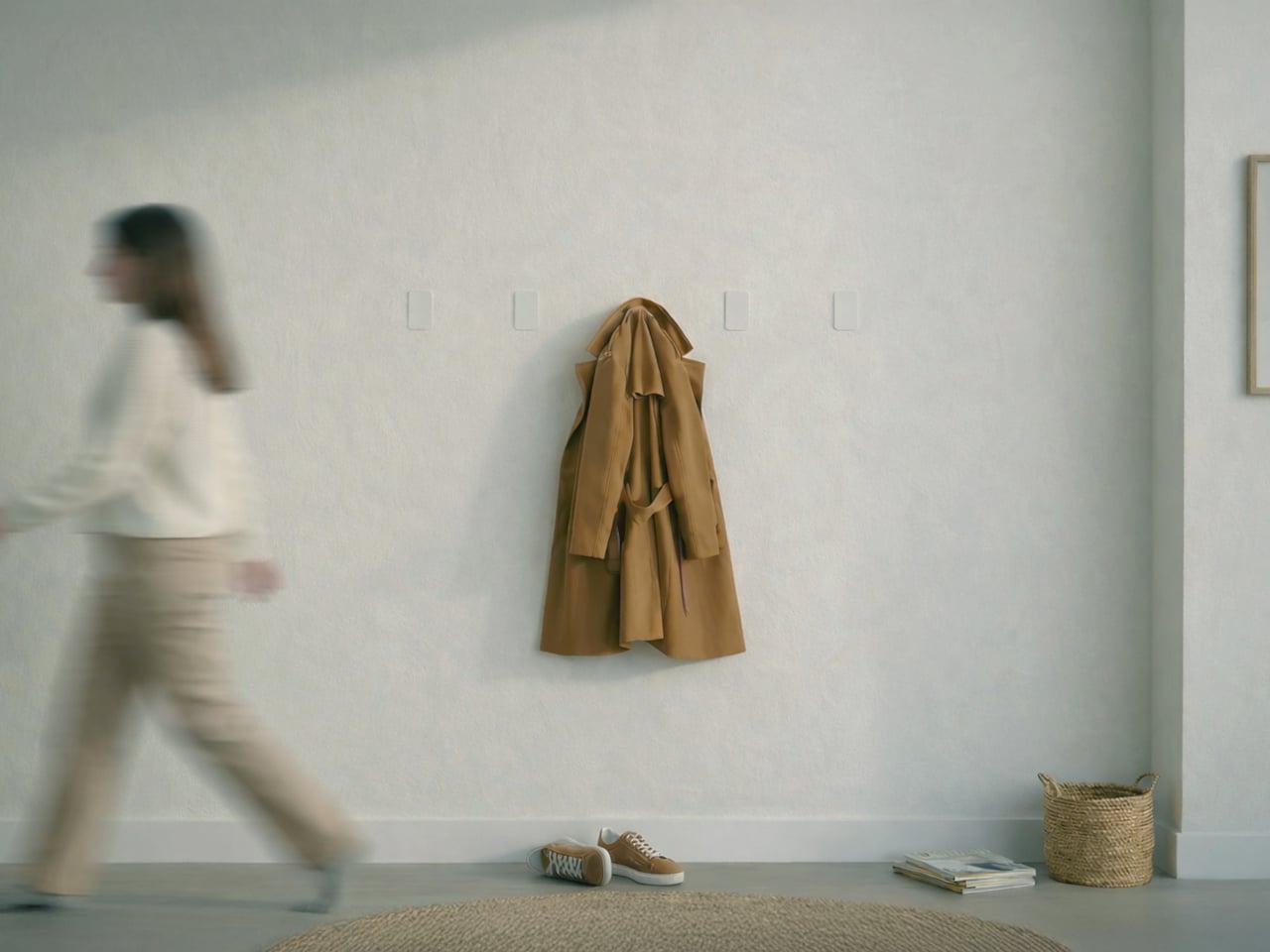
Every apartment has one corner that swallows things. Mine has swallowed umbrellas, gym bags, and for years, whatever coat happened to end up hanging on the back side of the rack, out of reach unless I dragged the whole thing away from the wall first. That is the quiet, unglamorous flaw baked into almost every coat rack ever made. It works fine until you need the jacket on the far side, and then you are either yanking furniture around or reaching behind it like you dropped your keys down the couch. You would think after all these decades of furniture design somebody would have solved that small annoyance by now, and yet most coat racks still ask you to work around them instead of the other way around.
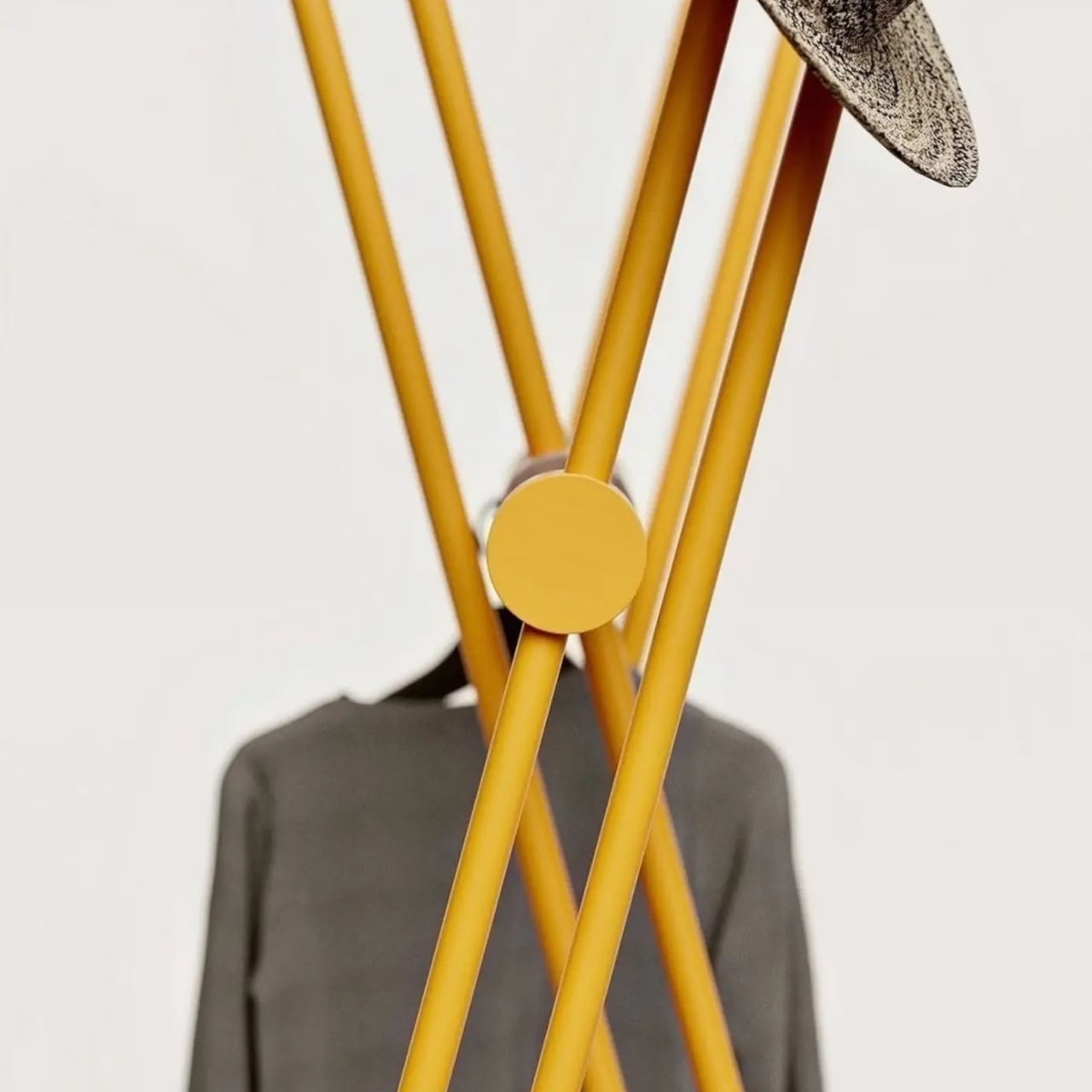
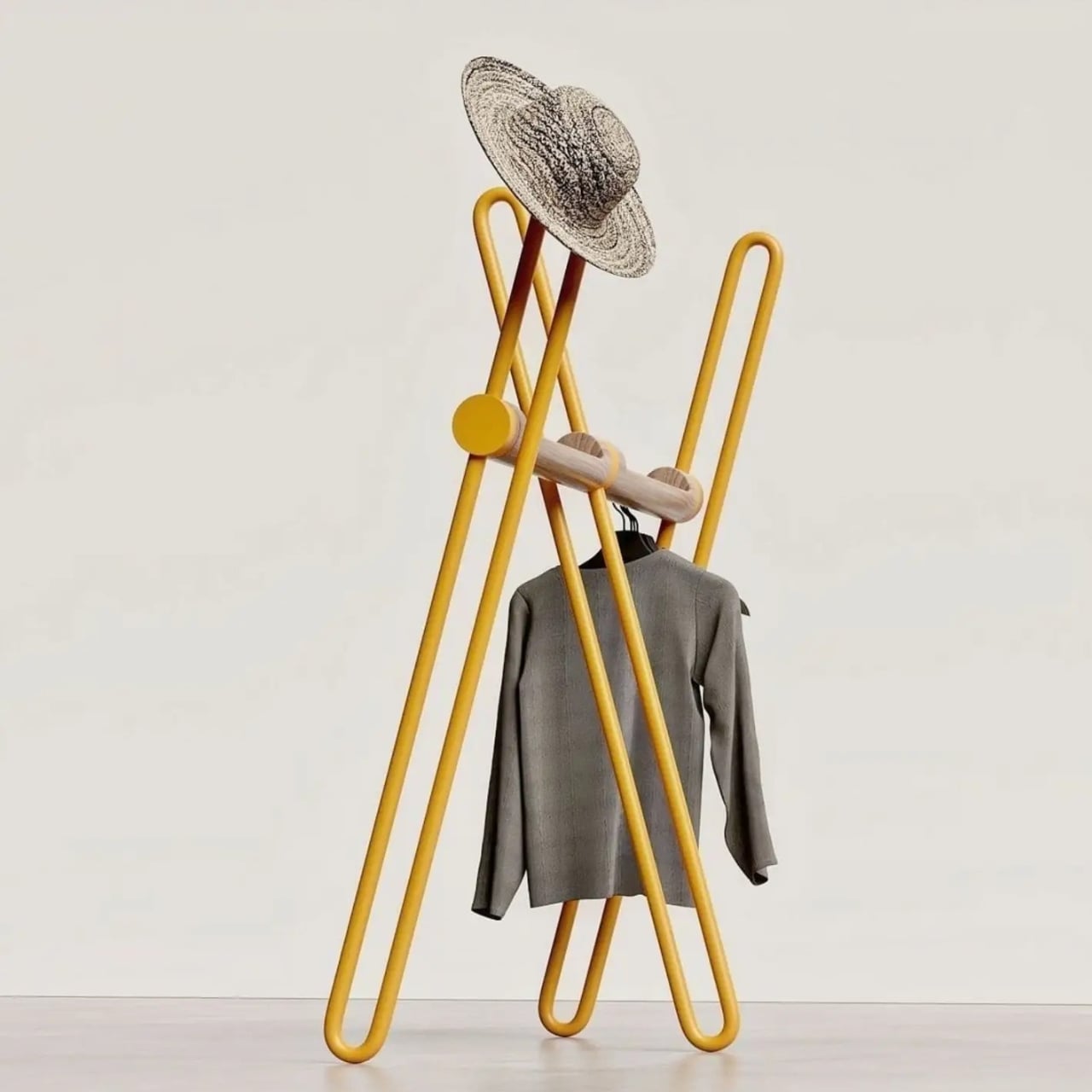
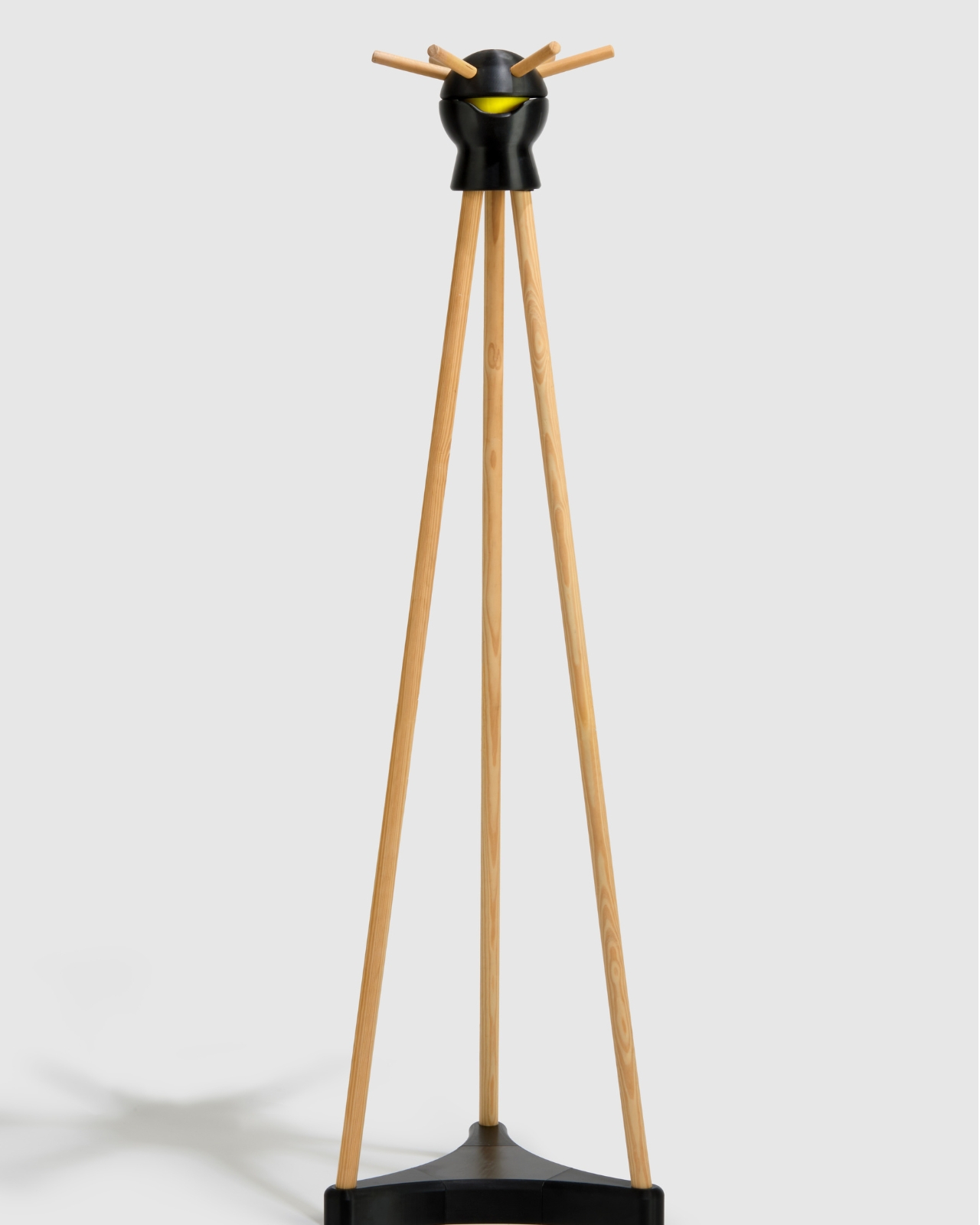
Sophia Lampropoulou, the Athens based designer behind 3D Season, apparently got tired of the same problem and did something about it. Her piece, called Smile, is a floor standing coat rack that rotates a full 360 degrees, so instead of moving the rack to get to your coat, you just spin the head and the coat comes to you. It sounds almost too simple to be worth calling a design breakthrough, until you realize how long we have all quietly tolerated the alternative.
Designer: Sophia Lampropoulou (3D Season)
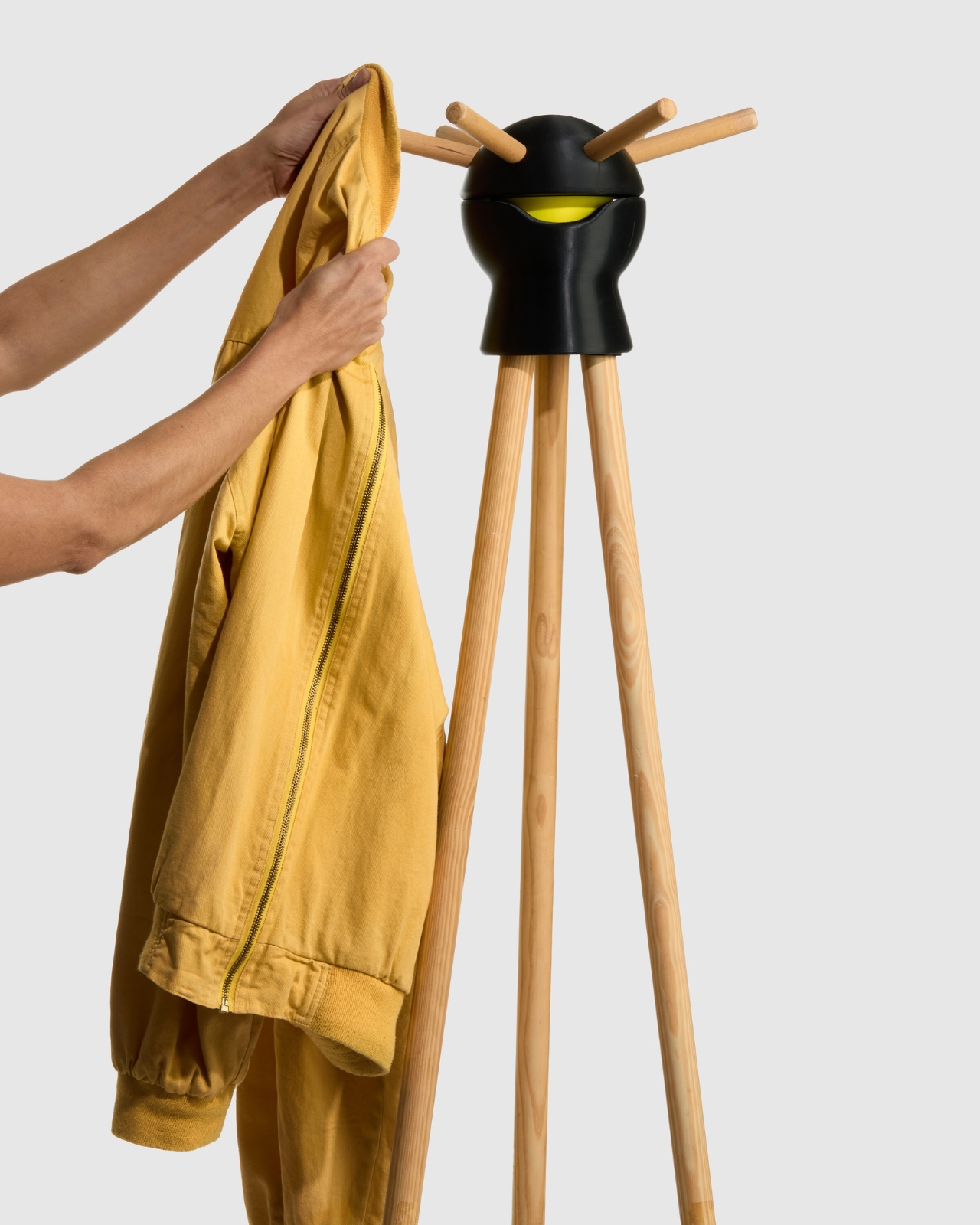
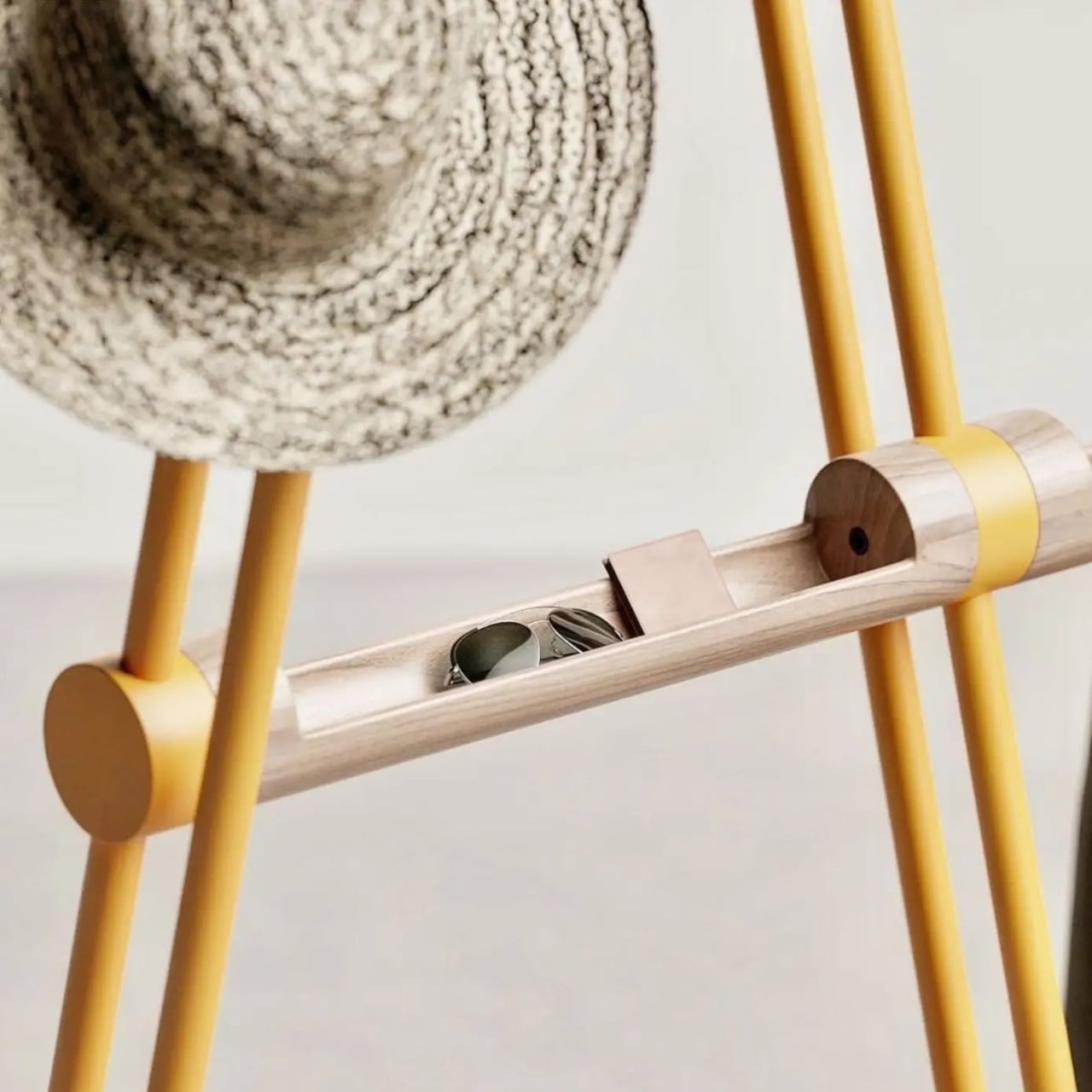
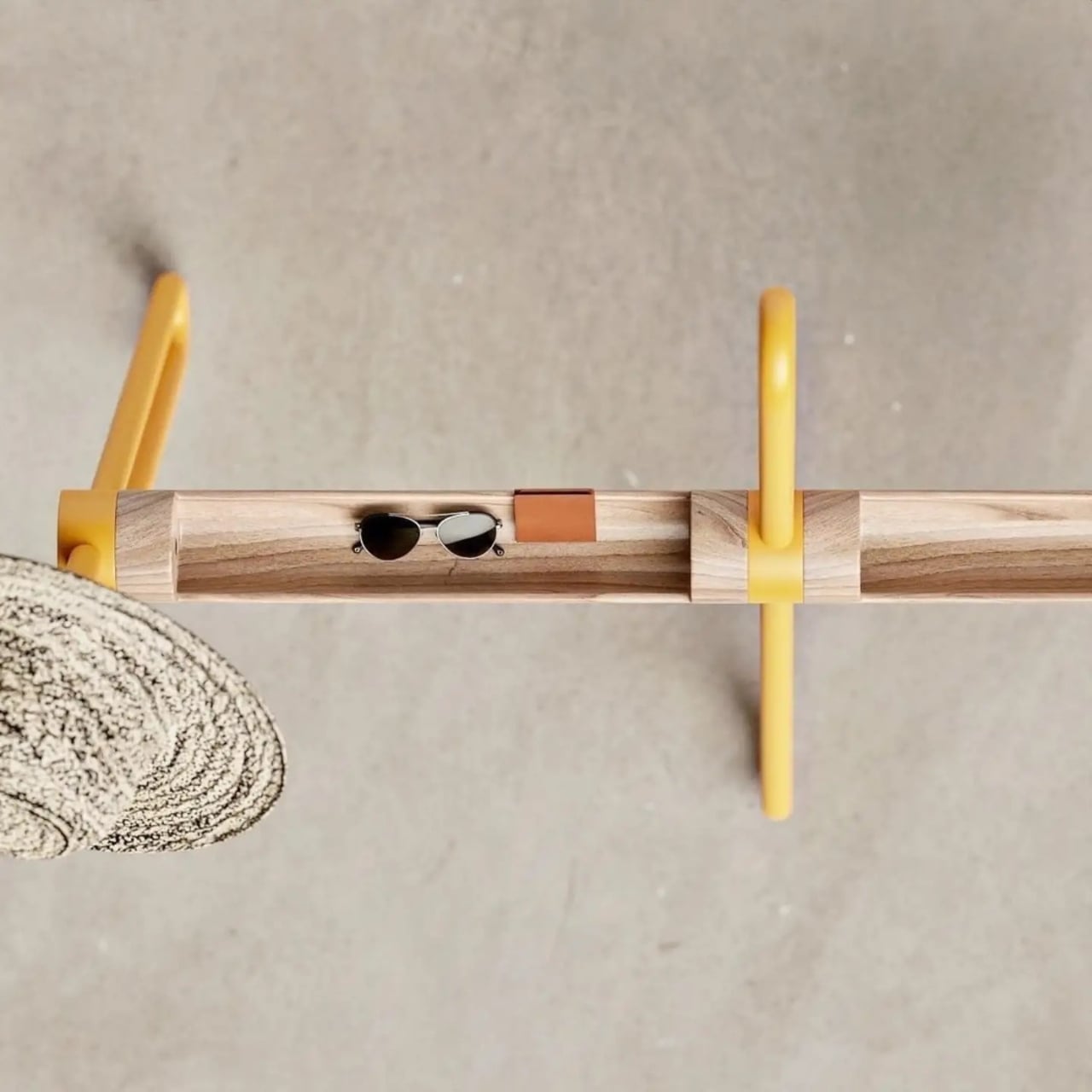
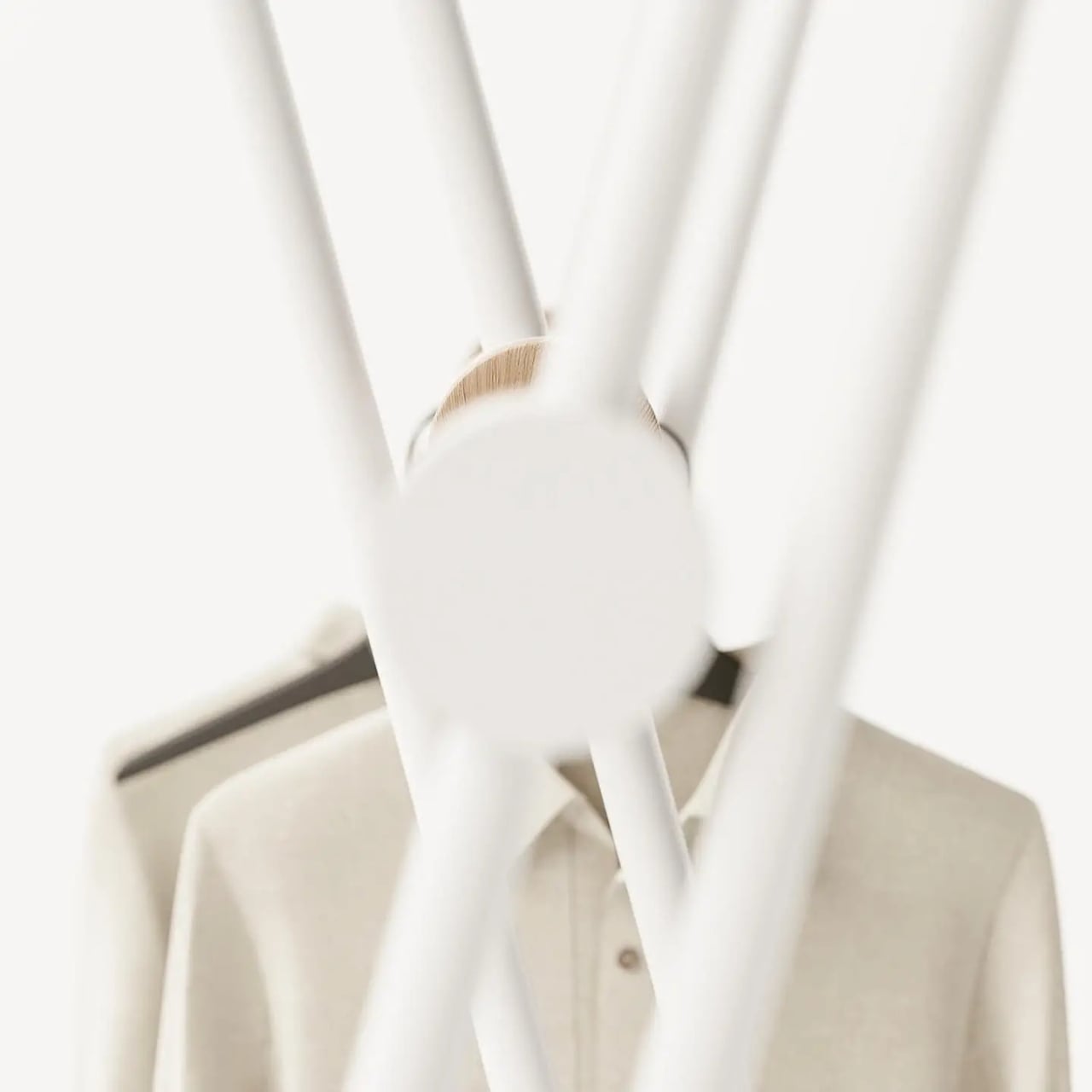
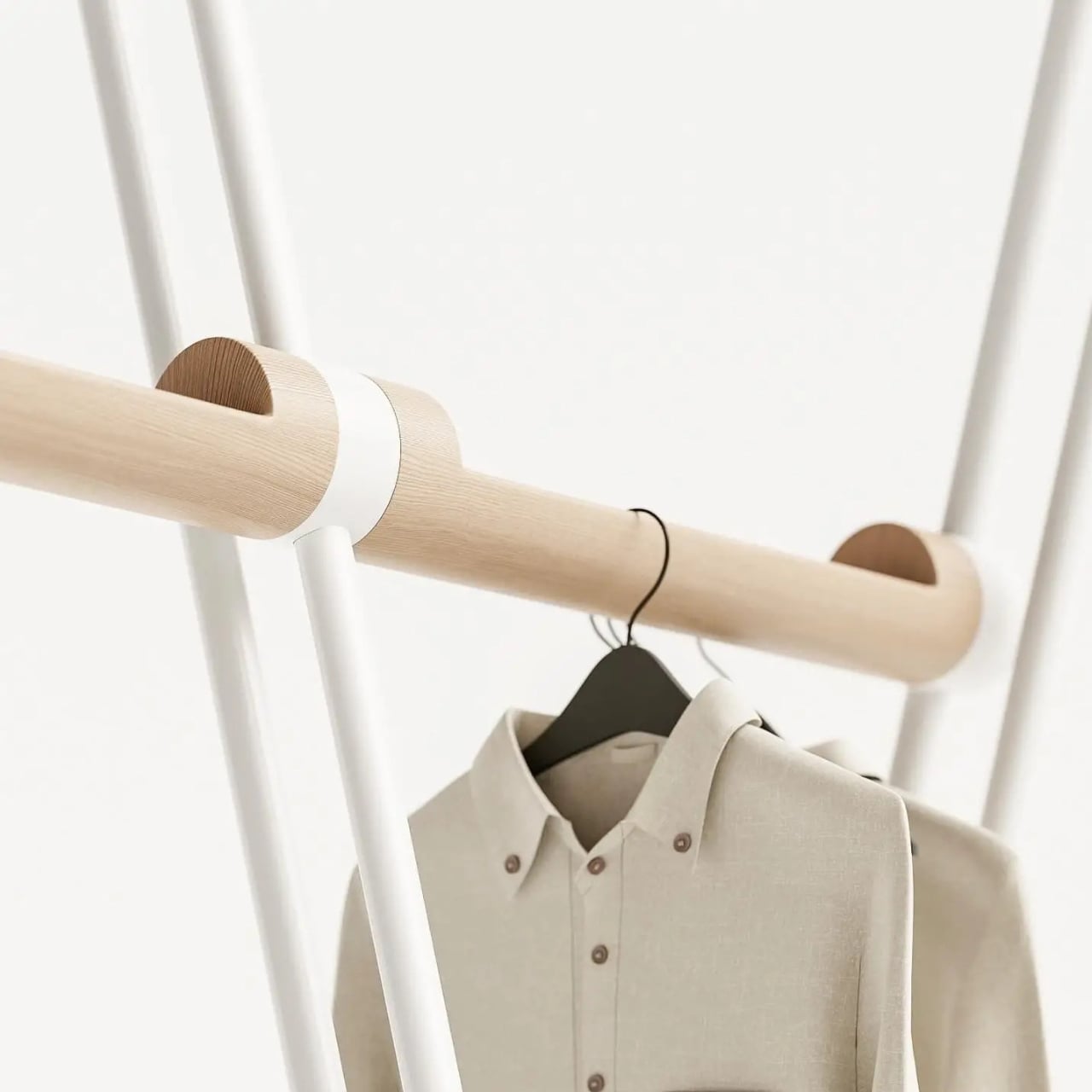
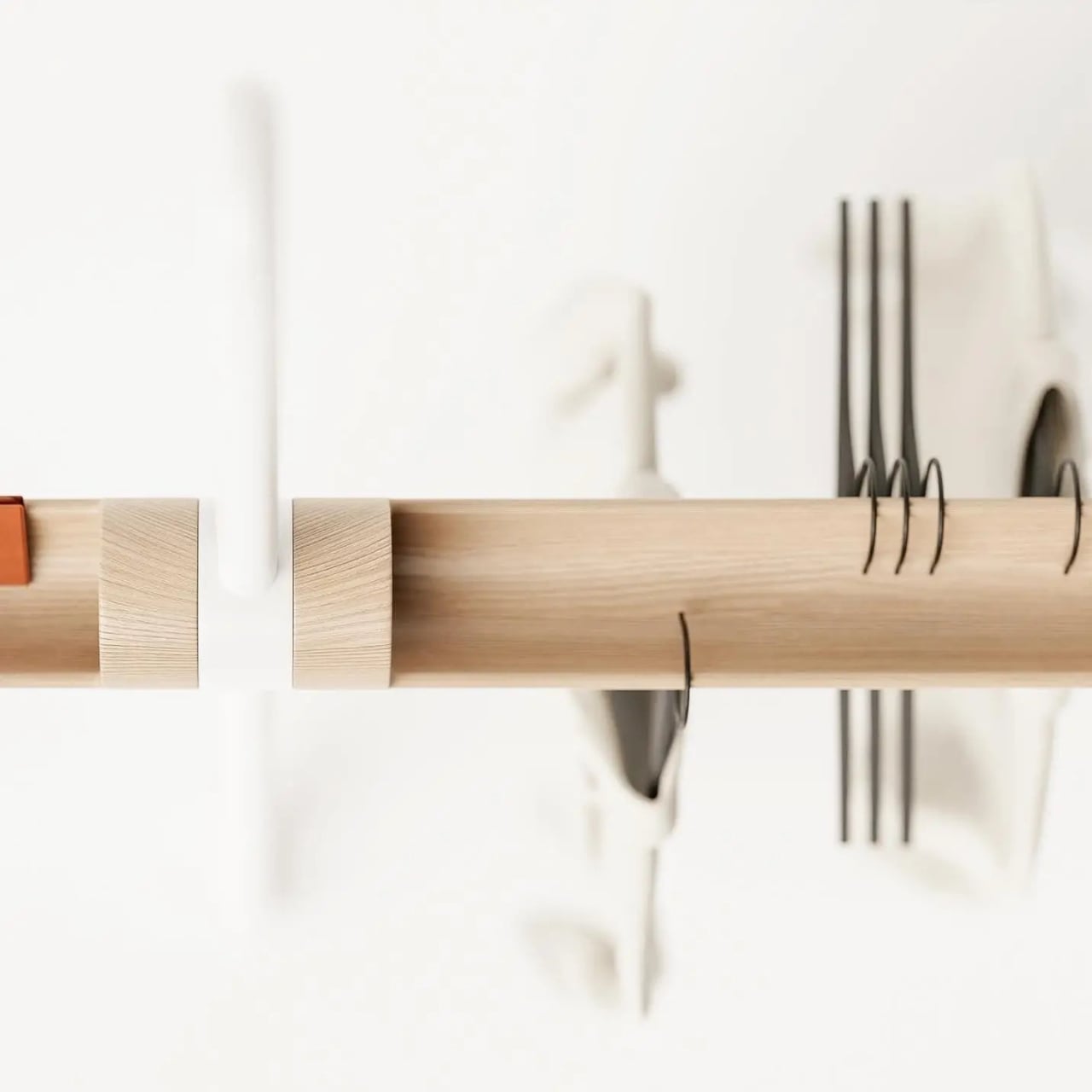
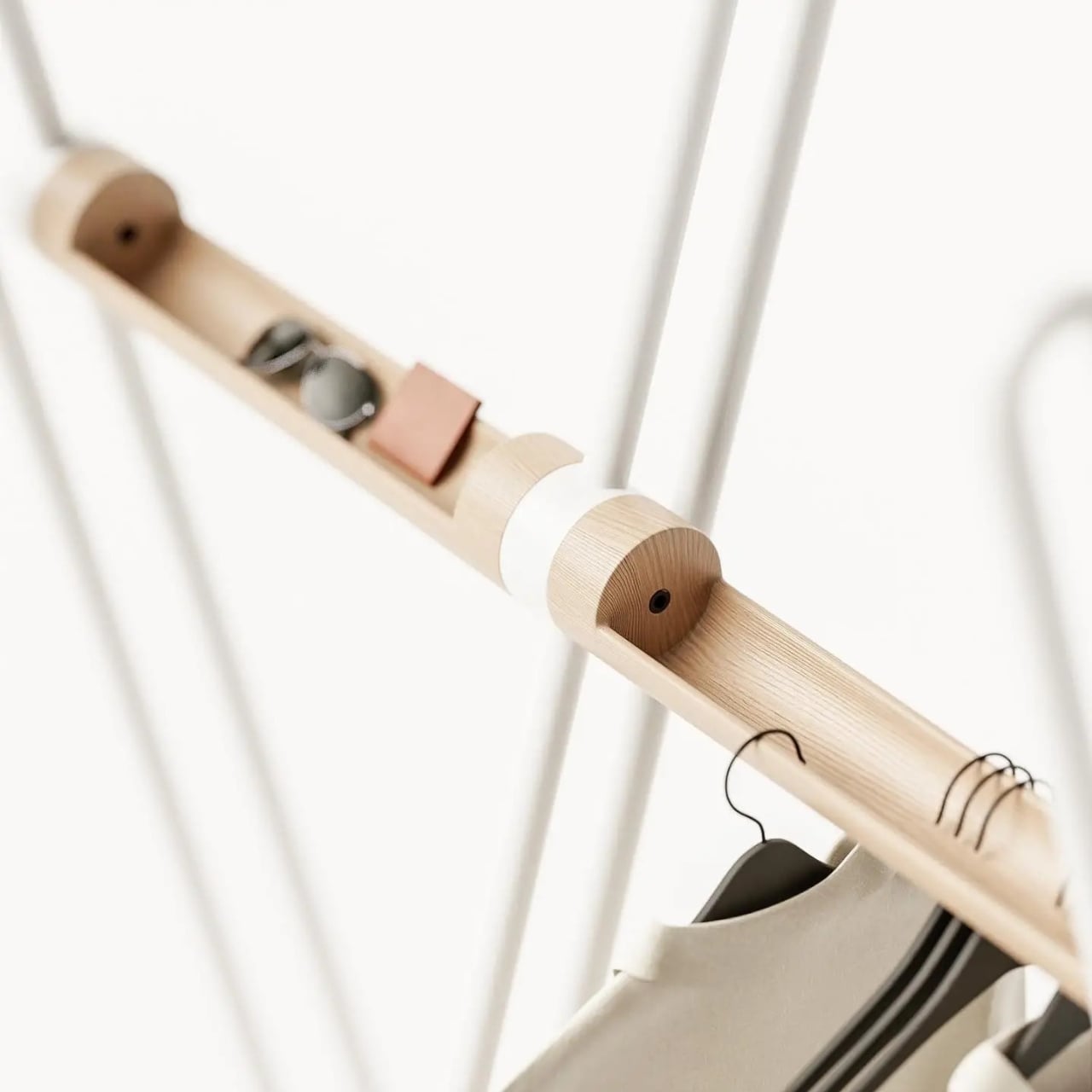
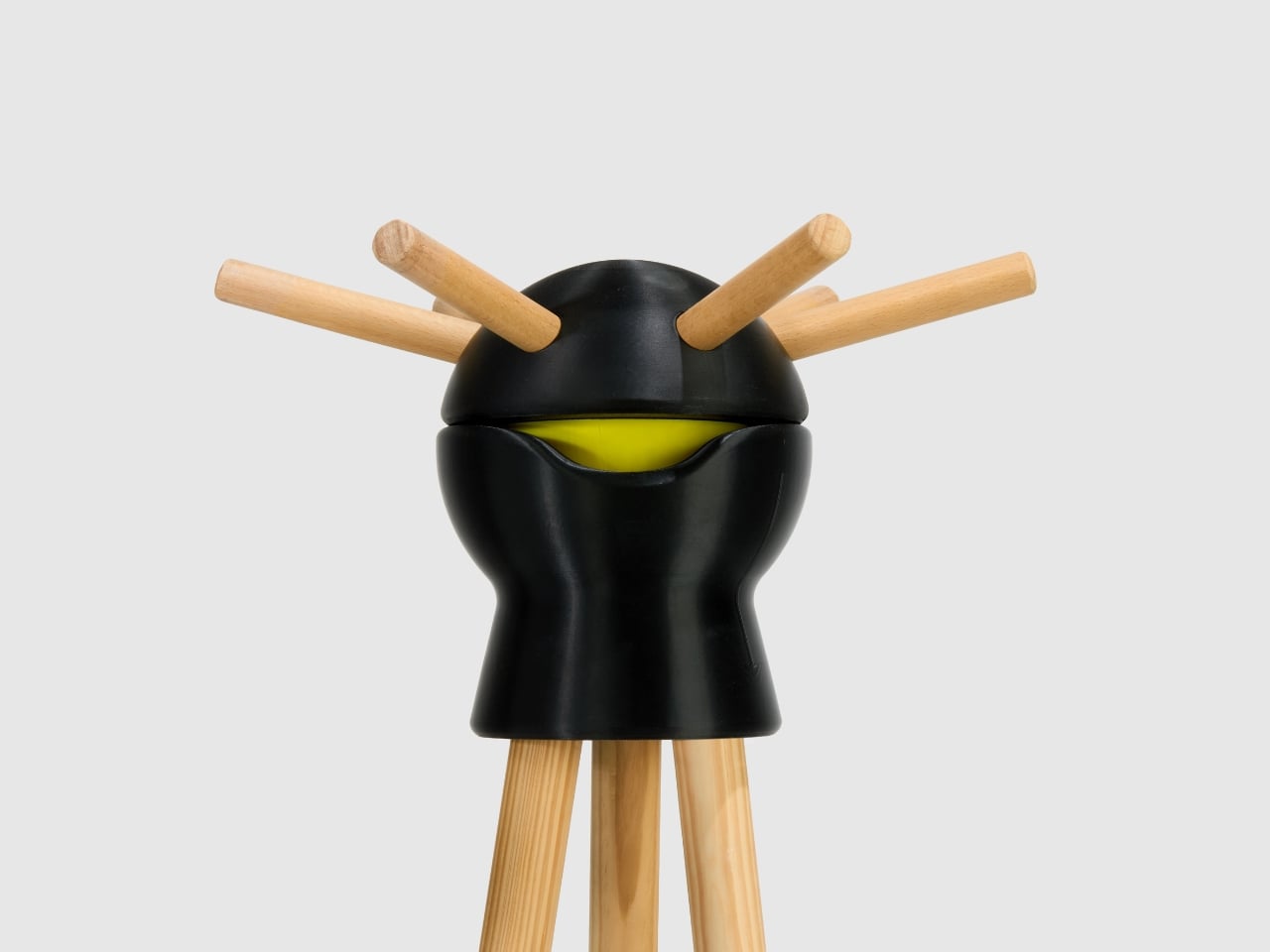
What actually makes Smile worth talking about is not just the rotation, though. The head is 3D printed and shaped like a smiling face, with an internal mechanism that lets it spin smoothly, while the arms that hold the clothes are made of natural wood. That combination matters more than it might seem on paper. Most furniture that leans on 3D printing ends up looking like a tech demo, all sharp edges and plastic sheen. Lampropoulou avoided that trap by pairing the printed core with actual wood, so the final object reads as warm and almost handmade, not like something that rolled straight out of a lab.
The face is the part that will either charm you or feel unnecessary, depending on your taste, and I will admit I landed on charmed. A coat rack has no obligation to have a personality. It is one of the most forgettable objects in a home, tucked into an entryway where nobody looks twice. Giving it an expression, even a simple printed smile, turns it into something you notice on your way out the door instead of something you walk past. That is a small trick, but it is the kind of small trick that separates furniture people actually enjoy owning from furniture that simply exists. It is a reminder that function and personality were never actually in competition to begin with.
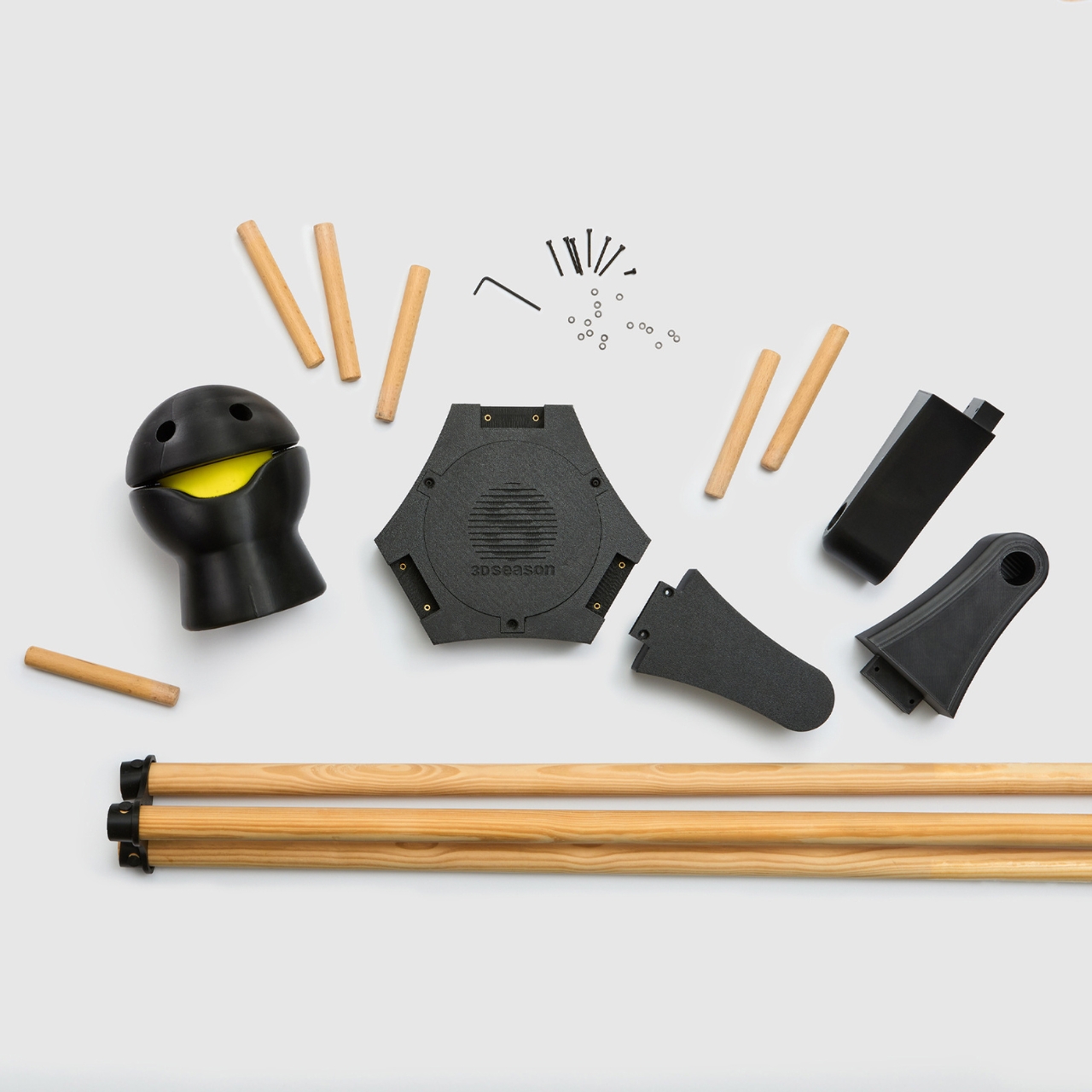
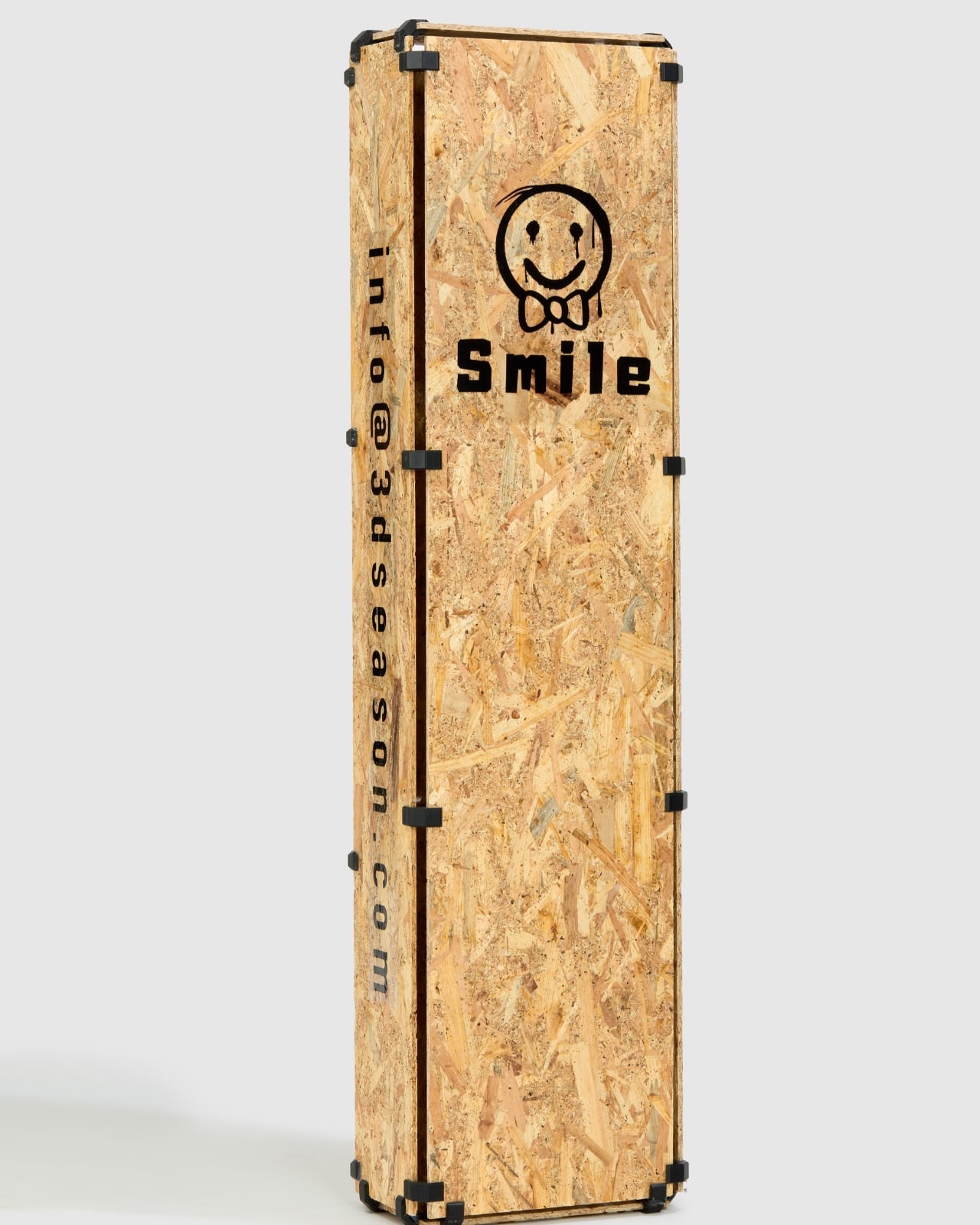
There is also a practical case underneath the playful one. Smile ships flat pack and assembles without much fuss, which sounds like a footnote until you have moved a coat rack across a city and realized how awkward those things are to transport in one piece. Durability was clearly part of the brief too, since a rotating mechanism that wobbles or jams after a month would undo the entire point of the design.
The design world noticed. Smile picked up a win at the A’ Design Award in the 3D printed forms category and an honorable mention at the DNA Paris Design Awards, which is a respectable pair of nods for a piece this modest in scope. Coat racks rarely get awards attention, mostly because nobody expects them to solve anything. Lampropoulou treated an object most of us ignore as a real design problem, and that decision is exactly what earned the recognition.
At around 280 euros, Smile is not an impulse buy, and I would not pretend it is the answer to every cramped entryway out there. But it is a good example of what happens when a designer refuses to accept that a boring object has to stay boring. The best home goods rarely announce themselves loudly. They just quietly fix something you had stopped noticing was broken, and Smile does exactly that, one slow spin at a time.
The post The Coat Rack With a Face Nobody Knew They Needed first appeared on Yanko Design.