This Studio Grows Coffee Cups From Gourds

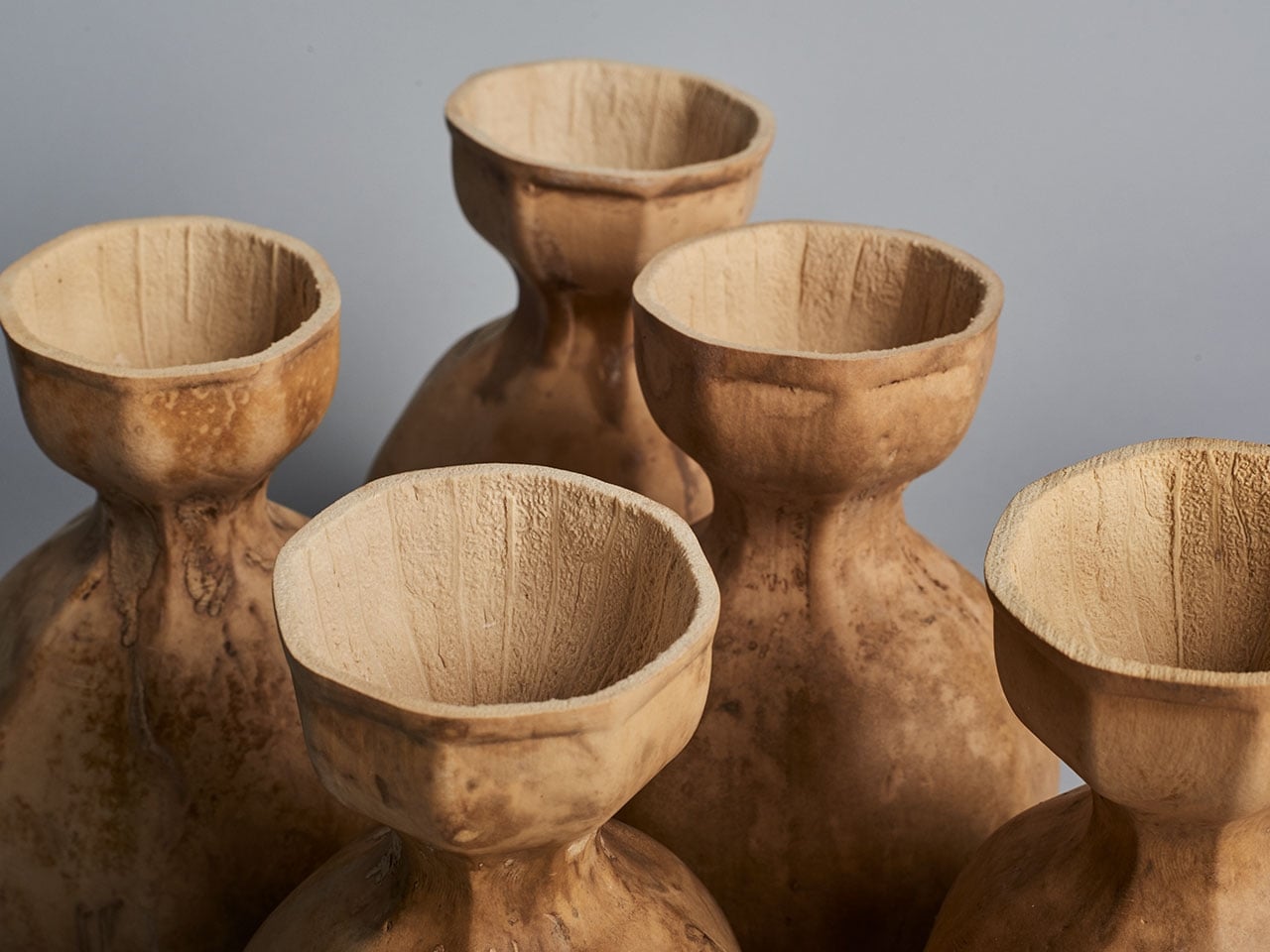
Picture this: instead of manufacturing your next coffee cup, what if you could just grow it? That’s the beautifully simple yet radical idea behind The Gourd Project, an ongoing exploration by Brooklyn-based CRÈME Architecture and Design that’s turning heads in the sustainable design world.

Here’s the problem they’re tackling. Back in 2006, Starbucks alone used 2.6 billion cups at their stores. Each paper cup produces 0.24 pounds of CO2 emissions during manufacturing, and here’s the kicker: only 0.25% actually get recycled after disposal. We’ve been stuck in this wasteful cycle for decades, bouncing between plastic, paper, and ceramic options that all come with their own environmental baggage. CRÈME decided to ask a different question entirely: what if nature didn’t just provide the material, but also handled the manufacturing process?

Designer: CRÈME Architecture and Design

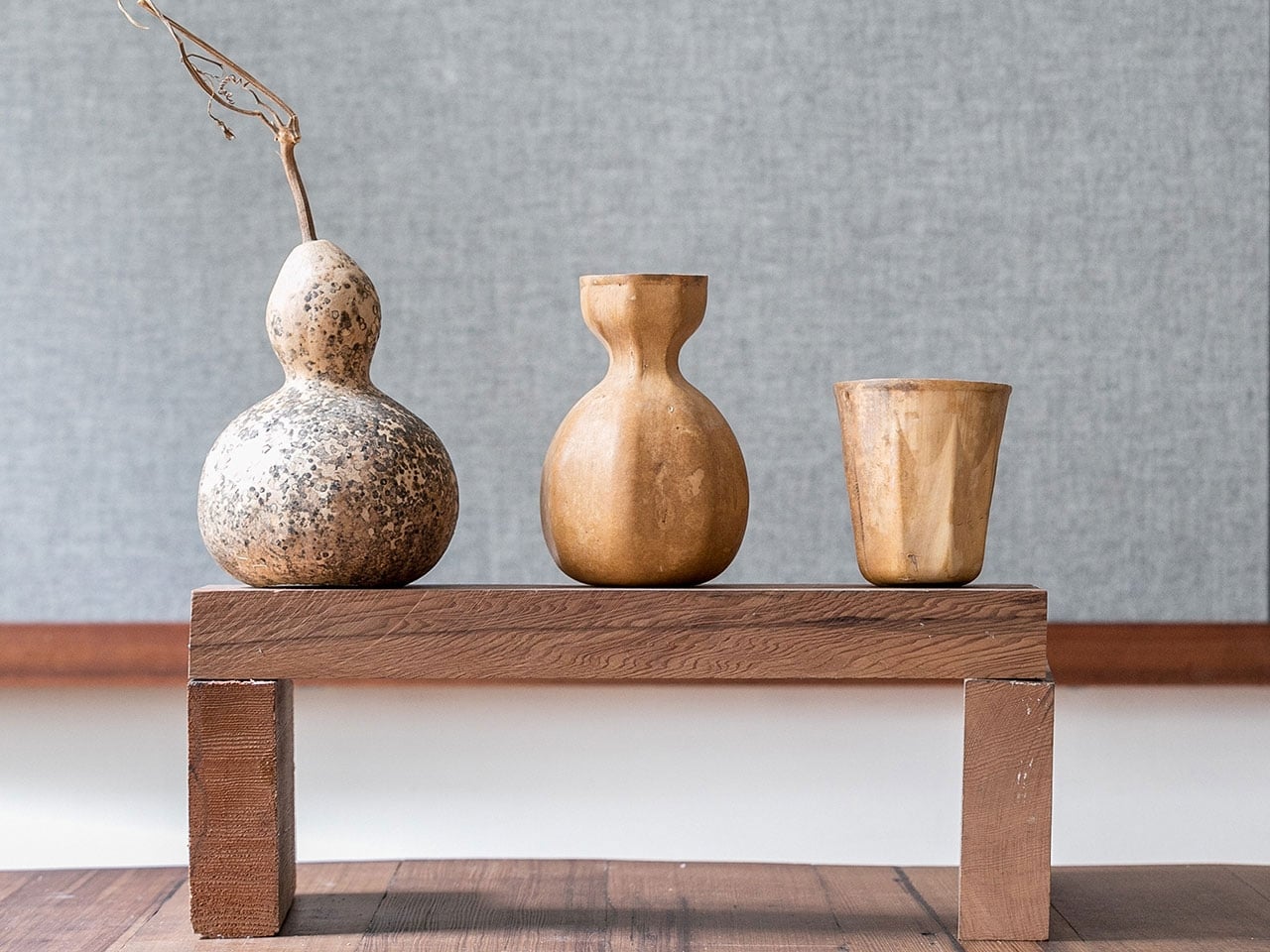
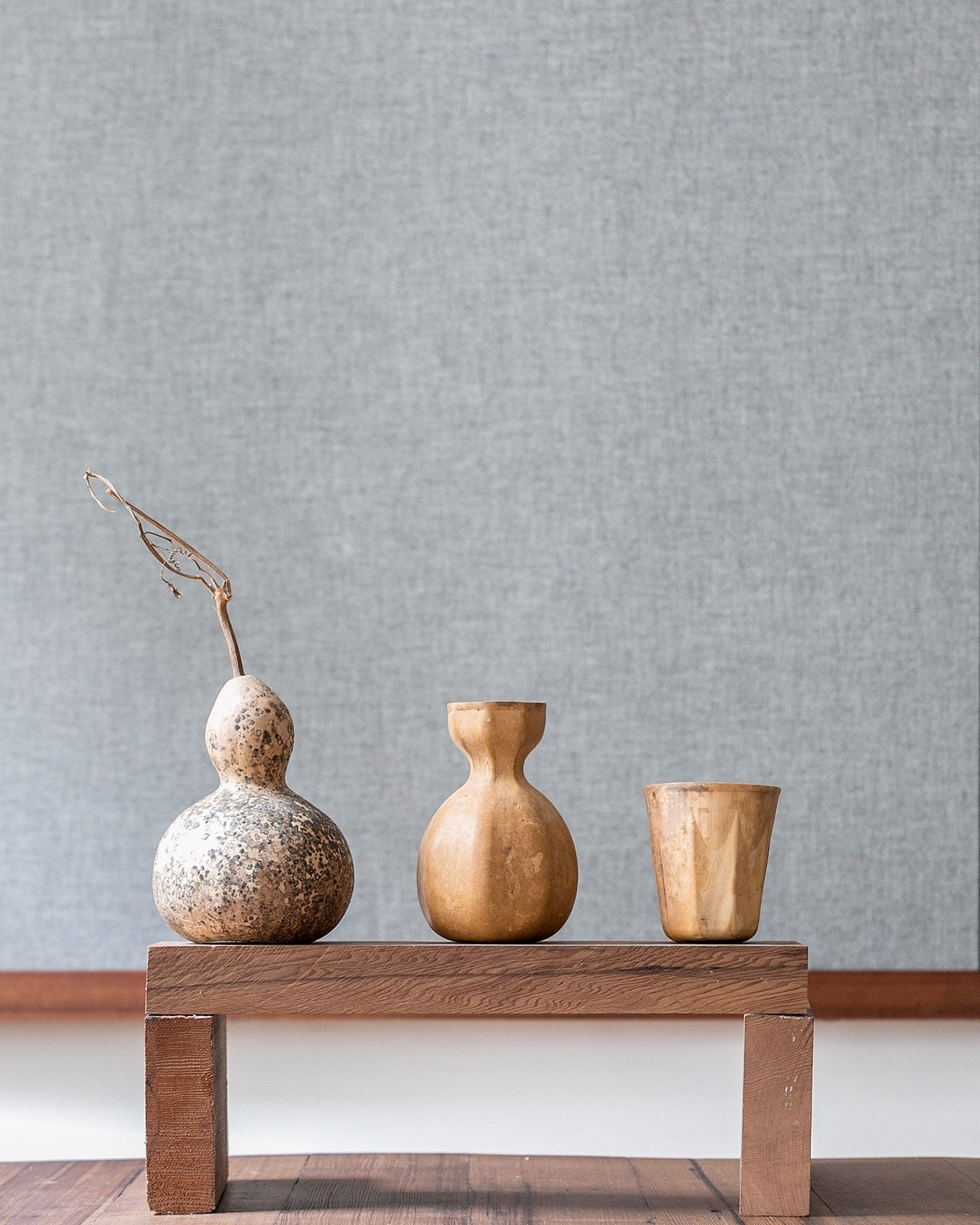
Enter the humble gourd. These fast-growing plants have been cultivated by humans for thousands of years, prized for their robust fruits that develop strong outer skins and fibrous inner flesh. Once dried, gourds become naturally watertight, which is why our ancestors used them as cups and containers long before Tupperware was a thing. CRÈME, led by designer Jun Aizaki, looked at this ancient practice and thought: we can do something with this.

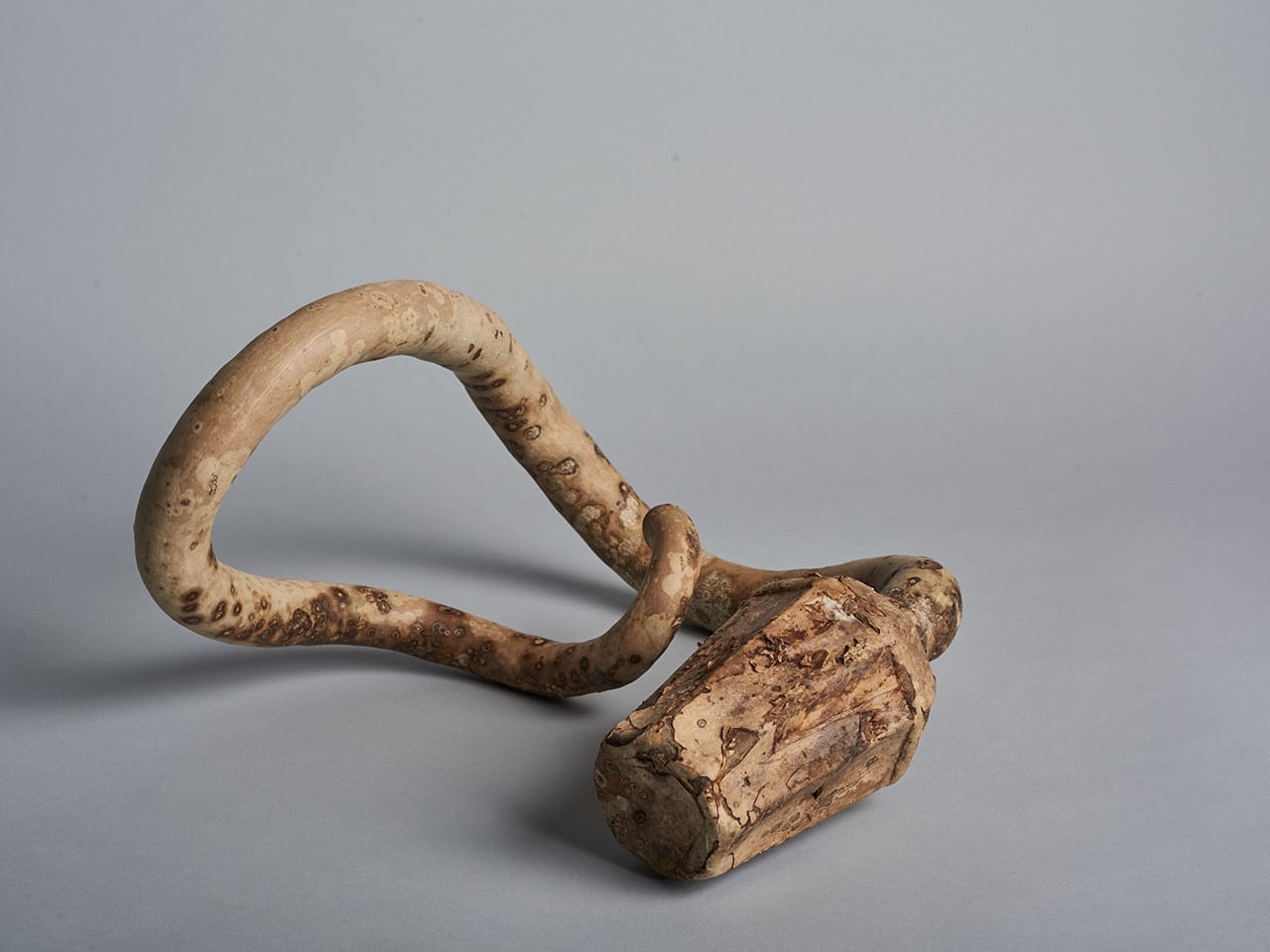
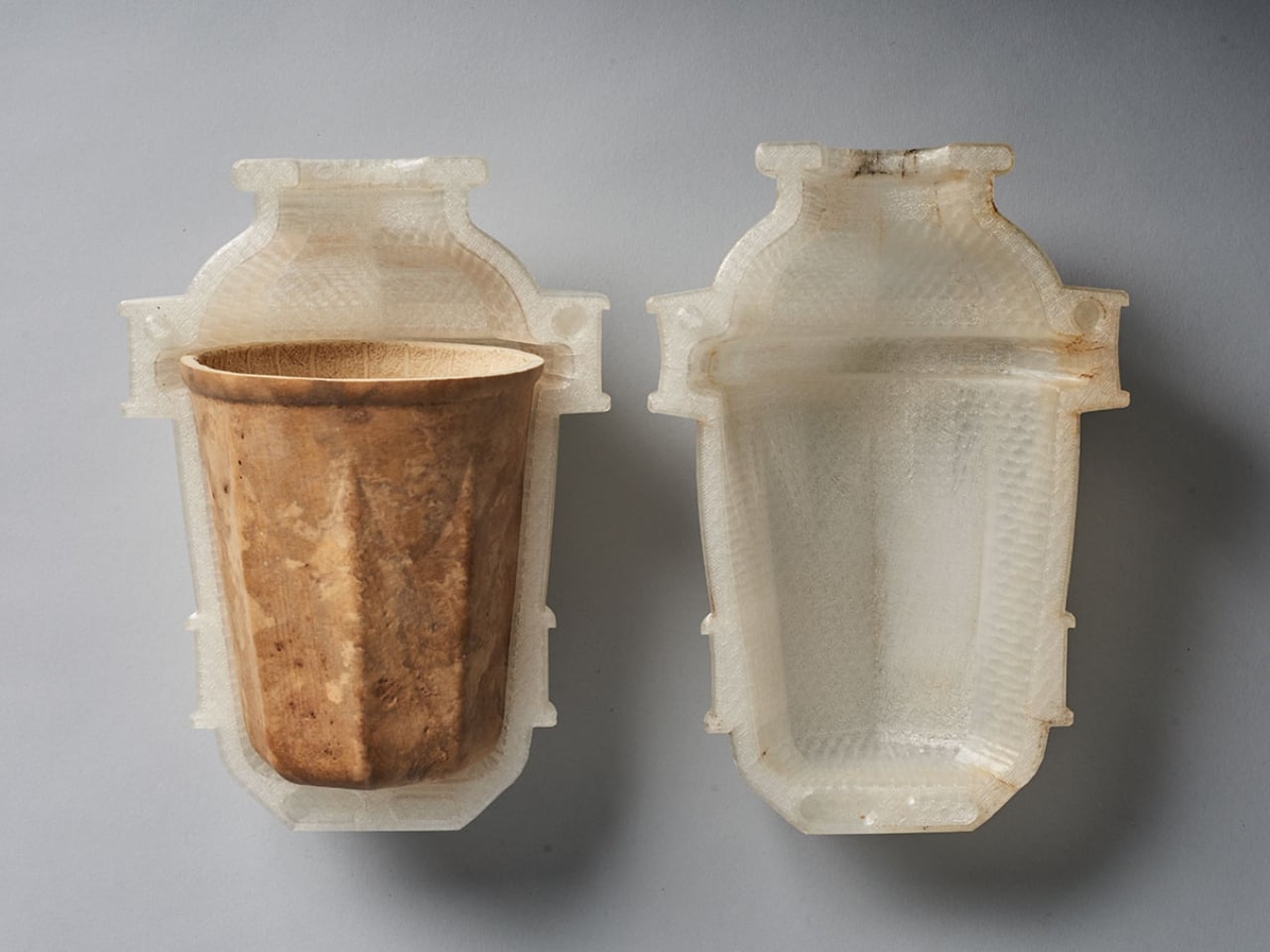
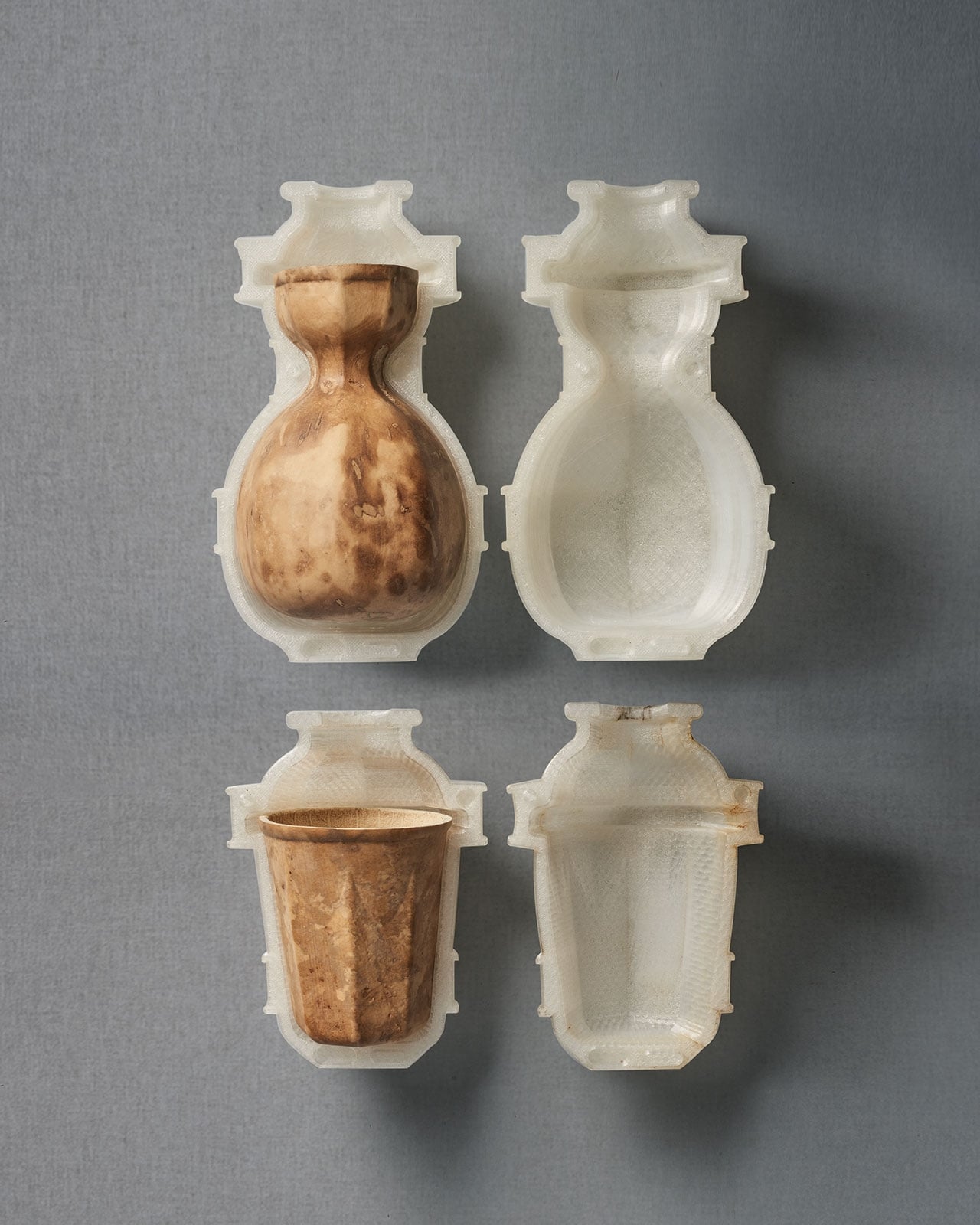
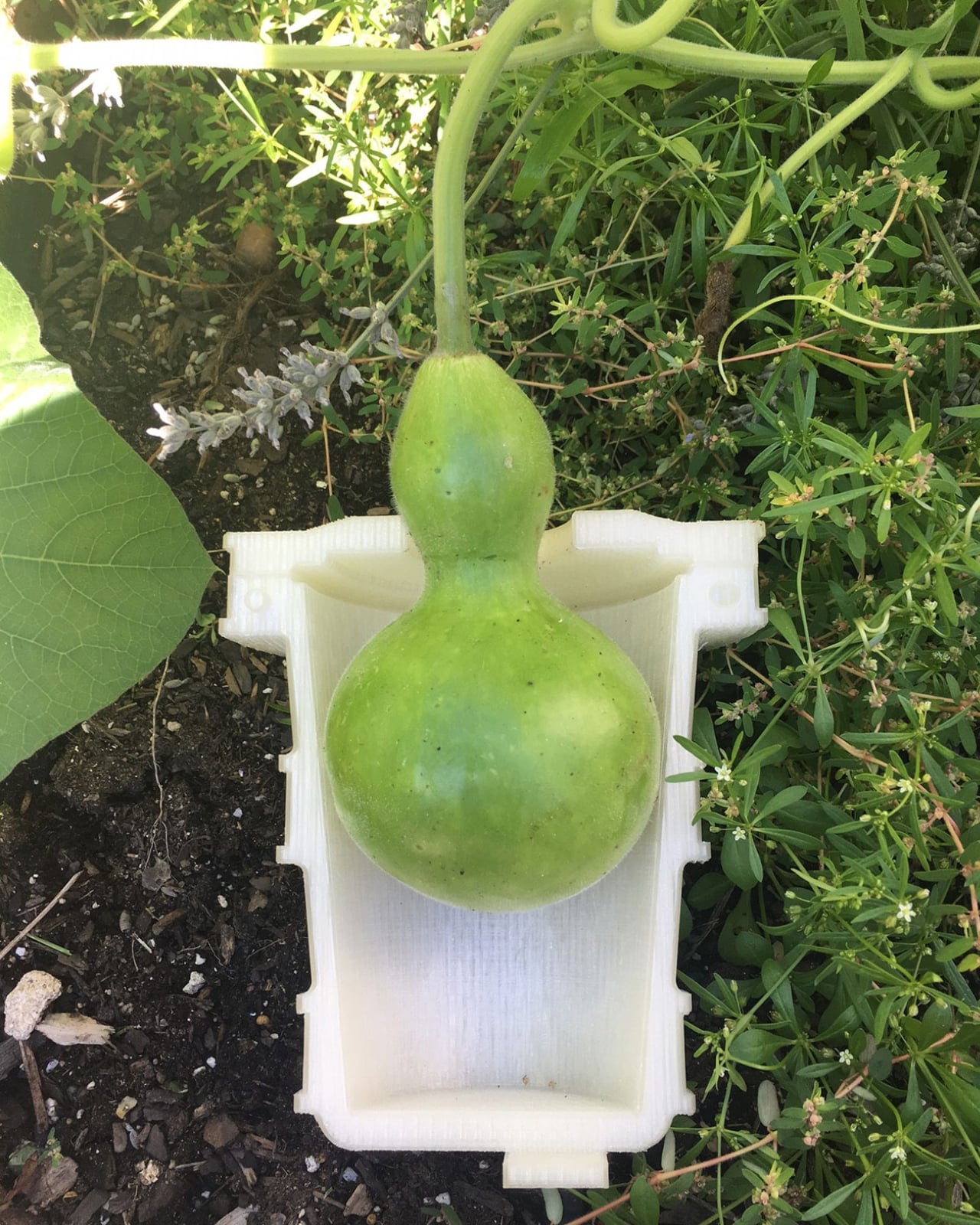
But here’s where it gets really cool. The studio isn’t just hollowing out gourds and calling it a day. They’re using 3D-printed molds to actually shape the gourds as they grow, training them into specific forms like cups and flasks. Think of it as botanical architecture. You place the mold around the young fruit, and nature does the rest, filling the shape while it grows on the vine. The result? Vessels that are 100% biodegradable, manufactured using only sun and water, and look genuinely striking sitting on your shelf.

The project started small, with a few gourds grown in a backyard. But CRÈME has since scaled up production to a farm, with plans to eventually move operations indoors to better control for variables like pests and weather conditions. The entire production cycle currently takes about six weeks, and while the team is working to streamline that timeline, it’s still remarkably efficient compared to traditional manufacturing processes that involve mining, refining, molding, and shipping materials around the globe.

Each gourd vessel can be reused between three to six times before it starts to break down. At that point, you’re not adding to a landfill or hoping it makes it to a recycling facility. You just toss it in with your food waste and let it compost naturally. It’s a genuine cradle-to-cradle approach, where the end of one cup’s life becomes the beginning of nutrients for the next season’s growth.

The design world has noticed. The Gourd Project earned a finalist mention at the NYCxDesign awards and has been featured in major publications like Dezeen, Fast Company, and NowThis News. It’s easy to see why. In an era where greenwashing is rampant and “sustainable” often just means “slightly less terrible,” here’s a project that actually reimagines the entire system from the ground up, literally.

What makes this particularly exciting is how it challenges our assumptions about design and manufacturing. We’re so conditioned to think of products as things we make, things we control from start to finish in factories. The Gourd Project flips that script. It asks us to collaborate with nature, to work with biological processes instead of against them. The designers provide the framework, the blueprint. The plant does the actual building.

Will we all be sipping our lattes from gourds next year? Probably not. CRÈME is still refining the process and working toward a consumer launch. But that’s almost beside the point. The Gourd Project proves that radical sustainability doesn’t have to mean sacrifice or hairshirt aesthetics. These vessels are genuinely beautiful, with organic variations that make each one unique. They represent a fundamentally different way of thinking about the objects we use every day.

The post This Studio Grows Coffee Cups From Gourds first appeared on Yanko Design.
UNAVELA Machined This Cube Espresso Cup From One Aluminum Block

Espresso is a tiny daily ritual that usually happens in anonymous porcelain cups pulled from the cupboard without a second thought. More designers are turning their attention to these small moments, using precise materials and geometry to make them feel intentional rather than automatic. UNAVELA’s Aluminium Coffee Cup is one of those objects, taking something familiar and rendering it as a sculptural, almost architectural piece you’d want to keep visible on the counter.

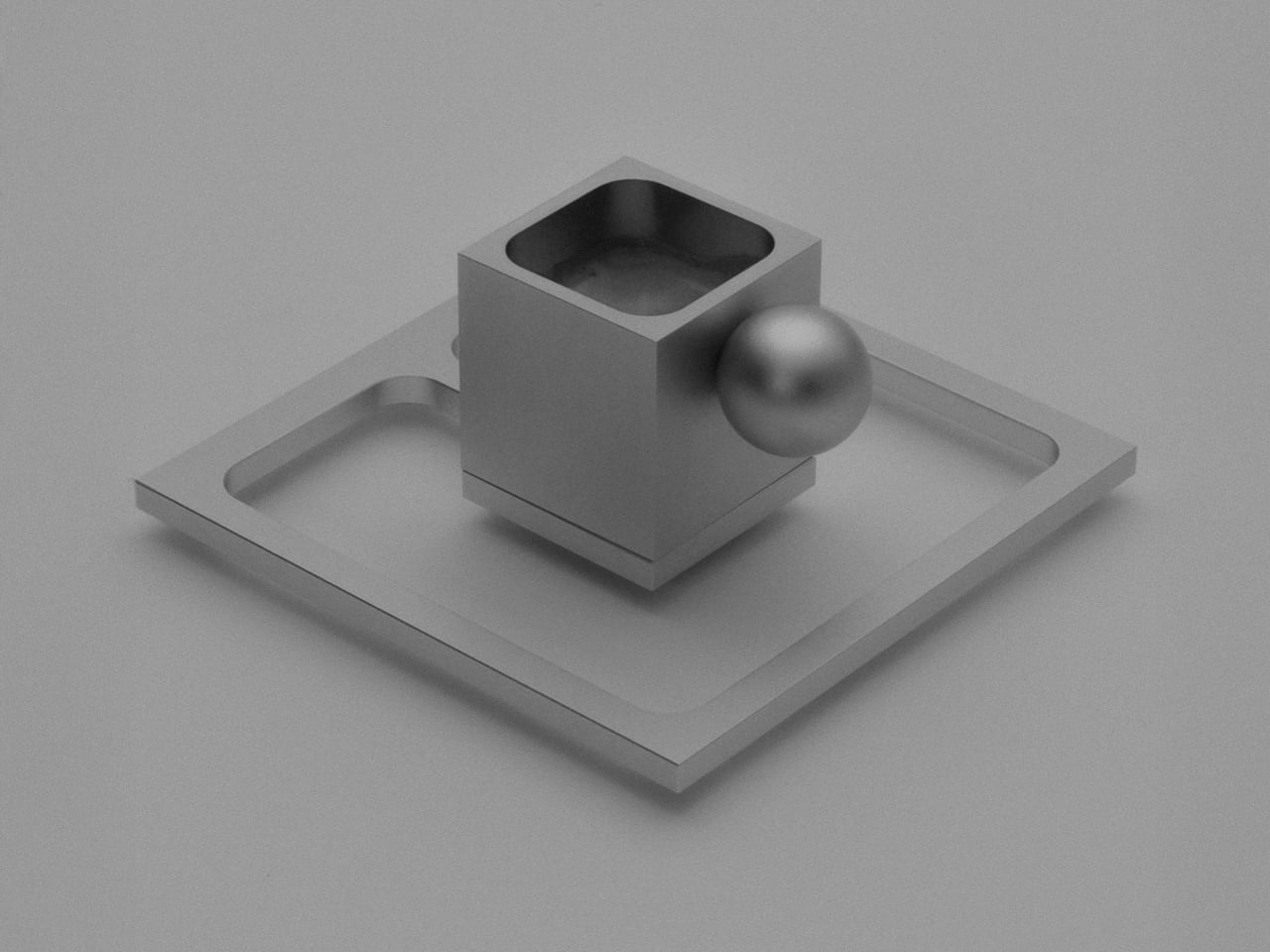
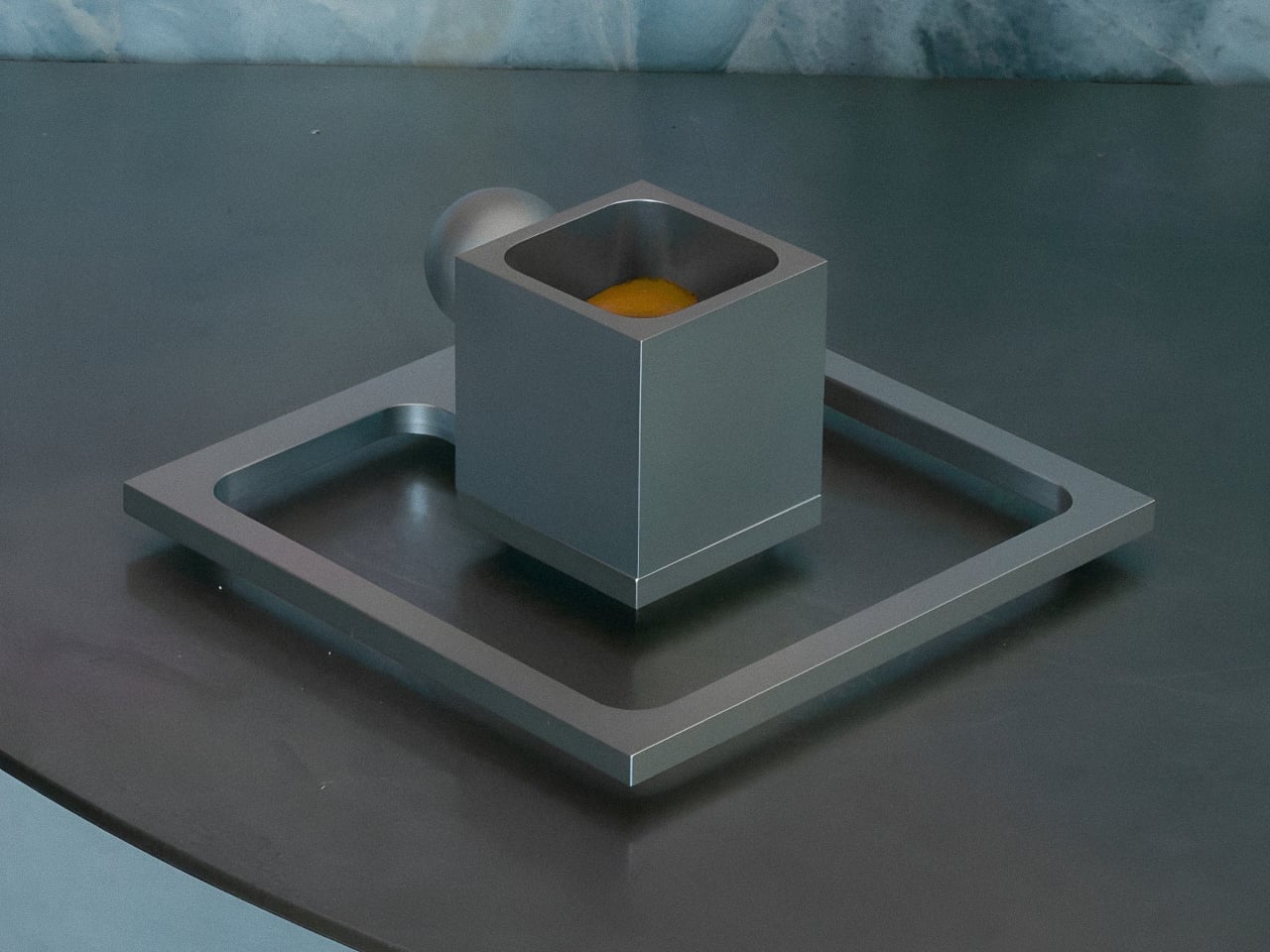
The cup comes from French-Spanish studio UNAVELA, founded by two aerospace engineers who now apply that rigor to everyday objects. The set consists of a cube-shaped aluminium cup with a spherical handle and a square frame saucer, all bead-blasted and anodized in matte silver. It’s designed to be used, noticed, and kept rather than forgotten in a cupboard, and it’s the first piece in a broader collection of functional objects.

Designers: Javier De Andrés García, Anaïs Wallet (Unavela)

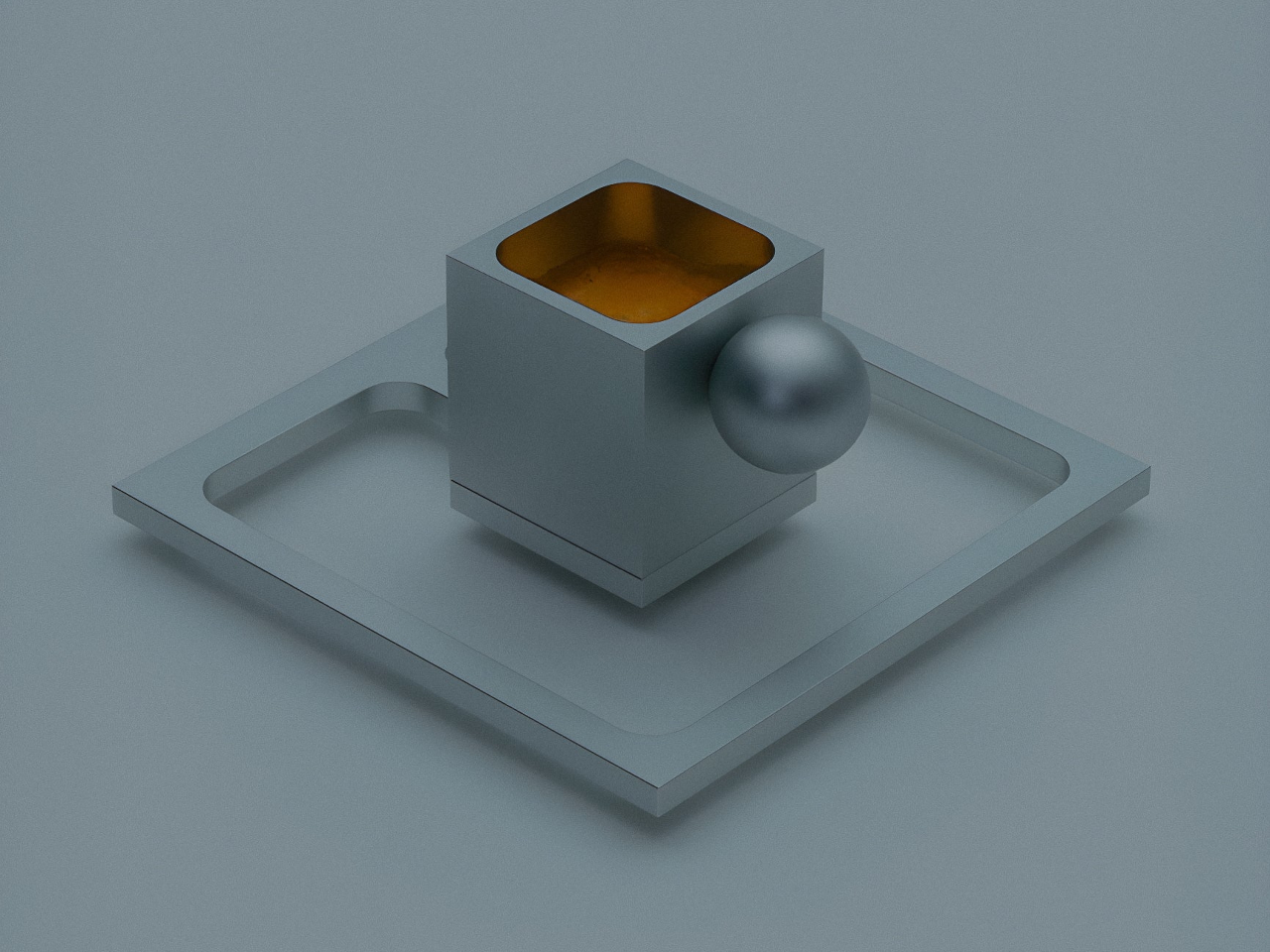
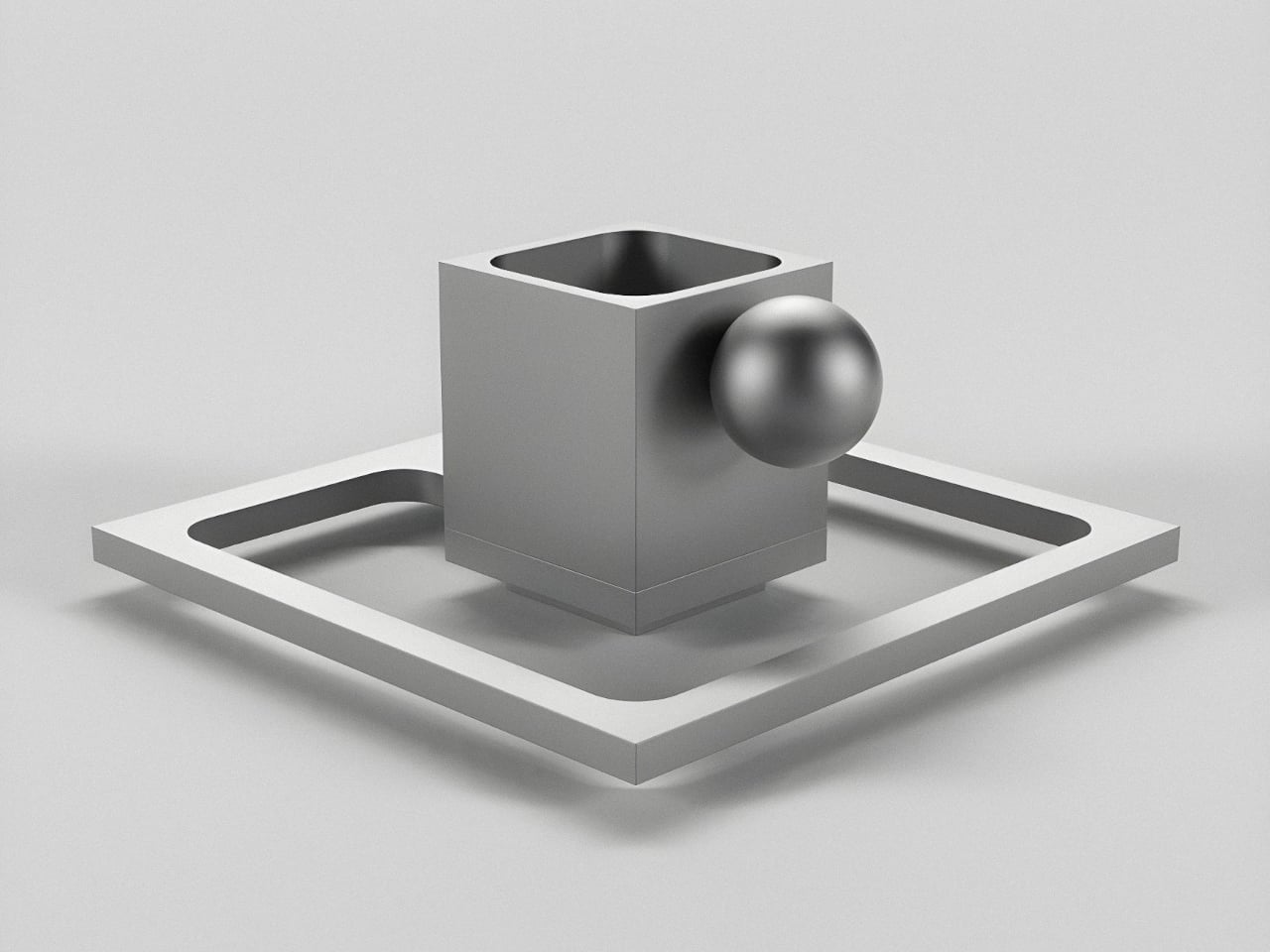
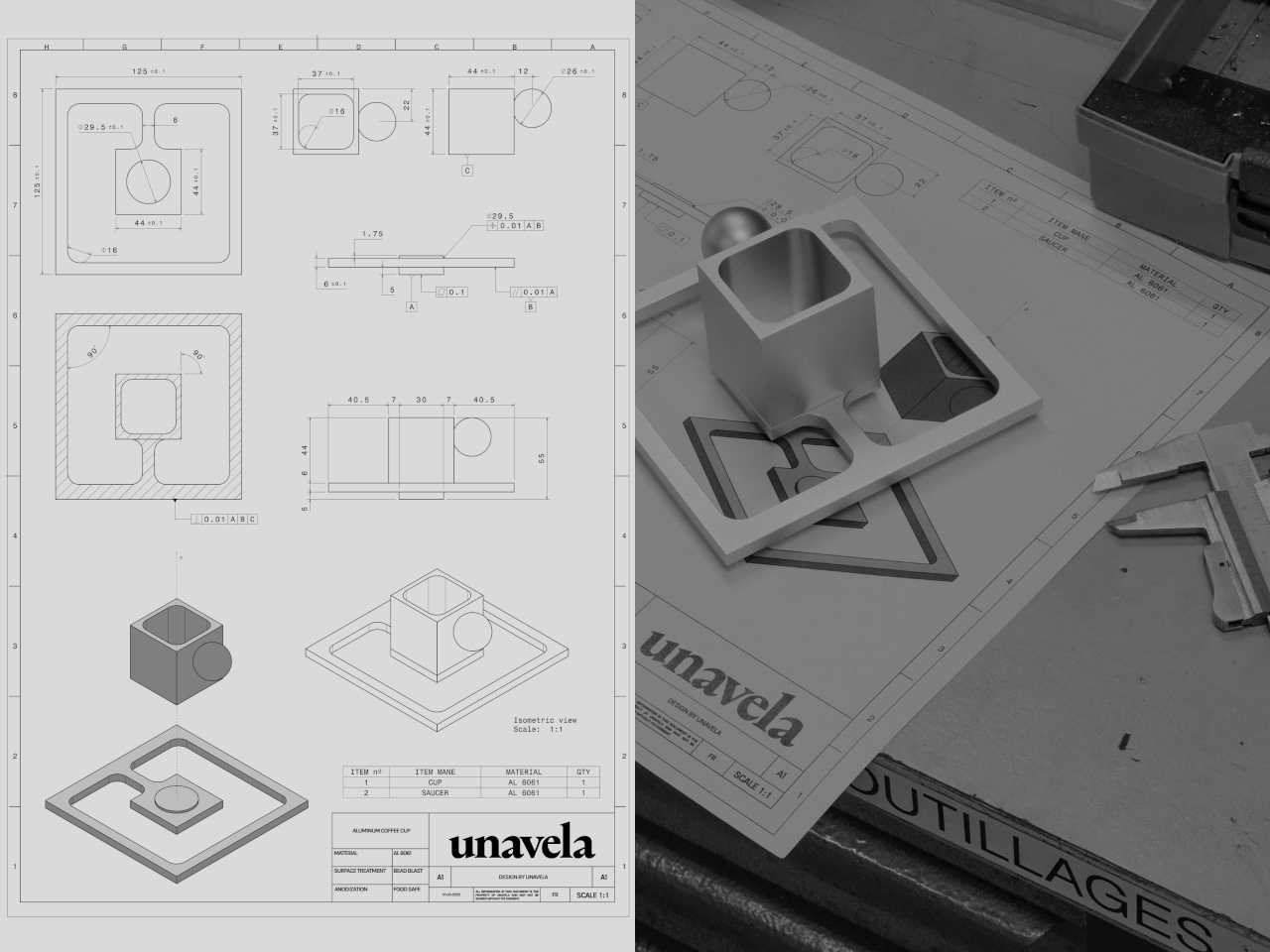
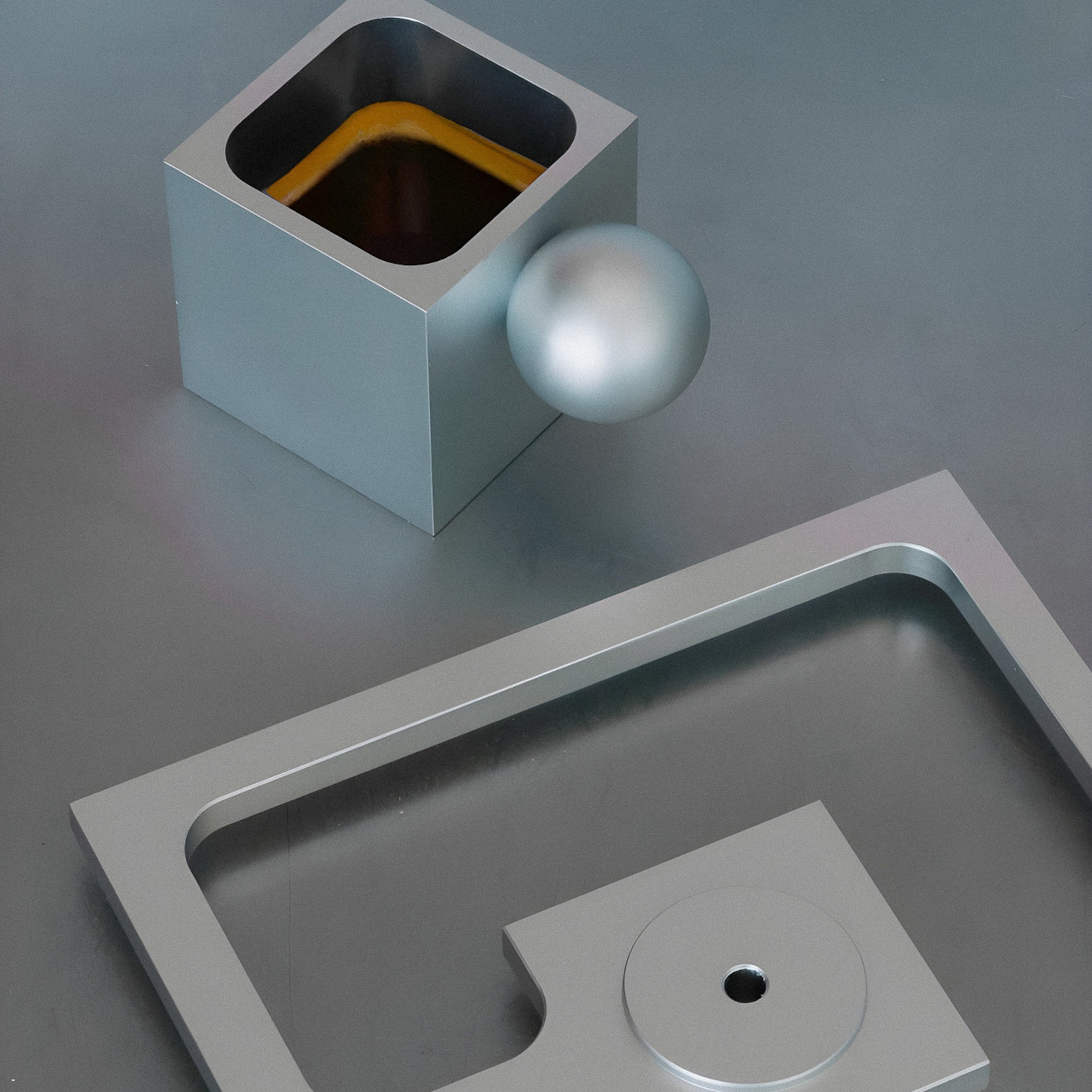
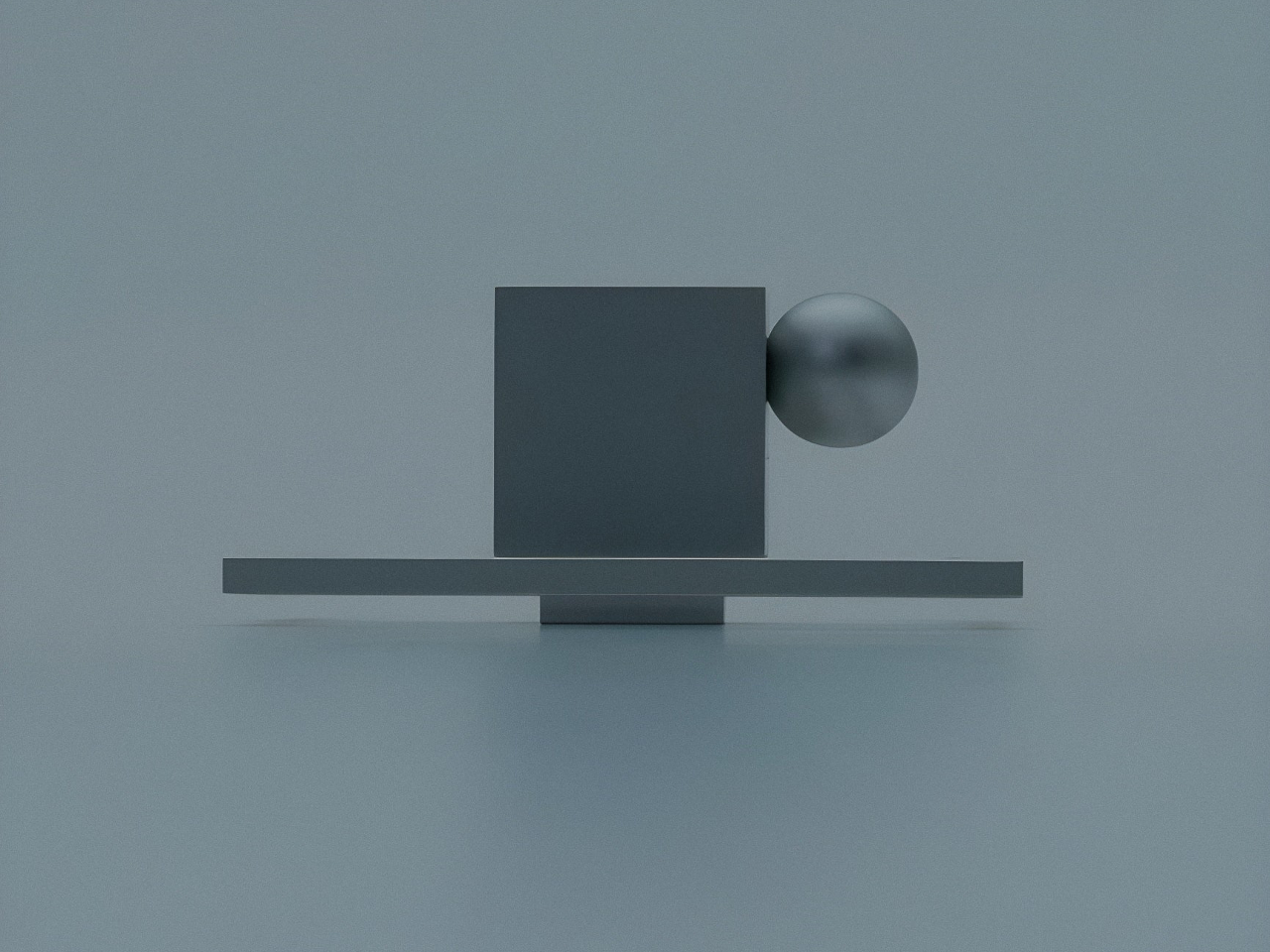
The cup itself is a tall, narrow cube machined from a single block of 6061 aluminium, with a square opening sized for a 50-milliliter shot. One face carries a solid metal sphere as a handle, creating a striking contrast between sharp edges and pure geometry. When filled, the silver interior reflects the warm color of the coffee, so the drink visually defines the inside rather than a separate finish or coating.

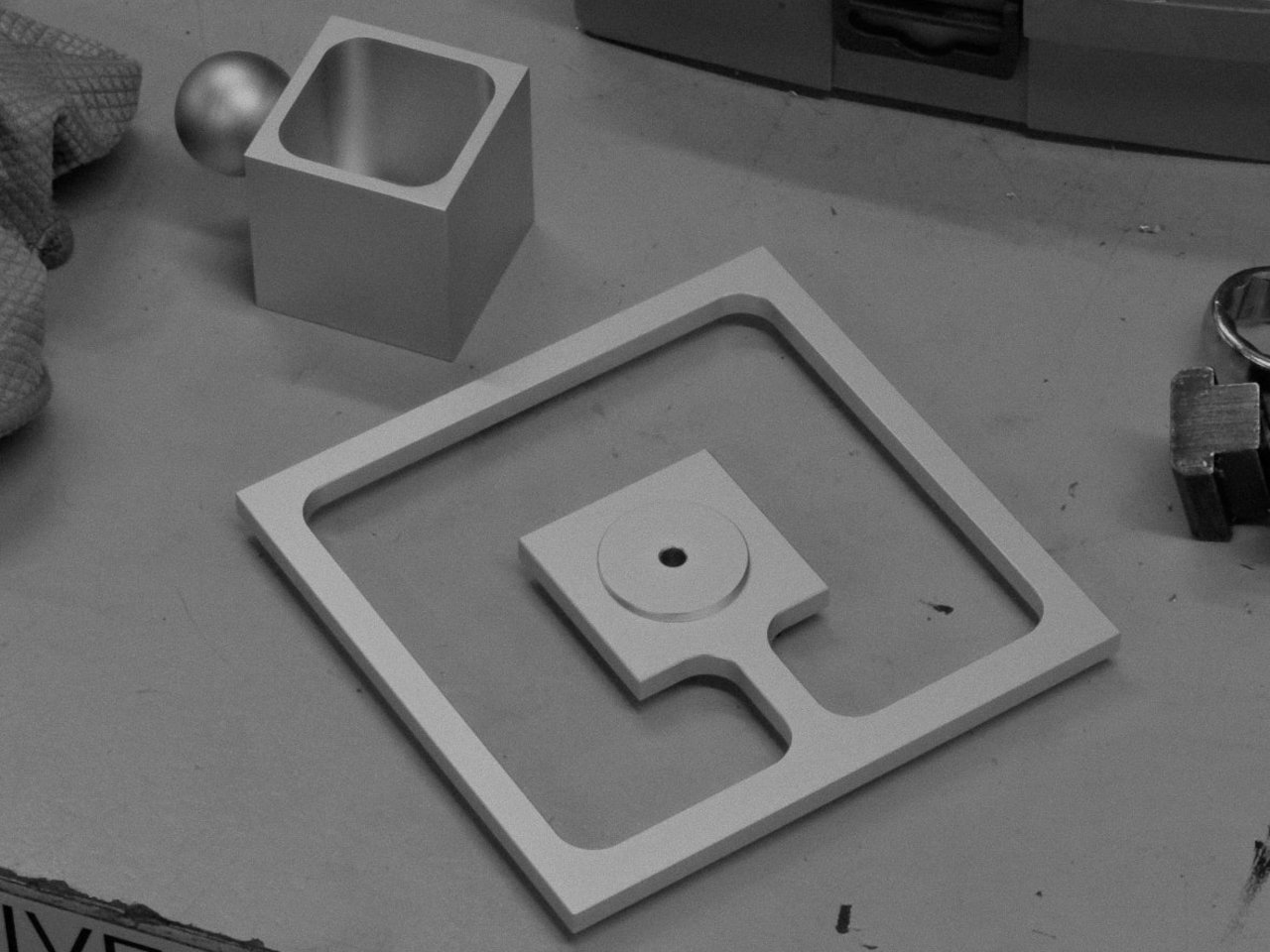
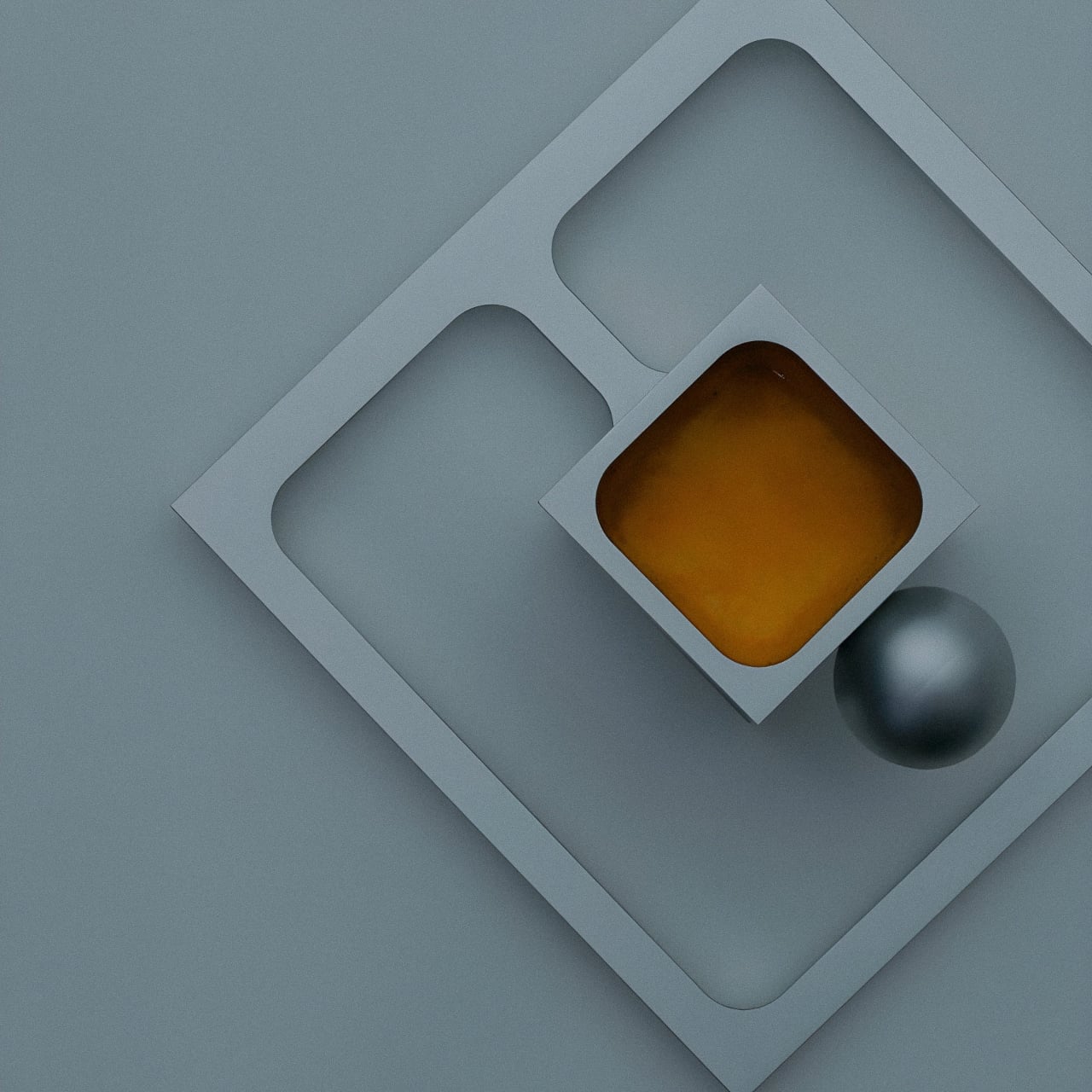
The saucer takes the form of a flat square frame with rounded rectangular cutouts and a central recess for the cup. From above, it looks like a thin border floating around the cube, especially when rotated into a diamond orientation. The open areas reduce visual weight and echo the cup’s square footprint, turning the saucer into more of a stage than a simple coaster or dish.

Of course, UNAVELA machines each cup from a single block using CNC technology, then bead-blasts the surface to achieve a soft satin texture that feels smooth in the hand. A transparent food-grade anodization protects the metal and keeps it safe for drinks, similar to traditional Italian moka pots. Each piece is assembled and checked by hand in their atelier in the south of France.

The cup isn’t too hot to hold; side-by-side tests with porcelain showed similar exterior temperatures. The anodized aluminium doesn’t affect taste and is safe for coffee. Despite the square opening, one side matches the average mouth width, so you drink from a flat edge rather than a corner, and the experience feels surprisingly normal when it touches your lips.

The cup should be rinsed with water only, no soap, dishwasher, or scouring pads, echoing the care routine of classic Italian coffee makers. The Aluminium Coffee Cup turns a quick espresso into a moment of interaction with geometry and material. It’s less about maximizing insulation or capacity and more about enjoying the shape of the ritual itself, holding something that feels as considered as the coffee inside it.

The post UNAVELA Machined This Cube Espresso Cup From One Aluminum Block first appeared on Yanko Design.
UNAVELA Machined This Cube Espresso Cup From One Aluminum Block

Espresso is a tiny daily ritual that usually happens in anonymous porcelain cups pulled from the cupboard without a second thought. More designers are turning their attention to these small moments, using precise materials and geometry to make them feel intentional rather than automatic. UNAVELA’s Aluminium Coffee Cup is one of those objects, taking something familiar and rendering it as a sculptural, almost architectural piece you’d want to keep visible on the counter.

The cup comes from French-Spanish studio UNAVELA, founded by two aerospace engineers who now apply that rigor to everyday objects. The set consists of a cube-shaped aluminium cup with a spherical handle and a square frame saucer, all bead-blasted and anodized in matte silver. It’s designed to be used, noticed, and kept rather than forgotten in a cupboard, and it’s the first piece in a broader collection of functional objects.

Designers: Javier De Andrés García, Anaïs Wallet (Unavela)

The cup itself is a tall, narrow cube machined from a single block of 6061 aluminium, with a square opening sized for a 50-milliliter shot. One face carries a solid metal sphere as a handle, creating a striking contrast between sharp edges and pure geometry. When filled, the silver interior reflects the warm color of the coffee, so the drink visually defines the inside rather than a separate finish or coating.

The saucer takes the form of a flat square frame with rounded rectangular cutouts and a central recess for the cup. From above, it looks like a thin border floating around the cube, especially when rotated into a diamond orientation. The open areas reduce visual weight and echo the cup’s square footprint, turning the saucer into more of a stage than a simple coaster or dish.

Of course, UNAVELA machines each cup from a single block using CNC technology, then bead-blasts the surface to achieve a soft satin texture that feels smooth in the hand. A transparent food-grade anodization protects the metal and keeps it safe for drinks, similar to traditional Italian moka pots. Each piece is assembled and checked by hand in their atelier in the south of France.

The cup isn’t too hot to hold; side-by-side tests with porcelain showed similar exterior temperatures. The anodized aluminium doesn’t affect taste and is safe for coffee. Despite the square opening, one side matches the average mouth width, so you drink from a flat edge rather than a corner, and the experience feels surprisingly normal when it touches your lips.

The cup should be rinsed with water only, no soap, dishwasher, or scouring pads, echoing the care routine of classic Italian coffee makers. The Aluminium Coffee Cup turns a quick espresso into a moment of interaction with geometry and material. It’s less about maximizing insulation or capacity and more about enjoying the shape of the ritual itself, holding something that feels as considered as the coffee inside it.

The post UNAVELA Machined This Cube Espresso Cup From One Aluminum Block first appeared on Yanko Design.