This Origami Stool Has No Legs, No Bolts, and Opens With One Press

Furniture storage is one of those problems that design has mostly surrendered to square footage. You either have room for a stool, or you don’t, and folding alternatives have historically resolved that with compromise: wobbly joints, hard edges, the kind of utilitarian resignation that makes it obvious the piece exists to disappear rather than be used. The Press Stool starts from a different premise, borrowing its structural logic not from joinery or hardware but from the physics of folded paper.

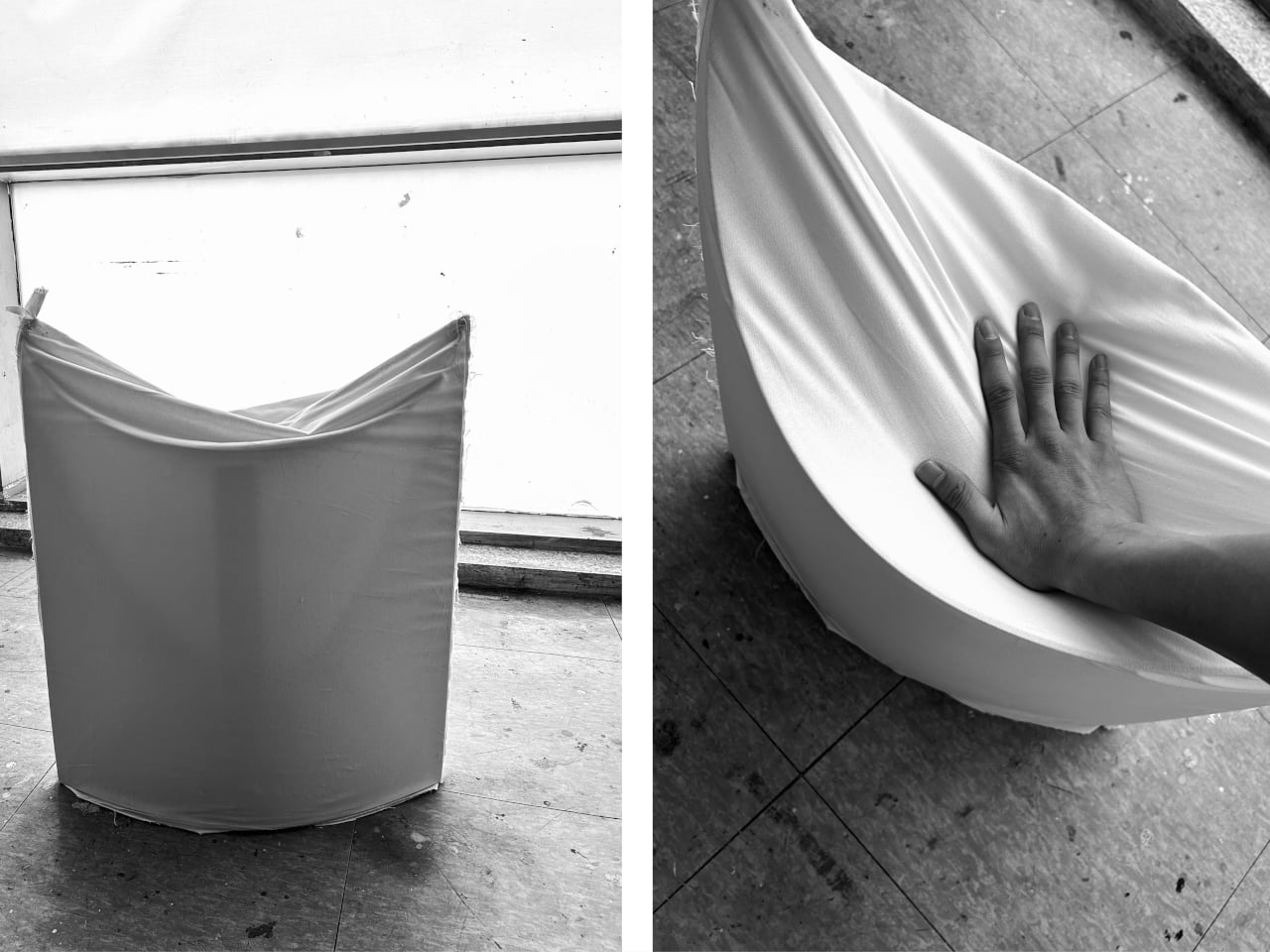
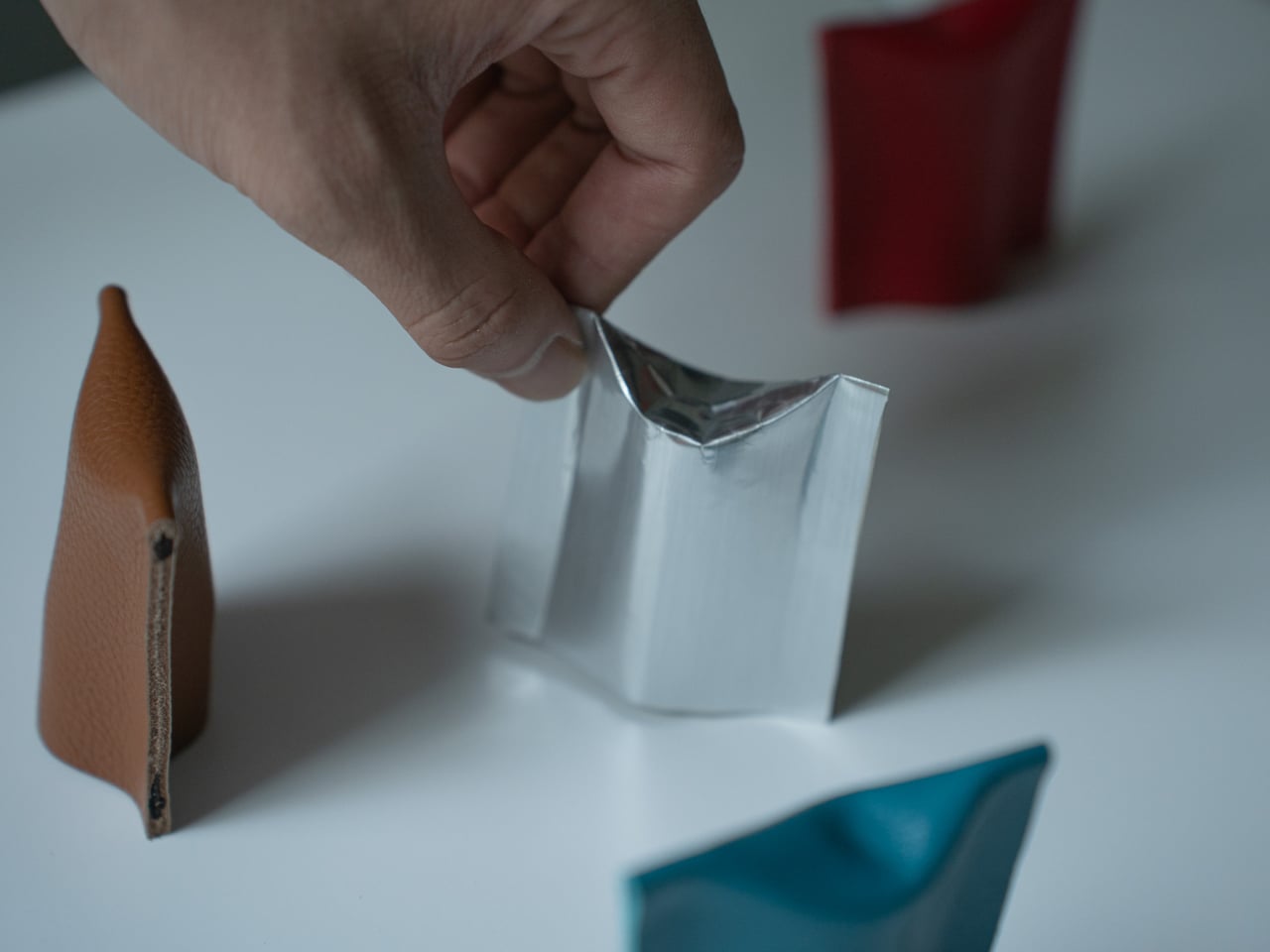
The concept begins with a simple observation: a flat sheet of paper has no load-bearing strength on its own, but folding it generates rigidity. Crease a sheet, and the forces redistribute across the form. Press the folds, and the geometry resists compression. This is the same principle behind accordion-style bellows folding in classic cameras, where pressing the structure generates mechanical force. Here, that same force is redirected toward something you can sit on.

Designer: Jaehyun Bae

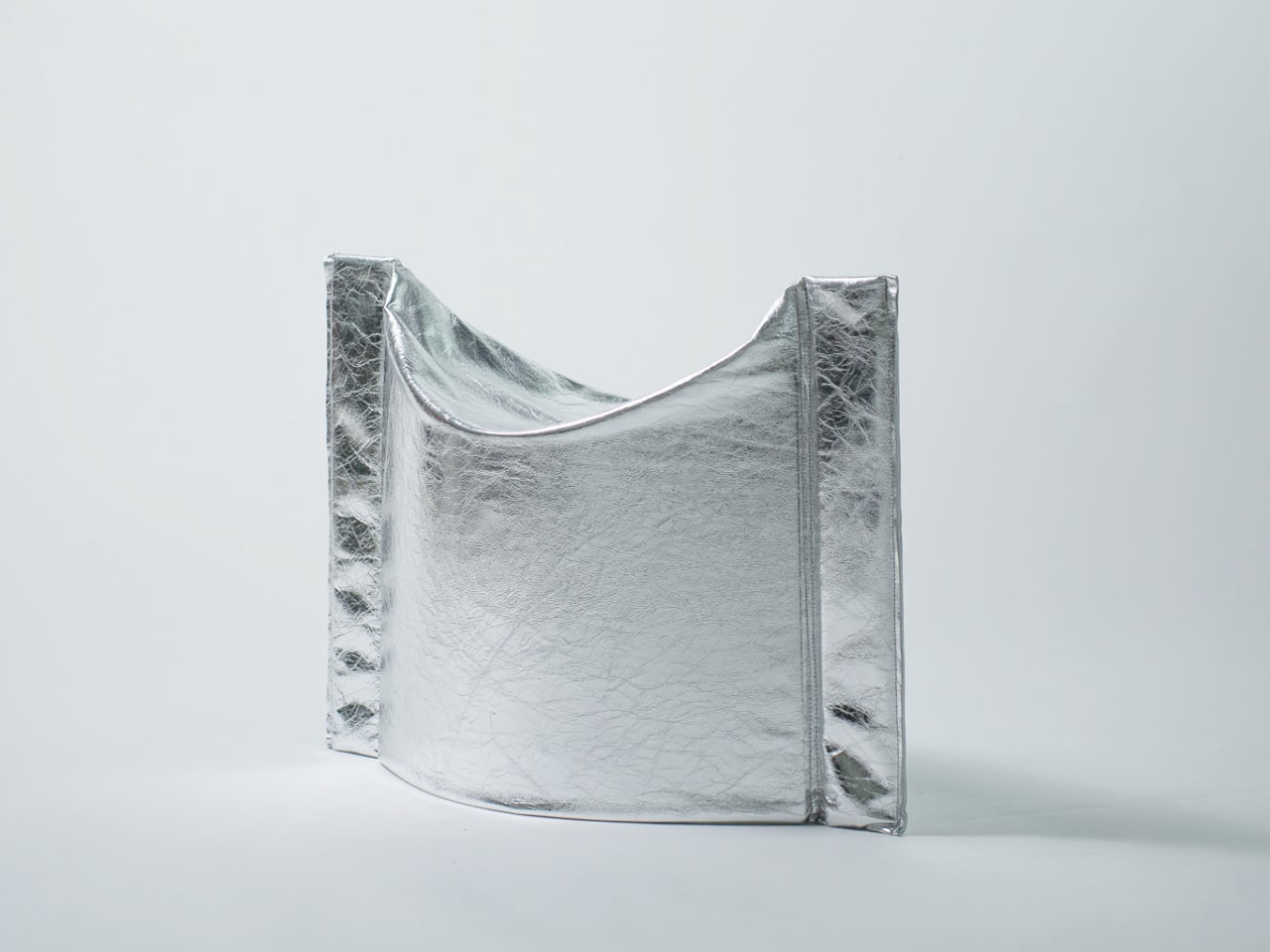
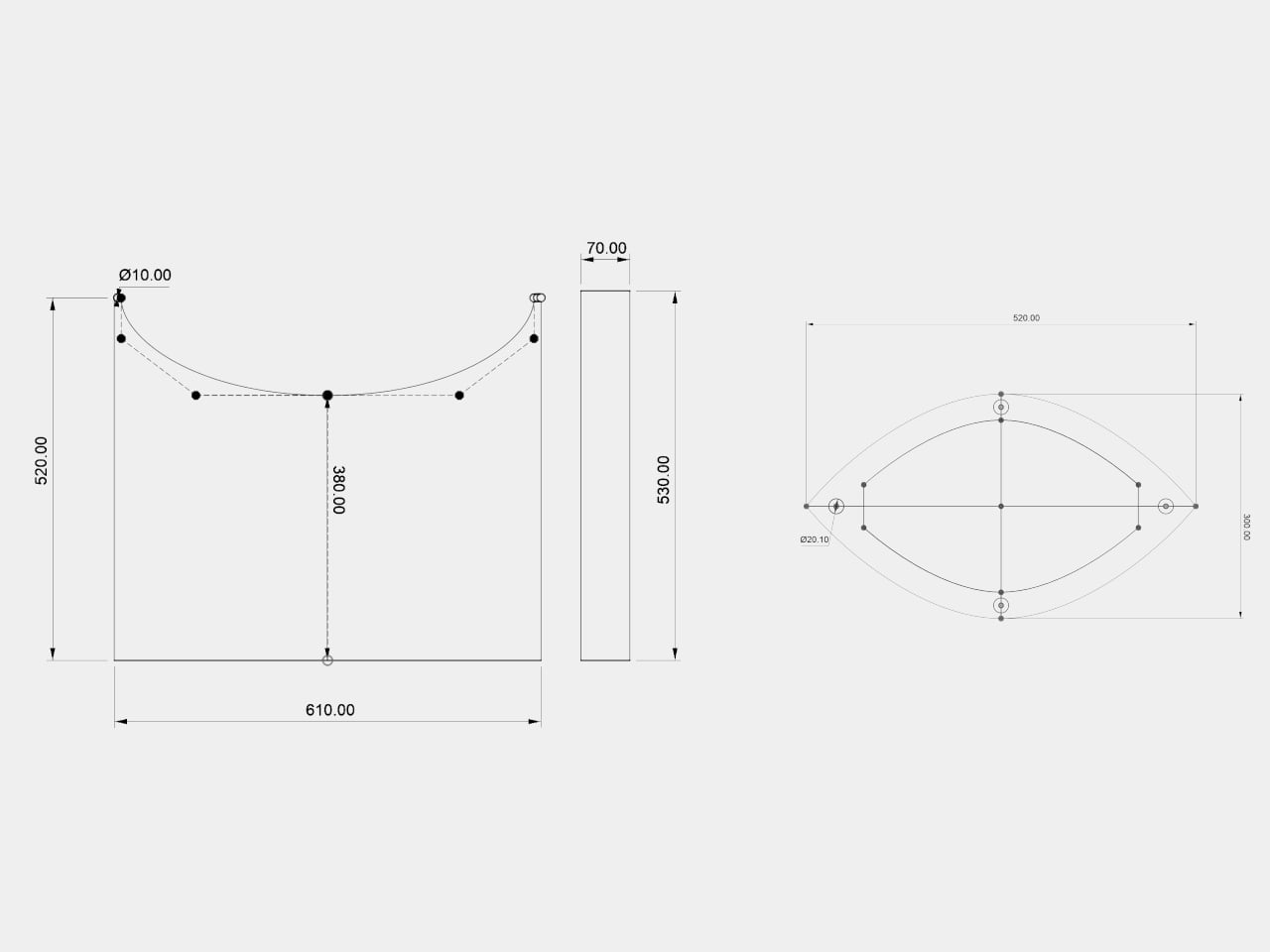
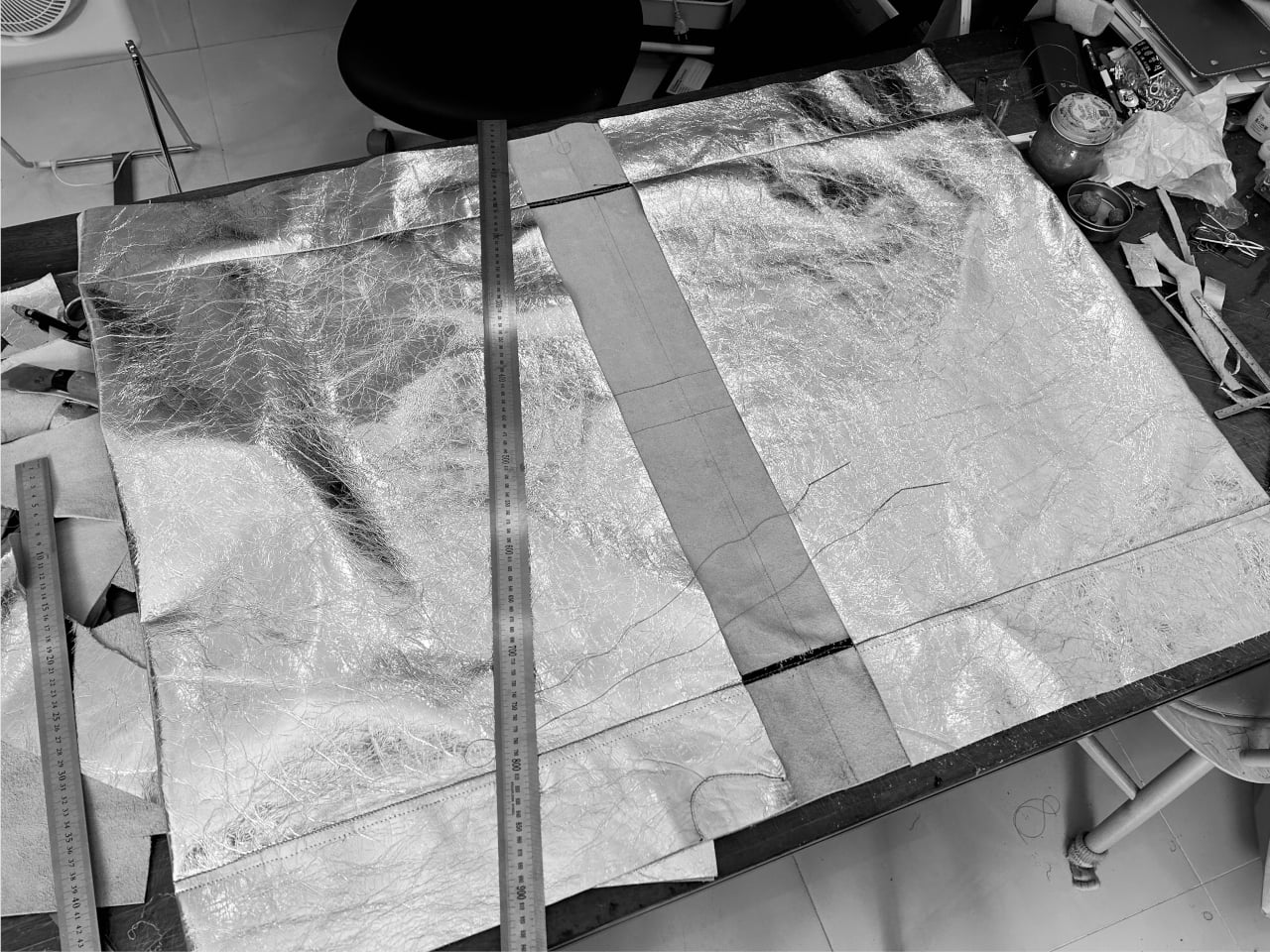
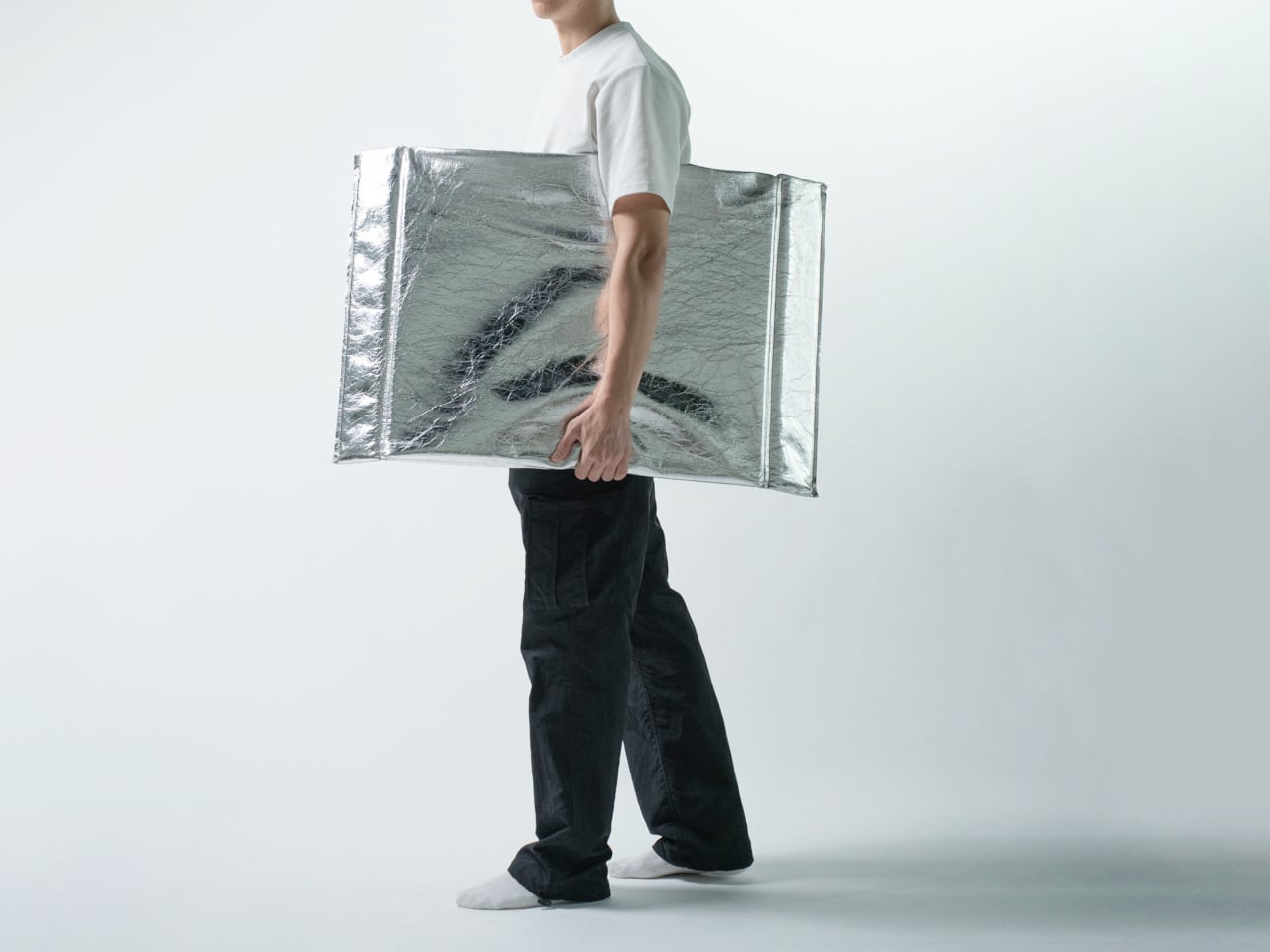
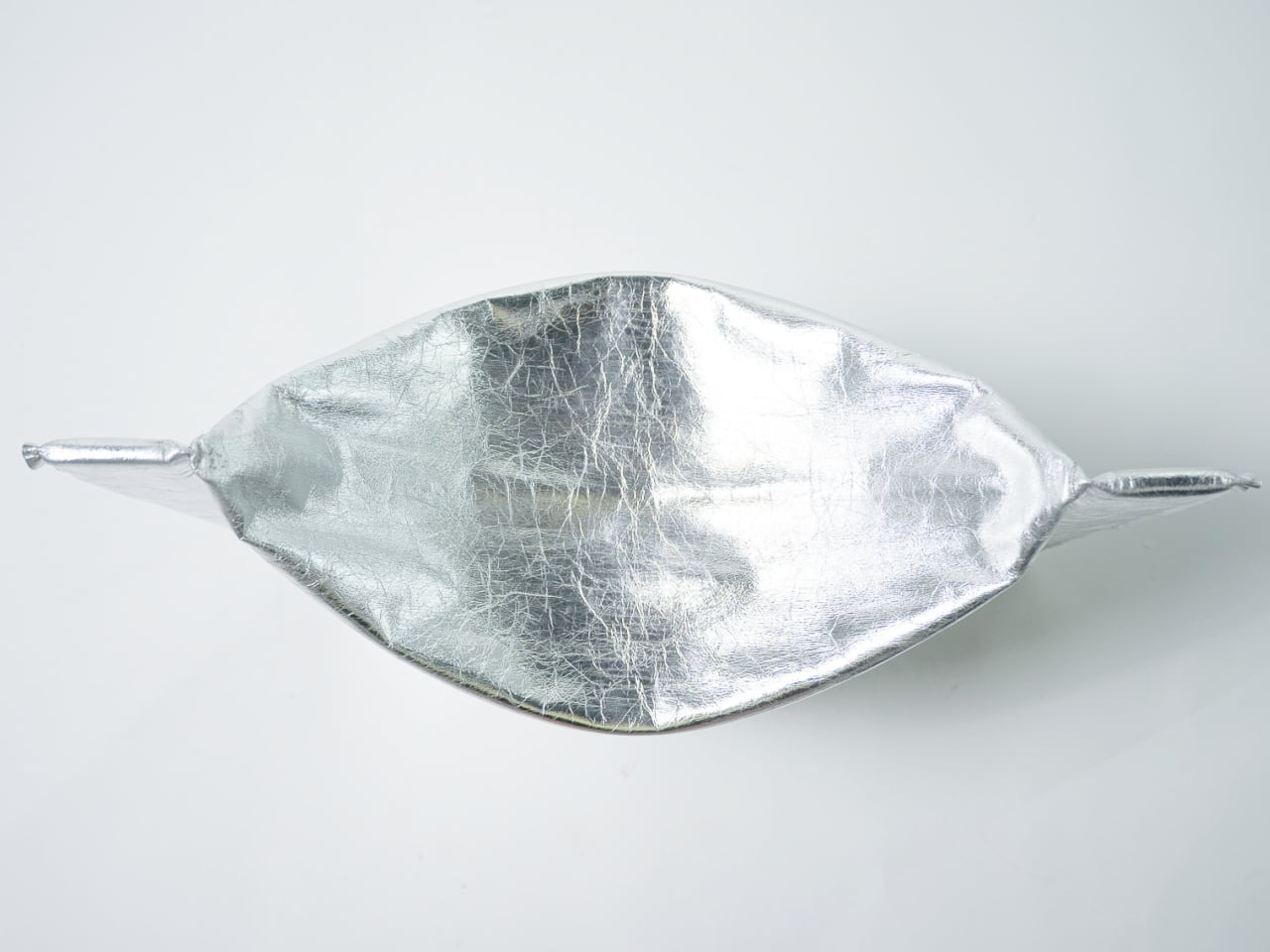
In its flat state, the stool collapses into a wide, deflated oval roughly 610 mm wide and 520 mm deep, with gently curved sides and pinched, gathered ends where the material compresses to a narrow tip. The metallic silver material has a pronounced crinkled texture that lands somewhere between industrial foil and fabric. It ships flat. It weighs little.

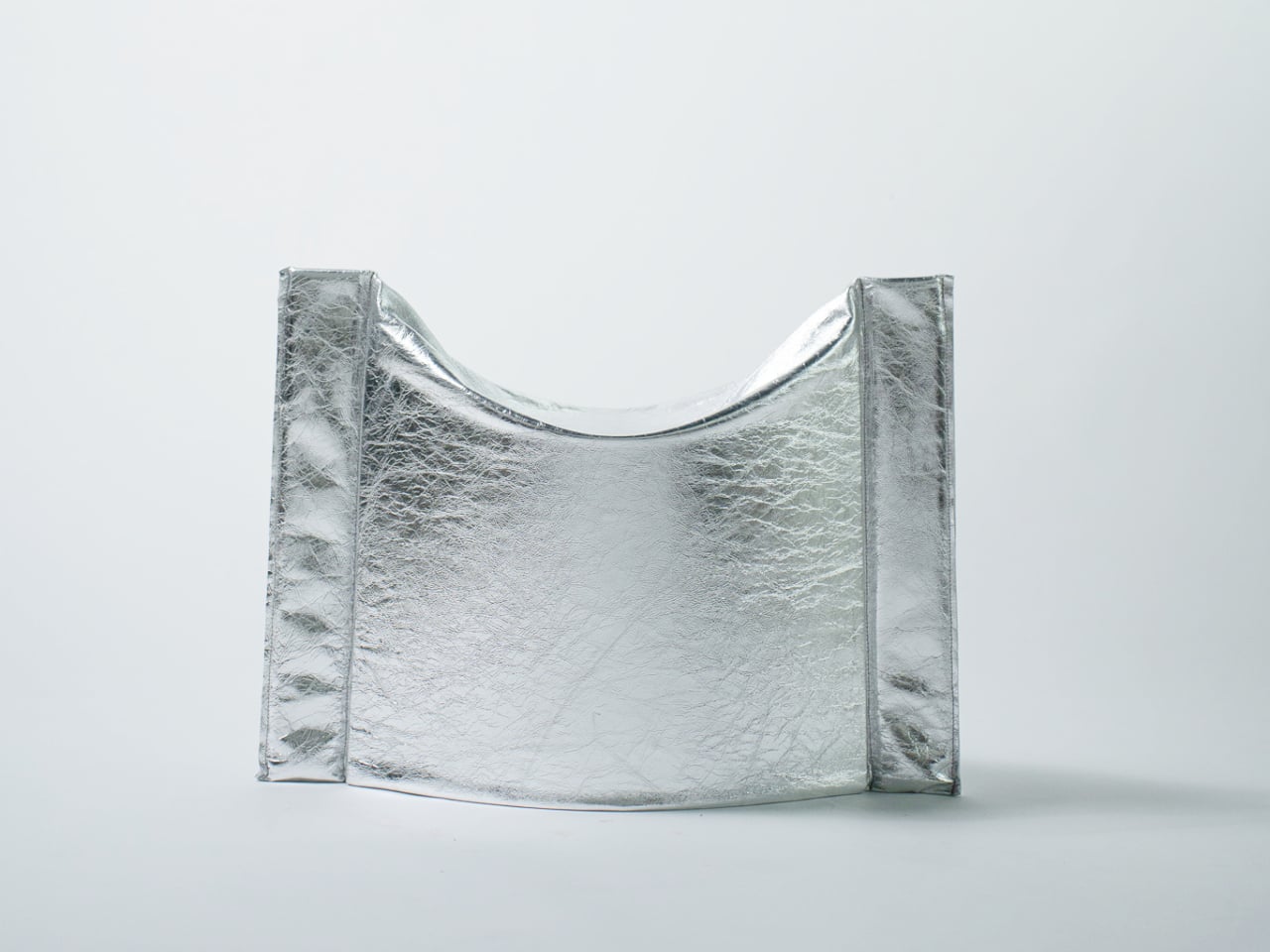
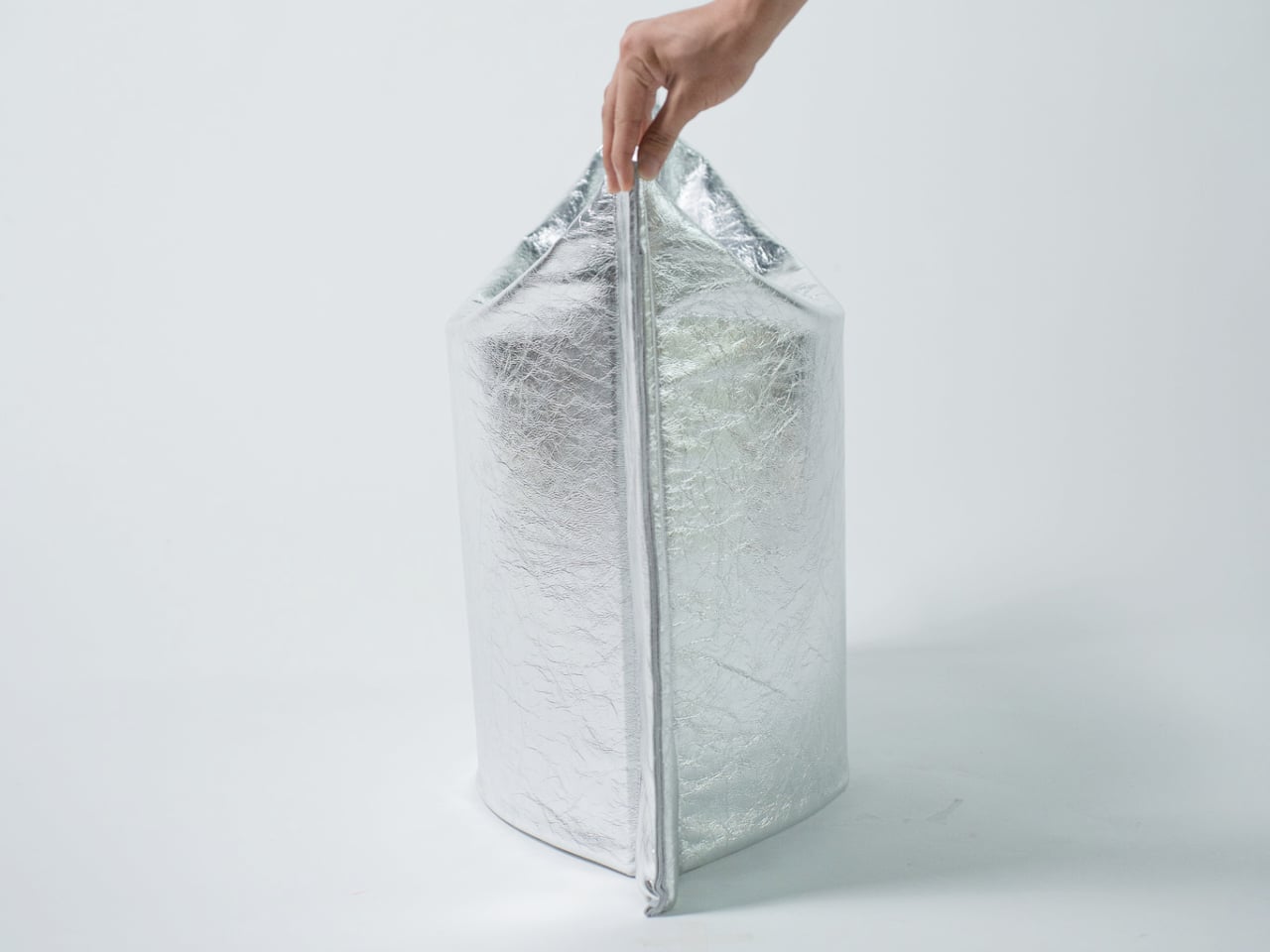
Pressing the form open deploys it into a three-dimensional stool standing 530 mm tall, with two flanking vertical panels and a concave seat formed by the inward curve at the top. No latches, no assembly. The structural resistance comes entirely from the geometry of the fold itself, the way a creased sheet can bear more than expected when compressed along its axis. The fold-generated tension does the structural work that legs and frames usually handle.

That argument holds up as a concept, though the prototype leaves practical questions open. Material identity isn’t explicitly documented, load capacity is unspecified, and the crinkle finish that gives the piece its visual identity is also the surface most exposed to wear. A stool takes more daily abuse than most objects that look like they belong in a gallery, and the long-term resilience of the material composite is untested in any published form.

What’s clear is the conceptual economy. Form follows mechanism follows idea, without detour. Flat objects that become structural through pressing rather than assembly represent a genuinely interesting class of design problem, and the Press Stool makes that problem visible and tangible. How far the logic scales beyond a prototype is the question that follows it out of the studio.

The post This Origami Stool Has No Legs, No Bolts, and Opens With One Press first appeared on Yanko Design.
Coleman’s $200 Cooler Chills for 2 Days, Folds Flat in 10 Seconds

Coolers are great until the trip ends. Then they become a large, oddly shaped object that takes up the entire trunk on the way home, sits on the garage floor for a month, and eventually gets shoved into whatever corner will take it. For apartment dwellers especially, owning a full-sized hard cooler is less a convenience and more a spatial negotiation that rarely ends well.

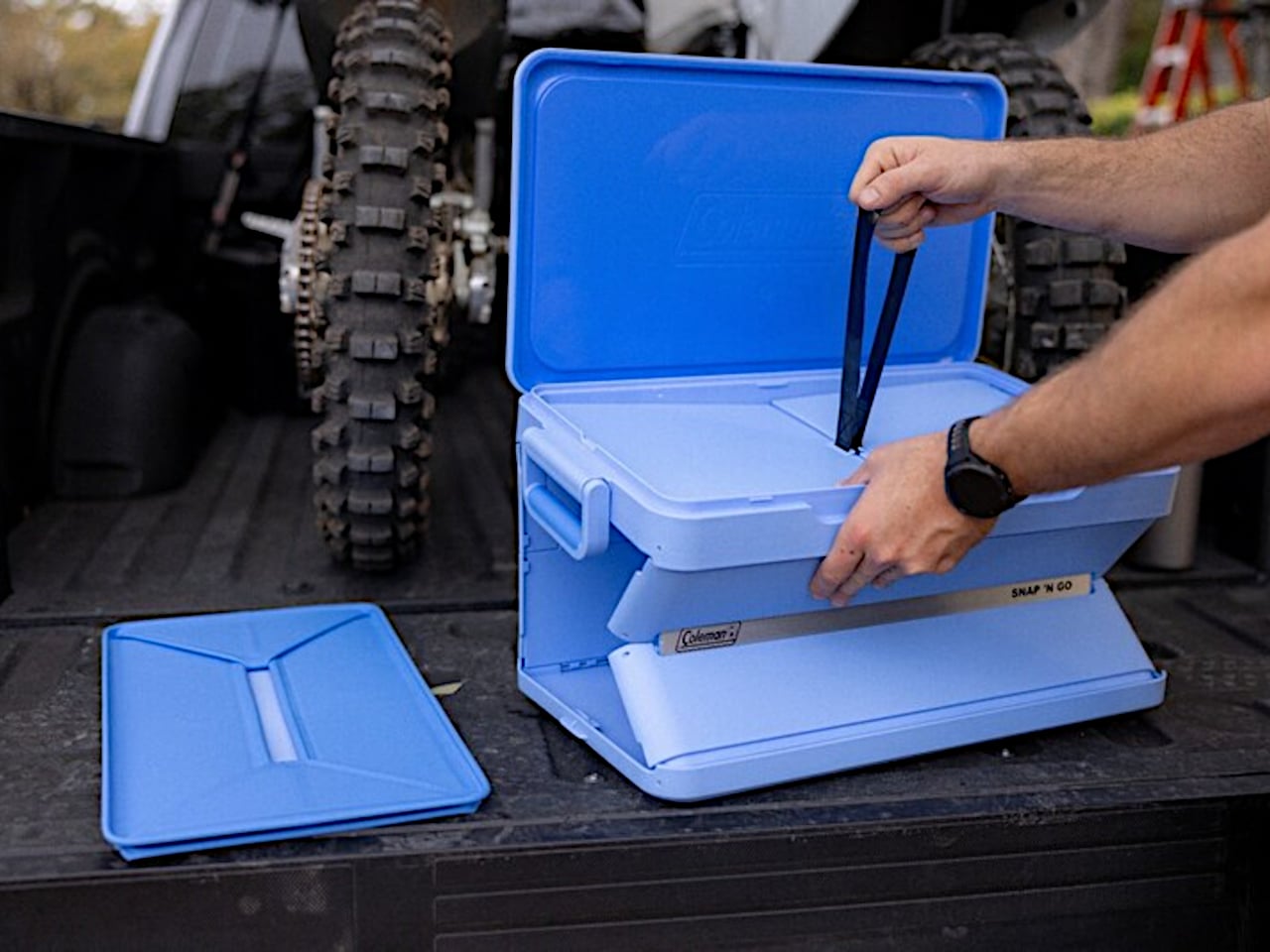
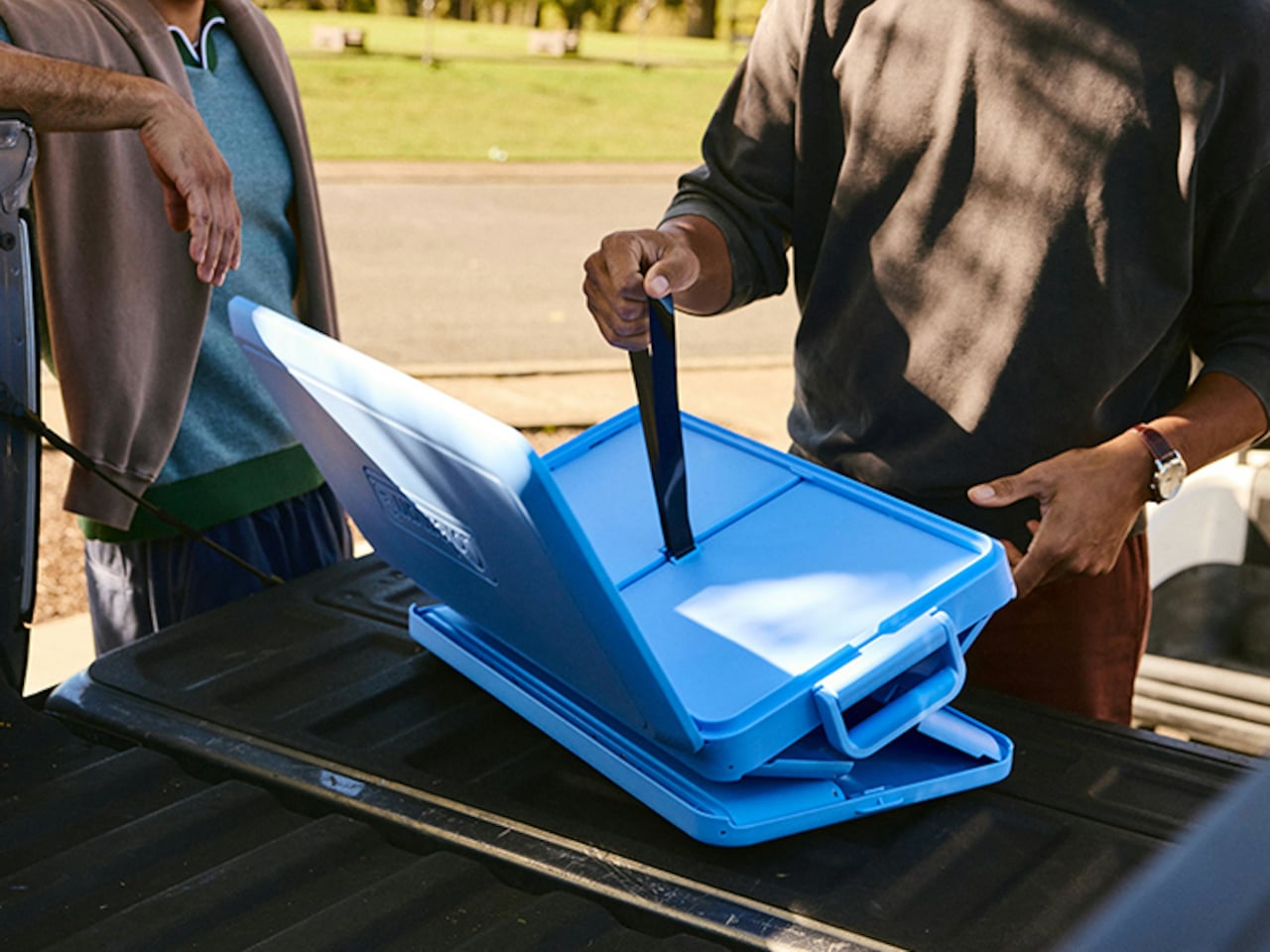
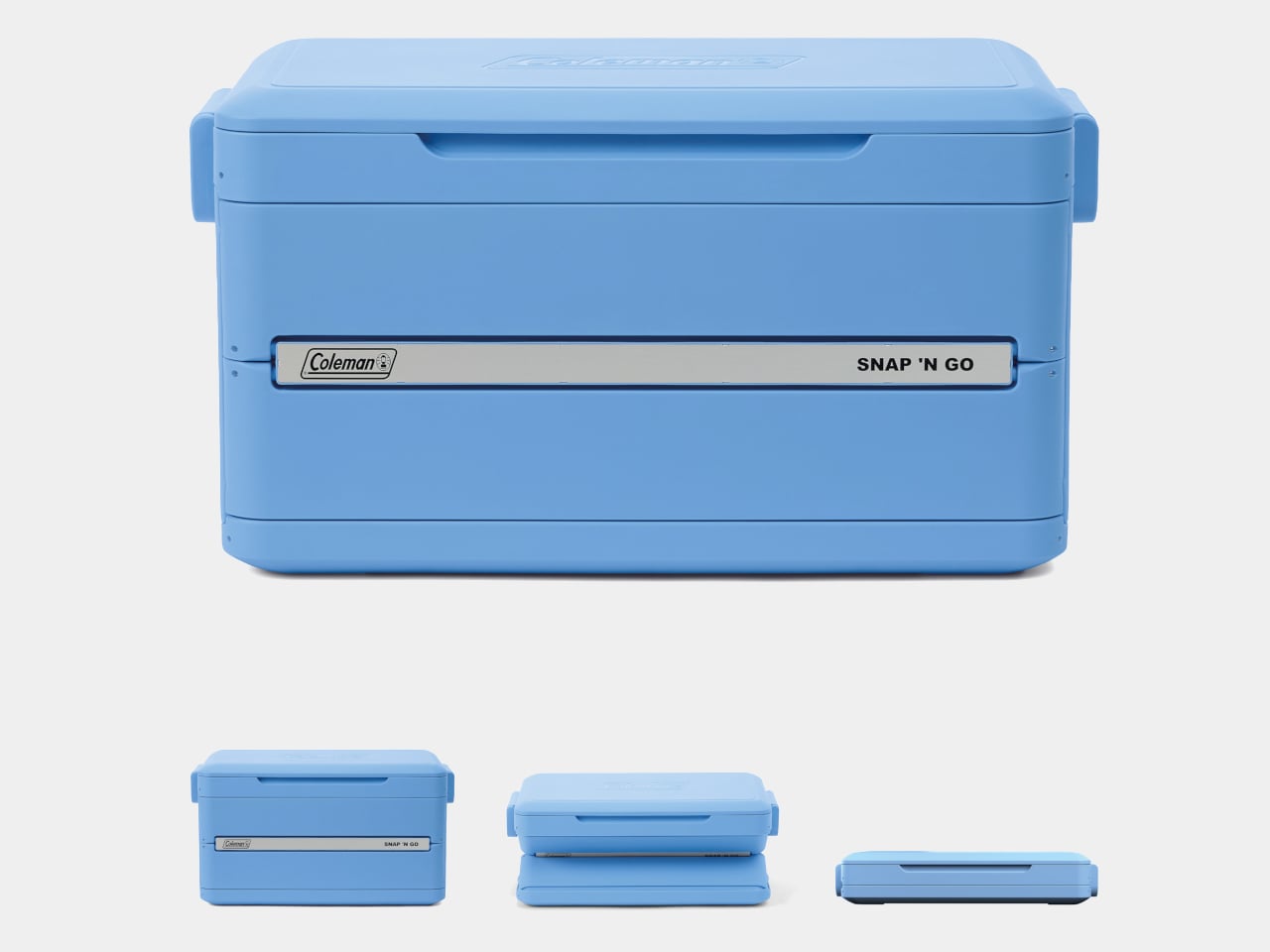
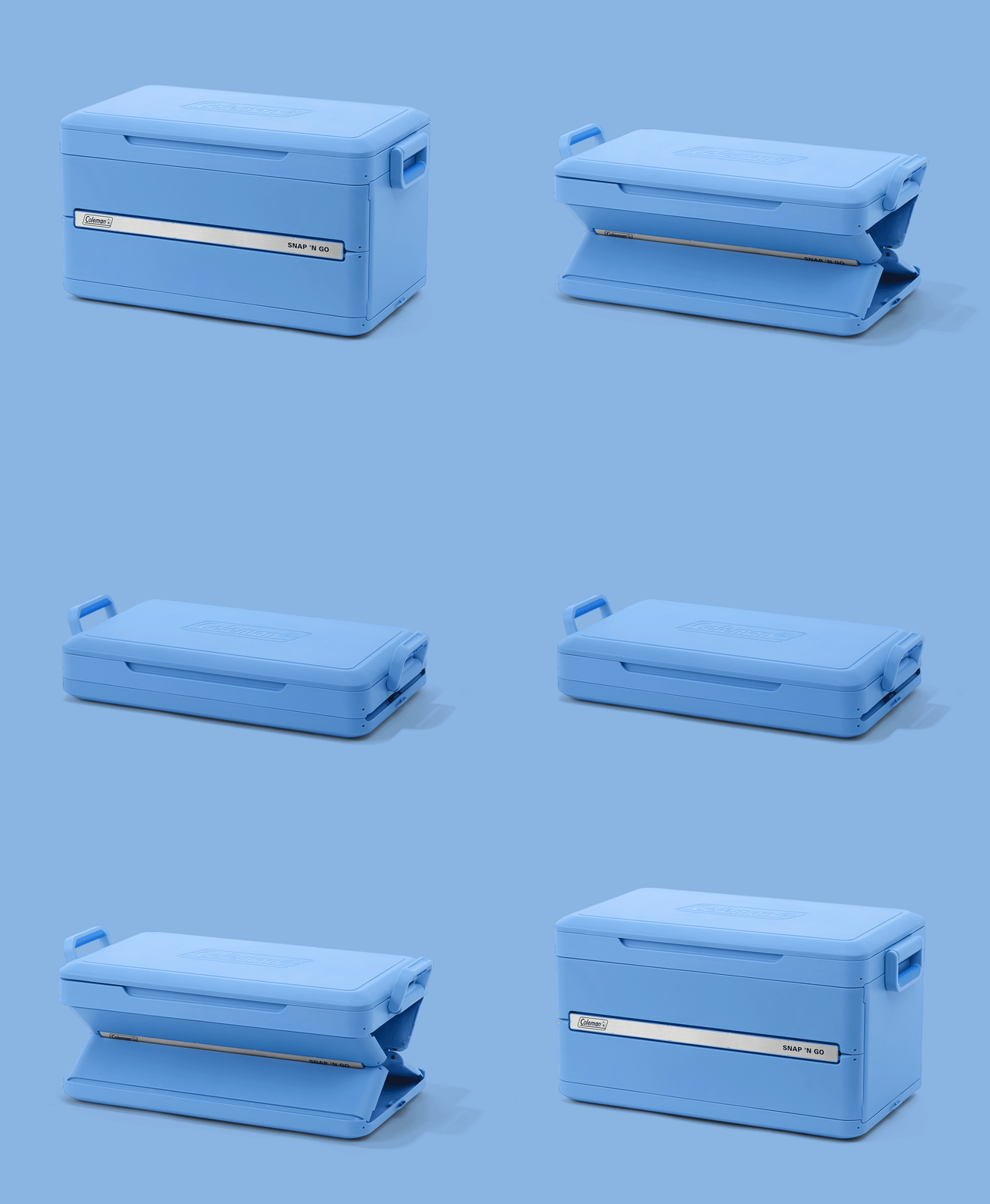
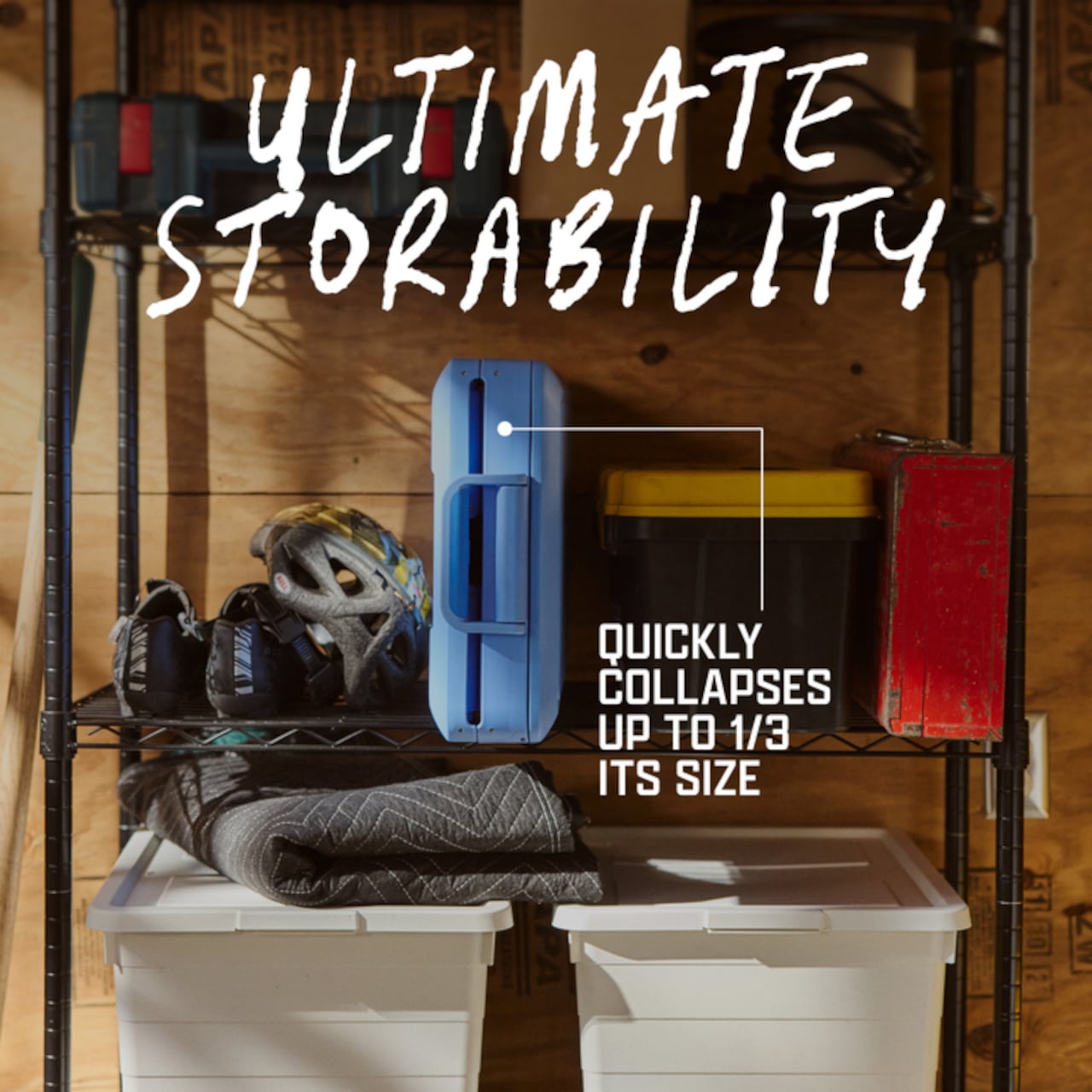
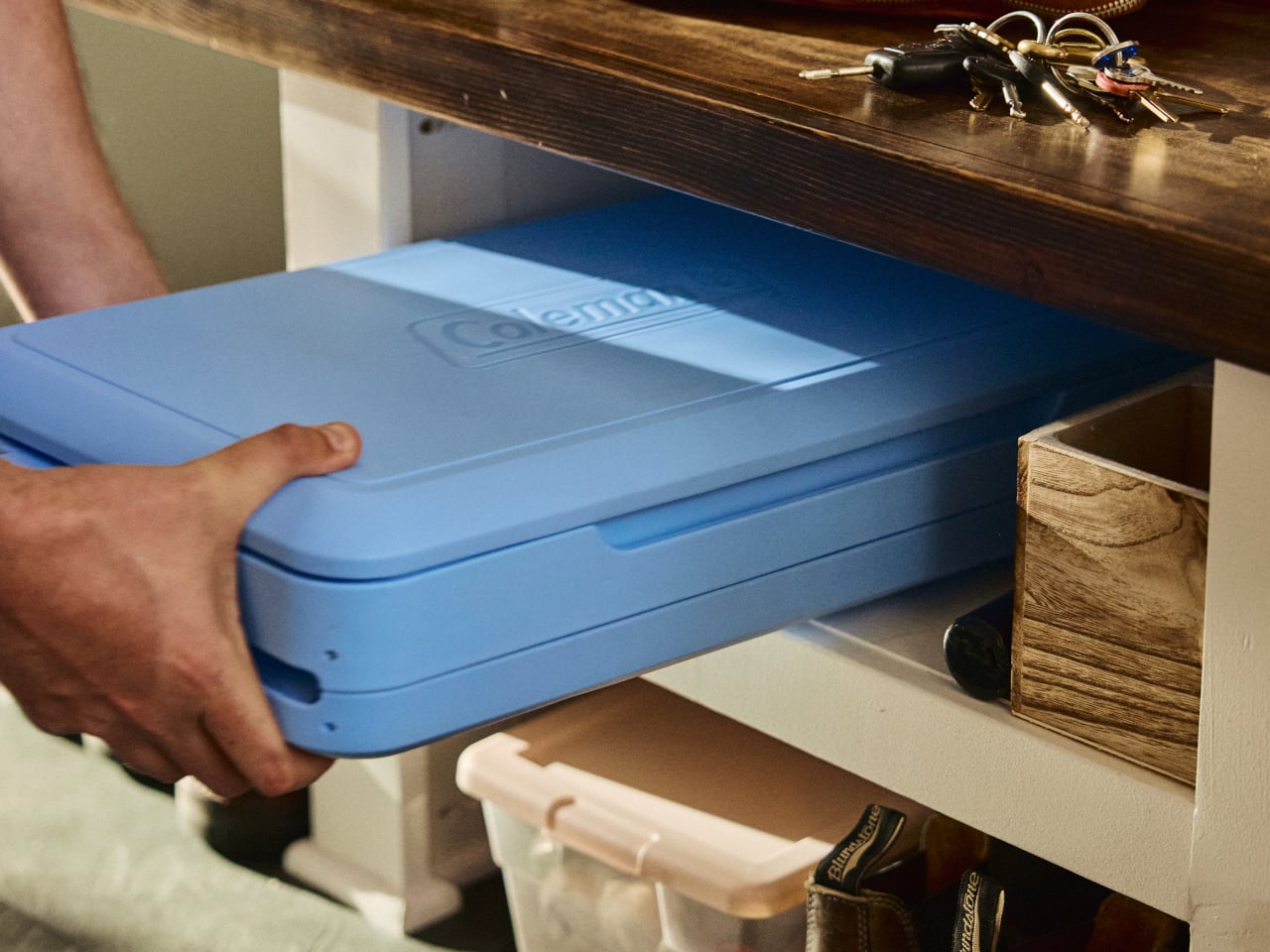
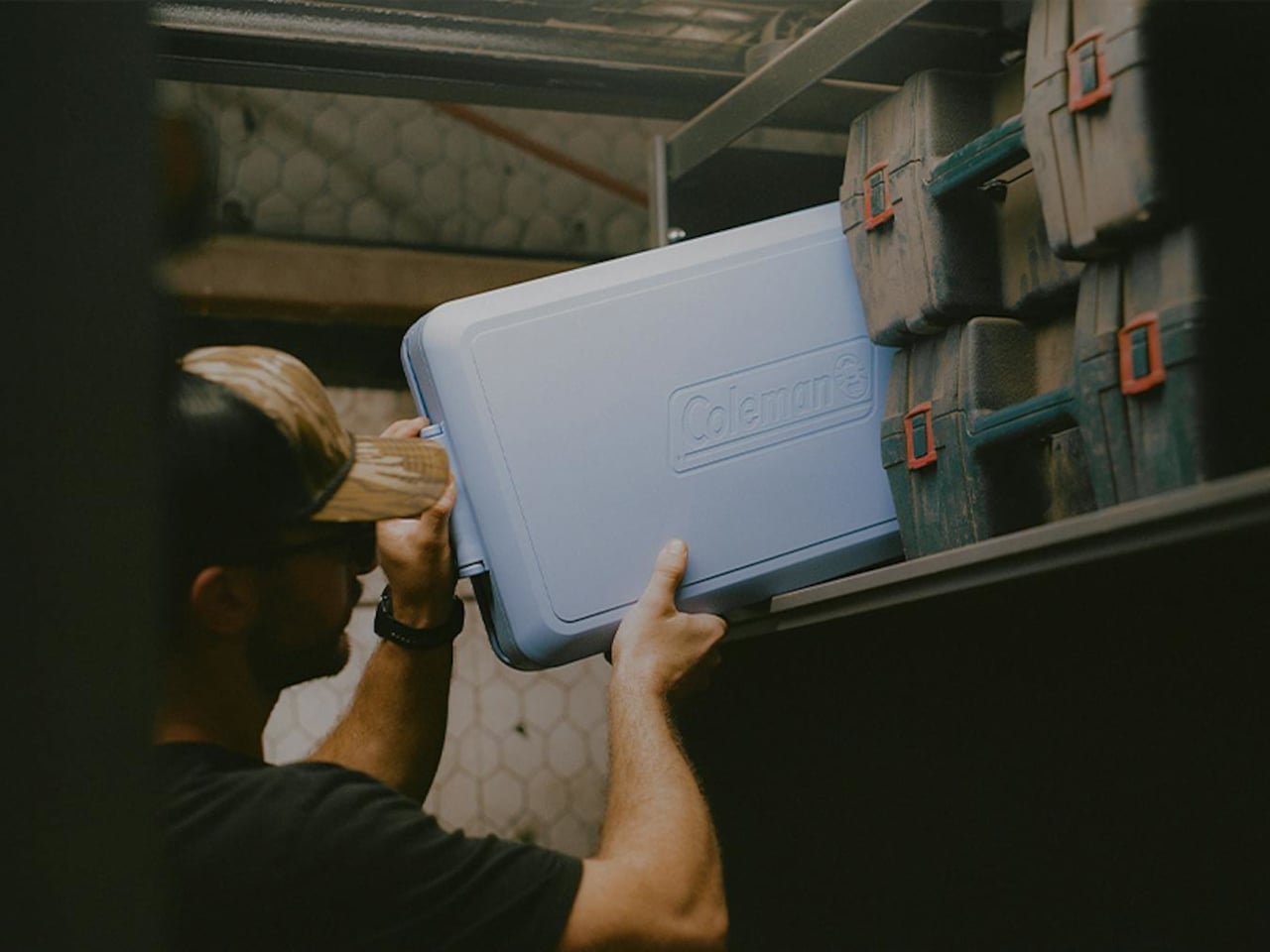
Coleman’s Snap ‘N Go is a hard-sided cooler with a patent-pending collapsible design that compresses to one-third of its open volume in under 10 seconds. The mechanism borrows logic from folding storage crates: the body panels snap down in sequence, and the removable interior liner folds flat and stows inside the lid. What was a full-sized cooler becomes a flat slab thin enough to slide under a bed or stand upright on a shelf between uses.

Designer: Coleman

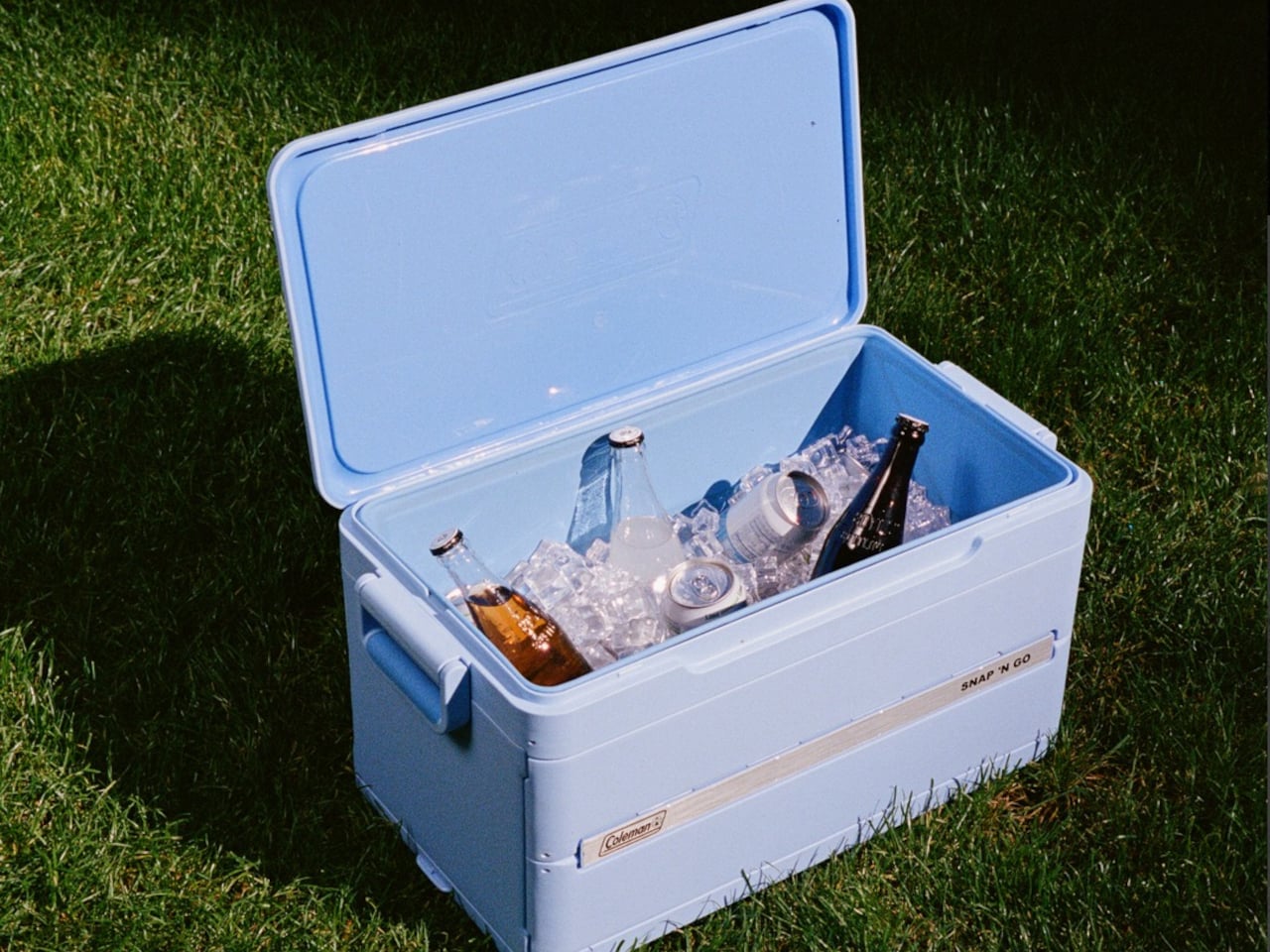
The construction is hard polypropylene, which matters more than it sounds. Soft collapsible coolers already exist, but they sacrifice insulation to achieve that flexibility. The Snap ‘N Go maintains a fully insulated lid and body, rated to hold ice for up to 64 hours. That’s two full days of cold retention from something that, an hour later, disappears into a closet, which is a combination the soft-sided category has never managed.

1

Setup works in reverse, just as quickly. From flat storage to loaded and latched takes under 10 seconds, and the removable liner handles watertight containment once the body is expanded. The liner also makes post-trip cleanup more manageable, since it pulls out separately rather than requiring the whole cooler to be rinsed out and dried upright somewhere. It’s a small detail, but one that addresses one of the more tedious parts of cooler ownership.

Three sizes cover most group sizes: 35 qt at $200, 45 qt at $220, and 55 qt at $240. The 55-qt model holds up to 93 cans without ice and supports 200 lbs. when expanded, though Coleman is careful to note it isn’t intended as a seat. Handles are designed to accommodate both carry orientations, vertical when the cooler is collapsed flat and horizontal when it’s fully open and loaded.

The one question the design raises, and doesn’t fully answer yet, is how the collapsible mechanism ages. The hinges, panel connections, and liner attachment points are all doing repetitive work that a standard molded cooler body never has to perform. Coleman backs it with a three-year limited warranty, which covers the expected lifespan question in practical terms but doesn’t tell you much about what happens in year four after a few dozen collapse cycles on a tailgate.

The post Coleman’s $200 Cooler Chills for 2 Days, Folds Flat in 10 Seconds first appeared on Yanko Design.
This portable dish rack can collapse down to 1.2 inches in just a second

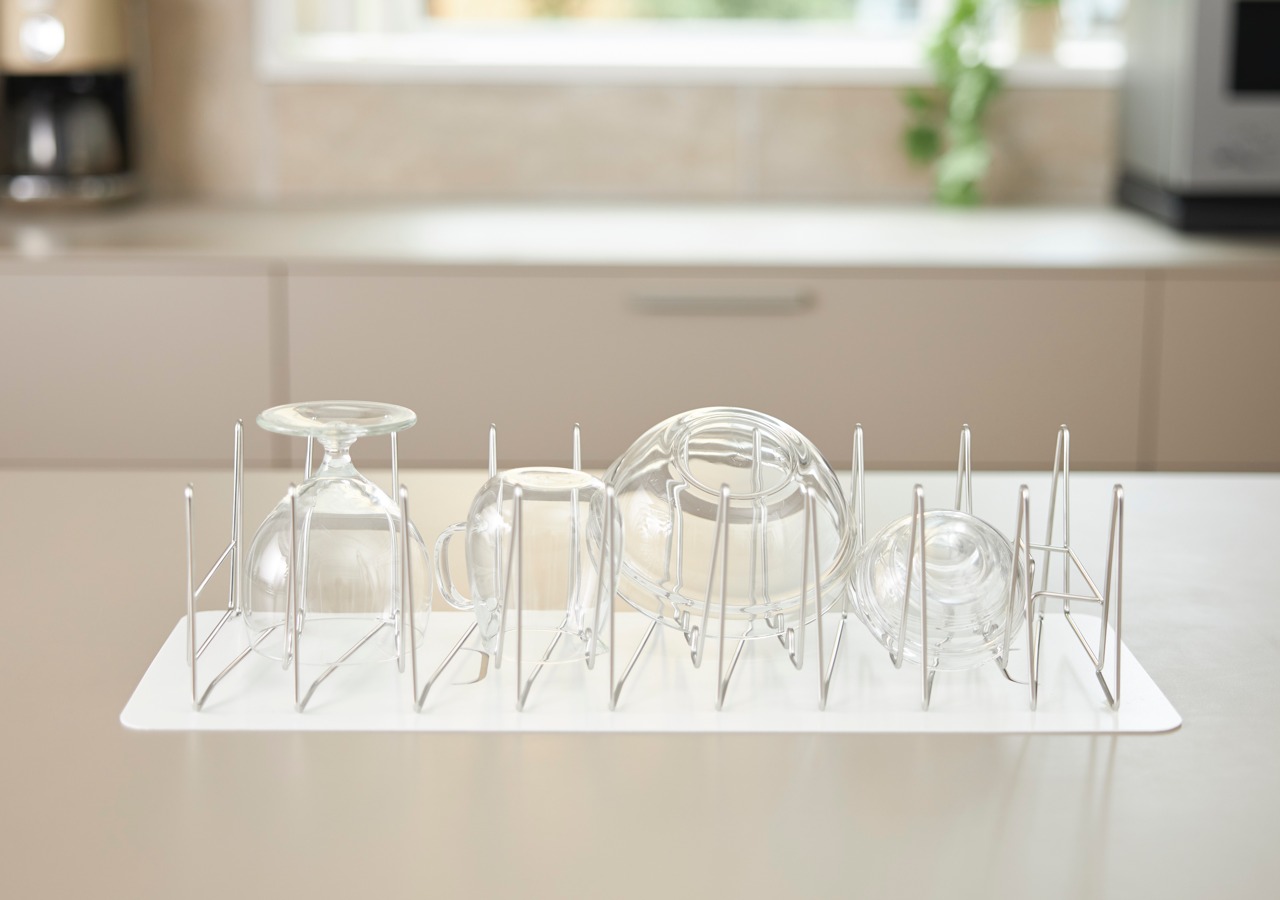
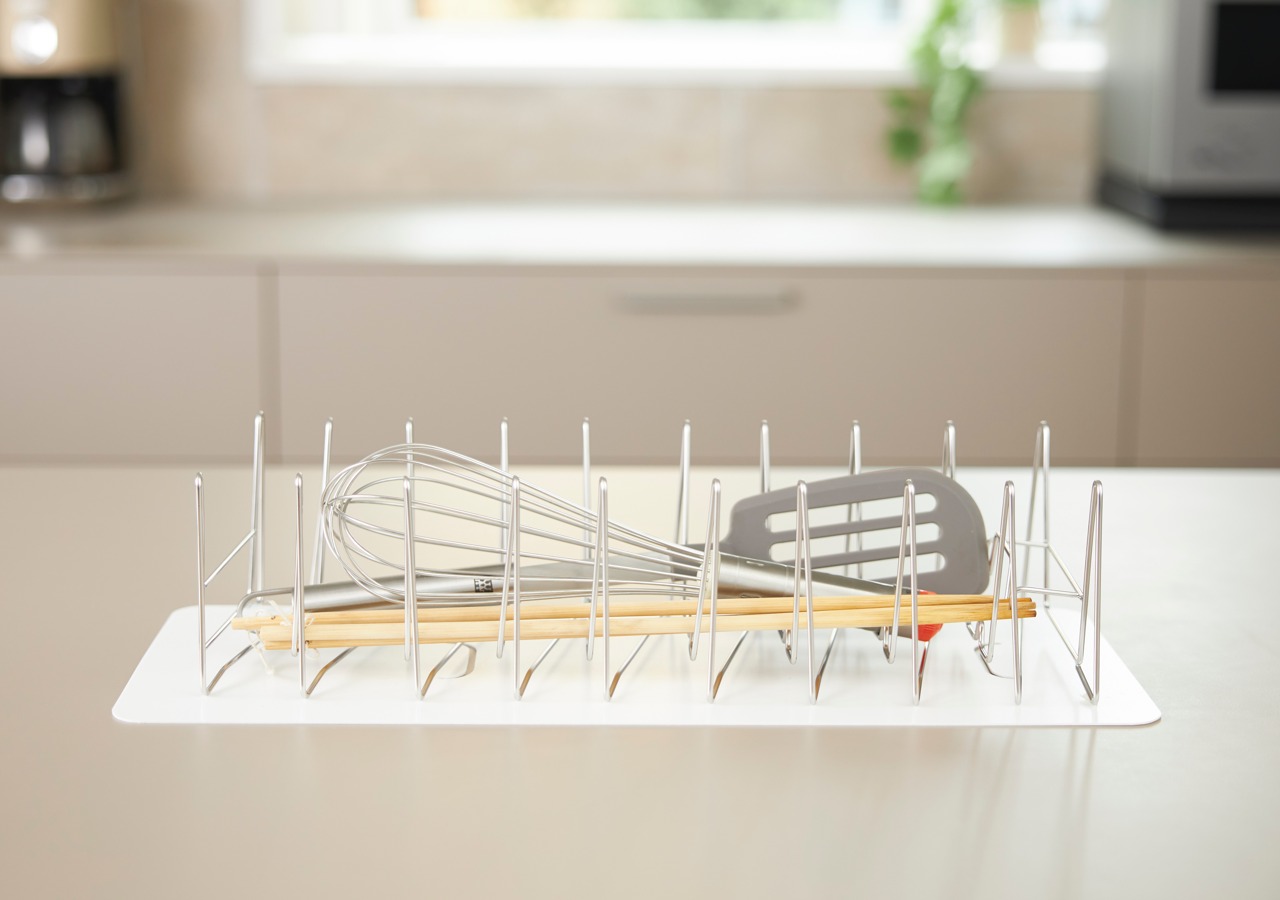
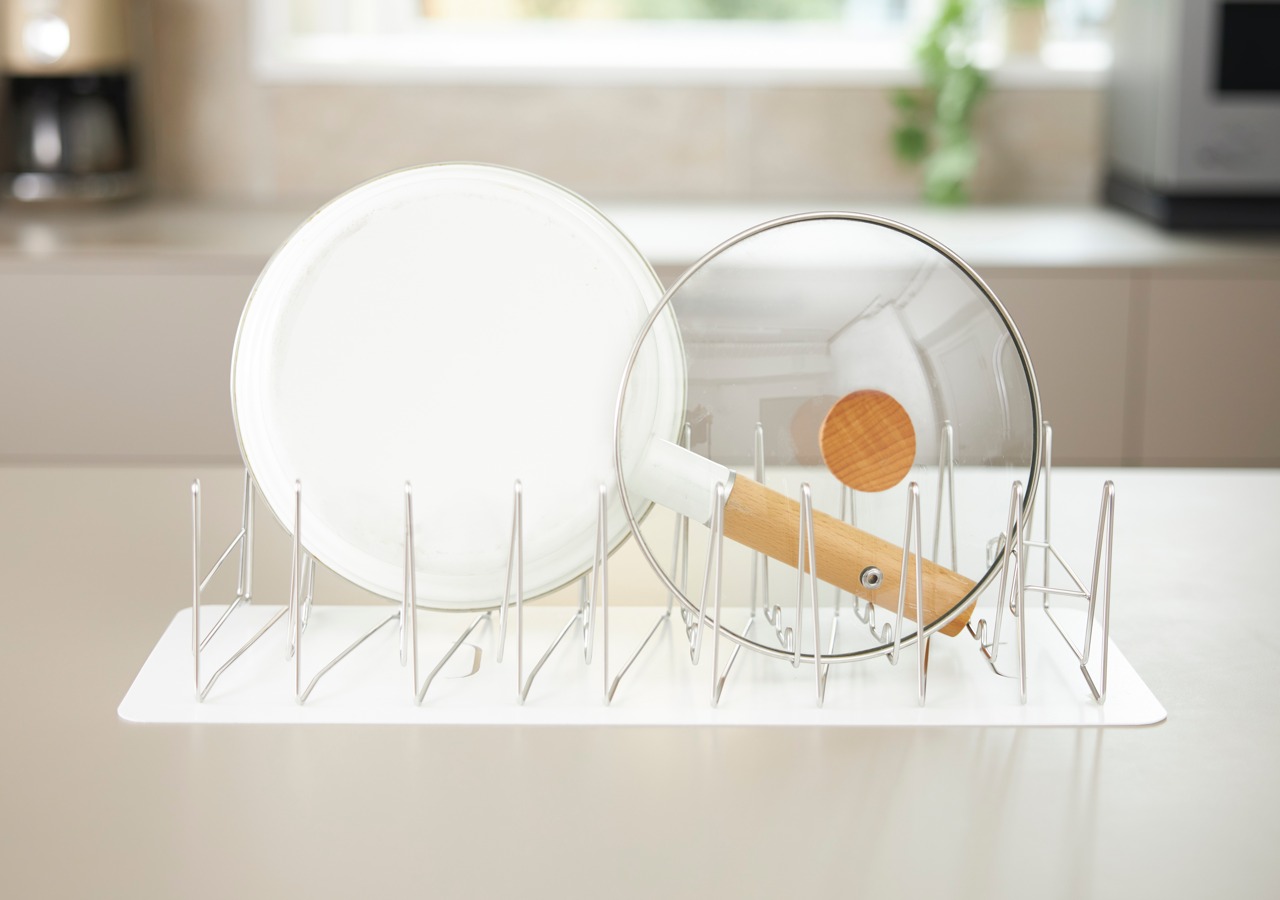
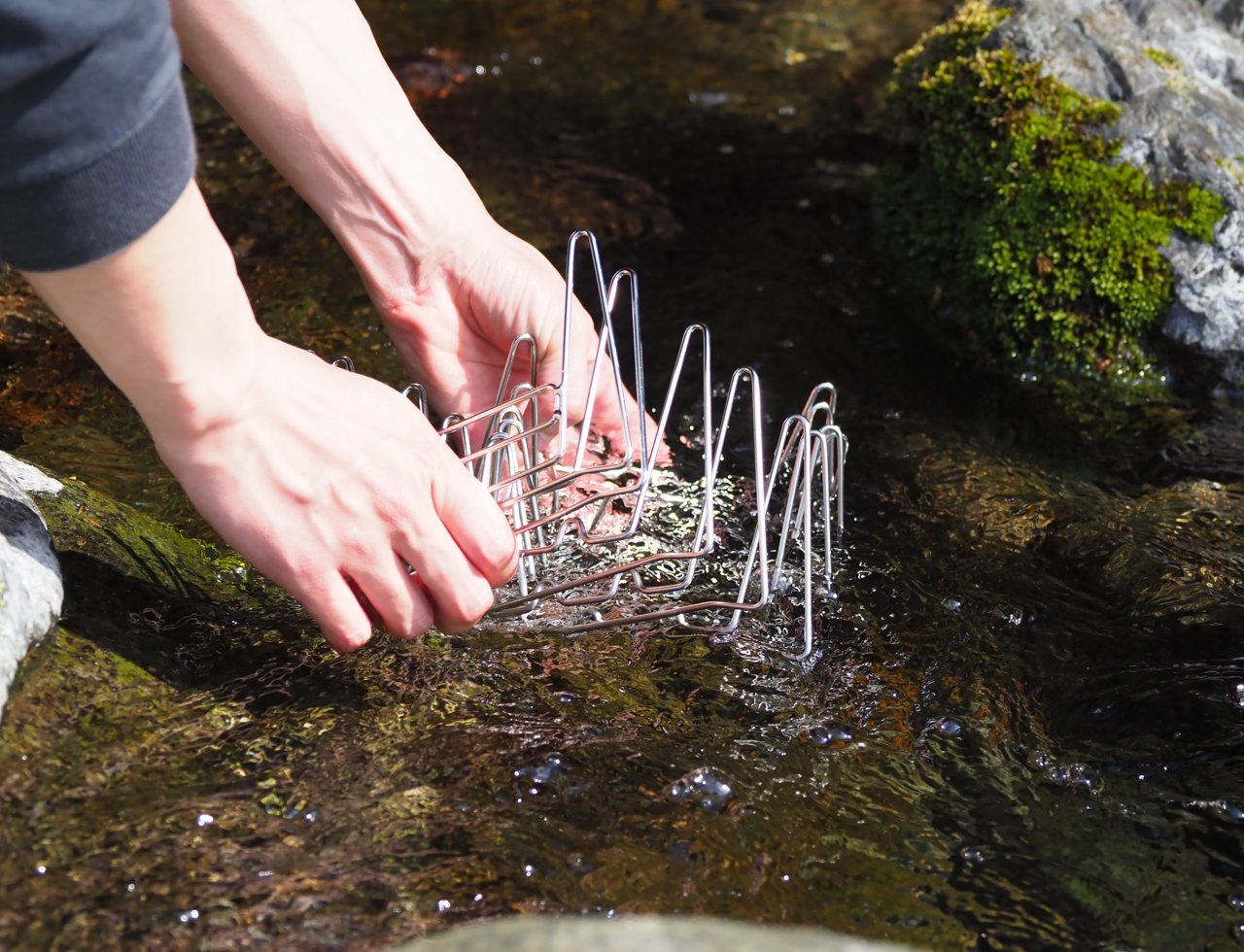
It’s easy to take for granted how much space things take up in the kitchen until you find yourself suddenly running out of places to put stuff. Some kitchen appliances and furniture might be non-negotiable, but other tools and fixtures could probably do a bit of rethinking. Some of them might be redundant, while others don’t even have to be out of the closet all of the time, especially when they’re not in use. A dish or draining rack, for example, doesn’t serve a purpose once all the tableware has been stored away, but most of them still take up precious space anyway. Not to mention, you can’t easily bring a dish rack with you when you go camping because of their very fixed forms. This rather novel rack, however, fixes all those problems by implementing a collapsible design that will let you easily put the draining rack away once its job is done.

Designers: Sugata Mono Studio for Ishikawa

Click Here to Buy Now: $68 $75 (10% off at checkout). Hurry, Easter sales end in 48 hours.

Truth be told, there aren’t a lot of things in the kitchen that can be put away after use aside from tableware, utensils, and cookware. That’s why there’s always a need to optimize the space being occupied by tools and equipment, which requires a bit of creative thinking and design. You won’t always be drying wet plates and pots, for example, so having a permanent draining rack might not be the greatest idea for some kitchens. In theory, it’s something that you should be able to take out and put away as needed, just like other tools, but the convention just so happened to use rigid designs made of plastic, metal, or wood.

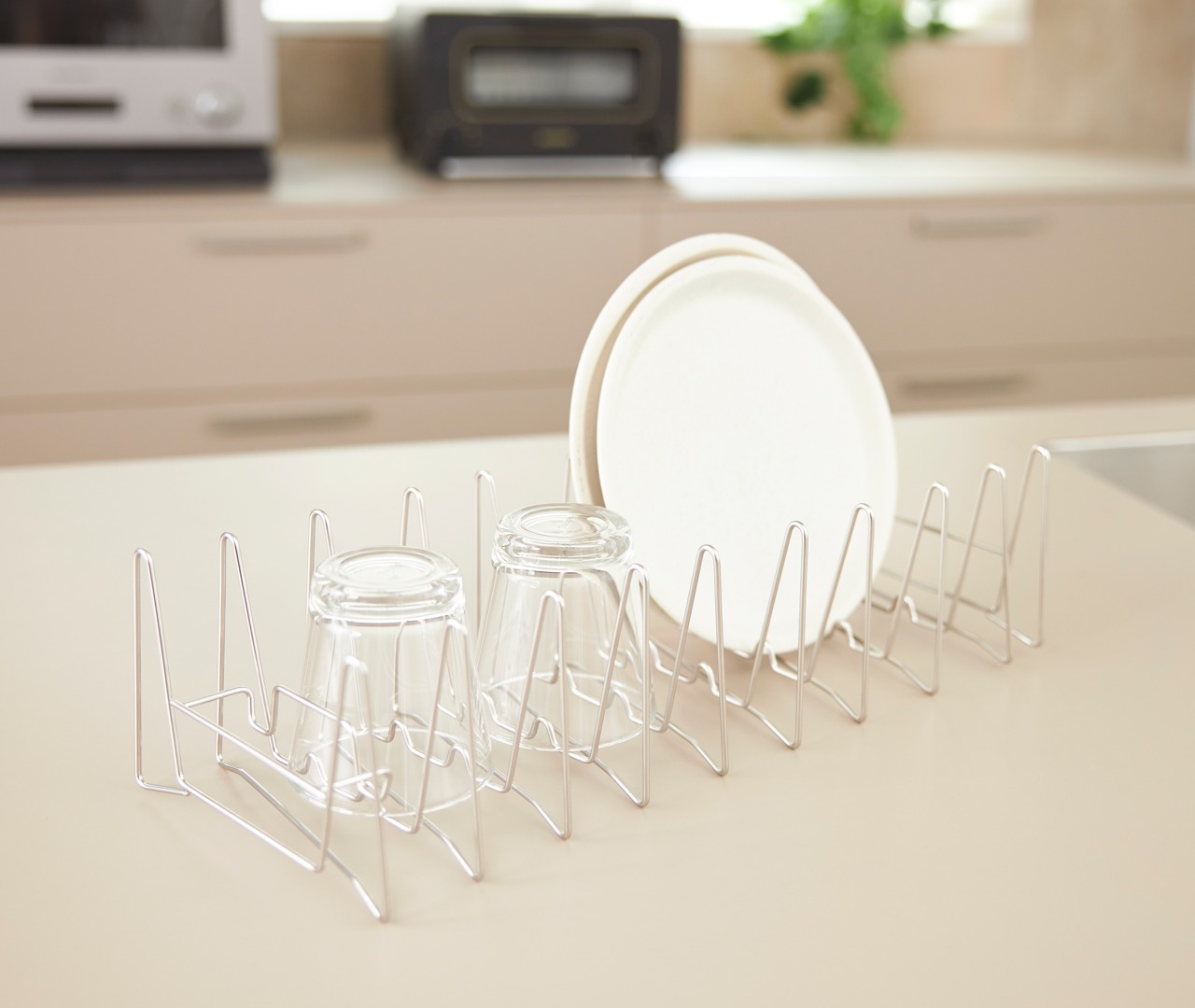
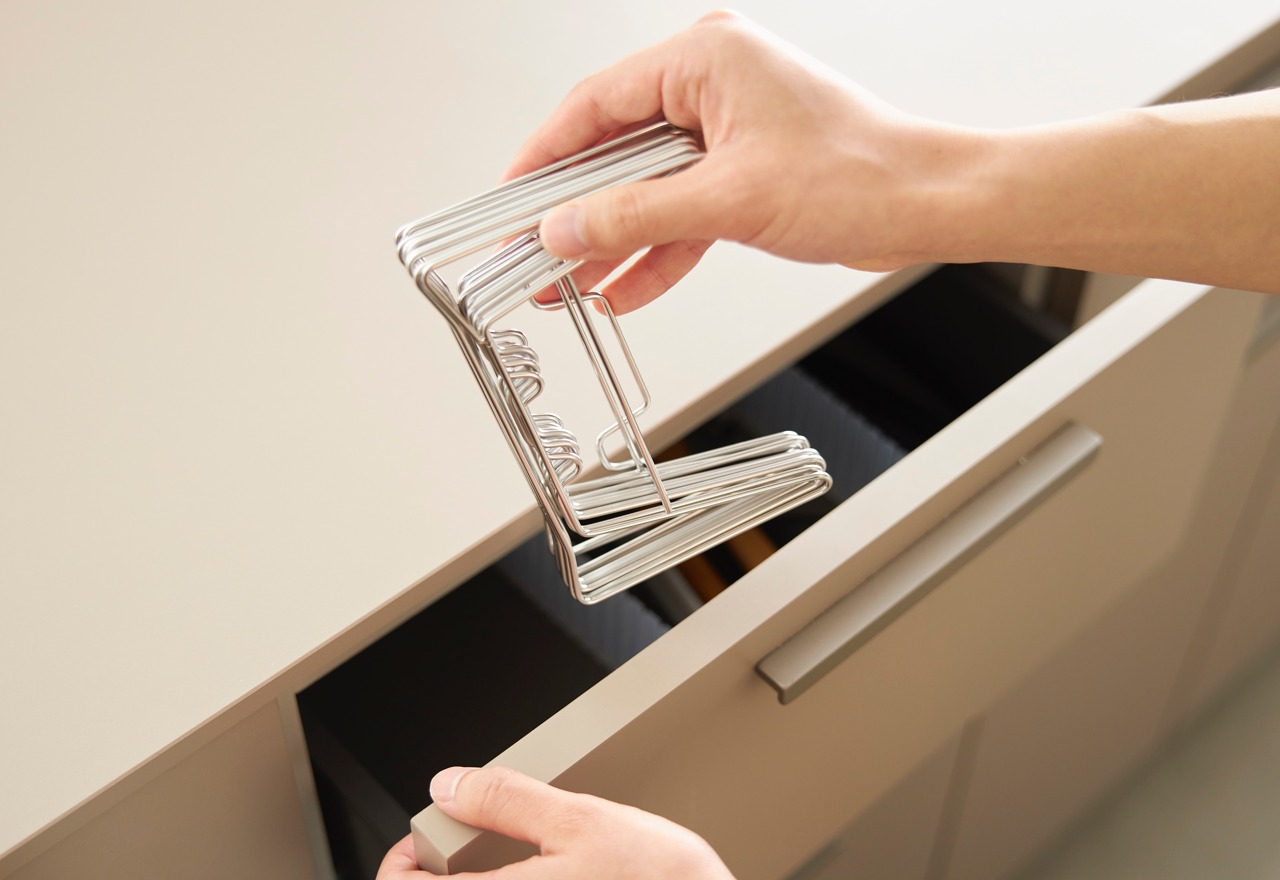
This collapsible draining rack throws that convention out the window to save you space in the kitchen and make it more convenient to have meals outdoors. It uses a patent-pending spring system that gives the rack an accordion-like design, allowing you to expand it to a full 14″ (36cm) length or shrink it down to just 1.2″ (3cm). The best part is that the mechanism is so easy and smooth that you can do that in just a second.

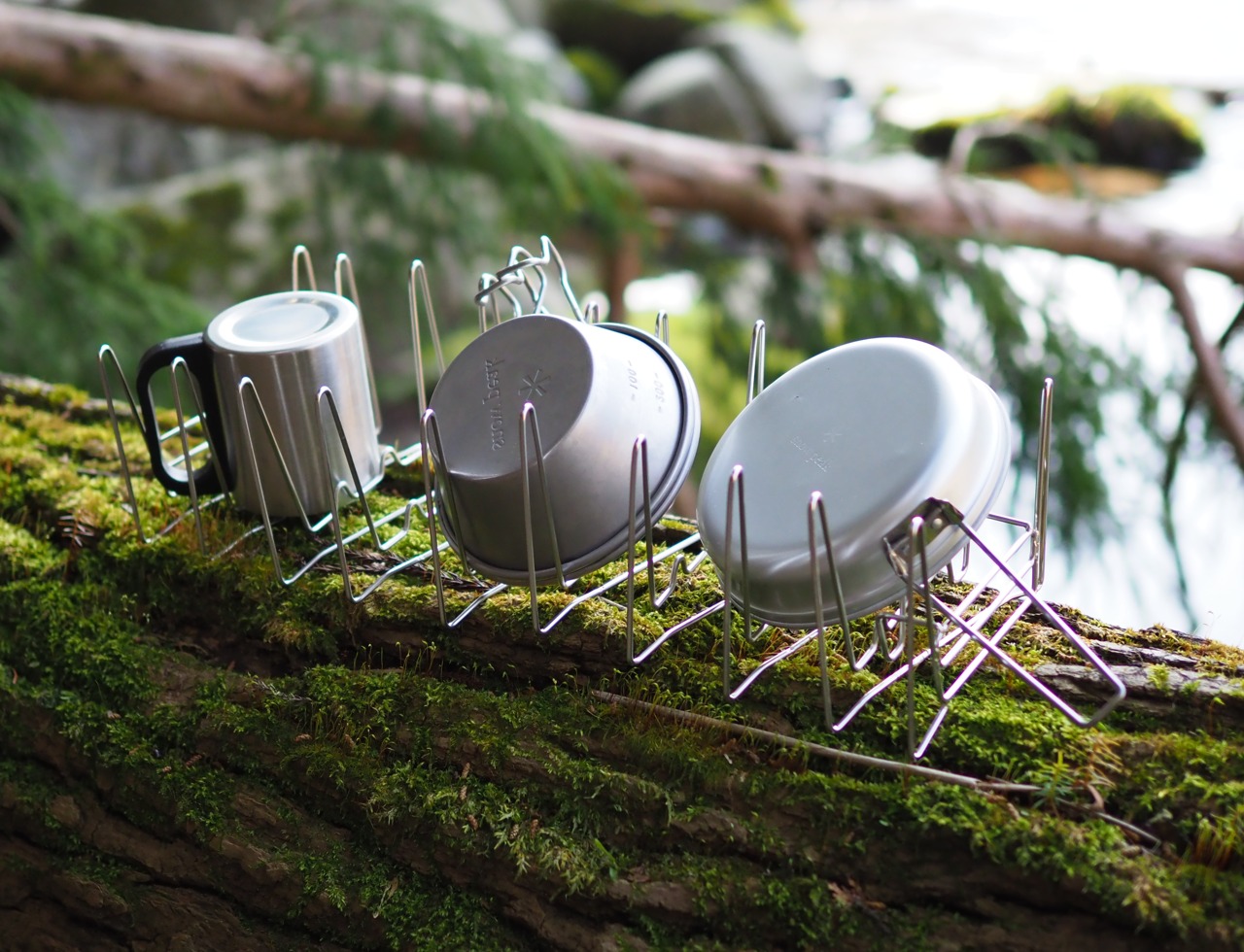
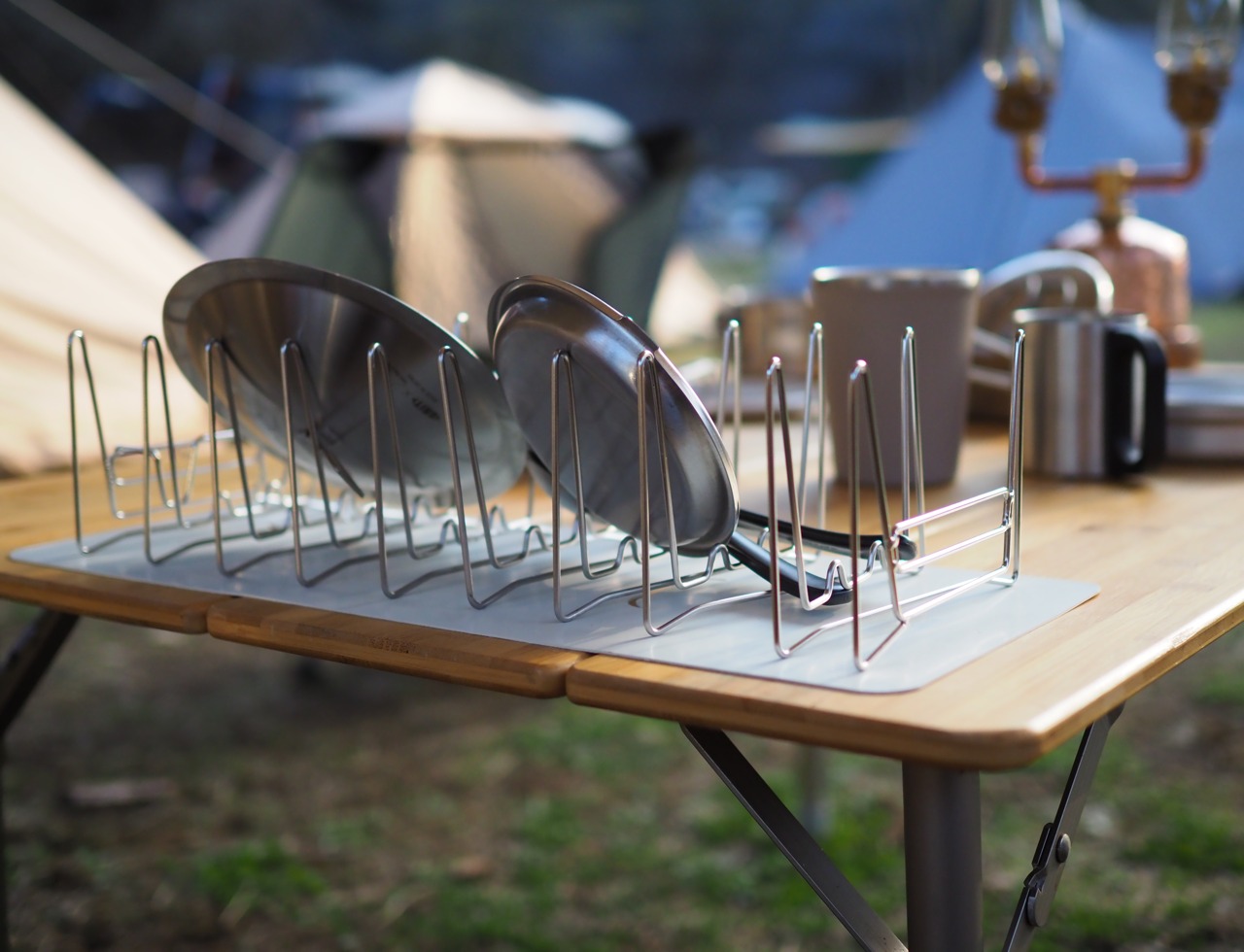
It’s a simple design change, but one that has massive implications. You don’t have to reserve space in your kitchen for a draining rack and can use any flat surface as an ad hoc area. Once you’re done, simply collapse the rack and then shove it in a drawer. It also means it’s easy to transport so you can have the same experience while camping outdoors. The rack is so light and slim that you can actually carry it in your pocket. You don’t even need a flat surface since the rack’s design lets it conform to curved or uneven objects like tree trunks and boulders.

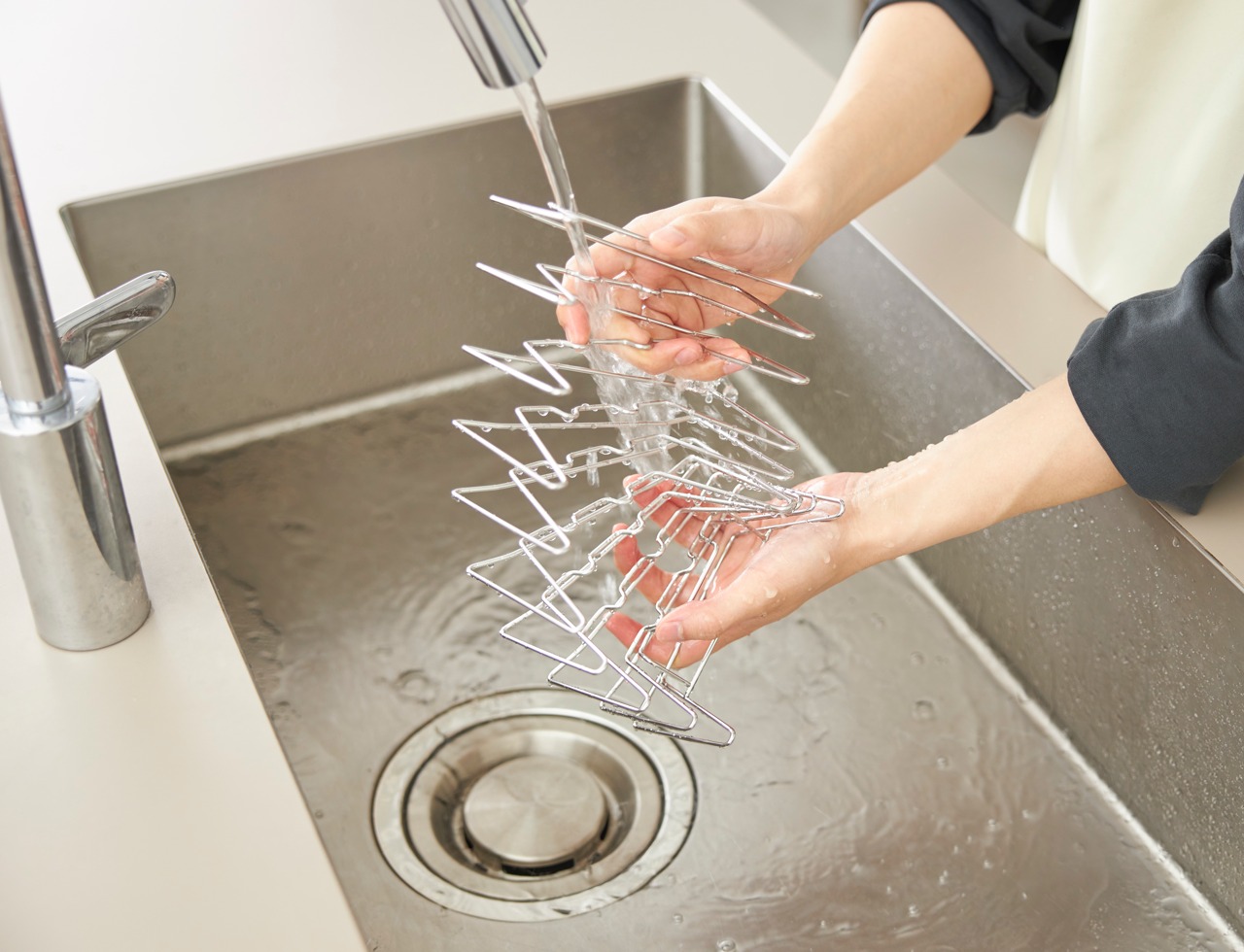
Despite that form-changing design, this collapsible draining rack is still made for durability and reliability, with SUS304 stainless steel parts that are resistant to rust and scratches. The shape that each wire rod takes is intentionally simple to reduce the chances of dirt accumulating in hidden nooks and crannies. And if you’re not that confident in your manual washing skills, the collapsed rack can just as easily be cleaned inside a dishwasher. Whether you’re drying plates or pots indoors or outdoors, this accordion-like collapsible draining rack delivers a simple yet effective tool that gets out of the way once its job is done.

Click Here to Buy Now: $68 $75 (10% off at checkout). Hurry, Easter sales end in 48 hours.

The post This portable dish rack can collapse down to 1.2 inches in just a second first appeared on Yanko Design.