This $119 Ultrasonic Cutter Sense Materials And Auto-Adjusts To Cut EVA Foam, Resin, PLA 3D Prints

There are power tools, and then there are smart tools. A power tool gives you brute force; a smart tool gives you controlled, consistent results. Think of a simple drill that just spins versus one that manages its own torque to avoid stripping a screw. For delicate work like trimming EVA foam for a cosplay project or cleaning up support structures on a 3D print, you definitely want the smart one. The problem is, most handheld cutters are pretty basic, giving you one speed and just hoping for the best.

The SonicMax Slice 10 is aiming for that higher IQ. It’s a cordless ultrasonic cutter that senses the material you’re cutting and adjusts its own power output in real time. Slice through dense plastic and it pushes harder; trim the thin walls of a resin print and it eases back. This adaptive system, combined with cooling that prevents heat-related power drops, makes it feel like proper workshop equipment in the palm of your hand. It runs at 40kHz, delivers up to 50 watts of dynamic peak power, and does all of this without a single cable getting in your way.

Designer: SonicMax

Click Here to Buy Now: $119 $215 (45% off). Hurry, only 13/500 left! Raised over $124,000.
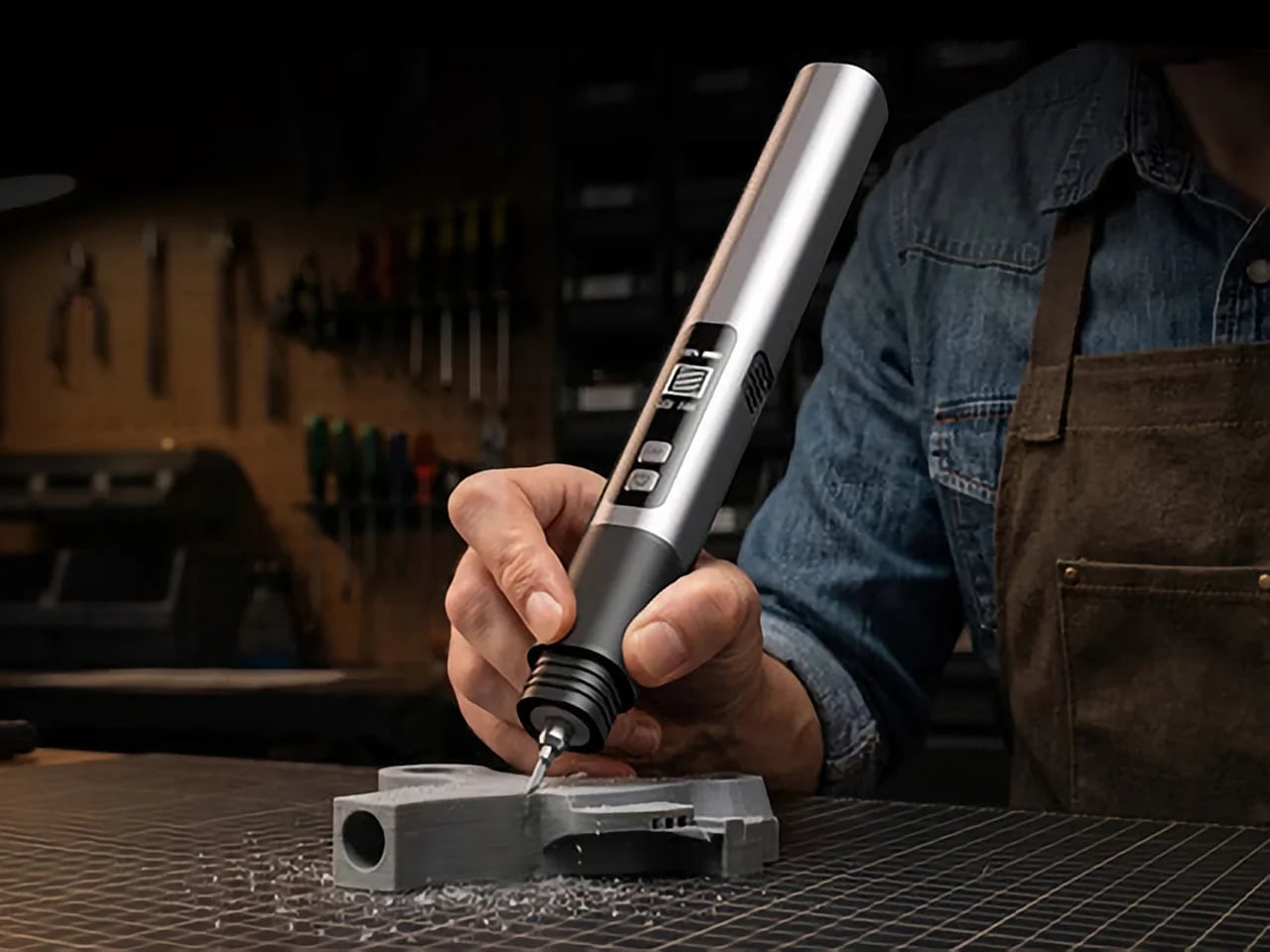
Most ultrasonic cutters on the market use transducers with a mechanical quality factor, or Qm, somewhere between 150 and 250. A higher Qm means the transducer converts electrical energy into vibration more efficiently, which directly translates to less heat generated during use. SonicMax claims a Qm of over 500 for the Slice 10, and lab data backs that up with a verified measurement of 541.1. That’s roughly two to three times higher than a typical competing tool, and it’s the foundational reason the Slice 10 can sustain longer sessions without thermal drama. That single transducer decision cascades into everything else, from runtime and cut quality to how comfortable the tool actually stays in your hand.

As the blade meets resistance, the Slice 10’s Smart Material Auto-Detection reads that feedback and adjusts power output and vibration frequency without you touching anything. Cutting through a stiff chunk of EVA foam feels different from trimming the thin walls of a resin print, and the tool responds to each material accordingly. You’re not locked into a fixed setting that works okay for most things but perfectly for nothing. The system also preserves cut quality across a long session, where material resistance can shift as the blade warms. The result is consistent cuts from the first pass to the last, regardless of what you’re running the blade through.
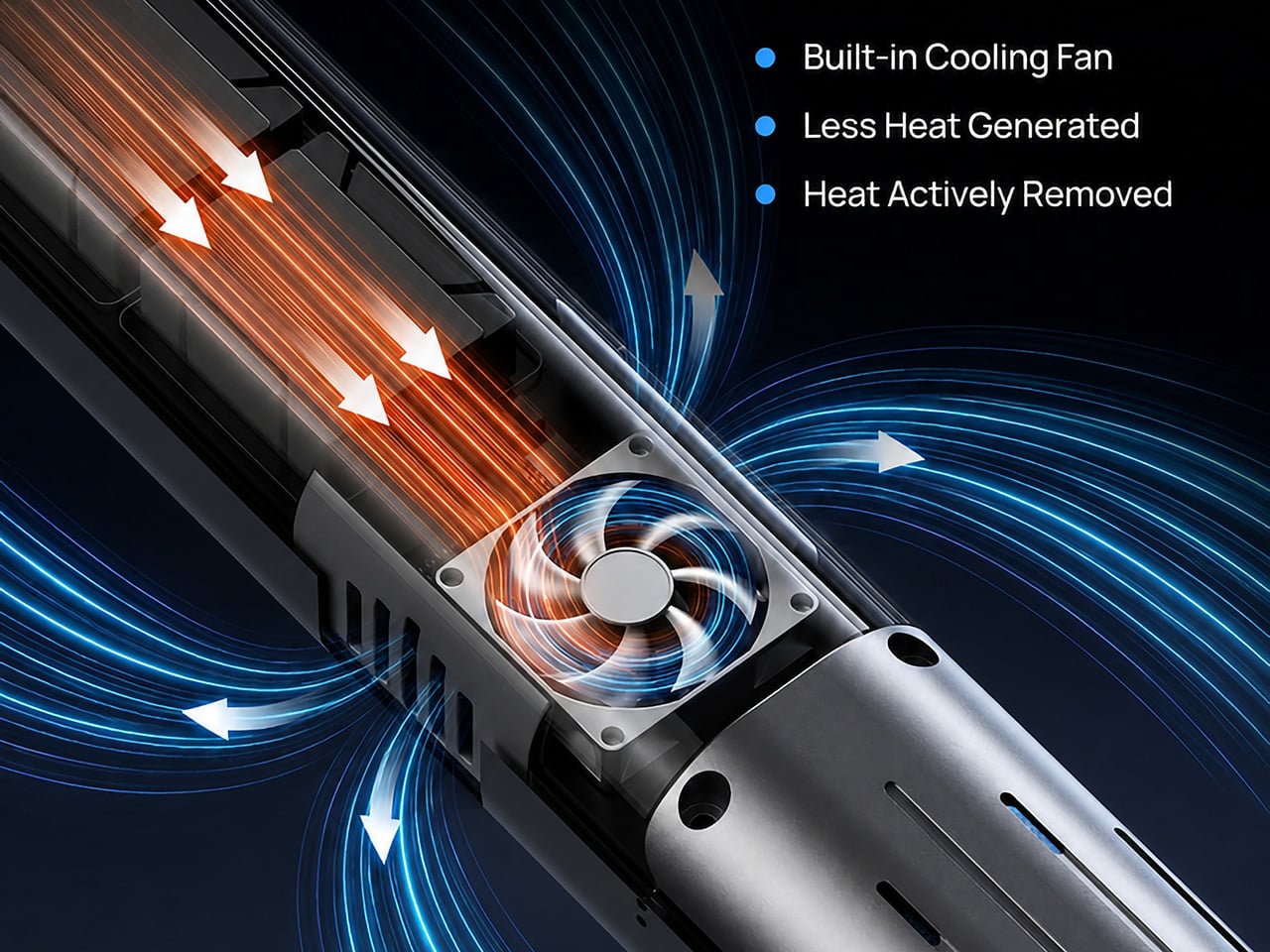
Heat is the reason most cordless ultrasonic cutters force you to stop every five to ten minutes, and the Slice 10 attacks that problem from two directions. Corded bench tools sidestep this issue by drawing steady power and dissipating heat more easily, but you give all of that up the moment you cut the cord. The high-efficiency transducer generates less heat from the start, and the built-in active cooling fan manages whatever thermal load does build up during a session. Overheat protection kicks in automatically at 80 degrees Celsius at the motherboard level, so the tool protects itself without you having to babysit it. You only appreciate how good this is after you’ve spent a session on a cutter that kept shutting itself off on you mid-cut.
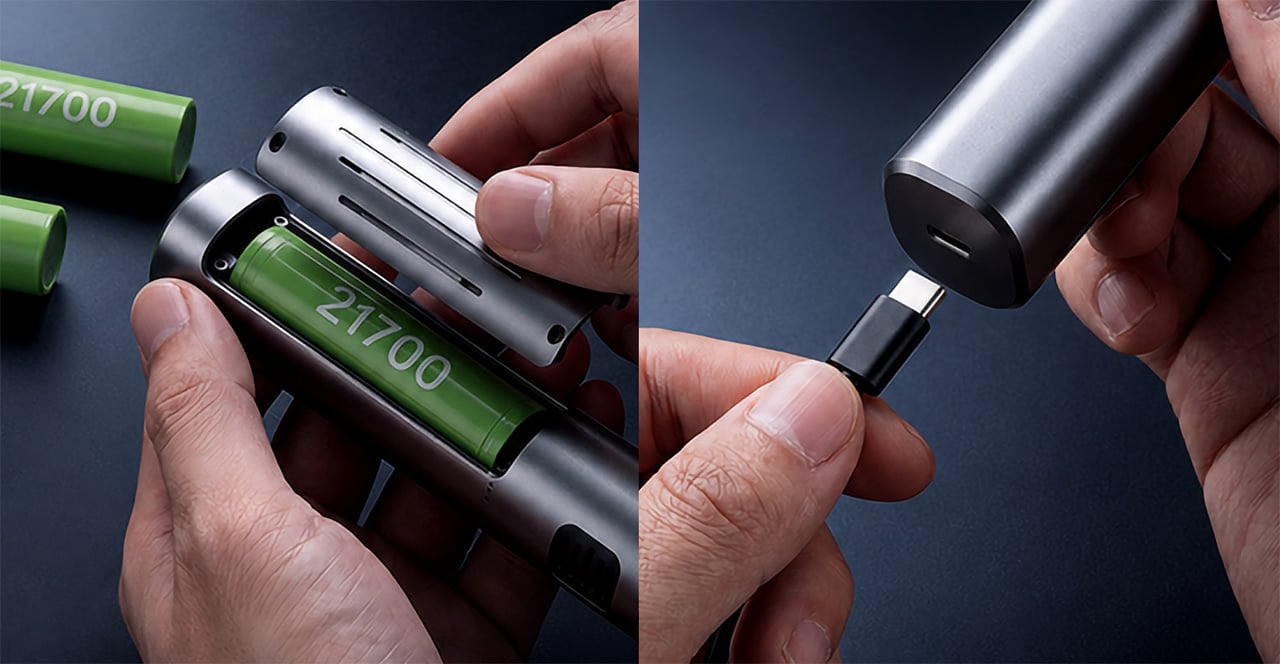
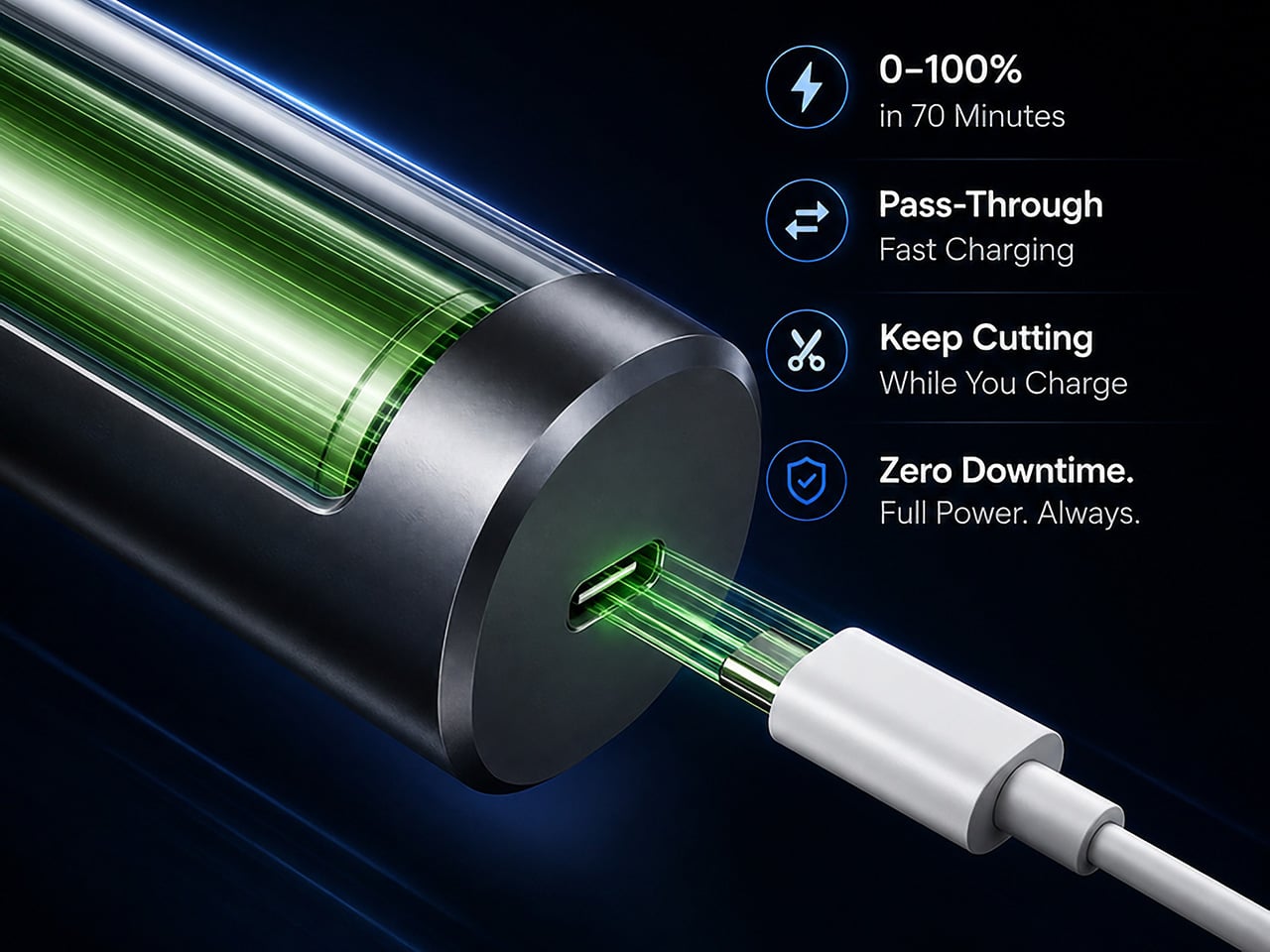
A 5000mAh 21700 lithium-ion battery powers the Slice 10, and SonicMax made it user-replaceable, which you’ll end up appreciating far more than any spec sheet number. The 21700 is a high-performance cell format found in premium flashlights and power tools, so sourcing replacements from SonicMax or compatible third-party brands should never be a problem. SonicMax’s own branded replacement cell is rated for 500 charge cycles at 80% capacity retention, a reasonable lifespan for a tool you’re actually putting to work regularly. An 18W USB-C pass-through charging system brings it from zero to full in about 70 minutes, and the tool keeps running while plugged in. Claimed runtime sits at up to four hours, and when you run low mid-project, swapping in a spare takes seconds.

Blade choice gives the Slice 10 a lot of its bench-tool personality. SonicMax offers five blade styles that let the same handheld body take on very different jobs: a Standard Utility Blade for everyday trimming, a Precision Long Blade for tighter access and more delicate reach, a Fine Chisel Blade for careful cleanup work, a Heavy Duty Chisel Blade for more aggressive material removal, and a Wide Flat Scraper Blade for broader surface work. That range matters because it turns the Slice 10 into something closer to a compact cutting system than a one-trick knife. If you’re the kind of maker who bounces between foam, plastic, supports, edges, and surface cleanup in the same afternoon, this is where the tool starts looking properly versatile.
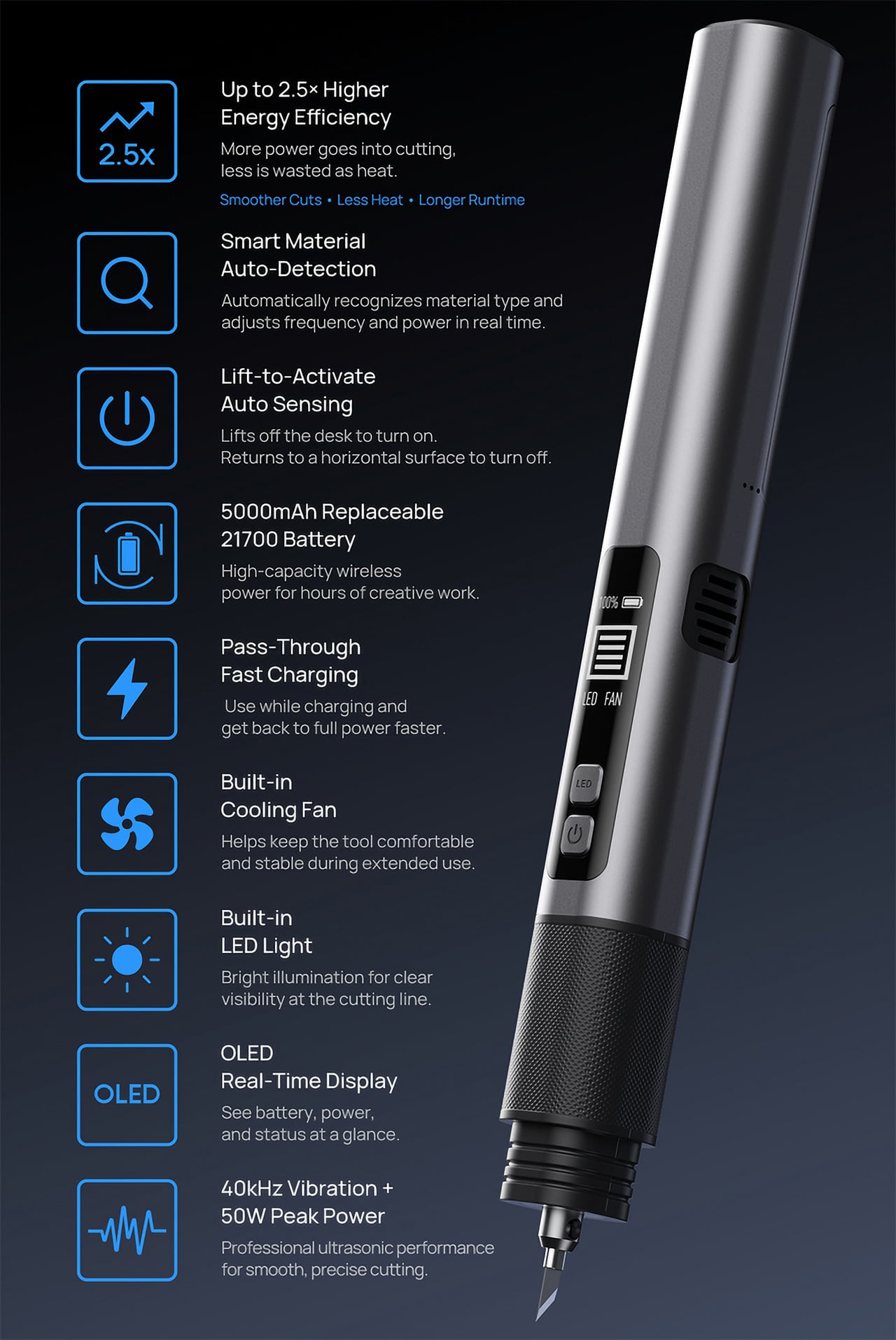
Lift-to-Activate sensing turns the tool on when you pick it up and off when you set it down, keeping your fingers away from controls mid-session and preventing accidental activation on the bench. A small OLED display shows real-time power output and battery level, so you’re never left guessing how much runtime remains. Built-in LED lighting illuminates the cut line, which sounds like a minor detail until you’re trying to trace a clean edge on a dark-colored print at your desk at some ungodly hour. Auto-shutdown kicks in after five minutes of idle, and low-battery protection activates before the cell drops to a damaging voltage. Together, these details make the Slice 10 feel like a tool that respects your workflow rather than constantly asking you to manage it.
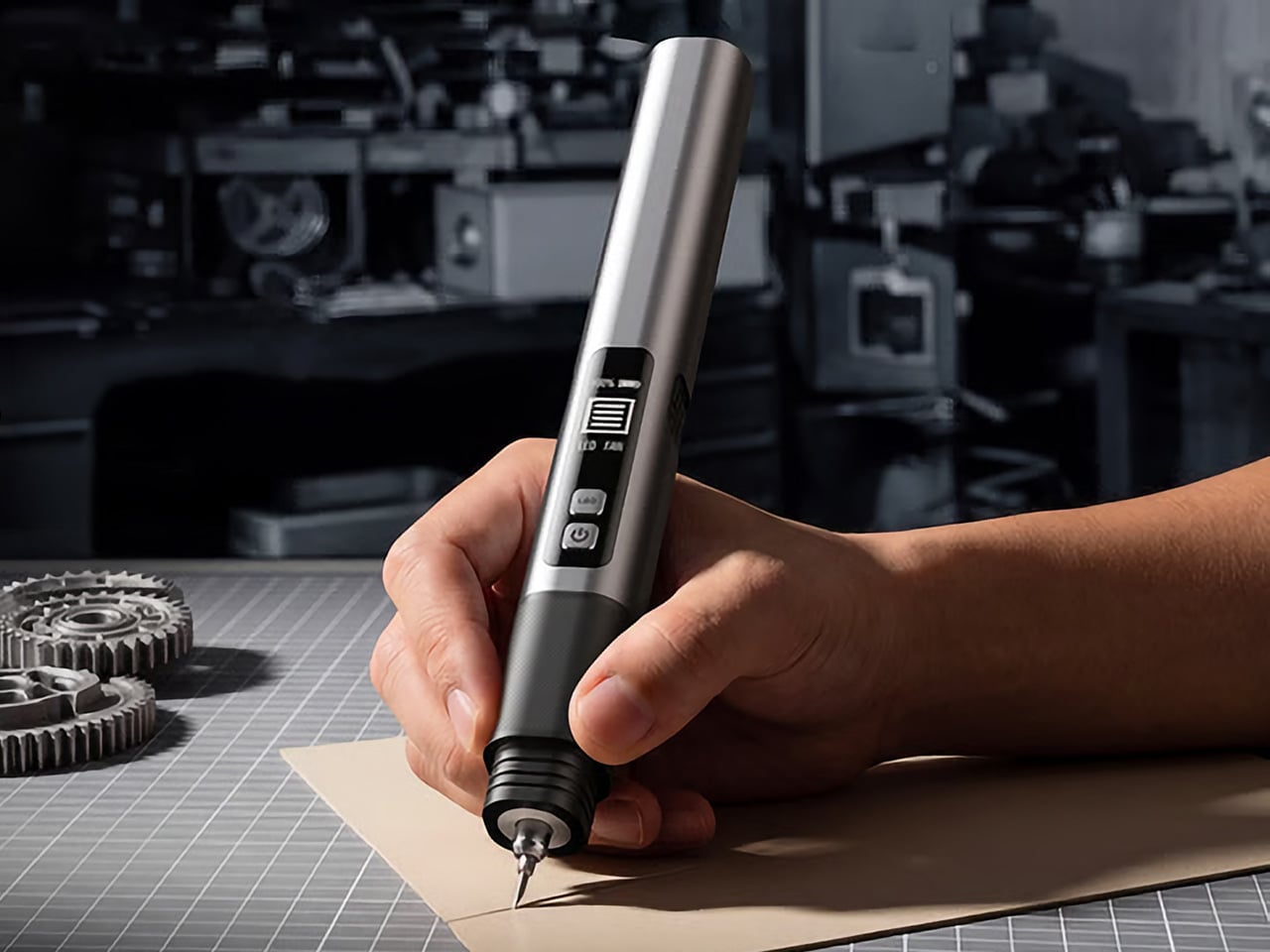
The Slice 10 measures 260.5mm long and 28mm across, weighing 236 grams, keeping it firmly in single-hand, pen-grip territory across long sessions. Just the Slice 10 is available for a discounted $119, and ships with 10 replaceable Standard Utility blades. Upgrade to the Maker’s Bundle for $169 and you get the Slice 10 along with 50 blades spread across the five blade profiles (standard, precision long, fine chisel, heavy duty chisel, and flat scraper) as well as a 5000mAh replacement battery. If you’re looking for versatility and pushing your prints to the max, the $50 price bump does bring a fair share of value. You can also buy extra blades and batteries as add-ons. Shipping is expected to begin mid-October 2026 with worldwide delivery available, and SonicMax has not publicly confirmed warranty terms at the time of writing.

Click Here to Buy Now: $119 $215 (45% off). Hurry, only 13/500 left! Raised over $124,000.

The post This $119 Ultrasonic Cutter Sense Materials And Auto-Adjusts To Cut EVA Foam, Resin, PLA 3D Prints first appeared on Yanko Design.
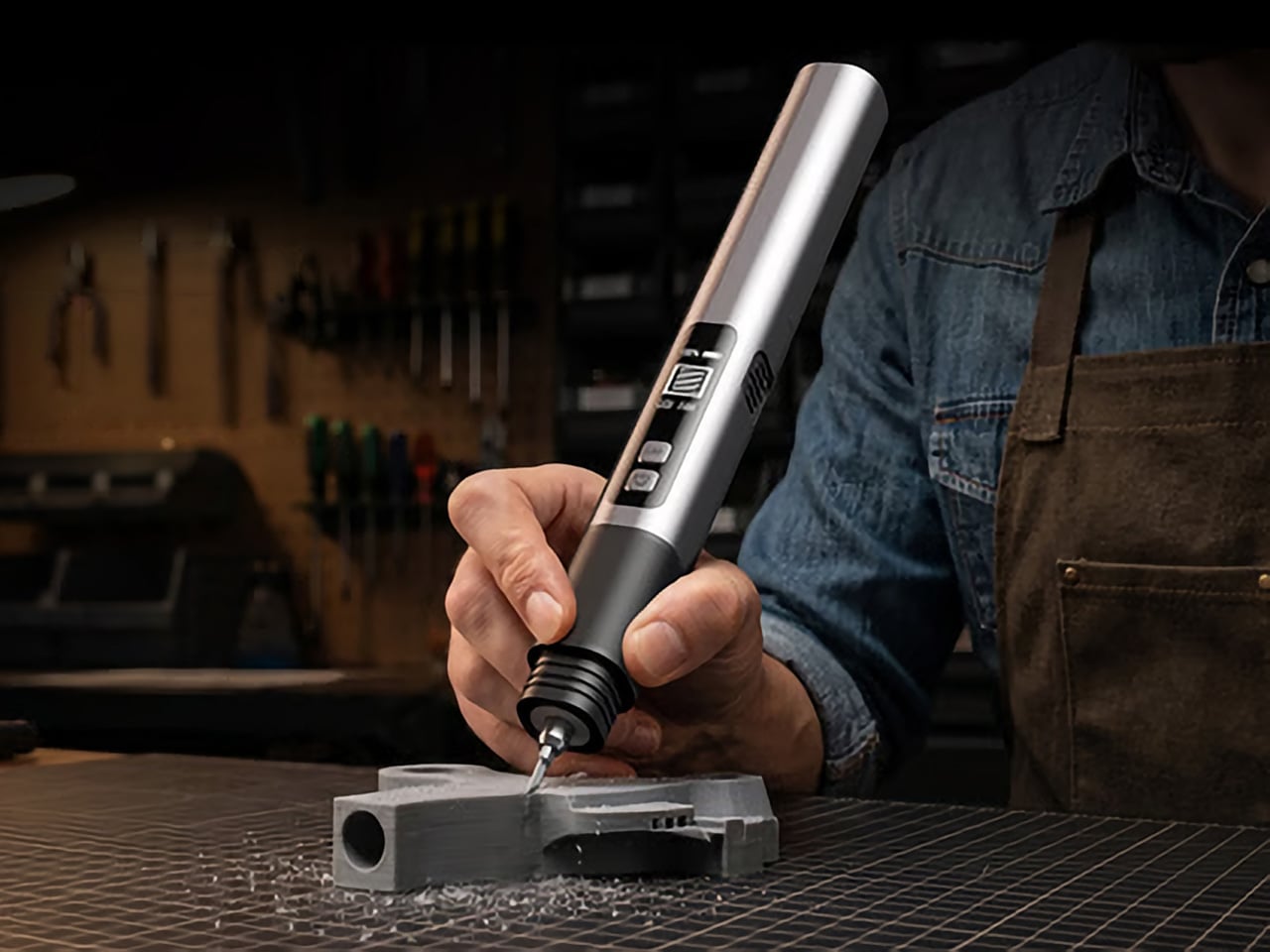
SonicMax Finally Built a Wireless Cutter That Stays Cool Enough to Use

Ultrasonic cutters have been a genuine revelation for makers. Running at 40,000 vibrations per second, the blade doesn’t force its way through material; it glides, leaving clean, precise edges on foam, leather, plastic, and 3D-printed parts. The SonicMax Slice 10 takes that concept further by going completely cordless and, more importantly, addressing the one frustration that has followed every similar tool: heat.

The appeal of cutting without cords is obvious. What’s less appealing is when the tool becomes too hot to hold, forcing a break every five to 10 minutes. That kind of heat doesn’t just affect the experience; it affects the output, too. Plastic melts unevenly, detailed prints deform at the edges, and cuts that were supposed to be clean end up looking anything but.

Designer: SonicMax

Click Here to Buy Now: $119 $215 (45% off). Hurry, only 80/500 left! Raised over $104,000.

SonicMax addressed this with a redesigned transducer that, according to the company, achieves a quality factor, or Q value, of over 500, compared to around 200 for typical designs. The higher that number, the more energy goes into cutting rather than radiating as heat. It doesn’t make for a flashy headline, but it makes a tangible difference in how long you can actually work without stopping.

The Slice 10 also adjusts in real time as it cuts. Rather than operating at a fixed power level, the system reads resistance from the material and changes its output power and vibration frequency accordingly. This means that whether you’re cutting through a soft piece of EVA foam or pushing through a thicker section of a 3D-printed model, the tool is constantly self-correcting to keep the cut smooth and consistent.

That combination shows up quickly in a working session. Support removal on a detailed 3D print comes out clean instead of tearing. Leather cuts without compression or fraying. Foam and plastic sheet separate with sharp, neat edges. For anyone doing post-processing work on resin or FDM prints, building cosplay armor, or finishing scale models, the improvement is fairly immediate and fairly obvious.

The cordless experience is backed by a 5,000mAh 21700 lithium-ion battery that SonicMax says can deliver up to four hours of cutting on a single charge. What’s more practical, though, is that the cell is user-replaceable. Standard 21700 format means you can carry a spare and swap it out in seconds if needed, essentially extending a session indefinitely without waiting for anything to charge.

For those who’d rather stay plugged in, the Slice 10 supports pass-through charging via USB-C, so you can keep cutting while the battery tops up. A full charge from zero takes roughly 70 minutes, supported by 18W of fast charging. It’s the kind of flexibility that accounts for the reality of a busy workshop, where stopping to wait for a tool to charge isn’t really an option.

Keeping temperatures down is a two-part approach. The redesigned transducer generates less waste heat by design, and a built-in active cooling fan moves whatever heat builds up away from the blade area. There’s also a lift-to-activate sensor that powers the tool on when picked up and shuts it off when set down, quietly helping with both battery life and heat management throughout the session.

Rounding things out is an OLED display showing live battery level, output power, and tool status, so you’re never guessing how much runtime you have left. A built-in LED light illuminates the cut line, especially useful for intricate detail work on small model parts. Overheat protection activates at 80°C motherboard temperature, and the tool shuts itself down after five minutes of idle time.

At 236g and 260.5mm long, it’s light and slim enough for extended use without fatigue. Each unit ships with 10 spare blades, a hex wrench, a blade retaining block, four fastening screws, a dual USB-C cable, and a user manual. SonicMax has built this as a system where thermal management, adaptive control, and battery flexibility serve one consistent goal: more time cutting.

Click Here to Buy Now: $119 $215 (45% off). Hurry, only 80/500 left! Raised over $104,000.

The post SonicMax Finally Built a Wireless Cutter That Stays Cool Enough to Use first appeared on Yanko Design.

This Transparent Box Opener Handles Tape & Tags Without You Ever Putting The Package Down

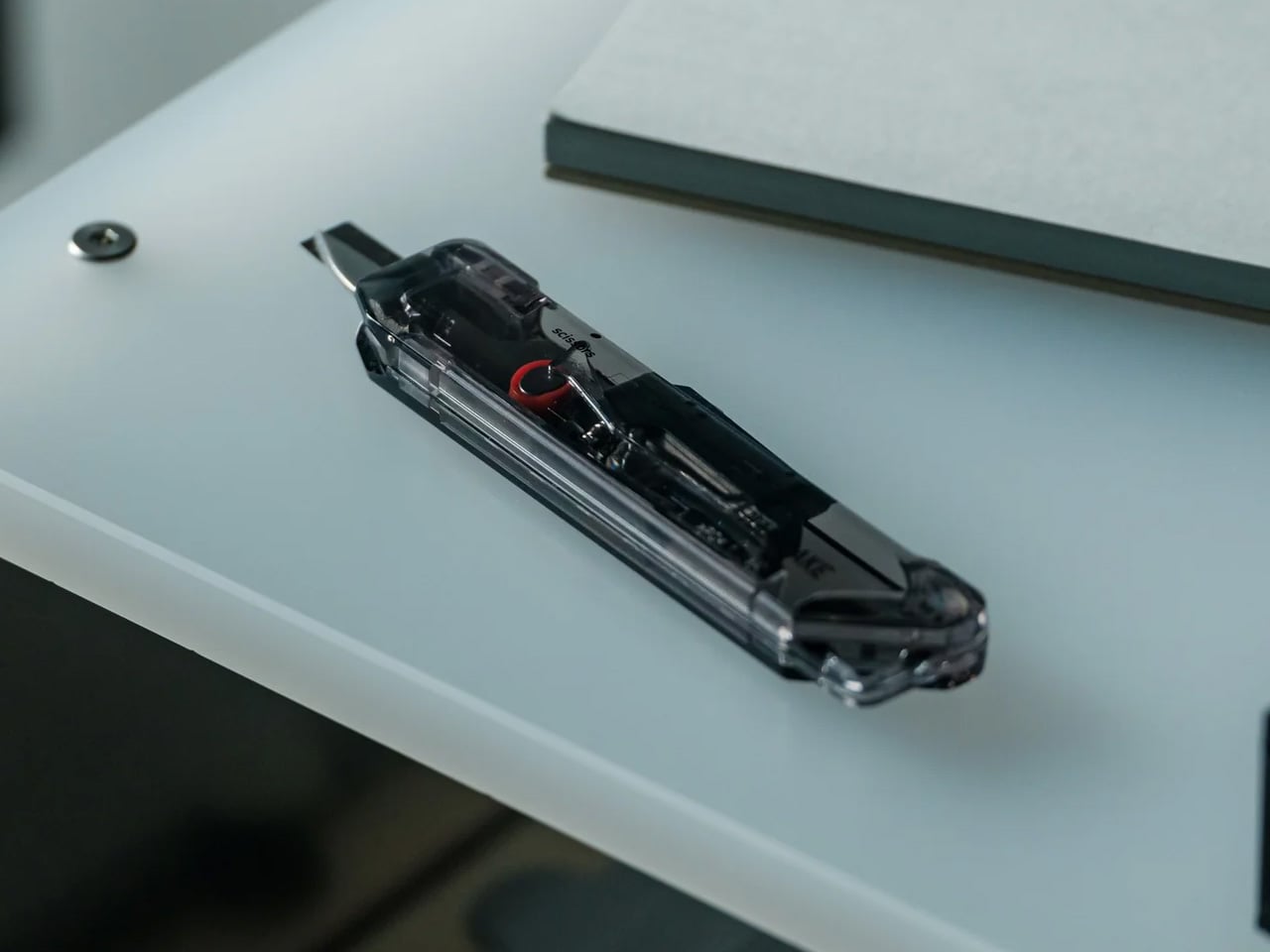
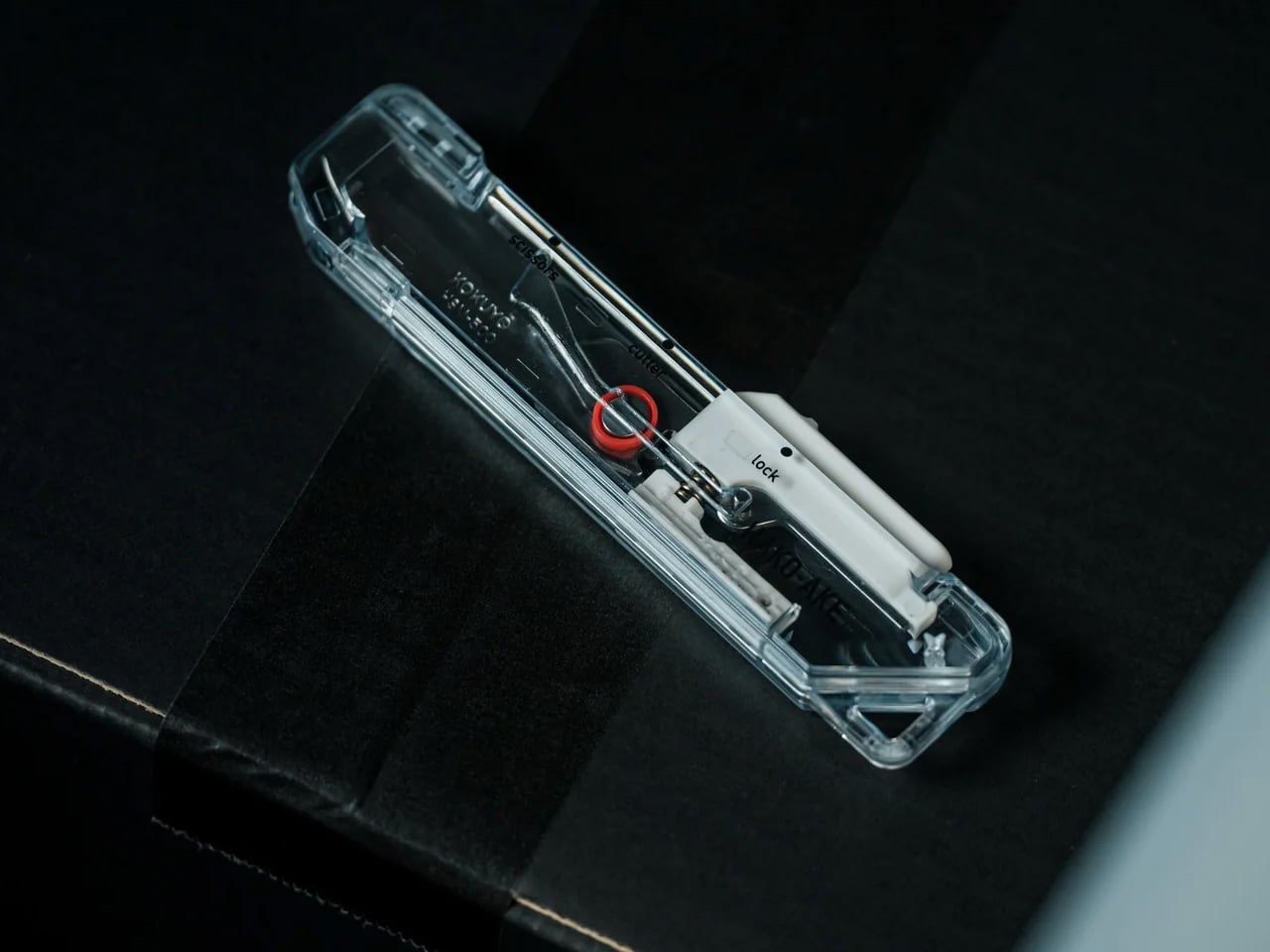
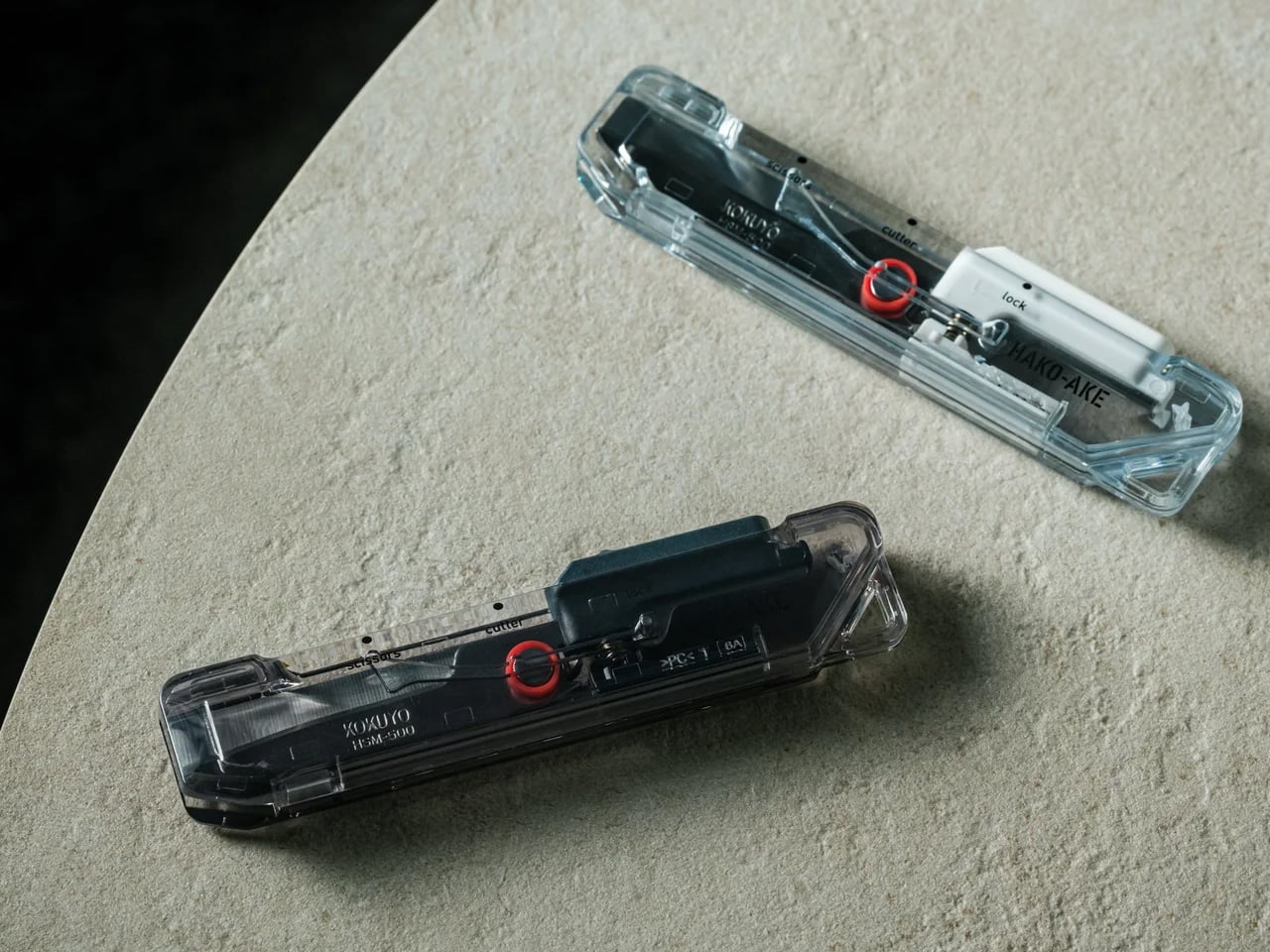
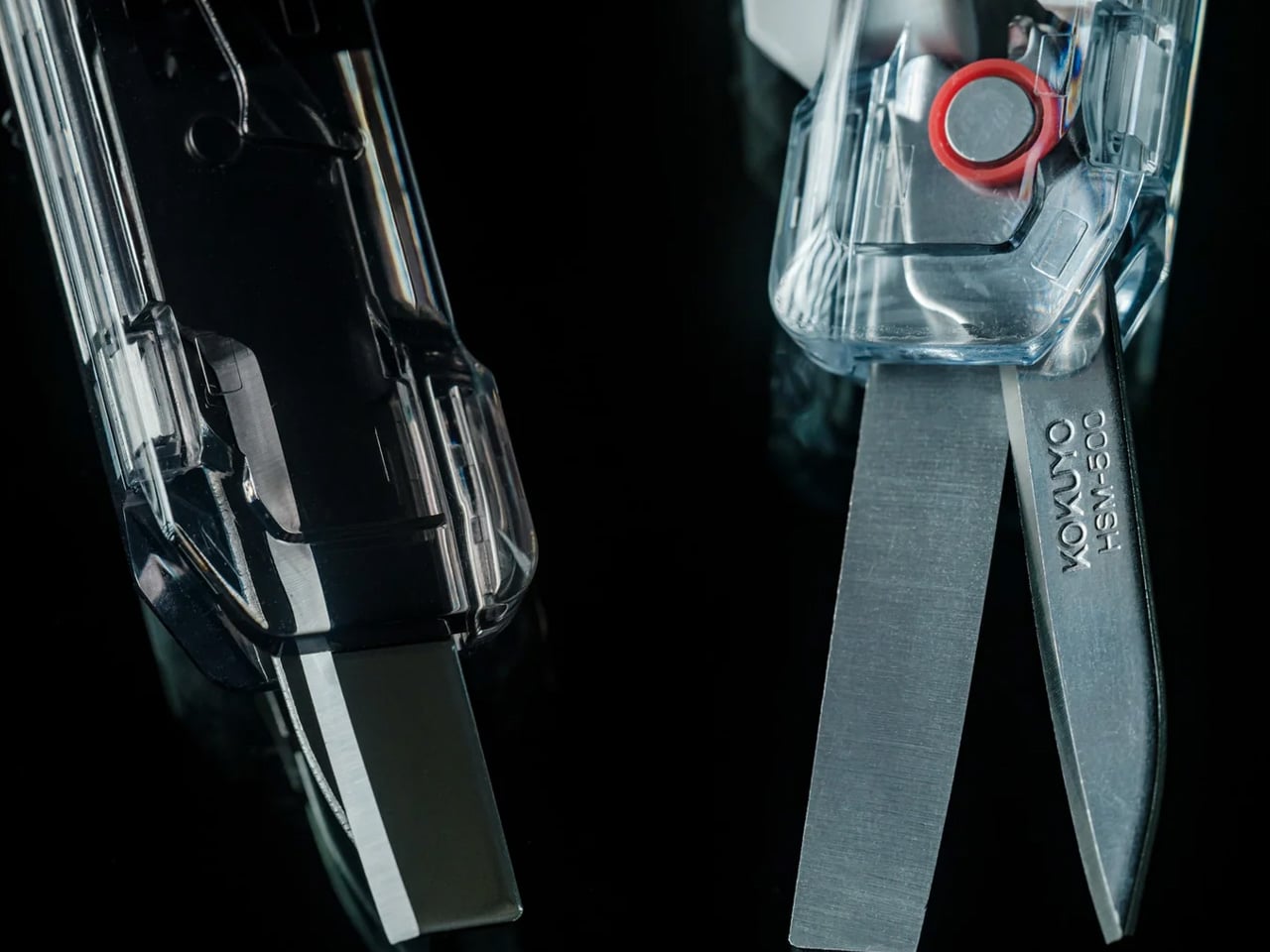
Most box cutters do one thing and leave the scissors somewhere else. The ritual of tearing into a delivery becomes a hunt for a second tool, or a decision to use the first one for everything and hope it does not cut too deep. The ClearSlide Box Opener removes that problem. A blade and scissors in a single compact body, it handles packaging tape and tags in one uninterrupted motion, without putting the package down.

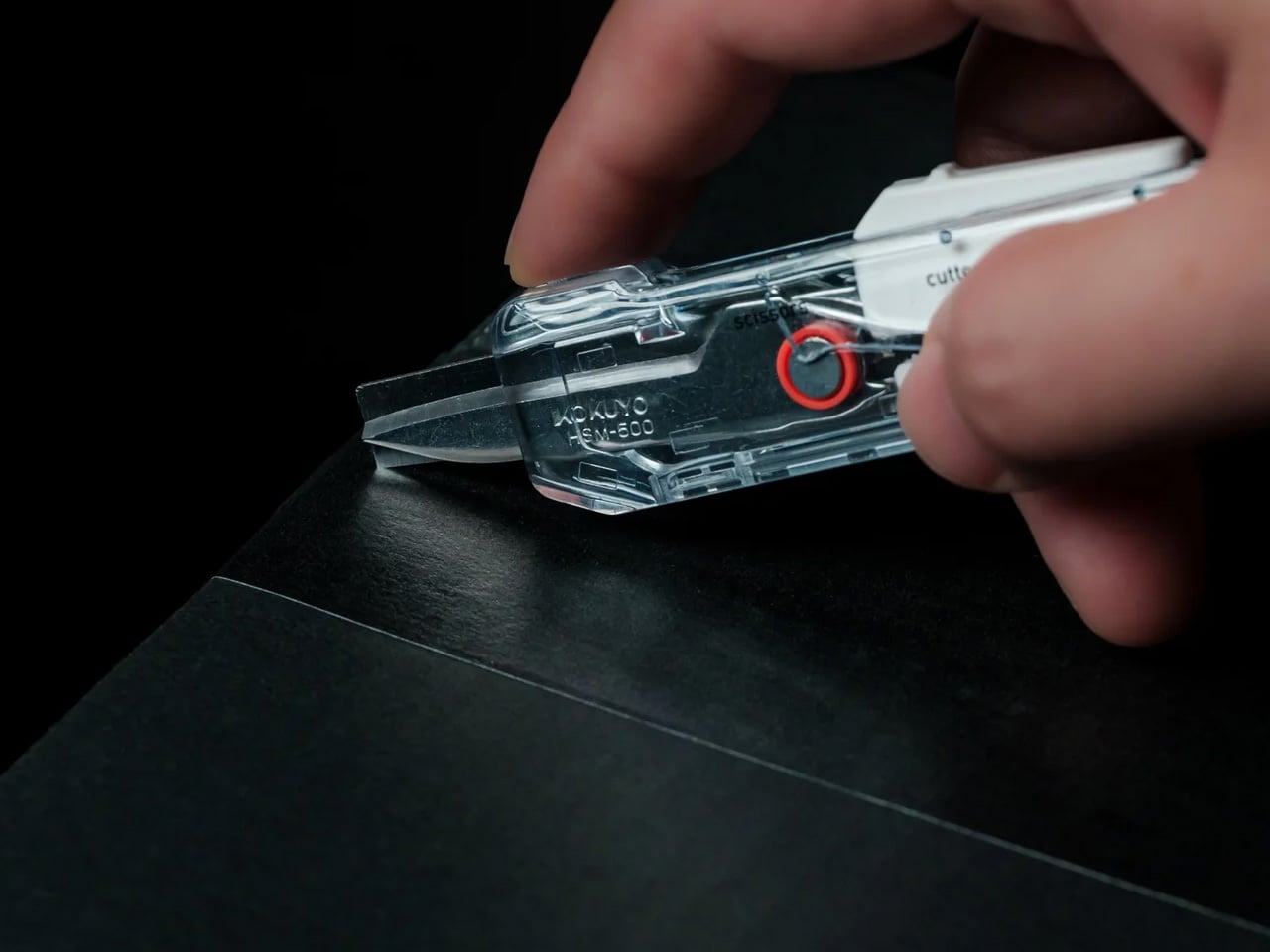
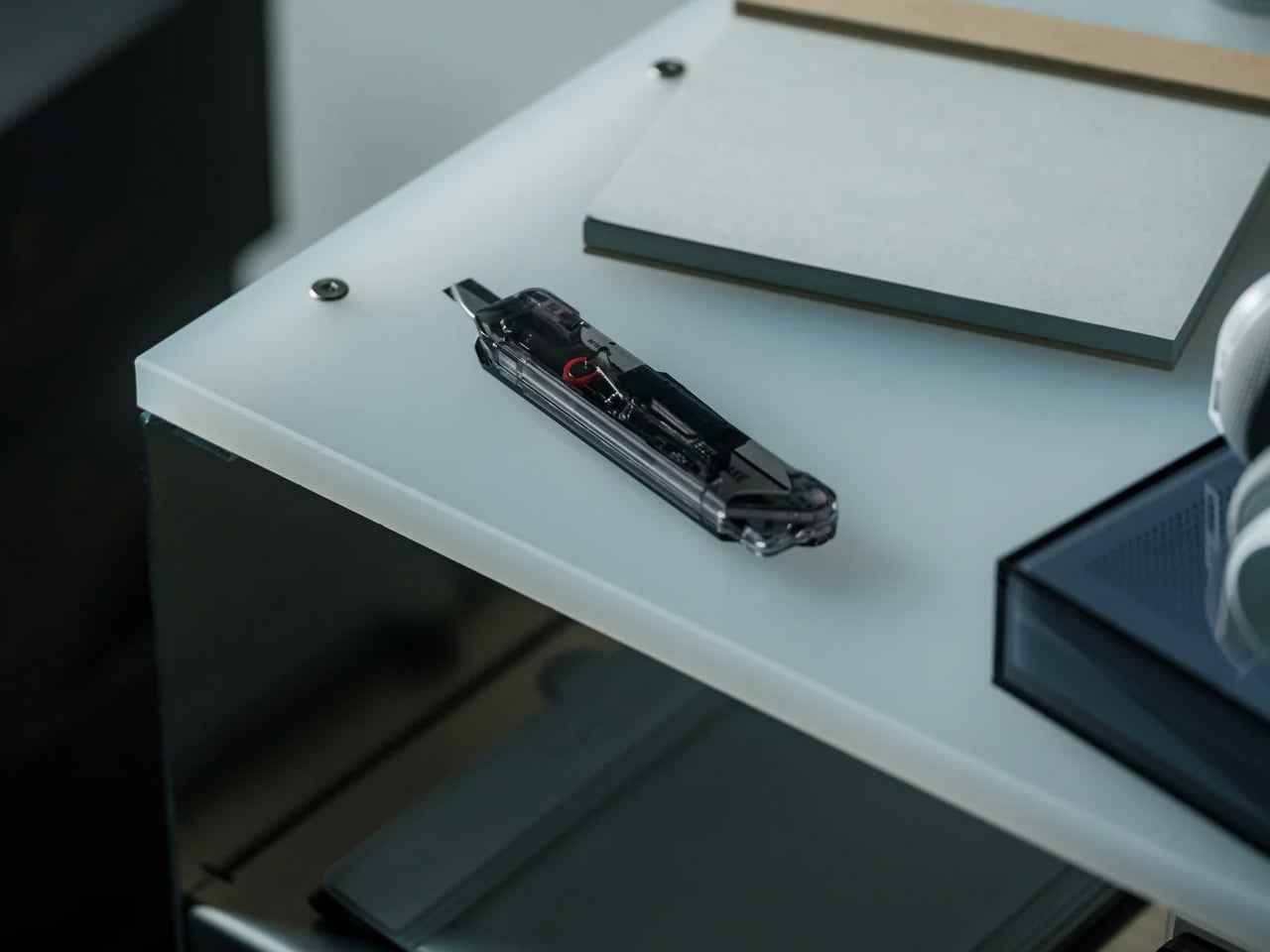
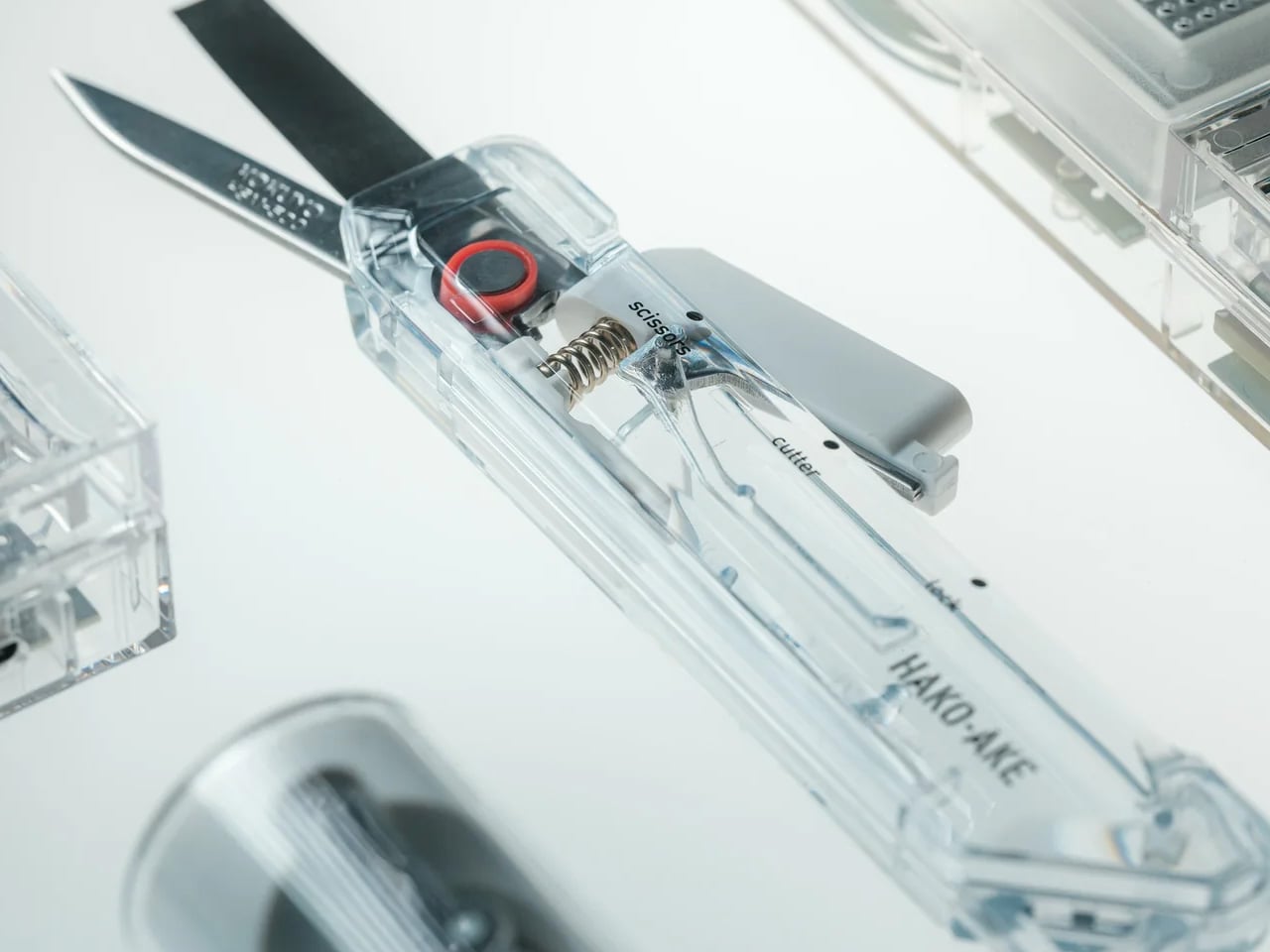
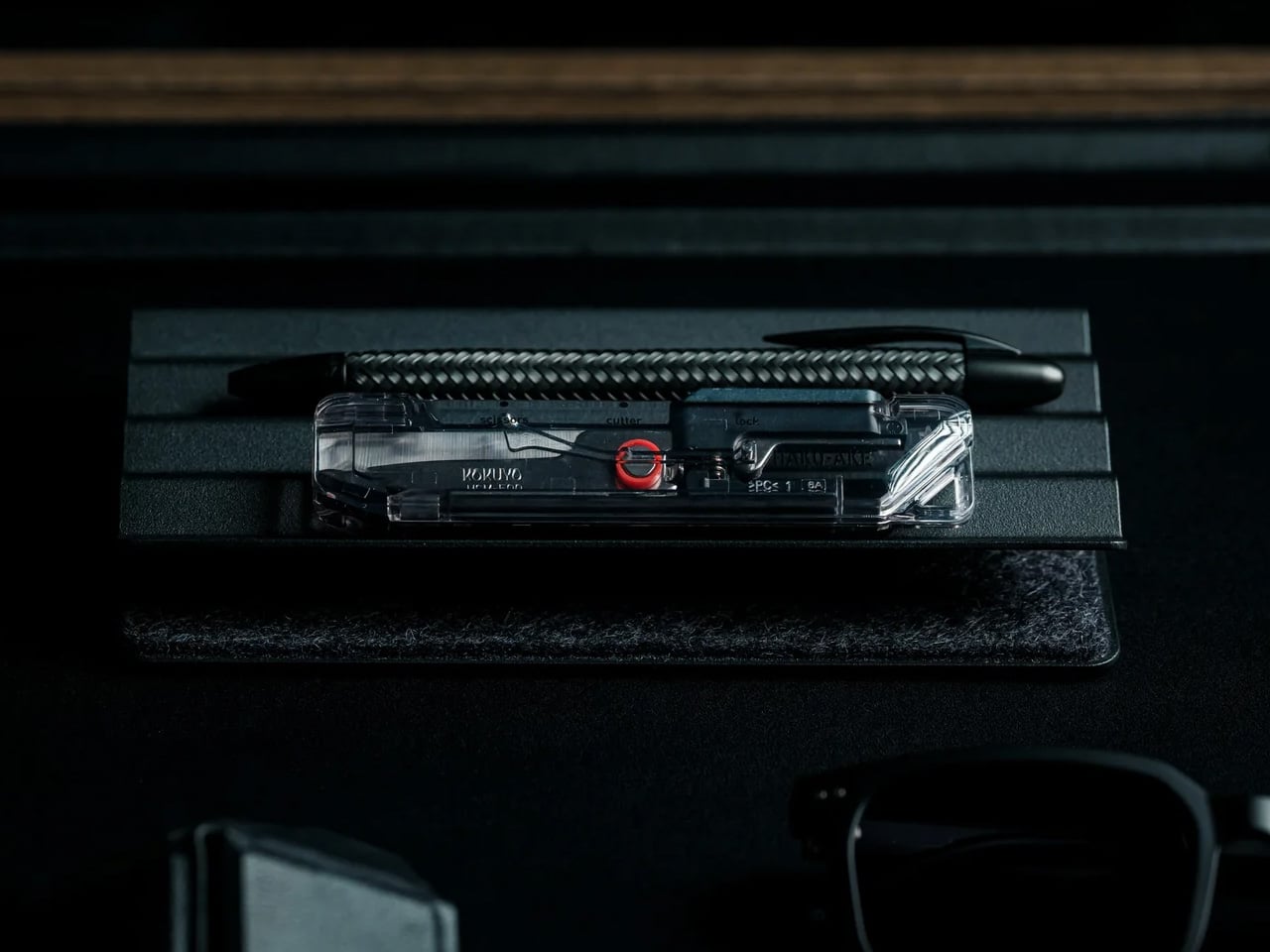
What makes it worth keeping on the desk is the mechanism. A sliding thumb control moves between lock, cutter, and scissors without requiring both hands; each position locks in before releasing cleanly. The blade extends just 0.12 inches, enough to slice through tape without reaching the contents inside. The transparent body shows the internal mechanism’s shift with every adjustment, turning a utility object into something that actually earns its spot next to the keyboard.

Click Here to Buy Now: $30.00

One Tool, Two Functions

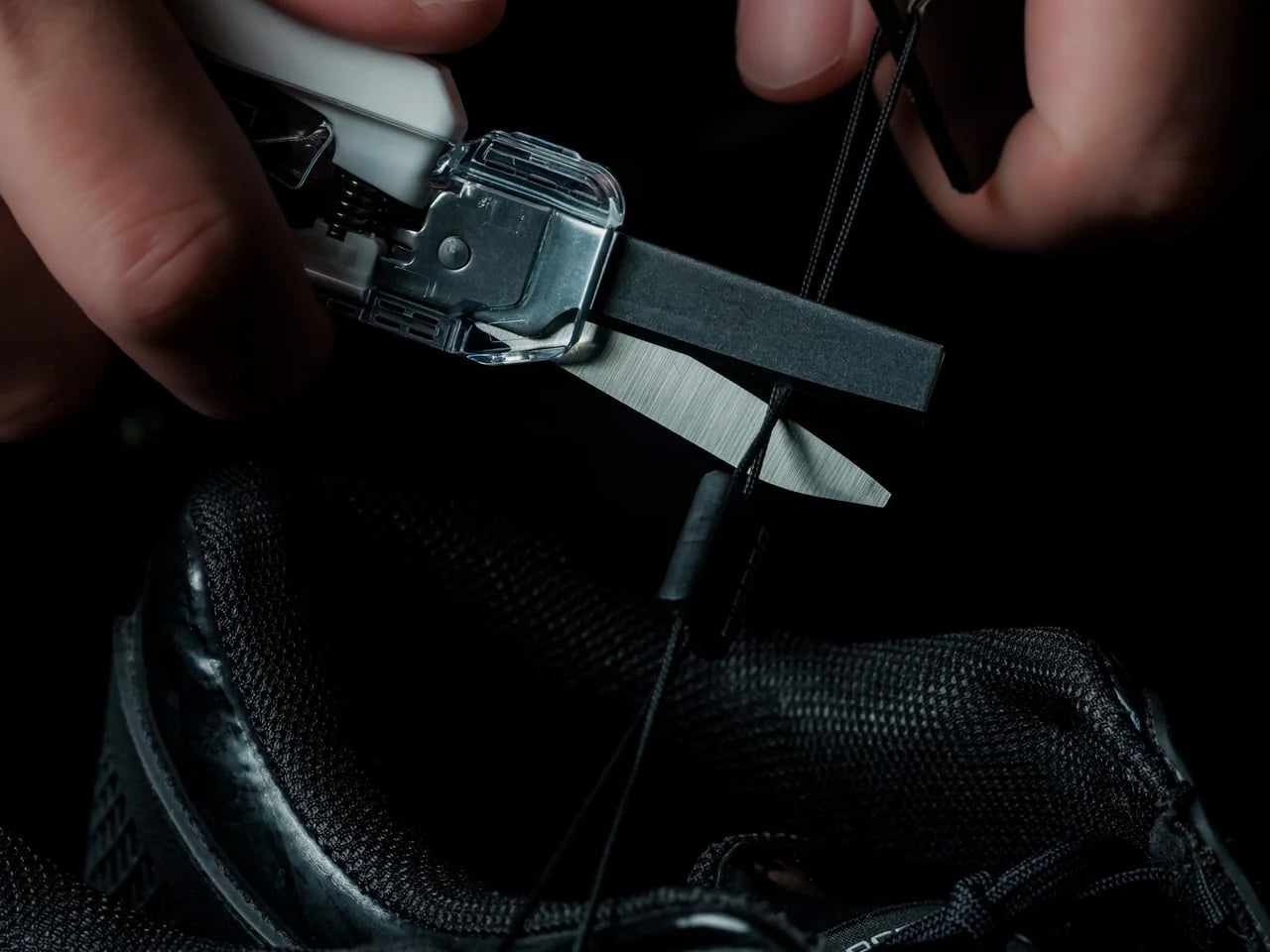
Box cutters and scissors solve the same last step in two different ways. The ClearSlide puts both into a single form factor small enough for a pocket. The sliding mechanism moves through three positions: lock, cutter, and scissors, each one clicking into place before releasing with a clean spring action. That kind of tactile confirmation in something this compact is not common. It changes how deliberate the tool feels in use and removes the uncertainty from every position change.

The blade extension is limited to 0.12 inches, which sounds like a constraint until you consider what it actually prevents. Most damaged deliveries come from a blade that cuts too deep on the first pass. At this depth, the cutter handles tape without reaching the contents underneath, which is the only job it needs to do. The scissors handle the rest: tags, inner packaging, anything that a blade would otherwise make worse rather than better.

Transparent by Design

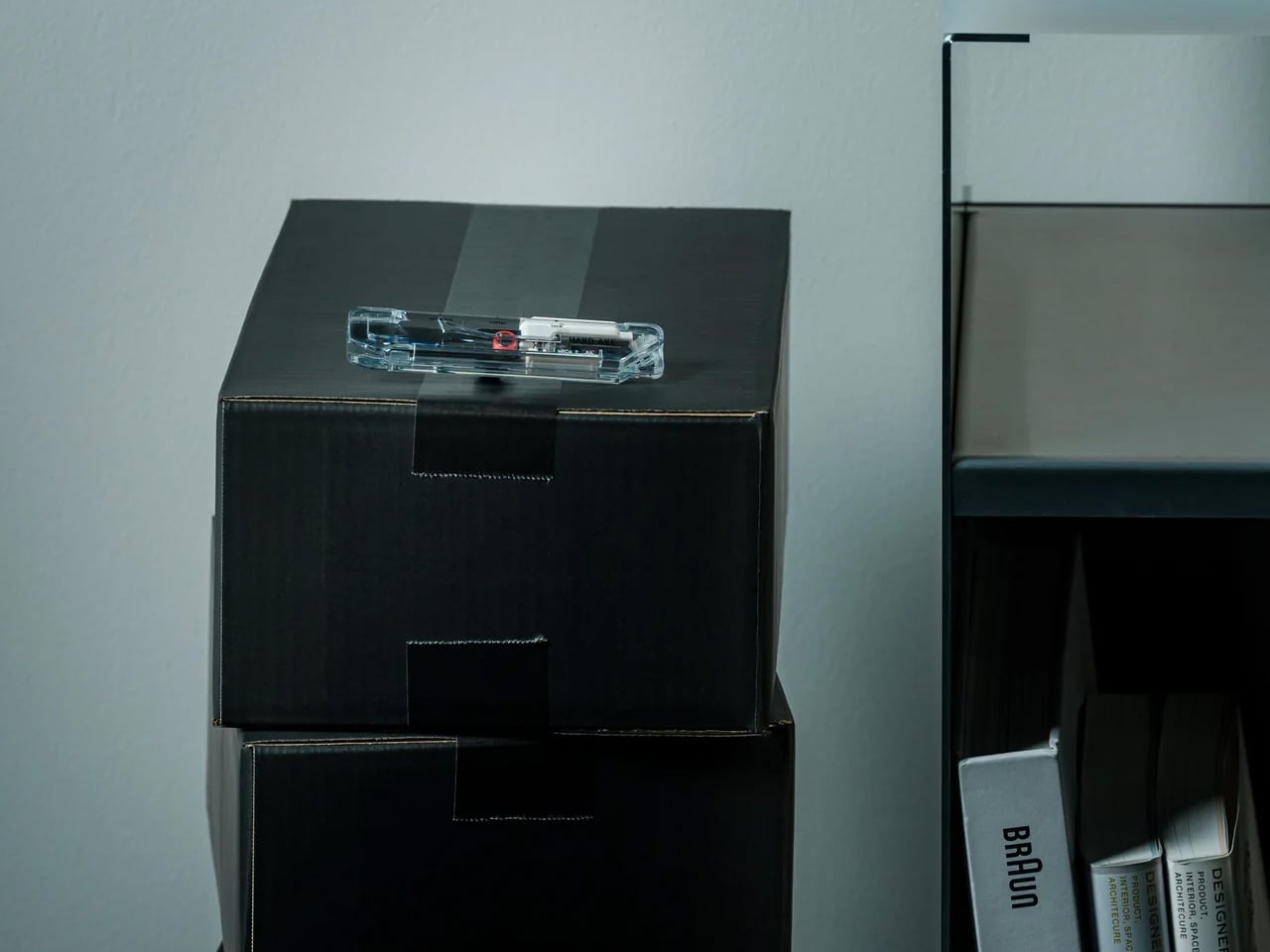
Most tools hide their engineering inside an opaque body. The ClearSlide does the opposite. The transparent shell makes the internal sliding mechanism visible with every position change, so you can see the active mode before making the cut. It is a functional decision dressed as an aesthetic one, or an aesthetic one that happens to be functional. The result is a tool that communicates clearly and carries a retro-tech character most utility objects never bother developing.

Compact enough for a pocket, fitted with a built-in strap hole for clipping onto a bag, and retractable for safe carry, the ClearSlide is designed to stay within reach. The frustration of opening packages is rarely about the cutting itself. It is about the pause before it: the drawer search, the tool switch, the moment where the delivery wins. This closes that gap. One tool, one pocket, one motion from the moment it arrives at the door.

What We Like

  • Blade-and-scissors combination: replaces two tools with one slim body that handles packaging tape and tags in a single session, without switching grip or setting the package down
  • Single-hand operation: the thumb-controlled slider moves between lock, cutter, and scissors with one hand, leaving the other free to hold whatever is being opened
  • Controlled 0.12-inch blade depth: cuts through tape cleanly while staying clear of the contents underneath, solving the most common frustration of opening deliveries with a standard blade
  • Visible internal mechanism: the transparent body lets you confirm the active mode before every cut, and gives the tool a distinct retro-tech character that sets it apart from every other cutter in a drawer

What We Dislike

  • Blade replaceability: the product does not specify whether the cutter blade is replaceable, which matters for anyone opening packages regularly and expecting long-term performance from a $30 tool
  • Limited color range: Clear, White, and Smoke Black are clean choices, but the transparent body has the visual potential to carry a wider palette than three colorways currently allow

The Tool That Ends the Two-Step

The ClearSlide Box Opener was built around a problem most people have learned to live with rather than solve. Two functions in one tool, controlled by a single thumb, with a blade depth engineered to protect what matters. For something that lives on a desk or clips onto a bag, that level of considered detail at $30 makes it difficult to justify keeping a box cutter and scissors as two separate jobs.

If the current setup involves reaching for one tool and then switching to another halfway through, that is the exact friction this replaces. Pick it up in Clear, White, or Smoke Black. Let the next delivery be the last time the packaging feels harder to deal with than whatever is inside it, and let the scissors that used to live in the desk drawer finally earn a proper rest.

The post This Transparent Box Opener Handles Tape & Tags Without You Ever Putting The Package Down first appeared on Yanko Design.

This $48 Pizza Axe Just Made Every Round Cutter Obsolete

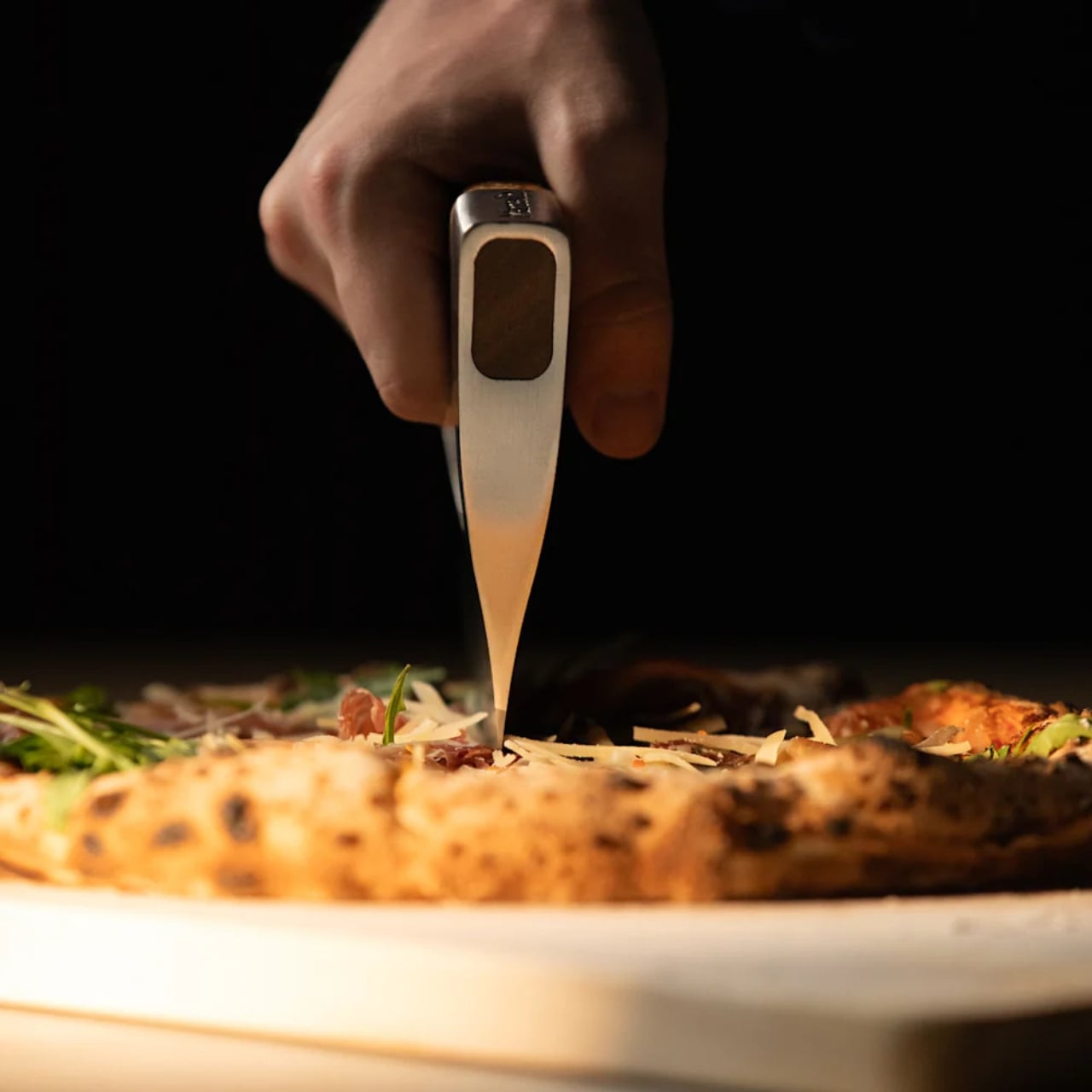
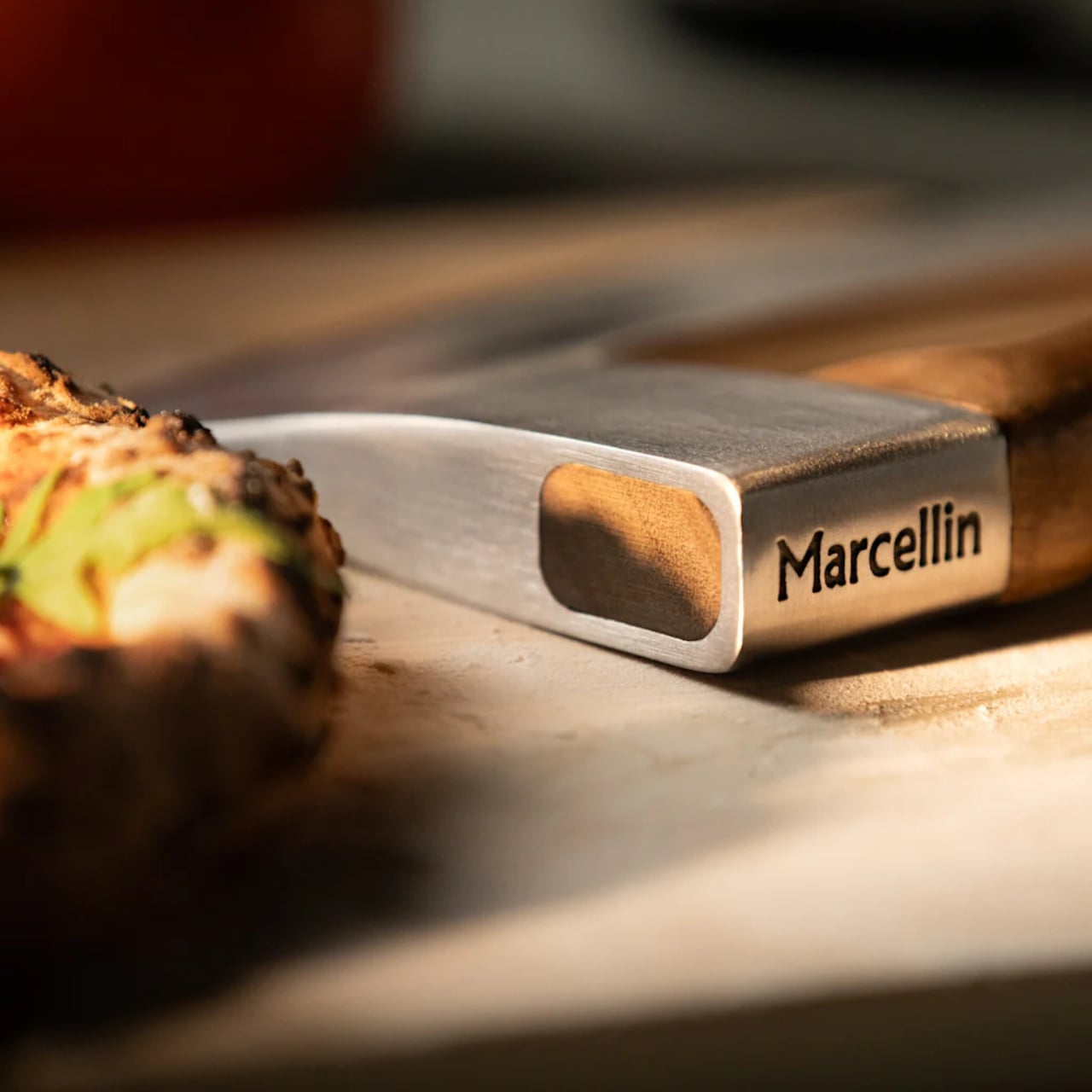
Let’s be honest, pizza night deserves more than a sad plastic rolling cutter from the back of your drawer. The Pizza Axe transforms an everyday task into something that feels like you’re about to raid a feast hall instead of just dividing up your Friday night pepperoni pie.

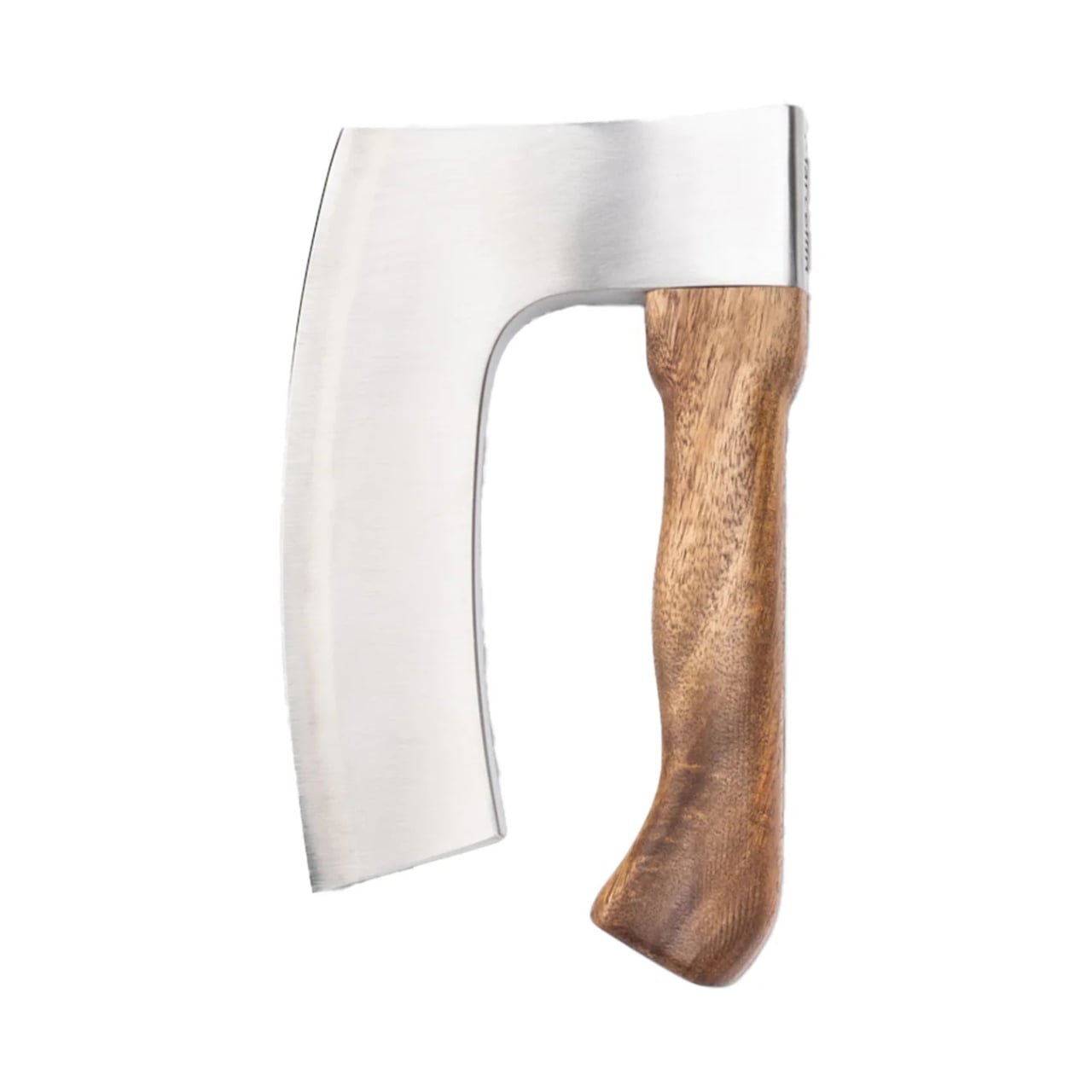
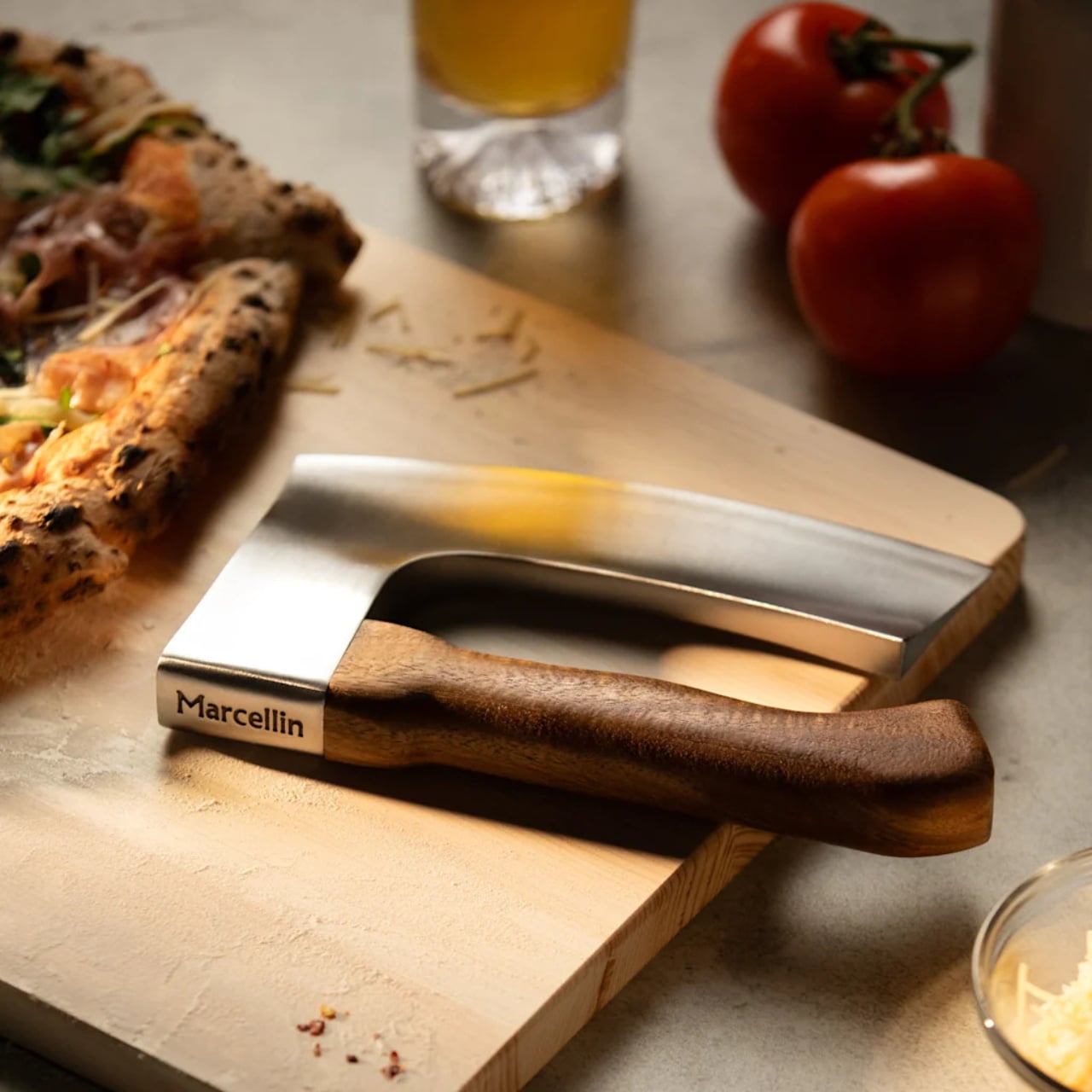
This isn’t some gimmicky kitchen gadget destined for the donation pile next year. The Pizza Axe is a legitimate tool crafted with stainless steel and pine wood that handles actual slicing while looking ridiculously cool on your counter. At $48, it’s positioned somewhere between impulse buy and considered investment, which honestly feels about right for something that makes you feel like a Norse warrior every time you want a slice.

Designer: Marcellin

What makes pizza axes appealing goes beyond their obvious visual punch. They tap into our collective fascination with medieval aesthetics while solving a real problem: traditional pizza cutters often struggle with thick crusts or heavily topped pies. An axe-style blade brings more leverage and cutting power to the table, literally. The design typically features a sharp stainless steel blade attached to a wooden handle, creating enough heft to slice through even the most ambitious deep-dish creations.

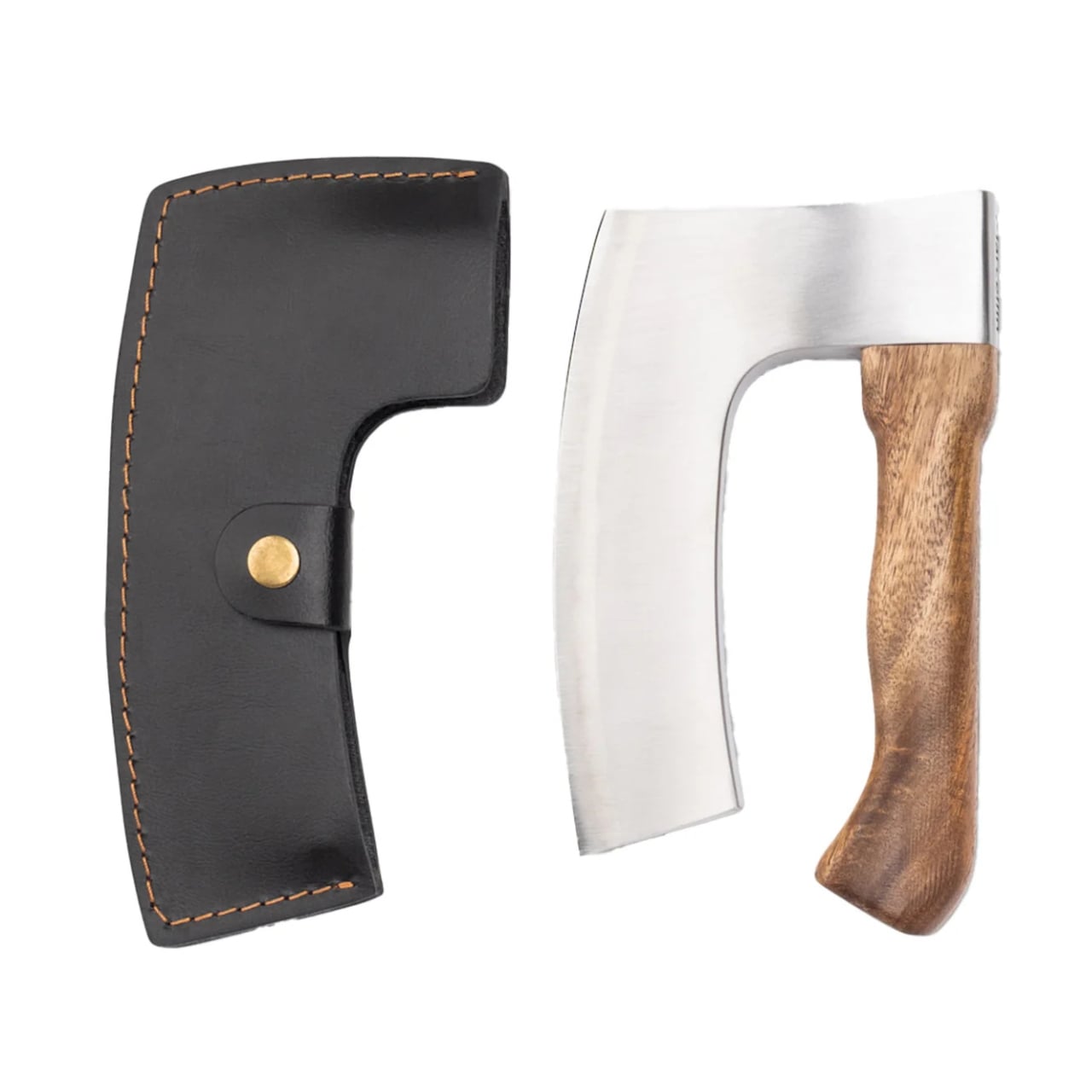
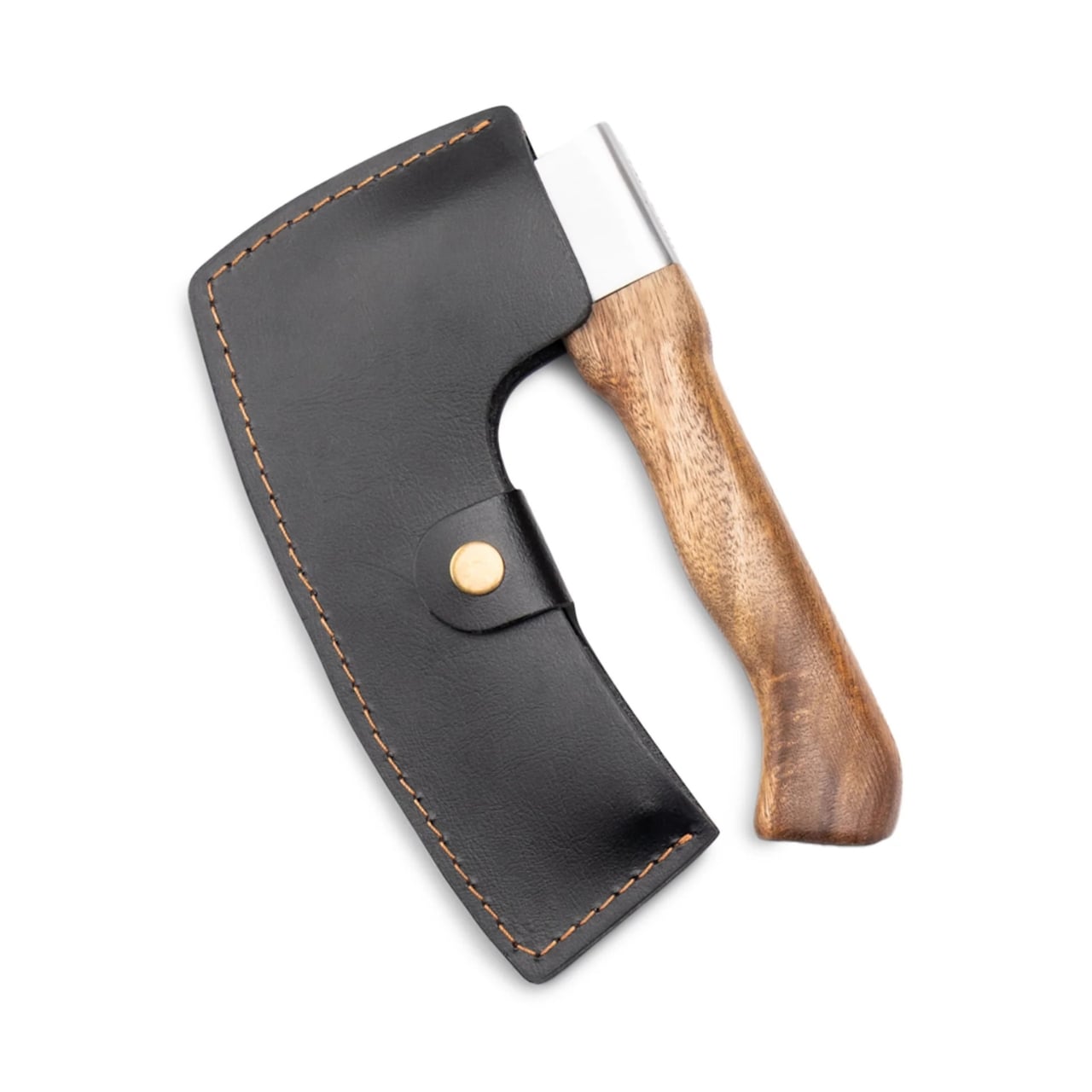
The Pizza Axe comes with a sheath for storage, which is both practical and slightly absurd in the best way. There’s something inherently funny about sheathing your pizza cutter like it’s a weapon, but it also keeps the blade protected and your fingers safe when rummaging through kitchen drawers. This attention to detail suggests the makers understand their audience: people who appreciate functionality but also want their tools to spark joy, or at least conversation.

What’s particularly clever about the pizza axe trend is how it transforms a mundane kitchen task into performance art. Serving pizza becomes an event, not just dinner logistics. When you pull out an axe to slice your pizza, people notice. It’s the kind of thing that makes your dinner party memorable without requiring you to actually learn how to juggle flaming batons or whatever else people do for attention these days.

The broader pizza axe market has exploded with Viking-themed options featuring intricate engravings, skull designs, and runic symbols. These handcrafted versions can run anywhere from $30 to over $100 depending on materials and customization. The Uncrate version keeps things relatively straightforward, focusing on clean design without excessive ornamentation, which makes it more versatile for various kitchen aesthetics.

Beyond pizza, these tools work surprisingly well for other kitchen tasks. Need to portion a large sheet cake? Chop fresh herbs? Divide up a flatbread? The axe design handles it. Some users report success using them for trimming dough or even as a conversation piece when they’re not actively slicing. The pine wood handle offers comfortable grip and visual warmth that balances the industrial edge of the steel blade.

There’s also something satisfying about owning tools that feel substantial. We’re surrounded by flimsy plastic implements that bend and break after a few uses. The Pizza Axe presents an alternative philosophy: buy something well-made that performs its job and looks good doing it. It’s part of a larger movement toward thoughtful kitchen tools that prioritize both form and function rather than treating them as competing priorities.

Of course, the Pizza Axe isn’t for everyone. Minimalists might find it excessive. People with small kitchens might lack the drawer space for another specialized tool. And if you’re someone who orders delivery exclusively, owning an elaborate pizza cutting implement might feel aspirational in the wrong way. But for people who love cooking, entertaining, or just appreciate objects with personality, it hits a sweet spot between practical and playful.

Ultimately, the Pizza Axe succeeds because it understands that everyday objects don’t have to be boring. Why settle for adequate when you can have something that makes you smile every time you use it? In a world of beige appliances and forgettable utensils, sometimes you need something that reminds you that even routine tasks can have a little drama. And if that drama happens to involve wielding an axe over a margherita, well, that’s just good living.

The post This $48 Pizza Axe Just Made Every Round Cutter Obsolete first appeared on Yanko Design.

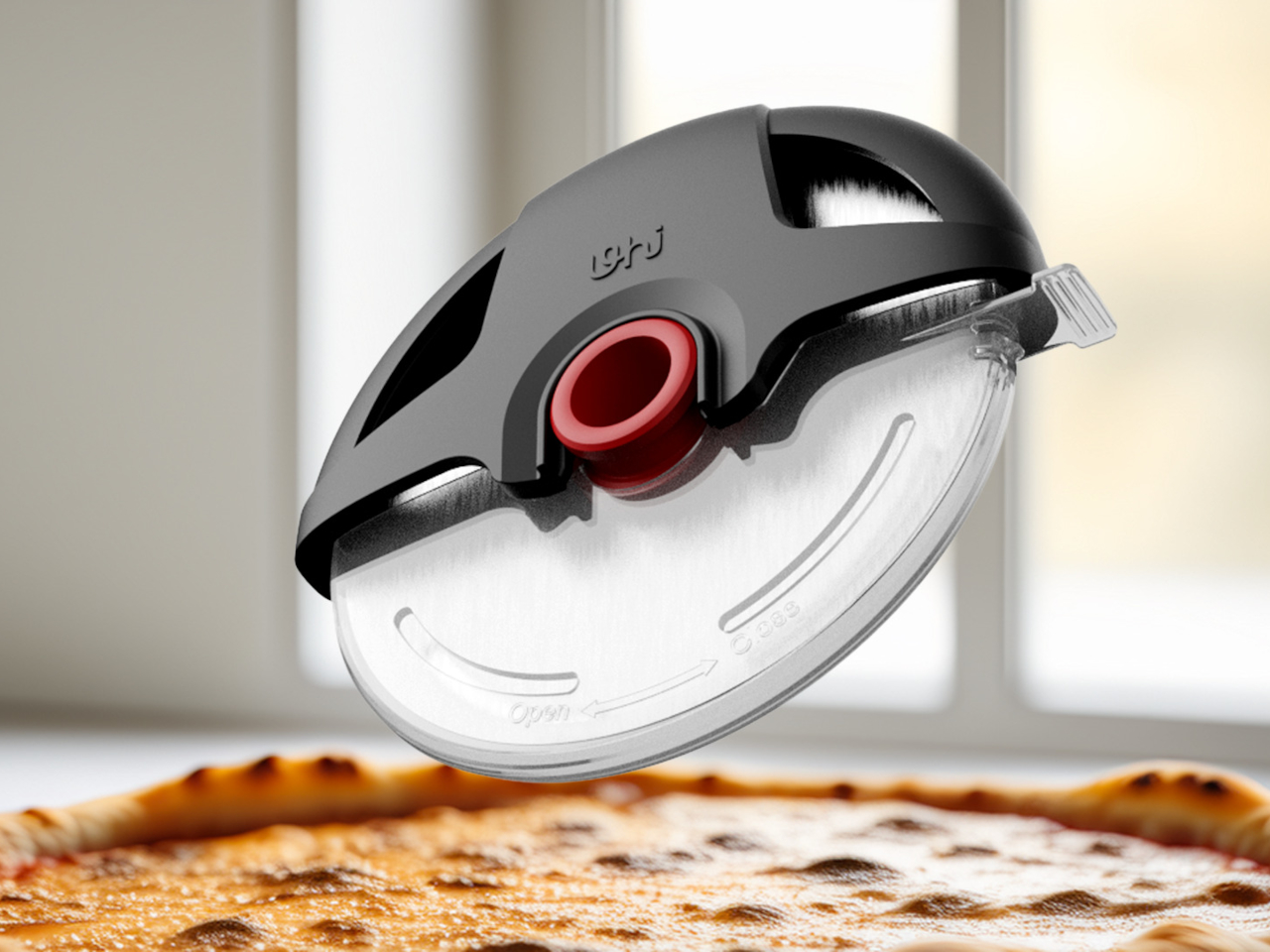
This Pizza Cutter Looks Like a Tiny Circular Saw

Most pizza cutters feel flimsy when you need them to work hardest. The blade dulls after a few uses, the handle slips when your hands are greasy, and cleaning caked cheese out of the mechanism becomes its own kitchen project. Cheap versions wobble through thick crusts instead of cutting cleanly. Better ones exist but often sacrifice grip comfort or end up too bulky for drawer storage.

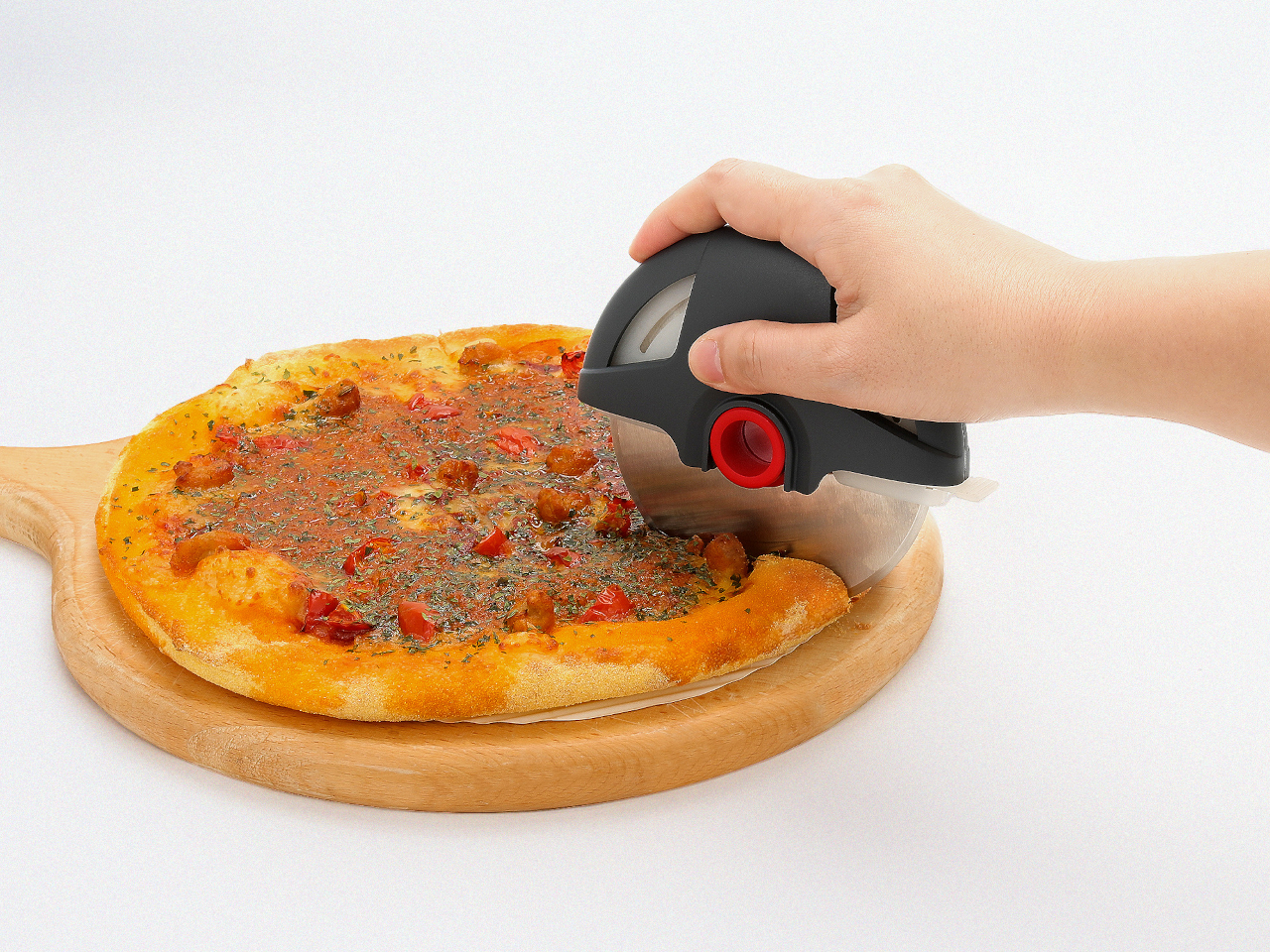
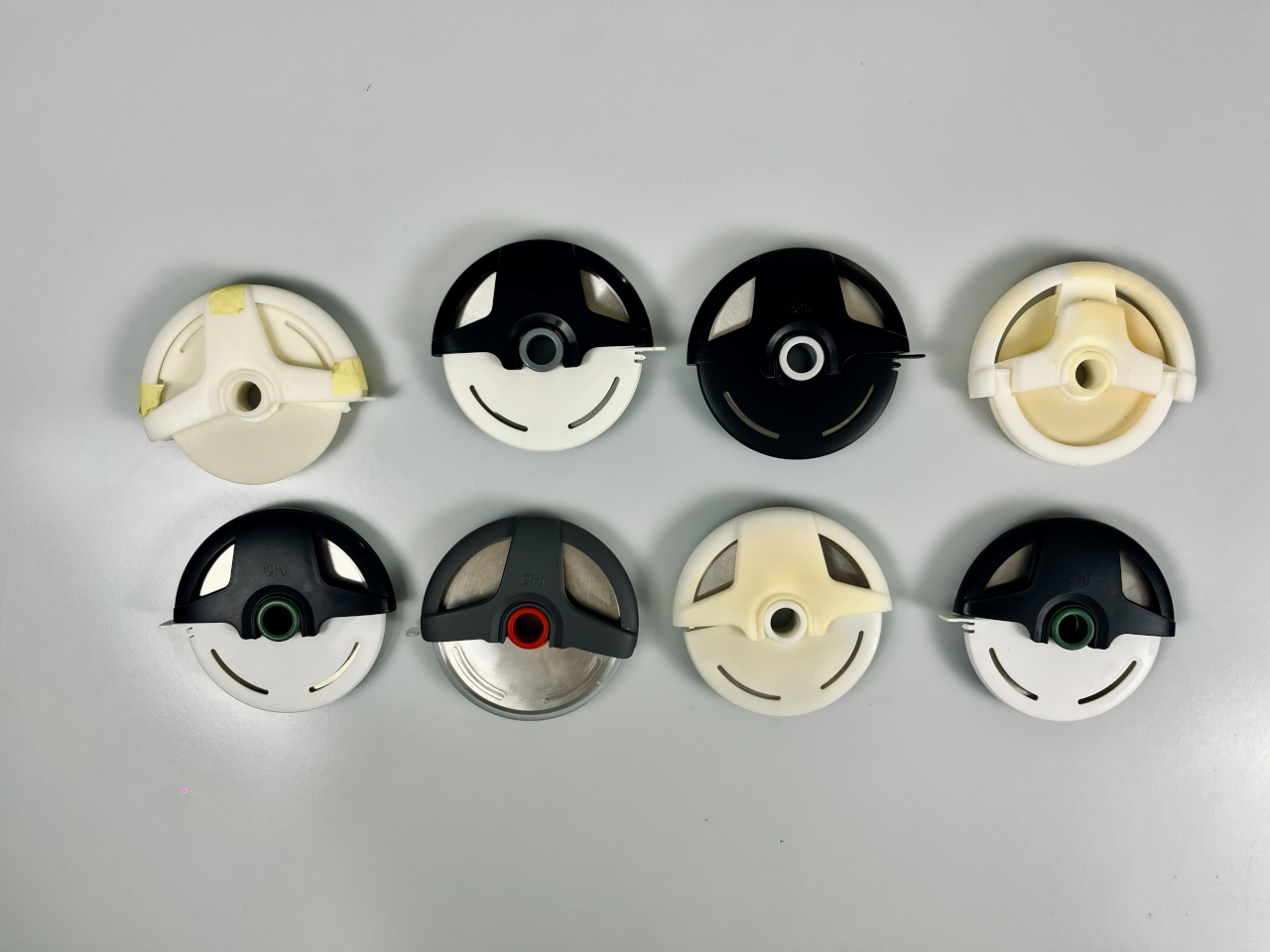
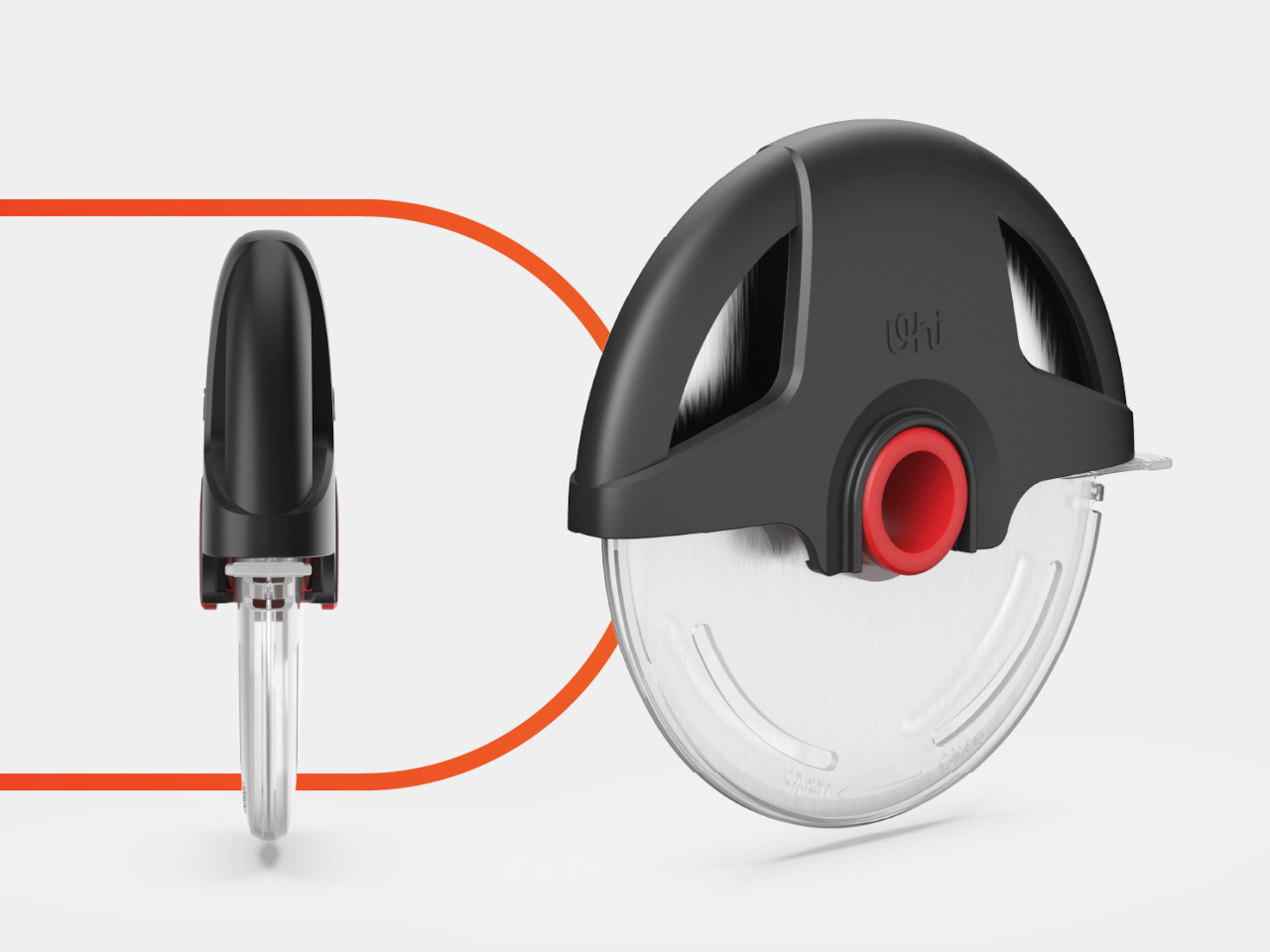
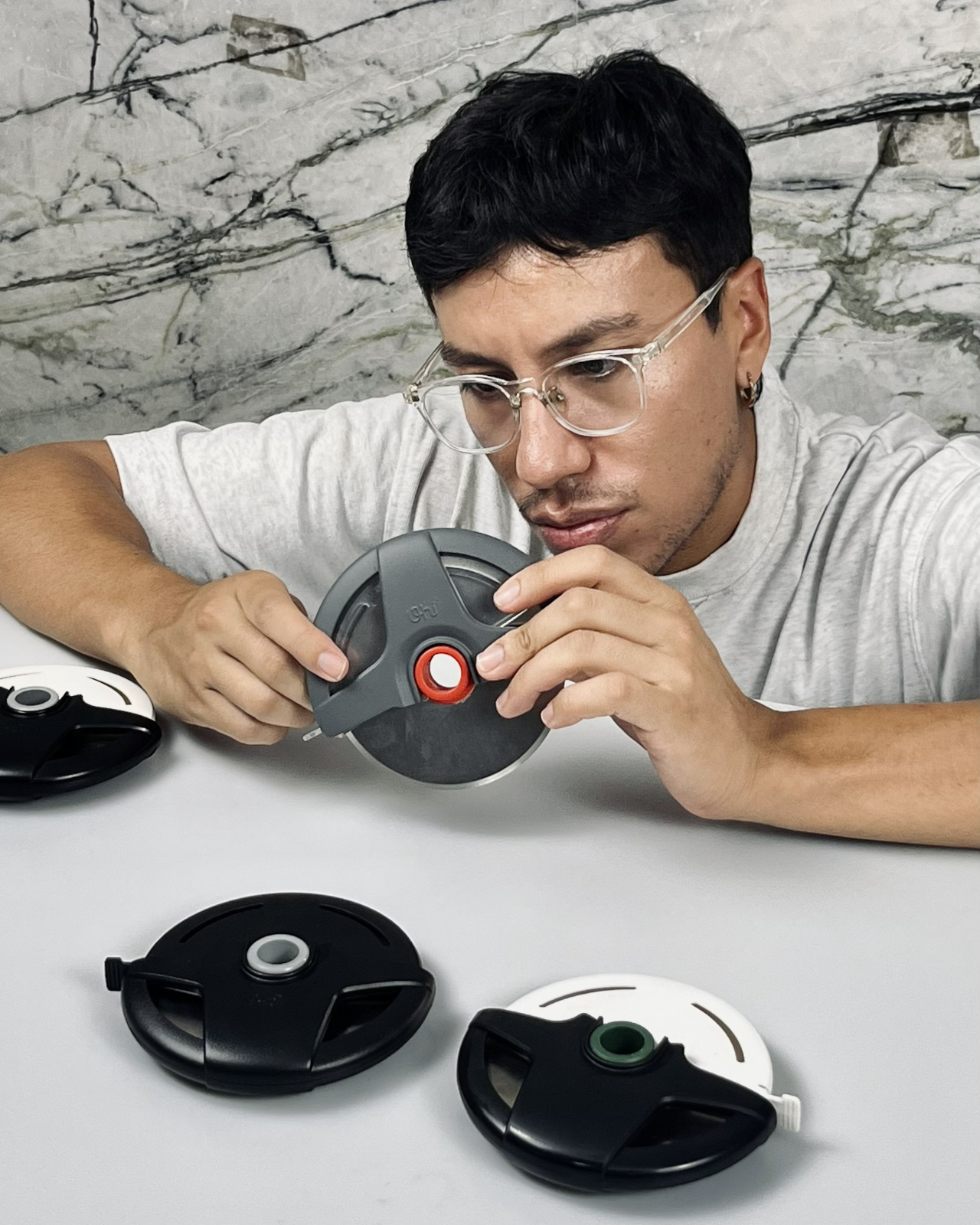
The UHIYEE Wheel Pizza Cutter addresses these problems by borrowing design language from power tools rather than typical kitchen gadgets. The arched handle and exposed blade resemble a compact circular saw, which might seem excessive for slicing pizza until you realize how much more confidence that visual cue provides. The wheel-shaped form suggests capability before you’ve even used it, setting expectations that the design then delivers on.

Designer: Javier Naranjo/WE MAKE PRODUCT for UHIYEE

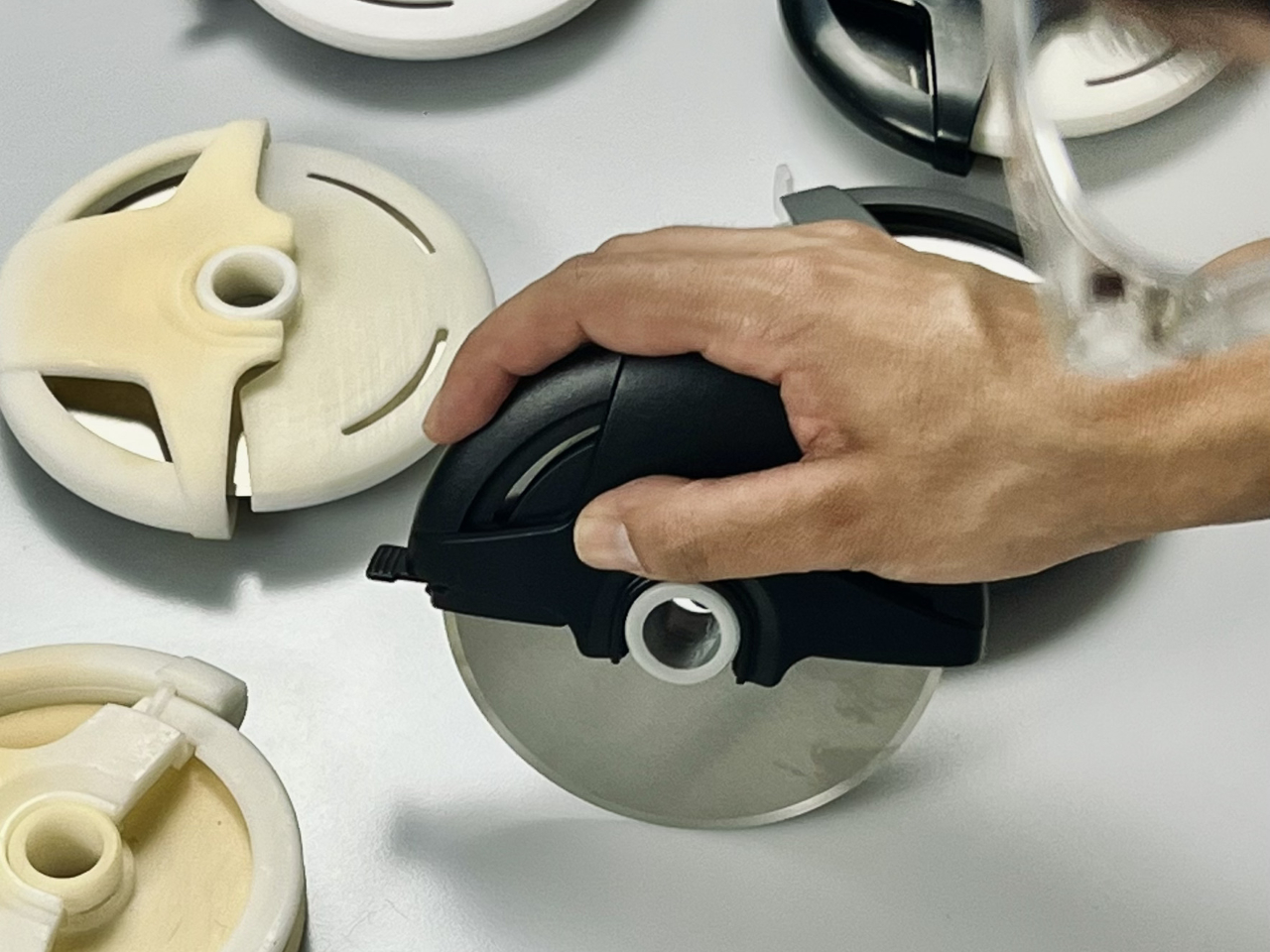
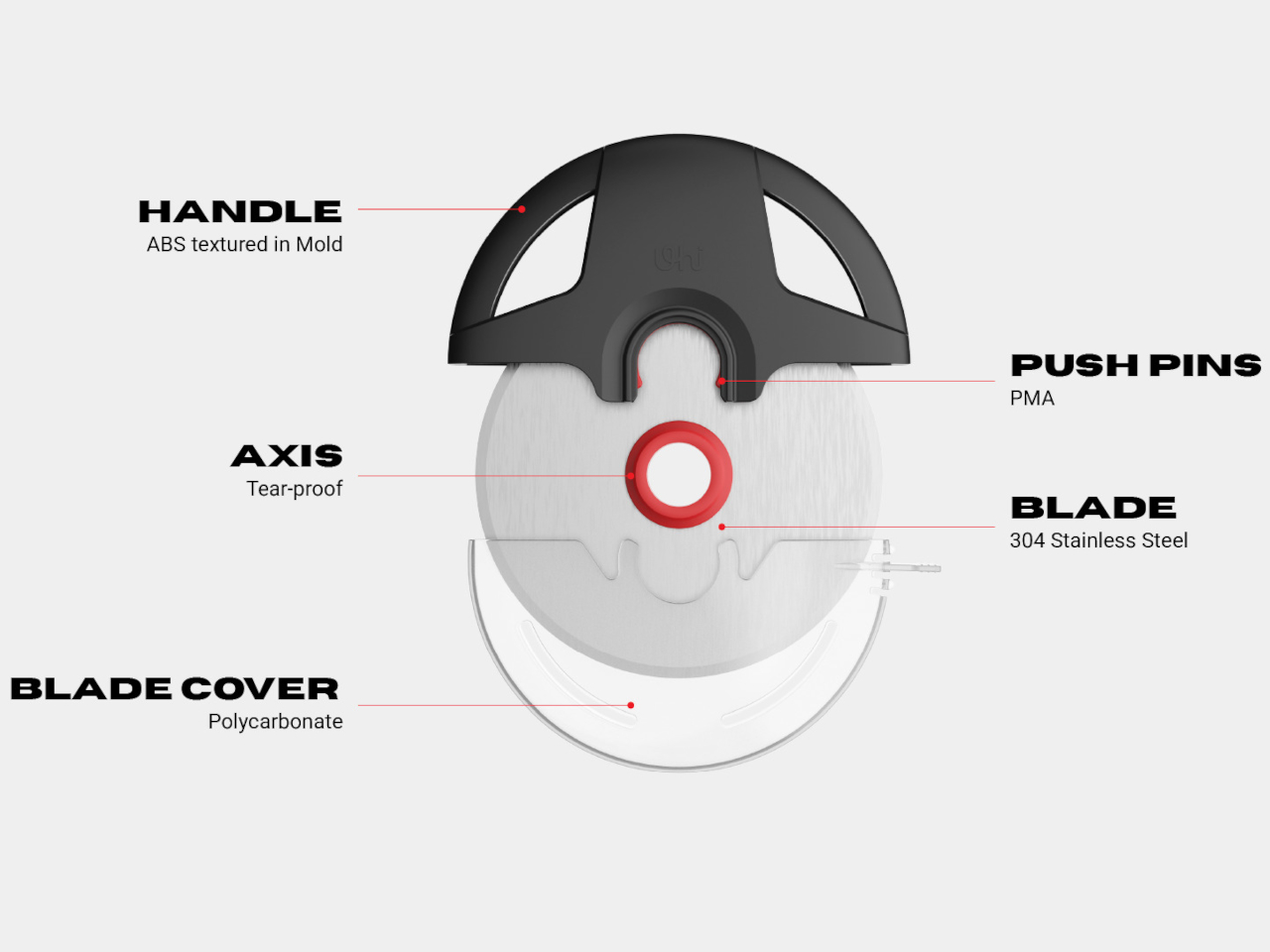
The handle uses injection-molded ABS with textured surfaces that maintain grip even when hands are wet or oily. The palm-filling shape distributes pressure evenly, preventing the hand fatigue that happens with thin handles requiring tight grips. Finger placement feels natural rather than forced. The geometry accommodates different hand sizes without requiring conscious adjustment to where you’re holding it.

A large 304 stainless steel blade cuts through thick crusts, deep dish edges, and layered toppings without requiring multiple passes or sawing motions. The diameter gives the blade enough surface contact to slice decisively rather than dragging. The edge profile stays sharp longer than typical pizza cutter blades, which matters when you’re cutting regularly rather than occasionally.

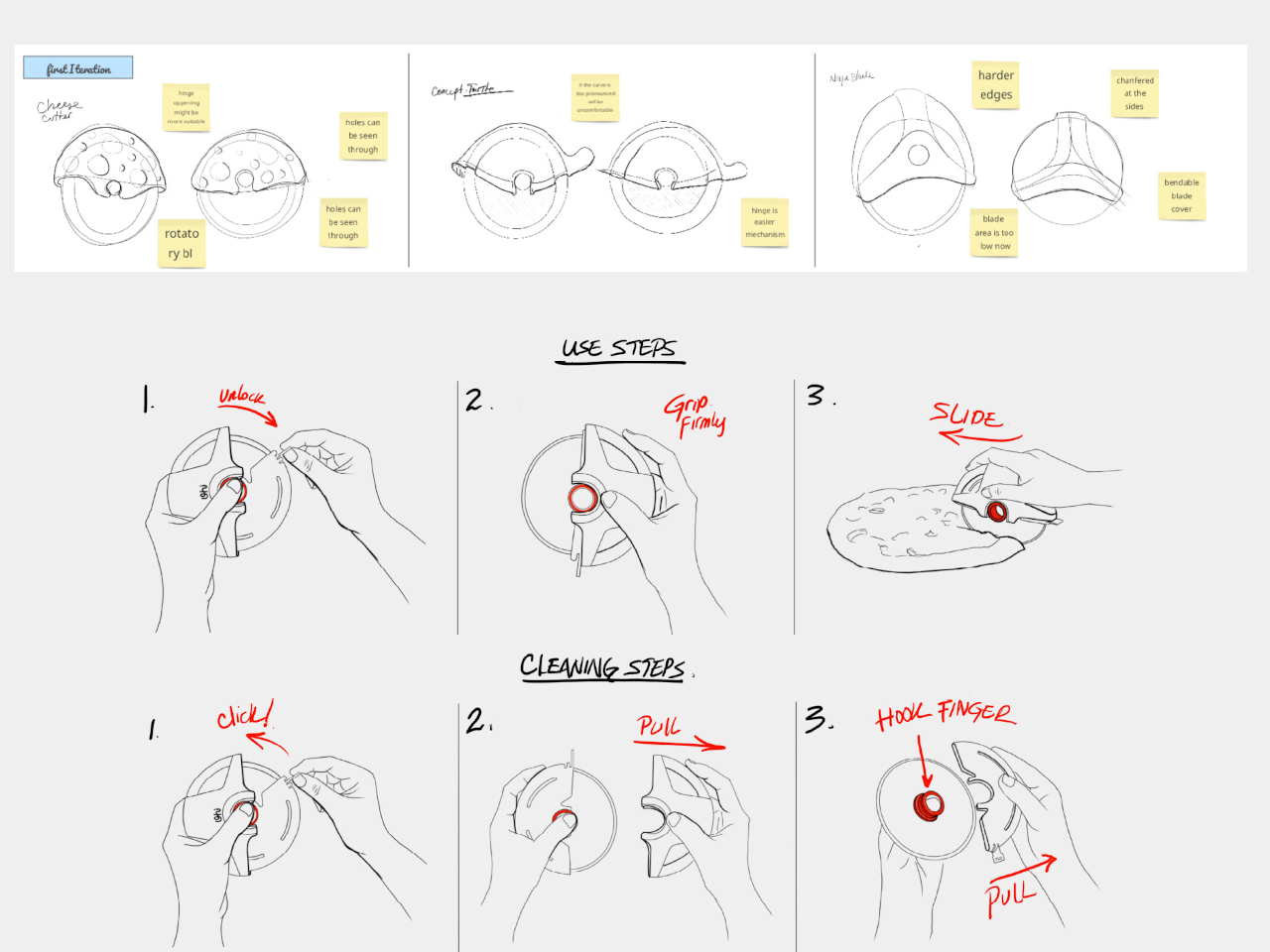
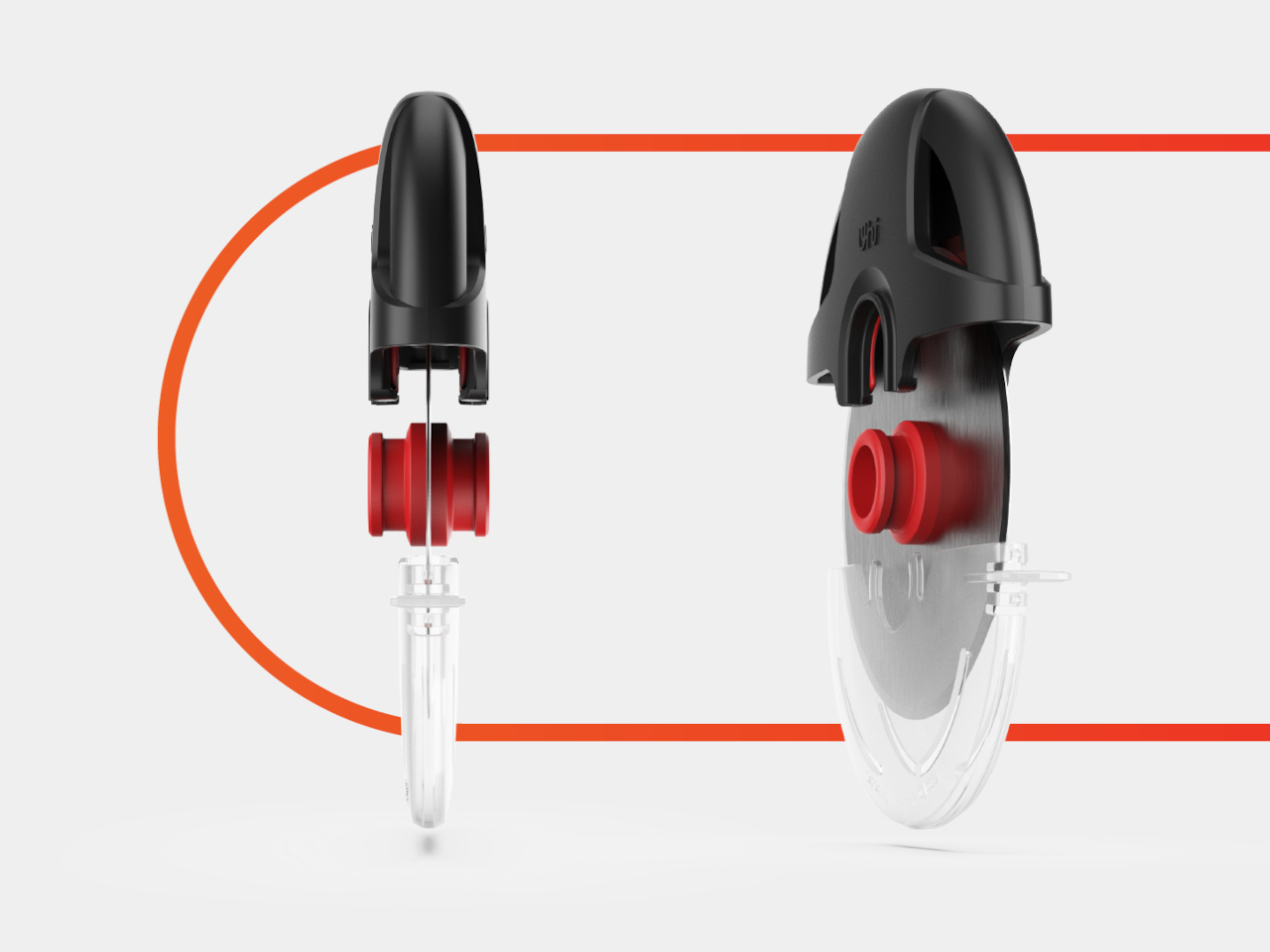
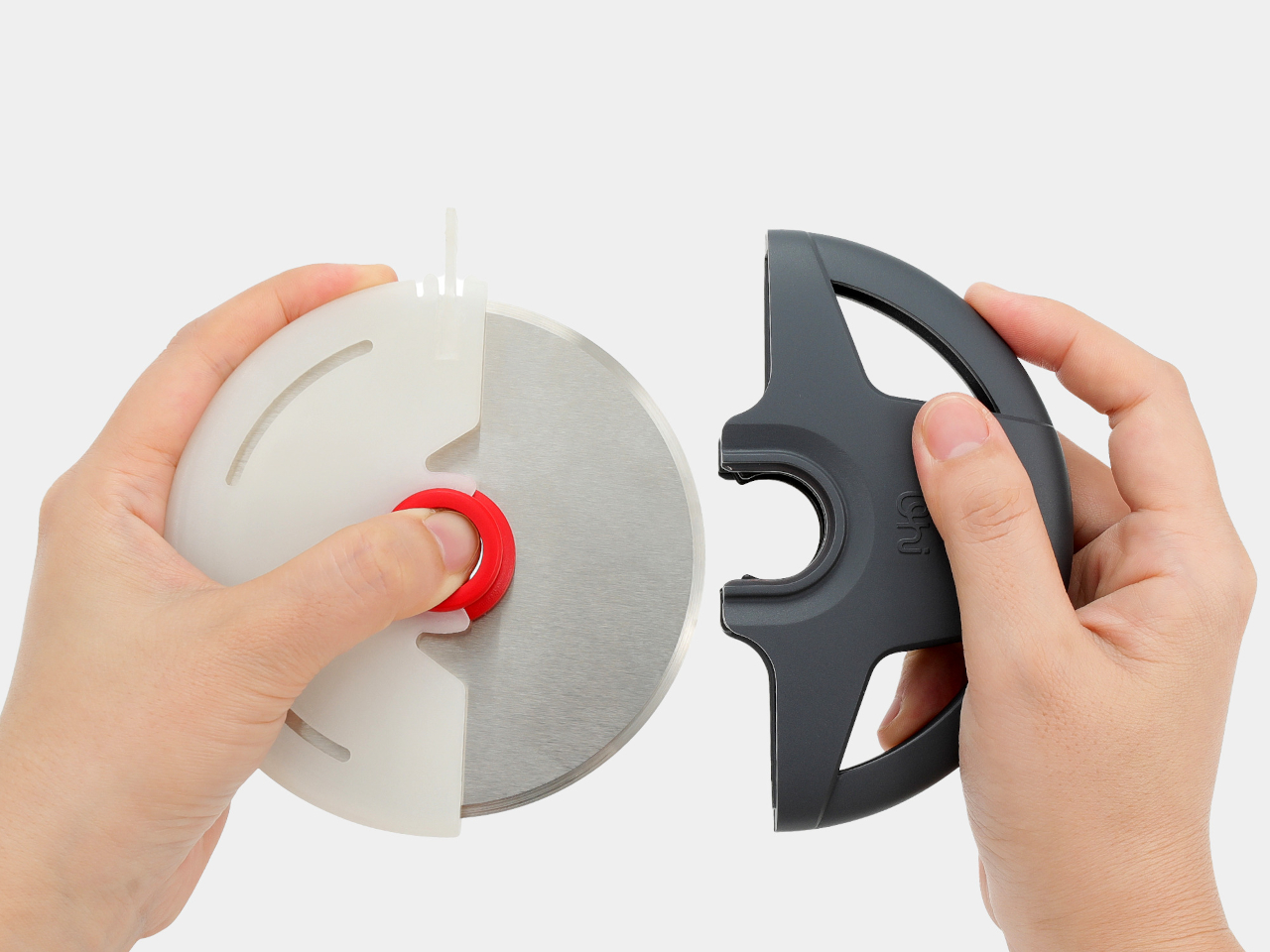
Push pins on either side of the handle release the blade assembly for cleaning. The whole mechanism separates into a few parts that rinse clean quickly instead of trapping cheese and sauce in unreachable crevices. Reassembly happens just as easily, with parts that align obviously rather than requiring guesswork about which direction components face.

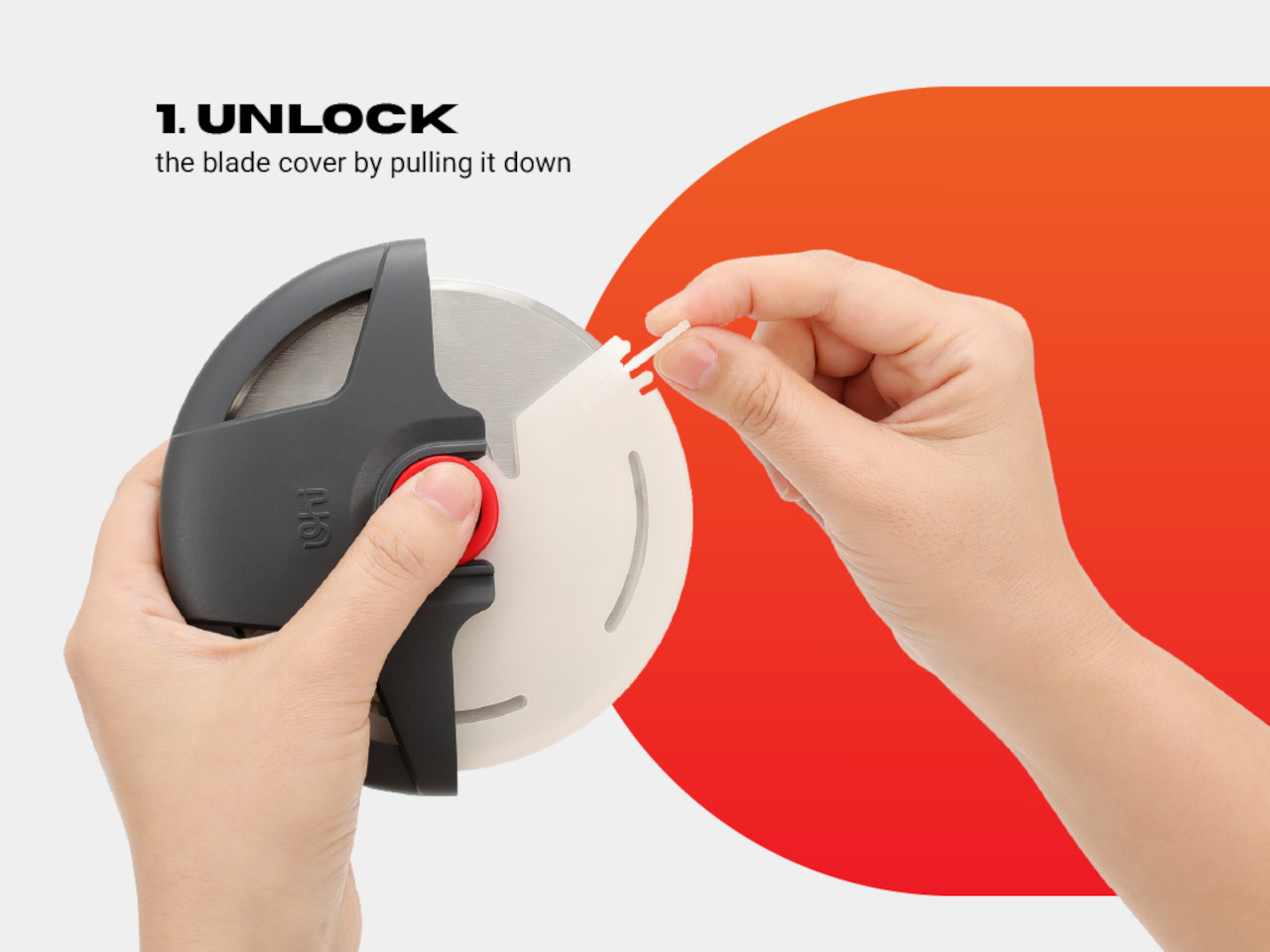
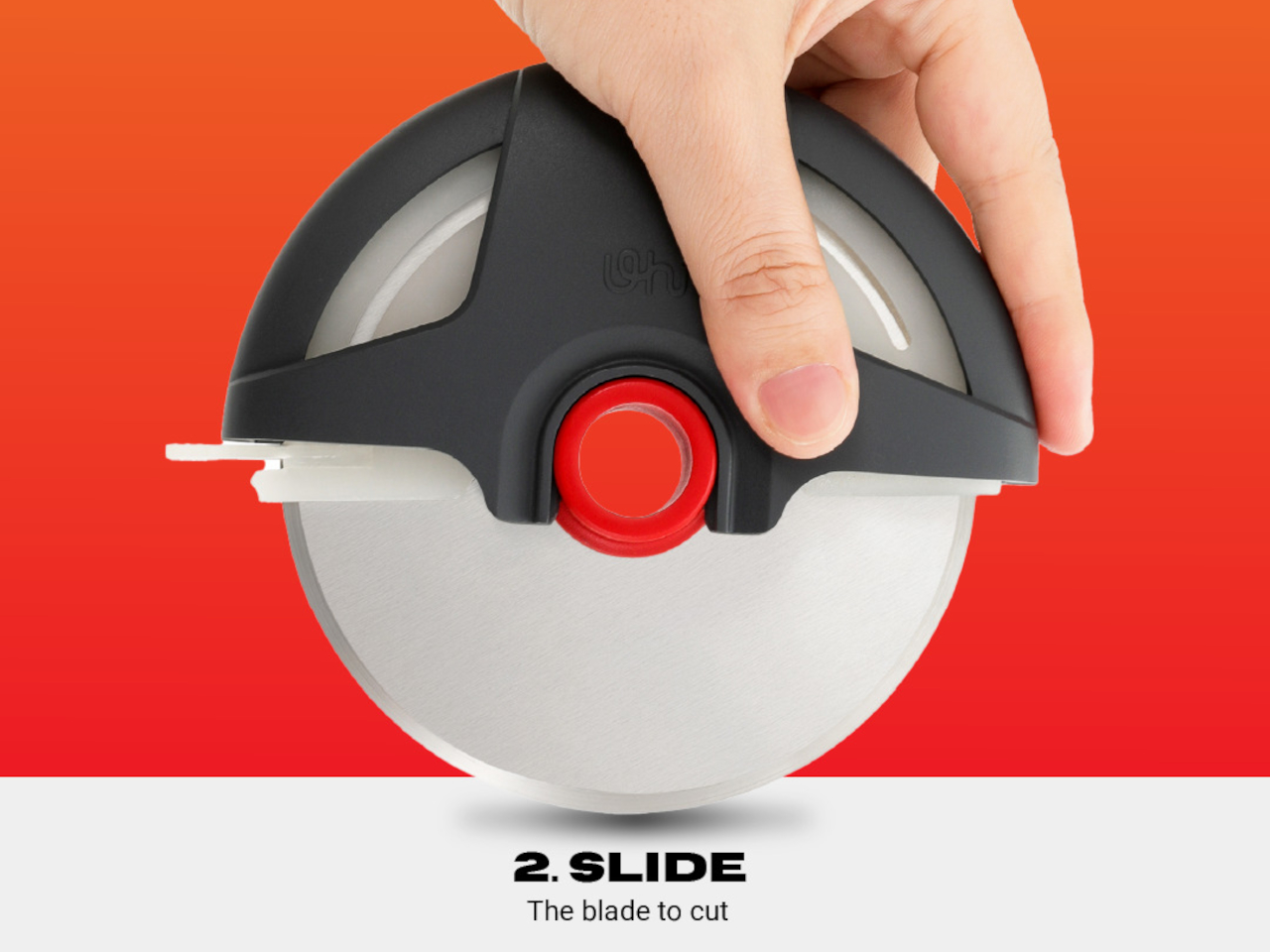
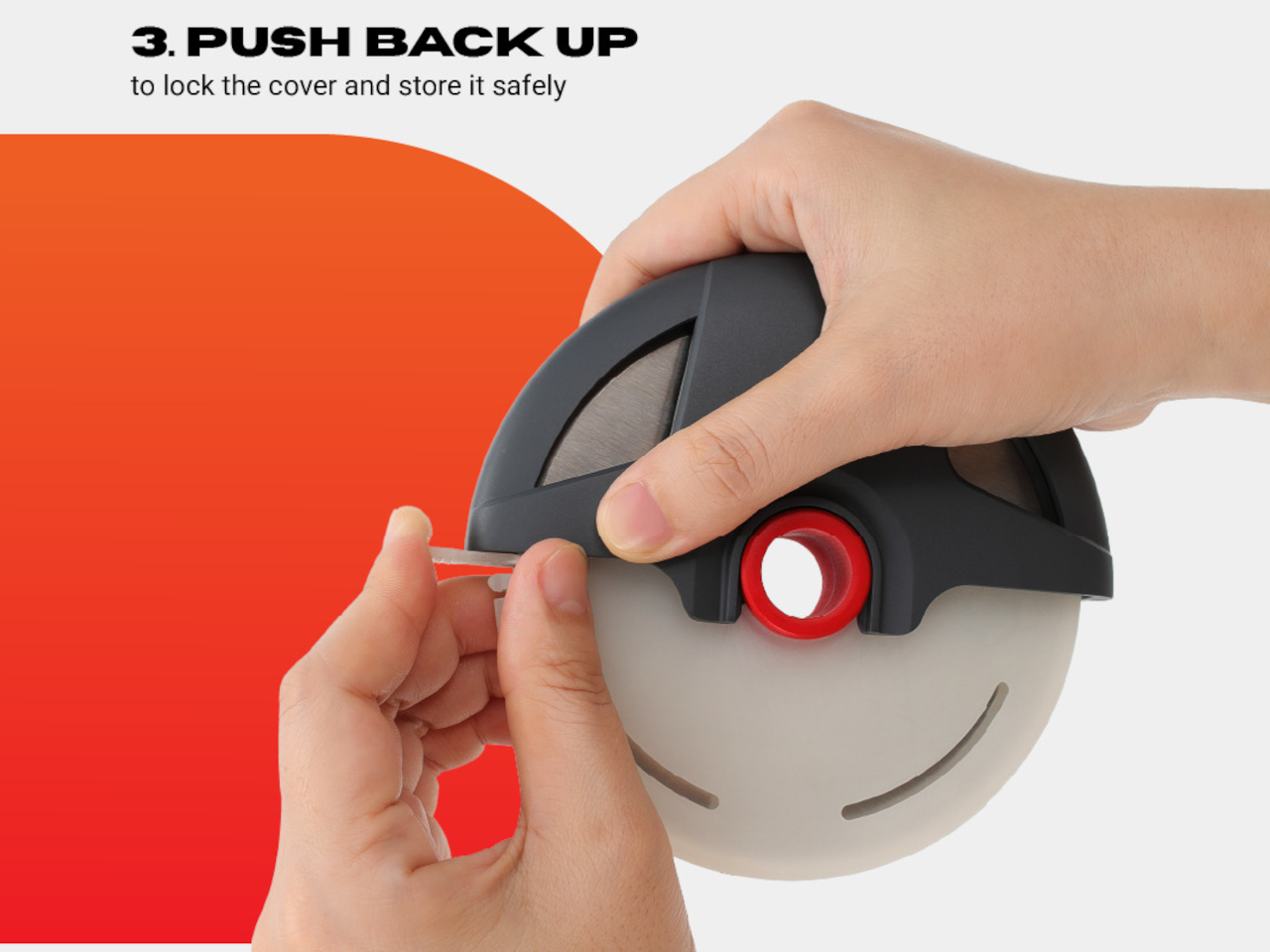
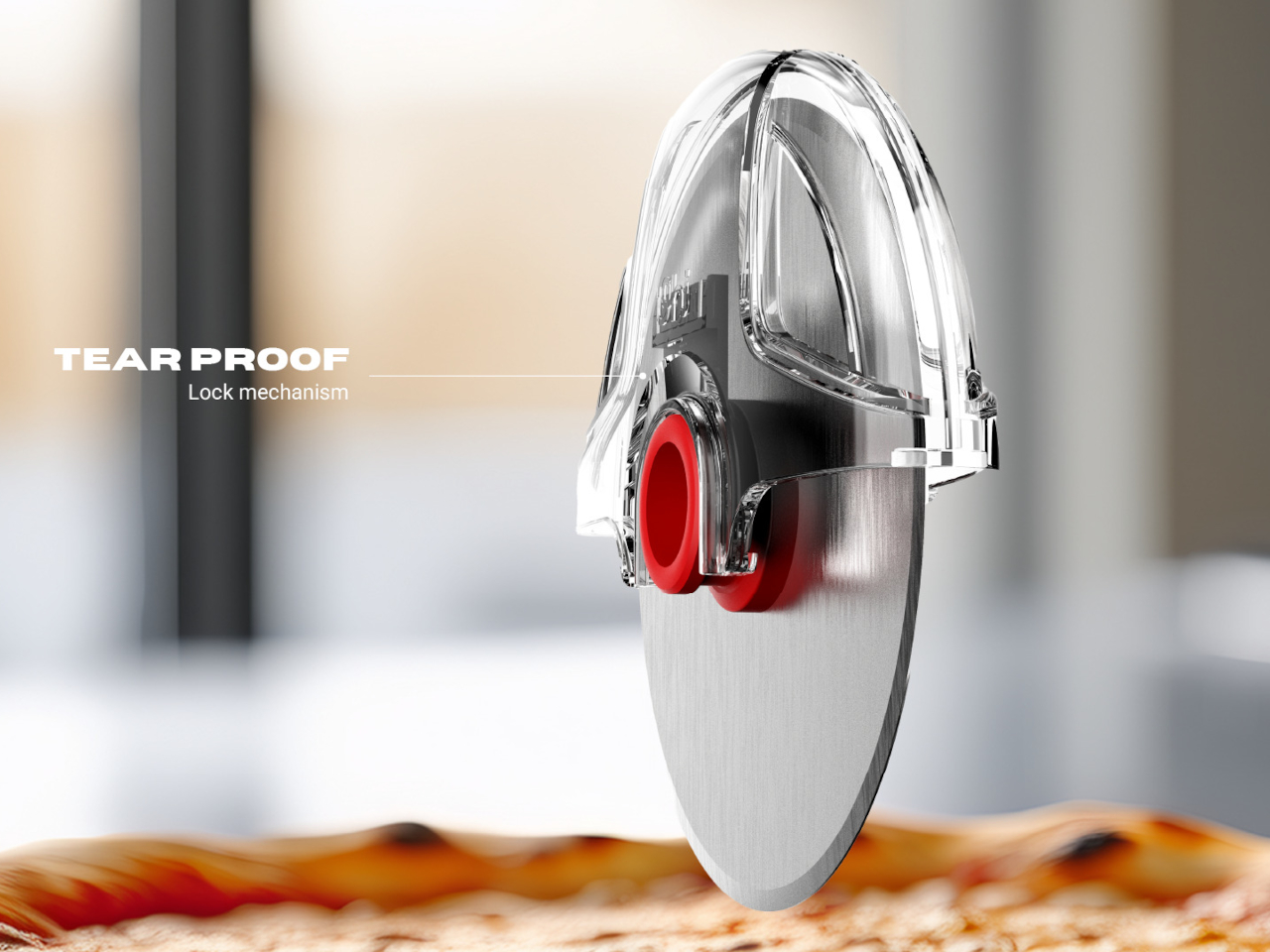
The transparent polycarbonate blade cover locks over the cutting edge when the tool goes back in the drawer. A simple sliding mechanism unlocks it for use. This removes the anxiety about reaching into a drawer and grabbing the sharp side accidentally. The cover also keeps the blade clean between uses and prevents it from dulling against other utensils.

That power tool resemblance works both functionally and aesthetically. The black, red, and silver color scheme reinforces the industrial quality. The wheel shape makes storage more compact than traditional pizza cutters with long handles. What could feel gimmicky instead reads as purposeful, turning pizza cutting into something that feels more deliberate and satisfying.

The UHIYEE Wheel Pizza Cutter brings industrial design thinking to a kitchen task that rarely receives this level of engineering attention. It handles thick crusts and deep dish edges confidently while looking appropriate next to other well-designed kitchen tools. The power tool resemblance stops feeling unusual once you’ve used it, making pizza night more satisfying for anyone who appreciates objects that actually work.

The post This Pizza Cutter Looks Like a Tiny Circular Saw first appeared on Yanko Design.

Box Cutter Dial Lets You Make Identical Cuts Without a Ruler

Cutting a straight line should be simple, but for anyone who’s ever measured, marked, and sliced the same piece of foam board or cardboard over and over, the process is anything but straightforward or efficient in practice. The classic “measure twice, cut once” mantra is great advice until you’re making dozens of identical cuts for a project, and the ruler starts to feel like a bottleneck slowing down your entire workflow and creative process.

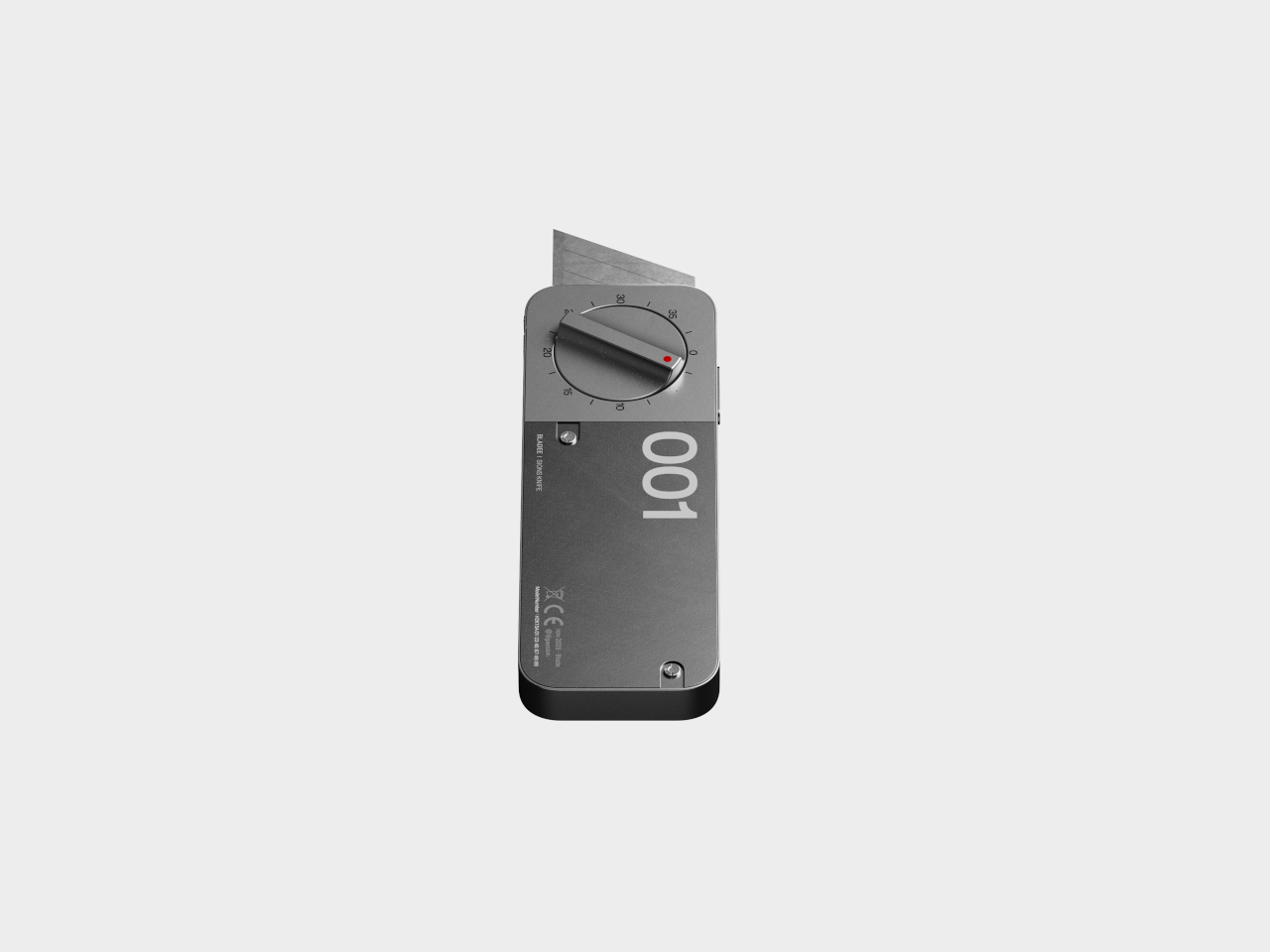
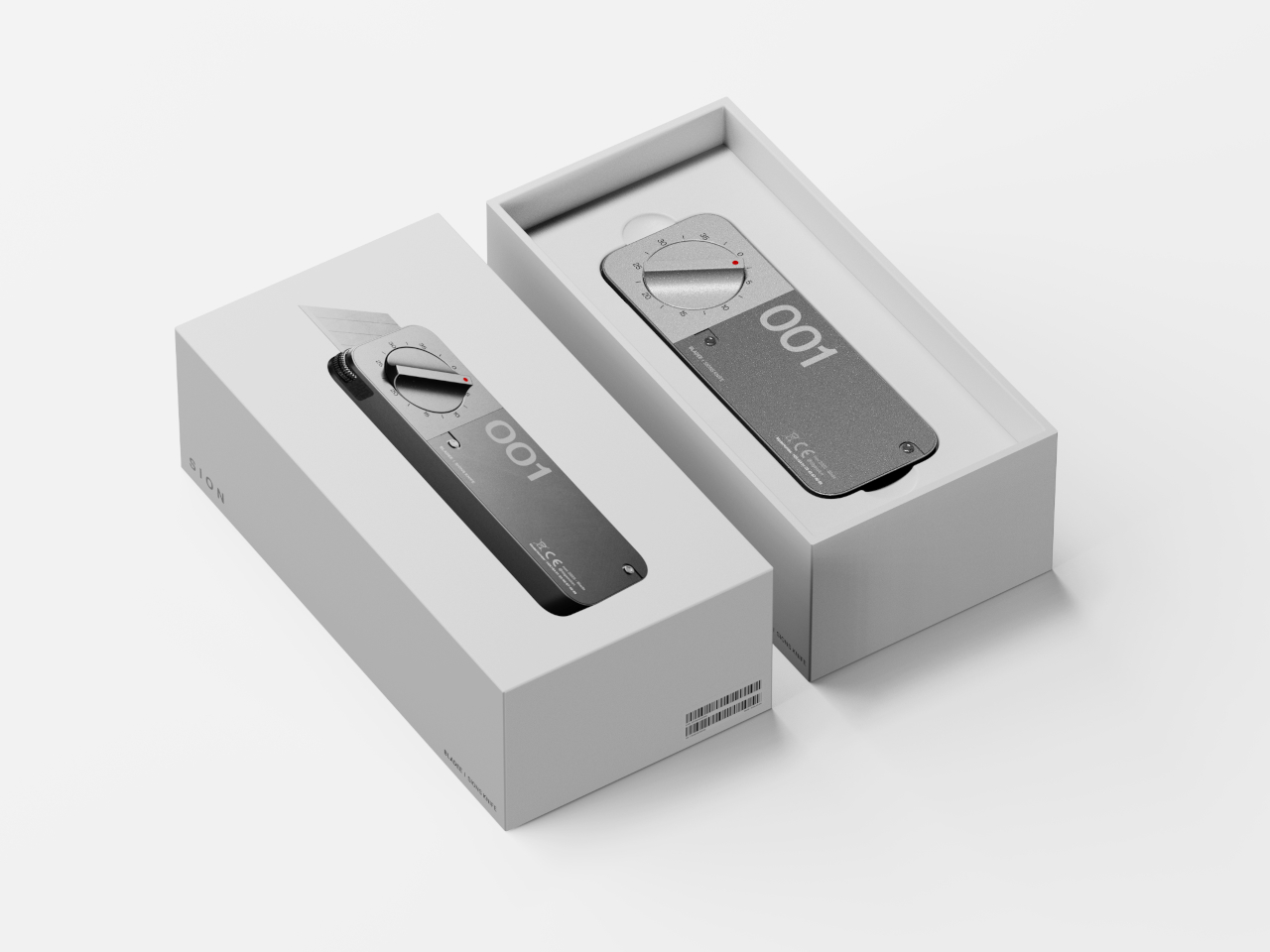
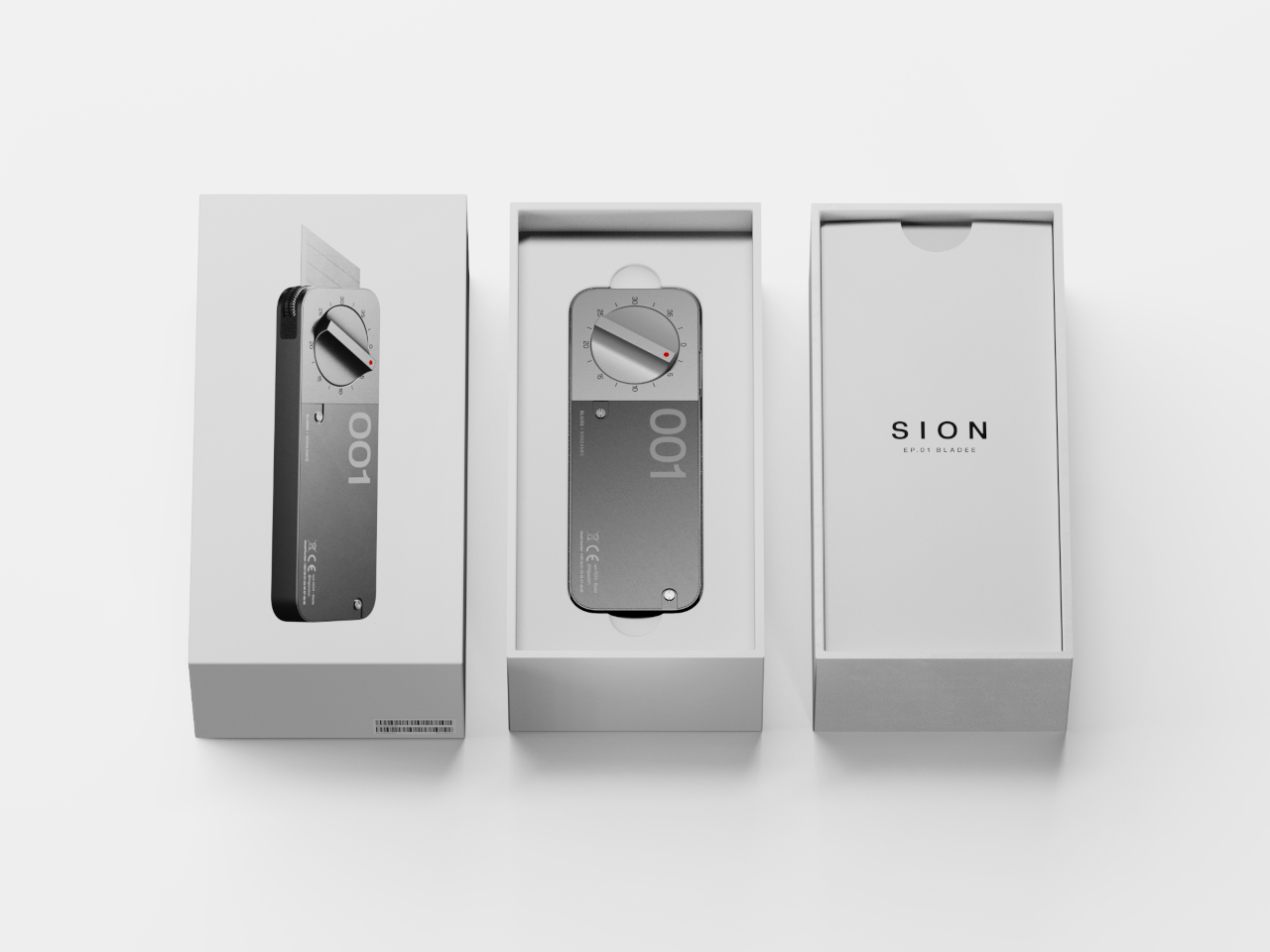
The BLADEE box cutter concept is a rethink of the humble utility knife designed for modern makers and professionals. By building measurement and precision into the tool itself through integrated mechanics and a dial system, it promises to make repeatable, accurate cuts faster and easier throughout your day without external measuring tools. No ruler needed, no marking required, and no guesswork involved when you’re deep into production work.

Designer: Semin Park

Create your own Aesthetic Render: Download KeyShot Studio Right Now!

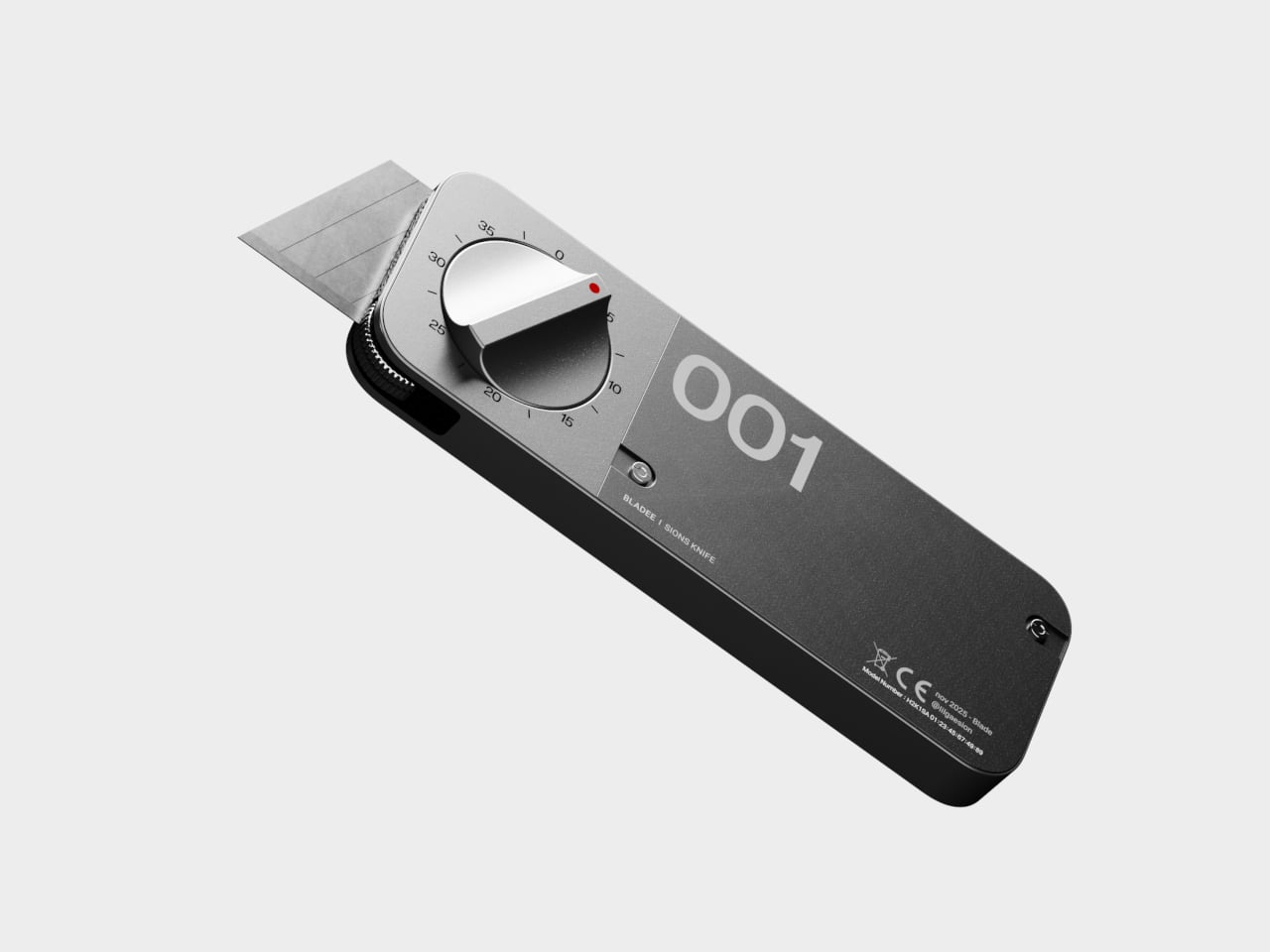
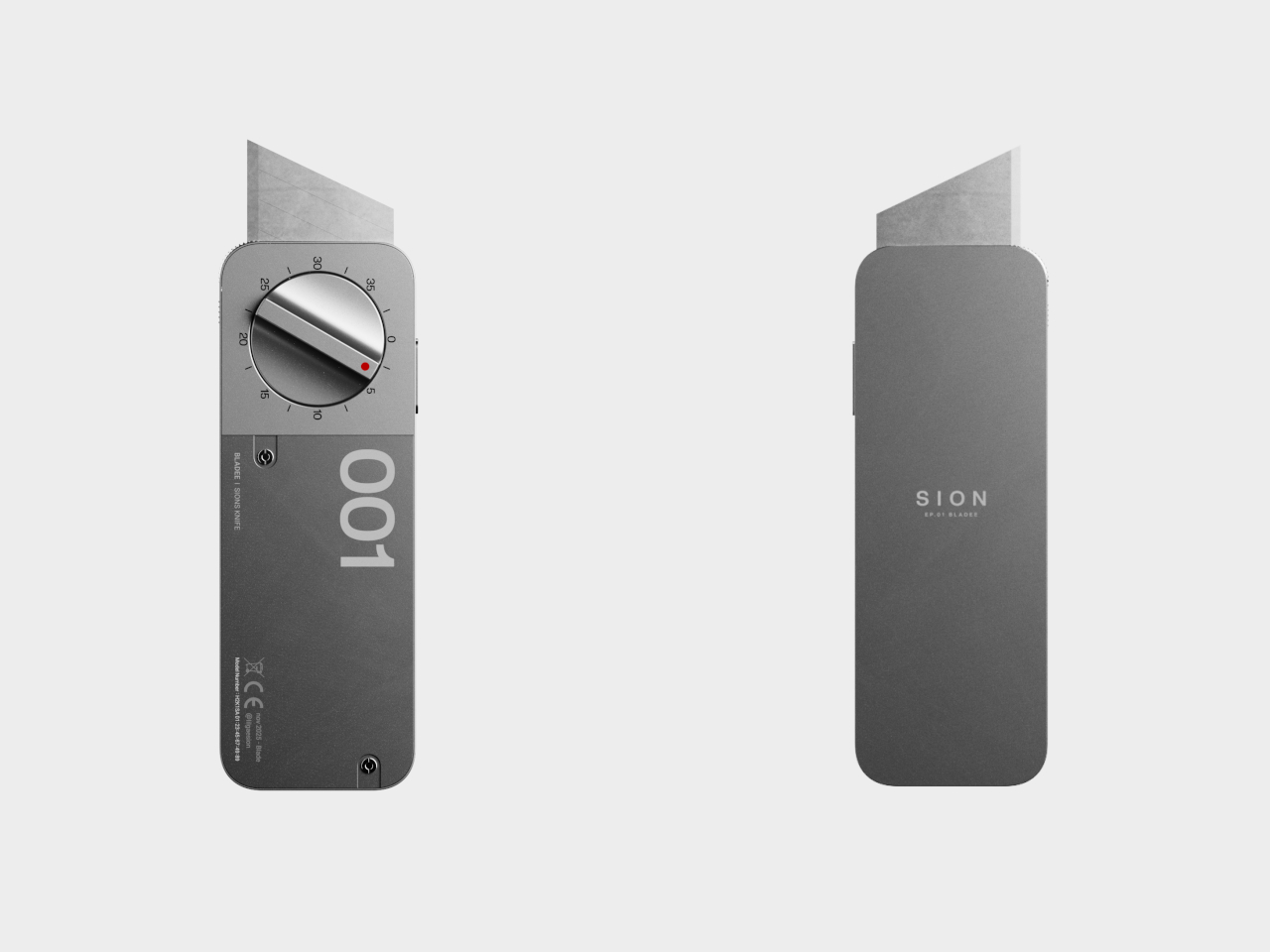
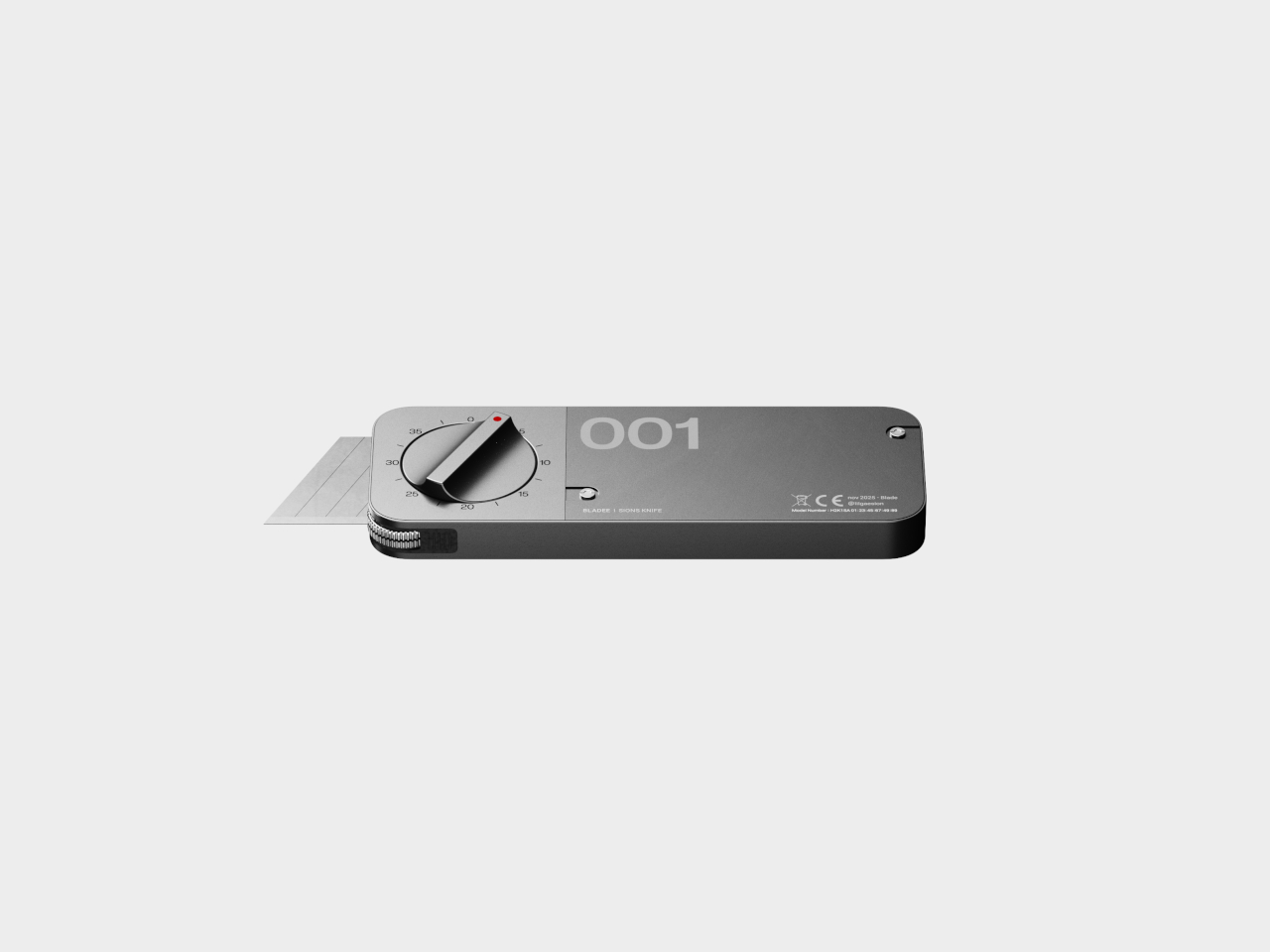
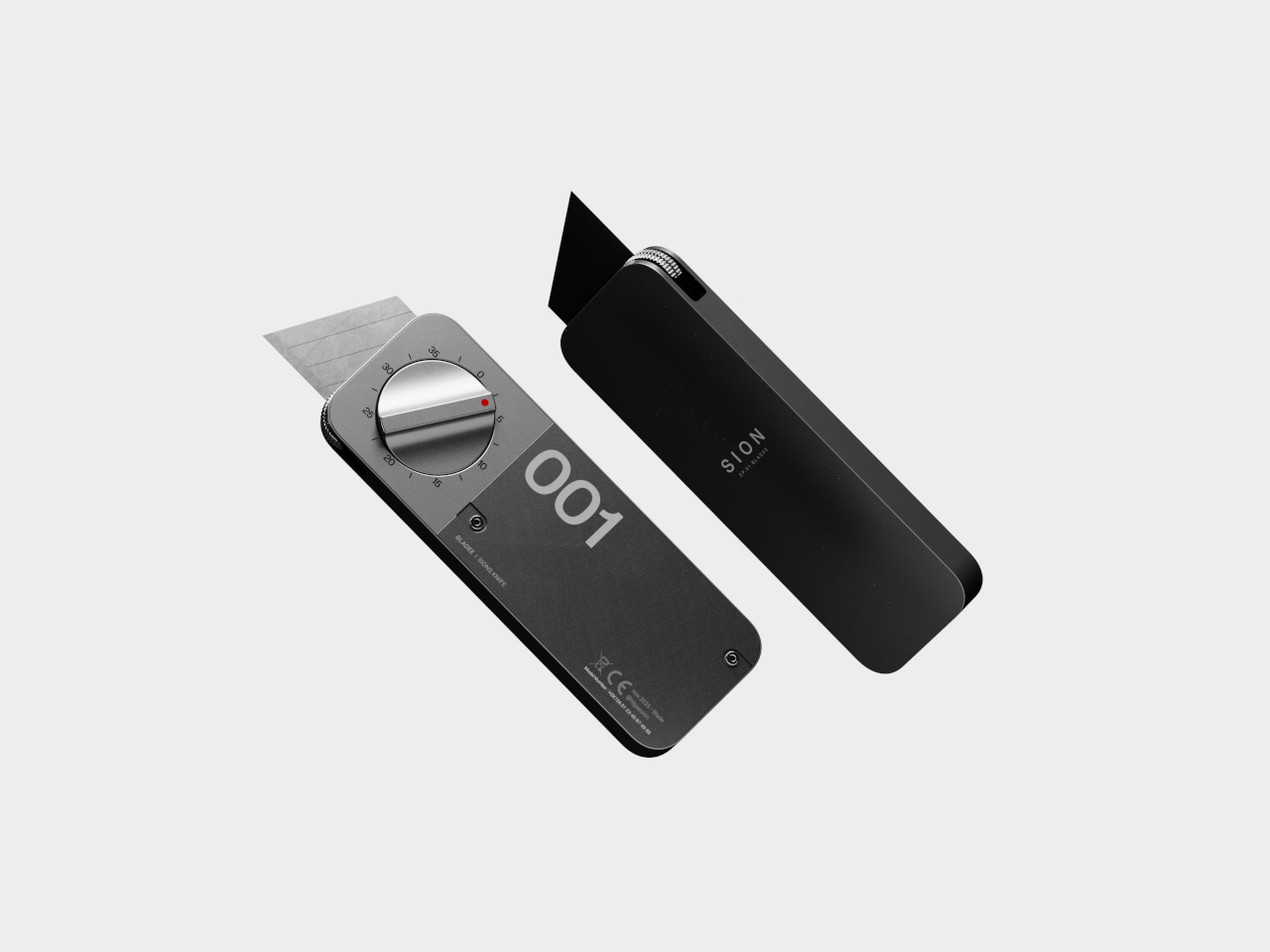
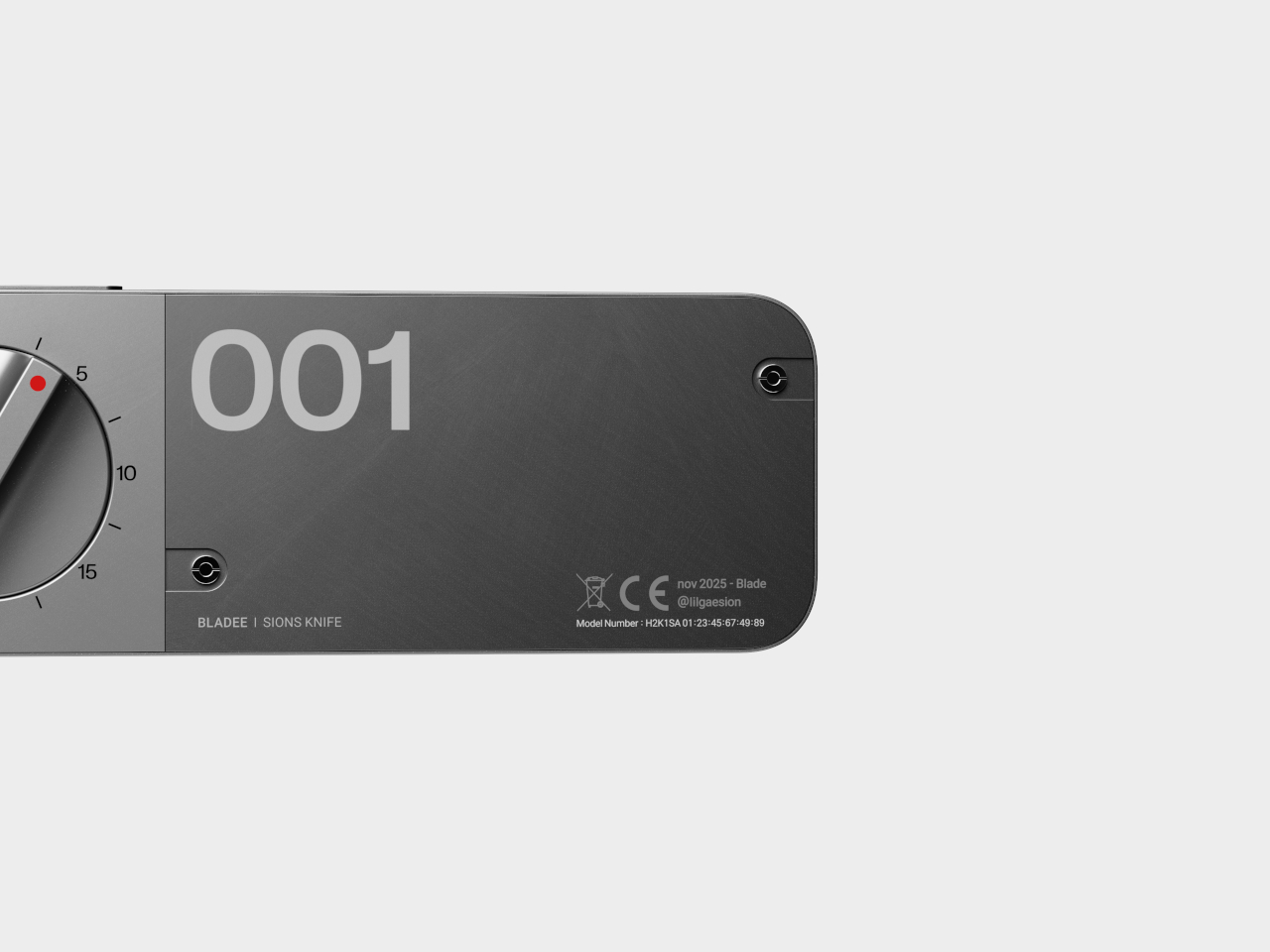
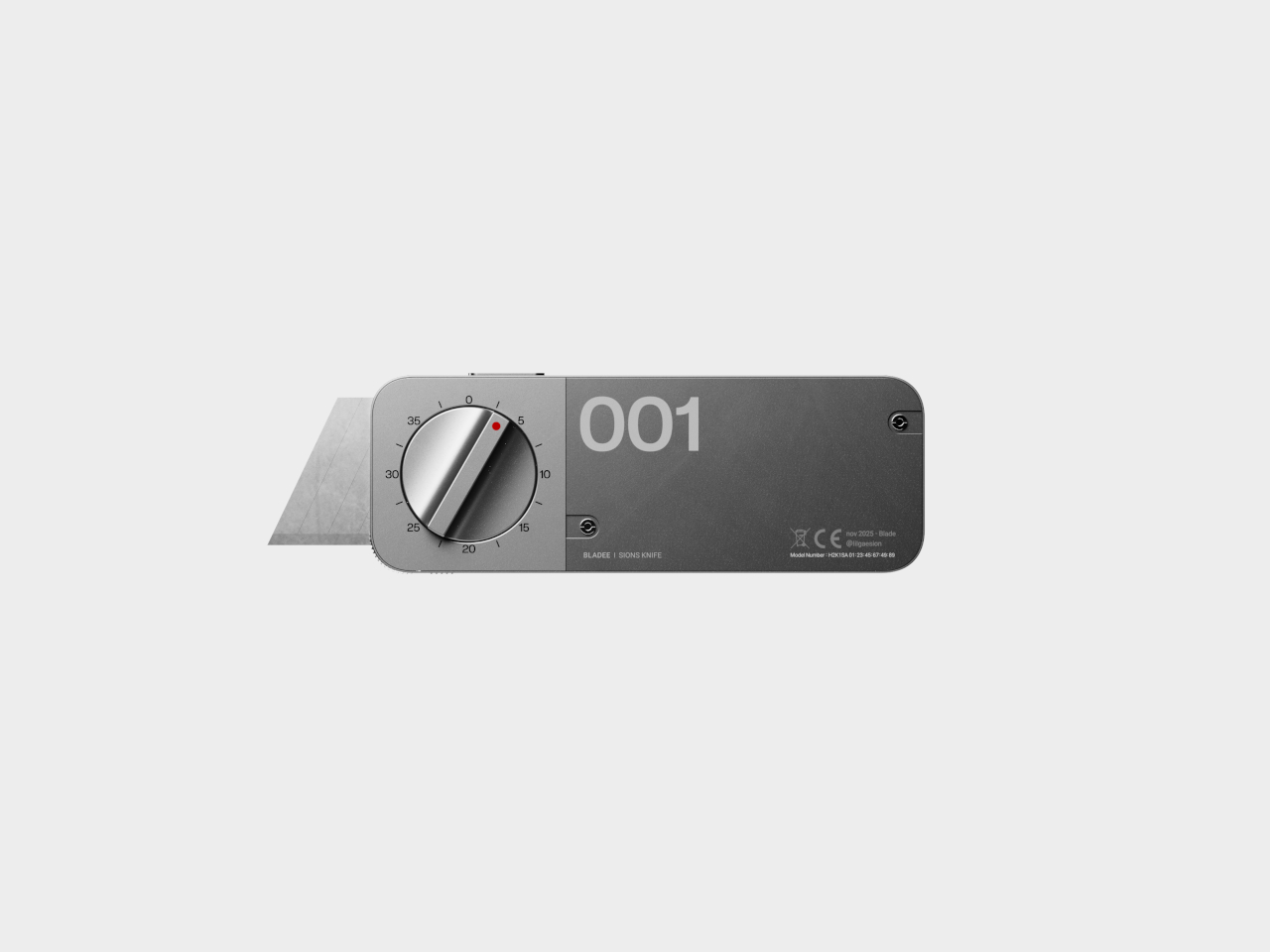
BLADEE’s minimalist, phone-sized body is all about clean lines, matte metal finishes, and a prominent dial that dominates the top surface for immediate visibility and control. The numbered dial lets you set your target cut length from 0 to 35 units, while a lower measurement wheel tracks your progress in real time as you slice through materials. As you approach the preset length, the blade gradually retracts automatically.

The blade always extends a fixed stroke for initial penetration, then withdraws at the set point to ensure every cut finishes smoothly and precisely at the same spot every time. The auto-lock at zero prevents accidental activation during transport or storage, and the dial only works when you press the side button for additional safety during use. This dual-safety system protects both the user and nearby materials.

The real magic is how BLADEE changes the workflow entirely for professional and hobbyist makers alike. No more juggling rulers, pencils, and knives across your workspace while trying to maintain precision and accuracy. Just set the dial to your desired measurement, cut with confidence, and repeat as many times as needed. Whether you’re prototyping packaging designs, building architectural scale models, or crafting at home, the tool eliminates tedious marking.

The right-hand cover is modular and swappable, letting you change colors, finishes, or even add project numbers or initials for organization and personalization. The measurement wheel rolls alongside the blade during cutting, counting travel with each pass and engaging the internal linkage for smooth, automatic retraction at the endpoint. This prevents over-cutting while reducing the risk of slips and accidents at the vulnerable end of each cut.

The robust metal construction, bold “001” graphics, and red pointer indicator give BLADEE a premium, professional feel that makes it as satisfying to use as it is to display prominently. For anyone who values accuracy and efficiency in their creative work, this concept offers a compelling reminder that even the most ordinary, everyday tools can be reimagined for modern workflows and contemporary creative needs when designers prioritize user experience and workflow efficiency.

The post Box Cutter Dial Lets You Make Identical Cuts Without a Ruler first appeared on Yanko Design.

Split box cutter concept has a neat trick for keeping spare or dull blades

Box cutters, or simply cutters, are a common sight in any office or workshop. The basic design hasn’t changed much over the years, with the most common style using a long segmented blade where you can snap off a section when it has become dull. This simple design, almost like a stackable “push-point” pencil, offers an efficient mode of operation, but not without its drawbacks.

One big problem is that the actual section of the blade you can actively use might be too small since you can’t push it out too much or it will snap and break if you apply too much pressure. A single, unbroken blade might still be the most stable design, but it’s also the most wasteful. This concept tries to find a middle ground by employing a rather unorthodox design for a box cutter.

Designer: ZOZ Works

1

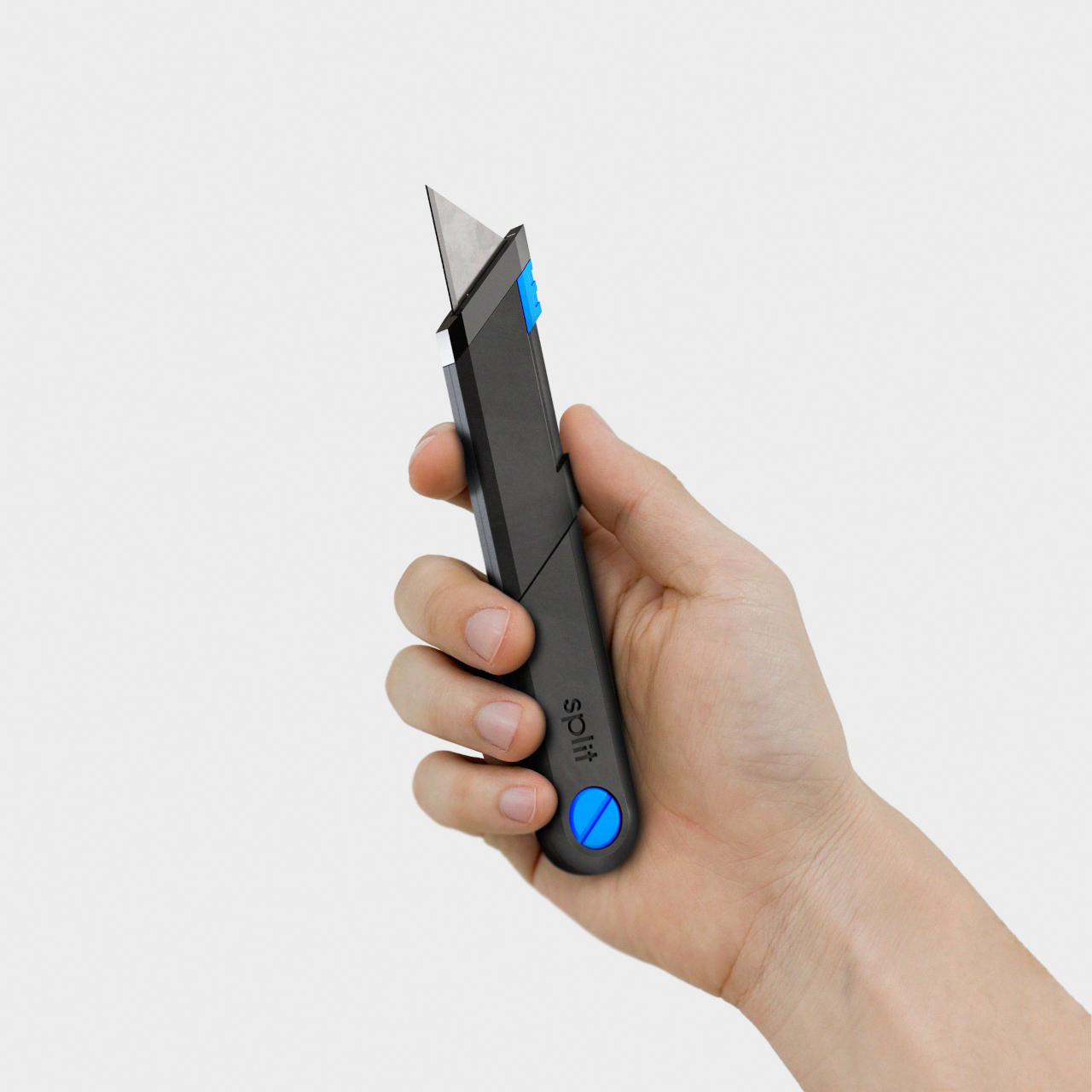
Given how you need to have a secure and firm hold on a cutting tool, you might presume that you need a large unibody handle design. As small EDC knives and cutters have proven, however, that’s necessarily the case. And just because something comes in parts that can be separated doesn’t mean that it will be structurally unsound and unreliable.

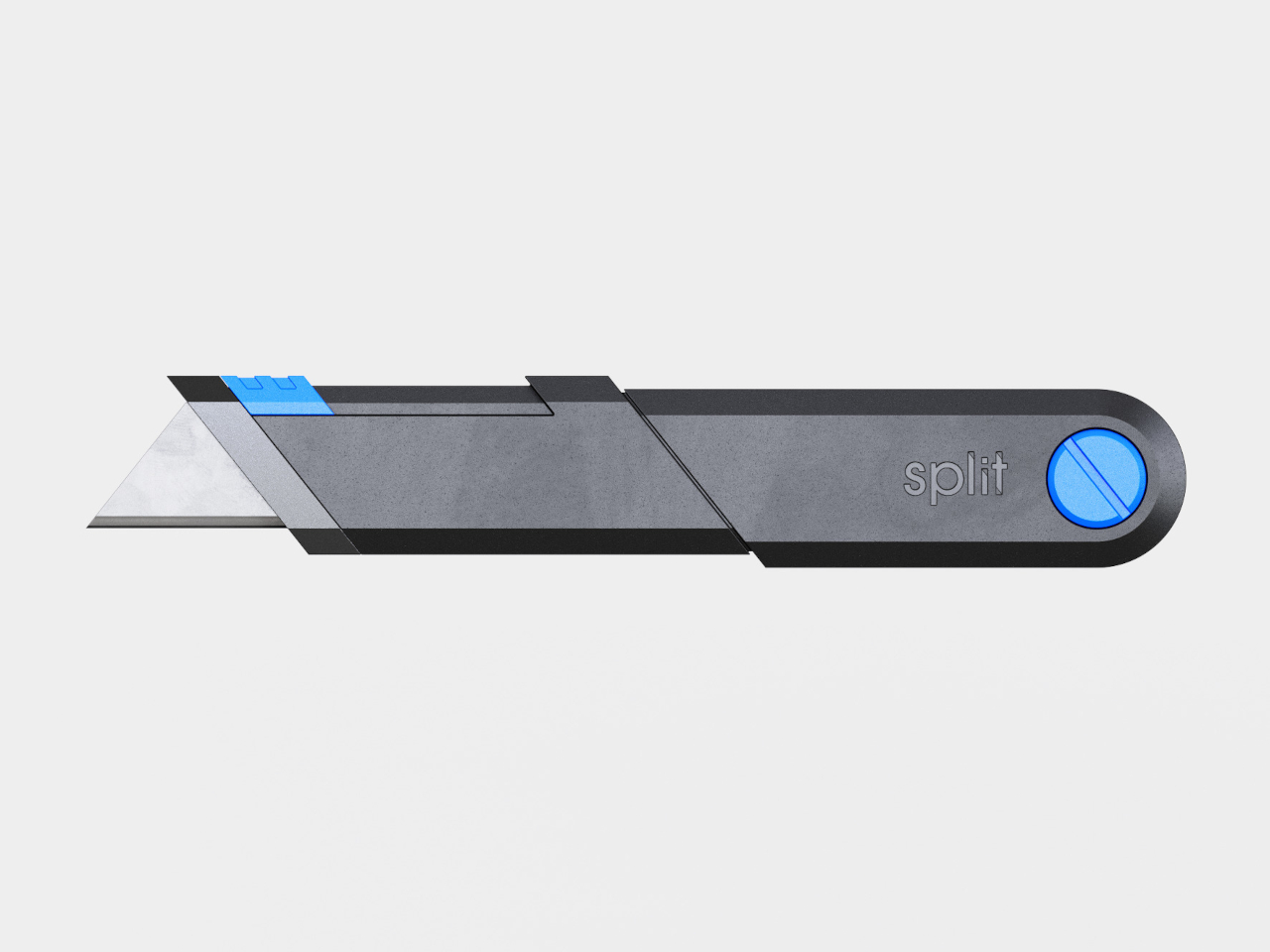
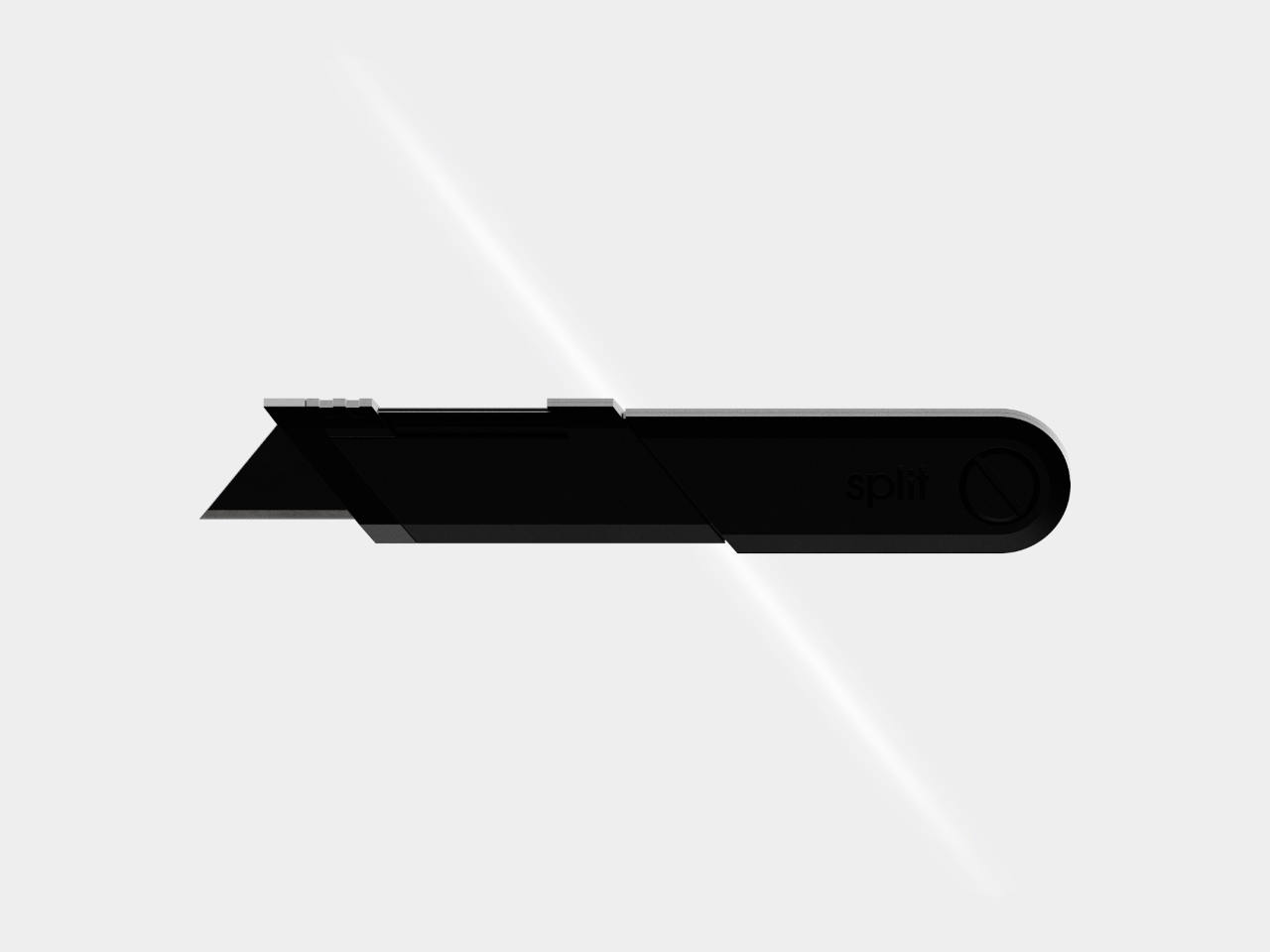
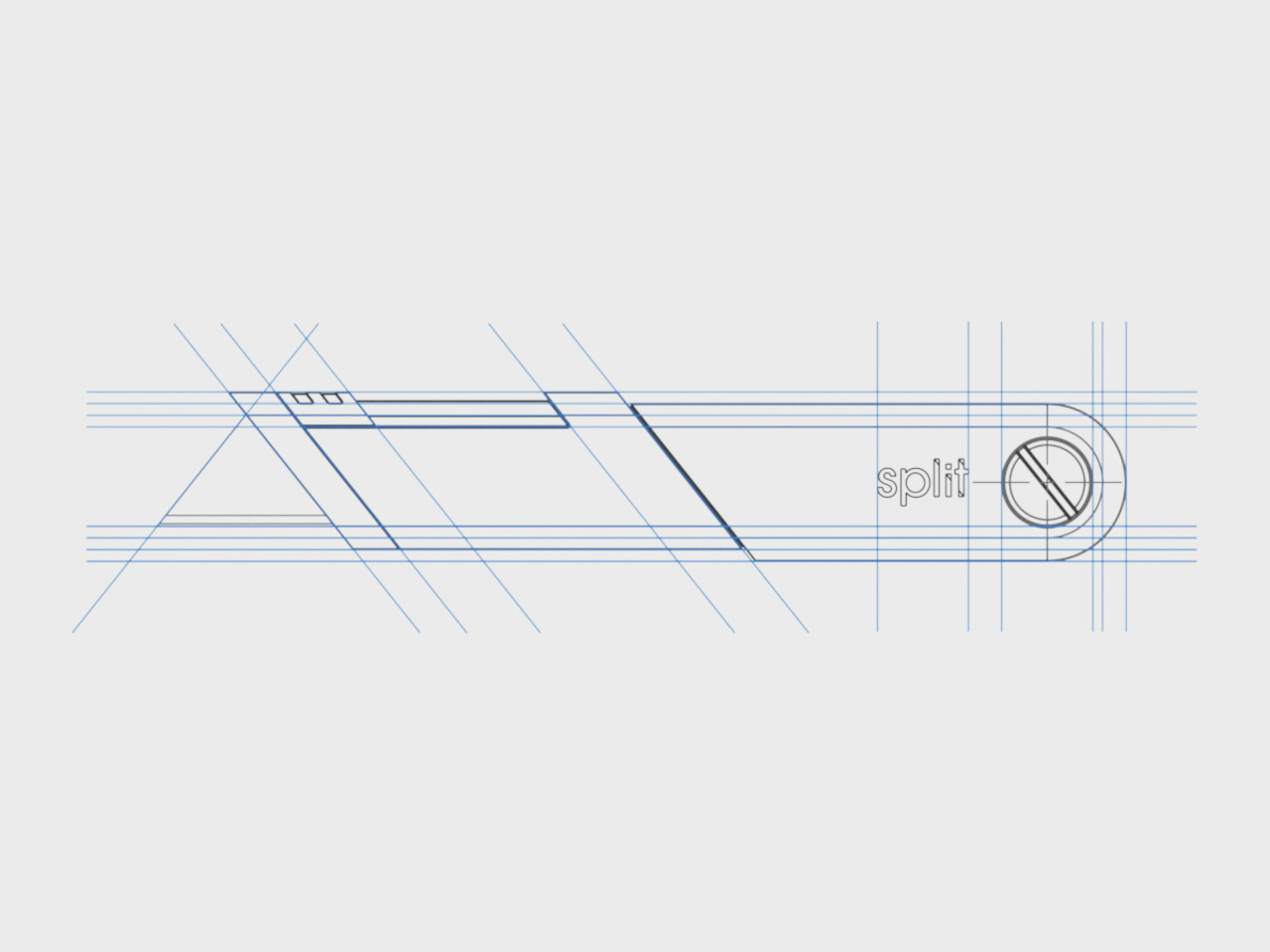
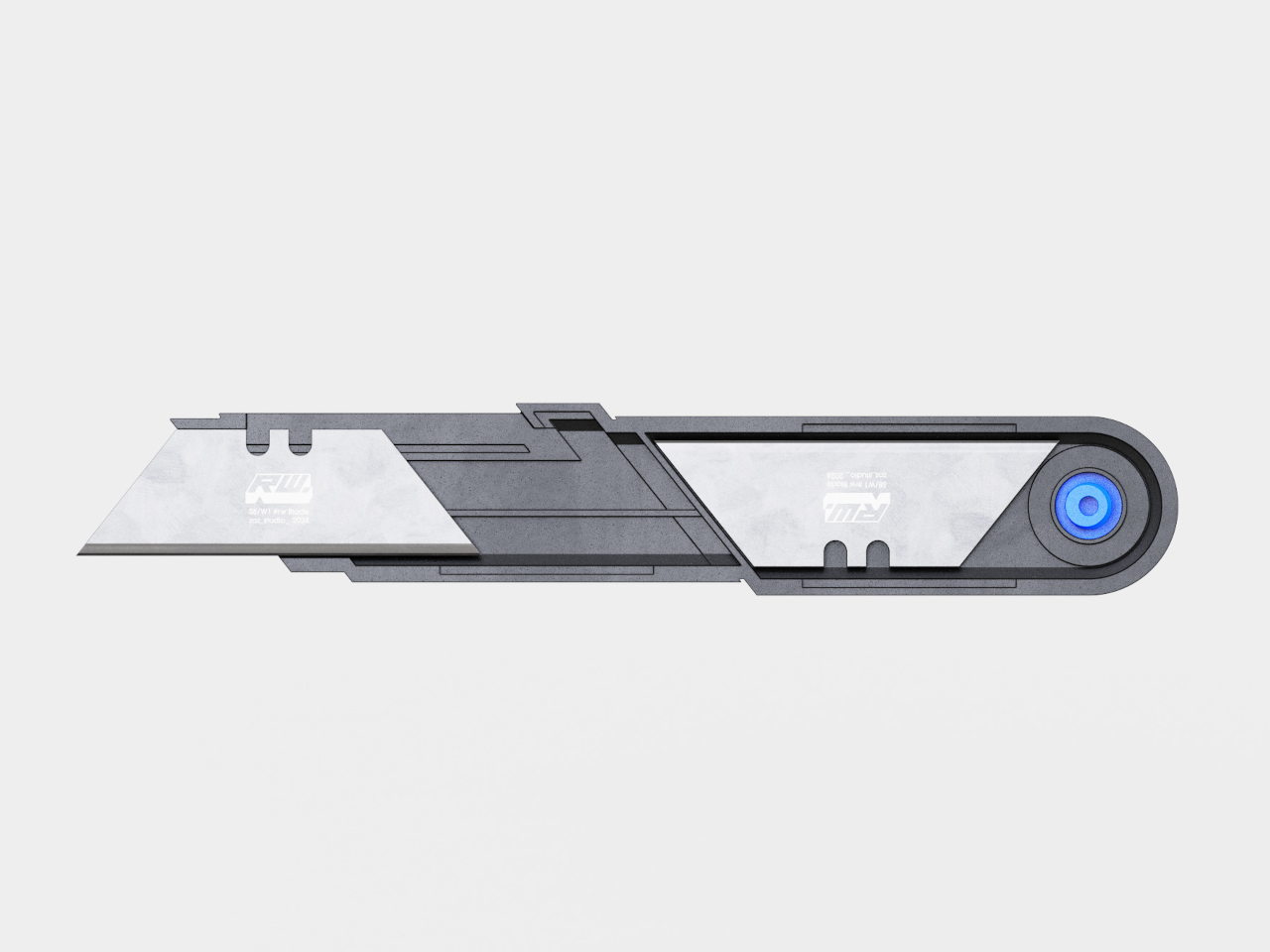
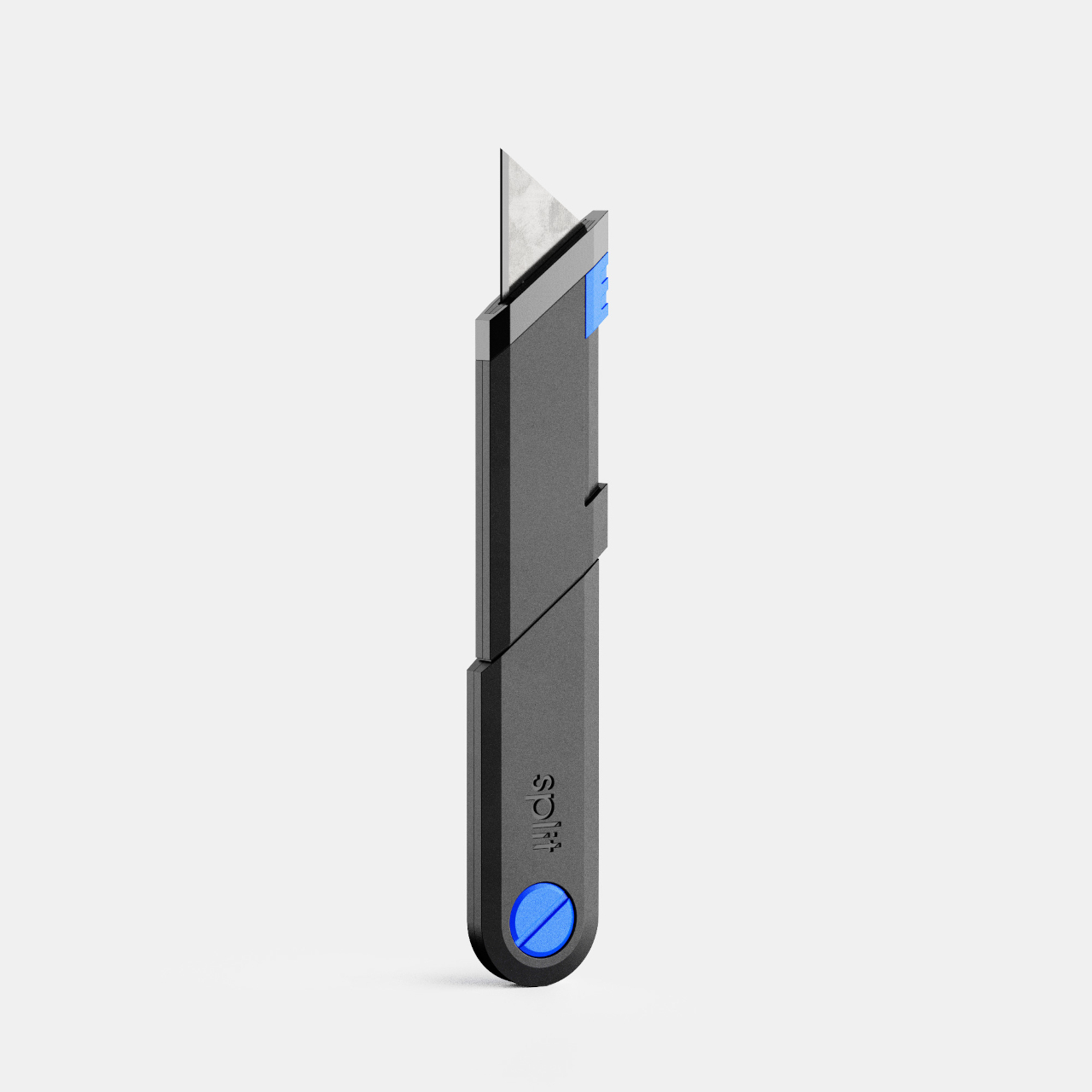
Split is a concept that uses these ideas to design a cutter that can split into two halves. It isn’t just a gimmick, though, as the upper half houses the currently “active” blade while the other half holds spare blades or blades you have removed but have yet to throw away. It suggests a box cutter that’s still self-sufficient yet more efficient than current designs, at least in theory.

1

1

The cutter still uses a retractable mechanism to deploy the blade, but you will have a larger blade to work with. This means you can push it out further without worrying that the blade will break along its segment when applying force. At the same time, you still just have a short blade, so you don’t need to throw a long blade should it become dull.

1

The Split box cutter concept houses those replacement or used blades in the lower half. The concept doesn’t exactly mention it, but you might be able to store more than one blade there. The blades seem to be clamped down to keep them from moving inside, and a simple screw loosens or tightens the cover. The one disadvantage to this design is that you might need some other object or your fingernail to turn that screw.

The cutter concept has a rather asymmetrical design when the two halves are connected, with one part extending a bit further than the other. This imbalance almost creates a jimping part or at least a finger rest, allowing you to hold the cutter with a firmer and more confident grip.

The post Split box cutter concept has a neat trick for keeping spare or dull blades first appeared on Yanko Design.
The Best Designer Box Cutter for a Stylish Package Opening Experience

Almost everyone has a tool to open packages, be it a cutter, a pair of scissors, or even a knife from the kitchen. Not all of these tools are appropriate for the job, though, especially when they are as likely to cut you as they are the packaging tape.
And those that are indeed designed to slice through these materials are often just shoved back into drawers after their use because they have no place or role to play in people’s lives in those moments. Taking inspiration from ancient tools, this distinctive box cutter defies misconceptions and expectations of what the tool should look like, offering a design that is every bit as functional as a standard unpacking knife but is also beautiful beyond measure as well.

Designer: AATISMO for Seiwa

Click Here to Buy Now: $99

The Problem: Boring Cutters are Always Out of Reach

Box and paper cutters often come as long rectangular implements whose blades slide out and in as needed. Unlike scissors or kitchen knives, these tools are specifically designed with that singular use case in mind, which means they often come with safety measures and ergonomic mechanisms to make the act of cutting through cloth, tape, or cardboard comfortable and convenient. Unfortunately, the majority of cutters also have designs intended to look practical, tactical, or industrial, which is why they often find themselves hidden in drawers or containers after their use.

This has the sometimes unintended effect of actually losing time looking for that cutter when you actually need it. Imagine feeling hyped after receiving a package, only for that excitement to die from annoyance when you can’t get your hands on your trusty cutter immediately.

You could always just leave the unpacking knife on your desk, but not only is it a safety hazard, it can also be an eyesore against your beautifully maintained minimalist workspace.

Why is This the Best Aesthetic Box Cutter

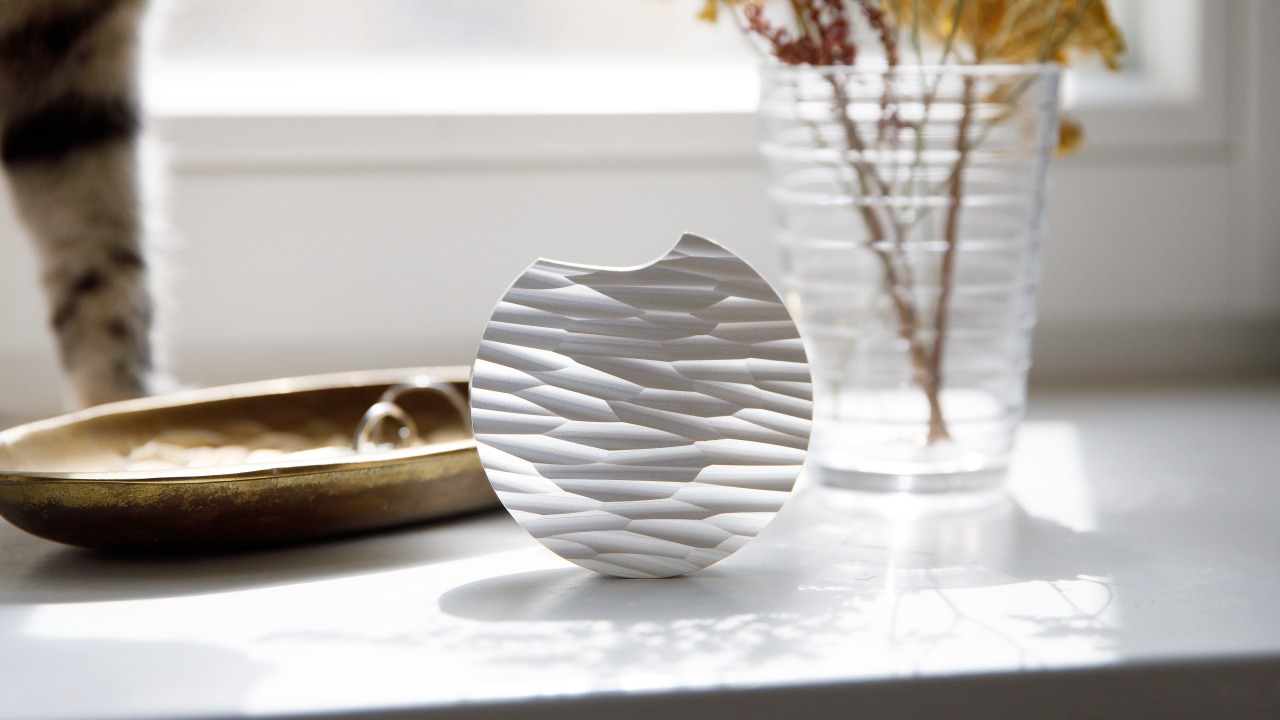
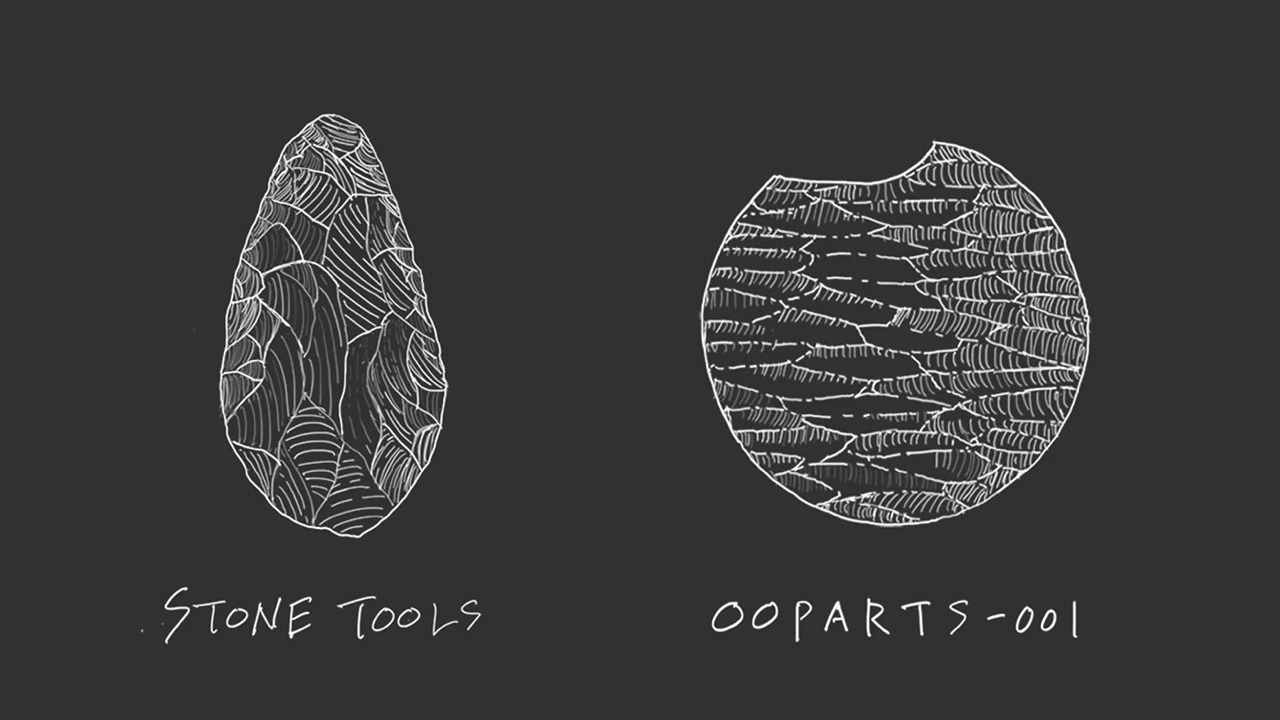
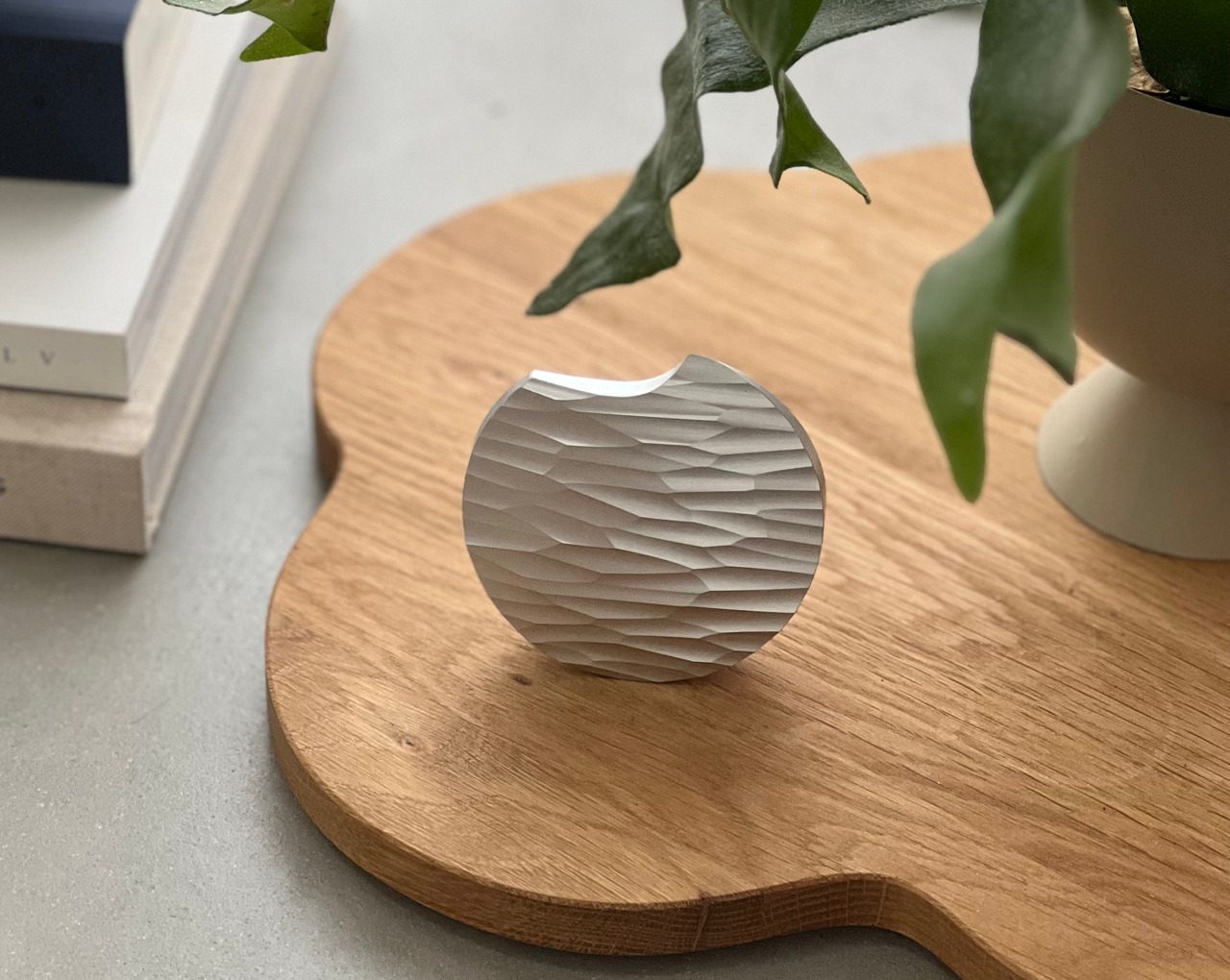
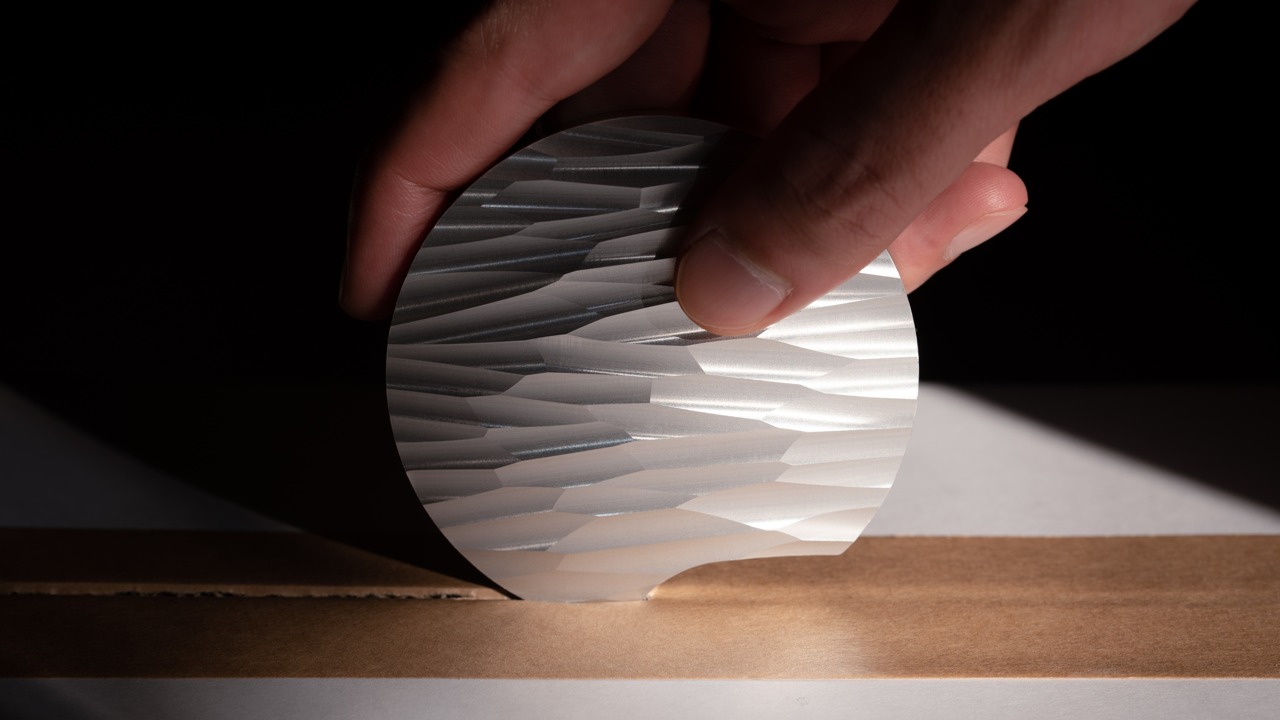
The OOPARTS-001 is a cutting tool that breaks free from the mold to present a functional yet also beautiful box cutter, and it takes inspiration from the unlikeliest source. Although made from metal, the disc-shaped object almost looks like those ancient tools carved from stone that our distant ancestors used to survive and thrive. There is a sense of raw power emanating from the form’s faceted surface, while at the same time exuding elegance and prestige thanks to the aluminum alloy’s shiny anodized finish.

Machined from a single block of metal, the process leaves traces of the cutting that become accents that give the cutter a unique character.

It isn’t all just looks, of course. It is also a sharp and safe tool for cutting through different kinds of packaging material, from tape to cloth to paper. The sharp tip of the knife is located in a single point only to avoid accidents, while the opposite edge acts as a guide that keeps the blade grounded and prevents it from slipping and injuring you.

The wave-like patterns on the front of the cutter aren’t just for show but help you get a more solid and stable grip. And when you’re done with the task at hand, you can simply place the box cutter on your desk or stand it up on its base, proudly showing off its aesthetic beauty for everyone to see.

Who This Aesthetic Box Cutter is For

Just because tools need to be functional doesn’t mean they can’t be beautiful as well. Sure, you’ll need to squeeze out some creative juices and think outside the box to get a design that meets both requirements equally, but as this Stone Tool-like Unpacking Knife proves, it’s definitely worth the effort. And you don’t even have to limit yourself to well-known design patterns from the past centuries, especially when the Stone Age can also be a treasure trove of unexplored sources of inspiration.

With this Aesthetic Box Cutter, not only do you get a sharp cutting tool that feels great in your hand, you also get an art object that you can display on your desk without shame, ensuring that you can quickly reach for it when your next exciting package arrives.

Click Here to Buy Now: $99

The post The Best Designer Box Cutter for a Stylish Package Opening Experience first appeared on Yanko Design.