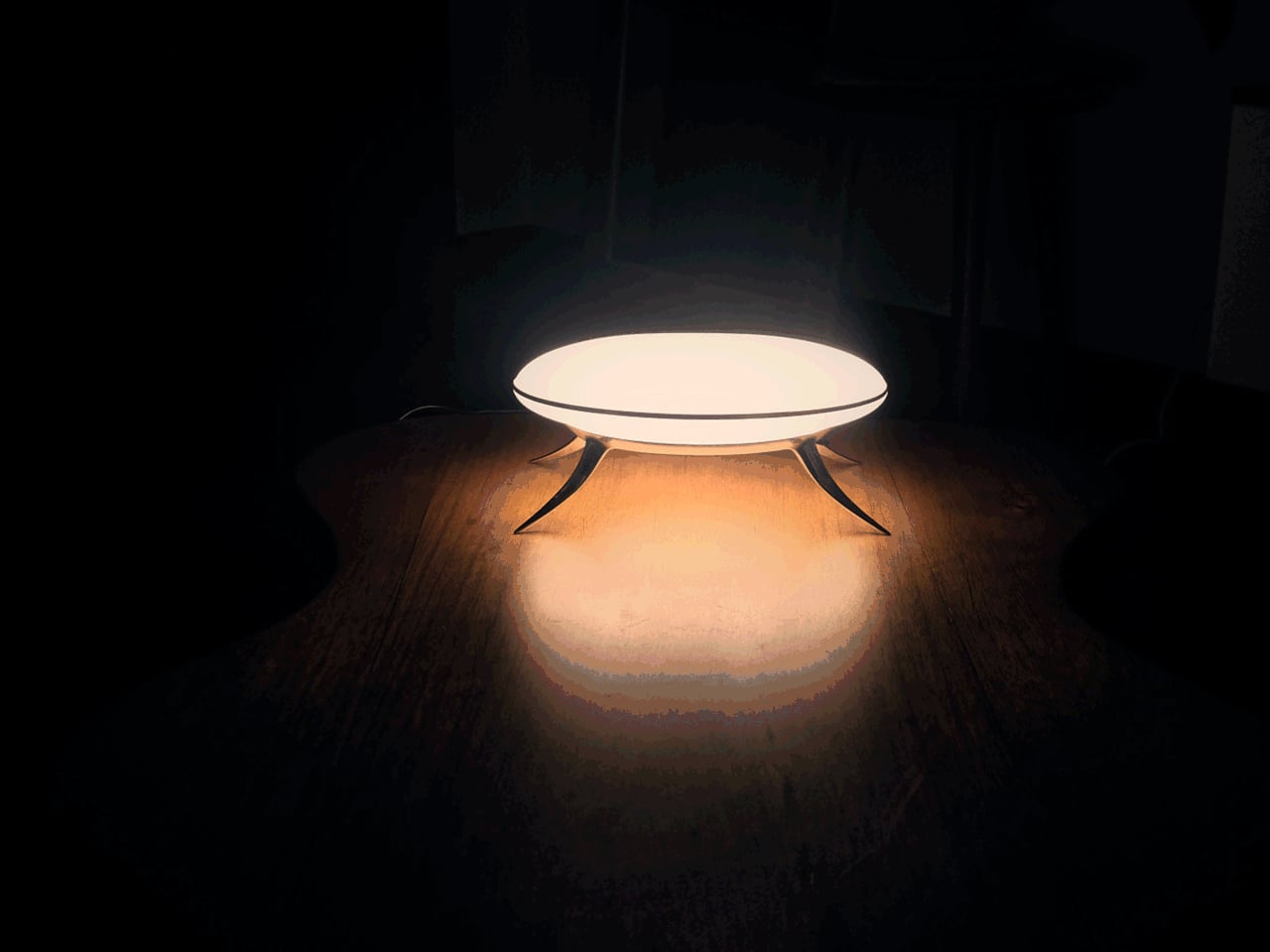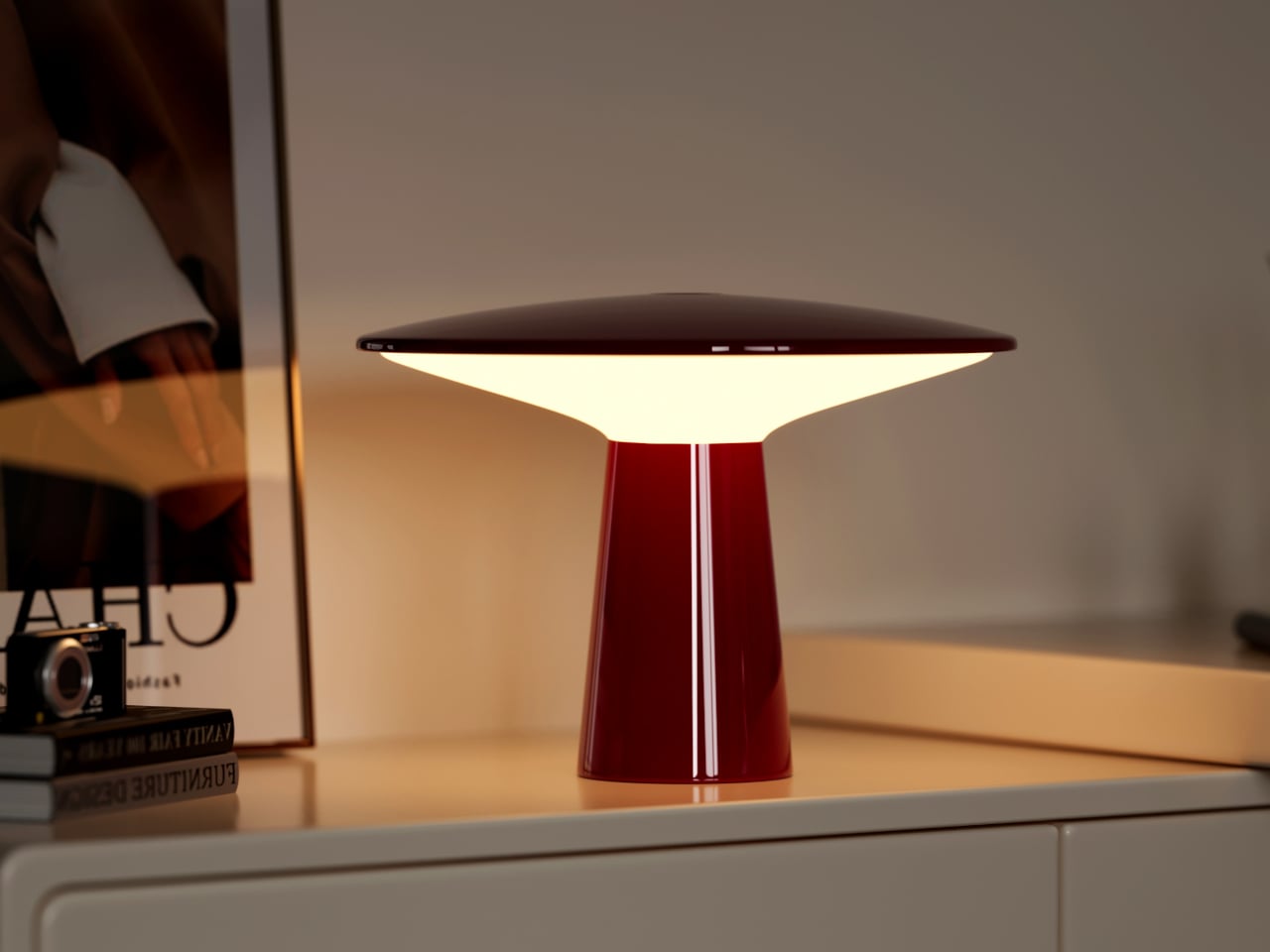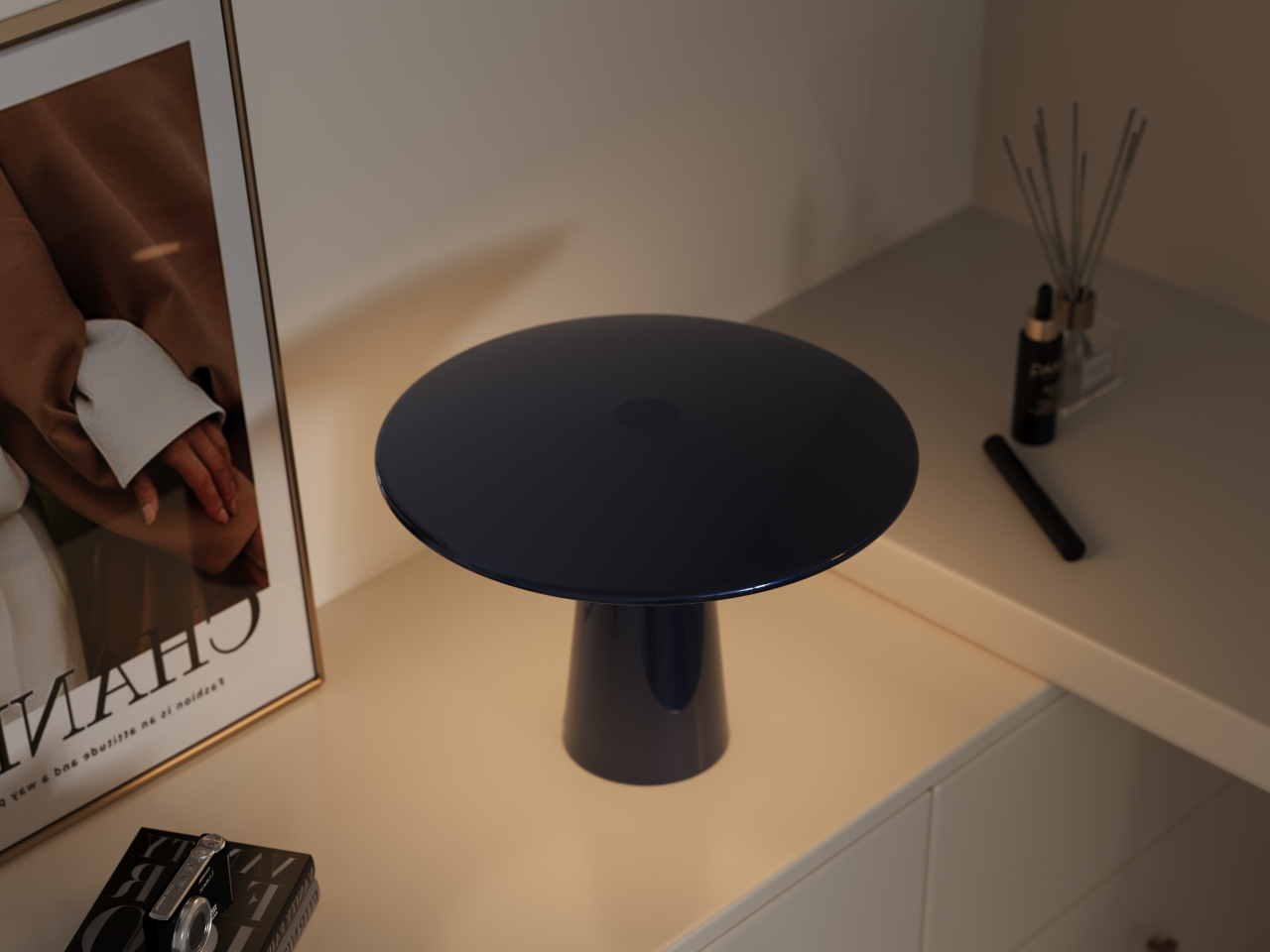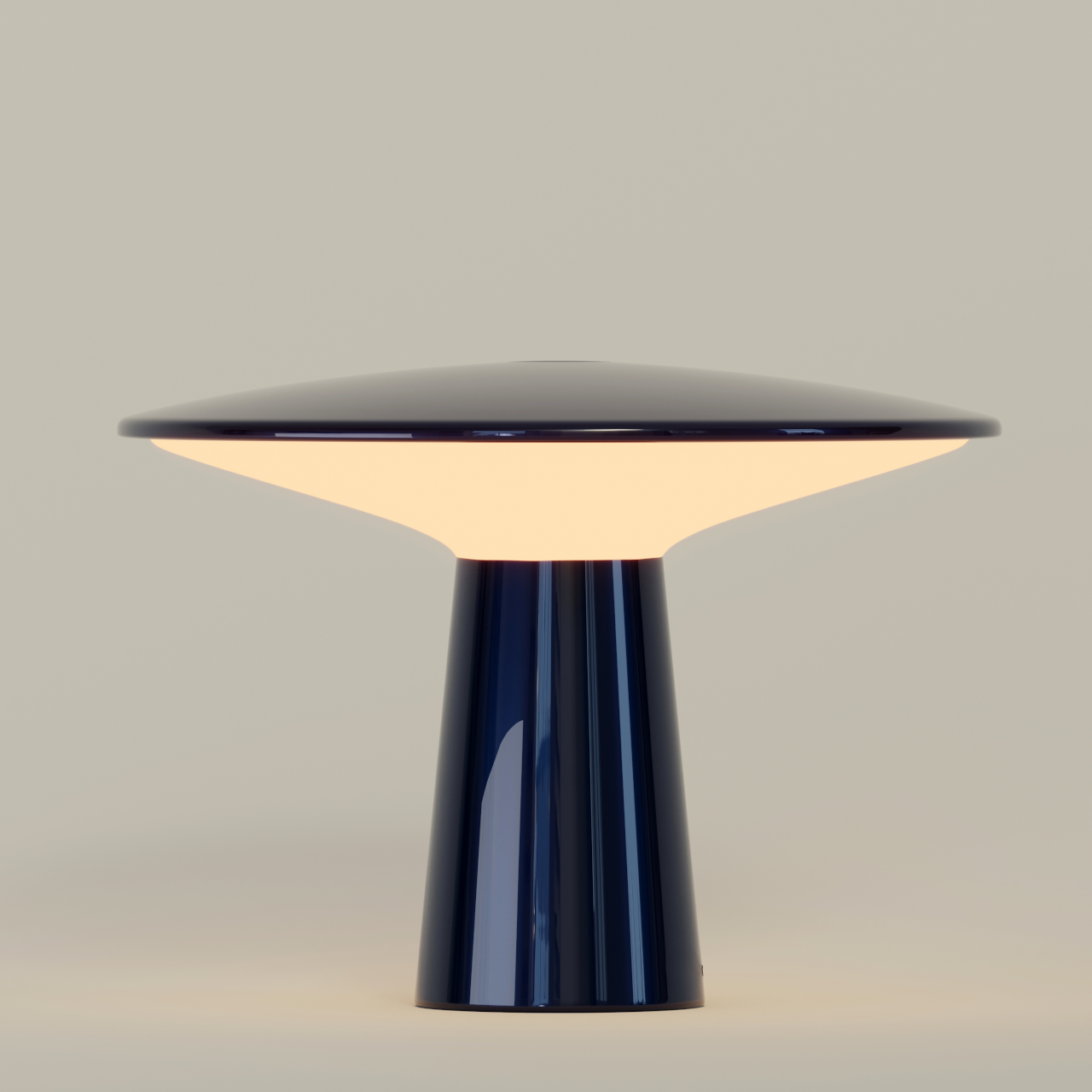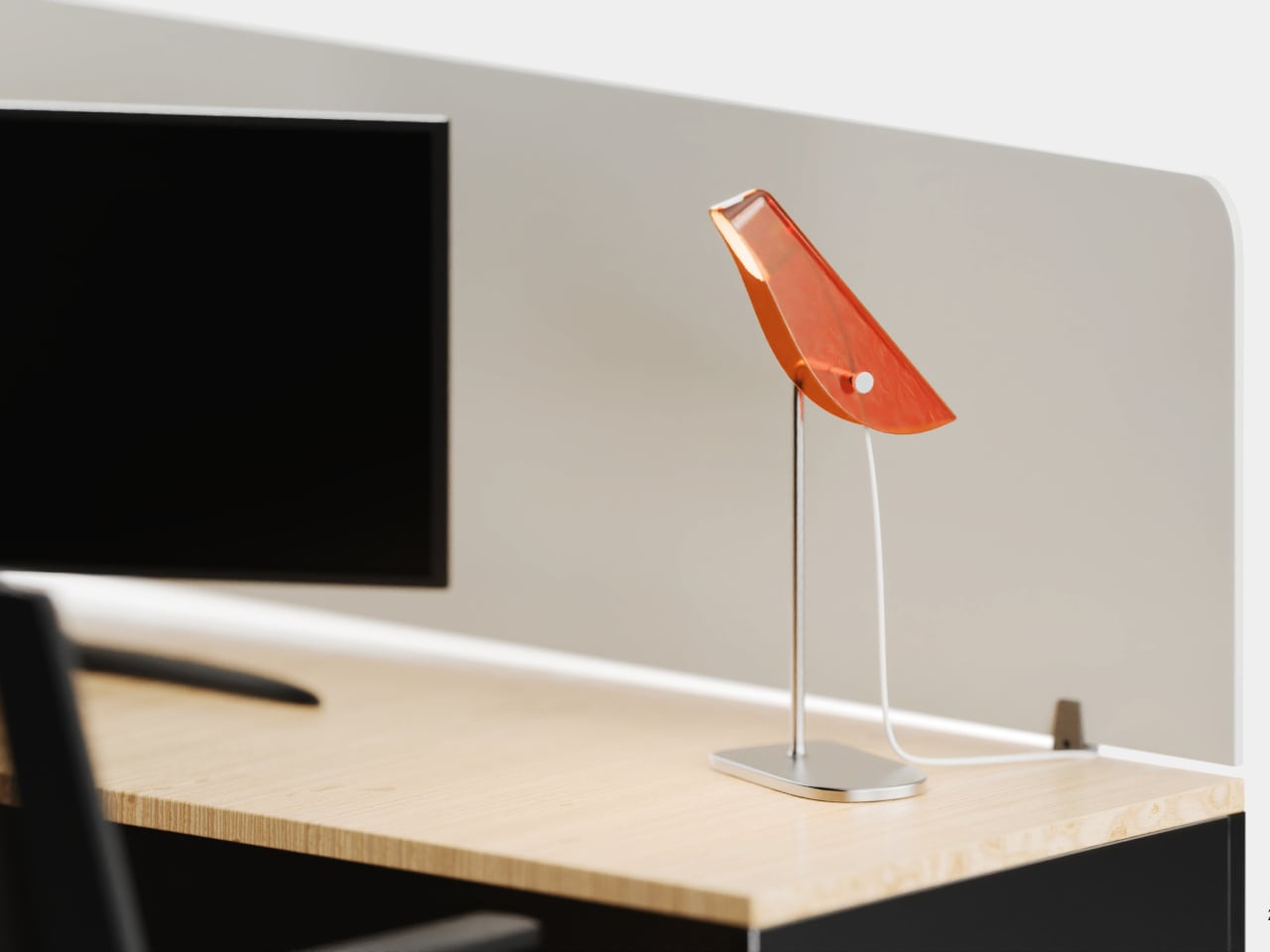
Beanue Mini Is the Lamp Your Body Has Been Waiting For

Most lamps do one thing. They turn on. They stay on. And at some point, you turn them off and wonder why your eyes feel like sandpaper or why you cannot fall asleep even though you have been sitting in a dimly lit room for the last hour. Lighting is one of those things we think we understand because we interact with it every day, but most of us have been getting it quietly wrong.

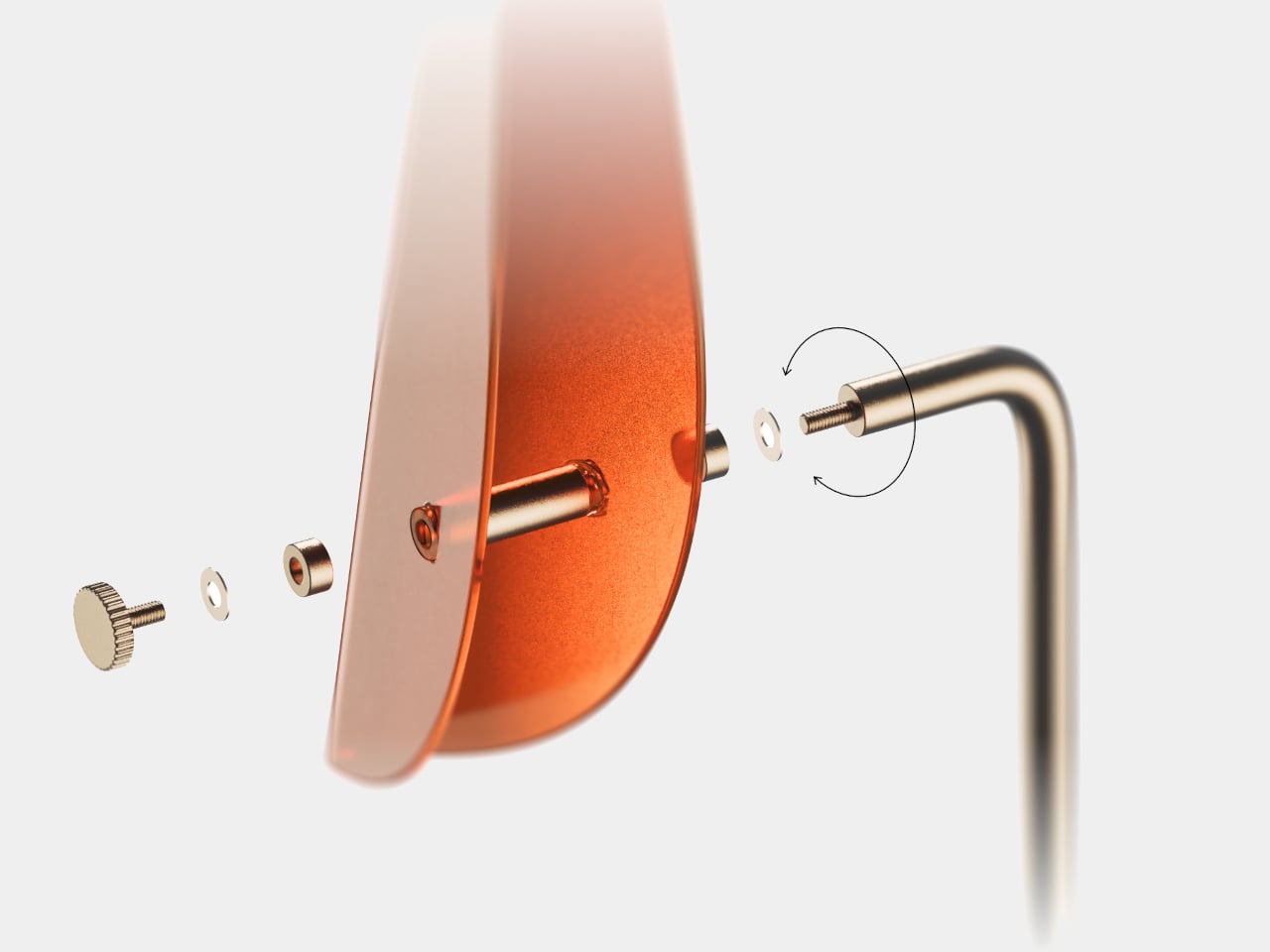
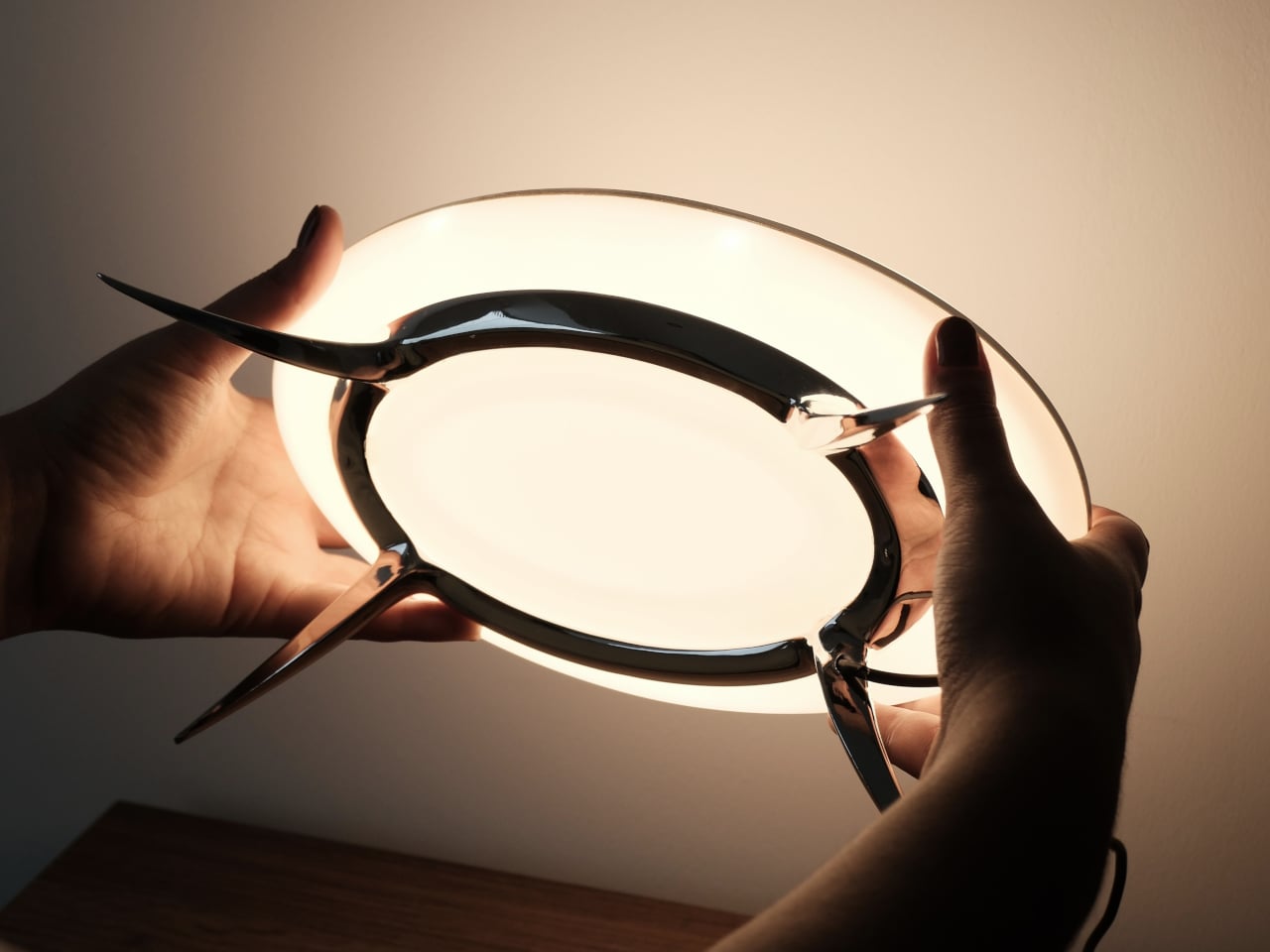
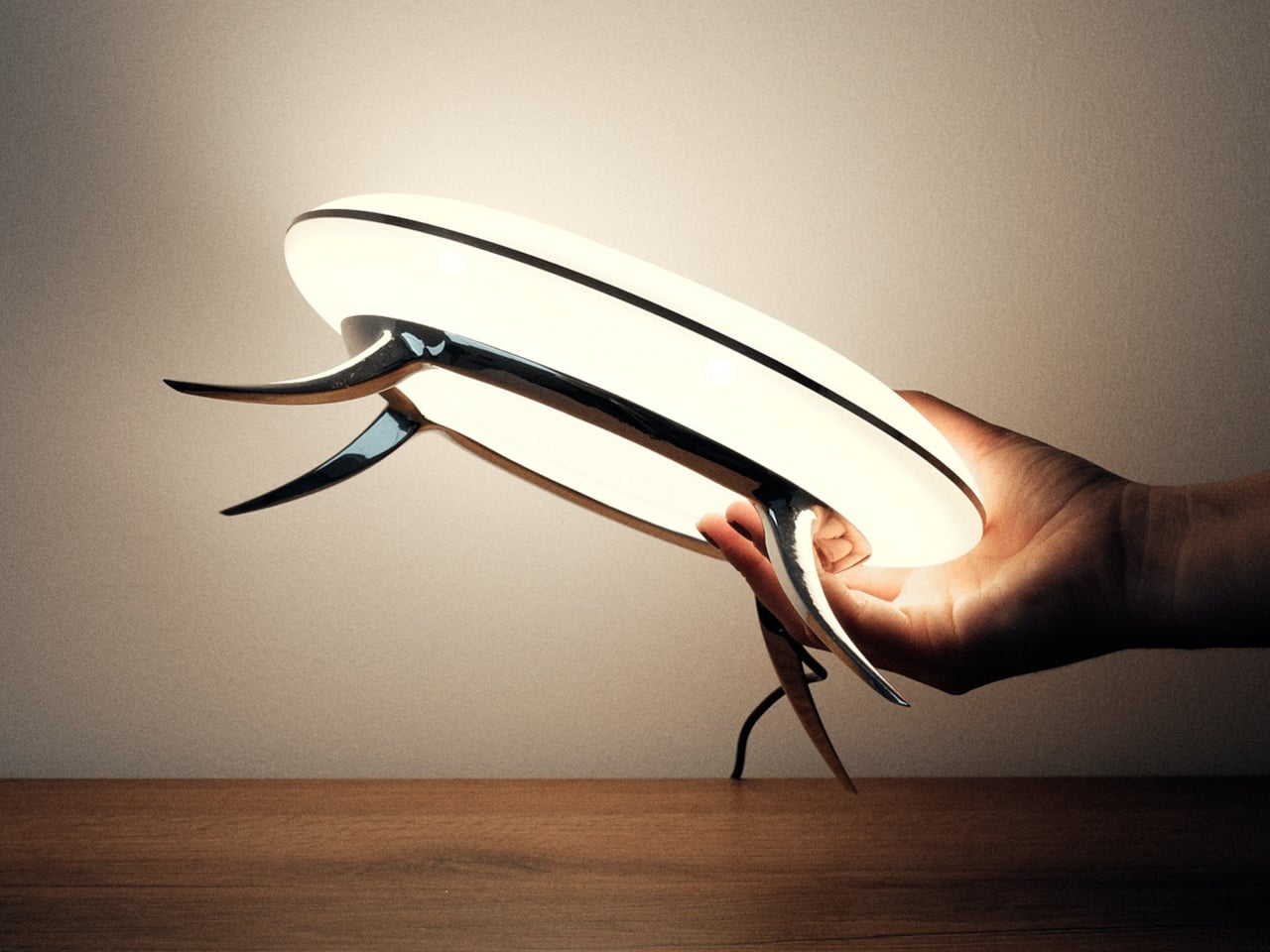
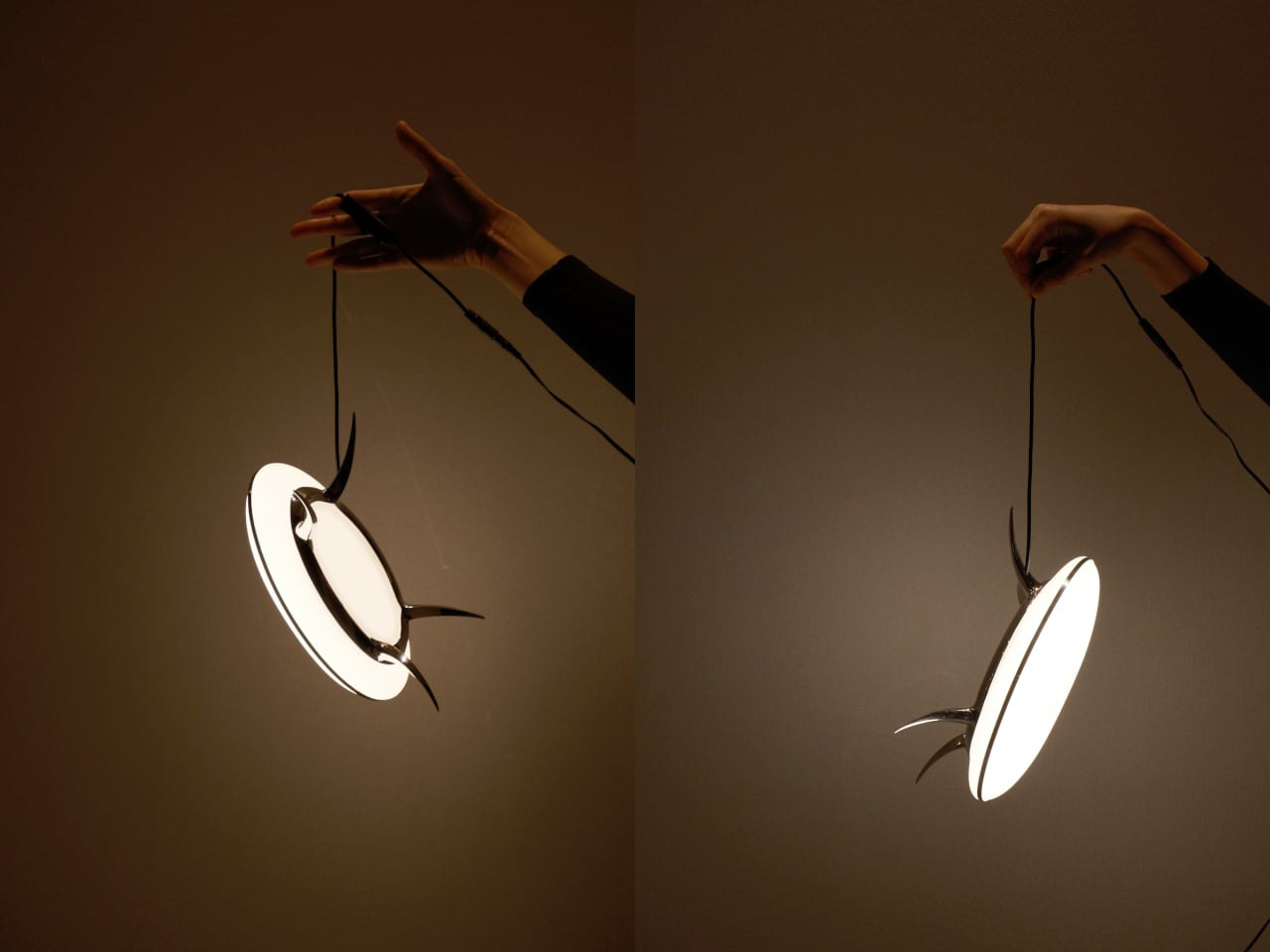
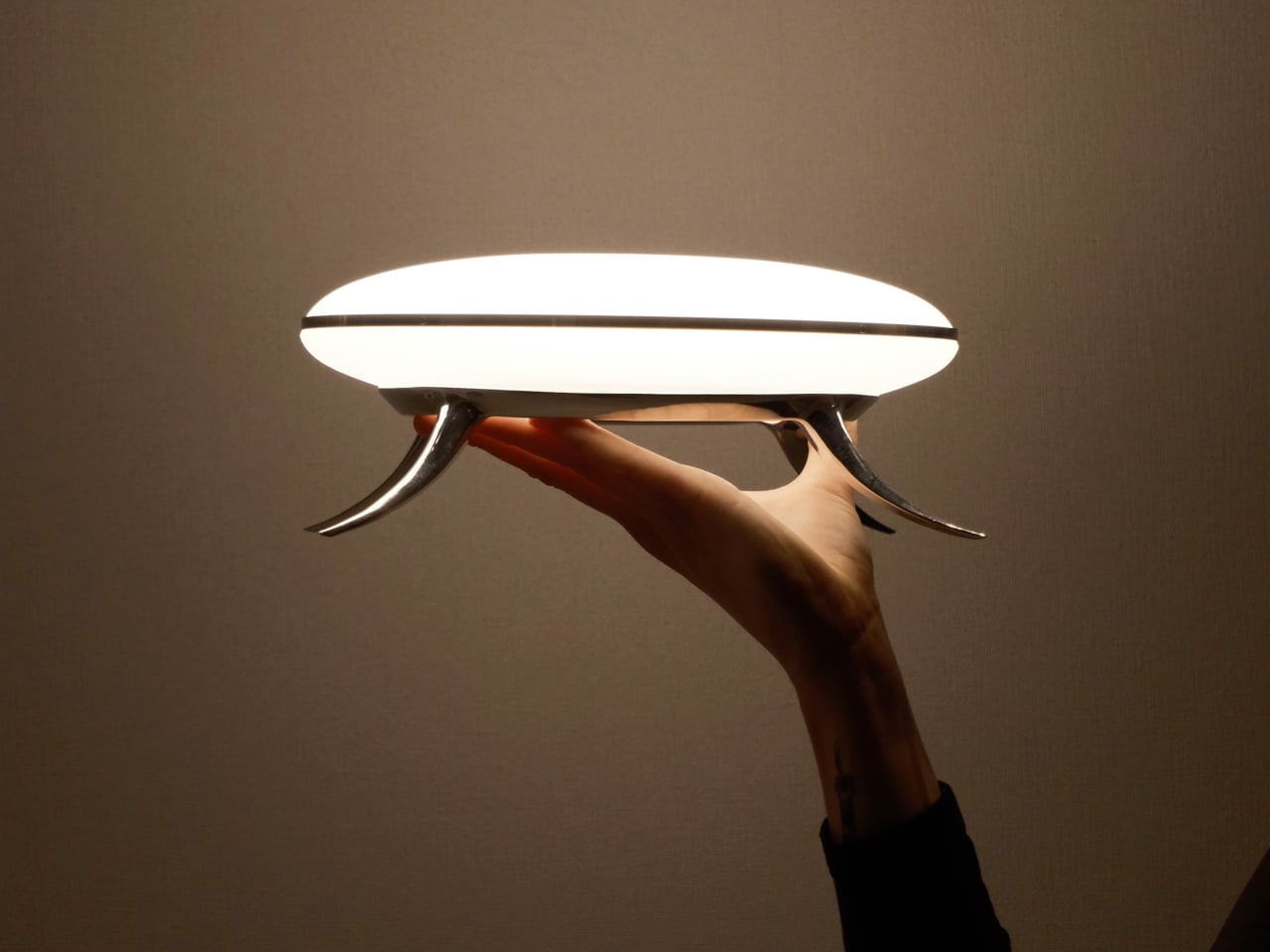
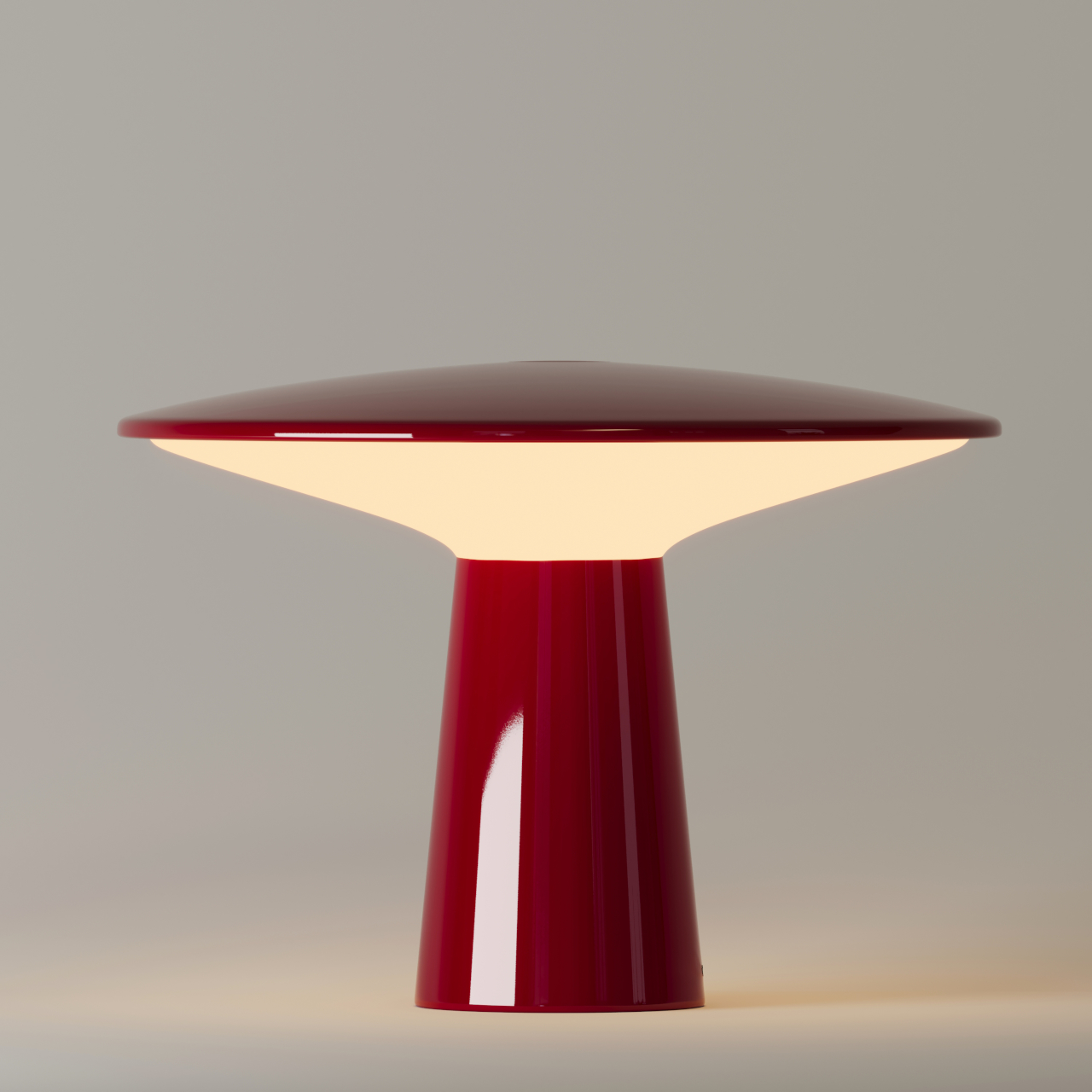
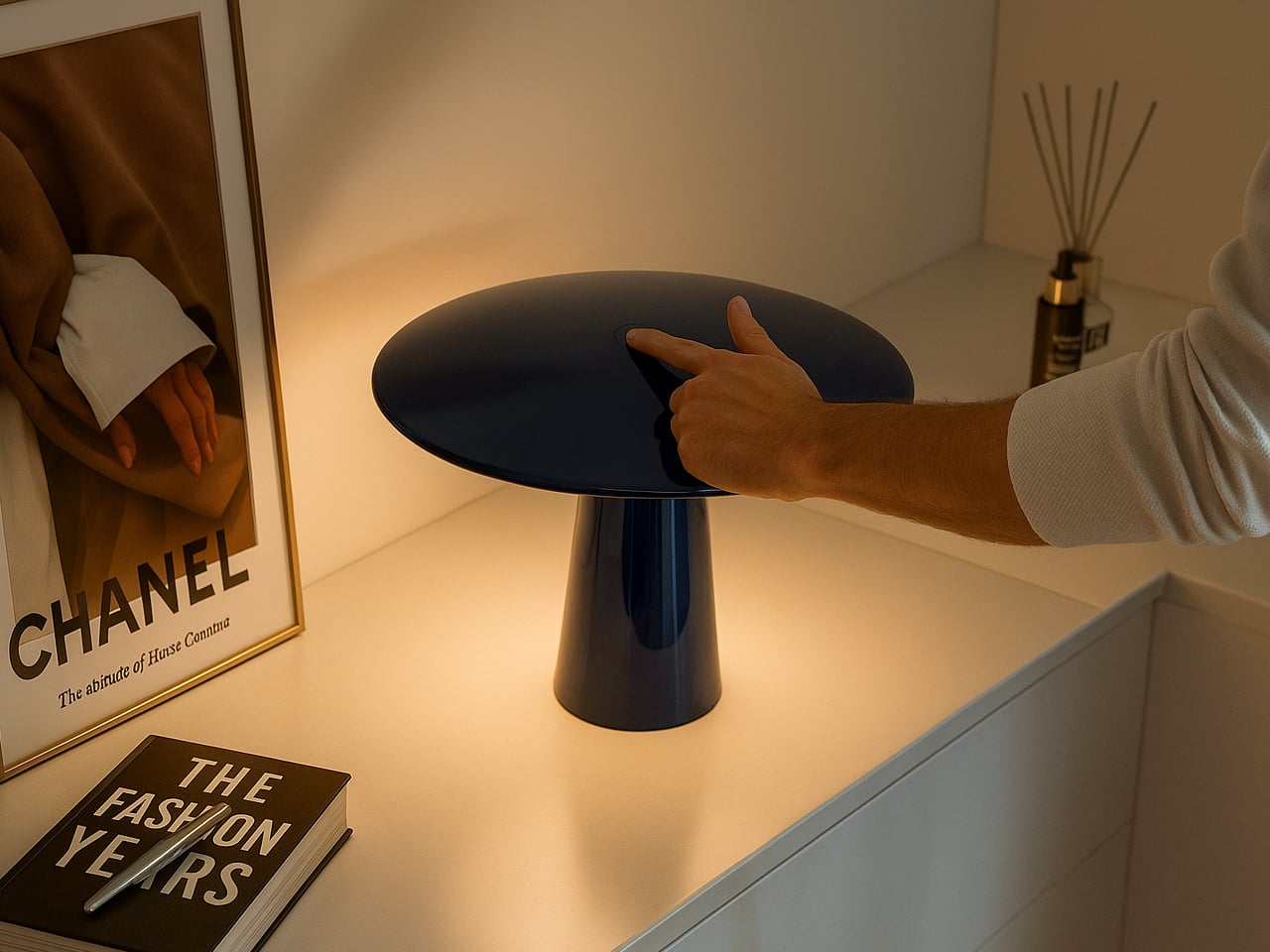
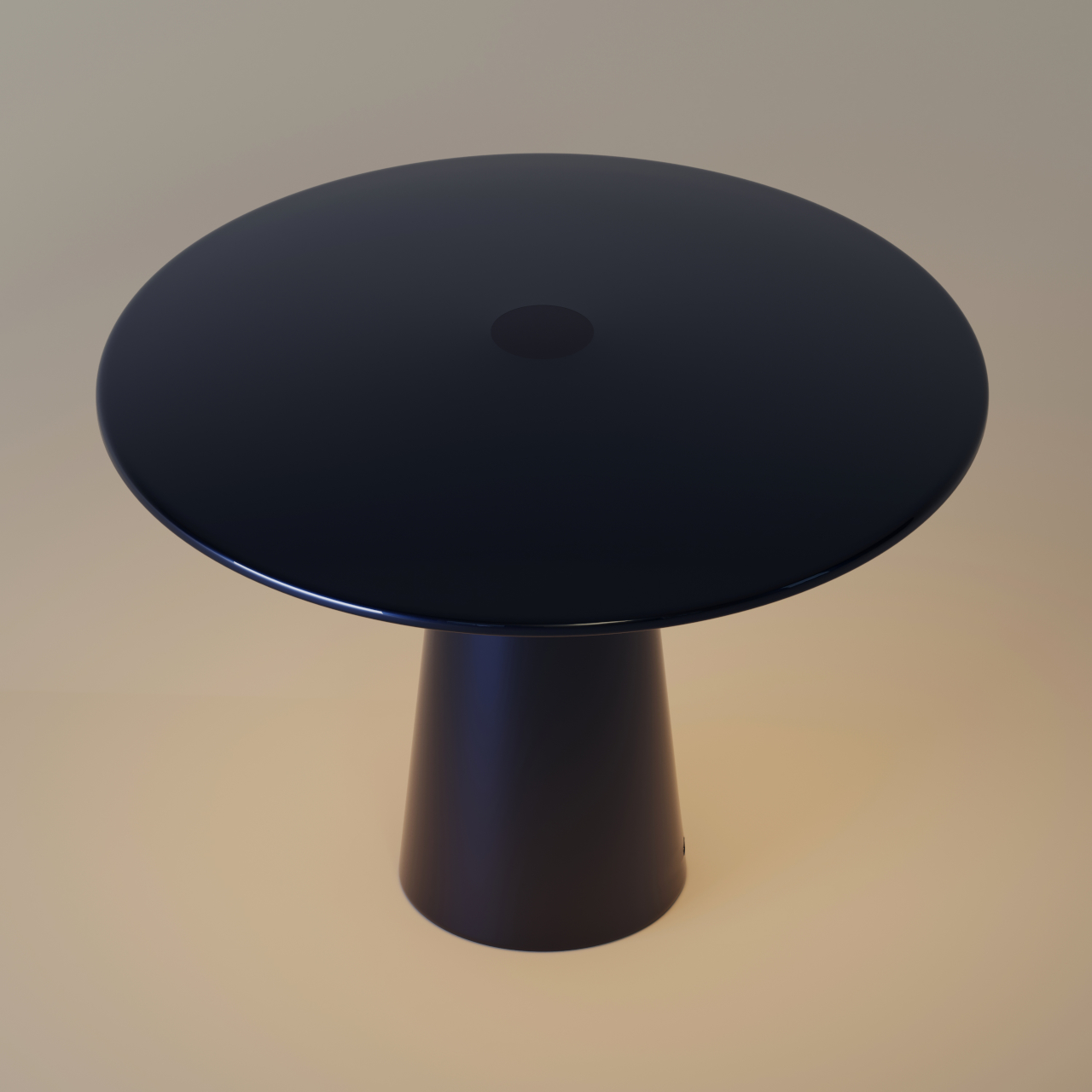
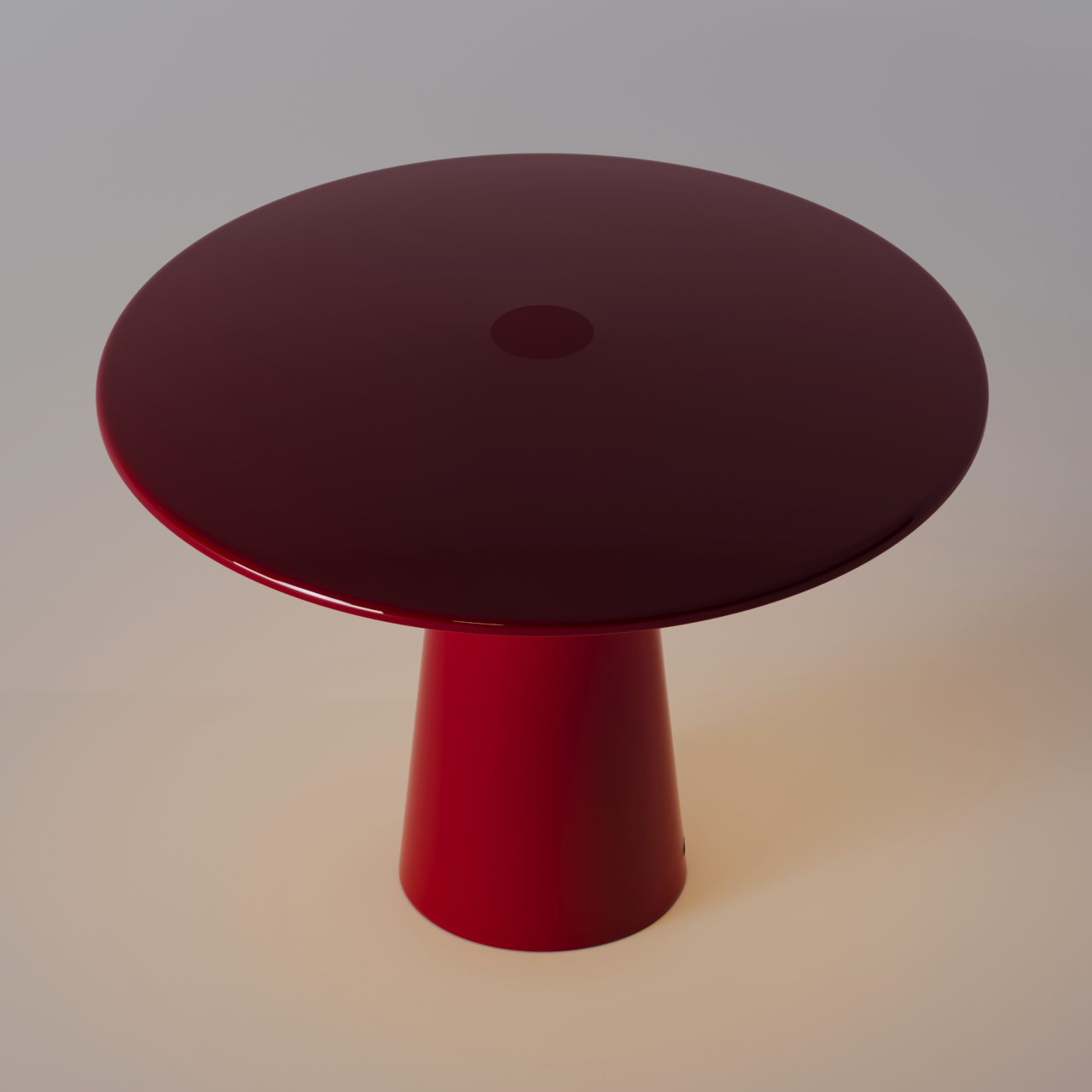
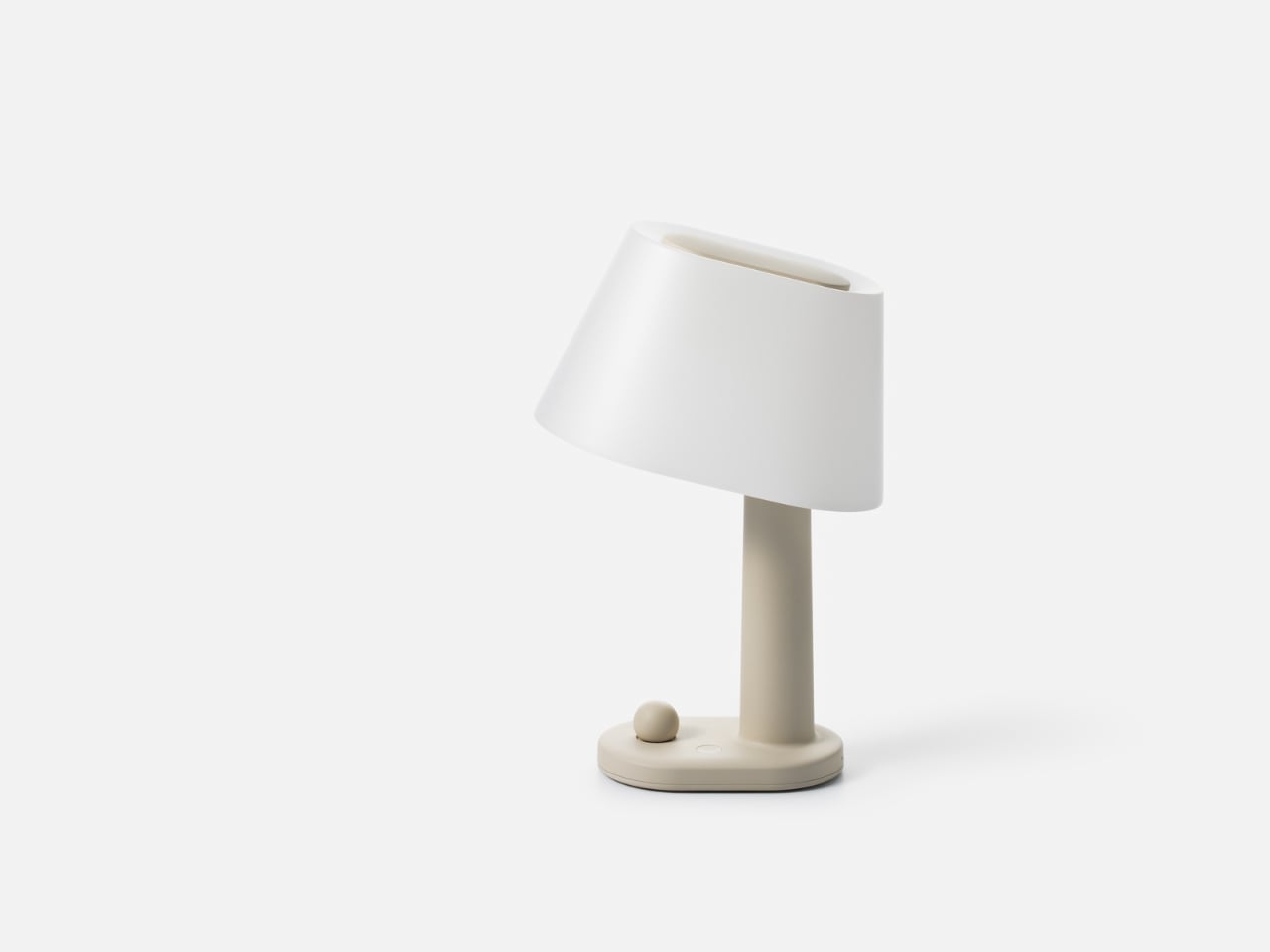
The Beanue Mini, designed by Seoul-based studio BKID co for manufacturer Baelux, is the portable follow-up to the original BAENUE The New Lamp, which collected a Red Dot Design Award in 2023 alongside recognition from Design Plus and the DFA Awards. That first lamp established Dim2Amber® as a genuinely interesting piece of patented lighting technology. The Mini takes that same idea and makes it portable, cable-free, and compact enough to fit in your hand.

Designer: BKID co

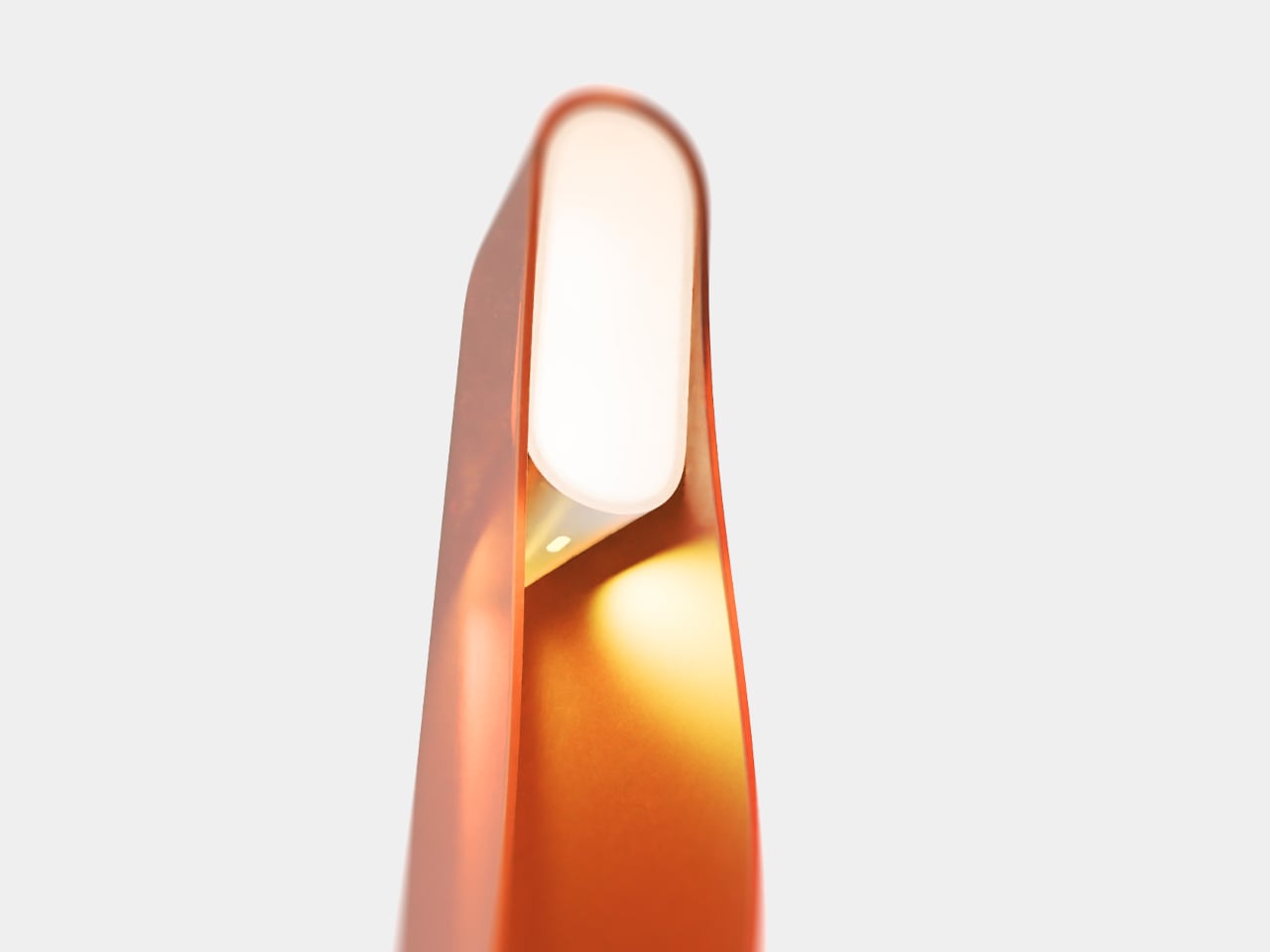
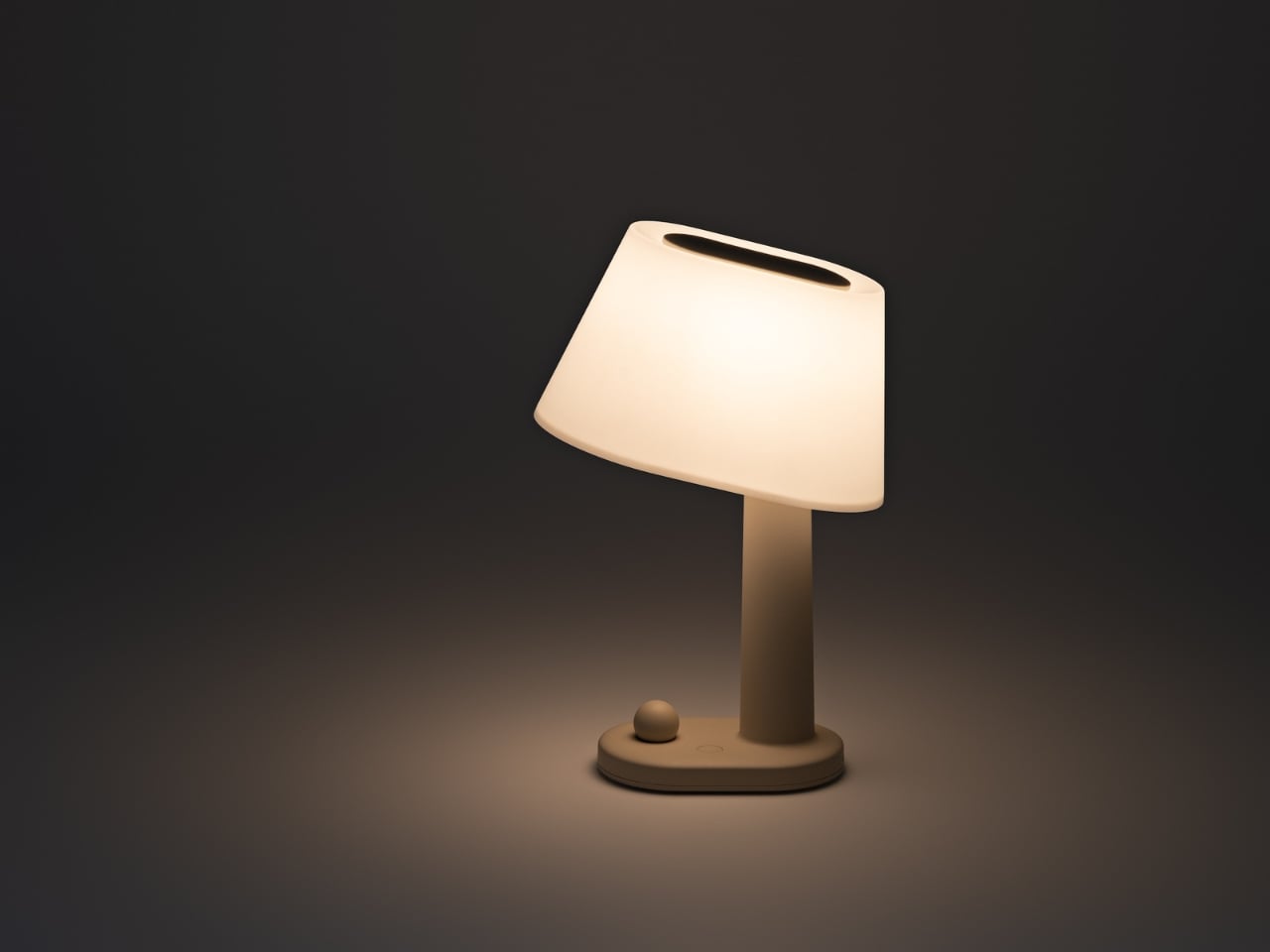
Here is what Dim2Amber® actually does, because it matters more than you might think. As you dim the lamp, it does not just reduce brightness. It simultaneously shifts the color temperature from a crisp, clear white toward a warm amber tone. During the day, the light is sharp and cool, the kind that supports focus and keeps you alert. As evening arrives and you begin dimming down, it moves into amber territory, which is the spectrum that does not interfere with melatonin production. Your body reads it as sunset rather than artificial light, and it responds accordingly. You do not have to think about any of this. The lamp does the thinking.

What I find genuinely compelling about this is that it solves a problem most of us did not even have a proper name for. We know that blue light at night disrupts sleep. We know screens are bad close to bedtime. But the lamps sitting on our nightstands, the ones we read by for an hour before bed, are just as much of an issue. Beanue Mini addresses this not through a complicated app or a schedule you have to program, but through the physical act of dimming itself. The adjustment is built into the mechanism. That is an elegant solution.

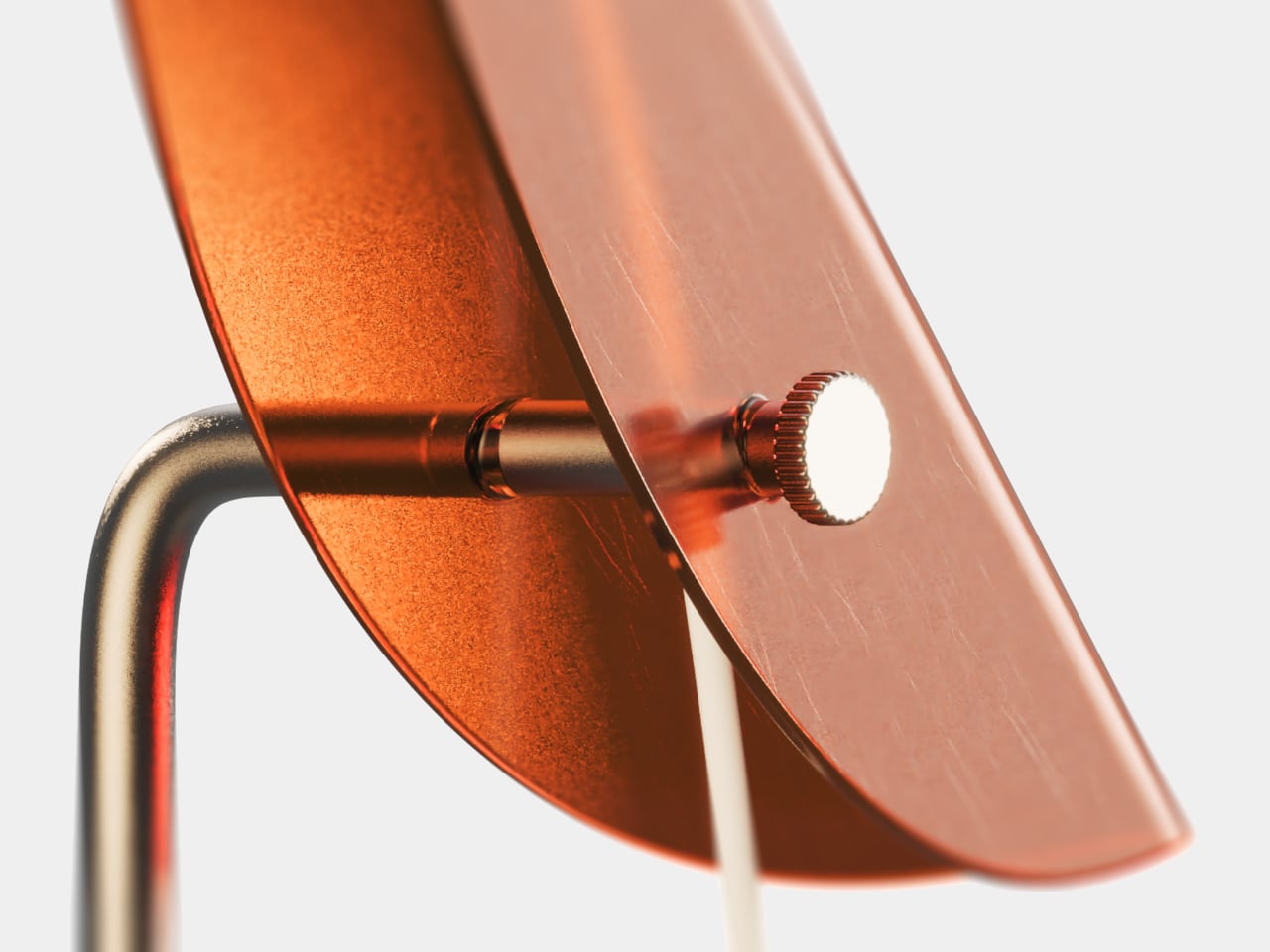
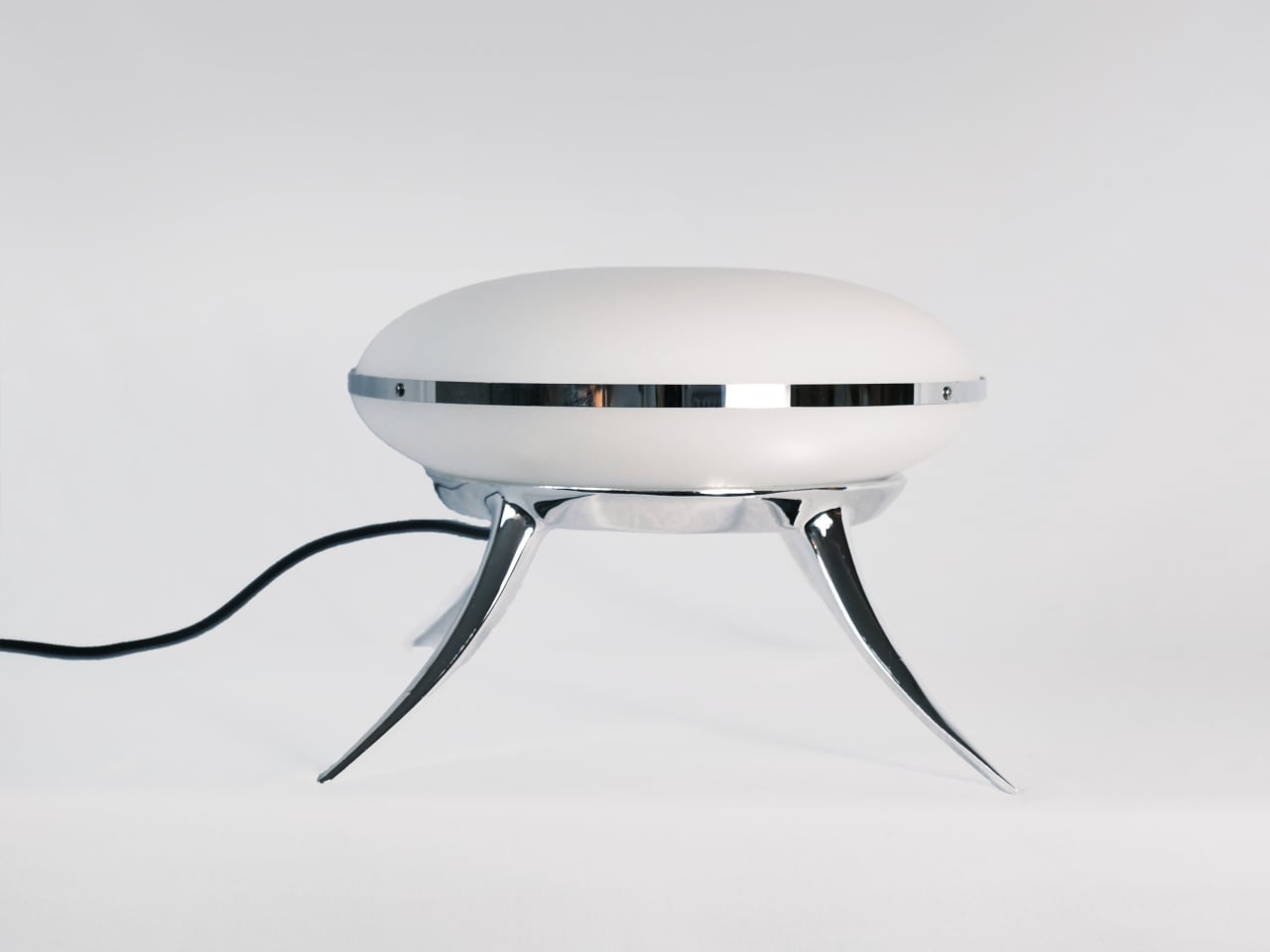
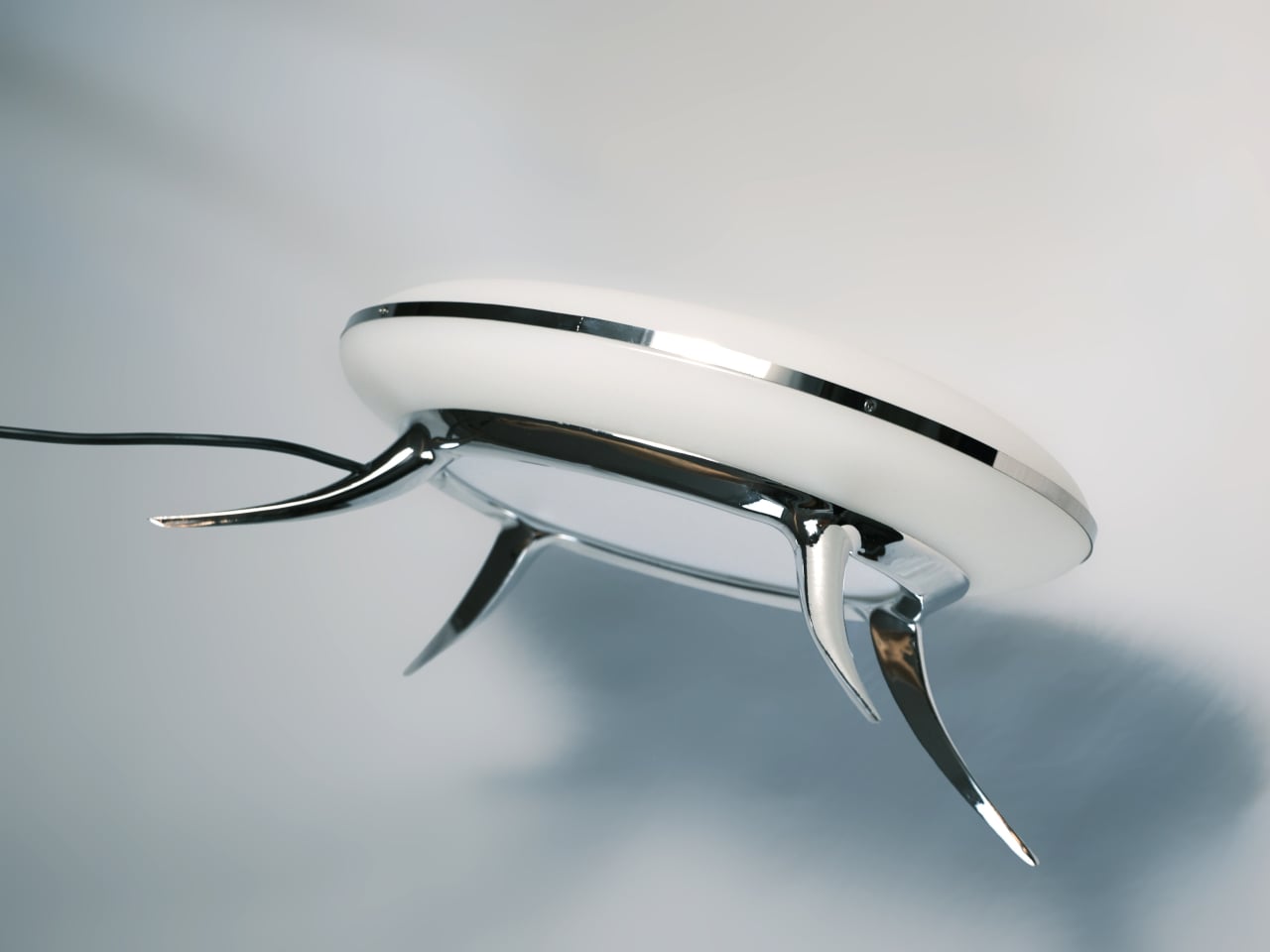
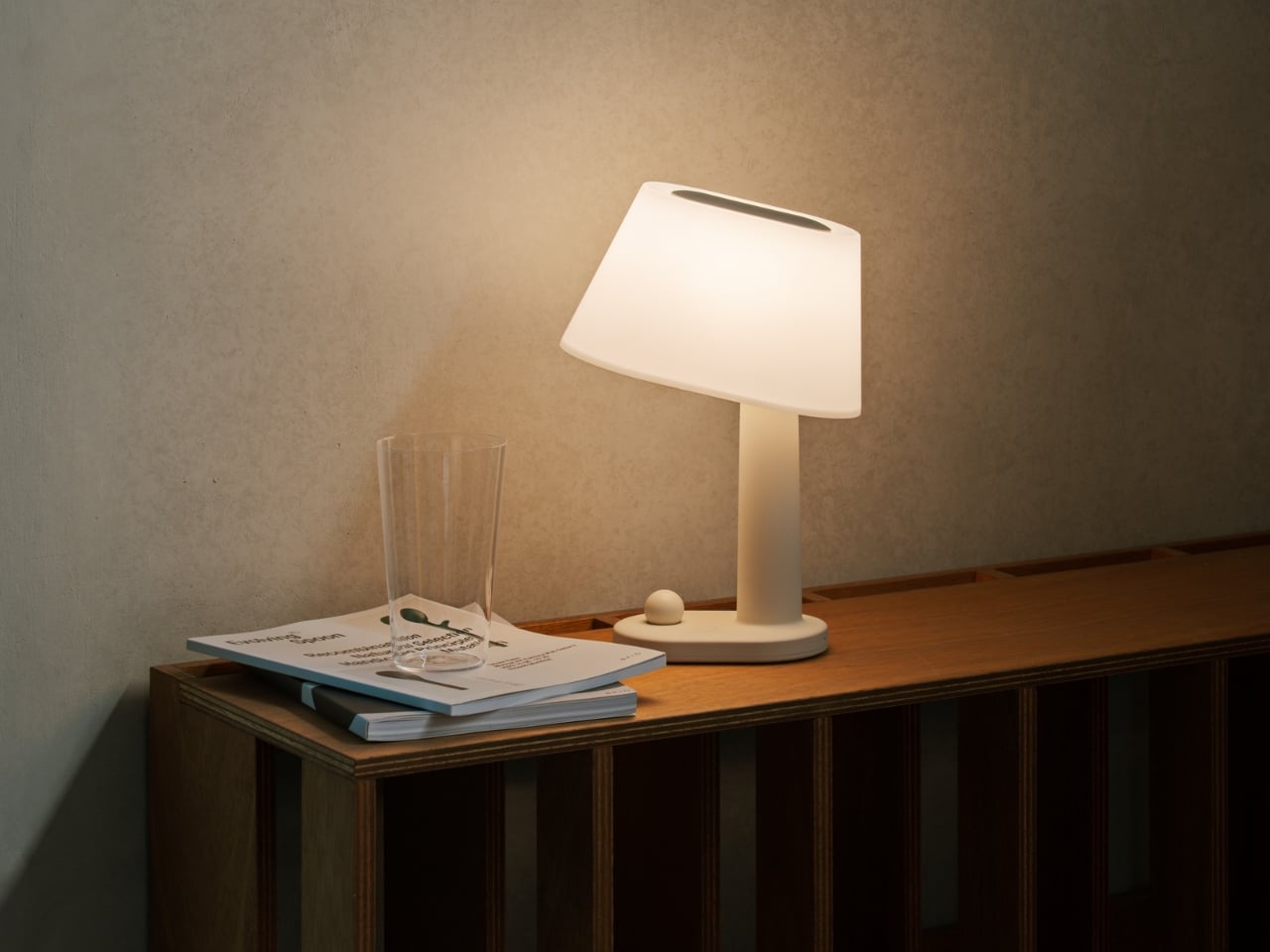
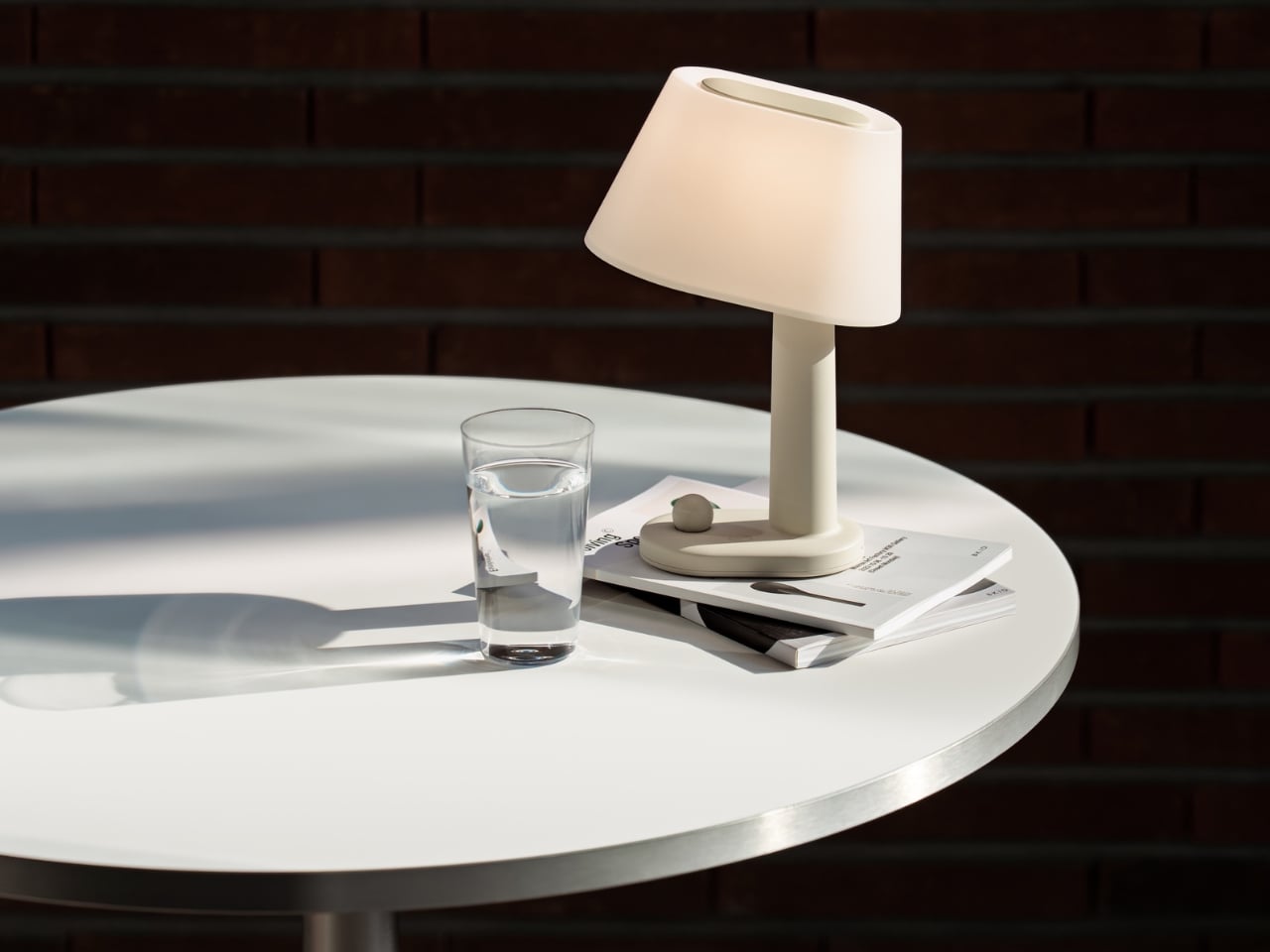
The design is worth talking about separately from the technology, because it holds its own. BKID went deliberately restrained here. There are no loud angles, no attempt to look futuristic, no material choices that announce themselves as a statement. The silhouette is soft and traditional in shape, almost like a table lamp your grandmother might have owned, except built with the kind of material precision that optimizes how light scatters and reflects through the diffuser shade. That slightly tilted shade is not an aesthetic accident either. It is functional, engineered to distribute light in a way that works whether you are using it as a reading lamp or as ambient mood lighting across a room.

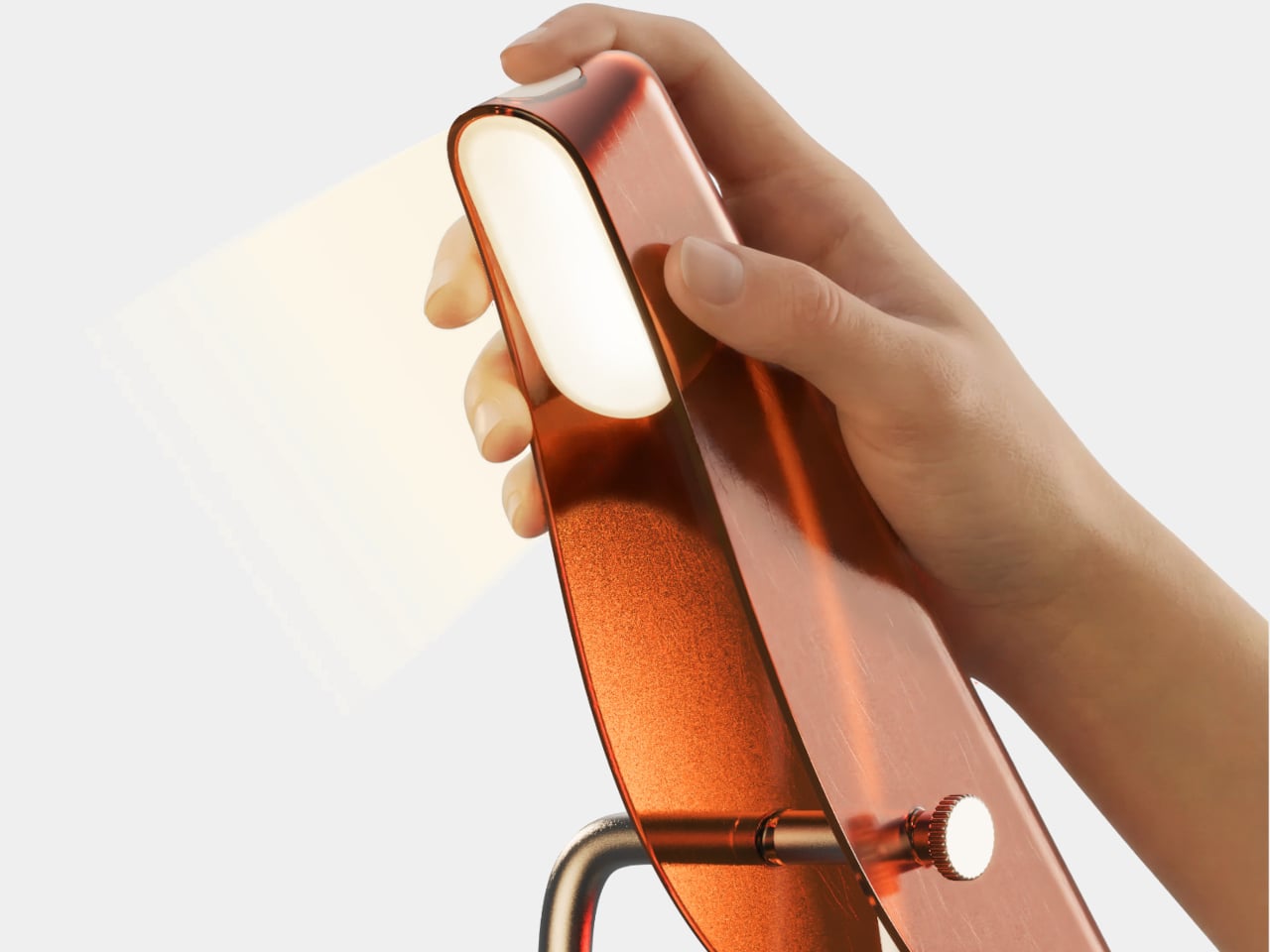
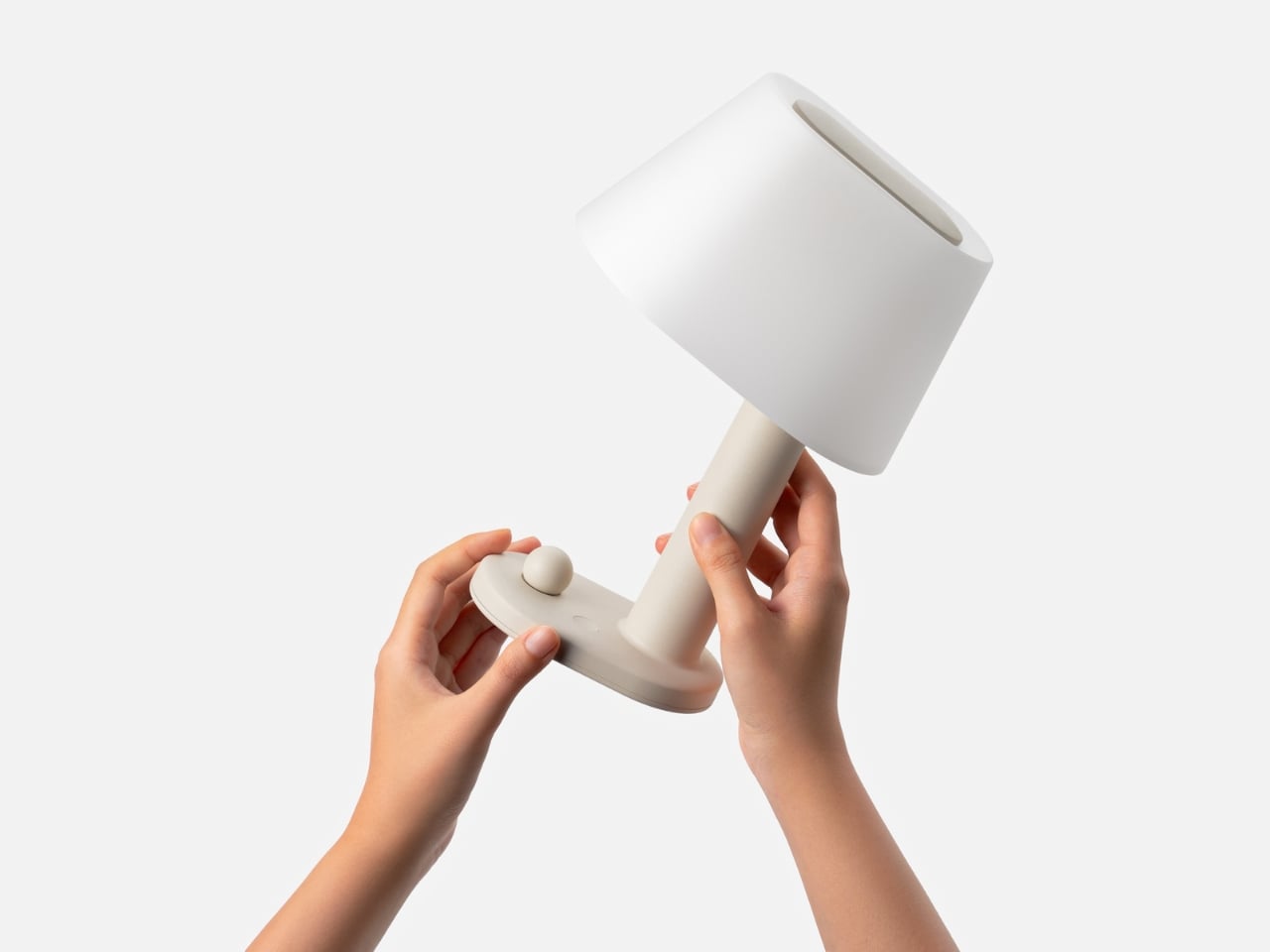
The wireless charging aspect feels almost obvious in retrospect, but it genuinely matters here. The whole point of the Beanue Mini is that it belongs wherever you are. Bedroom, study, hotel room, café table, terrace at dusk. A cord defeats that entirely. Being able to pick it up, carry it, and set it down without negotiating cables is what makes the portability real rather than theoretical.

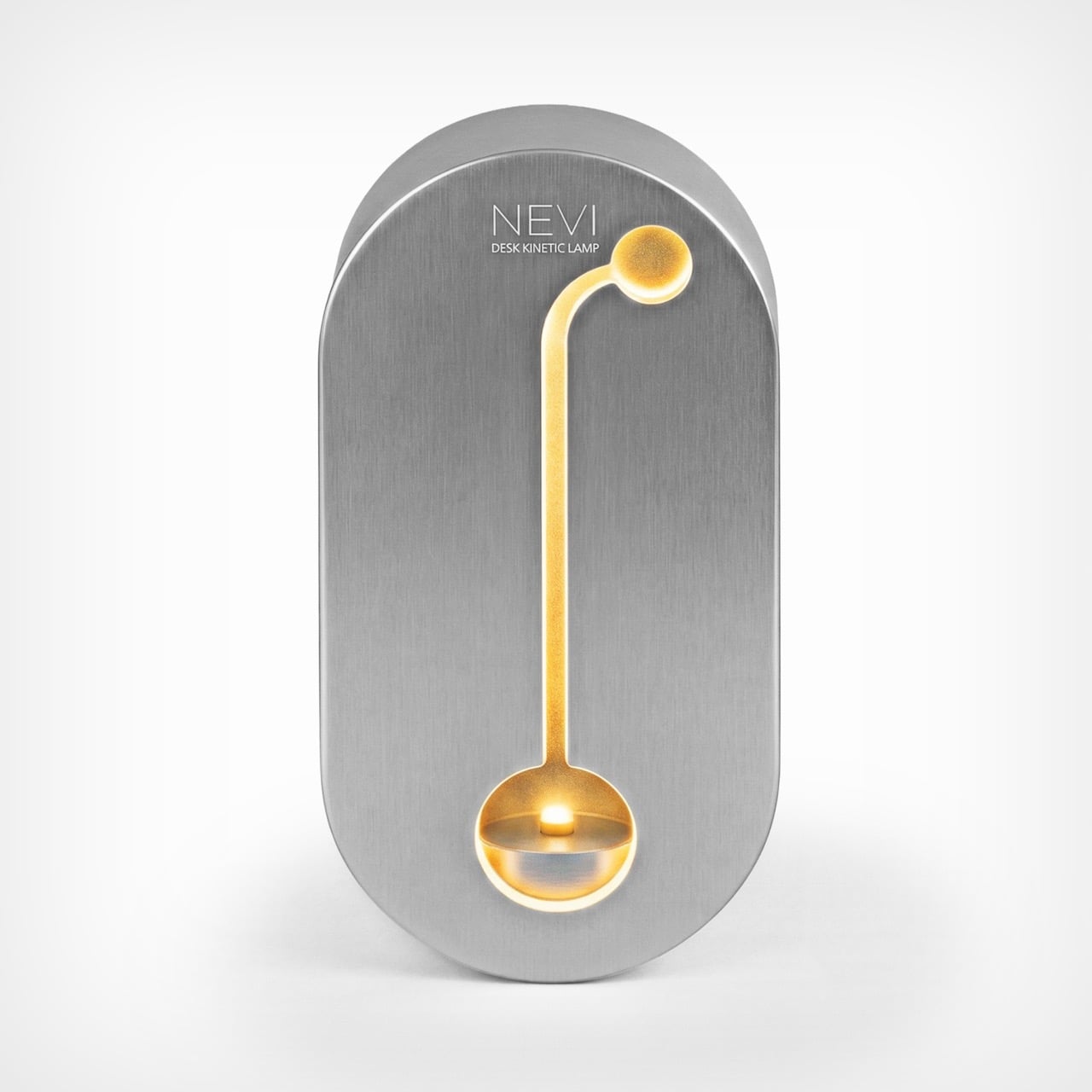
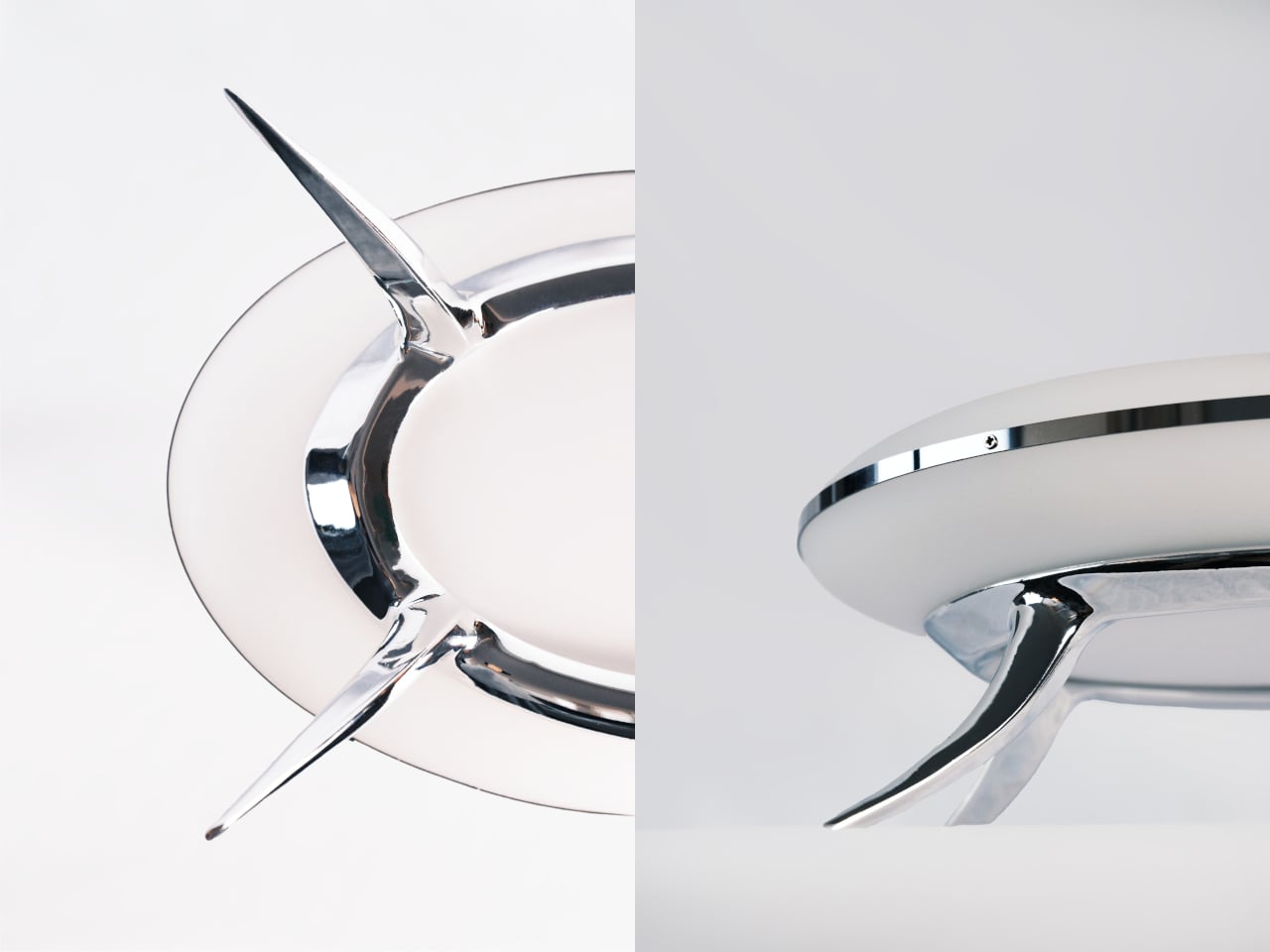
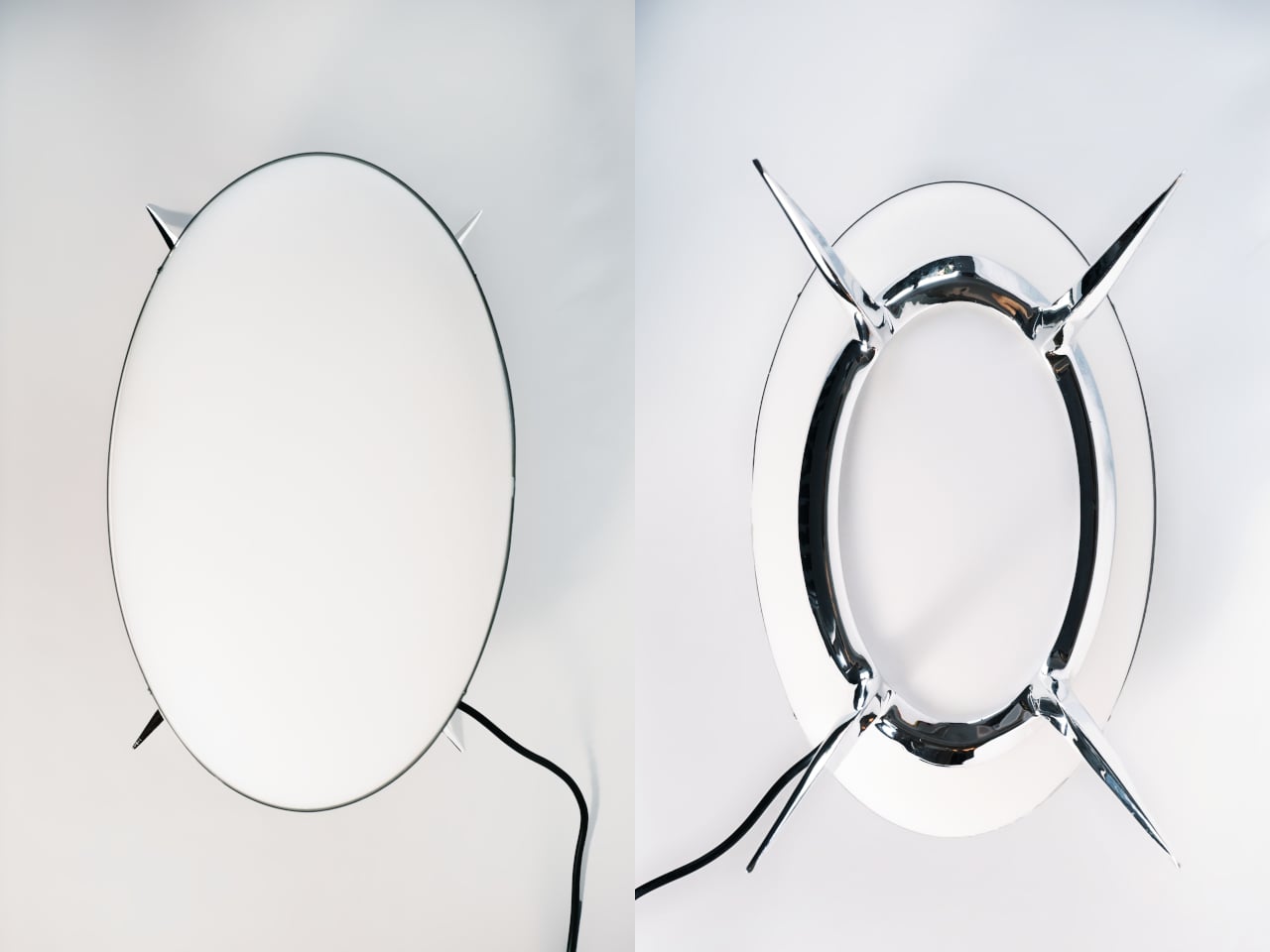
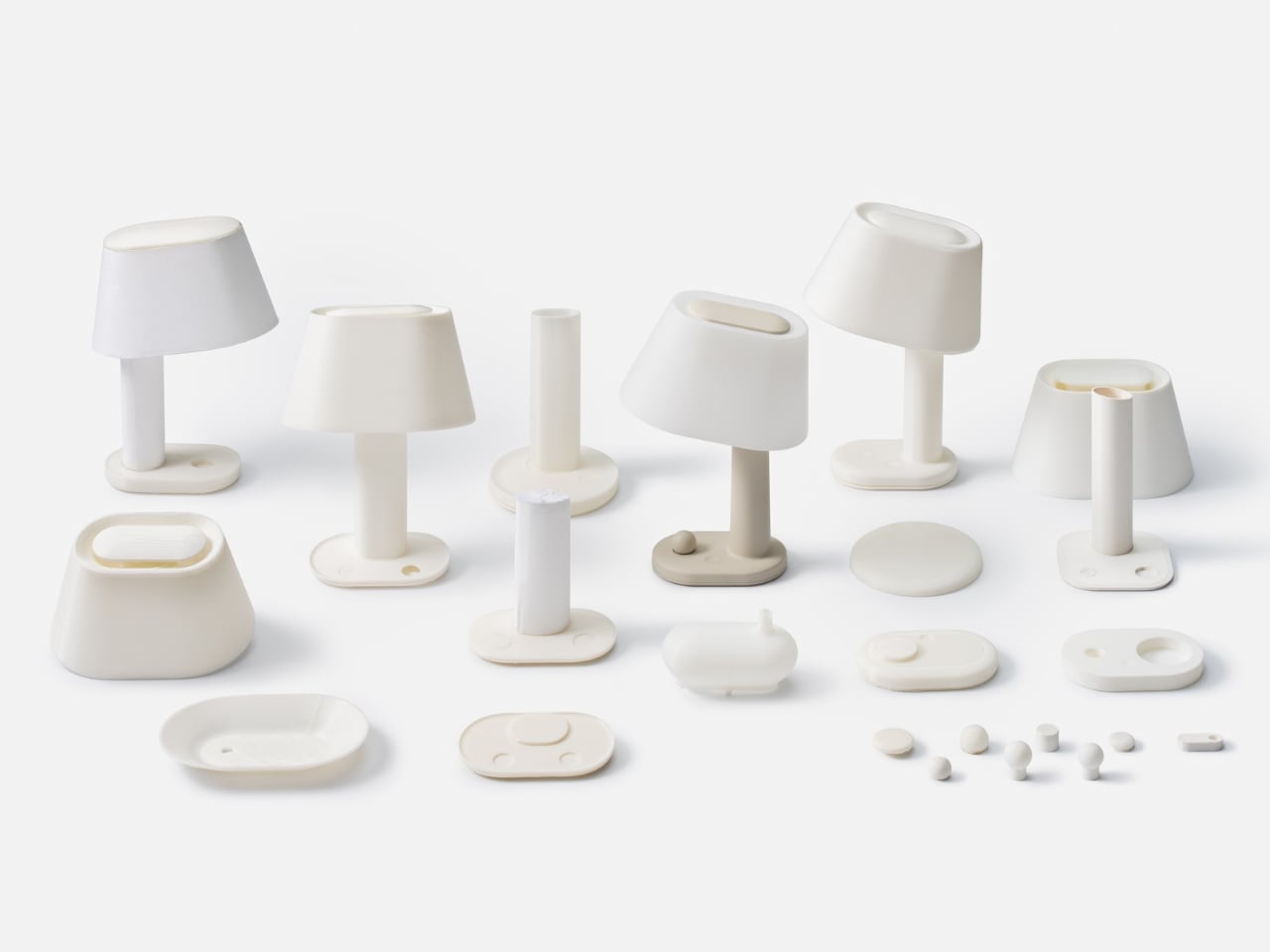
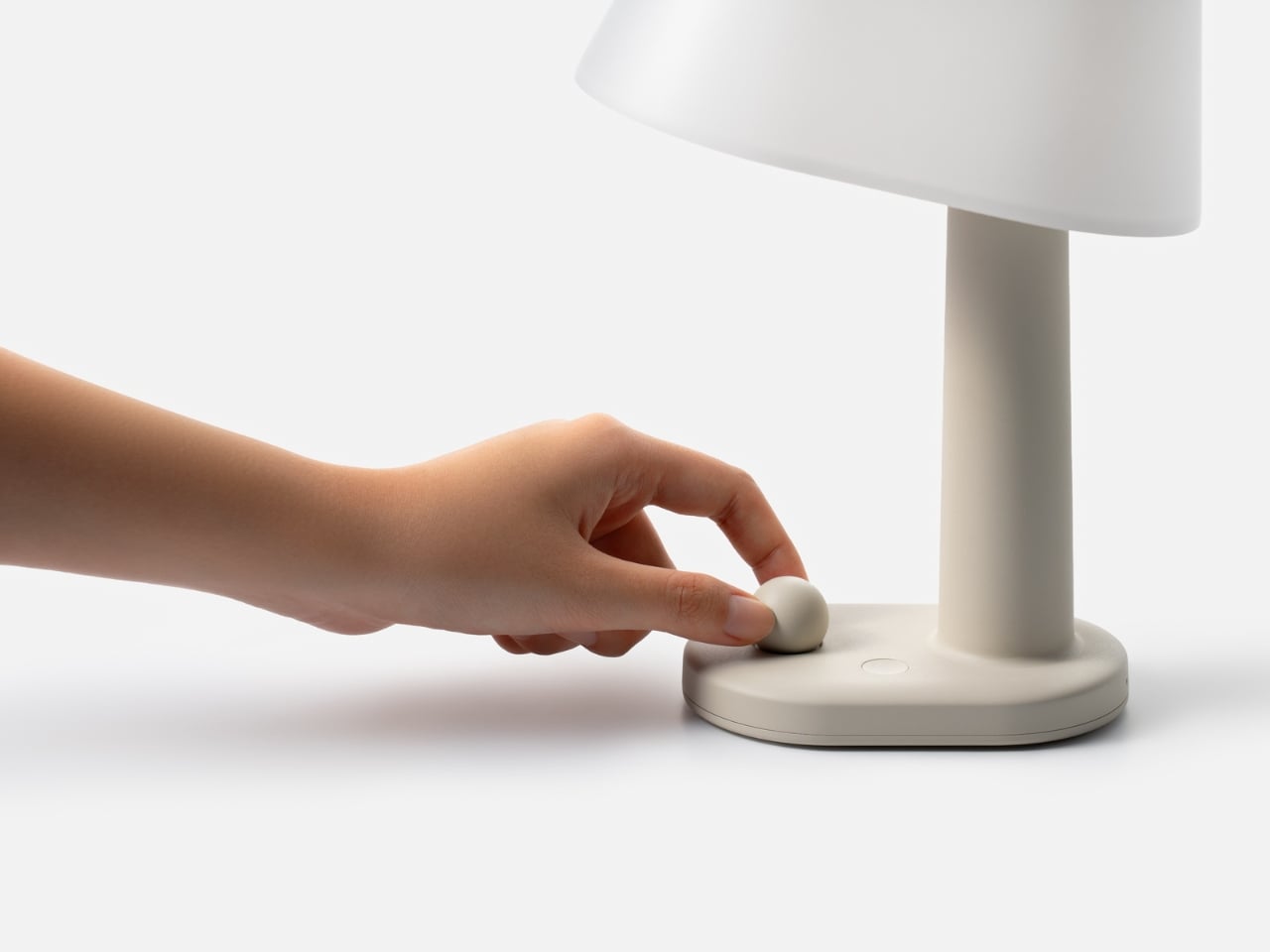
Looking at the development models photographed alongside the final product, you can see how many iterations BKID worked through to arrive at that little sphere button sitting at the base. It is such a small detail, almost insignificant at first glance, but it anchors the whole interaction. You do not tap the lamp or speak to it. You press a small ball, and that tactile contact feels satisfying in a way that touchscreens rarely do anymore.

Lighting design has been having a slow, quiet renaissance over the past few years. People are paying more attention to how their environments affect their biology, and objects like the Beanue Mini are the natural result of that growing awareness. It is not trying to be a centerpiece or a status object. It is trying to fit into your life and make the light around you better, automatically, without asking anything from you. That might be the most ambitious thing a lamp has ever tried to do.

The post Beanue Mini Is the Lamp Your Body Has Been Waiting For first appeared on Yanko Design.

This $300 Lamp Looks Like Melted Metal and Runs for 10 Hours

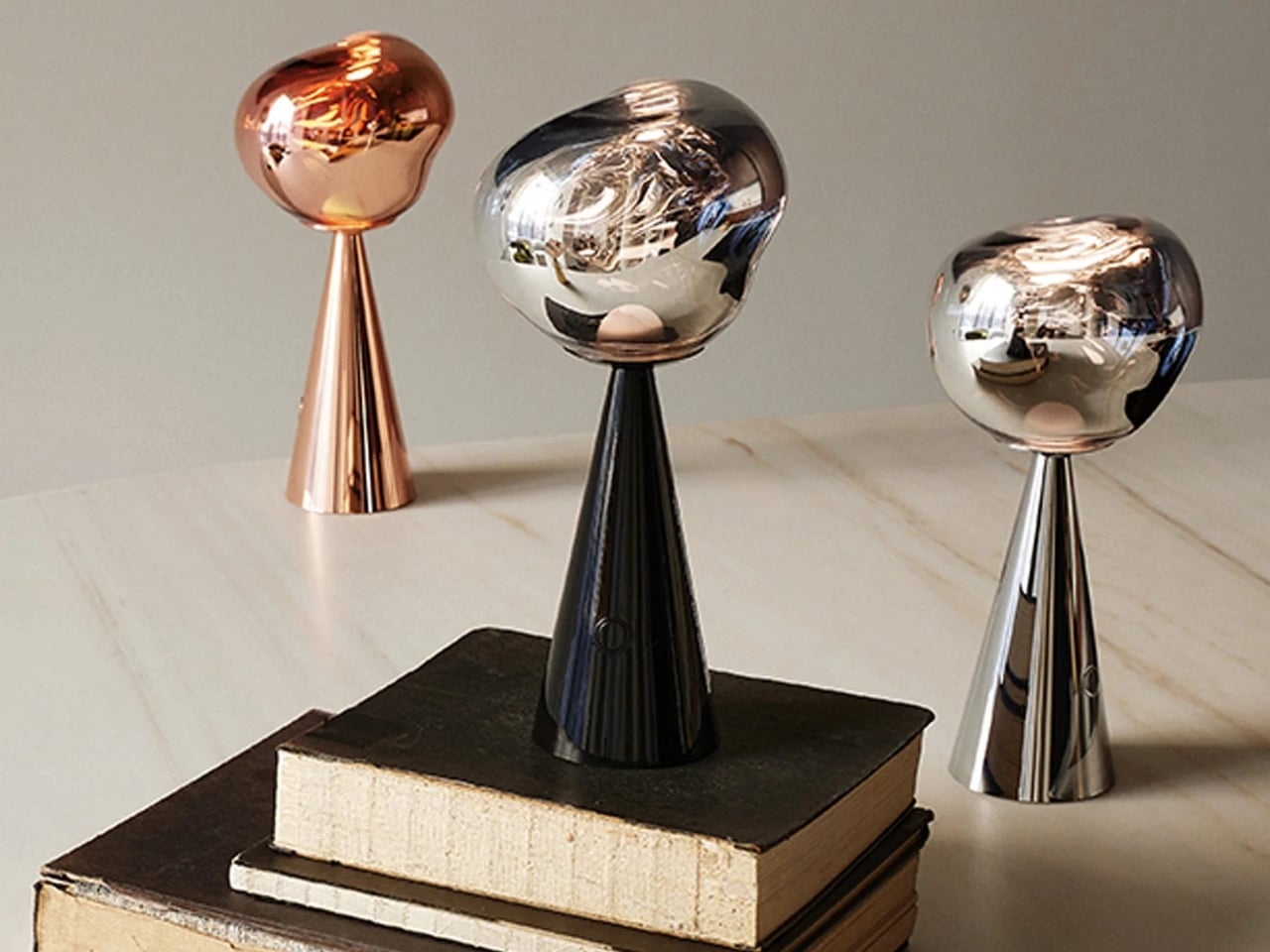
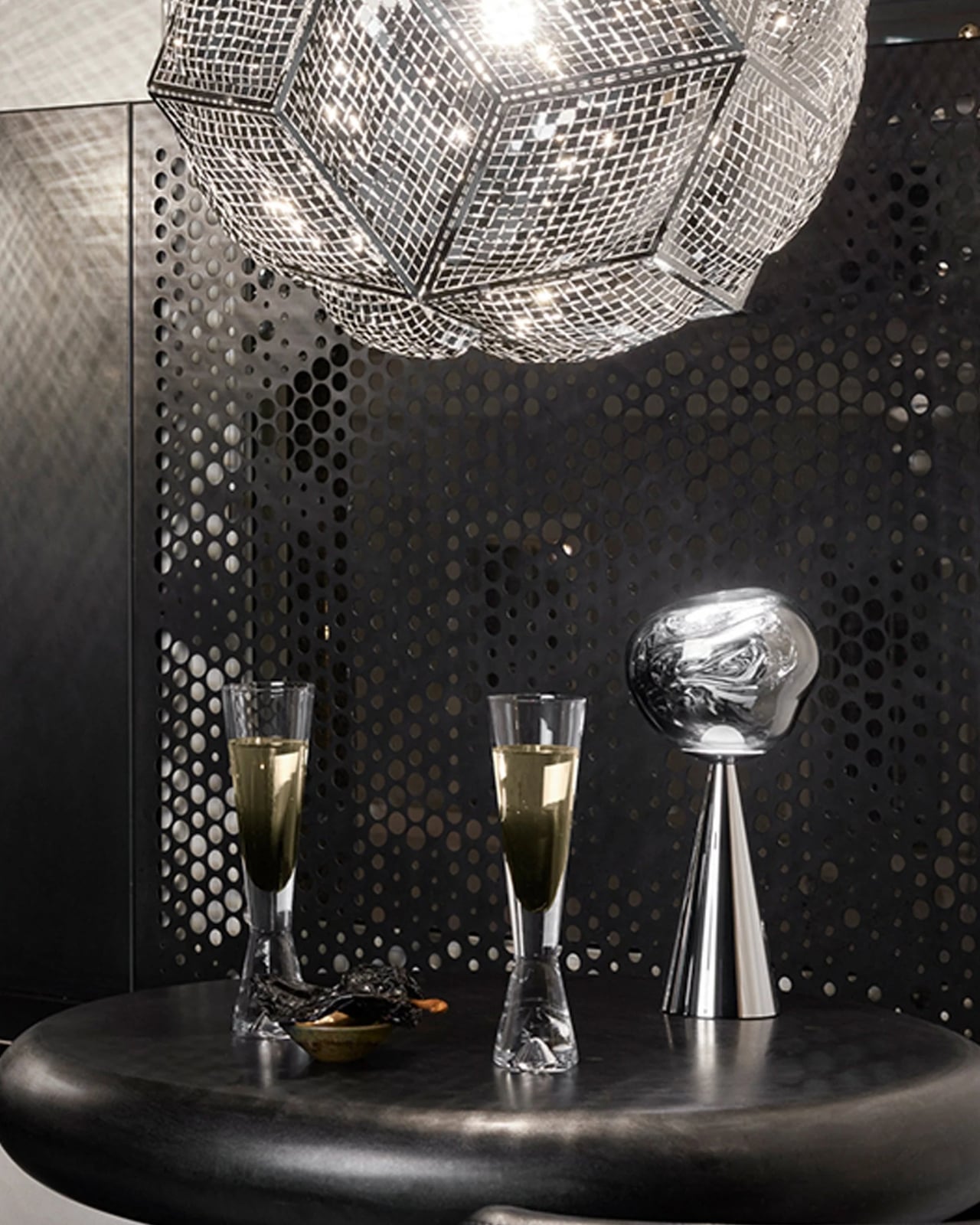
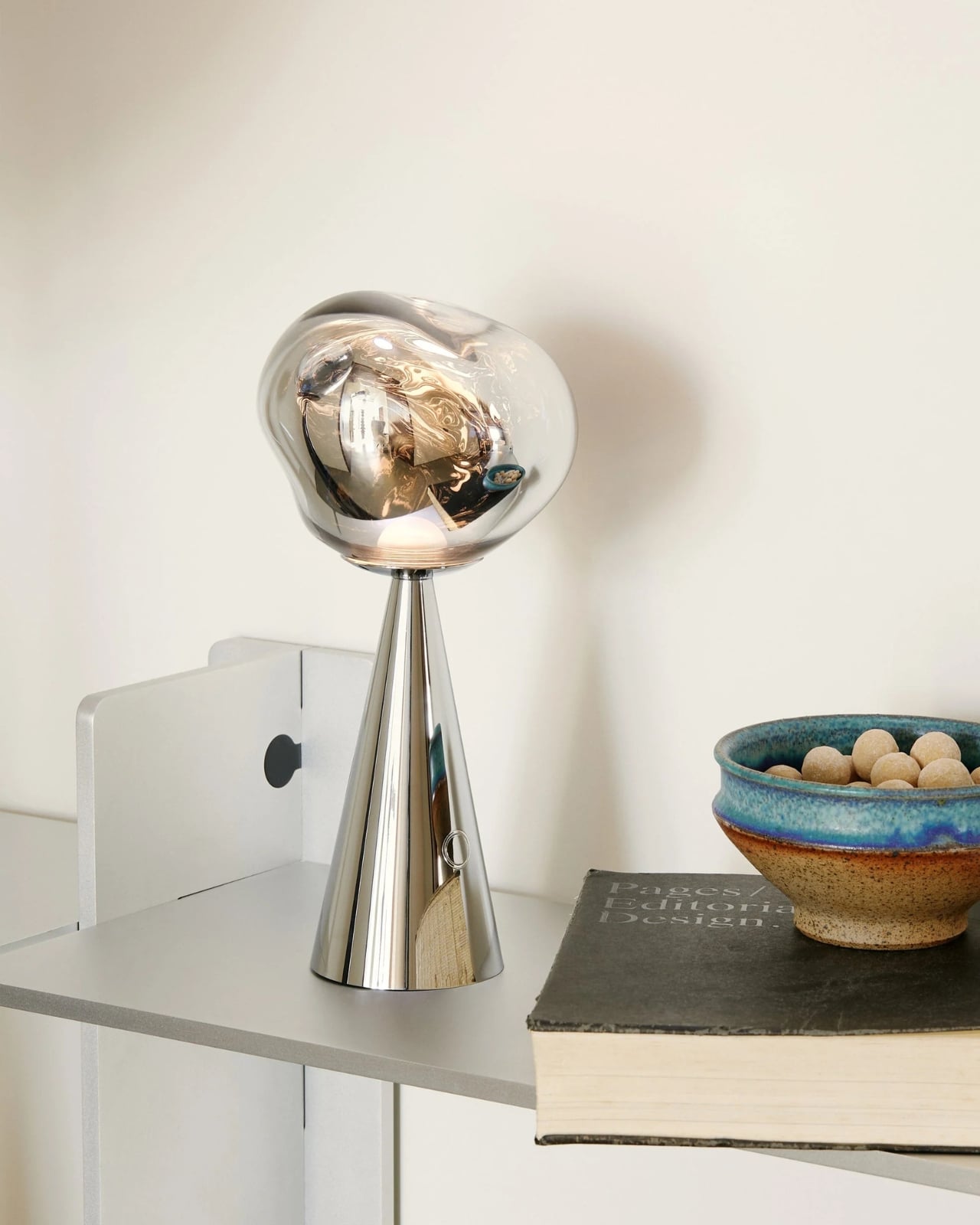
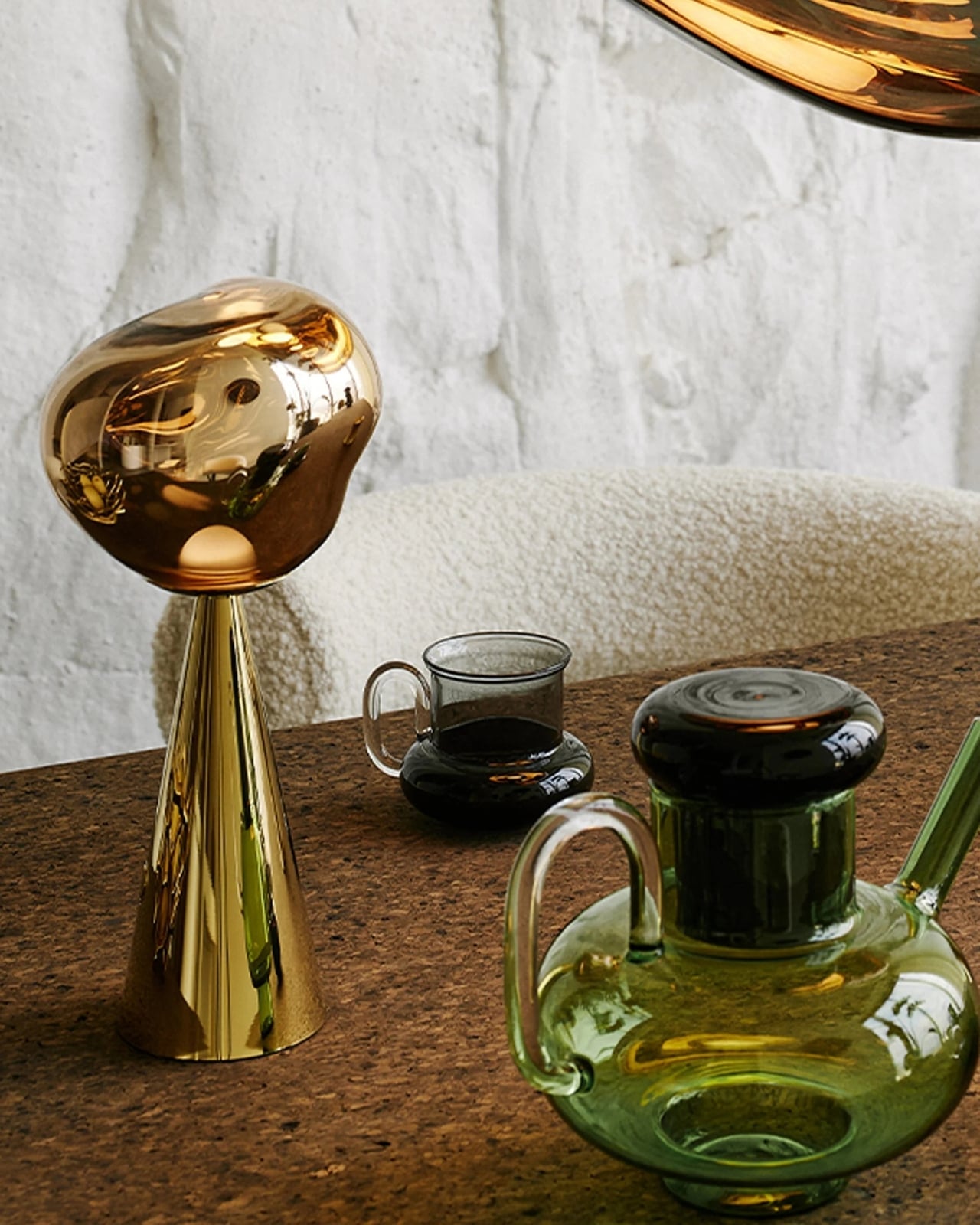
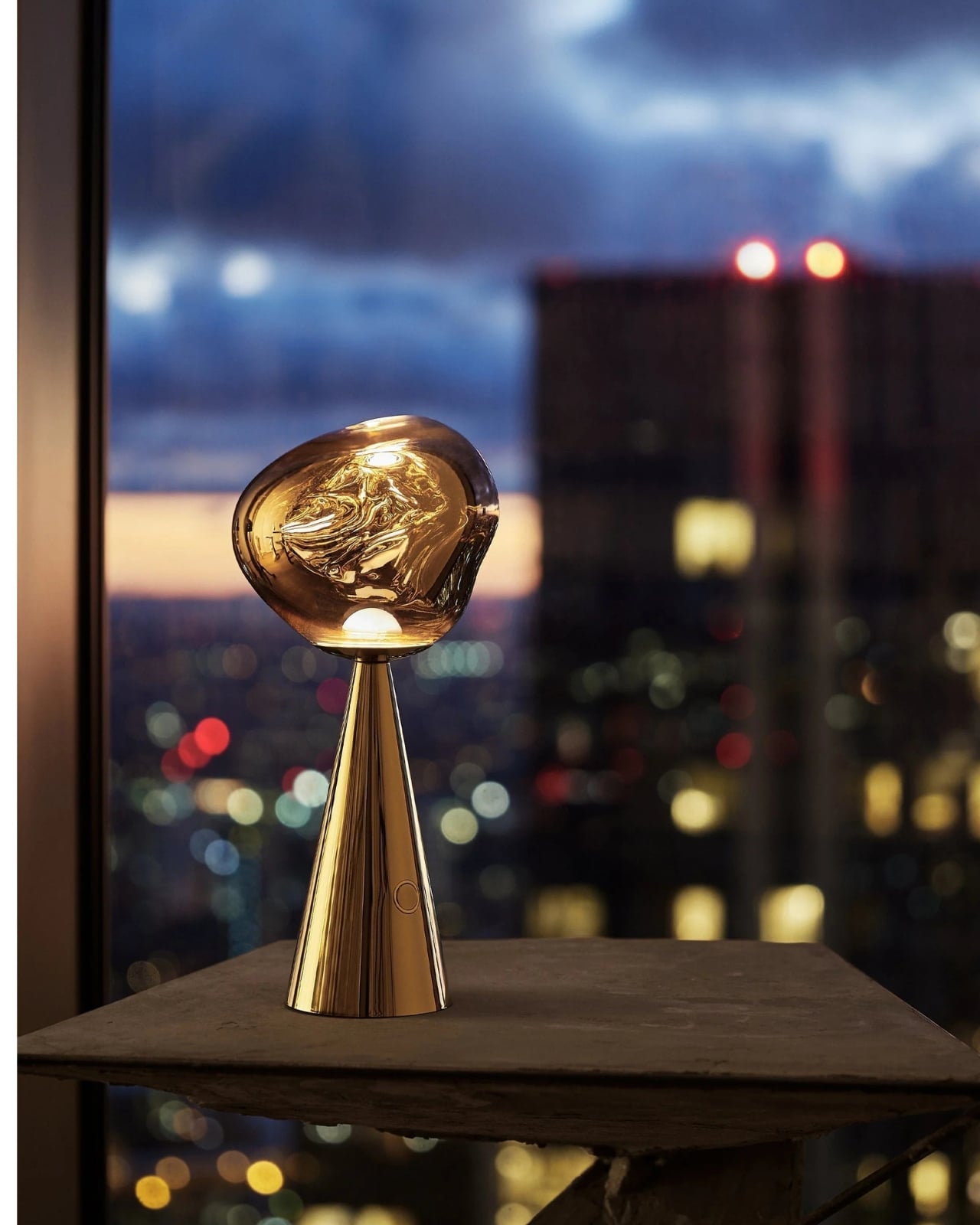
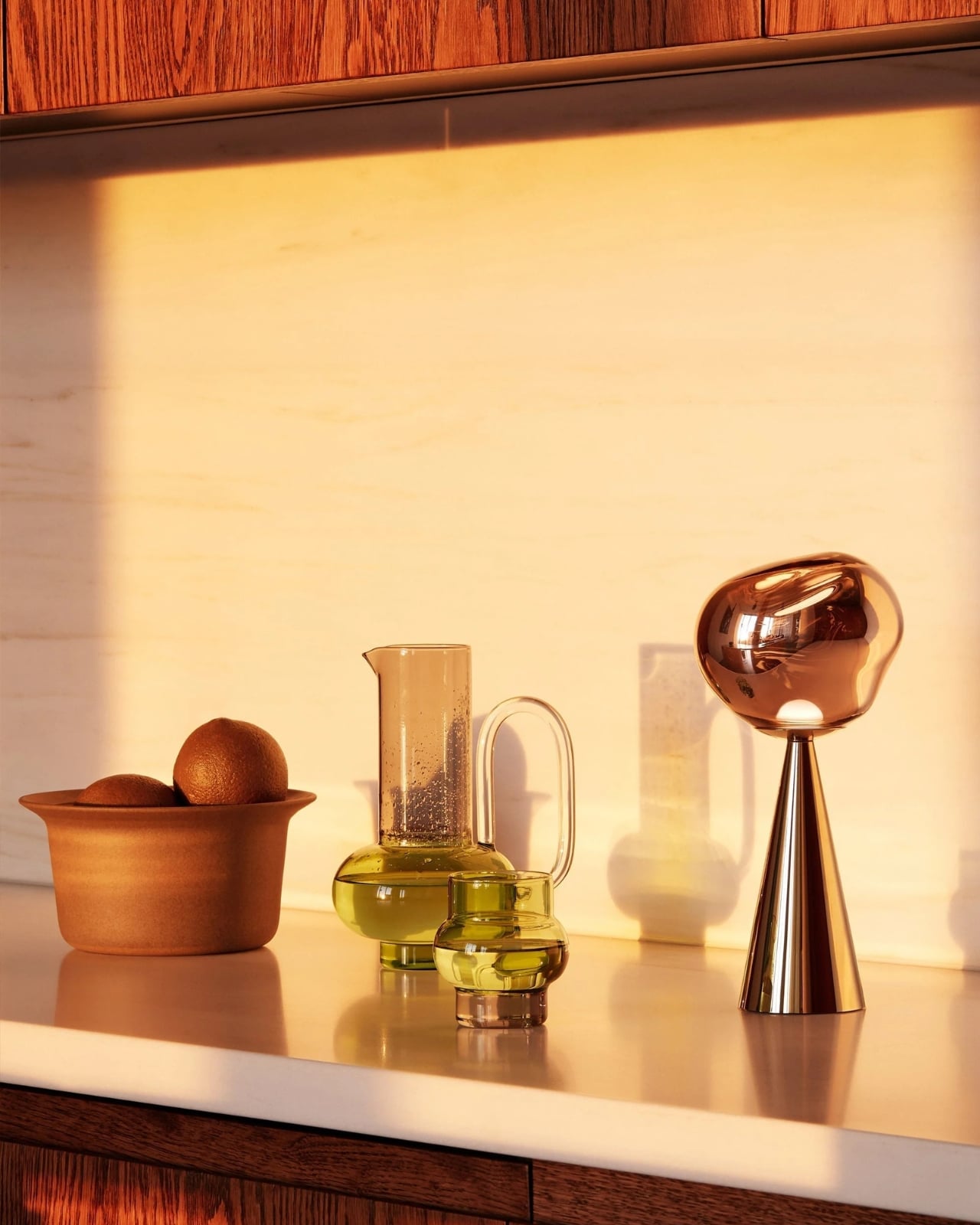
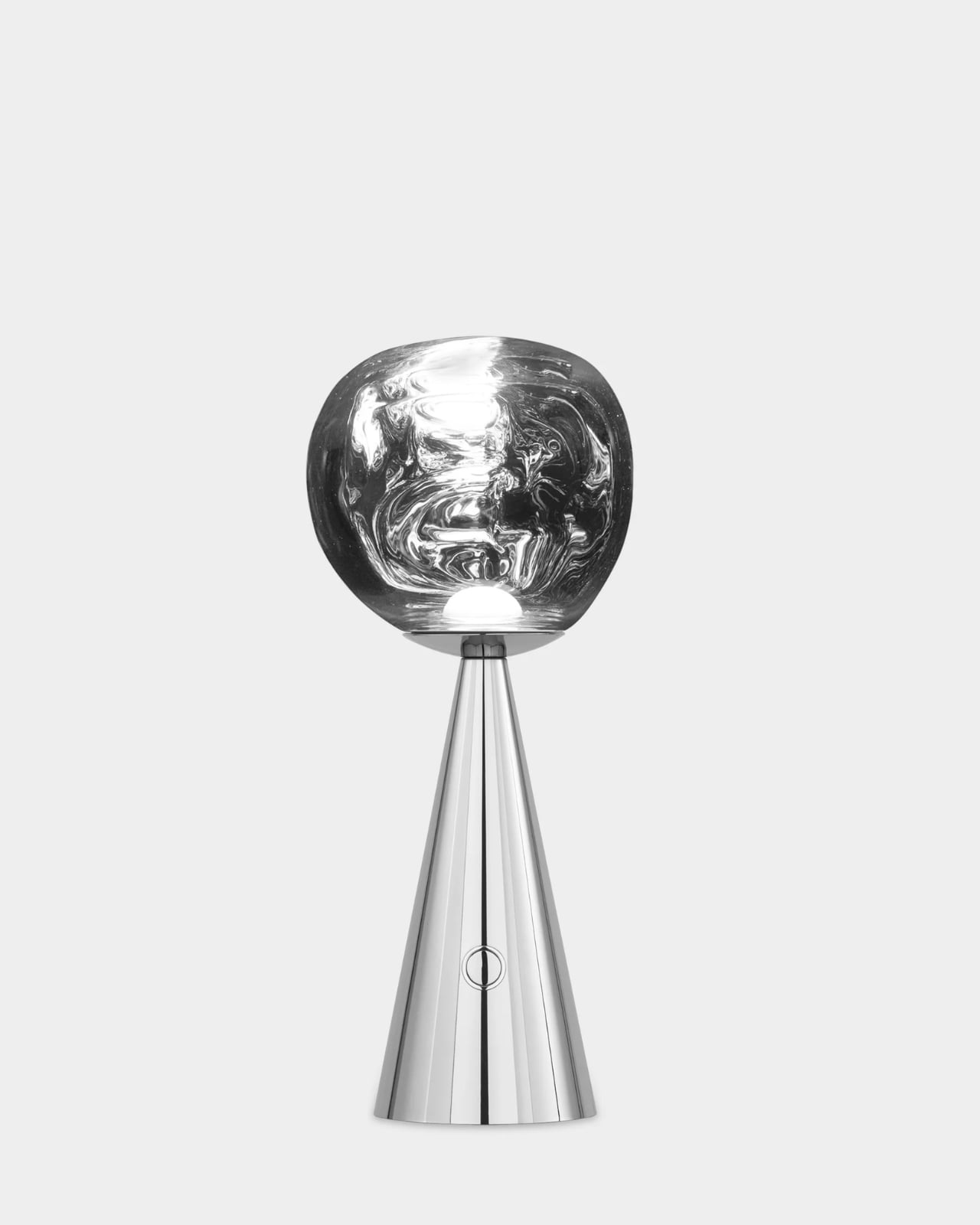
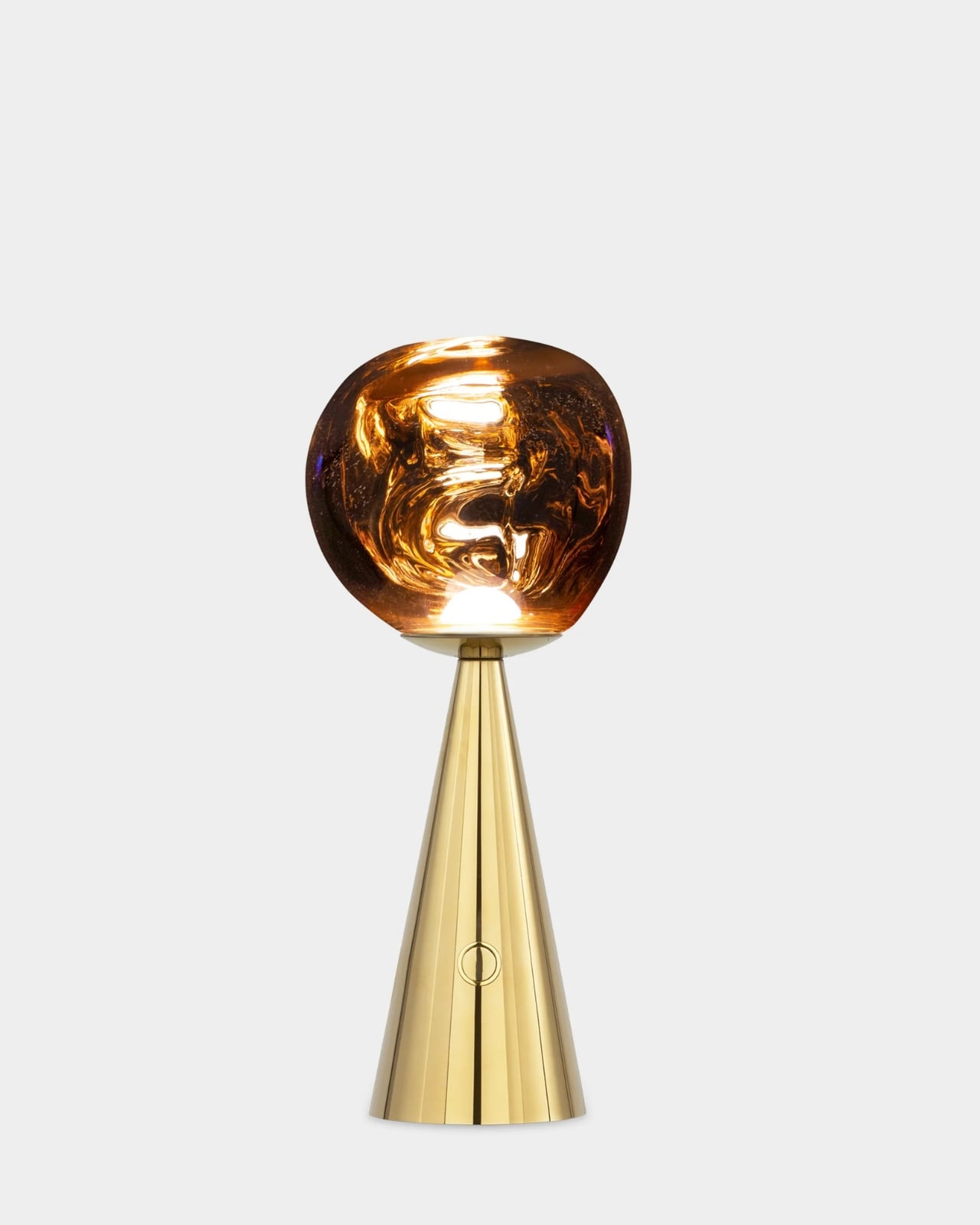
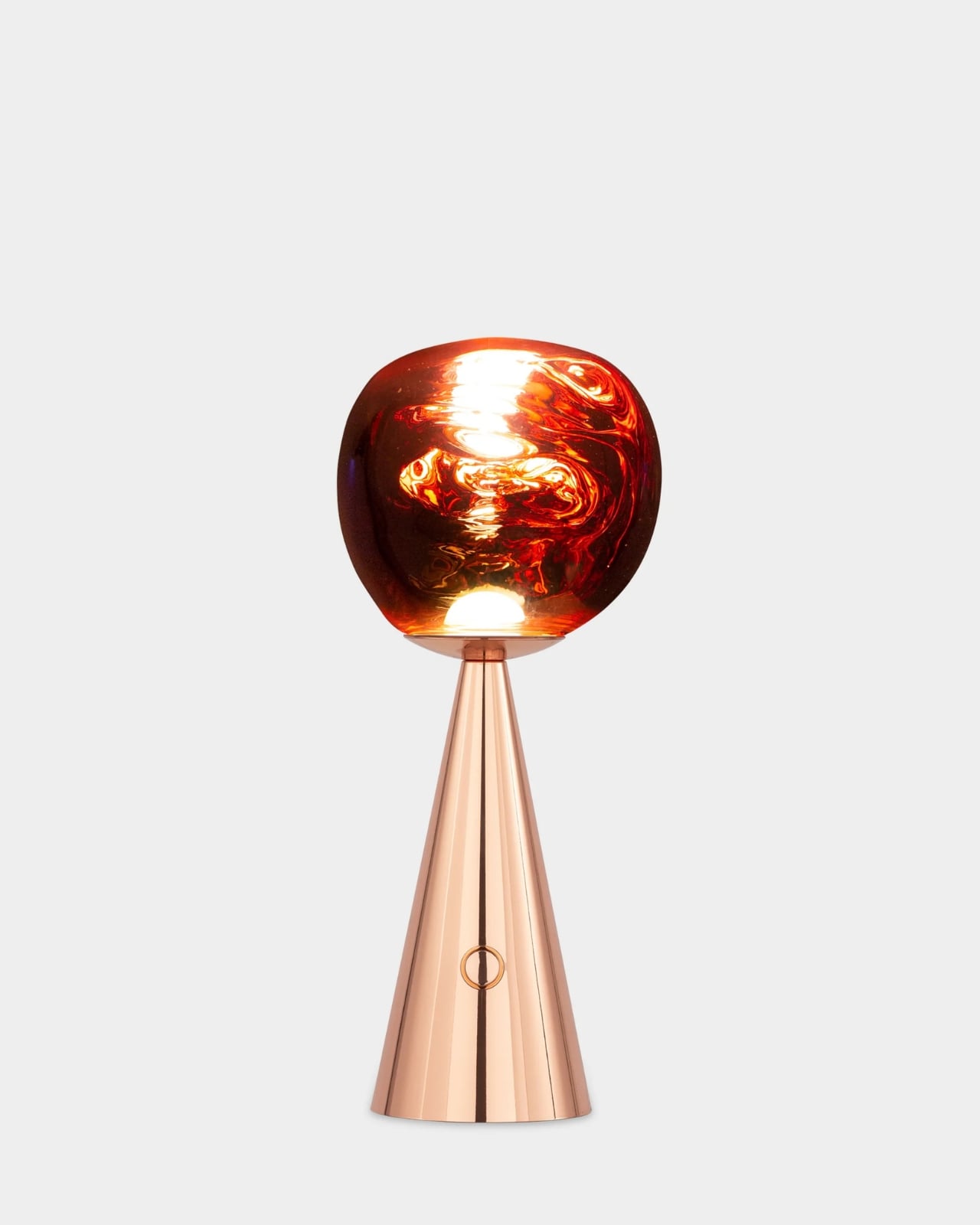
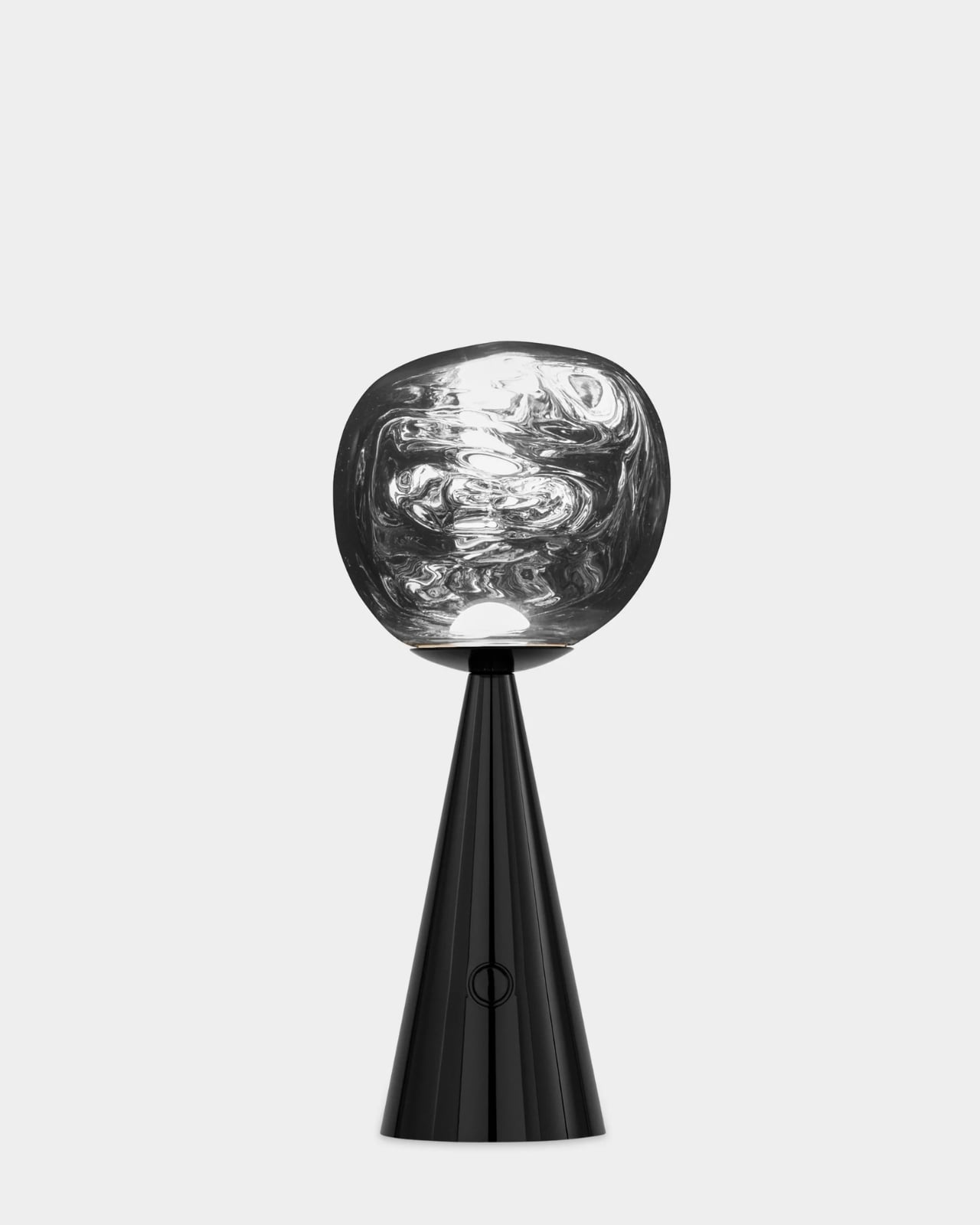
I’ve always believed that the best lighting doesn’t just illuminate a room. It changes the entire mood of a space, the way a good film score changes a scene. And for years, the Melt collection from Tom Dixon has been one of the strongest arguments for that idea. Now, with the Melt Small Portable Light, that same strange, beautiful glow can follow you just about anywhere, and I think that’s a bigger deal than it sounds.

Let me back up a little. The original Melt debuted around 2014, born from a collaboration between Dixon and FRONT, the Swedish design collective known for pushing conceptual boundaries. The inspiration behind it was wonderfully odd: melting glaciers and deep space. Not exactly the kind of mood board you’d expect for a home lighting fixture, but that’s precisely what made the result so arresting.

Designer: Tom Dixon

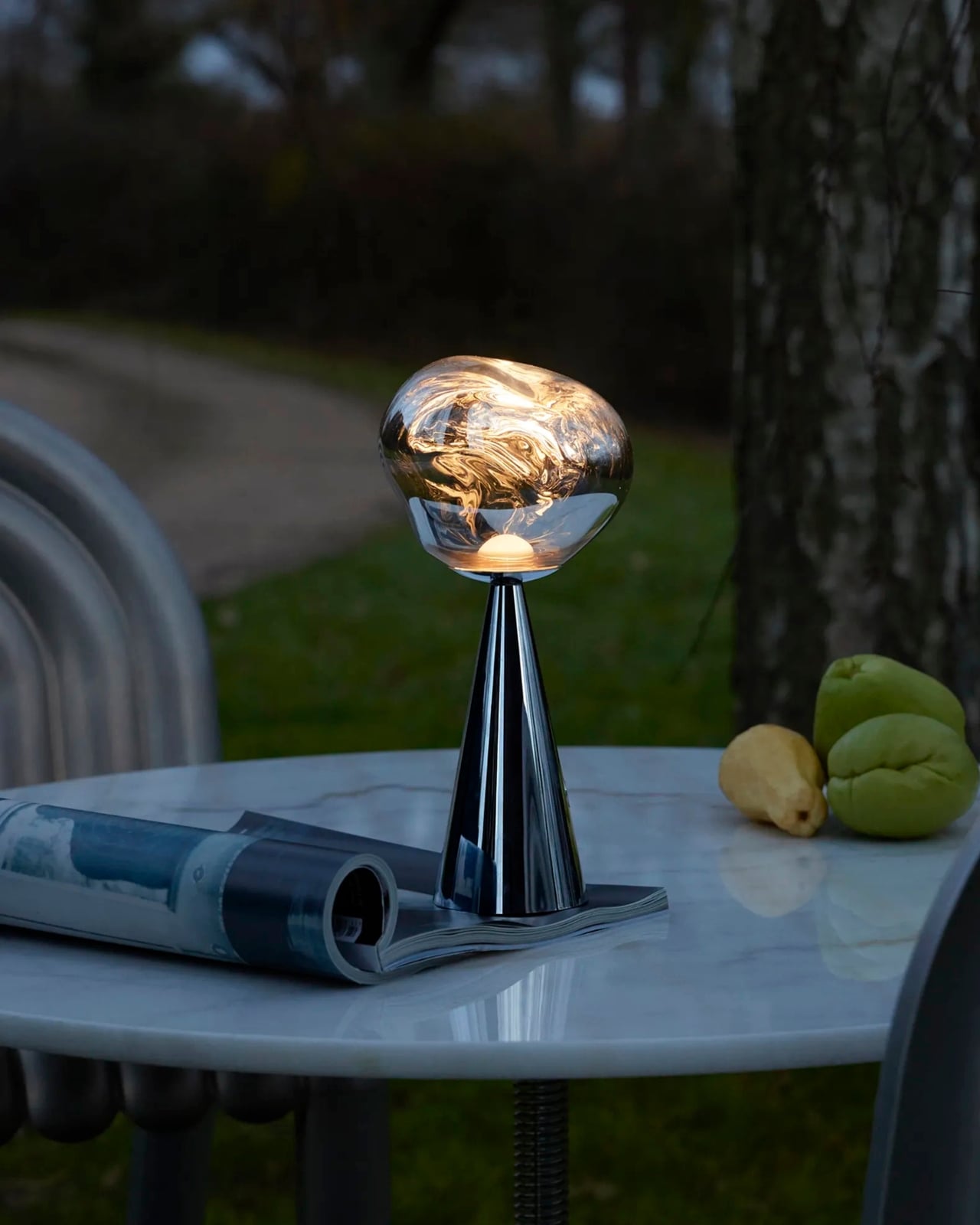
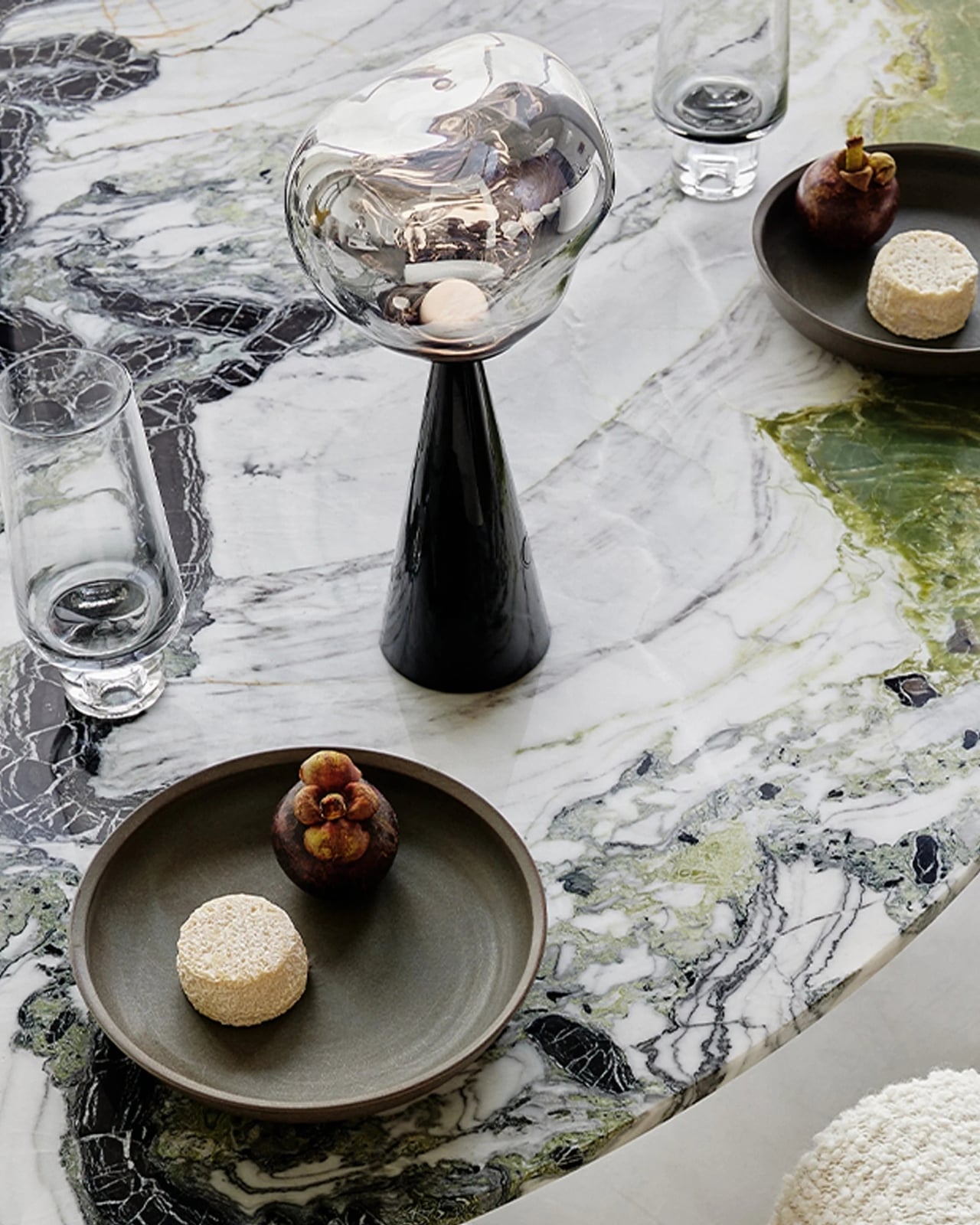
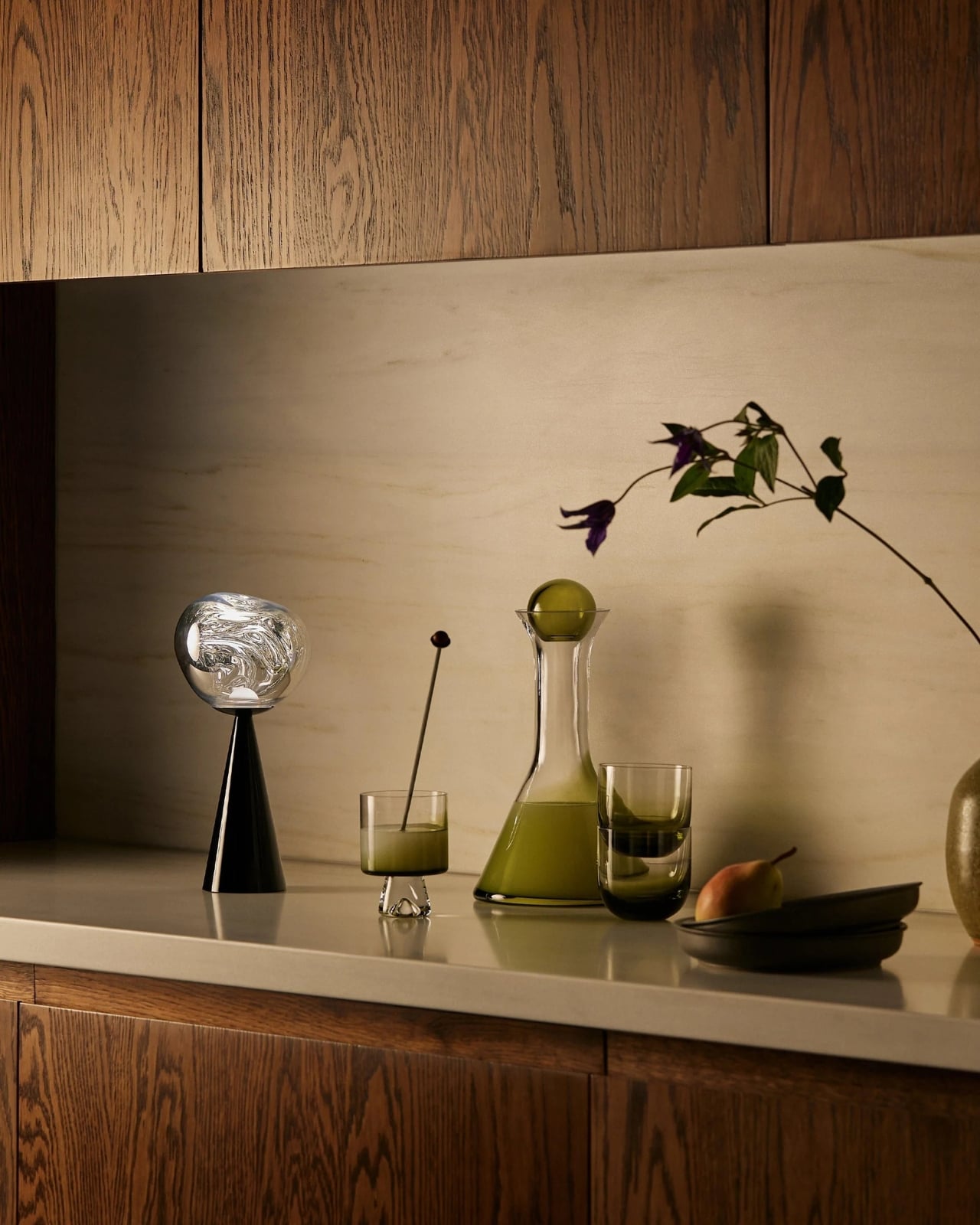
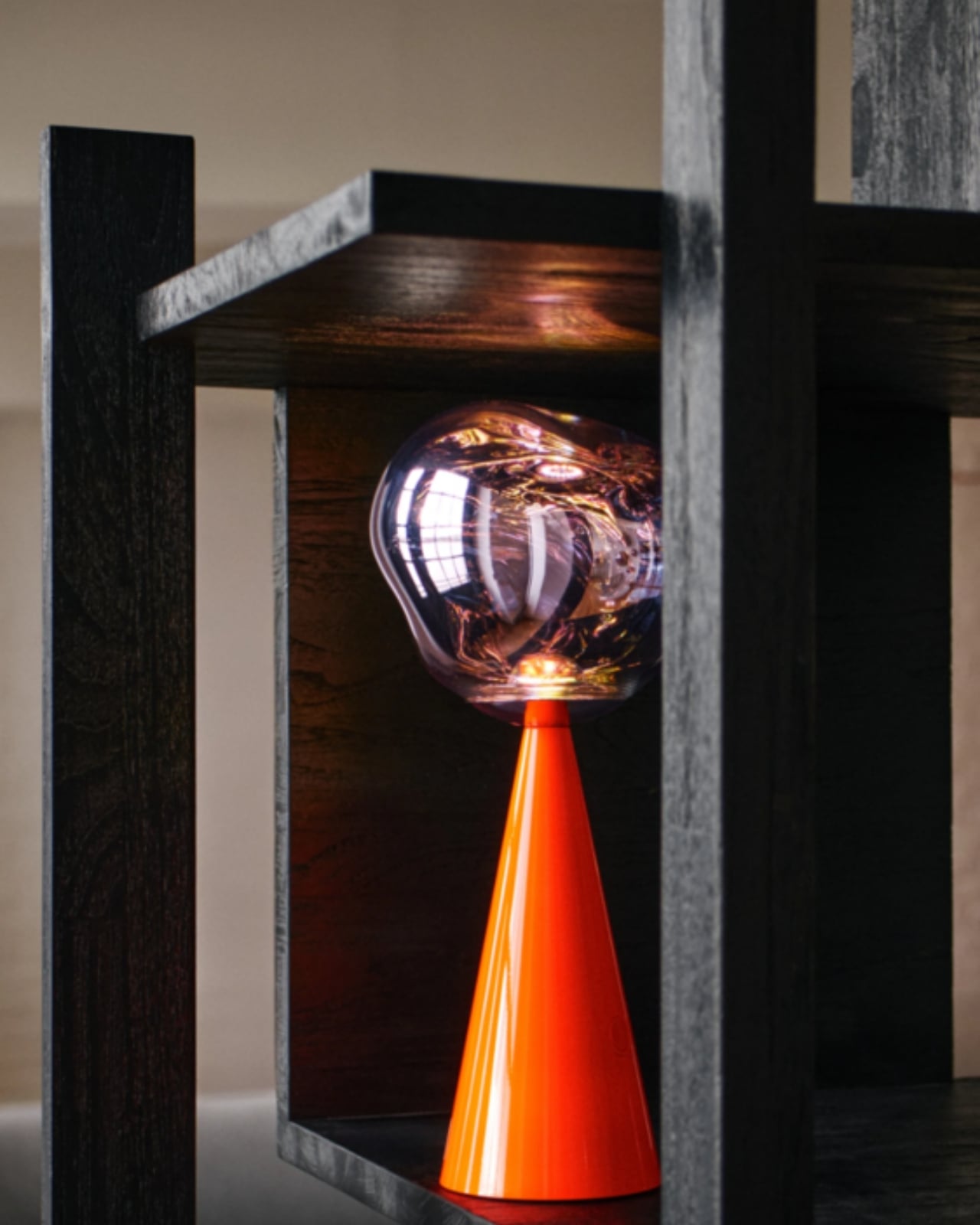
Through blow molding and vacuum metallization of polycarbonate, the team created these distorted, half-mirrored orbs that look like they were pulled from the surface of another planet. When switched off, the Melt is a sleek, reflective object. When turned on, it becomes translucent, casting a warm, almost liquid glow that feels alive. It’s a genuinely rare trick: a light that is two completely different objects depending on whether it’s working. The Melt went on to become one of Dixon’s signature pieces, taking shape as pendants, chandeliers, floor lamps, and surface lights. You’ve probably seen it in upscale restaurants or on the pages of interior design magazines without even knowing its name. It has that kind of quiet ubiquity among design-literate circles.

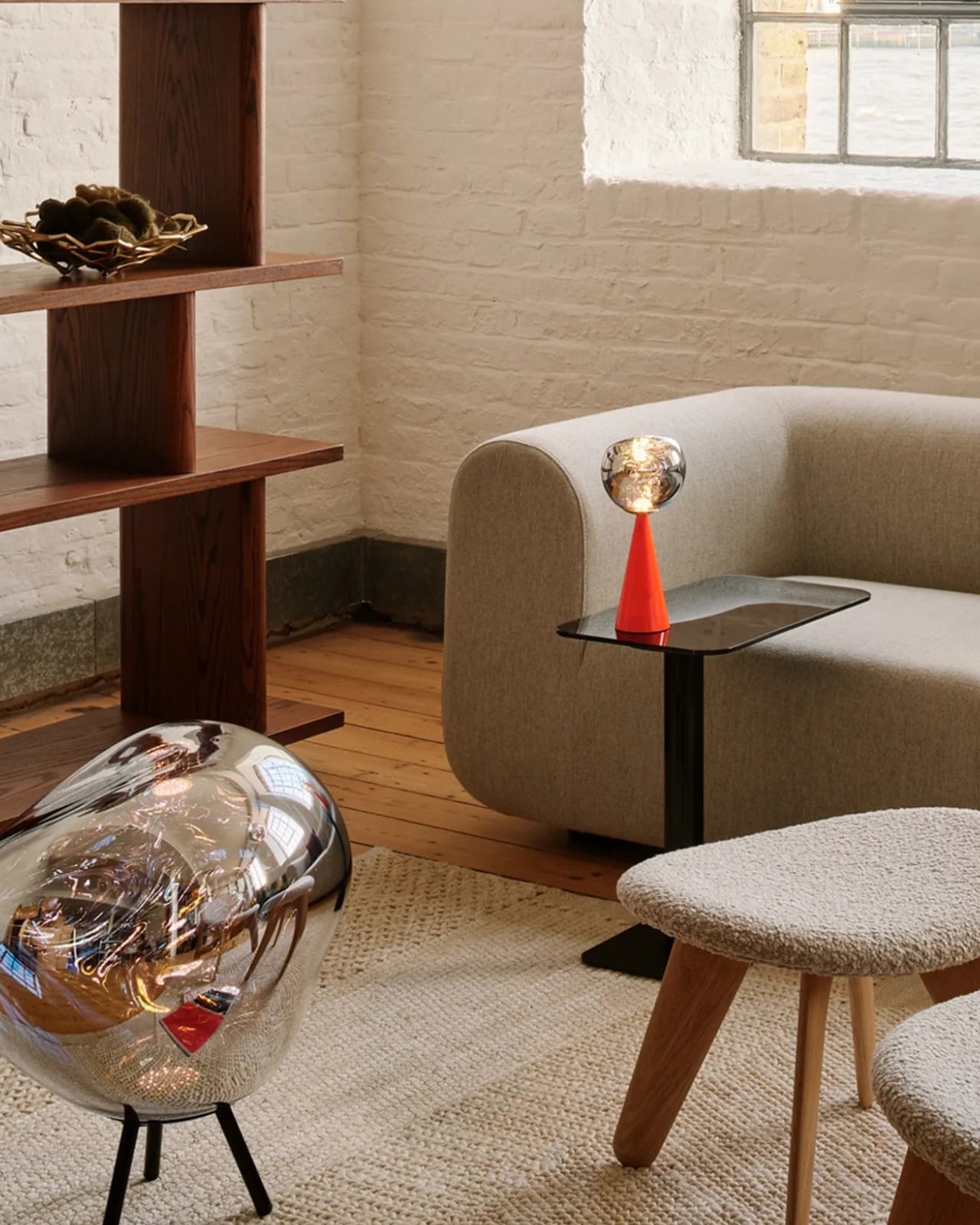
So what happens when you take all of that visual drama and shrink it down into a cordless, rechargeable form? You get the Melt Portable, and I think it represents something worth paying attention to beyond just its looks. Portable designer lighting has been having a moment. As rechargeable batteries and LEDs have gotten better and cheaper, brands from Umbra to Hay have released their own cordless lamps aimed at people who want flexibility without sacrificing aesthetics. It’s no longer just about a candle on the dinner table. But most of these portable options, as nice as they are, tend to play it safe with clean geometric shapes and neutral tones. The Melt Portable doesn’t do safe. It carries all the organic, almost alien character of its larger siblings into a palm-sized object, and that commitment to personality is refreshing.

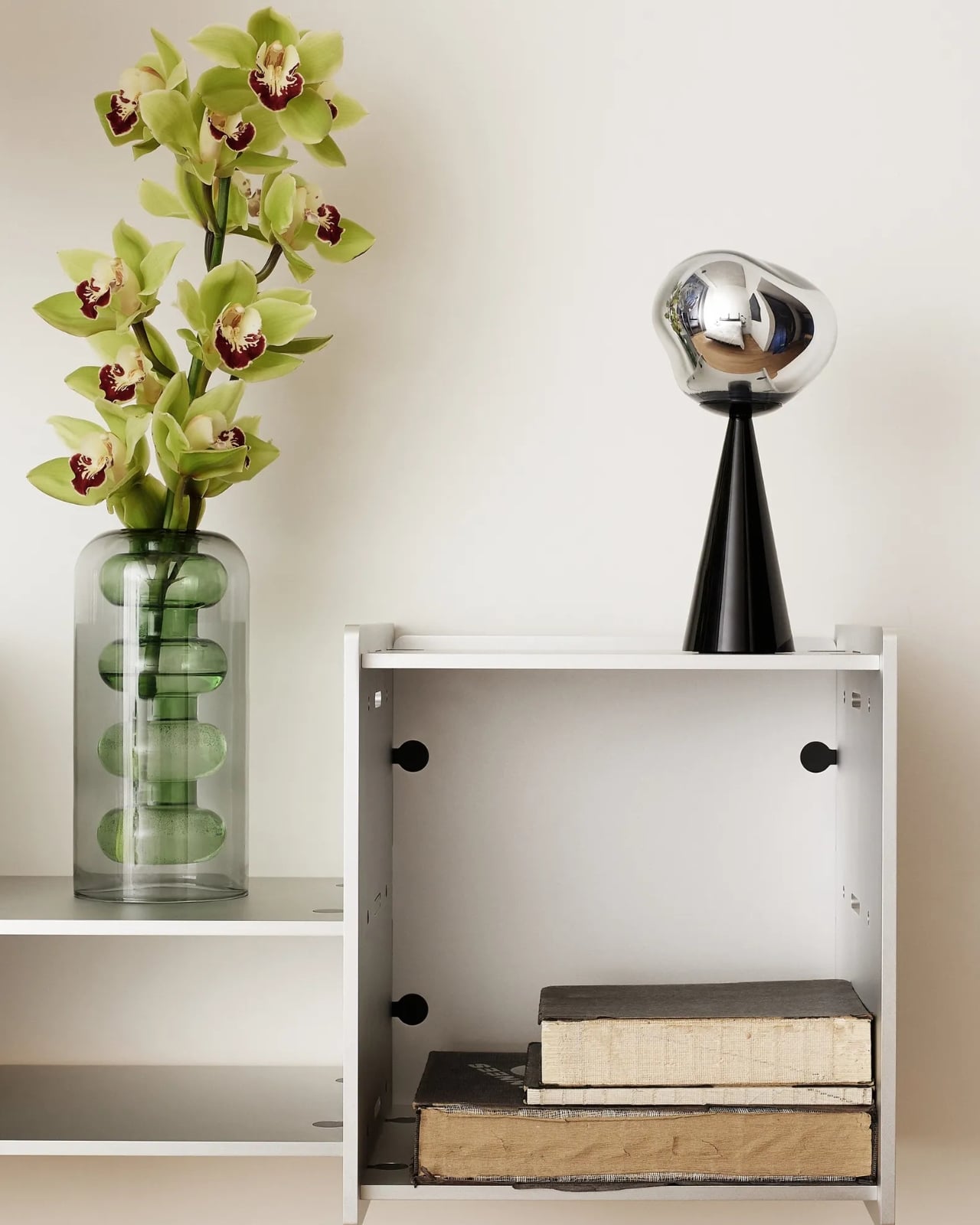
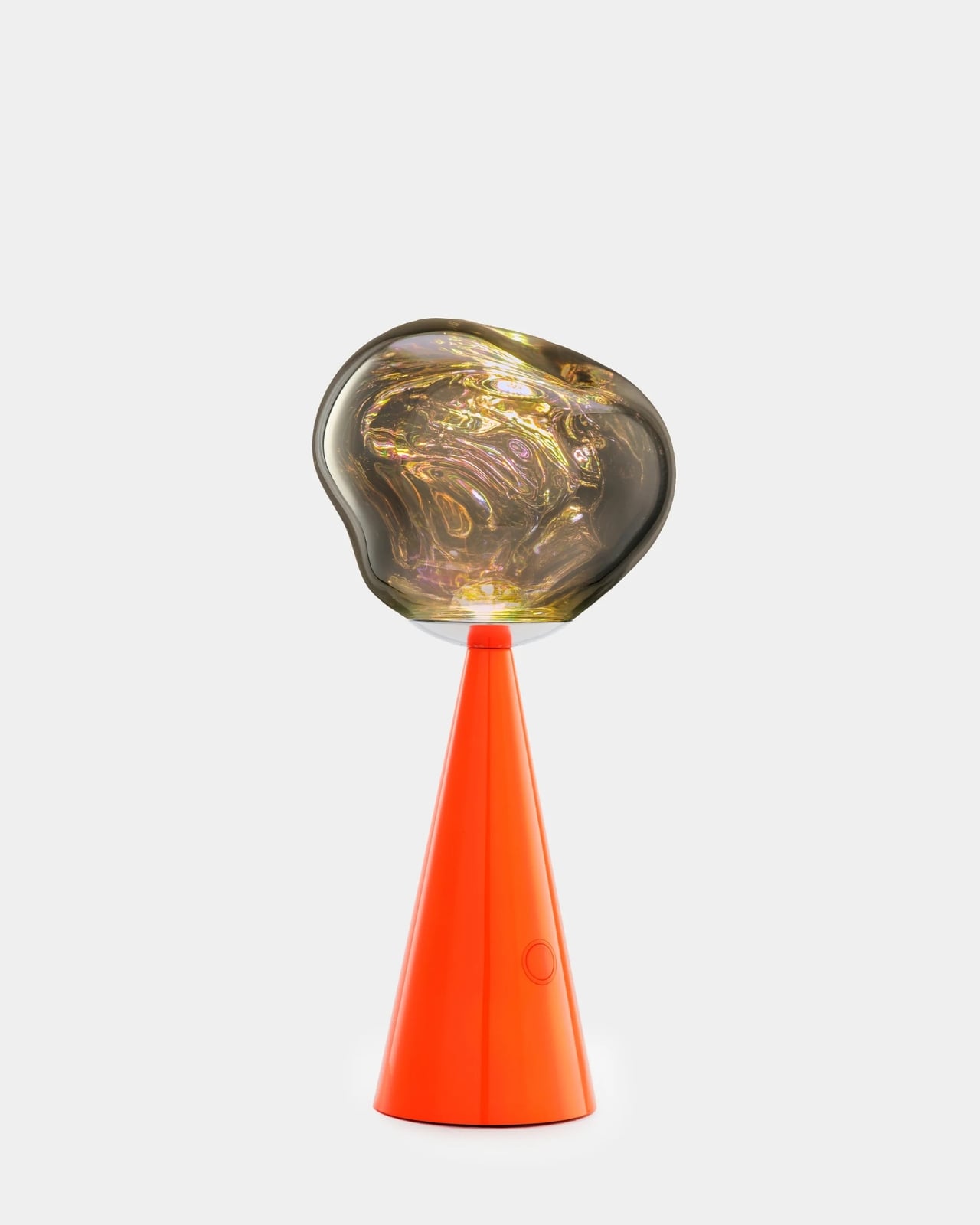
On the practical side, the specs are solid for what it is. The 2.5W LED puts out 100 lumens at a warm 3000K color temperature, which is right in that sweet spot for ambient, relaxing light. It’s touch-dimmable, runs for up to 10 hours on a single charge, and recharges via a magnetic USB-A connection in about five hours. It also carries an IP44 rating, meaning it can handle a splash of water, so taking it out to the patio or poolside isn’t going to end in tears. It comes in black, silver, gold, copper, and even a newer fluoro finish for those who want to go bolder.

At around $275 to $330 depending on where you buy it, the Melt Portable is not an impulse purchase. That’s real money for a small rechargeable light. But I’d argue you’re not really paying for lumens here. You’re paying for a decade-old design legacy that’s been miniaturized without losing its soul. Most portable lamps disappear into a room. The Melt Portable is the kind of object that starts conversations, that makes a nightstand or a garden table feel considered and intentional.

What I appreciate most is the underlying philosophy. Tom Dixon has always operated at the intersection of industrial process and visual drama, finding beauty in manufacturing techniques that most designers would treat as purely functional. The vacuum metallization that gives the Melt its signature look is borrowed from the way sunglasses are coated. That kind of cross-pollination between industries, repurposing a process from one field to create something unexpected in another, is what keeps design interesting.

The Melt Portable won’t be for everyone. If you want maximum brightness or the most efficient cost-per-lumen ratio, look elsewhere. But if you believe that light is as much about feeling as it is about function, and that good design deserves to be untethered, this little glowing orb makes a compelling case for itself.

The post This $300 Lamp Looks Like Melted Metal and Runs for 10 Hours first appeared on Yanko Design.

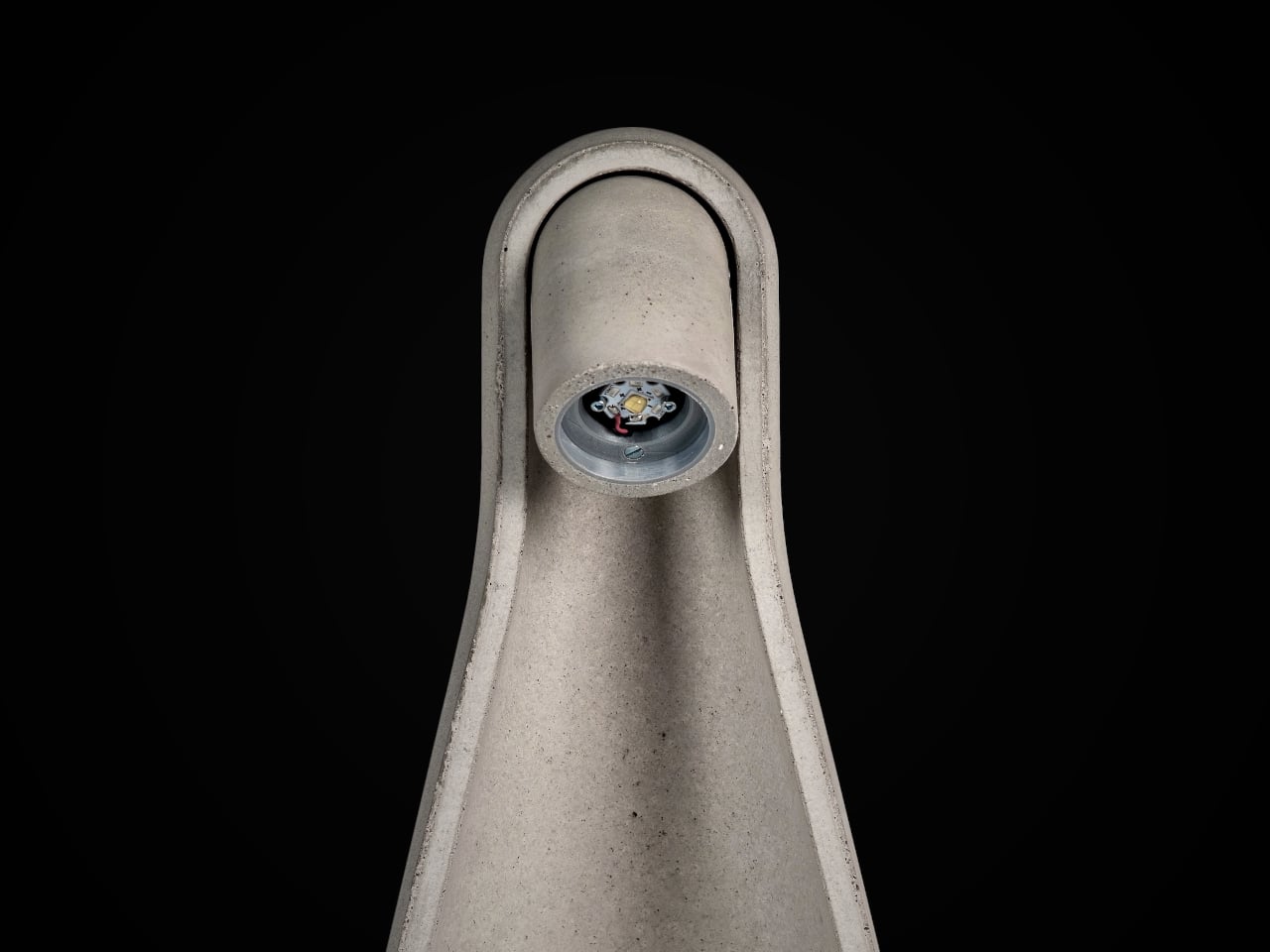
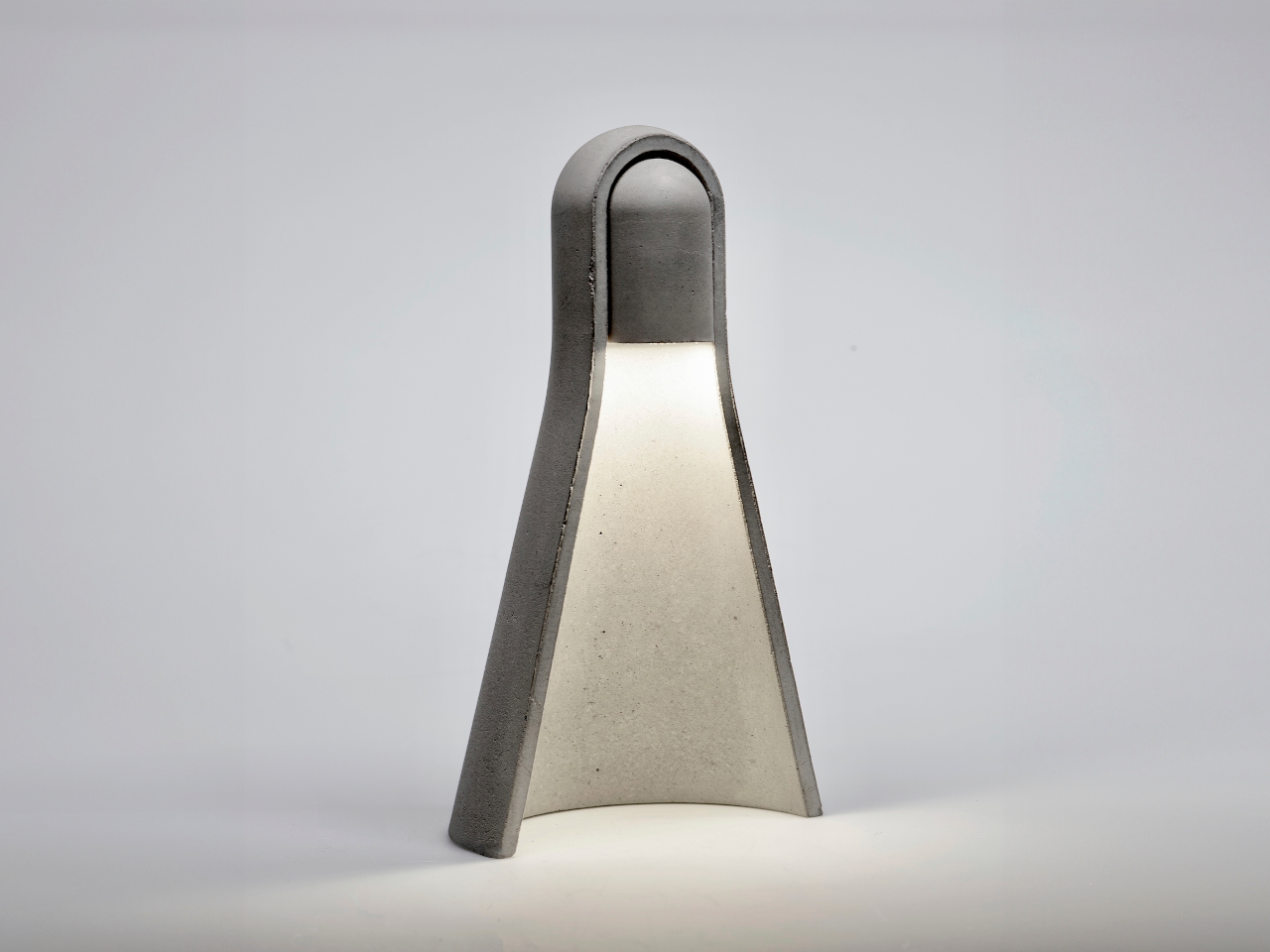
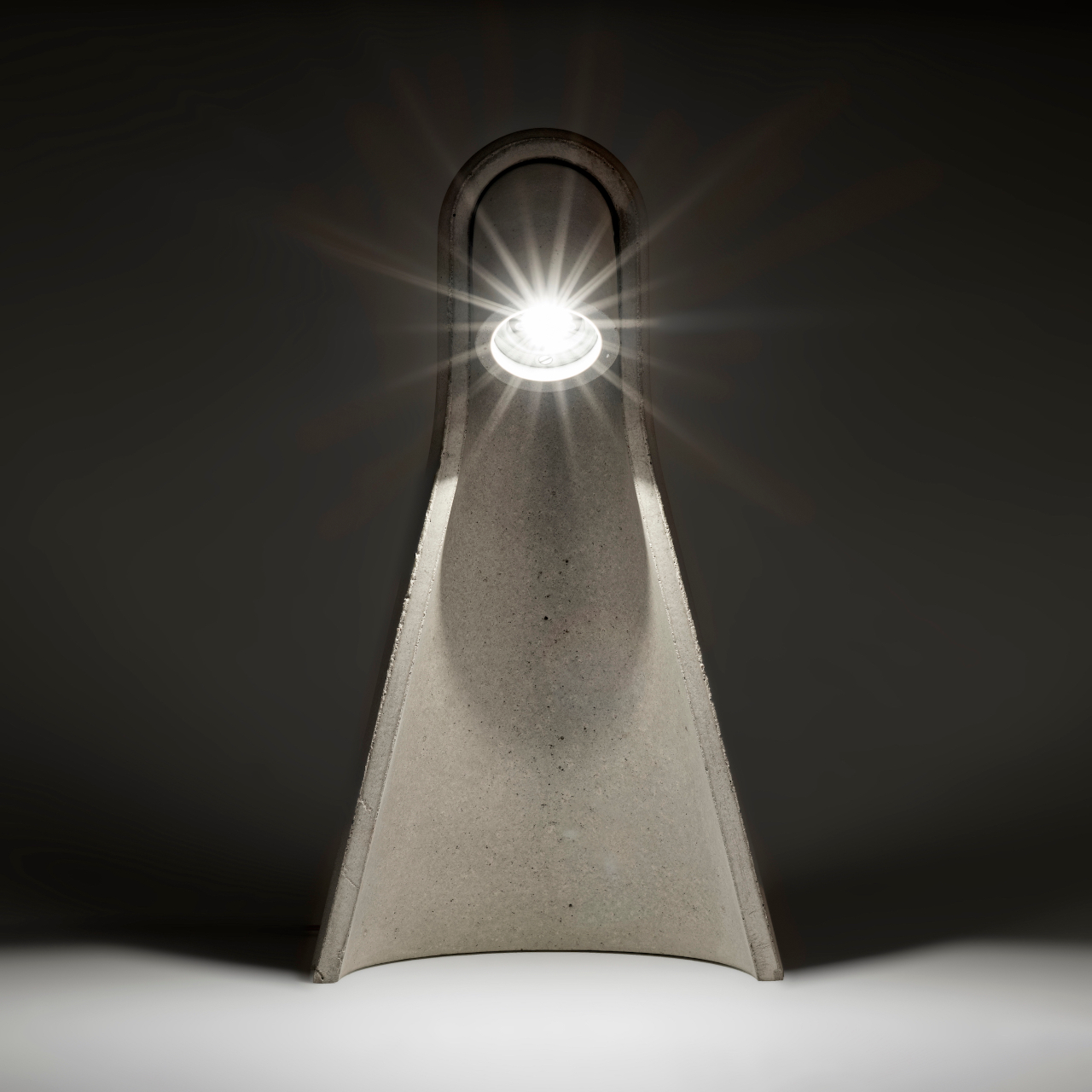
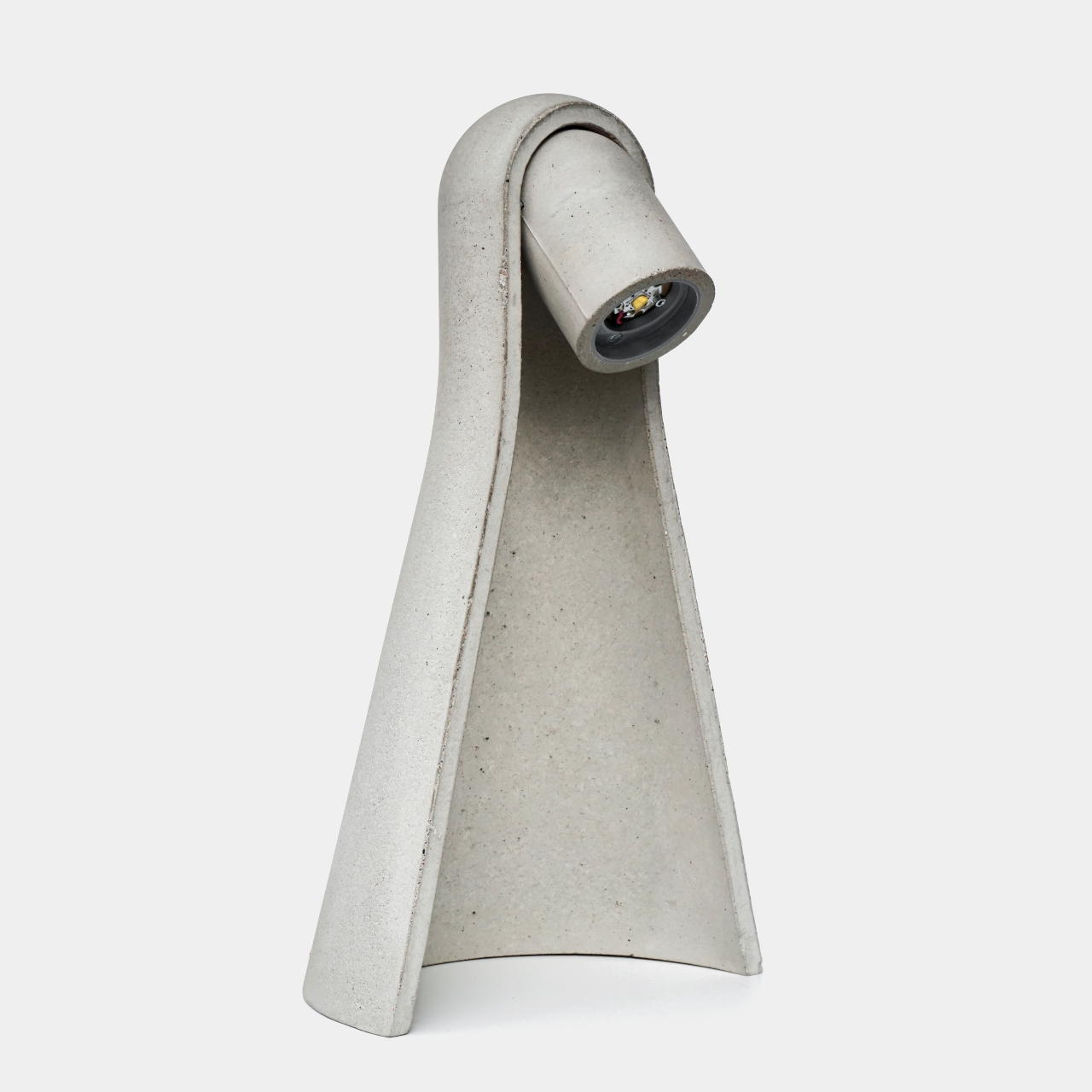
This Concrete Lamp Looks Calm and Rounded, not Brutalist

Concrete’s default mode in product design is heavy, rectilinear, and a little confrontational. It shows up in candles, bookends, and lamp bases that lean into the brutalist reference, as if rawness is the whole point. That aesthetic works in the right context, but it rarely feels calm or considered at desk scale, where the goal is usually a surface that helps you focus rather than one that announces itself at every angle.

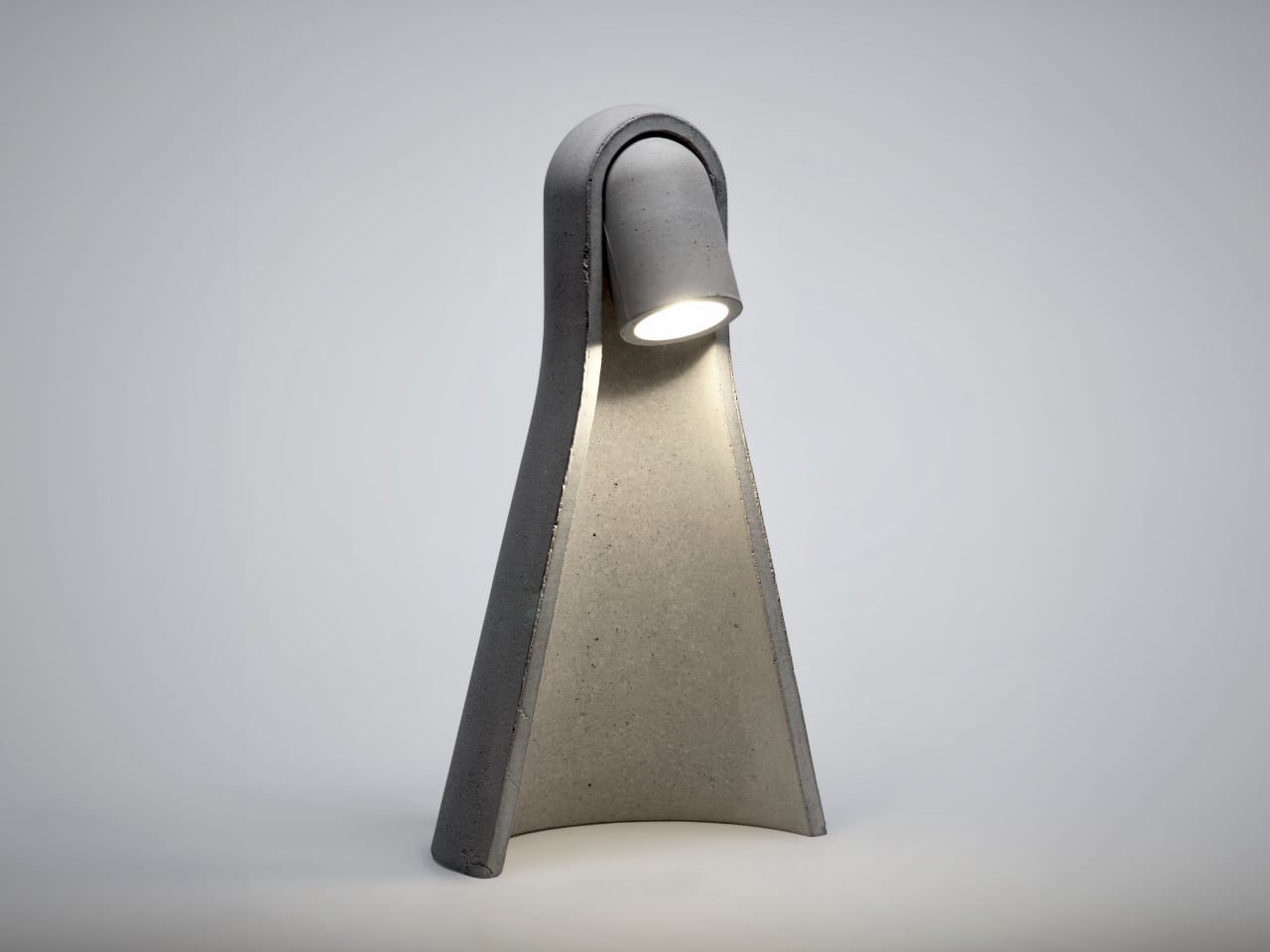
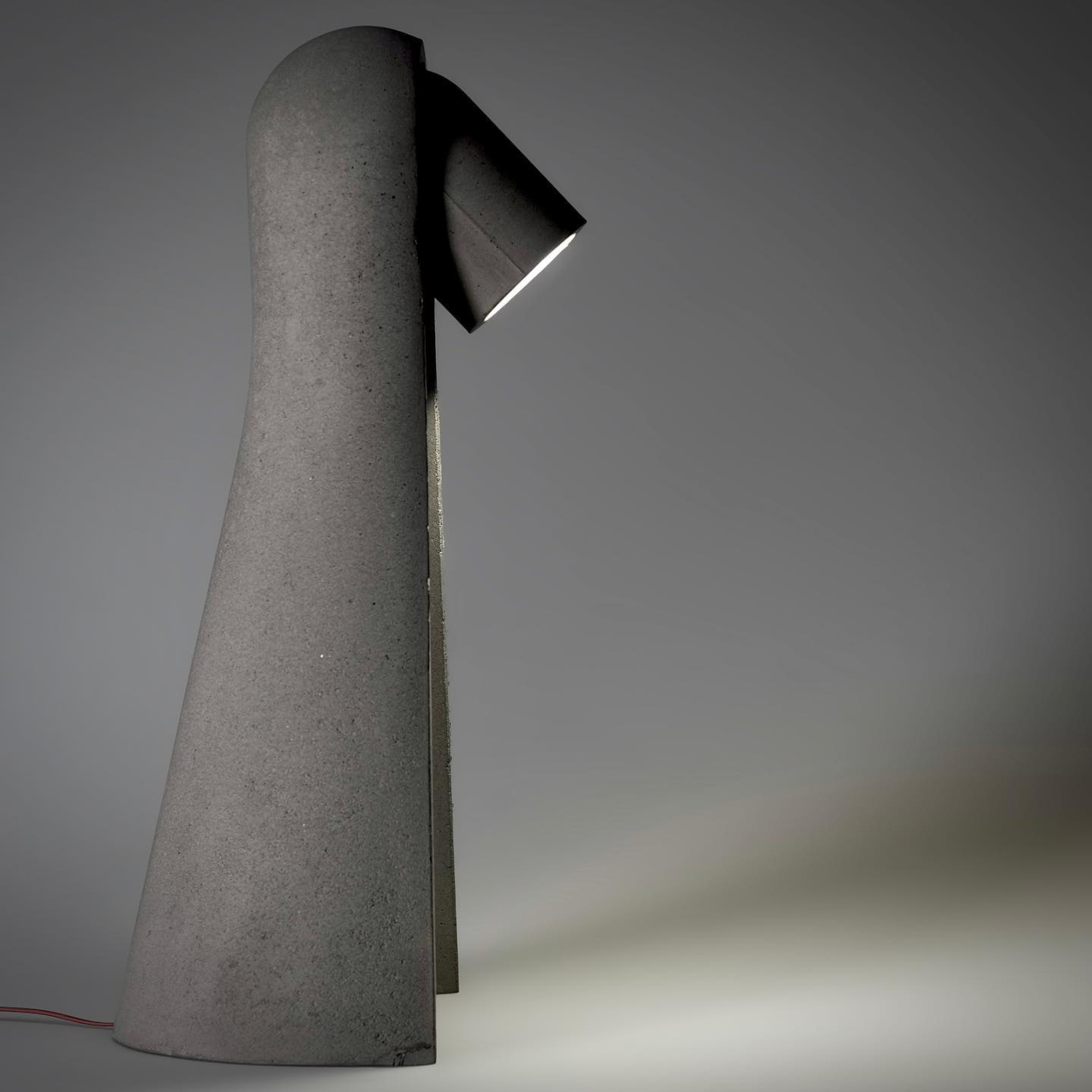
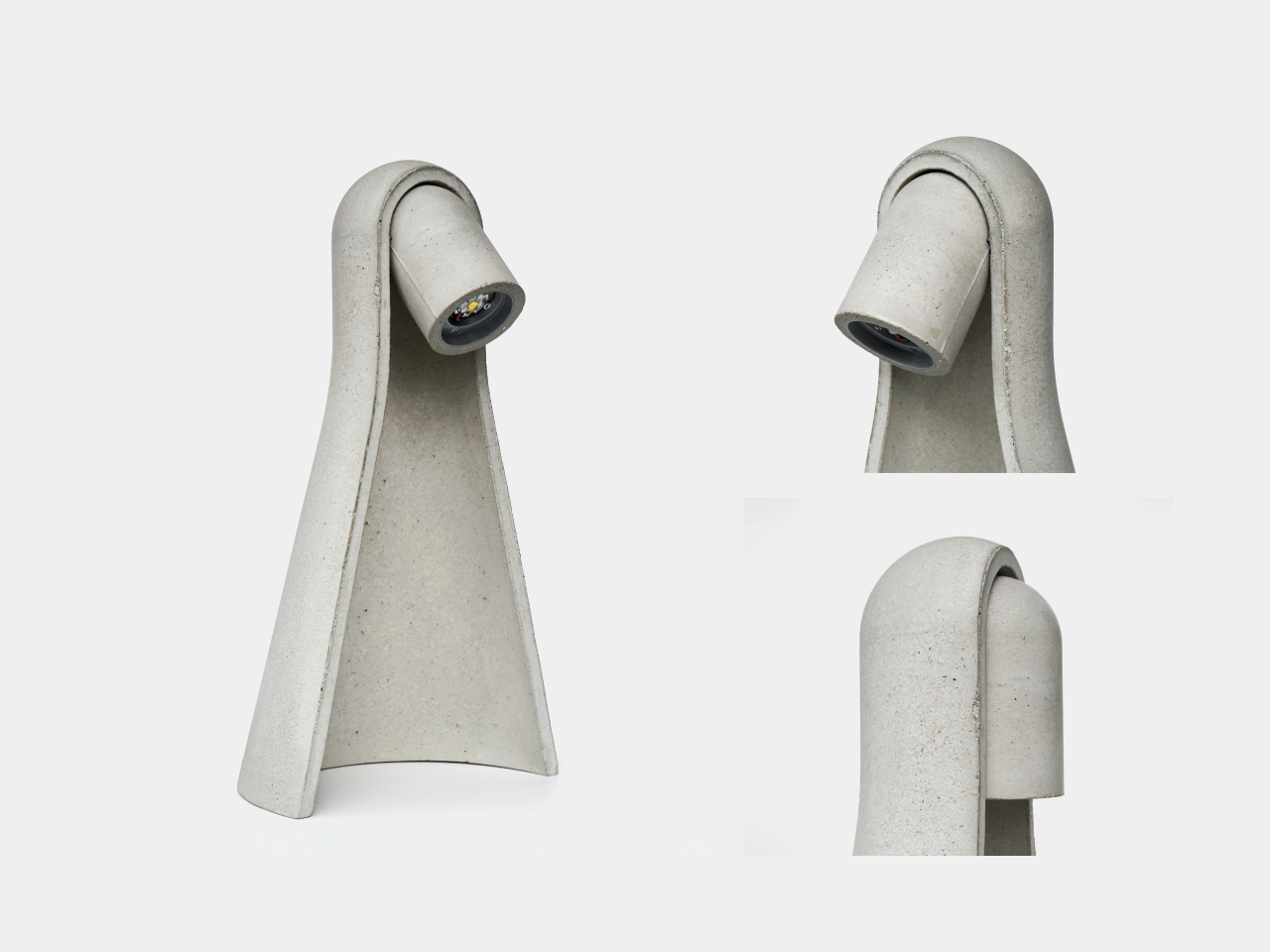
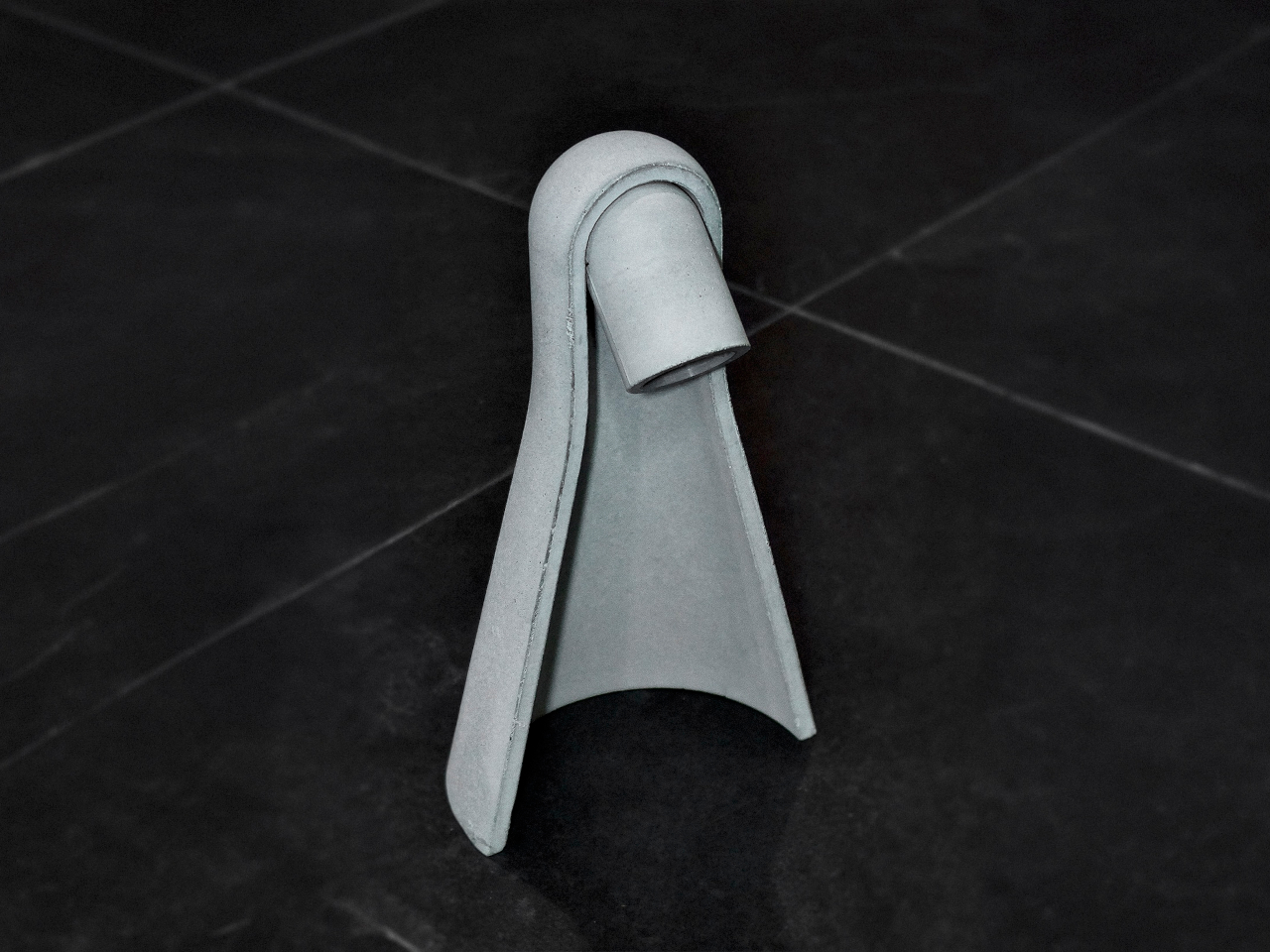
Mikka started as a question: what if cast concrete could feel light? The answer was a desk lamp with softened edges, carefully balanced volumes, and a silhouette that reads as calm rather than rigid. The intent wasn’t to disguise the material or pretend it’s something else, but to present concrete in a way that feels contemporary and approachable without stripping away what makes it honest.

Designer: Leon Bora

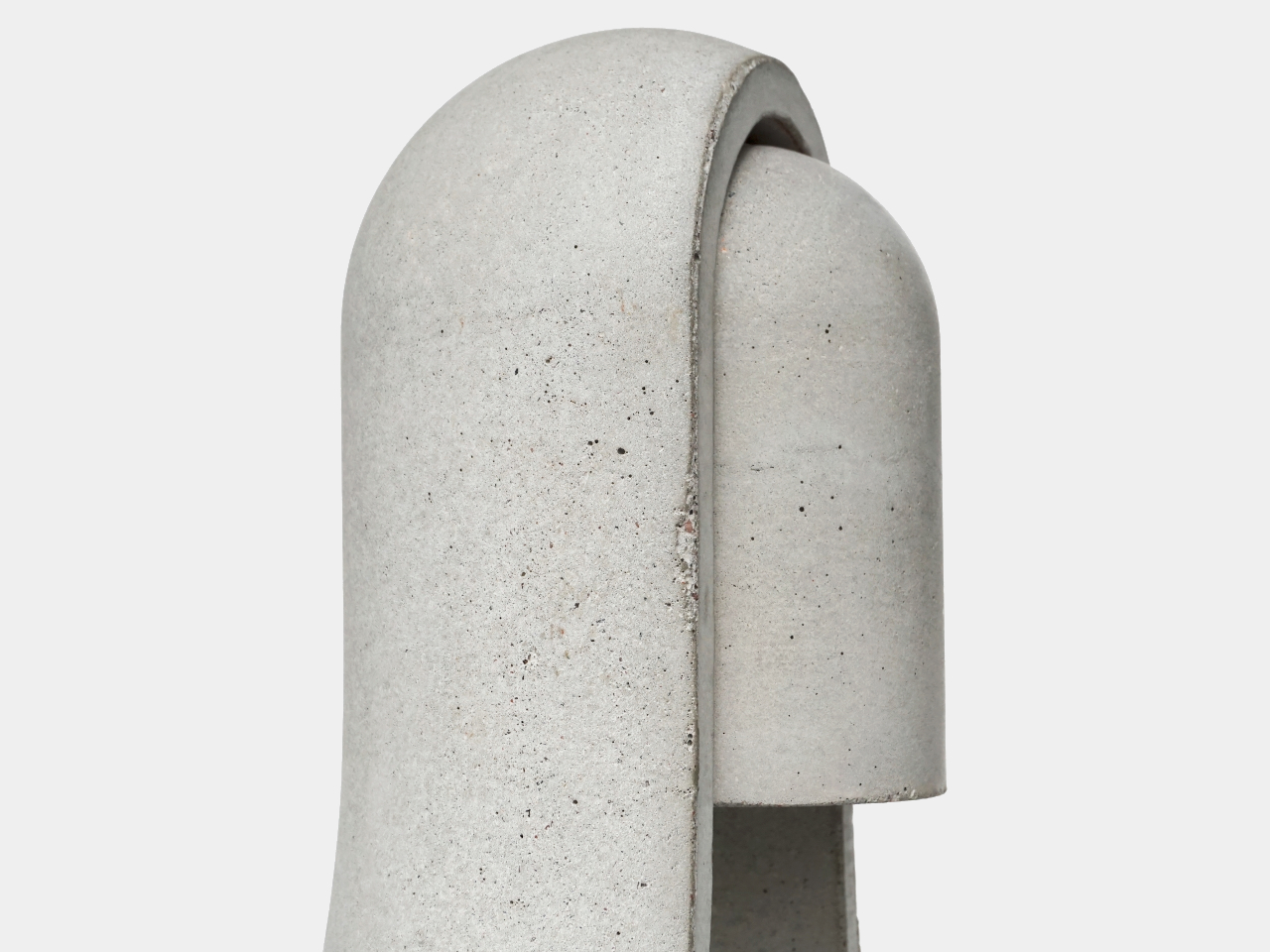
The form does most of the work. Surface transitions are controlled and gradual, edges are rounded rather than chamfered, and the overall proportions avoid the solid block feel that makes most concrete objects look like they belong on a construction site. The negative space inside the body carves away visual mass, helping the lamp feel lighter than any concrete object has a right to feel when you know how dense the material actually is.

Manufacturing played a central role in making that geometry possible. The housing was cast using a precisely engineered 3D-printed mold, which enabled tight radii, consistent wall conditions, and a refined surface finish that would be difficult to achieve with conventional mold making. This is a hybrid workflow, additive manufacturing used as tooling for traditional casting, and it’s what allows the lamp to have the controlled, nuanced form language it’s going for rather than the rougher profile that hand-built molds often produce.

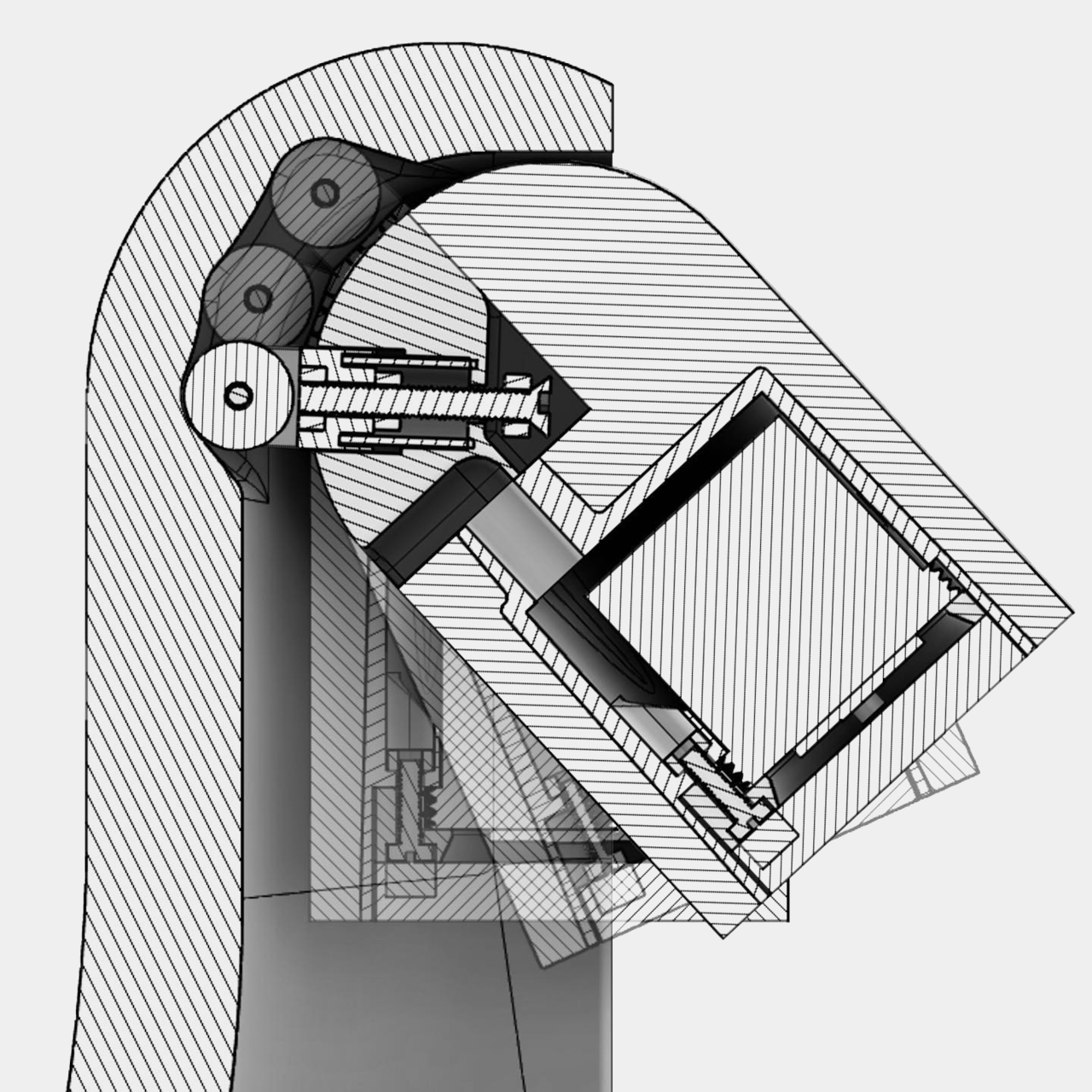
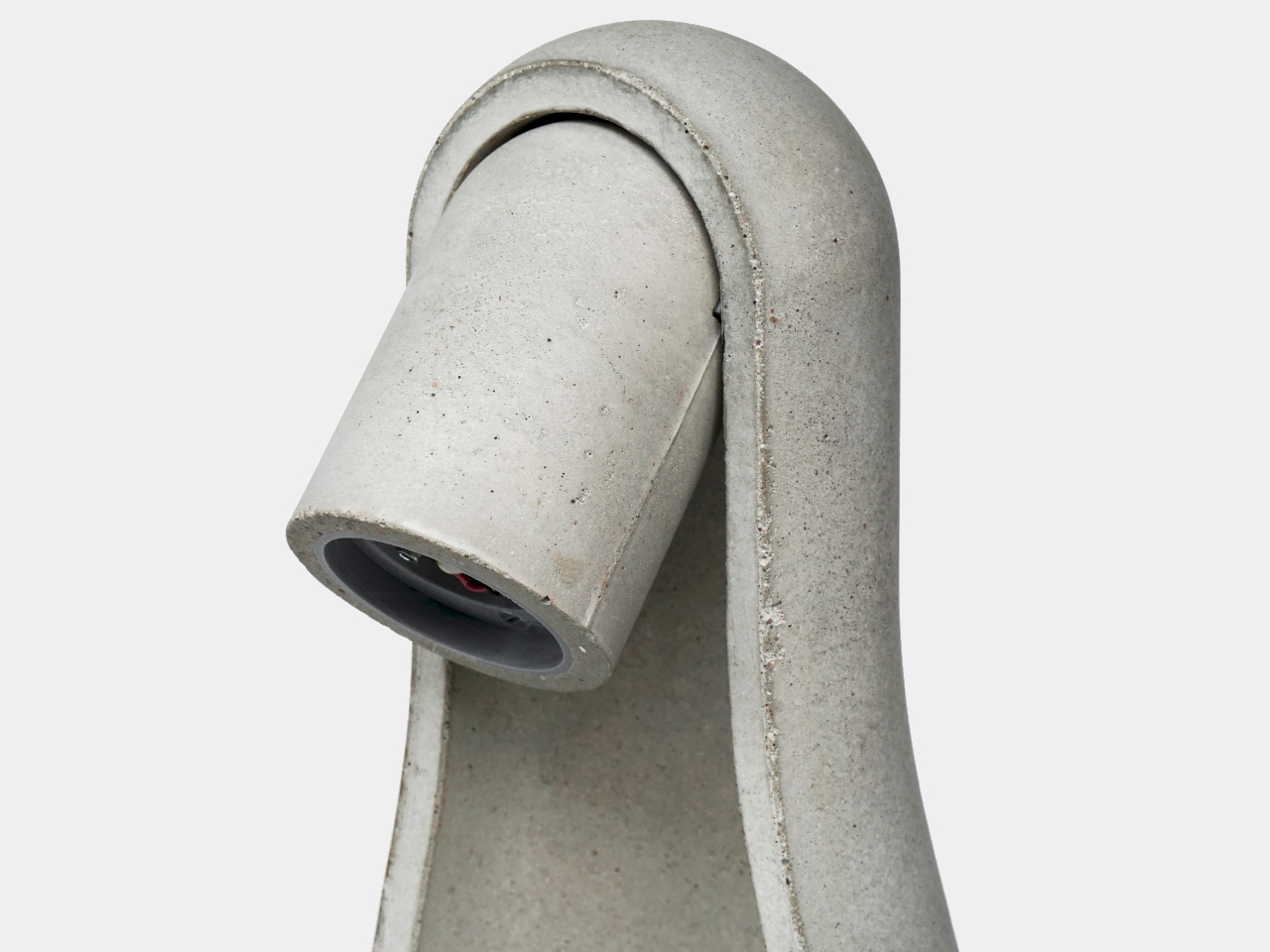
The pivot mechanism is where Mikka asks for interaction. Angle the head downward, and the beam grazes across the concrete surface, revealing subtle texture variations and the natural imperfections from the casting process. The lamp becomes almost self-referential in that mode, drawing attention to the material qualities that define it. Angle it outward, and it becomes a practical reading or work light, focused and direct. One gesture shifts the whole character of the object.

That duality is what keeps it interesting on a desk rather than just on a shelf. Late at night, angled inward, it’s a quiet ambient presence. During the day, aimed at a book or screen, it’s functional and unfussy. It doesn’t ask you to commit to one mode, which is a useful quality in a lamp that has to share space with other objects.

Mikka suggests that concrete at product scale doesn’t have to default to weight and aggression. When the form is thoughtful, and the mold is controlled, the material can carry a different kind of presence, one that fits on a desk at home without demanding to be the only thing you notice in the room.

The post This Concrete Lamp Looks Calm and Rounded, not Brutalist first appeared on Yanko Design.

EMIT Marble Lamp Rises for Work, Glows Green When You’re Done

The typical desk lamp is a metal stalk on a base that does nothing but hold it up, plus a switch somewhere along the cord. Most lamps are either on or off, with the base becoming dead weight that competes with notebooks, pens, and devices for space. EMIT is a concept that treats the base and the shade as active parts of how you work and how your desk feels when you are not working, giving the lamp two distinct postures instead of just one static stance.

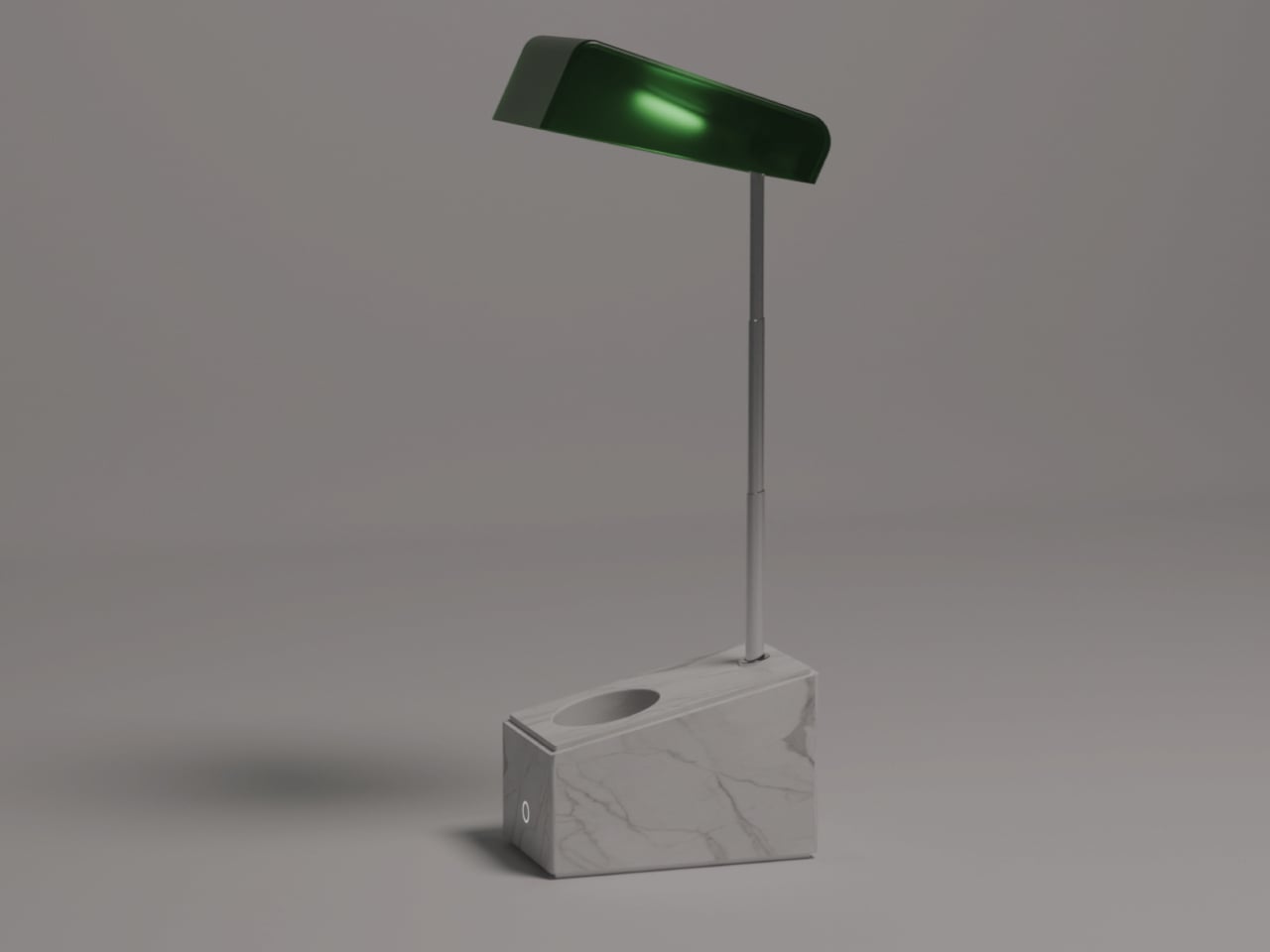
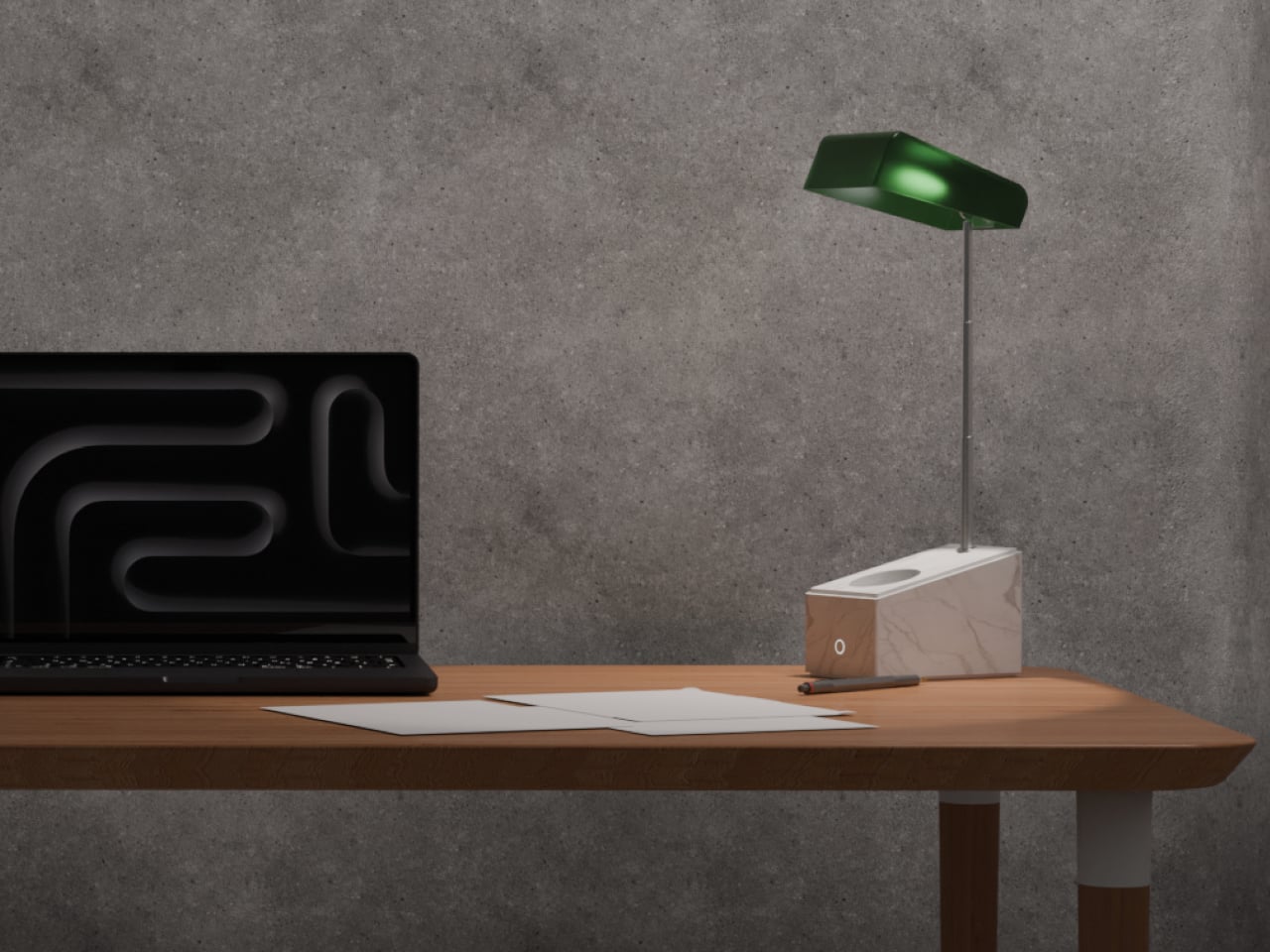
EMIT is a desk lamp concept that pairs a carved block of white Carrara marble with a translucent green shade connected by a telescopic metal stem. The name hints at emission and time, and the design leans into that by giving the lamp two distinct postures, one where it behaves like a focused task light and another where it becomes a quiet, glowing object in the corner of your eye when the work is done.

Designer: Alexios Kamaris

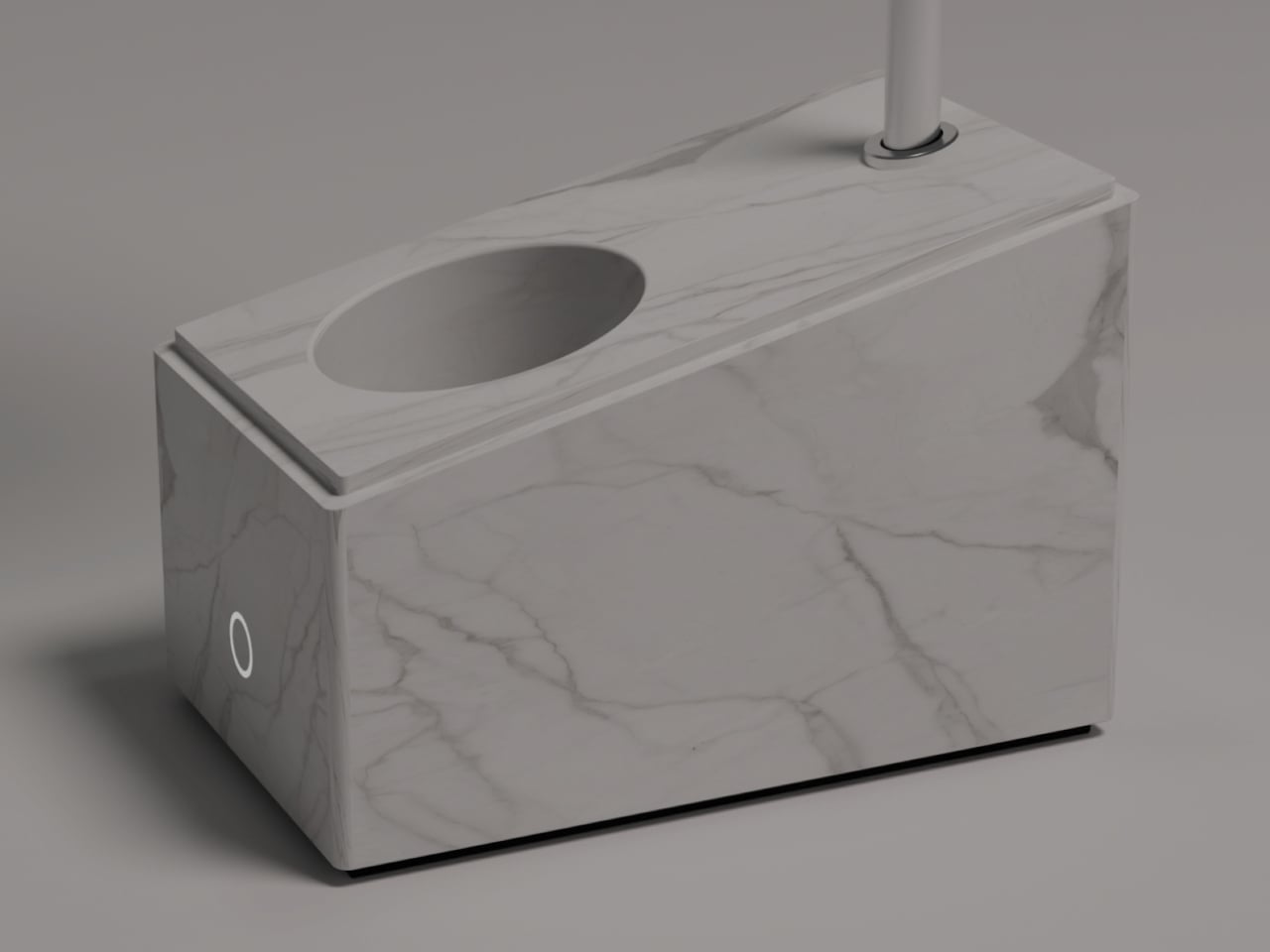
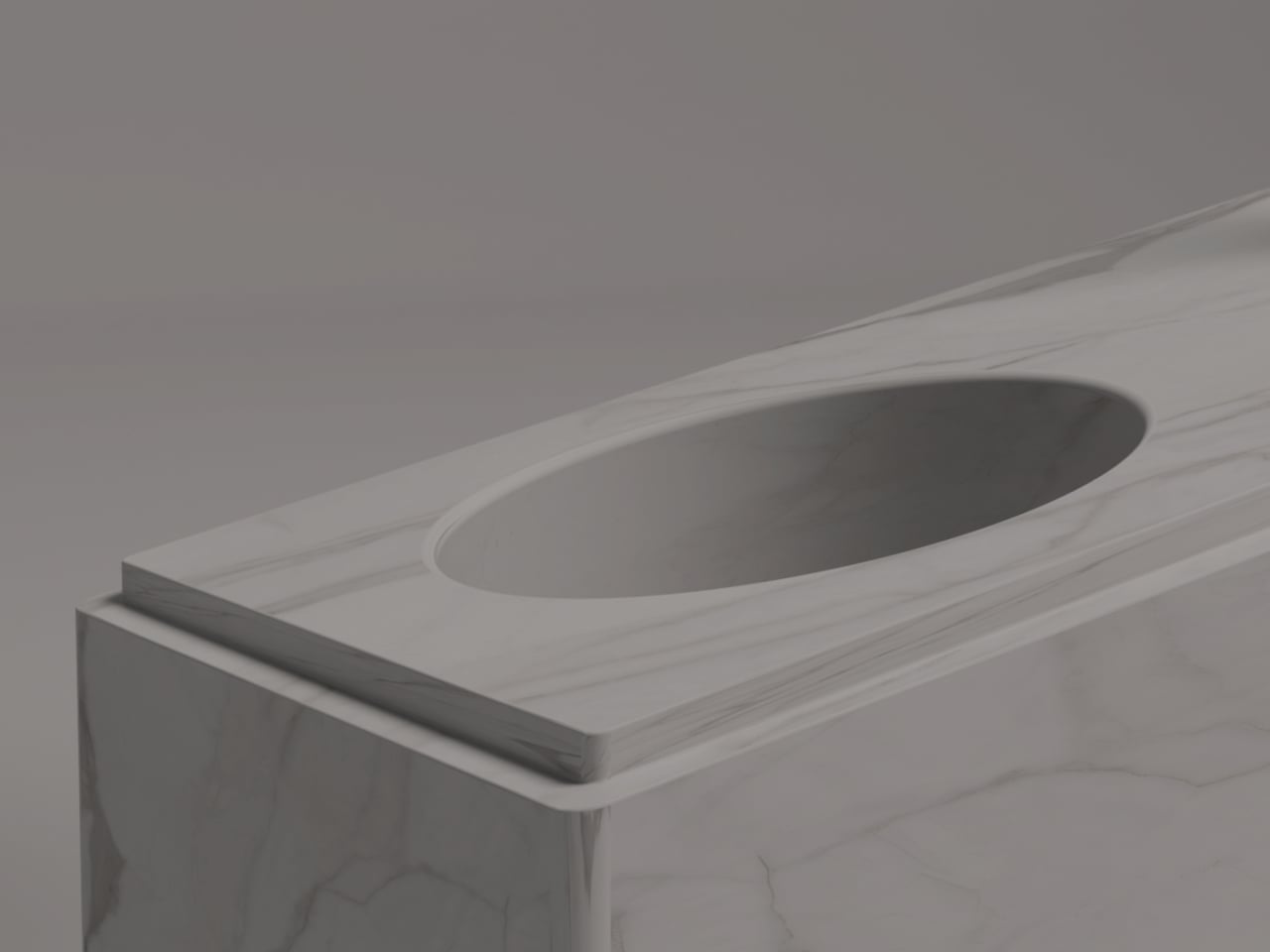
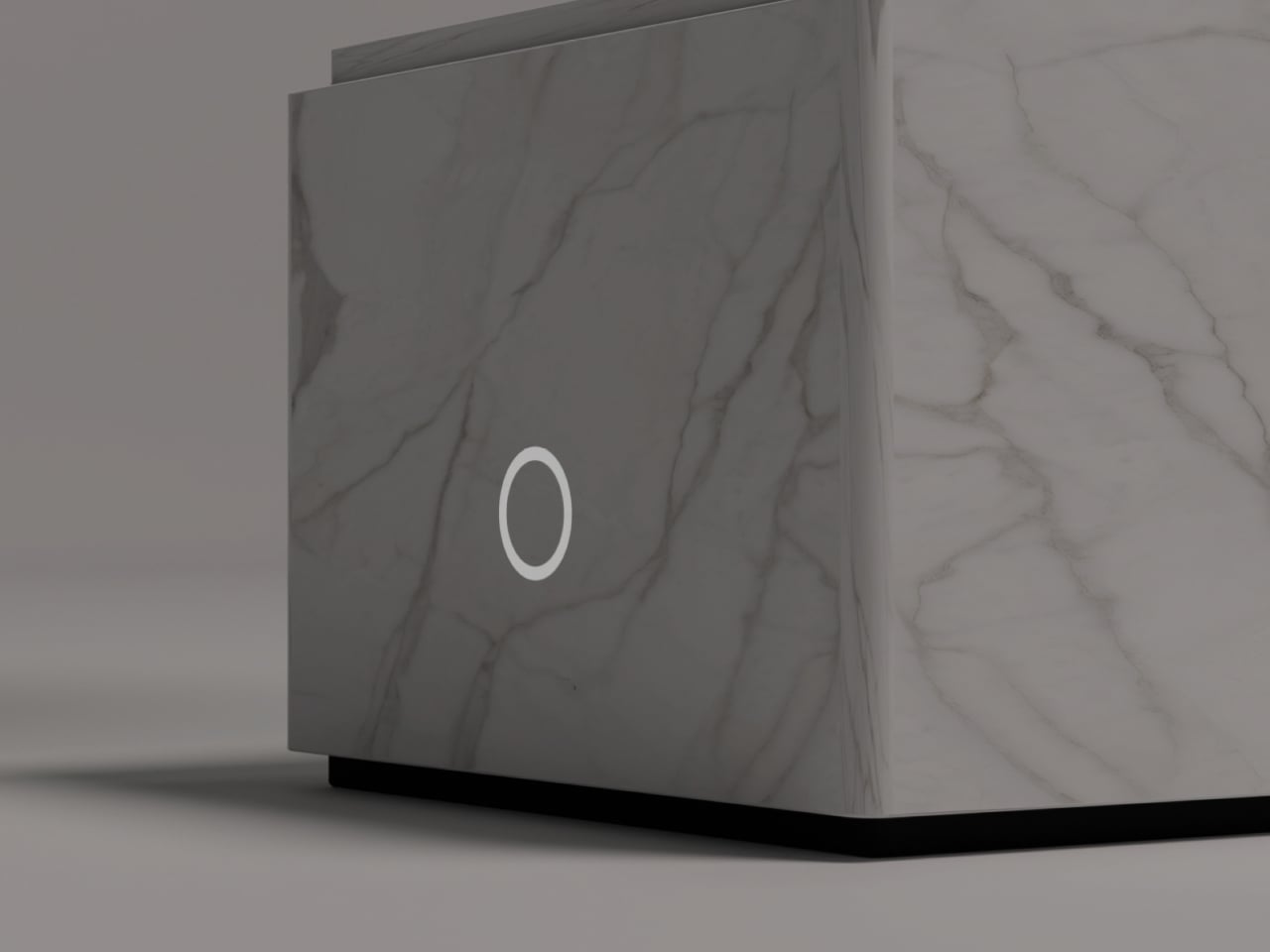
The marble base is more than a plinth. Its geometry is reduced to a simple volume with minimal machining, but a recessed pen holder is carved into the top, turning it into a small organizer. A touch sensor is integrated into the body, so you tap the stone to control the light. The base becomes a calm, heavy anchor that still earns its footprint on a crowded desk by holding pens and offering a gestural interface.

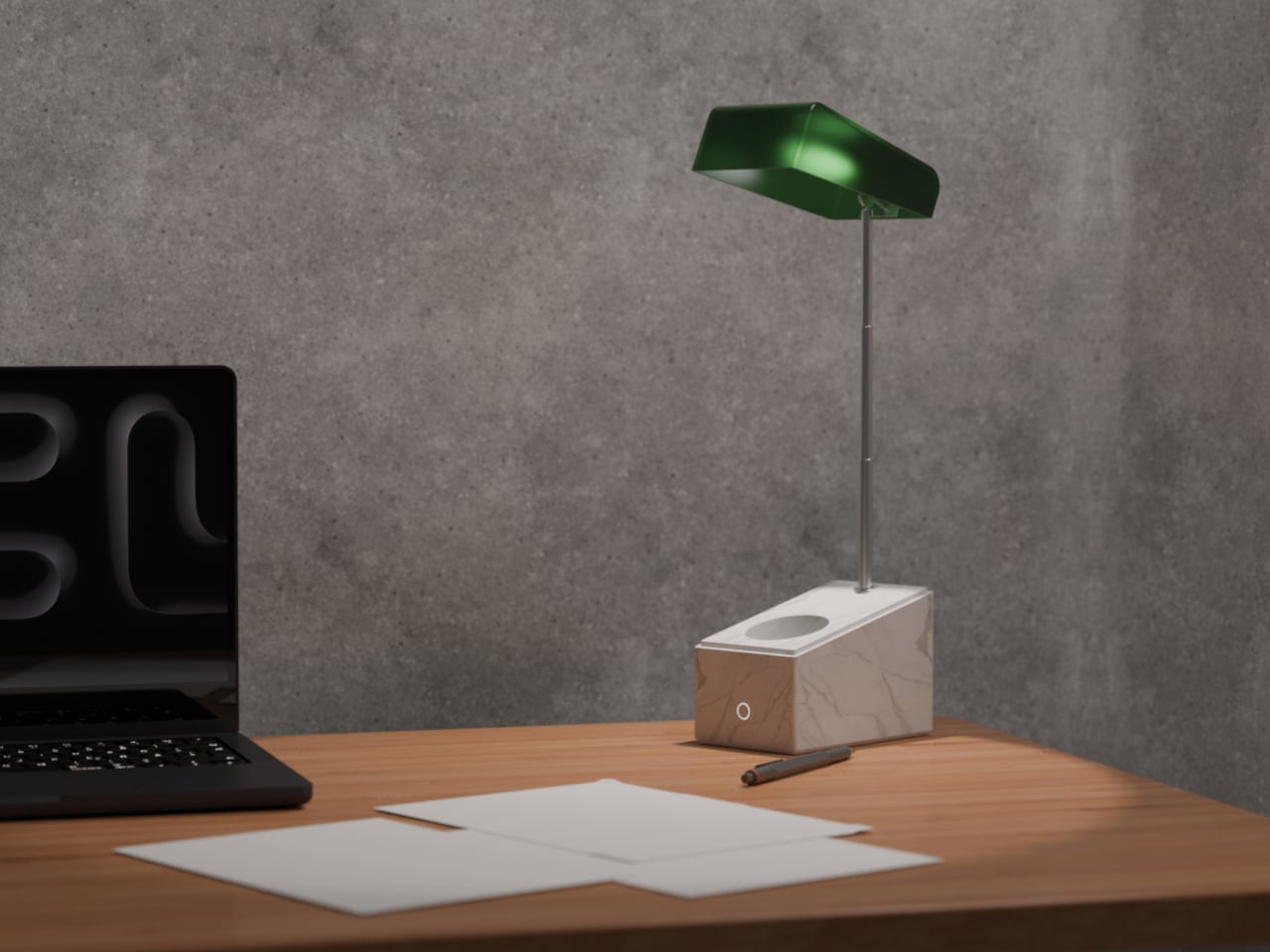
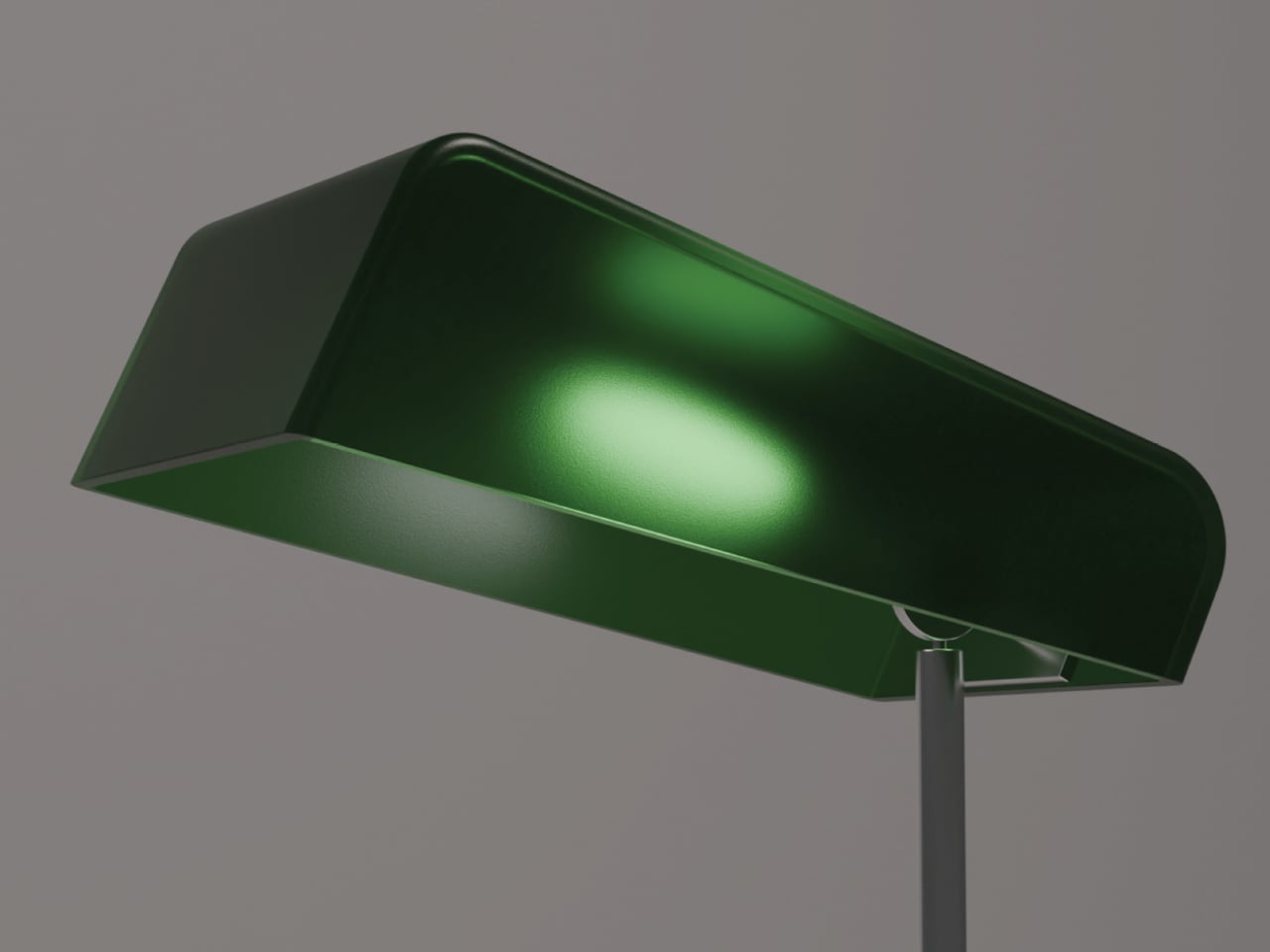
In working mode, the telescopic metal stem rises from the marble and holds the green shade above the surface. The shade references traditional desk lamps in silhouette, but is stripped down to a minimal, monolithic hood. In this posture, light is directed down onto the work area, while some of it diffuses through the translucent material, giving a soft edge to the beam instead of a harsh spotlight that flattens everything under it.

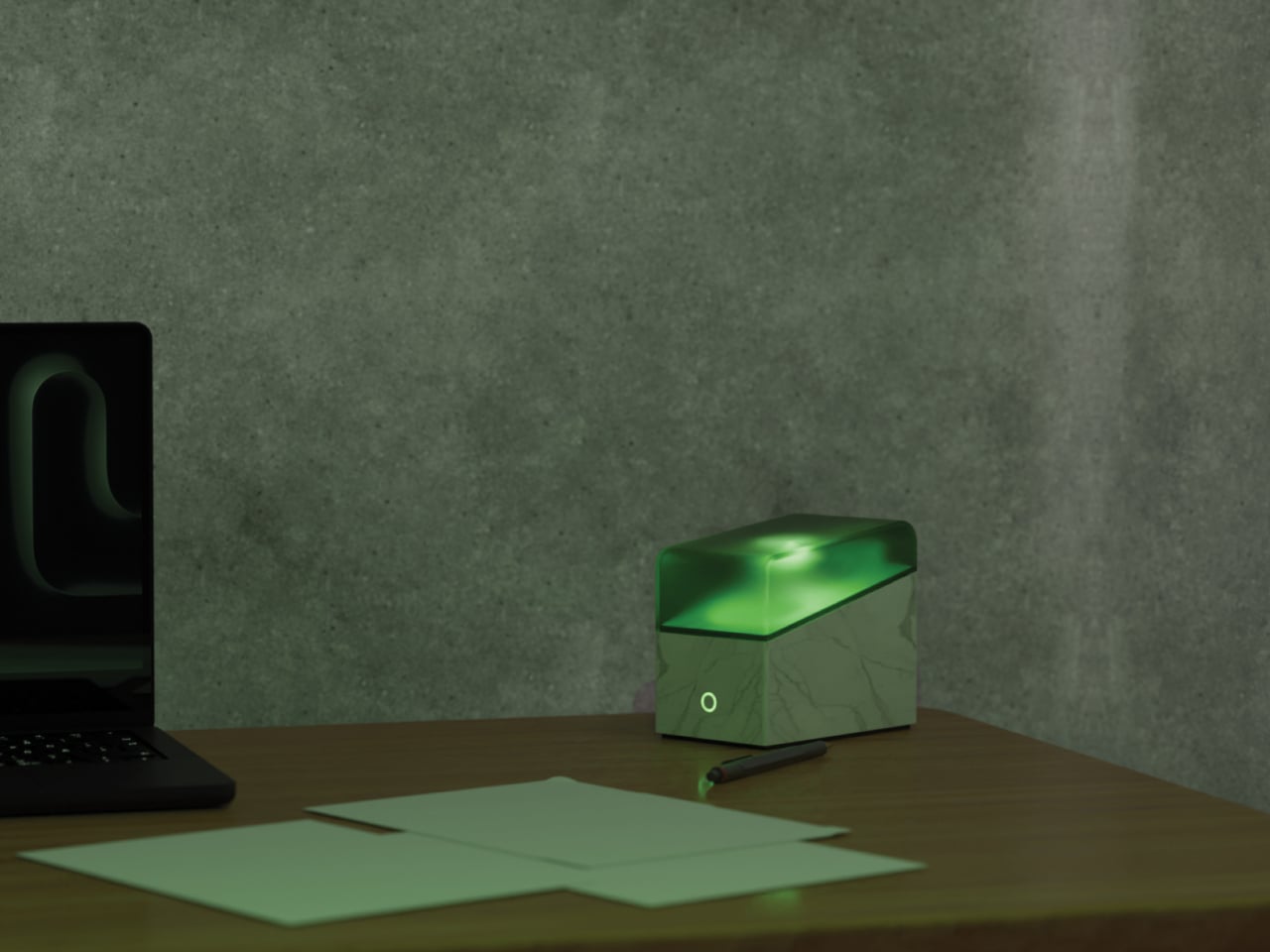
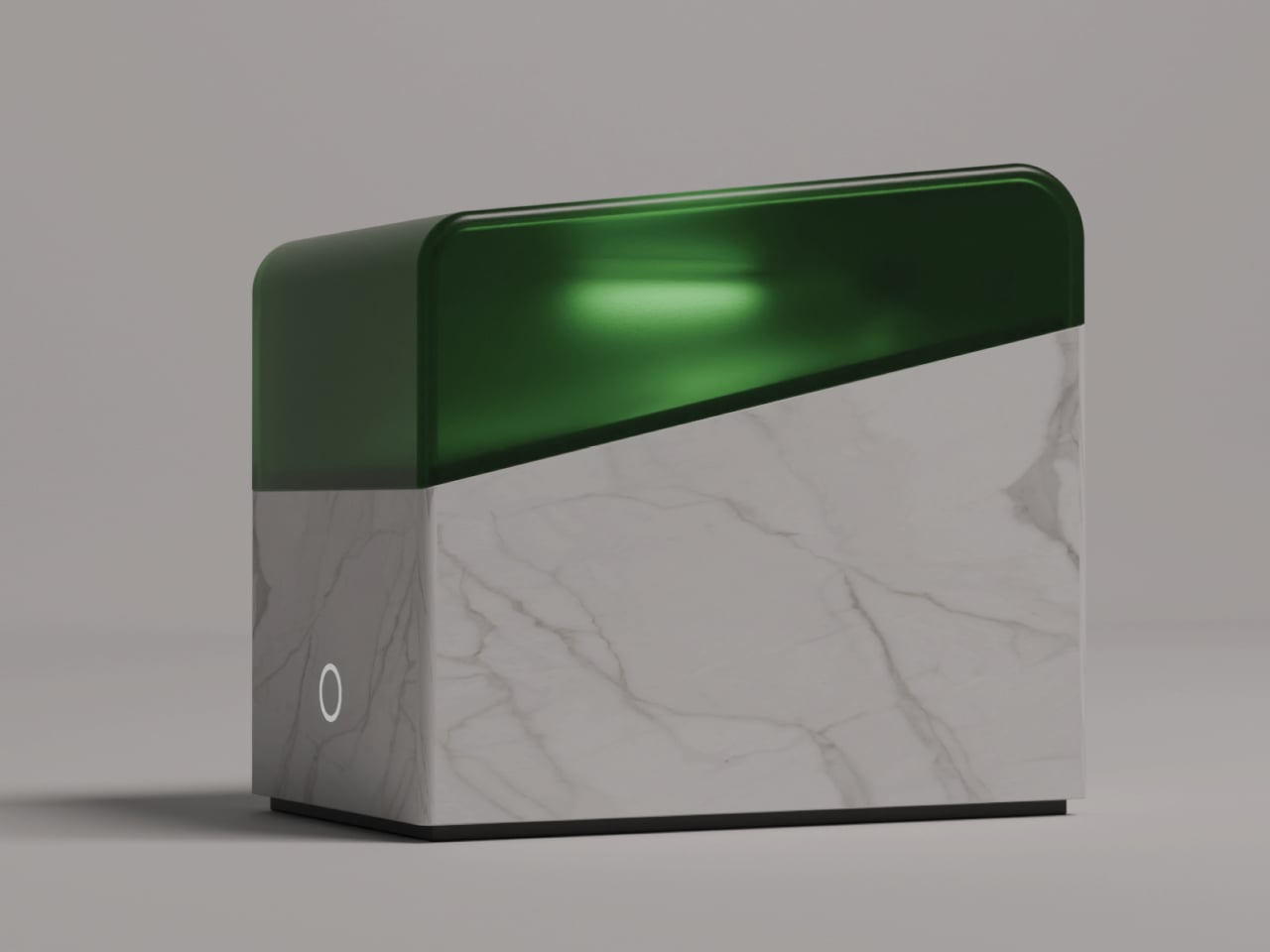
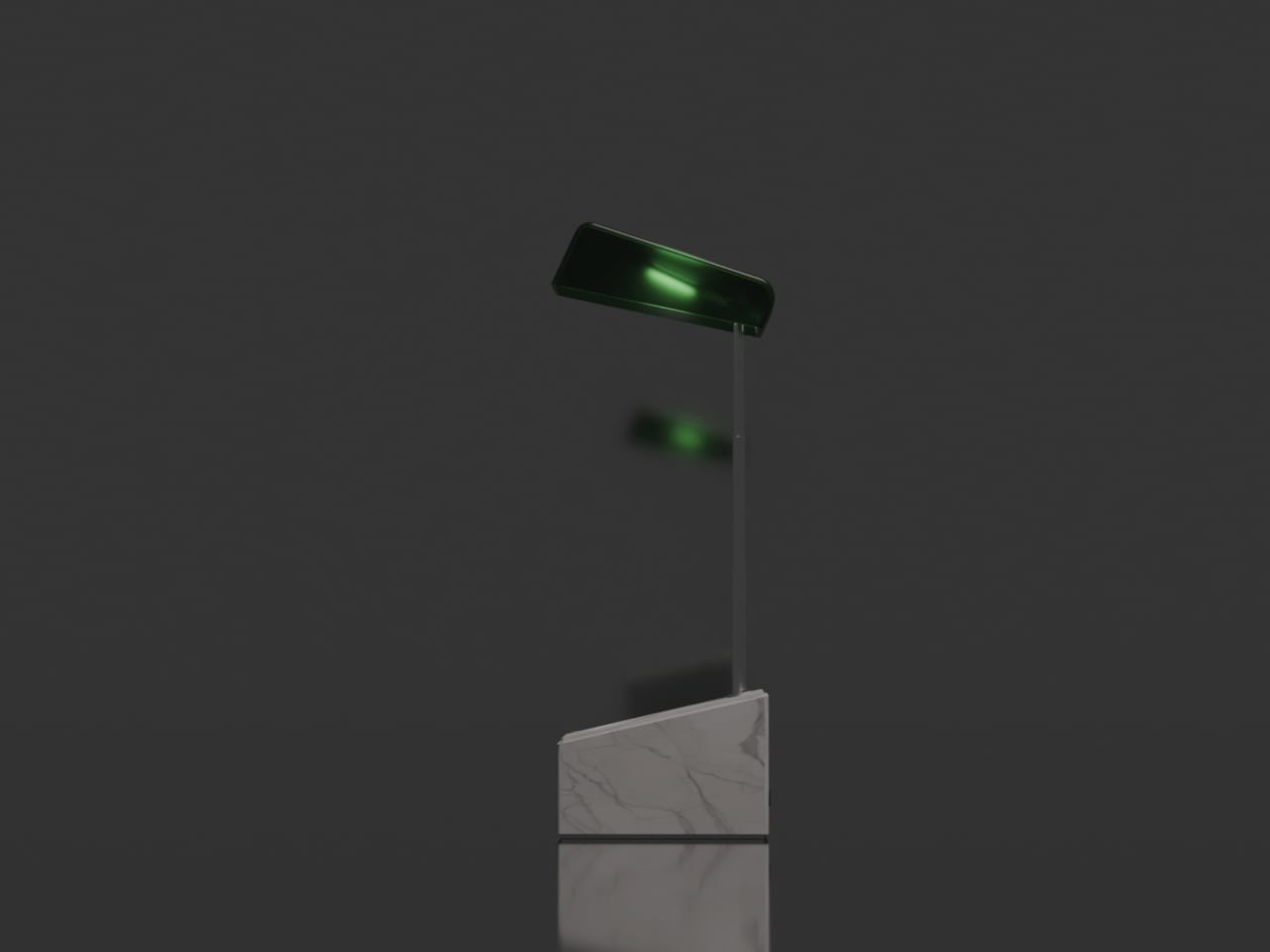
When you are done working, the stem collapses and the shade lowers until it almost meets the marble, forming a compact volume of white and green. In this closed state, EMIT switches to a dedicated mode where the translucent glass emits a soft, diffused glow. The lamp stops acting like a tool and starts behaving like a quiet presence, more sculpture than task light, adding a gentle wash of green to the room without demanding attention.

The deliberate opposition between the cold, veined marble and the soft, glowing green shade frames a small narrative about control and looseness, work and rest. The base reads as natural and solid, the shade as artificial and controlled. Together they explore what it means for a lamp to have a day self and a night self, with the telescopic stem literally mediating between the two modes.

EMIT sits on a contemporary desk next to a laptop and a notebook. During the day, it is a precise, marble-anchored task light with a place for your pen and a tap-to-wake interface. At night, it collapses into a compact green glow that keeps the room from going completely dark without feeling like you left a work light on. It is a small reminder that even a lamp can shift its personality, and that good lighting design can choreograph both focus and calm without needing to look like two different objects.

The post EMIT Marble Lamp Rises for Work, Glows Green When You’re Done first appeared on Yanko Design.
EMIT Marble Lamp Rises for Work, Glows Green When You’re Done

The typical desk lamp is a metal stalk on a base that does nothing but hold it up, plus a switch somewhere along the cord. Most lamps are either on or off, with the base becoming dead weight that competes with notebooks, pens, and devices for space. EMIT is a concept that treats the base and the shade as active parts of how you work and how your desk feels when you are not working, giving the lamp two distinct postures instead of just one static stance.

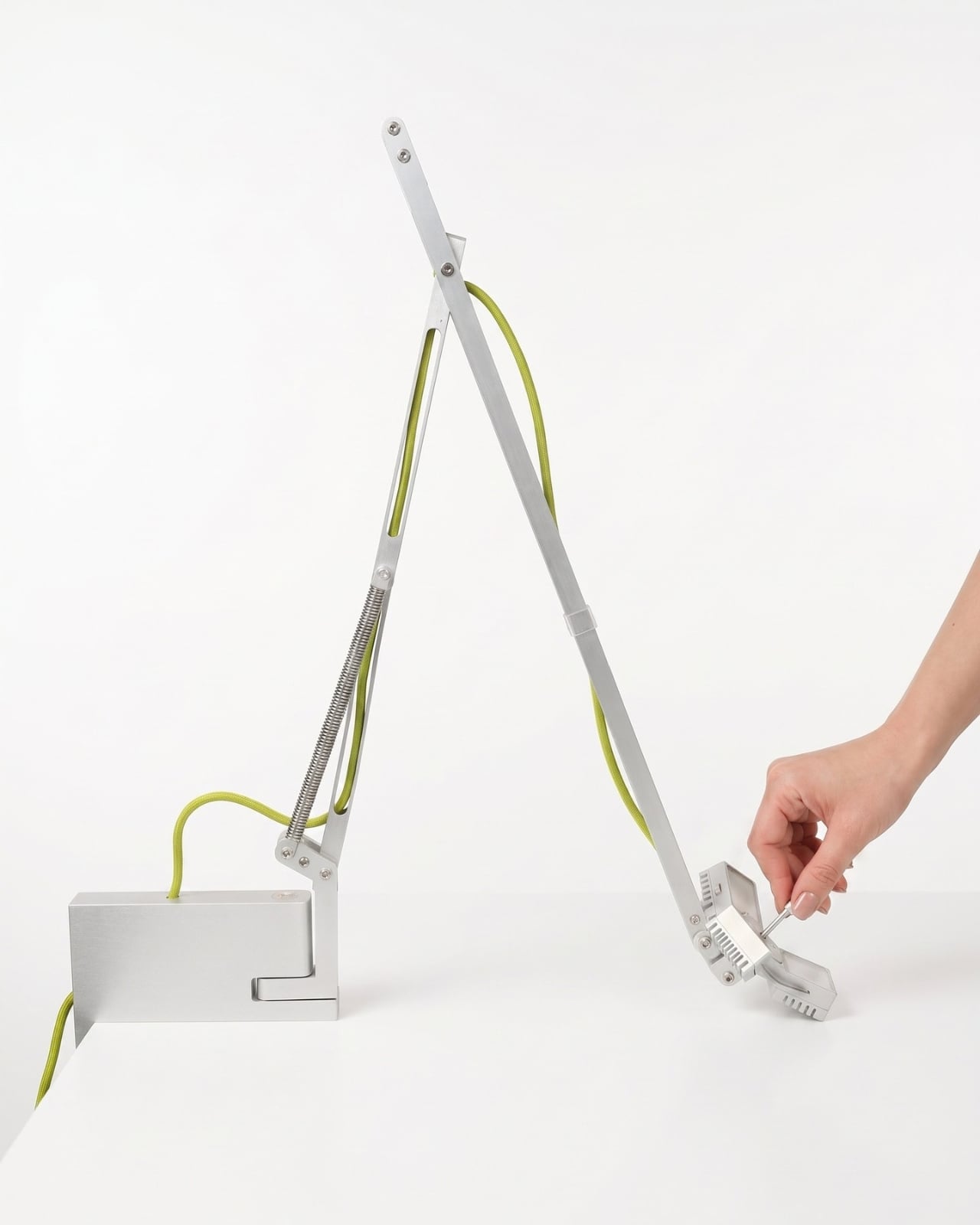
EMIT is a desk lamp concept that pairs a carved block of white Carrara marble with a translucent green shade connected by a telescopic metal stem. The name hints at emission and time, and the design leans into that by giving the lamp two distinct postures, one where it behaves like a focused task light and another where it becomes a quiet, glowing object in the corner of your eye when the work is done.

Designer: Alexios Kamaris

The marble base is more than a plinth. Its geometry is reduced to a simple volume with minimal machining, but a recessed pen holder is carved into the top, turning it into a small organizer. A touch sensor is integrated into the body, so you tap the stone to control the light. The base becomes a calm, heavy anchor that still earns its footprint on a crowded desk by holding pens and offering a gestural interface.

In working mode, the telescopic metal stem rises from the marble and holds the green shade above the surface. The shade references traditional desk lamps in silhouette, but is stripped down to a minimal, monolithic hood. In this posture, light is directed down onto the work area, while some of it diffuses through the translucent material, giving a soft edge to the beam instead of a harsh spotlight that flattens everything under it.

When you are done working, the stem collapses and the shade lowers until it almost meets the marble, forming a compact volume of white and green. In this closed state, EMIT switches to a dedicated mode where the translucent glass emits a soft, diffused glow. The lamp stops acting like a tool and starts behaving like a quiet presence, more sculpture than task light, adding a gentle wash of green to the room without demanding attention.

The deliberate opposition between the cold, veined marble and the soft, glowing green shade frames a small narrative about control and looseness, work and rest. The base reads as natural and solid, the shade as artificial and controlled. Together they explore what it means for a lamp to have a day self and a night self, with the telescopic stem literally mediating between the two modes.

EMIT sits on a contemporary desk next to a laptop and a notebook. During the day, it is a precise, marble-anchored task light with a place for your pen and a tap-to-wake interface. At night, it collapses into a compact green glow that keeps the room from going completely dark without feeling like you left a work light on. It is a small reminder that even a lamp can shift its personality, and that good lighting design can choreograph both focus and calm without needing to look like two different objects.

The post EMIT Marble Lamp Rises for Work, Glows Green When You’re Done first appeared on Yanko Design.
Snoopy lamp gets a new navy blue color to add more whimsy to your space

When the Snoopy lamp was first created by Achille and Pier Giacomo Castiglioni back in 1967, it was understandable that it would come in a black and white color. After all, it was inspired by the iconic cartoon dog character created by Charles M Schulz who had the same colors. But over the years, we’ve seen other colors added to the now also iconic lamp design and the latest one will appeal to lovers of the color blue.

Designer: Flos

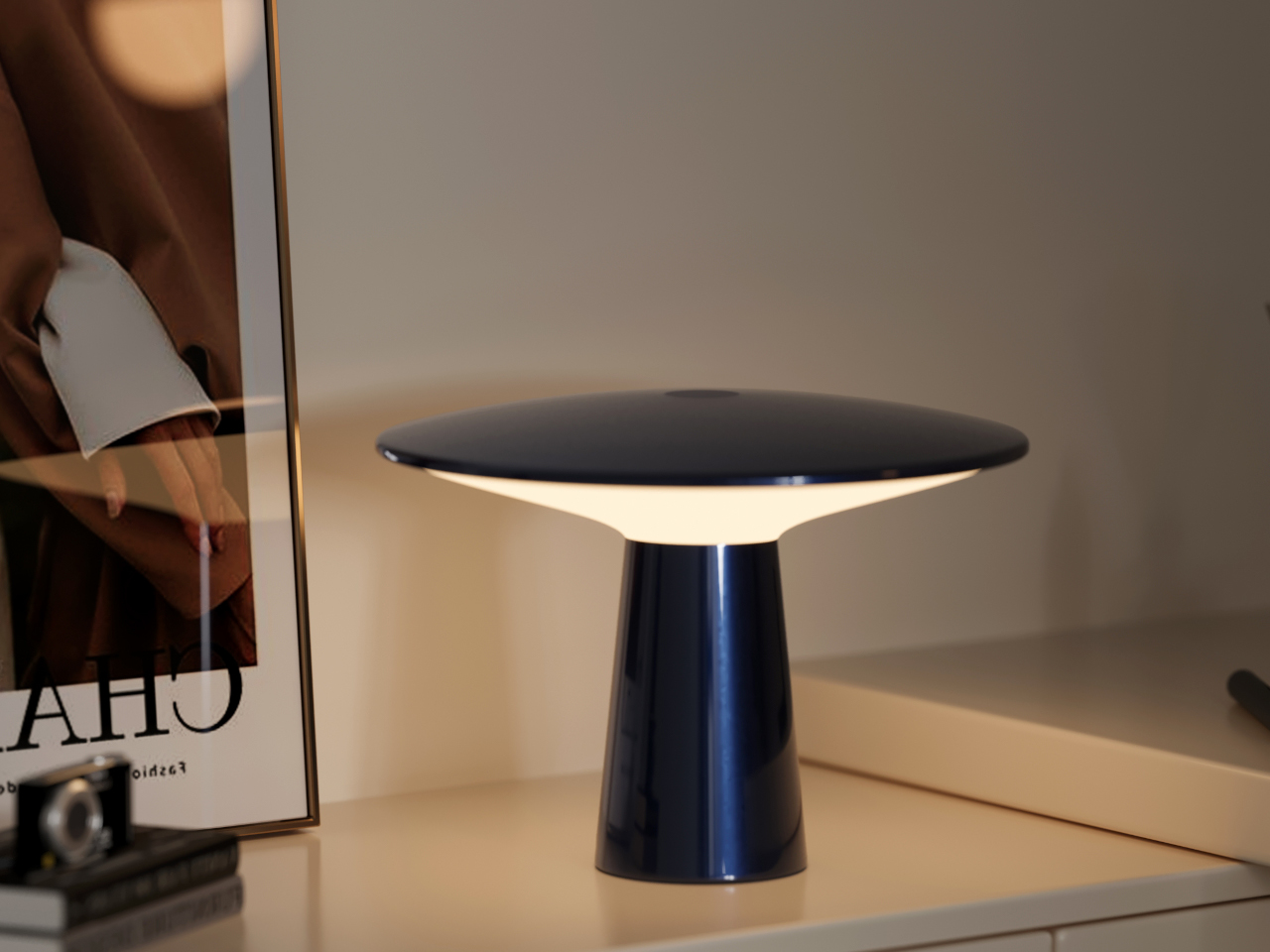
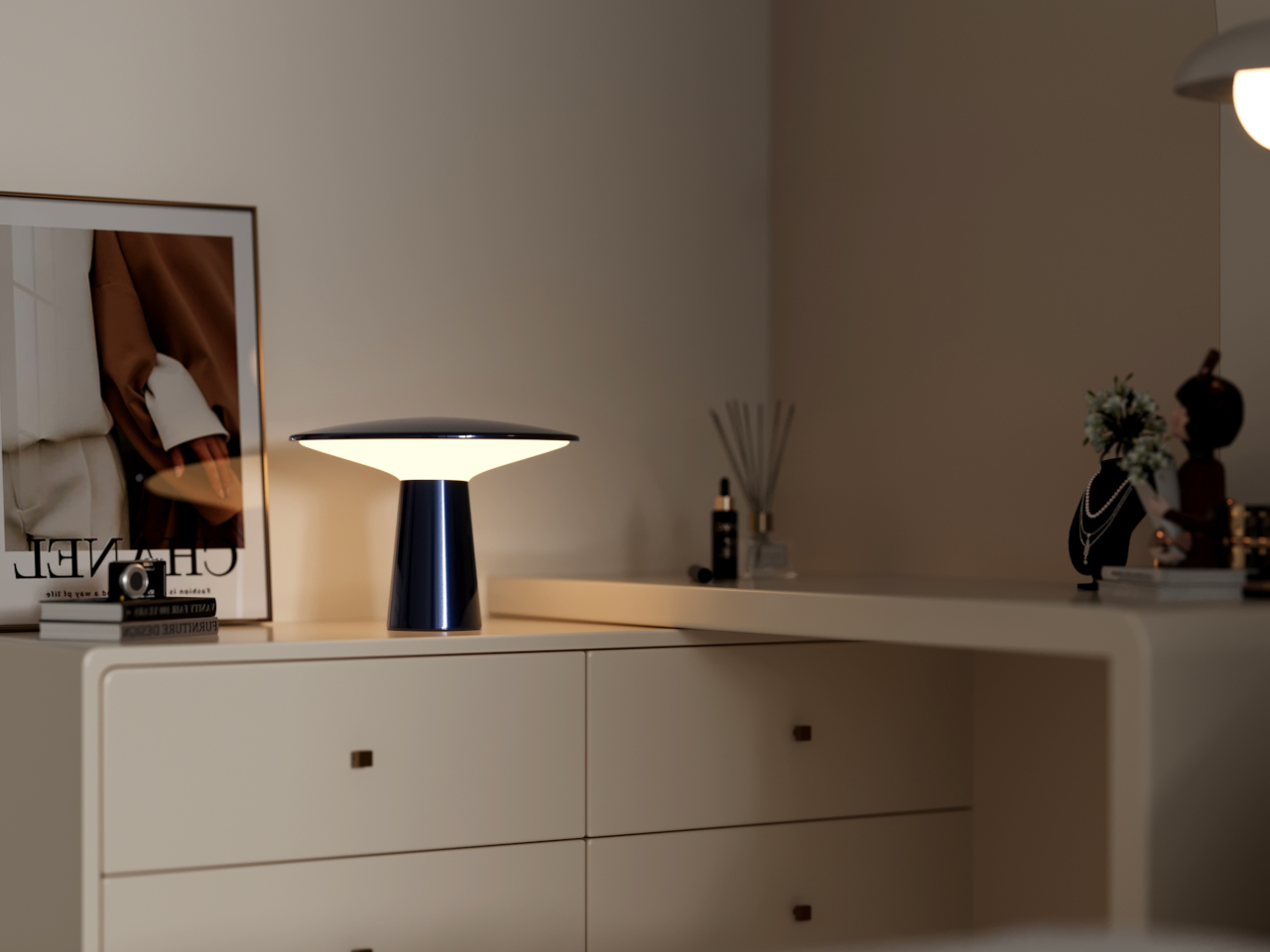
The newest color added to the Snoopy lamp collection is blu navy, joining the aforementioned original black enamelled metal shade and later on the bold orange and verdant green colors. The silhouette still remains the same, a tribute to the shape of the head of the beloved Snoopy character. The cool navy blue color adds a spot of fun to the room, especially if that’s the aesthetic or theme you’re going for.

The basic design is still similar to the original, with the cylindrical Carrara marble base standing at an oblique angle. The thick glass disc diffuser and the lightweight enamelled aluminum shade are still there. There are still the three cooling holes at the top and an internal white finish that brings out the light distribution. What’s different now is that the original rotary dimmer has been turned into an integrated touch sensor, making it easier to turn it on and off and to adjust the light intensity from 0-100.

There are a lot of lamp designs that you can choose from out there to match the room’s look and feel. But if you’re still going for this classic Snoopy looking lamp to bring both function and whimsy to your space, then this navy blue option might just be the perfect addition.

The post Snoopy lamp gets a new navy blue color to add more whimsy to your space first appeared on Yanko Design.
Beautiful lamp fixture is made from an unlikely medical equipment

We’ve seen many striking lamp designs inspired by beautiful things in the world. Most of them get their cues from nature, taking inspiration from the moon, trees, or even mushrooms. While that in itself is a form of art, it takes more creativity and skill to turn something uninspiring or unsettling into a stunning and elegant design. This desk lamp, for example, looks soothing and calming in the dark, and you’ll probably never guess that it was made by repurposing an existing object that is associated not with beauty or elegance but with blood, pain, and wounds.

Designer: Kairi Eguchi

You might not be familiar with its name, but the pus tray is a common sight in hospitals, operating rooms, and TV shows depicting such scenes. Often made of stainless steel or even plastic, the kidney-shaped vessel is often used to collect pus but is sometimes depicted to hold bloody cotton, surgical tools, bullets, and other things that might come out from a body during surgery. Even the name alone carries a very negative connotation, and one can hardly imagine such a medical device being used for something less disturbing.

POND, however, proves that presumption wrong. It is part of a project that attempts to give new meaning to existing products, transforming them for a completely different and almost opposite purpose. In this particular case, a white-coated tray serves as the base for a cylindrical lighting element that’s placed not in the middle but near the edge of the tray. In daytime or in bright light, the lamp already looks interesting because of its unique shape, but the real magic happens when it becomes the only light source in a dark room.

The bowl virtually becomes a literal pond of light, using the natural contours of the tray to create an enchanting play of light and shadow. Unlike other lamps, the outward-facing surface of the pus tray is completely devoid of illumination, creating an effect not unlike the dark side of the moon. The curves and gently diffused light work together to create a soothing effect, the complete opposite of the proper medical use of the pus tray.

Given its bowl shape, POND can also be used as a container of sorts for small items. Of course, those objects will interfere and interact with the light, but that, in turn, could create an even more interesting visual, like fish swimming in a mystical pond of light.

The post Beautiful lamp fixture is made from an unlikely medical equipment first appeared on Yanko Design.
Minimalist desk lamp is a flexible and functional space saver

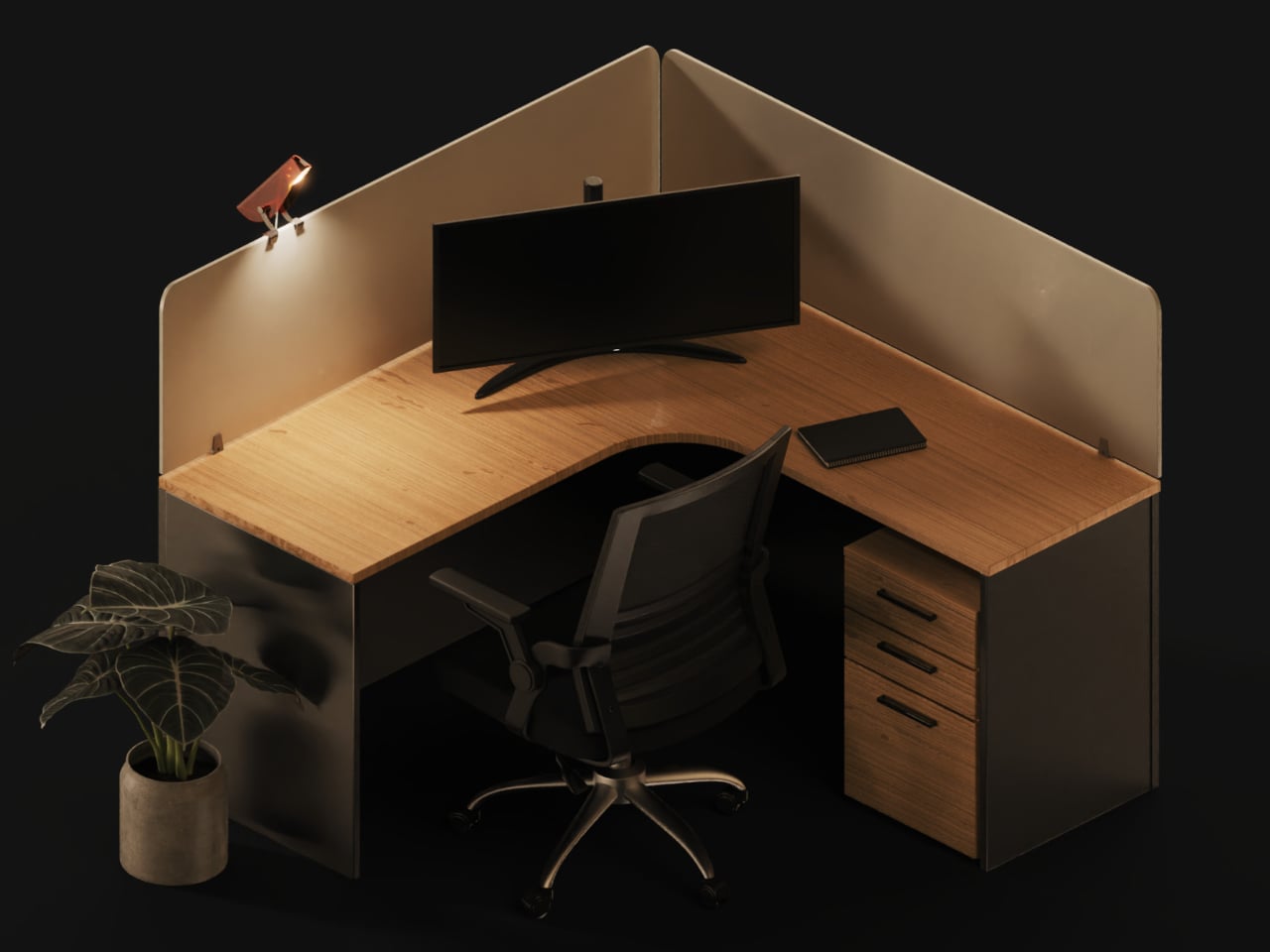
For people who spend hours (or more than half the day) at their desk, having proper lighting is a major factor for productivity. If the room you’re in doesn’t always have the best lighting, having a proper desk lamp is also important. Sometimes though, lamps can be bulky and take up precious desk space. This concept for a desk lamp solves that problem and also brings a bit of sustainability to the table, so to speak.

Designers: Simone Guglielmetti, Tommasso Rossi, Andrea Tomaciello, Nikia Kirilovs

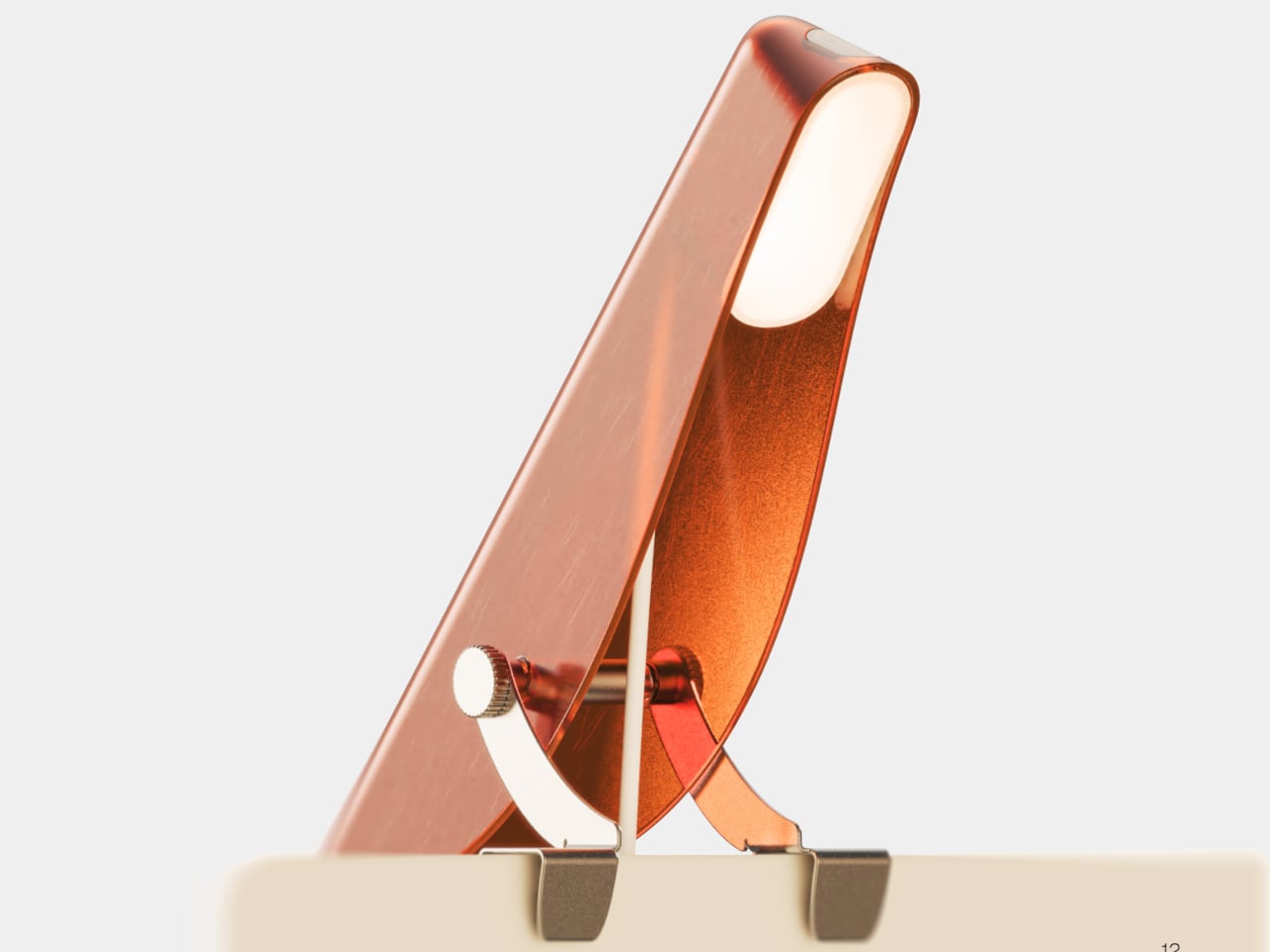
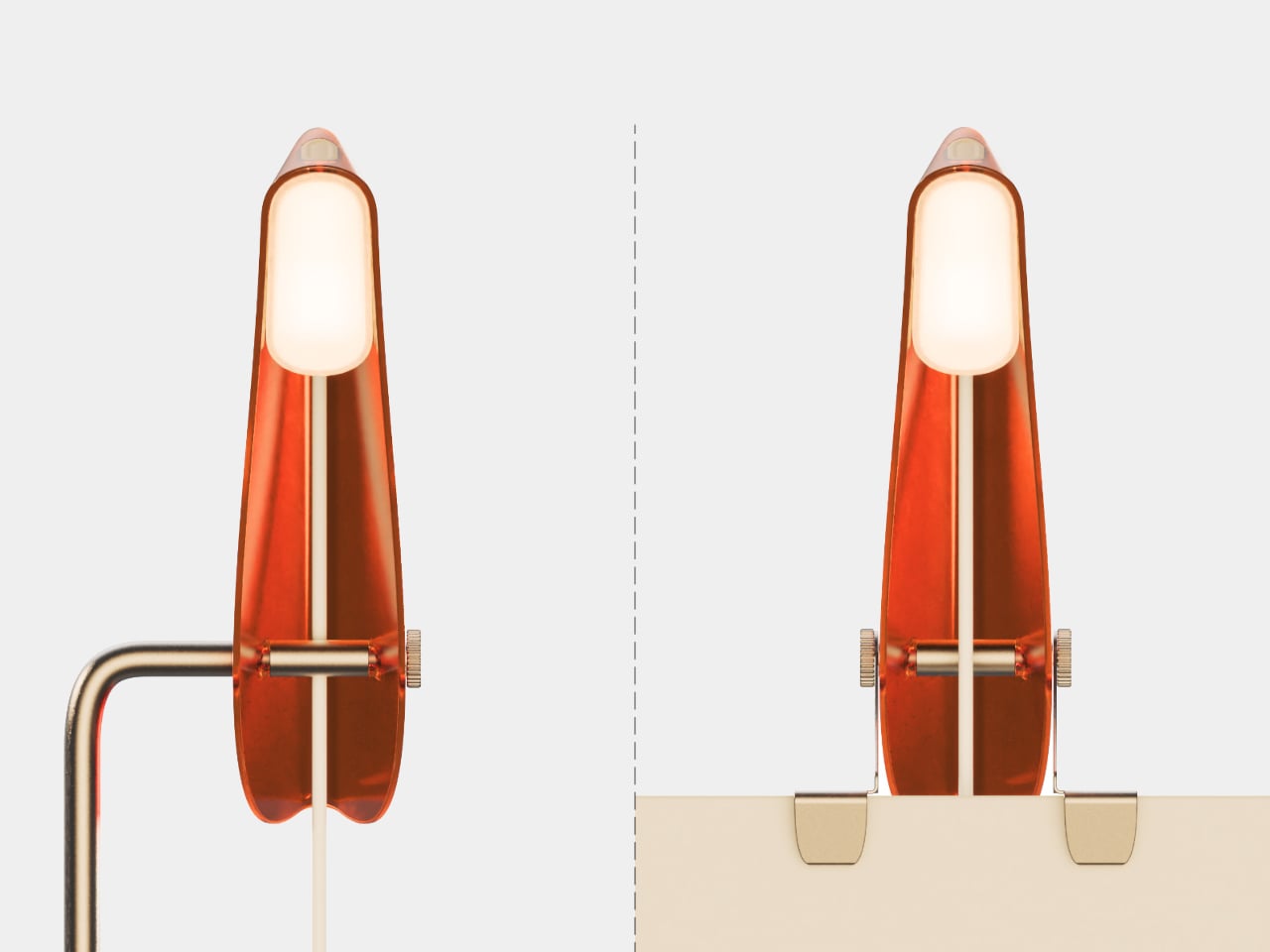
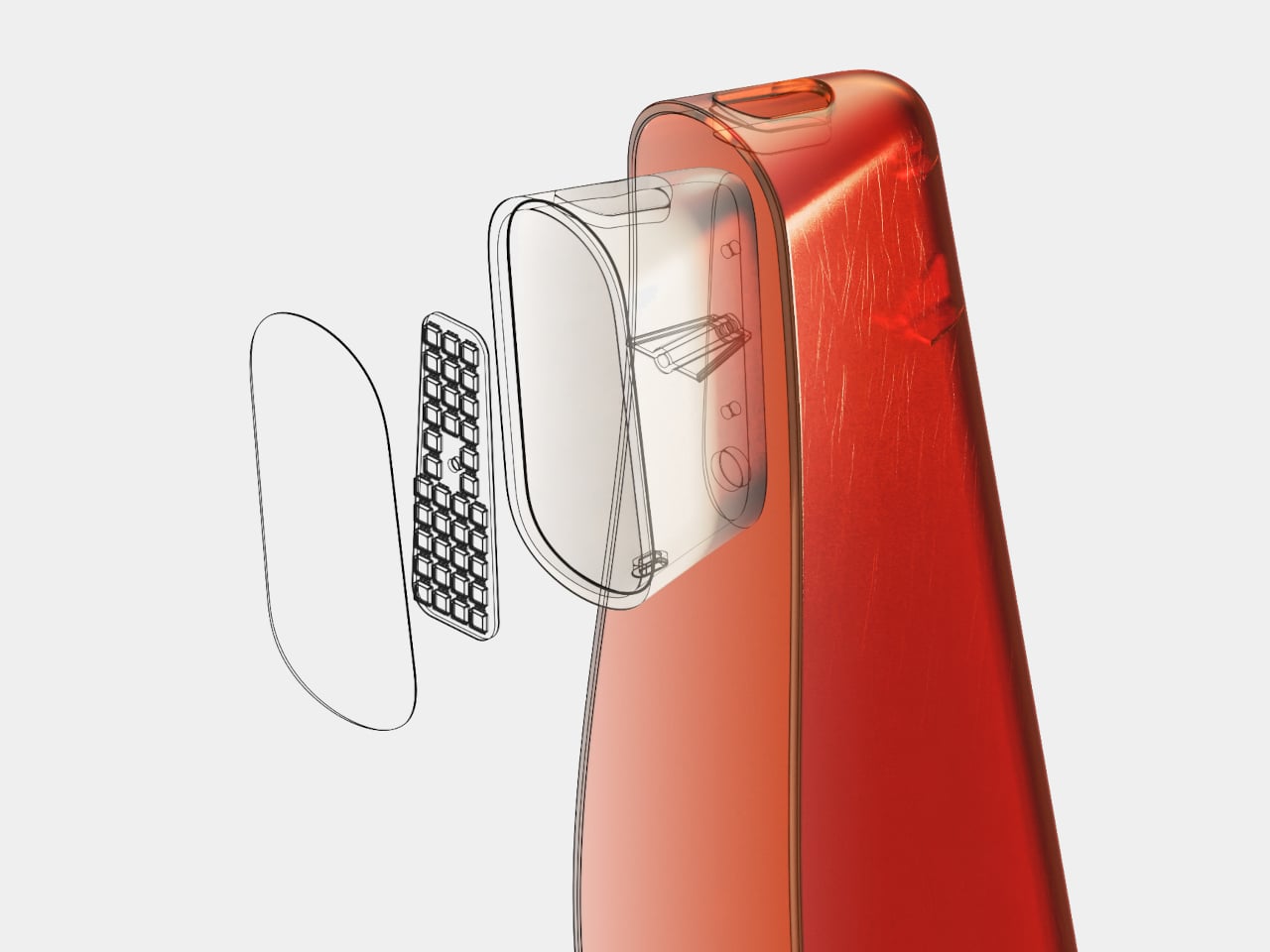
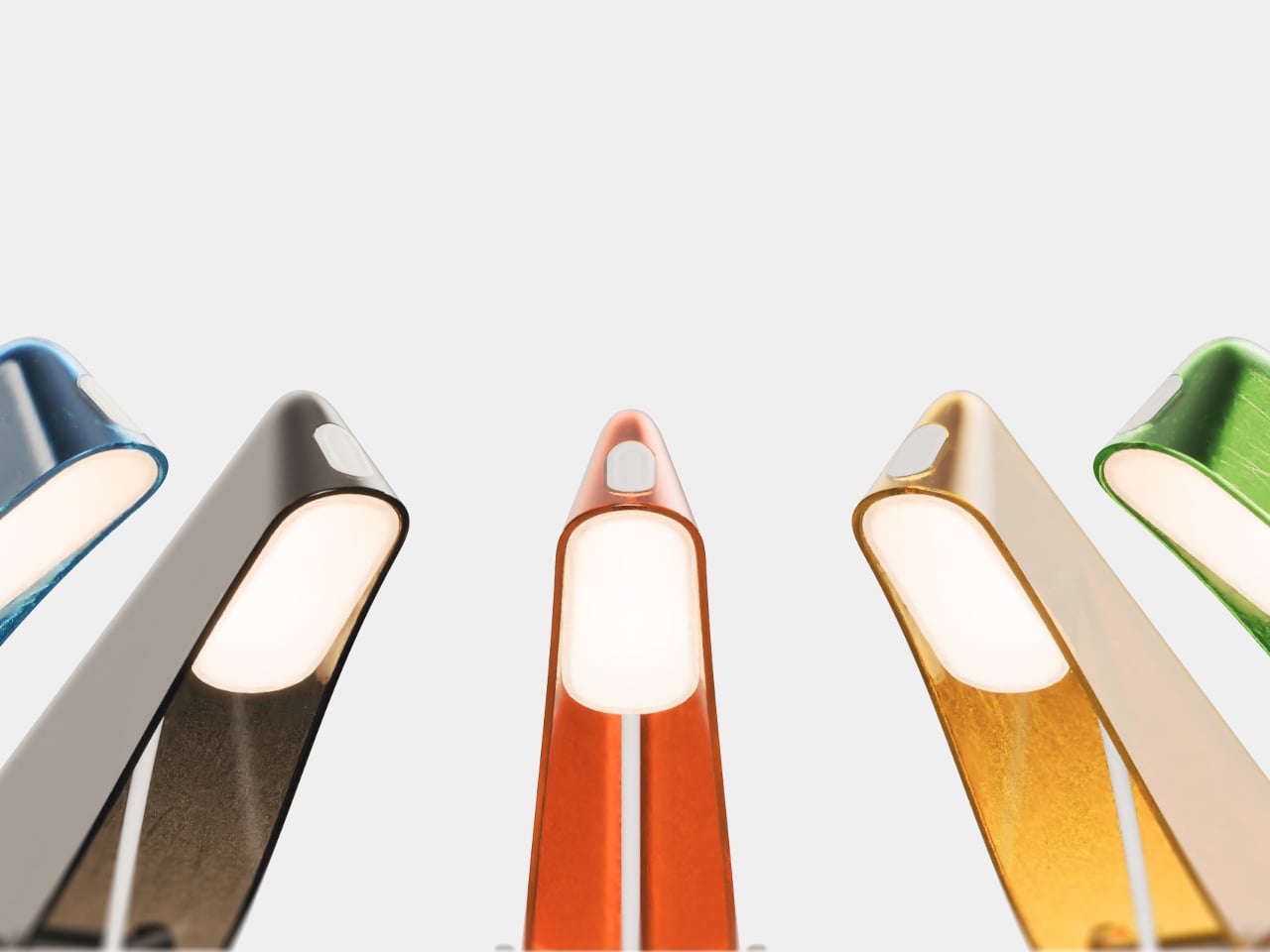
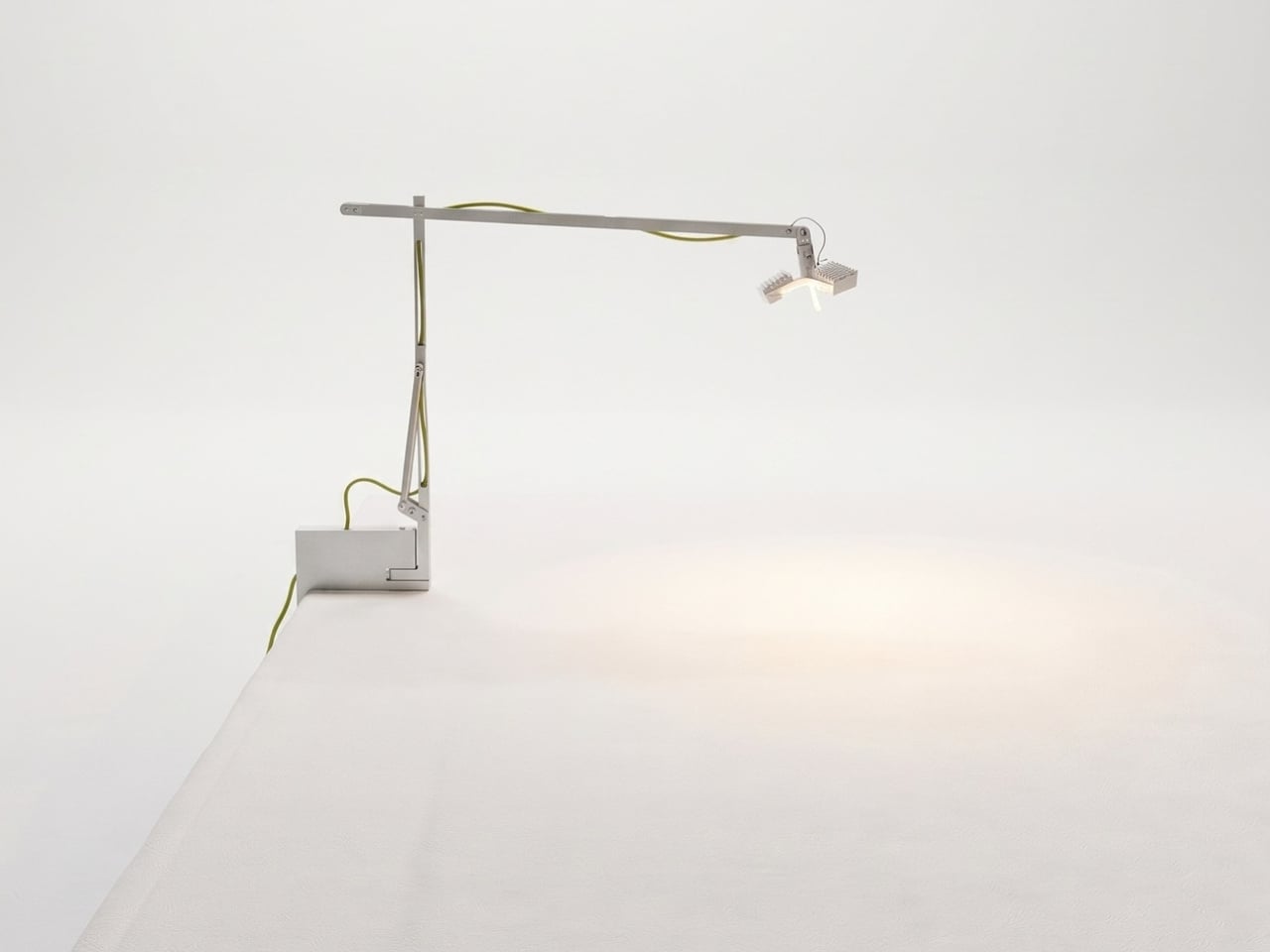
The Tars desk lamp is a minimalist concept that shouldn’t take up real estate in your work space. That’s because it’s designed to be clipped to the edge of the table so you’ll have space for all the important things you need to do on your desk. The design also makes it more flexible and gives it a wide range of movement so you can easily place the light where you actually need it. You can twist it around and probably also stretch it to a certain extent so it can reach the parts of your space that needs lighting.

Even the controls are pretty minimalist but also easy to use. The interface is on the bottom of the head so it’s easy to reach wherever you’ve placed the light. The circle button is to turn it on and off while the other button is to adjust the light temperature. They’re both edgeless and can be seen from both sides. The designers also said that it’s easy to assemble and disassemble, also keeping in mind the repairability when choosing the materials to create the lamp.

They were able to do a 3D printed model to make sure that all the functionalities that they designed were working. I for one would want to have a desk lamp like this since one of my problems in my home desk is space. As they say on the internet, “shut up and take my money” if this ever goes into production.

The post Minimalist desk lamp is a flexible and functional space saver first appeared on Yanko Design.
Tactile lamp and timer concept fosters focus and mindfulness in work-from-home arrangements

Although travel and work restrictions have mostly been lifted already, the office world is really no longer the same. It has now been proven that the work your bosses claim can only be done in the office can actually be done at home or even in a coffee shop, and so more flexible remote working conditions have started to take root in many companies. At the same time, however, the pandemic also proved that working from home is far from being the idyllic scenario that many people dreamed of in the past. Maintaining focus and motivation isn’t exactly easy to achieve, but this curious desk lamp helps develop that sense of balance between work and personal life using a very visual and tactile experience.

Designers: Pinar Aydogdu, Naren Yildirim, Nurbanu Kocak

One of the oldest productivity tricks in the book involves focusing on a single task for a certain amount of time and then taking a brief break before repeating the cycle all over again. Ironic as might sound, this technique, most popular by its “Pomodoro technique” moniker, actually helps you focus during those moments you are working. It also elevates rest to its proper place in our hectic lives, presenting it not as wasted time but as an important factor in boosting productivity.

You’d probably never think that a decorative desk lamp would be the tool to encourage that productivity practice, but the Fall concept design is exactly that. At its most basic, it is composed of a conical lamp standing on a circular base that has a rippling surface, almost like the ripples in a pond. The soft diffused light that the lamp gives isn’t going to be enough to illuminate your work, but that’s not the purpose of the lamp anyway. It works in conjunction with eight balls that magnetically attach to the top of the cone, turning this productivity practice into something like a game.

Each ball represents one hour of working time, so their total makes up an entire day’s work. At the start of your work day, you stick those balls at the top, and after an hour has passed, one ball falls down on the base. Because of the undulating surface of the base, the balls won’t roll off, but you can remove each ball as you please. In fact, you remove the ball from the base to signify that you’re taking a break and you put the ball back on the base when you’re back. If you don’t bring back the ball within a set amount of time, usually ten minutes, the lamp’s light will turn red to nudge you back to your work.

Fall is an interesting idea that encourages physical involvement in juggling those work hours, making sure you’re more mindful of your time instead of simply glancing at a clock or swiping an alarm away. The lamp itself gives a rather distinctive aesthetic, one that encourages play and interactivity instead of just looking pretty. Admittedly, it’s just a concept and one that will be rather complicated to implement in a real functioning device.

The post Tactile lamp and timer concept fosters focus and mindfulness in work-from-home arrangements first appeared on Yanko Design.
Minimalist lamp uses simple, linear shapes to create a functional and ambient light source

Lamps are something that you need especially if you’re particular with the working or ambient light at home. I particularly don’t look that much at the design when I’m buying one but more on the practicality or how easy it is to set up and use. But if something can tick all of those boxes and has a minimalist look as a bonus, then it’s something worth looking at. You don’t need elaborate or intricate parts and designs to come up with something pleasant to look at that can also be as multi-functional as possible. As the designer says, “Good design is as little design as possible”.
Designer: Y.S.M. Products and Baptiste Vandaele

The Linear Table Lamp is an upcoming Kickstarter project that aims to bring a simple enough lamp that only needs a few linear planes and a light bulb. It is made up of a steel body with a rectangular base and two planes that face it at a 45 degree angle. This particular angle of the planes brings a light and shadow effect to your lamp so that the light is reflected downwards. The metal surfaces are bent and welded but there are no other redundant elements as it is inspired by the Bauhaus art movement.

The light source itself is a 3000K LED bulb that is dimmable so you can use it either as a desk lamp or an ambient lamp. The color of the bulb is the perfect one that can be functional or cozy and can be controlled through a button attached to the cord. You will be able to adjust the brightness or dimness of the lamp depending on what you need at the moment. The color of the lamp itself is also pretty minimalist but with splashes of bright colors in case that’s what you prefer.

The simple design of the lamp as well as the color options (green, orange, white, gray) makes it appealing as an addition to my sometimes messy desk. The Kickstarter funding project will launch by January next year where people will be able to pre-order it. No price or other funding details have been revealed but it is one that I may actually watch out for if the other details are reasonable.

The post Minimalist lamp uses simple, linear shapes to create a functional and ambient light source first appeared on Yanko Design.