Electrolux and Veneta Cucine Use Biophilic Color Science to Rethink Kitchen Design at Milan 2026

Scandinavian winters keep people indoors for roughly six months a year, which gives Swedish designers a lot of time to think about what a kitchen surface shoul…Scandinavian winters keep people indoors for roughly six months a year, which gives Swedish designers a lot of time to think about what a kitchen surface should feel like when it becomes the primary thing you look at during months when going outside requires genuine commitment. Electrolux leaned into that constraint at Milan Design Week 2026, partnering with Italian kitchen specialist Veneta Cucine to present a color palette pulled directly from nature. Warm sand, dusty teal, soft sage, speckled stone. Colors designed to reduce visual noise and make a kitchen feel less like a collection of separate purchases and more like a unified spatial environment.

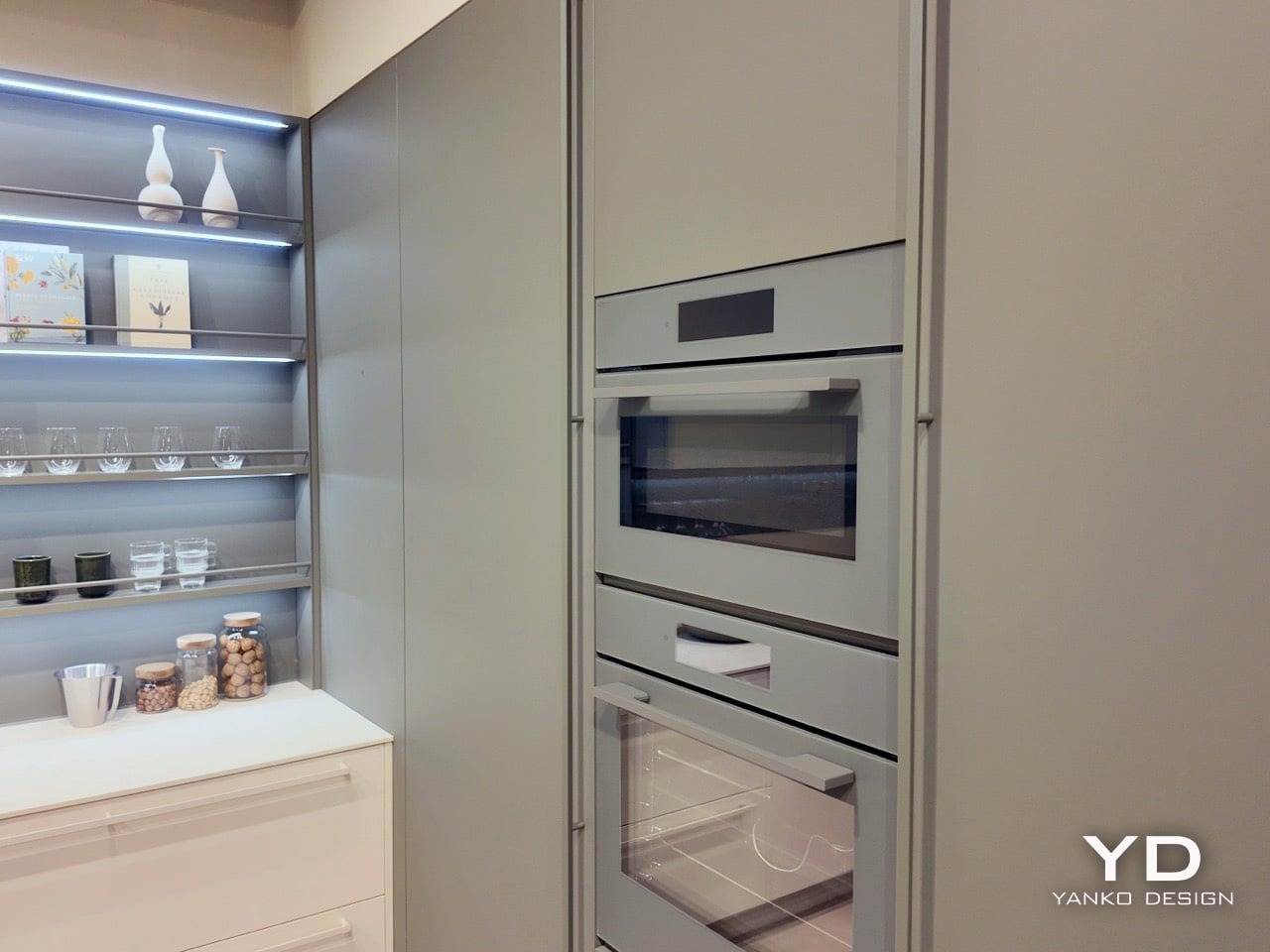
The four color concepts (Ultra Blu, Verde Salvia, Nude, Alabastro) get applied to both appliances and cabinetry, creating kitchen installations where ovens genuinely disappear into walls. The collaboration is grounded in research showing that people across European markets identify nature as their primary source of emotional restoration, so Electrolux decided to bring that restoration indoors. The result is a palette that feels geologic rather than trendy, with appliances that function as architectural elements instead of shiny metal boxes standing awkwardly in the corner.

Designers: Electrolux & Veneta Cucine
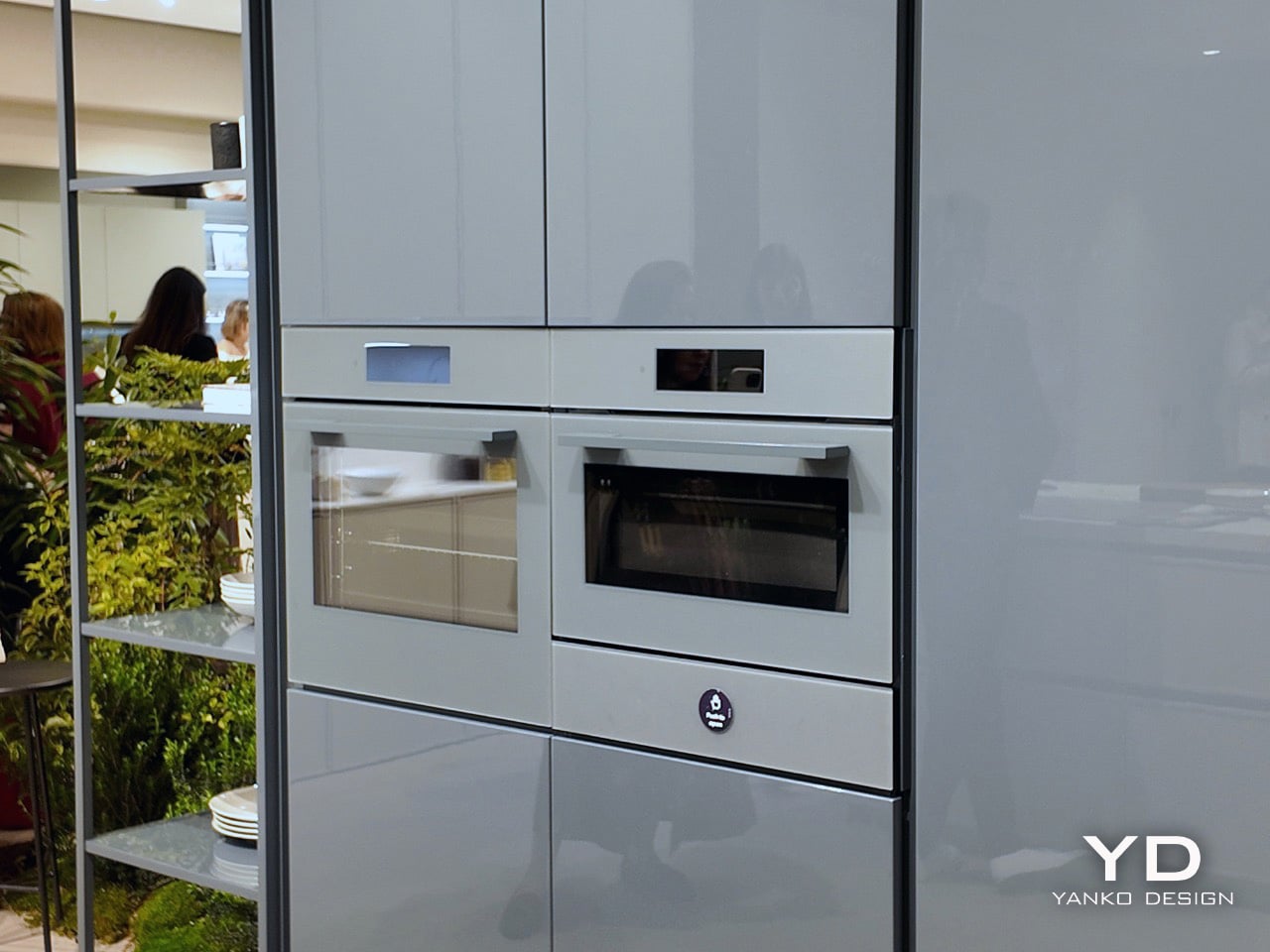
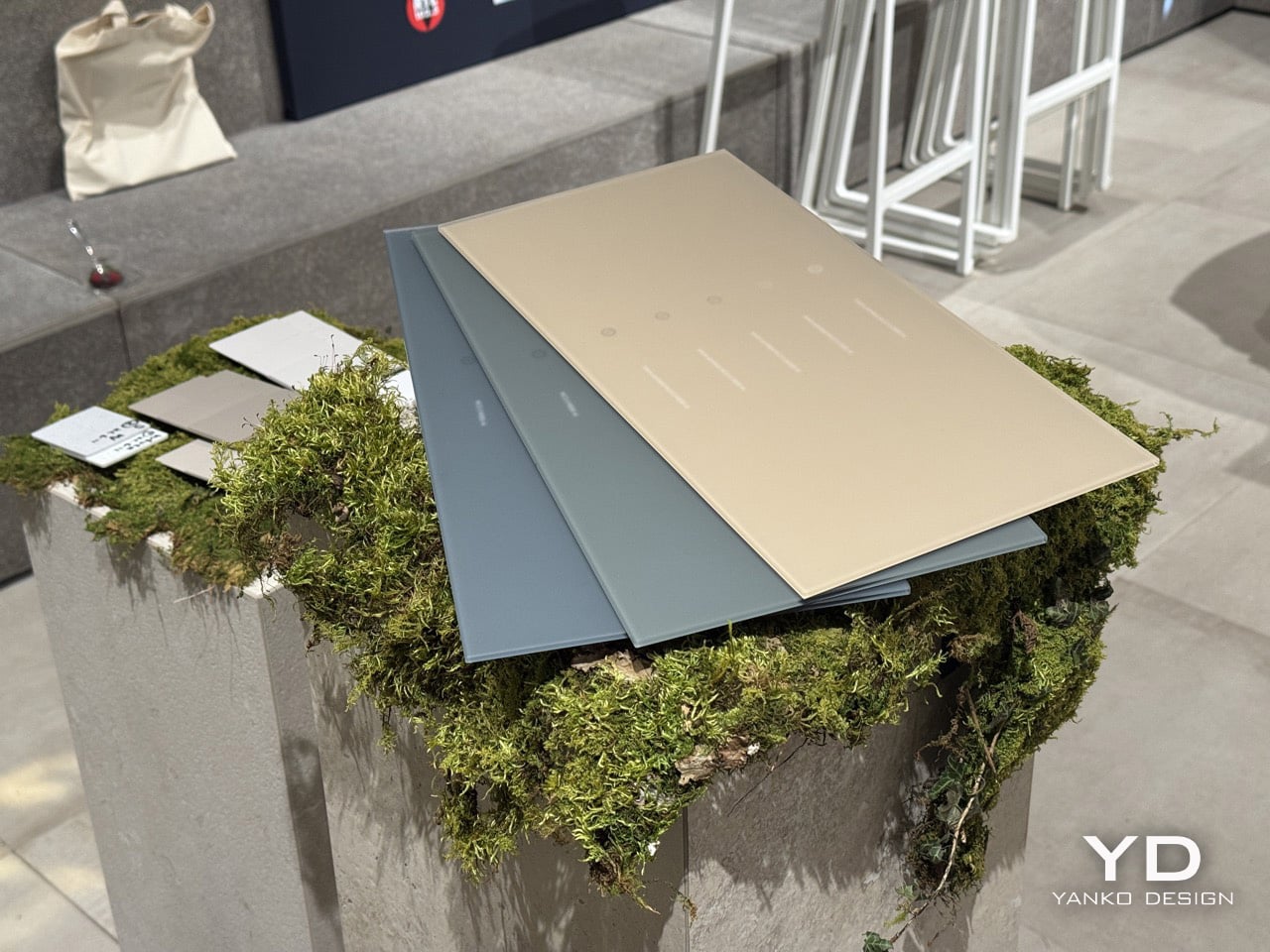
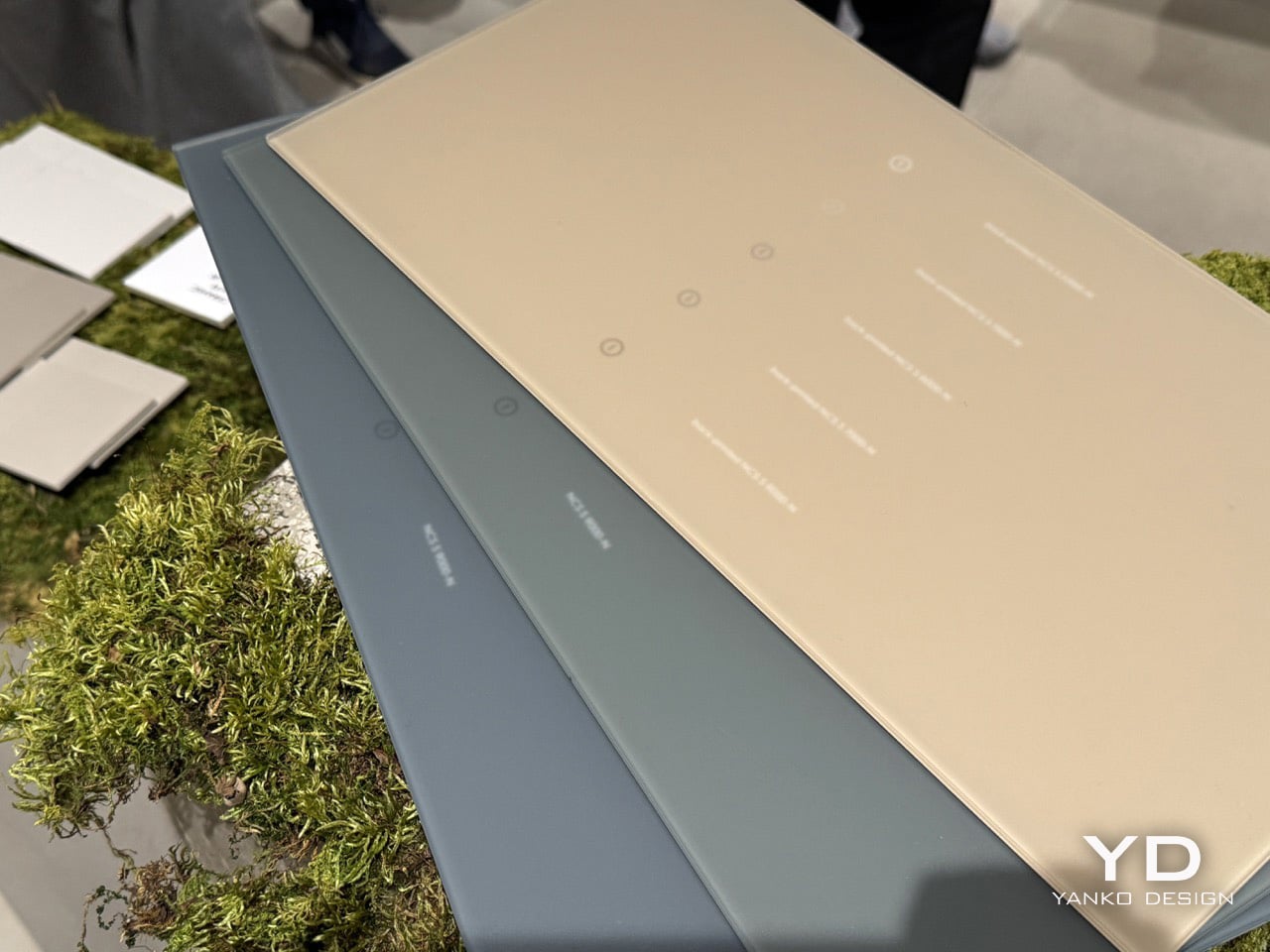
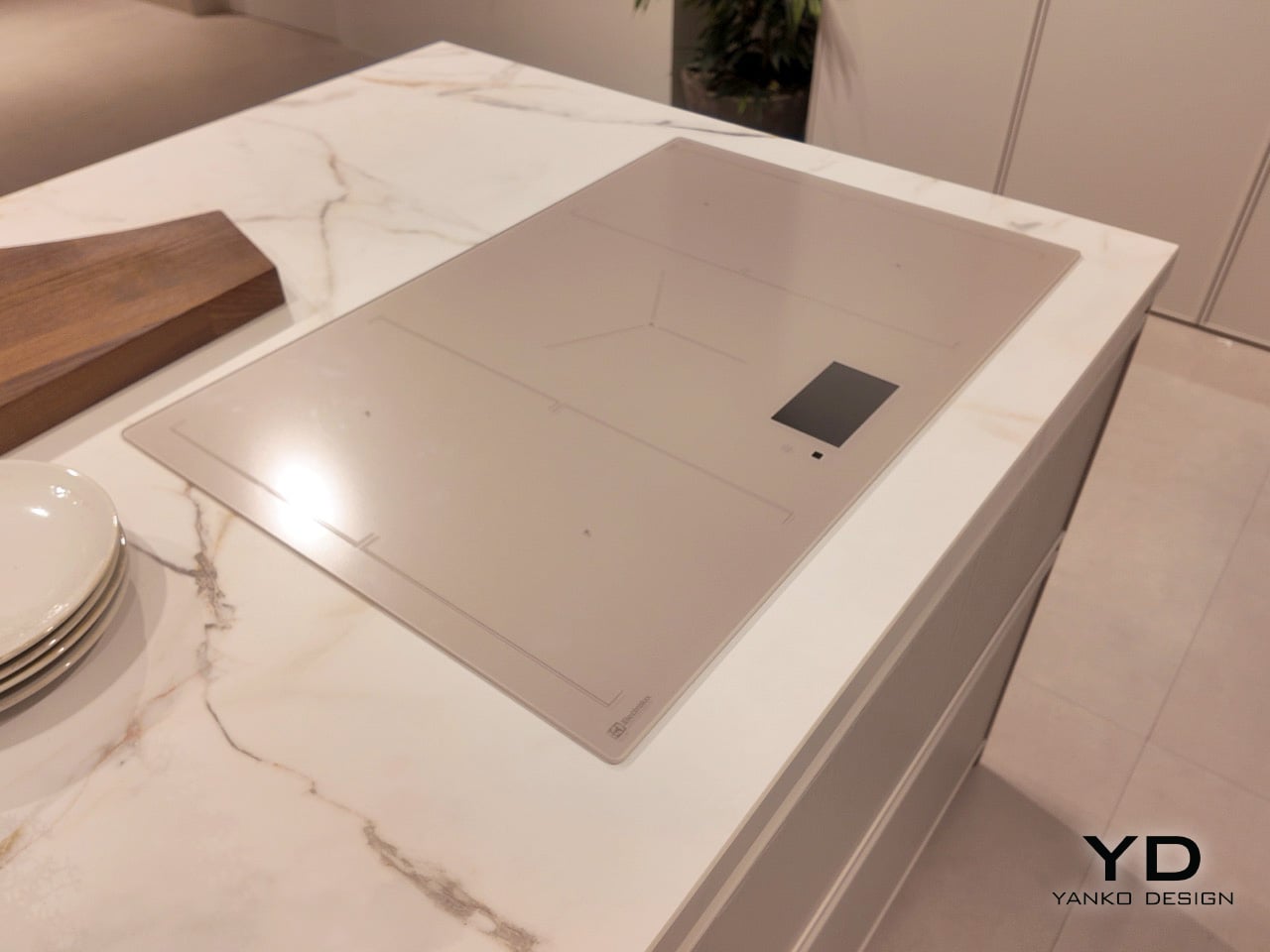
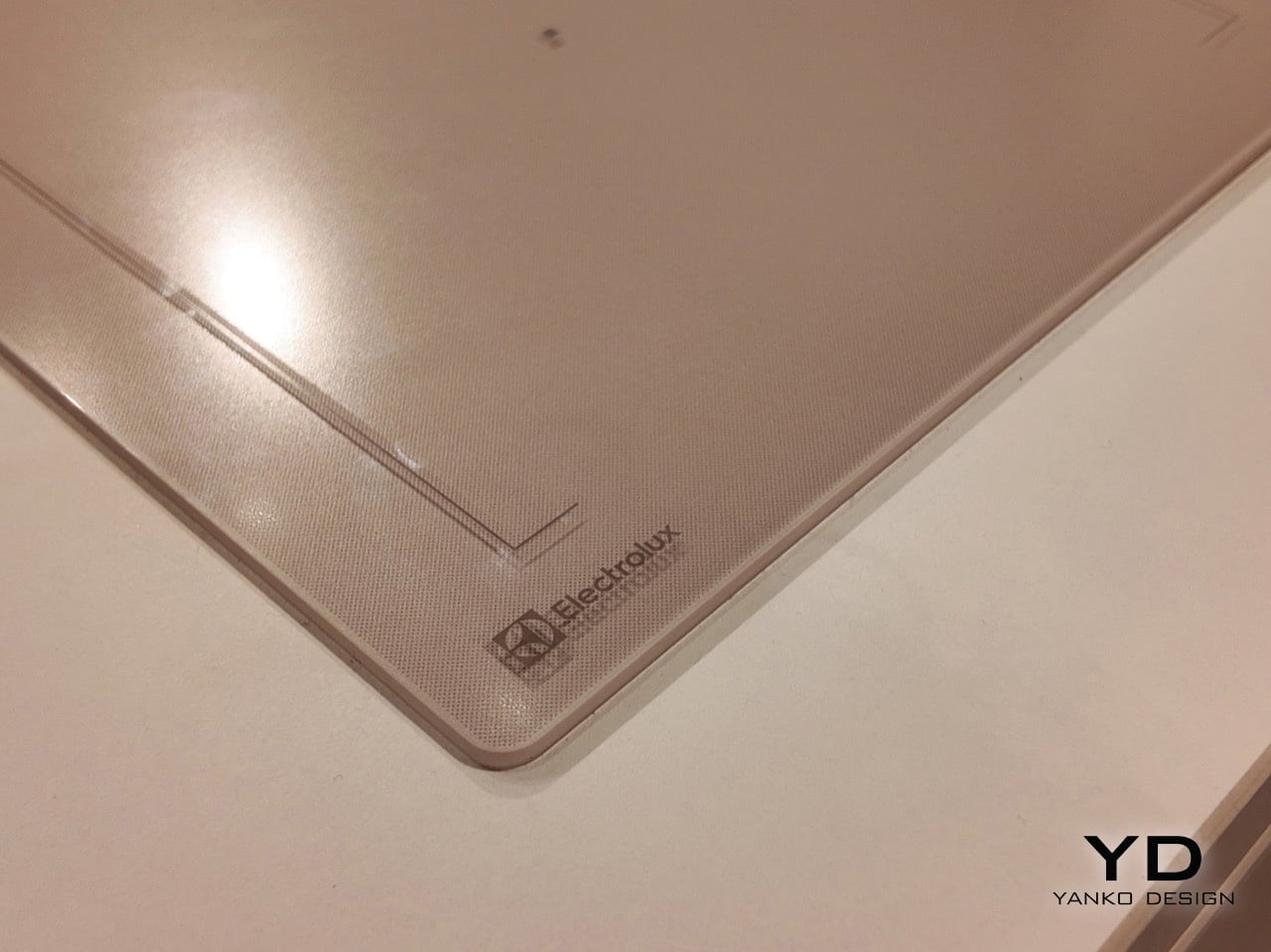
The approach hinges on something Amelia Chong, Electrolux’s Principal Color, Material & Finish Designer, calls thinking architecturally from an interior perspective. Color becomes a series of spatial blocks connecting products with their surrounding environment. Each palette is experienced through a curated interplay of materials, finishes, and furniture elements, both visual and tactile. Ultra Blu spans two graduated tones, a deeper navy fading into dusty teal. Verde Salvia delivers sage in its most restrained register. Nude reads as warm sand with subtle blush undertones. Alabastro arrives as speckled stone-effect gray, the kind of finish that looks different depending on light quality throughout the day.

Electrolux backs the palette with neuroaesthetic research claiming that biophilic color schemes can reduce perceived stress levels by as much as 35%. That statistic repositions what a kitchen appliance actually does in a home. Your refrigerator is cooling groceries, sure, but it’s also contributing to the sensory atmosphere of the room, shaping how calm or agitated you feel when you walk in to make coffee at 6am. The palette’s muted tones (warm neutrals, soft earth-rooted hues) create what the research describes as a perceptually grounded environment that reduces mental fatigue. In practical terms, this means your kitchen quits visually shouting at you.

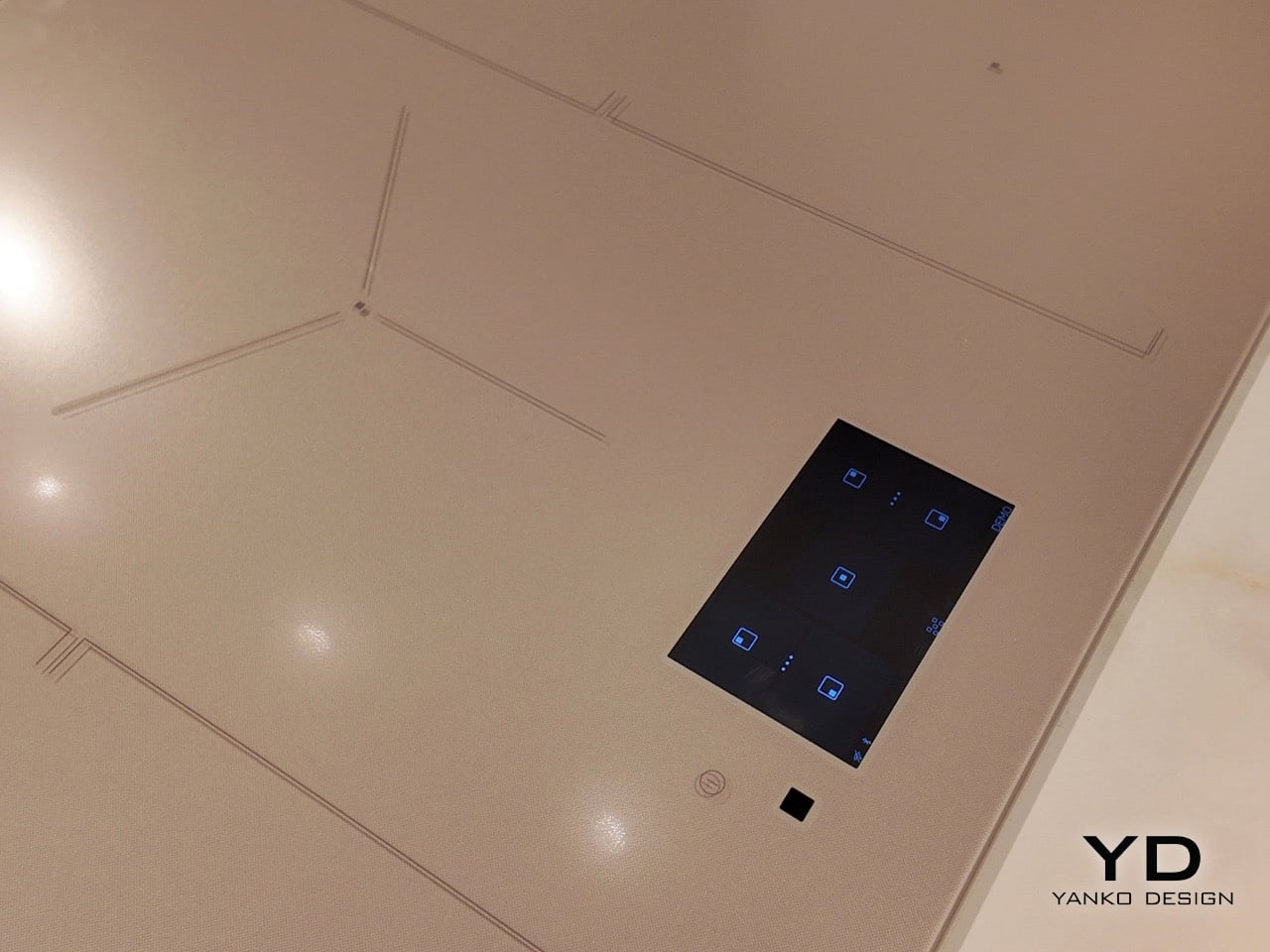
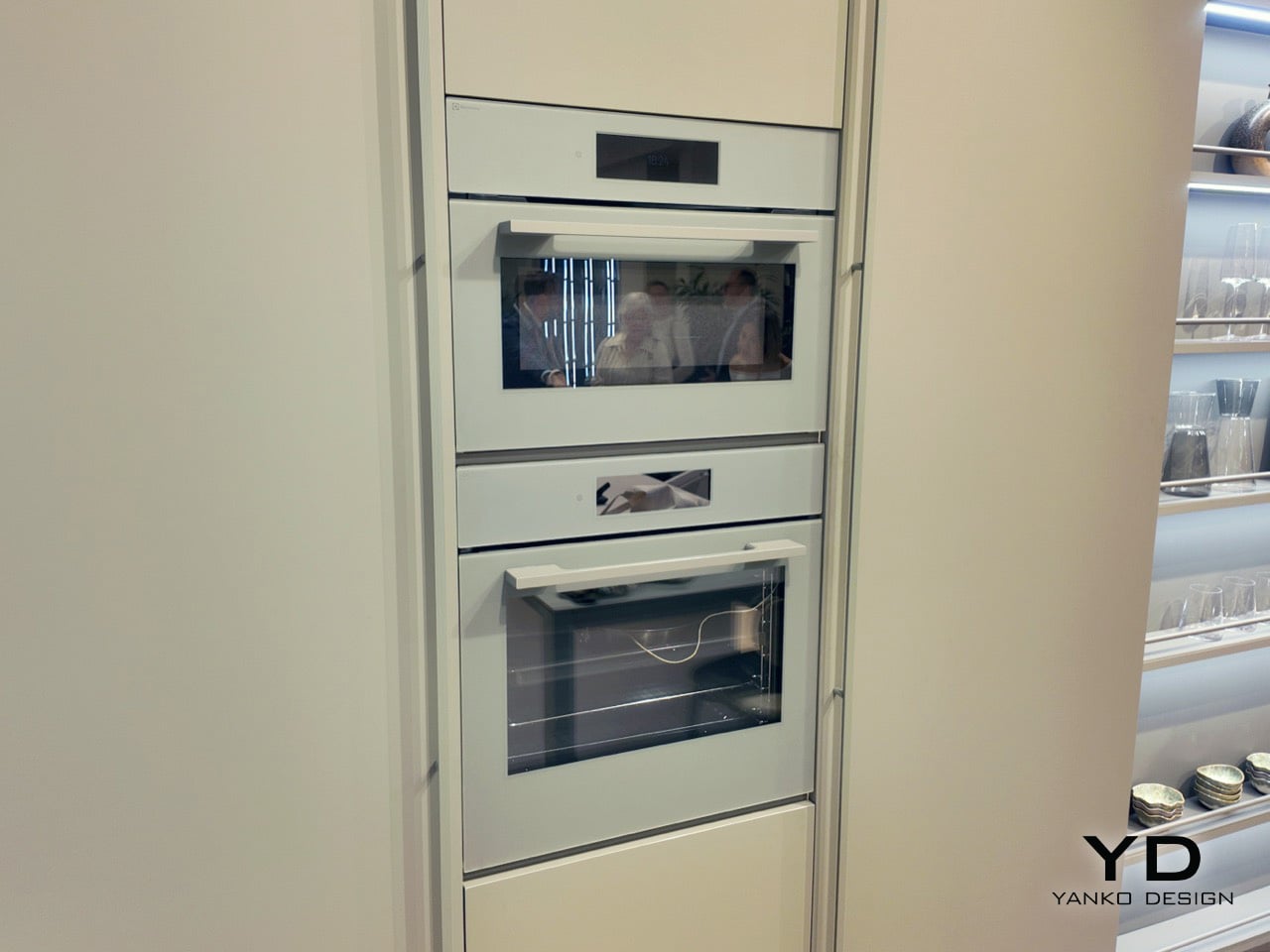
Electrolux X Veneta Cucine’s Nude Colorway

Electrolux X Veneta Cucine’s UltraBlu Colorway

The partnership brings together two distinct design traditions in a way that actually makes sense. Electrolux contributes Scandinavian simplicity and human-centered clarity, the kind of restrained functionality that emerges from cultures where you spend half the year looking at the same interior walls. Veneta Cucine brings Italian craftsmanship and material expression, the tactile richness and attention to finish quality Italian furniture makers have been perfecting for generations. Daniela Archiutti, Veneta Cucine’s Art Director, positions the collaboration as merging color science, material innovation, and sensory design to create spaces that feel personal, restorative, and future ready. That’s a lot of adjectives for kitchen cabinetry, but the installations at Milan back up the claim.

Electrolux X Veneta Cucine’s Verde Salvia Colorway

Electrolux X Veneta Cucine’s Alabastro Colorway

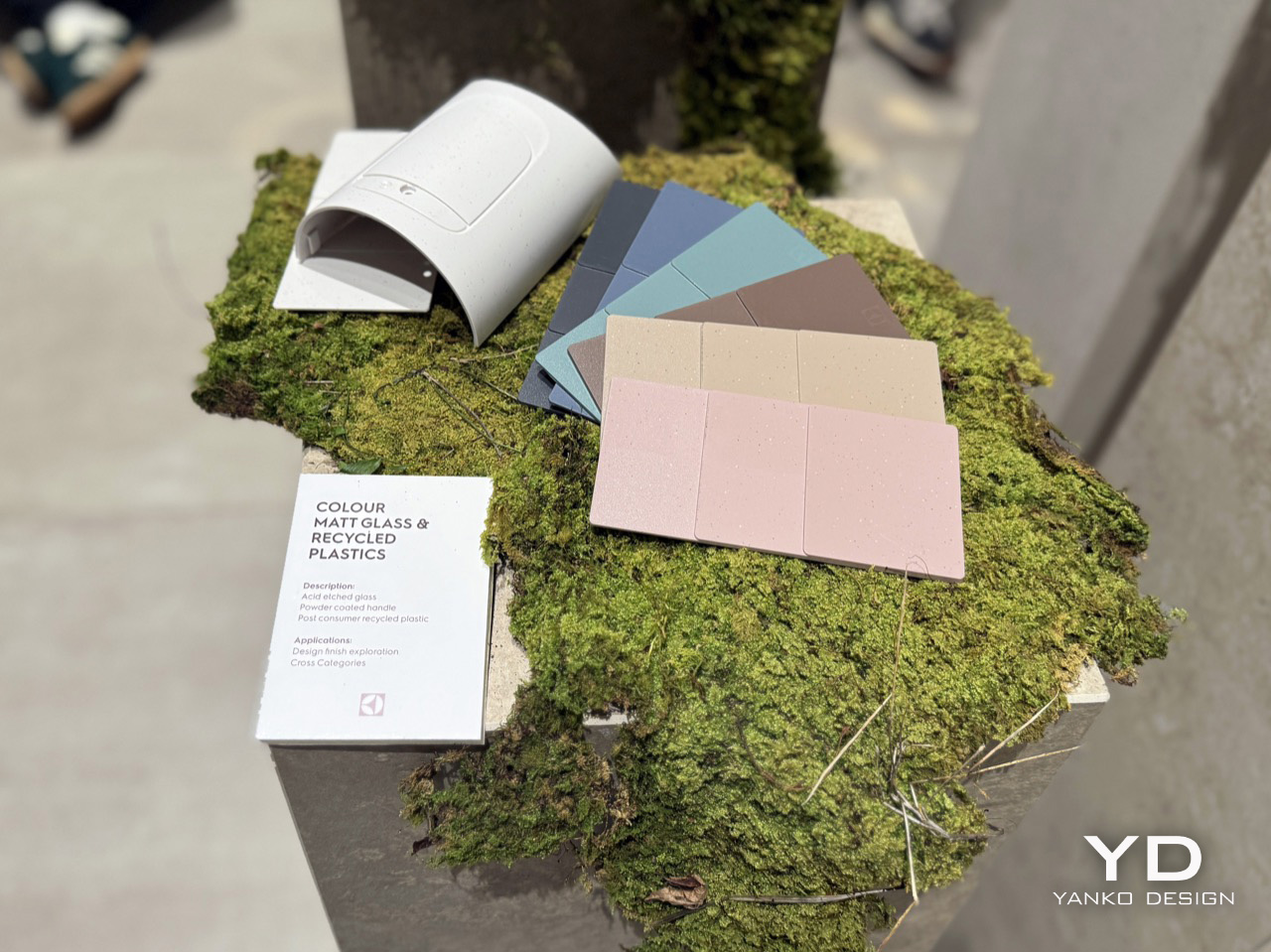
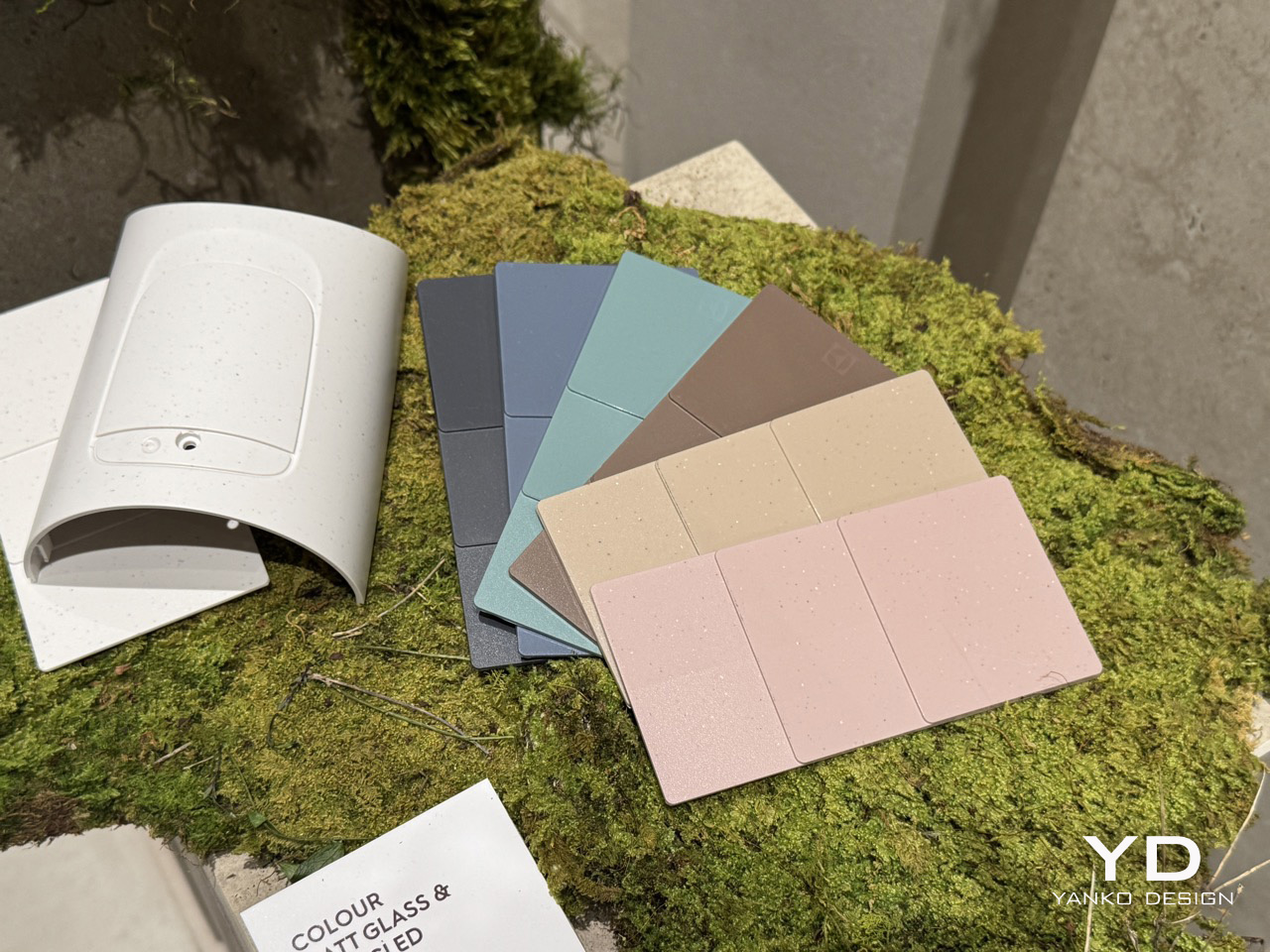
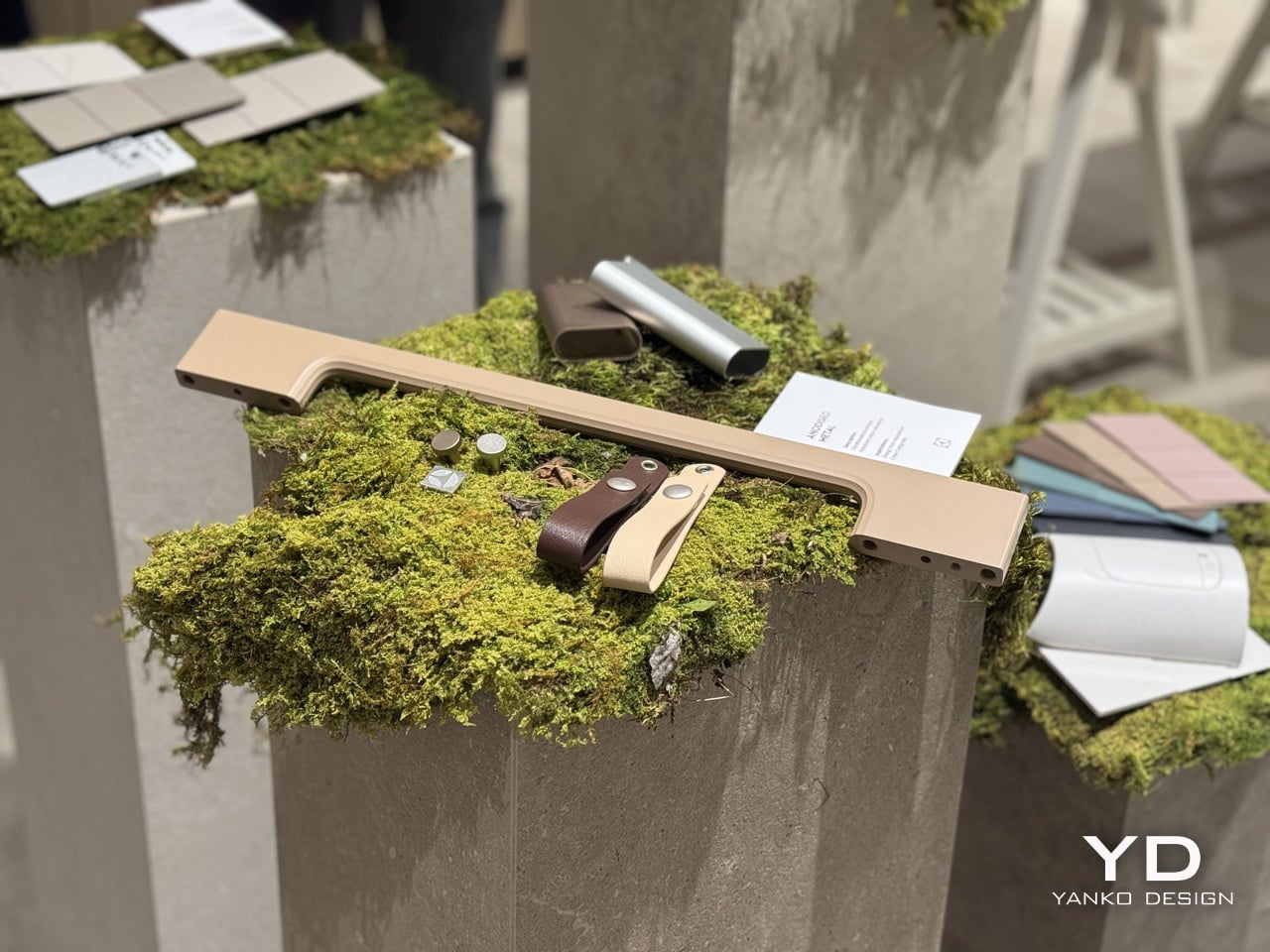
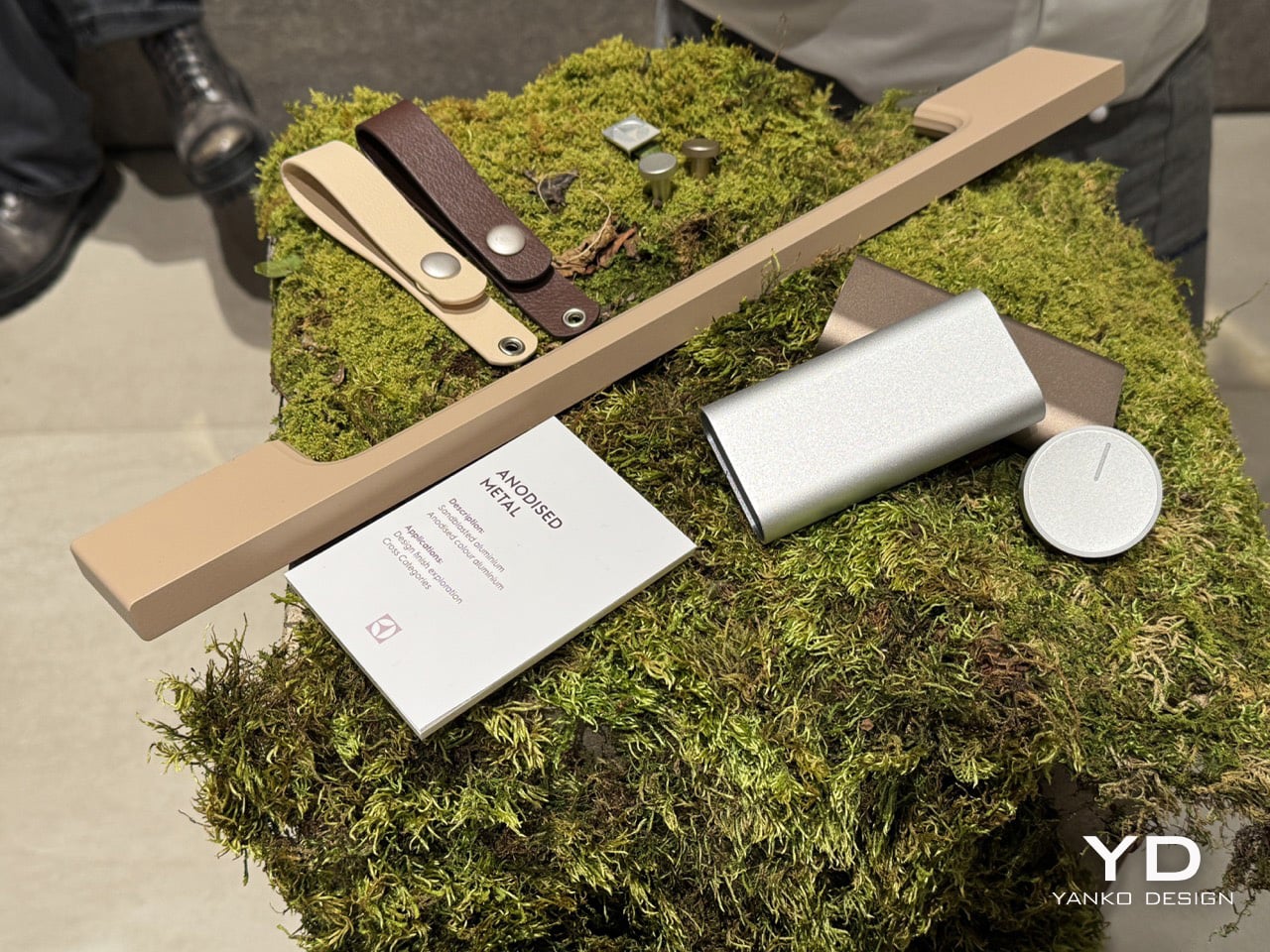
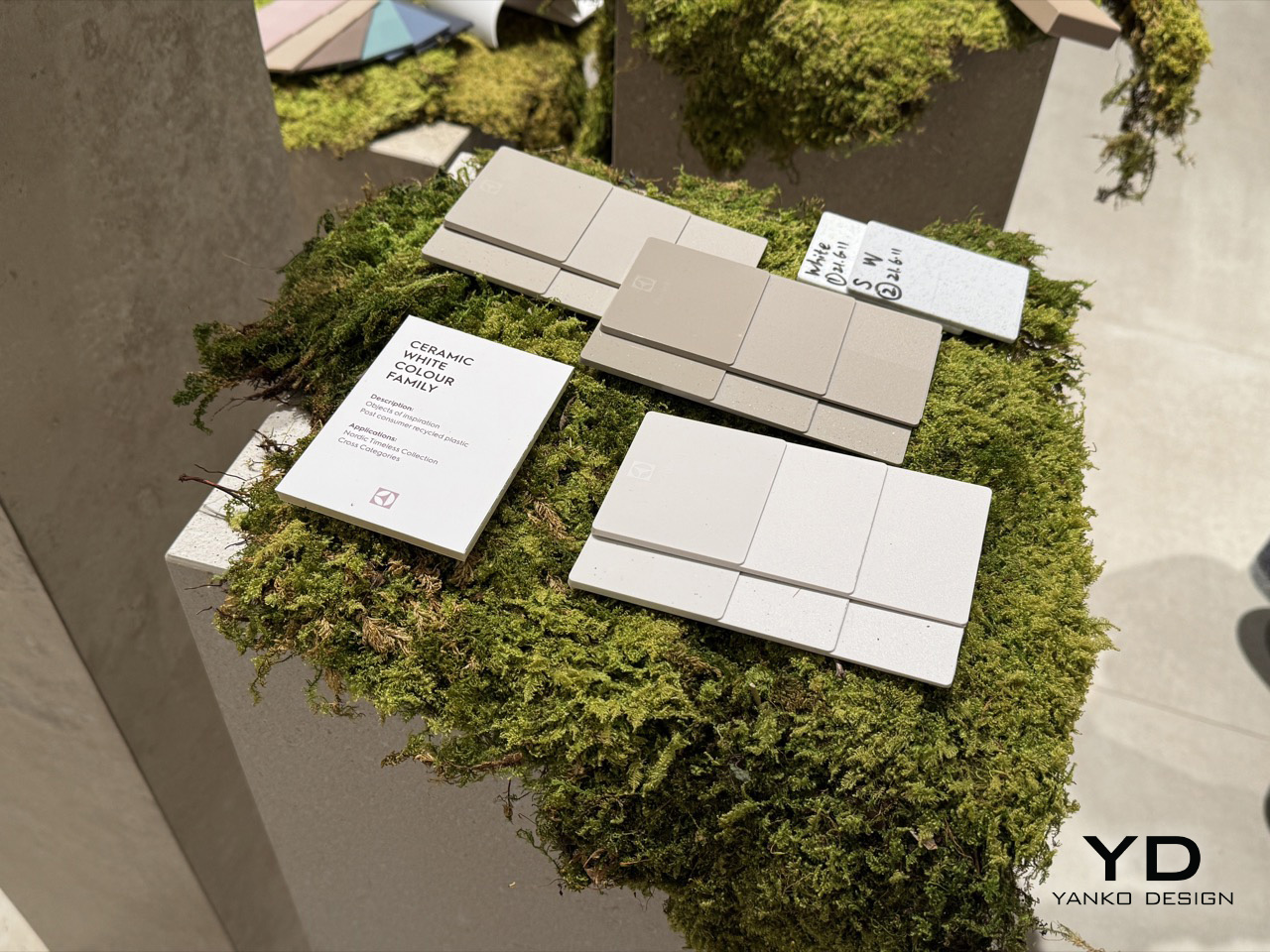
The Milan showcase itself was staged as physical proof of concept. Concrete plinths topped with living moss carried CMF swatches in the four palette tones. A pine and wood scent developed by studio Koyia moved through the space. Appliances were displayed against photographic prints of Scandinavian woodland. The sequence was deliberate and consistent, building an argument that the kitchen functions as an emotional environment where design’s most sophisticated move is bringing the outdoors inside. The ovens, hobs, and refrigerators on display integrated so seamlessly into cabinetry that distinguishing appliance from architecture required genuine attention.

You’re an expert editor/blogger with a profound understanding of human psyche as well as Google SEO. Now generate 10 catchy, attention-grabbing, mildly provocative titles that are SEO-friendly too. Make your titles have natural language but craft them so they rank high on google News and Discover as of March 2026. Do your SEO research. Make them natural language, simple, yet captivating

The post Electrolux and Veneta Cucine Use Biophilic Color Science to Rethink Kitchen Design at Milan 2026 first appeared on Yanko Design.

Electrolux and Veneta Cucine Use Biophilic Color Science to Rethink Kitchen Design at Milan 2026

Scandinavian winters keep people indoors for roughly six months a year, which gives Swedish designers a lot of time to think about what a kitchen surface shoul…Scandinavian winters keep people indoors for roughly six months a year, which gives Swedish designers a lot of time to think about what a kitchen surface should feel like when it becomes the primary thing you look at during months when going outside requires genuine commitment. Electrolux leaned into that constraint at Milan Design Week 2026, partnering with Italian kitchen specialist Veneta Cucine to present a color palette pulled directly from nature. Warm sand, dusty teal, soft sage, speckled stone. Colors designed to reduce visual noise and make a kitchen feel less like a collection of separate purchases and more like a unified spatial environment.

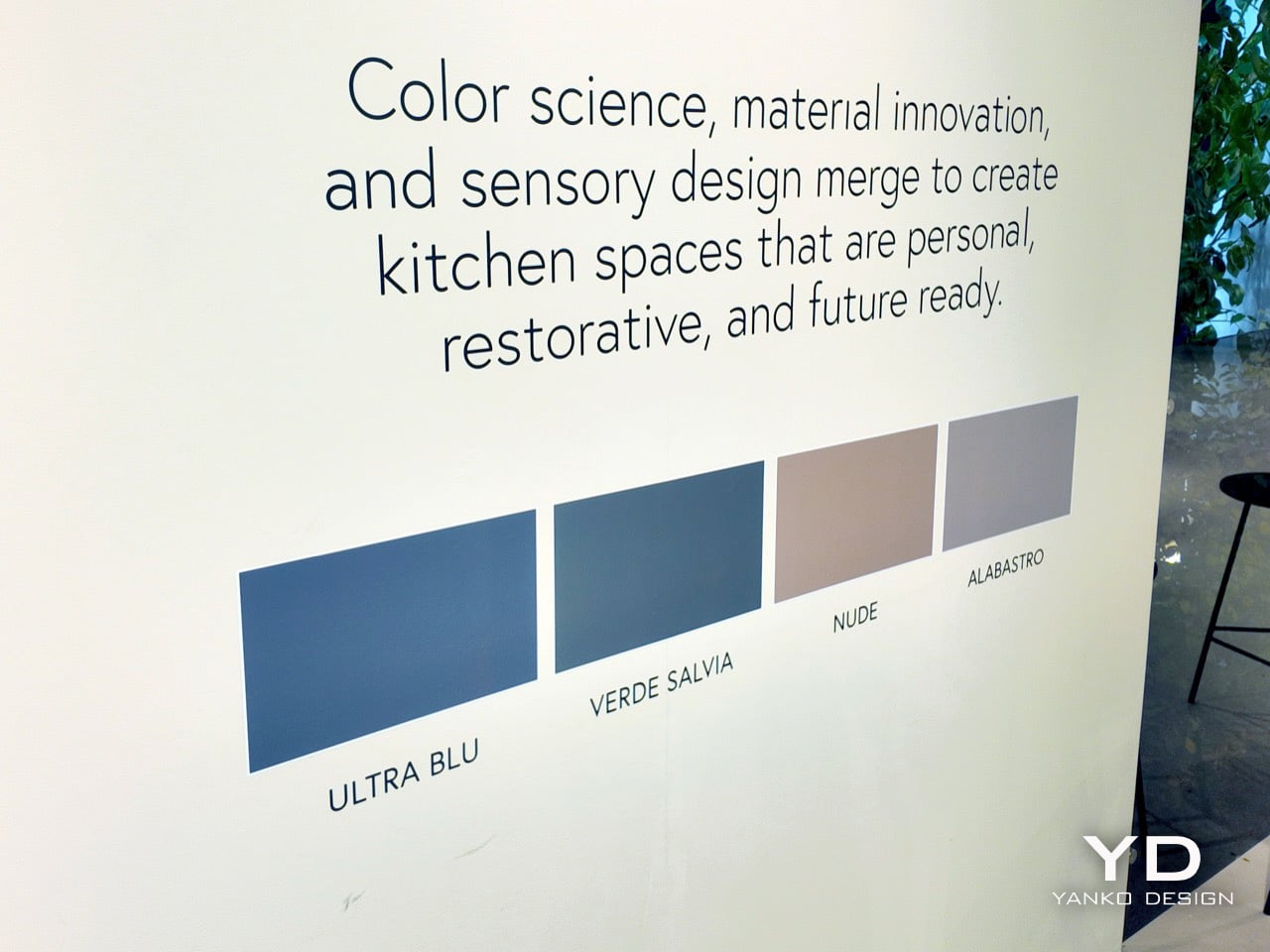
The four color concepts (Ultra Blu, Verde Salvia, Nude, Alabastro) get applied to both appliances and cabinetry, creating kitchen installations where ovens genuinely disappear into walls. The collaboration is grounded in research showing that people across European markets identify nature as their primary source of emotional restoration, so Electrolux decided to bring that restoration indoors. The result is a palette that feels geologic rather than trendy, with appliances that function as architectural elements instead of shiny metal boxes standing awkwardly in the corner.

Designers: Electrolux & Veneta Cucine
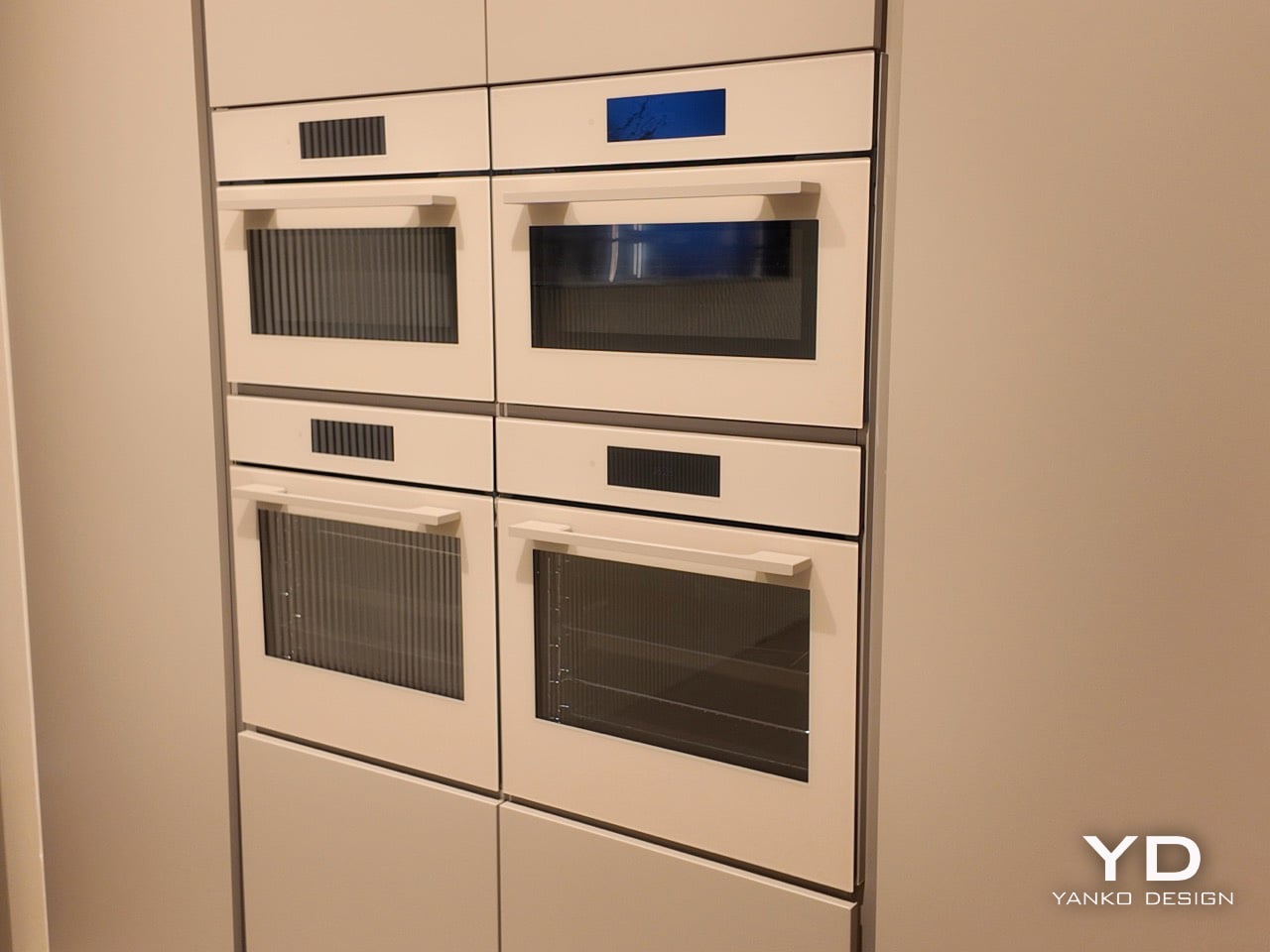
The approach hinges on something Amelia Chong, Electrolux’s Principal Color, Material & Finish Designer, calls thinking architecturally from an interior perspective. Color becomes a series of spatial blocks connecting products with their surrounding environment. Each palette is experienced through a curated interplay of materials, finishes, and furniture elements, both visual and tactile. Ultra Blu spans two graduated tones, a deeper navy fading into dusty teal. Verde Salvia delivers sage in its most restrained register. Nude reads as warm sand with subtle blush undertones. Alabastro arrives as speckled stone-effect gray, the kind of finish that looks different depending on light quality throughout the day.
Electrolux backs the palette with neuroaesthetic research claiming that biophilic color schemes can reduce perceived stress levels by as much as 35%. That statistic repositions what a kitchen appliance actually does in a home. Your refrigerator is cooling groceries, sure, but it’s also contributing to the sensory atmosphere of the room, shaping how calm or agitated you feel when you walk in to make coffee at 6am. The palette’s muted tones (warm neutrals, soft earth-rooted hues) create what the research describes as a perceptually grounded environment that reduces mental fatigue. In practical terms, this means your kitchen quits visually shouting at you.
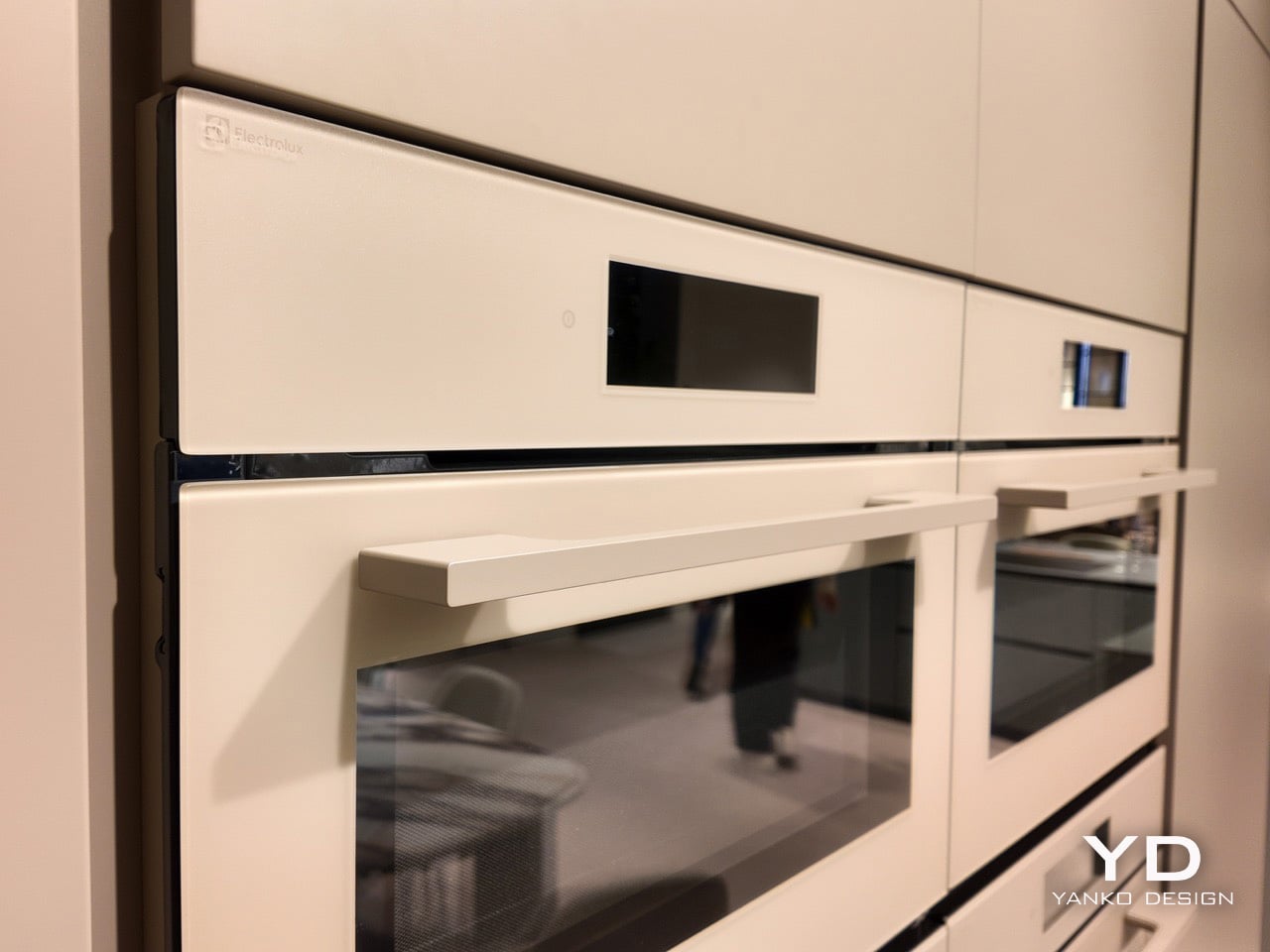
Electrolux X Veneta Cucine’s Nude Colorway
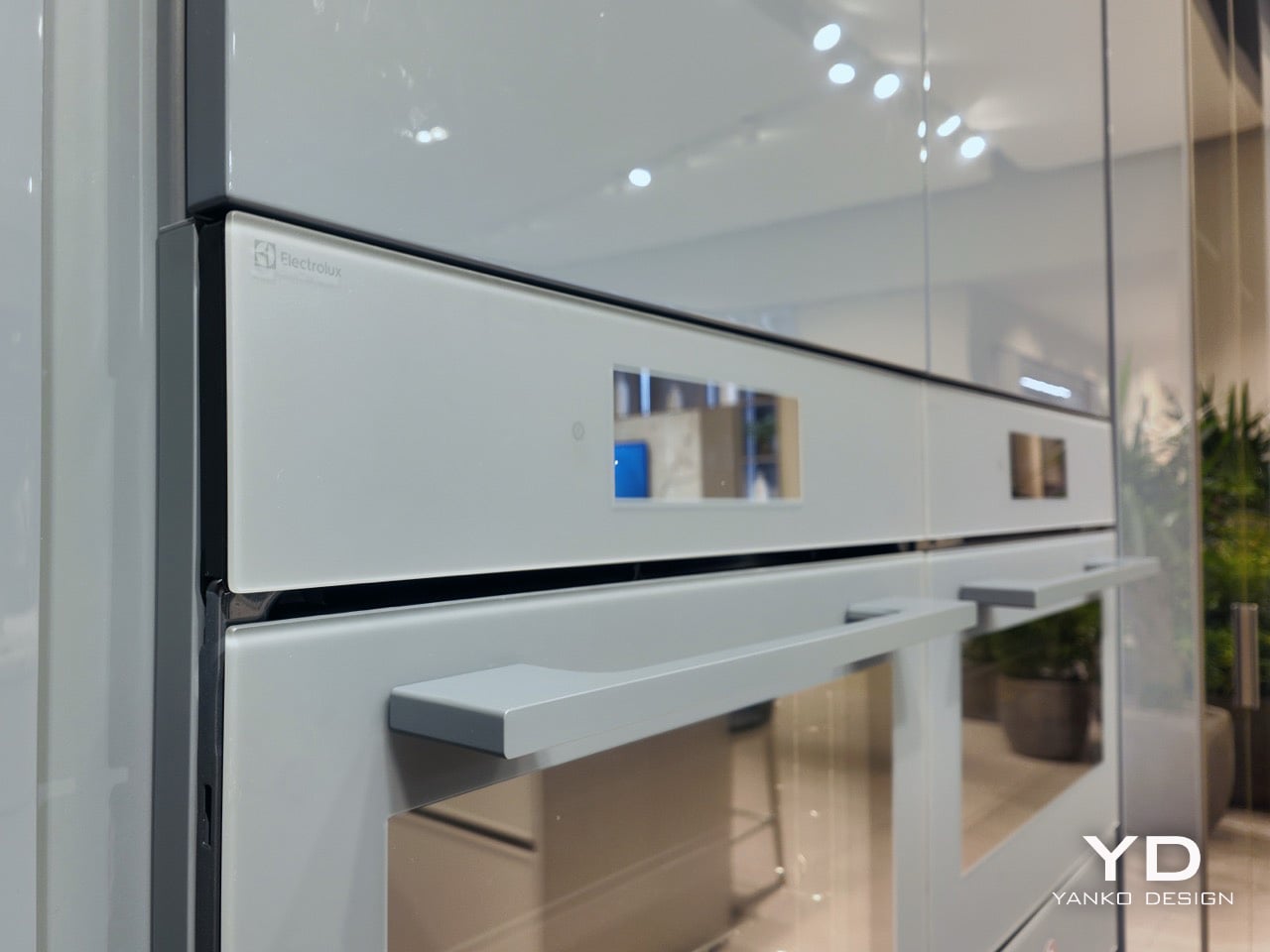
Electrolux X Veneta Cucine’s UltraBlu Colorway

The partnership brings together two distinct design traditions in a way that actually makes sense. Electrolux contributes Scandinavian simplicity and human-centered clarity, the kind of restrained functionality that emerges from cultures where you spend half the year looking at the same interior walls. Veneta Cucine brings Italian craftsmanship and material expression, the tactile richness and attention to finish quality Italian furniture makers have been perfecting for generations. Daniela Archiutti, Veneta Cucine’s Art Director, positions the collaboration as merging color science, material innovation, and sensory design to create spaces that feel personal, restorative, and future ready. That’s a lot of adjectives for kitchen cabinetry, but the installations at Milan back up the claim.
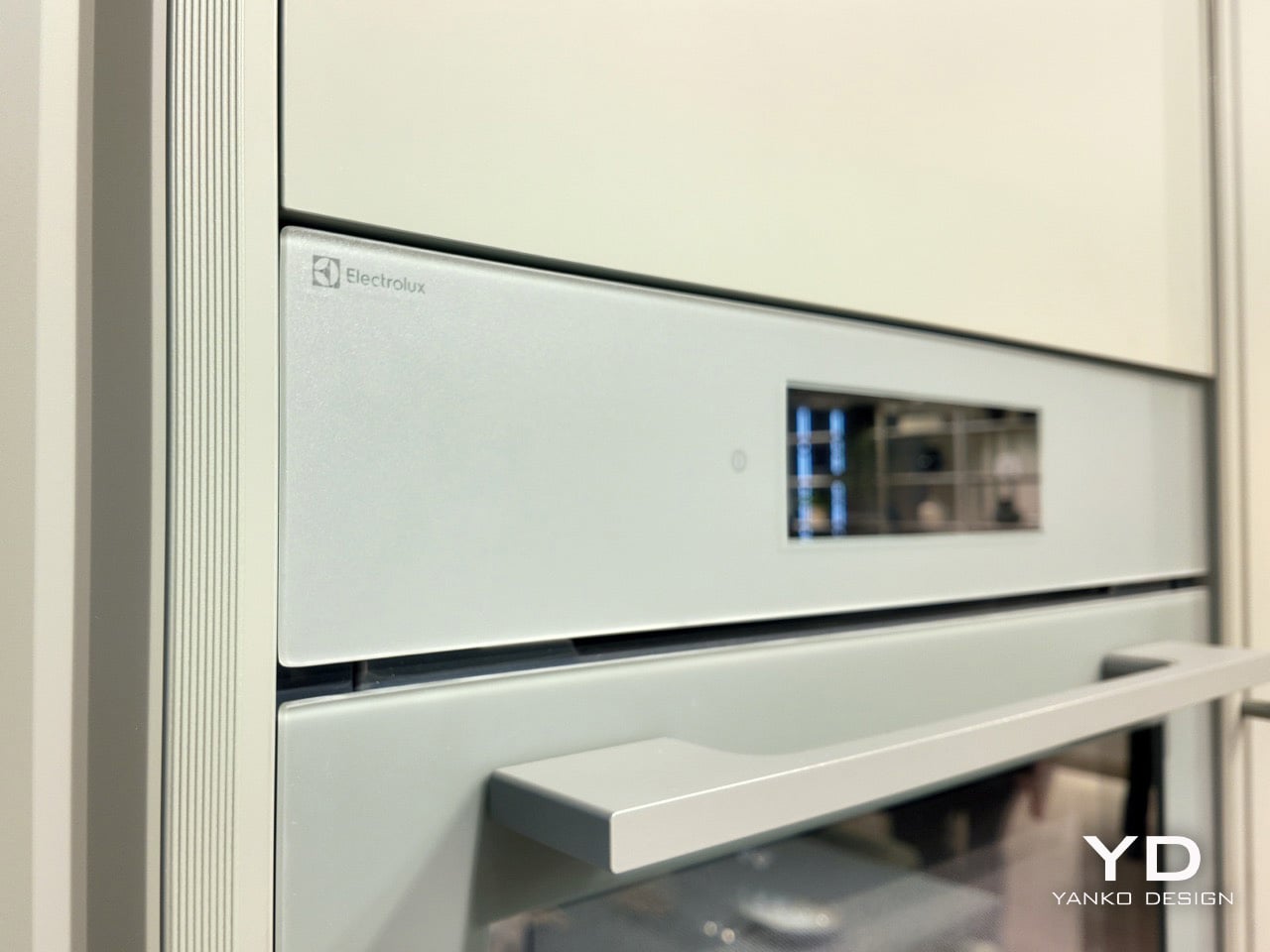
Electrolux X Veneta Cucine’s Verde Salvia Colorway
Electrolux X Veneta Cucine’s Alabastro Colorway

The Milan showcase itself was staged as physical proof of concept. Concrete plinths topped with living moss carried CMF swatches in the four palette tones. A pine and wood scent developed by studio Koyia moved through the space. Appliances were displayed against photographic prints of Scandinavian woodland. The sequence was deliberate and consistent, building an argument that the kitchen functions as an emotional environment where design’s most sophisticated move is bringing the outdoors inside. The ovens, hobs, and refrigerators on display integrated so seamlessly into cabinetry that distinguishing appliance from architecture required genuine attention.
You’re an expert editor/blogger with a profound understanding of human psyche as well as Google SEO. Now generate 10 catchy, attention-grabbing, mildly provocative titles that are SEO-friendly too. Make your titles have natural language but craft them so they rank high on google News and Discover as of March 2026. Do your SEO research. Make them natural language, simple, yet captivating
The post Electrolux and Veneta Cucine Use Biophilic Color Science to Rethink Kitchen Design at Milan 2026 first appeared on Yanko Design.
This Electrolux dishwasher lifts its bottom rack so you can load pots without bending down

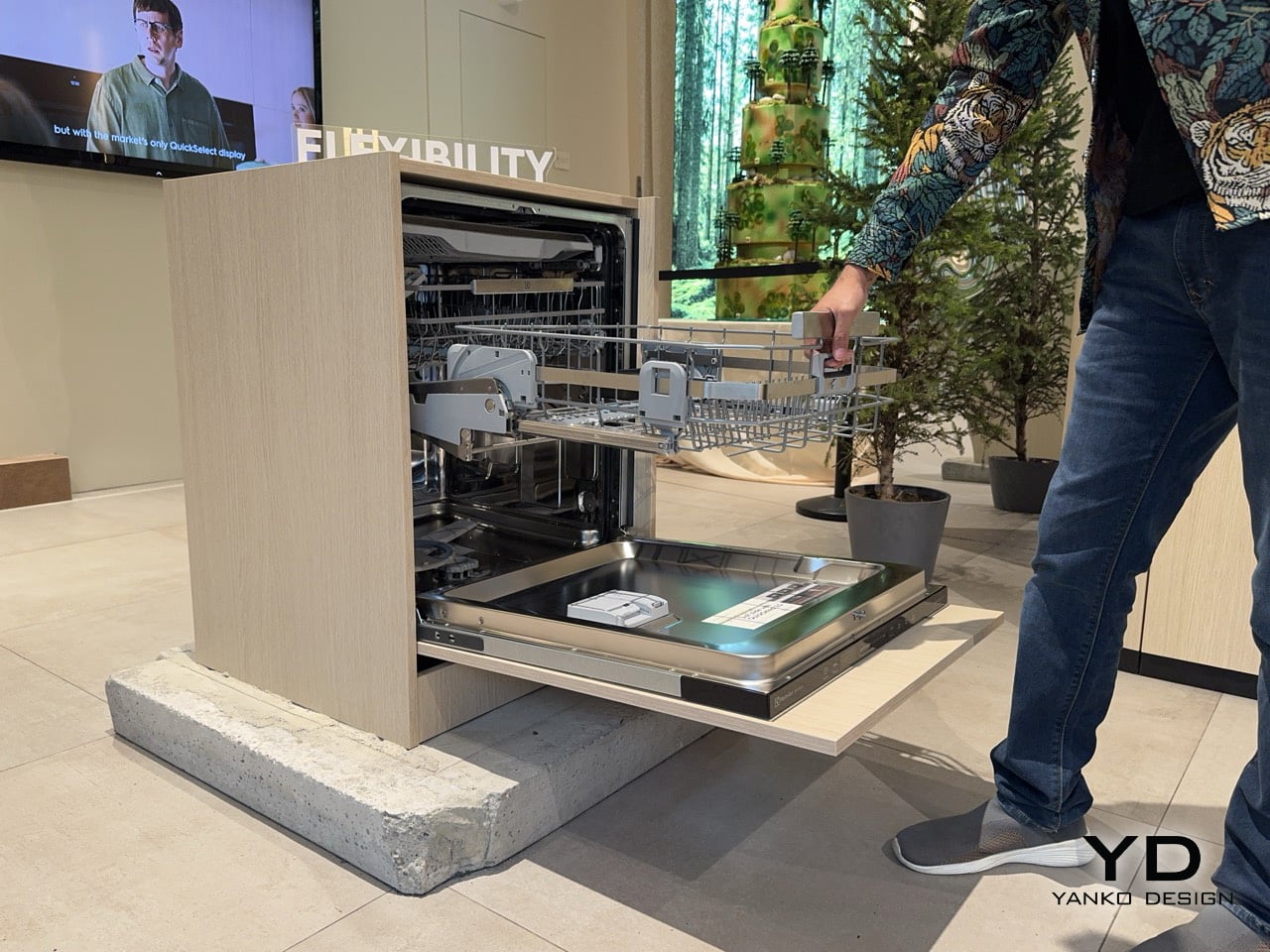
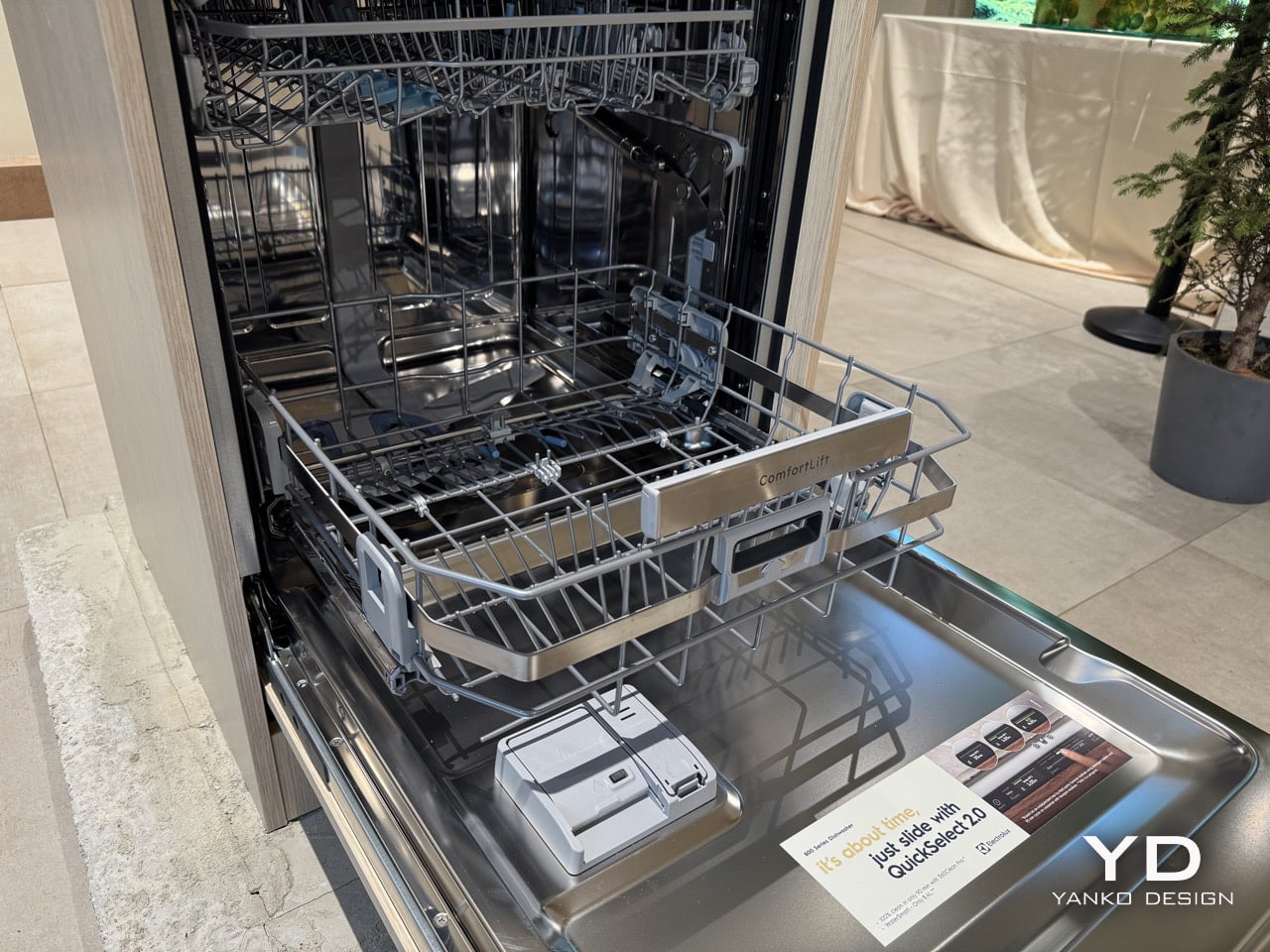
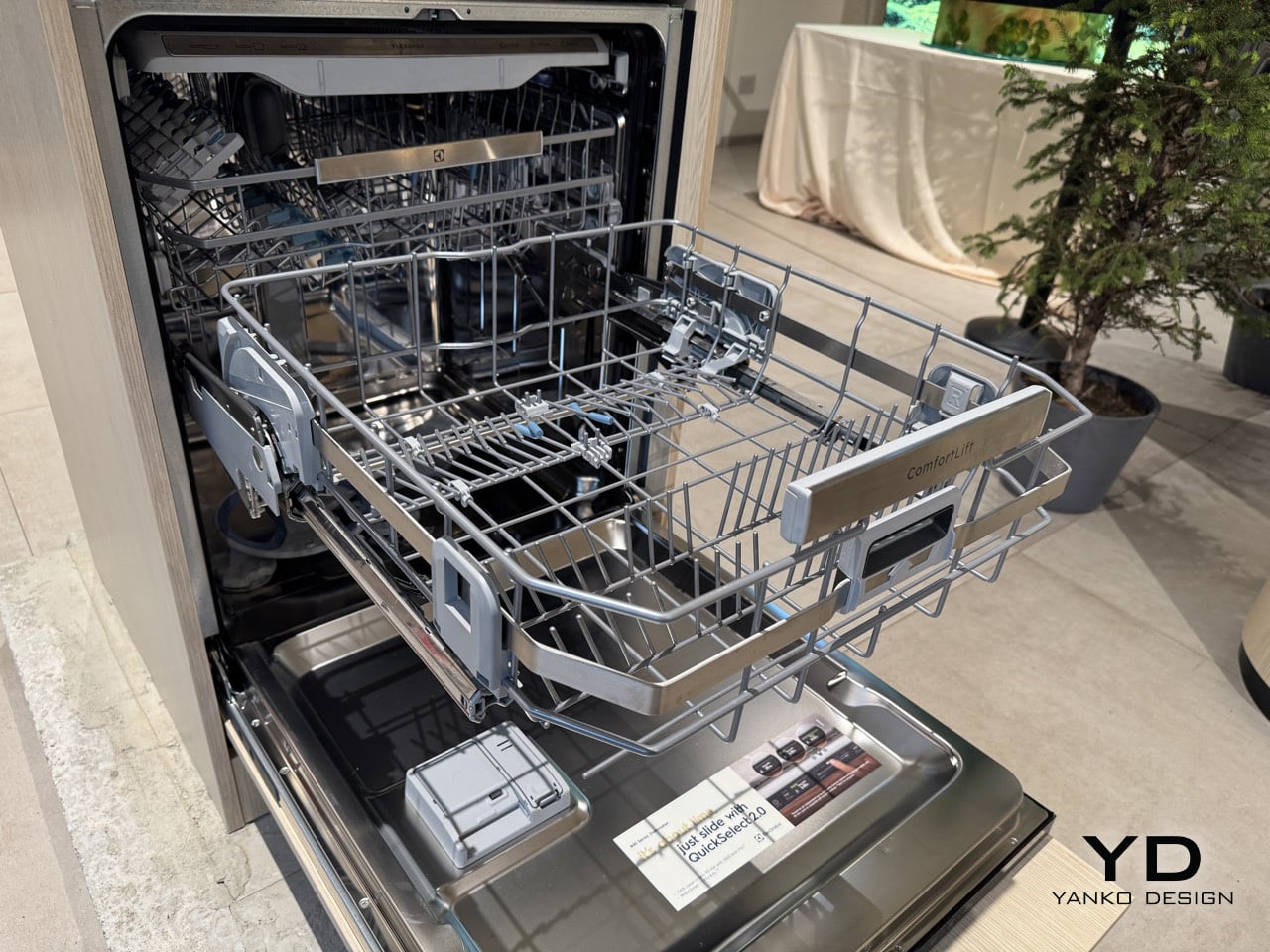
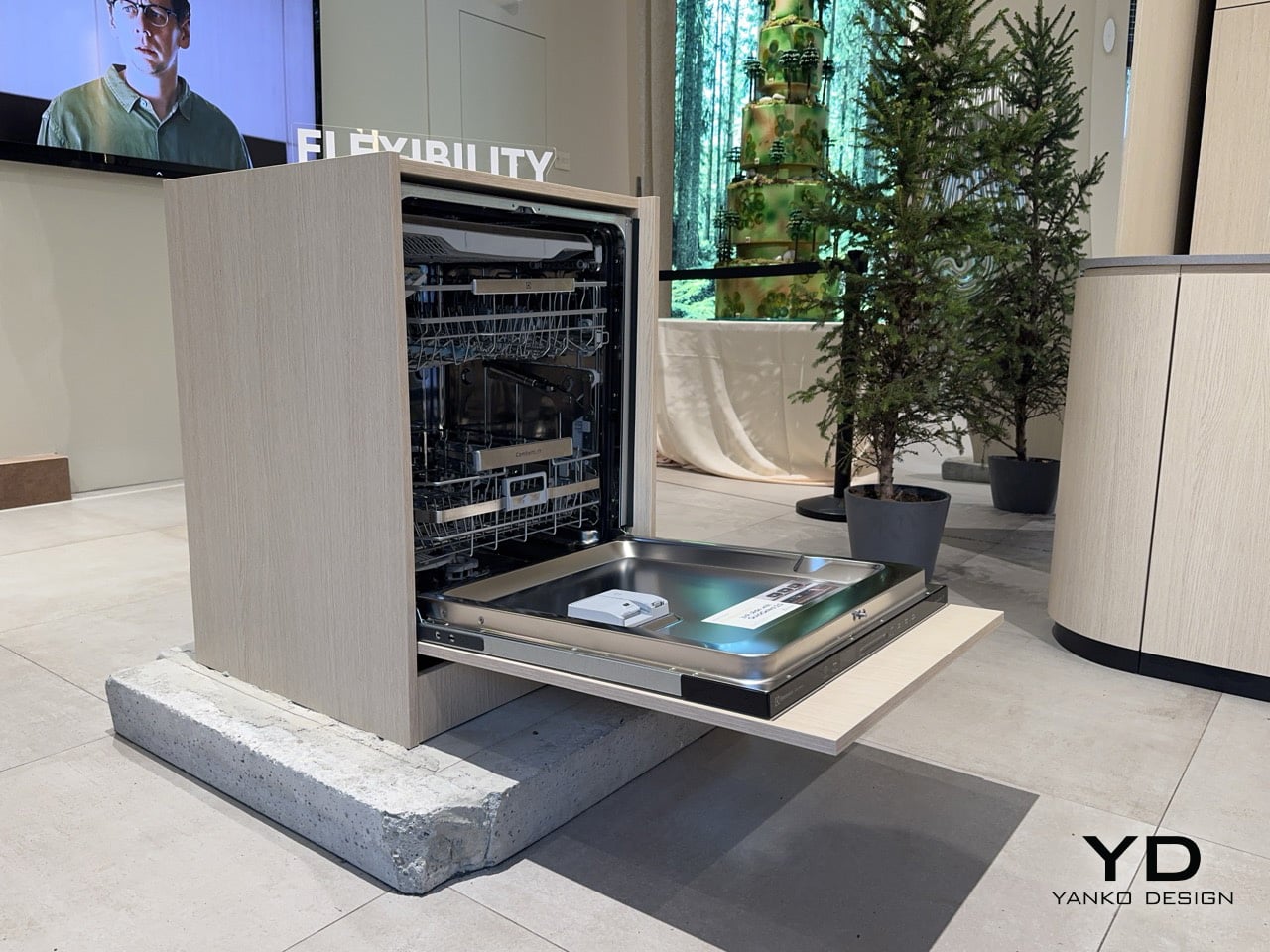
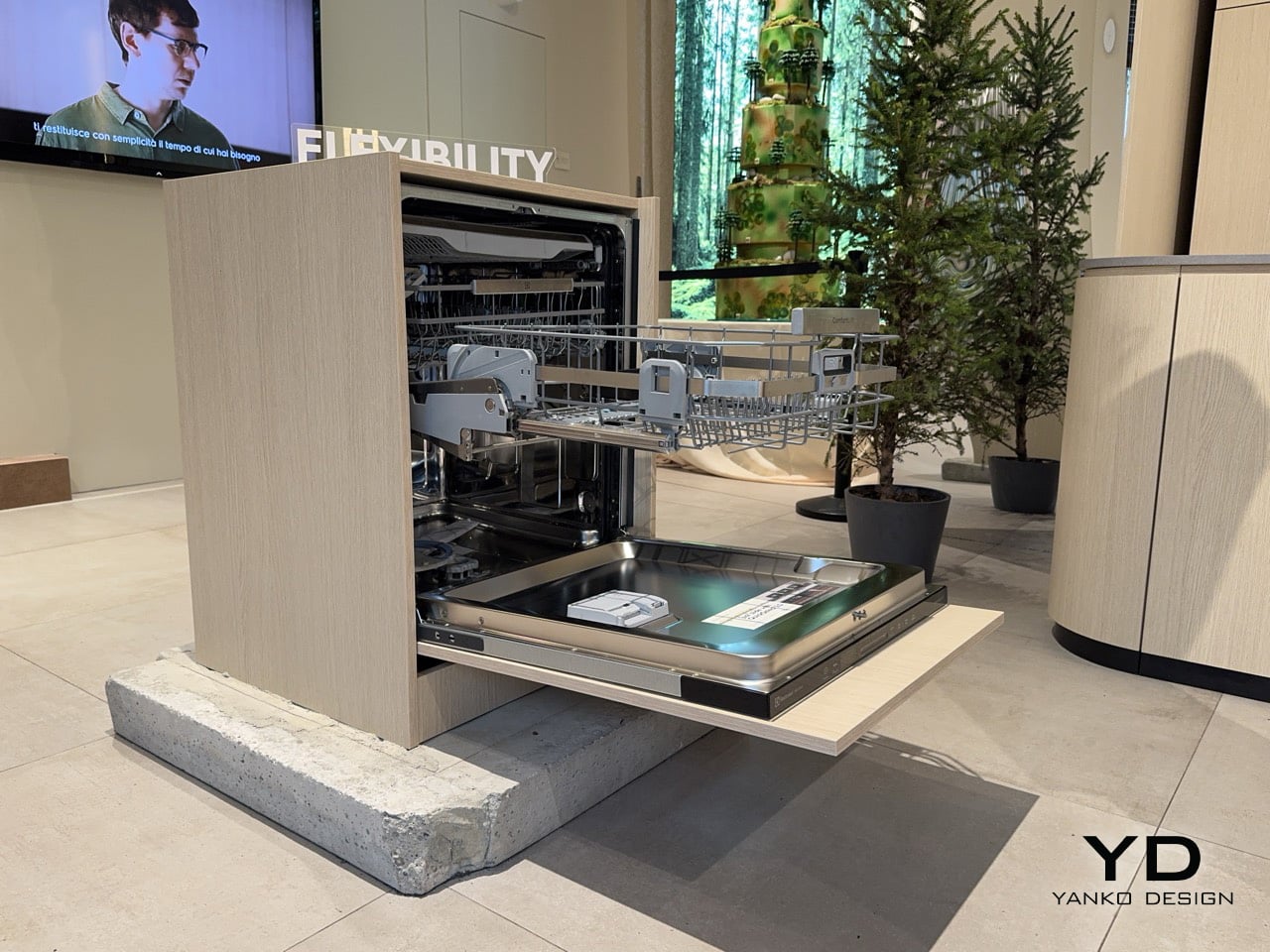
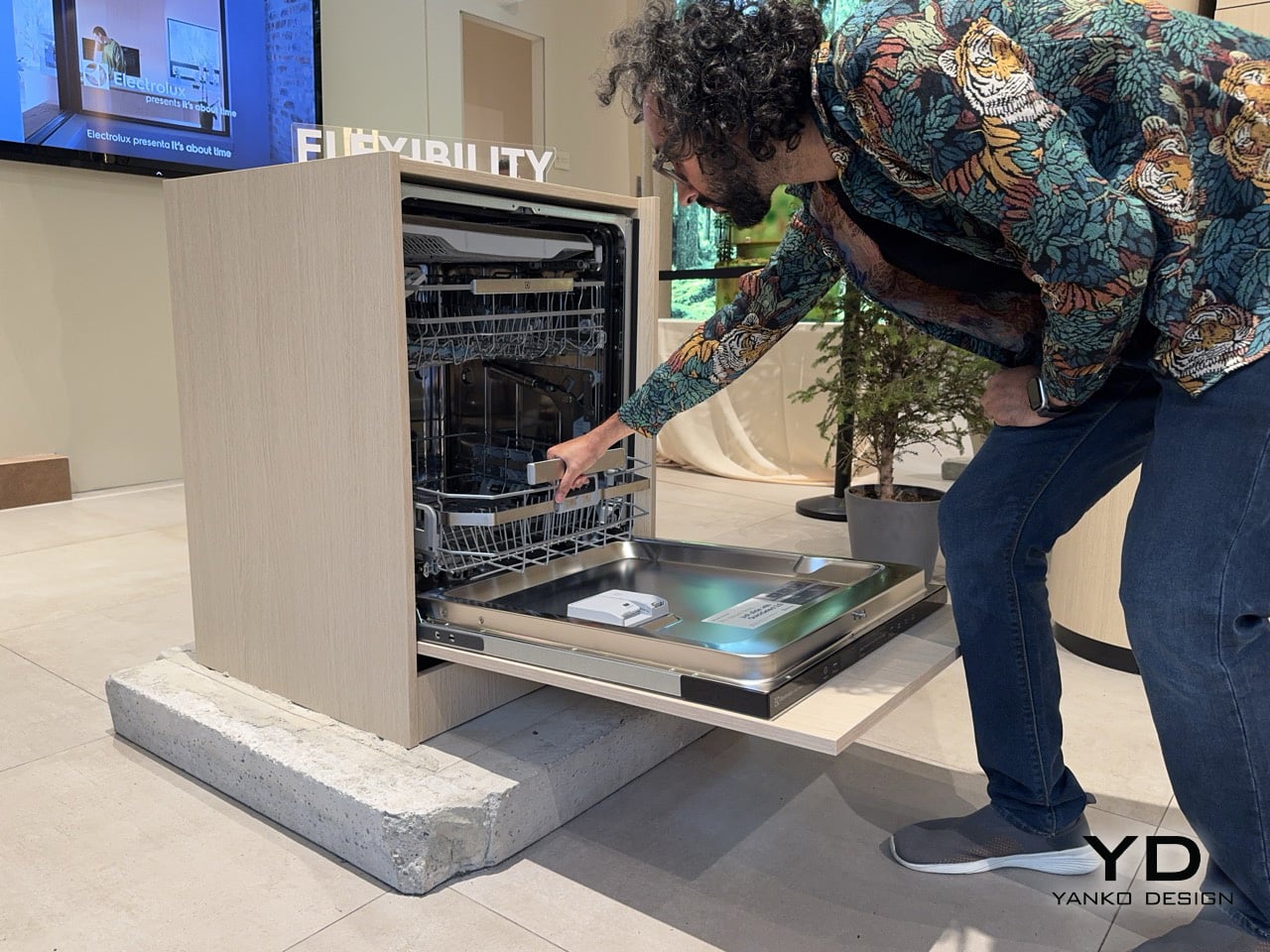
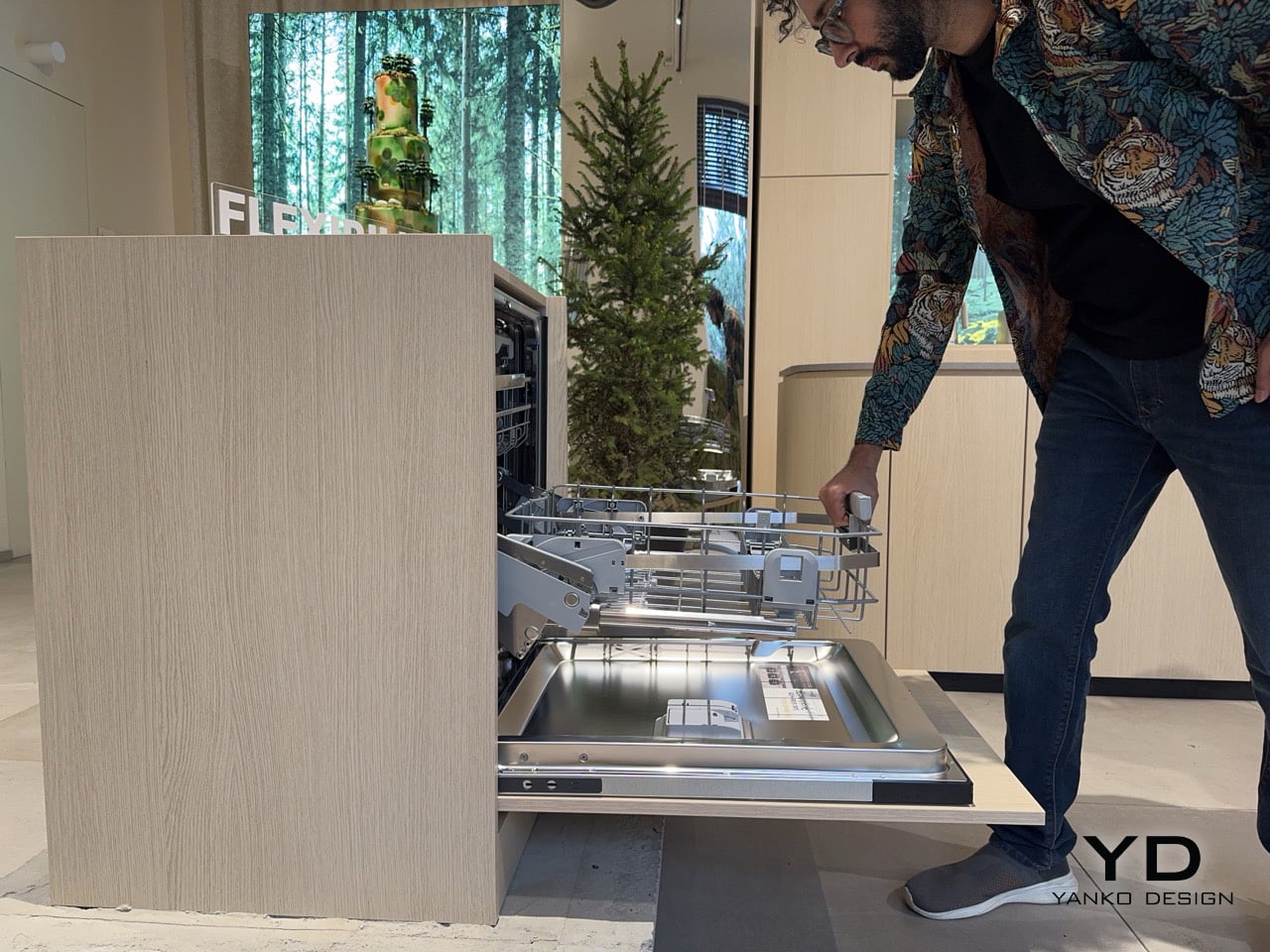
At some point, the bottom rack of a dishwasher stops being a minor inconvenience and starts being a genuine daily difficulty. For older adults and people who simply cannot bend for extended periods, loading the lower basket, which is where the heaviest cookware lives, means repeated stooping, reaching, and straightening back up with full hands. It is the kind of accumulated physical effort that kitchen appliance design has historically ignored entirely. Electrolux brought a direct answer to Milan Design Week: a lower basket that rises 25 centimetres on reinforced hinges at the squeeze of a trigger handle, meeting the user at a comfortable standing height. The feature is called ComfortLift, and it anchors the 800 series dishwasher at the heart of the brand’s Salone showcase.

The mechanism raises the lower basket to the upper basket’s level for faster, easier loading and unloading, with reinforced hinges tested to lift a fully loaded lower basket to that same height. The 800 series behind this feature delivers the cleaning power to completely remove baked-on or dried food residues on as little as 8.4 litres of water. At a fair saturated with conceptual objects and material experiments, what Electrolux demonstrated was something considerably more personal: a change to a small, daily physical struggle that millions of people live with quietly. The brand built serious cleaning performance around that ergonomic premise rather than treating accessibility as a secondary concern. Running at 42 dBA, with a noise class rating of B, the machine is also one of the quieter options in its segment.

Designer: Electrolux

The stainless steel handle integrates a trigger that initiates the lift in a single squeeze, making the operation one-handed and deliberate. Electrolux engineered the ComfortLift basket to carry up to 22 kilograms at the raised height, covering everything from a full load of dinner plates to a cast-iron braising pot. The reinforced hinge mechanism was tested to lift a fully loaded lower basket to the level of the upper basket, so the structural promise holds under real kitchen conditions rather than just showroom demonstrations. Pull the rack out, squeeze, let the basket settle at waist height, and load without contortion. The basket retracts just as smoothly, with none of the mechanical inconsistency that tends to undermine features which perform better on a spec sheet than in a kitchen.

DualZone runs two cleaning zones through the same cycle without changing water or increasing energy use, directing more water pressure at pots and pans in the lower basket while reducing it on delicate items above. A double-rotating spray arm with two nozzle types, one circular and one straight, delivers water simultaneously from multiple angles to break up stubborn residue. Electrolux had this independently tested by a third-party German institute using detergent tablets and a 90-minute cycle on a casserole with lasagna residues, with complete removal as the result. A water sensor detects the level of dirt and adjusts water consumption accordingly, while the AquaControl Waterstop System handles flood protection. Eight wash programmes span the range from a 60-minute express run to AUTOClean, which calibrates the cycle to the load automatically.

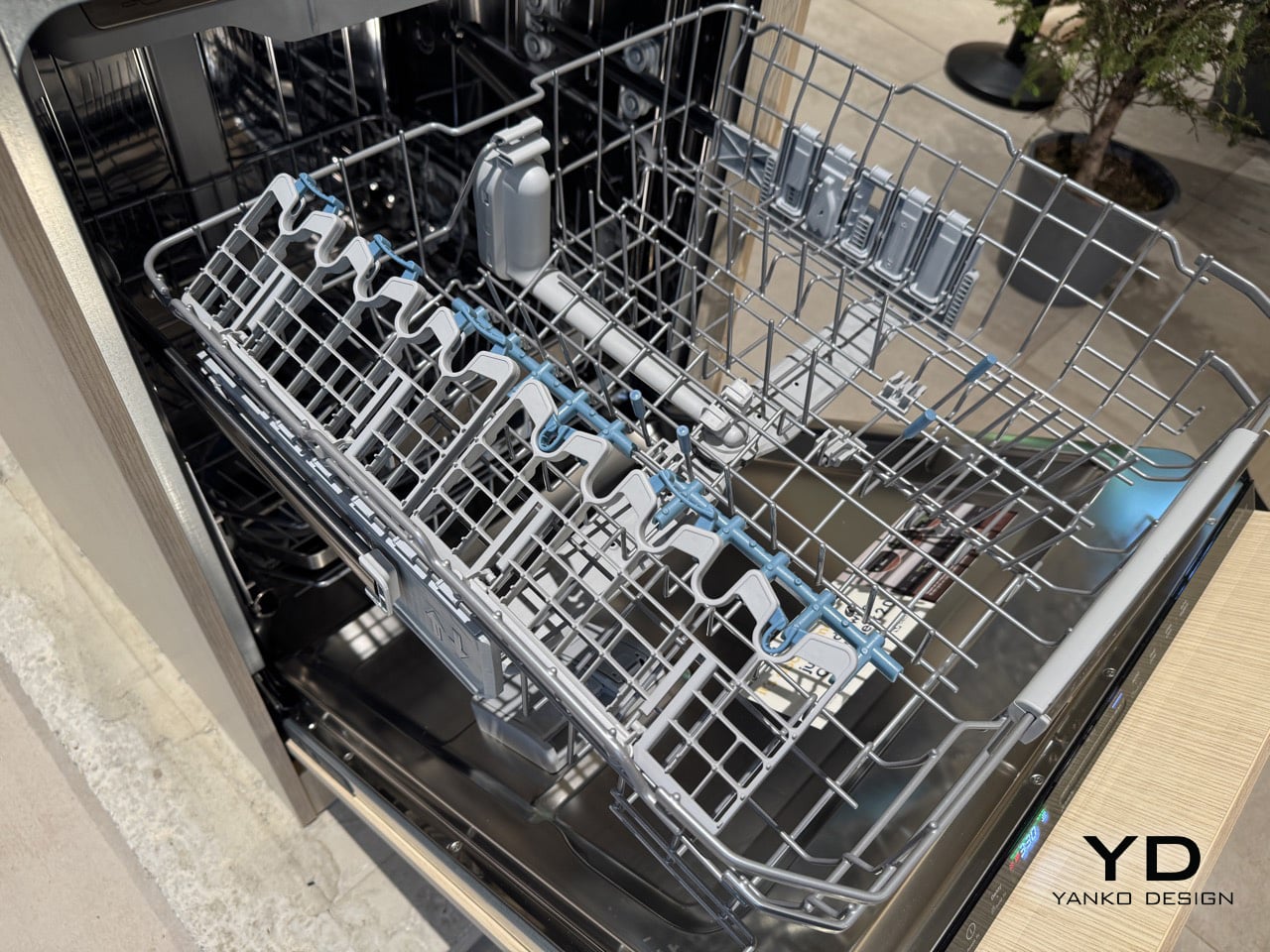
The smooth-gliding FlexiMax Plus upper basket has three folding rows for flexible loading, with anti-slip rubber grips and spikes to secure stemware and glasses and reduce the risk of collisions. The cutlery drawer has a deep middle section for cooking tools and an integrated knife holder, keeping flatware properly separated from the main wash zones. The QuickSelect display shows how energy use changes depending on the cycle length, and a slider lets the user choose the duration and see the energy graph update in real time, turning an invisible efficiency metric into something immediate and interactive. AirDry technology opens the door automatically at the end of the cycle, venting steam and drying dishes passively without a heating element. These details add up to a machine that rewards the kind of cook who treats the kitchen seriously, the same person most likely to own the cast-iron Dutch oven that ComfortLift was built to accommodate.

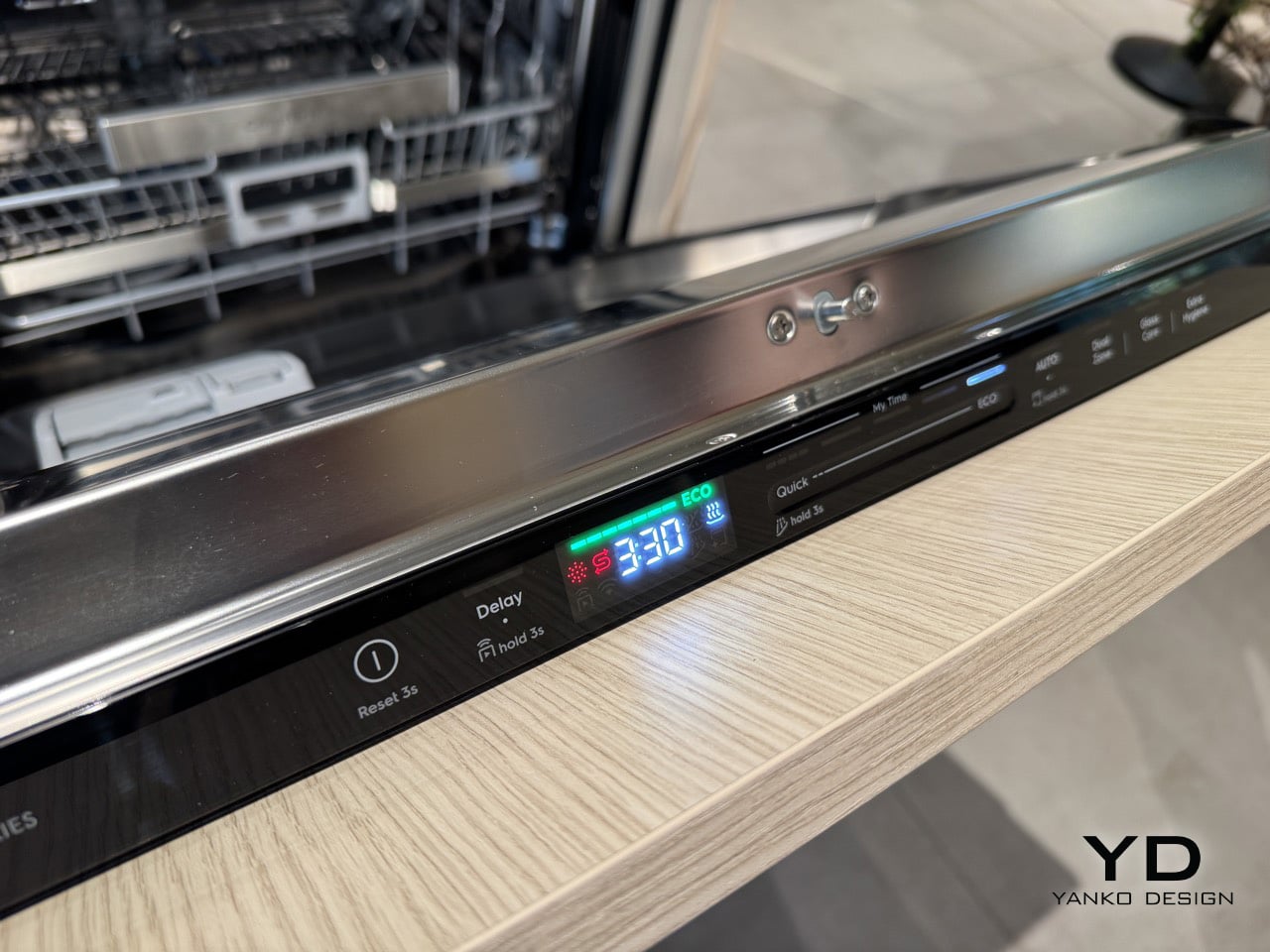
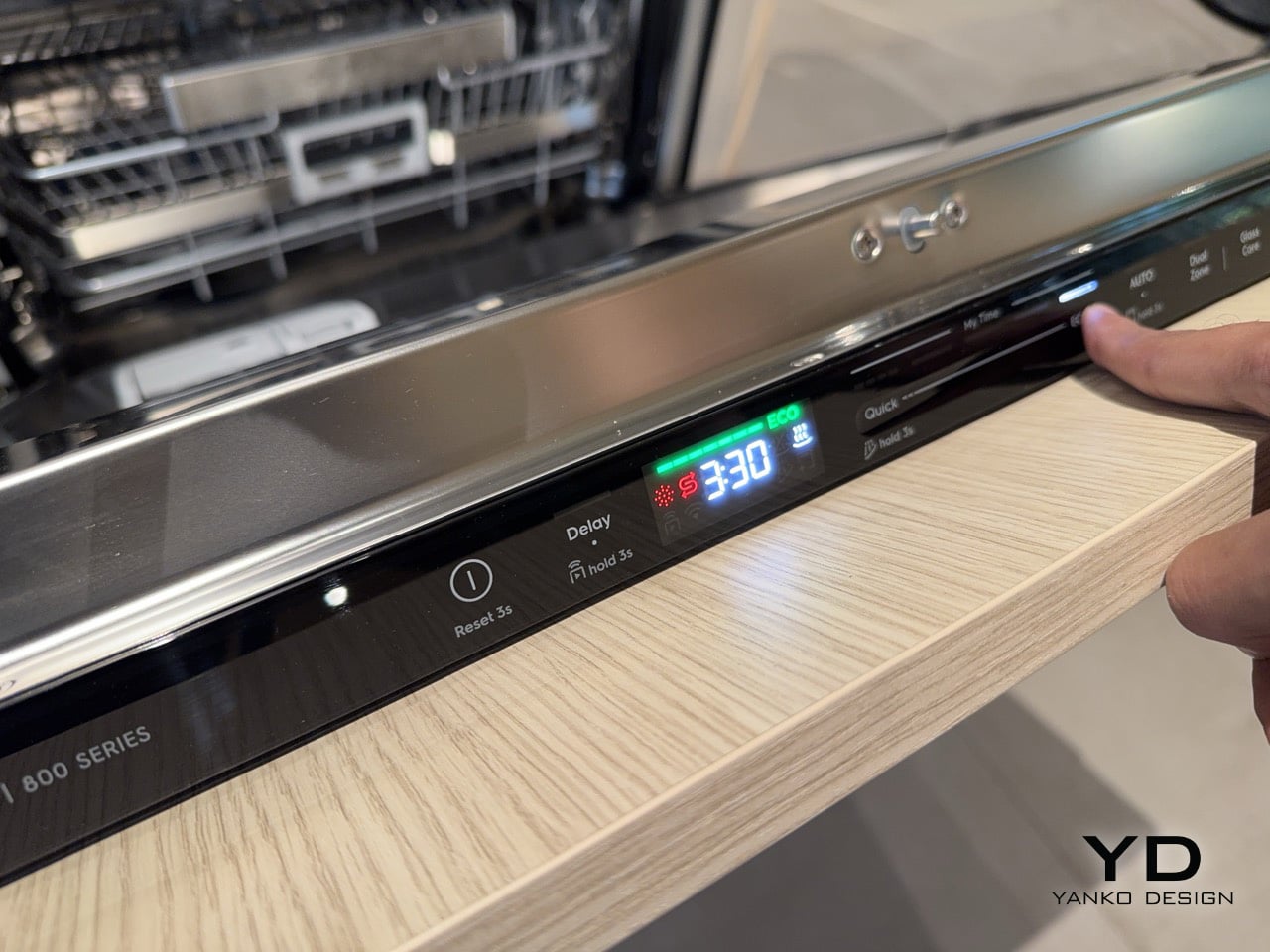
The controls sit on the lip of the door handle, positioned for direct visibility whether the user is standing in front of the machine or reaching across a counter. A sliding interface sets the cycle duration, and that choice governs energy and water consumption simultaneously, with the ECO programme activating at the longest end of the range. Electrolux made a deliberate decision to present time in 30-minute increments rather than the oddly specific figures that populate most dishwasher interfaces, the kind of readout that tells a user a cycle takes 68 or 52 minutes without explaining why. The shortest cycle runs at 30 minutes, while ECO extends to 3 hours and 30 minutes, drawing as little energy and water as the machine can manage across that duration. Rounding to half-hour intervals turns cycle selection from a guessing exercise into something legible, honest, and genuinely quick to act on.

Electrolux’s Design Week showcase, titled “The Swedish Home,” is running at Via Melzo 12 in Milan’s Porta Venezia neighbourhood through April 24th. The live format suits ComfortLift especially well, because no product photograph conveys the mechanism as clearly as watching it move once with a full rack. Across a week dominated by material experiments and future-facing concepts, Via Melzo 12 is presenting something built around a very specific, present-tense problem: that the most physically demanding daily interaction in the kitchen has gone largely unaddressed by appliance design for decades. ComfortLift is Electrolux’s argument that the most consequential design decisions in the home are often the least glamorous ones. It is a strong argument, and a well-engineered one.

The post This Electrolux dishwasher lifts its bottom rack so you can load pots without bending down first appeared on Yanko Design.

Electrolux Wants Your Kitchen to Feel Like Nature: First-Look at Milan Design Week 2026

For roughly six months of the year, Sweden is cold enough to keep its people reliably indoors. That is long enough to matter, and long enough to shape how a Swedish design team thinks about what a kitchen surface, a kitchen color, or a kitchen appliance should feel like when it is the primary thing a person looks at during the months when the outdoors is largely inaccessible. Electrolux, drawing on research conducted across European markets, found that nature is the single most common answer when people are asked where they go for emotional restoration. The brand’s response to that finding, expressed through a design philosophy called Lagom, the Swedish concept of balance and just enough, arrived in Milan this week at Via Melzo 12 in the Porta Venezia district.

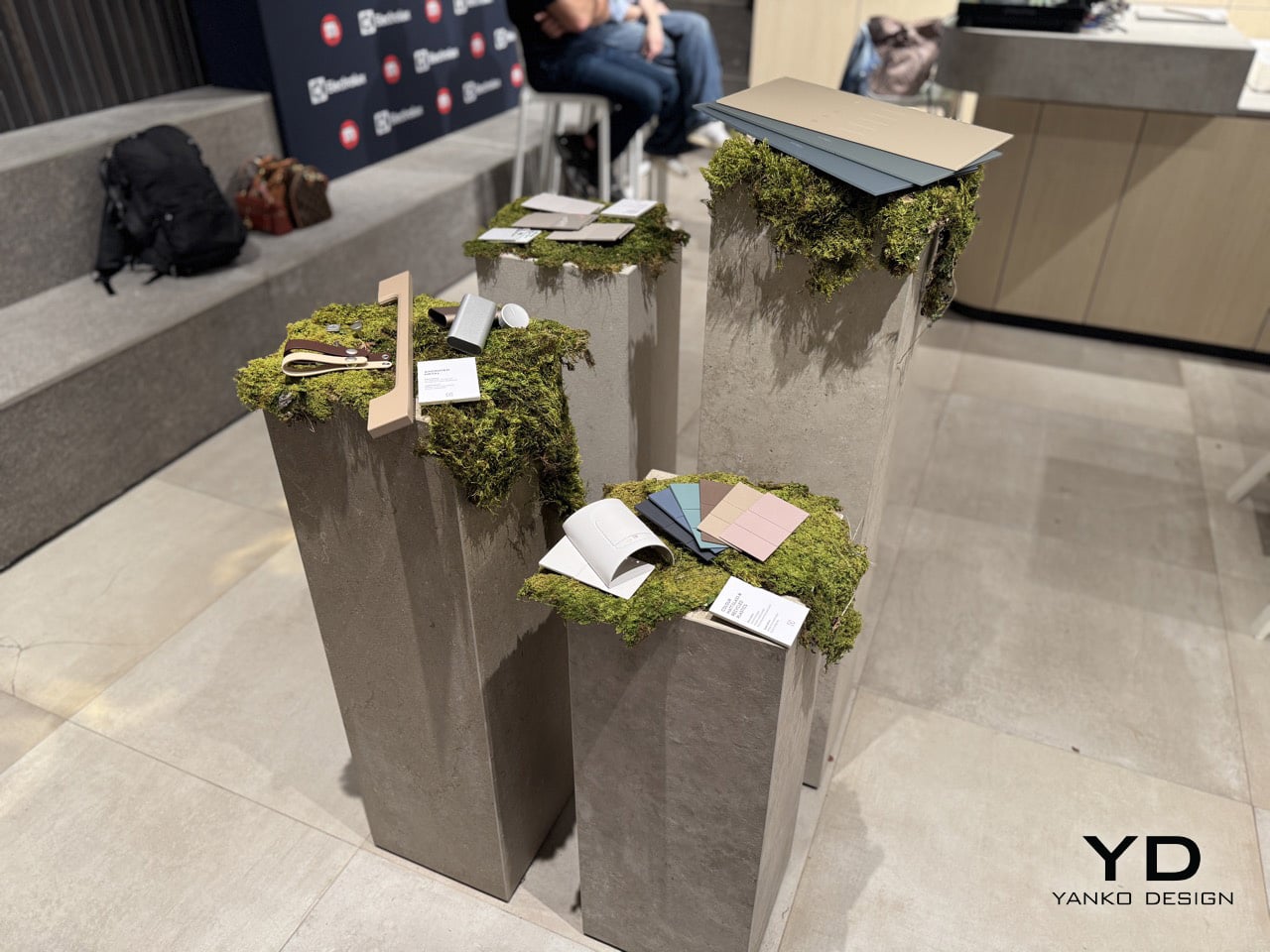
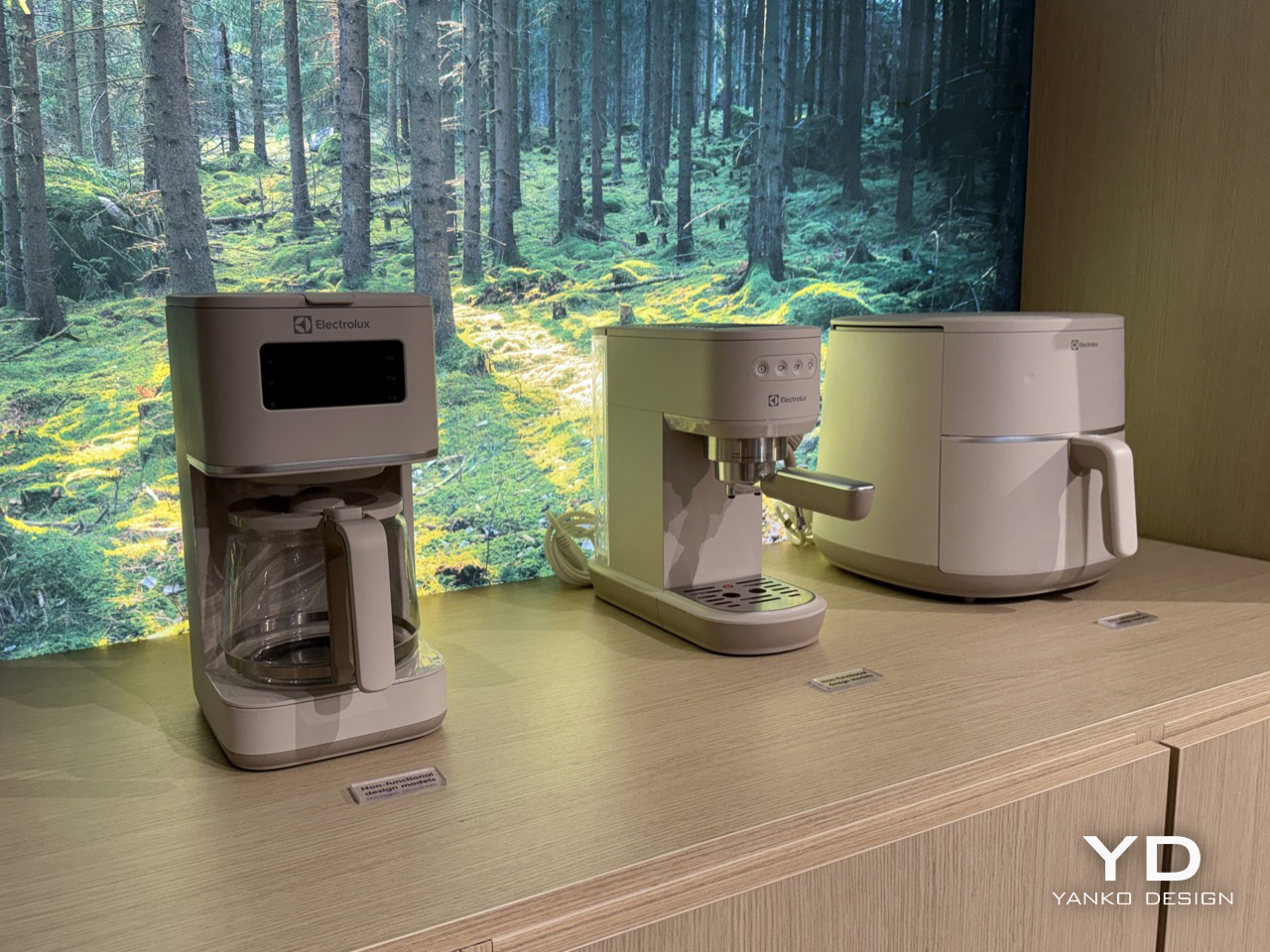
The space was staged as an argument made physical. Concrete plinths topped with living moss carried CMF swatches in muted blush, warm sand, dusty teal, and speckled stone-effect recycled plastic. A pine and wood scent developed by studio Koyia moved through the air. A breathing exercise was built into the programme, alongside a cross-country pizza competition that Turkey ultimately won. The sequence of it, material samples resting on moss, scent designed to recall a forest, appliances displayed in front of a photographic print of Scandinavian woodland, was too consistent to be coincidence. Electrolux arrived at Milan Design Week 2026 with a single, well-developed idea: that the kitchen is an emotional environment, and that the most sophisticated thing its design language can do is bring the outside in.

Designer: Electrolux

Rafael Alonso, who leads Electrolux’s Taste Design team, describes the modern kitchen plainly: a crowded space where people live, cook, manage family life, and absorb the friction of daily routine. Designing for that room means designing for that reality. Lagom, in his framing, is the response: meaningful solutions built around purpose and balance rather than specification and performance alone. The philosophy travels well beyond Sweden. Everybody needs a bit more balance in their lives, and the kitchen, as the room that absorbs the most daily activity, is where that balance is most frequently lost and most worth recovering.

Amelia Chong, based in Electrolux’s Stockholm office and leading Color, Material, Finish Design for the taste category, traces the palette back to something more concrete than trend cycles or stylistic preference. When Electrolux surveyed users across Europe about where they find emotional restoration, nature came back as the most consistent answer. For Chong’s team, that finding becomes a set of material conditions. Scandinavian light is lower in contrast and more diffused than much of Europe, and the colour preferences that emerge from living within that light tend toward the muted and the gentle. The goal is to establish colour and material in a long-lasting, timeless relationship rather than a short-term one.

The swatches at Electrolux’s showcase make that intention legible. Across the Ceramic White Colour Family, the Colour Matt Glass and Recycled Plastics range, and the anodised metal samples, the palette holds a consistent register: warm sand and dusty teal, soft blush and speckled stone-effect off-white, warm bronze and low-sheen aluminium. Several finishes are built from post-consumer recycled plastic, and the acid-etched glass surfaces carry none of the glossy visual aggression that has dominated premium kitchen aesthetics for the better part of a decade. Chrome is absent. Matte black, another recent default for high-end appliances, does not appear either. What replaces both is a surface language that reads as organic, with textures referencing stone, compressed earth, and raw ceramic.

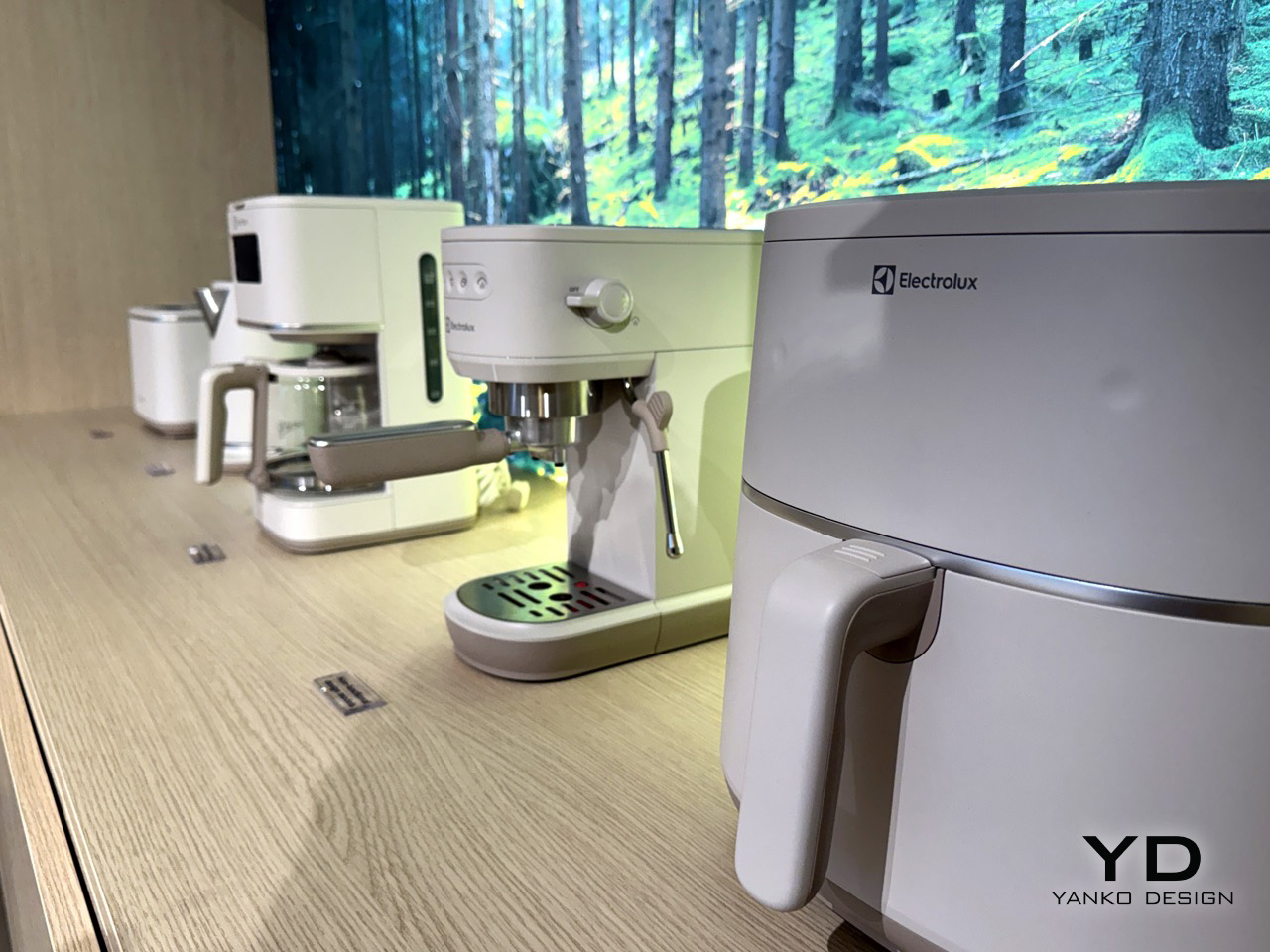
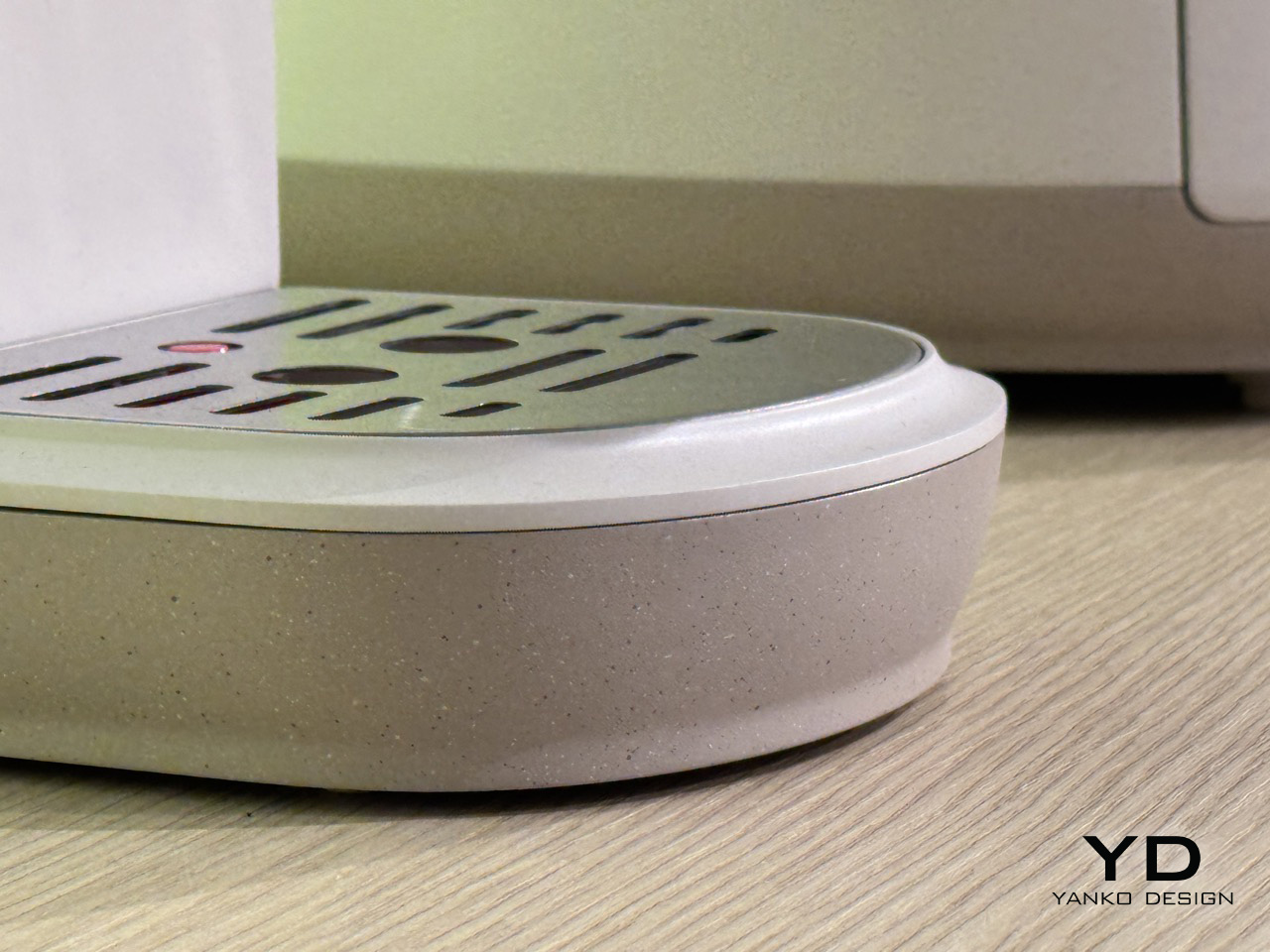
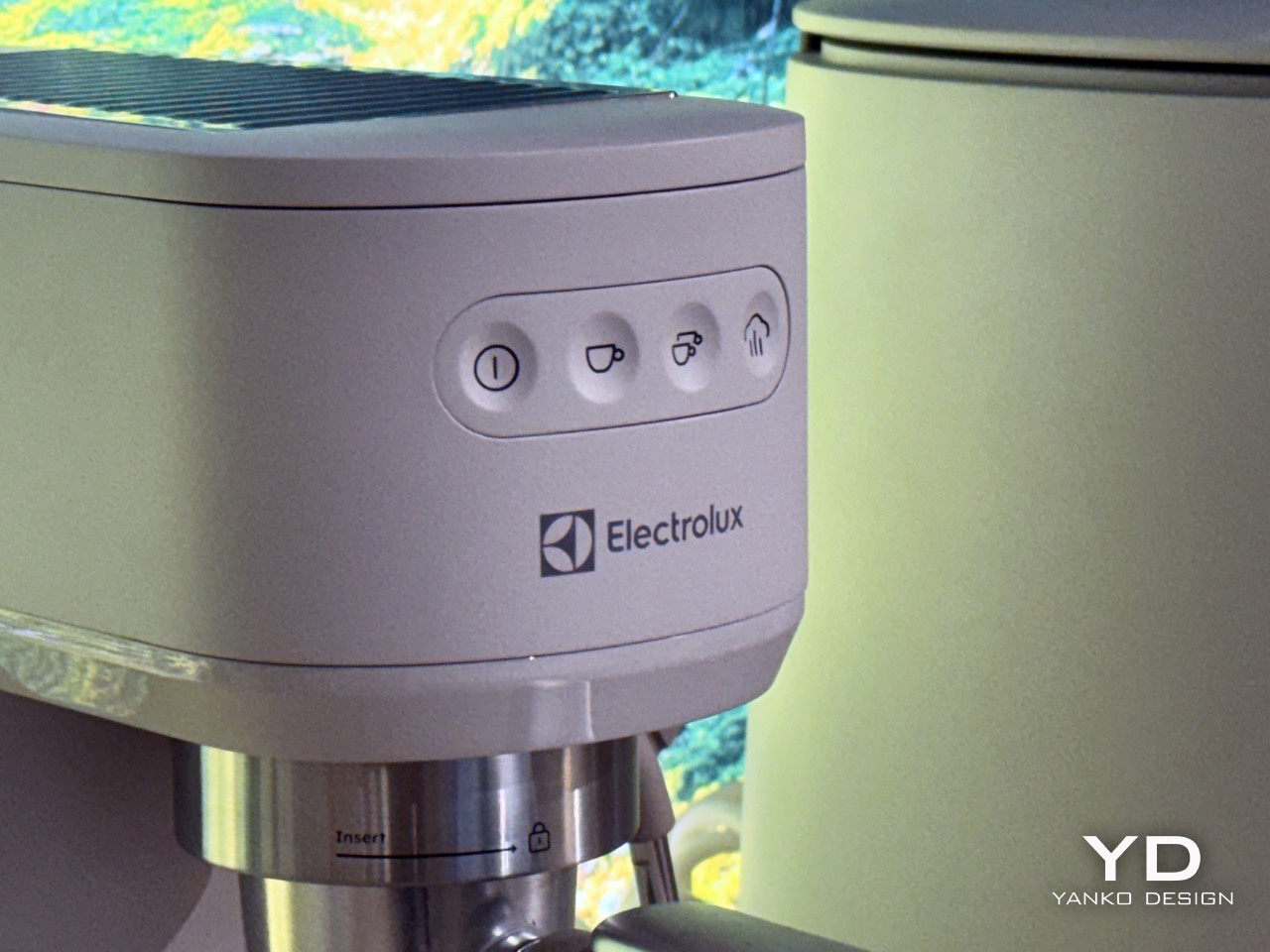
That material thinking finds its form in a new family of conceptual small appliances. A toaster, electric kettle, coffee machine, espresso machine, and air fryer were all presented with a unified design language that feels both calm and confident. Each product shares a primary body finished in a soft, linen-like white, but the most distinctive feature is the base. A warm, speckled finish, reminiscent of granite or raw ceramic, grounds each appliance, giving it a visual and textural weight that connects it to the natural materials referenced in the CMF library. The effect is cohesive and deeply considered; the appliances feel less like industrial objects placed on a countertop and more like a collection of stoneware that has grown out of it.

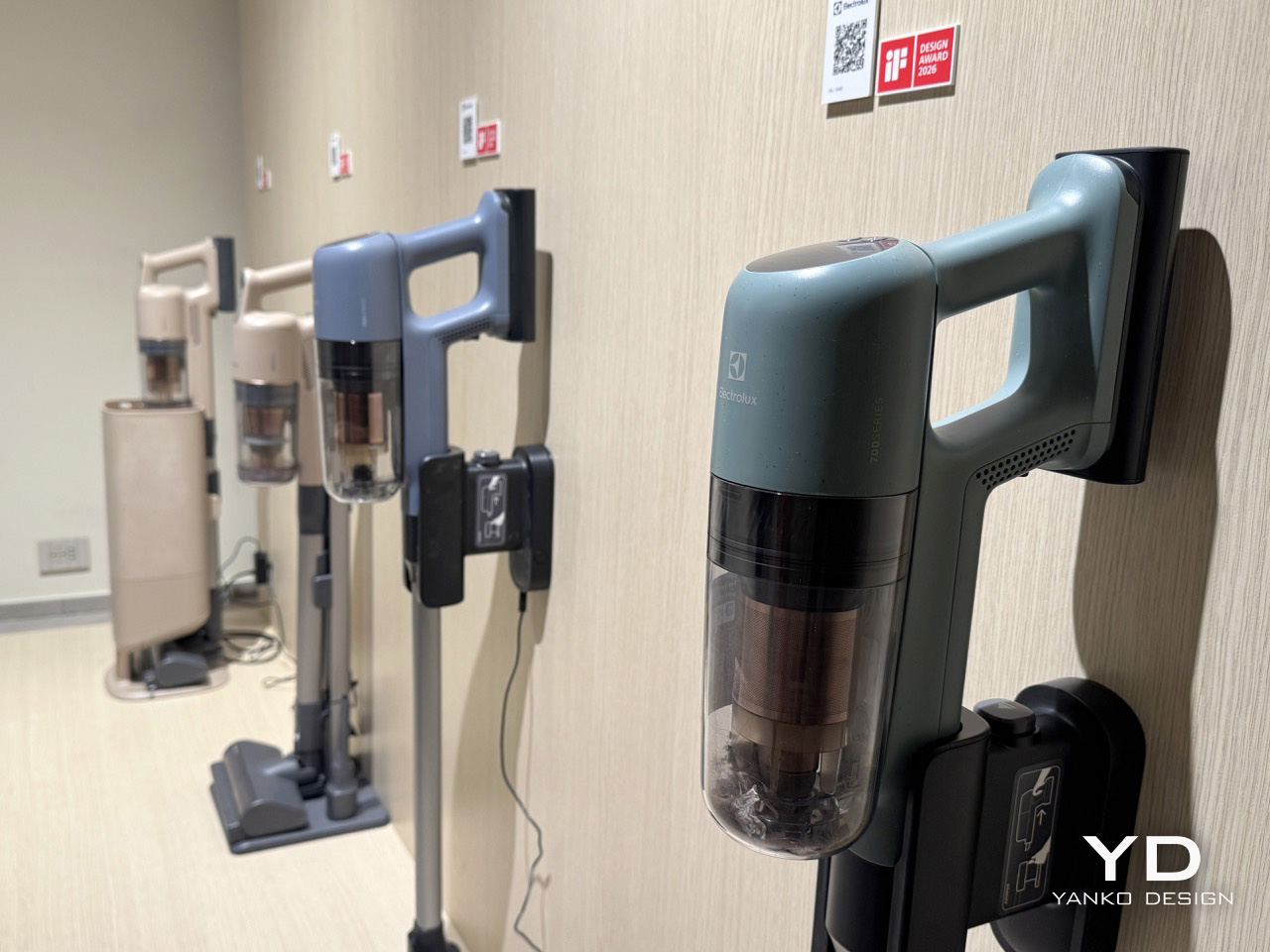
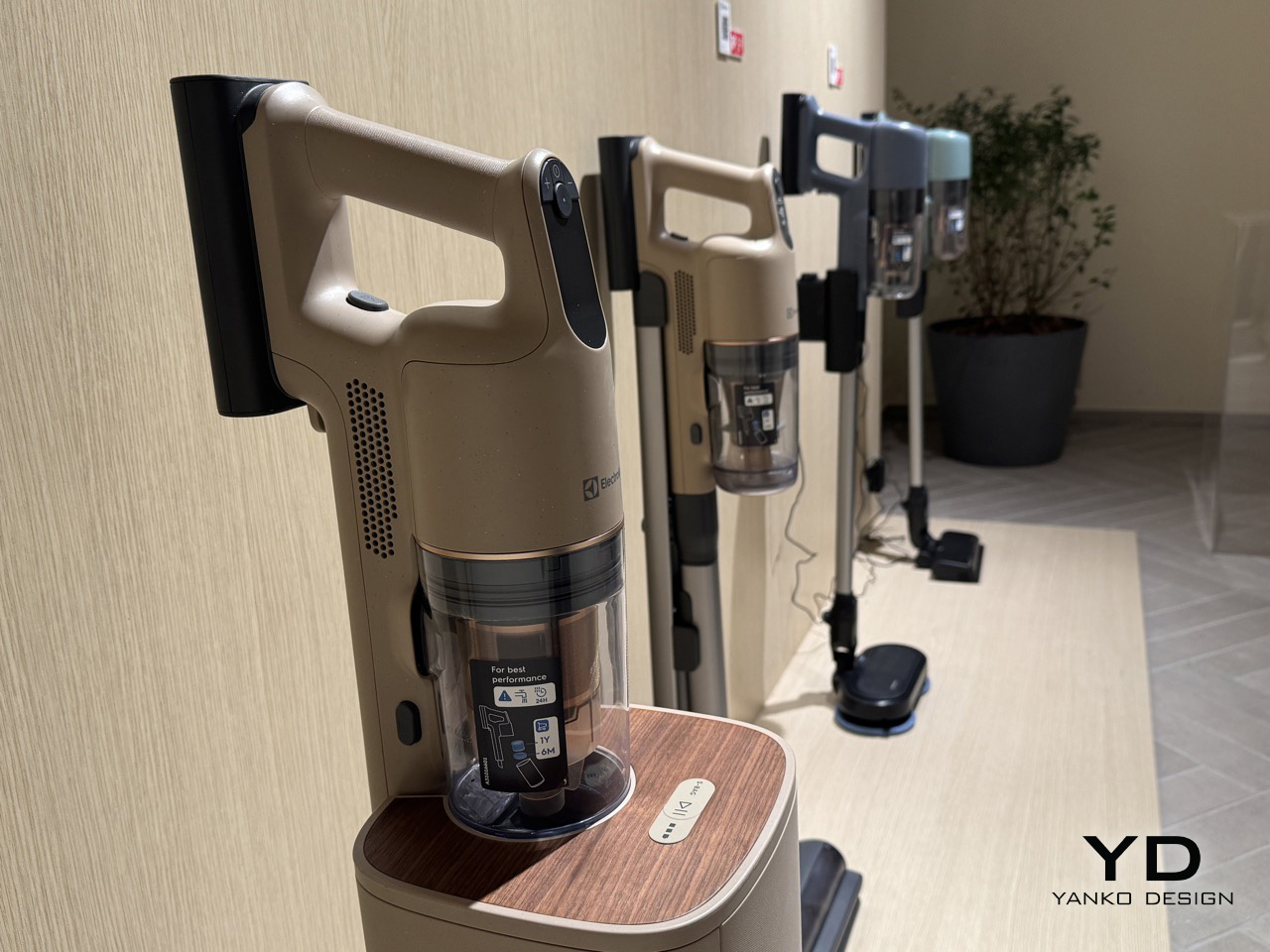
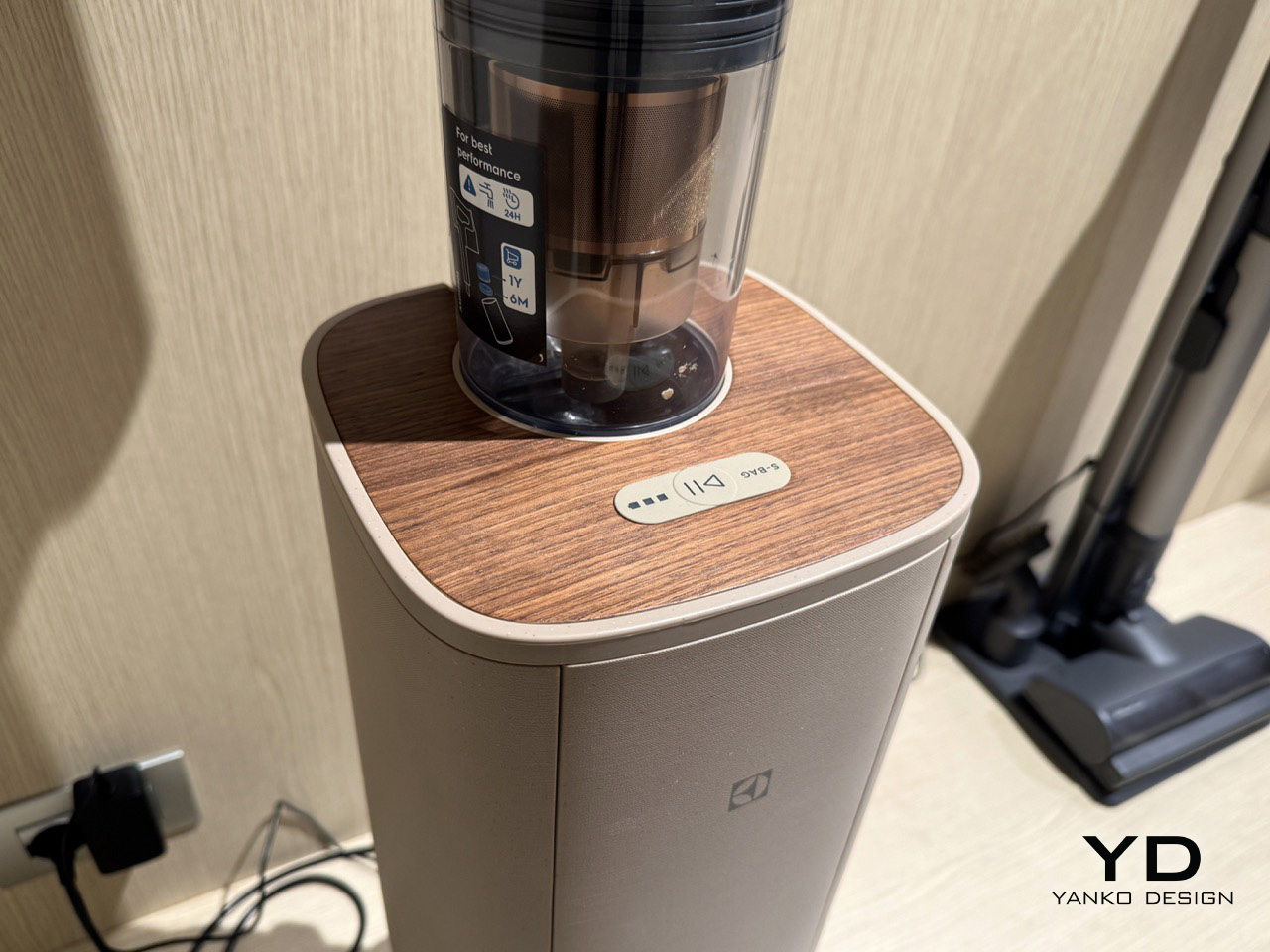
This approach is not confined to the kitchen. A vacuum cleaner, displayed with the same attention to sensory detail, extends the Lagom philosophy into the broader home. Its body carries the same muted, gentle tone as the kitchen concepts, but its top surface is finished with a warm, walnut-panel wood trim. It is a simple but effective move that transforms a utility object into something closer to furniture. The design choice suggests that balance, and the deliberate presence of natural textures in everyday objects, belongs to the whole home, softening the technological footprint of our tools and integrating them more harmoniously into our living spaces.

The neuroaesthetic research informing Chong’s approach is concrete: considered colour selection can reduce perceived stress by as much as 35%, a figure that reframes what a hob surface or a coffee machine body is quietly doing in a room. They contribute actively to the sensory quality of the spaces we inhabit. In a field where brands largely compete on technology, connectivity, and performance metrics, that may be the most quietly confident thing Electrolux brought to Milan: the conviction that calm, deliberately designed, is a specification worth meeting, and that the palette which carries it was drawn from the landscape just outside the window.

The post Electrolux Wants Your Kitchen to Feel Like Nature: First-Look at Milan Design Week 2026 first appeared on Yanko Design.
AEG’s Smart Kitchen Challenge at IFA 2024: CEO + Chef in a High-Tech Cook-off

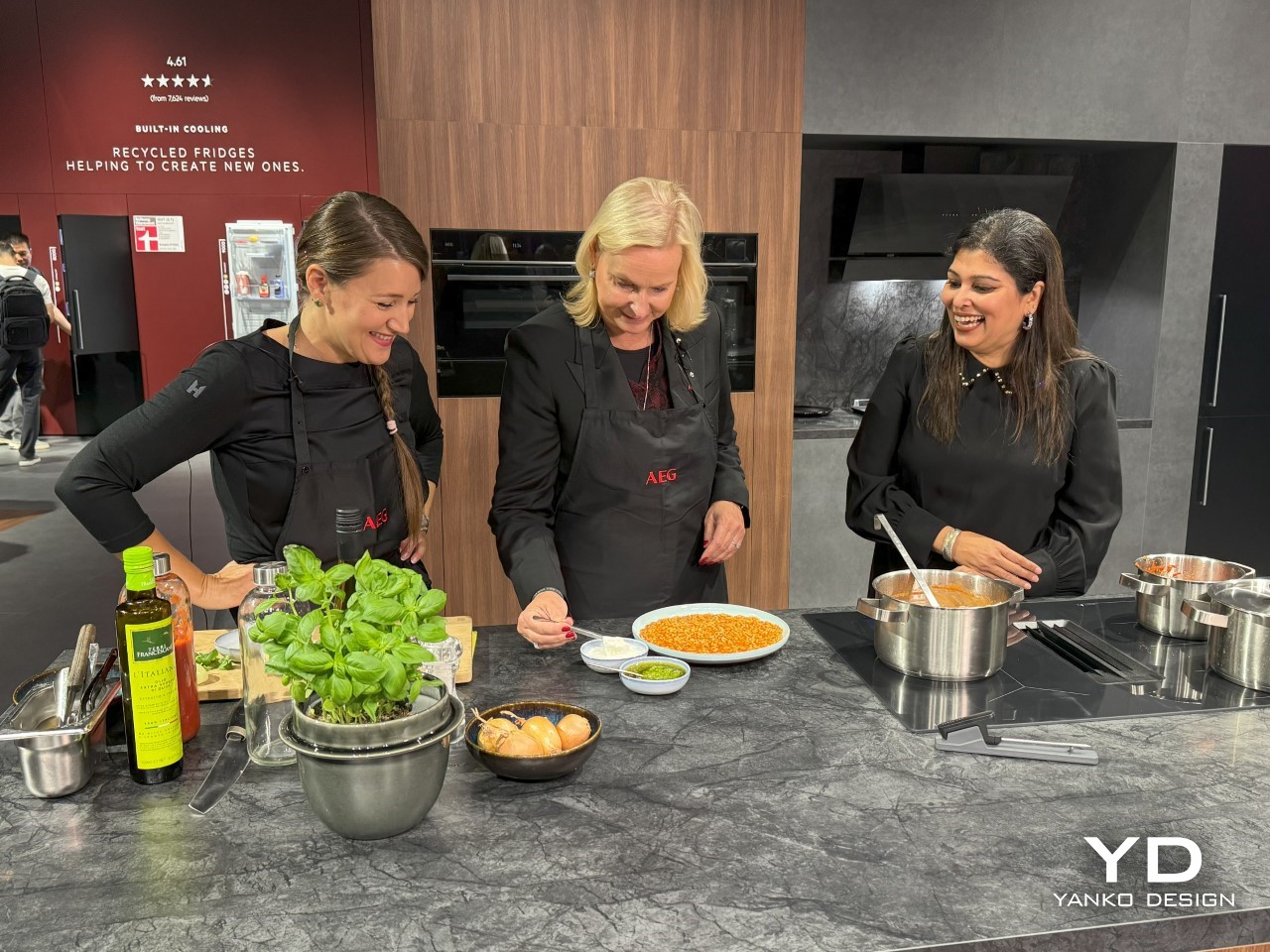
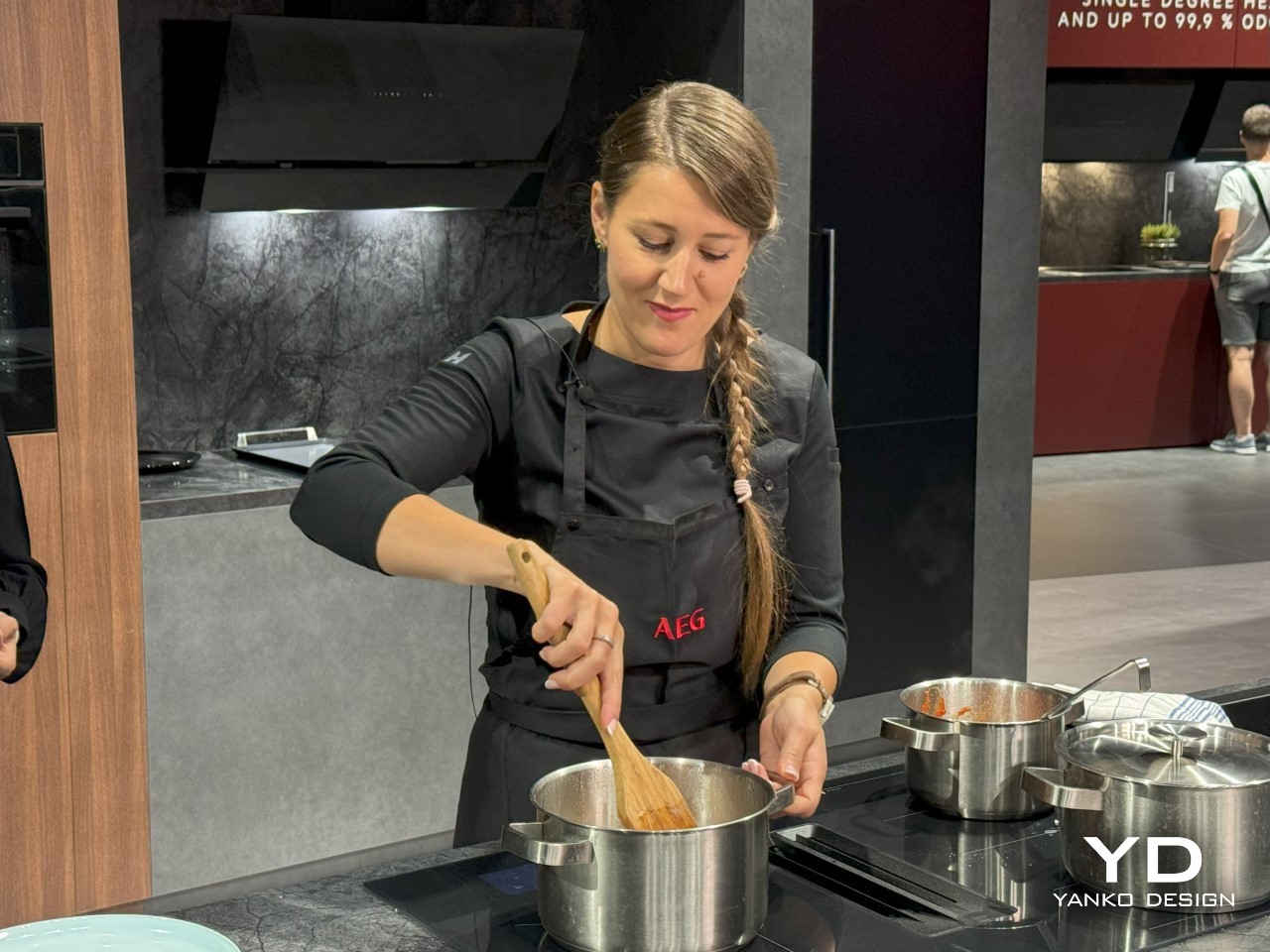
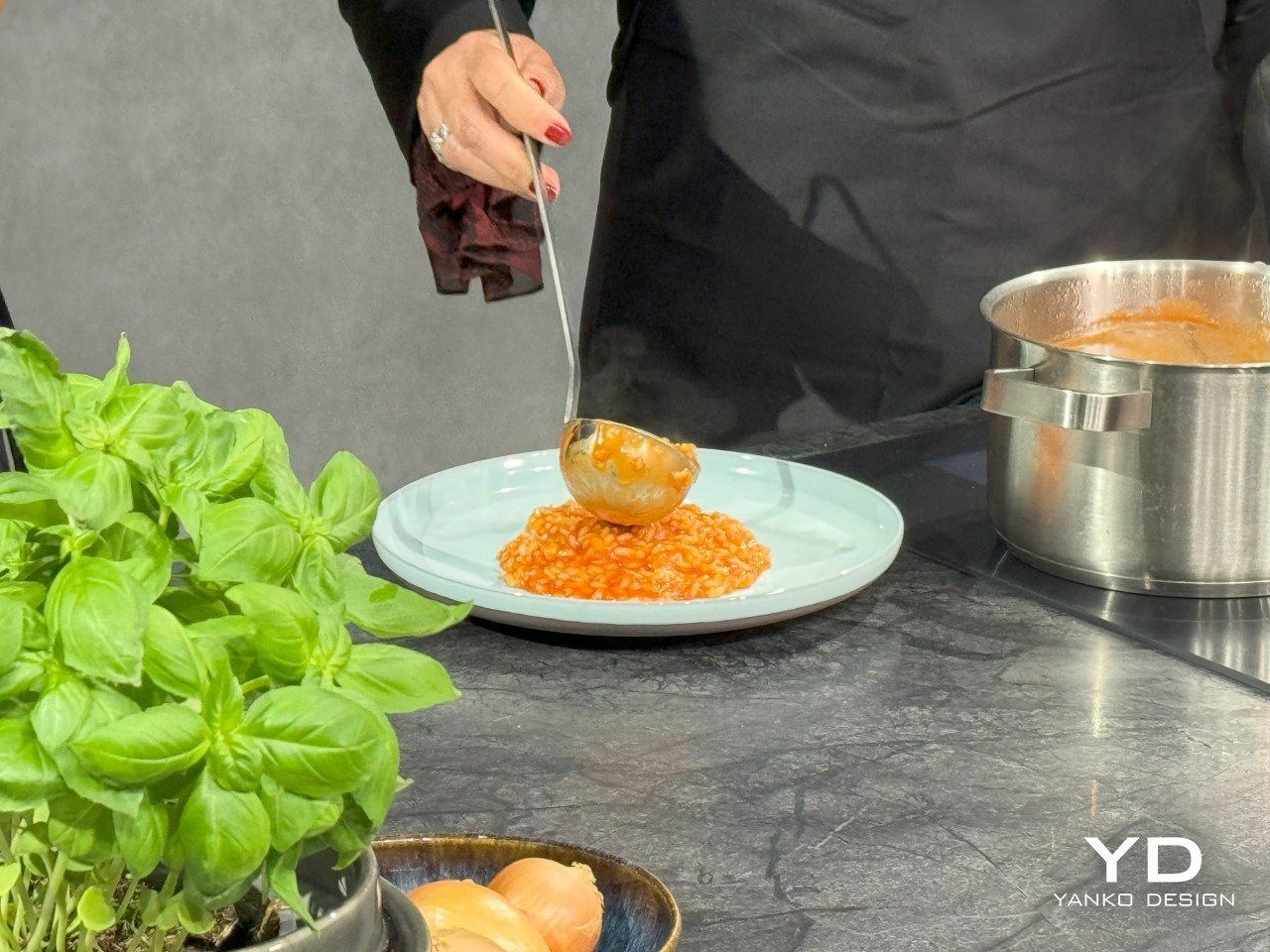
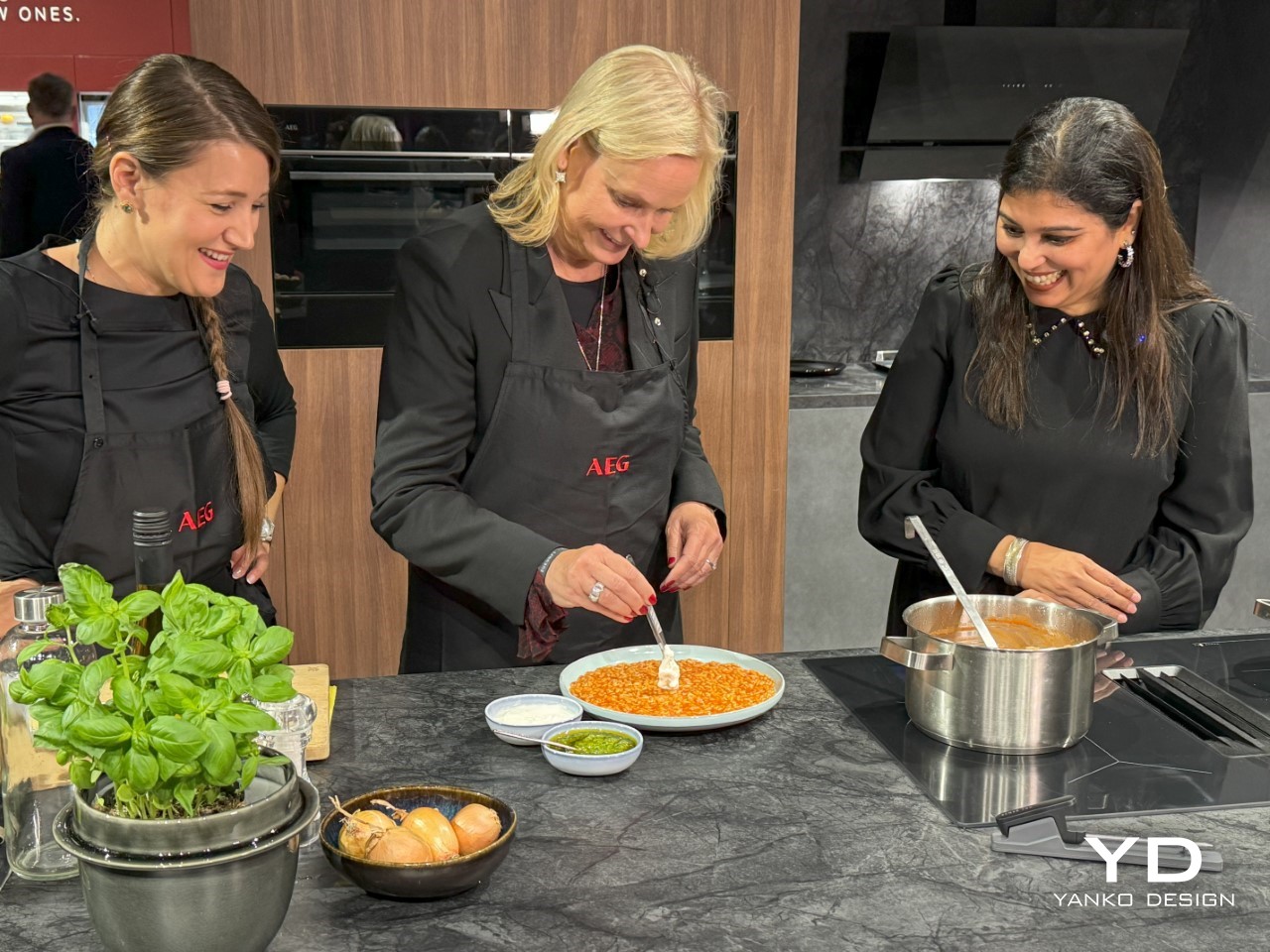
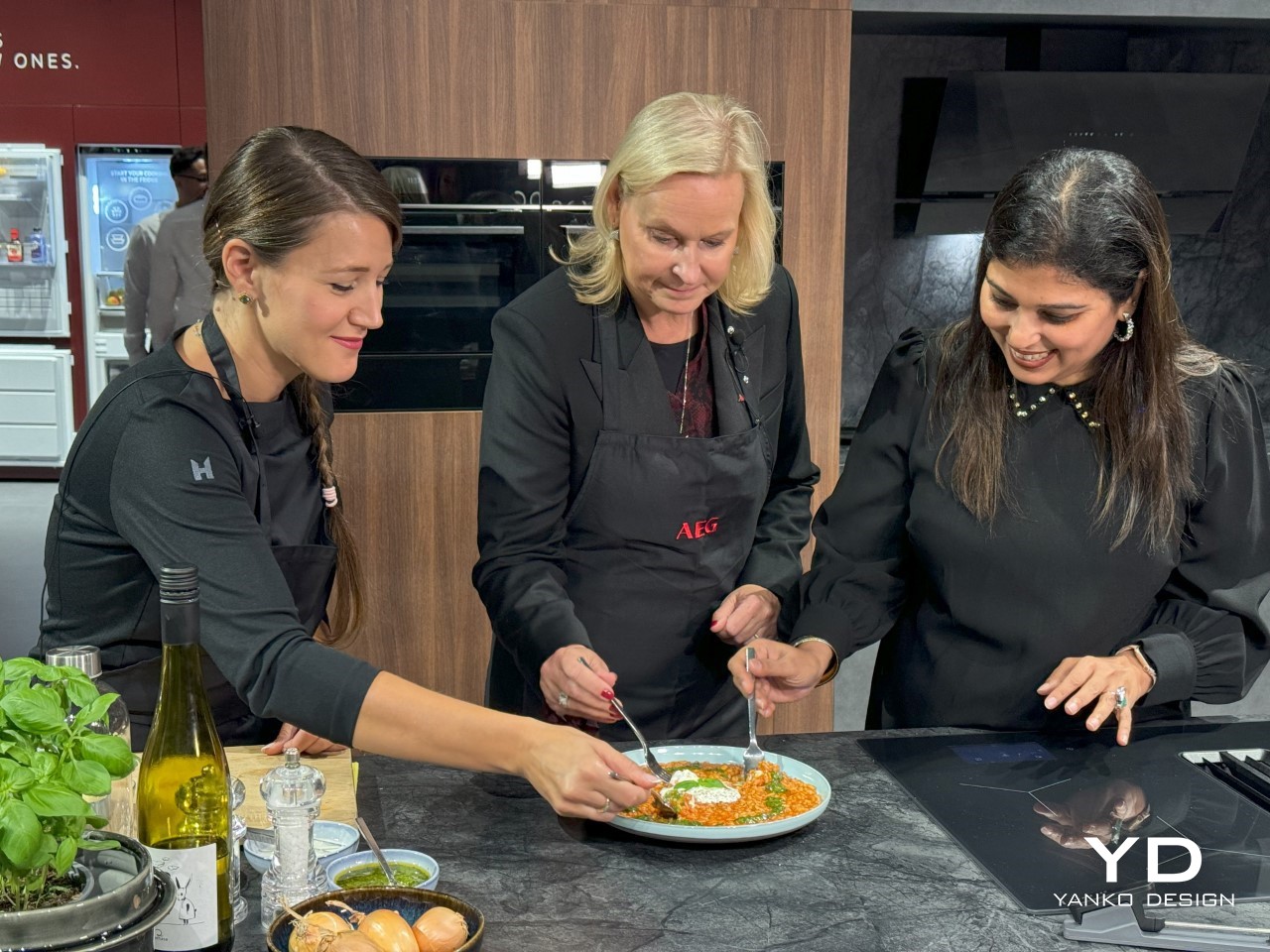
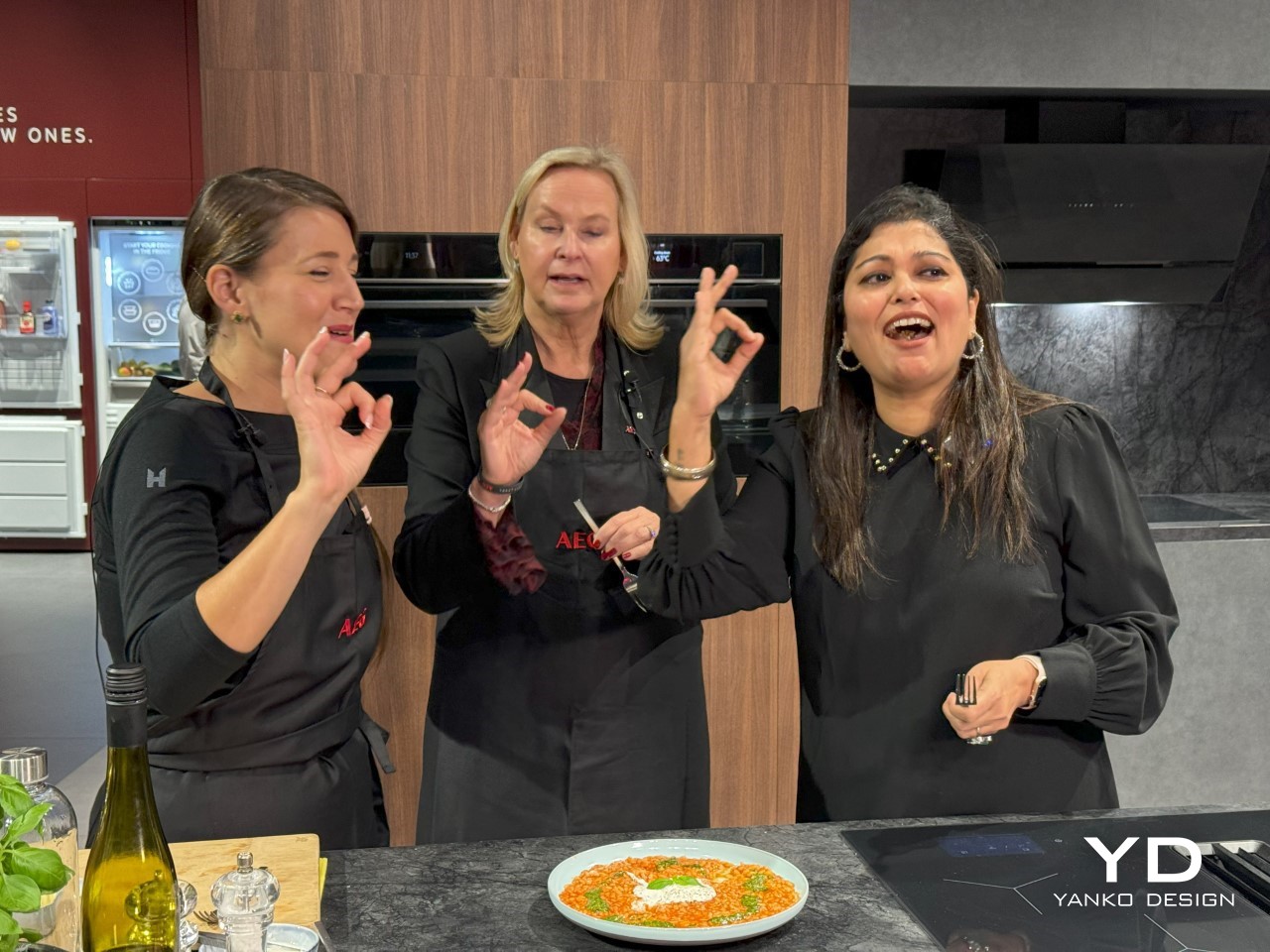
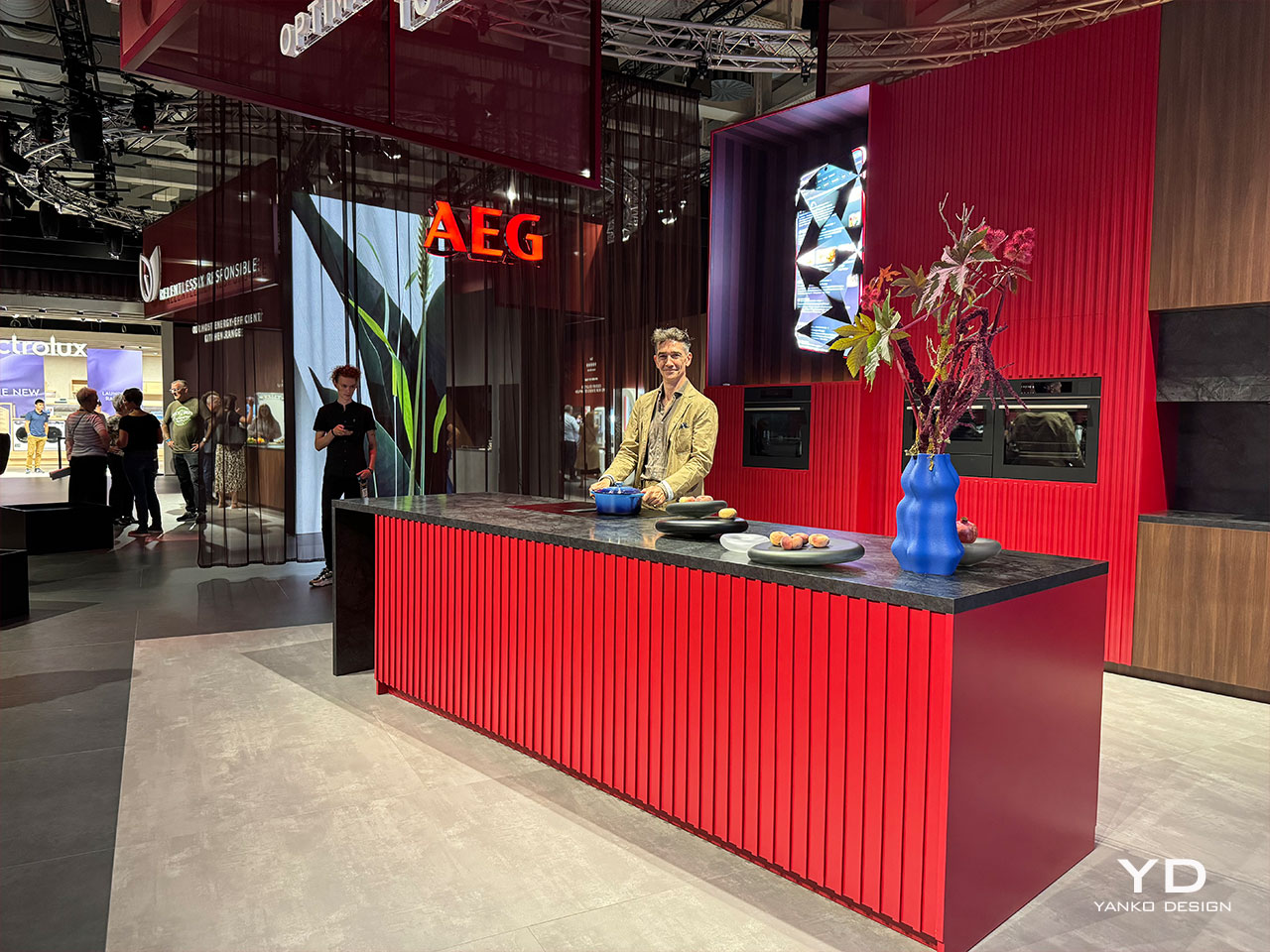
With its kitchen-line products on display at IFA, AEG is putting its money where its mouth is – by having a CEO produce a top-tier dish with help from a chef while using the company’s induction hob, oven, and overhead chimney. The cook-off, hosted by Radhika Seth of Yanko Design, attempts to drive home a simple point – with the right tools, anyone can be a chef. To prove this, we got Anna Ohlsson-Leijon (CEO Business Area Europe APMEA & Group Executive Vice President, Electrolux Group) to collaborate with professional chef Paola Martinenghi. Martinenghi, a designer-turned-chef with a history of working for Michelin star restaurants is a designpreneur in her own right, with her own women-led lighting-design firm. With a passion for cooking, Martinenghi believes in preserving old-school recipes, even if it means updating them so that people can use cutting-edge kitchen appliances to make age-old traditional dishes.

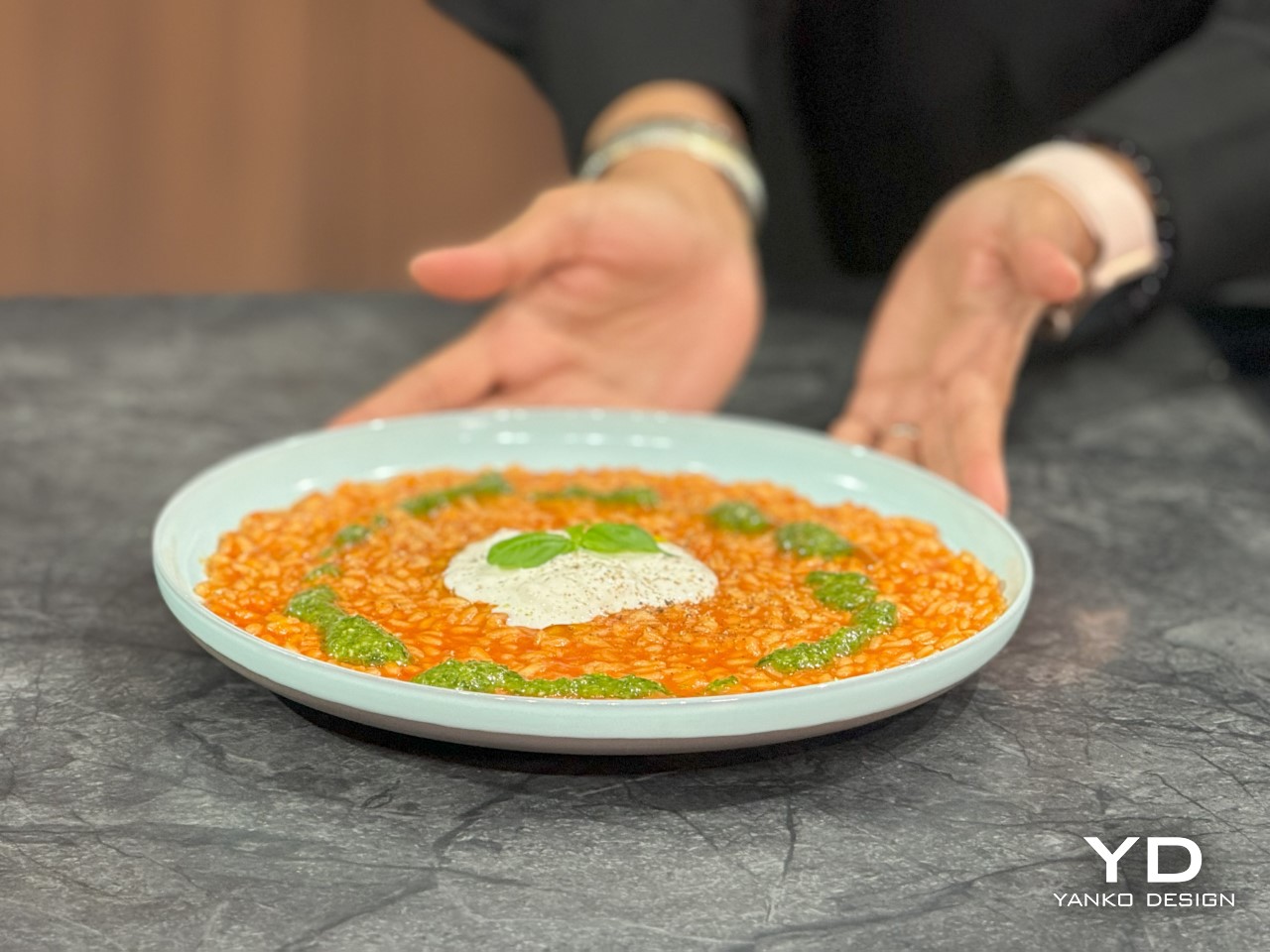
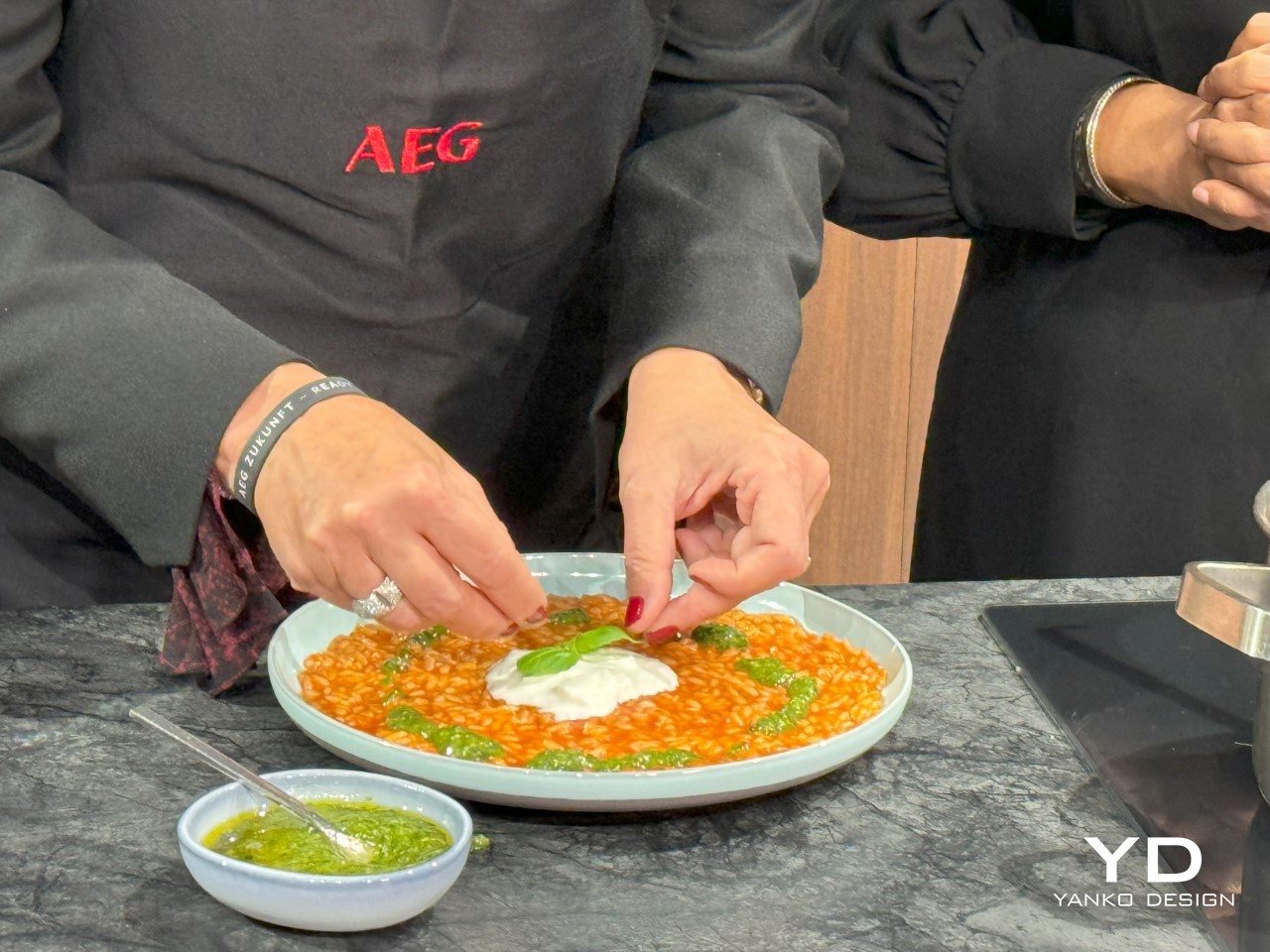
Both CEO and Chef will be attempting a deceptively simple dish that’s known for requiring perfect technique – Risotto Tricolore with pomodoro, pesto, and burrata – a summer spin on the Risotto Milanese. Risotto is considered an incredibly technical dish given the precise control required over temperature, cook-time, and the gradual addition of broth to rice while you constantly stir the dish. Mess any step up and your risotto is less-than-ideal resulting in a dish that would make an Italian nonna fume. It’s a good thing, however, that AEG’s state-of-the-art kitchen collection makes certain steps foolproof, allowing you to easily attempt even the most technical recipes.

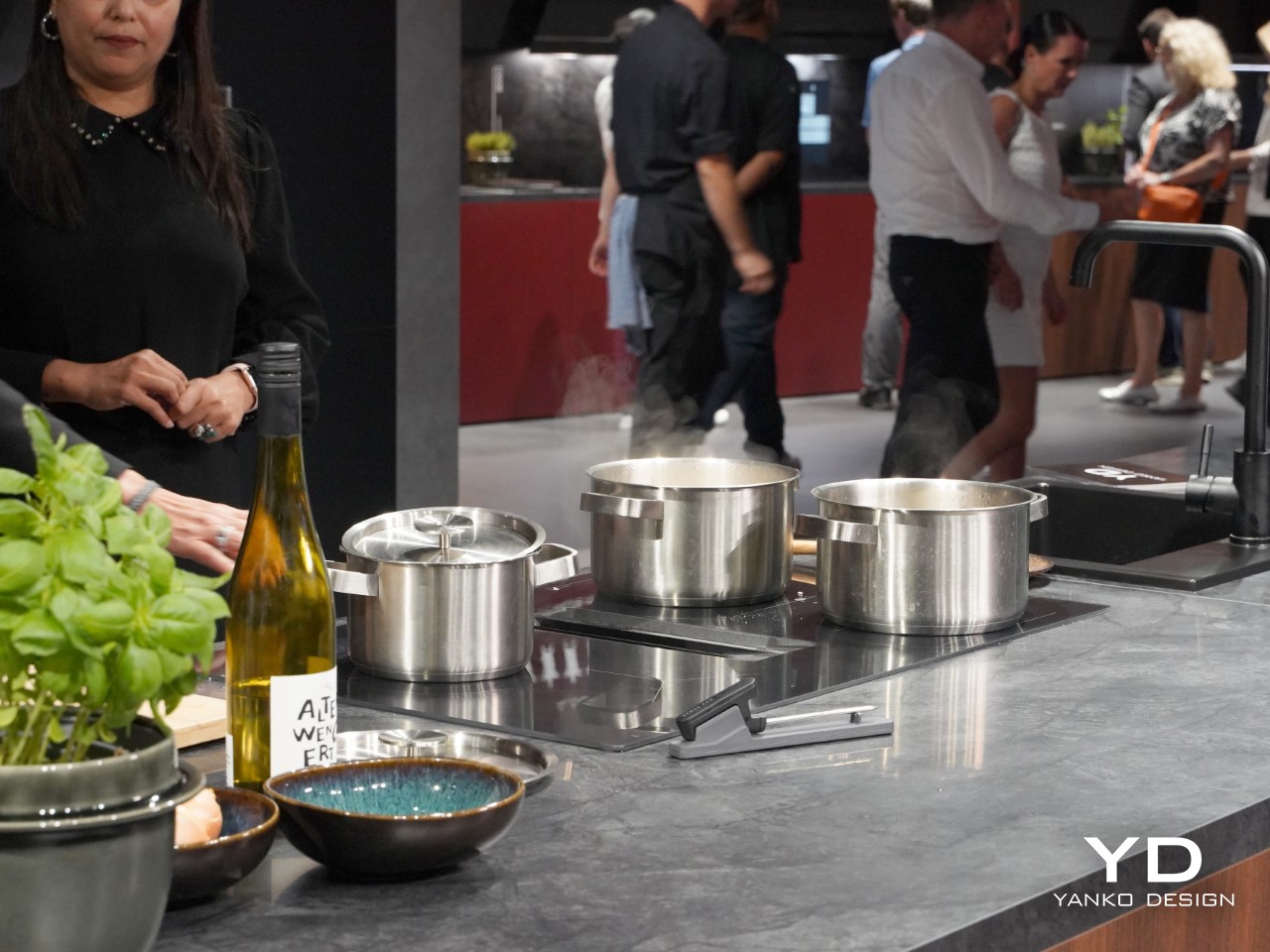
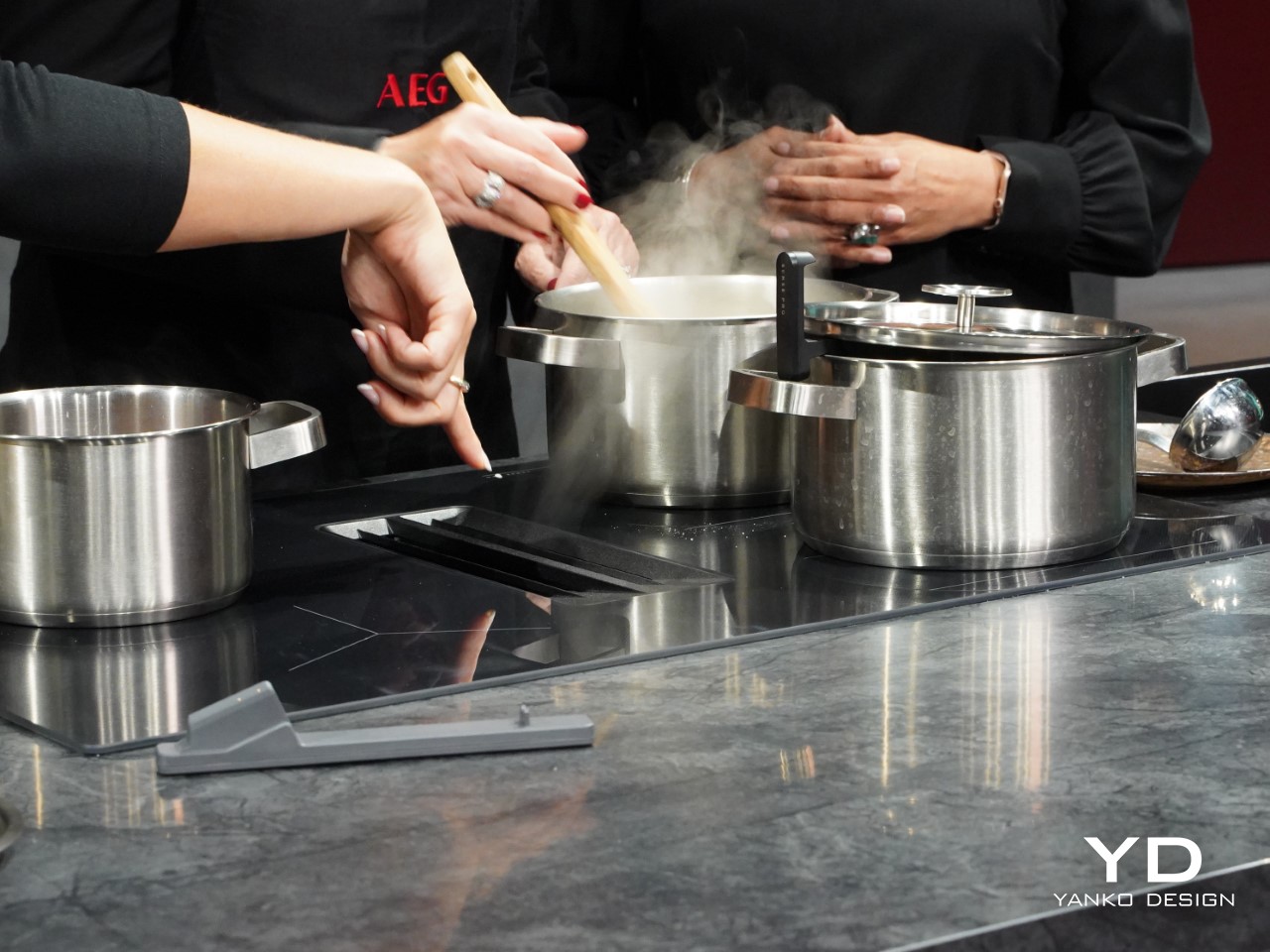
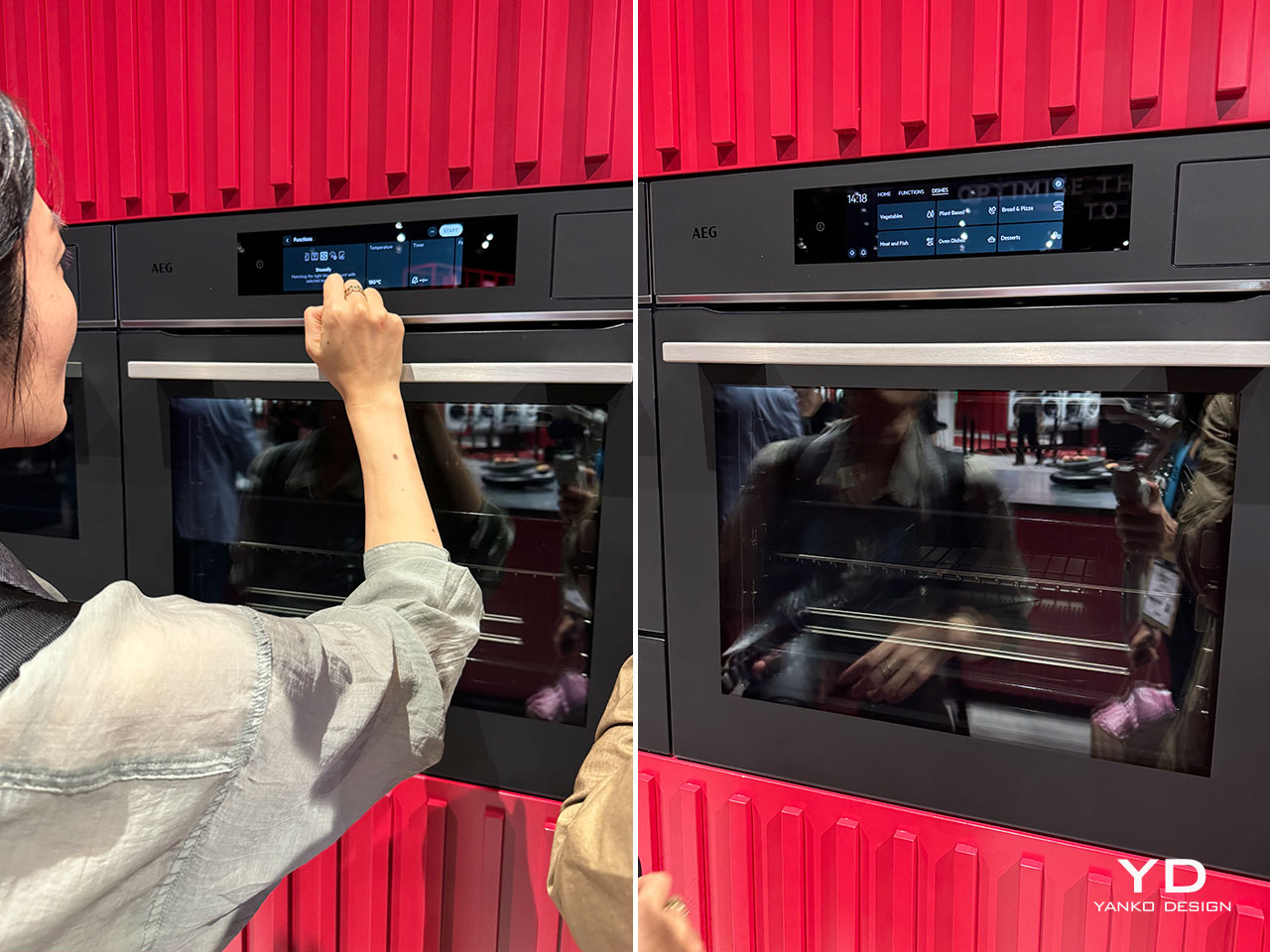
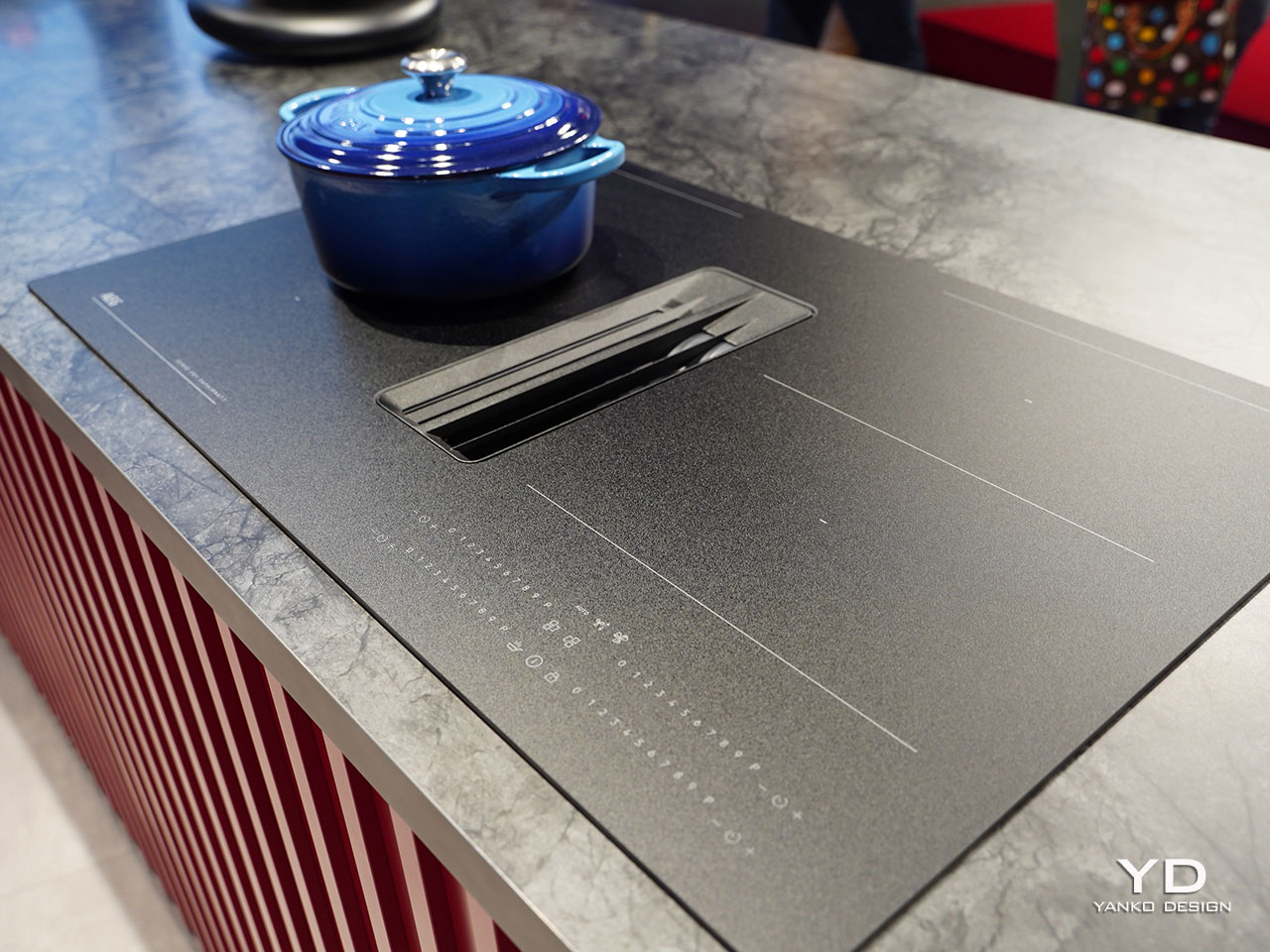
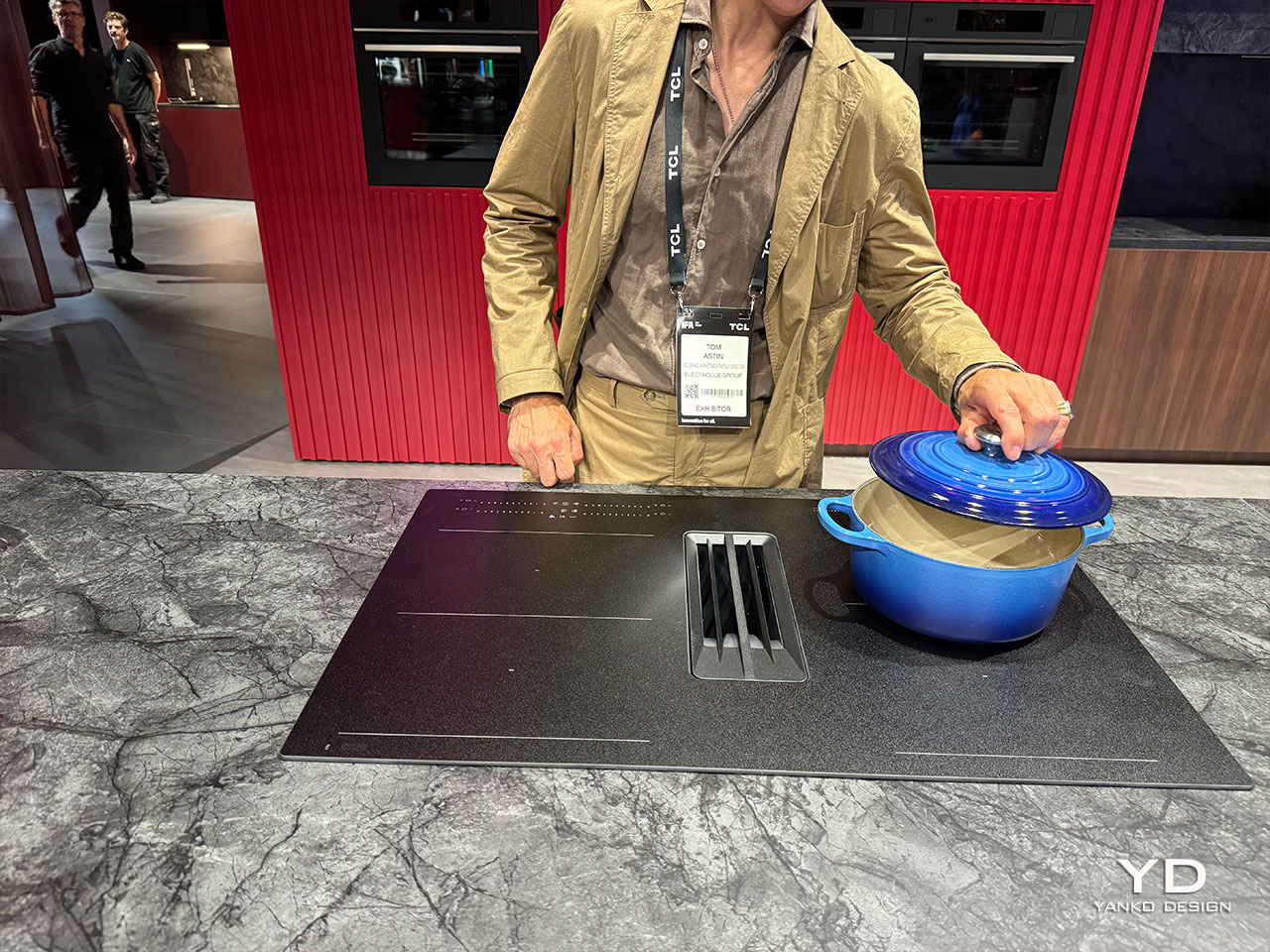
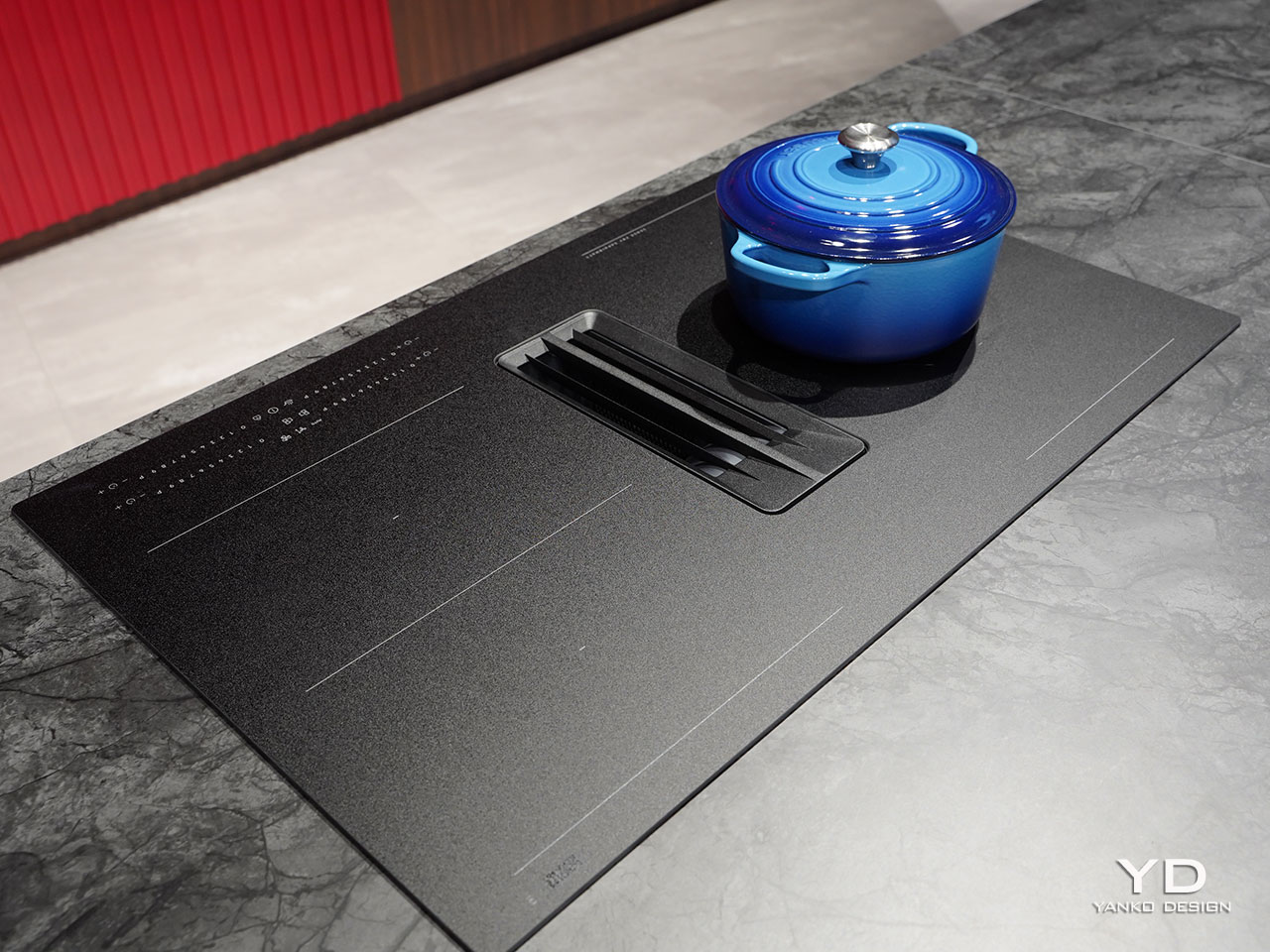
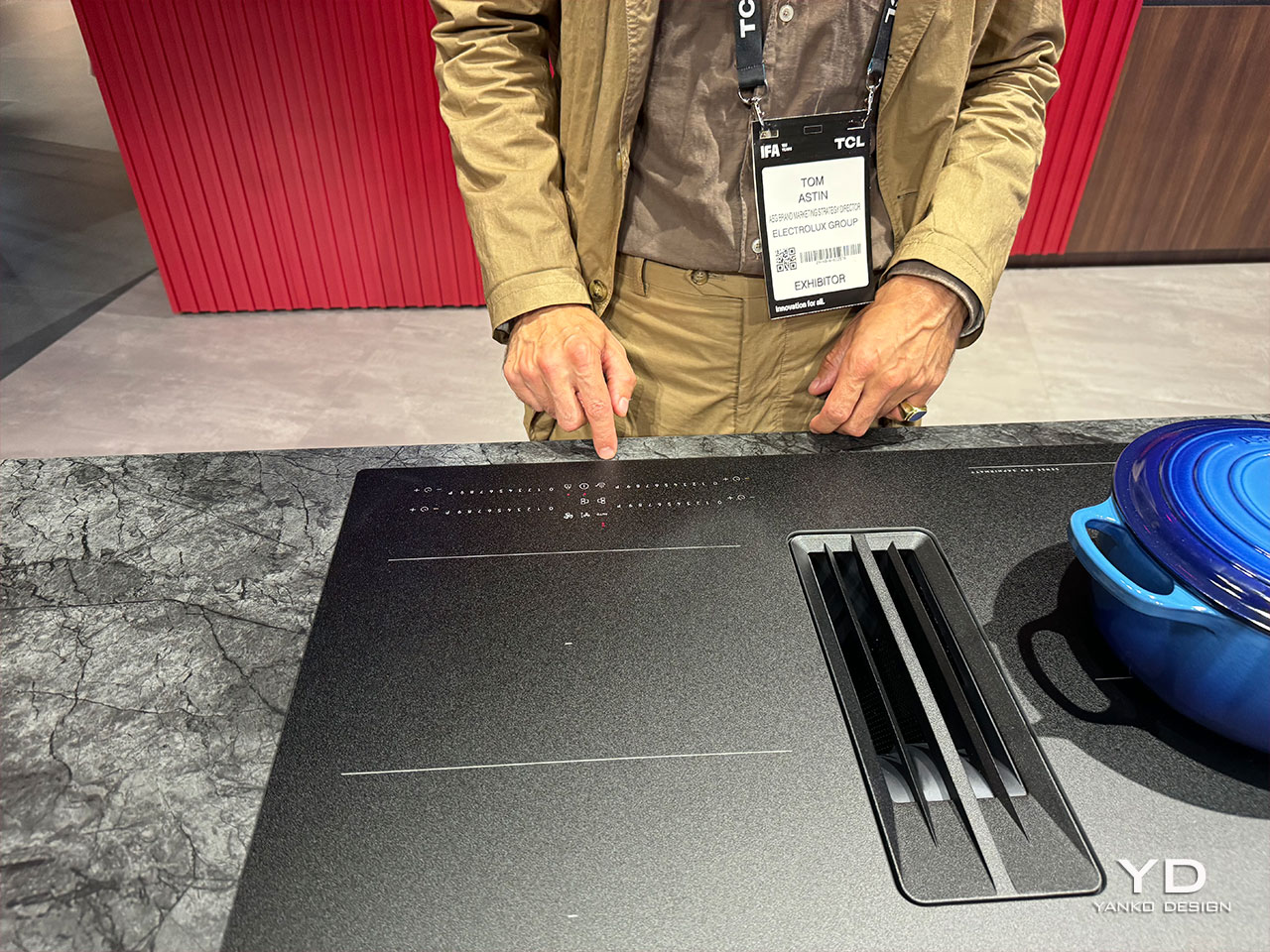
The process gets made simple by AEG’s CookSmart Touch Display, which guides you through step by step. The Sense Fry sensor on the hob helps you maintain a consistent temperature during your cook (sort of like cruise control for chefs) – for the risotto, it’s a steady 120°C. Meanwhile, AEG’s Xtractor Hob, which features an integrated extractor fan, kept the cooking area free of smoke and odors, making the experience even more pleasant. A clean, smoke-free kitchen means less hassle, and less cleanup—a win for anyone who’s familiar with the chaos of post-cooking messes.

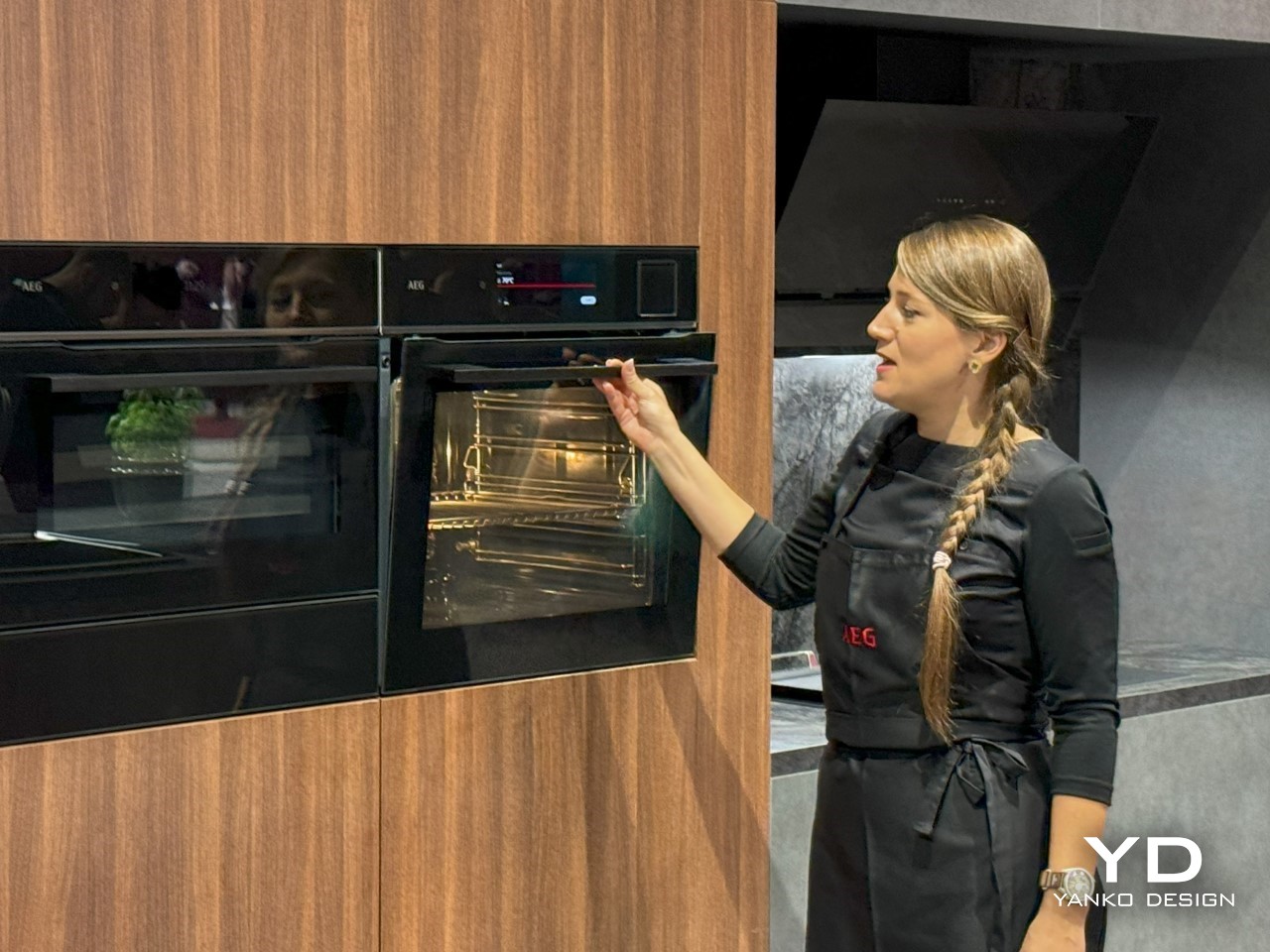
Throughout the cook-off, the focus shifted frequently to AEG’s smart features, particularly how the appliances use AI to adapt and enhance cooking. The AI TasteAssist feature automatically adjusts cooking settings based on the dish being prepared. Anna explained that by simply inputting a recipe, the oven analyzes the details and determines the optimal temperature and time, which could revolutionize how people cook at home. The Assisted Dishes function also impressed Paola, as it provides guidance across a wide range of meals, making even the most complex dishes accessible to home cooks.

Energy efficiency was another cornerstone of the new AEG range. Sustainability is more than a buzzword—it’s built into the design. The appliances can reduce energy consumption by up to 30%, with features like PreHeat and Residual Heat, which cleverly utilize retained heat to finish cooking. The SenseBoil & Fry function, for instance, promises to save up to 33% in energy usage. It’s clear that AEG has aligned its smart technology not just with convenience, but with the goal of making kitchens more eco-friendly.

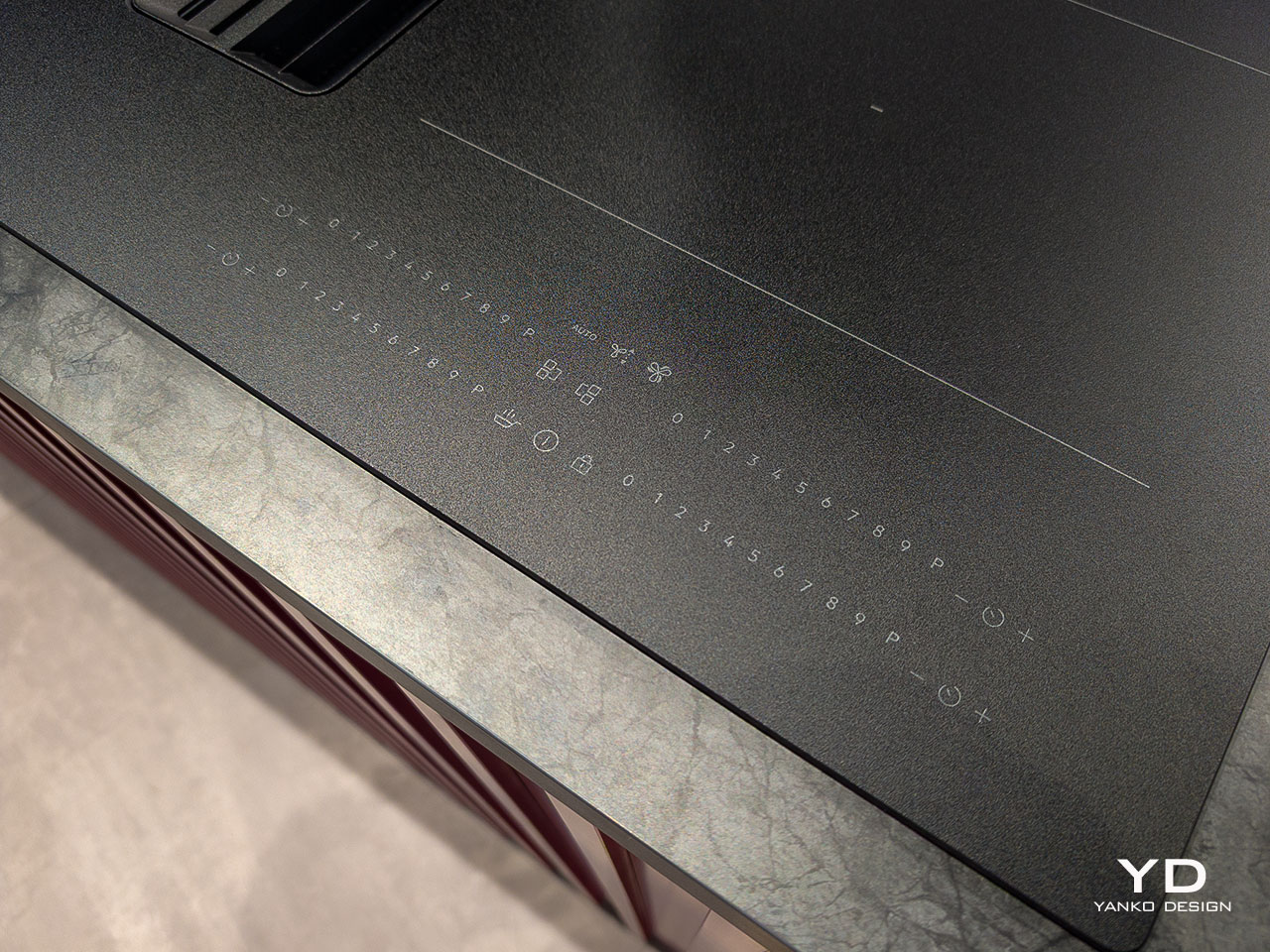
The discussion also touched on design and aesthetics. AEG’s range isn’t just high-tech—it’s designed to be visually appealing. Paola praised the sleek, minimalist look of the appliances, which come in Matt Black and Glossy Black, noting that they not only enhance the cooking process but also complement modern kitchen interiors.

As the cook-off neared its conclusion, Paola and Anna finished the risotto with a flourish, adding burrata for a creamy, indulgent finish. The results were met with unanimous delight as the hosts tasted the dish and marveled at how easy the process had been, thanks to AEG’s smart kitchen tools.

The post AEG’s Smart Kitchen Challenge at IFA 2024: CEO + Chef in a High-Tech Cook-off first appeared on Yanko Design.
AEG Kitchen Range at IFA 2024 Elevates the Culinary Experience with Innovation For All

Being stuck at home for months not only gave birth to the indoor gardening trend, it also helped people rediscover the joys of home cooking. The rise of the domestic chef who’s excited to try out new recipes for themselves or for their families has also given rise to the need for more sophisticated kitchen appliances. At the same time, however, aesthetics has never been more important than it is today, with kitchens finally getting the recognition they deserve as sanctuaries that serve not only food but peace of mind as well. With so many requirements on many levels, it’s no surprise that some brands falter in meeting those needs or choose to focus on just one or two aspects. At IFA 2024 in Berlin, AEG is proudly rising up to the challenge, delivering a new range of kitchen products that deliver not only AI-assisted cooking but also elegant designs that take the cooking experience to the next level.

Designer: AEG

Cook Smarter, Not Harder

AI is everywhere these days, but it doesn’t have to be a complicated feature that requires an entire manual to use. With AEG’s Assisted Cooking, you have smart technologies right under your fingertips, literally, ready to help you with new recipe ideas, the best settings to use for that dish, and even the safest way to preserve the food so you can enjoy it a lot longer. From preparation to cooking to storage even to cleanup, AEG’s new full kitchen line has got you covered with innovation that’s made easy, convenient, and beautiful.

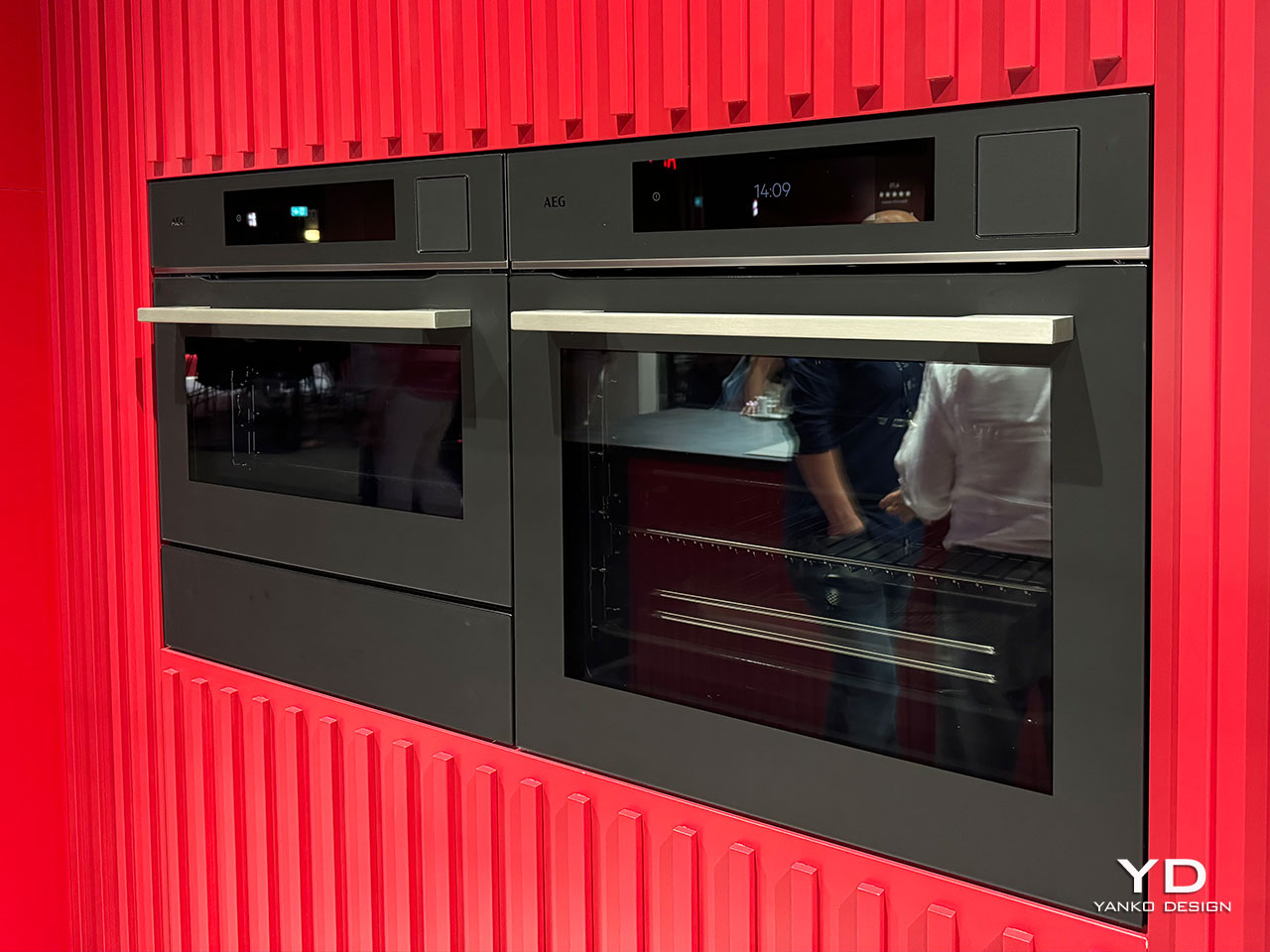
The new AEG 9000 ProAssist with SteamPro Oven, for example, features the AI Taste Assist function that helps you make efficient use of the oven. Simply throw it a recipe and, based on key facets like timing, temperature, and protein type, it will automatically select the most optimal cooking settings. It can even suggest new tasty and nutritious dishes you may have never tried before through the AEG app.
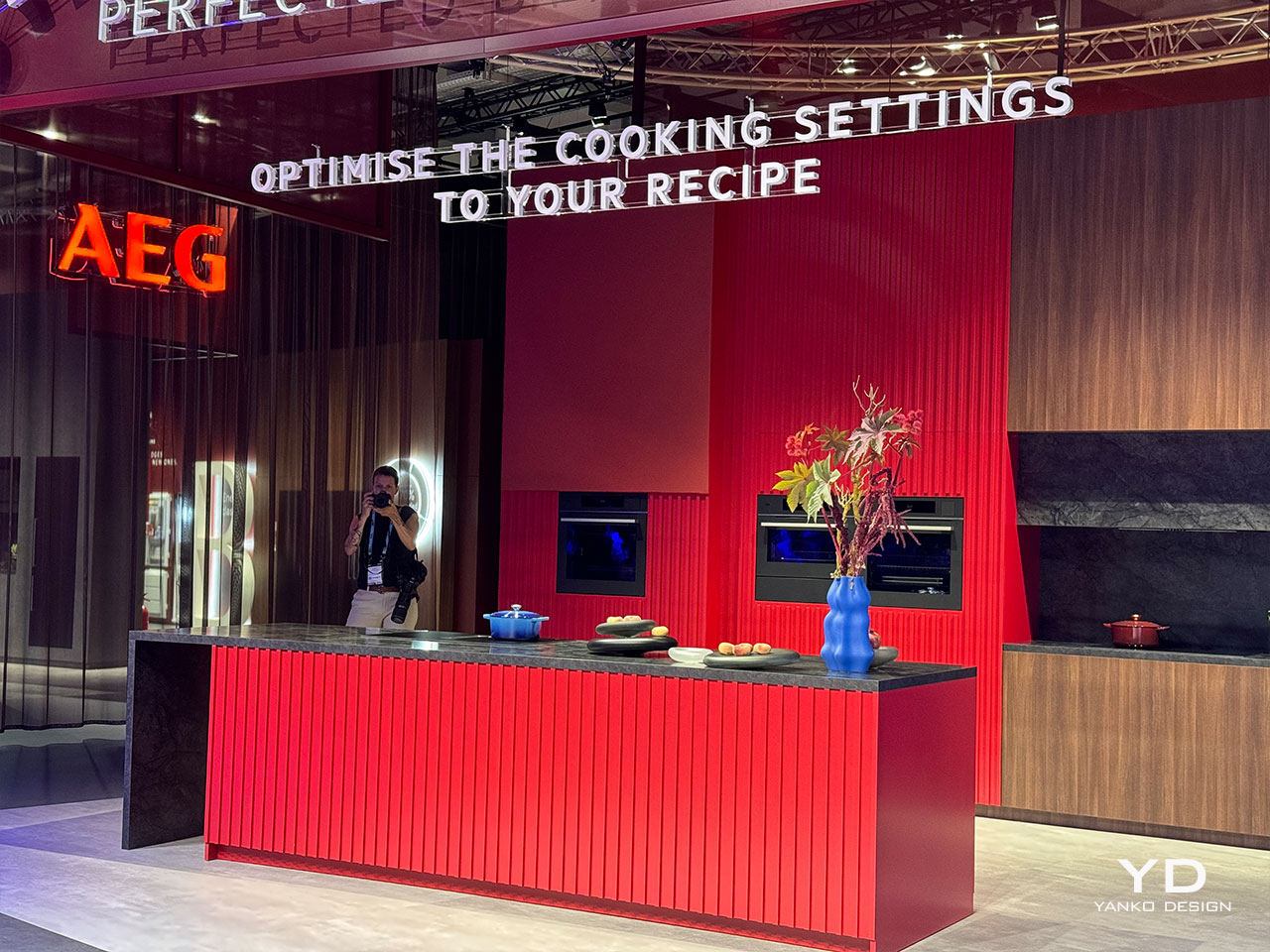
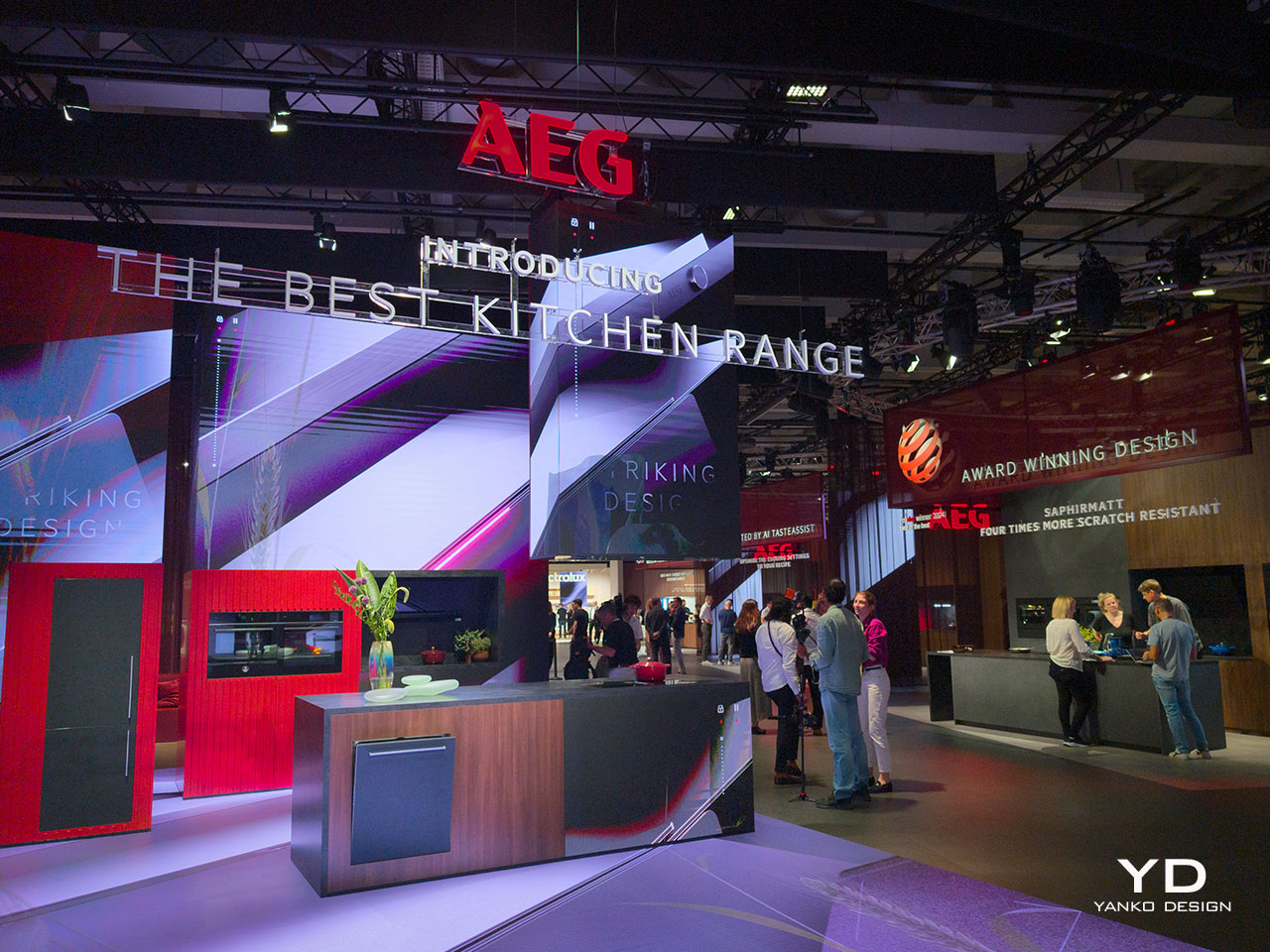
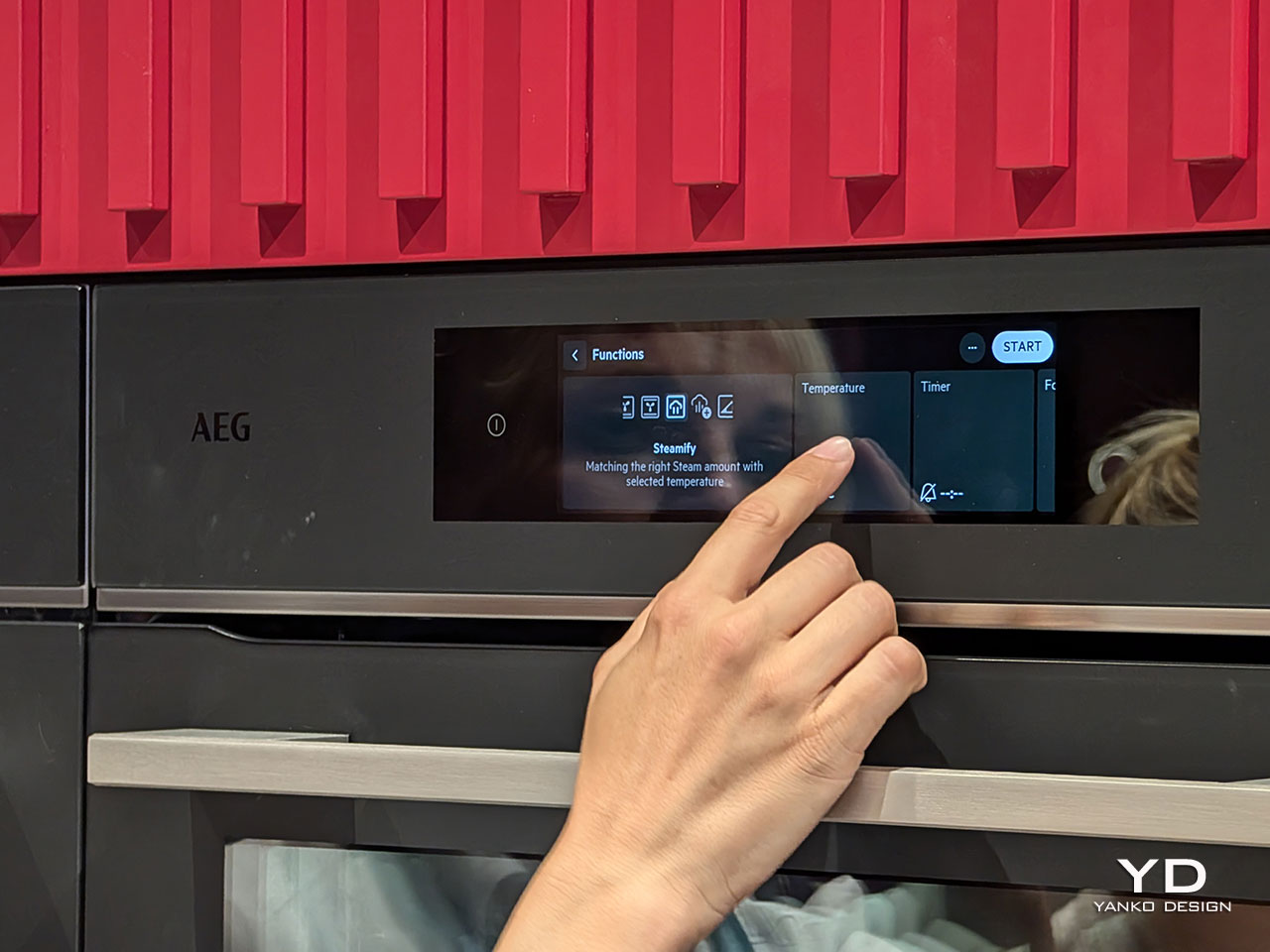
The CookSmart Touch, which is now available on hobs like the new AEG 9000 ProSense Hob, puts all the functions you need under your fingertips. With a simple touch, you can access the new Assisted Cooking function that guides you through each step to complete a dish and even suggests the accessories you’ll need to use. CookSmart Touch also lets you assign pan-frying or boiling to the hob, select different cooking modes, and generally enjoy the cooking process without breaking a sweat.

This intuitive interface is an immense help to novices just discovering the joys of cooking as well pros who want to glide through the process with as little friction as possible. And for the first time, the CookSmart Touch technology provides a seamless experience that spans AEG’s kitchen range, from ovens to hobs to built-in coffee machines. It removes much of the anxiety and uncertainty associated with cooking, adding joy and peace of mind to every meal prep.

Killer Kitchen Style

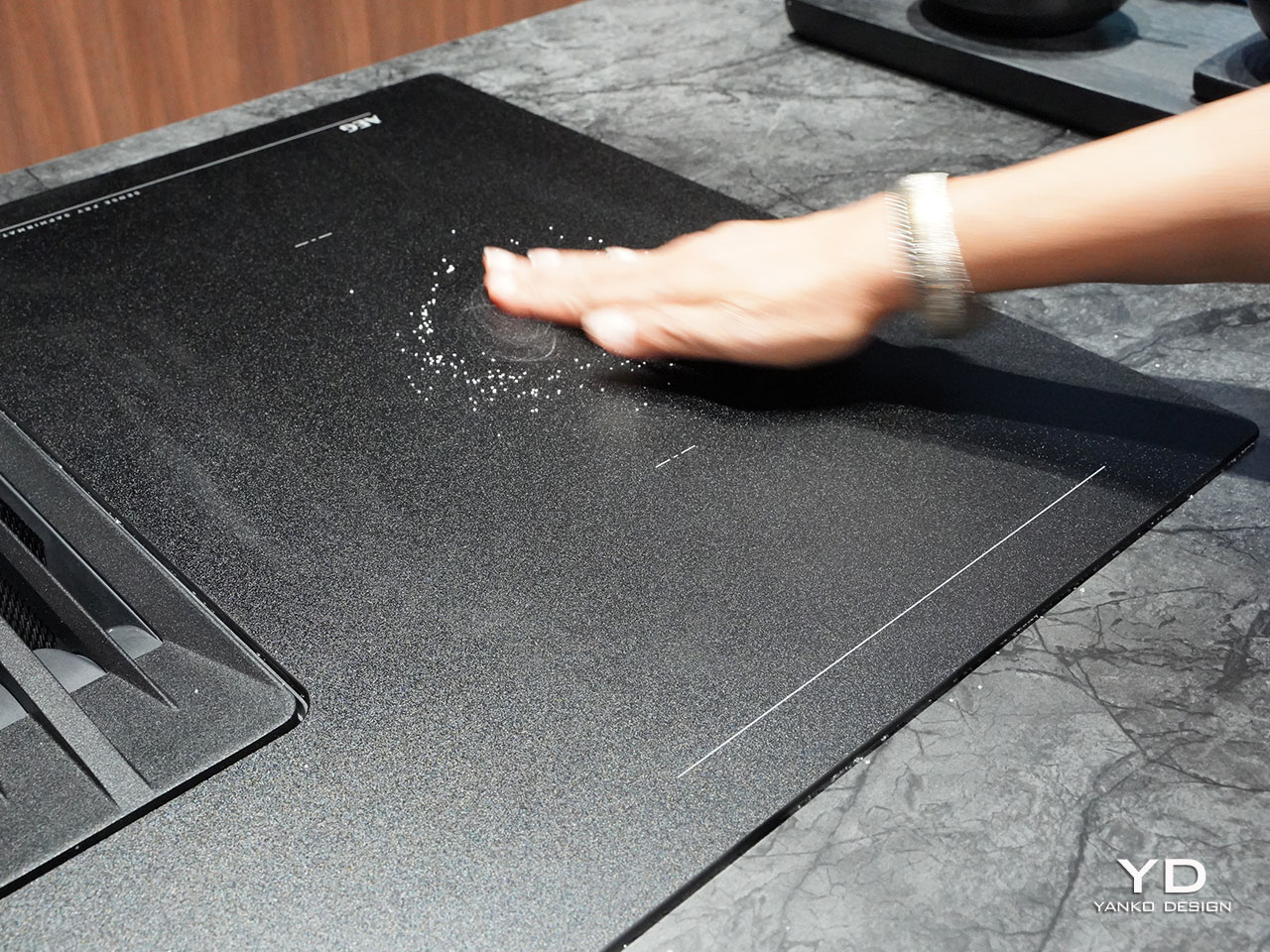
Even with all the innovative technologies, AEG hasn’t forgotten the most important aspect of its kitchen range: the human element. Designed to look dashing in any kitchen setting, AEG’s kitchen products deliver not only an effortless cooking experience but also a style that suits people’s tastes. The AEG SaphirMatt Induction Hub, for example, brings not only a handsome surface to your kitchen but also durability you can rely on when the cooking does get a bit intense.

This year’s lineup is available in Glossy Black and MattBlack, both standing out with their sleek and luxurious dark hues. Signature metal handles provide not only usability but also visual identity, making AEG designs easily recognizable in any kitchen. It’s not just the appliances either but your food that gets the beauty treatment as well. The AEG 9000 AutoSense Hood’s illumination can really make your dishes pop, adding to their already appetizing aromas. The new AEG Kitchen Range not only makes you feel in total control, it also makes you feel like a culinary master in their natural environment.

Healthy Living, Healthy Planet

Cooking your own food is one of the best ways to ensure you’re getting tasty and nutritious meals, but your health doesn’t have to come at the expense of the planet’s. Appliances naturally leave a carbon footprint, but that doesn’t mean you can’t make it significantly smaller. The new AEG Kitchen Range is not only filled with smart features, it’s also designed to be sustainable and energy efficient without you having to worry about pushing a button to activate some “Eco Mode,” helping you reduce your carbon footprint by as much as 30%.

The AEG 9000 ComfortLift Dishwasher, for example, can save up to 40% energy with some guidance from the QuickSelect with Ecometer function. The AEG 9000 MultiChill 0°C Fridge Freezer not only has better energy efficiency but also has an inner lining that’s made of 70% recycled plastic. The AEG 9000 ProAssist with SteamPro Oven can help save energy with its PreHeat and Residual Heat functions, reducing the amount of electricity needed to keep the food warm.

Selected models in this new Kitchen Range are part of the AEG EcoLine and boast high energy ratings, some of which are even higher than “A” in the EU energy efficiency class. More than just innovative performance and striking design, the new AEG Kitchen Range represents the brand’s no-compromise approach to energy efficiency, environmental responsibility, and commitment to a greener tomorrow for all.

Innovation for the Entire Home

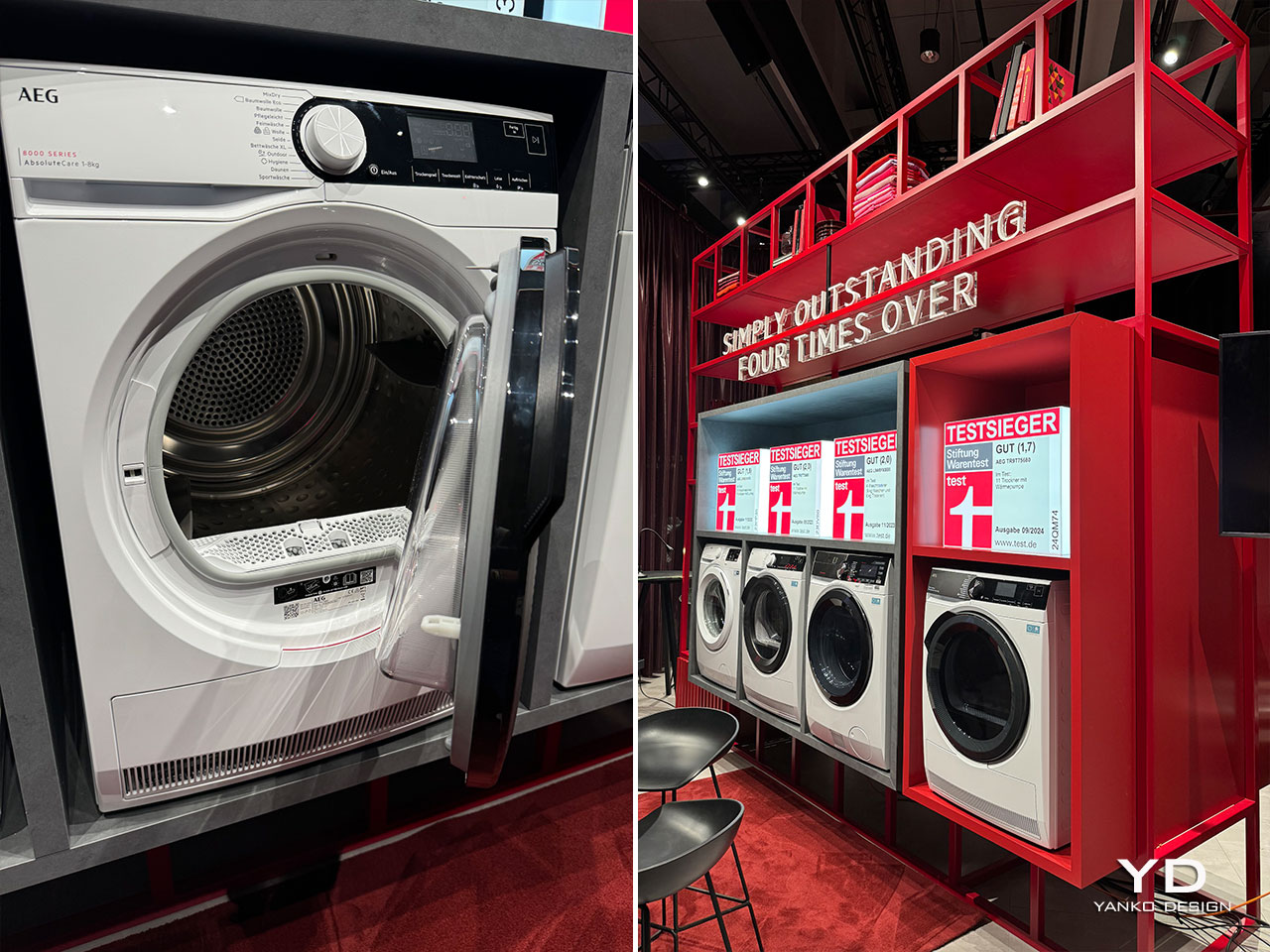
The kitchen isn’t the only part of the modern home that AEG is upgrading with its innovative designs. The AEG 9000X AbsoluteCare Pro tumble dryer brings the same care and energy efficiency from the kitchen to the laundry. With the AbsoluteCare feature that uses a heat pump system to dry delicate material like wool and SmartDry that lets you select lower energy settings, this leading-edge machine has earned The Woolmark Company’s Wool Care Green recognition. It also features 3DScan Technology that determines the humidity in down jackets and duvets for the best drying settings that will keep their fluffiness intact.

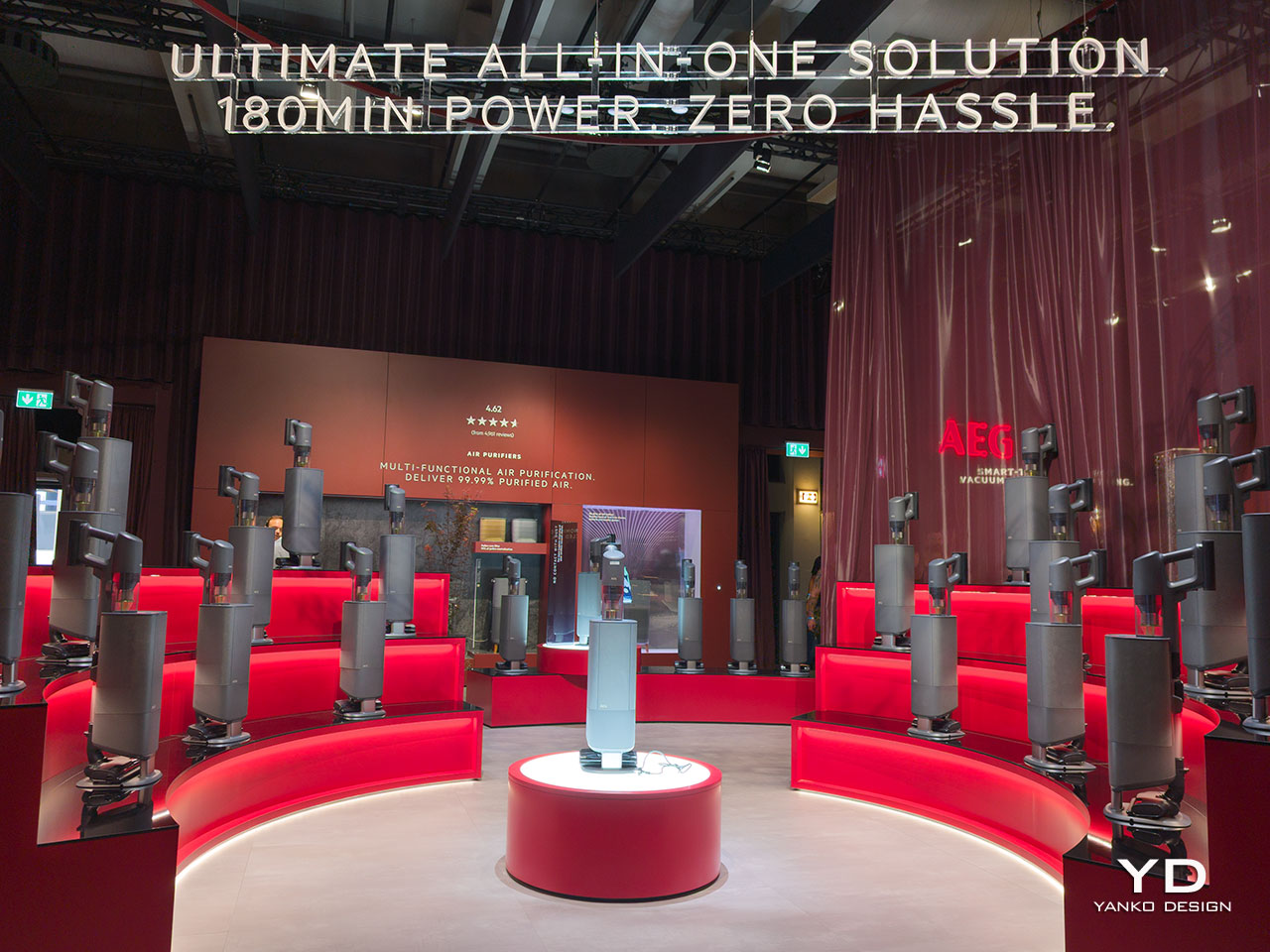
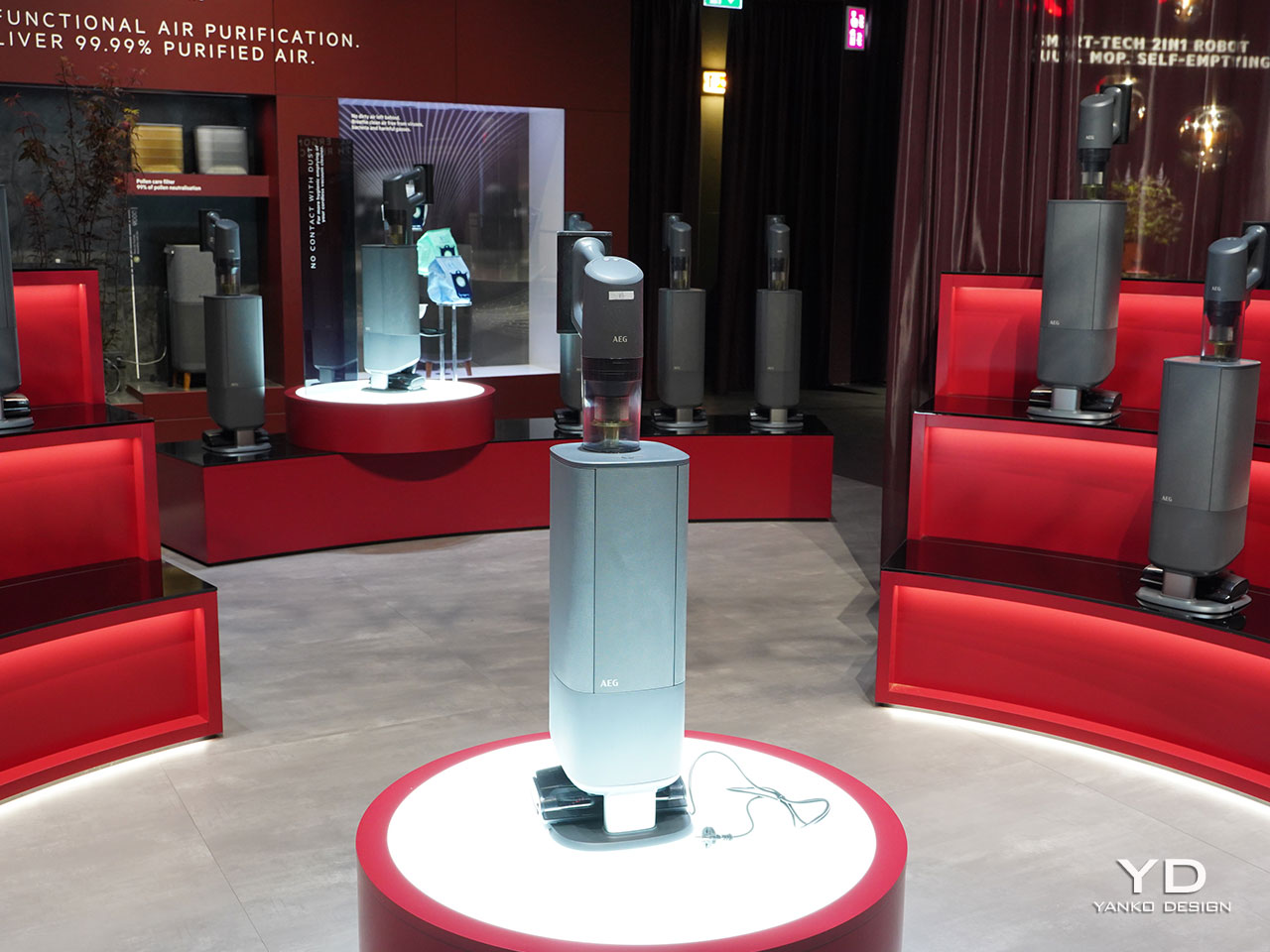
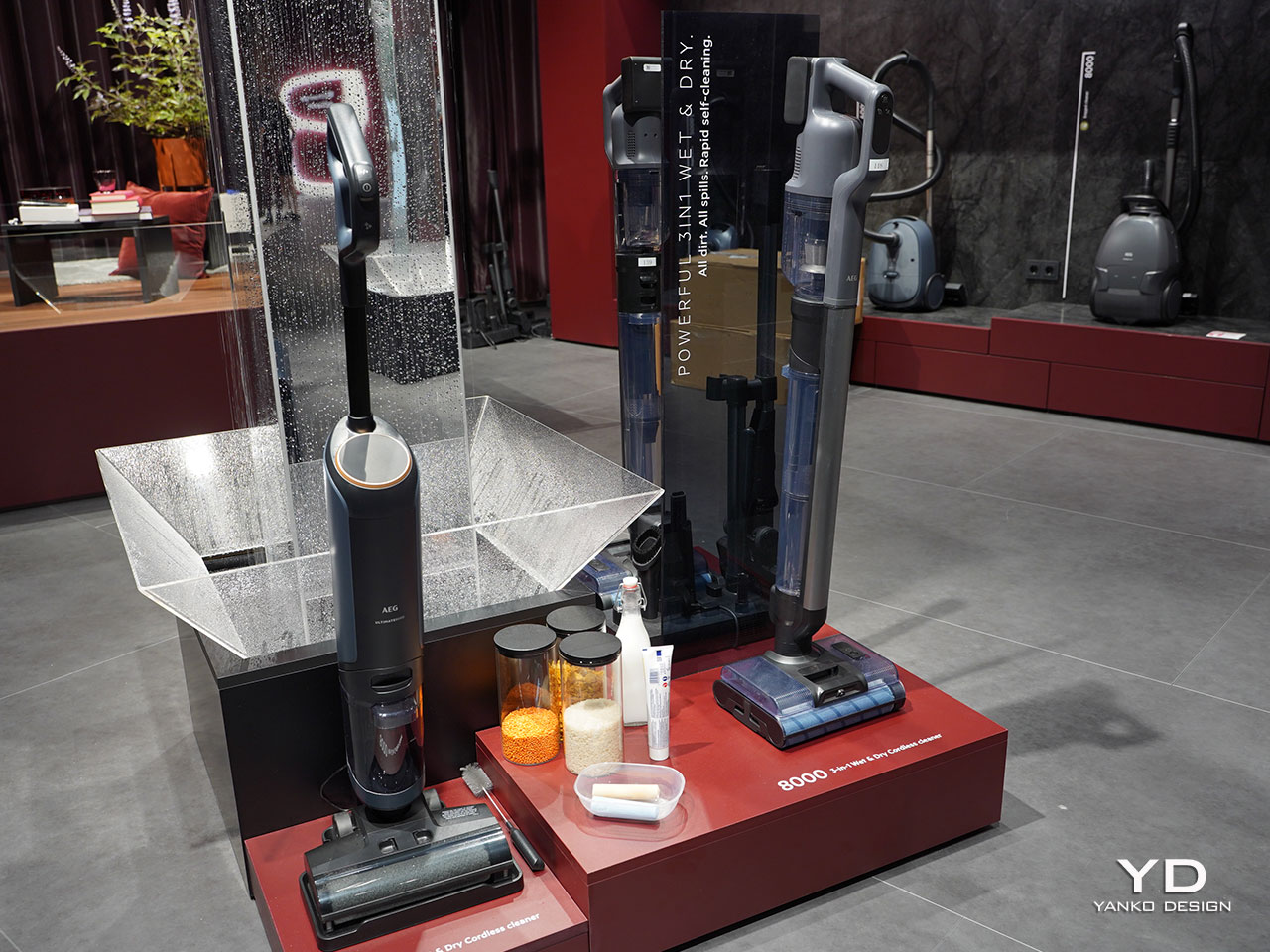
AEG is also debuting two new cordless cleaners to keep your home not only clean but also safe from harmful materials and organisms invisible to the naked eye. The AEG 6000 Cordless offers not only strong dust pick-up but also hands-free self-cleaning, emptying its 0.5-liter dust bin with just a touch of a button. The AEG 8000 is the brand’s most powerful and most versatile cordless cleaner, with the UltimatePower multi-surface nuzzle and a brushless DC motor that can capture 99% of dust on hard floors. And with the new Automatic Emptying Station, you can get the AEG 8000 ready for another round of cleaning without having to get your own hands dirty.

The post AEG Kitchen Range at IFA 2024 Elevates the Culinary Experience with Innovation For All first appeared on Yanko Design.