Hexagon Board Game Trays Make Perfect Magnetic Desk Organizers

Most of us end up using whatever is at hand as a catch-all: coffee cups, candle lids, random bowls, and that works until you actually need to find a specific SD card or binder clip. A lot of the best small organizers are hiding in other categories, and these magnetic hexagon token trays, sold as board game accessories, are really just well-designed hexagonal dishes with magnets and dividers.

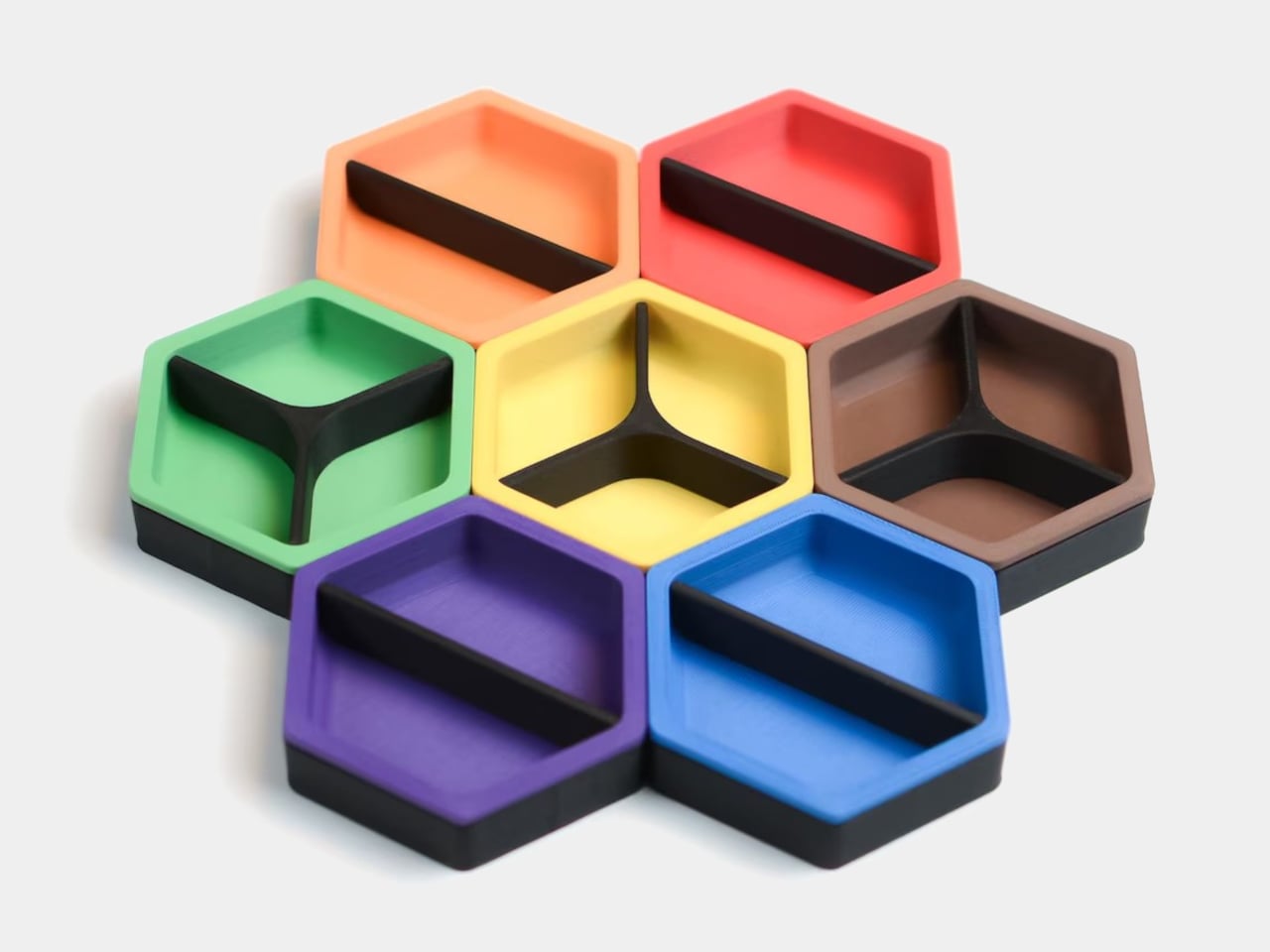
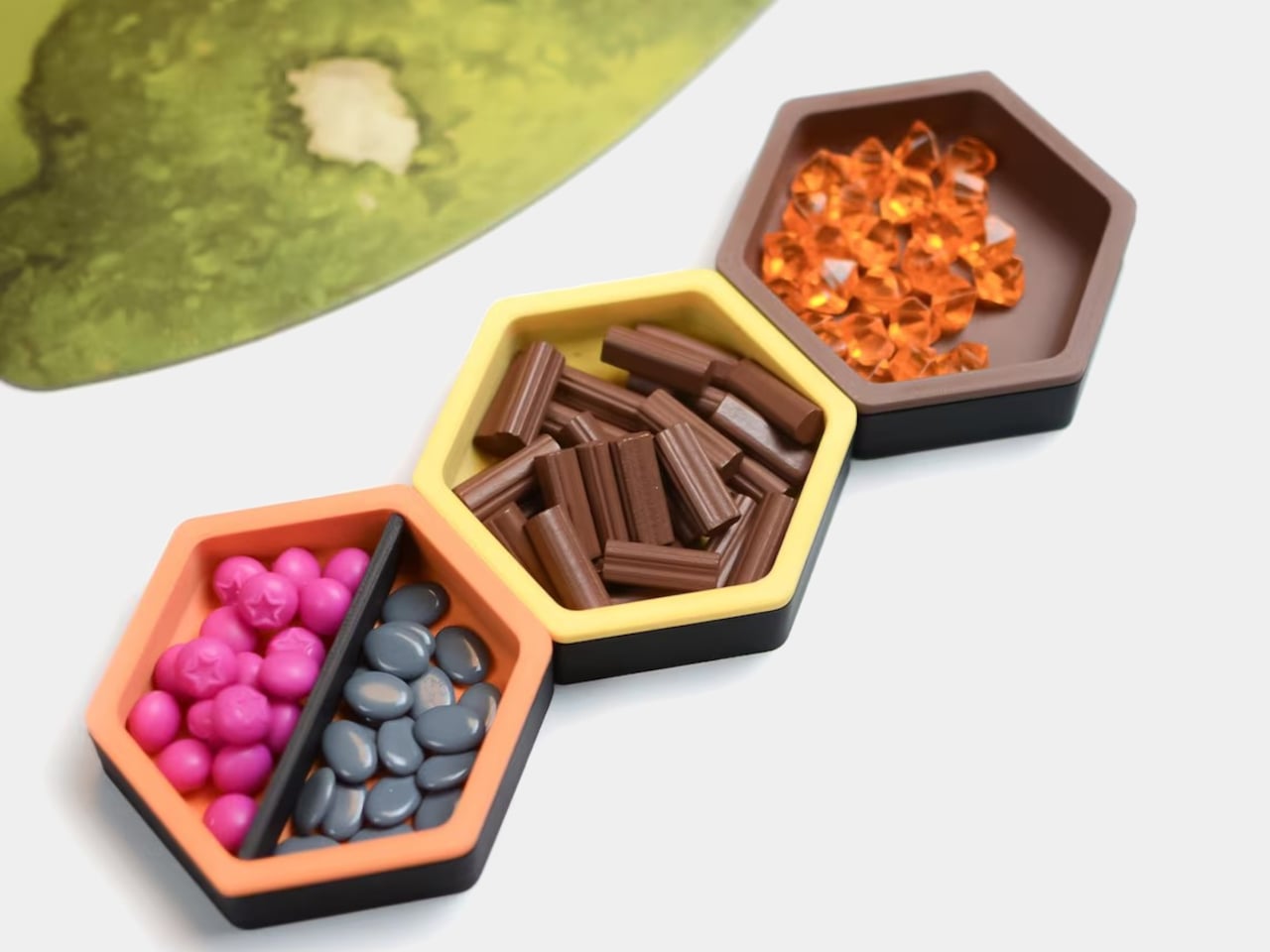
Each tray is a hexagon with magnets hidden in its edges so it snaps to its neighbors in a honeycomb. You can build a cluster that fits the corner of a monitor stand or the space in front of a keyboard, then peel one off and move it closer when you need it. The magnets keep the layout coherent instead of letting dishes drift apart over time, which is a small but meaningful improvement over loose containers.

Designer: BoardGeekFox
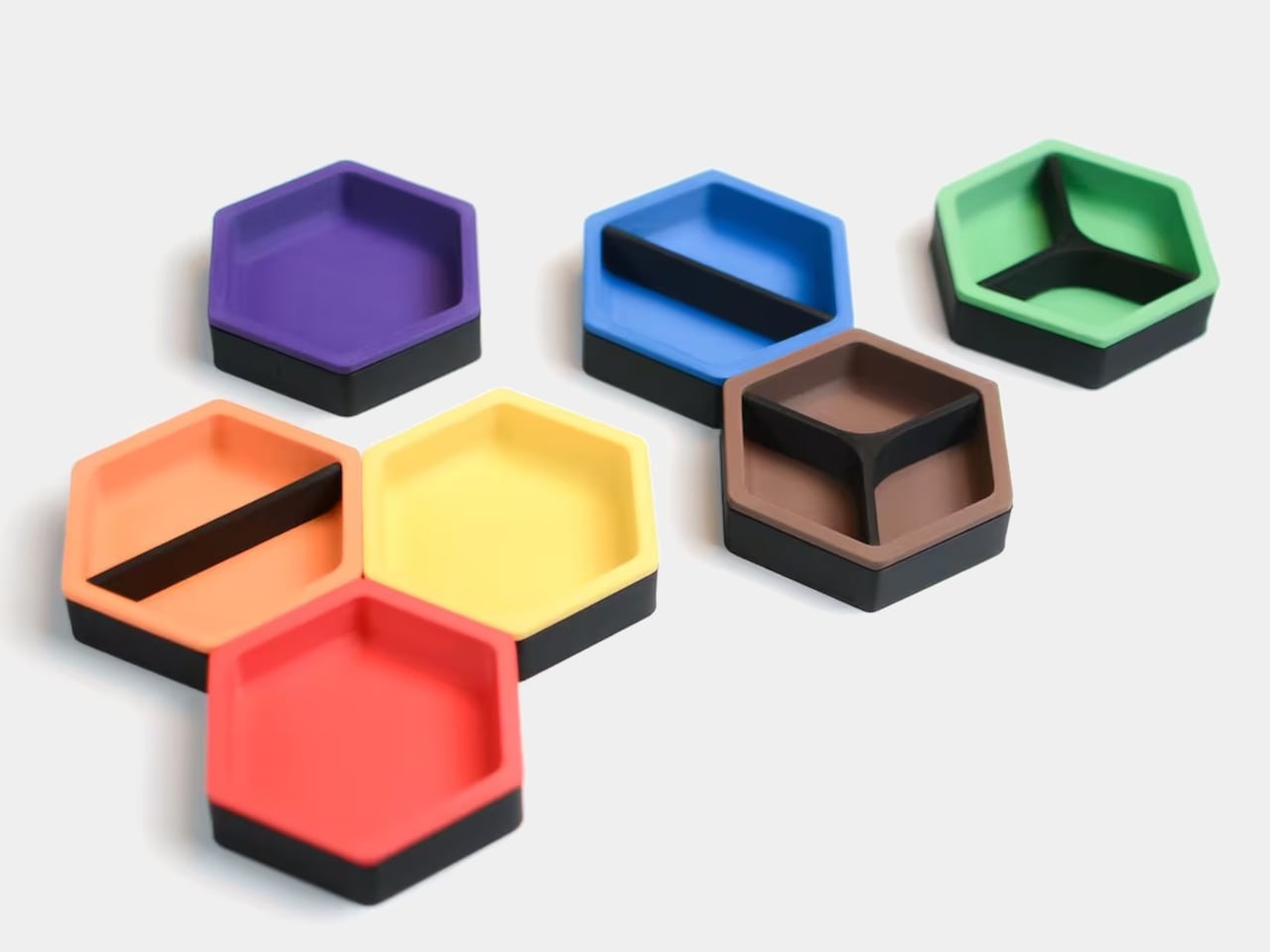
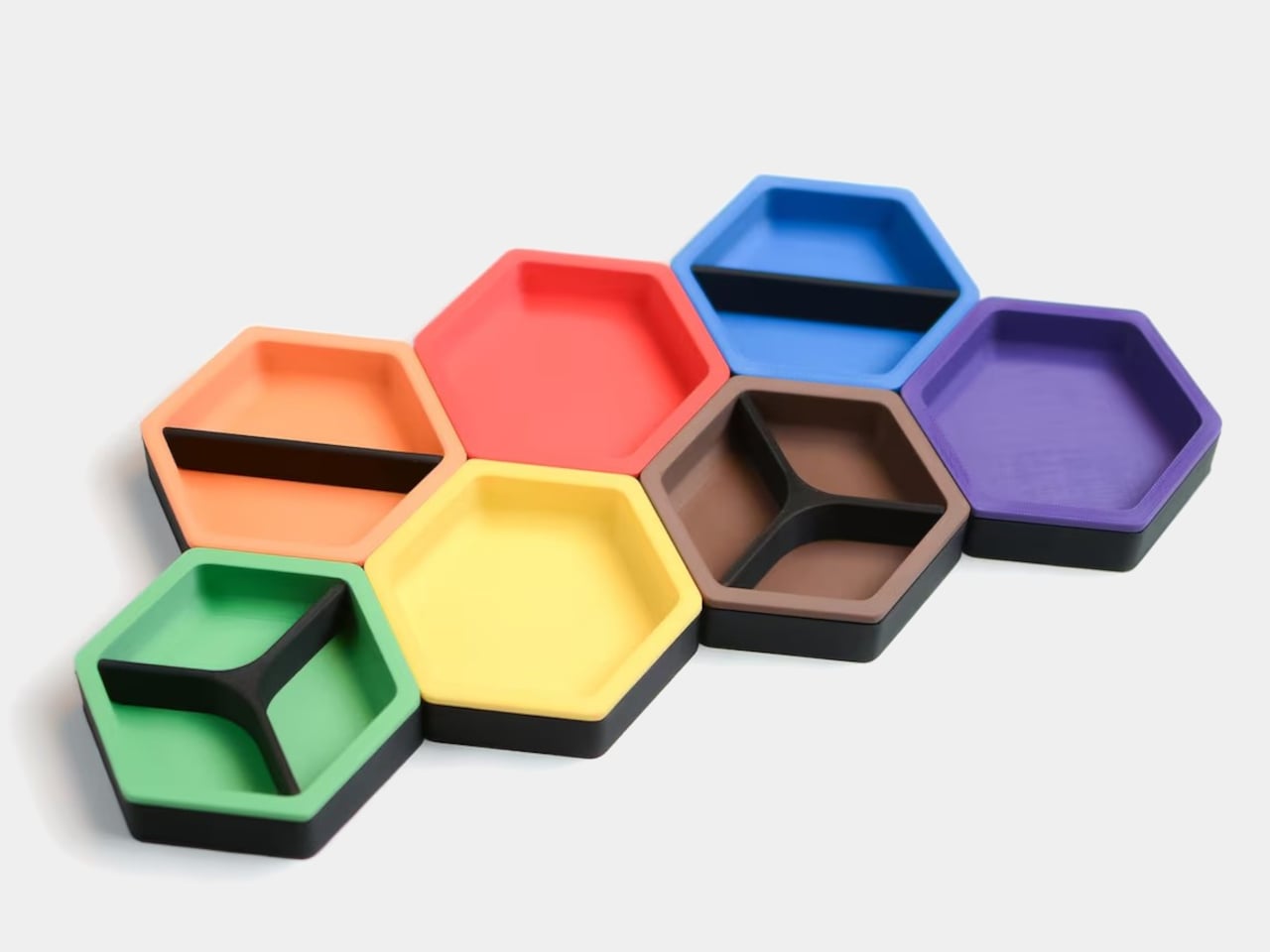
Each unit is a two-part organizer, a black magnetic base, and a colored insert that drops in. The insert ships with two dividers, a straight one that splits the tray into two sections and a Y-shaped one that splits it into three. You can run it as one big bin, two equal compartments, or three wedges, depending on whether you are holding paper clips, sticky-note flags, or three different pen nibs.
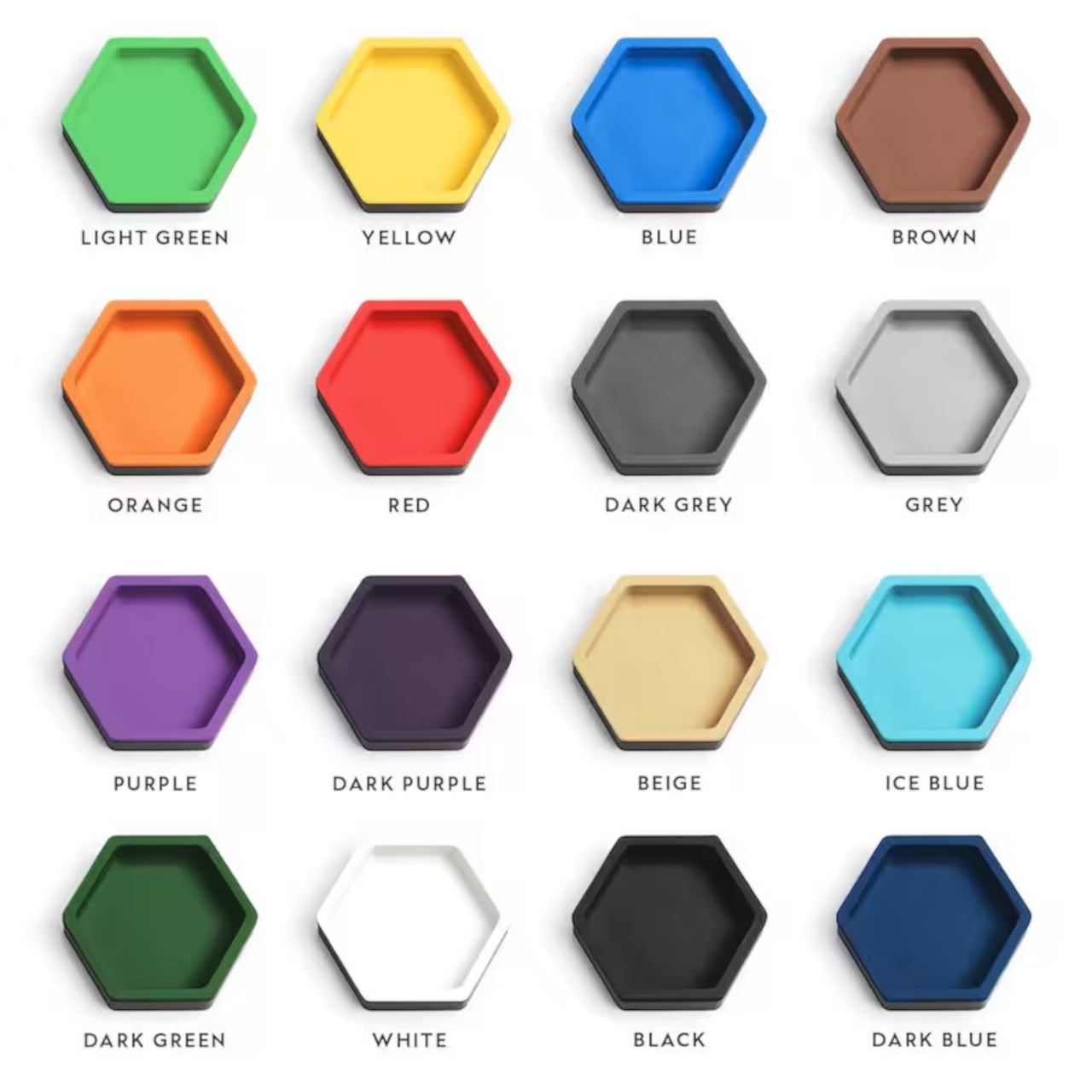
The color options for the inserts let you treat the trays as a visual system. You can assign colors to categories, blue for tech bits, yellow for writing tools, red for things that need attention, or just build a small rainbow that makes the corner of your desk feel more like a layout than a pile. The black bases keep everything grounded, so the color reads as an accent, not chaos.
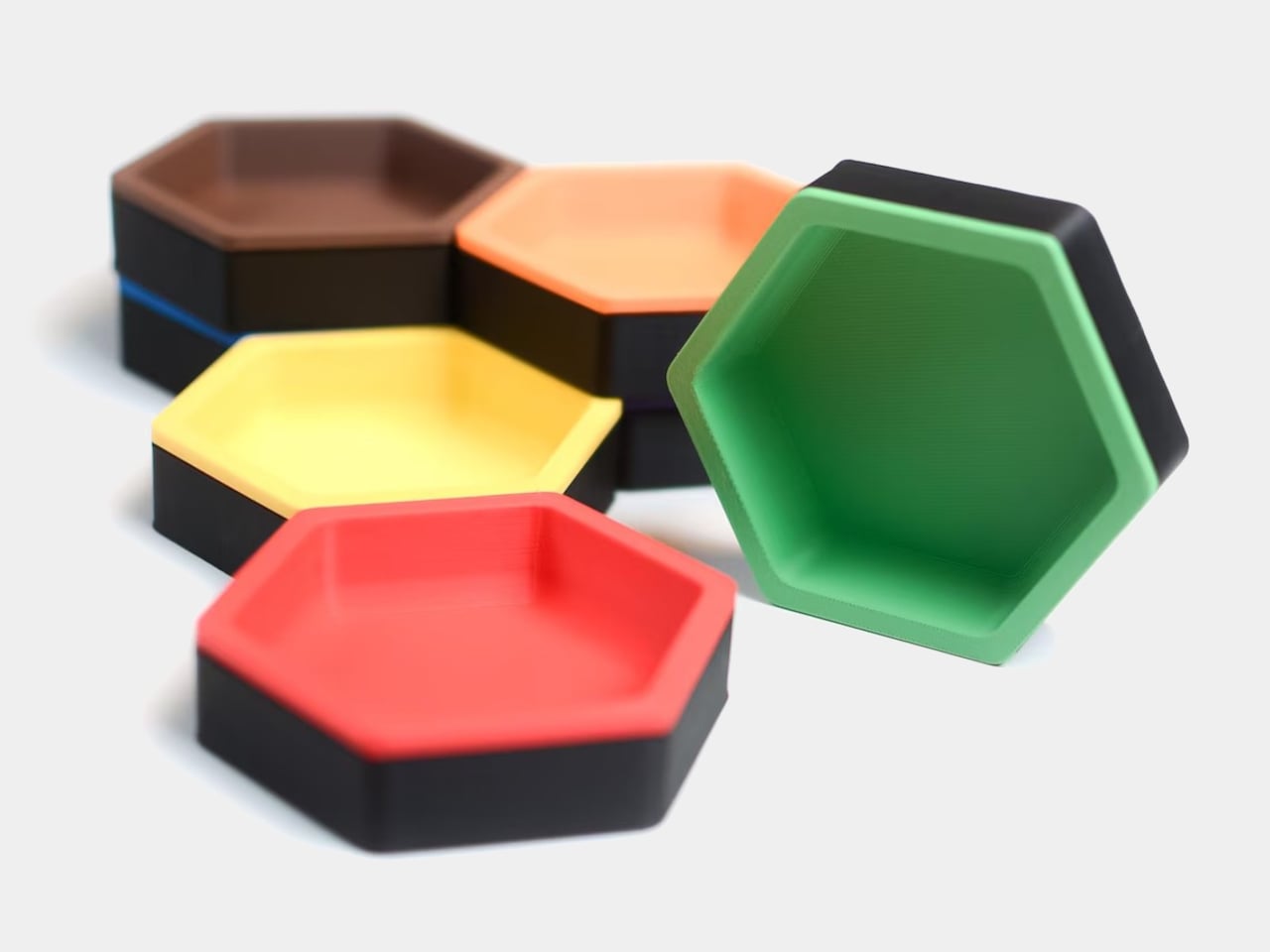
The trays are 3D-printed in PLA with embedded magnets, which keep them light but give them a satisfying snap when they connect. On a smooth desk, that matters, a cluster of loose bowls tends to slide and separate, while a magnetic cluster holds its shape when you nudge things around. The slight texture of printed PLA also keeps small items from skittering around inside each compartment, especially paper clips and staples.
The modularity plays nicely with shifting work modes. On a heavy project day, you can build a larger honeycomb and park it next to your main work area, each tray handling a different set of parts. On quieter days, you can break the set into smaller clusters and spread them across a shelf, a secondary desk, or a nightstand. The hexagon footprint is compact enough that a single tray works as a bedside catch-all for rings and earbuds.

These trays sit in a sweet spot between rigid drawer inserts and random containers, structured enough to keep things sorted but flexible enough to reconfigure when your habits change. For anyone who likes their desk to feel a little more like a considered layout and a little less like a junk drawer, a handful of magnetic hexagons with dividers is a surprisingly simple way to give every small object a place to land, while keeping the option to rebuild the whole composition whenever the mood or the project shifts.
The post Hexagon Board Game Trays Make Perfect Magnetic Desk Organizers first appeared on Yanko Design.
Hexagon Board Game Trays Make Perfect Magnetic Desk Organizers

Most of us end up using whatever is at hand as a catch-all: coffee cups, candle lids, random bowls, and that works until you actually need to find a specific SD card or binder clip. A lot of the best small organizers are hiding in other categories, and these magnetic hexagon token trays, sold as board game accessories, are really just well-designed hexagonal dishes with magnets and dividers.

Each tray is a hexagon with magnets hidden in its edges so it snaps to its neighbors in a honeycomb. You can build a cluster that fits the corner of a monitor stand or the space in front of a keyboard, then peel one off and move it closer when you need it. The magnets keep the layout coherent instead of letting dishes drift apart over time, which is a small but meaningful improvement over loose containers.

Designer: BoardGeekFox

Each unit is a two-part organizer, a black magnetic base, and a colored insert that drops in. The insert ships with two dividers, a straight one that splits the tray into two sections and a Y-shaped one that splits it into three. You can run it as one big bin, two equal compartments, or three wedges, depending on whether you are holding paper clips, sticky-note flags, or three different pen nibs.

The color options for the inserts let you treat the trays as a visual system. You can assign colors to categories, blue for tech bits, yellow for writing tools, red for things that need attention, or just build a small rainbow that makes the corner of your desk feel more like a layout than a pile. The black bases keep everything grounded, so the color reads as an accent, not chaos.

The trays are 3D-printed in PLA with embedded magnets, which keep them light but give them a satisfying snap when they connect. On a smooth desk, that matters, a cluster of loose bowls tends to slide and separate, while a magnetic cluster holds its shape when you nudge things around. The slight texture of printed PLA also keeps small items from skittering around inside each compartment, especially paper clips and staples.

The modularity plays nicely with shifting work modes. On a heavy project day, you can build a larger honeycomb and park it next to your main work area, each tray handling a different set of parts. On quieter days, you can break the set into smaller clusters and spread them across a shelf, a secondary desk, or a nightstand. The hexagon footprint is compact enough that a single tray works as a bedside catch-all for rings and earbuds.

These trays sit in a sweet spot between rigid drawer inserts and random containers, structured enough to keep things sorted but flexible enough to reconfigure when your habits change. For anyone who likes their desk to feel a little more like a considered layout and a little less like a junk drawer, a handful of magnetic hexagons with dividers is a surprisingly simple way to give every small object a place to land, while keeping the option to rebuild the whole composition whenever the mood or the project shifts.

The post Hexagon Board Game Trays Make Perfect Magnetic Desk Organizers first appeared on Yanko Design.
Hive-like LED wall clock offers a colorful and dynamic way to tell the time

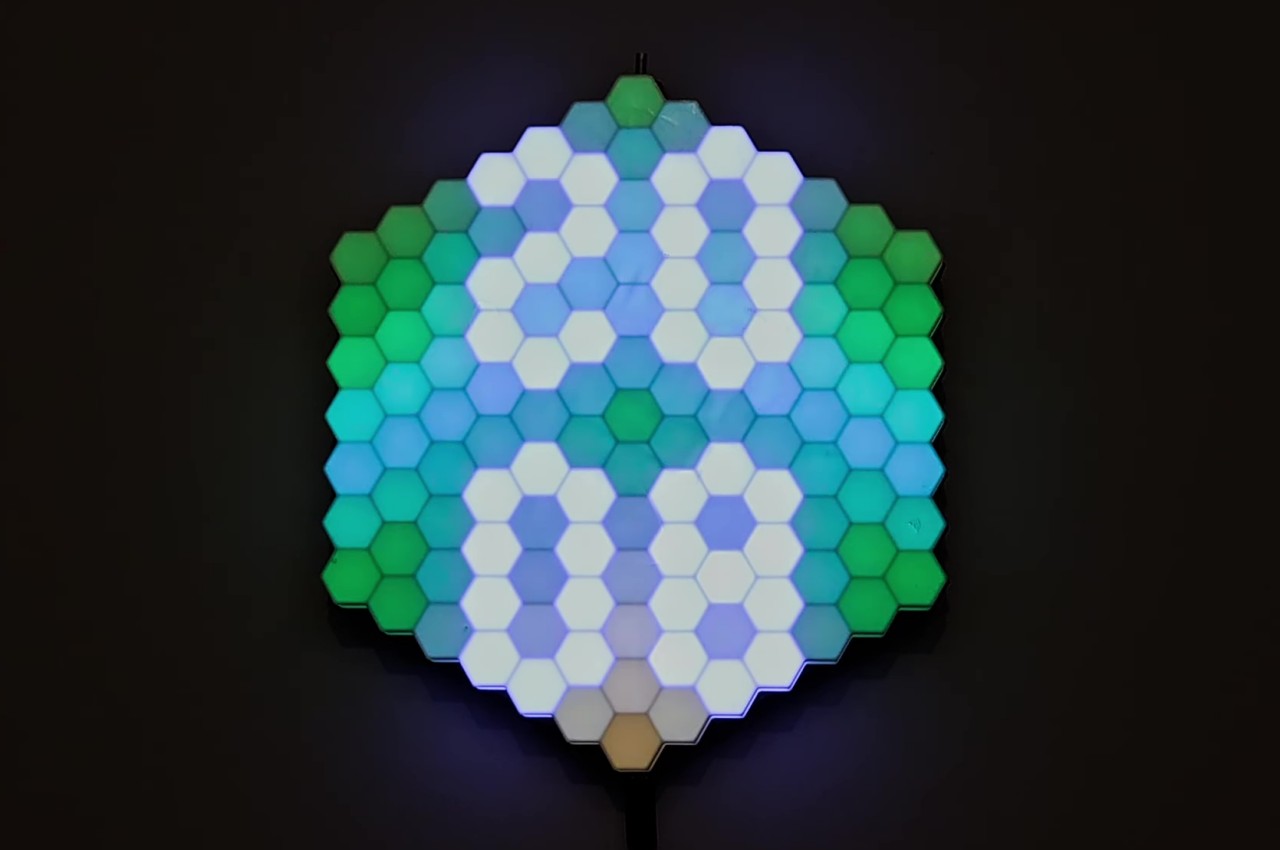
Clock designs come in all shapes, sizes, and levels of complexity. On one end, you have ultra-minimalist analog clocks that barely have discernible hands or numbers on their faces. On the opposite end, however, you have not only sophisticated mechanical clocks with all their gears and movements, you also have digital clocks with smart features that go beyond telling the time. Of course, it’s always a matter of balancing functionality and features, and some designs intentionally tip the scales toward one or the other depending on their target audience. This DIY wall clock, for example, caters to those who want a more vibrant and creative way to display the time, though it does require a bit of technical and electronics know-how to make.

Designer: Dawid KaroĊ„ski

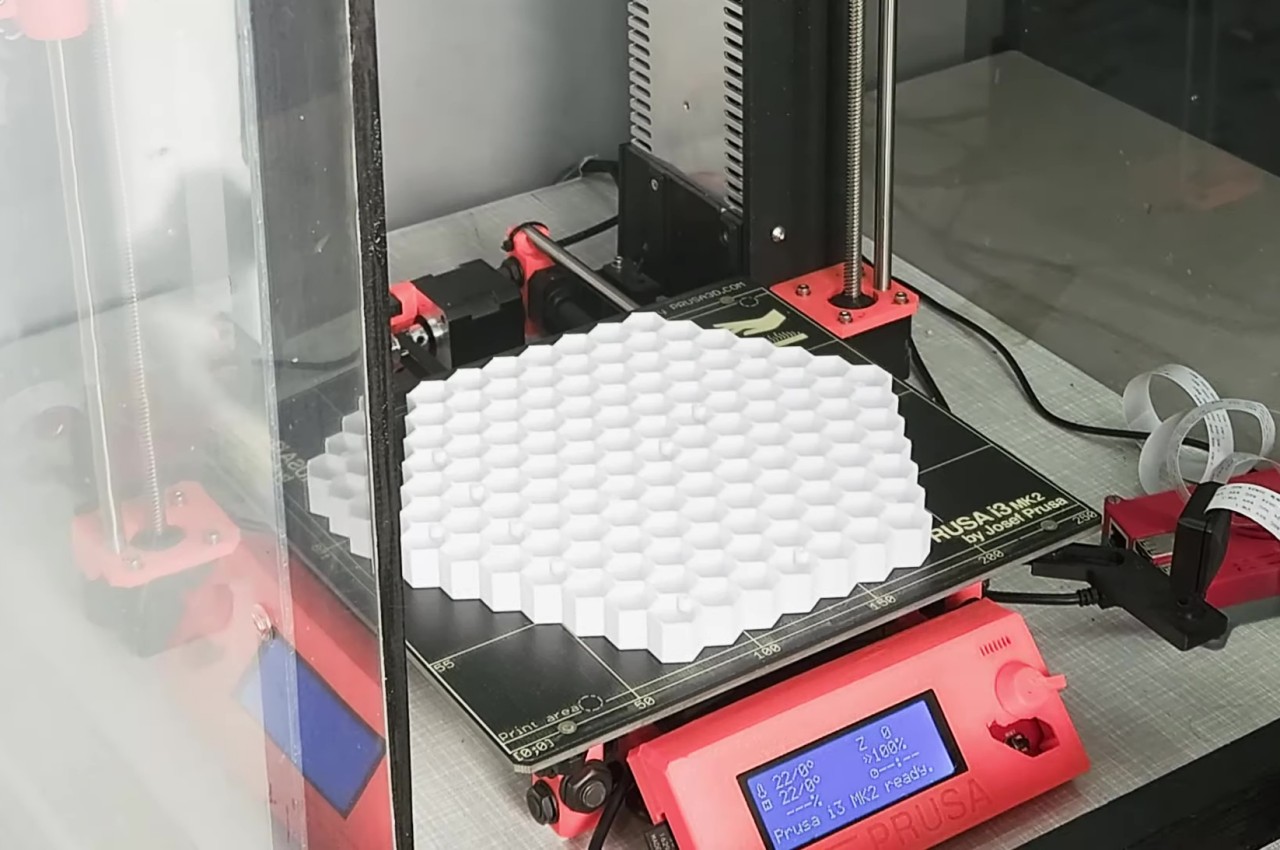
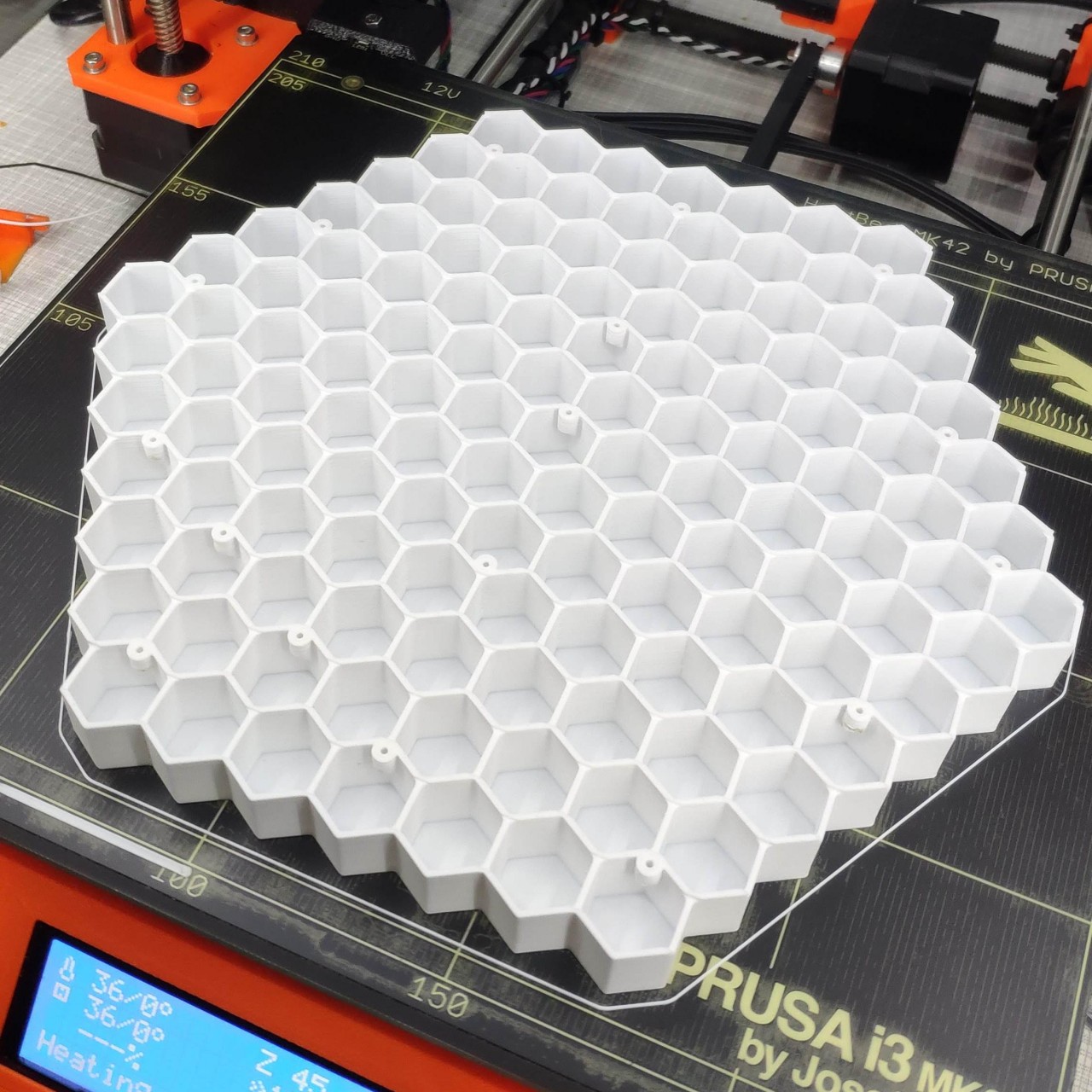
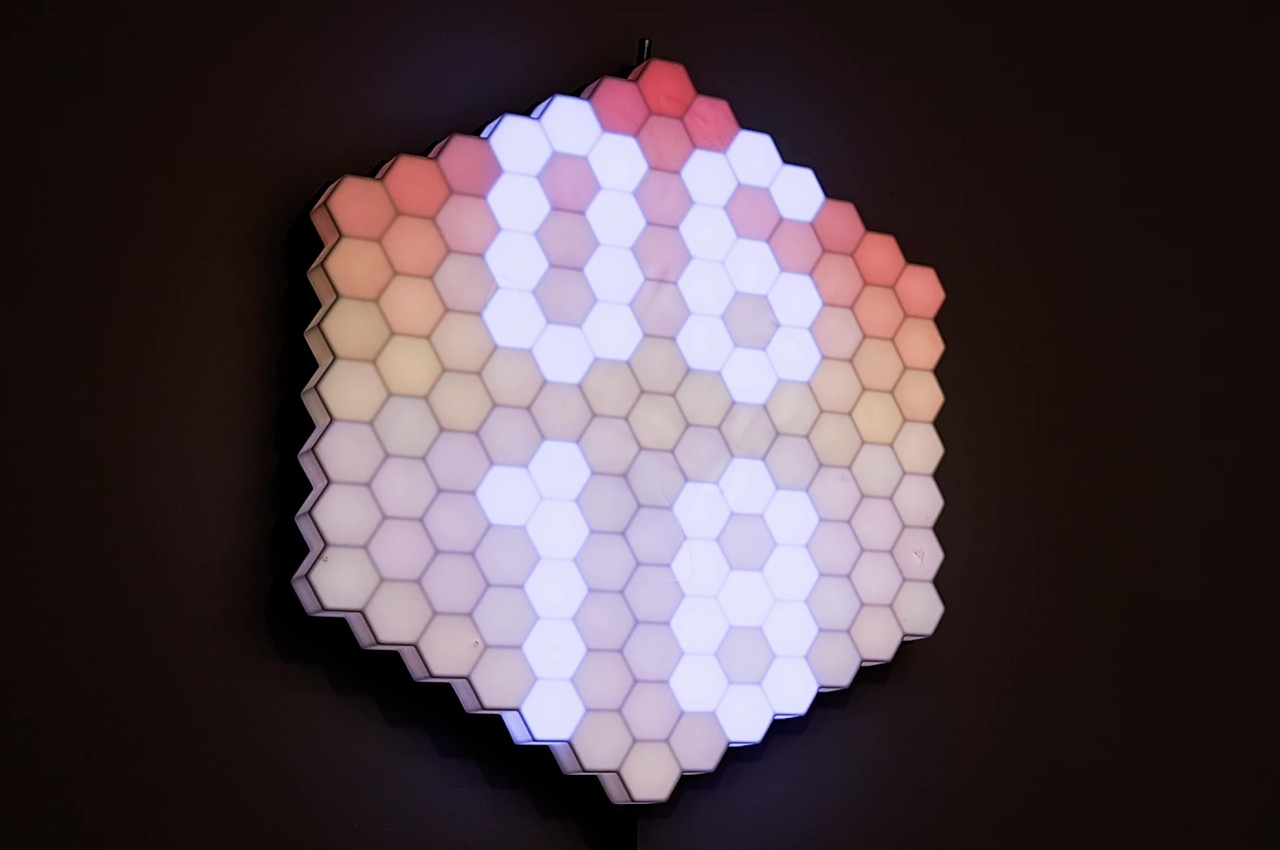
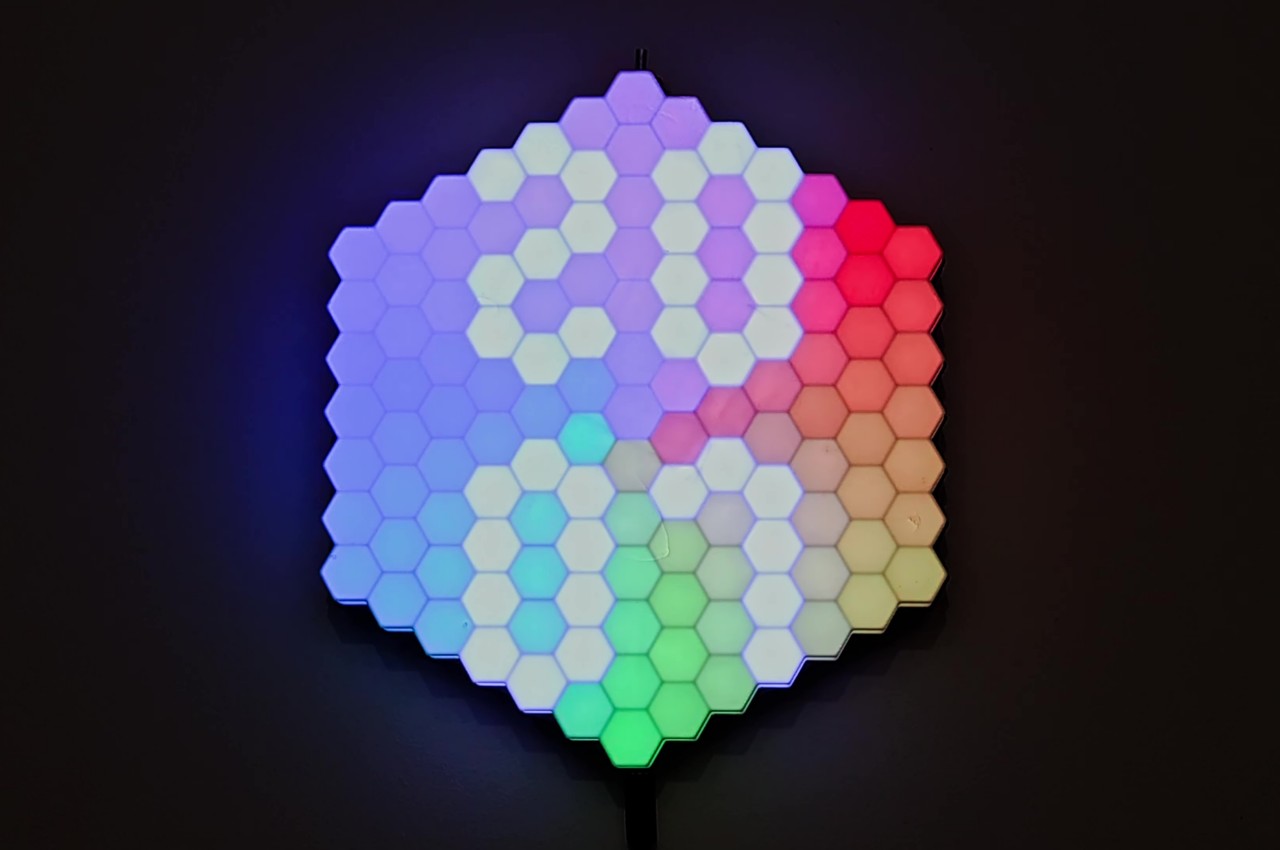
It’s really impressive how far DIY tools have come these days, from desktop 3D printers to small circuit boards that can run complicated programs to control nontrivial devices. And depending on the skills of the one making them, the end result could even look like a professionally made product that came from a factory rather than someone’s garage or home workshop. The Hexaclock, named for its unusual shape for a clock, is one such example, offering a wall clock and smart lamp that can rival the quality and features of well-known smart lighting brands.

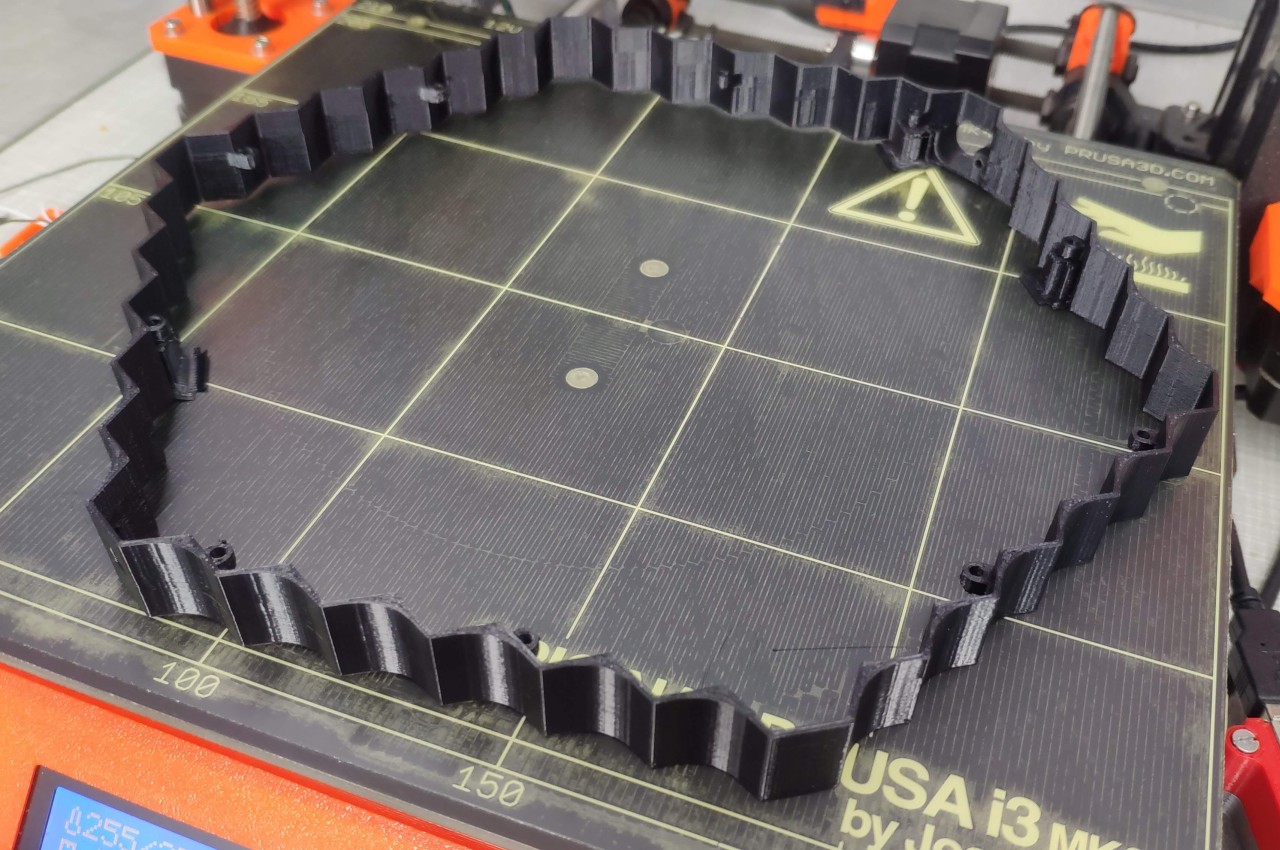
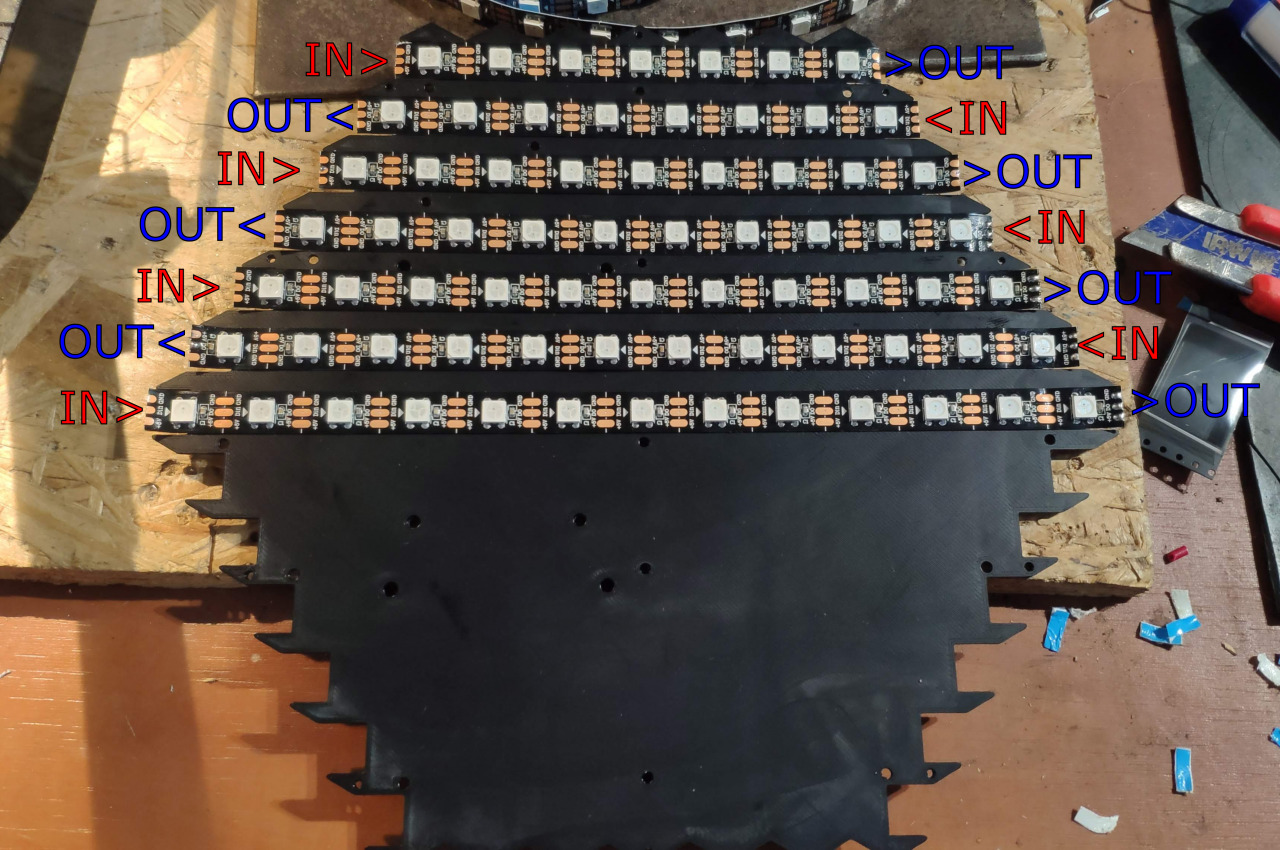
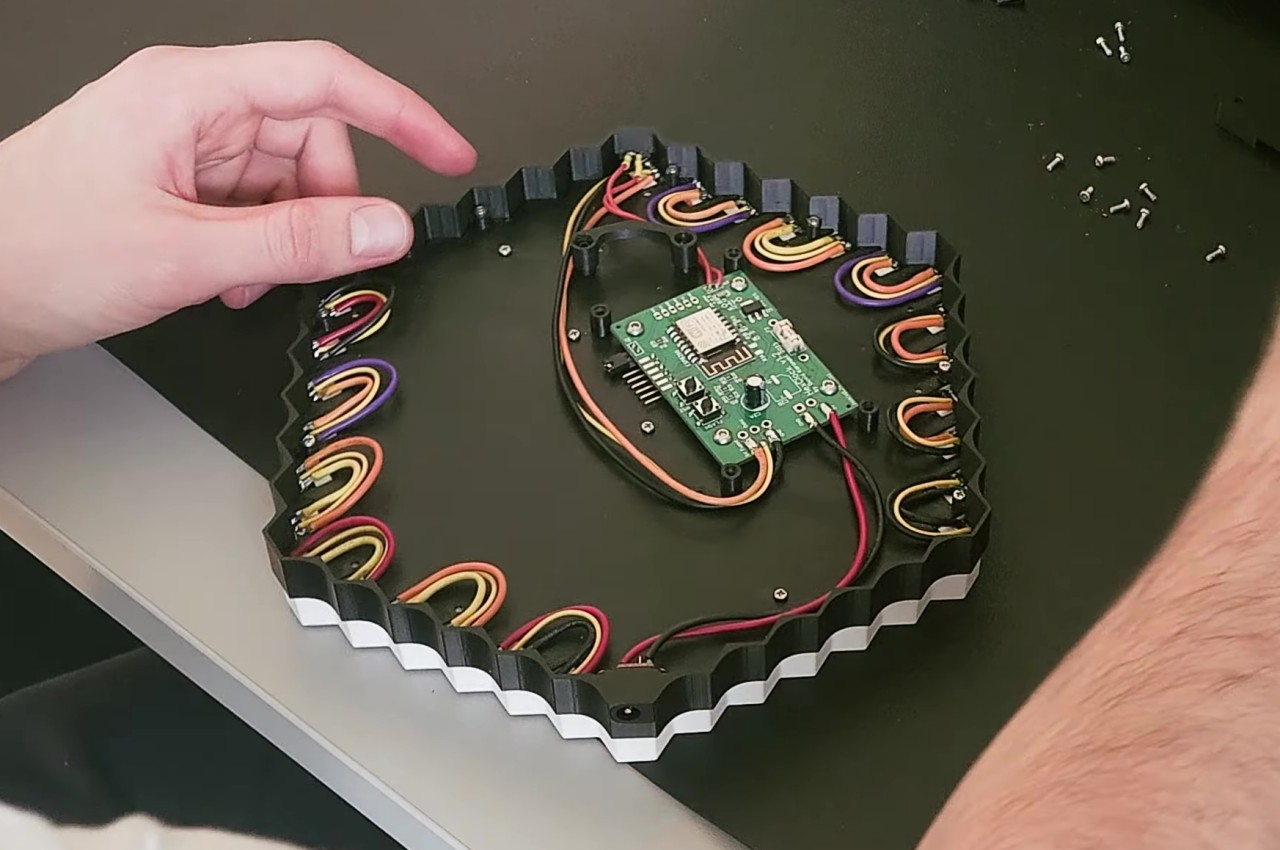
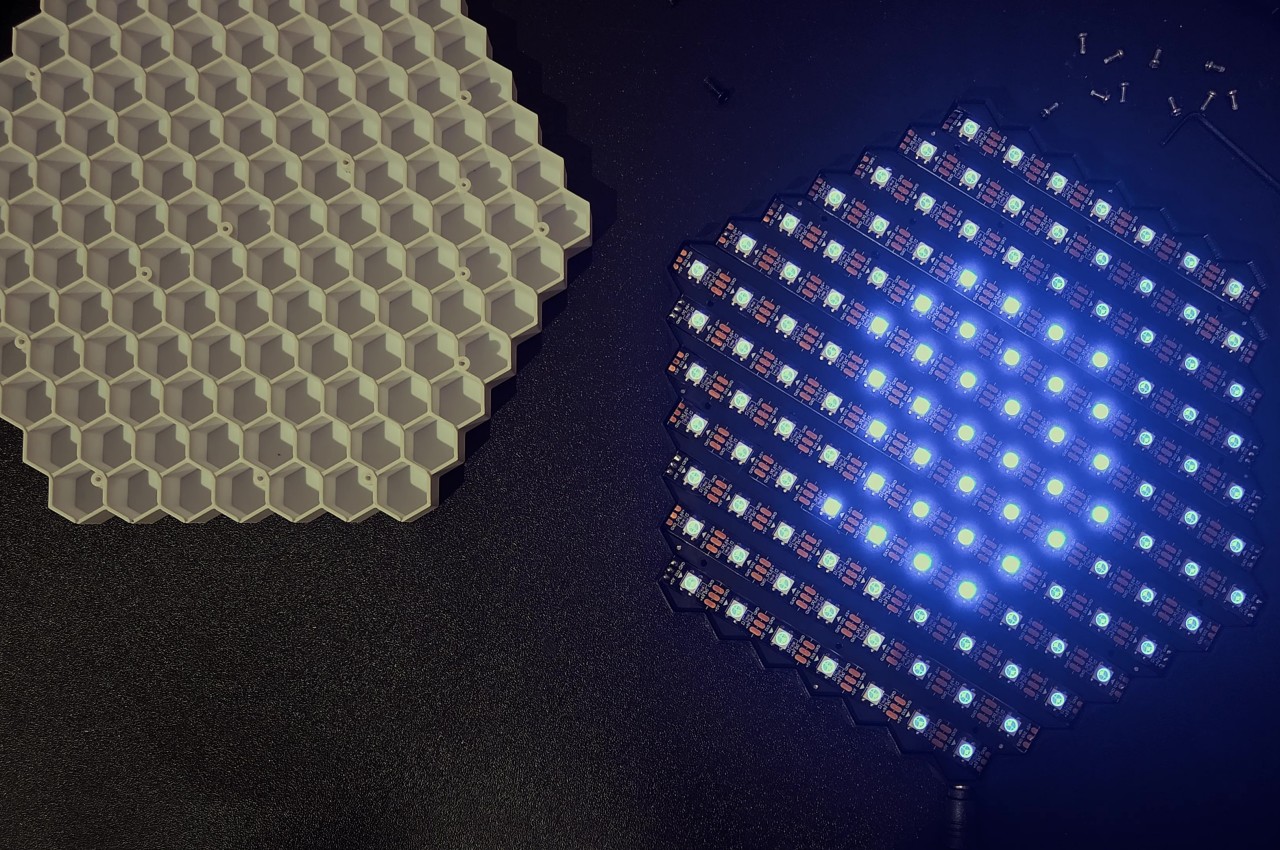
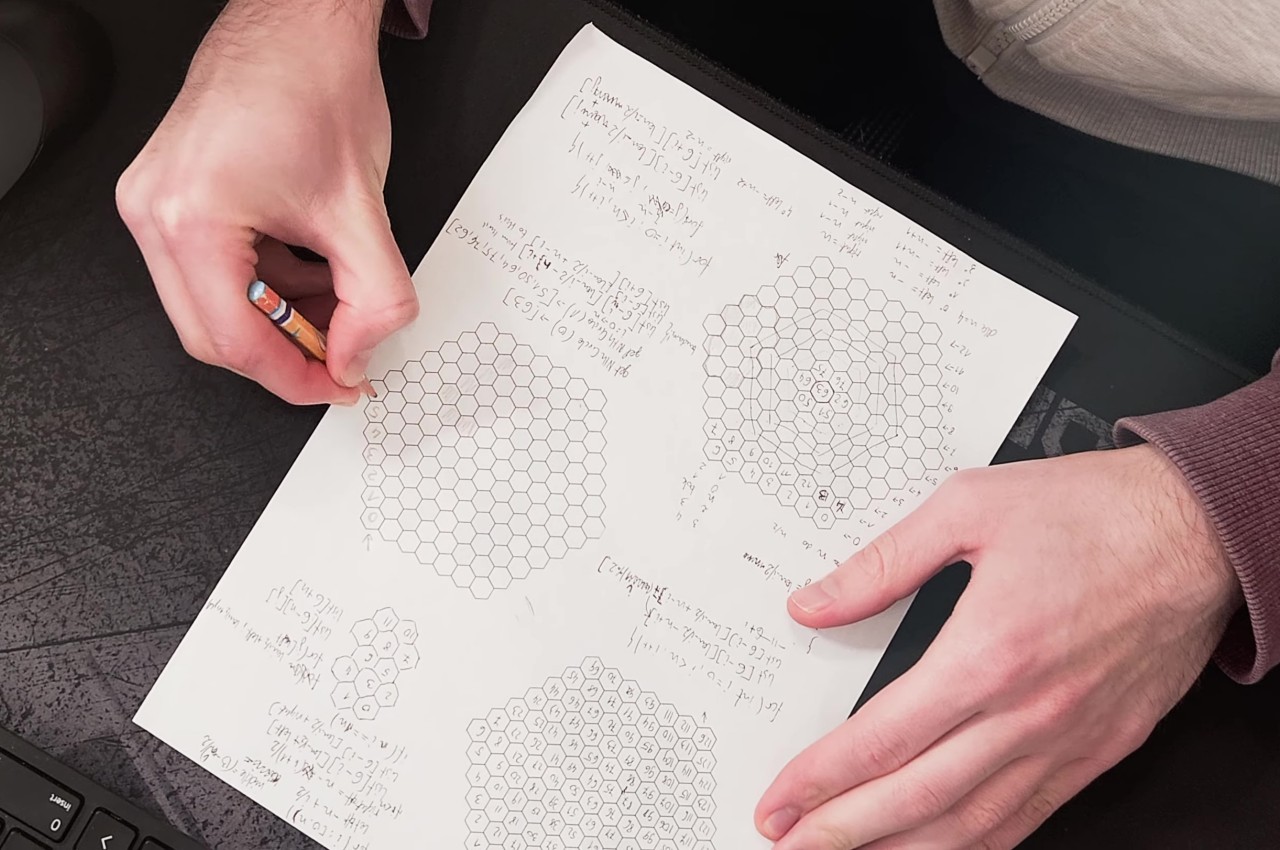
The catch is that you have to make one yourself, which may or may not result in a product of equal quality. You’ll need a 3D printer, unsurprisingly, but that is actually the easier part of the process. The more tedious phase requires precisely cutting an LED light strip into specific sizes so that the LEDs actually line up with the hexagon-shaped compartments of the lamp. Even more laborious is connecting these segments together again into a single unit, at least electronically, so that you can control the strip with a program as if it was never cut at all.

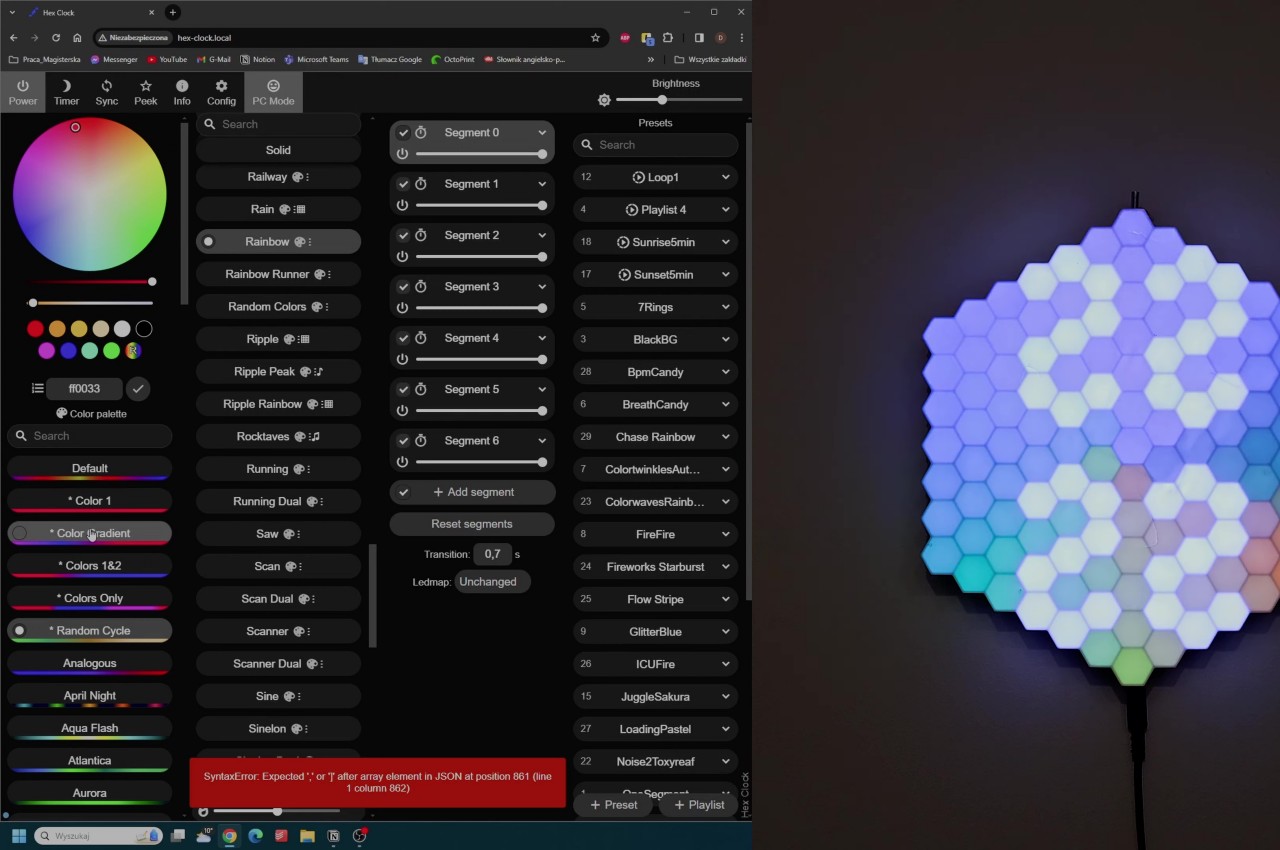
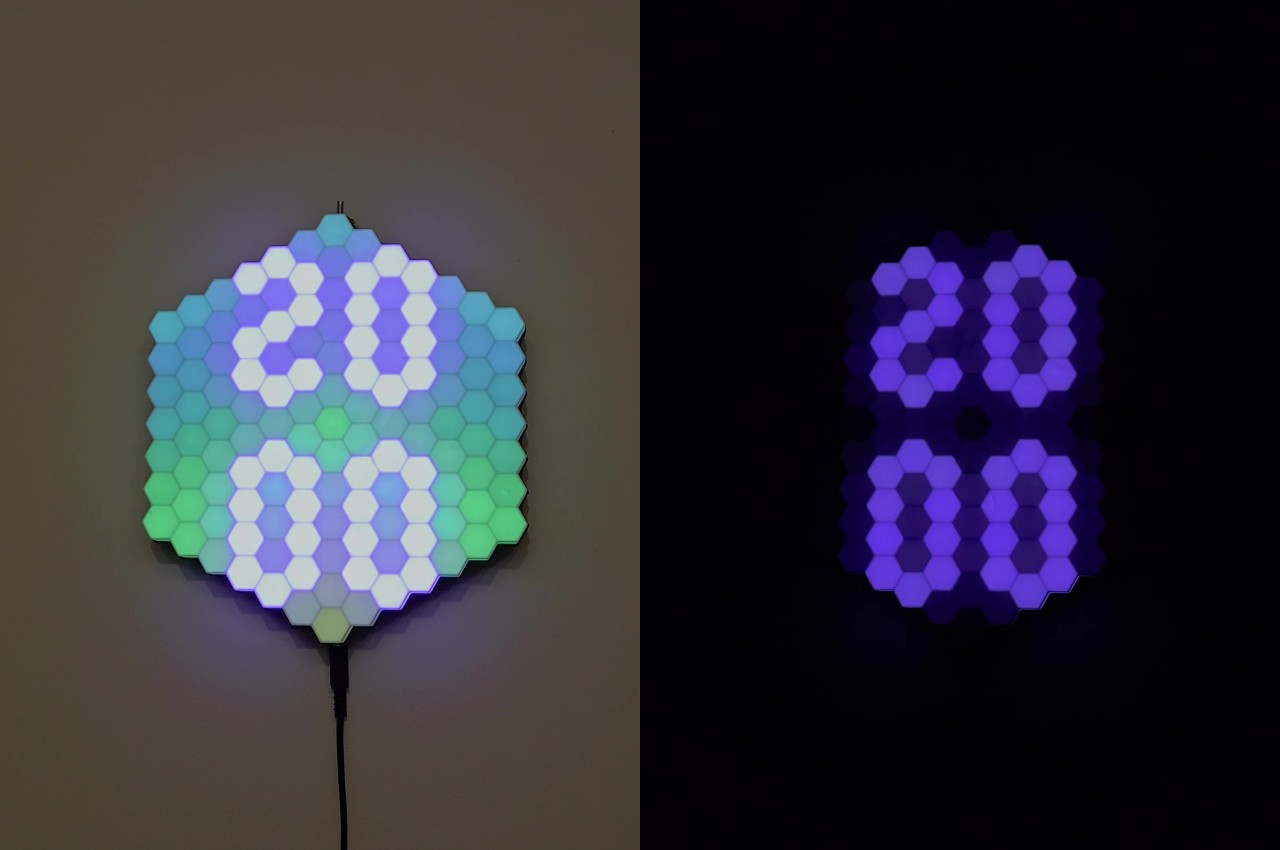
All of these details, from the schematics to the software, are made available for free so that anyone with the right tools and knowledge can make their own hive-shaped wall clock. In terms of functionality, the clock offers plenty of customization options, from animated color transitions to dancing patterns. What’s even more impressive is that it supports a light sensor that can dim all LEDs except the ones displaying the clock itself so that the bright lights won’t disturb your sleep at night.

The post Hive-like LED wall clock offers a colorful and dynamic way to tell the time first appeared on Yanko Design.