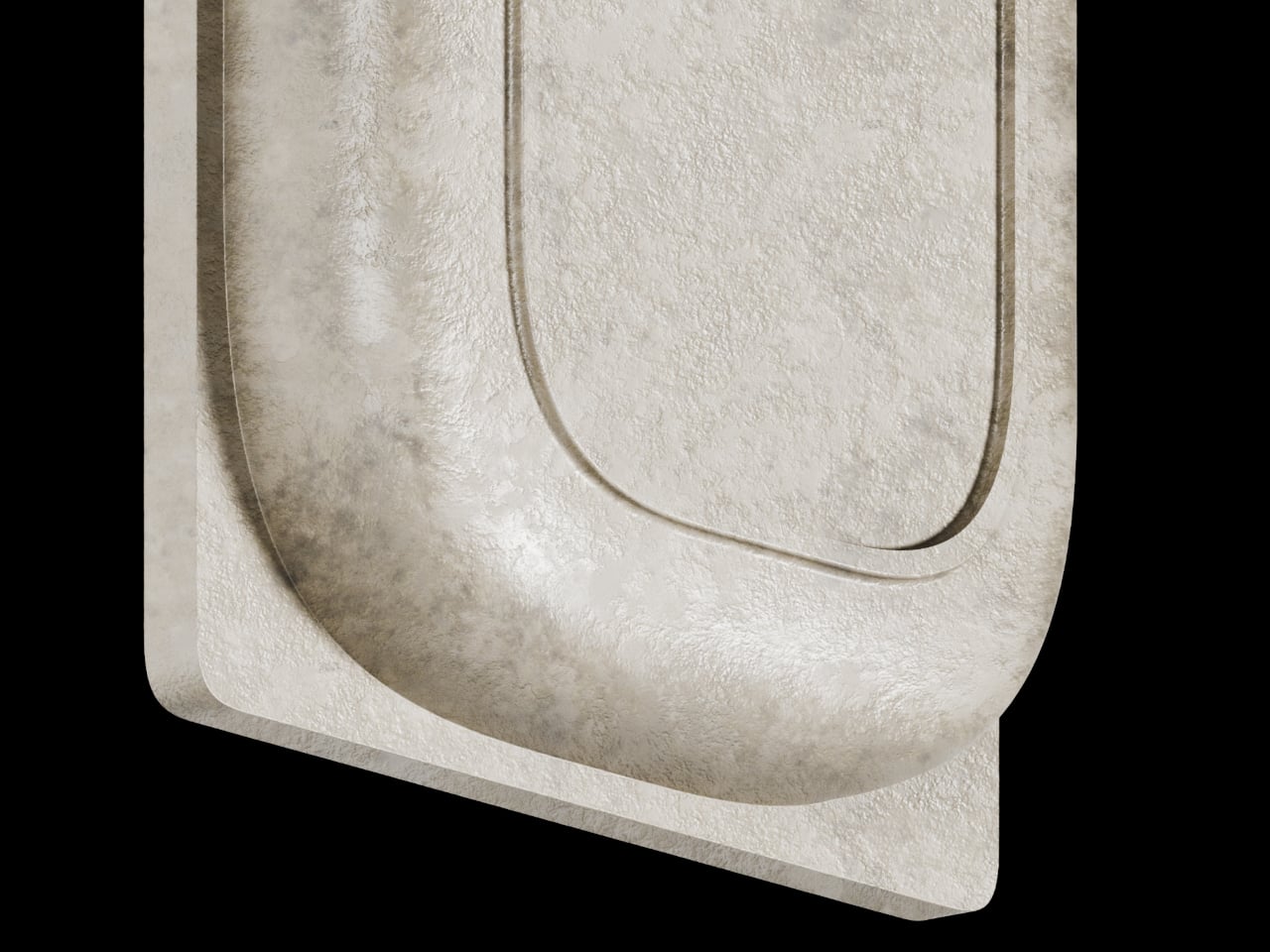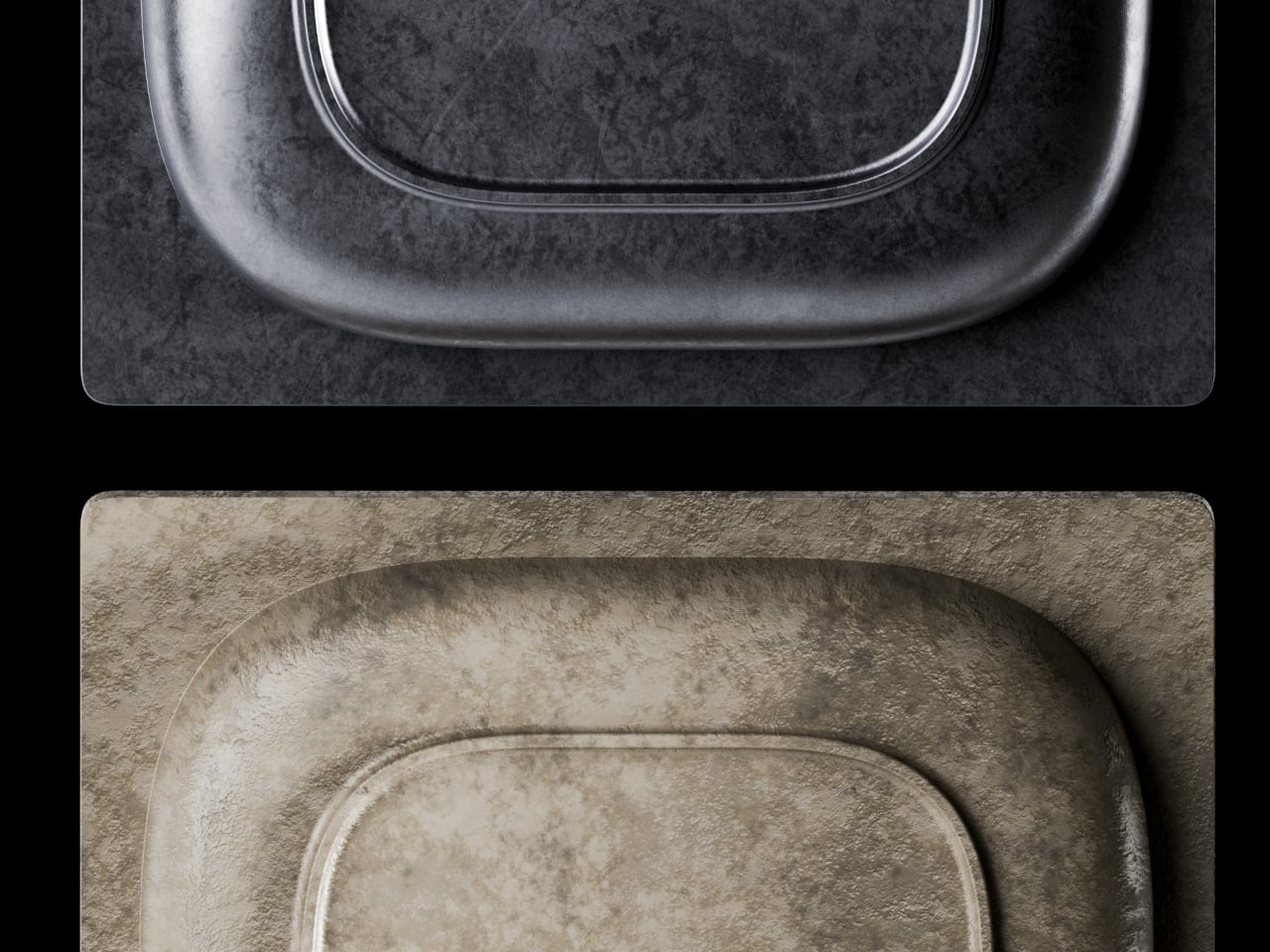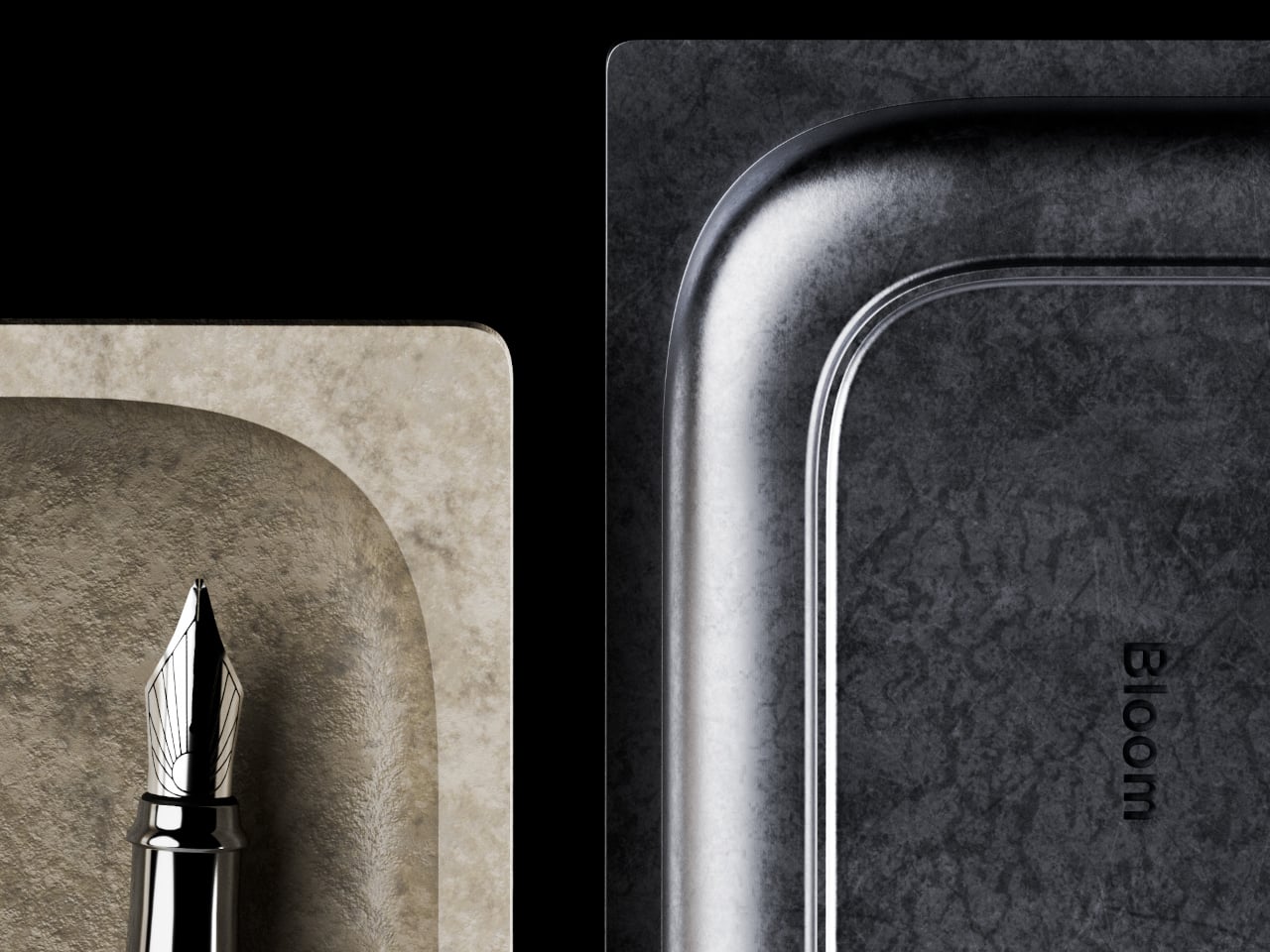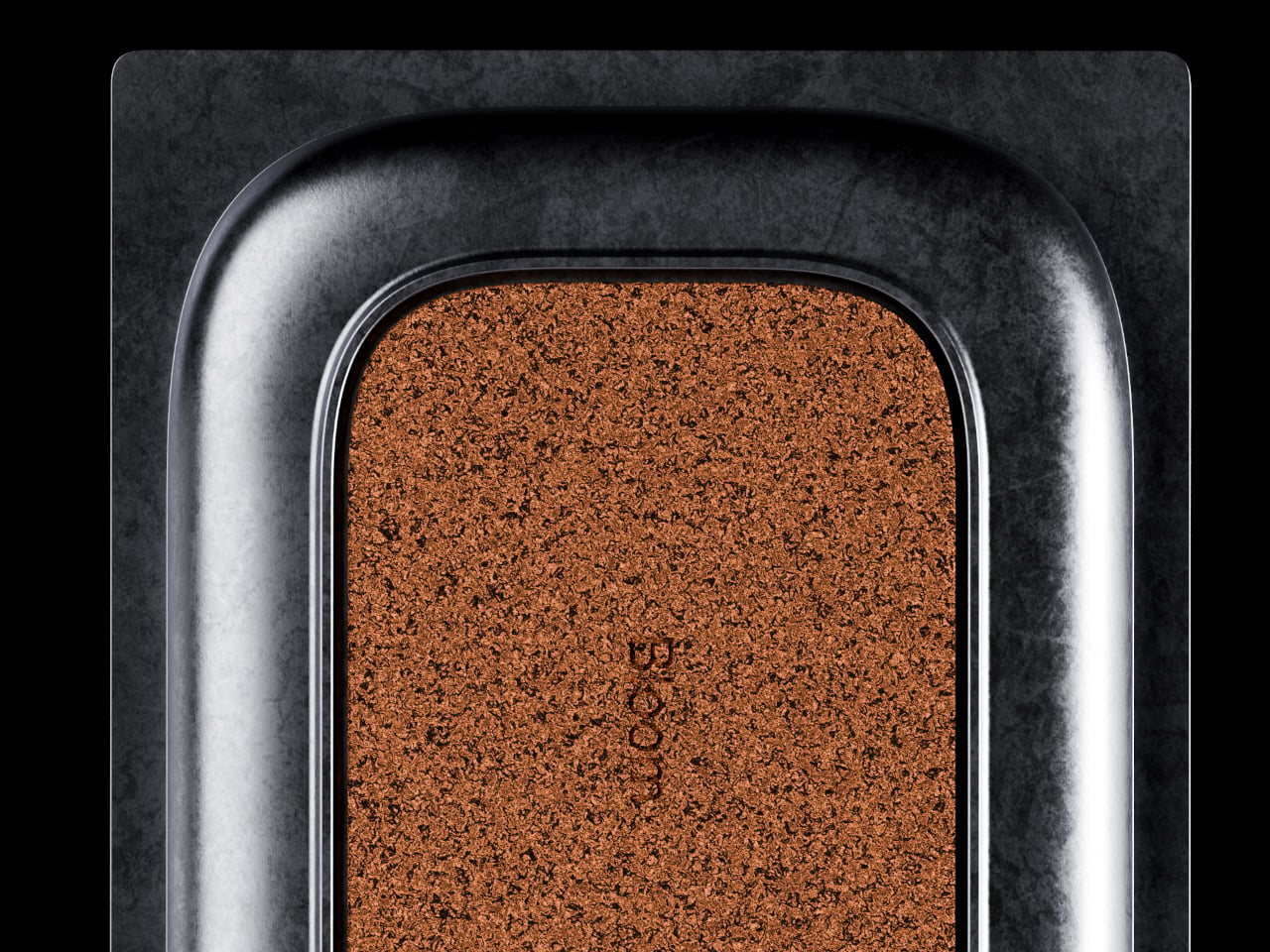
Airline Meal Trays Are Broken: This Korean Design Fixes Them

There’s something deeply satisfying about opening a Korean meal to find those little side dishes, each in their own small bowl, arranged just so. The banchan tradition turns eating into a kind of visual feast before you even take a bite. Now, imagine bringing that same thoughtful, modular approach to one of the most notoriously cramped dining experiences: airplane meals.

That’s exactly what BKID co has done with their System Tray design, and honestly, it’s one of those ideas that makes you wonder why we didn’t think of this sooner. The project takes the organizational genius behind Korean side dish service and reimagines it for the narrow, tray-table constrained world of in-flight dining.

Designer: BKID co

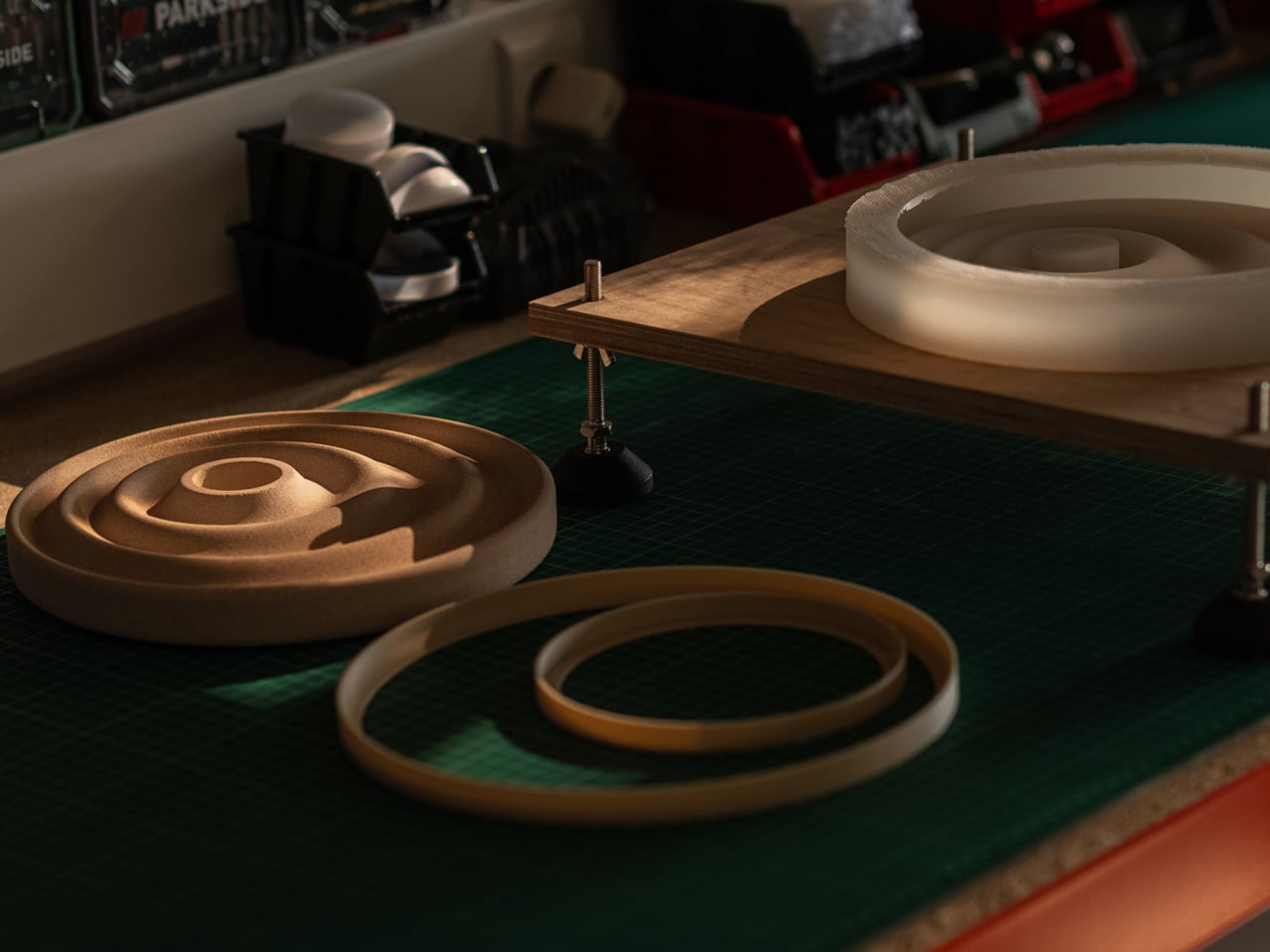
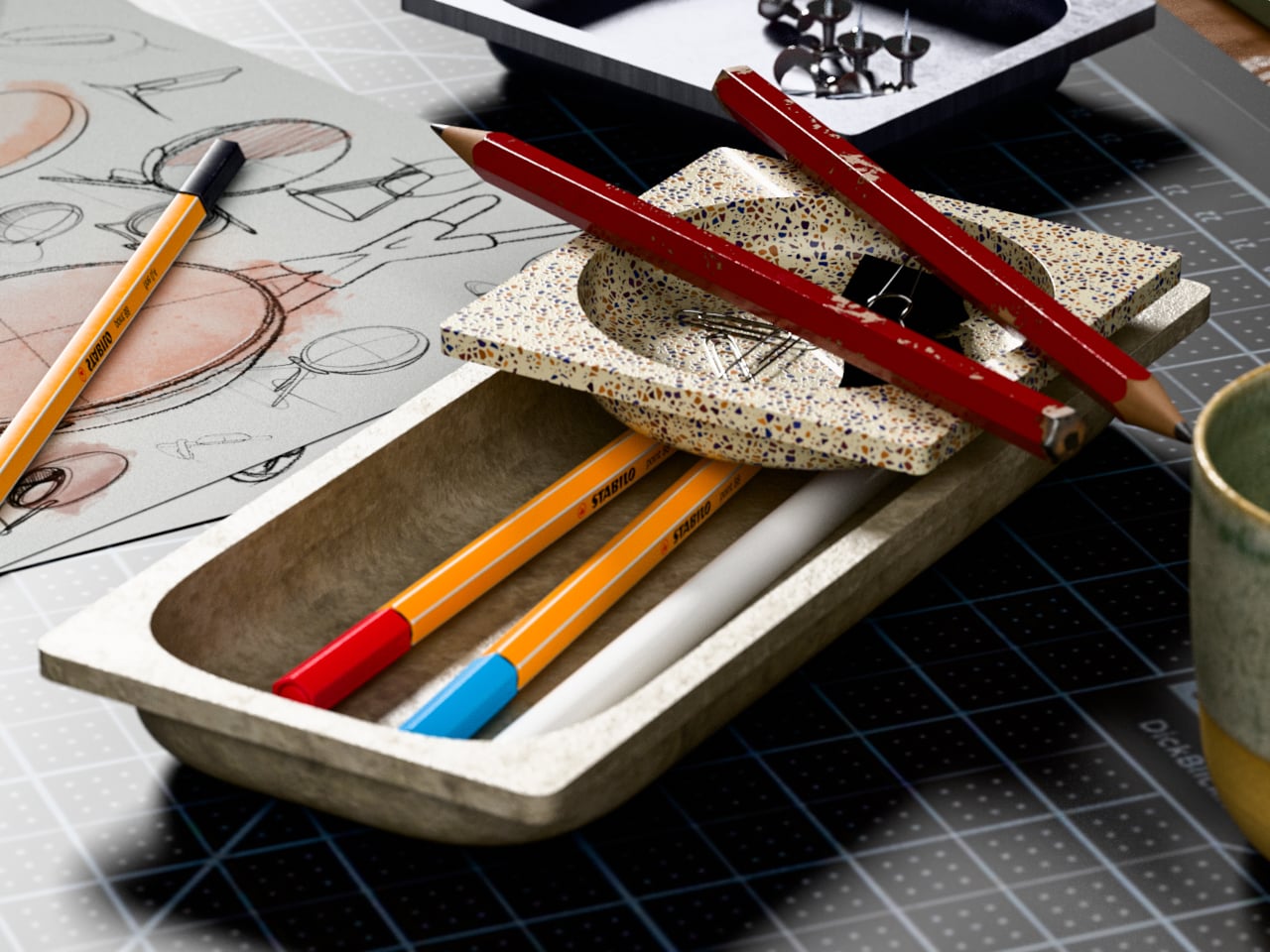
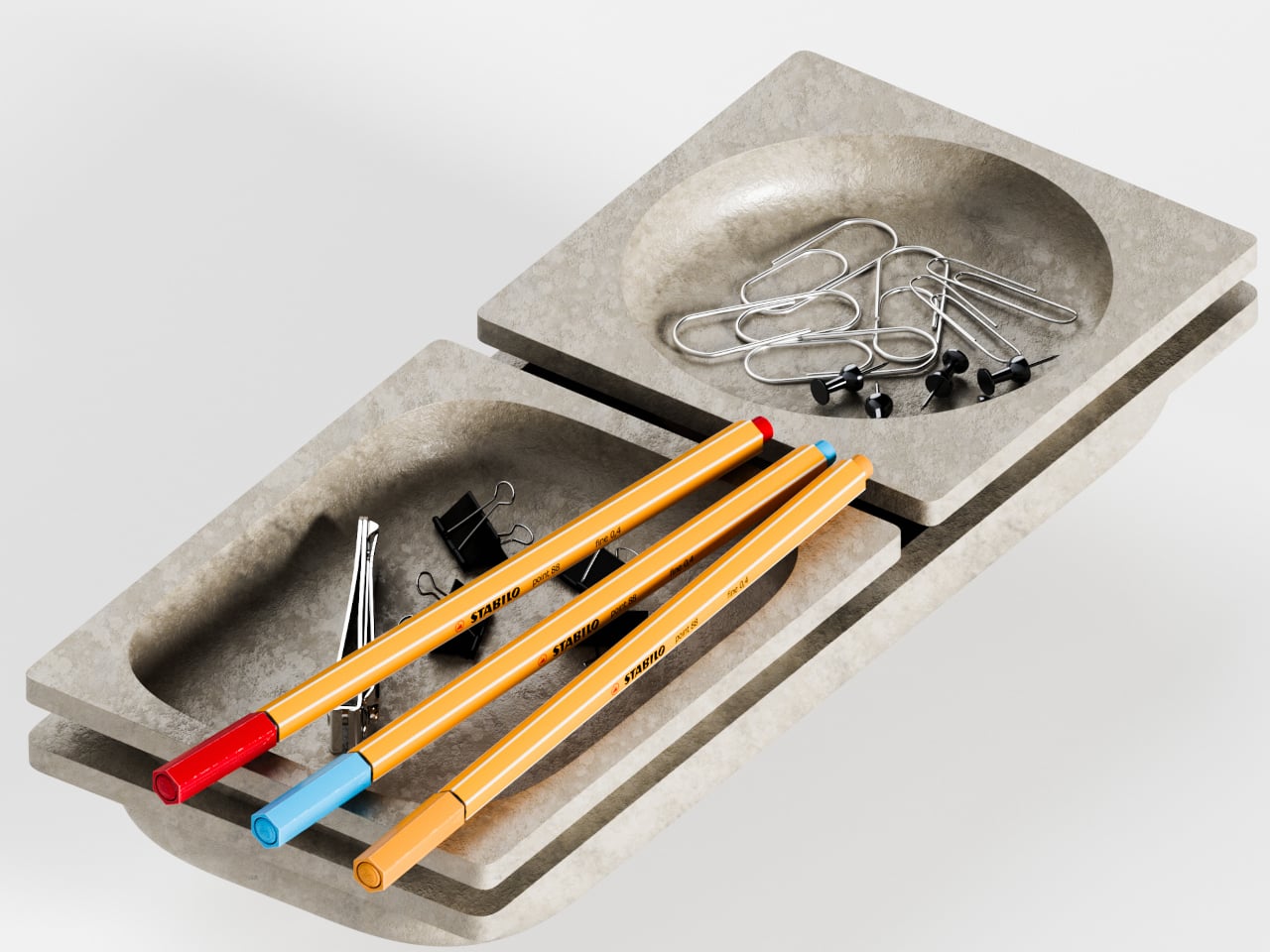
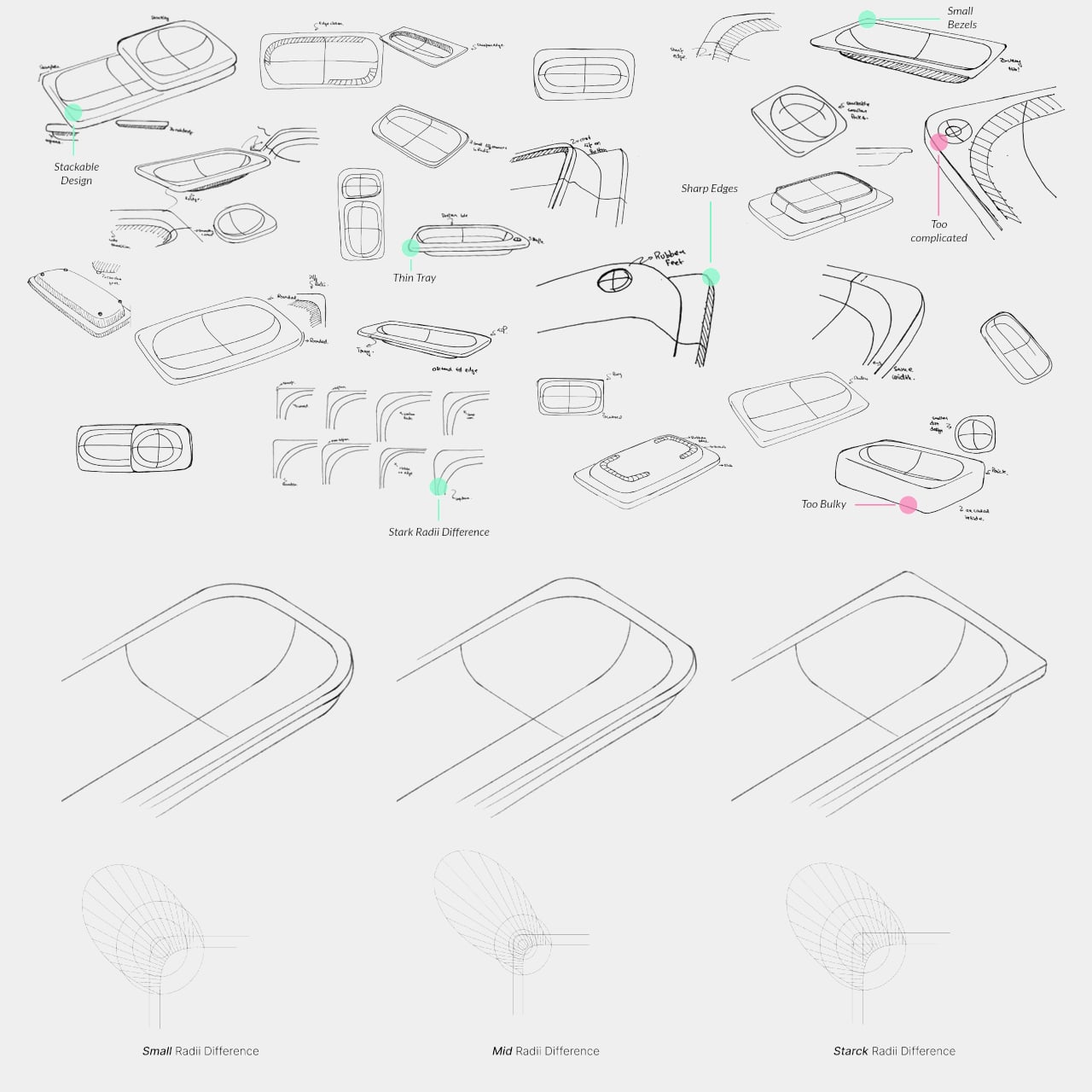
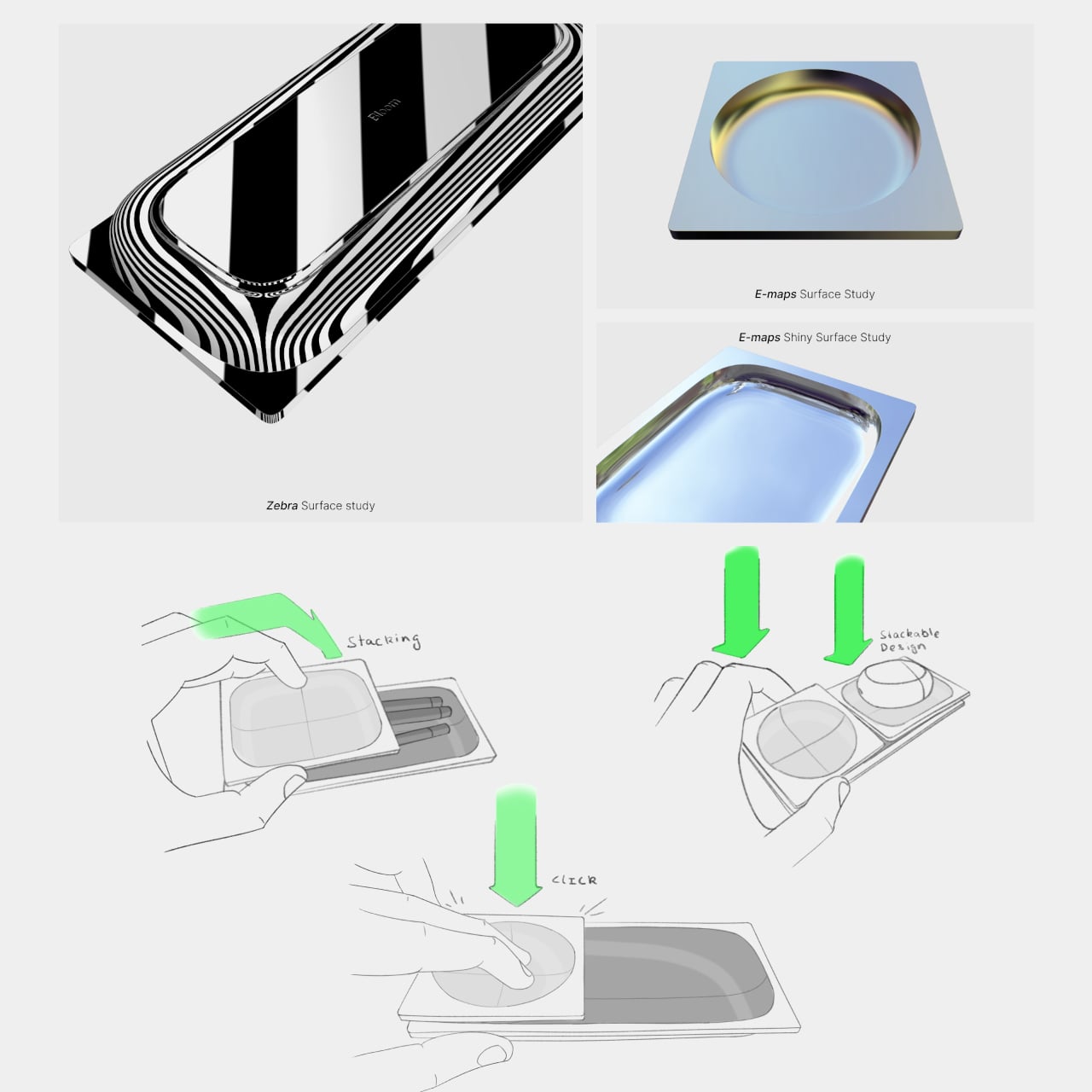
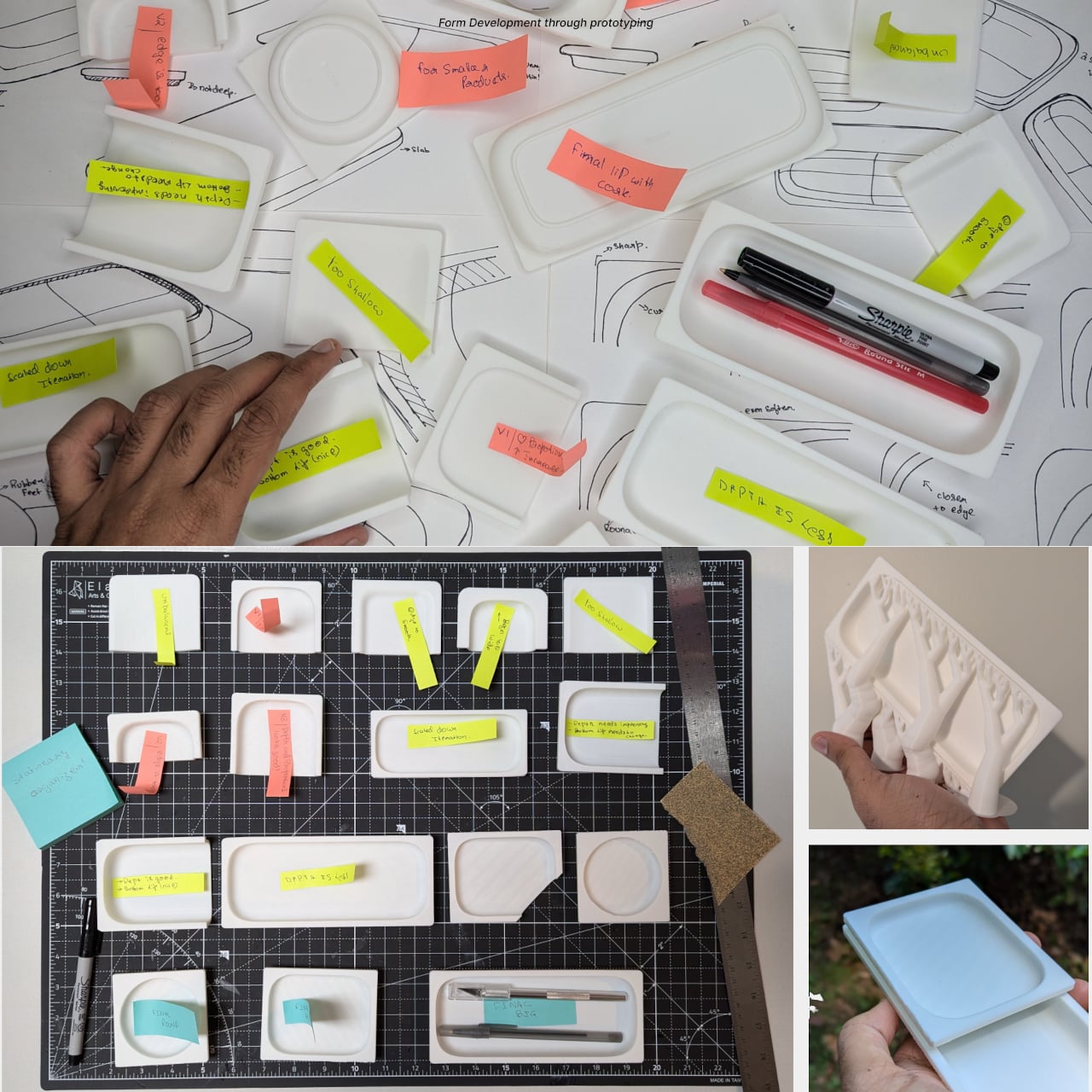
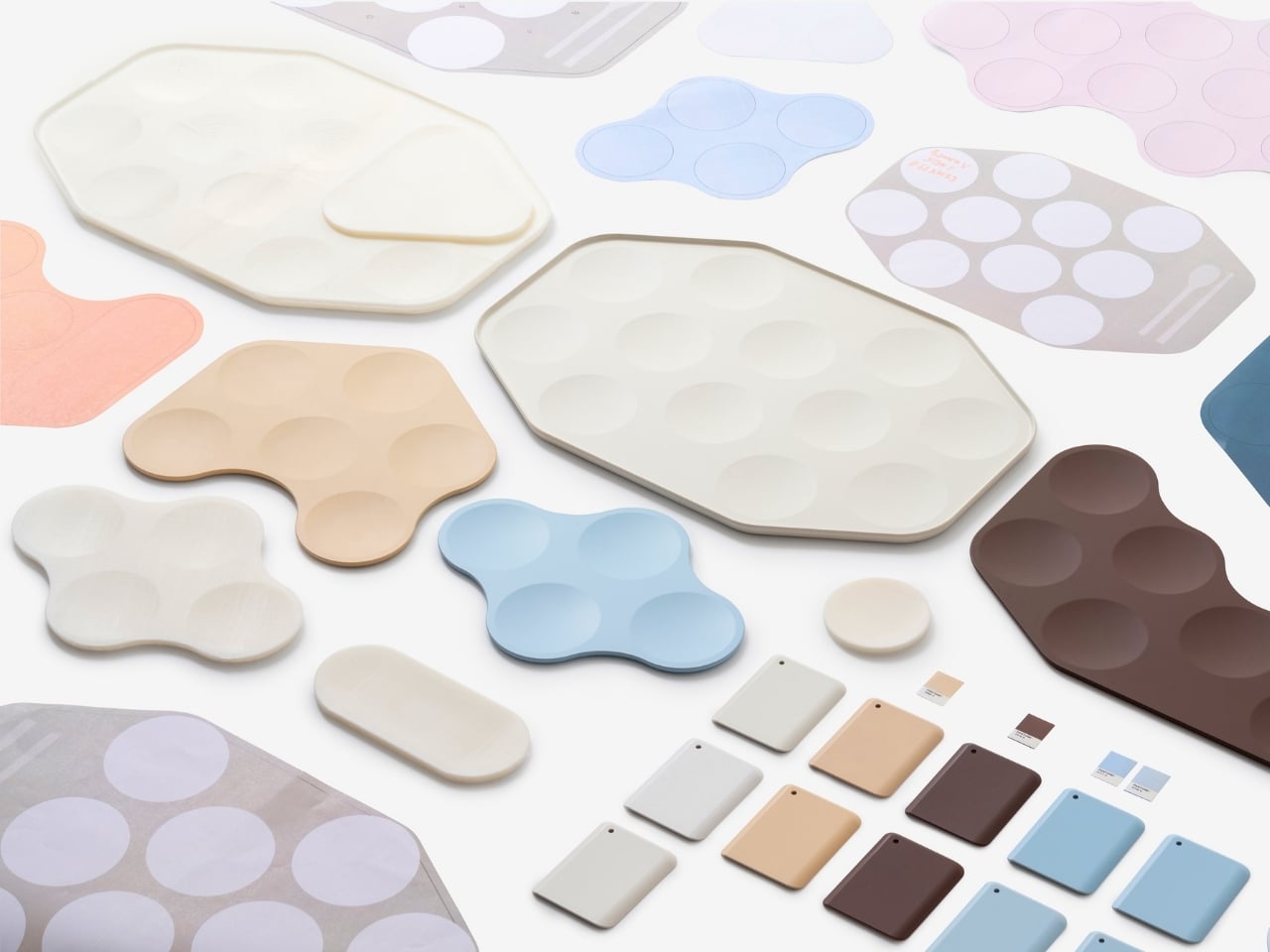
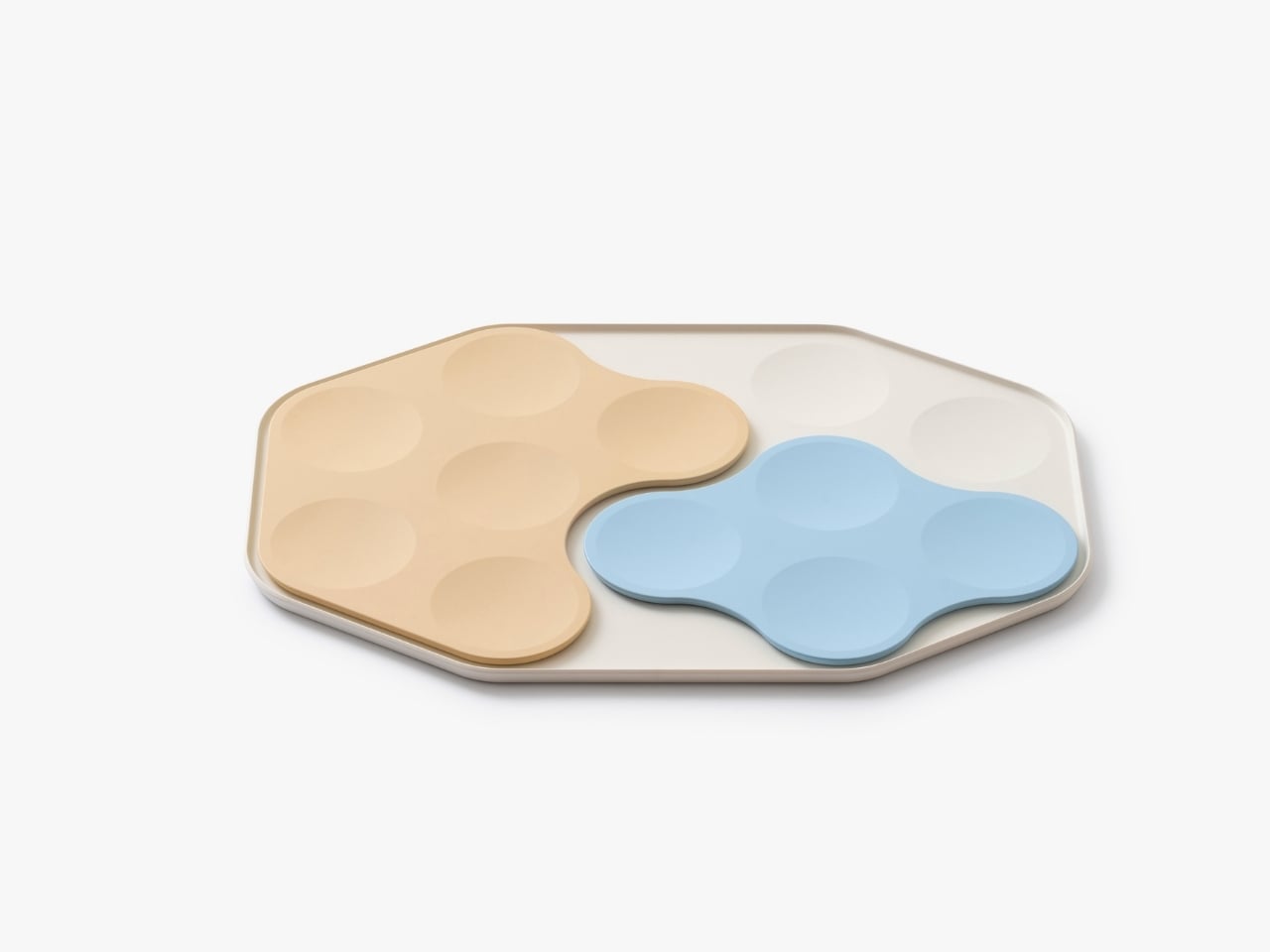
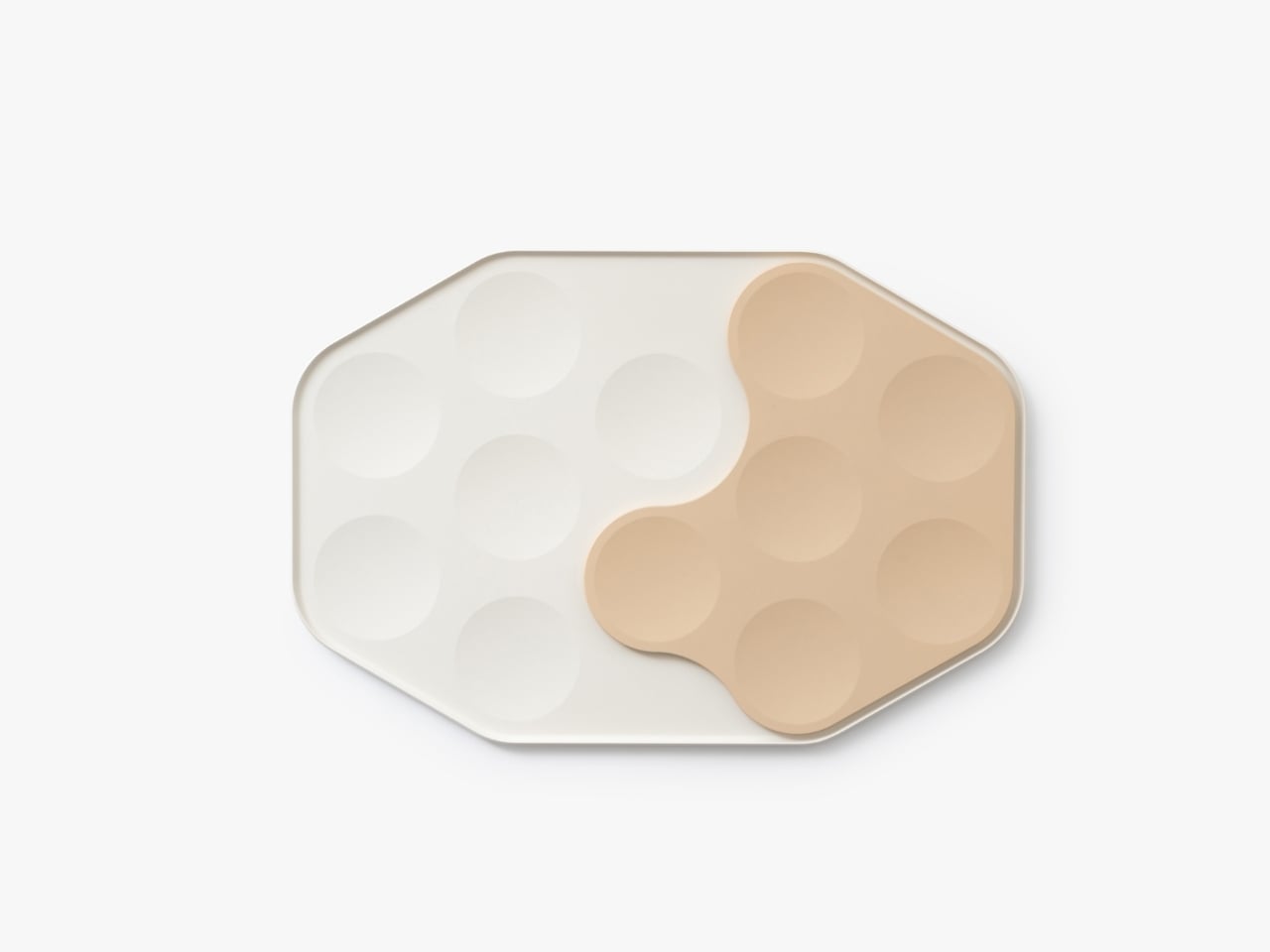
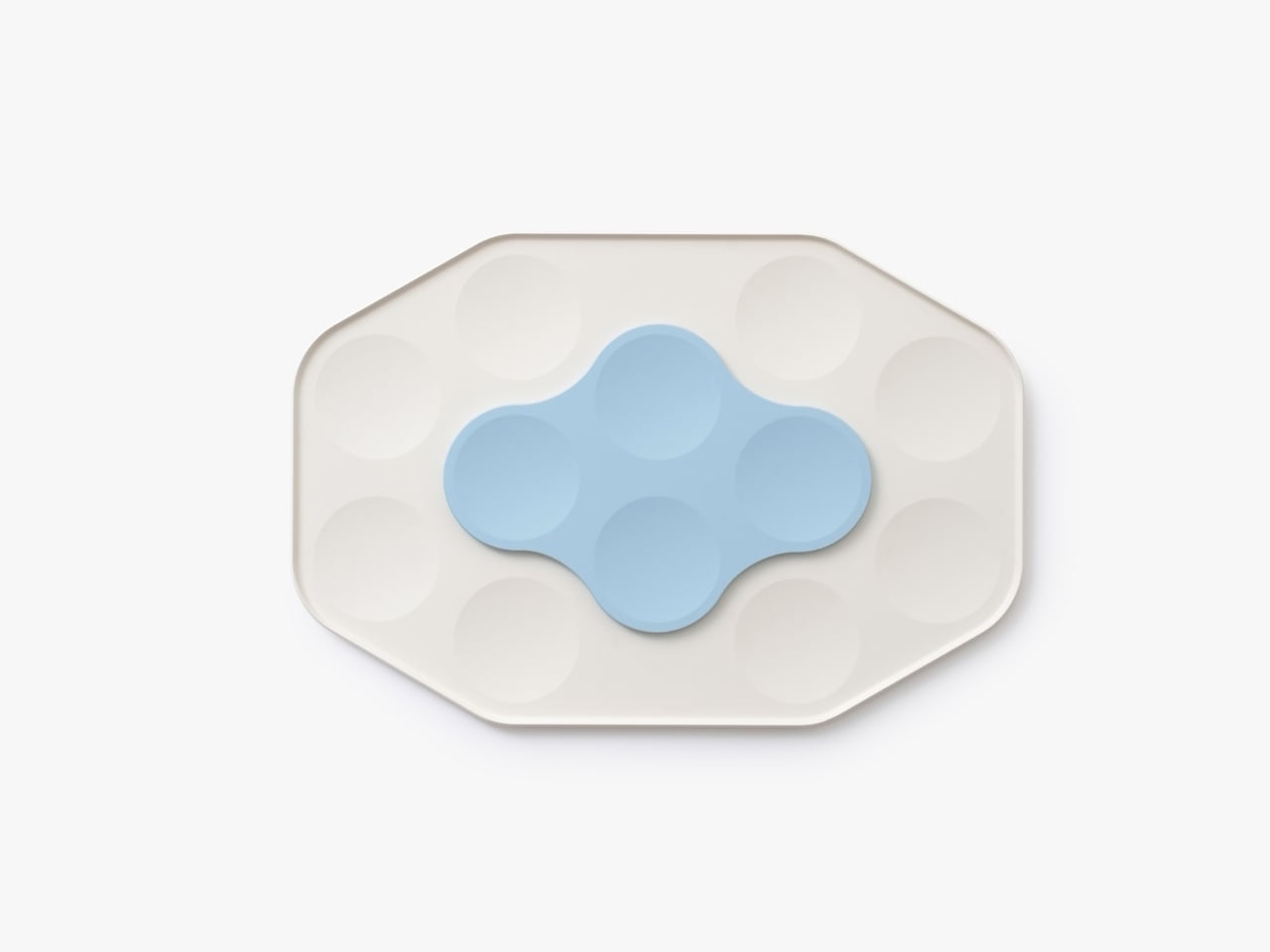
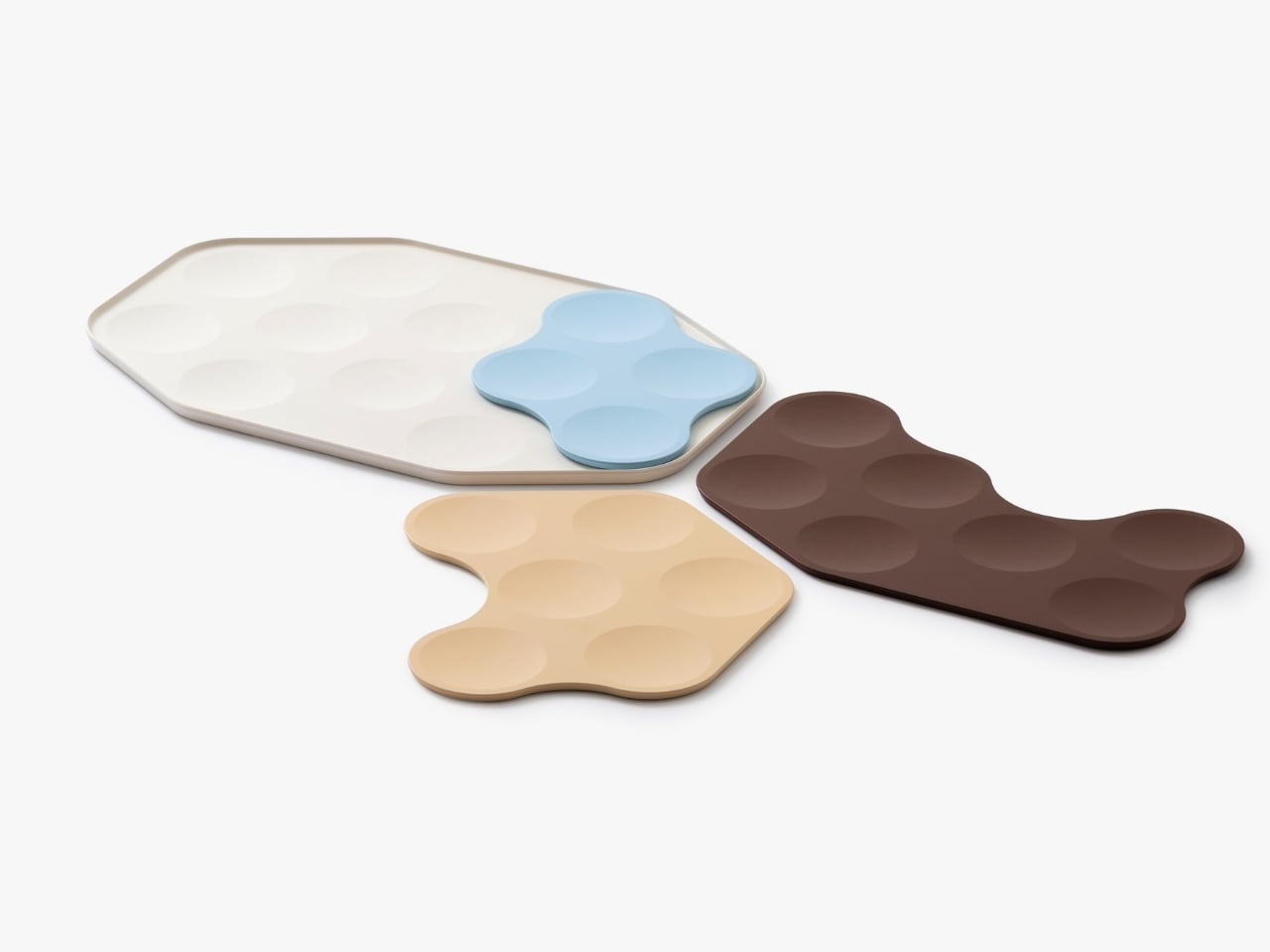
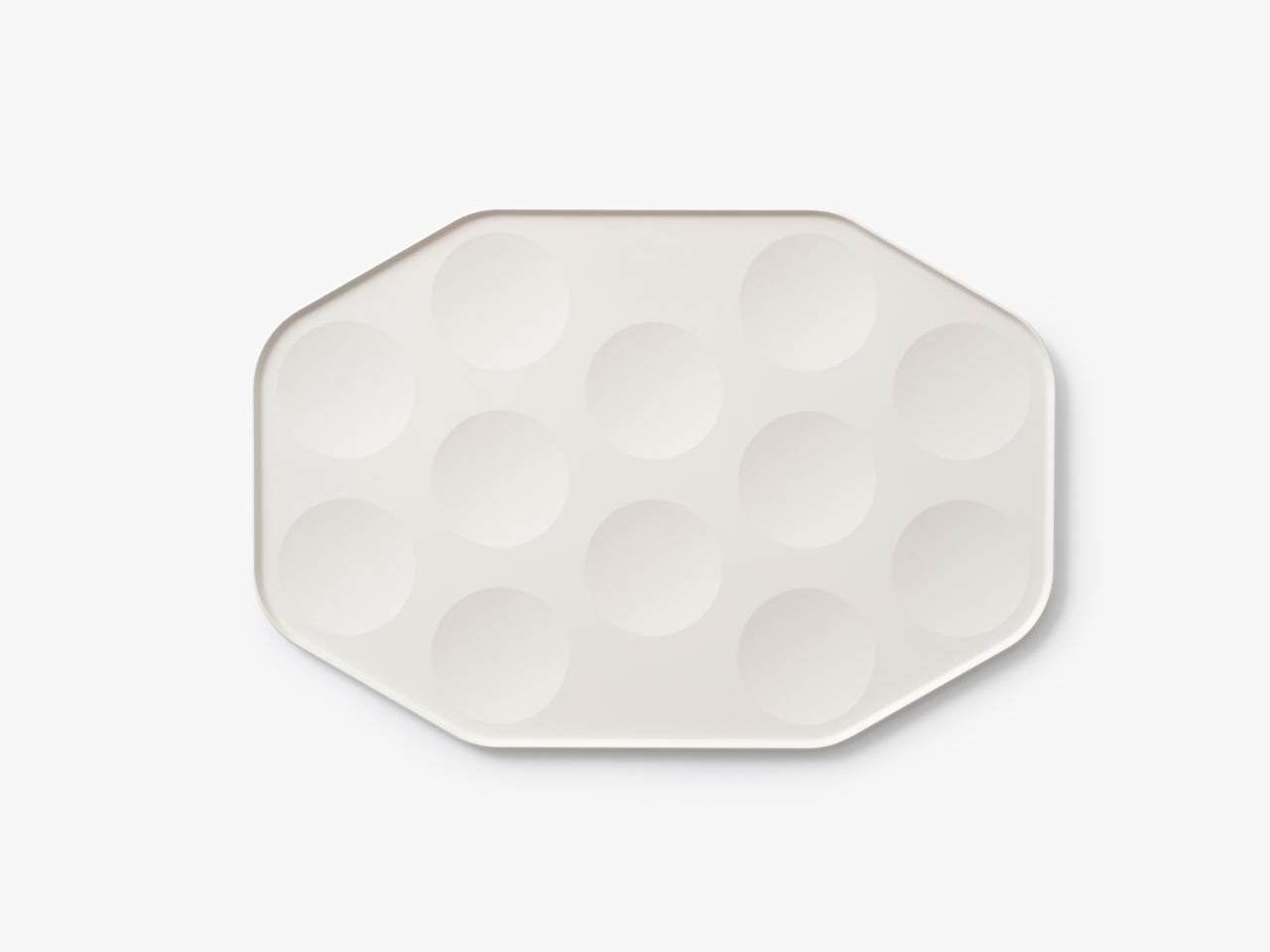
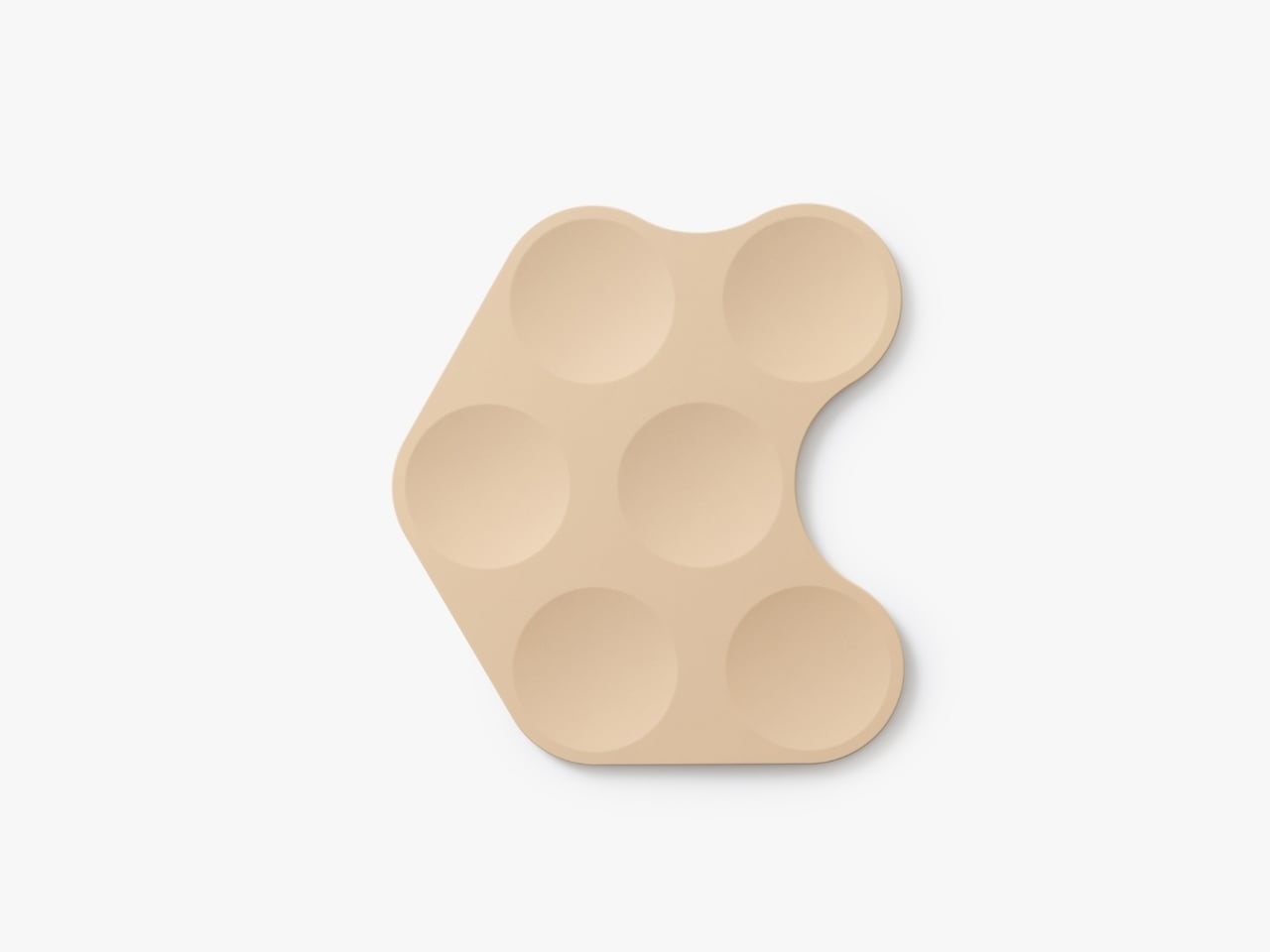
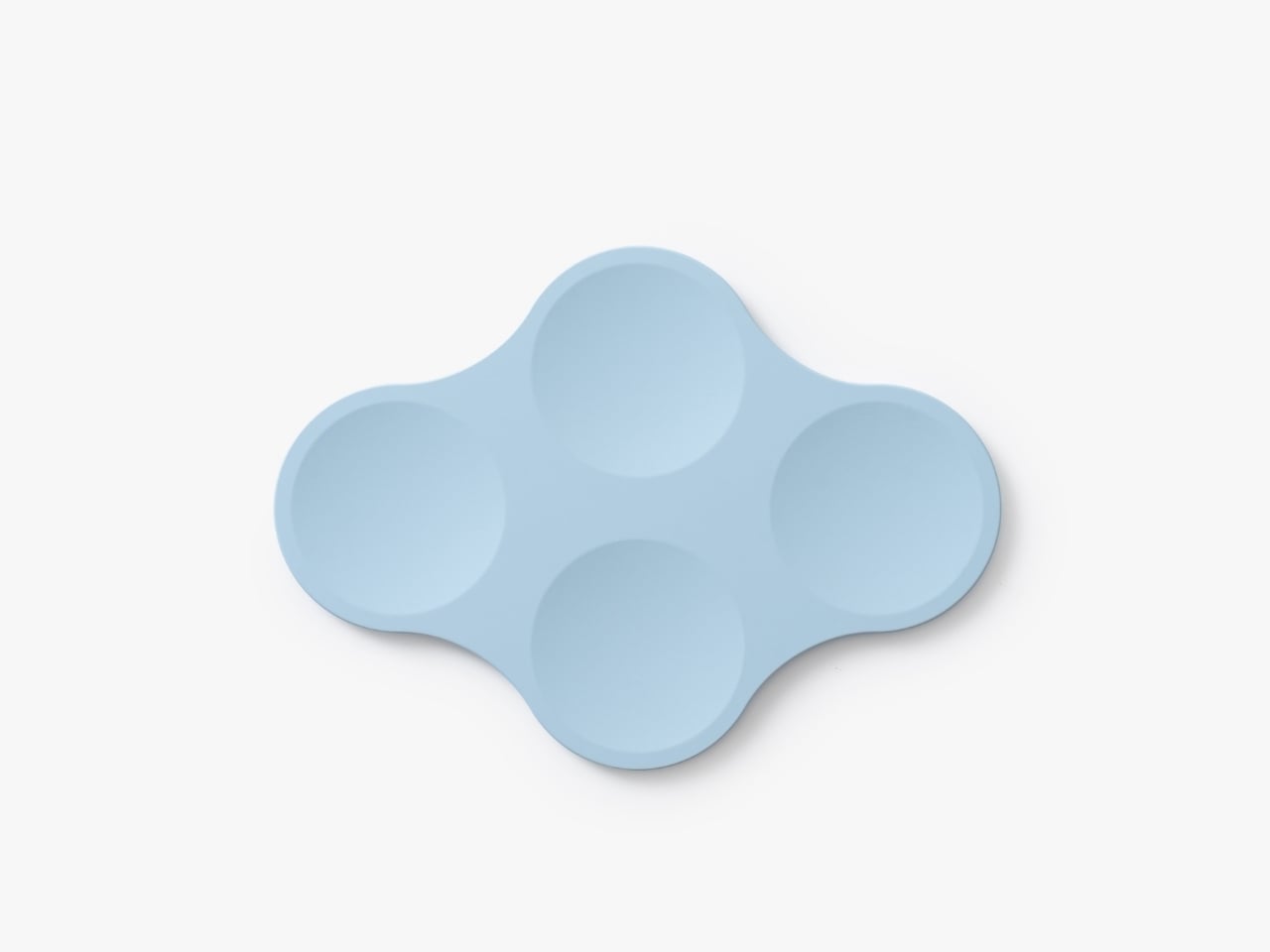
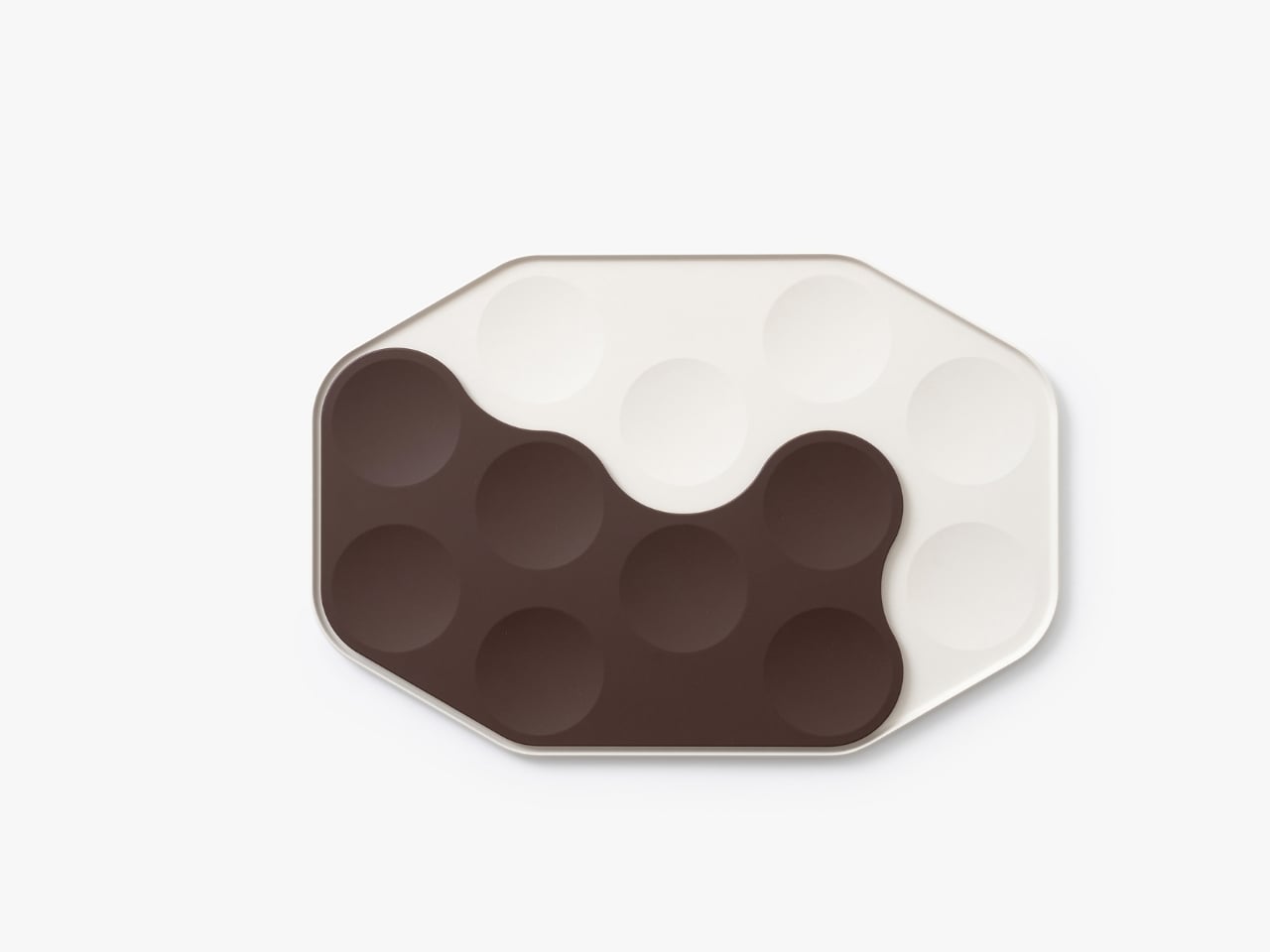
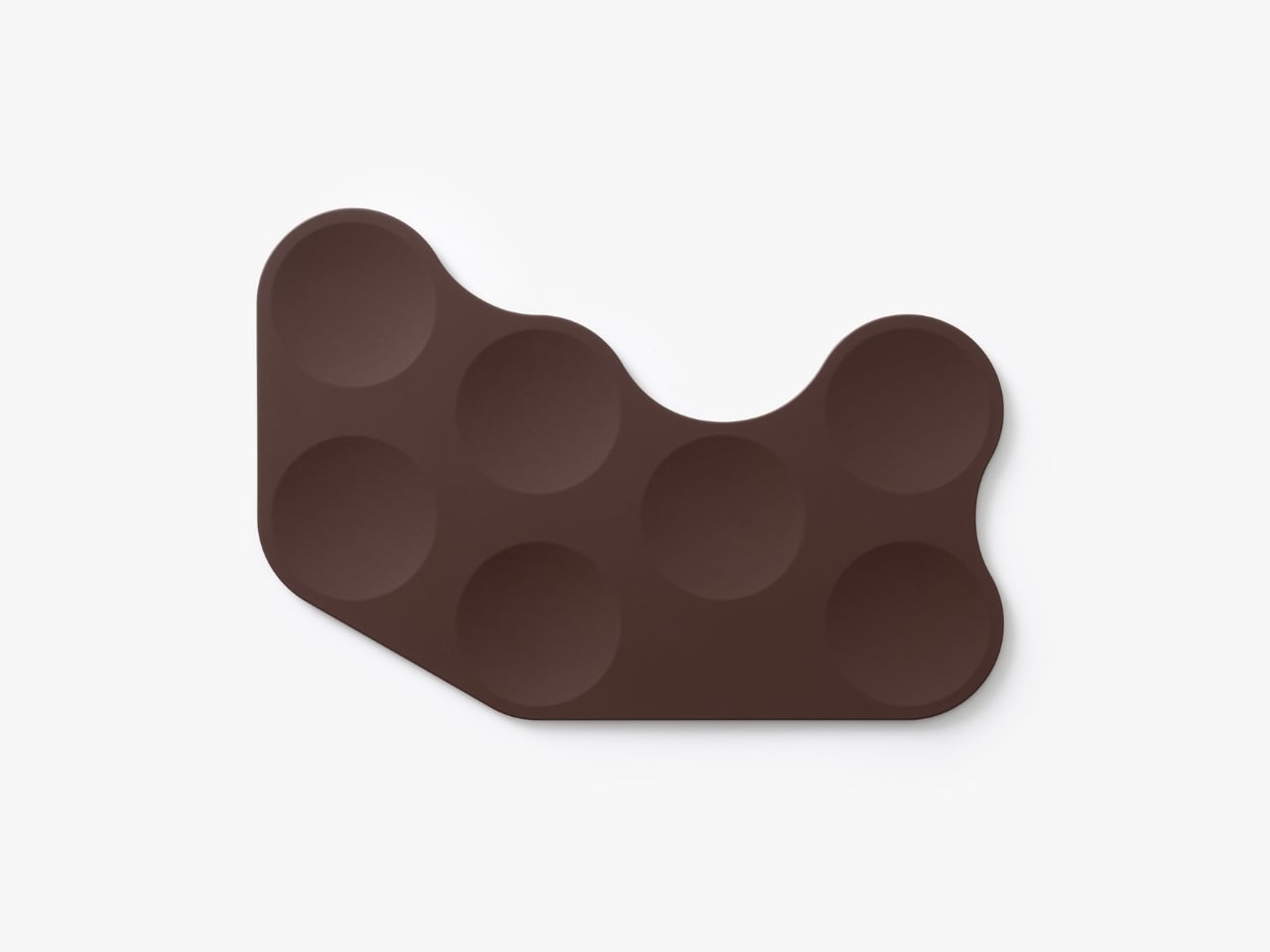
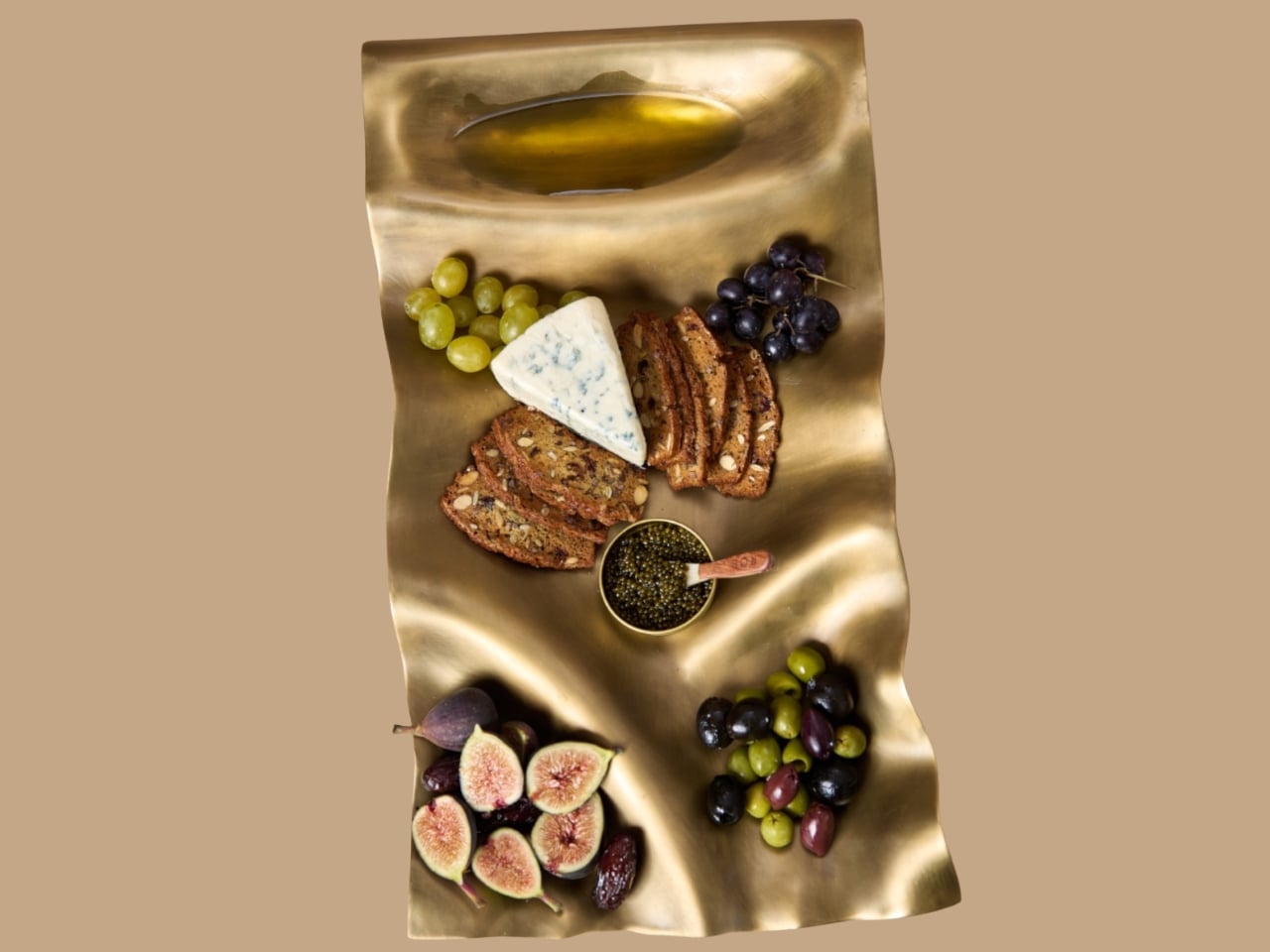
Anyone who’s flown recently knows the struggle. You get your meal tray, and it’s this precarious balancing act of overlapping plastic containers, a wobbly cup threatening to spill, and utensils that somehow always end up on the floor. There’s no elegance to it, no sense that anyone actually thought about the experience beyond “how do we get food from point A to point B?” The System Tray flips that script entirely. Drawing inspiration from traditional Korean wooden trays that hold multiple small dishes, the design creates a modular system where individual plates nest together like a puzzle. Each piece has those beautiful organic, flowing shapes that lock into each other or fit perfectly within the main tray. It’s functional geometry that doesn’t look robotic or cold.

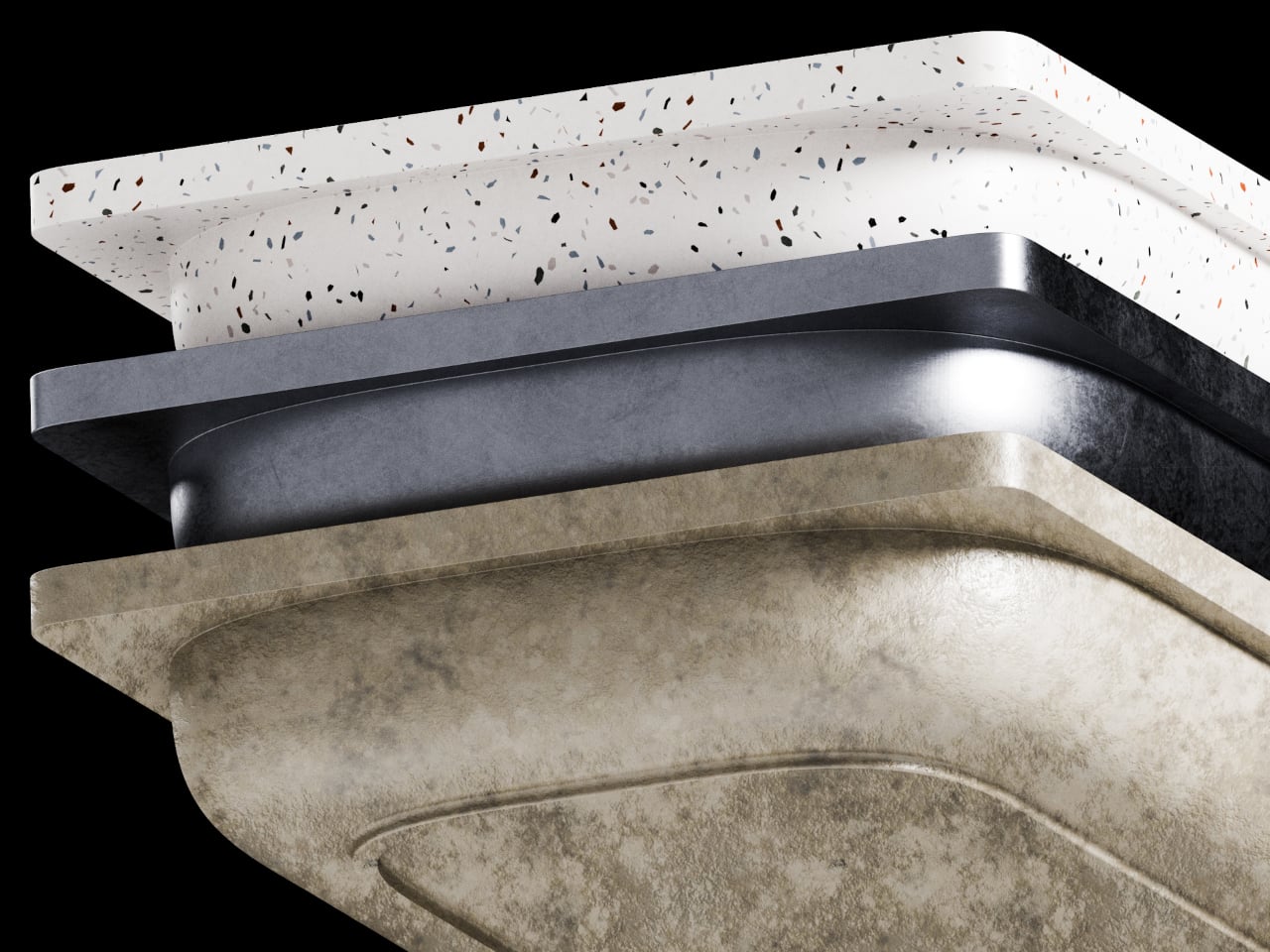
What makes this particularly clever is how it addresses real constraints. Airlines aren’t going to adopt anything that doesn’t meet strict safety standards or adds significant weight. So BKID co worked with lightweight materials like durable plastics and lightweight ceramics, keeping things practical while maintaining that elevated aesthetic. The pieces can stack when not in use, which means they take up less storage space in the galley. For airlines constantly trying to maximize every square inch of cabin space, that’s a huge selling point.

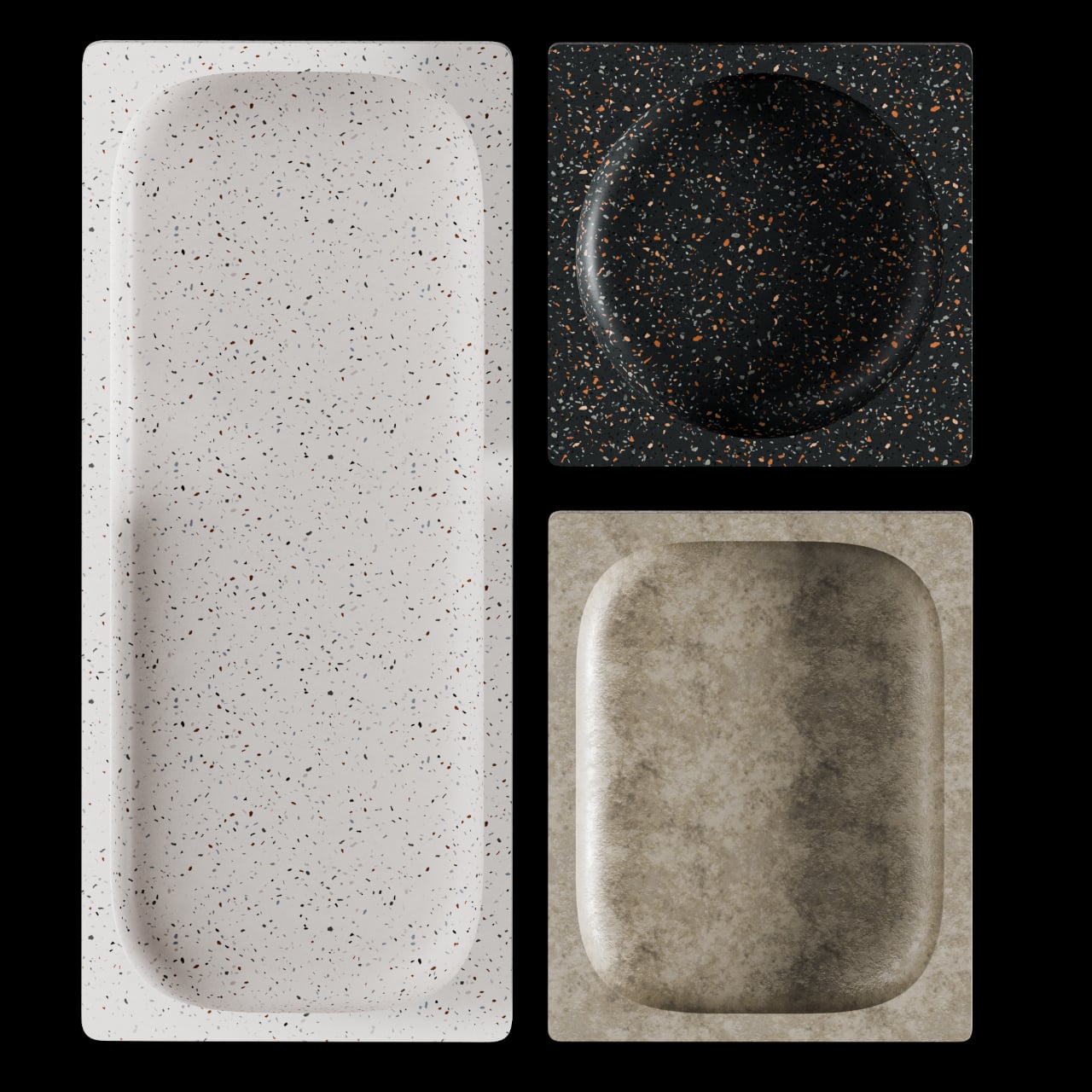
But let’s talk about the visual appeal, because this is where the design really shines. The color palette is subtle and sophisticated: soft creams, muted blues, warm beiges, and earthy browns. These aren’t the harsh primary colors or industrial grays we’re used to seeing on planes. The shapes themselves are organic and almost playful, with curved edges that interlock in unexpected ways. Laid out, they look more like modern art than airline serviceware.

There’s something almost meditative about the way the pieces fit together. You can configure them in different arrangements depending on the meal, whether it’s a full dinner service with multiple courses or a lighter snack. That flexibility is key because not every flight or passenger needs the same setup. The modular approach means the system can adapt rather than forcing one rigid solution.

This design also taps into a broader trend we’re seeing in travel and hospitality: the push to make utilitarian experiences feel special. We’ve watched airport lounges transform into design showcases. We’ve seen hotel rooms become Instagram-worthy destinations. Even train stations are getting architectural makeovers. Why should airplane meals be any different? The banchan tradition isn’t just about having multiple dishes. It’s about balance, variety, and presentation. It turns a meal into something communal and considered, where each element has its place and purpose. That philosophy translates surprisingly well to the challenge of airline food service, where space is limited but the desire for a pleasant dining experience remains.

What BKID co has created here isn’t just a better tray. It’s a rethinking of how we approach one of travel’s most mundane moments. It suggests that even in a space as constrained as an airplane cabin, there’s room for thoughtfulness and beauty. The design proves that solving practical problems doesn’t mean sacrificing aesthetics.

Will we see these trays on flights anytime soon? That’s the real question. Airlines move slowly, and switching out serviceware across an entire fleet isn’t a small undertaking. But as more carriers compete on experience rather than just price, innovations like this become more attractive. Passengers increasingly expect more, even in economy. A meal served on a thoughtfully designed tray system could become a differentiator.

For now, the System Tray stands as a brilliant example of cross-cultural design thinking, where a traditional dining practice inspires a modern solution to a very contemporary problem. It reminds us that good design often comes from looking at how people have solved similar challenges in different contexts, then adapting those insights with fresh eyes.

The post Airline Meal Trays Are Broken: This Korean Design Fixes Them first appeared on Yanko Design.

Aerospace Engineers Just Solved Your Messy Nightstand Problem

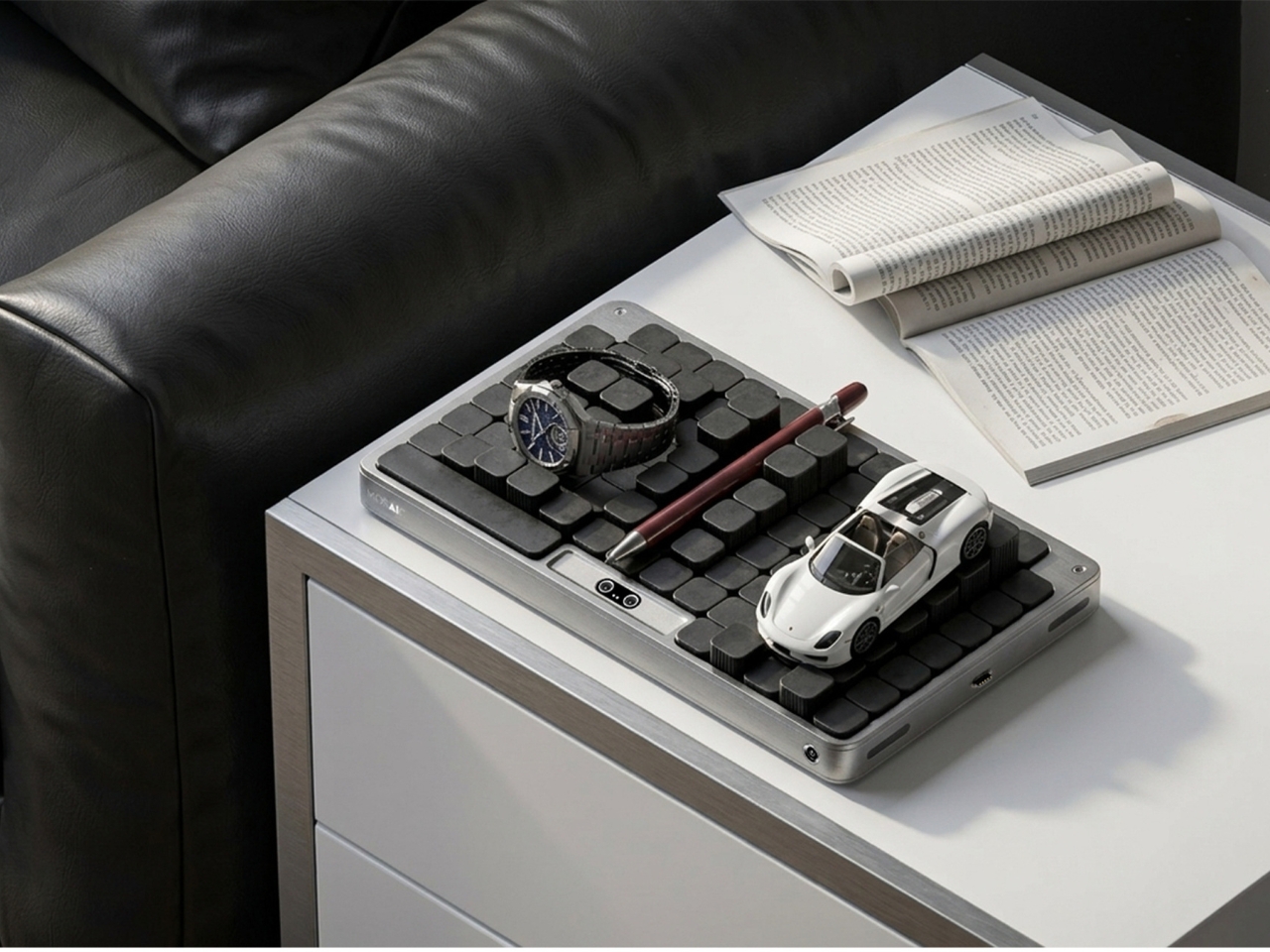
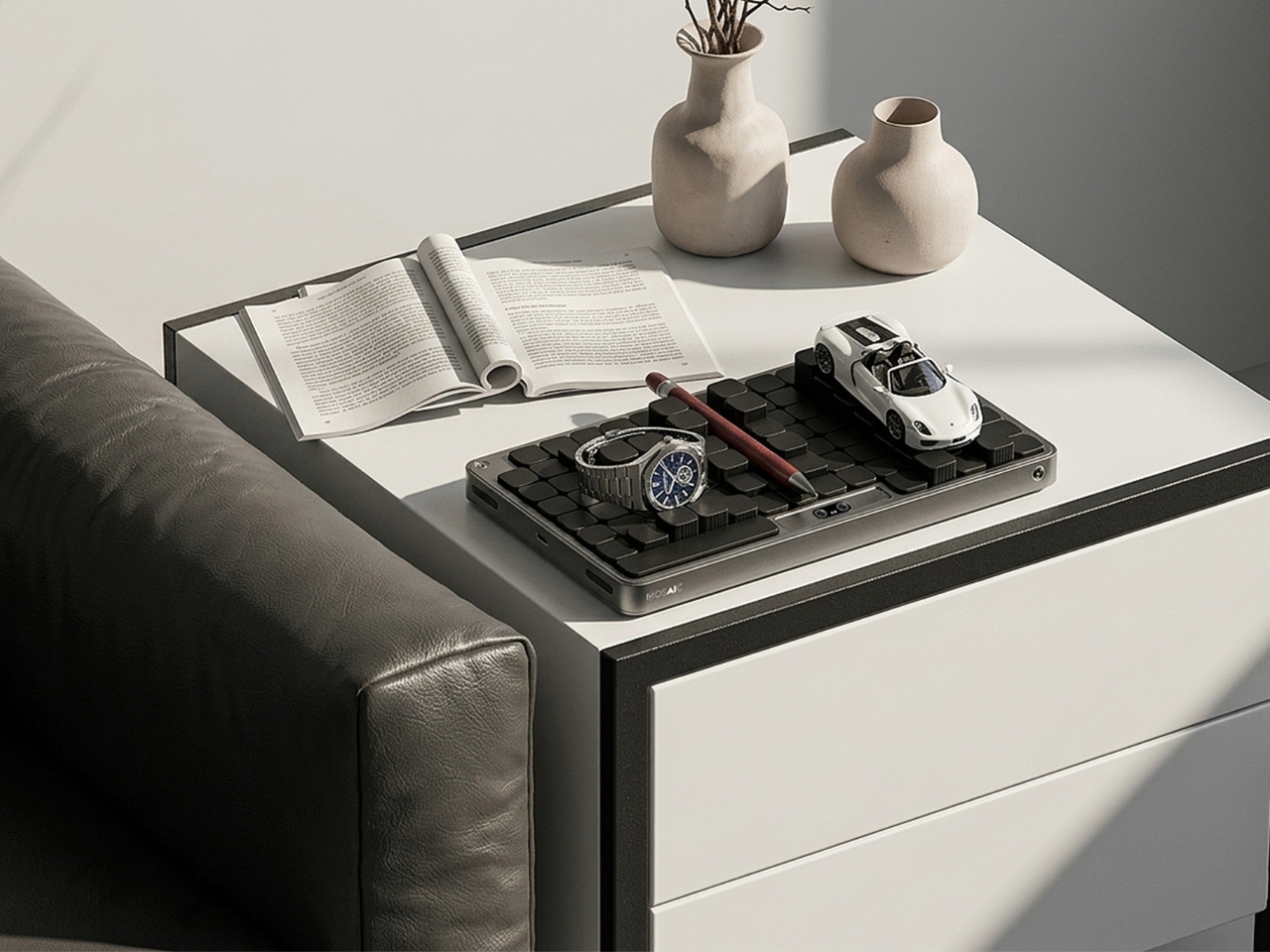
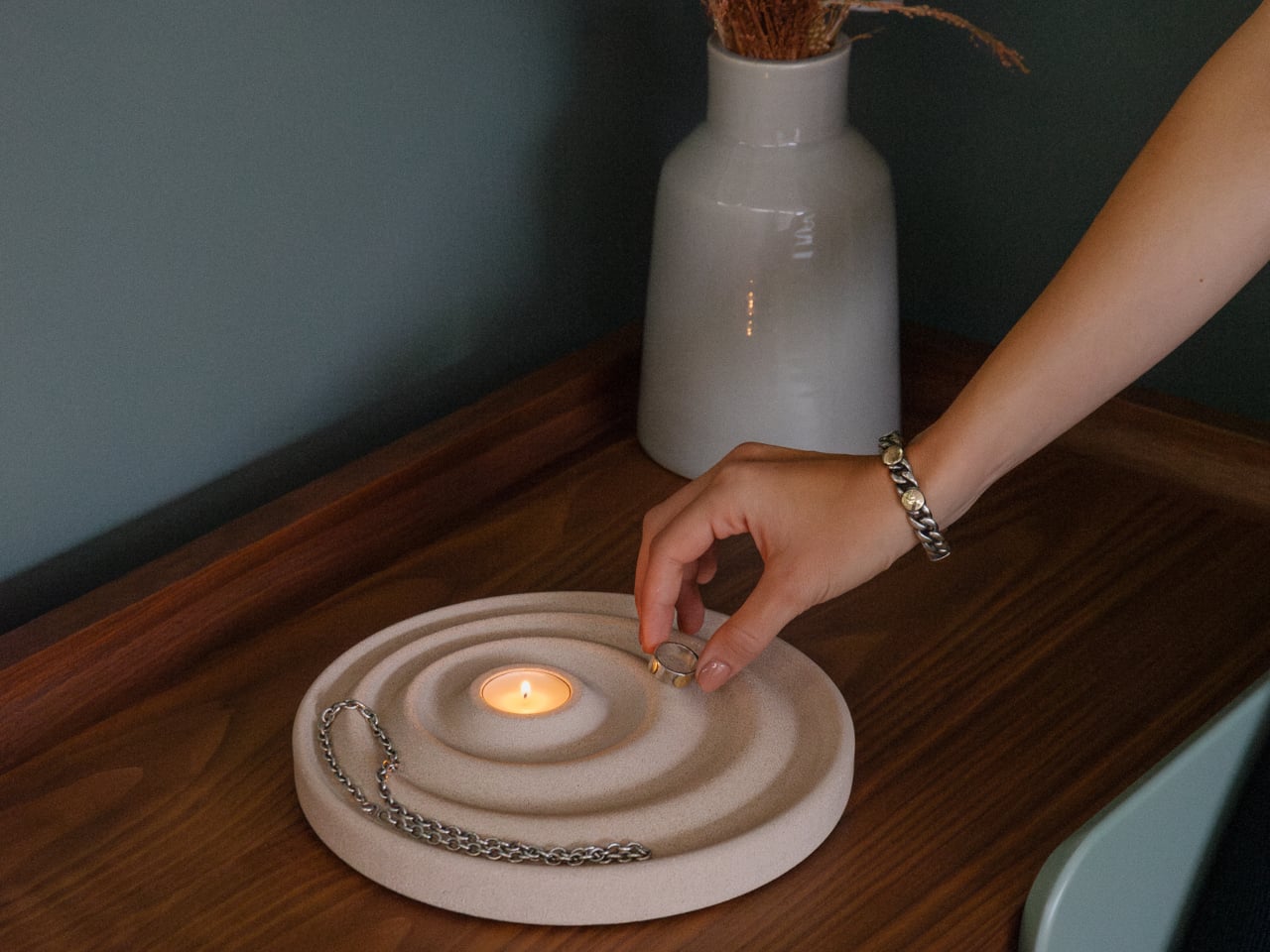
You know that thing where you walk into your bedroom at the end of the day and just start emptying your pockets onto whatever flat surface is closest? Keys land on the dresser, wallet gets tossed on the nightstand, watch goes who knows where. It’s a universal ritual of coming home, and it’s exactly the kind of everyday moment that aerospace engineers Javier De Andrés García and Anaïs Wallet decided to redesign.

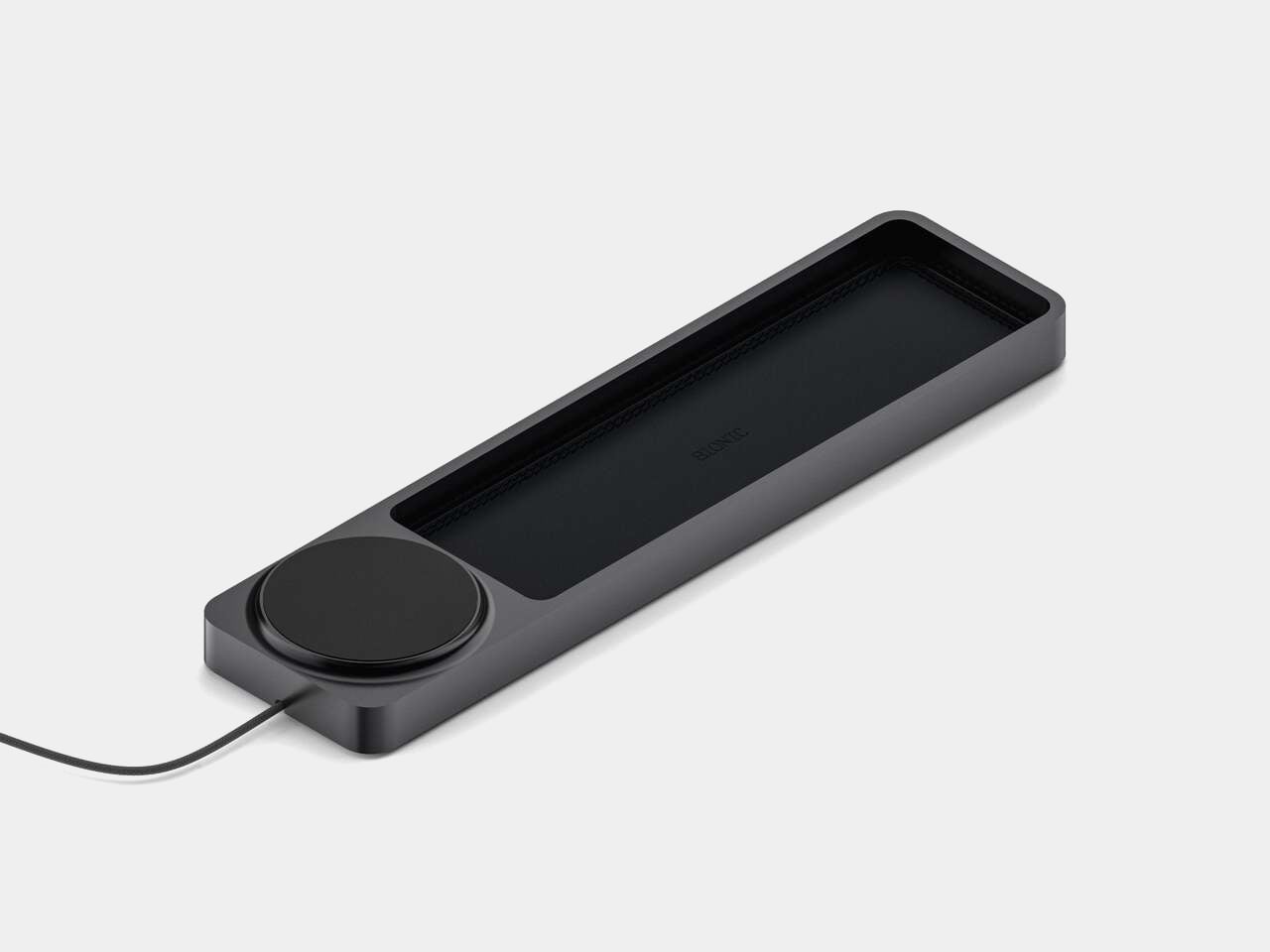
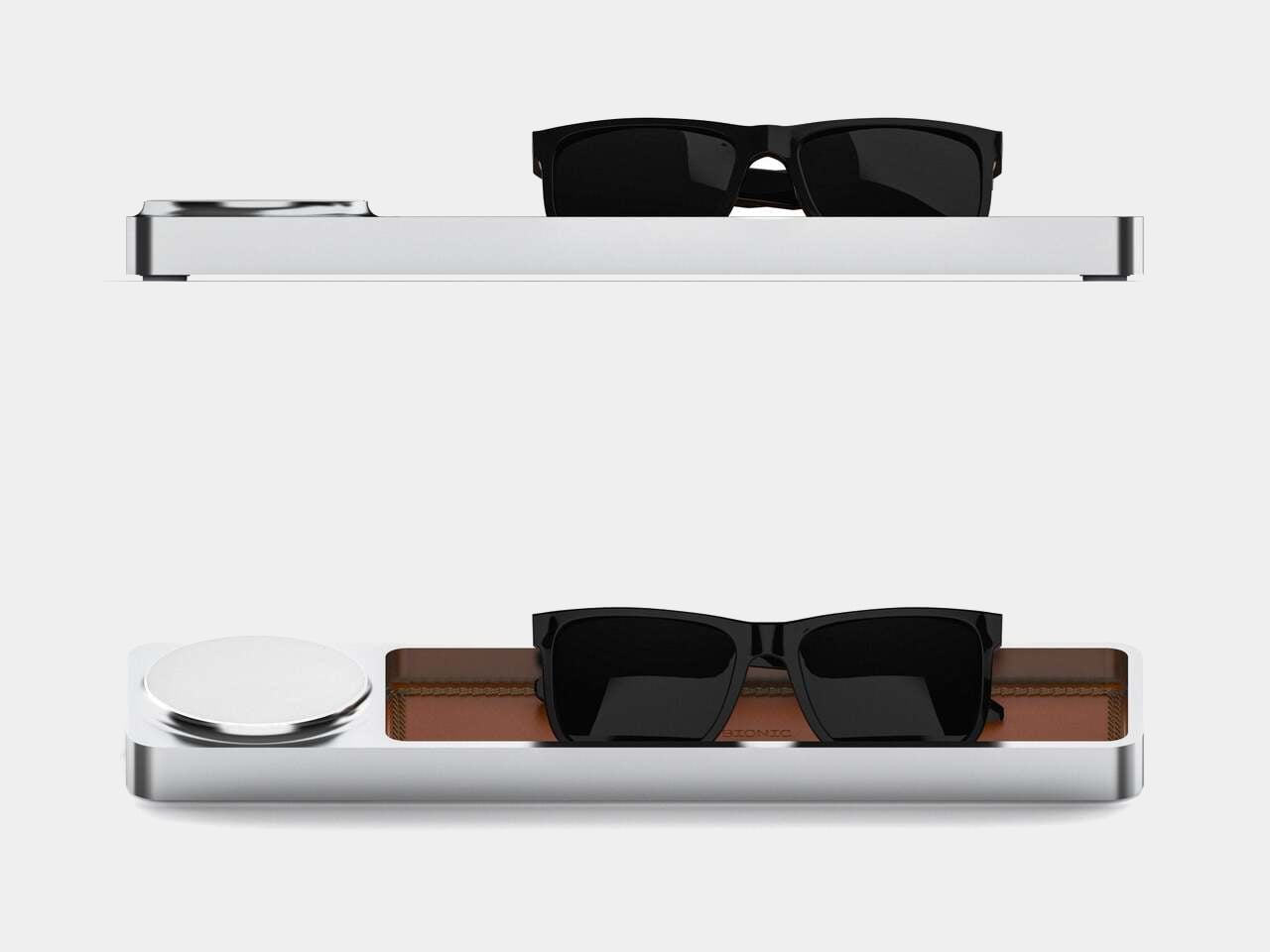
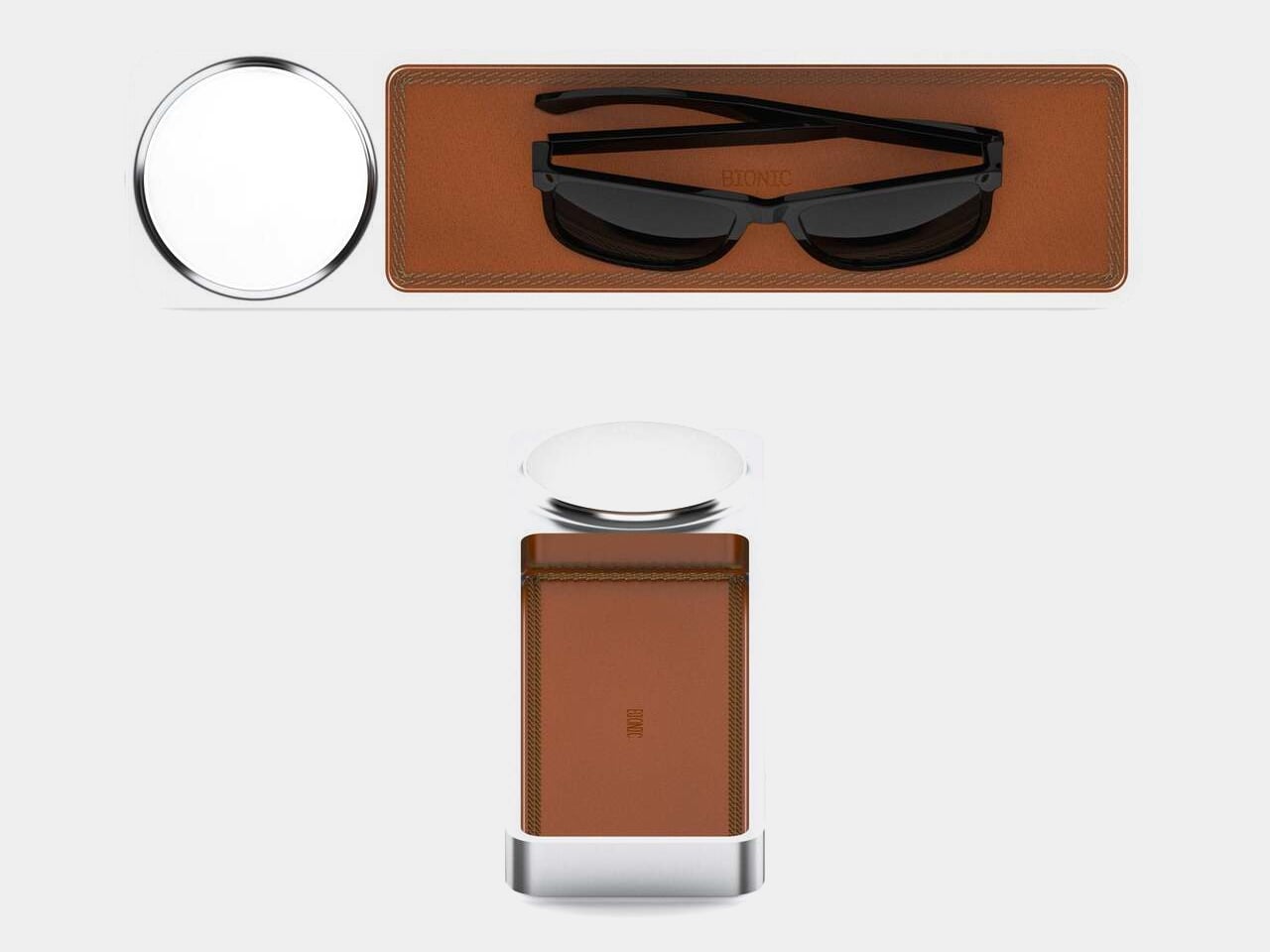
Their brand, Unavela, takes the precision and intentionality of aerospace engineering and applies it to the mundane objects we interact with daily. The Unavela Valet Tray is a perfect example of this philosophy: it’s a catchall that doesn’t just catch, it elevates the entire experience of organization into something that feels considered and purposeful.

Designers: Javier De Andrés García, Anaïs Wallet (Unavela)

What makes this particularly interesting is the design pedigree behind it. De Andrés García and Wallet aren’t your typical product designers who sketch pretty shapes and call it a day. They come from a world where every gram matters, where form follows function with almost religious devotion, and where materials are chosen based on performance characteristics rather than trends. When aerospace engineers decide to make a tray for your keys, you can bet they’ve thought about it differently than everyone else.

The valet tray sits in that sweet spot between utilitarian and beautiful. It’s not trying to disappear into your decor, nor is it screaming for attention. Instead, it occupies space with quiet confidence, the way really good design tends to do. Think of it as the functional equivalent of that friend who just makes everything run more smoothly without making a big deal about it.

Valet trays themselves have an interesting history. Originally, they were the domain of well-appointed gentleman’s dressers, a place to organize pocket watches, cufflinks, and collar stays. But in our modern world of smartphones, AirPods, car key fobs, and whatever else we’re carrying, the valet tray has become even more relevant. We might not wear pocket watches anymore, but we’ve got more stuff to keep track of than ever before.

What Unavela brings to this category is a fresh perspective. When you look at their work across different products, you see a consistent thread: they’re interested in what they call “functional objects.” Not decorative objects that happen to be functional, but pieces where the function itself becomes the aesthetic statement. It’s a subtle but important distinction. The beauty comes from how well something works, not from applied decoration or styling tricks.

This approach feels particularly resonant right now. We’re living in an era where people are increasingly interested in buying fewer, better things. The whole concept of everyday carry (EDC) has evolved from a niche hobby into a broader cultural conversation about intentionality and quality. People are thinking more carefully about the objects they interact with daily, and they want those objects to reflect thoughtfulness and care. The Unavela Valet Tray fits perfectly into this mindset. It’s not fast furniture or disposable decor. It’s a considered piece that’s designed to be used daily and to improve with that use. There’s something deeply satisfying about having a designated spot for your everyday items, about the ritual of emptying your pockets into a tray that was designed specifically for that purpose.

From a design perspective, what’s compelling is how Unavela bridges the gap between industrial design and consumer products. Aerospace engineering isn’t typically associated with home goods, but maybe it should be. After all, if you can design components for aircraft where failure isn’t an option and weight is critical, you probably have some interesting insights about how to make a really excellent tray. The beauty of good design is that it often looks simple, even inevitable, but that simplicity is the result of countless decisions and refinements. Every angle, every dimension, every material choice has been considered. It’s the difference between something that works and something that works exceptionally well.

For anyone interested in design, tech, or the intersection of engineering and everyday life, the Unavela Valet Tray represents something larger than just a place to put your keys. It’s a statement about bringing rigor and intentionality to the objects we live with. It’s about applying aerospace-level thinking to earthbound problems. And honestly, in a world full of stuff that’s designed to be replaced rather than cherished, that’s a pretty refreshing approach.

The post Aerospace Engineers Just Solved Your Messy Nightstand Problem first appeared on Yanko Design.

Hexagon Board Game Trays Make Perfect Magnetic Desk Organizers

Most of us end up using whatever is at hand as a catch-all: coffee cups, candle lids, random bowls, and that works until you actually need to find a specific SD card or binder clip. A lot of the best small organizers are hiding in other categories, and these magnetic hexagon token trays, sold as board game accessories, are really just well-designed hexagonal dishes with magnets and dividers.

Each tray is a hexagon with magnets hidden in its edges so it snaps to its neighbors in a honeycomb. You can build a cluster that fits the corner of a monitor stand or the space in front of a keyboard, then peel one off and move it closer when you need it. The magnets keep the layout coherent instead of letting dishes drift apart over time, which is a small but meaningful improvement over loose containers.

Designer: BoardGeekFox

Each unit is a two-part organizer, a black magnetic base, and a colored insert that drops in. The insert ships with two dividers, a straight one that splits the tray into two sections and a Y-shaped one that splits it into three. You can run it as one big bin, two equal compartments, or three wedges, depending on whether you are holding paper clips, sticky-note flags, or three different pen nibs.

The color options for the inserts let you treat the trays as a visual system. You can assign colors to categories, blue for tech bits, yellow for writing tools, red for things that need attention, or just build a small rainbow that makes the corner of your desk feel more like a layout than a pile. The black bases keep everything grounded, so the color reads as an accent, not chaos.

The trays are 3D-printed in PLA with embedded magnets, which keep them light but give them a satisfying snap when they connect. On a smooth desk, that matters, a cluster of loose bowls tends to slide and separate, while a magnetic cluster holds its shape when you nudge things around. The slight texture of printed PLA also keeps small items from skittering around inside each compartment, especially paper clips and staples.

The modularity plays nicely with shifting work modes. On a heavy project day, you can build a larger honeycomb and park it next to your main work area, each tray handling a different set of parts. On quieter days, you can break the set into smaller clusters and spread them across a shelf, a secondary desk, or a nightstand. The hexagon footprint is compact enough that a single tray works as a bedside catch-all for rings and earbuds.

These trays sit in a sweet spot between rigid drawer inserts and random containers, structured enough to keep things sorted but flexible enough to reconfigure when your habits change. For anyone who likes their desk to feel a little more like a considered layout and a little less like a junk drawer, a handful of magnetic hexagons with dividers is a surprisingly simple way to give every small object a place to land, while keeping the option to rebuild the whole composition whenever the mood or the project shifts.

The post Hexagon Board Game Trays Make Perfect Magnetic Desk Organizers first appeared on Yanko Design.

Hexagon Board Game Trays Make Perfect Magnetic Desk Organizers

Most of us end up using whatever is at hand as a catch-all: coffee cups, candle lids, random bowls, and that works until you actually need to find a specific SD card or binder clip. A lot of the best small organizers are hiding in other categories, and these magnetic hexagon token trays, sold as board game accessories, are really just well-designed hexagonal dishes with magnets and dividers.

Each tray is a hexagon with magnets hidden in its edges so it snaps to its neighbors in a honeycomb. You can build a cluster that fits the corner of a monitor stand or the space in front of a keyboard, then peel one off and move it closer when you need it. The magnets keep the layout coherent instead of letting dishes drift apart over time, which is a small but meaningful improvement over loose containers.

Designer: BoardGeekFox

Each unit is a two-part organizer, a black magnetic base, and a colored insert that drops in. The insert ships with two dividers, a straight one that splits the tray into two sections and a Y-shaped one that splits it into three. You can run it as one big bin, two equal compartments, or three wedges, depending on whether you are holding paper clips, sticky-note flags, or three different pen nibs.

The color options for the inserts let you treat the trays as a visual system. You can assign colors to categories, blue for tech bits, yellow for writing tools, red for things that need attention, or just build a small rainbow that makes the corner of your desk feel more like a layout than a pile. The black bases keep everything grounded, so the color reads as an accent, not chaos.

The trays are 3D-printed in PLA with embedded magnets, which keep them light but give them a satisfying snap when they connect. On a smooth desk, that matters, a cluster of loose bowls tends to slide and separate, while a magnetic cluster holds its shape when you nudge things around. The slight texture of printed PLA also keeps small items from skittering around inside each compartment, especially paper clips and staples.

The modularity plays nicely with shifting work modes. On a heavy project day, you can build a larger honeycomb and park it next to your main work area, each tray handling a different set of parts. On quieter days, you can break the set into smaller clusters and spread them across a shelf, a secondary desk, or a nightstand. The hexagon footprint is compact enough that a single tray works as a bedside catch-all for rings and earbuds.

These trays sit in a sweet spot between rigid drawer inserts and random containers, structured enough to keep things sorted but flexible enough to reconfigure when your habits change. For anyone who likes their desk to feel a little more like a considered layout and a little less like a junk drawer, a handful of magnetic hexagons with dividers is a surprisingly simple way to give every small object a place to land, while keeping the option to rebuild the whole composition whenever the mood or the project shifts.

The post Hexagon Board Game Trays Make Perfect Magnetic Desk Organizers first appeared on Yanko Design.

Tray210 Proves Recycled Plastic Doesn’t Have to Look Grey and Boring

Recycled plastic products often fall into two camps: grey utilitarian bins or loud, speckled experiments that feel more like proof of concept than something you want on your desk. Tray210 recycled, a collaboration between Korean studio intenxiv and manufacturer INTOPS under the rmrp brand, takes a different approach, using recycled plastics and waste additives to create a tray that feels like a considered object first and an eco story second, treating material diversity as part of the design language.

Tray210 recycled is a circular tray with three compartments, an evolution of the original Tray210 form. It grew out of INTOPS’ grecipe eco-material platform and hida’s CMF proposals, which is a long way of saying it is the result of a tight loop between material science and industrial design. The goal was to pursue material diversity and break away from the cheap recycled stereotype, making something that belongs in sight rather than hidden under a desk.

Designer: Intenxiv x INTOPS

The form is intuitive, a 210 mm circle with a raised, ribbed bar running across the middle and two shallow wells on either side. The central groove is sized for pens, pencils, or chopsticks, and the ribs keep cylindrical objects from rolling away. The side compartments are open and shallow, perfect for earbuds, clips, rings, or keys. It is the kind of layout you understand at a glance without needing instructions or labels; just place your pen where the grooves are.

The material story is where Tray210 recycled gets interesting. Multiple recycled blends reflect their sources: Clam and Wood use 80 percent recycled PP with shell and wood waste, Charcoal adds 15 percent charcoal to 80 percent recycled PP, and Stone uses 10–50 percent recycled ABS. Transparent and Marble variants use recycled PC or PCABS with ceramic particles or marble-like pigment. Each colorway is visually tied to its waste stream, making the origin legible and intentional.

The aim is to create a design closer to the lifestyle rmrp pursues, breaking away from the impression recycled plastic generally gives. The Clam and Wood versions read as soft, muted pastels with fine speckling, Charcoal feels like a deep, almost architectural grey, and Stone and Transparent lean into translucency and particulate. Instead of hiding the recycled content, the CMF work uses it as texture and character, closer to terrazzo or stoneware than to injection-molded scrap that just happens to be grey.

The combination of clear zoning and tactile surfaces makes Tray210 recycled feel at home on a desk, entryway shelf, or bedside table. The central groove keeps your favorite pen or stylus always in the same place, while the side wells catch whatever tends to float around, from SD cards to jewelry. The different material stories let you pick a version that matches how you want the space to feel: calm, earthy, industrial, or a bit more playful.

A simple tray can carry a lot of design thinking, from intuitive ergonomics to material storytelling and responsible sourcing. Tray210 recycled is not trying to save the world on its own, but it does show how recycled plastic can be turned into something you actually want to touch and keep in sight. For people who care about both what an object does and what it is made from, that is a quiet but meaningful upgrade over another anonymous catch-all that eventually ends up in a drawer.

The post Tray210 Proves Recycled Plastic Doesn’t Have to Look Grey and Boring first appeared on Yanko Design.

When Trays Become Magic: Bo Zhang’s Shadow-Dancing Lightware

You know those moments when something so simple makes you stop and stare? That’s exactly what Bo Zhang is doing with his latest collection, and honestly, it’s kind of mind-blowing. Lightware is a series of transparent glass trays that don’t just sit there looking pretty (though they do that too). They actually play with light and shadow to create this ever-changing visual experience that transforms depending on where you stand, how the light hits them, and what surface they’re resting on.

If you caught wind of Zhang’s previous work, the Ripples collection, you already know he’s got a thing for messing with our perception. But where Ripples played with color-shifting optical illusions through hexagonal folded forms, Lightware takes a completely different approach. This time, it’s all about harnessing the science of polarizing film and glass to create what I can only describe as shadow choreography.

Designer: Bo Zhang

The genius here is in the subtlety. Zhang, who founded his studio Desz Office in New York back in 2019, has always been about creating pieces that interact with people on both visual and emotional levels. With Lightware, he’s tapping into something we usually take for granted: the way light moves through transparent objects. By layering polarizing film within the glass structure, these trays generate dynamic geometric patterns that shift and dance as you move around them or as the light source changes throughout the day.

Picture this: you set one of these trays on your coffee table in the morning. The sunlight streaming through your window casts one pattern. By afternoon, with the light coming from a different angle, it’s transformed into something completely new. Move it to another surface, and the shadows beneath it create yet another composition. It’s like having functional art that never gets boring because it literally never looks the same twice.

What’s really cool is that Zhang isn’t just making pretty objects for the sake of it. His design philosophy revolves around the idea that good artwork should have a soul, not be a cold entity. These trays are practical (you can actually use them to hold your keys, jewelry, or whatever), but they’re also conversation starters, meditation pieces, and honestly just really satisfying things to look at.

The recognition is rolling in too. Lightware recently won the NYCxDesign Awards 2025 Honoree in the accessories category, adding to Zhang’s growing list of accolades that includes being named one of UNESCO’s “100 Future Artists” and getting featured in Design Miami’s DMBX project. The design world has definitely been paying attention to what he’s doing, with features in publications like Vogue, Interior Design magazine, and Design Milk.

What I love about this collection is how it bridges the gap between tech-savvy innovation and accessible design. You don’t need to understand the science of polarization to appreciate these trays (though if you’re curious, polarizing film works by filtering light waves in specific directions, creating those mesmerizing patterns). You just need to be someone who appreciates when everyday objects transcend their basic function and become something more.

Since we live now with a lot of digital stimulation, there’s something refreshing about analog magic. Lightware offers this quiet, contemplative kind of wonder. It reminds us that transformation doesn’t always have to be loud or flashy. Sometimes the most captivating changes happen slowly, subtly, right in front of us, as naturally as light moving across a room.

Zhang’s work with Lightware proves that innovation in design isn’t always about reinventing the wheel. Sometimes it’s about looking at something as fundamental as a tray and asking, “What if this could do more?” The answer, in this case, is a collection that turns functional objects into portals of perpetual surprise, where shadows become art and transparency reveals hidden complexity.

The post When Trays Become Magic: Bo Zhang’s Shadow-Dancing Lightware first appeared on Yanko Design.

Modular desk tray is a wooden, minimalist tool to declutter your desk

I like collecting all kinds of stationery and office supplies stuff so I’m always on the look out for those that are cute and/or well-designed. I may not always have enough space on both my home and office work space but since I also get easily bored with my desk set up, I always like having something that I can easily replace or re-use. Modular designs are always interesting since you can change it if ever you want something new on your table.

Designer: Teixeria Design Studio

Track is a concept for a modular tray that fits into this category. If your mood or aesthetic is wood and minimalist, then this would be perfect. It is made out of solid wood and has different parts that you can move around and arrange depending on what you need and the amount of space that you have on your working area.

The tray has three different pocket lines that you can arrange and re-arrange and put certain stationery items like pins, pens, staple wires, cutters, and various other items that you can fit into these lines. There is also a “center opening” where you can place things like a thin smartphone, sticky notes, and other items that you can place upright vertically.

There seem to be three different ways you can re-arrange the different pieces. They are CNC milled and finished by hand. It’s pretty minimalist but the way you can re-arrange it is of course the appeal, aside from actually helping you declutter your desk.

The post Modular desk tray is a wooden, minimalist tool to declutter your desk first appeared on Yanko Design.

Mirrored tabletop accessories create illusions that have you questioning your sanity

We put a lot of things on top of our desks, dining tables, and shelves, whether for functionality or decoration. Over time, we get so used to their presence that they become almost invisible, at least until something changes that shocks us awake to reality. Being mindful of the things around us isn’t so bad a thing, especially when it causes you to stop and think, even for a brief moment. Things that give us pause don’t have to be outlandish, loud, or unsettling. They just have to be unusual enough for our minds to be puzzled and stomped. This tabletop collection does that effectively not with sophisticated mechanisms or intricate designs but my simple shapes and materials create an illusion of something that isn’t what it seems at first glance.

Designer: Bo Zhang

Optical illusions work by making our eyes and our brains disagree with each other. Something that isn’t logical but clearly looks that way could send our heads in a loop. Most of these illusions use diagrams and illustrations on flat paper, but there are times when they can also be made with solid, three-dimensional objects. You just need some creative thinking and a devious use of forms, colors, and mirrors.

The Zig/Zag collection is a pair of table accessories, namely a vase and a tray, that sport the eponymous shape. That alone is enough to call attention to them because of their uncommon design, but that novelty doesn’t last really long. A properly placed mirror on the edge of these objects, however, reveals a whole new dimension you might have not seen before, almost literally. The wave that you see reflected on those discs doesn’t seem to be the same one standing before you, definitely not the same color, at least.

Imagine seeing a reflection that is the same yet slightly different. The shape of the vase or tray is exactly the same, and so are the objects that they hold. Everything’s mirrored perfectly as you would expect, except for the color of the tray. Orange is yellow, black is hot pink, and green is pale peach. It’s almost as if you’re peering into an alternate reality instead of looking at a mirror, but in truth, the design is just messing with your head. The secret is actually simple: The “zig” side in front is painted with a different color from the “zag” behind it. Unless you’re looking at the objects from a specific angle, you wouldn’t even know that they have two different colors. Only that mirror reveals this duality in a way that seems mysterious and magical.

Mirrors are often seen as functional objects, but the Zig/Zag tabletop collection design transforms it into an art object. The vase and the tray don’t lose nor gain any functionality, but they do gain new value as aesthetic pieces that straddle the line between form and function. It’s a simple gimmick that urges you to take another look, perhaps to solve the mystery that you never knew existed. It makes your mind zig-zag between reality and fantasy, making you pause and simply enjoy the moment of being there.

The post Mirrored tabletop accessories create illusions that have you questioning your sanity first appeared on Yanko Design.

Stainless steel trays represents “coexistence” kind of design

There are some every day items that I use that I don’t really think about the design principle behind them. Sometimes I don’t even think about the design itself as long as it does what it’s supposed to do. But maybe that’s why I’m not a product designer. Ever since I’ve been writing about them though, it has become more interesting to find out why such items are created the way they are, like these minimalist and simple-looking trays.

Designer Name: Irene Yeung (Derangedsign Co. Limited)

Coexistence is a concept for a stainless steel tray set that takes its inspiration from the ancient philosophical theory “The Sky and Earth Coexist”. It basically says that things are relative to each other like the sky and earth, light and dark, etc. Basically, it’s made up of two tabletop trays that are circular but with landscape or waving surfaces to make it also look like art sculpture.

Each tray can be used individually if you need two trays for serving food or for putting stuff on your table. They can also be set upside-down on top of each other in different variations and depending which surface you want to use as a tray. The designer says it can also become one large tray although the product renders don’t show how it can be combined into that variation.

The stainless steel trays have a crisp, mirror finish so if that’s the aesthetic of your dining table or your living space, it should fit right in. The mold they used was specifically designed to make 2 trays so it’s really meant to show the connected duality that the design principle is based on.

The post Stainless steel trays represents “coexistence” kind of design first appeared on Yanko Design.
Spiral Storage Tray concept shows a minimalist way of organizing small things

The table near the door to my apartment is witness to the fact that I have a lot of stuff. Whenever I enter the house, I dump some of my stuff there for easy access to when I need to leave. But over the months, it has accumulated a lot of small things that I forget to put away or bring with me. As a hoarder and also a naturally messy and lazy person, it’s really hard to organize all these things. So I need all the help I can get, including organizing accessories and furniture.

Designer Name: Ping-Lun Chung

This concept for a Spiral Storage Tray is a pretty simple and minimalist idea but one that can be helpful to people like me eventually. The basic idea is that it is just a simple, circular tray but you get a spiral storage. This way you can compartmentalize little things like coins, keys, eyeglasses, medicine, and other small items that you may need to have easy access to when entering or leaving the house. It’s meant to be placed in the tables located in the entryways of houses or apartments.

The design isn’t that complicated. The base is a small round disk and then you have two semicircular pieces of wood placed on top to create the “compartments” to separate your small items. There is even a hidden spiral compartment if you need to place small items that you want to conceal for some reason. Knowing me though, I’ll probably forget that I placed something there which means I may get a surprise or two when I decide to clean the tray by lifting up the top pieces.
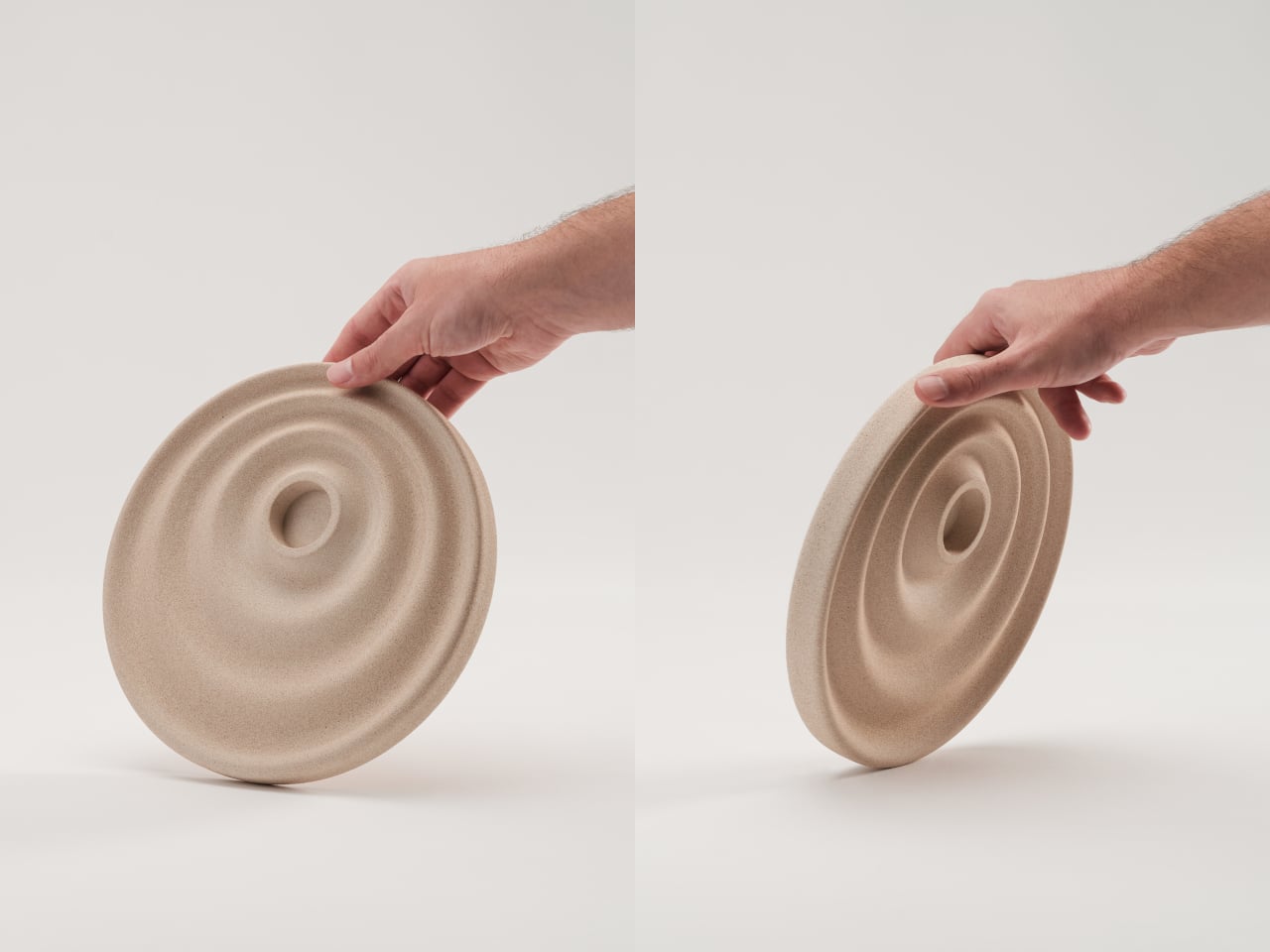
The “seamless, continuous spiral surface” that we see in the rdners actually looks pretty satisfying. The renders show different wooden textures and colors for the Spiral Storage Tray so we may get different options if it gets turned into an actual product. Who knows, because of this I might actually start organizing my table in my entryway?

The post Spiral Storage Tray concept shows a minimalist way of organizing small things first appeared on Yanko Design.