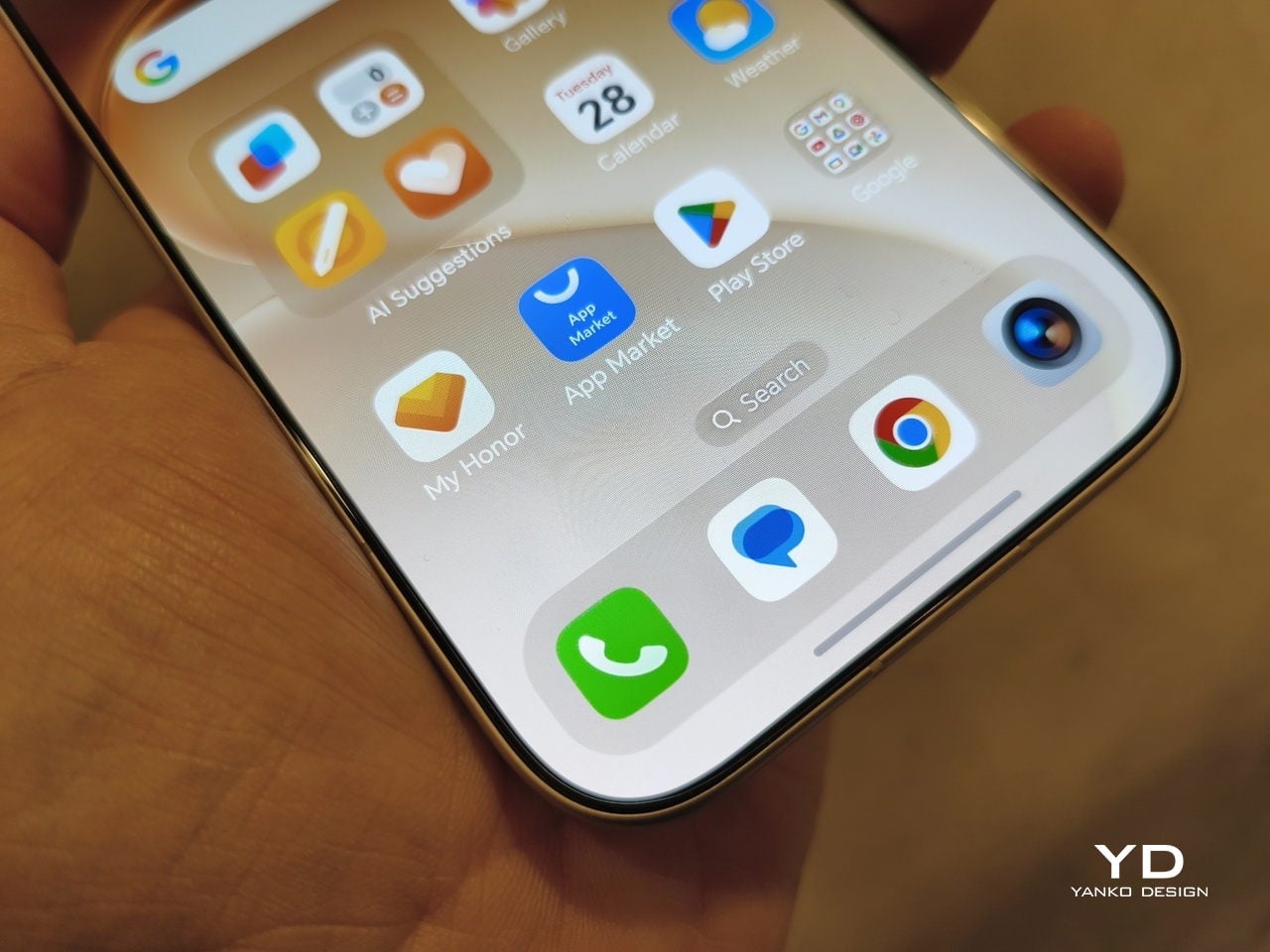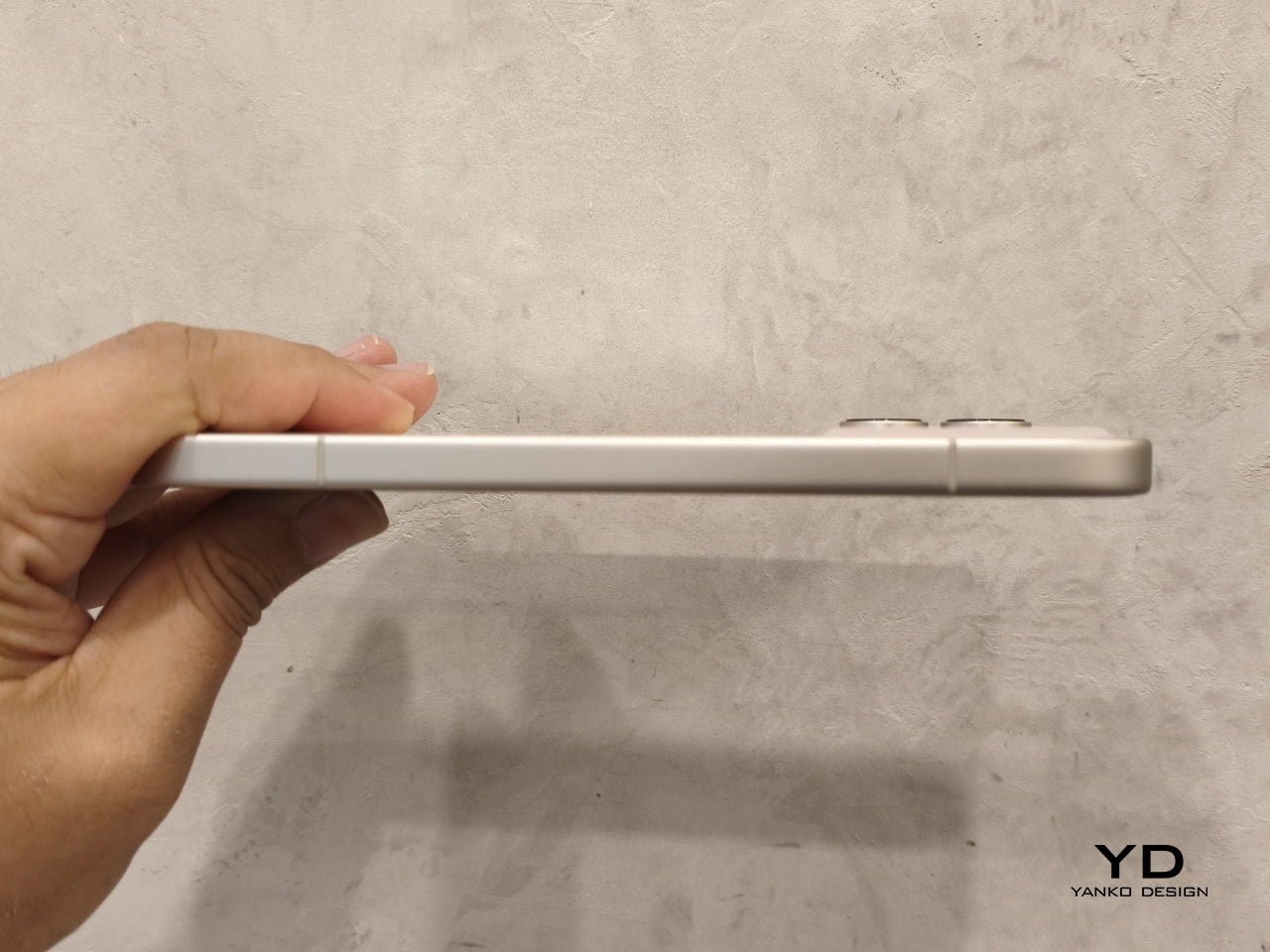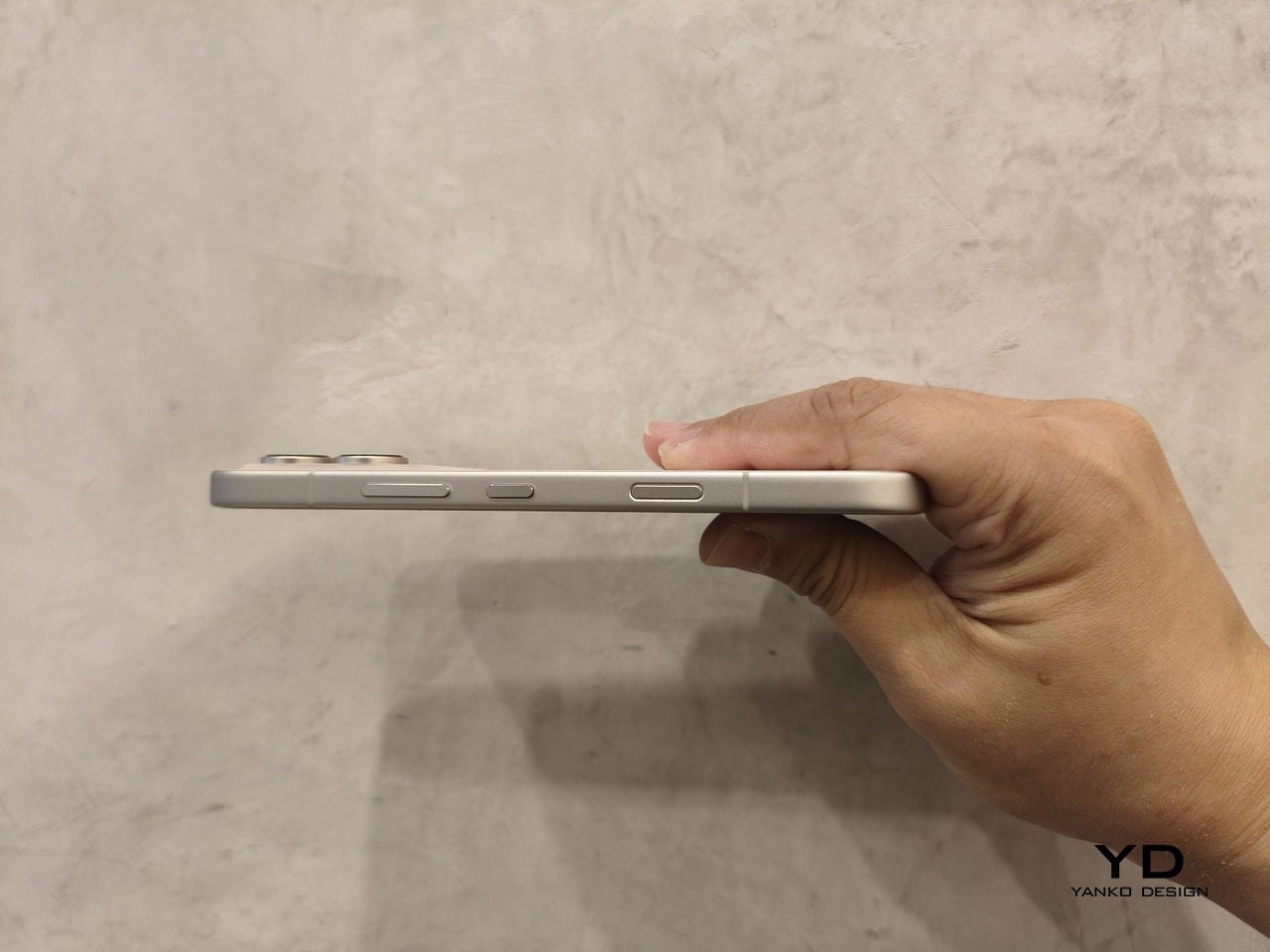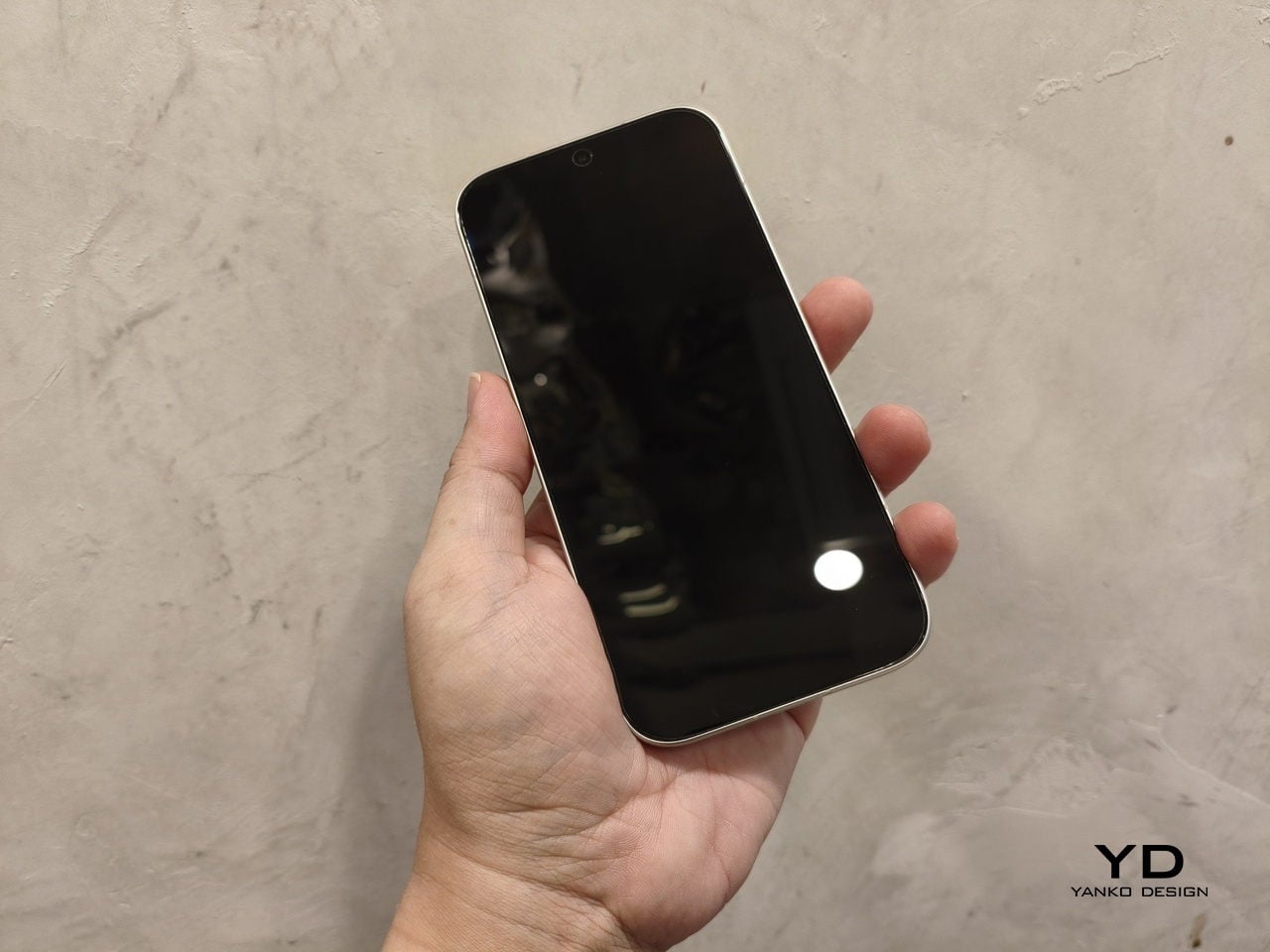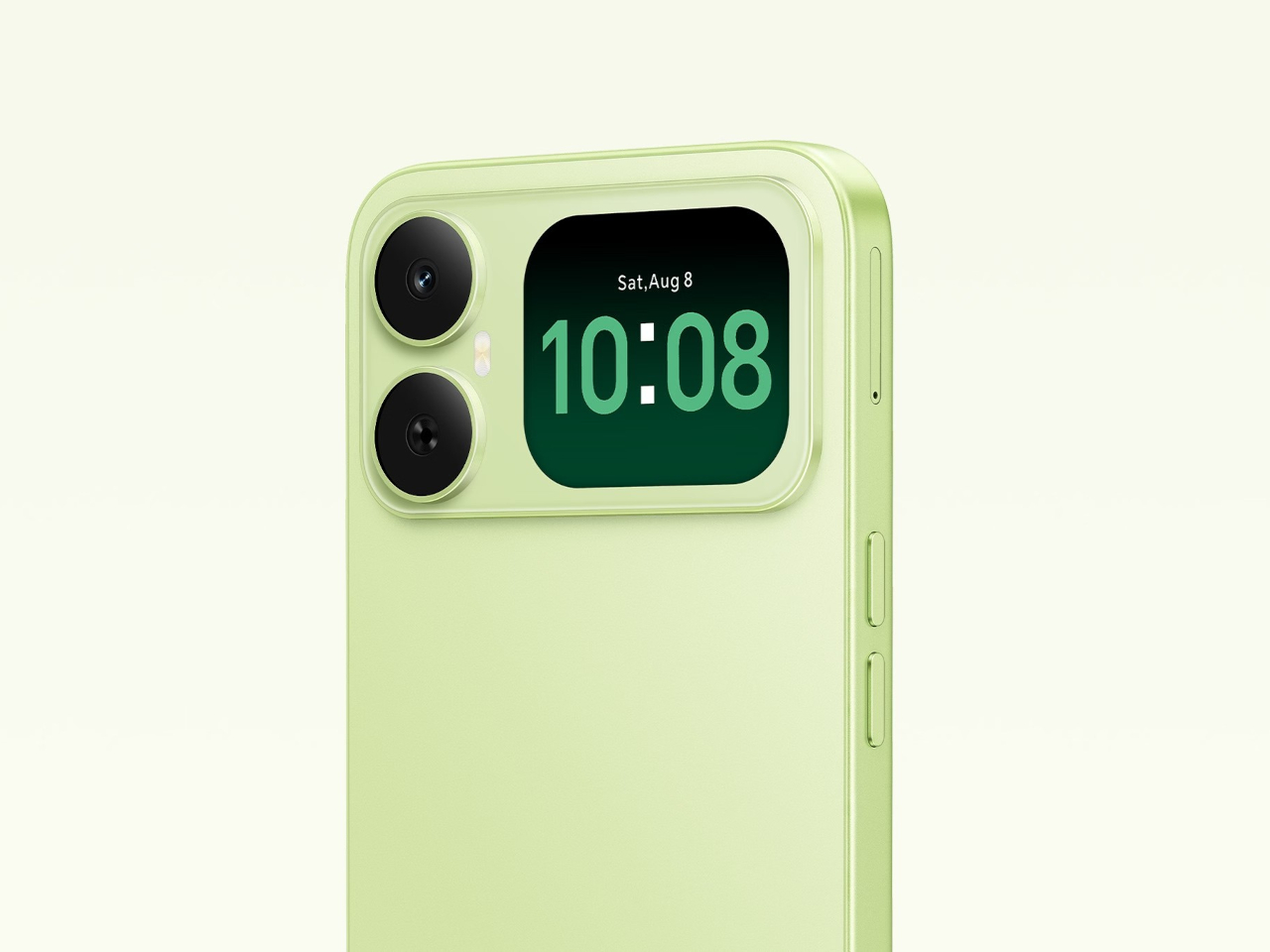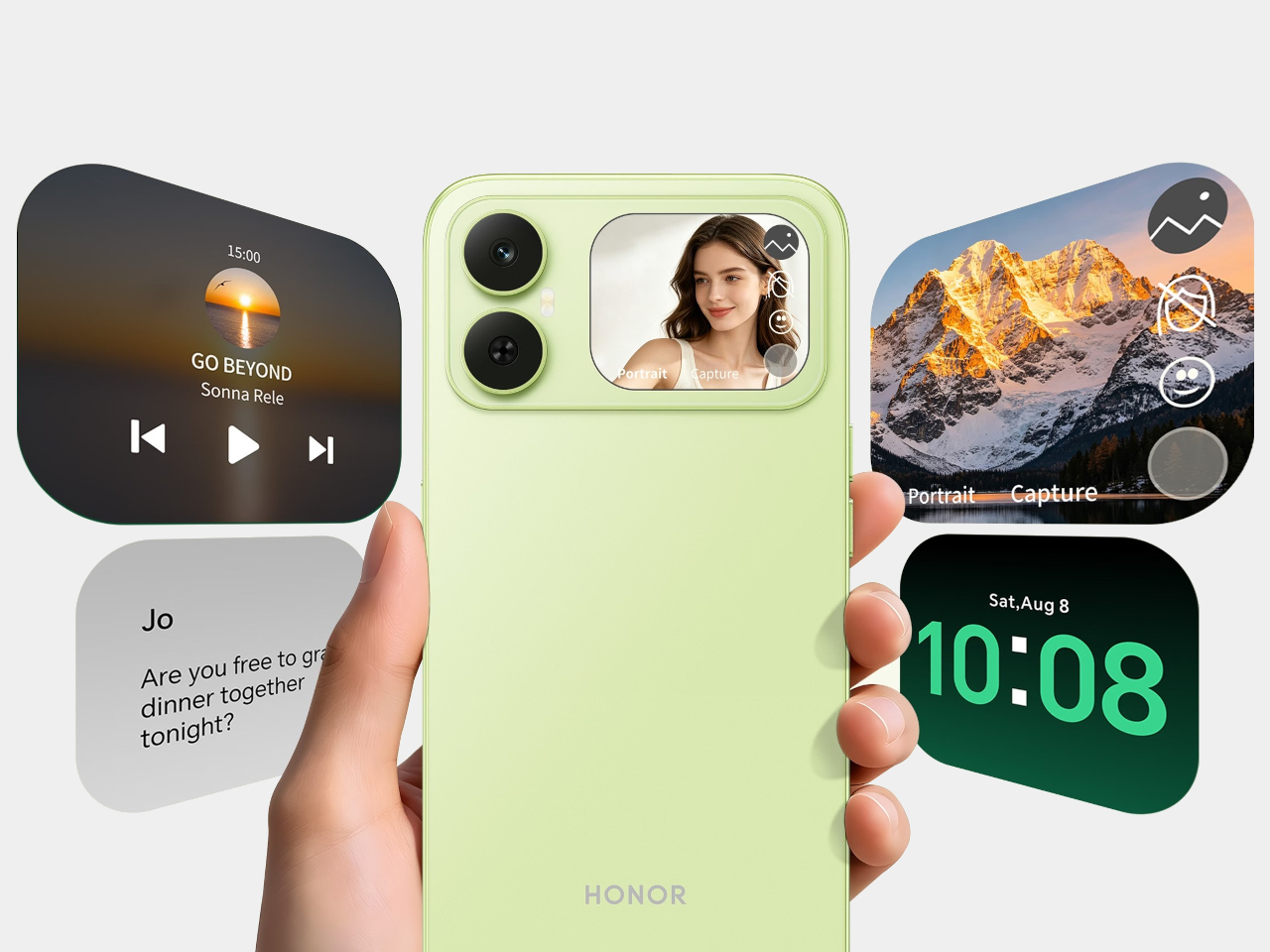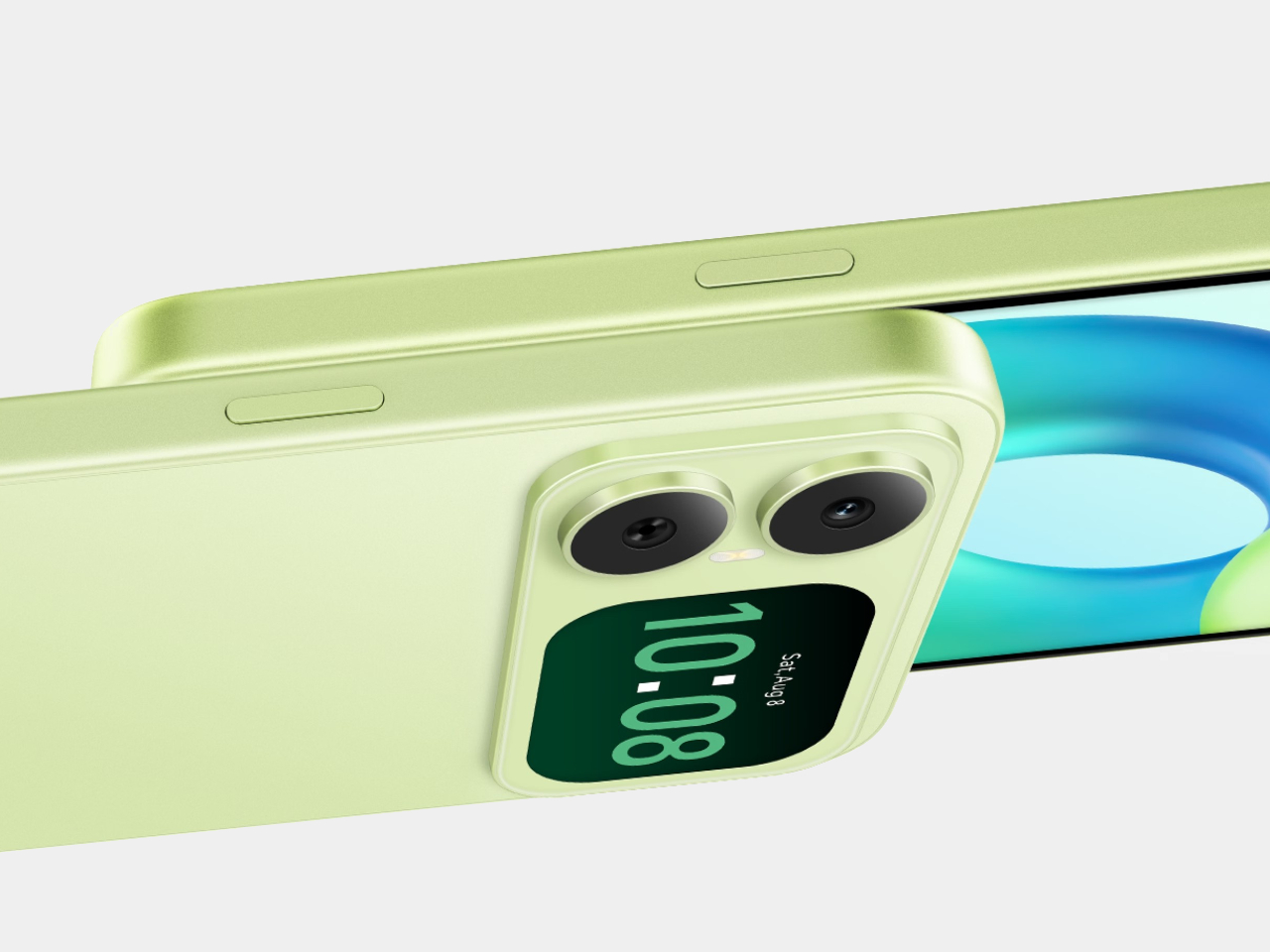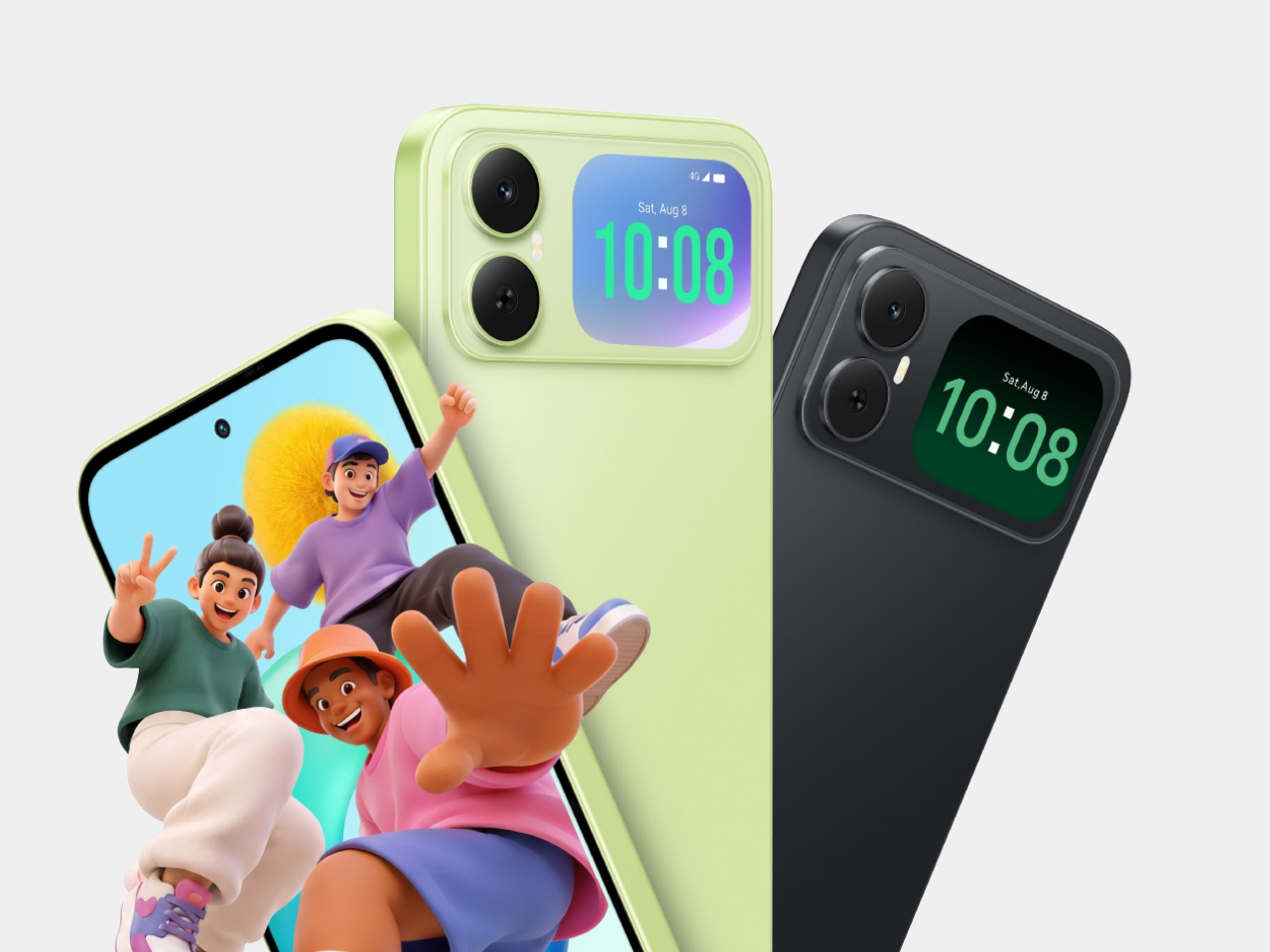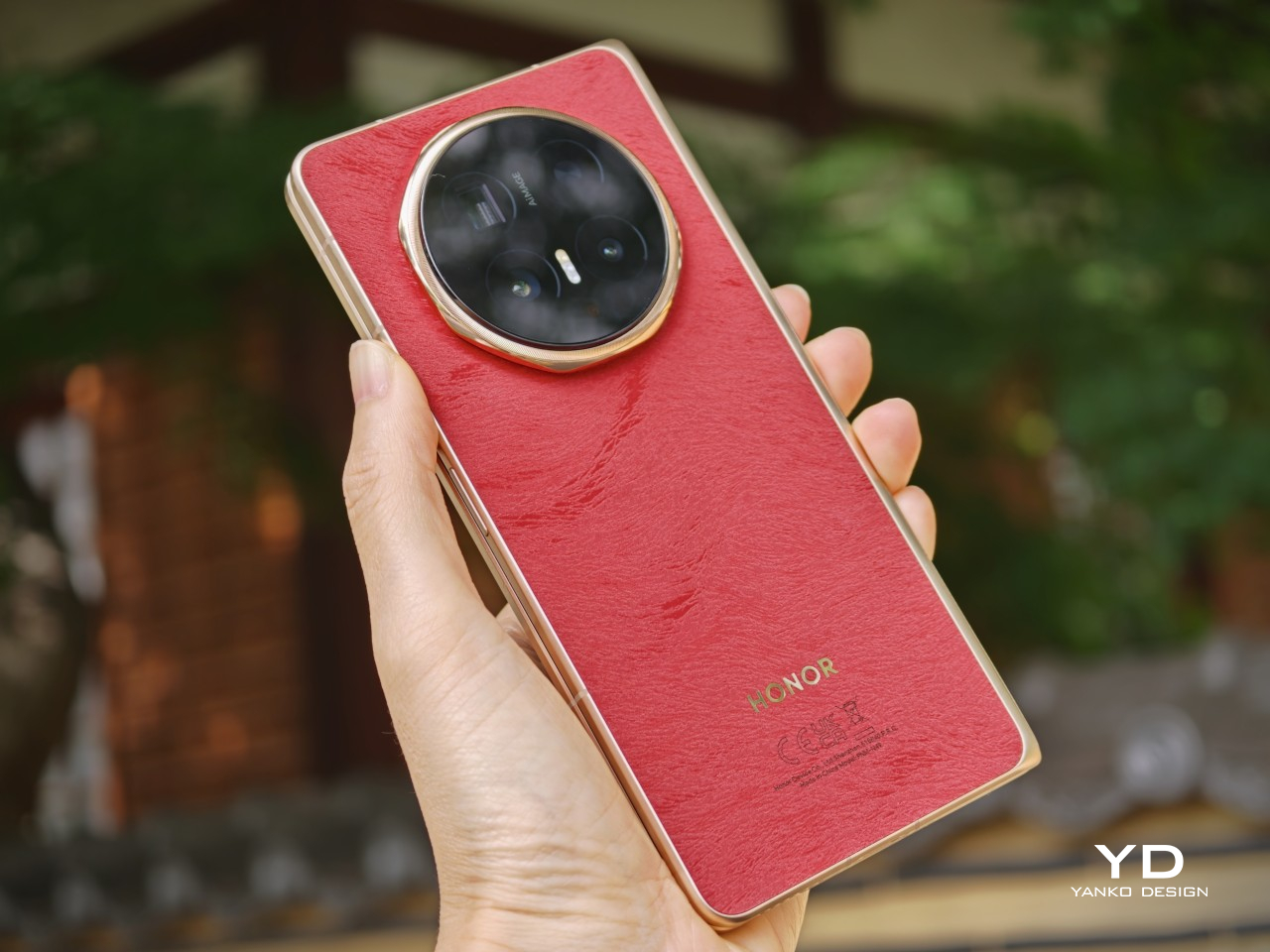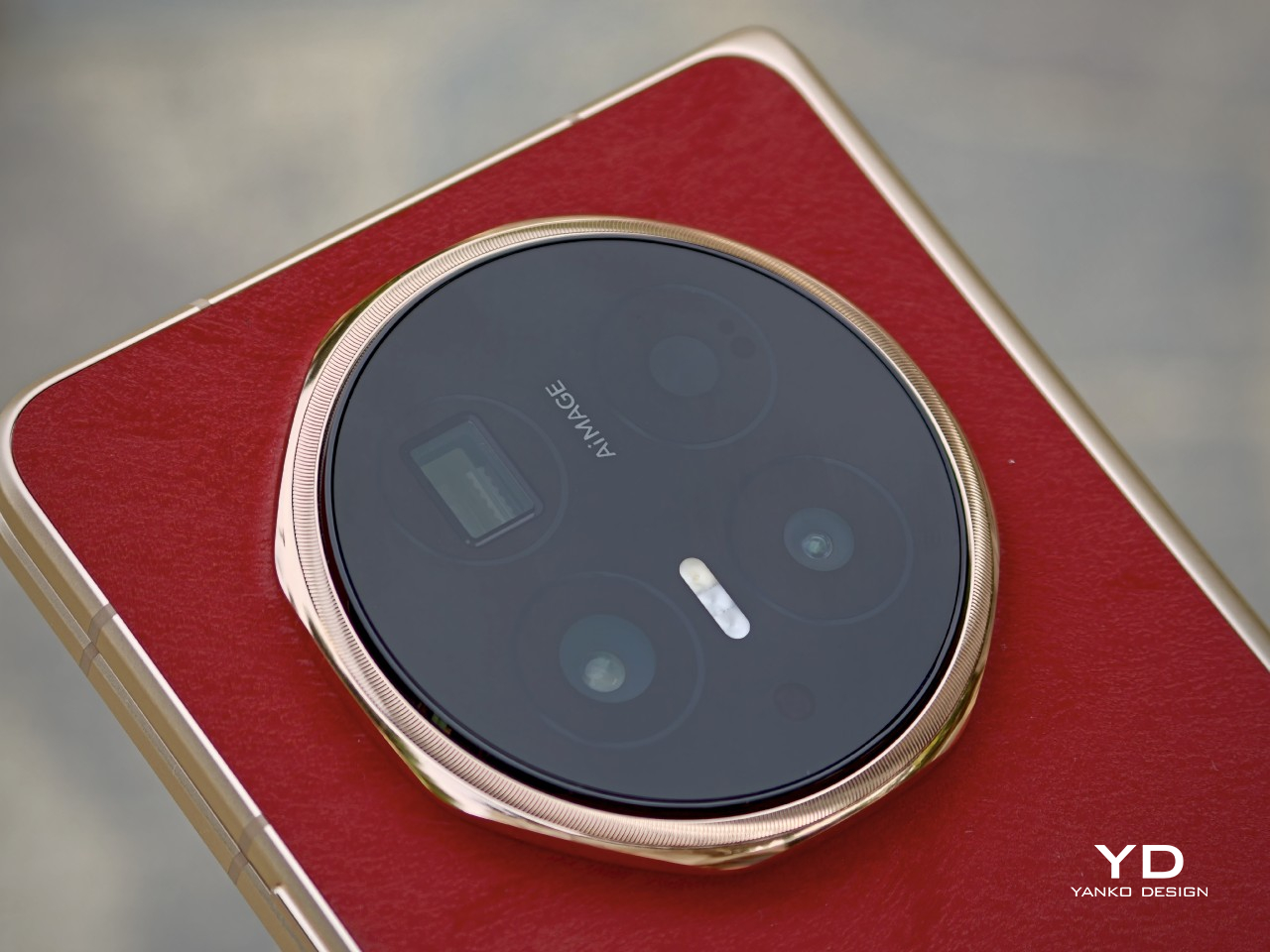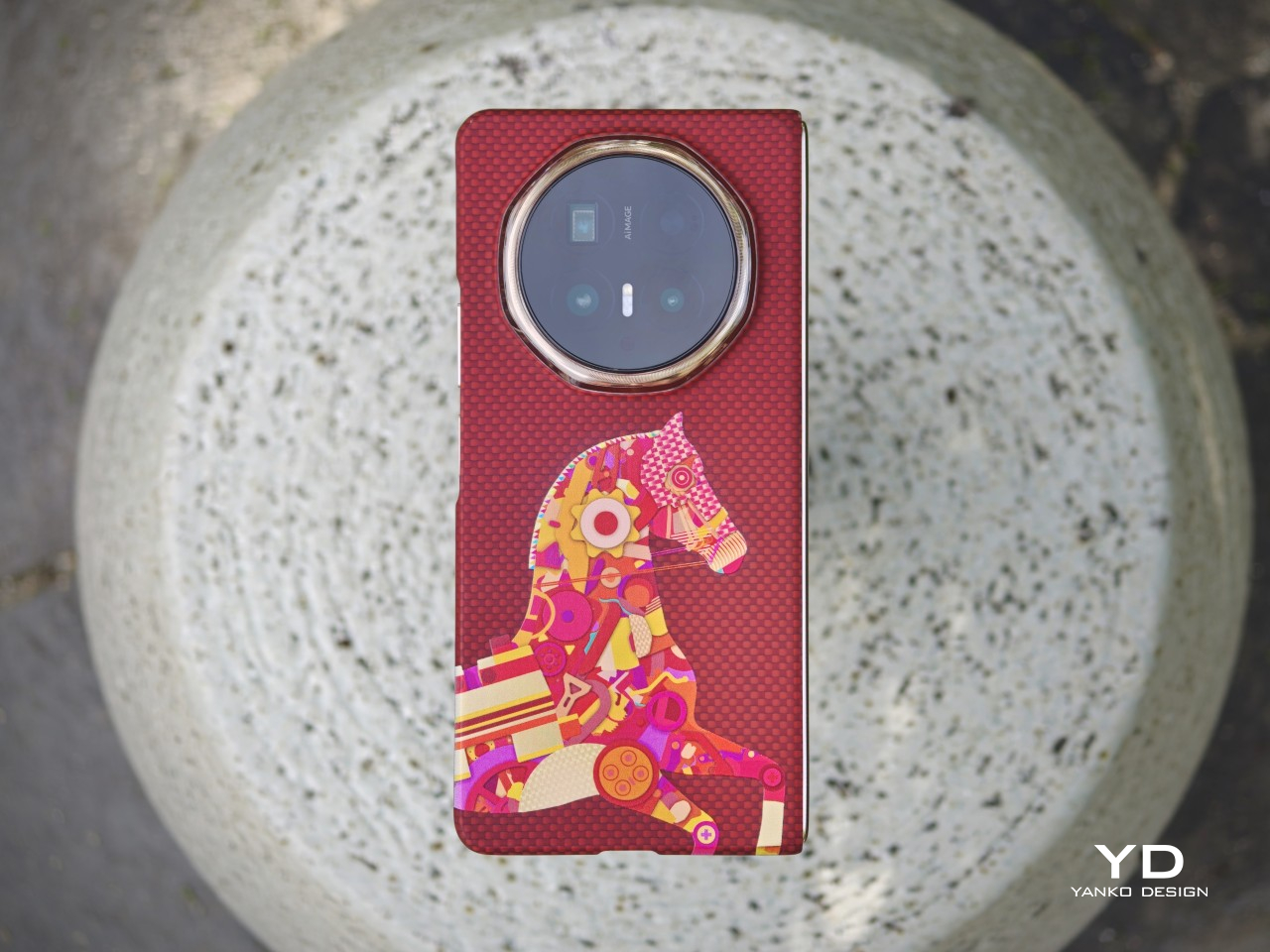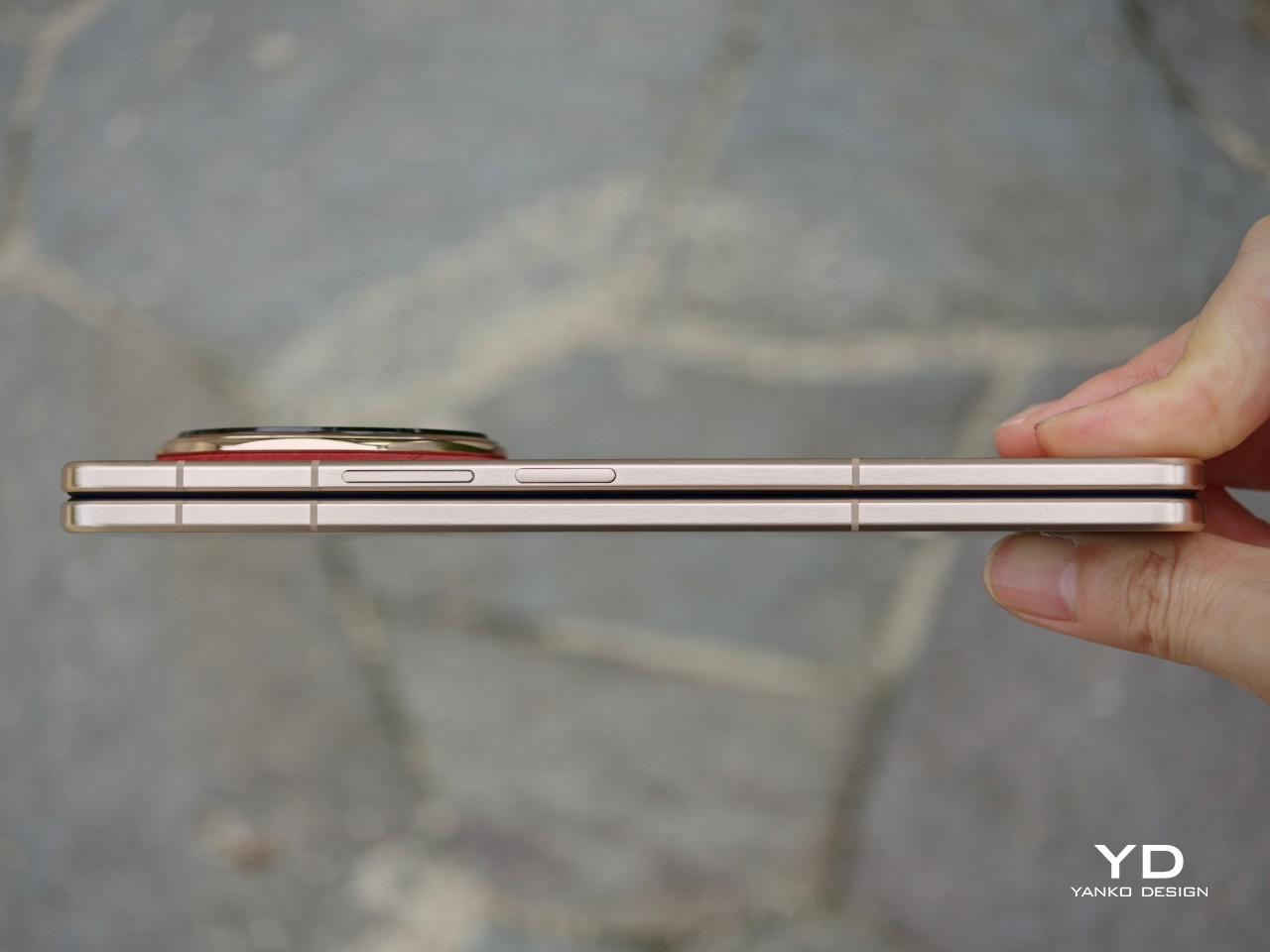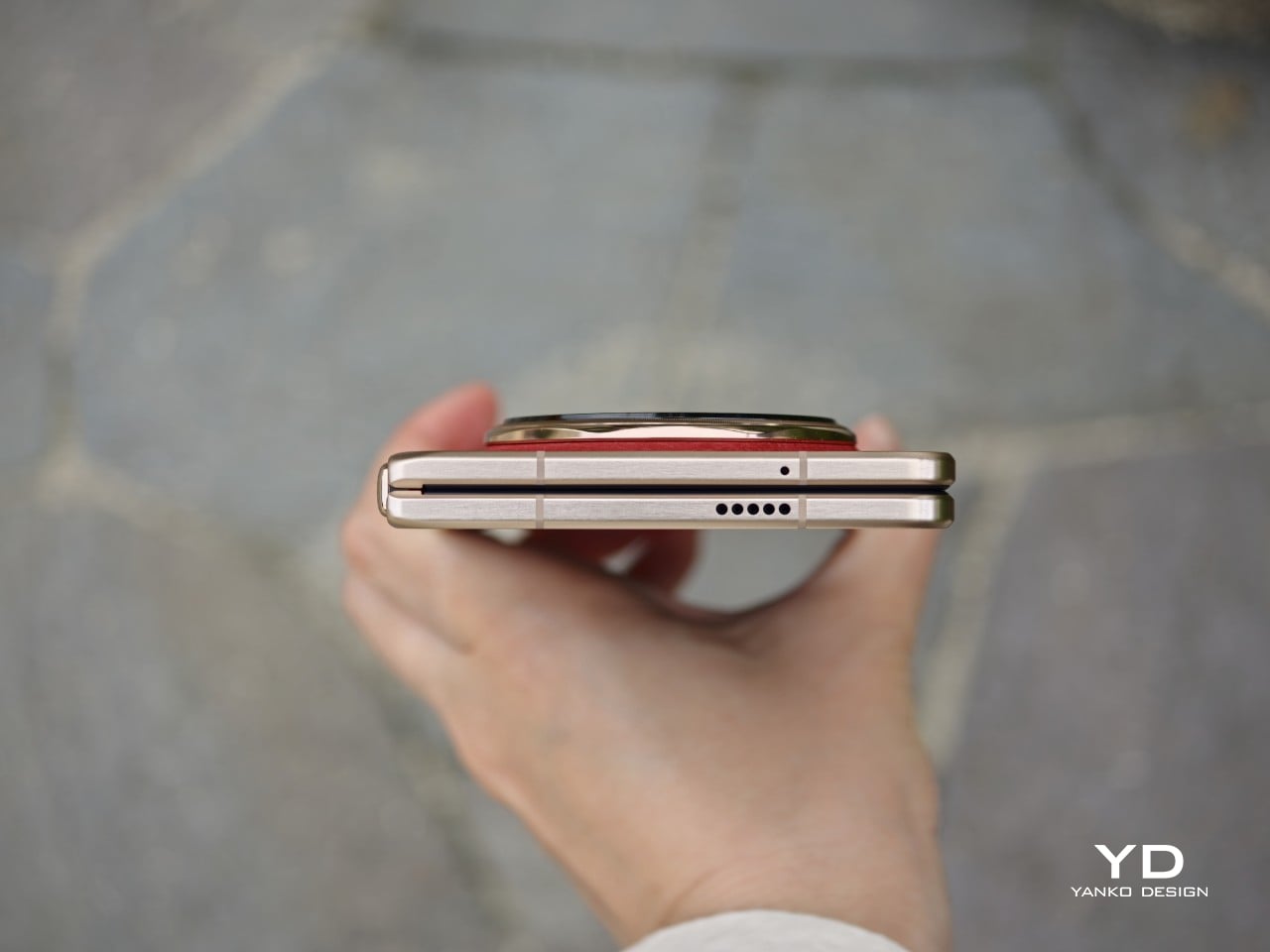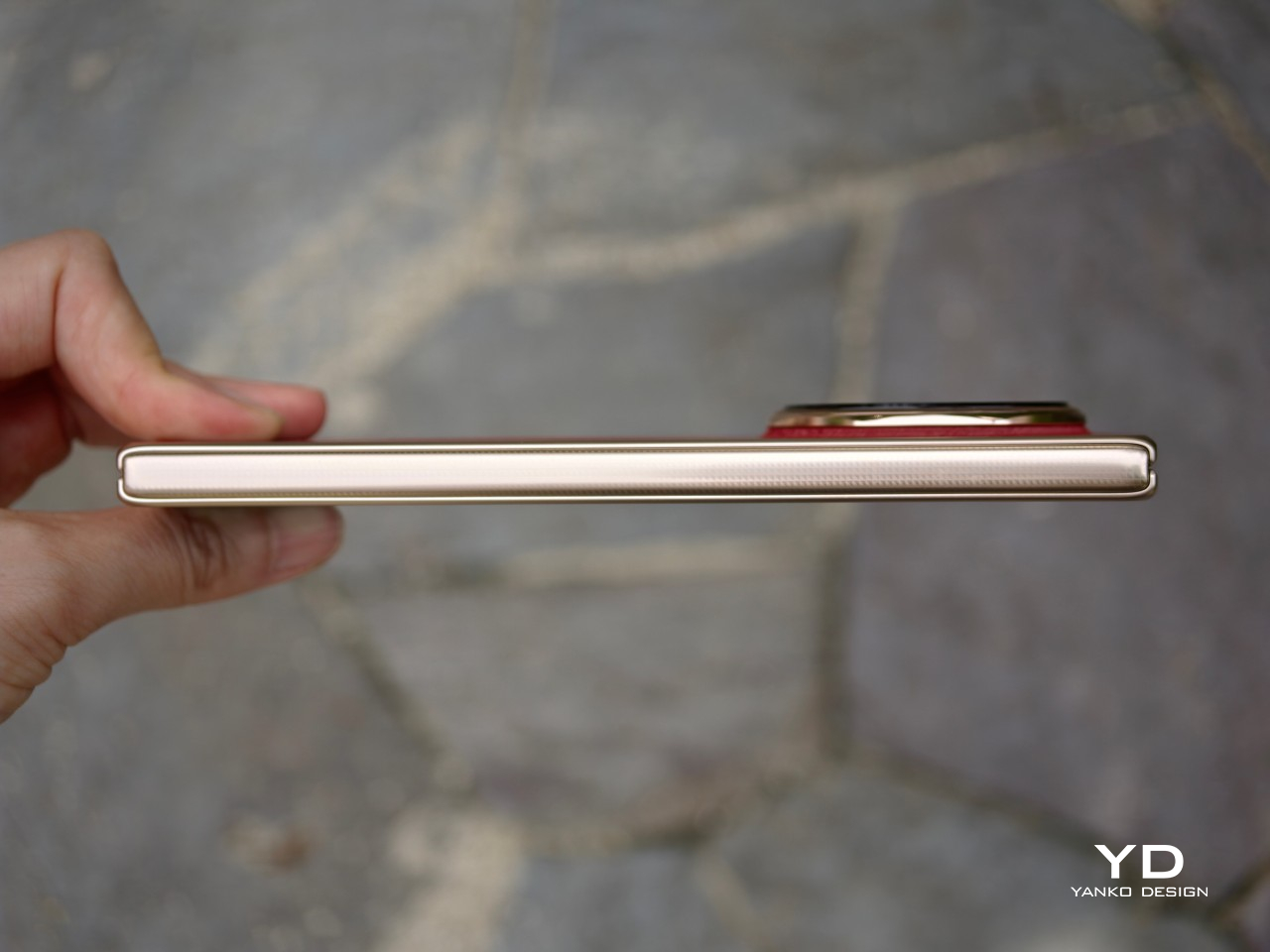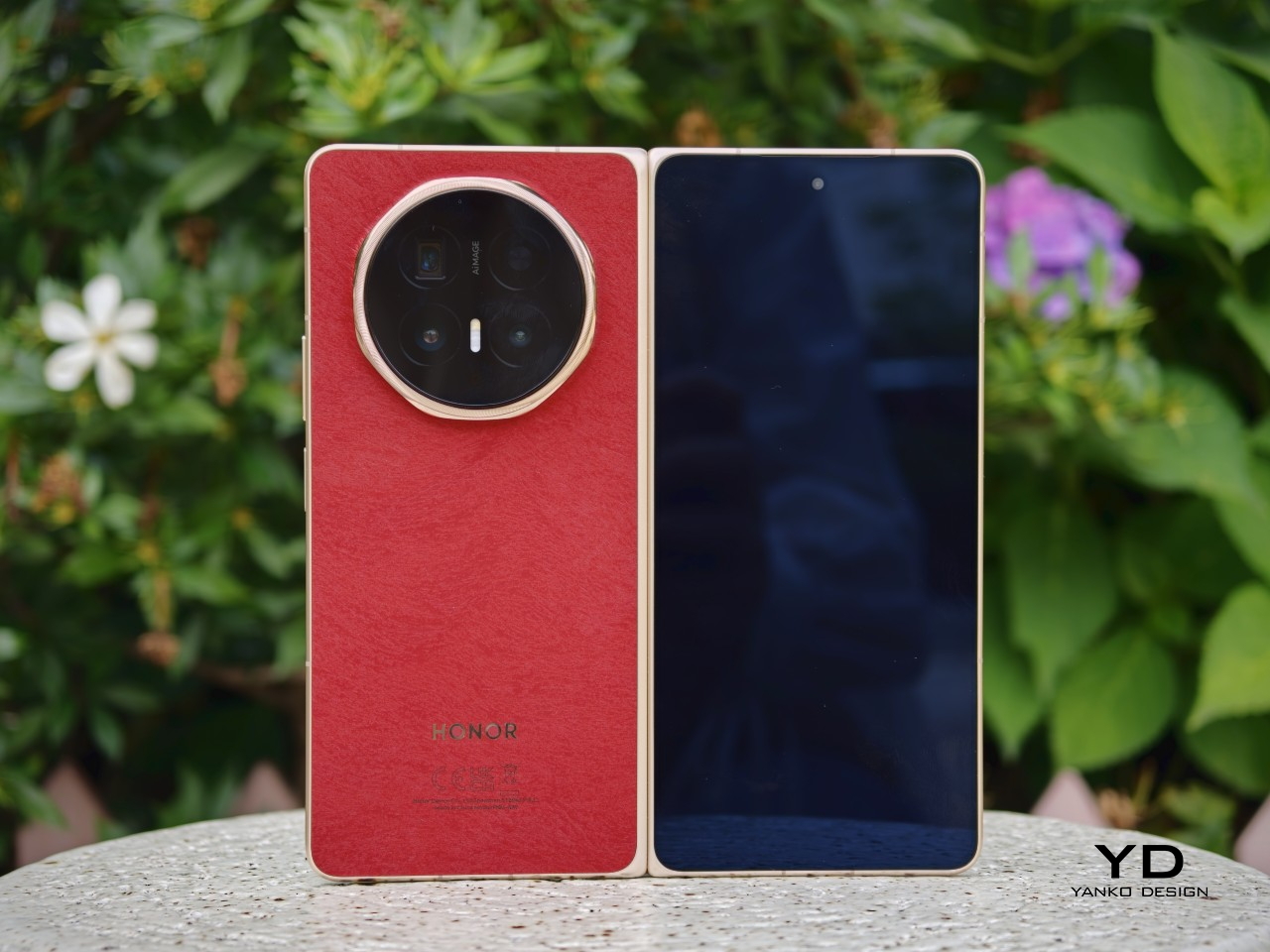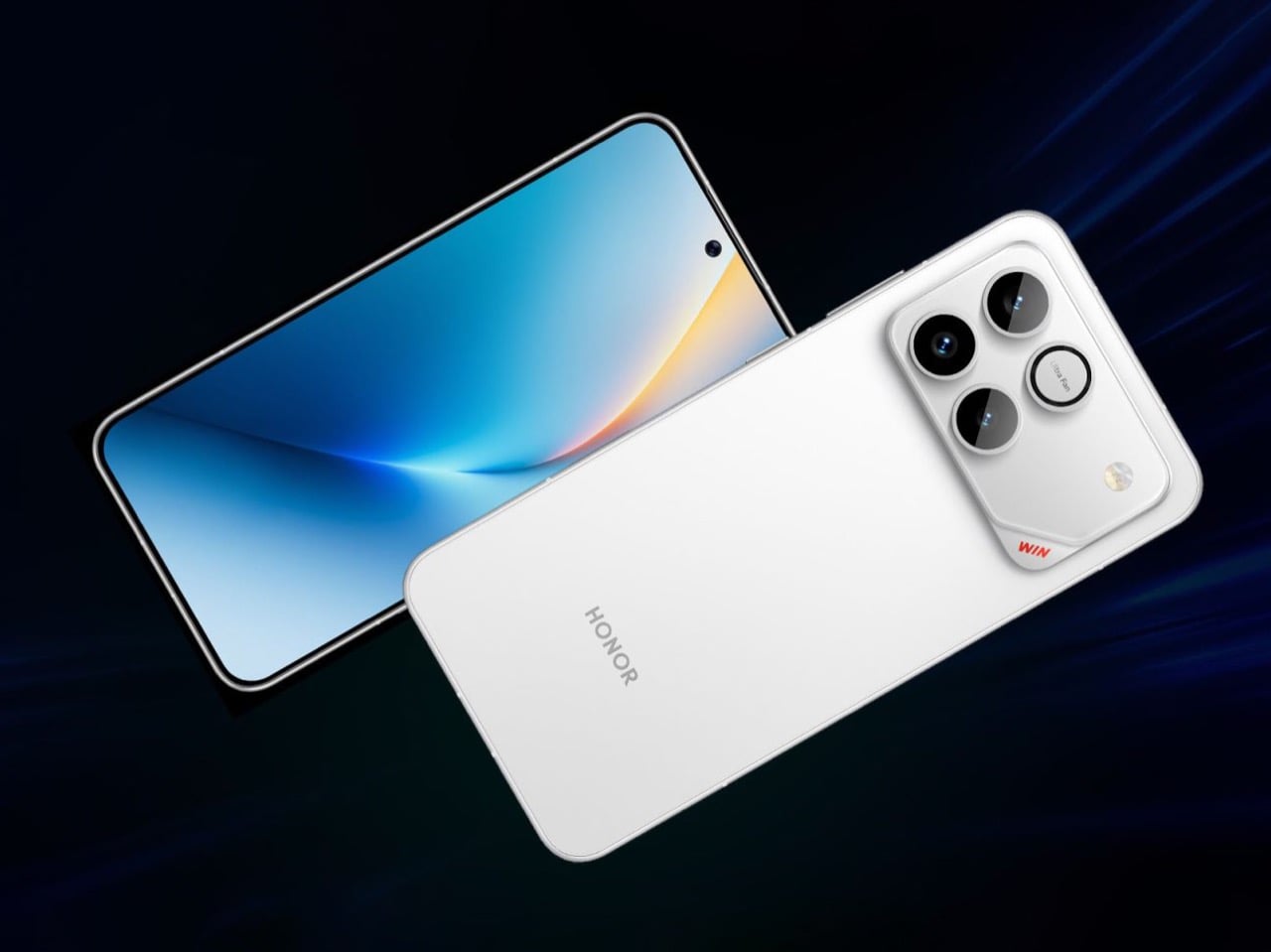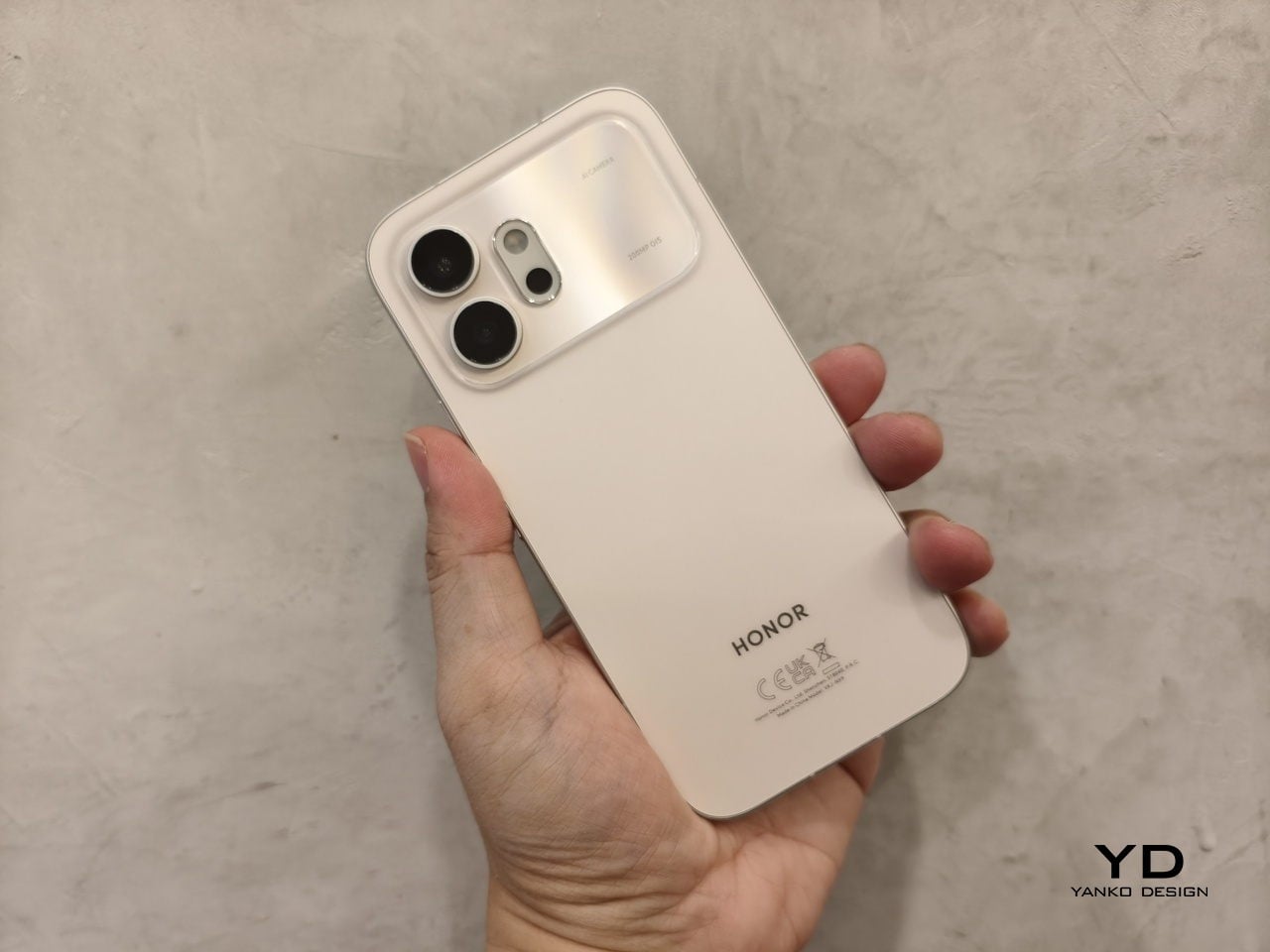
HONOR’s 6.1mm thick Magic8 Pro Air Has a 5500mAh Battery and Triple Cameras (iPhone Air Can’t Match That)

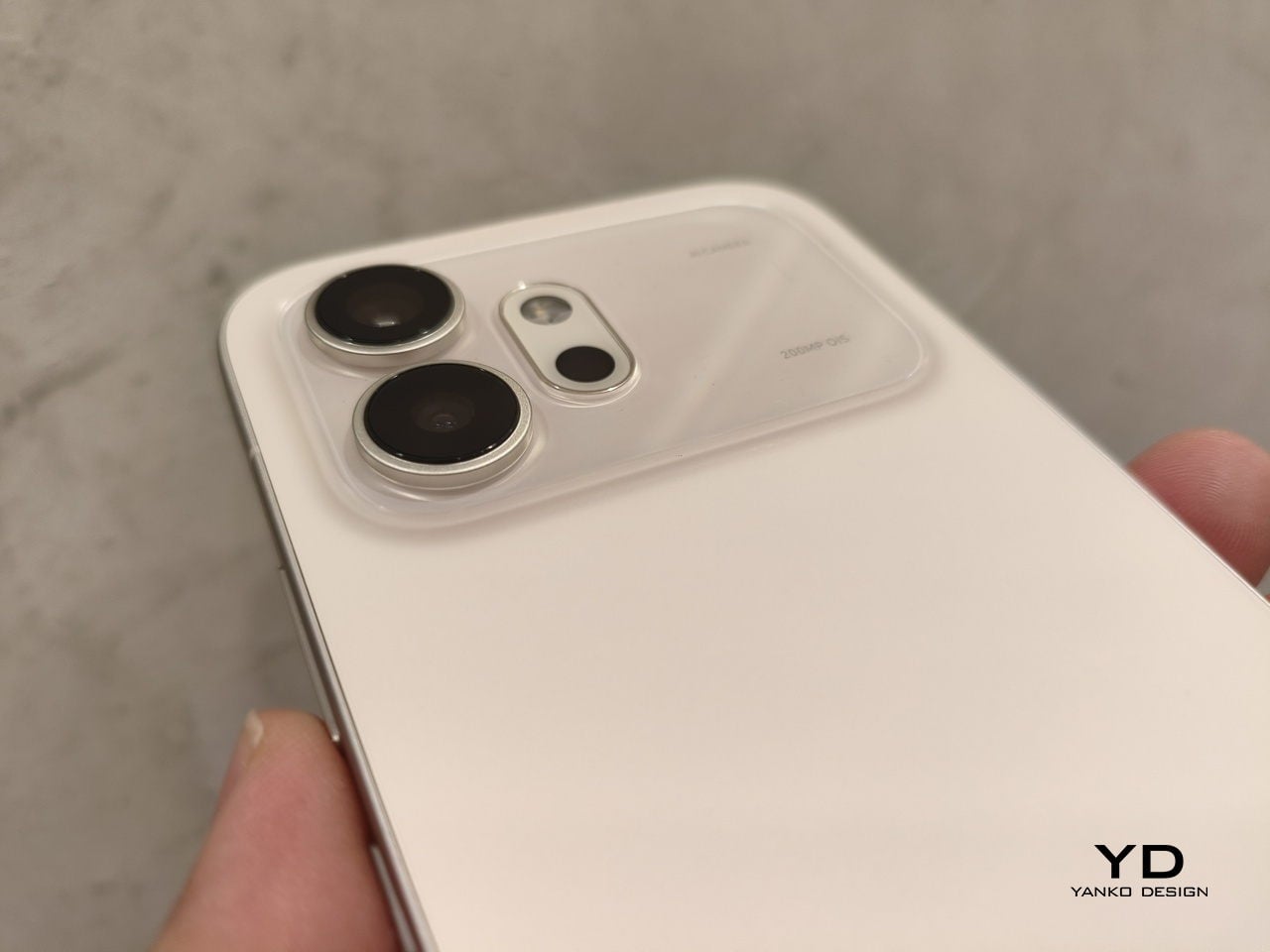
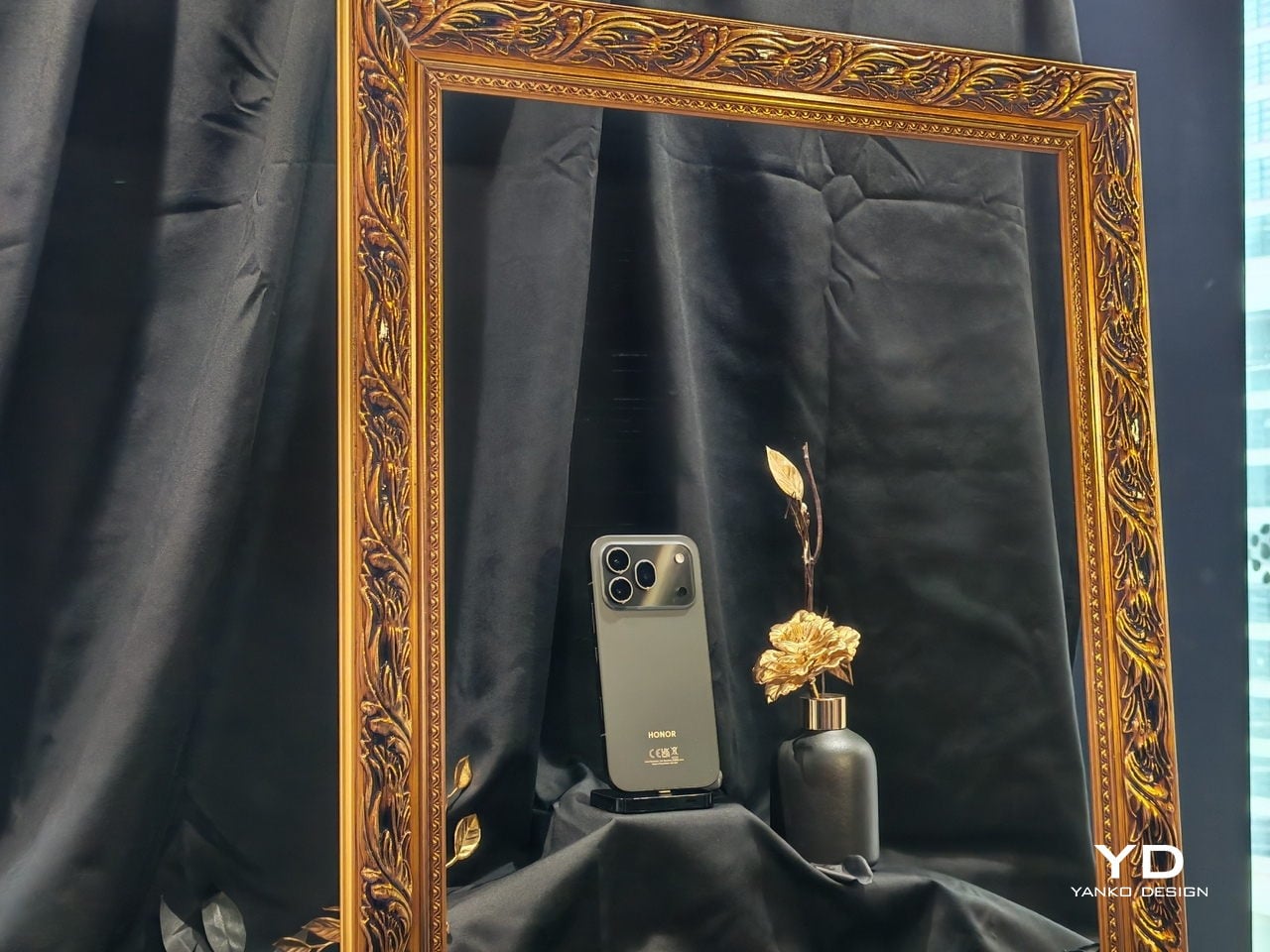
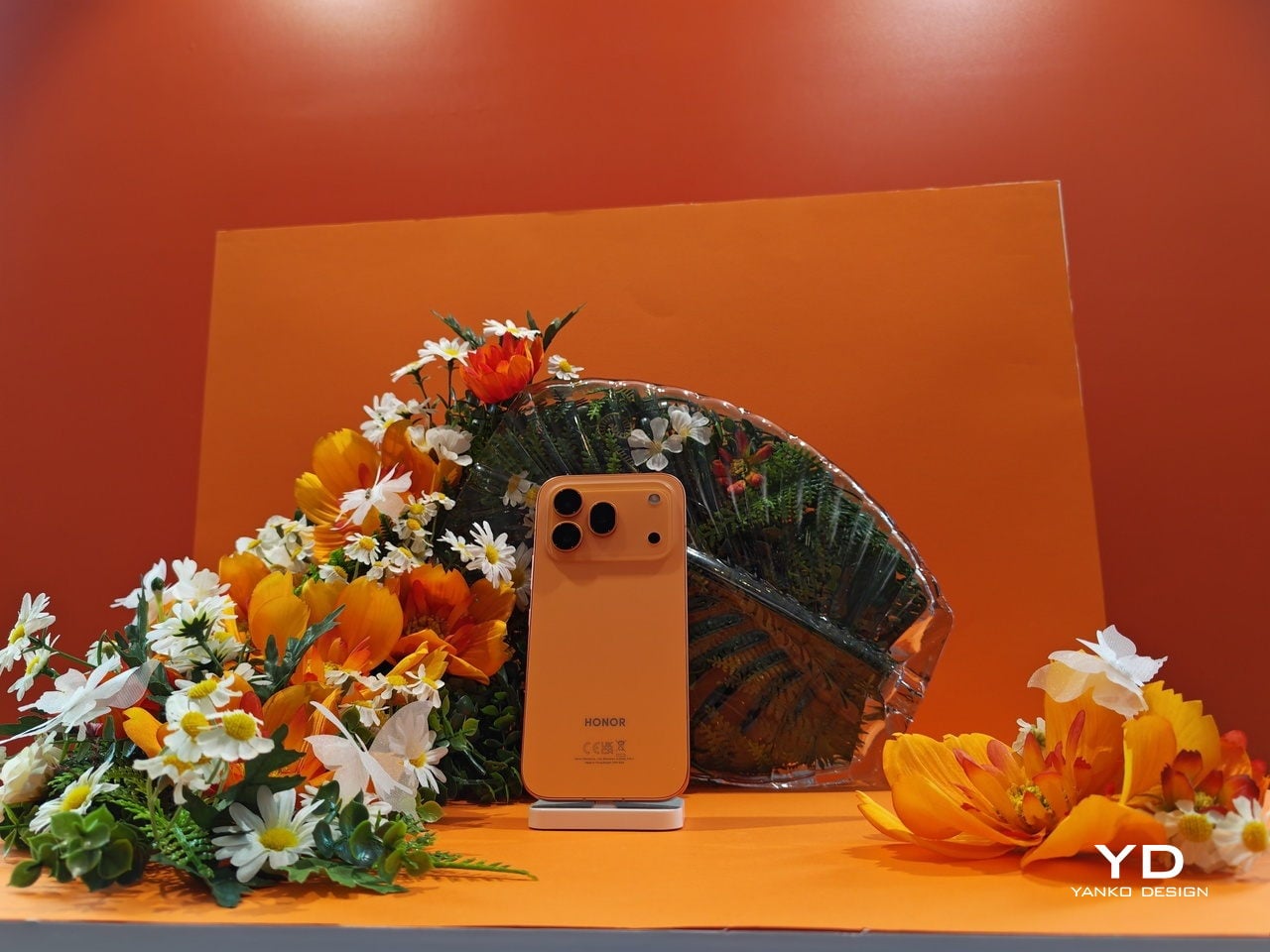
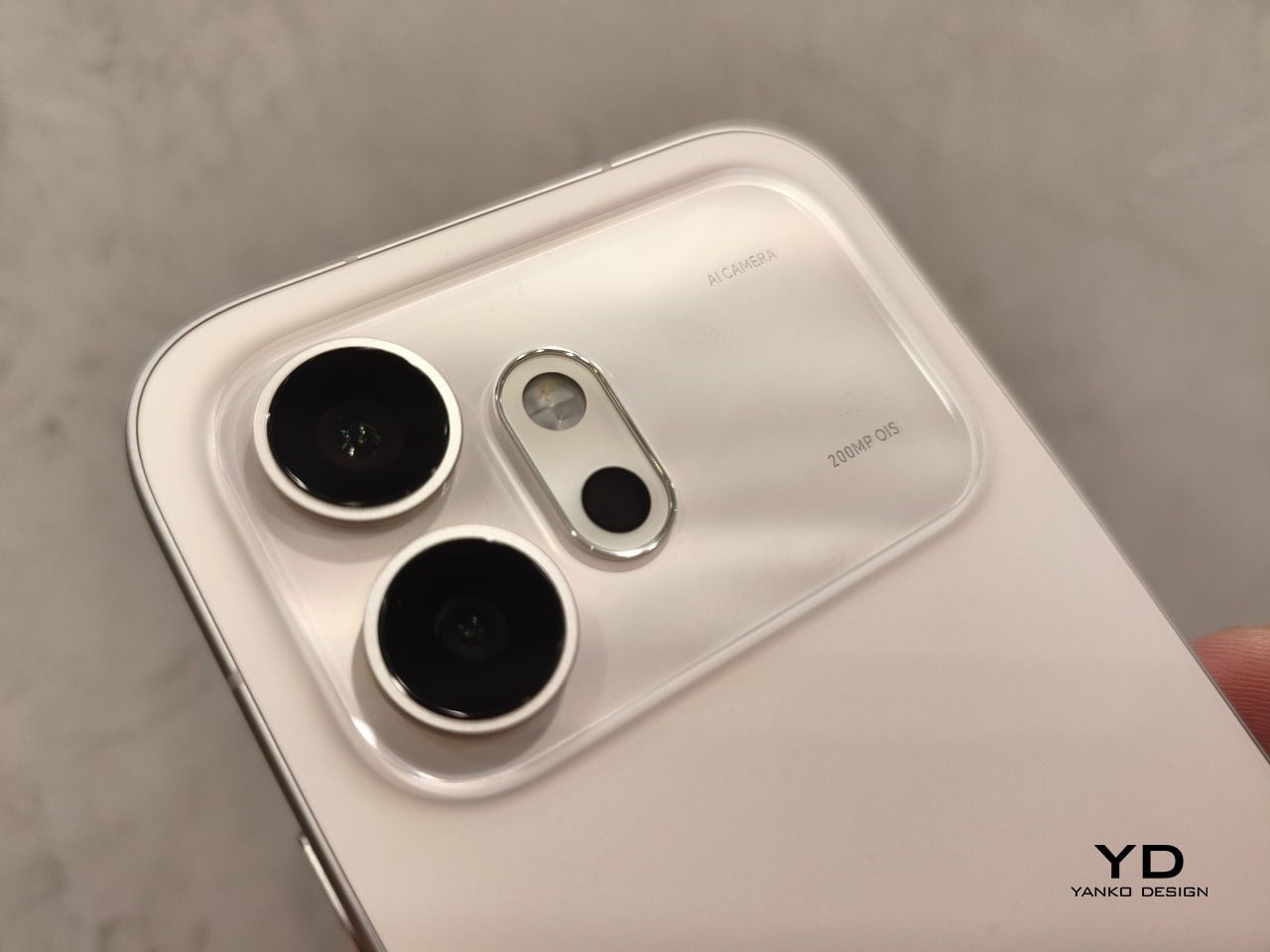
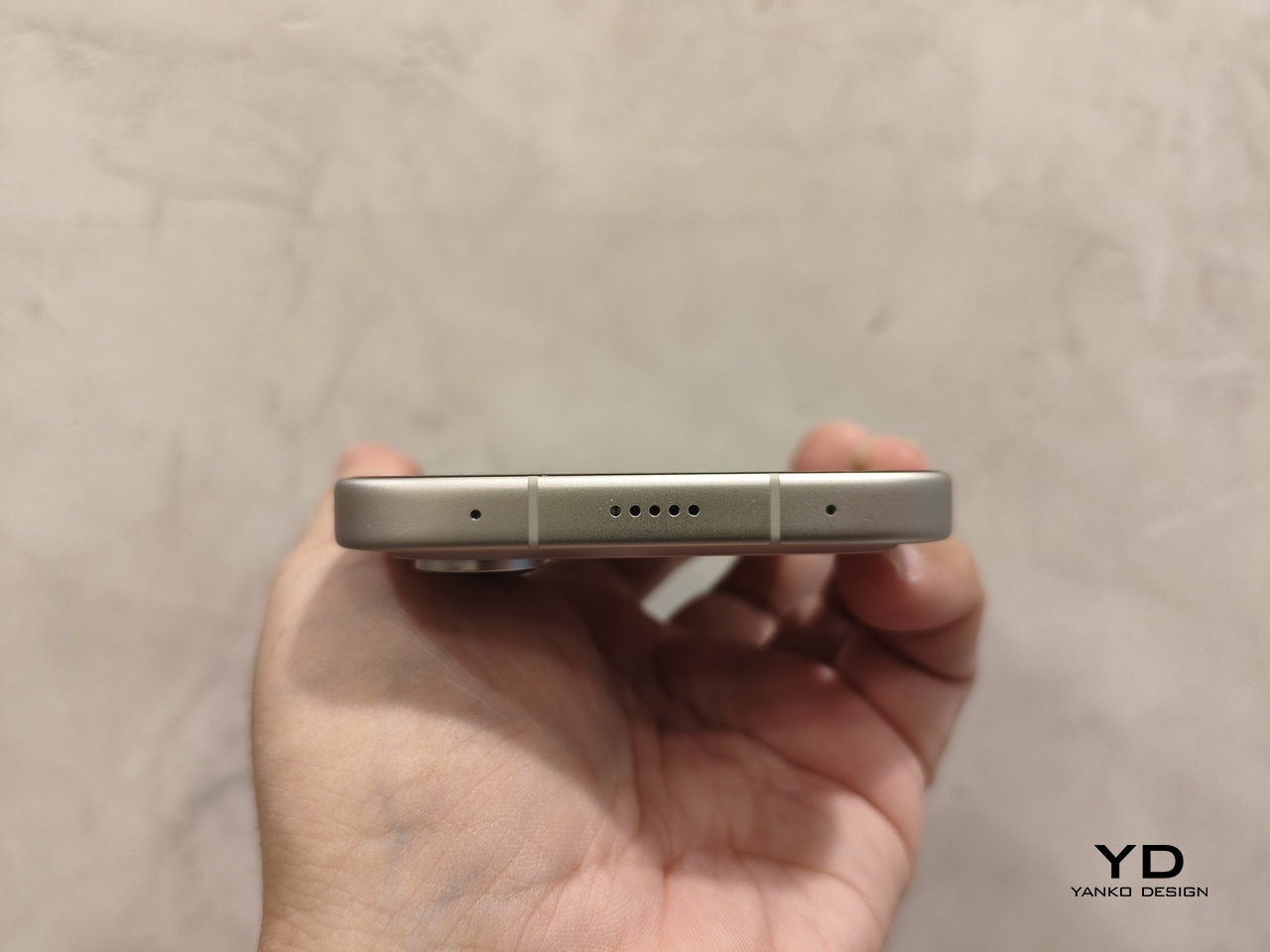
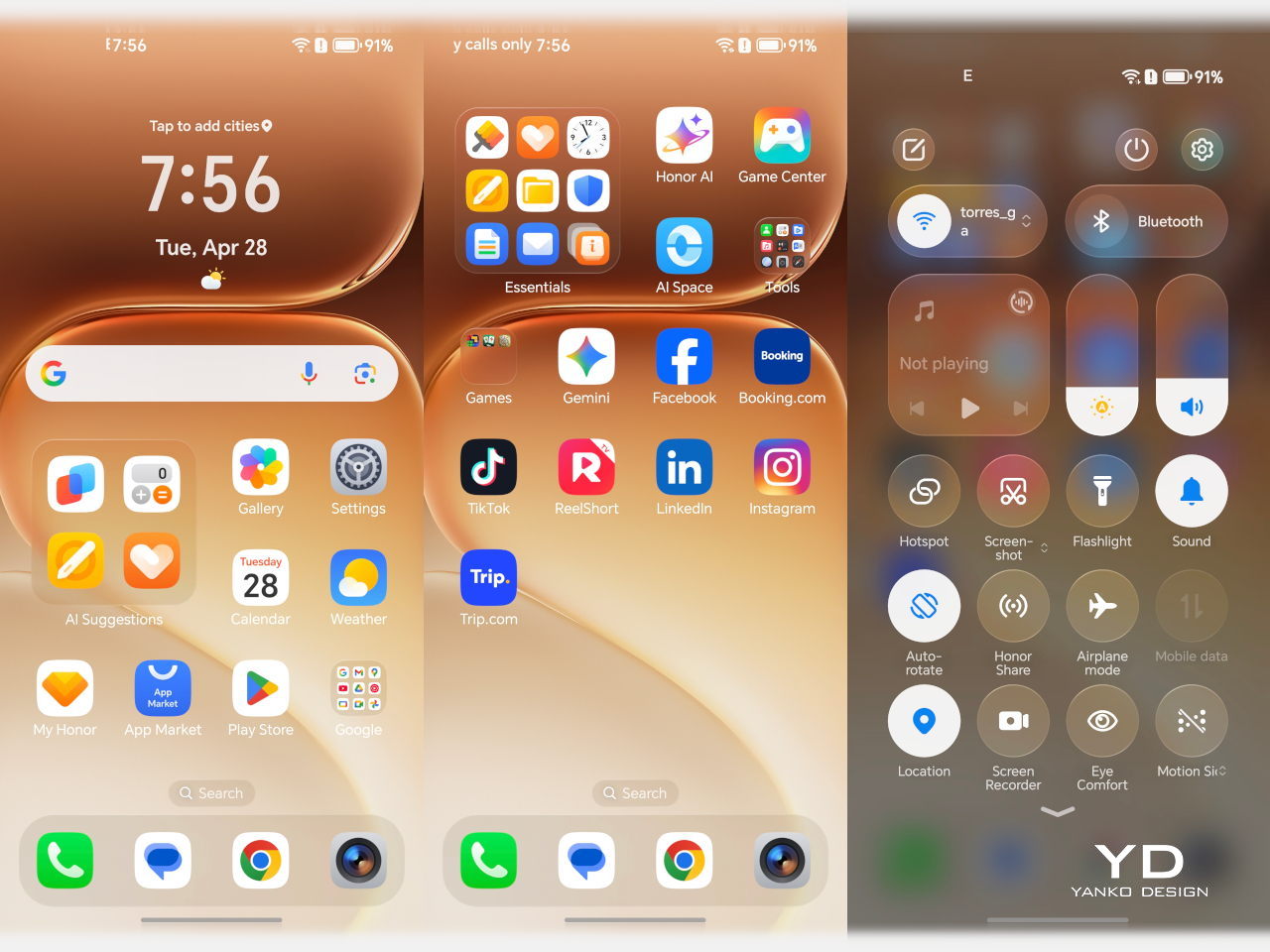
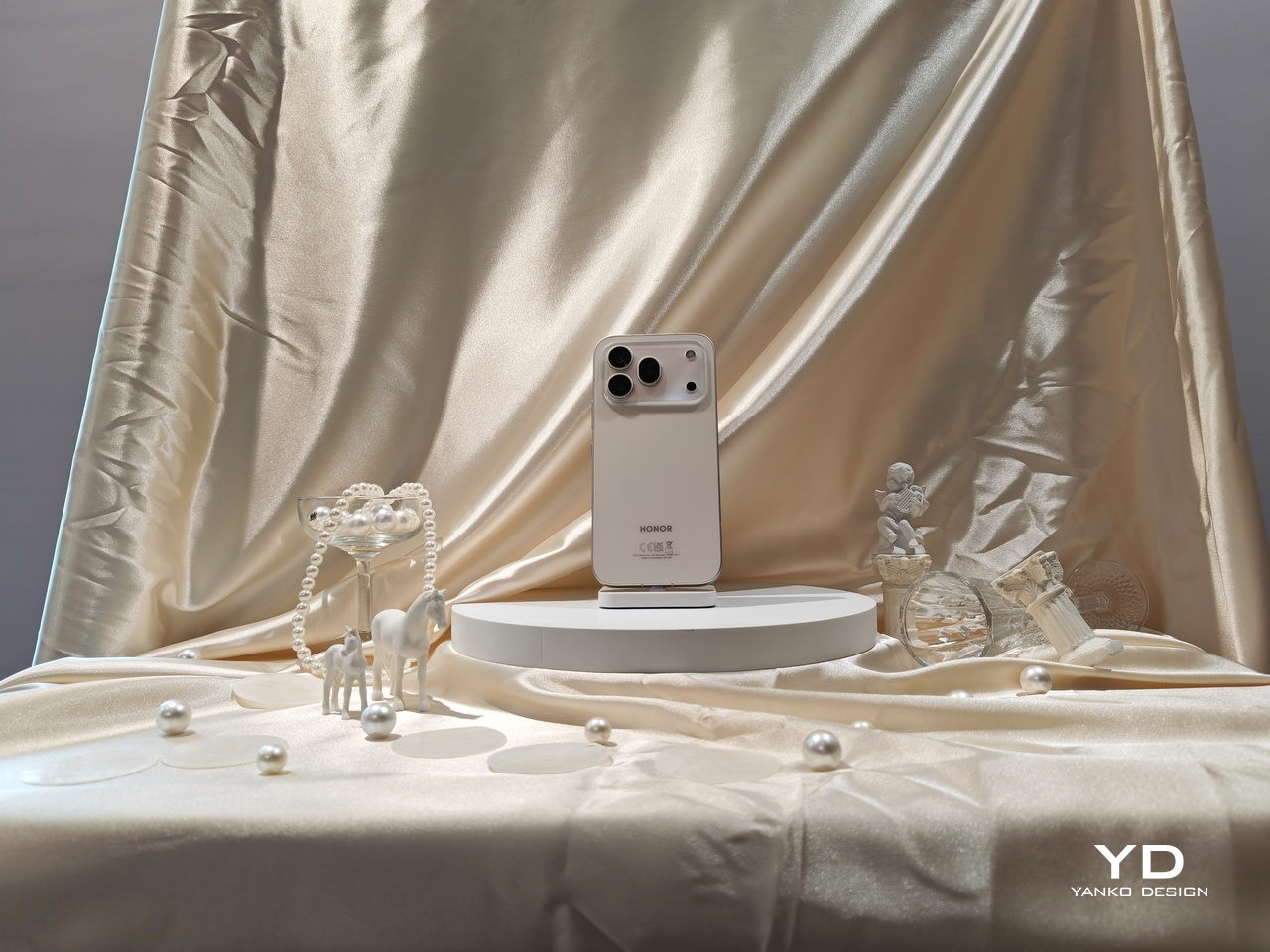
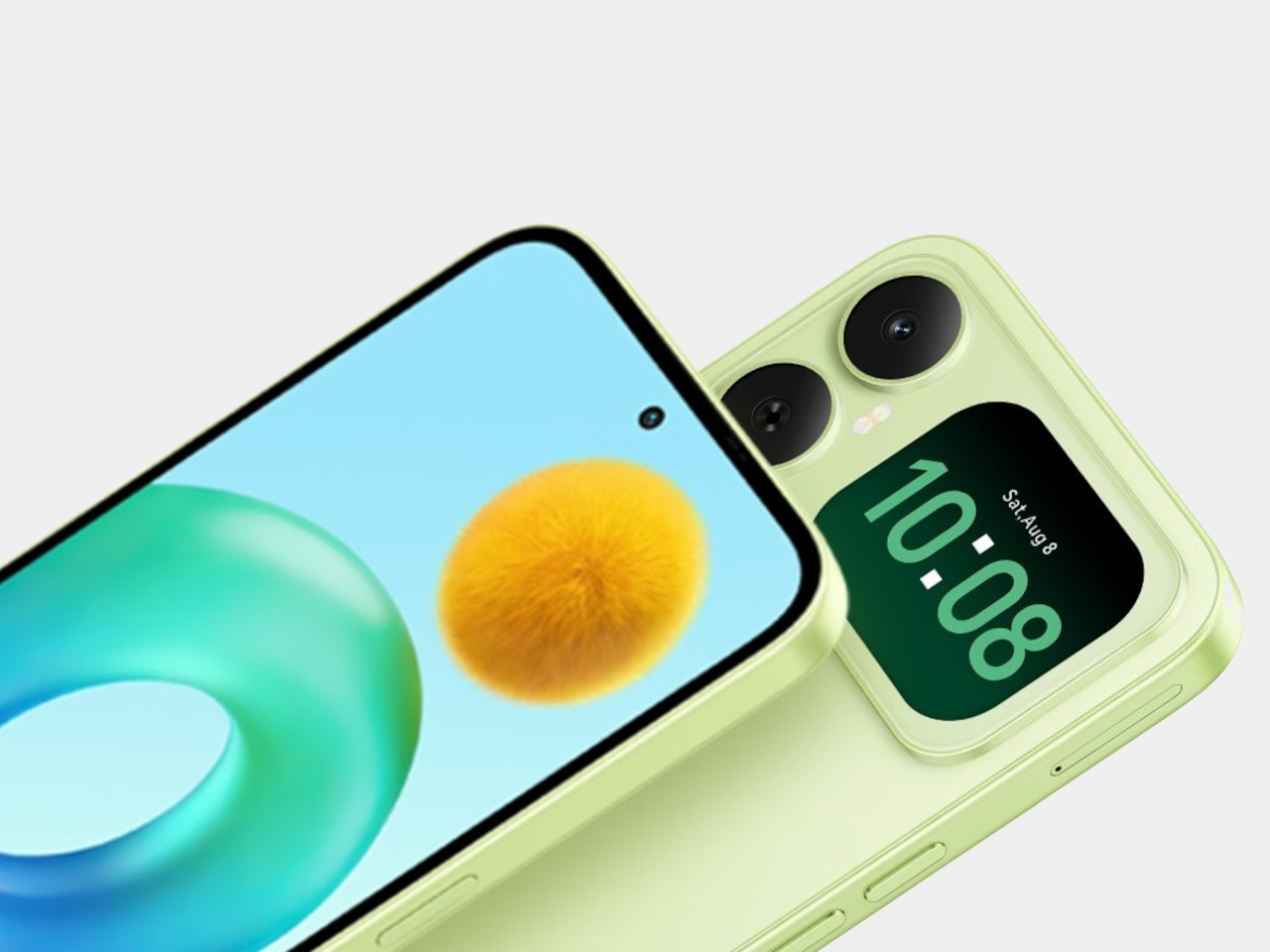
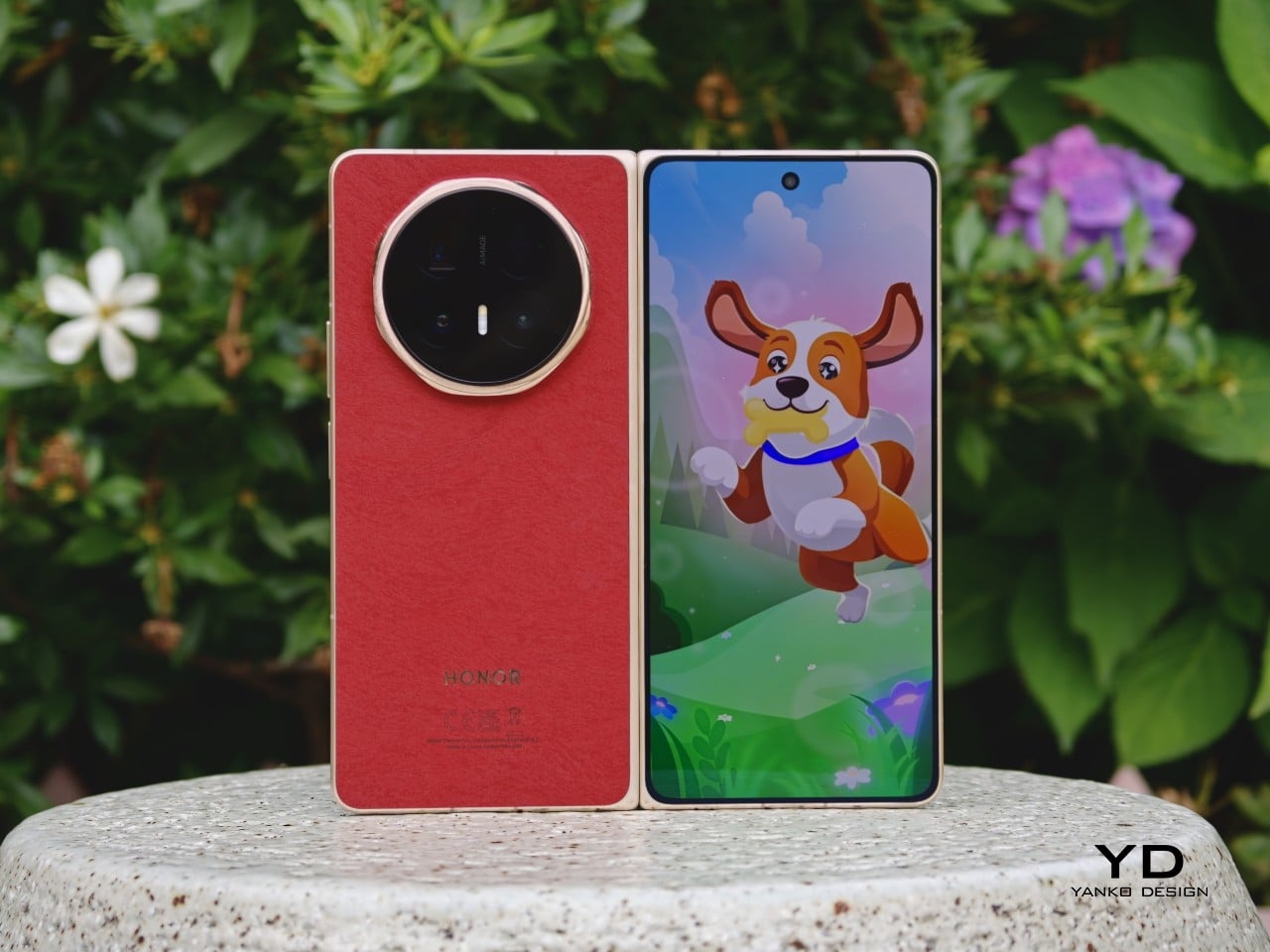
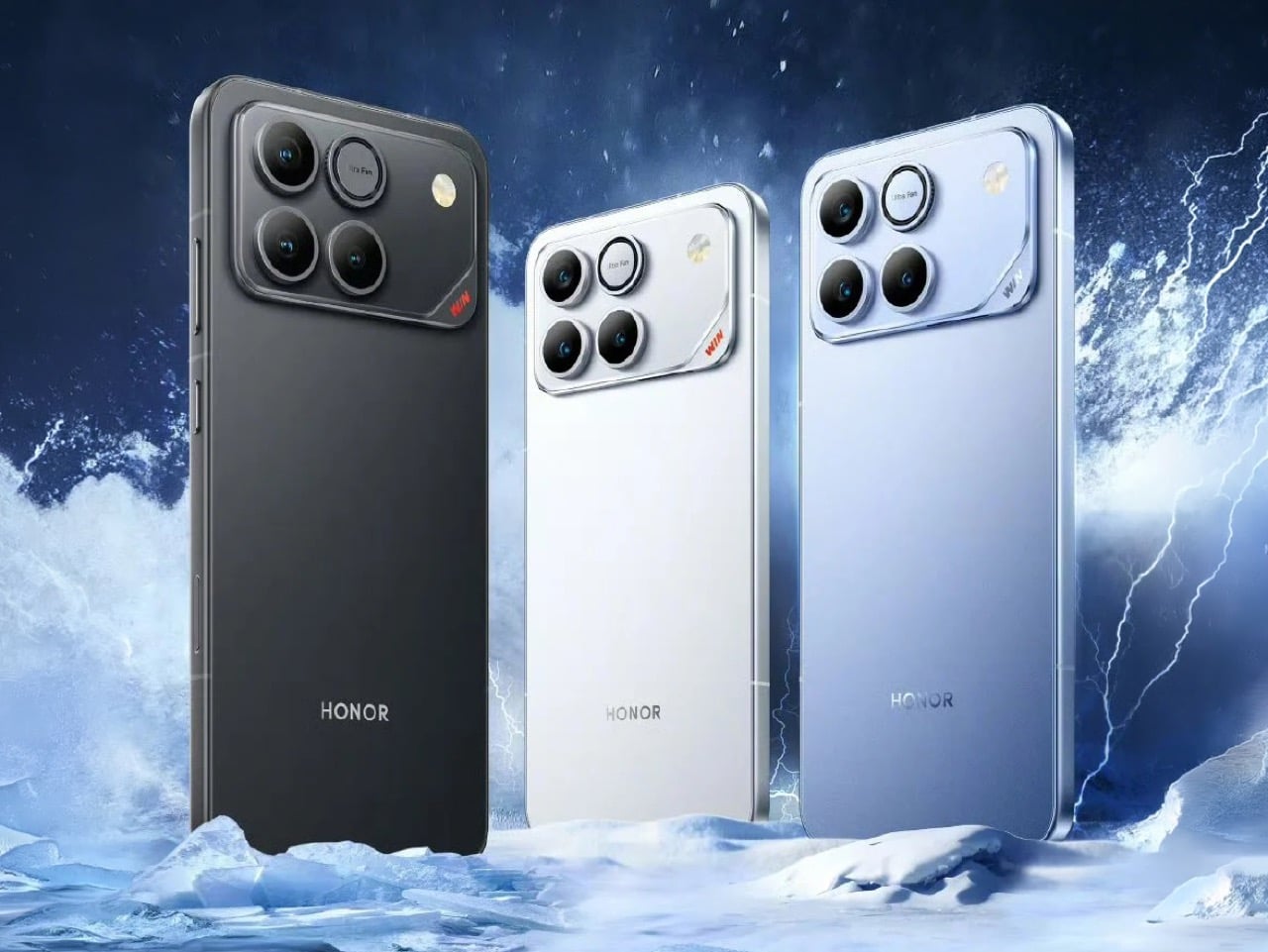
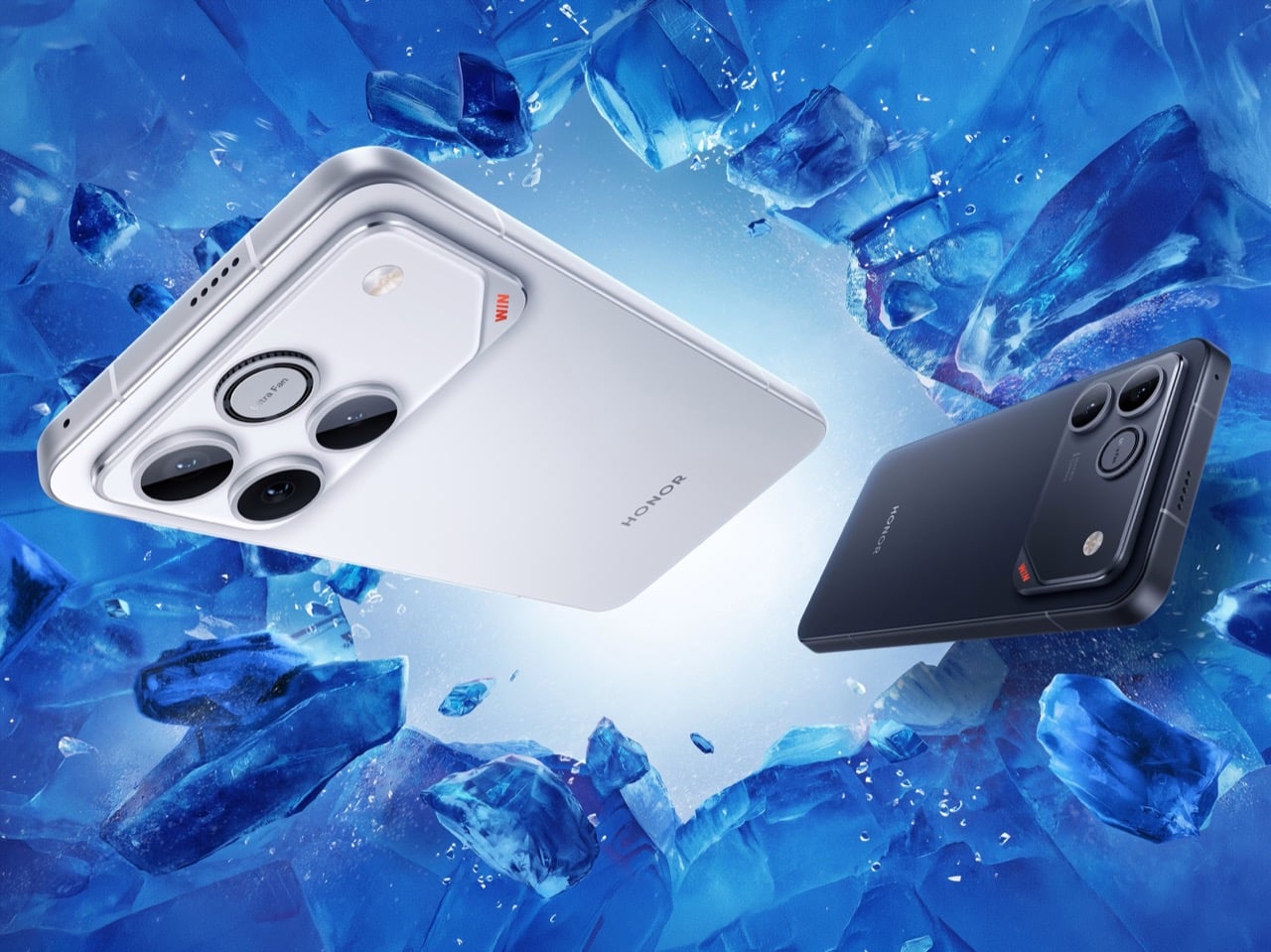
Sometimes the most interesting phones aren’t the ones pushing boundaries into weird new territory. They’re the ones that look at existing boundaries and ask why they exist in the first place. Honor’s Magic8 Pro Air sits at 6.1mm thick, which matches the iPhone 16 Pro’s obsession with thinness, but then it throws in a full triple camera array and a 5,500mAh battery just to prove a point. That point being: maybe we’ve been too quick to accept compromises that aren’t actually necessary.

The whole package reads like a direct response to Apple’s recent design choices, except Honor isn’t playing the “our number is bigger” game. They’re playing the “why can’t we have nice things” game, and honestly, it’s refreshing. For years, flagship phones have operated under this assumption that serious camera systems and all-day batteries require chunky bodies. The Magic8 Pro Air suggests that’s more about engineering priorities than physical limitations. Whether it actually delivers on that promise in real-world use is another story, but the ambition alone is worth paying attention to.

Designer: HONOR

Sure, a triple-camera array on a phone that thin is impressive, but what knocks my socks off more is the fact that this phone packs nearly 75% more battery than the iPhone Air. For context, the iPhone Air maxes out around 3,149mAh and sits at roughly 5.6mm. Samsung’s Galaxy S25 Edge packs slightly more at 3,900mAh into a 5.8mm frame. Honor somehow found an extra 1,600mAh while adding just 0.3-5mm more than the competition. That translates to a good 5+ hours more of daily use before reaching for a charger or power bank. Let’s not ignore how impressive that is.

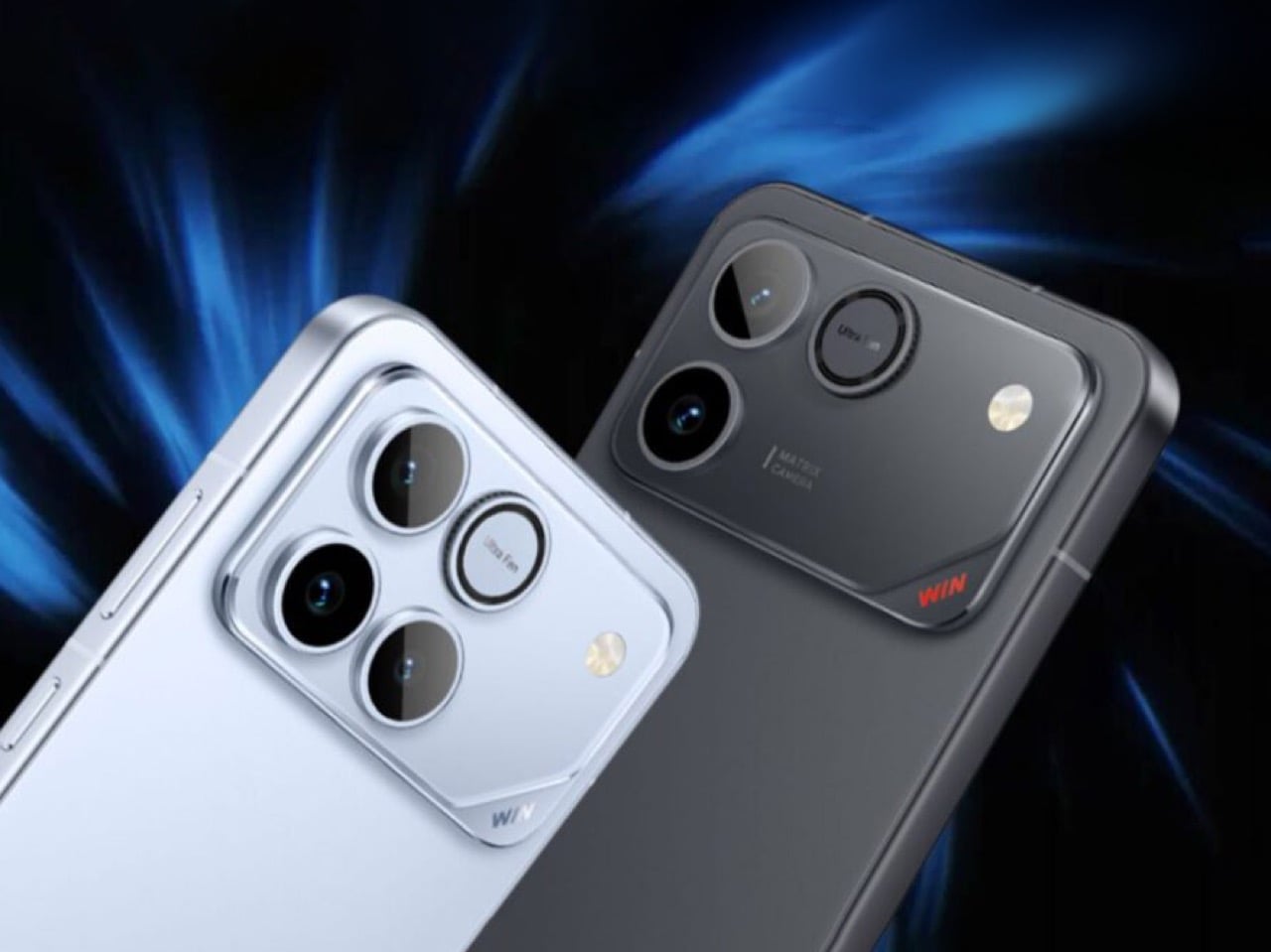
The triple camera setup tells a similar story of refusing easy compromises. We don’t have full specs yet on the sensor sizes or focal lengths, but the fact that Honor committed to three lenses instead of following Apple’s single-camera approach on the standard iPhone 16 says something about their priorities. Modern computational photography has convinced a lot of companies that one good sensor plus aggressive software processing can replace optical versatility. Honor clearly disagrees, or at least thinks consumers disagree enough to matter. They’re betting that people still want actual telephoto reach and ultrawide perspective without relying entirely on digital trickery and crop-zoom theatrics.

What makes this launch particularly on-point is the tagline. Honor’s marketing team went with “thin but not lacking” in Chinese, which translates the subtext into actual text. They know exactly what conversation they’re entering. Apple spent the last few years teaching the market that premium means thin, and thin means sacrifice – whether it’s a camera lens on the iPhone Air, a 3.5mm jack on the iPad Pro, or just ports on their MacBook Airs. Honor looked at that equation and decided the sacrifice part was optional, which either makes them bold or delusional depending on how the phone actually performs once reviewers get their hands on it.

The broader implications here matter more than one phone from one manufacturer. If Honor can ship a 6.1mm device with flagship battery life and proper camera versatility, then every other manufacturer now has to explain why they can’t or won’t. The “we had to choose between thin and capable” excuse stops working when someone demonstrates the choice was never binary. This puts pressure on Samsung, Google, and especially Apple to either match the capability or justify why their engineering led to different conclusions. Competition works best when companies stop accepting the same limitations and start solving problems their competitors declared unsolvable.

Honor’s brand-recall in Western markets still has room for improvement, although they’re perhaps one of the most reputed brands in their home country of China. The Magic8 Pro Air might be brilliant, but if people don’t know where to easily buy one, the competitive pressure stays theoretical. Still, specs like these have a way of forcing conversations that manufacturers would rather avoid. Apple doesn’t need to worry about Honor’s market share to feel the heat when tech reviewers start asking why the iPhone 17 can’t pack a bigger battery at the same thickness – and every tech reviewer should absolutely call on Apple to be less compromising. The Magic8 Pro Air wins just by existing and working as advertised. Everything after that is bonus points.

The post HONOR’s 6.1mm thick Magic8 Pro Air Has a 5500mAh Battery and Triple Cameras (iPhone Air Can’t Match That) first appeared on Yanko Design.
Honor Magic8 Lite: The Lightweight Phone That Lasts Three Days

PROS:


  • Excellent multi-day battery life with a huge 7500 mAh cell

  • Lightweight feel for its size

  • Strong durability story with IP69K, IP68, IP66 ratings

CONS:


  • Snapdragon 6 Gen 4 performance is only mid-tier

  • Unimpressive camera performance

RATINGS:

AESTHETICS
ERGONOMICS
PERFORMANCE
SUSTAINABILITY / REPAIRABILITY
VALUE FOR MONEY

EDITOR'S QUOTE:

Honor’s Magic8 Lite trades raw speed for stamina and toughness, and in doing so becomes one of the few phones you can trust to stay light in your pocket and alive for days at a time

There are phones that chase benchmarks and spec sheets. Then there are phones that quietly decide to solve a very boring and very real problem, which is running out of battery at the worst possible time. The Honor Magic8 Lite belongs firmly in that second group, and that is exactly what makes it interesting.

From the moment you pick it up, the Magic8 Lite feels almost contradictory. It carries a huge 7500 mAh battery, yet it settles into your hand with the easy lightness of a much smaller phone. That contrast sets the tone for the whole experience and gives the phone a very specific kind of charm.

Designer: Honor

This is a device that wants to disappear into your day rather than dominate it. It is not trying to shout about performance or AI tricks, and it does not weigh you down in your pocket or your bag. Instead, it leans into battery endurance, a bright OLED display, and a surprisingly tough body that is happy to live without a case if you are brave enough to try.

This is not a flagship, and it does not pretend to be one. If you are chasing the fastest processor or the most experimental camera system, you will not find that here. What you do get is a phone that feels designed for regular people who want something light, long-lasting, and resilient, a phone that survives a few accidents and still looks good on the table at the end of the day.

Aesthetics

The Honor Magic8 Lite is a reminder that “Lite” does not have to look cheap. Honor uses a plastic frame and plastic rear panel, which helps keep weight in check despite the oversized battery and keeps the phone feeling approachable in the hand. The camera island design has been updated. You get a large circular module that sits high on the rear panel, almost like a watch face sitting on the spine of a book, which continues the design language from its predecessor.

Instead of a single black disc, Honor has adopted a ring-based layout for the Magic8 Lite camera island. The black outer circle houses two cameras and the LED flash, while the inner circle carries the “Matrix AI Vision Camera” text as a graphic centerpiece. The circle is bold enough that your eye goes straight to it, which instantly gives the phone a recognizable appearance from almost any angle. It feels more like a deliberate design motif than a simple camera bump, and that makes the back visually memorable.

The Honor Magic8 Lite is available in Forest Green, Midnight Black, Reddish Brown, and Sunrise Gold in some markets, each one giving the camera ring a slightly different personality. The Reddish Brown version features a vegan leather finish that adds warmth and tactility, while the others use a matte surface that keeps fingerprints under control. The Sunrise Gold option adds a subtle, waterpaint-like pattern that shimmers as you tilt it, giving the phone a more premium character than the materials list would suggest.

Ergonomics

On paper, a 6.79-inch phone with a 7500 mAh battery sounds like a brick waiting to happen. In the hand, the Magic8 Lite is more balanced than you might expect. At 189 grams and roughly 7.8 millimeters thick, it is not featherlight, yet it avoids the dense, top-heavy feel that big battery phones often suffer from.

The matte back panel and brushed metal-like frame both do a good job of resisting fingerprints and smudges. You can use the phone without a case, and it still looks clean at the end of the day, which fits the whole low-maintenance character of the device. The surfaces feel practical rather than precious, so you are less worried about babying it in everyday use.

The flat sides help with grip, while the curved edges at the back soften the transition into your palm. Since the phone leans toward the wider side, you will still want two hands for extended typing or navigation, especially if you have smaller hands. The weight distribution feels centered, so the phone does not constantly try to tip forward when you reach for the top of the screen.

There is one ergonomic misstep. The fingerprint scanner on the side is positioned very close to the bottom edge, which makes the movement from holding position to unlocking feel less natural. Your thumb has to dip down in a way that breaks the otherwise smooth hand position, and it takes a little getting used to if you are coming from a phone with a higher side sensor.

Performance

Inside, the Magic8 Lite runs on Qualcomm’s Snapdragon 6 Gen 4 with 8 GB of RAM and either 256 or 512 GB of storage. This combination sits firmly in the capable but not aggressive category. For messaging, social media, web browsing, and casual apps, the phone feels smooth enough, especially with the 120 Hz refresh rate helping animations and scrolling feel more fluid. You do start to feel the limits in heavier multitasking and demanding games.

Running MagicOS 9 on top of Android 15, the Magic8 Lite offers Google Gemini out of the box along with a suite of AI features, including AI photo editing tools and AI Translate. These extras sit quietly in the background until you need them, which suits the phone’s everyday focus.

The display is one of the Magic8 Lite’s strongest visual arguments. You get a 6.79-inch OLED panel with a resolution of 2640 x 1200 and a 120 Hz refresh rate. Honor quotes a theoretical peak around 6000 nits, and while you will not hit that number in regular use, outdoor visibility is excellent. The 3480 Hz PWM dimming also aims to make the display more comfortable for sensitive eyes during longer sessions.

Honor gives the Magic8 Lite a 108 MP main camera with a 1/1.67 inch sensor, optical image stabilization, and phase detect autofocus, paired with an ultrawide camera and a 16 MP selfie shooter. The main camera does a relatively good job in most everyday scenarios, delivering detailed images in good light. You can zoom up to 10x, but image quality drops off quickly, and the camera struggles to freeze motion, even in daytime, so it is best treated as a 1x to 2x camera for reliable results. The main camera can record video up to 4K at 30 FPS, and the results are good for the price range.

The ultra-wide camera performs as expected for this class. It is useful for landscapes and group shots, but detail and dynamic range are a step down from the main sensor, so you use it when you need the extra width rather than for pure image quality. The front-facing camera does a decent job, giving natural-looking skin tones and texture. For video recording, both ultra-wide and front cameras are capped at 1080p at 30FPS.

Battery life is the headline act, and the Magic8 Lite fully leans into it. The 7500 mAh silicon carbon battery is significantly larger than the 5000 mAh units that have become standard in many phones. Combined with the efficient Snapdragon 6 Gen 4, this translates into genuinely impressive endurance that reshapes how often you think about charging.

Portrait Mode

In mixed everyday use, you are looking at three full days with comfort, and four days or more if you are a lighter user. Long sessions of streaming, navigation, or social scrolling barely make a dent compared to what you might be used to. This phone simply does not provoke range anxiety, which makes it a very easy recommendation for anyone who hates watching the battery percentage.

Charging is handled by 66W wired fast charging, provided you use Honor’s SuperCharge standard. Some regions include the charger in the box, and others do not, so you may need to factor that into the overall cost. Once plugged in, the phone refuels quickly enough that even a short top-up before you leave the house can add several hours of real use, which fits perfectly with the “charge less, worry less” personality of the Magic8 Lite.

Sustainability

The Magic8 Lite approaches sustainability from a practical angle. The device carries IP69K, IP68, and IP66 certifications, which are unusually comprehensive for this class. That combination means full dust protection, resistance to high-pressure water jets, and safety during water immersion. In daily use, it translates into a phone that can handle heavy rain, spills, and rough handling while still functioning as normal.

Honor claims the Magic8 Lite boosts resilience with its industry-first Ultra Bounce Anti-Drop Technology. This system pairs ultra-tough tempered glass with a reinforced internal structure to better absorb everyday impacts. The idea is simple: keep the phone alive longer by surviving the kind of accidents that usually send devices to repair shops or landfills.

Value

The Honor Magic8 Lite is priced at £399.99, which works out to roughly $510 at current exchange rates. At that level, it sits in the crowded upper mid-range, where you can find phones with faster processors or more ambitious camera systems. What most of those rivals cannot match is the combination of huge battery, lightweight feel, and serious durability that the Magic8 Lite offers as a package.

If your priorities lean toward performance or advanced photography, you may find better raw specs for similar money. You are paying here for peace of mind, long gaps between charges, and a design that does not feel fragile in everyday use. For regular users who value stamina and resilience over benchmark scores, the overall value proposition is quietly compelling.

Verdict

The Honor Magic8 Lite is not the phone for spec chasers, and that is exactly its appeal. It is built for people who care more about getting through a long weekend on one charge than hitting the highest frame rates in the latest game. If you can live with “good enough” performance and the main cameras that are solid but not flagship level, you get a phone that feels light in the hand, tough in daily use, and genuinely low maintenance to own.

Where the Magic8 Lite really wins is in how all those choices line up around a single idea. The oversized battery, the bright and efficient OLED, the comprehensive water and drop protection, and the fingerprint-resistant finishes all work together to reduce friction in everyday life. It is the phone you grab when you are not sure where the next outlet is, or when you know it might get caught in the rain, and you do it without a second thought.

The post Honor Magic8 Lite: The Lightweight Phone That Lasts Three Days first appeared on Yanko Design.
Honor Magic8 Pro Review: Brilliant Night Shots, Big Battery, Built to Last

PROS:


  • Versatile camera system with great low-light performance

  • Comfortable ergonomics

  • Comprehensive AI features

CONS:


  • Some users will prefer a completely flat screen instead of the gentle curve.

  • Slower shutter speeds, especially in low light

  • No teleconverter-style telephoto option like some close rivals offer

RATINGS:

AESTHETICS
ERGONOMICS
PERFORMANCE
SUSTAINABILITY / REPAIRABILITY
VALUE FOR MONEY

EDITOR'S QUOTE:

The Honor Magic 8 Pro feels like a carefully considered flagship, not a spec stunt. It mixes bold battery life, a genuinely comfortable design, and a playful yet reliable camera system with impressive low light performance, then adds long-term software support to tie it all together.

You might already have seen the Honor Magic 8 Pro, and you might already know all the specs. You might have caught its debut in China or noticed it arriving in parts of Asia and the Middle East last year. Now, Honor is finally bringing this big battery, big camera flagship to Europe, where it steps onto a larger global stage.

On paper, the Honor Magic 8 Pro is all about a trio of promises. It leans on a suite of AI features that aim to make the phone feel smarter and more helpful in the background. It builds around a camera system that claims strong low-light performance and long-range telephoto power. It wraps everything in a premium OLED display that is bright, sharp, and clearly meant to impress the moment you turn it on.

Aesthetics

At first glance, the Honor Magic 8 Pro looks like a confident evolution of modern flagship trends rather than a radical break. It will look very familiar if you have seen the Honor Magic 7 Pro, with a similar silhouette and camera layout that signal continuity rather than reinvention. The proportions, curves, and overall stance feel like a refined second draft rather than a fresh sketch, which can be reassuring if you liked the previous generation.

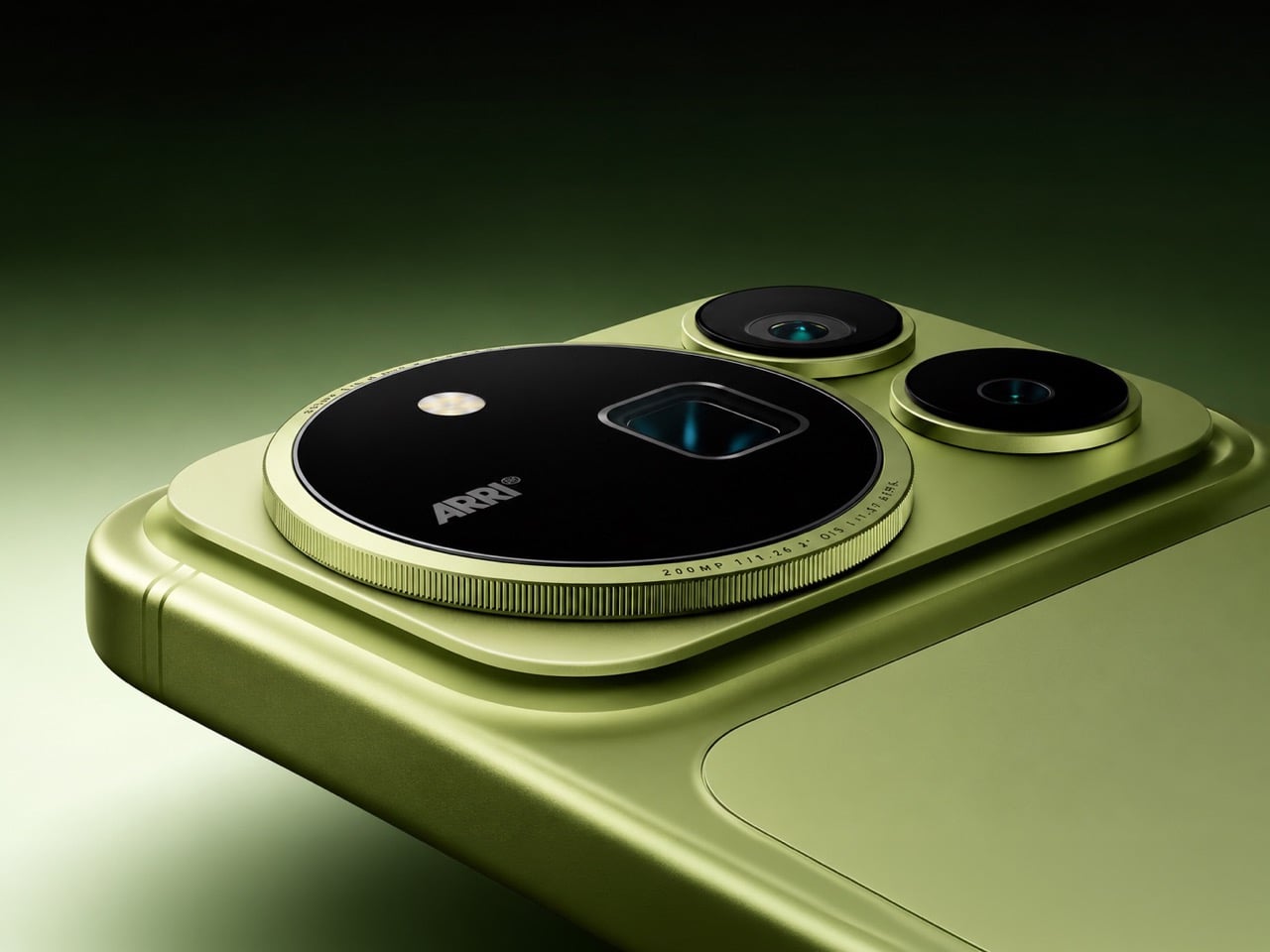
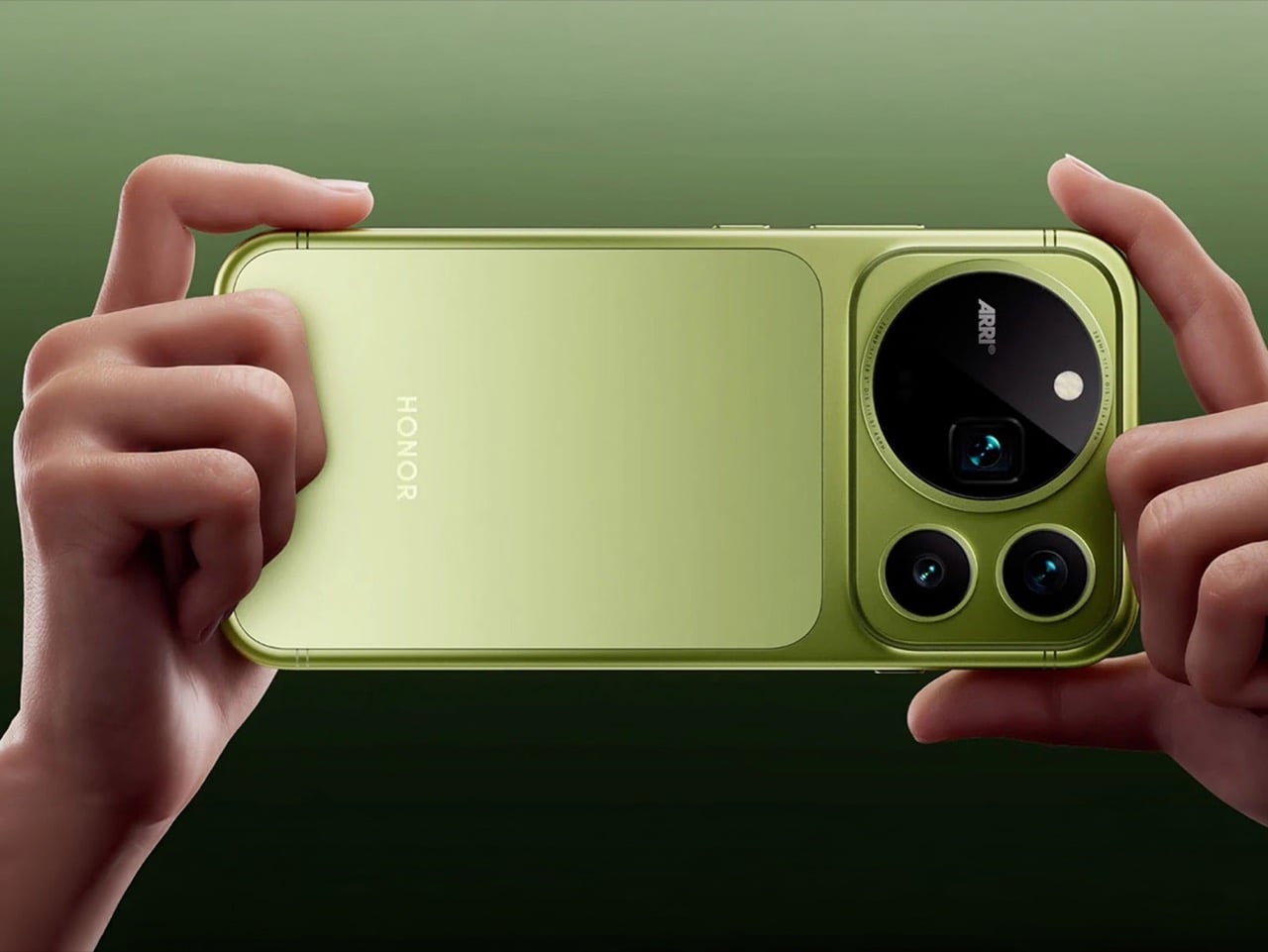
Honor uses a large camera island that feels more like a sculpted element than a simple bump, and the overall back design reads as deliberate and composed rather than purely functional. The round camera unit sits on a raised, rounded square plate with ring chamfers, which adds depth and a sense of jewelry-like layering when light hits the edges. The black camera unit houses four circles, three of which are actual cameras, plus a small oval-shaped LED flash that tucks neatly into the composition instead of looking like an afterthought.

Color choices for the Magic 8 Pro include Sunrise Gold, Sky Cyan, and Black. The black unit I received features a matte, frosted glass-like finish that feels understated and professional in the hand. The other two color options also use a matte finish, but they add a subtle wave-like pattern, which gives the phone a more playful, tactile character. All three color variants use a color-matching camera island base and side frame, which helps the phone read as a single, continuous object rather than a sandwich of mismatched parts.

Ergonomics

The Honor Magic 8 Pro measures 161.15 mm x 75 mm x 8.4 mm, and weighs 213 g, which puts it on the lighter side of premium flagship smartphones in this size class. The slightly narrower width and relatively low weight make one-handed use more manageable than you might expect from a phone with such a large display and battery. Honor also sticks with a curved screen while many premium flagships have moved back to flat panels, yet the curve here is very slight, so it feels like it borrows the best parts of both approaches without the usual drawbacks.

The curvature of the side frame and back is carefully tuned, which matters a lot for comfort over a full day. The edges of the otherwise flat side frame curve just enough to soften the contact points without creating a slippery, knife-like profile that digs into your palm. The back panel has a gentle bow that nestles into your hand and helps the phone feel slimmer than the numbers suggest, even when you use it without a case.

Button placement is conventional, with the volume rocker and power button located on the left side where your fingers naturally rest. These are joined by a new AI button placed just below, which works a bit like the camera button on an iPhone and gives you quick access to Honor’s smart features. The AI key is slightly raised and has a distinct click that helps avoid accidental presses, and the ultrasonic fingerprint scanner sits high enough on the display that unlocking and general use feel smooth and natural.

Performance

Honor gives the Magic 8 Pro a 6.71-inch LTPO OLED panel with a 1.5K resolution of 2808 x 1256 px and a 120 Hz refresh rate. The company claims 6,000 nits of HDR peak brightness and 1,600 nits of global peak brightness, and while you will not see those numbers all the time, outdoor visibility is excellent even under strong sunlight. In everyday use, the screen feels crisp, fluid, and bright enough that you rarely have to think about legibility or glare.

The panel supports 1.07 billion colors and covers 100 percent of the DCI P3 wide color gamut, so photos and video look rich and saturated without instantly blowing out detail. Color profiles and temperature sliders let you nudge the tone toward either punchy or more neutral, depending on your taste. It is an easy display to enjoy, whether you are scrolling social feeds, reading long articles, or watching HDR content in a dark room.

Honor also pushes very hard on eye comfort. The Magic 8 Pro stacks features like 4320 hertz PWM dimming, Circular Polarized Display 2, Chip Level AI Defocus Display, Dynamic Dimming, Circadian Night Display, Natural Tone Display, and Motion Sickness Relief. These are meant to reduce eye fatigue, support healthier sleep patterns, and adjust color temperature more intelligently over the course of the day.

Audio gets similar attention. The Magic 8 Pro features dual speakers with a large 8 cubic centimeter sound chamber and Honor’s own spatial audio algorithms, which together offer a richer and deeper sound than you might expect from a slim phone. Volume is strong enough for video watching and gaming, and there is a satisfying sense of width and body to music and dialogue.

Portrait Mode

The Honor Magic 8 Pro’s camera system is built to impress on paper and feels very capable in real use, especially once the light starts to drop. At the hardware level, you get a triple rear setup built around a 50 MP main camera with an f/1.6 aperture, a 1/1.3 inch sensor, optical image stabilization, and CIPA 5.5 rated shake compensation. This is joined by a 50 MP ultra wide with an f/2.0 aperture and a 122 degree field of view, plus a headline-grabbing 200 MP telephoto with an f/1.6 aperture, a 1/1.3 inch sensor, optical image stabilization, and CIPA 5.5. Turn it around, and you find a 50 MP front-facing camera for selfies and video calls. Beyond the hardware, Honor has pushed its AiMage system with upgraded image engines that aim to improve detail, color, and low-light performance across all lenses.

The main camera and the telephoto handle most everyday scenes well, with good dynamic range, pleasing color accuracy, and a natural look that avoids heavy over-sharpening. Skin tones in particular look natural, which helps portraits feel more believable and less filtered, even when taken with the phone. Focus is quick and decisive in most situations, so you can frame and shoot without feeling like you are waiting on the phone.

Ultra-wide

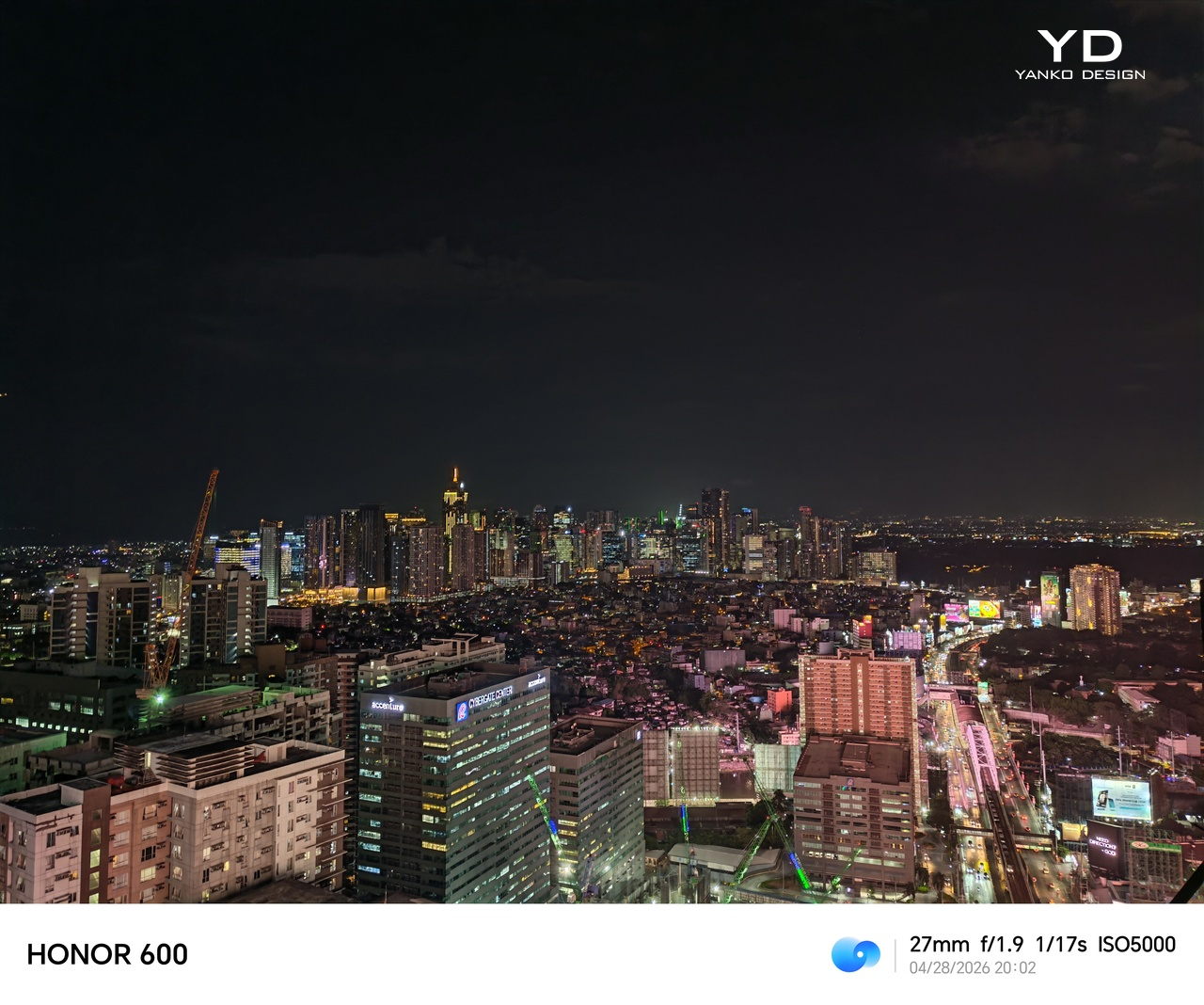
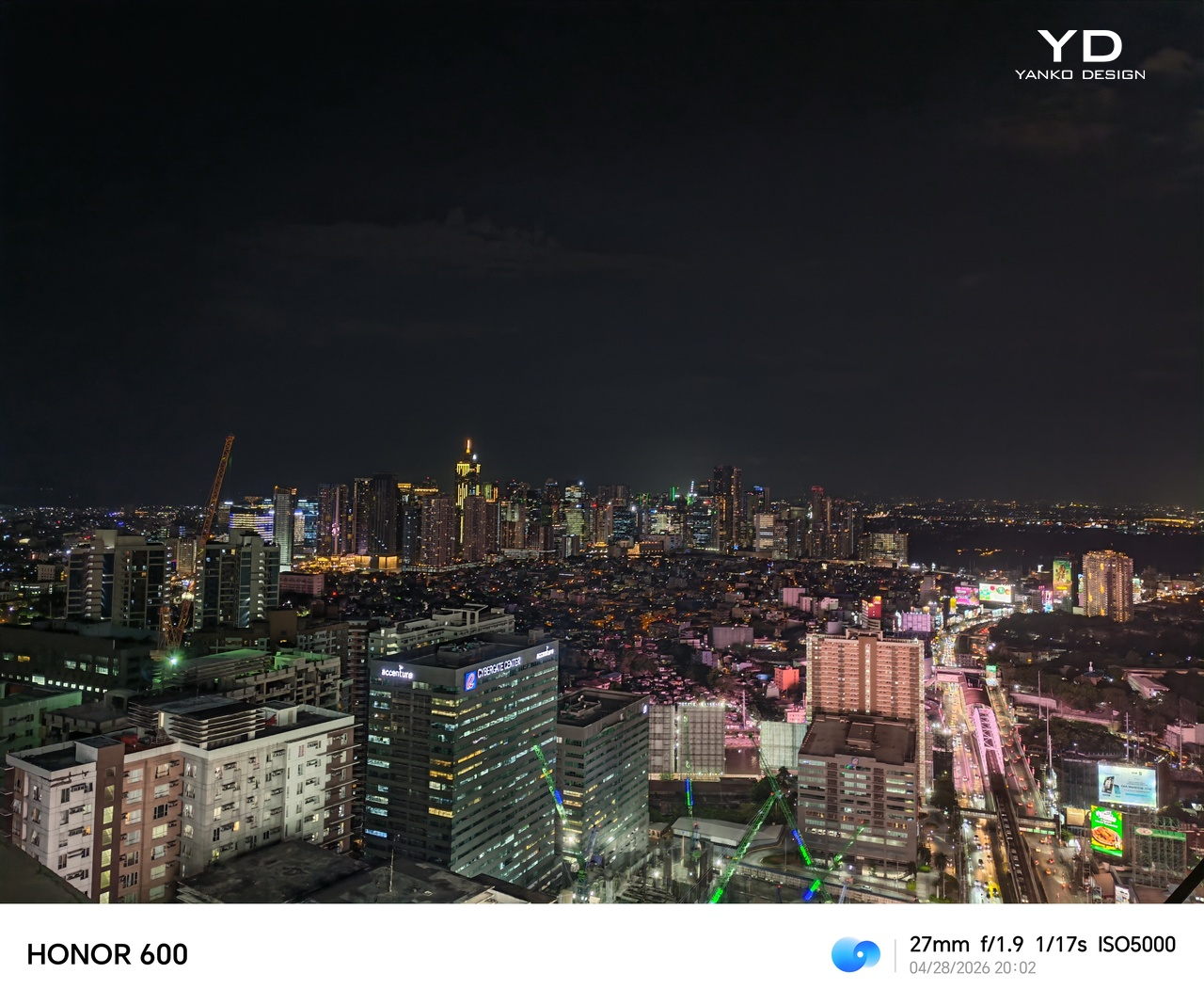
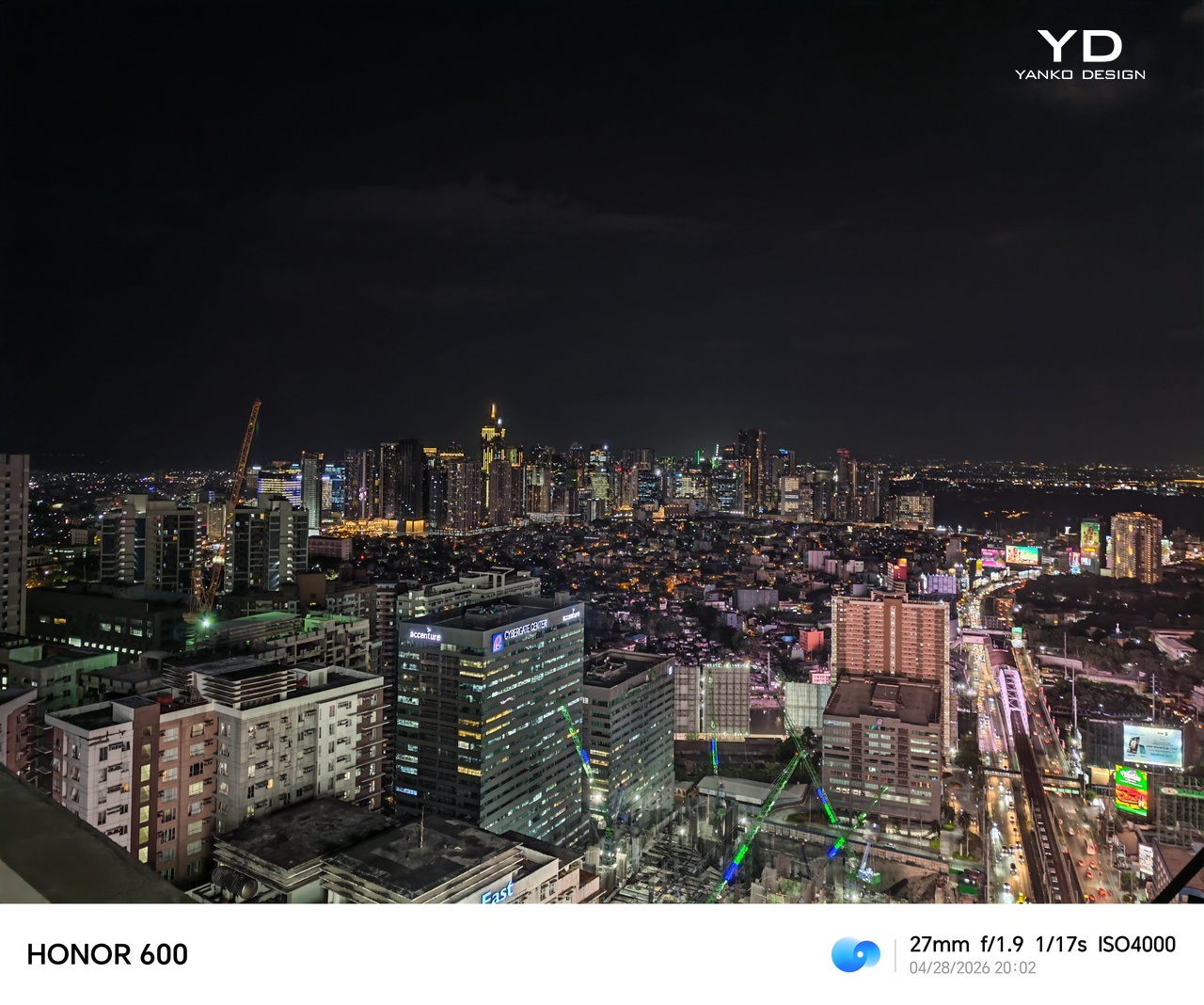
In low light, the processing leans toward brightening the entire scene, often making it look noticeably more illuminated than what you actually see with your own eyes, while highlights stay well controlled, so streetlights and signs do not immediately blow out. The trade-off is that shutter speeds tend to be on the slow side, whether you use Night mode or stick with the standard Photo mode, yet stabilization works very well, so handheld shots still come out sharp more often than you might expect from the exposure times involved.

Honor also layers on a few creative tools that make the camera feel more playful. Magic Color gives you professional-like color tuning in a single tap, letting you mimic golden hour warmth or blue hour coolness even when you are not shooting at those exact times of day. Moving Photo now includes Motion Trail, Motion Clone, and Slow Motion effects, which let you capture a bit of motion around your subject and then stylize it without leaving the gallery, so everyday scenes can turn into something closer to a mini motion poster.

Video recording is similarly flexible, though not perfect, with the main camera able to shoot up to 4K at 120 frames per second, while the rest of the rear cameras and the front-facing camera are capped at 4K at 60 frames per second. Stabilization and exposure are solid, but colors can look a bit washed out compared to still photos, and while there is a Log recording option for more serious creators, it is limited to the main camera and only up to a 2x zoom range.

Magic Color – Warm Sunset

Motion Clone

Motion Trail

Inside the Magic 8 Pro, Qualcomm’s latest top-tier processor, the Snapdragon 8 Elite Gen 5 chipset, paired with 12GB of RAM and 512GB of storage, handles everything you throw at it. It is built for high performance in both traditional workloads and AI-heavy tasks. Day-to-day navigation feels snappy, with apps opening quickly and multitasking between social networks, messaging, and media happening without visible stutter. Even with many background apps, the phone maintains a fluid feel that matches its premium positioning.

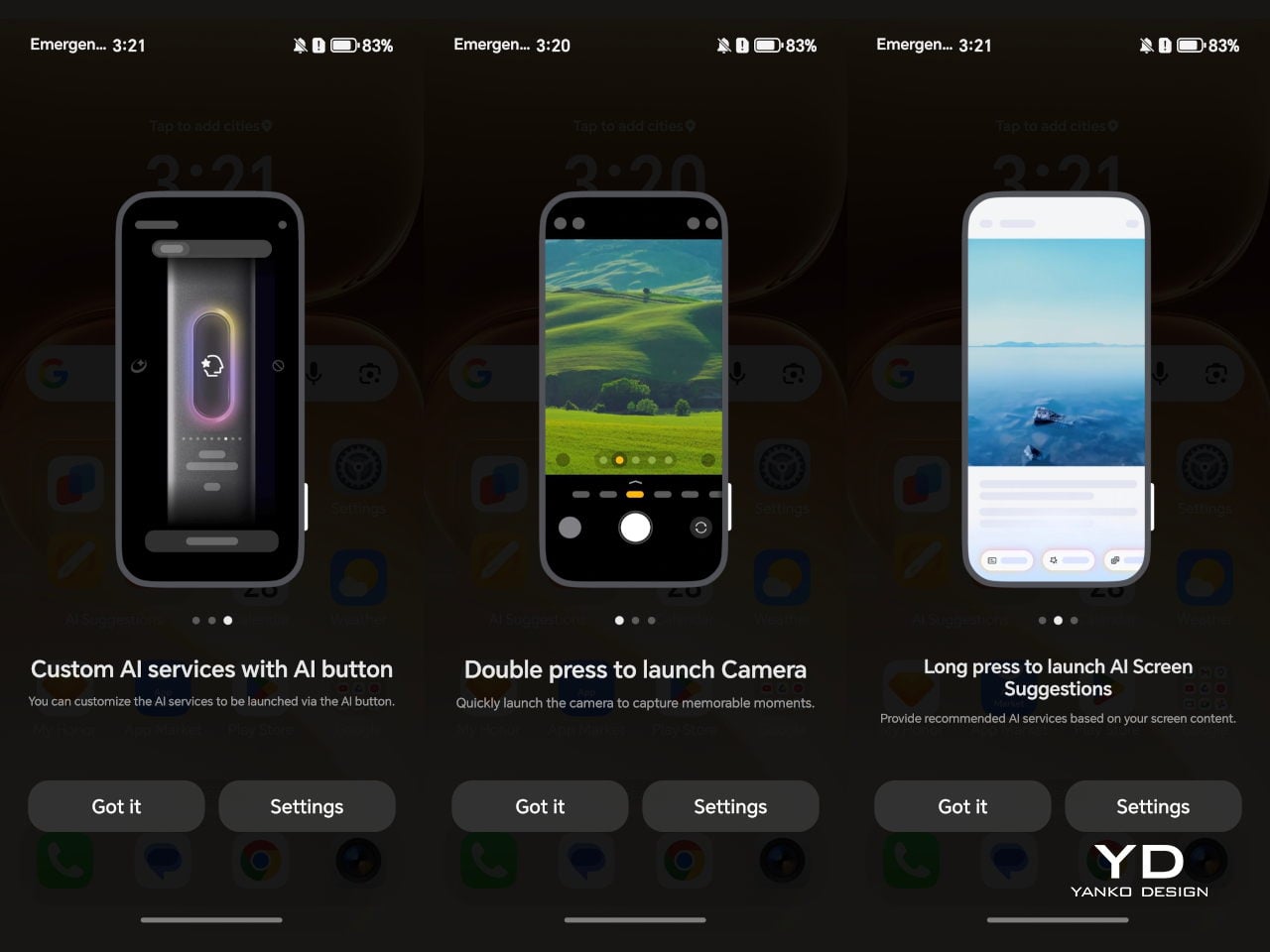
Honor gives the Magic 8 Pro a dedicated AI button and plenty of AI features, including tools for image editing and productivity. A long press on the AI button analyzes whatever is on screen and suggests context-aware actions such as Circle to Search, AI Photo Agent, AI Summary, and Blur Private Info. It does not always guess exactly what you want, yet it genuinely reduces the number of steps between seeing something on screen and acting on it, which makes AI feel like a physical part of the phone rather than just another icon in the app drawer.

If you do not fancy AI, you can still customize its behaviour, so a single press, double press, or press and hold can trigger different actions. That flexibility turns the AI button into a handy shortcut for whatever you use most, whether that is voice control, the camera, or a specific app you open dozens of times a day. Over time, it starts to feel less like a novelty and more like a small, well-placed tool that quietly adapts to your habits rather than forcing you into a specific way of using the phone.

The Magic 8 Pro packs a 6,270 mAh silicon carbon battery, which is still huge by flagship standards even if it is not quite as oversized as some of the more extreme phones on the market. In everyday use, that capacity translates into very comfortable endurance, with enough headroom to get through a heavy day and, for lighter users, even stretch into a second. Charging is handled by HONOR SuperCharge at up to 100 W wired and up to 80 W wireless, so topping up never feels like a chore, whether you plug in or drop it on a stand.

Sustainability

Honor approaches sustainability on the Magic 8 Pro through durability and longevity rather than bold recycled material claims. The phone carries IP68, IP69, and IP69K ratings, so it is protected against dust, immersion, and even high-pressure water jets, which makes it easier to treat as a true everyday object instead of something fragile. On the front, the HONOR NanoCrystal Shield promises up to ten times better drop resistance than conventional glass and is backed by an SGS 5 Star Drop Resistance Certification, which should help it survive the usual pocket and desk-level accidents with fewer scars.

Software support is the other major part of the story. Honor promises seven years of OS updates for the Magic 8 Pro, which puts it among the longest supported Android phones and encourages you to keep it far beyond a typical two or three-year cycle. Combined with the robust build and strong water resistance, that long support window turns the Magic 8 Pro into more of a long-term device and less of a short-lived gadget, which is a practical, user-friendly angle on sustainability.

Value

In the UK, the Honor Magic 8 Pro is priced at £1,099.99, around $1,350, for the model with 12 GB of RAM and 512 GB of storage. That puts the phone firmly in the ultra-premium flagship space, yet the pricing is aggressive in a quiet way when you line it up against the obvious rivals. An iPhone 17 Pro Max with 512 GB of storage sits noticeably higher on the price ladder, and a Samsung Galaxy S25 Ultra with 512 GB tends to land in a similar or slightly higher bracket once you match storage. Honor counters with a bigger battery, a well-balanced, great-performing camera system, and very fast wired and wireless charging, which helps the package feel competitive even without the same brand pull.

If you look at closer competition, the Magic 8 Pro sits more naturally alongside phones like the Vivo X300 Pro and Oppo Find X9 Pro. All three offer well-rounded flagships with industry-leading camera performance and a strong focus on telephoto. Both the Vivo X300 Pro and Oppo Find X9 Pro add teleconverter-style lenses for extra flexibility, while Honor leans on well-integrated AI features, a display with one of the most complete eye comfort feature sets on the market, and long software support to make its case.

Verdict

The Honor Magic 8 Pro feels like a very confident statement from Honor. It is not chasing a single headline spec at the expense of everything else. Instead, it combines a sleek design, a genuinely comfortable in hand feel, a bright and eye-friendly display, and a camera system that is both capable and fun, then backs it all with a huge battery and long-term software support.

It is not perfect. Video colors could be richer in some scenarios, the shutter can feel slow, and the price is firmly in ultra-premium territory. Yet when you look at the full package, especially the 6,270 mAh battery, the long OS support, the AI implementation, and the well-tuned cameras, the Magic 8 Pro stands out as one of the more thoughtful big flagships of this cycle. If you want a phone that looks and feels high-end, lasts all day and then some, and leans into AI without feeling gimmicky, this is a very easy device to recommend.

The post Honor Magic8 Pro Review: Brilliant Night Shots, Big Battery, Built to Last first appeared on Yanko Design.
First Look at HONOR’s Robot Phone at CES 2026: How is this real?!

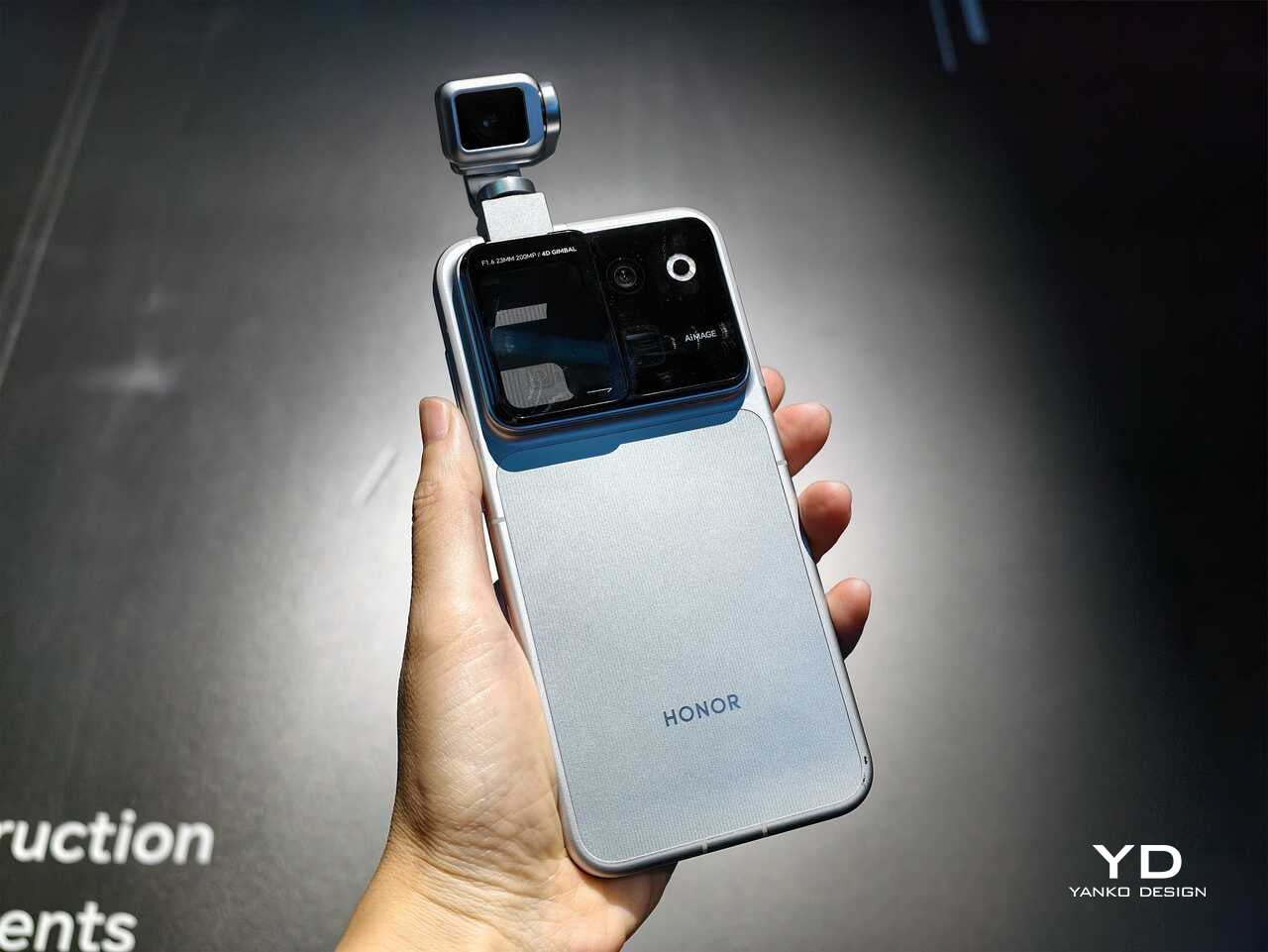
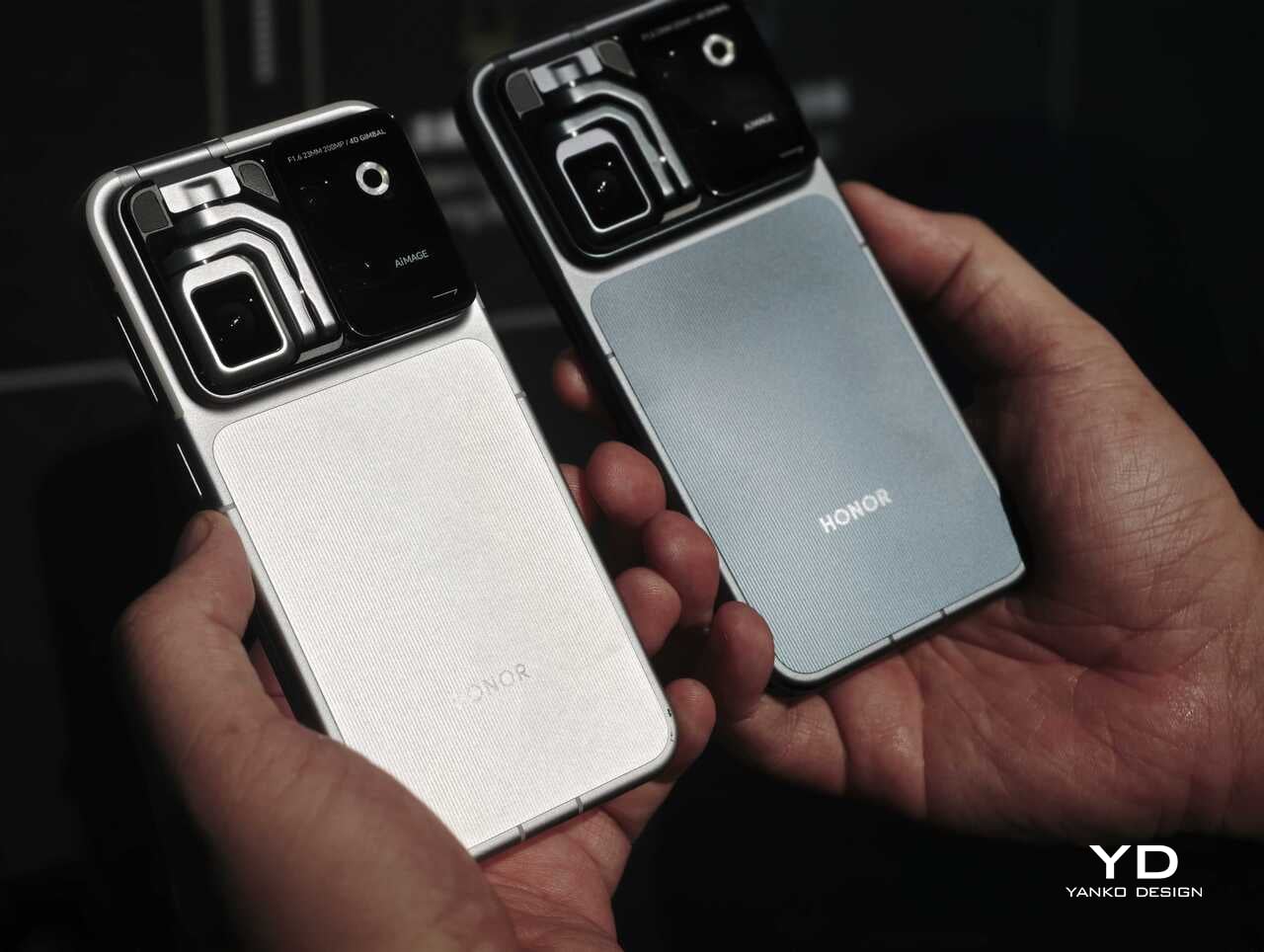
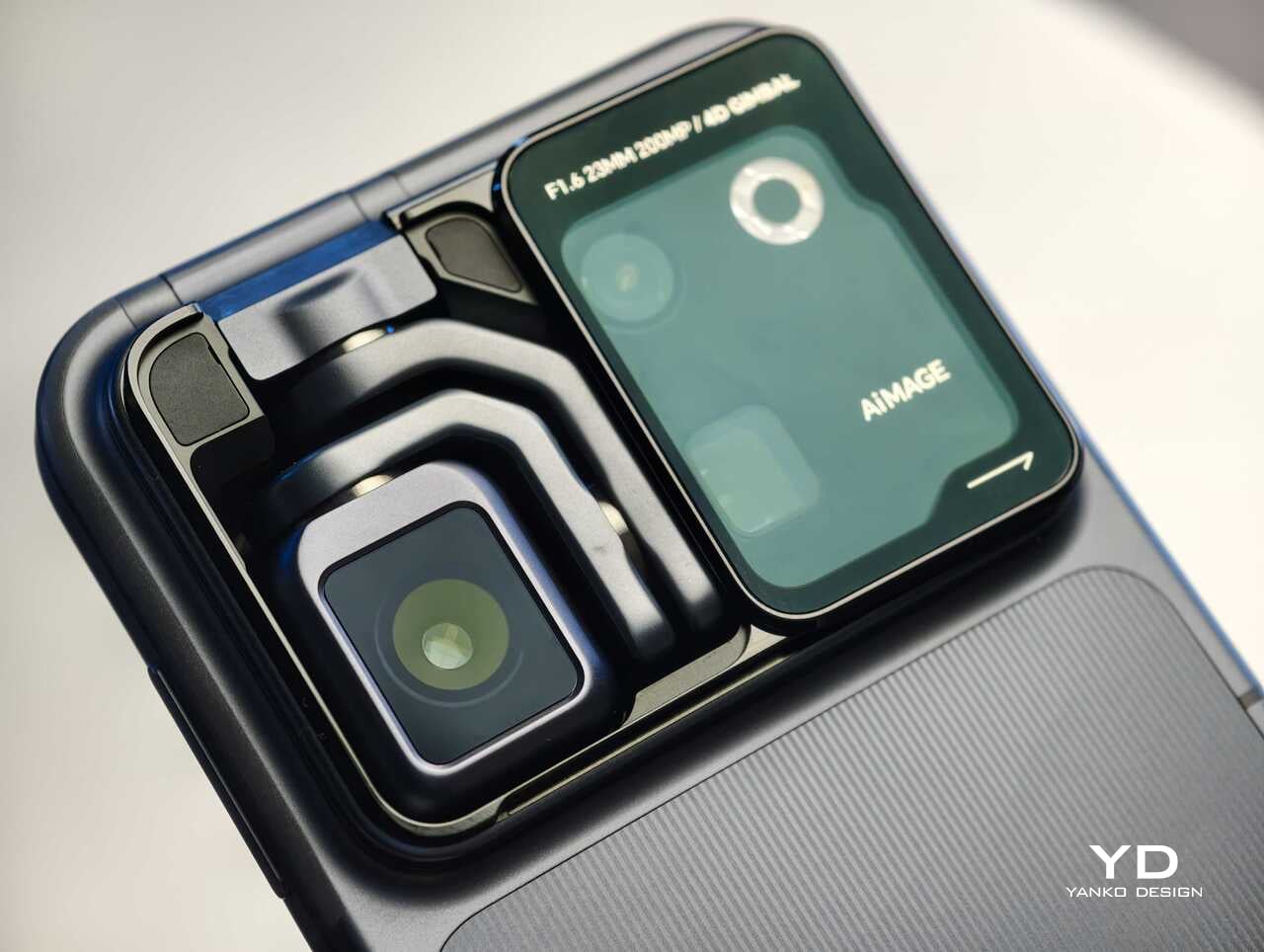
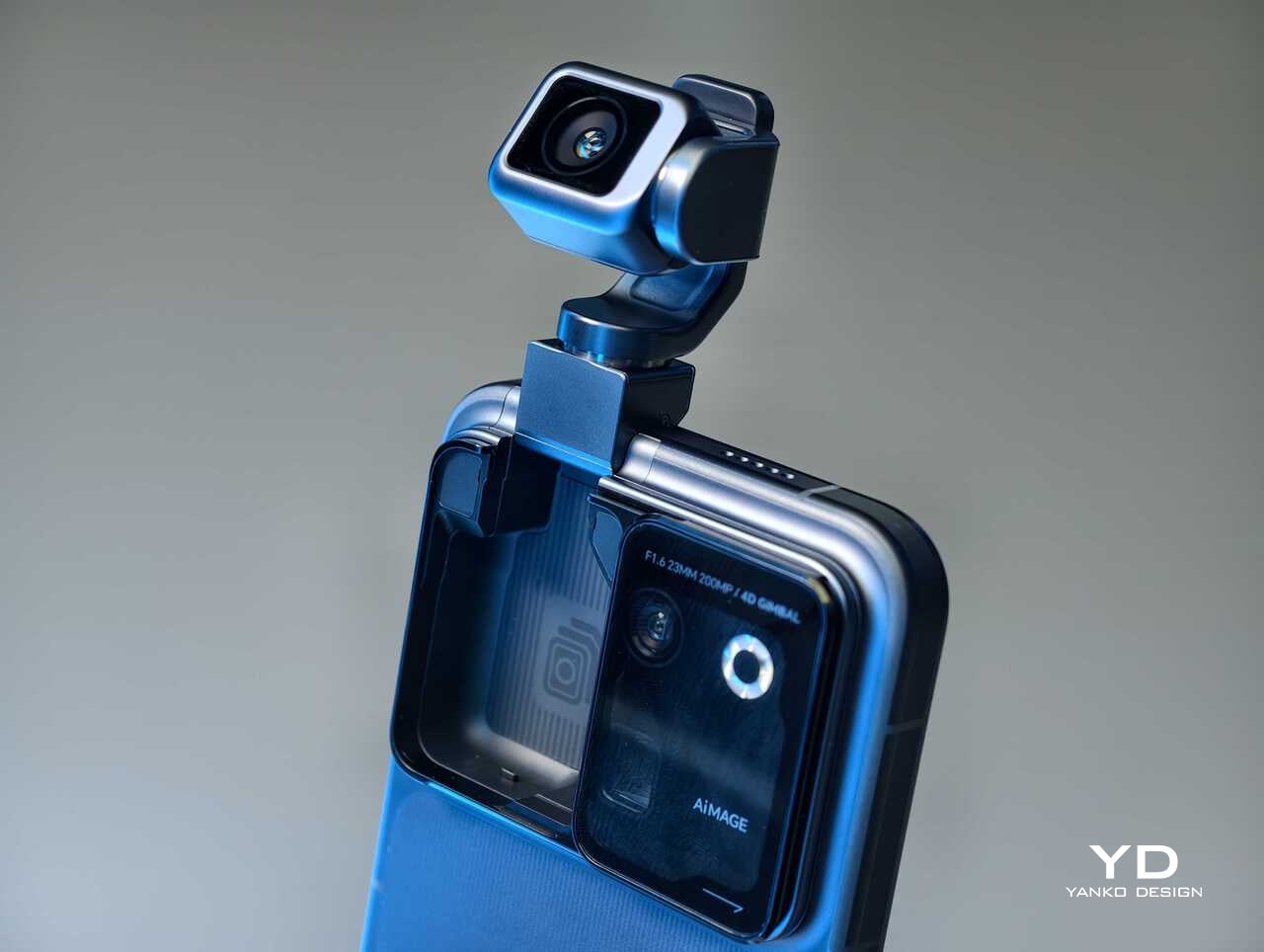
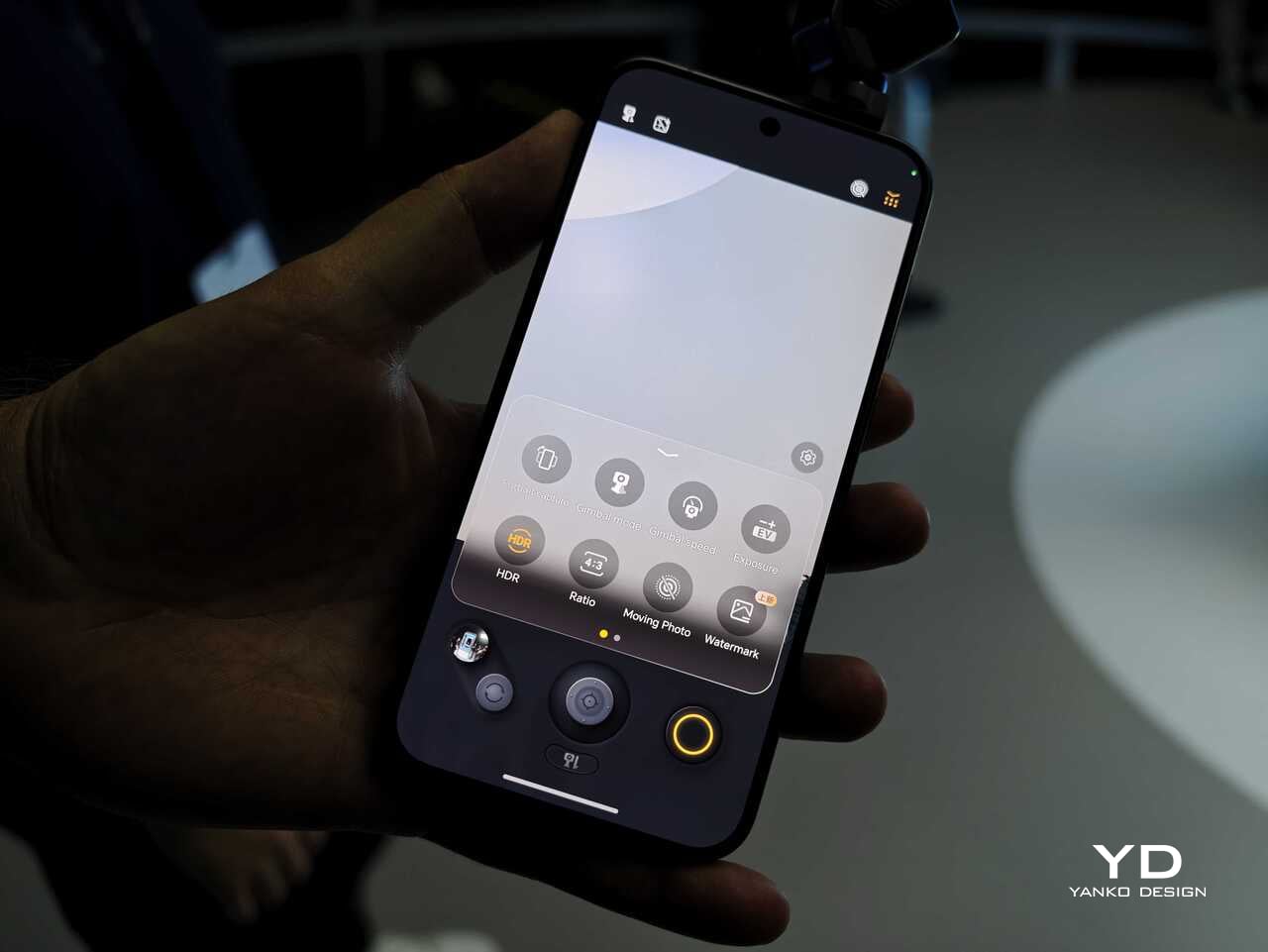
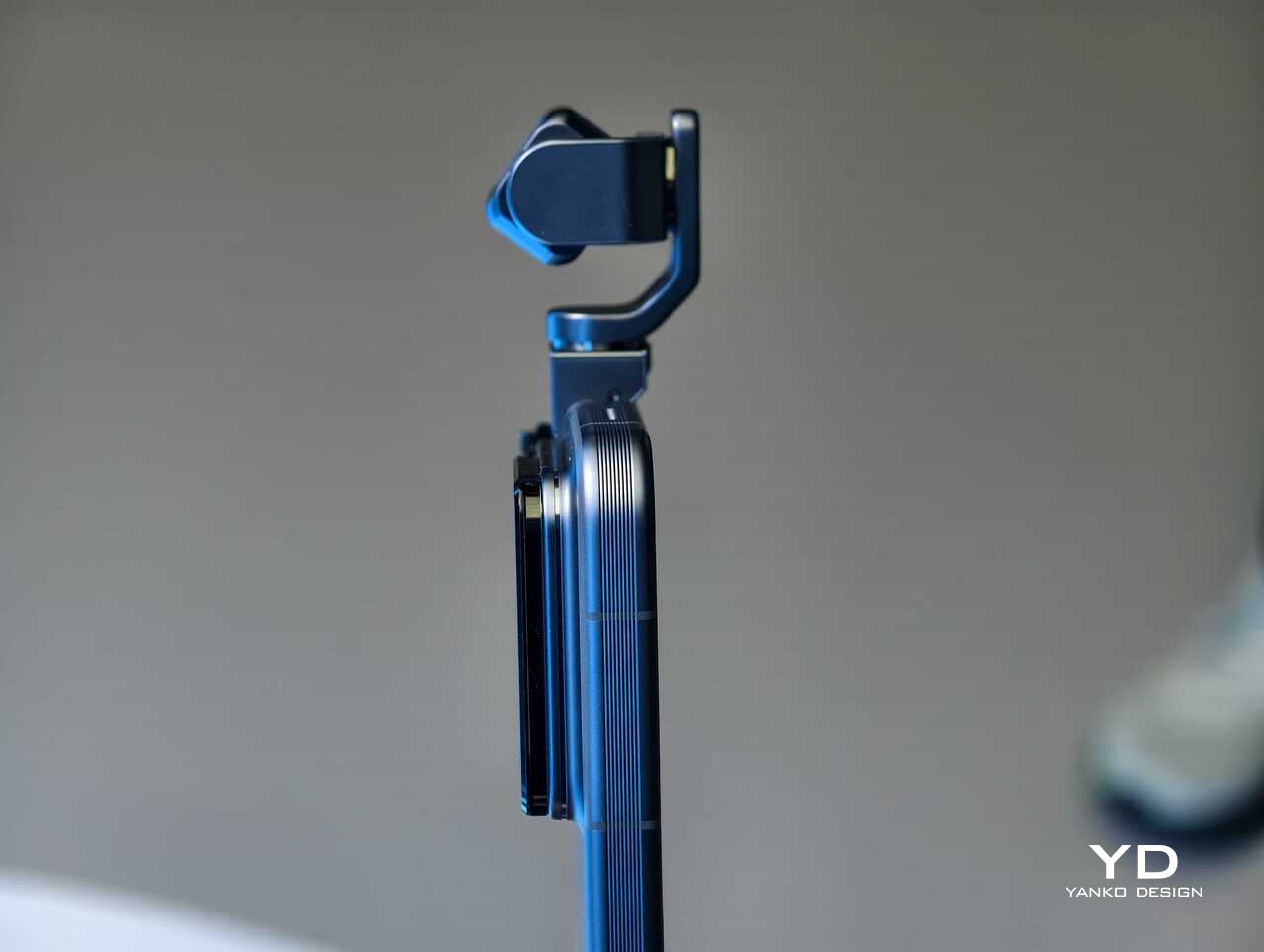
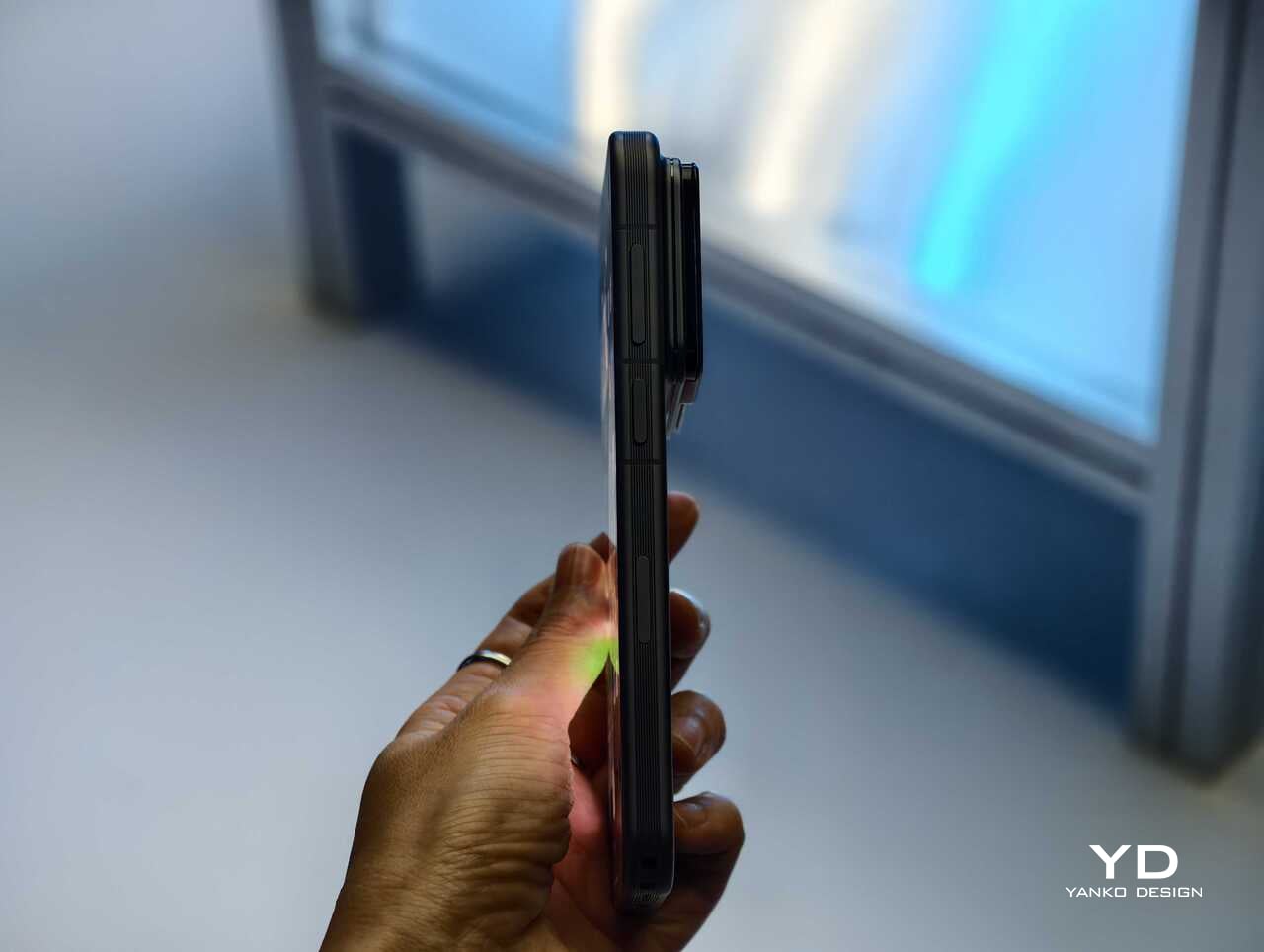
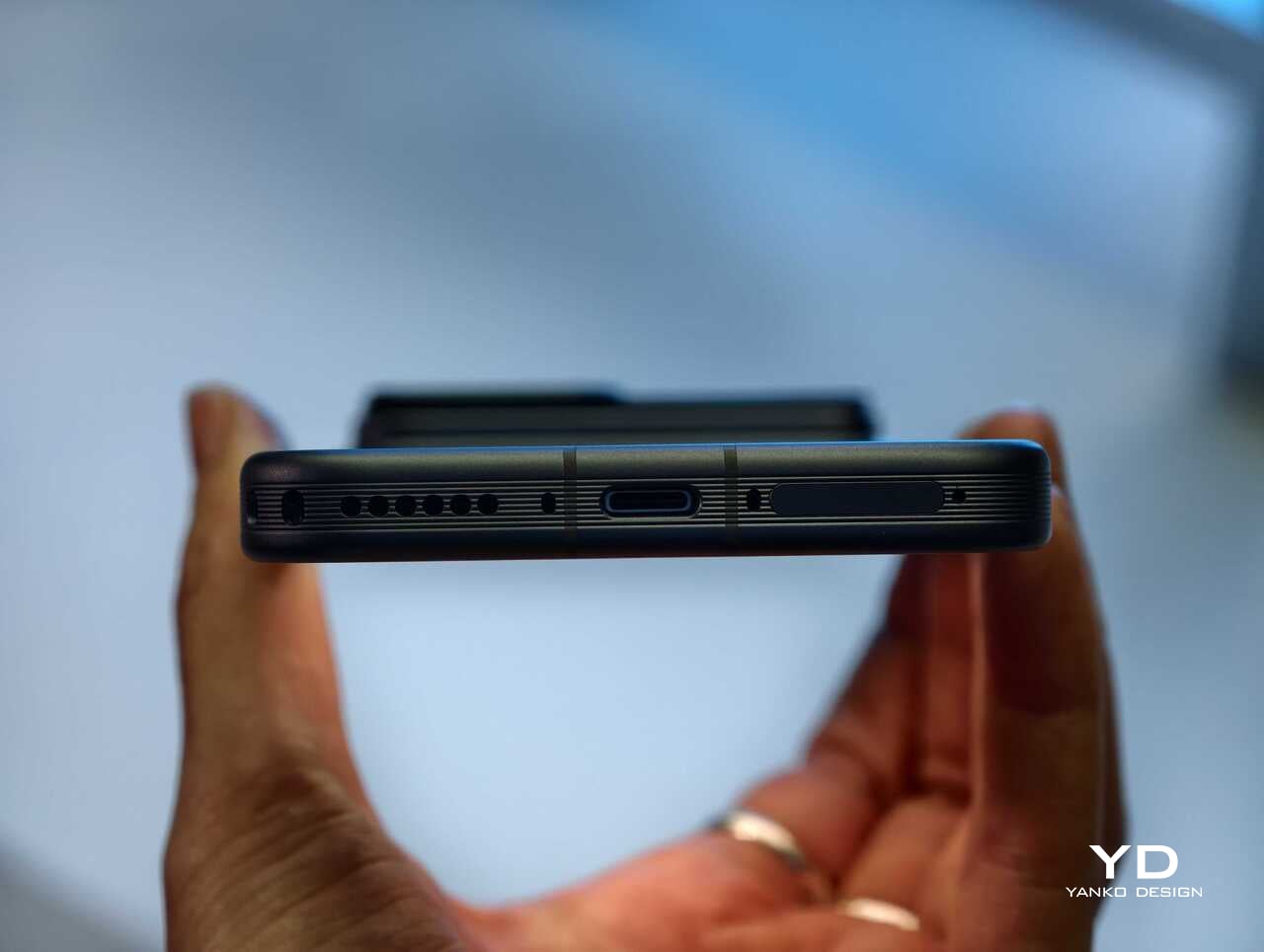
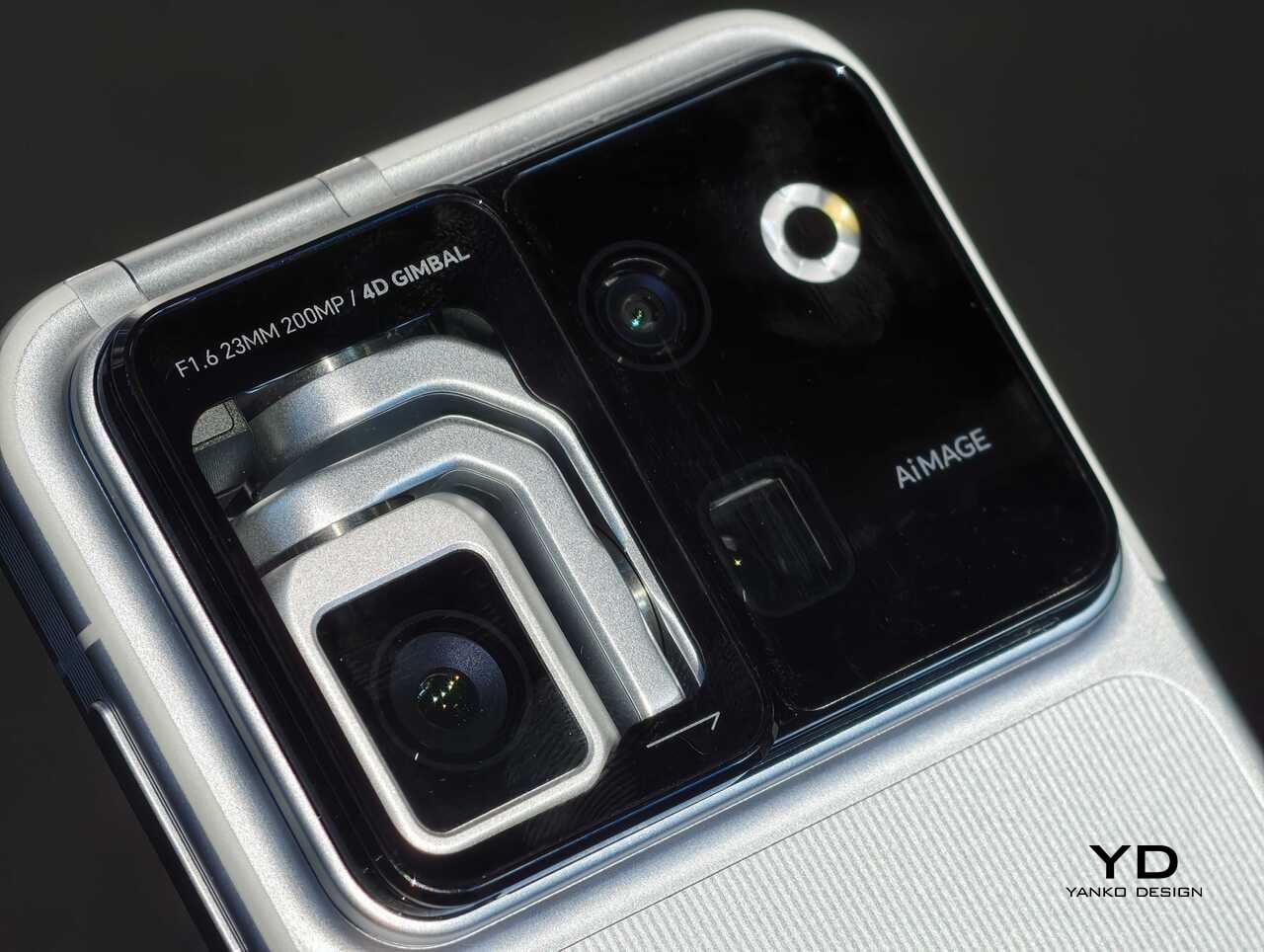
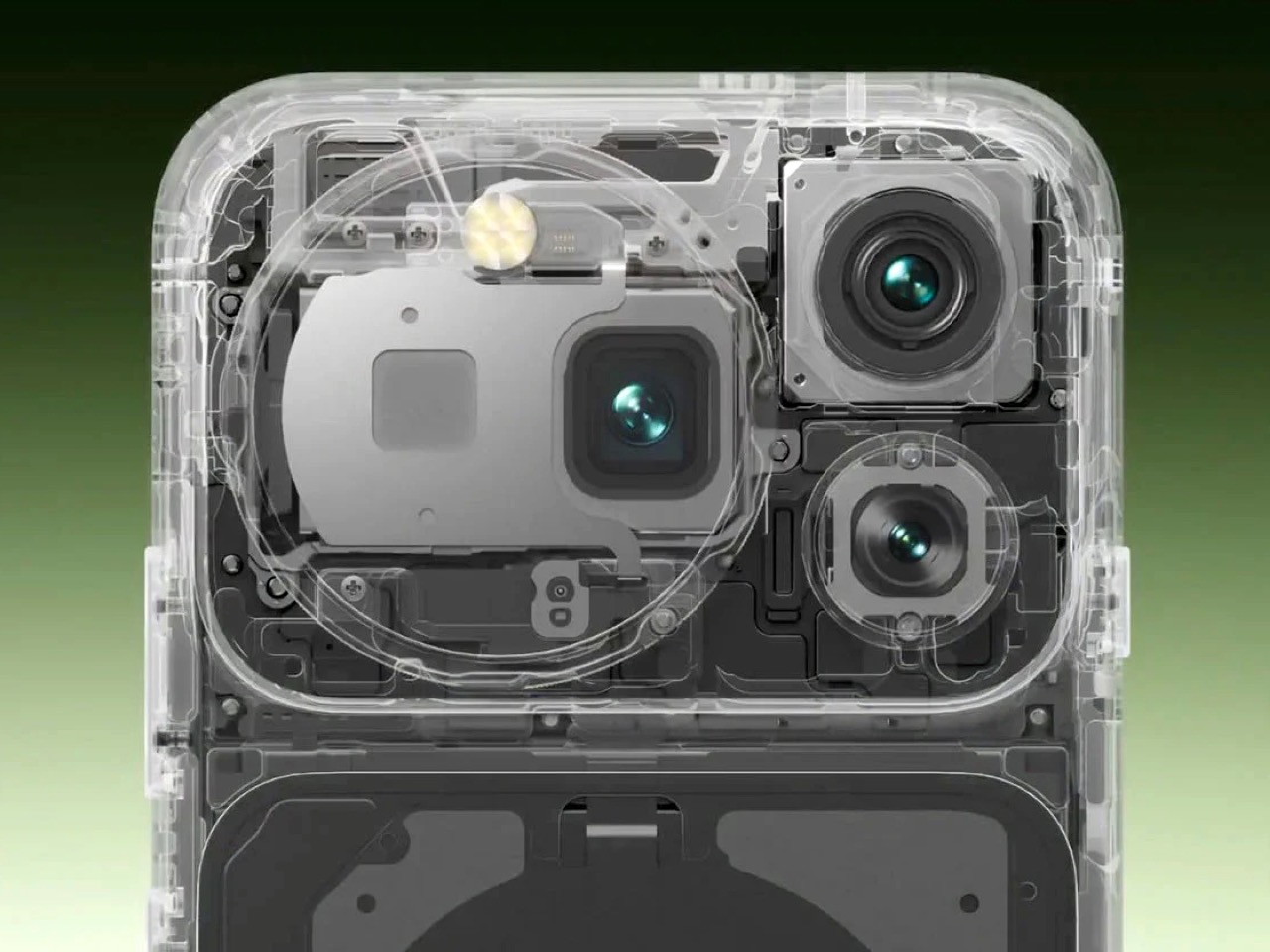
Tucked away in a suite at the Encore Hotel lay perhaps the most interesting phone of all. No, not Samsung’s trifold, not even TCL’s NXTPaper phone, not some absurd rolling phone concept, nothing from Motorola. Away from the chaos of CES, in this room, on one table, lay a prototype of HONOR’s Robot Phone. Unlike the video we saw months back, this time, the phone was literally inches from us, showing exactly how HONOR managed to cram an entire 3-axis gimbal and a camera into a smartphone’s bump.

There were a few mandatory guidelines, though. Nobody could touch the phone, and this phone was just a prototype – a taste of the actual device that HONOR plans on revealing at Mobile World Congress. Even though the device wasn’t operational, or even switched on, just seeing a physical prototype was enough to get a VERY clear picture of what HONOR managed to build. Needless to say, it felt unbelievable just yesterday… but today, it was absolutely real. For what it’s worth, HONOR really did manage to engineer a camera and gimbal small enough to tuck itself away into a smartphone’s camera bump.

Designer: HONOR

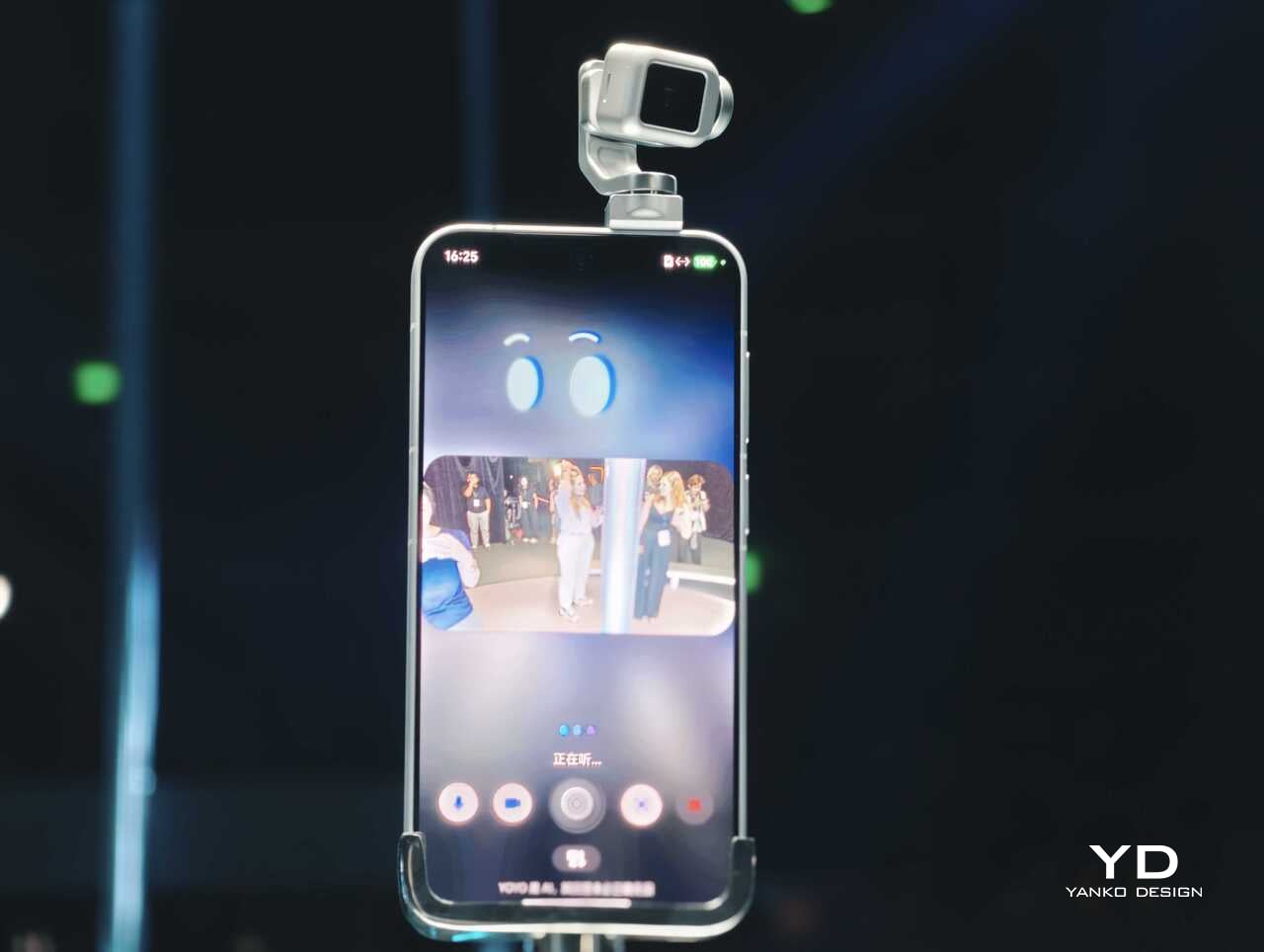
It’s worth noting. The device isn’t a static model. The camera actually rotates, and goes right back into the phone’s bump. The mechanics work, but for now, they were just manual given that the phone was just a prototype. Physically, HONOR’s prototype is a working proof of concept, which is way more reassuring than a video which most people will assume is a bit of CGI. Knowing that fitting a gimbal into a phone is a pretty important milestone because now that HONOR’s proved at least the first step, it’s interesting to see how other tech companies will respond (if DJI makes a smartphone I will absolutely lose my mind).

The gimbal results in a fairly chunky camera bump, but the tradeoff is really small if you think about what you’re getting. A camera that can point anywhere, track subjects, respond to gestures, and work without a tripod or a gimbal. It’s autonomous in every aspect, which means for the first time in history, you don’t control the smartphone’s camera. It controls itself. And it can literally follow you around the room, turning probably anywhere up to 360° to do so. HONOR’s team mentioned that this would change content creation almost overnight, especially in its home market of China, which sees a massive number of livestreamers using fancy smartphone rigs to film video in realtime. Here, all you need is a phone and a surface to place it on.

The details are otherwise incredibly scarce. There’s no availability timeline, no pricing structure, not even anything on the camera’s quality or the phone’s battery life. For now, this proof-of-concept does two things, ushers in HONOR’s ‘Alpha’ era, with the company making great leaps in their new AI division (the phone has an Alpha logo on the back to mark this new era too)… and secondly, proves that electronic/optical image stabilization is probably dead when your phone literally packs a goshdarn 3-axis gimbal that can point anywhere and move on its own.

The post First Look at HONOR’s Robot Phone at CES 2026: How is this real?! first appeared on Yanko Design.
HONOR’s iPhone Air competitor has 4 camera lenses, and a massive 8,000mAh battery

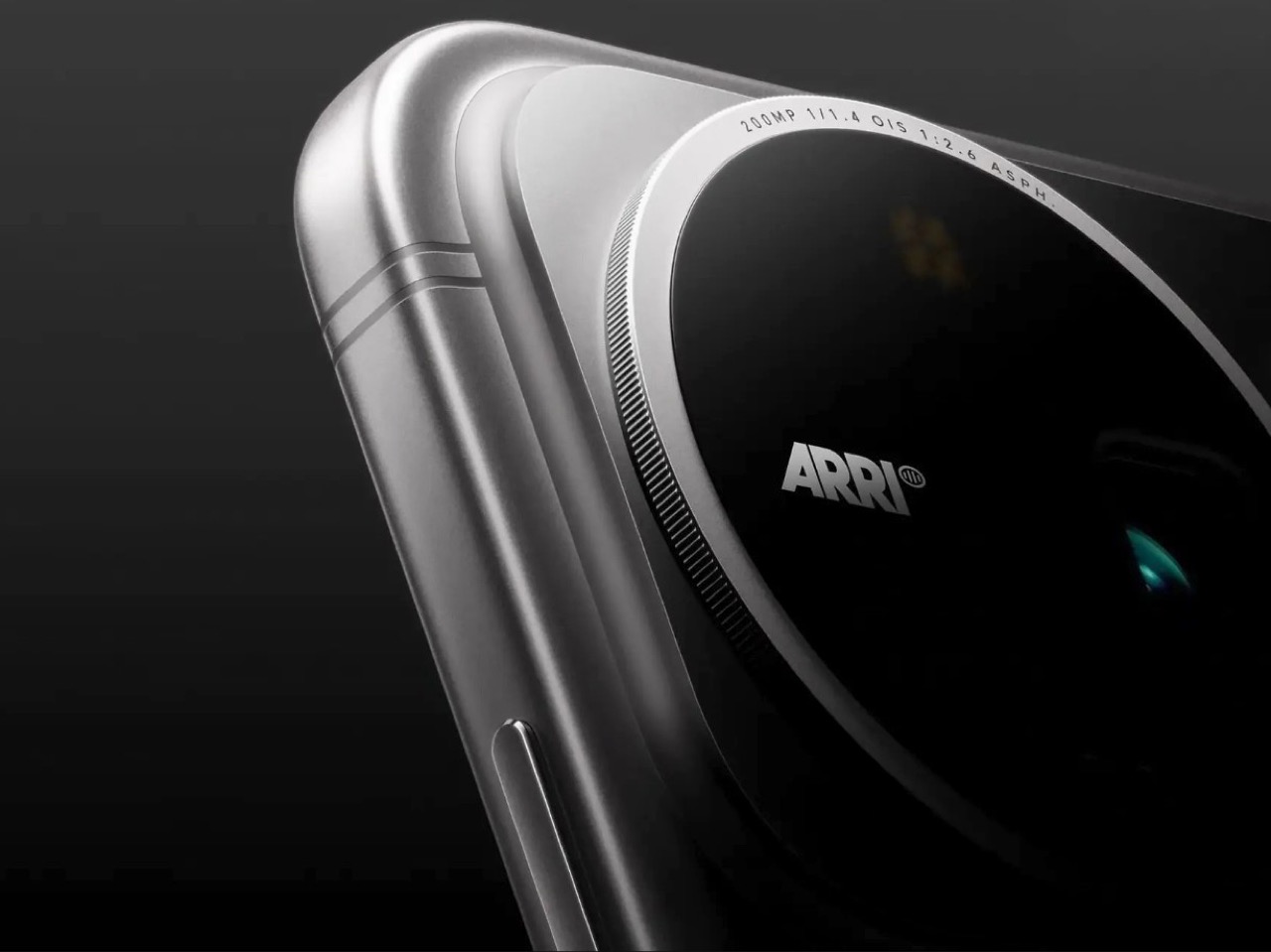
If you squint, this looks like an iPhone Air. If you stop squinting, you notice it has an extra camera and an 8,000mAh battery that makes Apple’s thinness obsession look a little silly. HONOR just dropped its new 500 series in China, and the design inspiration is so obvious it circles back around to being bold. The phone’s flat metal sides, clean glass back, and minimalist aesthetic are all lifted straight from the modern flagship playbook. But this isn’t just another clone chasing a trend. HONOR took that familiar, premium silhouette and decided to fill it with hardware that directly challenges the compromises often made for the sake of design.

The entire strategy seems to hinge on that visual familiarity. Both the Honor 500 and 500 Pro are physically identical to each other, sharing a 7.75mm thin frame that feels deliberately calibrated offer slimness without the exaggeration and the spec-caveat. They even have the same 6.55-inch, 120Hz AMOLED display, so the experience up front is consistent. Instead of making the Pro a bigger, more unwieldy device, HONOR made the spec sheet the only real differentiator. It’s a clever way to offer a choice between “great” and “even better” without forcing a change in ergonomics.

Designer: HONOR

The standard Honor 500 (above), packs a dual-camera system led by a 200MP main sensor with OIS, co-developed with Samsung, and a 12MP ultra-wide. But the Pro model (below) is where they really lean in, adding a third lens to the mix and upgrading the stabilization for even steadier shots. It’s the clearest indicator of who each phone is for; the 500 is for the person who wants the look and the battery, while the Pro is for the user who wants all that plus a more versatile camera system.

Of course, the real headline grabber is the absolute monster of a battery hiding inside that slim chassis. HONOR managed to pack 8,000mAh cells into both standard AND Pro variants… that’s more than double of the iPhone Air’s 3,149mAh battery. The standard 500 gets 80W wired charging and a handy 27W reverse wired charging feature to share power. The Pro takes it a step further by adding 50W wireless charging, giving it the full suite of flagship power options. This single spec feels like a direct shot at every phone that dies before the day is over, turning the Honor 500 into an endurance champion disguised as a fashion phone.

The Pro justifies its title with a few other key upgrades under the hood. While both phones are expected to run on fast LPDDR5X RAM and UFS 4.0 storage, the Pro offers a higher 1TB storage ceiling compared to the standard model’s 512GB max. It also features a more advanced 3D ultrasonic fingerprint sensor, which is typically faster and more reliable than the optical sensor found in the base 500. Add in an enhanced RF chip for better connectivity, and the Pro’s premium becomes a collection of small but meaningful quality-of-life improvements.

Beyond those differences, the foundation for both phones is surprisingly robust. You get an IP68/IP69/IP69K rating for serious water and dust resistance, along with stereo speakers, Wi-Fi 7, Bluetooth 6.0, and even an IR blaster. With launch pricing in China starting at 2,699 yuan ($381 USD) for the 500 and 3,599 yuan ($508) for the Pro, the value proposition is clear. HONOR is betting that people want a phone that looks like an iPhone Air but runs like a marathoner, and they’re not afraid to make the comparison impossible to ignore.

The post HONOR’s iPhone Air competitor has 4 camera lenses, and a massive 8,000mAh battery first appeared on Yanko Design.
Honor’s $84 projector supports stylus input and turns any wall into a giant touchscreen

Why sketch on a 15″ tablet when you could draw on a 150″ virtual screen? Honor just announced the Choice AI Projector Air, and it wants to turn your living room wall into the world’s cheapest interactive whiteboard. For 599 yuan (roughly 84 dollars), you get a compact 1080p LCD projector with stylus input, gesture controls, and enough quirks to make it feel less like a home theater device and more like a tablet that escaped its bezels. It ships in China starting December 8 in white and purple, and the spec sheet suggests Honor is betting that interaction matters more than raw brightness at this price.

The basics are straightforward: 1080p resolution, 280 CVIA lumens, Wi-Fi 6, Bluetooth 5.0, HDMI 2.0, and a 5W speaker. The interesting part is what happens when you pair it with the stylus. You can tap UI elements, sketch on the wall, play pen-driven games, or just draw terrible stick figures during game night while your friends yell out Pictionary guesses. The projector also supports gesture controls and can tilt up to 160 degrees, so ceiling projection is on the table. Honor hasn’t said much about tracking accuracy or the software ecosystem yet, but the concept is clear: instead of just throwing pixels at a surface, this thing wants you to interact with them. Whether it pulls that off or just ends up as a novelty feature depends entirely on execution.

Designer: HONOR

This approach is a clever way to sidestep the usual budget projector arms race. Instead of trying to compete in the crowded market of generic streaming boxes that just happen to have a lens, Honor is creating a new niche. The “AI” in the name likely refers to the practical computer vision tasks handled by its Hisilicon chip, powering features like gesture recognition and intelligent image correction for things like obstacle avoidance and keystone adjustments. It is not about generative art, but about making the device smarter and more intuitive to use, which feels like a more honest application of the term in a device this affordable.

Of course, the experience will live or die by its responsiveness. A laggy stylus on a giant screen would be an exercise in frustration, and finicky gesture controls are often more trouble than they are worth. The 280 CVIA lumens rating also means this is strictly a lights-off device, destined for dim bedrooms and movie nights, not sunlit living rooms. But these are acceptable trade-offs for the price. Honor isn’t trying to build a perfect projector; it’s trying to build an interesting one. For about 84 dollars, the company is not just selling a piece of hardware, it is selling a clever, interactive experiment, and that is far more compelling than another anonymous black box.

The post Honor’s $84 projector supports stylus input and turns any wall into a giant touchscreen first appeared on Yanko Design.
Honor’s MagicPad 2 has an AI-Powered Display that can ‘Reverse Myopia’: Understanding ‘Defocus Displays’

If you’re a millennial, you probably, at one point in time, had a parent who said staring at a screen for too long would ruin your eyesight. I dismissed this as an urban myth, but let’s just look at the facts – more than 75% of the world’s adults wear glasses (either for near or far-sightedness). Call it a coincidence or not, our eyesight is getting worse as a species, and it turns out screens do play a role. Myopia, or nearsightedness, has skyrocketed, with experts predicting that half of the world’s population could be affected by 2050. Staring at screens for prolonged periods forces our eyes to focus at a fixed distance, leading to eye strain, discomfort, and the gradual deterioration of vision. With more time spent on screens during work, study, or entertainment, the strain on our eyes is becoming a major health issue.

Honor’s solution comes at an ideal time. The company claims its AI-powered Defocus Display in the MagicPad 2 (and other devices like the Magic V3) is designed to reduce eye strain and potentially even reverse the effects of myopia.

What Is A ‘Defocus Display’?

The Defocus Display is Honor’s secret sauce to eye care, driven by AI algorithms and vision science. The idea is simple but sophisticated: mimic the natural defocusing process that happens when our eyes look at objects at varying distances in the real world. In traditional screens, pixels stay static and crisp regardless of how close or far the viewer’s eyes are from the display, causing the eye’s ciliary muscles to strain from constant focus at one distance.

Honor’s Defocus Display, however, dynamically adjusts the sharpness of certain parts of the screen, similar to how a camera lens focuses on objects at different distances. This creates a more natural viewing experience that forces the eyes to subtly change focus as they would in real-world environments, reducing eye strain and helping the eyes relax.

The company suggests that this natural fluctuation can even slow the progression of myopia, though this part is still being explored by medical professionals. The technology, combined with Honor’s software smarts, adjusts the visual experience based on the user’s needs and viewing patterns, aiming to keep prolonged screen use from becoming a burden on your eyes.

AI at the Helm: How It All Works

At the core of the Defocus Display technology is AI, a buzzword that’s practically mandatory in modern tech. But here, it’s not just hype. Honor’s display system uses real-time data from your viewing habits, ambient light, and the angle at which you hold the tablet to fine-tune its visual output.

If you’re using the MagicPad 2 to read an article or watch a movie, the AI analyzes how you’re interacting with the screen. It automatically adjusts the level of defocus so your eyes aren’t locked into a single focal plane for hours. In essence, it’s taking the concept of “digital wellness” and giving it a mechanical solution, directly at the hardware level.

This feature also integrates with the device’s overall eye-care modes, like automatic blue light reduction and brightness adaptation, to further safeguard your peepers from screen-induced fatigue, as well as ensure your Circadian rhythm doesn’t go haywire.

Does It Really Reverse Myopia?

The claim that the Defocus Display can “reverse” myopia is where things get both exciting and a bit murky. Honor’s technology seems to be based on the idea that by reducing eye strain and encouraging natural focal adjustments, the onset of myopia might slow down. It’s worth noting that while there is research supporting the concept of using visual defocus for myopia management, it’s still early days in terms of solid, widespread proof.

What’s clear is that Defocus Display aims to help maintain long-term eye health. While it may not be a magic cure for everyone, its potential benefits for reducing eye strain could be a game-changer for those glued to screens for hours on end.

Is This the Future of Screens?

Honor’s foray into AI-powered display tech is undeniably innovative, and the Defocus Display might be the first of many steps toward making our screen time healthier. Beyond just Honor, other manufacturers are likely to explore similar technology in the near future, especially as consumers become more health-conscious about their digital habits.

For now, the Honor MagicPad 2 and Magic V3 are leading the charge, offering a glimpse of what’s possible when AI and vision science meet. It’s not often that a tablet or phone tries to actively reduce the harm it could do, and in a market crowded with tech specs like battery life, screen resolution, and processing power, it’s refreshing to see a feature that focuses on something so vital yet so often overlooked: our eyes.

The post Honor’s MagicPad 2 has an AI-Powered Display that can ‘Reverse Myopia’: Understanding ‘Defocus Displays’ first appeared on Yanko Design.
HONOR MagicBook Art 14 Hands-On at IFA 2024: Honor just Killed Apple’s MacBook Notch in the Best Way

Not only is the HONOR MagicBook Art 14 thinner AND lighter than Apple’s latest MacBook Air, it happens to have more ports, thinner bezels, and a higher screen-to-body ratio. However, the most impressive part about the entire laptop is the visible lack of a notch in the screen, like the one on Apple’s MacBook series. Honor’s solution is equal parts bizarre and clever – a magnetic snap-on camera accessory that docks inside the laptop when you’re not using it.

This rather innovative camera accessory measures a few millimeters and fits right inside the laptop’s body when not in use. However, when you need to attend a video call, the camera module pops right out of the side of the laptop, and magnetically attaches to the top of the laptop screen. The solution circumvents Apple’s notch problem, while also giving you a convenient privacy filter – you can simply pull the camera off to disconnect it.

The MagicBook Art 14’s camera outputs 1080p videos, and uses a powerful set of magnets to automatically connect either to its docking point on the side of the laptop, or the connection hub on the top of the screen. The super-slim camera module doesn’t sport a battery, which means it automatically powers down if disconnected. Pogo-pins on the camera’s base let you instantly connect the module to your laptop. No software, no drivers, no Bluetooth, no configuring… nothing. Snap on, and the camera starts working… snap off, and it is physically disconnected. The only caveat is that you do stand a chance of potentially losing the webcam if you aren’t careful. Honor doesn’t mention if the webcam module is available separately (just in case you lose yours), but it does have incredibly strong magnets, so when it’s attached, you can rest assured that it won’t accidentally fall off.

The snap-to-connect camera feels so simple and intuitive that it makes USB webcams look sluggish. The camera has the form factor of a tiny thumb drive, and includes the camera itself, the pogo-pin connectors, the powerful rare-earth magnets, and a tiny light that glows when the camera’s connected. A notification displays on the laptop screen to tell you whether the camera’s paired properly or not. It’ll even let you know if the camera is stowed in the side of the laptop.

The coolest part, however, is that the camera is reversible – another feature that allows the MagicBook Art 14 to stand out against the MacBook or any other laptop. Flip the camera over and dock it facing the other way, and you have a front-facing camera, perfect for presentations. You can literally flip the camera in the middle of a meeting and the video automatically flips over.

Flip the camera 180 degrees for front-facing video.

The HONOR MagicBook Art 14 is thinner AND lighter than the MacBook Air, while still boasting a larger 14-inch screen. Honor’s CEO pointed out that despite this, it also has a USB-A and HDMI port apart from 2 USB-C ports, outpacing the MacBook Air even in port quantity. The MagicBook Air 14 was announced at IFA 2024, although there’s no official word on price yet.

The post HONOR MagicBook Art 14 Hands-On at IFA 2024: Honor just Killed Apple’s MacBook Notch in the Best Way first appeared on Yanko Design.
HONOR Magic V3: Thinnest Foldable Phone Showcased with AI-Powered Tablet and Laptop at IFA 2024

At the prestigious IFA 2024 in Berlin, HONOR captivated the tech world with the launch of three innovative products: the HONOR Magic V3 folding phone, the MagicPad 2 tablet, and the MagicBook Art 14 laptop. Each device pushes the boundaries of design and technology, setting new standards in their respective categories. Honor’s latest devices showcase an approach to innovation that feels refreshing – more than just cramming higher-specs into their devices, the company’s working on using AI to make them better (in ways that Apple and Google aren’t), while still managing to design products that are delightful to look at and use. In fact, HONOR’s latest foldable measures even thinner than the iPad Pro when opened flat (the company even issued a snarky apology to Samsung for outshining them). The MagicBook Art 14 laptop one-ups Apple too, with a camera accessory that keeps the bezel notch-free. A lot of these devices go beyond just the spec wars. We’re at a point where companies are actually doing things differently to make their gadgets stand out. Take for instance the HONOR V3 Fold’s ability to detect deepfake audio and video calls. Here’s a look at what HONOR announced today:

HONOR Magic V3: The Pinnacle of Folding Technology

HONOR’s latest foldable smartphone, the Magic V3, represents a significant leap forward in both design and functionality. Measuring an impressive 9.2mm in thickness when folded, and an astonishing 4.35mm when unfolded, the Magic V3 is the slimmest foldable phone on the market. Weighing just 226 grams, it’s also lighter than many conventional smartphones, which makes it both portable and comfortable to hold.

Under the hood, the Magic V3 is powered by the latest Qualcomm Snapdragon 8 Gen 3 processor, ensuring top-tier performance for all tasks, from gaming to multitasking. The phone features a 7.92-inch inner display with a 10:9 aspect ratio and a 6.43-inch outer display. Both screens offer remarkable brightness, with peak brightness reaching up to 1600 nits on the inner display, making it highly readable even in direct sunlight. The 120Hz refresh rate provides a smooth and responsive user experience, whether you’re scrolling through apps or watching videos.

HONOR has focused heavily on durability with this release. The phone is constructed using HONOR Aerospace Spatial Fiber, which boasts a tensile strength of 5,800 MPa—100% stronger than steel. This material, combined with a hinge mechanism that is just 2.84mm thin, ensures the Magic V3 can withstand over 500,000 folds, equating to more than 13 years of daily use. The inner screen is protected by Honor Super Amp Inner Screen technology, which significantly enhances impact resistance, while the outer screen is fortified with a Nano Crystal Shield for superior scratch and drop resistance.

Photography enthusiasts will appreciate the Magic V3’s camera capabilities. It is the first HONOR phone to feature a periscope telephoto camera, alongside a 40MP ultra-wide camera. With the industry-first AI-enabled Harcourt portrait mode (developed alongside French photography powerhouse Studio Harcourt), users can capture studio-quality photos with ease. The AI-powered 4K camera is designed for shooting in various conditions, including while the device is hovering, thanks to its innovative folding design. HONOR’s managed to extend that AI ability to phone and video calls too, with the V3 being able to detect audio and video deepfakes, notifying you in case you’re on a fraudulent call.

HONOR MagicPad 2: Redefining the Tablet Experience

Next up is the HONOR MagicPad 2, a tablet that sets new benchmarks in display technology and versatility. The MagicPad 2 features a 12.9-inch OLED display with a 3K resolution and a 144Hz refresh rate, providing stunning visuals with ultra-high contrast of 1,000,000:1. The display’s 92% screen-to-body ratio, coupled with thin bezels, creates an immersive viewing experience that rivals even the most premium tablets on the market.

Weighing in at just 599 grams and only 5.8mm thick, the MagicPad 2 is incredibly portable, yet durable. The tablet’s back cover is crafted from a new lightweight fiber, reducing weight by 45% while increasing strength by 24%. This results in a device that is both easy to carry and resilient, with SGS certification for bending resistance.

The MagicPad 2 is packed with AI-powered features that enhance productivity and creativity. The tablet’s AI-defocus display technology, which was first seen in HONOR’s flagship phones, is now available on the MagicPad 2, reducing eye strain during prolonged use. Additionally, the device supports dynamic dimming, low blue light, and circadian night display, all designed to protect users’ eyes. If you marveled at the iPad Pro’s new Math Notes upgrade, the MagicPad 2 packs a similar feature, with the ability to recognize handwriting, and solve equations on the fly. Tablets might just become illegal in classrooms!

Audio is another strong suit of the MagicPad 2. With on-device AI enabling spatial audio, the tablet delivers an IMAX Enhanced sound experience, perfect for streaming movies on platforms like Disney+. On the software front, the tablet runs an AI-enabled OS, offering features like Magic Ring for seamless file transfers and Magic Capsule for efficient notification management. For students and professionals, the tablet’s AI-powered voice-to-text conversion and formula recognition features make note-taking and mathematical input more efficient than ever before.

HONOR MagicBook Art 14: A Laptop That Blends Power with Elegance

Rounding out HONOR’s IFA 2024 lineup is the MagicBook Art 14, a laptop that marries cutting-edge performance with a sleek, artistic design. With a thickness of just 1 centimeter and a weight of approximately 1 kilogram, the MagicBook Art 14 is one of the lightest and thinnest laptops available, yet it does not compromise on power or functionality.

The laptop’s 3.1K OLED touchscreen with a 120Hz refresh rate offers vibrant colors and sharp details, making it ideal for creative professionals. The 97% screen-to-body ratio, achieved through ultra-thin 2.2mm bezels, provides a nearly edge-to-edge display, enhancing the visual experience.

The MagicBook Art 14 is powered by the latest Intel® Core™ Ultra 7 Processor processor, delivering exceptional performance for demanding tasks, whether it’s video editing, 3D rendering, or gaming. The laptop also features six AI-enabled speakers and a spatial audio engine, ensuring crystal-clear sound whether you’re in a video conference or watching a movie.

One of the standout features of the MagicBook Art 14 is also its innovative magnetic camera, which is detachable and easily attaches to the top of the screen when needed. This design not only enhances privacy by allowing users to store the camera away when not in use but also adds a layer of security with its strong magnetic connection and system alerts.

HONOR Watch 5: The Perfect Blend of Style and Functionality

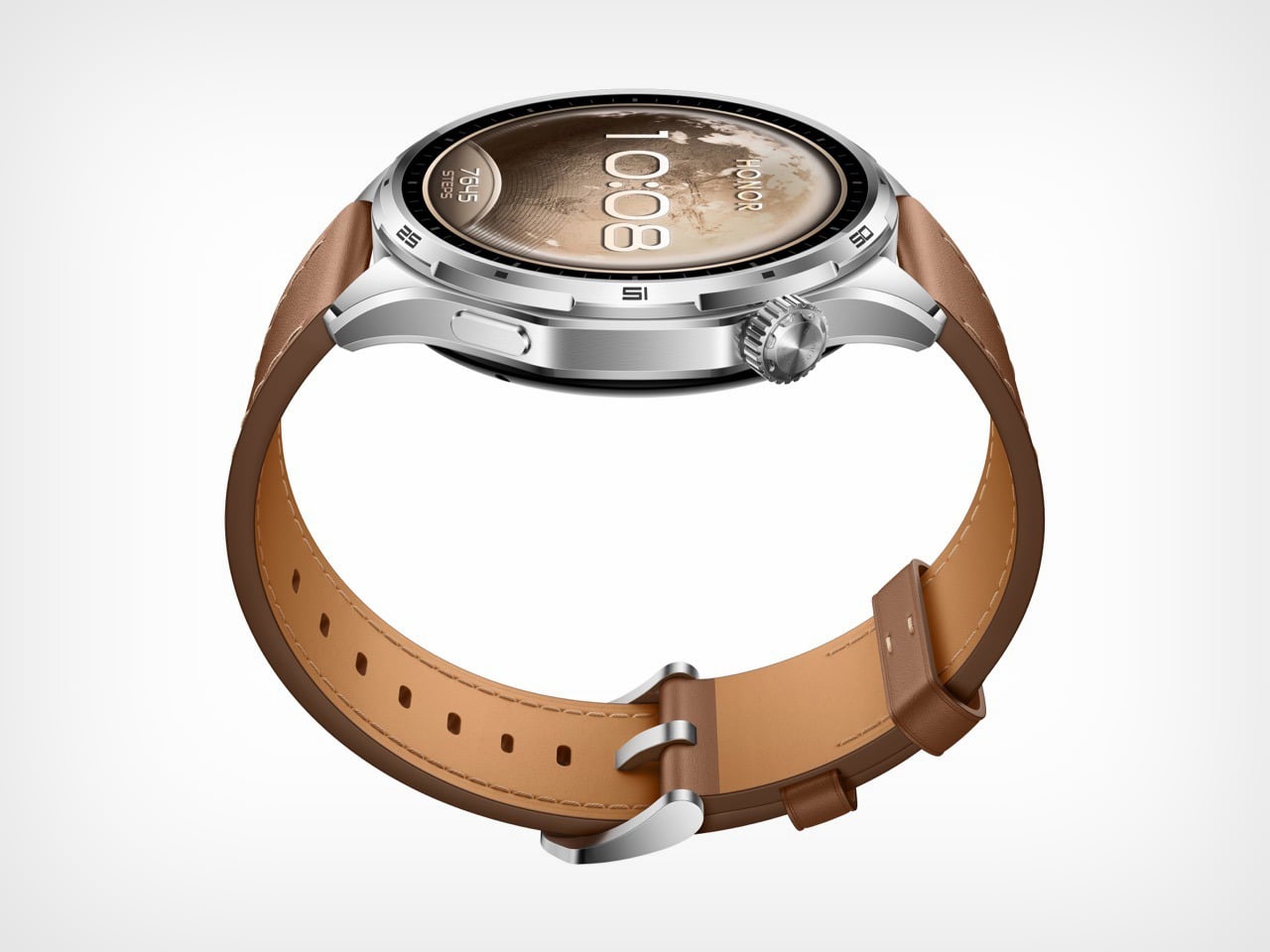
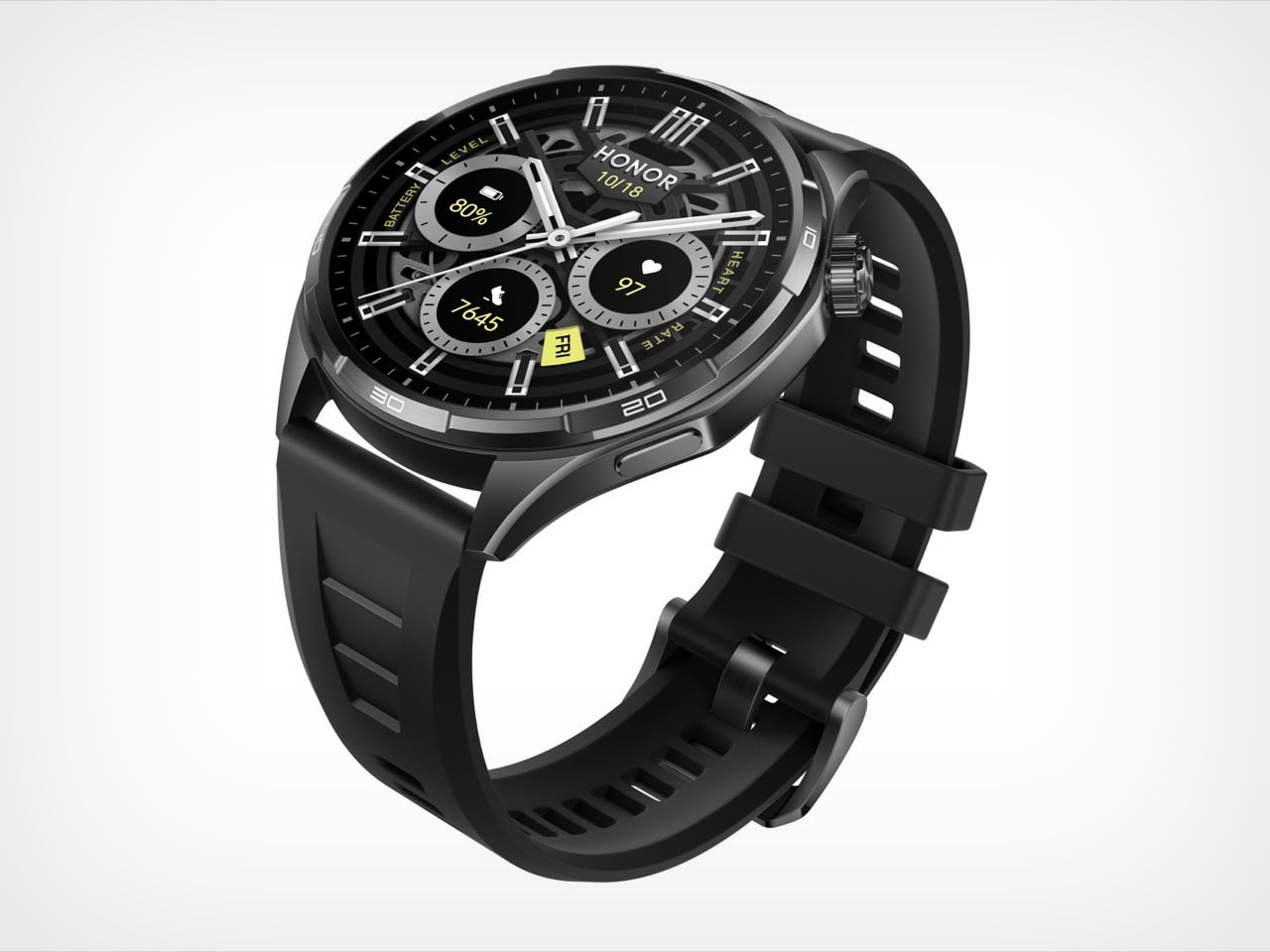
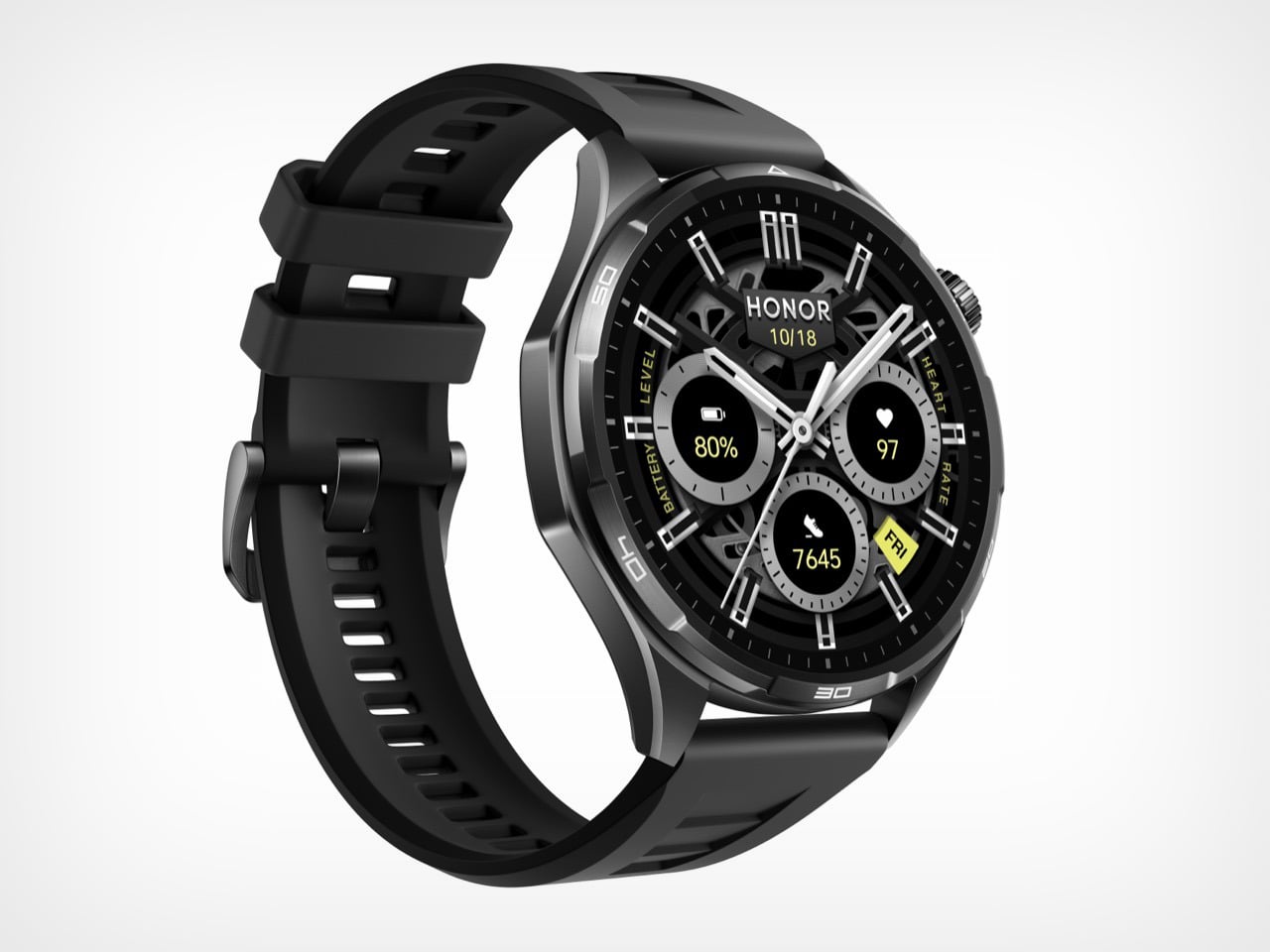
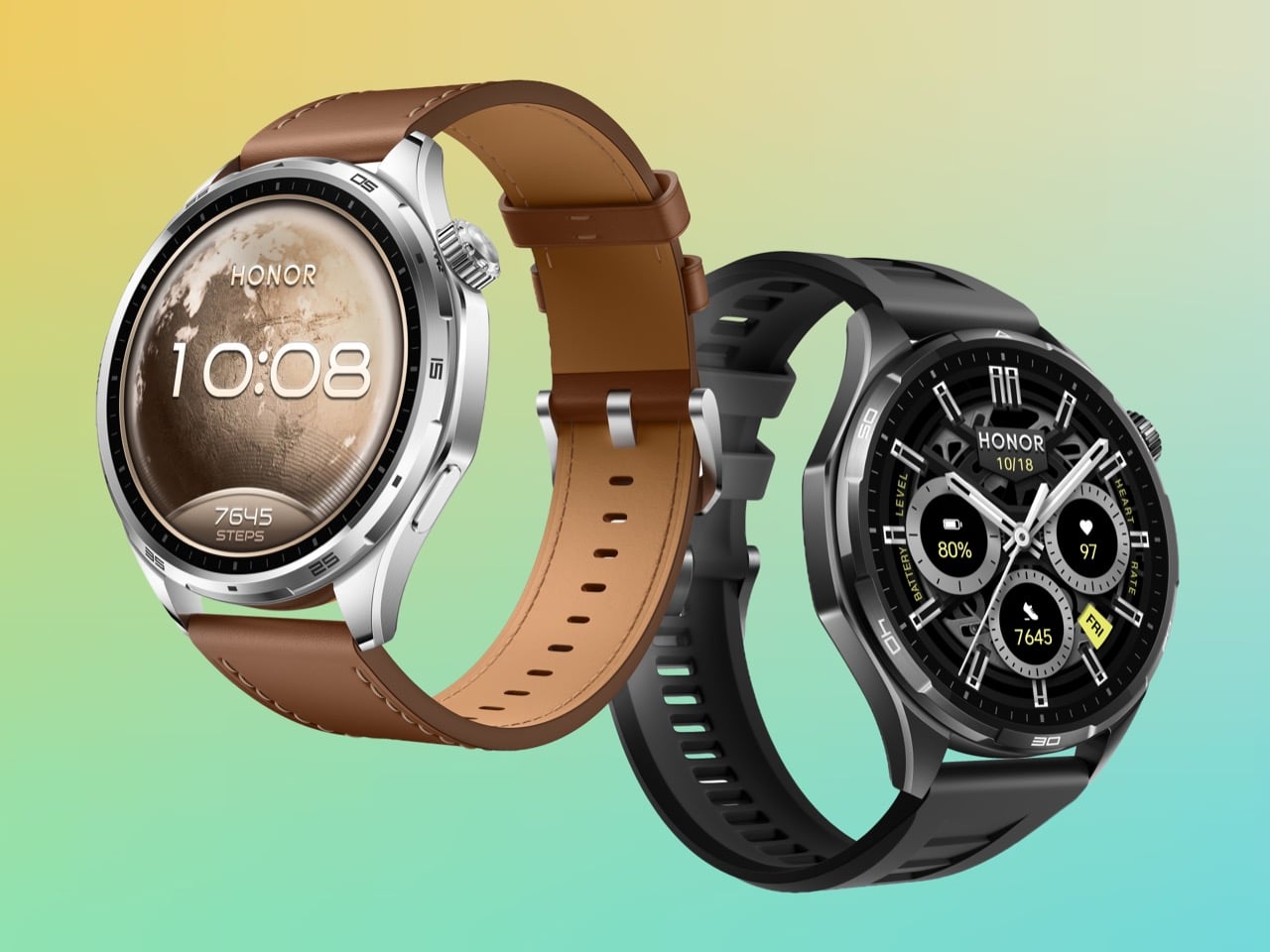
Honor also introduced the HONOR Watch 5 at IFA 2024, a smartwatch designed for both style and functionality. Weighing just 35 grams and measuring 11mm in thickness, it’s exceptionally lightweight and comfortable for all-day wear. The watch features a 1.85-inch AMOLED color display with a resolution of 450×390 pixels and 322 PPI, offering a vivid and responsive user experience.

Powered by a silicon-carbon battery with a 480mAh capacity, the HONOR Watch 5 delivers an impressive 15-day battery life, thanks to its Turbo X Smart Power Management system. It’s equipped with essential health-tracking features, including heart rate monitoring, SpO2 tracking, and sleep analysis. The watch also boasts the AccuTrack positioning system, which significantly enhances GPS accuracy for more precise activity tracking.

Beyond health monitoring, the HONOR Watch 5 supports notifications for calls, messages, and apps, ensuring users stay connected. It offers multiple sports modes and 5ATM water resistance, making it suitable for various activities, including swimming. With customizable watch faces and a sleek design, the HONOR Watch 5 is both a practical tool and a stylish accessory, seamlessly integrating into daily life.


As HONOR continues to push the boundaries of innovation, the Watch 5, Magic V3, MagicPad 2, and MagicBook Art 14 exemplify the brand’s commitment to delivering devices that are not only cutting-edge but also designed with the user’s experience at the forefront. With these new releases, HONOR solidifies its position as a leader in the tech industry.

The post HONOR Magic V3: Thinnest Foldable Phone Showcased with AI-Powered Tablet and Laptop at IFA 2024 first appeared on Yanko Design.
Honor’s Ridiculously Slim Magic V3 Folding Phone grabs a Guinness World Record by sitting on a House of Cards

Bryan Berg, the renowned American architect and card-stacking virtuoso, has once again pushed the boundaries of human ingenuity and set a new world record for the tallest house of cards. This extraordinary achievement, accomplished in a mere eight hours, has a tech spin to it. Sitting atop this colossal 54-level card tower is Honor’s Magic V3 foldable phone. Aside from being the world’s thinnest phone, measuring just 4.35mm when opened completely (that’s thinner than the 2024 iPad Pro), the phone clocks in at just 226 grams… that was enough for Berg to gingerly place it on top of his record-setting colossal structure – constructed without the aid of glue, wiring, or any metalwork.
The Guinness World Records adjudicator, Thomas Bradford, was on hand to witness this extraordinary feat and certify the new record. The challenge was far from straightforward, as Berg required a near-airtight environment with high humidity to ensure the cards’ cooperation throughout the building process. To achieve these conditions, seven humidifiers were set up in the room, creating a rather stuffy atmosphere for the crew tasked with capturing the momentous occasion on film.

Undeterred by the challenging environment, Berg worked tirelessly for the majority of the eight-hour period, taking only brief pauses for hydration and sustenance. His consistent pace, averaging five or six levels per hour, culminated in the placement of the HONOR Magic V3 atop the completed structure, signaling the end of his monumental endeavor… but more importantly, redefining the term ‘ultralight’ in the context of foldables and tech in general.

Berg’s latest record-breaking achievement adds to his impressive track record of card-stacking accomplishments. His previous record for the tallest playing card structure, standing at 7.86 meters, has remained unbroken since 2007. Over the years, Berg has consistently pushed the limits of his craft, repeatedly breaking and reestablishing his own world records. This attempt, in collaboration with HONOR, also sets a record just before the company takes the stage at IFA 2024 to showcase its products for the year.

The post Honor’s Ridiculously Slim Magic V3 Folding Phone grabs a Guinness World Record by sitting on a House of Cards first appeared on Yanko Design.