Miele’s Smart Utensils Can Detect When Food Is Burning And Power Your Induction Hob Down

A watched pot may never boil, but an unwatched one seems to do so with a special kind of enthusiasm. That familiar kitchen truth highlights a basic challenge; the cook must serve as the constant monitor for every vessel on the stove, standing guard against the sudden surge of a boil-over or the sharp, bitter smell of a sauce beginning to catch and burn. With its new M-Sense system, Miele proposes a more cooperative arrangement, one where the cookware itself takes over the job of watching for trouble.

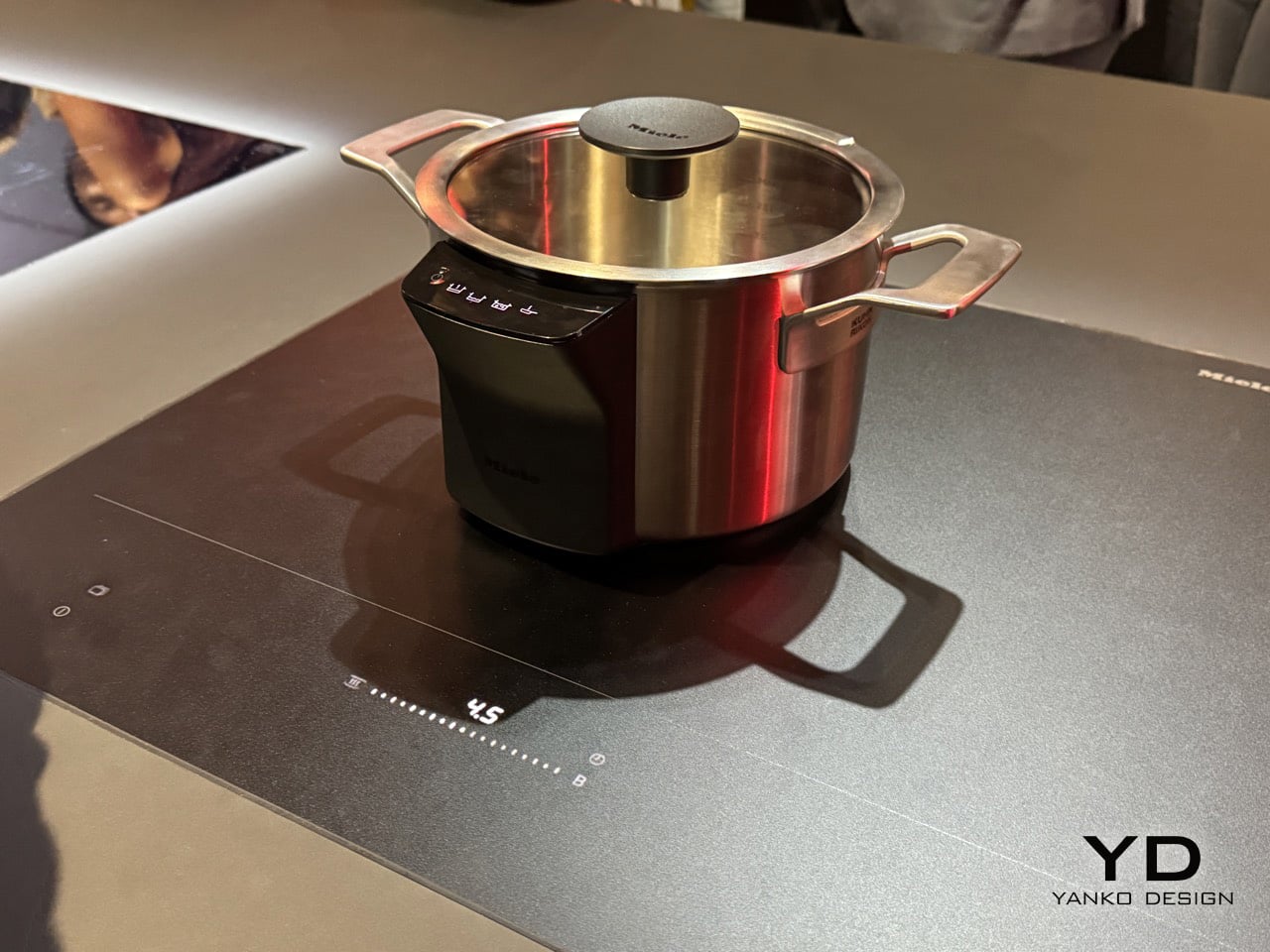
By integrating sensors and communication hardware directly into its cookware, Miele creates a live feedback loop between the pot and the induction hob. This connection allows the vessel to detect the telltale temperature spikes that precede a messy boil-over or the localized hot spots that lead to scorching. It then signals the hob to regulate its power automatically, transforming the simple pot from a passive container into an active, intelligent partner in the cooking process. It is a sensible and deeply practical innovation aimed at creating a calmer, more forgiving kitchen.

Designer: Miele

The appeal of that idea becomes obvious the moment real food enters the picture. Caramel demands close attention because it can move from amber to acrid in seconds. Milk rises fast, stocks foam unpredictably, and sauces have a habit of catching at the base just when your focus shifts elsewhere. M-Sense is built around those ordinary kitchen disasters, which makes it feel refreshingly grounded. There is a lot of smart kitchen technology that promises convenience in abstract terms, but this system is easy to understand because it targets problems almost every home cook has experienced firsthand.

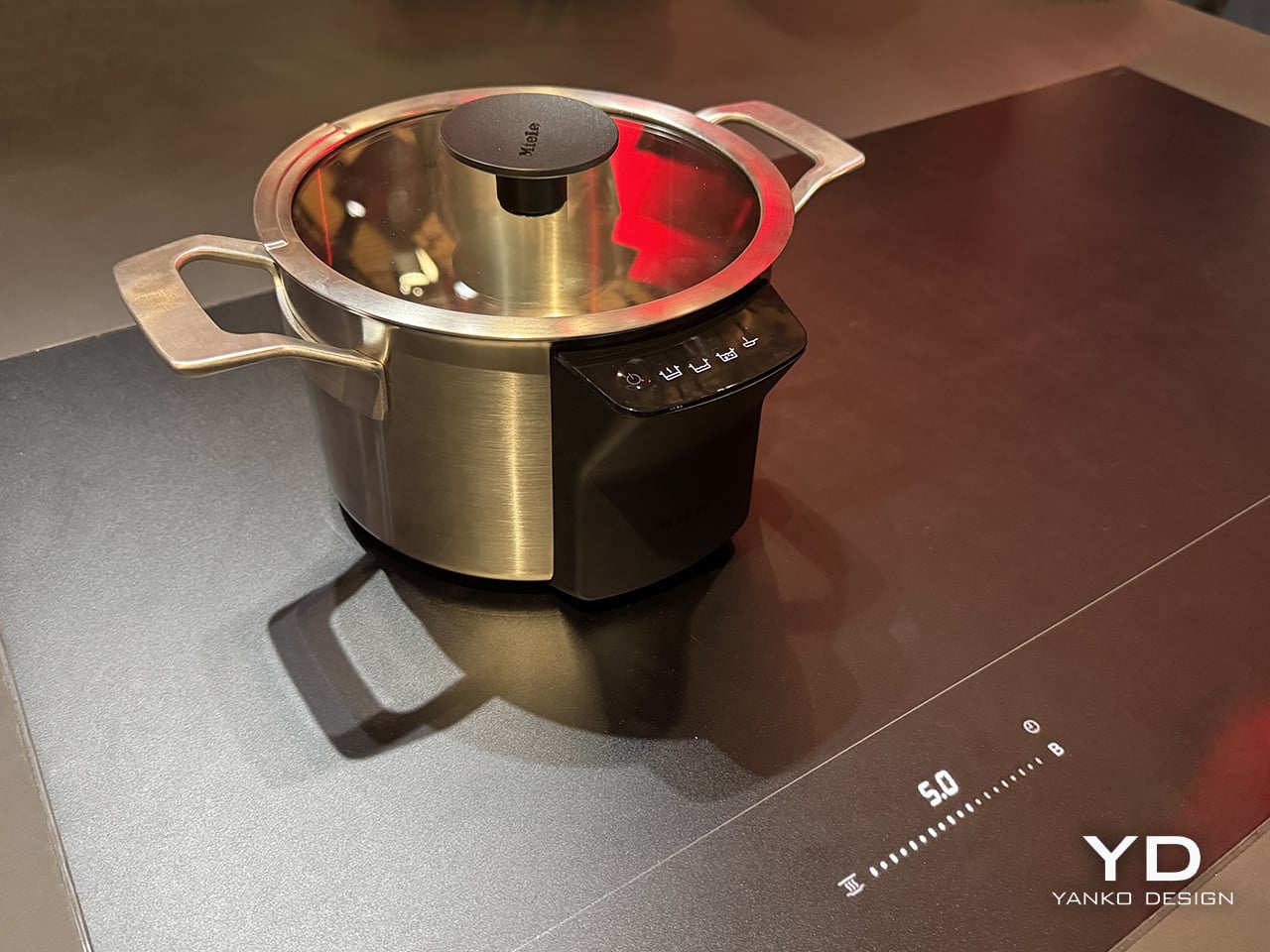
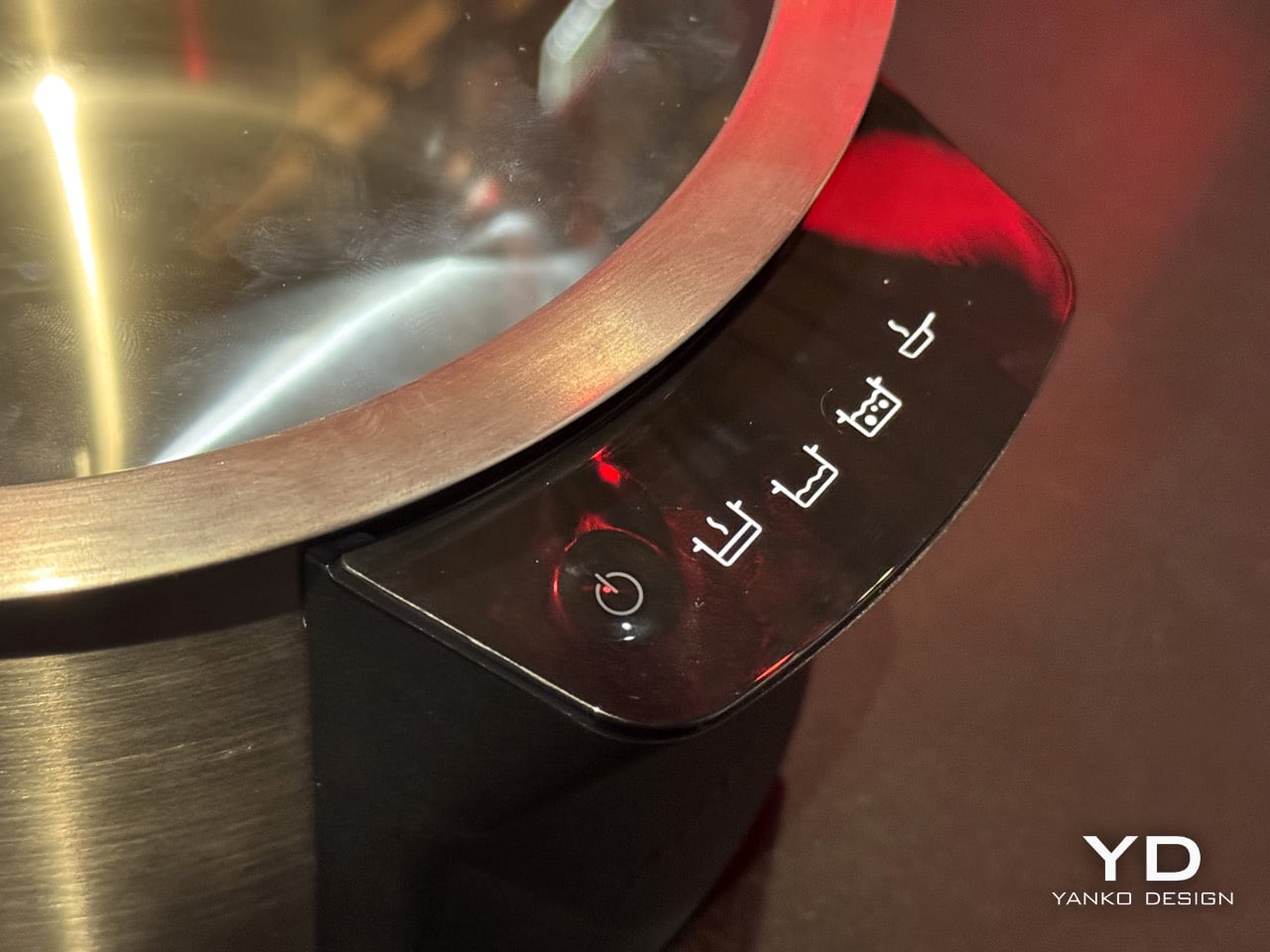
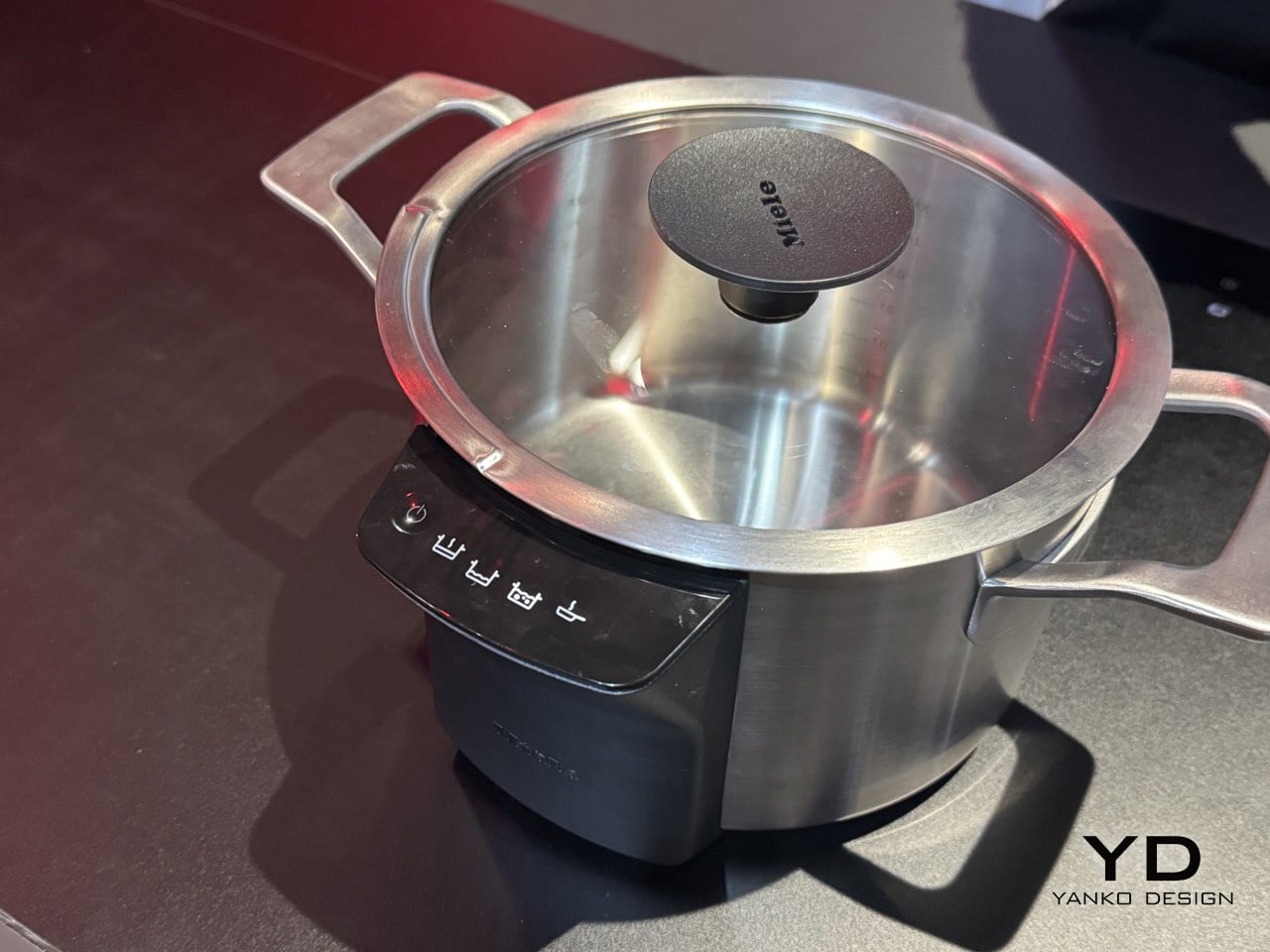
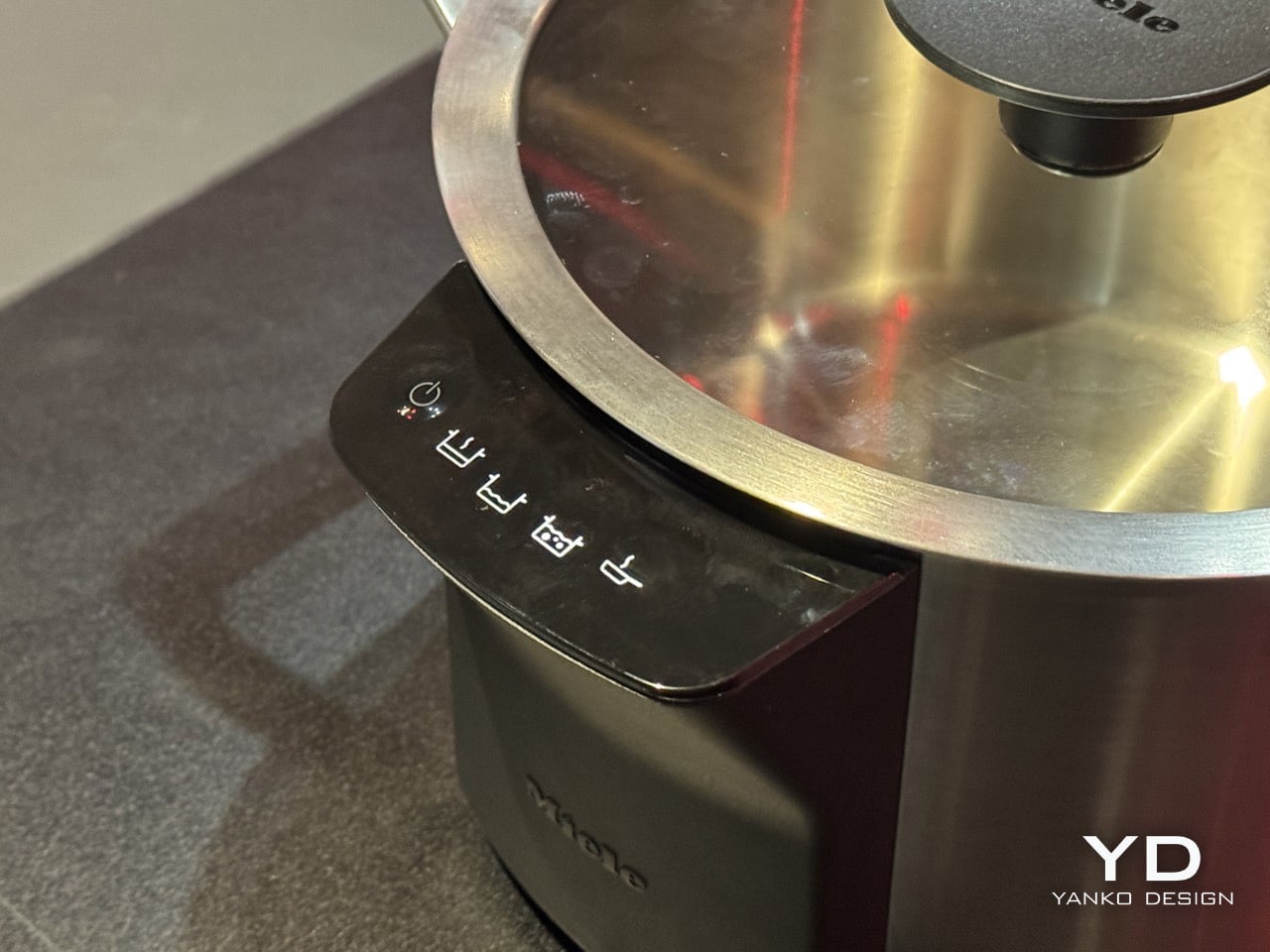
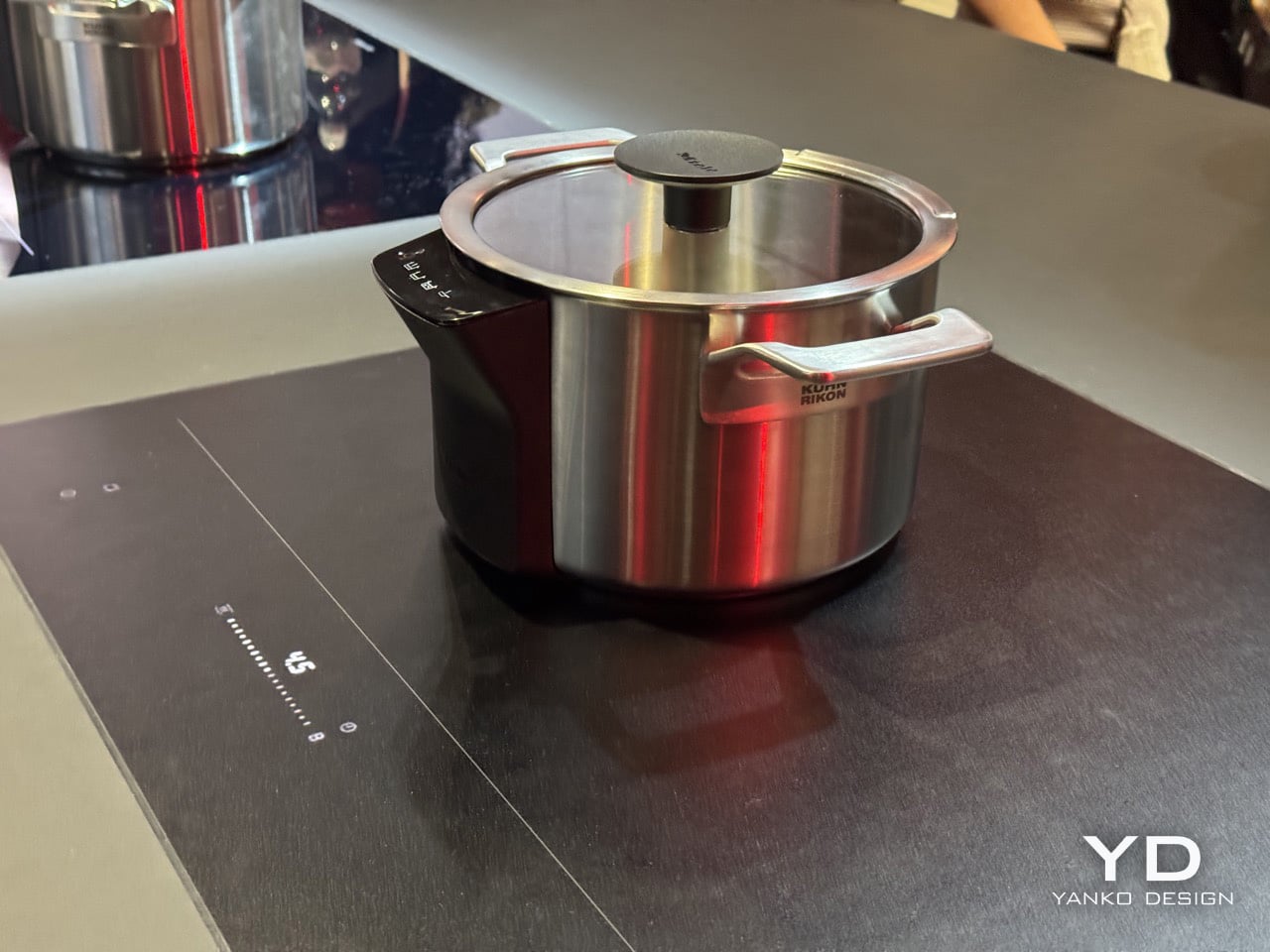
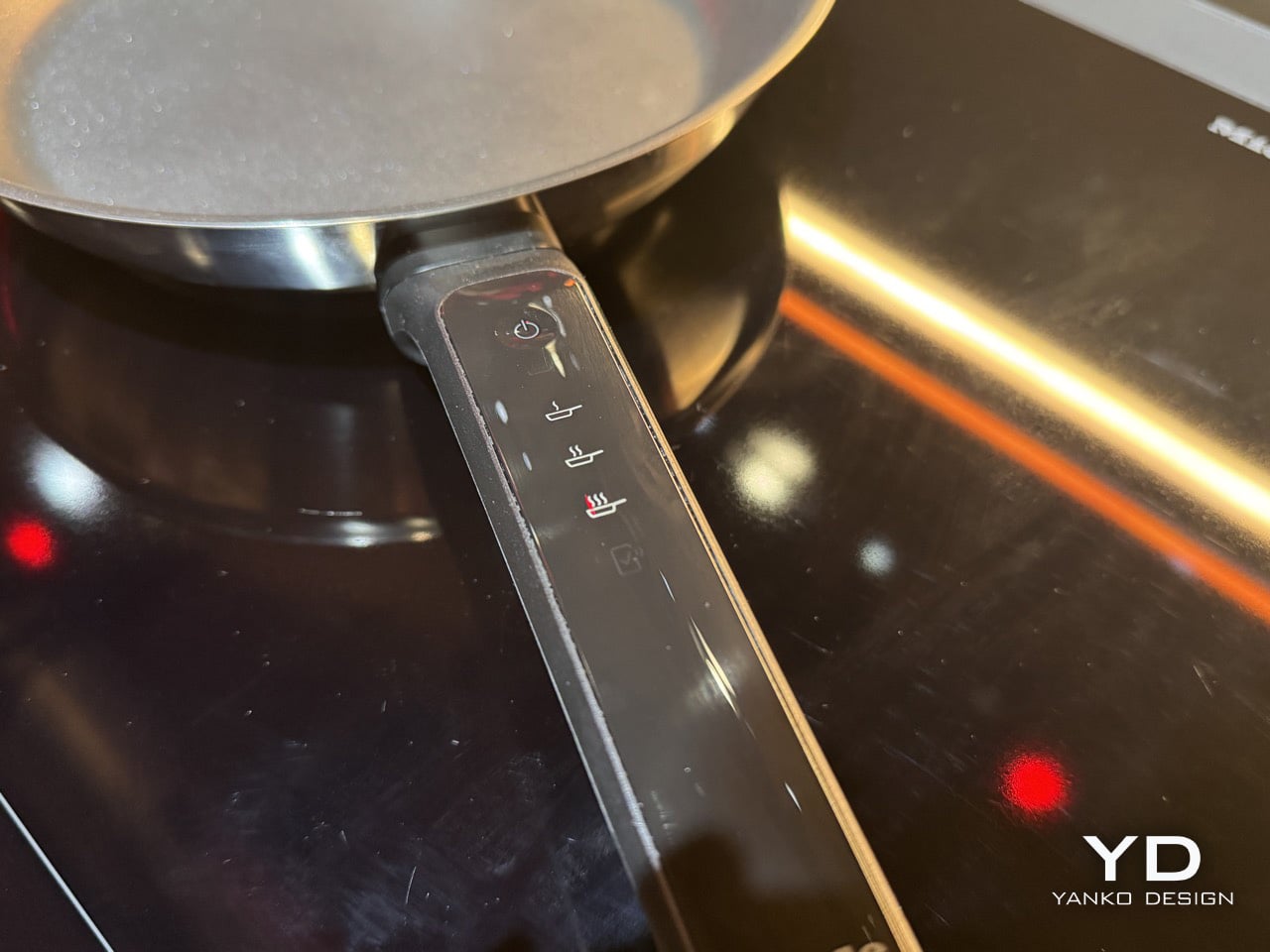
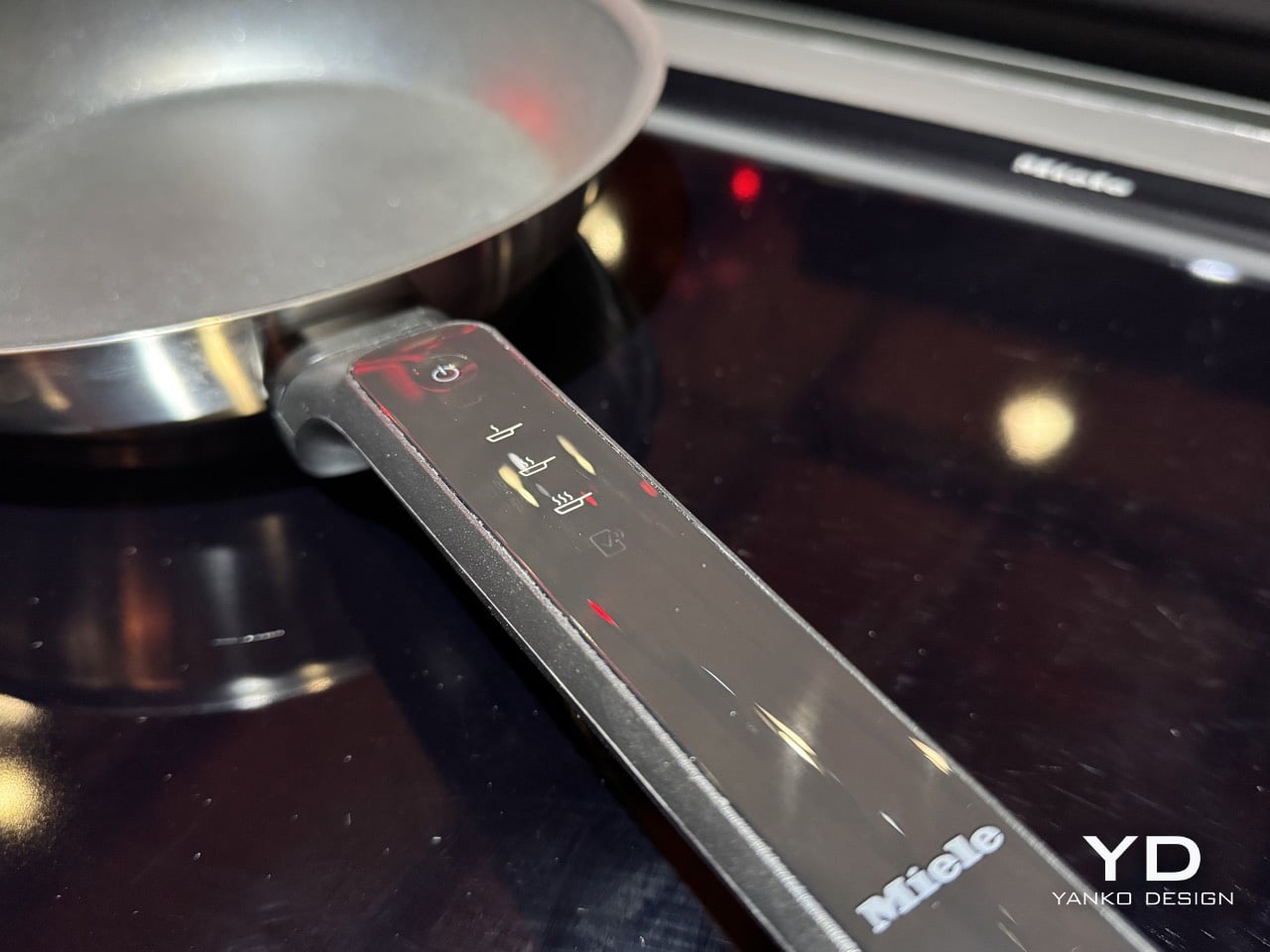
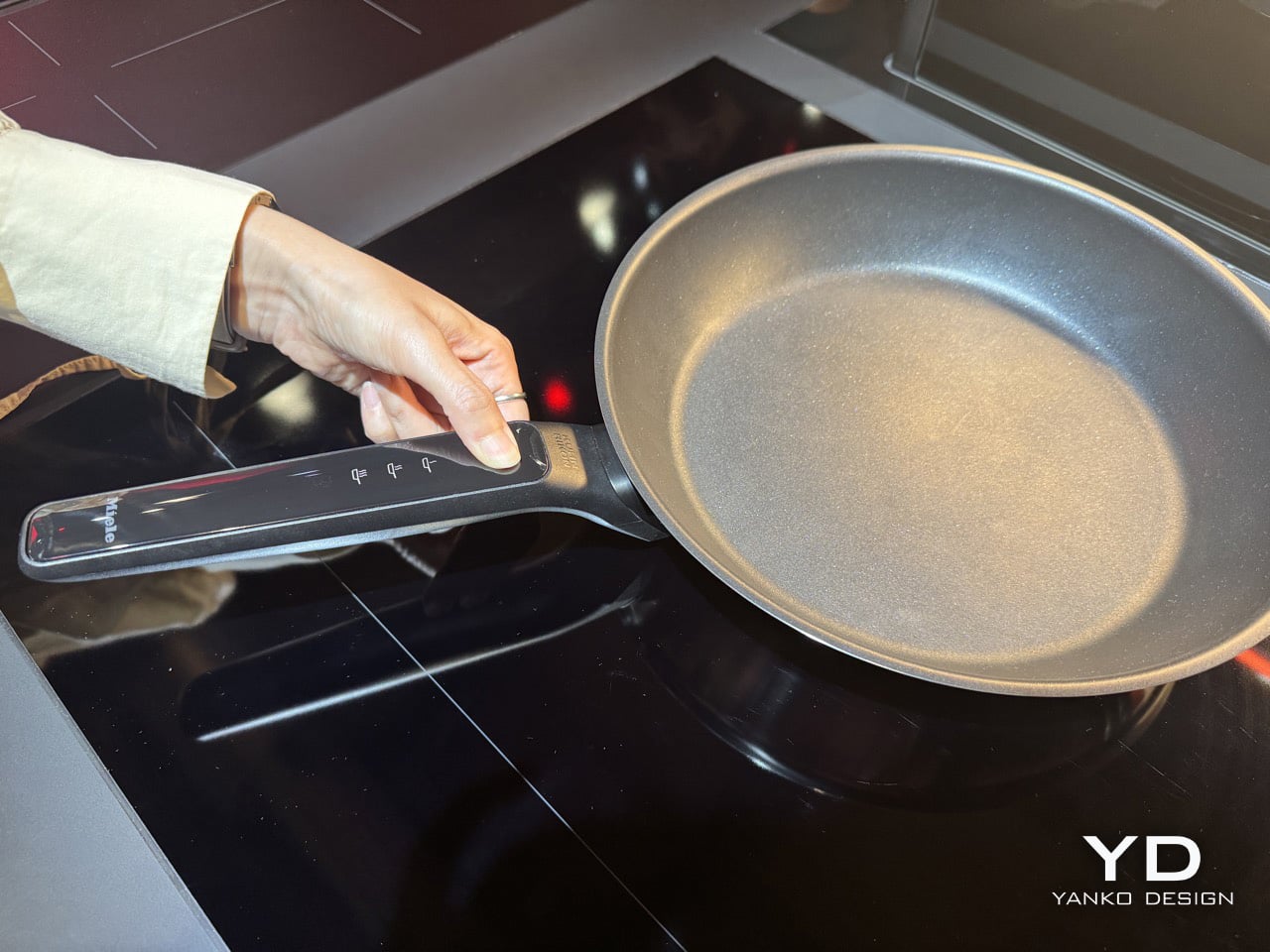
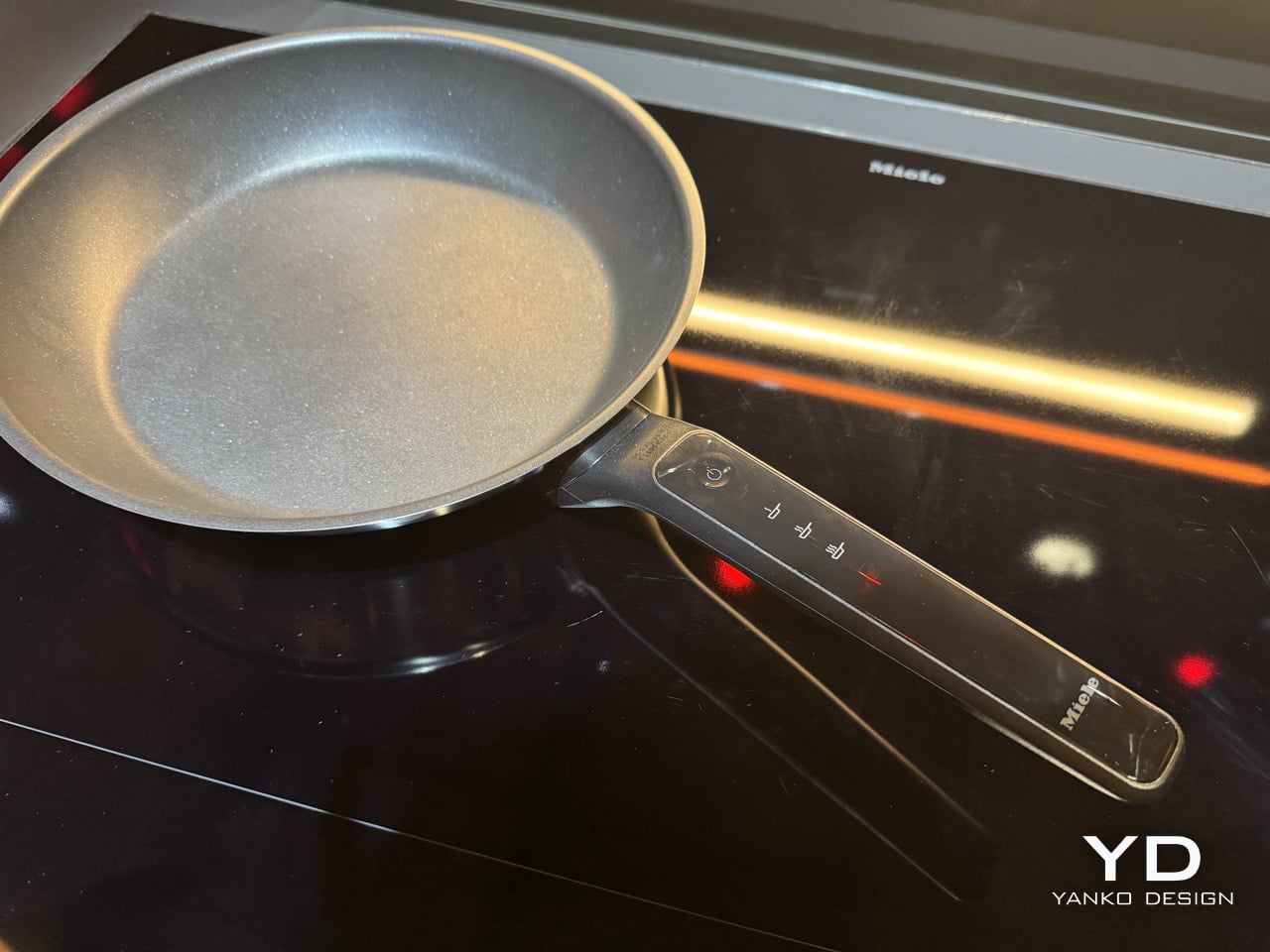
Miele is showcasing at least two pieces, a brushed stainless steel saucepot and a frying pan with a dark non-stick interior, and both reveal how carefully the interaction has been considered. The saucepot carries a compact touch interface integrated into the side of the vessel, while the frying pan places its controls directly into the handle where the thumb naturally lands. In both cases, the controls feel embedded into the object rather than added on as an afterthought, which helps the cookware read as premium kitchenware first and connected hardware second.

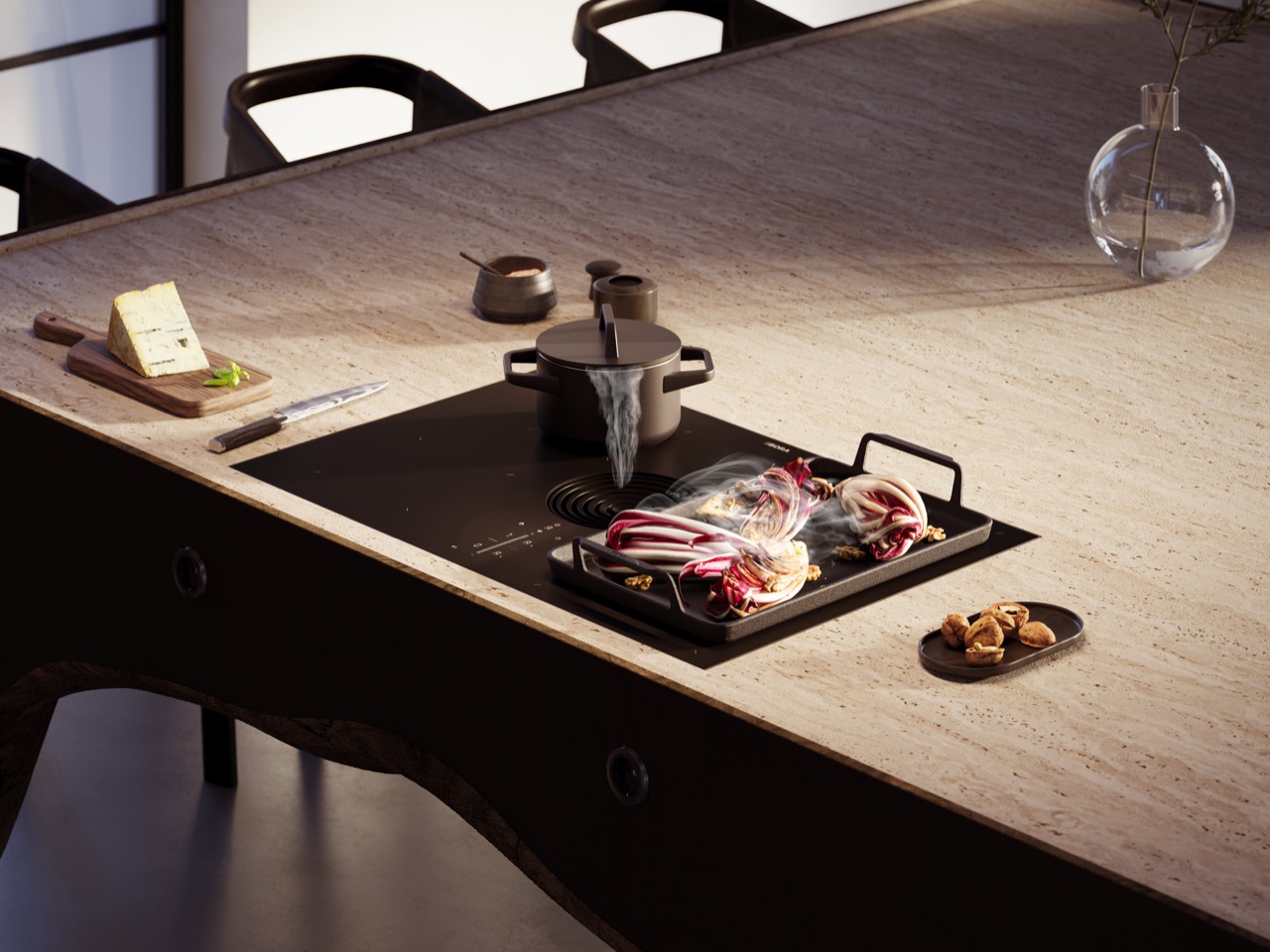
The induction hob at the center of the system is the KM 8695 FL MattFinish, a full-surface model finished in scratch-resistant MattFinish ceramic glass. Full-surface induction means the cookware can sit anywhere on the hob while maintaining the communication link, which matters considerably for a system built on continuous sensor feedback. Miele states the promise with welcome directness: No Burn. No Overboil. No Problem. Both outcomes trace back to a single cause, a vessel with no way to communicate with the heat source beneath it. M-Sense addresses that by making the cookware itself the sensing layer, so power adjustments happen before smoke or overflow enters the picture.

The Miele app extends the system beyond the counter, enabling remote monitoring, direct program transfer to the hob, and a recipe library that maps dish choices to actual hob settings. The cookware can connect to the app before it even reaches the hob, arriving on the induction surface already configured for the task at hand. That pre-loading capability closes a gap most connected kitchen products have only gestured toward. Working across hob, cookware, and app simultaneously, M-Sense operates as a coordinated platform rather than a loose set of individual smart features. It is a more coherent model than the kitchen tech category has typically managed to deliver.

For all the talk around smart homes, this is the kind of intelligence that feels worth having because it addresses a genuine friction point in daily life. Cooking often demands divided attention, especially in real homes where dinner happens alongside conversations, children, emails, and the dozens of small interruptions that shape an evening. A system that can sense trouble early and quietly intervene before a sauce burns or a pot boils over feels less like novelty and more like relief. Miele is showing the M-Sense collection in the EuroCucina section at Salone del Mobile, where visitors can see the cookware paired with its compatible induction setup as part of the brand’s broader vision for a more responsive kitchen.

The post Miele’s Smart Utensils Can Detect When Food Is Burning And Power Your Induction Hob Down first appeared on Yanko Design.

LPG Shortage Has Millions Unable to Cook. This Battery Induction Cooktop Never Needed Gas Anyway.

The street food vendors of Mumbai did not negotiate the terms of the Iran conflict. Neither did the factory managers in Vietnam, the government officials in Colombo, or the home cooks across a dozen nations who depend on liquefied petroleum gas. Yet the military standoff in the Strait of Hormuz, the chokepoint for 30% of the world’s traded LPG, is landing in their kitchens and economies with uncomfortable speed. In India, the government is rationing supply. In Sri Lanka, officials declared national holidays on Wednesdays specifically to curb fuel consumption. In Japan and South Korea, two of the world’s largest LPG importers, the primary energy artery is tightening, while European markets are bracing for wholesale gas prices to triple. A single geopolitical flashpoint is now determining whether millions can cook dinner.

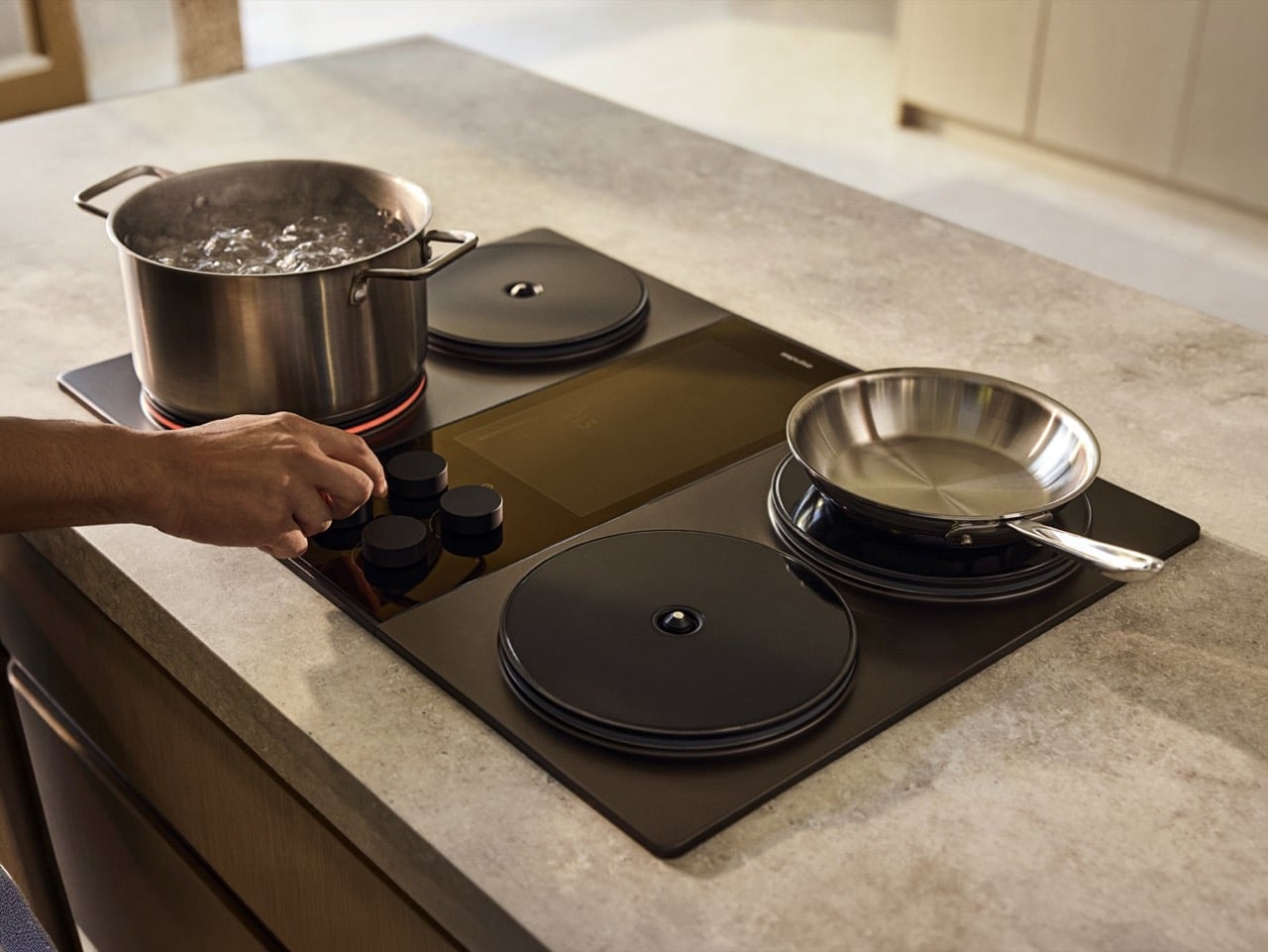
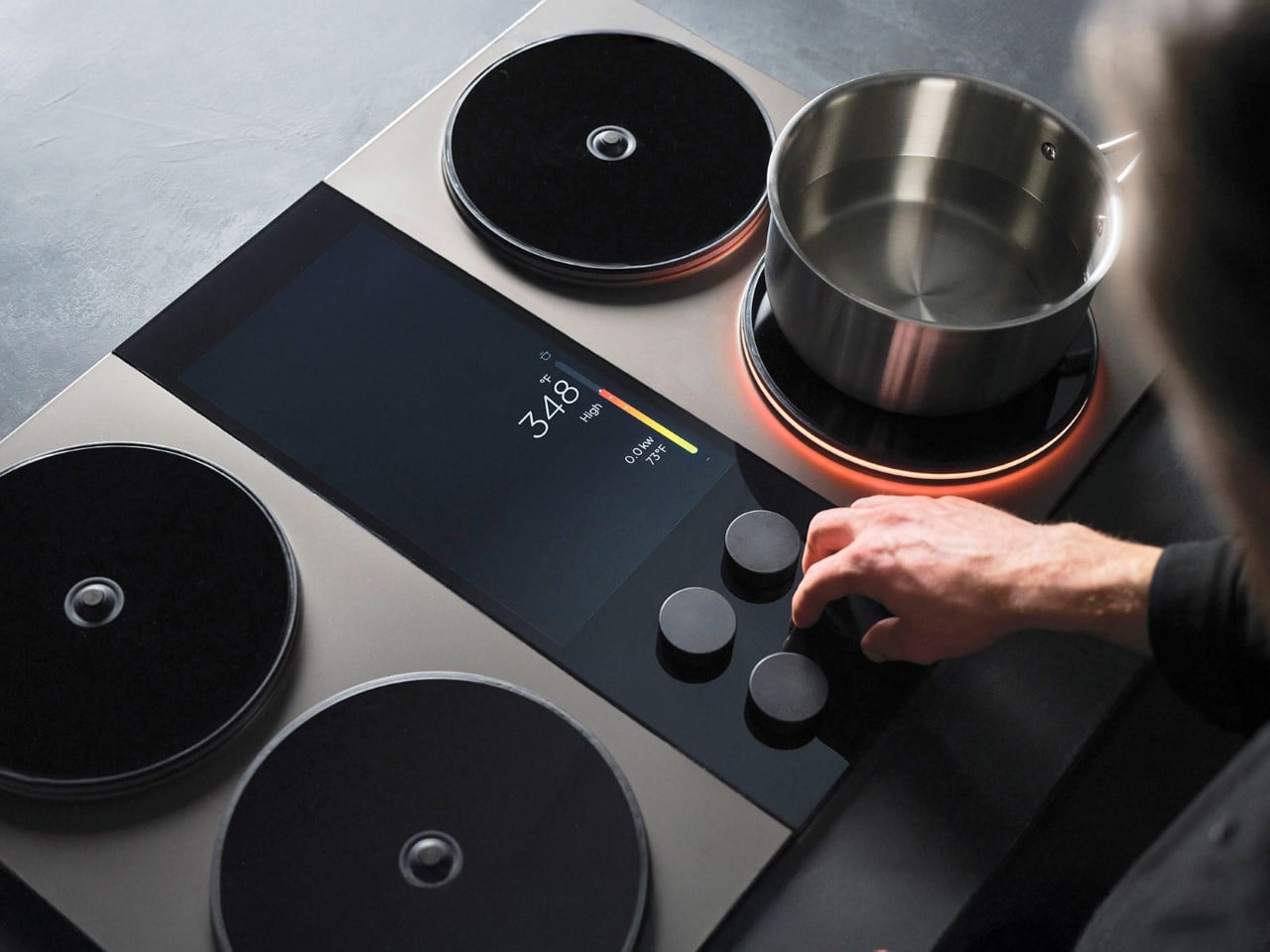
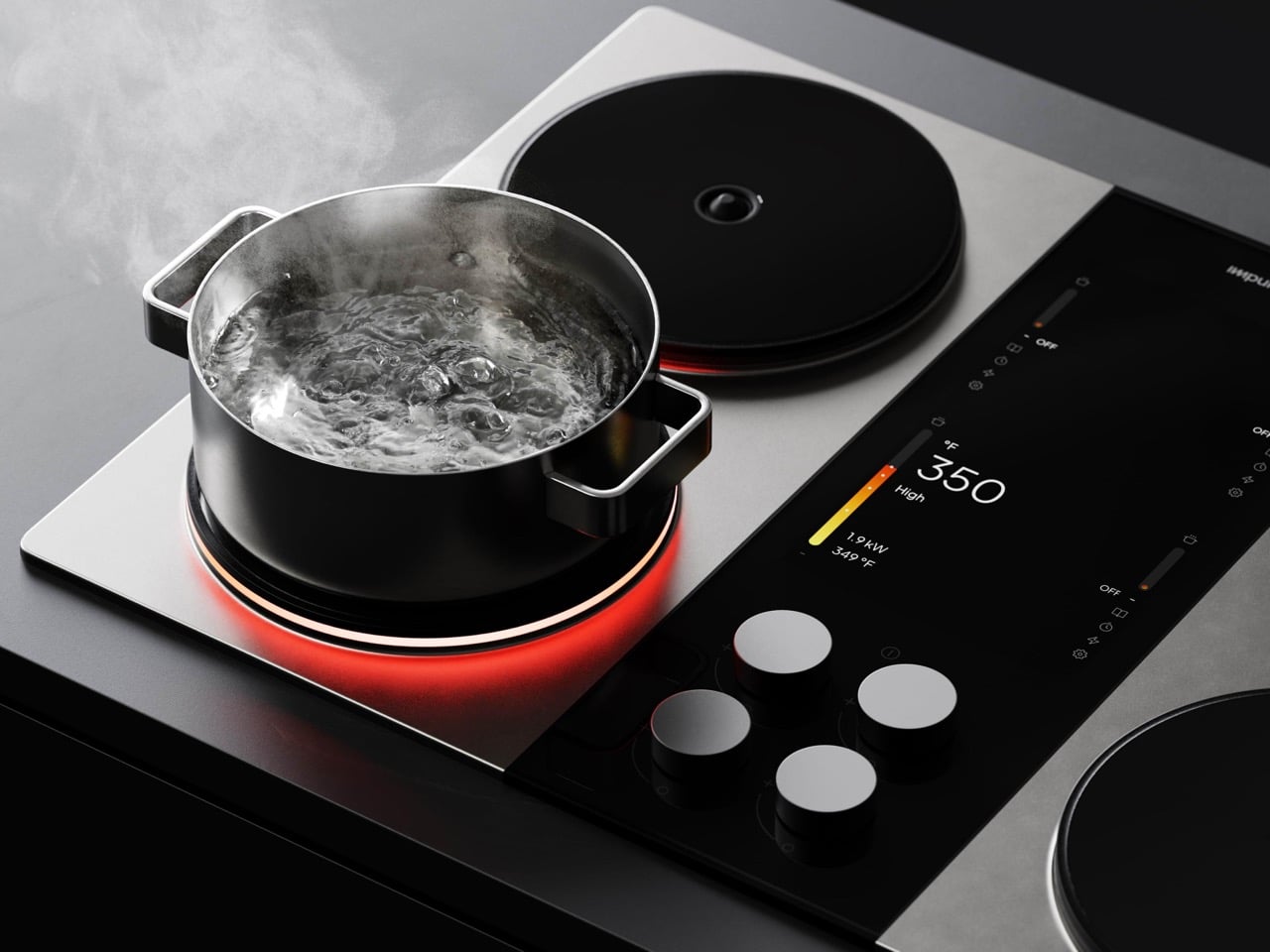
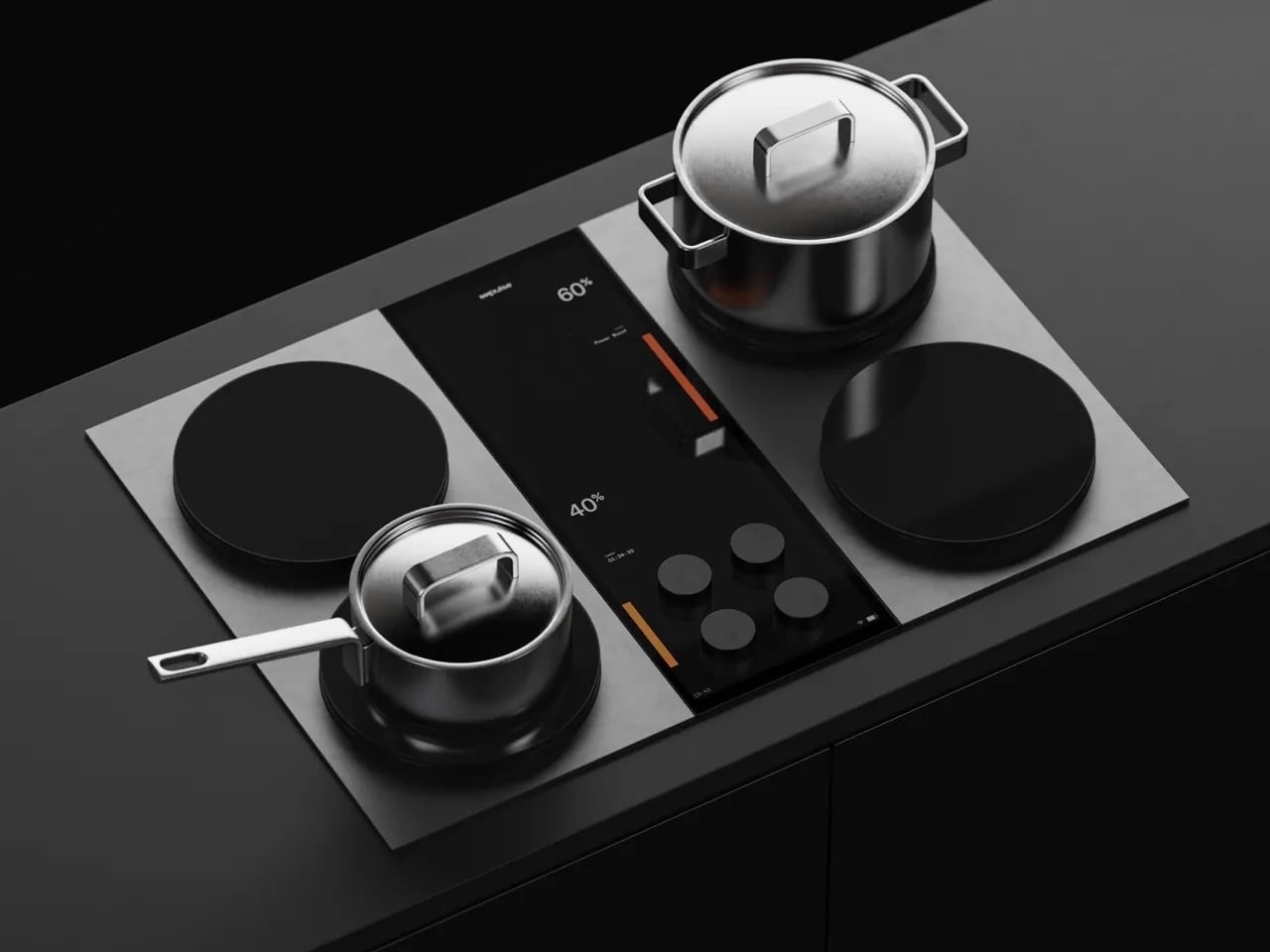
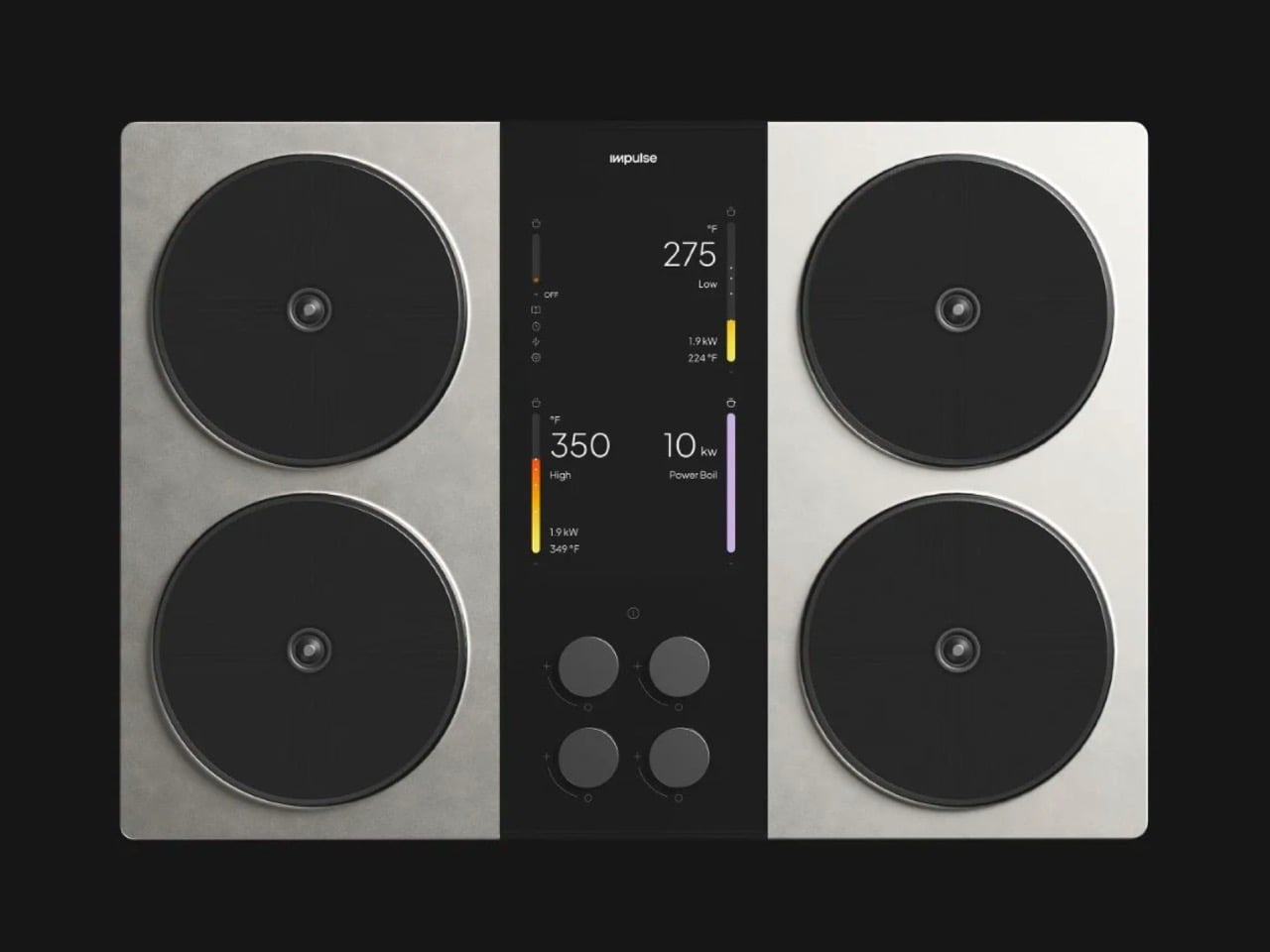
Against that dystopian backdrop, the Impulse cooktop occupies a category with very little company. The appliance, which earned the Red Dot’s Best of the Best and won Fast Company’s 2024 Innovation by Design Award, builds a battery directly into the cooktop body. It draws from stored charge and the grid simultaneously to deliver a staggering 10,000 watts per burner. BLOND, the industrial design firm behind it, gave the object the physical language of a considered luxury kitchen piece. The engineers gave it freedom from every fuel supply chain that currently has Asia and Europe in a headlock. Both things matter here; right now, one of them lands with a global urgency that the designers probably never anticipated.

Designer: BLOND

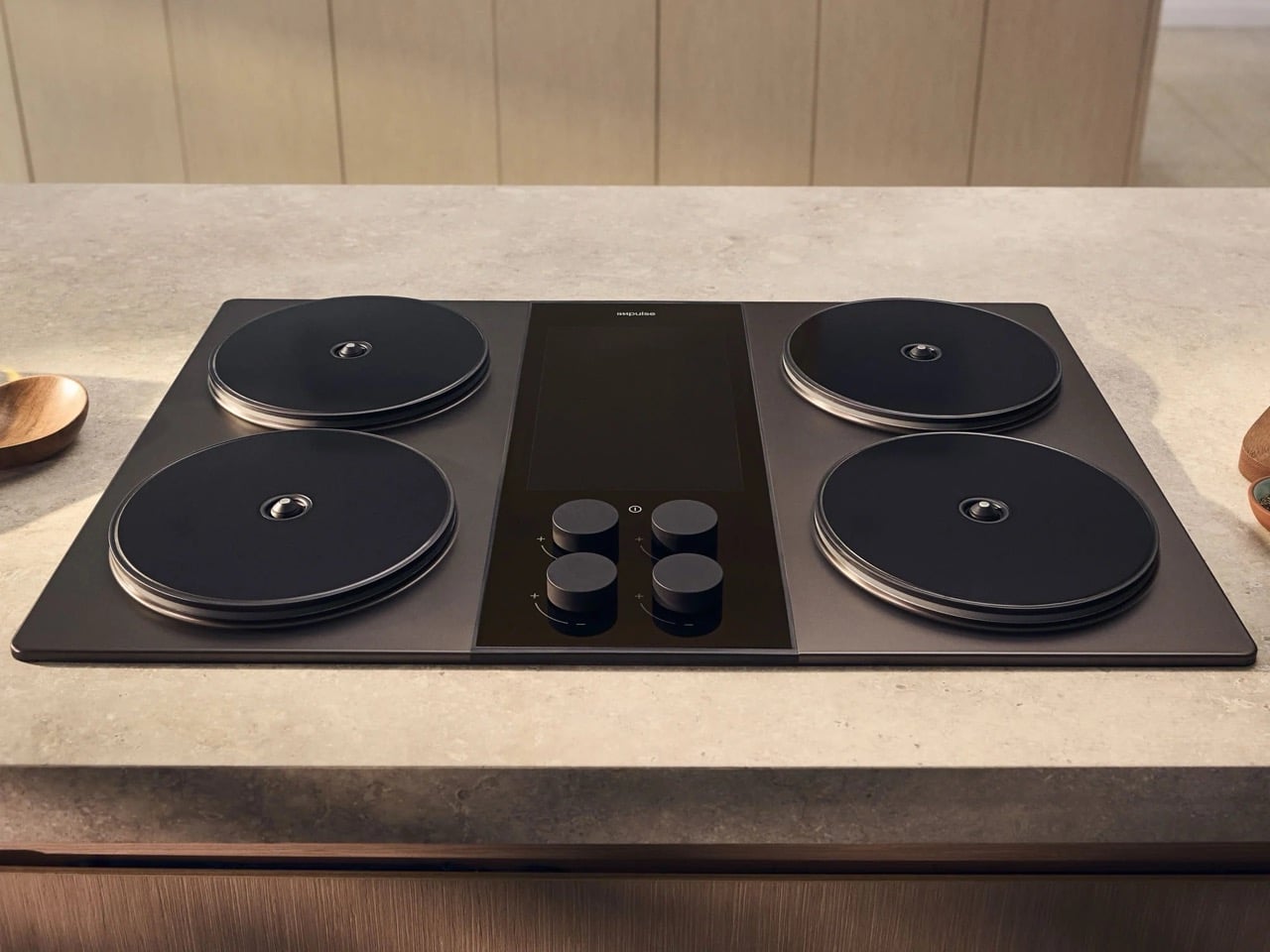
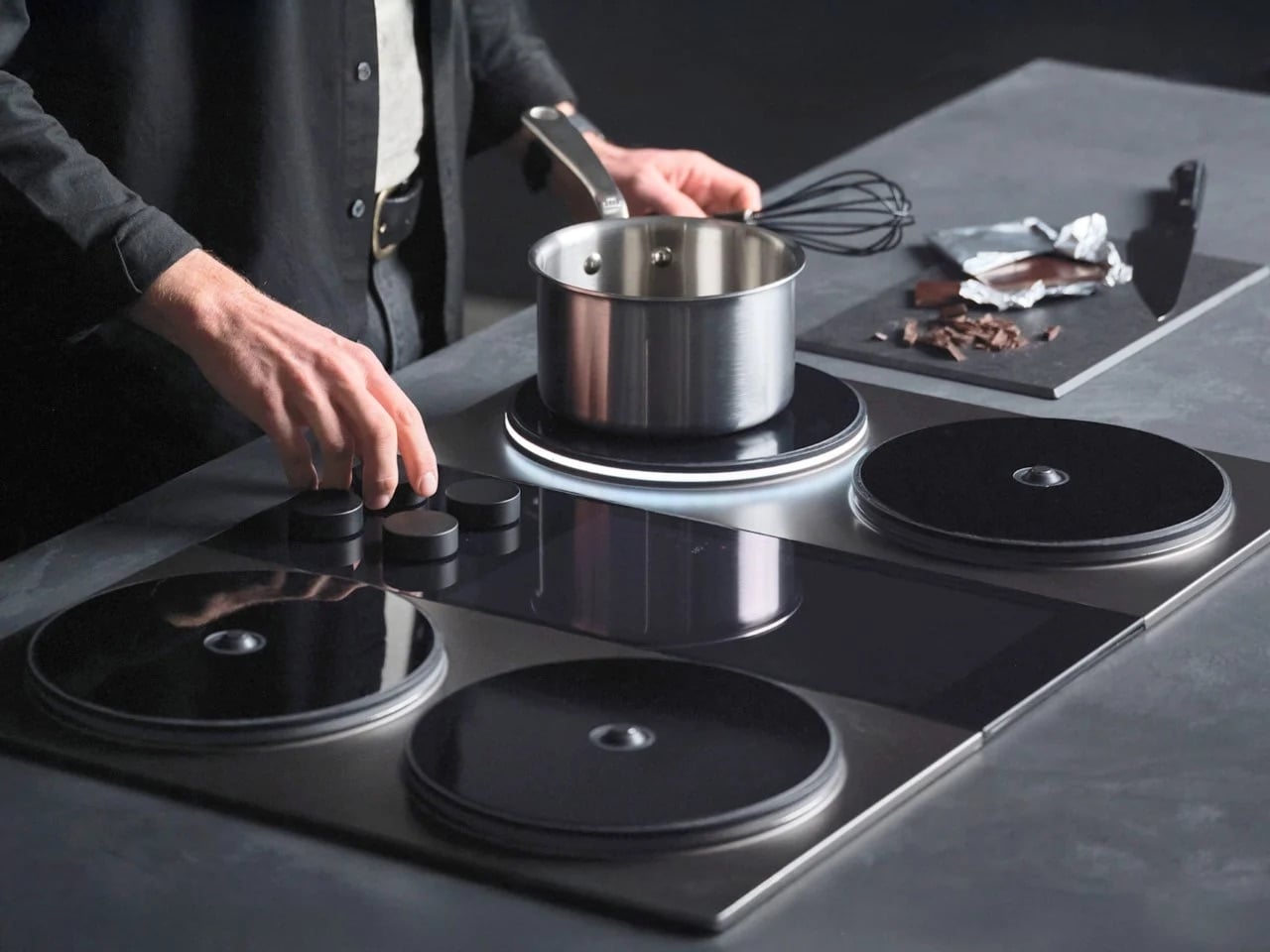
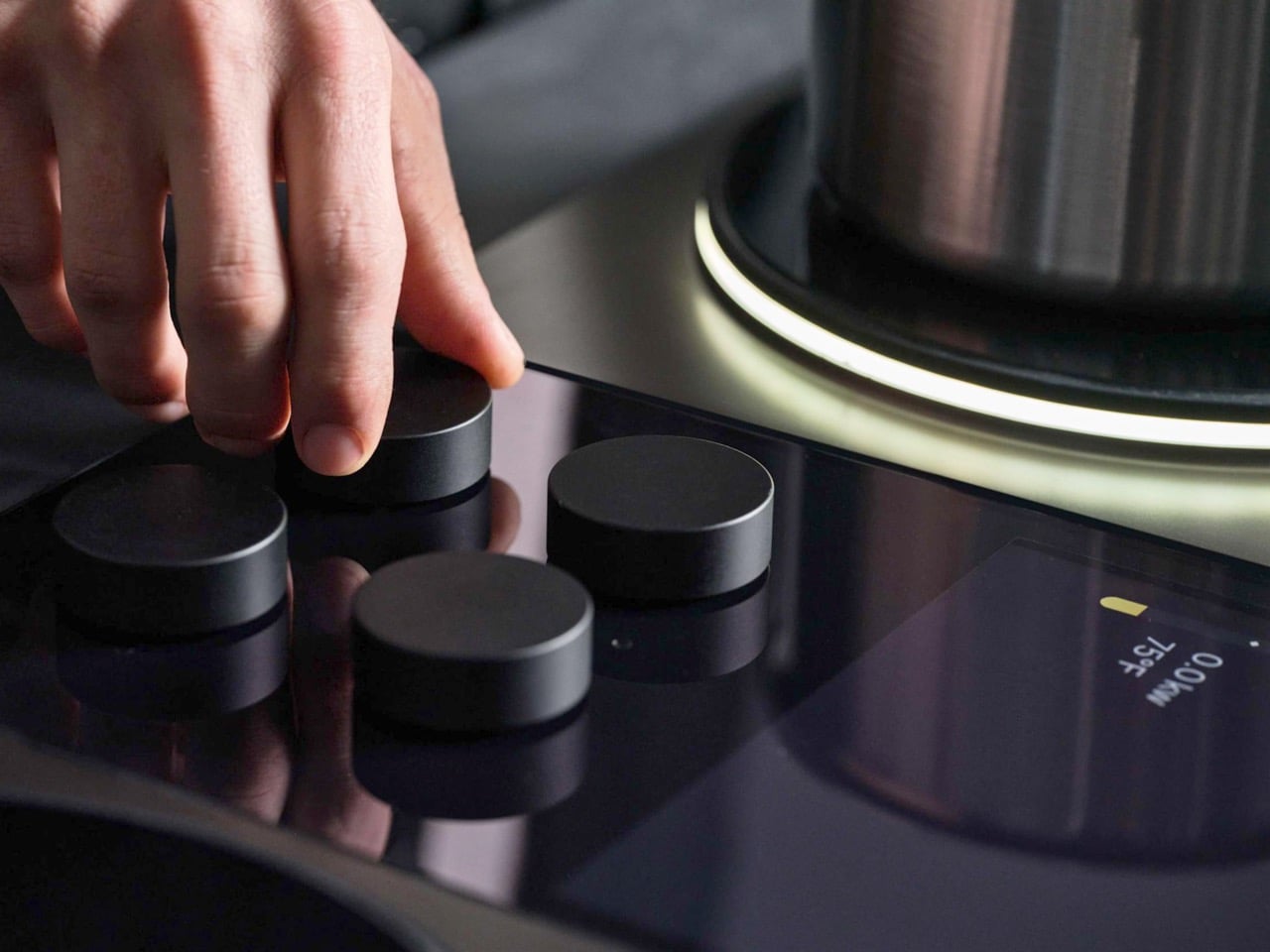
BLOND stripped the Impulse cooktop down to a precise, slab-like form with a magnetic control knob that carries the rotational weight of something deliberately engineered, and a ceramic cooking surface that reads more like high-end DJ equipment than kitchen accessories. The battery pack lives entirely inside the appliance body, with no external modules and no separate storage unit. That battery and the grid work in simultaneous tandem, together pushing up to 10,000 watts per induction zone, which is three times the output ceiling of the most powerful competing induction cooktop on the market. A standard gas burner tops out between 1,500 and 2,000 watts. A premium gas hob might hit 4,000. Impulse doubles that, through induction, from a domestic plug.

Impulse became the first battery-integrated appliance to earn UL 858 certification, the U.S. standard applied to household electric ranges, which matters because it signals a tested, production-ready product rather than a clever concept that survived the prototype stage. Most residential kitchens cannot realistically pull 10,000 watts through standard wiring without a costly electrical panel upgrade, which is the single biggest friction point in induction adoption globally. The onboard battery eliminates that bottleneck by buffering the peak load and recharging from a normal household outlet during lower-intensity cooking. The result is extreme performance on ordinary electrical infrastructure. Getting 10,000 watts into a domestic kitchen without rewiring the house turns out to be a harder problem than building a burner that can hit those numbers, and Impulse solves both in the same enclosure.

Amazon India reported induction cooktop sales jumping more than 30 times their normal volume last week as the LPG shortage deepened. That number tells you how fast behavior shifts when a supply chain snaps. The problem is that most of those units being panic-bought are budget induction plates capped around 2,000 watts, which work fine for boiling water but flounder with the kind of cooking that defines South and Southeast Asian cuisine. High-heat wok cooking, crispy dosas on cast iron, intense stir-fry; all of these demand fast, concentrated thermal output that conventional induction simply cannot generate. Impulse at 10,000 watts per zone changes that equation entirely, and it does so without a gas line anywhere in the picture.

At KBIS 2026, THOR Kitchen debuted a full induction range built on Impulse’s battery-integrated platform, and it got recognized at the show. That partnership reveals the bigger picture: Impulse Labs is positioning its engineering as a licensable platform for the appliance industry broadly, treating the consumer cooktop as proof of concept rather than end product. If that model scales, the 10,000-watt battery system becomes the architecture that a generation of kitchen appliances gets built on, with real implications for manufacturers trying to electrify product lines without sacrificing performance. Whether the business reaches that scale fast enough to meet this particular moment depends on manufacturing capacity and pricing the company has not widely publicized. But the Strait of Hormuz did not ask for a roadmap before closing, and the people queuing for gas cylinders at 3am in New Delhi are not waiting on a product launch schedule either.

The post LPG Shortage Has Millions Unable to Cook. This Battery Induction Cooktop Never Needed Gas Anyway. first appeared on Yanko Design.

Portable Smart Induction Cooktop concept lets you cook healthy meals anywhere

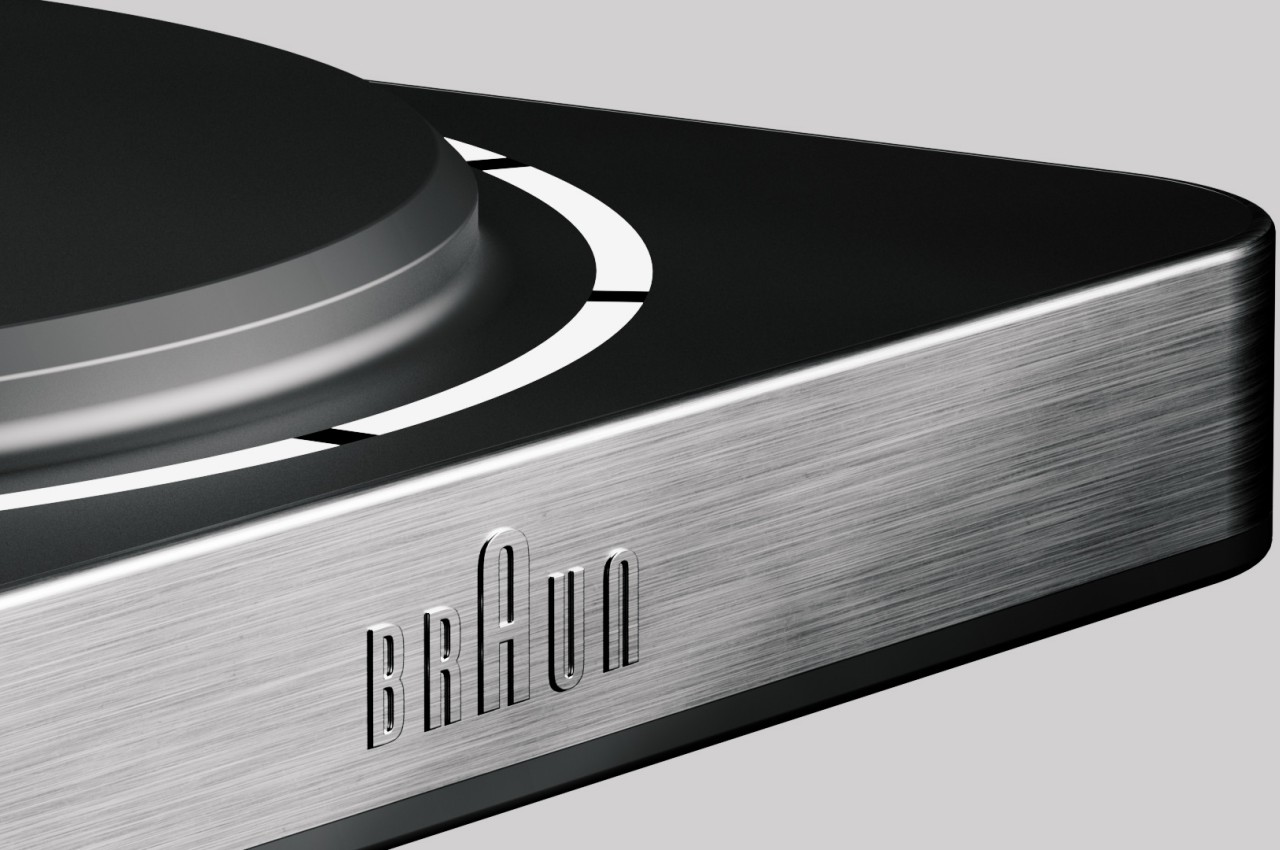
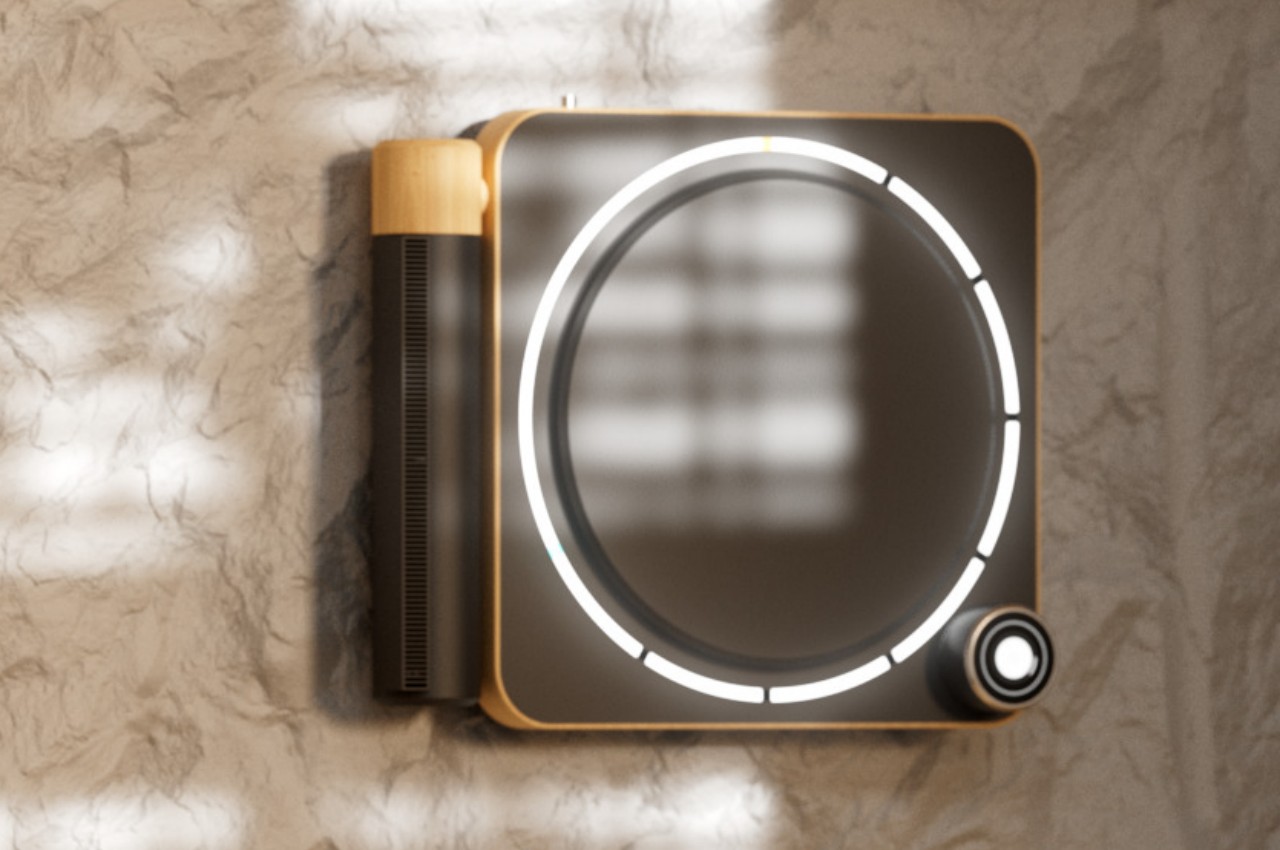
There are now several ways to get fresh and healthy meals delivered to you, but the best option is still to cook them yourself. You get to decide on the ingredients and the process, plus you can probably even save money in the long run. That said, cooking isn’t always easy or convenient, especially when you’re not at home or don’t even have access to a kitchen. Portable cooking equipment is slowly becoming an option, but many still fall short of providing convenience other than having a hot surface to cook on. This induction cooktop concept tries to address many of those shortcomings with features that help you cook smartly and safely while also borrowing the clean and minimalist aesthetic that the brand Braun is best known for.

Designer: Jenil Shah

While it’s true that all you need to cook most food is a hot surface for pans and pots, that is really just the most basic cooking experience and definitely not the most convenient. There are other factors you have to consider while cooking, not least of which is the smoke that cooking produces. Keeping tabs on the food you’re cooking or even the ingredients you will be using is also part of the process, and the SY10 portable smart induction cooktop wants to make those parts as painless as possible.

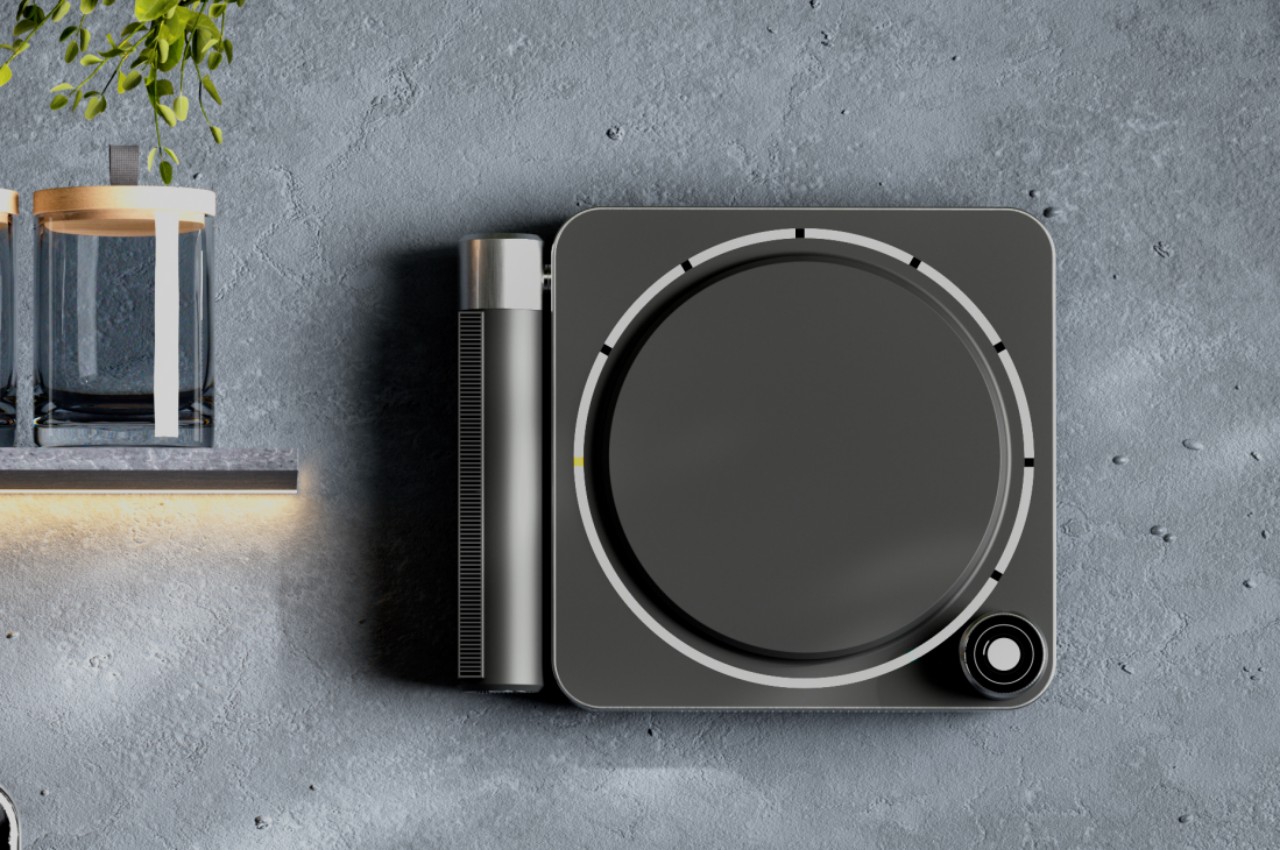
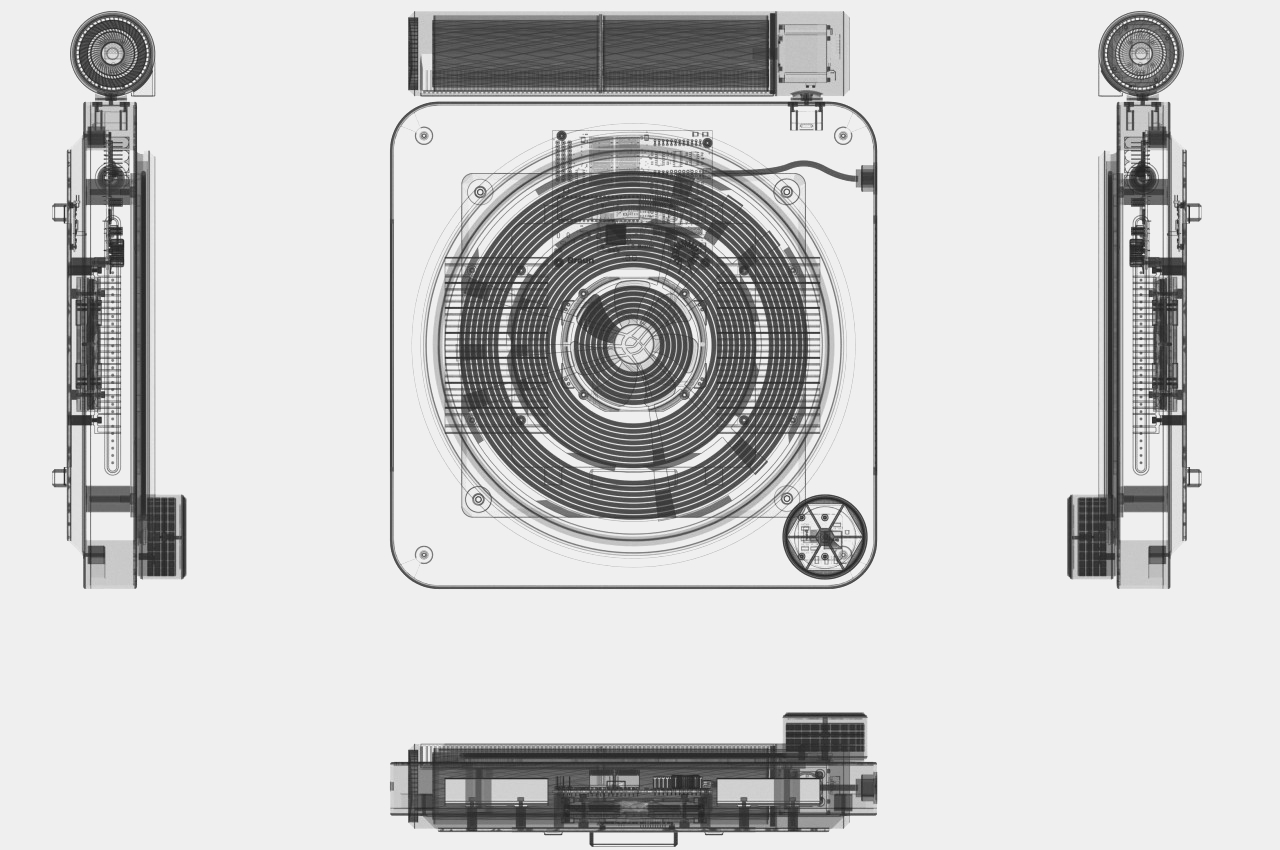
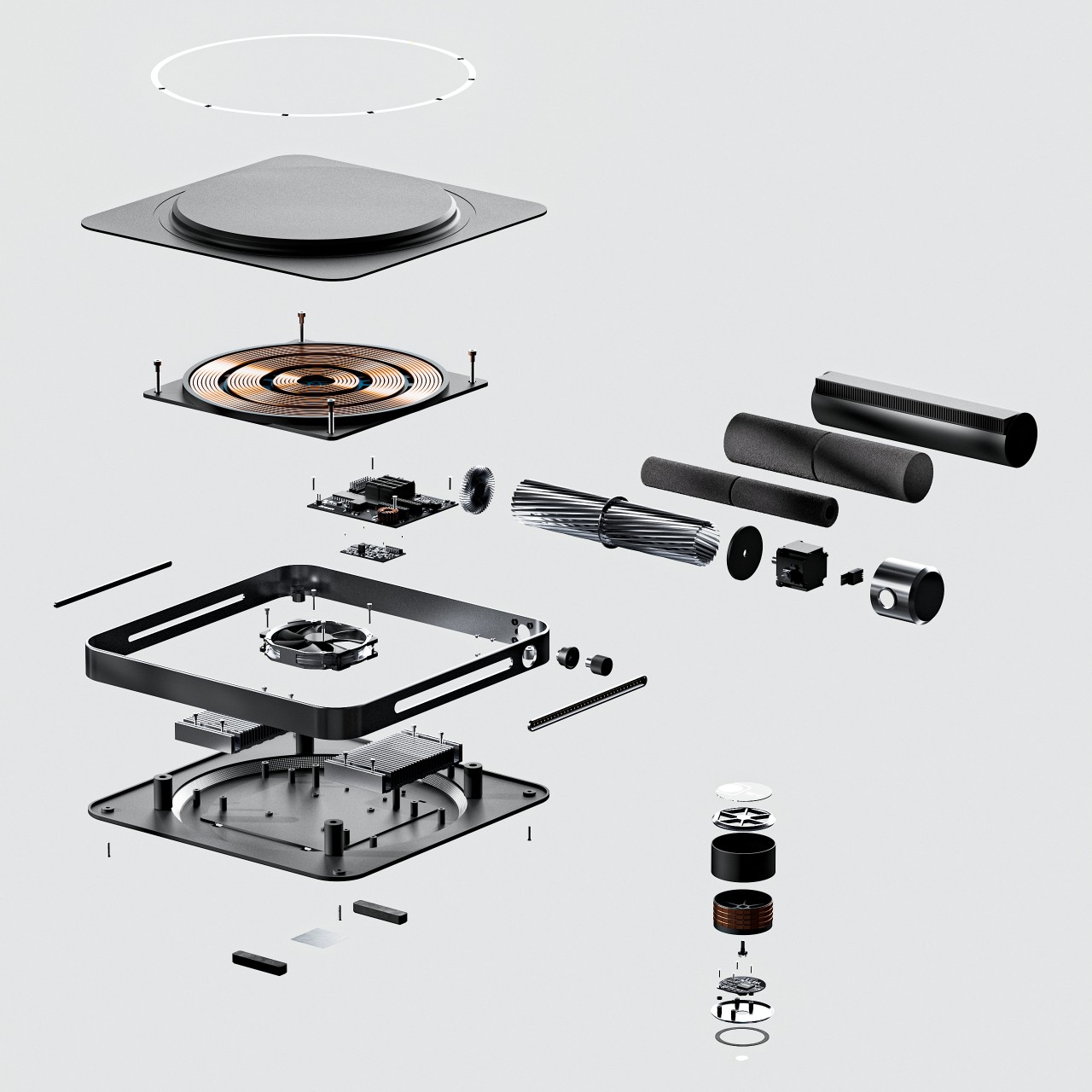
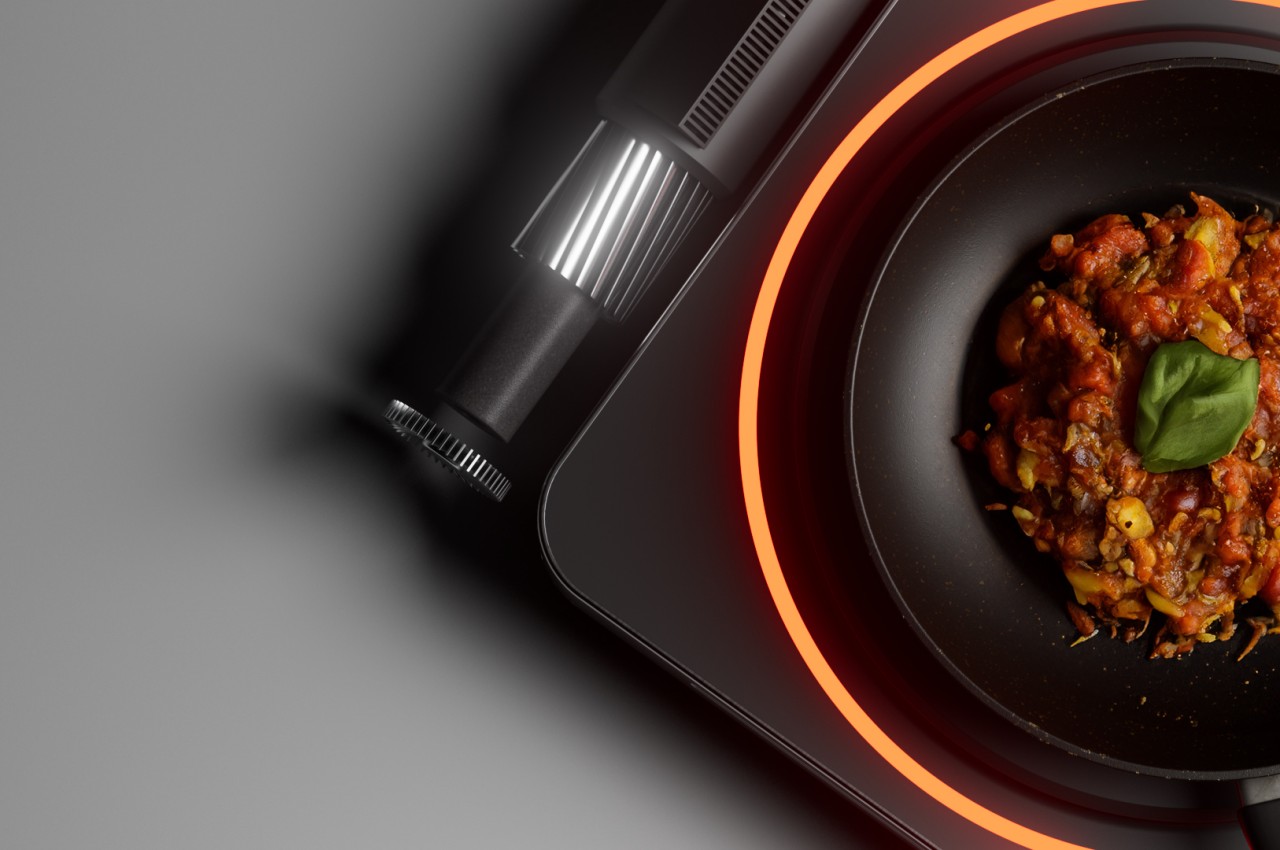
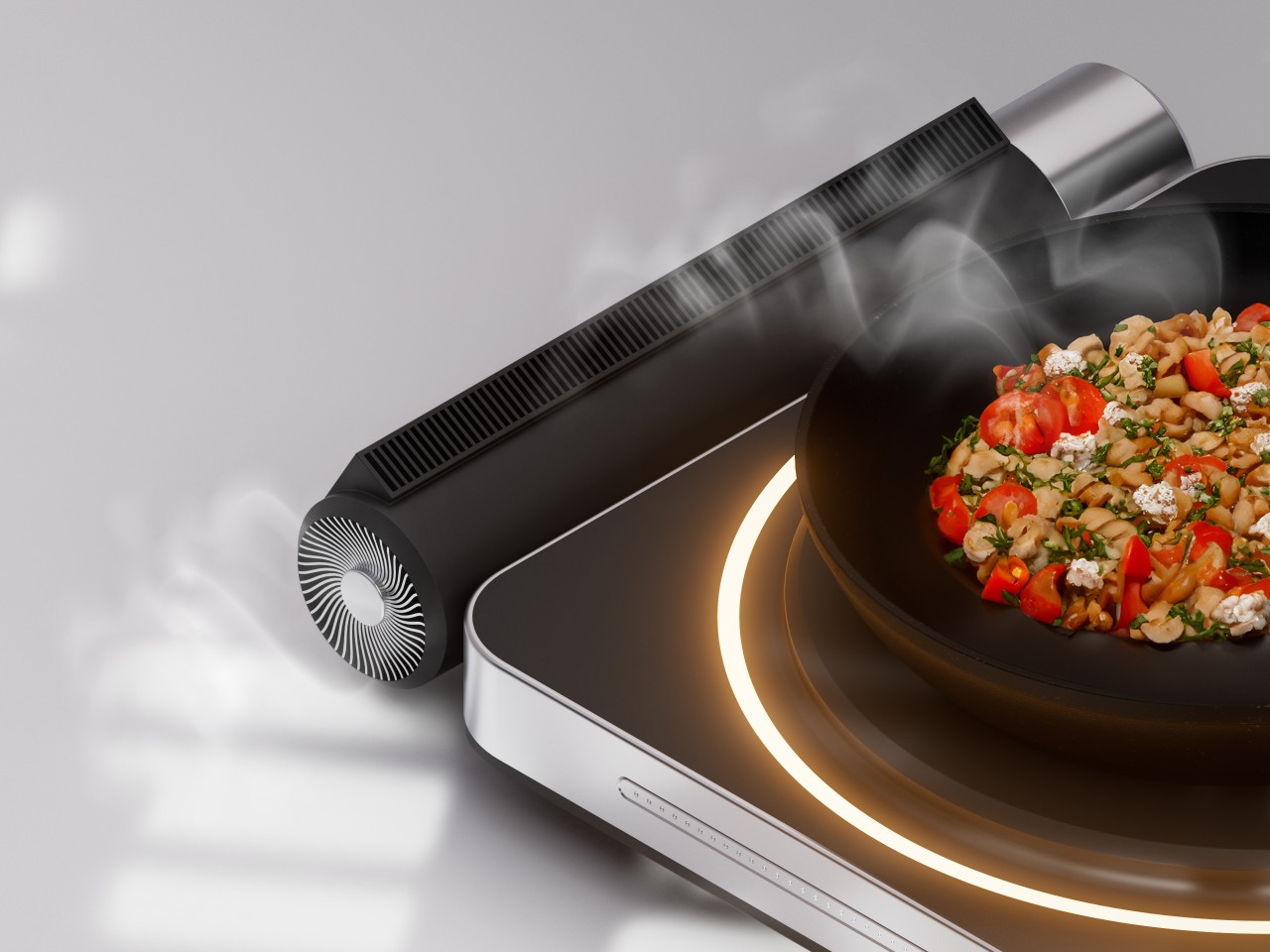
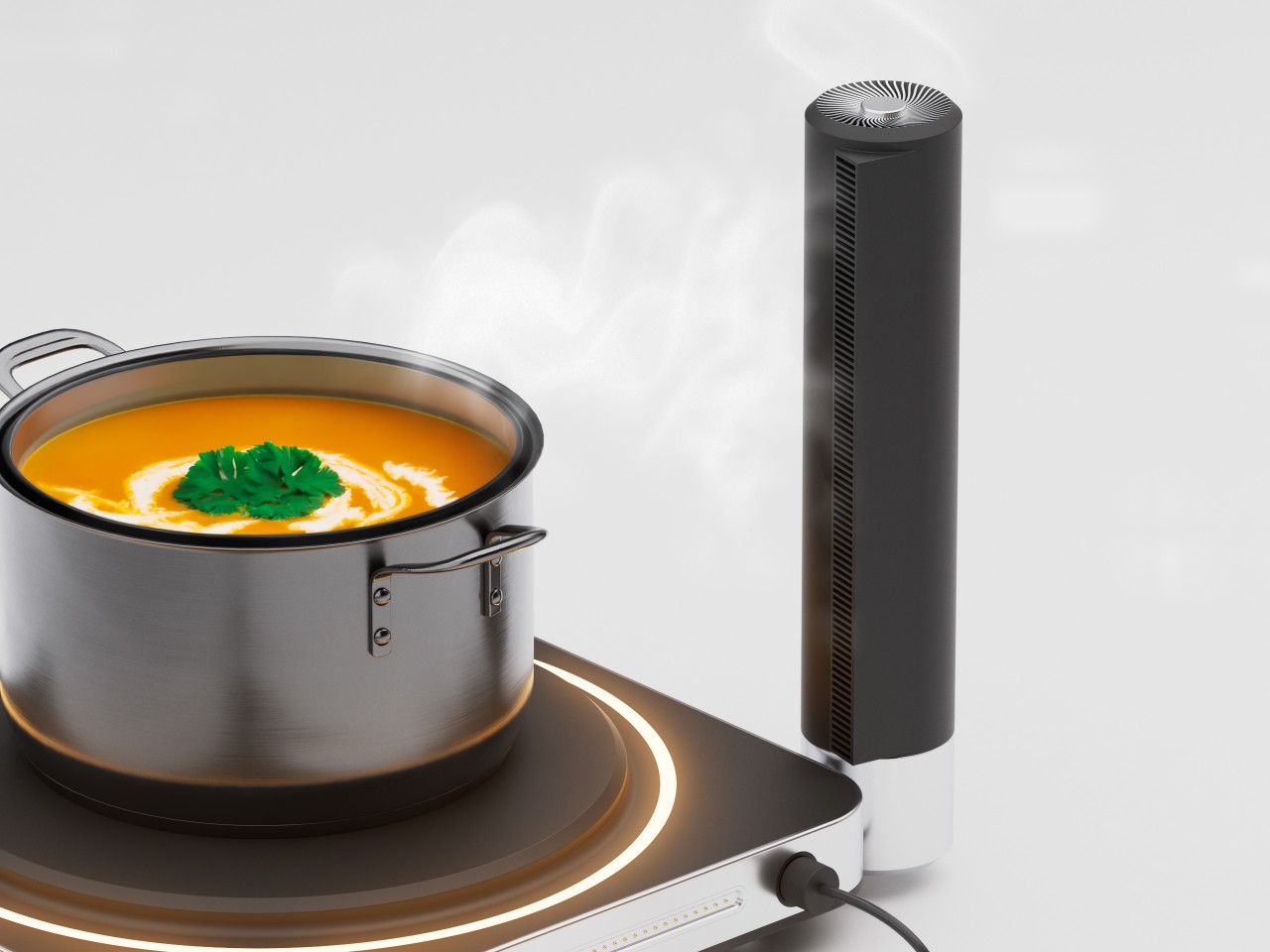
Somewhat ironically, the induction surface itself is the least exciting part of this design considering how the technology has more or less been perfected at this point. Instead, parts like the built-in Smart Air Filter offer a more interesting, especially since it’s almost invisible as part of the design. When you’re not in your kitchen, having access to a range hood with fans is almost impossible, and even at home those usually only suck up the smoke and nothing more. The SY10’s, however, uses carbon filters to remove not just harmful smoke but also odors, keeping indoor air clean without making too much noise. The filter lies horizontally right next to the cooktop, but if you have a taller pot or cookware, you can actually rotate the filter to make it stand, ensuring that no smoke escapes its fans.

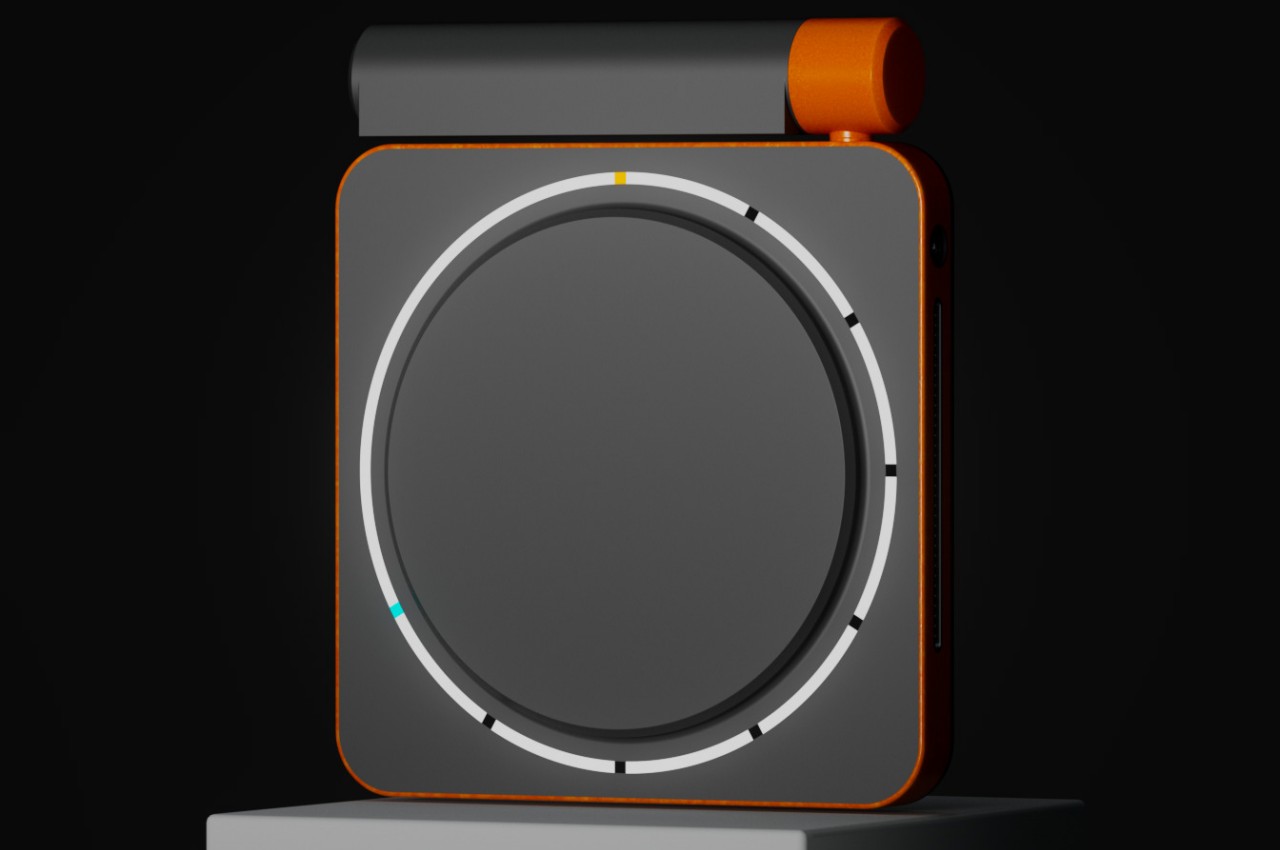
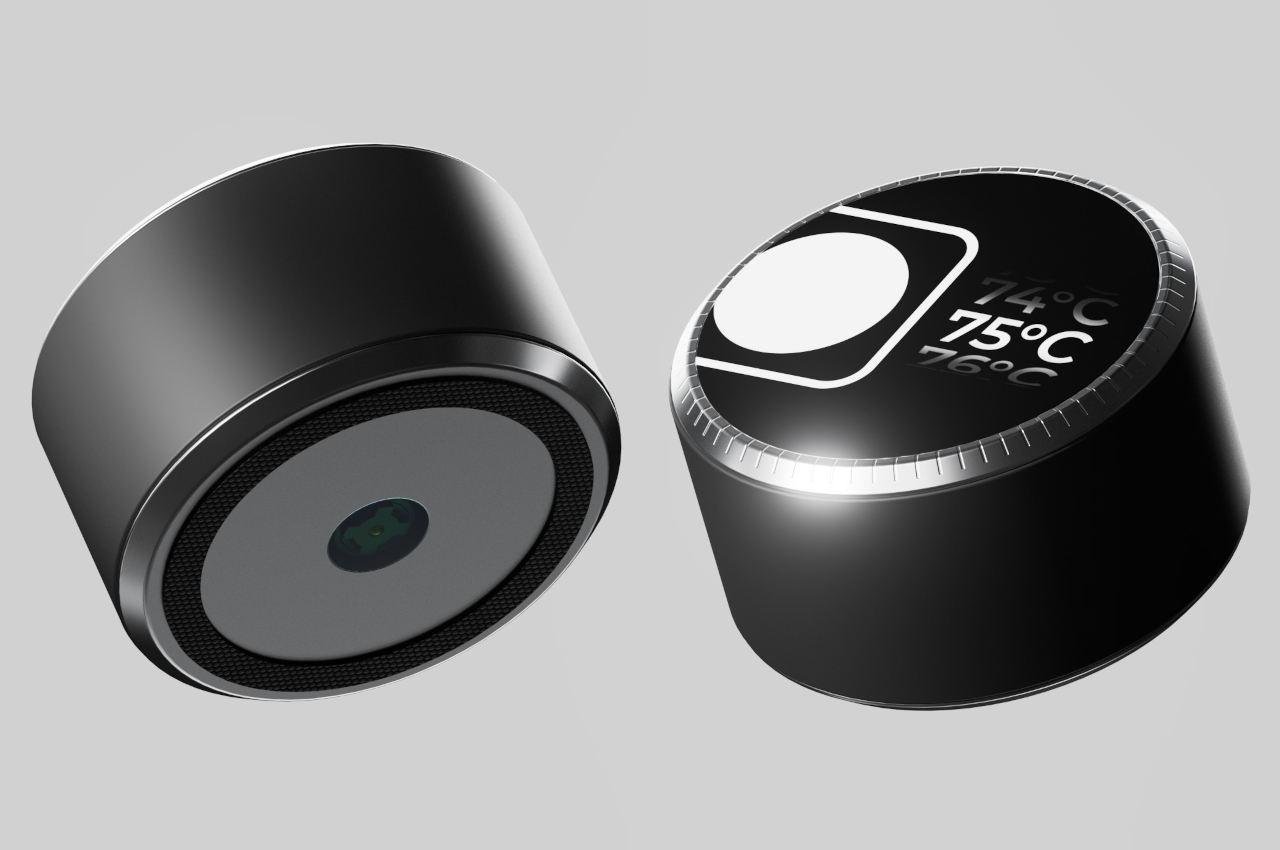
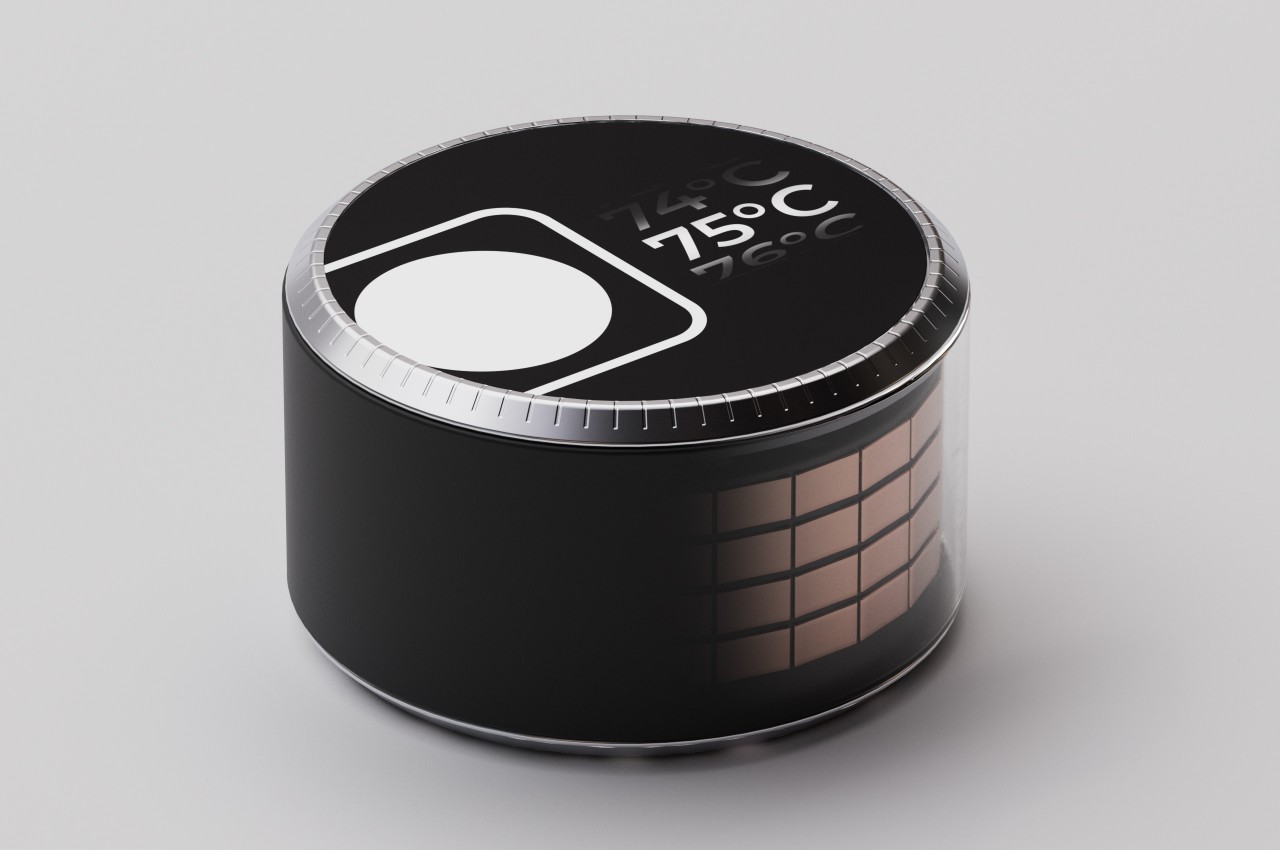
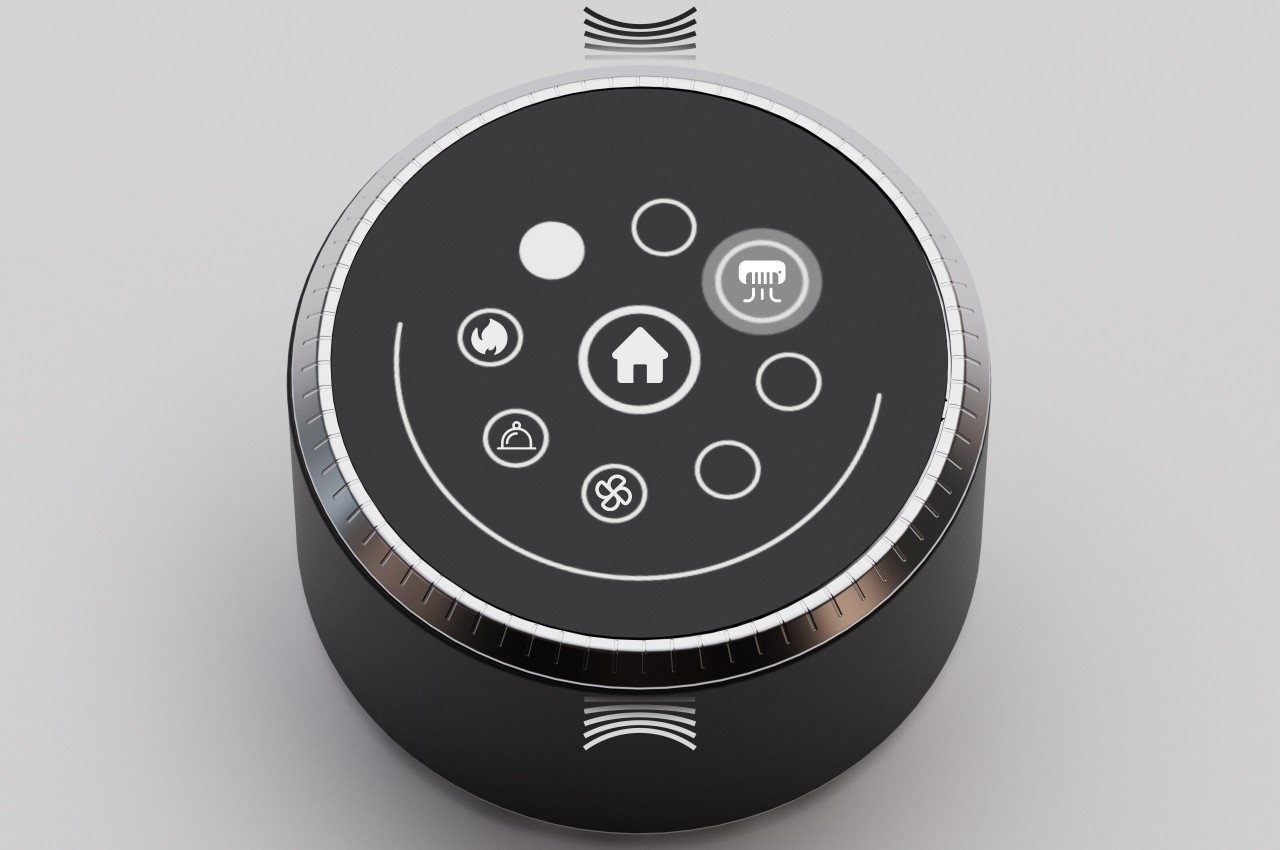
Most induction stovetops use touch-based interfaces to really capture that futuristic aesthetic, but it also makes them more confusing to handle and definitely less satisfying. The SY10’s Infinity Dial adds some good old-fashioned haptic feedback when you turn its ring, while a large circular display delivers instant information about the menus and functions you’re using. Amusingly, the dial requires you to squeeze its body to confirm an action rather than tapping that display, further emphasizing the physical dimension. Its more interesting feature, however, is a built-in camera and computer vision capabilities which allow it to look at a particular food or ingredient and determine whether it’s still good to use or if it’s going bad. And yes, that means you can actually detach the dial to use this function.

The SY10 design also includes a motherboard and other electronics to power its smart features, though its compact design might raise questions about the heat management that could affect those more sensitive parts. It does, however, need to be that compact in order to implement its portability, which would allow you to set up a small kitchen anywhere, whether indoors or outdoor, or even connect two such cooktops together. Those are important implementation details that need to be ironed out, but the concept remains an interesting one that could help take out some of the worries when cooking your meals away from home or even at home.

The post Portable Smart Induction Cooktop concept lets you cook healthy meals anywhere first appeared on Yanko Design.
Portable Smart Induction Cooktop concept lets you cook healthy meals anywhere

There are now several ways to get fresh and healthy meals delivered to you, but the best option is still to cook them yourself. You get to decide on the ingredients and the process, plus you can probably even save money in the long run. That said, cooking isn’t always easy or convenient, especially when you’re not at home or don’t even have access to a kitchen. Portable cooking equipment is slowly becoming an option, but many still fall short of providing convenience other than having a hot surface to cook on. This induction cooktop concept tries to address many of those shortcomings with features that help you cook smartly and safely while also borrowing the clean and minimalist aesthetic that the brand Braun is best known for.

Designer: Jenil Shah

While it’s true that all you need to cook most food is a hot surface for pans and pots, that is really just the most basic cooking experience and definitely not the most convenient. There are other factors you have to consider while cooking, not least of which is the smoke that cooking produces. Keeping tabs on the food you’re cooking or even the ingredients you will be using is also part of the process, and the SY10 portable smart induction cooktop wants to make those parts as painless as possible.

Somewhat ironically, the induction surface itself is the least exciting part of this design considering how the technology has more or less been perfected at this point. Instead, parts like the built-in Smart Air Filter offer a more interesting, especially since it’s almost invisible as part of the design. When you’re not in your kitchen, having access to a range hood with fans is almost impossible, and even at home those usually only suck up the smoke and nothing more. The SY10’s, however, uses carbon filters to remove not just harmful smoke but also odors, keeping indoor air clean without making too much noise. The filter lies horizontally right next to the cooktop, but if you have a taller pot or cookware, you can actually rotate the filter to make it stand, ensuring that no smoke escapes its fans.

Most induction stovetops use touch-based interfaces to really capture that futuristic aesthetic, but it also makes them more confusing to handle and definitely less satisfying. The SY10’s Infinity Dial adds some good old-fashioned haptic feedback when you turn its ring, while a large circular display delivers instant information about the menus and functions you’re using. Amusingly, the dial requires you to squeeze its body to confirm an action rather than tapping that display, further emphasizing the physical dimension. Its more interesting feature, however, is a built-in camera and computer vision capabilities which allow it to look at a particular food or ingredient and determine whether it’s still good to use or if it’s going bad. And yes, that means you can actually detach the dial to use this function.

The SY10 design also includes a motherboard and other electronics to power its smart features, though its compact design might raise questions about the heat management that could affect those more sensitive parts. It does, however, need to be that compact in order to implement its portability, which would allow you to set up a small kitchen anywhere, whether indoors or outdoor, or even connect two such cooktops together. Those are important implementation details that need to be ironed out, but the concept remains an interesting one that could help take out some of the worries when cooking your meals away from home or even at home.

The post Portable Smart Induction Cooktop concept lets you cook healthy meals anywhere first appeared on Yanko Design.
Portable Smart Induction Cooktop concept lets you cook healthy meals anywhere

There are now several ways to get fresh and healthy meals delivered to you, but the best option is still to cook them yourself. You get to decide on the ingredients and the process, plus you can probably even save money in the long run. That said, cooking isn’t always easy or convenient, especially when you’re not at home or don’t even have access to a kitchen. Portable cooking equipment is slowly becoming an option, but many still fall short of providing convenience other than having a hot surface to cook on. This induction cooktop concept tries to address many of those shortcomings with features that help you cook smartly and safely while also borrowing the clean and minimalist aesthetic that the brand Braun is best known for.

Designer: Jenil Shah

While it’s true that all you need to cook most food is a hot surface for pans and pots, that is really just the most basic cooking experience and definitely not the most convenient. There are other factors you have to consider while cooking, not least of which is the smoke that cooking produces. Keeping tabs on the food you’re cooking or even the ingredients you will be using is also part of the process, and the SY10 portable smart induction cooktop wants to make those parts as painless as possible.

Somewhat ironically, the induction surface itself is the least exciting part of this design considering how the technology has more or less been perfected at this point. Instead, parts like the built-in Smart Air Filter offer a more interesting, especially since it’s almost invisible as part of the design. When you’re not in your kitchen, having access to a range hood with fans is almost impossible, and even at home those usually only suck up the smoke and nothing more. The SY10’s, however, uses carbon filters to remove not just harmful smoke but also odors, keeping indoor air clean without making too much noise. The filter lies horizontally right next to the cooktop, but if you have a taller pot or cookware, you can actually rotate the filter to make it stand, ensuring that no smoke escapes its fans.

Most induction stovetops use touch-based interfaces to really capture that futuristic aesthetic, but it also makes them more confusing to handle and definitely less satisfying. The SY10’s Infinity Dial adds some good old-fashioned haptic feedback when you turn its ring, while a large circular display delivers instant information about the menus and functions you’re using. Amusingly, the dial requires you to squeeze its body to confirm an action rather than tapping that display, further emphasizing the physical dimension. Its more interesting feature, however, is a built-in camera and computer vision capabilities which allow it to look at a particular food or ingredient and determine whether it’s still good to use or if it’s going bad. And yes, that means you can actually detach the dial to use this function.

The SY10 design also includes a motherboard and other electronics to power its smart features, though its compact design might raise questions about the heat management that could affect those more sensitive parts. It does, however, need to be that compact in order to implement its portability, which would allow you to set up a small kitchen anywhere, whether indoors or outdoor, or even connect two such cooktops together. Those are important implementation details that need to be ironed out, but the concept remains an interesting one that could help take out some of the worries when cooking your meals away from home or even at home.

The post Portable Smart Induction Cooktop concept lets you cook healthy meals anywhere first appeared on Yanko Design.