Here is a fun little irony nobody asked for. The same AI boom that is making your laptop smarter is also making storage more expensive and harder to get, because every gigabyte of NAND that could go into your next SSD is currently being fought over by datacenters training the next big model. Micron basically said the quiet part out loud this year, killing off its own consumer brand Crucial to chase those fatter AI margins. Less choice for regular people, more racks for hyperscalers. Meanwhile the actual demands on your personal storage have only gone up, phones shooting in formats that used to require a cinema camera, and pockets that were never designed to also carry a second device.
Which makes it almost funny that Lexar, the brand Micron itself walked away from years ago, just used its 30th birthday to launch the kind of drive that actually solves that pocket problem. You have probably had a Lexar SD card in a camera bag at some point, or bought one of its USB drives without thinking twice about who made it. At IFA 2026 in Berlin, the company unveiled the Muse Ultra-Slim Portable SSD, a magnetic, credit-card-thin drive built for phone shooters drowning in 4K footage or even people within the Apple ecosystem who don’t want to splurge on cloud storage. Turns out the company nobody expected much from just built the phone accessory a lot of us did not know we needed.
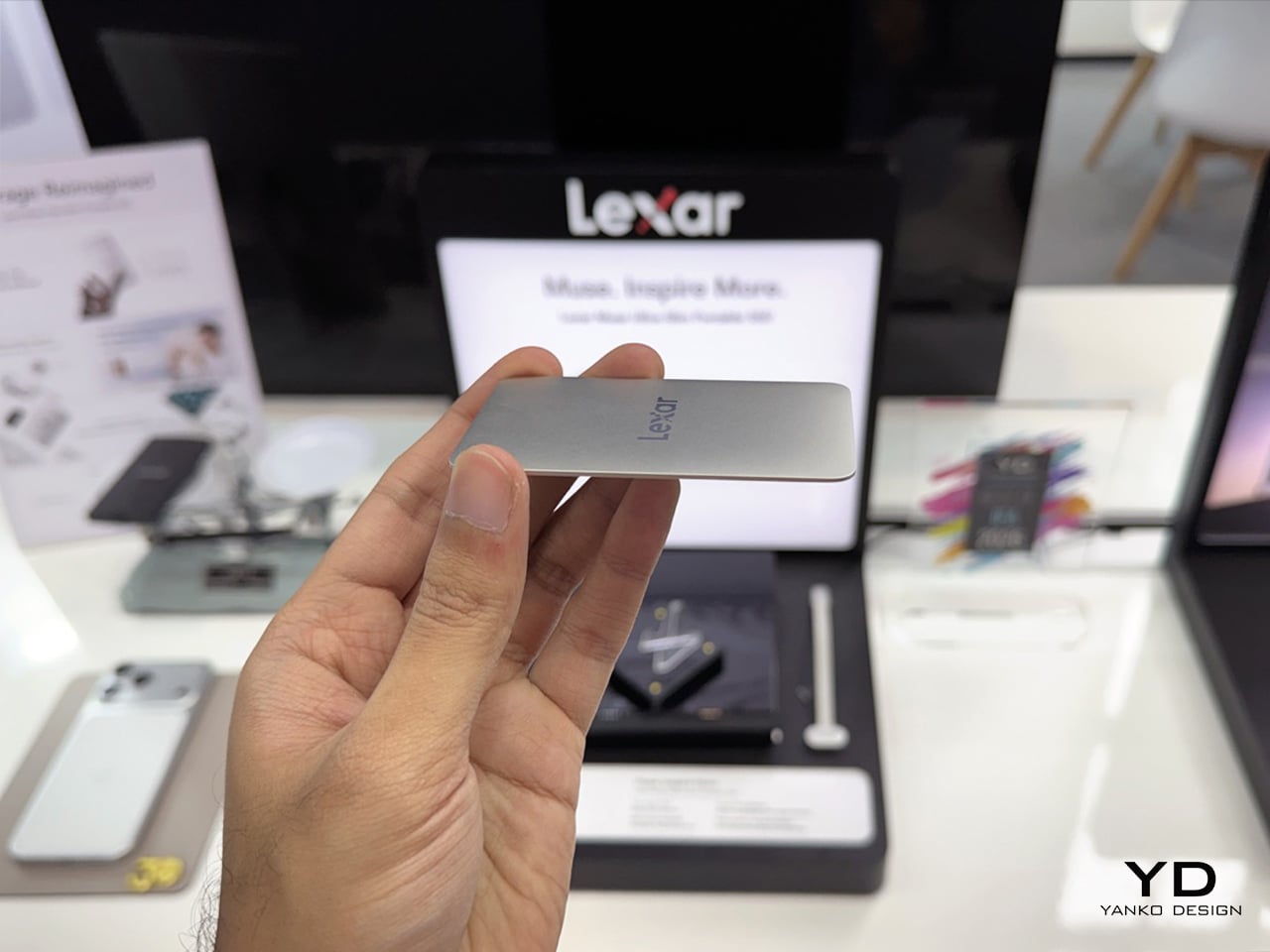
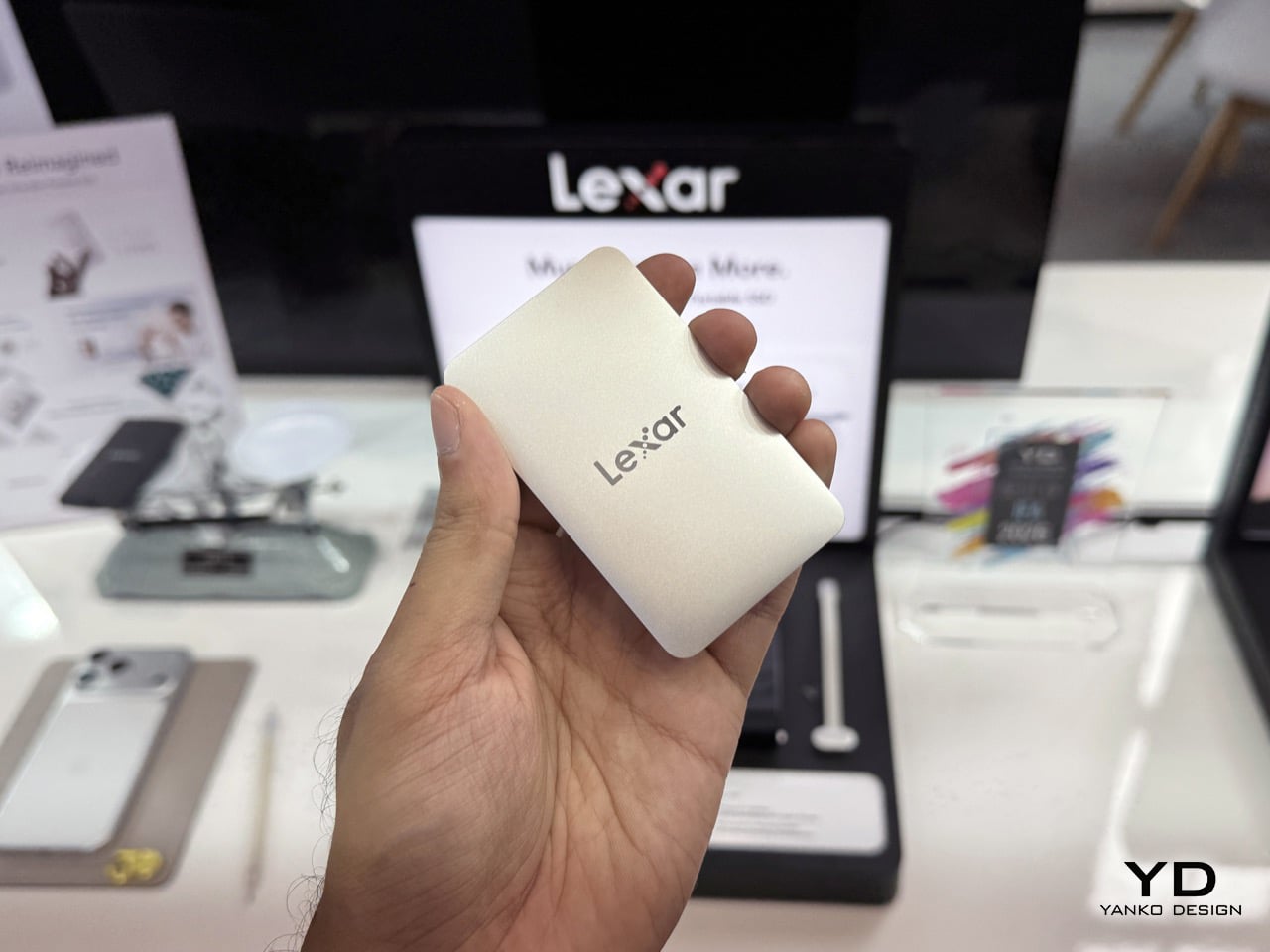
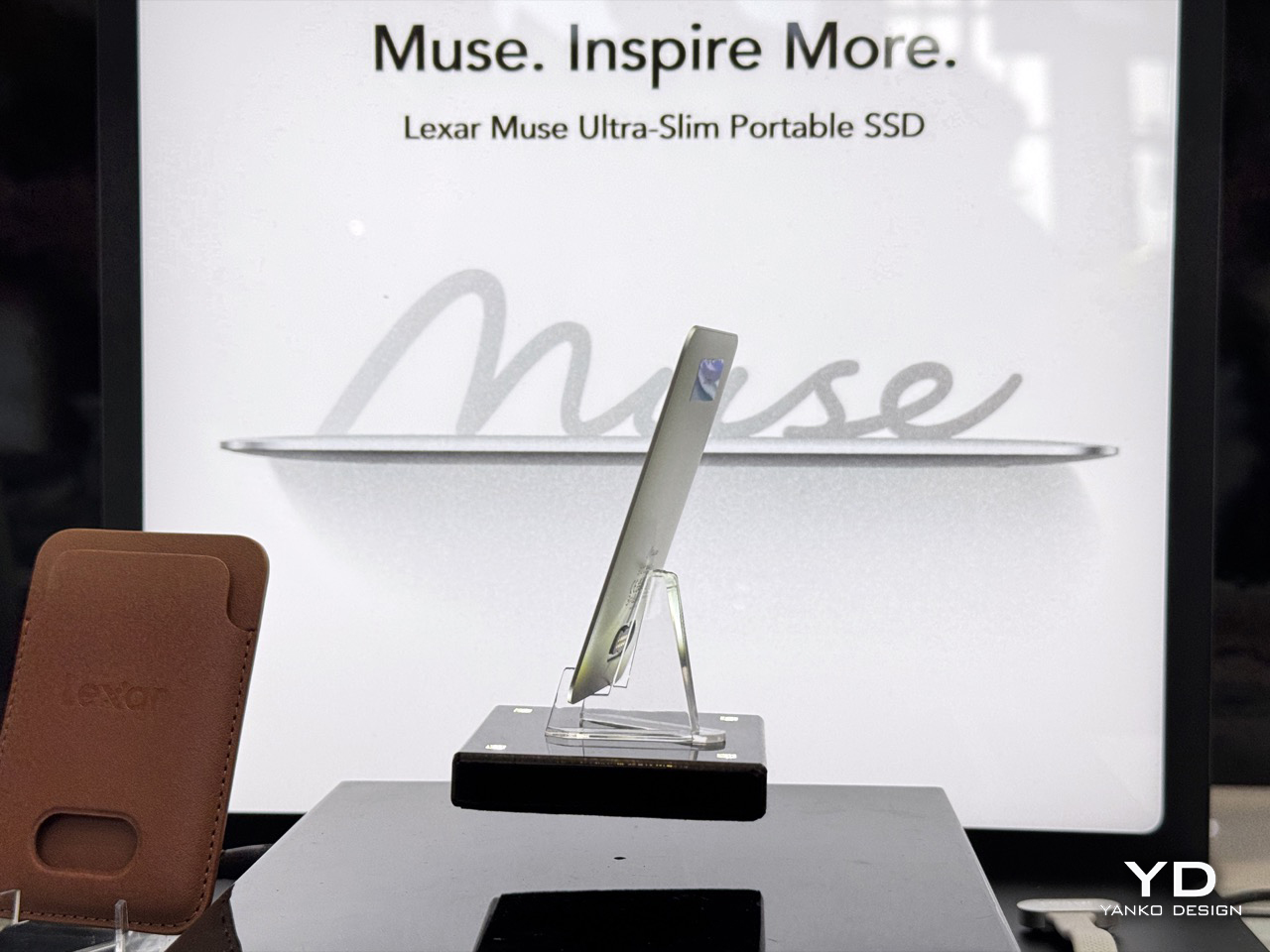
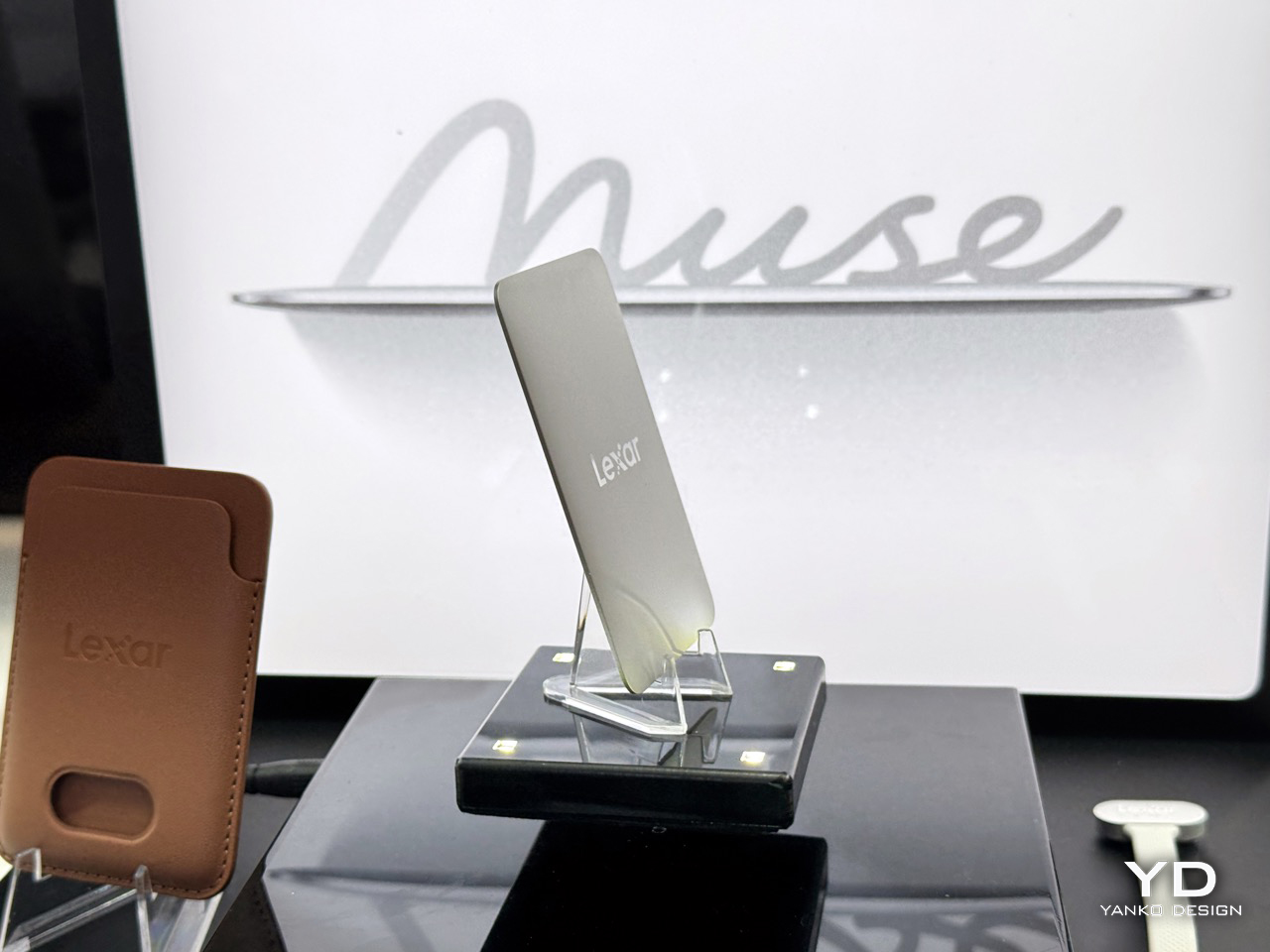
The first thing you notice about the Muse is how little of it there actually is. Lexar carved the enclosure from a single block of metal, no seams, no visible joints, tapering from roughly 3.8mm at its thickest edge down to a single millimeter at the rim, numbers the company is calling the thinnest and lightest portable SSD on the market right now. Hold it flat and it genuinely reads more like a guitar pick than a storage device. Getting there required shrinking everything else too, a custom ultra-thin circuit board and tightly stacked NAND dies packed into a shell with almost no wasted volume. This is not a drive that got thin by cutting corners on capacity or speed either, which is usually where these design exercises fall apart.
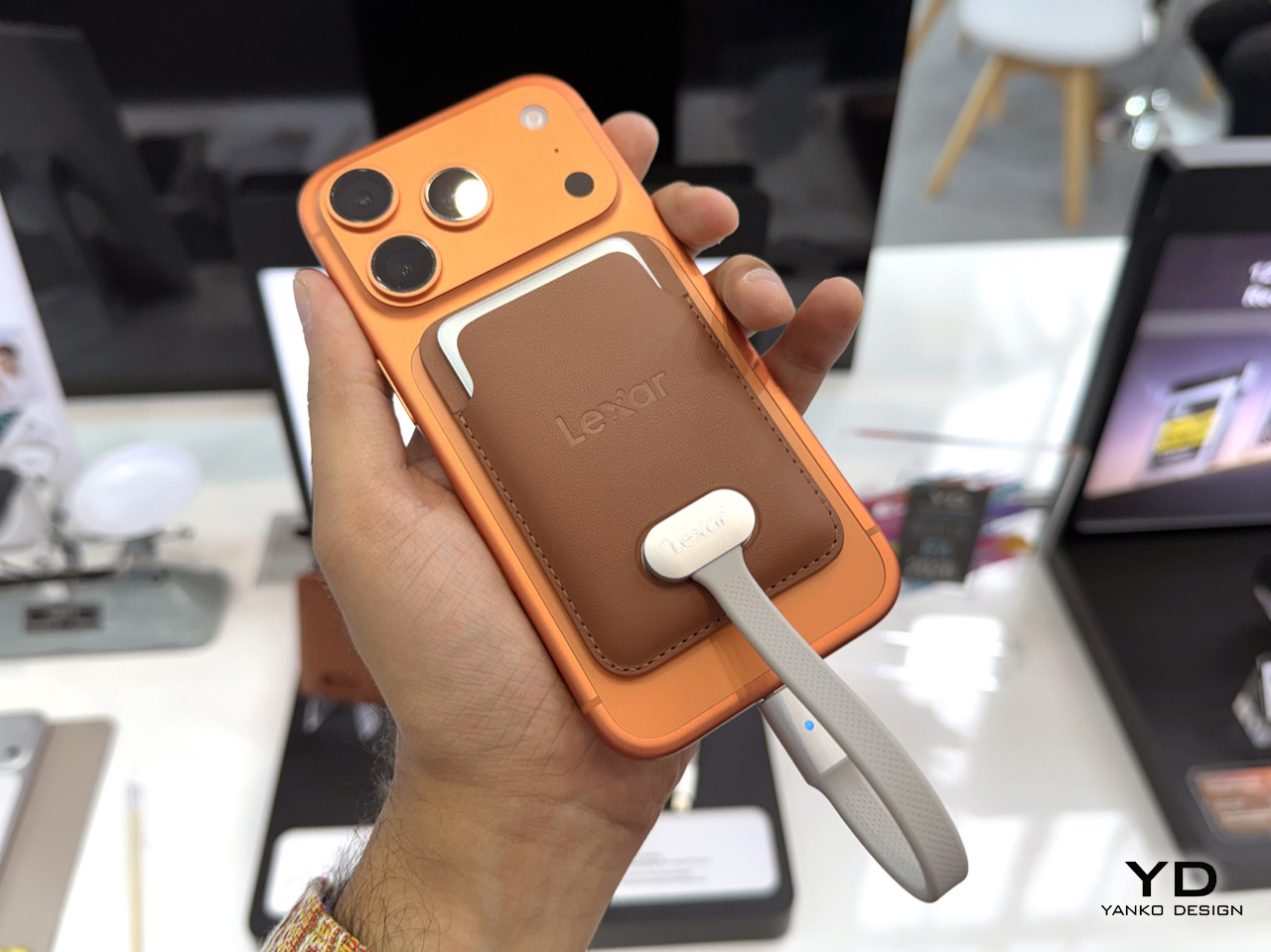
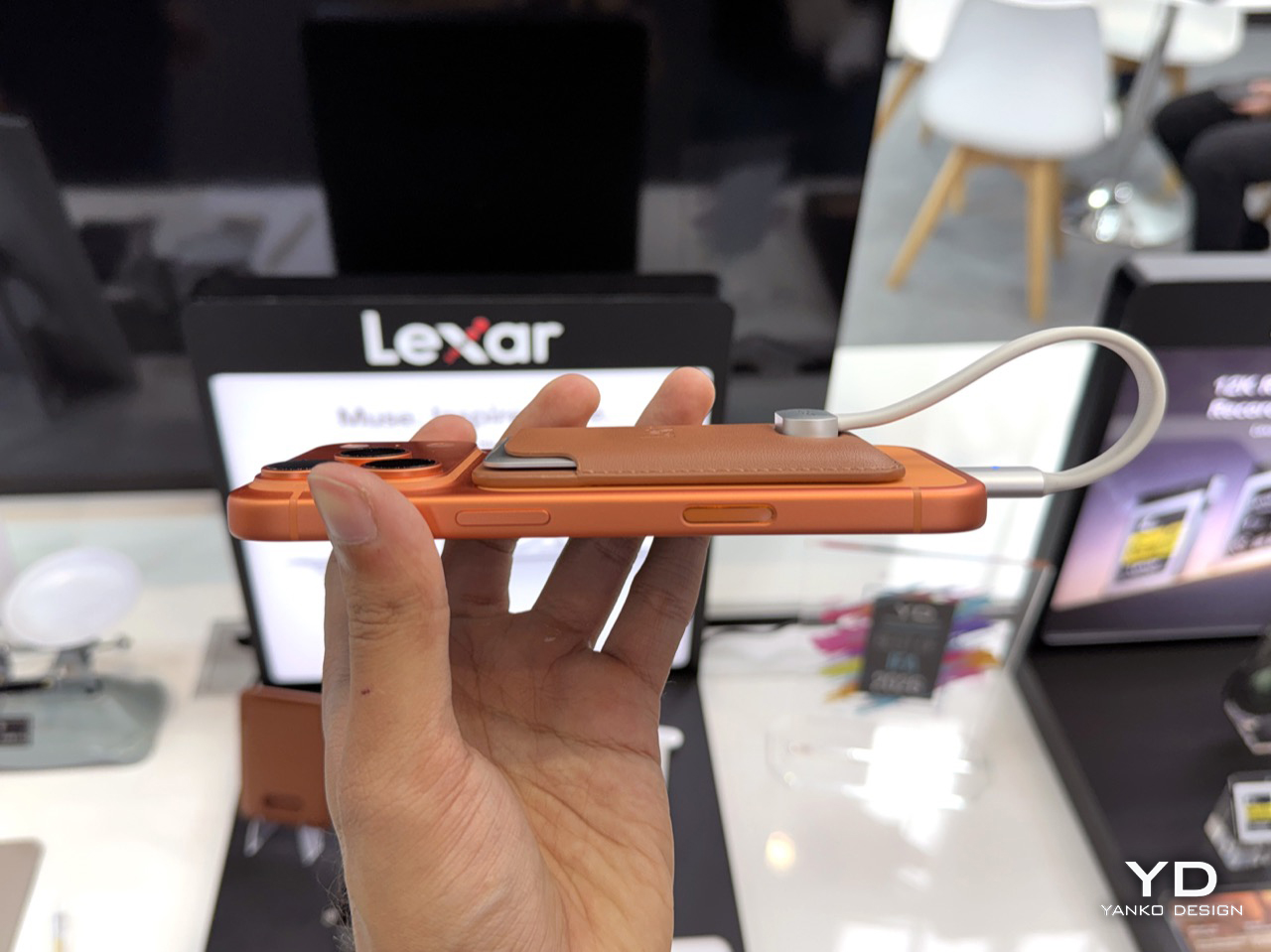
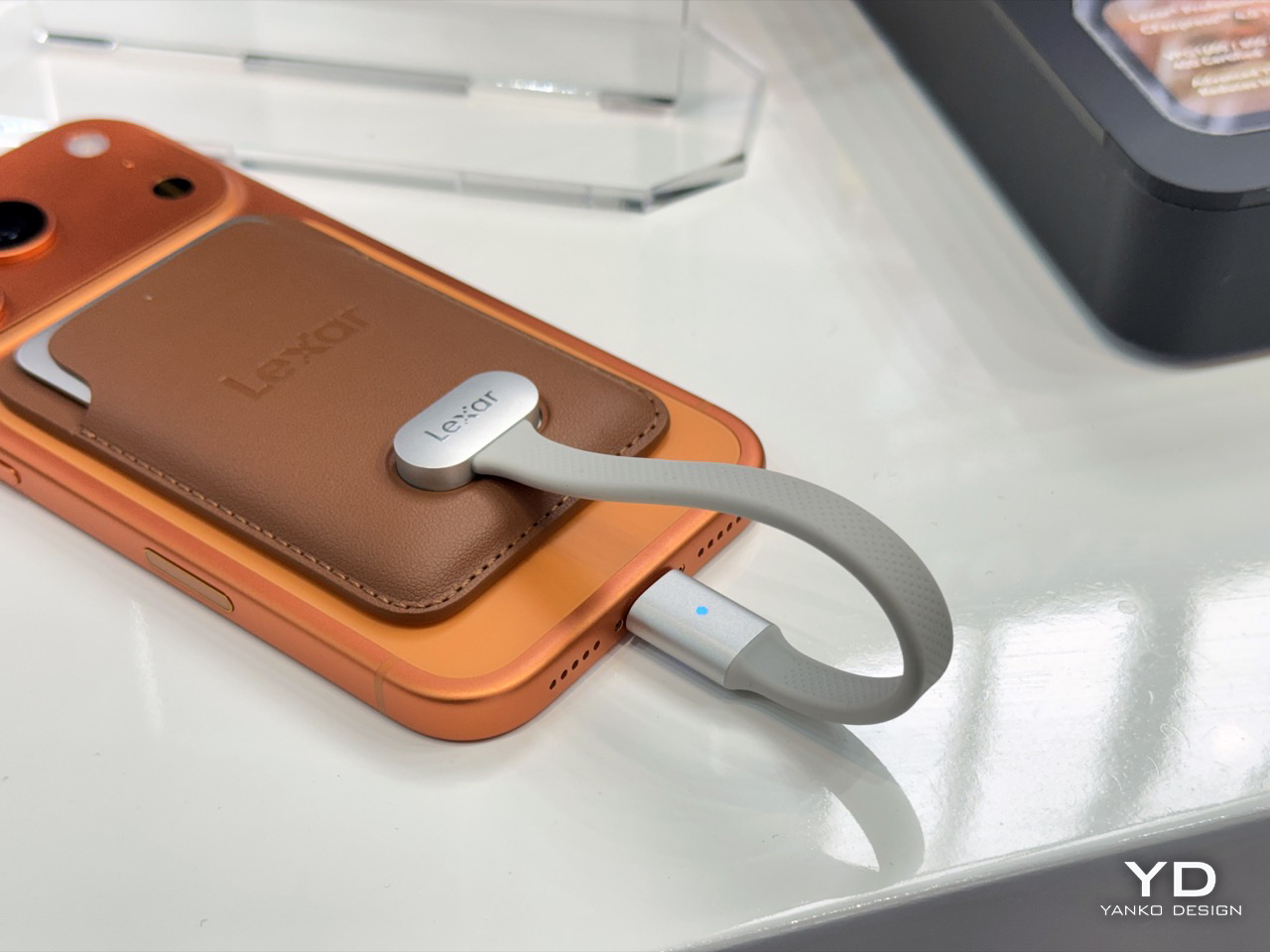
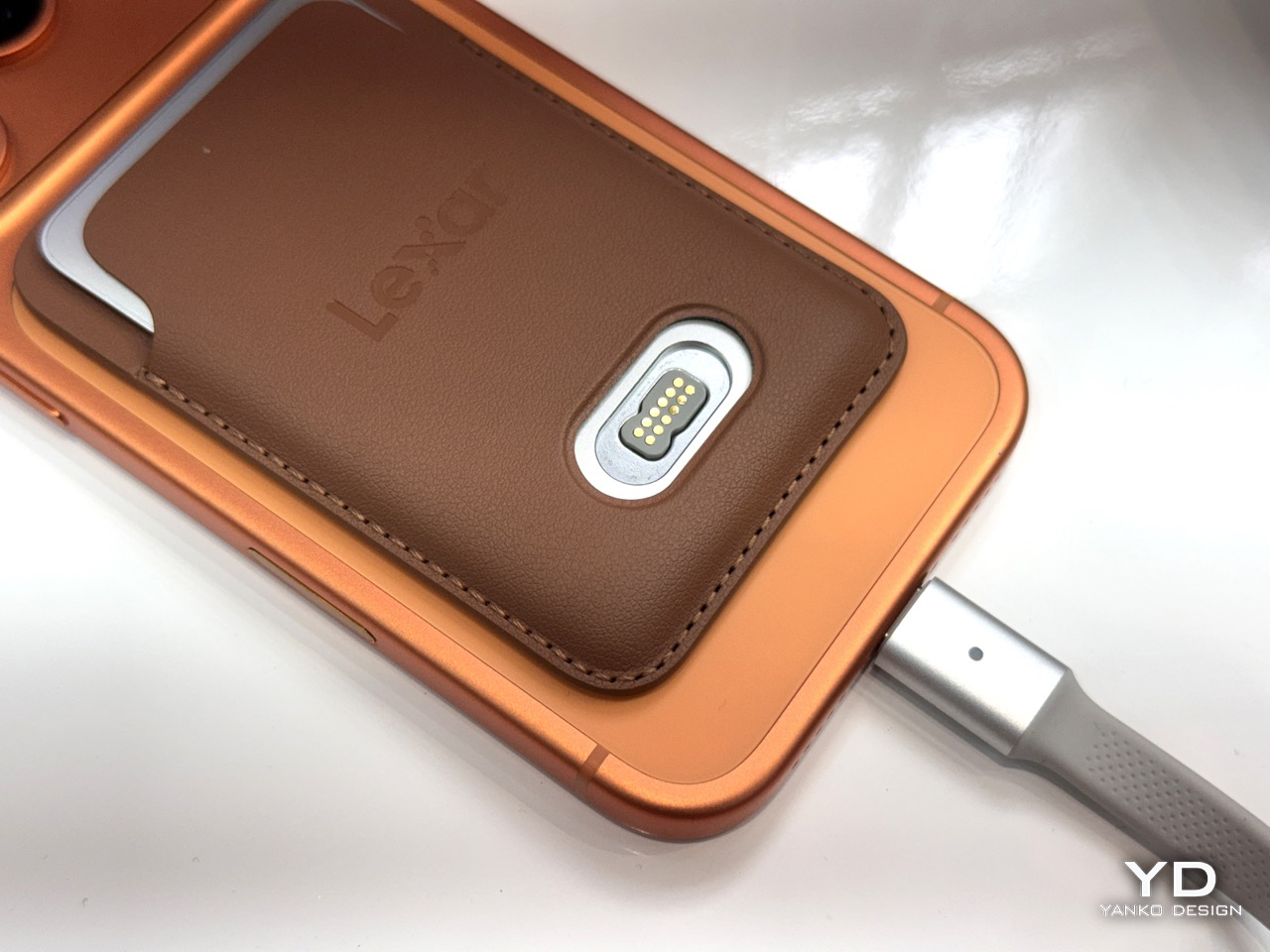
The magnetic attachment system is pretty impressive, because adding a USB-C port on the Muse would mean complicating the build and making things thicker. Lexar built a proprietary PogoPin connector for the data link, paired with a bundled SnapLink Magnetic Cable, and backed both the connector and the carry sleeve with N52-grade neodymium magnets, serious holding power for something this small. Slot the drive into its sleeve, snap the whole assembly onto a MagSafe iPhone, and your rig sits flush against the back of the phone rather than tugging at a port from underneath. Anyone who has fumbled a cable connection mid-handheld shot will understand immediately why that matters more than the spec sheet suggests.
Lexar quotes 1,050MB/s read and 1,000MB/s write, comfortably clearing Apple’s 440MB/s threshold for unlocking 4K120 ProRes recording on external storage, with plenty of room left over for whatever comes next. That puts the Muse in direct conversation with the SanDisk Creator Phone SSD, the drive that has largely owned this category since it launched at CES 2025 with a rugged silicone shell and an IP65 rating. Lexar decided to bet instead on thinness and weight as the whole pitch, creating something close to a MacBook Air moment for portable SSDs, where the headline spec is simply how little of the product you notice. It arrives in 512GB and 1TB capacities starting Q4 2026, with pricing yet to be announced.
The Muse was not the only thing on Lexar’s IFA floor. The company also showed off its AI Storage Core concepts, next-gen Gen5 SSD and Storage Stick hardware built around a custom Longsys controller and a caching layer called Luma Bridge, aimed at feeding local AI models faster while easing pressure on scarce DRAM. Alongside that sat a new Dashcam USB Flash Drive Series, automotive-grade sticks rated for extreme cabin temperatures and built to survive the kind of nonstop loop recording that kills cheaper drives inside a year. Neither is available to buy yet, but both point at where Lexar’s next thirty years are headed, well past the camera bag.
Premium design with wood grain finish and canvas-like matting
Rear LED Gallery Lighting adds warmth and dimension to photos
Large 15.6-inch anti-glare display with excellent visibility
Generous 64GB internal storage
Simple setup and effortless sharing via the Frameo app
CONS:
No built-in battery
Video playback is capped at 15 seconds
Uploading more than 10 photos at once remotely requires the optional Frameo+ subscription
RATINGS:
AESTHETICS
ERGONOMICS
PERFORMANCE
SUSTAINABILITY / REPAIRABILITY
VALUE FOR MONEY
EDITOR'S QUOTE:
The Pexar Starlight blends premium design and an all-new gallery lighting into a digital frame that finally feels as special as the memories it displays.
Digital photo frames have been around for years, but finding one that actually looks good in your living room remains surprisingly difficult. Most feel like gadgets that happen to show pictures rather than thoughtful décor pieces. They display photos well enough, but they rarely inspire the kind of emotional connection that makes you want to give them the best spot in your home.
The Pexar Starlight 15.6-inch Digital Picture Frame approaches photo display differently by adding integrated lighting that makes memories glow like gallery pieces. Born from Lexar’s imaging expertise, this frame combines a generous screen with thoughtful design details that celebrate photos rather than just showing them. Let’s see how it actually fares in practice.
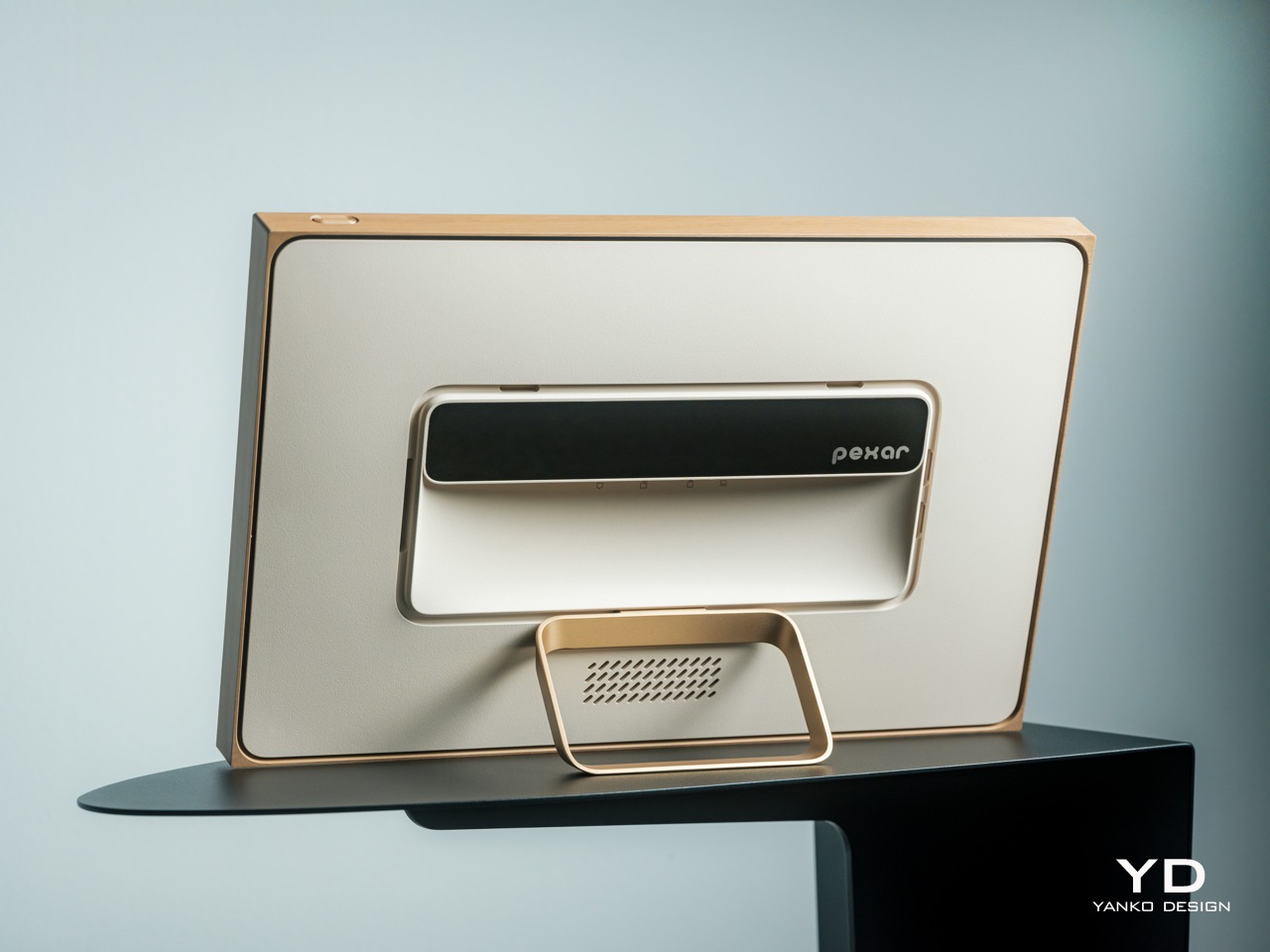
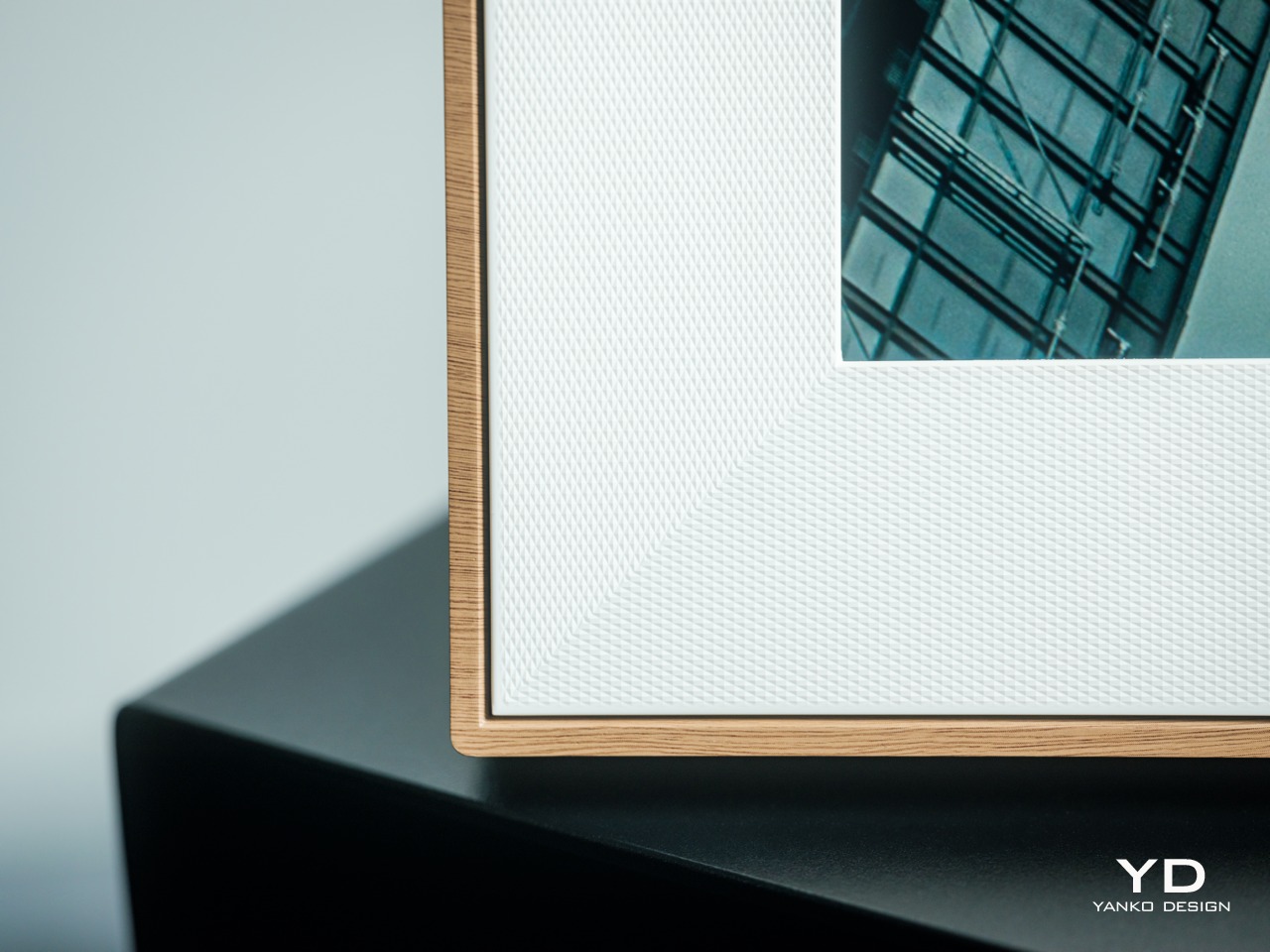
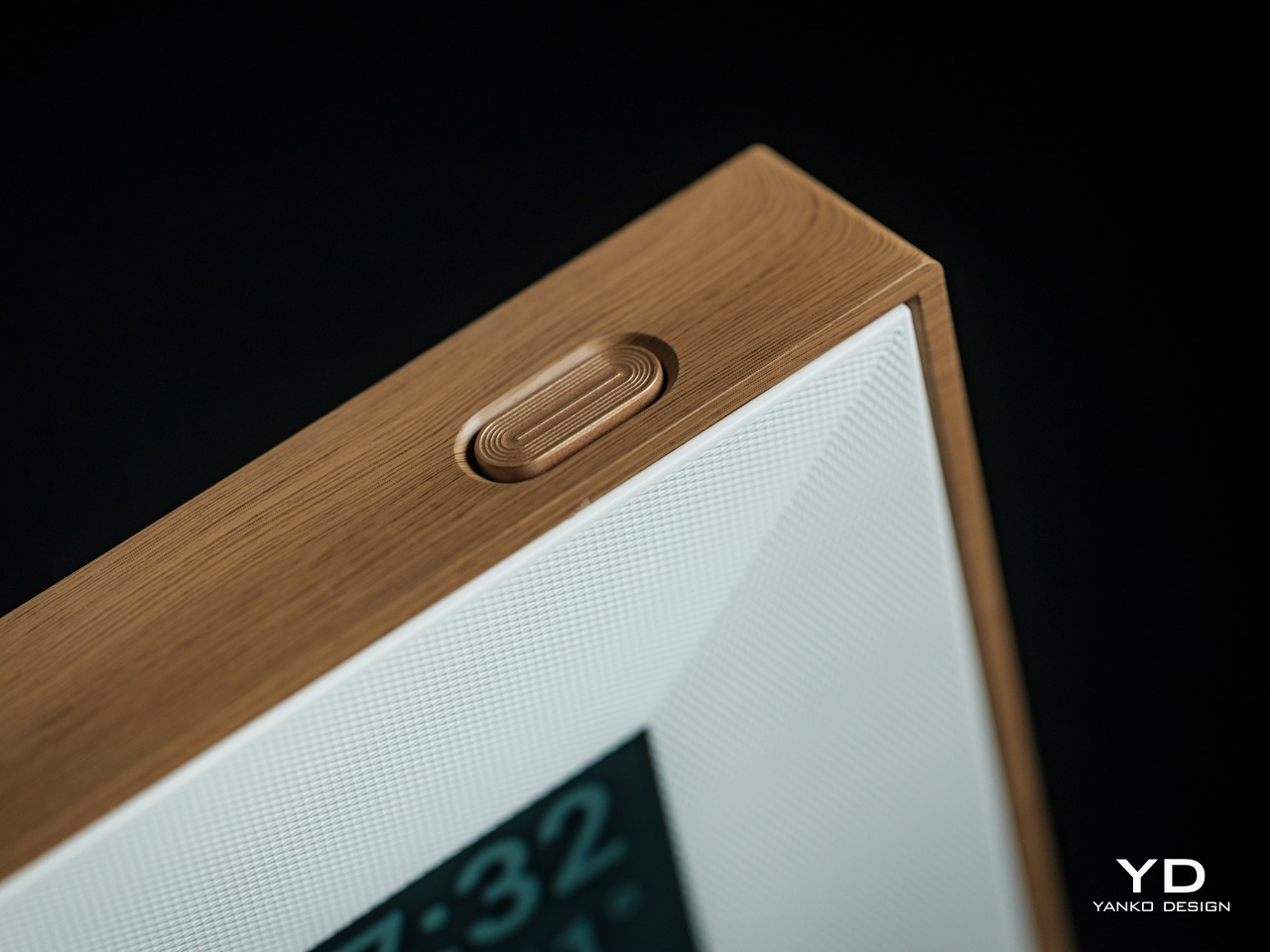
Unboxing the Starlight reveals a wood-grain finish that immediately separates it from typical digital frames dominated by glossy plastic. The texture has genuine depth and character, not just a printed pattern attempting to mimic wood. Running fingers across the surface reveals a tactile quality that makes the frame feel substantial, like furniture designed to last rather than disposable tech.
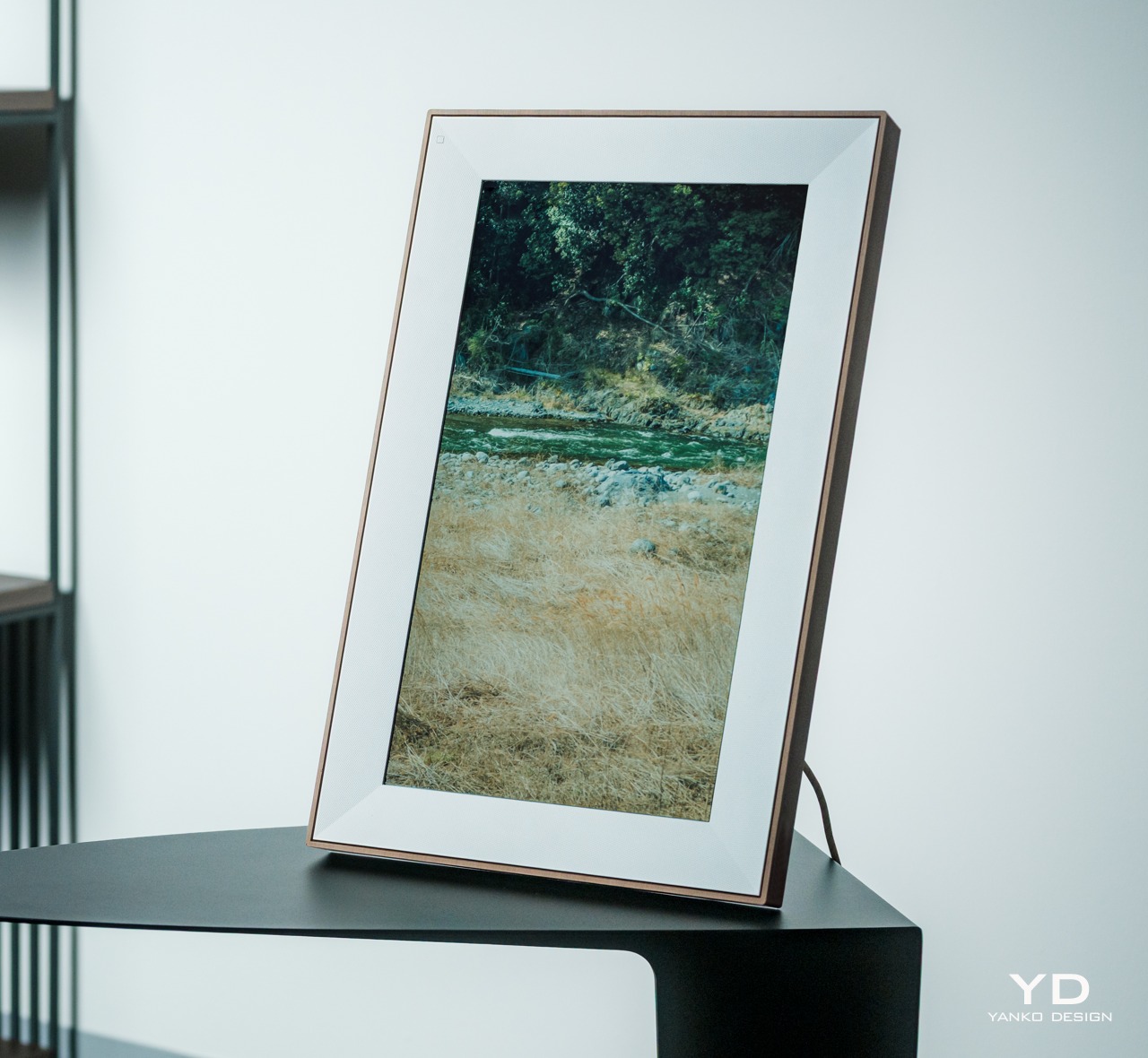
The canvas-like matting surrounding the display creates instant gallery vibes without trying too hard. Every photo cycling through looks intentional and curated, as if someone carefully selected each image for exhibition. This presentation quality works magic on even casual smartphone snapshots, making everyday moments feel more special than they did when scrolling through a camera roll mindlessly.
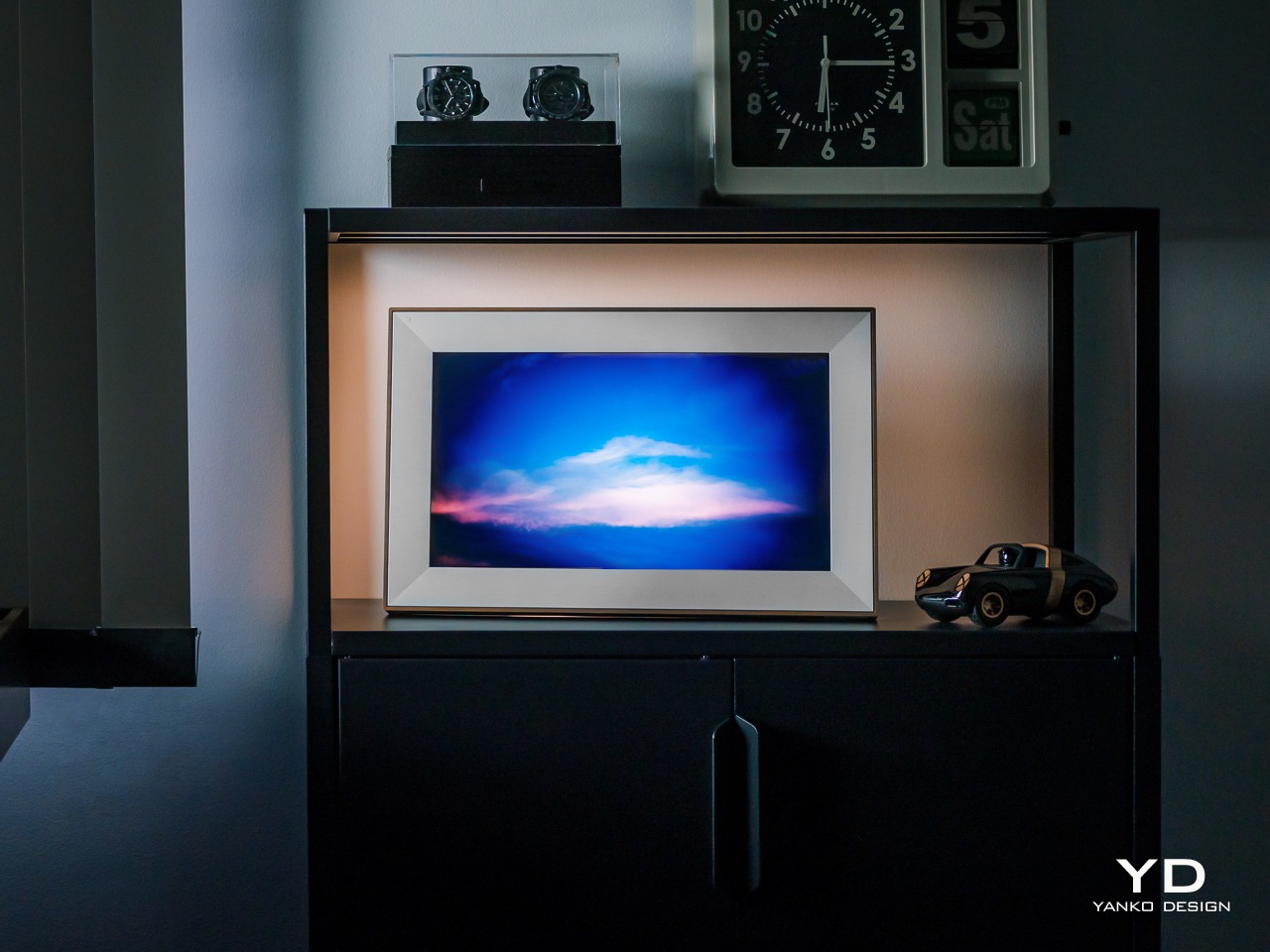
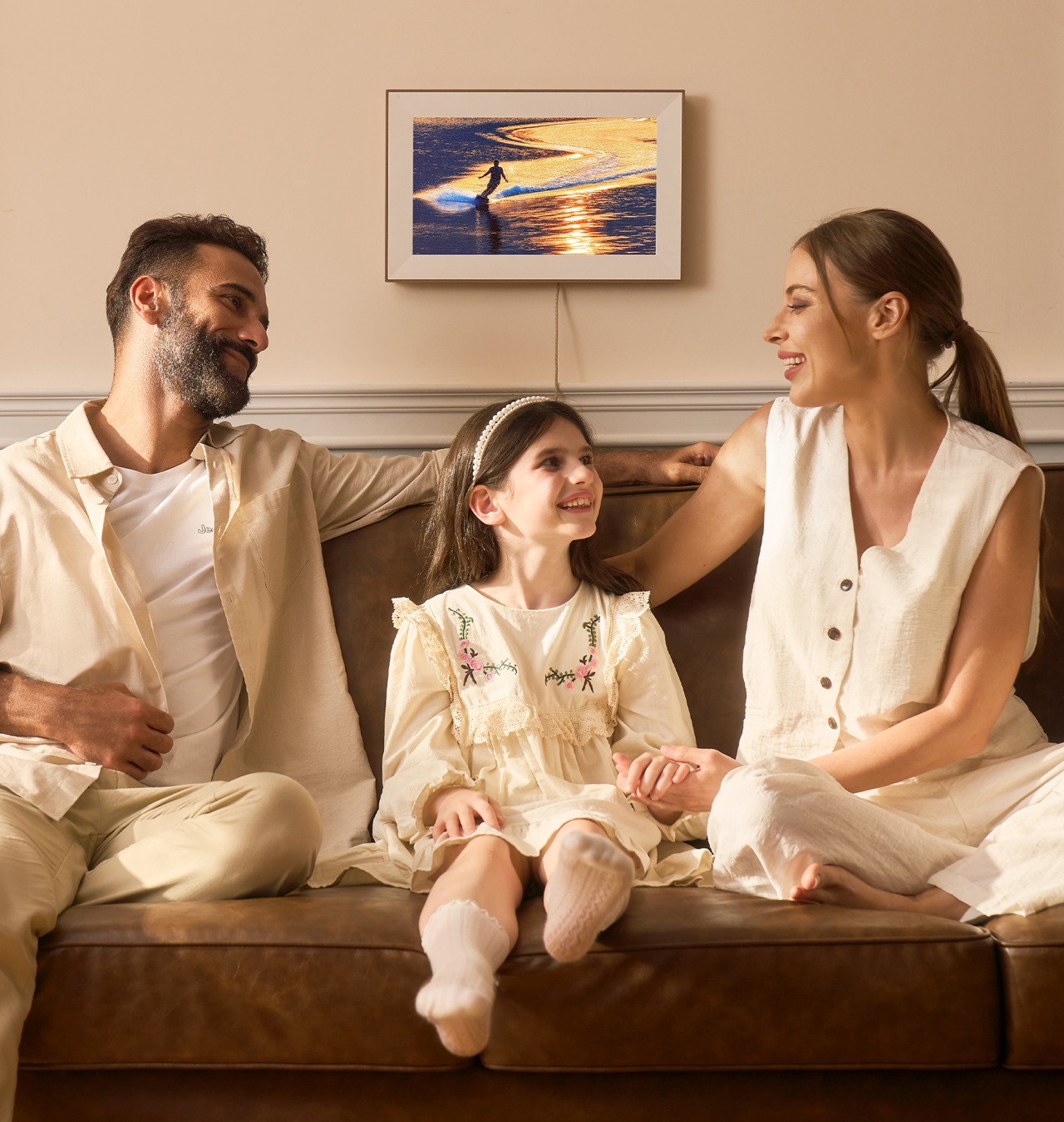
Placing the frame on a living room shelf shows how the thin bezel maximizes screen space without screaming for attention. The proportions feel balanced, with enough frame to provide visual weight but not so much that it dominates nearby objects. The design quietly commands attention rather than demanding it, which matters more than expected when living with something daily.
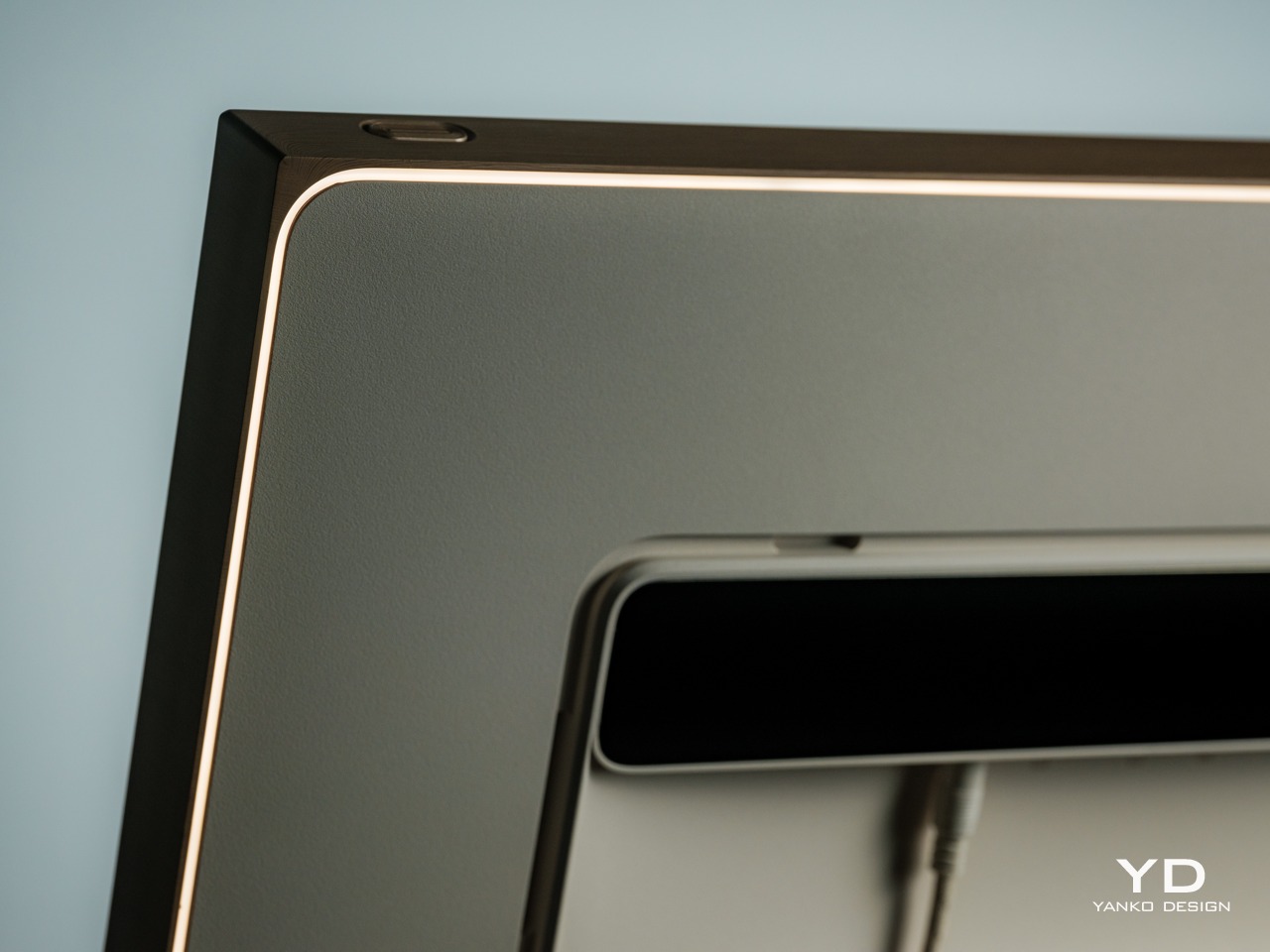
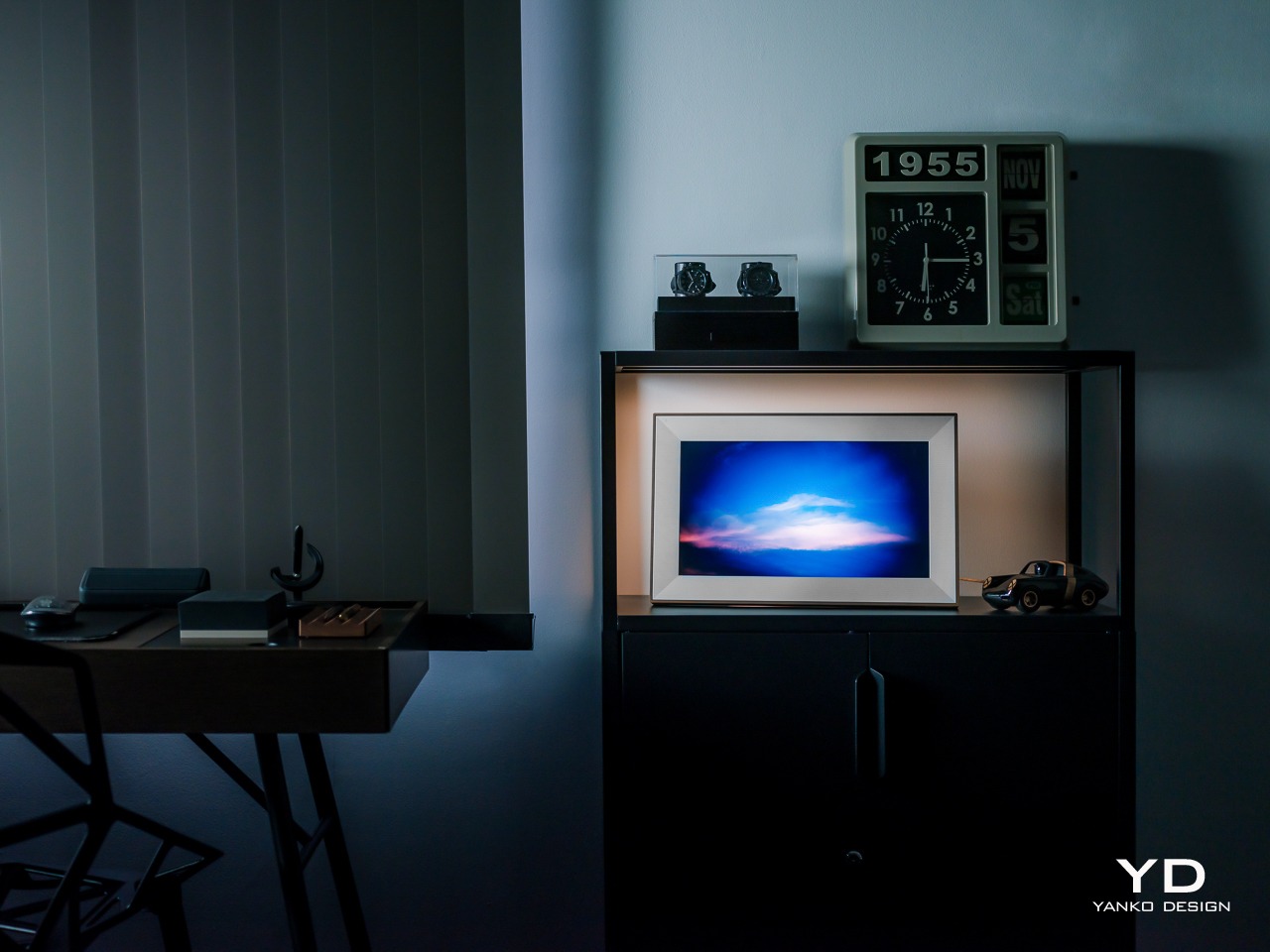
The innovative gallery lighting changes how photos feel in a room entirely. During daylight hours, the warm glow adds a subtle dimension that makes images pop against the wall behind them. As evening arrives and ambient light fades, the lighting becomes more prominent, casting a soft halo that naturally draws the eye toward whatever memory is currently on display.
Watching the lighting interact with different photos throughout the day reveals careful tuning and attention to detail. The warmth complements skin tones beautifully while enhancing golden hour sunsets and cozy indoor shots taken during winter evenings. The lighting never fights with images but rather supports them, creating depth without becoming a distraction from the actual photographs.
The anti-glare screen proves its value in challenging lighting conditions that would ruin most displays. Positioning the frame near windows or under bright overhead lights doesn’t create reflective hotspots that make screens unreadable. Photos remain clearly visible from multiple angles throughout the day, maintaining their visual impact regardless of how sunlight shifts across rooms.
The packaging deserves special mention for winning the 2025 MUSE Design Awards with its completely eco-friendly design. The gift box uses 100 percent recyclable materials with a green fiber coating and sand-gold metallic accents, drawing on Nordic and Japanese aesthetics for a premium unboxing experience. The paper pulp construction eliminates plastic entirely while feeling surprisingly luxurious, making the Starlight especially thoughtful for holiday gifting when presentation matters as much as the gift itself.
Ergonomics
Setup takes barely a minute from opening the box to displaying your first photo on screen. Power on, pick language and time zone, connect to Wi-Fi, name the device, finished. The whole process feels refreshingly simple, with clear prompts that don’t require consulting manuals or watching tutorial videos to figure out what’s happening.
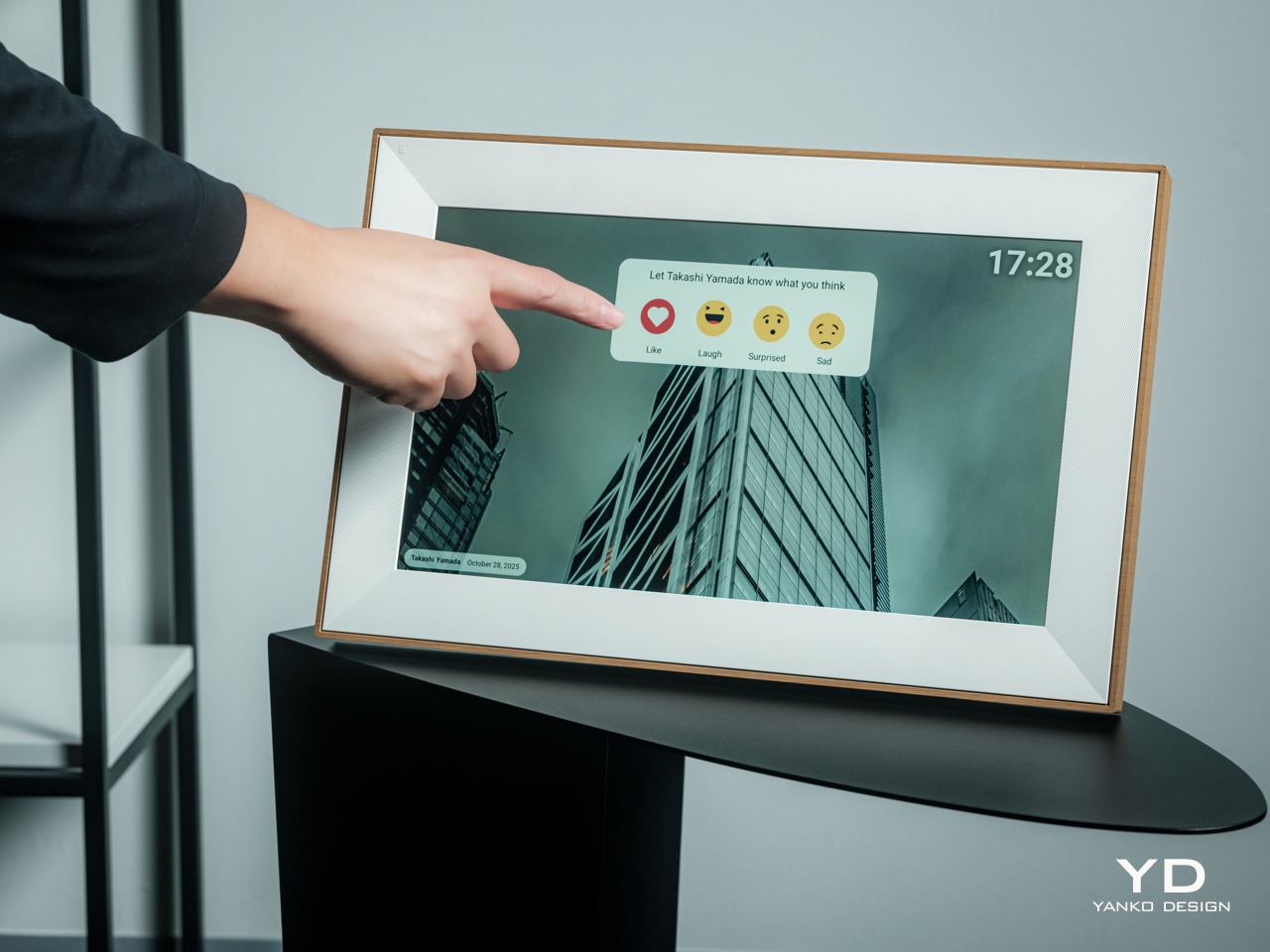
The Pexar Starlight’s touchscreen responds accurately to every tap and swipe without the frustrating lag that makes cheap displays annoying to actually use. Navigating settings, albums, or display options feels smooth and predictable throughout. The interface clearly borrows from modern smartphones, making it immediately familiar even for people who typically struggle with new technology and avoid anything labeled “smart.”
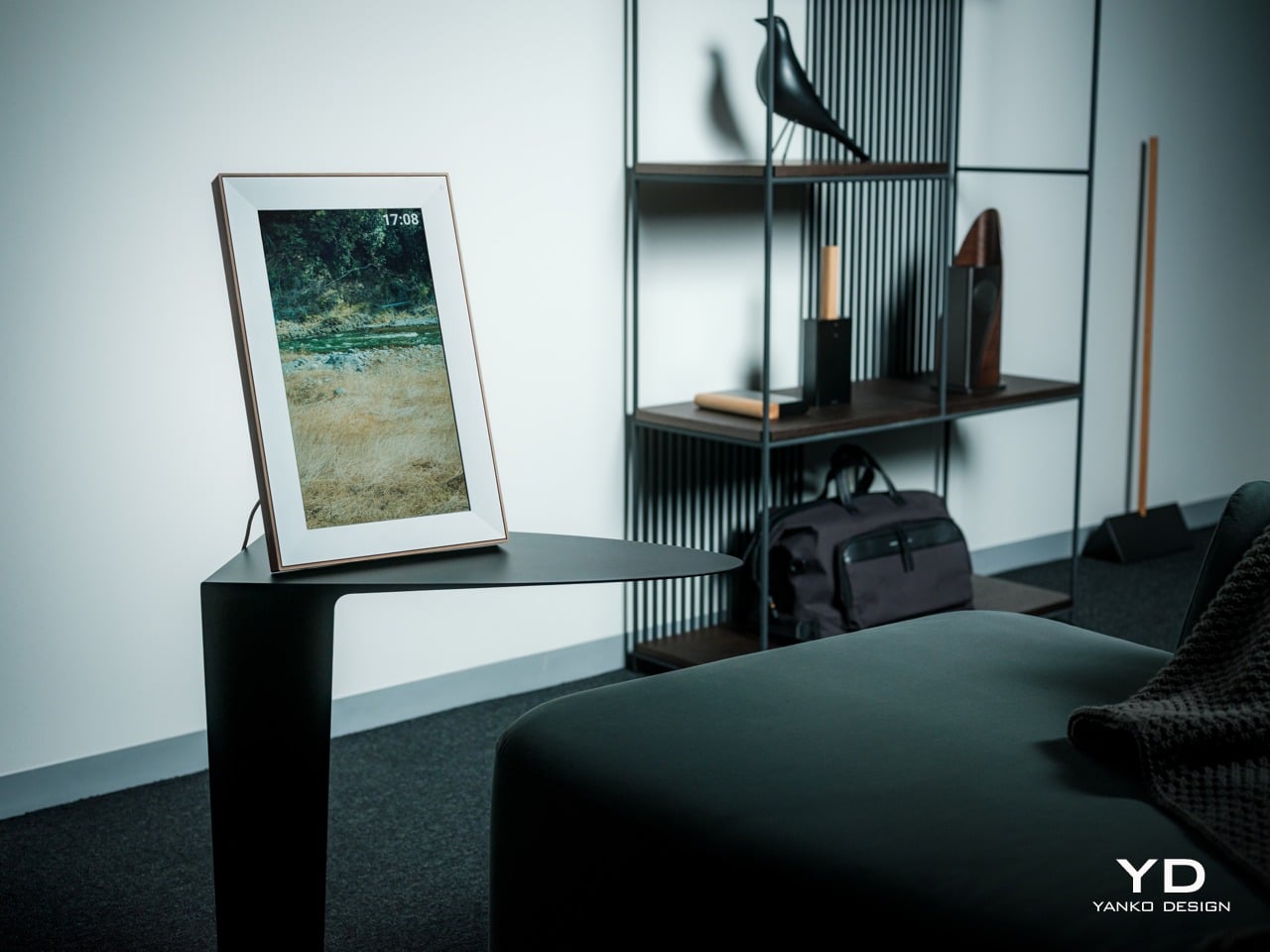
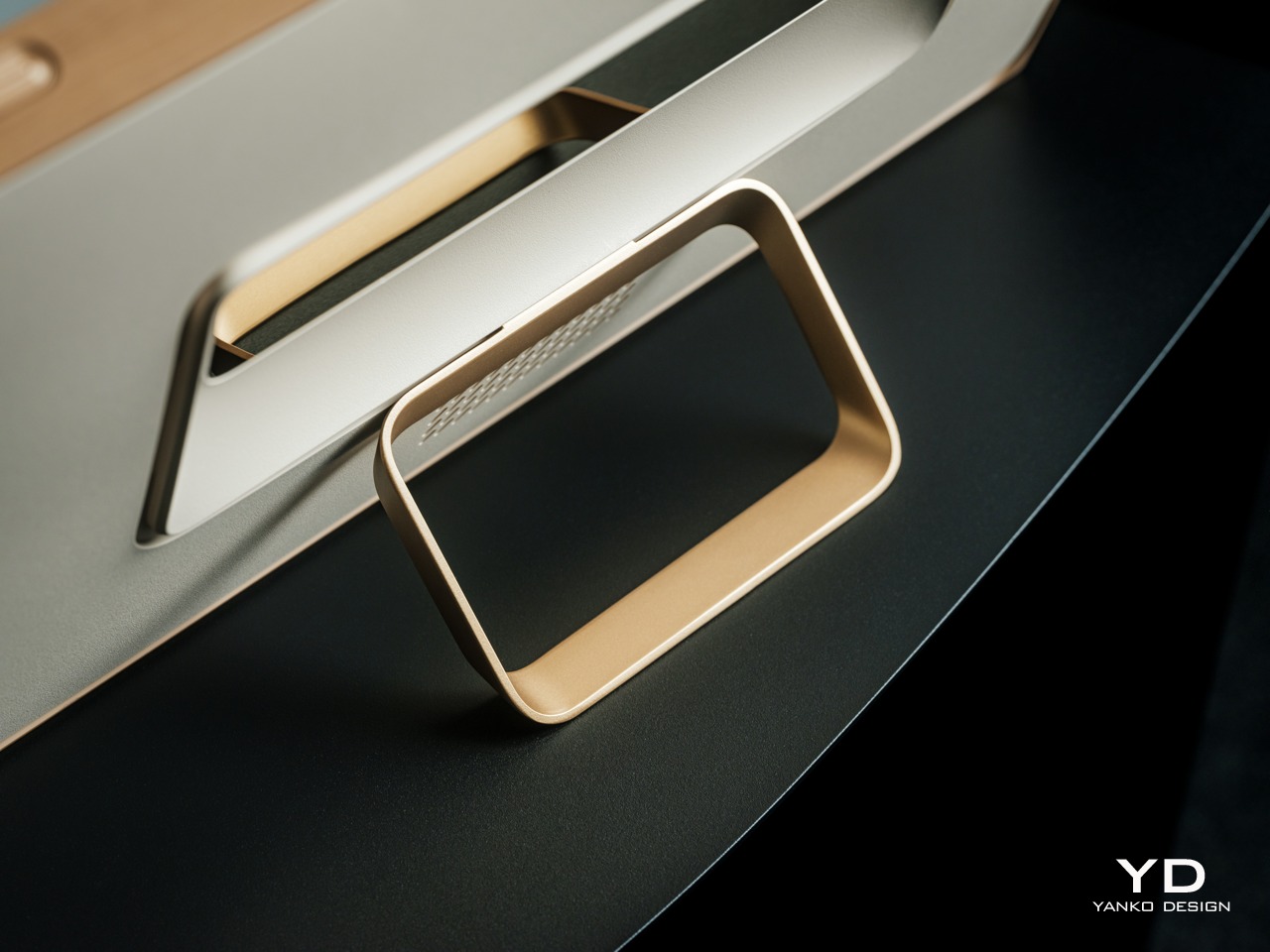
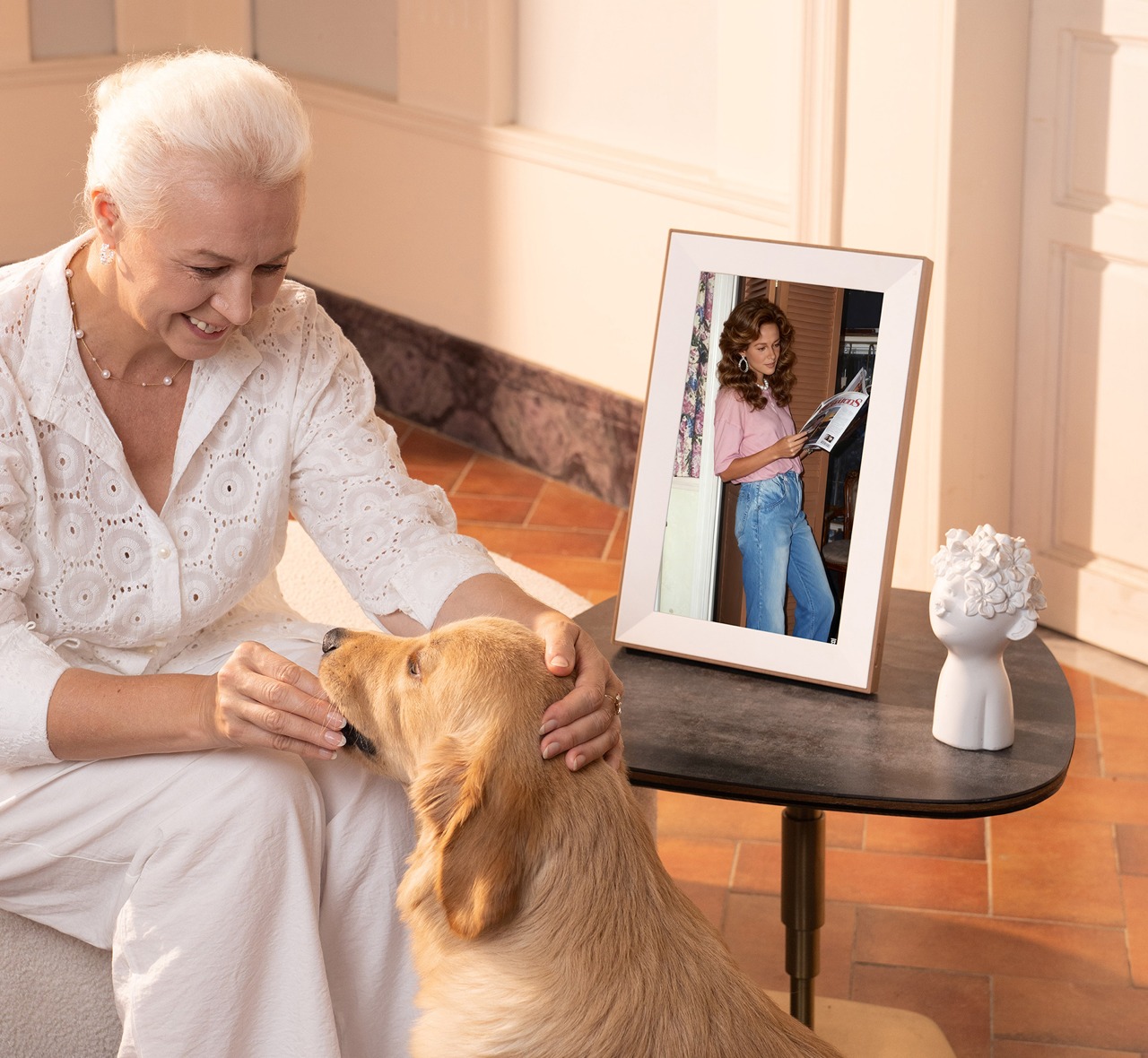
The metal stand holds the frame securely in both portrait and landscape positions without complaint. Switching orientations reveals smooth, stable positioning without wobbling or tipping concerns that would make you nervous about bumping the table. The stand’s minimal footprint doesn’t hog surface area, fitting easily on crowded shelves or narrow surfaces without requiring furniture rearrangement.
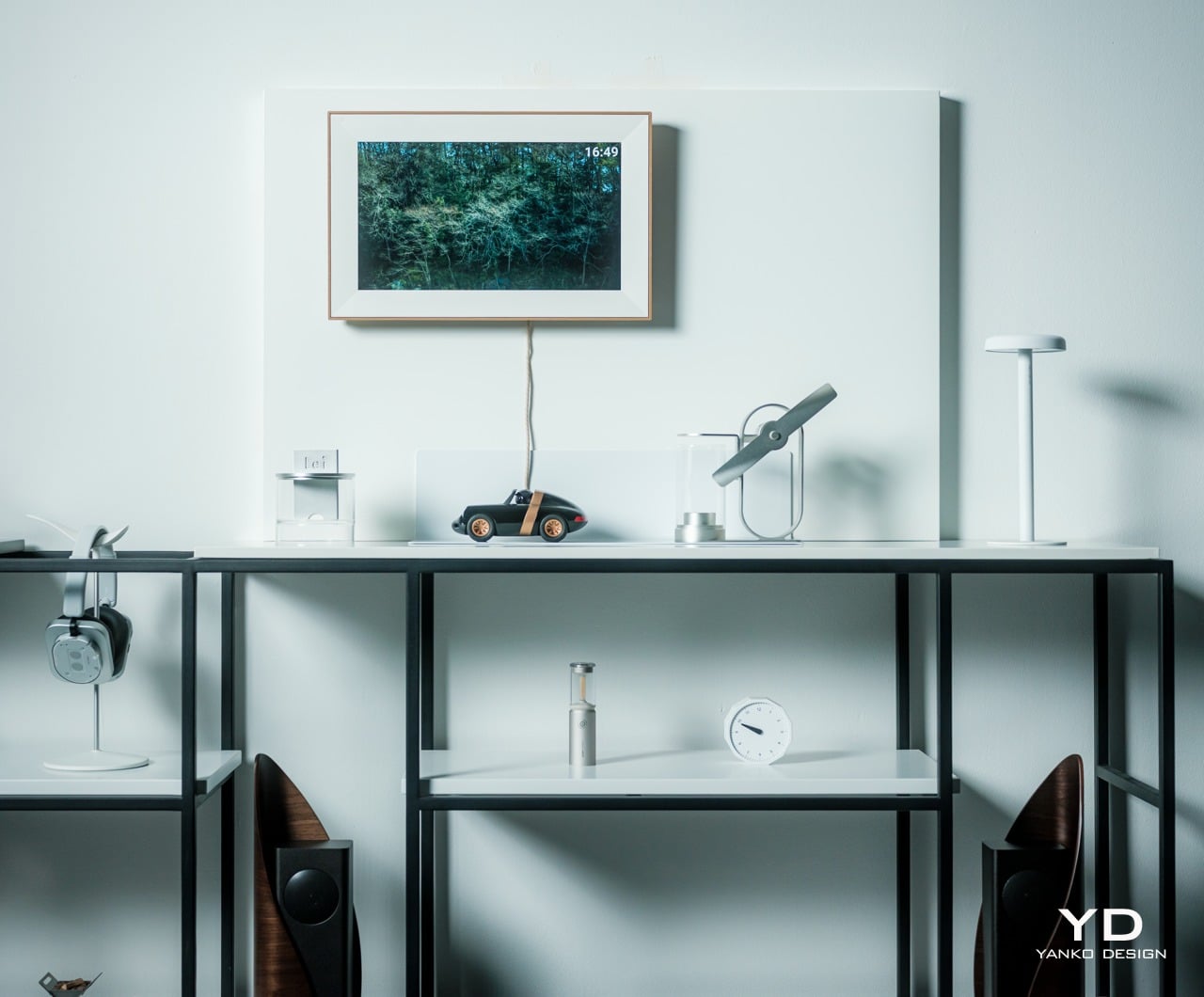
Wall mounting keeps everything flush while allowing proper clearance for the gallery lighting to project its characteristic glow. The hardware feels robust enough to trust with a device this size and weight. Once mounted, the frame looks intentional rather than like tech equipment awkwardly stuck to the wall, which becomes important when it’s a permanent fixture in your space.
Auto-rotation works like magic when repositioning the frame between portrait and landscape orientations. Pick it up, turn it sideways, and the display adjusts instantly without requiring button presses or menu navigation. The automatic sensing means photos always display correctly regardless of orientation, whether you’re trying different placements or just moved it to a new room.
Performance
With a 1920×1080 screen resolution, the Pexar Starlight delivers sharp, detailed images that look great from typical viewing distances across the room. Fine details in photos remain crisp and clear, while text in captions or greeting cards stays perfectly readable. The pixel density feels well-matched to screen size, providing clarity without that overly processed digital look that sometimes makes photos feel artificial.
Colors pop with vibrancy that feels realistic rather than artificially boosted like oversaturated TV displays. Photos show rich, engaging hues that don’t cross into unrealistic territory that makes images look fake. Skin tones appear natural and flattering, while blue skies and green landscapes maintain the depth and richness you remember from actually being there.
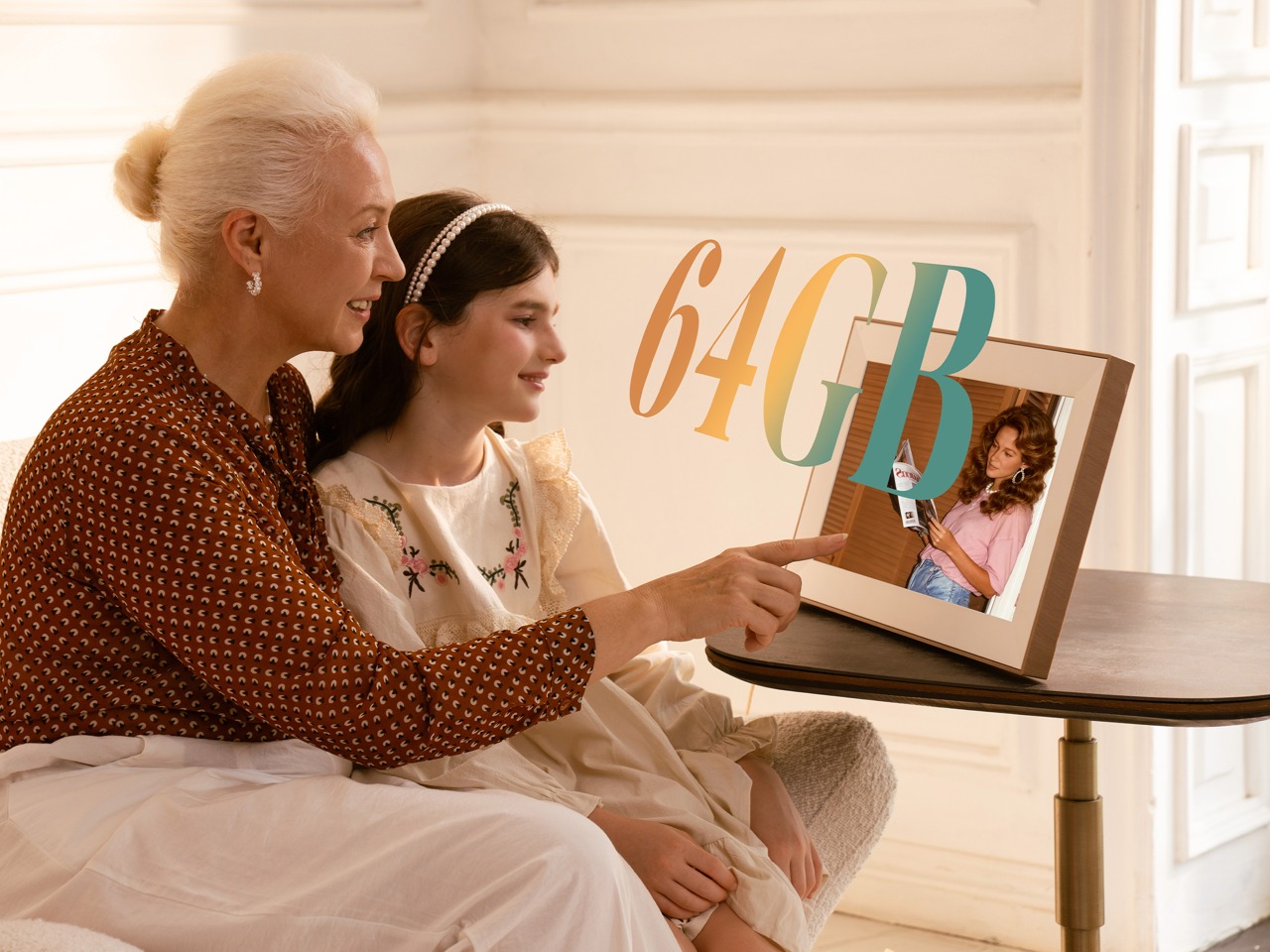
The 64GB internal storage swallows photo libraries without breaking a sweat or showing performance issues. Loading several thousand images reveals no slowdown, stuttering, or lag during transitions. The frame cycles through photos smoothly, maintaining quick changes and responsive controls regardless of how many memories are crammed into storage over months.
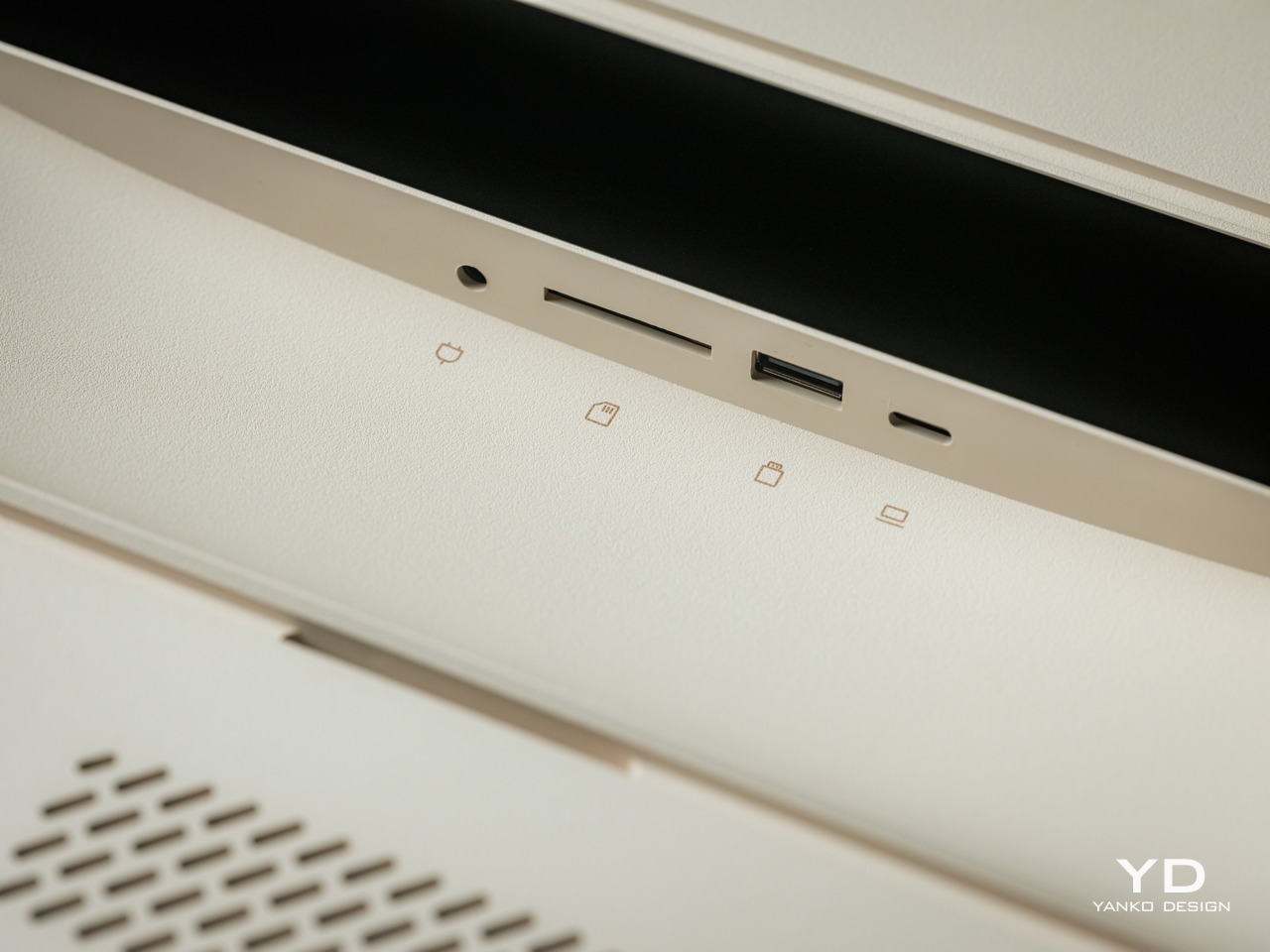
Loading photos via SD card or USB feels straightforward and surprisingly quick for large batches. Insert the storage source, navigate to Settings, select Import Photos, choose your images, and let the frame handle everything else. The interface makes it easy to select all photos at once or cherry-pick specific favorites, depending on how curated you want the current collection.
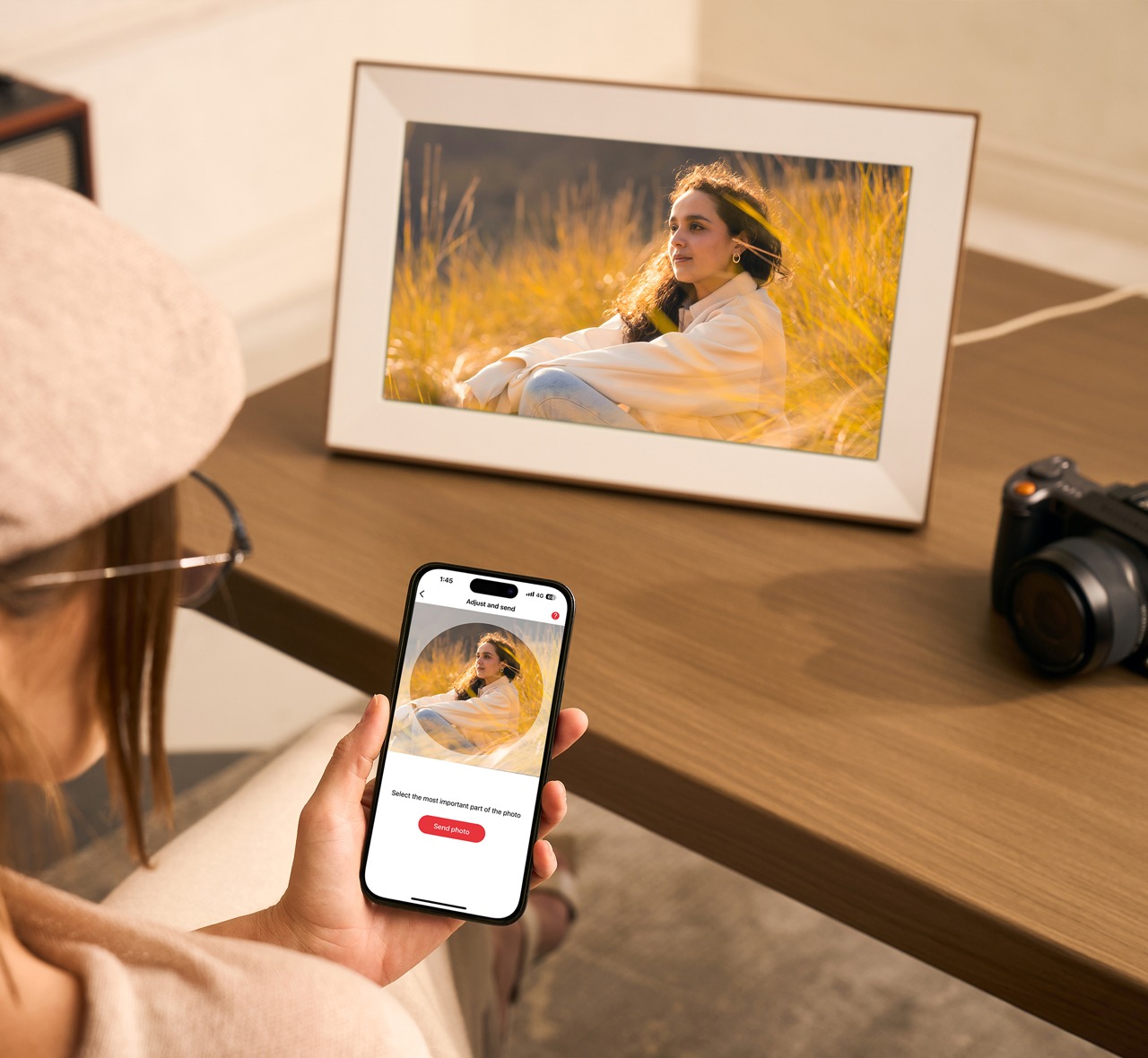
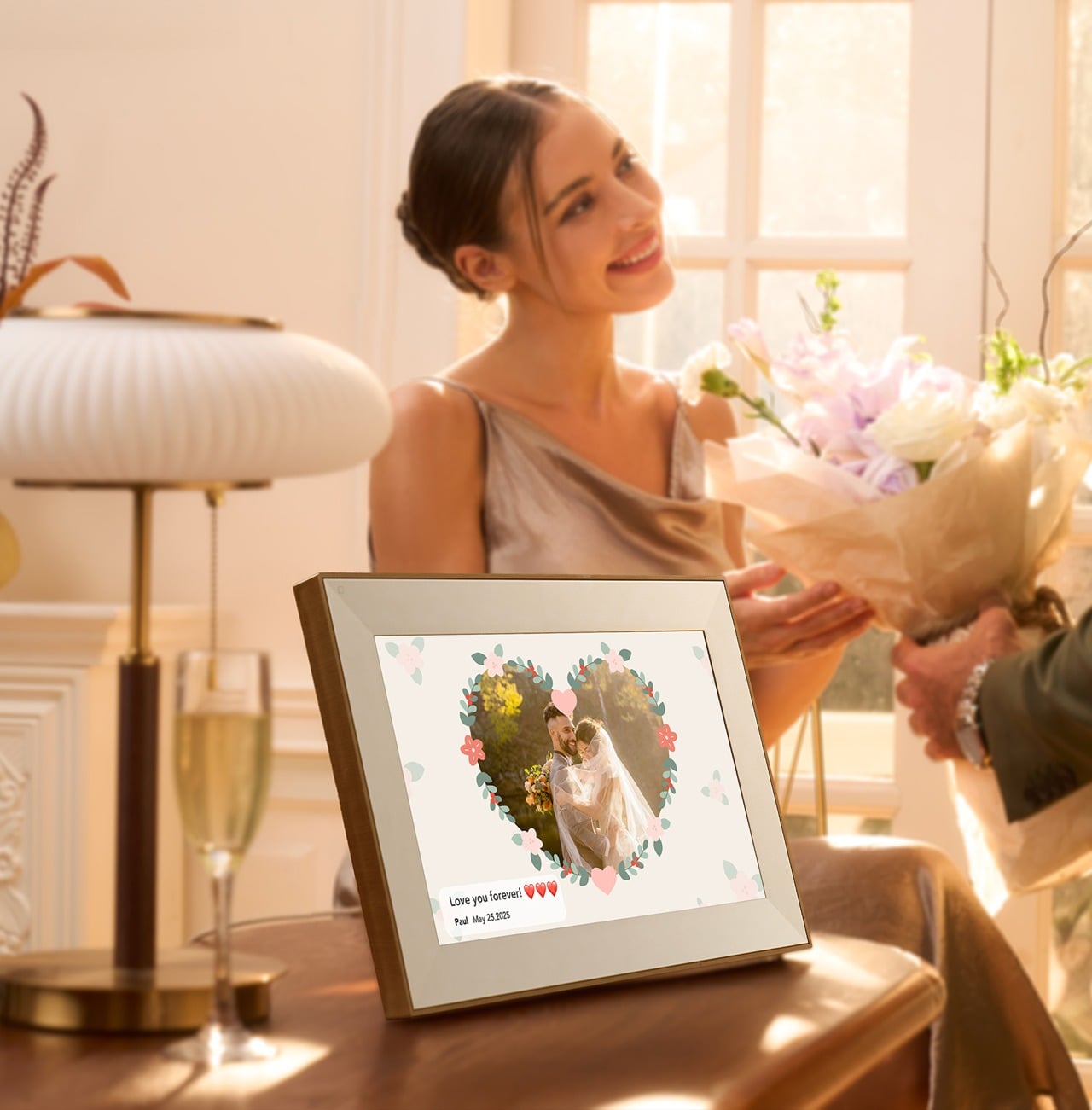
Of course, sending photos to the Starlight from your phone makes the experience feel almost magical, thanks to integrated Frameo support. The mobile app connects to the frame instantly without drama or confusion. Scan the QR code or type in the frame code, and your phone recognizes the device immediately. Sending photos becomes as natural as texting pictures to friends, which matters enormously for getting family members to actually contribute images regularly rather than forgetting about the frame.
The Frameo ecosystem makes sharing photos feel effortless and genuinely social rather than technical. Family members in different cities or countries send images that appear on the frame within seconds of tapping send. The system handles multiple contributors gracefully, organizing incoming photos by sender and allowing everyone to see who shared what without confusion.
Video clips up to 15 seconds capture brief, meaningful moments that photos alone can’t convey completely. While longer videos would expand creative possibilities, the time limit encourages sharing highlights rather than full recordings nobody watches. The built-in speaker provides clear audio for these short clips, adding voices and context that bring moments back to life.
The ten-photo limit for remote uploads seems restrictive initially but rarely causes problems during everyday use. Most sharing happens in small batches anyway: a few shots from dinner, a handful from the weekend trip. For complete vacation albums with hundreds of images, the SD card slot and USB connection handle bulk transfers without making you babysit uploads or watch progress bars creep forward.
Sustainability
The frame’s construction suggests durability designed for years of daily use rather than quick obsolescence. The wood grain finish shows remarkable resistance to fingerprints, smudges, and general wear from regular touchscreen interaction. After days of handling, the surface maintains its original appearance without visible degradation, dulling, or wear patterns that would diminish its premium look.
Storage expansion capabilities prevent the frame from becoming obsolete as photo libraries grow from thousands to tens of thousands. Rather than hitting capacity limits and requiring complete replacement, the frame adapts to increasing storage needs through affordable SD cards. This flexibility supports sustainable consumption by extending the useful lifespan instead of forcing upgrades.
The digital format reduces environmental impact compared to traditional photo printing and physical framing habits. A single Starlight displays thousands of memories that would otherwise require paper, ink, shipping materials, and physical frames. For households that previously printed select favorites, the frame offers a more sustainable way to enjoy entire collections.
The frame’s offline functionality provides independence from cloud services that could potentially disappear or change. Once photos are loaded onto internal storage, they remain accessible forever regardless of internet connectivity or ongoing service availability. This autonomy means memories stay safe and visible even if business models change or companies discontinue cloud support unexpectedly.
Value
The Starlight occupies premium territory in the digital photo frame market, and pricing reflects the larger screen and distinctive features. Comparing gallery lighting, screen quality, and storage to similarly priced options reveals competitive positioning that justifies the investment. The feature combination makes sense for people who prioritize design and want tech that enhances spaces.
Gallery lighting alone differentiates the Starlight from most frames in any price range currently available. Competing products focus exclusively on display quality without considering how the device impacts room ambiance and atmosphere. The integrated lighting makes the Starlight both a photo display and a mood lighting element, effectively serving two purposes simultaneously.
The 64GB storage outpaces many frames offering 8GB or 16GB that charge extra for expansion cards. Starting with a generous internal capacity avoids constant photo management or forced deletions to accommodate new images. This abundance provides better long-term value by eliminating storage anxiety that ruins the experience of actually owning and enjoying the frame.
The Pexar Starlight works beautifully as a gift for parents, grandparents, or distant family members who might struggle with complicated tech. The simple setup and multi-contributor functionality make it especially valuable for keeping families connected across distances. The thoughtful packaging and premium presentation reinforce its identity as a meaningful gift rather than just another gadget.
Unlimited distance sharing adds genuine practical value for families spread across different cities, states, or countries. Grandparents receive photos from grandchildren instantly without wrestling with email attachments or complicated file transfers that confuse them. This simplicity increases the likelihood that the frame actually gets used regularly rather than gathering dust after initial novelty fades.
The wood grain finish and gallery lighting ensure the frame enhances home décor rather than detracting from carefully curated spaces. This design consideration adds real value for people who view their purchases through an aesthetic lens first. Premium looks justify premium pricing when the alternative means compromising on how your living space feels, functions, and welcomes guests.
Verdict
Living with the Pexar Starlight reveals a frame designed by people who understand both technology and how families actually interact with their memories. The gallery lighting, thoughtful materials, and anti-glare screen create experiences that go beyond simply displaying photos. Small design choices add up to something that feels special rather than utilitarian, making the frame something you want to show off.
The Starlight shows how digital frames can contribute to atmosphere and aesthetics without sacrificing useful features. For anyone seeking a way to display memories that enhances their space while keeping loved ones connected, it delivers on both fronts convincingly. The frame makes digital memories feel as meaningful as the moments they preserve, which is ultimately what any photo display should accomplish.