This Grand Piano Has a 20″ Touchscreen, and a Design Worthy Of A Supercar Showroom

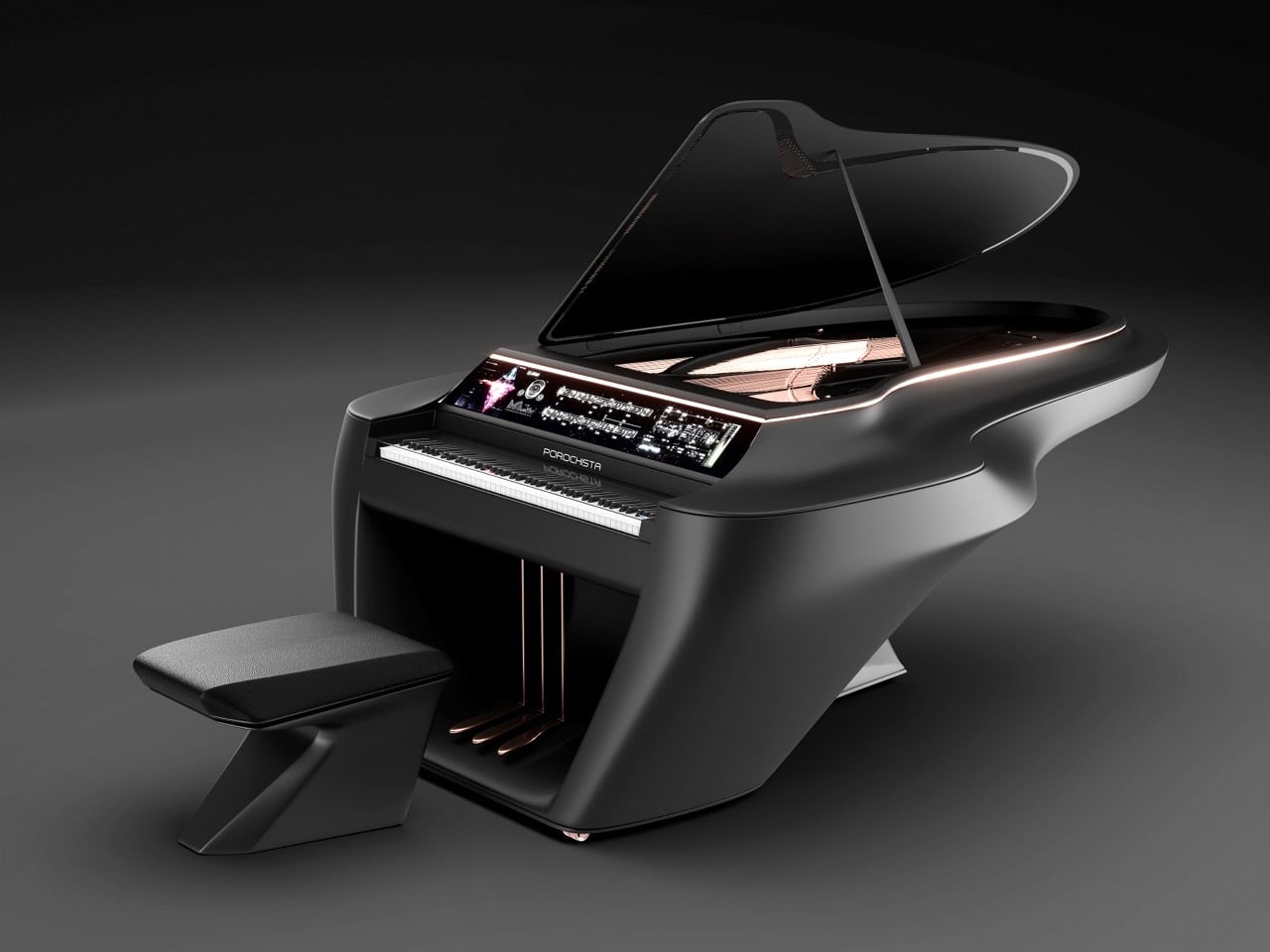
The grand piano has remained visually unchanged for generations, its familiar silhouette a fixture in concert halls and living rooms worldwide. Mohammad Limucci saw this consistency differently. Rather than accepting the traditional form as immutable, he recognized an opportunity to evolve the instrument’s aesthetic while preserving its acoustic soul. His creation, the Porochista Piano, applies automotive design principles to classical craftsmanship.

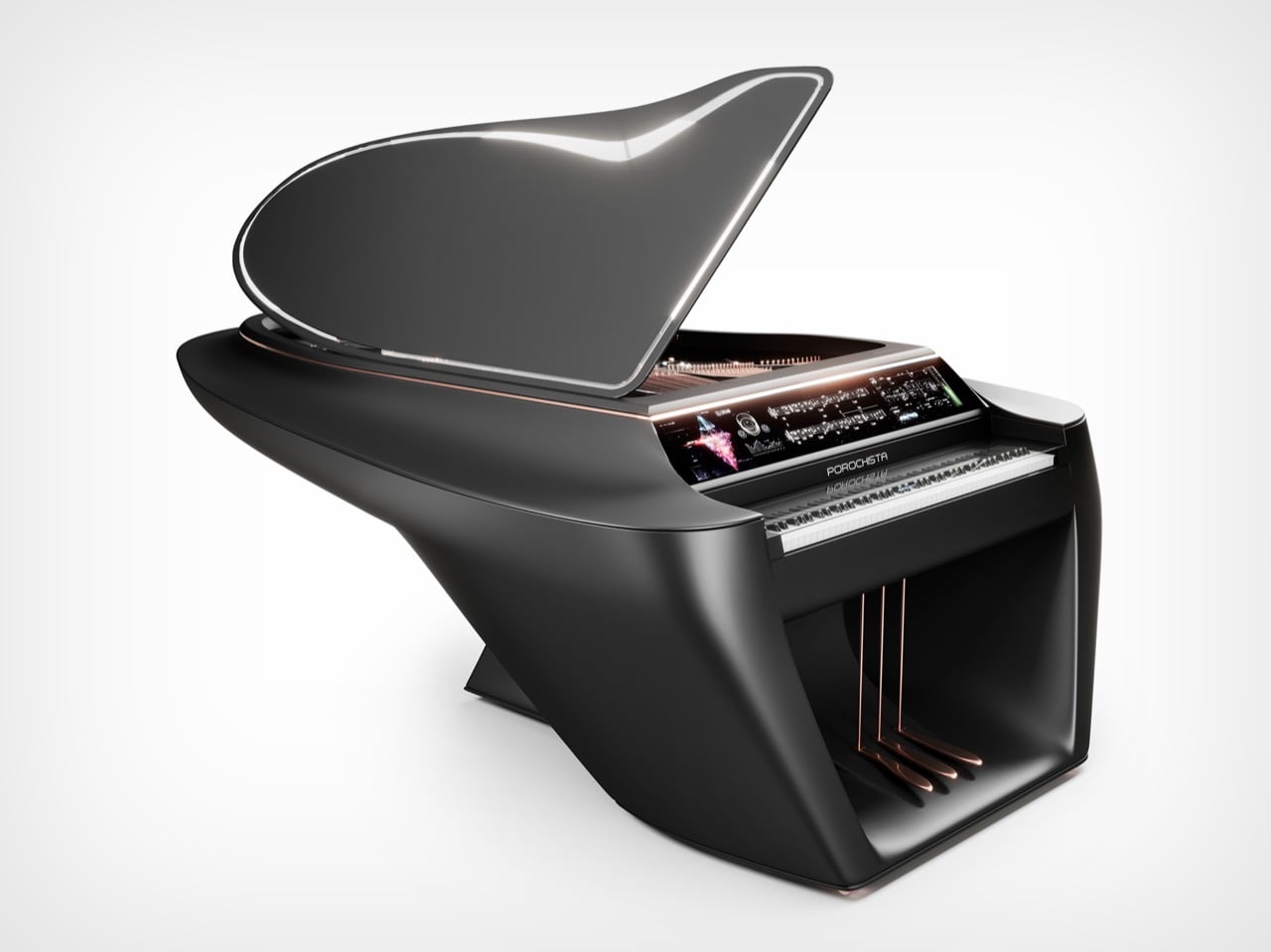
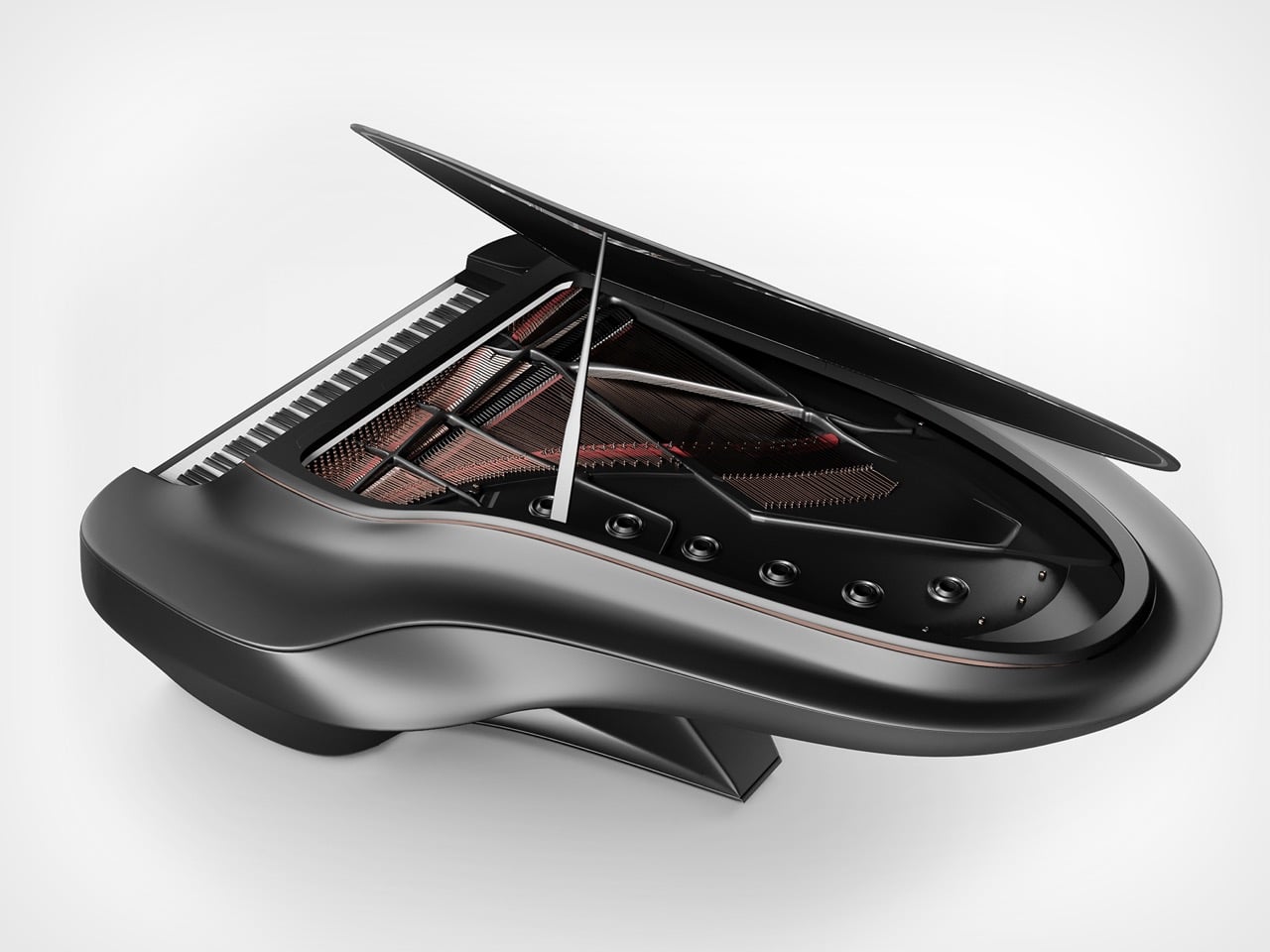
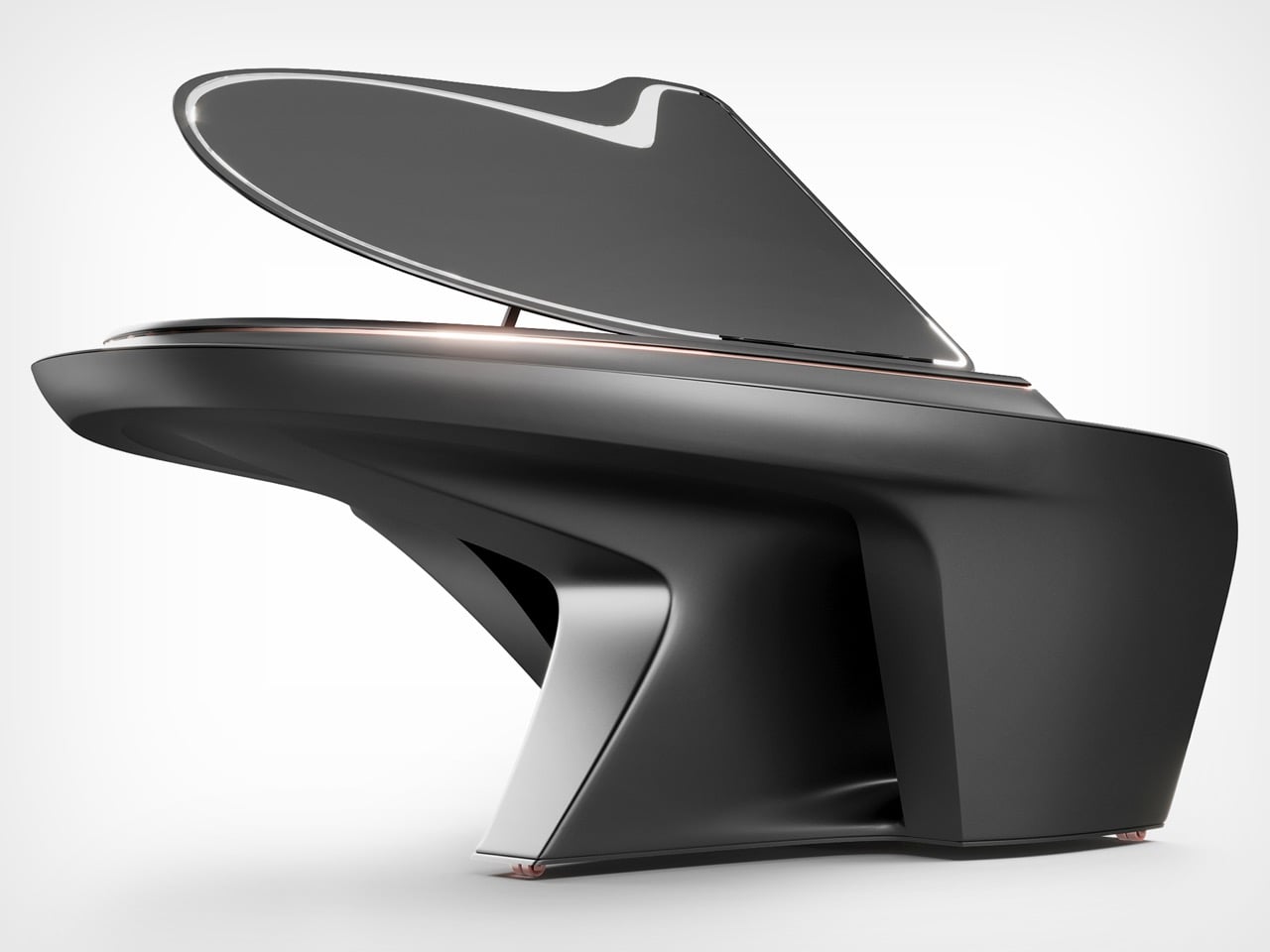
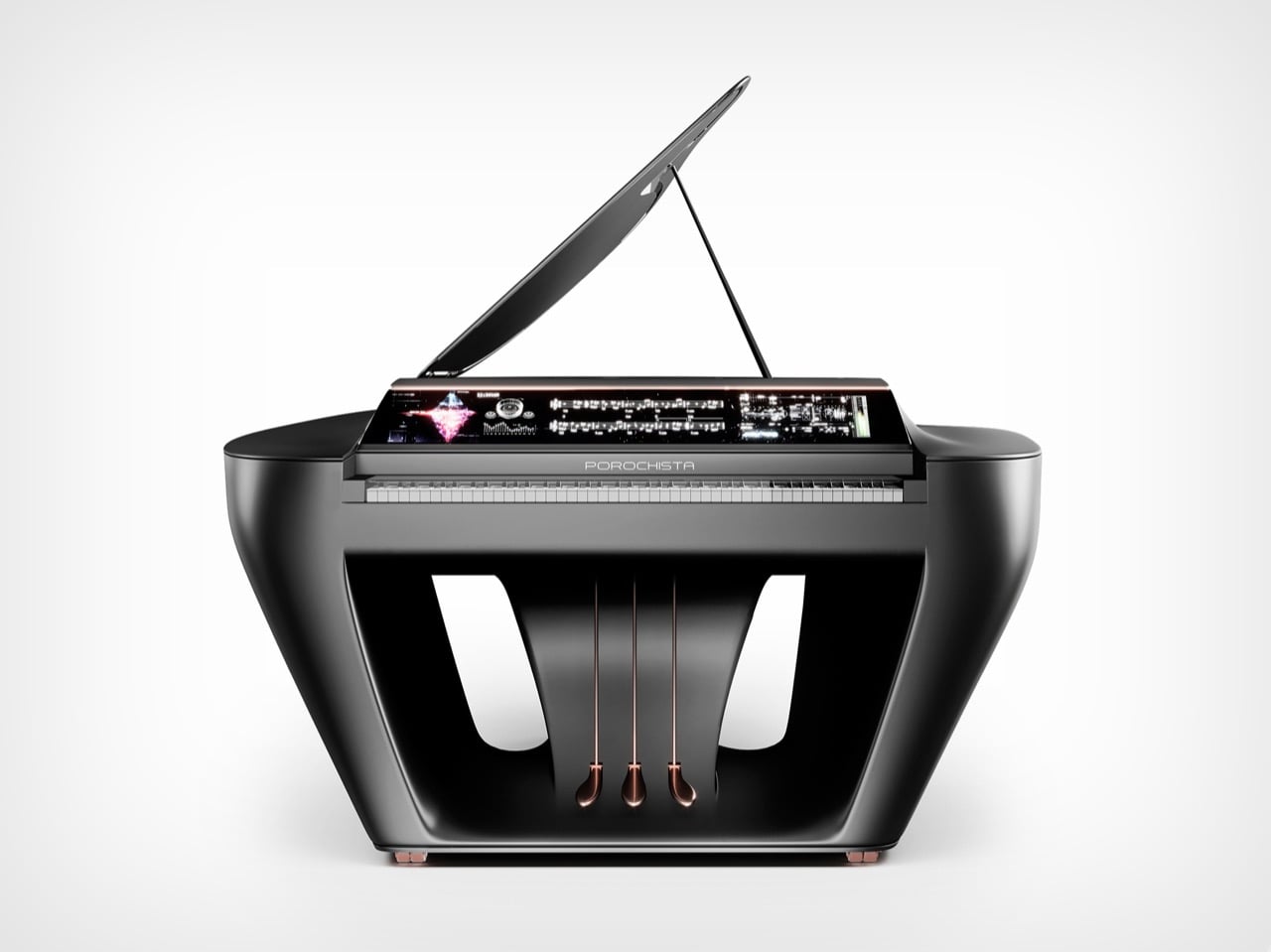
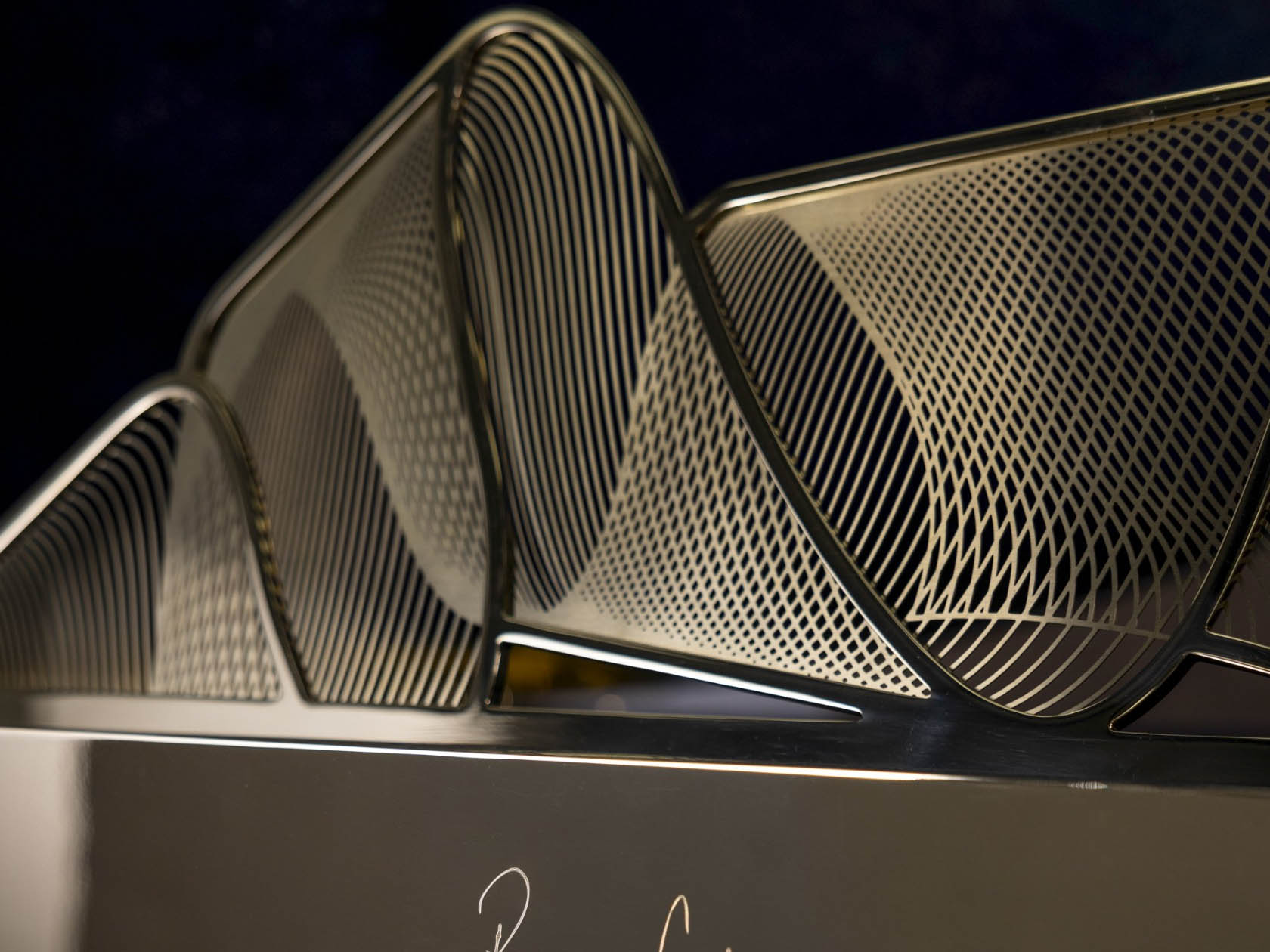
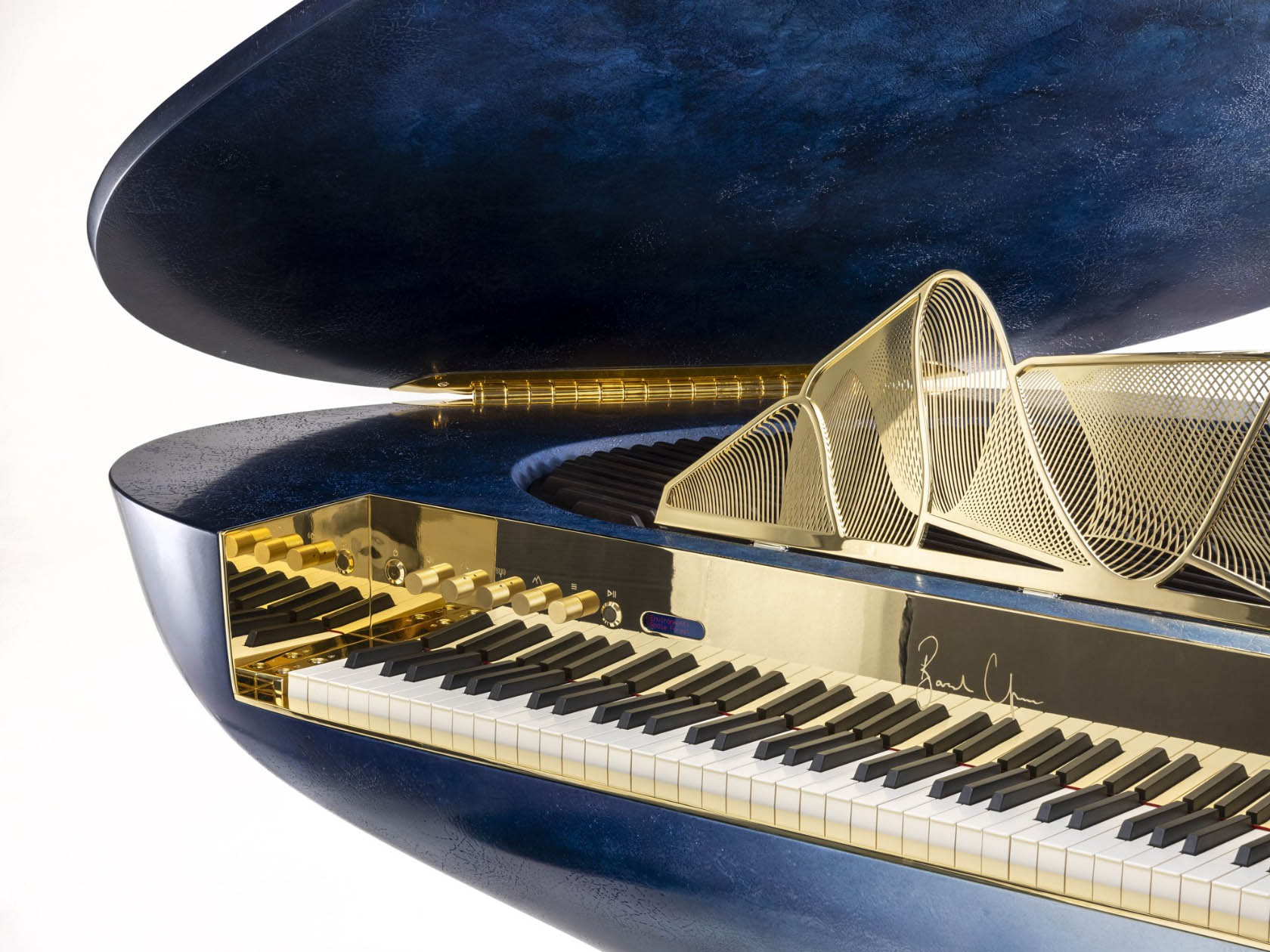
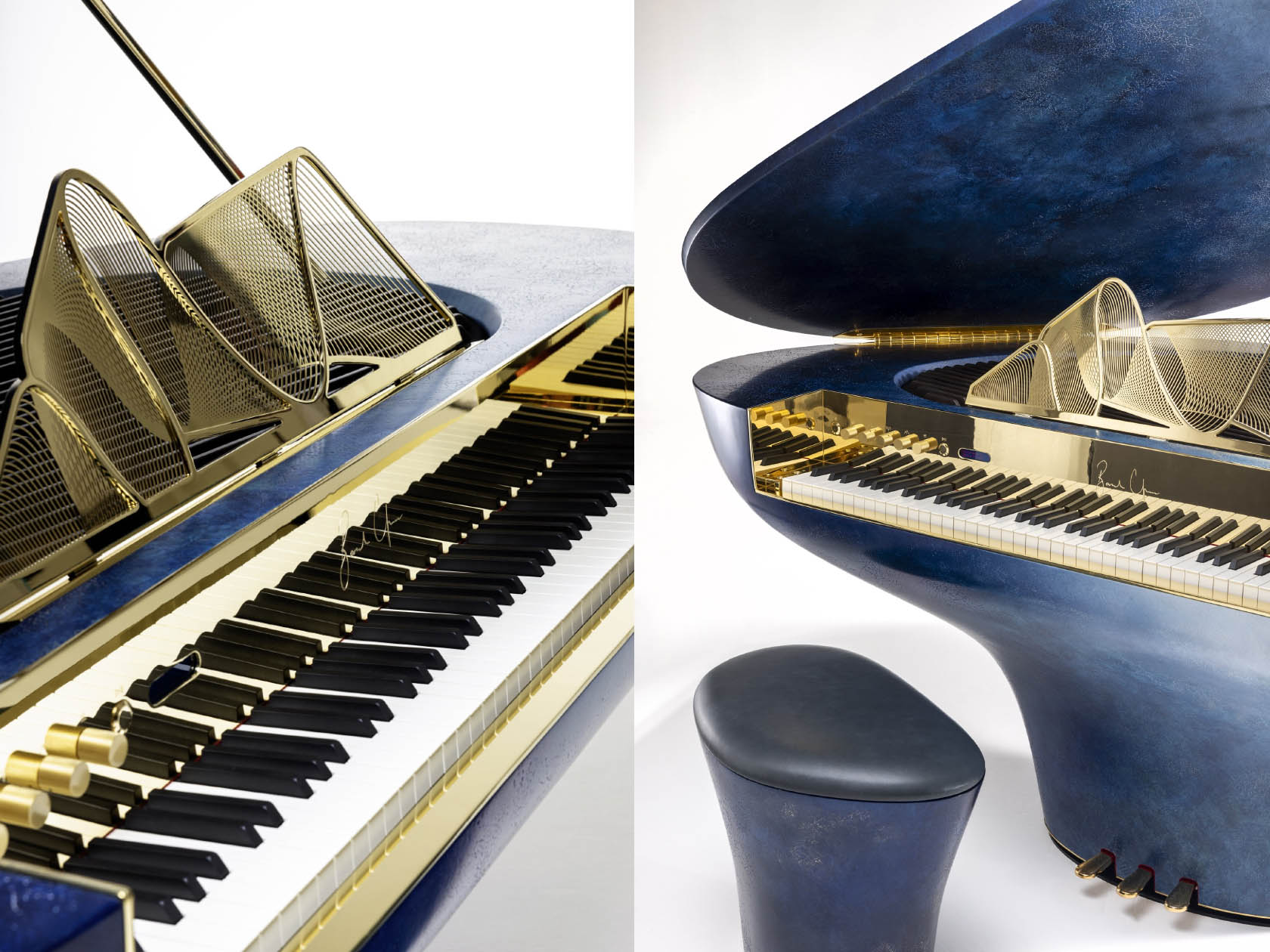
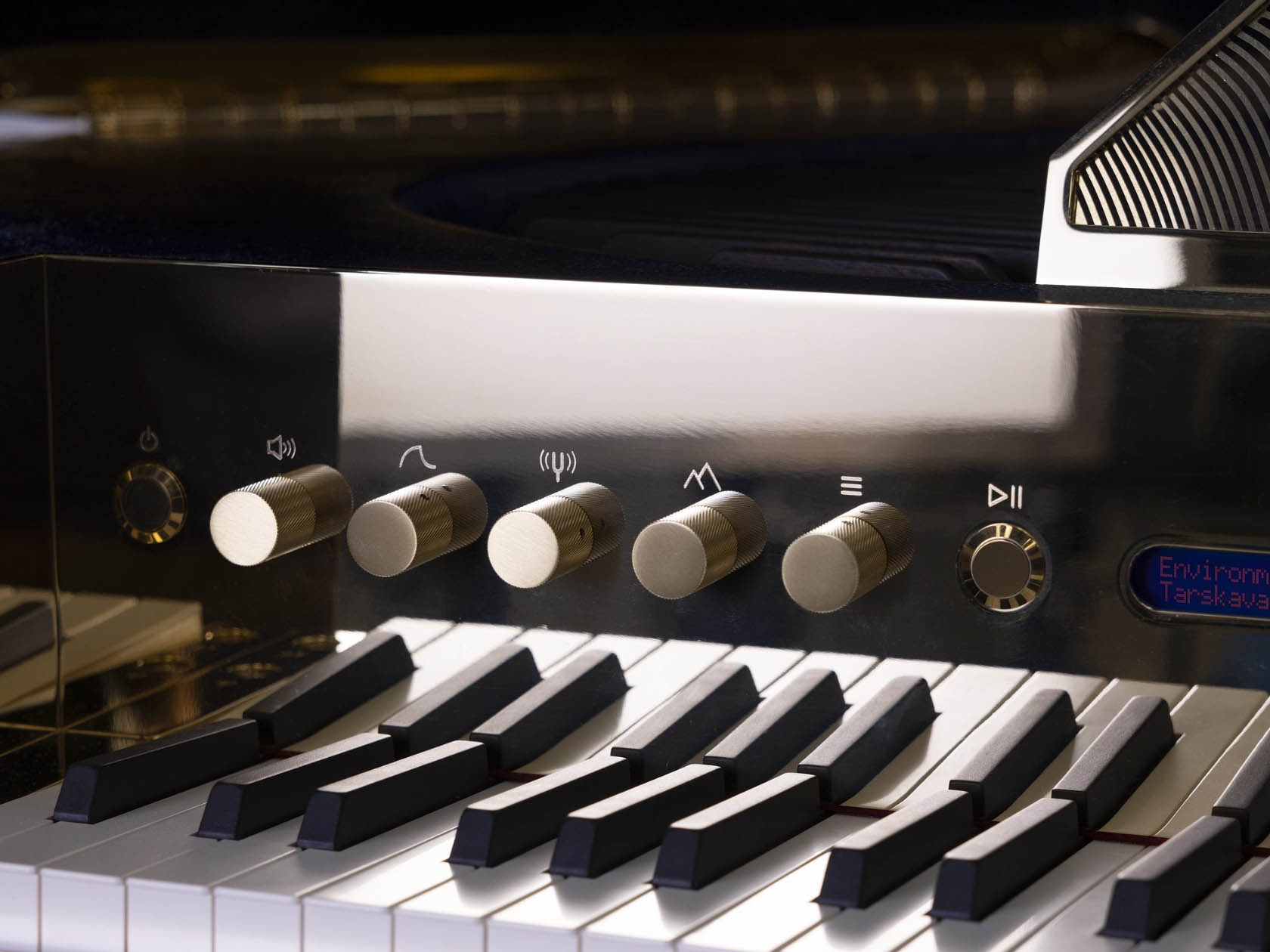
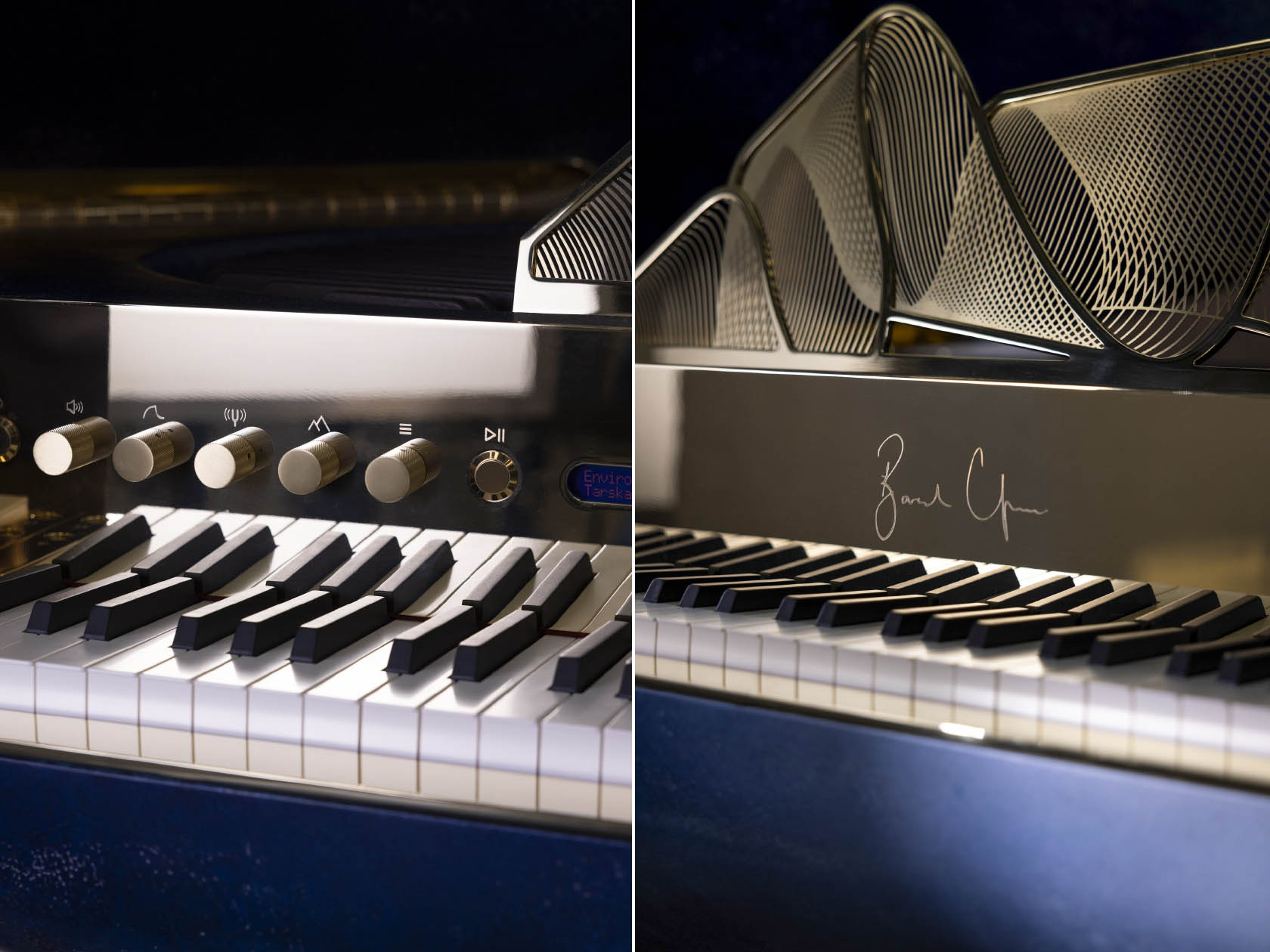
Measuring 8.7 by 6.2 feet, Porochista combines glass, metal, and matte black composites in flowing organic shapes reminiscent of Luigi Colani’s biomorphic philosophy. The rear section appears to float, creating visual tension between sculptural ambition and structural stability. A large integrated touchscreen offers digital functionality without compromising the acoustic purity professional pianists demand. This fusion of old and new earned recognition at the A’ Design Award, where judges appreciated its ability to attract modern design enthusiasts while respecting the instrument’s heritage. Porochista suggests what tradition might become when filtered through contemporary vision.

Designer: Mohammad Limucci

Designers slap touchscreens onto everything from refrigerators to bathroom mirrors these days, usually with results that make you question basic decision-making processes. A grand piano sporting what looks like a 20-inch display sounds like exactly that kind of misguided thinking. But Limucci clearly studied how supercar manufacturers like Pagani and Koenigsegg integrate function into form, where every curve serves both aerodynamic purpose and visual drama. That swept-back lid with its silver trim could’ve been lifted from a hypercar’s active aero system. The base, with its angular cutouts and geometric voids, solves the eternal design problem of making something massive feel light without actually compromising structural integrity. The solution here involves actual engineering rather than visual tricks.

The Colani influence runs deep, and anyone familiar with the German designer’s work will spot it immediately. Those seamless transitions between surfaces, the way hard edges soften into organic curves, the sense that this object could achieve flight velocity if you just gave it a runway. Colani designed everything from trucks to cameras using the same biomorphic language, always asking why objects should have corners when nature abhors them. Limucci applies that thinking to an instrument that’s been geometrically rigid since the 1700s. Production apparently requires CNC machining and molding techniques borrowed from automotive manufacturing, which makes sense given the compound curves involved. You can’t slap veneer on particleboard and achieve forms like these.

The touchscreen integration could’ve gone full sci-fi nightmare, all glowing edges and pulsing LEDs, but instead it sits flush and purposeful. The digital features (recording, playback, animated notation display) address actual pianist needs rather than adding gimmicks for marketing bullet points. There’s even a hidden compartment up top that slides out to hold sheet music, activated by touching a specific spot. That level of detail suggests someone actually thought about how musicians interact with their instruments over hours of practice, not just how the thing photographs for Instagram. The matte black finish with those copper-toned pedal details visible through the base cutouts gives it presence without screaming for attention, which is harder to achieve than it sounds.

Tehran to Zagreb doesn’t seem like an obvious design pipeline, but apparently that’s where this concept gestated. Whether it ever reaches production remains the question nobody’s answering yet, though the A’ Design Award recognition certainly helps with credibility. The manufacturing complexity alone suggests this won’t be competing with Yamahas at your local music store. Still, seeing someone finally treat piano design with the same innovative energy that automotive and consumer electronics enjoy feels overdue. Professional musicians deserve instruments that fit contemporary spaces without looking like props from period dramas.

The post This Grand Piano Has a 20″ Touchscreen, and a Design Worthy Of A Supercar Showroom first appeared on Yanko Design.
Loog x Duolingo portable piano teaches you the language of music, the fun way

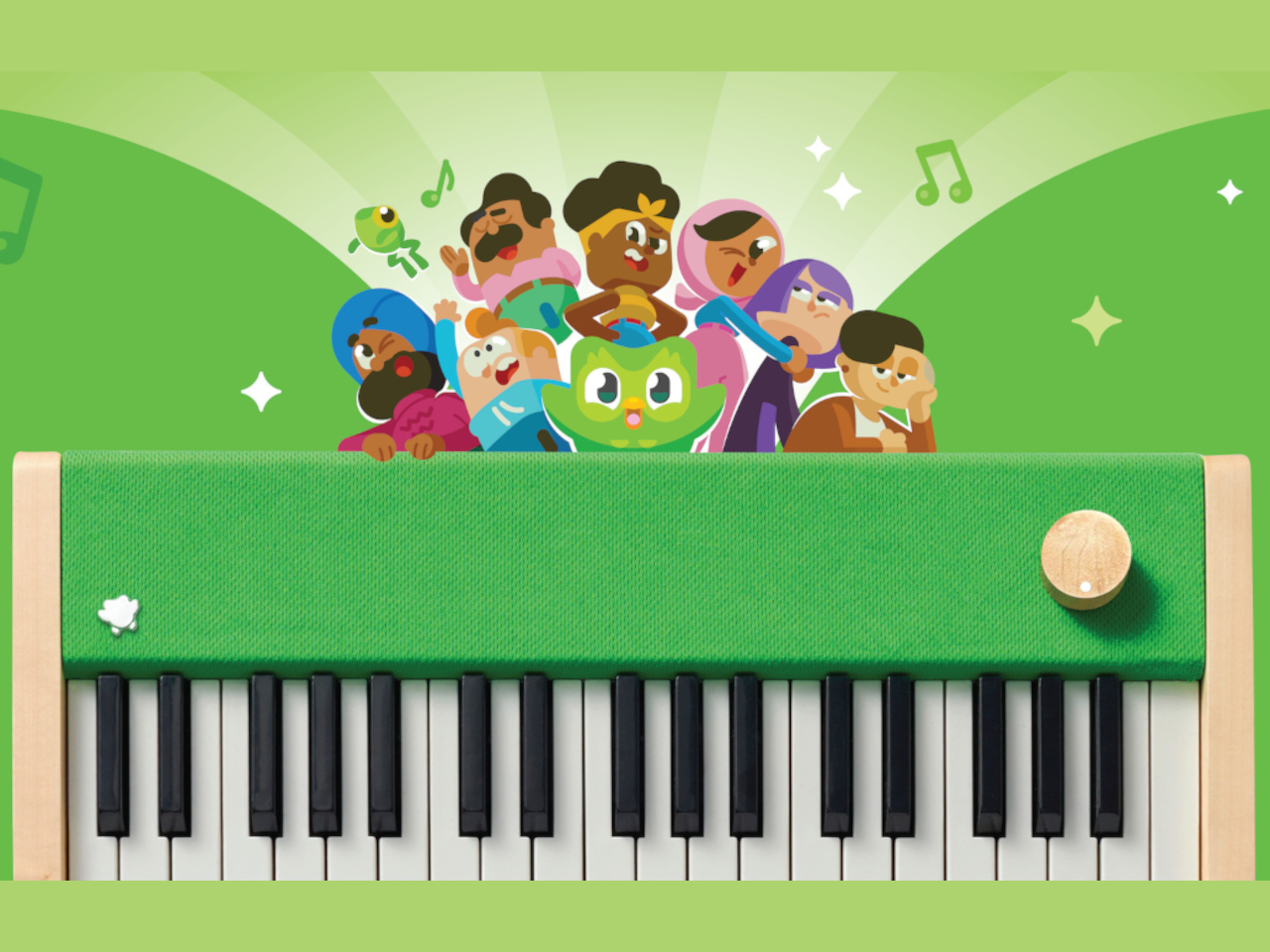
Learning a new language is never easy, whether it’s human language, programming language, or harmonic language. It takes time, effort, and more importantly, drive to go through the process, but it doesn’t have to a be painful and dreadful experience all the time. Of the many strategies that make learning languages both fun and effective, Duolingo is perhaps the best-known service. What few people realize, however, is that the green owl has been teaching music for over a year now, applying the same principles it uses in teaching Spanish or Mandarin to do-re-mi’s. Unlike smartphones and spoken languages, however, music has to be played to really be learned, which is why Duolingo has come out with a small digital piano so that you can do that anywhere you are.

Designer: Loog x Duolingo

A piano isn’t the only instrument you can use to learn music, but it’s one of the most convenient and can be designed into an electric and portable form that doesn’t require minding strings that could break. You don’t even need a full-sized piano to get started, but you do need one that’s small enough to be carried around yet has a decent size and a decent sound as well. Rather than relying on a smartphone piano app that doesn’t give the same tactile experience, Duolingo teamed up with Loog, a popular brand of musical instruments for kids and beginners, to make one.

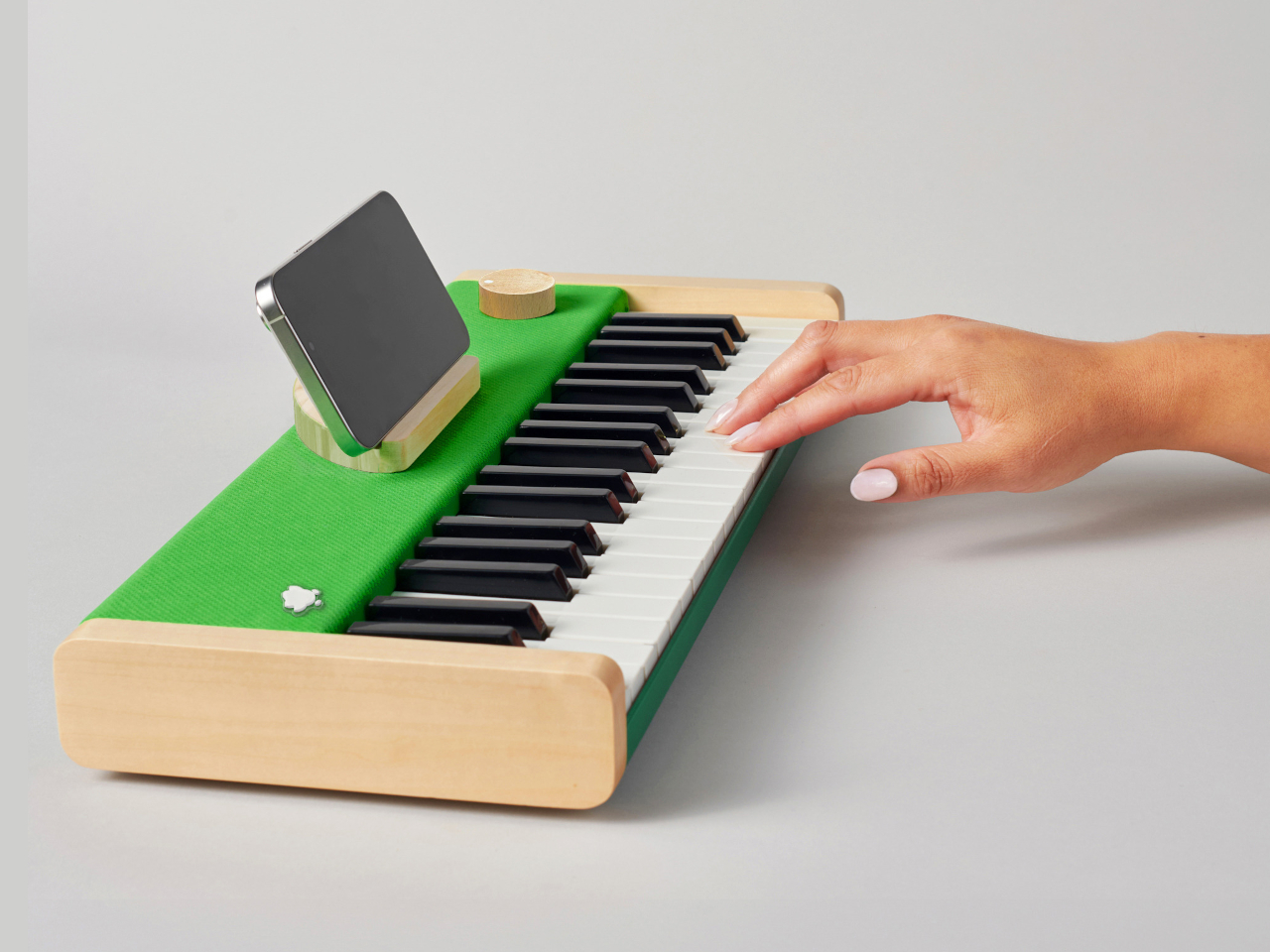
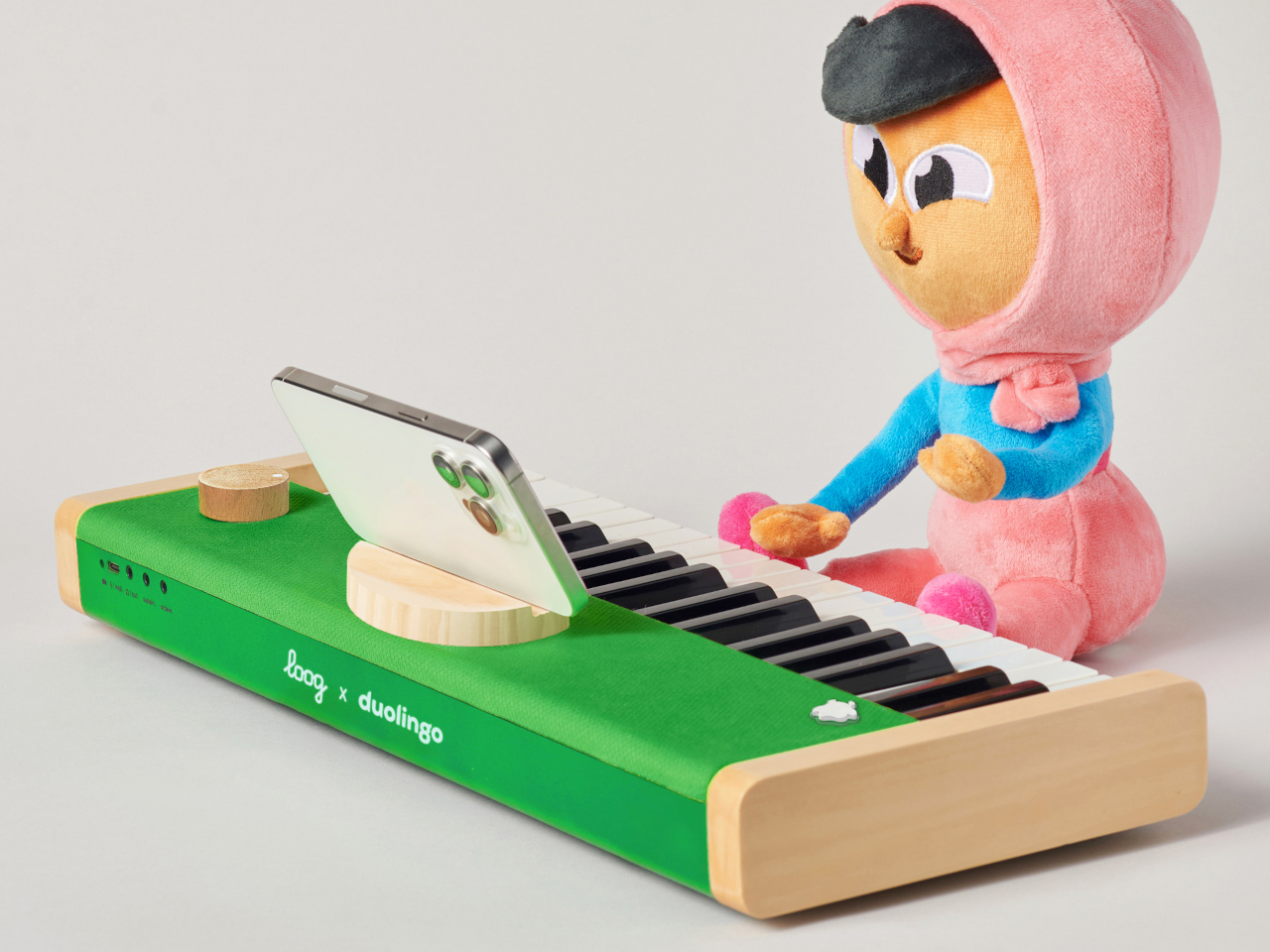
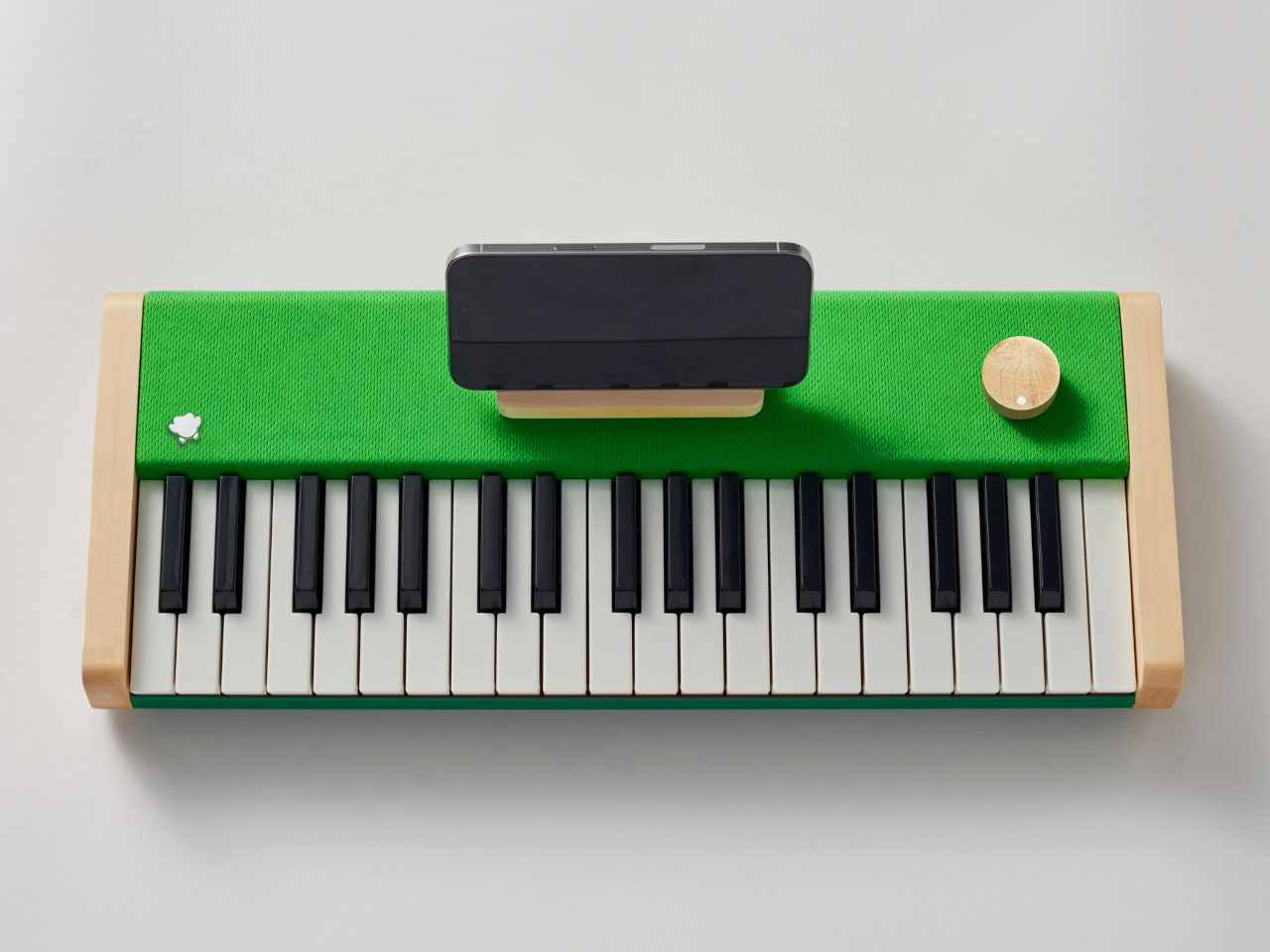
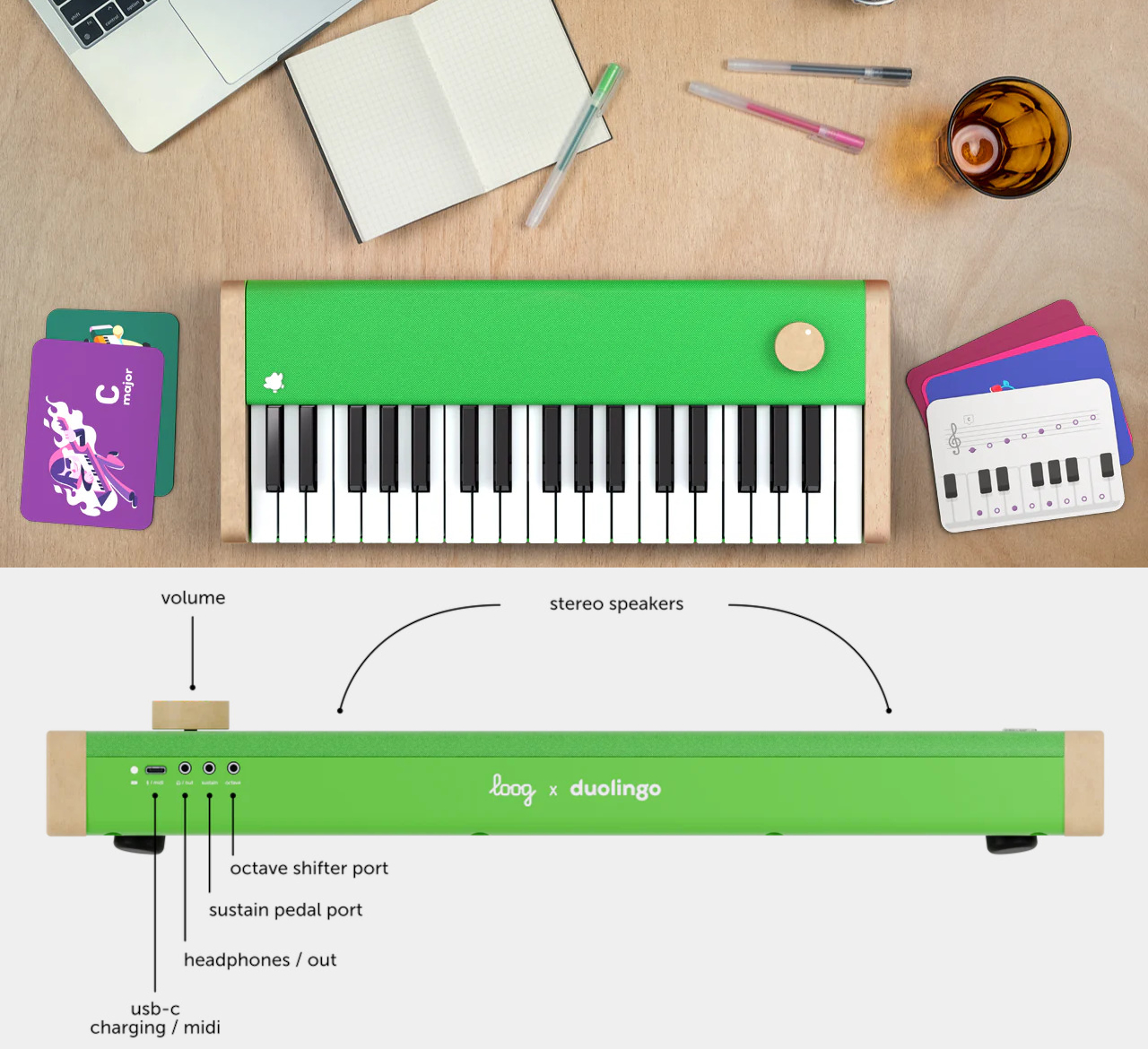
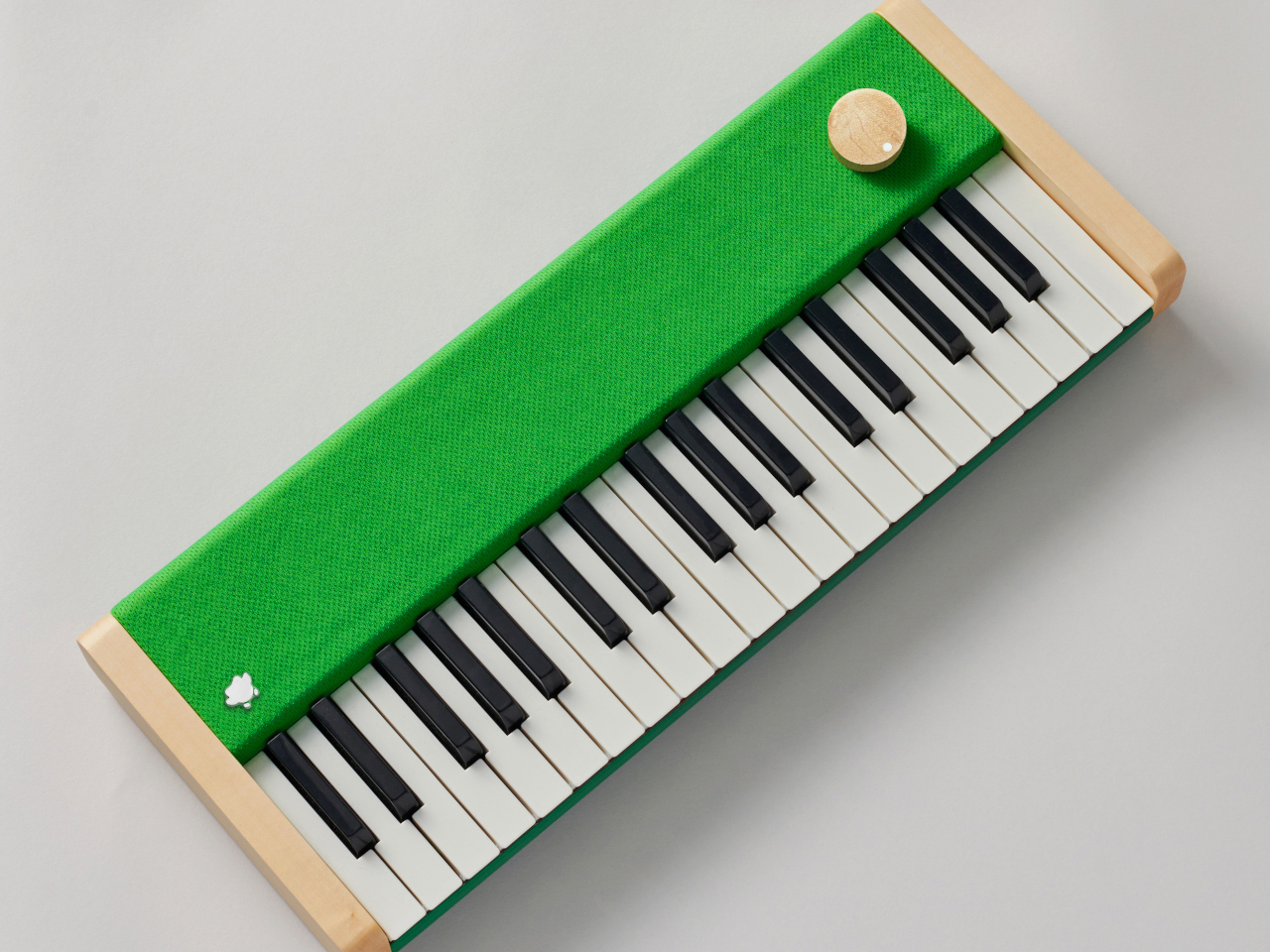
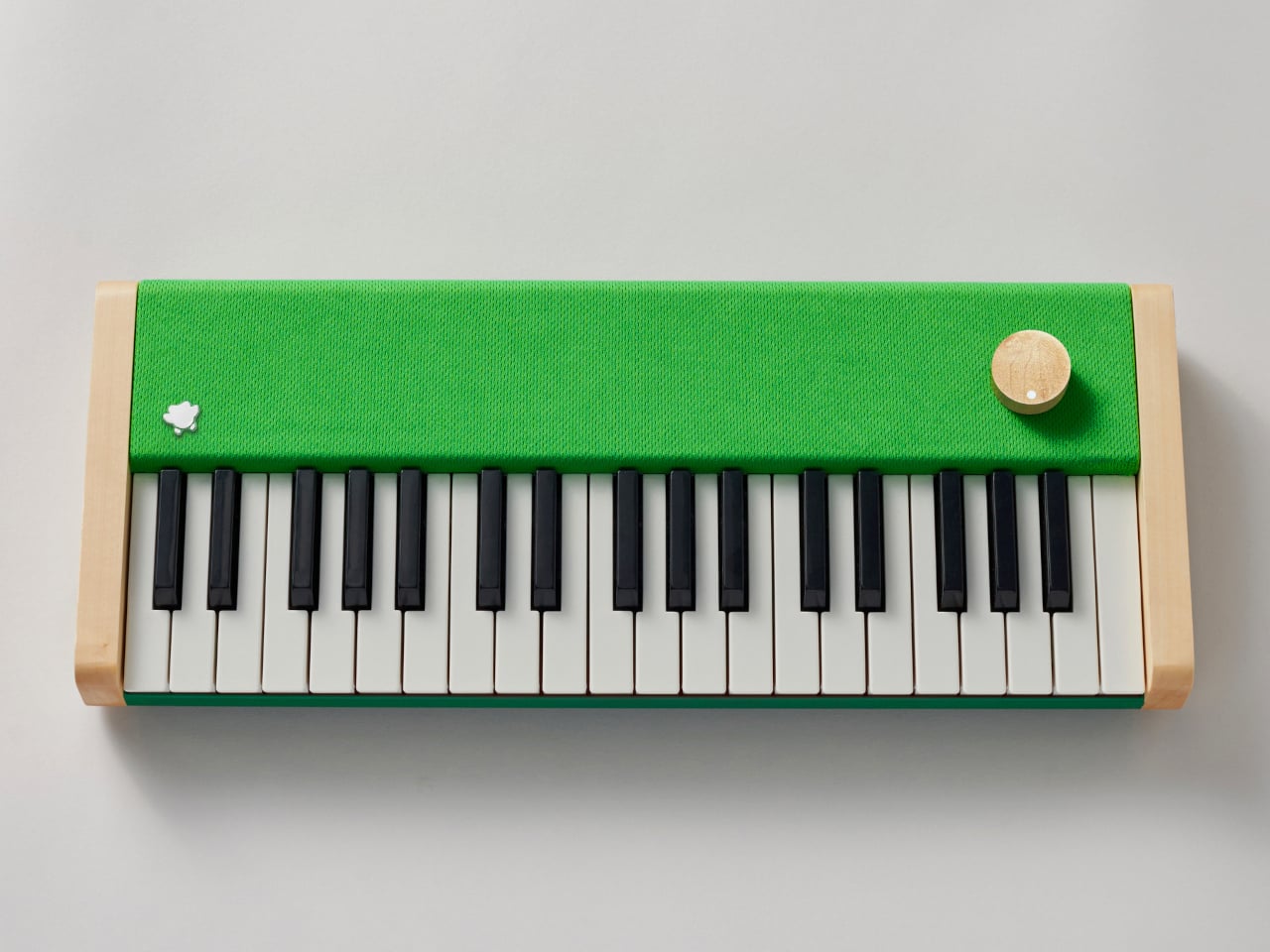
That’s what the Loog x Duolingo Piano brings to the table, figuratively and literally. It’s basically a special version of the Loog piano themed with Duolingo’s iconic green hue. It’s still the same piano made with solid wood panels that enhance the acoustics, making it sound almost like a real classical piano. It also has the same velocity-sensitive keys that implement proper dynamics, meaning that you can hit the keys harder to make the note sound louder, just like a real piano.

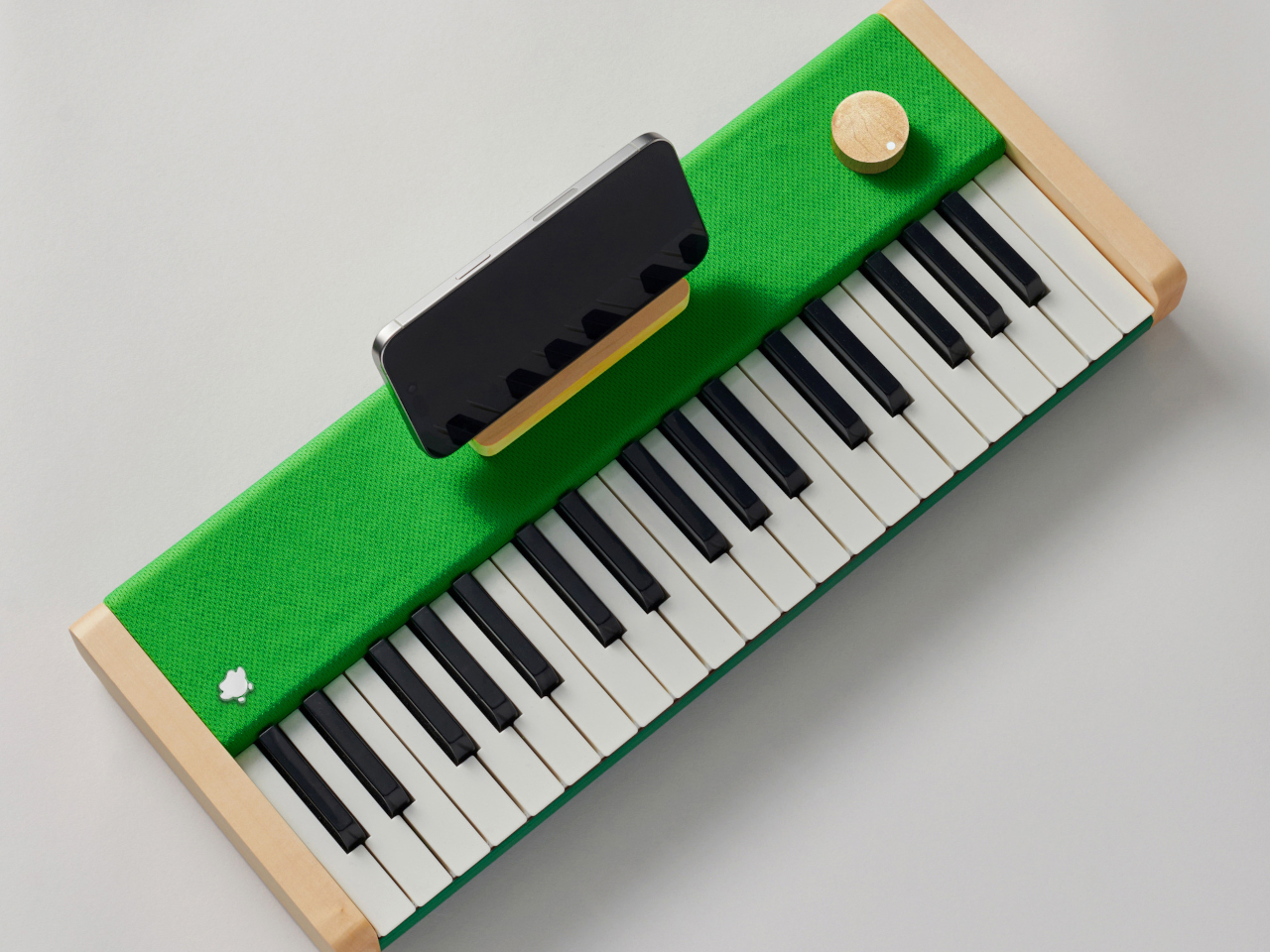
It’s not just a Duolingo-branded Loog piano, though, as this particular kit is designed with the easy-to-use and fun learning service in mind. There’s a wooden phone stand that matches the aesthetics of the piano, perfect for holding up the phone while you learn and play. And for a more offline learning experience, the package includes Piano Flashcards as well.

The Loog x Duolingo Piano is more than just a simple digital piano. It can be used as a MIDI controller when connected to an instrument via its USB-C port, and there are also ports not just for headphones but also for pedals and octave shifters. It might look like a kid’s toy, but this piano definitely has the guts to stand proudly as a proper musical instrument so that its use doesn’t stop after you’ve already mastered everything Duolingo has to teach.

The post Loog x Duolingo portable piano teaches you the language of music, the fun way first appeared on Yanko Design.
This Absurdly Sculptural Piano was designed to be the Centerpiece of a Billionaire’s Living Room

London-based design studio Based Upon is renowned for its out-of-the-box work and their latest creation is marvel on its own. Upgrading the classic piano design to a level that’s worthy of a grand art exhibition, is the Twist/D. A radical piano that breaks all norms for a creative twist.

Previously the studio has collaborated with names like Rolls-Royce and Tiffany & Co. to create collectible pieces which adorn the spaces of the rich and the famous. Building on the success of The Baby edition of five baby grands, this exclusive piece brings the grand expanse of the universe to your living room musical symphony.

Designer: Based Upon

According to Ian Abell, the essence of every piece crafted at the studio focuses on the right balance between functionality and artwork. Ian emphasis that the piano as a subject for them has “always been to create a credible piece of art while preserving the integrity of the instrument.” Twist/D tends to heighten the experience of the player as well as the listener. To everyone’s surprise, the autonomous piano is an amalgam of sculpture and technical features that delivers the touch, feel and sound of an exquisite concert grand.

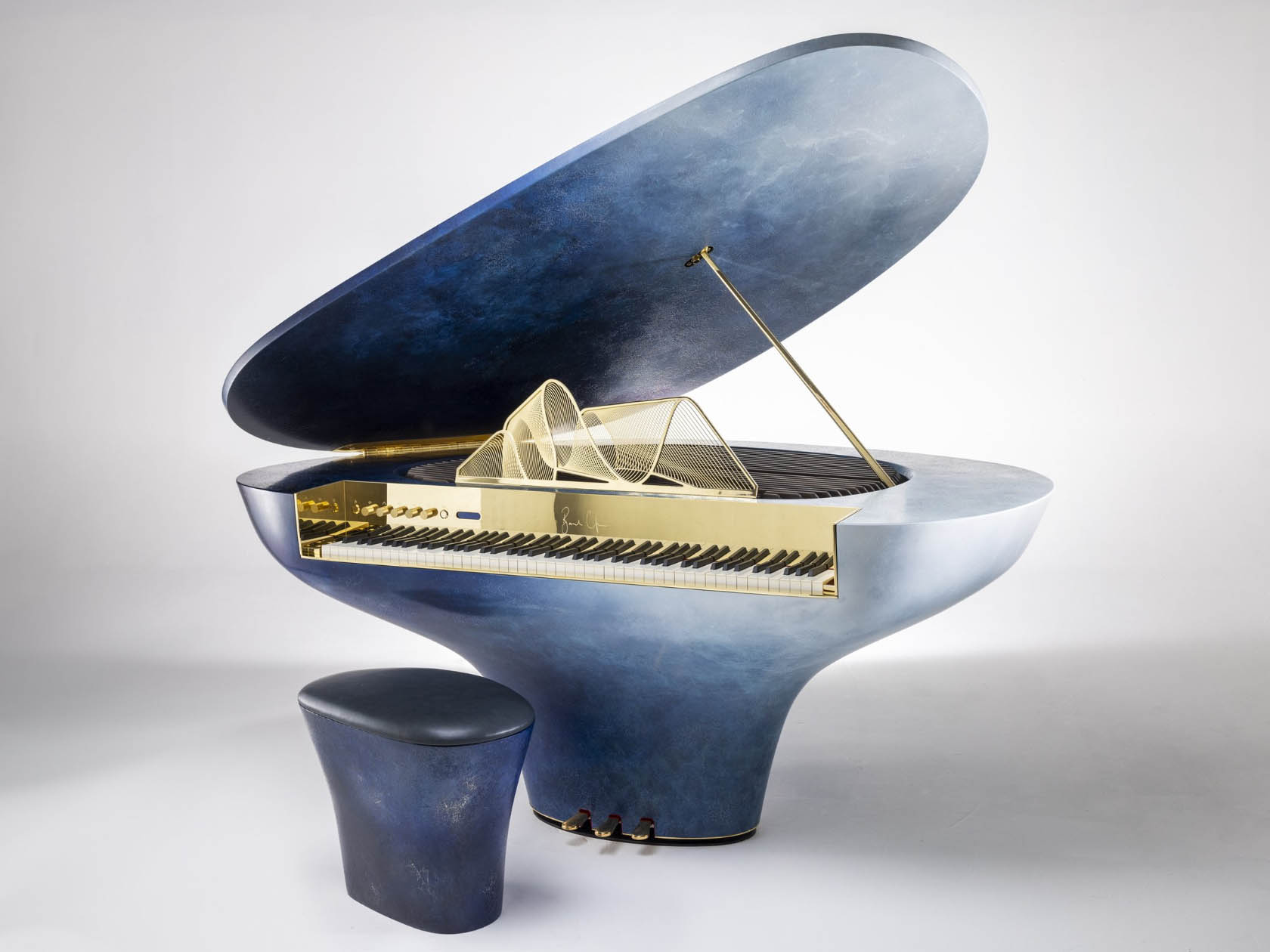
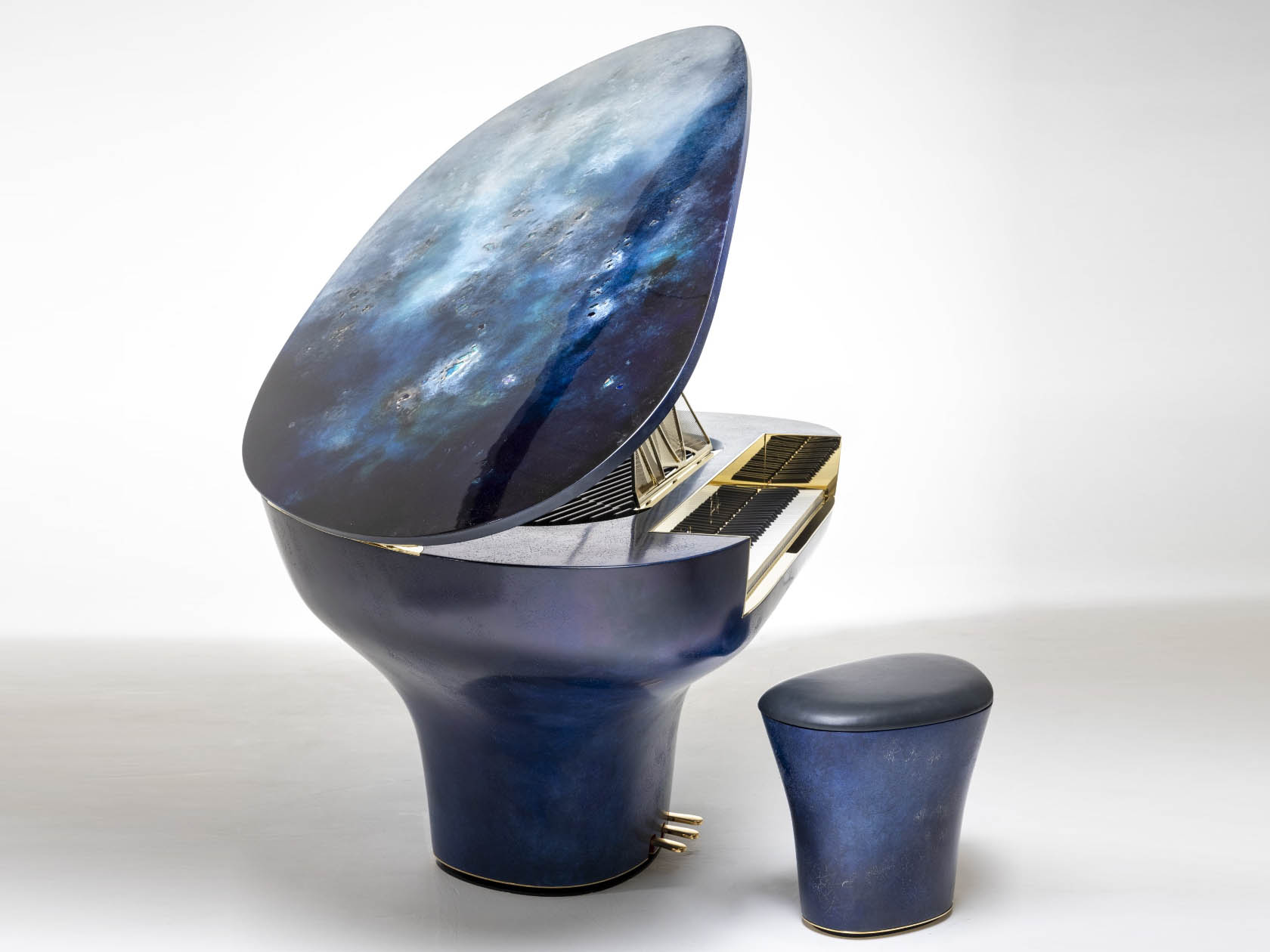
The musical instrument has a spiralling shape that embodies dynamism of a dancer’s motion. The minimal silhouette of the piano is inspired by the proportions of the Golden Spiral. For the auditory brilliance, there are 12 computer modelled Steinways and Bechsteins from different eras for a vivid tonal qualities. Just like the form of this piano, the sync between strings, cabinet resonance and pedal mechanism of the symphonies is emulated perfectly for a rich sound. So has the integration of Isle of Skye site-specific audio samples that employs impulse response reverb techniques to create signatures of the island subterranean landscape.

Based Upon has managed to craft a musical instrument from advanced material and techniques to create a deep connection with the natural world. Twist/D has a lightweight frame made out of a composite material that makes possible the unconventional shape without compromising the structural integrity. Those keys are made from sustainable ebony and ivory alternatives for an environmentally friendly design. The price of $194,600 is meant to adorn the living rooms of music composers who value the good things in life.

The post This Absurdly Sculptural Piano was designed to be the Centerpiece of a Billionaire’s Living Room first appeared on Yanko Design.
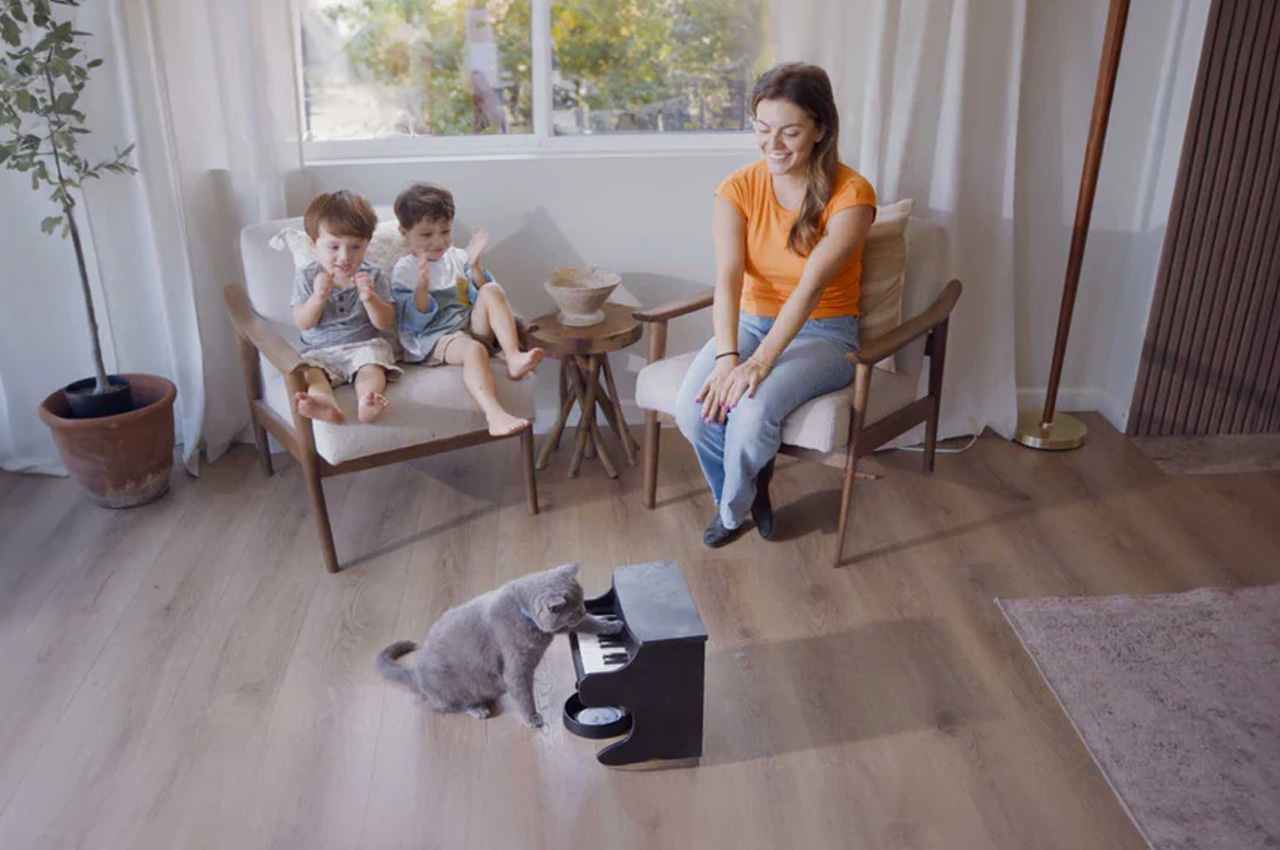
The Pet Piano turns your furry friend into an amateur pianist to dispense treats!

This takes Pavlov’s bell to a completely different level!

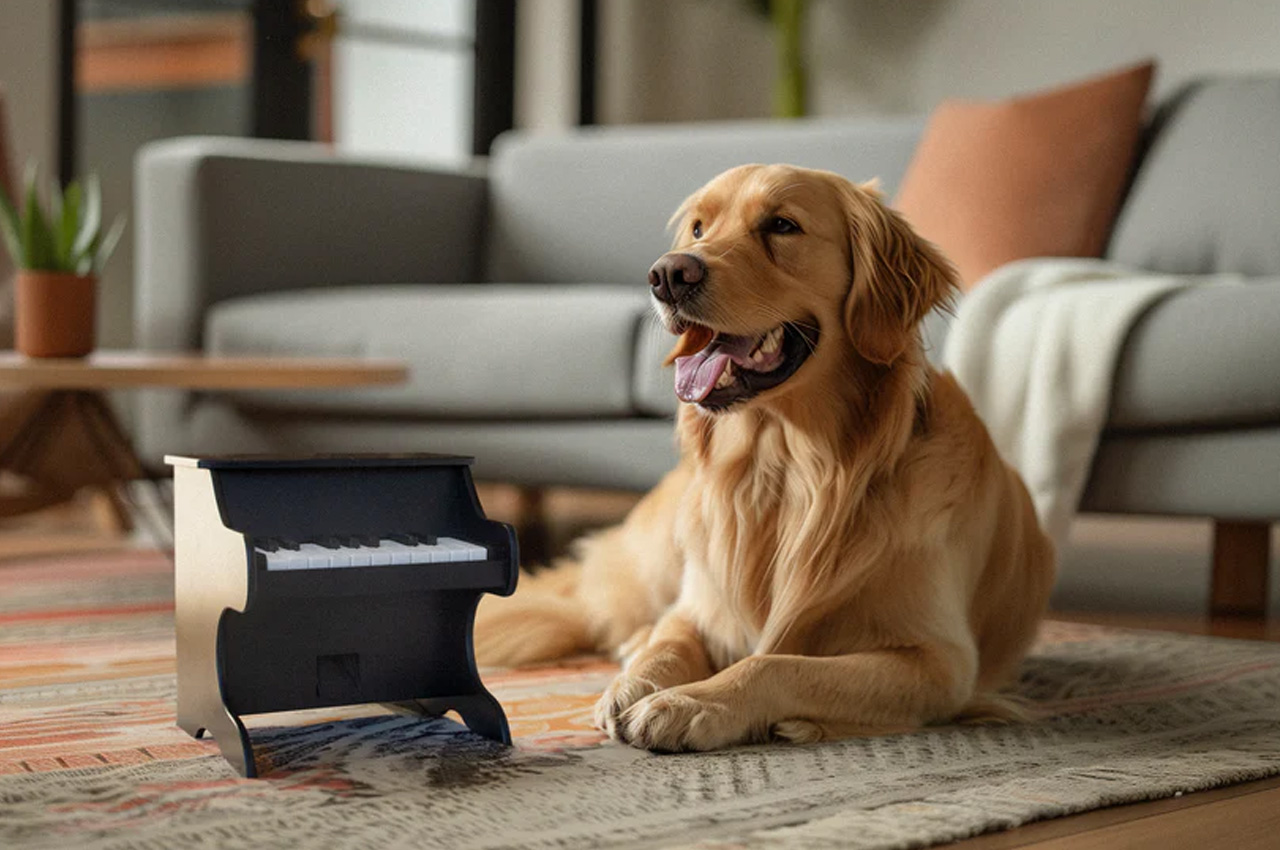
Pets react to different music in different ways. For instance, my doggo would curiously nod his head from left to right and right to left at every note he heard. But he would instantly forget it all and run for the bowl on the first note of his food dropping into it.

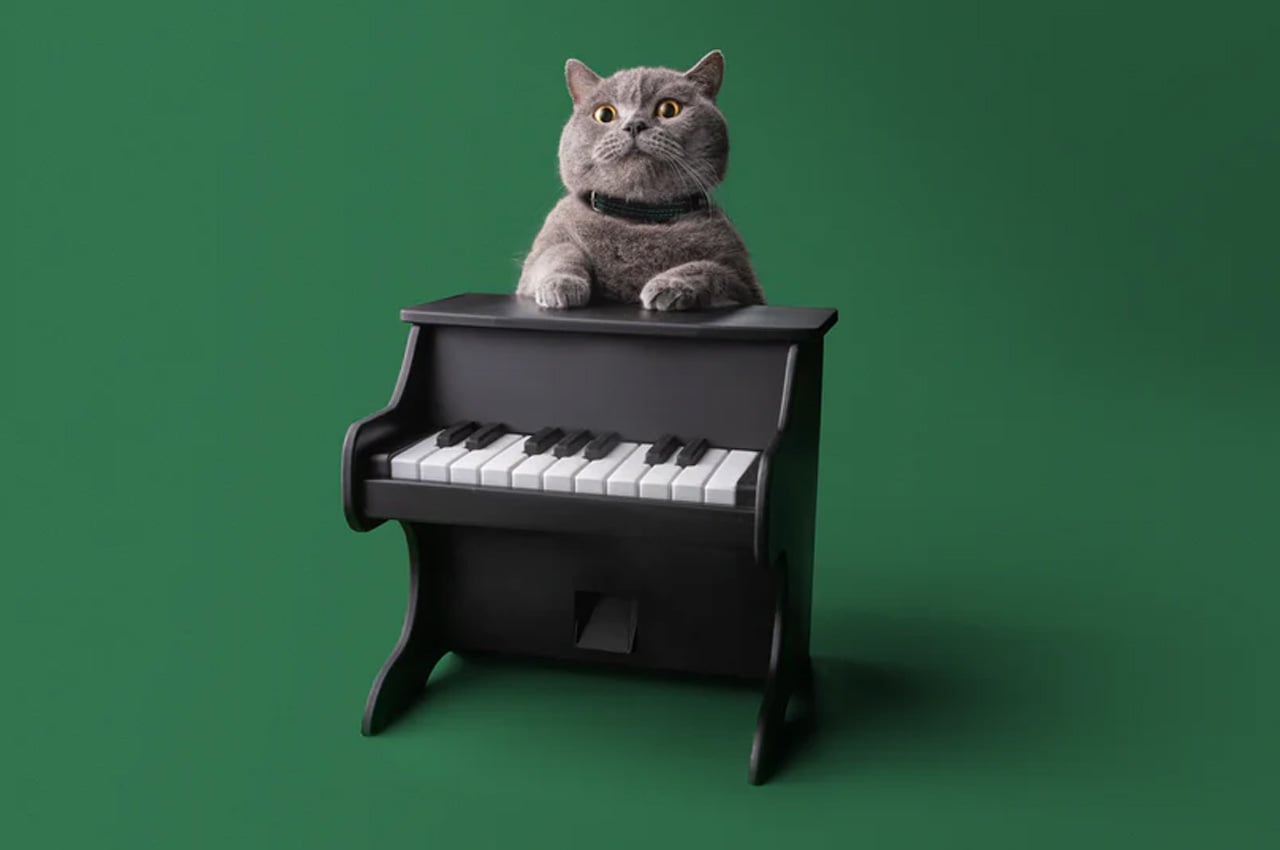
Food is dearer to music, but music is a certain entertainer: this is not only true for humans, but for cats and dogs as well. If you agree, there is a musical way to keep your pet entertained and fed when you’re at home or away with the Pet Piano, a cross of an automated pet feeder and a piano.

Designer: The Pet Piano

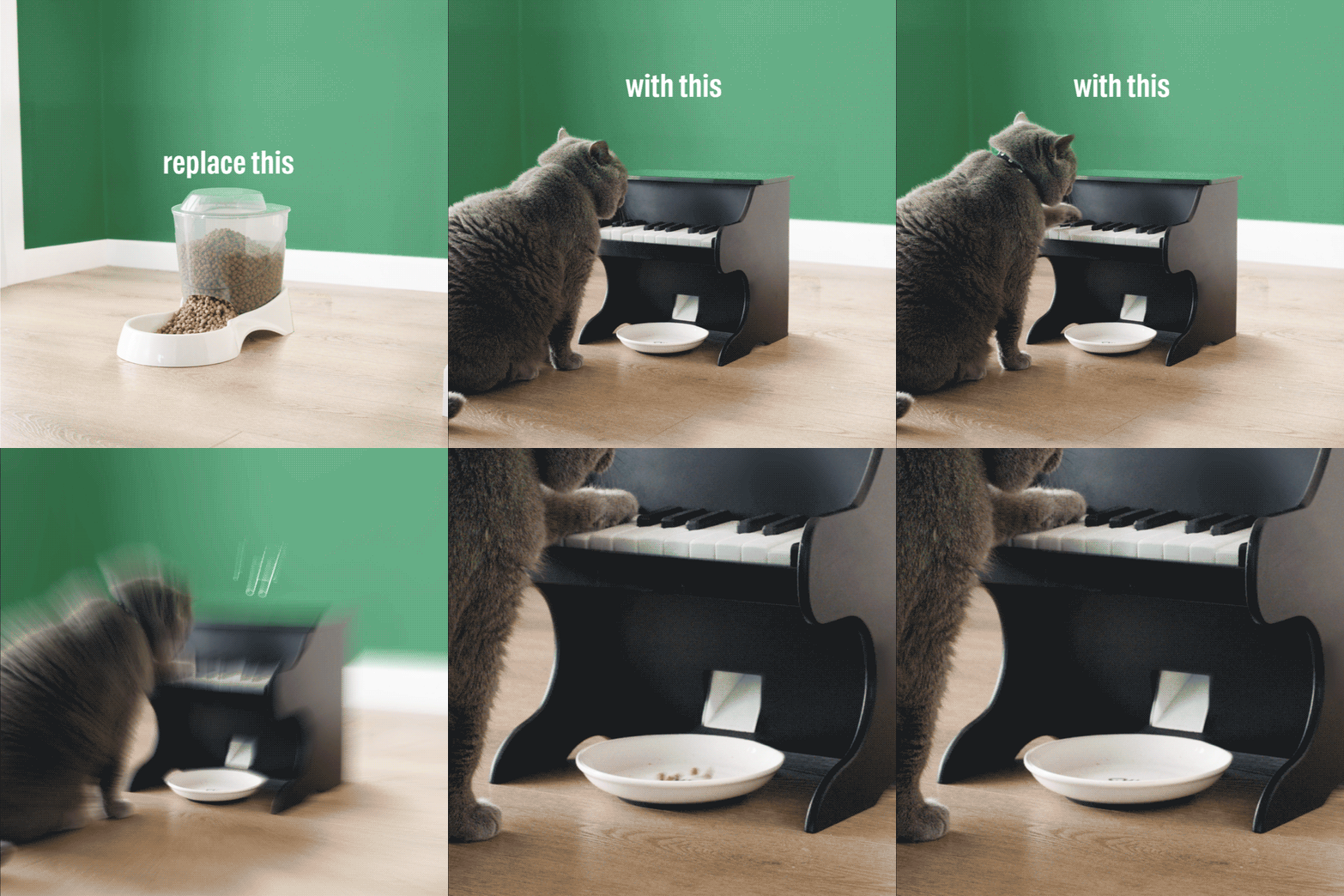
Essentially a DIY project carried out by YouTube channel Smart Solutions for Home on the behest of YouTuber Aaron’s Animals, the smart piano pet feeder is now a buyable product, available on preorder from the pet piano website. If you’re a DIYer, you can still follow the step-by-step instructions to build a piano for your cat (as it was initially intended to be), otherwise, you can buy a ready-to-ship product and get your pet trained to play Beethoven while keeping her fed even when you are away.

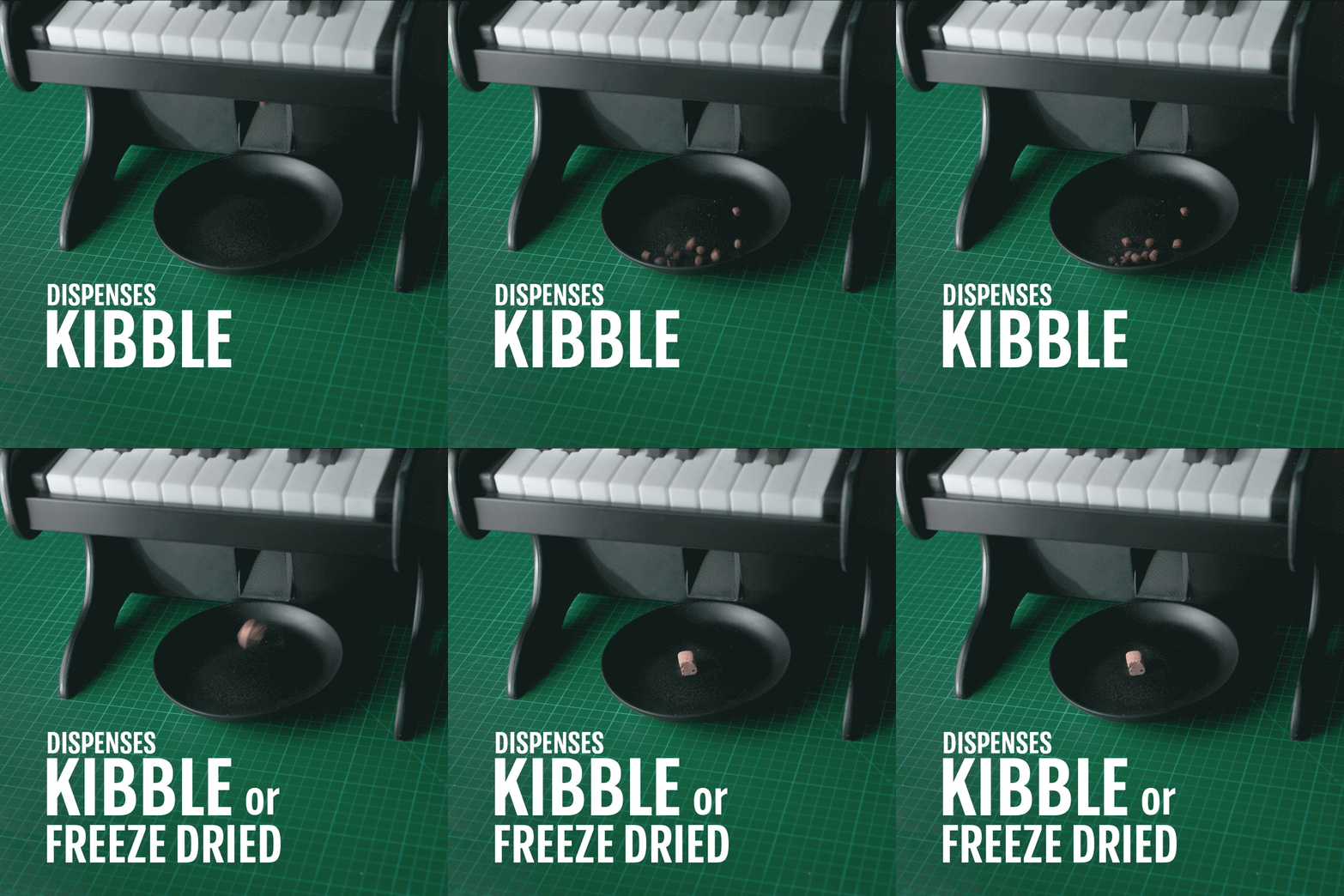
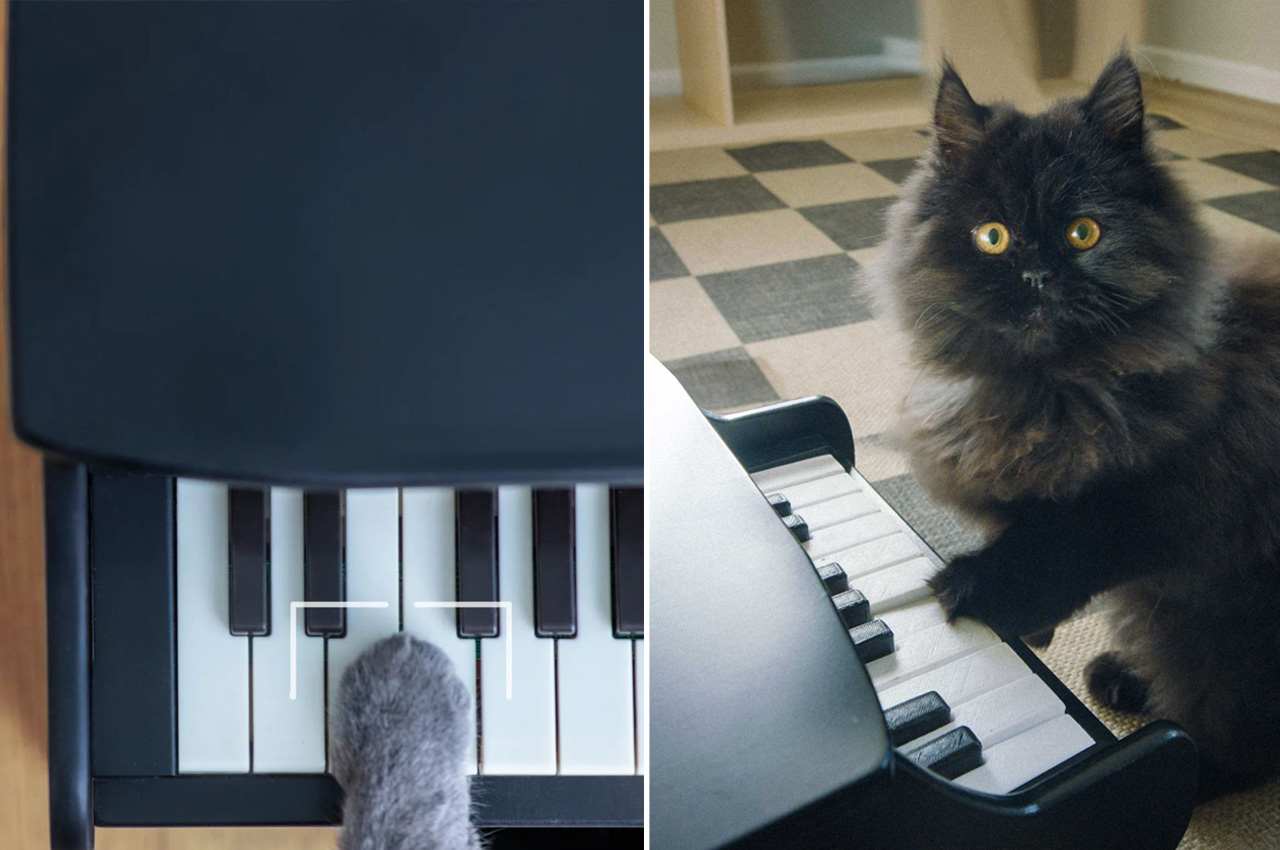
The interesting pet piano is created to release a measured quantity of food whenever the pet presses the key(s). Treat from creating music will be a phenomenal experience for your pet considering that a reward mechanism inculcates a behavioral change in a dog or cat’s cognitive development and mood. So, a reward (food) in return for pressing keys – that make melodious sounds – a positive behavior can in inculcated. As a safety measure, the Pet Piano is created to dispense treats at a moderate pace, which also promotes healthier eating habits.

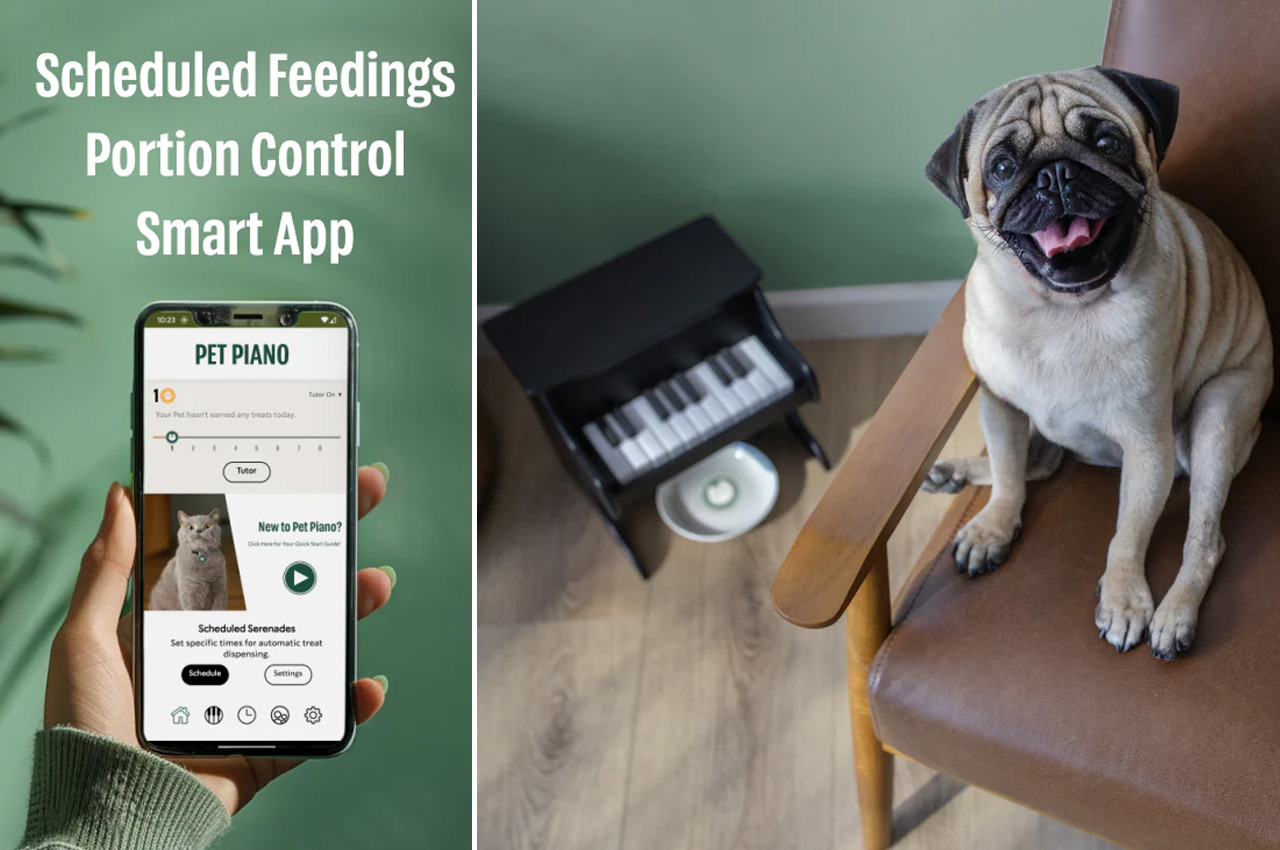
Further, your pet can also leverage the auto tutoring mode of the pet piano, which automatically trains your pet to level up her piano skills over time. And for days when the pet is not in the mood to play the instrument, the feeder can be scheduled to dispense food – at a scheduled time – through the dedicated mobile app which can also be used to control and monitor the meal portion and other features.

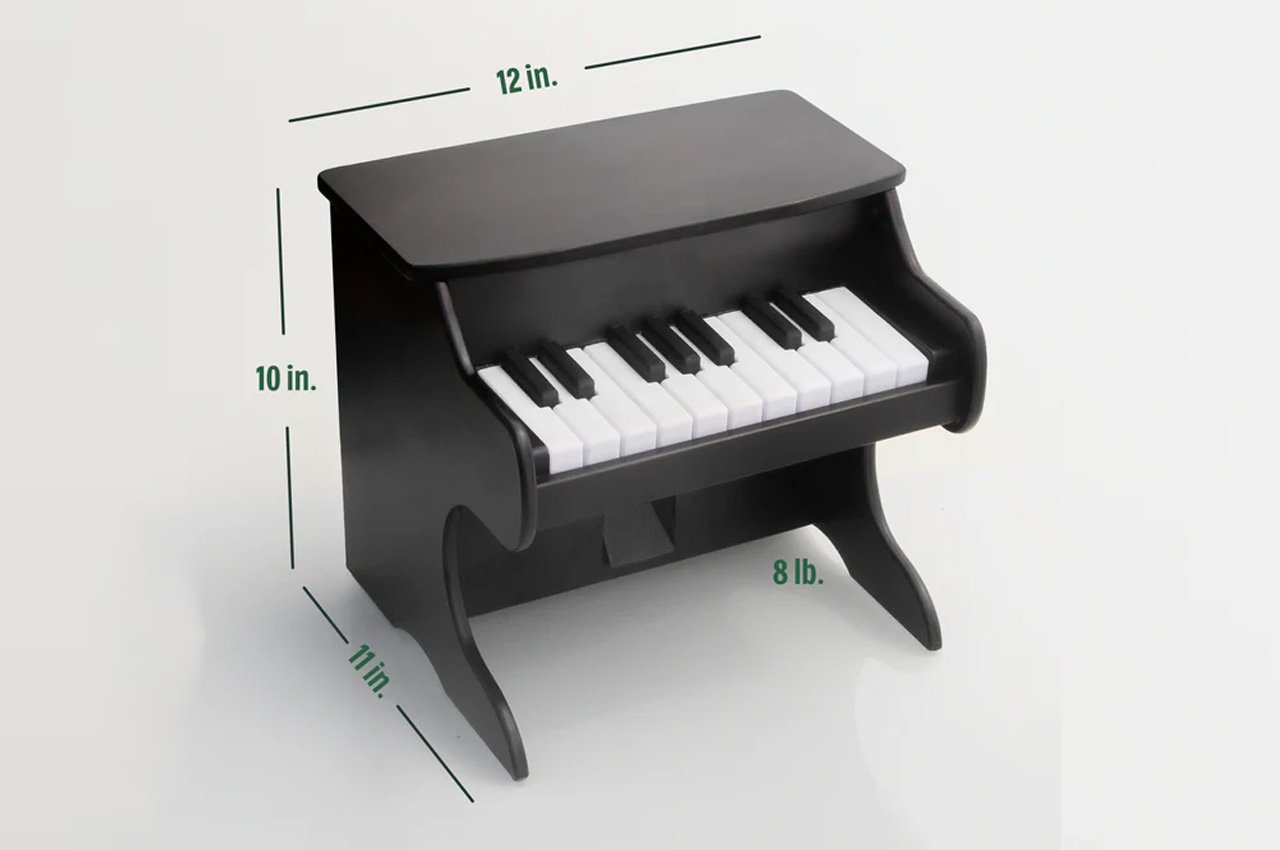
In comparison to other plastic and visually jarring pet feeders, the Pet Piano is made from durable MDF wood in a matte black finish so it can easily merge with your home aesthetic. Usable with cats and dogs of all shapes and sizes, it is provided with a locking mechanism to prevent break-ins and runs off batteries or can be plugged into a power source for nonstop functioning. We can’t guarantee your pianist pet will trend on TikTok, but it’s worth a shot, no?

The post The Pet Piano turns your furry friend into an amateur pianist to dispense treats! first appeared on Yanko Design.