Alpine’s Wildest F1 Concept Car Concept Uses a Magnetic Levitation Cockpit to Protect Its Driver

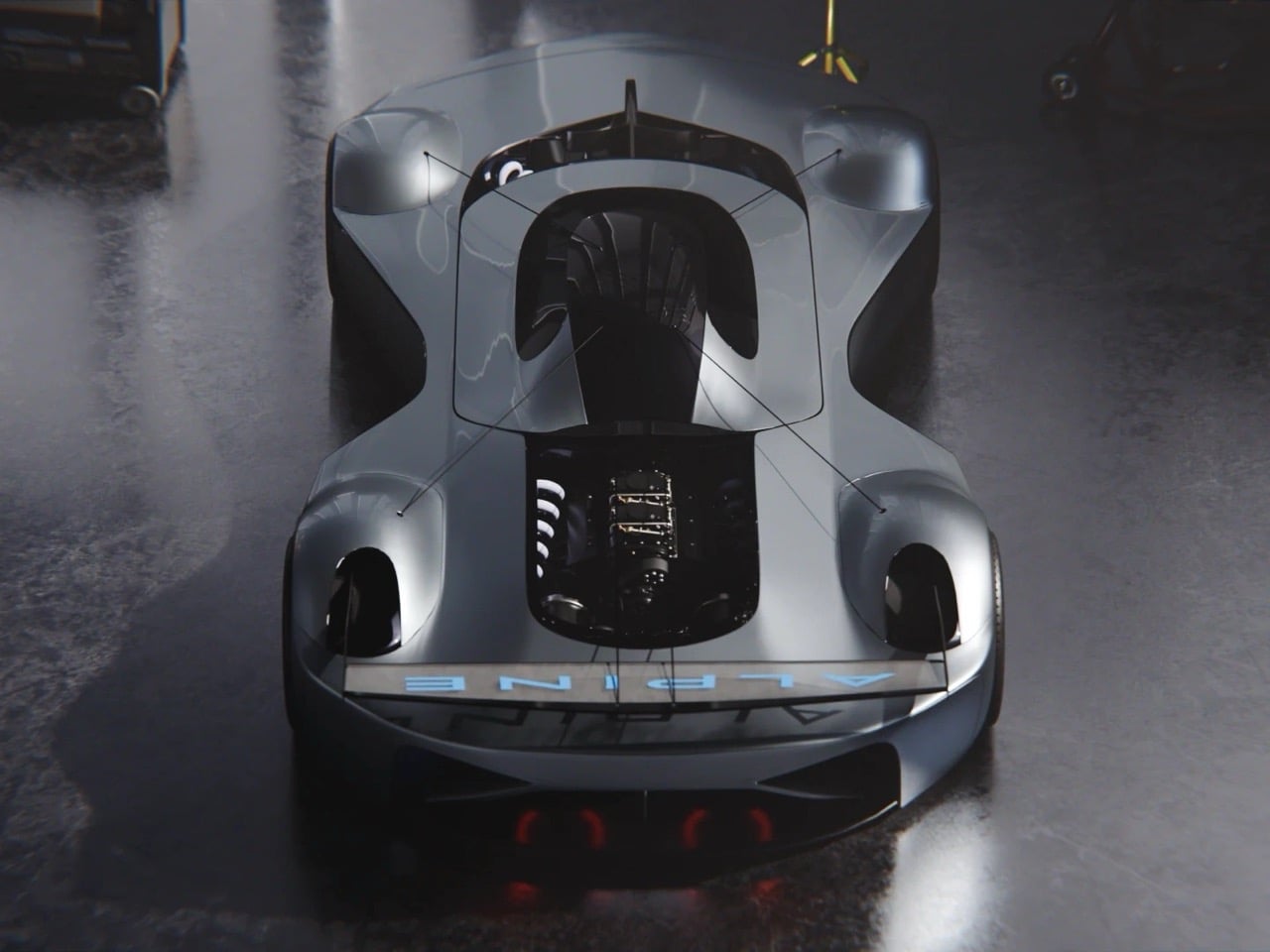
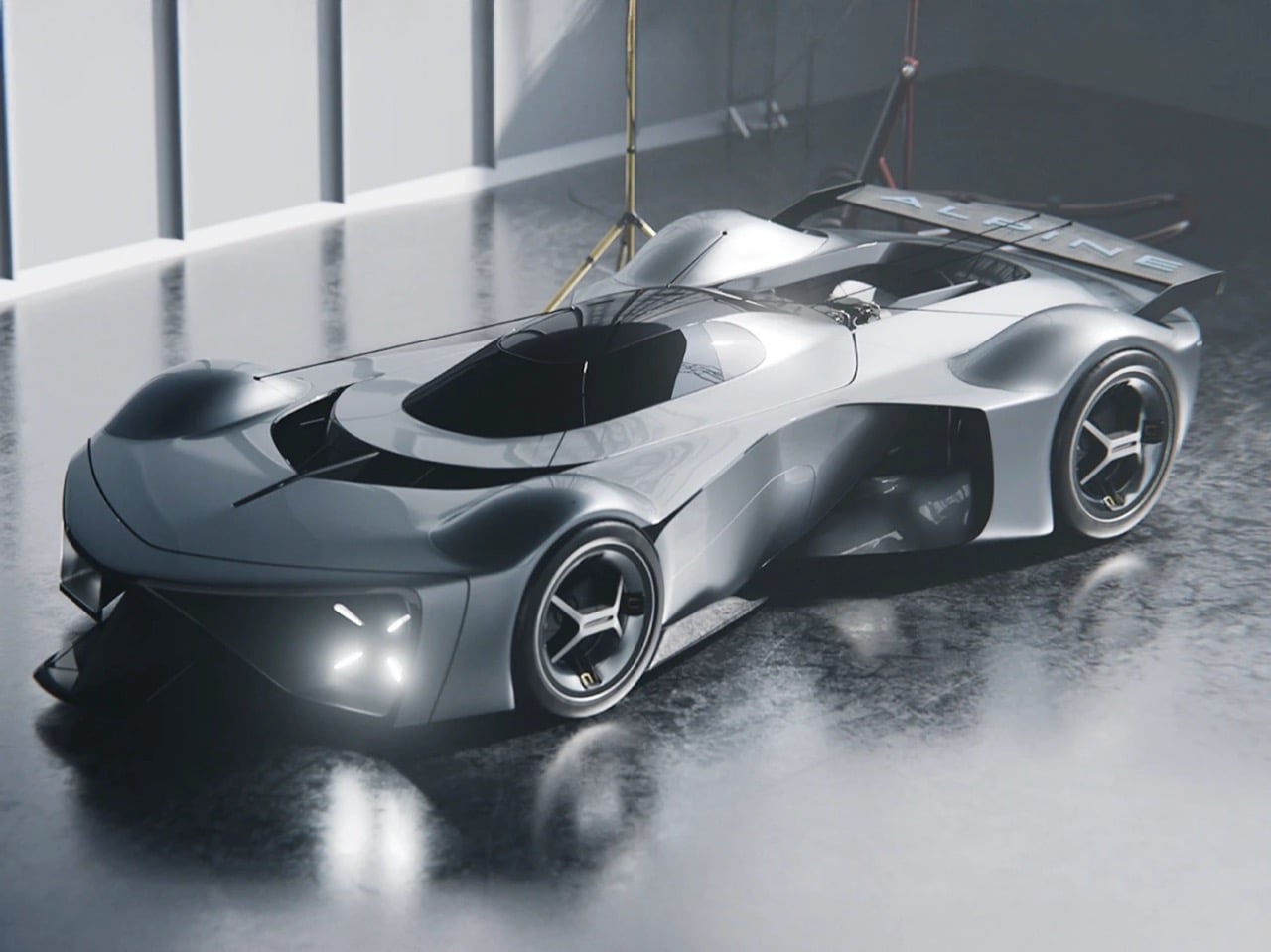
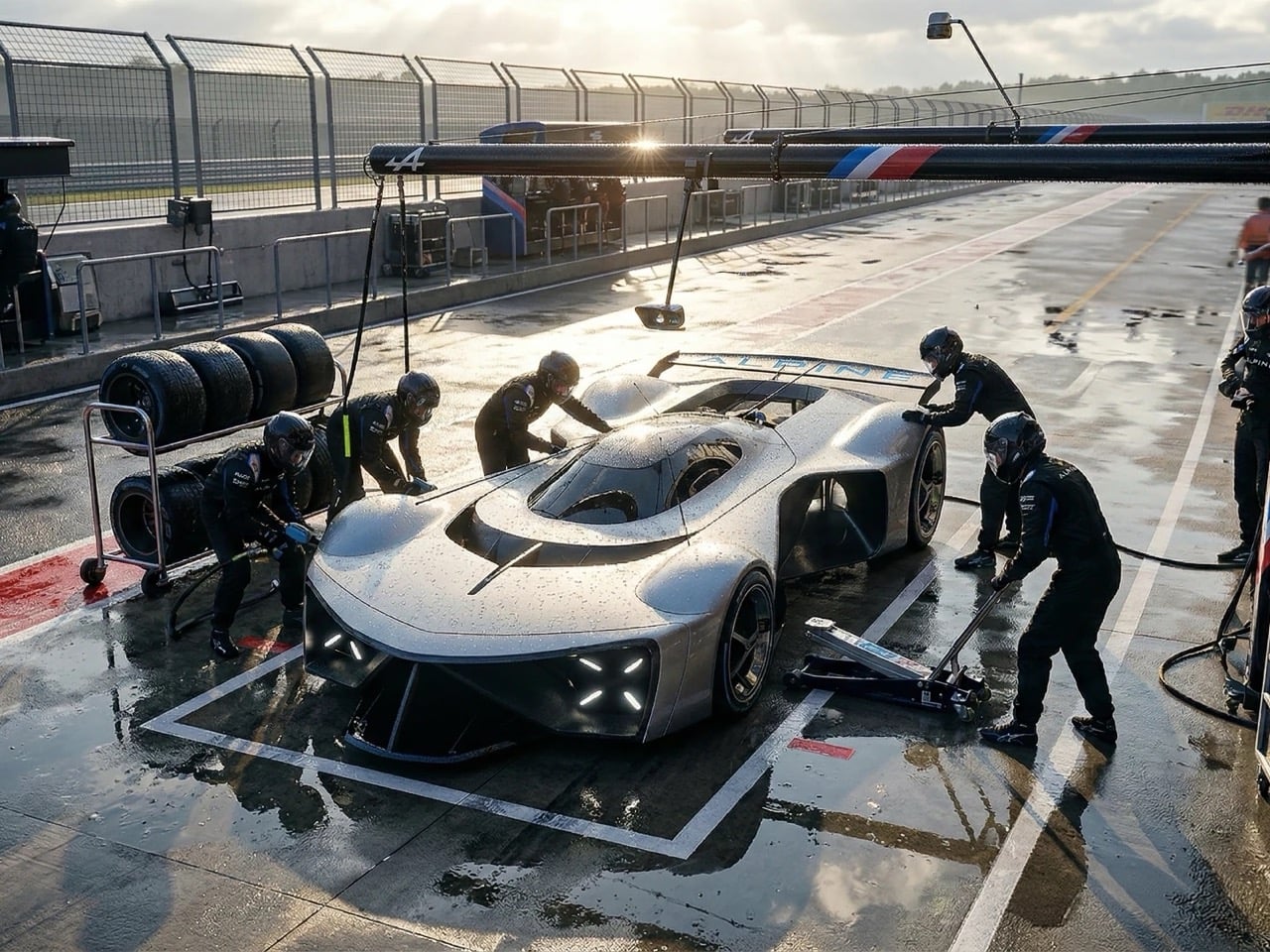
If Alpine’s 2026 season is about consolidation, about switching to Mercedes power units and clawing back from last place in the Constructors’ Championship, then HakHyeon Lee’s Alpine Horizon concept is the opposite impulse entirely. This is a designer throwing Alpine’s arrow logo onto a closed-cockpit hypercar with a magnetically levitating driver pod, wire-tethered to a chassis that borrows its DNA from Le Mans prototypes rather than anything on the F1 grid. Pierre Gasly and Franco Colapinto are busy trying to drag the real Alpine up the standings, but Lee’s concept lives in a universe where the brand already won everything and started experimenting with physics.

Alpine confirmed in February that it will withdraw from the World Endurance Championship’s Hypercar class after this season, ending a program that includes the A424’s maiden victory at Fuji in 2025. The historic Viry-Chatillon facility, home to Renault’s F1 engines for nearly 50 years, faces an uncertain future now that both the power unit program and the WEC effort are winding down. Lee’s Horizon arrives against that backdrop, a vision of Alpine as an endurance powerhouse while the real endurance team prepares for its final campaign with Charles Milesi, Ferdinand Habsburg, and Antonio Felix da Costa carrying the flag one last time.

Designer: HakHyeon Lee
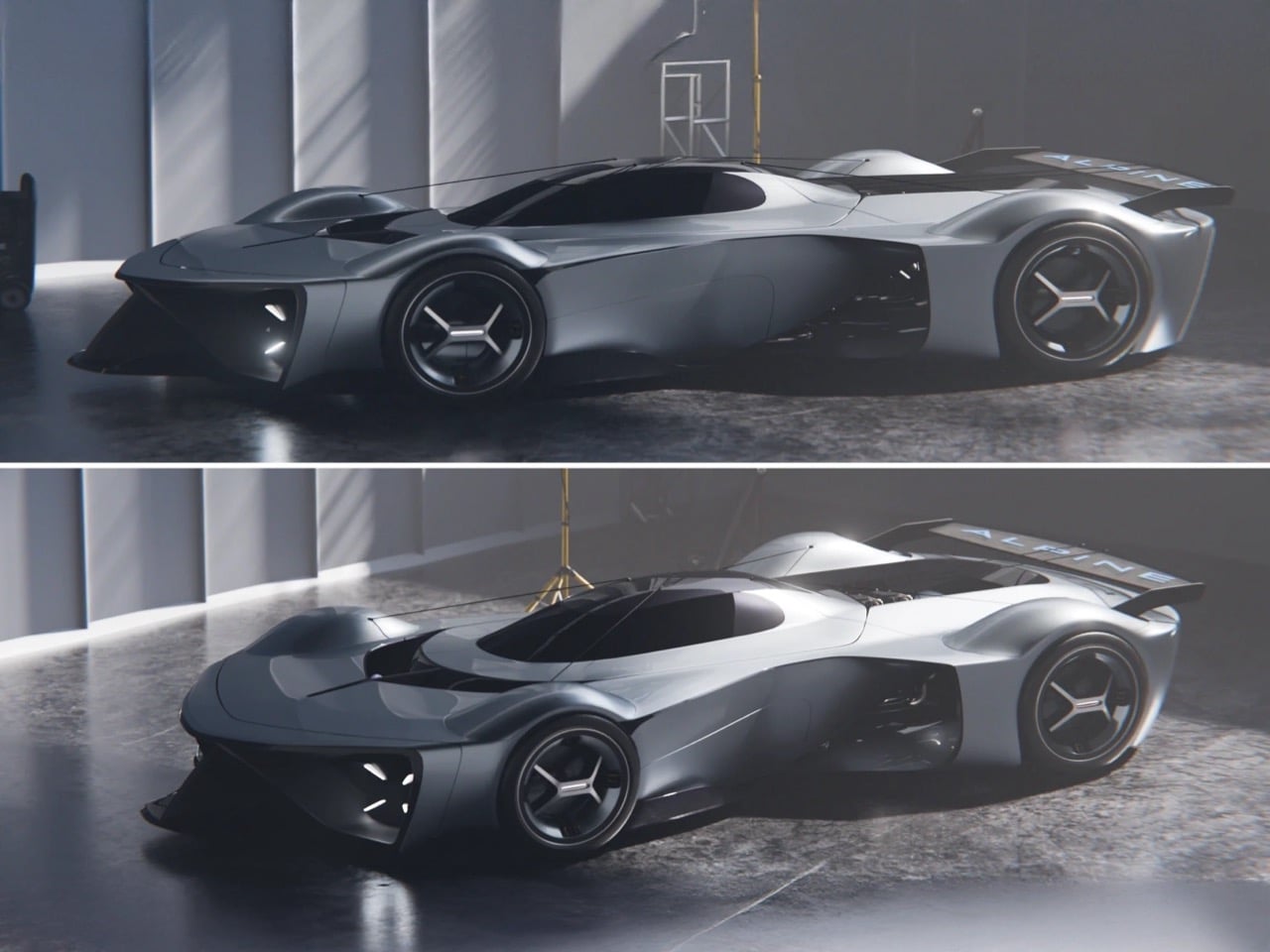
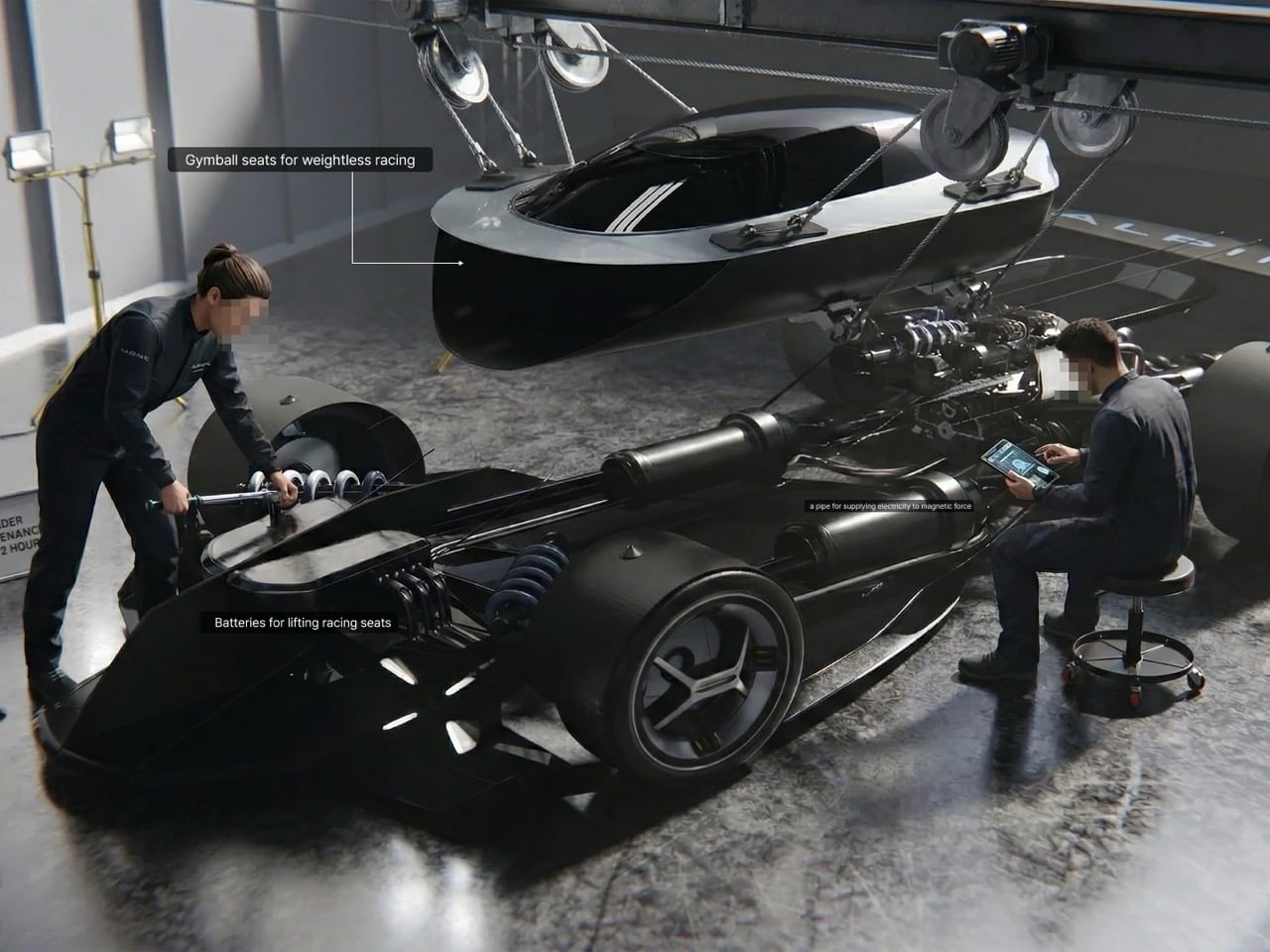
The centerpiece of the Horizon is its magnetic levitation cockpit, and the idea is genuinely ambitious. Lee proposes using electromagnetic repulsion between rails on the chassis frame and magnetic devices in the cockpit pod to physically lift the driver compartment off the car’s body. The claimed benefit is a ride that absorbs sudden acceleration forces and jump sections in ways conventional suspension cannot, essentially decoupling the driver’s experience from the violence at the contact patches below. High-strength wire tethers prevent the cockpit from separating entirely, acting as a mechanical leash for what is otherwise a floating capsule.
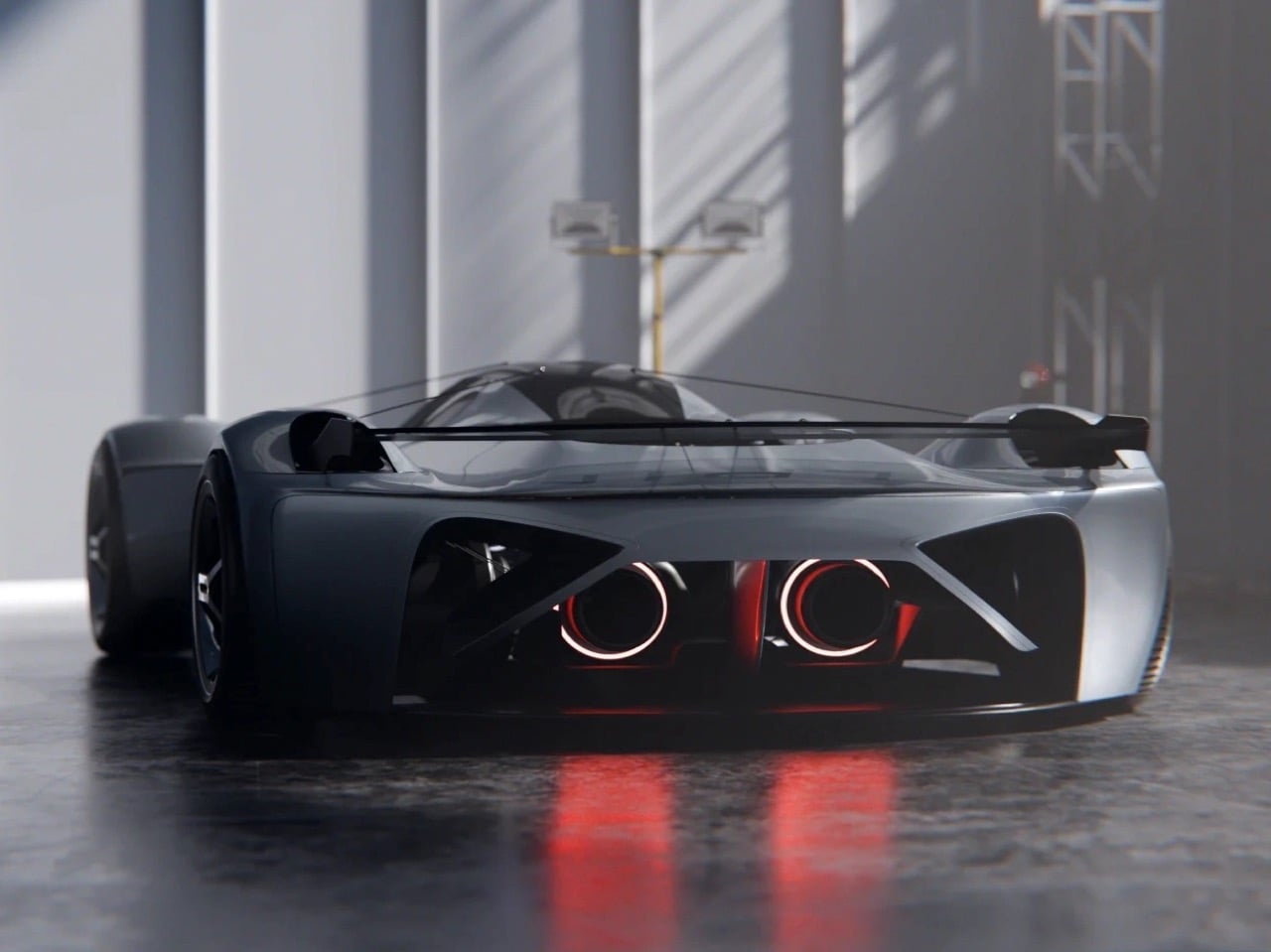
From a safety perspective, the Horizon’s fully enclosed cockpit speaks to a debate that has followed Formula 1 since the Halo became mandatory in 2018. The FIA tested closed canopy designs before settling on the titanium Halo, and their reasoning came down to driver extraction: a closed cockpit with more structural complexity could trap a driver in a burning car. Romain Grosjean’s fiery 2020 Bahrain crash validated that thinking, with the Frenchman escaping largely unassisted while the Halo deflected the barrier from his head. But Lee’s Horizon sidesteps this entirely because closed cockpits are already standard in endurance racing, where LMDh and LMH cars run enclosed driver cells as a matter of course.
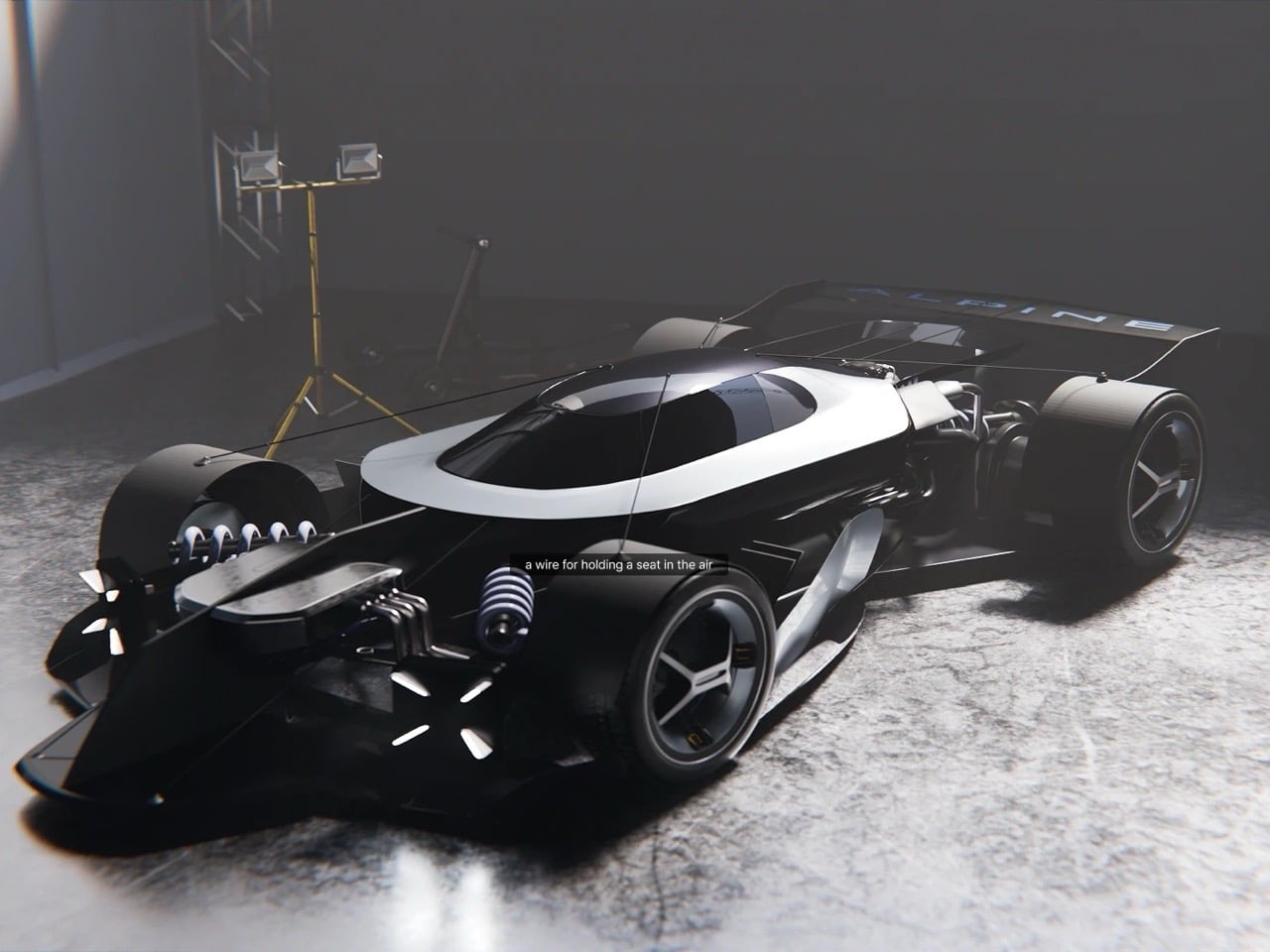
And that’s the critical distinction here. The Horizon shares almost nothing with a modern F1 car. Current F1 machines are narrow, open-wheeled, open-cockpit designs with exposed suspension and aggressive front wings dictated by FIA regulations. The Horizon sits low and wide with massive wheel arches that swallow the tires, a long rear overhang housing a substantial diffuser, and a front splitter that could double as a snowplow. Its silhouette reads as a Toyota GR010 or Porsche 963 cousin, filtered through Lee’s smooth, organic surfacing language where the canopy melts into the car’s spine without a single harsh panel gap.
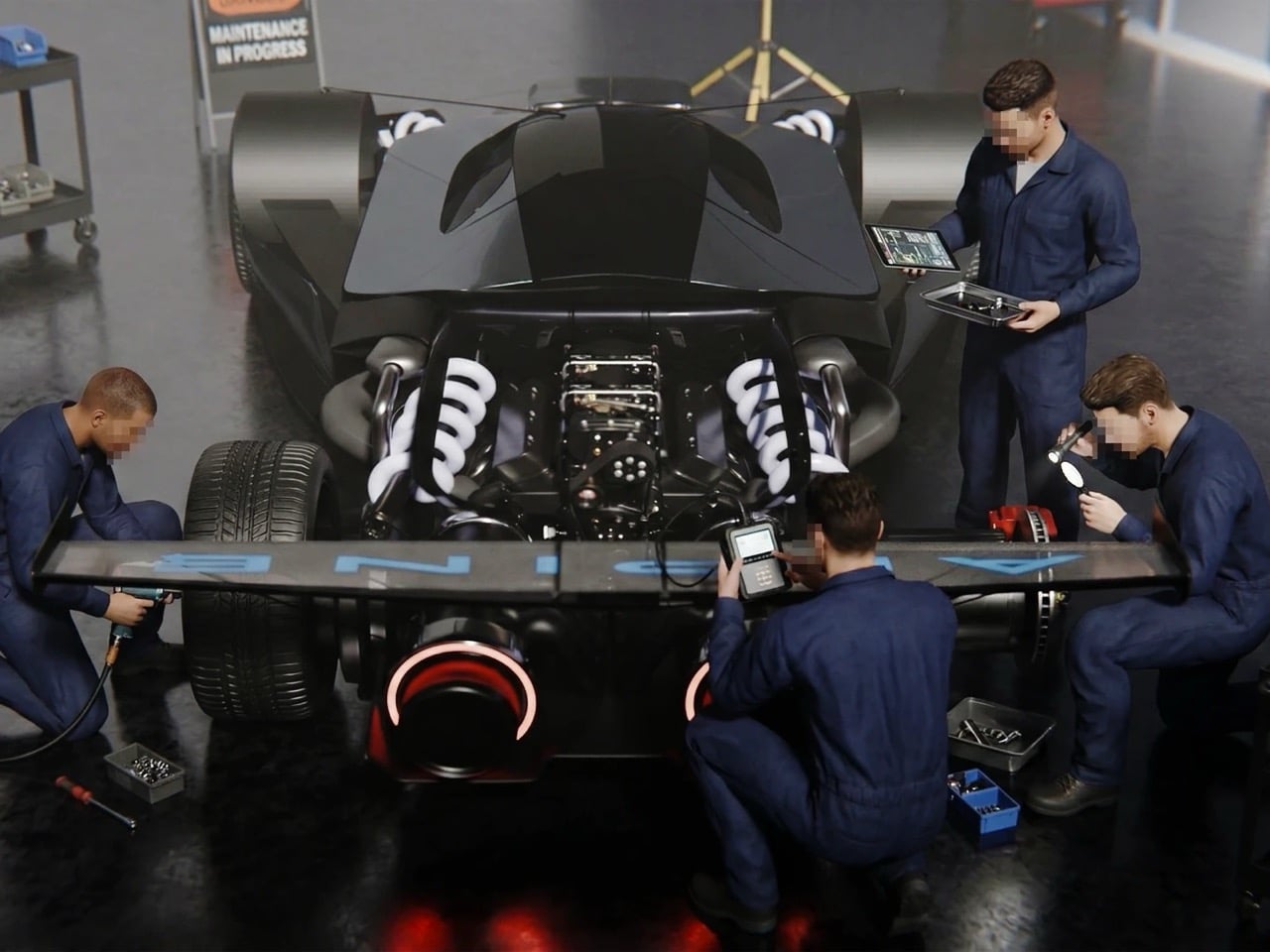
Inside the cockpit, Lee imagines gimbal-mounted seats designed for what he calls “weightless racing,” working in concert with the floating pod to keep the driver’s body stable under extreme forces. It is a layered isolation system: the cockpit floats on magnets, the seat pivots on gimbals within it, and the driver theoretically experiences something closer to stillness while the car battles the track surface below. Batteries housed in the chassis power the entire magnetic levitation system, and cutaway views show them positioned low for center-of-gravity optimization.
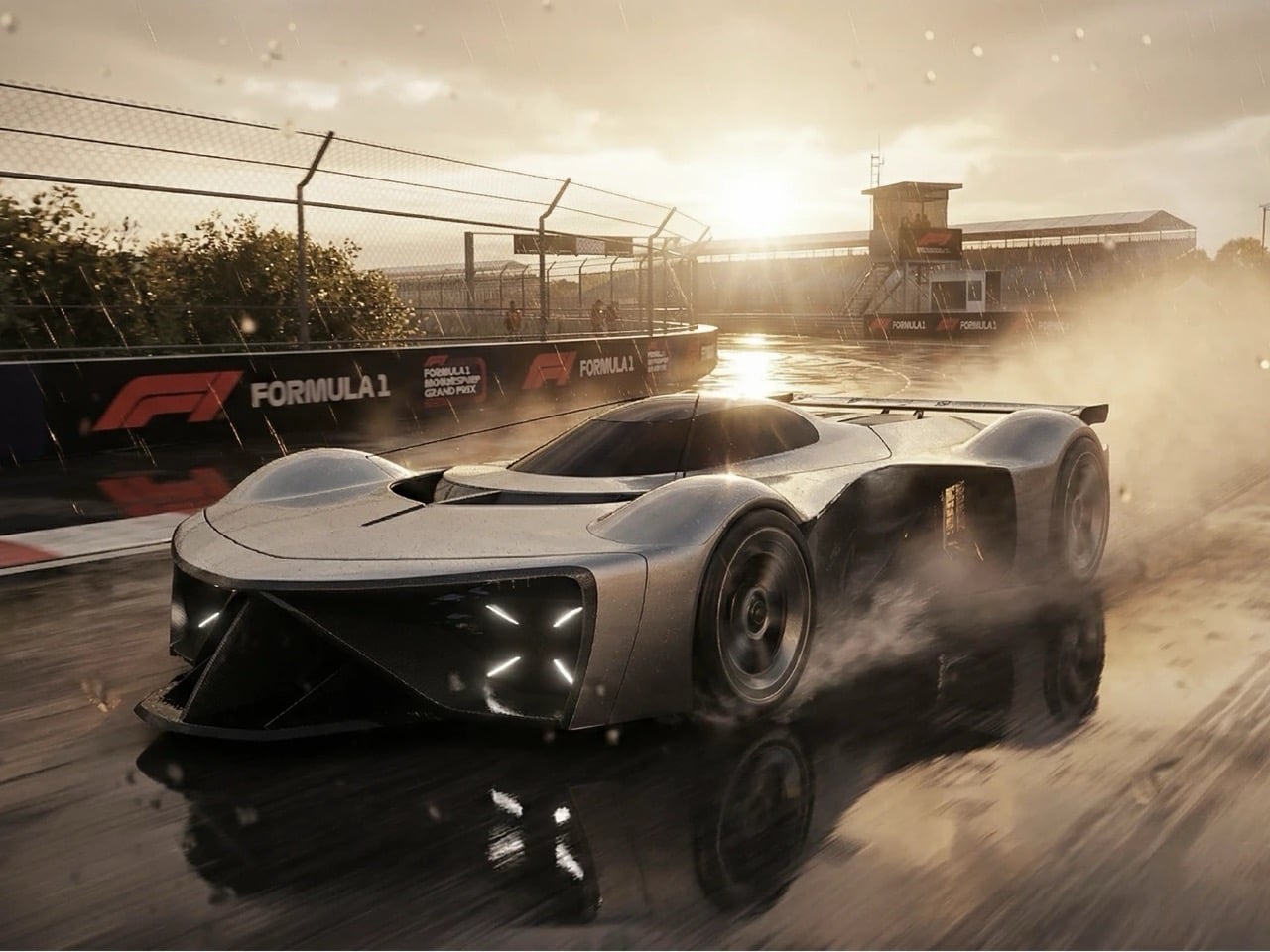
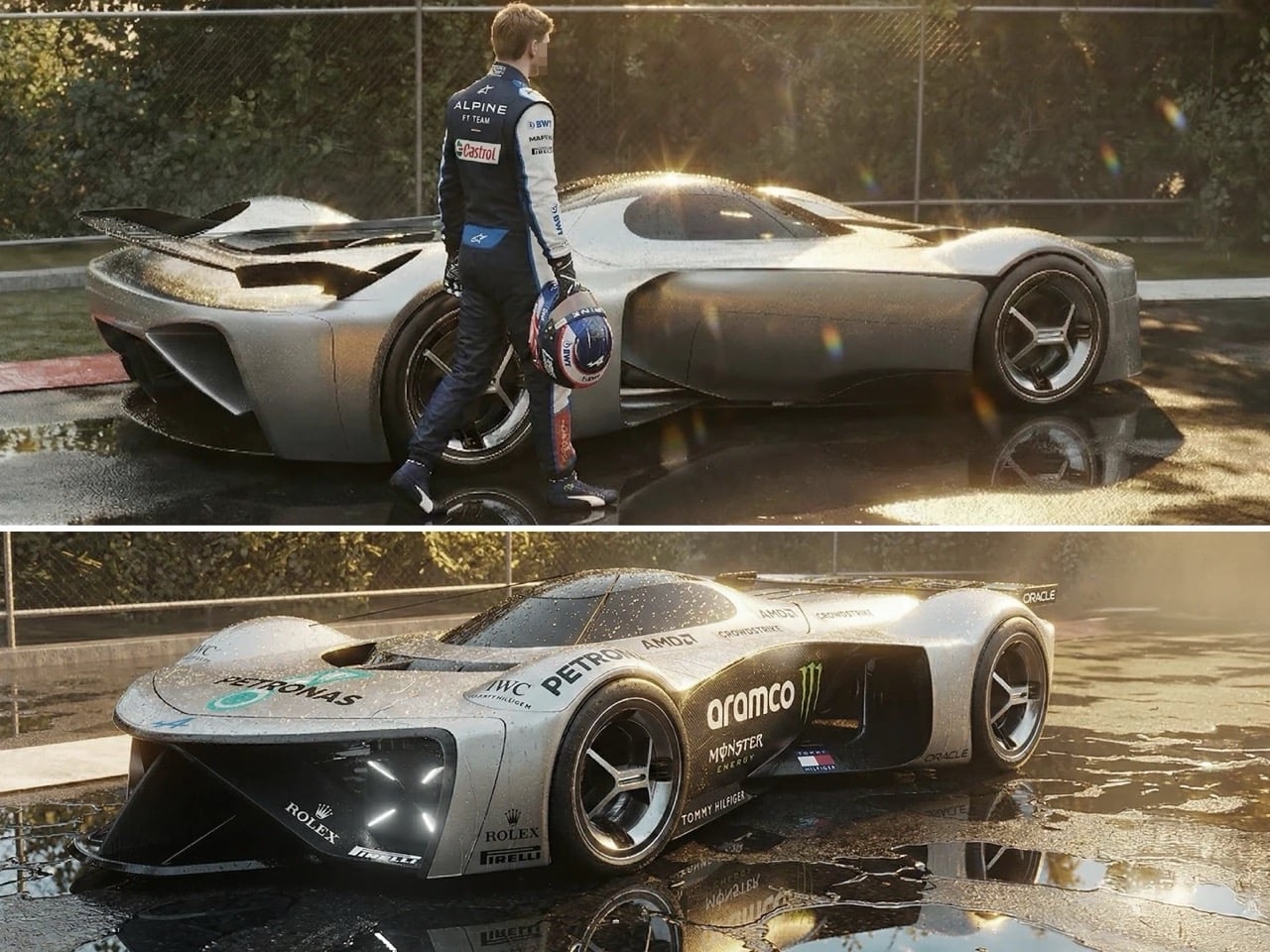
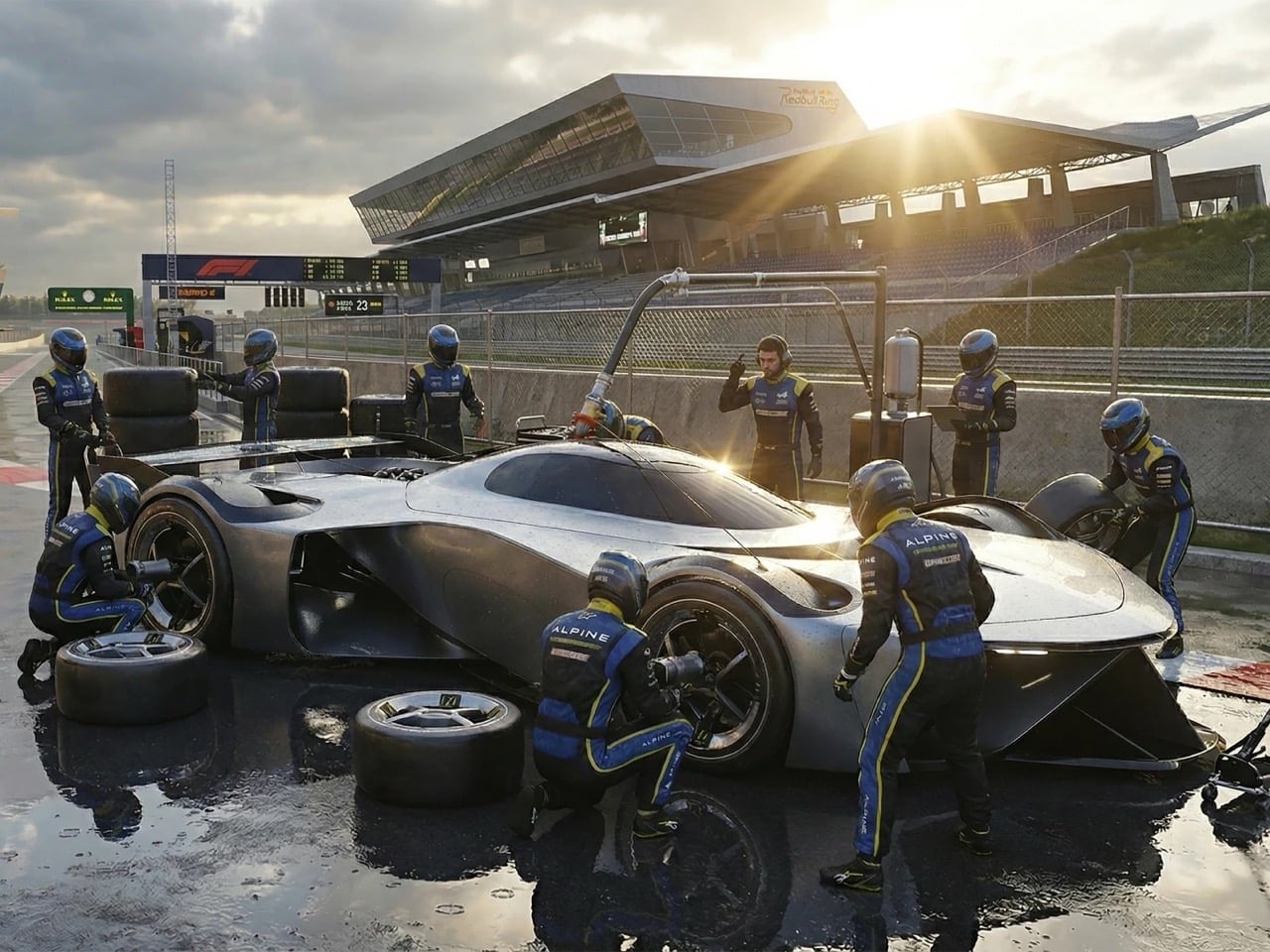
Alpine’s real motorsport situation makes a concept like this hit differently. The F1 team finished dead last in the 2025 Constructors’ Championship, and Flavio Briatore’s stated ambition for 2026 is a modest climb to P6 on Mercedes customer power. The WEC team is running its farewell season before the Hypercar program shuts down permanently, with the Viry-Chatillon workforce of 300-plus employees facing reassignment or redundancy. Lee’s Horizon exists in none of that reality, and the gap between aspiration and circumstance is exactly what makes automotive concept design so compelling.
The post Alpine’s Wildest F1 Concept Car Concept Uses a Magnetic Levitation Cockpit to Protect Its Driver first appeared on Yanko Design.
Tuthill Porsche GT ONE restomod is a perfect fusion of past racing history and modern street culture

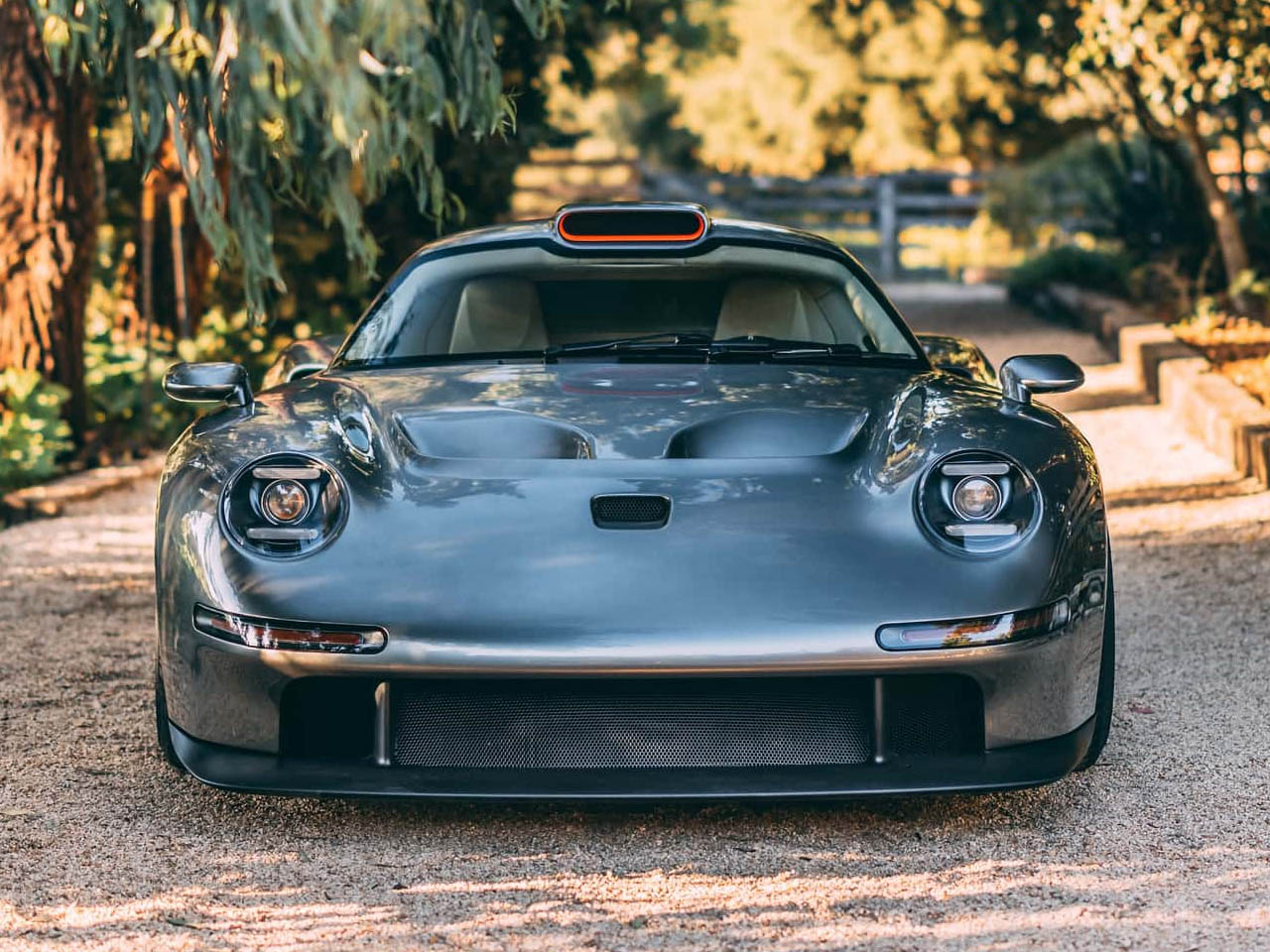
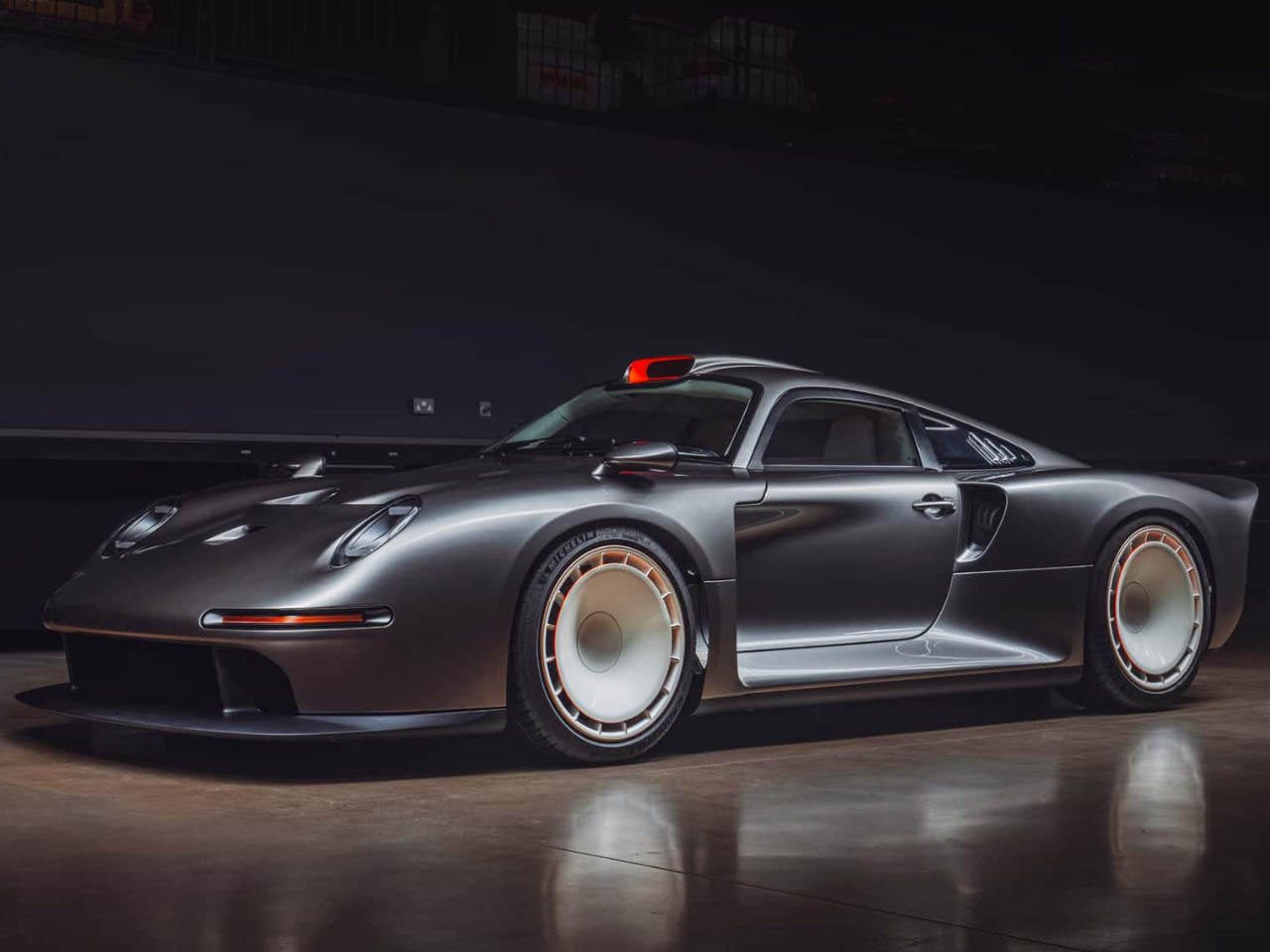
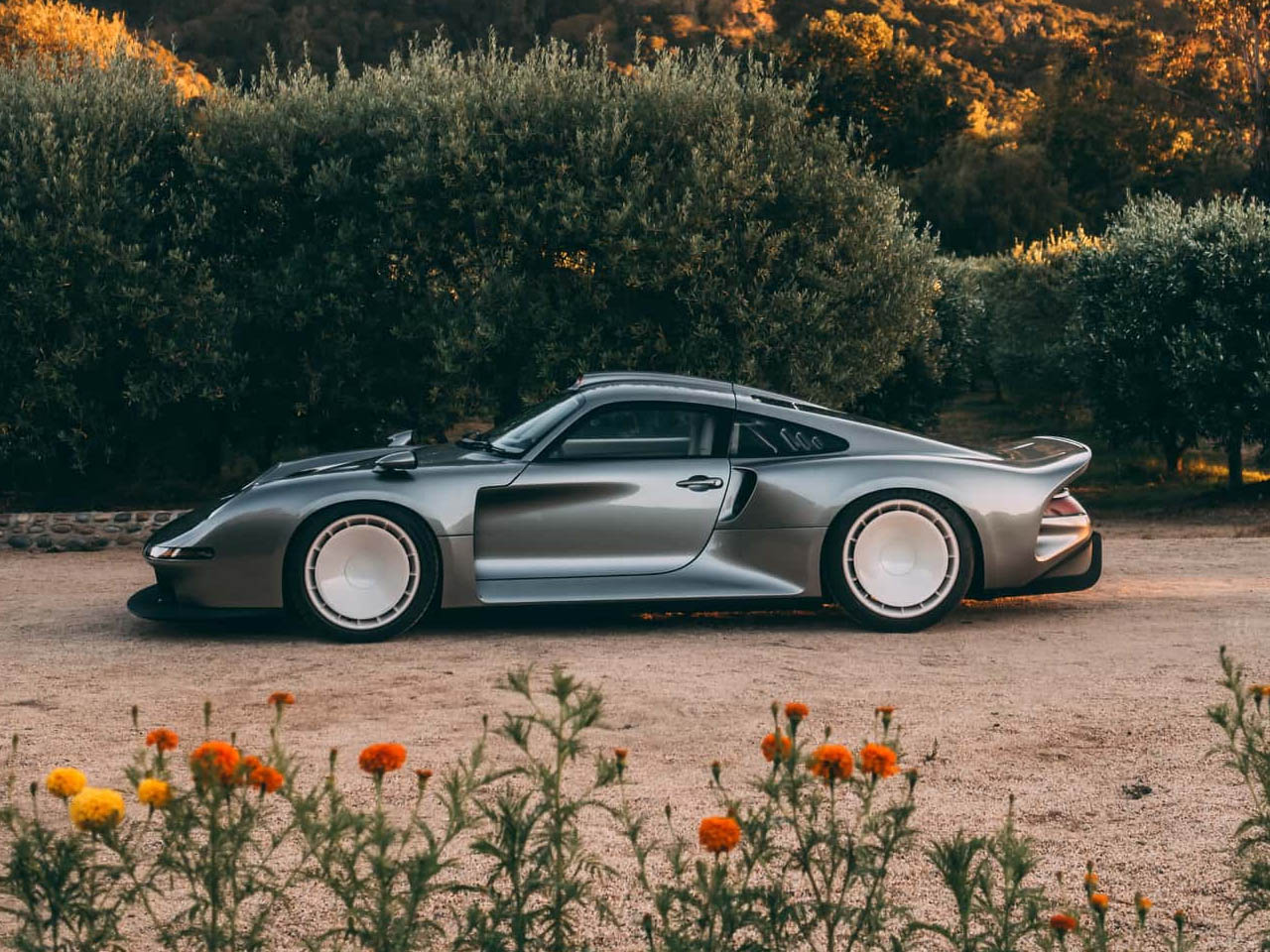
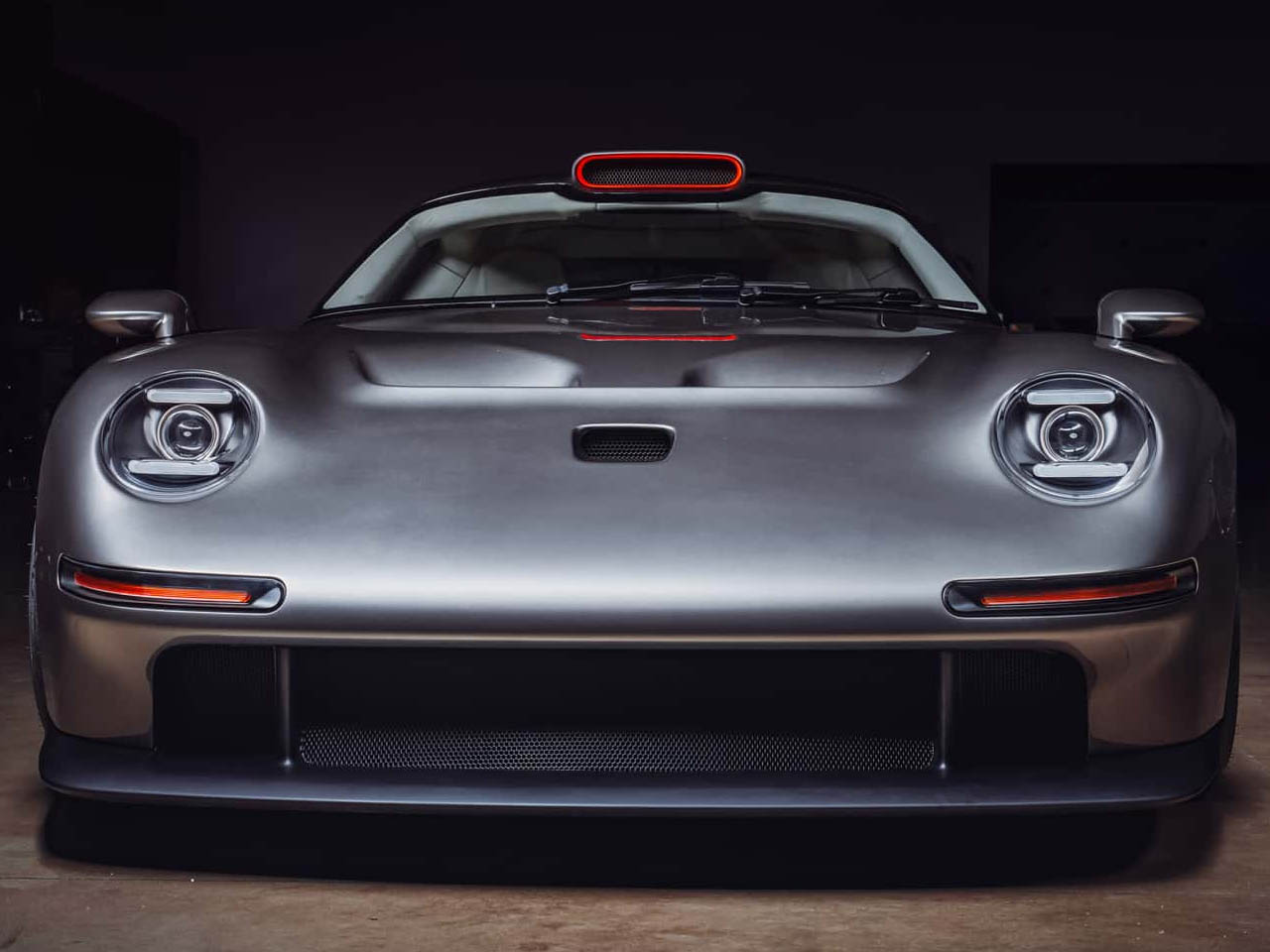
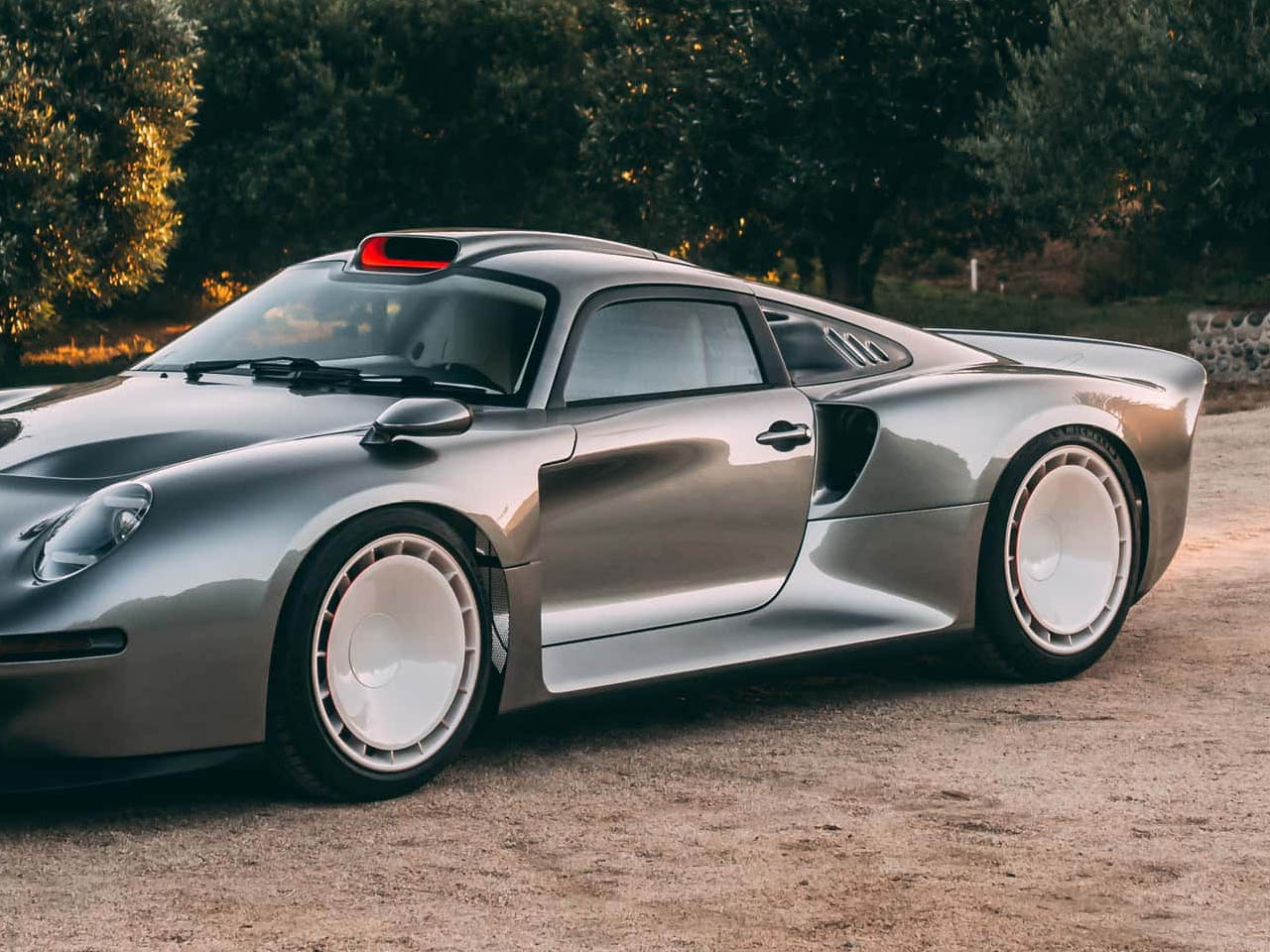
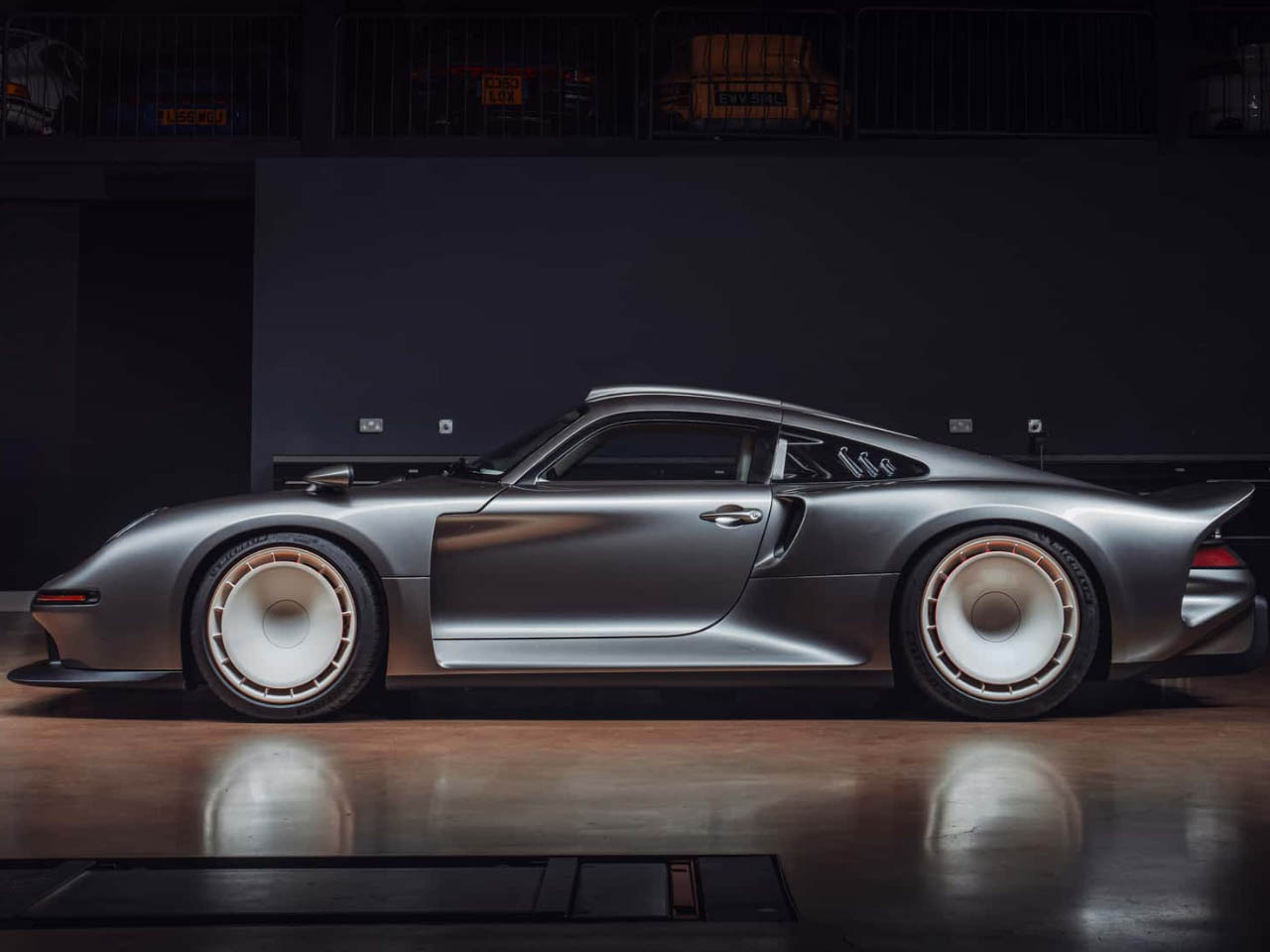
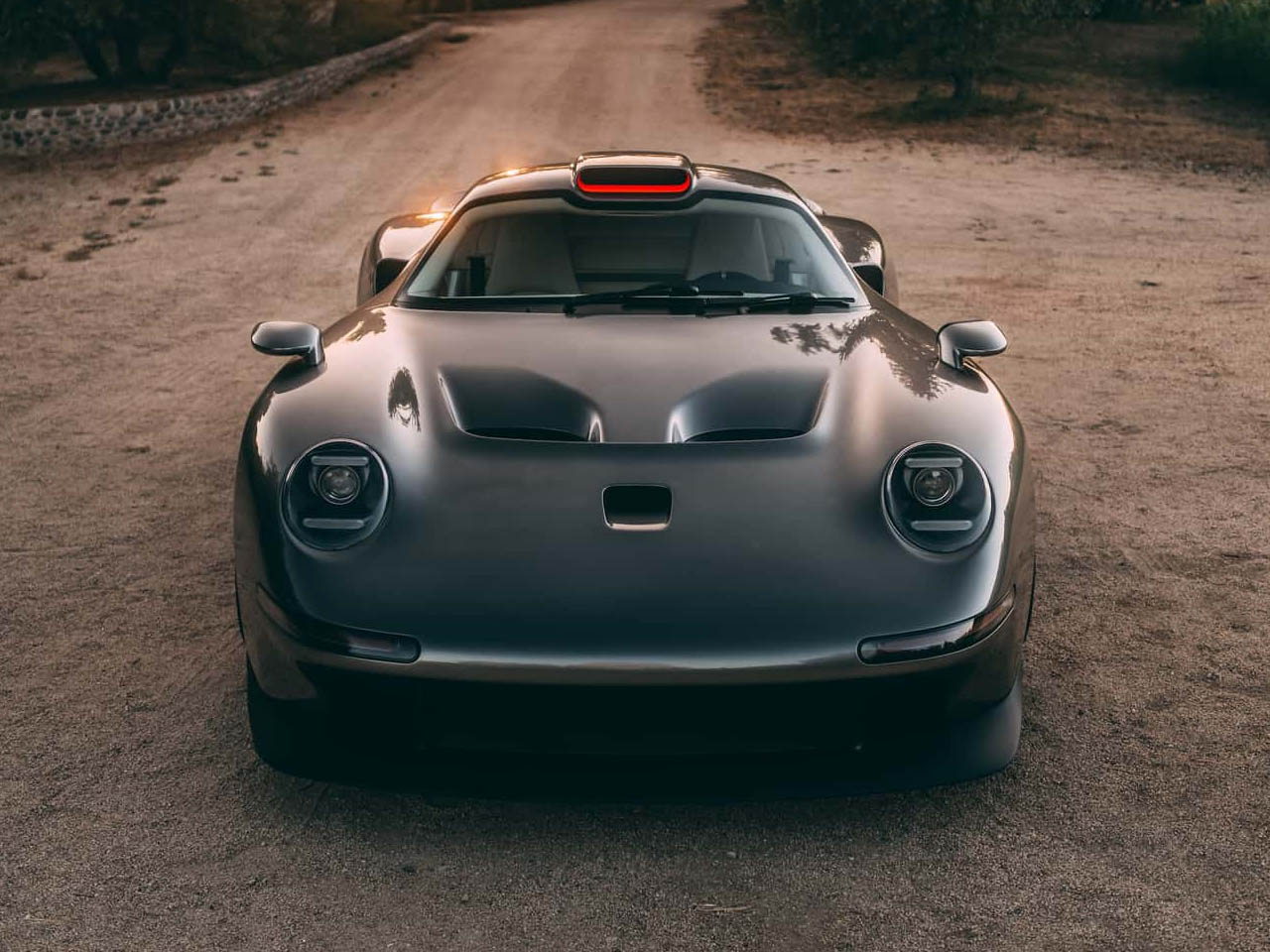
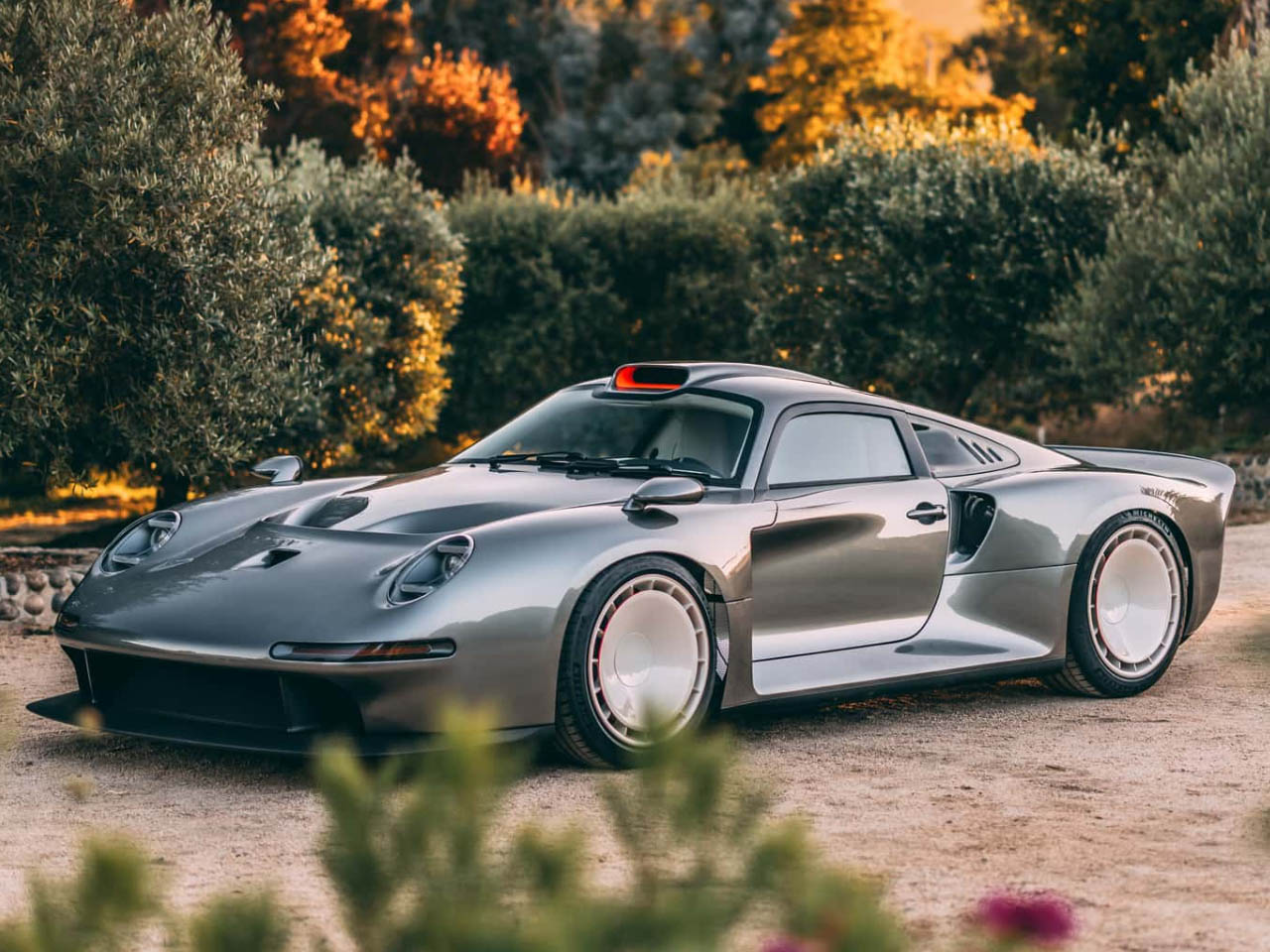
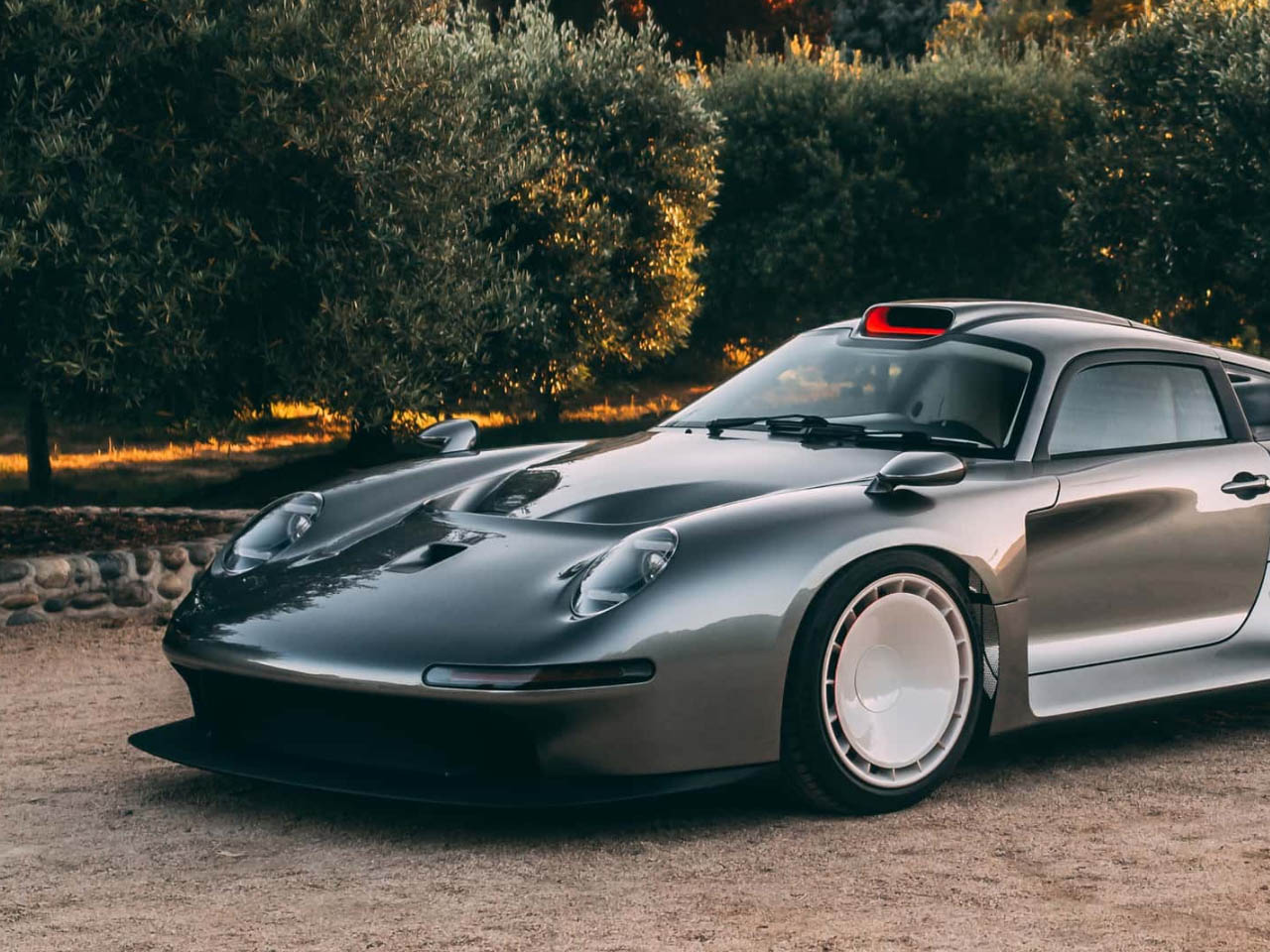
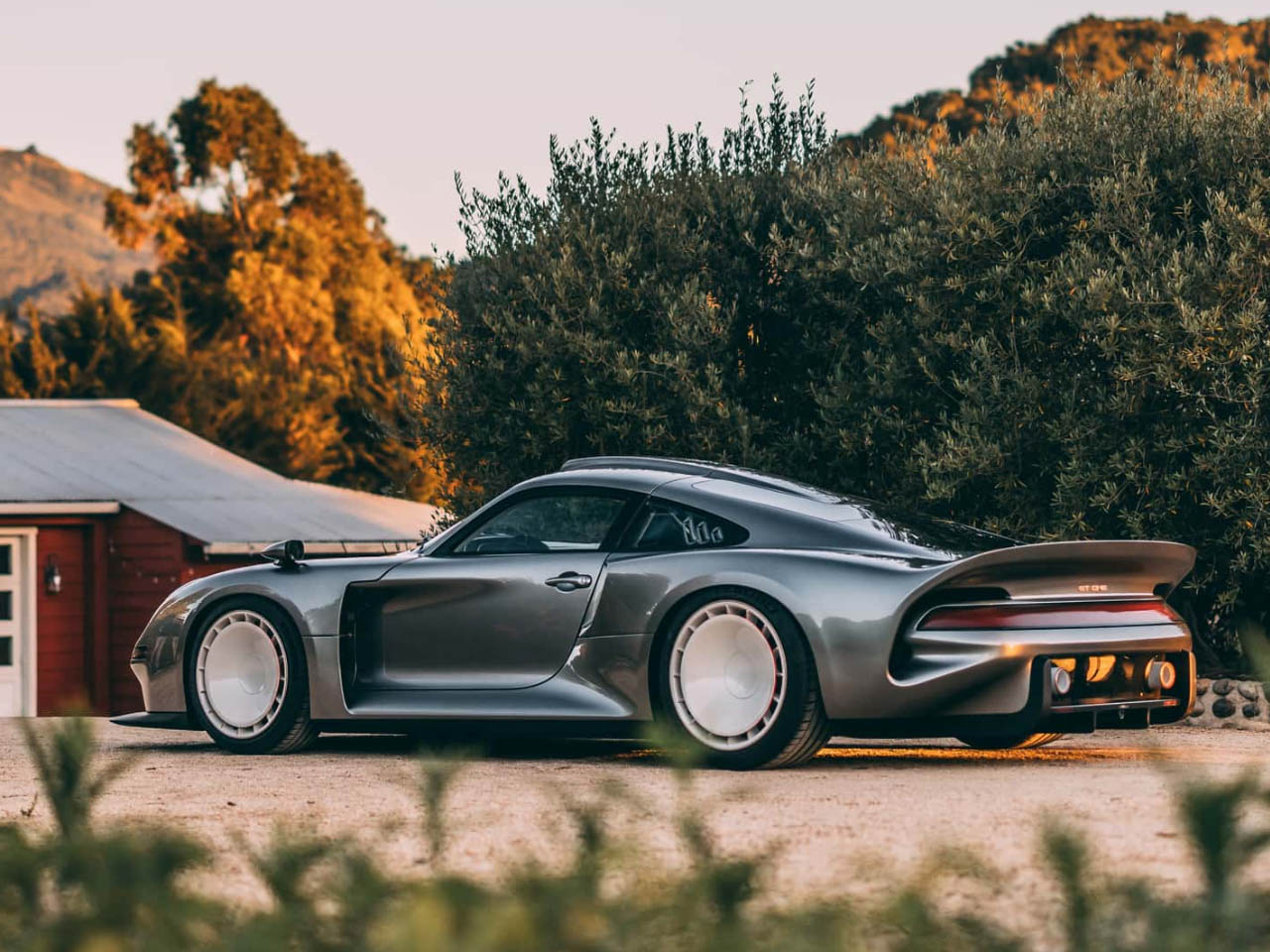
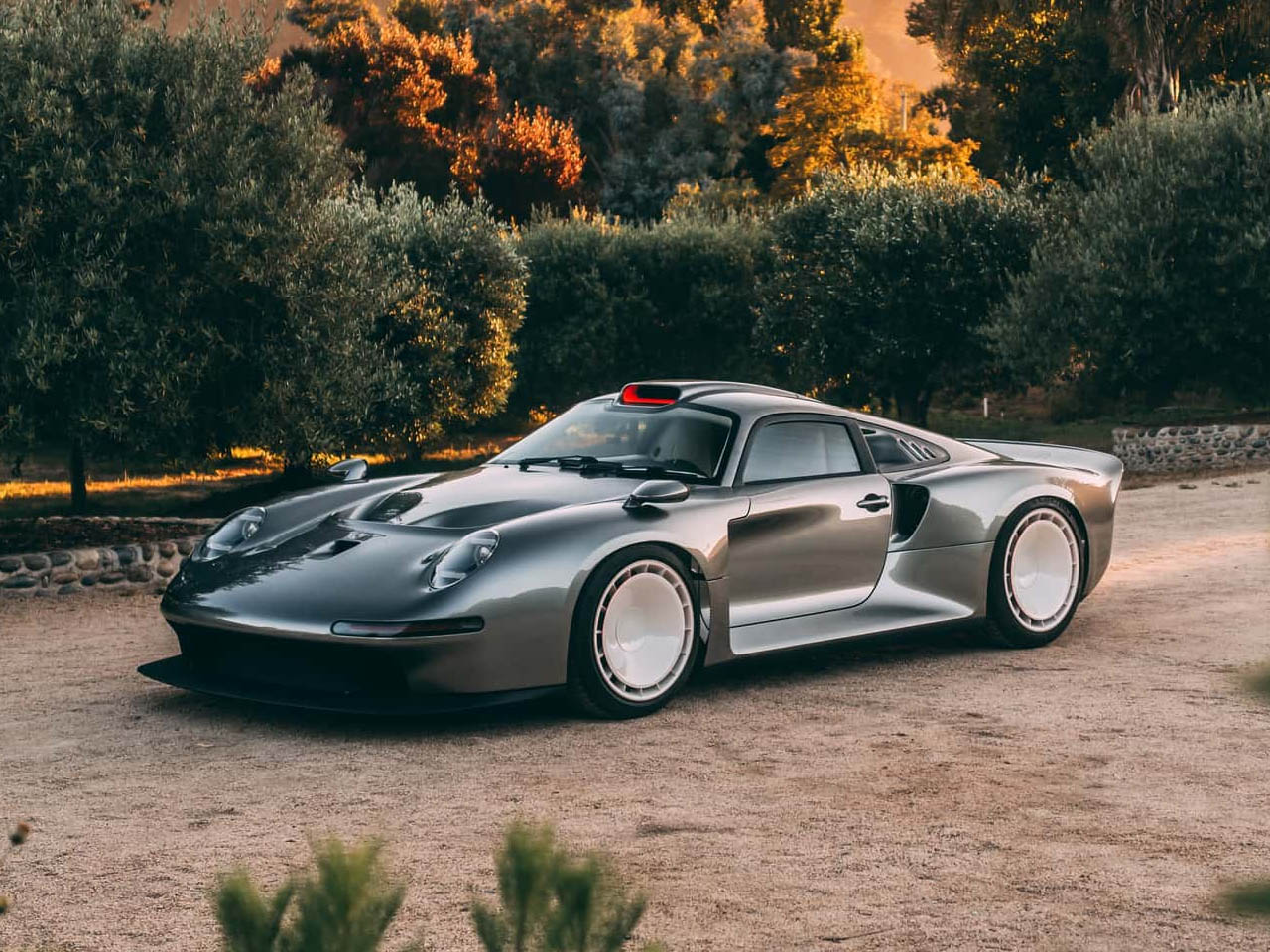
Tuthill Porsche, a UK-based renowned rally and restoration shop is setting the pace in the restomod industry with the recent collaboration with Singer. They’ve recently turned eyeballs at the 2024 Monterey Car Week with the Porsche GT ONE. The restomod inspired by the famous 1990s 911 GT1 race car that featured in the BPR Global GT Series. This later took shape as the road-legal 911 GT1 Straßenversion which was limited to 21 units for the passionate buyers.

Well known for modifying Porsche 911’s, the company wanted to commemorate the homologation special Straßenversion with its version that we see here. The performance car is fully optimized for road use, unlike the Straßenversion. As per Richard Tuthill, CEO, Tuthill Porsche, “We have taken the best bits but focused on producing a wonderful road car. The inspiration from all that we have done in the past and have been inspired by what others have done before us and continue to do.”

Designer: Tuthill Porsche and Florian Flatau

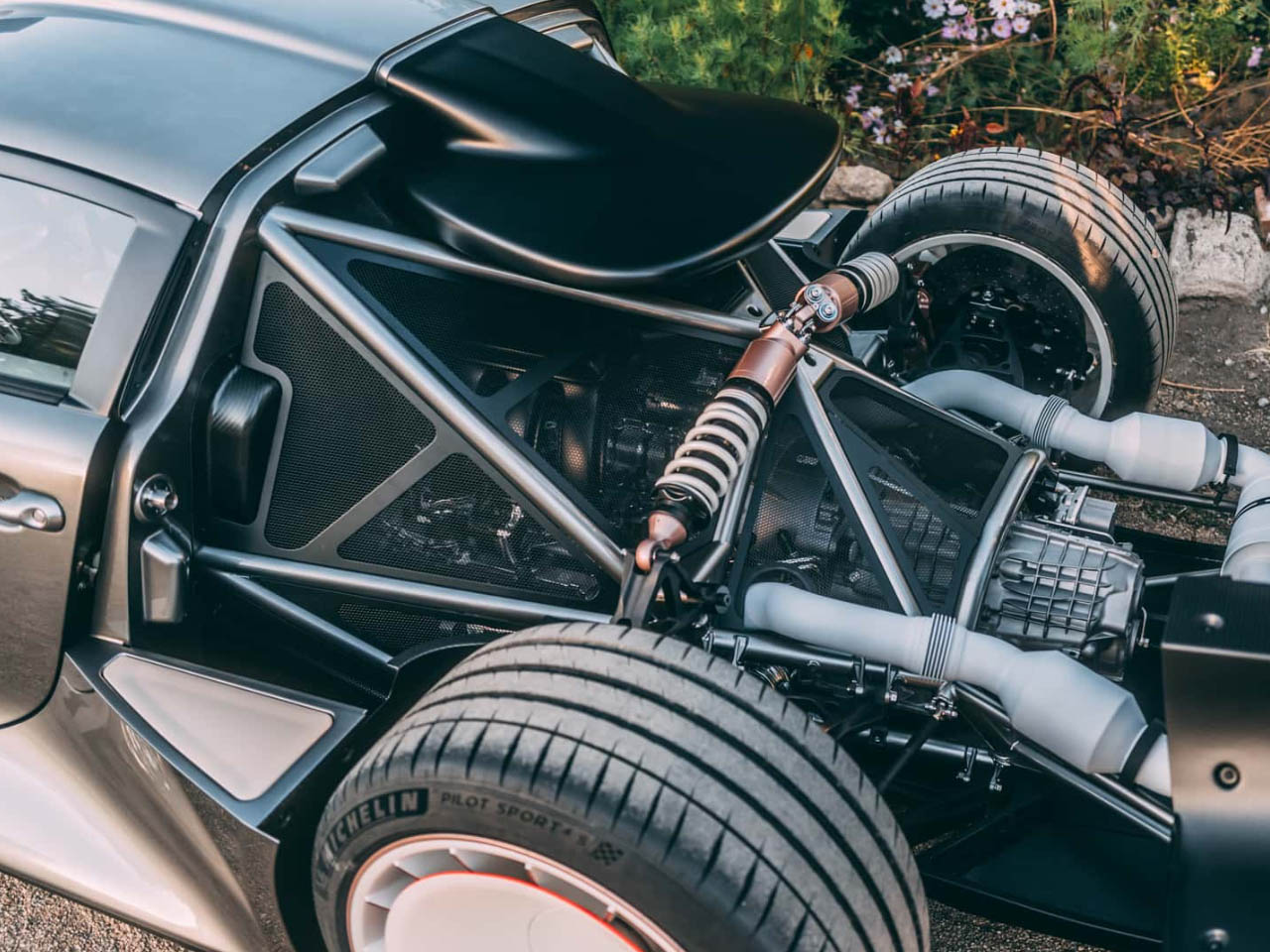
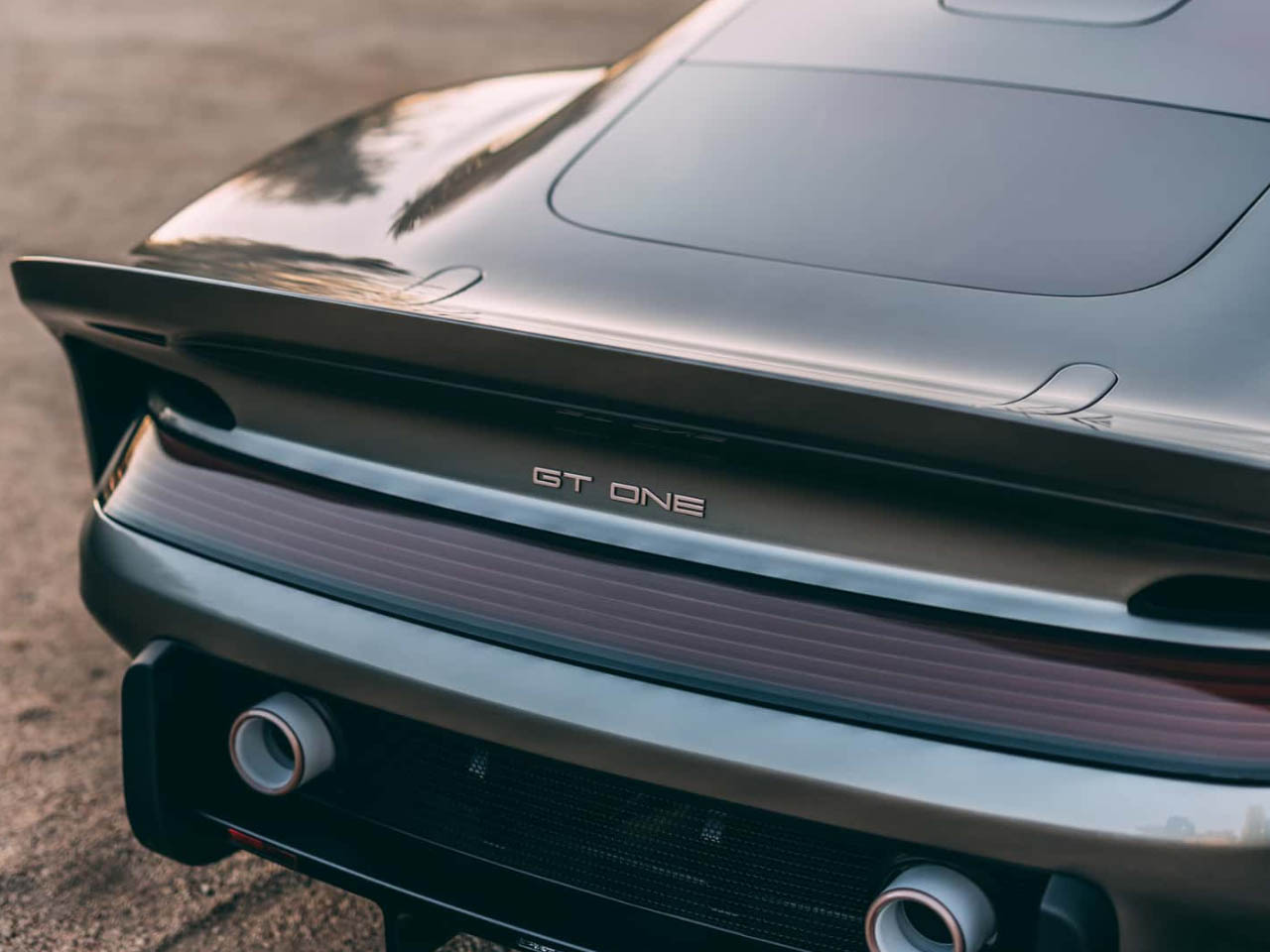
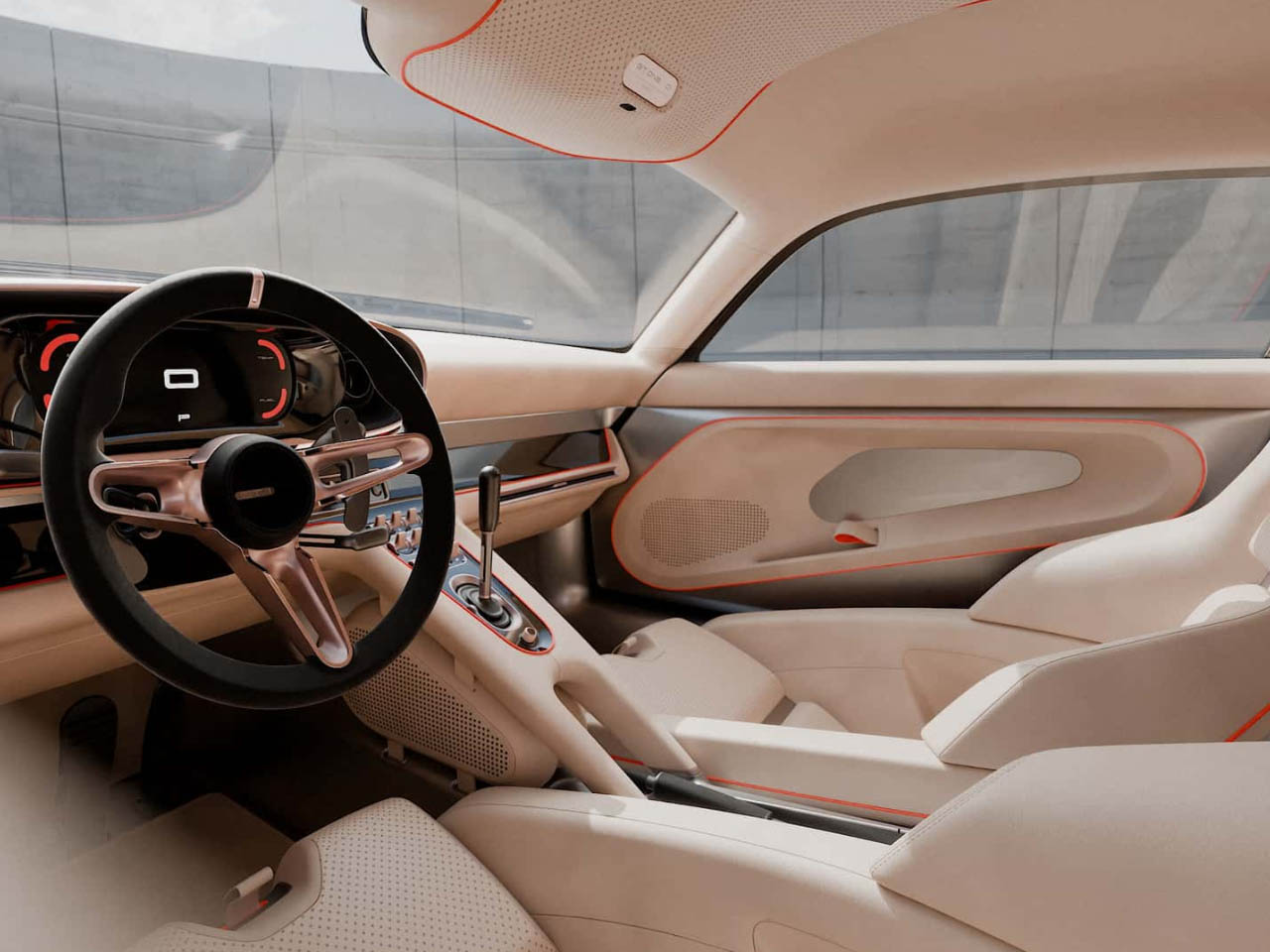
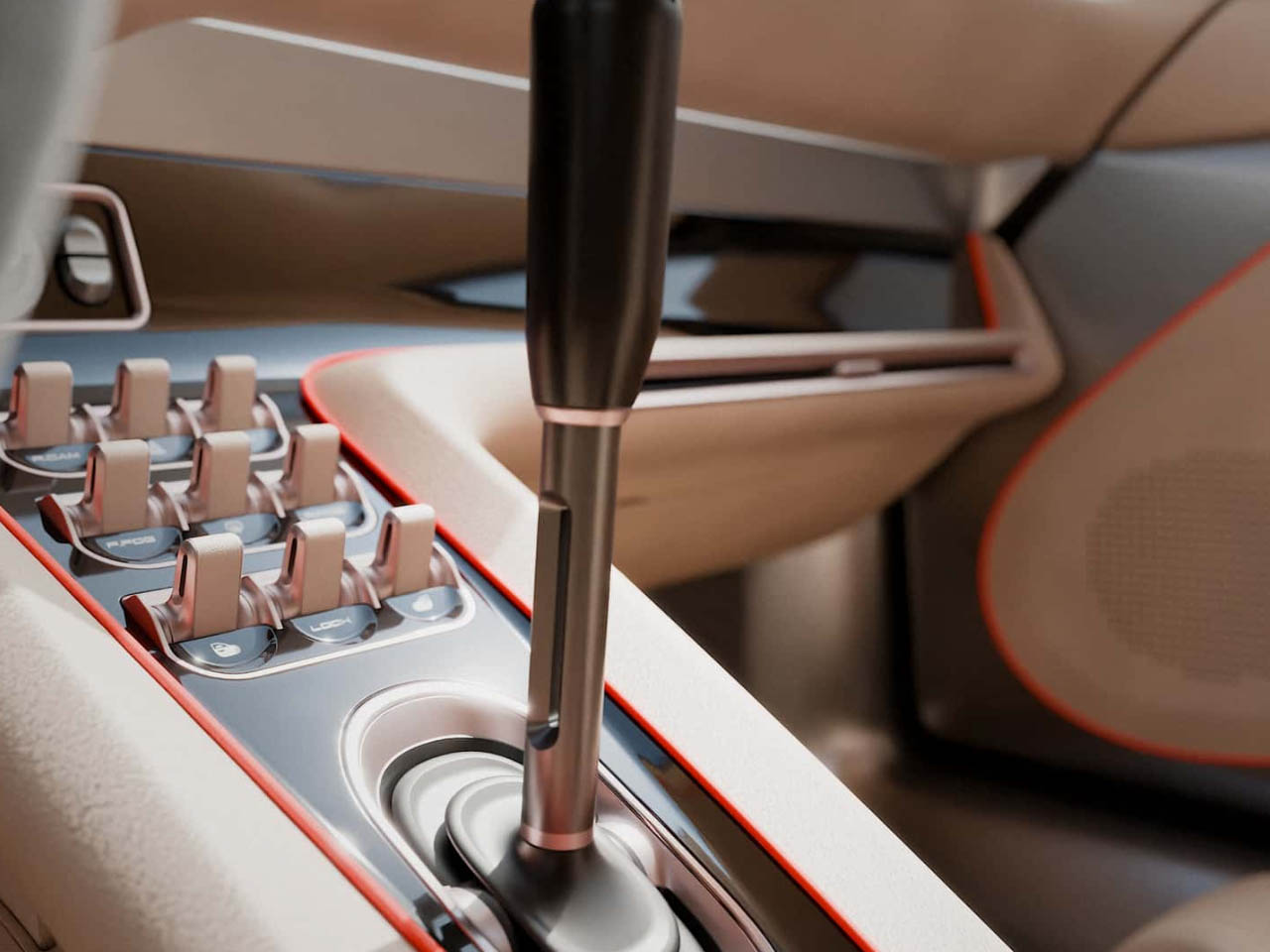
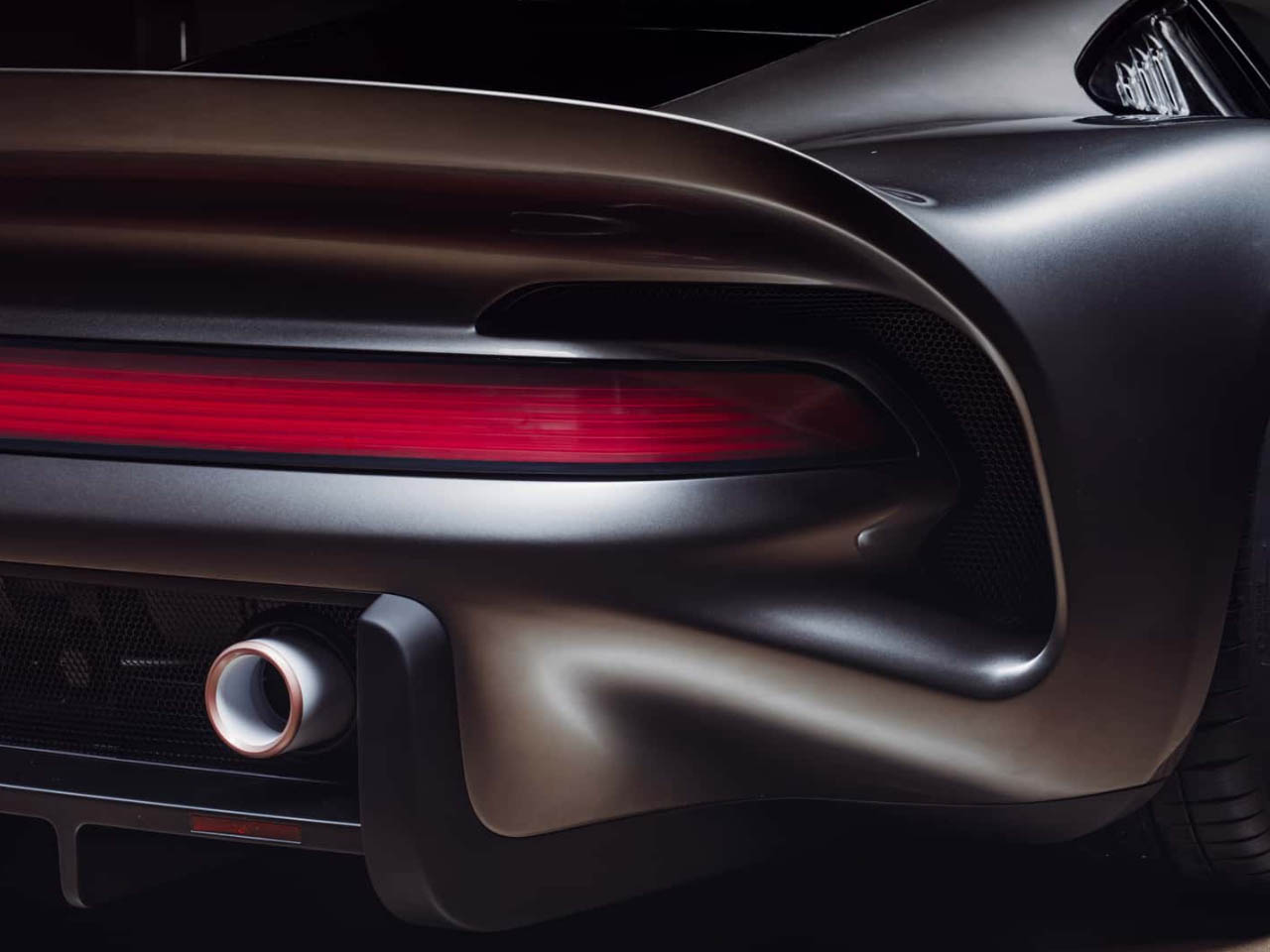
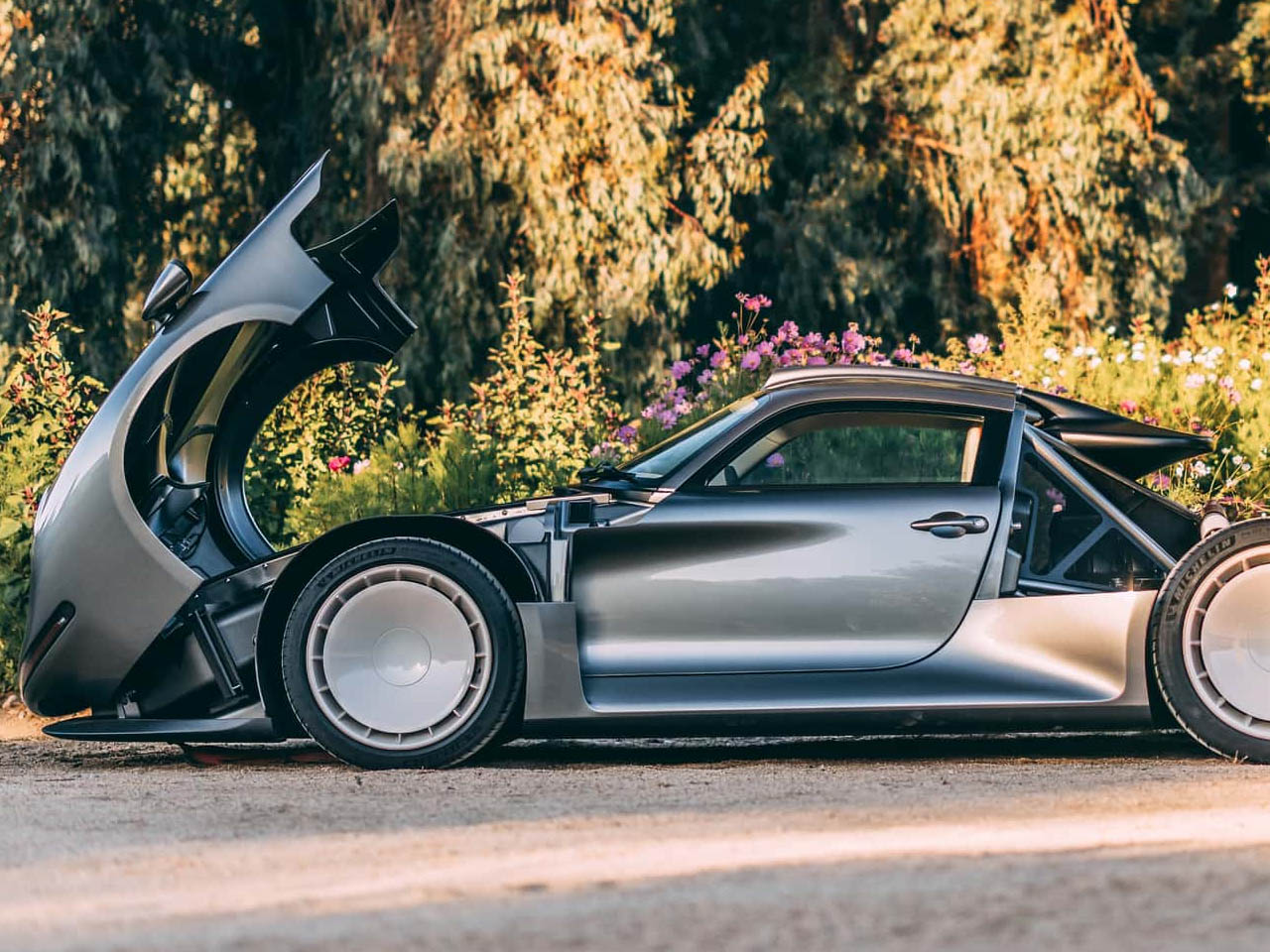
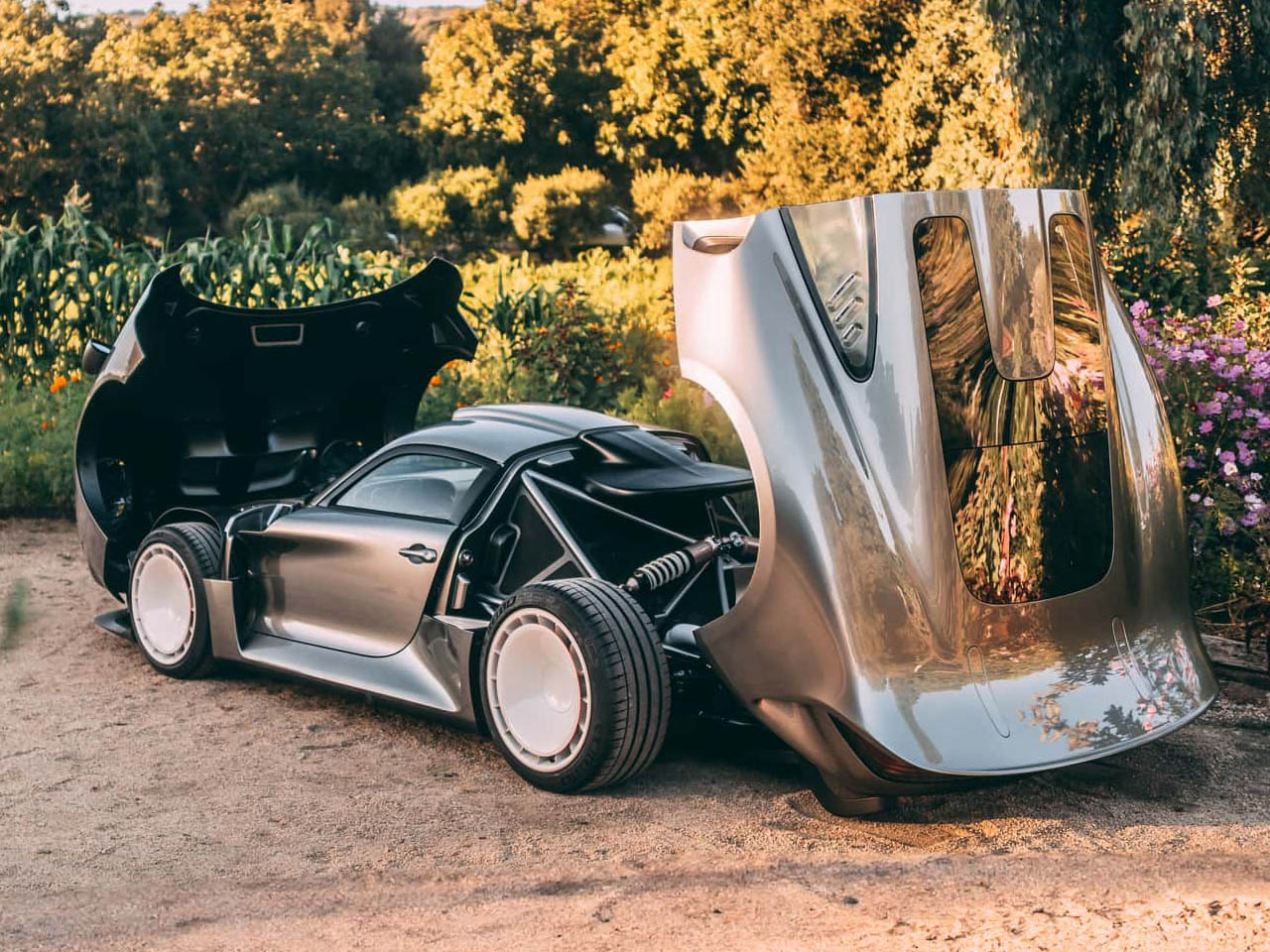
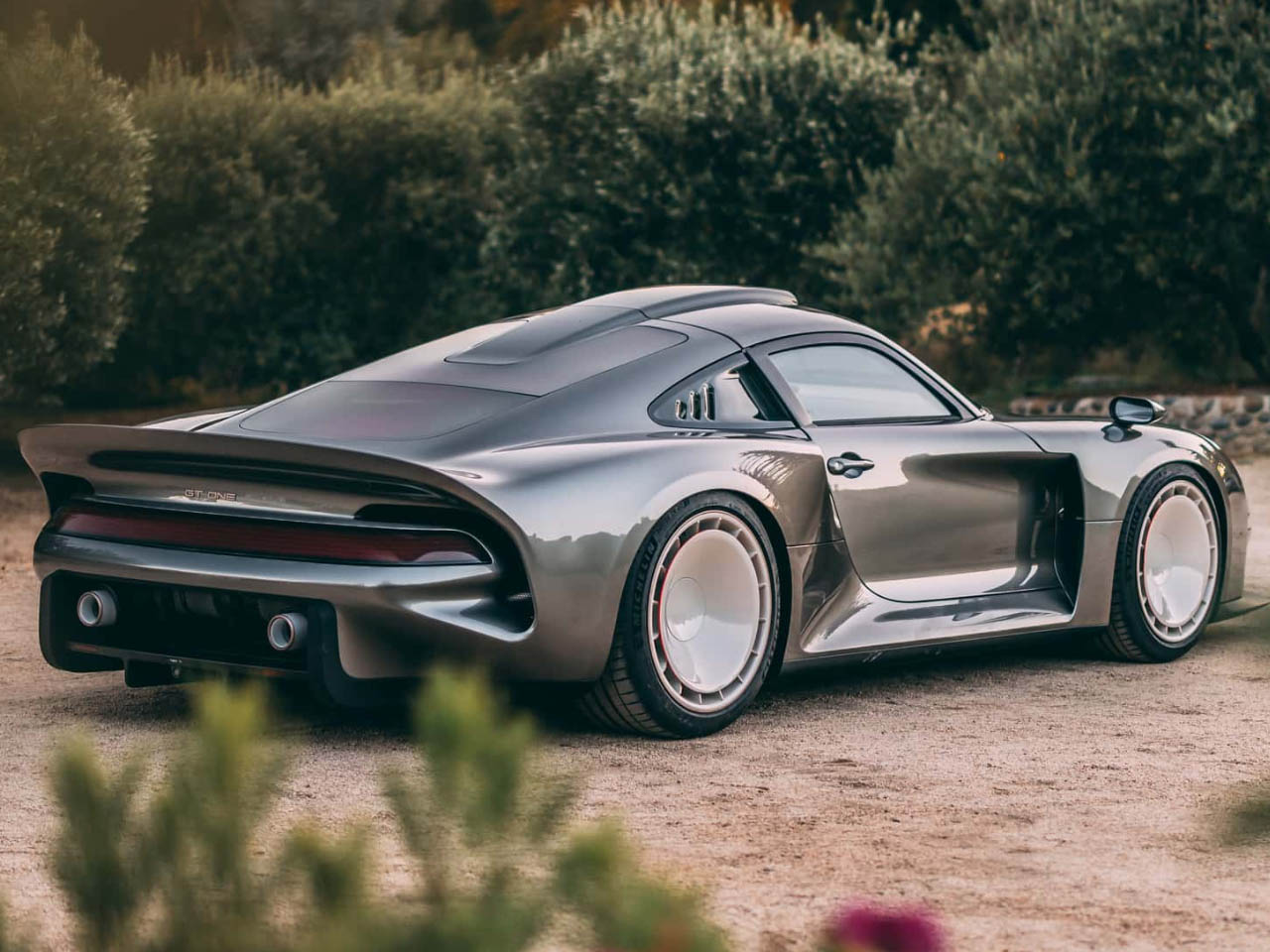
Just like the 911 GT1 Straßenversion, the GT One has the striking styling of the 993-generation 911. The company commissioned designer Florian Flatau for this amazing race car tailored for the streets. The ride’s body is made out of carbon fiber that brings the total weight down to 2,645 pounds. The limited edition car will have a 4.0L flat-six engine under the hood in two configurations. One will be a 493 hp naturally aspired version and the other a forced induction version churning out 593 hp. The gearbox will also be offered in a choice of 7-speed dual-clutch transmission or a manual gearbox.

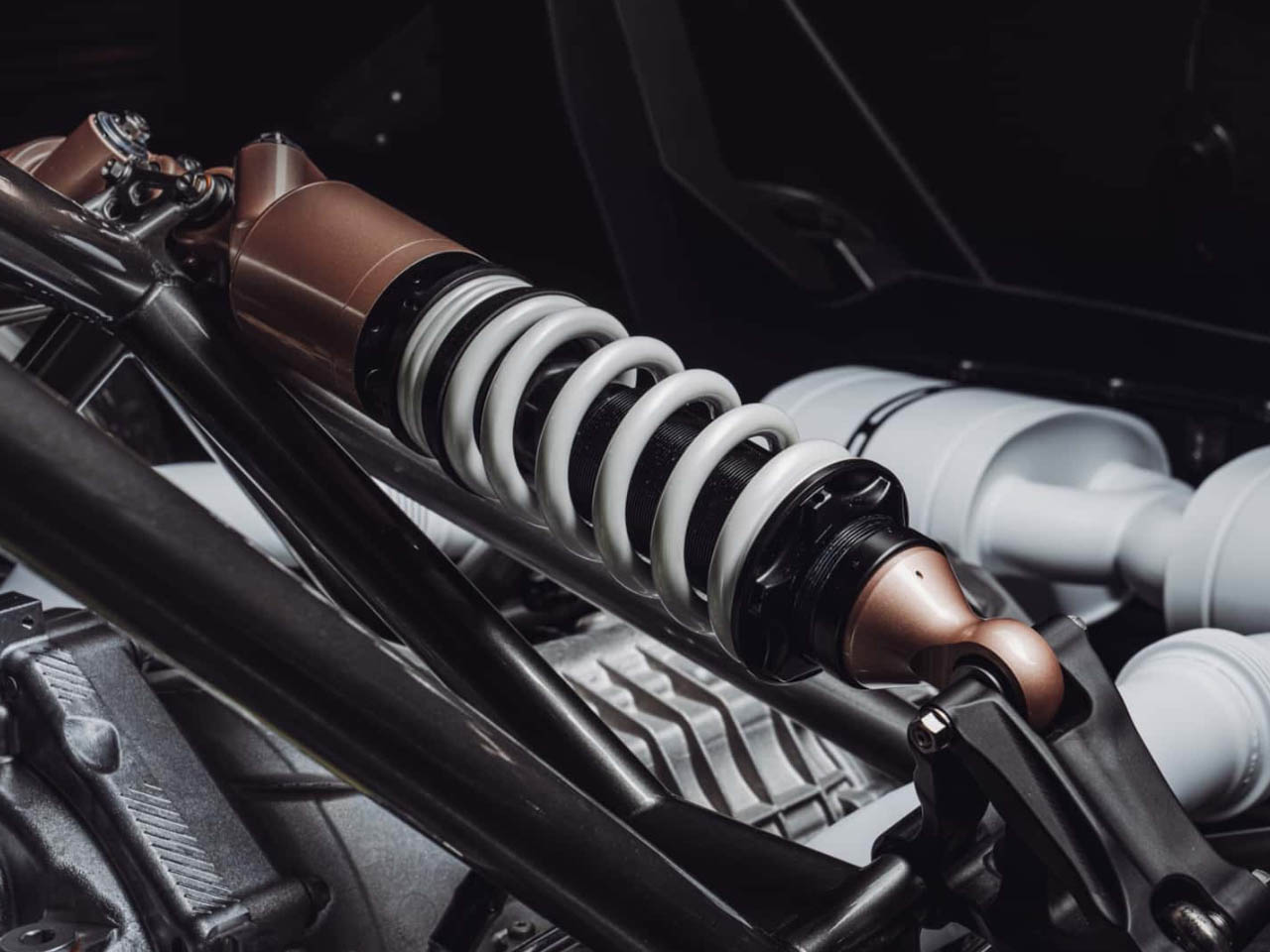
The impressive specifications don’t end there, as the GT ONE boasts a double wishbone suspension, bespoke calipers and carbon ceramic brakes. For those who want to take advantage of every ounce of the engine power, the car has advanced aerodynamic tuning courtesy of the CFD analysis. Tuthill is also considering an add-on aero package for enthusiasts who want to test it out on the freeway or the race tracks.

According to Richard, this masterpiece takes around 3,500 hours to finish which in itself is a testament to the effort put into the making. Only 22 production examples of the GT ONE will be made and there’s no word on the pricing yet.  That said, the makers believe the car is a piece of art and a machine to be enjoyed while driving.

The post Tuthill Porsche GT ONE restomod is a perfect fusion of past racing history and modern street culture first appeared on Yanko Design.
iQOO 12 Legend Edition design brings the BMW M Motorsport racing spirit to smartphones

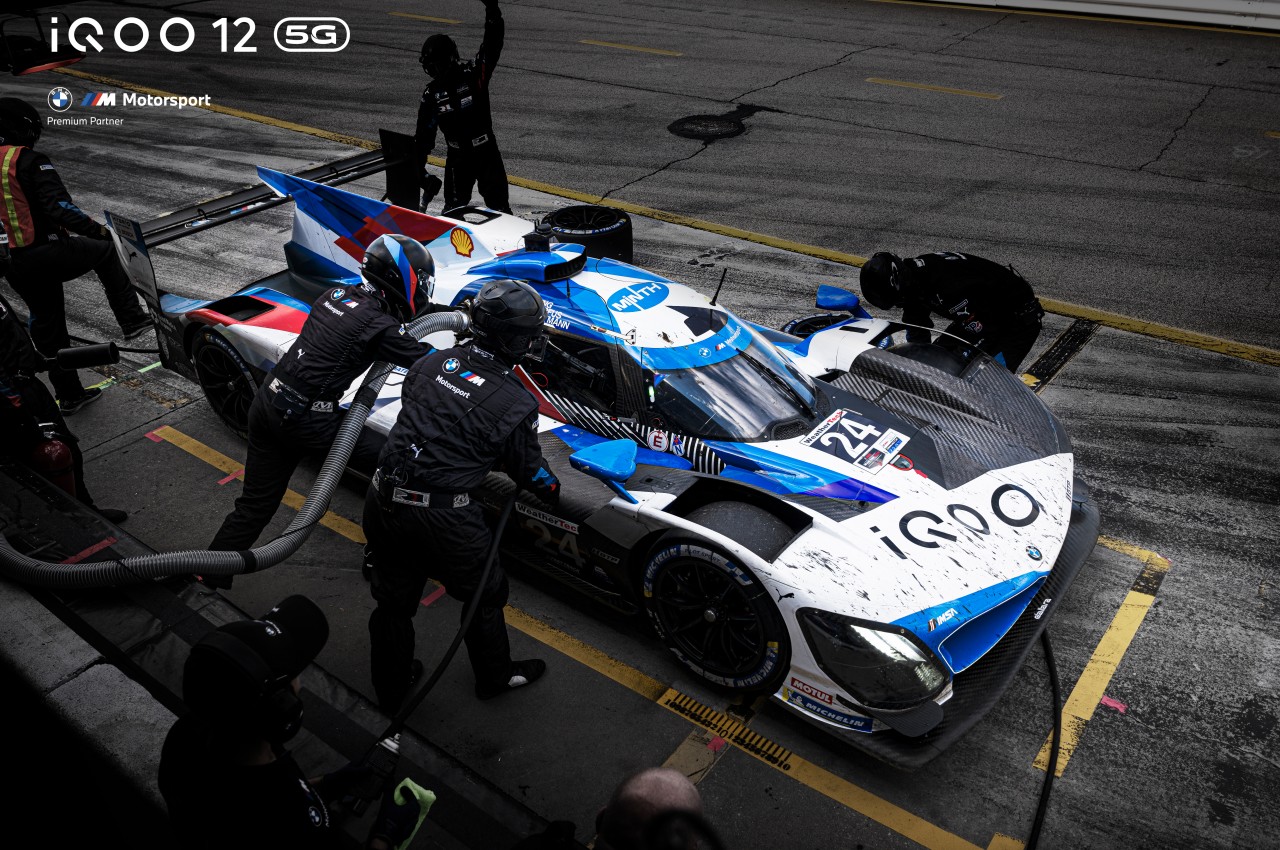
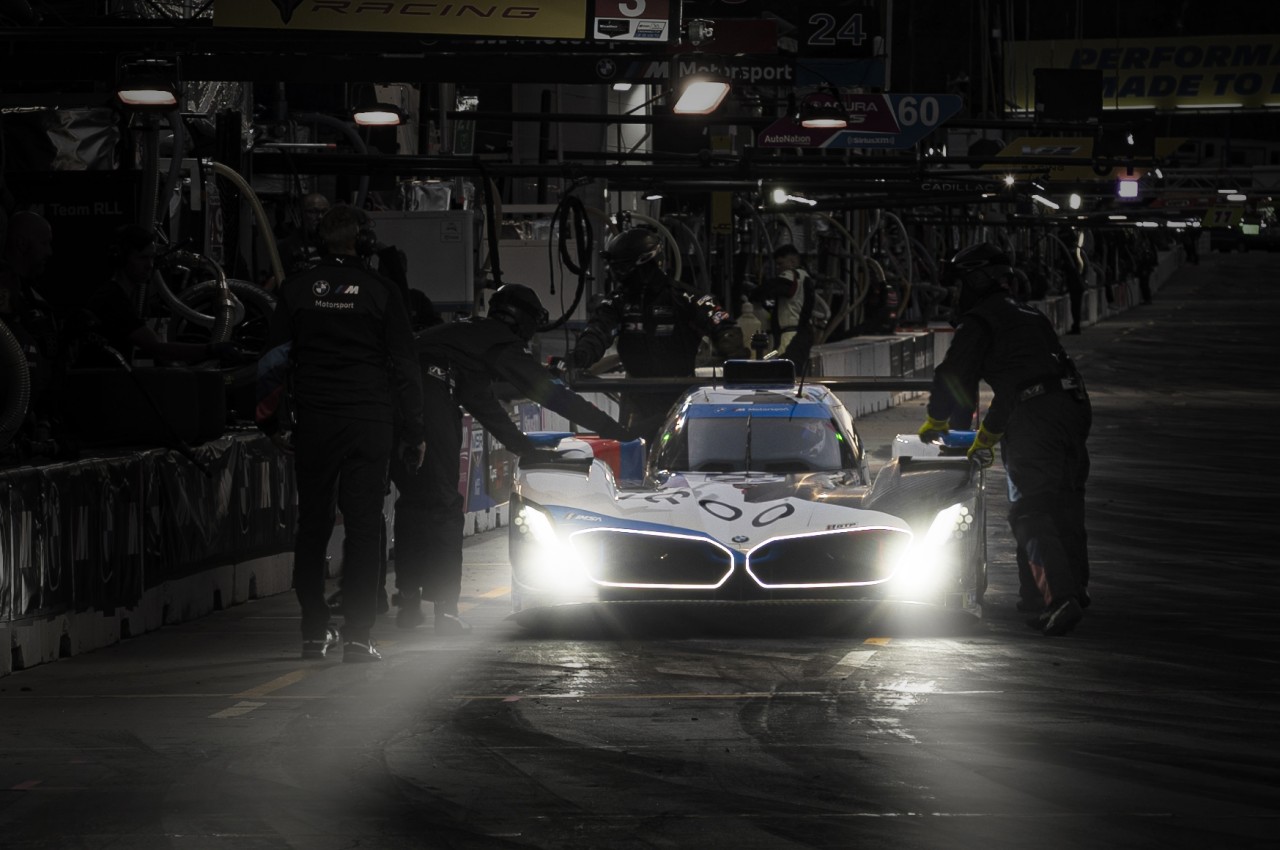
There are very few things that can make your heart stop with their speed, and motorsport race cars are one of those. The suspense, tension, and adrenaline you feel as these four-wheeled demons pass by is enough to put people on the edge of their seats, literally. There seems to be an innate human fascination for speed and power, and race cars have long been the symbol of those aspirations. Of course, such qualities can also be found in other things, like the impressive pieces of technology that we call smartphones. It’s not surprising, then, that these two very different worlds would eventually meet, such as in the iQOO 12 Legend Edition that embodies the BMW M Motorsport spirit through its power and style.

Designer: iQOO x BMW M Motorsport

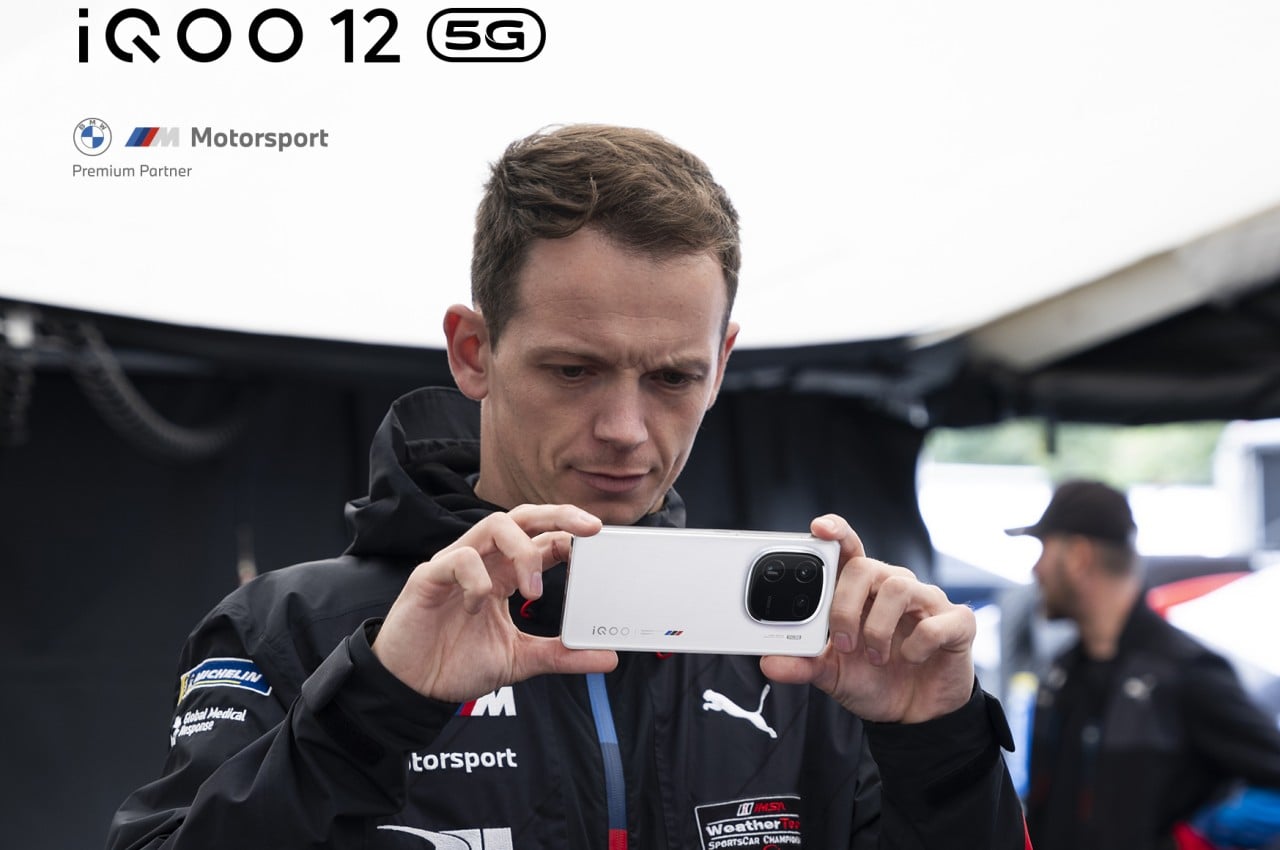
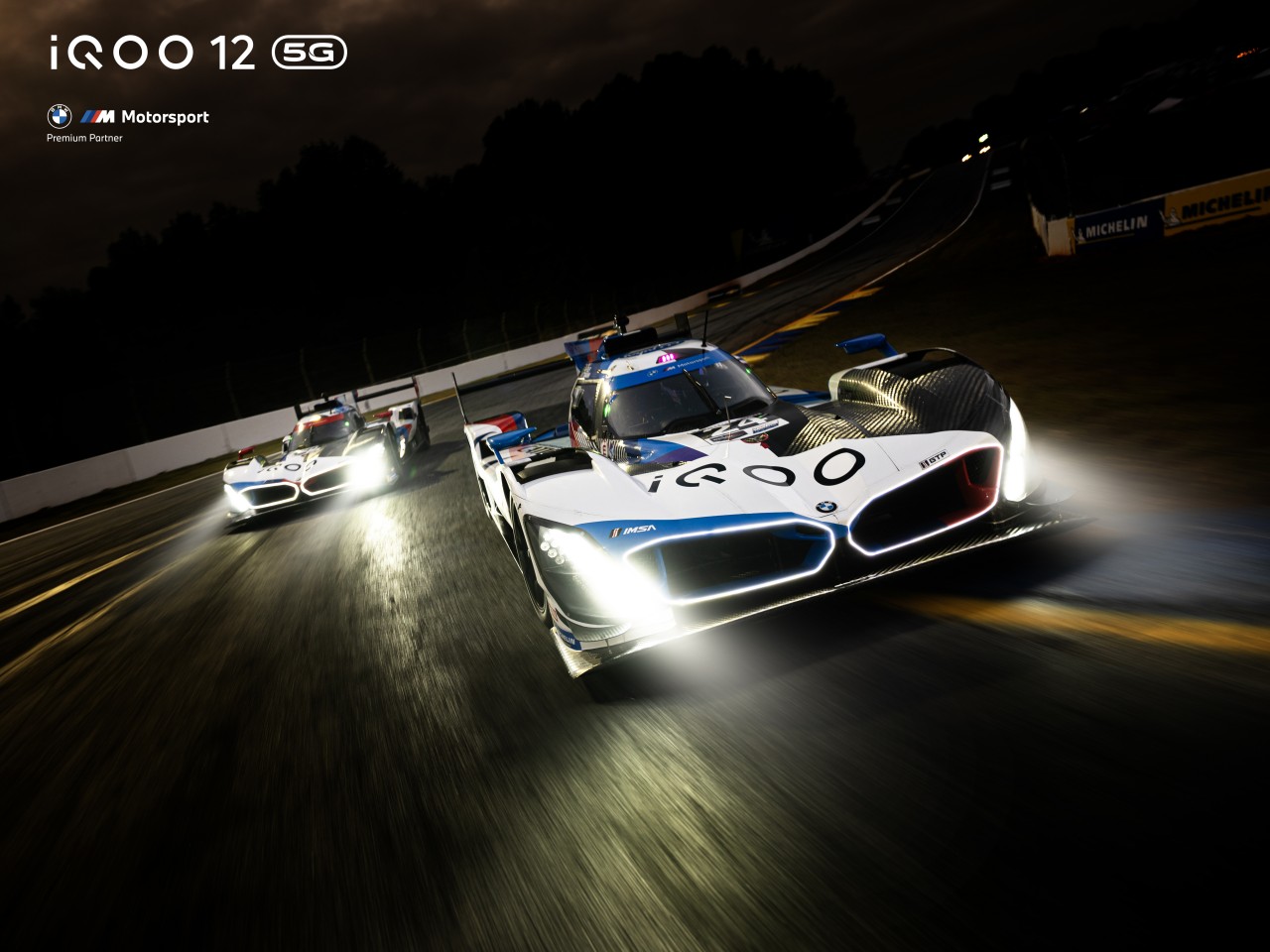
This isn’t the first time you might have heard of an automotive brand lending its clout to a smartphone, whether in name or in design. In fact, the partnership between iQOO and BMW M started way back in 2019, resulting in the gaming-oriented iQOO 7 BMW M edition as well as an iQOO-branded BMW DTM car during the 24 Hours of Nürburgring race. This year, that partnership was again witnessed at the 2023 IMSA SportsCar Championship, and 2024 will see iQOO’s presence on a BMW M Hybrid V8 Hypercar at the FIA World Endurance Championship.

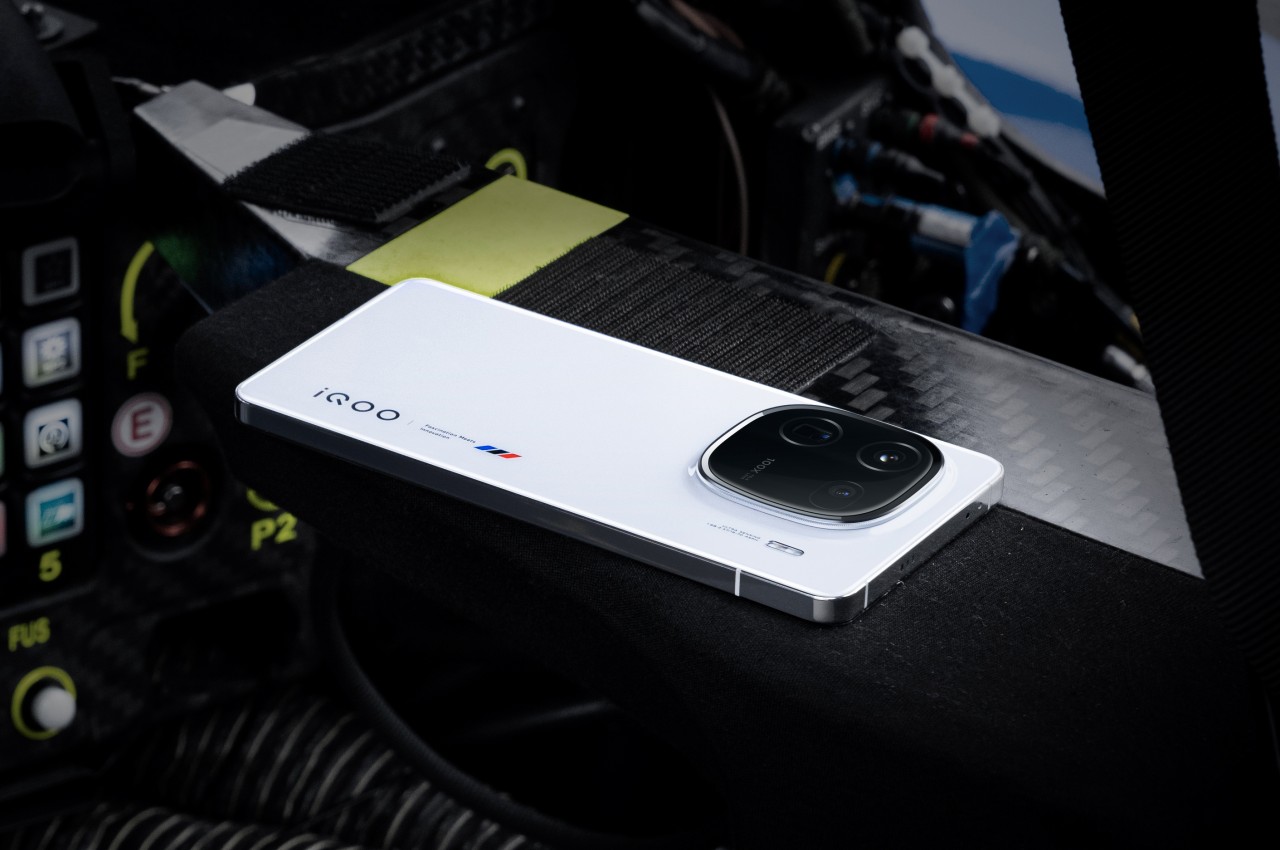
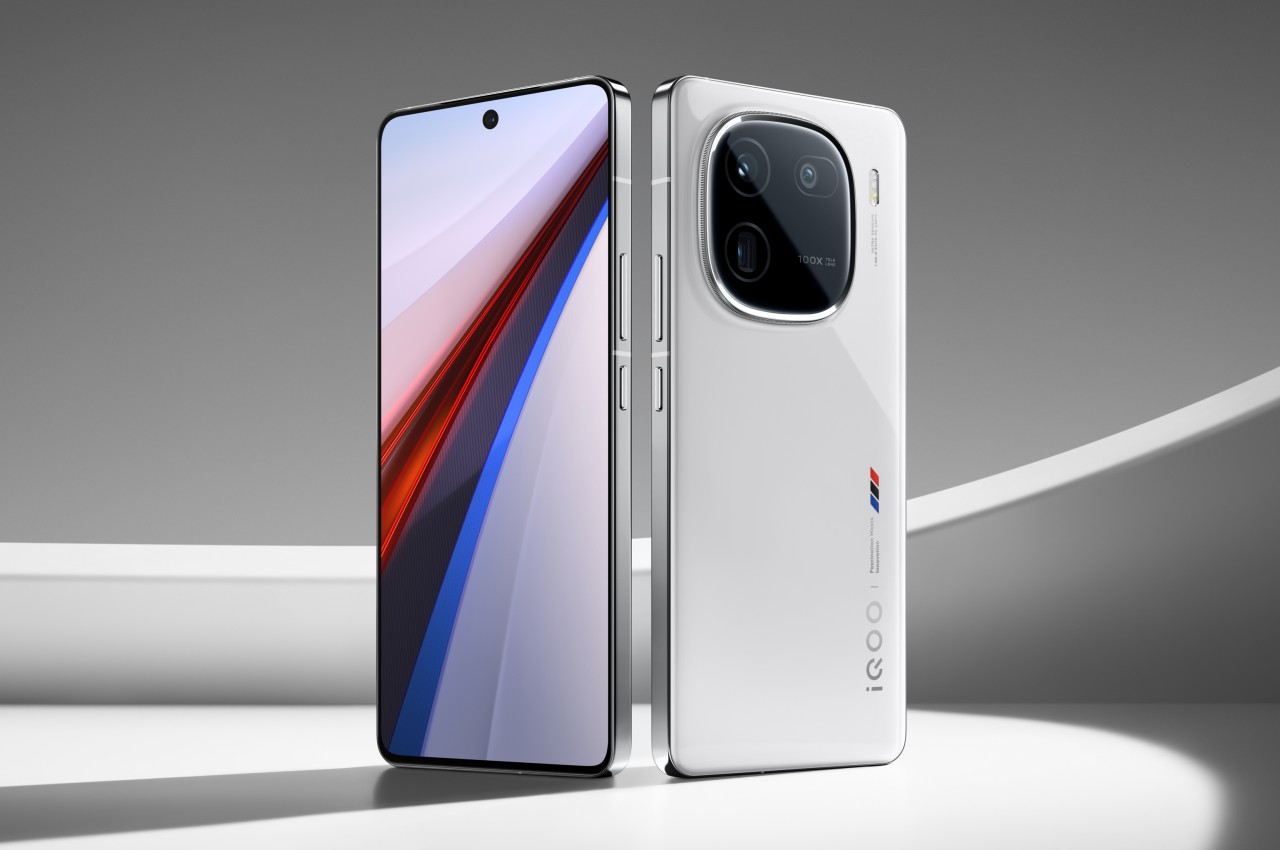
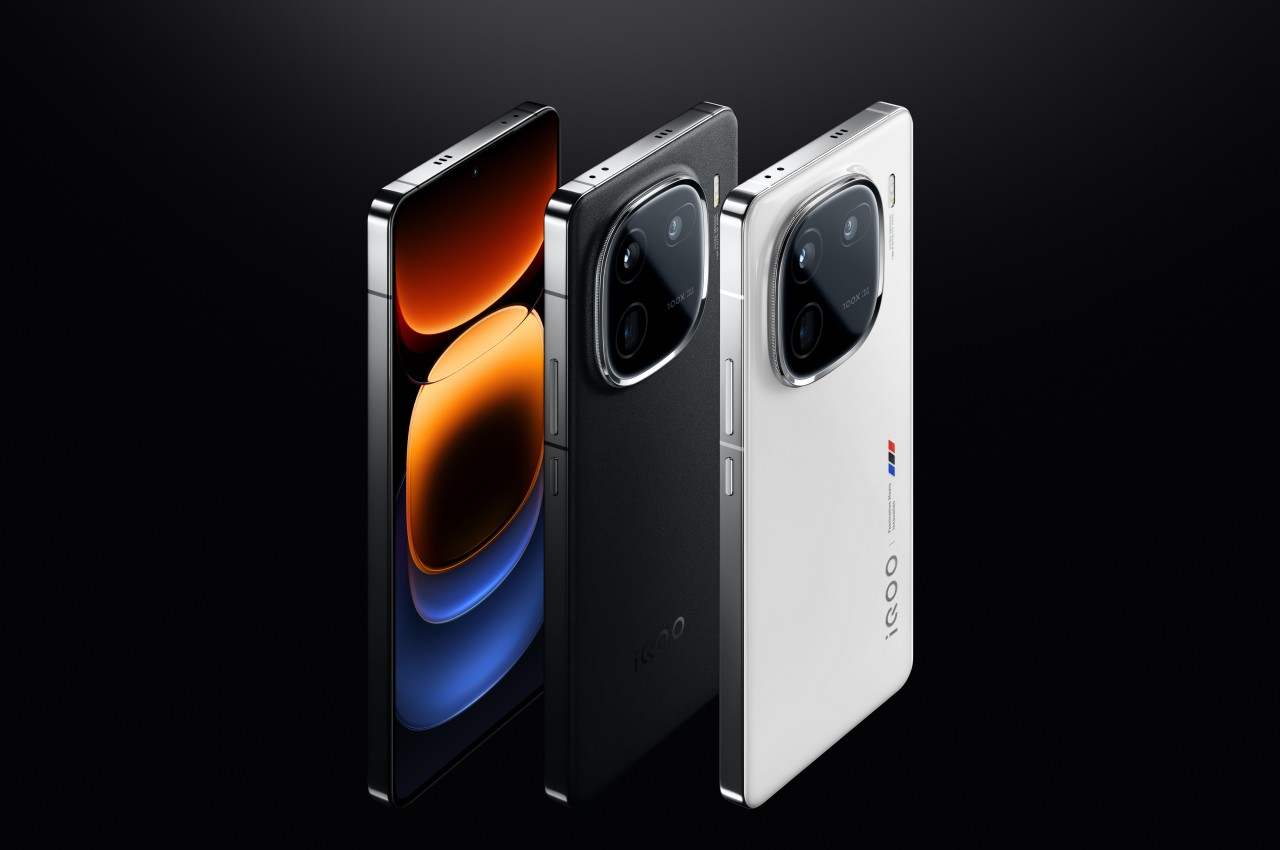
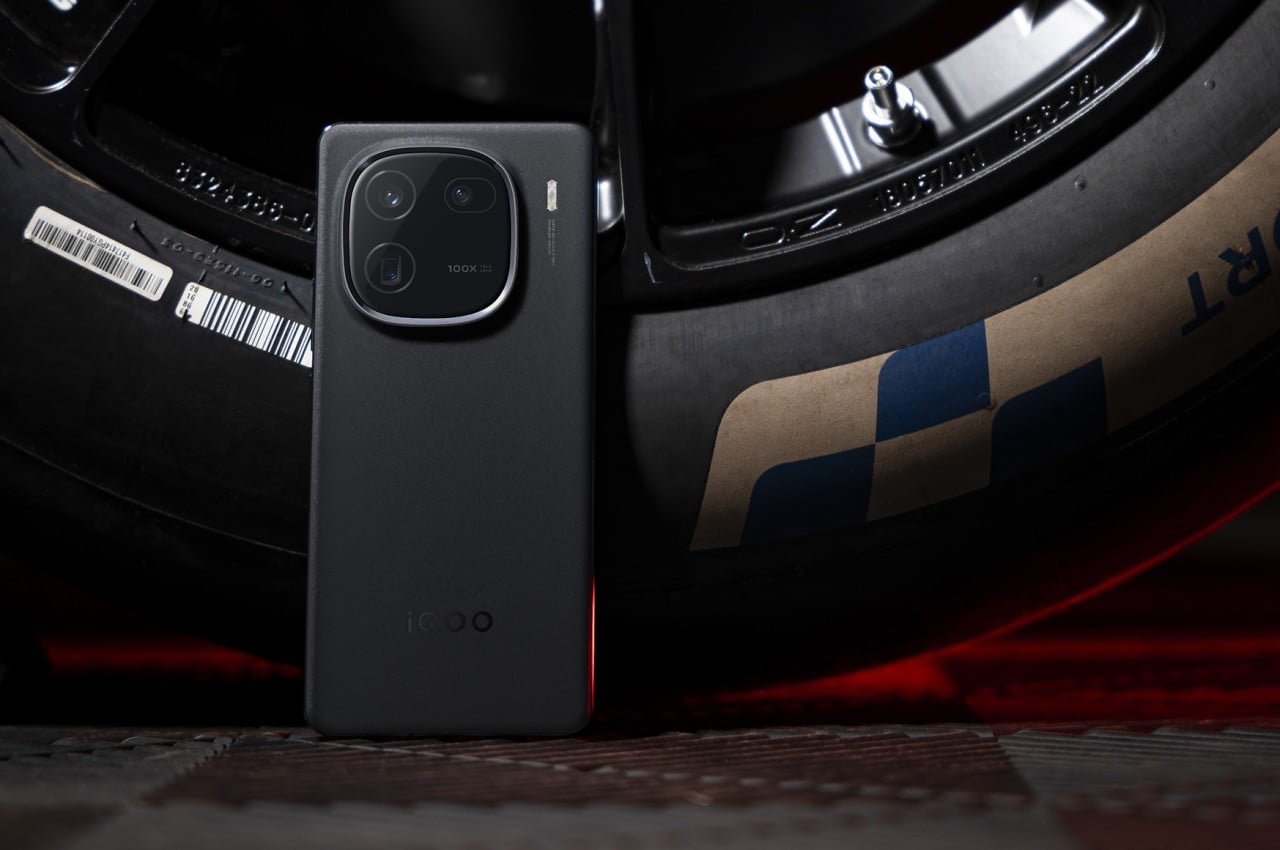
Of course, BMW M Motorsport is also leaving its own mark on the iQOO 12, specifically the special Legend Edition that will bear that exclusive branding. This year’s design, however, is a bit different and actually a little more subtle. The overall motif is still predominantly white, of course, just like many race cars. But instead of tall stripes in BMW M’s iconic blue, black, and red colors, the tiny stripes are actually embossed in a Clous de Paris pattern and located off the right side instead. In a way, the BMW M Motorsport is less in-your-face, subtler, and more elegant, allowing viewers to draw the associations between the two brands through the smartphone’s own prowess.

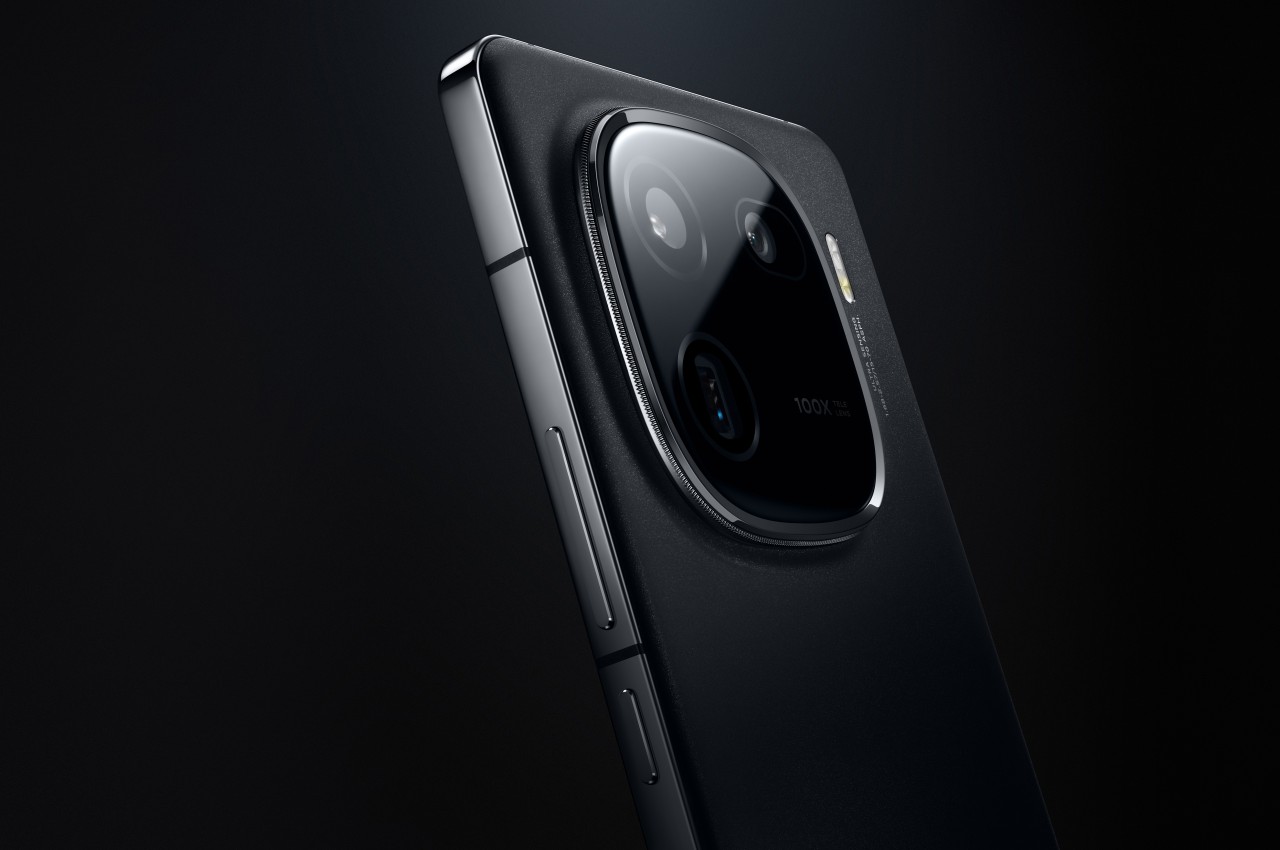
The iQOO 12, after all, is definitely a speedster, being one of the first phones to be powered by the new Qualcomm Snapdragon 8 Gen 3 chipset. It has a large and powerful camera system that is designed in the likeness of ship portholes, conveying the spirit of exploration. It isn’t just for show either, boasting a team that includes an Astrography Camera with an ultra-large main sensor, a periscope telephoto lens, and a wide-angle shooter. Despite the power it holds inside, the iQOO 12 Legend Edition still exudes beauty, grace, and comfort with its ergonomic contoured glass and nano-textured finishes. The flat edges and flat display perfectly complement each other, giving the phone a contemporary aesthetic that belies its nature a smartphone equivalent of a performance car.

With first-class features and a striking design, the iQOO 12 Legend Edition perfectly embodies BMW M Motorsport’s mantra of “Fascination Meets Innovation.” It delivers the performance to satisfy users’ need for speed while subtly capturing the visual and spiritual essence of a roaring race car. Already available in China, the iQOO 12 Legend Edition is slated to launch globally by the end of this year.

The post iQOO 12 Legend Edition design brings the BMW M Motorsport racing spirit to smartphones first appeared on Yanko Design.