Realme P4 Power Review: Battery Anxiety is Finally Dead

PROS:


  • Massive 10,001mAh battery with 80W wired fast charging

  • Bright and vibrant display

  • Solid mid-range performance

CONS:


  • Slightly heavier and chunkier compared to many mid-range devices

  • Ultra-wide and front-facing cameras are only average for the price

RATINGS:

AESTHETICS
ERGONOMICS
PERFORMANCE
SUSTAINABILITY / REPAIRABILITY
VALUE FOR MONEY

EDITOR'S QUOTE:

Realme P4 Power proves that killing battery anxiety is more useful than chasing benchmarks, wrapping a 10,001mAh cell, tough IP69 shell, and smooth performance into an honest mid‑range package.

Realme has built a reputation for pushing smartphone battery tech forward, from faster charging to bigger and more efficient cells. Instead of treating battery life as an afterthought, the brand has consistently tried to make it a headline feature that changes how often you actually need a charger. That focus has turned power and charging from a boring spec line into one of Realme’s main selling points.

The Realme P4 Power is the clearest expression of that idea so far. It packs a massive 10,001 mAh battery into a phone that still looks and feels familiar, then backs it up with 80W fast charging, 27W reverse charging, a bright 144Hz AMOLED display, and 5G performance aimed at everyday users and gamers alike. More than just another mid‑range phone with a slightly bigger battery, it’s a device built around the promise that you should be able to forget about battery anxiety for days at a time.

Aesthetics

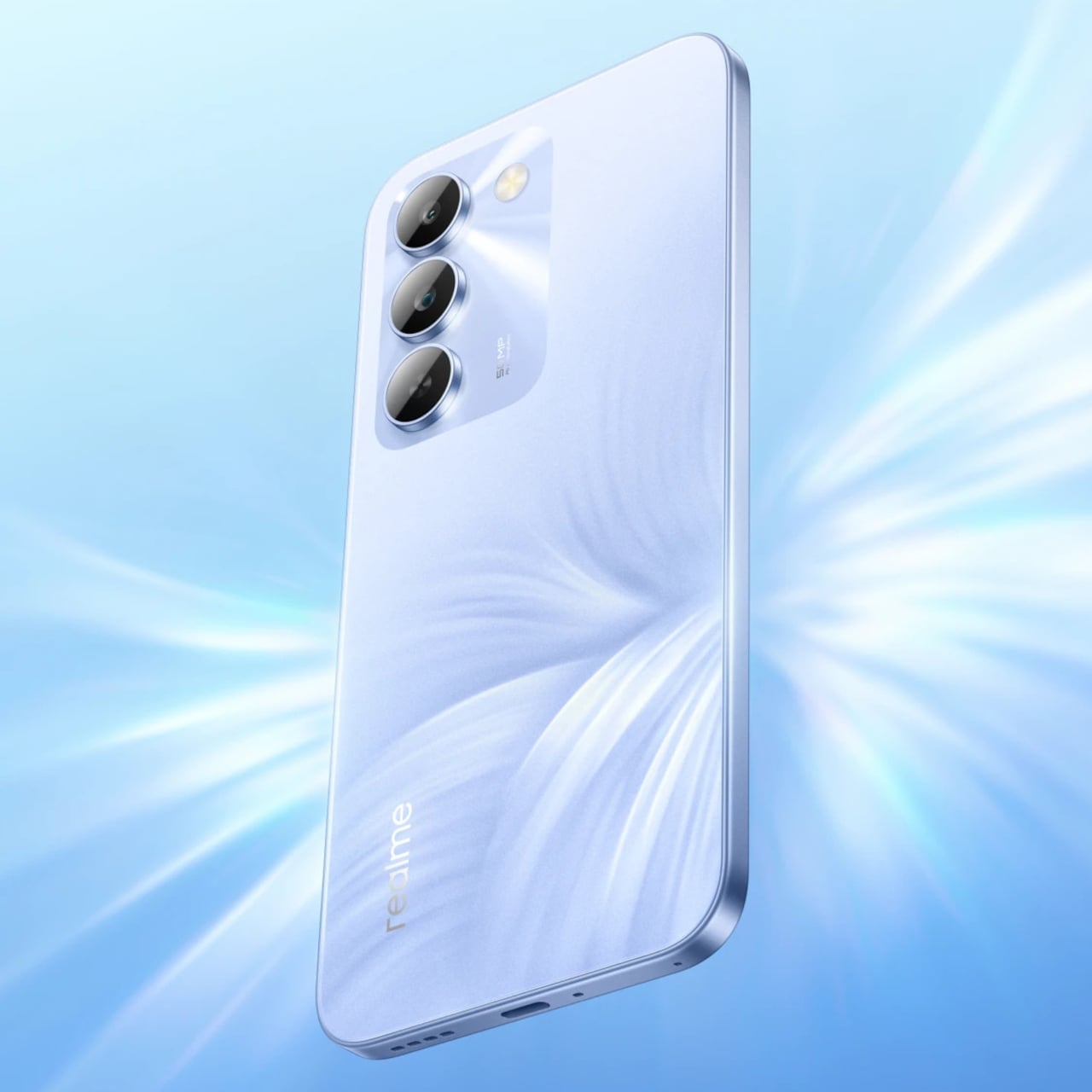
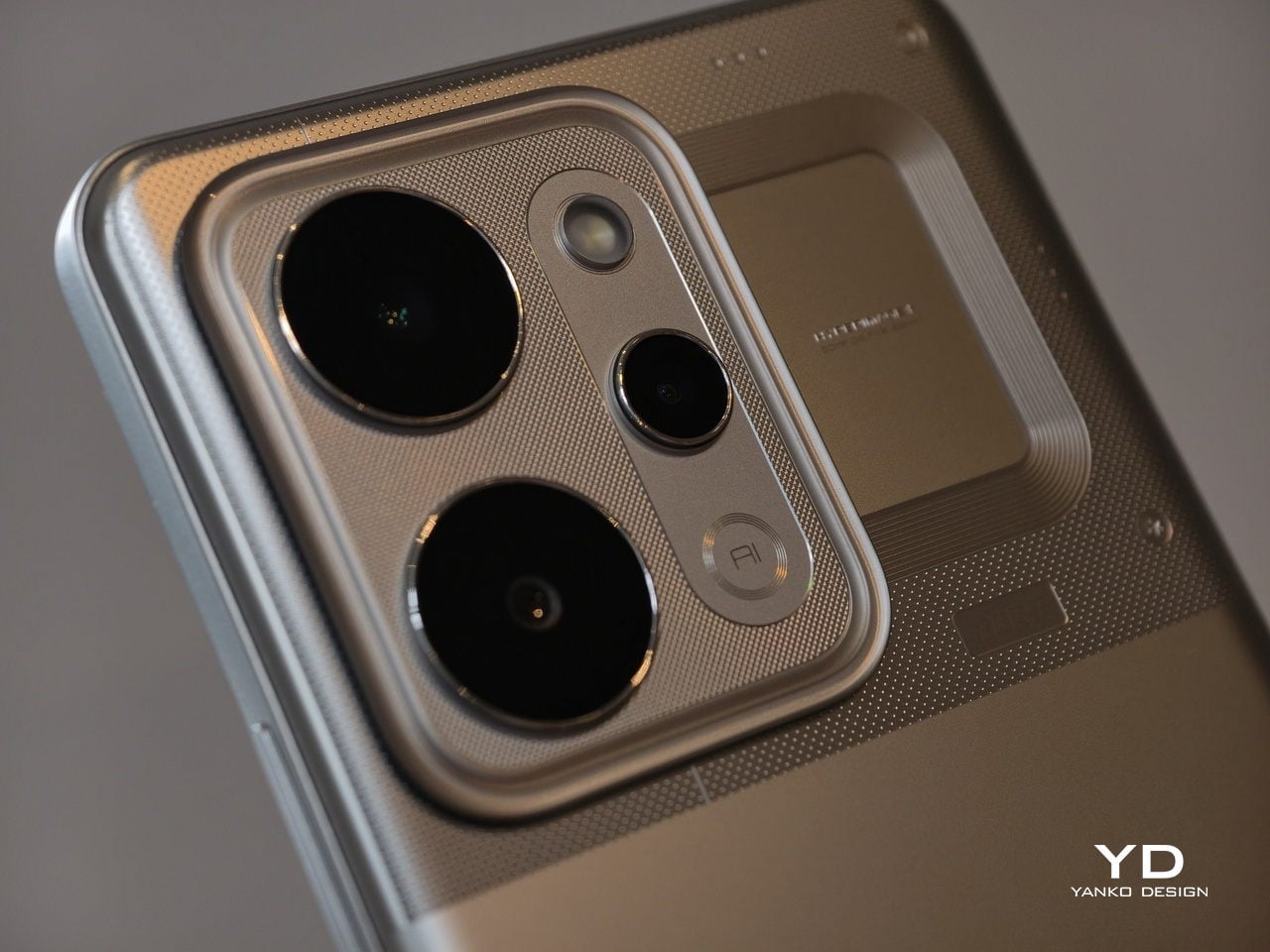
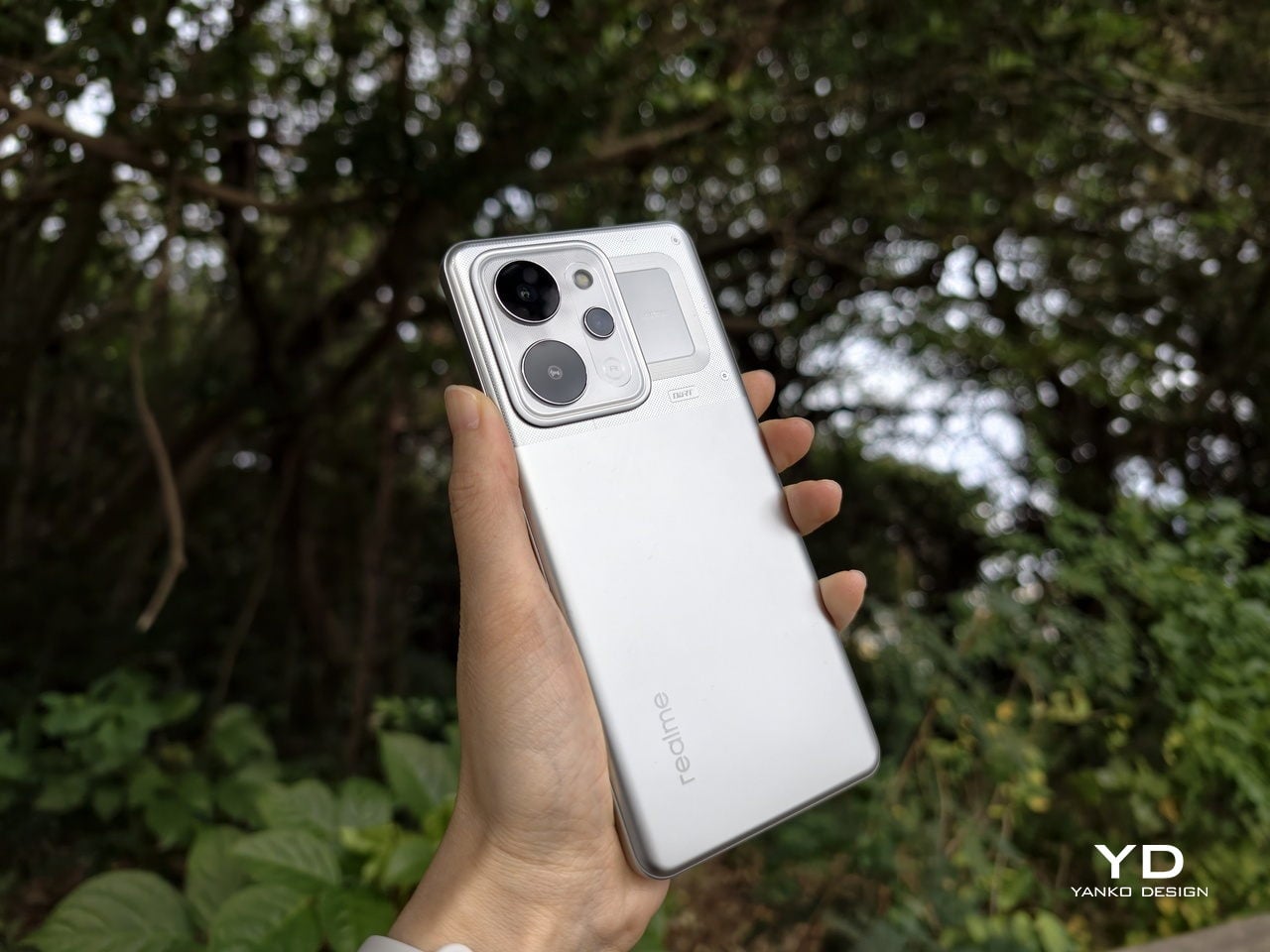
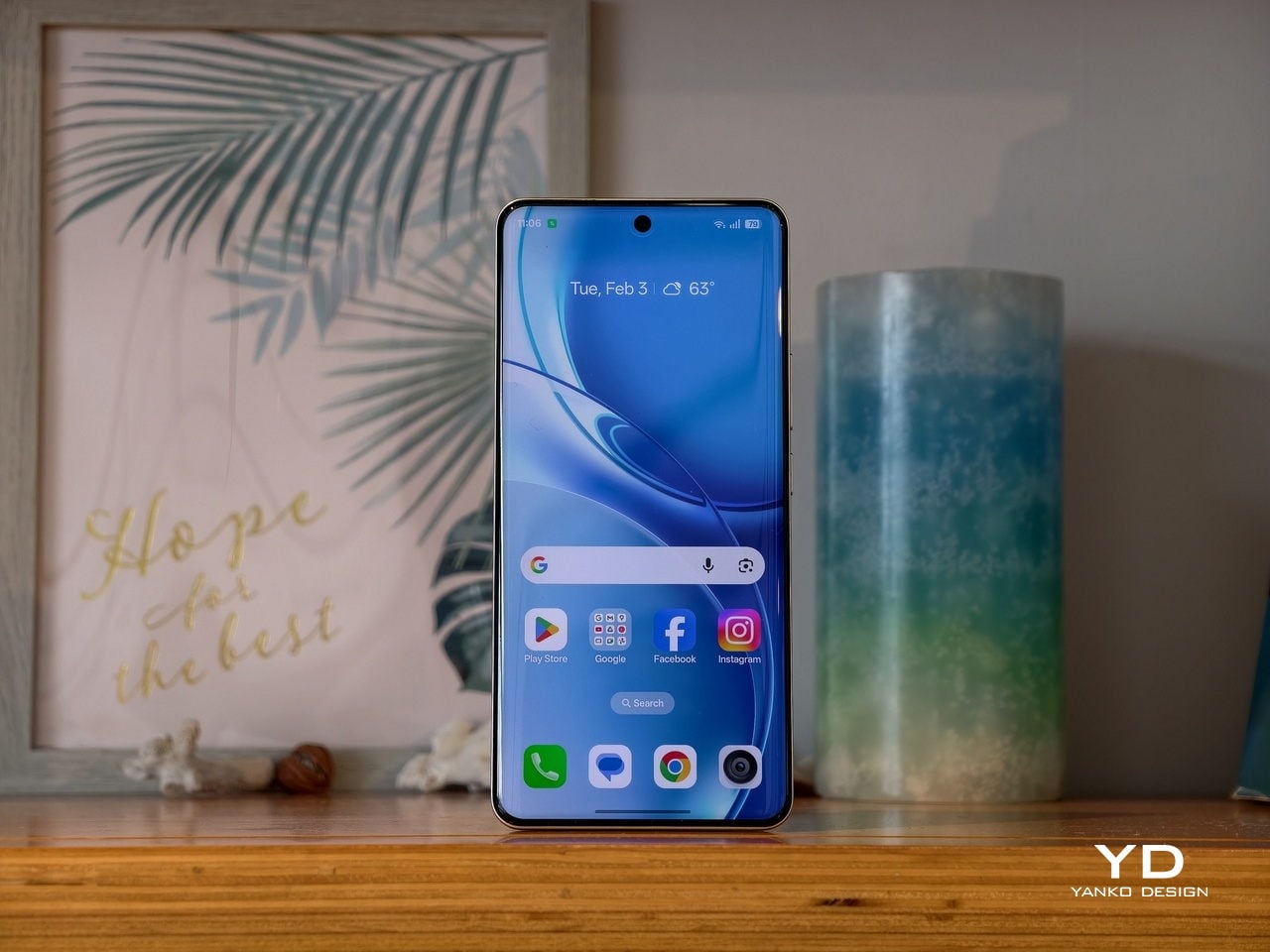
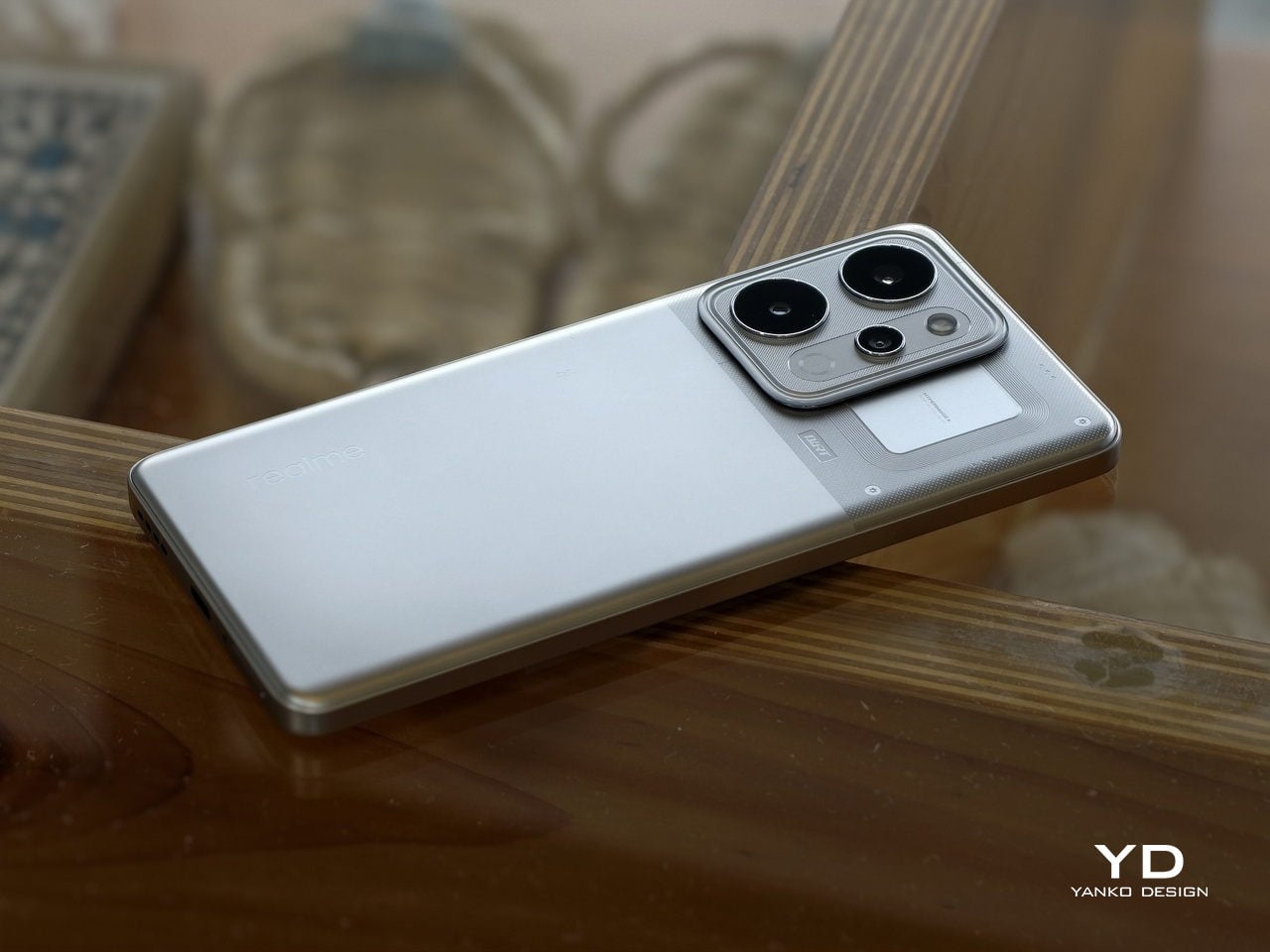
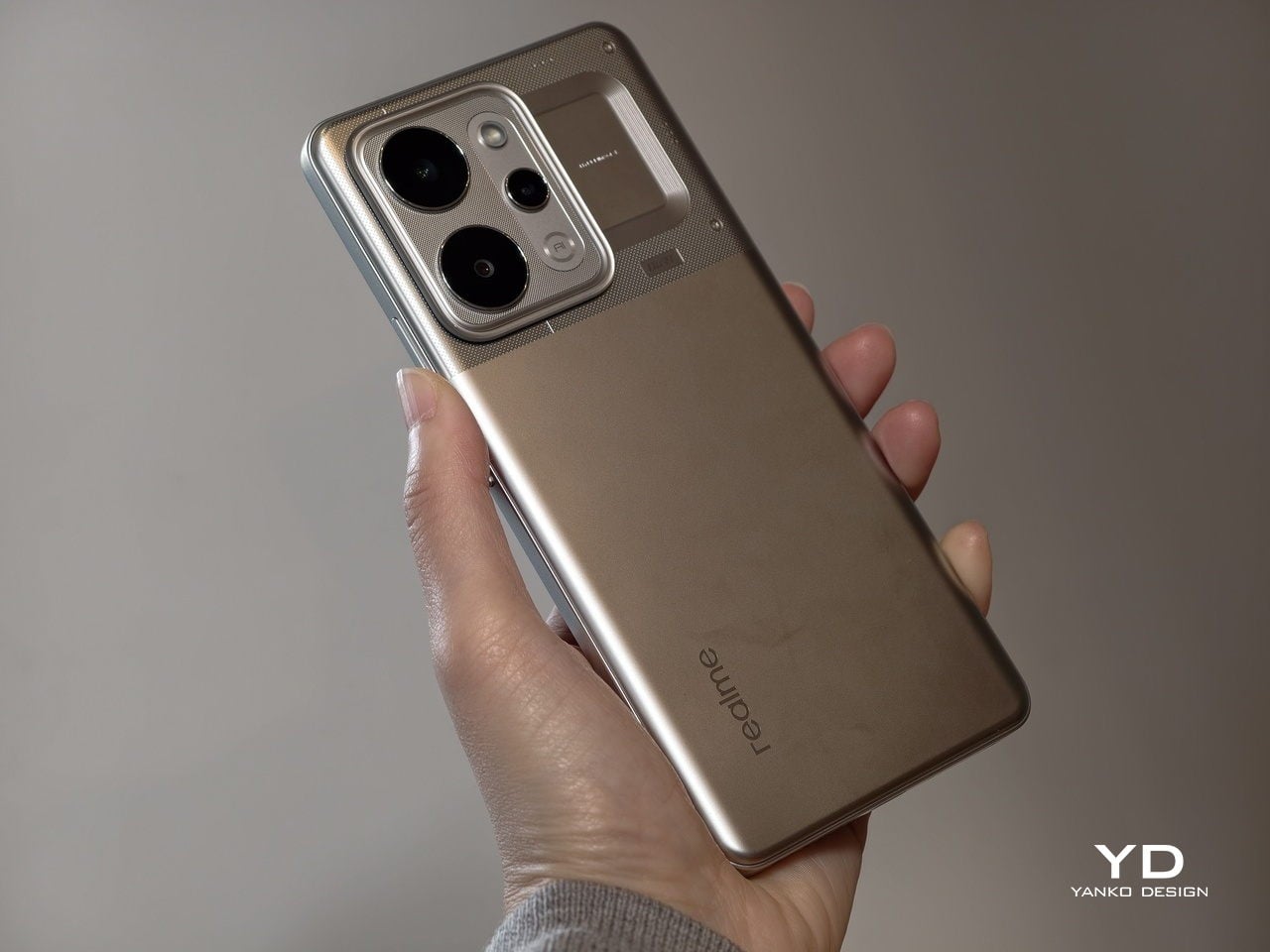
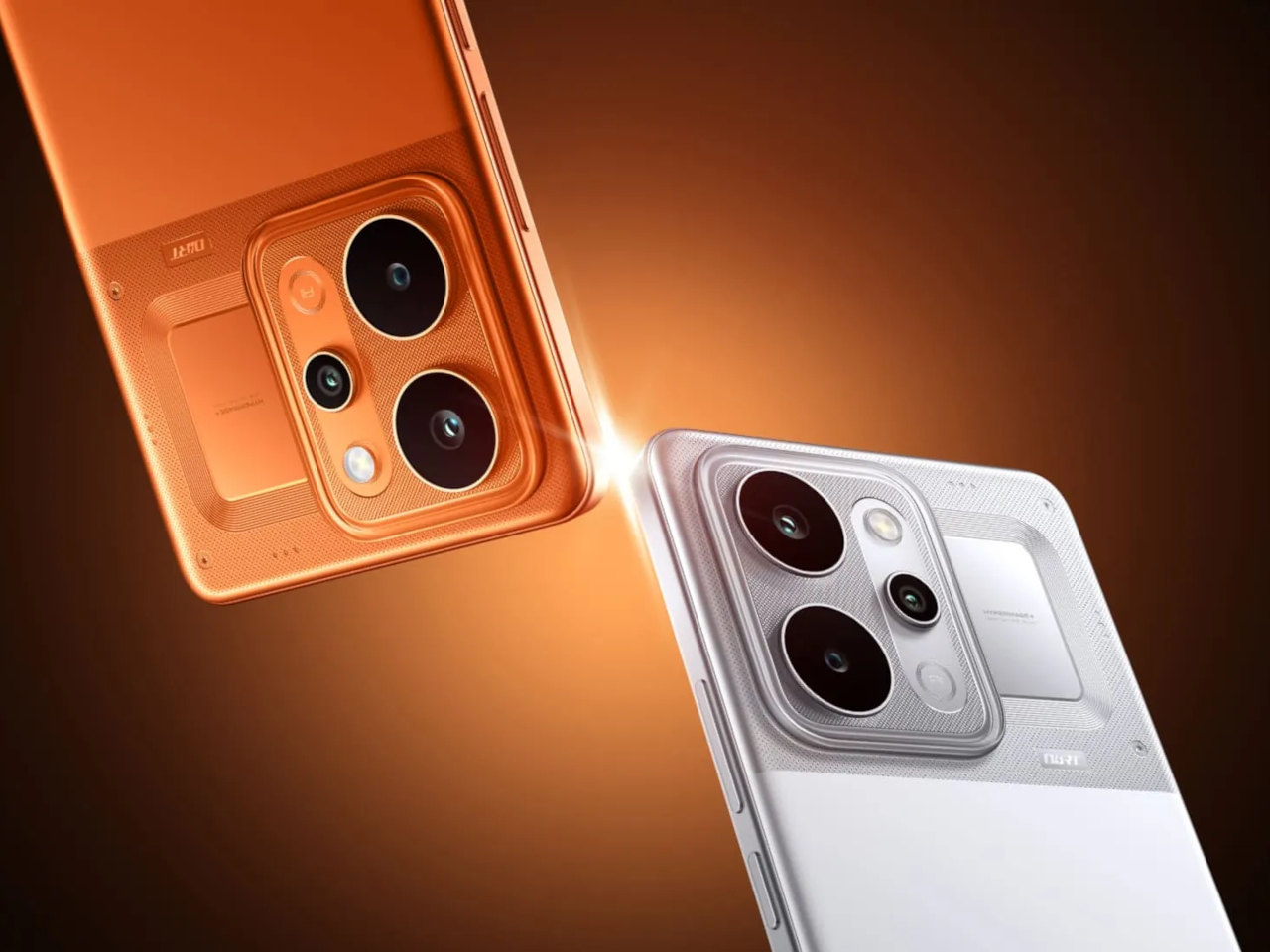
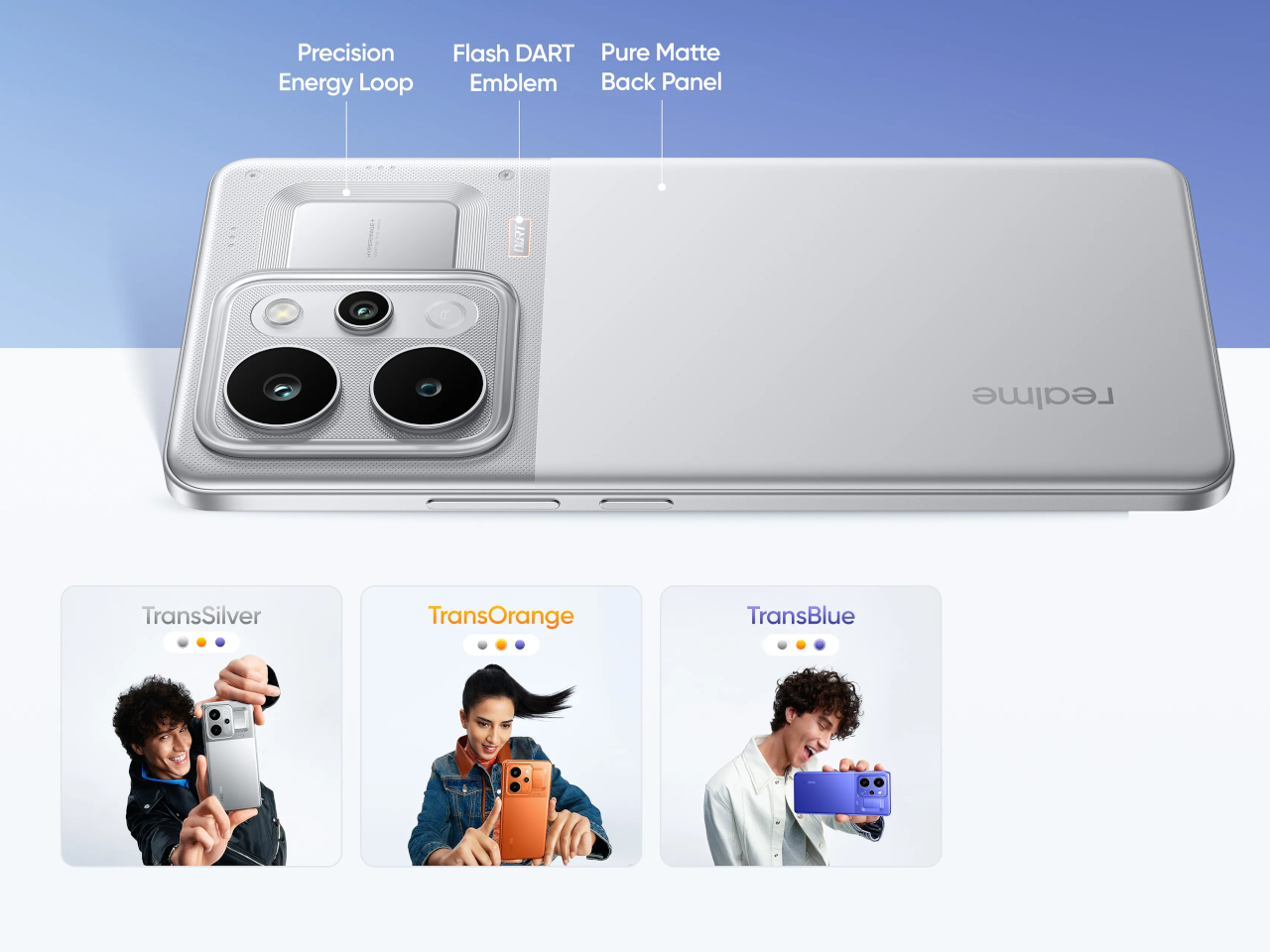
The Realme P4 Power is a battery‑first phone that does not look like one at first glance. On the table, it reads as a modern, fashion‑driven slab rather than a chunky endurance tool, which is exactly what Realme is going for. It comes in two color variations, Flash Orange and Power Silver.

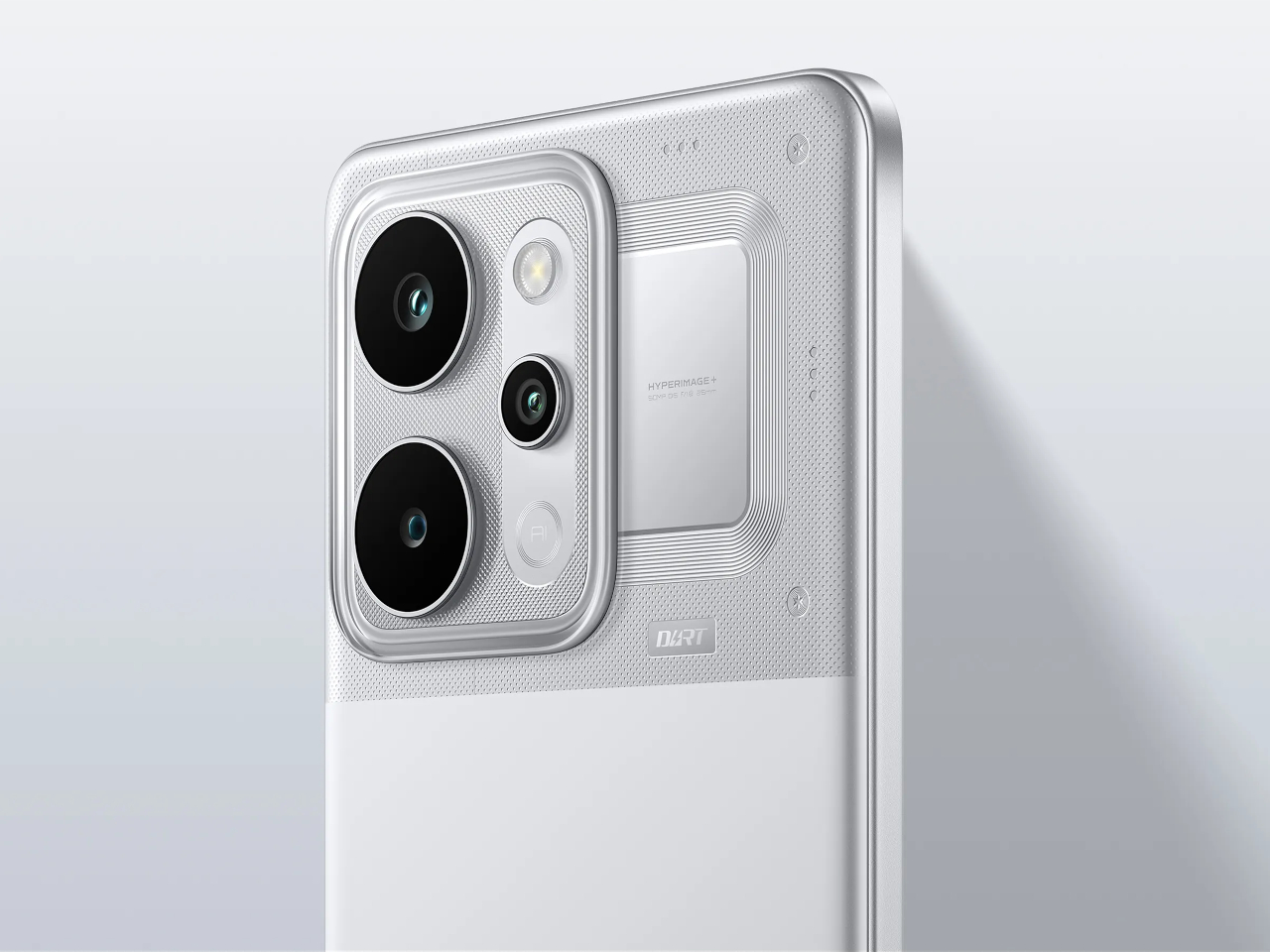
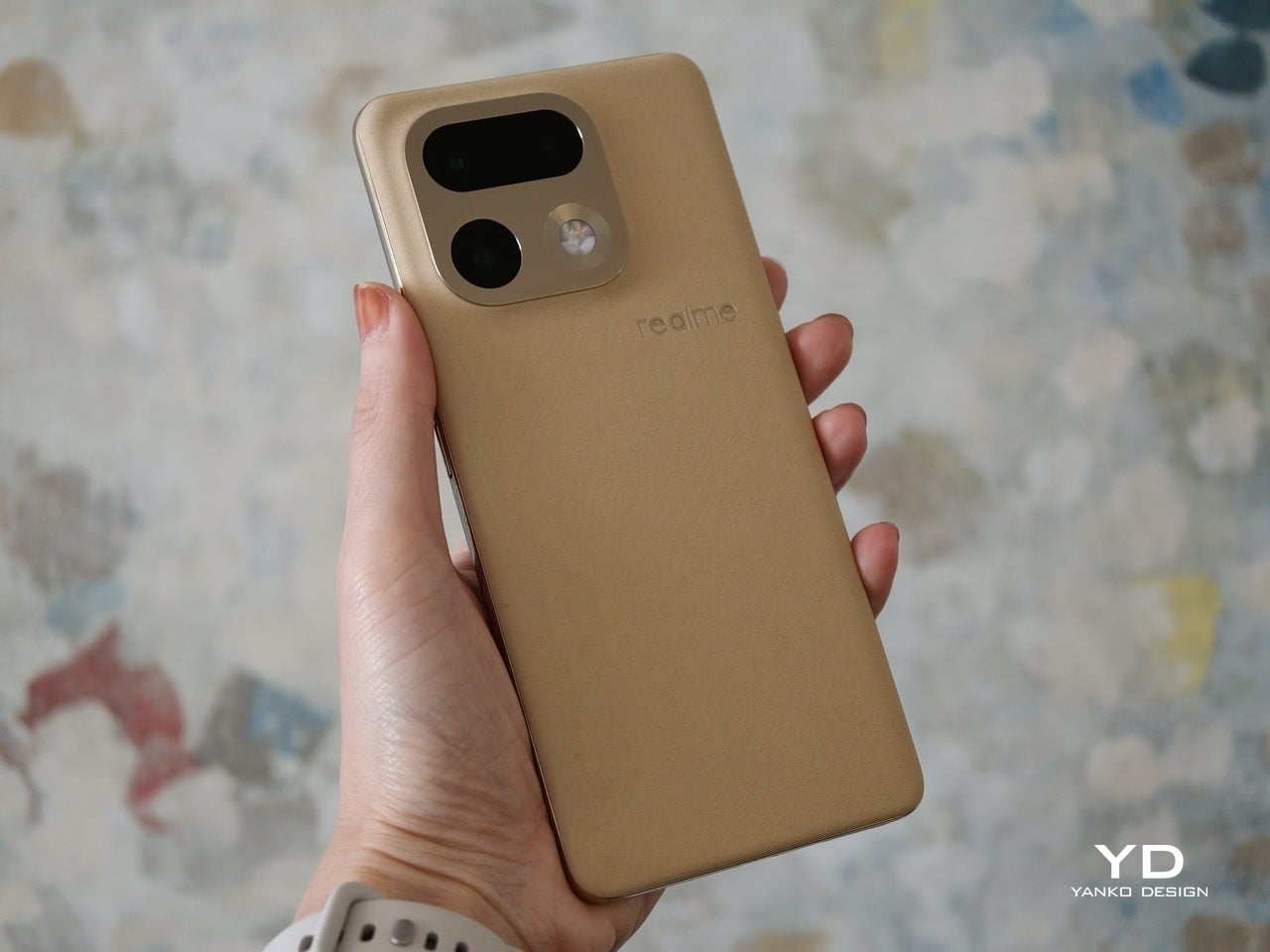
The upper third of the back panel has a distinctive pattern that creates an almost translucent effect, playing with reflections and depth when light hits it. The rectangular camera island is neatly integrated, with a clean ring‑based layout that avoids the oversized, fussy modules you see on some rivals. The overall look feels intentional and confident, not like a normal phone that accidentally got thicker to fit a bigger battery.

The design is more playful than minimalist, especially in the brighter Flash Orange variant, while Power Silver keeps a slightly more muted but still distinctive character. For a phone whose headline feature is a huge battery, it is surprisingly stylish and clearly aimed at people who care how their device looks on a desk or in a hand. Branding is present but not overpowering, so the rear stays relatively clean even with the layered graphics and that “under‑glass” pattern.

Ergonomics

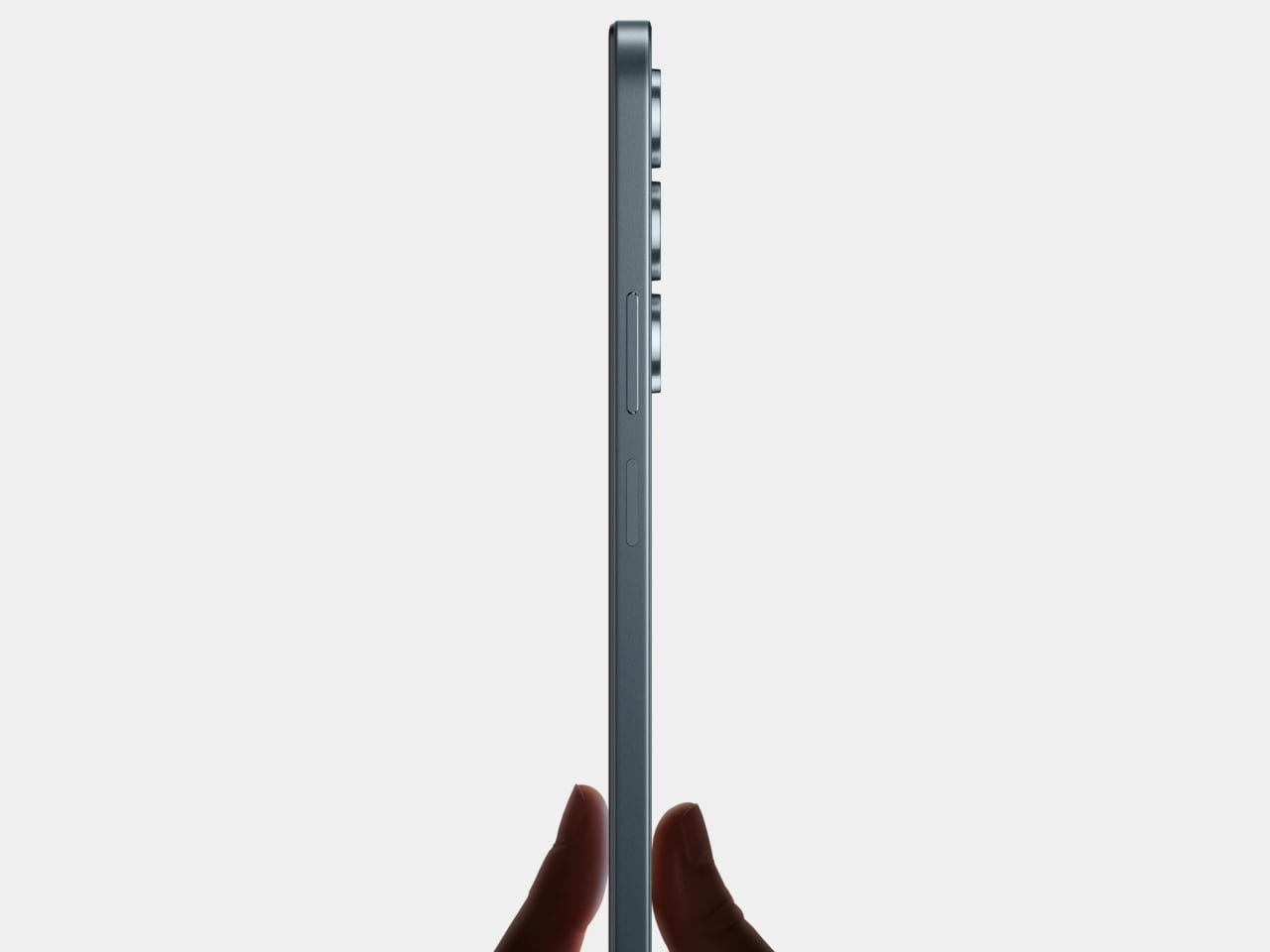
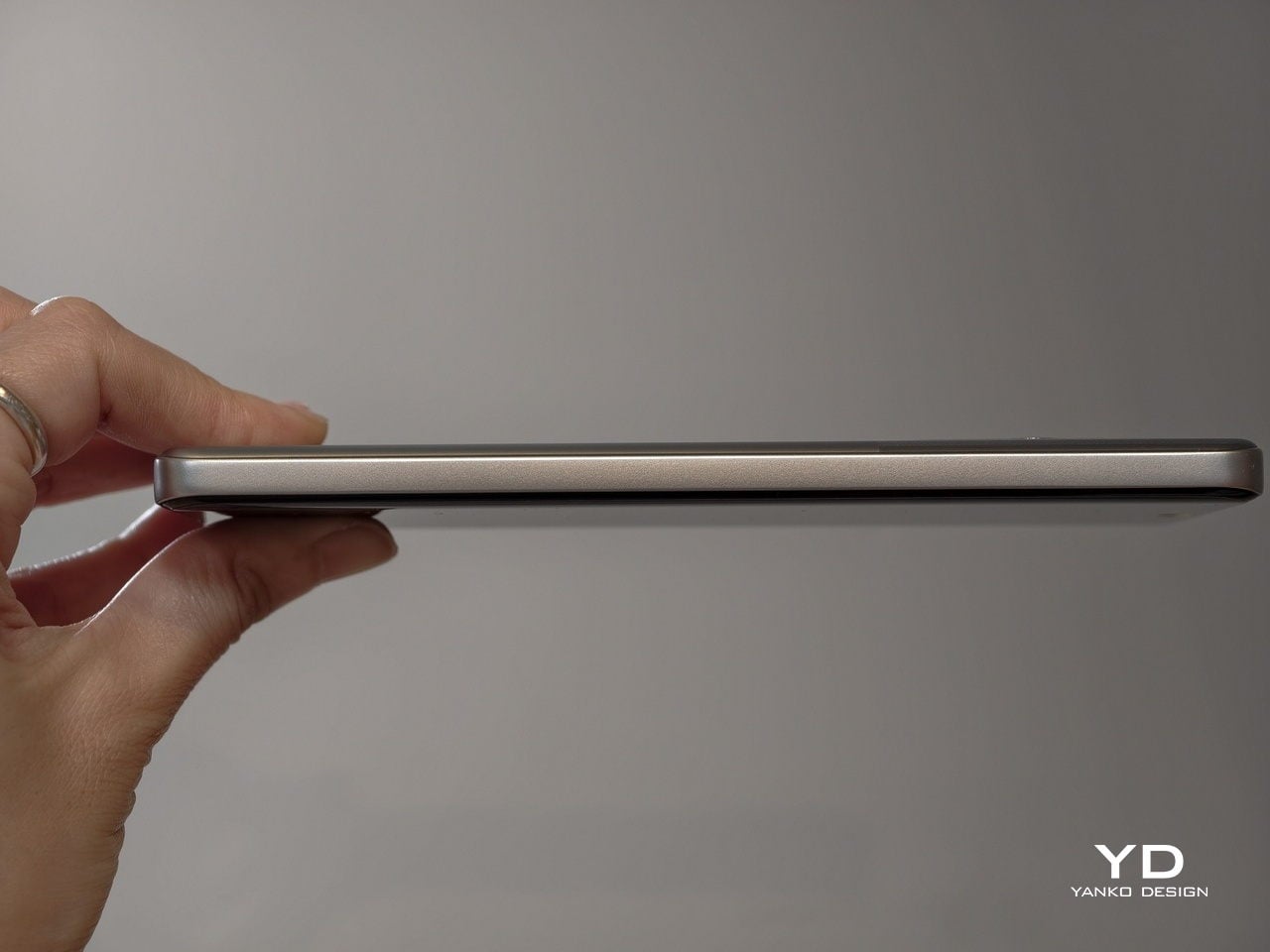
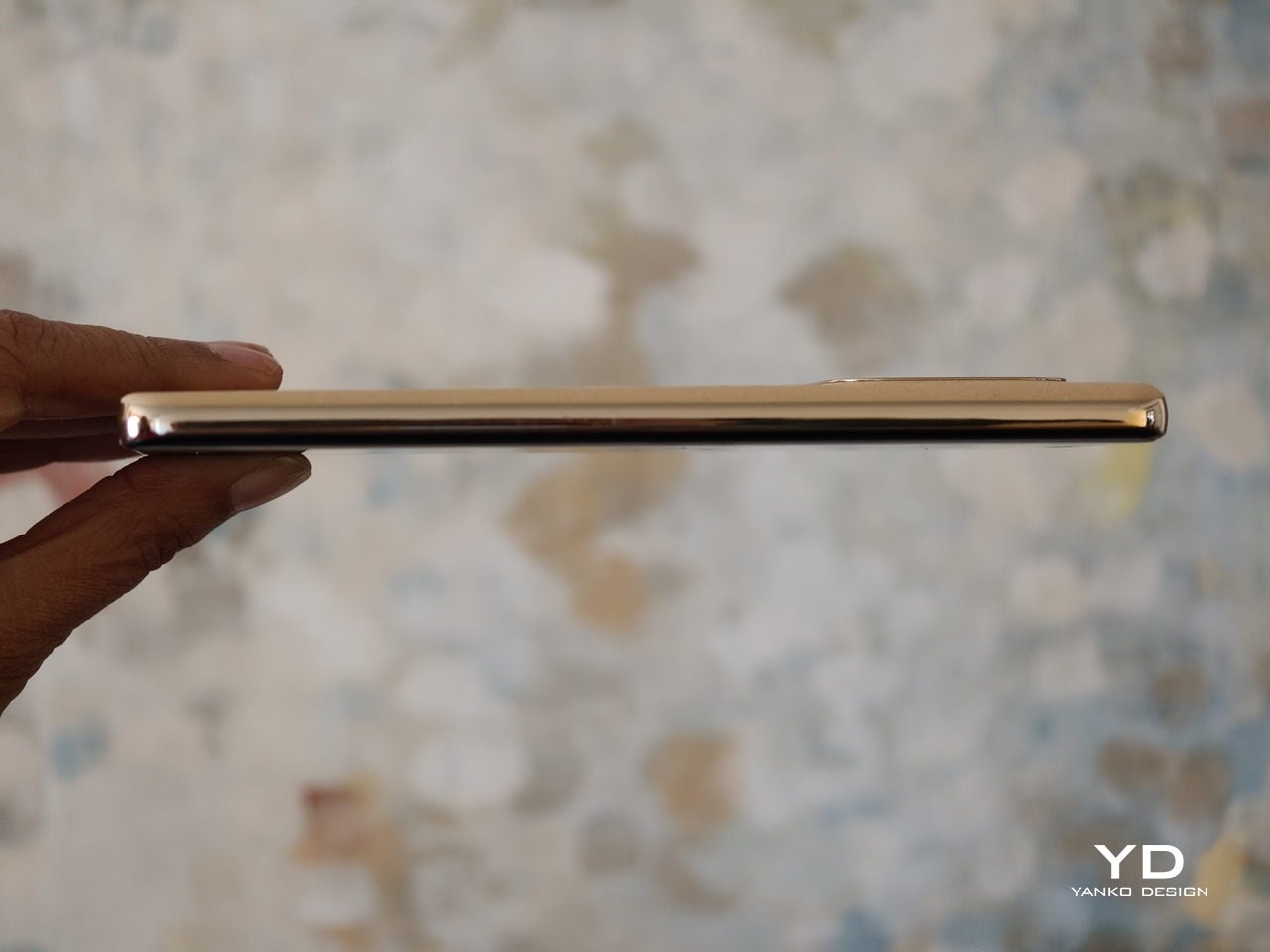
Even when you pick it up, the P4 Power feels a little deceptive. This is not a featherweight device, coming in at about 219g and measuring 162.26 x 76.15 x 9.08mm. The large 10,001 mAh battery and sturdy build give it noticeable heft in the hand, and you will feel that if you are coming from a slim device. However, Realme has done a great job of balancing the mass so it does not feel awkward during normal use. For many users, the extra grams will be an acceptable trade‑off for the freedom from constant charging.

The shape helps more than the spec sheet suggests. The slightly curved 6.8‑inch display and curved‑edge back panel let your fingers naturally wrap around the device rather than pressing into a sharp edge. The matte back does a good job of hiding fingerprints and smudges, although it can feel a bit slippery, so a case might still be a smart idea.

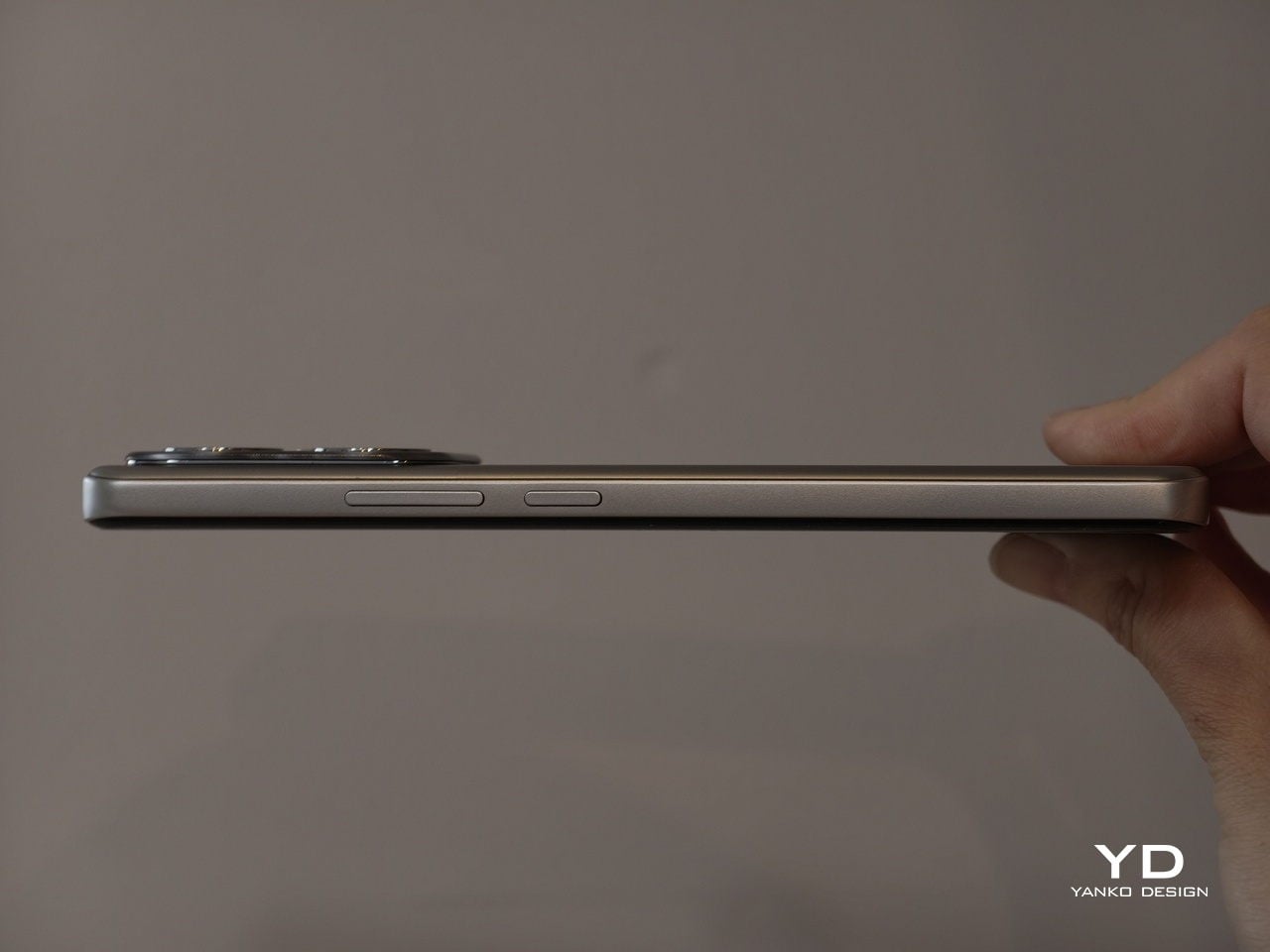
The power and volume keys are within comfortable reach on the right side, so you do not have to stretch or shuffle the phone around to adjust volume or wake the screen. The in‑display fingerprint reader, on the other hand, sits quite close to the bottom of the display, which can make quick unlocks feel a bit forced, especially in one‑handed use. Overall, the build quality feels more premium than the price tag suggests, and ergonomics are good for a device built around such a large battery.

Performance

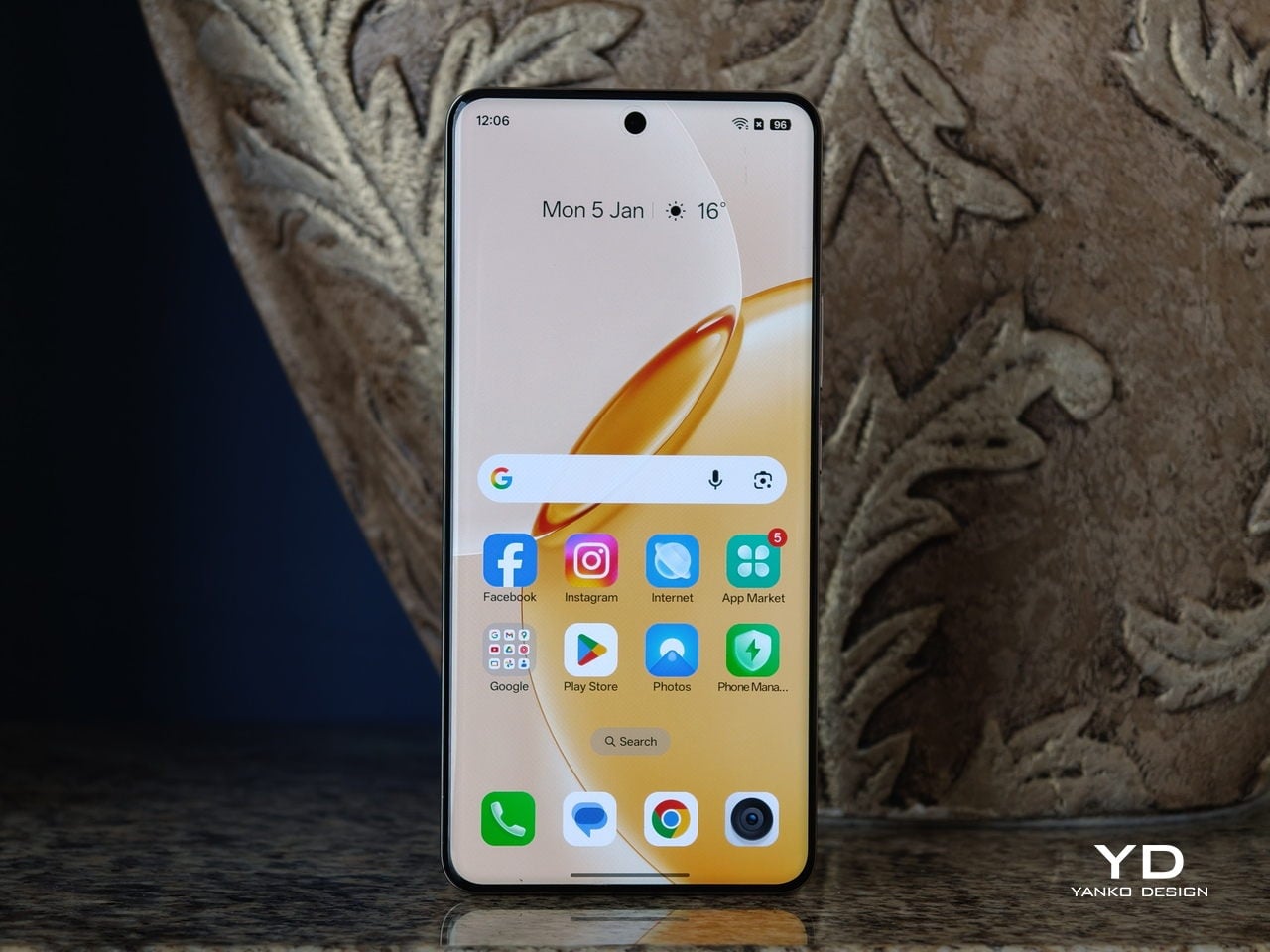
On the front, the P4 Power offers a quad‑curved 6.8‑inch AMOLED display with a resolution of 1280 × 2800 pixels and a maximum refresh rate of 144Hz. In practice, though, only a few native apps, such as Calculator, Compass, and Recorder, actually run at 144Hz, while most of the interface and third‑party apps stick to lower refresh rates.

Realme quotes typical brightness around 600 nits, a boosted mode up to 1800 nits, and a local peak figure of 6500 nits for small areas of the screen. In real‑world use, the display stays readable in harsh sunlight and bright outdoor conditions. The panel supports HDR10+ and 10‑bit color, so compatible streaming content looks rich, punchy, and pleasantly saturated.

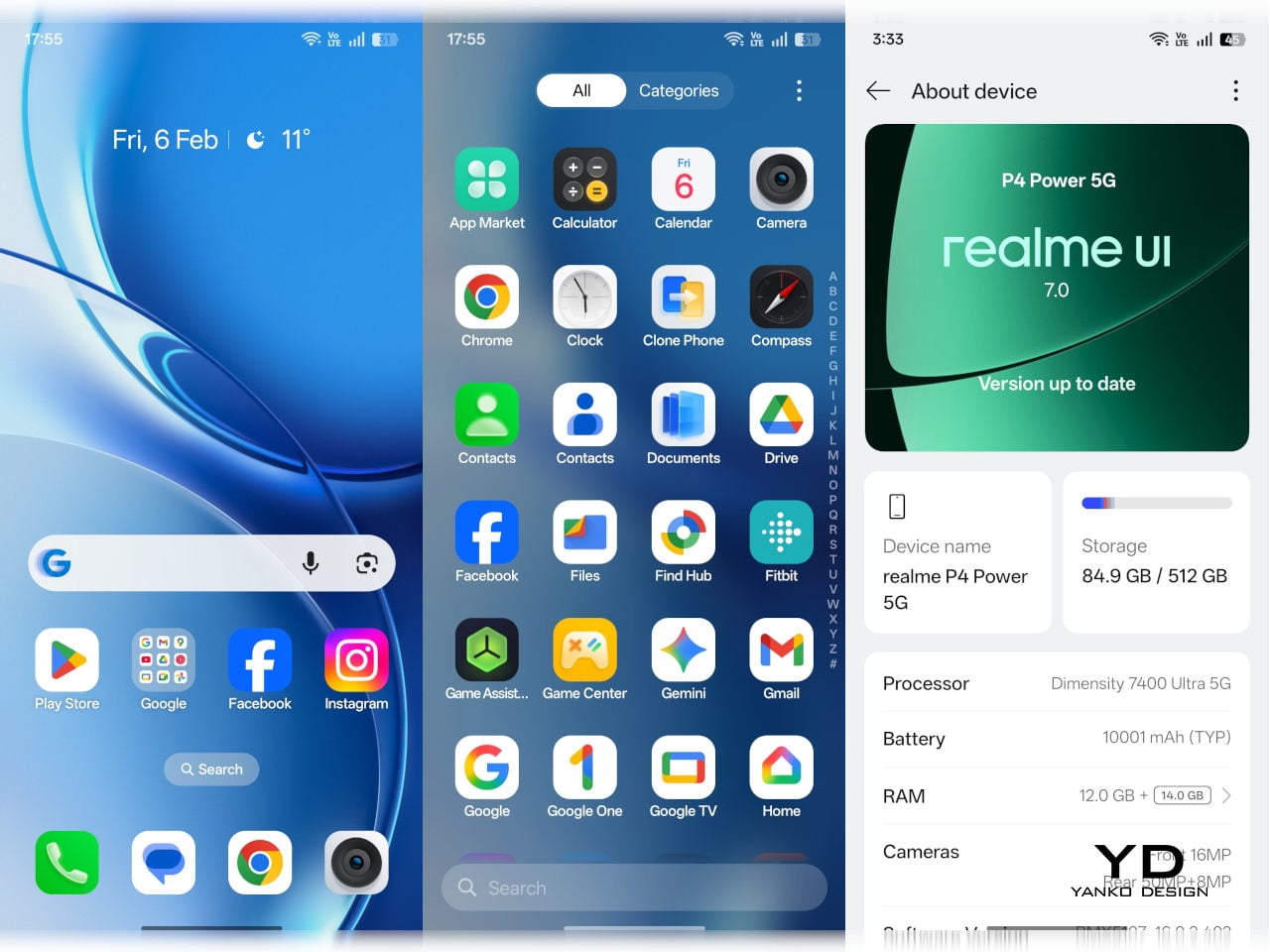
Inside the P4 Power sits MediaTek’s Dimensity 7400-Ultra chipset. It is paired with 8GB or 12GB of RAM and 128GB, 256GB, or 512GB of UFS 3.1 storage. This combination places the phone firmly in the mid‑range. It is not chasing raw benchmark records, yet it is designed to deliver smooth performance in everyday tasks and mainstream games without obvious slowdowns or stutters.

Out of the box, the phone runs Android 16 with Realme UI 7.0 on top, and Realme also uses a dual‑chip approach. Alongside the main Dimensity processor, there is a dedicated Hyper Vision+ AI chip focused on display and gaming tasks, and there are a handful of AI image features such as AI Perfect Shot and 3D emoji. AI Perfect Shot recognizes faces and can fix closed eyes or awkward expressions by swapping in better face poses from other photos of the same person in your gallery, and AI also helps during gaming by quickly generating message replies in supported messaging apps so you can respond without fully dropping out of your game.

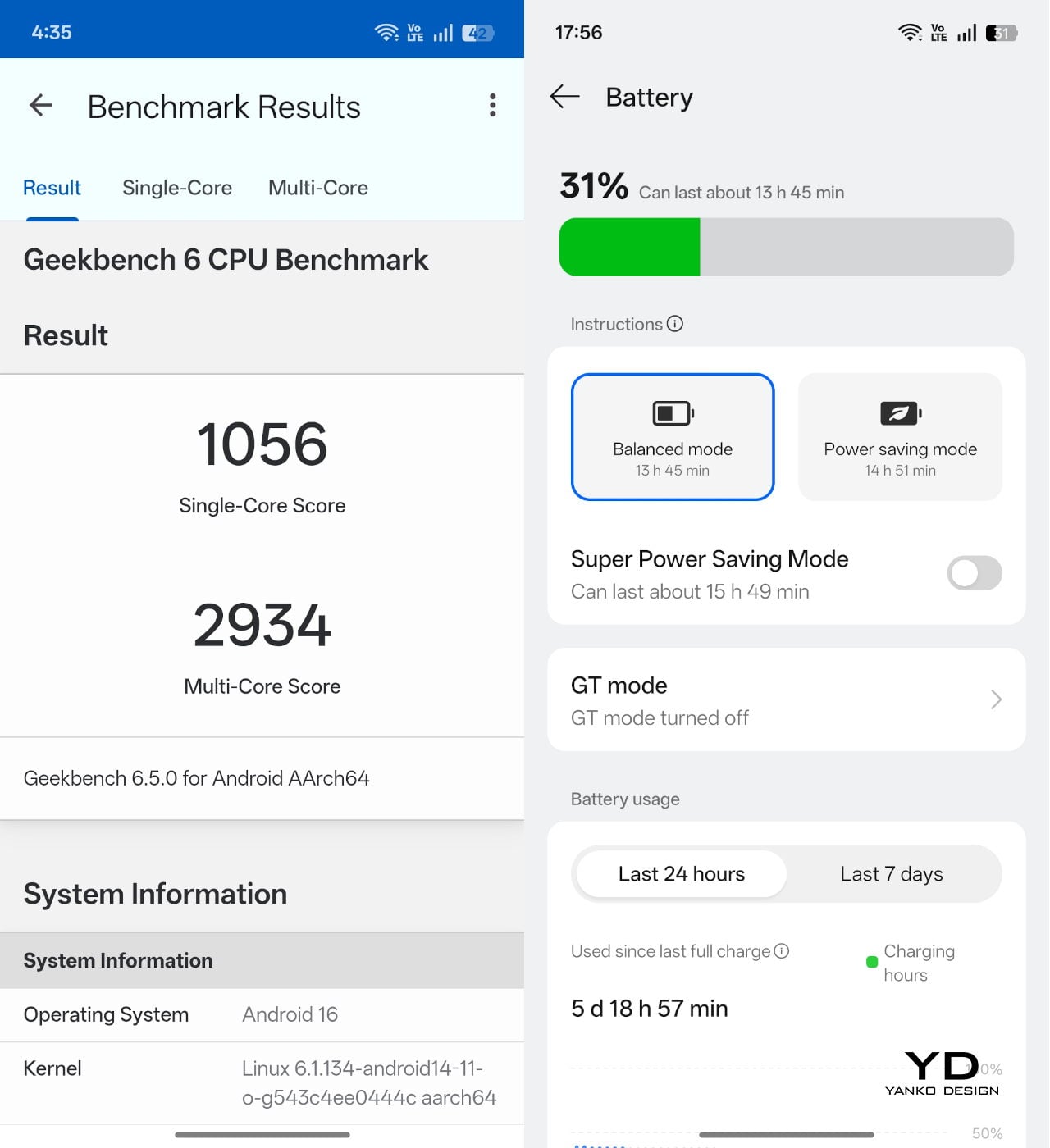
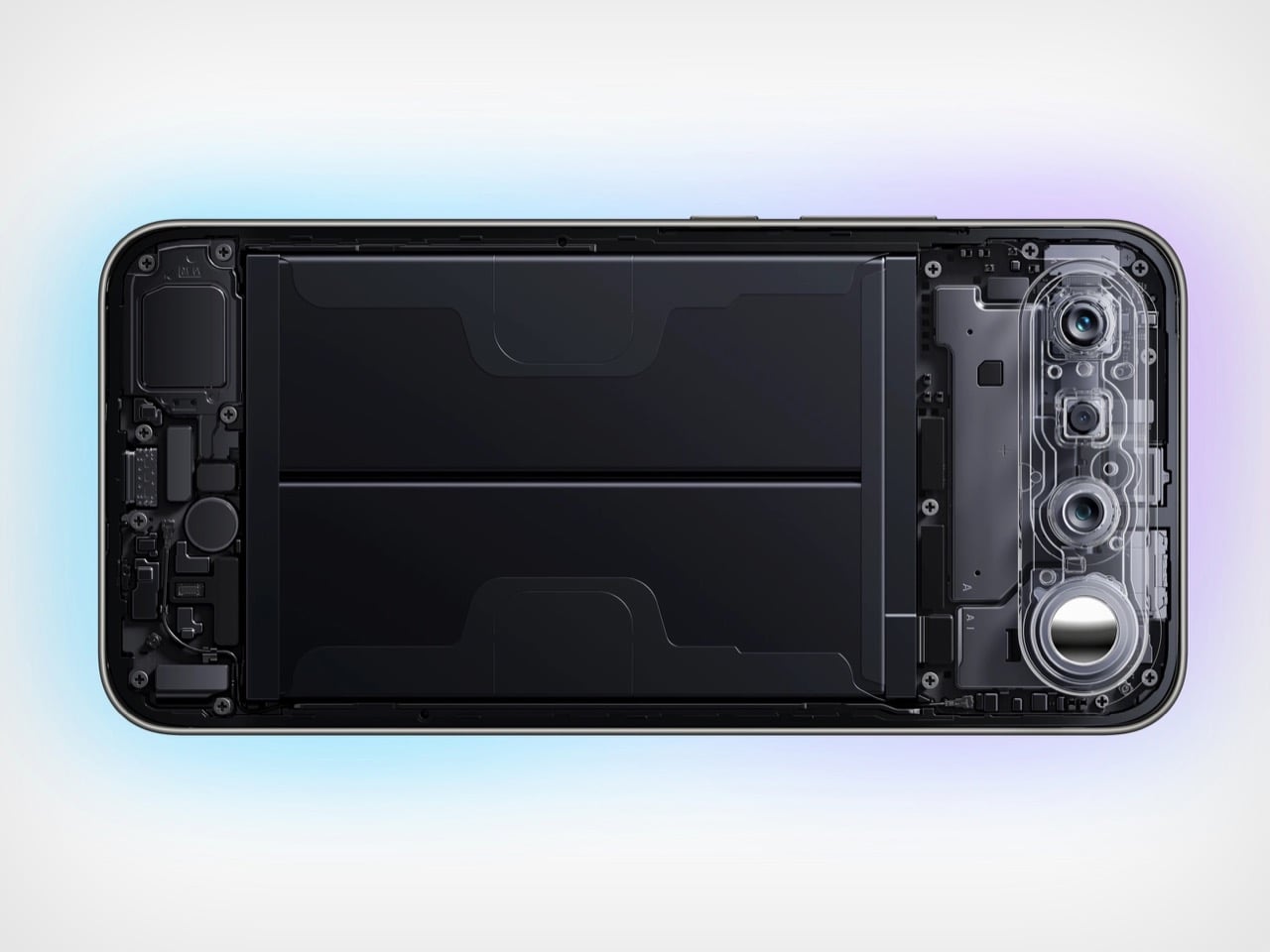
Battery life is the reason this phone exists. The 10,001mAh cell is dramatically larger than the 4,500 to 5,000mAh batteries found in many mainstream phones, and even bigger than the 6,000 or 7000mAh packs in endurance‑focused models. Realme achieves this using a third‑generation silicon‑carbon anode and a compact internal stacking design, which allows more capacity in roughly the same physical space.

In practical terms, this capacity is meant to deliver several days of mixed use. I used the Realme P4 Power as my primary device on a 3‑night, 4‑day scuba trip, with light screen time during the day, and it lasted the entire trip without a charge, still showing around 20 percent battery when I got back home. That kind of real‑world endurance is a clear step up from phones that need a nightly top‑up.

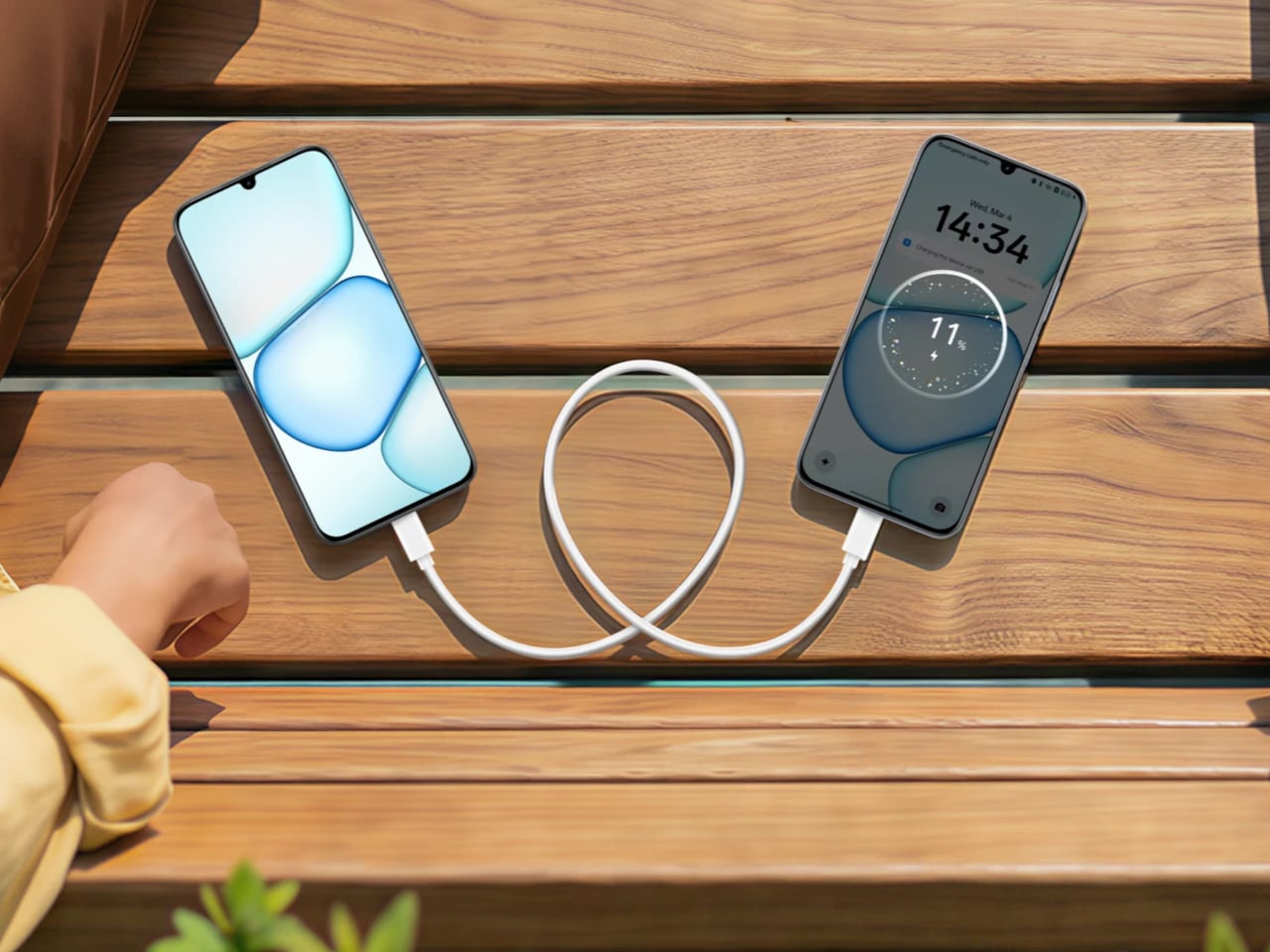
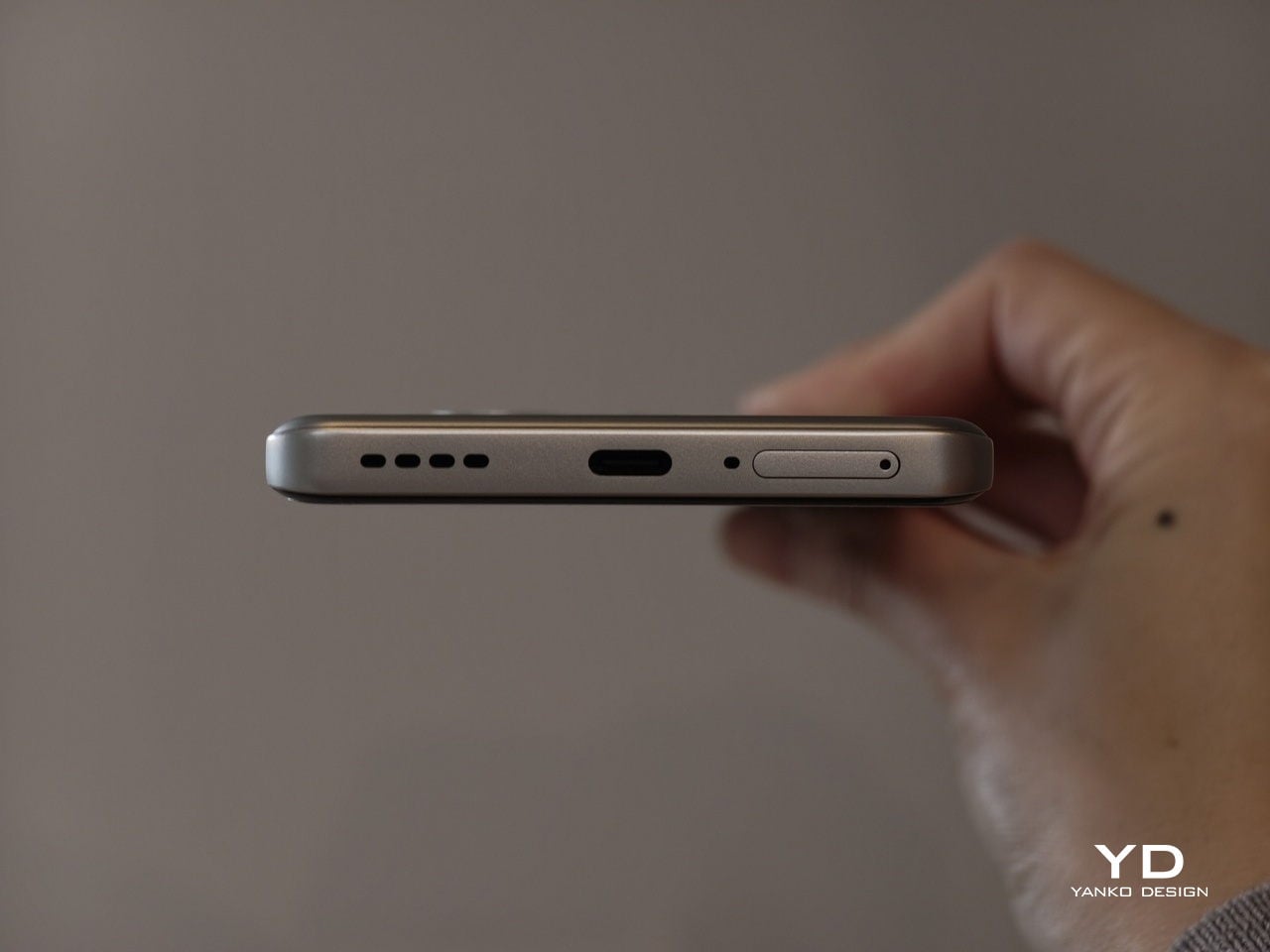
When you do need to charge, the P4 Power supports 80 W wired fast charging. It also supports 27 W reverse charging, so it can basically double as a power bank for your other gadgets when you are on the move.

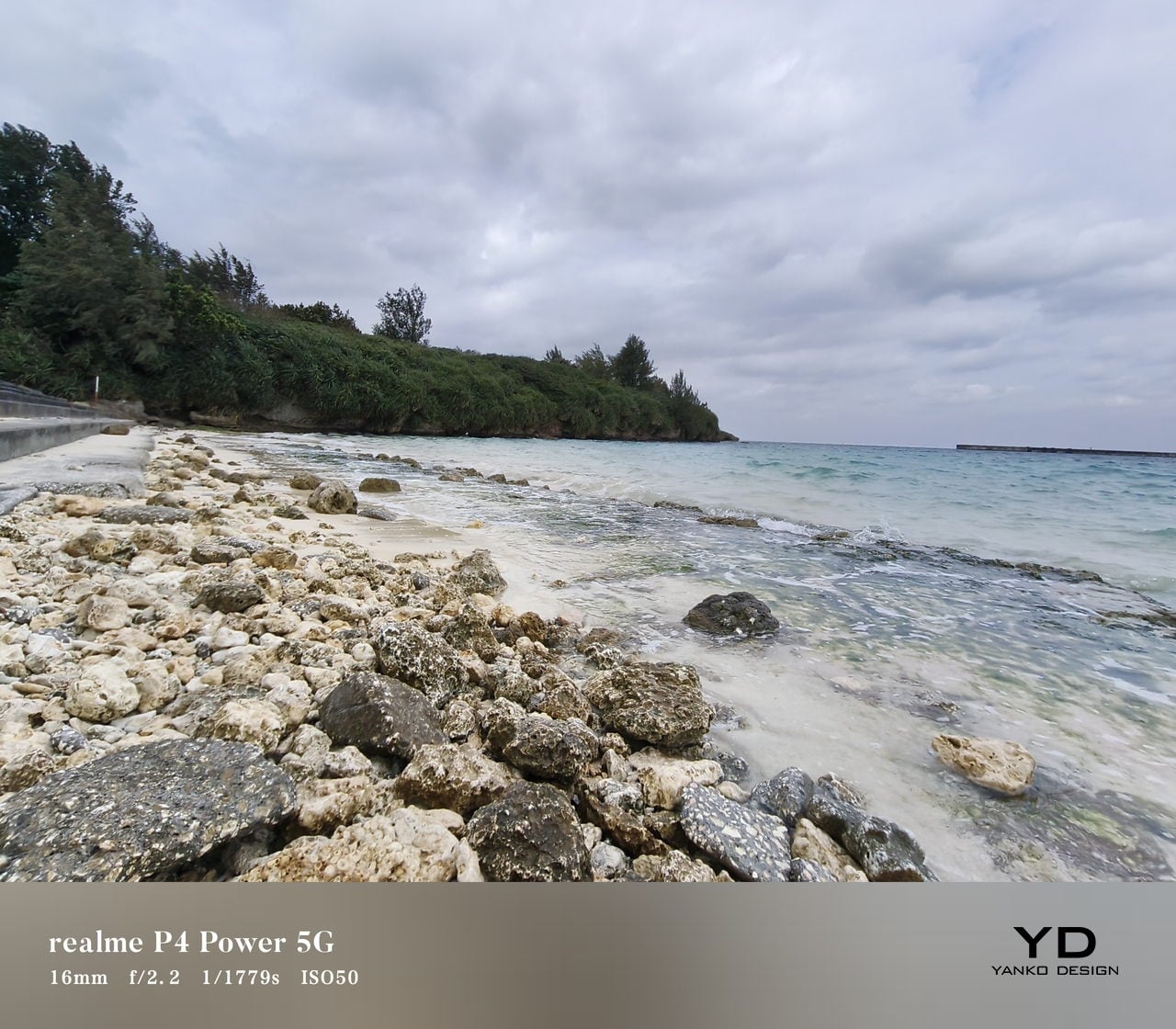
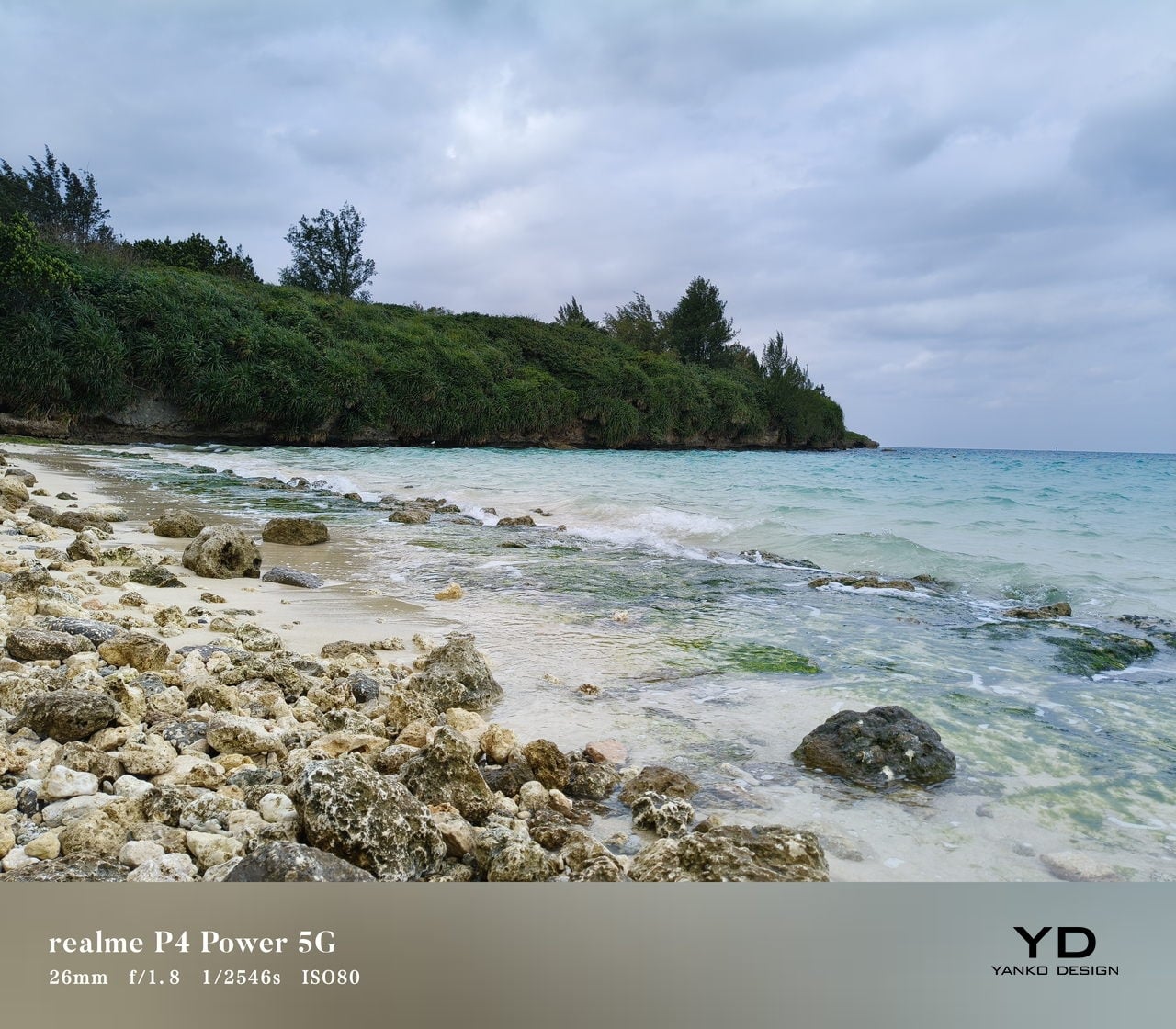
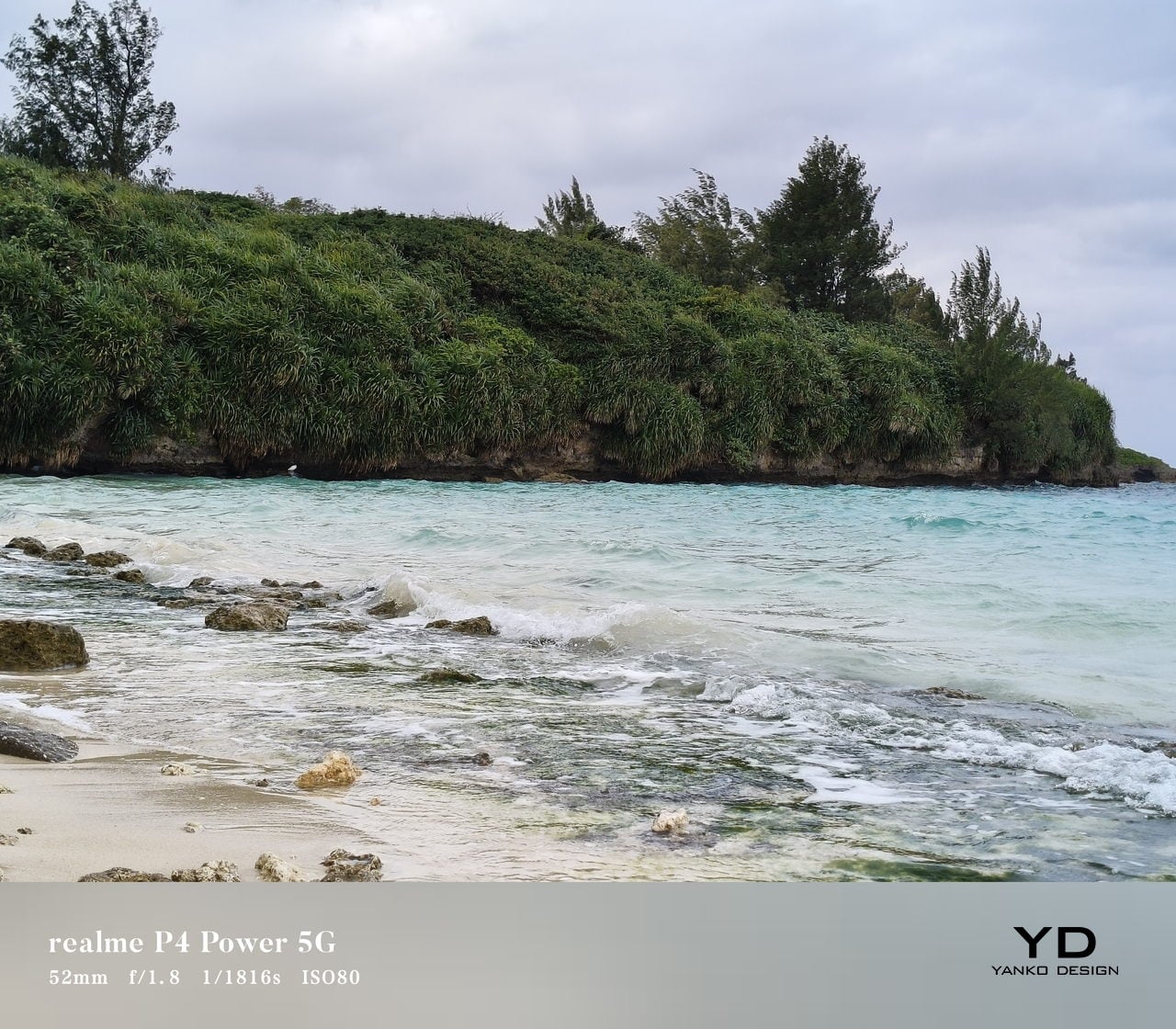
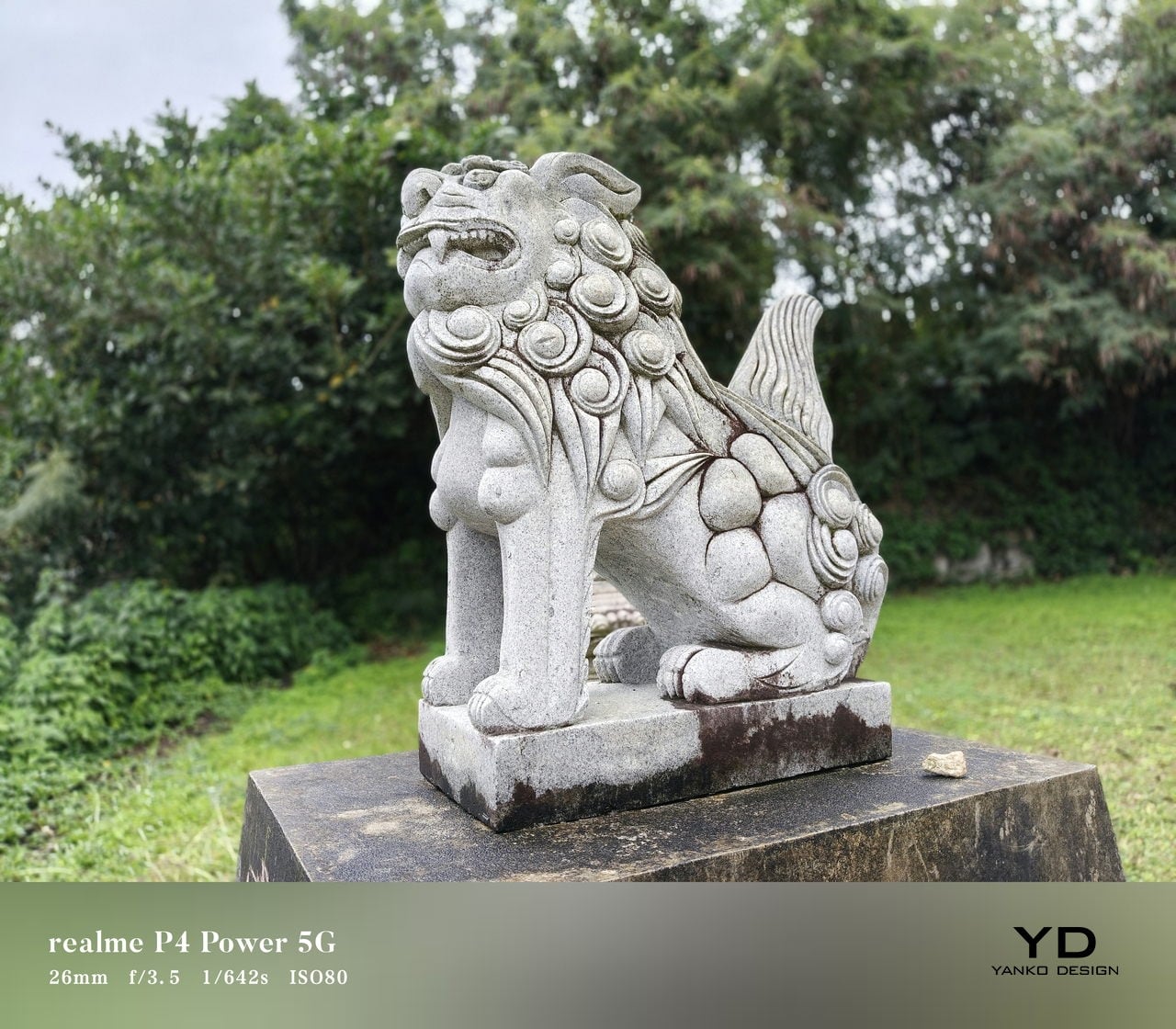
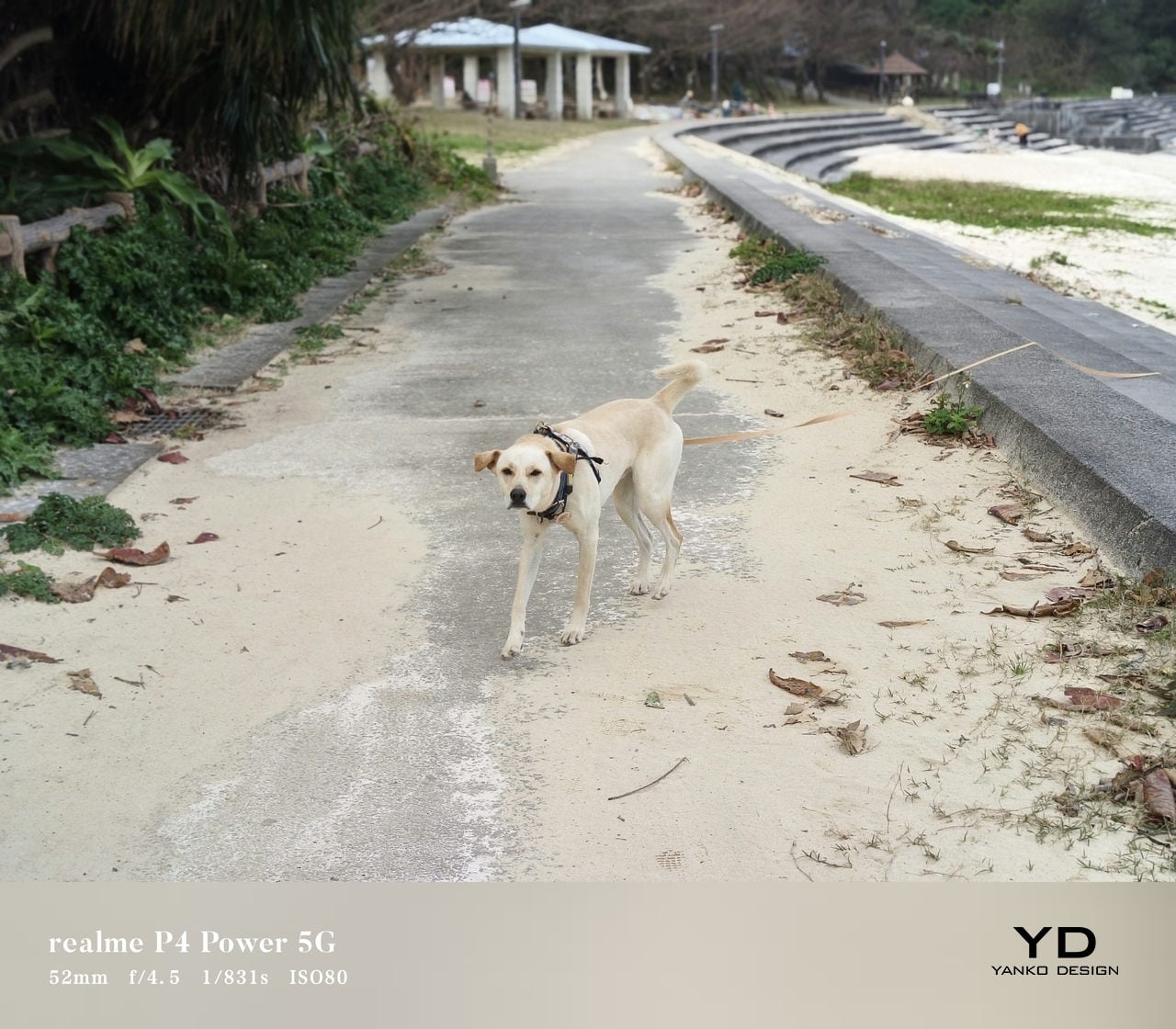
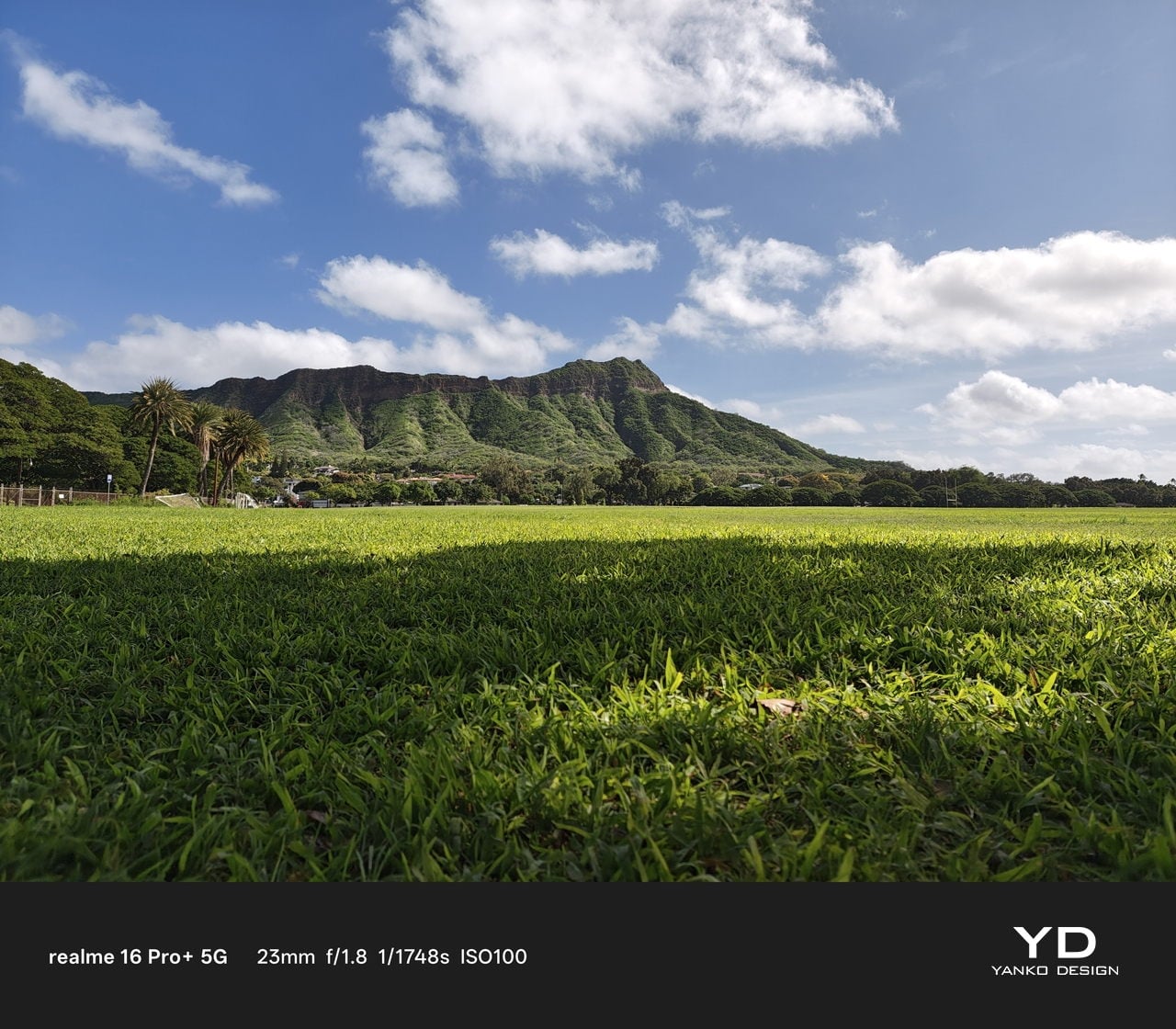
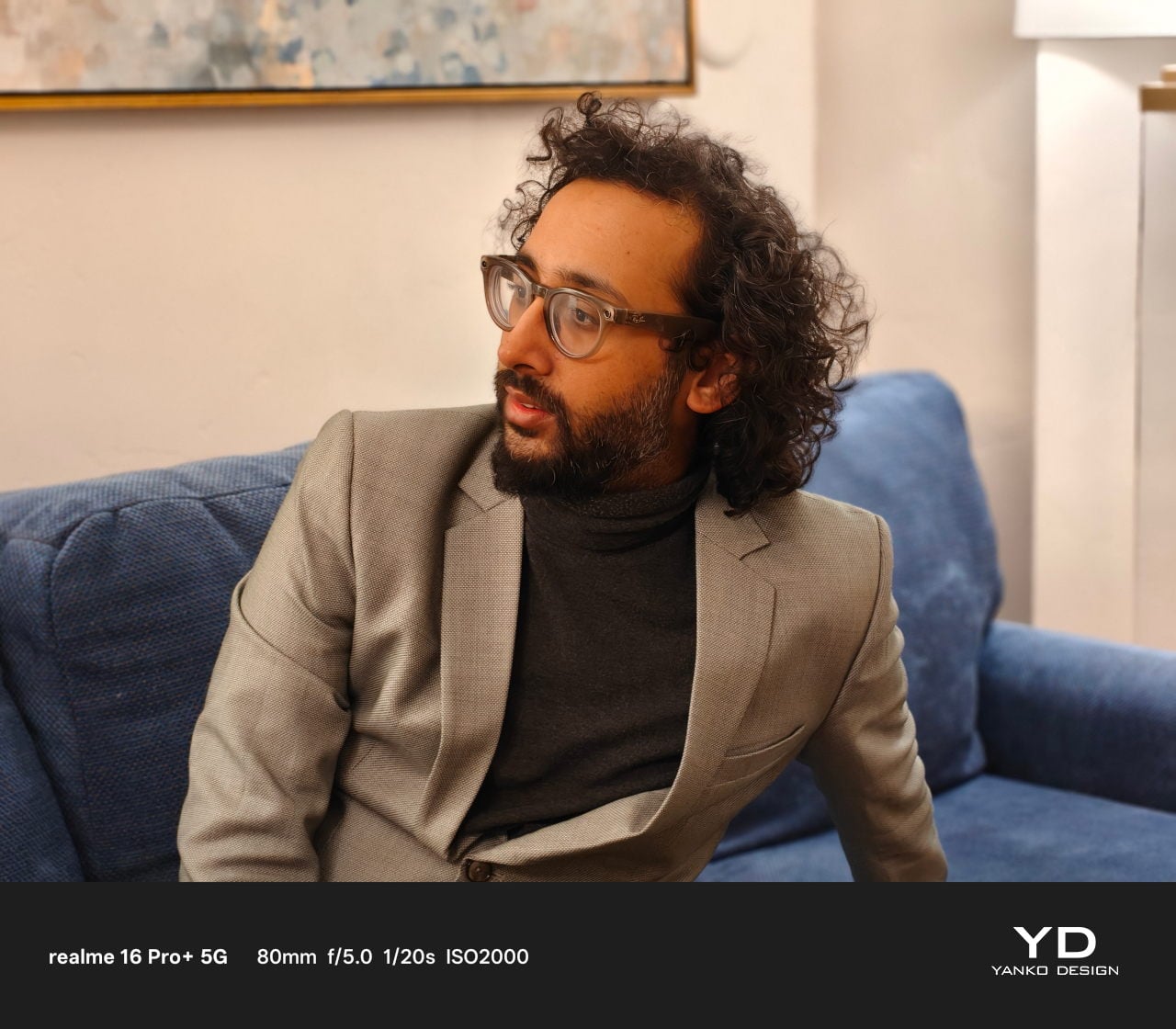
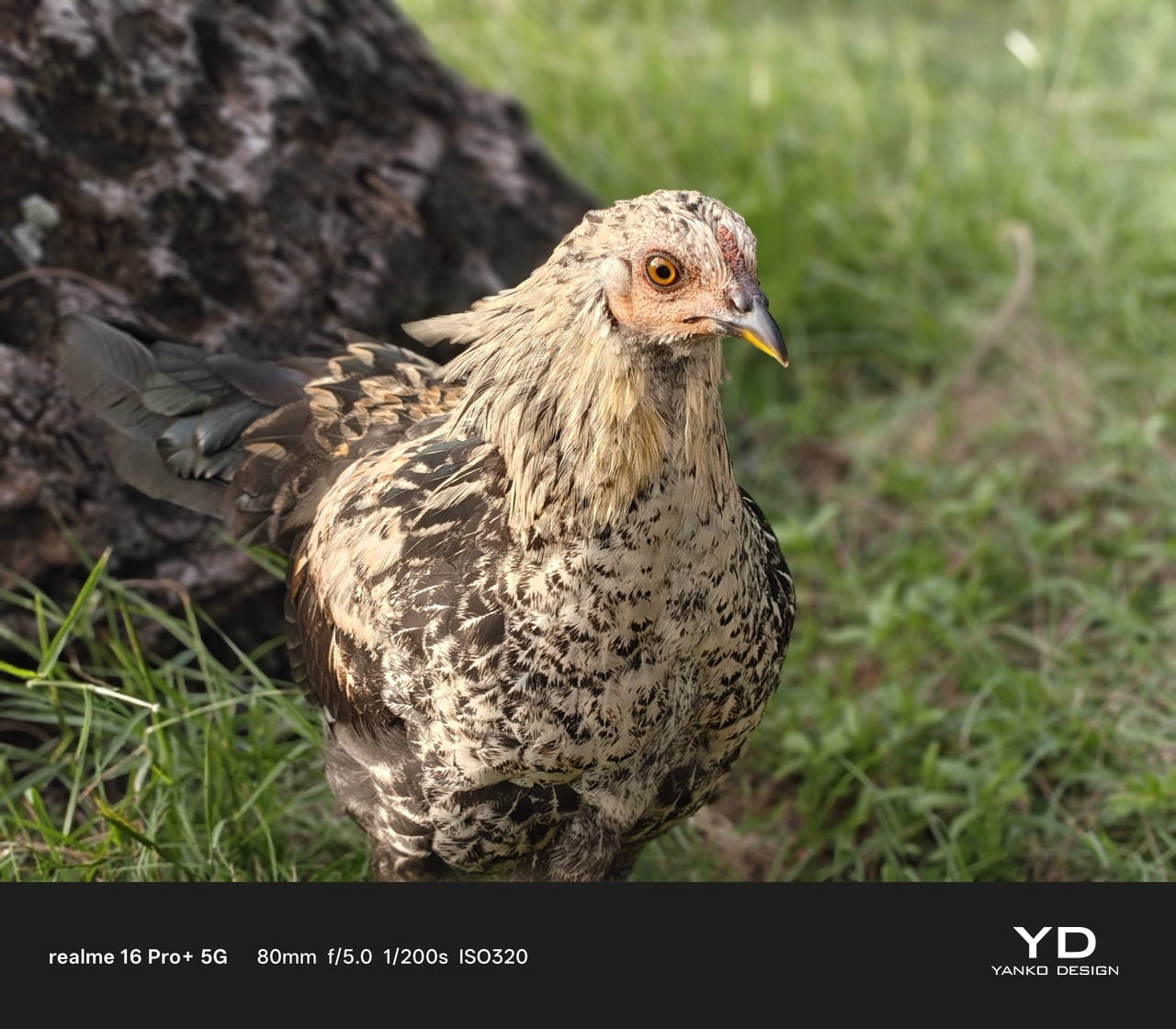
The camera system on the P4 Power is straightforward. On the back, there is a 50MP main camera using Sony’s IMX882 sensor with optical image stabilization and an f/1.8 lens, paired with an 8MP ultra‑wide camera that offers a 112‑degree field of view. On the front, you get a 16MP selfie camera. For video, the main camera can record up to 4K at 30 fps, while the ultra‑wide and front‑facing cameras are capped at 1080p at 30 fps.

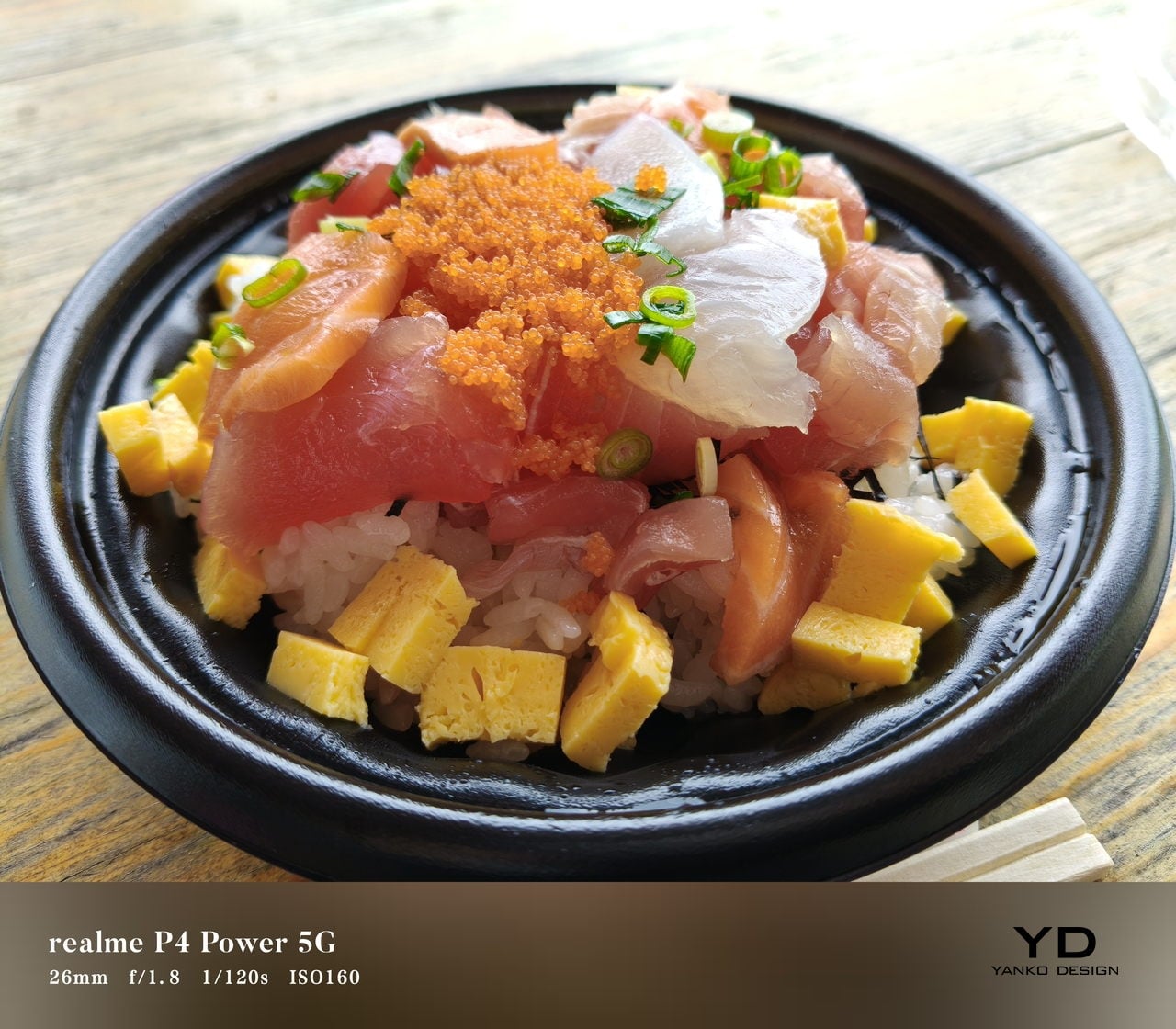
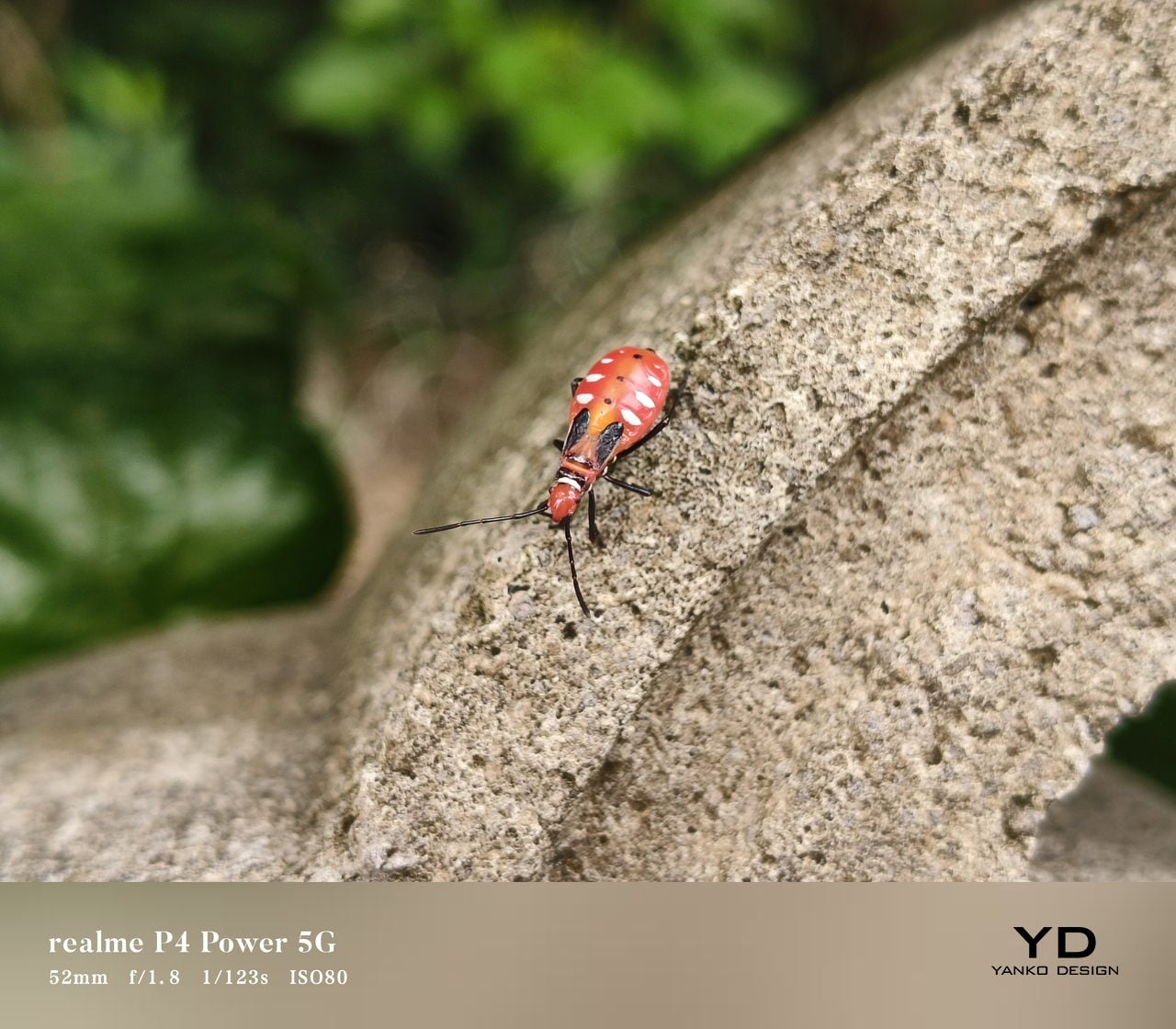
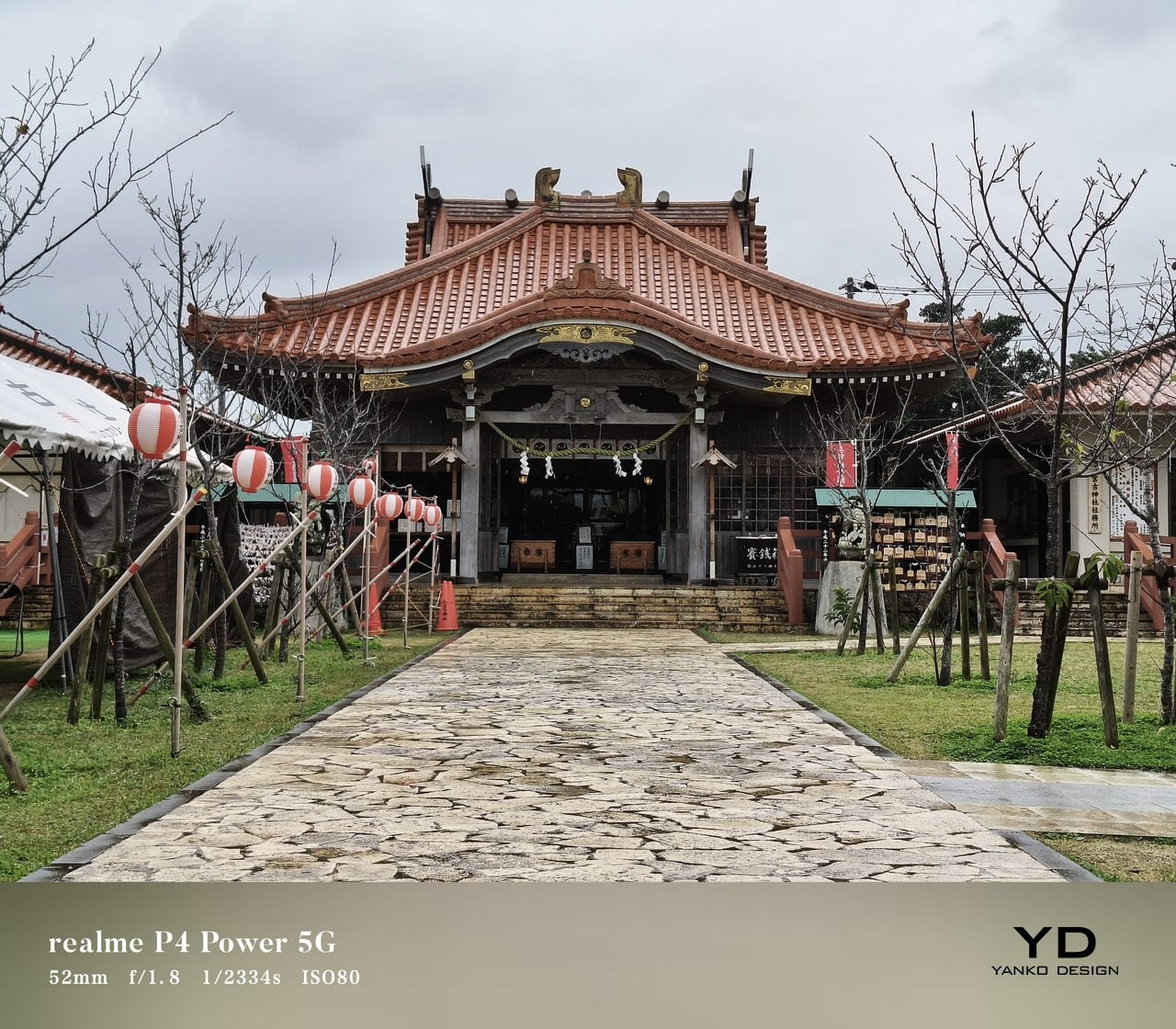
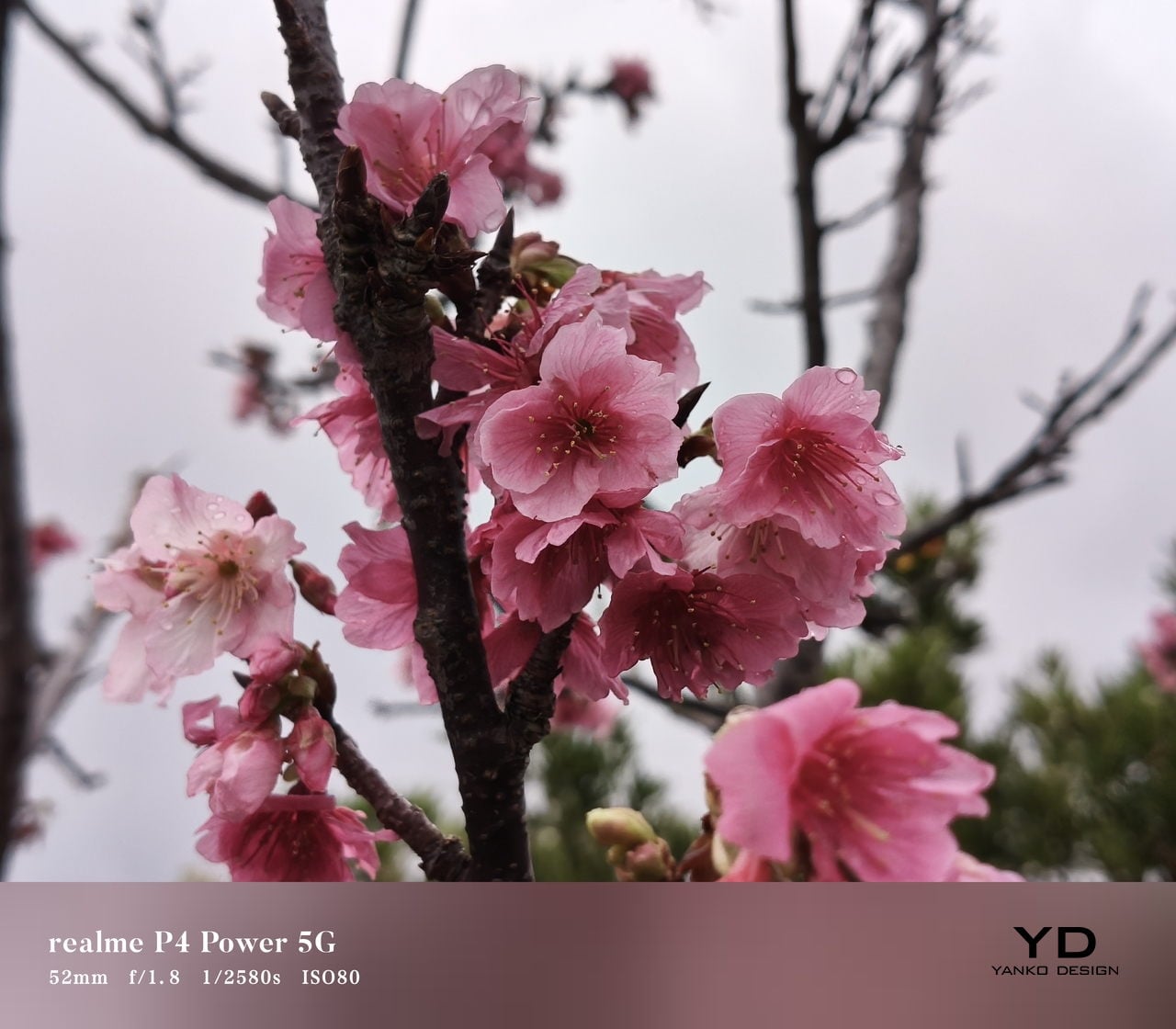
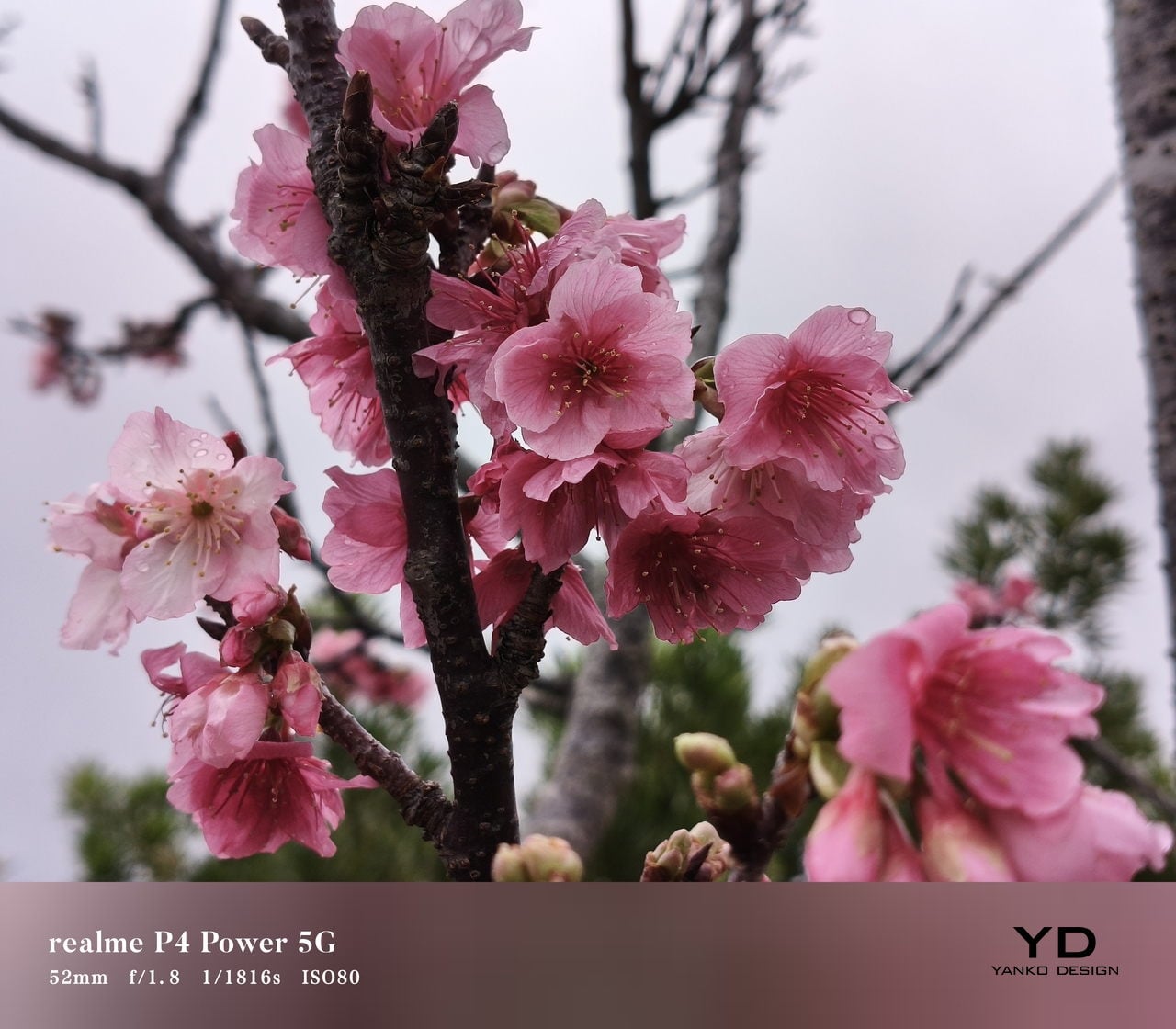
You can choose between Vibrant and Natural color modes. Natural mode is essentially a toned‑down look rather than a more accurate one, so it comes down to preference more than strict realism. The main camera takes good photos with pleasing detail and contrast in daylight, while the ultra‑wide is serviceable but nothing to write home about, with softer detail and more noise. The front‑facing camera delivers decent selfies that are fine for social media, though it does not stand out in this price range.

Natural Color Mode

Vibrant Color Mode

Portrait Mode

Sustainability

The oversized battery also has a clear sustainability angle. Because the 10,001 mAh cell gives you so much headroom, you are less likely to run it close to empty every day or charge it multiple times, which reduces the number of full charge cycles. Realme’s silicon‑carbon chemistry and battery management build on that, and the company claims the battery can retain over 94 percent of its original capacity after three years of typical use and around 80 percent after eight years.

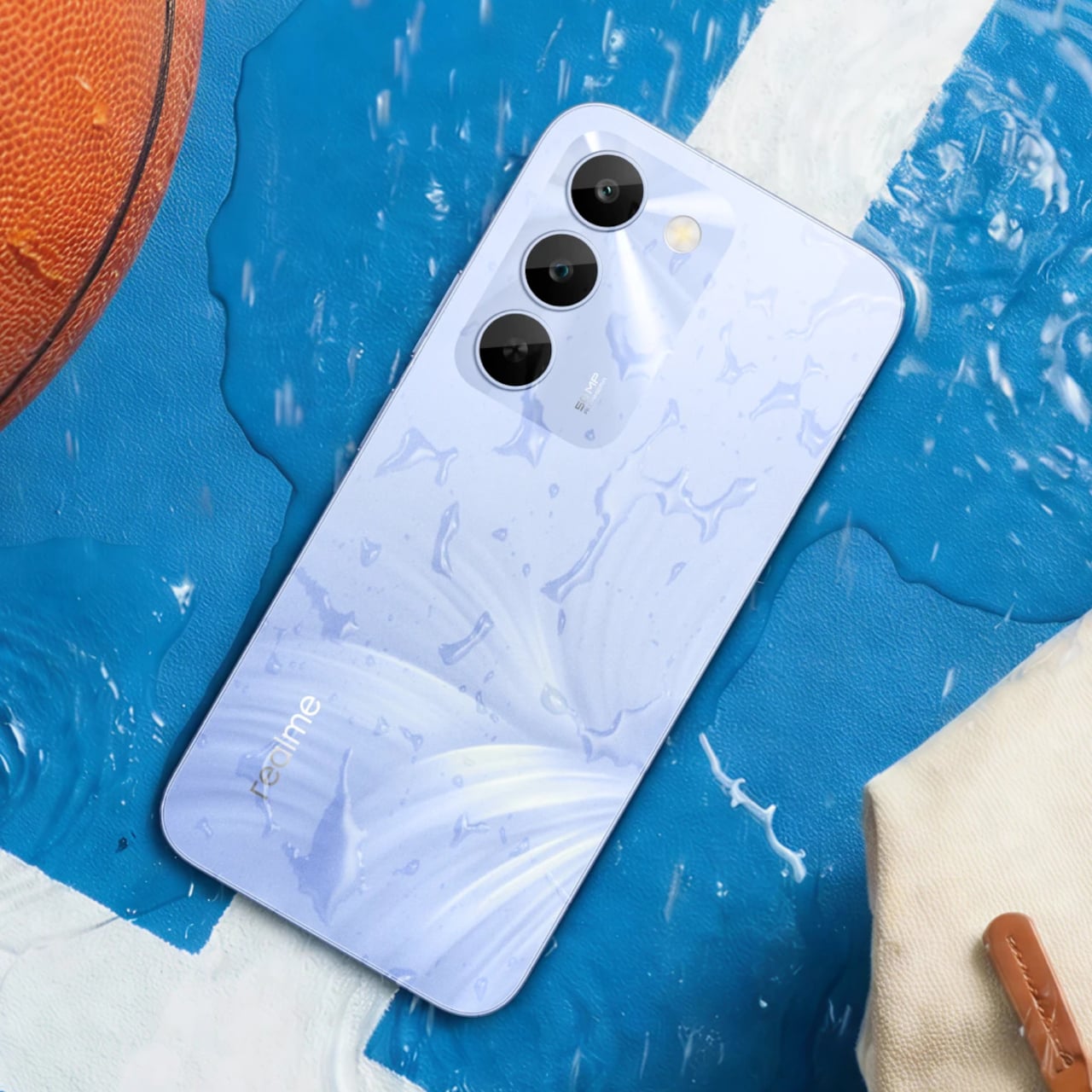
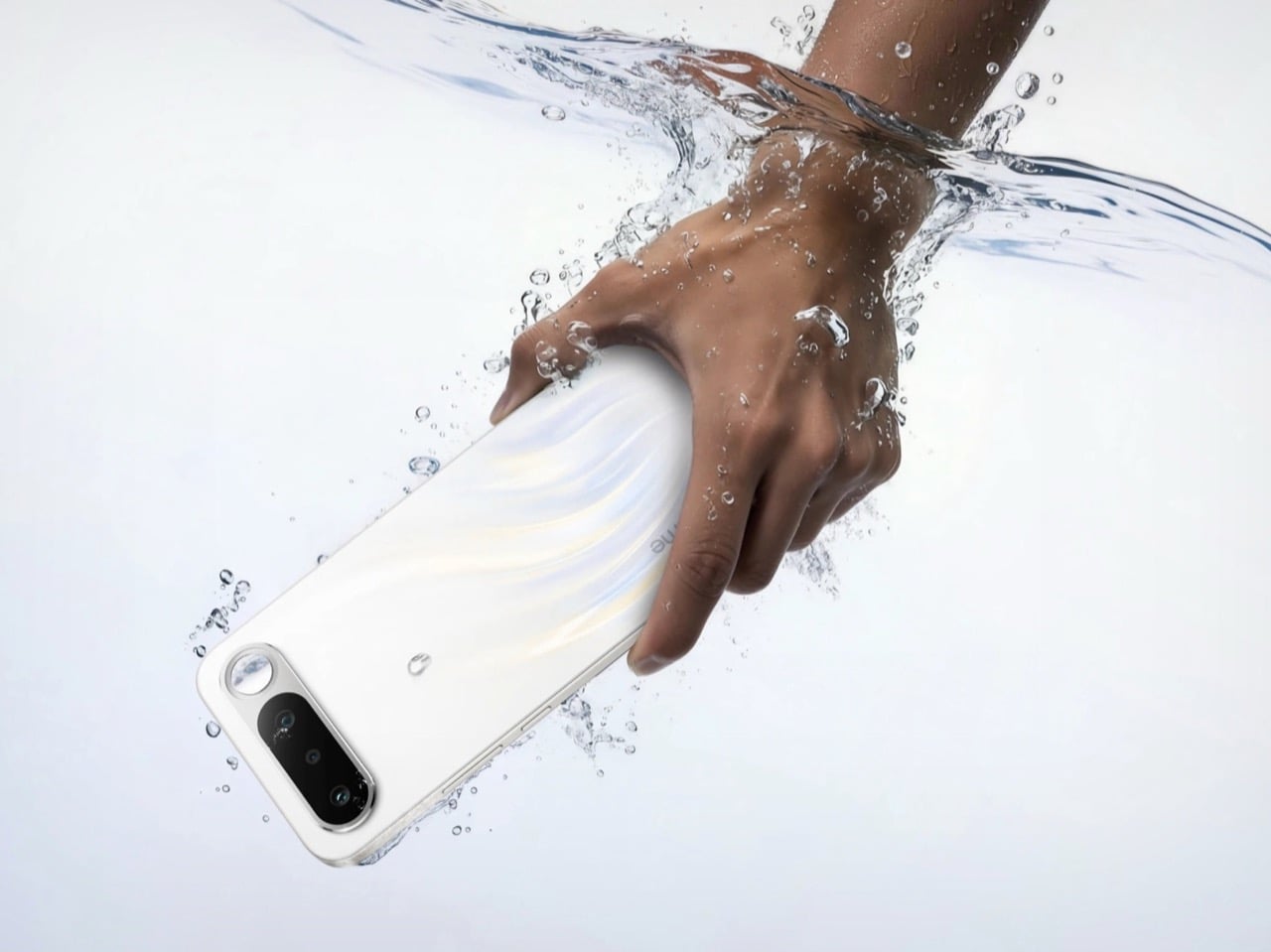
The Realme P4 Power also leans on durability and software support. It is IP69, IP68, and IP66‑rated, so it is tested for dust tightness, high‑pressure water jets, and immersion, making it less likely to die from everyday splashes or rain. On the software side, Realme promises three major Android OS upgrades and four years of security patches, which is fine for a mid‑range phone but not class‑leading, and it slightly undercuts the otherwise long‑term hardware story.

Value

In India, the Realme P4 Power starts at around ₹25,999 (roughly $310) for the 8GB RAM and 128GB storage variant. That pricing puts it in the crowded lower mid‑range segment, where a lot of brands are fighting on specs and features. The Honor Win also features a 10,000mAh battery, but it is officially only available in China, so for most buyers, the P4 Power is the more accessible way to get this kind of battery size.

The phone is aimed at people who value endurance and reliability above camera experience or absolute thinness. That can include gamers, frequent travelers, delivery workers, content creators on the move, and anyone who is simply tired of carrying a power bank. At this price level, the P4 Power tries to stand out by solving a real‑world problem in a very direct way.

Verdict

The Realme P4 Power is a very focused product. It does not try to be the best camera phone or the thinnest fashion accessory. Instead, it aims to be the phone you do not have to think about charging, even on your busiest days. For many everyday users, that single promise can be more valuable than a slightly better zoom lens or a few extra benchmark points.

If your top priority is battery life, with smooth performance and a bright display for gaming and media, the P4 Power is an easy device to recommend in its price range. If you care more about advanced photography features, ultra‑lightweight design, or wireless charging, you may want to look at other options. For everyone else, this is a rare phone that tackles a common frustration head‑on and mostly succeeds.

The post Realme P4 Power Review: Battery Anxiety is Finally Dead first appeared on Yanko Design.

Realme P4 Power Review: Battery Anxiety is Finally Dead

PROS:


  • Massive 10,001mAh battery with 80W wired fast charging

  • Bright and vibrant display

  • Solid mid-range performance

CONS:


  • Slightly heavier and chunkier compared to many mid-range devices

  • Ultra-wide and front-facing cameras are only average for the price

RATINGS:

AESTHETICS
ERGONOMICS
PERFORMANCE
SUSTAINABILITY / REPAIRABILITY
VALUE FOR MONEY

EDITOR'S QUOTE:

Realme P4 Power proves that killing battery anxiety is more useful than chasing benchmarks, wrapping a 10,001mAh cell, tough IP69 shell, and smooth performance into an honest mid‑range package.

Realme has built a reputation for pushing smartphone battery tech forward, from faster charging to bigger and more efficient cells. Instead of treating battery life as an afterthought, the brand has consistently tried to make it a headline feature that changes how often you actually need a charger. That focus has turned power and charging from a boring spec line into one of Realme’s main selling points.

The Realme P4 Power is the clearest expression of that idea so far. It packs a massive 10,001 mAh battery into a phone that still looks and feels familiar, then backs it up with 80W fast charging, 27W reverse charging, a bright 144Hz AMOLED display, and 5G performance aimed at everyday users and gamers alike. More than just another mid‑range phone with a slightly bigger battery, it’s a device built around the promise that you should be able to forget about battery anxiety for days at a time.

Aesthetics

The Realme P4 Power is a battery‑first phone that does not look like one at first glance. On the table, it reads as a modern, fashion‑driven slab rather than a chunky endurance tool, which is exactly what Realme is going for. It comes in two color variations, Flash Orange and Power Silver.

The upper third of the back panel has a distinctive pattern that creates an almost translucent effect, playing with reflections and depth when light hits it. The rectangular camera island is neatly integrated, with a clean ring‑based layout that avoids the oversized, fussy modules you see on some rivals. The overall look feels intentional and confident, not like a normal phone that accidentally got thicker to fit a bigger battery.

The design is more playful than minimalist, especially in the brighter Flash Orange variant, while Power Silver keeps a slightly more muted but still distinctive character. For a phone whose headline feature is a huge battery, it is surprisingly stylish and clearly aimed at people who care how their device looks on a desk or in a hand. Branding is present but not overpowering, so the rear stays relatively clean even with the layered graphics and that “under‑glass” pattern.

Ergonomics

Even when you pick it up, the P4 Power feels a little deceptive. This is not a featherweight device, coming in at about 219g and measuring 162.26 x 76.15 x 9.08mm. The large 10,001 mAh battery and sturdy build give it noticeable heft in the hand, and you will feel that if you are coming from a slim device. However, Realme has done a great job of balancing the mass so it does not feel awkward during normal use. For many users, the extra grams will be an acceptable trade‑off for the freedom from constant charging.

The shape helps more than the spec sheet suggests. The slightly curved 6.8‑inch display and curved‑edge back panel let your fingers naturally wrap around the device rather than pressing into a sharp edge. The matte back does a good job of hiding fingerprints and smudges, although it can feel a bit slippery, so a case might still be a smart idea.

The power and volume keys are within comfortable reach on the right side, so you do not have to stretch or shuffle the phone around to adjust volume or wake the screen. The in‑display fingerprint reader, on the other hand, sits quite close to the bottom of the display, which can make quick unlocks feel a bit forced, especially in one‑handed use. Overall, the build quality feels more premium than the price tag suggests, and ergonomics are good for a device built around such a large battery.

Performance

On the front, the P4 Power offers a quad‑curved 6.8‑inch AMOLED display with a resolution of 1280 × 2800 pixels and a maximum refresh rate of 144Hz. In practice, though, only a few native apps, such as Calculator, Compass, and Recorder, actually run at 144Hz, while most of the interface and third‑party apps stick to lower refresh rates.

Realme quotes typical brightness around 600 nits, a boosted mode up to 1800 nits, and a local peak figure of 6500 nits for small areas of the screen. In real‑world use, the display stays readable in harsh sunlight and bright outdoor conditions. The panel supports HDR10+ and 10‑bit color, so compatible streaming content looks rich, punchy, and pleasantly saturated.

Inside the P4 Power sits MediaTek’s Dimensity 7400-Ultra chipset. It is paired with 8GB or 12GB of RAM and 128GB, 256GB, or 512GB of UFS 3.1 storage. This combination places the phone firmly in the mid‑range. It is not chasing raw benchmark records, yet it is designed to deliver smooth performance in everyday tasks and mainstream games without obvious slowdowns or stutters.

Out of the box, the phone runs Android 16 with Realme UI 7.0 on top, and Realme also uses a dual‑chip approach. Alongside the main Dimensity processor, there is a dedicated Hyper Vision+ AI chip focused on display and gaming tasks, and there are a handful of AI image features such as AI Perfect Shot and 3D emoji. AI Perfect Shot recognizes faces and can fix closed eyes or awkward expressions by swapping in better face poses from other photos of the same person in your gallery, and AI also helps during gaming by quickly generating message replies in supported messaging apps so you can respond without fully dropping out of your game.

Battery life is the reason this phone exists. The 10,001mAh cell is dramatically larger than the 4,500 to 5,000mAh batteries found in many mainstream phones, and even bigger than the 6,000 or 7000mAh packs in endurance‑focused models. Realme achieves this using a third‑generation silicon‑carbon anode and a compact internal stacking design, which allows more capacity in roughly the same physical space.

In practical terms, this capacity is meant to deliver several days of mixed use. I used the Realme P4 Power as my primary device on a 3‑night, 4‑day scuba trip, with light screen time during the day, and it lasted the entire trip without a charge, still showing around 20 percent battery when I got back home. That kind of real‑world endurance is a clear step up from phones that need a nightly top‑up.

When you do need to charge, the P4 Power supports 80 W wired fast charging. It also supports 27 W reverse charging, so it can basically double as a power bank for your other gadgets when you are on the move.

The camera system on the P4 Power is straightforward. On the back, there is a 50MP main camera using Sony’s IMX882 sensor with optical image stabilization and an f/1.8 lens, paired with an 8MP ultra‑wide camera that offers a 112‑degree field of view. On the front, you get a 16MP selfie camera. For video, the main camera can record up to 4K at 30 fps, while the ultra‑wide and front‑facing cameras are capped at 1080p at 30 fps.

You can choose between Vibrant and Natural color modes. Natural mode is essentially a toned‑down look rather than a more accurate one, so it comes down to preference more than strict realism. The main camera takes good photos with pleasing detail and contrast in daylight, while the ultra‑wide is serviceable but nothing to write home about, with softer detail and more noise. The front‑facing camera delivers decent selfies that are fine for social media, though it does not stand out in this price range.

Natural Color Mode

Vibrant Color Mode

Portrait Mode

Sustainability

The oversized battery also has a clear sustainability angle. Because the 10,001 mAh cell gives you so much headroom, you are less likely to run it close to empty every day or charge it multiple times, which reduces the number of full charge cycles. Realme’s silicon‑carbon chemistry and battery management build on that, and the company claims the battery can retain over 94 percent of its original capacity after three years of typical use and around 80 percent after eight years.

The Realme P4 Power also leans on durability and software support. It is IP69, IP68, and IP66‑rated, so it is tested for dust tightness, high‑pressure water jets, and immersion, making it less likely to die from everyday splashes or rain. On the software side, Realme promises three major Android OS upgrades and four years of security patches, which is fine for a mid‑range phone but not class‑leading, and it slightly undercuts the otherwise long‑term hardware story.

Value

In India, the Realme P4 Power starts at around ₹25,999 (roughly $310) for the 8GB RAM and 128GB storage variant. That pricing puts it in the crowded lower mid‑range segment, where a lot of brands are fighting on specs and features. The Honor Win also features a 10,000mAh battery, but it is officially only available in China, so for most buyers, the P4 Power is the more accessible way to get this kind of battery size.

The phone is aimed at people who value endurance and reliability above camera experience or absolute thinness. That can include gamers, frequent travelers, delivery workers, content creators on the move, and anyone who is simply tired of carrying a power bank. At this price level, the P4 Power tries to stand out by solving a real‑world problem in a very direct way.

Verdict

The Realme P4 Power is a very focused product. It does not try to be the best camera phone or the thinnest fashion accessory. Instead, it aims to be the phone you do not have to think about charging, even on your busiest days. For many everyday users, that single promise can be more valuable than a slightly better zoom lens or a few extra benchmark points.

If your top priority is battery life, with smooth performance and a bright display for gaming and media, the P4 Power is an easy device to recommend in its price range. If you care more about advanced photography features, ultra‑lightweight design, or wireless charging, you may want to look at other options. For everyone else, this is a rare phone that tackles a common frustration head‑on and mostly succeeds.

The post Realme P4 Power Review: Battery Anxiety is Finally Dead first appeared on Yanko Design.

Realme 16: 7,000mAh battery, iPhone Air ‘inspired’ design, 3-lens camera and a rear selfie mirror

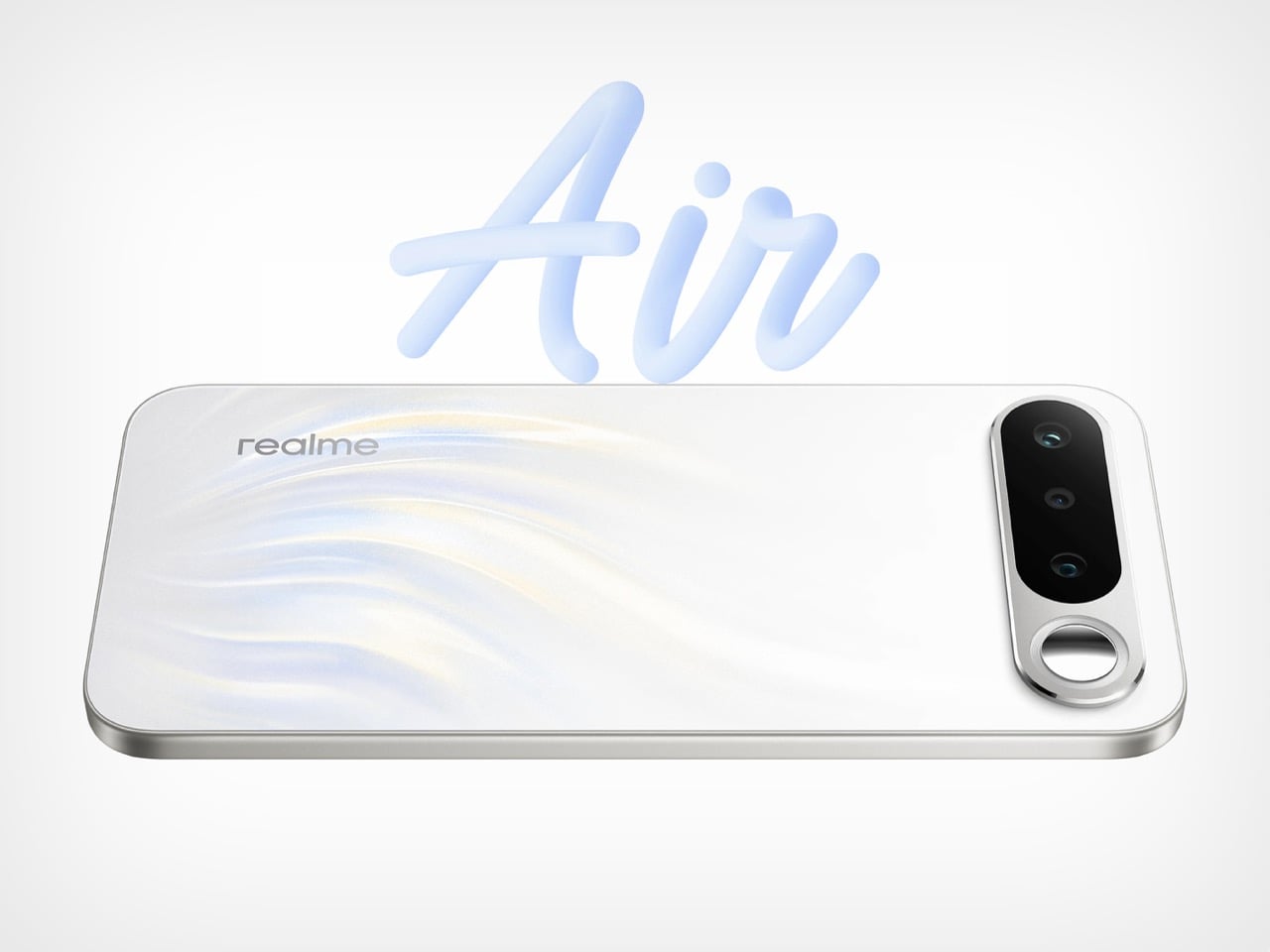
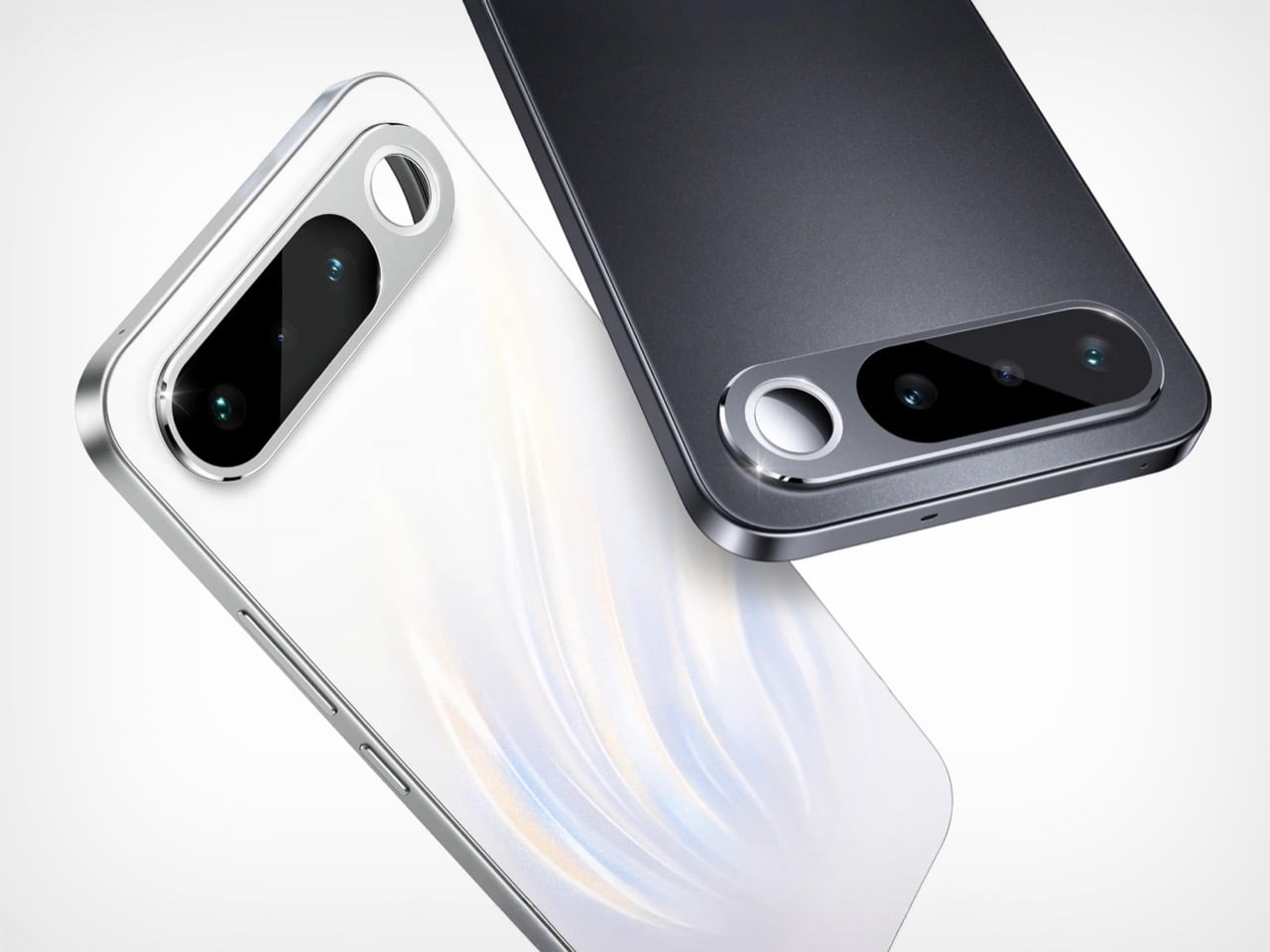
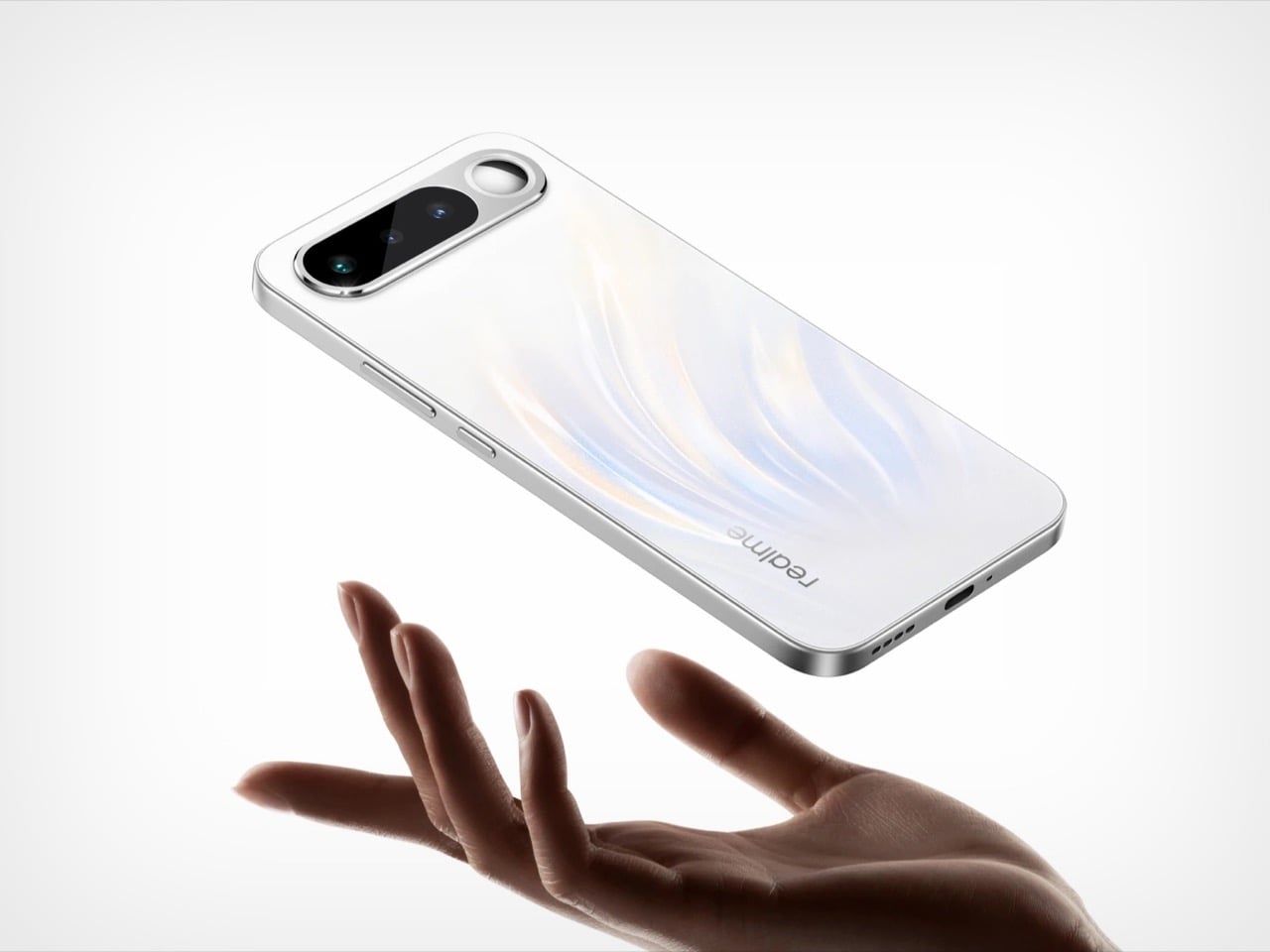
The horizontal camera bar has officially become the design language of 2025-2026, and Realme just joined the party with the Realme 16. Five months after Apple’s iPhone Air established the aesthetic last September, here comes a mid-range contender wearing the same silhouette like a fashion trend that jumped from runway to high street. The visor-style execution skews closer to Honor’s Magic8 Pro Air, complete with that clean horizontal sweep across the top of the phone. But Realme threw in a wild card: a circular selfie mirror embedded right in the camera module, encircled by a halo flash that adds theatrical flair to an otherwise familiar design.

Calling this phone “Air” anything requires some creative interpretation. The iPhone Air sits at 5.6mm thin, Honor’s version checks in at 6.1mm, and the Realme 16 lands at 8.1mm. That’s practically chunky by comparison, though the 7,000mAh battery inside explains the extra millimeters. At 183 grams, it still feels reasonable in hand despite housing enough power to outlast most flagships by a full day. The mirror feature positions itself as functional, giving you a way to frame selfies using the superior 50MP rear camera instead of the standard front sensor. Whether anyone actually uses it beyond the first Instagram story is the real test.

Designer: Realme

What’s more interesting than the mirror is the engineering required to make it all work. Squeezing a 7,000mAh battery into a body this manageable is no small feat, and it points to some clever internal packaging, what Realme calls an “Aircraft Structure layout” using high-density graphite battery tech. This is the kind of practical innovation that matters in the mid-range space, where two-day battery life is a legitimate killer feature. They even managed to secure an IP66, IP68, and IP69K rating, which means it’s protected against everything from dust to high-pressure water jets. That’s a level of durability you just don’t expect to see on a phone that isn’t a ruggedized brick.

The rest of the package is solidly mid-range. It’s running on a MediaTek Dimensity 6400 Turbo chipset, which is more than capable of keeping things running smoothly on the 6.57-inch AMOLED display. That screen, by the way, boasts a 120Hz refresh rate and an incredibly bright 4,500-nit peak brightness, so it should be perfectly visible even in direct sunlight. The camera system is led by that 50MP Sony IMX852 sensor with OIS, a very respectable piece of hardware for this segment, and it’s paired with a simple 2MP monochrome lens.

So, was the “Air” moniker really necessary? It feels like a stretch when the phone is 1.5x as thick as the devices it’s mimicking. And you have to wonder how much actual design work went into the chassis itself. The silhouette is pure iPhone Air, the camera plateau is straight from Honor’s playbook. Did Realme’s team just slap a mirror on a composite of last season’s hits and call it a day? Maybe. But for a mid-range phone with this much battery, maybe that’s all it needs to be. At its price tag, perhaps nobody minds a design that feels ‘inspired’ as long as it looks the part and lasts for two days.

The post Realme 16: 7,000mAh battery, iPhone Air ‘inspired’ design, 3-lens camera and a rear selfie mirror first appeared on Yanko Design.

Naoto Fukasawa on Poetic Observation and Designing the realme 16 Pro Urban Wild

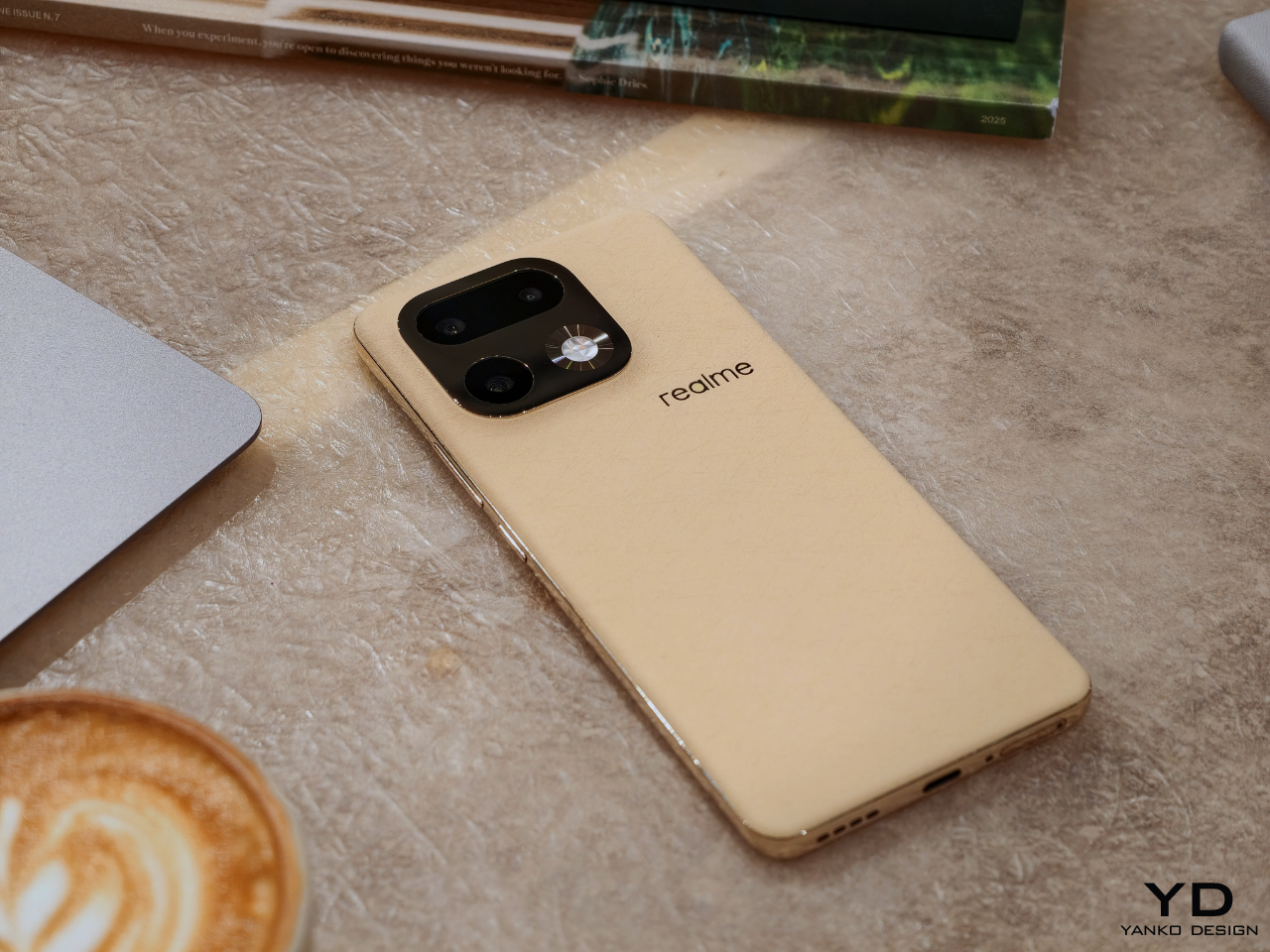
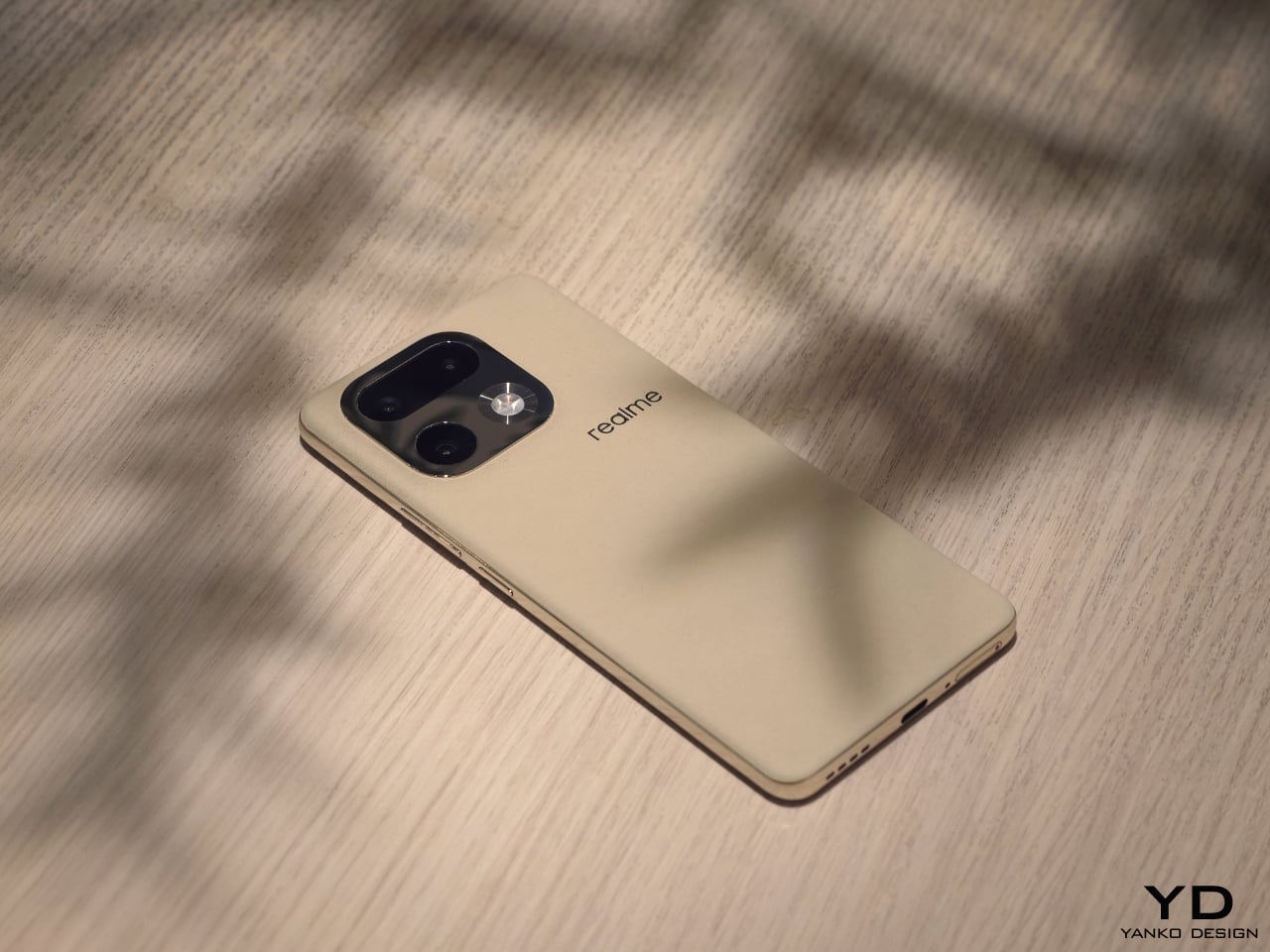
With the realme 16 Pro series, Naoto Fukasawa and realme reunite for their fifth collaboration. Past Master Edition phones have been anchored in concrete metaphors such as onion and garlic for food, concrete and brick for architecture, a suitcase for exploration, and paper for sustainability. This time, the theme is Urban Wild Design, which combines a softly textured, bio-based back with a mirror-polished camera island and frame so that the phone feels less like a gadget and more like something between a pebble, a wheat field, and a piece of jewelry.

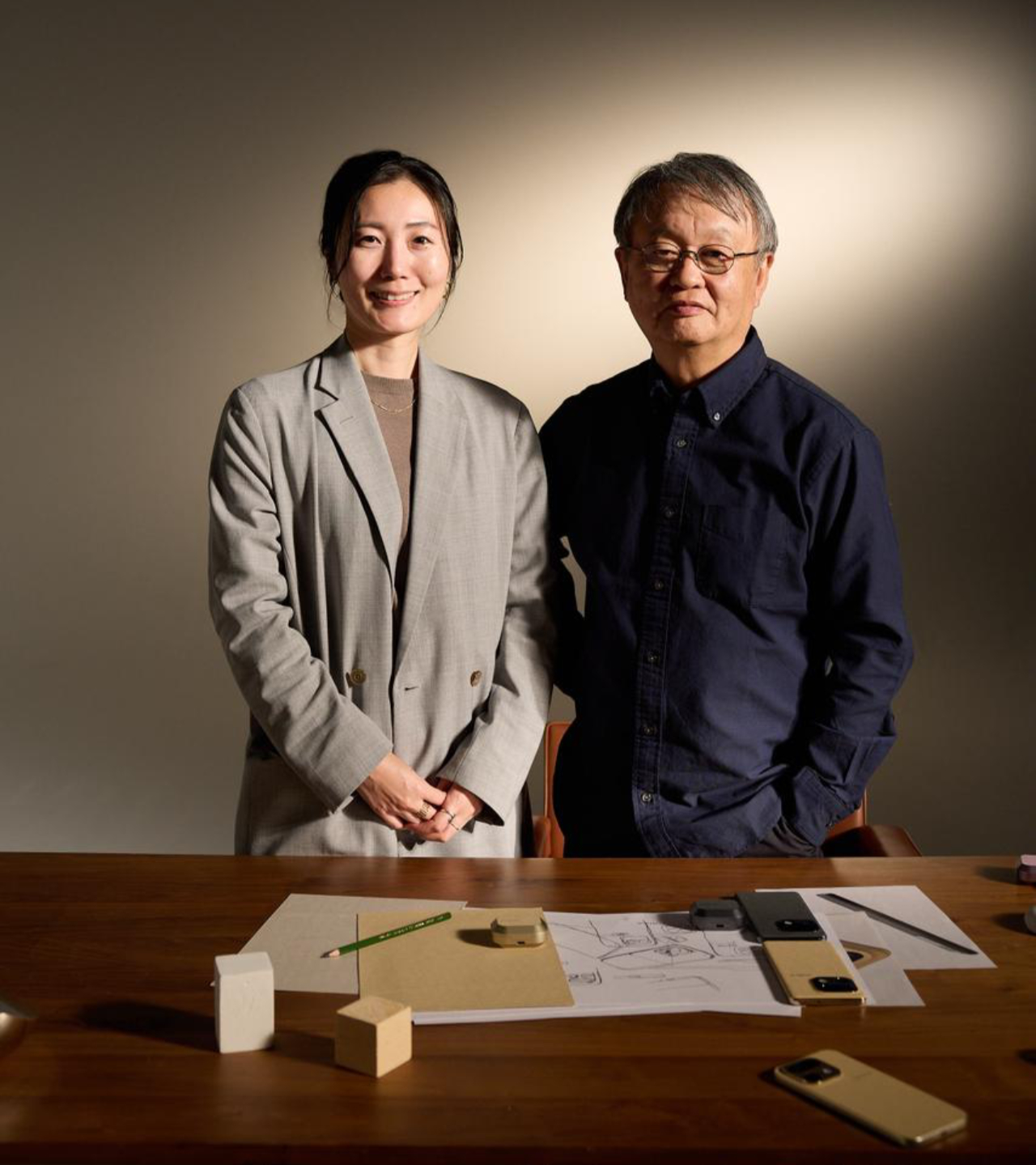
To understand the thinking behind Urban Wild and where smartphones sit in his larger body of work, we spoke with Fukasawa in Tokyo. What emerged was a conversation about optimal solutions, poetic observation, and the slow transformation of phones from tools into objects we might someday find in a jewelry boutique.

Smartphones after the “optimal size”

Designer: Naoto Fukusawa
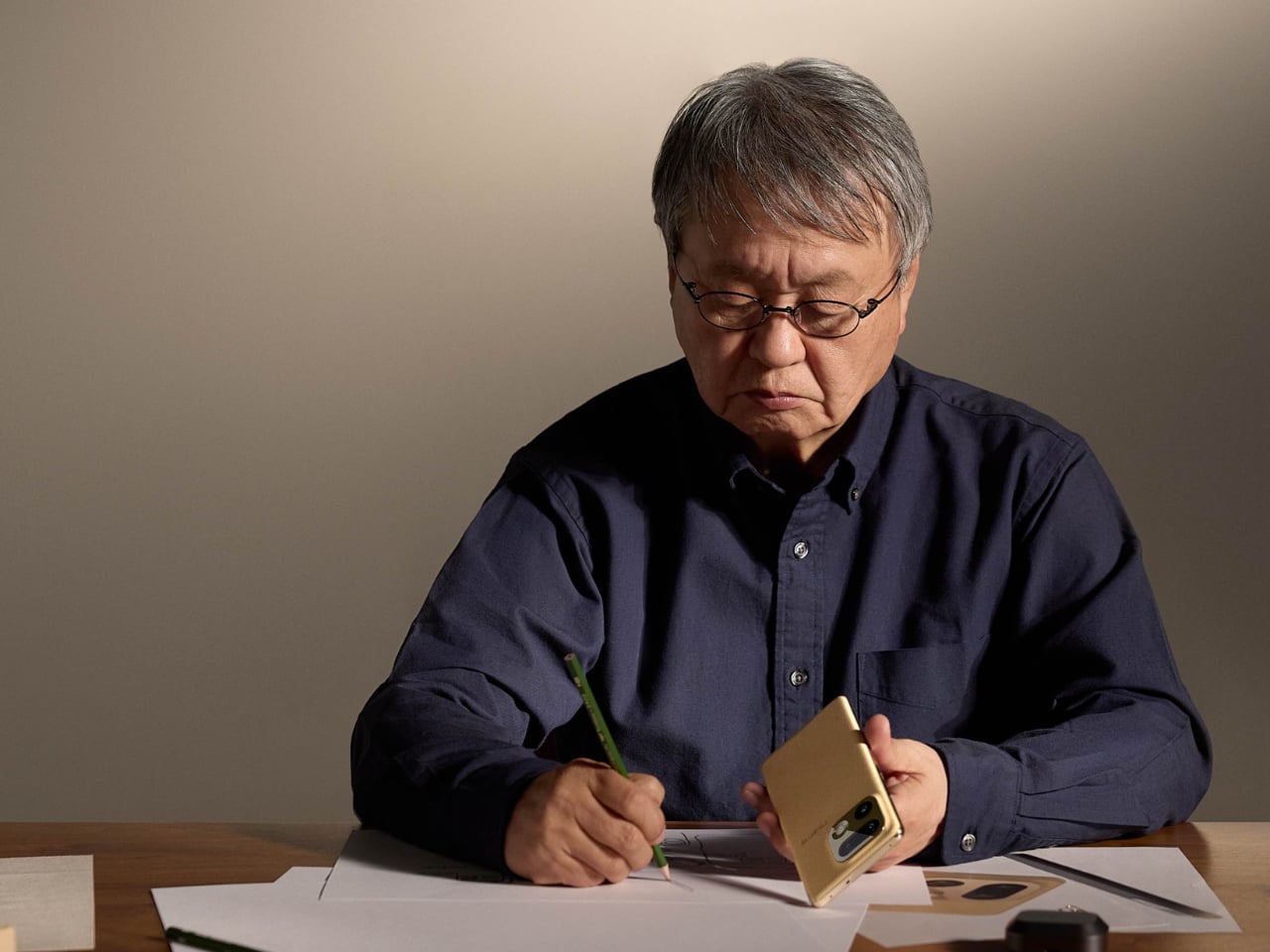
Fukasawa has designed furniture, appliances, and a wide range of everyday objects. When we ask how he now sees the smartphone in our lives, and whether it feels closer to a tool or to a companion, he does not answer with a metaphor about friendship or dependence. He goes straight to something more concrete, which is size, and explains that mobile phones kept shrinking until they reached the smallest form that people could still use comfortably, then stopped. For him, that point, where going any smaller would make them difficult to handle, is roughly where the smartphone’s footprint settled, and in terms of size, we have already reached something close to an optimal answer.

Once that size is fixed, the phone stops being just an efficient tool and, because we always carry it, becomes part of daily life. As new functions and applications accumulate, the phone becomes more than a neutral object. It starts to feel like something that responds to you, and something you relate to on an emotional level as well as a functional one. In that sense, the smartphone has moved closer to a partner than a simple instrument.

From gadget to accessory
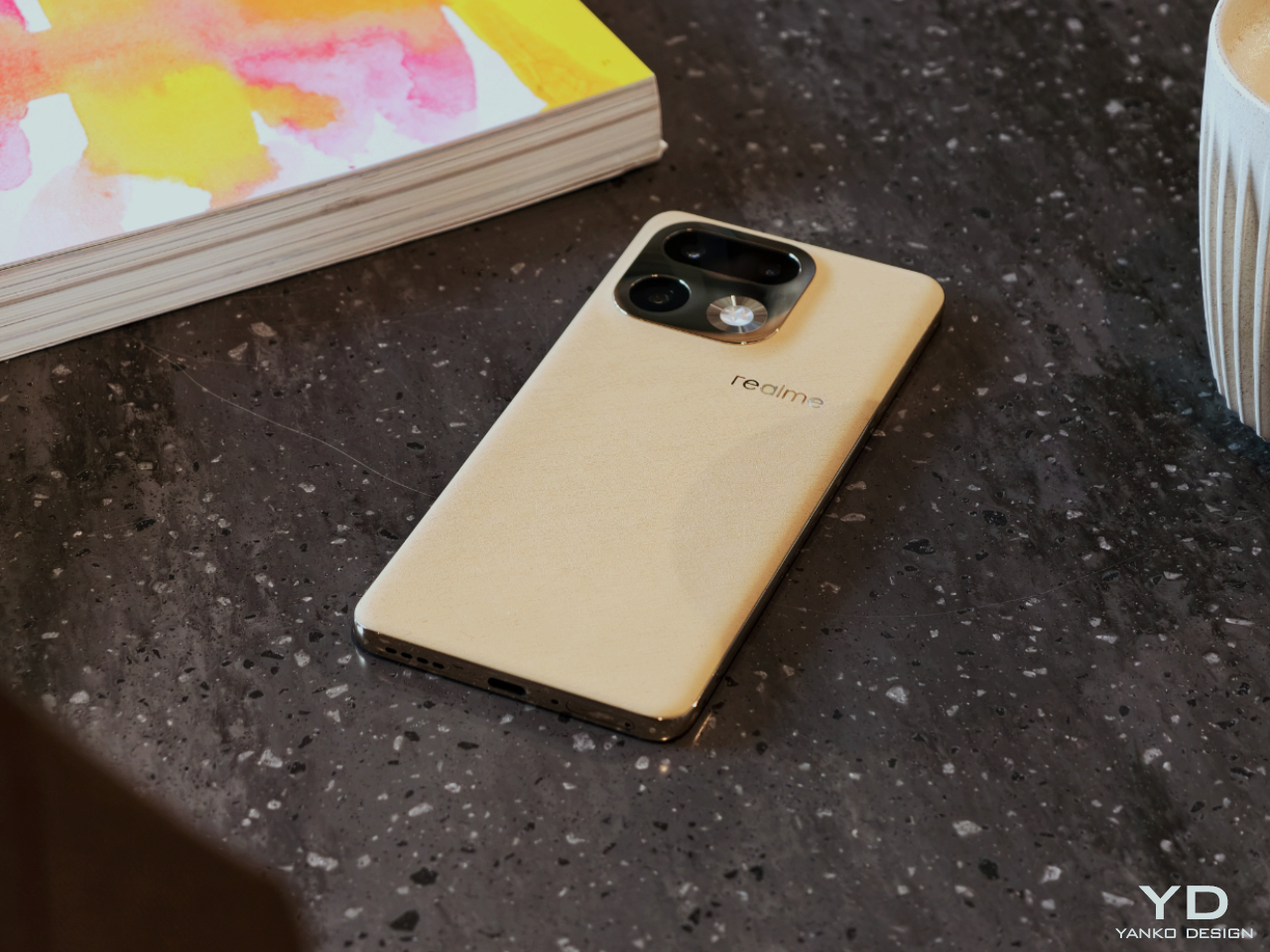
Over the last several years, Fukasawa has watched both the devices and the surrounding market change. For a long time, selling more products meant multiplying variations, and that approach helped companies grow, yet also made everyday life feel crowded with choices. “People used to believe that the more options you had, the happier you would be,” he says. “Now, with so many choices, life has become overwhelming and even a little painful.”

From his perspective, the next step is not to say here is another option, but to say this is the object that suits you best. If designers can get closer to a true optimum, there may be less need for endless variations, and in the extreme case, one type might actually be enough. For him, the smartphone is already close to a final archetype, and the real work now lies in how it feels in the hand and how it lives with us each day.

Once the basic form and functions have settled in this way, what separates one phone from another is less about what is inside and more about how it is expressed on the outside. That is where collaboration and brand character start to matter. realme is a relatively young brand, its identity closely tied to youth, and that youthfulness was part of the attraction for Fukasawa when the collaboration began in 2019 with the realme X Master Edition.
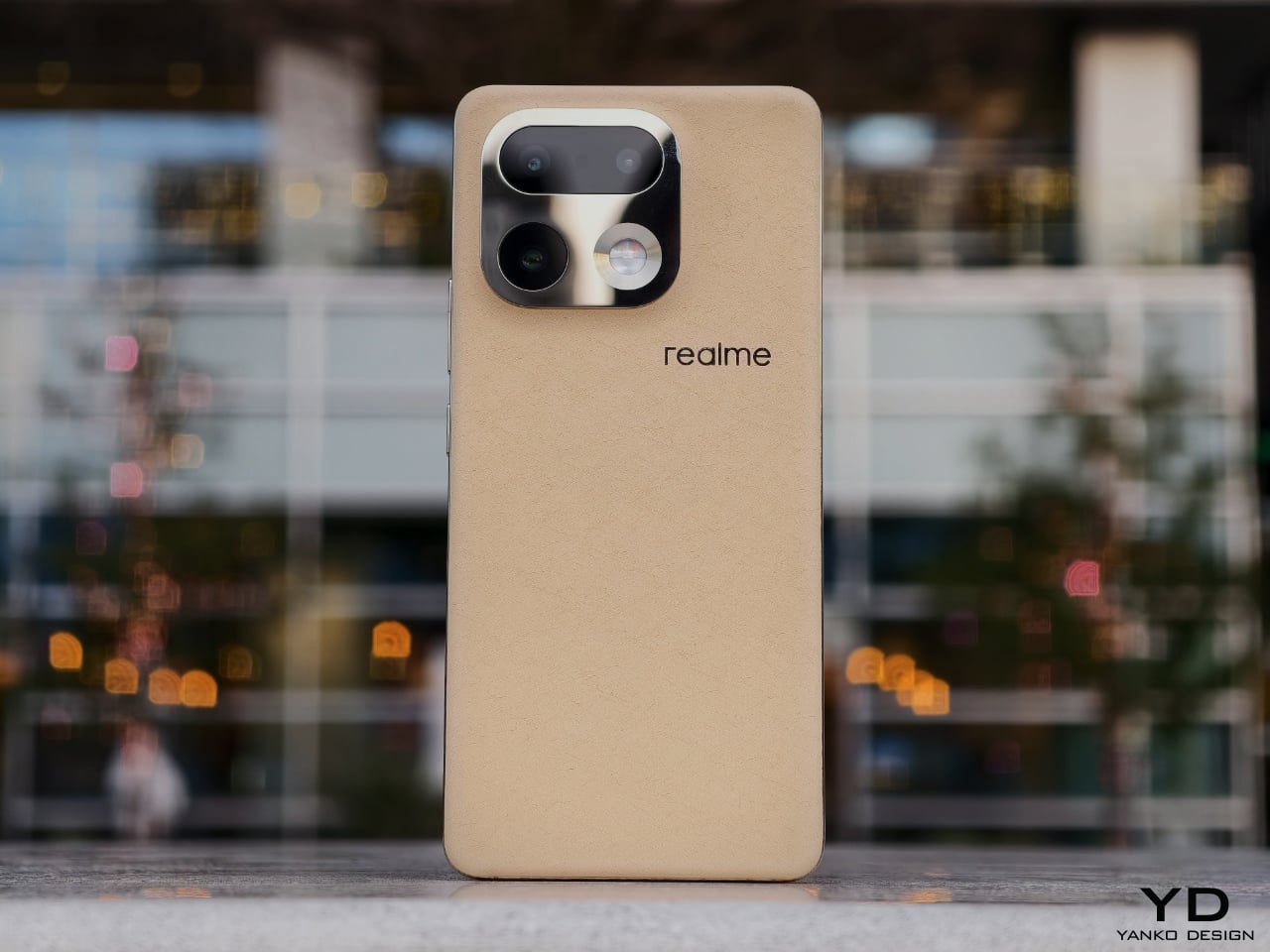
Smartphone hardware has almost converged, and most major brands now work with similar capabilities, which means the design, appearance, and feel of the device become more important. In that context, the 16 Pro series became a way to explore something he feels is still rare, a sense of quiet luxury for a young audience. Youth and luxury are not usually linked, and young users are often expected to settle for things that look cheap or temporary, but with realme he wanted to offer something more refined without losing accessibility.

“We had not really thought about it from that side before,” he says. He wanted to treat the phone not only as a gadget, but also as something closer to an accessory that people might choose in the same way they choose a watch or a piece of jewelry. He thinks smartphones are now heading in that direction. The hardware inside will keep evolving, yet the design on the outside will increasingly be judged like something you adorn yourself with and show in public.

realme’s target is young users, but he did not want to make something throwaway. Instead, he aimed for a slightly more grown-up kind of elegance, the kind of subtle sparkle a young person might want when walking through the city. That balance between youth and a touch of luxury is, for him, a key part of what makes the 16 Pro feel different.

Urban Wild, bringing nature into the city
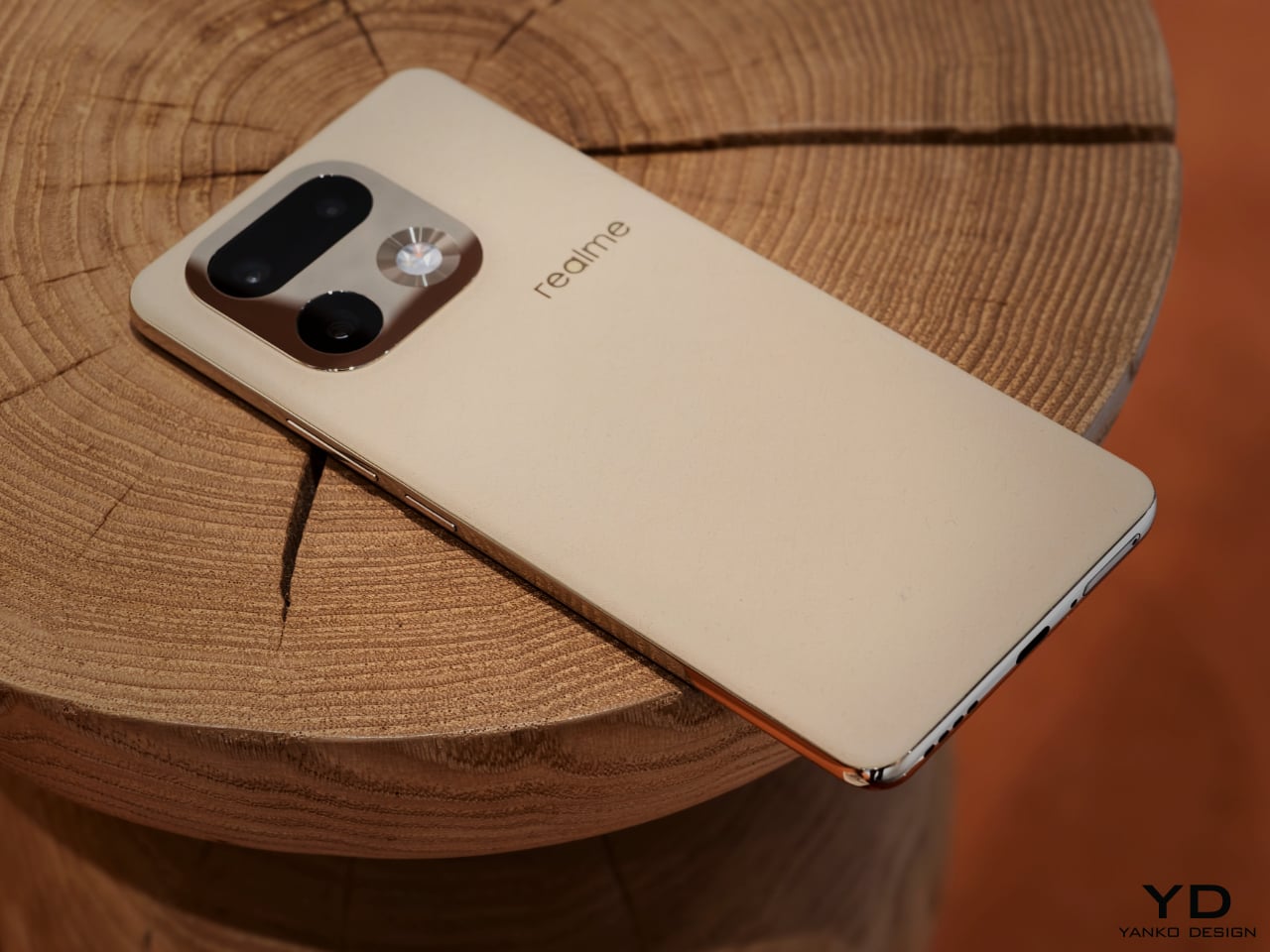
For Fukasawa, the starting point for the 16 Pro was a human wish to bring nature into urban life. He feels that wish has grown stronger after decades of rapid growth and increasingly inhuman city environments. More people now seem drawn to things that feel closer to natural phenomena or handmade objects, and to smaller quantities of more considered products. He senses a shift in what people value, away from volume and speed and toward calm and presence.

He wanted the phone to carry that feeling in a direct, physical way. The first idea was a touch that did not feel cold, and a back surface that felt slightly soft and warm in the hand, almost like paper or fabric rather than hard plastic or rubber. At the same time, he knew the design would include accents that could take on a mirror finish, so it became a deliberate contrast, with a soft and quiet body paired with shiny, jewelry-inspired highlights.
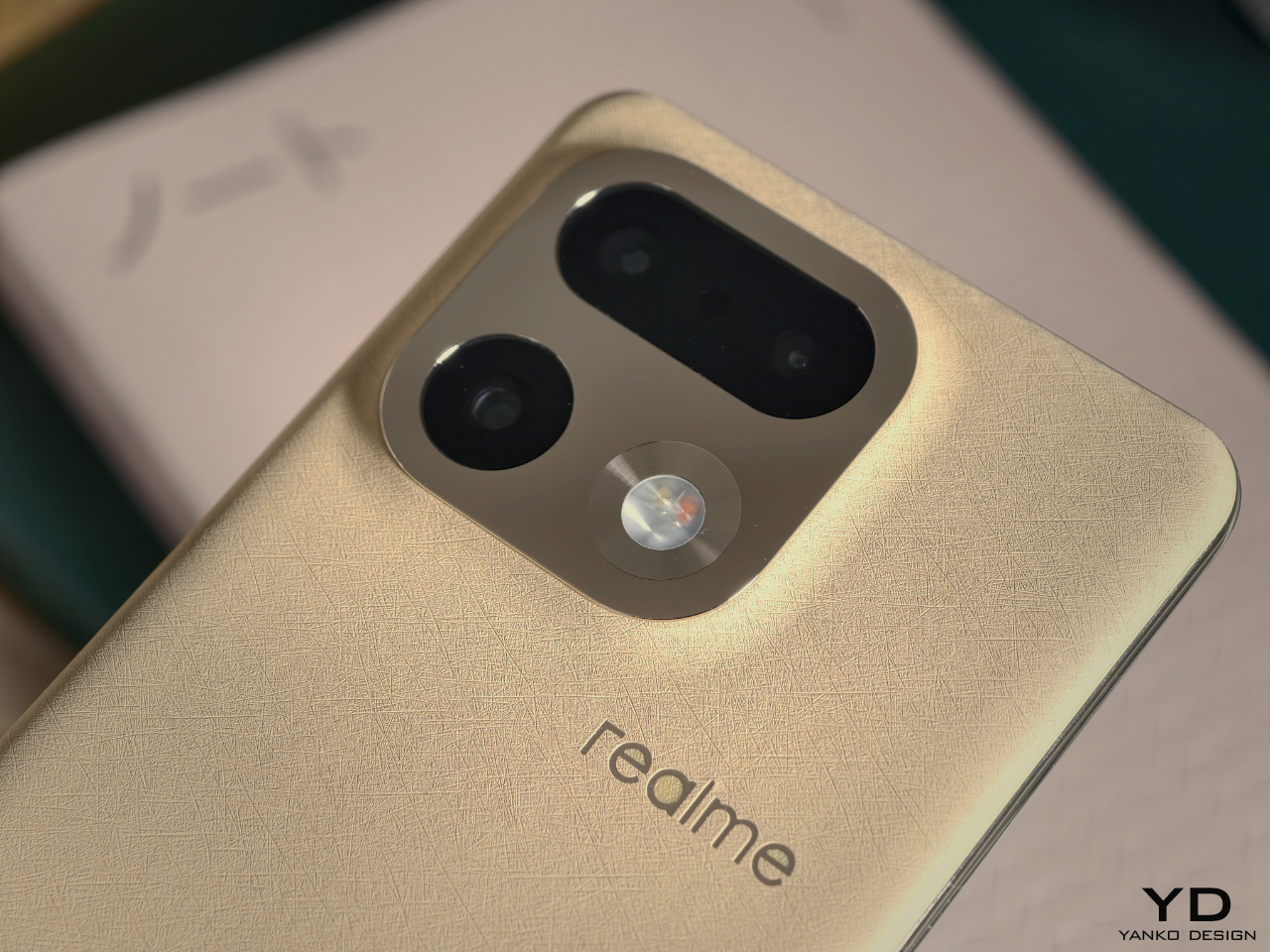
To him, this mix of natural warmth and precise shine points to where value is moving. “That is where value will be,” he says. For Fukasawa, what feels valuable now is not more noise, but a calm presence that still has intensity. In that sense, his idea of wildness is broader than the way the word is often used in marketing.

The word wild is usually attached to something loud and extreme, but for him, it can just as well describe a kind of clarity and simplicity that stands out in the middle of a noisy world. “In a very noisy environment, when something is extremely simple, that can also be wild,” he suggests. In the same way that Super Normal objects are, in his words, super special, Urban Wild is less about spectacle and more about a stripped-back intensity where quietness itself becomes the bold statement. The phrase Urban Wild came later, after the design already existed and had made people quietly say “wow,” so it was a name that followed a feeling rather than the other way around.

True to nature color and texture
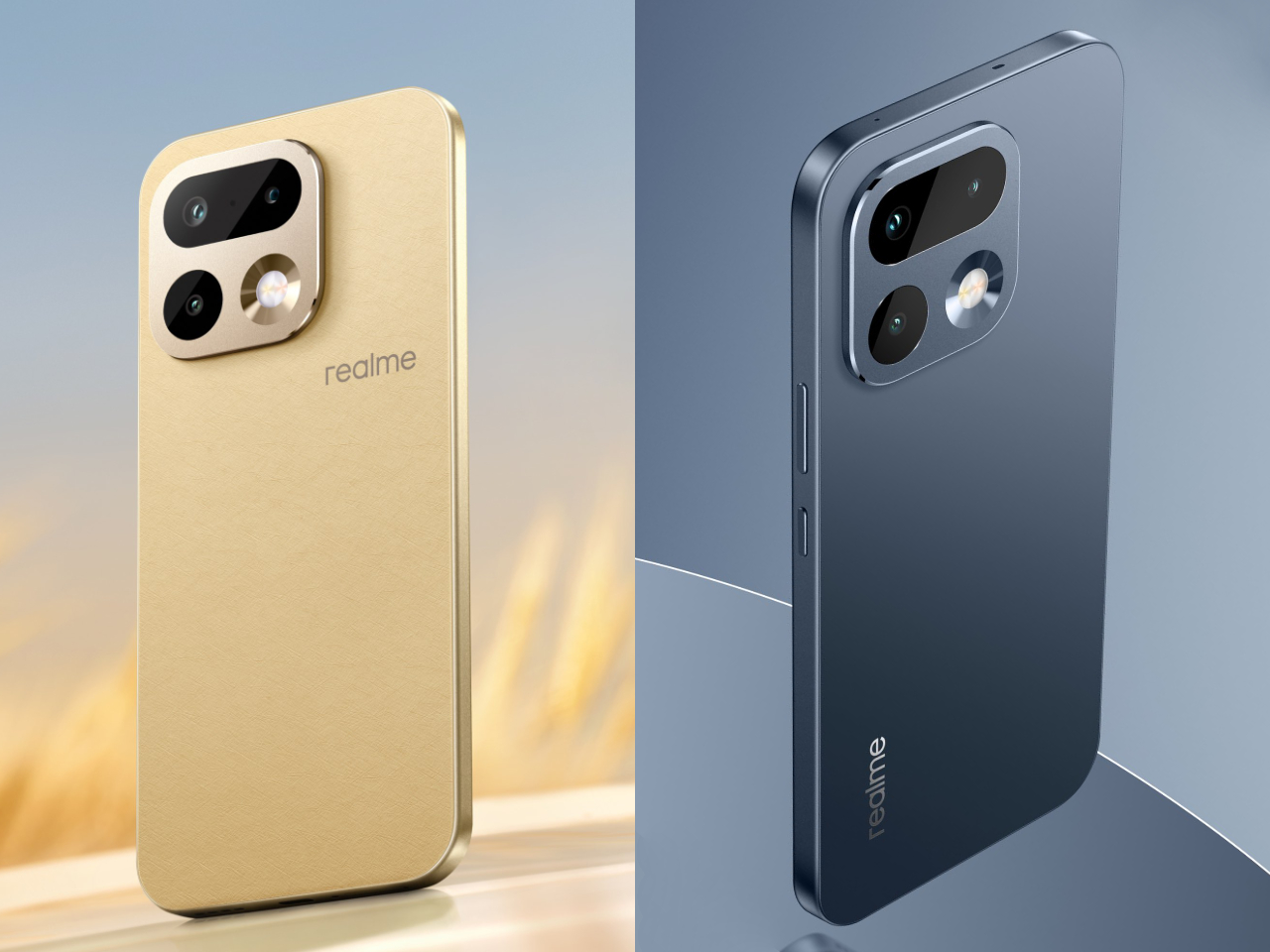

The 16 Pro series launches in Master Gold and Master Gray. Both are positioned as True to Nature colors, but Fukasawa is careful not to treat nature as something that simply appears without human choice. He points out that in both fashion and product design, there are always people and organizations thinking about what colors the world needs next.

Trends do not appear from nowhere. They only succeed if they resonate with a mood that is already forming around the world. Right now, that mood is moving away from aggressive, saturated hues toward quieter tones you might find in a landscape. Beige, for example, might be a slightly yellow beige or a sand beige with a hint of warm brown, and those small shifts are where design happens.

For the 16 Pro, Fukasawa worked with that global sense of “this is the color of now,” but tuned it toward natural calm rather than toward fashion drama. Texture plays an equal role in the experience. A fabric-like grain on the surface can make the same color feel much softer and more approachable, and that combination of controlled hue and subtle texture is what gives Master Gold and Master Gray their understated presence.

A back that feels closer to skin than rubber
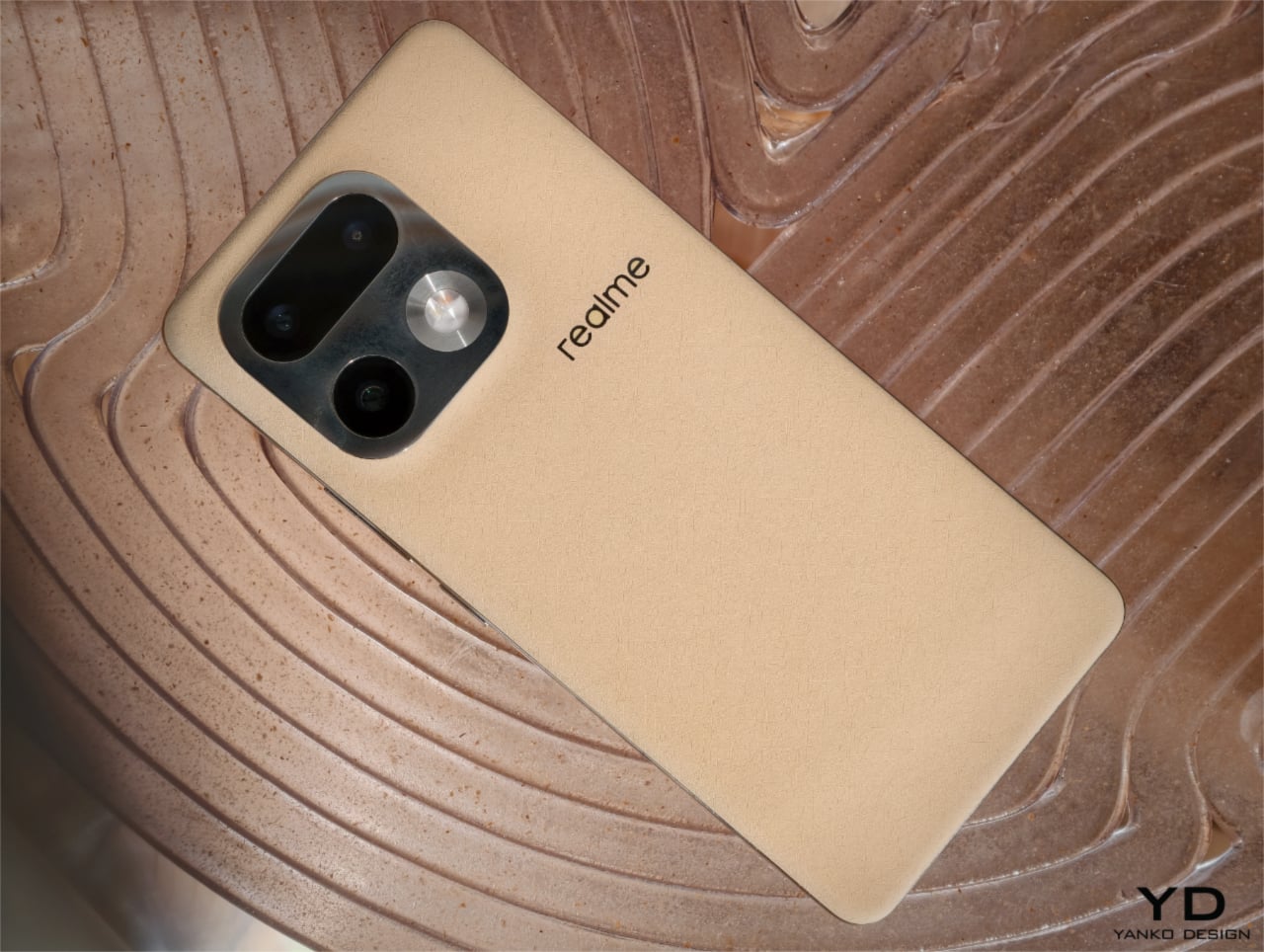

The most radical part of the 16 Pro hardware is the back material, a bio-based organic silicone made from plant-derived straw. It is soft, faintly elastic, and subtly leather-like, and Fukasawa sums it up by saying that it has moved closer to human skin, not just to soft rubber. For him, this is not only about one smartphone, but part of a wider change in how technology touches the body.

He connects it to a broader shift in robotics, where early humanoid robots were metal blocks and newer soft robotics explores flexible, cushiony structures that can interact more gently with people. The 16 Pro is still a highly precise gadget, but introducing a genuinely soft and skin-like element into that precision feels to him like one step up in the evolution of devices. It hints at a future where high technology does not have to feel hard or distant from the body.

On sustainability, he is clear that recyclability alone is not the end goal. “Sustainable means able to be sustained,” he points out, and recycling discarded materials is only an intermediate step in a longer journey. If people feel that a material truly suits them, and it continues to be used across generations of products, then it does not become obsolete or unwanted, and in his words, that is the strongest form of sustainability.

Curves decided by human experience
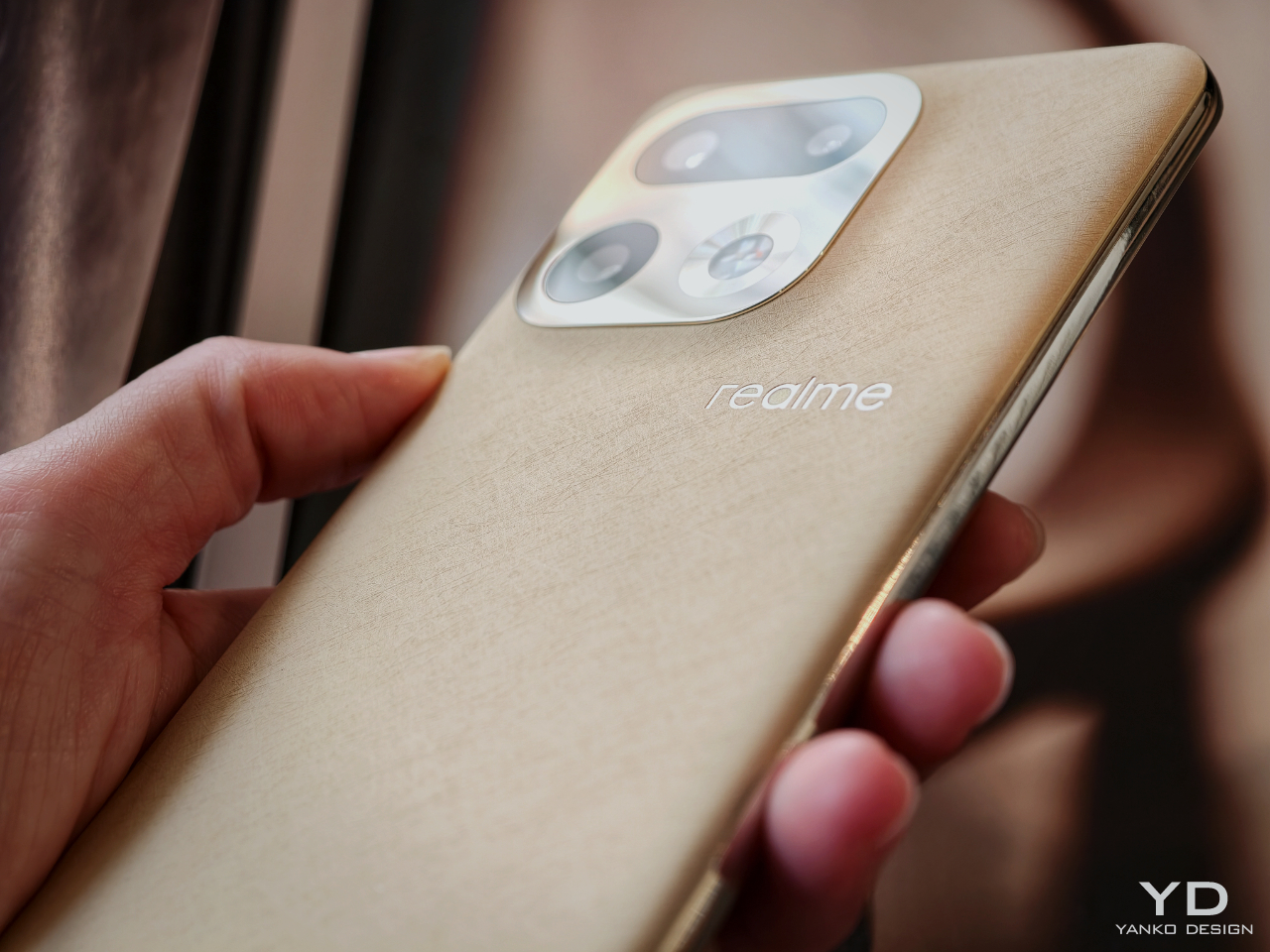

realme describes the overall silhouette as an All Nature Curve Design, with continuous curves linking the back, mid frame, and screen. Within the rigid rectangle of a smartphone, it is not obvious where there is room to change the feeling in the hand, yet for Fukasawa, the answer lies less in formal theory and more in accumulated human experience. Over time, our hands learn what feels right and what feels wrong, and those memories build a shared sense of which shapes are comfortable and which ones look natural.

He gives the simple example of a table edge, and as he talks, he runs his fingers along the corner in front of him, which we expect to be neither too sharp nor too rounded. Sharp corners can look cool but feel harsh, while very rounded edges can look sloppy or tired, and the sweet spot sits somewhere in between. Once the size and thickness of the phone are fixed, the gentle line that naturally fits those dimensions almost decides itself, and he describes the final curves as something that emerged rather than something he forced into place. “I was not trying to think up a shape,” he says. “It formed naturally,” and that naturalness is part of what makes the phone feel calm in the hand.

A phone that belongs in a jewelry boutique
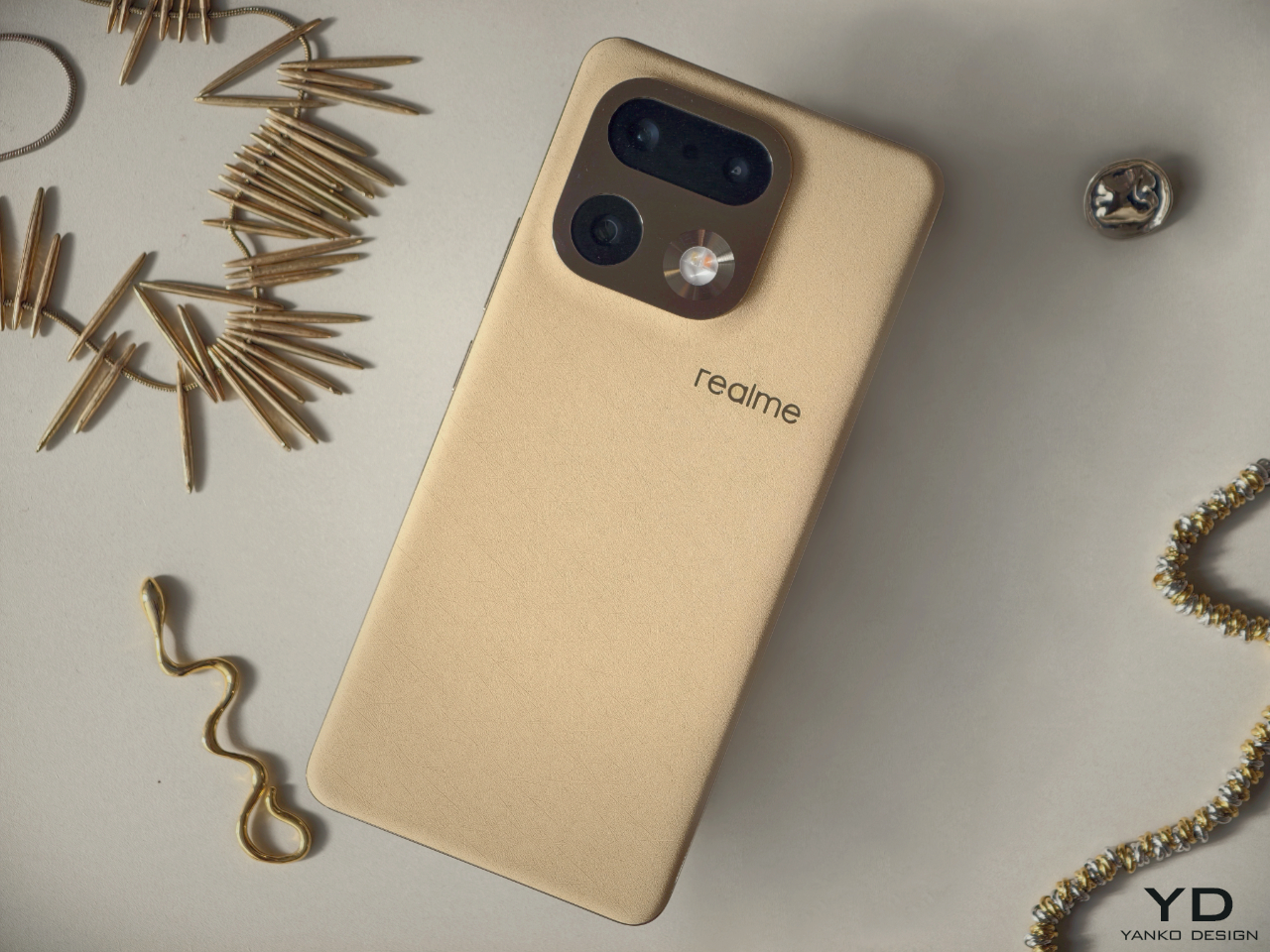
He imagines taking the phone out of the electronics aisle and placing it in a boutique that sells luxury bags and jewelry, and he wanted a smartphone that could sit there without feeling out of place. “If we always stay in the gadget section, we will always be seen as gadgets,” he says, and that is precisely what he wants to move beyond.

With the 16 Pro, he wanted people to feel drawn to it in the same way they are drawn to a beautiful accessory, and not through spectacle or aggressive styling. Instead, he aims for a sense of calm quality and high sensibility that invites people closer and rewards touch. The ideal first reaction is not a shout, but a soft “wow, this feels nice” that might never be spoken aloud.

Poetic observation and advice for young designers
Toward the end of our conversation, we moved from smartphones to design education. Fukasawa believes that design has grown up alongside industry, but that not all of that growth was right. He feels that today, technology has finally caught up enough that designers can aim closer to the essence of human life. What is needed now, he says, is not only observation in the marketing sense, which means staring at the market, but a different kind of observation directed at people and environments.

The problem is that simply telling young designers to observe often leads nowhere, because they open their eyes and still see nothing. To make the idea more concrete, he and a cognitive psychologist friend began using the term poetic observation instead. He likens it to writing a short poem, a haiku, about what you see, and when you look at the world with that mindset, things start to appear more human and more connected, and small scenes begin to feel like stories.
“It is like listening to a song whose lyrics suddenly turn the whole scene into a story and make everyone in it a kind of main character,” he says, and he believes poetic observation can do the same for everyday life. When I suggest that this sounds less like looking with the eyes and more like seeing with the heart, he nods and says, “Yes, exactly. Poetic means bringing in emotion. That is how you should look at the world.”

It is not only for designers, but he adds, because if everyone could see the world that way, the world would become better. Urban Wild is therefore not just a styling exercise for a mid-range smartphone, but one expression of Fukasawa’s larger project to make the tools we live with calmer, more human, and a little more poetic, even in the middle of the city.

The post Naoto Fukasawa on Poetic Observation and Designing the realme 16 Pro Urban Wild first appeared on Yanko Design.
realme’s 10,001 mAh Phone Charges in 5 Minutes and Lasts Half a Day

Most people carry a phone and a power bank, nursing battery percentages by dimming screens and closing apps. Every café visit includes checking which table is near a socket, and late nights end early when the battery icon turns red. The ritual of charging overnight is so ingrained that a phone dying before bedtime feels like failure, even though the real issue is that most phones assume you will plug in every 24 hours.

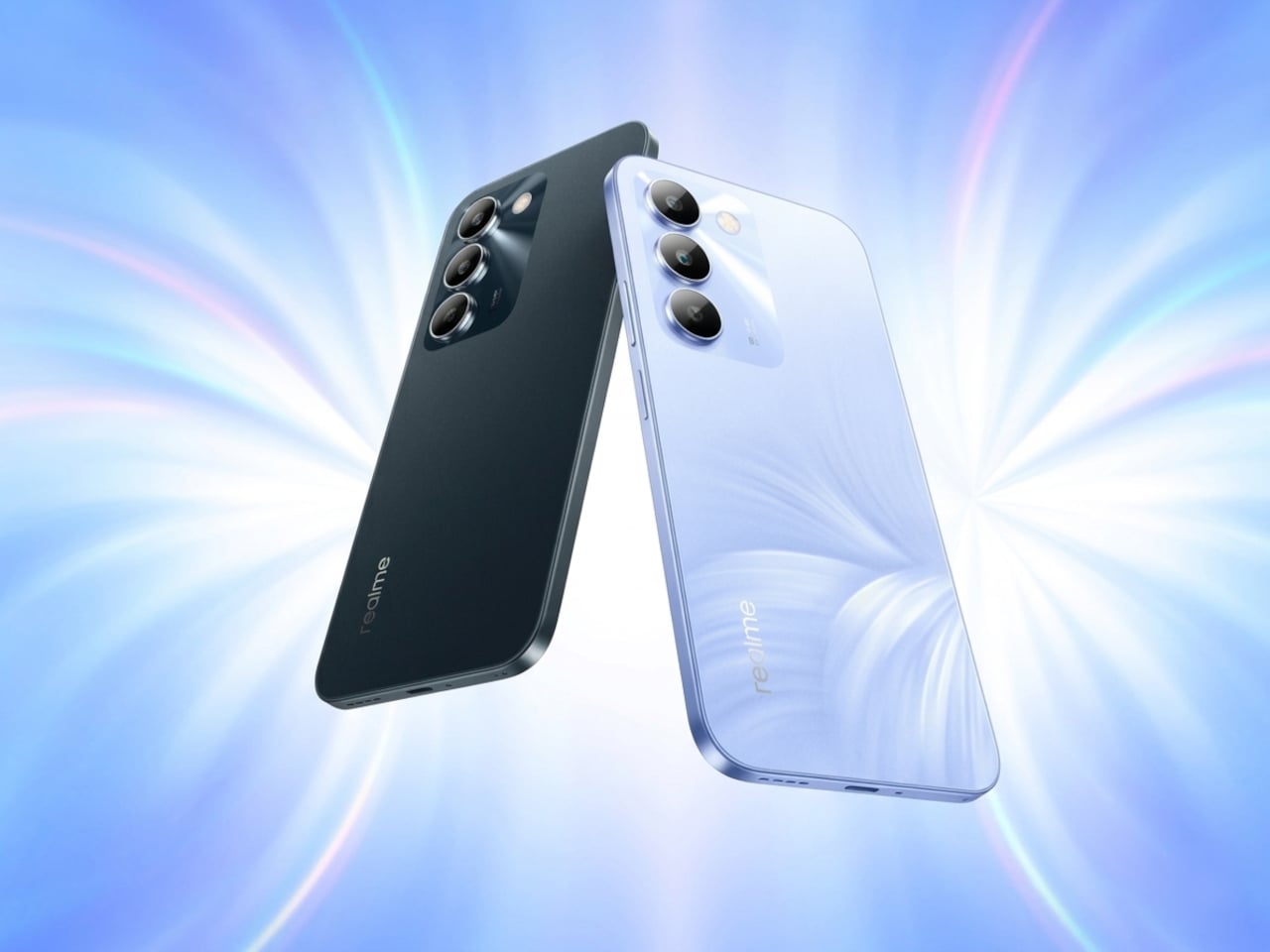
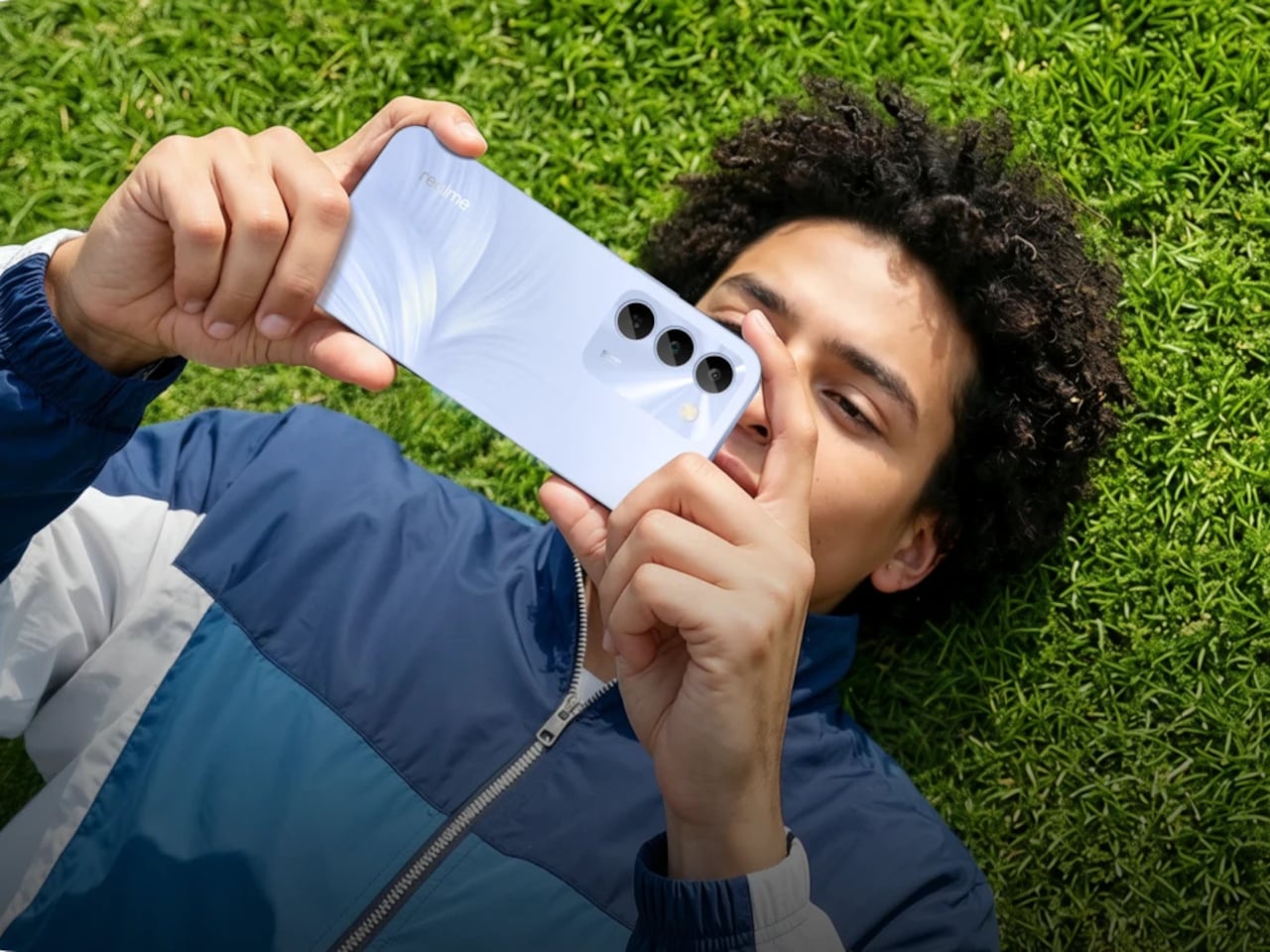
realme P4 Power 5G flips that assumption. The phone is built around a 10,001 mAh Titan battery aimed at week-long endurance, marketed as India’s first smartphone to cross the 10,000 mAh line. realme is leaning into the idea that this pack can replace the power bank in your bag without turning the device into a brick, letting you leave the house without calculating whether you have enough juice.

Designer: realme

Living with 10,001 mAh means you stop thinking about charging for days. You can stream, navigate, and game without constantly checking the percentage. realme’s lab numbers claim over 30 hours of YouTube or double-digit hours of gaming, but the practical benefit is not hunting for outlets or dimming the display just to survive a commute or a long meeting that runs past dinner time.

realme built the battery to last, not just hold a charge. Silicon-carbon anode tech promises three to four times the life cycles compared to graphite, with 1,650 cycles claimed and TÜV Rheinland 5-Star Battery Certification. There is a four-year guarantee that health stays above 80 percent, with free replacement if it drops below that, signaling this is meant to be kept rather than replaced after two years.

Fast charging counters the worry that 10,001 mAh would take forever to top up. realme promises 80 W wired charging, with five minutes delivering roughly half a day’s power when you are rushing out. All-scenario bypass charging lets the phone draw directly from the charger during gaming without stressing the battery, plus 27 W reverse charging turns it into a power bank for earbuds or a friend’s device when everyone else is dead.

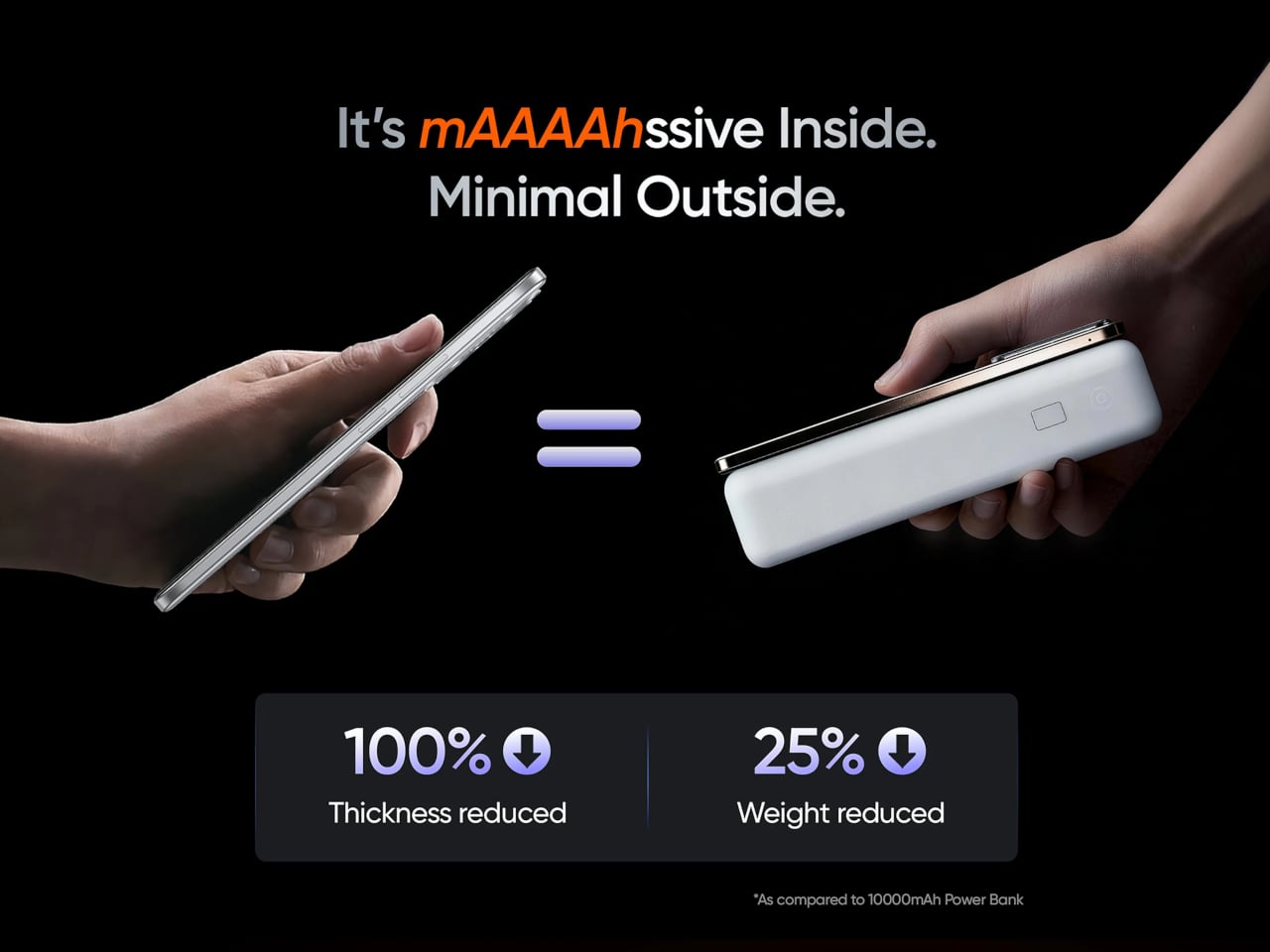
At 219 g, P4 Power is in the same weight range as many flagships with half the capacity. realme pitches this as “massive inside, minimal outside,” using the TransView design to keep the aesthetic clean rather than obviously rugged. The trade-off is carrying the equivalent of a phone plus a power bank in one device, but without separate cables, extra charging, or pocket clutter.

realme promises three years of Android OS updates and four years of security patches, aligning with the battery longevity story. P4 Power is one of the few phones explicitly designed to be kept for a full four-year cycle, both in hardware and software. For people tired of juggling chargers and yearly upgrades, that might be the most useful spec, a phone treating endurance and lifespan as features worth engineering around.

The post realme’s 10,001 mAh Phone Charges in 5 Minutes and Lasts Half a Day first appeared on Yanko Design.

Realme 16 Pro+ Review: Naoto FUkusawa Helped Make a Battery Beast Beautiful

PROS:


  • Sleek design by Naoto Fukusawa

  • Strong portrait camera performance for the price range

  • Huge 7,000mAh battery with 80W wired charging

CONS:


  • Snapdragon 7 Gen 4 is carried over from the previous generation

  • No wireless charging

RATINGS:

AESTHETICS
ERGONOMICS
PERFORMANCE
SUSTAINABILITY / REPAIRABILITY
VALUE FOR MONEY

EDITOR'S QUOTE:

By combining Naoto Fukasawa’s Urban Wild design with a 7000 mAh battery and a sharp 200 MP portrait camera, realme 16 Pro+ proves that refinement and stamina can matter more than chasing raw benchmark numbers.

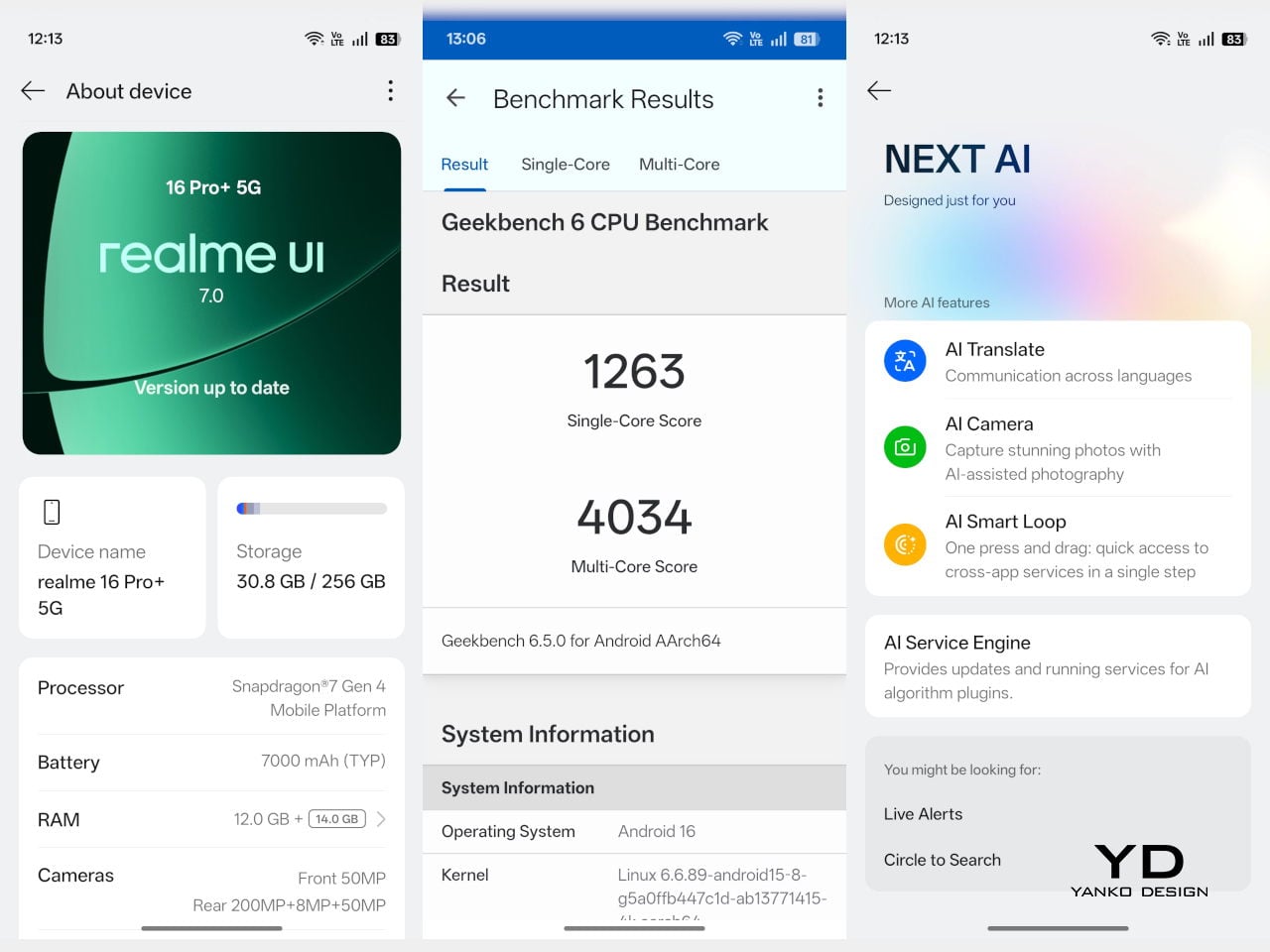
The realme 16 Pro+ seems to be a modest upgrade in the company’s Number Series. While it is not packed with major improvements in every area, it tries to win you over as a well-rounded package built around design, battery life, and cameras. On paper, it still reads like a wish list: a 200 megapixel main camera with 3.5x telephoto, a 6.8 inch 144 Hz AMOLED display, a 7000 mAh battery with 80 W charging, IP68 and IP69 protection, and a Naoto Fukasawa-designed back made from bio-based silicone.  

It also arrives with a few important caveats. The Snapdragon 7 Gen 4 chipset is carried over from the realme 15 Pro rather than being a big step up, and the rumoured pricing pushes the 16 Pro+ toward affordable flagship territory rather than a classic, value mid-ranger. That raises a clear question. Does the mix of master level design, big battery stamina, and creator-focused camera hardware do enough to justify the price, or are you better off with a more conventional spec monster? We took a closer look.

Designer: Naoto Fukasawa x realme

Aesthetics

For the realme 16 Pro+, realme partnered again with world-renowned product designer Naoto Fukasawa. The brand has previously collaborated with Fukasawa on the realme X Master Edition, X2 Master Edition, GT Master Edition, and GT2 Pro Master Edition, and this new phone continues that lineage. The design fuses natural elements with contemporary style in what realme calls the Urban Wild Design, aiming to bring a calmer, more tactile character to a very modern device.

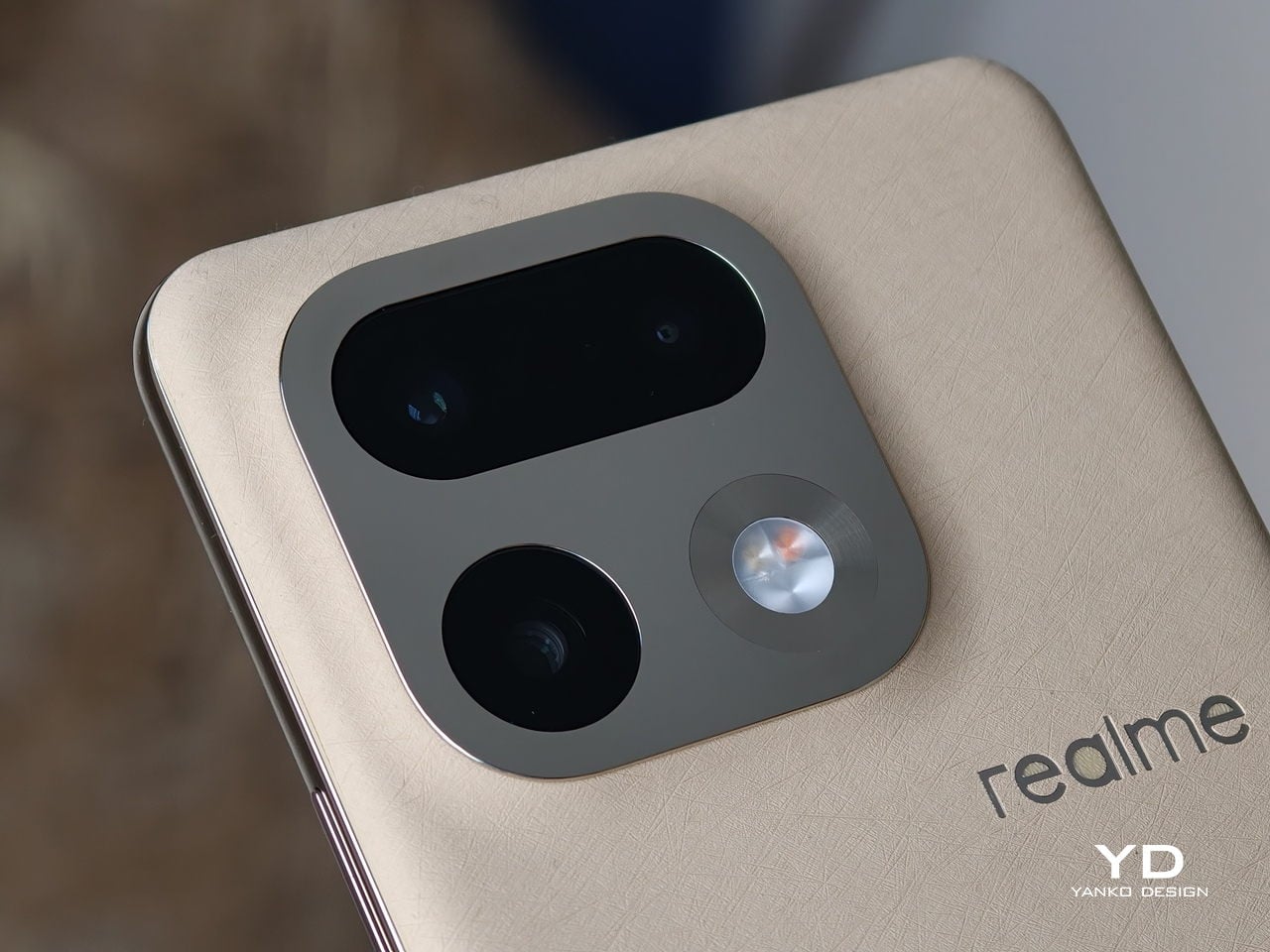
The Urban Wild Design is articulated through a deliberate contrast of the mirror-polished camera deco set against a natural texture back panel. The back is built around what realme calls a Metal Mirror Camera Deco, a mirror finish metal plate that frames the lenses like a piece of jewellery on top of a matte, softly grained surface. The back panel uses a bio-based organic silicone derived from plant-based straw, processed with an eco-friendly method that the brand positions as an industry-first eco material. The result is a surface that feels soft, finely textured, and grippy, with a visual warmth and calmness you do not usually get from glass or glossy plastic.  

The 16 Pro+ comes in two colors in most markets. Master Gold is described as the soft golden glow of ripened wheat, with a gentle shimmer that catches the light without looking flashy. Master Black is inspired by the smooth, muted sheen of river pebbles, giving a more understated and refined look. Each variant features a color-matched mirror-polished camera bump and side frame, so the camera island, mid frame, and back panel read as one coherent piece rather than separate parts.

Ergonomics

On paper, the realme 16 Pro+ is not a small phone, yet it feels more considered than the raw numbers suggest. The phone is 8.49 mm thick and weighs 203 g, which puts it firmly in the large phone camp without feeling unwieldy. The square camera bump does not protrude too much, and its sloped edges merge into the back panel to create a smooth transition. The back panel resists fingerprints and smudges quite well, though the glossy camera bump is a different story and picks up marks easily.  

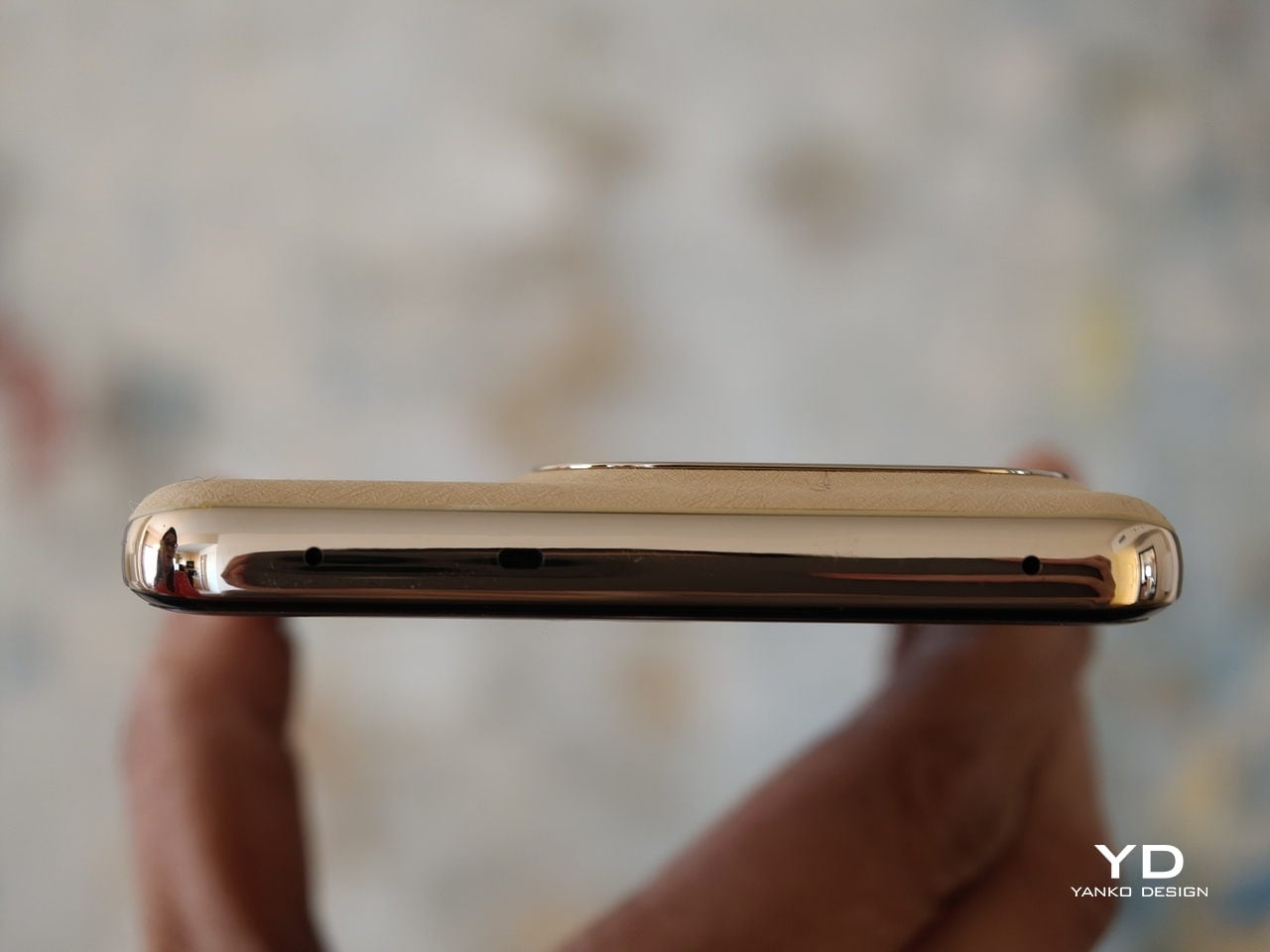
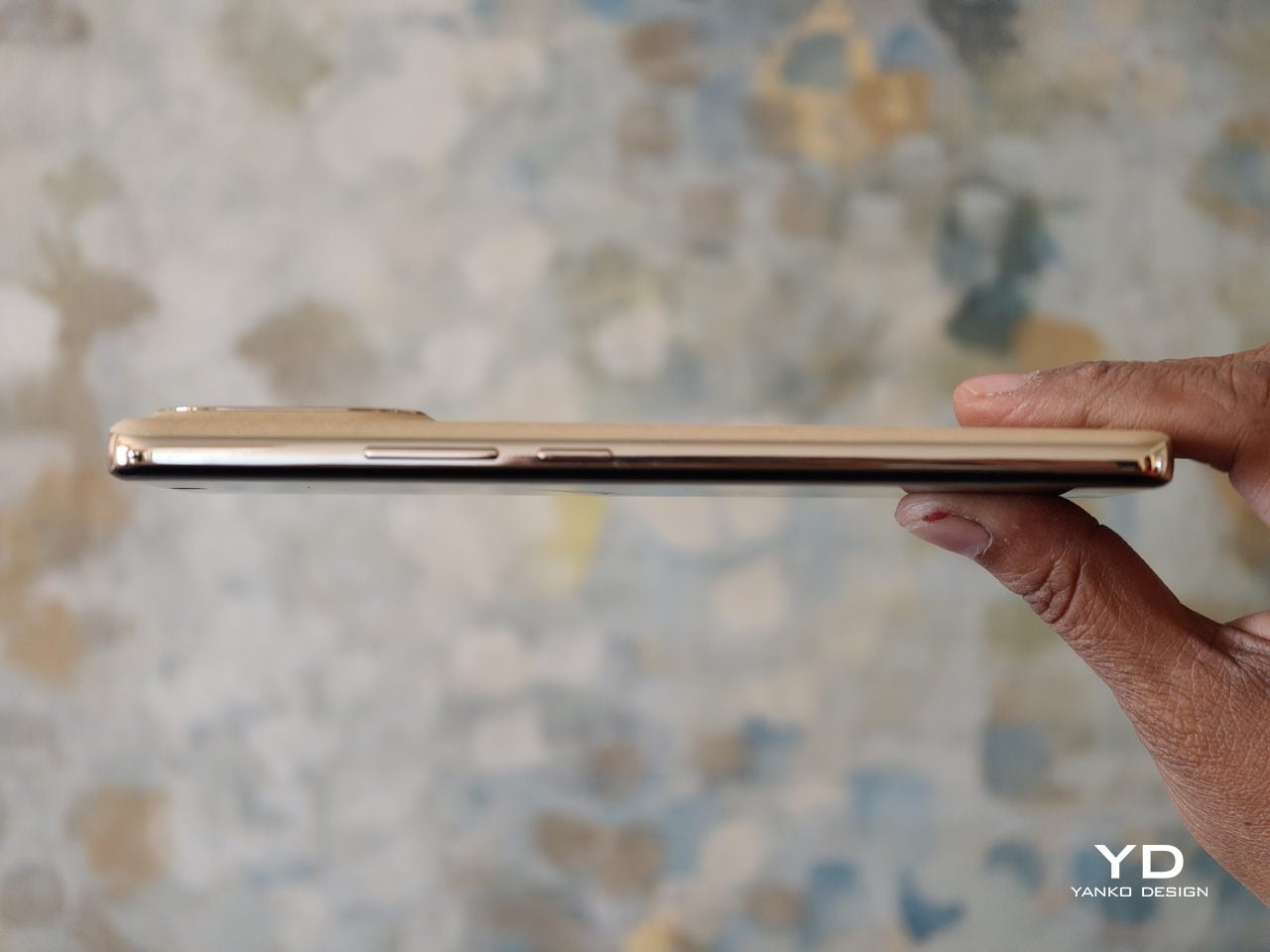
Thanks to the balanced weight and the gentle flow from the slightly curved display to the slightly curved side frame to the slightly curved back panel, the phone is very comfortable to hold in the hand. The volume rocker and power button are positioned where they are easy to reach, so basic controls fall naturally under your fingers. The fingerprint scanner, on the other hand, sits close to the bottom edge of the screen, which makes the move from unlocking the phone to actually using it feel a bit less smooth than it could be.

Performance

Since there was no Pro+ version of the realme 15, there is no direct predecessor of the realme 16 Pro+, but many specs are unchanged from the realme 15 Pro, including the chipset. The 16 Pro+ is powered by Snapdragon 7 Gen 4, Qualcomm’s upper mid-range chipset. While it does not deliver brute flagship power, it is more than strong enough for long gaming or browsing sessions without noticeable throttling. In daily use, the chipset has no trouble keeping up with realme UI 7.0, based on Android 16. Swiping through the 144 Hz interface feels fluid, apps open quickly, and multitasking between social media, messaging, and browsing remains consistently smooth.

The realme 16 Pro+ features a 6.8-inch AMOLED display with a 1280 by 2800 resolution and up to 144 Hz refresh rate. According to the spec sheet, it supports a 240 Hz touch sampling rate, 1.07 billion colors, 100 percent DCI P3 coverage, a 5,000,000 to 1 contrast ratio, and a peak brightness of 6500 nits. It is a sharp, bright, and vibrant panel that looks flagship-grade and comfortable in day-to-day use.

Realme brings a 200 megapixel camera to its Number Series for the first time. The triple camera setup consists of a 200 MP main camera, a 50 MP 3.5x telephoto camera, and an 8 MP ultra wide camera, with a 50 MP front-facing camera handling selfies. In the camera app, you can choose between Vibrant and Natural color modes for the rear cameras, depending on whether you prefer punchier social media-ready shots or a more restrained look.

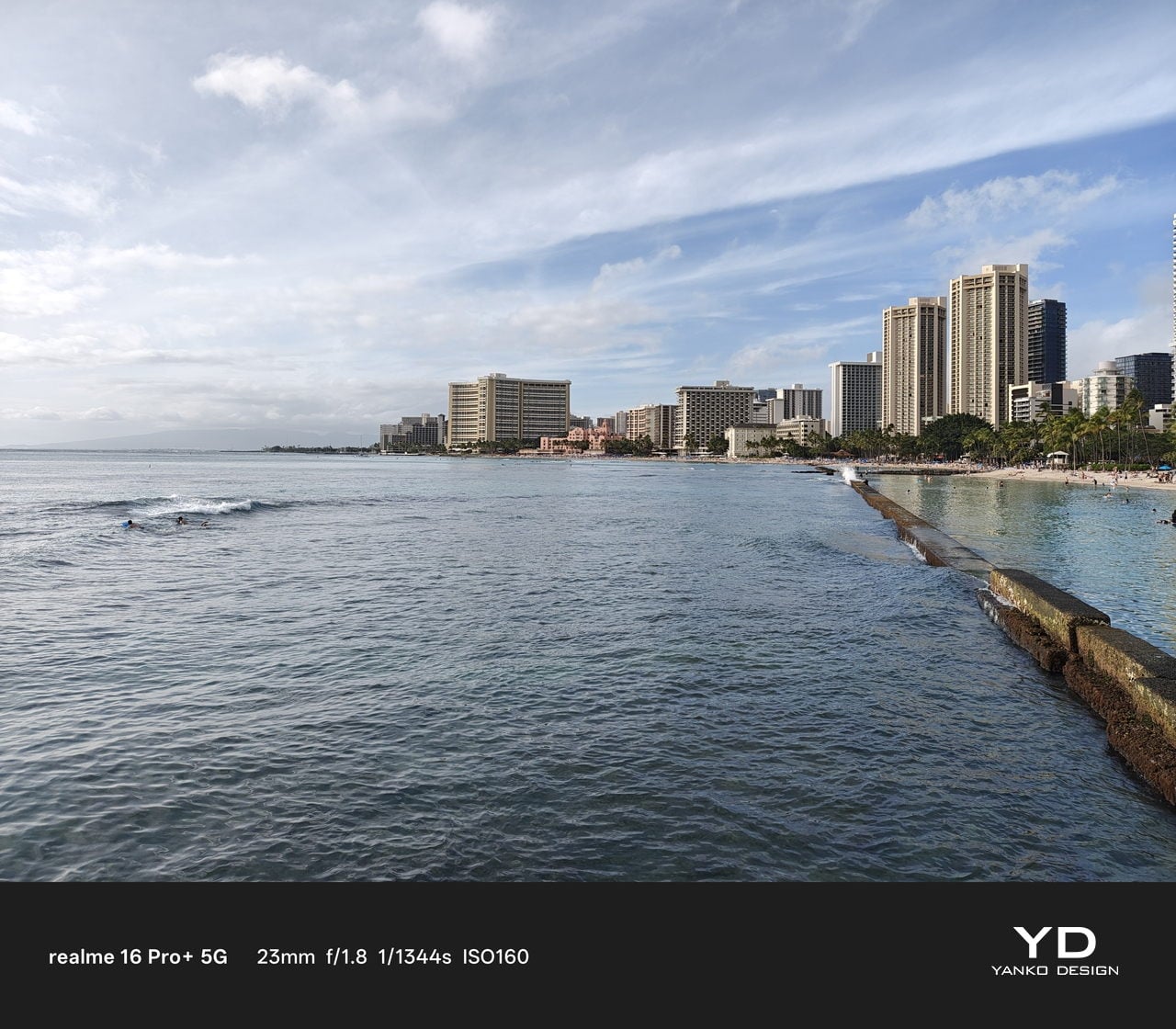
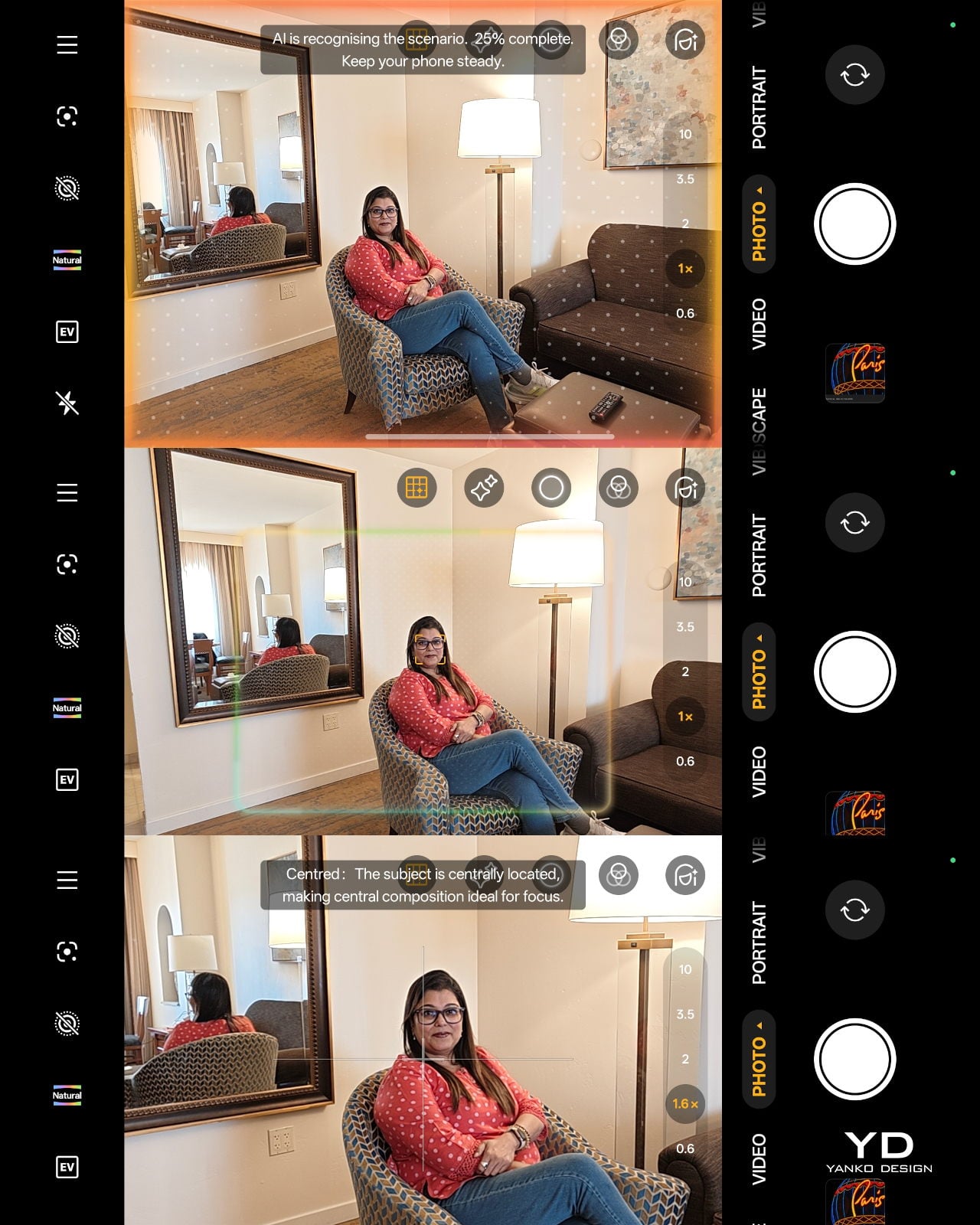
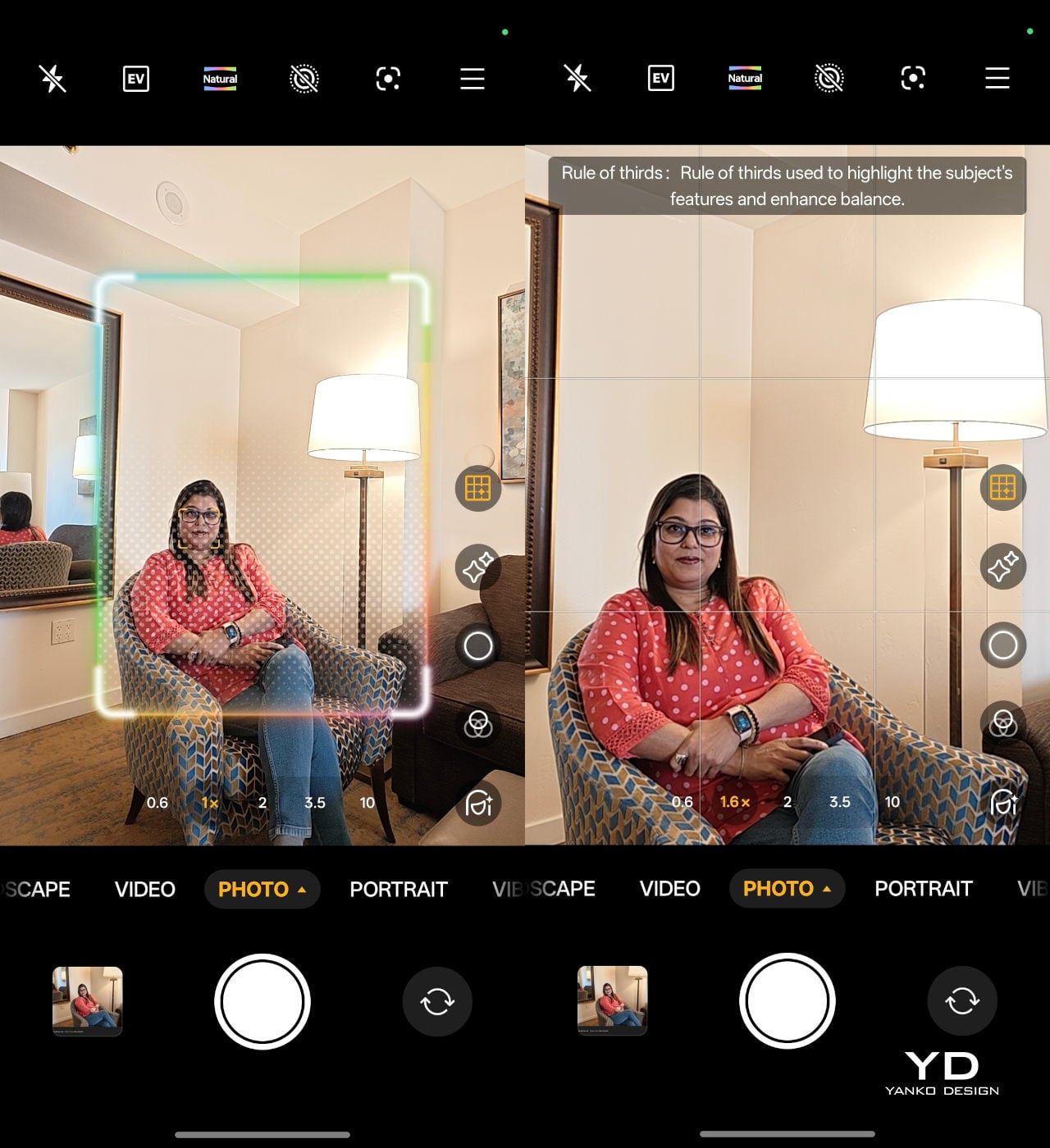
The 23 mm equivalent 200 MP main camera uses Samsung’s HP5 sensor with an f/1.8 aperture lens and both optical and electronic image stabilisation. It can capture very detailed shots with a wide dynamic range in good lighting conditions, and stabilisation helps keep images sharp when light levels drop. In the standard Photo mode, you also get an AI composition feature that analyses your framing and suggests small adjustments for a stronger composition, nudging you to tilt, reframe, or shift your subject for a more balanced shot. This tool is not available in Portrait mode, but it is genuinely helpful for quick point-and-shoot photography.

The 80 mm equivalent 50 MP 3.5x telephoto camera uses Samsung’s JN5 sensor behind an f/2.8 aperture lens, again with OIS and EIS. Portrait mode lets you shoot at 1x, 1.5x, 2x, 3.5x, and 4x, and results across these focal lengths are consistently strong, with pleasing separation and natural-looking depth. realme also packs in a wide range of dedicated Portrait filters, so you can switch between more cinematic, vintage, or punchy looks without leaving the mode.

The 15 mm equivalent 8 MP ultra wide rounds out the rear trio. It does the job for landscapes, interiors, and group shots, but image quality is more functional than exciting, with less detail and dynamic range than the main and telephoto cameras. On the front, there is a 50 MP OmniVision OV50D selfie camera with an f/2.4 aperture lens. This is unusually ambitious for the class. It can capture crisp selfies with plenty of detail.

As for video, the main and front-facing cameras both support 4K recording at up to 60 FPS. The telephoto and ultrawide cameras are limited to 1080p at 30 FPS, which feels a bit disappointing on the telephoto side, especially given how capable it is for stills. It would have been nice to see at least 4K 30 fps from the zoom camera to fully match the rest of the system.

realme 16 Pro+ is built around a huge 7000 mAh battery, and you feel that capacity in day-to-day use. With this much headroom, it comfortably handles a full day of heavy messaging, social media, camera use, and streaming, and lighter users can easily stretch into a second day without reaching for the charger. When you finally do need to charge, the 80 W wired charging support keeps downtime short.

Sustainability

realme 16 Pro+ makes a stronger effort on sustainability than many mid-range phones. The most visible element is the back panel material. Instead of conventional petroleum-based plastic or glass, realme uses a bio-based organic silicone derived from plant-based straw, processed through an eco-friendly method. It is designed to be safer for the skin, gentler on the environment, and more resistant to aging, dirt, and wear, which should help the phone look fresh for longer and reduce the urge to replace it early.

Durability also plays into sustainability. The phone carries both IP68 and IP69 ratings, meaning it is tested for dust tightness, immersion in water, and high-pressure water jets. In practical terms, that level of protection makes the 16 Pro+ far more likely to survive everyday accidents, from rain and spills to brief drops into water. A device that shrugs off this kind of abuse is less likely to be written off early, which again extends its usable life.

On the software side, realme commits to three years of Android OS updates and four years of Android security patches. That is not at the very top of the industry, but it is long enough that you can realistically keep the phone for a full contract cycle and beyond without falling behind on major features or basic security. Combined with the durable hardware and more sustainable back panel material, it makes the 16 Pro+ feel like a phone designed to be used hard and kept in service rather than quickly replaced.

Value

At the time of writing, realme has not confirmed official pricing, but multiple leaks suggest the realme 16 Pro+ will start at INR 39,999 (around $445) for the 8 GB and 128 GB variant. The 8 GB and 256 GB model is rumoured to land at INR 41,999 (around $470), while the 12 GB and 256 GB version could reach INR 44,999 (around $500).

If these figures hold, the 16 Pro+ will sit at the upper end of the mid-range bracket, nudging into affordable flagship territory. In that context, the phone’s value depends on what you care about most. For users who prioritise a premium design, camera versatility, a truly huge 7000 mAh battery, a bright 144 Hz AMOLED display, and sustainability, the package looks competitive.

Verdict

realme 16 Pro+ is not a revolution for the Number Series, but it is a carefully tuned evolution that leans into design, cameras, and battery life instead of chasing raw specs in every direction. The Naoto Fukasawa Urban Wild Design, bio-based silicone back, and Metal Mirror Camera Deco give it a distinctive look and feel, while the solid ergonomics and IP68 plus IP69 ratings make it more robust than many mid-range rivals. Snapdragon 7 Gen 4 is familiar rather than exciting, yet in practice, it keeps realme UI 7.0 and the 144 Hz AMOLED display running smoothly, and the 7000 mAh battery with 80 W charging turns it into a genuine all-day workhorse.

As for the camera, the realme 16 Pro+ consistently turns out pleasing portraits across its various focal lengths, with good subject separation and flattering rendering. The front-facing camera also performs well. Where things get complicated is value, because the rumoured pricing nudges the 16 Pro+ into premium mid-range territory rather than classic budget-friendly mid-range. If you prioritise a phone that looks and feels special, lasts comfortably through heavy days, and gives you reliable portrait and selfie performance, realme 16 Pro+ makes a strong case for itself even as a modest generational upgrade.

The post Realme 16 Pro+ Review: Naoto FUkusawa Helped Make a Battery Beast Beautiful first appeared on Yanko Design.
Realme GT8 Pro Review: A Flagship You Choose With Your Heart

PROS:


  • Ricoh GR partnership on the main camera

  • Distinctive design with modular camera island

  • Outstanding battery life and charging speed

CONS:


  • Ricoh GR mode is limited to the main camera

  • Ultra-wide and front cameras lack autofocus

  • Software support is good, but not class-leading for the price range


RATINGS:

AESTHETICS
ERGONOMICS
PERFORMANCE
SUSTAINABILITY / REPAIRABILITY
VALUE FOR MONEY

EDITOR'S QUOTE:

This is a phone you pick with your heart as much as your head, because you really have to want that design story and the GR experience.

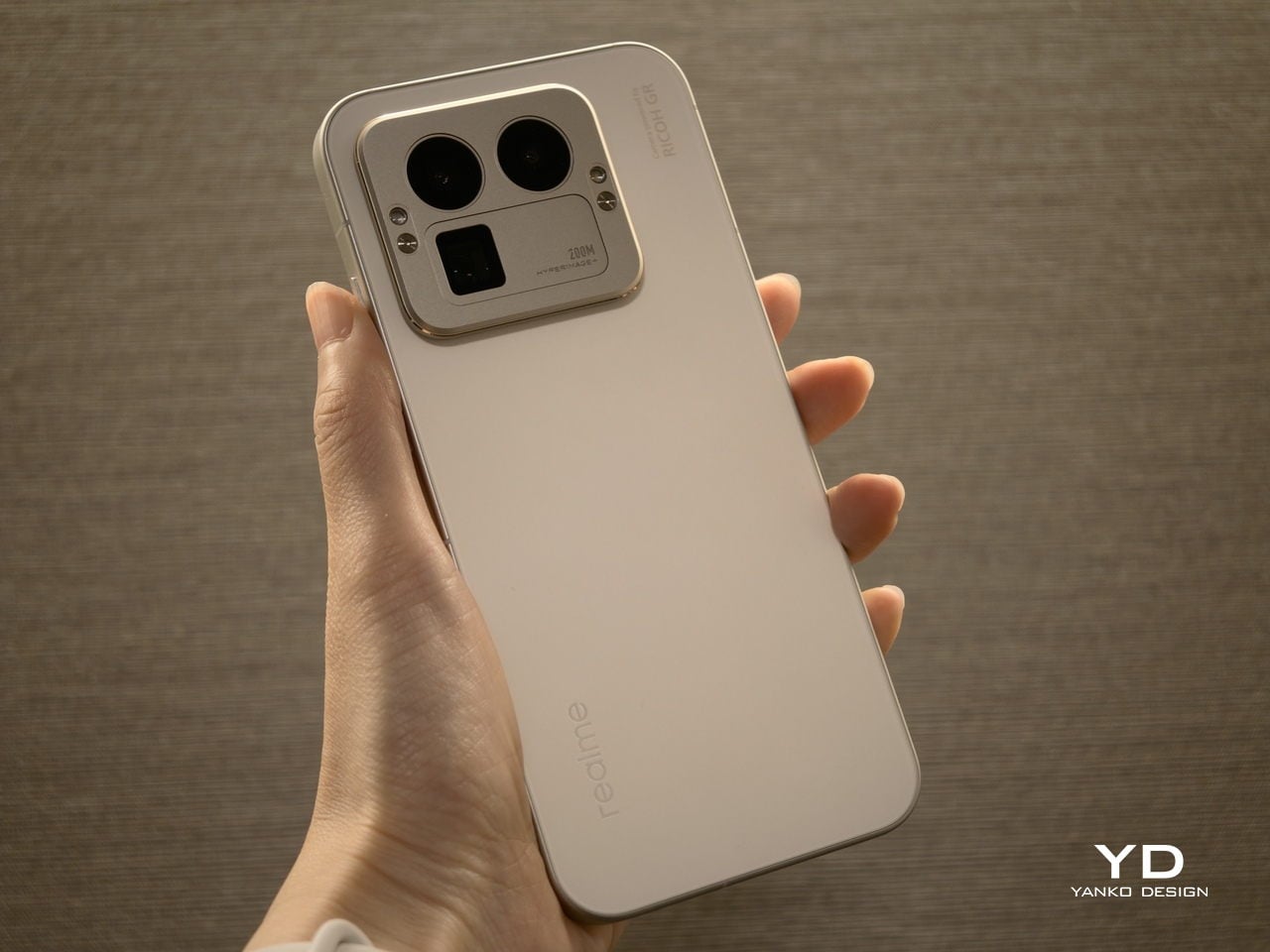
The announcement of Realme’s partnership with Ricoh was a surprise, and now the highly anticipated Realme GT8 Pro is here with another twist in the form of an interchangeable camera plate on its back. This is not a subtle move, and it signals that Realme GT8 Pro is not trying to be just another sensible flagship. Instead, it arrives as a phone that wants to make a statement the moment you turn it over in your hand.

At the same time, this is still a serious piece of hardware built around the Snapdragon 8 Elite Gen 5, a huge 7000 mAh battery, and a vibrant 6.79-inch display. Realme is clearly aiming to step out of its value-focused comfort zone and into the premium flagship ring, where expectations are much higher, and mistakes are more visible. The real question is whether this bold, personality-heavy approach makes the GT8 Pro a genuinely great all-around phone, or a beautiful experiment that only a certain kind of user will truly appreciate.

Aesthetics

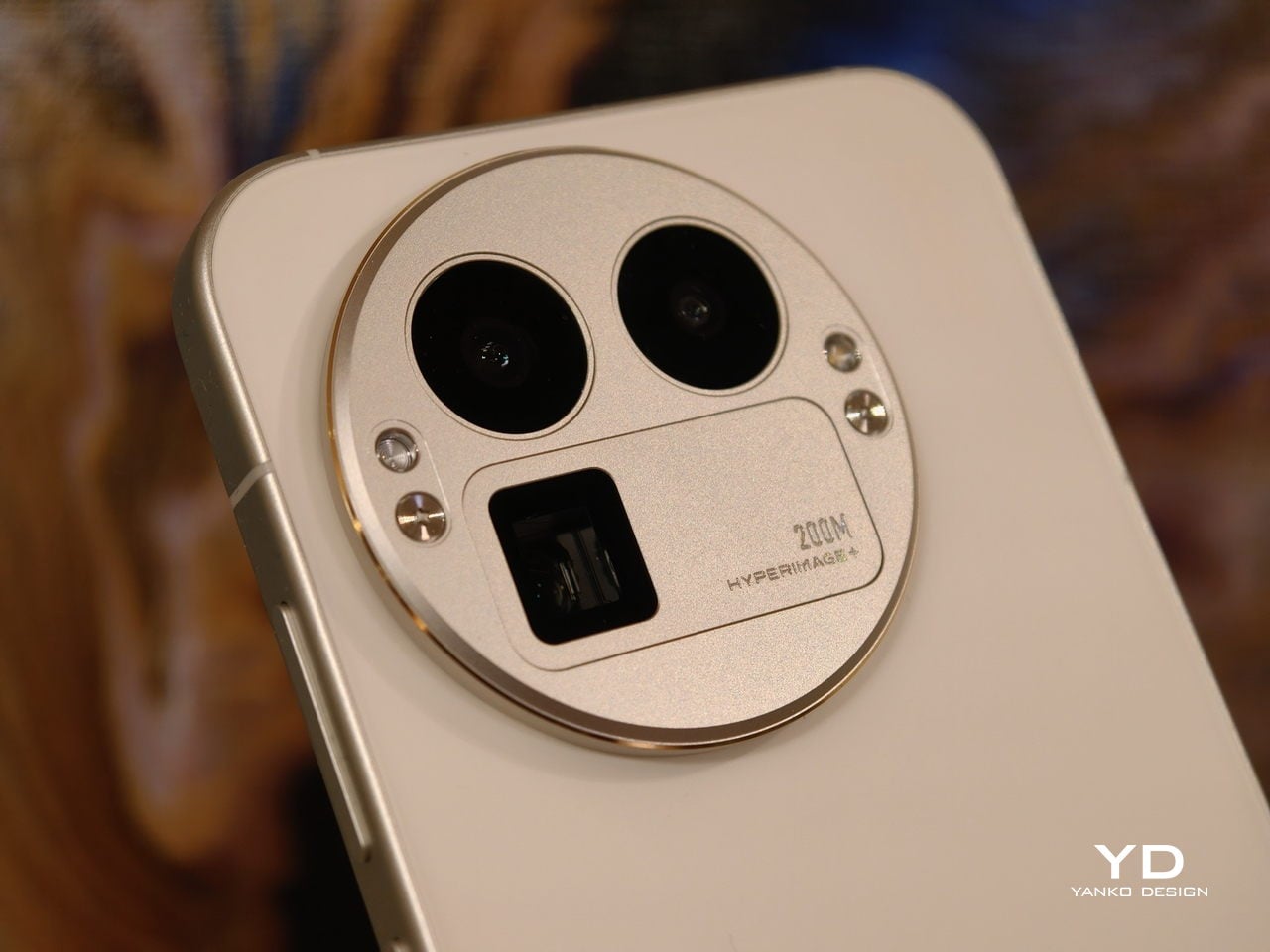
Pick up the realme GT8 Pro, and the first thing your eyes lock onto is the camera island. Realme has turned the rear camera housing into a modular design object that you can swap and restyle. Different camera decoration plates change the shape and graphic language of that camera bump, which means the back of the phone becomes a kind of customizable badge. It feels more like a piece of streetwear design than a typical rectangular slab, and it sends a clear signal that this phone sees photography and personality as central to its identity.

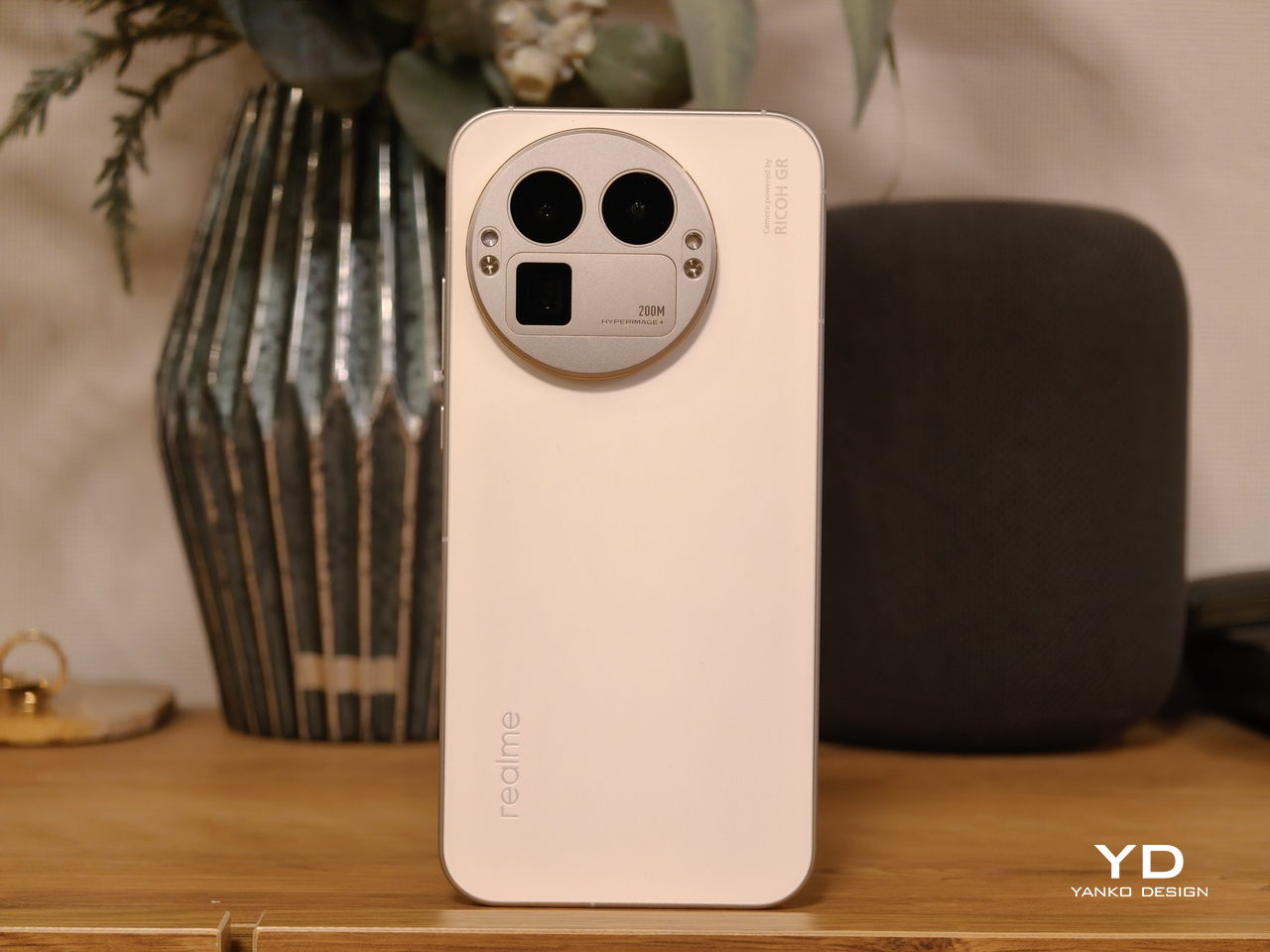
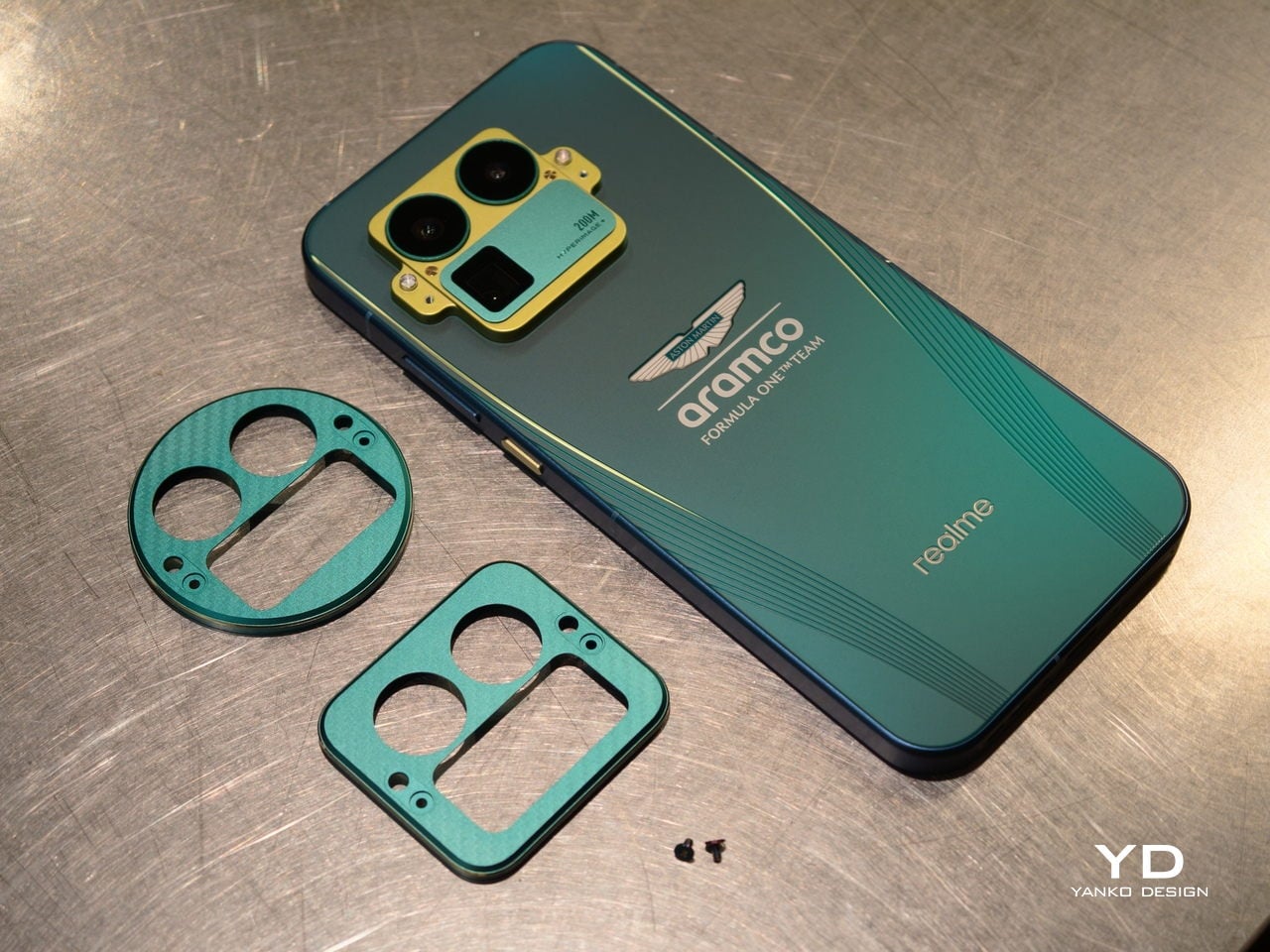
The plate is held in place with two tiny screws. The design that comes with the Diary White colorway we received is a round silver colored plate, and Realme also sent a separate rectangular silver colored plate. Realme has even released the 3D design file to invite people to create their own camera plate designs for the GT8 Pro. It is purely non-functional, and you could easily call it a gimmick, but it is a playful gimmick that fits the character of this phone and gives designers and tinkerers something fun to explore.

Realme keeps the core lineup tight with two main colorways. Diary White pairs the aluminum frame with a glossy glass back panel that catches reflections like a piece of polished ceramic. Urban Blue switches to a vegan leather back panel that brings a more tactile, fashion-focused vibe and feels closer to a premium accessory than a slab of tech. Both finishes are tuned to catch light and attention rather than fade into the background, which reinforces the GT8 Pro’s role as a visual statement.

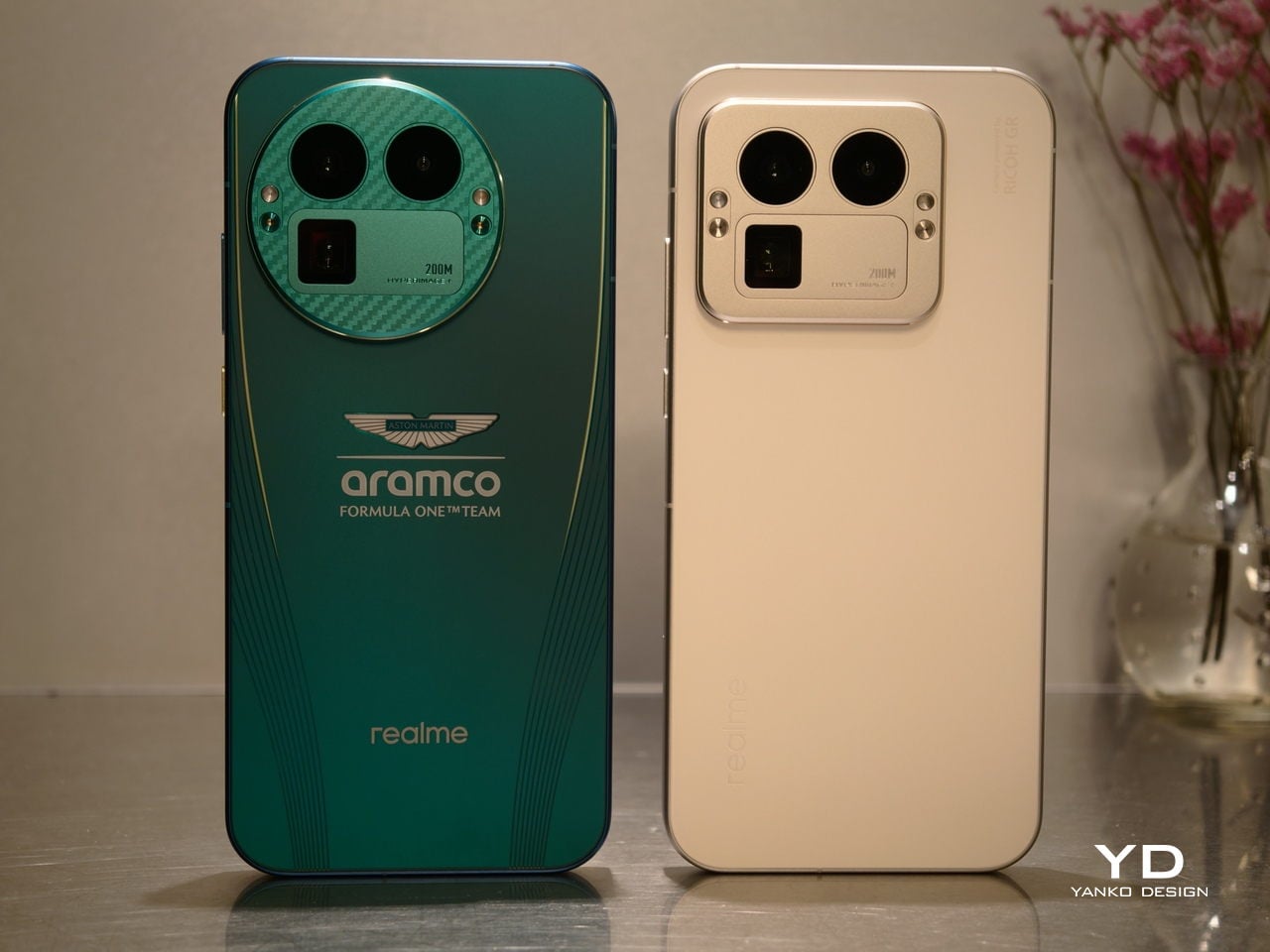
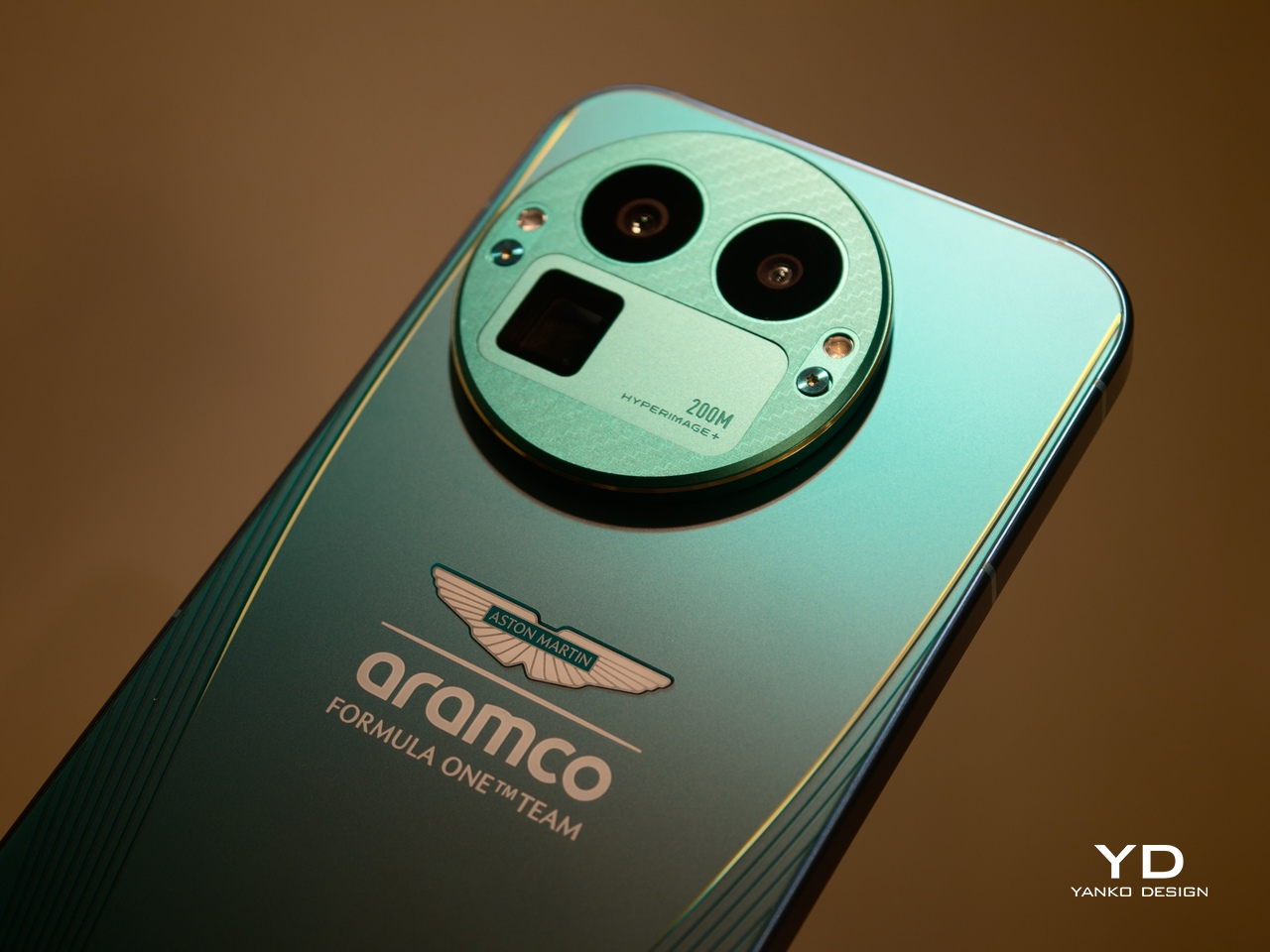
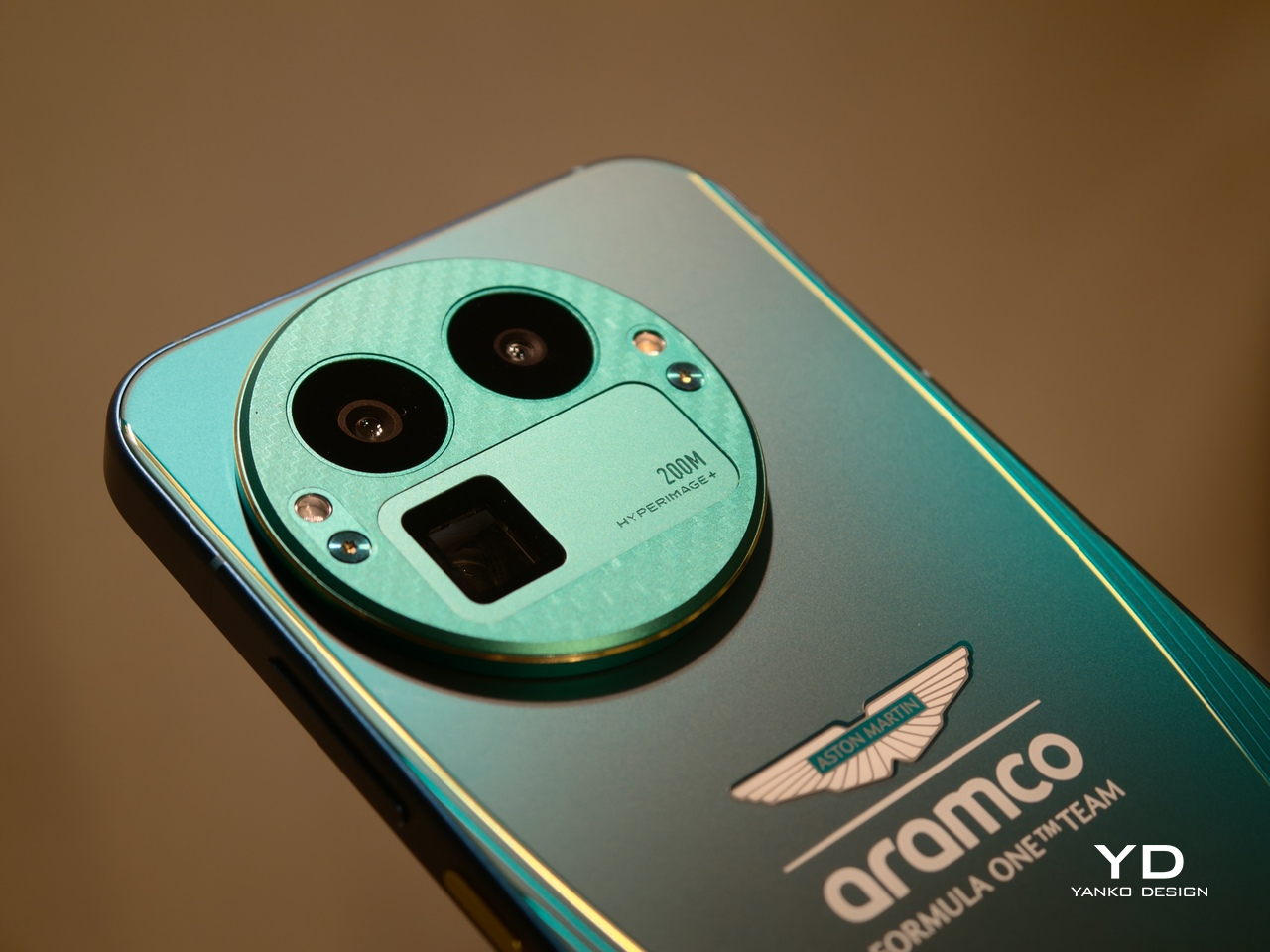
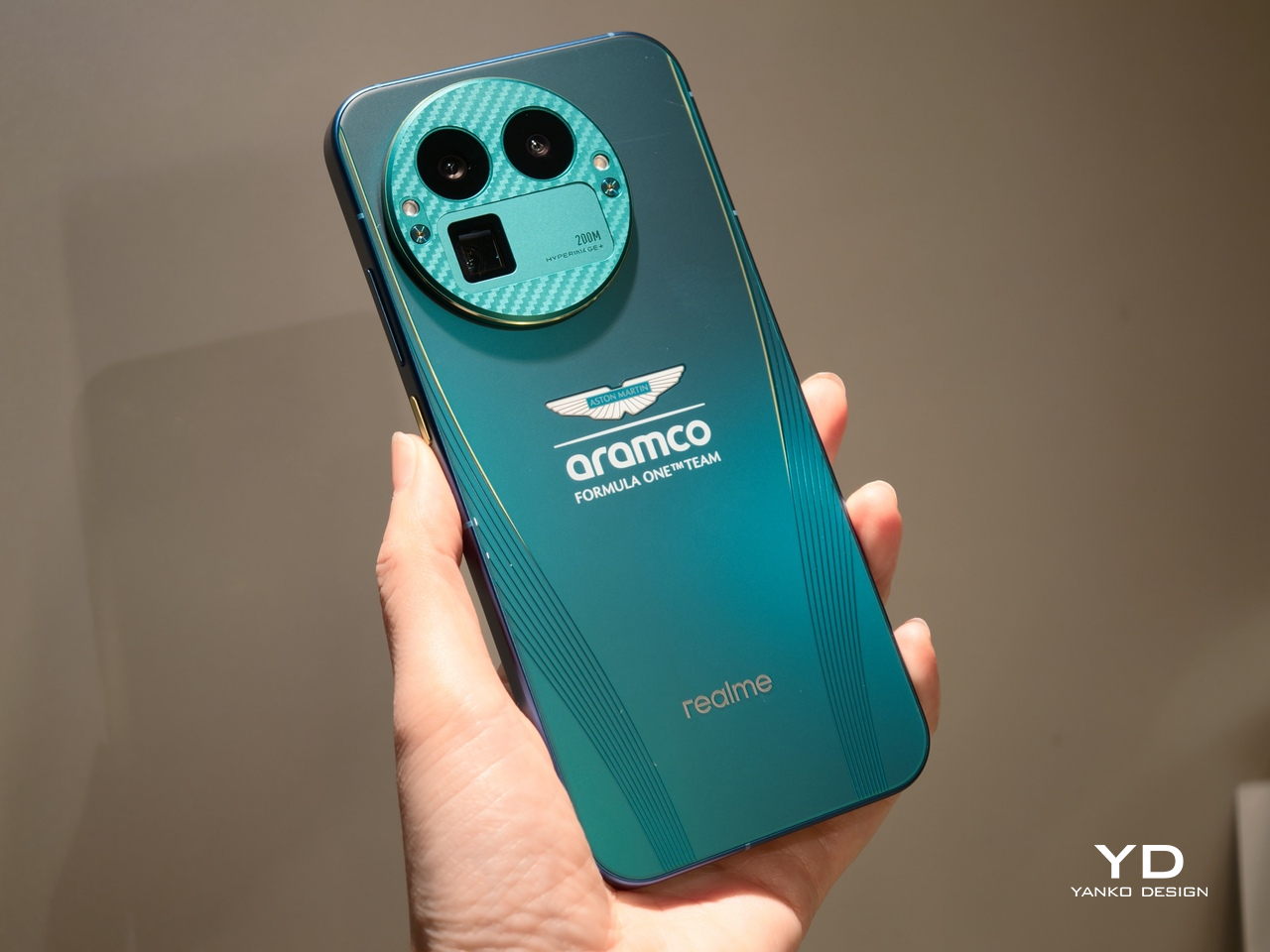
On top of these two color variants, Realme offers the Dream Edition as part of its three-year partnership with the Aston Martin Formula 1 team. This special version comes dressed in Aston Martin Green with yellow accents and an aerodynamic-inspired design. The phone arrives with a round camera decoration plate featuring a carbon fiber finish, which adds a motorsport texture that feels premium.

Inside the special box, you also get the square deco plate, a SIM ejector tool shaped like a racing car, a Torx screwdriver for swapping plates, two phone cases, and a charger. The phone itself comes preloaded with custom Aston Martin Formula 1 team wallpapers and icons, so the collaboration extends into the software experience as well.

Ergonomics

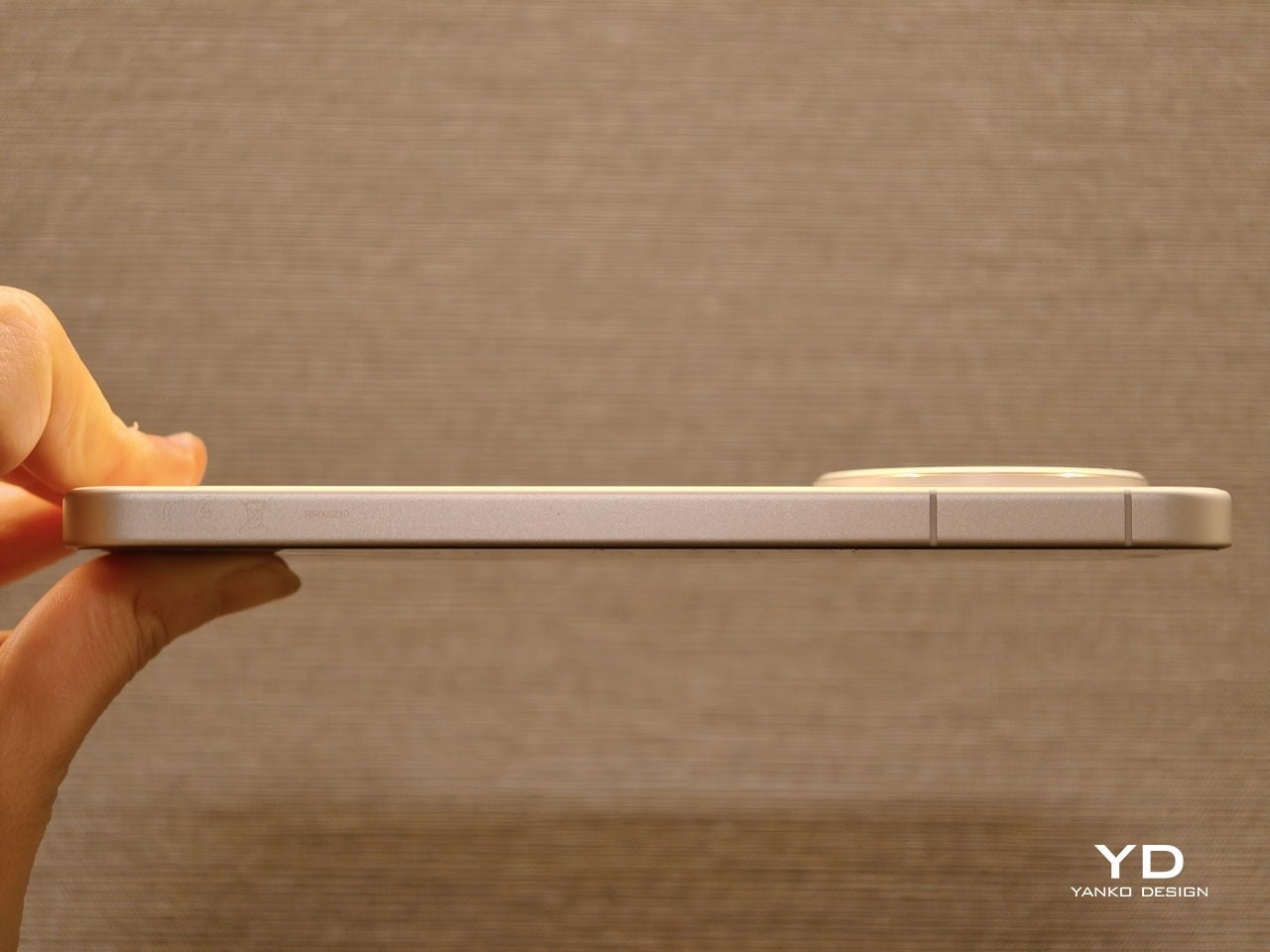
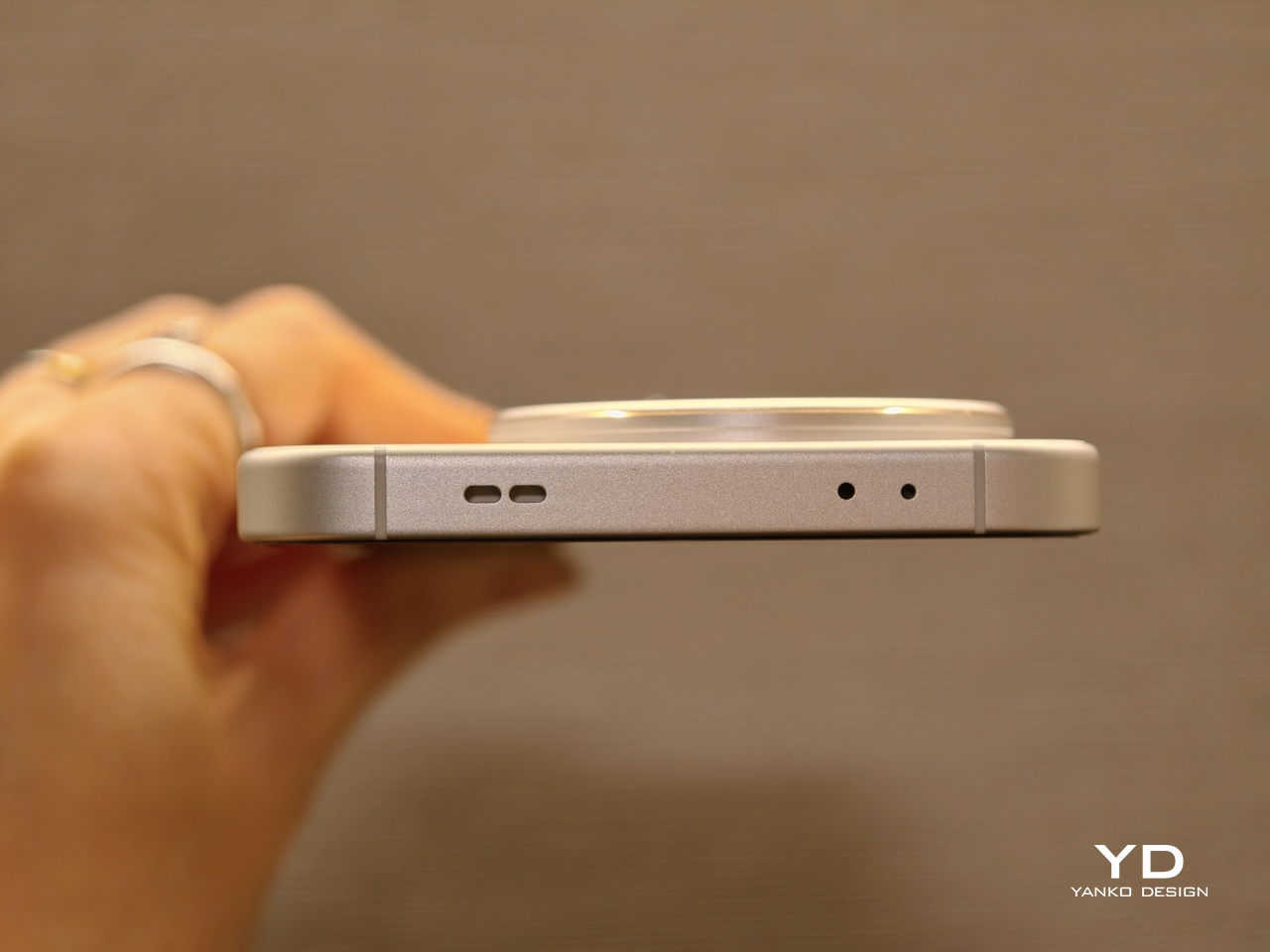
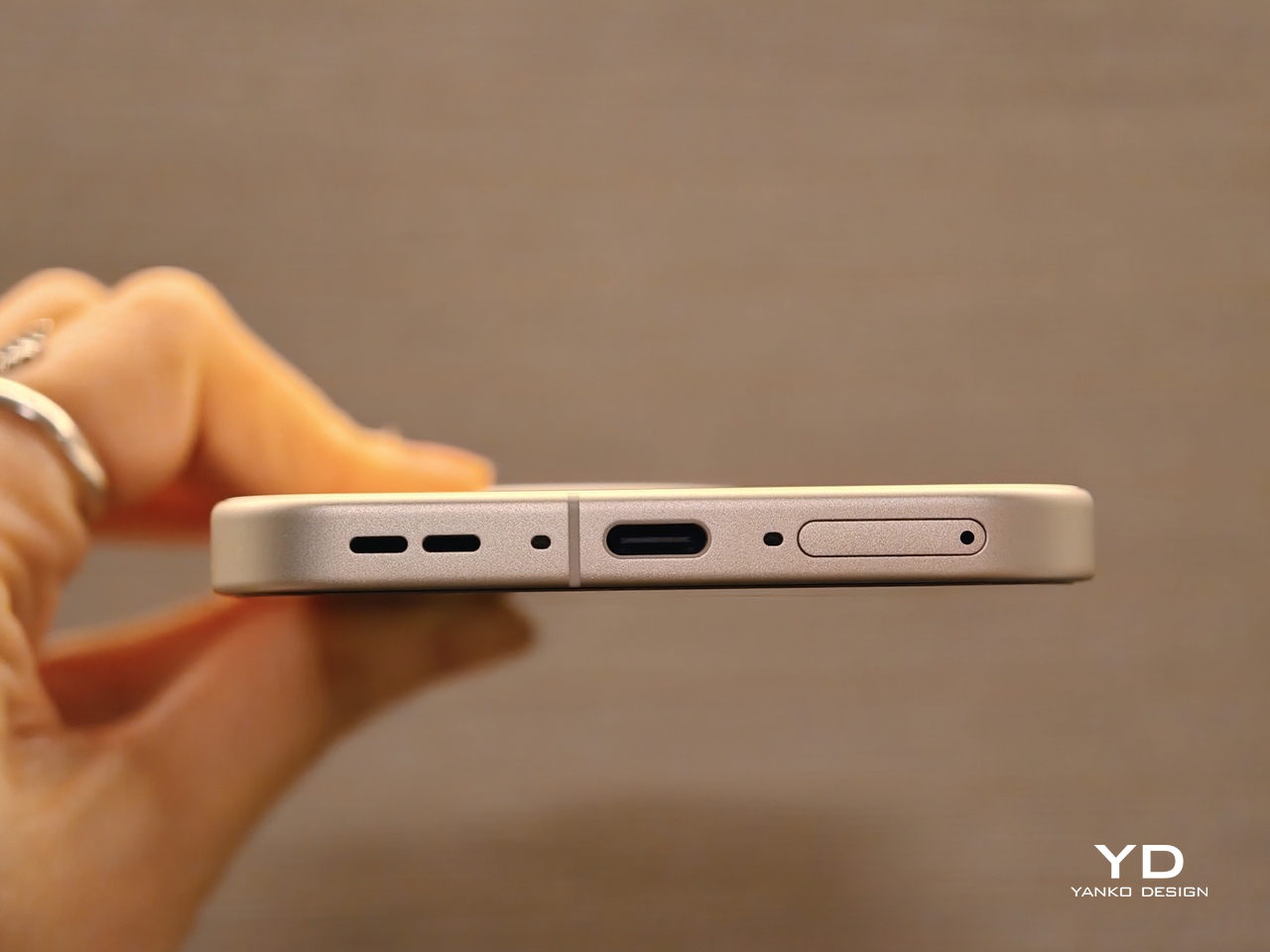
This is a large phone with a 6.79-inch display and a 7000 mAh battery, so it has real presence in the hand. Both colorways share the same footprint at 161.80 x 76.87 mm, which means you are firmly in big phone territory. You feel that size immediately, yet the curved edges and carefully rounded corners do a lot of work to soften the bulk and make it feel less intimidating.

The differences appear when you look at thickness and weight. Diary White comes in at 8.20 mm thick and weighs 218 g, while Urban Blue is slightly thicker at 8.30 mm but actually lighter at 214 g. In practice, these numbers are close enough that you will not notice a dramatic contrast in day-to-day use. Diary White, with its glossy glass back, feels sleek and cool, sliding more easily against your skin and into pockets. Urban Blue with its vegan leather has a paper-like feel with tactile 3D characters, according to Realme, which gives it a more textured, design-forward personality in the hand.

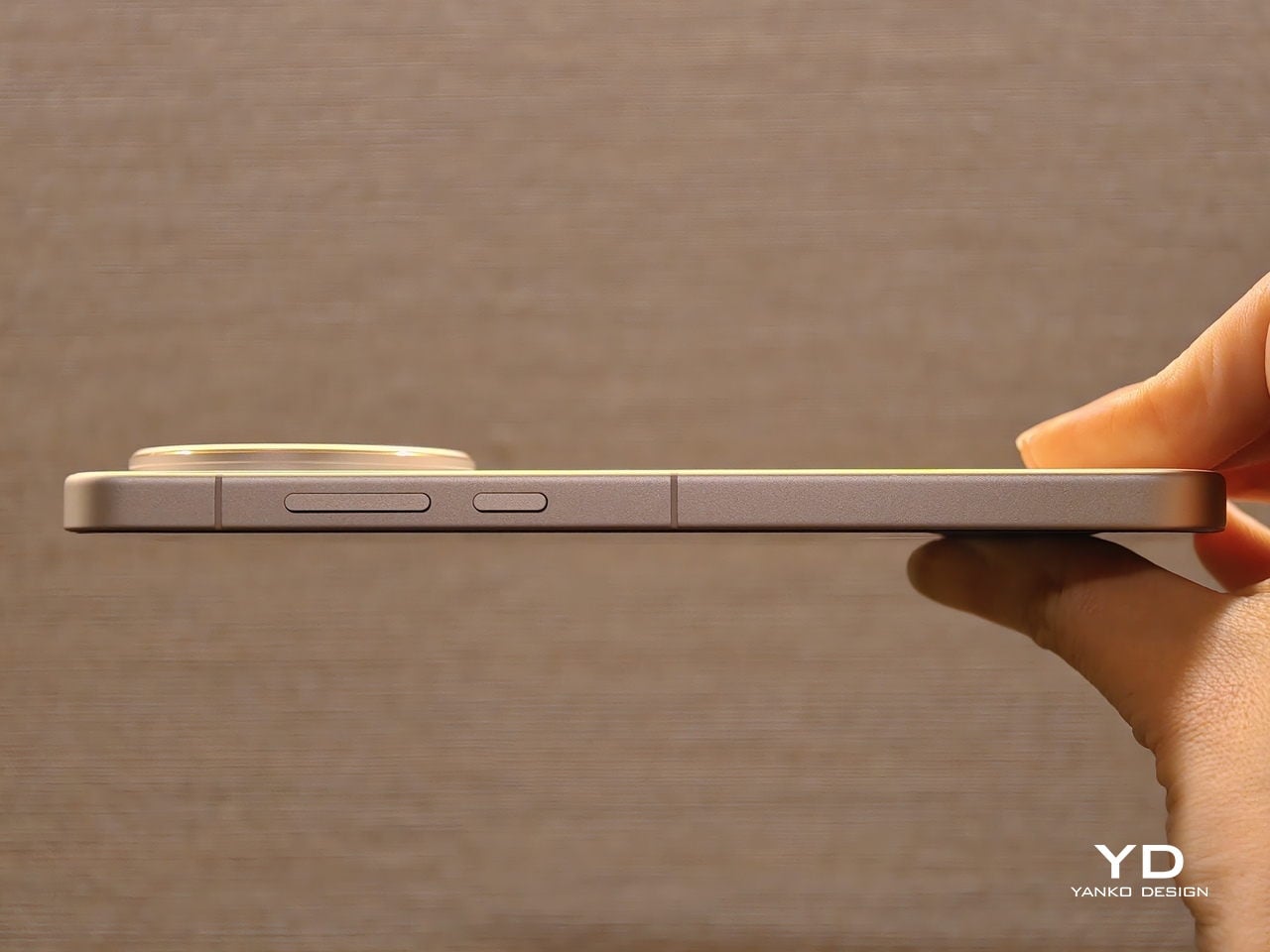
The power and volume keys sit within easy reach on the right side of the frame. Their placement makes it simple to adjust volume or lock the screen without shifting your grip too much, even on this tall device. The fingerprint scanner is located at roughly one-third of the height from the bottom of the display, which makes it easy to unlock the phone and continue straight into navigation with the same thumb movement.

Performance

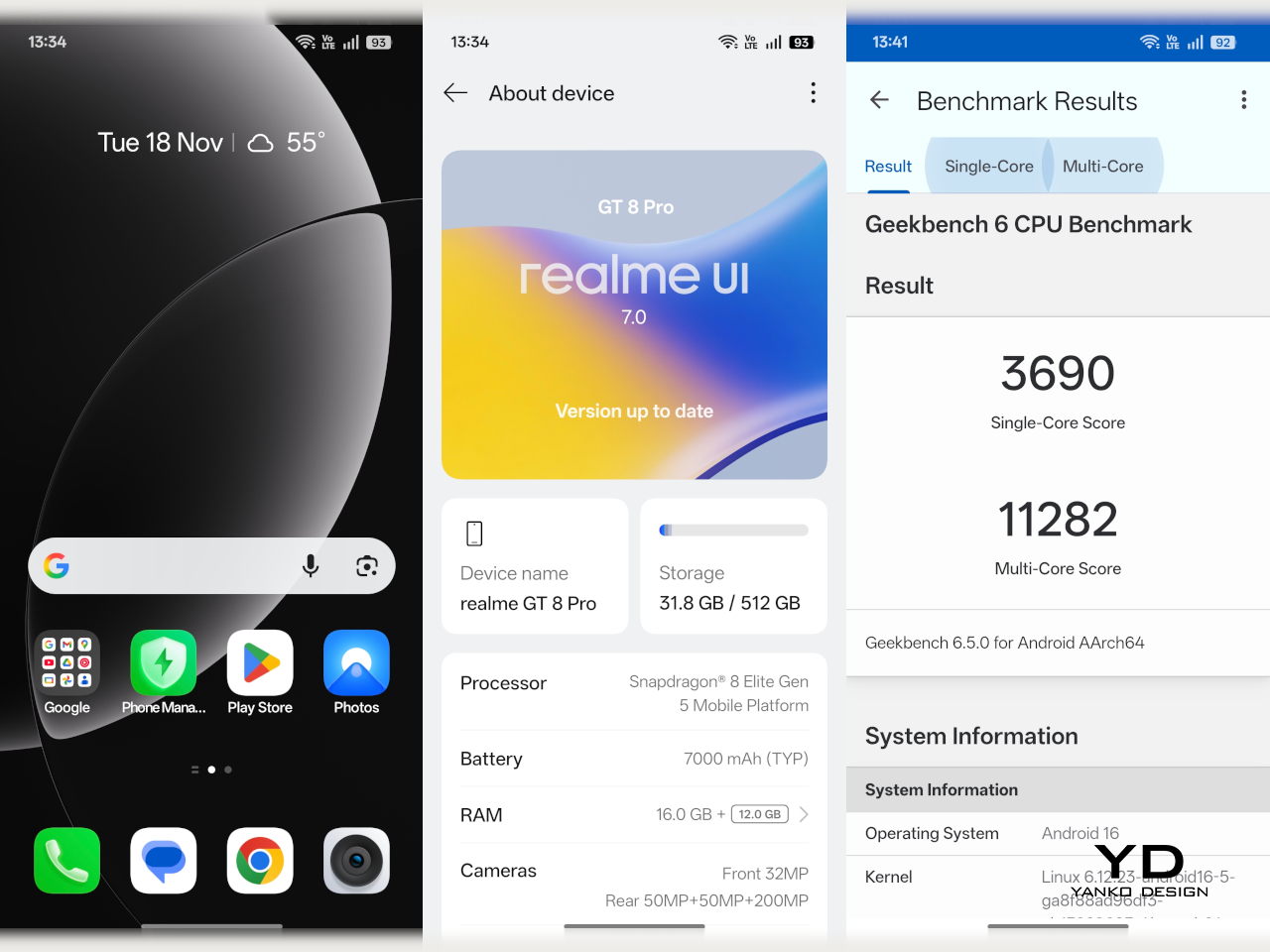
Inside, the GT8 Pro is powered by the latest Snapdragon flagship chipset, the Snapdragon 8 Elite Gen 5, and that choice sets the tone for the entire performance story. This chip is designed for demanding multitasking, heavy gaming, and advanced AI features, and the phone leans into that with confidence. Realme pairs the main chipset with either 12 GB or 16 GB of RAM, along with 256 GB or 512 GB of fast UFS 4.1 storage, depending on the configuration. On the software side, Android 16 with realme UI 7 sits on top, bringing a colorful, feature-rich interface that still keeps most interactions intuitive and approachable.

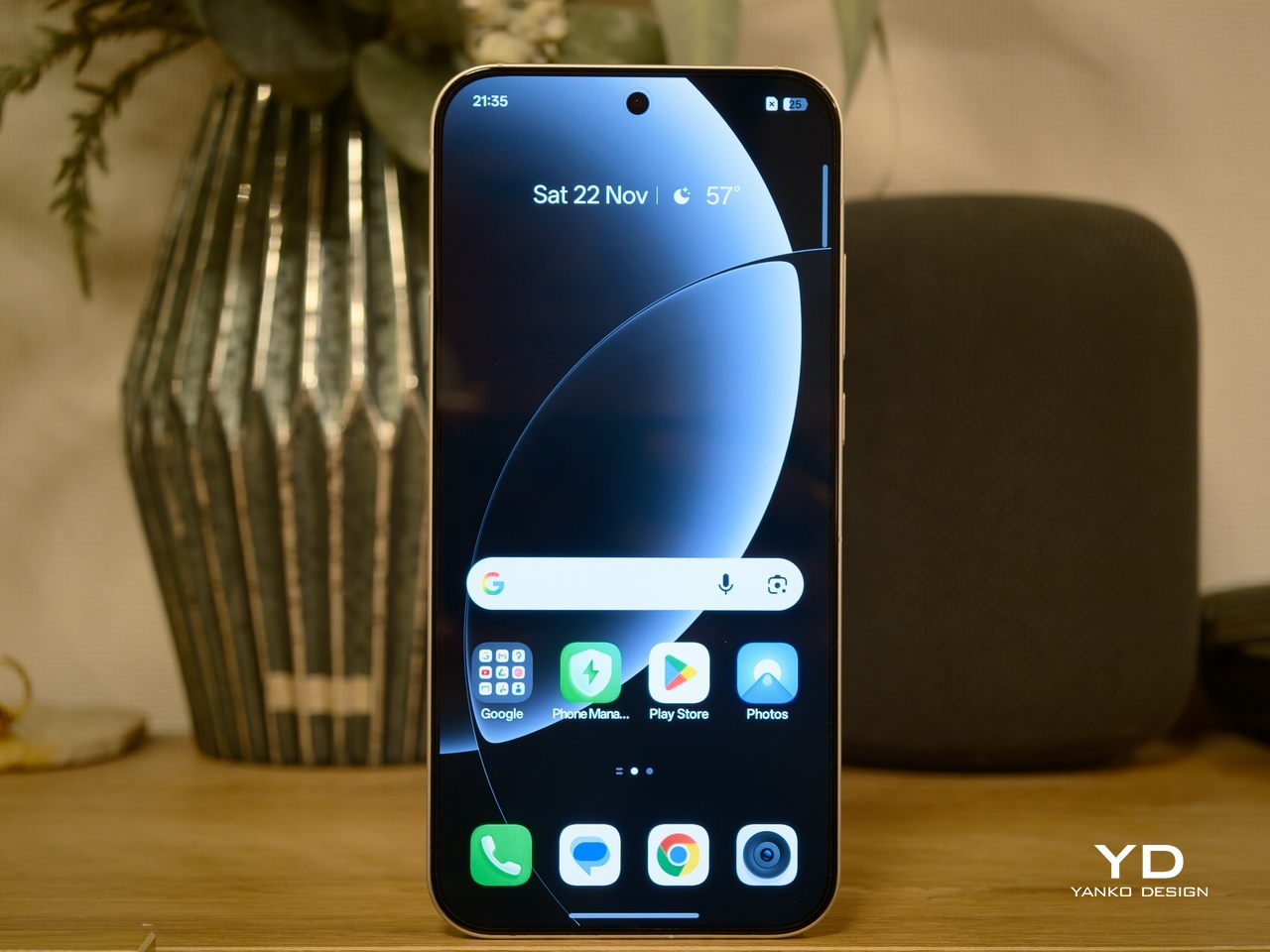
On the front, the GT8 Pro boasts a 6.79-inch LTPO AMOLED panel with a 1440 x 3136 px resolution and a maximum refresh rate of 144 Hz. It supports Dolby Vision, HDR10, and HDR10+, which gives you rich contrast and vivid highlights when watching compatible content. Realme claims a peak brightness of up to 7000 nits and 2000 nits in High Brightness Mode. These numbers are usually achievable only in very specific lab conditions, but in real life, the GT8 Pro display is genuinely very bright and easy to see under strong sunlight. The stereo speakers are loud and clear as well.

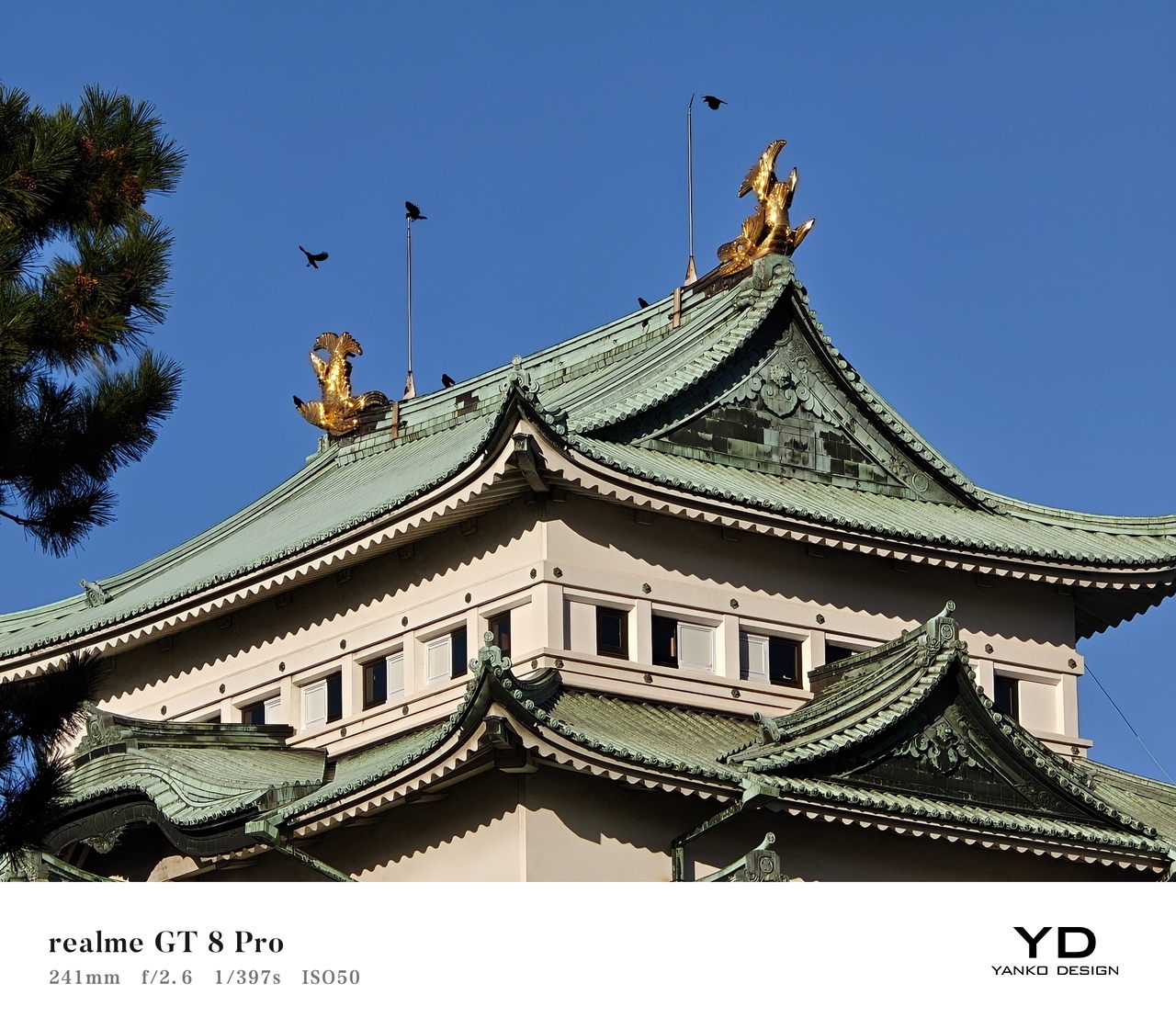
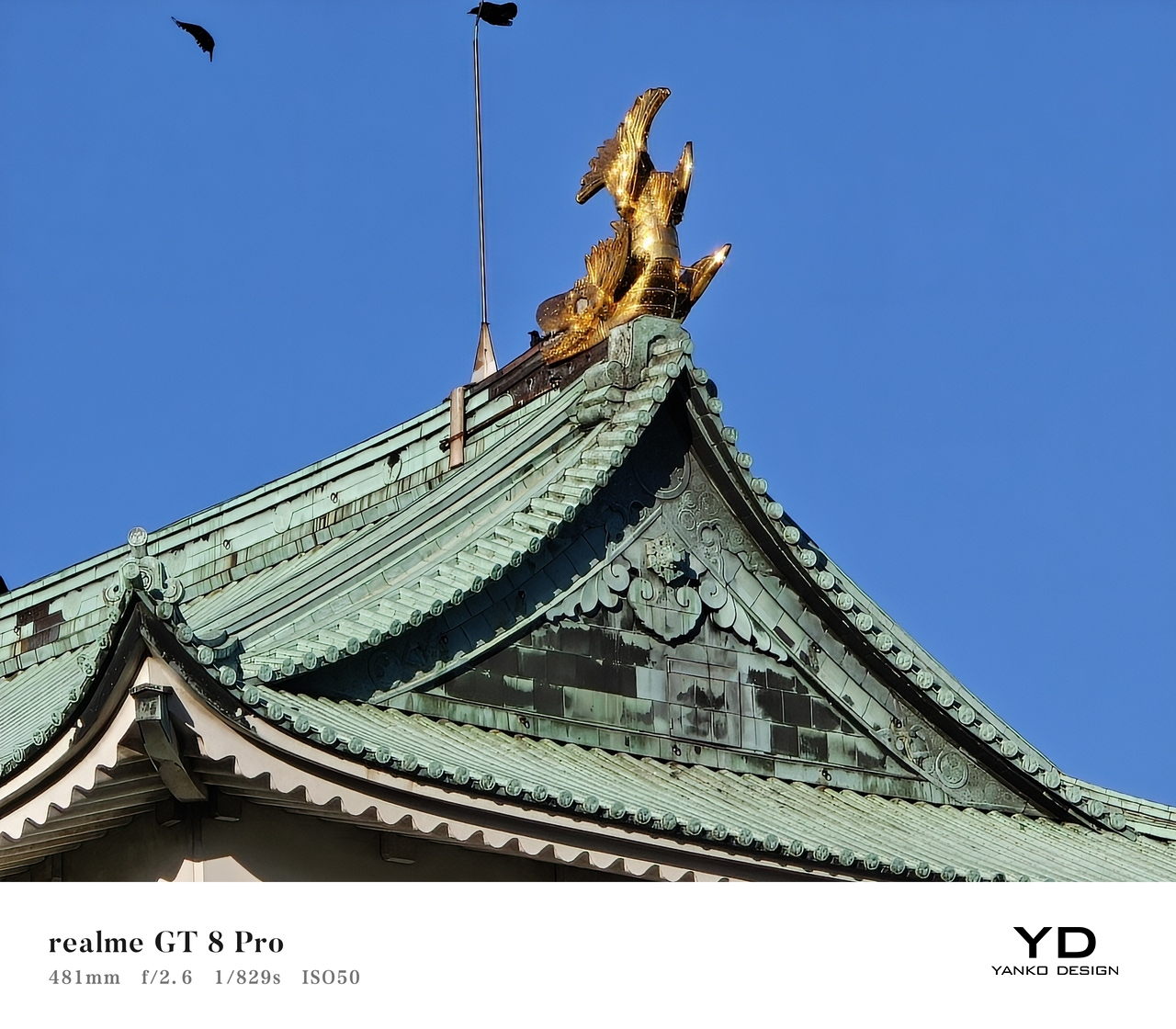
On the back, the Realme GT8 Pro boasts a triple camera system. The main camera is a 50 MP unit with a 1/1.56-inch Sony IMX906 sensor, an F/1.8 aperture, optical image stabilization, and electronic stabilization. The telephoto camera uses a 200 MP 1/1.56-inch Samsung HP5 sensor with an F/2.6 aperture, again with both optical and electronic stabilization. The ultra-wide camera is a 50 MP unit with a 1/2.88-inch sensor and an F/2 aperture.

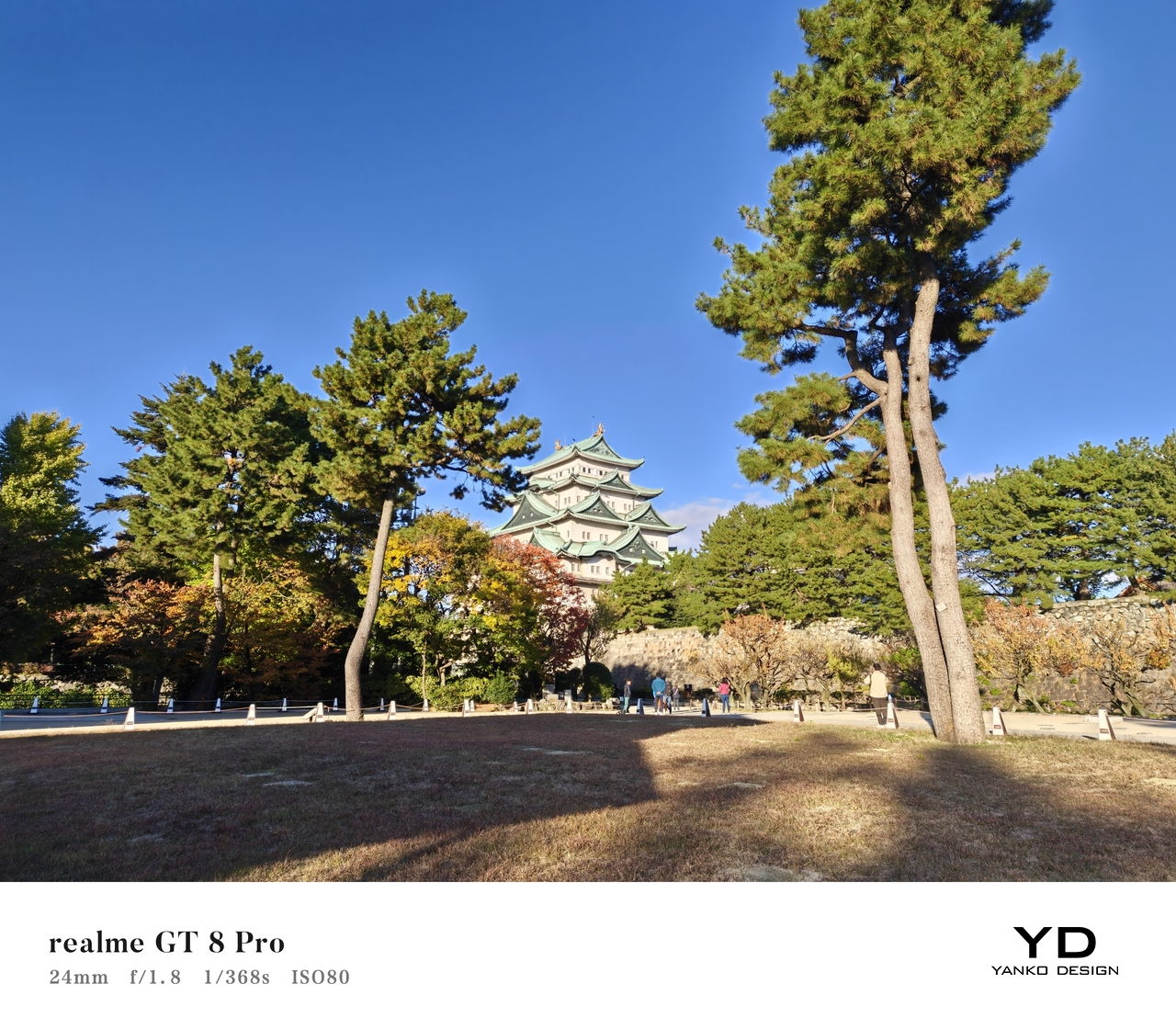
The camera system is where the GT8 Pro tries to carve out a unique identity. Realme has partnered with Ricoh and borrowed the GR branding, a name that carries a lot of weight in the world of street photography. Realme says this partnership has been four years in the making, and that it goes deeper than simply slapping a GR logo on the phone. The goal is to weave Ricoh GR DNA into the GT8 Pro and bring the spirit of GR-style photography into a smartphone.

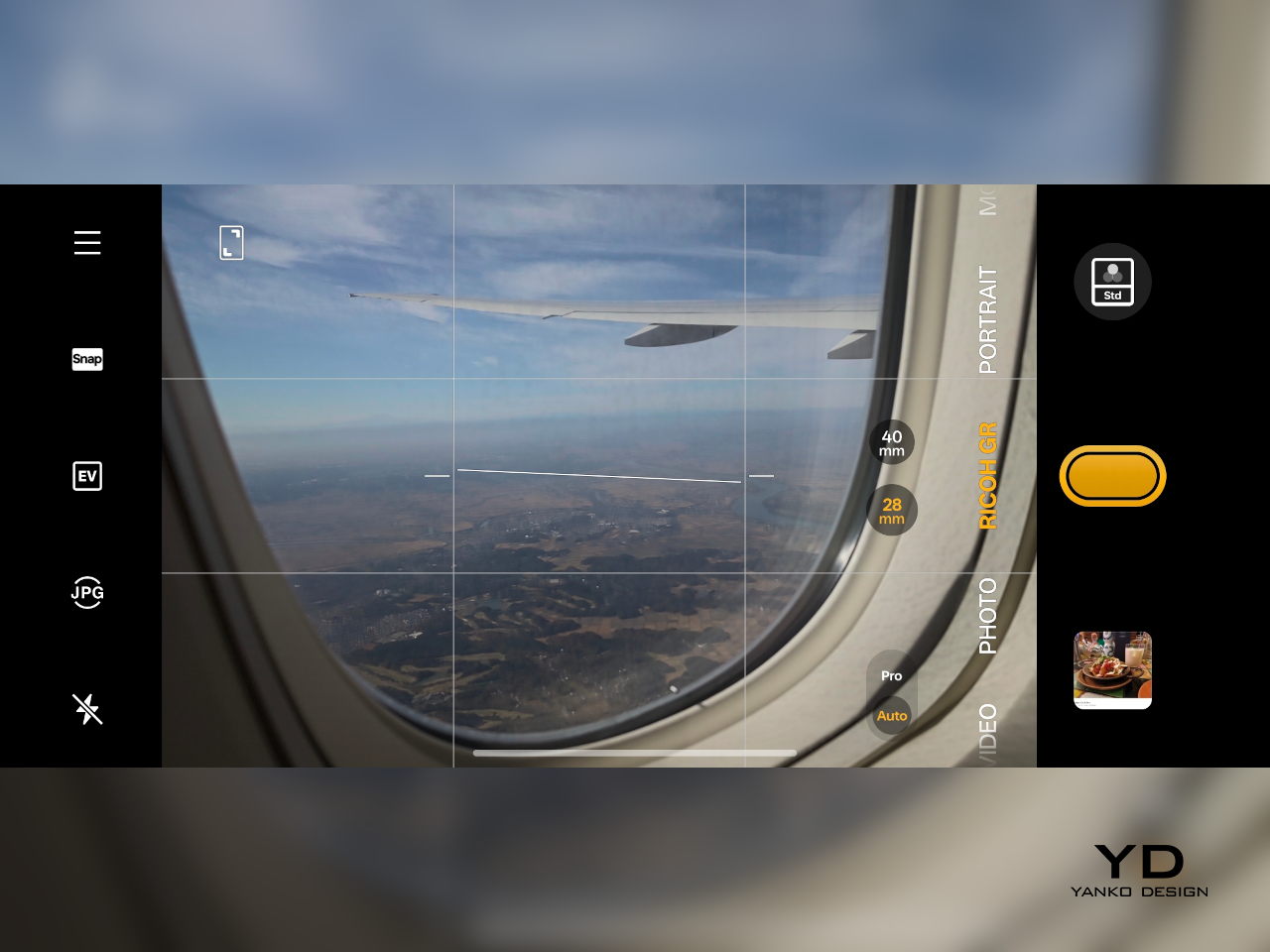
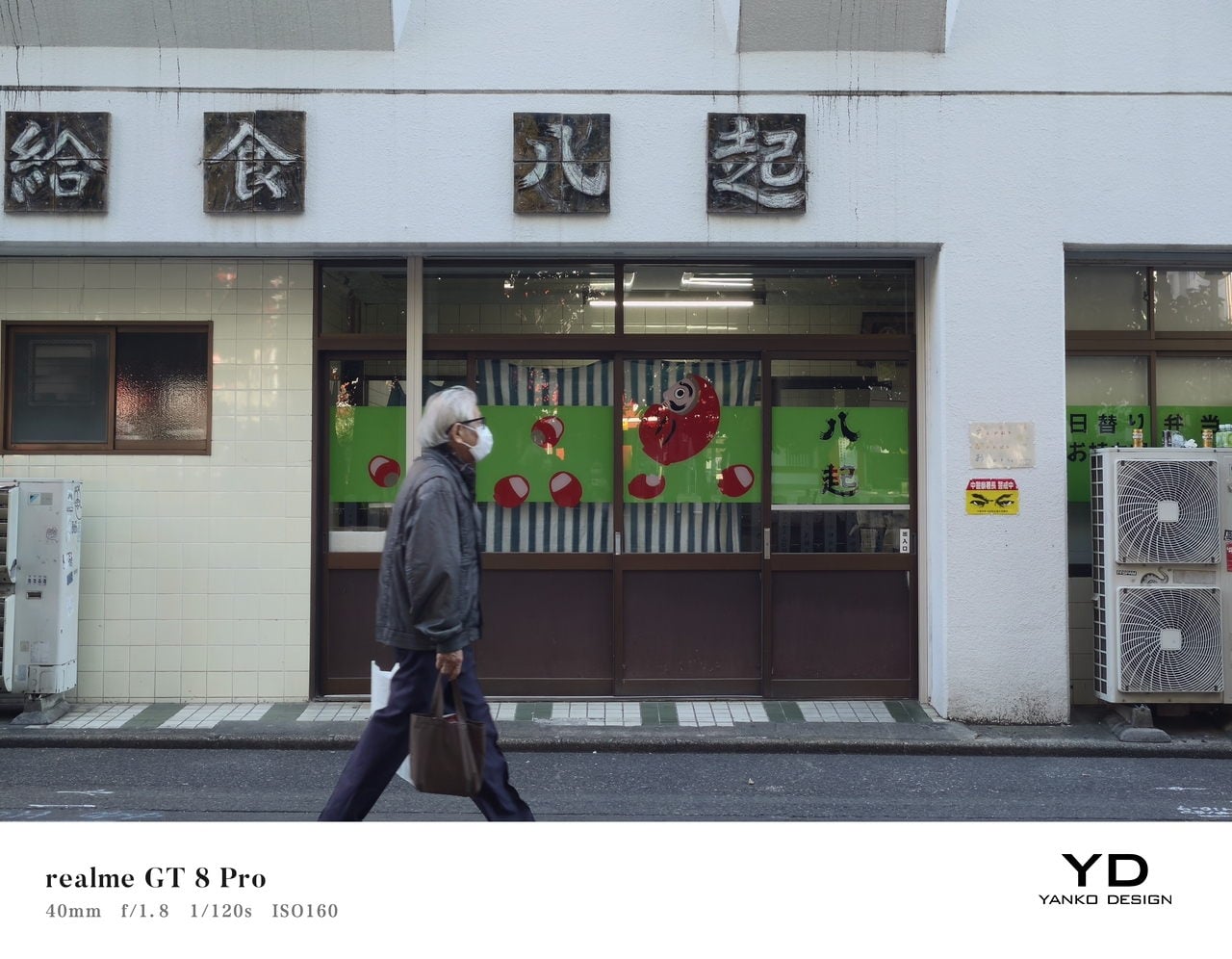
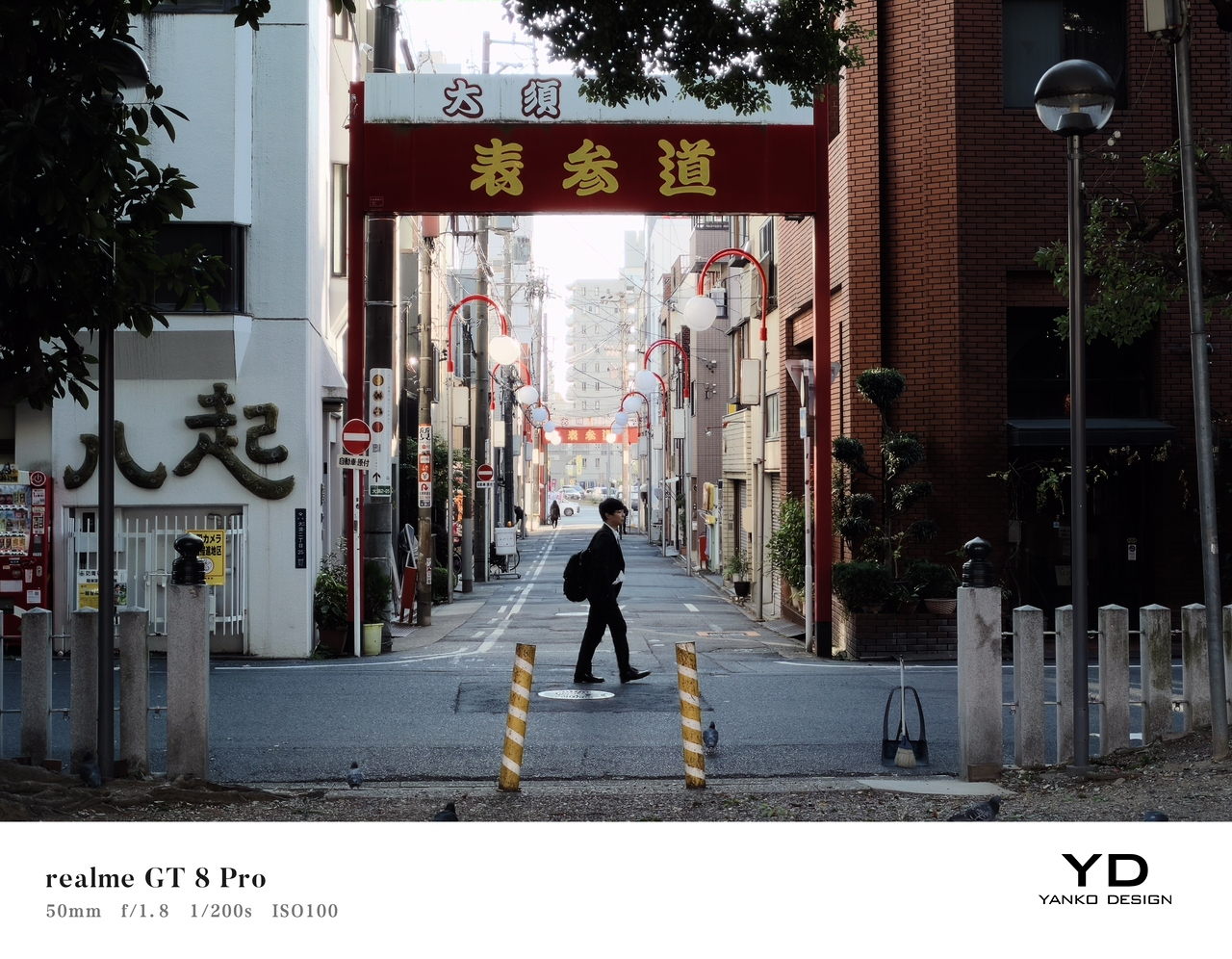
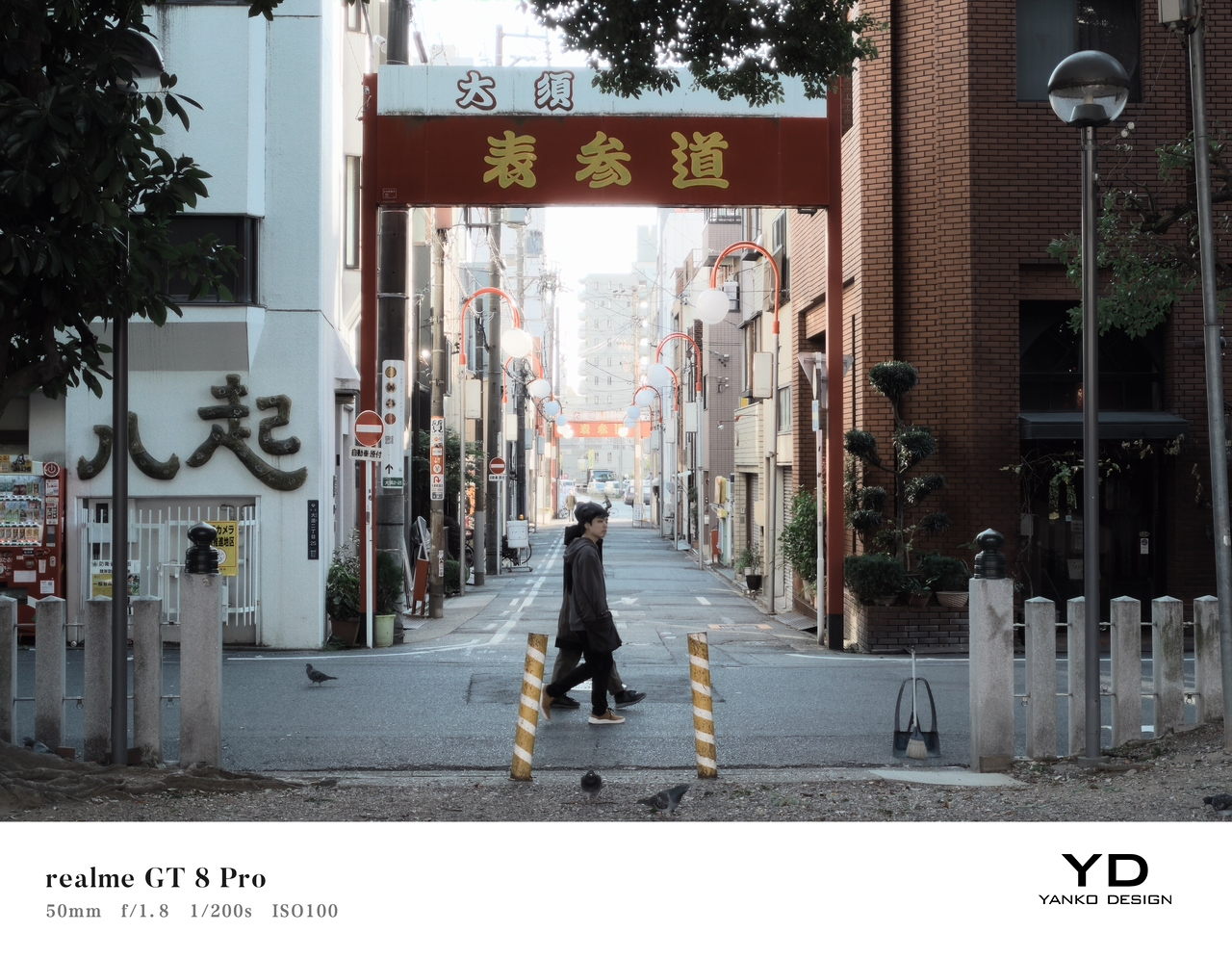
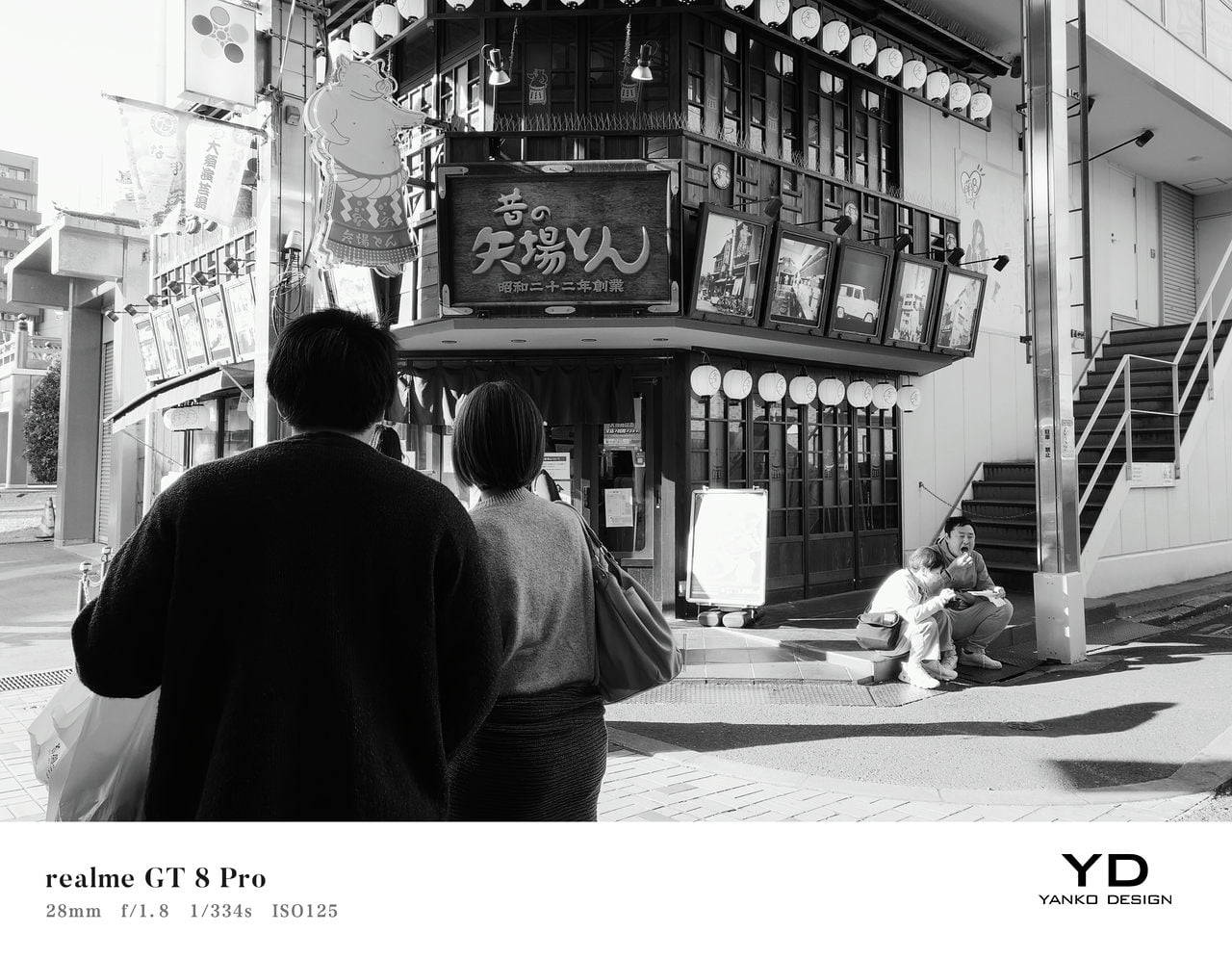
Ricoh GR mode is limited to the main camera and offers fixed focal length presets at 28 mm, 35 mm, 40 mm, and 50 mm equivalents. As someone who enjoys a good telephoto camera, I was initially disappointed that Ricoh GR mode does not extend to the GT8 Pro telephoto lens. However, the more time I spent with the phone, the more this decision started to make sense. As mentioned earlier, Realme and Ricoh are trying to bring the soul of GR photography into the GT8 Pro, and the GR series is best known as an iconic tool for documentary-style, walk-around shooting.

Ricoh GR, Standard

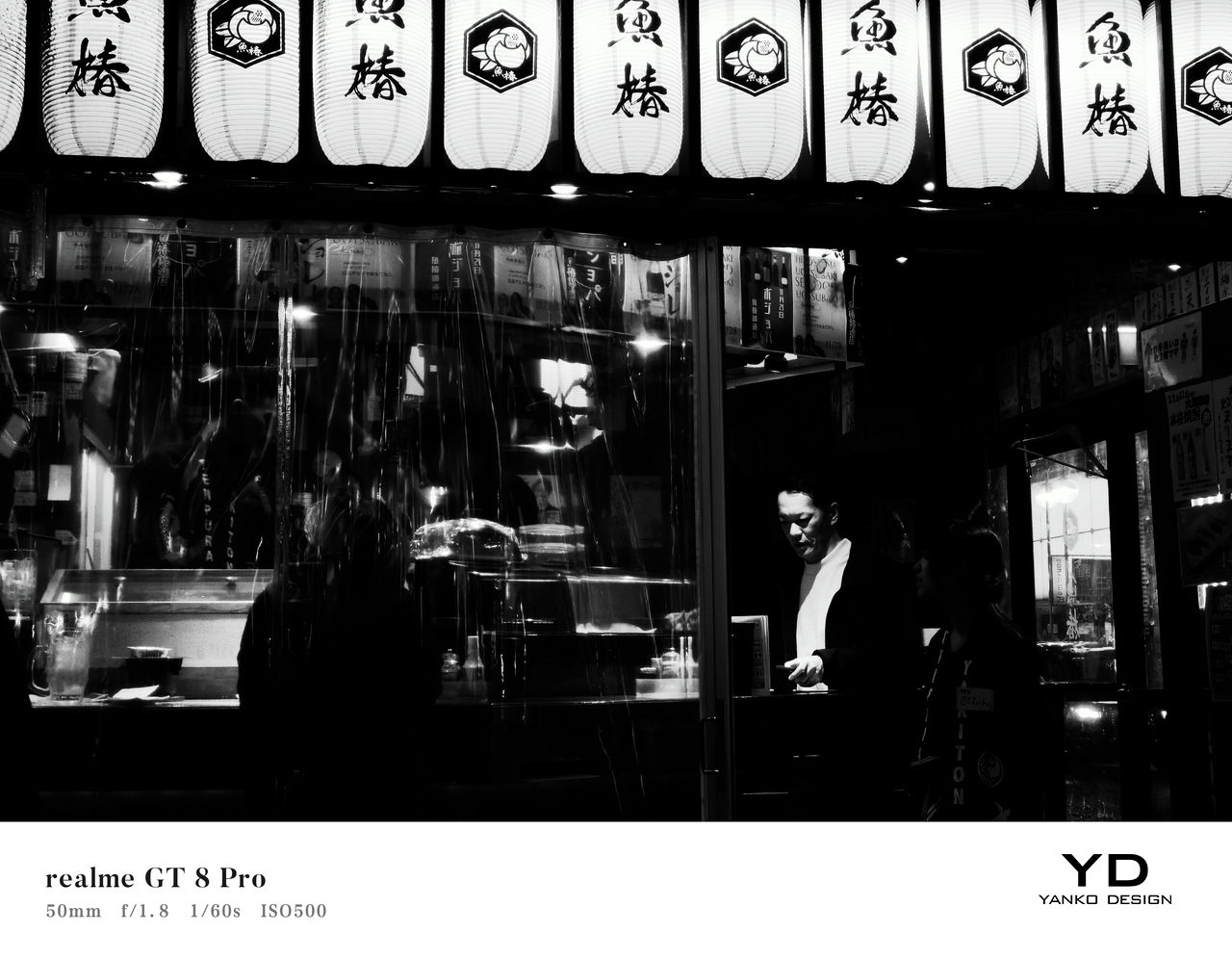
Within GR mode, you get a set of film-inspired looks called Standard, Positive Film, Negative Film, BW, and Hi BW. Each of these can be treated as a starting point rather than a fixed recipe. You can dive in and adjust parameters such as saturation, contrast, sharpness, and grain for each look, then save your tweaks as custom presets, up to six presets in total. It feels very much like building your own GR profiles, which is a big part of the appeal for people who love tuning their cameras and crafting a personal visual style.

Ricoh GR, Positive Film

Ricoh GR, Negative Film

Do I still wish for a Ricoh GR mode on the telephoto camera? Absolutely. At the same time, I am quite happy with the Ricoh GR mode on the main camera. The Ricoh GR mode produces photos with a less processed, more natural look, and the ability to fine-tune and save your own presets makes it feel personal rather than generic. There is also a full Pro mode on Ricoh GR mode available if you want manual control, which rounds out the experience and lets you treat the GT8 Pro more like a serious camera than a simple point-and-shoot.

Ricoh GR, B&W

Ricoh GR, High-contrast B&W

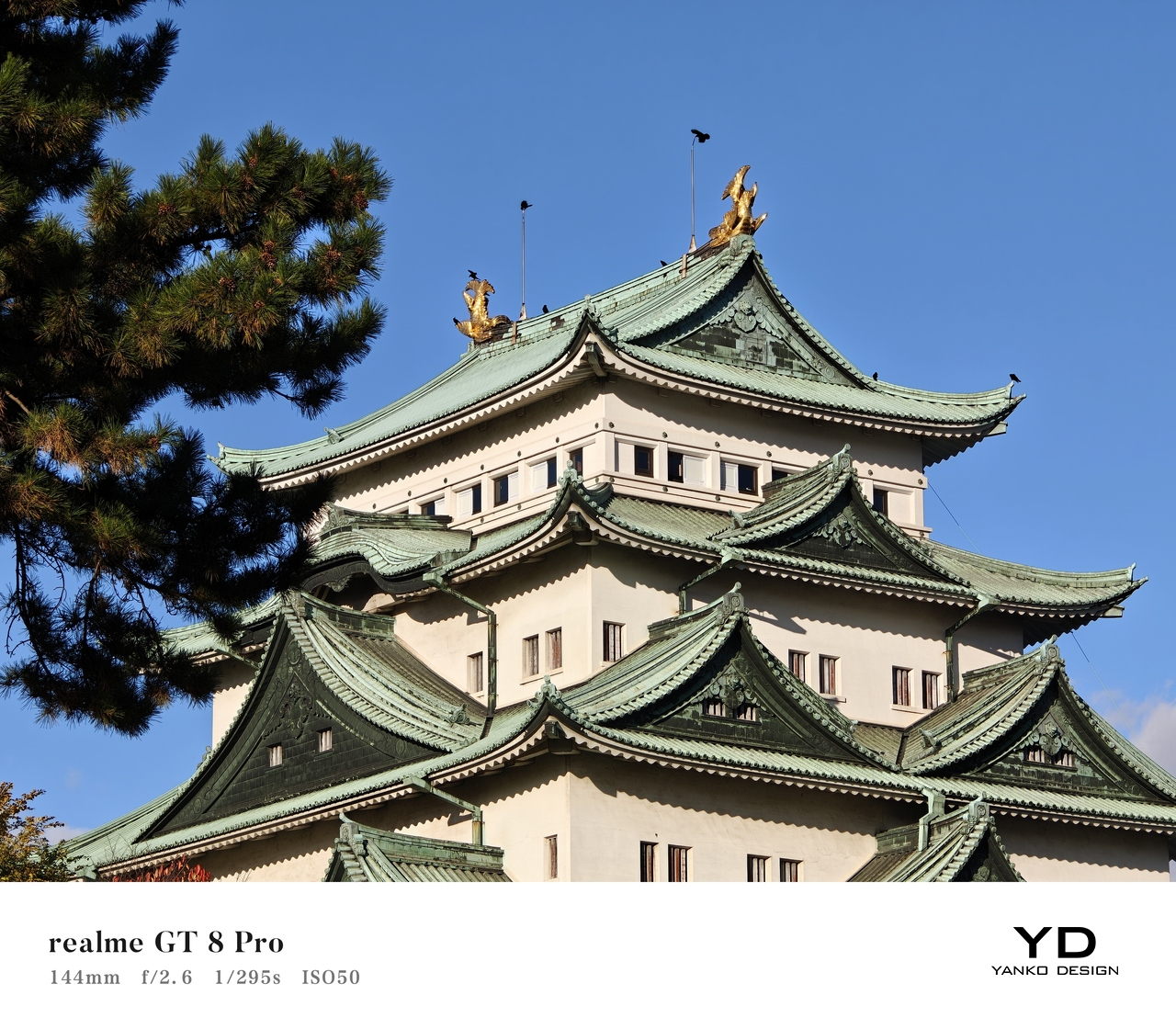
Of course, if you just want a quick snap that is ready for social media, the regular photo mode delivers sharp, vibrant images (that could be a bit too much)  with excellent dynamic range. The 200 MP 3X telephoto is excellent too, capturing plenty of detail and holding up well even when you crop in or zoom further digitally. Both the ultra-wide camera and the 32 MP front camera lack autofocus, which is a limitation, but they still produce clean, punchy images.

Video recording is equally ambitious. The main camera and the telephoto camera can both shoot 4K video at up to 120 FPS and 8K video at 30 FPS. The ultra-wide and front cameras can record up to 4K at 60 FPS. The footage looks very good, with solid dynamic range and vibrant color that holds up across different lighting conditions. You can even record Log at 4K 120 FPS, which gives you more flexibility for grading.

Battery life and charging are among the most dramatic strengths of this phone. The GT8 Pro carries a 7000 mAh battery, which translates into serious endurance in real-world use. The 120-watt wired charging, using the proprietary SuperVOOC charger that is included in the box, can refill that huge battery from empty to full in around 45 minutes, which feels almost absurd for this capacity. For the first time on a Realme global phone, you also get wireless charging at up to 50 watts. This combination of a massive battery and very fast wired and wireless charging means battery anxiety becomes a rare feeling rather than a daily concern.

Sustainability

The GT8 Pro quietly builds a solid sustainability story around its bold design. The front is protected by Corning Gorilla Glass 7i, and the body carries IP68 and IP69 ratings, which together help the phone survive drops, scratches, dust, immersion, and even high-pressure water jets. A device that can handle more abuse is a device you are less likely to replace early, which is an underrated part of sustainability.

Realme also pays attention to materials. The Urban Blue variant uses a vegan leather style back crafted from a recycled material and natural dye, which gives it both a softer environmental footprint and a more crafted feel in the hand. On the software side, Realme promises four years of Android OS updates and five years of security updates. I do wish Realme offered even longer support at this price range, especially as some rivals are pushing update timelines further. Still, it gives you a reasonable sense of confidence that the GT8 Pro will stay usable and secure for several years.

Value

Realme GT8 Pro is positioned as a proper flagship, and the pricing reflects that ambition. In China, the 12 GB and 256 GB configuration costs 3999 Chinese Yuan, which is roughly $550. In India, the same configuration is priced at 79,999 Indian Rupees, which comes much closer to around $960 at current conversion rates.

That Indian price pushes the GT8 Pro straight into ultra-premium territory. At that level, you are cross-shopping it against flagships from Apple, Google, Samsung, and established Chinese rivals. The hardware feels special, especially with the Ricoh partnership and the modular design, and it ticks most of the boxes for a modern premium flagship. Whether it feels like good value, though, depends a lot on your market and on how much you personally care about the GR experience and the design story.

Verdict

Realme GT8 Pro feels like a flagship that actually wants to be noticed, with its modular camera island and even an Aston Martin Formula 1 edition, yet it backs that flair up with serious hardware. Between the Snapdragon 8 Elite Gen 5, the 2K 144 Hz LTPO display, the Ricoh GR-tuned main camera, and that massive 7000 mAh battery, this is not a phone that cuts corners quietly. It is a device that tries to turn every surface and every spec into a talking point.

That ambition does come with trade-offs. The size and weight will not suit everyone; the GR experience is focused on the main camera rather than the full system, and the pricing in some markets pushes it into direct competition with very established premium players. Still, it feels like a very compelling, characterful choice. In the end, this is a phone you pick with your heart as much as your head, because you really have to want that design story and the GR experience.

The post Realme GT8 Pro Review: A Flagship You Choose With Your Heart first appeared on Yanko Design.
Realme GT 7 Pro Review: Flagship Performance Meets Affordability

PROS:


  • Powerful Snapdragon 8 Elite chipsets

  • Massive 6500mAh battery and fast 120W wired charging

  • Bright and vibrant display

  • Attractive pricing

CONS:


  • USB 2.0, not USB 3.0

  • No wireless charging

RATINGS:

AESTHETICS
ERGONOMICS
PERFORMANCE
SUSTAINABILITY / REPAIRABILITY
VALUE FOR MONEY

EDITOR'S QUOTE:

The Realme GT 7 Pro stands out as a strong contender in the smartphone market, particularly for those seeking a performance-driven device at an attractive price point.

Realme’s GT series has long been celebrated for delivering a performance-focused flagship. Just three months ago, in July, Realme re-entered the global stage with the launch of the global GT 6, marking its return to the global GT series after a two-year hiatus. Now, Realme is back with the GT 7 Pro, setting new benchmarks in the smartphone industry.

The Realme GT 7 Pro is the first flagship phone equipped with Qualcomm’s latest Snapdragon 8 Elite chipset in more than ten markets, including India, Malaysia, Thailand, and Spain. But that is not the only thing going for GT 7 Pro. Beyond its powerful processor, the phone boasts a massive 6,500mAh battery with 120W fast charging, a super-bright display, and a unique underwater photography mode. The Realme GT 7 Pro is undoubtedly a device to be reckoned with. Just how impressive is it? We put it to the test.

Designer: Realme

Aesthetics

The Realme GT 7 Pro is available in two color variants: Mars Orange and Galaxy Grey. The Mars Orange variant, which we received for this review, is uniquely eye-catching. Its matte back panel features a subtle, sand-like pattern that adds depth and texture to the vibrant orange hue, creating a sophisticated and refined appearance.

The bronze-colored side frame with a matte finish complements this bold choice, setting it apart from the trend of subtle, pastel colors. This color option is perfect for those who want their device to make a statement. For those who prefer more subdued tones, the Galaxy Grey option offers classic, minimalist aesthetics.

The design of the GT 7 Pro goes beyond color, emphasizing thoughtful construction and attention to detail. In the top-left corner, a square camera island houses a triple camera setup alongside an LED flash. This island is elegantly positioned on a raised square base, finished in matte orange with shiny edges, providing a striking contrast and sophisticated touch. The “HYPERIMAGE+” branding is subtly placed on the slanted right side of the base.

The cameras are seamlessly integrated into a flat cover, which not only enhances the aesthetic appeal but also makes it easy to clean and maintain, ensuring the back panel remains sleek and uncluttered. Realme also has paid attention to the smallest details, moving the CE marking to the side frame, resulting in a clean and uninterrupted back panel design.

Ergonomics

The Realme GT 7 Pro measures 162.45 x 76.89 x 55mm and weighs 222.8g. While it isn’t the slimmest or lightest device, considering its 6,500mAh battery and large Vapor Chamber, it’s impressive. The slightly curved edges of the back panel and the flat side frame ensure the phone doesn’t dig into your palm. Although the transition from the back panel to the frame is noticeable, it doesn’t significantly impact comfort.

The fingerprint sensor is conveniently located about 1.6 inches or 4cm above the bottom edge of the screen, making it easy to unlock the phone and navigate. However, due to the camera island’s position on the upper left, the phone wobbles slightly when placed on a flat surface. The textured back panel, sleek aluminum frame, and quad-curved display give the phone a premium feel in hand.

Performance

The Realme GT 7 Pro is a powerhouse, driven by the cutting-edge Snapdragon 8 Elite processor, featuring Qualcomm’s 2+6 Oryon CPU and Hexagon NPU. This is complemented by LPDDR5X RAM and UFS 4.0 storage, and runs Android 15 out of the box, with realme UI 6.0 on top of it.

As a performance-centric phone, the GT 7 Pro delivers on its promise of an exceptional gaming experience. During intensive gaming sessions, the device only gets slightly warm, never hot, thanks to the Snapdragon 8 Elite’s efficiency and the impressive 11,480mm² Iceberg Vapor Chamber—the largest in its segment according to Realme. Activating GT mode eliminates frame drops and lag, providing a smooth and immersive gaming experience, exemplified by hours of seamless gameplay in titles like Genshin Impact.

The GT 7 Pro’s display is another standout feature. The 6.78-inch Eco² OLED panel, co-developed with Samsung, boasts a 2780×1264 resolution and can reach a peak brightness of 6500 nits (2000 nits in High Brightness Mode and 1000 nits of typical brightness). With a 120Hz refresh rate, 120% DCI-P3 color gamut coverage, and HDR10+ support, the display is not only bright and vibrant but also energy-efficient, thanks to 8T LTPO technology. This ensures a visually stunning experience, whether gaming or streaming videos. The stereo speaker delivers ample volume, but the sound quality is underwhelming.

The GT 7 Pro’s 6,500mAh silicon anode battery is impressive, easily lasting a full day of heavy use, including gaming, photography, and video streaming. The 120W fast wired charging is a standout feature, charging from 0 to 50% in just 13 minutes and fully charging in 37 minutes, according to realme.

While it lacks wireless charging, this is a reasonable trade-off given the phone’s large battery, fast charging, and competitive price. Realme includes a 120W charger in the box, allowing users to fully benefit from fast charging without extra cost. This makes the lack of wireless charging less of an issue for most. However, the phone’s USB 2.0 connectivity may disappoint some users as a cost-saving measure.

Main, 1x, 24mm

Telephoto, 3x, 73mm

Telephoto, 6x, 144mm

The rear camera setup includes a 50MP main camera with a Sony IMX 906 sensor, a 50MP telephoto lens, and a 12MP ultrawide camera. The main camera captures vibrant images with balanced exposure and dynamic range in daytime and nighttime. The telephoto lens, featuring a Sony IMX 882 sensor, supports 3x optical zoom and up to 120x digital zoom, also offering a macro mode. The telephoto takes pretty good 3x photos with nice details. The ultrawide camera’s performance is less impressive but maintains color consistency with the other lenses.

Main, 1x, 24mm

Ultrawide, 0.6x, 16mm

As for the video, the main and telephoto cameras support up to 4K at 60fps, while the main camera can also record in 8K at 24fps. The video footage from the main and telephoto are generally well-exposed with great stabilization. The front-facing camera is limited to 1080p at 60fps.

Telephoto (Macro), 3x, 73mm

Main, 2x, 49mm

One of the unique features of the GT 7 Pro is its underwater photography mode, enabled by its IP69 and IP68 ratings. While it’s not intended for deep diving, this mode is ideal for activities like swimming and snorkeling, with Realme recommending depths of 0-2 meters for up to 30 minutes.

This feature opens the door to creative underwater shots. I tested it by submerging the phone in a murky pond filled with koi fish. Even though I had to shoot with an awkward arm position and couldn’t clearly see the screen, I was still able to capture sharp, clear images of the fish.

A notable limitation, however, is that once you start recording video, you’re unable to adjust the zoom or switch between the rear and front cameras. Additionally, dual-view video is not supported in underwater mode. It would be great to have these features available while recording.

Another small inconvenience is the alert sound that plays when you exit underwater mode by holding the power button. It can be a bit jarring. Despite these minor issues, the phone performed exceptionally well, delivering impressive results overall.

Powered by its advanced chipset, the Realme GT 7 Pro offers a comprehensive suite of AI features, including AI Sketch to Image, AI Motion Deblur, AI Gaming Super Resolution, and AI Gaming Super Frame. The AI Sketch to Image feature is undoubtedly fun to experiment with. However, its practical applications may vary from user to user, and it remains uncertain how often it will be integrated into daily routines.

The AI Sketch to Image feature allows users to express their creativity in multiple ways. By opening AI Doodle from the side button, you can draw directly on your device or take a photo of your hand-drawn sketch for the AI to transform into a digital masterpiece. Additionally, you can add creative elements to existing photos in your album.

A more practical AI tool for enhancing your photos on GT 7 Pro is AI Motion Deblur. Previously, Realme’s AI Ultra Clarity, introduced with the GT6, focused on sharpening images affected by out-of-focus blur but was limited in addressing motion blur. The GT 7 Pro takes a significant step forward by enabling users to effectively unblur images impacted by motion blur.

This feature targets blur caused by subjects moving in a single-direction motion or from camera shake, addressing one of the most common photography challenges. In my experience with several test photos, the results were mixed. However, when the feature performed well, it successfully salvaged blurry photos without making them look artificially processed or over-edited.

Sustainability

While the Realme GT 7 Pro excels in several areas of durability and longevity, there is no specific information available regarding the use of sustainable materials in its construction. However, the device is built to withstand various environmental challenges, thanks to its IP69 and IP68 certifications. These ratings ensure robust protection against dust and water, allowing users to feel secure against the elements in diverse conditions.

In terms of battery longevity, Realme claims that the GT 7 Pro will maintain more than 80% of its battery health even after four years of use. This focus on battery endurance means users can expect consistent performance over time, reducing the need for frequent replacements and contributing to a more sustainable use of resources.

The GT 7 Pro is supported by a promise of three major OS upgrades and four years of security patches. This level of software support is typical for Android flagship phones from Chinese manufacturers. Overall, while the Realme GT 7 Pro incorporates some elements of sustainability, it remains a step behind leaders in sustainability.

Value

The Realme GT 7 Pro offers a compelling blend of top-notch performance and features at competitive prices. In China, the base model starts at 3,699 CNY (approximately $510 USD) for 12GB RAM and 256GB storage. The top-tier model with 16GB RAM and 1TB storage is priced at 4,799 CNY (around $660 USD).

This is an incredible price for a phone powered by the latest Snapdragon 8 Elite chipset, boasting a great display, a massive 6500mAh battery, and a stylish design. If you’re seeking a performance-focused smartphone, the Realme GT 7 Pro offers exceptional value for money.

Verdict

The Realme GT 7 Pro stands out as a strong contender in the smartphone market, particularly for those seeking a performance-driven device at an attractive price point. With its powerful Snapdragon 8 Elite chipset, massive 6,500mAh battery with 120W fast charging, and a bright, vibrant display, the GT 7 Pro delivers impressive performance across the board. The attractive pricing further enhances its appeal, making it a compelling choice for tech enthusiasts and gamers alike.

Overall, the Realme GT 7 Pro offers a well-rounded package with exceptional performance, impressive battery life, and beautiful aesthetics. Its value for money is undeniable, especially for those prioritizing cutting-edge performance and massive battery over other features. While it may not lead the pack in mobile imaging, it remains a highly competitive option in its price range, delivering a flagship experience without breaking the bank.

The post Realme GT 7 Pro Review: Flagship Performance Meets Affordability first appeared on Yanko Design.
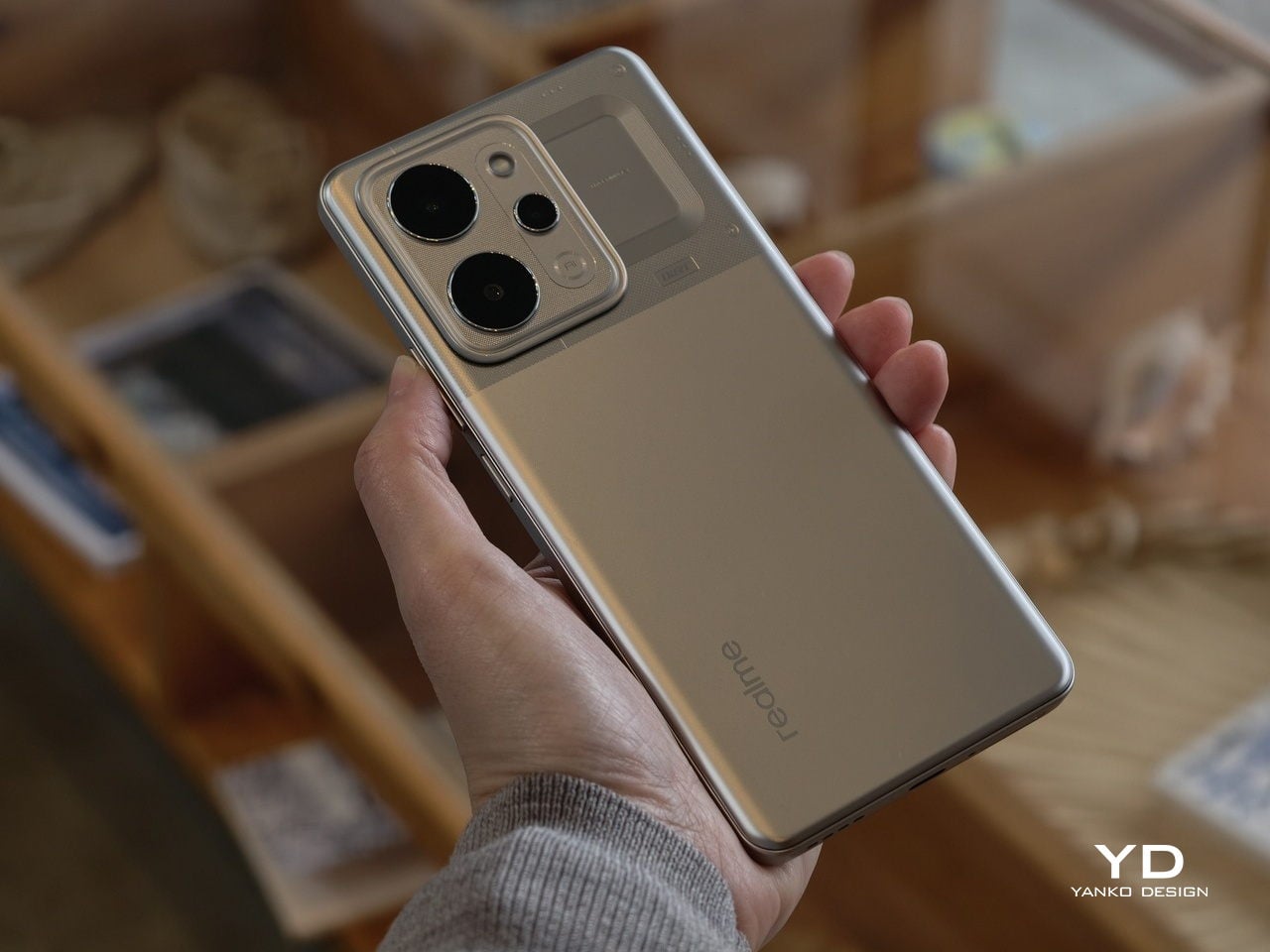
Realme 13 Pro+ Review: AI-Powered Photography Masterpiece or Miss?

PROS:


  • Strong main and telephoto performance

  • Plenty of AI features

  • Big battery

  • Elegant design

CONS:


  • Same processor its predecessor

  • No wireless charging

RATINGS:

AESTHETICS
ERGONOMICS
PERFORMANCE
SUSTAINABILITY / REPAIRABILITY
VALUE FOR MONEY

EDITOR'S QUOTE:

Realme's approach with the Realme 13 Pro+ underscores its commitment to staying at the forefront of innovation in the mobile industry.

In 2024, AI has become an indispensable component of modern smartphones. From revolutionizing photography and enhancing device efficiency to providing intelligent personal assistance, AI-powered features are no longer luxuries but necessities. Realme has positioned the Realme 13 Pro+ as an ‘Ultra Clear Camera with AI,’ featuring a dual 50MP Sony AI camera system and the company’s proprietary HYPERIMAGE+ AI photography architecture. This combination aims to deliver advanced image processing capabilities and exceptional photo quality.

Realme recently hosted a press event in Bangkok to showcase the capabilities of the HYPERIMAGE+ system. Attendees had the opportunity to experience the camera’s features firsthand, exploring its potential in various scenarios. Now, we have thoroughly tested the Realme 13 Pro+ to provide you with an in-depth review of its performance and capabilities.

Designer: Realme

Aesthetics

Building upon the design language of the Realme 12 series, the Realme 13 Pro+ smartphone embodies an aesthetic journey inspired by Claude Monet’s renowned painting, Grainstack (Sunset). Gone is the shiny gold vertical line that flowed across the center, replaced by a refined circular camera module with a luxury watch-inspired ring on the back panel.

The Realme 13 Pro+ comes in two colorways: Monet Gold and Emerald Green. The review unit we received is the Monet Gold, featuring a frosted glass material that showcases Monet’s brush-inspired pattern on the back panel. The Emerald Green variant, on the other hand, features vegan leather. Whether opting for the shimmering effects of Monet Gold or the luxurious feel of Emerald Green, the Realme 13 Pro+ offers a choice that reflects individual style while honoring Monet’s influence on contemporary design.

The circular camera module with the gold ring around the edge houses a triple-camera setup and an LED flash. Realme has improved upon the 12 series design by eliminating the fake camera placements and replacing them with the LED flash, resulting in a neater and more practical camera module. The module now features “HYPERIMAGE+” inscribed near the bottom against the gold background, while the Realme branding is subtly placed toward the bottom of the device. Overall, the phone presents a clean and sleek aesthetic, with the camera module serving as the focal point.

Ergonomics

The Monet Gold variant measures 161.34mm x 73.91mm x 8.23mm and weighs 190g, while the Emerald Green variant is slightly thicker at 8.41mm but weighs marginally less at 185.5g. It balances well in hand, and the curved and rounded edges ensure a comfortable grip. The Monet Gold features a frosted glass finish that provides a velvety texture, ensuring a secure and comfortable grip without feeling slippery. The Emerald Green variant, with its vegan leather back panel, should offer a similarly high level of grip, if not more tactile and reassuring.

Performance

As a camera-focused device, the Realme 13 Pro+ boasts two world-first Sony sensors, showcasing Realme’s strengthened partnership with Sony. The first is a 50MP main sensor with the Sony LYT-701, featuring a 1/1.56” sensor, f/1.88 aperture, and optical image stabilization (OIS). The second is a 50MP telephoto sensor with the Sony LYT-600, featuring a 1/1.96” sensor and f/2.65 aperture. Completing the triple-camera setup is an 8MP ultrawide lens with an f/2.2 aperture. On the front, the 32MP selfie camera with an f/2.45 aperture is centered at the top of the display.

The Realme 13 Pro+ is equipped with Realme’s Hyperimage+ camera system, which enhances photos using both on-device AI algorithms and cloud-based AI image editing. The Realme AI HyperRAW Algorithm boosts image clarity and dynamic range, while features like the AI Portrait Algorithm improve subject isolation, bokeh effects, and skin tone. Additionally, the Group Photo Enhance feature sharpens each person’s face, regardless of their position in the group photo.

In optimal lighting, the main camera captures sharp, vibrant photos with rich detail. In low-light conditions, it maintains good performance and handles exposure well. The 3x zoom photos taken with the telephoto camera are excellent in most scenarios, offering strong dynamic range and detail in both daylight and nighttime. The telephoto lens supports up to 120x zoom, though image quality begins to deteriorate beyond 6x zoom, especially in low-light conditions. The ultrawide camera delivers satisfactory results but isn’t particularly remarkable, and the same applies to the front-facing camera.

ultrawide

1x

2x

3x

10x

20x

120x

The AI Ultra Clarity feature, even though it’s still in beta, performs well by naturally unblurring blurred images and salvaging otherwise unusable photos. However, it cannot handle motion blur. The phone also boasts the AI Smart Removal feature, which was first introduced in the GT6 series.

Oplus_131072

For video recording, the device can capture up to 4K footage at 30 fps or 1080p at 60 fps with the main and telephoto cameras. The ultrawide camera is capped at 1080p resolution at 30 fps. The front-facing camera can record video in 4K at 30 fps but does not support 60 fps. The footage from both the main and telephoto cameras is great, though there is no stabilization available in 4K.

Portrait 1x

Portrait 3x

The phone is equipped with the Snapdragon 7s Gen 2, the same as its predecessor, coupled with 12 GB of RAM (expandable by 4 GB) and 512 GB of storage. It handles everyday tasks with many apps open in the background without issue. However, you may need to settle for medium settings in graphic-intensive games. For mobile gamers, the Realme 13 Pro might be a better choice for its 3D VC Cooling system that keeps the phone running at peak performance without getting too hot.

The phone features a 6.7-inch AMOLED FHD+ display with a resolution of 1,080 x 2,412 pixels and a 120Hz refresh rate. The screen boasts an impressive peak brightness of 2,000 nits, ensuring excellent visibility even in direct sunlight. It also features 2,160Hz PWM dimming and an AI Eye Protection function, designed to reduce eye strain and enhance visual comfort during prolonged use.

Powering the device is a robust 5,200 mAh battery, which comfortably lasts through a full day of typical usage. For charging, the Realme 13 Pro+ supports 80W SUPERVOOC technology, allowing for rapid recharge times and minimal downtime. Realme claims that the battery maintains over 80% of its original health even after 1,600 charging cycles, highlighting its durability and longevity.

Sustainability

While Realme has not specified the use of recycled materials in the construction of the Realme 13 Pro+, the device is designed with sustainability and durability in mind. Its display is protected by Corning Gorilla Glass 7i, which is known for its robust protection against scratches and drops. Additionally, the Emerald Green variant holds a Swiss SGS 5-Star certification for drop resistance, boasting 160% improved drop resistance and 100% scratch resistance. This design allows you to handle the phone with confidence, even if you’re prone to occasional drops or mishaps.

The phone is also rated IP65, providing effective protection against dust and water ingress, which further extends its longevity and usability in various conditions. Furthermore, Realme’s battery technology contributes to the device’s sustainability by ensuring that the battery maintains over 80% of its original health after 1,600 charging cycles. This longevity not only enhances the device’s overall lifespan but also supports environmental efforts by reducing the frequency of battery replacements and electronic waste.

Value

The Realme 13 Pro+ is now available in India, starting at ₹32,999 (approximately $400 USD) for the base model. Realme has also announced that the phone will soon be launched in other global markets. With its compelling blend of features and impressive main and telephoto camera capabilities, the Realme 13 Pro+ offers notable value for money.

In the competitive mid-to-high range segment where the Realme 13 Pro+ operates, several strong contenders are vying for attention. For instance, the OnePlus Nord 4, which we reviewed last month, stands out with its excellent battery life and sleek metal unibody design. The Nothing Phone (2a) distinguishes itself with a unique aesthetic and robust performance. Additionally, the Infinix NOTE 40 Pro+ presents a cost advantage at roughly $50 USD less, offering magnetic wireless charging and including a magnetic wireless charger in the box. Each of these alternatives has its strengths, making the choice between them a matter of personal preference and priorities.

Verdict

The integration of AI into smartphones reflects a broader trend toward leveraging advanced technologies to redefine user experiences. Realme’s approach with the Realme 13 Pro+ underscores its commitment to staying at the forefront of innovation in the mobile industry, particularly in enhancing photography capabilities through AI-driven solutions. With its strong value proposition, the Realme 13 Pro+ offers a compelling option for those seeking a balance of technology, design, and practicality in their smartphone.

The post Realme 13 Pro+ Review: AI-Powered Photography Masterpiece or Miss? first appeared on Yanko Design.
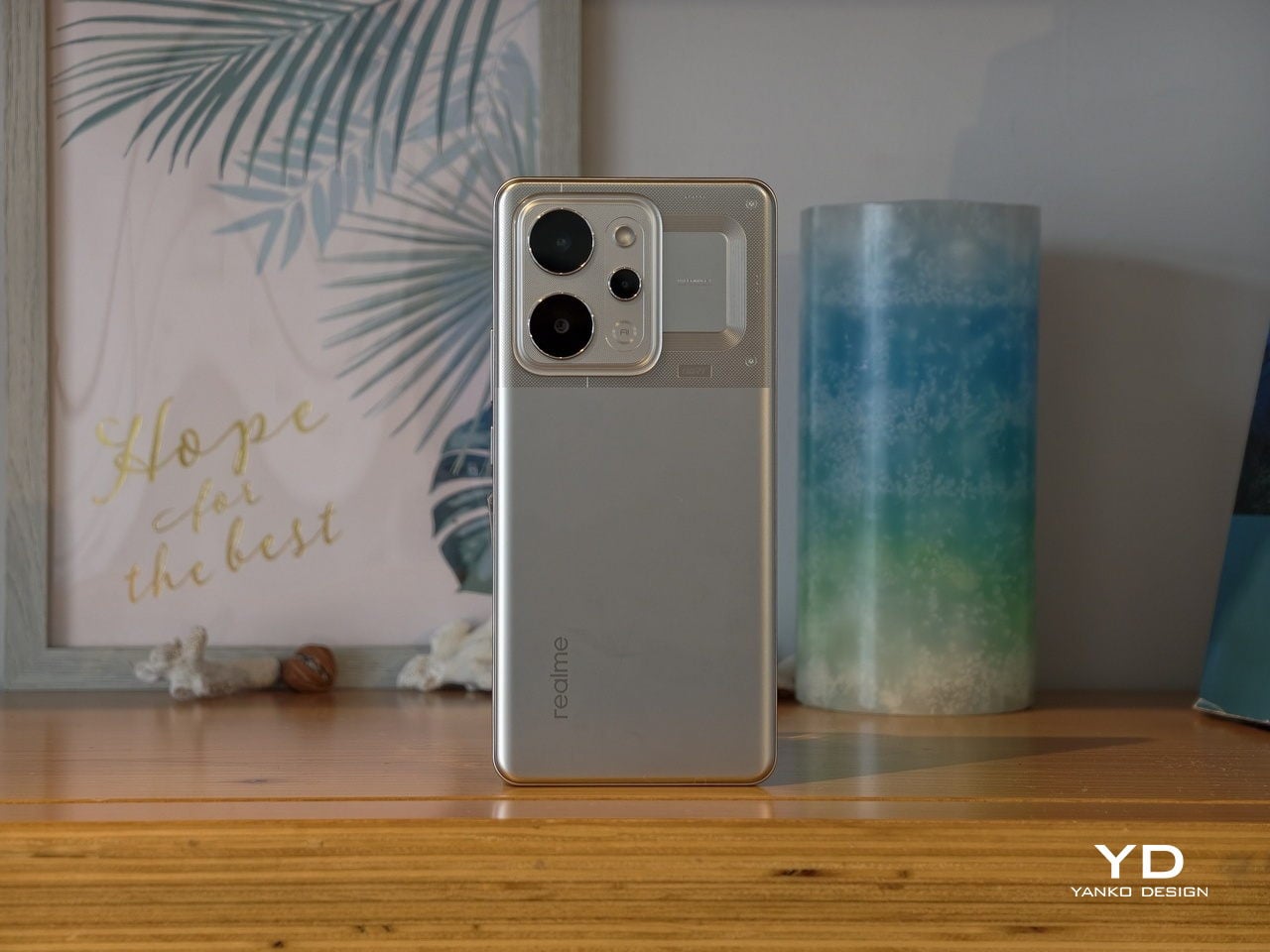
realme 13 Pro is coming with ultra clear camera powered by HYPERIMAGE+ AI

Smartphone cameras have gotten quite powerful, that they might have hit a wall when it comes to hardware. Although they have reached mind-blowing 100 megapixels, sensors have also gotten a little too large for the ever-thinning smartphones. To make up for that slump in optical solutions, manufacturers are turning to software, specifically everyone’s favorite AI special sauce, to produce astounding images and experiences that wouldn’t have been possible with hardware alone. That said, AI alone won’t be enough either, so at its AI Imaging Media Preview Event in Bangkok, realme unveiled a new AI photography architecture that harnesses both powerful optics and powerful algorithms to bring mobile photography to the next level.
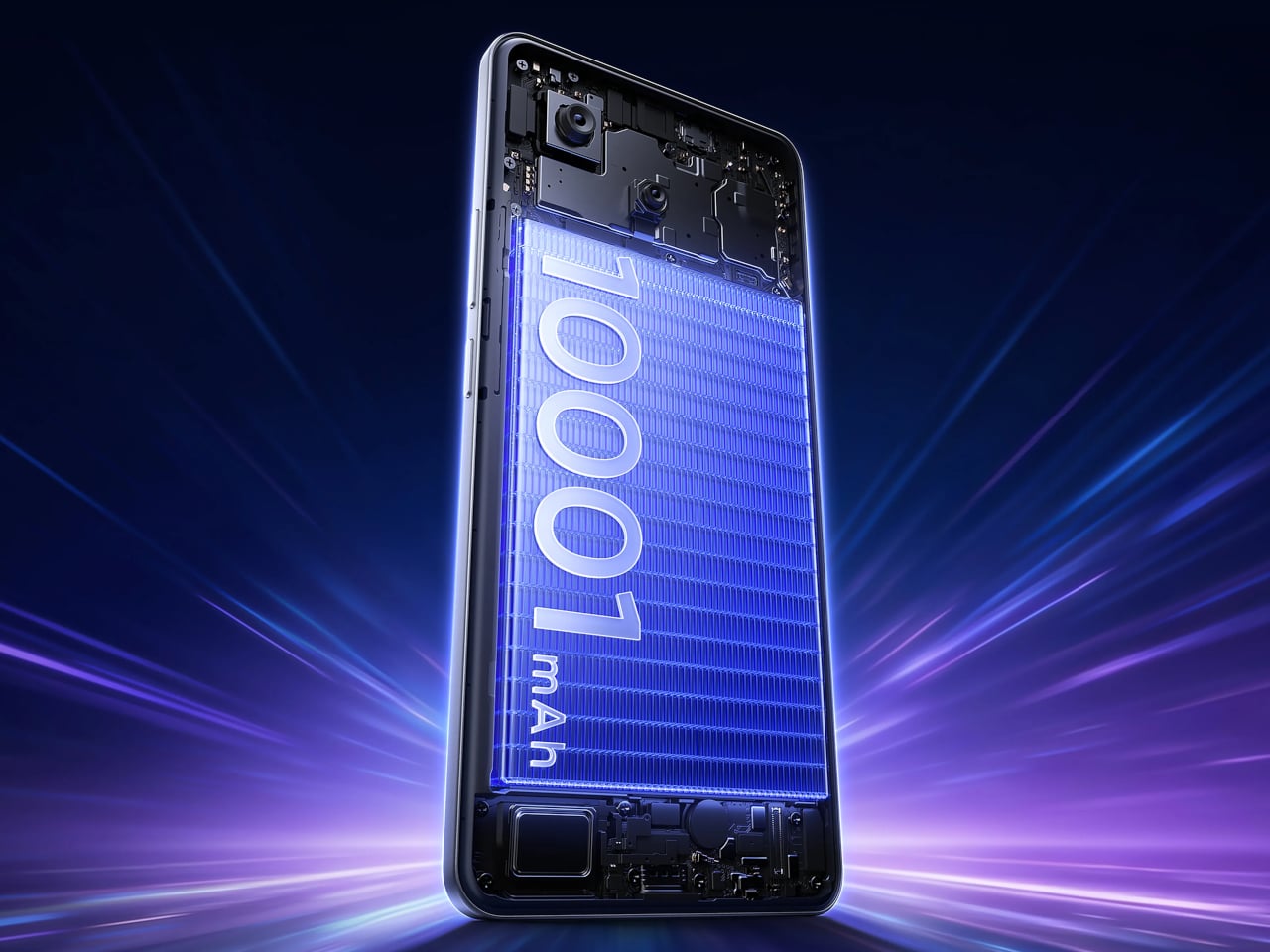
Designer: realme

realme’s new HYPERIMAGE+ AI photography architecture, which it claims is a first for the industry, leverages three layers to create its seemingly magical imaging feats. It stands on a solid foundation of powerful hardware, delivered by a new Sony LYT-701, a 50MP sensor with OIS, and a 50MP Sony LYT-600 paired with a periscope-style telephoto lens that lets it zoom in up to 3x without any loss in detail. The hardware alone would have been enough to handle any photography task even in challenging lighting situations, so you can imagine how much more impressive the results would be with help from AI.

HYPERIMAGE+ also utilizes both on-device AI imaging algorithms as well as cloud-based AI image editing to go beyond what the hardware is capable of. HyperRAW, for example, brings image processing capabilities to the high-quality RAW domain, boosting image quality and dynamic range to faithfully recreate light and shadows. AI Pure Bokeh helps in the separation of foreground, midground, and background elements, applying pixel-level segmentation and targeted optimization to create realistic portrait photos, all within seconds. An in the event that the cameras weren’t able to capture enough resolution for rich details, AI Ultra Clarity enhances the image to still produce crystal clear and stunning images.

Oplus_131072

Of course, all these benefits of AI would be meaningless if it doesn’t get into the hands of those who need it the most. Young users, in particular, are always craving stunning photos, striking videos, and unforgettable memories, pushing the boundaries of what their smartphones are capable of. They are, therefore, the perfect audience for this ultra clear camera with AI, and are exactly who the upcoming realme 13 Pro+ will be aiming for. realme’s AI-empowered flagship is set to launch soon, though details are still scant and will be provided closer to the launch date.

The post realme 13 Pro is coming with ultra clear camera powered by HYPERIMAGE+ AI first appeared on Yanko Design.