Pocket Traveler Is the Fitness Tracker That Thinks It’s a Tamagotchi

Fitness trackers love to reduce your day into cold numbers, steps counted, calories estimated, none of it particularly fun to look at. Pocket Traveler takes the opposite approach, hiding all that data tracking behind a tiny pixel-art character named Milo who reacts to your movement the way an actual pet might. Walk, and Milo walks. Sit still too long, and Milo drifts off to sleep. The gamification isn’t bolted on afterward; it’s the entire point.

Milo’s design borrows directly from 16×16 pixel Tamagotchi sprites, each frame hand-drawn before being converted into code the device’s Raspberry Pi Pico can actually render. That authenticity matters more than it sounds. A pixelated character built with genuine sprite-work reads as a character with personality, not just an icon standing in for a progress bar, and that distinction is what makes checking in on Milo feel like checking on something rather than checking a stat.

Designer: Nigel Weiss

Underneath the charm sits a genuinely clever technical decision. Rather than pairing an accelerometer with GPS to track actual distance and location, the device relies purely on motion data from a single ADXL345 accelerometer, estimating activity from acceleration patterns instead of exact movement. It’s a simpler, cheaper sensor setup that still manages to capture the rhythm of a day, walking, resting, and the long stretches of stillness in between.

That data feeds two separate systems running in parallel. A leveling mechanic tracks lifetime progress, calibrated so a first milestone arrives within a week while a much higher level takes roughly a year to reach, giving the device both short-term payoff and something to chase over months. Layered on top, a rotating status system, chud, pleb, or nomad, reacts specifically to your last three days of activity, giving Milo an entirely different look depending on whether you’ve been sedentary or genuinely active lately.

The status thresholds shift depending on direction, meaning the bar for leveling up sits higher than the bar for dropping back down. That asymmetry keeps someone hovering right at the edge of a tier from bouncing between statuses every few minutes, a small design choice that prevents an otherwise satisfying system from feeling glitchy or unstable during normal daily fluctuation.

Pick the device up after it’s been sitting untouched for a while, and Milo occasionally has something to say, brief, handwritten lines hinting at what he’s supposedly been up to. Some are mundane, some genuinely funny, all of them injecting a bit of narrative into what would otherwise be a purely functional interaction. It’s a detail that costs almost nothing computationally but adds real texture to an otherwise mechanical relationship between a person and their step count.

Built from a handful of accessible components, an OLED screen, an accelerometer, a small battery, and open enough that anyone curious could build their own version, Pocket Traveler proves that turning movement tracking into a bit of digital company doesn’t require expensive sensors or polished manufacturing. Sometimes a hand-drawn character and a little personality do more to keep someone moving than a spreadsheet full of numbers ever could.

The post Pocket Traveler Is the Fitness Tracker That Thinks It’s a Tamagotchi first appeared on Yanko Design.
30 Years After the Keychain, Bandai Just Made the Tamagotchi a Ring

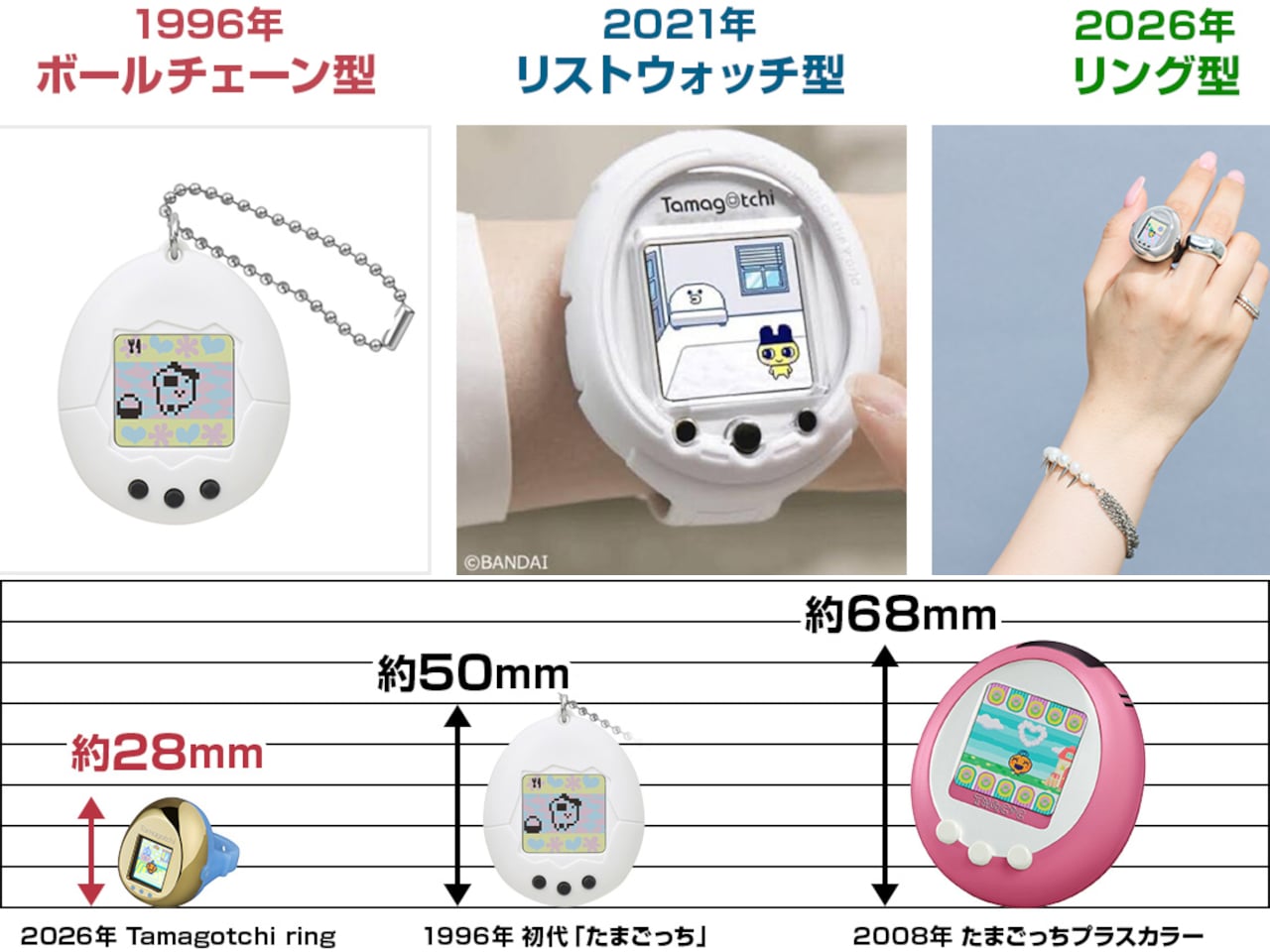
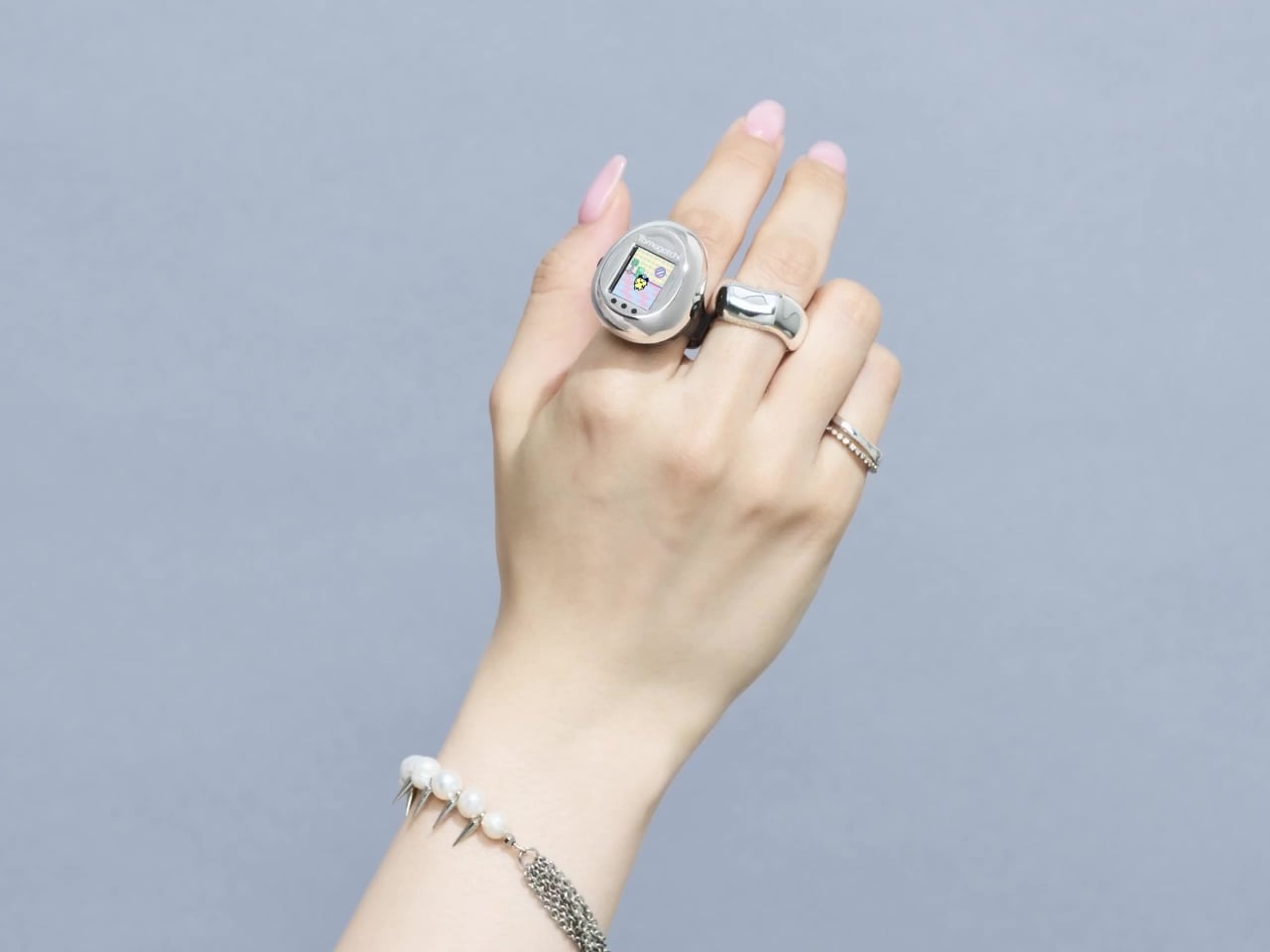
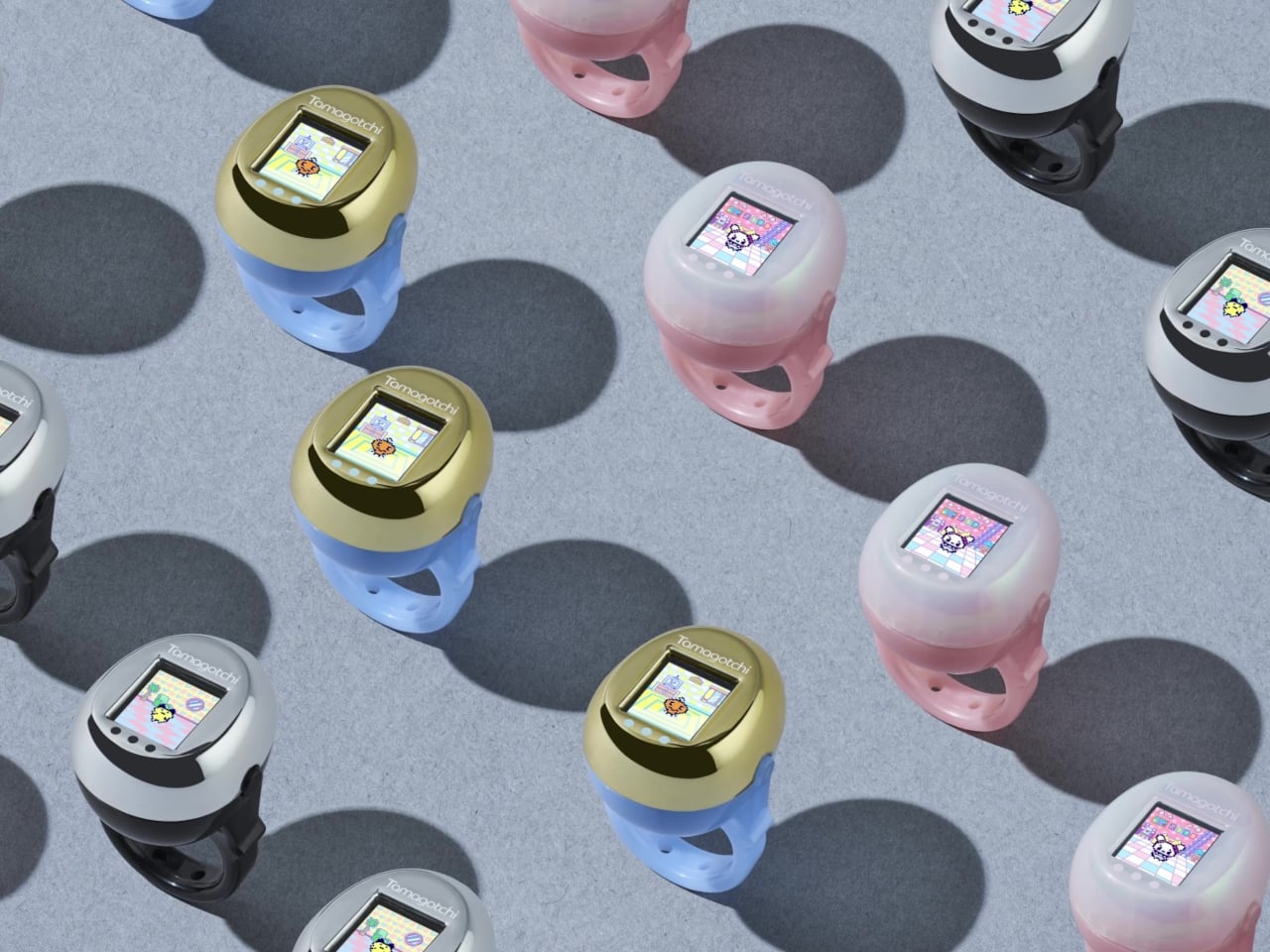
The original Tamagotchi was a plastic egg about 50 mm tall that you clipped to your bag and tried not to kill. Thirty years later, Bandai has announced a version you wear on your finger, the 39th entry in the main series, and by far the smallest one yet. The Tamagotchi Ring houses a 0.56-inch color LCD in a body 28 mm tall, roughly half the size of that 1996 keychain, and it took Bandai two years to figure out how to make it work.

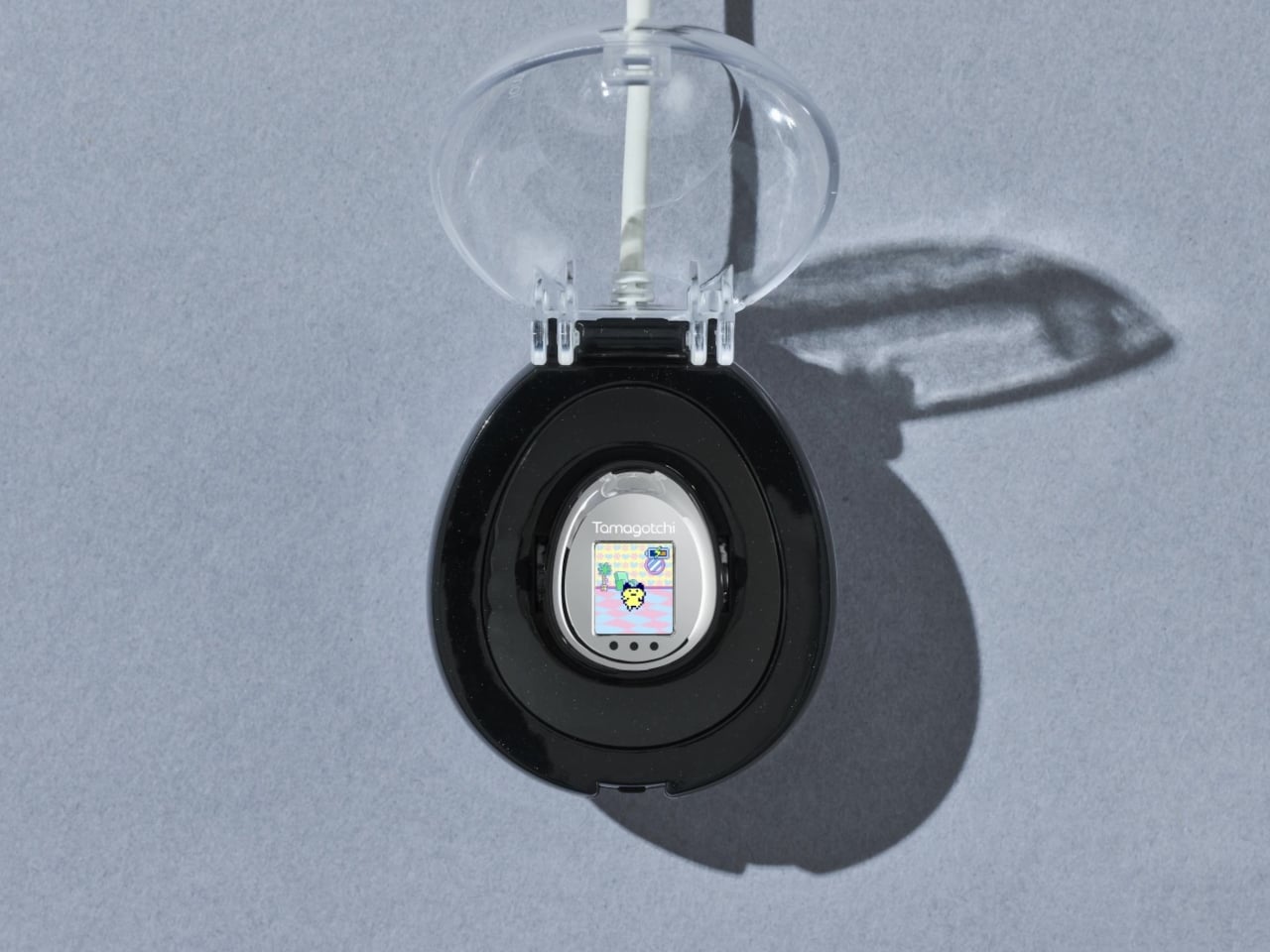
Miniaturizing something this far doesn’t happen by shrinking the parts. It requires rethinking the entire internal layout. The Tamagotchi Ring contains 64 total components, 52 electronic and 12 plastic, crammed into a body measuring 28mm x 23mm x 35mm. The 0.56-inch display is the smallest color LCD ever fitted to a Tamagotchi, and the battery, now rechargeable rather than a replaceable coin cell, charges via an included case because there simply wasn’t room for anything else.

Designer: Bandai

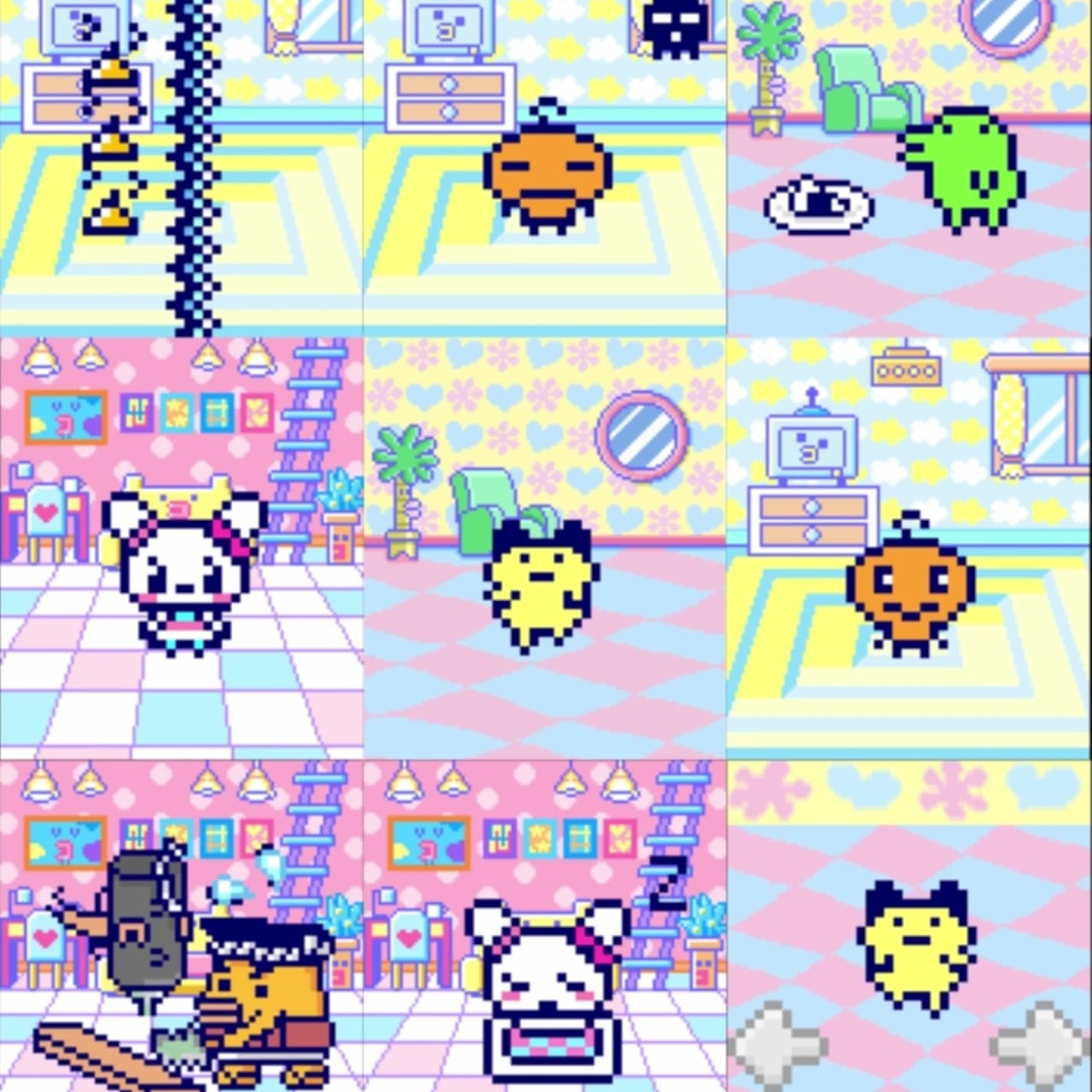
What it does despite that size is the part worth paying attention to. Thirty raiseable characters are in there, along with minigames and a room customization feature. It’s a complete Tamagotchi experience, not a reduced one, running on hardware small enough that Bandai could mount it on a ring band. The design sits on the finger like a small wearable sculpture rather than a piece of consumer electronics.

The announcement arrived on August 27, 2026, timed to mark the franchise’s 30th anniversary. That timing isn’t incidental. The Tamagotchi has been through enough reinventions to know when a milestone deserves something genuinely new rather than a color variant. A ring-form virtual pet is a different object than a keychain pet, even if the creature inside behaves the same way. It changes where the Tamagotchi lives in your day and how visibly you’re tending to it.

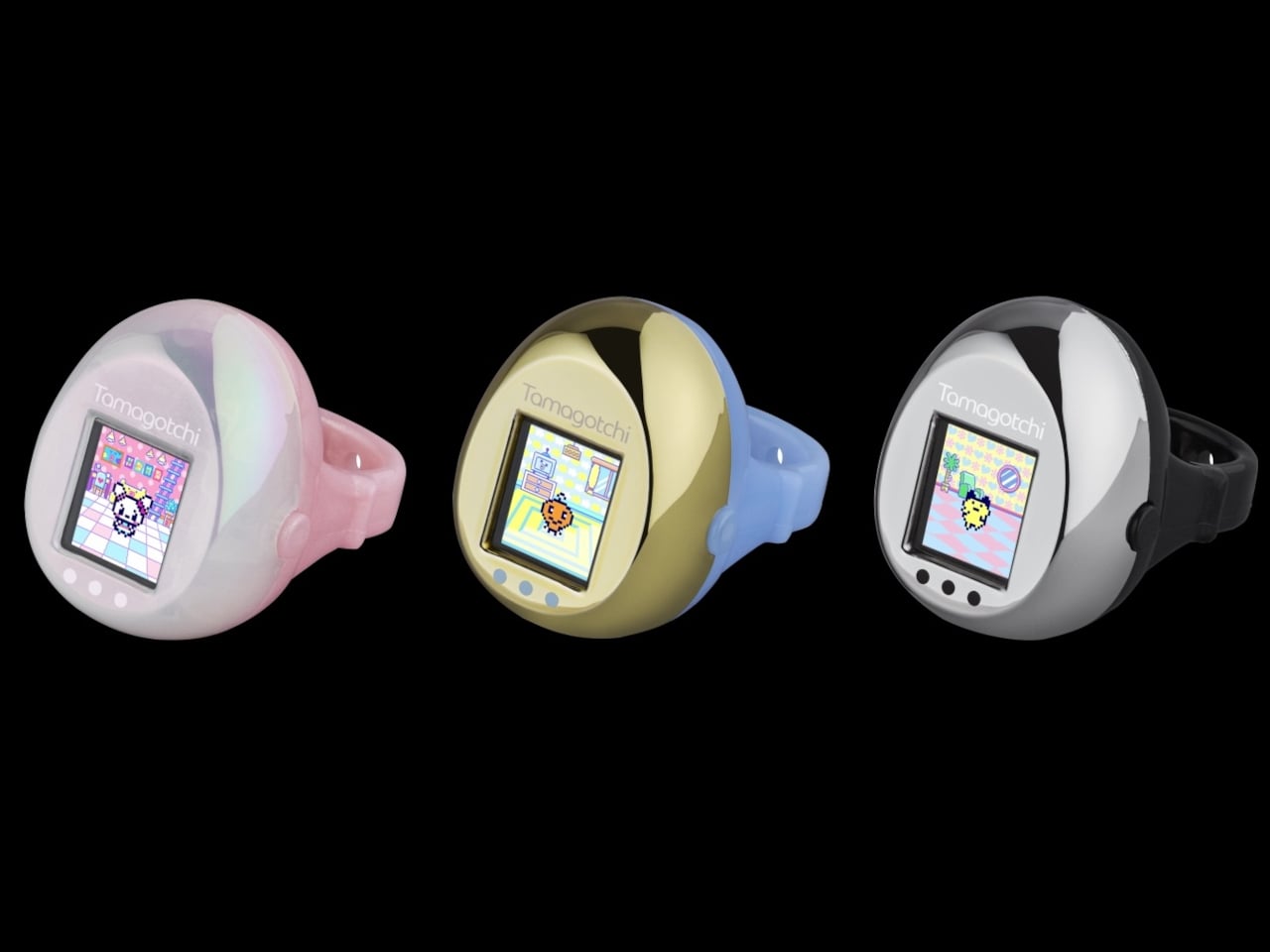
The ring comes in three colorways: Black x Metallic Silver, Light Blue x Metallic Gold, and Pink x Pearl White. It’s designed for Japanese ring size 14, which sits at approximately 17.3 mm inner diameter, with an included adapter to bring it down to size 10. That translates roughly to US ring sizes 7 and 5.5, respectively, covering a reasonable range without requiring multiple SKUs.

Battery life hasn’t been specified, which is the honest gap in what Bandai has disclosed. The rechargeable approach means you won’t be swapping coin cells in the middle of the day, but runtime under actual gameplay conditions is still unknown. The charging case is included in the box, which at least solves the problem of where to stow it when it needs power.

Bandai hasn’t announced plans for a direct international launch, so international buyers are looking at third-party import channels for now. Shipping doesn’t start until February 2027, which is a long lead time for a preorder opened in August. It suggests the manufacturing challenge here is real and that Bandai isn’t rushing it to market. For 64 components in a ring, that patience probably counts for something.

The post 30 Years After the Keychain, Bandai Just Made the Tamagotchi a Ring first appeared on Yanko Design.
CASETiFY releases an original Tamagotchi, phone cases, charms, and exclusive accessories to pique nostalgia

Tamagotchi, the virtual pet created by Bandai, a Japanese toy manufacturer, was seen constantly hanging from schoolbags in the late 1990s and early 2000s, when I was growing up. As brands now consistently mine millennial nostalgia for Gen-Z delight, many collaborations in the recent past have given birth to or revived the Y2K-era devices, of which the new Tamagotchi x CASETiFY collaboration is a true testament.

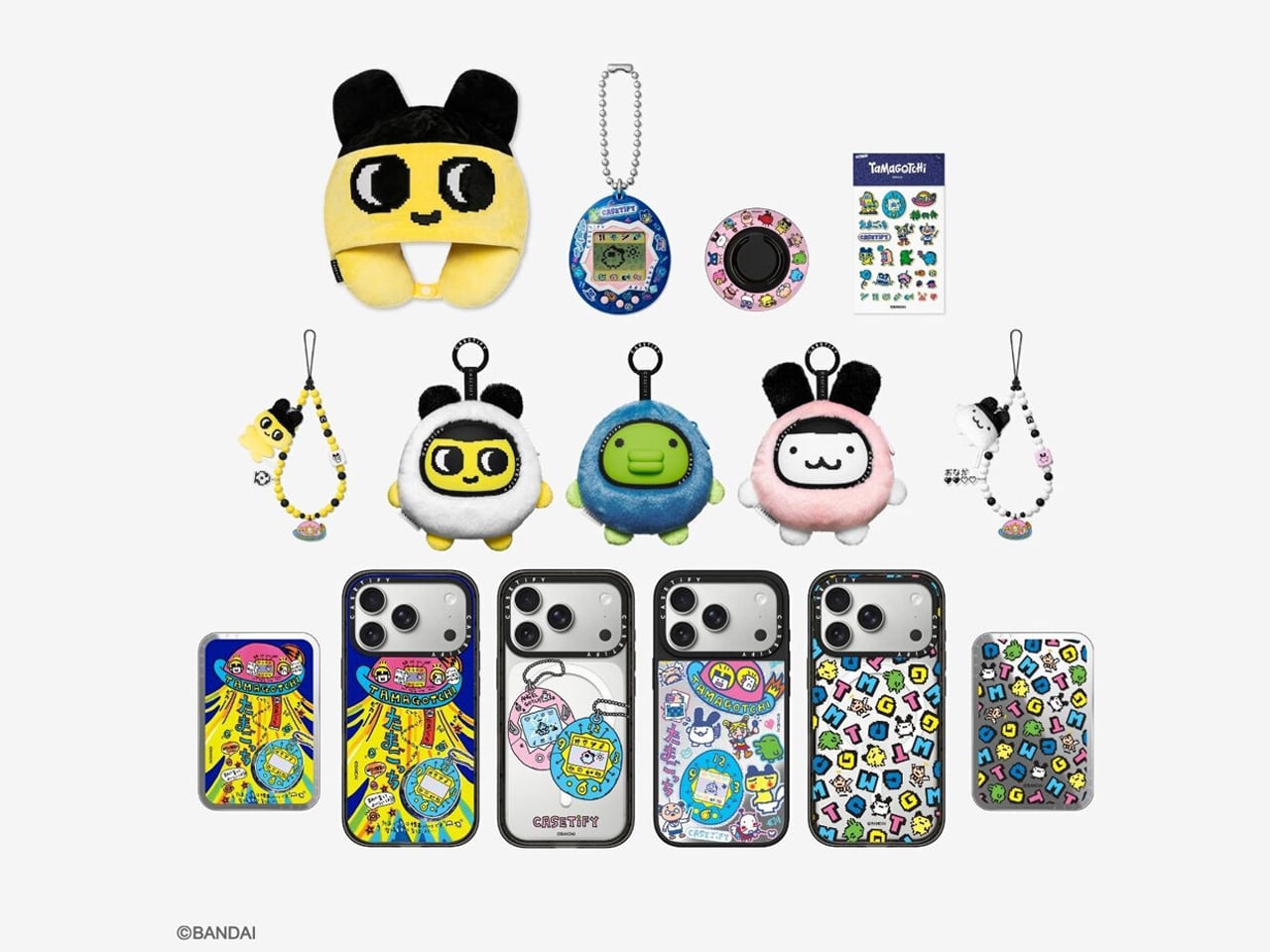
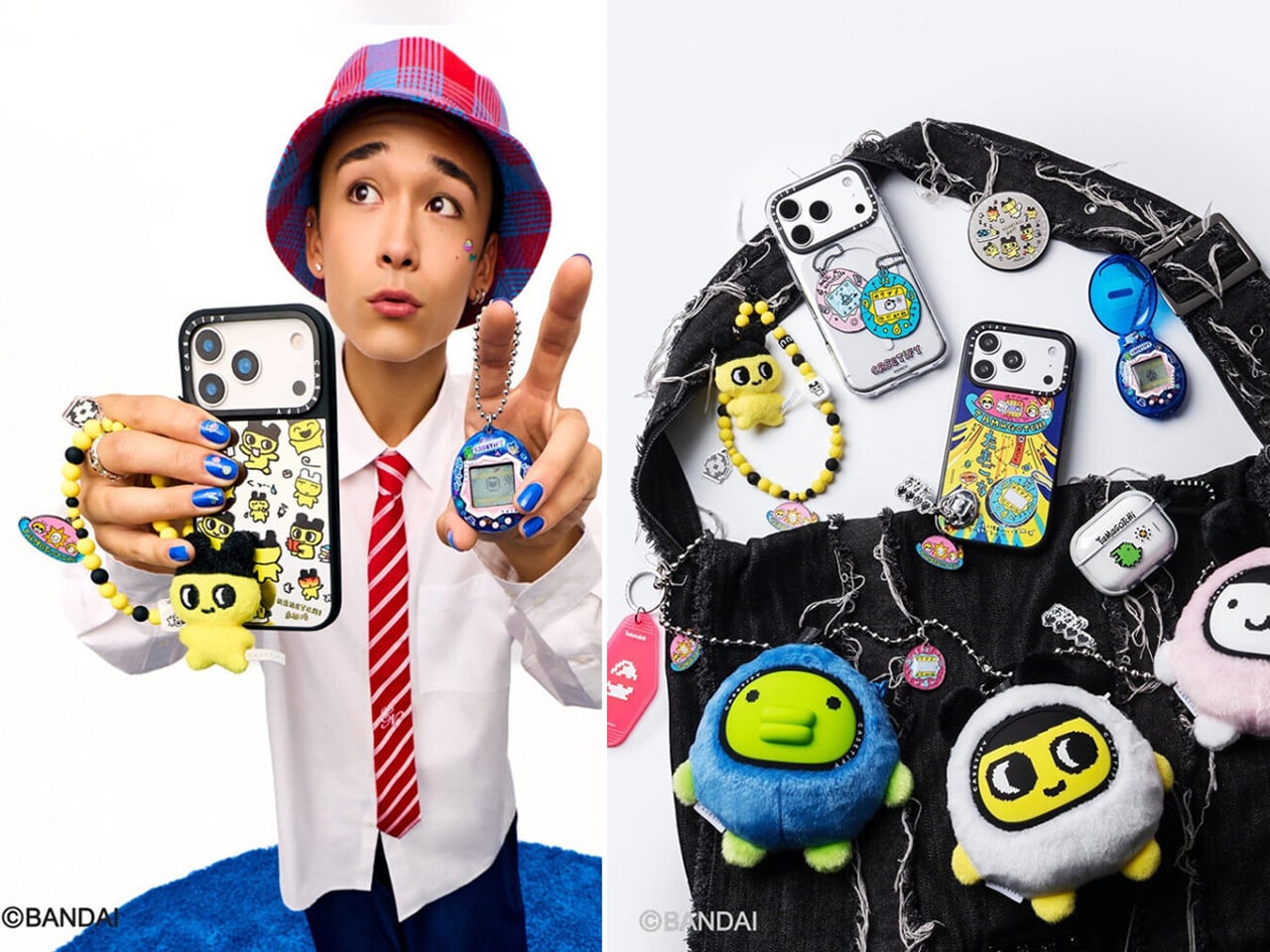
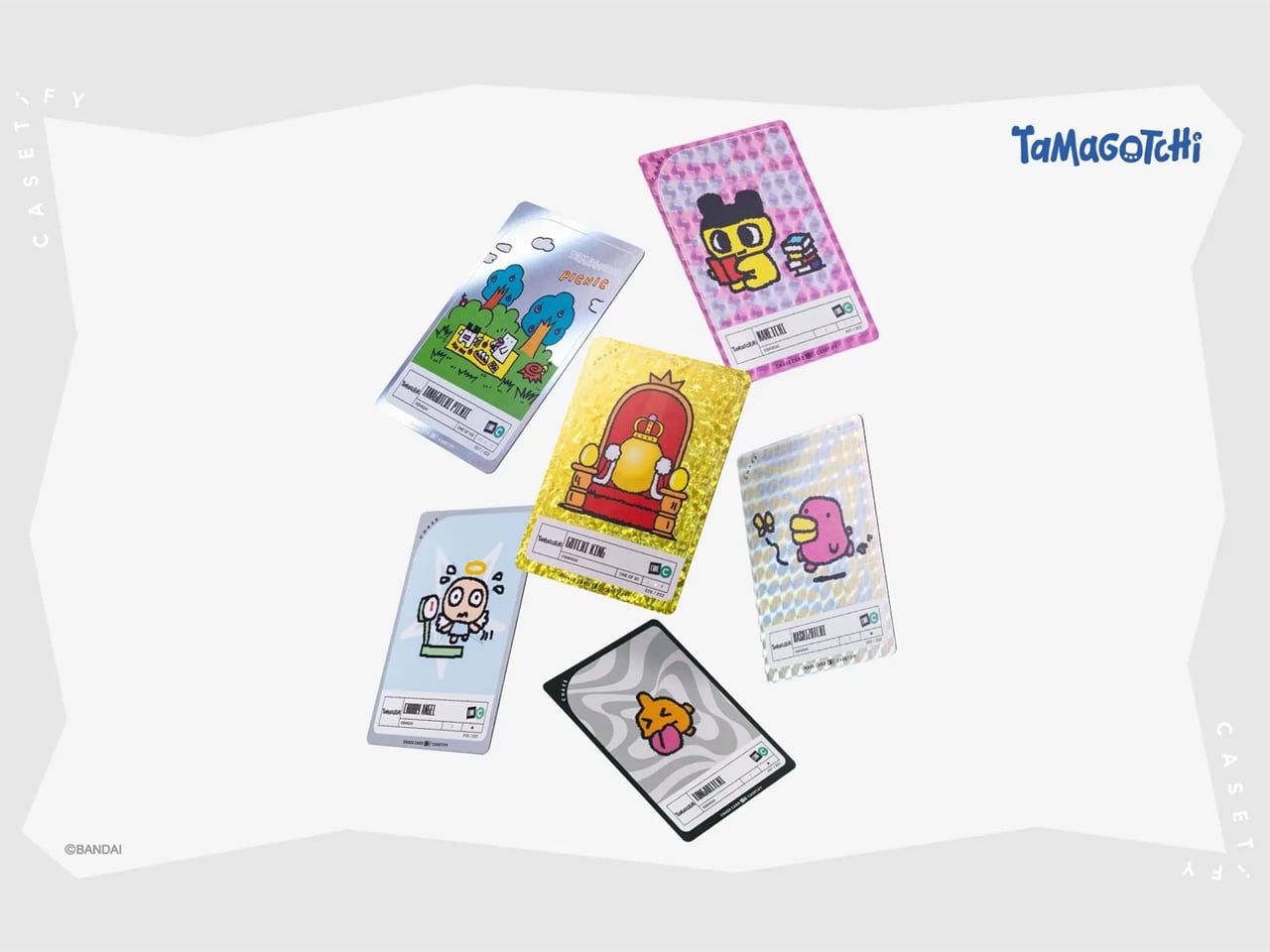
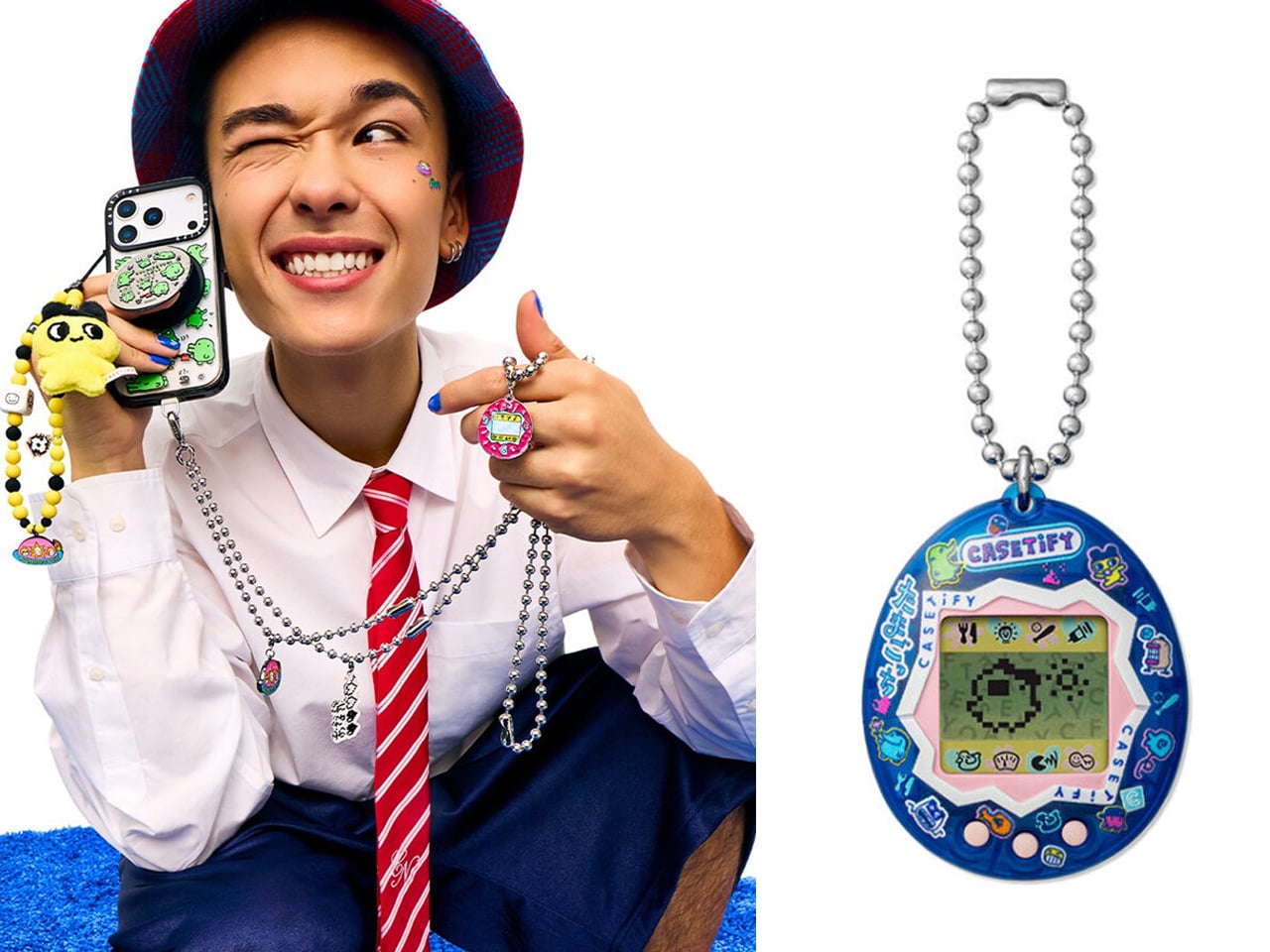
The device, which was a consistent charm for people, especially the kids, appeared clipped onto keychains or held as fidgets in the hand, is now getting a new life through the charismatic collaboration. The collection transforms the favorite nostalgic character into smartphone and tablet cases, charms, collectible accessories, and Tamagotchi chase cards.

Designer: CASETiFY

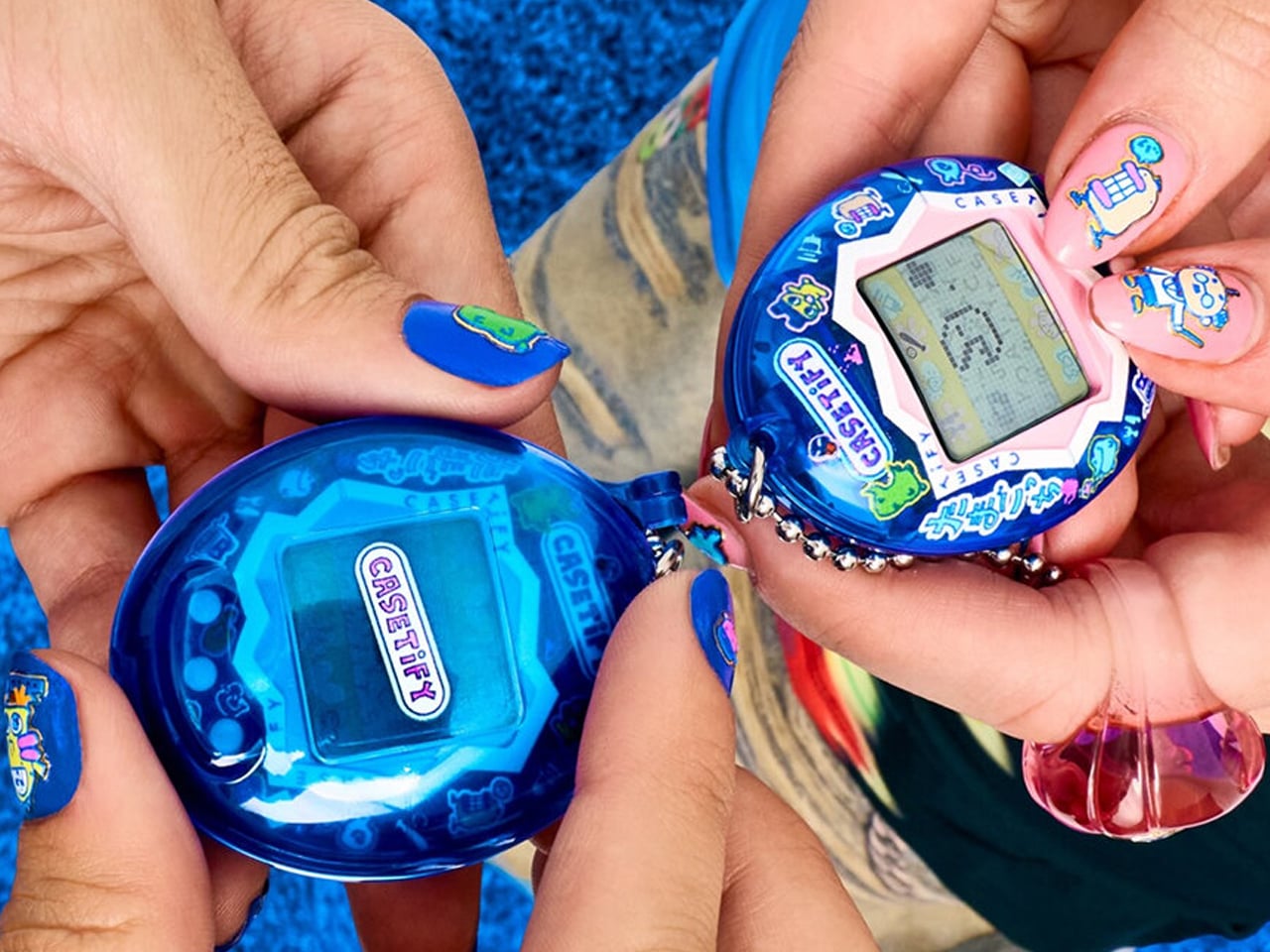
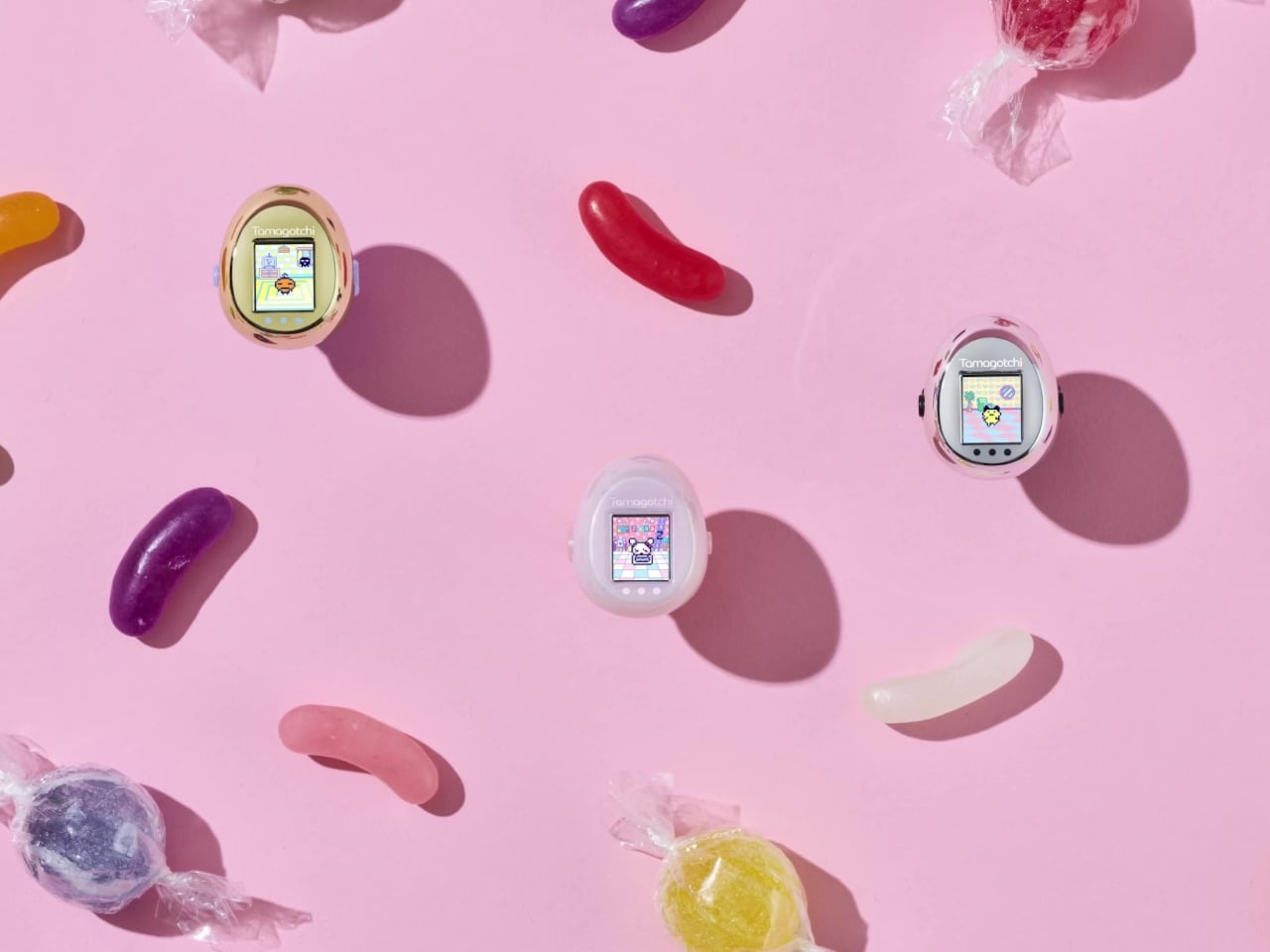
Officially launched on May 29, 2026, the CASETiFY’s Tamagotchi lineup includes customizable phone cases, earbud pouches, charms, a carry-on suitcase, and also features an original, limited-edition Tamagotchi device, each designed to be styled with interchangeable modular accessories. The exclusive range of products starts at roughly around $15 and goes up to $799.

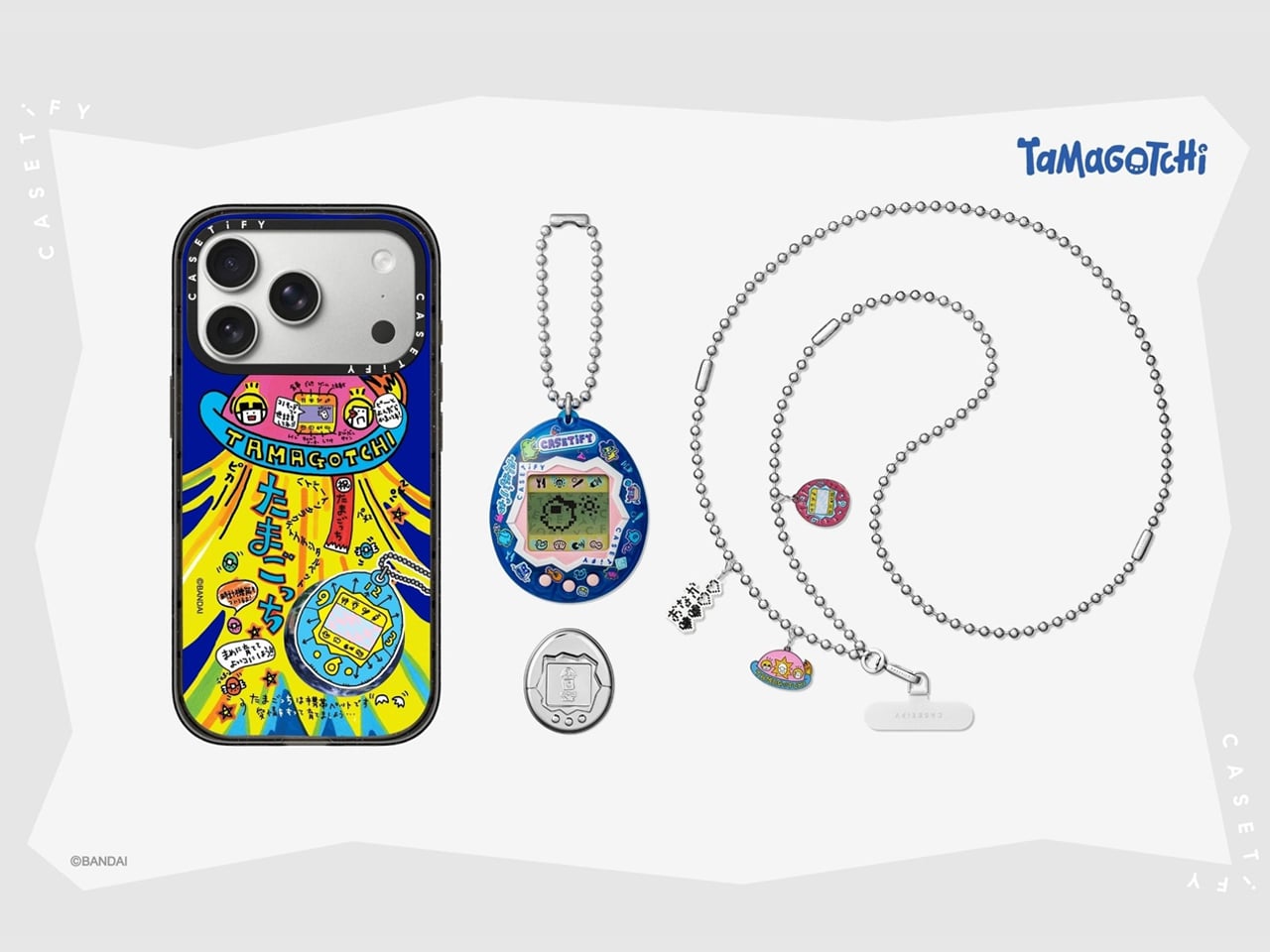
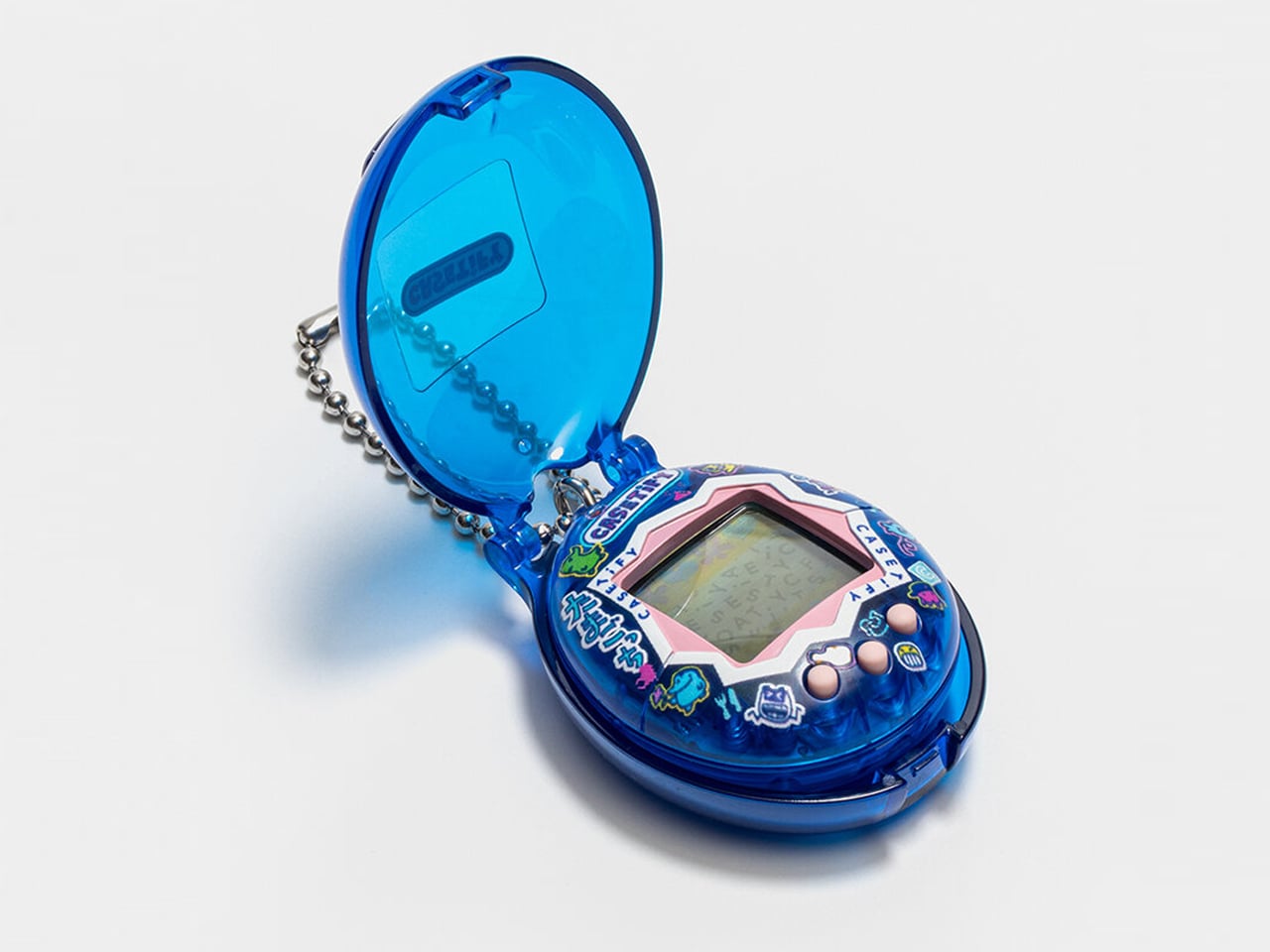
The highlight here, of course, is the release of the Original Tamagotchi Casetify Limited Edition. This collectible object, reimagined as a usable tech accessory, is priced at $45, and comes in a small, egg-shaped form factor with three buttons, just like the real thing launched in 1996. This playable device will be available in a strictly numbered quantity through CASETiFY.

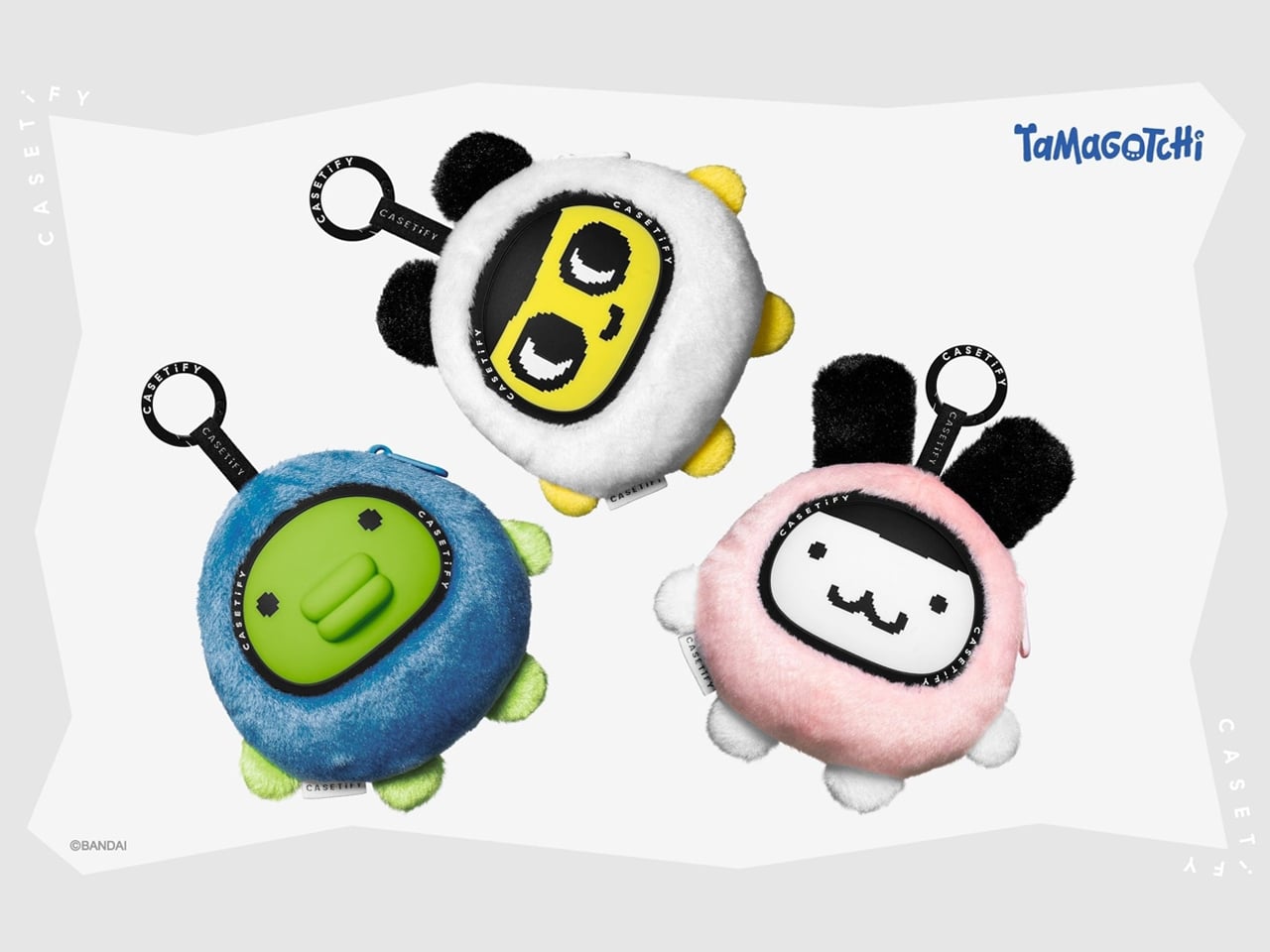
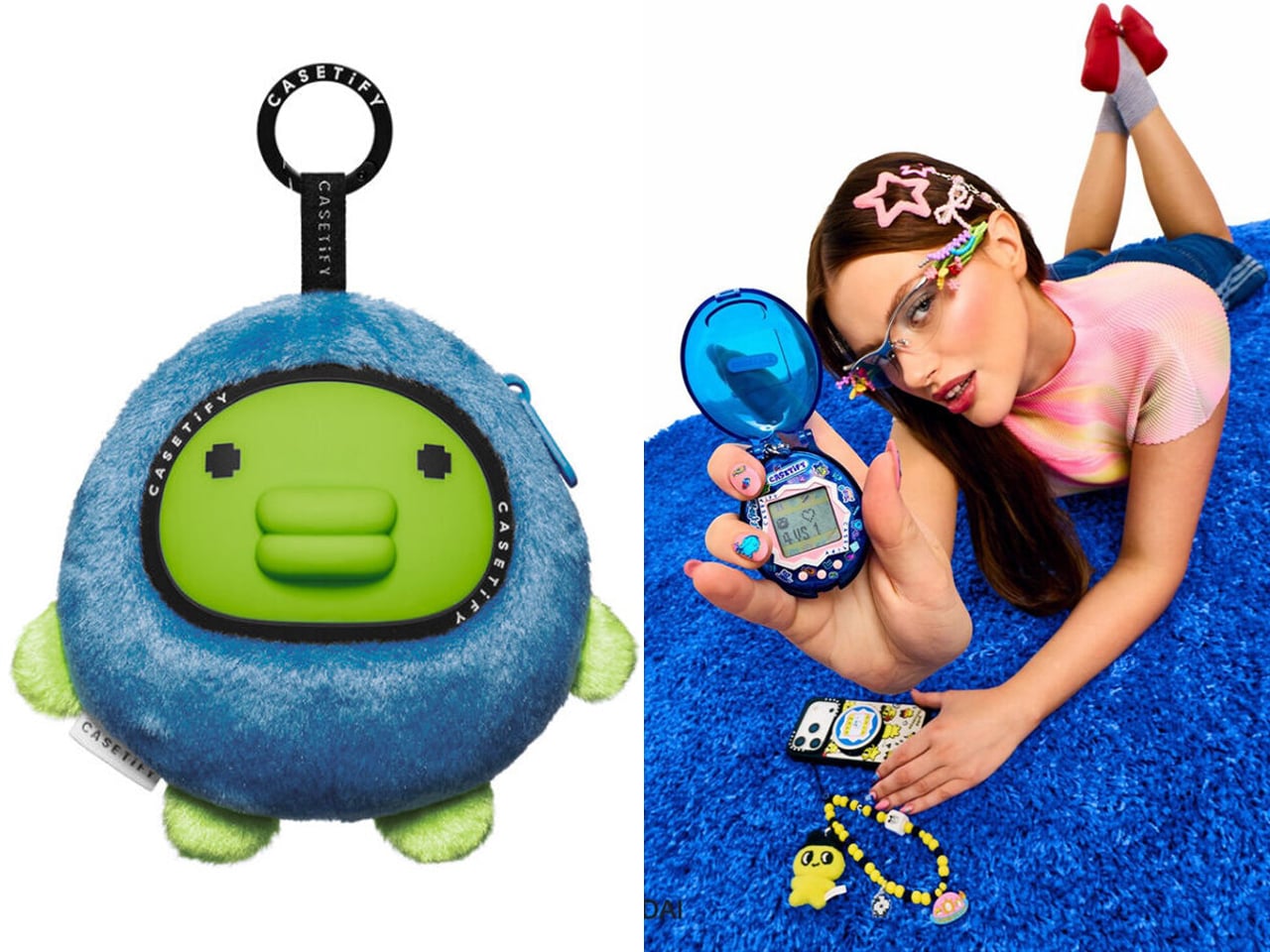
The full collection, including the original Tamagotchi, is now available at casetify.com and CASETiFY stores worldwide. Besides the rare piece, the collaboration, reviving the retro gaming imagery includes, Tamagotchi Collectible Plush Charm for $70, Tamagotchi Jumbo Pattern Snappy Cardholder Stand (MagSafe compatible) for $40, and Egg Tablet Case for the iPad at $79.

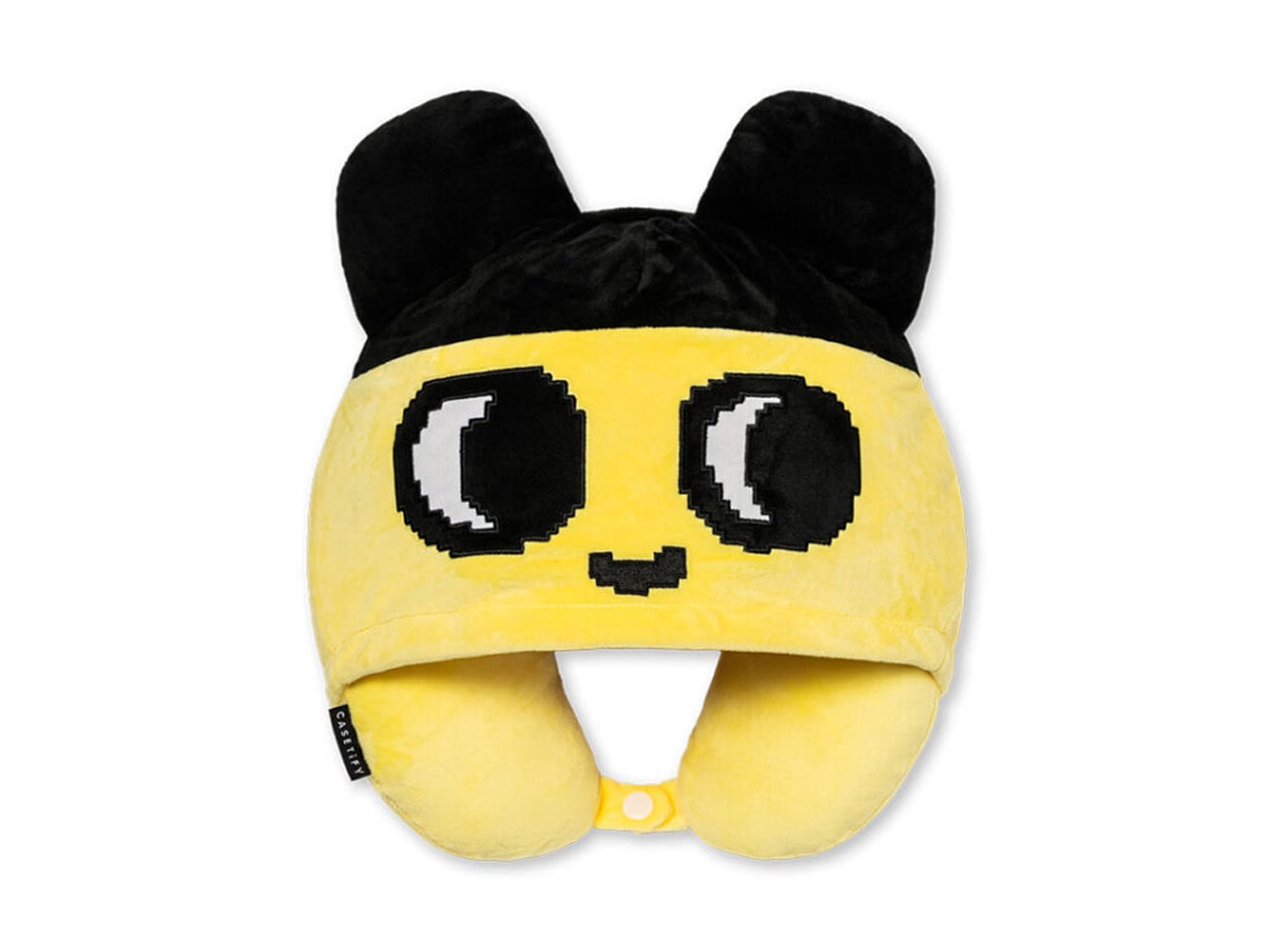
A restoration of the bright colors, character graphics, and the pixilated interfaces that made the Tamagotchi a force to reckon with is seen in the accessories covered in the character’s motifs, beyond the phone, tablet cases, detachable phone charms, and patterned straps. Amid these, the plush pouches designed to hold earbuds really stand out.

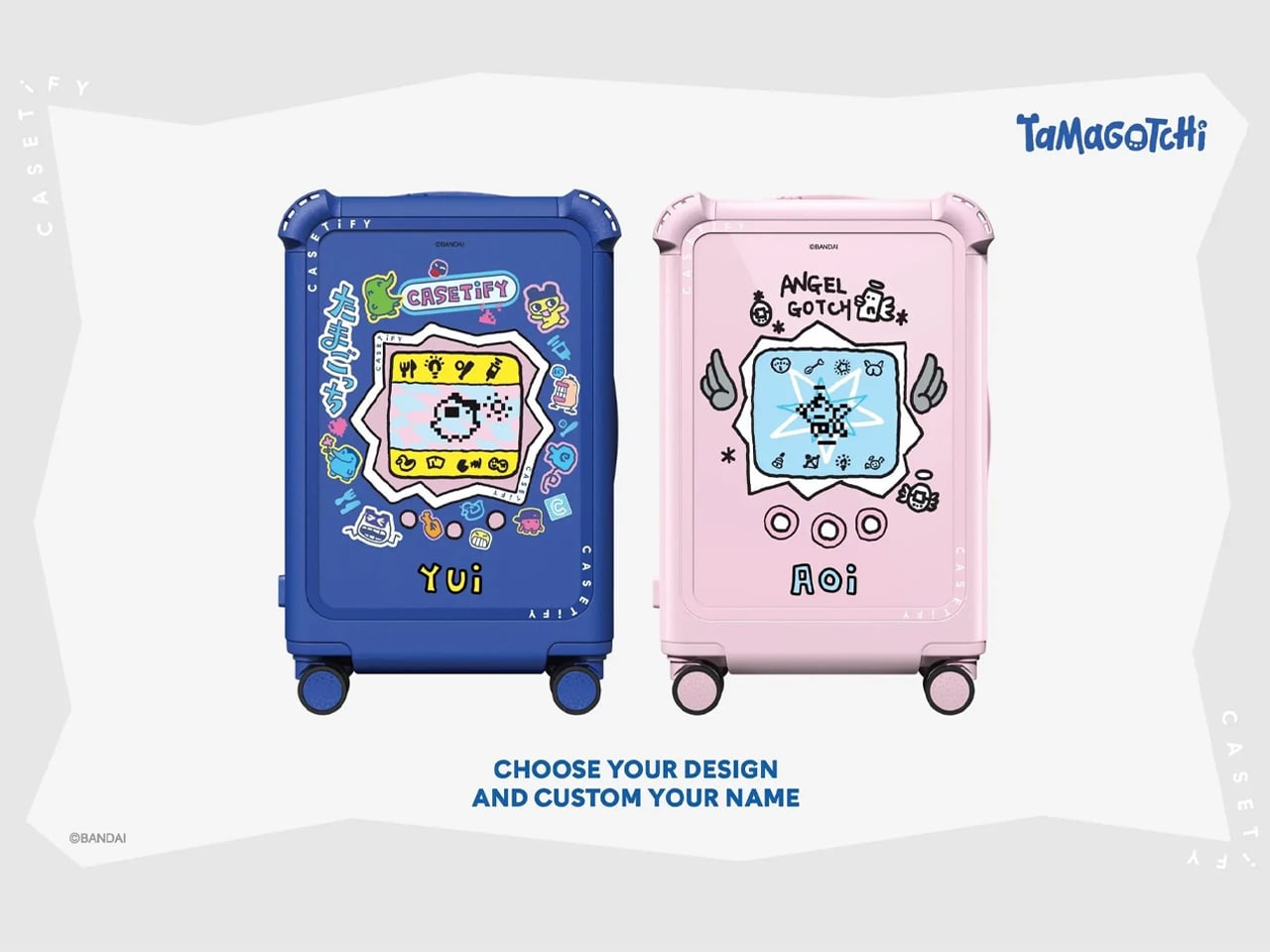
The collection, however, is not just about these smaller accessories. In fact, it comprises a customizable carry-on luggage from the CASETiFY Travel Tamagotchi luggage series. Using different Tamagotchi characters and retro typography, the appeal of the suitcase, available in pink and blue colors, can be enhanced to a decorative height that fans cannot deny.

It is difficult to point directly at what instigated Bandai for this collaboration with CASETiFY. But how it stands out, Tamagotchi nostalgia is seeing a rise in Japan. Themed displays inspired by Tamagotchi’s cute universe are everywhere, from cafes to parties. Reminding us that even after 30 years of its launch, Tamagotchi continues to have a fan following, which the two companies are leveraging through this collaboration.

The post CASETiFY releases an original Tamagotchi, phone cases, charms, and exclusive accessories to pique nostalgia first appeared on Yanko Design.

Someone Built a Tamagotchi-like Desk Toy That Gets Sad When You Ignore It

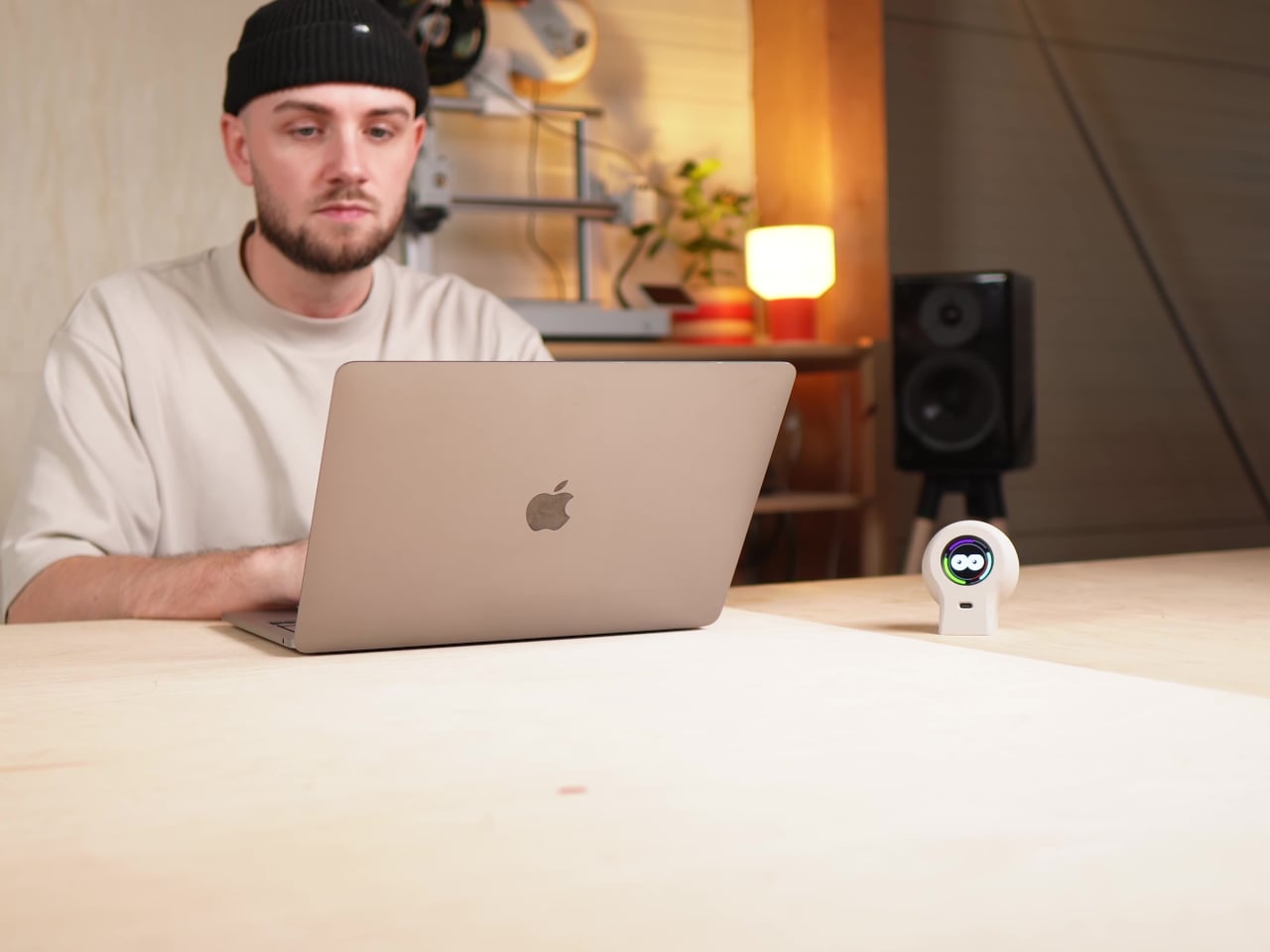
Modern desks overflow with timers, focus apps, and smart assistants that promise more productivity but mostly add more things to manage. There’s a calendar nudging you about meetings, a watch tracking movement, and browser tabs reminding you to hydrate. Not every object on your desk needs to optimize you, though, and sometimes you just want a small, harmless distraction that keeps you company without demanding anything serious in return.

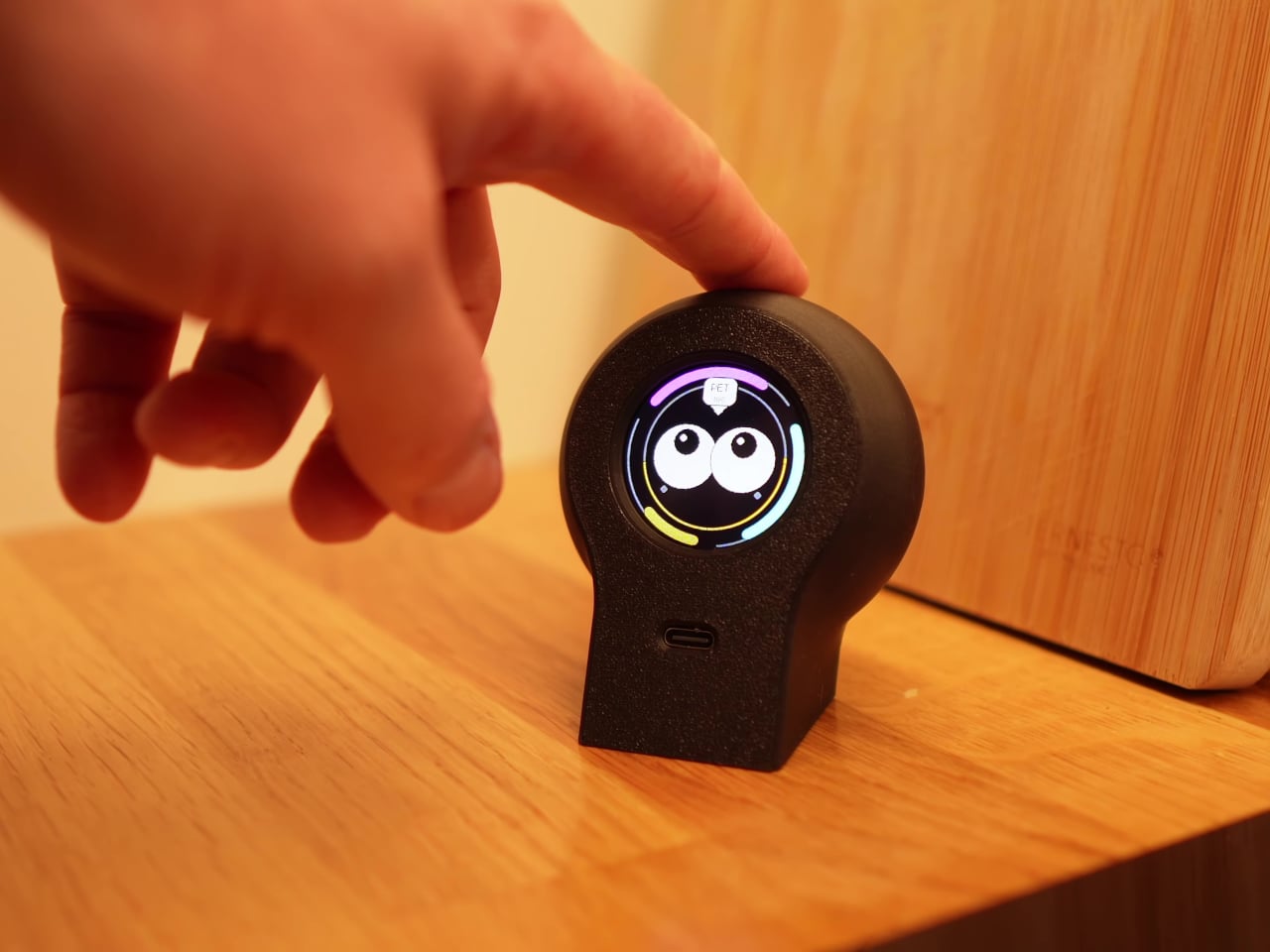
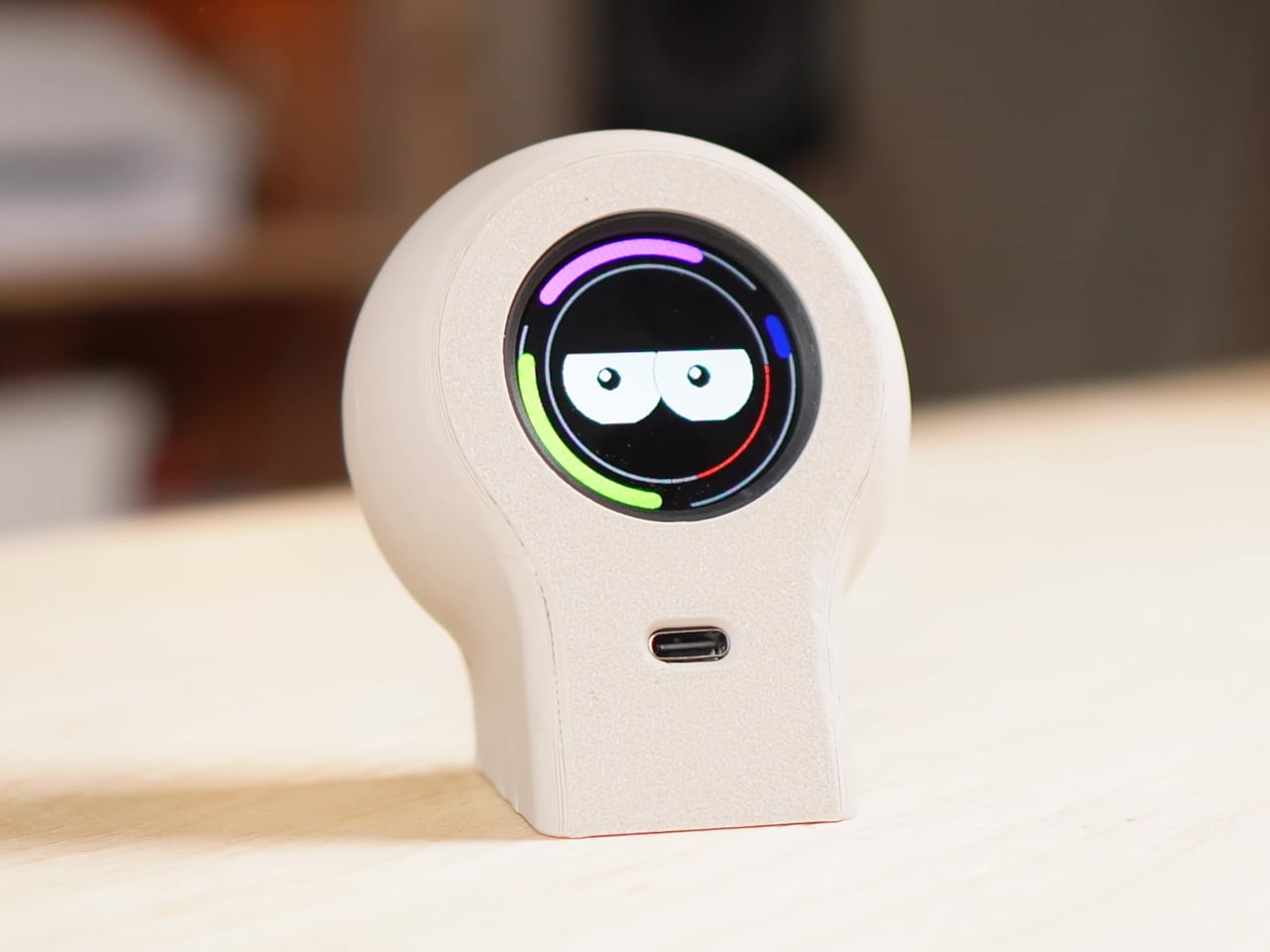
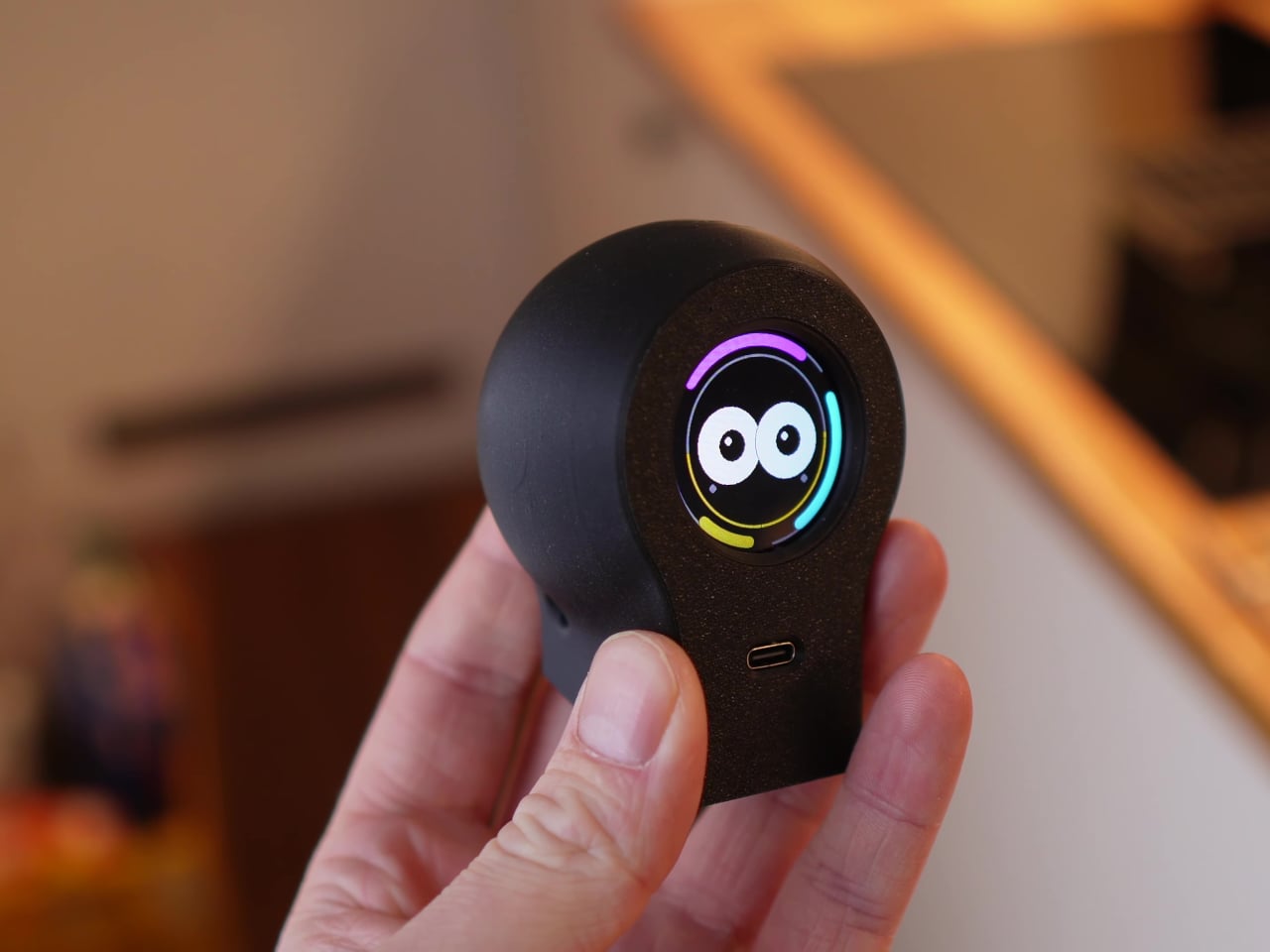
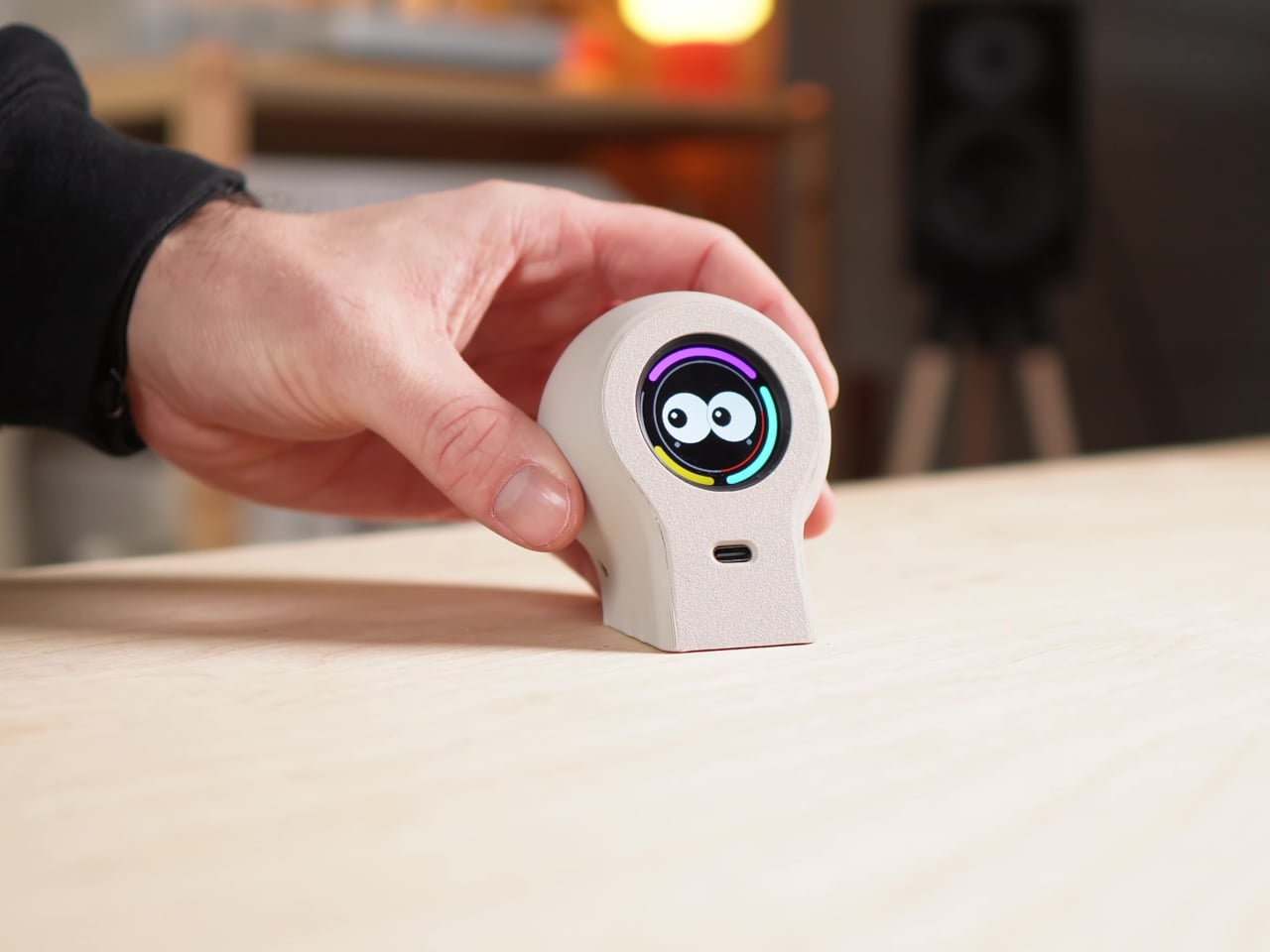
Paul Lagier’s DIY Desk Companion sits next to your laptop as a little creature that lives completely offline. It is not connected to Wi‑Fi, has no app, and never sends notifications. Instead, it runs its own tiny world on a circular screen, reacting to touch, light, and time with shifting eyes and moods. The whole thing exists as a playful break, closer to a desk toy than a productivity gadget.

Designer: Paul Lagier

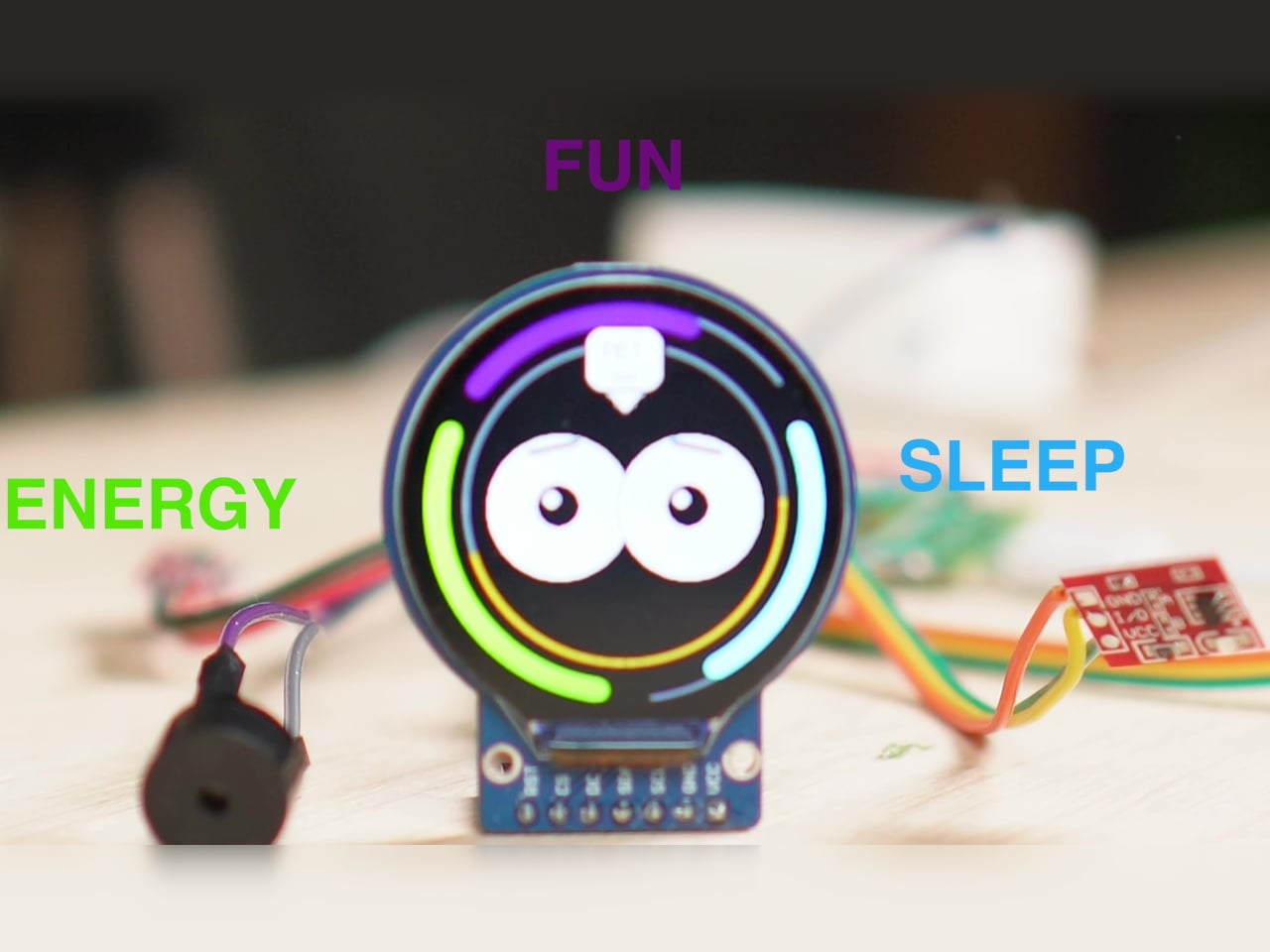
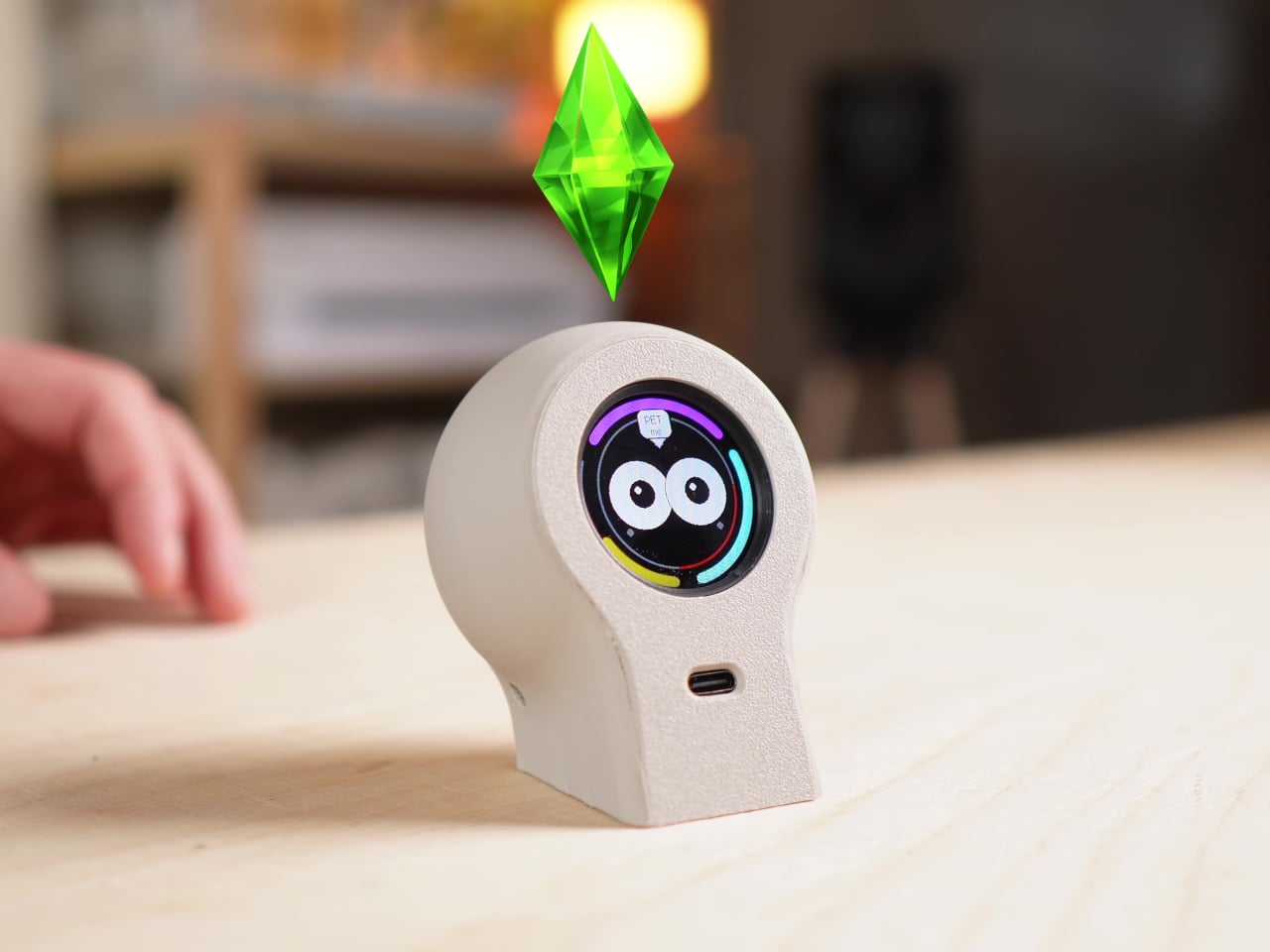
The companion’s life revolves around three needs, Energy, Fun, and Sleep, visualized as colored arcs around its animated eyes. Energy maps to battery and charging, Fun rises when you interact and falls when ignored, and Sleep depends on light levels, getting drowsy when the room gets dark. These simple meters quietly drive its moods, making it curious, bored, or sleepy depending on how you treat it over the day.

The moods shift over longer stretches, too. Regular interaction makes it age, becoming calmer and more expressive, while neglect can make it sulky or withdrawn. There’s no scoreboard or streak counter, just a sense that this tiny character remembers how you have been treating it. After a while, you catch yourself tapping it to cheer it up during a slump, which is the whole point of having a little desk creature.

A typical day means a few small moments. You tap it during a break, and it perks up, eyes widening. Late at night, when the room gets dark, it slowly drifts off to sleep without you doing anything. When you plug it in the next morning, its Energy bar fills, and its mood lifts. These are quick interactions, a tap or a glance, not mini-games that hijack your break.

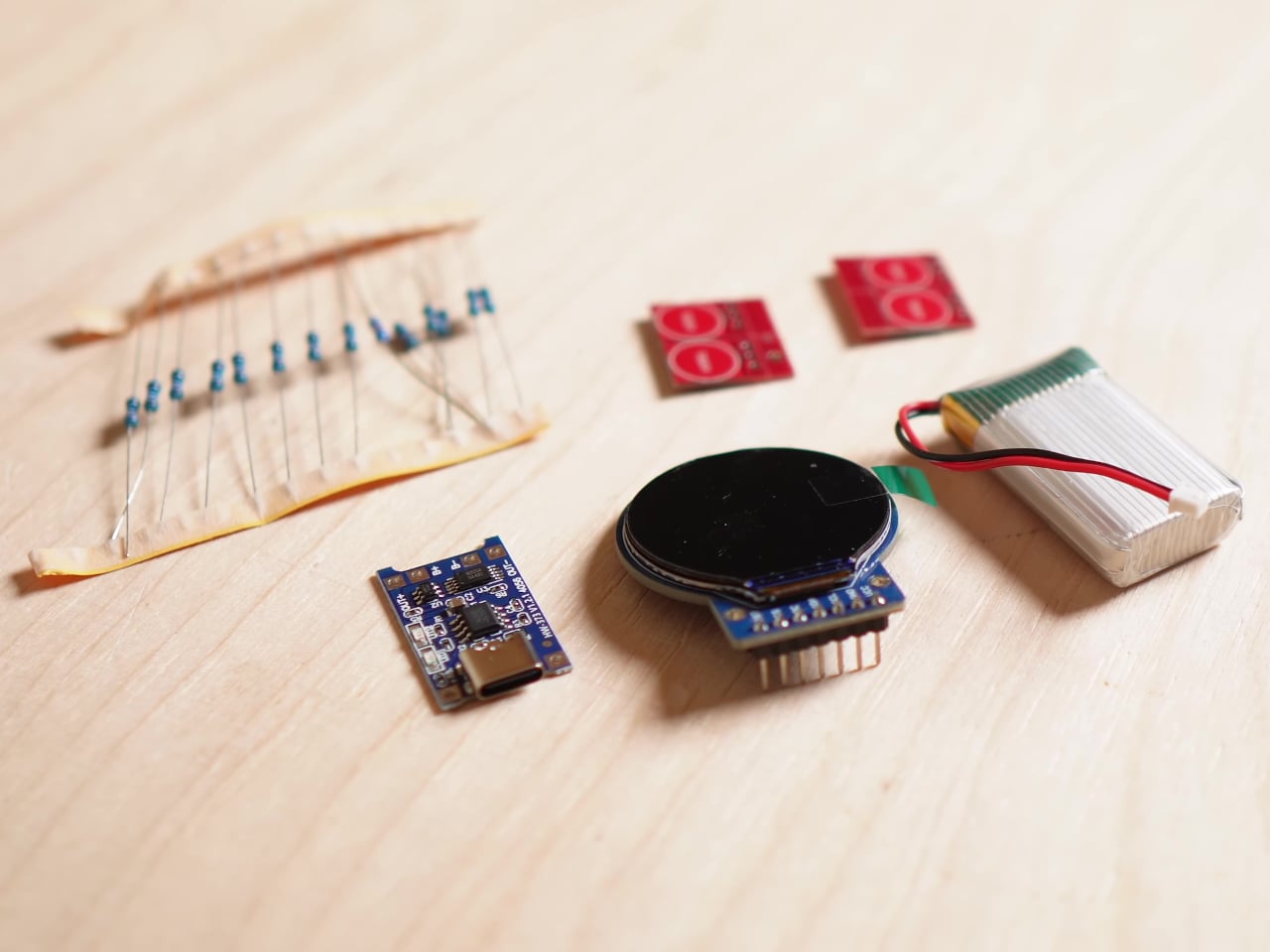
Under the shell is a tangle of wires, a microcontroller board, a round color display, touch sensors, a light sensor, and a small battery. Lagier calls it a working prototype rather than a polished product, which feels fitting. The design is simple and neutral, letting the animated face carry the personality while the hardware quietly does its job without needing custom circuitry to make the interaction feel real.

The DIY Desk Companion is proudly unnecessary in the best way. It does not track tasks or nag you about hydration. It just gives you a tiny, responsive presence that makes the space feel less mechanical. Devices around us keep trying to squeeze more output from every minute, so a little offline creature that only wants a tap now and then feels surprisingly refreshing.

The post Someone Built a Tamagotchi-like Desk Toy That Gets Sad When You Ignore It first appeared on Yanko Design.