Explore Elevated Living With This Holiday Home That Rises Into The Canopy

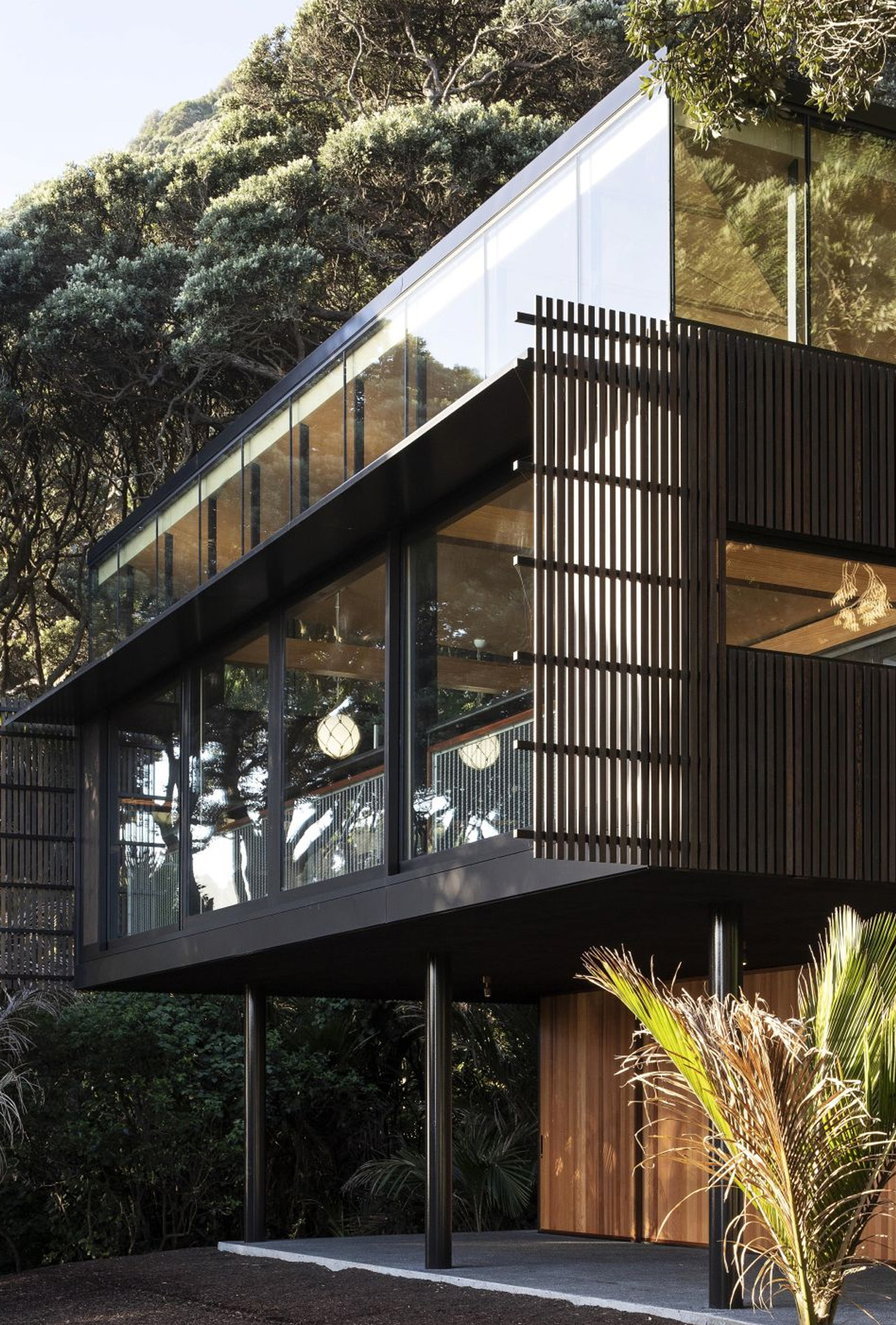
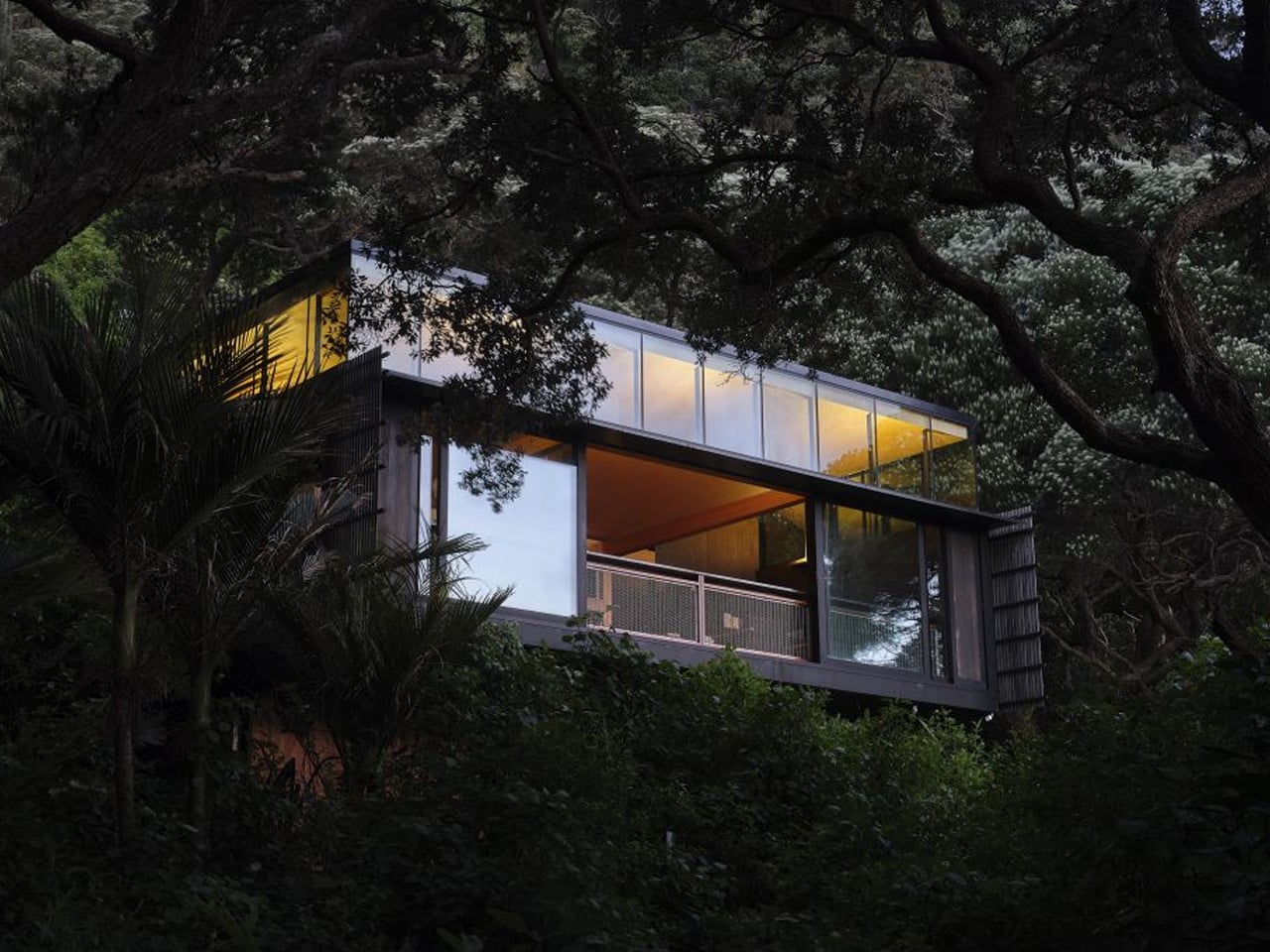
Perched above the forest floor in Piha, New Zealand, the Kawakawa Bach by Herbst Architects reimagines what it means to build a beach house on challenging terrain. Completed in 2017, this raised structure doesn’t fight its steep, tree-covered site. Instead, it rises to meet the canopy, lifting residents into a world where ocean glimpses and dappled sunlight filter through native branches.

The design responds directly to its environment. The site’s dramatic topography could have been seen as an obstacle, but Herbst Architects treated it as an opportunity. By elevating the structure on a cantilevered platform, the house escapes the shadows of the dense forest below and captures views that would otherwise remain hidden. The result is a dwelling that hovers between earth and sky, creating an intimate relationship with the surrounding trees.

Designer: Herbst Architects
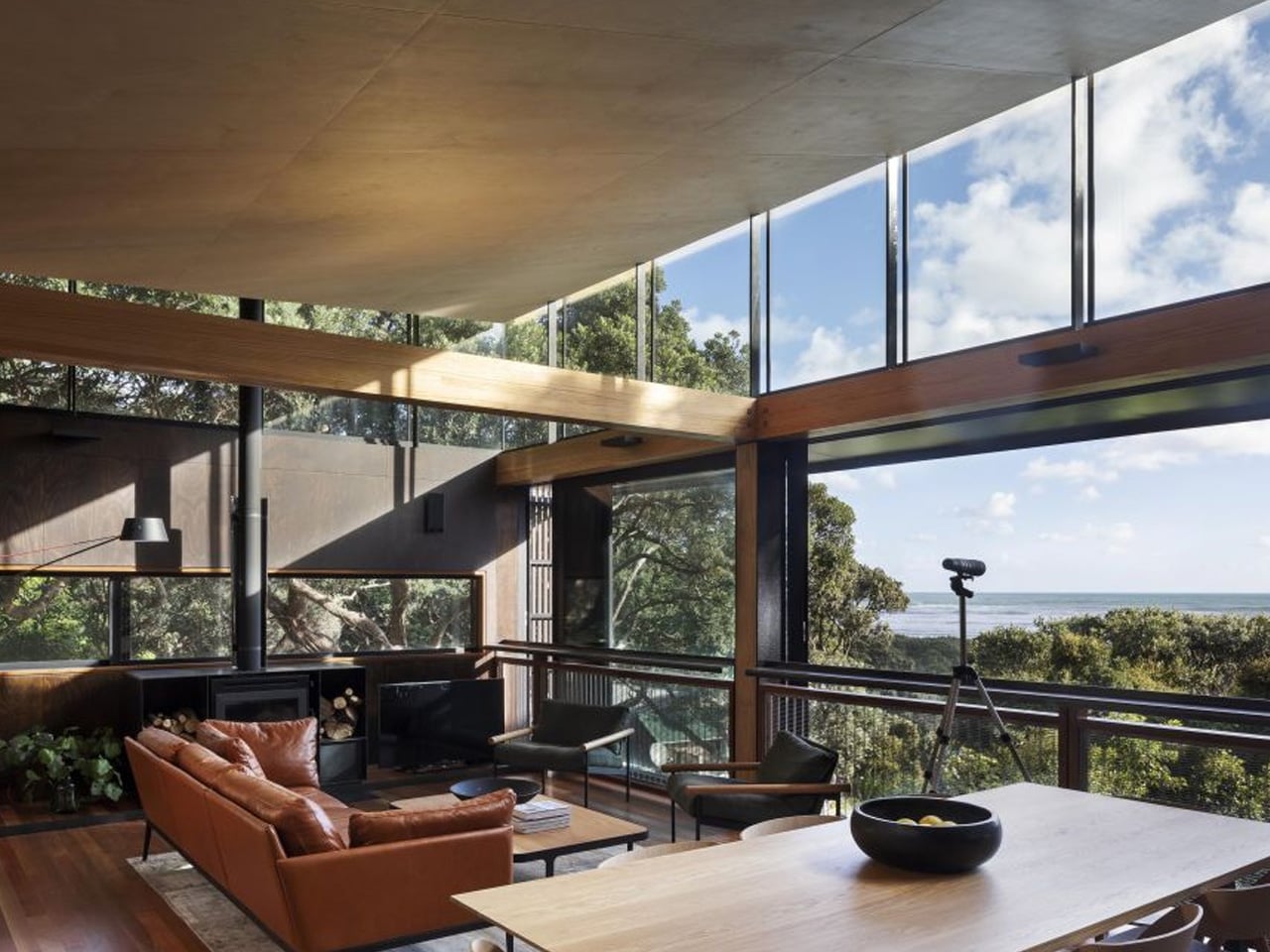
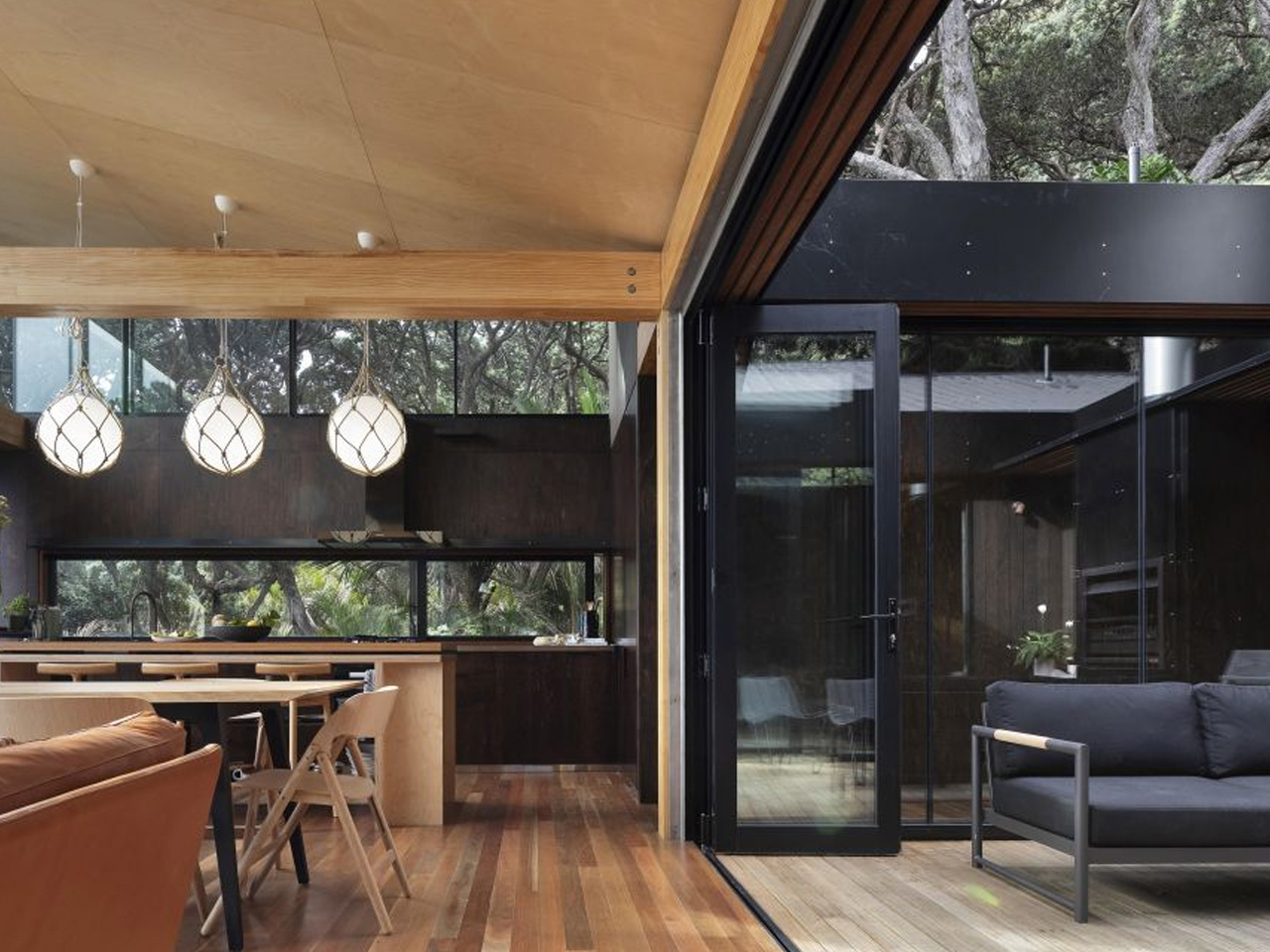
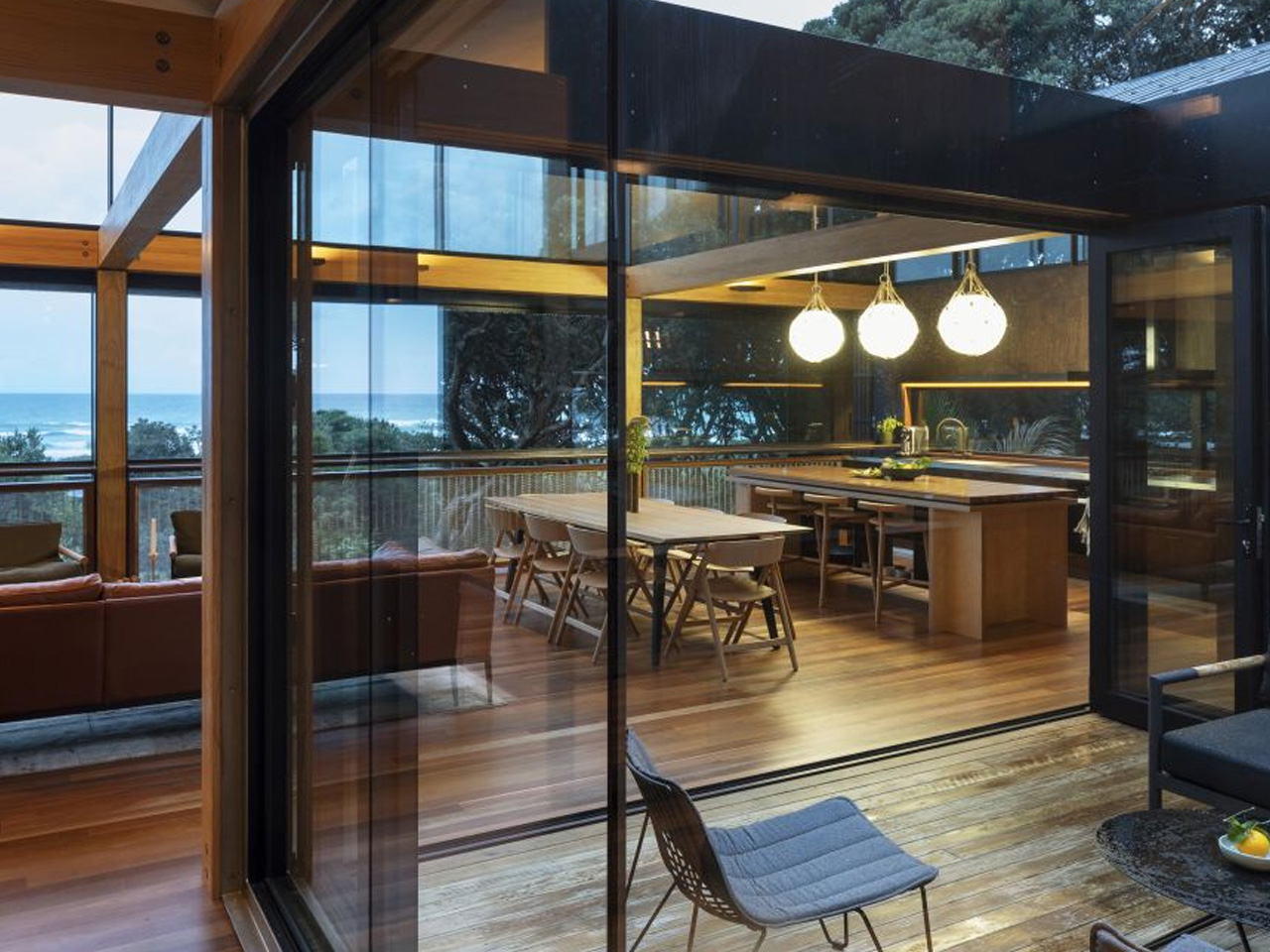
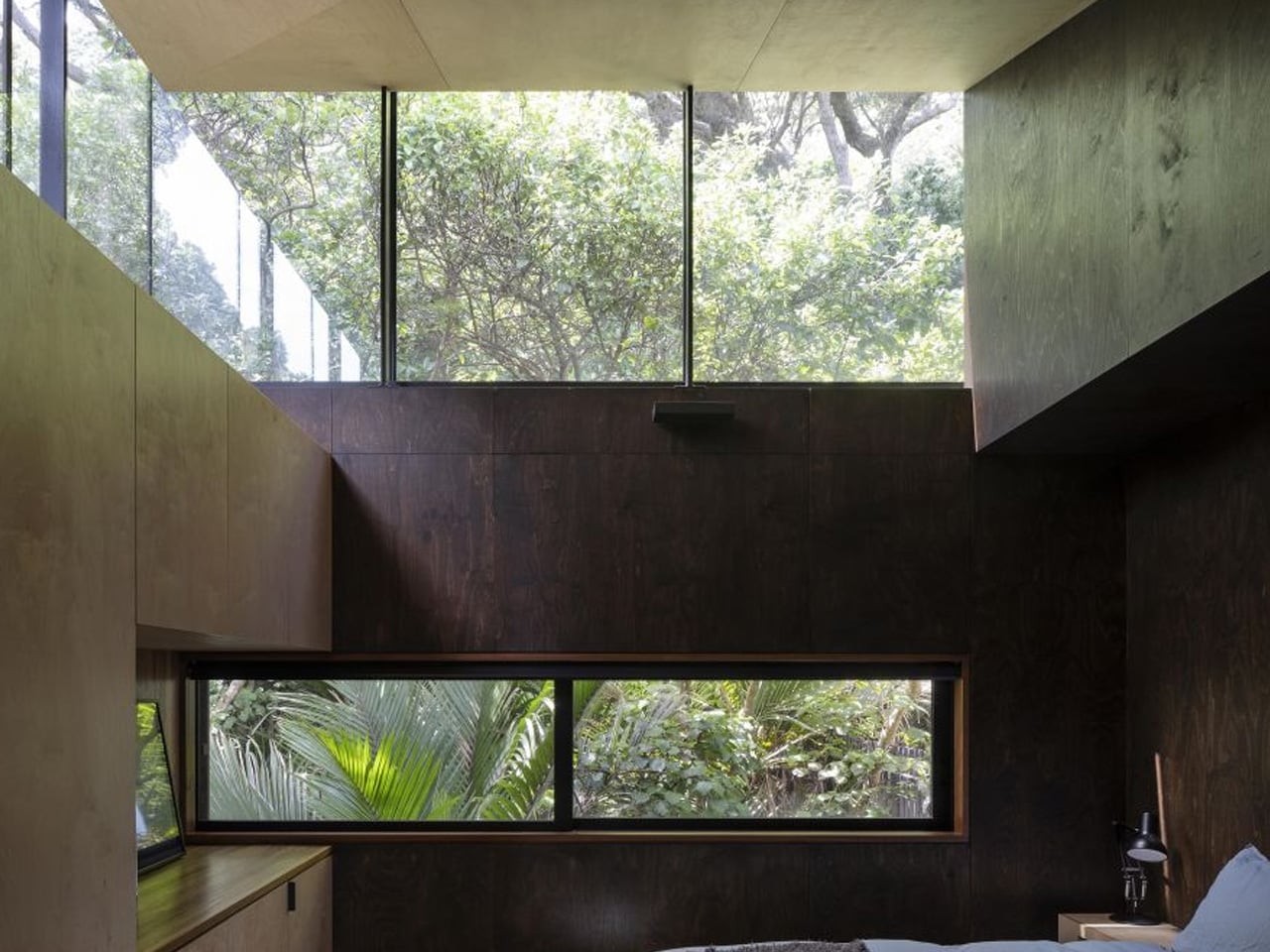
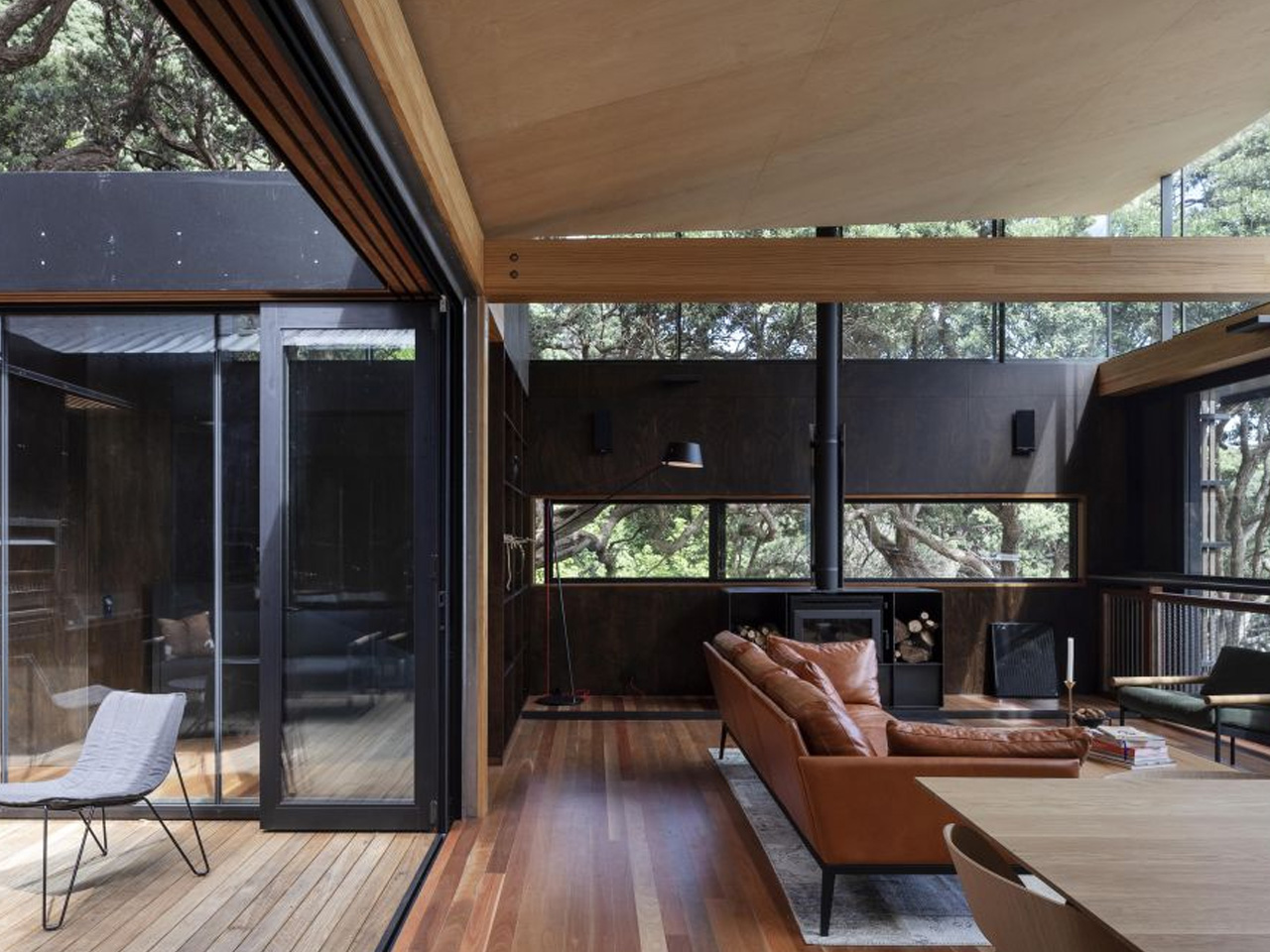
This isn’t a summer-only retreat. The brief called for a year-round beach house capable of withstanding Piha’s sometimes harsh coastal conditions while maintaining comfort across seasons. The architecture balances exposure with shelter, opening to the environment when conditions allow, while providing protection when the weather turns. Large windows frame the landscape like living artworks, bringing the outside world into every room.

The house’s success lies in how naturally it inhabits its setting. Rather than clearing the site to impose a building, the design weaves through existing vegetation. Living spaces and bedrooms occupy the elevated platform, where residents experience the sensation of dwelling within the forest itself. The cantilevered form creates a lightness that prevents the structure from overwhelming its surroundings, making the house feel like an organic extension of the landscape.
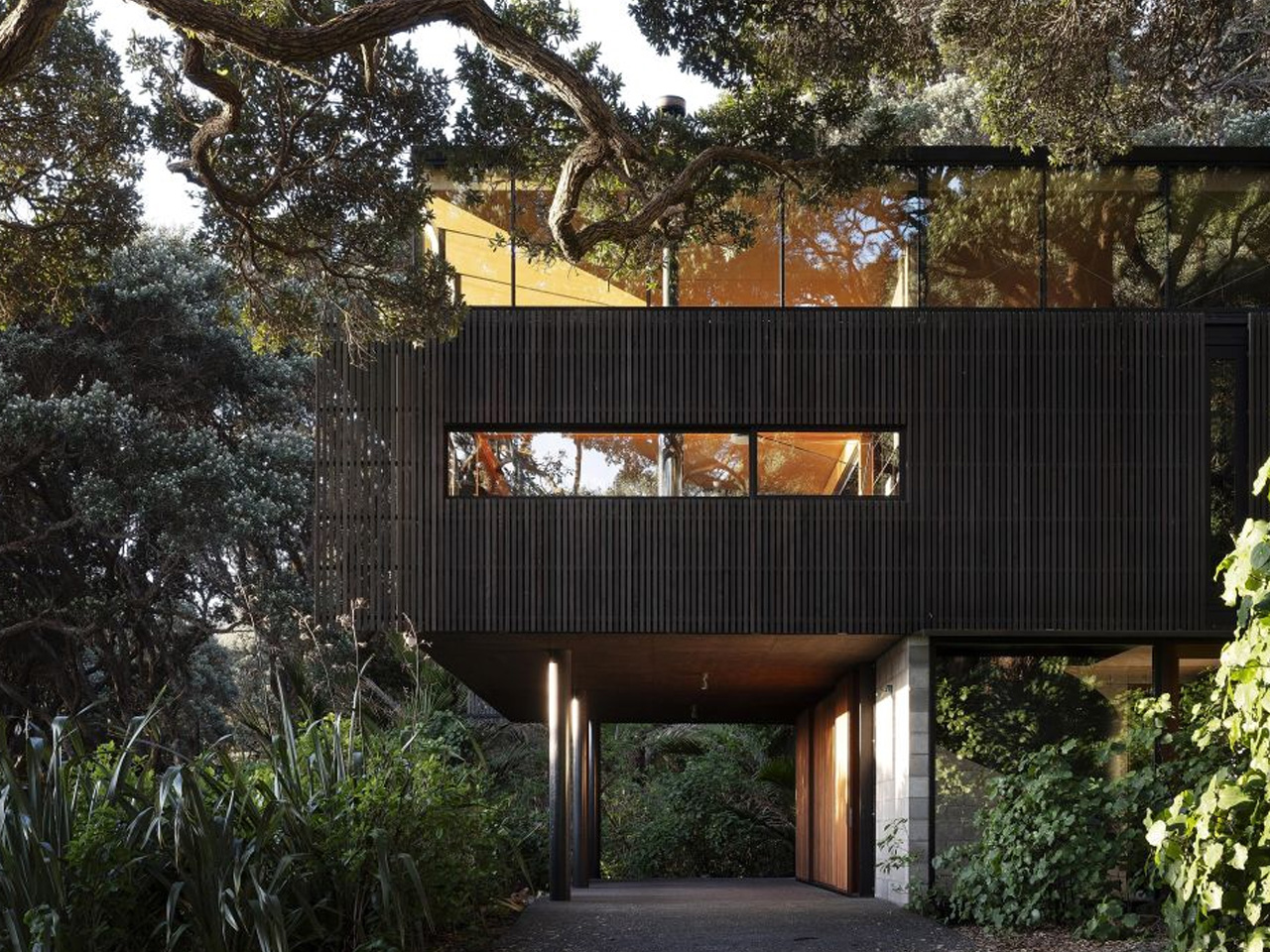
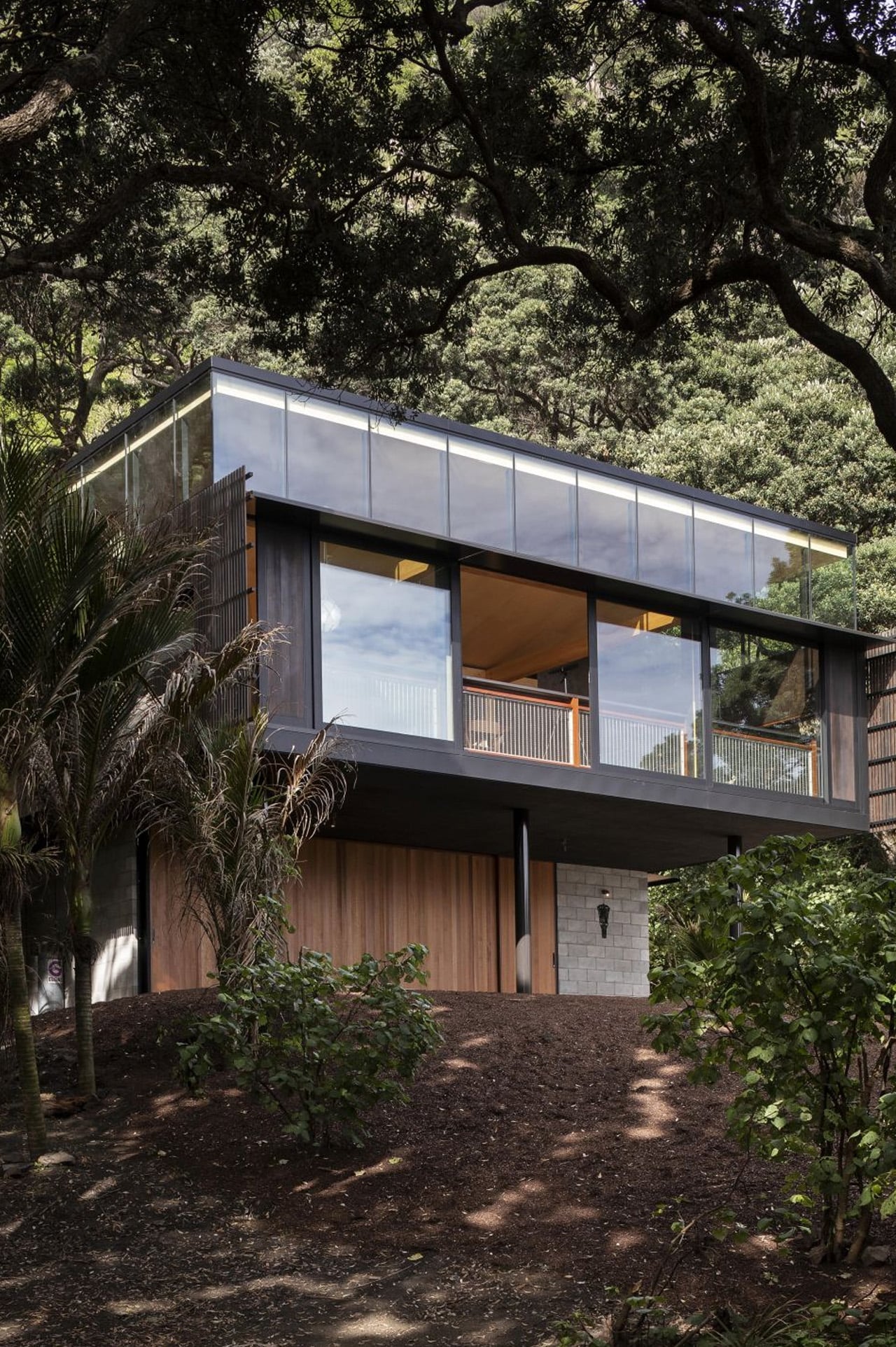
Recognition came swiftly. At the 2018 New Zealand Architecture Awards, Kawakawa Bach received the Sir Ian Athfield Award for Housing, the country’s most prestigious residential architecture honor. Judges praised the project’s engaging connections to its environment and its thoughtful response to a challenging site. The award validated what the design demonstrates so effectively: that careful architecture can enhance rather than diminish natural beauty.

The project represents a particular approach to coastal living. Many beach houses prioritize views through aggressive site manipulation, but Kawakawa Bach achieves visual connection through subtler means. By working with the site’s natural contours and existing vegetation, the house gains something more valuable than unobstructed vistas. It offers an immersive experience of place, where residents live not just near nature but genuinely within it. Herbst Architects, recipients of multiple NZIA awards, have built a reputation for work that responds sensitively to New Zealand’s diverse landscapes. Kawakawa Bach exemplifies this approach. The house proves that even on steep, heavily forested coastal sites, architecture can create generous living spaces that honor their surroundings. It’s a lesson in restraint, proving that sometimes the most powerful design move is knowing when to lift rather than clear away.
The post Explore Elevated Living With This Holiday Home That Rises Into The Canopy first appeared on Yanko Design.
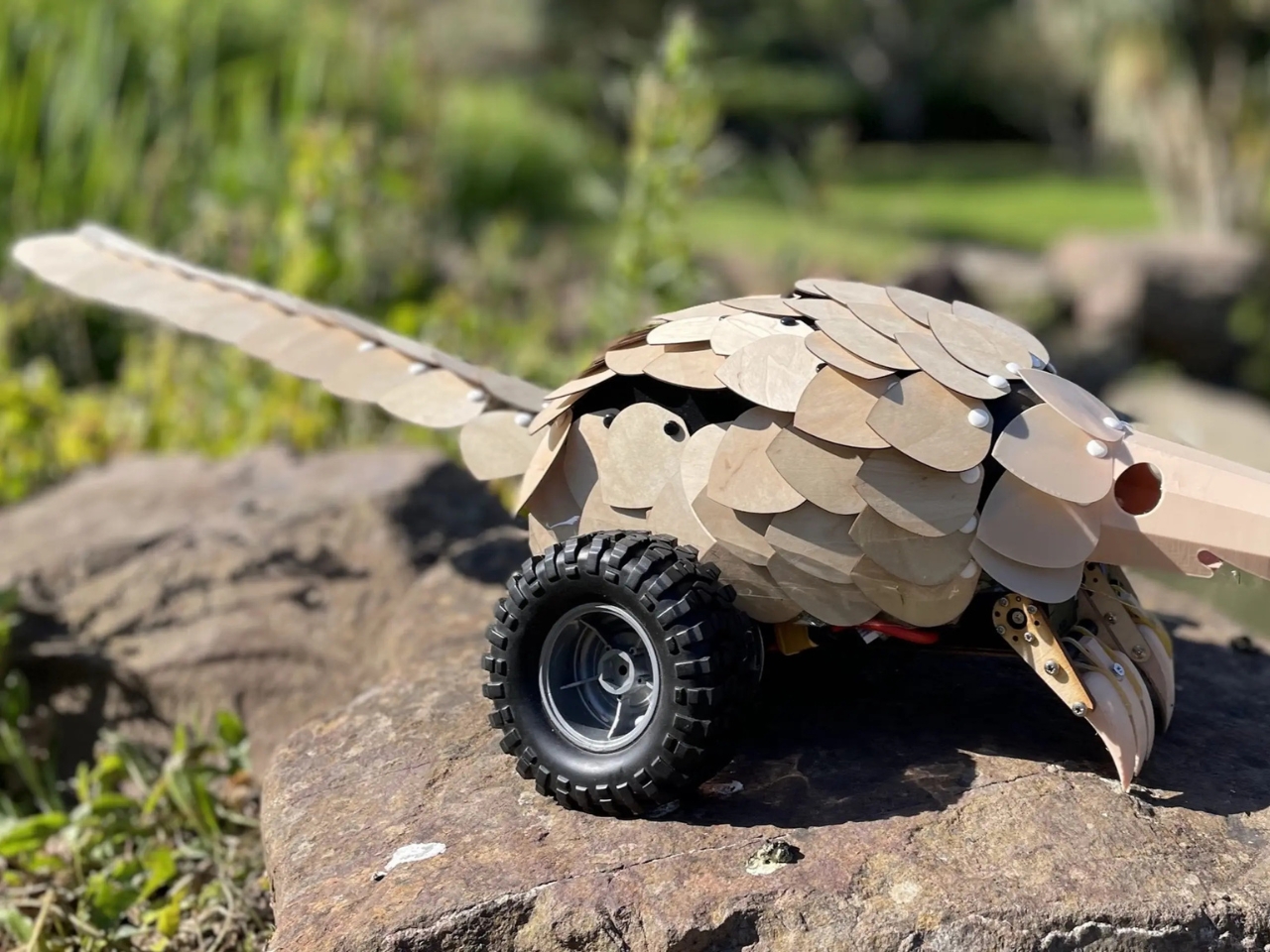
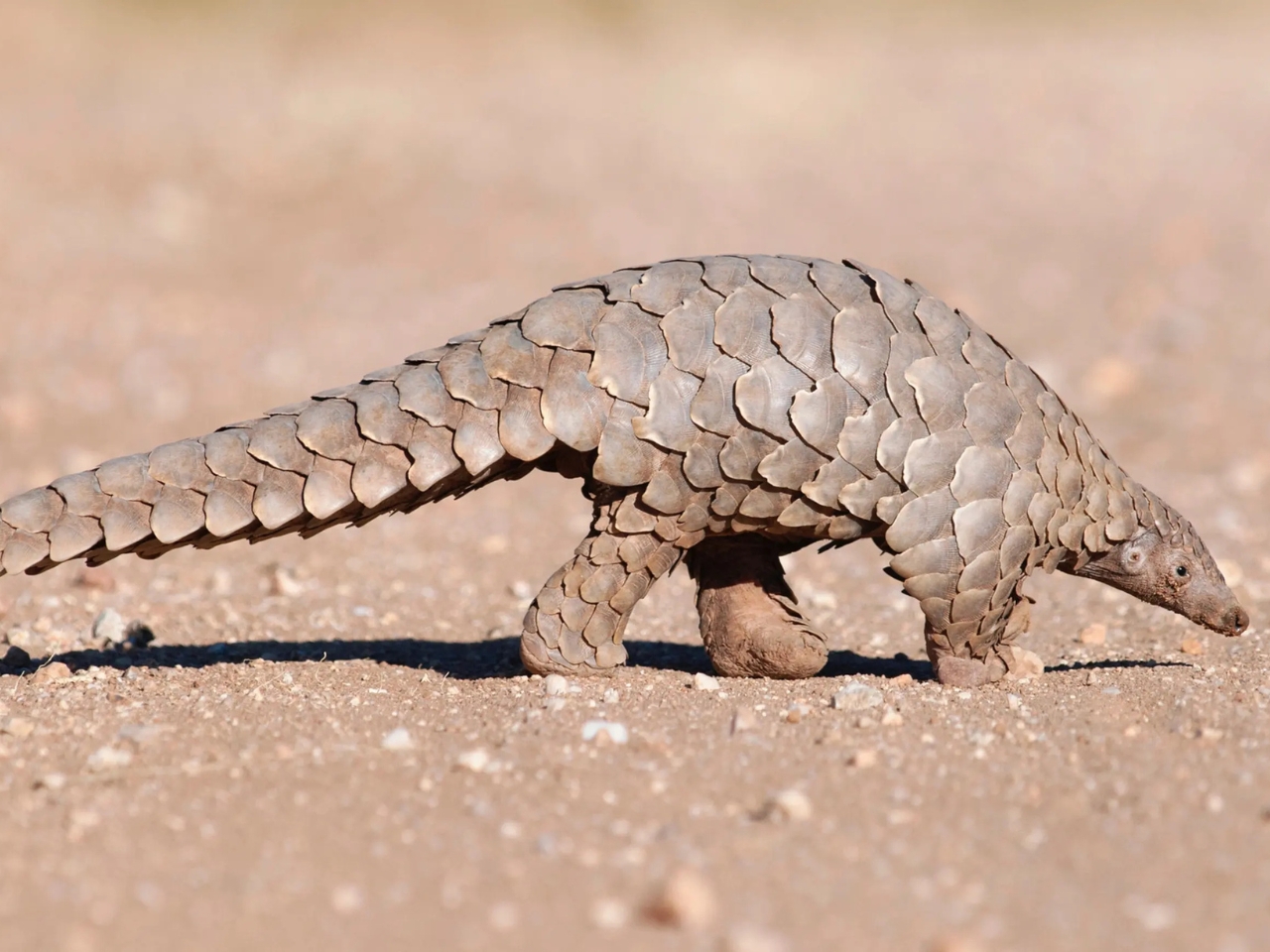
Pangolin-inspired robot can dig and “poop” out seeds to plant trees

Not all robots have to look, well, robotic. There is a growing number of robots that are inspired by real life creatures (sometimes, even humans, but that’s a whole other discussion) or so called bio-inspired bots. The latest winner of the Natural Robotics Contest is inspired by a pretty unlikely animal: the insect-eating mammal called the Pangolin.

Designer: Dorothy and Dr. Robert Siddall

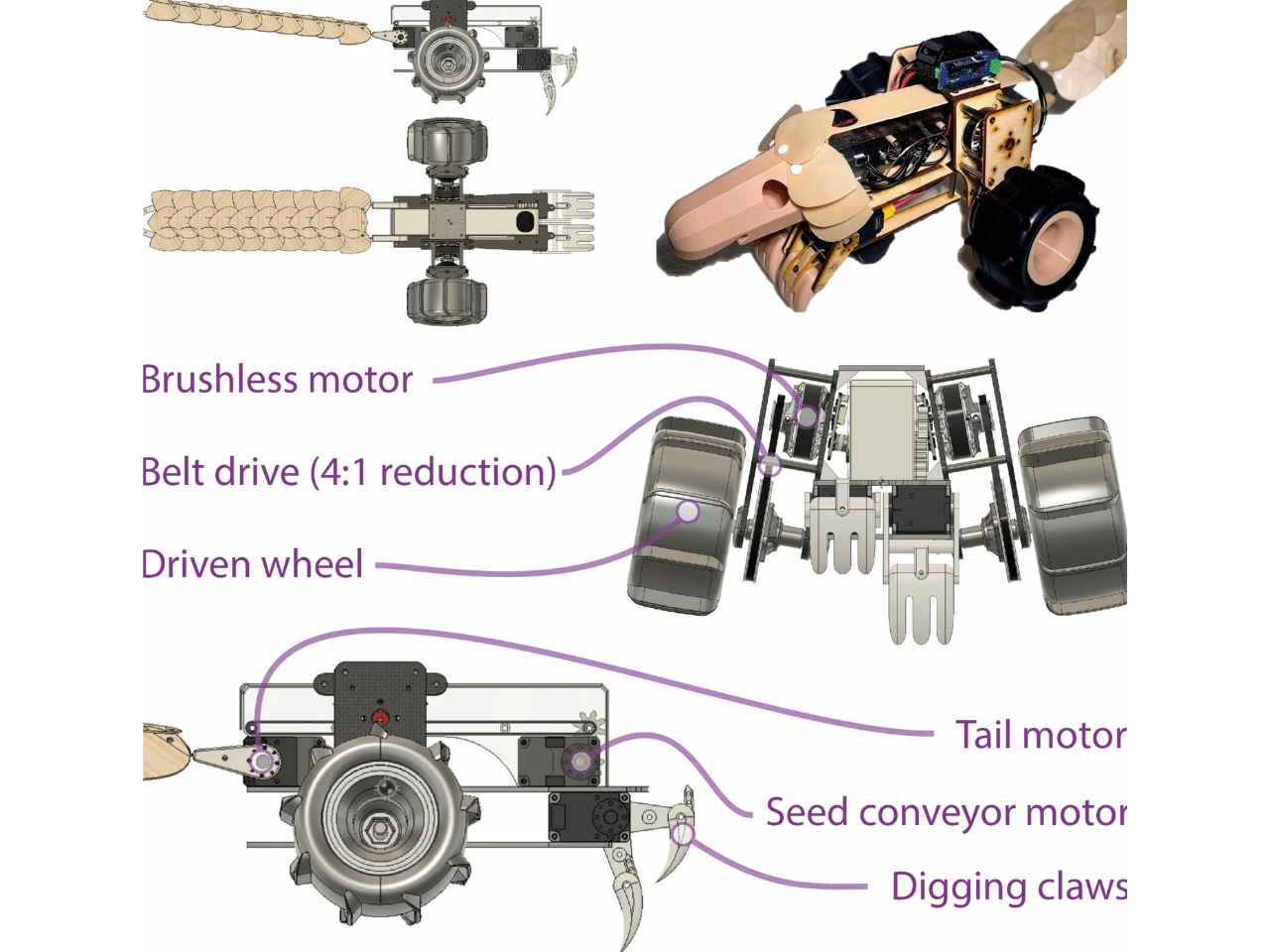
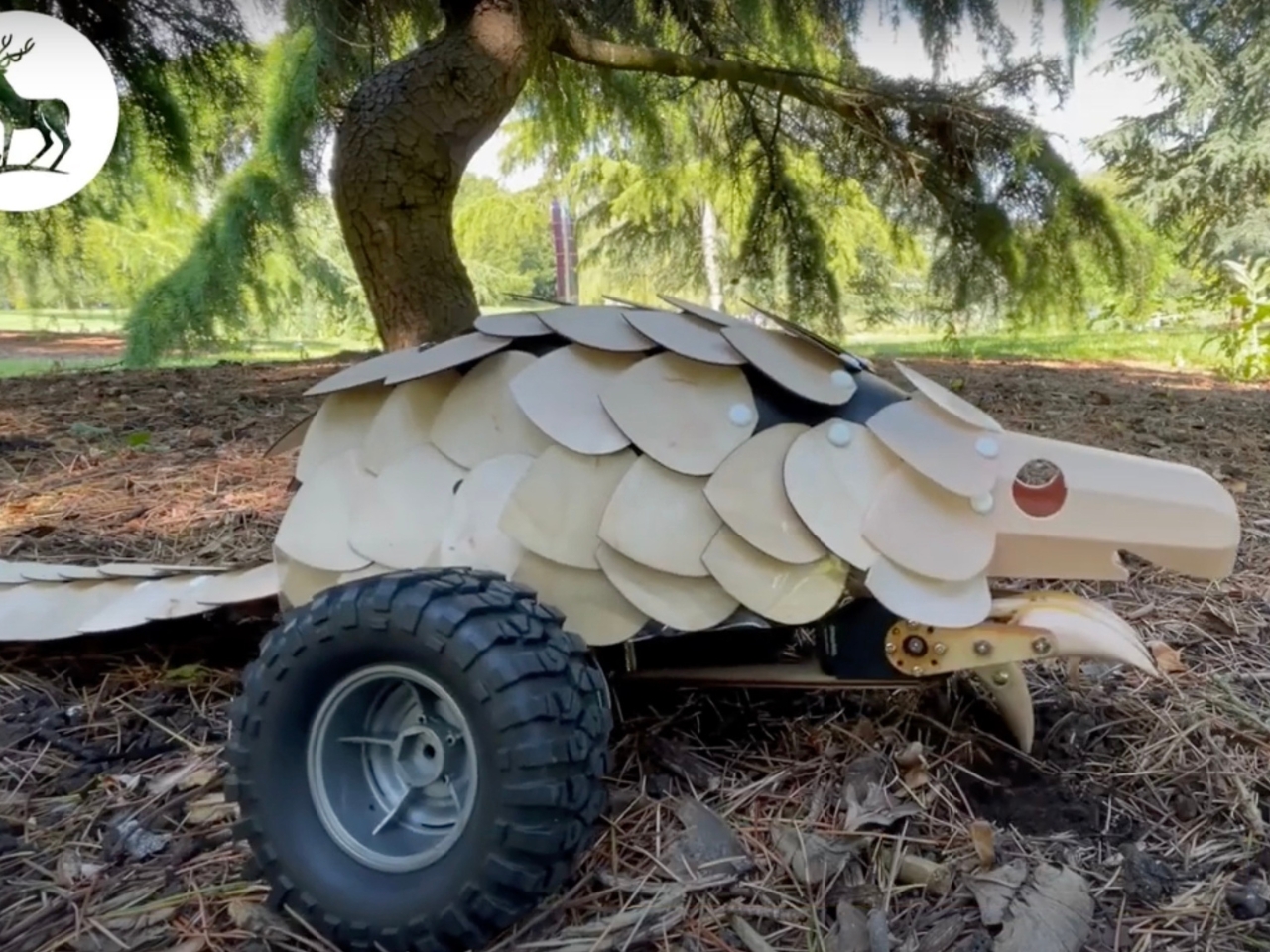
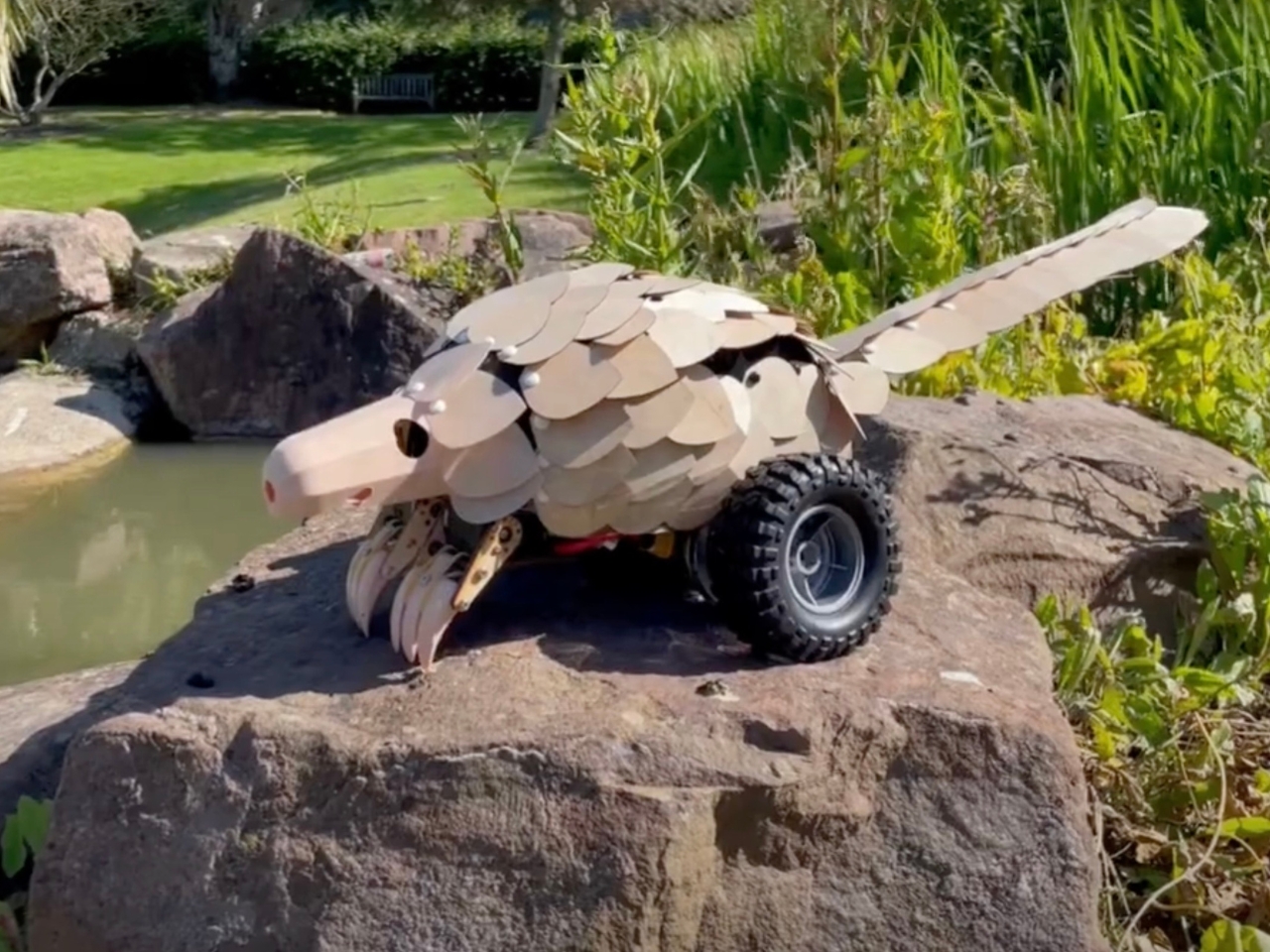
A high school student from California named Dorothy designed a robot whose main goal is to dig and plant seeds. Since pangolins are naturally digging animals, why not use it to create a robot that can help populate areas with more trees? The winning concept was turned into an actual prototype called the Plantolin by the partner research institute. More than just looking like a pangolin, it uses features from the mammal and incorporate it into the functions of the robot.

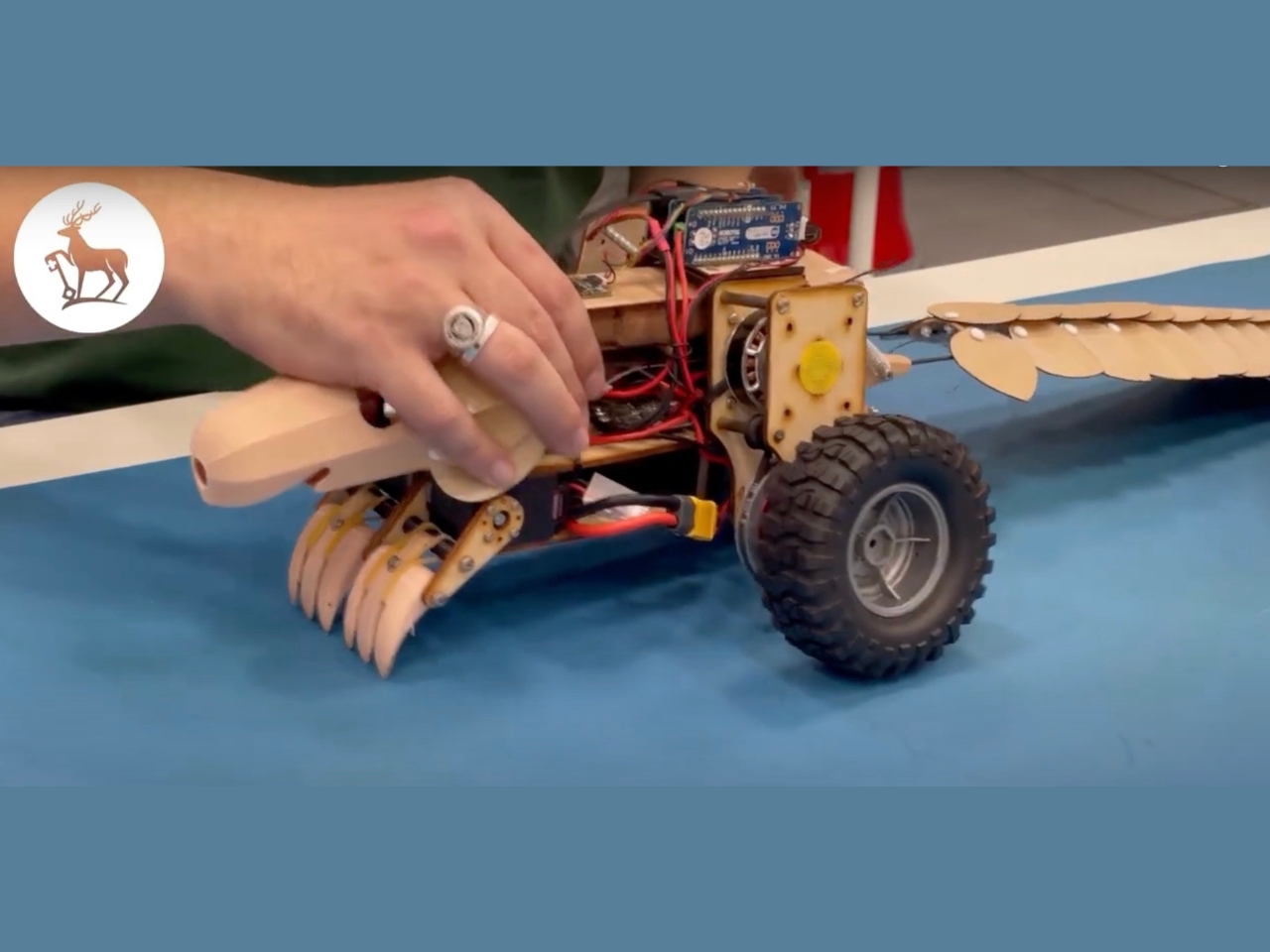
The Plantolin roves around on two wheels and just like the pangolin, it balances on its long, movable tail. Each of the wheels has an electric quadcopter drone motor. The digging is done by these two front legs with the tail tilting down once it starts to provide leverage. Once there’s a hole already, the robot drives over it and poops out a yew tree seed bomb nugget (containing both seeds and soil).

It’s a pretty interesting way to re-populate a space with more trees. It will probably be faster and will need minimal human intervention when it’s programmed right, so no need to train actual pangolins to do the job.

The post Pangolin-inspired robot can dig and “poop” out seeds to plant trees first appeared on Yanko Design.
Crayons from Japan’s recycled trees highlights the country’s forests

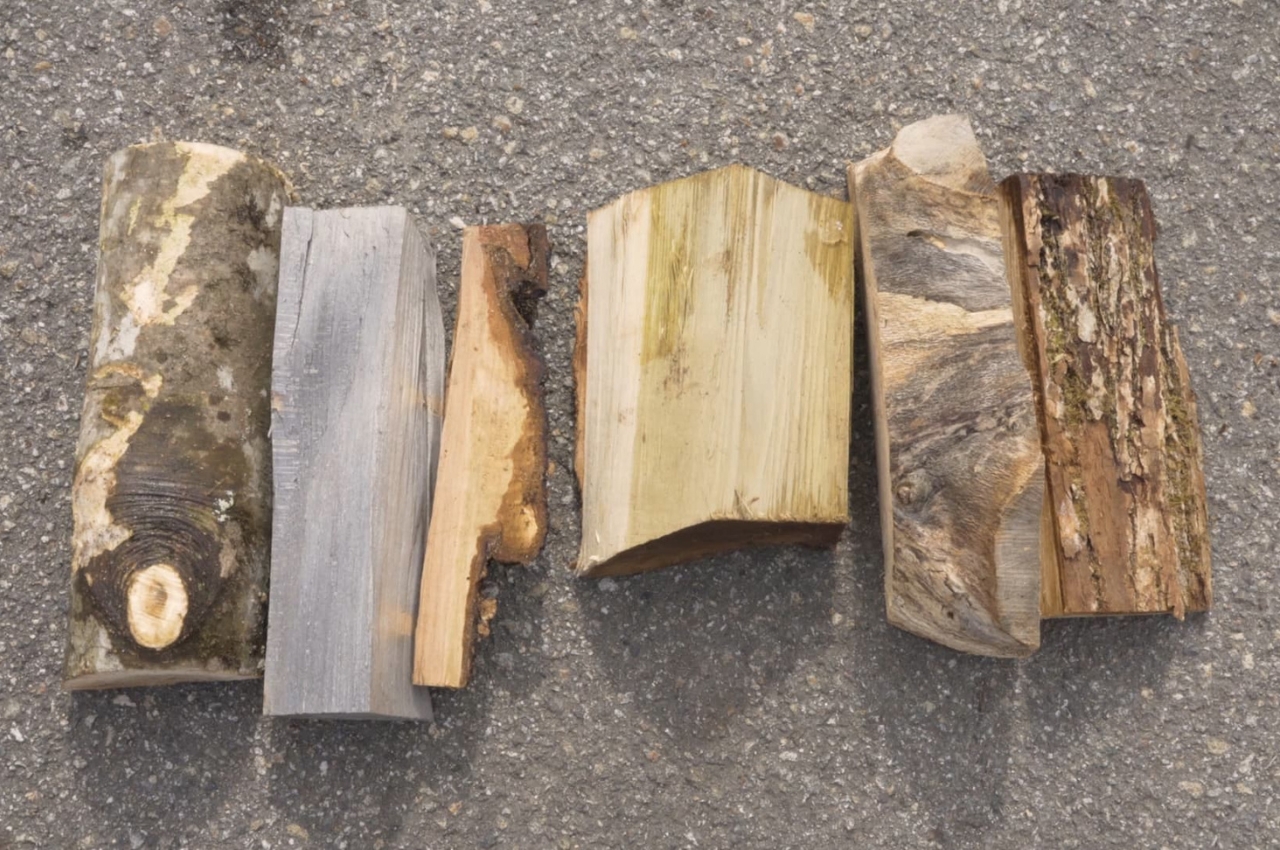
When you think of wood, the color that immediately comes to mind is brown since that’s what most of us have seen in the trees near our abodes or even when we travel. But it’s not the only color that we can extract from it, specifically from various species of forest trees. With 2//3 of Japan covered with trees and a lot of these forests remaining unharvested and unmaintained, it’s interesting to see what sustainable products can be made out of these trees.

Designer Name: Playfool

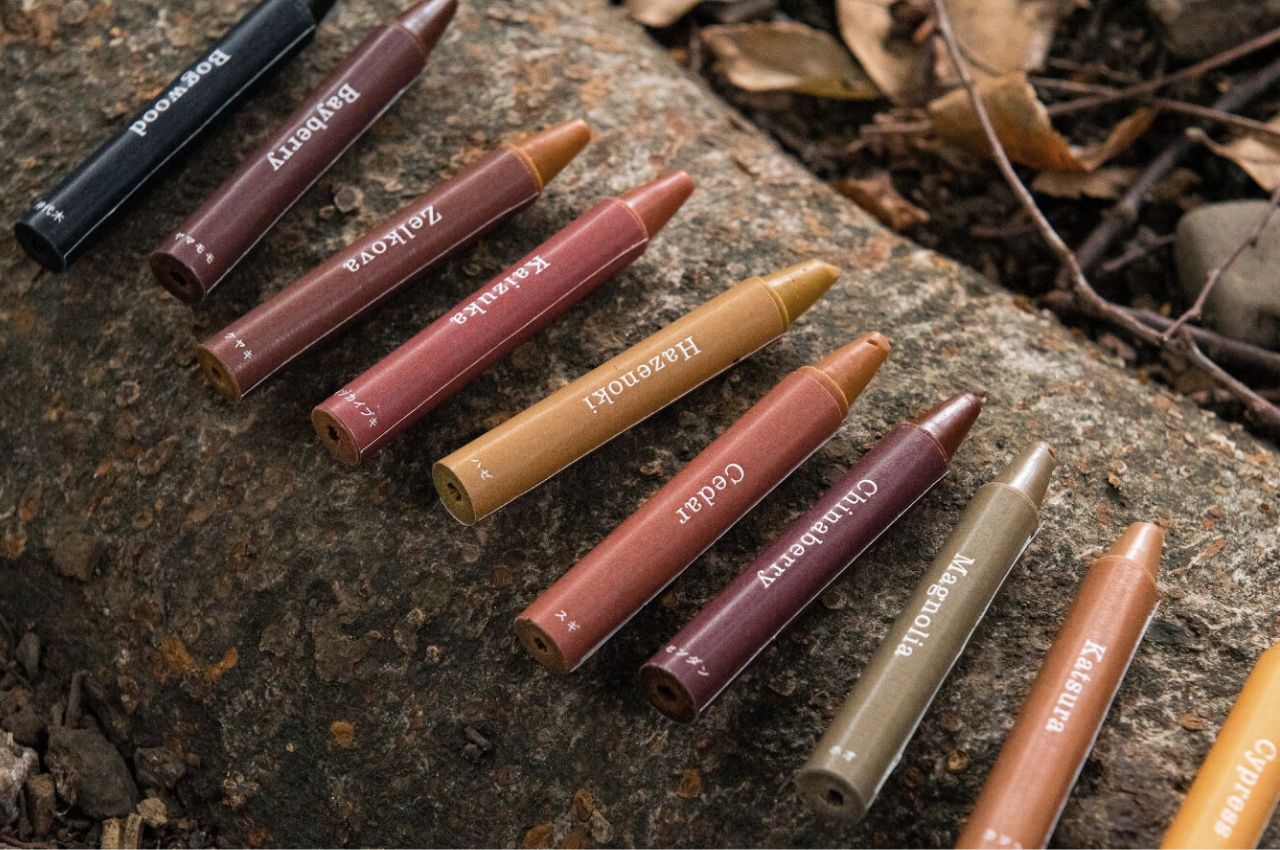
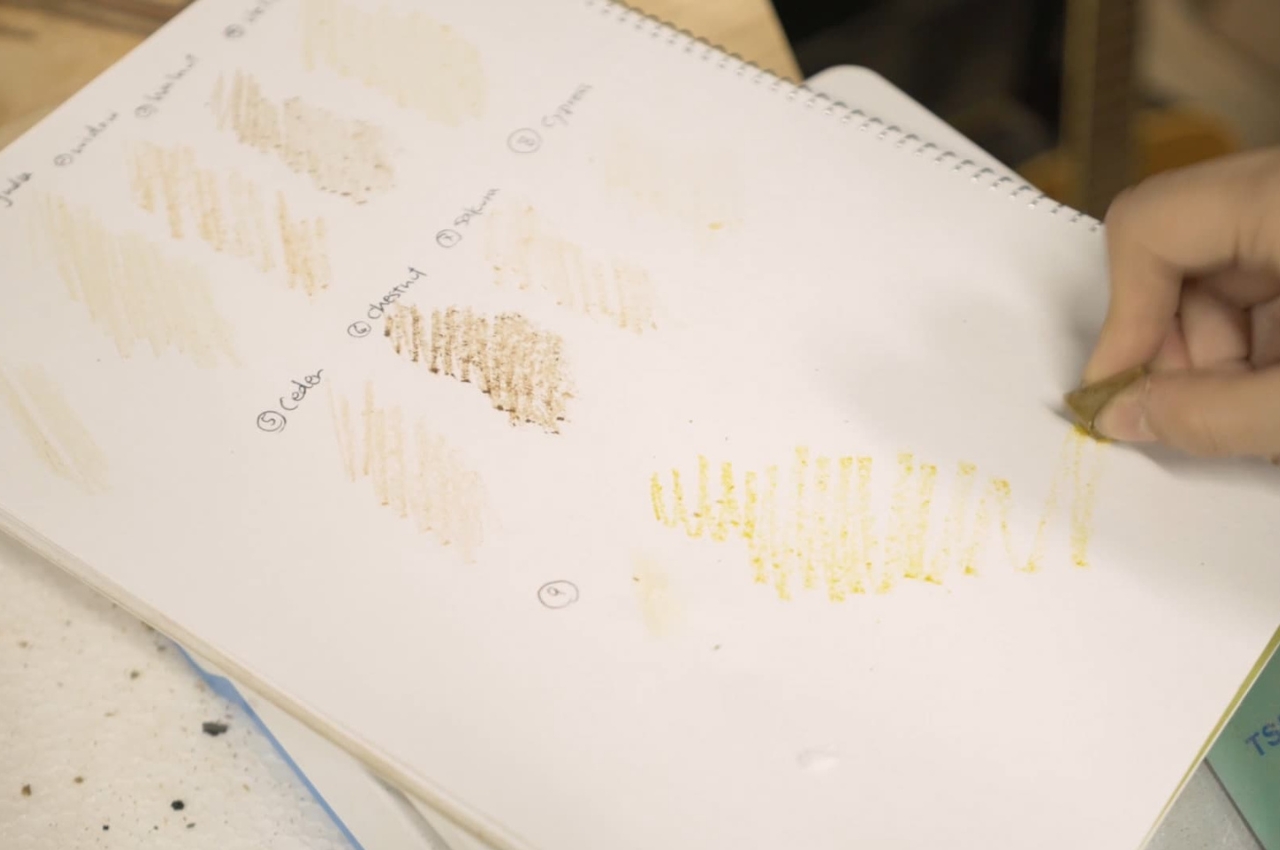
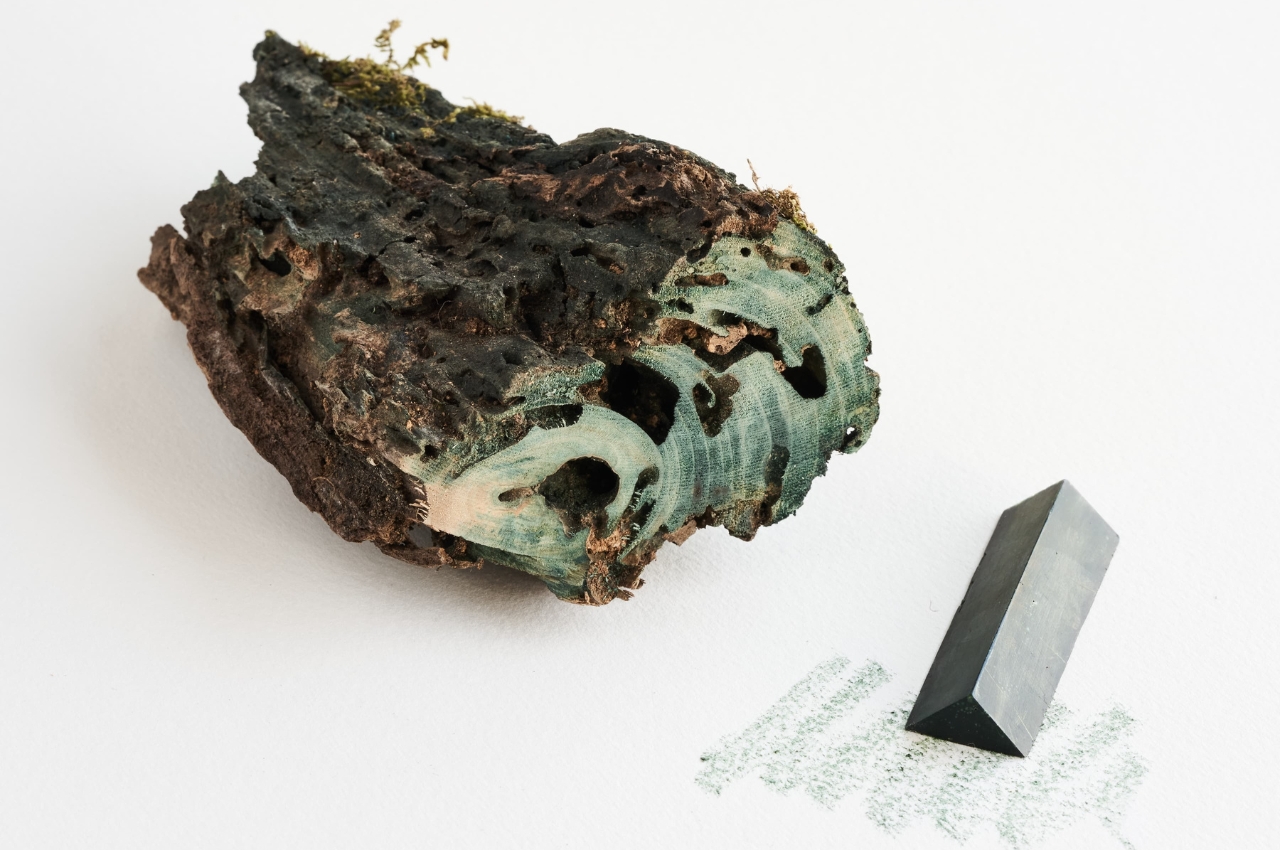
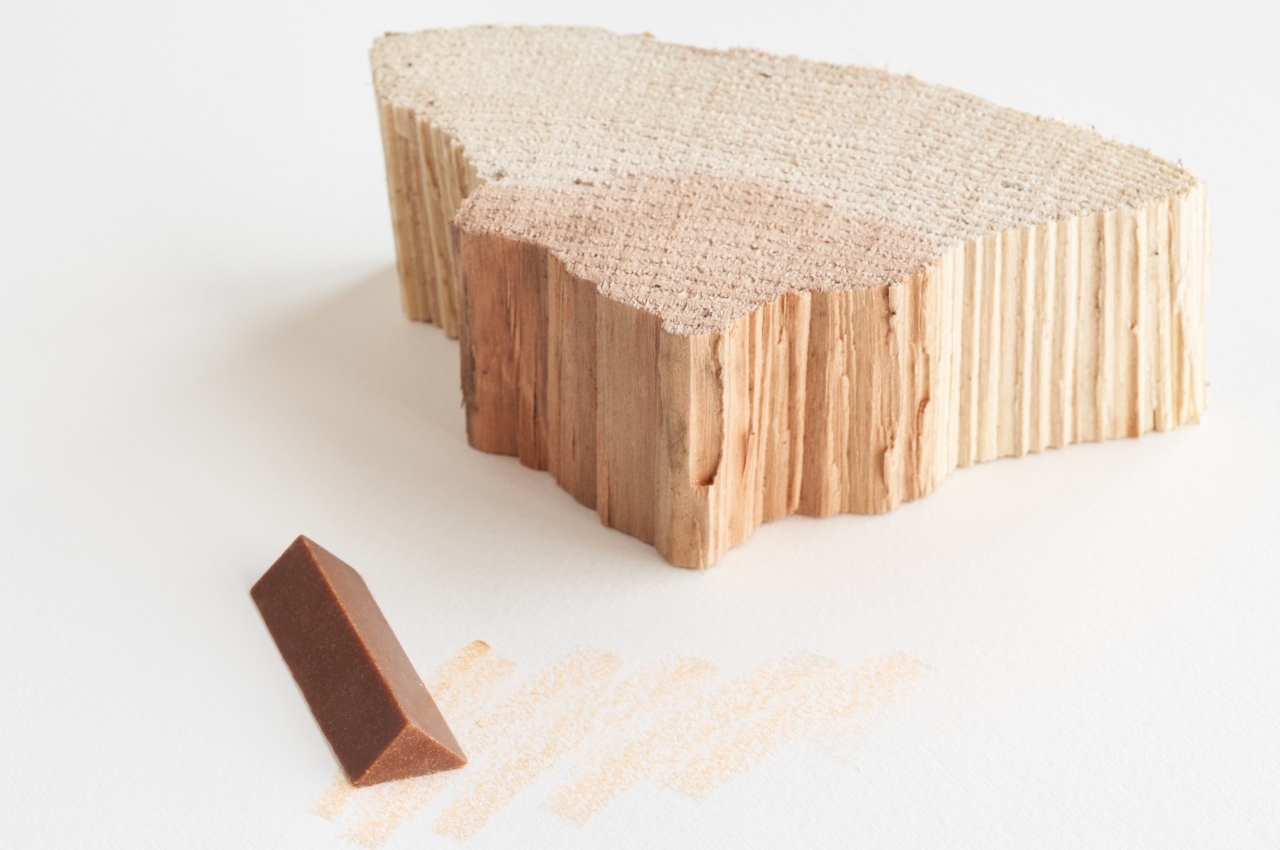
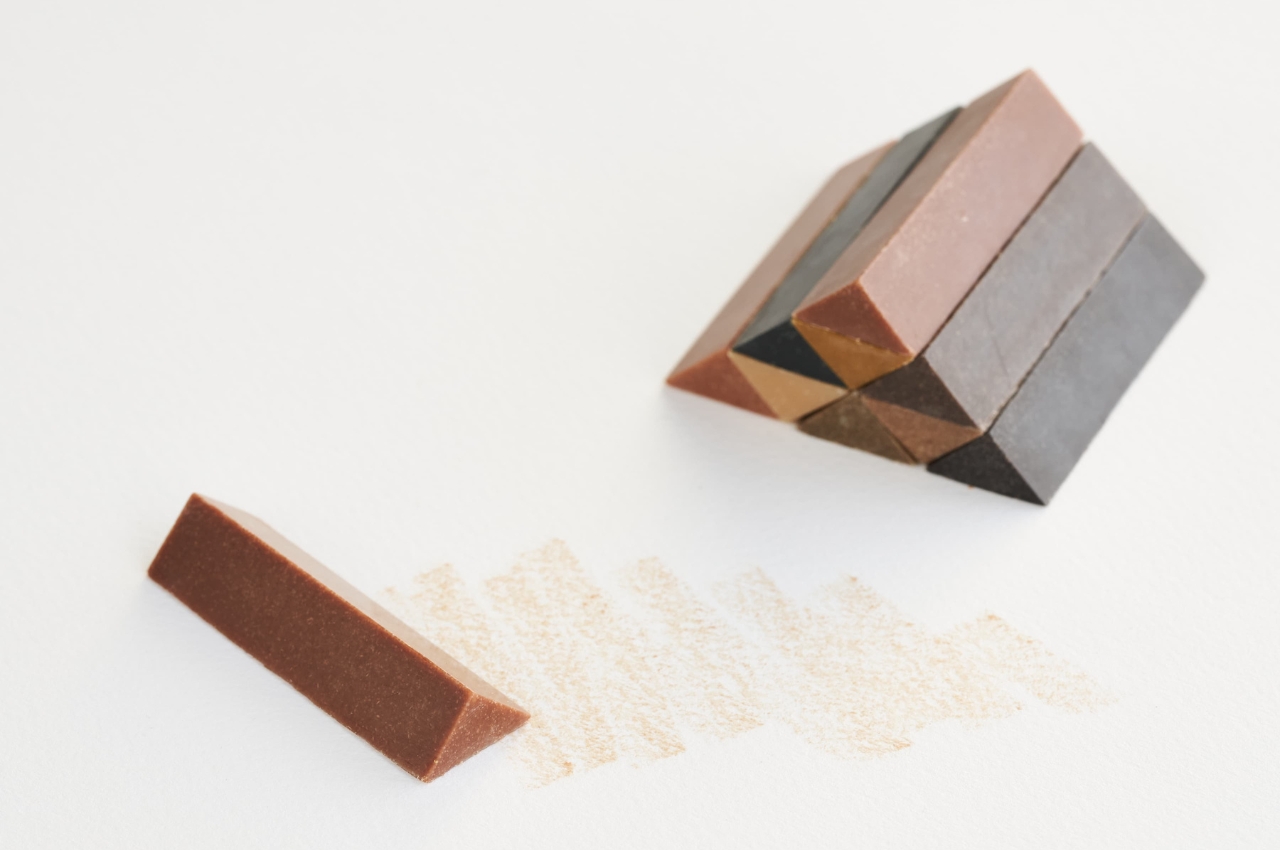
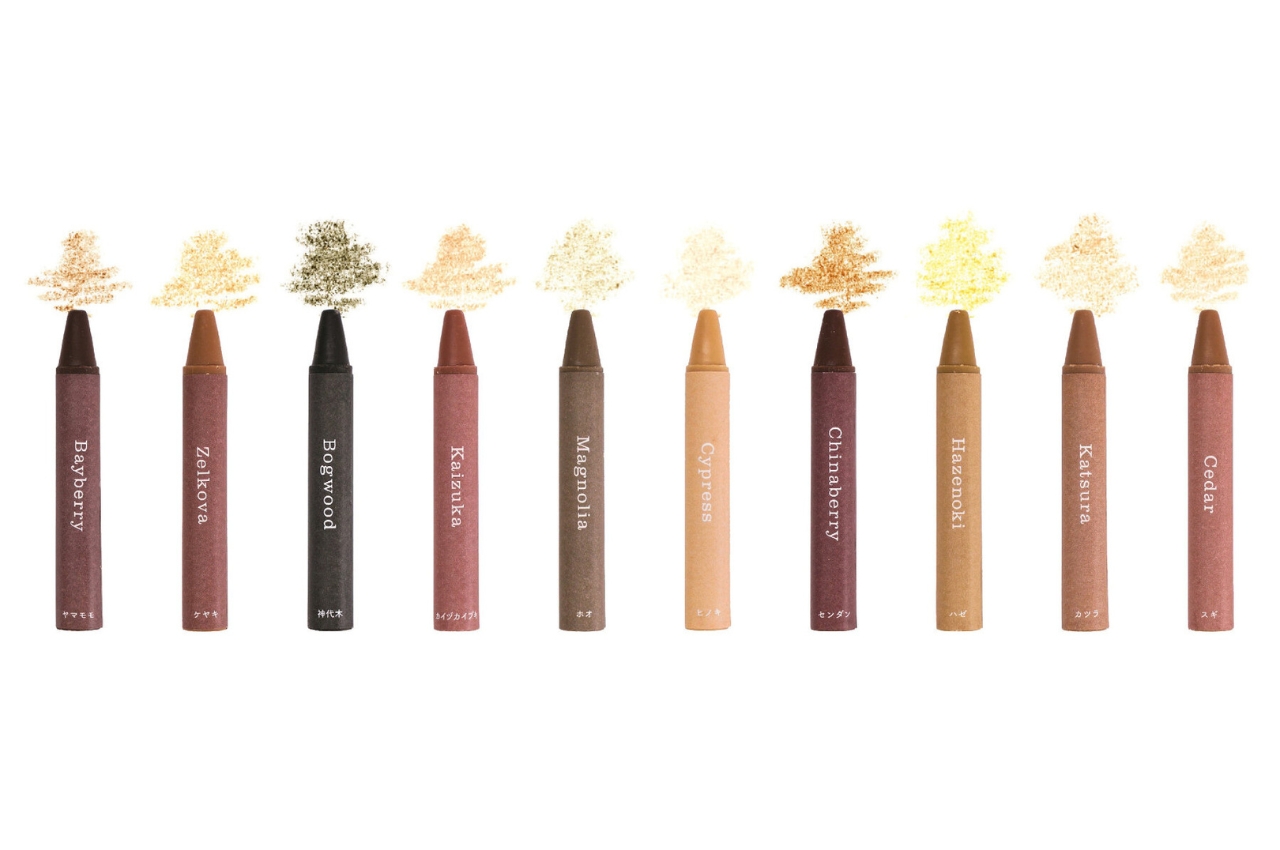
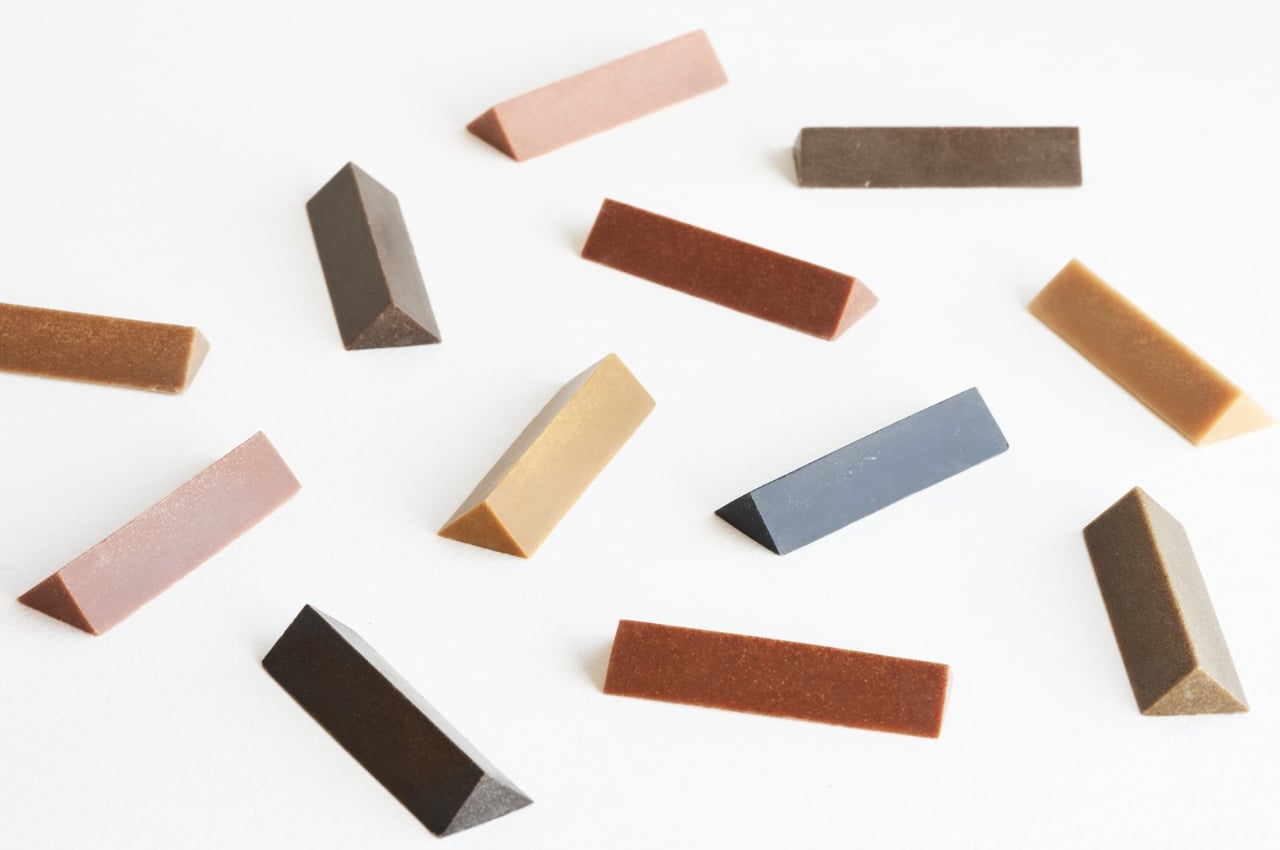
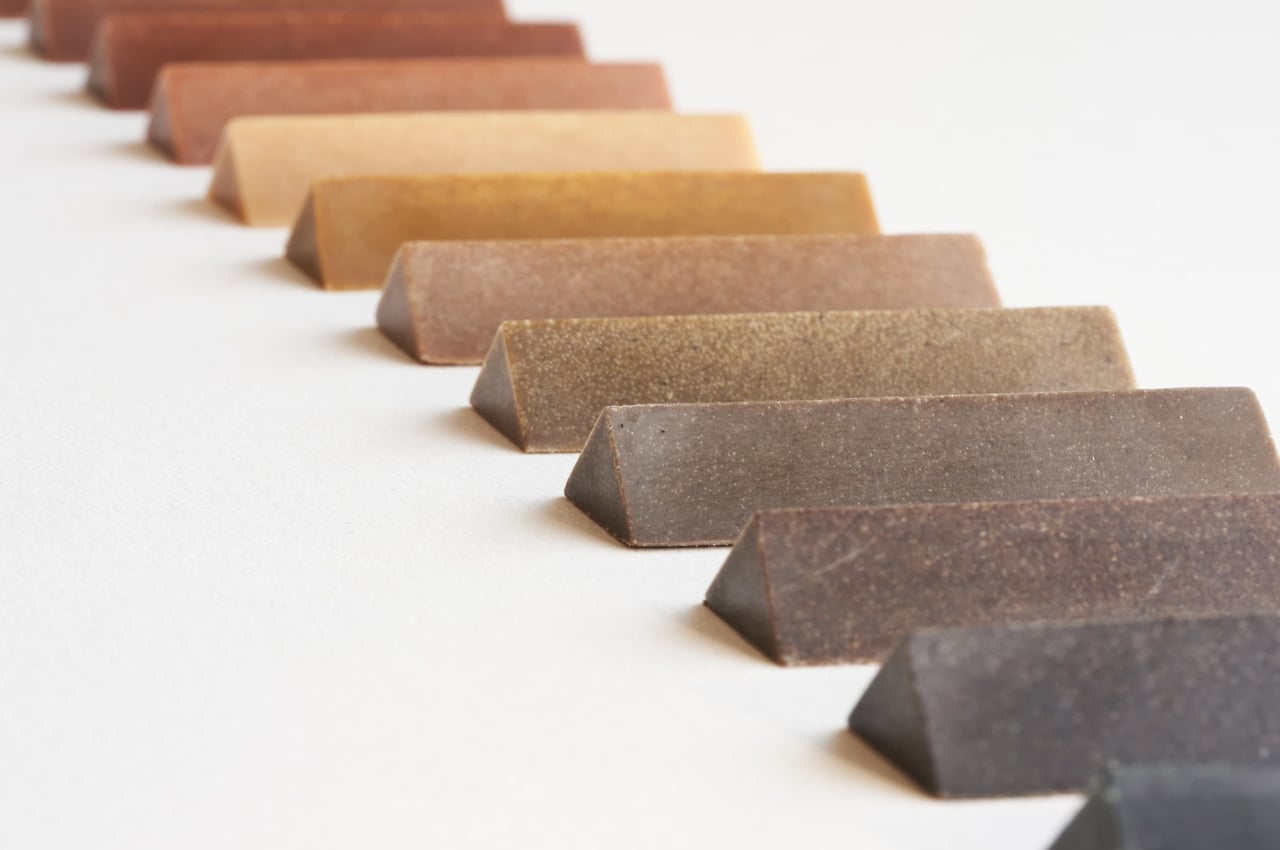
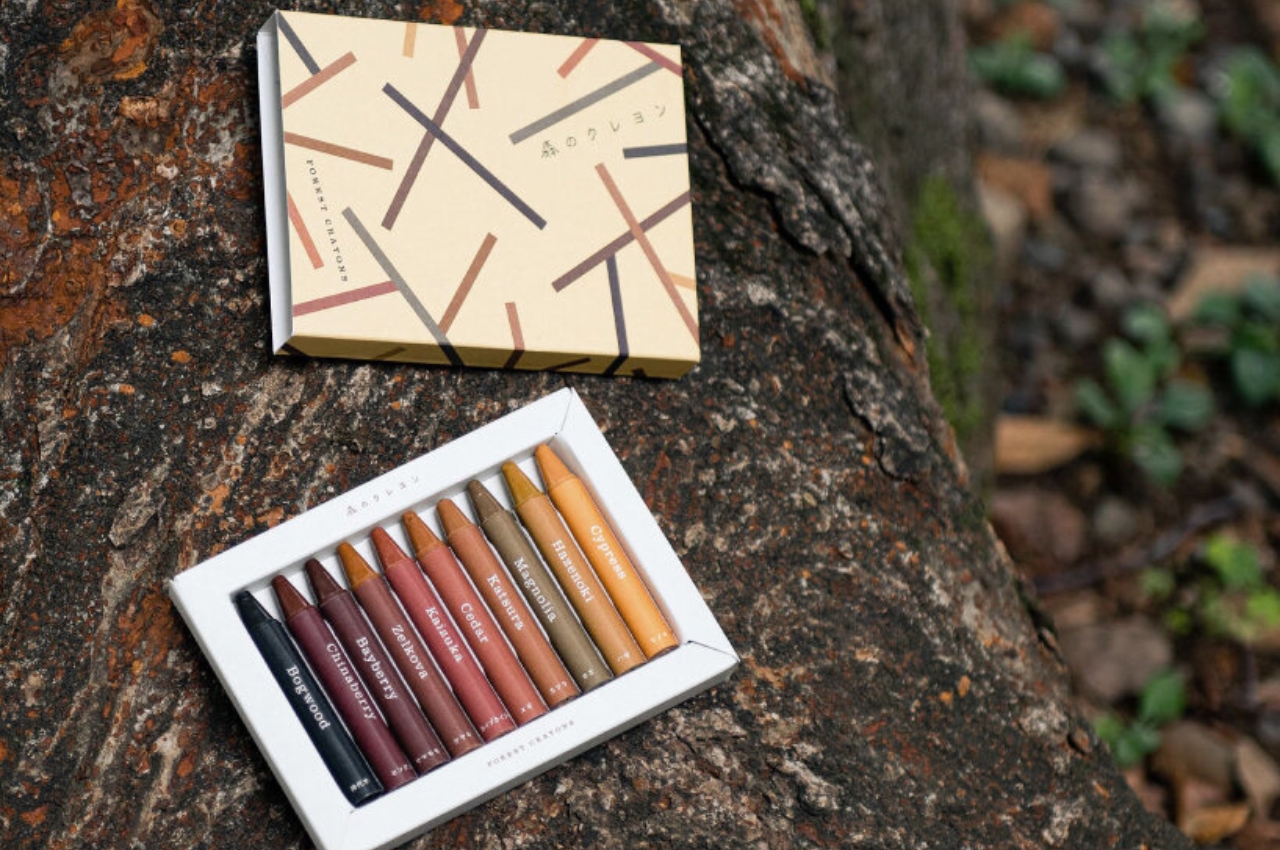
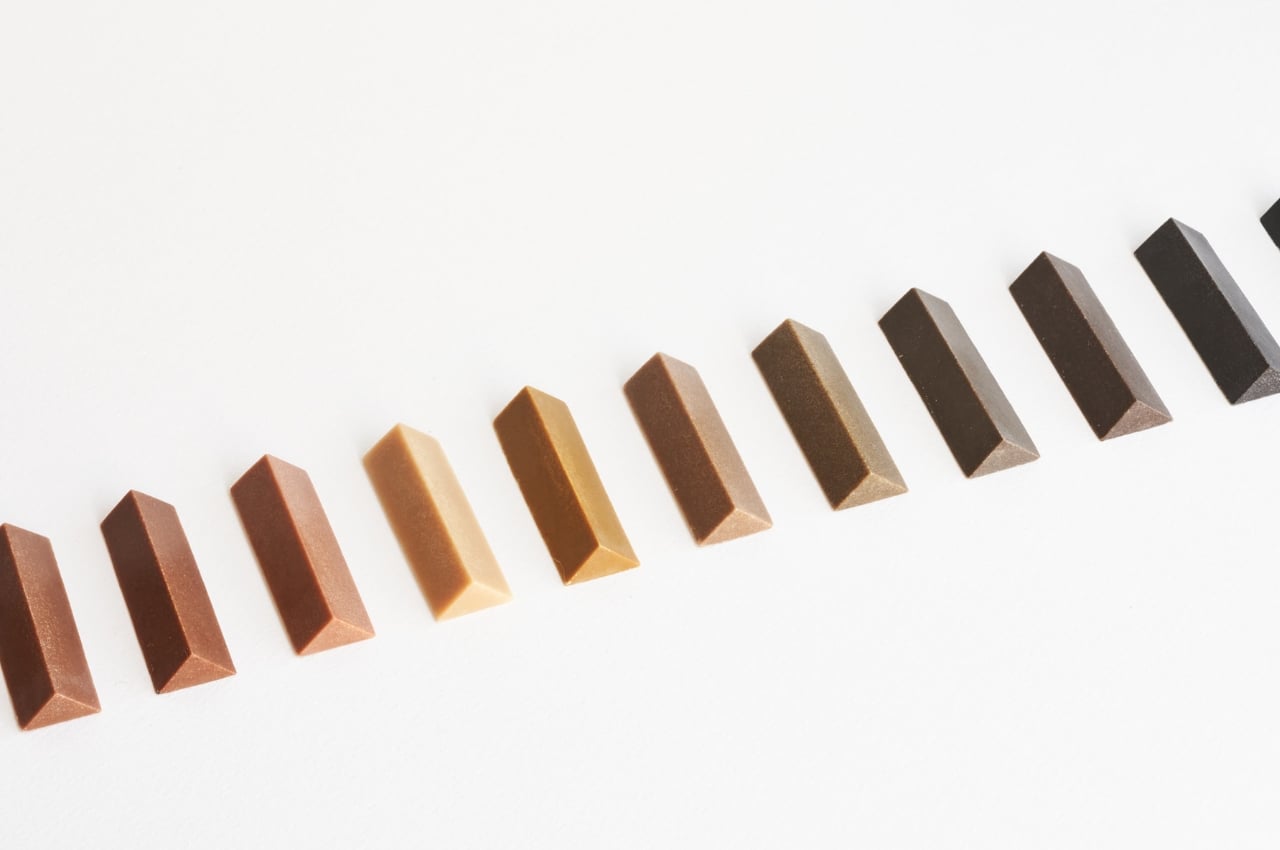
Forest Crayons is a project that uses the pigments extracted from various recycled forest trees and mixes them with other sustainable ingredients to turn them into crayons. Each one has a different shade that is based on the species of the recycled tree as well as how it was cultivated and grown. For example, you get a light green color for magnolia and a deep turquoise of fungus stained wood.

The pigments extracted are mixed with wood, rice wax, and rice oil to produce the different crayons. There are ten crayons available in the Forest Crayons set: Bayberry, Bogwood, Cedar, Chinaberry, Cybress, Hazenoki, Katsura, Kaizuka, Magnolia, and Zelkova. Some names should be familiar to most people but there are species that are native to Japan and some that have Japanese names.

Forest Crayons are actually supported by the Japanese Forest Agency and aside from producing these from recycled trees, they also want to “breathe new life into Japanese wood” so that people will have a new appreciation for the country’s forests. I would prefer the triangular shape of the crayons shown in the product shots but it makes sense of course to have them in the traditional crayon shape for functional reasons.

The post Crayons from Japan’s recycled trees highlights the country’s forests first appeared on Yanko Design.