Sushi is more than food, as it is a lesson in design. Rising from humble beginnings to become a global icon, it reflects clarity, precision, and minimalism. Each element is carefully selected and crafted, revealing beauty through simplicity. Beyond the plate, sushi’s philosophy has influenced modern industrial design, inspiring products and spaces with its calm and purposeful aesthetic.
Its core principles of simplicity, harmony, and respect for materials offer timeless guidance for creators. By removing excess and focusing on what matters, designers achieve elegance through function, creating designs that are lasting, meaningful, and deeply connected to their purpose.
1. The Minimalist Blueprint
Sushi represents the essence of minimalism. A piece of nigiri, a form of hand-pressed sushi featuring a delicate slice of fresh fish atop perfectly seasoned rice, illustrates how true beauty emerges through restraint. There are no excessive garnishes or overpowering sauces, only a focus on pure, essential elements. This “less is more” philosophy directly aligns with industrial design, where simplicity, clarity.
From smartphones to furniture, this principle is reflected across modern design. Smooth, unembellished surfaces invite attention to function without distraction. These designs achieve harmony and refinement, ensuring every detail feels intentional. The result is timeless elegance, where functionality itself becomes the ultimate expression of beauty.
This suitcase collection is inspired by sushi, designed to turn a practical travel essential into a playful statement piece. Each piece mimics the look of nigiri, with white “rice” forming the base and a colorful topping representing popular ingredients. Three designs are featured: yellow egg (“tamago”) with a spiral pattern, brown eel (“unagi”), and orange salmon (“sake”), each with raised textures that reflect the natural ridges of the sushi they emulate. The dual-tone design aligns seamlessly with the suitcase’s two-halved construction, creating a visually striking yet functional piece.
Adding charm and utility, a strap wraps around the width of the suitcase, echoing the nori seaweed that holds sushi together. This strap doubles as a luggage tag, eliminating the need for additional accessories. Crafted with attention to materials and detail, the sushi-inspired suitcase combines durability with whimsical design, offering a unique, fun, and functional way to travel.
2. Precision and Craftsmanship
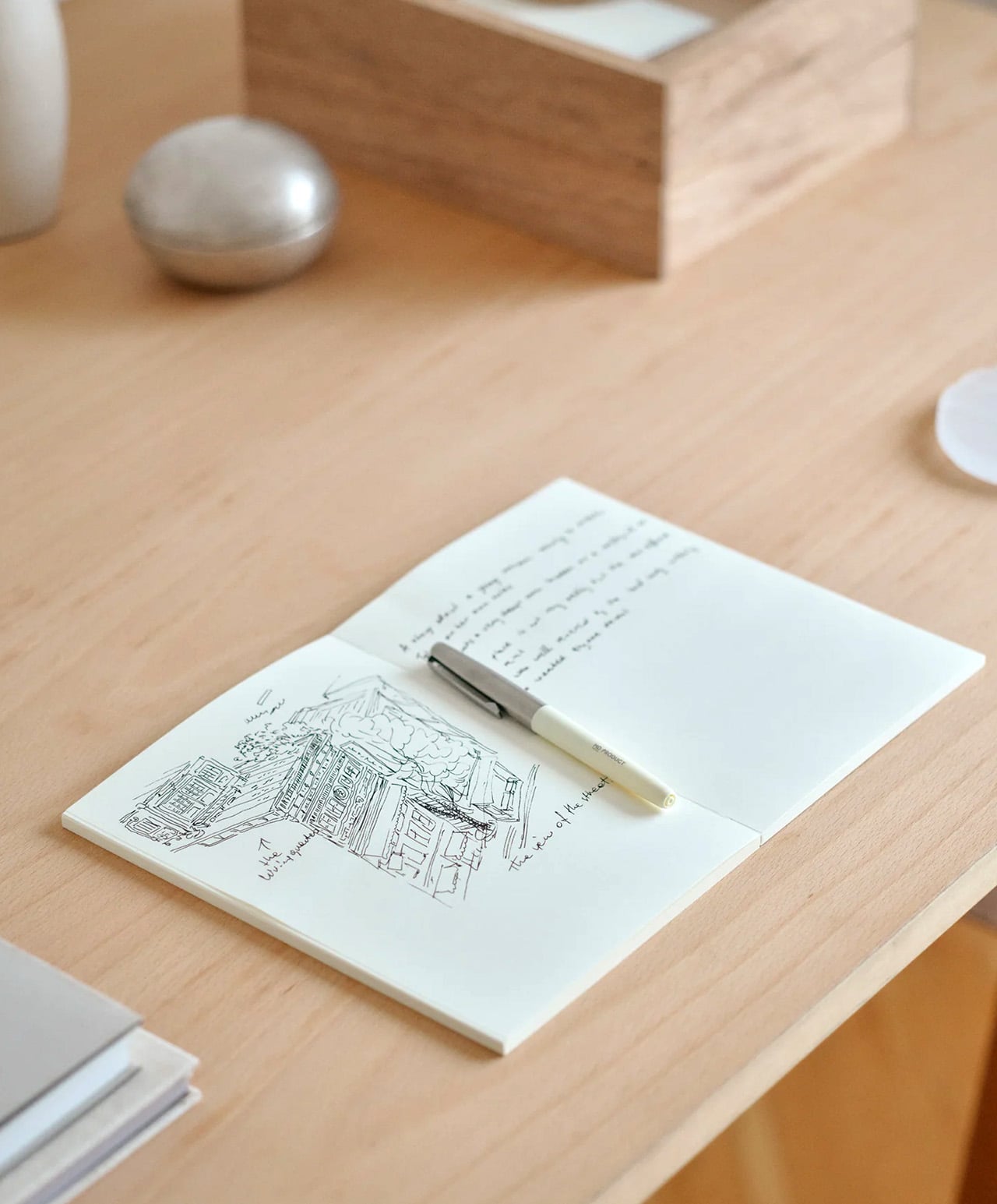
Sushi reflects the power of precision. The chef’s knife work, or hōchōbiki, is an art form, with each cut enhancing texture and flavor. Even the rice is prepared with exact care, from washing to seasoning, showing a dedication to detail at every stage.
This same principle shapes exceptional product design. It’s seen in seamless furniture joinery, the satisfying click of a well-made button, or the balanced weight of a tool. Such perfection in construction and finish gives products integrity and longevity, showing they were not just made but thoughtfully crafted with purpose and respect.
The Sushiville keycap set from Dwarf Factory is a meticulously crafted collection of six artisan keycaps inspired by iconic Japanese sushi. Each keycap is individually handmade from resin and carefully hand-painted to replicate the textures, colors, and intricate details of its culinary counterpart. The set features Umami Unagi with soy-basted eel, Shake Sugoii showcasing salmon nigiri with roe, Ikura Umee with vibrant salmon eggs, Zeppy Ebi topped with butterflied shrimp, Tako Saiko representing octopus, and Saba Shiawase with marinated mackerel. Every piece captures the realistic appearance of sushi, including rice, nori, and garnishes, providing a visually striking and playful miniature presentation.
Designed for mechanical keyboards, the Sushiville keycaps are compatible with Cherry MX switches and clones, offering both aesthetic appeal and functional integration. Combining craftsmanship with imaginative design, this collection appeals to food enthusiasts and keyboard collectors alike. The modular, tactile keycaps transform ordinary keyboards into unique display pieces, blending artisanal precision with a whimsical culinary theme.
3. Material-Driven Design
In sushi, ingredient quality is paramount. The chef honors the natural character of the fish, highlighting its texture, color, and freshness rather than altering it. This respect for materials mirrors Japanese industrial design, favoring authenticity over artificiality.
Designers embrace wood, stone, and natural fibers, showcasing their raw beauty. Unfinished wood may reveal its grain, while a single polished slab of stone becomes a statement surface. This approach fosters sustainability and a deeper bond with nature, creating products that age gracefully and gain character, becoming timeless expressions of their origin rather than disposable objects.
The Maki modular chair by Jin Kuramoto draws inspiration from the Maki sushi roll, translating culinary aesthetics into functional furniture design. Its minimal and refined silhouette features a gently curved, hollow backrest, creating a distinctive visual identity while providing practical versatility. The hollow space can serve as storage for books, throws, or small personal items, adding functionality without compromising the chair’s clean form.
Designed with modularity in mind, the Maki chair can function as a standalone seating solution or be combined with additional units in various configurations. Chairs can be aligned in a single row or arranged to face different directions, adapting to diverse interior layouts. Influenced by principles of minimalism and rationalism, the Maki chair achieves a balance between simplicity, functionality, and iconic design. The conceptual reference to sushi adds a playful yet sophisticated layer, making the chair a memorable and engaging addition to residential and professional environments.
4. Plate to Product Design
Sushi’s aesthetic has evolved into a design language. The geometry of a makizushi roll, the clean lines of oshizushi, and the graceful curve of a fish slice inspire modern product forms. These simple, often asymmetrical shapes create harmony and visual intrigue.
This influence appears in everything from electronics to kitchenware. A speaker might echo the lines of a bento box, while a knife handle reflects the smooth form of a fillet. The goal is to craft objects that feel familiar yet refined. Their shape should enhance function while subtly telling a story through form.
The OurPets feeder collection offers innovative and playful solutions for engaging pets during mealtime. Featuring two standout designs, the Sushi Tray and the Waffle Plate, these feeders combine functionality with interactive fun. Both models use sliding and rotating compartments to conceal treats, encouraging pets to problem solve in order to access their food. This design slows down fast eaters, prevents overeating, and provides mental stimulation that mimics natural foraging and hunting behaviors.
The Sushi Tray, designed for cats, includes sliding California Rolls with treat compartments underneath, allowing felines to paw and play while dining. The Waffle Plate, aimed at dogs, features a rotating maple syrup and butter element that pets must manipulate with their paws or snouts to reveal hidden treats. Crafted from durable, pet-proof plastics, both feeders are built to withstand enthusiastic play. By combining clever mechanics with whimsical design, the OurPets feeders transform mealtime into a fun, interactive, and enriching experience for pets.
5. The Experience of Simplicity
Sushi offers a pure, focused sensory experience, proving that true luxury comes from appreciating a few perfect elements. Its beauty lies in restraint and intention rather than excess, creating a sense of calm and clarity.
Product design follows the same philosophy. A well-crafted object should be seamless and effortless to use, free from unnecessary complexity. Beyond appearance, it should create a meaningful experience, where every detail feels intentional. Like a perfectly arranged plate of sushi, great design quietly celebrates quality and purpose, reminding us that simplicity is the highest form of sophistication.
This LEGO Ideas set reimagines the traditional Japanese sushi boat, or “funamori” platter, as a meticulously designed brick model. The build captures the theatrical presentation of sushi with precision and creativity, replacing raw fish with ABS plastic while maintaining the visual appeal. The set includes twelve assorted maki rolls, tamago sushi with a black nori wrap, twin nigiri, two scoops of ikura, and a stylized ebi with bold stripes. Color-blocking and printed tiles replicate cross-sections of fish and avocado, while a buildable place setting features a soy sauce dish, modular chopsticks, and garnishes including ginger, wasabi, and LEGO foliage mimicking shredded daikon. A sushi chef minifigure with a cleaver and traditional headband adds character to the scene.
The boat itself is constructed in tan bricks with a minimalist Japanese flag and central mast, resting on a blue base plate representing water. Comprising approximately 800-900 pieces, the modular design allows each sushi element to be removed, creating a versatile display or interactive play experience. The set blends playful whimsy with precise design, offering both collectors and LEGO enthusiasts a detailed homage to Japanese culinary artistry.
Sushi offers a powerful lesson in industrial design. Through minimalism, precision, respect for materials, and purposeful form, it inspires a global aesthetic. By stripping away excess and focusing on essentials, designers create products that are both beautiful and lasting. In its quiet elegance, the sushi plate becomes a timeless blueprint for meaningful, deliberate design.
Sushi is more than food, as it is a lesson in design. Rising from humble beginnings to become a global icon, it reflects clarity, precision, and minimalism. Each element is carefully selected and crafted, revealing beauty through simplicity. Beyond the plate, sushi’s philosophy has influenced modern industrial design, inspiring products and spaces with its calm and purposeful aesthetic.
Its core principles of simplicity, harmony, and respect for materials offer timeless guidance for creators. By removing excess and focusing on what matters, designers achieve elegance through function, creating designs that are lasting, meaningful, and deeply connected to their purpose.
1. The Minimalist Blueprint
Sushi represents the essence of minimalism. A piece of nigiri, a form of hand-pressed sushi featuring a delicate slice of fresh fish atop perfectly seasoned rice, illustrates how true beauty emerges through restraint. There are no excessive garnishes or overpowering sauces, only a focus on pure, essential elements. This “less is more” philosophy directly aligns with industrial design, where simplicity, clarity.
From smartphones to furniture, this principle is reflected across modern design. Smooth, unembellished surfaces invite attention to function without distraction. These designs achieve harmony and refinement, ensuring every detail feels intentional. The result is timeless elegance, where functionality itself becomes the ultimate expression of beauty.
This suitcase collection is inspired by sushi, designed to turn a practical travel essential into a playful statement piece. Each piece mimics the look of nigiri, with white “rice” forming the base and a colorful topping representing popular ingredients. Three designs are featured: yellow egg (“tamago”) with a spiral pattern, brown eel (“unagi”), and orange salmon (“sake”), each with raised textures that reflect the natural ridges of the sushi they emulate. The dual-tone design aligns seamlessly with the suitcase’s two-halved construction, creating a visually striking yet functional piece.
Adding charm and utility, a strap wraps around the width of the suitcase, echoing the nori seaweed that holds sushi together. This strap doubles as a luggage tag, eliminating the need for additional accessories. Crafted with attention to materials and detail, the sushi-inspired suitcase combines durability with whimsical design, offering a unique, fun, and functional way to travel.
2. Precision and Craftsmanship
Sushi reflects the power of precision. The chef’s knife work, or hōchōbiki, is an art form, with each cut enhancing texture and flavor. Even the rice is prepared with exact care, from washing to seasoning, showing a dedication to detail at every stage.
This same principle shapes exceptional product design. It’s seen in seamless furniture joinery, the satisfying click of a well-made button, or the balanced weight of a tool. Such perfection in construction and finish gives products integrity and longevity, showing they were not just made but thoughtfully crafted with purpose and respect.
The Sushiville keycap set from Dwarf Factory is a meticulously crafted collection of six artisan keycaps inspired by iconic Japanese sushi. Each keycap is individually handmade from resin and carefully hand-painted to replicate the textures, colors, and intricate details of its culinary counterpart. The set features Umami Unagi with soy-basted eel, Shake Sugoii showcasing salmon nigiri with roe, Ikura Umee with vibrant salmon eggs, Zeppy Ebi topped with butterflied shrimp, Tako Saiko representing octopus, and Saba Shiawase with marinated mackerel. Every piece captures the realistic appearance of sushi, including rice, nori, and garnishes, providing a visually striking and playful miniature presentation.
Designed for mechanical keyboards, the Sushiville keycaps are compatible with Cherry MX switches and clones, offering both aesthetic appeal and functional integration. Combining craftsmanship with imaginative design, this collection appeals to food enthusiasts and keyboard collectors alike. The modular, tactile keycaps transform ordinary keyboards into unique display pieces, blending artisanal precision with a whimsical culinary theme.
3. Material-Driven Design
In sushi, ingredient quality is paramount. The chef honors the natural character of the fish, highlighting its texture, color, and freshness rather than altering it. This respect for materials mirrors Japanese industrial design, favoring authenticity over artificiality.
Designers embrace wood, stone, and natural fibers, showcasing their raw beauty. Unfinished wood may reveal its grain, while a single polished slab of stone becomes a statement surface. This approach fosters sustainability and a deeper bond with nature, creating products that age gracefully and gain character, becoming timeless expressions of their origin rather than disposable objects.
The Maki modular chair by Jin Kuramoto draws inspiration from the Maki sushi roll, translating culinary aesthetics into functional furniture design. Its minimal and refined silhouette features a gently curved, hollow backrest, creating a distinctive visual identity while providing practical versatility. The hollow space can serve as storage for books, throws, or small personal items, adding functionality without compromising the chair’s clean form.
Designed with modularity in mind, the Maki chair can function as a standalone seating solution or be combined with additional units in various configurations. Chairs can be aligned in a single row or arranged to face different directions, adapting to diverse interior layouts. Influenced by principles of minimalism and rationalism, the Maki chair achieves a balance between simplicity, functionality, and iconic design. The conceptual reference to sushi adds a playful yet sophisticated layer, making the chair a memorable and engaging addition to residential and professional environments.
4. Plate to Product Design
Sushi’s aesthetic has evolved into a design language. The geometry of a makizushi roll, the clean lines of oshizushi, and the graceful curve of a fish slice inspire modern product forms. These simple, often asymmetrical shapes create harmony and visual intrigue.
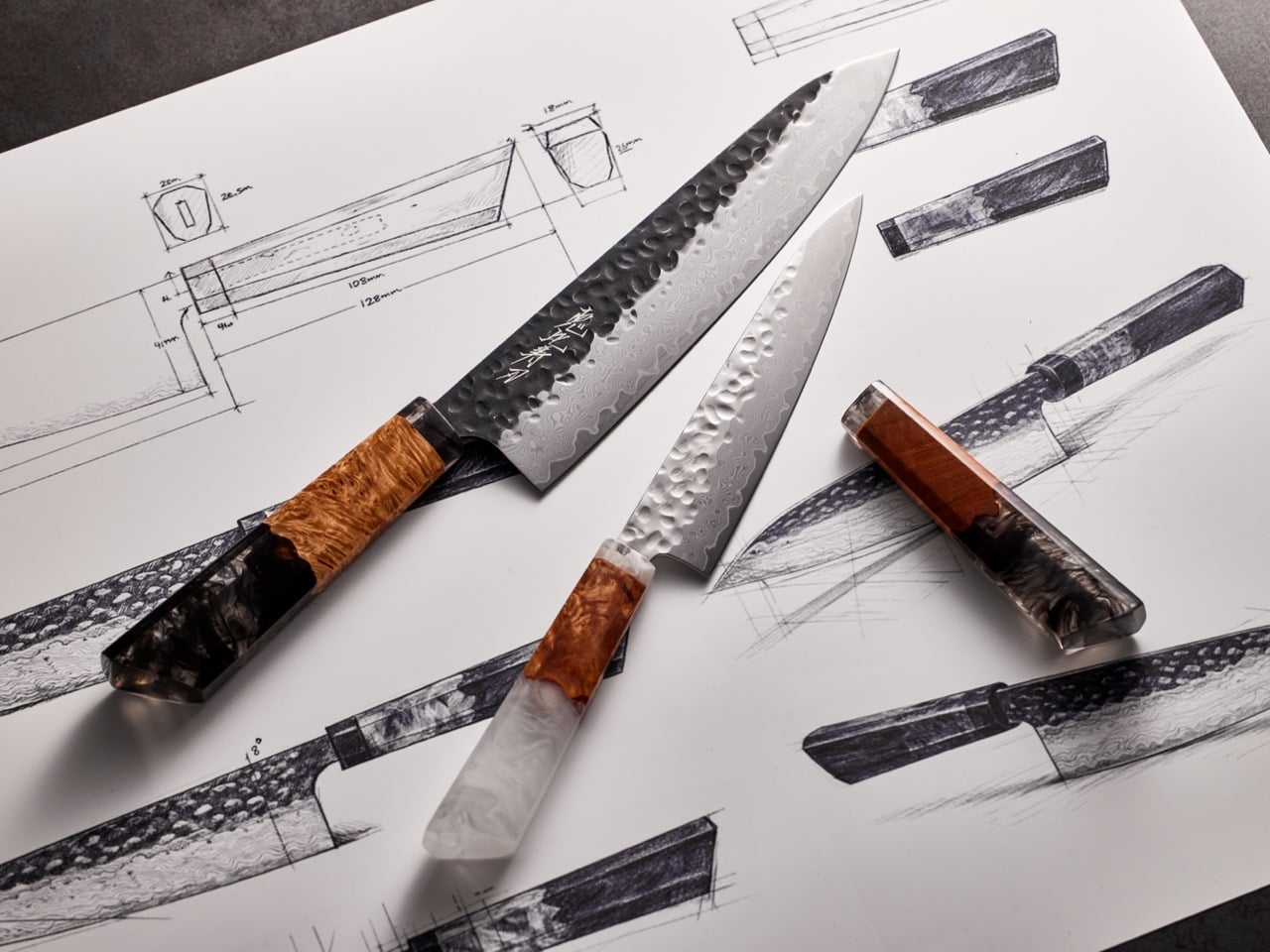
This influence appears in everything from electronics to kitchenware. A speaker might echo the lines of a bento box, while a knife handle reflects the smooth form of a fillet. The goal is to craft objects that feel familiar yet refined. Their shape should enhance function while subtly telling a story through form.
The OurPets feeder collection offers innovative and playful solutions for engaging pets during mealtime. Featuring two standout designs, the Sushi Tray and the Waffle Plate, these feeders combine functionality with interactive fun. Both models use sliding and rotating compartments to conceal treats, encouraging pets to problem solve in order to access their food. This design slows down fast eaters, prevents overeating, and provides mental stimulation that mimics natural foraging and hunting behaviors.
The Sushi Tray, designed for cats, includes sliding California Rolls with treat compartments underneath, allowing felines to paw and play while dining. The Waffle Plate, aimed at dogs, features a rotating maple syrup and butter element that pets must manipulate with their paws or snouts to reveal hidden treats. Crafted from durable, pet-proof plastics, both feeders are built to withstand enthusiastic play. By combining clever mechanics with whimsical design, the OurPets feeders transform mealtime into a fun, interactive, and enriching experience for pets.
5. The Experience of Simplicity
Sushi offers a pure, focused sensory experience, proving that true luxury comes from appreciating a few perfect elements. Its beauty lies in restraint and intention rather than excess, creating a sense of calm and clarity.
Product design follows the same philosophy. A well-crafted object should be seamless and effortless to use, free from unnecessary complexity. Beyond appearance, it should create a meaningful experience, where every detail feels intentional. Like a perfectly arranged plate of sushi, great design quietly celebrates quality and purpose, reminding us that simplicity is the highest form of sophistication.
This LEGO Ideas set reimagines the traditional Japanese sushi boat, or “funamori” platter, as a meticulously designed brick model. The build captures the theatrical presentation of sushi with precision and creativity, replacing raw fish with ABS plastic while maintaining the visual appeal. The set includes twelve assorted maki rolls, tamago sushi with a black nori wrap, twin nigiri, two scoops of ikura, and a stylized ebi with bold stripes. Color-blocking and printed tiles replicate cross-sections of fish and avocado, while a buildable place setting features a soy sauce dish, modular chopsticks, and garnishes including ginger, wasabi, and LEGO foliage mimicking shredded daikon. A sushi chef minifigure with a cleaver and traditional headband adds character to the scene.
The boat itself is constructed in tan bricks with a minimalist Japanese flag and central mast, resting on a blue base plate representing water. Comprising approximately 800-900 pieces, the modular design allows each sushi element to be removed, creating a versatile display or interactive play experience. The set blends playful whimsy with precise design, offering both collectors and LEGO enthusiasts a detailed homage to Japanese culinary artistry.
Sushi offers a powerful lesson in industrial design. Through minimalism, precision, respect for materials, and purposeful form, it inspires a global aesthetic. By stripping away excess and focusing on essentials, designers create products that are both beautiful and lasting. In its quiet elegance, the sushi plate becomes a timeless blueprint for meaningful, deliberate design.
The stationery world has long looked to Japan for innovation, and planning enthusiasts know this better than anyone. Japanese design philosophy brings together minimalism, functionality, and thoughtful engineering to create tools that transform mundane tasks into moments of creative joy. These aren’t just accessories that sit pretty on your desk. They’re carefully crafted instruments that respect your workflow, elevate your planning rituals, and make every stroke of the pen feel intentional.
What separates Japanese stationery from the rest comes down to obsessive attention to detail and problem-solving that addresses friction you didn’t even know existed. The best pieces remove obstacles between your thoughts and the page, letting ideas flow without interruption. From clipboards that reinvent organization to pencils that never need sharpening, these ten items represent the pinnacle of accessible Japanese design. Each piece delivers exceptional value while staying comfortably under the $100 mark, proving that extraordinary craftsmanship doesn’t require a luxury price tag.
1. Inseparable Notebook Pen
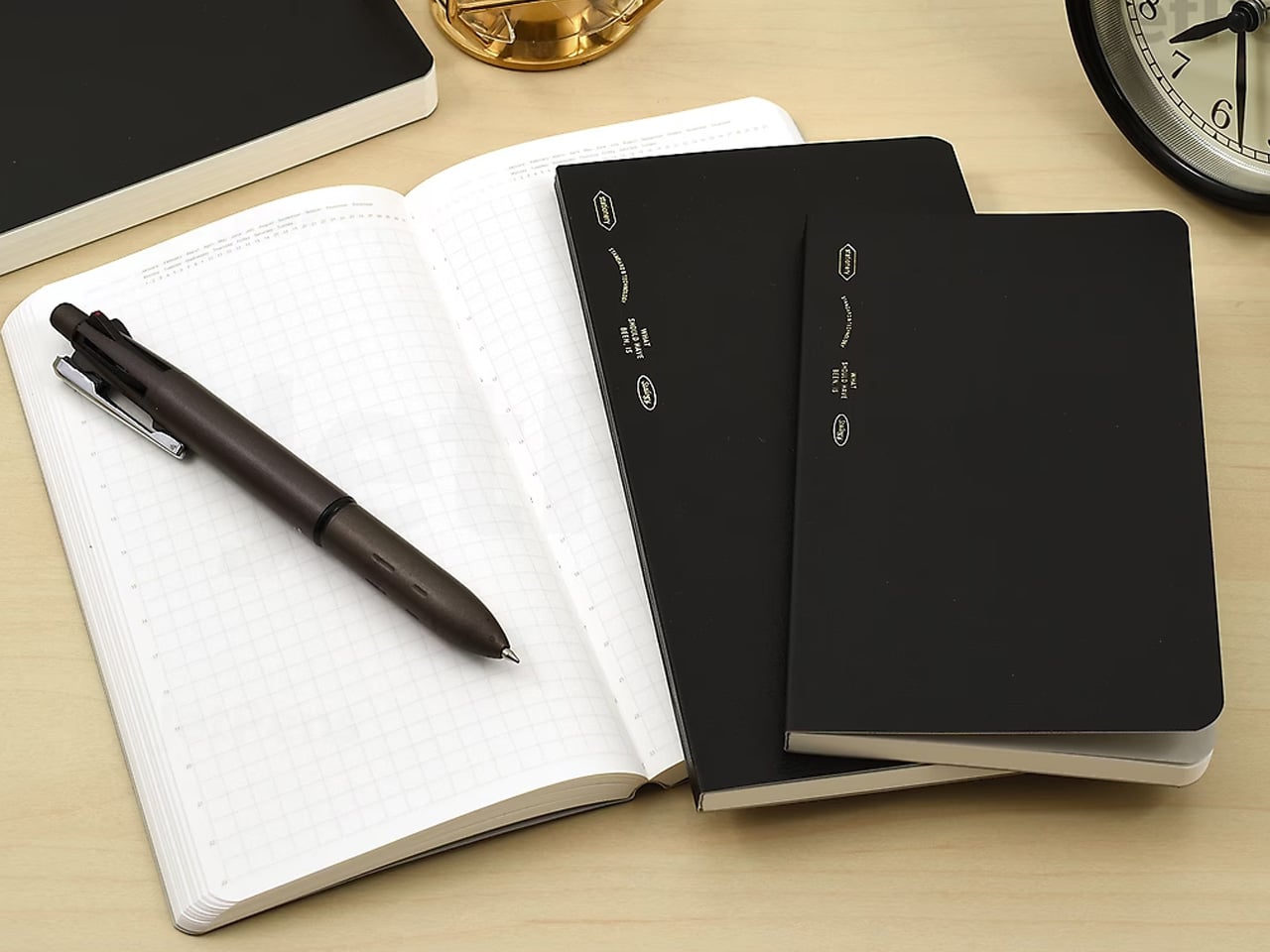
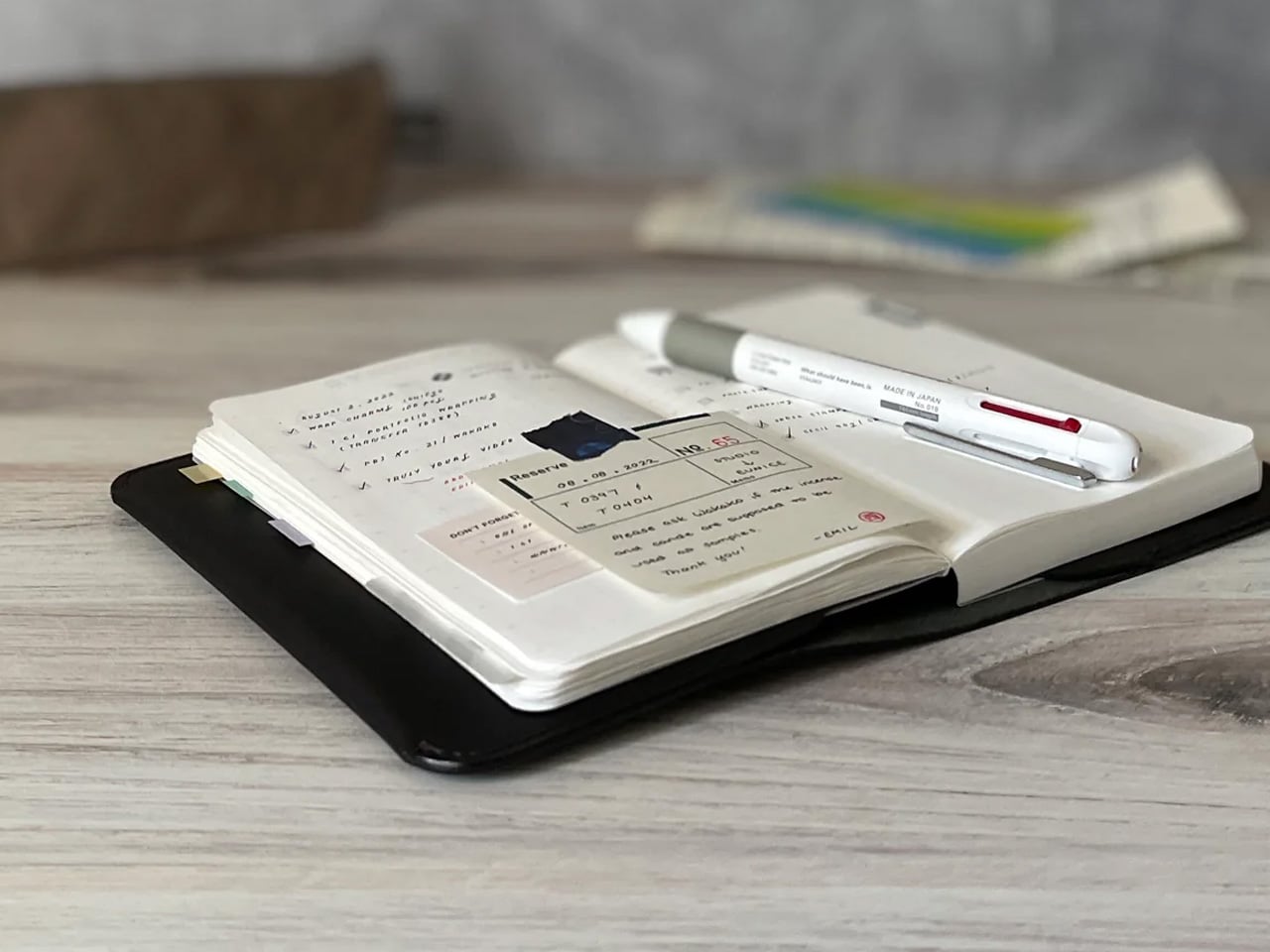
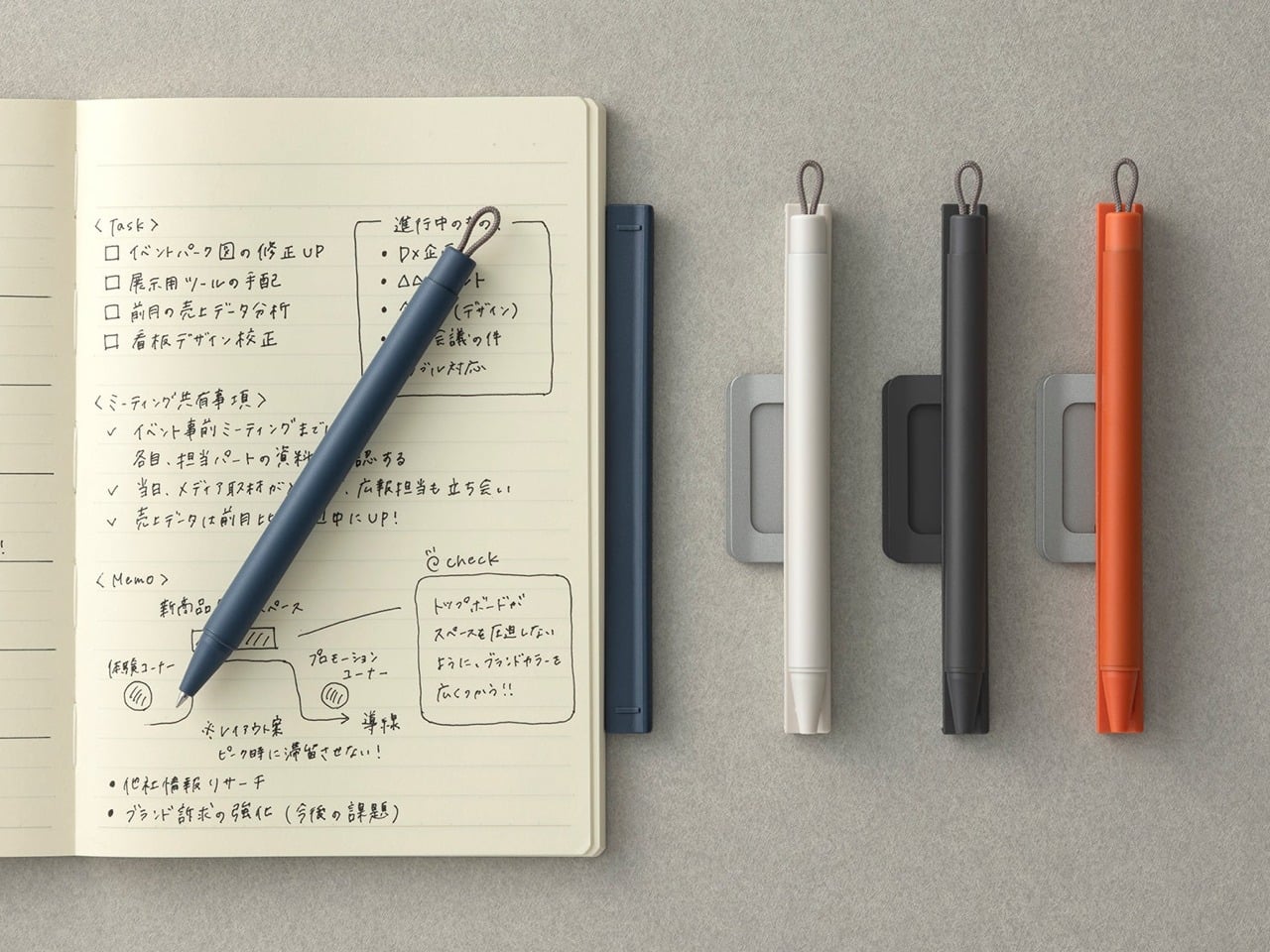
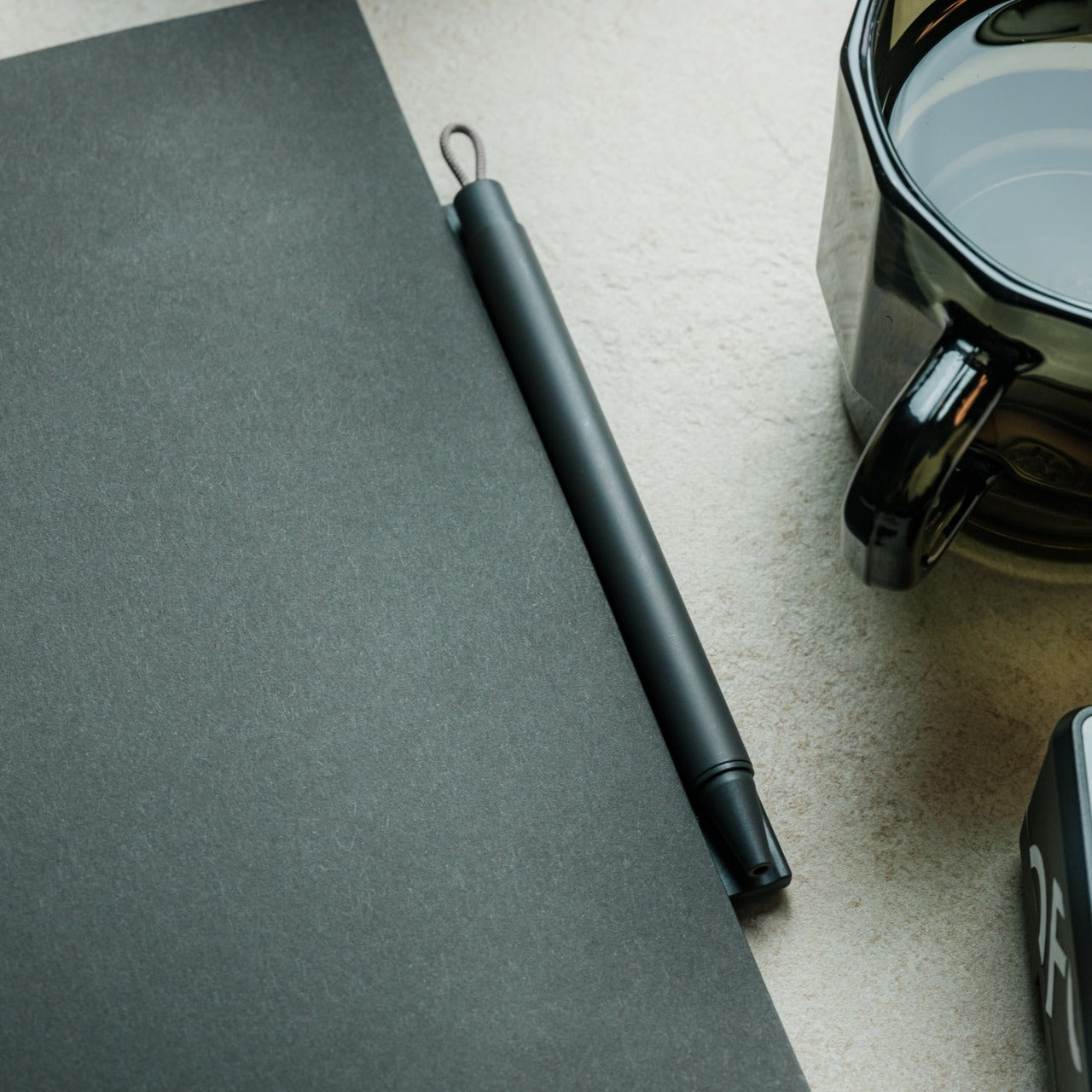
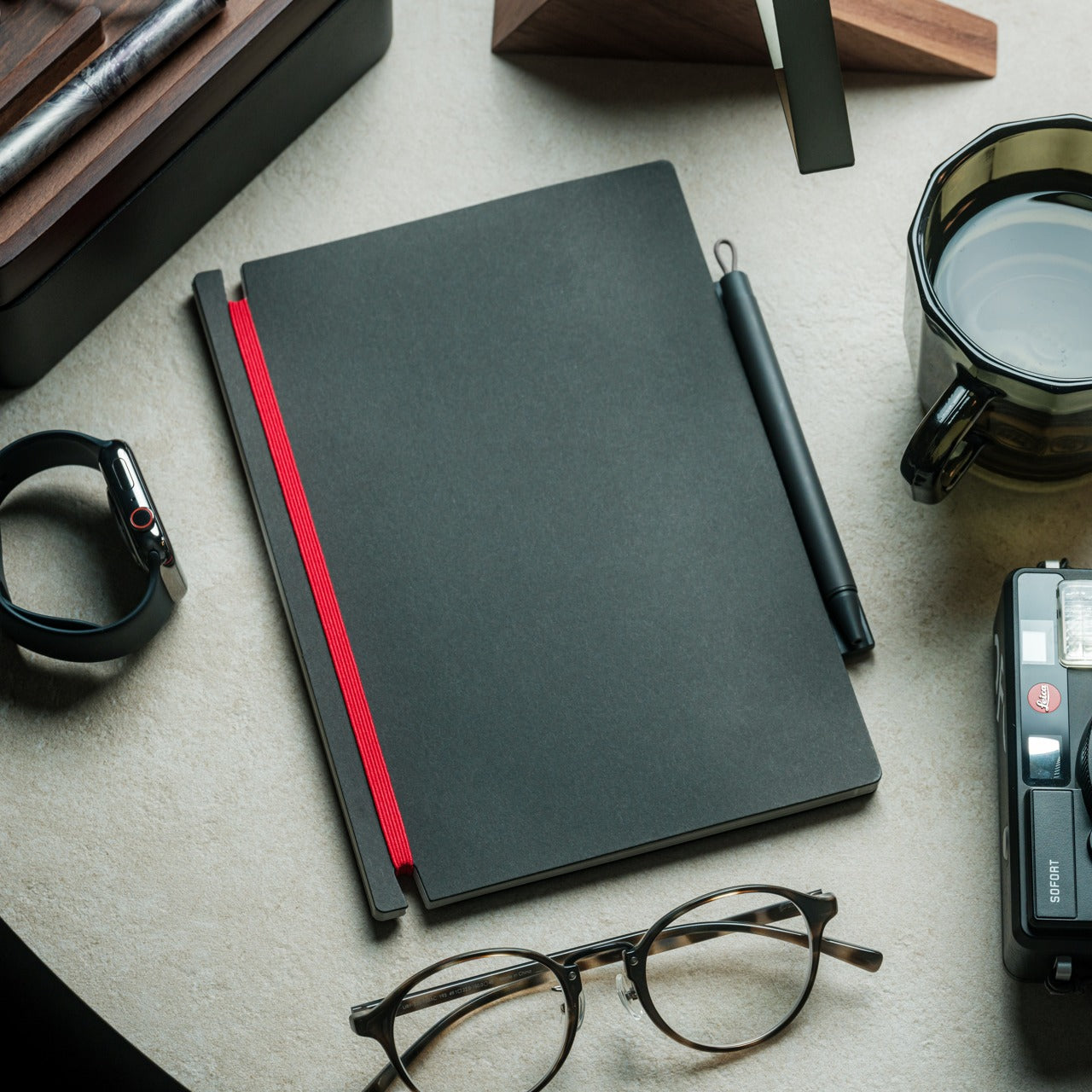
Pens have a frustrating tendency to disappear precisely when inspiration strikes. The Inseparable Notebook Pen addresses this through elegant magnetic integration, designed specifically to blend seamlessly with your planning system. The minimalist form feels natural in your hand, with comfortable grip proportions and smooth ink flow that removes any friction between thought and page. The magnetic clip securely attaches to your notebook cover, ensuring the pen travels with your planning system as a permanent extension rather than a separate item you might forget.
The built-in silencer demonstrates the obsessive attention to detail that defines Japanese design excellence. Instead of the harsh click or scrape of metal on metal, attaching and detaching the pen creates a quiet, satisfying sensation that respects your workspace and thinking process. The sleek aesthetic complements any notebook style without drawing attention to itself, allowing your planning system to maintain its visual coherence. For those who have developed specific pen preferences and rituals around their planning practice, this tool honors that relationship by creating reliable, constant access. The pen becomes as integral to your system as the notebook itself.
The magnetic clip system ensures the pen always stays with your notebook
The built-in silencer creates a refined, quiet attachment experience that respects workspace tranquility
Minimalist aesthetics blend seamlessly with any notebook style or planning system
The comfortable grip and smooth ink flow support extended writing sessions without hand fatigue
What We Dislike
The magnetic system requires your notebook to have a compatible cover material and thickness
The specialized design focuses on notebook integration rather than standalone versatility
2. Magboard Clipboard
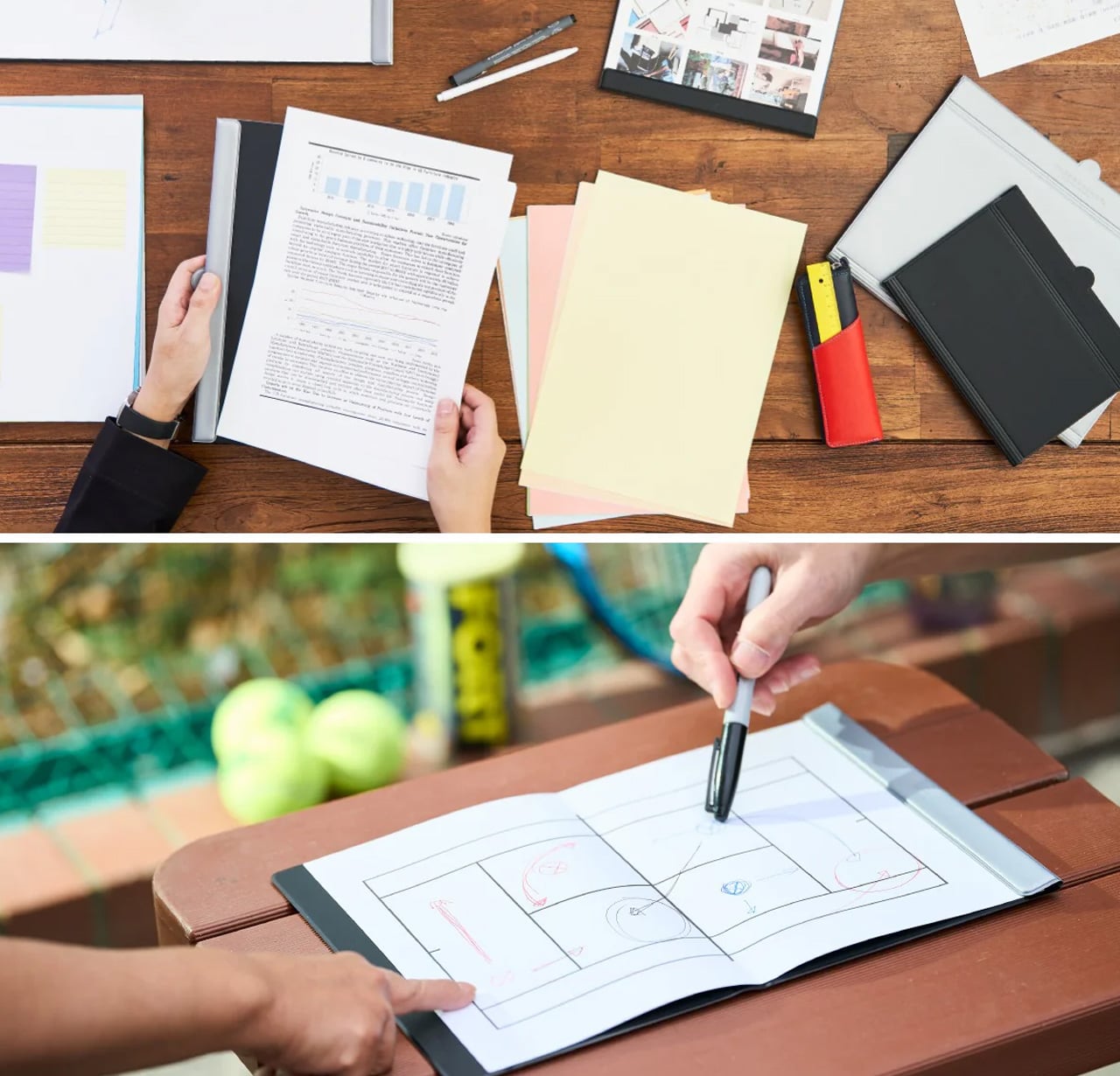
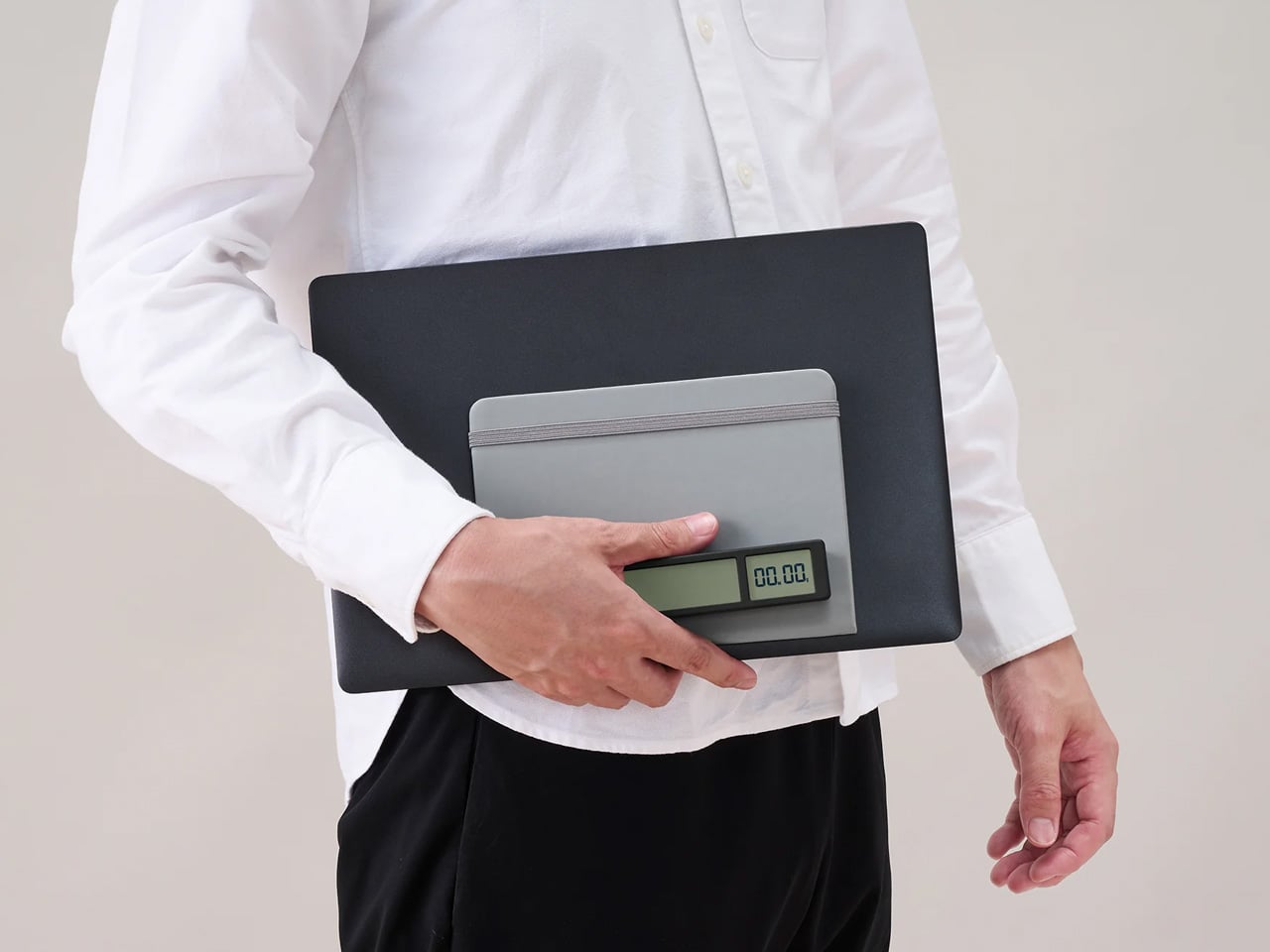
Planning systems thrive on flexibility, and the Magboard Clipboard understands this at a fundamental level. This minimalist marvel replaces traditional clipboard mechanisms with an elegant magnet and lever system that secures up to thirty sheets without punching holes or creating permanent bindings. The hardcover construction means you can capture thoughts while standing at a gallery opening, jotting notes during a walking meeting, or sketching layouts at a coffee shop. The freedom to rearrange pages instantly transforms how you organize information, letting you shuffle priorities and reorder thoughts as your projects evolve.
The water-resistant surface adds a practical dimension that traditional clipboards simply can’t match. Spilled coffee becomes a minor inconvenience rather than a catastrophe, and the easy-to-clean material means your workspace aesthetic stays pristine. Planning enthusiasts particularly love how this design eliminates the commitment anxiety that comes with bound notebooks. Pages can migrate between projects, early drafts can be removed without tearing, and your organizational system can adapt as fluidly as your thinking process. The Magboard turns note-taking into a dynamic, modular experience.
The magnetic binding system offers unprecedented flexibility for reorganizing content on the fly
The hardcover design enables comfortable writing while standing or moving
Water resistance protects your work from common desk disasters
The minimalist aesthetic complements any planning system or workspace style
What We Dislike
The thirty-sheet capacity might feel limiting for those working on extensive projects
The hardcover adds weight compared to traditional clipboards, which may matter during long periods of handheld use
3. Everlasting All-Metal Pencil
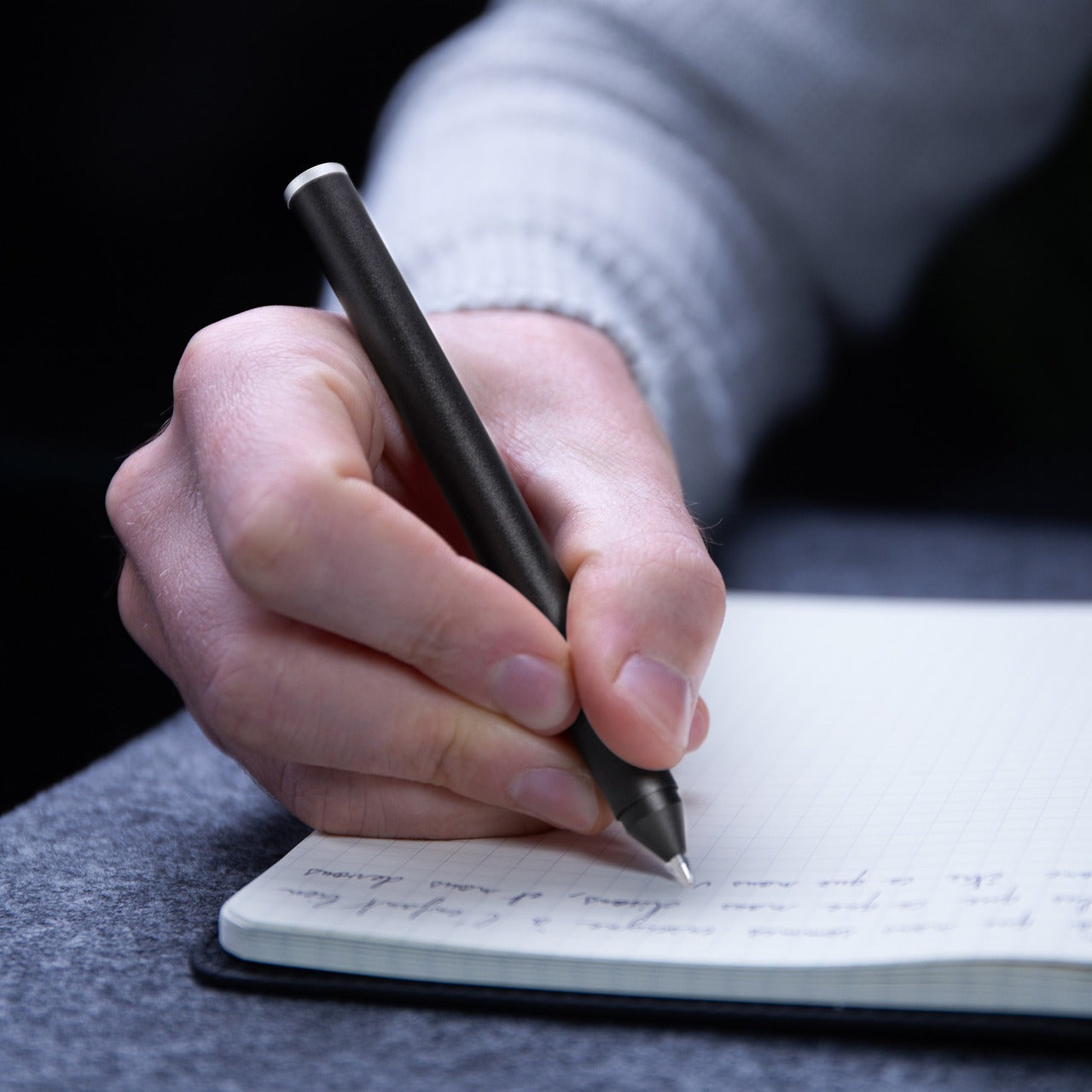
The ritual of sharpening pencils carries a certain nostalgic charm, but it also breaks concentration and creates friction between thinking and writing. The Everlasting All-Metal Pencil eliminates this with a special alloy core that writes like traditional graphite yet refuses to wear down at any noticeable rate. The aluminum body feels substantial in your hand, grounding you in the physical act of writing, while the metal tip glides across paper with familiar smoothness. For planners who sketch layouts, draft bullet journal spreads, or map out monthly calendars, this tool becomes an extension of thought itself.
What makes this pencil genuinely revolutionary is how it erases cleanly with standard erasers despite its metal composition. The marks blend beautifully with watercolor and water-based markers, making it perfect for planners who incorporate artistic elements into their organizational systems. The pocket-sized variant now available means you can carry this innovation everywhere, always prepared to capture ideas without worrying about broken mechanical pencil leads or dull points. The permanence of the pencil itself creates a different relationship with your tools, transforming a disposable item into a lasting companion.
The alloy core eliminates sharpening completely while maintaining authentic pencil-like writing
Standard erasers work perfectly, preserving the familiar correction process
The metal construction ensures the pencil will outlast countless traditional alternatives
Compatibility with watercolor techniques expands creative possibilities for artistic planners
What We Dislike
The unfamiliar feel of metal may require an adjustment period for those accustomed to wooden pencils
The fixed line weight offers less variation than traditional pencils that develop different points through sharpening
4. Heritage Craft Unboxing Knife
Opening packages becomes a small ceremony when you’re using a tool that looks like it belongs in a design museum. The Heritage Craft Unboxing Knife takes inspiration from Paleolithic hand axes, reimagining ancient stone tools through the lens of modern materials and precision machining. Carved from a single block of aluminum, the circular form fits naturally in your palm while the wave-like patterns created during manufacturing provide both visual interest and functional grip. This isn’t a utility blade you’ll hide in a drawer. The sculptural quality demands display, transforming a mundane task into an opportunity for tactile pleasure.
The tapered design adds practical benefits beyond aesthetics. The form naturally guides the blade through tape and packaging materials with minimal effort, while the substantial weight provides cutting control. Planning enthusiasts who regularly receive stationery hauls, subscription boxes, or online orders find genuine joy in the unboxing ritual this tool creates. The piece occupies that rare space where functional tool meets conversation starter, sitting proudly on your desk as both instrument and art object. The connection to human tool-making history adds a layer of meaning that elevates everyday tasks.
The ancient-tool-inspired design brings historical resonance to a modern implement
Wave-pattern machining marks create a natural, ergonomic grip texture
The sculptural form makes this a display-worthy desk object rather than a hidden utility
The substantial metal construction ensures durability and satisfying cutting control
What We Dislike
The circular form takes practice to master compared to conventional box cutter shapes
The artistic design comes at a higher price point than basic utility blades
5. Craftmaster EDC Utility Knife
Precision tools appeal to planning enthusiasts because they respect the importance of exact measurements and clean cuts. The Craftmaster EDC Utility Knife combines minimalist aesthetics with thoughtful functionality, packaging an OLFA blade system in a sleek metal body just 0.3 inches thick. The tactile rotating knob for blade deployment feels satisfying in a way that cheap sliding mechanisms never match, turning tool use into a deliberate, mindful action. What sets this apart is the magnetic companion piece: a metal ruler with both metric and imperial markings that docks directly to the knife’s back.
The ruler itself demonstrates exceptional design thinking. The raised edge makes it easy to lift from flat surfaces, solving that frustrating fumbling moment when thin rulers refuse to cooperate. The built-in blade breaker lets you snap off dulled OLFA segments safely, extending blade life and maintaining cutting precision. The 15-degree curved edge protects your fingers during use, while the 45-degree inclination angle makes opening boxes cleaner and safer. For planners who craft custom inserts, trim printed materials, or create collage elements, this tool brings professional-level precision to personal projects without requiring a dedicated crafting space.
The magnetic ruler system keeps measurement and cutting tools together in one compact package
The rotating deployment knob offers tactile satisfaction and precise blade control
The raised ruler edge and integrated blade breaker demonstrate thoughtful problem-solving
The slim 0.3-inch profile makes this genuinely pocketable despite its metal construction
What We Dislike
The OLFA blade system requires purchasing specific replacement blades rather than universal options
The premium materials and mechanisms place this at the higher end of utility knife pricing
6. Personal Whiteboard
Digital planning tools promise endless flexibility, but they can’t match the cognitive benefits of writing by hand. The Personal Whiteboard offers the best of both worlds: the tactile satisfaction of marker on surface combined with instant digital capture and infinite reusability. This single-page whiteboard notebook transforms brainstorming and quick planning into a frictionless process. Jot down your daily priorities, sketch out a weekly layout, or map connections between projects, then simply photograph your work to preserve it before wiping it clean. The multi-functional cover serves as an eraser, a built-in stand, and a storage pocket.
The innovative Mag Force system exemplifies Japanese attention to small details that create big impacts. This mechanism functions as both a cover handle for comfortable carrying and a secure pen holder, ensuring your marker never goes missing. Compatible with any standard whiteboard marker, this removes the frustration of proprietary refills or special equipment. Planning enthusiasts particularly love this for morning brain dumps, temporary schedules that change frequently, and collaborative planning sessions where ideas need to flow without commitment. The ephemeral nature paradoxically encourages bolder thinking since nothing feels permanent until you decide to save it.
The reusable surface eliminates paper waste while maintaining the benefits of handwriting
Quick photography lets you preserve and share work before erasing for the next session
The Mag Force system keeps the pen and whiteboard together as an integrated tool
Standard marker compatibility means no proprietary supplies or special purchases required
What We Dislike
The single-page format limits how much information you can view simultaneously
Whiteboard markers can dry out faster than traditional pen options, requiring more frequent replacement
7. Effortless Standing Letter Cutter
The daily mail ritual deserves better than raggedly torn envelopes or dangerous knife work. The Effortless Standing Letter Cutter transforms this mundane task into a moment of satisfying precision. This elegant bar of anodized aluminum sits upright on your desk, functioning as both sculpture and tool until correspondence arrives. Simply slide an envelope across the blade and watch it create a clean incision along one edge, opening the letter without generating paper scraps that need disposal. The standing design means the cutter occupies minimal space while remaining constantly accessible.
What planners appreciate most is how this tool respects the correspondence they receive. Important documents, special cards, and treasured letters all deserve careful opening, and this cutter delivers that reverence. The substantial weight allows it to double as a paperweight when needed, pinning down reference materials or holding open your planner to a specific spread. The replaceable blade extends the product’s lifetime indefinitely, embodying sustainable design principles that Japanese manufacturers champion. This piece represents the Japanese design philosophy of finding extraordinary solutions for overlooked everyday moments.
The standing design keeps the cutter accessible while maintaining an elegant desk presence
Clean side incisions eliminate paper scraps and disposal frustration
The anodized aluminum construction offers both beauty and functional weight as a paperweight
Replaceable blades ensure this tool lasts indefinitely with minimal maintenance
What We Dislike
The specialized function means this serves one specific task rather than offering versatility
Those who receive minimal physical mail may find limited opportunities to use this tool
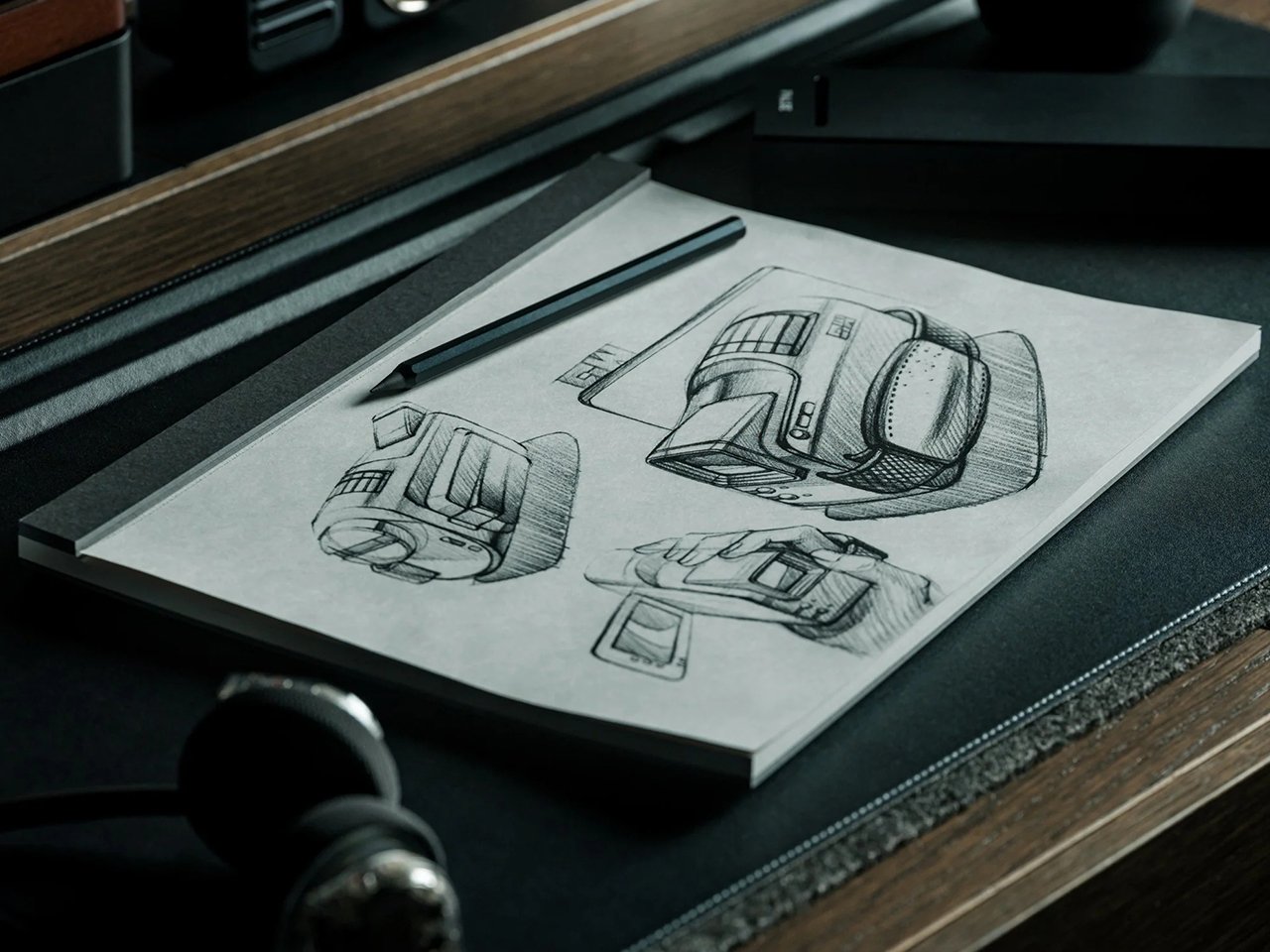
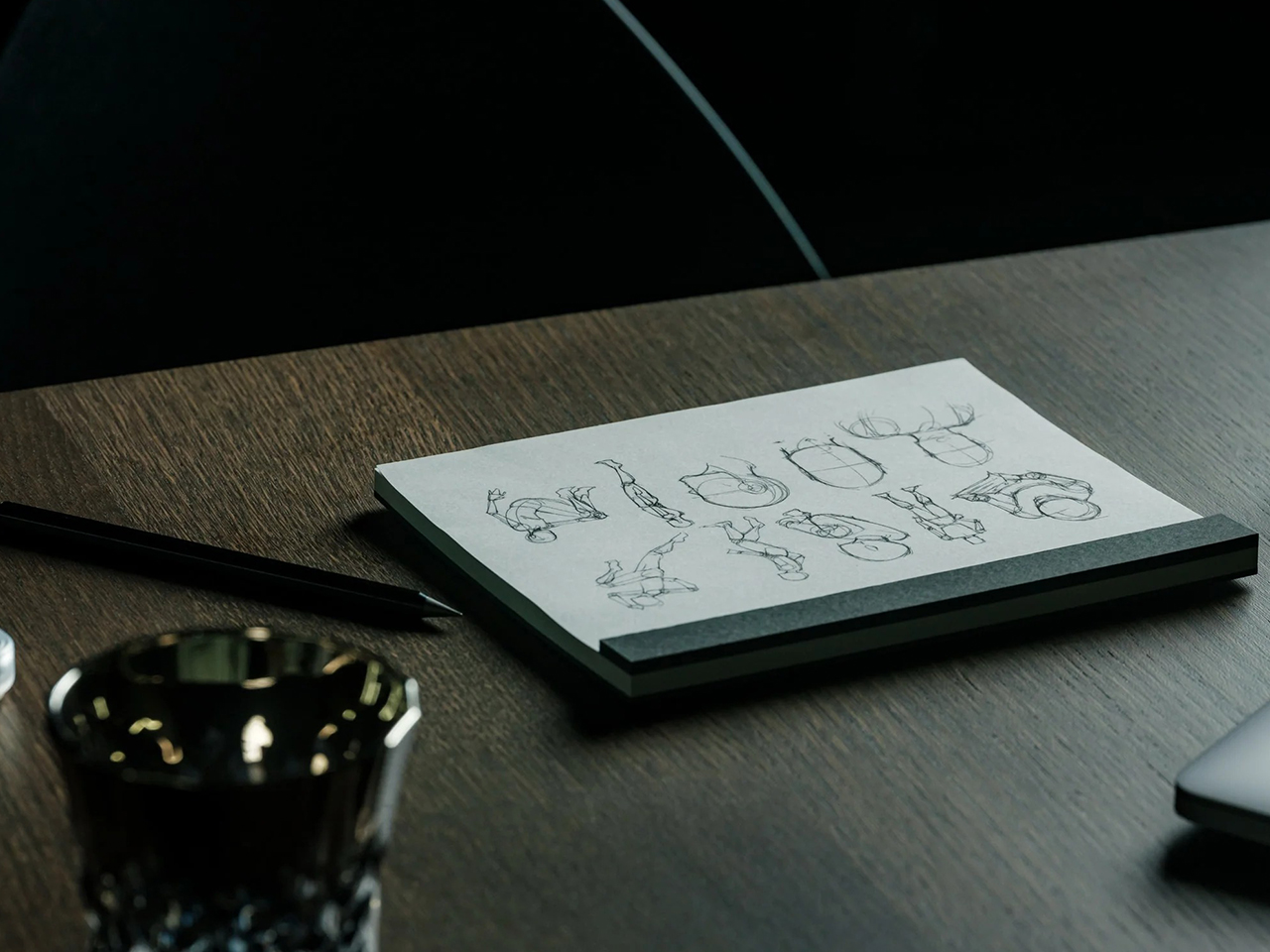
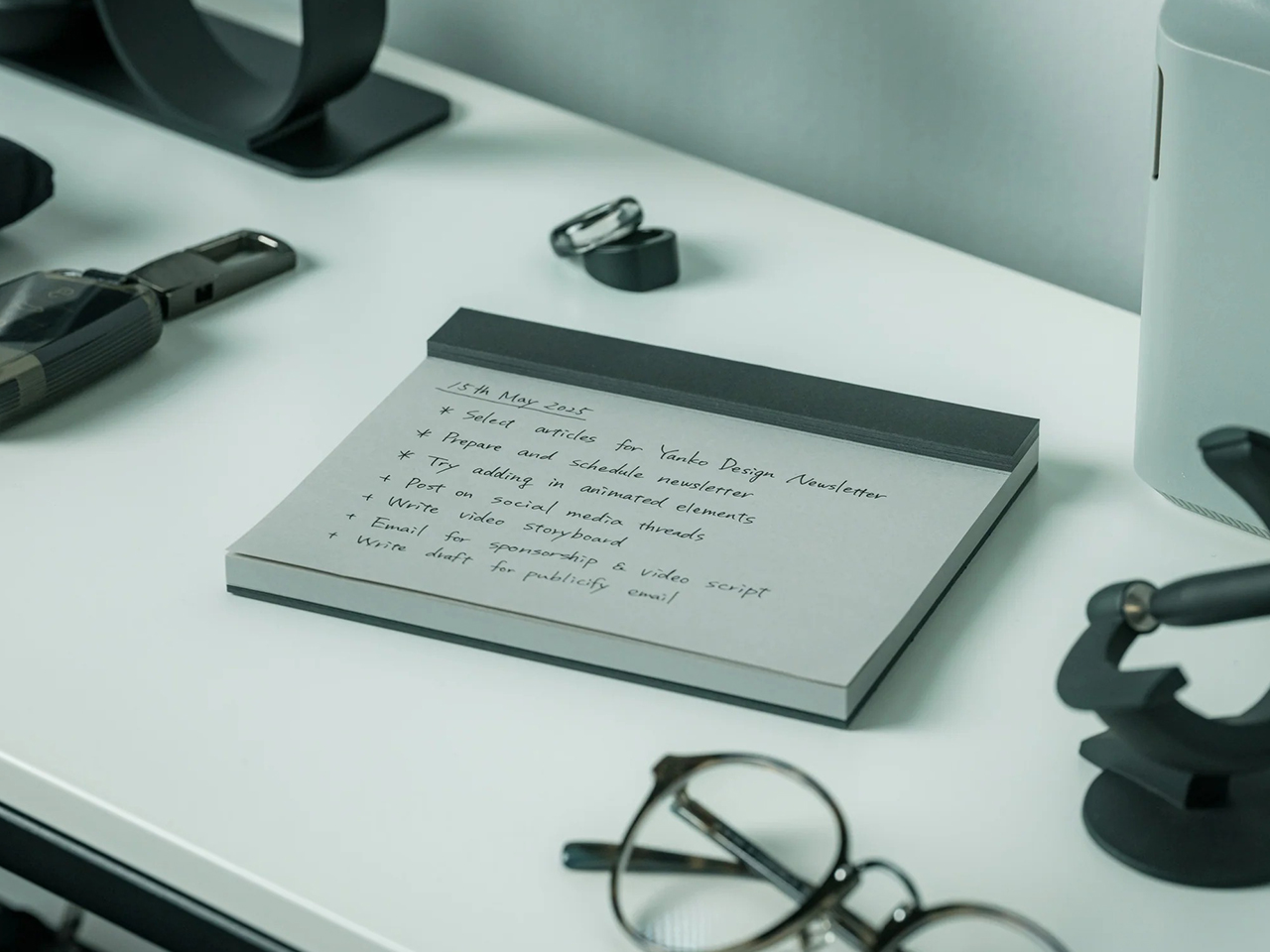
8. Japanese Drawing Pad
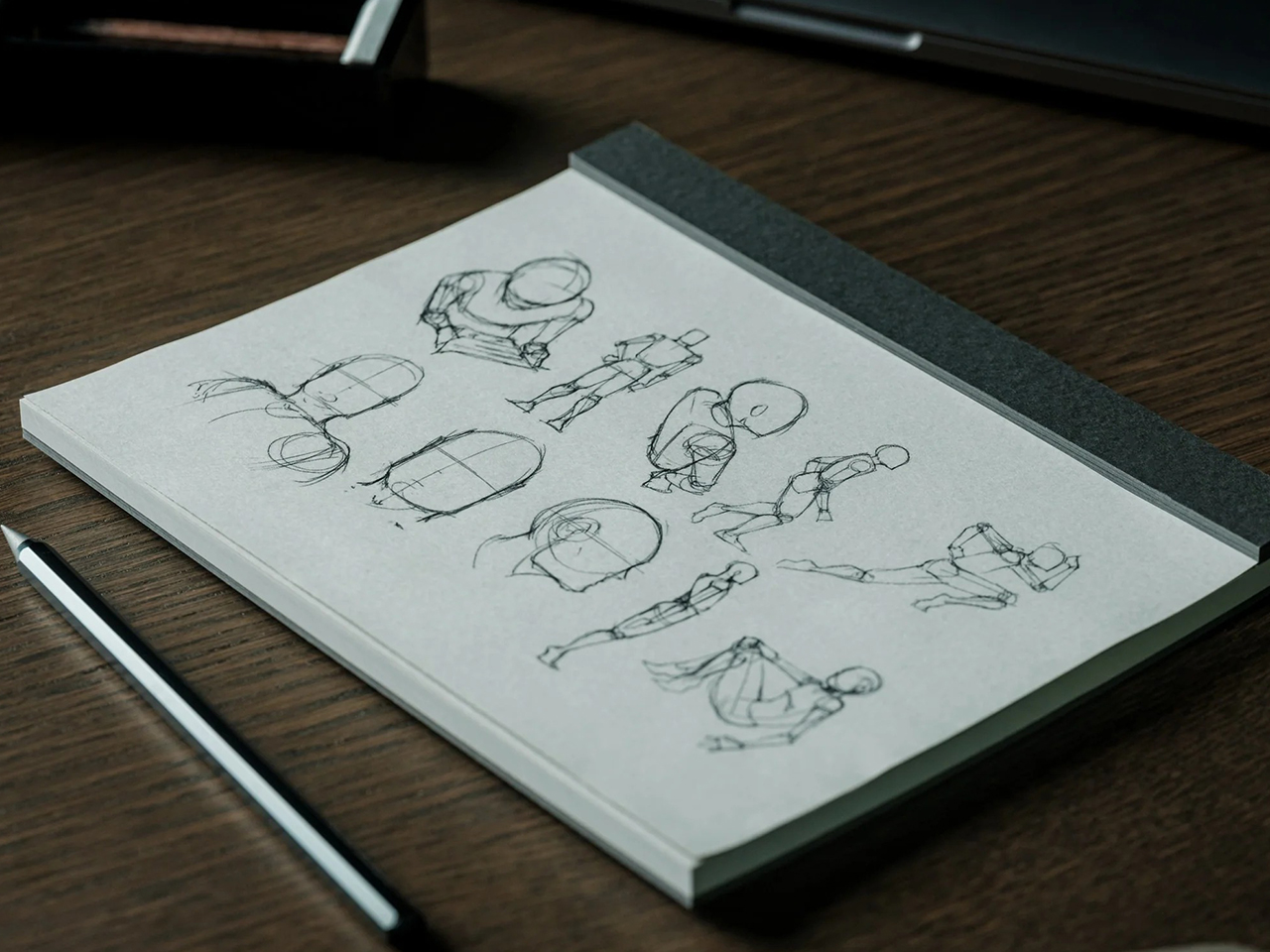
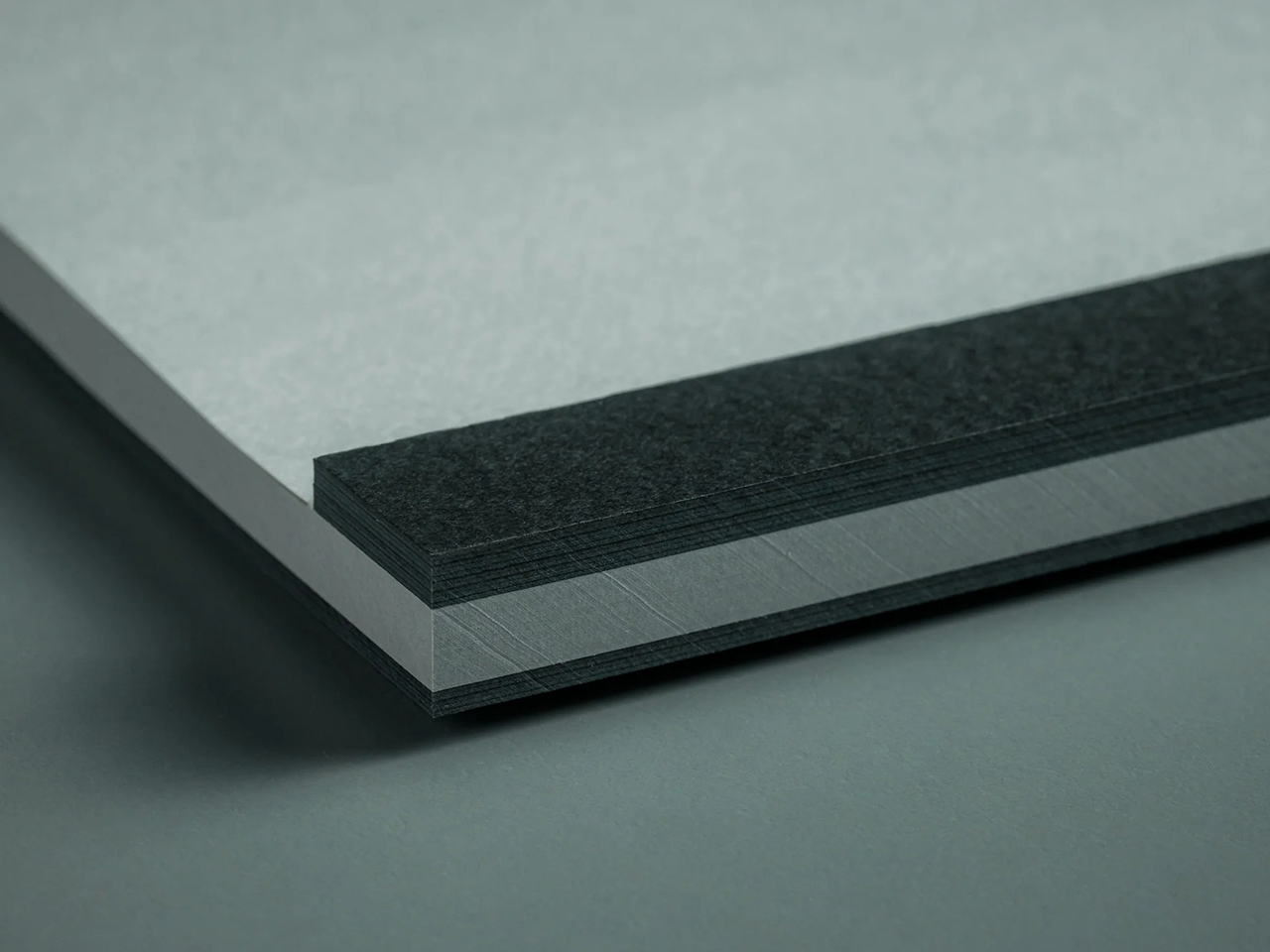
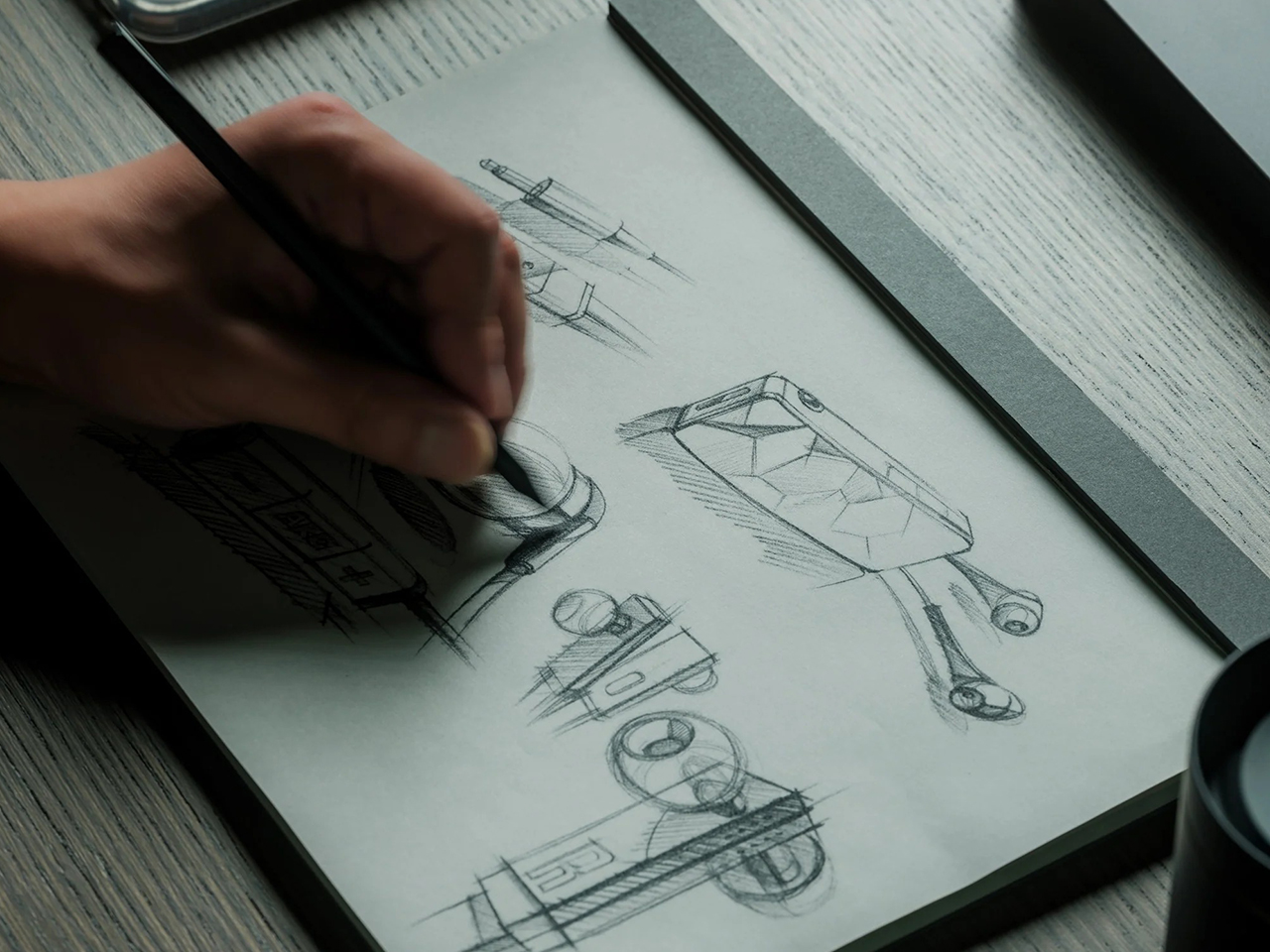
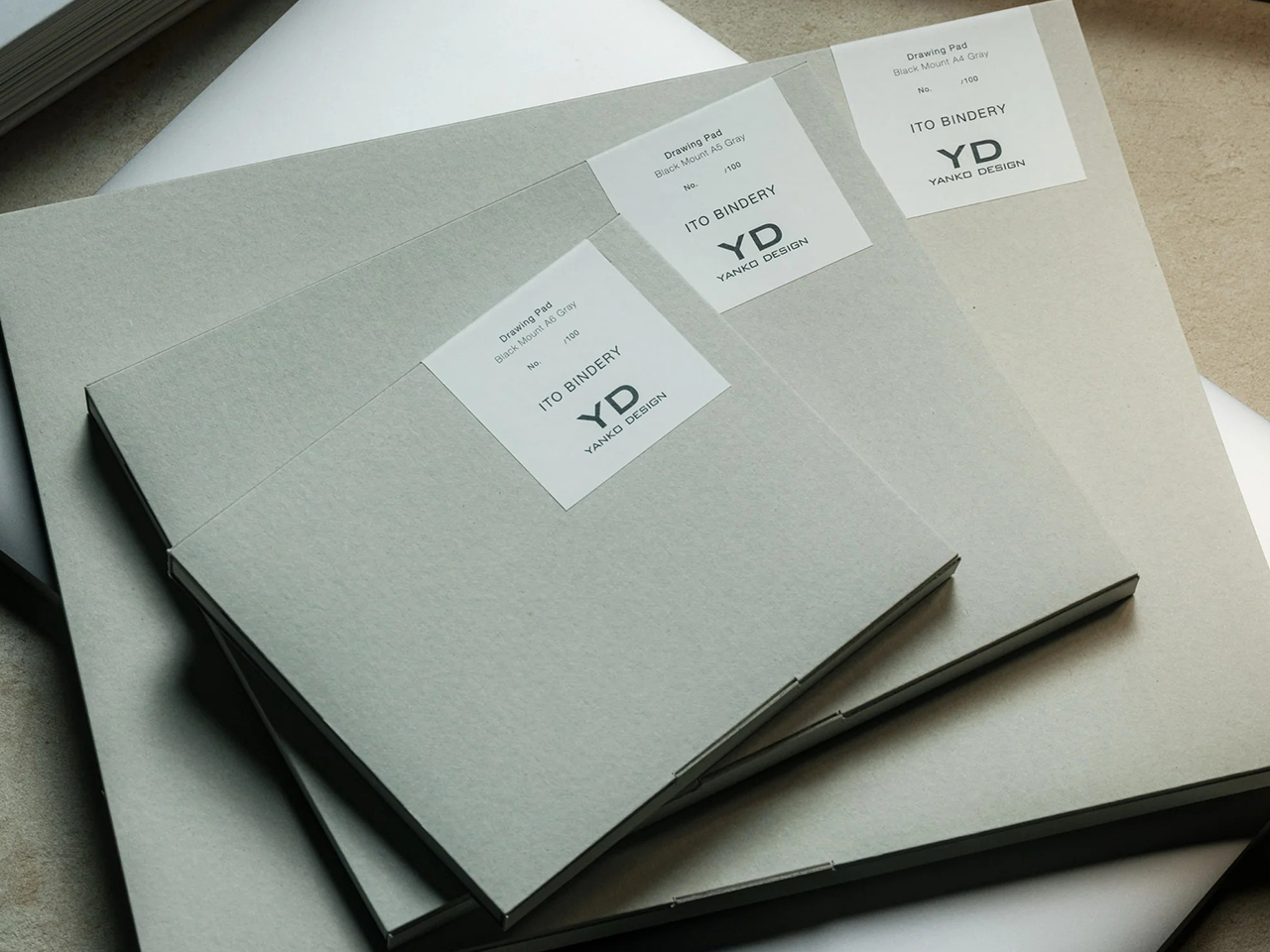
Paper quality fundamentally affects the planning experience, yet most people accept whatever their notebooks provide. The Japanese Drawing Pad elevates this foundational element, offering sheets that honor the centuries-old Japanese papermaking tradition. Available in traditional white or striking black, these pads let you choose the backdrop that best suits your planning style and creative vision. The durable paper fibers resist damage from erasing, marker bleed-through, and frequent handling, maintaining their integrity through intensive use. Microperforations allow effortless tearing when you need to extract a page.
The recycled cardboard base adds environmental consciousness without compromising quality, staying rigid enough to support writing and drawing when you’re away from a desk. Planning enthusiasts who incorporate illustration, calligraphy, or watercolor elements into their systems find that this paper transforms their results. The fiber quality creates the right amount of tooth for pencil work while remaining smooth enough for fine-line pens. Available in A6, A5, and A4 sizes, you can match the pad to your specific planning needs, whether you’re working on pocket-sized daily cards or full-page monthly spreads. The paper itself becomes a creative partner.
Traditional Japanese paper quality elevates the writing and drawing experience noticeably
The choice between white and black paper enables different aesthetic approaches and creative styles
Microperforations allow clean page removal without damaging the sheet or pad
Multiple size options let you match the paper to your specific planning system
What We Dislike
The premium paper quality comes at a higher cost than standard drawing pads
The cardboard base, while sturdy, lacks the portability of hardcover-bound alternatives
9. Scissors with Base
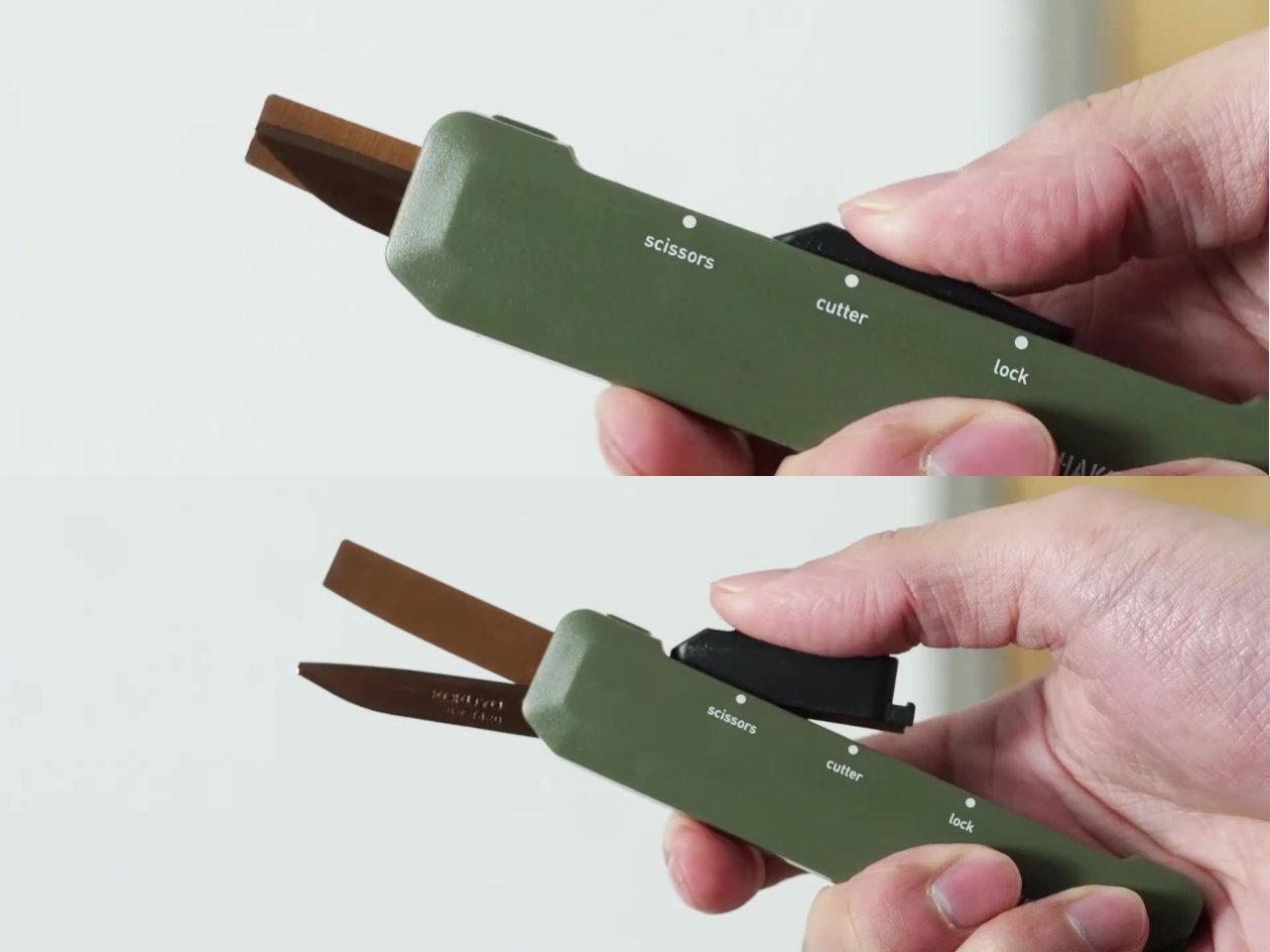
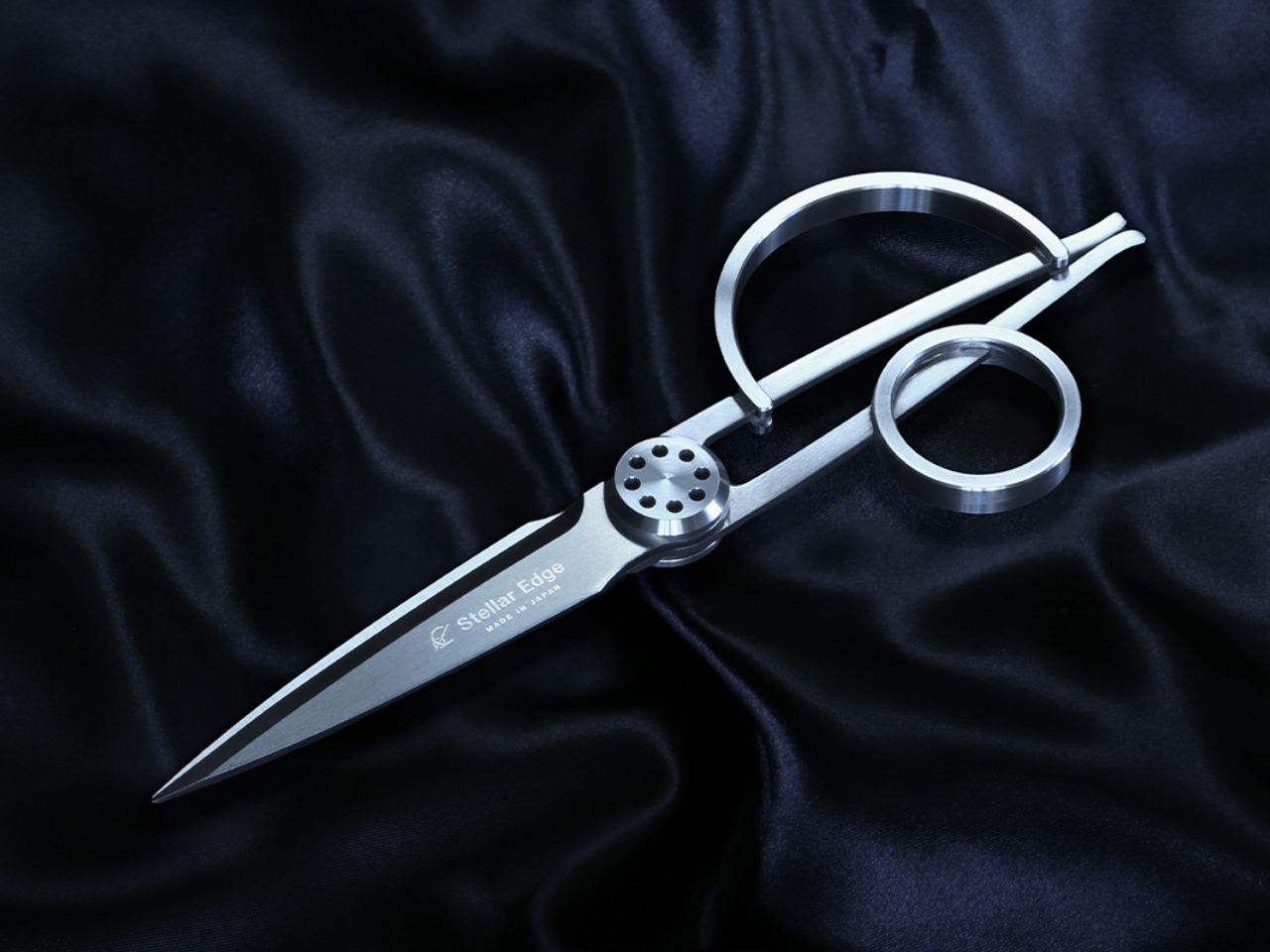
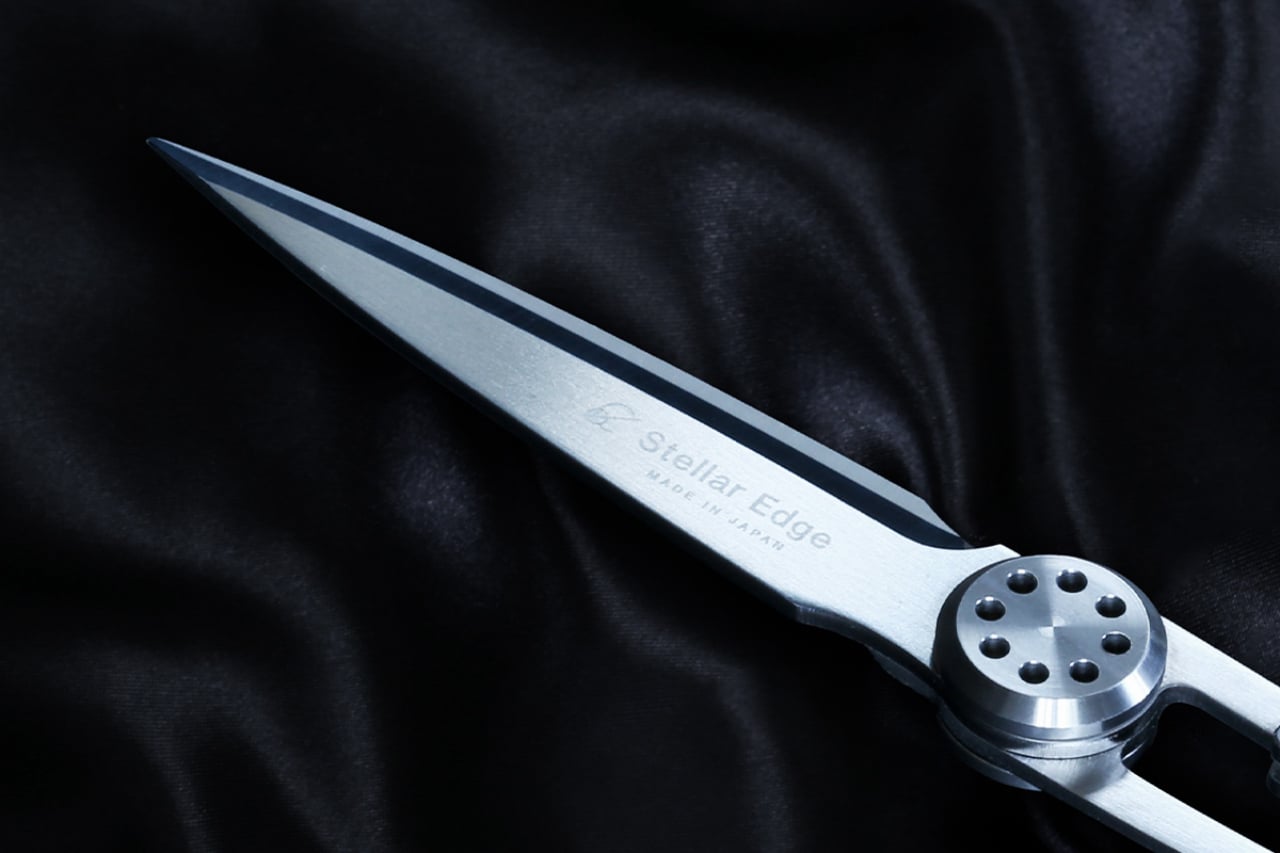
Scissors live an undignified life, scattered in drawers or lost in desk clutter, despite being essential tools. The Scissors with Base restores proper respect to this fundamental implement, providing a magnetic aluminum base that keeps the scissors upright, visible, and exactly where you need them. The Japanese stainless steel construction with Teflon coating delivers confident, precise cuts through paper, tape, fabric, and packaging materials. The solid weight creates stability during cutting, preventing the lightweight flimsiness that makes cheap scissors frustrating to use.
The innovative dual-function design adds unexpected versatility. One finger ring incorporates a box cutter blade, giving you two essential tools in a single elegant form. Planning enthusiasts who craft custom layouts, work with washi tape, or assemble collage elements find that this combines accessibility with performance. The upright storage means the scissors become a desk sculpture rather than a hidden tool, and the visual presence actually proves functional since you’ll never waste time searching. The magnetic base attachment feels satisfying in a way that transforms the simple act of returning scissors to their home into a small moment of order restored.
The magnetic base keeps scissors upright, accessible, and prevents the common problem of misplacement
Japanese stainless steel with Teflon coating ensures smooth, precise cutting performance
The integrated box cutter in the finger ring adds practical versatility
Substantial weight provides cutting stability and confidence compared to lightweight alternatives
What We Dislike
The base requires desk space dedicated to scissors rather than allowing drawer storage
The premium materials and engineering place these at a higher price point than standard scissors
10. Serenity Pen Stand
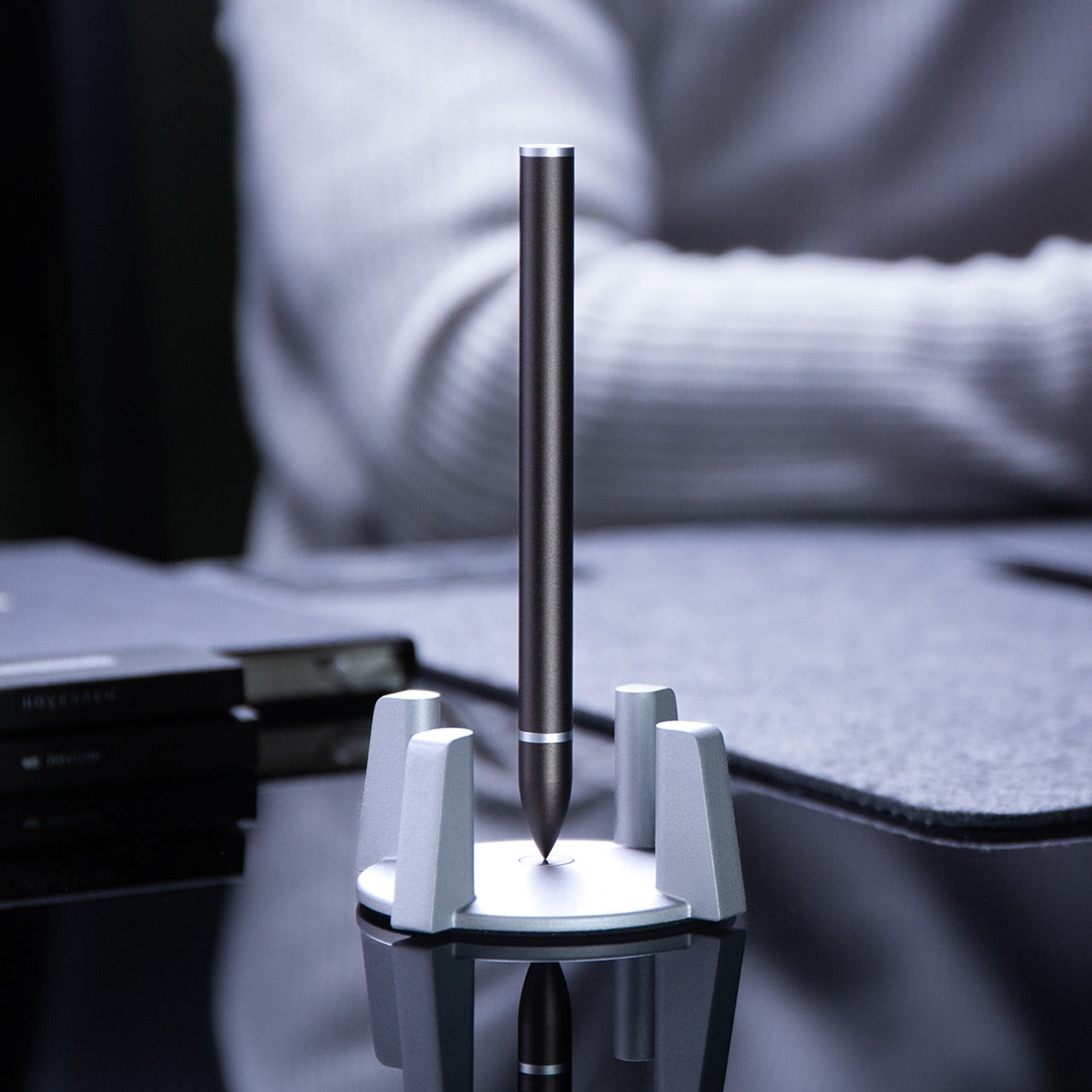
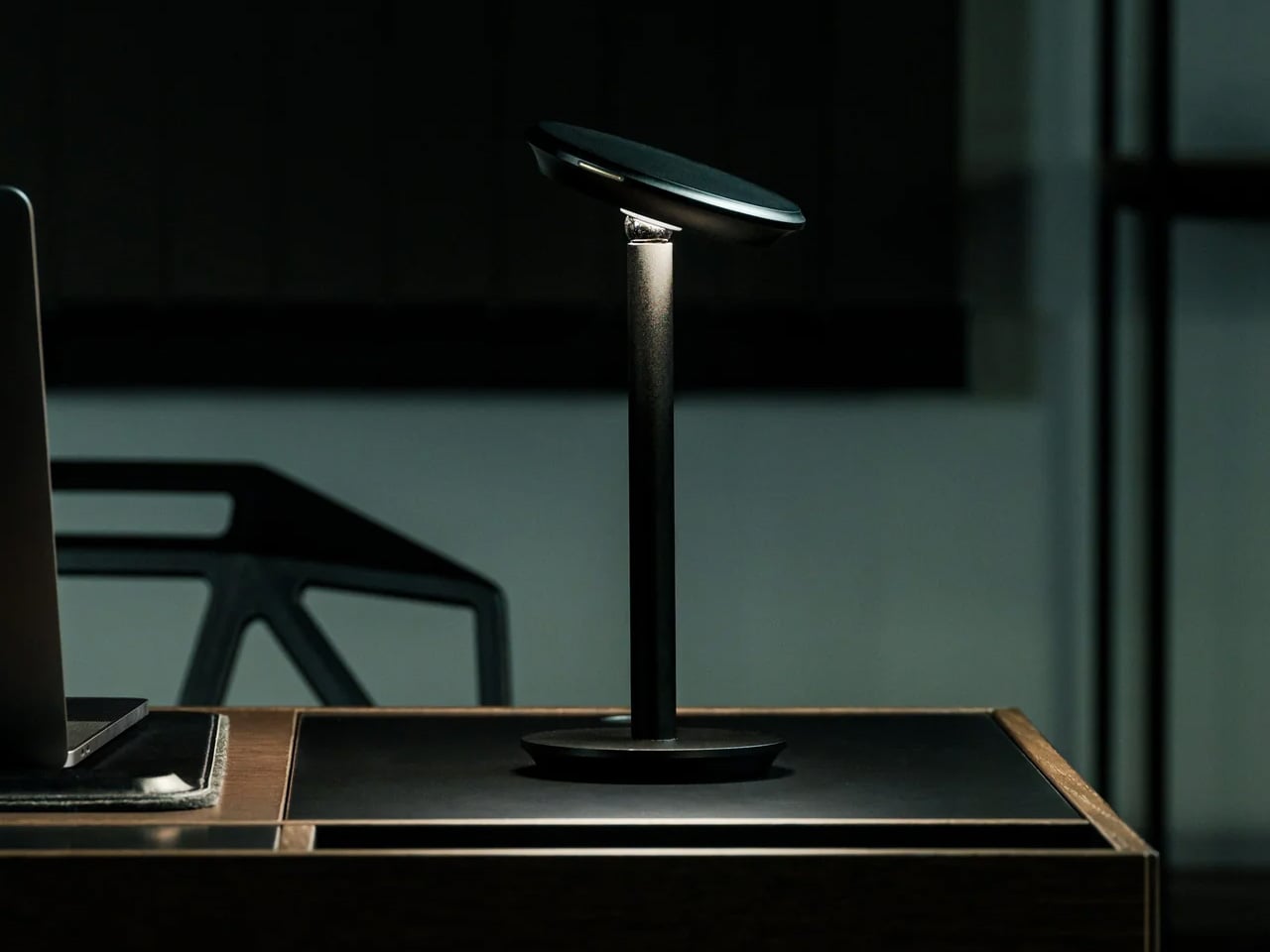
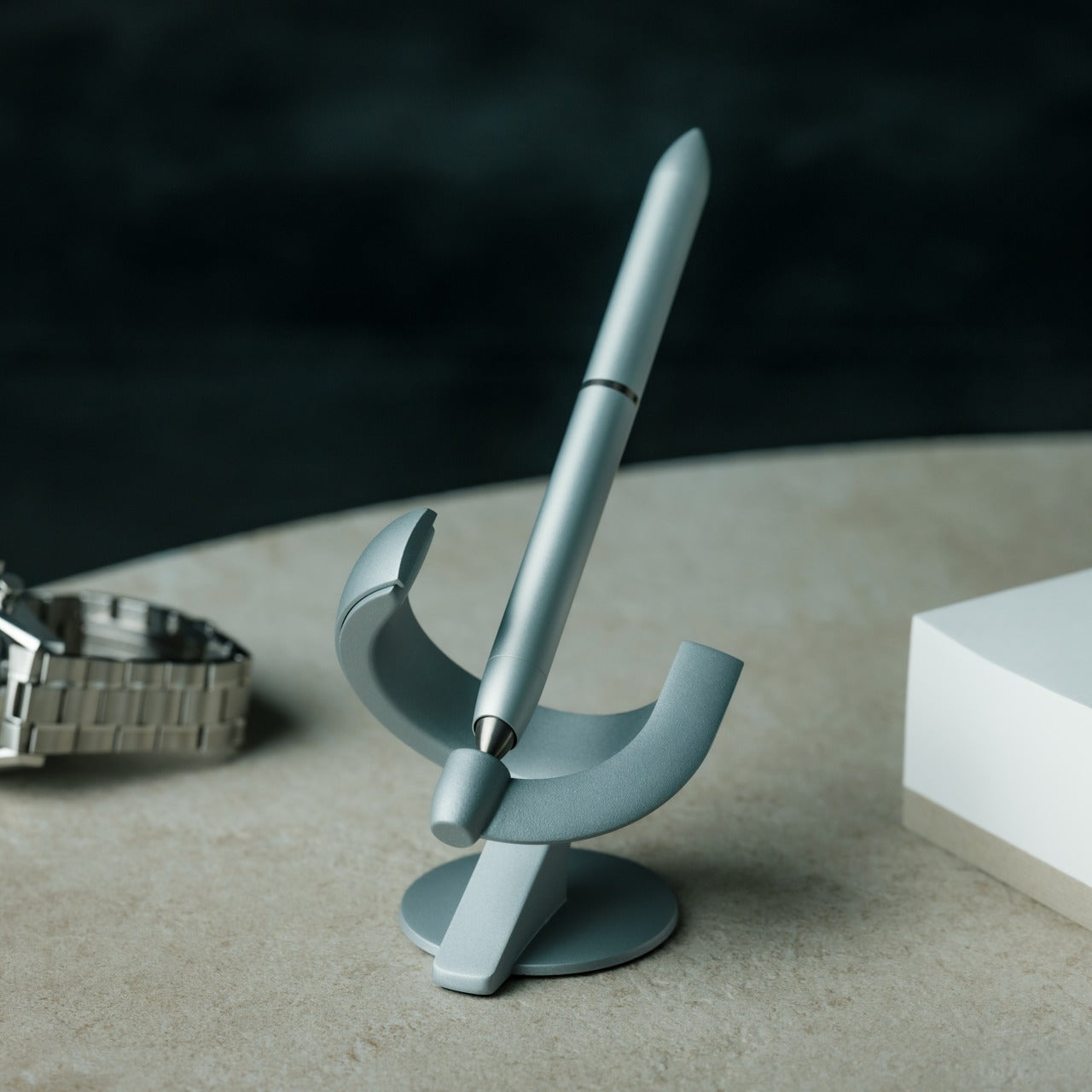
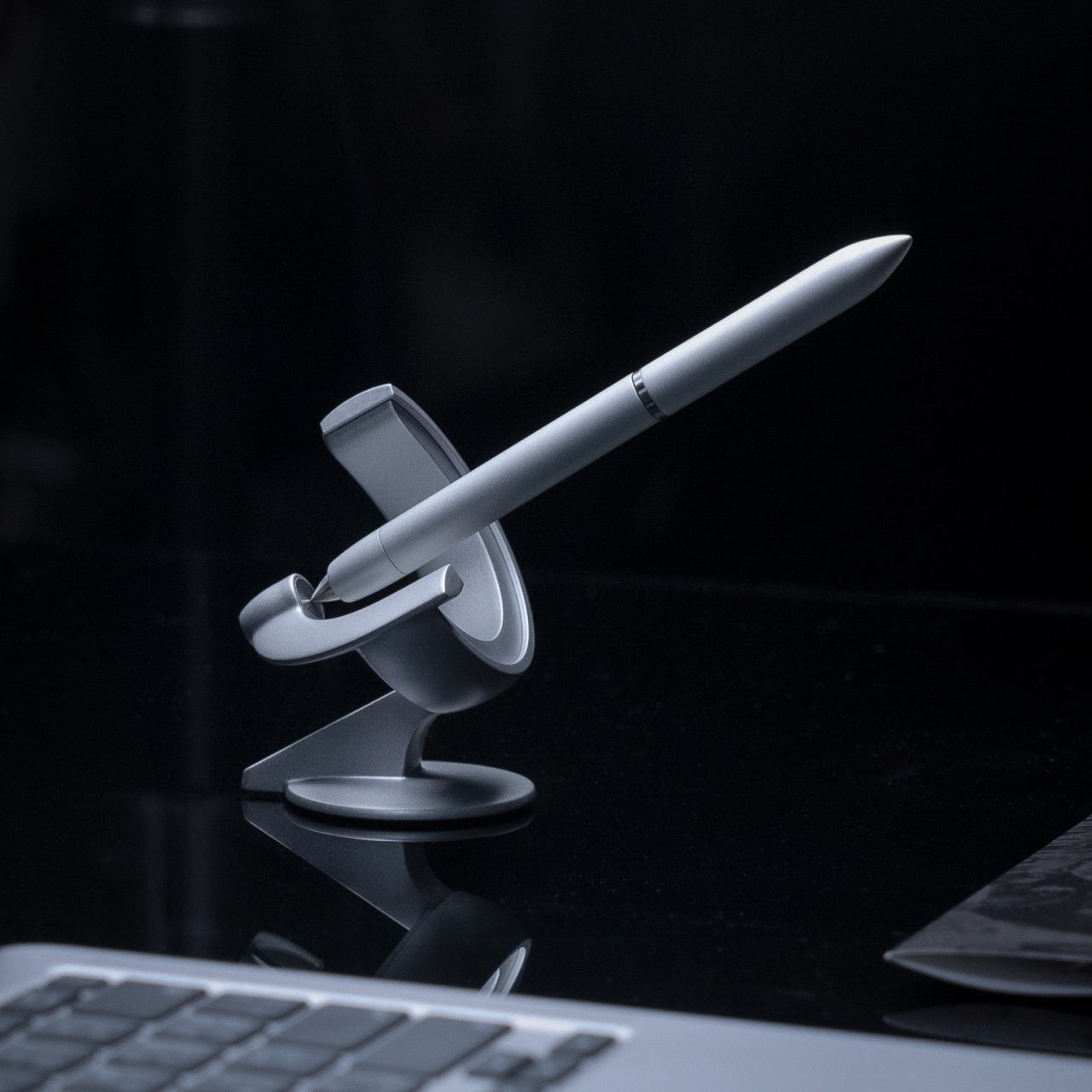
Most pen stands compete for attention, using elaborate designs that overshadow the writing instruments they’re meant to showcase. The Serenity Pen Stand takes the opposite approach, reducing itself to the absolute minimum: a small cylinder with a cavity for your pen’s tip, tilted slightly for easy access. Made from aluminum and copper with a dual-tone finish, the diminutive stand places complete focus on your pen while adding a subtle accent of visual interest. The heavy copper bottom creates a low center of gravity that prevents tipping despite the stand’s minimal footprint.
This represents quintessential Japanese design philosophy, finding beauty in reduction and celebrating the tools we use daily by giving them proper presentation. Planning enthusiasts who invest in quality pens, like the Everlasting All-Metal Pencil, finally have a display option that honors their instruments without dominating the desk landscape. The stand occupies minimal space, making it perfect for carefully curated workspaces where every object needs to earn its place. When the pen is in use, the stand remains an elegant small sculpture. The copper’s natural patina development means the piece evolves, gaining character and becoming uniquely yours.
The minimalist design ensures the pen remains the visual focus rather than the stand
The copper bottom creates exceptional stability despite its incredibly small size
The dual-tone metal finish adds subtle visual interest without overwhelming aesthetics
Perfect proportions work especially well with metal pens like the Everlasting All-Metal Pencil
What We Dislike
The tilted angle might not suit all desk arrangements or personal preferences
The stand accommodates only one pen, requiring multiple units for those who rotate between writing instruments
Finding Your Perfect Planning Tools
These ten items share a common philosophy that resonates deeply with planning enthusiasts: the belief that everyday tools deserve extraordinary design. Japanese manufacturers understand that the objects we interact with daily shape our experience, our thinking, and our creative output. These aren’t luxury goods positioned beyond reach. They’re accessible innovations that demonstrate how thoughtful design improves life in measurable ways. Each piece removes a small friction point, adds a moment of satisfaction, or solves a problem you might not have consciously identified.
Building a planning practice means surrounding yourself with tools that support your process rather than fighting against it. The best stationery becomes invisible in use, removing barriers between your thoughts and their physical expression. These Japanese designs achieve that goal while also bringing beauty into your daily rituals. Whether you’re reorganizing pages on a Magboard, gliding an Everlasting Pencil across premium paper, or placing your favorite pen on its minimalist stand, these tools transform planning from a task into a practice worth savoring. Your planning system deserves instruments this considered.
Japanese design philosophy has long celebrated the marriage of form and function, transforming everyday objects into tools that spark joy while serving practical purposes. This ethos shines brightest in stationery design, where minimalism meets innovation to create products that streamline workflows and declutter both physical and mental spaces. The items on this list represent a modern evolution of this tradition, offering solutions that fit seamlessly into contemporary life.
Organization isn’t just about having the right storage solutions; it’s about surrounding yourself with tools that inspire consistent use and thoughtful habits. These seven Japanese-inspired stationery essentials combine intelligent engineering with aesthetic restraint, ensuring that staying organized feels less like a chore and more like a natural extension of your creative process. Each piece has been selected for its ability to eliminate friction from daily tasks while adding visual harmony to your workspace.
1. OrigamiSwift Folding Mouse
Staying organized in a mobile work environment means carrying the right tools without the bulk. The OrigamiSwift reimagines the traditional computer mouse through the lens of Japanese paper-folding artistry, creating a device that collapses to pocket size yet delivers full desktop functionality. This ingenious design features a triangular skeletal structure that folds completely flat when not in use, allowing digital nomads and hybrid workers to maintain their preferred setup regardless of location.
The transformation happens in less than half a second with a simple flick of the wrist, instantly morphing from a slim card into a responsive input device. Weighing just 40 grams, this featherweight mouse disappears into bags and pockets until the moment productivity calls. The aluminum construction ensures durability despite the mechanical complexity, while the ergonomic contours cradle your hand during marathon editing sessions or detailed design work. For anyone juggling multiple workspaces throughout their day, this folding marvel eliminates the compromise between portability and performance.
Deploys in under 0.5 seconds for instant workflow activation.
Origami-inspired triangular structure provides surprising rigidity and stability when deployed.
Ultra-lightweight 40-gram design makes it virtually unnoticeable in bags.
Fits in pockets and tight spaces without compromising on full-sized mouse functionality.
What We Dislike
Ultra-slim profile requires an adjustment period for users accustomed to bulkier mice.
Mechanical hinges need occasional maintenance to preserve smooth folding action.
2. Everlasting All-Metal Pencil
Few things disrupt creative flow like a broken pencil lead or the constant need to sharpen. The Everlasting All-Metal Pencil eliminates these frustrations through material innovation rather than mechanical complexity. Crafted from a specialized alloy core encased in aluminum, this writing instrument leaves graphite-like marks on paper without wearing down at the accelerated rate of traditional pencils. The result is a tool that writes for years rather than weeks, producing consistent lines that erase cleanly with standard erasers.
The tactile experience mirrors conventional pencils closely enough that your hand won’t notice the switch, yet the absence of sharpening fundamentally changes how you interact with the tool. You can sketch freely without monitoring lead length or calculating whether you have enough left for a particular project. The weight distribution feels substantial without being cumbersome, lending a sense of permanence that disposable writing tools simply cannot match. This pencil becomes a reliable companion rather than a consumable supply, encouraging deeper attachment and more intentional use.
Never needs sharpening, creating a completely uninterrupted workflow.
Alloy construction lasts for decades, eliminating constant supply replenishment.
Marks erase cleanly with standard erasers just like traditional pencils.
Reduces waste and mental load of managing consumable supplies.
What We Dislike
Fixed line weight offers less variation than traditional graphite pencils with different grades.
Higher initial cost compared to conventional pencils.
3. MagBoard Clipboard
Traditional notebooks impose structure that sometimes stifles rather than supports organization. The MagBoard Clipboard embraces flexibility through its magnetic lever mechanism, securing up to 30 loose sheets while allowing instant reordering, removal, or addition. This hardcover design functions equally well on a desk or held against your torso while standing, transforming any environment into a viable workspace. The rigid backing provides writing stability without the permanence of bound pages.
The magnetic closure system offers satisfying tactile feedback while maintaining security during transport. Water-resistant materials ensure your notes survive coffee spills and sudden weather changes, protecting work that might otherwise be lost to environmental hazards. The ability to shuffle pages means your organizational system can evolve with your projects, accommodating non-linear thinking patterns that don’t fit neatly into numbered sequences. You might start a meeting with prepared sheets, add new observations throughout, then reorganize everything based on priority before leaving. This adaptive format respects how actual work happens rather than imposing artificial constraints.
Instant page reorganization without tearing or rewriting saves significant time.
Hardcover design allows comfortable note-taking while standing or moving.
Water-resistant materials protect notes from spills and weather damage.
The magnetic lever mechanism secures up to 30 sheets during transport.
What We Dislike
30-sheet capacity may feel limiting for extensive multi-page projects.
Magnetic mechanism adds noticeable weight during extended holding periods.
4. Inseparable Notebook Pen
Misplaced pens represent one of the organization’s most persistent frustrations. The Inseparable Notebook Pen solves this through integration rather than attachment, creating a writing instrument designed specifically to remain with your notebook. The minimalist profile slides easily alongside pages without creating bulk, while the smooth ink flow ensures thoughts transfer to paper without skipping or pressure adjustments. This isn’t just a pen that happens to fit your notebook; the entire form factor was conceived around coexistence.
The grip diameter and length strike a balance between portability and comfort, allowing extended writing sessions without cramping. The understated aesthetic avoids competing for attention, letting your content remain the focus rather than the tool itself. By designing the pen and notebook as a unified system, this approach eliminates the common scenario of finding a notebook but lacking something to write with. The relationship between tool and substrate becomes seamless, reducing decision fatigue and creating muscle memory around a consistent setup. When reaching for your notebook, it always means having a reliable pen immediately available, and capturing fleeting ideas becomes automatic rather than conditional.
Integrated design creates consistent habits around a single unified system.
Slim profile maintains notebook portability without adding noticeable bulk.
Smooth ink flow ensures reliable writing without skipping or pressure issues.
Eliminates the common frustration of finding notebooks without pens.
What We Dislike
Specialized design may not fit other notebooks in your collection.
Requires replacing the specific design rather than using generic pen replacements.
5. Scissors with Magnetic Base
Office scissors typically live in drawers or cups, creating search friction when you need them urgently. These Scissors with Magnetic Base stand perpetually upright on your desk, always visible and immediately accessible. The weighted aluminum base uses magnetic attraction to hold the Japanese stainless steel blades in an elegant vertical position, transforming a utilitarian tool into a sculptural desk element. The Teflon coating on the blades ensures smooth cutting through various materials while preventing adhesive buildup from tape or labels.
The substantial weight of the all-metal construction provides satisfying heft during use, allowing the scissors’ sharpness to do the work rather than requiring excessive hand pressure. One finger ring incorporates a hidden box cutter blade, adding functionality without compromising the clean aesthetic. The upright storage position protects blade edges from the dulling contact that occurs when scissors roll around in drawers. By giving these scissors a permanent home that celebrates rather than hides them, you’re more likely to use the right tool for cutting tasks instead of making do with whatever’s closest. The magnetic base also prevents the gradual migration that causes tools to disappear into desk clutter.
Always-vertical positioning eliminates search time and tool misplacement.
Japanese stainless steel with Teflon coating maintains sharp cutting performance.
One finger ring doubles as a box cutter for added functionality.
Magnetic base transforms a utilitarian tool into a sculptural desk element.
What We Dislike
A dedicated base makes scissors less practical for mobile use or multiple workstations.
A prominent vertical display requires a dedicated desk surface area.
6. Paperweight and Pen Holder
Desktop organization often suffers from single-purpose items that crowd surfaces without earning their real estate. The HMM Paperweight serves dual functions through its donut shape, holding papers securely while offering a stable pen rest when writing tools aren’t in use. The milled aluminum construction features twelve beveled faces that create visual interest through their geometric precision, catching light differently throughout the day. Weighing 101 grams across a 50mm diameter, the compact form factor delivers substantial anchoring power without dominating your workspace.
The central cavity accommodates standard pen diameters, creating a natural resting place that keeps writing instruments from rolling away or getting buried under papers. The tactile quality of the machined surfaces invites idle handling during thinking moments, providing subtle sensory engagement that can aid focus. This piece exemplifies multi-functionality done thoughtfully, where each purpose enhances rather than compromises the other. The paperweight function works best with reference documents you need visible but secure, while the pen holder keeps your preferred writing tool elevated and ready. Together, these capabilities reduce desktop chaos by giving key items defined homes that look intentional rather than cluttered.
Dual functionality maximizes usefulness while minimizing desk footprint.
Twelve beveled aluminum faces create a premium aesthetic appeal.
Compact 50mm diameter delivers substantial anchoring without dominating the workspace.
Tactile machined surfaces provide satisfying sensory engagement.
What We Dislike
The central hole only accommodates vertically positioned pens.
The 101-gram weight may struggle with larger document stacks.
7. Serenity Pen Stand
Most pen stands distract from the writing instrument they’re meant to showcase. The Serenity Pen Stand takes the opposite approach, reducing itself to near invisibility through radical simplicity. This minimalist cylinder features a cavity for pen tips and tilts slightly off-vertical for easier retrieval, creating an elegant pedestal that directs attention upward. The combination of aluminum body and copper base creates a subtle two-tone contrast while lowering the center of gravity for surprising stability despite the petite footprint.
The modest dimensions mean this stand occupies minimal desk space, fitting comfortably even on crowded surfaces. The weight distribution prevents tipping even with heavier pens, while the angled presentation makes grabbing your writing tool feel natural rather than requiring careful extraction. This design philosophy celebrates the pen as the protagonist, with the stand serving as supporting architecture rather than a competing feature. The copper bottom develops a natural patina over time, creating an evolving aesthetic that reflects your workspace’s history. For anyone who appreciates their writing instruments as prized tools rather than disposable supplies, this stand offers a reverent display option that respects both the pen and your desktop harmony.
Near-invisible design keeps visual focus on the pen itself.
Copper bottom provides excellent stability despite a tiny footprint.
Slight tilt makes pen retrieval feel natural and effortless.
Develops natural patina over time for evolving aesthetic character.
What We Dislike
Single-pen capacity requires multiple stands for instrument rotation.
A minimalist cavity may not accommodate unusual tip shapes or oversized barrels.
Organizing with Intention
The items featured here share a common thread beyond their Japanese design heritage. Each piece respects your attention by solving specific organizational challenges without introducing new complexity. Rather than adding systems that require maintenance and memory, these tools simply work better than their conventional alternatives. The result is an organization that happens naturally through superior design rather than forced discipline.
When your workspace contains tools that are genuinely pleasant to use and look at, maintaining order becomes effortless. These seven essentials prove that staying organized doesn’t require sacrifice or compromise. By choosing items that combine beauty, durability, and thoughtful functionality, you create an environment where productivity and tranquility coexist. The Japanese design philosophy embedded in each piece offers a masterclass in maximizing efficiency, transforming everyday objects into trusted companions.
Japanese camping brand Tokyo Crafts has brought something unusual to the American market. The Grayhus tent landed stateside this past August through distributor Kōrogi, and it’s turning heads at campsites across the country. This isn’t your standard dome tent. The polyhedral shelter reads more like an art installation than camping gear, with sharp geometric angles that create an almost alien silhouette against mountain backdrops and forest clearings. It’s the kind of tent that makes neighboring campers do a double-take.
Those angular walls aren’t just for show. Large windows cut into the structure frame whatever landscape surrounds you, turning mornings and evenings into something worth lingering over. There’s something satisfying about the way the tent’s rigid geometry plays against the organic curves of nature. Set one up near a lake or in a meadow, and you’ve got an instant focal point. Tokyo Crafts clearly understands that camping gear can do more than keep you dry. The Grayhus makes a statement while it shelters you.
The tent’s real cleverness shows up when the weather changes. On mild days, it works as an airy canopy. When mosquitoes show up at dusk, mesh panels turn it into a screened room. If wind picks up or rain moves in, you can batten everything down into a fully enclosed shelter that’s been tested to 55 mph winds. That’s proper storm protection, not just a rating on paper. The Grayhus shifts between configurations without requiring you to pack different shelters for different conditions.
Here’s where Tokyo Crafts made an interesting call. The tent has no built-in floor. Most campers expect integrated groundsheets, but ditching that feature opens up the interior and makes setup faster. The walls and roof use waterproof, weatherproof materials that handle whatever falls from above. Below, you’re free to arrange things however you want. Throw down a tarp, layer rugs, or go minimal. The floorless design gives you options instead of locking you into one setup. It’s a smarter approach than it might first seem.
Tokyo Crafts says the Grayhus sleeps four comfortably, though the roomy interior could fit more if you’re flexible about personal space. The safari-tent vibe skews toward glamping rather than backpacking. At $1,200 for the base model, it’s not an impulse purchase. That price puts it squarely in premium territory, which makes sense given the materials and design work. You’re paying for something that stands apart from the sea of identical camping shelters cluttering outdoor retailers.
The Grayhus is part of Tokyo Crafts’ bigger push into the US market, bringing Japanese camping aesthetics to American buyers who might not know what they’ve been missing. The brand offers add-ons like living sheets and TPU windows if you want to dial in your setup. What sets Tokyo Crafts apart is the refusal to separate form from function. The Grayhus works well and looks striking while doing it. For campers who care about design as much as they care about staying dry, it’s a tent that finally treats both priorities seriously.
The tiny house movement has found a new voice in Japan, where Ikigai Collective is creating homes that honor traditional aesthetics while embracing modern minimalism. The Nozawa stands out as a stunning expression of Japanese design philosophy, built not as an homage from afar but as an authentic creation rooted in local culture and craftsmanship. Measuring just 20 feet in length, this compact dwelling challenges the North American trend toward ever-larger tiny homes that sometimes stretch beyond 50 feet. The Nozawa aligns more closely with European sensibilities, proving that thoughtful design can create livable spaces without expanding square footage. Its modest dimensions become an asset rather than a limitation when every inch serves a purpose.
The exterior combines durable steel cladding with wooden accents, creating visual warmth while standing up to varied weather conditions. Inside, wood dominates every surface, enveloping occupants in a cabin-like atmosphere that feels both grounded and inviting. The material choice speaks to Japanese design principles where natural elements bring spaces to life without unnecessary ornamentation. The design acknowledges that wild parties aren’t part of the plan, focusing instead on quiet comfort for two people who value intimate living spaces over expansive floor plans.
The layout unfolds across two levels, with the ground floor dedicated to a tatami-style living room that requires a slight crouch to enter. This low-ceilinged space embraces the floor-level living tradition found in Japanese homes, where straw mat flooring and minimal furniture create rooms for contemplation and connection. A simple table anchors the space, offering flexibility for dining, working, or hosting intimate gatherings. The tatami concept draws from centuries of Japanese residential design, bringing that cultural heritage into a modern mobile dwelling that can adapt to contemporary lifestyles while maintaining traditional sensibilities.
The kitchen occupies its own zone nearby, impressively equipped for such a compact footprint. A large stainless steel sink pairs with a two-burner propane stove, while a full-size fridge and freezer eliminate the compromises often required in tiny living. Ample cabinetry keeps essentials organized, and a dining table extends the kitchen’s functionality as both a meal space and a potential work area. A sliding door reveals the bathroom, where a shower, flushing toilet, and petite sink handle daily needs efficiently within the tight quarters. The thoughtful placement of these essential spaces demonstrates how careful planning transforms limitations into livable solutions.
Above the living room, a loft bedroom accessed by a removable ladder provides sleeping quarters fitted with a double bed, storage solutions, and a wall-mounted television. The space maintains the low ceiling typical of loft designs but offers privacy without isolation, separated from the living areas yet connected to the home’s overall flow. The bedroom represents the final piece of the Nozawas’ puzzle, creating a complete home environment where two people can comfortably manage daily routines without feeling cramped or compromising on essential amenities.
Ikigai Collective positions the Nozawa at ¥11,300,000, roughly $72,000, with various customization options available for materials and furnishings. International availability remains unclear, making direct contact with the firm necessary for interested buyers outside Japan. The price reflects both quality construction and the specialized market it serves, targeting buyers who value authentic cultural design over generic tiny house trends. The Nozawa succeeds by staying true to its Japanese roots rather than attempting universal appeal. This focused vision creates a home that works beautifully within its cultural context, offering a template for how regional tiny house movements might develop their own distinct character and aesthetic language that honors local traditions while meeting contemporary needs.
Japanese design philosophy has always understood something the rest of the world is only now catching up to: true sophistication comes from subtraction, not addition. This approach, rooted in centuries of aesthetic refinement, strips away the superfluous to reveal function in its purest form. The tools that emerge from this tradition don’t just accomplish tasks—they redefine how we think about everyday objects. Each piece becomes a meditation on purpose, where every curve, edge, and material choice serves a reason beyond mere decoration.
The seven tools featured here embody this principle completely. They’re not trying to impress with flashy features or unnecessary complexity. Instead, they achieve something far more difficult: they make the complicated simple. These designs prove that when you remove everything that doesn’t matter, what remains becomes not just functional but beautiful. From kitchen essentials to pocket-sized problem-solvers, each tool demonstrates how Japanese minimalism transforms ordinary objects into instruments of effortless living.
1. Craftmaster EDC Utility Knife
The Craftmaster EDC Utility Knife challenges everything you think you know about pocket tools. Its metallic body sits just 0.3 inches thick and stretches 4.72 inches long, creating a profile slim enough to disappear into any pocket while maintaining the heft that signals quality. The rotating knob deployment system feels tactile and deliberate, engaging an OLFA blade through a mechanism that rewards precision over speed. This isn’t a tool that screams for attention—it earns respect through its restraint, proving that powerful utility doesn’t require bulk or bravado.
The magnetic back serves dual purposes with characteristic Japanese efficiency. It transforms any metal surface into a storage solution, keeping the knife accessible without adding clutter to your workspace. The companion metal scale docks seamlessly to this magnetic base, featuring raised edges that make retrieval from flat surfaces effortless. Both metric and imperial markings ensure universal utility, while the integrated blade-breaker lets you snap off dulled edges without additional tools. The 15-degree curvature protects fingers during operation, and the 45-degree inclination angle makes box-opening safer. Every detail reflects the principle that good design removes friction between intention and action.
OLFA blade replacement system extends the tool’s functional lifetime indefinitely.
Magnetic docking transforms unused metal surfaces into organized storage.
The dual-scale ruler eliminates the need for separate measuring tools.
8mm thickness allows the knife to live comfortably in any pocket.
What we dislike
The metal construction adds weight compared to plastic alternatives.
Blade snapping requires the companion ruler for optimal safety.
2. 8-in-1 EDC Scissors
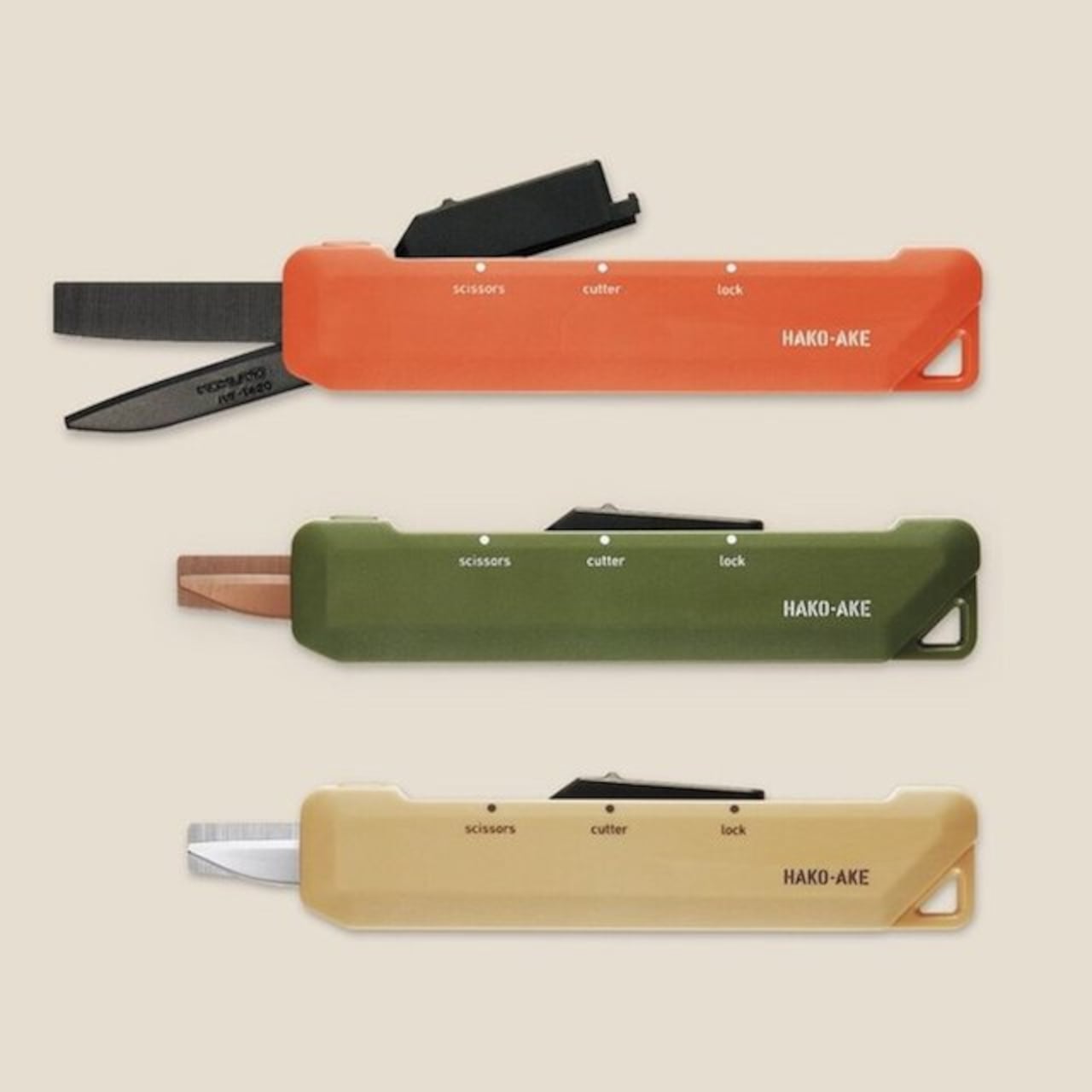
Conventional wisdom says versatile tools sacrifice quality for quantity. These scissors prove that assumption wrong. The 13-centimeter design fits completely within your palm, creating a tool that travels anywhere without announcing its presence. Eight distinct functions emerge from a single elegant form: scissors, knife, lid opener, can opener, cap opener, bottle opener, shell splitter, and degasser. The oxidation film coating doesn’t just prevent rust—it creates a matte black finish that elevates the tool from utility to aesthetic choice.
The genius lies in how each function integrates without compromising the others. The scissor blades maintain their sharpness because they’re not forced into awkward multi-tool compromises. The bottle opener achieves proper leverage despite the compact form factor. The can opener actually works smoothly instead of becoming an emergency-only frustration. This integration happens because the design started with minimalism as the foundation rather than cramming features into an existing form. The result feels purposeful rather than accidental, proving that constraint breeds creativity when handled with skill and intention.
Eight genuinely useful functions integrated without bulk or complexity.
Oxidation film coating provides both protection and sophisticated aesthetics.
Palm-sized dimensions make it genuinely pocketable for daily carry.
Each function maintains full effectiveness despite the compact form.
What we dislike
The black finish may show wear over time with heavy use.
Small size might feel less substantial in larger hands.
3. Rodent Bottle Opener
Kairi Eguchi’s Rodent bottle opener for WELD DESIGN STORE asks a radical question: what happens when you remove everything except absolute necessity? The answer arrives as a simple oval steel pipe, processed only at the section required for uncorking. Advanced 3D pipe laser technology creates the functional opening while leaving the rest of the material untouched, preserving the raw character of freshly cut metal. This approach produces an object that feels honest in a world drowning in overdesign, where the material itself becomes the primary aesthetic element.
The philosophy extends beyond mere appearance into something more profound about how we interact with objects. Using the Rodent requires engaging with the pipe’s industrial nature—there’s no rubber grip, no decorative flourishes to mediate the experience. The cold steel against your palm, the weight that comes from solid construction, the tactile feedback of metal against metal—these sensations connect you directly to the act of opening a bottle. This directness might seem harsh at first, but it creates a relationship with the tool that feels more genuine than cushioned alternatives. The opener becomes a small reminder that sometimes the best design simply reveals material truth.
What we like
Single-material construction eliminates weak points and potential failures.
Untouched pipe sections preserve the authentic character of industrial steel.
Minimal processing reduces manufacturing complexity and environmental impact.
The design achieves complete functionality without any superfluous elements.
What we dislike
The raw steel aesthetic may not suit every environment or preference.
Lack of grip coating means cold metal directly against the hand.
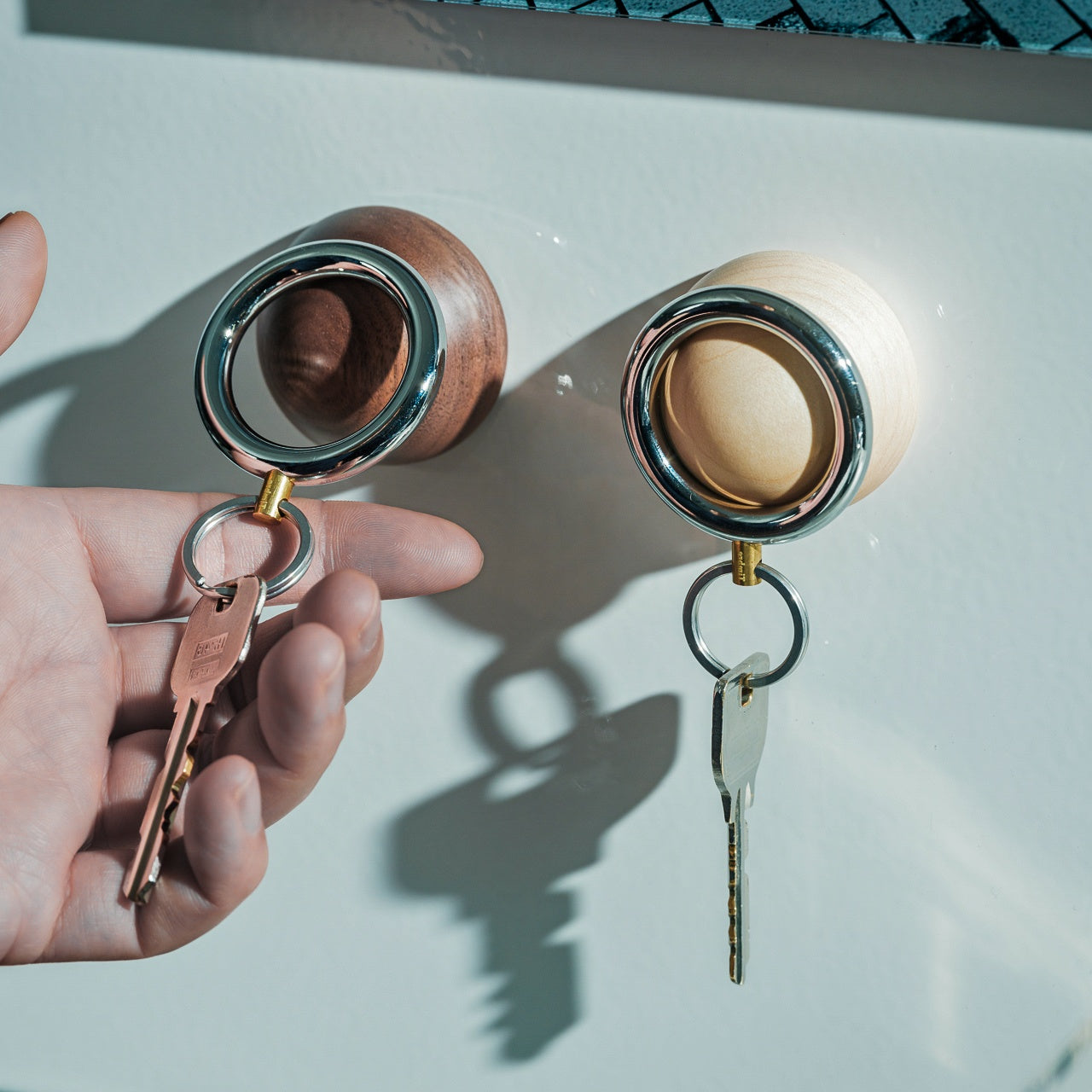
4. Painless Key Ring
Key rings have operated on the same principle for decades: a tightly wound coil that requires finger-destroying force to manipulate. The wave spring key ring borrows technology from aerospace equipment and automotive applications to solve this everyday frustration. The innovative coil design maintains tension without the aggressive grip that damages nails and deforms rings. Adding or removing keys becomes genuinely stress-free, transforming a minor annoyance into a smooth operation that respects both your time and your fingertips.
The engineering reveals itself through performance rather than appearance. The wave spring construction achieves superior durability while reducing weight compared to traditional rings. This means the device in your pocket becomes lighter even as it grows more robust—a combination that seems impossible until you understand how the spring geometry distributes stress. Available in silver and black finishes, the ring adapts to personal aesthetic preferences without adding bulk or complexity. The design proves that solving problems often requires looking beyond established solutions to principles from entirely different fields, importing expertise that transforms the familiar into something better.
The wave spring mechanism eliminates the fingernail damage of traditional key rings.
Aerospace-grade durability ensures the ring won’t deform or fail over time.
Lighter construction reduces pocket bulk without sacrificing strength.
Silver and black options provide aesthetic flexibility.
What we dislike
The unfamiliar mechanism may require a brief adjustment period.
Slightly higher cost reflects the advanced spring technology.
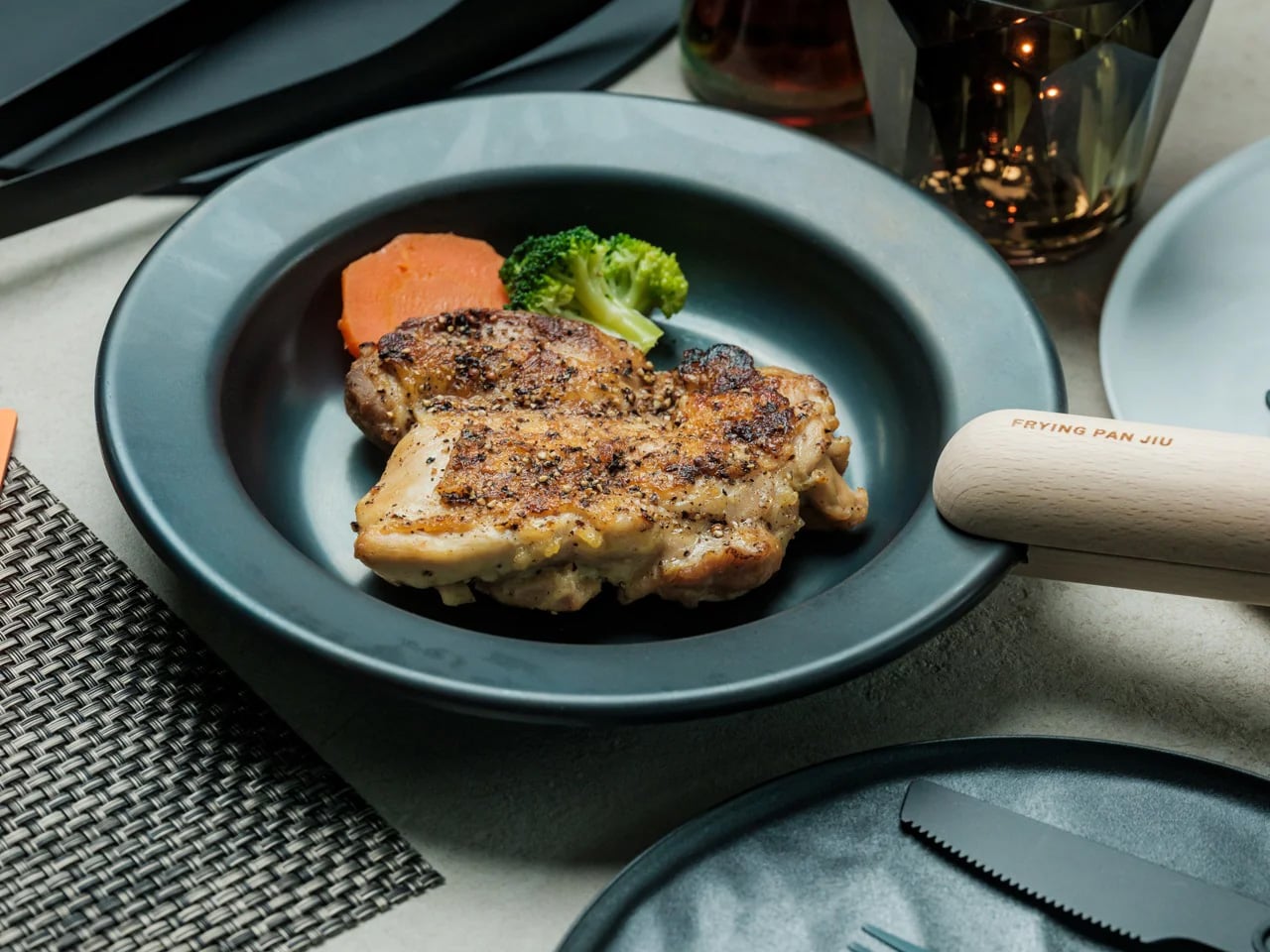
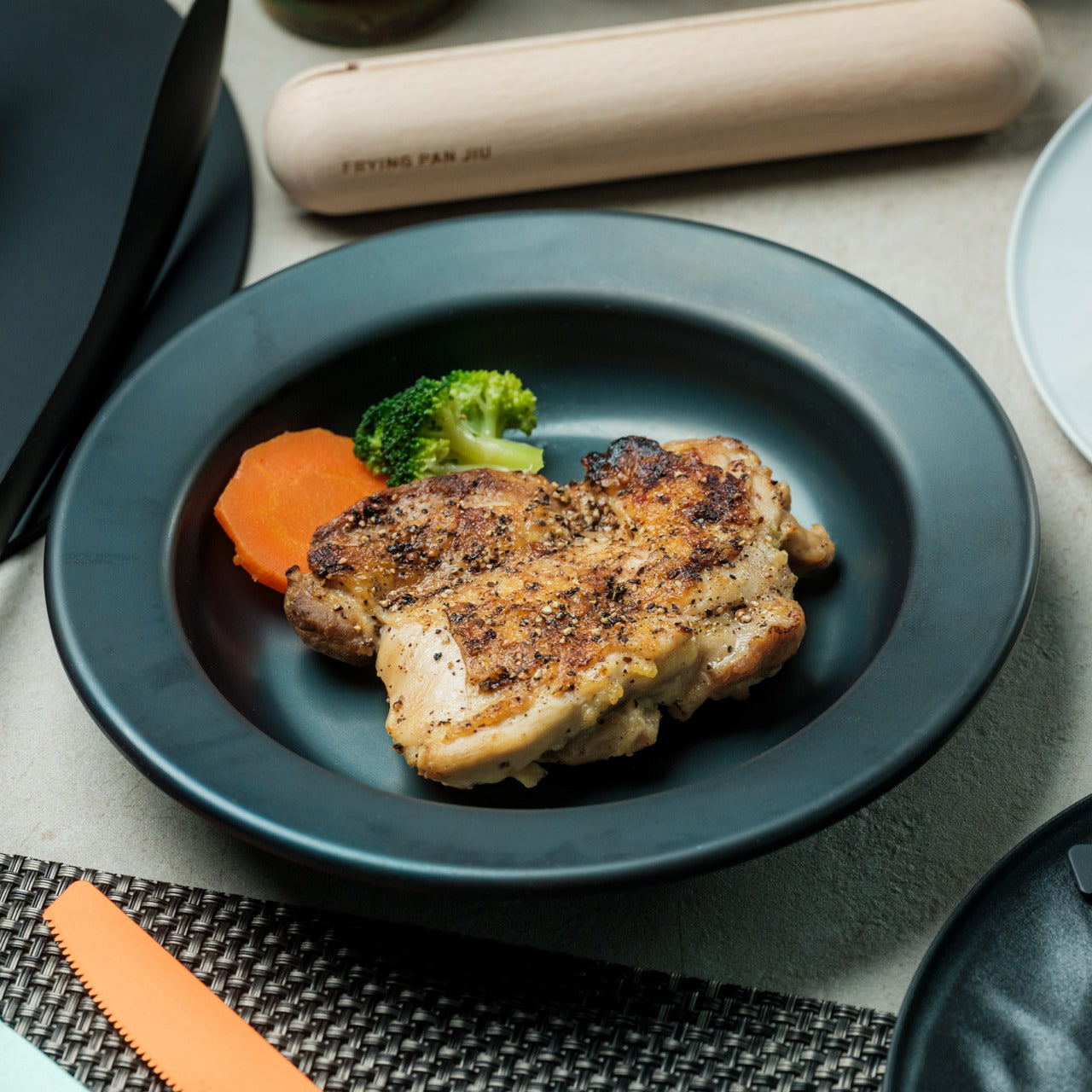
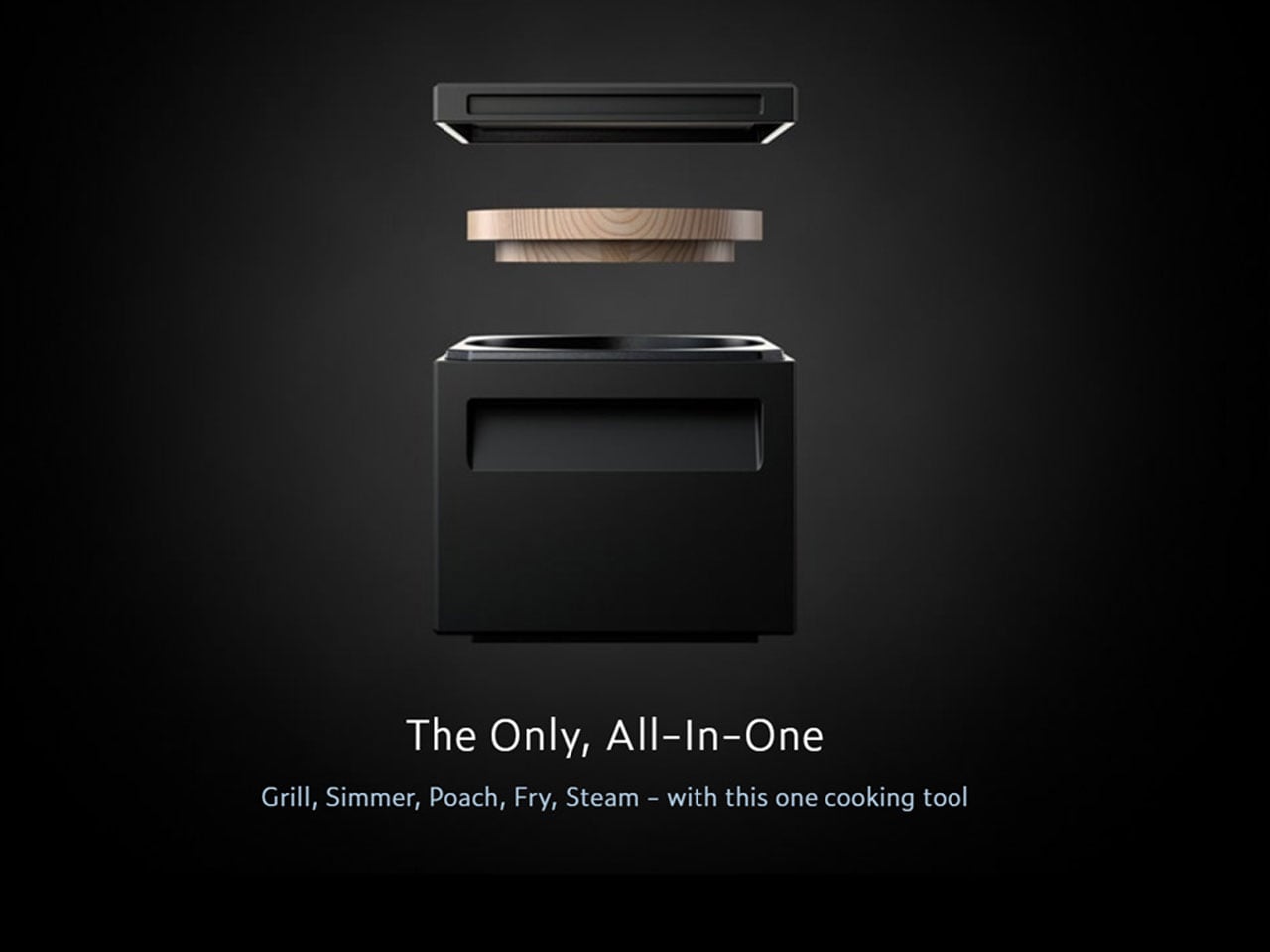
5. Compact Modular Grill Plate
Outdoor cooking equipment typically forces a choice: lightweight portability or effective heat distribution. The Compact Modular Grill Plate rejects this false dichotomy through intelligent material layering. The three-layer steel plate construction ensures uniform heat conduction across the entire surface, maintaining the even temperatures that separate mediocre cooking from exceptional results. The modular handle system adapts to different situations—stable bases, unstable campfires, or quick movements between heat sources. When finished, everything packs into a remarkably compact form that defies the plate’s cooking capabilities.
The versatility extends to heat source compatibility that borders on remarkable. Campfire coals, gas burners, and induction stoves all work equally well with the plate’s construction. This universality means the same tool serves backyard gatherings, backcountry adventures, and indoor cooking with identical effectiveness. The even heat distribution preserves moisture in proteins while achieving proper browning, delivering restaurant-quality results in settings where such outcomes typically seem impossible. Available in Basic and Special configurations, the system scales to different needs without abandoning the core principle: proper heat management makes better food, regardless of setting.
The Slim Fold Dish Rack solves a problem so common we’ve stopped noticing it: permanent dish racks occupy valuable counter space even when empty. The patent-pending spring mechanism collapses the 14-inch rack down to 1.2 inches in one second, with deployment just as fast. This transformation happens smoothly enough to become genuinely practical rather than a clever trick you stop using after the novelty fades. The collapsed form actually fits in pockets, making it genuinely portable for camping trips, RVs, or anywhere space comes at a premium.
The minimalist structure provides ample ventilation while accommodating plates, utensils, and cookware of varying sizes. The design achieves this flexibility through strategic material placement rather than complex adjustments or attachments that add bulk and failure points. Cleaning becomes effortless—the rack is dishwasher-safe, removing the irony of hand-washing the thing meant to organize your dishwashing. The spring system maintains tension through repeated cycles without loosening or failing, proving that elegantly simple mechanical solutions often outlast their complicated electronic counterparts. Sometimes the best technology is just physics applied with precision and care.
Patent-pending spring system enables genuine one-second collapse and deployment.
Collapsed 1.2-inch profile fits in pockets for complete portability.
Dishwasher-safe construction eliminates cleaning friction.
Minimalist design provides proper ventilation for various dish sizes.
What we dislike
The spring mechanism requires periodic cleaning to maintain smooth operation.
Collapsed form may be too compact for users who prefer permanent setups.
7. Effortless Standing Letter Cutter
The Standing Letter Cutter transforms envelope opening from a mundane task into a moment of tactile satisfaction. Slide an envelope across the anodized aluminum bar and watch as it creates a clean incision along one side. The blade makes a surgical opening without generating paper scraps or mangled edges—just a smooth entry that preserves the envelope’s integrity. When not in use, the cutter serves as a paperweight or desk accent, demonstrating how functional objects can occupy space beautifully rather than apologetically.
The anodized aluminum construction achieves that rare balance between substance and refinement. The material feels substantial without being unnecessarily heavy, creating an object that announces quality through tactile experience rather than visual noise. The replaceable blade system extends the cutter’s lifetime indefinitely, embracing repair over replacement in a culture addicted to disposability. This serviceability reflects a deeper design philosophy: good tools should outlast their users, becoming heirlooms rather than landfill material. The simple act of opening mail becomes slightly more pleasurable, which might seem trivial until you realize how many small moments compose a life.
Anodized aluminum construction provides an elegant desk presence beyond pure utility.
Clean incision eliminates paper scraps and simplifies envelope opening.
Replaceable blade system extends product lifetime indefinitely.
Dual functionality as a paperweight maximizes usefulness per cubic inch.
What we dislike
The metal construction may scratch wooden or delicate desk surfaces.
Replacement blades require sourcing from the manufacturer.
Why Less Becomes More
These seven tools share a common thread that extends beyond Japanese origin or minimalist aesthetics. Each design starts by questioning assumptions about how objects should look and function. The Craftmaster knife asks why utility tools need bulky handles when slim metal suffices. The palm scissors challenge the notion that versatility requires size. The Rodent opener wonders whether bottle openers need any processing beyond what’s functionally necessary. These aren’t rhetorical questions—they’re design principles that produce tangible results. The tools work better precisely because they attempt less, focusing energy on core functions rather than dissipating effort across unnecessary features.
This approach resonates because it addresses a deeper cultural fatigue with overcomplicating everything. We’re surrounded by objects that try too hard, products that add features to justify price points rather than solve actual problems. Japanese minimalism offers an antidote: tools that respect your intelligence by trusting you don’t need hand-holding or distraction. They accomplish their purposes cleanly, then get out of the way. That restraint becomes its own form of luxury—the space to think, act, and exist without constant negotiation with poorly designed objects. In choosing tools that do more with less, you’re not just simplifying your carry or kitchen. You’re reclaiming mental space from the clutter of modern life, one thoughtfully designed object at a time.
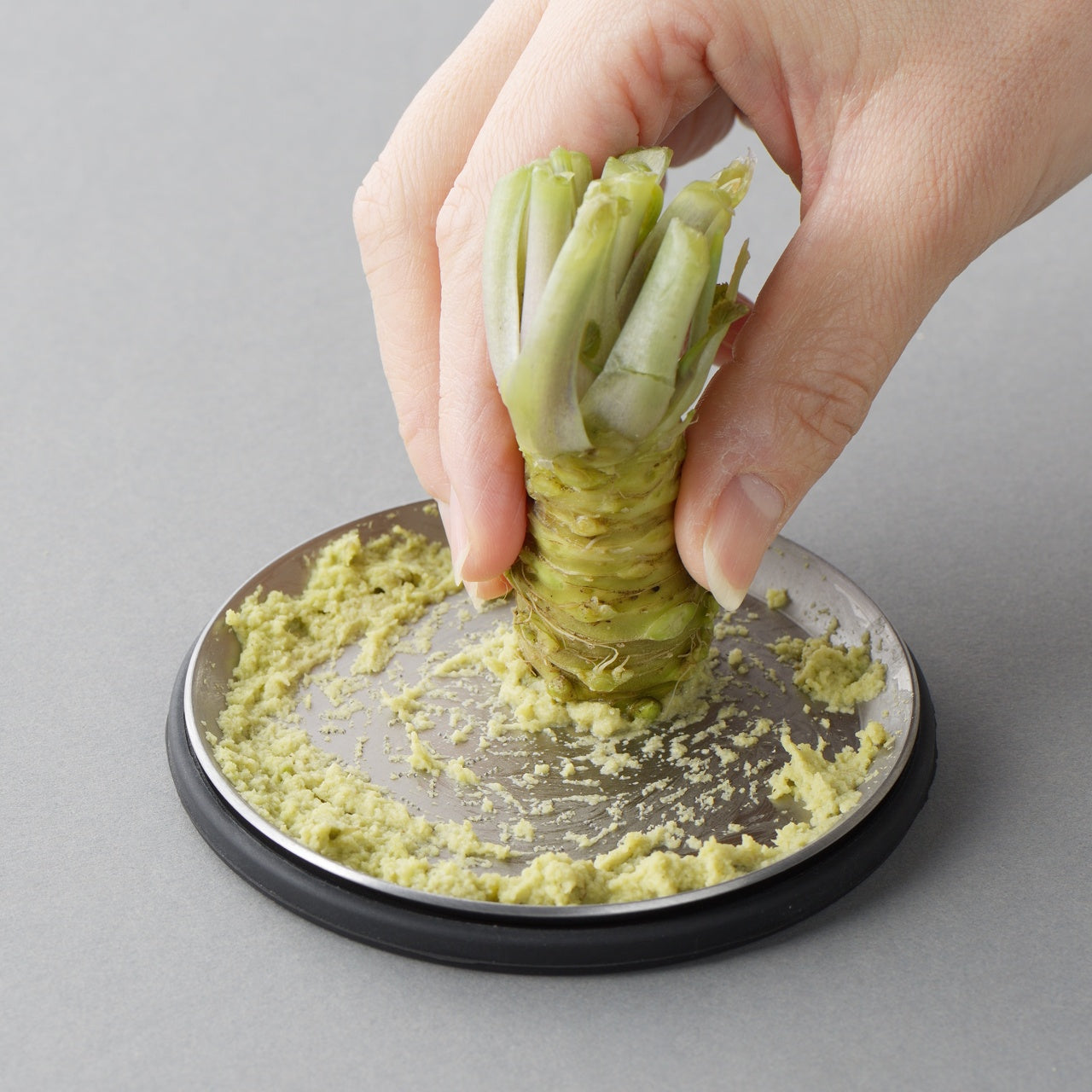
In a shipping container parked next to Macnica’s headquarters in Yokohama, an innovative revolution in Japanese agriculture is taking root. Inside the 40-foot steel box, 1,800 premium wasabi plants thrive under LED lights, nourished by circulating purified water and monitored by AI-powered sensors. This isn’t a futuristic concept. It’s a solution to a very real crisis threatening one of Japan’s most iconic flavors. Tokyo-based AgriTech startup NEXTAGE has partnered with global technology firm Macnica to develop the Wasabi Cultivation Module. This container-based plant factory allows wasabi to be grown anywhere in the world.
The innovation comes as Japan grapples with a growing wasabi shortage driven by multiple converging pressures. Climate change, declining agricultural workers, and the strict environmental demands of traditional cultivation have created a perfect storm for this notoriously temperamental crop. Wasabi has always required clean water, precise temperature control, and meticulous soil management. Traditionally grown in cool mountain streams, the plant is particularly vulnerable to typhoons and floods. Climate change has intensified these challenges, threatening the survival of historic wasabi farms that have operated for generations. Global demand continues to surge alongside the worldwide popularity of Japanese cuisine, but supply has struggled to keep pace.
The cultivation module addresses these vulnerabilities through total environmental control. Each container houses five-tiered shelves equipped with sophisticated systems, including air conditioning, dehumidifiers, LED lighting, water temperature controllers, and carbon dioxide management devices. Cameras and sensors throughout the container continuously monitor conditions, tracking everything from temperature fluctuations to door usage that might affect air circulation. This data feeds into an AI-powered remote monitoring system, allowing NEXTAGE experts to provide real-time cultivation guidance to operators who may have no prior farming experience. The technology packages decades of specialized knowledge into an accessible, turnkey solution.
Perhaps most impressive is the dramatic acceleration in harvest times. The module cultivates Matsuma Wasabi, a premium variety from Wakayama Prefecture that is highly prized in high-end restaurants for its balanced aroma, spiciness, sweetness, and distinctive flavor profile. In natural conditions, this exceptional variety requires 20 to 24 months to reach maturity. Inside the precisely controlled environment of the cultivation module, the time drops to approximately 10 months. This dramatic reduction doesn’t compromise quality but rather optimizes growth conditions that would be impossible to maintain consistently in traditional outdoor cultivation, where weather and seasonal variations create unavoidable challenges.
Macnica became the pioneering customer in December 2023, installing a module at its Shin-Yokohama headquarters as both a demonstration facility and agricultural innovation laboratory. The semiconductor and IT company brought substantial technical expertise to the partnership, contributing specialized knowledge in growth visualization systems, communication technology, and customized LED development specifically designed for plant cultivation. In January 2024, following months of refinement and testing, the two companies officially launched commercial sales of the modules to businesses and agricultural entrepreneurs. NEXTAGE founder Takuya Nakamura, who started the company after witnessing the devastation of traditional wasabi fields, secured Series A funding in October 2024 to accelerate development of the automated cultivation technology.
The vision extends far beyond Japan’s borders. NEXTAGE’s ambitious slogan, “bringing ALL JAPAN MADE plant cultivation technology to the world,” signals plans to export this innovation globally. For high-end sushi restaurants that have long depended on limited supplies of fresh wasabi, the implications are transformative. The day may soon come when chefs grate wasabi grown in a container just blocks away, preserving the pungent, complex flavors that define authentic Japanese cuisine while building resilience into a supply chain threatened by our changing climate.
Japanese design has always carried a quiet brilliance. It strips away the unnecessary, honors the ritual of everyday moments, and transforms functional objects into sources of genuine pleasure. That philosophy feels especially welcome during the holiday season, when the best gifts are the ones that surprise with their thoughtfulness rather than their size. Stocking stuffers occupy a unique space in gift-giving, requiring items that are small enough to tuck away yet meaningful enough to spark genuine delight.
The items here represent that intersection beautifully. Each piece embraces the Japanese principles of craftsmanship, intentional design, and respect for the user’s experience. They’re compact enough to fit inside a stocking but substantial enough in their design thinking to become daily companions. From tools that encourage creativity to objects that turn mundane tasks into small rituals, these finds prove that the most memorable gifts often come in the smallest packages.
1. Inseparable Notebook Pen
The frantic search for a pen when inspiration arrives never gets less frustrating. This pen solves that problem through magnetic attachment, clipping securely to your notebook so the two never part ways. The minimalist barrel feels natural in your hand during extended writing sessions, while the smooth ink flow keeps your thoughts moving from mind to page without interruption. It’s built around the idea that your tools should blend seamlessly into your process, rather than interrupt it. What makes this design special is how it honors the relationship between pen and paper. The integrated silencer means attaching and removing the pen becomes a quiet, satisfying gesture rather than a clunky distraction.
The sleek form works with any notebook style, becoming a natural extension rather than an awkward addition. For anyone who fills pages with ideas, sketches, or observations, this pen becomes the kind of tool you forget you’re using because it works so seamlessly. At the perfect stocking stuffer size, this pen delivers way more thoughtfulness than its compact form suggests. It’s the kind of gift that makes the recipient think you really understand how they work, and it pairs beautifully with any notebook already hiding in their bag.
The magnetic clip keeps the pen and notebook together, ending the endless search through bags and pockets.
The built-in silencer creates a refined attachment experience that feels deliberately crafted.
What we dislike
The minimalist design means no clip for shirt pockets when used independently.
Replacement ink cartridges may require specific sourcing depending on the pen mechanism.
2. FoldLine Pen Roll
Carrying quality pens usually means dealing with rattling sounds and potential scratches as they knock together in your bag. The FoldLine Pen Roll reimagines pen storage through origami-inspired folding, using a single piece of Italian leather that wraps each writing instrument in its own protected space. Unroll it on any surface and the leather transforms into a tray, creating an instant, organized workspace wherever you land. The genius lives in what’s not there. No stitched compartments means the leather itself protects its folded structure. Metal-bodied pens stay separated without touching, while the hollow interior keeps the roll surprisingly slim even when fully loaded.
The two-second setup turns any café table or hotel desk into your defined workspace, bringing order and intention to creative sessions. For designers, writers, or anyone who takes their tools seriously, this role offers protection and presentation in equal measure. This leather roll fits perfectly at the top of a stocking and immediately signals quality gifting. It’s substantial enough to feel like a real present but compact enough to surprise someone when they pull it out, making it ideal for the pen enthusiast or creative professional in your life.
The tray transformation creates instant workspace organization on any surface.
Partition-free design protects pens through structure alone while maintaining a slim profile.
What we dislike
Italian leather requires occasional conditioning to maintain its suppleness over time.
The investment cost sits higher than basic pen cases despite the refined functionality.
3. First Pour Bottle Opener
Opening a bottle cap shouldn’t damage the cap or send it skittering across the floor. This bottle opener from legendary Tsubame-Sanjo blacksmiths treats the moment with more ceremony, lifting caps cleanly without bending them and catching each one magnetically before it falls. The flowing stainless steel form feels substantial in hand, with curves that guide your grip naturally, while the satin finish adds understated elegance. The design earns its place on your counter or bar cart rather than hiding in a drawer. Its sculptural silhouette brings visual interest to open shelves, while the wall-hanging option keeps it accessible without sacrificing aesthetics.
For collectors who preserve bottle caps or hosts who value smooth service, this opener transforms a forgettable task into a small ritual. The weight and balance feel intentional with every pop, reminding you that even the simplest tools benefit from thoughtful design. The sculptural form makes this bottle opener feel like unwrapping a piece of art rather than a kitchen tool. It’s heavy enough to communicate quality the moment someone lifts it from their stocking, perfect for the host, beer enthusiast, or anyone who appreciates when everyday objects receive extraordinary design attention.
Clean cap removal preserves shape for collectors or simply ensures satisfying opens.
The magnetic catch keeps service smooth and tables clear of runaway caps.
What we dislike
The premium price reflects master craftsmanship but exceeds basic bottle opener budgets.
Stainless steel construction adds weight that feels substantial but less portable than compact alternatives.
4. Ritual Card Diffuser
Most diffusers assault spaces with overwhelming fragrance or require constant attention to heat, water, or reeds. The Ritual Card Diffuser takes a different approach, asking you to insert a handmade washi paper card into an anodized aluminum body, like sliding a ticket through a gate. The gesture becomes the ritual, marking the intentional start of a scent experience that unfolds gradually rather than immediately dominating a room. The patented mechanism draws hand-poured oil upward through the absorbent washi card, dispersing fragrance without mist, vapor, or electricity. It works with alcohol-based blends like those in premium reed diffusers, offering clean and consistent diffusion that shapes ambient air rather than overwhelming it.
For anyone seeking to add subtle fragrance to their workspace or bedroom, this diffuser turns scent into a mindful practice. The minimalist form disappears into any décor while the replaceable cards let you switch fragrances without cleaning or waiting. This diffuser’s slim profile slides perfectly into a stocking while offering something genuinely unexpected. It’s the kind of gift that makes someone pause and ask how it works, creating an instant conversation moment on Christmas morning and introducing a mindful ritual into their daily routine.
The tactile card-insertion ritual adds intentionality to scent experiences.
No power, water, or heat required makes it safer and more versatile than conventional diffusers.
What we dislike
Replacement washi cards and oils represent ongoing costs beyond the initial purchase.
The subtle diffusion may disappoint those seeking an immediate or powerful fragrance presence.
5. Side A Cassette Speaker
Nostalgia usually sacrifices function, but this cassette-shaped Bluetooth speaker manages both. The transparent shell and Side A label capture mixtape aesthetics while hiding modern connectivity, including Bluetooth 5.3 and microSD playback. The sound profile leans warm and cozy, evoking analog tape character despite its digital streaming capabilities. Slip it into its clear case, and it becomes a conversation piece for desks or shelves. What makes this work is the commitment to the bit without compromising utility. You get wireless pairing, offline playback options, and surprisingly full sound from a pocket-sized package.
The form factor sparks genuine recognition from anyone who remembers making mixtapes, while younger audiences simply appreciate the distinctive design. For music lovers, nostalgic gift recipients, or anyone wanting a speaker with personality, this cassette delivers charm and function under fifty dollars. The cassette form factor was practically designed for stockings, and this speaker delivers instant recognition the moment it’s pulled out. It hits that sweet spot of affordable enough to be a stocking stuffer but cool enough to be someone’s favorite gift, especially for music lovers who appreciate design with personality.
Authentic cassette aesthetics combined with modern Bluetooth 5.3 and microSD playback.
The warm sound profile evokes analog character while maintaining wireless convenience.
What we dislike
The compact size naturally limits bass response compared to larger speakers.
MicroSD support only accepts MP3 files rather than broader format compatibility.
6. OrigamiSwift Folding Mouse
Carrying a comfortable mouse means accepting bulk in your bag until now. The OrigamiSwift solves this through origami-inspired folding, transforming from a flat profile into a full-sized ergonomic mouse in half a second. The instant activation responds to your flip with fluid precision, turning any café table or airport lounge into a proper workspace. Weighing just forty grams, it disappears into pockets or bags until needed. The ergonomic shaping ensures comfort during extended sessions despite the collapsible form. Your hand settles into a natural position, whether you’re editing documents at a co-working space or reviewing spreadsheets between flights. For digital nomads, frequent travelers, or anyone working from multiple locations, this mouse eliminates the compromise between portability and usability.
The Bluetooth connectivity pairs seamlessly across devices while the ultra-thin storage profile keeps it unobtrusive until inspiration or deadlines demand productivity. The flat folded form makes this mouse almost impossibly perfect for stocking stuffing, and watching someone unfold it for the first time creates genuine delight. It’s an ideal gift for remote workers, travelers, or students who’ll actually use it daily, making you look like the genius who found the perfect portable productivity tool.
Full-sized ergonomic comfort folds flat for genuinely pocket-friendly portability.
The instant activation under half a second keeps the workflow uninterrupted.
What we dislike
The folding mechanism adds moving parts that may require eventual maintenance.
Battery life specifications would help users plan for extended travel without charging access.
7. Heritage Craft Unboxing Knife
Box cutters usually hide in drawers because their utilitarian design offers nothing worth displaying. This unboxing knife rejects that assumption, carving its circular form from solid aluminum in a shape that echoes Paleolithic hand axes. The machining process leaves wave-like patterns that enhance grip while creating visual interest worthy of desktop display. The tapered silhouette makes reaching for it feel more satisfying than it should. The design bridges ancient tool-making with modern materials and precision manufacturing. The raw, almost archaeological form tells a story about human evolution from stone to metal while remaining entirely functional for slicing through packaging tape.
For anyone who opens frequent deliveries or simply appreciates objects that transcend their basic purpose, this cutter becomes a small sculpture that earns its prominent placement. The substantial feel and distinctive appearance make even mundane unboxing tasks feel slightly more ceremonial. This knife’s sculptural quality makes it feel more like gifting art than a utility tool, and its compact size nestles perfectly in a stocking. It’s particularly brilliant for the online shopper in your life who receives constant deliveries, transforming their most mundane task into something they’ll actually look forward to.
The ancient-inspired form creates desktop-worthy aesthetics rare in utilitarian tools.
Machined wave patterns provide a secure grip while enhancing visual appeal.
What we dislike
The circular shape requires adaptation for users accustomed to traditional box cutter grips.
The exposed blade design demands mindful handling and storage compared to retractable alternatives.
8. Battery-Free Amplifying iSpeakers
Smartphone speakers fail in larger spaces, but carrying a charged Bluetooth speaker adds another device to your daily carry. These metal amplifying speakers require neither batteries nor electricity, using Duralumin construction and golden ratio acoustics to amplify your phone’s audio naturally. Simply place your device in the cradle and the vibration-resistant metal projects sound across the room without power consumption or pairing frustration. The aircraft-grade Duralumin material resists unwanted vibrations while channeling sound waves intentionally. The design works purely through physics and thoughtful geometry, making it perpetually ready without charging anxiety.
For minimalists, frequent travelers, or anyone seeking reliable audio without another battery to manage, these speakers deliver surprisingly full sound. The metal construction adds visual weight to desks while the modular design accepts optional directional attachments for focused sound projection. The compact metal form fits beautifully in stockings and immediately intrigues because it requires zero explanation of charging or pairing. It’s the rare tech gift that works instantly and permanently, making it perfect for anyone frustrated by devices that need constant power management or the minimalist who appreciates technology that just works.
Zero power requirements mean permanent readiness without batteries or charging cables.
Duralumin construction used in aircraft provides durability and acoustic performance.
What we dislike
The amplification depends entirely on the phone speaker quality as the source.
A fixed position may not suit all phone sizes or cases without adjustment.
9. Pocket Everlasting All-Metal Pencil
Pencils require sharpening at the worst moments, leaving you with dull points or no backup when inspiration strikes. This all-metal pencil eliminates that frustration through an alloy-graphite core that leaves marks without wearing down noticeably. The compact design slips into shirt or pants pockets at just 4.7 inches, staying ready for ten miles worth of writing, sketching, or note-taking before showing significant wear. The marks erase cleanly with standard erasers and work beautifully with watercolor or water-based markers since the core doesn’t bleed. The included cap protects pocket fabric from stray marks while the solid metal construction ensures longevity beyond disposable alternatives.
For designers, writers, or anyone who sketches ideas throughout their day, this pencil becomes the reliable tool that’s always present. The lack of sharpening needs means one less thing to worry about when creative moments demand immediate capture. At just under five inches with a cap included, this pencil was practically engineered for stocking stuffing. It’s the ultimate practical gift that solves a real frustration while feeling surprisingly premium, perfect for sketchers, note-takers, or anyone who’s ever been caught without a writing tool at the worst possible moment.
The everlasting core eliminates sharpening while providing ten miles of writing capacity.
Pocket-friendly size and cap make it the ultimate go-anywhere writing tool.
What we dislike
The fixed point width limits line variation compared to traditional pencils.
The metal barrel may feel less warm than wood for users preferring conventional pencil tactility.
10. Precision Sakura Metal Puzzle
Most puzzles end up boxed after completion, but this all-metal sakura puzzle becomes a display piece worthy of permanent showcase. The mirror-finish stainless steel pieces form Japan’s iconic cherry blossom through shapes so similar that assembly requires genuine problem-solving. The precision engineering creates 0.004mm gaps between pieces, making the seam lines virtually invisible once completed and transforming the puzzle into a unified sculptural object. The challenge provides satisfying mental engagement while the result justifies desk or shelf placement. The reflective finish catches light beautifully, adding visual interest to workspaces while sparking conversation about the assembly process.
For puzzle enthusiasts, design lovers, or anyone who appreciates objects that serve multiple purposes, this sakura creates an experience during assembly and becomes decorative art afterward. The heirloom-quality construction ensures it withstands repeated disassembly and fresh attempts by different solvers. This metal puzzle delivers that perfect stocking stuffer magic where something small creates hours of engagement and then transforms into permanent desk décor. The mirror finish catches light beautifully when pulled from a stocking, immediately communicating quality, and it’s ideal for puzzle lovers, design enthusiasts, or anyone who appreciates gifts that serve double duty as art.
Mirror-finish stainless steel construction creates museum-quality aesthetics post-assembly.
The near-invisible seams transform completed puzzles into unified decorative sculptures.
What we dislike
Similar piece shapes create genuine difficulty that may frustrate casual puzzlers.
The premium materials drive higher costs than conventional cardboard puzzle alternatives.
Finding Meaning in Small Gestures
These designs share a common philosophy that elevates the ordinary through thoughtful consideration. They prove that size bears no relationship to impact when objects are crafted with genuine intention. Each piece respects the user enough to consider not just function but the entire experience surrounding that function, from tactile satisfaction to visual presence.
Stocking stuffers often fall into throwaway territory, but these Japanese designs deserve longer relationships. They’re built to become daily companions rather than novelties that fade after initial excitement. That’s the real gift hidden inside these compact packages: the reminder that good design enriches ordinary moments, and the best tools are the ones you reach for without thinking because they’ve earned their place in your life.
Japanese kitchen design operates on a different philosophy than Western culinary equipment. Where most kitchen drawers overflow with single-purpose gadgets, Japanese tools embrace versatility through precision engineering. Each piece does multiple jobs exceptionally well, eliminating the need for drawer clutter. This approach stems from centuries of craftsmanship tradition where quality trumps quantity, where thoughtful design replaces redundant specialization.
These five Japanese kitchen tools embody that philosophy completely. They’re not just beautiful objects that happen to be functional. They’re seriously capable implements designed to consolidate your drawer chaos into a curated collection of multi-purpose excellence. From scissors that replace knives to tongs that work as chopsticks, each tool reflects the Japanese principle of doing more with less, better.
1. Precision Chef Kitchen Scissors
Kitchen scissors occupy a strange middle ground in most Western kitchens—too specialized to use constantly, too useful to discard entirely. The Precision Chef Kitchen Scissors obliterate that ambiguity by becoming the tool you reach for before the knife. Crafted with specially designed curved serrated blades, these scissors cut through meat, vegetables, pizza, and countless other foods with remarkable ease. The oxidation coloring creates a striking black finish that resists fading through deterioration, giving the scissors a commanding presence whether stored or in use. The ergonomic structure includes a thoughtful detail: when laid flat, the blades don’t touch the surface, maintaining sharpness and hygiene.
What transforms these scissors from a single-purpose tool into a drawer replacement is their genuine versatility. Butchering chicken becomes faster than knife work. Trimming fat, cutting herbs, portioning pizza, opening packages, even detailed vegetable prep—the Precision Chef handles it all with authority. The curved serrated design provides superior grip on slippery meats and fibrous vegetables that regular scissors struggle with. The substantial build inspires confidence for heavy-duty tasks while maintaining enough precision for delicate work. For anyone trying to pare down kitchen clutter, these scissors eliminate the need for multiple knives, kitchen shears, herb scissors, and pizza cutters. They’re the consolidation tool that actually delivers on that promise.
Curved serrated blade design handles meat, vegetables, and various foods with exceptional ease.
Oxidation coloring creates a fade-resistant black finish that maintains appearance indefinitely.
Ergonomic structure prevents blade contact with surfaces when laid down for hygiene and sharpness.
Multi-purpose capability replaces several single-function tools in typical kitchen drawers.
What we dislike
Premium construction and finish result in a higher price than standard kitchen scissors.
Specialized blade design may require specific sharpening techniques for long-term maintenance.
2. Obsidian Black Precision Chopstick Tongs
Tongs and chopsticks occupy opposite ends of the utensil spectrum—one for cooking with control, the other for eating with precision. The Precision Chopstick Tongs fuse both into a single remarkable tool that works equally well at the stove and the table. Shaped like elongated chopsticks but functioning as spring-loaded tongs, they bring chopstick dexterity to cooking tasks while making chopstick dining accessible to anyone, regardless of skill level. Crafted from SUS821L1 stainless steel with special black oxide film processing, they’re both lightweight and exceptionally durable. The finish won’t scratch or peel, maintaining that distinctive obsidian appearance through years of use.
The genius lies in how this design collapses multiple tools into one elegant form. Flipping delicate fish? These provide the precision of chopsticks with tong reliability. Arranging bento boxes? The fine tips handle small ingredients with ease. Eating sushi? There’s no wrong way to grip them. Turning vegetables in a hot pan? They offer control that standard tongs can’t match. The lightweight stainless steel construction means your hand doesn’t fatigue during extended cooking sessions, while the corrosion resistance ensures they’ll survive constant washing and high-heat exposure. For kitchens embracing minimalism, the PrecisionGrip replaces standard tongs, cooking chopsticks, serving utensils, and eating chopsticks in one beautifully executed package.
Chopstick-tong hybrid design provides versatility for both cooking and dining applications.
SUS821L1 stainless steel offers exceptional strength and corrosion resistance.
Black oxide film processing creates a scratch-proof and peel-proof finish.
Lightweight construction prevents hand fatigue during extended use.
What we dislike
Chopstick shape may feel unfamiliar to users accustomed to traditional tong designs.
Fine tips may lack the grip strength needed for very heavy ingredients.
3. Sakura Petal Grater
Graters typically live forgotten in drawer backs, pulled out occasionally for cheese or ginger, then quickly returned. The Sakura Petal Grater by Tsuboe demands permanent counter presence through sheer beauty and exceptional performance. Inspired by Japan’s iconic cherry blossoms and the historic Ōkōzu Diversion project, it transforms utilitarian grating into culinary artistry. Available in pink anodized aluminum or silver tin-plated copper, each version offers distinct character—the pink captures delicate sakura beauty while the silver provides substantial heft and luxurious interplay of metals. Precision-crafted blades raised individually by custom NC machines deliver razor-sharp performance that makes grating genuinely effortless.
This grater consolidates multiple kitchen functions through superior sharpness and thoughtful design. Hard cheese, ginger, garlic, citrus zest, chocolate, nutmeg—the Sakura handles everything that typically requires specialized graters or microplanes. The individual blade craftsmanship means each tooth cuts cleanly rather than tearing, producing finer textures with less effort. The substantial build quality of either material choice provides stability during use that flimsy graters can’t match. The commemorative packaging and included story card celebrating Japanese heritage elevate it beyond tool status into a meaningful kitchen object. For those reducing drawer clutter, the Sakura replaces cheese graters, microplanes, zester tools, and specialty graters while bringing genuine artistry to food preparation.
Sakura-inspired design connects kitchen work to Japanese artistic tradition and cultural heritage.
Precision-crafted individual blades offer razor-sharp performance across various ingredients.
Material choice between lightweight aluminum and substantial tin-plated copper suits different preferences.
Commemorative packaging with a story card transforms the tool into a meaningful gift or collection piece.
What we dislike
Premium materials and craftsmanship command a significantly higher price than standard graters.
Decorative beauty may make some users hesitant to subject it to daily kitchen wear.
4. Black Kitchen Knives
Most knife sets include eight to twelve pieces that rarely all see use. The Black Kitchen Knives from Seki, Japan, take a different approach—offering essential blade types crafted with such quality that they genuinely replace larger collections. Made from molybdenum vanadium steel with titanium coating, each knife features the full-scale double-edged blade construction that Seki’s sword-making heritage demands. The pitch-black finish created through the titanium coating gives them a striking visual presence that shatters expectations of what kitchen knives should look like. Each blade is crafted individually by a craftsman, ensuring the precision and attention that mass production can’t deliver.
The consolidation power comes from the blades’ exceptional versatility and edge retention. The steel composition and coating mean these knives stay sharper longer, reducing the functional knife count needed. A chef’s knife and paring knife from this collection can handle the work of five or six lesser blades through superior material quality and craft. The double-edged design provides cutting precision from either side, accommodating different cutting techniques and user preferences. The substantial feel and balance inspire confidence for everything from delicate herb mincing to breaking down proteins. For anyone drowning in knife block bloat, these Black Kitchen Knives prove that a small collection of exceptional blades outperforms a large set of mediocre ones.
Molybdenum vanadium steel with titanium coating provides exceptional sharpness and edge retention.
Seki craftsmanship, drawing on sword-making tradition, ensures individual blade precision.
Pitch-black titanium finish creates a distinctive aesthetic that elevates kitchen design.
Full-scale double-edged construction offers cutting precision from either blade side.
What we dislike
Individual craftsman production may result in longer wait times or limited availability.
Premium materials and Seki heritage command significantly higher investment than standard knife sets.
5. DraftPro Top Can Opener
Can openers are afterthoughts in most kitchens—cheap tools purchased without consideration, used briefly, then tossed in drawers. The DraftPro Top Can Opener, designed by award-winning Japanese designer Shu Kanno, reimagines what a can opener can be and do. Rather than creating the typical jagged opening, the DraftPro removes the entire top cleanly, transforming canned beverages into glass-like drinking experiences. This wide-mouth opening enhances aroma and taste perception, letting you experience canned beer, cocktails, or sparkling water as they were meant to be enjoyed. The universal fit handles both domestic and international can sizes seamlessly.
The multi-function capability extends beyond just better drinking. The fully removed top allows adding ice cubes directly into cans for rapid chilling on hot days when refrigeration isn’t sufficient. It enables creating cocktails directly in the can—adding mixers, garnishes, or spirits without needing shakers or extra glasses. The smooth edge left behind eliminates the danger of typical jagged can openings. For minimalist kitchens, the DraftPro replaces traditional can openers, bottle openers, cocktail shakers, and even some glassware needs. It transforms the simple act of opening a can into an opportunity for an elevated experience, proving that even the most mundane kitchen task deserves thoughtful design attention.
Complete top removal creates a smooth-edged, wide-mouth opening that enhances the drinking experience.
Universal compatibility with domestic and international can sizes eliminates size concerns.
Enables adding ice directly to cans for rapid chilling without transferring beverages.
Facilitates in-can cocktail creation without requiring shakers or additional glassware.
What we dislike
Specialized function primarily benefits canned beverage drinkers rather than general food prep.
Complete top removal may create disposal or recycling considerations with full lids.
The Japanese Approach to Kitchen Minimalism
These five tools prove that Japanese design philosophy offers genuine solutions to Western kitchen clutter. The emphasis on multi-purpose capability through exceptional quality means fewer tools doing more jobs better. Each piece consolidates several single-function gadgets through superior materials, thoughtful engineering, and craft tradition. This isn’t minimalism for aesthetics alone—it’s functional reduction that genuinely improves kitchen workflow and food preparation.
The drawer replacement these tools provide goes beyond physical space savings. They reduce the mental clutter of choosing between redundant options, the maintenance burden of caring for numerous mediocre tools, and the replacement cycle of disposable kitchen gadgets. Japanese craftsmanship emphasizes objects worth keeping, tools that improve with use and age. These five pieces embody that philosophy completely, offering a path toward kitchens with less stuff but vastly more capability.