A Walnut and Brass Desktop PC That Still Runs an RTX 5090

The PC industry has spent decades optimizing for a buyer who tolerates ugly hardware. Not a buyer who wants it, necessarily, but one who accepts it as the cost of performance. The tradeoff between raw computing power and the aesthetic quality of the object sitting on a desk has been so consistent for so long that it’s stopped feeling like a compromise. Most high-performance desktop computers look like something between a server rack and a concept car that got stuck in the concept phase, and they live under desks partly because there’s no reason to keep them visible.

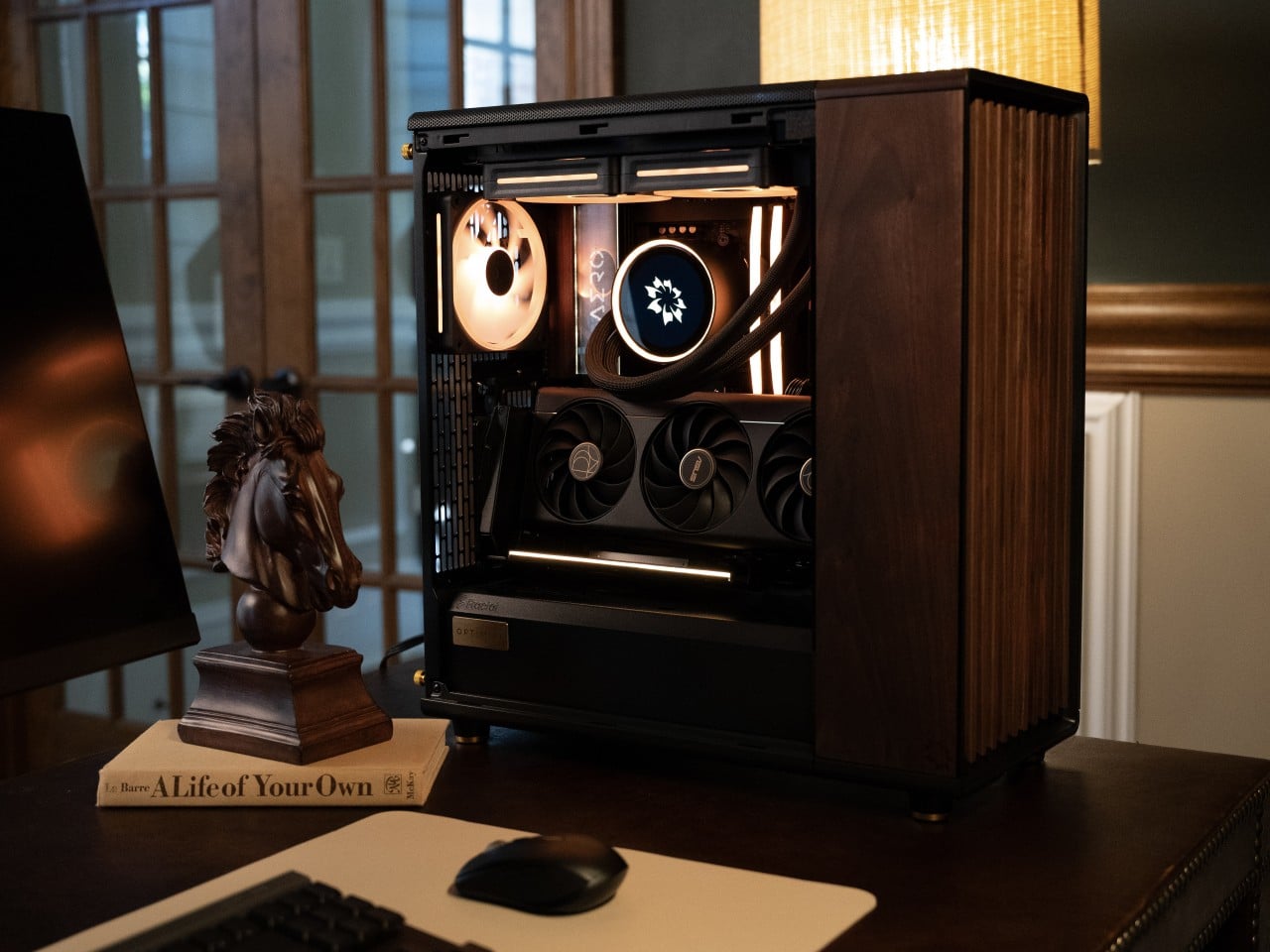
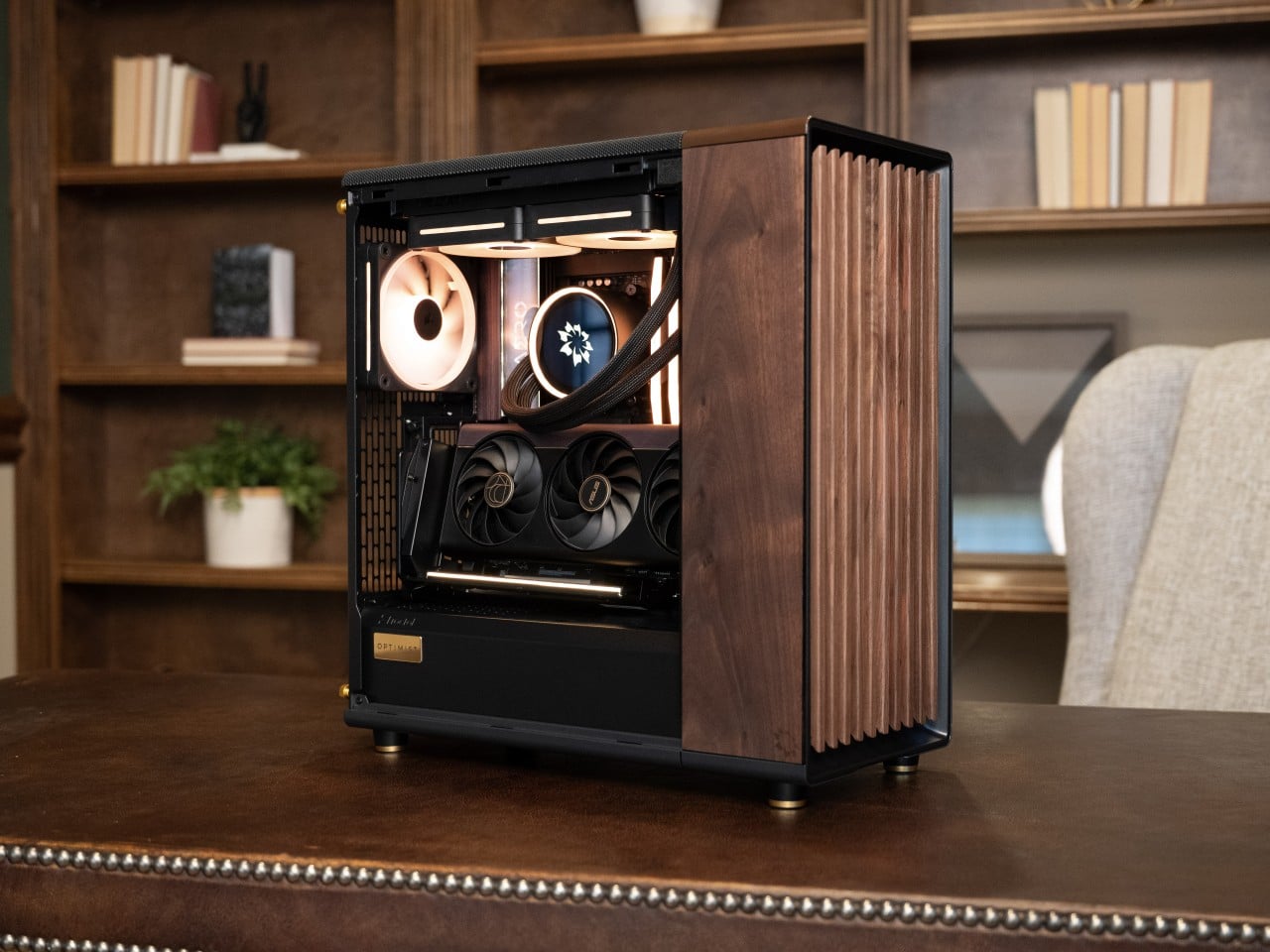
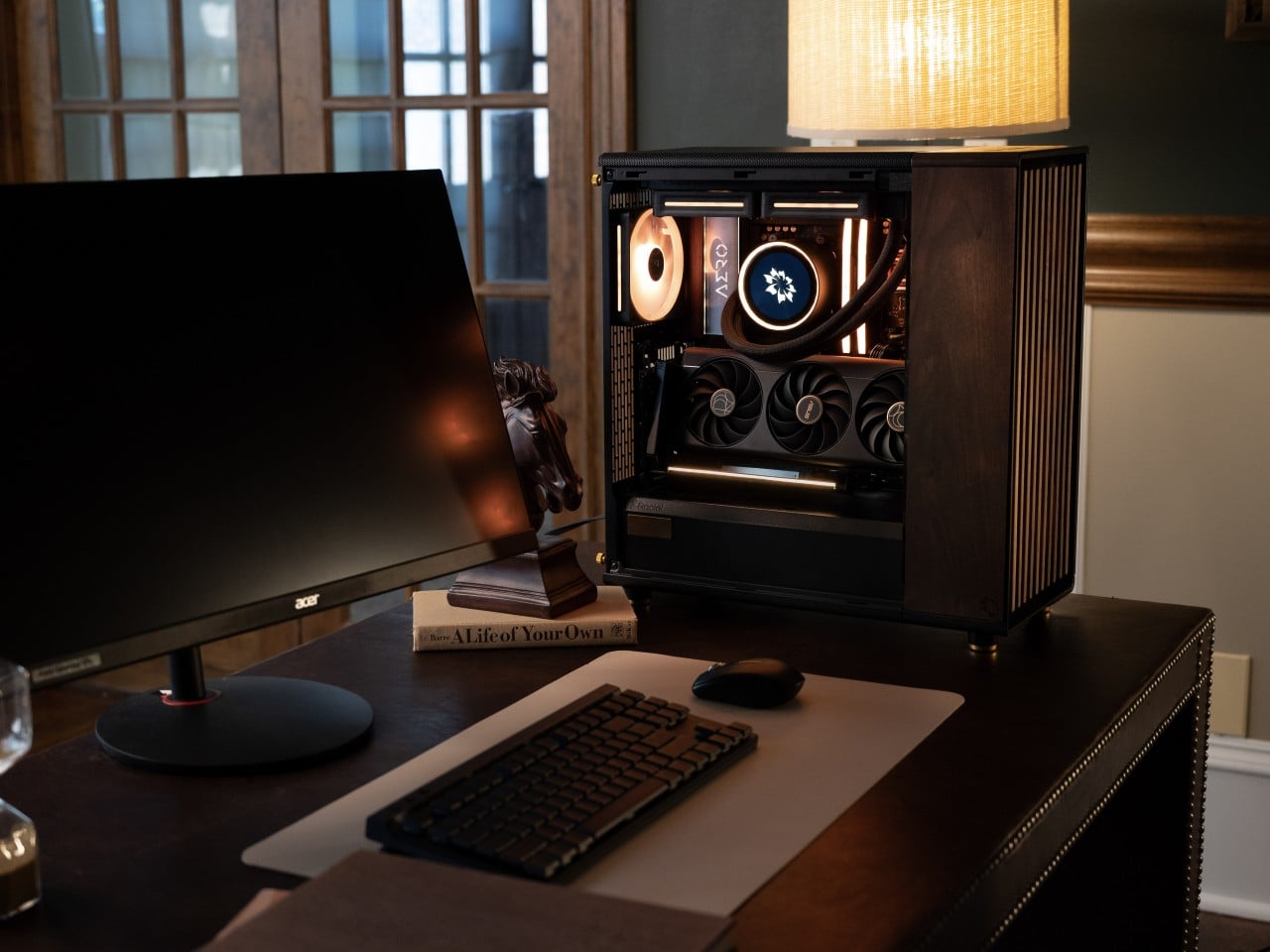
The Nocturne is a desktop PC built in direct opposition to that assumption. Its chassis is sub-11L, which makes it compact enough to actually sit on a desk rather than beneath one, and its materials are a considered departure from the standard palette of tempered glass and injection-molded plastic. The side panel is a single plank of American Black Walnut, laser cut, hand finished, and polished with organic beeswax, a finish that deepens naturally with age rather than fading or yellowing. The front face is walnut as well. The feet, badge, buttons, and screws are turned from solid brass. The top panel is individually airbrushed per unit.

Designer: Ren Zhen (Optimist)
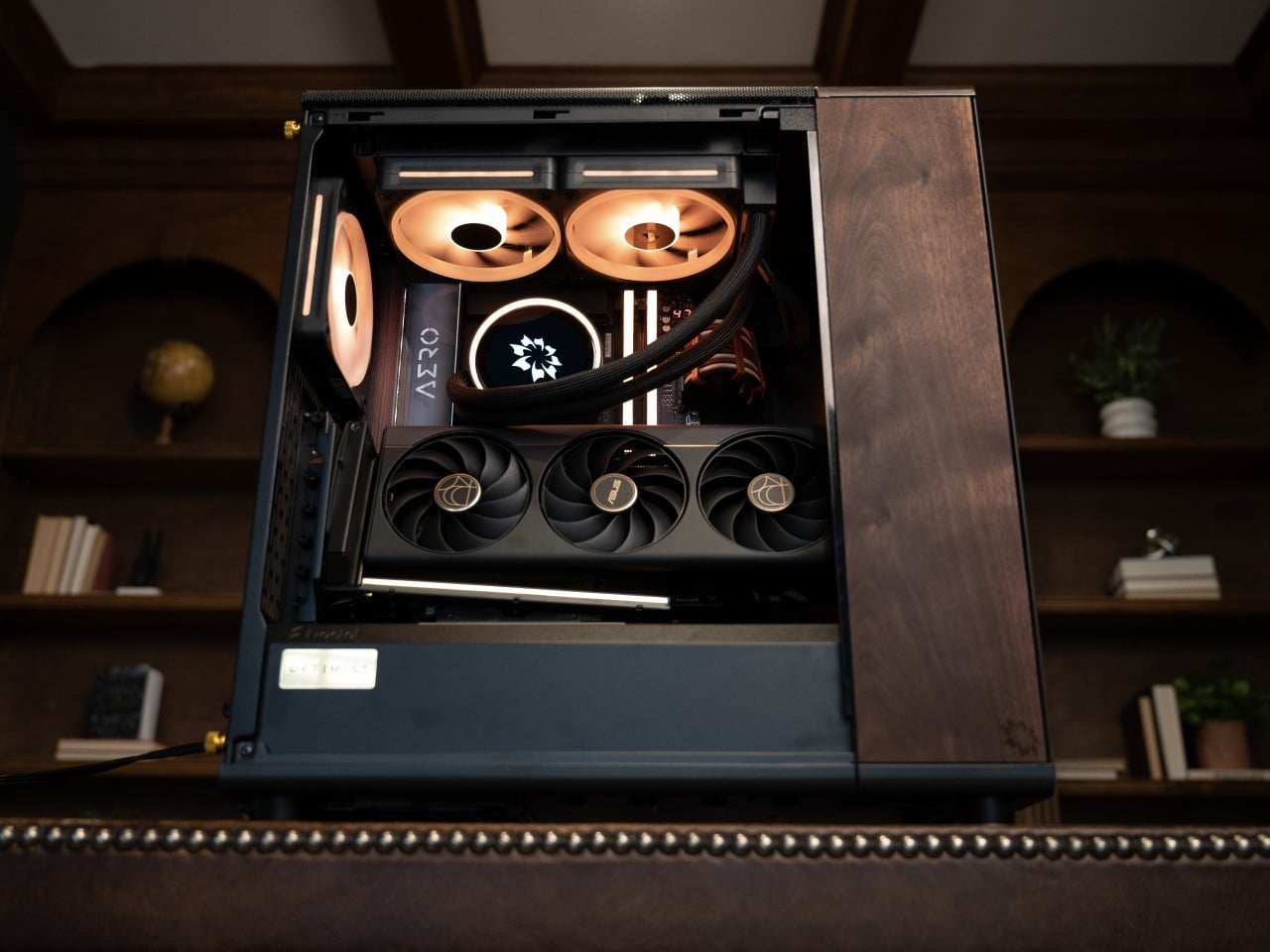
Every Nocturne is assembled and tuned by the same small team at Optimist’s shop in North Carolina before it ships. That includes a photography session for each unit, which is both a quality step and a signal that the people building these take the object seriously as a designed thing rather than a configured product. Nothing in the process is shared with mass production. The Optimist emblem is laser-etched directly into the walnut, not applied as a sticker or decal.
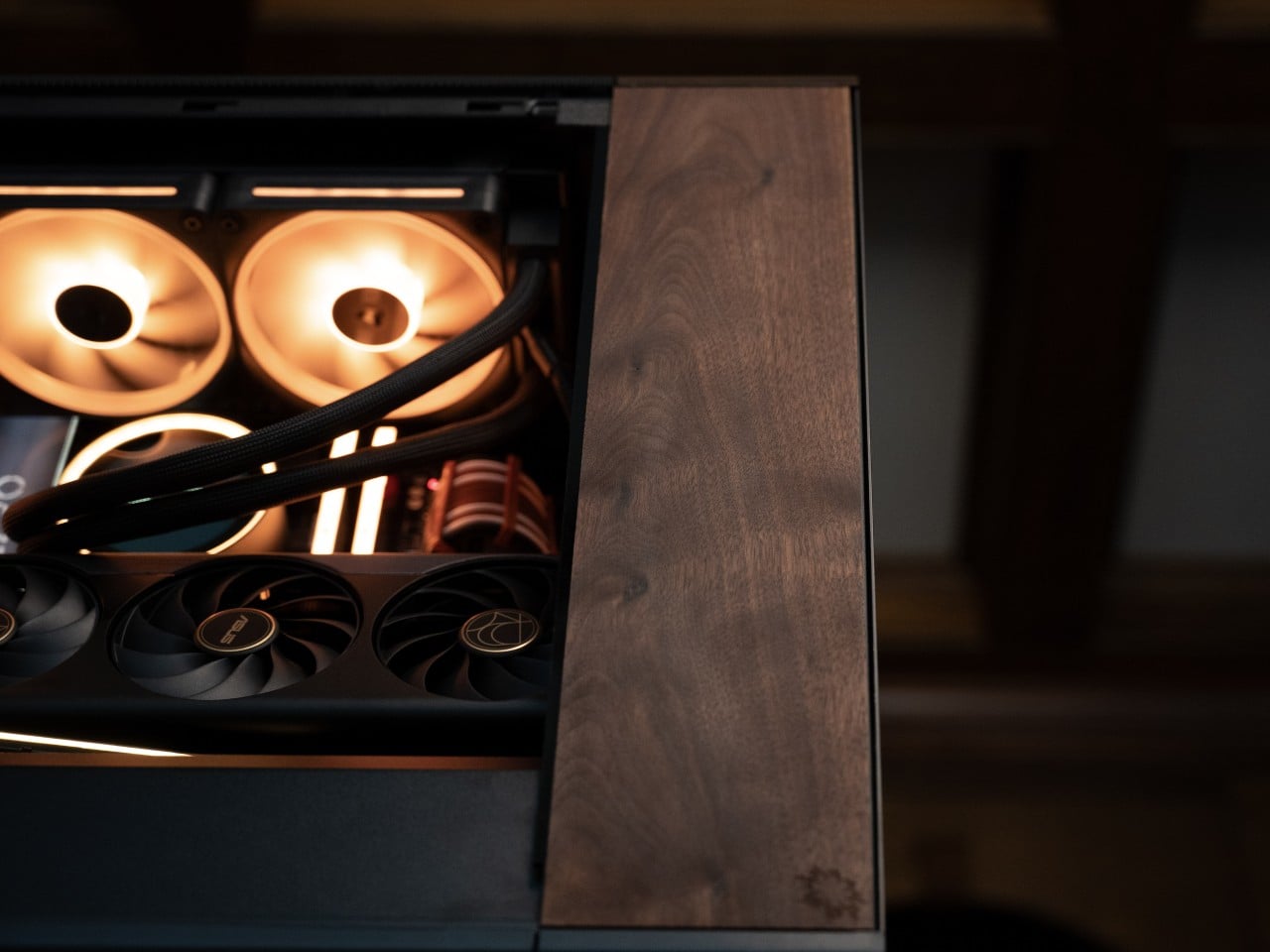
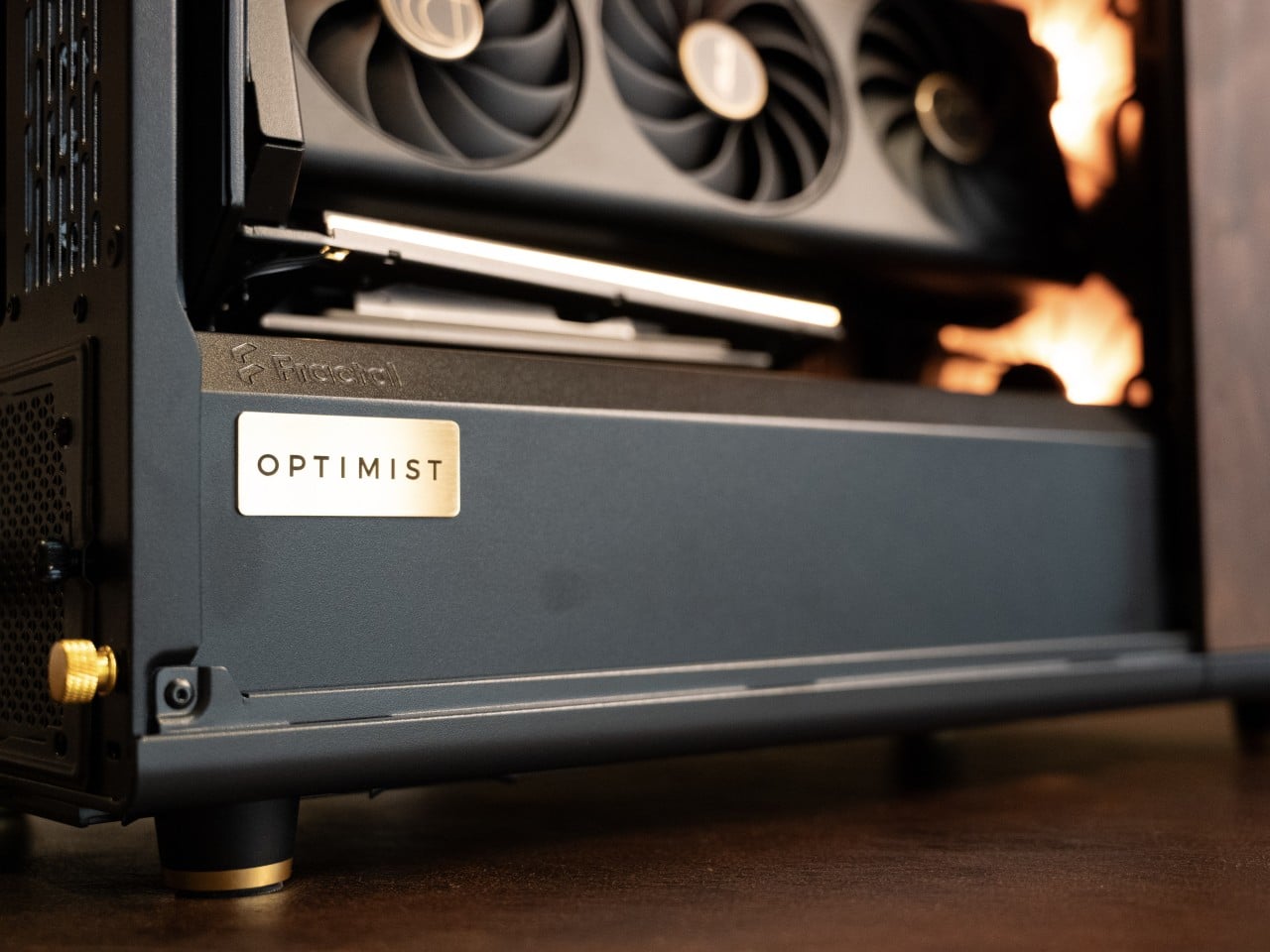
The hardware inside doesn’t make any concessions to the visual restraint outside. The Nocturne supports configurations up to an AMD Ryzen 9 9950X3D2 processor and an NVIDIA GeForce RTX 5090 GPU with 128GB of DDR5 memory available at the top end. The acoustic performance matches: the system runs at sub-decibel levels, which matters as much for the room it sits in as for the person sitting in front of it. A machine that sounds like an appliance disappears into a space in a way that a machine with a fan you can hear from across the room never does.
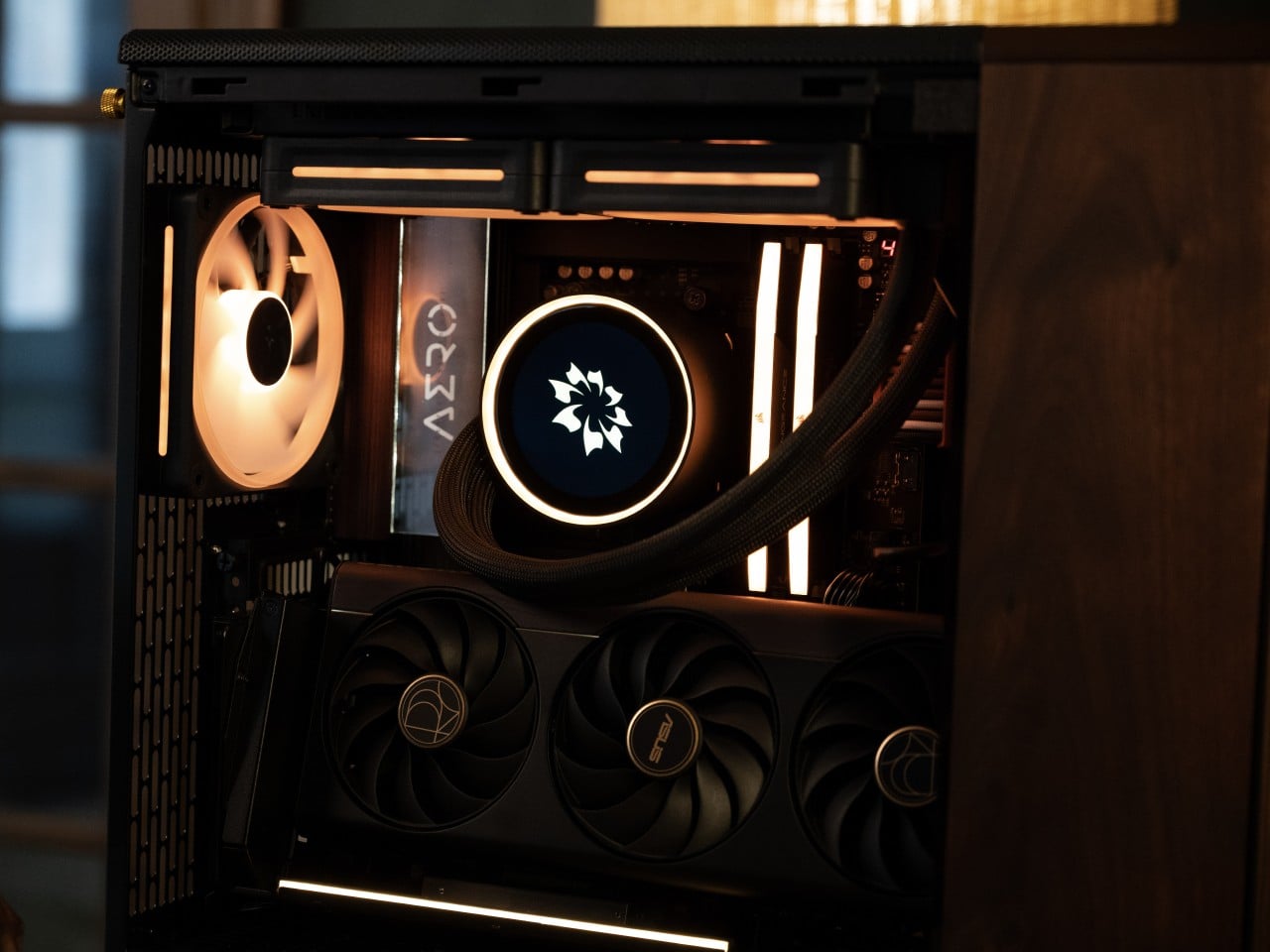
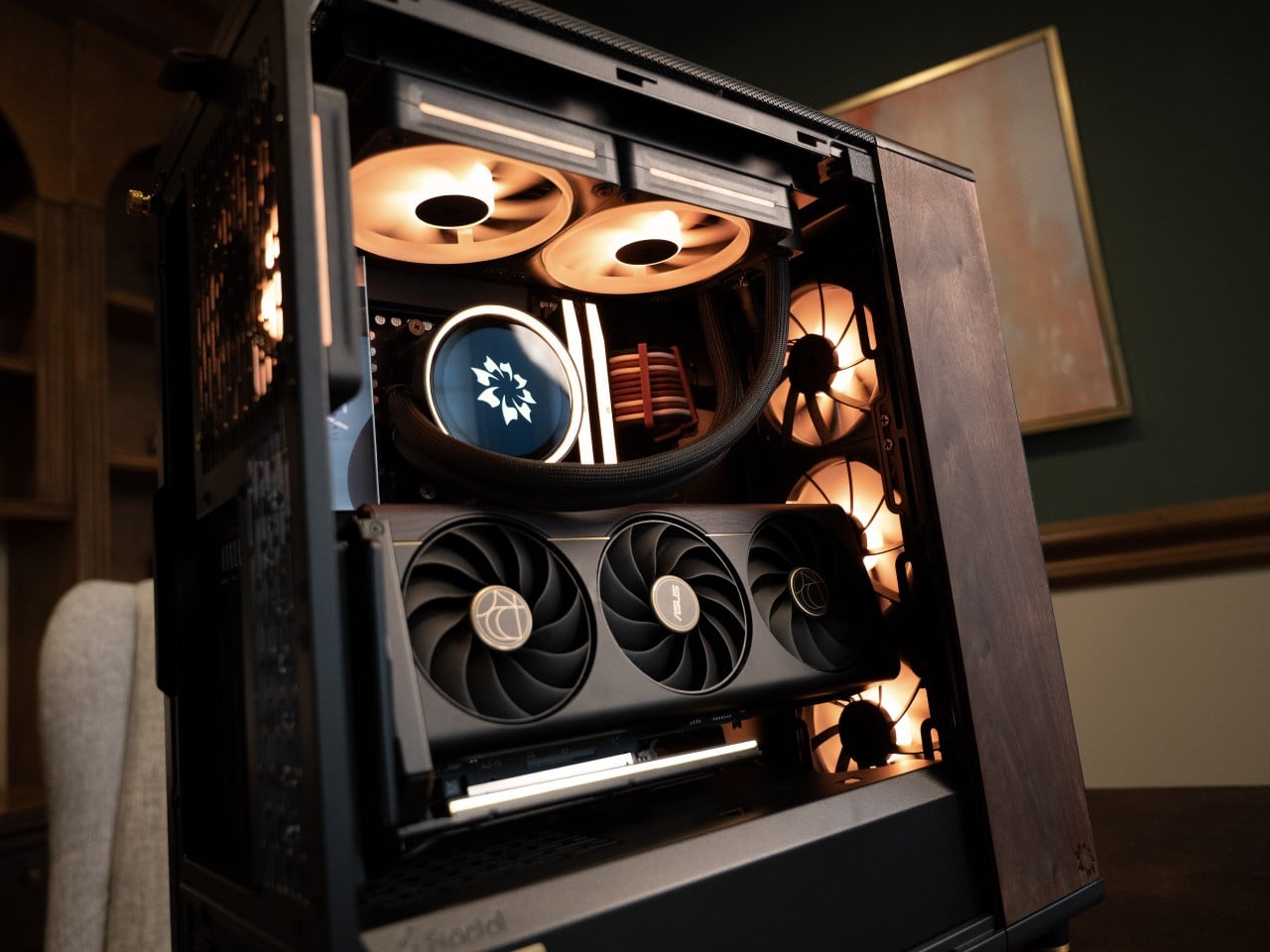
The warranty structure reflects the relationship the company expects to have with buyers after the sale. Parts are covered for two years and labor for six, and if a repair is needed, the unit can be shipped back for in-house service without conditions. That’s a longer commitment than most pre-built PC companies offer, and it makes more sense when the object in question is hand-finished wood and brass rather than standard black plastic.
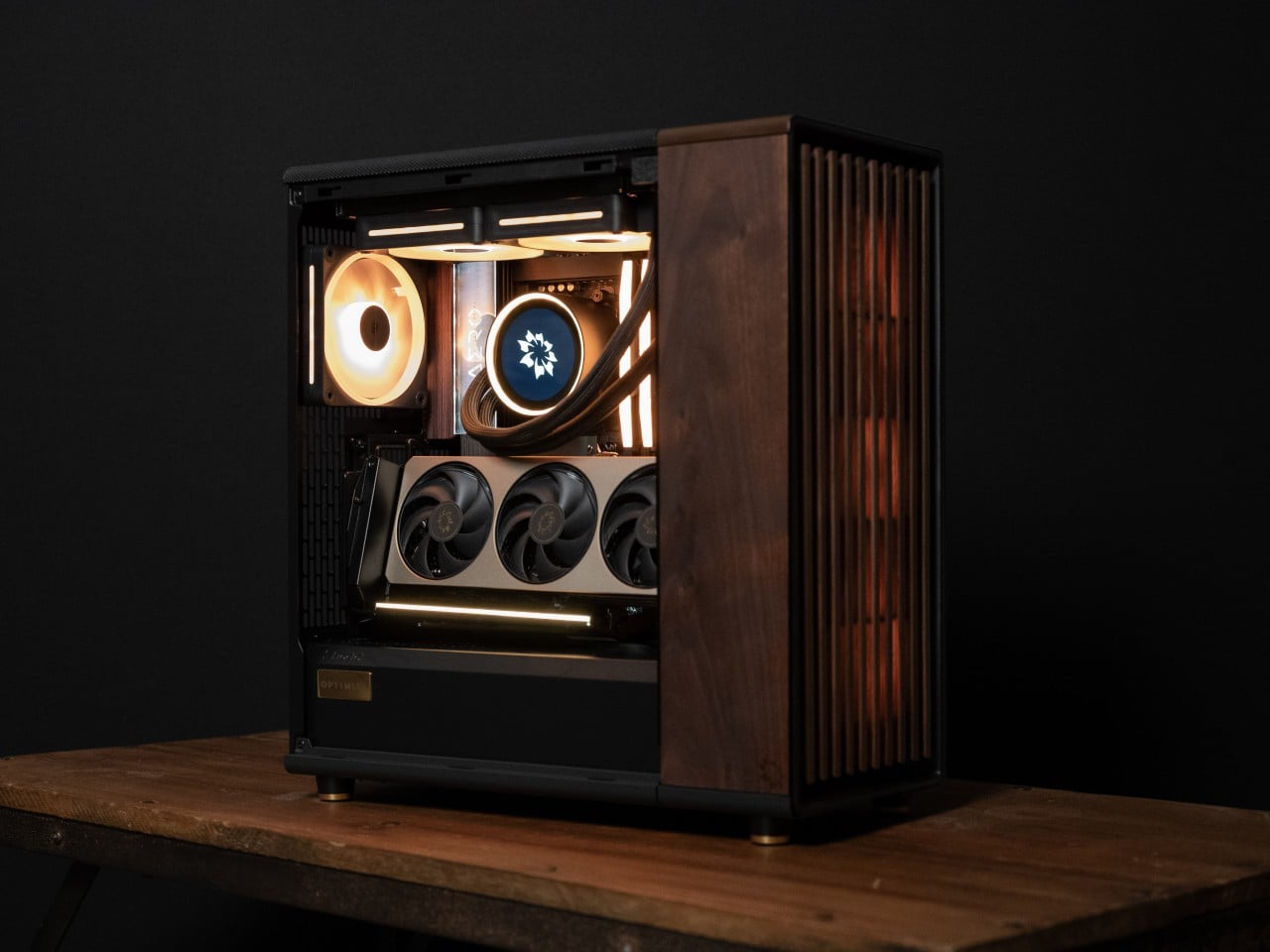
The Nocturne first appeared in 2024 and garnered quite the attention. Optimist keeps no more than five designs available at any time, retiring past builds as new hardware and new aesthetics arrive. The Nocturne has persisted through multiple cycles. That’s a harder thing to maintain in a market that typically treats last year’s chassis as obsolete the moment a new one appears.
The post A Walnut and Brass Desktop PC That Still Runs an RTX 5090 first appeared on Yanko Design.
Someone Built a Working Synth From Cardboard and Walnut Keys

Most synthesizers look and feel like appliances. They’re plastic boxes mass-produced in factories, efficient and functional but utterly lacking in personality or warmth. Pianos and guitars get to be handcrafted instruments with wood grain and visible joints, while synths are treated like glorified toasters with circuit boards inside. That disconnect between electronic music and tactile craft has always felt like a missed opportunity, especially when you consider how satisfying it is to play a real wooden keyboard.

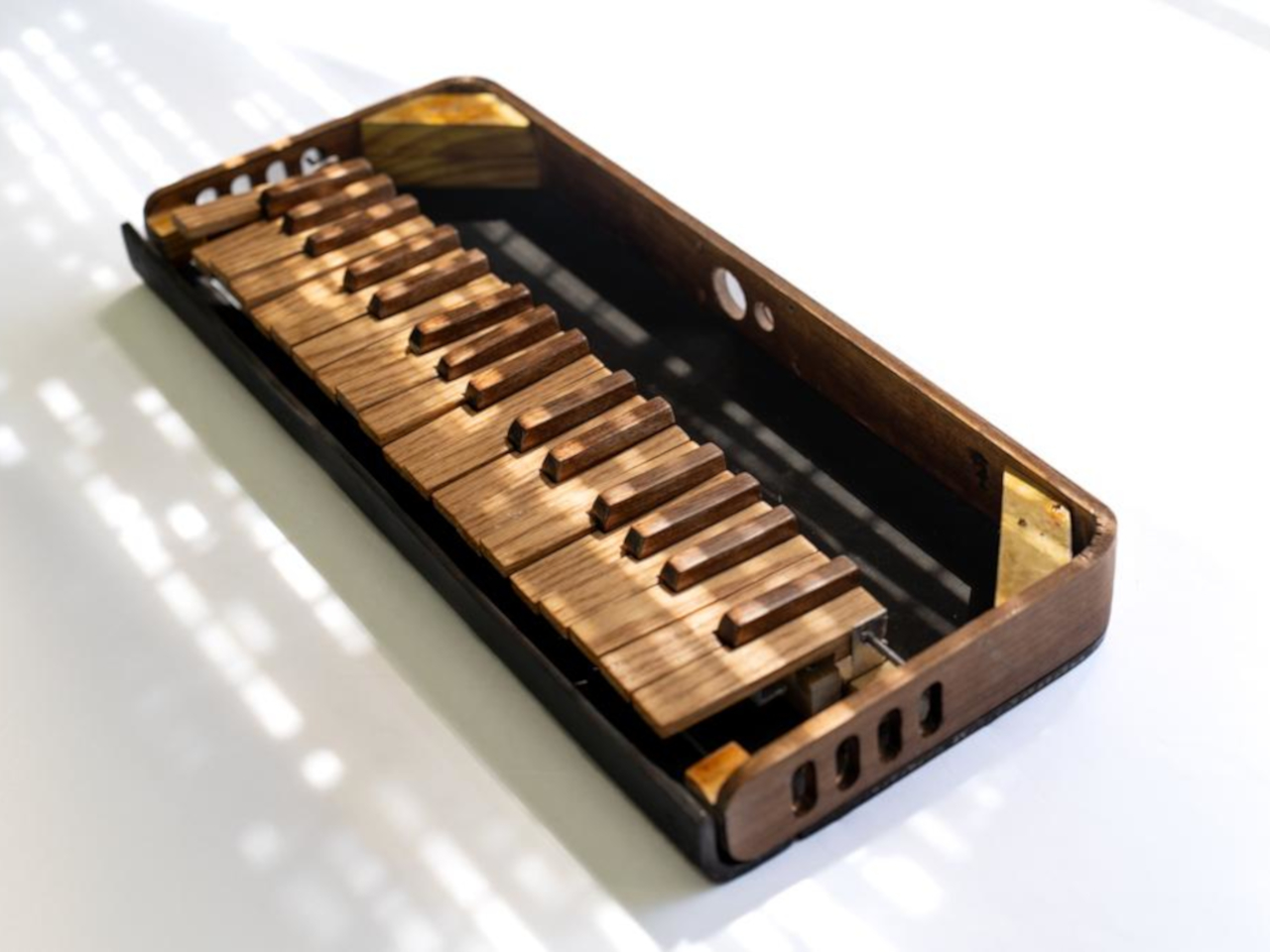
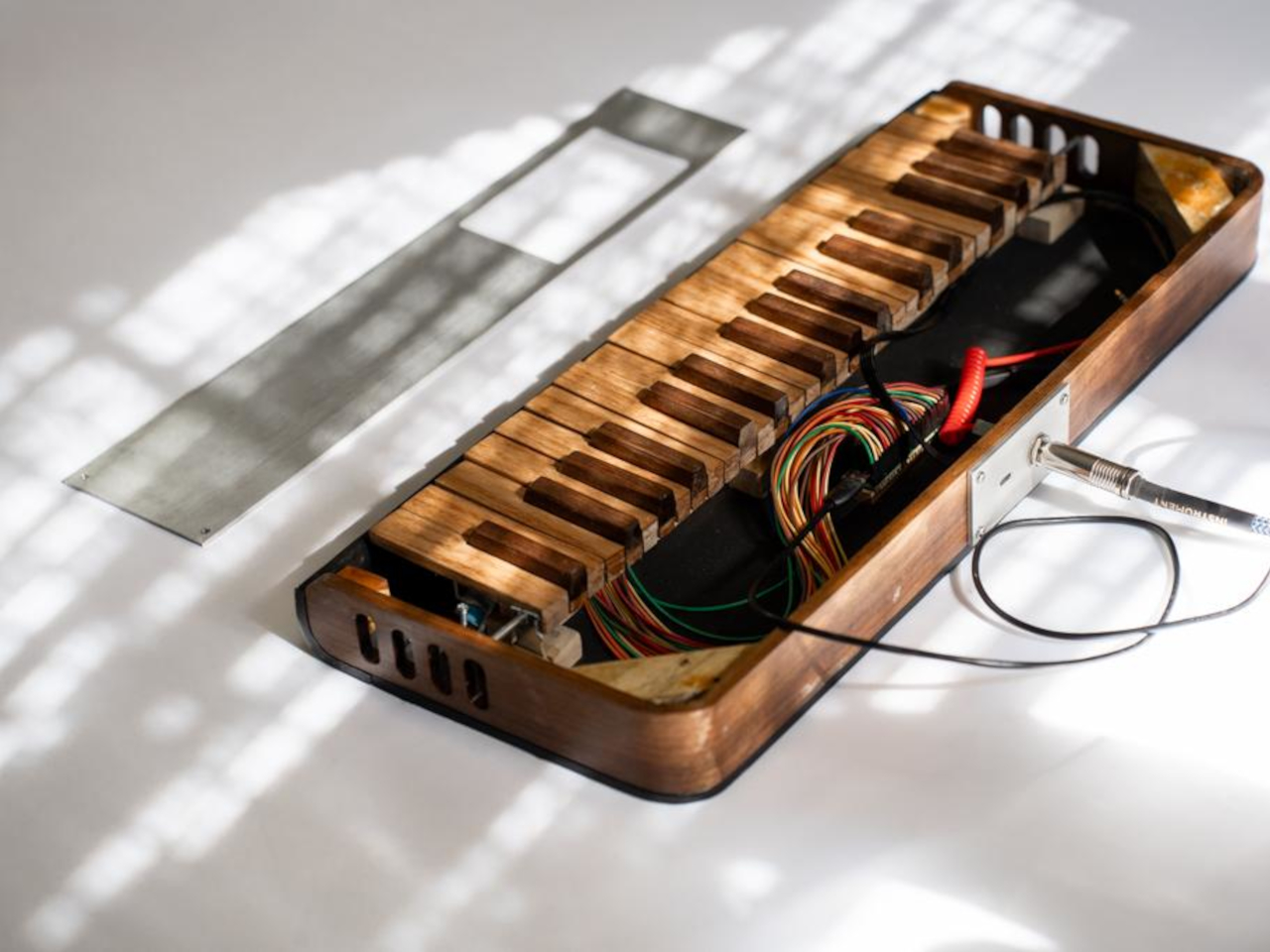
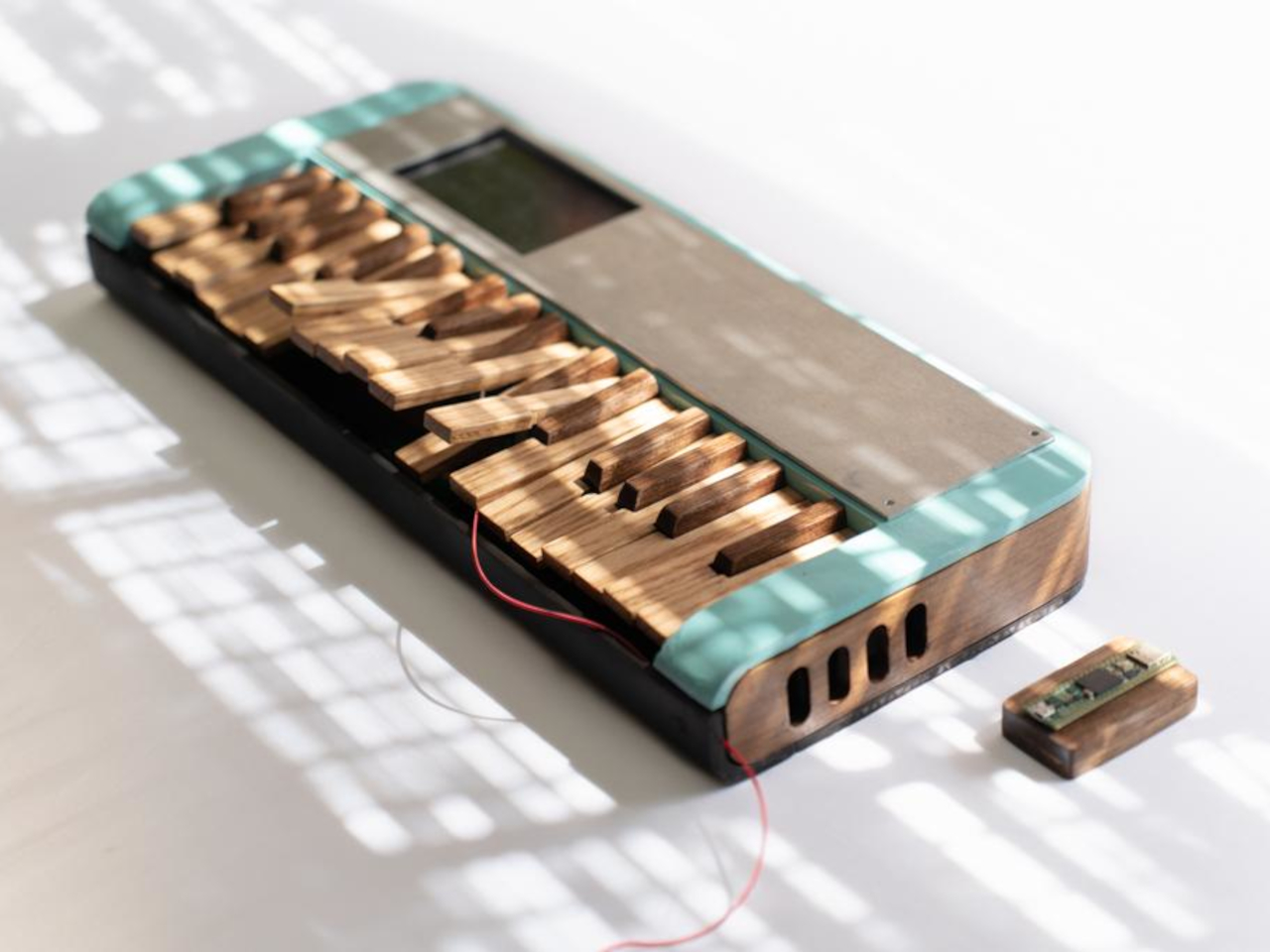
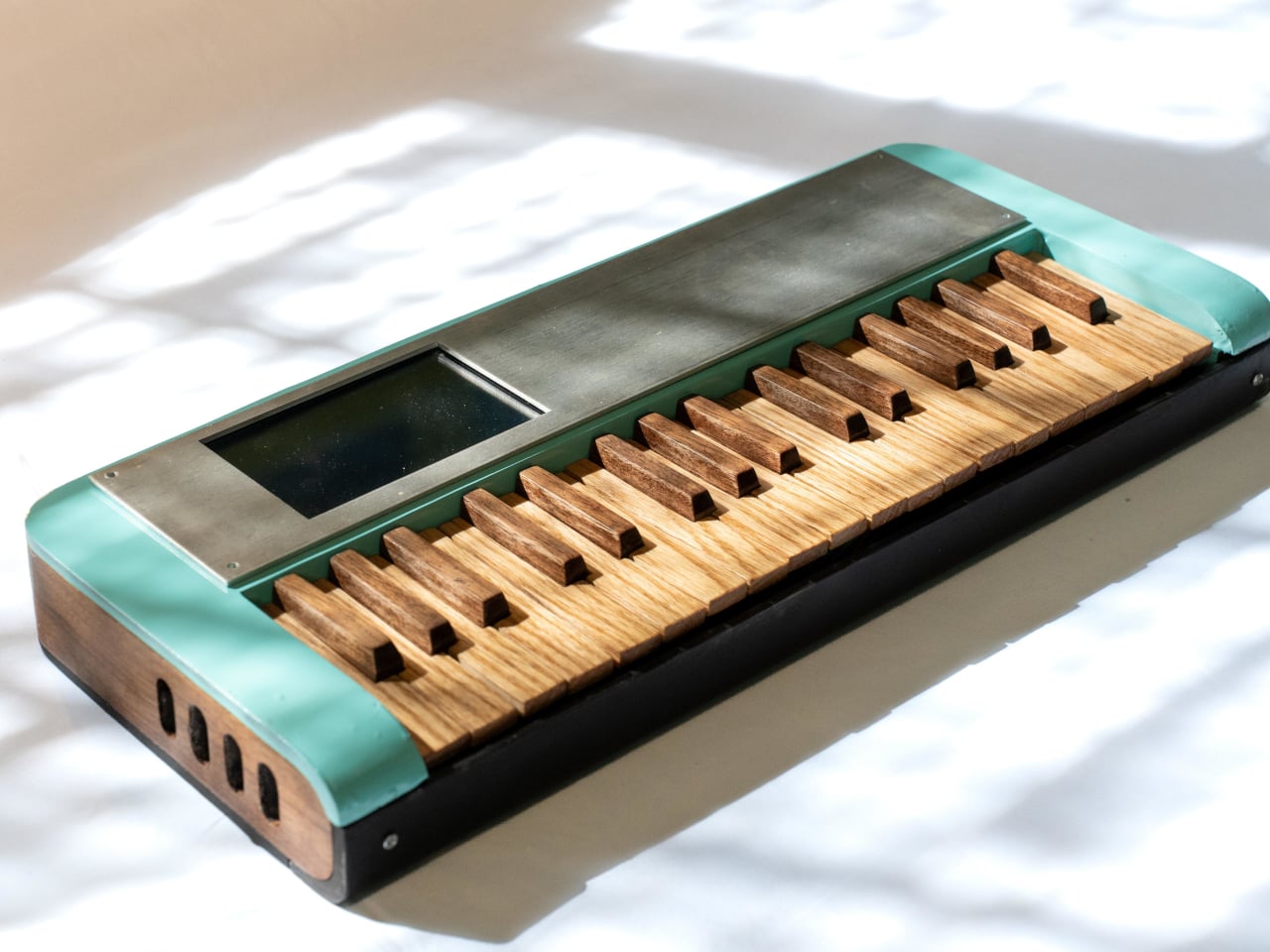
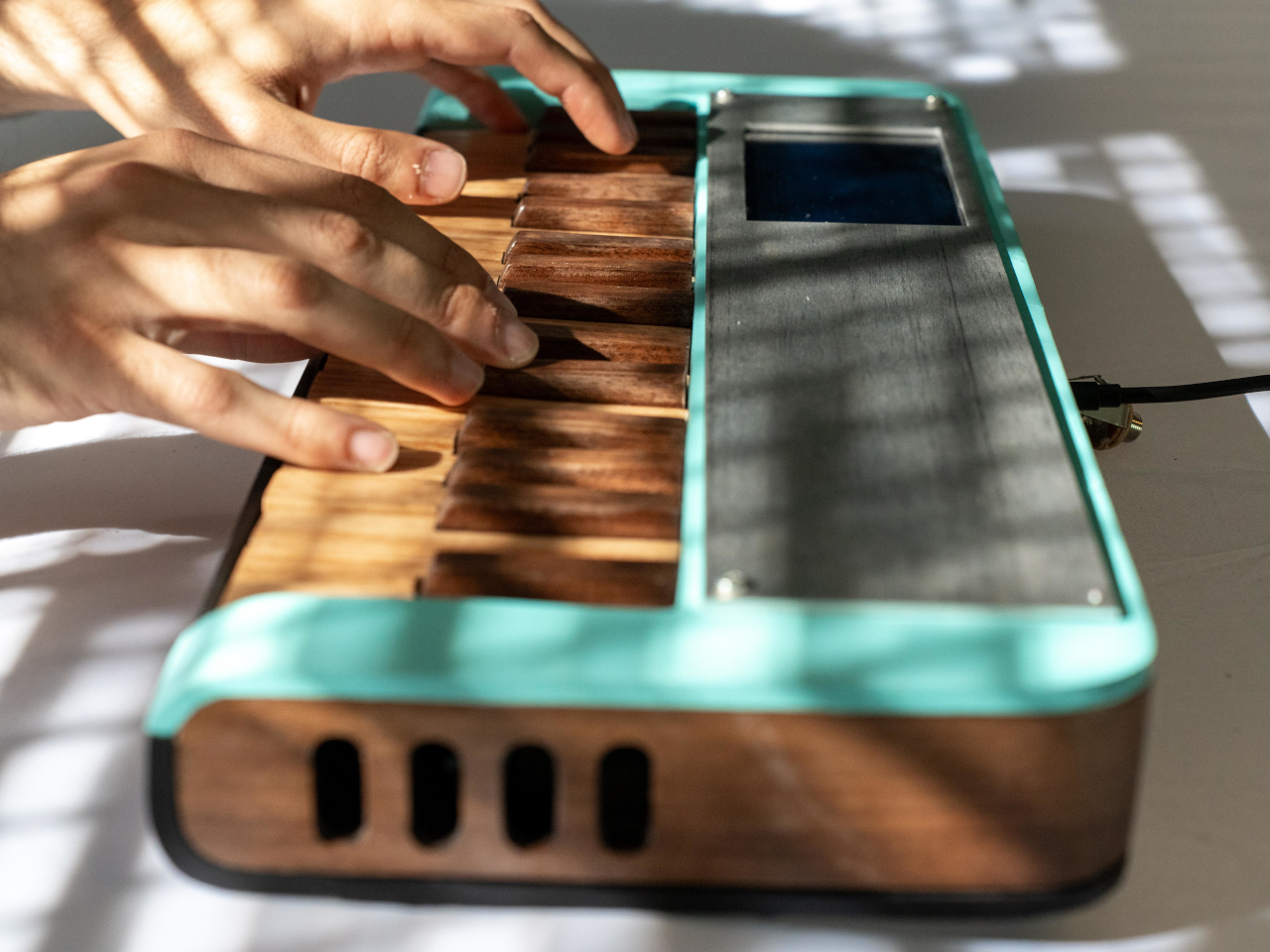
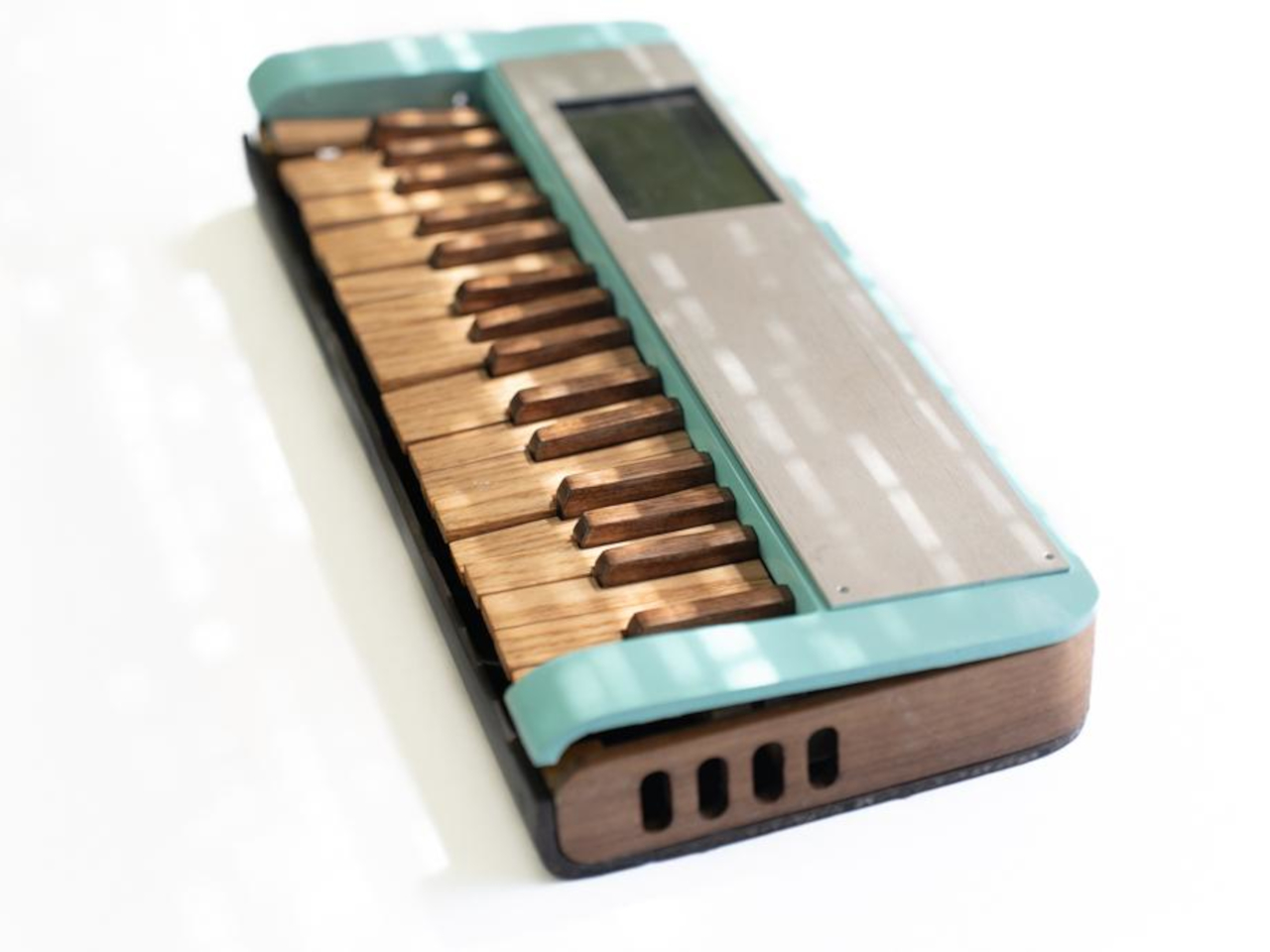
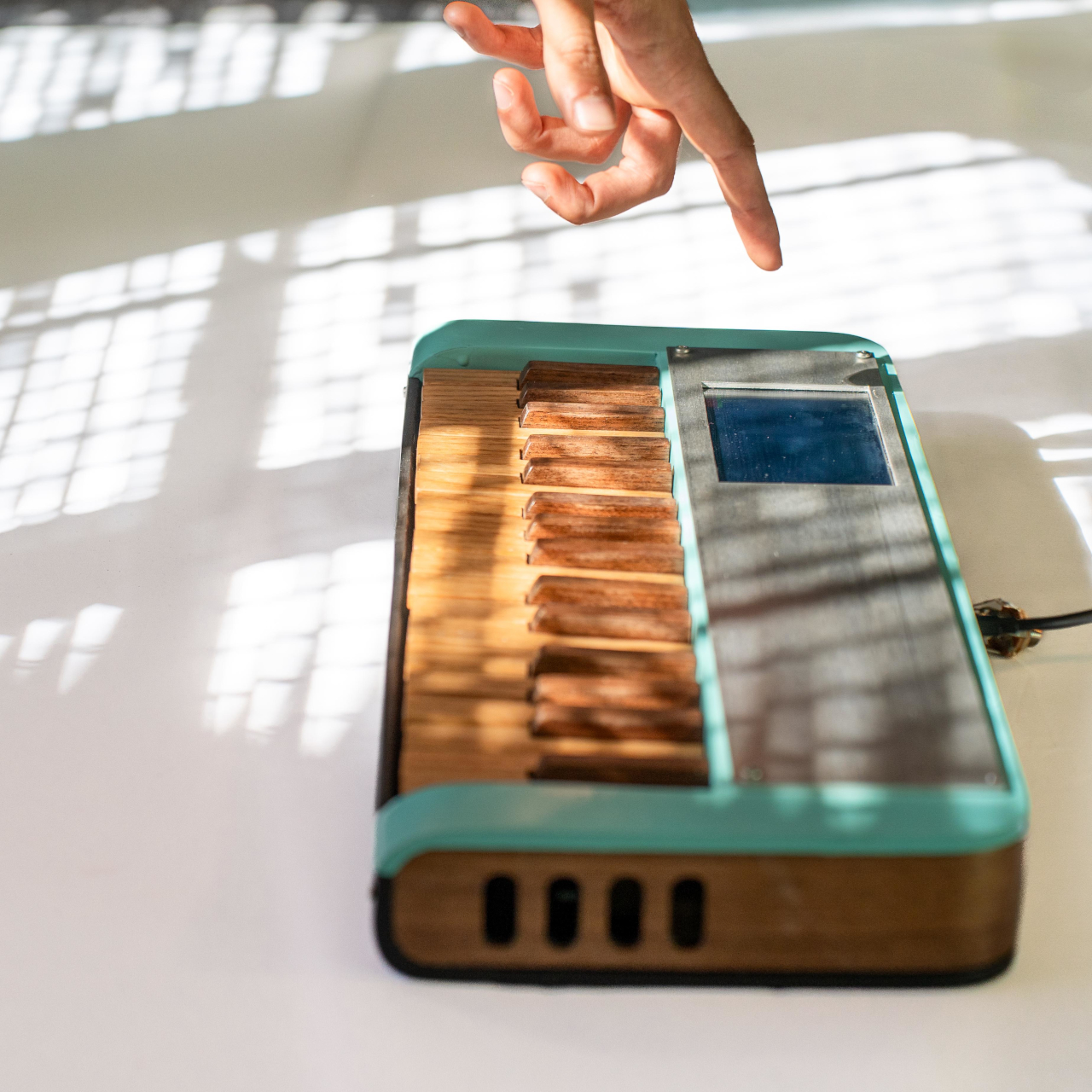
One maker decided to fix this by building a fully functional synthesizer from scratch, using materials that sound completely impractical. The result is a compact, 34-key synth with a fiberglass-reinforced cardboard body, a steam-bent walnut frame, and individual keys handmade from oak and walnut. It looks like something between a vintage record player and a mid-century hi-fi component, with a turquoise fiberglass shell and warm wooden accents that feel more like furniture than electronics.

Designer: Gabriel Mejia-Estrella

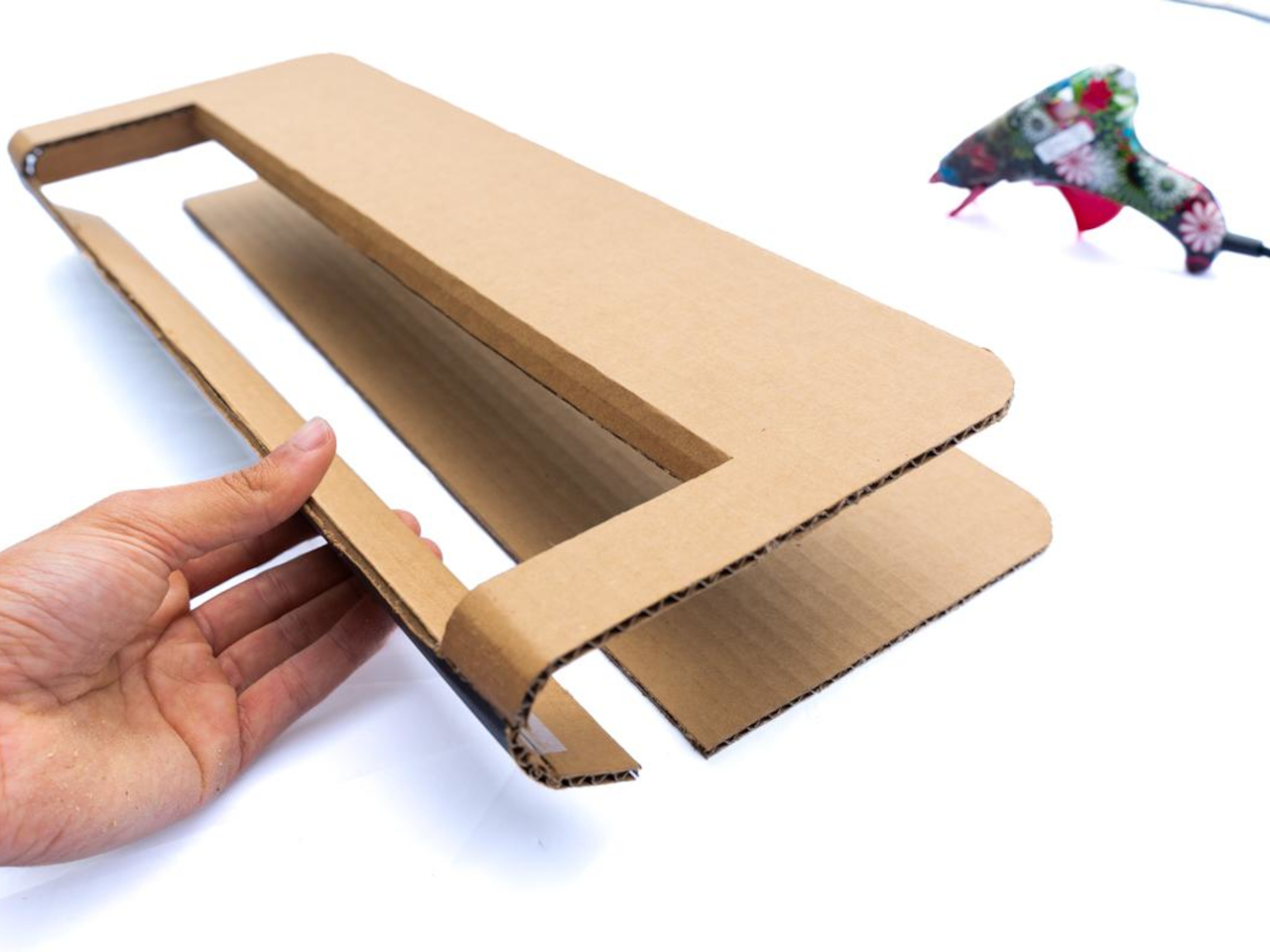
The body starts as folded cardboard panels cut from a template, then gets layered with fiberglass cloth and epoxy until it transforms into a rigid, glossy shell. The process borrows from old automotive techniques where fiberglass shaped custom car bodies in the 1950s, giving the synth a retro-futuristic sheen. Around the perimeter sits a continuous steam-bent walnut strip with oval cutouts that mimic speaker grilles on vintage radios, adding visual warmth and a furniture-like presence.

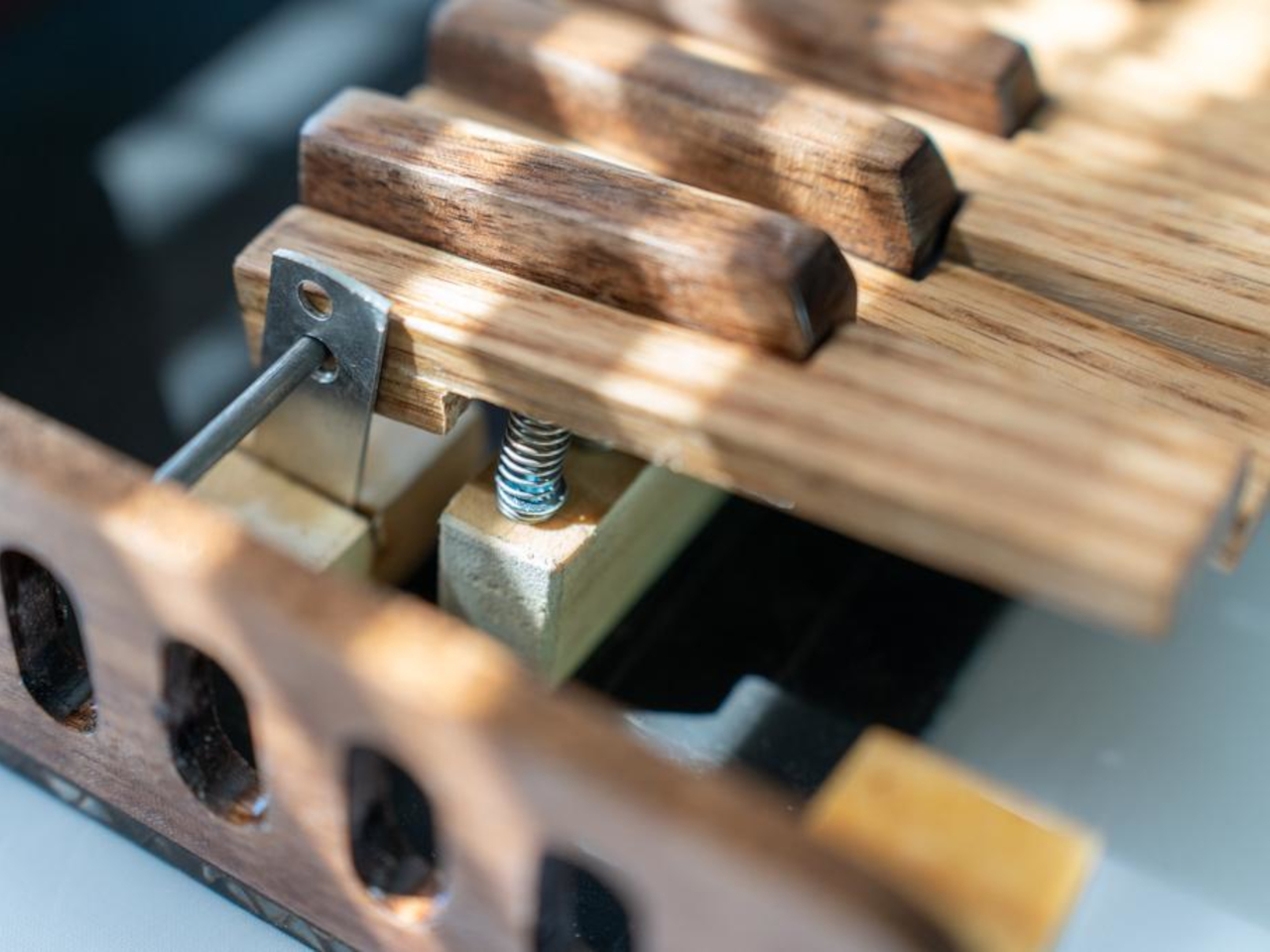
The keys are where the craft really shows. Black keys are made from laminated walnut offcuts, while white keys are cut from oak for contrast and durability. Each key is individually shaped, drilled for a shared steel rod pivot, beveled to prevent jamming, then coated with fiberglass and sanded up to 3000 grit for a smooth finish. The result looks and feels closer to a piano than a typical plastic keyboard.

Underneath sits a custom flexible printed circuit with interdigitated copper pads and rubber dome switches. When you press a key, the dome collapses and bridges the pads, closing a circuit that a Teensy microcontroller scans continuously. The Teensy sends MIDI messages to a Raspberry Pi running Zynthian, an open-source synth platform packed with engines and presets, all displayed on a small touchscreen.

Of course, using cardboard and steam-bent walnut creates challenges the designer readily admits. Cardboard turned out to be impractical, requiring multiple fiberglass layers and tedious filling. Walnut is notoriously stubborn to bend, needing kerf cuts and boiling water to soften the fibers. The designer suggests foam board or 3D printing as easier alternatives and notes that more precise tools would have made the keys cleaner.

What makes this synth significant is how it challenges the assumption that electronic instruments have to be cold and industrial. By using wood, fiberglass, and visible handwork, it reintroduces warmth and personality into something usually purely functional. It’s less a finished product and more proof that synthesizers can be beautiful, tactile objects worth admiring even when silent.

The post Someone Built a Working Synth From Cardboard and Walnut Keys first appeared on Yanko Design.
Invite Serenity Anywhere with the Elegance of a Wood & Brass Incense Holder

Whenever people think of fragrant aromas, most immediately presume something like essential oils. Of course, those aren’t the only way to indulge your nose, and some people prefer the smoky, woody, and unique scents produced by incense. Compared to oils, however, handling incense can be a bit of a hassle, especially the more popular long-stick variety. Never mind needing to light a small fire in the first place, making sure that the ashes don’t spill or get blown away can induce stress instead of calm. Fortunately, it doesn’t take much to fix this situation, and this elegant wood and brass box offers a simple yet effective solution to enjoy your favorite incense sticks safely and peacefully wherever you are.

Designer: Masami Tanaka of Takumi Tokyo

Click Here to Buy Now: $169 $199 (15% off at checkout). Hurry, Valentine’s Day sale ends in 48 hours!

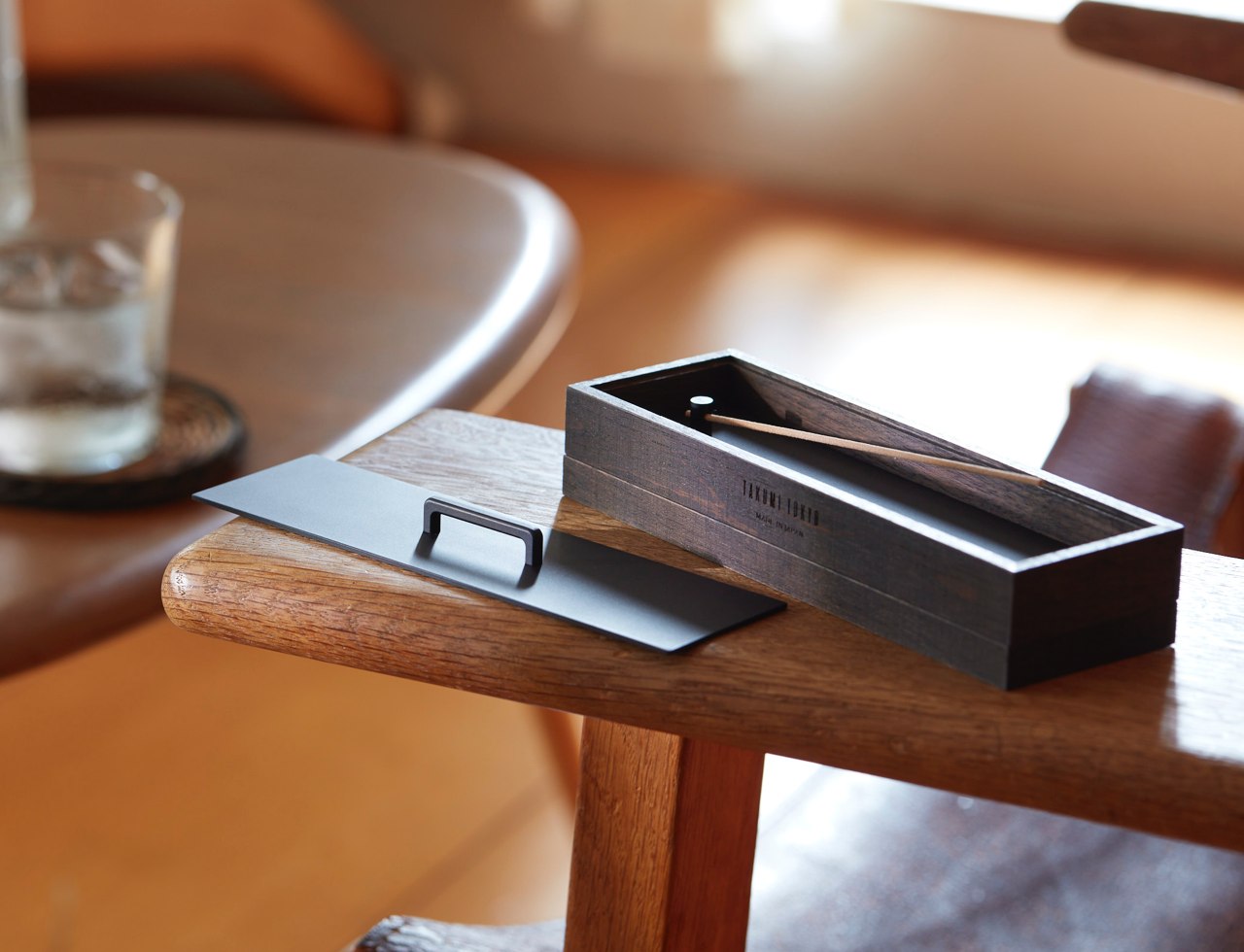
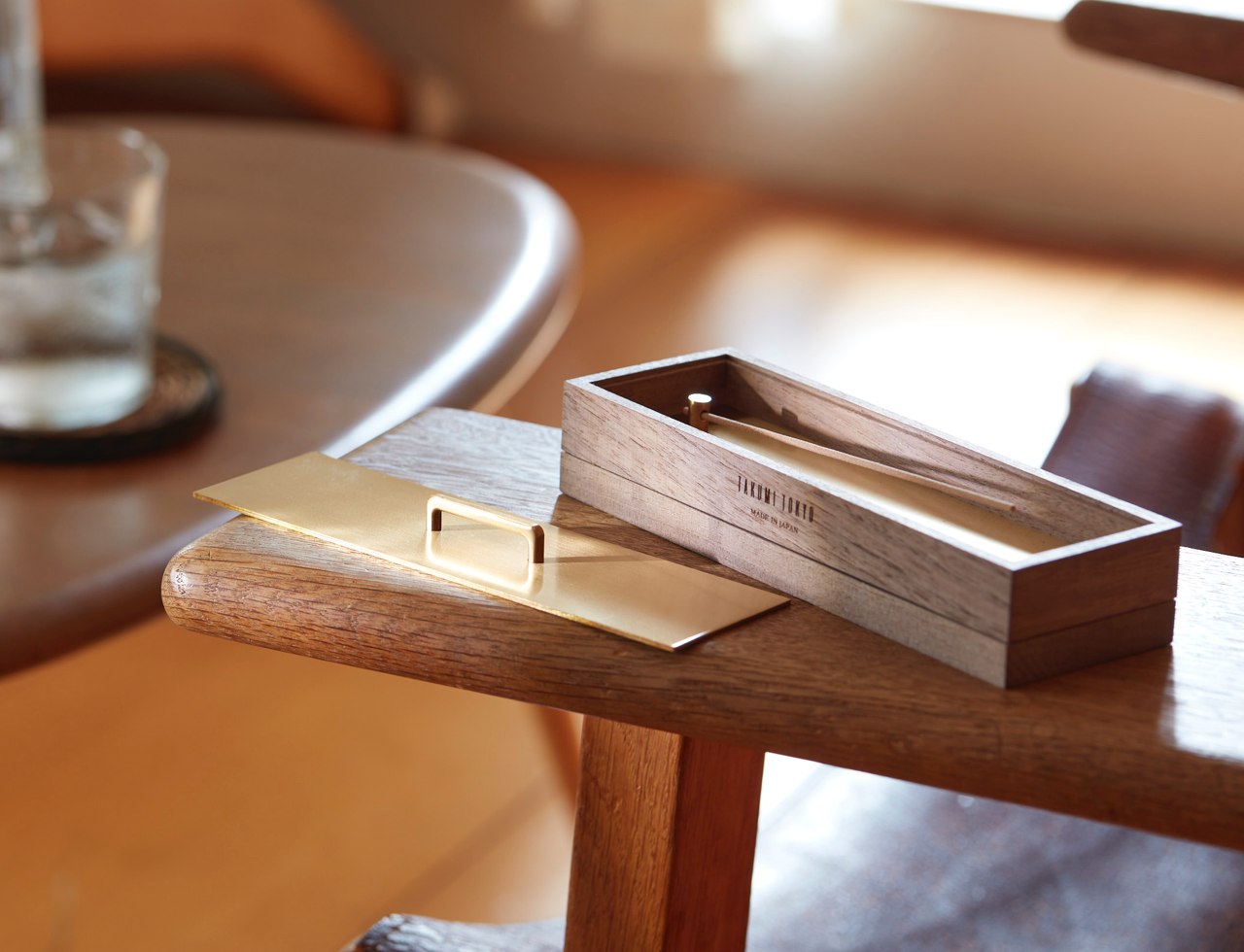
Marrying walnut wood and brass in a seamless fusion that complements your living space.

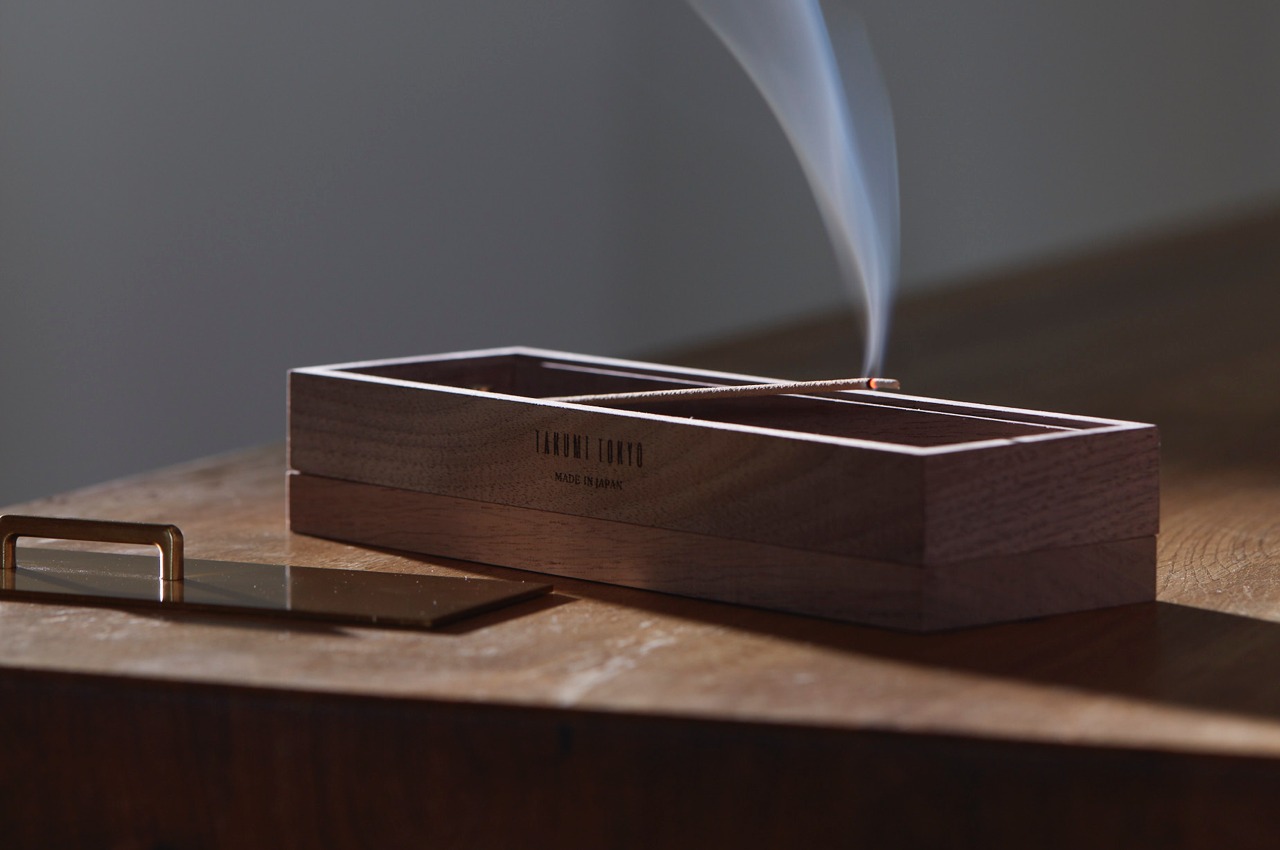
You need fire to light up incense, and anything that burns always produces some residue, particularly ash. Regular incense stick holders, simple and portable as they are, barely do more than just hold up that thin, burning stick, leaving you with ashes to clean up, if they don’t get blown by a weak gust of wind and become fire hazards in the meantime. Rin is a simple yet beautiful solution that lets you carry those incense sticks with you, light them up for a few minutes of respite, and never worry about ash blowing in the wind.

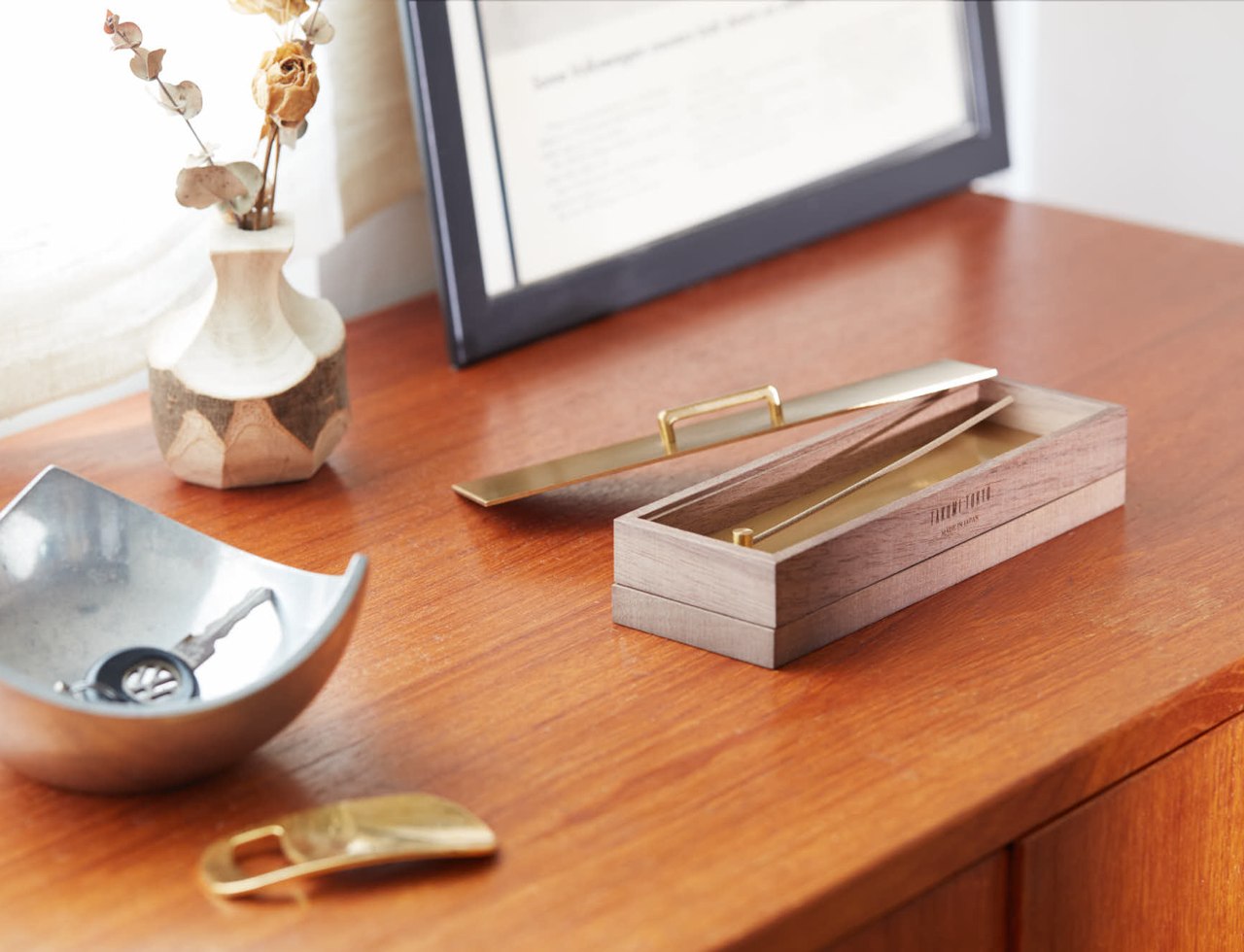
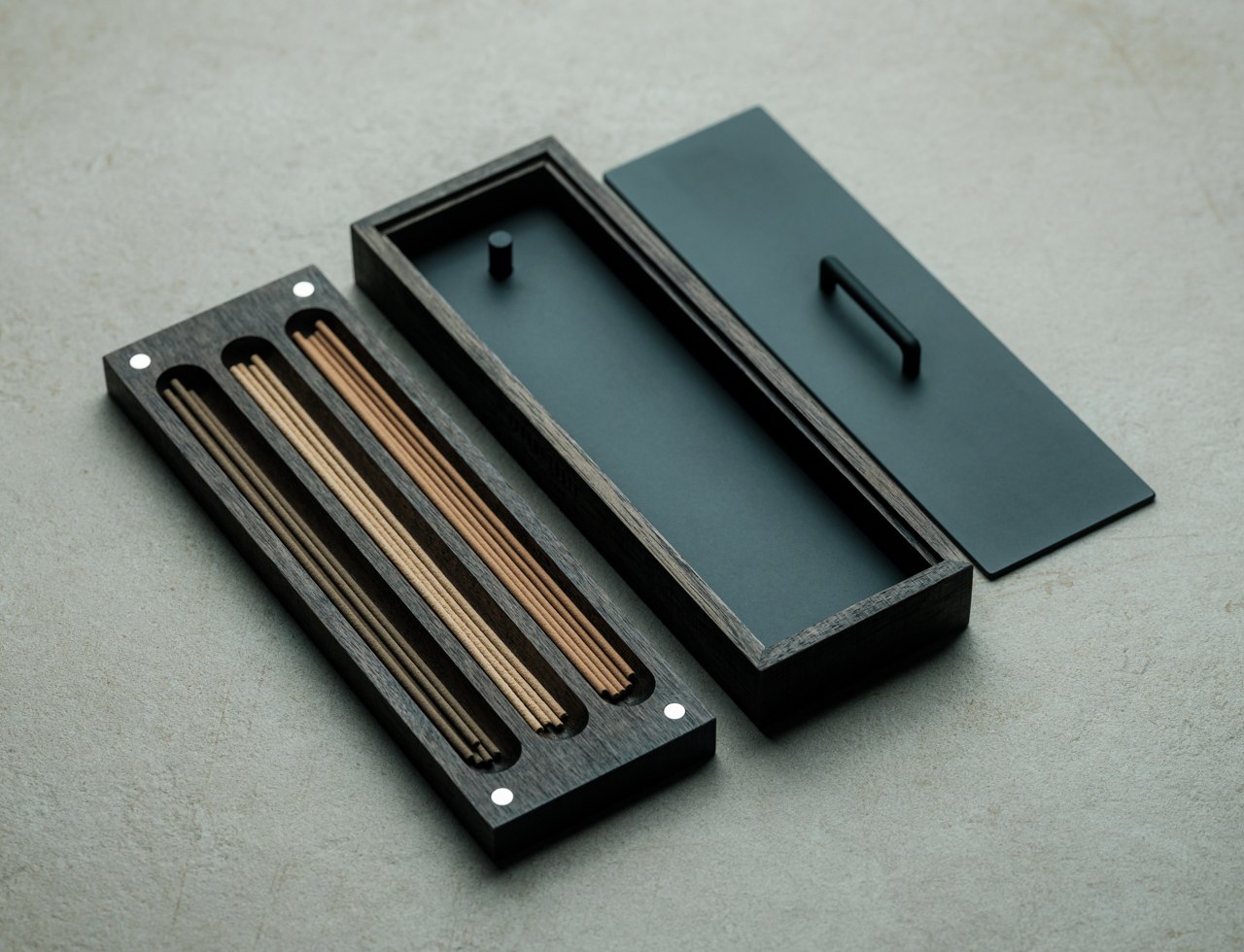
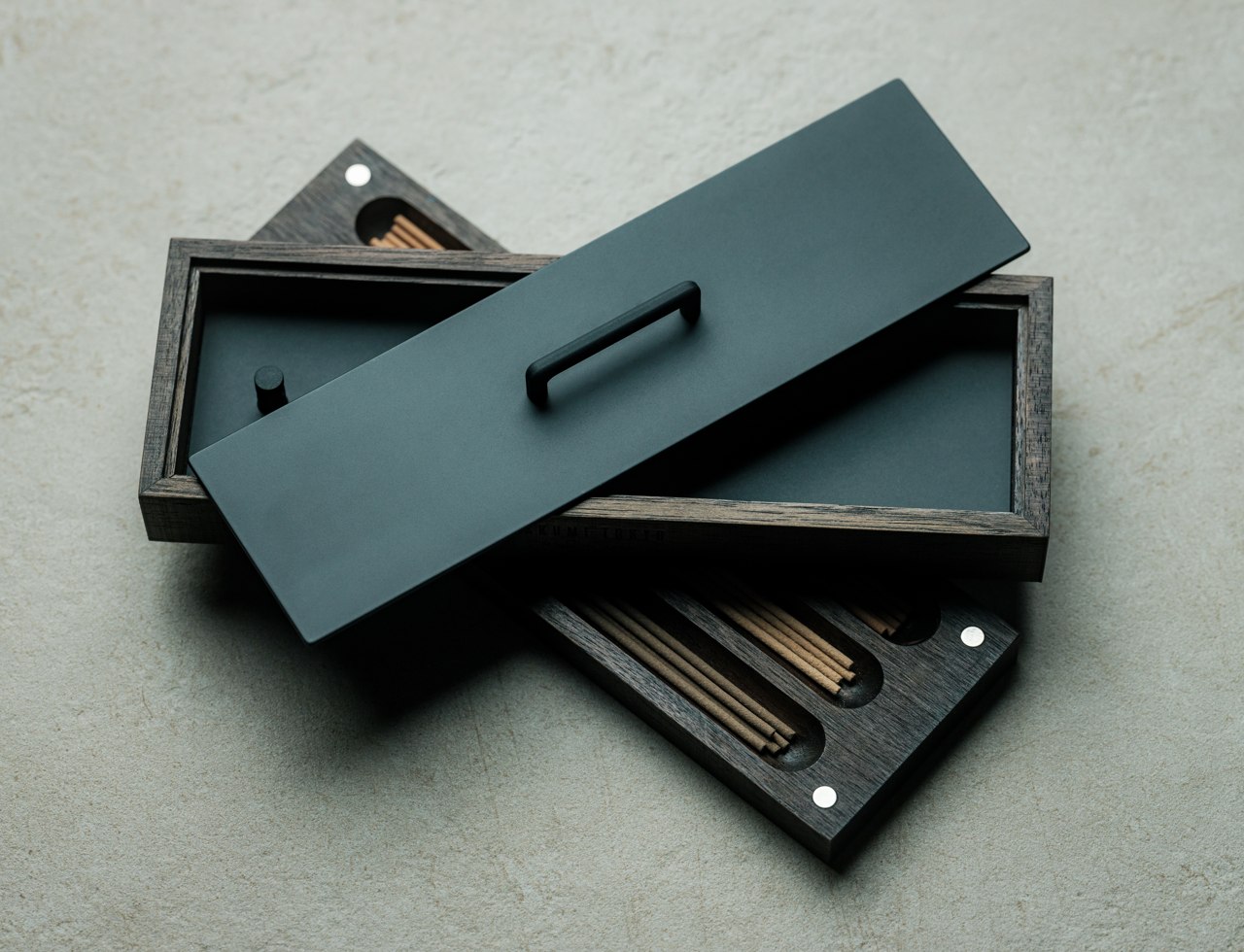
The main body of this minimalist incense holder is made of walnut wood and is divided into two tiers. The lower tier has three long nooks that can hold five sticks each for a total of 15. Thanks to the natural properties of wood, each holder will be unique, both in the visual pattern of the grains as well as the texture and color, making each item a limited edition product.

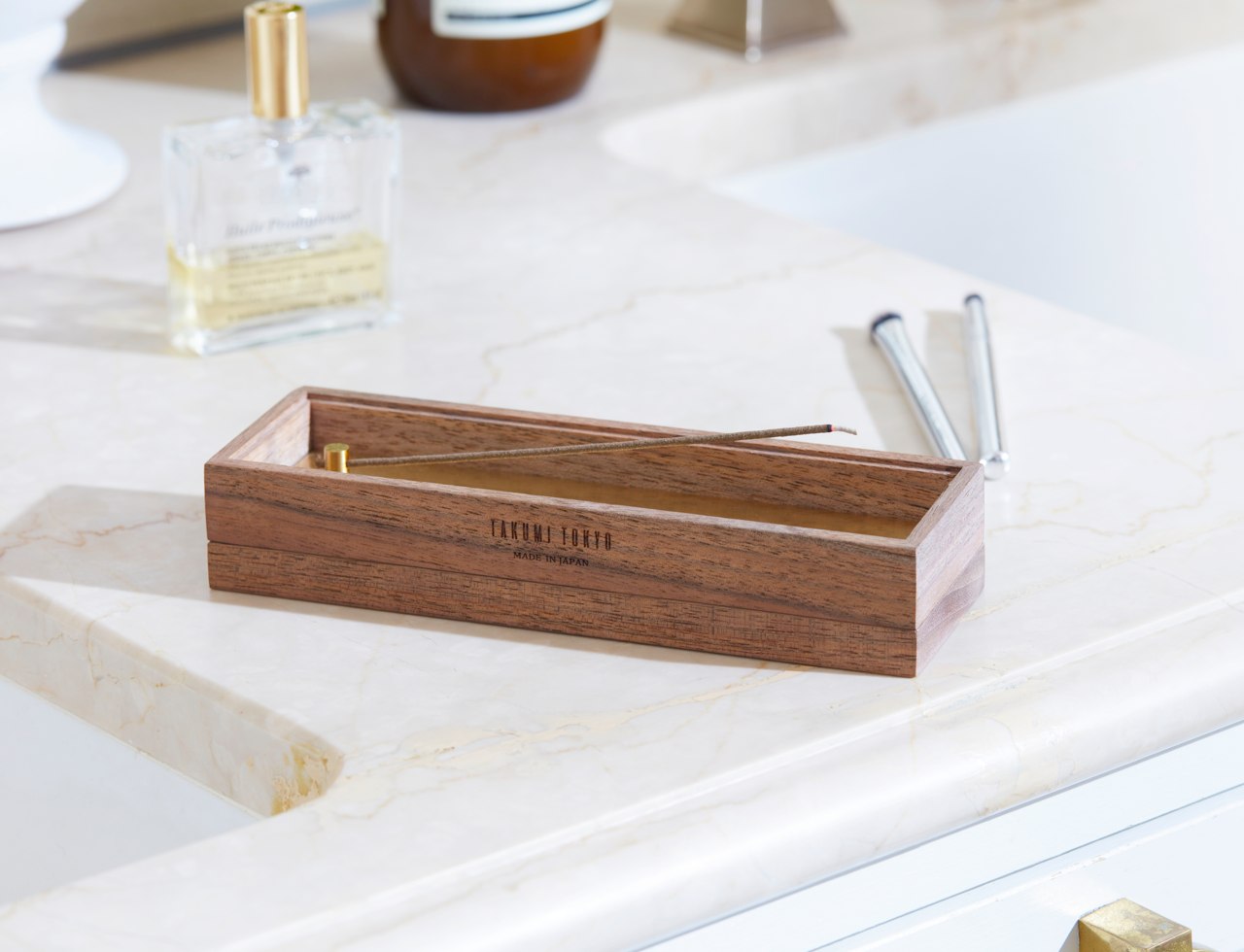
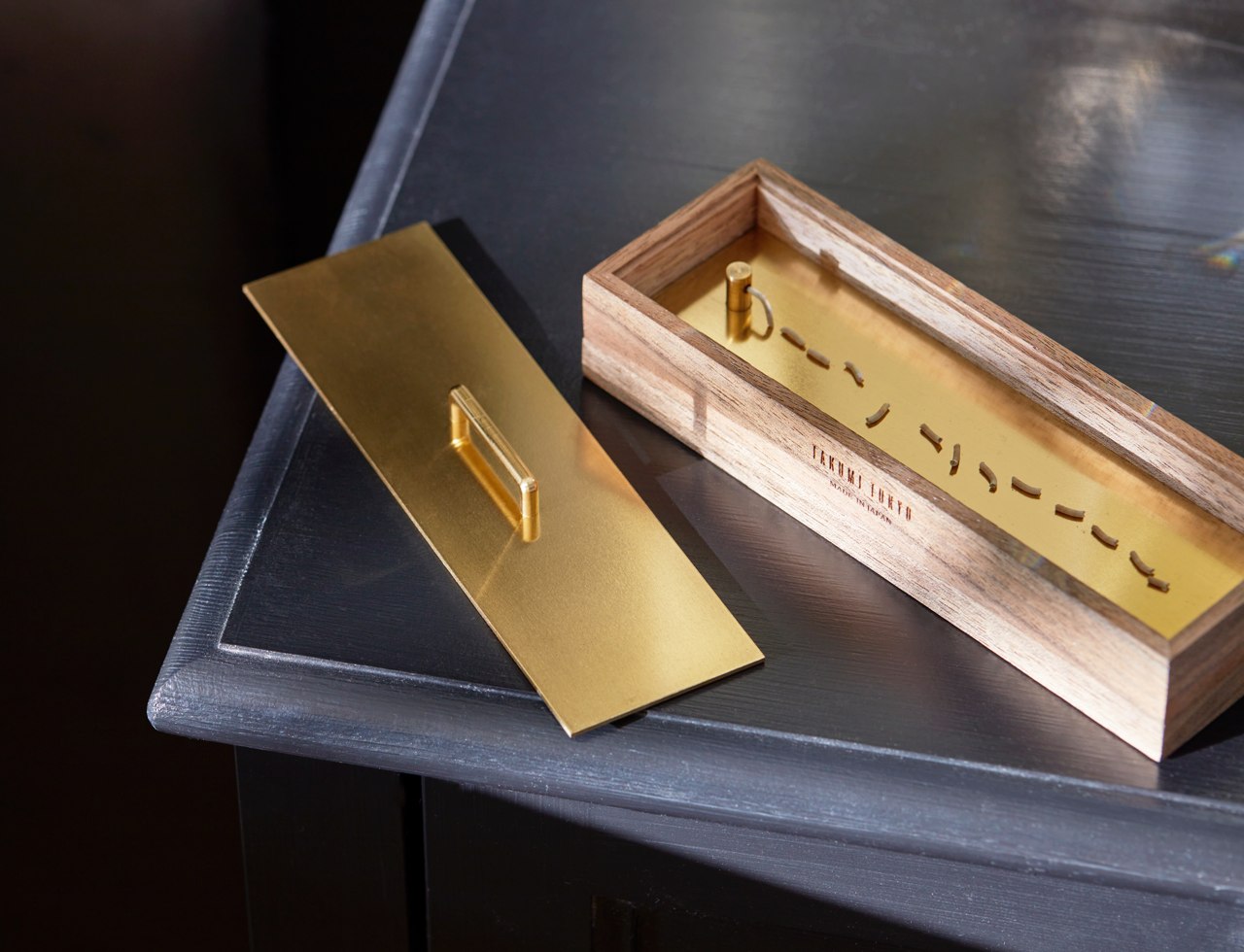
The part that actually holds the burning incense is made of brass, a metal that is popular for developing unique and beautiful discolorations over time. The brass plate is recessed deep inside the wooden box so that the ashes don’t fly off after they’ve fallen inside. A matching brass cover can be used to snuff out the fire and also keep the ash secured inside until you’re ready to dispose of it properly.

The wood and brass elements, while contrasting in nature, beautifully complement each other and blend perfectly with any decor. The light brown of natural walnut brings out the golden yellow of brass, while the oil-painted darker colorway exudes a dapper character with the matching black brass cover and plate. And thanks to its small size, you can conveniently bring a bunch of your preferred incense sticks with you wherever you go, allowing you to enjoy brief moments of fragrant peace when and where you need it.

Click Here to Buy Now: $169 $199 (15% off at checkout). Hurry, Valentine’s Day sale ends in 48 hours!

The post Invite Serenity Anywhere with the Elegance of a Wood & Brass Incense Holder first appeared on Yanko Design.
YouTuber built a Bluetooth Speaker small enough to fit inside a Walnut

I don’t know what it must have cost, but I’m assuming peanuts.

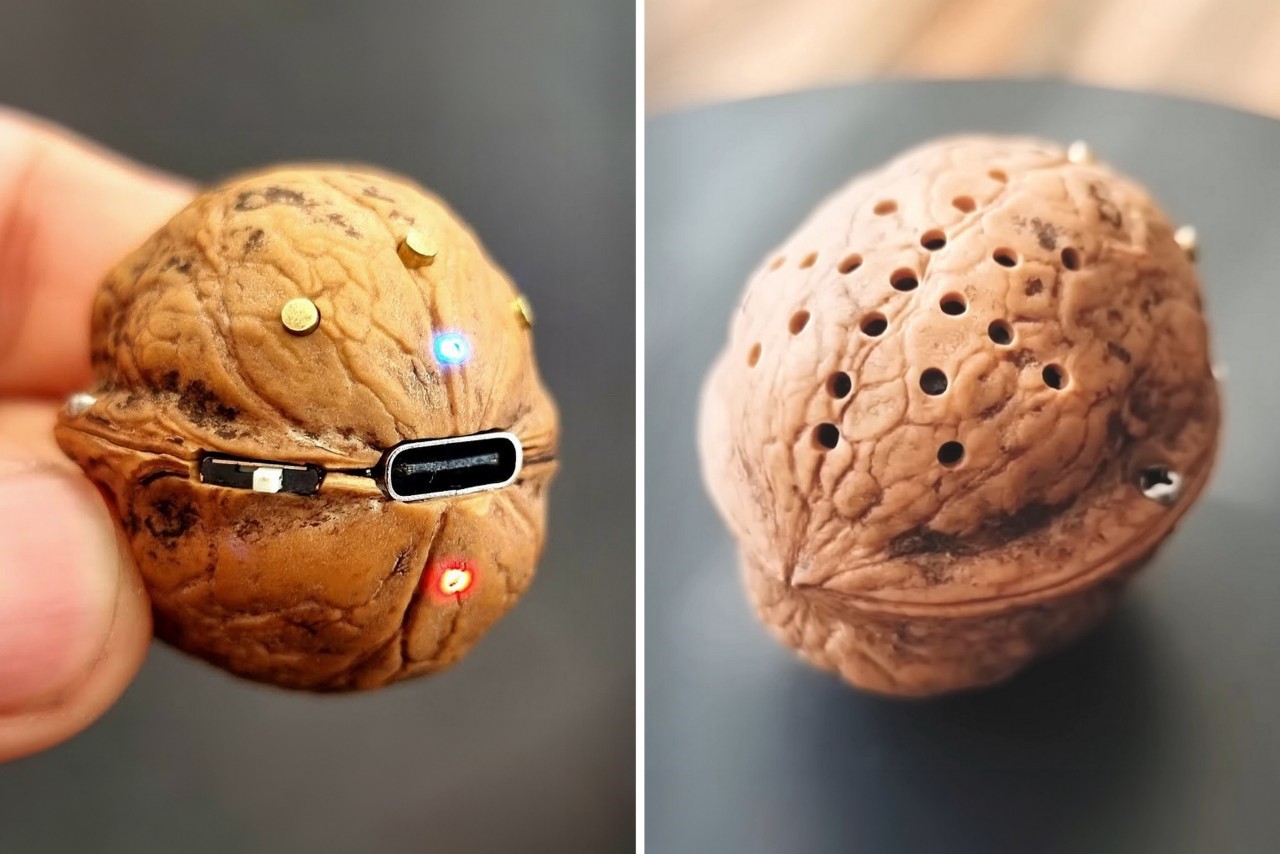
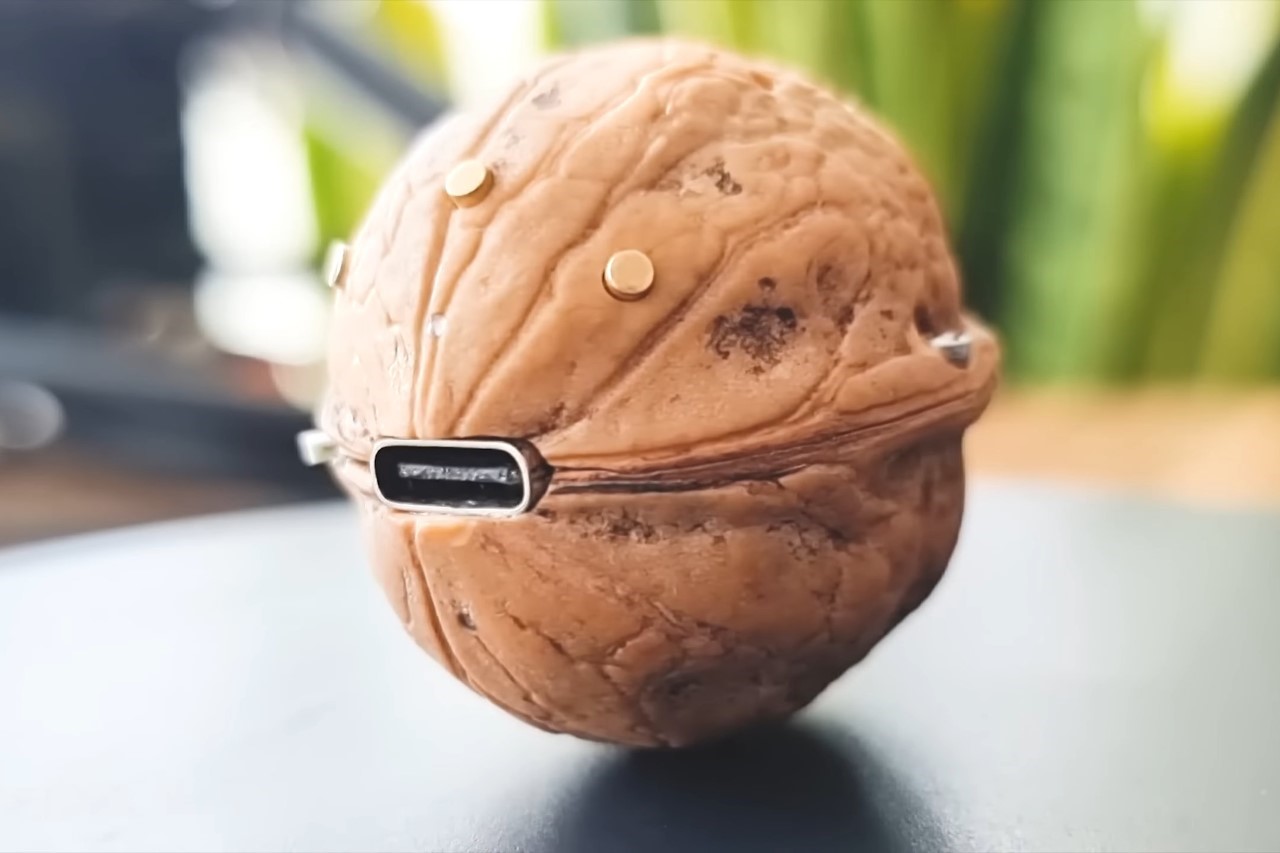
Reporting to you today from the weird part of the internet, we’ve got crazy YouTuber Penguin DIY who decided to take a walnut shell and cram an entire Bluetooth speaker inside it… USB-C port and status LEDs included. The speaker’s audio quality isn’t anything to write home about, but the video above that shows the entire construction process will not (I mean walnut) disappoint.

Designer: Penguin DIY

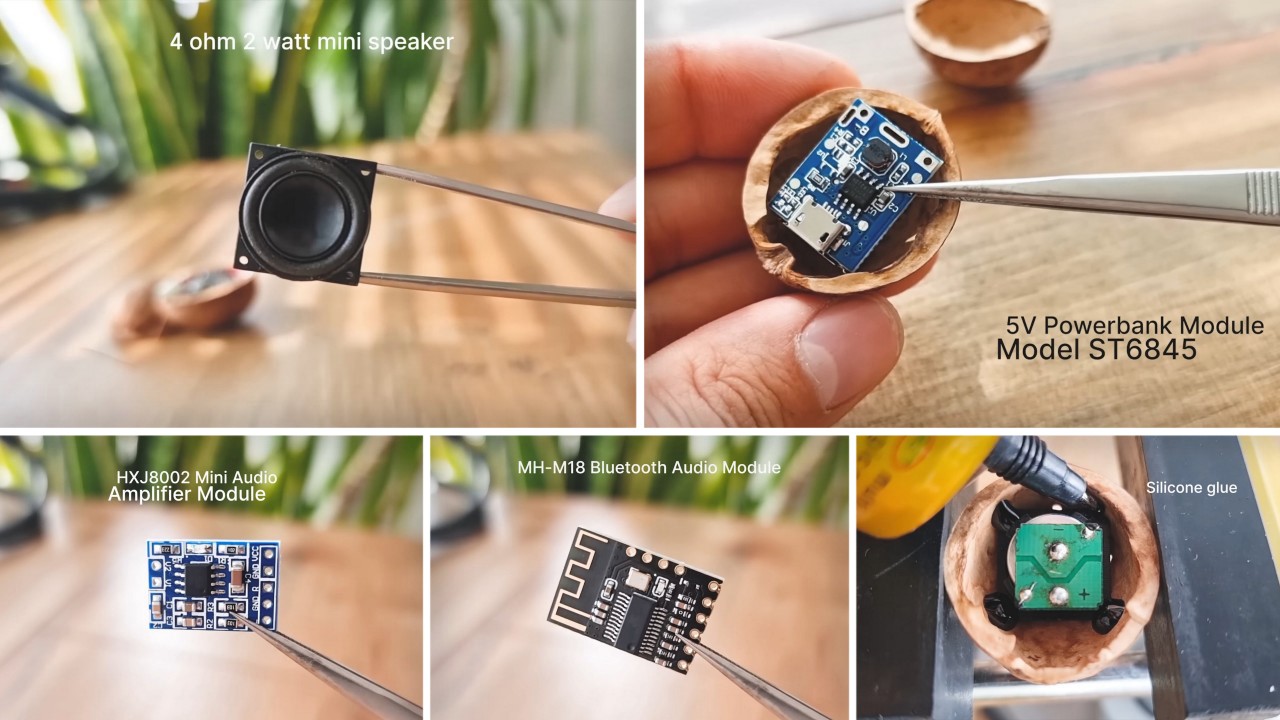
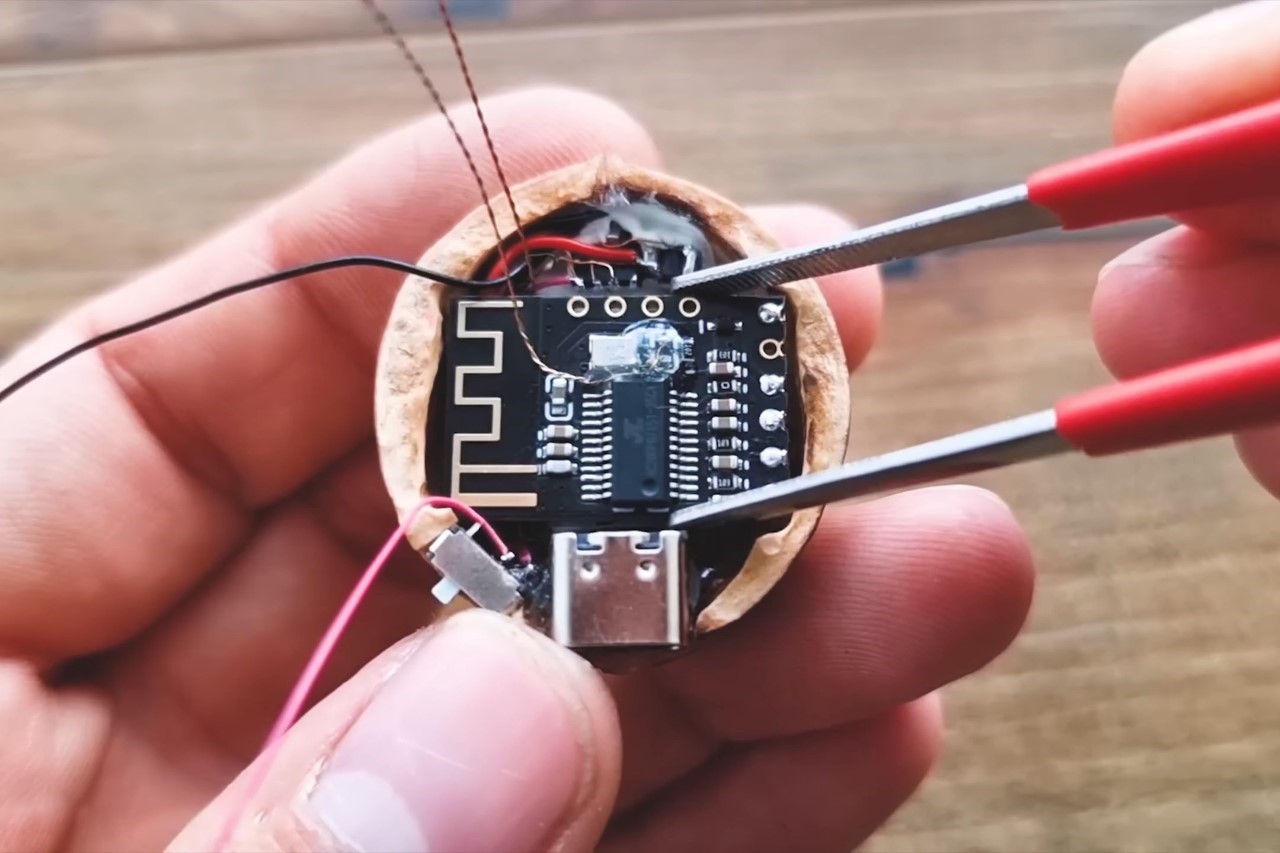
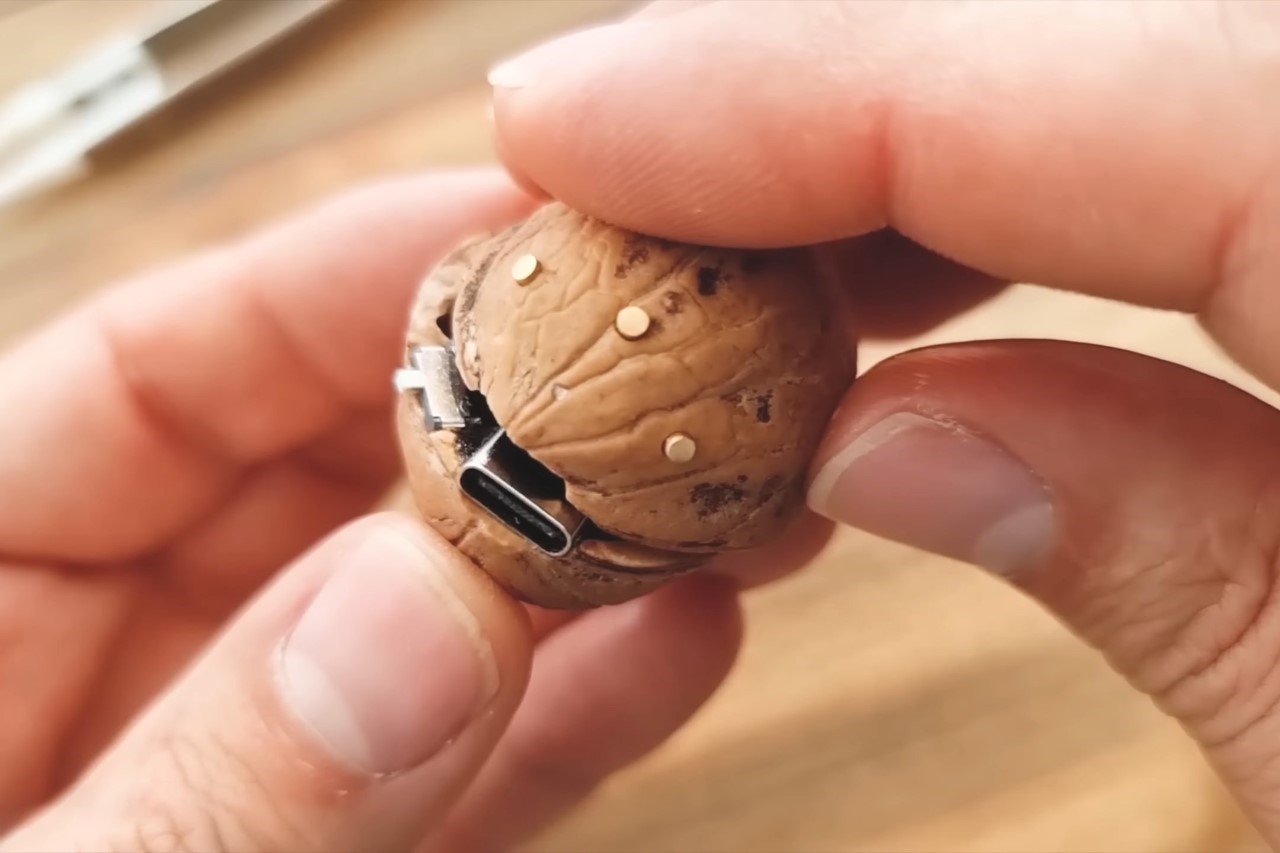
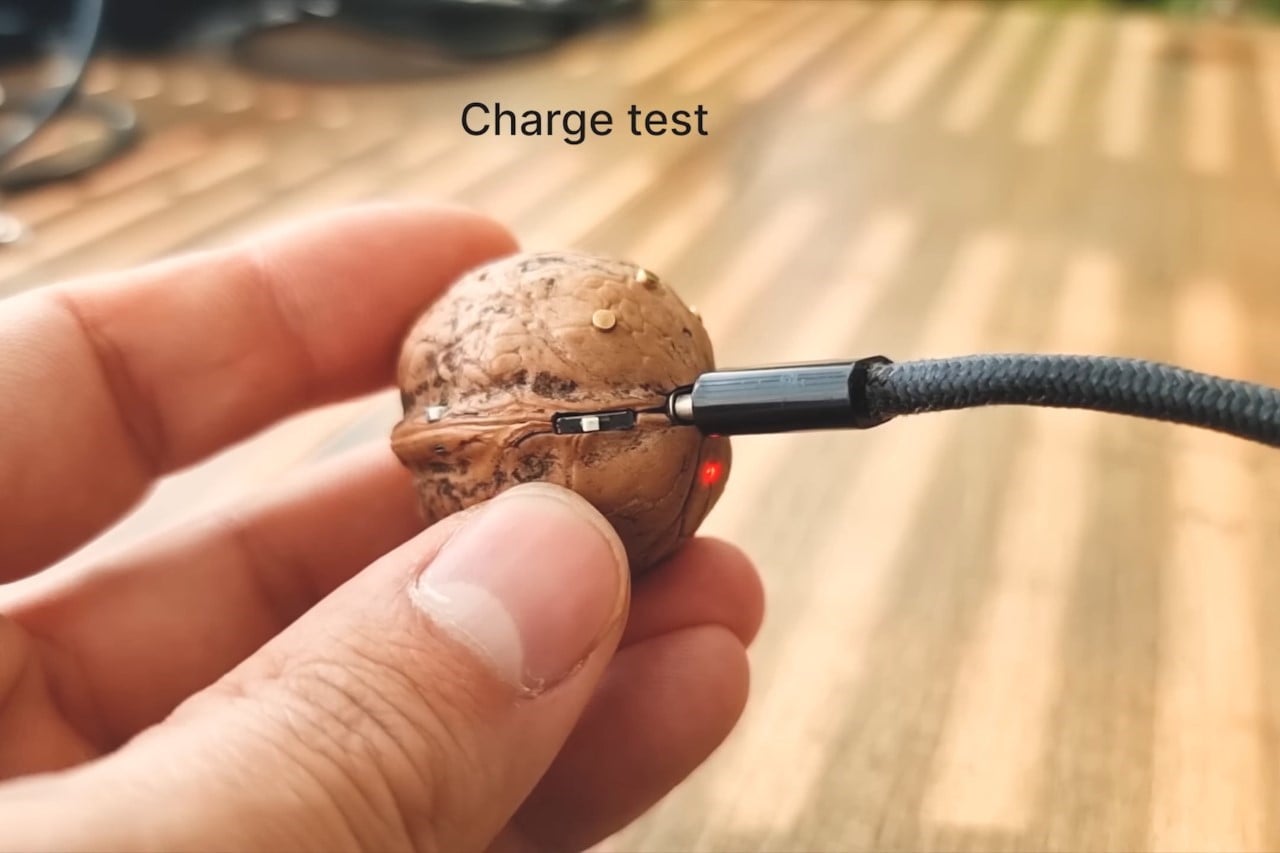
The speaker itself a miniature little device the size of a… well, walnut. Made from the walnut’s shell, it packs all the necessary components inside, including a mini battery, amp, driver, Bluetooth module, USB-C port, and even buttons and LEDs to control playback or increase/decrease the volume.

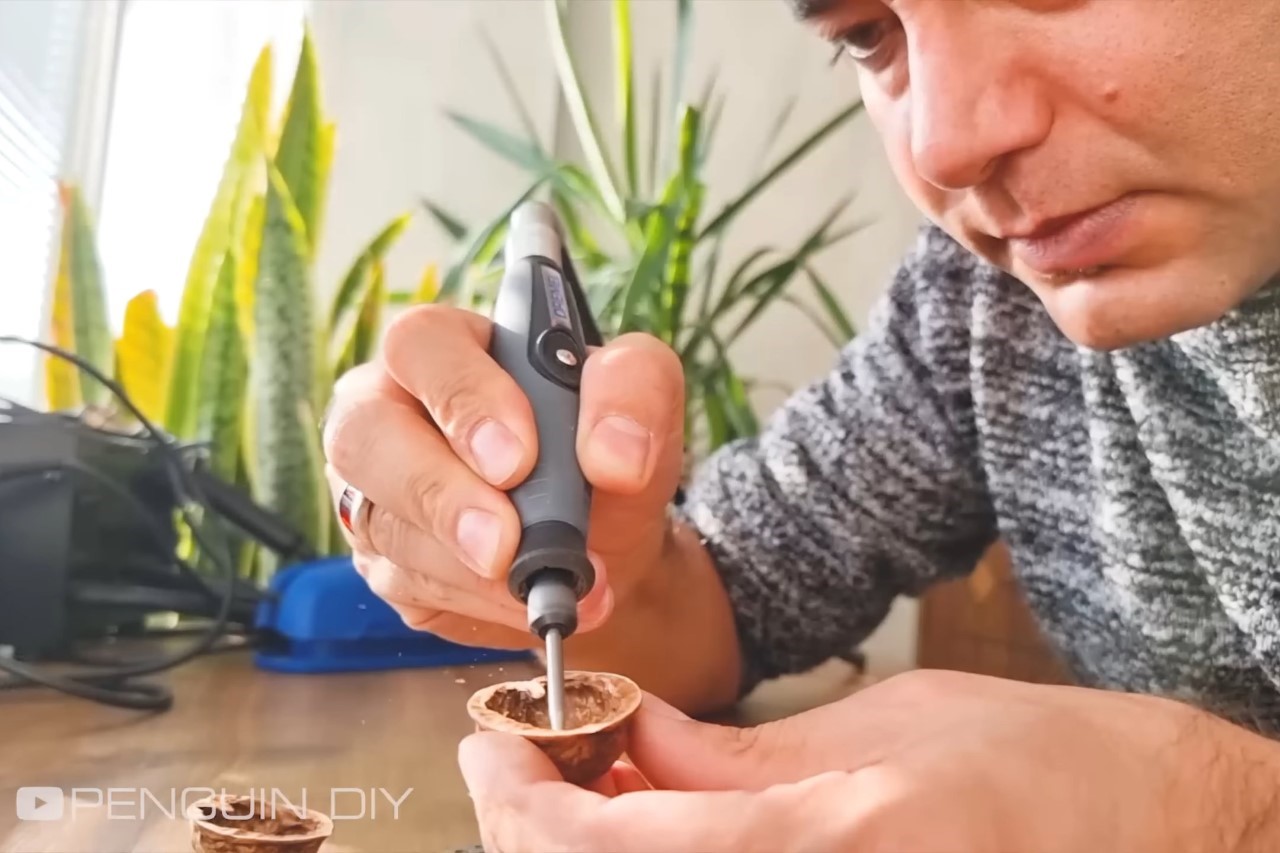
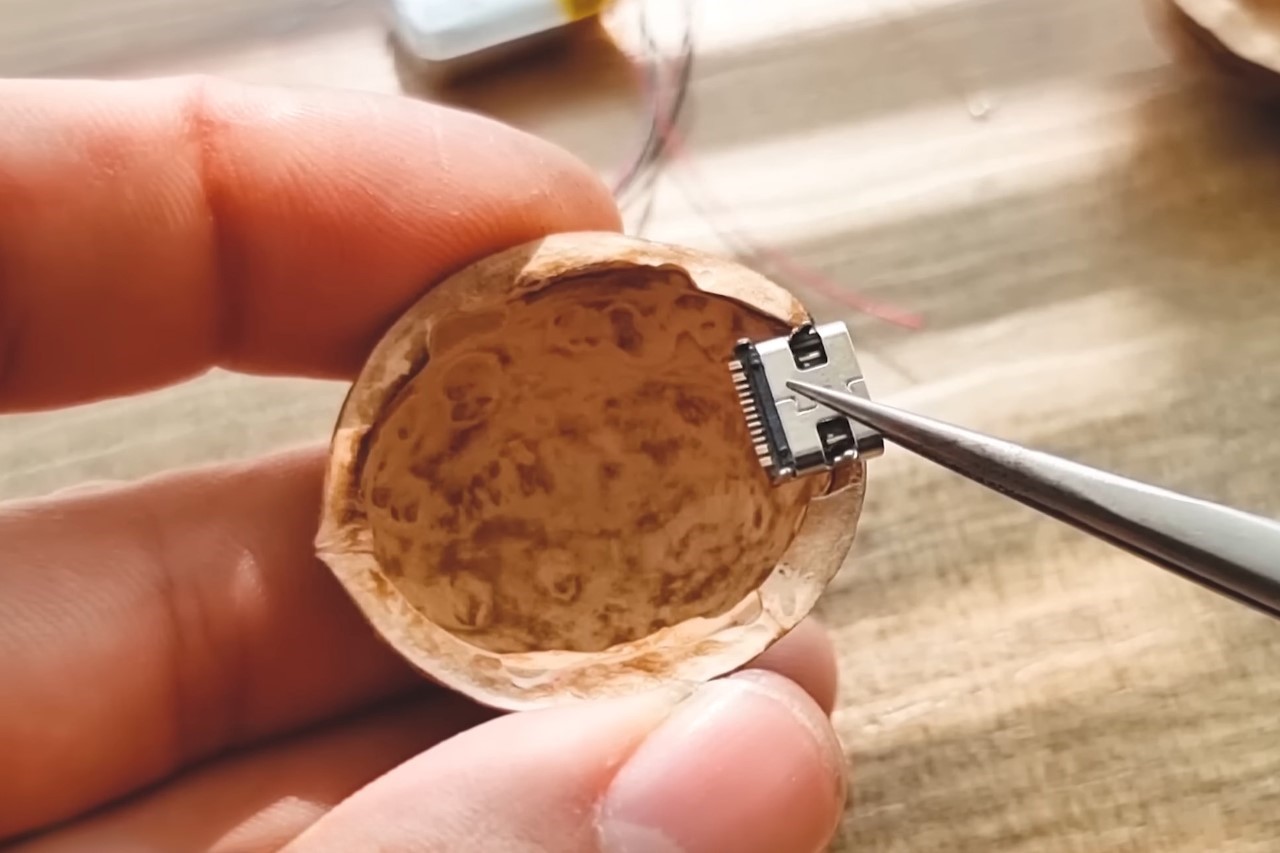
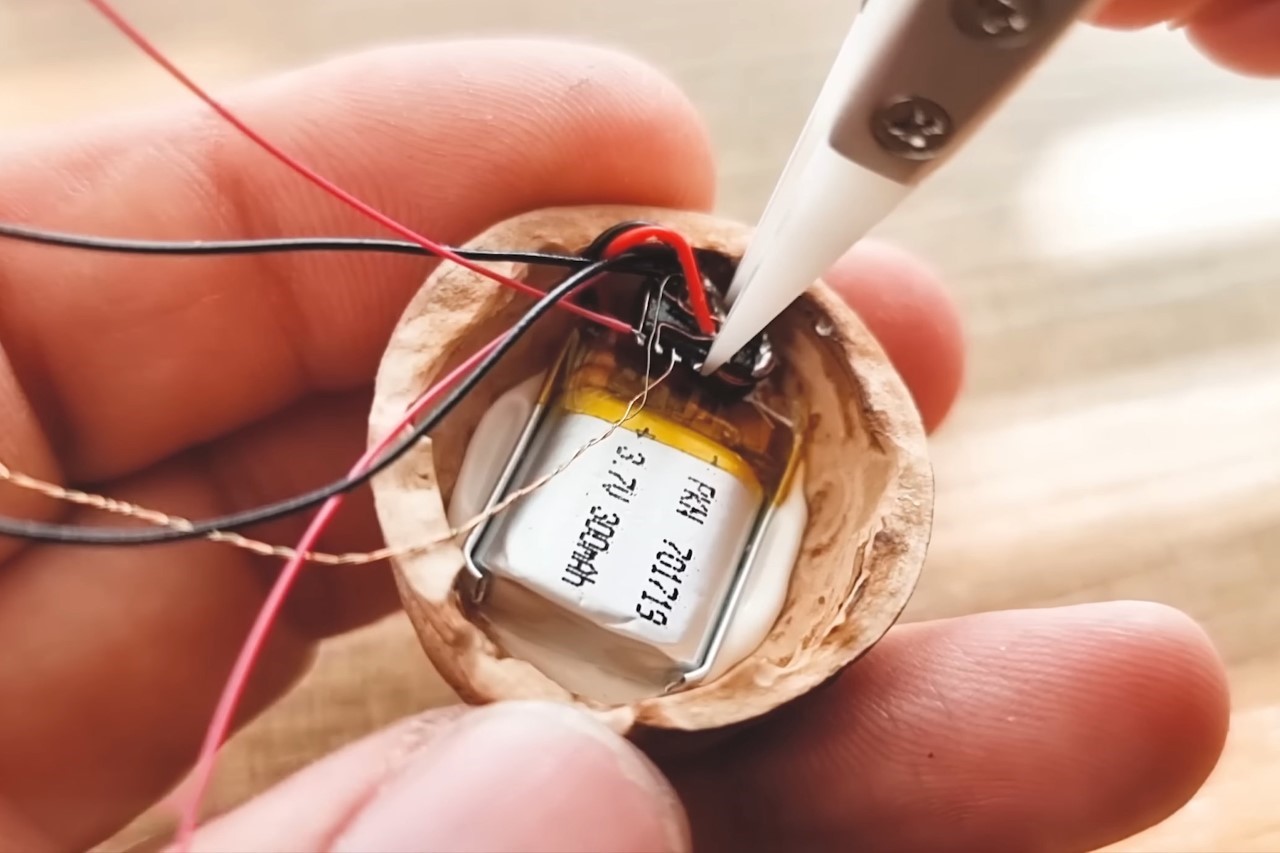
The process involved emptying out the contents of the walnut before taking a Dremel to the inside of the walnut shell to make as much space as possible for the components. The components include a 5V power bank module that was stripped for parts because it was too big to fit into the shell. The module (or whatever was left of it) was then connected to the rest of the speaker’s parts, including a 300mAh battery pack and a USB-C port for charging the speaker.

Other components included the actual ‘meat’ of the speaker, including a 2W audio driver, a mini-amp, and a Bluetooth module to allow for wireless connectivity. All the components were rather intricately pieced together and soldered with what I can only describe as incredible dexterity for something that small, and then glued to the shell with silicon glue. This flexible glue would allow the driver’s vibrations to occur without any danger of dislodging parts inside the walnut shell.

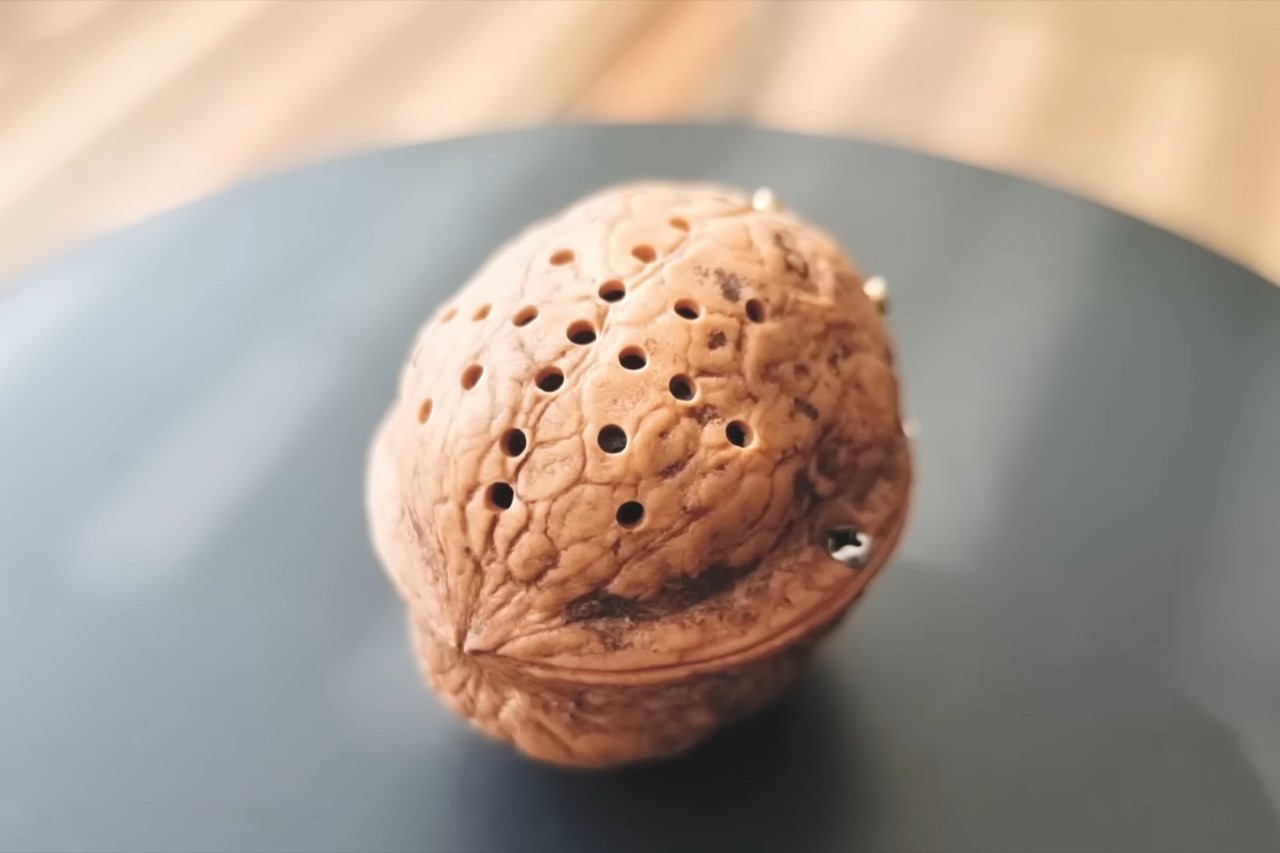
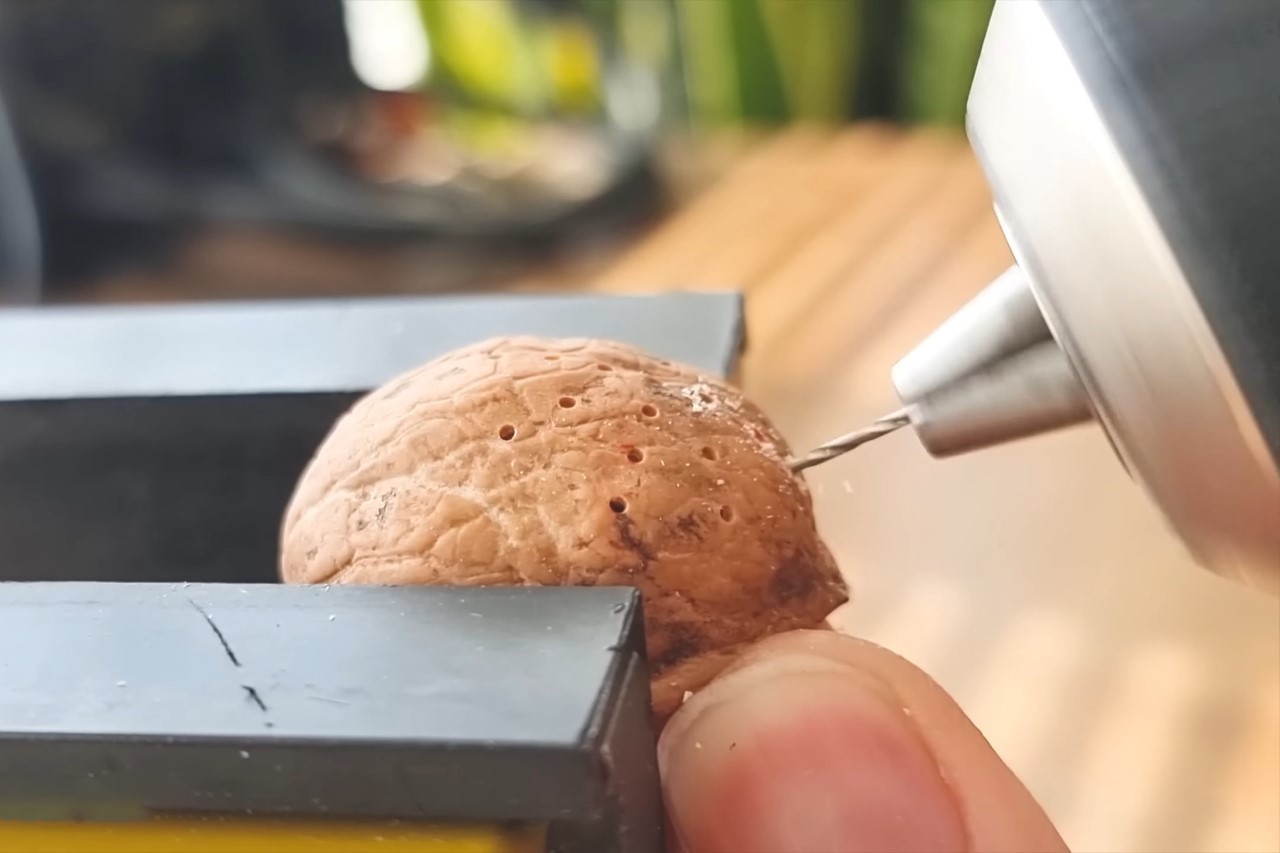
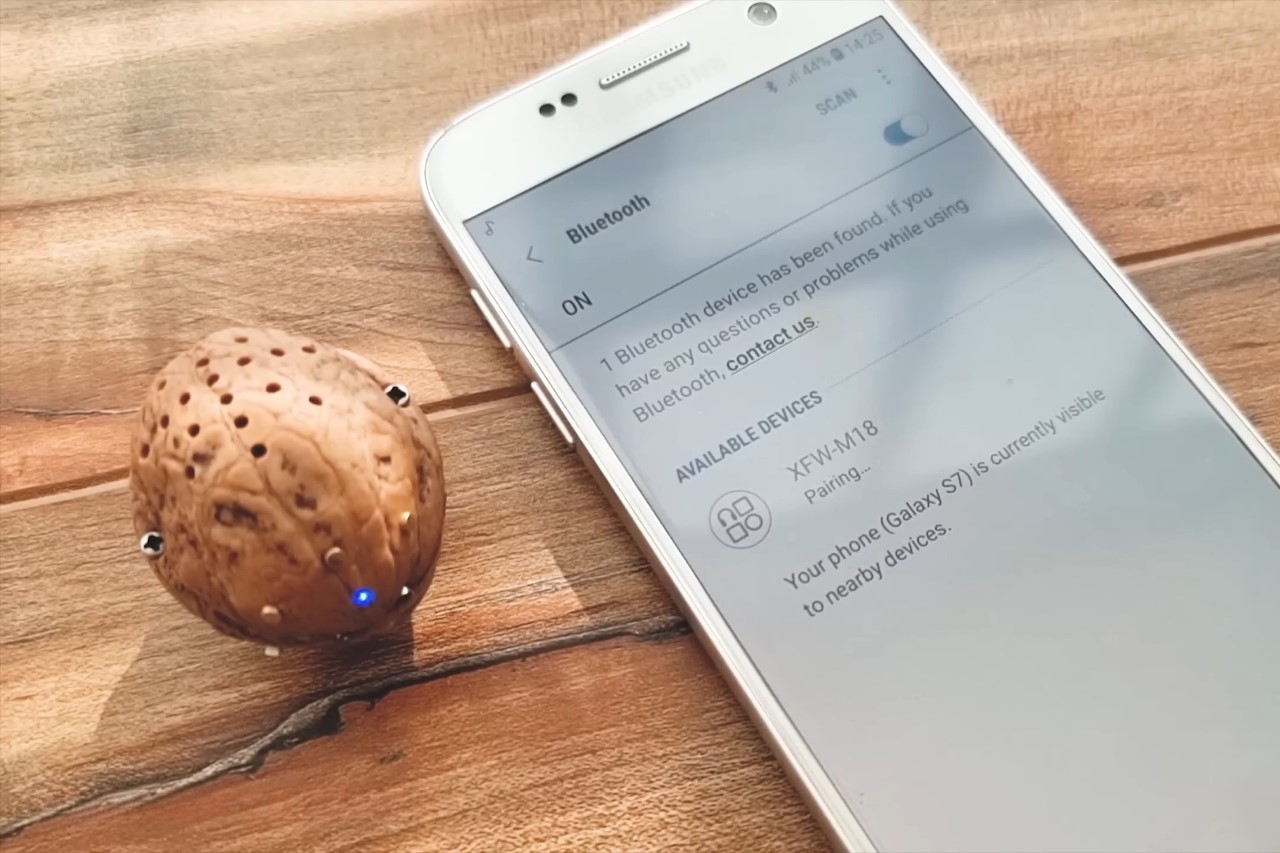
Finally, holes were drilled into the top of the walnut to make way for the speaker grill, control buttons, status LEDs, and even a nifty on-off switch. In the interest of repairability, Penguin DIY assembled the two halves of the shell together with screws instead of glues, enabling him to open up and repair or upgrade the speaker whenever he wanted. Let’s face it, if a YouTuber can turn a walnut into a Bluetooth speaker and still make it repairable, Apple can make the AirPods repairable too.

The results are impressive but not for the reasons you’d think. The speaker works flawlessly, with it being detected on a smartphone, getting connected, and even letting you play/pause music just like any regular wireless speaker. Understandably, the sound isn’t particularly great because of driver, amp, and size limitations… but if I had to rate the speaker on a scale of 1-to-10 for sheer ingenuity and for its proof-of-concept, it gets full marks. In fact, forget pumpkin carving skills, Penguin DIY’s walnut carving skills are absolutely on point!

The post YouTuber built a Bluetooth Speaker small enough to fit inside a Walnut first appeared on Yanko Design.