CA governor signs ‘landmark’ laws on youth use of social media and AI chatbots
They're aimed at protecting minors, but the rules are not universally supported.

Every neighborhood has that curb. The one where a slightly wobbly dining chair or a stained armchair shows up on trash day, waiting for someone to either haul it to the dump or grab it before the truck does. Most of us walk past. We’ve been trained to see secondhand furniture as a problem to solve quickly, not a story worth keeping. That instinct, to discard first and ask questions never, is exactly what London-based designer Yinka Ilori has spent more than a decade pushing back against.
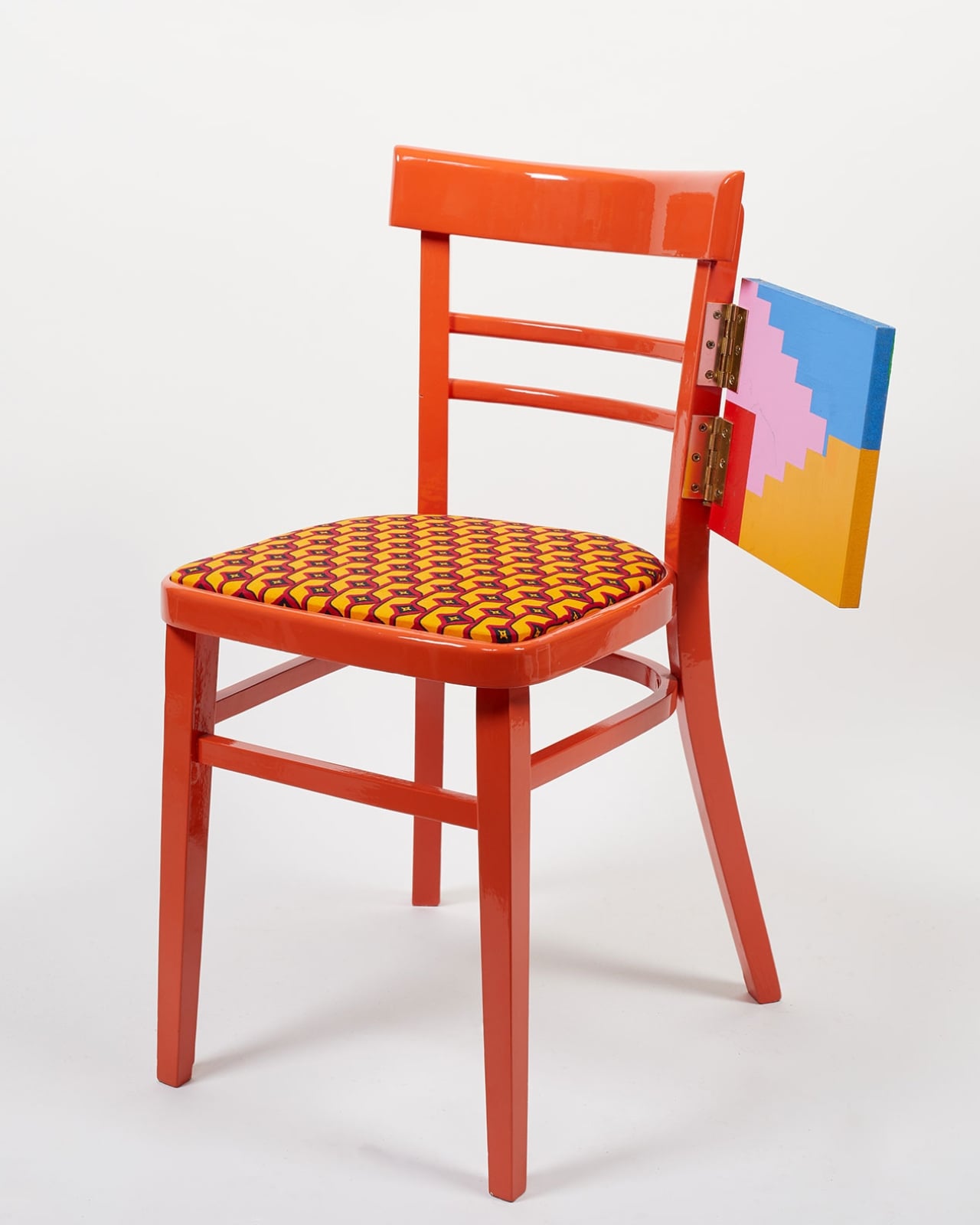
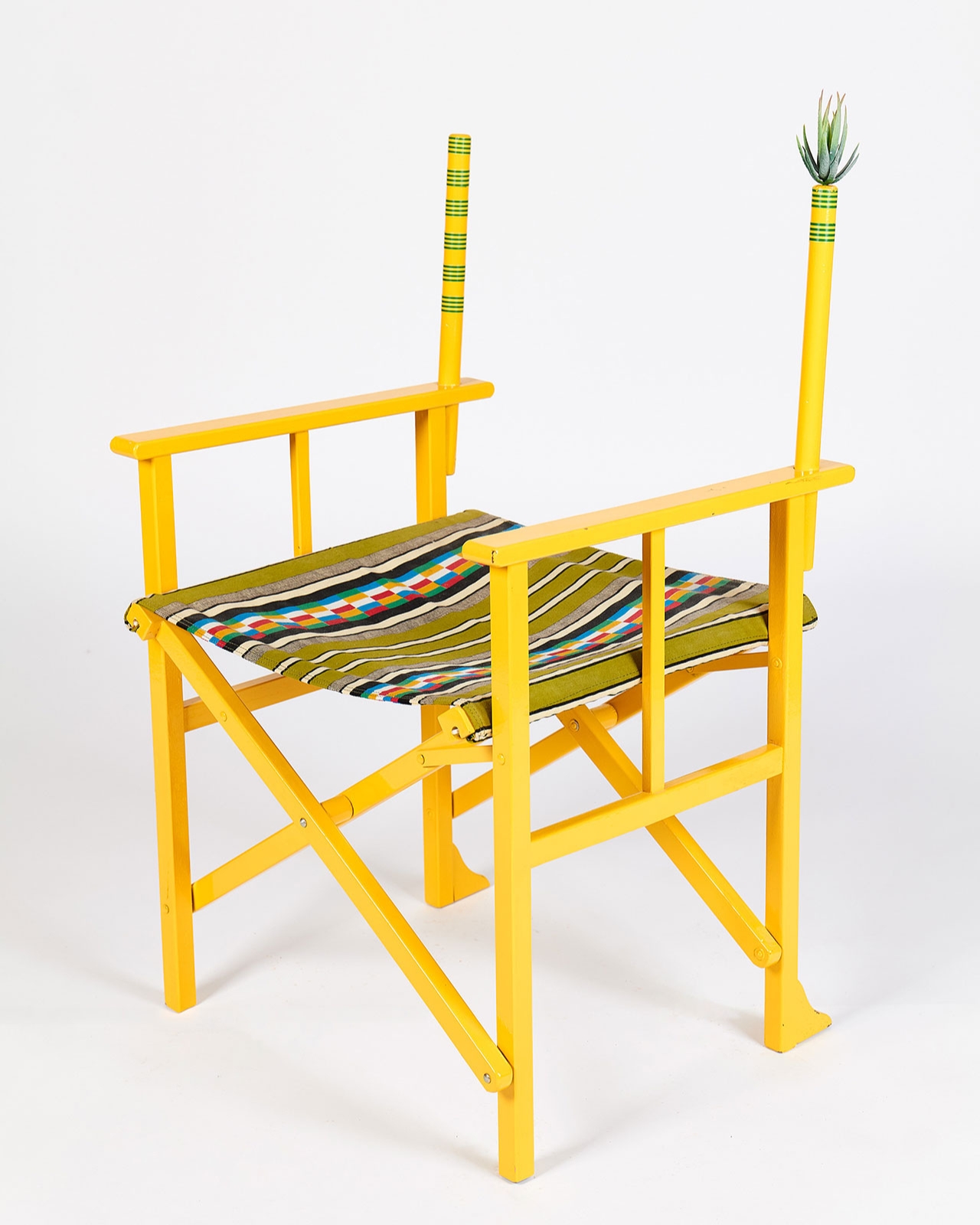
His new book, “Chairman,” published by ORO Editions, is the first to focus entirely on the furniture that made him famous: chairs he’s rescued from charity shops and street corners across London, then transformed with color, pattern, and a little bit of mischief. At 120 pages, it traces over ten years of work through what he calls vessels of memory, migration, and identity, three words that sound academic until you actually look at what he’s built. As Ilori puts it, chairs were his first design love because of the stories they carry, and that single line explains his career better than any curator’s essay could.
Designer: Yinka Ilori
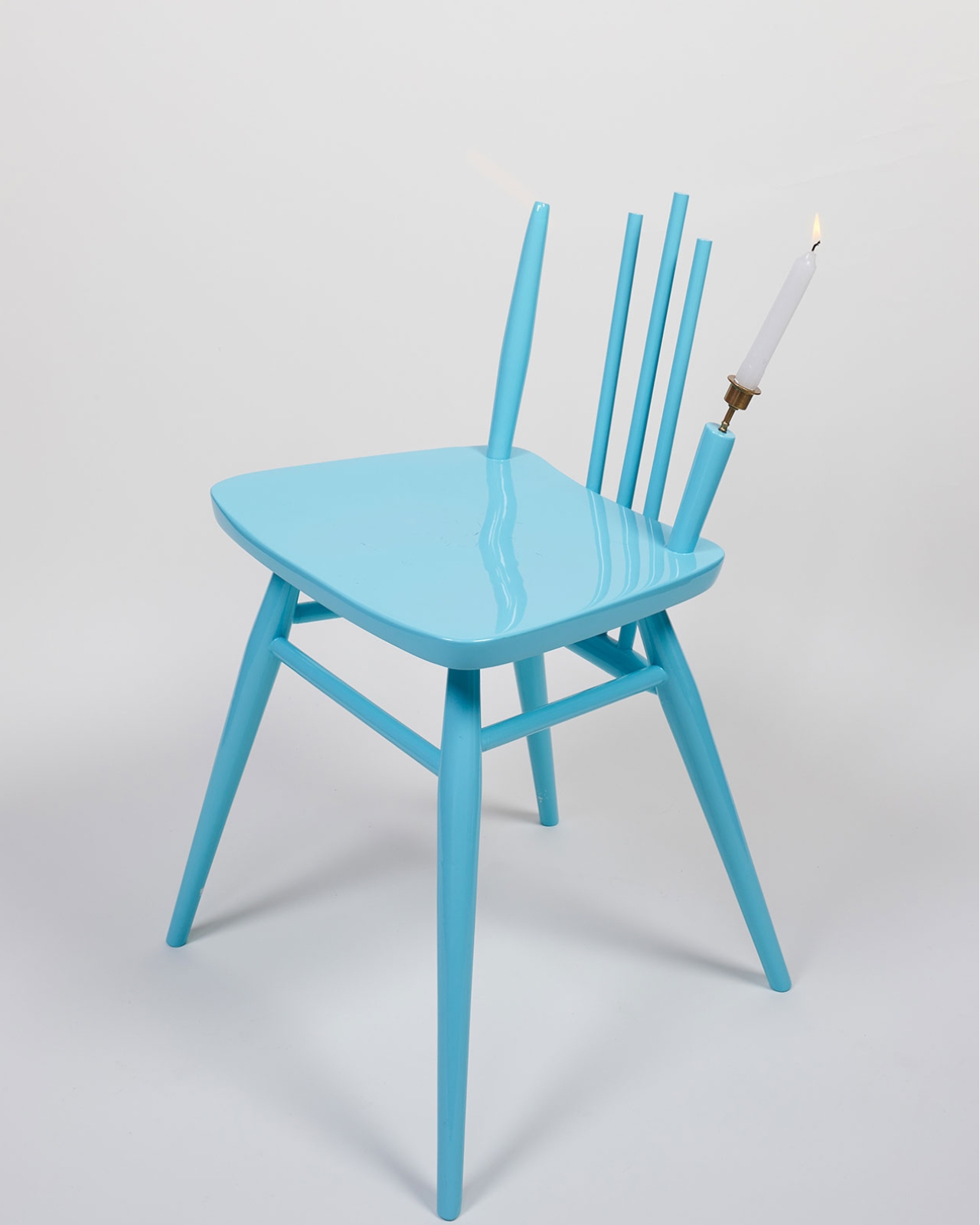
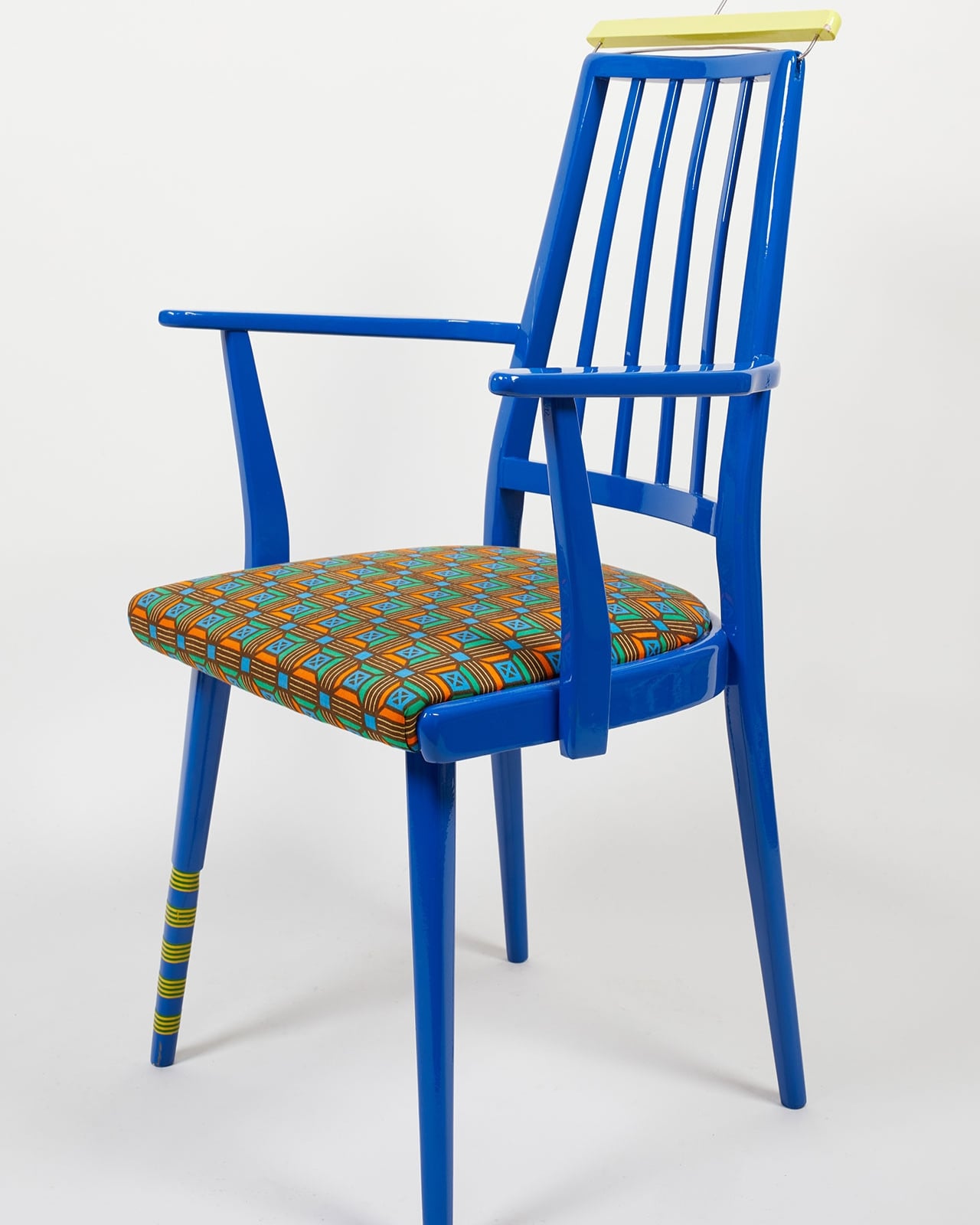
I like that the book doesn’t pretend the chairs are just chairs. Ilori has said that vintage furniture holds “personal stories, secrets, emotions, and sentiments,” and in his British-Nigerian household, offering someone your chair was never a small gesture. It meant you were inviting them into your life, your gossip, your grief. That idea shows up again and again in his work, most memorably in his 2015 show “If Chairs Could Talk,” where he named restored pieces after childhood friends from his neighborhood, some who went on to do well, others who didn’t. The point wasn’t to rank them. It was to remind people that judging a chair, or a person, by its current condition tells you nothing about where it’s been.

That’s the part of Ilori’s practice I find genuinely refreshing in a design landscape that often treats furniture as either disposable or precious, with nothing in between. He’s neither flipping thrift store finds for profit nor placing them behind museum glass. He’s giving them jobs to do again, usually with a candle holder tucked into a backrest or a plant shelf built into an armrest, details that are playful without being gimmicky.
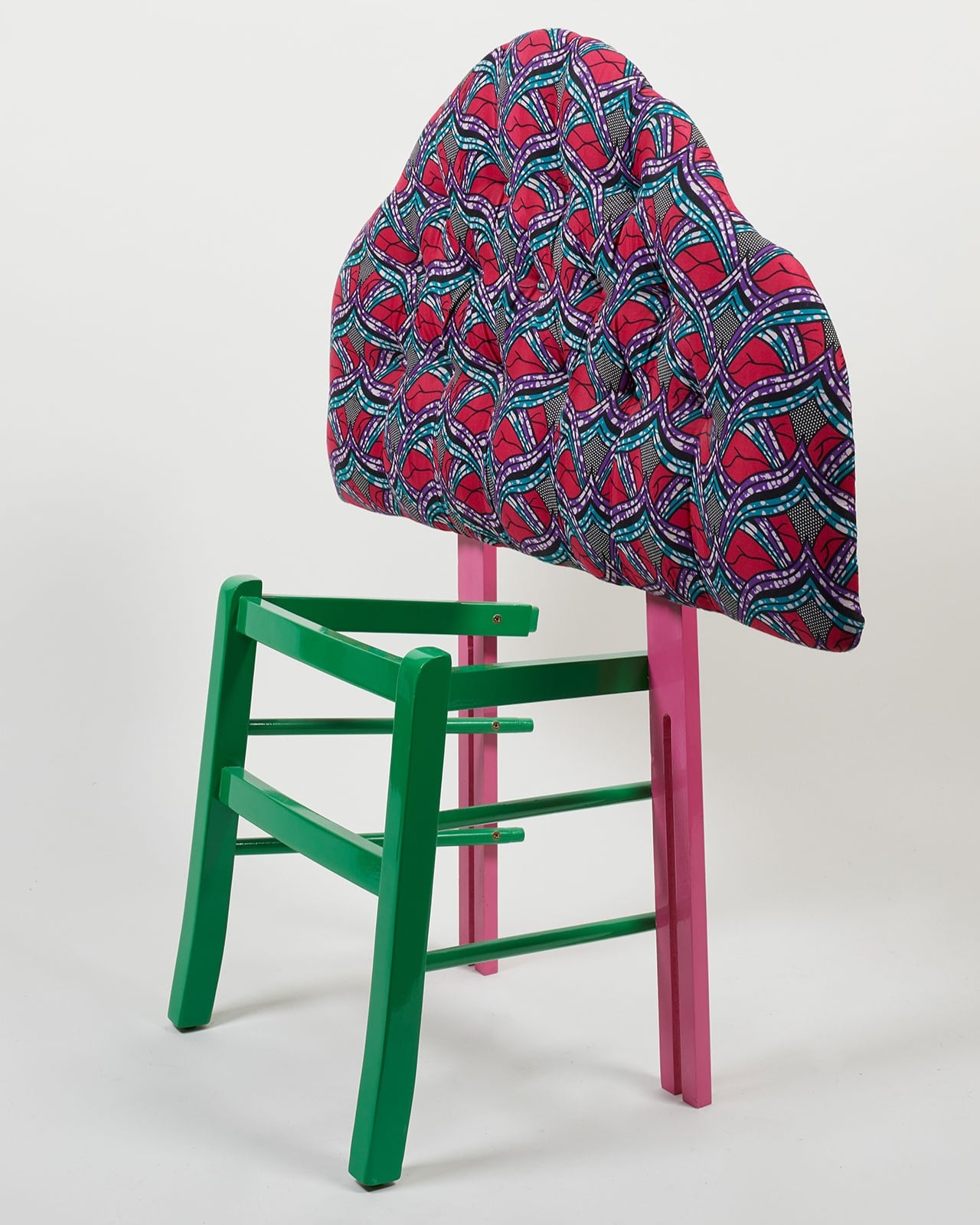
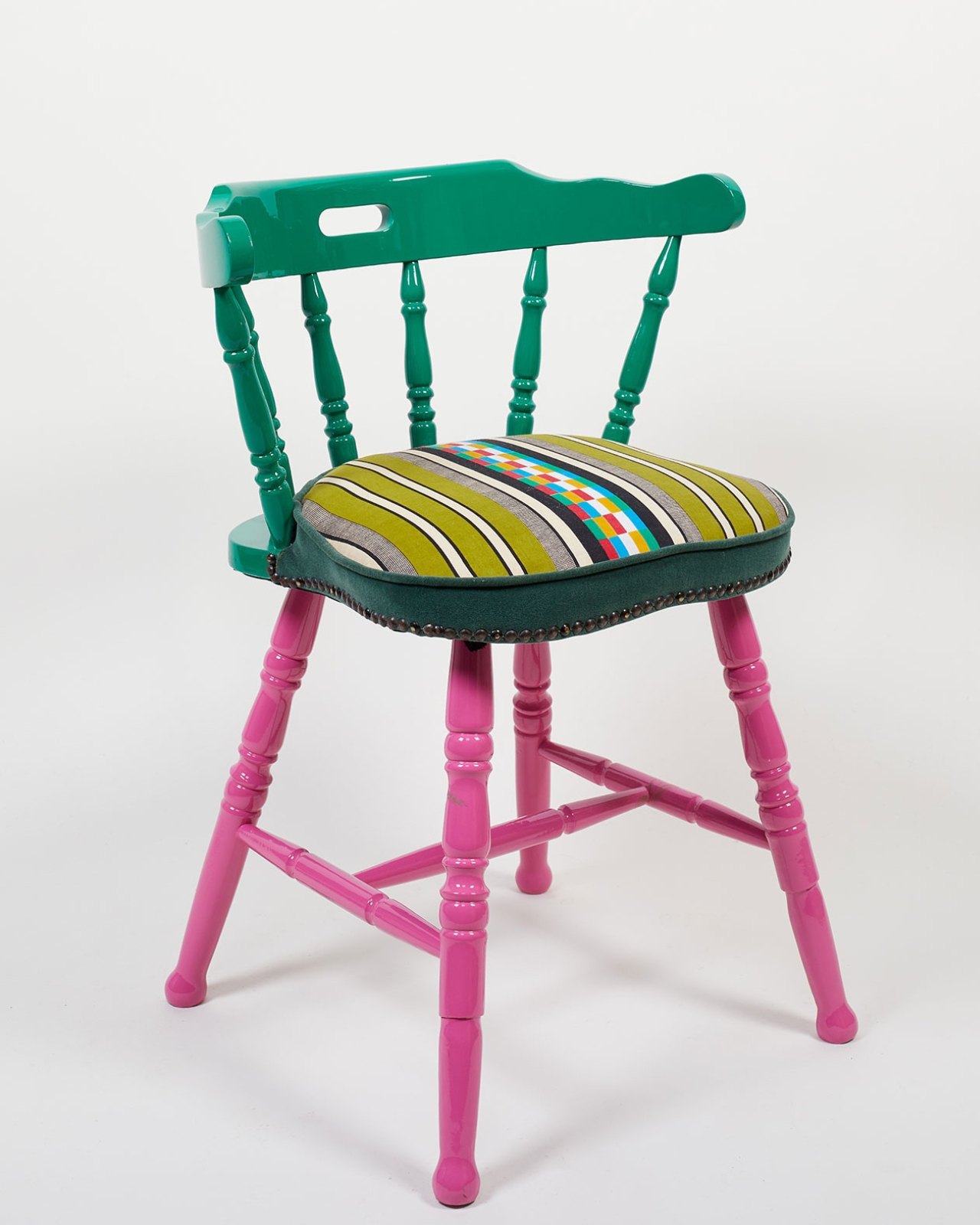
We have our own complicated relationship with secondhand furniture. We love a good flea market flip on television, but we also replace couches the way we replace phones, and curbside “free” piles rarely stay put for long before someone tosses them for good anyway. Ilori’s approach, sourcing directly from charity shops rather than manufacturing new pieces from scratch, quietly argues for a slower, more attached way of living with objects. He’s not lecturing anyone about sustainability. He’s just showing what happens when you actually look at a chair before deciding it’s garbage.
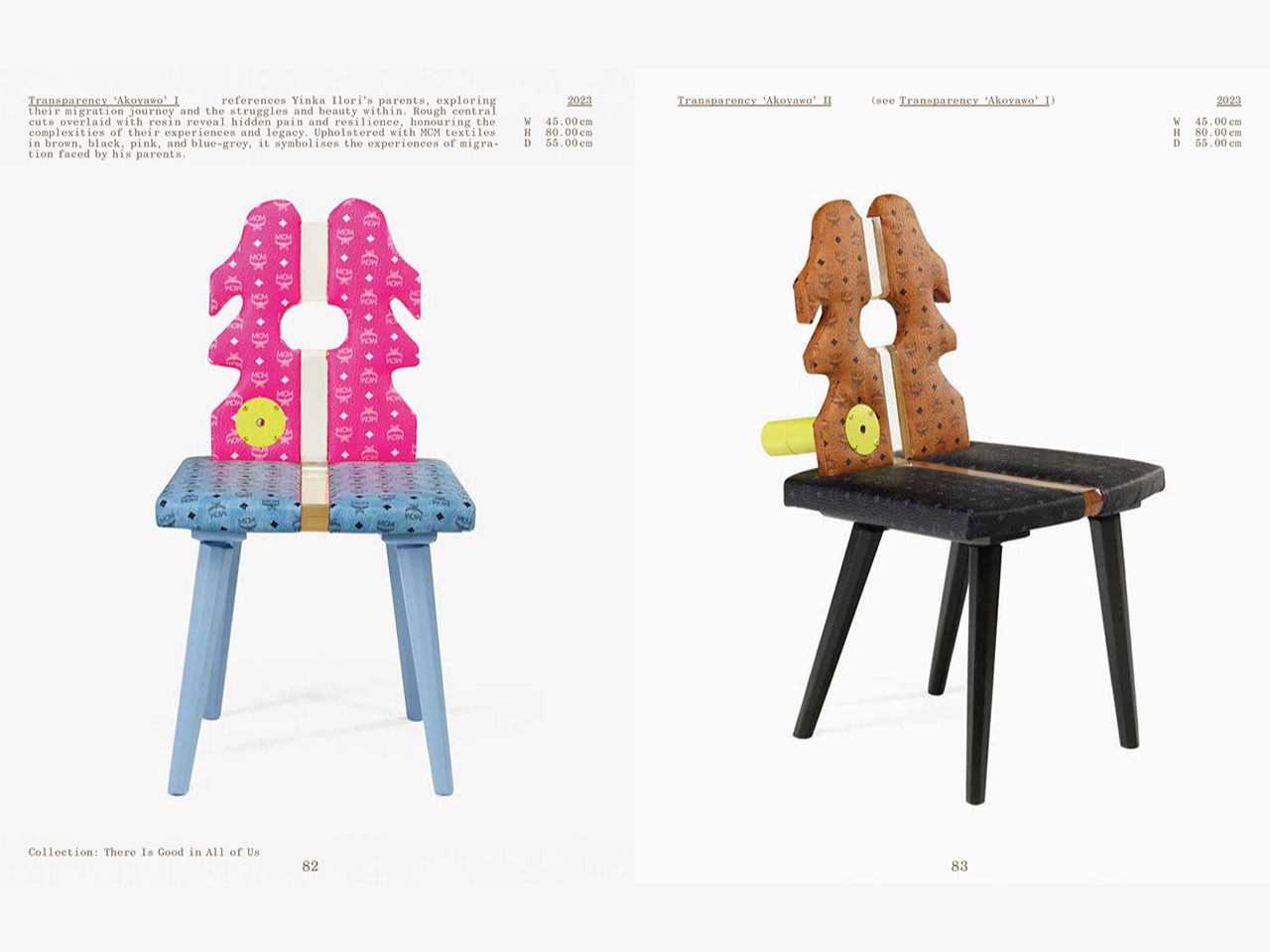
The book also situates his chair work inside a wider circle of artists and designers, which feels right, because Ilori has never worked in isolation the way some monograph subjects like to pretend they have. One section, drawn from his “There Is Good in All of Us” collection, makes that point almost too plainly, turning cast-off seating into small monuments to second chances. His path from upcycling furniture in 2011 to large public commissions, like the Colour Palace at Dulwich Picture Gallery or his Adidas collaboration, started with exactly this kind of hands-on, unglamorous restoration work. “Chairman” makes the case that the chairs weren’t a warm-up act before the bigger projects. They were always the main story.
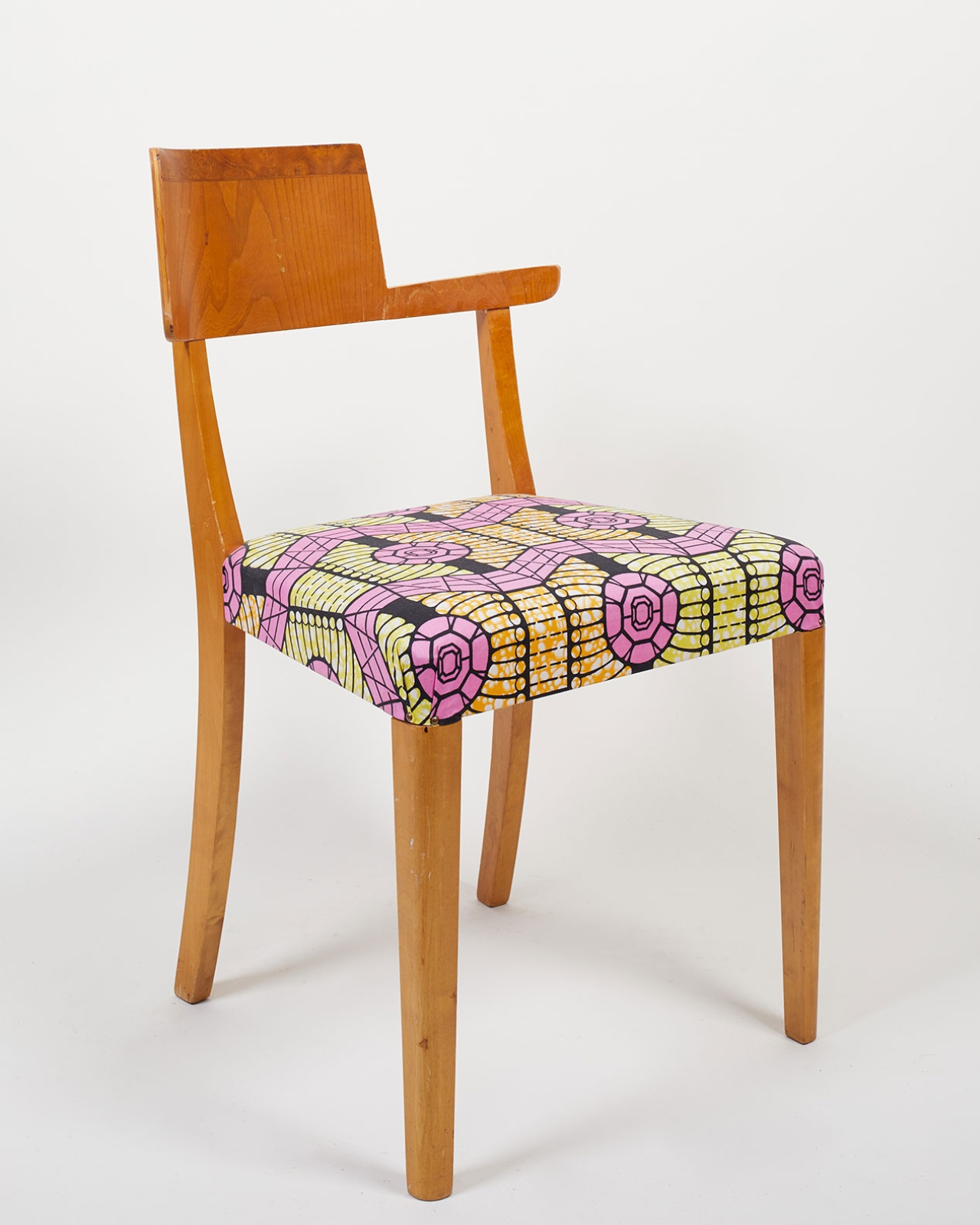
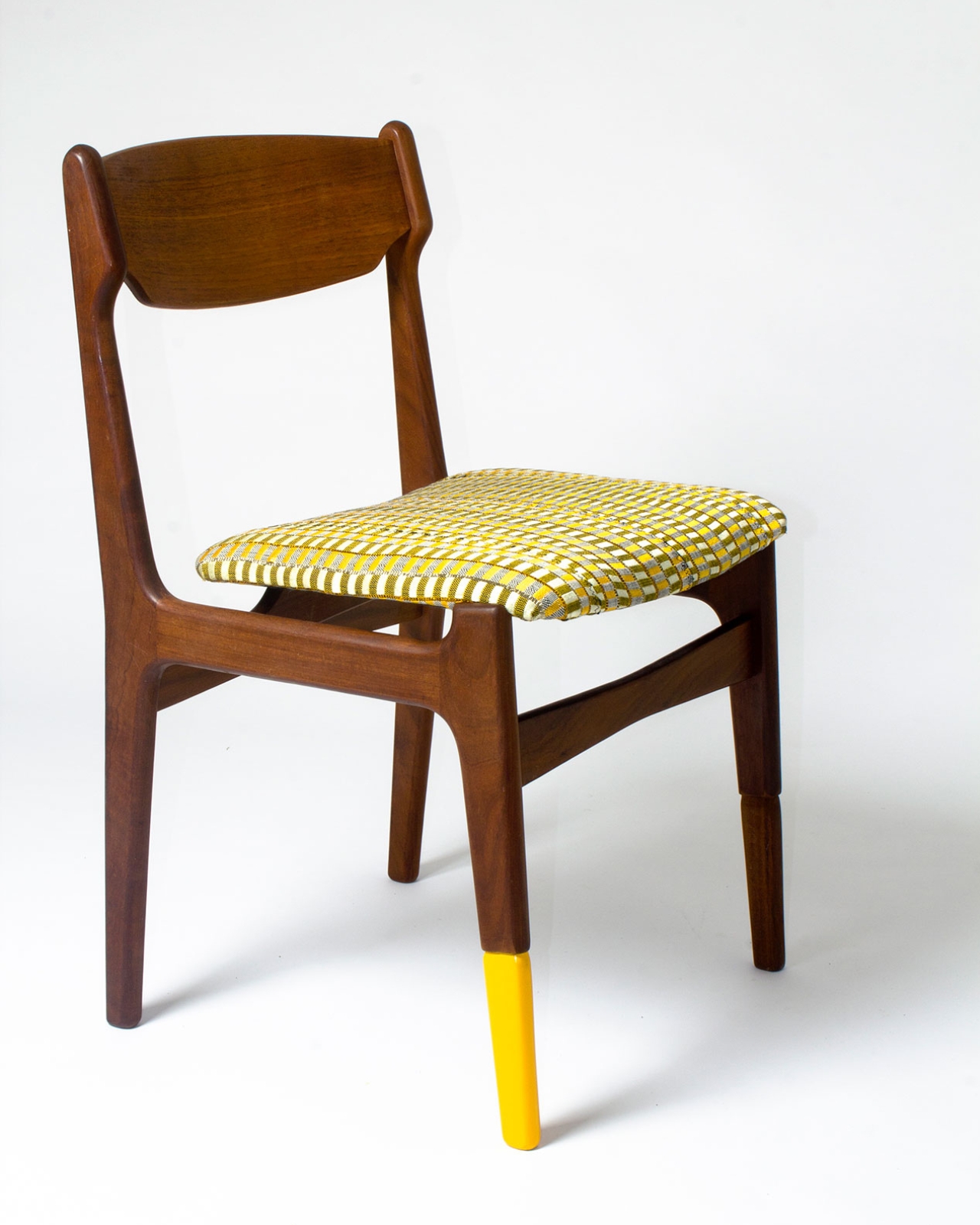
What stays with me most is how simple the underlying belief actually is. Ilori isn’t claiming that every discarded object deserves a second act. He’s pointing out that most of them never get the chance to prove whether they do. Design so often chases what’s new, but “Chairman” quietly argues for paying attention to what’s already here, sitting in a corner somewhere, waiting for someone to notice it hasn’t finished its story yet.
The post Yinka Ilori Finally Told the Story of Chairs Nobody Wanted first appeared on Yanko Design.
Let me be clear. There’s no universe in which I think 2 thousand dollars is the right price for a smartphone. The fact that it folds, or that John Ternus called it an ‘intelligent hub’ doesn’t justify a price tag that’s reserved for gaming laptops. However, when I saw the Duo open for the first time in Apple’s keynote, I definitely sat up a bit and embodied the Leonardo DiCaprio meme where he snaps and points at the screen. Something caught my eye, and in those brief seconds, I forgot that the iPhone Duo costs $1999 USD.
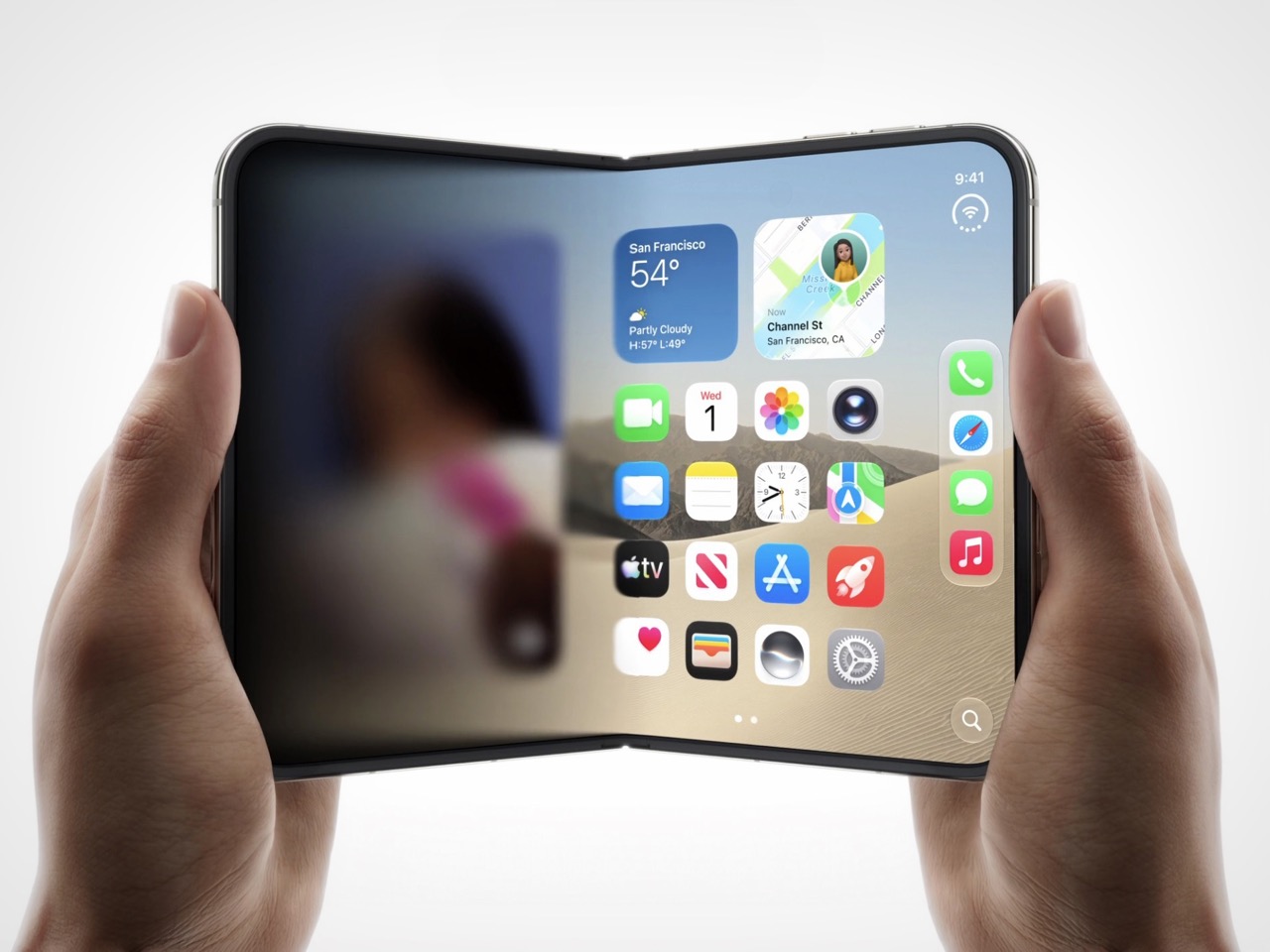
Go to the comments section of any tech blogger interacting with the iPhone Duo and you’ll see the same response – “Whoever designed that opening closing UI animation deserves a raise.” Apple managed to do something so fundamentally different from any smartphone out there, it made the iPhone Duo truly feel a class apart. Open (or close the phone) and a section of the display magically disappears and reappears from a digital ether. It doesn’t feel like your phone’s screen is expanding the way it does on the Pixel Fold or the Galaxy Z Fold 8. It feels like the flap of your phone is basically a piece of frosted glass, overlaying over a phone screen that’s already there. Words fail to describe how beautiful it looks, but literally everyone had the same visceral reaction for the first time seeing Apple pull off this digital optical illusion. It’s gorgeous, and for some people it might just be the deciding factor between buying an Android foldable or the iPhone Duo.
Designer: Apple
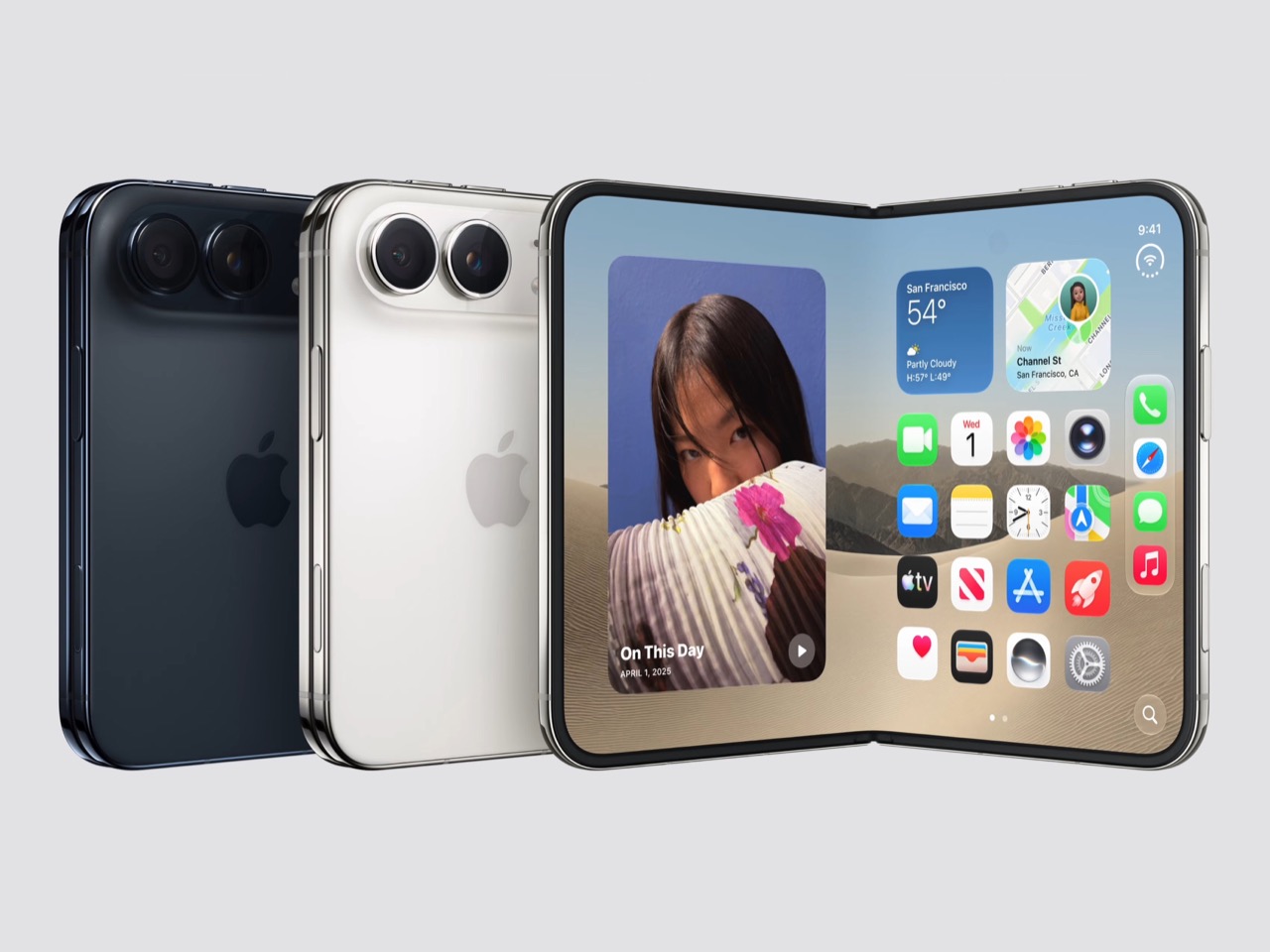
Royole debuted the first foldable phone in 2018. The Flexpai didn’t push too many units, it wasn’t from a reputed brand either which meant zero brand recall or trust. Still, it made waves for being the first to crack the foldable format. Samsung soon followed, with their first foldable the following year. So, effectively since 2019, the world has asked itself A. whether Apple will ever launch an iPhone… and B. What will Apple do so differently that it’ll absolutely capture the minds and hearts of the entire market. We found out the answers to both yesterday.
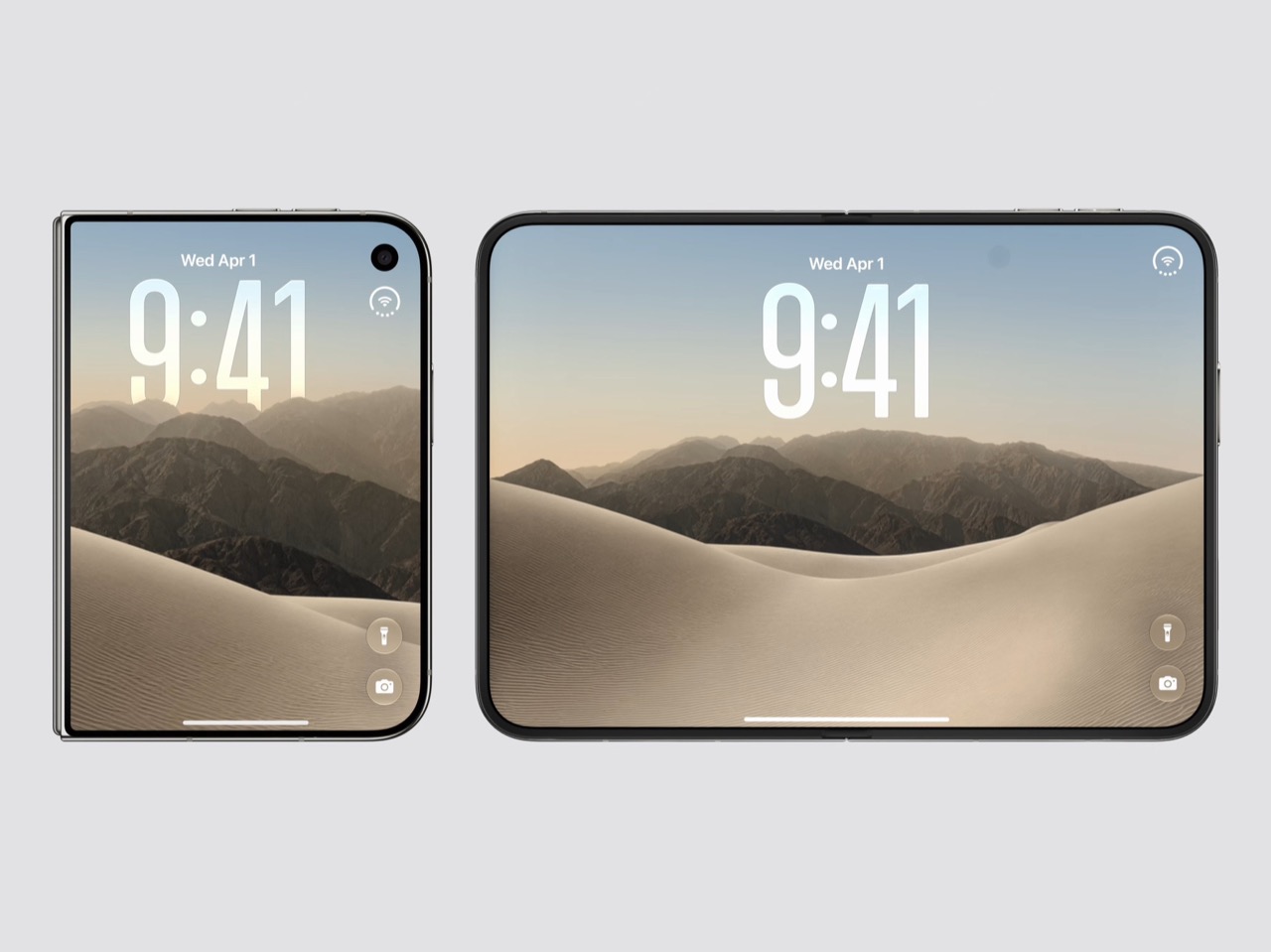
The “Different” manifests itself in a few ways. For starters, the iPhone Duo is much wider than most foldables, which opt for a tall design that results in a weird square-ish screen when opened. The Duo’s approach is a more passport-style aspect ratio, with a 1:1.4 format which sits right in the middle of a 2:3 and a 3:4 design. This wide body means a more usable screen experience in both closed and open variants, with the same aspect ratio carrying across open and closed formats – something every interface designer will cry tears of joy over.
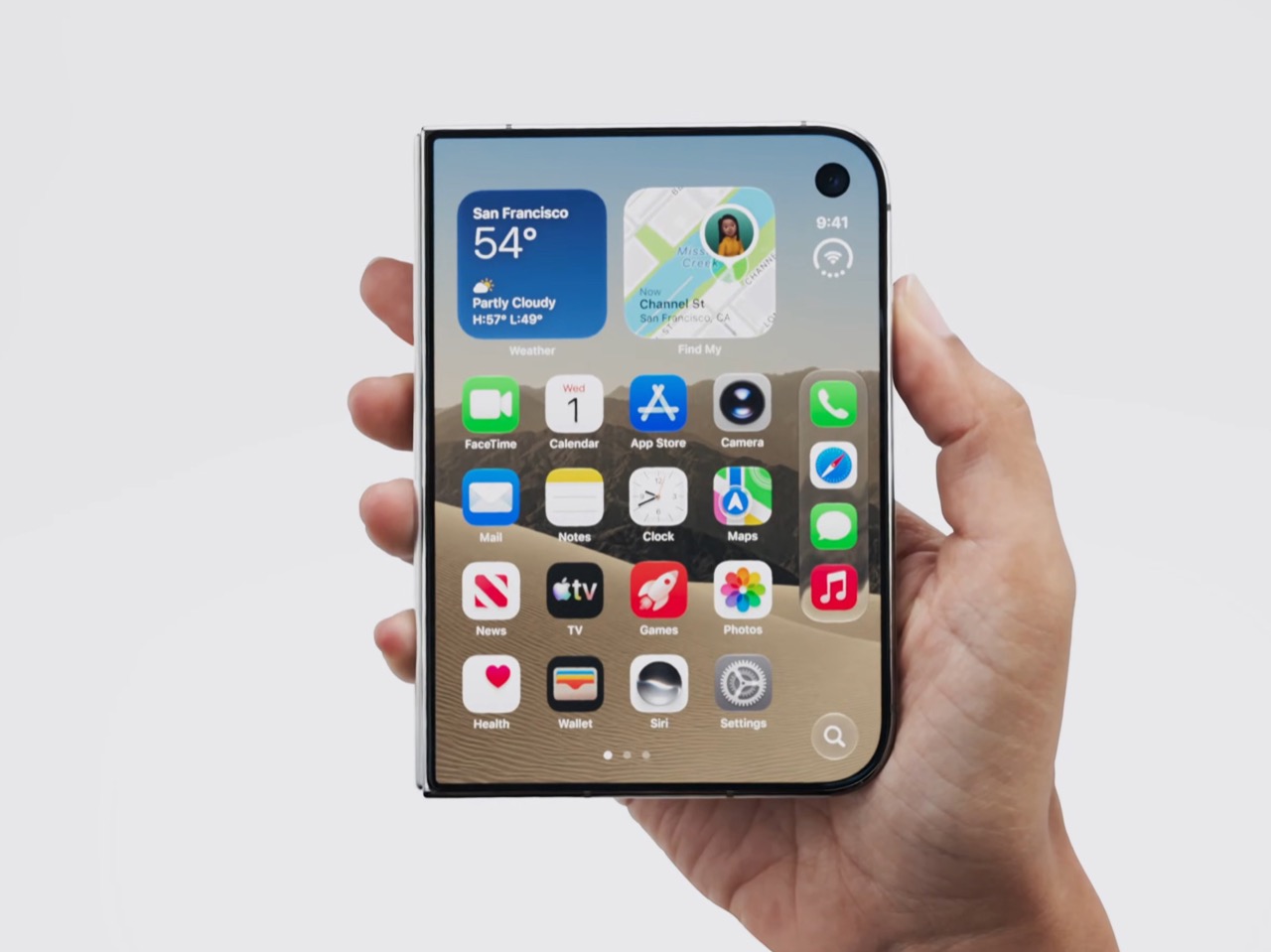
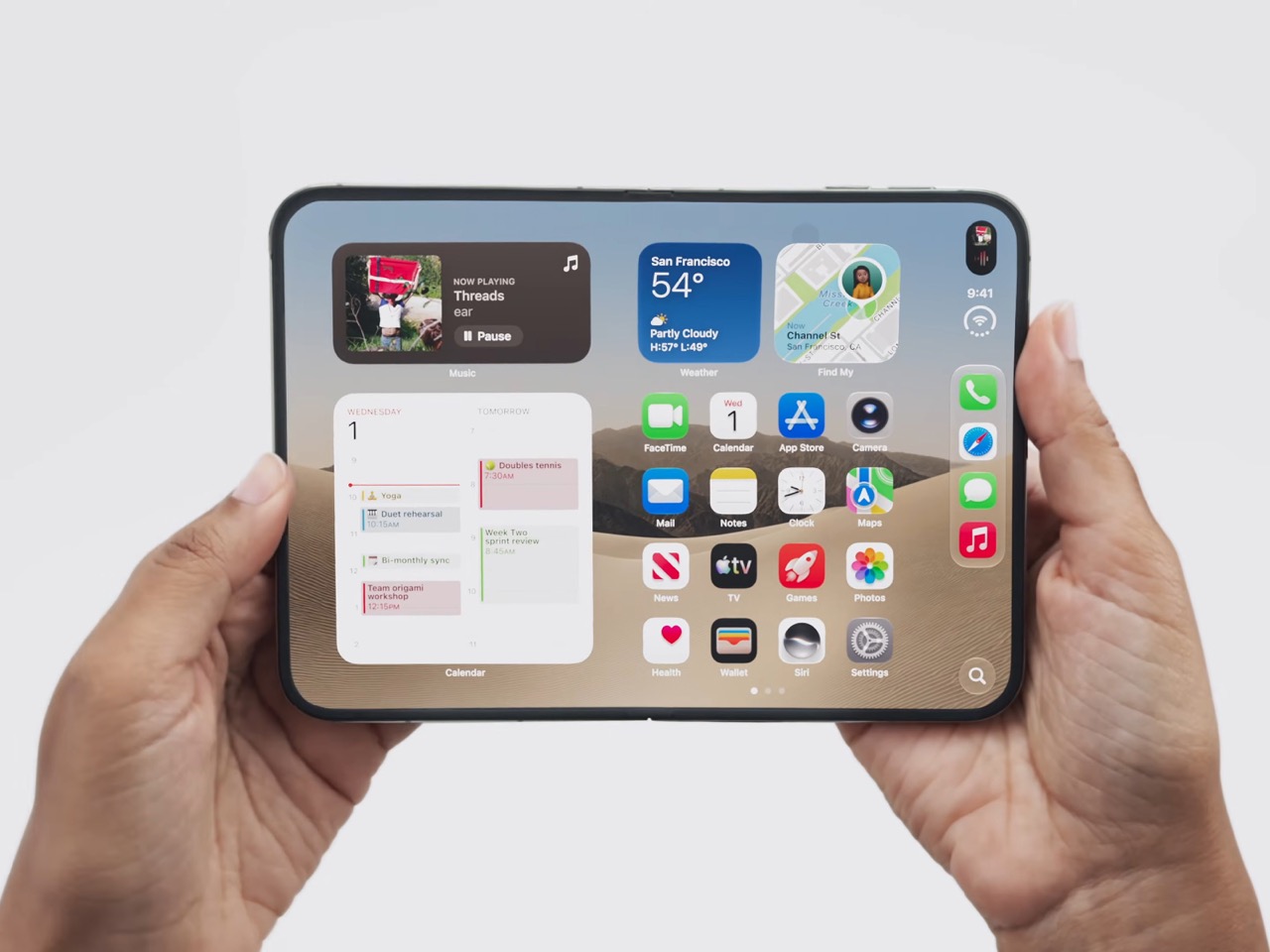
This unique form factor required designing the OS to operate differently too. While every iPhone, iPad, and even MacBook has centered itself around the bottom horizontal app dock, the Duo shifts the dock to the right, making it vertical instead. The dynamic island becomes vertical too, and the entire experience (while it requires a learning curve) is designed for seamless single-hand use, or even double hand use without needing to switch hand position. The power button on the right edge packs TouchID too, pretty much consolidating every important hardware and software detail to the right of the screen now. Great for right-handed folks, but the lefties might object to this strange exclusion.
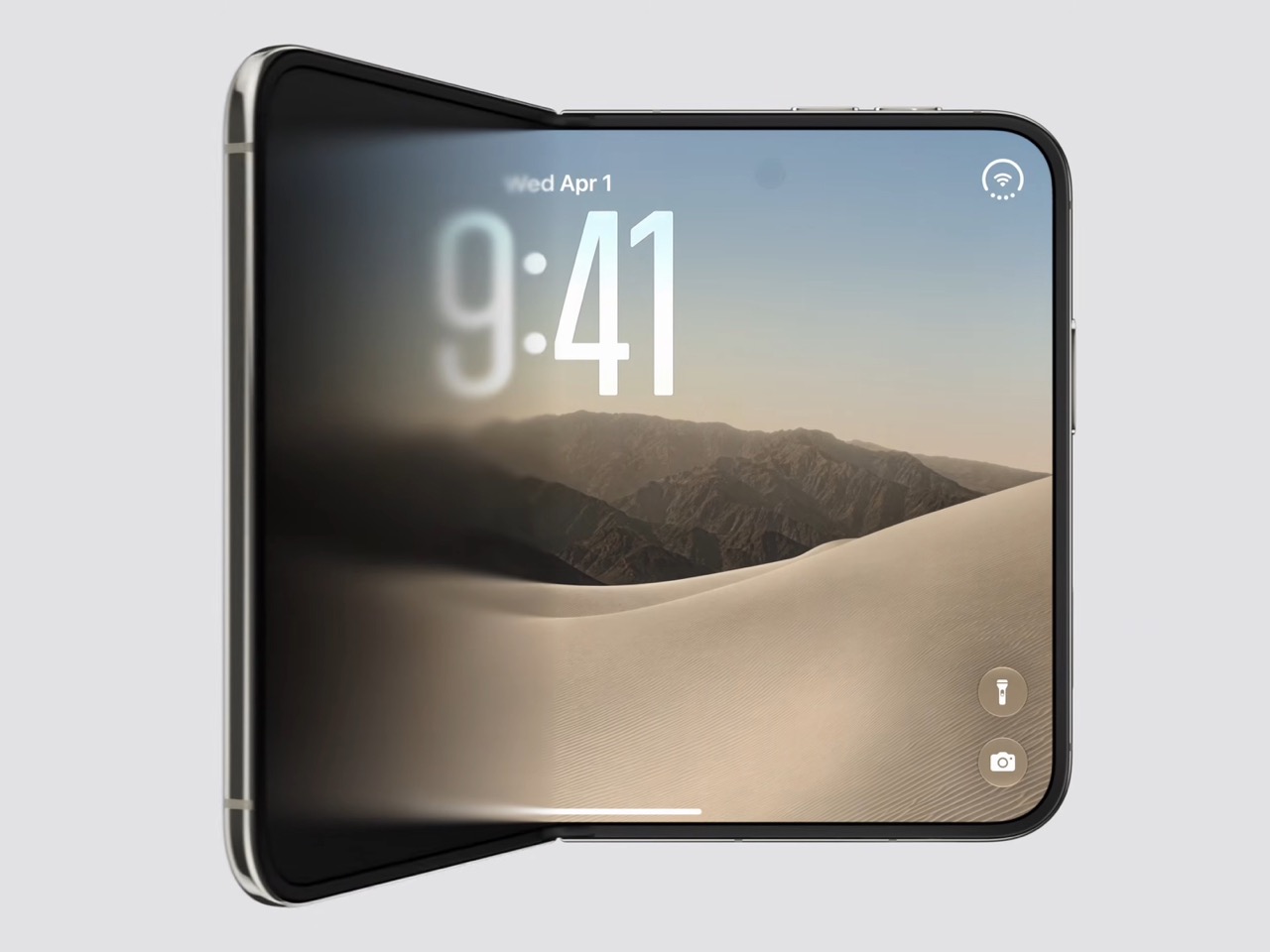
The most impressive “different,” however, is how your phone responds to you opening it. Every foldable till now has resorted to the simple trick of either A. having the folded screen power on when unfolded, or B. having the screen on, but the icons/elements arrange themselves to match the new layout. Apple’s approach was different, leaning heavily into its use of the glass effect from last year’s iOS 26 rollout. The animation feels almost like flipping a piece of frosted glass, revealing the iPhone’s screen once the phone’s folded all the way open or closed. Technically, there’s nothing Apple did that was groundbreakingly different with the interface – but this one little animation was enough to really captivate the hearts of every single person who saw the keynote.
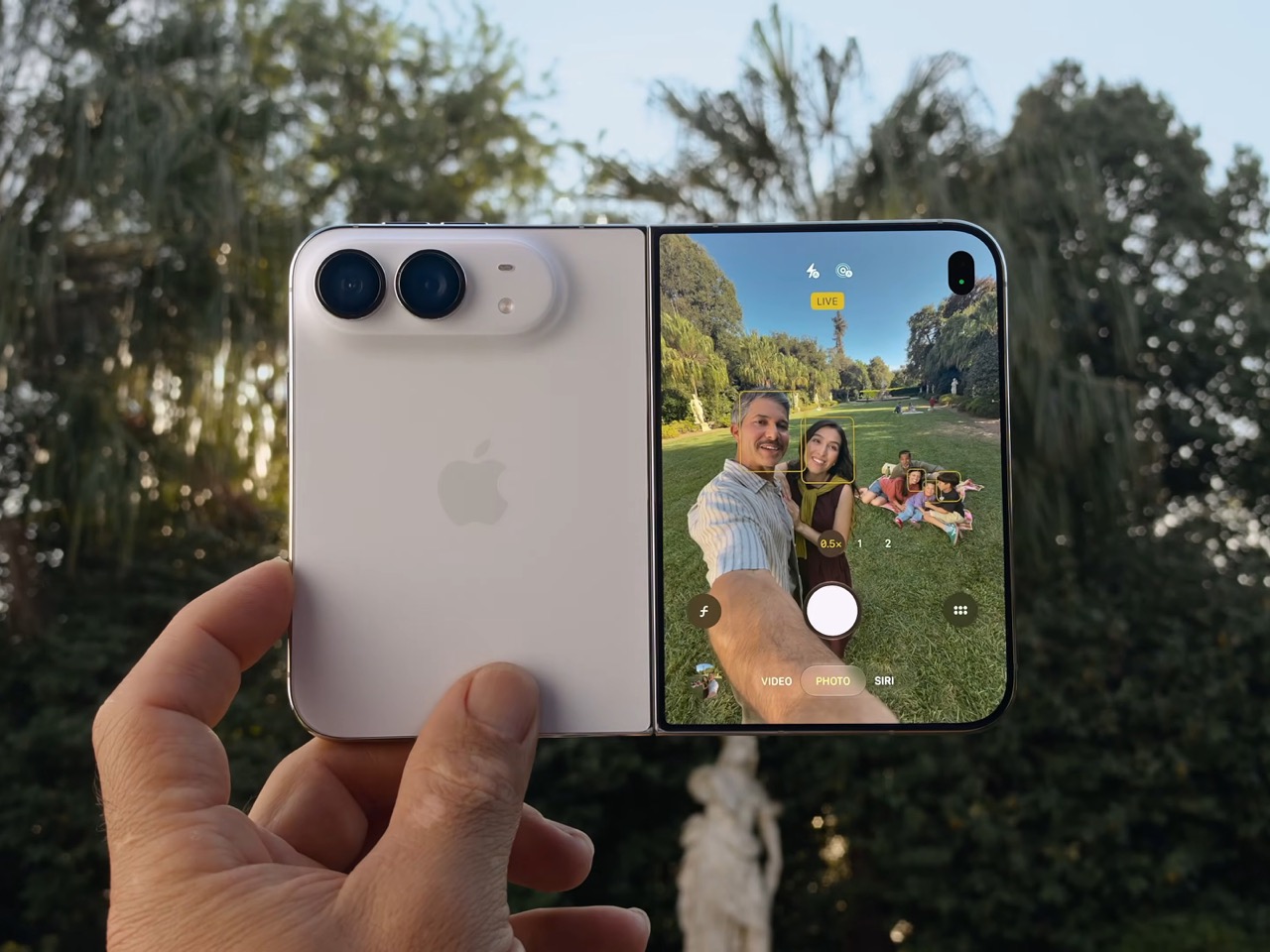
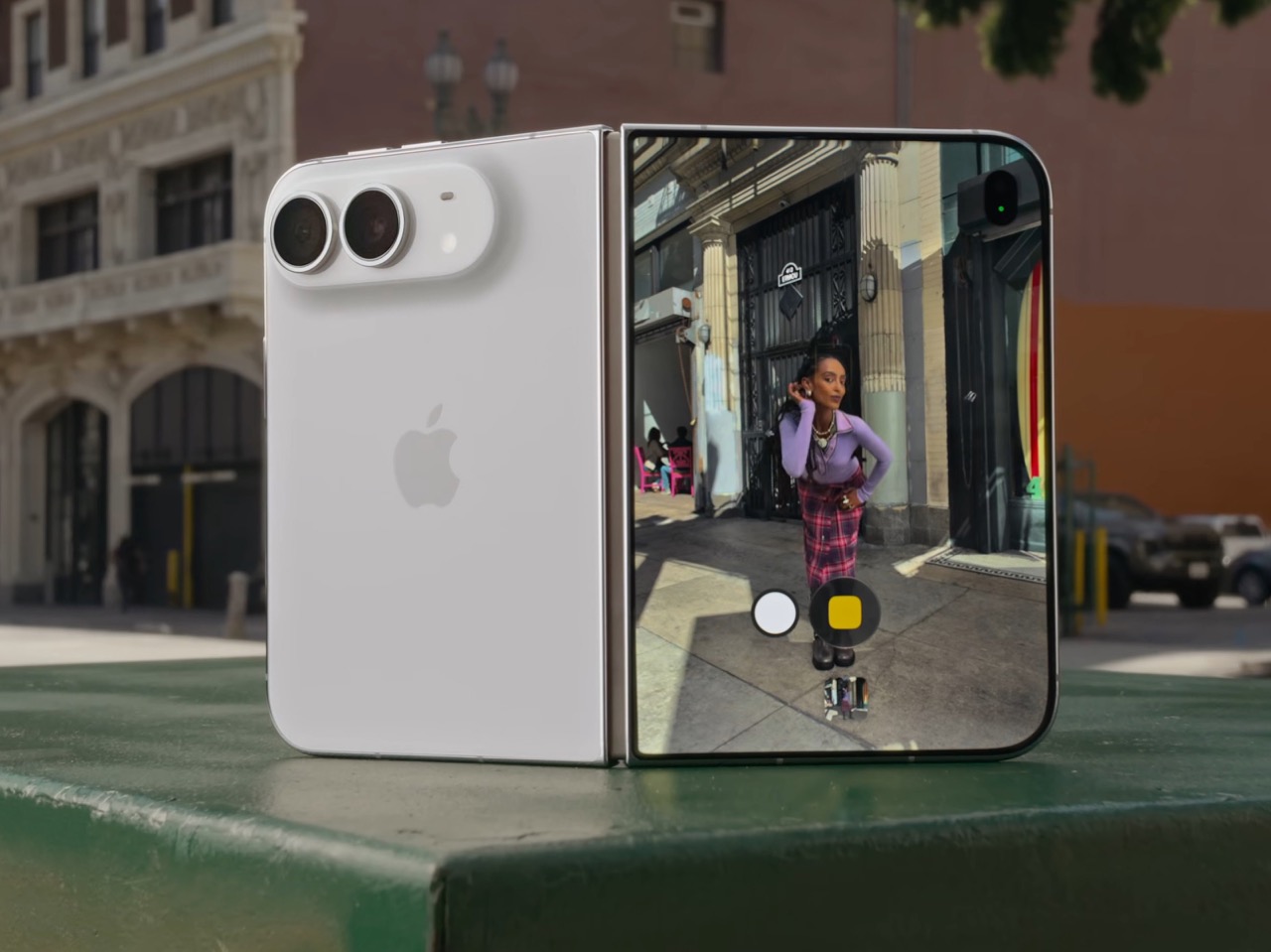
Will the Duo be a runaway success? It’s difficult to predict this early, but the iPhone Air and the Vision Pro were (by Apple’s own standards) extremely underwhelming. Pair that with the fact that people already trust foldables less and you get a pretty bleak forecast for the iPhone Duo. But here’s where I’m inclined to believe that it might sell well. Samsung’s Galaxy Z Fold 8 is currently outperforming its Ultra counterpart. People REALLY seem to enjoy the flat and wide foldable, and the Z Fold 8’s $1899 price tag hasn’t been an overwhelming deterrent so far. For anyone who has the money and the appetite for a foldable, the iPhone Duo might just end up blowing demand for the Z Fold 8 (and the Xiaomi 18 Fold) out of the water. At just hundred bucks more than Samsung’s counterpart, the Duo really packs a one-two punch with a competitive price match, and more importantly, that gorgeous glasslike open/shut animation. I’m not saying the animation is the reason people will buy this phone, but it’s easily a compelling reason for anyone looking to throw near 2K on a folding device.
The post This Single UI Trick Might Sell More iPhone Duo Units Than Any Android Foldable first appeared on Yanko Design.
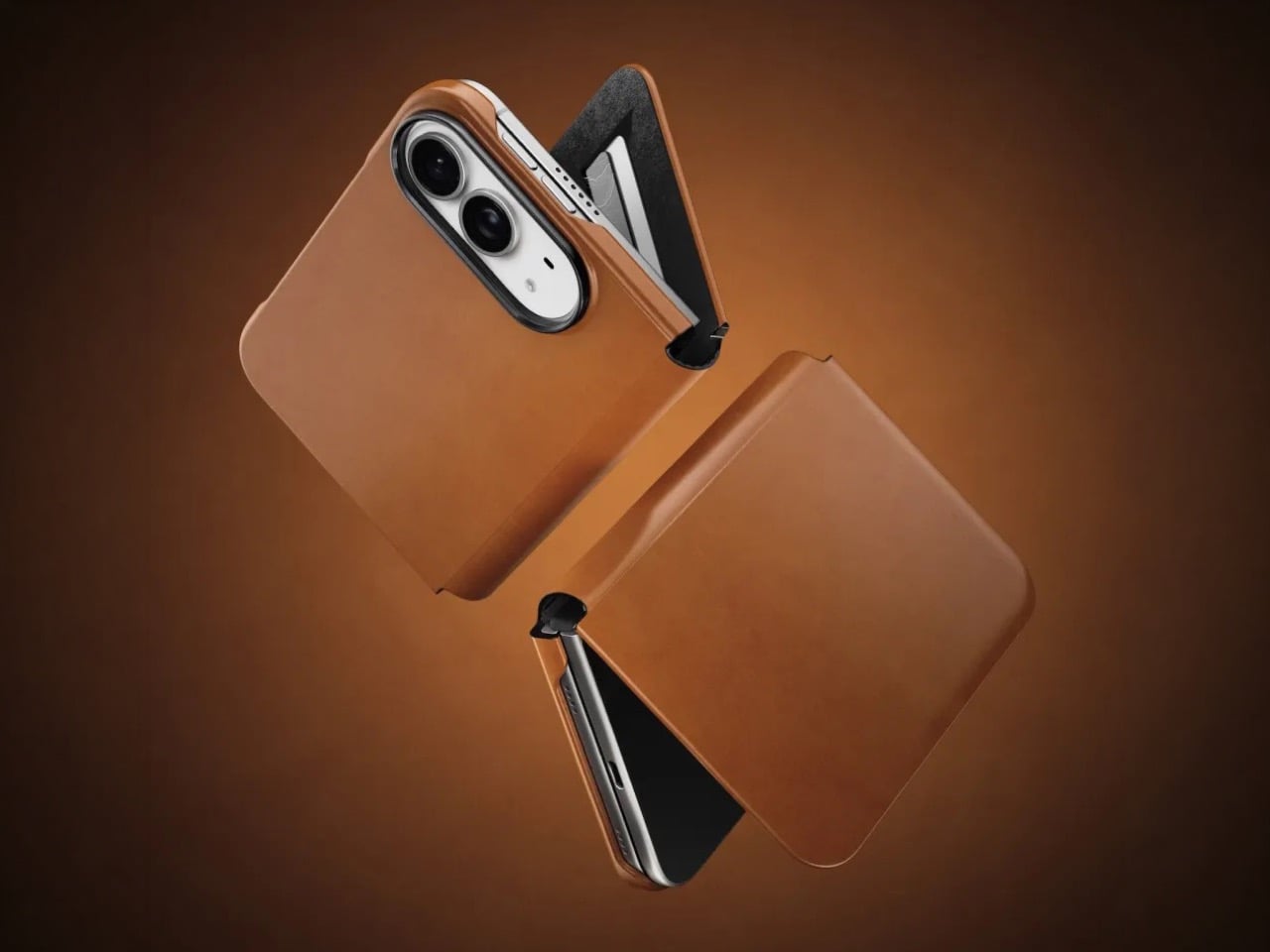
The folio case for smartphones remains an entirely boomer product offering. Having a case with a flap that covers your screen and needs to be folded open like a book to answer calls or use your phone is an innately ‘old-soul’ experience. The flap protects your screen but it also obscures it. Fold the flap to the back and it reveals your screen but blocks your camera. It isn’t for millennials or Gen-Z phone owners, but for anyone who wears reading glasses, this folio style case is as addictive as their generation’s Candy Crush habit. With Apple launching the iPhone Duo just yesterday, Nomad developed a similar folio style case for the Apple foldable.
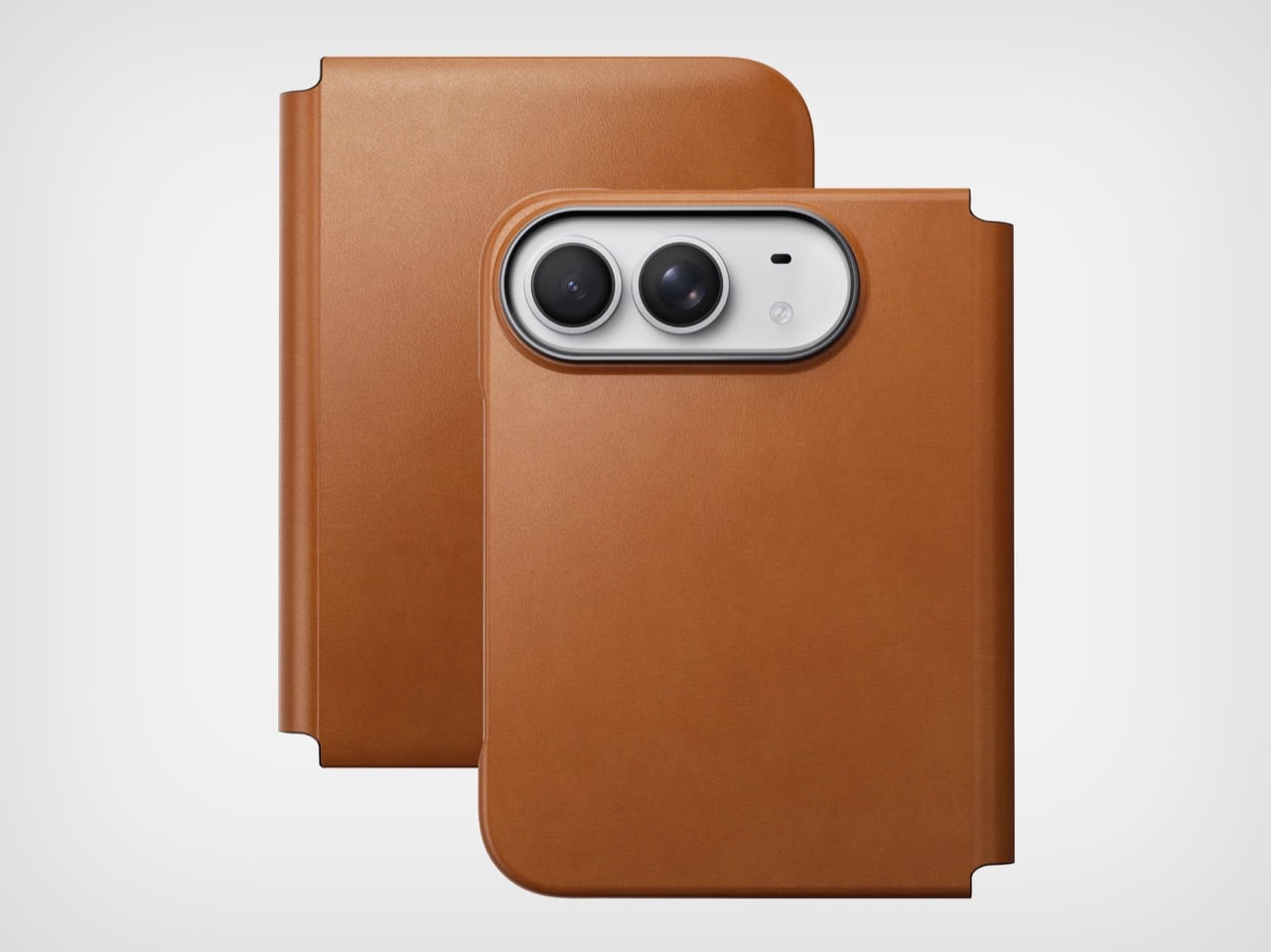
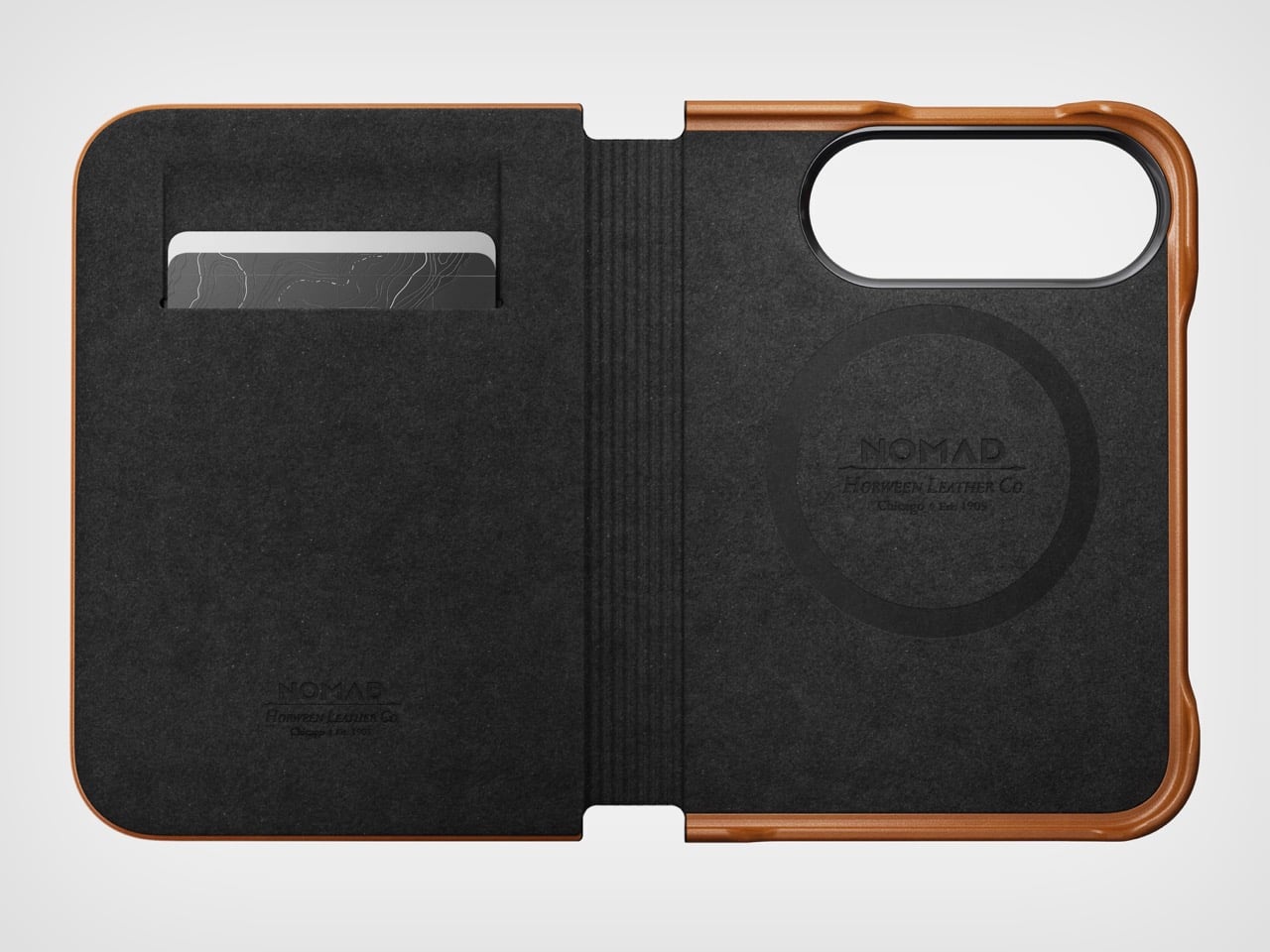
Nomad’s Folio case for the Duo is a strange little thing. While most folio cases turn candybar phones into bifolds, Nomad’s case sort of turns it into a trifold, if you will… or a bifold with a partition. The case is a single-piece leather and plastic design, created to wrap your phone not just from the back but also the front. The front flap magnetically snaps to your phone’s outer display, and lets you open your phone in two ways – firstly, by just disengaging the flap to see the outer screen, but also by disengaging the flap and outer screen together to see the inner screen… and like any good folio case, the flap’s inside packs a card-holder for your payment, ID, and access cards so you don’t need a MagSafe wallet ruining your iPhone Duo’s design.
Designer: Nomad
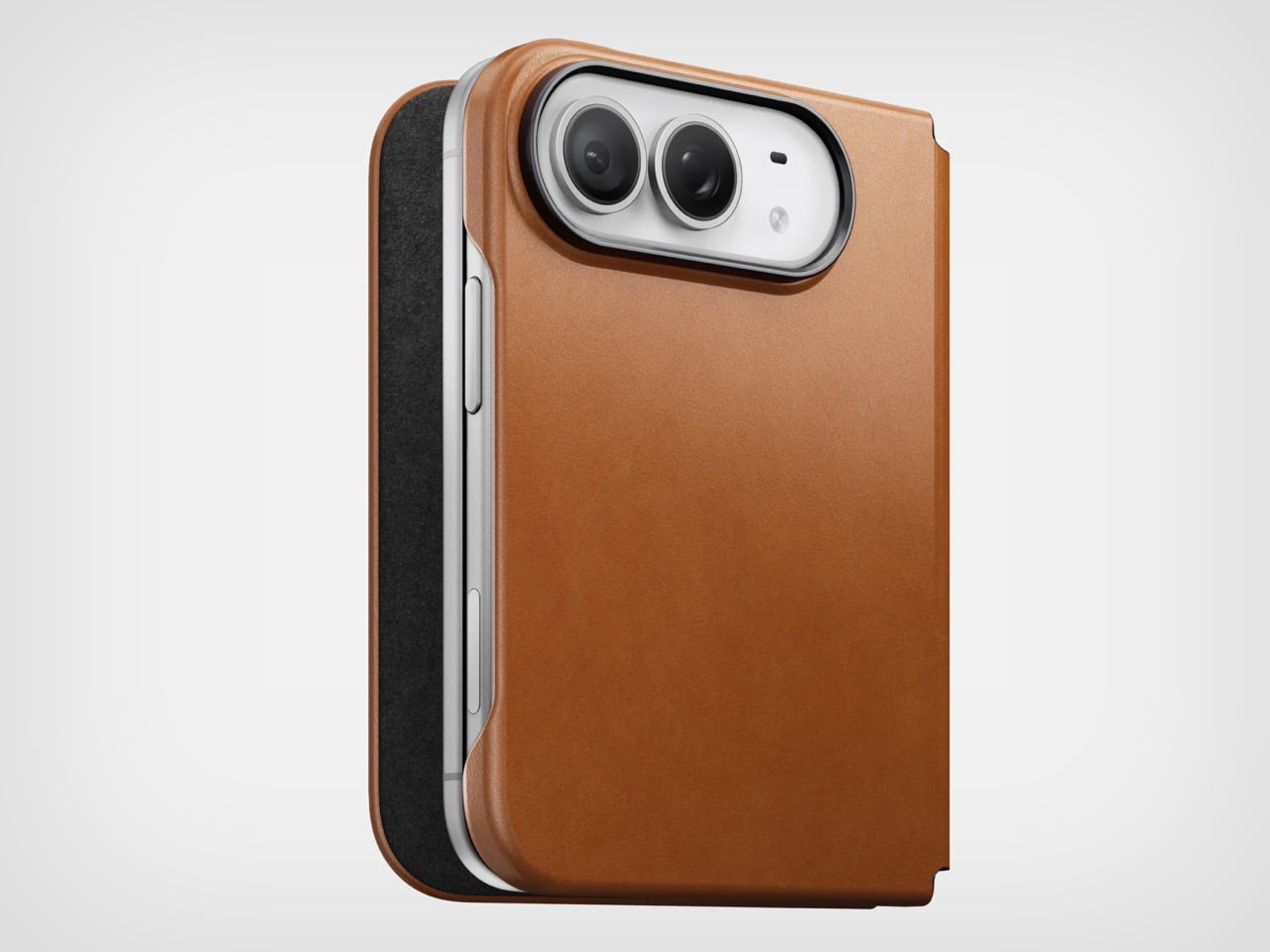
Like all of Nomad’s leather cases, this one’s made from Horween leather, crafted from a single piece of hide that’s been tanned, bent, crimped, and buffed to absolute beauty. The leather gracefully wraps around the edges, keeping the buttons exposed and accessible, while also covering the hinge in a way that creates that bifold feeling. The leather then transitions upwards ever so slightly before cutting off to a plastic lip around the camera bump, cushioning your phone’s precious shooters from accidental drops and bumps.
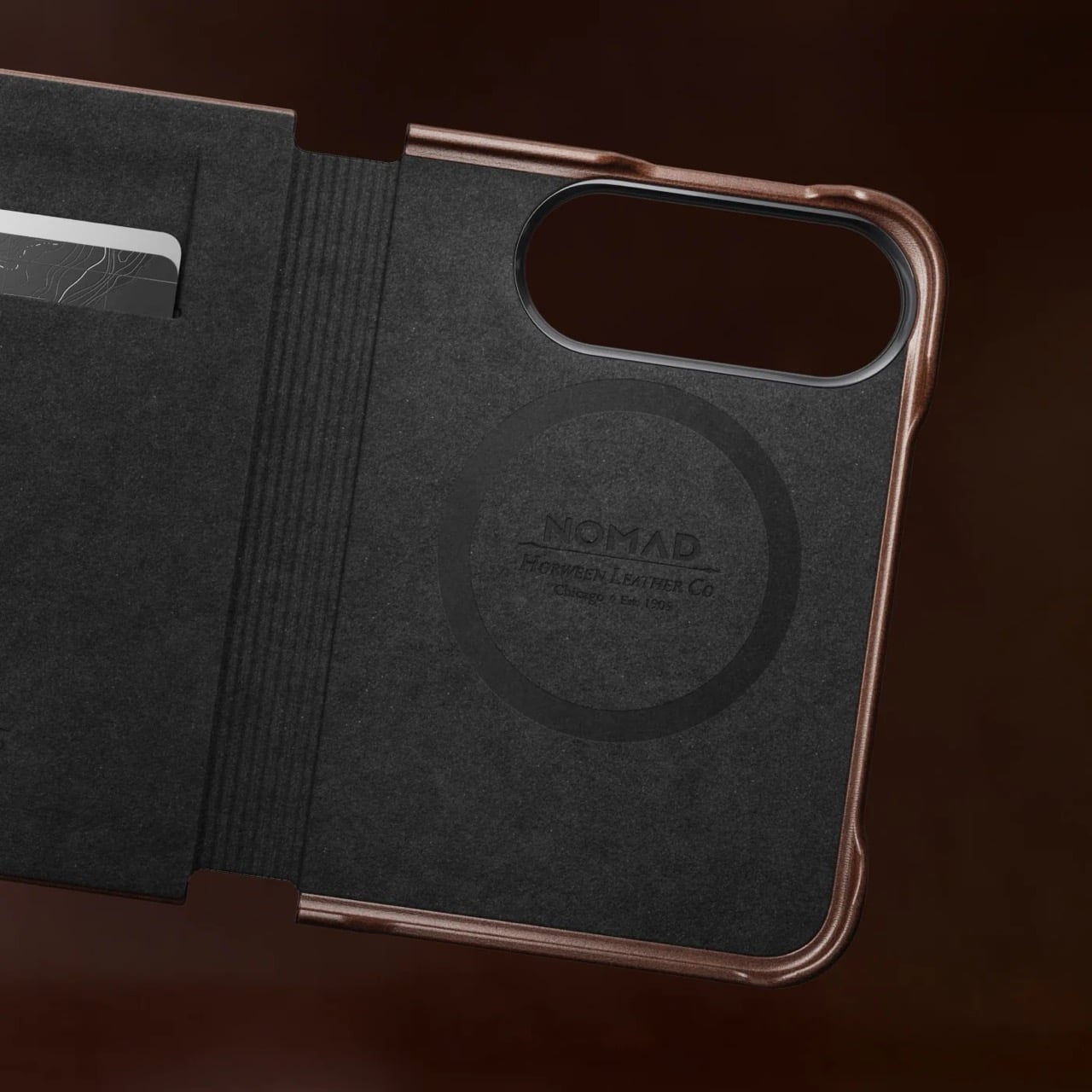
On the inside, the leather’s reinforced by a microfiber layer that protects the iPhone’s glass panels from damage. Sure, Apple touts Ceramic Shield on both the front and back, but nothing breaks your heart faster than seeing a cut or a scratch running down the glass body from abrasive action caused by objects in your pocket or even your table. Meanwhile, a slot on the front stores two cards from the looks of it, so your iPhone Duo doubles as a card holder beyond what Apple Pay already lets you do.
Like all good leather cases, this one’s designed to age gracefully with time. Chances are, if you’re an iPhone Duo buyer, you will probably use this phone as your ride or die for another 2 years. In that time, Nomad says the case will patina gorgeously with time, aging uniquely based on how you use the phone. Luckily, the case isn’t too expensive. Priced at $129, you can grab the Nomad iPhone Duo Traditional Folio in one of three colors – Saddle, Rustic Brown, and Black, with global shipping starting November 14th.
The post Nomad’s Leather Folio Turns Your iPhone Duo Into A $1999 Bifold Wallet first appeared on Yanko Design.


The Curious House in Zagreb doesn’t try to win you over immediately, and that’s exactly the point. Designed by Croatian studio FORVM arhitektura, it’s a family residence perched on a steep hillside, slightly pulled back from the main road and swallowed by dense urban vegetation — orchards, spruces, pines, cedars. The house doesn’t announce itself. It settles in.
Rather than drop a single mass onto the slope, FORVM broke the program into three distinct elements, each responding to a different register of the site. It’s a compositional decision that reads as both pragmatic and poetic, dissolving the usual tension between building and terrain into something more like a conversation. The topography shapes the architecture. The architecture shapes how you live inside it.
Designer: FORVM


The ground floor is fully glazed — a deliberate move to keep the resident in constant dialogue with the world outside. Green cascades past the glass. The tree canopies filter sunlight and block sightlines, doing the work that walls might otherwise do. Privacy here isn’t enforced by opacity; it’s offered by nature. The forest earns its place as an active participant in the spatial experience, not just a backdrop.
The upper floor shifts register. Where the ground level opens up, the upper volume turns more inward, more considered. Roof windows cut directly to the sky, and through them, tree silhouettes remind you again that you’re inside a forest. The building keeps finding ways to return you to the landscape — not through grand gestures, but through quiet architectural moves that accumulate into something genuinely atmospheric.

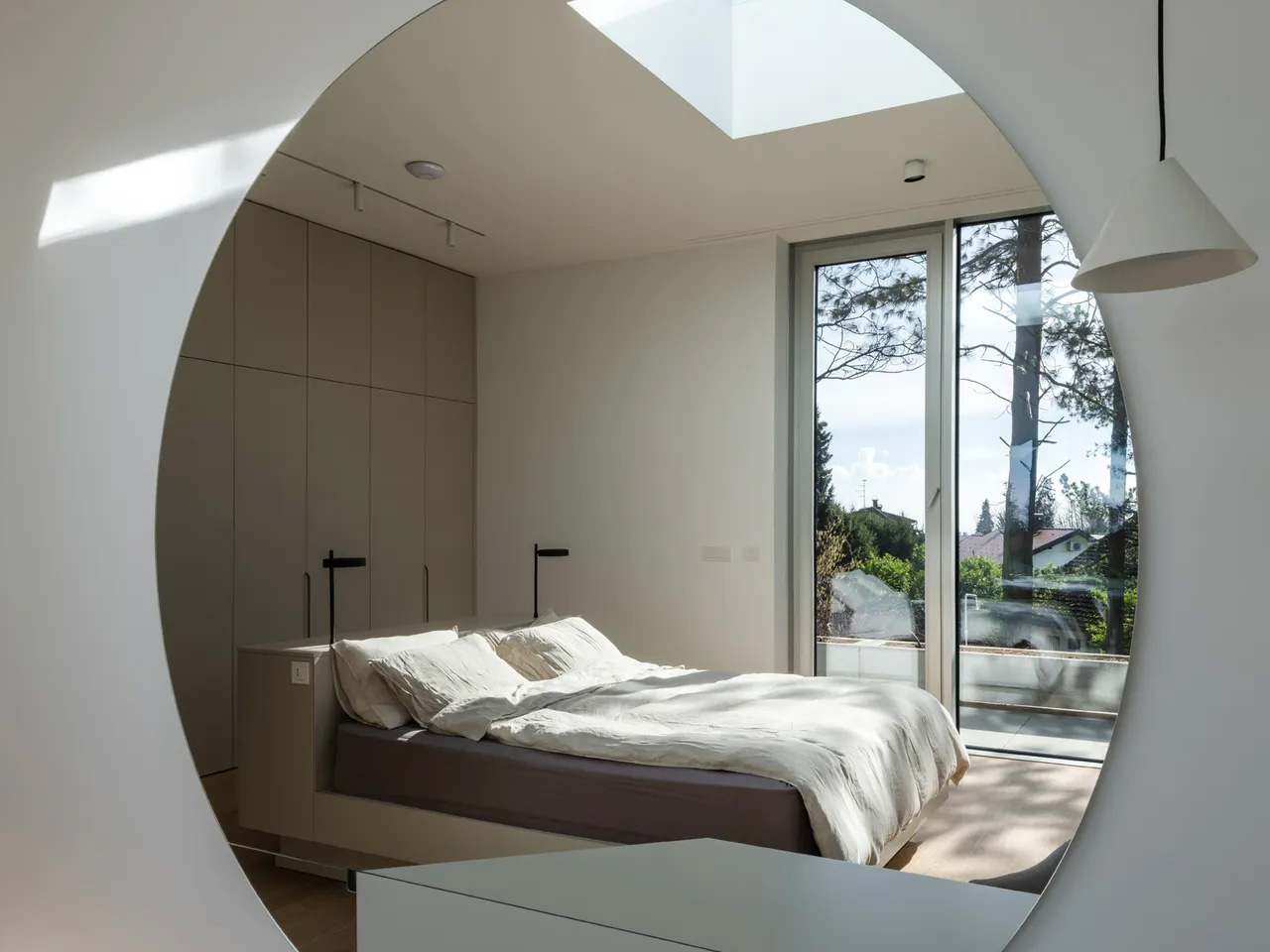
From the outside, the Curious House plays a different game. Its smooth, reflective surfaces don’t reveal the interior so much as they absorb the green world around it. You expect transparency; instead, you get a mirror. The observer looks for signs of life within the envelope and finds it harder than the glazing might suggest. It’s a house that hides in plain sight.
Designed by Dinko Uglešić, Ina Vlahović, and Marijana Rančić, and photographed by Bosnic+Dorotic, the Curious House exemplifies a strain of European residential architecture that takes landscape seriously — not as an amenity to be framed, but as a logic to be followed. FORVM, founded in 1991 by Ante Uglešić, has long worked within the specifics of Croatian terrain and climate, and that attentiveness shows here in every decision, from the fragmented massing to the calibrated relationship between glass and canopy.





The post This House Splits Into Three Pieces So It Can Stay Hidden in Its Own Forest first appeared on Yanko Design.