As the highly anticipated launch of the Google Pixel 11 draws closer, leaks surrounding the Pixel 11 Pro XL have captured widespread attention. These early insights suggest that Google’s upcoming flagship device could set new standards in design, performance, and functionality. With a combination of innovative hardware and thoughtfully integrated software, the Pixel 11 Pro […]
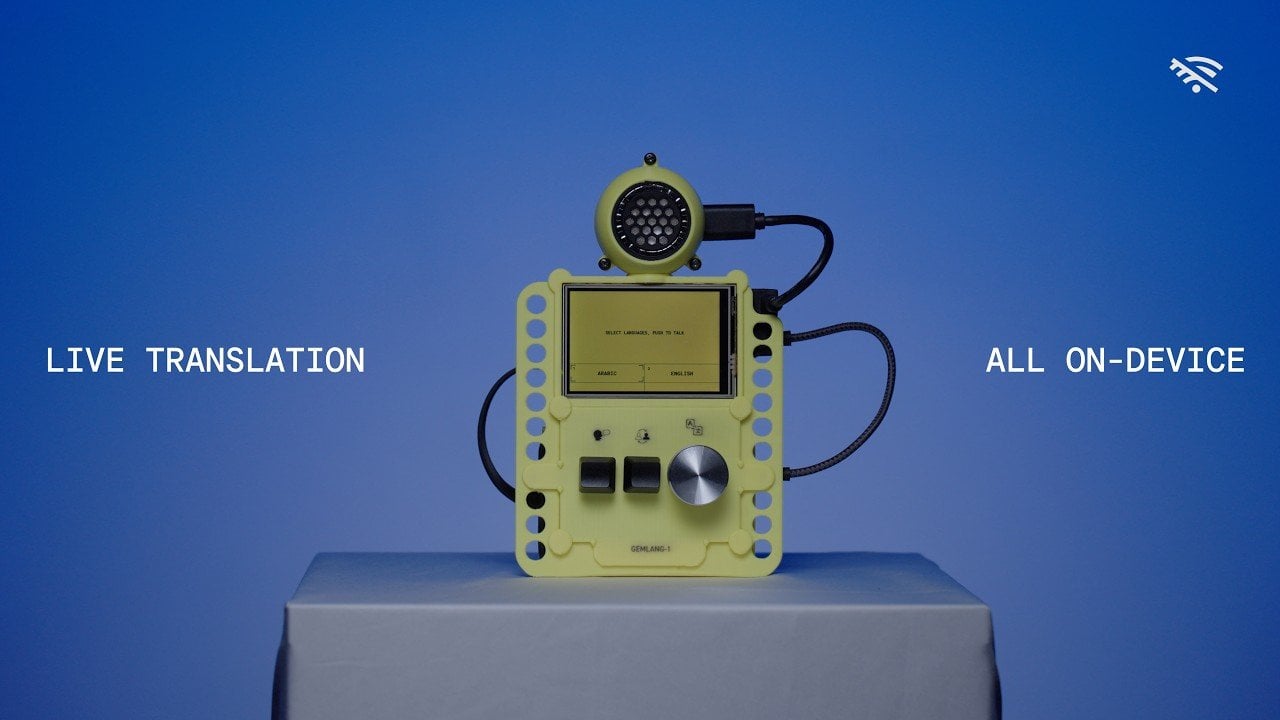
Offline translation devices offer a unique blend of privacy and practicality and the Gemma Translator exemplifies this balance. Created by Google Antigravity, this DIY project uses the Raspberry Pi 5 to deliver real-time language translation without requiring an internet connection. Equipped with a high-quality microphone, a clear speaker and housed in a custom 3D-printed case, […]
Most packing lists grow the same way. One item leads to a backup, the backup leads to an accessory, and the accessory leads to a case for the accessory. By the time you reach the trailhead, half the bag is there to support the other half. The three products here were built with the opposite logic. Each one was designed to replace things rather than stack on top of them, and the results are hard to argue with.
A shoe that transforms across three configurations. A radio that covers sound, light, power, and emergency communication in one compact body. A flashlight that carries its own charging case, which also charges your phone. None of this is accidental multi-tasking. The consolidation is the design, engineered in from the first decision made about each product. Pack smarter or pack more. These three make that choice feel obvious.
1. New Balance TDS MSNB1
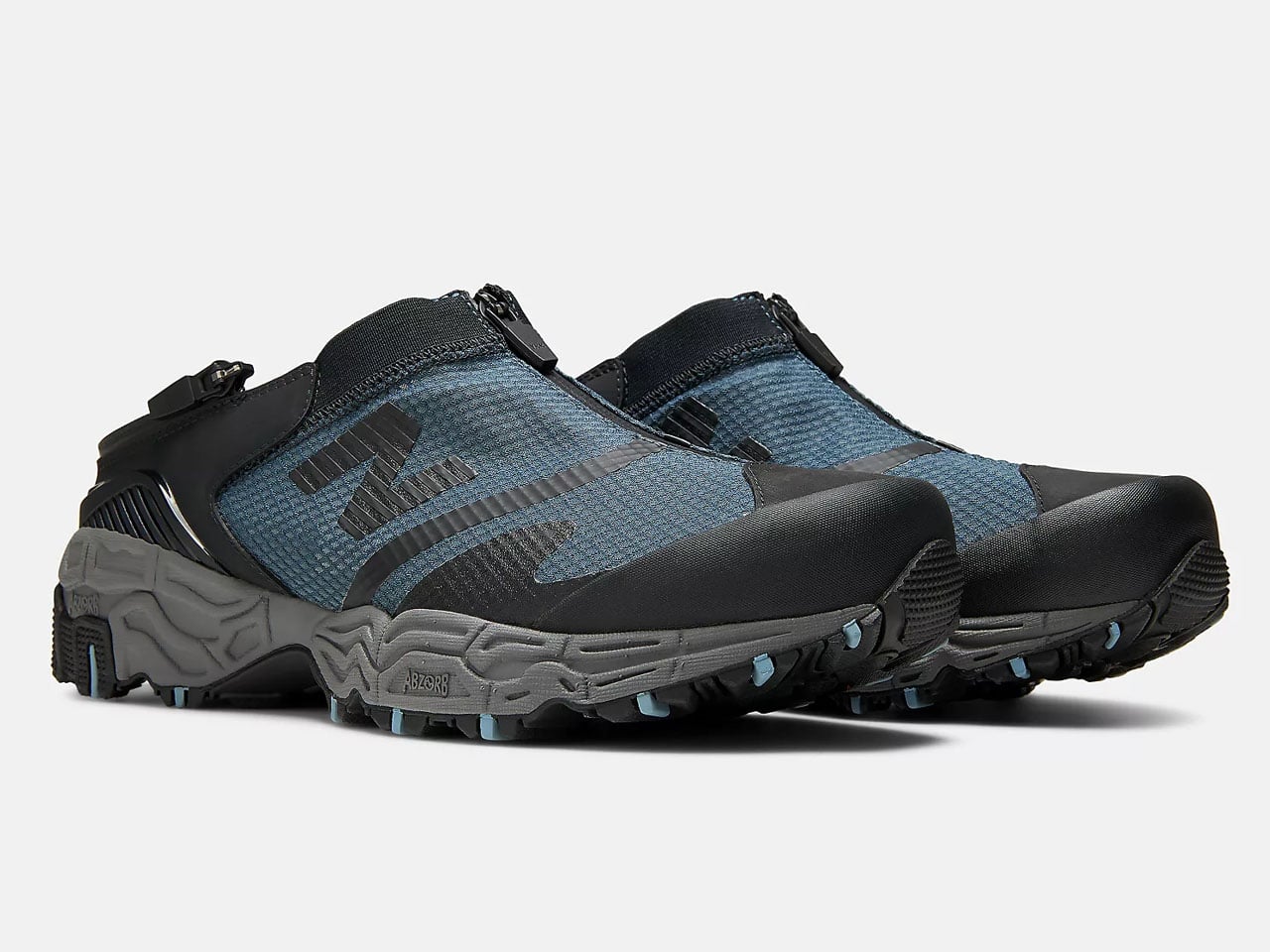
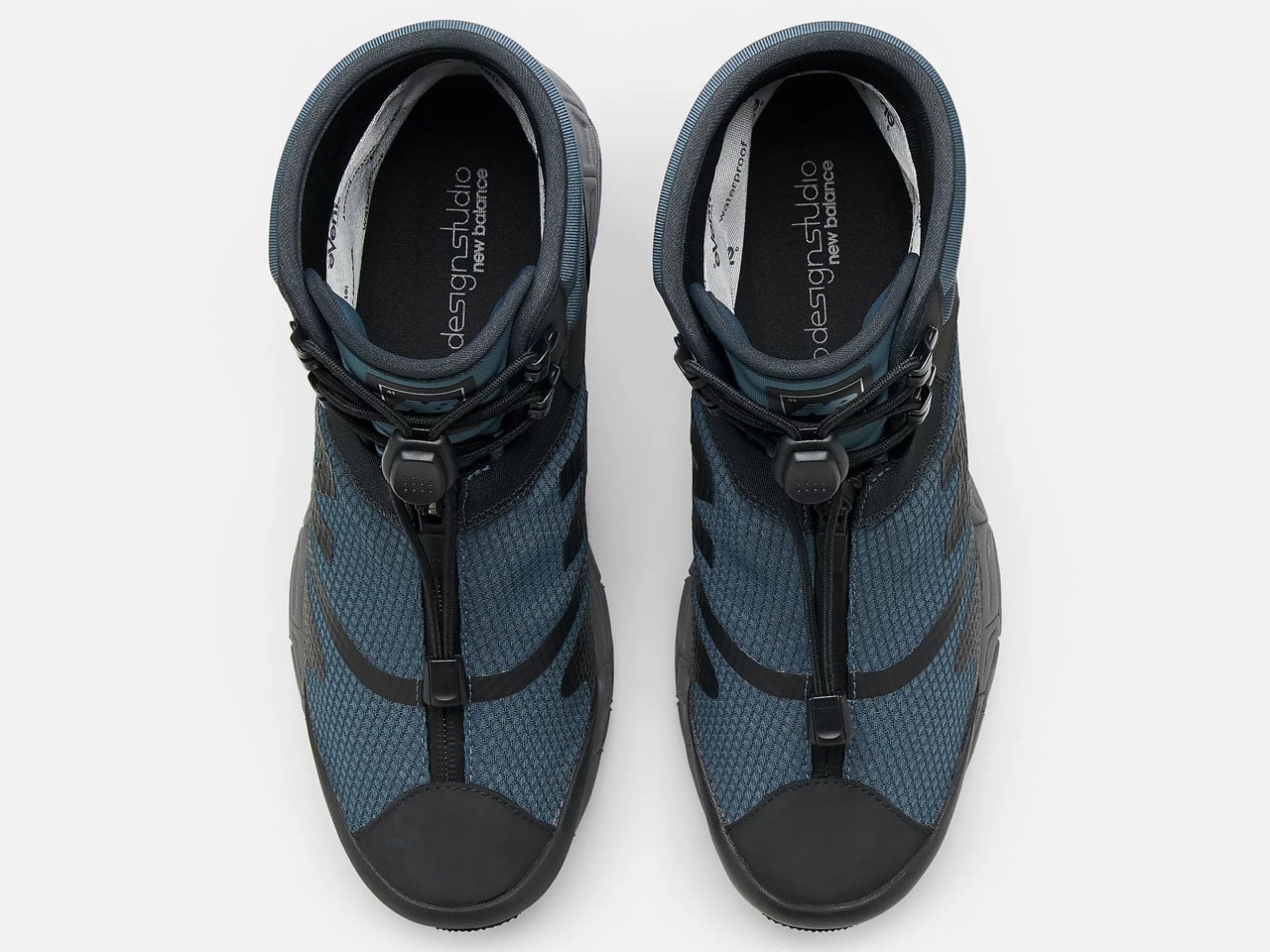
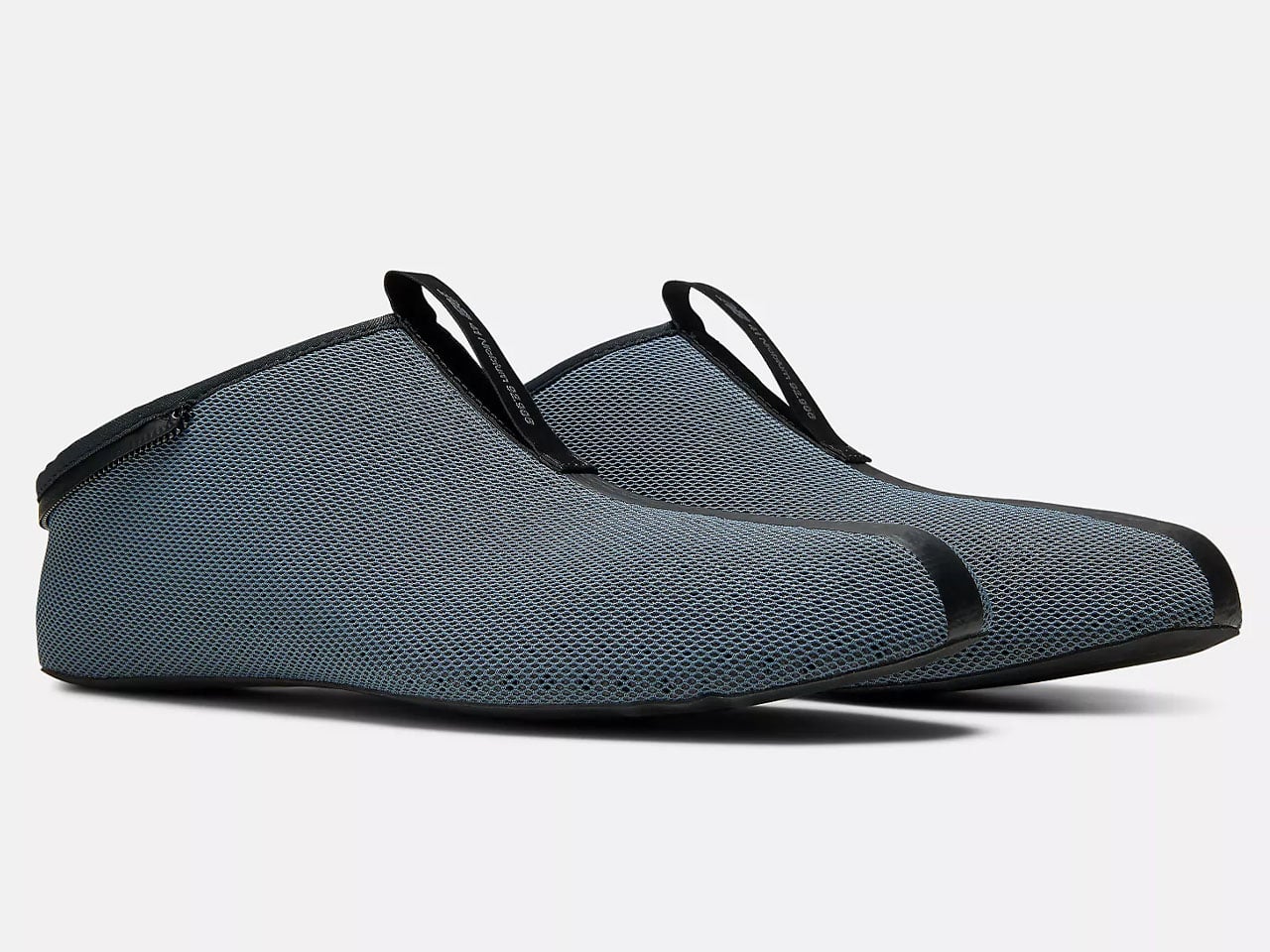
New Balance has been working through modular footwear ideas since the Niobium Concept 1 in 2020, and the TDS MSNB1 is where that thinking lands with real conviction. Developed alongside Tokyo Design Studio Revive, it moves through three distinct configurations: a rugged waterproof boot for the trail, an outdoor mule when the terrain eases, and a camp slipper once the day is done. Three footwear problems, one pair of shoes, one zipper system holding it all together.
The mechanism is a zipper that runs down the tongue and wraps around the heel, letting you assemble or strip back the shoe’s components without tools or compromise. The upper is stretch rip-stop with welded PU overlays and an eVent waterproof membrane keeping water out at the boot stage. Bungee elastic laces handle closure without external hardware. Two colorways are available: the Zinc Blue plays it safe, while the Pistachio Butter, a muted yellow-green, is the more visually distinct of the two and the one worth choosing.
What we like
Three fully resolved configurations that replace the boot, mule, and slipper most campers pack as separate pairs
Tokyo Design Studio Revive’s involvement gives the silhouette a lifestyle credibility that most performance footwear never earns
What we dislike
At $300, it sits well above what most campers consider for footwear that spends part of its life as a slipper
The bungee lace system takes a few outings to fully trust on uneven or technical ground
2. RetroWave 7-in-1 Radio
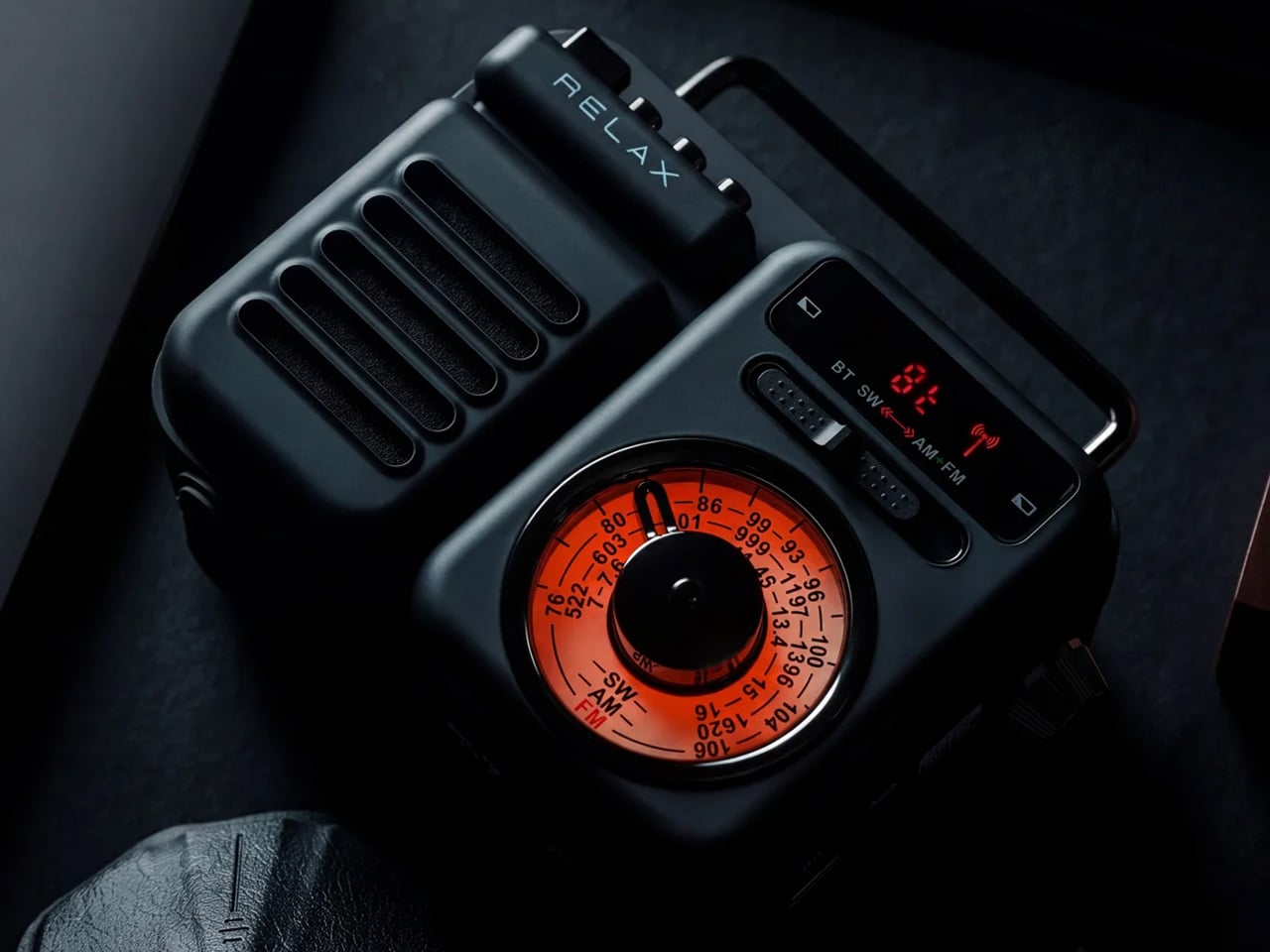
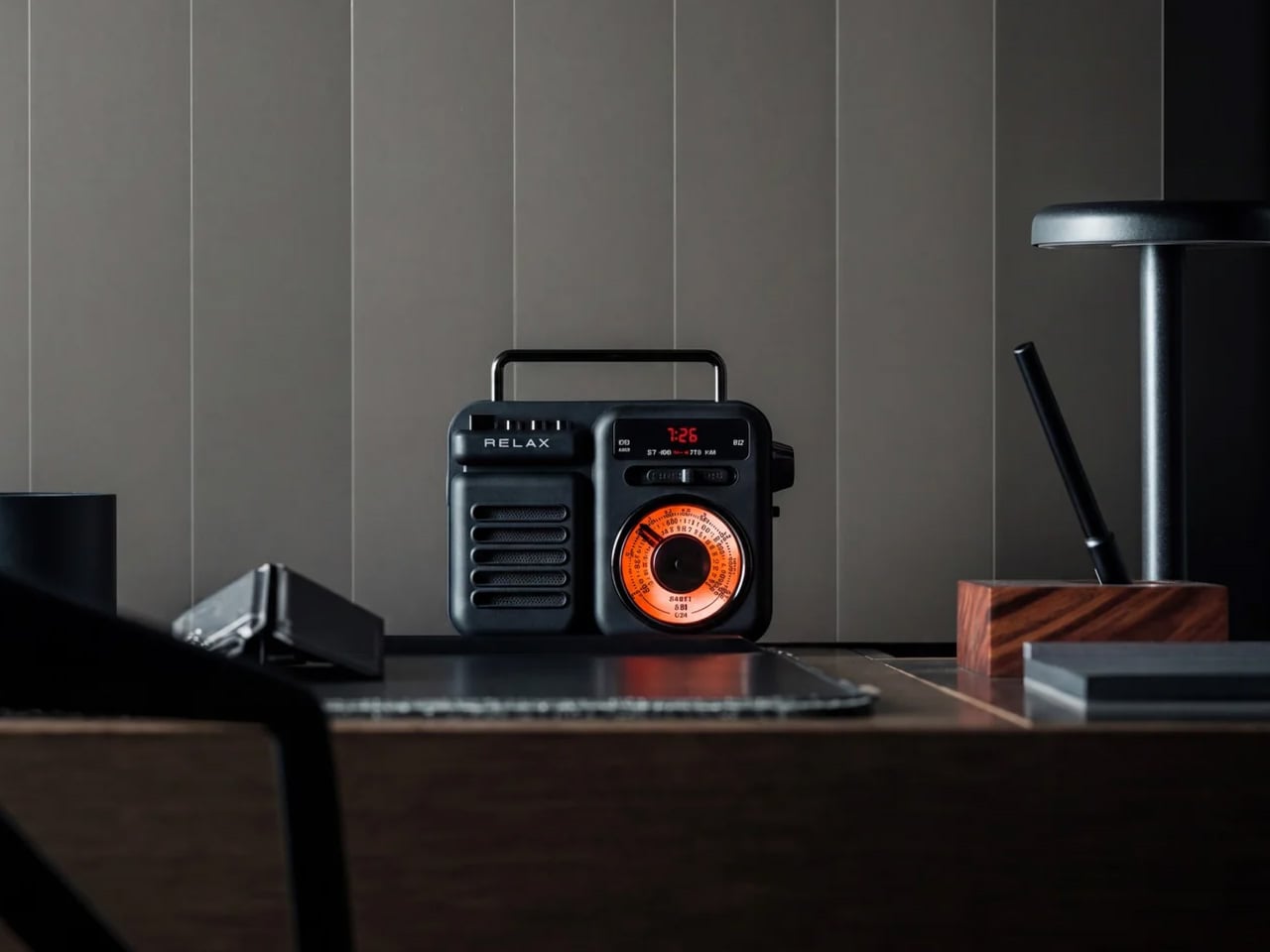
The RetroWave does seven things, and the design is honest enough to list all of them without burying the details. FM, AM, and shortwave radio. Bluetooth speaker and MP3 playback via USB or microSD. A 2000mAh power bank that charges your phone in the field. A built-in LED flashlight rated for six hours. An SOS alarm. A clock. The retro Japanese aesthetic and tactile tuning dial make it feel like a considered object rather than a spec sheet stuffed into a plastic housing.
What keeps it from feeling like a novelty is the engineering behind the redundancy. Hand-crank and solar panel charging mean the battery stays live even when you have been off-grid long enough to forget what a wall socket looks like. On a full charge, you get around 20 hours of radio time or five hours of Bluetooth playback. The body measures 5.04 by 3.86 inches, small enough to sit on a picnic table without demanding attention, and useful enough to earn it when it does.
Hand-crank and solar charging keep it functional without a power source, which is genuinely useful in the exact scenarios it was designed for
Seven functions in a body compact enough to pack without planning around it
What we dislike
The 2000mAh battery is modest for a device advertising phone-charging capability on extended trips
Solar charging is listed as supplemental only, meaning it supports rather than replaces USB charging in practice
3. Olight Baton 4 Premium Edition
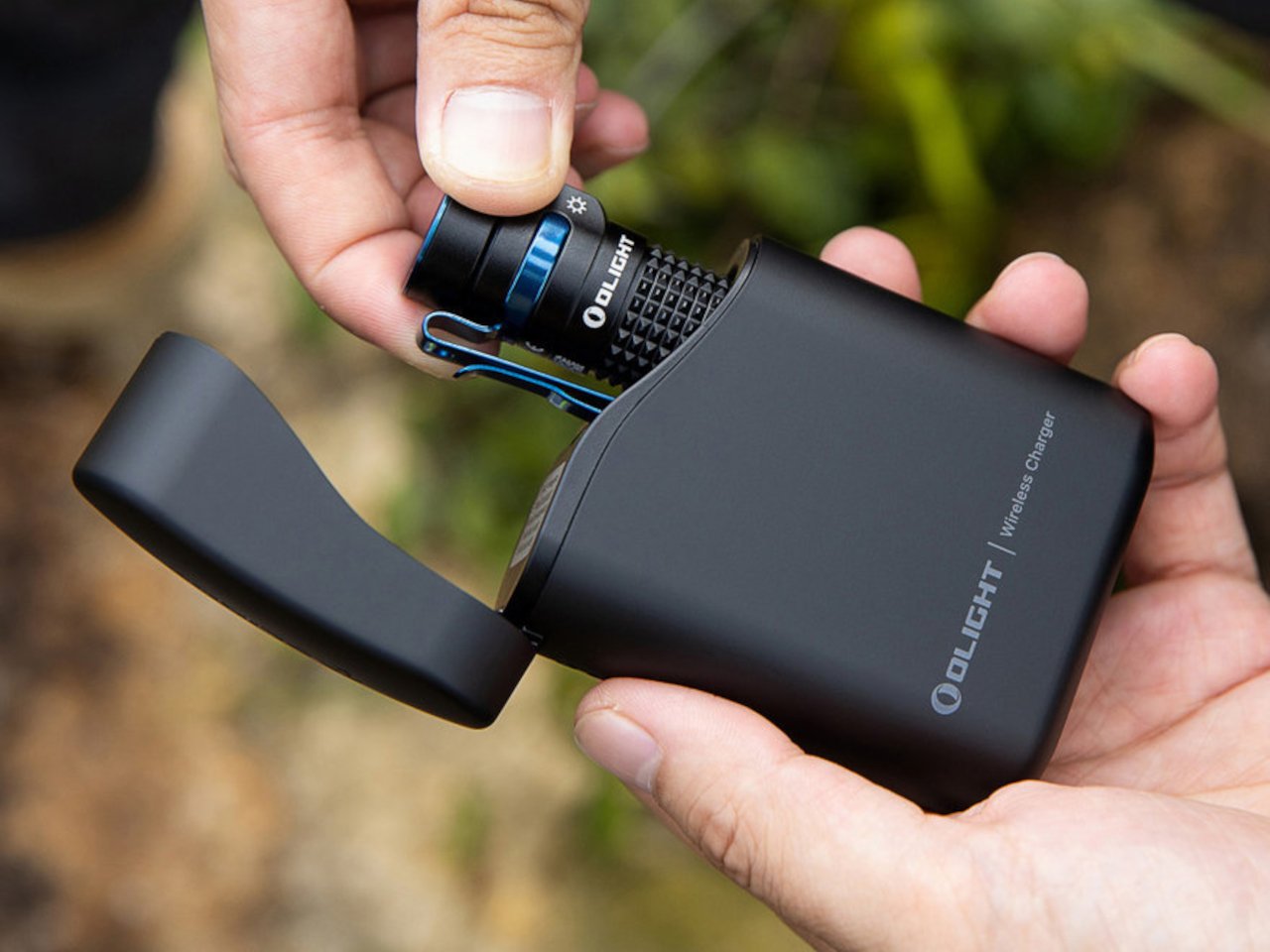
The Olight Baton 4 is not a remarkable flashlight on its own. At 1,300 lumens with a 170-meter throw, it performs well for its size, but the cylindrical body and standard controls do not make much of a case by themselves. The Premium Edition is a different conversation. It ships with a 5,000mAh charging case that borrowed its logic directly from wireless earbuds: a flip-top shell that keeps the flashlight charged, protected, and ready without ever pulling it out of the case.
Flip the cover open, press the side button, and the Baton 4 fires from inside the case. No rummaging, no fumbling with a small cylindrical object in the dark. The case also functions as a phone power bank, eliminating the need for a separate charger in your kit. For anyone building a lean camping setup, that single design decision handles the flashlight, its charger, and your phone’s emergency backup in one object. That is three things gone from the bag before you have even started packing anything else.
What we like
The flashlight fires from inside the case without removing it, a genuinely useful feature in low-light situations where speed matters
The 5,000mAh case charges both the flashlight and your phone, replacing a dedicated charger entirely
What we dislike
The Baton 4 without the Premium case has no standout features, meaning the value proposition depends entirely on buying this specific version
The case is designed for compatible Olight models, so it loses its purpose if you switch flashlights down the line
The Best Camping Gear Doesn’t Look Like It’s Trying
The thread running through all three is an engineering decision that came before the design decision. Each started by identifying how many separate things it could absorb, then built the form around that answer. The shoe carries three pairs worth of intention. The radio holds a communications kit, an emergency kit, and a sound system in one compact body. The Baton 4 case makes the standalone charger entirely redundant.
Good outdoor gear earns its weight by doing more than one thing without announcing it. These three manage that without looking like they are trying. The RetroWave looks like a radio someone kept from the eighties. The MSNB1 looks like a sneaker someone actually thought about. The Baton 4 case looks like an earbuds tin you already owned. The consolidation is invisible from the outside, and that is the part that takes the most work to get right.
Google’s decision to cancel the Gemini 3.5 Pro model has sparked significant discussion about the challenges facing its DeepMind division. According to Universe of AI, the move stems from a combination of development delays and internal obstacles, prompting the company to shift its focus toward the upcoming Gemini 4 release. This change reflects a strategic […]
The Samsung Galaxy S27 Ultra is poised to become a pivotal device in the evolution of mobile gaming. Leaks suggest a collaboration with Qualcomm’s highly anticipated Snapdragon 8 Elite Gen 6 Pro processor, built on innovative 2-nanometer process technology. This next-generation chipset is expected to deliver substantial performance enhancements, particularly for gaming enthusiasts. If these […]
The GMKtec EVO X3, powered by SteamOS 3.9, showcases how compact devices can deliver a robust gaming experience. Highlighted by ETA Prime, this mini PC combines the AMD Ryzen AI Max Plus 395 CPU with a Radeon 860S iGPU, using a unified memory architecture to eliminate traditional CPU-GPU bottlenecks. With up to 96 GB of […]
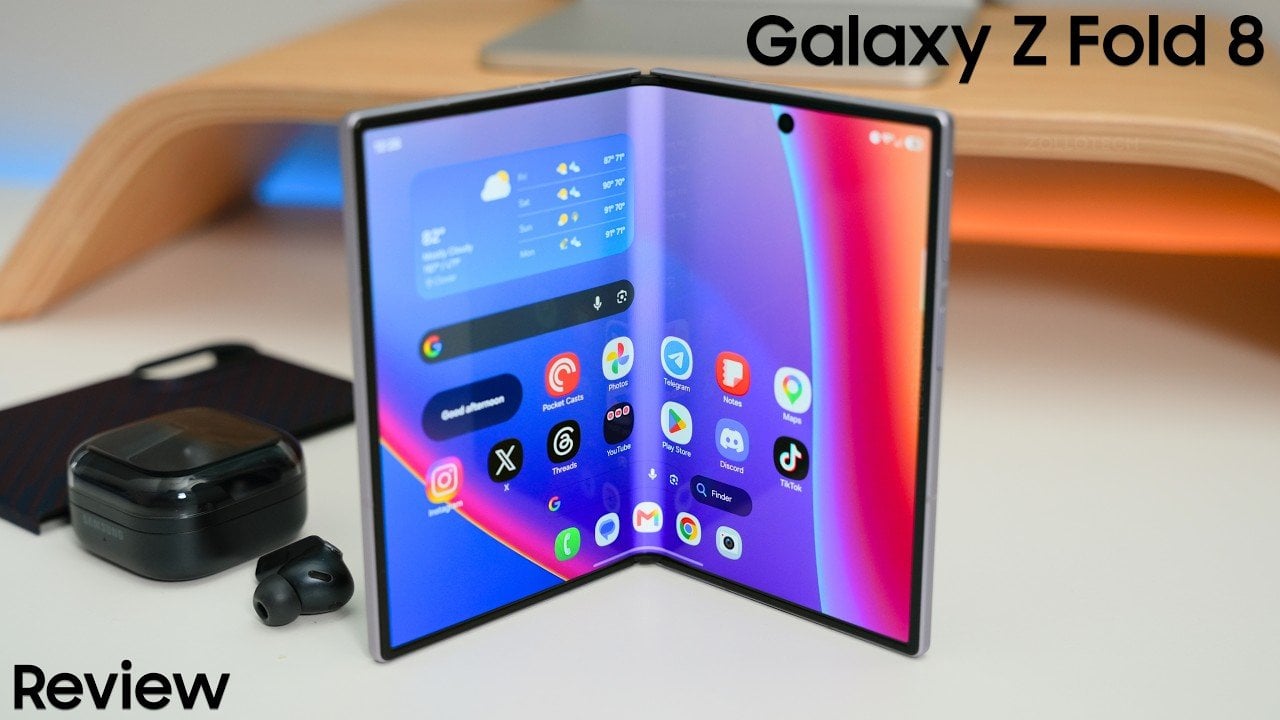
The Samsung Galaxy Z Fold 8 stands as a testament to the evolution of foldable smartphone technology. With its refined design, enhanced display, and robust performance, it seeks to reshape how you interact with mobile devices. However, as with any advanced technology, it comes with its own set of compromises. Below is an in-depth exploration […]
Garmin’s upcoming releases for 2026 include the Enduro 4, Fenix 9 series, and Fenix E2, each designed with specific user groups in mind. According to TechAvid, the Enduro 4 is expected to cater to endurance athletes by incorporating features such as enhanced charging technologies and dual-band Wi-Fi, which could support longer outdoor activities with improved […]
Most audio equipment is designed around the premise of concealment. The drivers are hidden, the wiring is tucked away, the internal mechanics are sealed behind pristine panels of wood or brushed aluminum, and you’re meant to forget that any of it exists. You just press play and trust the box. Hagar Guri, an industrial designer, has a different idea entirely.
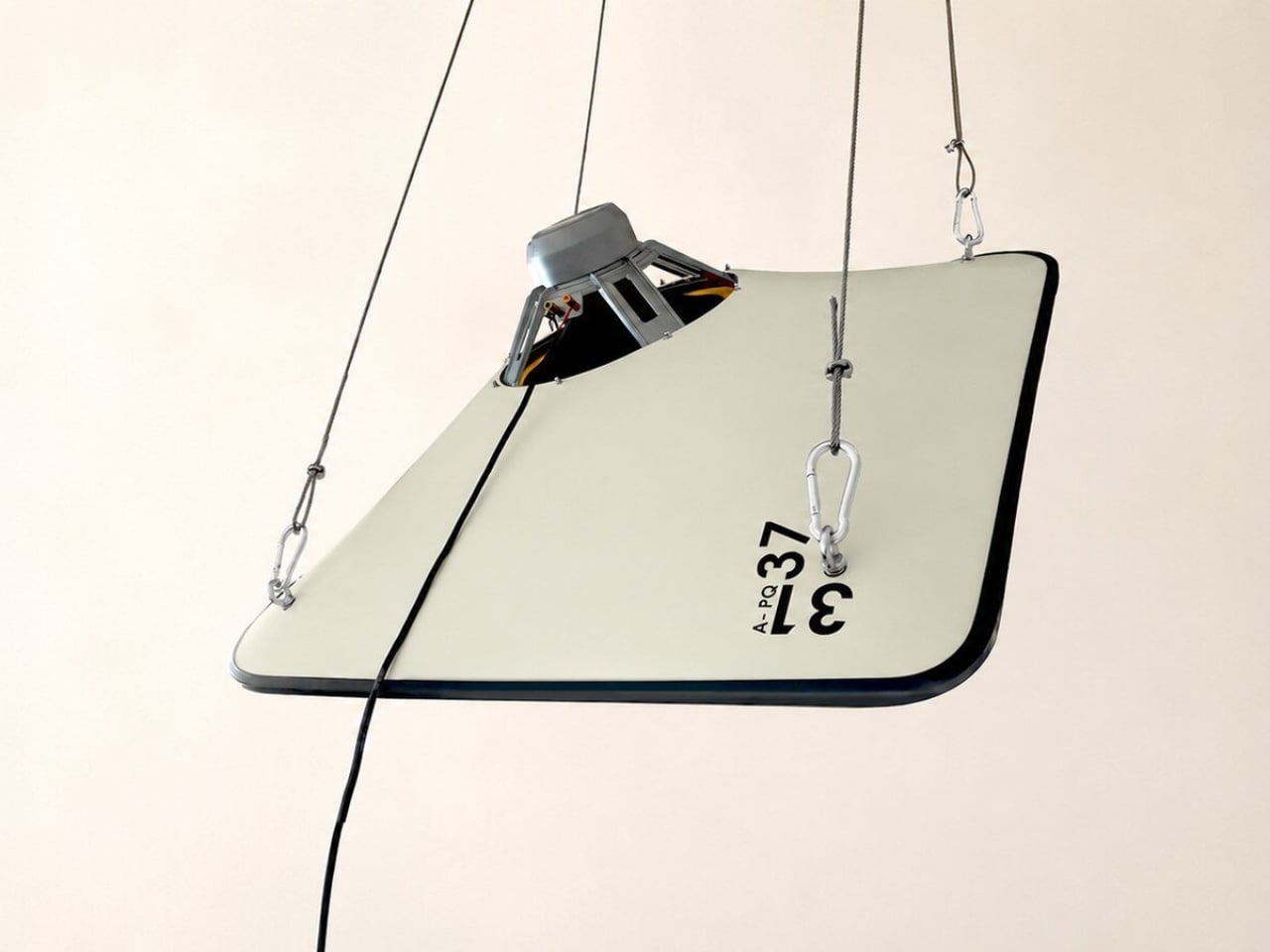
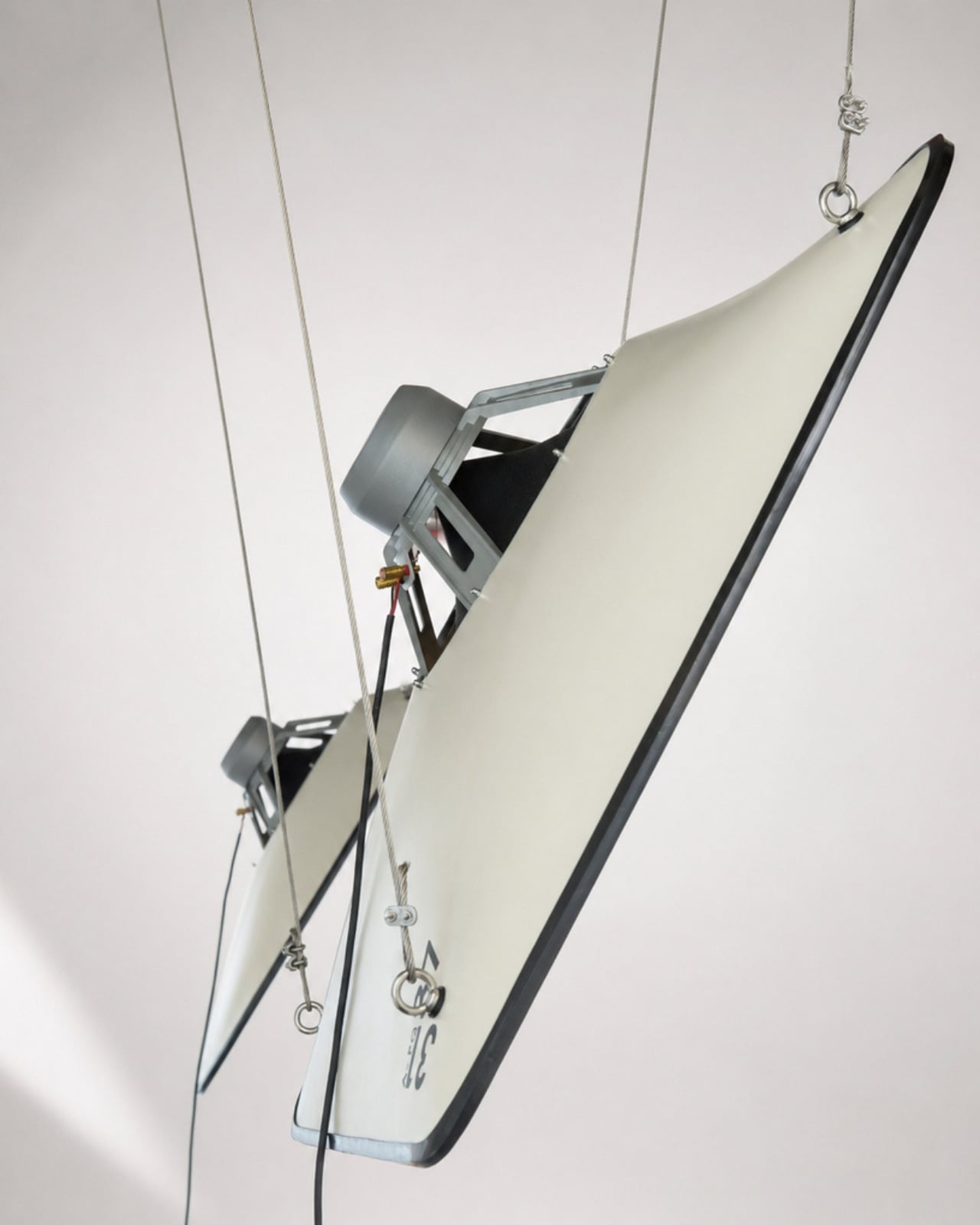
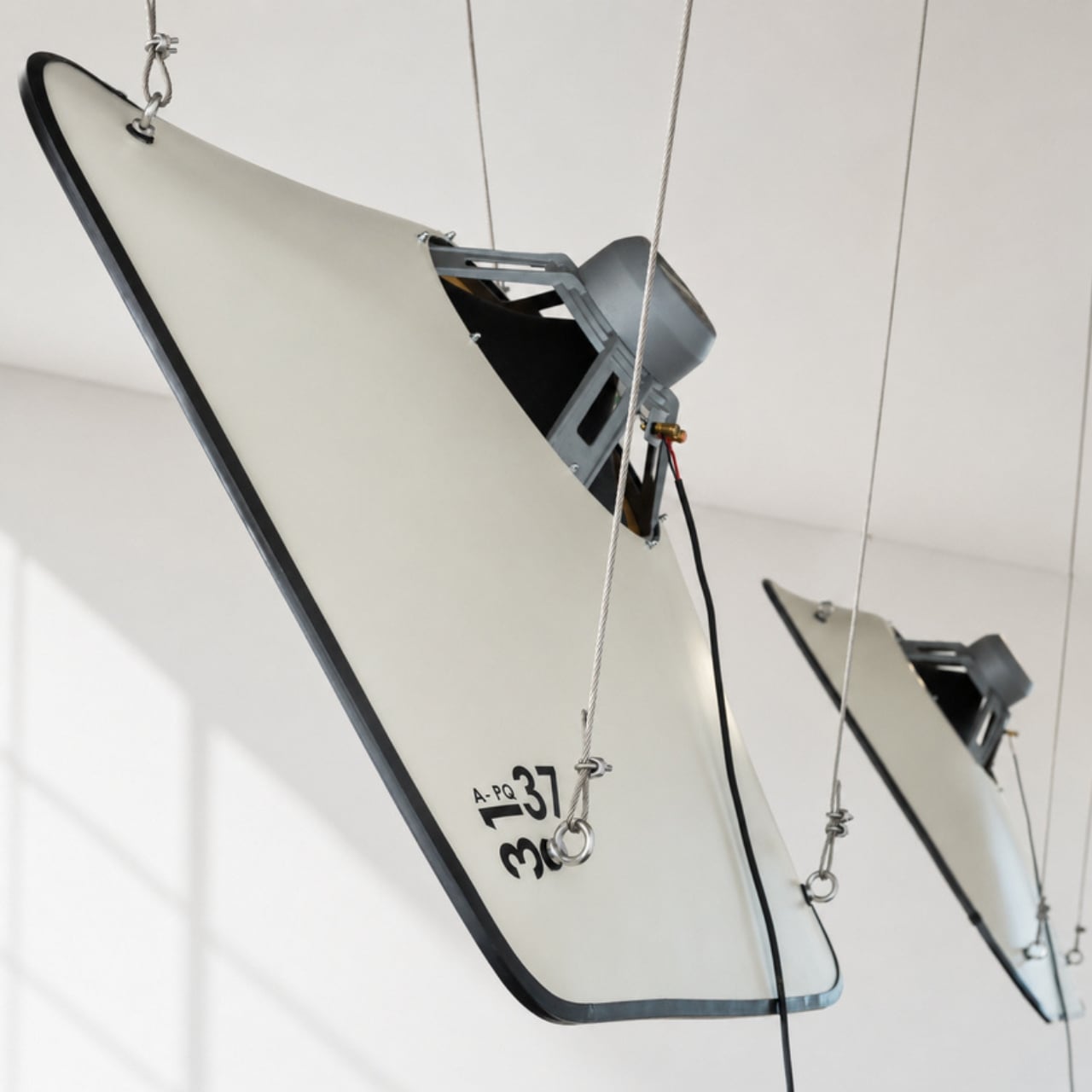
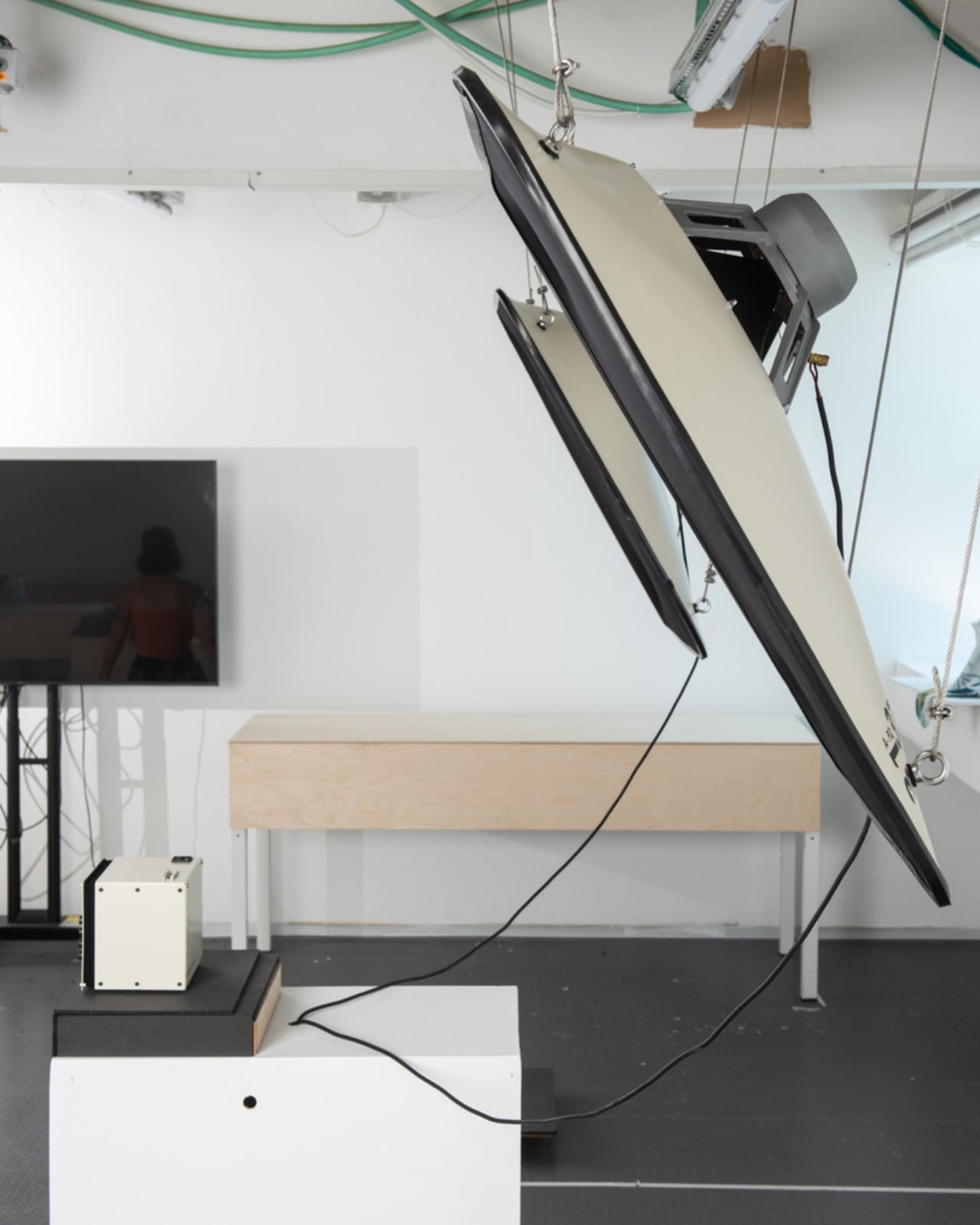
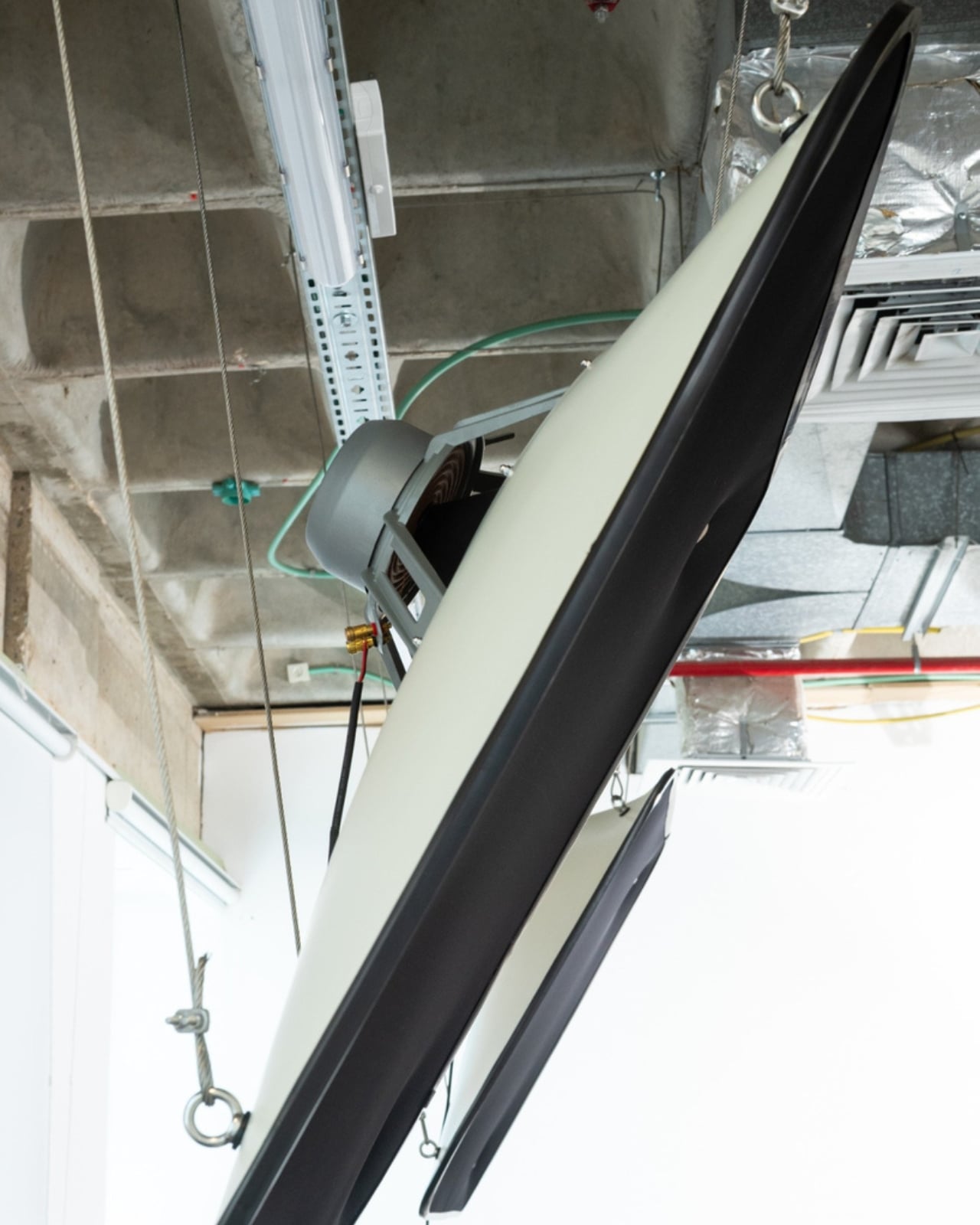
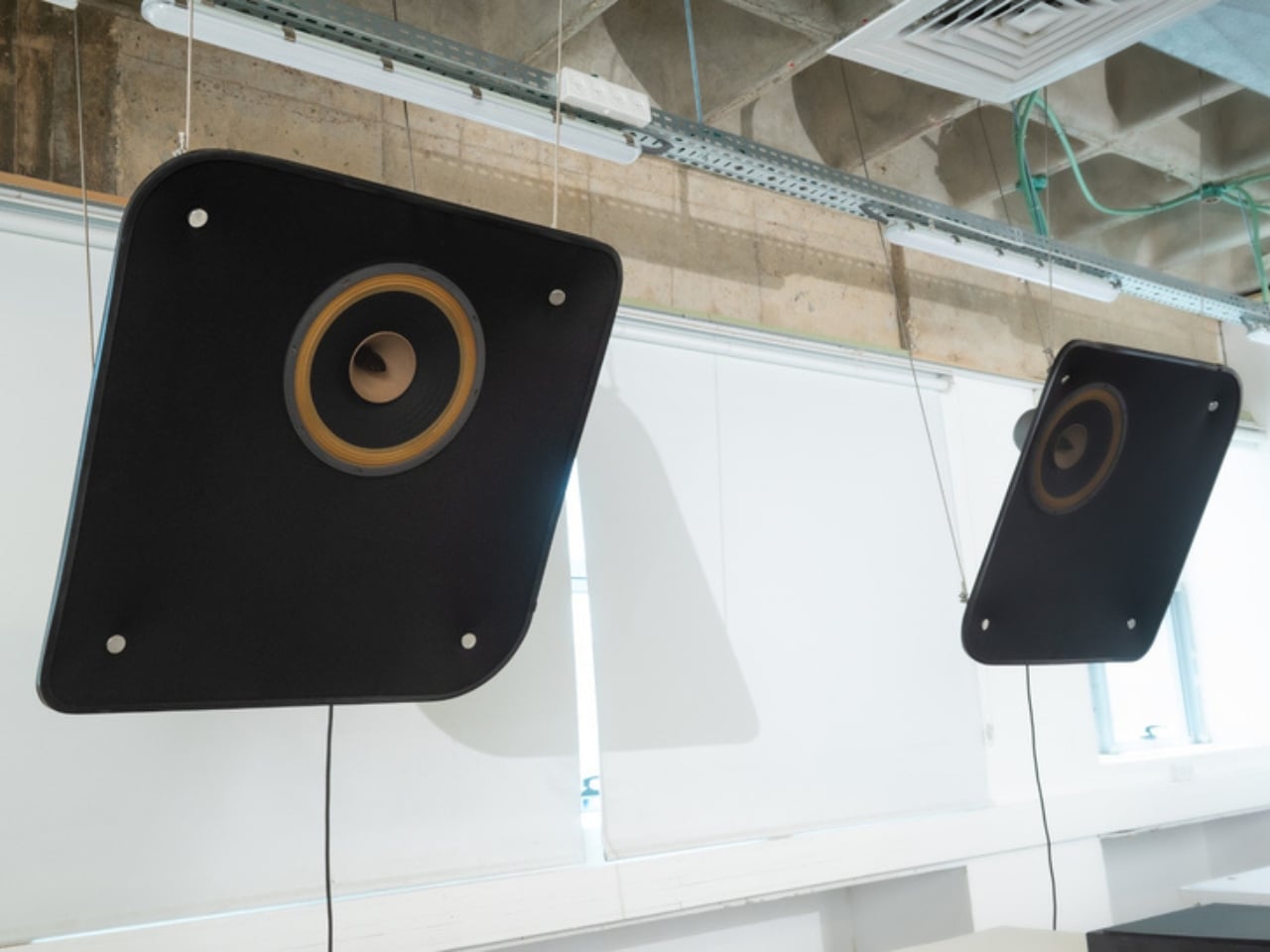
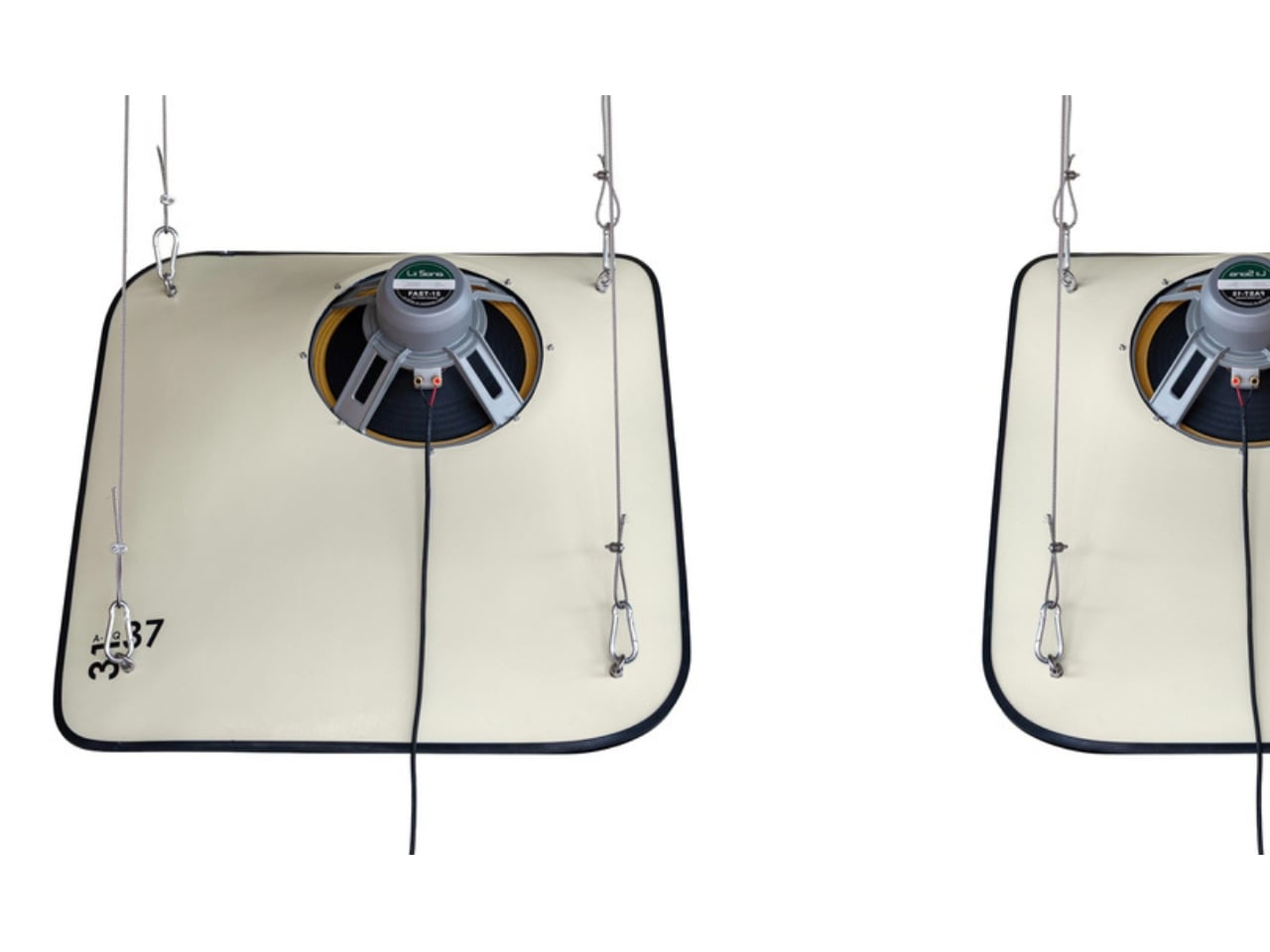
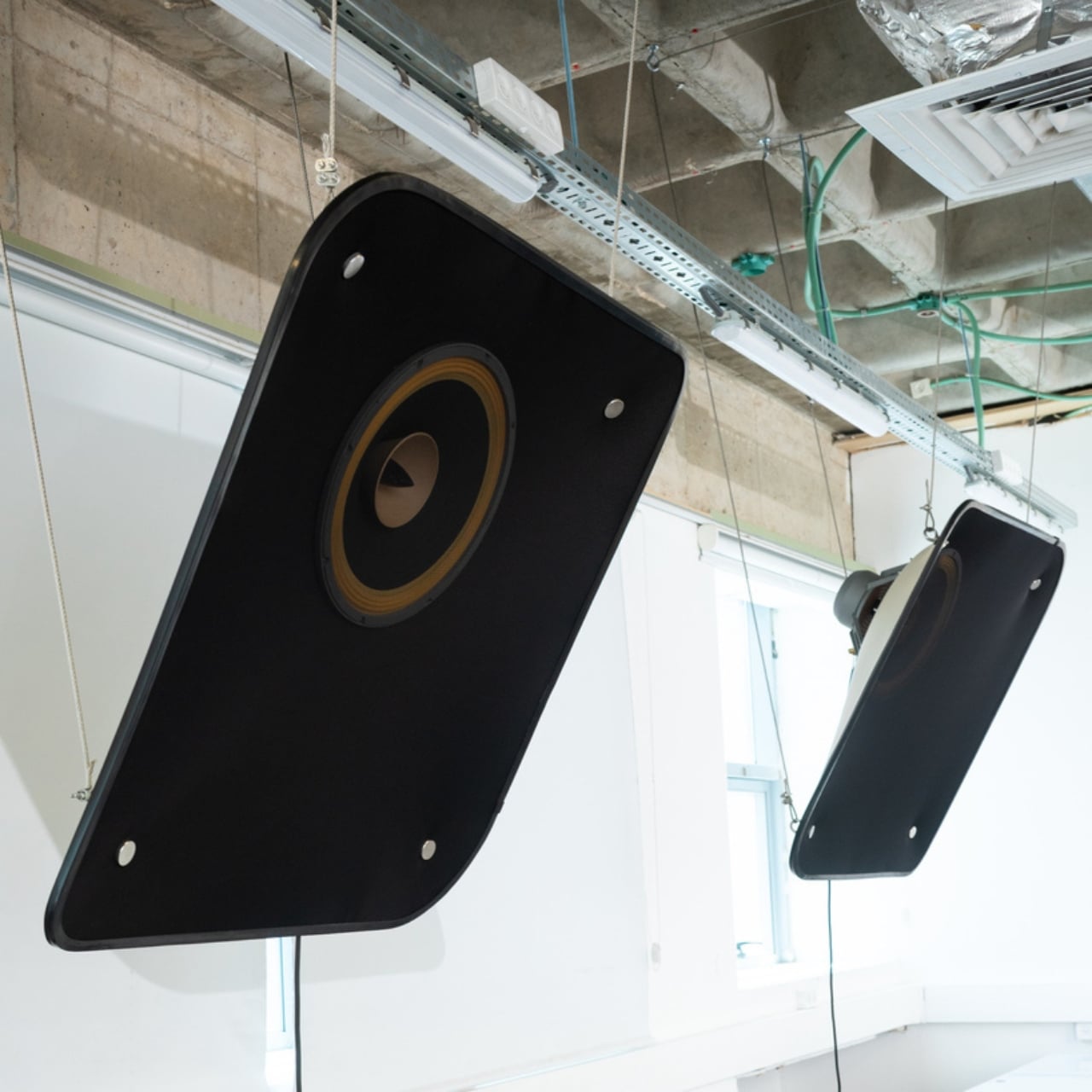
A-PQ 31.37 is a suspended open-baffle loudspeaker system that does the opposite of hiding. Built from concrete canvas, a flexible, fabric-reinforced material that stiffens into a rigid, curved shell when hydrated, the speaker hangs from steel cables and puts everything on display. The driver is exposed. The wiring is visible. The rear radiation surface, the structural elements, the mechanical connections: all of it is part of the visual experience, not an afterthought buried behind a grille.
The material choice alone is worth pausing on. Concrete canvas is not a typical choice for audio equipment. It is the kind of material you would expect to see in emergency shelters or civil engineering projects, not hanging in a listening room. But that is precisely what makes it interesting here. It is dense, rigid, and visually raw in a way that synthetic plastics and MDF simply are not. The curved form it takes in A-PQ 31.37 manages to look both industrial and surprisingly refined, which is not an easy balance to strike.
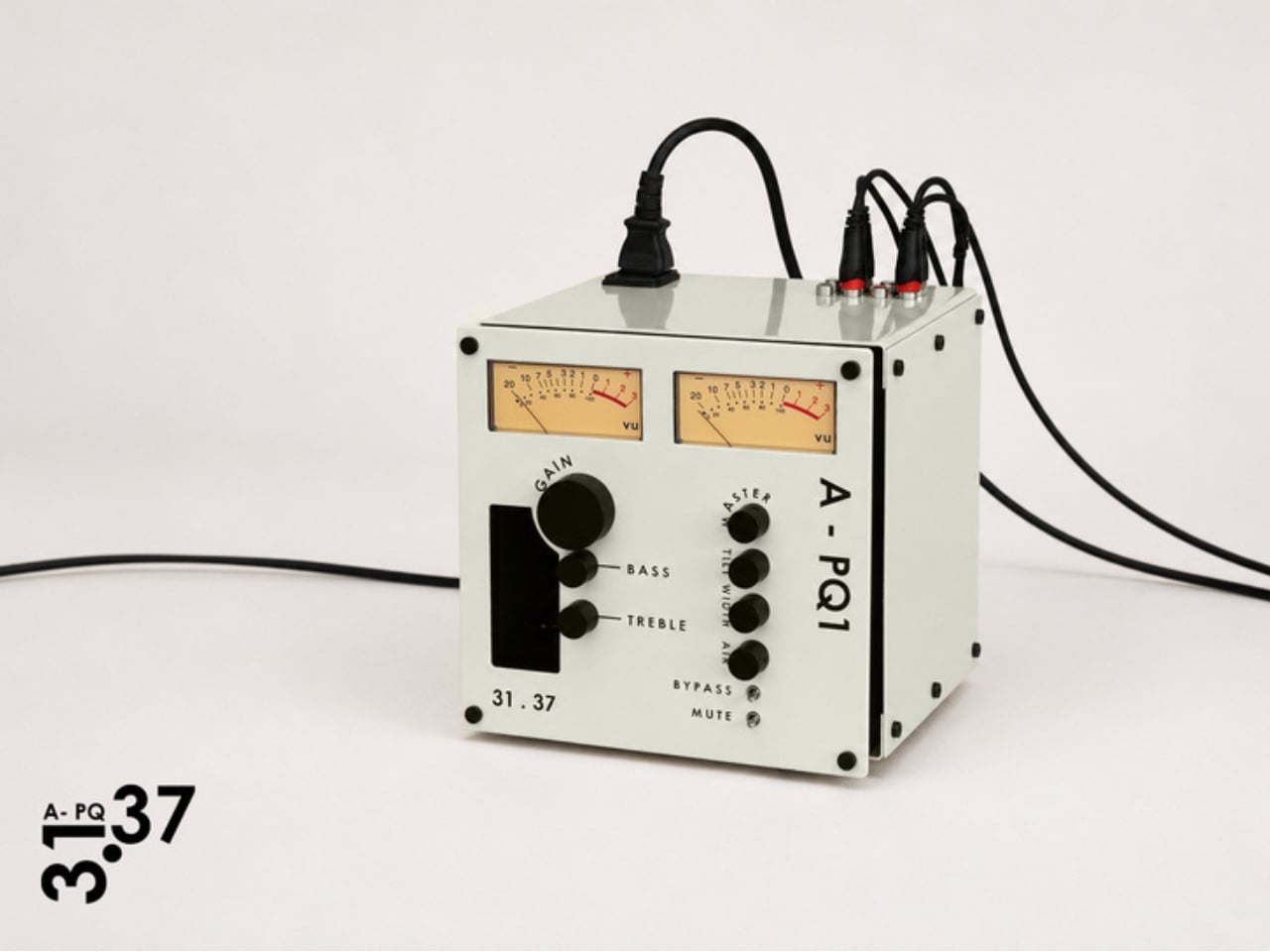
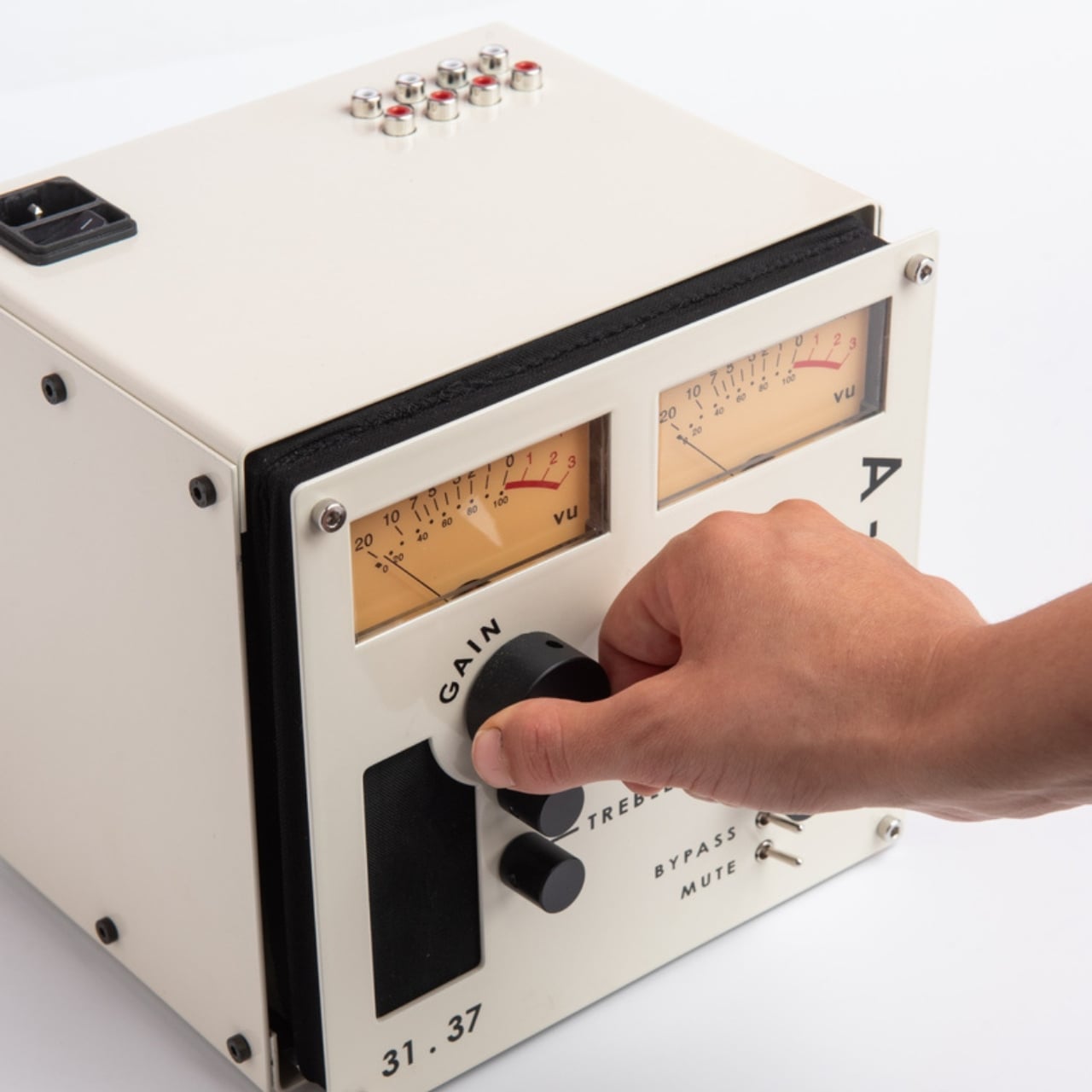
Open-baffle speaker design has existed for decades in audiophile circles, and the community tends to be evangelical about it. The principle is straightforward: without a closed enclosure, sound radiates both forward and backward, creating a more open and spacious listening experience that many describe as more natural. The trade-off is usually in low-frequency performance, which requires careful driver selection and signal processing to compensate. Guri addresses this through a custom control unit built into the system, incorporating digital signal processing, preamplification, and analogue controls. It is a complete system, not just a sculptural object with wires attached.
And yet, calling it a sculptural object is not wrong. The speakers are suspended from steel cables and appear almost detached from the floor, interacting with the surrounding architecture rather than sitting against it. It changes the relationship between the listener and the object. You are not looking at a box tucked into a corner. You are looking at something that occupies the room intentionally, that asks to be seen.
Exposed fasteners and typographic elements extend the material language across the system, which tells me Guri was not just thinking about the sound or the form in isolation. The details are consistent. The control unit belongs to the same visual world as the speakers. That kind of coherence at the system level is harder to achieve than it looks, and it is one of the reasons A-PQ 31.37 feels like a fully resolved idea rather than a student experiment that went interestingly sideways.
The broader conversation A-PQ 31.37 is pushing into is one the design world has been circling for a while: what does it mean to make technology honest? So much of our electronics culture is built around the aesthetics of smooth surfaces and hidden complexity. The sleeker and more seamless a product looks, the more sophisticated it is supposed to seem. Guri is suggesting the inverse: that visibility, the kind that shows you exactly how something is built and why it sounds the way it does, can be its own form of refinement.
Whether or not this becomes an influence on mainstream speaker design is genuinely hard to say. Audio equipment is a conservative category. Audiophiles are notoriously attached to conventions that go back generations. But for anyone following the intersection of material research, acoustics, and spatial design, A-PQ 31.37 is exactly the kind of project that makes you reconsider what a speaker is supposed to be. Not just something you listen to. Something you actually look at, and think about, too.