The bag at the gate tells you everything about the trip someone is about to take. Most carry-ons bear the evidence of decisions made at midnight before an early flight: a tangle of cables, three chargers each handling one job, headphones shoved in without a case. This list is an argument for doing it differently. Nine products, each designed with enough care that the airport is just the first room you move through.
The criteria here are stricter than a standard gear roundup. Every product had to pass through security without a conversation, photograph well enough to earn the second look it deserves, and be genuinely useful before you reached your seat. Beautiful objects that fail to travel are half-finished ideas. The nine below have no such problem. They were built to move, and the summer gives them every reason to.
1. Stillframe Headphones
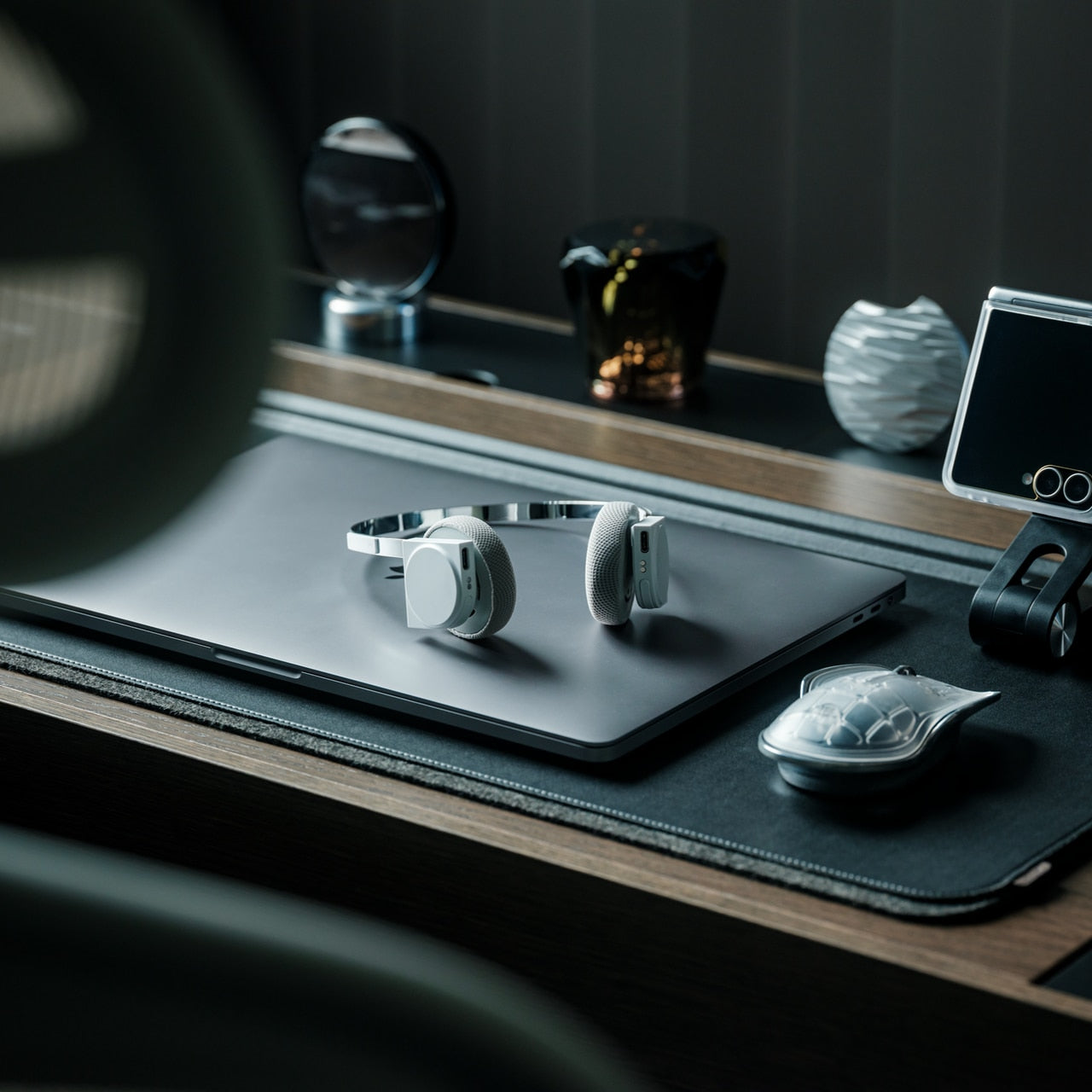
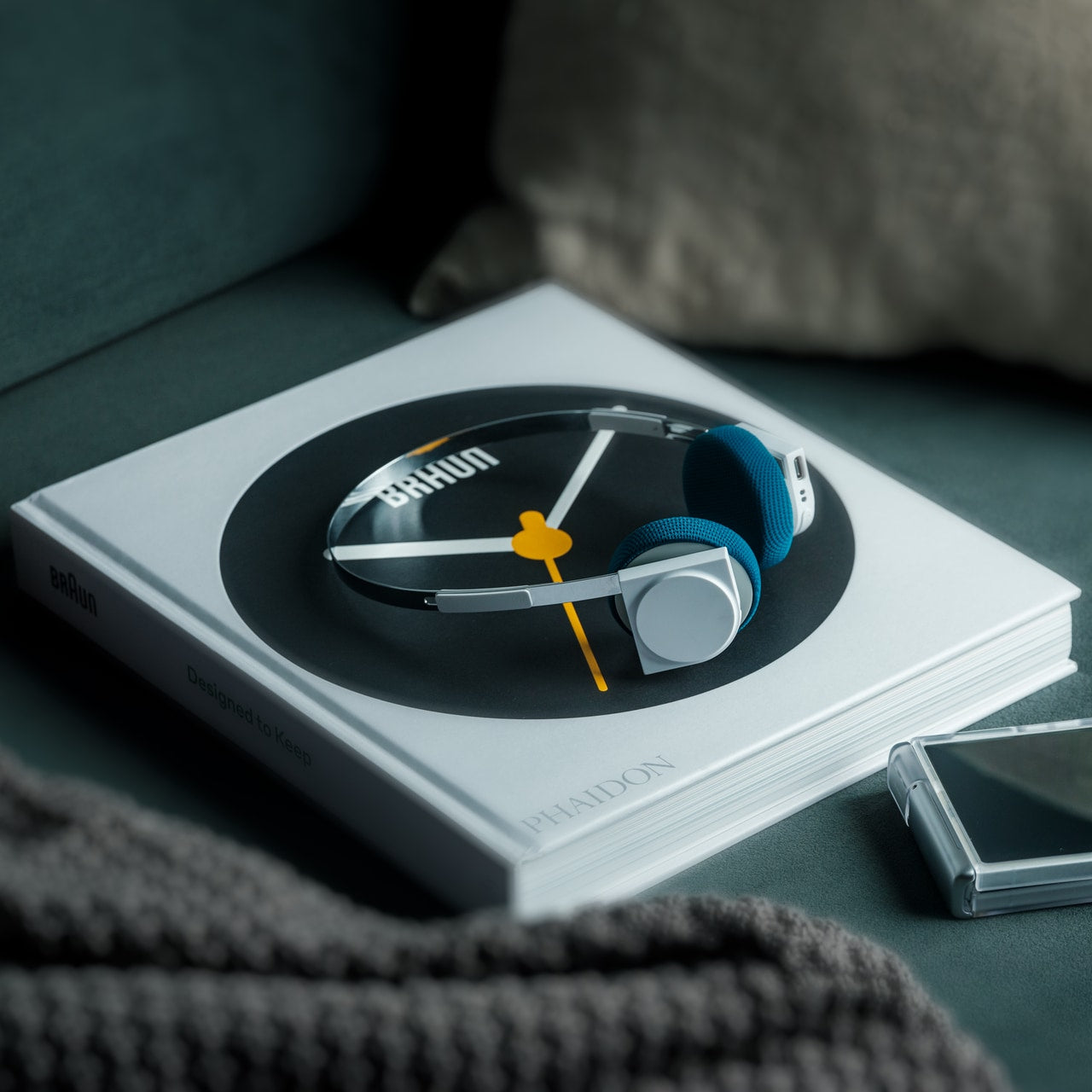
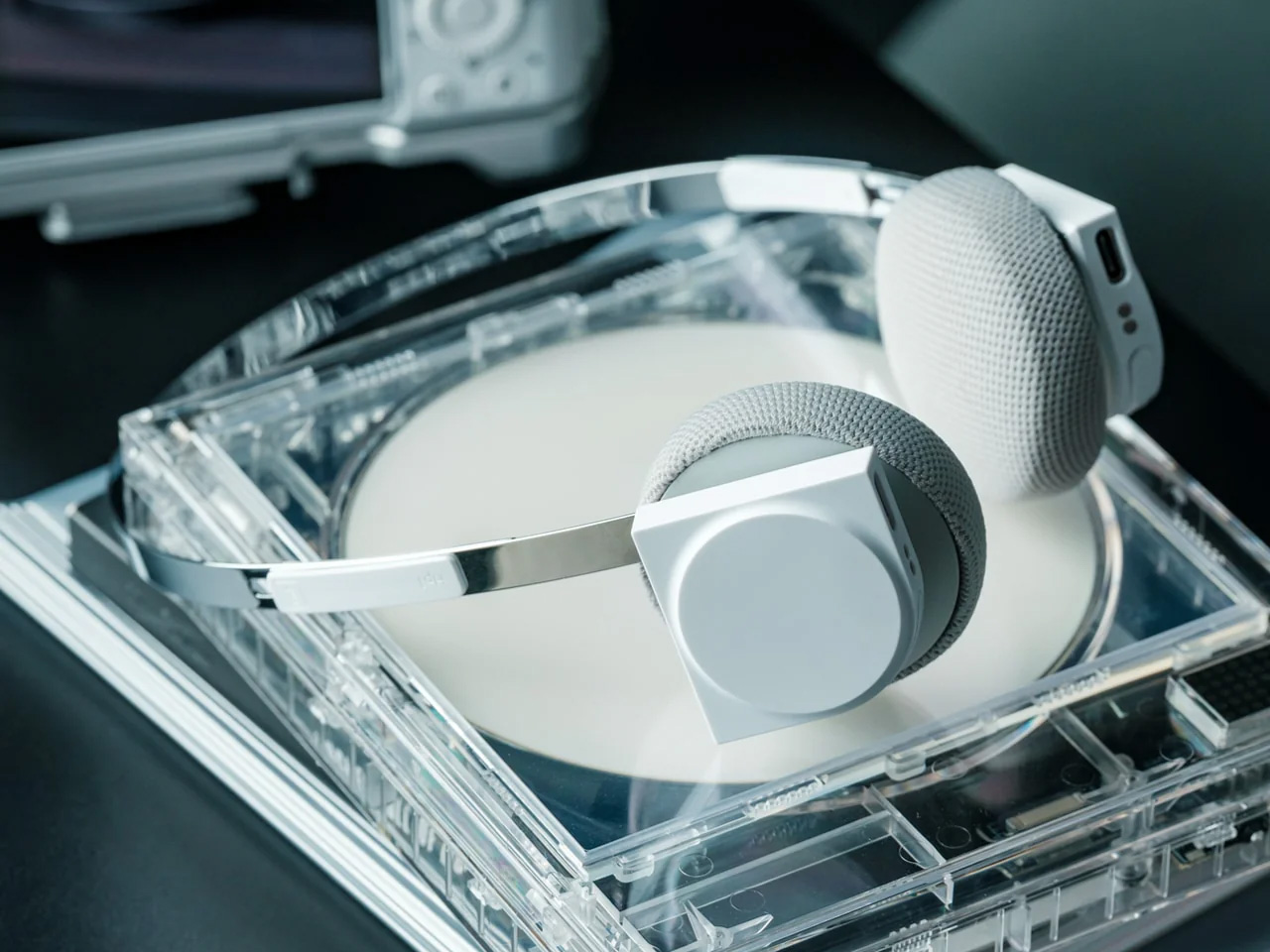
There is a particular moment on a long flight when you adjust your headphones for the fourth time and understand that the pair was never really designed for more than an hour of wear. The Stillframe headphones start from a different premise entirely. The design language reads functional first: no exaggerated cups, no status-signaling color range, no materials that prioritize the unboxing over the sixth hour in the air. These were made for the kind of listening that actually happens in transit, across a full day of movement.
At $245, they sit in the territory where the decision stops being casual. What earns the price is the coherence of the object itself. This is not a pair of headphones that optimizes for one feature and hopes the rest resolves itself. The sustained-wear focus addresses the gap between audio gear that performs on a spec sheet and gear you actually want to wear at every leg of a journey. A gate, a connection, a hotel room where you need to reset before morning: the Stillframe was designed for all three.
Click Here to Buy Now: $245.00
What We Like
- The design aesthetic lands outside both the clinical slab and the fashion piece extremes that dominate the travel headphones market, which is a more specific achievement than it sounds at this price point
- The sustained-wear focus addresses the one problem every other headphone in this category manages to avoid mentioning entirely, which makes it the most useful differentiation on offer
What We Dislike
- A complete published spec sheet would allow for direct performance comparison at $245, and its absence asks for a degree of trust that some buyers will find reasonable and others will not
- The price point makes this a deliberate purchase rather than an opportunistic upgrade, which narrows the audience without diminishing the object for those who meet it on its own terms
2. Carl Friedrik 72-Hour Backpack
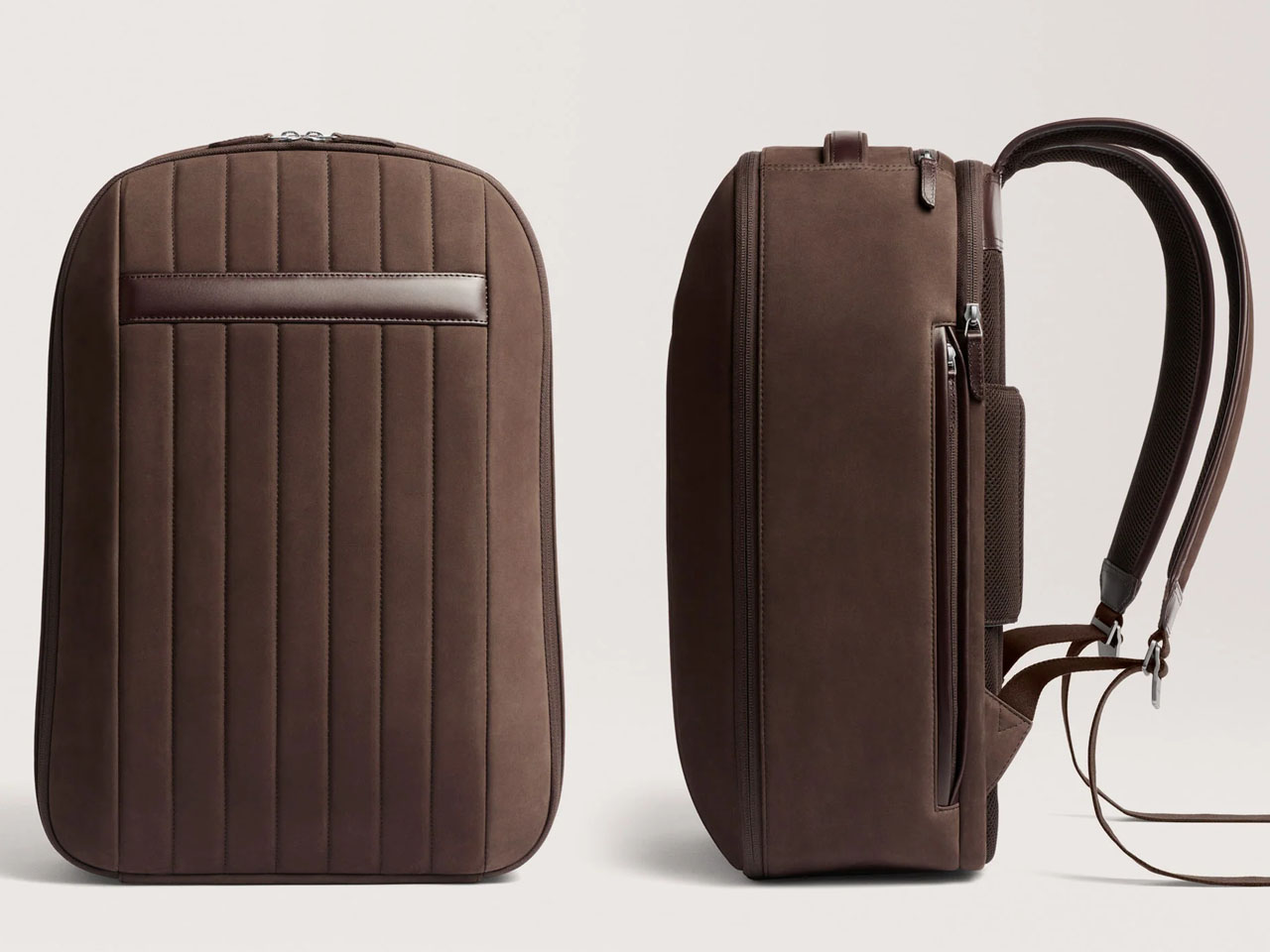
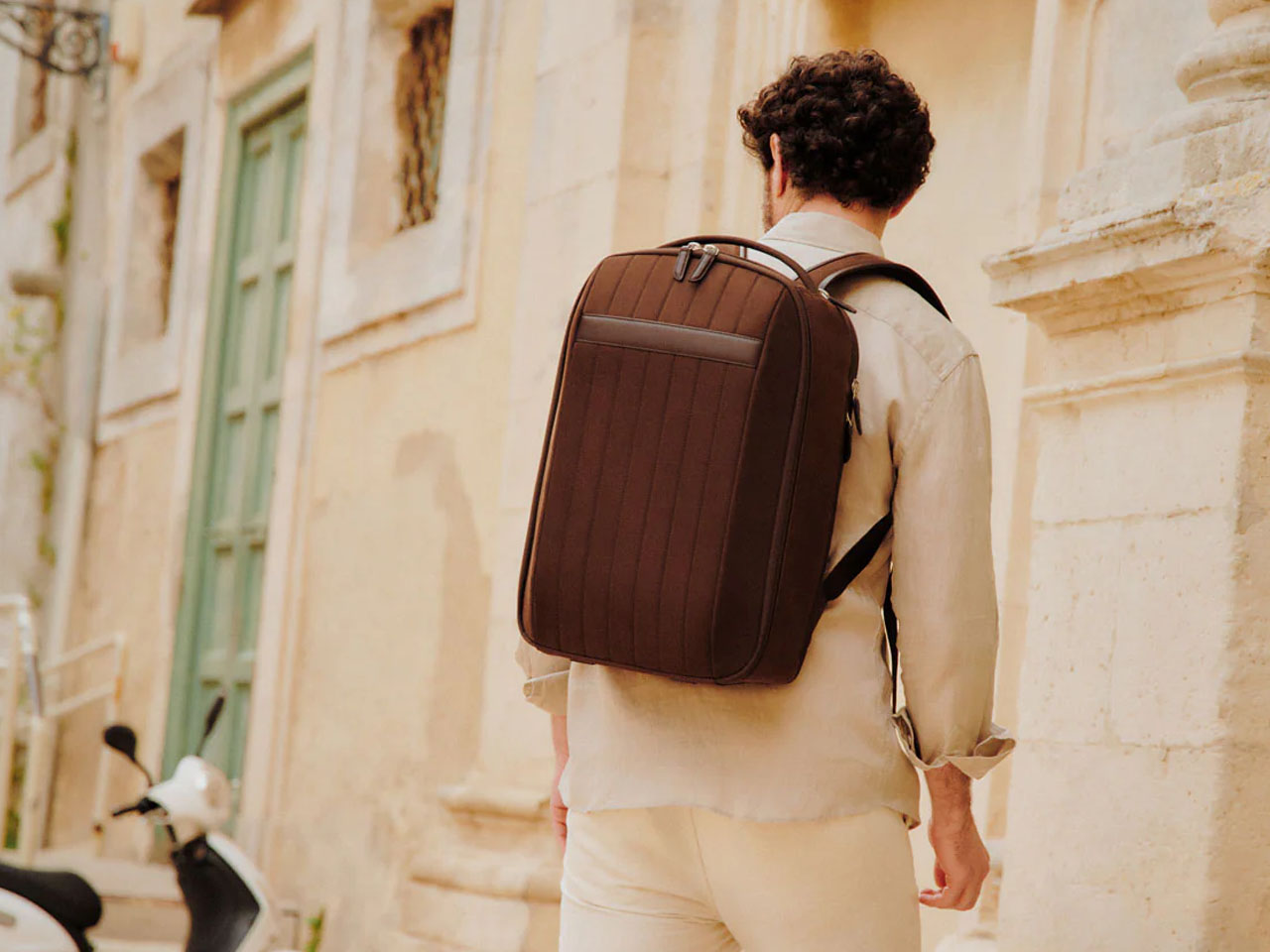
Most travel bags solve the wrong problem. They maximize capacity, add organizational pockets until the zipper count exceeds any practical utility, and end up shaped for the product page rather than the airport floor. The Carl Friedrik 72-Hour Backpack starts from a different question: what does three days of real movement actually require? The answer is a clamshell bag that opens flat, shows everything at once, and closes without the repacking ritual that top-load alternatives demand at security checkpoints.
The 72-hour designation is the most honest thing about this bag, and that specificity is exactly how you know it was properly thought through. It holds a laptop, a change of clothes, chargers, and documents without expanding beyond what carry-on overhead bins tolerate. The premium materials age into something that looks better used than new, which is the long-term argument for spending more on a travel bag than instinct usually recommends. For a summer of early connections and improvised schedules, the bag you stop thinking about entirely is the right one.
What We Like
- The clamshell opening is a genuinely practical design decision that solves a real airport friction point rather than a feature added to fill a spec sheet with something differentiating
- Carl Friedrik’s material quality produces a bag that improves with accumulated use rather than deteriorating under it, which is a claim most bag manufacturers are not willing to make and mean simultaneously
What We Dislike
- The premium positioning places this well above impulse territory, making it an investment purchase that requires deliberate evaluation rather than a seasonal refresh to a cheaper alternative
- The honest 72-hour limit means anything beyond a long weekend requires supplementary luggage, which is useful information upfront but still a real constraint to plan around
3. Nimble WALLY Pro Wireless
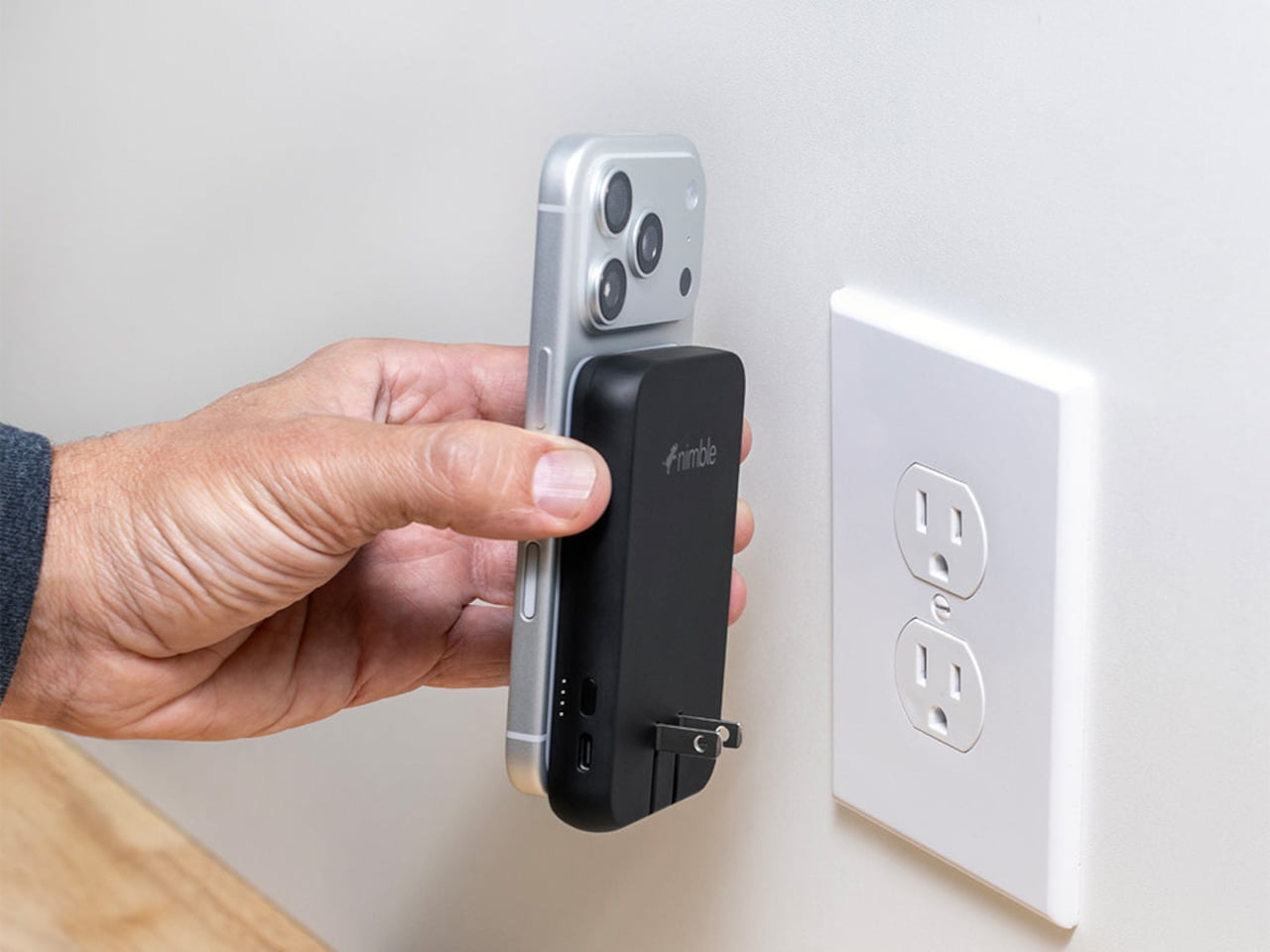
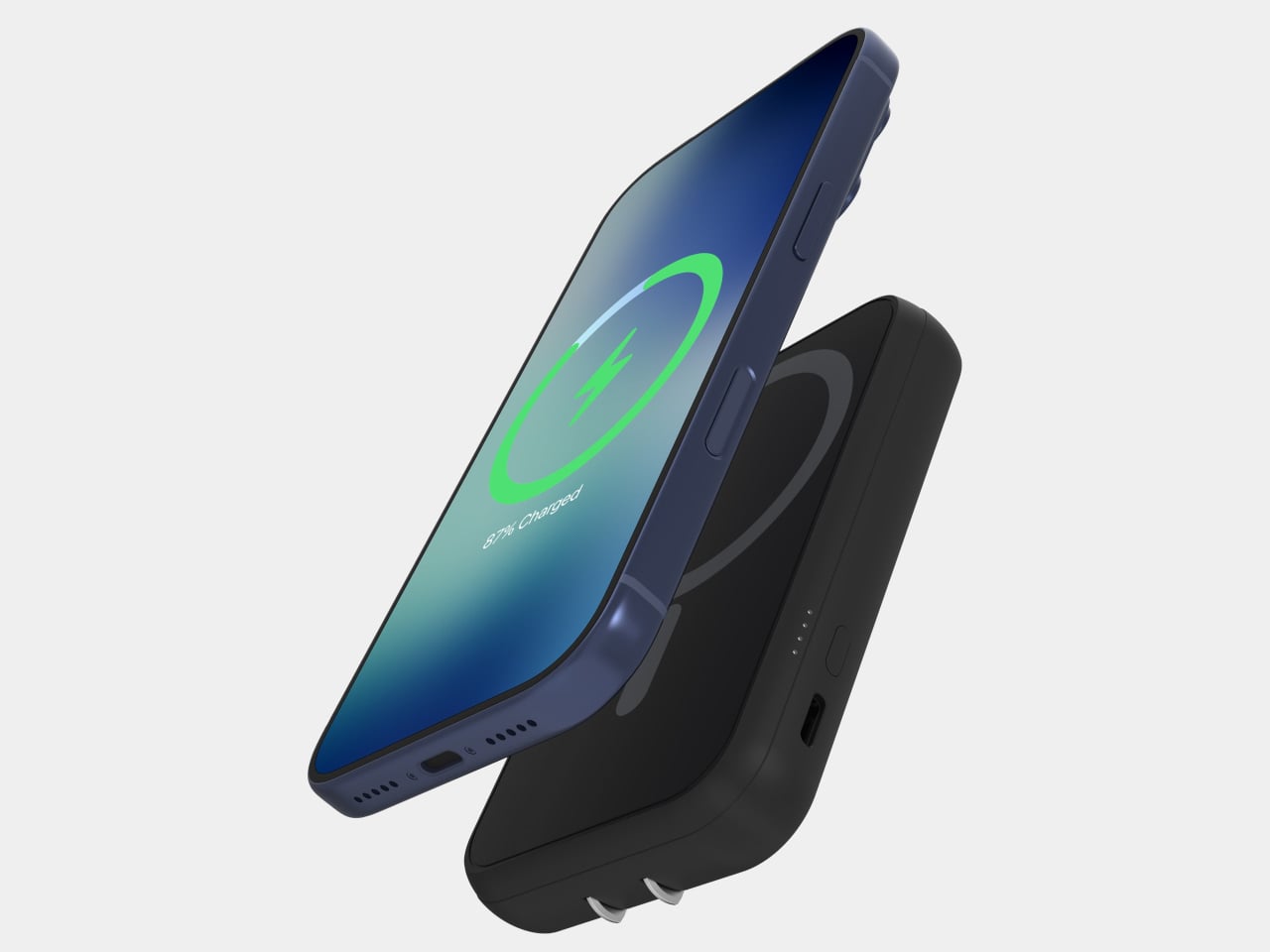
Most people travel with three charging accessories and use each one just enough to feel justified bringing all three. A wall charger takes one outlet. The power bank takes bag space. The wireless pad needs its own cable. Nimble’s WALLY Pro Wireless is a single device, 0.61 inches thick when not plugged in, that handles all three at once. Plug it into the wall, and it charges the internal 5,000mAh battery and your phone simultaneously. Pull it off, and it switches to bank mode without pause.
TSA-approved, ETL-certified, and built to run on 100 to 240 volts without a separate adapter, this is the charging solution that works before you leave the country and keeps working after you land. Qi2 wireless output runs at up to 15W, the USB-C port at up to 20W, and four LED indicators along the side give a clear battery readout before you leave the room. The housing is 100 percent post-consumer recycled plastic with a carbon-neutral designation. At $49.95, it quietly removes three items from the packing list without replacing them with anything.
What We Like
- Three charging functions in a 0.61-inch-thick profile with universal voltage input means the adapter collection stays home and this comes instead, which is the clearest possible value proposition
- TSA approval and ETL certification resolve the travel safety conversation before it starts, which is the best possible outcome for a power device in carry-on luggage
What We Dislike
- The 5,000mAh capacity is sufficient for one full phone charge but will not sustain a multi-device day without access to a wall outlet for a periodic refill somewhere along the route
- Qi2 wireless speed applies fully to iPhone 12 or later and compatible Android hardware; older devices will see reduced output regardless of what the charger itself is capable of delivering
4. Xiaomi UltraThin Magnetic Power Bank 5000
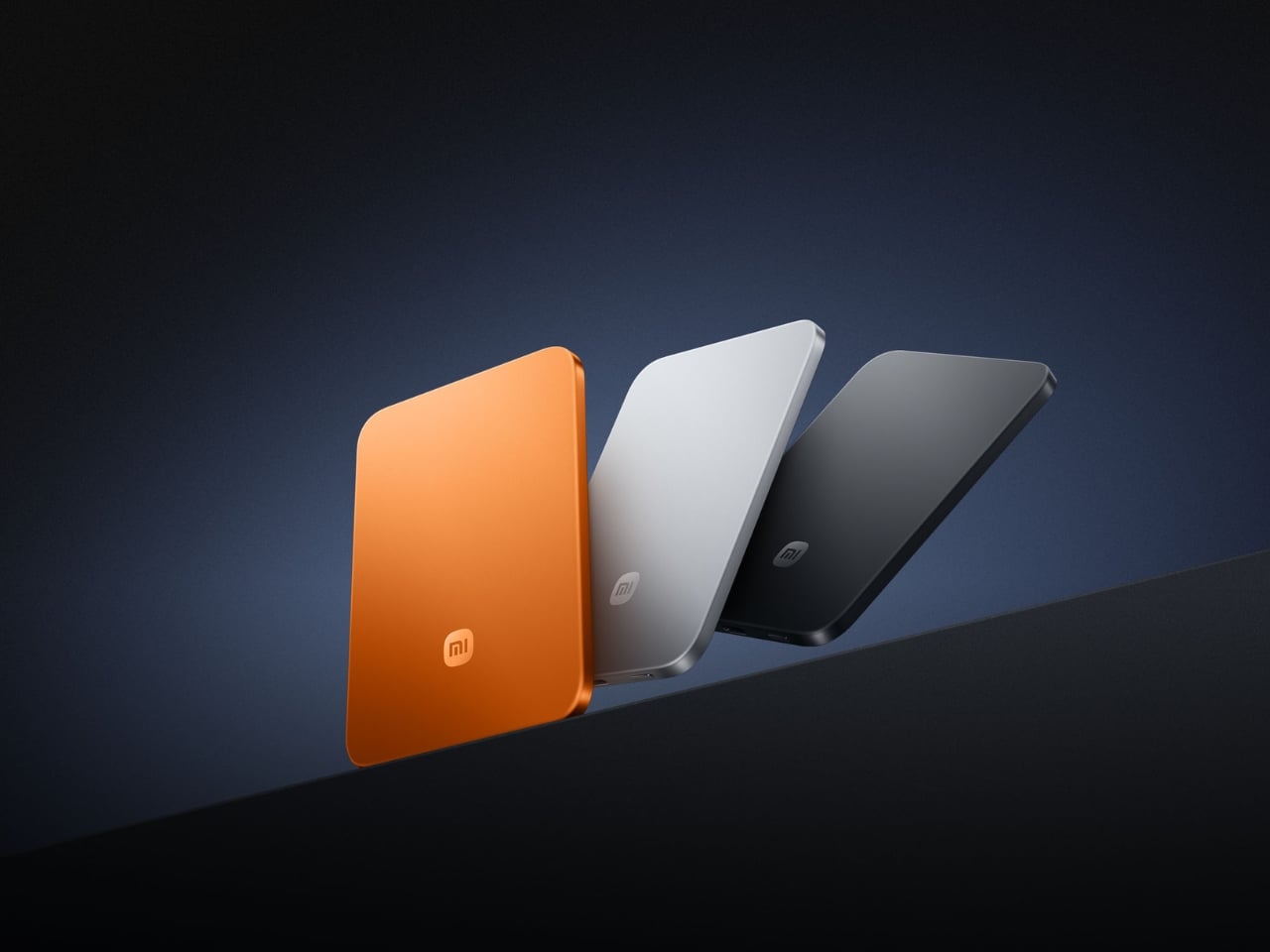
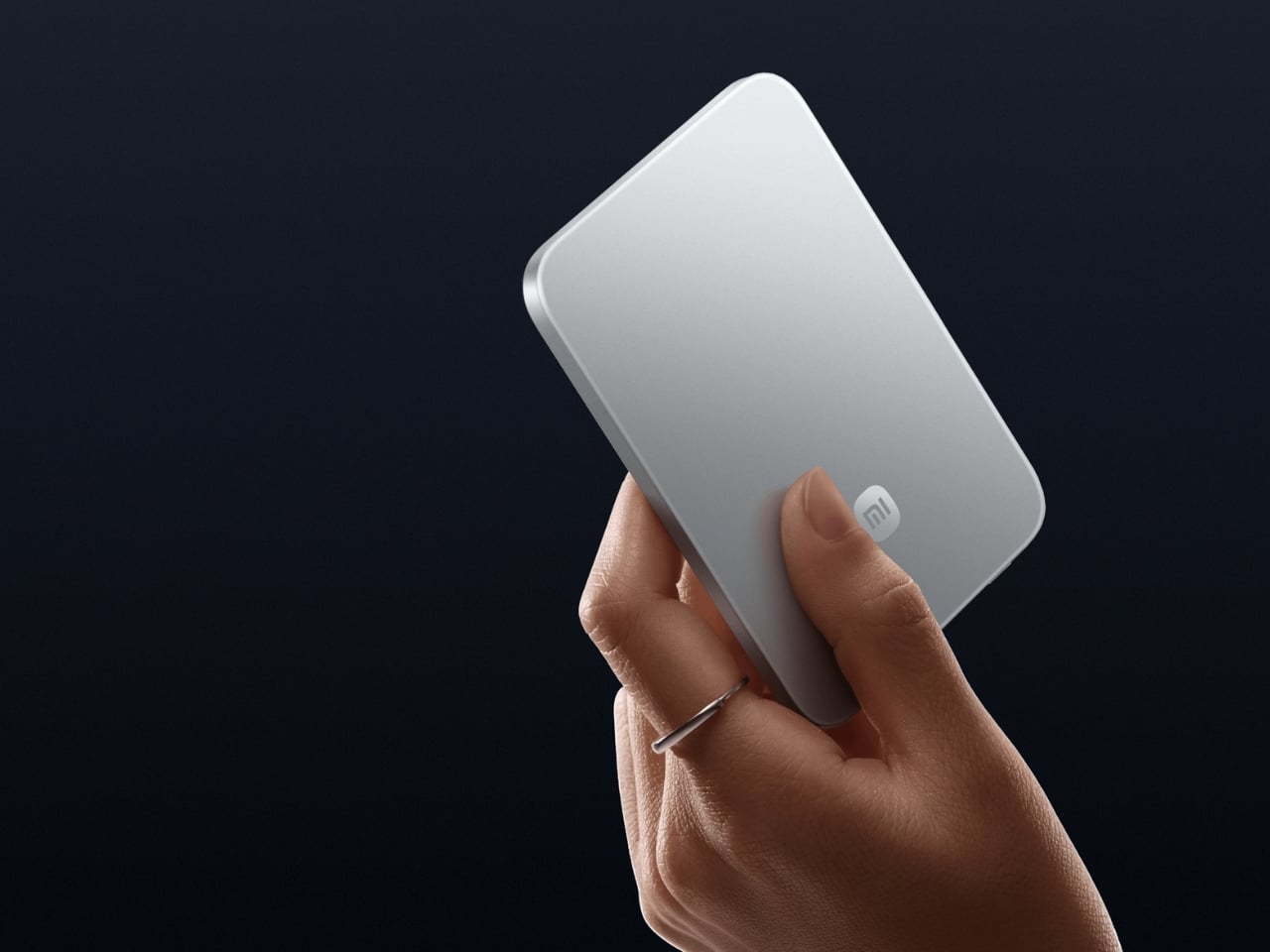
A 6mm power bank sounds like a specification claim until you hold one and register that it is thinner than the phone it is about to charge. Xiaomi’s UltraThin Magnetic Power Bank weighs 98 grams and delivers 5,000mAh through silicon-carbon battery chemistry at 16 percent silicon content, which is the engineering that makes the profile possible without sacrificing capacity. The aluminum alloy shell carries a photolithographically etched logo, the kind of finishing detail that signals someone cared about making the object rather than just shipping it. It was showcased at MWC 2026 in Barcelona.
Snap it magnetically to the back of your phone and forget it is there. Xiaomi 17 series users get up to 15W wireless output; iPhones land at 7.5W due to Apple’s own MagSafe ceiling rather than anything specific to this product. A USB-C port handles 22.5W wired, and the bank charges two devices simultaneously when needed. Ten layers of protection and a 4,369mm² graphite sheet for thermal management complete the picture. The power bank category spent years making capacity the headline. Xiaomi made the story the object itself.
What We Like
- At 6mm and 98 grams, this is genuinely the thinnest available power bank at this capacity, which makes it the one you carry every day rather than the one you remember to pack for certain trips
- Silicon-carbon battery chemistry achieves 5,000mAh at a profile that makes the physics feel like a design decision, which it is
What We Dislike
- iPhone MagSafe compatibility is capped at 7.5W by Apple’s own ecosystem ceiling, not by anything Xiaomi controls, though the limitation is real for iPhone users regardless of where the responsibility sits
- 5,000mAh will not take most current flagship smartphones from empty to full in a single pass, so this works best as a top-up companion throughout the day rather than a primary overnight charging solution
5. Kinto Travel Tumbler
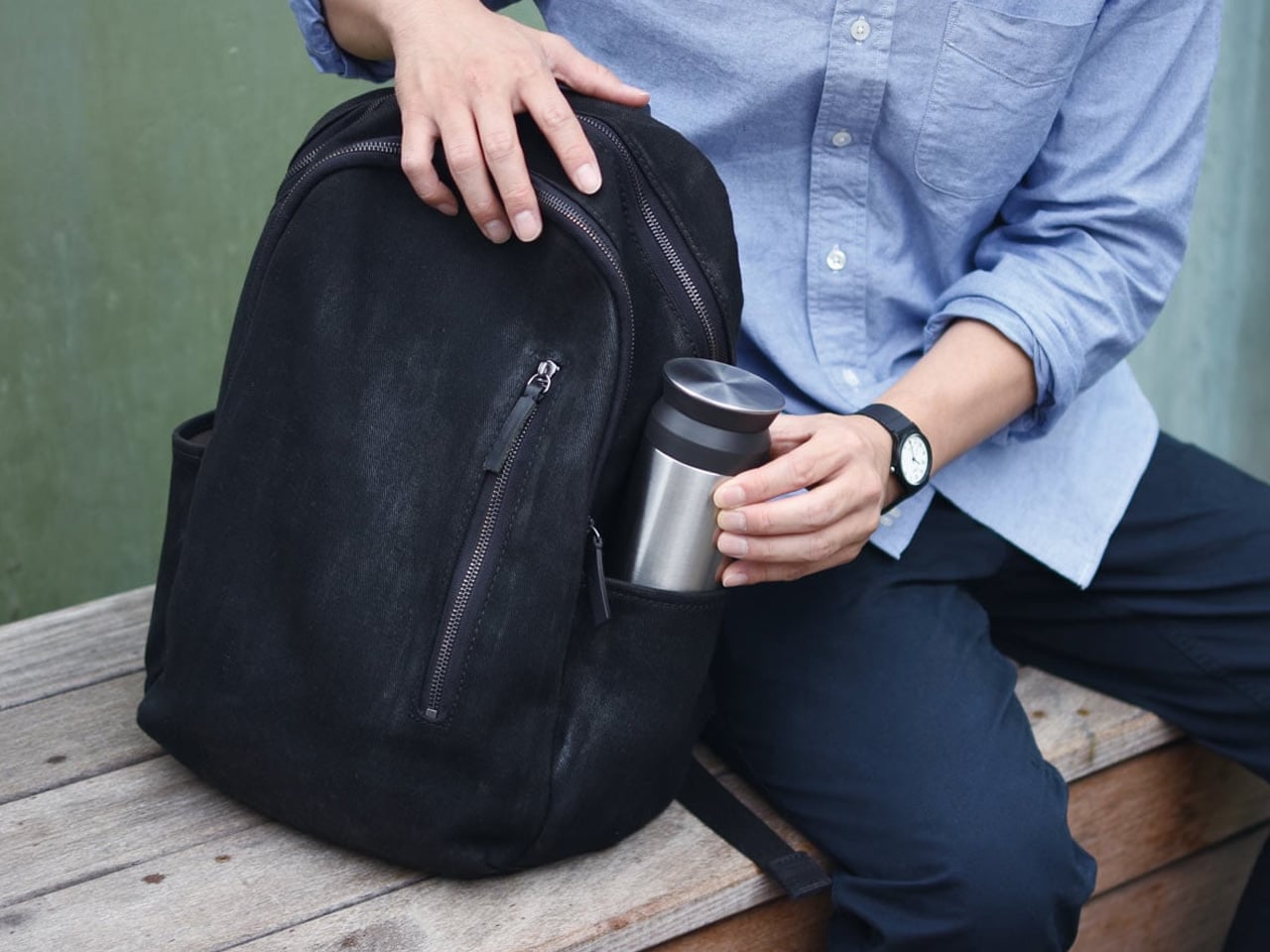

KINTO has been making drinkware in Japan since 1972, and the Travel Tumbler is the product that explains why the brand has a following among people who pay attention to objects. Matte stainless steel, a one-handed screw lid with a silicone seal, and an opening wide enough to drink from without tipping your head back. No rubber gasket on the exterior. No branding beyond a debossed stamp. It disappears into your morning routine and becomes the object that is genuinely difficult to travel without after the first time you do.
The 500ml capacity is where the most precise design thinking lands. Large enough for a real drink, small enough to fit the outer pocket of most travel bags without negotiation. It keeps liquids at temperature for six hours in either direction. For a summer of early trains and long afternoons in cities you are still learning, this is the thing you reach for more consistently than anything else in the bag. The Kinto tumbler does not perform its quality. It simply is quality, in a form refined enough to earn daily use across every kind of travel day.
What We Like
- The matte stainless exterior and restrained detailing place it closer to Japanese tableware than outdoor gear, which is a genuine category distinction that also photographs accordingly without any arrangement required
- The 500ml capacity sits at the exact middle ground between espresso-sized and inconveniently large, reflecting the kind of design thinking that comes from actual use rather than defaulting to a standard size
What We Dislike
- The screw lid takes slightly longer to open than a flip-top, a difference that becomes noticeable when you are holding a boarding pass and a bag strap simultaneously and need both hands for neither task
- The matte finish picks up fingerprints faster in warmer climates and requires more frequent wiping than a polished surface, which is a minor but consistent maintenance consideration for a summer carry
6. CW&T Pen Type-C Ultra — gnuhr Edition
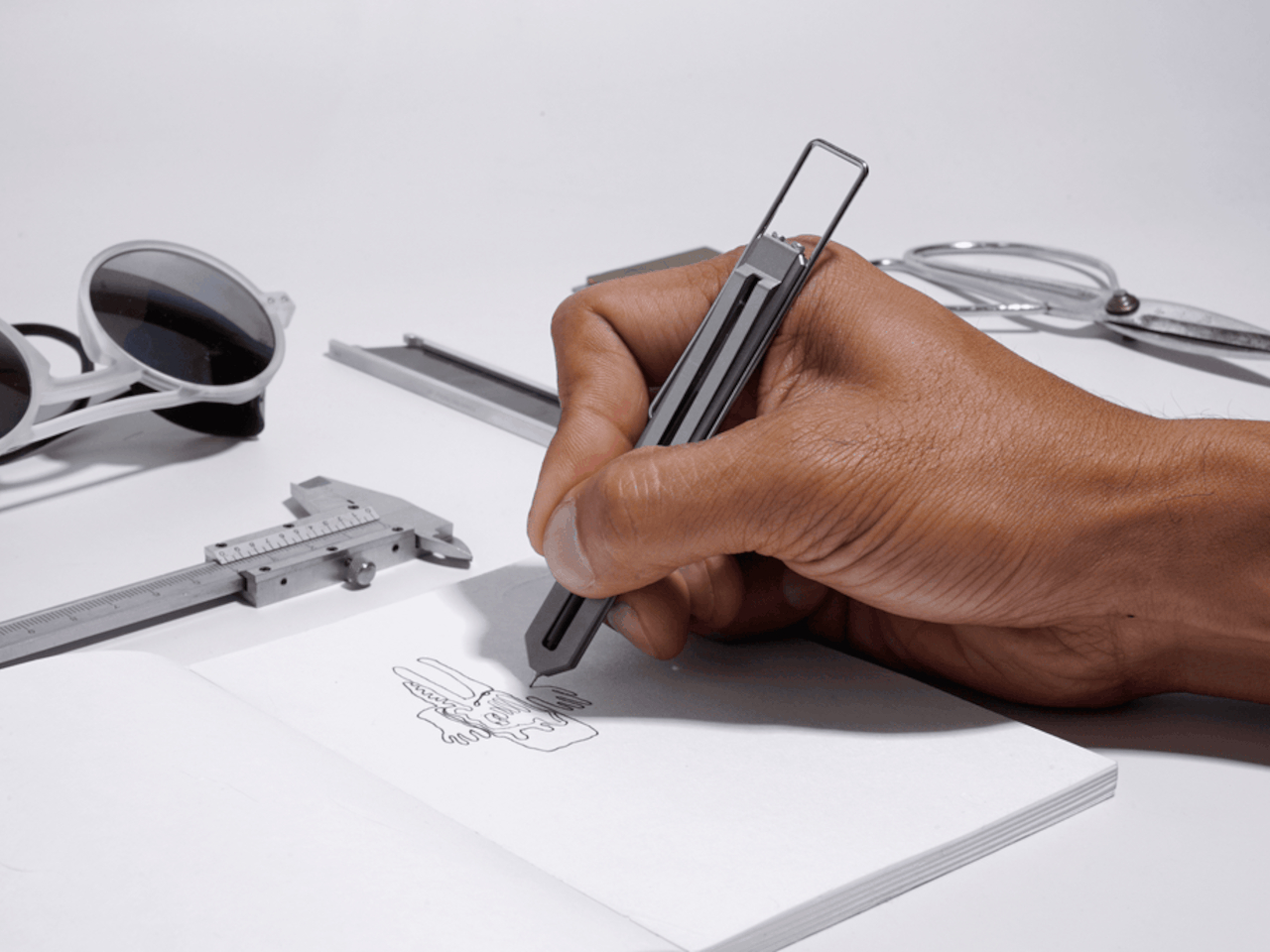

CW&T is a small New York studio that produces objects in limited runs for people who pay close attention to manufacturing. The Pen Type-C Ultra gnuhr Edition is Grade 5 titanium, hollowed and precision-milled to a skeletal profile that removes every gram that does not need to exist. It weighs almost nothing, looks like it belongs in a design archive next to aerospace hardware, and takes a standard ballpoint refill. There is no performance compromise to accept in exchange for the material or the form.
Traveling with this pen converts the act of writing into something you notice. Filling in a form at a hotel desk, signing a receipt, sketching a street corner while your coffee cools: these are the moments when an object of this quality distinguishes itself from everything else in your pocket. It fits on a keychain or in the spine of a notebook, both of which are positions where nothing else this well-made would reasonably fit. For a summer of movement, something is clarifying about carrying a pen built to outlast every passport you will ever own.
What We Like
- Grade 5 titanium and skeletal precision milling place this in a different category from every other writing instrument at any price point, which is an accurate description rather than marketing language applied to a standard product
- Standard ballpoint refill compatibility means the most beautifully made pen you own is also the easiest to maintain anywhere in the world, without a specialty refill search in an unfamiliar city
What We Dislike
- The skeletal body offers minimal grip surface, which becomes a real consideration during longer writing sessions on bumpy transport rather than the hypothetical one it might seem when you first hold it
- CW&T produces in limited runs with unpredictable restock timelines, meaning the right purchasing window is when you find it rather than when you decide you want it
7. Traveler’s Notebook
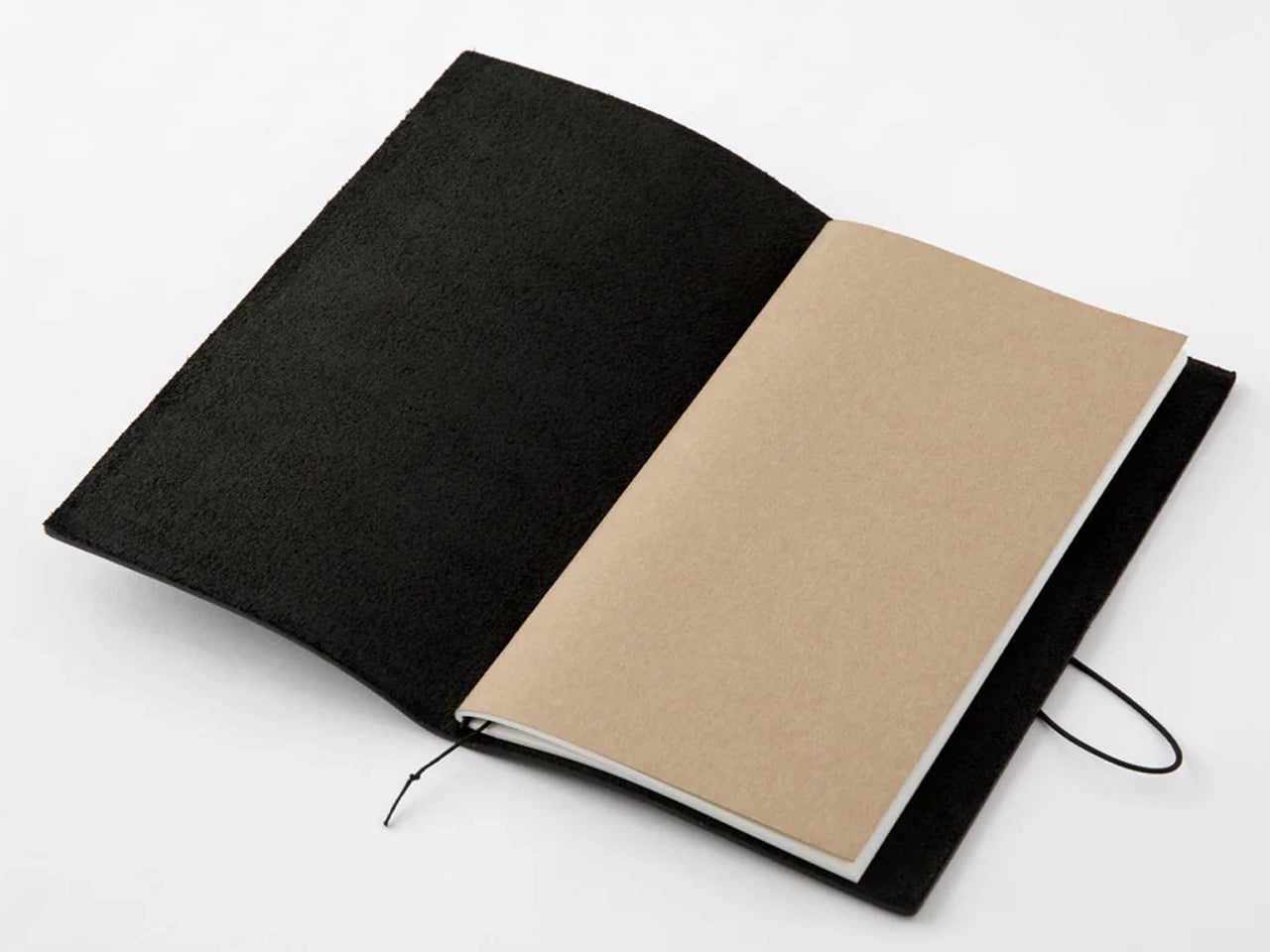
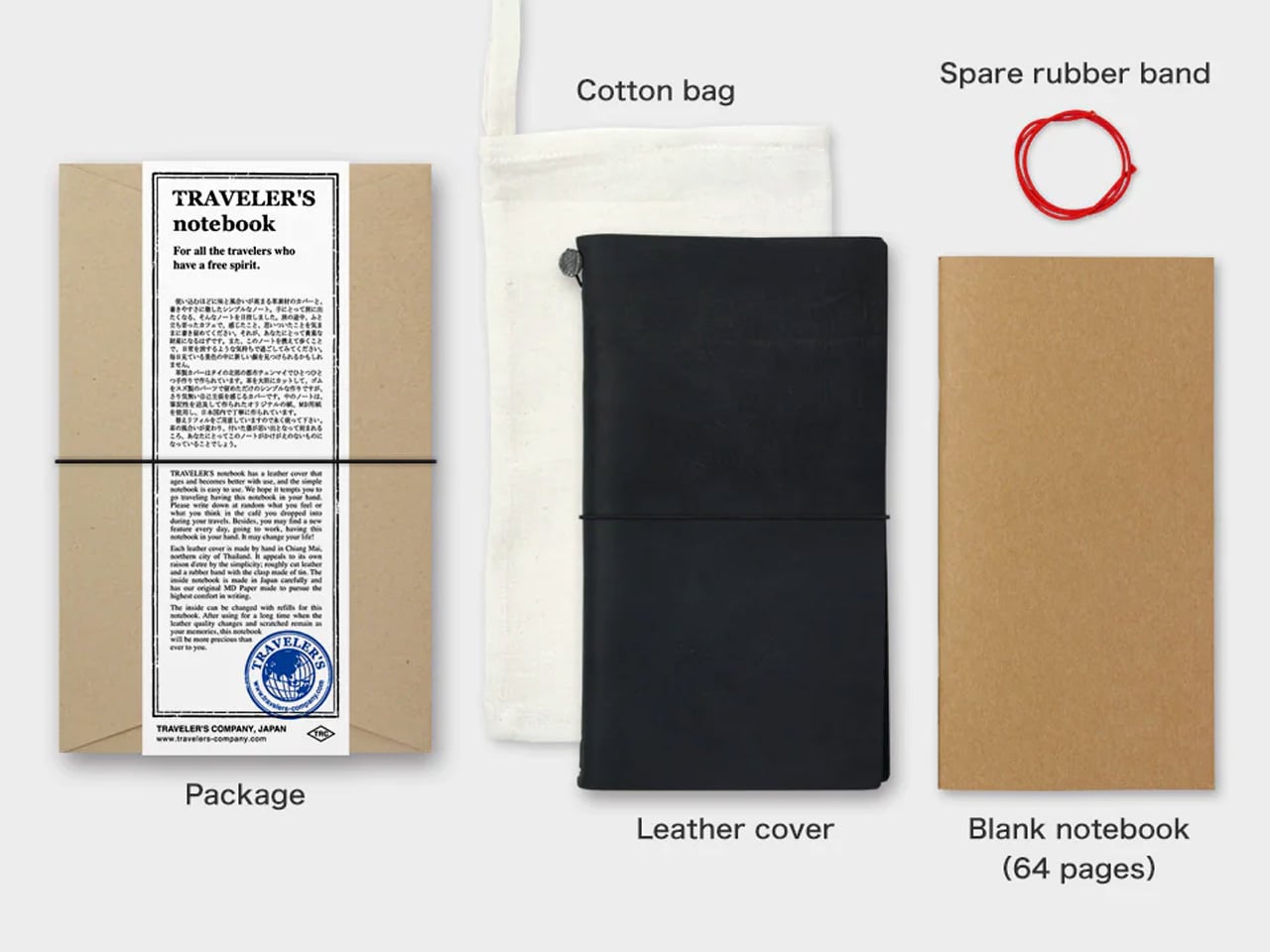
The Traveler’s Notebook has been in continuous production since 2006 and has changed almost nothing about itself, which is one of the more credible endorsements any product can carry. The black edition is oiled buffalo leather over a brass clip and elastic cord that ages into something genuinely lived-in after a single trip. The passport size fits a shirt pocket. The cream-colored MD paper inside is fountain-pen-friendly stock that resists bleed-through quietly and without making a feature of it, which is exactly the right approach.
In a list that sits mostly on the technology end of the travel object spectrum, this earns its place by doing nothing digital. It captures the parts of a trip that photographs miss: the quality of light at seven in the morning on an unfamiliar street, the menu item worth remembering, the address someone wrote down for you on a napkin now tucked into the inner fold. The refillable insert system means the leather accumulates character across years while the interior renews for each new destination. Handwritten travel, in a book that costs less than a dinner, has a relationship to memory that nothing else has yet replaced.
What We Like
- Oiled buffalo leather, brass clip, and continuous production since 2006 produce an object that will outlast every phone, charger, and piece of luggage in the bag by a margin that is not a close call
- The refillable insert system means the notebook’s physical character builds across years while the interior refreshes for each trip, which is a genuinely useful design decision that also happens to be a sentimental one
What We Dislike
- The elastic cord binding requires a brief loosening period before inserts sit fully flat, which new users consistently find frustrating during the first week before it settles into daily use and stops being noticeable
- The passport format can feel constrained for wider handwriting styles and left-handed writers working on moving transport, where the narrow page and cord binding combine into a real ergonomic consideration
8. Auger PrecisionMaster Grooming Set
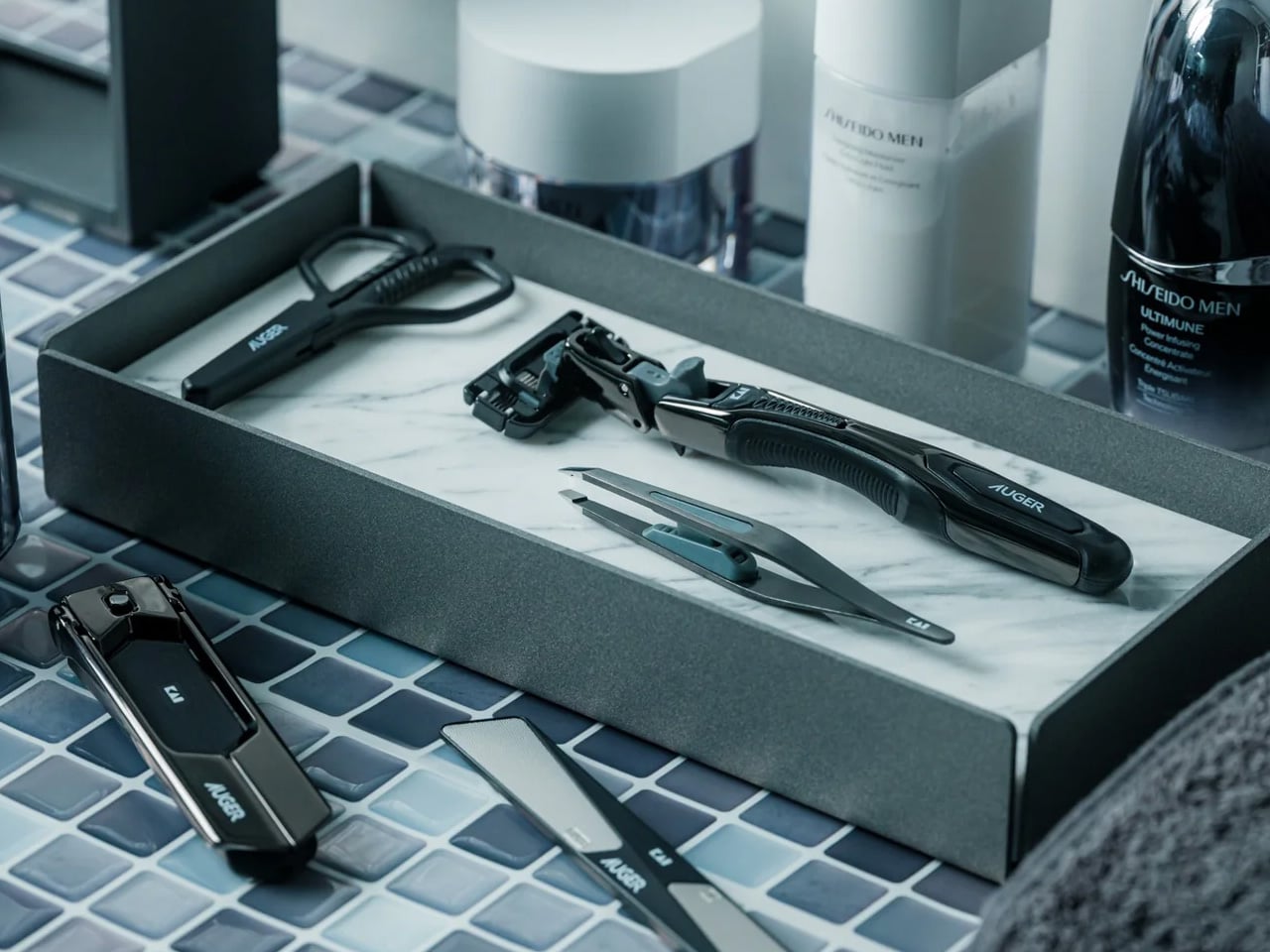
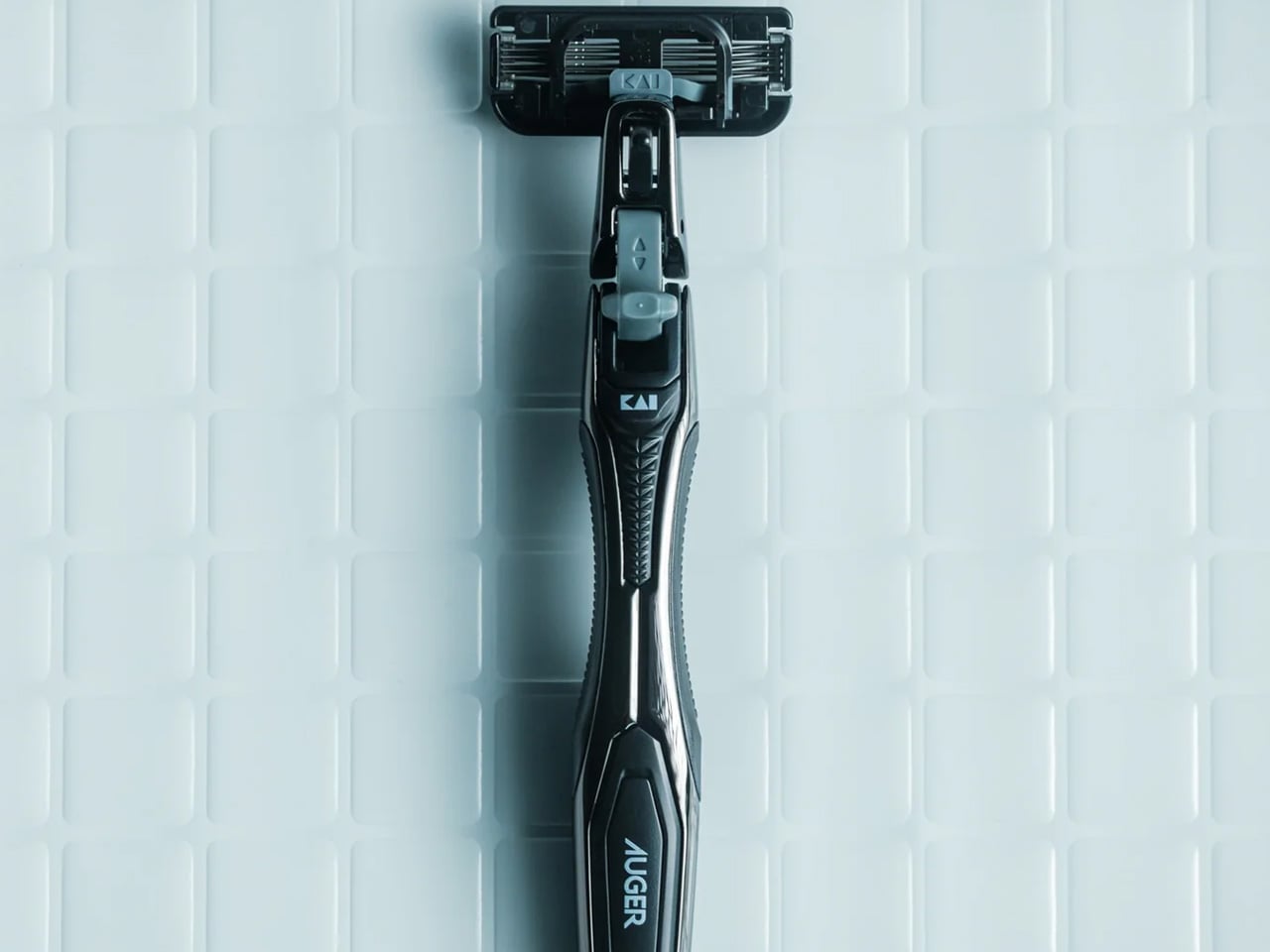
A grooming kit earns its place in a travel bag by doing two things at once: packing small and performing properly. Most travel grooming sets manage one or the other. The ones that pack small feel like toy versions of real tools. The ones that perform well require a hard case that adds more weight than it saves. The Auger PrecisionMaster Grooming Set approaches both as a single design problem rather than a trade-off between them, built around precision as the organizing principle rather than portability treated as an afterthought.
At $150, this is not a stripped-down version of a better kit scaled for a carry-on. It is the kit you actually want to use, built to the same performance standard whether you are at home or checking in somewhere new for the third week running. For anyone who travels frequently enough that grooming across time zones and hotel mirrors is a real logistical consideration, having tools that perform consistently rather than adapting to whatever the bathroom provides is a meaningful daily quality-of-life upgrade. The PrecisionMaster travels with you rather than waiting for you to return.
Click Here to Buy Now: $150.00
What We Like
- Precision and completeness as the organizing design brief produces a significantly better result than the size-everything-down approach that most portable grooming kits default to, and the difference is immediate in use
- Built to full-performance standards rather than travel-size ones, which means tool quality does not change when the context does, and that consistency compounds across a long summer of consecutive trips
What We Dislike
- Grooming kits are personal in ways that curated sets cannot fully predict, and a fixed selection always carries some risk of leaving out something specific to your own routine that no roundup can account for
- At $150, this sits in investment territory for a category most travelers undervalue until they have spent enough trips making do with what was available rather than what they would have chosen
9. DraftPro Top Can Opener

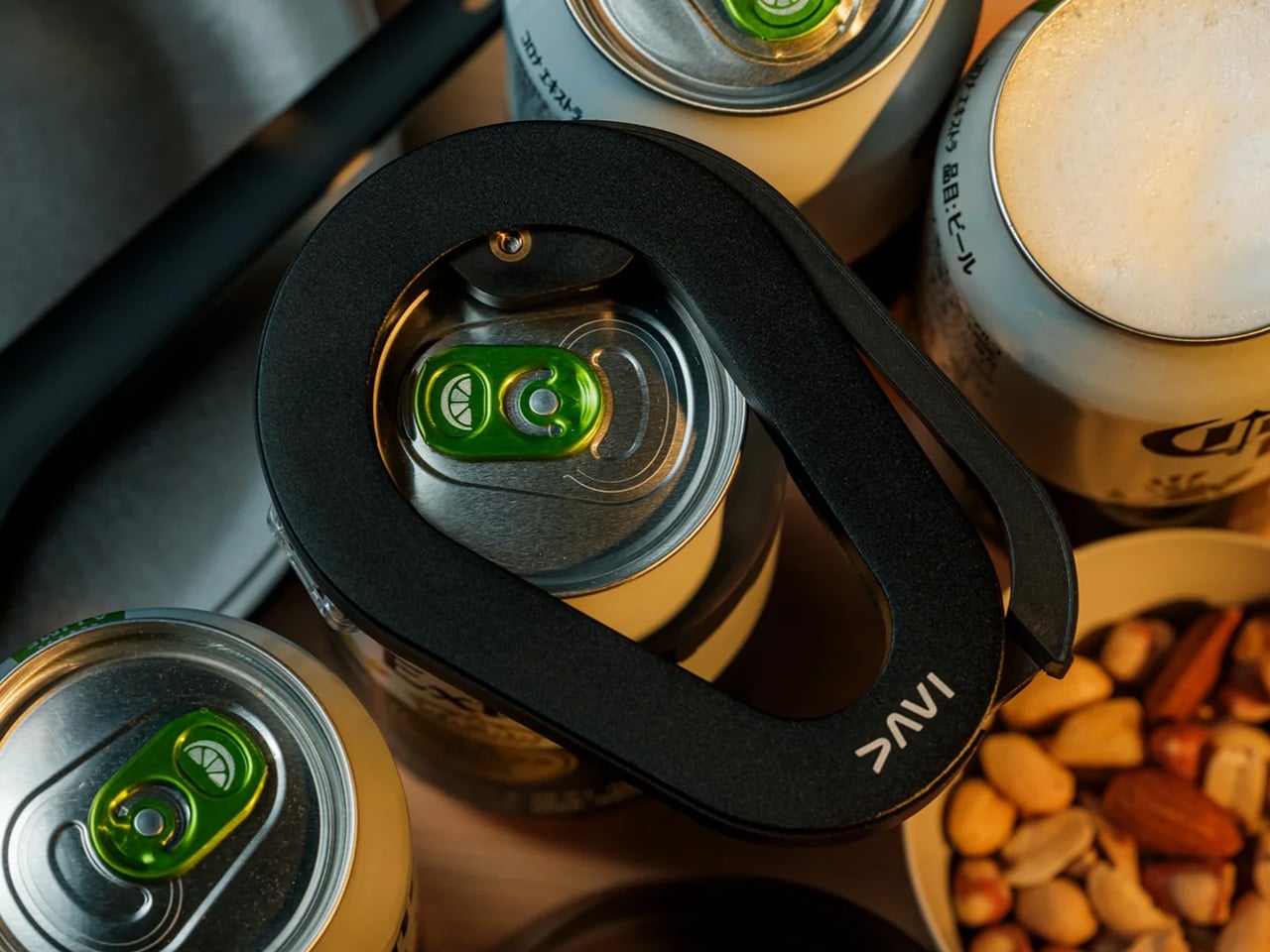
The traveler who stays in apartments and rented kitchens rather than hotels quickly discovers which tools the average rental does not stock. A can opener is at the top of that list with remarkable consistency, and the one left behind by a previous guest is consistently not the one you would choose. The DraftPro Top Can Opener addresses the problem from a design standpoint: a compact, considered tool built around clean removal and a form that earns its place in a travel kit rather than just excusing itself there on grounds of utility alone.
Top can openers remove the full lid rather than cutting the inner edge, which eliminates the sharp rim that traditional openers leave behind. The result is a lid you can replace as a cover, a can you can eat directly from without concern, and a tool you can rinse and pack without a second thought. For the kind of summer travel that involves self-catering, weekly rentals, and cooking wherever the accommodation allows, this is the object that makes the kitchen feel like yours from the first evening rather than the third day after you have figured out what is missing from every drawer.
Click Here to Buy Now: $60.00
What We Like
- Full-lid removal means no sharp edges on either the can or the lid, which is the single most practical improvement over the traditional side-cutting opener design and the one most worth having on the road
- The compact profile fits in a travel toiletries bag, a day pack side pocket, or a rental kitchen drawer without requiring deliberate accommodation of the kind that full-size tools demand
What We Dislike
- Top-opening mechanics require a brief learning curve for anyone switching from a traditional side-cutting opener, particularly when working quickly in an unfamiliar kitchen where the usual instincts do not quite apply
- The design serves apartment and self-catering travel specifically, which makes it a less obvious addition to a kit built around hotel-only itineraries where the kitchen consideration never comes up
Nine Objects That Earn the Trip
The best version of a travel kit is the one you stop thinking about. Every item does its job quietly enough that attention goes to the trip itself rather than to the logistics of surviving it. These nine products reach that standard in different ways: some through comfort, some through visual coherence, some through the small rituals that make a long transit day feel like something worth doing rather than something to get through before the trip begins.
Summer is the hardest test for any piece of gear. The heat, the packed transit, the compressed schedules, the improvised plans: they all expose the difference between objects designed for how travel actually works and objects designed for how it looks in a product shot. Everything here holds up under that pressure. Pack them well, move through security without a second thought, and pay attention once you arrive. That is the whole brief.
The post 9 Best Travel Gadgets for Summer 2026 That Survive Both Airport Security and Instagram first appeared on Yanko Design.