Facebook and Instagram appear to down
Facebook, WhatsApp and Instagram appear to down for many users this morning.
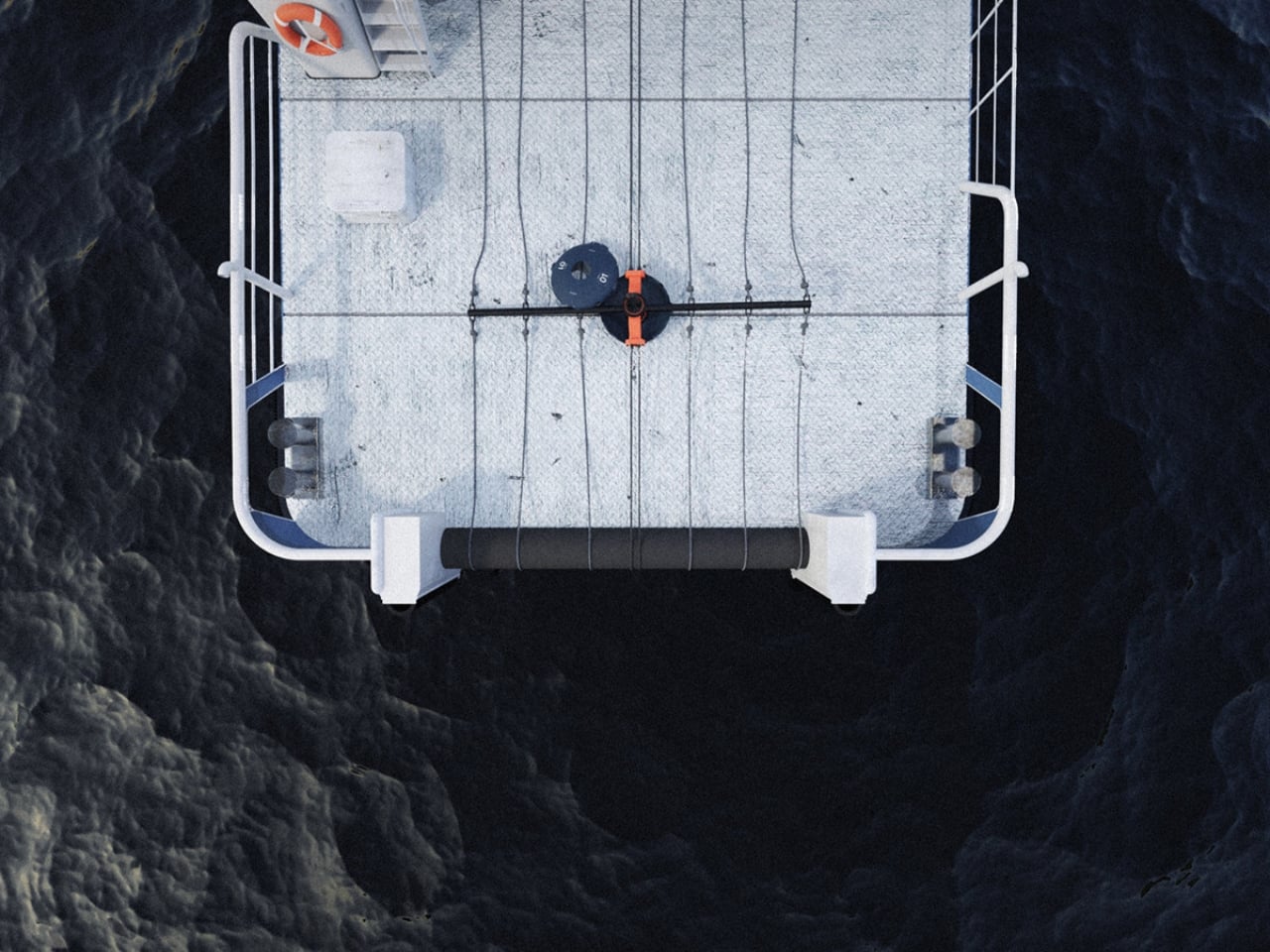
Most of us don’t spend a lot of time thinking about seaweed. It turns up in sushi, drifts around in the ocean, and occasionally ruins a beach day. But seaweed farming is quietly becoming one of the more compelling conversations in sustainable food and ocean health, and the tools that support it are finally starting to catch up with the ambition. Enter Symbios, a buoy system designed by Aaron Mooser as his bachelor thesis project at Bauhaus University Weimar, and one of the more quietly impressive things to come out of student design in recent memory.
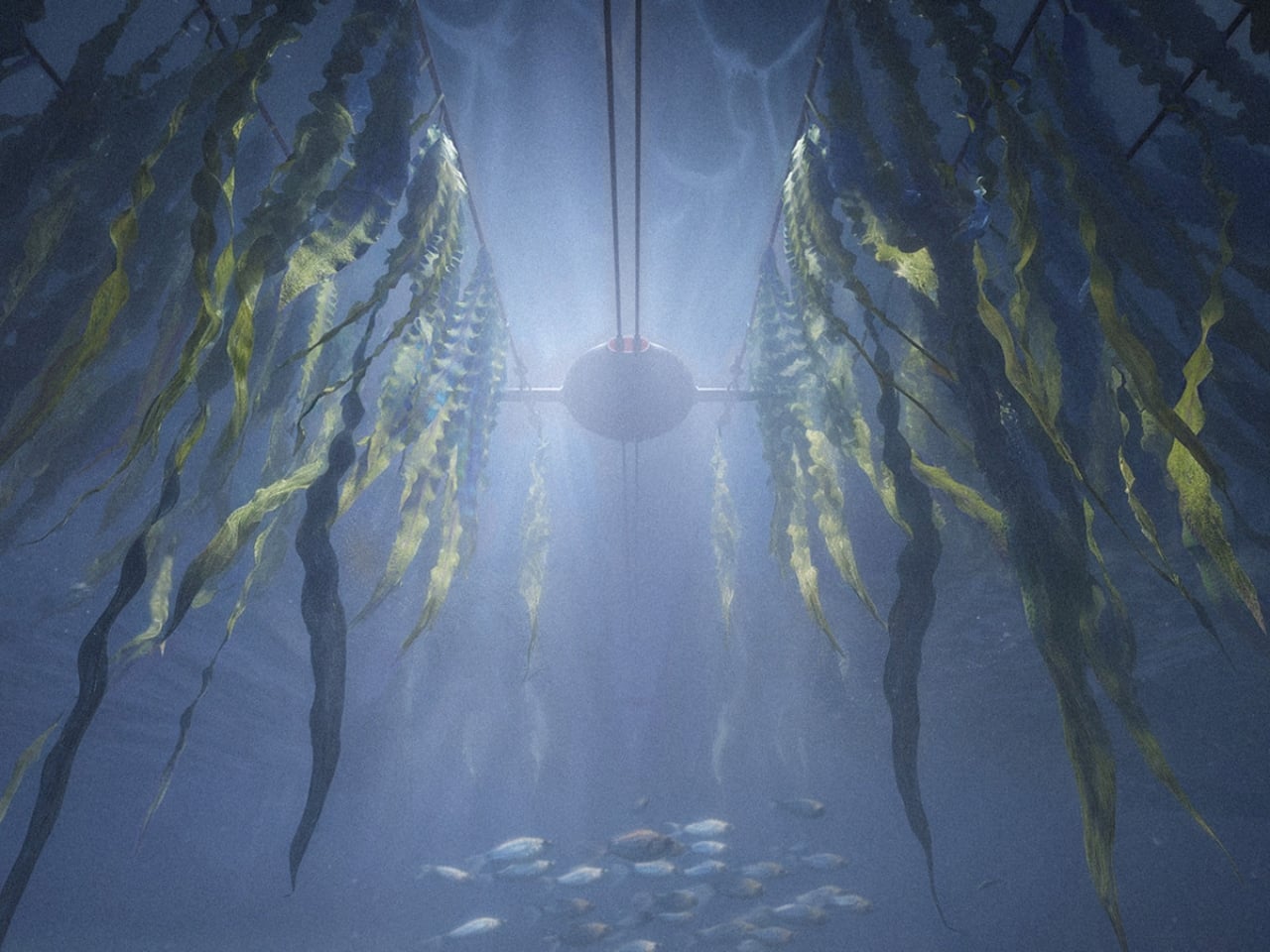
The core idea is straightforward, but the thinking behind it is genuinely sharp. Symbios is an automated buoy system built for Nordic nearshore seaweed farmers. Its central feature is depth regulation, allowing the buoys to move seaweed into cooler, deeper waters during warmer months. This solves one of the most persistent problems in seaweed cultivation: ocean temperatures fluctuate enough to disrupt or completely derail a harvest season. By managing that shift automatically, Symbios makes year-round cultivation and partial harvesting not just possible, but practical.
Designer: Aaron Mooser
That might not sound like a design story, but it absolutely is. The challenge Mooser was solving wasn’t purely biological. It was logistical, environmental, and deeply human. Seaweed farmers in Nordic regions deal with the compounding pressure of climate variability and the sheer labor of monitoring a harvest that lives underwater. Every unnecessary boat trip costs time, fuel, and money. Symbios addresses this through remote monitoring built directly into the system, reducing the number of trips farmers need to make without losing visibility into what’s happening below the surface.
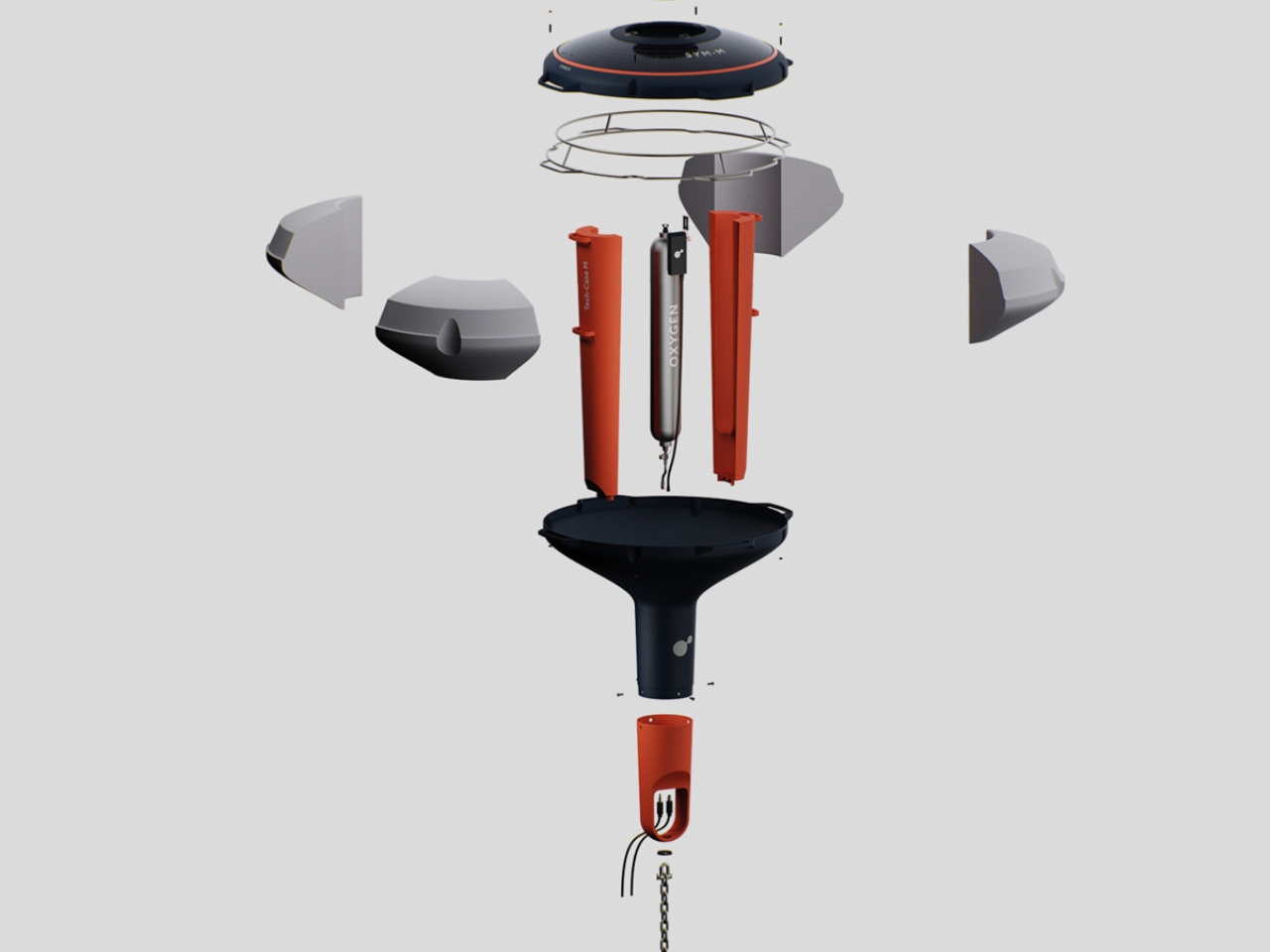
There’s an elegance here that feels distinctly Bauhaus-trained. Mooser completed his bachelor’s in product design at Bauhaus University Weimar and is now pursuing a Master’s in Industrial Design at FH Joanneum, where he’s focused on Eco-Innovative design. That background shows. The buoys are modular, built to be repaired rather than replaced, and designed for durability in conditions that would wear most things down quickly. It’s the kind of systems thinking that doesn’t get enough attention in sustainability discussions, because repairability rarely makes a headline. But designing for longevity in a marine environment is a serious commitment, and it’s a far more honest environmental gesture than a lot of what gets labeled green.
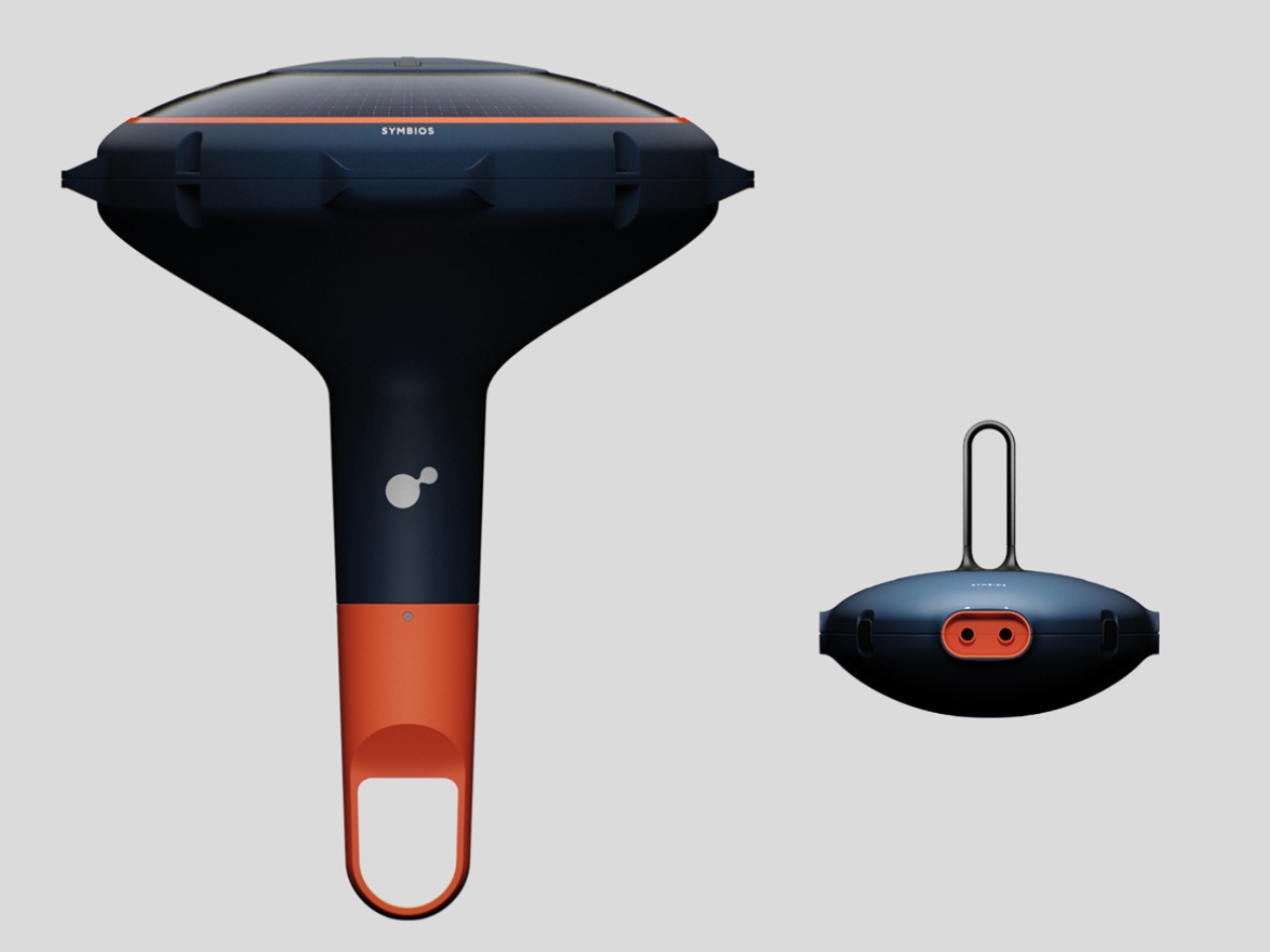
What Symbios also does, somewhat unexpectedly, is create stable marine habitats. Because the seaweed is cultivated continuously in a regulated environment, it offers more consistent ecosystem support for the marine life around it. The design doesn’t just serve the farmer. It serves the water, too. That dual benefit, where agriculture and ecology work together rather than in opposition, is what makes Symbios feel like more than a polished student project. It reads as a genuine proposal for how nearshore food systems could be structured.
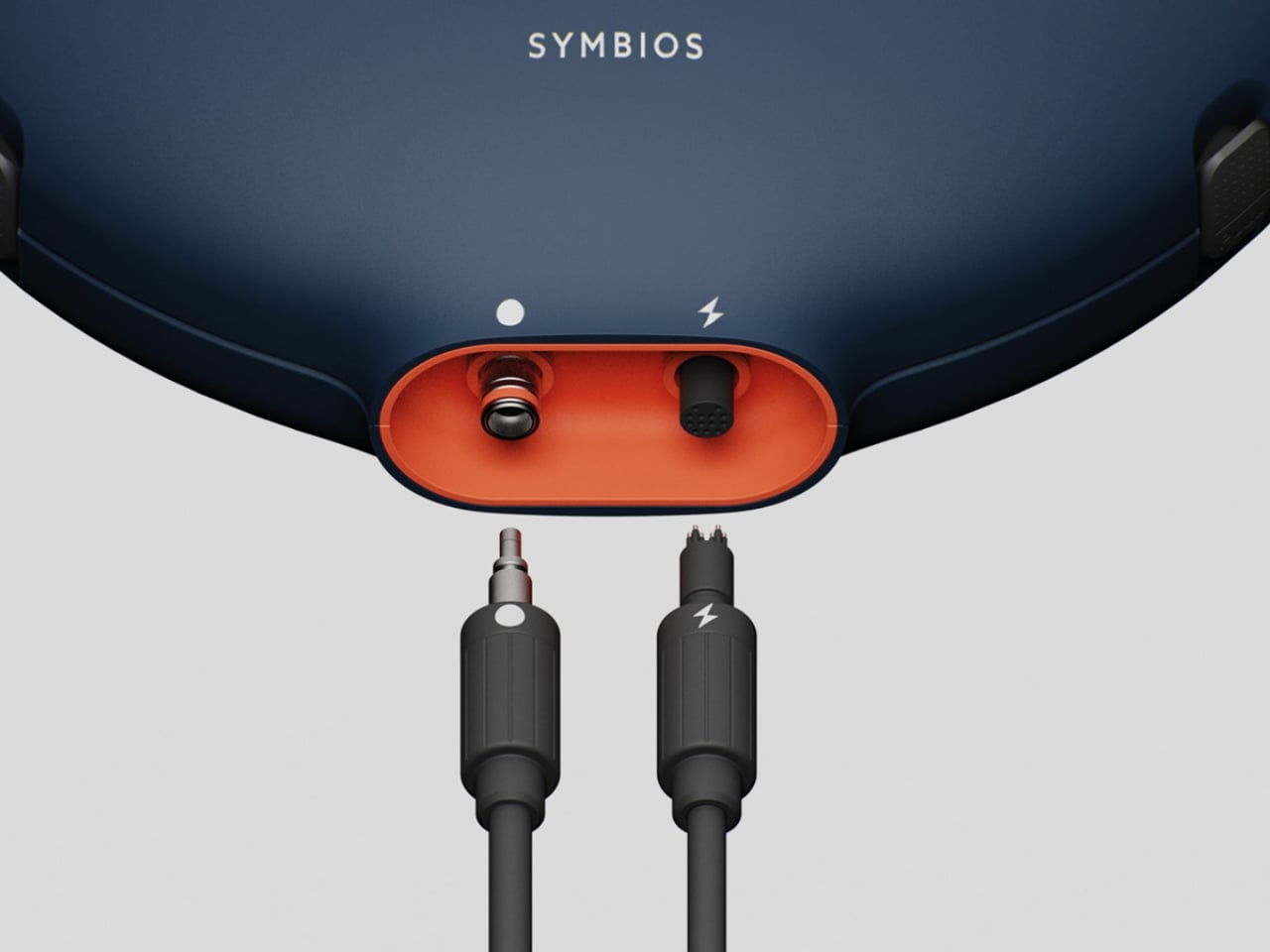
The fact that this began as a bachelor thesis is worth sitting with. Student design can sometimes feel speculative, imaginative but distant from actual use. Symbios pushes back on that assumption. It’s detailed, practical, and built around a real user: the Nordic seaweed farmer navigating a genuinely complex set of conditions. The design process clearly involved deep engagement with that context, not just a convincing visual presentation.
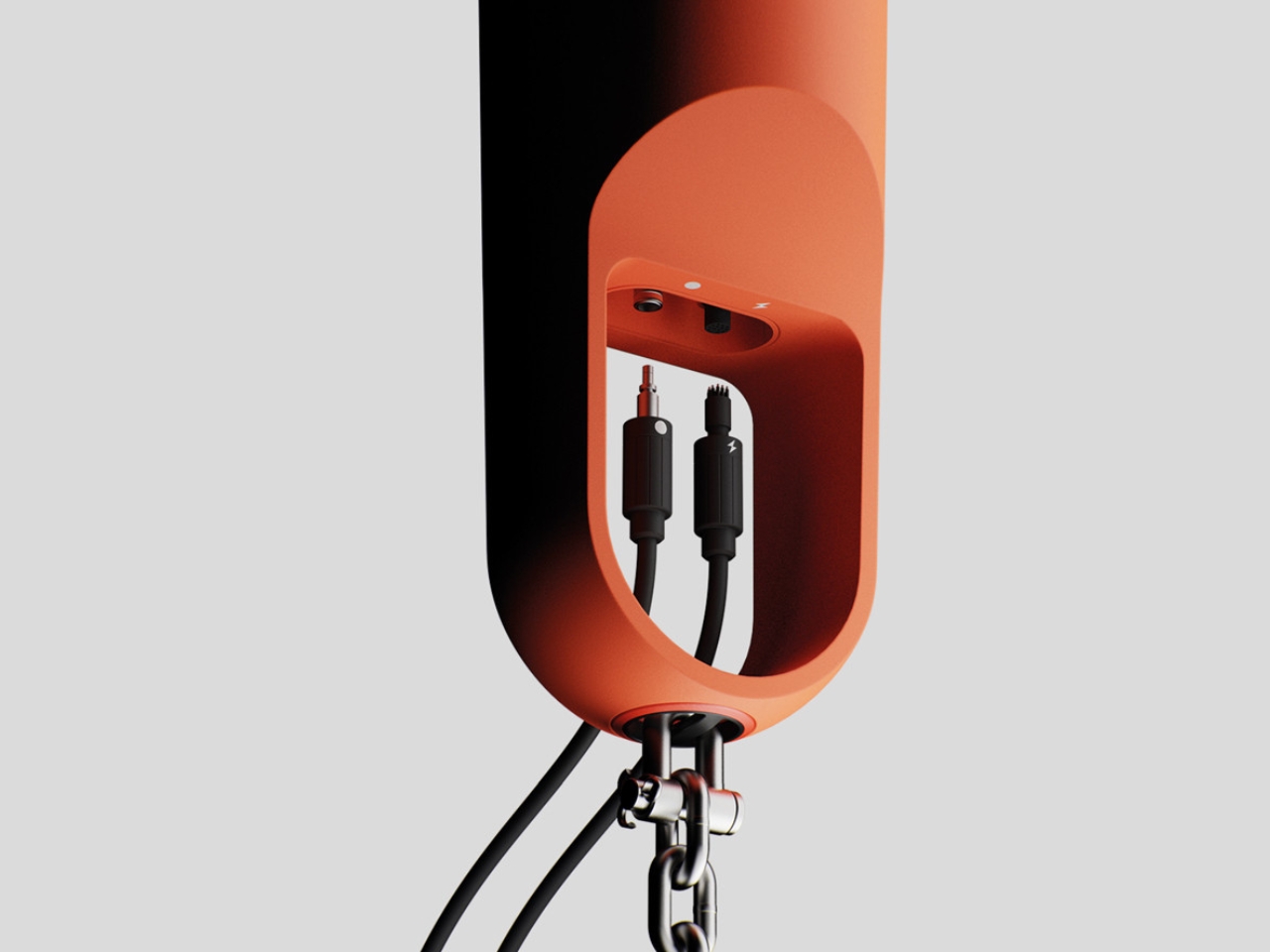
Aaron Mooser’s work has been recognized by the Green Product Award, and it earns that recognition. Not because it’s flashy, but precisely because it isn’t. Symbios doesn’t try to solve everything at once. It addresses specific problems cleanly, considers the full lifecycle of the product, and respects both the people who will use it and the environment it operates within. That kind of restraint, in a design culture that so often rewards novelty over genuine usefulness, is worth paying attention to.
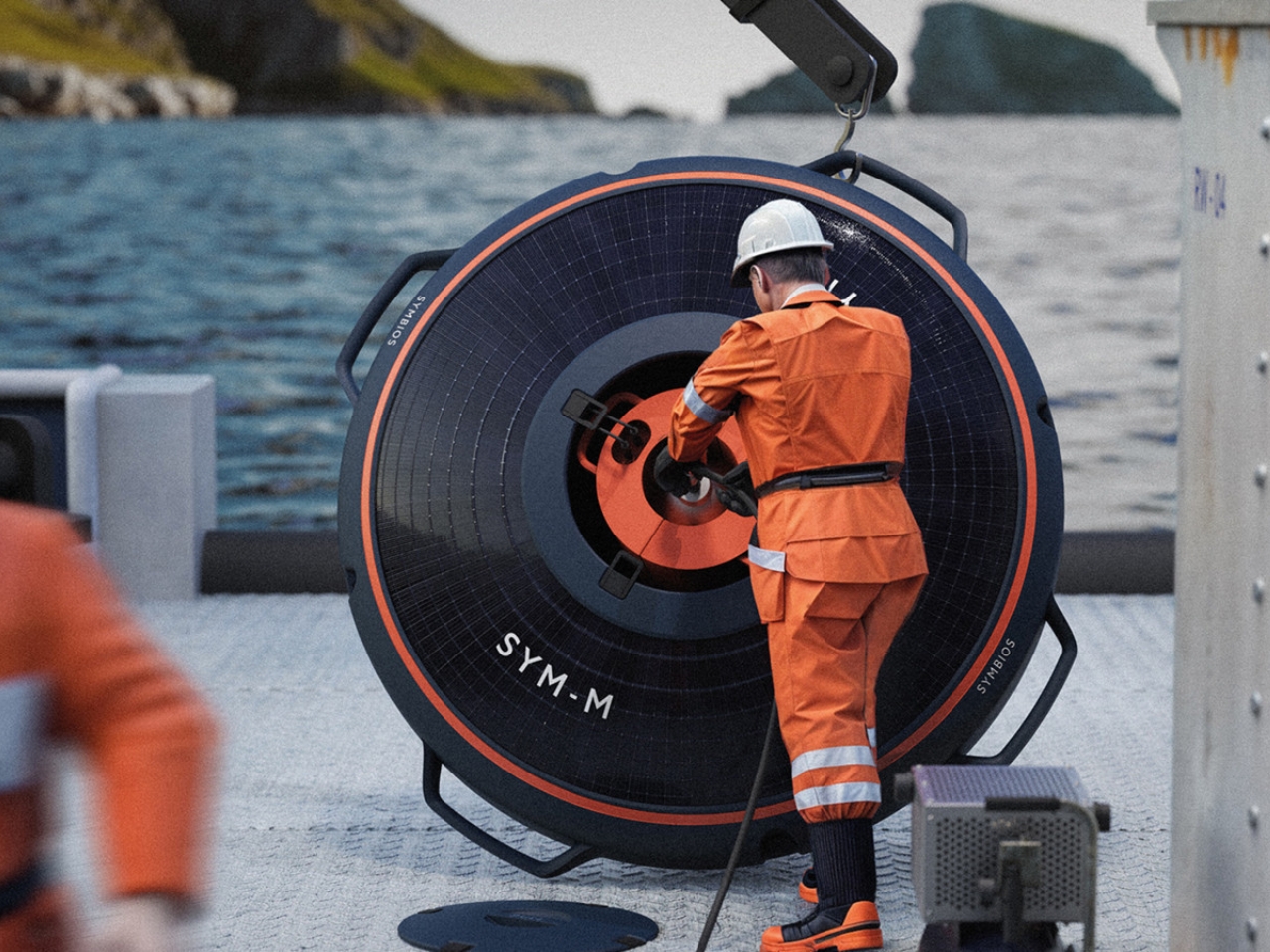
Seaweed farming isn’t going anywhere. If anything, it’s going to become more prominent as food systems shift toward more sustainable sources. The real question is whether the infrastructure supporting it can evolve fast enough. If Symbios is any indication, the answer might surprise you.
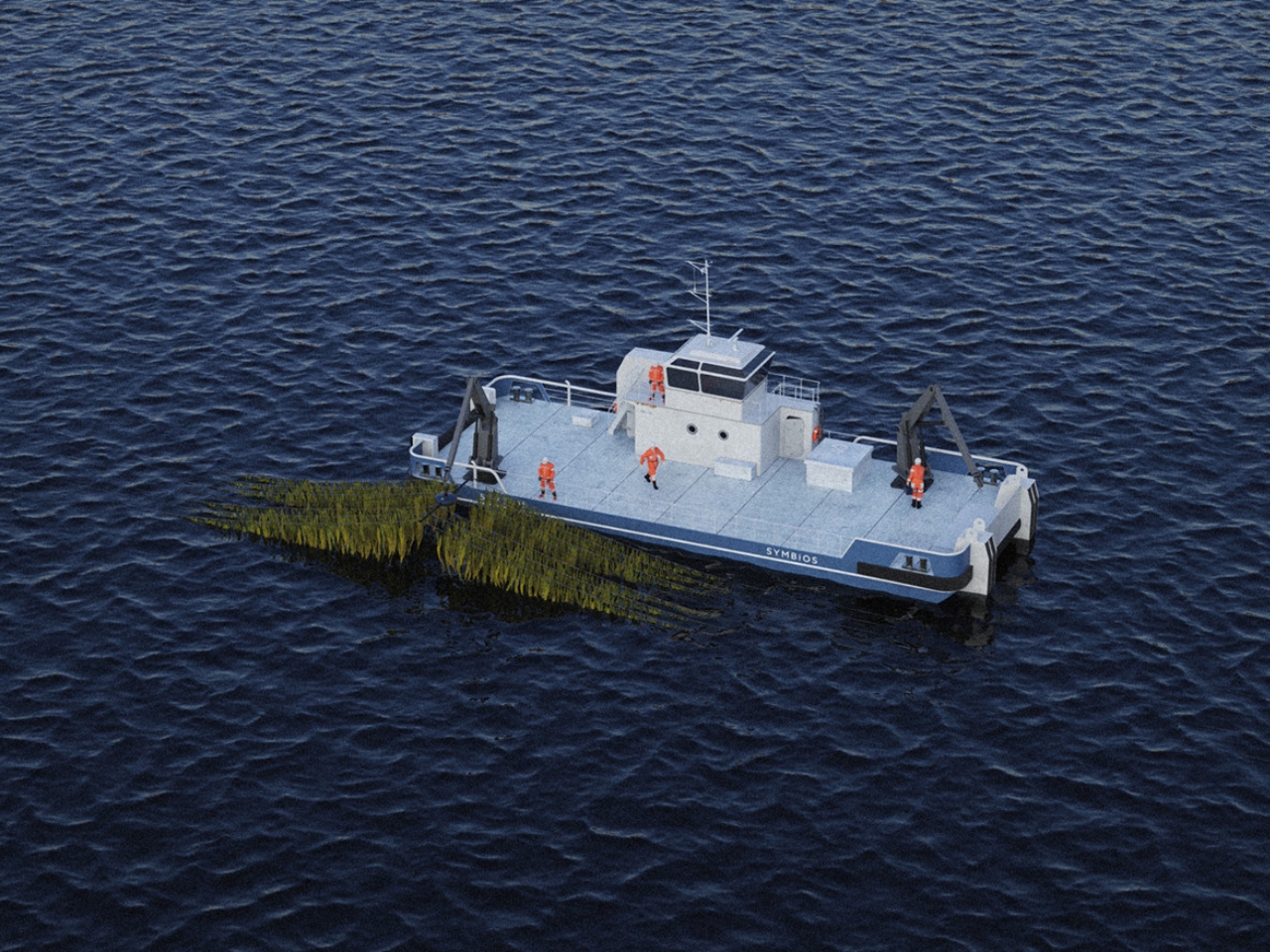
The post A Student Built a Buoy That Could Fix Seaweed Farming first appeared on Yanko Design.
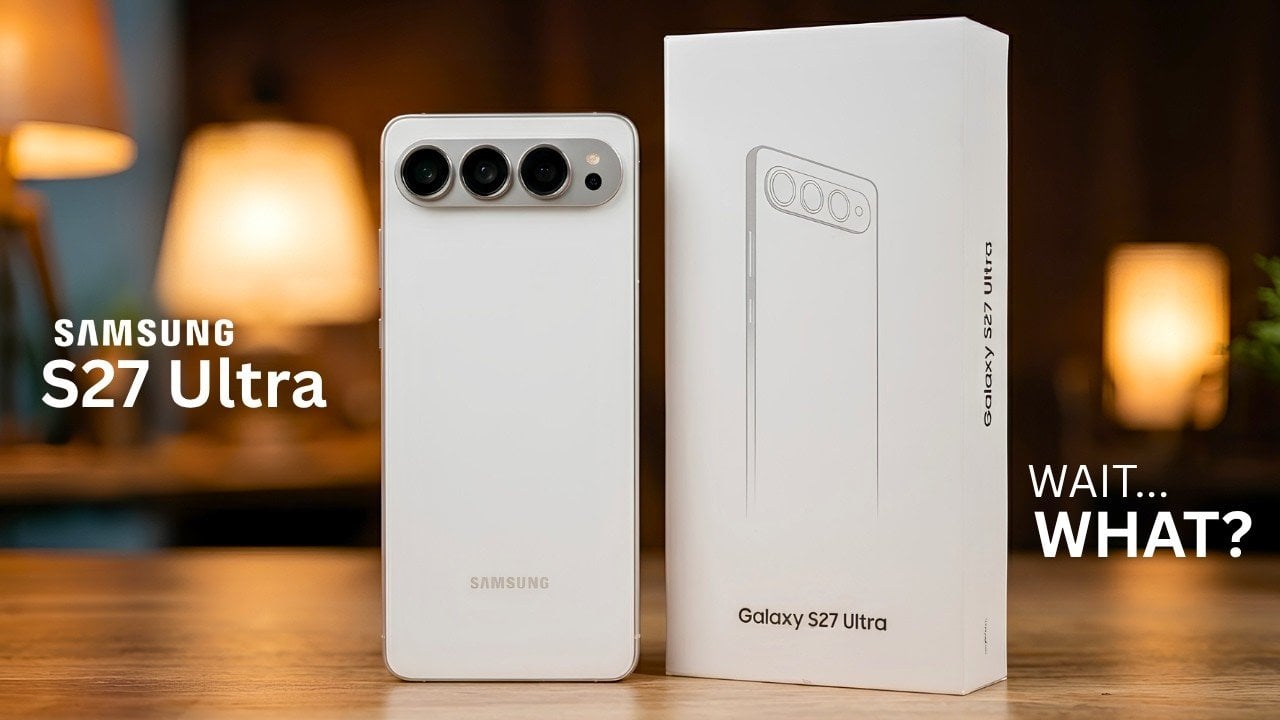
Samsung’s highly anticipated Galaxy S27 series has been officially confirmed through a GSMA database listing, offering a glimpse into what the next flagship lineup will bring. The listing reveals the model number SM-S952U, which corresponds to the carrier-locked US variant of the Galaxy S27 Ultra. This confirmation not only validates earlier rumors but also sets […]
The post The First Major Samsung Galaxy S27 Ultra Features Are Finally Revealed appeared first on Geeky Gadgets.


The way natural light moves through a home is something architects spend considerable effort thinking about and homeowners rarely control. A room that gets good morning light may feel completely flat by afternoon. A basement office might go weeks in dim, color-distorted artificial light that strains your eyes and makes every hour feel identical. The architecture of most homes simply wasn’t designed around the idea that the ceiling could do more than hold a light fixture.
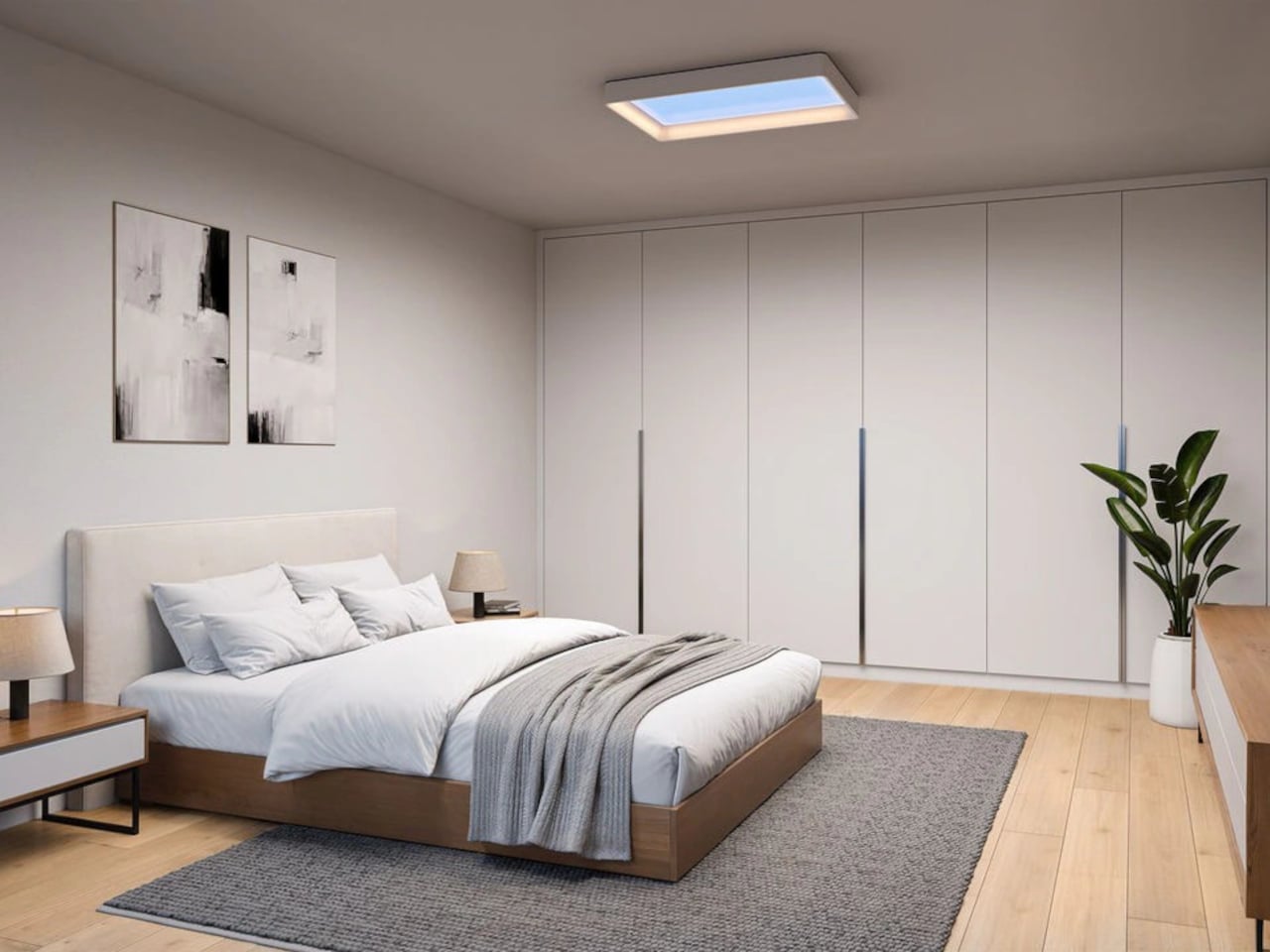
The Philips Skylight is a ceiling panel that started as a professional product, used in offices, lobbies, and medical practices, and has since been adapted for the consumer market. Designed around Signify’s NatureConnect LED technology, it’s built to recreate not just the brightness of daylight but also its depth, color variation, and the way those qualities shift over the course of a day.
Designer: Philips (Signify)
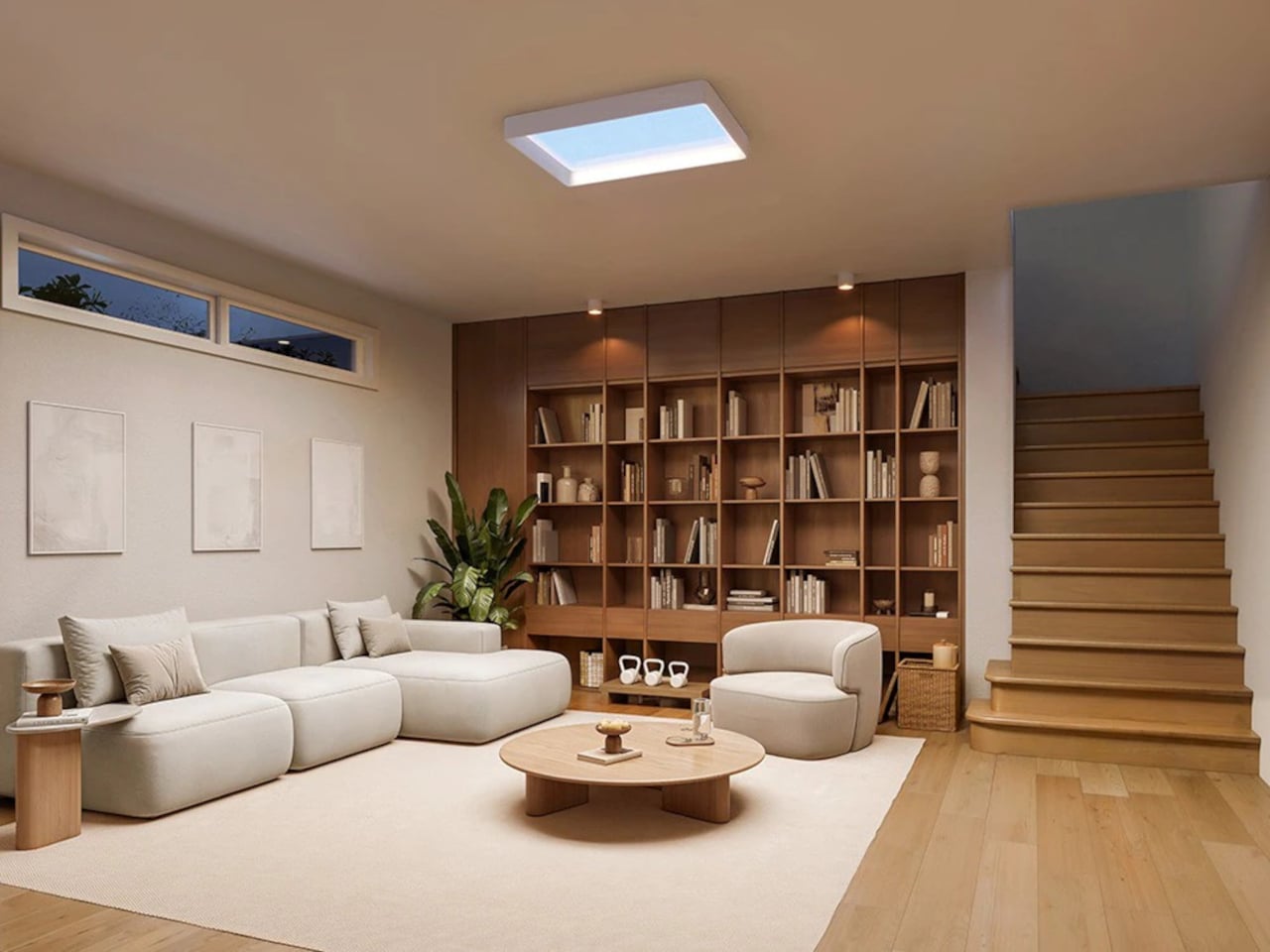
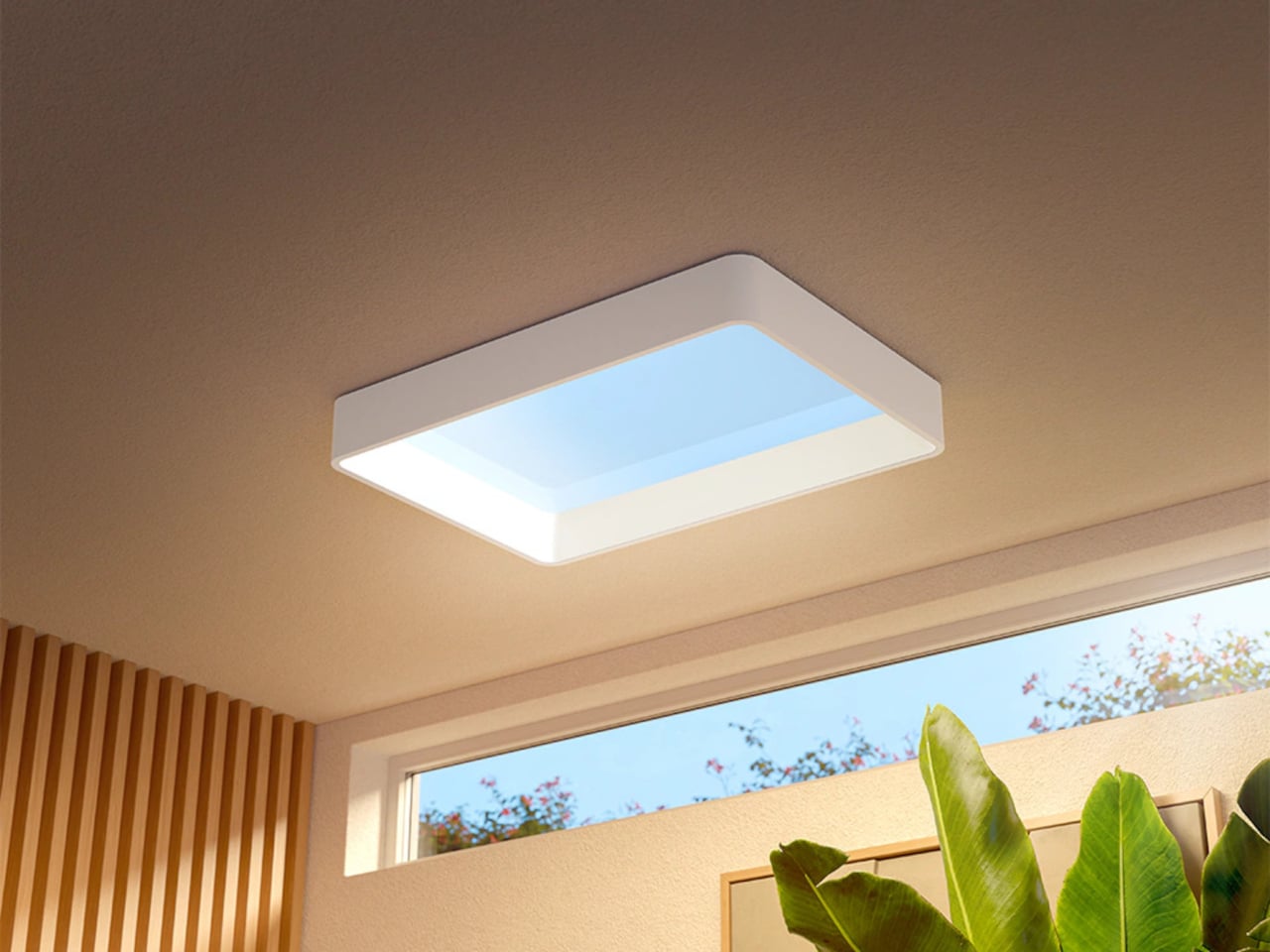
The panel’s visual framing creates a depth effect that reads more like a window to the sky than a flat ceiling-mounted fixture. The light isn’t static: an Auto Day Rhythm feature automatically adjusts brightness and color temperature throughout the day following a fixed schedule. During the day, BioUp LEDs deliver blue-enriched light to support alertness and focus. As evening arrives, the spectrum shifts to warmer, more relaxed tones.
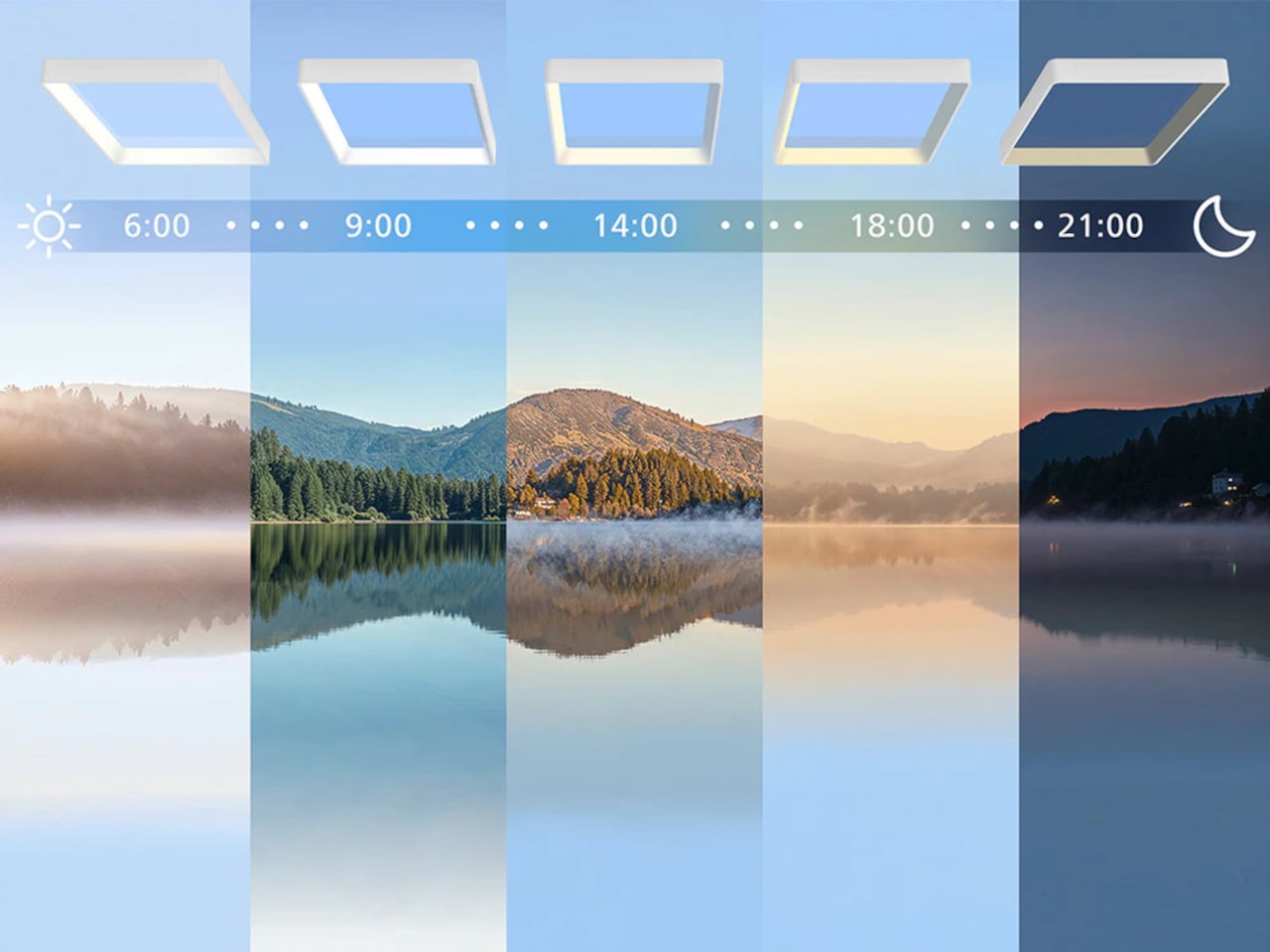
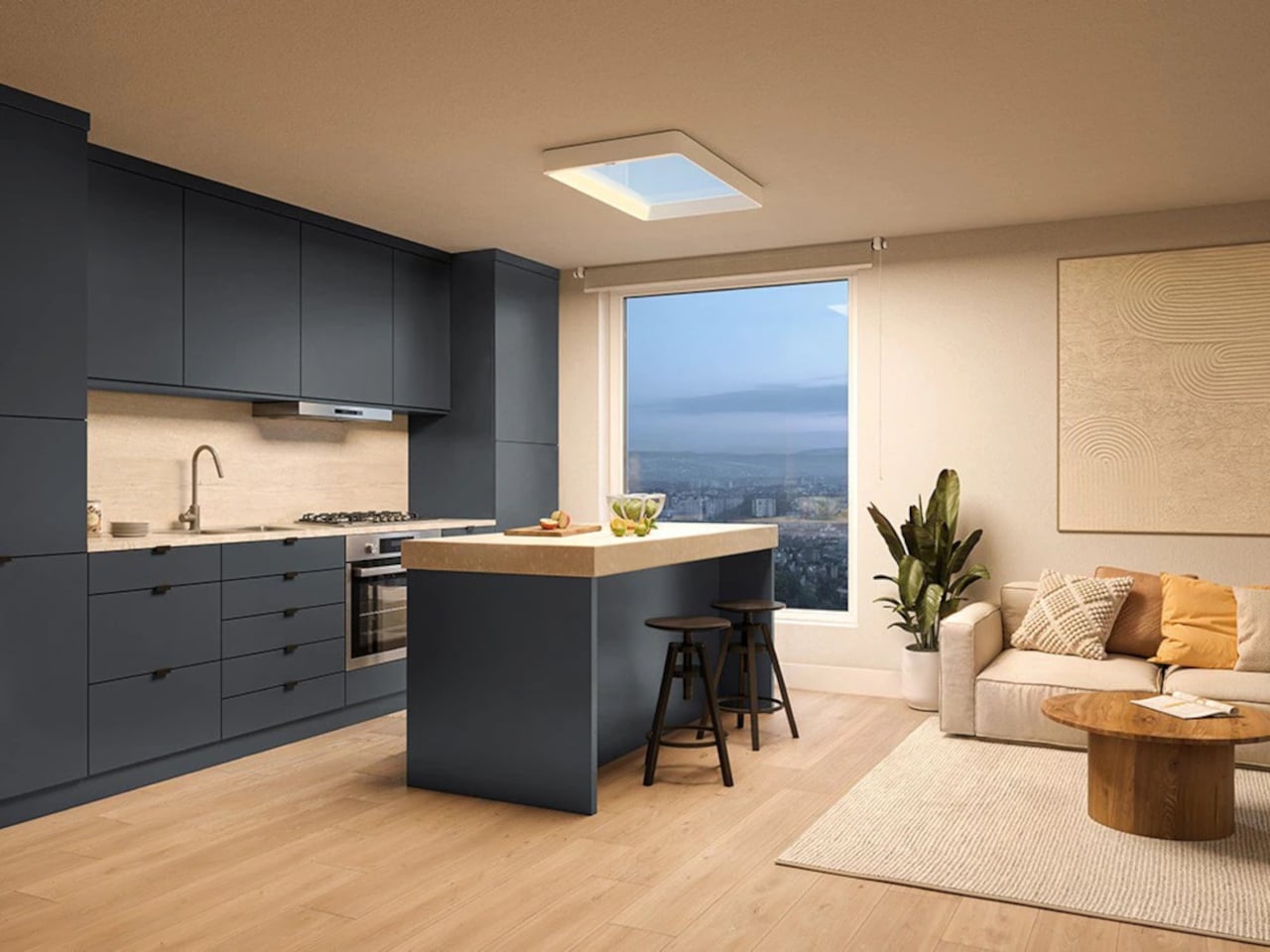
That kind of passive, scheduled behavior is one of the Skylight’s cleaner design decisions. There’s no app to configure, no smart home hub required, and no automation to build. The included remote handles manual control, and five preset lighting scenes cover the range from an energized home office session to something closer to winding down. The absence of smart home integration has drawn some criticism given the price, but for anyone who finds smart home setups a hobby in themselves, the simpler approach may actually be the selling point.
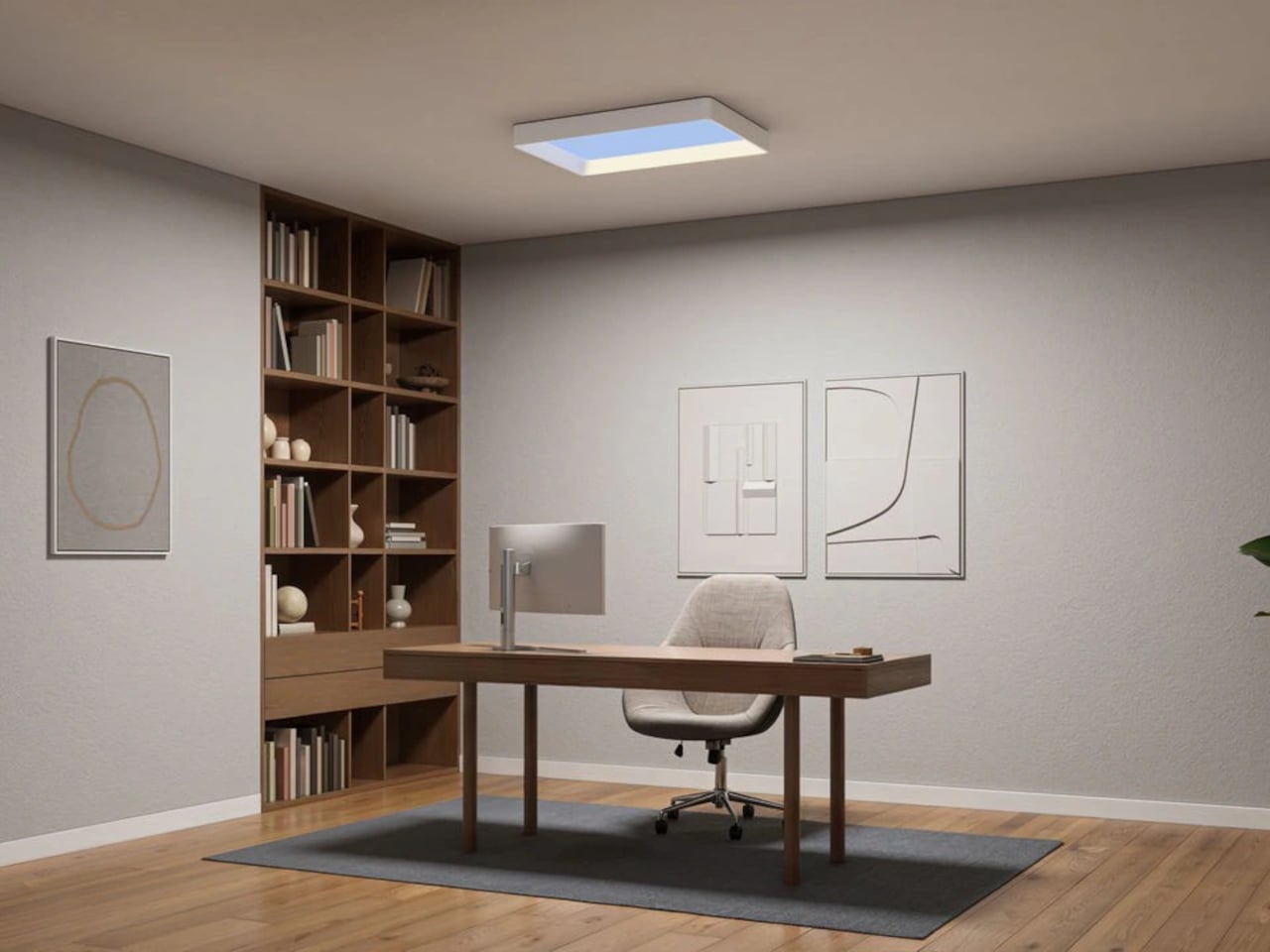
The range comes in four variants: a Philips Skylight Medium, Philips Skylight Large, Philips Skylight VitaUp Medium, and Philips Skylight VitaUp Large. The VitaUp versions include an integrated UV-B module designed to support the body’s natural vitamin D production indoors, with a safety feature that automatically cuts the UV-B output off after eight hours. The product carries a disclaimer that it’s not a medical device and doesn’t replace actual sunlight, which is probably the right framing for something that lives on a ceiling.
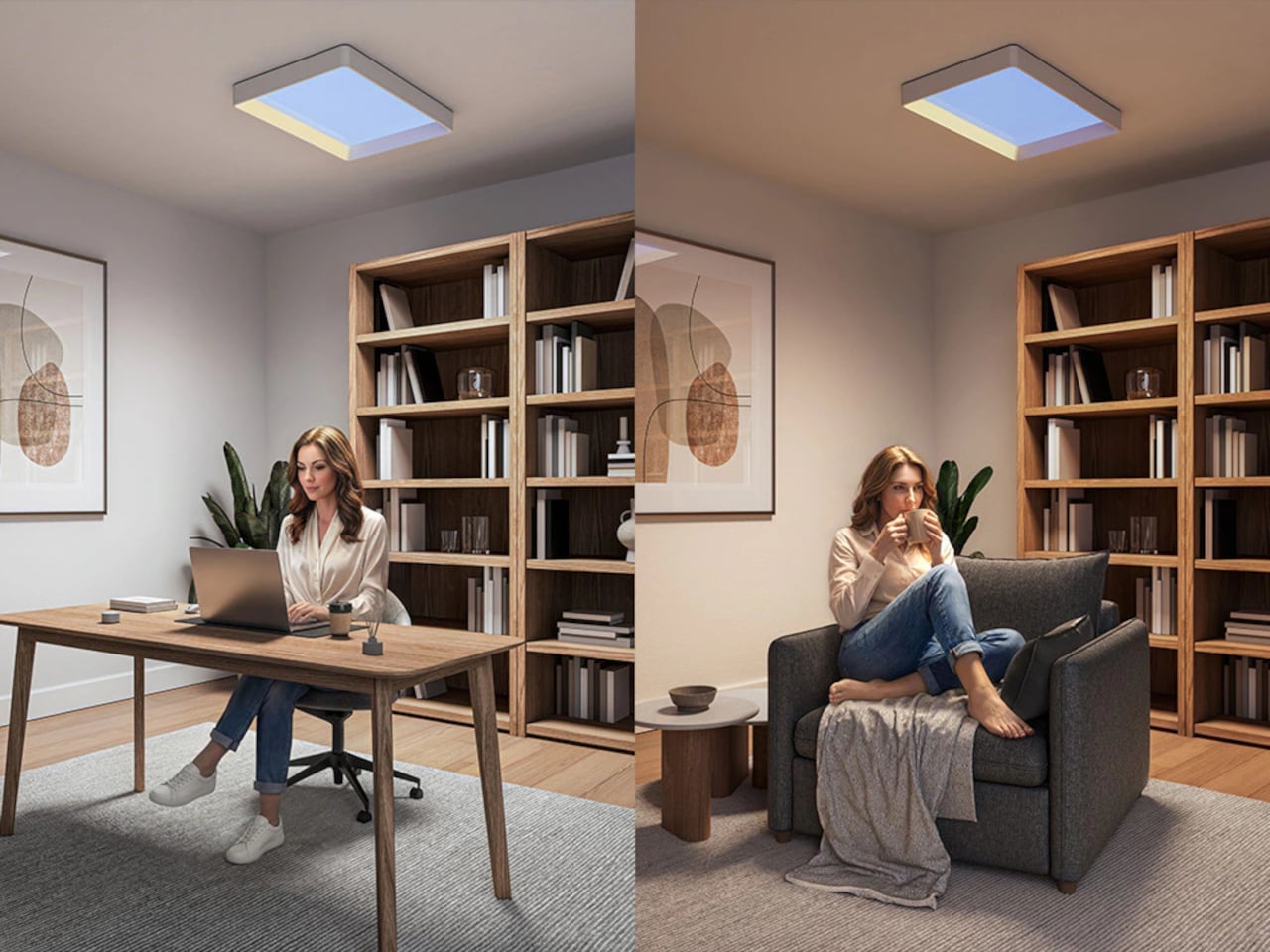
An IP44 rating across the entire range means the Skylight can also be installed in bathrooms and other humid spaces, which changes the calculation considerably. A bathroom that gets no natural light is exactly the kind of room where spending two hours on a winter morning begins to feel like something is actively wrong with the day before it’s even started. Placing a light that actually follows the rhythm of daylight in that space addresses a very specific, rarely solved problem.
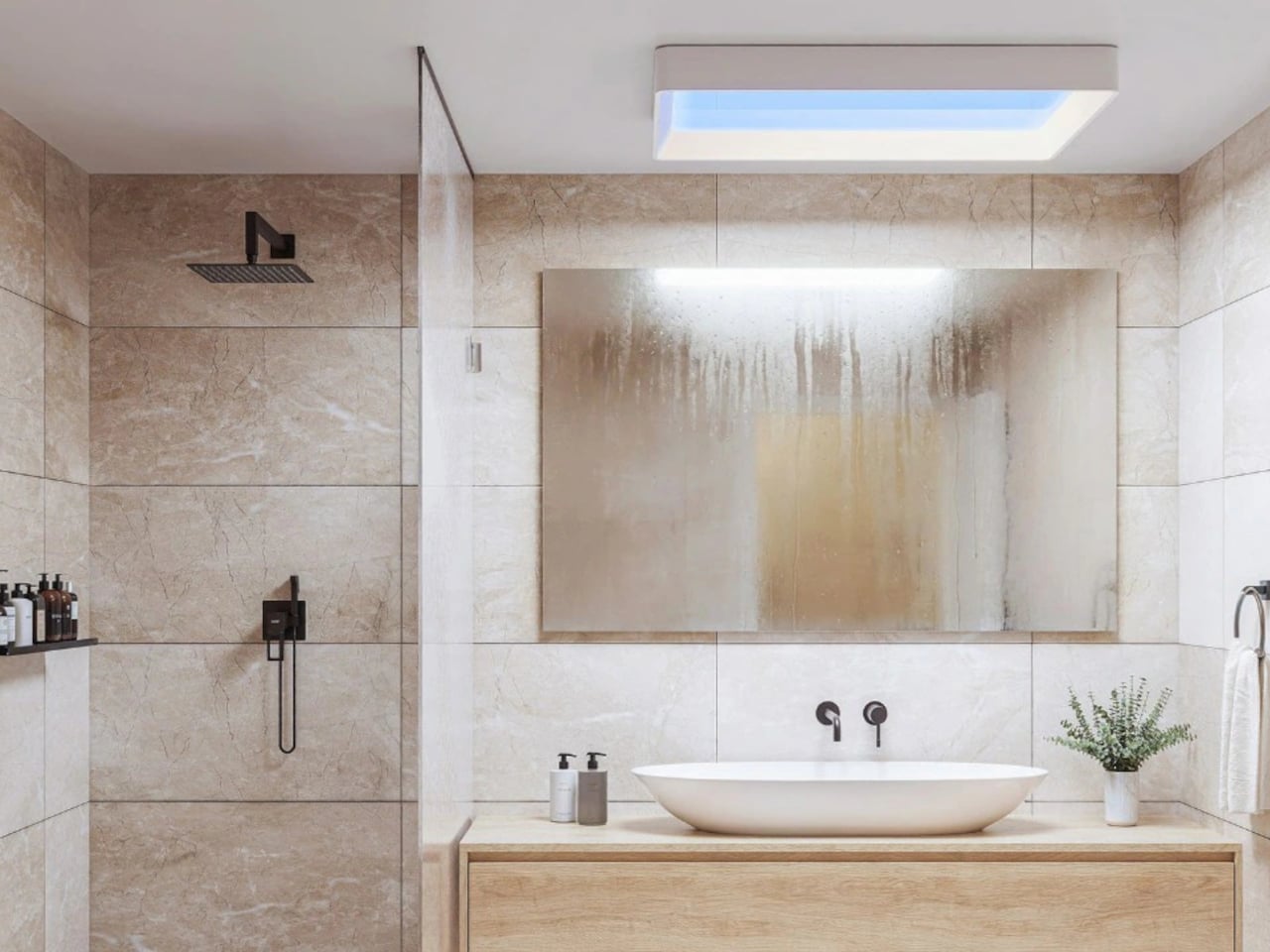
European markets have the Skylight from June 2026, starting at €499.99, with US availability expected in September 2026. The technology backing it has already spent time in settings where lighting quality genuinely matters, which gives it a credibility that consumer-only smart bulbs have historically struggled to carry. How well the depth effect translates from professional installation to an ordinary home ceiling is something that hands-on testing will eventually settle.
The post The €499 Ceiling Panel That Shifts Like the Sky From Dawn to Dusk first appeared on Yanko Design.
Google’s Diffusion Gemma introduces a bold shift in AI language modeling by adopting a diffusion-based architecture that processes tokens in parallel, rather than sequentially. As explained by Prompt Engineering, this design enables the model to generate tokens in fixed 256-token patches, significantly enhancing speed while maintaining contextual understanding. With 26 billion parameters, 4 billion active […]
The post Google’s New Diffusion Gemma Changes How AI Processes Language appeared first on Geeky Gadgets.
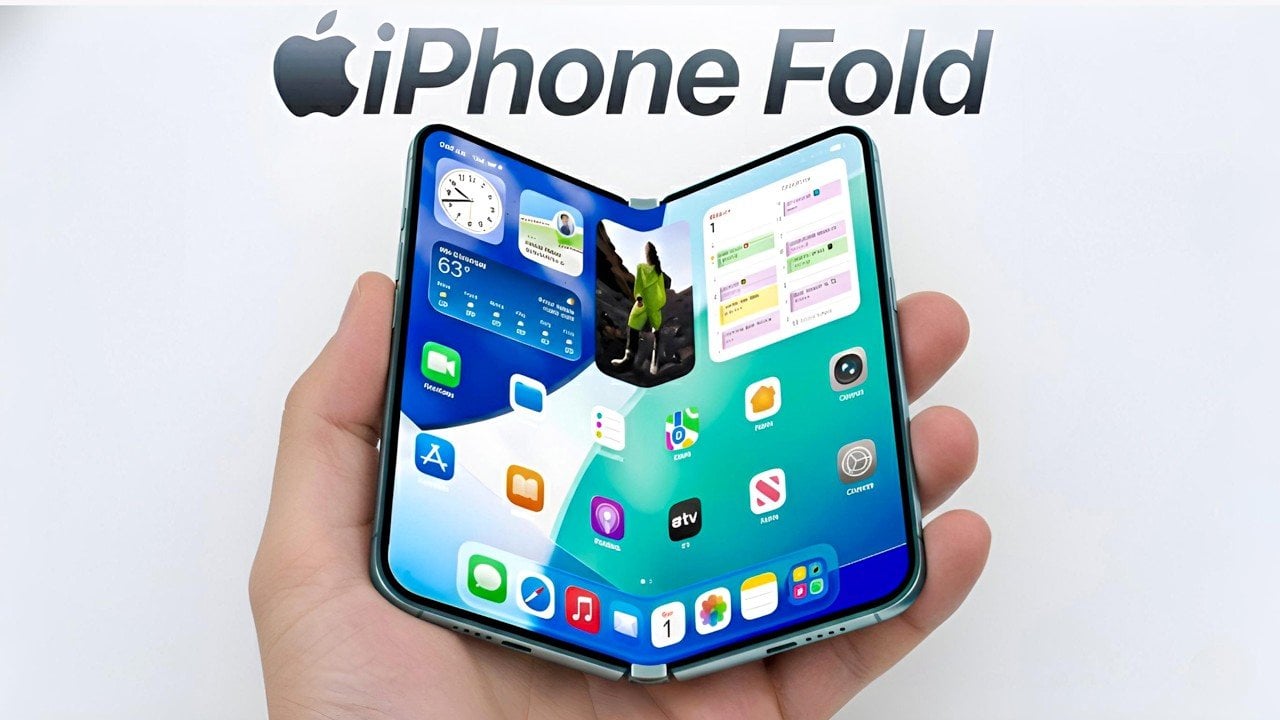
Apple is reportedly preparing to make its debut in the foldable phone market with the much-anticipated iPhone Ultra Fold. Leaked images of a prototype suggest a bold step forward for the tech giant, showcasing a book-style foldable design that could redefine its iconic aesthetic. With a compact, square-like profile when folded and a near-tablet-sized display […]
The post Look Closely: How Apple Accidentally Confirmed the iPhone Ultra Fold This Week appeared first on Geeky Gadgets.
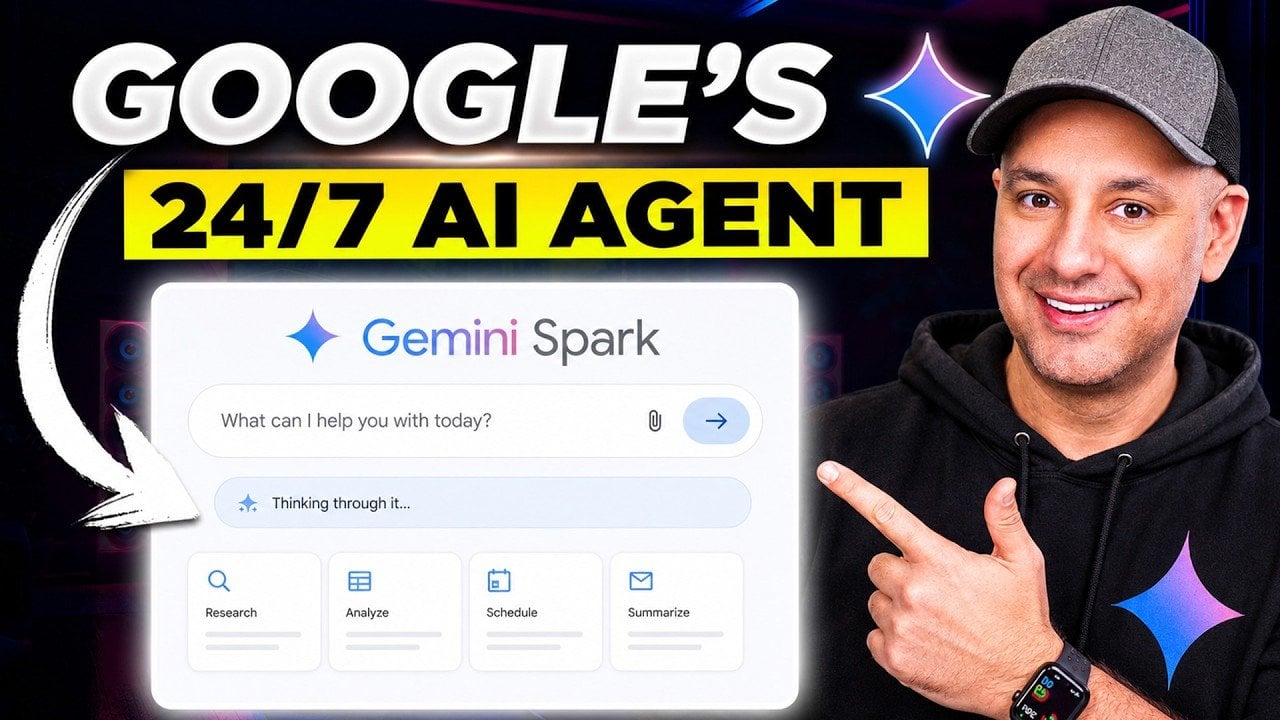
Google’s experimental AI system, Gemini Spark, introduces advanced automation and personalization features within its ecosystem. According to Skill Leap AI, it is currently available to select Ultra plan users and includes functions such as summarizing email threads, preparing meeting briefs and organizing files across Google Drive. A notable capability is its ability to cross-reference data […]
The post Why Google’s Exclusive Gemini Spark is a Game Changer for Productivity appeared first on Geeky Gadgets.