7 Best Versatile Seating Solutions That Transform How We Live & Sit

Modern living demands furniture that adapts, evolves, and serves multiple purposes within our increasingly flexible spaces. The traditional single-function chair no longer meets the needs of contemporary homes where rooms serve multiple roles throughout the day. Today’s most innovative seating solutions transcend basic functionality, offering dynamic designs that transform alongside our lifestyles.

These seven exceptional pieces represent the cutting edge of versatile seating design, each bringing unique solutions to modern living challenges. From reimagined classics to experimental concepts, these chairs prove that versatility and beauty can coexist in remarkable ways.

1. IKEA POÄNG Redesigned Chair: Social Connection Redefined

IKEA has fundamentally reimagined its most enduring furniture icon through a transformative redesign that prioritizes social interaction over solitary comfort. The POÄNG armchair received its most significant design evolution in nearly five decades when late designer Noboru Nakamura emerged from retirement to personally oversee this dramatic transformation. His final creative act involved removing the signature headrest entirely, creating a low-back version that encourages conversation rather than retreat.

The elimination of the headrest serves multiple purposes beyond pure aesthetics, fundamentally changing how people interact with both the chair and their surroundings. By lowering the overall profile and opening the back design, Nakamura created seating that transforms a personal sanctuary into an invitation for interaction. This modification reflects contemporary living patterns where multipurpose spaces demand furniture that adapts to various social contexts and encourages meaningful human connection.

What we like

• Promotes social interaction and conversation through open-back design.

• Maintains iconic comfort while adapting to modern living needs.

What we dislike

• Less head and neck support for extended relaxation sessions.

• May not suit those preferring private, enclosed seating experiences.

2. Color Roller Transparent Rolling Chairs: Dynamic Chromatic Design

Like De Stijl once deconstructed form and space into elemental purity, Color Roller reimagines that legacy through motion and transparency using primary colors red, yellow, and blue. This experimental furniture collection plays with relationships between geometry, light, and interaction, creating transparent forms that transcend boundaries and merge into endless new shades. The result transforms furniture into evolving chromatic sculpture that invites users to participate in environmental reconstruction.

Color Roller explores how color and form coexist as active agents in spatial design through three components, including a hexagonal chair, a rectangular table, and a triangular floor lamp. Made entirely from transparent acrylic panels intersecting in pairs, these forms create vivid and flexible compositions of color. Depending on light direction and intensity, the furniture transforms and casts overlapping shadows and gradients that turn interiors into interactive canvases.

What we like

• Creates dynamic color interactions that change throughout the day.

• Lightweight rolling design allows easy reconfiguration of spaces.

What we dislike

• Transparent acrylic may show fingerprints and require frequent cleaning.

• Limited cushioning options may affect long-term seating comfort.

3. Himalaya Pelvis Chair: Biomimicry Meets Elegant Function

Furniture often aspires to fit the body, but the Himalaya Pelvis Chair goes further by finding its silhouette directly in pelvic bone structure. This direct translation from biology to design yields a chair that feels organic, functional, and distinctly new, where comfort and concept are literally intertwined. Designers Mingyu Seo and Eojin Jeon created this rare piece that genuinely makes you reconsider relationships between our bodies and daily objects.

The chair’s entire premise builds on the pelvic bone’s natural ability to cradle and support, translating anatomical engineering directly into refined seating design. This approach sidesteps abstract biomimicry by presenting clear, almost educational links between form and inspiration through unapologetically direct reference. The execution transcends its medical source material through such refined craftsmanship that it becomes genuinely elegant rather than clinical.

What we like

• Anatomically-inspired design provides natural ergonomic support.

• Unique sculptural form serves as a conversation piece and functional seating.

What we dislike

• Bold design may not integrate easily with traditional decor styles.

• Limited availability as a concept piece may affect accessibility.

4. Frank Lloyd Wright Reconstructed Chairs: Architectural Seating Heritage

The reconstructed chairs illuminate Wright’s approach to furniture as architectural elements rather than standalone pieces, demonstrating his belief that furniture should emerge organically from the building’s overall design concept. Wright called this philosophy “integral ornamentation” and applied it consistently throughout his career, spanning five distinct periods from 1911 to 1959. The exhibition traces a dramatic evolution from Prairie School geometric vocabulary to later organic forms with flowing curves.

Highlights include first-ever fabrications of designs never built during Wright’s lifetime, such as cafe chairs originally envisioned for the Solomon R. Guggenheim Museum. These cafe chairs represent some of the exhibition’s most significant reconstructions, now realized through collaboration with Milwaukee metal-spinning firm. Early Prairie School pieces display right angles and linear elements complementing the horizontal prairie house emphasis, while later work reveals shifts toward organic forms.

What we like

• Historic design pedigree brings timeless architectural principles to modern spaces.

• Integral ornamentation philosophy ensures harmony with surrounding architecture.

What we dislike

• Limited production availability may result in higher costs.

• Period-specific styling may not suit all contemporary interior approaches.

5. LOOP Chair: Sculptural Minimalism in Motion

The LOOP Chair concept impresses with a bold, angular frame that feels both dynamic and airy while creating a continuous, flowing form that almost “loops” around the sitter. This unique vision transforms the chair from a functional object into a sculptural experience that serves as both structural support and artistic centerpiece. The proposed walnut wood veneer frame offers options for ash, oak, or black-stained finishes to complement various interior styles.

The chair’s geometry results from careful sketching and creative exploration, balancing soft curves for optimal comfort with sharp angles for modern, architectural aesthetic appeal. The flowing design creates visual lightness while maintaining structural integrity, making it suitable for both residential and commercial applications. This sculptural approach elevates everyday seating into an artistic statement that enhances rather than merely occupies space.

What we like

• Sculptural design serves a dual purpose as furniture and artistic centerpiece.

• Multiple wood finish options allow customization for different interior styles.

What we dislike

• Concept status may limit immediate availability for purchase.

• Angular design elements might not suit all body types comfortably.

6. Same Same Twin Chairs: Playful Minimalist Interaction

The Same Same twin chairs by A204 challenge traditional furniture limitations by functioning beautifully as standalone seating with built-in storage while unlocking playful possibilities when paired together. These minimalist wooden chairs transform from simple furniture into a creative toolkit that allows interaction, configuration, and use possibilities that adapt to changing needs. The design language speaks to Scandinavian minimalism with pale plywood construction and clean, geometric lines.

Each chair features a subtle sage green accent on the seat and storage surfaces, adding warmth without overwhelming natural wood grain characteristics. The under-seat storage space accommodates magazines, small objects, or standard Euro containers for organized solutions, making each chair genuinely useful beyond basic seating function. When paired together, the chairs create new possibilities for social interaction and spatial configuration.

What we like

• Built-in storage maximizes functionality in compact living spaces.

• Pairing capability creates flexible seating arrangements for various occasions.

What we dislike

• The twin chair concept requires purchasing multiple pieces for full functionality.

• Minimalist design may lack cushioning for extended sitting comfort.

7. Permanent Souls Chair Collection: Memory Made Tangible

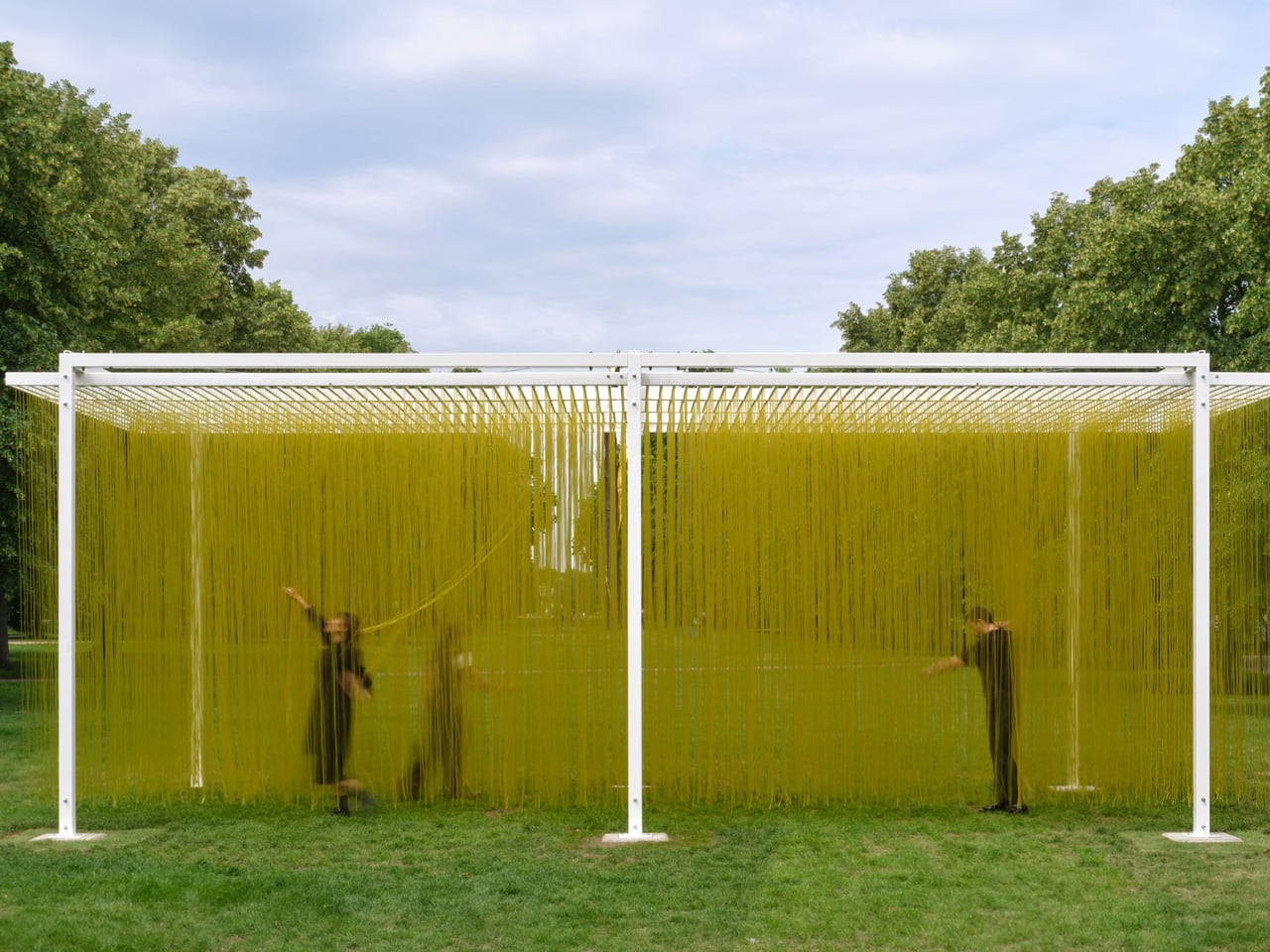
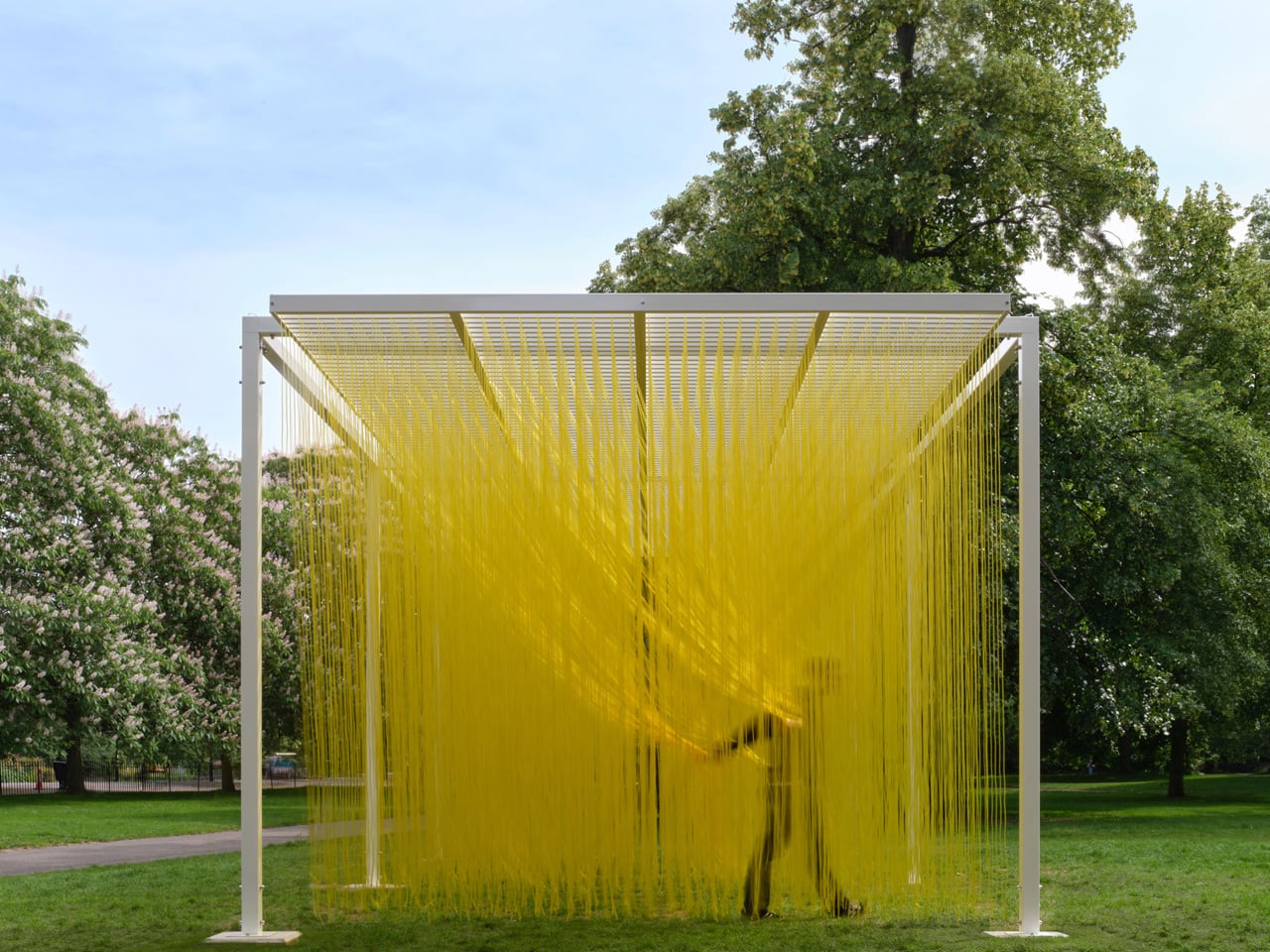
The visual impact is immediate and haunting as light passes through netting in patterns that shift as you move around each piece. These chairs appear solid from a distance but reveal their permeable nature up close, allowing you to see through them, around them, and into spaces they create. They exist in strange territory between presence and absence, like memories made tangible that question the very nature of traditional furniture function.

This collection explores what happens when objects lose their original purpose but somehow endure, transforming nets that once held things together into something that questions functional boundaries. The chairs challenge conventional seating expectations by creating pieces that exist both physically and conceptually, offering a unique perspective on how furniture can embody abstract concepts while remaining functionally relevant.

What we like

• Unique conceptual approach creates a truly distinctive seating experience.

• Permeable design allows light to create dynamic shadow patterns in spaces.

What we dislike

• Unconventional materials may not provide traditional seating comfort expectations.

• Artistic concept may prioritize form over practical everyday functionality.

The Future of Adaptive Seating

These seven innovative seating solutions demonstrate how contemporary designers are reimagining the fundamental relationship between furniture and daily life. Each piece offers a unique approach to versatility, whether through social interaction, dynamic color, anatomical inspiration, architectural heritage, sculptural beauty, playful modularity, or conceptual exploration.

The best versatile seating solutions for modern living transcend traditional boundaries, offering functionality that adapts to our changing needs while adding aesthetic and emotional value to our spaces. These designs prove that chairs can be simultaneously practical tools, artistic statements, and catalysts for human connection, making them essential components of thoughtfully designed modern homes.

The post 7 Best Versatile Seating Solutions That Transform How We Live & Sit first appeared on Yanko Design.
This Ingenious 30-Foot Tiny Home That Redefines Family Living In Compact Spaces

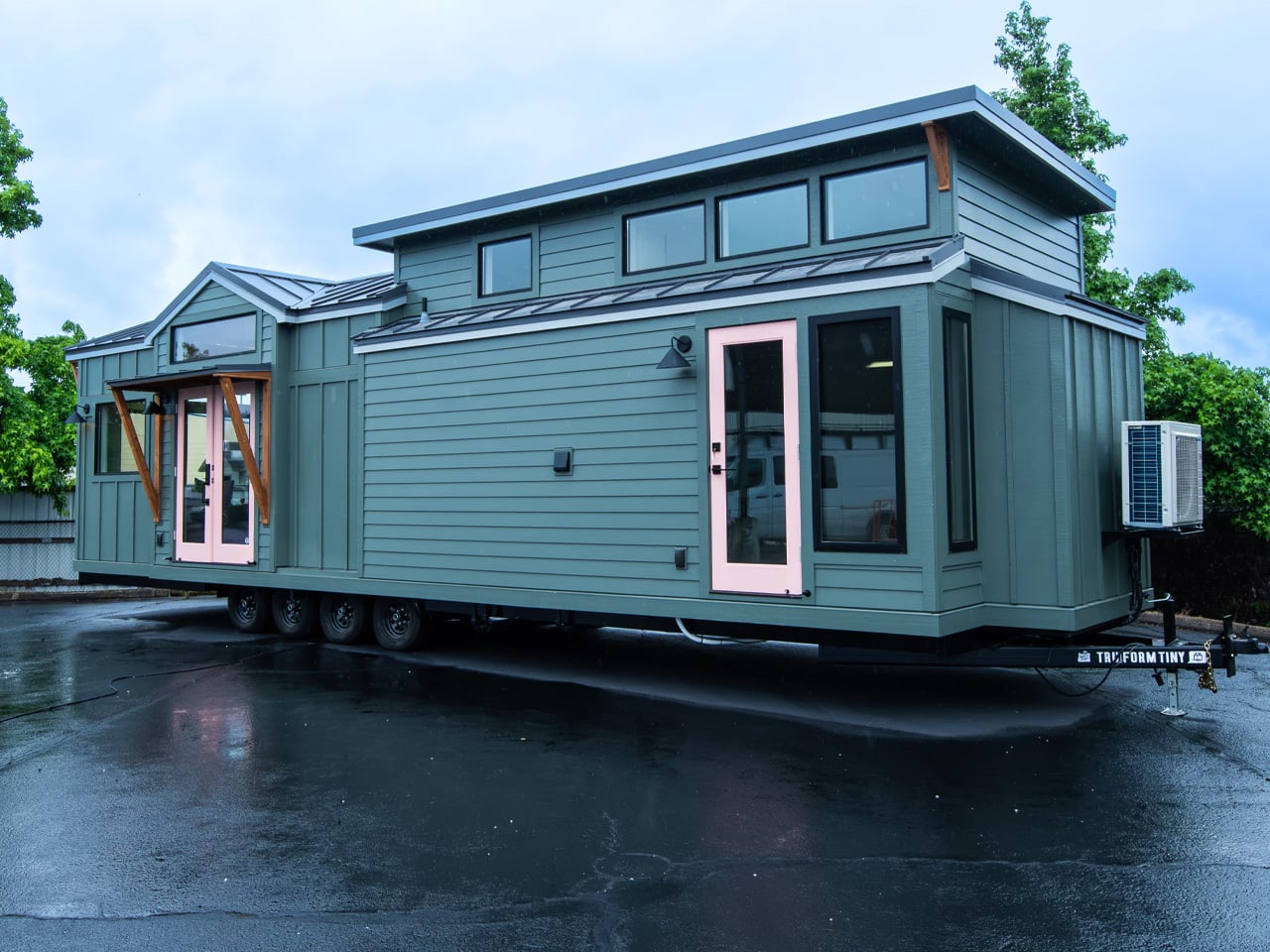
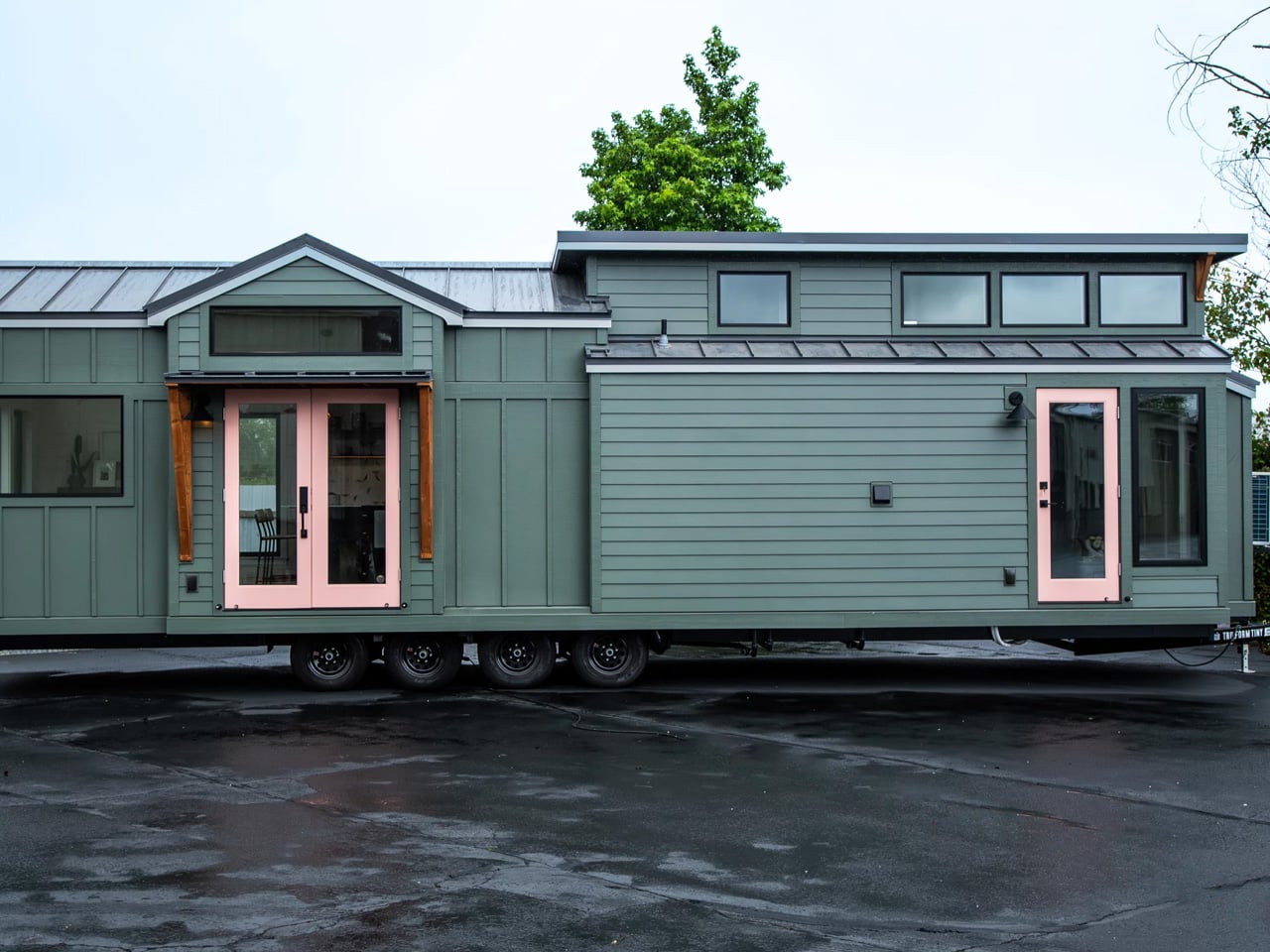
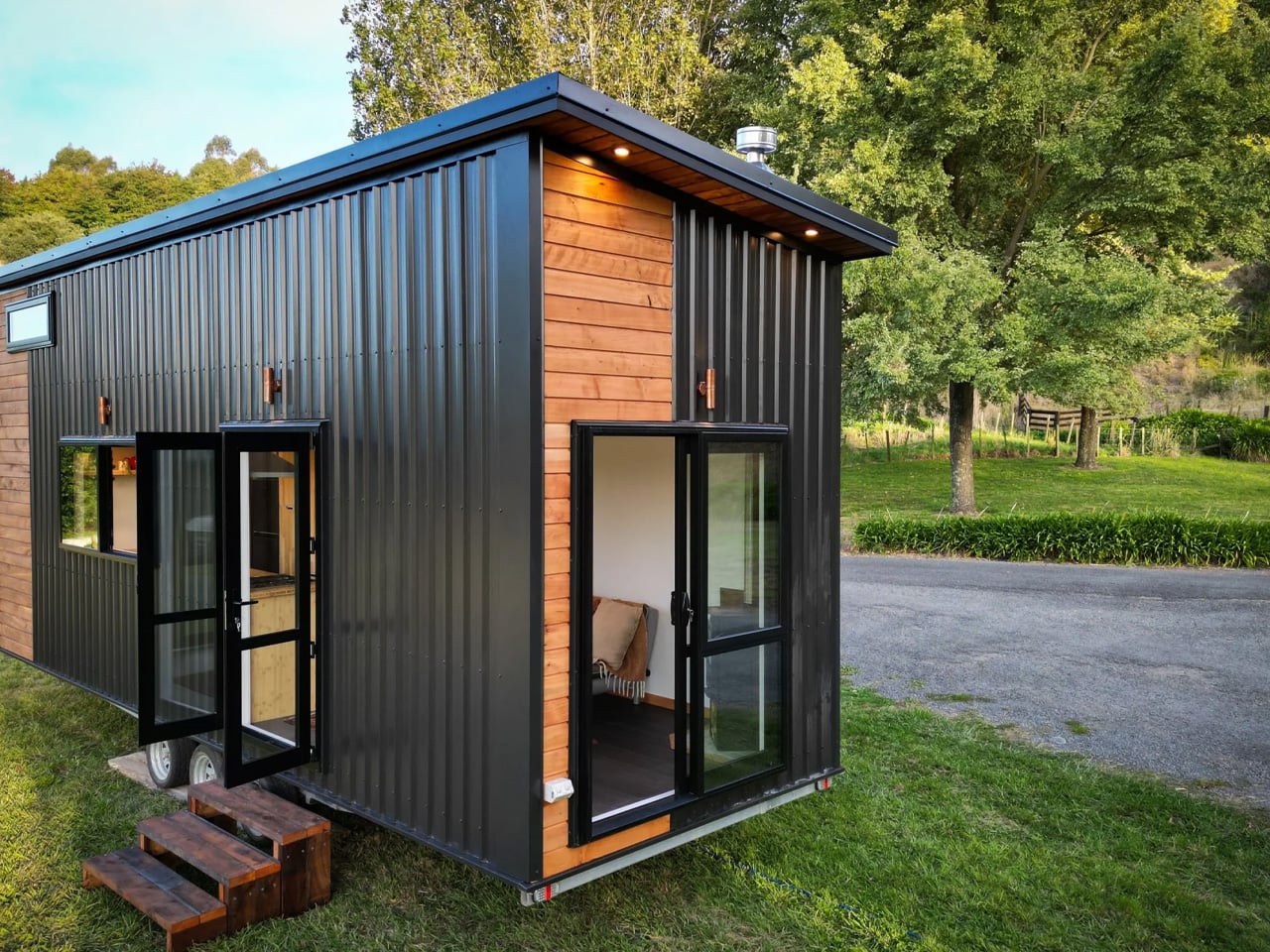
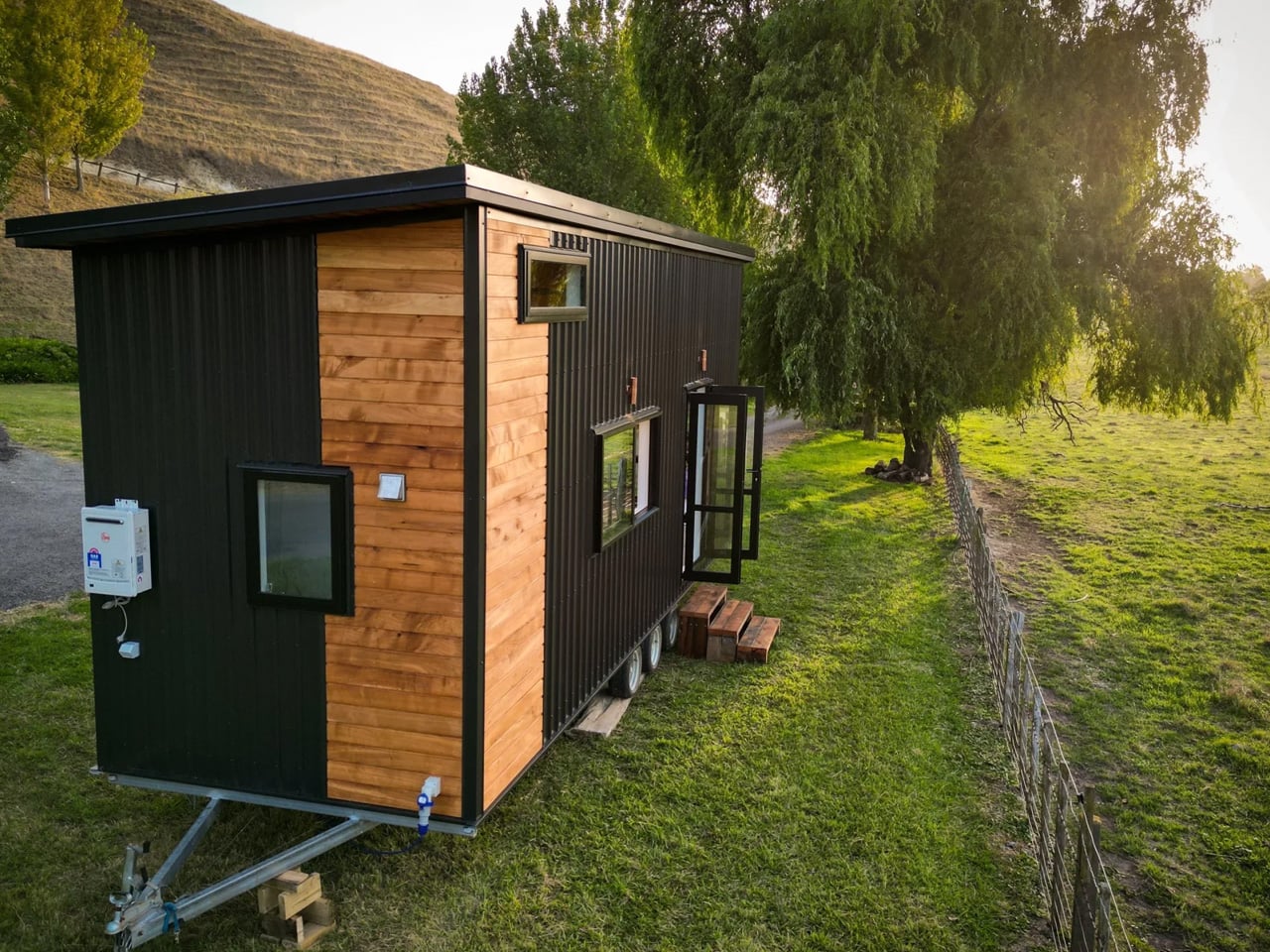
Big Freedom Tiny Homes has built a reputation for redefining what’s achievable within the compact and creative world of tiny living. Their newest model, recently completed and still unnamed, stands as a testament to the power of smart design. Measuring just 30 feet (9.14 meters) long, this tiny house manages to feel surprisingly spacious while remaining easy to tow. Built on a robust triple-axle trailer, the home is compact by North American standards yet far more generous than many European counterparts. This makes it a great fit for a small family looking for mobility and comfort without sacrificing style or functionality.

The exterior of the new tiny house is both attractive and durable. It’s finished in richly stained cedar siding, which gives a warm, rustic appearance, and is complemented by modern metal accents. The roof, also made of metal, adds to the home’s resilience against the elements while contributing to its clean, contemporary look. This careful blend of materials ensures the home is not only eye-catching but also built to last—whether parked in a forest clearing, by a lake, or in a suburban setting.

Designer: Big Freedom Tiny Homes

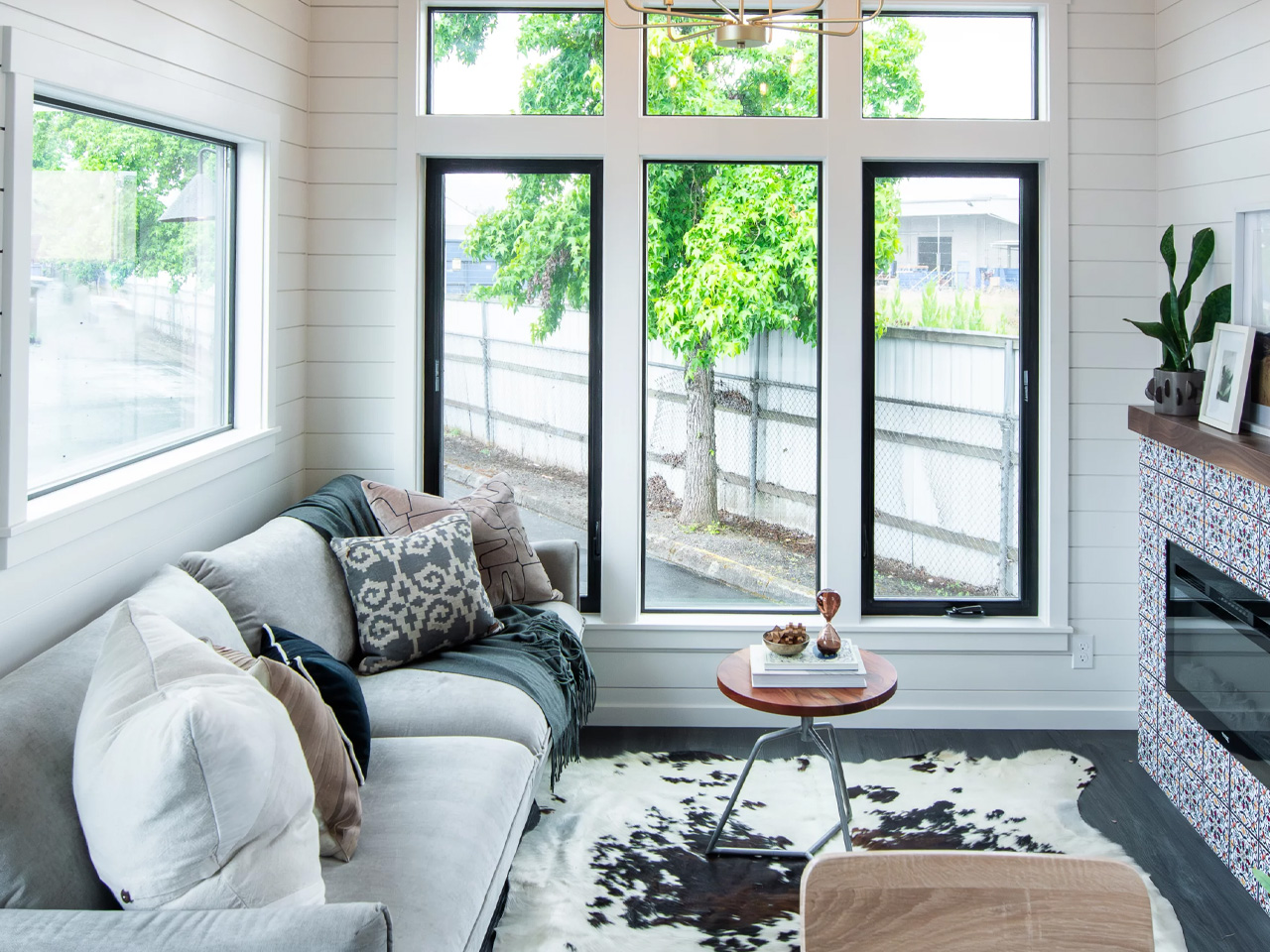
Entering through the glazed doorway, visitors step directly into the living room—a bright and welcoming space. Here, a large L-shaped sofa bed invites relaxation, providing enough seating for family movie nights or a comfortable spot for guests to sleep. A well-placed coffee table completes the setup, offering both functionality and style. The clever use of glazing and an open floor plan ensures the living area feels airy and inviting, rather than closed in, which is often a challenge with smaller homes.

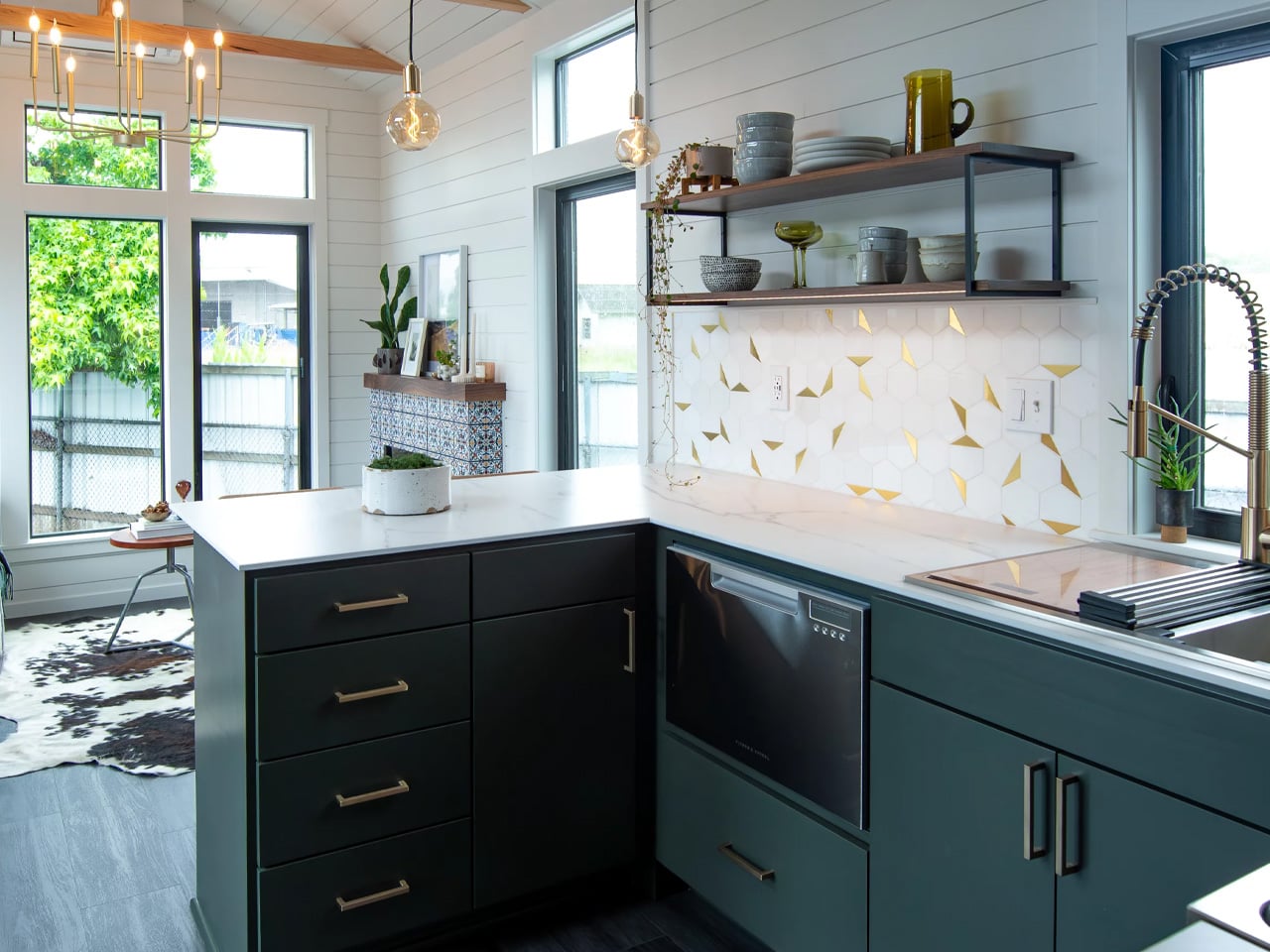
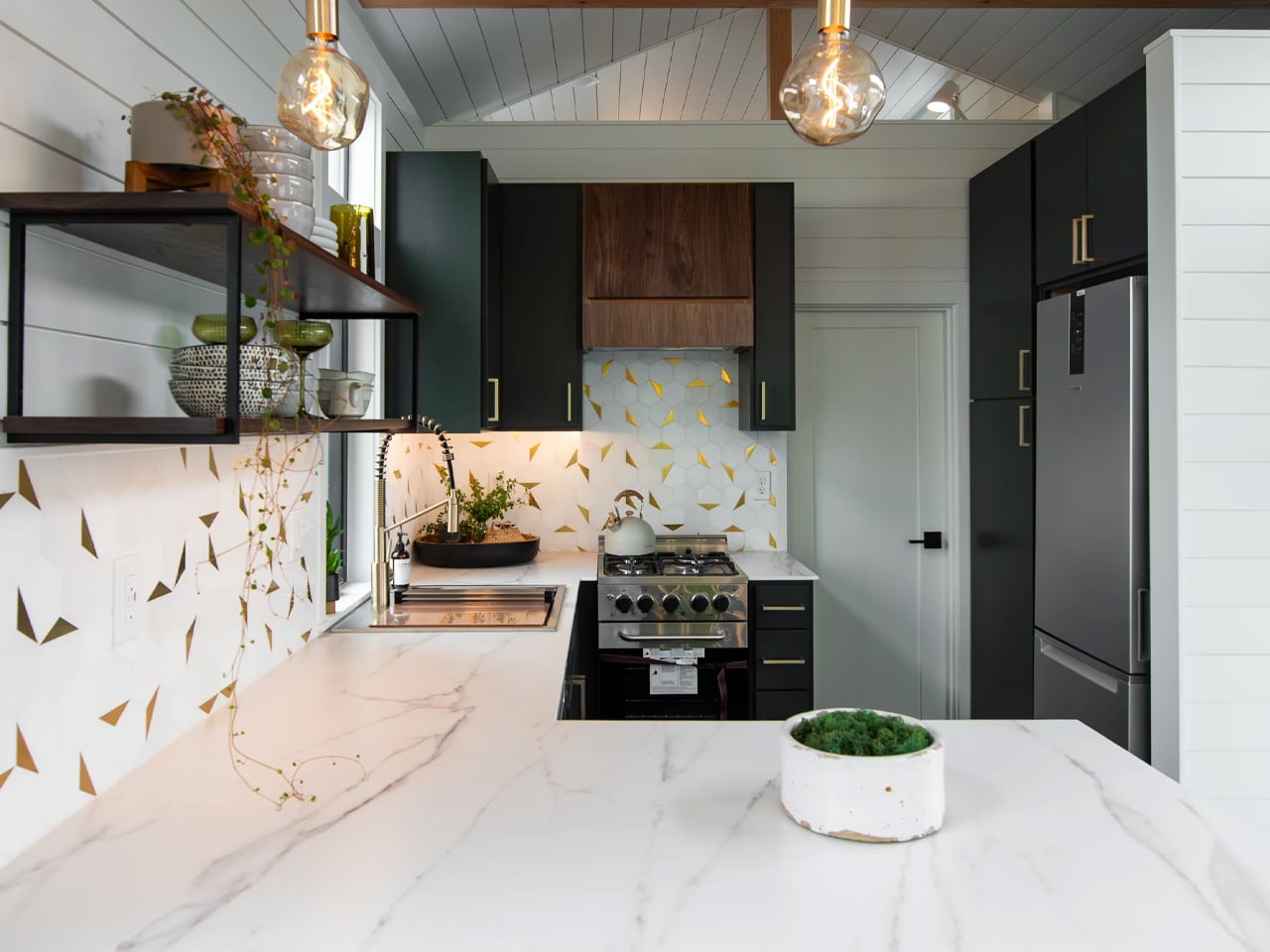
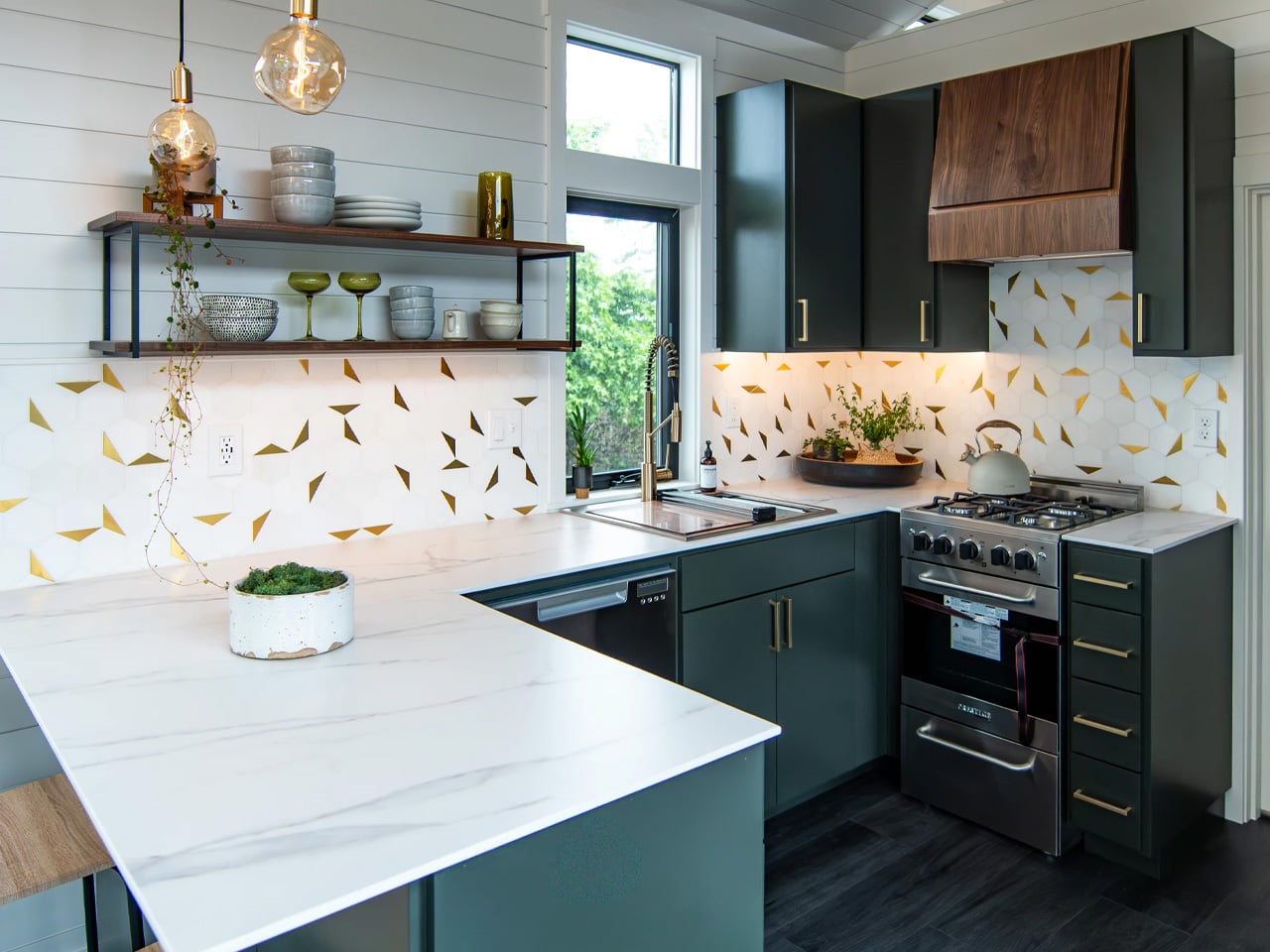
At the heart of the home, the kitchen stands out for its practical design and surprising spaciousness. Unlike many tiny homes where the kitchen is squeezed into a corner, this one boasts full-sized amenities: a four-burner propane-powered stove, a proper oven, a fridge/freezer, and a sleek sink. Quartz countertops and extensive cabinetry provide ample storage and workspace, while a two-person breakfast bar serves as a convenient dining area or a flexible workspace. While the space isn’t intended for large dinner parties, it’s certainly equipped for everyday family meals and the occasional gathering of close friends.

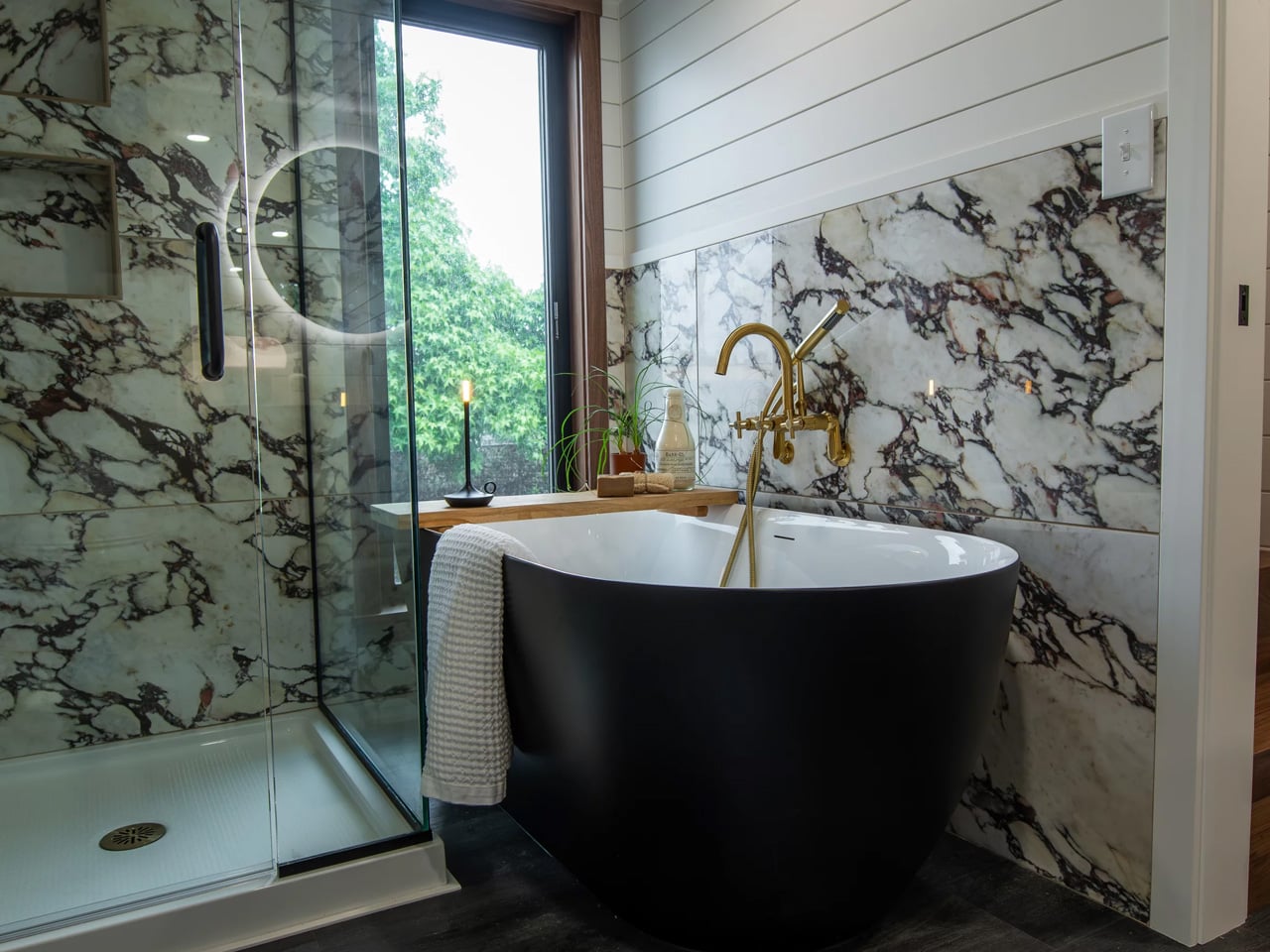
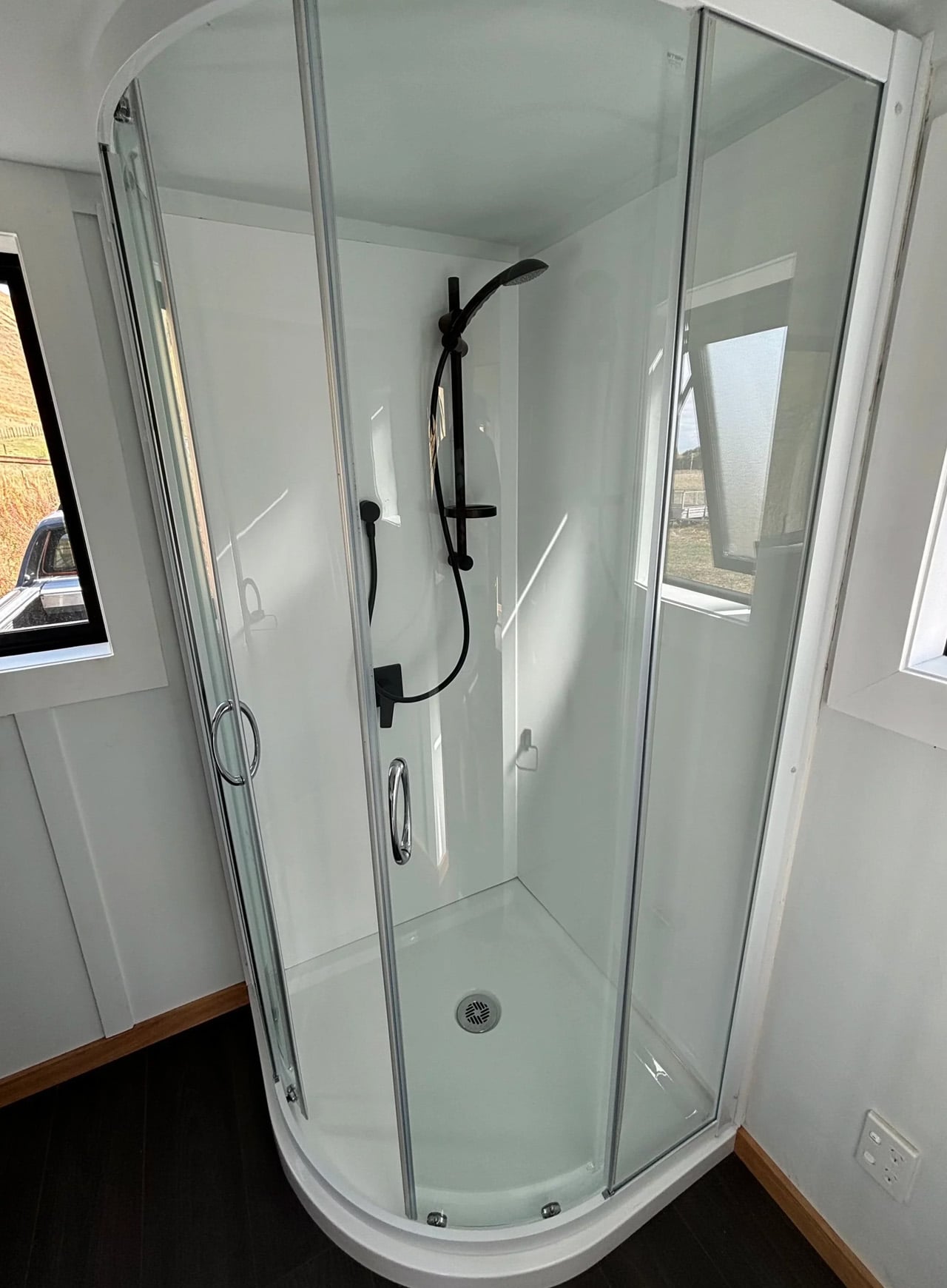
The bathroom is thoughtfully located at the far end of the house, away from the main living area to maximize privacy. It’s equipped with a shower, a modern sink, and a flush toilet, ensuring all the comforts of a conventional home are present. Nearby, a stacked washer and dryer make laundry easy, a rare convenience in many tiny homes. This attention to daily living needs shows a commitment to making the home as livable as possible, even within a restricted footprint.

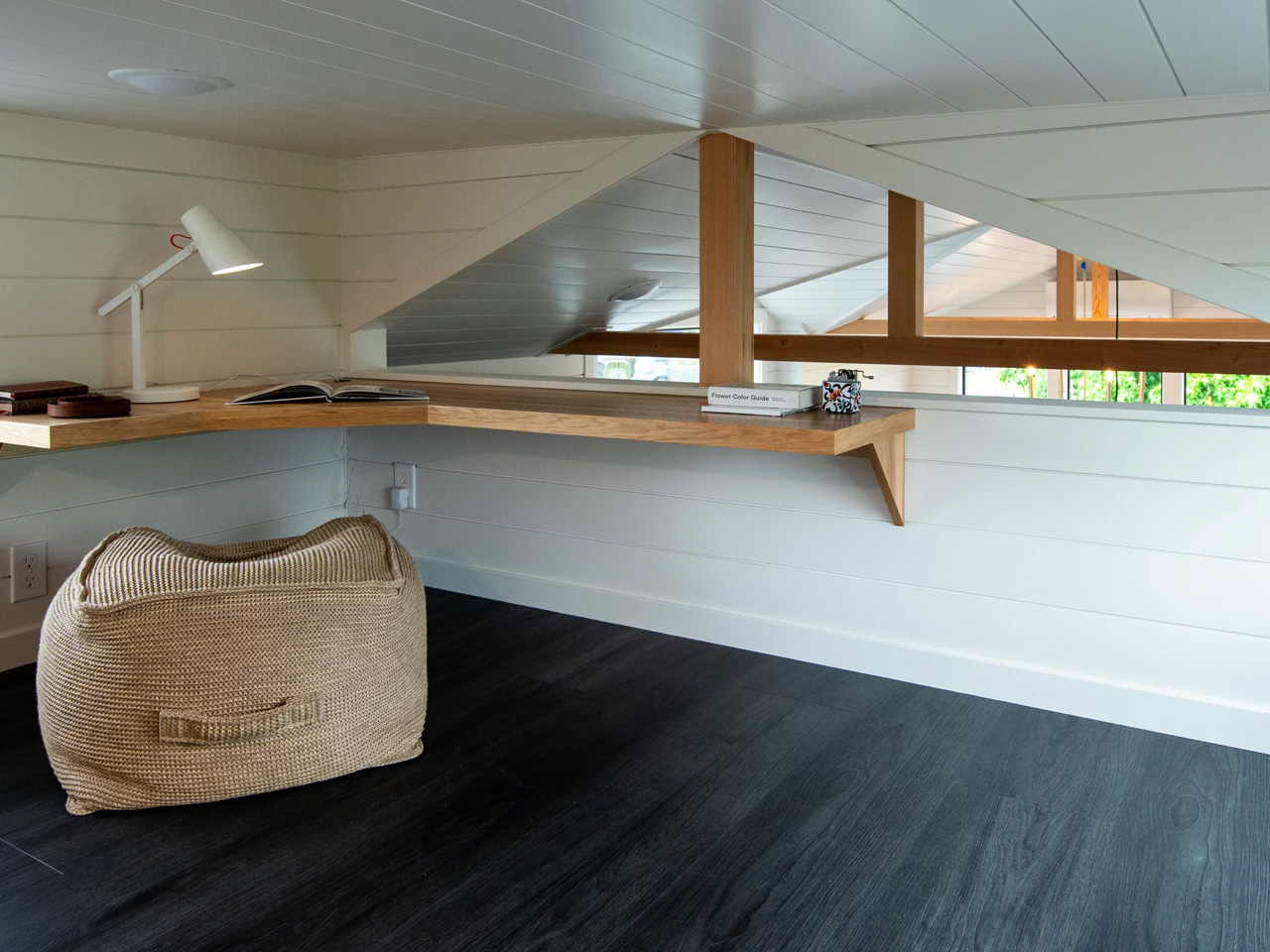
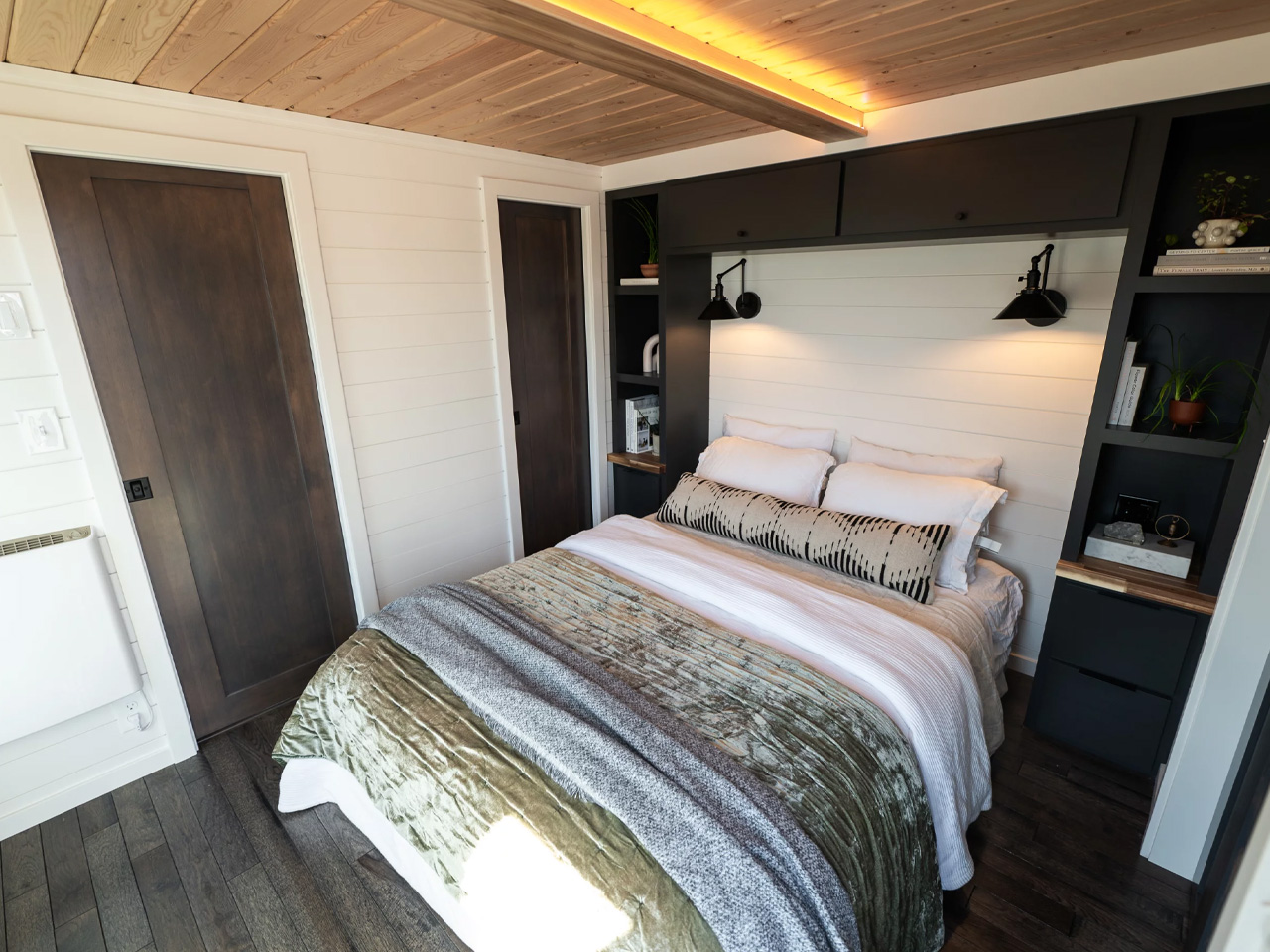
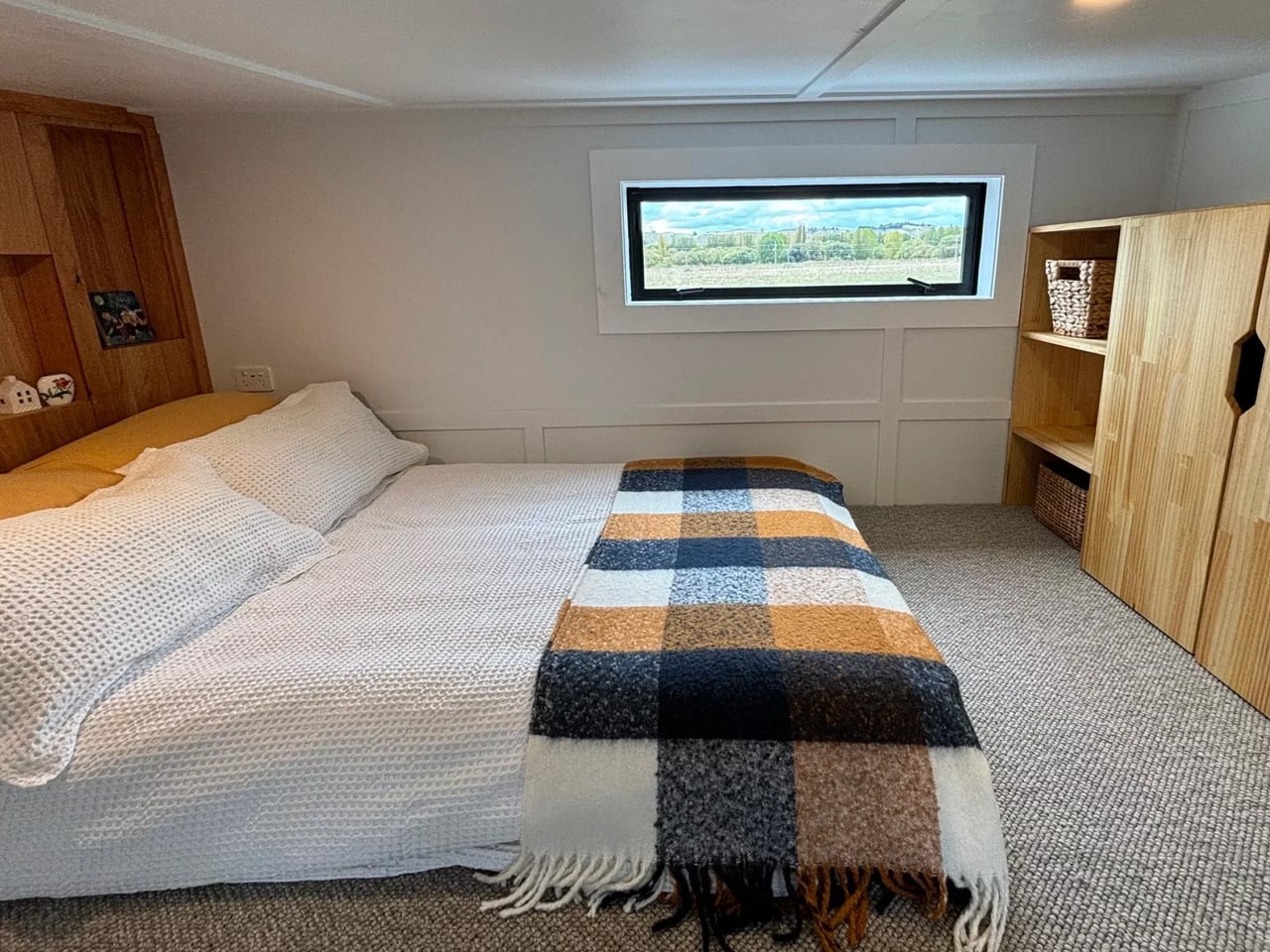
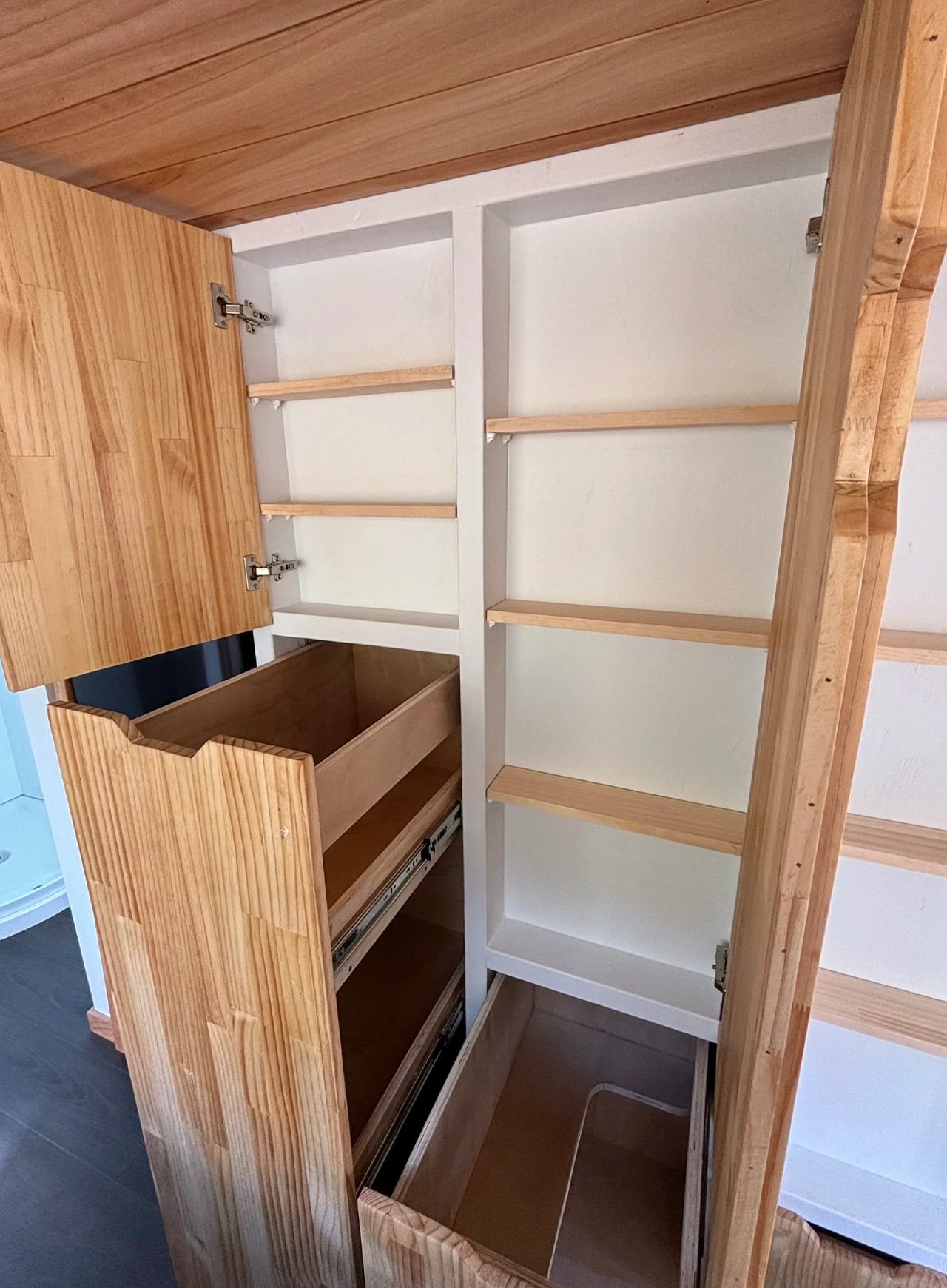
Sleeping arrangements are cleverly designed to make the most of vertical space. The secondary bedroom is a loft above the living room, accessed by a removable ladder, and is best suited for children or as extra storage. The master bedroom, larger and accessed by a staircase with built-in storage, sits above the bathroom. Both spaces have low ceilings typical of lofts, but the areas are efficiently organized. The master loft fits a double bed and offers additional storage, creating a cozy and private retreat. While the price of this specific model isn’t available, similar models from Big Freedom Tiny Homes start at $109,000. Based in Bellingham, Washington, the company continues to deliver innovative, comfortable, and stylish solutions for those seeking a smaller, more flexible lifestyle.

The post This Ingenious 30-Foot Tiny Home That Redefines Family Living In Compact Spaces first appeared on Yanko Design.

5 Architectural Designs That Redefined Our Expectations In 2025

Architecture has always been about solving problems, but the best designs do something more—they make us reimagine what’s possible. This year brought us structures that challenged architectural conventions, from a brilliant garden shed that conquered Britain to a groundbreaking skyscraper that’s rewriting Manhattan’s sustainable playbook. Each remarkable project represents thoughtful architectural design responding to real human needs with exceptional intelligence, creativity, and purposeful innovation that truly inspires us all today.

These five projects share remarkable qualities that prove great design isn’t about size or budget, but about understanding human needs deeply. Whether Robinson’s ingenious workshop flaps, Baluchon’s light-filled creativity, Foster’s sustainable innovation, Ando’s poetic restraint, or LH47’s community insight, each demonstrates that architecture’s greatest power lies in intelligent problem-solving. They transform ordinary activities into extraordinary experiences through thoughtful design that enhances rather than merely houses human life with meaningful, lasting purpose.

1. The Tiny Workshop – Robinson’s Space-Saving Masterpiece

Robinson’s tiny workshop earned Britain’s coveted Shed of the Year title through pure ingenuity. The structure features two transformative flaps that redefine functionality—one drops to create a work floor while another flips up for weather protection. Every surface serves multiple purposes, with custom 3D-printed brackets holding old spanner handles that provide both organization and visual cues about contents within.

The living green roof elevates this beyond typical garden storage, creating a wildlife habitat while housing essential tools. Robinson designed the space to serve triple duty as a toolshed, creative workspace, and storage solution for everything from garden necessities to children’s games. The careful planning of drawers, shelves, and hooks ensures every inch maximizes accessibility without sacrificing the workshop’s compact footprint.

What we like

  • Revolutionary dual-flap system maximizes functionality in minimal space.
  • A living green roof combines storage with environmental benefits.

What we dislike

  • Limited interior height may restrict certain workshop activities.
  • Weather dependence for outdoor work floor functionality.

2. Nouvelle Danse – Baluchon’s Sewing Studio Sanctuary

Baluchon’s latest masterpiece transforms tiny house living for creative professionals. Nouvelle Danse seamlessly integrates a dedicated sewing studio into a surprisingly spacious two-bedroom layout, proving specialized workspaces can thrive in compact dimensions. The French builder’s signature aesthetic mastery shines through high-contrast natural wood cladding against matte black insertions flowing across the roof, door, and window frames.

Natural light floods every corner through strategically placed windows, creating an atmosphere that feels expansive despite compact dimensions. The entrance commands attention with modern glass doors framed in striking black paneling, ensuring the home impresses whether positioned in tiny house communities or remote natural settings. Custom-built details throughout reflect Baluchon’s reputation as the industry’s most innovative craftsman.

What we like

  • Masterful integration of specialized workspace within compact living.
  • Exceptional natural light design prevents a cramped feeling.

What we dislike

  • High-end custom construction likely commands premium pricing.
  • Specialized sewing focus may limit appeal to a broader market.

3. 270 Park Avenue – NYC’s Sustainable Supertall Pioneer

Rising 1,388 feet above Midtown Manhattan, 270 Park Avenue establishes new benchmarks for sustainable skyscraper design. Foster + Partners created JPMorgan Chase’s 60-story headquarters as more than corporate space—it’s a vertical city designed for 10,000 employees with unprecedented environmental responsibility. The tower replaces the demolished Union Carbide Building with architecture that prioritizes collaboration, wellness, and flexible workspace solutions.

The building’s significance extends beyond its impressive height to its role as NYC’s first net-zero supertall skyscraper. Advanced sustainability systems integrate seamlessly with cutting-edge workplace design, creating environments that adapt to future workforce demands. The project demonstrates how corporate architecture can contribute positively to urban density while meeting ambitious environmental goals through innovative building technologies.

What we like

  • Groundbreaking net-zero achievement sets new industry standards.
  • Flexible workspace design accommodates evolving work patterns.

What we dislike

  • Massive scale may overwhelm the surrounding neighborhood context.
  • High-tech systems require ongoing maintenance and expertise.

4. Dubai Museum of Art – Ando’s Poetic Vision Above Water

Tadao Ando’s Dubai Museum of Art floats above the emirate’s natural saltwater creek like frozen fabric caught in gentle wind. The five-story structure curves and twists upward on a circular platform, its white walls punctuated by triangular windows that create dynamic shadows throughout the day. DUMA’s design draws inspiration from Dubai’s pearl-diving heritage while refusing to compete with the city’s glittering tower collection.

The museum’s distinctive silhouette speaks in whispers while the surrounding architecture shouts for attention. Ando’s mastery of concrete and light creates spaces that evoke emotion before understanding, transforming the traditional museum experience into something more intimate and contemplative. The raised platform extending over Dubai Creek connects the building to water in ways that honor the site’s historical significance.

What we like

  • Unique floating design creates a memorable architectural experience.
  • Thoughtful integration with Dubai’s maritime heritage.

What we dislike

  • A white exterior may require intensive maintenance in a harsh climate.
  • Limited ground-level connection could feel disconnected from the city.

5. Moldova Sports Hub – LH47’s Community-Centered Innovation

Architect Serghei Mirza and LH47 revolutionized children’s sports facilities by recognizing a simple truth—parents never arrive alone. The Moldova Sports Hub transforms typical waiting time into a valuable community connection through dedicated circulation routes for different user groups. Independent pathways allow kids, parents, coaches, and staff to move freely without interfering with each other’s activities.

Solar panels integrated into the design demonstrate environmental responsibility while reducing operational costs. The building’s genius lies in understanding the entire ecosystem surrounding children’s sports programs, creating spaces where parents can rest, connect with families, or stay active themselves. This approach transforms what could be dead waiting time into opportunities for community building and personal wellness.

What we like

  • Brilliant circulation design eliminates user conflicts and crowding.
  • Solar integration reduces environmental impact and operating costs.

What we dislike

  • A complex multi-user design may increase construction and maintenance costs.
  • Success depends heavily on active community programming and management.

The Future of Thoughtful Architecture

These five projects share a common thread—they solve real problems through creative thinking rather than brute force. Whether it’s Robinson’s ingenious flaps, Baluchon’s light-filled creativity, Foster’s sustainable innovation, Ando’s poetic restraint, or LH47’s community insight, each design demonstrates that architecture’s greatest power lies in understanding human needs and responding with intelligence and care.

The best architecture doesn’t just house activities—it enhances them. These projects prove that thoughtful design can transform the mundane into the extraordinary, whether that’s organizing tools in a garden shed or creating community around children’s sports. They remind us that great architecture isn’t about impressing other architects—it’s about making life better for the people who use these spaces every day.

The post 5 Architectural Designs That Redefined Our Expectations In 2025 first appeared on Yanko Design.

Rotterdam Strikes A High Note As Construction Begins On MVRDV’s Saxophone-Inspired Towers

Construction has officially commenced on one of Rotterdam’s most anticipated architectural projects: The Sax, a striking saxophone-inspired residential development that promises to transform the city’s waterfront skyline. Designed by Dutch architecture firm MVRDV, the project represents a bold fusion of musical metaphor and urban densification, bringing 916 apartments to Rotterdam’s prestigious Wilhelminapier district .

Designer: MVRDV

A Symphony in Steel and Glass

The Sax consists of two interconnected towers that truly live up to their musical namesake. The taller “Havana” tower soars 180 meters across 55 stories, while its companion “Philadelphia” reaches 82 meters with 26 floors. The towers are dramatically connected by a golden skybridge spanning six stories, creating what MVRDV describes as a “saxophone-like silhouette” that will serve as a beacon on Rotterdam’s evolving waterfront.

The building’s facade features a sophisticated pattern of bow windows and undulating balconies that become progressively more pronounced toward the top, creating dynamic light patterns that change throughout the day. As MVRDV founding partner Jacob van Rijs explains, “The varying angles will allow the light to fall differently on the metal facade, so the building will change colour with the time of day”.

Addressing Urban Housing Demands

Beyond its striking aesthetic, The Sax tackles Rotterdam’s pressing housing shortage through strategic densification. With 916 residential units, the project will make the Wilhelminapier “the most densely built-up area in the Netherlands,” according to van Rijs. Crucially, the development prioritizes affordability, with exactly half of its apartments—458 units—designated as affordable rental housing for middle-income Rotterdam residents.

The project exemplifies vertical community living, featuring shared amenities that encourage resident interaction. The golden skybridge houses communal spaces and a rooftop terrace where residents can gather, while the building’s base accommodates nearly 2,000 bicycle parking spaces, reflecting Dutch transportation culture.

Completing an Architectural Constellation

The Sax represents the final piece in the Wilhelminapier’s collection of iconic buildings, joining works by renowned architects including Álvaro Siza, Renzo Piano, Norman Foster, and Mecanoo. This architectural ensemble has established the pier as one of Europe’s most prestigious waterfront developments, and The Sax promises to serve as its crowning achievement. Developed by BPD and Synchroon in partnership with the City of Rotterdam, the project has been in development since MVRDV won the international architectural competition in 2017. The design process involved extensive collaboration with engineering firm ARUP to realize the complex structural requirements of the interconnected towers.

With preliminary construction work now underway, The Sax is expected to reach completion by 2030. Upon completion, it will offer not only residential spaces but also ground-floor retail, restaurants, sports facilities, and an automated underground parking garage, creating a truly mixed-use vertical neighborhood. The project stands as a testament to MVRDV’s innovative approach to high-density living, proving that densification need not sacrifice architectural ambition or community amenities. As Rotterdam continues its remarkable post-war urban transformation, The Sax promises to strike a high note in the city’s evolving symphony of modern architecture.

The post Rotterdam Strikes A High Note As Construction Begins On MVRDV’s Saxophone-Inspired Towers first appeared on Yanko Design.
Top 5 Complex LEGO Sets For Advanced Builders In 2025

The landscape of premium LEGO construction has evolved far beyond childhood nostalgia into sophisticated engineering challenges that demand patience, precision, and genuine building expertise. Today’s most complex sets push the boundaries of what brick-based construction can achieve, incorporating intricate mechanical systems, massive piece counts, and revolutionary design techniques that transform static displays into interactive experiences.

These builds represent months of dedication, combining traditional construction skills with modern engineering concepts. Each set on this list exceeds 2,000 pieces and requires an advanced understanding of structural integrity, gear systems, or complex assembly sequences. They’re designed for builders who view LEGO not as toys but as sophisticated construction systems capable of replicating real-world mechanical marvels and architectural achievements.

1. LEGO Icons Tropical Aquarium

The Icons Tropical Aquarium represents LEGO’s bold move into kinetic sculpture territory, transforming 4,154 pieces into a living mechanical ecosystem. Unlike traditional display sets that remain frozen in time, this aquarium breathes with movement through carefully engineered dial and crank systems that animate marine life. The November 13 release at $479.99 positions this as LEGO’s most ambitious attempt at merging engineering precision with artistic expression.

What sets this aquarium apart isn’t just its impressive piece count but its arrangement flexibility that transforms builders into underwater curators. Four model fish move through varied coral structures alongside animated seaworms, while an oyster shell reveals a hidden pearl through mechanical action. Every placement decision affects visual balance and movement patterns, requiring builders to think beyond simple assembly into spatial composition and kinetic choreography.

What we like

  • Revolutionary kinetic movement system brings static display to life.
  • Arrangement flexibility allows for personalized underwater compositions.

What we dislike

  • High price point may limit accessibility for casual builders.
  • Mechanical complexity requires ongoing maintenance for optimal movement.

2. LEGO Sun Earth Moon Orrery

Marian’s stunning 2,303-piece Sun Earth Moon Orrery elevates LEGO construction into the realm of precision scientific instrumentation. This kinetic marvel doesn’t simply replicate planetary movement but accounts for Earth’s axial tilt, tracks lunar phases, and demonstrates both solar and lunar eclipses with astronomical accuracy. The 70 Technic gears create a mechanical symphony that transforms abstract cosmic concepts into tangible, hands-on learning experiences.

The orrery’s ornate design philosophy mirrors Da Vinci’s mechanical aesthetics while delivering modern engineering precision. The 10.6-inch twelve-faced base celebrates the calendar year, expanding to 20.9 inches when accounting for the moving celestial bodies. Manual hand-crank operation offers meditative building rhythm, while optional RC motor integration provides automated cosmic ballet that runs continuously for educational display purposes.

What we like

  • Astronomically accurate planetary movements provide genuine educational value.
  • Dual control options (manual/motorized) offer versatile display possibilities.

What we dislike

  • The complex gear system requires precise calibration for smooth operation.
  • Large footprint demands significant display space for proper appreciation.

3. LEGO James Webb Space Telescope Replica

The LEGO James Webb Space Telescope replica tackles one of modern engineering’s most complex achievements through brick-based construction that mirrors the actual satellite’s intricate folding mechanisms. This build captures the telescope’s launch-critical ability to fold into a compact configuration before unfolding in space, requiring builders to understand both structural engineering and the precise mechanical sequences that made the real JWST mission possible.

Every major subsystem finds representation in this meticulous replica, from the eighteen iconic hexagonal mirrors that form the light-gathering array to the layered sun shield that protects sensitive instruments. The secondary hinged mirror, science instruments, propulsion systems, and communications arrays all function through LEGO’s mechanical systems, creating an interactive educational experience that illuminates the genuine complexity behind space exploration’s latest triumph.

What we like

  • An authentic folding mechanism provides hands-on understanding of complex engineering.
  • Comprehensive subsystem representation offers deep educational insight into space technology.

What we dislike

  • Extreme complexity may overwhelm builders without a technical background.
  • Delicate folding mechanisms require careful handling to prevent damage.

4. Life-Size LEGO Formula 1 Steering Wheel

Vince_GT’s life-size Formula 1 steering wheel replica demonstrates how LEGO construction can perfectly capture the absurd complexity of modern racing technology. Real F1 wheels feature 9-12 rotary dials and over 12 buttons controlling everything from brake bias to differential settings, all packed into a rectangular profile that allows drivers clear sight lines over the wheel’s top edge.

This LEGO interpretation nails those authentic proportions within the 260-300mm diameter range used by Mercedes and Red Bull teams. Transparent dark teal accent pieces on the outer grips provide visual distinction, while the central display panel features customizable designs centered around a prominent “N” logo. The rectangular profile challenges traditional wheel construction assumptions, requiring advanced building techniques to achieve proper ergonomics and visual balance.

What we like

  • Life-size proportions create an authentic racing simulation experience.
  • Customizable display panel allows for personalized racing team branding.

What we dislike

  • Complex button and dial integration may lack full functional capability.
  • Specialized racing context limits appeal to a broader audience.

5. LEGO Titanic

The LEGO Titanic stands as a monument to both historical tragedy and construction ambition, stretching 54 inches from bow to stern with 9,090 precisely engineered pieces ᅟᅟ. This 1:200 scale recreation required LEGO’s designers to solve unprecedented challenges in structural integrity and historical accuracy, creating the longest LEGO set ever produced while maintaining the authentic proportions that made the original ship both magnificent and ultimately vulnerable.

Beyond mere scale, this set demonstrates advanced construction techniques through its multi-section assembly approach that mirrors actual shipbuilding methods ᅟᅟ. The detailed interior spaces include the ship’s bridge, promenade deck, and swimming pool, while working propellers and mechanical details bring maritime engineering to life ᅟᅟ. The building experience itself becomes a 25-hour journey through maritime history, requiring builders to understand both the ship’s grandeur and the engineering compromises that led to its tragic fate.

What we like

  • Record-breaking length creates an impressive display piece with historical significance.
  • Multi-section construction teaches authentic shipbuilding assembly techniques.

What we dislike

  • Massive size requires dedicated display space and careful structural support.
  • High piece count and lengthy build time may overwhelm casual builders.

The Evolution of Complex LEGO Construction

These five sets represent the cutting edge of what LEGO construction can achieve when freed from traditional toy constraints. Each pushes different boundaries: kinetic movement, scientific accuracy, space technology replication, motorsport simulation, and historical recreation. They demand not just building skills but a genuine understanding of the real-world systems they represent. Their complexity reflects LEGO’s recognition that adult builders seek challenges engaging both hands and minds.

What makes these builds truly advanced isn’t just their piece counts or assembly time but their ability to teach genuine skills. The Aquarium’s kinetic systems introduce mechanical engineering concepts while the Orrery provides hands-on astronomy education. These sets offer immersive educational experiences that transform abstract concepts into tangible understanding, creating conversation-sparking displays that demonstrate remarkable sophistication within LEGO’s seemingly simple building system.

The post Top 5 Complex LEGO Sets For Advanced Builders In 2025 first appeared on Yanko Design.
This Budget Swiss Villa Looks Like It Costs Millions

In Geneva’s exclusive Zone 5 district, where pristine villas typically command premium budgets, Lacroix Chessex Architectes has achieved something remarkable: a stunning concrete residence that embraces bold brutalist aesthetics while working within strict financial constraints. The newly completed villa in Pregny-Chambésy challenges preconceptions about both budget architecture and the warmth potential of raw concrete.

Geneva’s Zone 5 regulations presented the architects with a complex puzzle. Distance requirements from property boundaries, strict limits on built square meters as a percentage of plot area, and environmental mandates governing everything from permeable surfaces to solar panel quotas could have stifled creativity. Instead, the team found freedom within these parameters.

Designer: Lacroix Chessex

“In terms of the proposed architecture, we had quite a lot of freedom,” explains practice partner Virginie Fürst. “It was not complicated to propose this type of architecture for the permission.” This freedom manifested in a neo-brutalist exterior where vertical shuttering marks create dramatic texture across the facade, paired with polished concrete floors and exposed interior walls that maintain visual continuity between inside and outside.

The economic constraint became the design’s greatest strength. Rather than viewing the tight budget as a limitation, the architects embraced raw concrete construction paired with interior insulation as an “unbeatable” combination. Their innovative approach involved pouring solid concrete walls without window openings, then creating floor-to-ceiling gaps for doors and windows between structural elements. This method eliminated costly structural complications while achieving dramatic visual impact.

Perhaps the villa’s most ingenious feature lies in its “fragmentation of cascading volumes.” The ground floor features numerous step-backs and angled elements that create an illusion of expansiveness far beyond the actual square footage. Long axial views contrast beautifully with diagonal sightlines between angled walls, niches, and full-length windows. The architects carefully avoided large spans that would require expensive structural solutions, yet never compromised the sense of openness.

The interior layout flows seamlessly from the entrance hall through the kitchen and dining areas to the living room, while private spaces like the study and bathroom occupy more intimate corners of the idiosyncratic floor plan. Stone edging adds material warmth and textural contrast to the concrete surfaces, preventing the interior from feeling cold or institutional.

Practical considerations shaped the program thoughtfully. A self-contained one-bedroom flat provides independent living space for an older relative, while the traditional Swiss basement houses storage alongside a media and games room. These functional elements integrate seamlessly into the overall design narrative. The villa demonstrates that architectural sophistication doesn’t require unlimited budgets.

By embracing material honesty and working creatively within regulatory frameworks, Lacroix Chessex Architectes has created a residence that feels both contemporary and timeless. The exposed concrete surfaces, rather than appearing harsh, develop character through natural light and shadow play across the textured surfaces. This Geneva villa proves that constraints often breed the most innovative solutions. When budget limitations meet thoughtful design, the result can be architecture that’s both economically sensible and aesthetically compelling, challenging assumptions about what makes a luxury home.

The post This Budget Swiss Villa Looks Like It Costs Millions first appeared on Yanko Design.
Top 5 Game-Changing Camping Gear Designs That Redefine Outdoor Adventures

Modern camping gear has evolved beyond basic survival tools into sophisticated equipment that enhances outdoor experiences without compromising authenticity. Today’s innovative designs merge cutting-edge technology with thoughtful functionality, creating products that solve real problems while maintaining the spirit of adventure. These breakthrough designs represent a new era where comfort, sustainability, and wilderness exploration coexist harmoniously.

The latest camping innovations prove that smart engineering can transform ordinary outdoor challenges into opportunities for enhanced adventure. From solar-powered climate control to multi-functional survival tools, these designs address genuine needs while respecting the natural environment. Each product demonstrates how thoughtful design philosophy can elevate camping gear from mere equipment to essential companions for memorable wilderness experiences.

1. Solar-Powered Tent with Integrated Cooling System

This revolutionary tent design transforms camping comfort through an ingenious integration of shelter and power generation. The composite tarpaulin fabric serves dual purposes, providing weather protection while simultaneously harvesting solar energy to power an integrated cooling system. This isn’t simply a tent with an attached air conditioner; it’s a completely reimagined shelter where every material component contributes to both protection and comfort.

The design eliminates traditional cooling limitations that require bulky batteries, noisy generators, or electrical hookups that compromise the wilderness experience. Heat-sensitive campers, families with children, and adventurers seeking extended summer camping seasons finally have a solution that maintains off-grid authenticity while providing essential climate control. This innovation extends camping possibilities into previously uncomfortable weather conditions without sacrificing the peaceful, disconnected atmosphere that defines authentic outdoor adventures.

What we like

  • Complete off-grid cooling system maintains an authentic wilderness experience while providing essential comfort.
  • Dual-function fabric maximizes efficiency by combining shelter protection with solar energy harvesting capabilities.

What we dislike

  • Performance is heavily dependent on consistent sunlight availability, which may limit effectiveness during cloudy conditions.
  • Integration of technology into fabric raises potential durability concerns during harsh weather exposure.

2. RetroWave 7-in-1 Emergency Radio

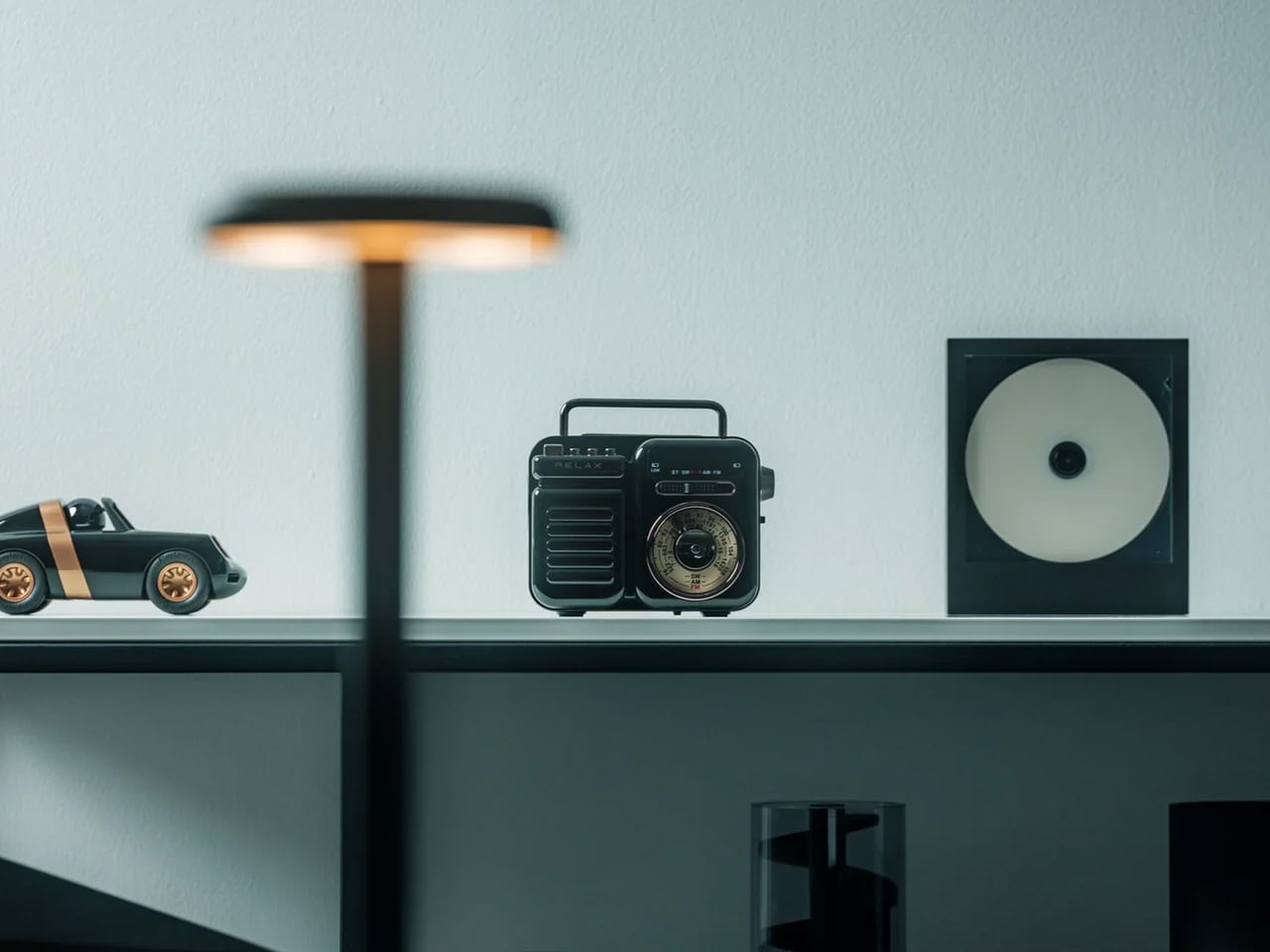
The RetroWave Radio masterfully blends nostalgic Japanese design aesthetics with comprehensive emergency preparedness functionality. This single device consolidates seven essential functions: AM/FM/shortwave radio, Bluetooth speaker, MP3 player, flashlight, power bank, SOS alarm, and hand-crank charging capability. The retro styling doesn’t compromise modern connectivity, offering both traditional analog broadcasting and contemporary wireless streaming options for versatile entertainment and communication needs.

Beyond entertainment value, this radio addresses critical safety requirements during emergencies while serving everyday recreational purposes. Multiple charging methods, including solar panel, hand-crank, and traditional power, ensure reliable operation regardless of circumstances. The built-in flashlight and SOS alarm provide essential safety features, while the tactile tuning dial maintains the authentic analog radio experience that many outdoor enthusiasts appreciate for its simplicity and reliability.

Click Here to Buy Now: $89.00

What we like

  • Seven essential functions consolidated into one portable device eliminate the need for multiple separate pieces of equipment.
  • Multiple power sources, including solar and hand-crank, ensure reliable operation during any emergency or off-grid situation.

What we dislike

  • Complex multi-functionality may create more potential mechanical failure points compared to simpler single-purpose devices.
  • Retro design aesthetic might not appeal to users prioritizing purely functional appearance over nostalgic styling elements.

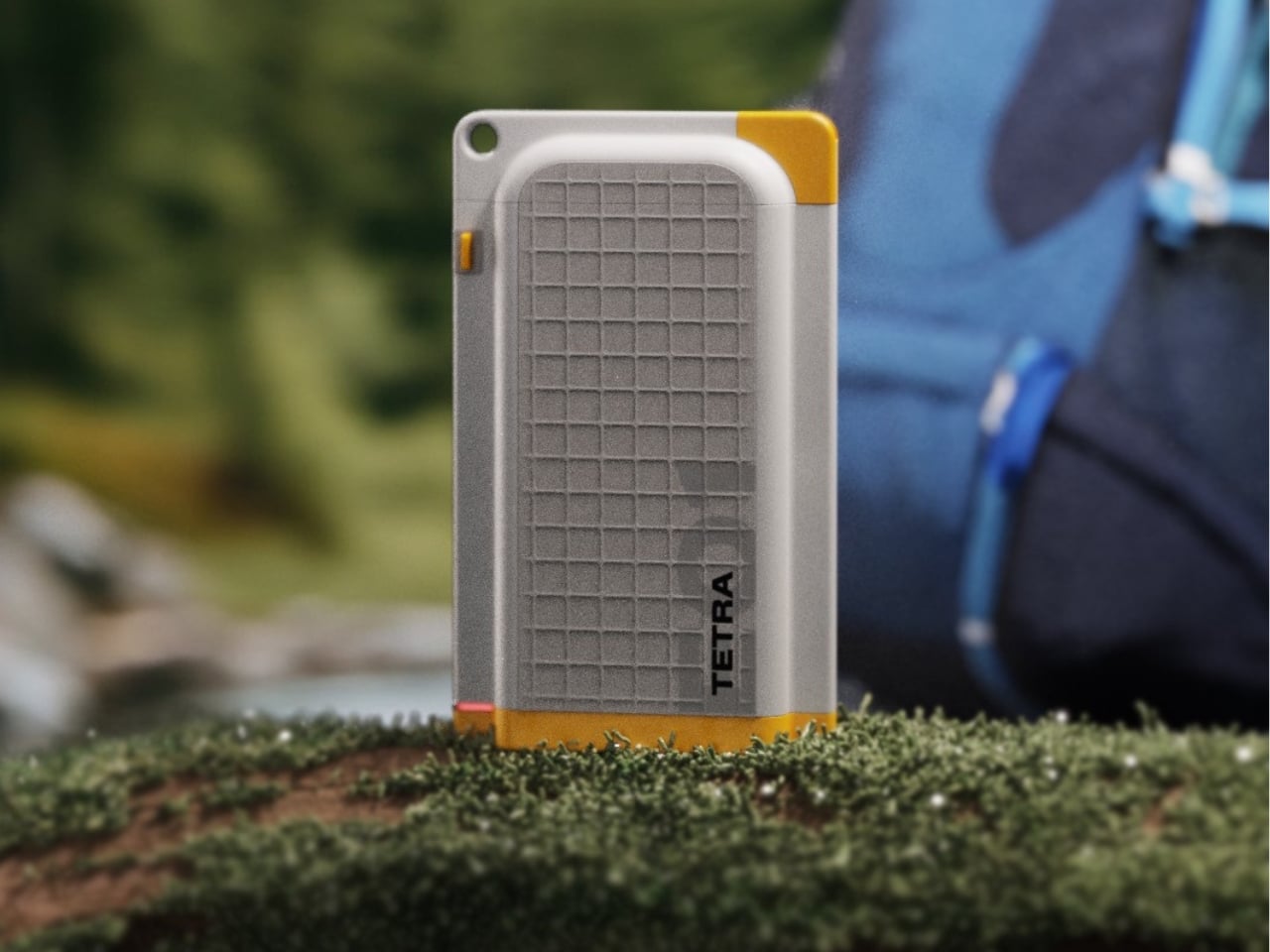
3. TriBeam 3-in-1 Camplight

The TriBeam Camplight revolutionizes portable lighting through intelligent design that adapts seamlessly to diverse outdoor scenarios and activities. Three distinct lighting modes provide solutions ranging from intimate 5-lumen ambient mood lighting to powerful 180-lumen focused flashlight beams for trail navigation. The single-button interface eliminates operational complexity, while the compact 12.8cm frame weighing only 135g ensures effortless portability without compromising performance or functionality.

This award-winning design prioritizes versatility without sacrificing specialized performance, allowing users to optimize lighting for specific activities and environmental conditions. The impressive 50-hour battery life eliminates frequent recharging concerns during extended wilderness adventures. Whether setting romantic dinner ambiance, navigating challenging trails, or providing general campsite illumination, this thoughtful engineering transforms a simple camping light into an adaptable companion that enhances every outdoor experience.

Click Here to Buy Now: $65.00

What we like

  • Three specialized lighting modes address diverse camping scenarios from intimate ambiance to powerful trail navigation.
  • Exceptional 50-hour battery life significantly reduces charging frequency requirements during extended wilderness adventures.

What we dislike

  • Single-button operation interface may complicate quick mode switching during urgent or emergency.
  • Compact size constraints potentially limit maximum light output compared to larger specialized lighting alternatives.

4. Damascus Sandalwood Split-Handle Pocket Knife

This exquisite pocket knife transcends traditional utility tools through its mesmerizing split-handle opening mechanism and premium material selection. The VG10 Damascus steel blade showcases ancient metalworking artistry, featuring distinctive marbled patterns created through folding different steel types together and acid-etching techniques. The Yellow Sandalwood handle incorporates an innovative linkage system that transforms from an ergonomic grip when opened to a protective sheath when closed, creating a captivating mechanical transformation.

This knife represents a philosophical approach to everyday carry gear, elevating functional tools to jewelry-like status through exceptional craftsmanship and artistic design. The split-handle mechanism creates a unique opening experience that disassembles before reassembling into operational form, providing almost ritualistic engagement. Rather than tactical survival equipment, this celebrates traditional metalworking heritage combined with contemporary engineering innovation, appealing specifically to collectors and design enthusiasts who appreciate artisanal craftsmanship.

What we like

  • Stunning Damascus steel blade combines exceptional cutting functionality with remarkable artistic beauty and craftsmanship.
  • Unique split-handle opening mechanism creates an engaging, almost ritualistic experience that transforms tool operation into art.

What we dislike

  • The complex mechanical opening mechanism likely requires more maintenance and care than traditional folding knife designs.
  • Premium materials and exceptional craftsmanship likely command significantly higher pricing than standard utility knives.

5. Titanium 2-in-1 Compass Thermometer

The COMANDI-Corres Titanium Compass embodies precision navigation in elegantly compact form, combining traditional wayfinding capabilities with essential temperature monitoring functionality. The UFO-inspired design philosophy celebrates exploration and discovery while ensuring practical functionality for serious outdoor adventurers. Titanium construction provides exceptional durability while maintaining minimal weight, making it ideal for extended backcountry expeditions where every gram of carried weight matters significantly for performance and comfort.

This design achieves a perfect balance between classic navigation principles and modern manufacturing techniques, creating tools equally suitable for mountain peaks or ocean voyages. The compact size ensures effortless integration into any gear kit without adding unnecessary bulk, while dual functionality eliminates the need for separate temperature monitoring equipment. This represents a thoughtful gear consolidation philosophy that maintains specialized performance while reducing overall equipment complexity and weight for serious wilderness adventures.

What we like

  • Titanium construction offers an exceptional durability-to-weight ratio, perfect for serious extended wilderness adventures.
  • Dual functionality, combining essential navigation and environmental monitoring, eliminates the need for separate specialized tools.

What we dislike

  • Compact size may make precise compass readings challenging during difficult weather or visibility conditions.
  • Premium titanium construction likely results in significantly higher cost compared to standard aluminum alternatives.

The Future of Outdoor Adventure Gear

These innovative camping designs represent the beginning of a new era where outdoor gear seamlessly integrates advanced technology with timeless wilderness principles. Each product demonstrates how thoughtful engineering can enhance outdoor experiences without compromising the authentic connection to nature that makes camping so rewarding. Smart design solutions address real challenges while respecting environmental values and traditional outdoor philosophies.

As camping continues evolving, expect gear that disappears into the background, allowing focus on meaningful wilderness moments. The best equipment will always be tools that enhance rather than complicate outdoor adventures, letting you concentrate on sunrise views, peaceful nights under starlit skies, and the profound satisfaction that comes from successfully navigating and thriving in natural environments with reliable, beautifully designed companions.

The post Top 5 Game-Changing Camping Gear Designs That Redefine Outdoor Adventures first appeared on Yanko Design.
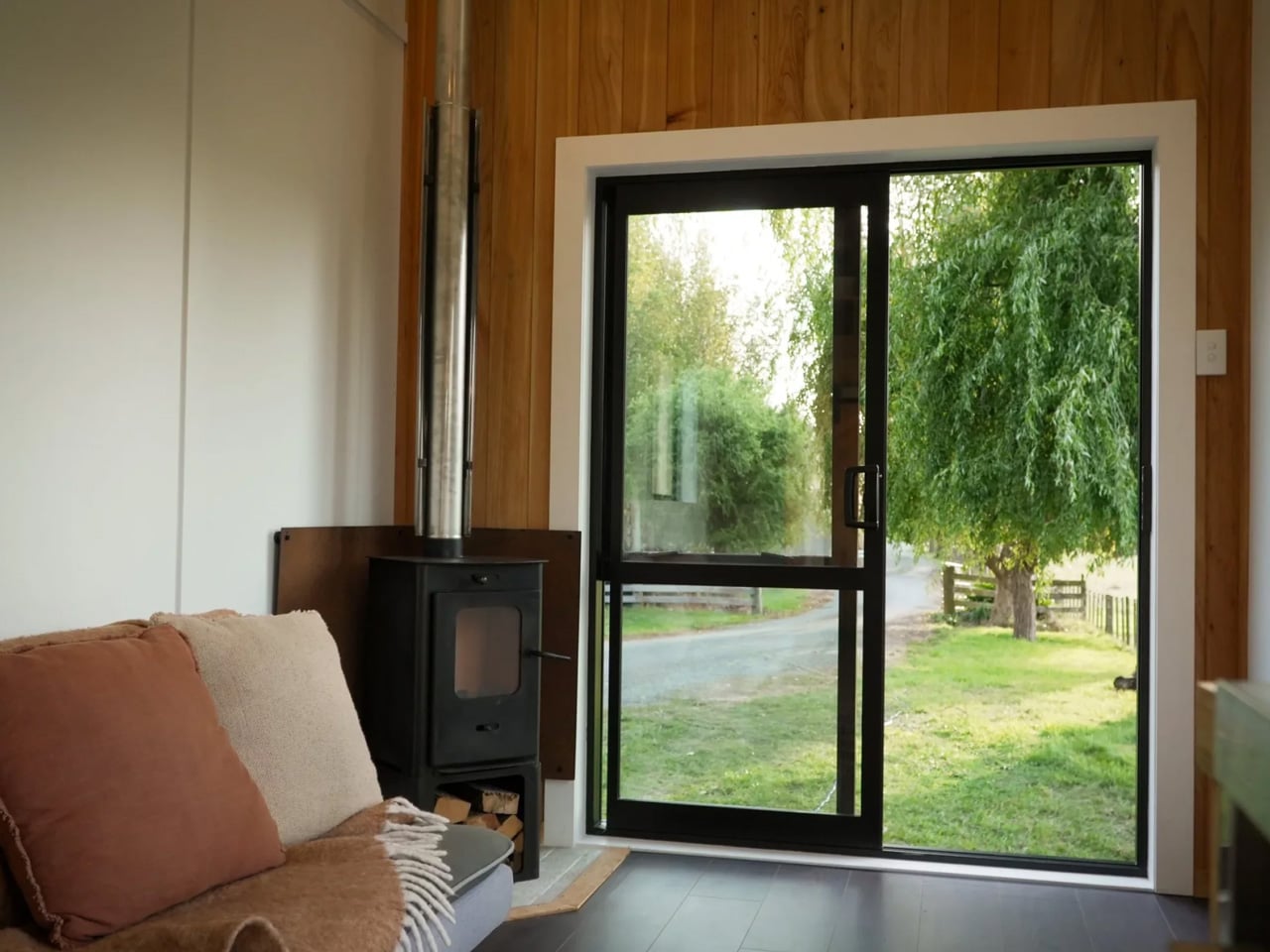
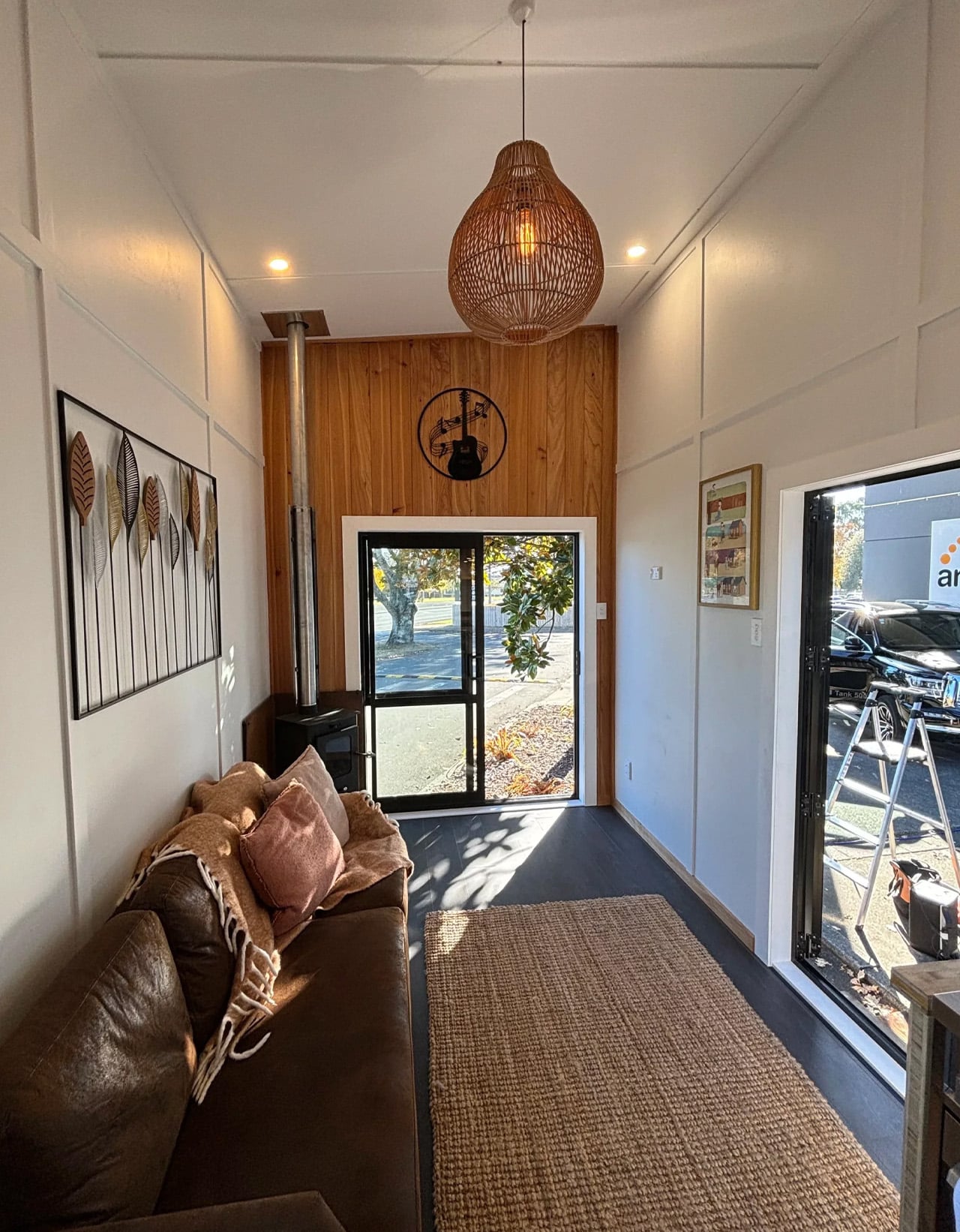
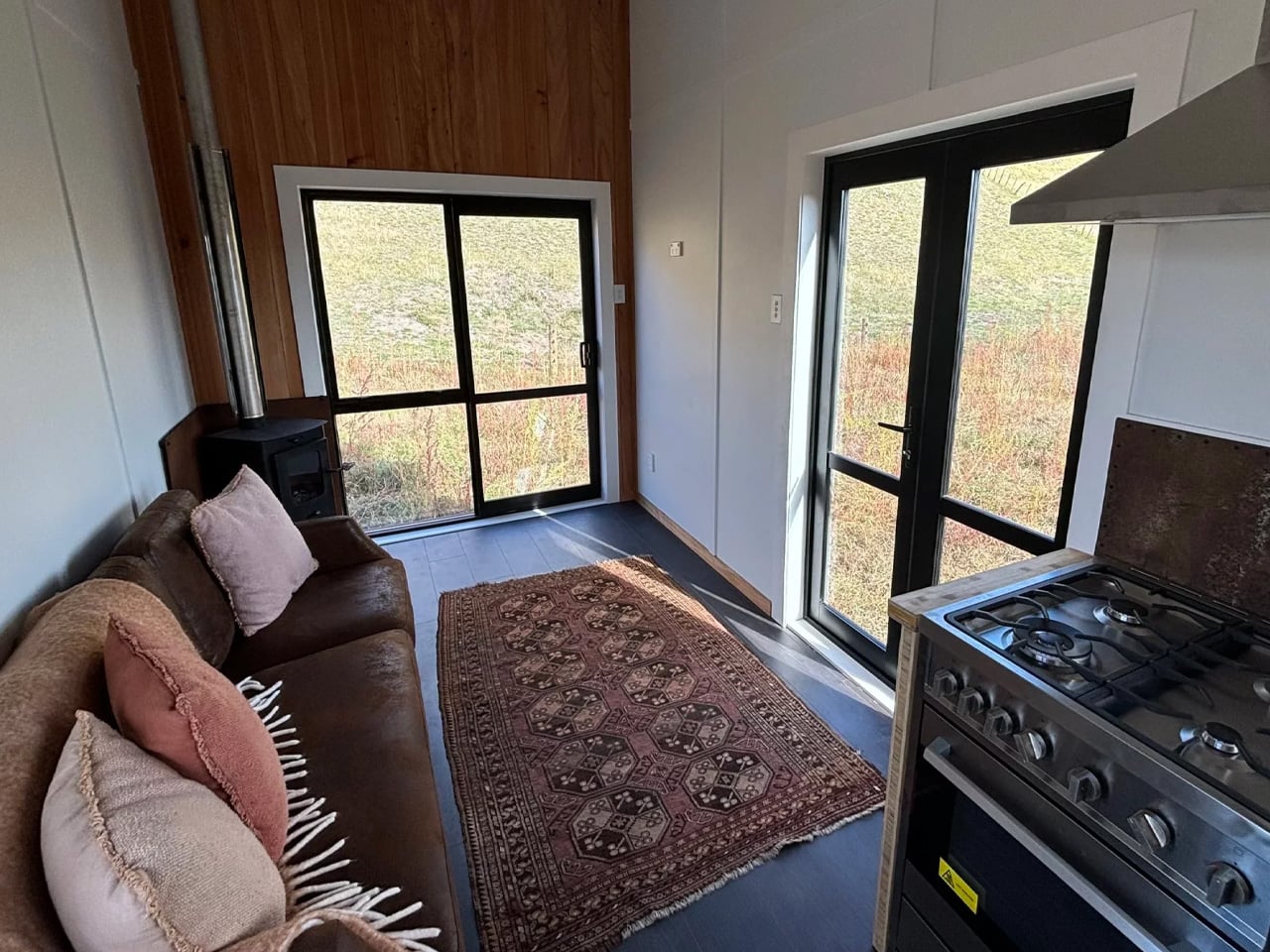
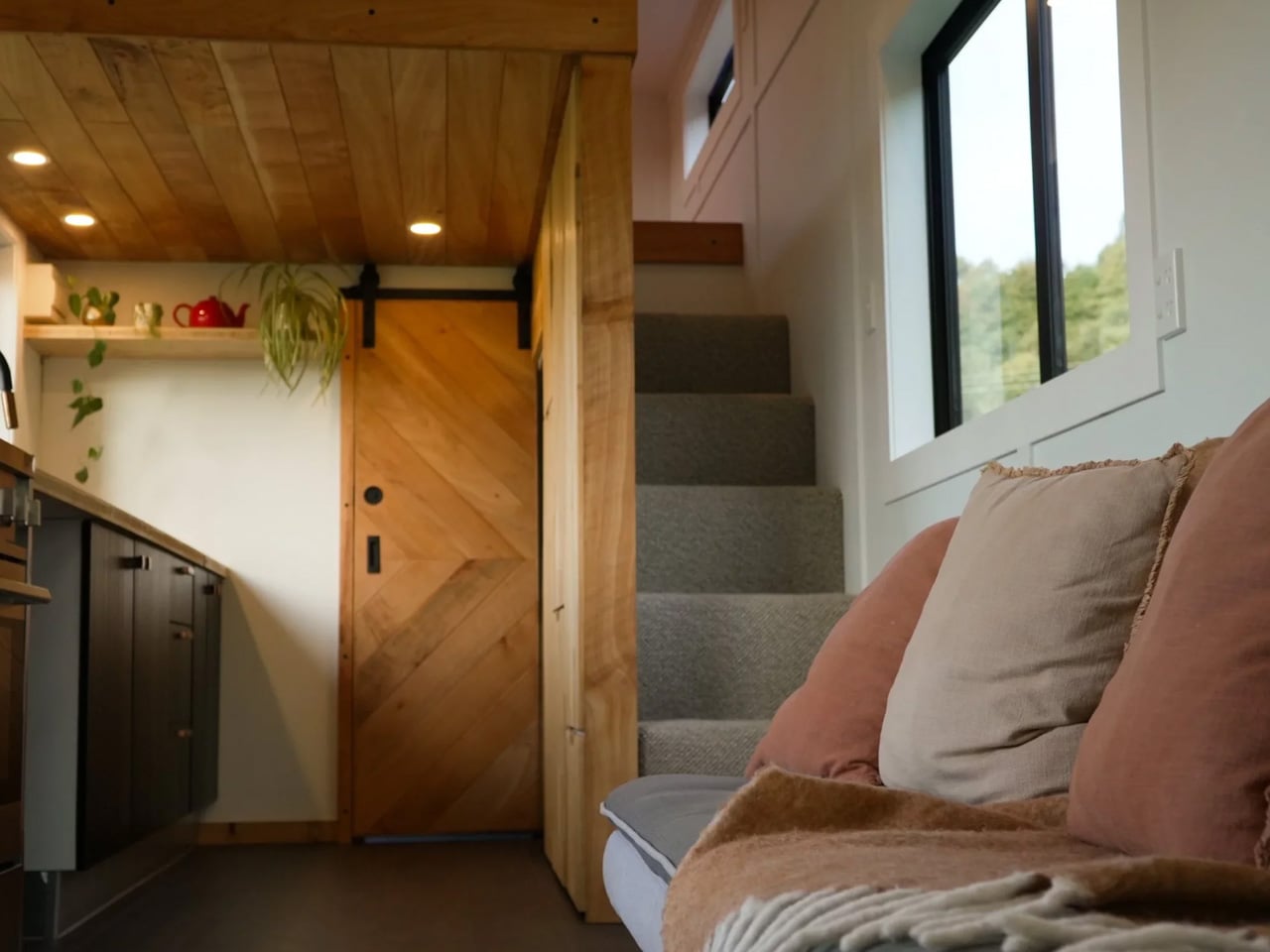
Two Bedrooms in 30 Feet: Rover Tiny Homes’ Gambier Delivers Luxury Living for $149,900

British Columbia’s tiny home scene has a new star player. The Gambier, Rover Tiny Homes’ newest model, is turning heads with its ability to transform 30 feet of space into a sophisticated living experience that rivals traditional homes. Named after the picturesque Gambier Island in BC’s coastal waters, this tiny house on wheels represents the perfect marriage of rugged construction and modern luxury.

What sets the Gambier apart isn’t just its compact footprint—it’s the thoughtful design that manages to squeeze two bedrooms into its frame without sacrificing comfort or style. The bright, flexible interior spaces demonstrate that downsizing doesn’t mean downgrading your quality of life. Every square inch serves a purpose, yet the home never feels cramped or compromised. The timing of the Gambier’s launch couldn’t be better, with housing affordability reaching crisis levels across Canada.

Designer: Rover Tiny Homes

Family Legacy Meets Modern Innovation

Behind this impressive tiny home stands a family legacy spanning over 25 years. Rover Tiny Homes operates as a four-sibling venture, built on shared work ethics and family values that extend into every aspect of their construction process. Their commitment to transparency and excellence has earned them a reputation that allows them to confidently beat competitor prices by 5% while maintaining superior quality standards. This $149,900 home offers an attractive alternative to traditional homeownership, positioned as versatile enough for full-time living while elegant enough to serve as a luxury cottage getaway.

The Gambier isn’t just built for fair-weather living. Like all Rover Tiny Homes models, it’s certified to multiple standards, including A277, Z241-PM, Z240-RV, and Z240-MH, ensuring it can handle BC’s diverse climate conditions. Advanced insulation, heating, and cooling systems keep occupants comfortable year-round, whether parked in coastal fog or mountain snow. The company’s marketing approach reflects its deep connection to British Columbia’s natural beauty, with all models bearing names inspired by local mountains and landmarks.

Built for All Seasons

The Gambier isn’t just built for fair-weather living. Like all Rover Tiny Homes models, it’s certified to multiple standards, including A277, Z241-PM, Z240-RV, and Z240-MH, ensuring it can handle BC’s diverse climate conditions. Advanced insulation, heating, and cooling systems keep occupants comfortable year-round, whether parked in coastal fog or mountain snow.

The company’s marketing approach reflects its deep connection to British Columbia’s natural beauty, with all models bearing names inspired by local mountains and landmarks. This isn’t just branding—it’s a commitment to creating homes that complement, rather than compete with, their natural surroundings, emphasizing their philosophy of building homes designed to blend in with BC’s stunning landscapes. The Gambier represents more than just another tiny home option—it’s a statement about what’s possible when experienced builders focus on quality over quantity. In an era where housing solutions need to be both innovative and accessible, Rover Tiny Homes has created something that checks both boxes, offering a compelling entry point into a lifestyle that’s equal parts practical and aspirational.

The post Two Bedrooms in 30 Feet: Rover Tiny Homes’ Gambier Delivers Luxury Living for $149,900 first appeared on Yanko Design.
10 Essential Compact Travel Gadgets & Tools That Won’t Weigh You Down

Modern travel demands a delicate balance between staying connected and packing light. The days of stuffing suitcases with bulky electronics are over. Today’s best travel gadgets prioritize intelligent design, multi-functionality, and genuine portability without sacrificing performance. These ten compact essentials prove that smart engineering can deliver full-featured experiences in surprisingly small packages.

Each item on this list earned its spot through rigorous real-world testing and design excellence. These aren’t just miniaturized versions of desk-bound gear – they’re purpose-built solutions for the mobile lifestyle. From enhanced optics that slip into your pocket to charging solutions that adapt to any global outlet, these gadgets redefine what travel-ready technology can accomplish.

1. Nikon 4x10D CF Pocket Binoculars

Nikon’s pocket binoculars represent industrial design at its most elegant. These aren’t chunky field glasses but sleek optical instruments that disappear into your everyday carry. The refreshed colorways add style without compromising the core philosophy: enhanced vision should integrate seamlessly into your life rather than announce itself through bulk.

The tactile experience feels fundamentally different from smartphone zoom. There’s something immediate about optical magnification that digital enhancement can’t replicate. These binoculars solve traditional field glass problems through pure miniaturization, creating a single-purpose tool that actually gets carried because it doesn’t burden your load.

What we like

  • Genuinely pocketable size without optical compromise.
  • Premium build quality with sophisticated design aesthetic.

What we dislike

  • Limited 4x magnification compared to larger binoculars.
  • Higher price point than basic compact alternatives.

2. ASUS RT-BE58U WiFi 7 Travel Router

The RT-BE58U transforms portable networking from afterthought to centerpiece. This Red Dot Award winner packs WiFi 7 speeds into a chassis that’s equally at home in a gaming setup or travel backpack. Collapsible antennas and sustainable materials prove that cutting-edge wireless technology doesn’t require traditional router bulk.

Multi-Link Operation and 4K-QAM deliver serious performance metrics – up to 3600 Mbps across dual bands with backward compatibility for legacy devices. The real innovation lies in seamless lifestyle integration. This router pivots from home office powerhouse to hotel room connectivity solution without missing a beat.

What we like

  • WiFi 7 speeds with comprehensive backward compatibility.
  • The collapsible design is perfect for both home and travel use.

What we dislike

  • Premium pricing for what some consider basic networking needs.
  • A complex feature set might overwhelm casual users.

3. Mophie 3-in-1 Travel Charging Station Global Edition

Mophie’s foldable charging station solves the Apple ecosystem’s biggest travel challenge: powering iPhone, Apple Watch, and AirPods simultaneously without cable chaos. The Global Edition adds international plug compatibility, making this a genuine worldwide solution rather than another US-centric accessory.

Foldable design transforms from compact travel companion to full desktop charging station. Wireless convenience means fewer cables and adapters cluttering your travel kit. The engineering prioritizes both space efficiency and charging reliability, delivering consistent power delivery across all three device types.

What we like

  • Simultaneous wireless charging for three Apple devices.
  • Truly foldable design that packs remarkably flat.

What we dislike

  • Limited to Apple ecosystem compatibility only.
  • Requires compatible wireless charging cases for older devices.

4. Goudveer F1 Portable Coffee Grinder

Fresh coffee shouldn’t be a luxury reserved for home kitchens. The F1 combines industrial-grade conical burrs with thermos-sized portability, ensuring quality grounds whether you’re camping or staying in a minimalist Airbnb. Hot-swappable motor and hand-crank options adapt to any power situation.

One hundred grind settings provide professional-level control in a package that fits standard travel bags. The fold-out collection tray eliminates the need for separate containers. This represents thoughtful engineering applied to a genuine travel problem: maintaining coffee quality without carrying barista-sized equipment.

What we like

  • Industrial-grade burrs deliver consistent professional results.
  • Dual electric/manual operation adapts to any situation.

What we dislike

  • Higher maintenance requirements than simple travel alternatives.
  • Premium price point may deter casual coffee drinkers.

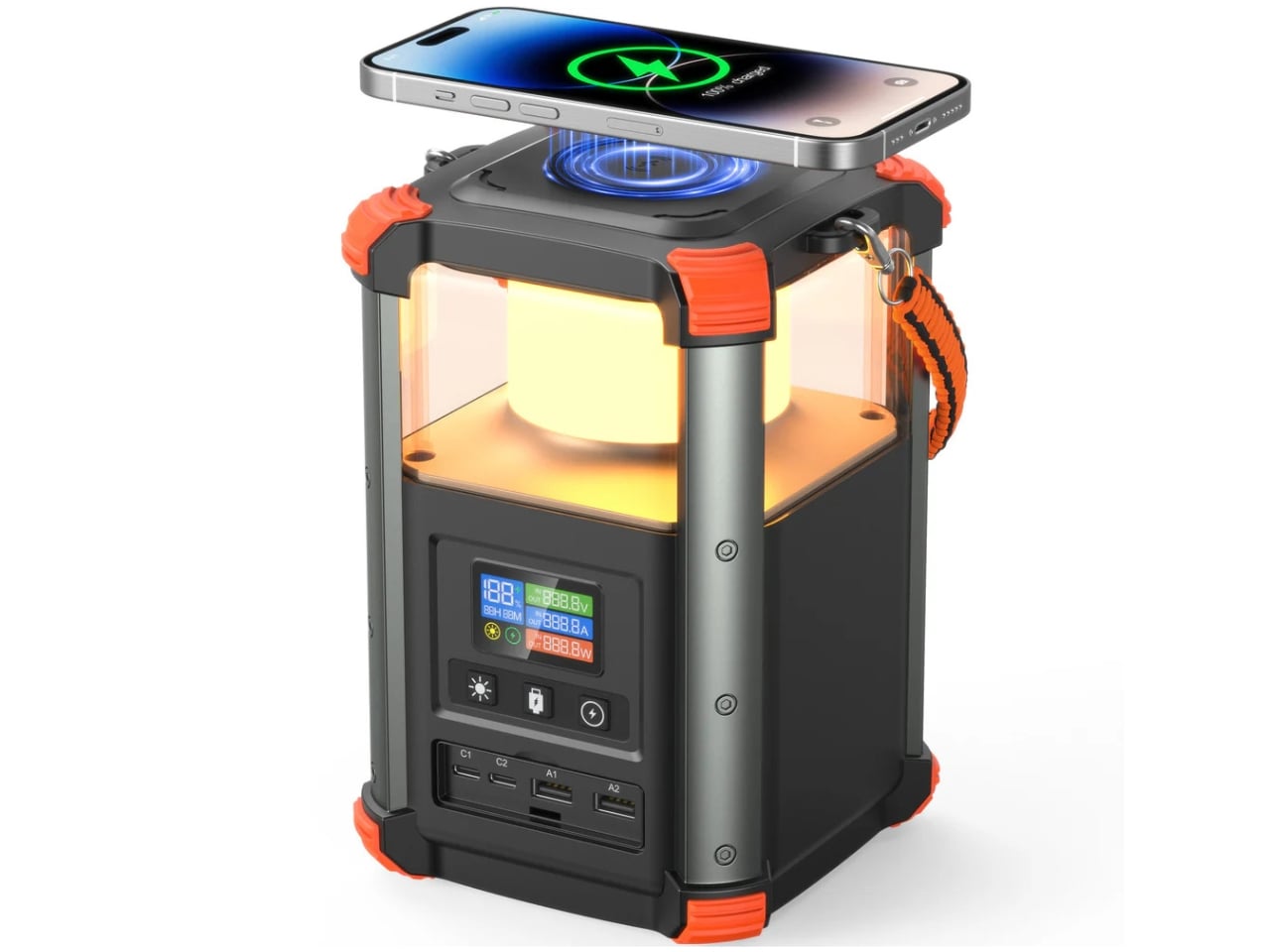
5. RetroWave 7-in-1 Radio

This retro-styled radio proves that emergency preparedness doesn’t require military-grade aesthetics. Seven functions – radio, Bluetooth speaker, MP3 player, flashlight, power bank, clock, and SOS alarm – pack into a design that wouldn’t look out of place on a modern desk.

Hand-crank and solar charging ensure functionality when traditional power sources fail. The tactile tuning dial provides satisfying analog control while Bluetooth connectivity bridges old and new. This represents intelligent multi-functionality where every feature serves a genuine purpose rather than checking marketing boxes.

Click Here to Buy Now: $89.00

What we like

  • Seven essential functions in one beautifully designed package.
  • Multiple charging methods ensure power in any situation.

What we dislike

  • Retro aesthetic might not appeal to minimalist design preferences.
  • Feature complexity could overwhelm users seeking simple radio functionality.

6. Tspin Fidget Spinner Multi-Tool

Tspin transforms nervous fidgeting into practical functionality. This titanium multi-tool includes a bottle opener, SIM card tools, a smartphone stand, a cable organizer, and a precision screwdriver while maintaining classic spinner mechanics. The carabiner clip provides secure attachment without typical camping gear bulk.

Travel anxiety meets practical problem-solving through thoughtful engineering. That missing bottle opener or SIM card ejector tool gets integrated into something you’ll naturally carry. The smartphone stand function proves particularly valuable for solo travelers wanting to appear in their own photos.

What we like

  • Multiple essential tools disguised as a stress-relief toy.
  • Premium titanium construction ensures long-term durability.

What we dislike

  • The fidget spinner trend feels dated to some users.
  • Small tool sizes may not suit all hand sizes comfortably.

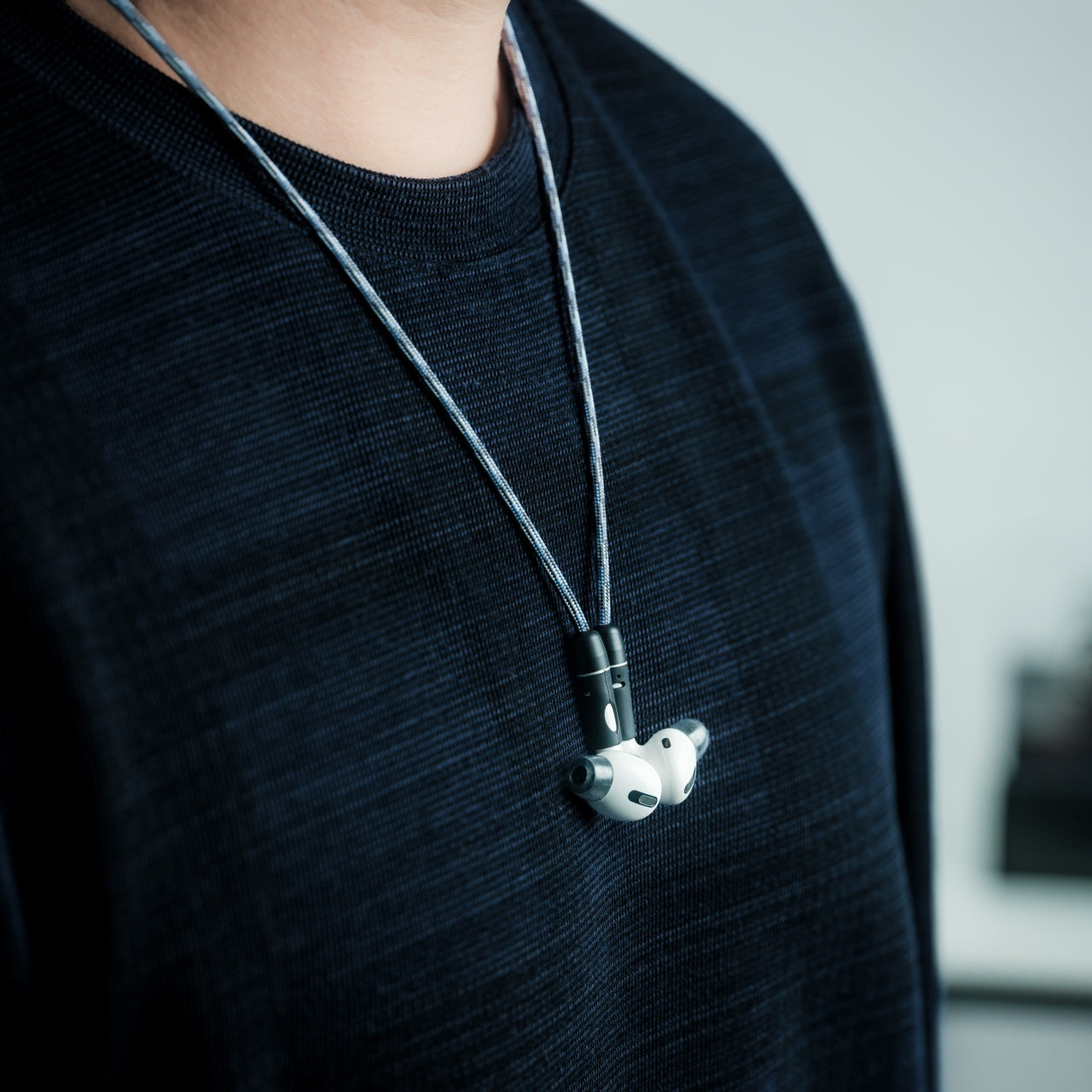
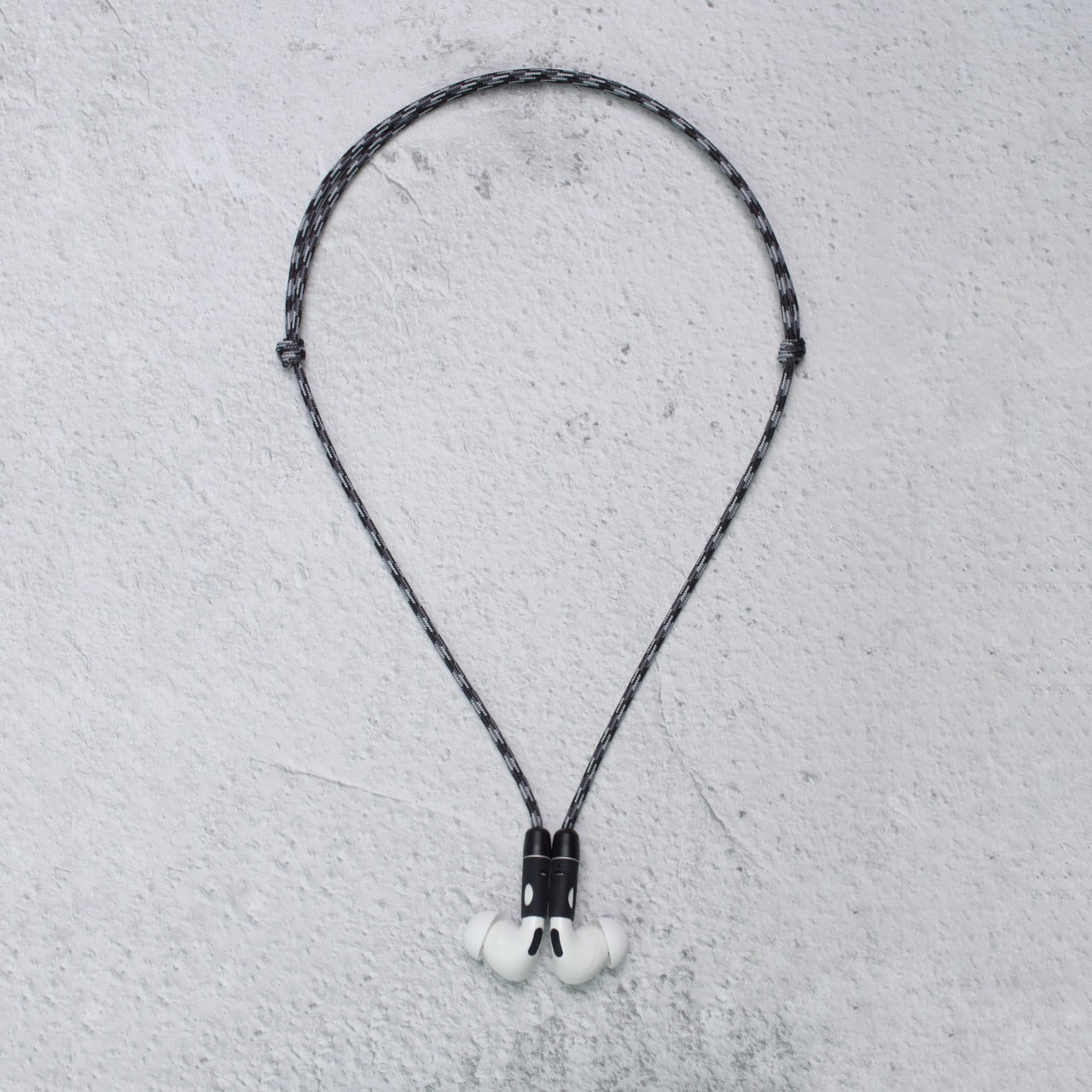
7. AirPods Neck Strap

These woven straps solve AirPods’ biggest design flaw: they’re expensive devices that easily disappear. The patented magnetic lock keeps both earbuds secure while allowing quick removal for listening. Three color options match different style preferences without screaming “tech accessory.”

Transforming wireless earbuds back into a necklace format feels counterintuitive until you experience the peace of mind. No more patting pockets or checking bags for escaped AirPods. The woven construction feels premium rather than cheap aftermarket, making this functional fashion rather than pure utility.

Click Here to Buy Now: $39.00

What we like

  • Eliminates AirPods loss anxiety.
  • Premium woven materials feel genuinely fashionable.

What we dislike

  • Returns to the tethered earbud concept that AirPods originally escaped.
  • Additional accessory to remember and maintain.

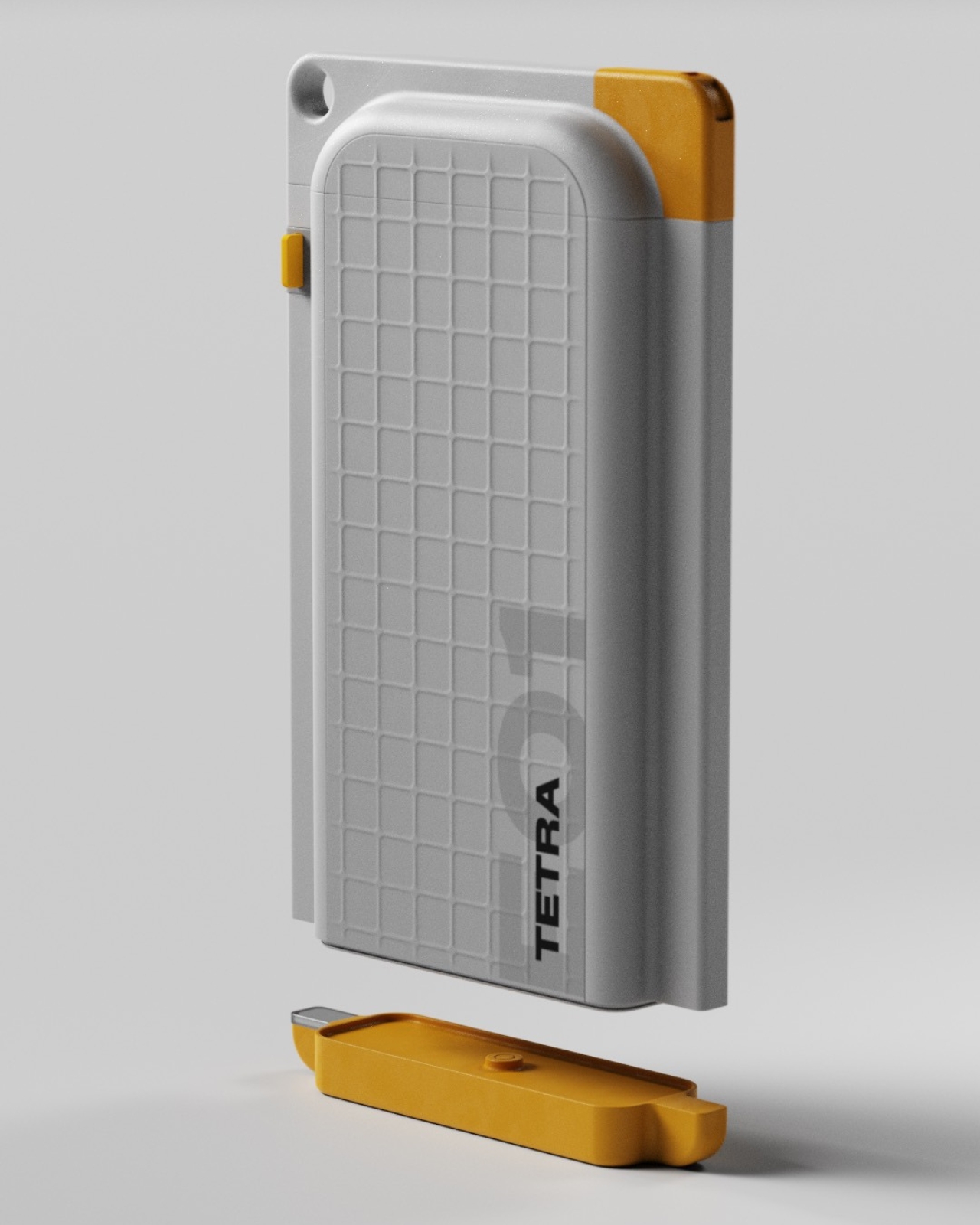
8. Nothing Power (1) Battery Bank

Nothing’s transparent design philosophy transforms boring power banks into captivating tech art. The glyph interface communicates charging status, battery levels, and smartphone notifications through sophisticated light patterns. Internal circuitry becomes a visual element rather than a hidden component.

Twenty thousand mAh capacity provides multiple phone charges, while 65W fast charging reaches fifty percent power in under twenty minutes. The glyph system proves particularly valuable for solo travelers who can monitor charging progress and receive notifications without constantly checking devices.

What we like

  • The glyph interface provides information without screen dependency.
  • Transparent design creates visual interest beyond pure functionality.

What we dislike

  • Premium pricing for what’s essentially standard power bank capacity.
  • Complex light patterns require a learning curve for interpretation.

9. For Me Buds AI Sleep Monitoring Earbuds

Sleep optimization becomes crucial when constantly changing time zones and sleeping environments. These earbuds combine noise cancellation with AI-powered binaural beats tailored to individual sleep stages. Heart rate and movement sensors provide comprehensive sleep analysis without wrist-worn devices.

Real-time sound adjustment throughout sleep cycles represents a genuine AI application rather than a marketing buzzword. The earbuds deliver personalized audio directly into your ears for more effective sleep enhancement than external speakers. Pattern analysis helps adapt to new schedules and unfamiliar environments.

What we like

  • AI-powered sleep optimization with real-time audio adjustment.
  • Comprehensive sleep tracking without additional wearable devices.

What we dislike

  • Sleeping with earbuds may feel uncomfortable for some users.
  • Complex AI features might overwhelm users seeking simple noise cancellation.

10. TA-205

This adapter acknowledges modern reality: travelers carry more devices than ever, and they all need power simultaneously. Supporting over 200 countries with seven charging ports eliminates device priority decisions. Dual AC sockets handle both universal and US-specific plugs.

Three USB-A ports manage accessories while dual USB-C ports handle primary devices. The 35.5W fast-charge capability means phones power quickly rather than keeping travelers tethered to walls. Compact engineering doesn’t compromise power delivery across the full range of modern electronics.

What we like

  • Seven simultaneous charging ports eliminate device priority decisions.
  • 200+ countries are compatible with intelligent plug adaptation.

What we dislike

  • Multiple ports might exceed some hotel outlet power limits.
  • Compact size makes individual port access occasionally cramped.

Smart Engineering Meets Modern Travel

These ten gadgets represent the evolution of travel technology from bulky necessities to elegant essentials. Each item earned its place through genuine utility rather than feature bloat. Smart travelers recognize that the best gear enhances experiences without announcing its presence through weight or bulk.

The common thread connecting these products is thoughtful engineering applied to real travel challenges. Whether it’s maintaining coffee quality, staying connected globally, or optimizing sleep across time zones, each solution prioritizes genuine portability without compromising core functionality. This represents the future of travel gear: invisible when not needed, indispensable when required.

The post 10 Essential Compact Travel Gadgets & Tools That Won’t Weigh You Down first appeared on Yanko Design.
A Floating $395M Opera House Inspired By Oyster Pearls Opens In 2027

Construction has kicked off on what might be Southeast Asia’s most jaw-dropping cultural project—the Isola della Musica, a striking opera house designed by the legendary Renzo Piano that will literally float on Hanoi’s West Lake when it opens in 2027. You’d be hard-pressed to find a more dramatic setting for world-class performances.

The name means “Island of Music” in Italian, which feels fitting given Piano’s heritage and the venue’s extraordinary location on the Quang An Peninsula, nestled between West Lake and the newly created Đầm Trị Lake. At $394.5 million, this isn’t just about building another concert hall—it’s Vietnam flexing its cultural muscles on the global stage.

Designer: Renzo Piano Building Workshop and PTW Architects

A Pearl Born from History

Piano’s vision reaches deep into the lake’s past for inspiration. Generations of local farmers once made their living diving for massive freshwater oysters called “Trai,” hunting for those rare pearls that shimmer in pink, orange, and white. The opera house captures that heritage perfectly, its gleaming dome emerging from the water like nature’s own masterpiece, finally surfacing.
The architectural genius here lies in how Piano expresses what happens inside through the building’s outer shell. His team played with everything from soap bubble formations to catenary curves, crafting a double-layered structure that feels alive and organic. The building seems to breathe alongside the lake’s natural rhythms while maintaining the structural sophistication you’d expect from a Piano masterpiece.

Beyond the Stage

This 191,000-square-meter complex packs a serious punch with its 2,000-seat main theater, plus additional performance spaces that bump total capacity past 3,200. But calling it just an opera house sells it short—the venue will house museums, event spaces, and programming that goes way beyond traditional classical fare.

The real brilliance shows in how seamlessly it weaves into Hanoi’s fabric. The surrounding waterways, including the historic lotus pond at Pho Linh Pagoda and Thuy Su Lake, are getting full restoration treatment with native lotus replanting. Eight new boat docks will create water-based transit routes, including direct aquatic access to performances—imagine arriving at the opera by boat as the sun sets over West Lake.

A Cultural Capstone

The partnership between Piano’s workshop and Sydney’s PTW Architects brings world-class expertise to Vietnam’s cultural evolution. At 87, with 65 years of architectural mastery behind him, Piano could have chosen any project. Instead, he picked this Hanoi landmark as his latest legacy piece, seeing it as something truly special.

When the Isola della Musica finally opens in 2027, it’ll offer far more than spectacular performances. This floating pearl represents Vietnam’s cultural transformation, Piano’s enduring genius, and proof that great architecture can reshape both cityscapes and entire societies. Hanoi already has its gorgeous French colonial opera house—now it’s getting a contemporary cultural crown jewel that can stand toe-to-toe with the world’s greatest venues.

The post A Floating $395M Opera House Inspired By Oyster Pearls Opens In 2027 first appeared on Yanko Design.