The CPR dummy of the future can piss blood

The following article discusses medical procedures.

On the fringes of each and every CES, there are products worthy of attention, even if they can’t be called “consumer electronics.” A prime example is Adam-X, a medical training tool that takes the idea of a CPR dummy and dials it up to eleven… thousand. Unlike the dolls you learned basic CPR with, Adam-X is a fully featured robotic patient used for a wide variety of medical training. We spotted it on the show floor during CES 2024 in Las Vegas this week.

Adam-X is equipped with a realistic skeleton, muscles and lungs that’ll behave much like the real things do. Depending on the scenario, the dummy will give you physical feedback depending on how successful you are at treating it. For instance, the pupils will dilate, cheeks will flush, the tongue will swell and the extremities will turn blue, depending on what you’re doing at the time. Right now, Adam is even able to make some vague noises but his makers pledge that an update at some point this year will add in a GPT-enabled communication feature to train medics how to keep patients engaged and calm. 

As well as CPR training, you can use this device to teach intubation, administering an IV, applying a blood pressure cuff and using a defibrillator. And much as the system itself will respond to what you’re doing, its suite of sensors can examine your technique and offer feedback. For instance, Adam-X was set into CPR mode and required me to keep it alive, but I wasn't sure I was getting my chest compressions correct; after all, I'm not a doctor, nor do I play one on TV. But, by looking at the laptop Adam was connected to, I could see how far my hands were away from the ideal position. 

There's plenty of other things I wasn't able to test in the crowded show floor at CES, including the fact that Adam has pressurized blood vessels. Medics who need to clear the airway by cutting the trachea, for instance, may be surprised to see a spurt of (artificial) blood. Similarly, if one of the independently-pressurized lungs collapses, you'll be able to use a real needle to puncture the chest to reinflate it. Not to mention swapping out the regular limbs for ones that have simulated wounds, that require surgical intervention or to add in an intravenous drip to a vein. (Adam even has working genitalia and can pass urine or blood depending on the training scenario.)

Unfortunately, unless you're a medical school or other training facility with $70,000 grand or so lying around, you probably won't be able to buy one. But you should watch the video and see how very cool it is to practice keeping someone alive while getting a little more feedback than with the regular CPR doll. 

We're reporting live from CES 2024 in Las Vegas from January 6-12. Keep up with all the latest news from the show here.

This article originally appeared on Engadget at https://www.engadget.com/the-cpr-dummy-of-the-future-can-piss-blood-165533305.html?src=rss

AYANEO NEXT Lite challenges the Steam Deck with a Steam OS handheld PC

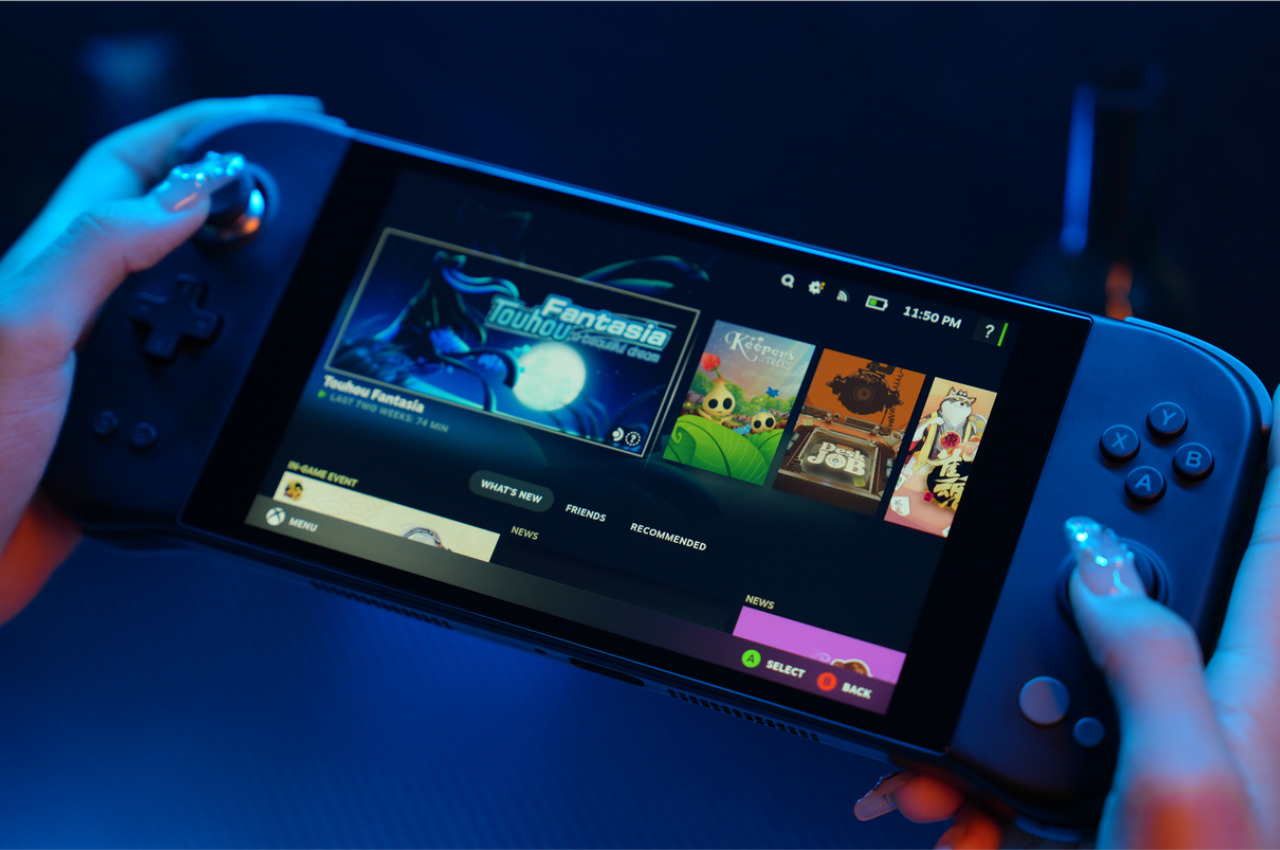
The Nintendo Switch may have rebooted the whole handheld gaming craze, but it was the Steam Deck that brought that fever to PCs. It was a strange device from a company famed for its game distribution platform but notorious for its spectacular Steam Machine failure. The doubt was further increased by Valve’s decision to install its own Linux-based Steam OS on the handheld PC instead of a more gaming-ready Windows. That’s why it came as a bit of a surprise that the Steam Deck was a resounding success, enough for major manufacturers like Acer, Lenovo, and now MSI to follow suit. Although not a giant, AYANEO has been churning out handheld gaming PCs for quite a while now, and it now has its sights on challenging the one that started it all with what is the world’s second-ever Steam OS handheld gaming PC.

Designer: AYANEO

The Steam Deck was a rather odd and ambitious product. It was huge, especially compared to the lightweight and slim Nintendo Switch. It ran the Linux operating system, which meant some games from Steam’s own library might not even run on it. It partnered with AMD for a custom mobile chip that no one has heard of, let alone tested for gaming. And it launched with a $349 price tag, at least for the eMMC storage model, which sounded too good to be true. By all accounts, it would have been yet another failure like the Steam OS consoles Valve tried to turn into a business, and yet the Steam Deck will now forever be remembered as the one that started it all.

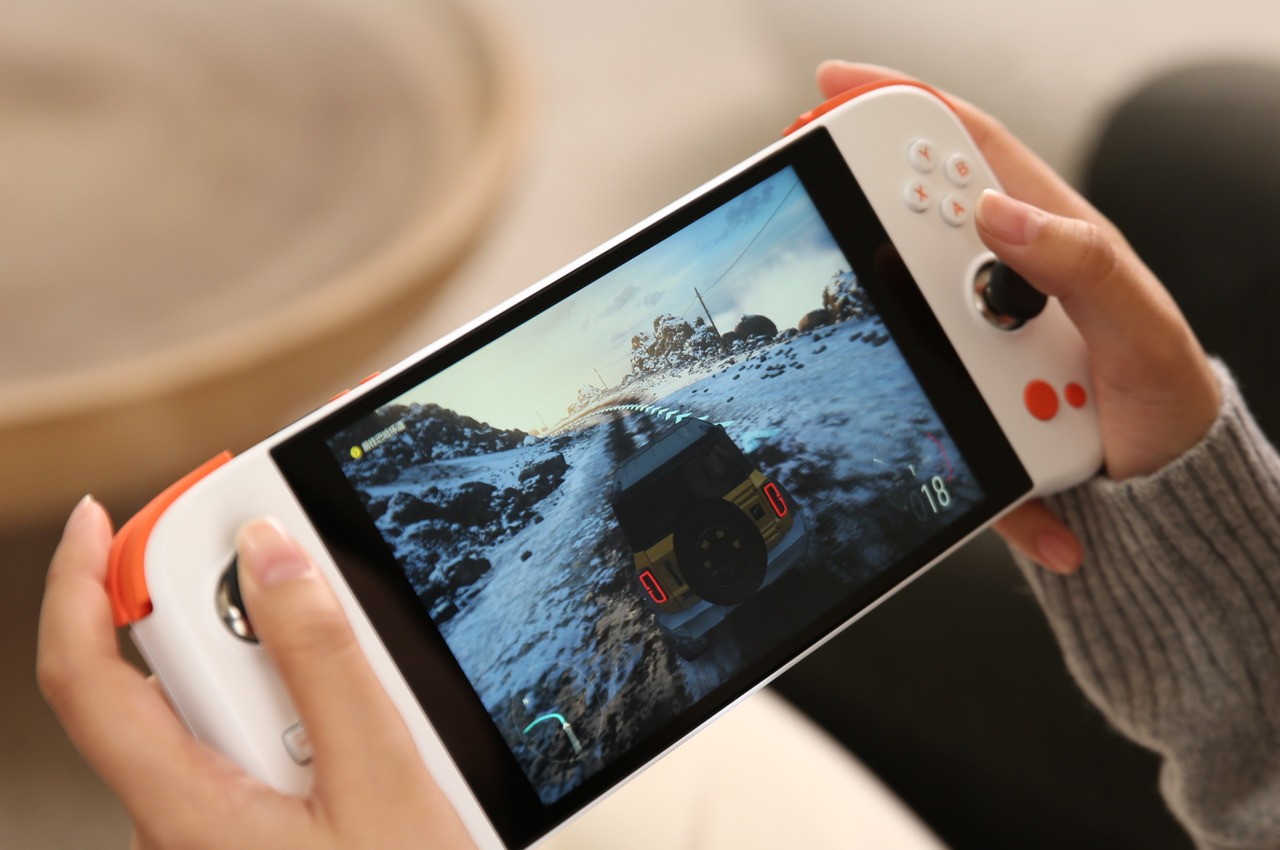
Although major PC makers like Acer and Lenovo weren’t quick to jump on the trend, other brands were already launching similar devices every year, sometimes even more than once a year. GPD, which started out with Android gaming handhelds, breached that market even before the Steam Deck came to be. AYANEO followed not long after and now has half a dozen models under its name with different designs and approaches to gaming. Of these, the AYANEO NEXT from 2022 was its flagship product, and it’s now following it up with a “Lite” version that is trying to beat Steam at its own game.

The company is playing coy with many of the device’s specs, revealing only its 7-inch 800p display and 47Wh battery which are exactly the same as the existing AYANEO NEXT. The design looks exactly similar as well, down to the color options. The only real difference is that it would be running that Linux-based Steam OS, which is actually quite a critical change. That means that software features will be worlds apart once you step outside the Steam interface for anything other than gaming. Given the popularity of the Steam Deck, you can at least be sure you’ll find solutions for most of the tasks and problems you might encounter, at least when it comes to software compatibility.

The AYANEO NEXT Lite and the Steam Deck, however, are also worlds apart because of the hardware. Valve has opted to keep its handheld PC quite modest and has yet to even talk about a Steam Deck 2. If its older Windows-toting sibling is to be considered, then the AYANEO NEXT Lite will house more recent, more powerful, more battery-hungry, and more expensive specs. That doesn’t bode well for the price, though AYANEO assures that it will be cost-effective, but that could still mean hundreds of dollars more than what the Steam Desk asks for.

The post AYANEO NEXT Lite challenges the Steam Deck with a Steam OS handheld PC first appeared on Yanko Design.

AYANEO NEXT Lite challenges the Steam Deck with a Steam OS handheld PC

The Nintendo Switch may have rebooted the whole handheld gaming craze, but it was the Steam Deck that brought that fever to PCs. It was a strange device from a company famed for its game distribution platform but notorious for its spectacular Steam Machine failure. The doubt was further increased by Valve’s decision to install its own Linux-based Steam OS on the handheld PC instead of a more gaming-ready Windows. That’s why it came as a bit of a surprise that the Steam Deck was a resounding success, enough for major manufacturers like Acer, Lenovo, and now MSI to follow suit. Although not a giant, AYANEO has been churning out handheld gaming PCs for quite a while now, and it now has its sights on challenging the one that started it all with what is the world’s second-ever Steam OS handheld gaming PC.

Designer: AYANEO

The Steam Deck was a rather odd and ambitious product. It was huge, especially compared to the lightweight and slim Nintendo Switch. It ran the Linux operating system, which meant some games from Steam’s own library might not even run on it. It partnered with AMD for a custom mobile chip that no one has heard of, let alone tested for gaming. And it launched with a $349 price tag, at least for the eMMC storage model, which sounded too good to be true. By all accounts, it would have been yet another failure like the Steam OS consoles Valve tried to turn into a business, and yet the Steam Deck will now forever be remembered as the one that started it all.

Although major PC makers like Acer and Lenovo weren’t quick to jump on the trend, other brands were already launching similar devices every year, sometimes even more than once a year. GPD, which started out with Android gaming handhelds, breached that market even before the Steam Deck came to be. AYANEO followed not long after and now has half a dozen models under its name with different designs and approaches to gaming. Of these, the AYANEO NEXT from 2022 was its flagship product, and it’s now following it up with a “Lite” version that is trying to beat Steam at its own game.

The company is playing coy with many of the device’s specs, revealing only its 7-inch 800p display and 47Wh battery which are exactly the same as the existing AYANEO NEXT. The design looks exactly similar as well, down to the color options. The only real difference is that it would be running that Linux-based Steam OS, which is actually quite a critical change. That means that software features will be worlds apart once you step outside the Steam interface for anything other than gaming. Given the popularity of the Steam Deck, you can at least be sure you’ll find solutions for most of the tasks and problems you might encounter, at least when it comes to software compatibility.

The AYANEO NEXT Lite and the Steam Deck, however, are also worlds apart because of the hardware. Valve has opted to keep its handheld PC quite modest and has yet to even talk about a Steam Deck 2. If its older Windows-toting sibling is to be considered, then the AYANEO NEXT Lite will house more recent, more powerful, more battery-hungry, and more expensive specs. That doesn’t bode well for the price, though AYANEO assures that it will be cost-effective, but that could still mean hundreds of dollars more than what the Steam Desk asks for.

The post AYANEO NEXT Lite challenges the Steam Deck with a Steam OS handheld PC first appeared on Yanko Design.

Dashlane’s password manager is on sale for $40 per year

Dashlane’s subscription-based password manager is on sale for $40 per year, as part of a New Year’s offer. This is for the Premium Plan, which typically costs $60 each year. So this represents a savings of 40 percent or $20 per year. The sale ends on January 15 at 8PM ET, so you only have four days to take advantage of the discount.

Here’s how you can access the deal. Just sign up for the company’s Premium Plan and type in the code NY24 at checkout. That’s it. You’re good to go. The Premium Plan includes password protection for unlimited devices, with no limit on the number of passwords and passkeys. You also get a VPN for web-browsing, real-time phishing alerts and access to a sharing portal that allows you to safely share passwords and private information with friends and family.

Dashlane is a reputable service, up there with market leaders like 1Password, NordPass and LastPass. As a matter of fact, the service made our list of the best password managers. We loved the secure sharing feature, mentioned above, and the company’s VPN, which is included with the Premium Plan. The only downside is that there’s no support for Linux.

The company offers other plans, but those aren’t covered by this deal. The friends and family plan, for instance, offers complete access for up to ten people. There are also a couple of robust plans intended for commercial use. Again, the discount on the Premium Plan ends on January 15.

Follow @EngadgetDeals on Twitter and subscribe to the Engadget Deals newsletter for the latest tech deals and buying advice.

This article originally appeared on Engadget at https://www.engadget.com/dashlane-password-manager-is-on-sale-for-40-per-year-161438870.html?src=rss

Hertz is selling 20,000 EVs and replacing them with gas-powered vehicles

Hertz says it's selling around 20,000 electric vehicles from its US fleet, which constitutes approximately a third of its total number of EVs in its global fleet. It claimed that "expenses related to collision and damage, primarily associated with EVs, remained high" in the most recent financial quarter, "thereby supporting the company’s decision to initiate the material reduction in the EV fleet." Hertz said it plans to reinvest some of the proceeds into purchasing gas-powered vehicles.

"The company expects this action to better balance supply against expected demand of EVs," Hertz said in an SEC filing. "This will position the company to eliminate a disproportionate number of lower margin rentals and reduce damage expense associated with EVs."

There were already signs that Hertz was having cold feet over its decision to invest heavily in EVs over the last few years. It was reported in 2021 that the rental company had ordered 100,000 EVs from Tesla. The following April, it emerged that Hertz planned to buy up to 65,000 EVs from Polestar over five years.

However, in October 2023, Hertz said it was slowing down plans to electrify its fleet. At the time, CEO Stephen Scherr said EVs cost Hertz "about twice in terms of damage cost repair than a conventional internal combustion engine vehicle."

As Reuters notes, Tesla is currently selling more than 700 EVs through its used car website. The vast majority of those are Tesla Model 3 and Model Y vehicles.

This article originally appeared on Engadget at https://www.engadget.com/hertz-is-selling-20000-evs-and-replacing-them-with-gas-powered-vehicles-153302670.html?src=rss

BMW hits 200,000 car deliveries in 2023

car deliveries

BMW has announced that it has hit a new milestone for new car deliveries, it managed to deliver an impressive 200,000 cars in a single year, with a total of 202,530 cars delivered to customers in 2023. The luxury car maker saw an increase of 14.3 p[percent in 2023 in new vehicle sales when compared […]

The post BMW hits 200,000 car deliveries in 2023 appeared first on Geeky Gadgets.

Skoda to ingerate ChatGPT to its cars

Skoda ChatGPT

Skoda is the latest company to announce that it will integrate ChatGPT into its cars, yesterday we heard that Volkswagen would be bringing ChatGPT to some of its vehicles, and now Volkswagen-owned Skoda is also bringing ChatGPT to its vehicles. ChatGPT will be integrated into the Skoda Laura voice assistant on models of Skoda vehicles […]

The post Skoda to ingerate ChatGPT to its cars appeared first on Geeky Gadgets.

Easy way to run speedy Small Language Models on a Raspberry Pi

Run Small Language Models on a Raspberry Pi

Imagine transforming your Raspberry Pi into a smart conversational partner. If you have tried previously to run AI models on your Raspberry Pi been disappointed with the speeds of its responses. You will be pleased to know that there is a faster way, by installing a small language model, which can turn your mini PC […]

The post Easy way to run speedy Small Language Models on a Raspberry Pi appeared first on Geeky Gadgets.