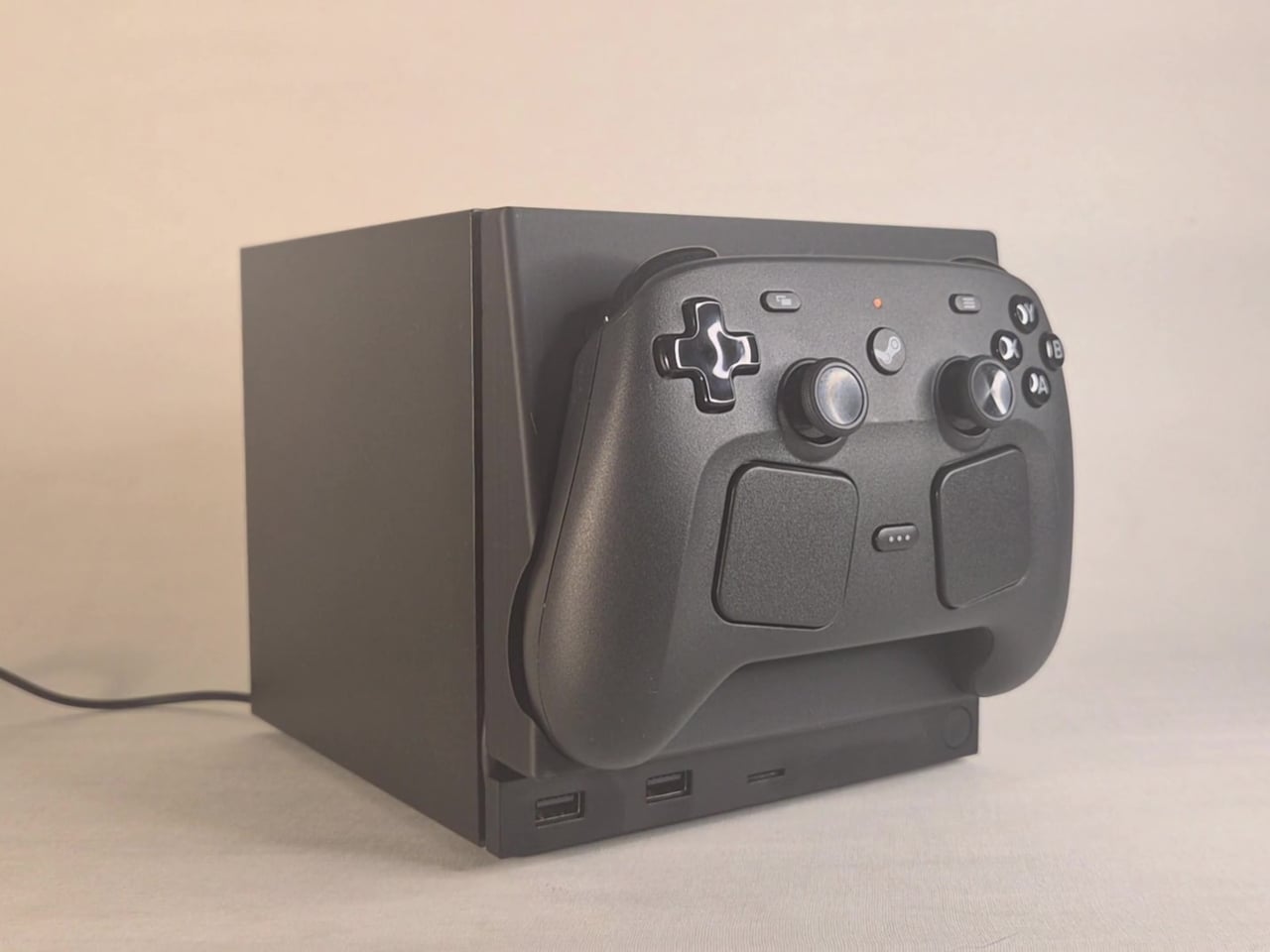
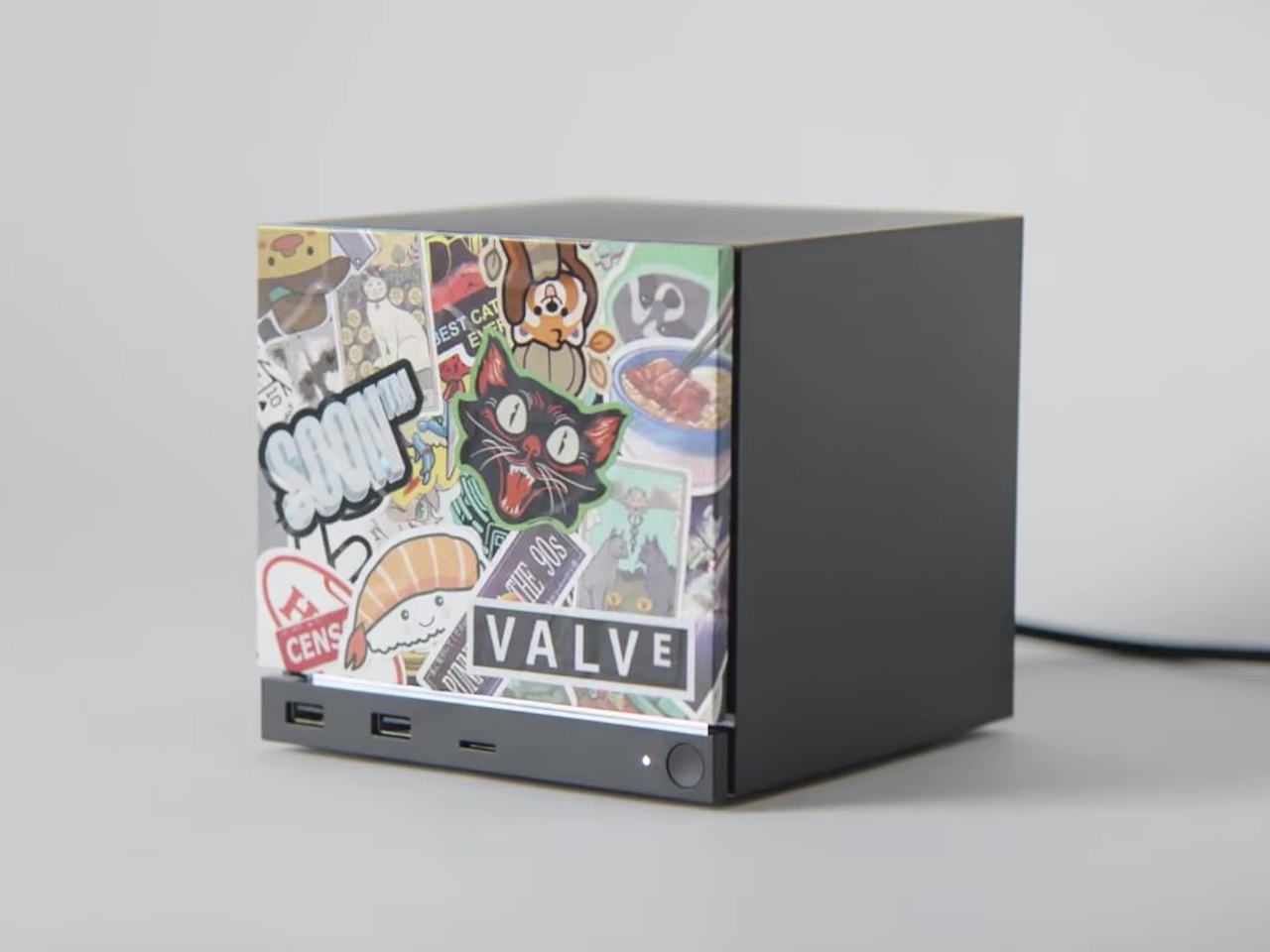
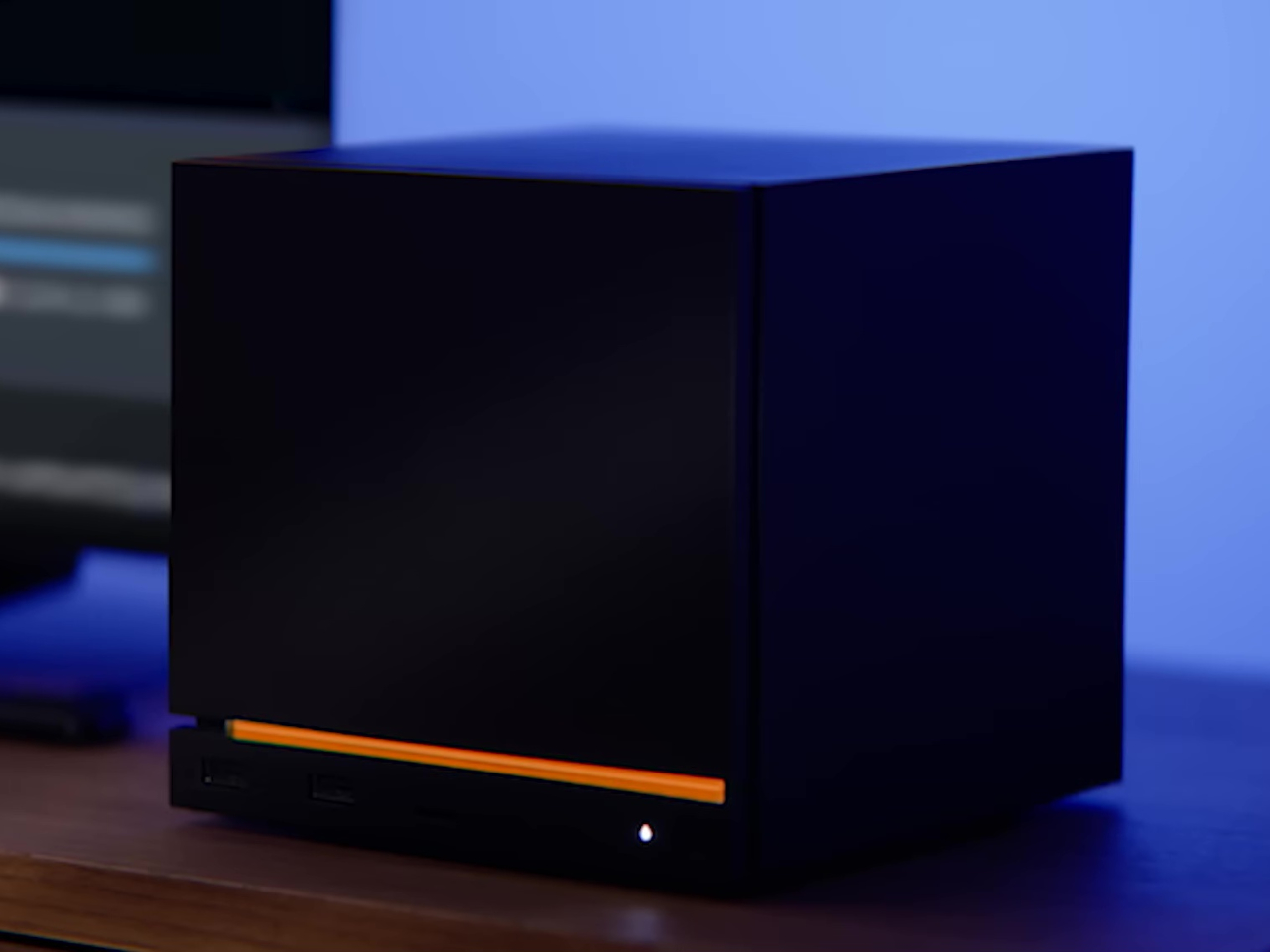
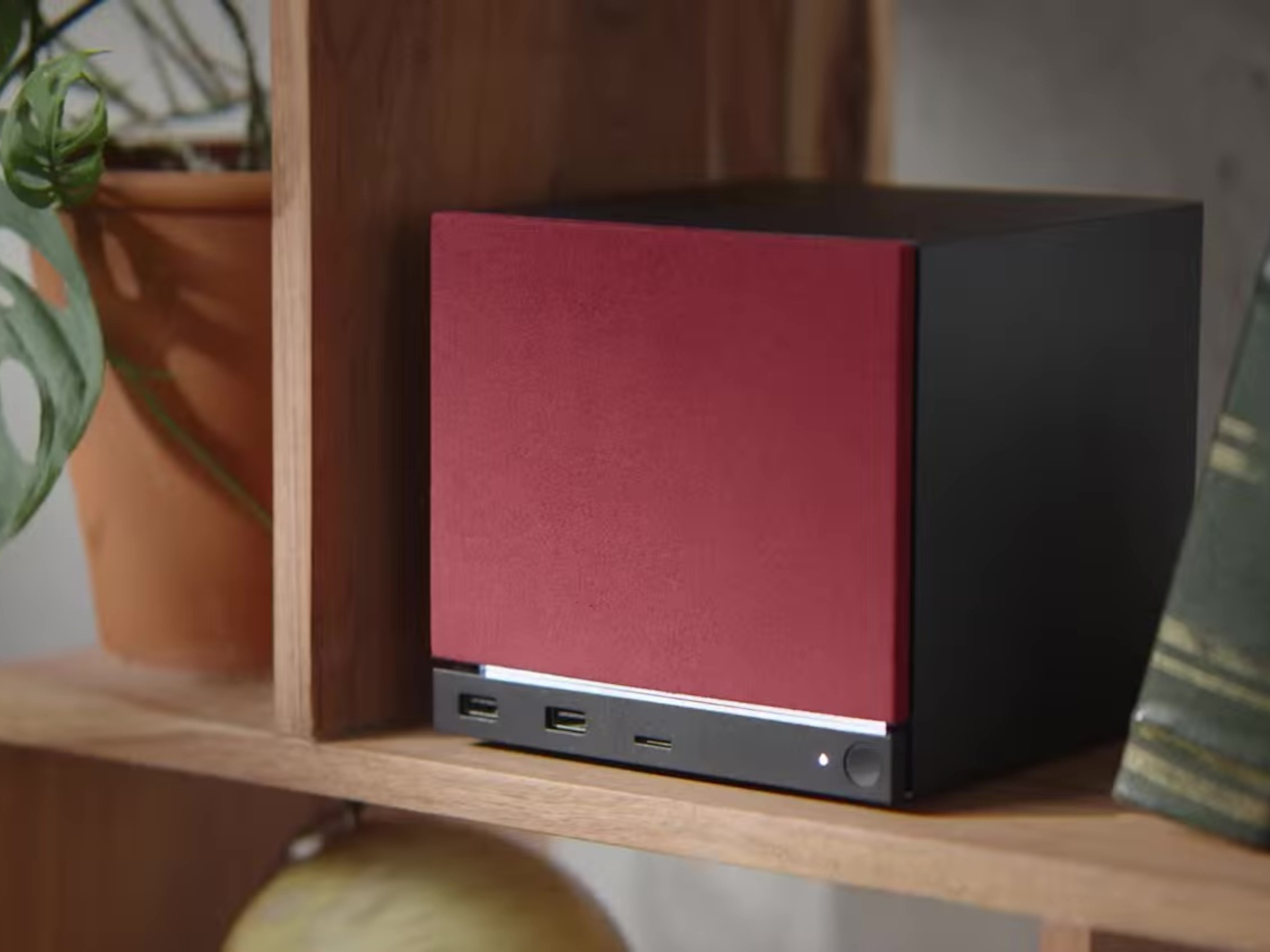
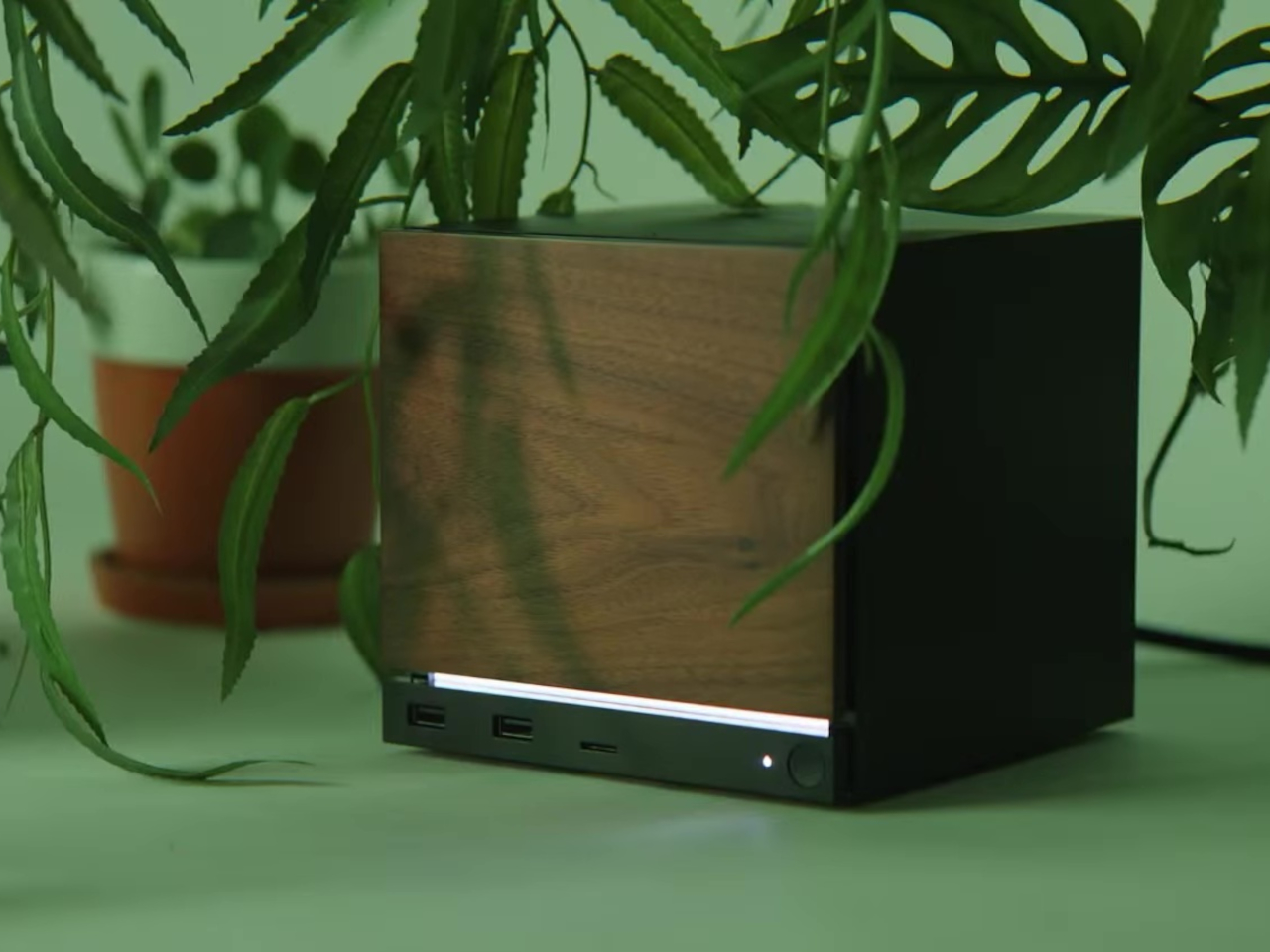
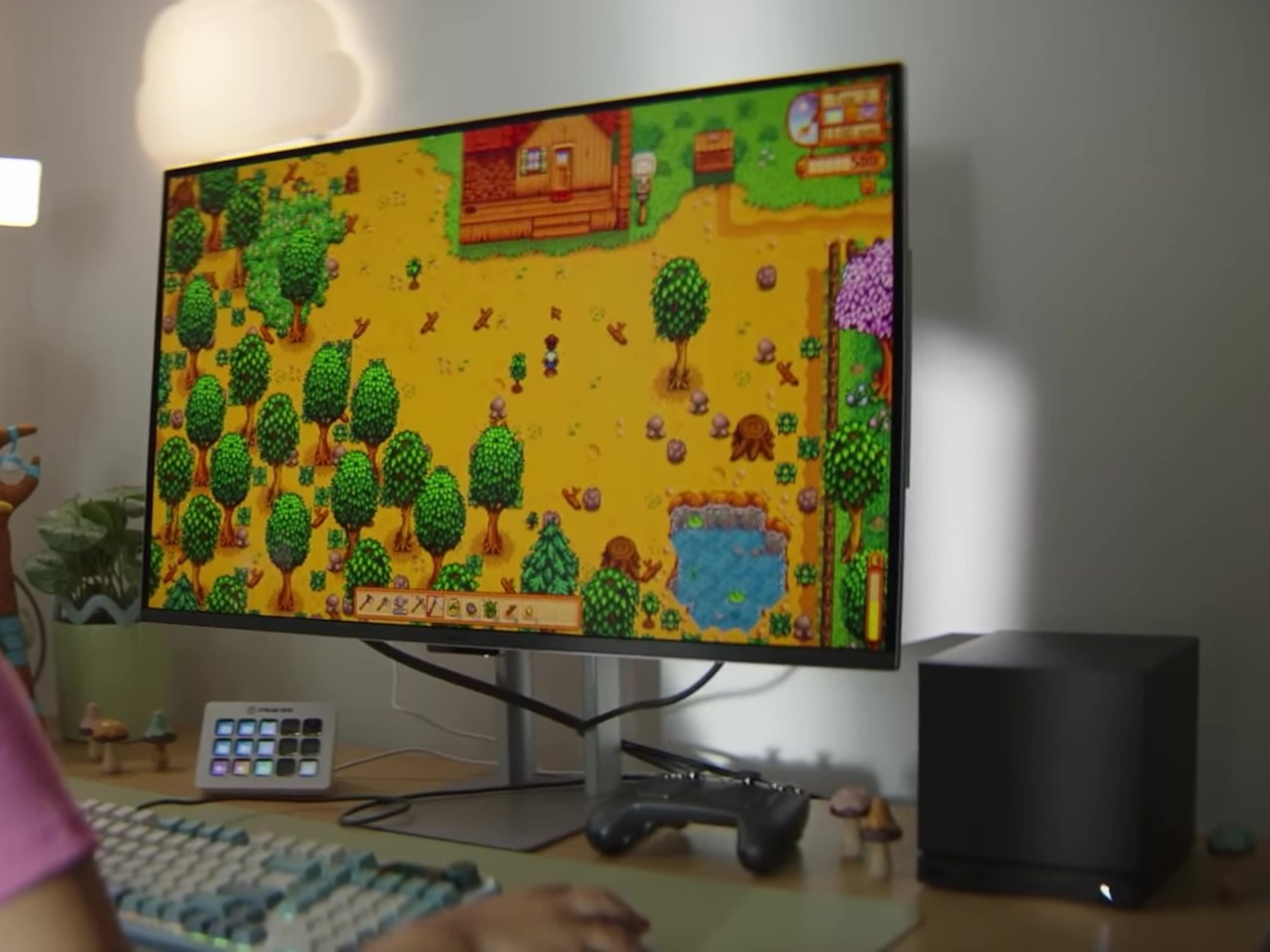
The Steam Machine has swappable faceplates, which is a genuinely good idea that Valve doesn’t appear to have fully exploited. The concept is essentially that the front panel of the console is a blank cosmetic slate, open to third parties and hobbyists to design around. So far, most of what’s been proposed has leaned on that word: cosmetic. Different textures, different graphics, different visual personalities for what is otherwise a matte black gaming cube.
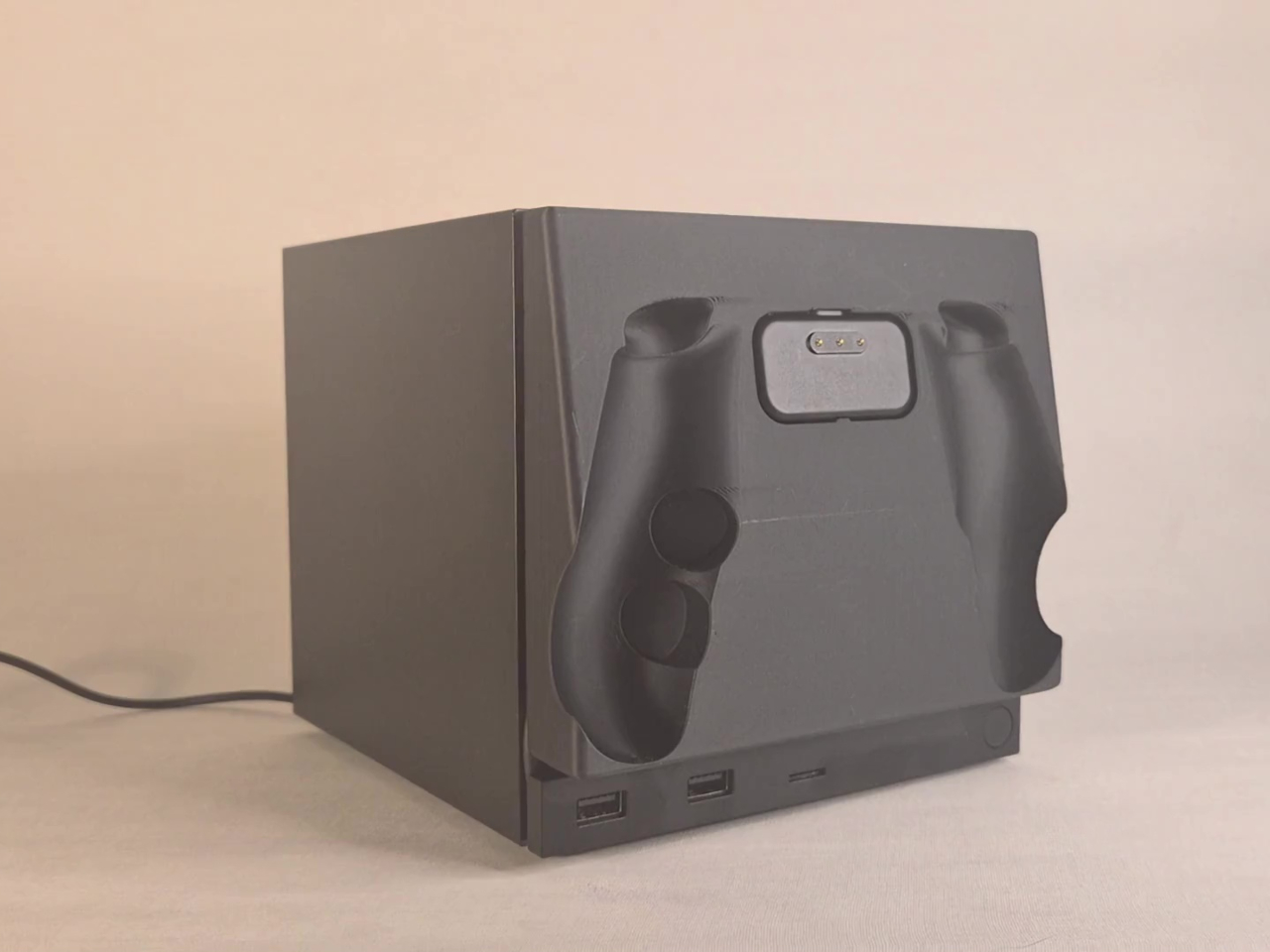
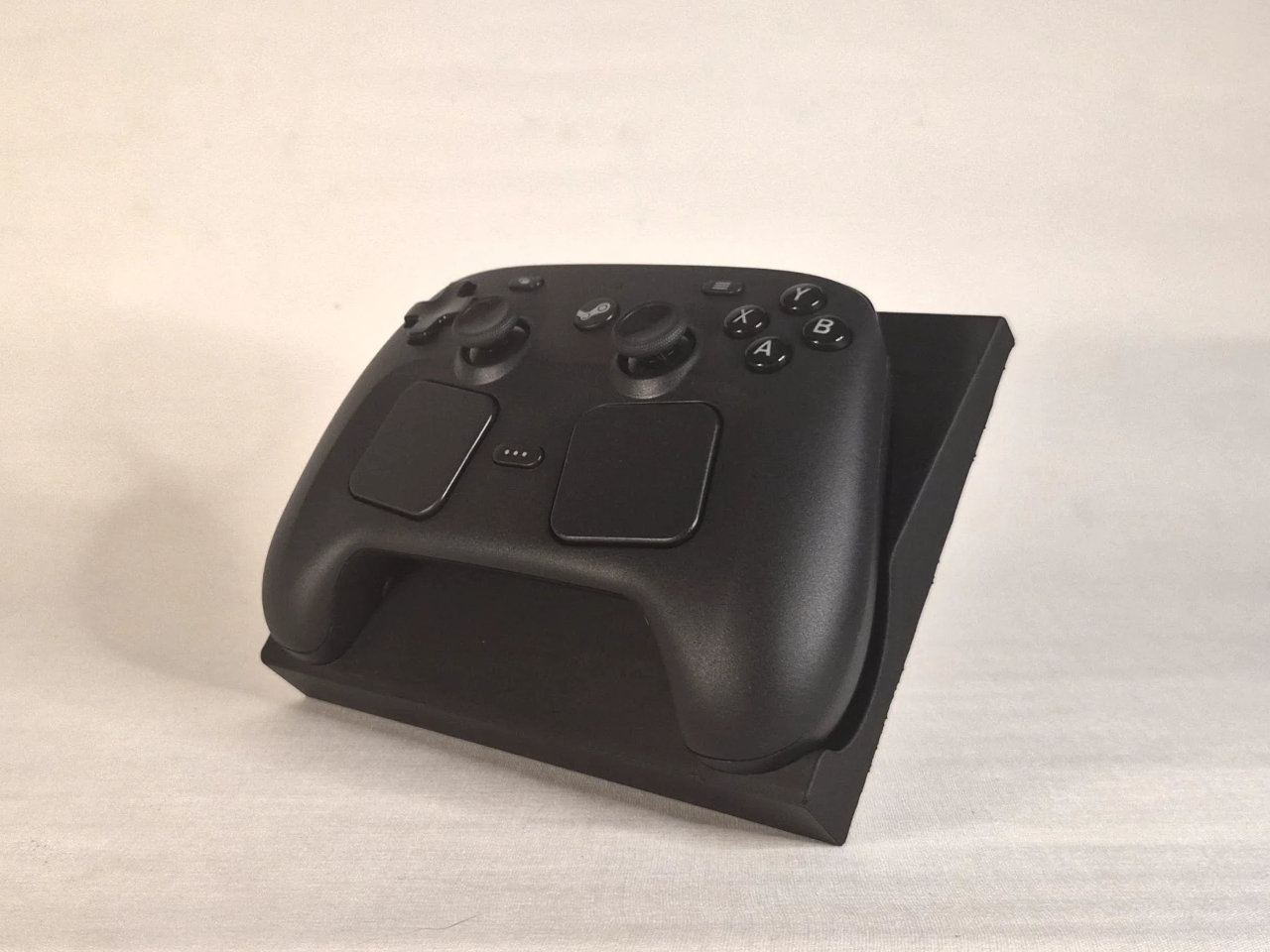
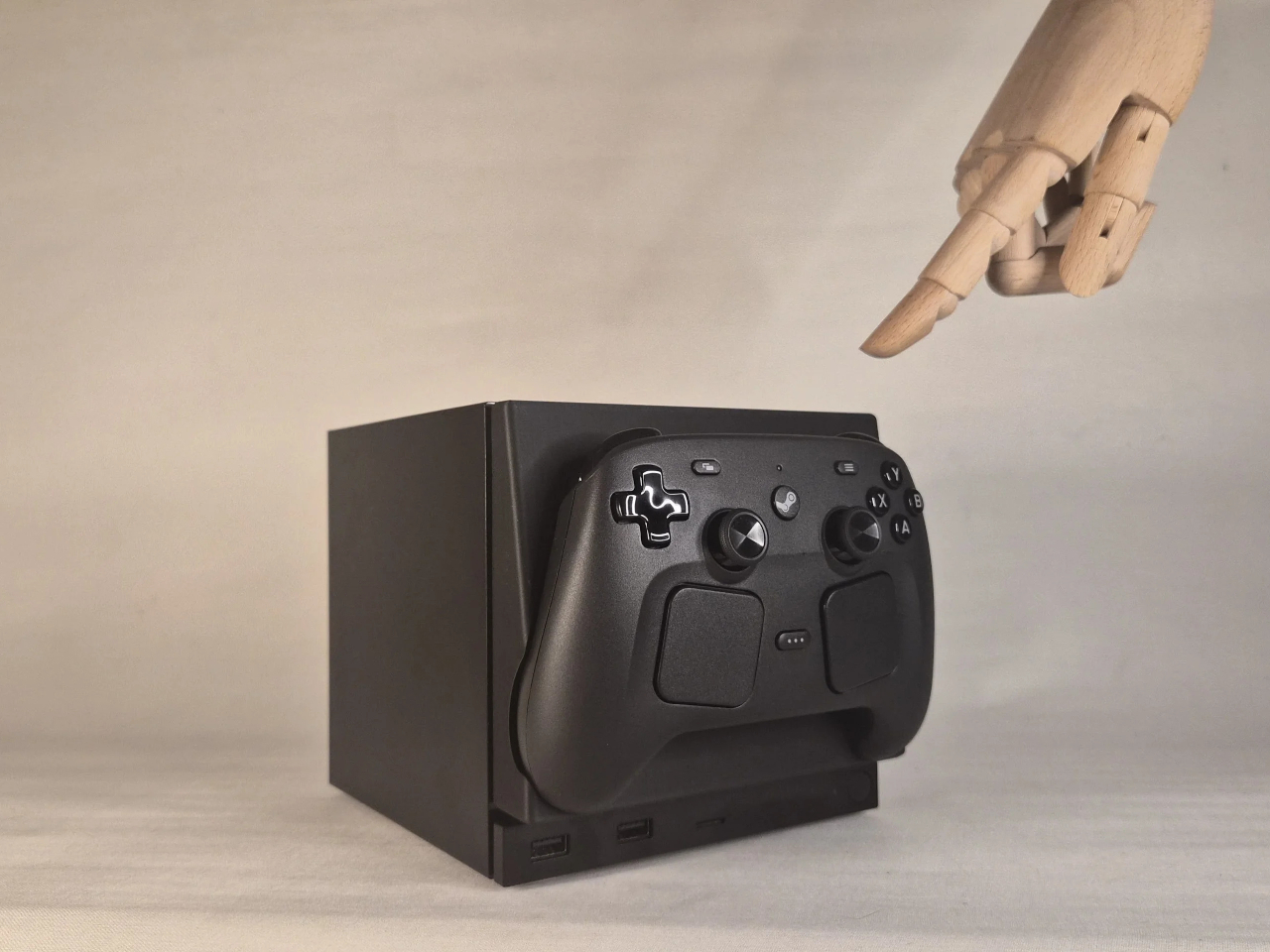
This faceplate mod takes a different approach by asking what the panel could actually do. The result is a replacement front cover that integrates a charging cradle for the Steam Controller directly into the face of the console, turning what would normally be dead real estate into a functional docking station. Set the controller down, it charges. Pick it up, it’s ready. No separate charging puck dangling off to the side.
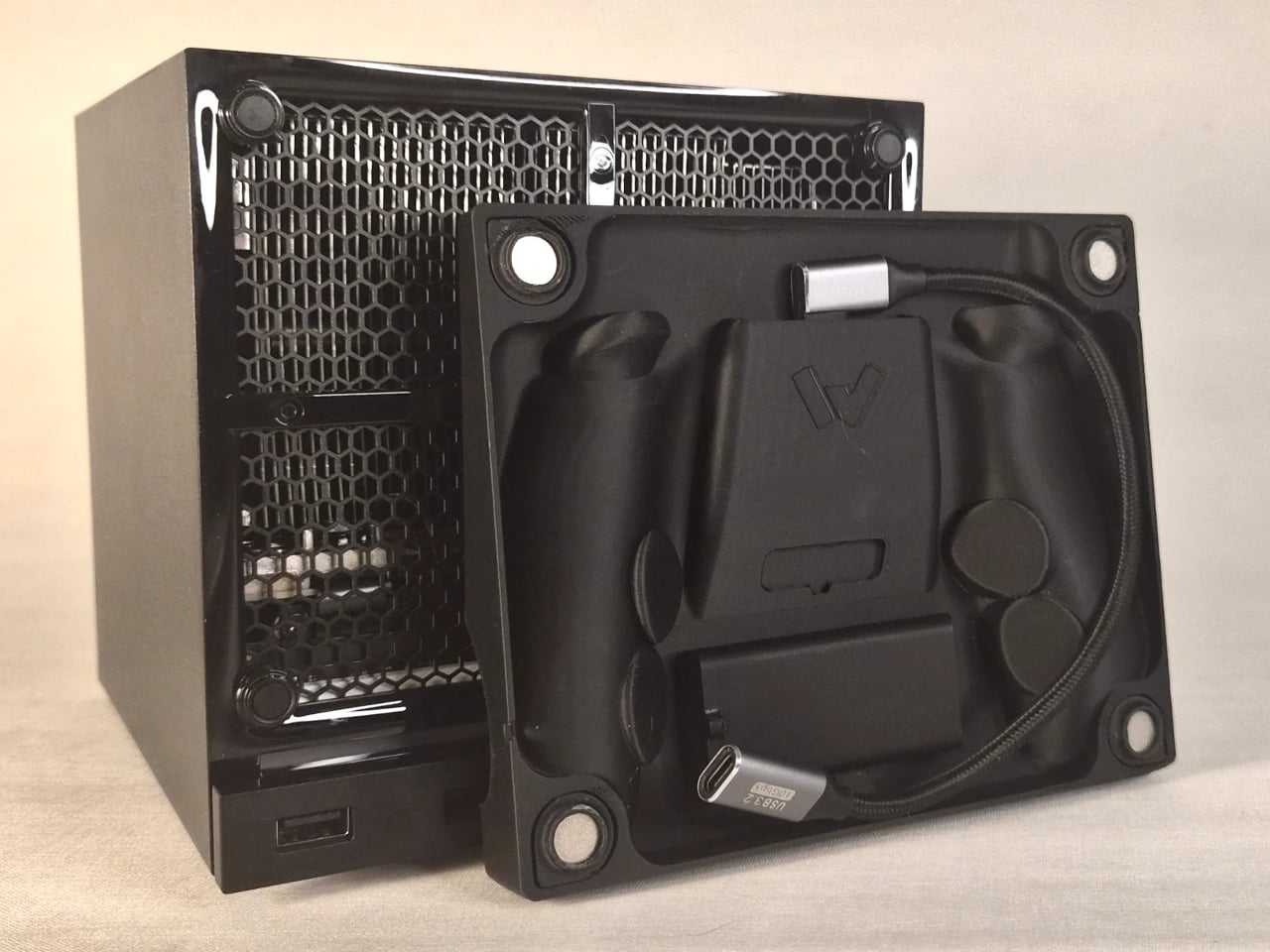
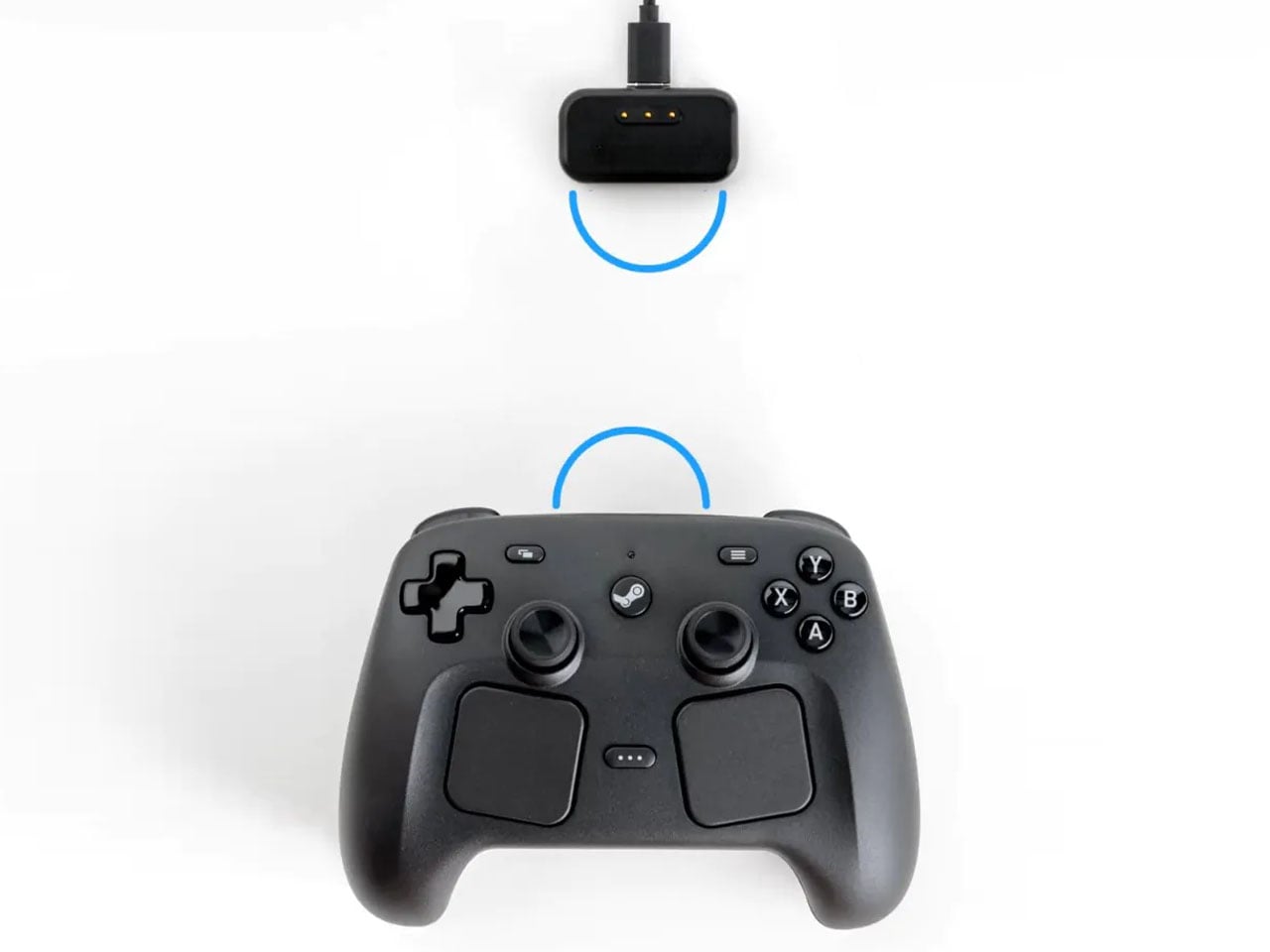
The charging mechanism uses the Steam Controller’s own wireless puck seated inside the faceplate cradle, with a USB cable routed discreetly around the inside edge of the panel and into one of the Steam Machine’s existing USB ports. It’s a routing solution rather than a rewiring one, which keeps the electrical side simple and reversible. The puck sits in the cradle, the controller sits on the puck, and the whole arrangement slots onto the front of the machine like any other faceplate.
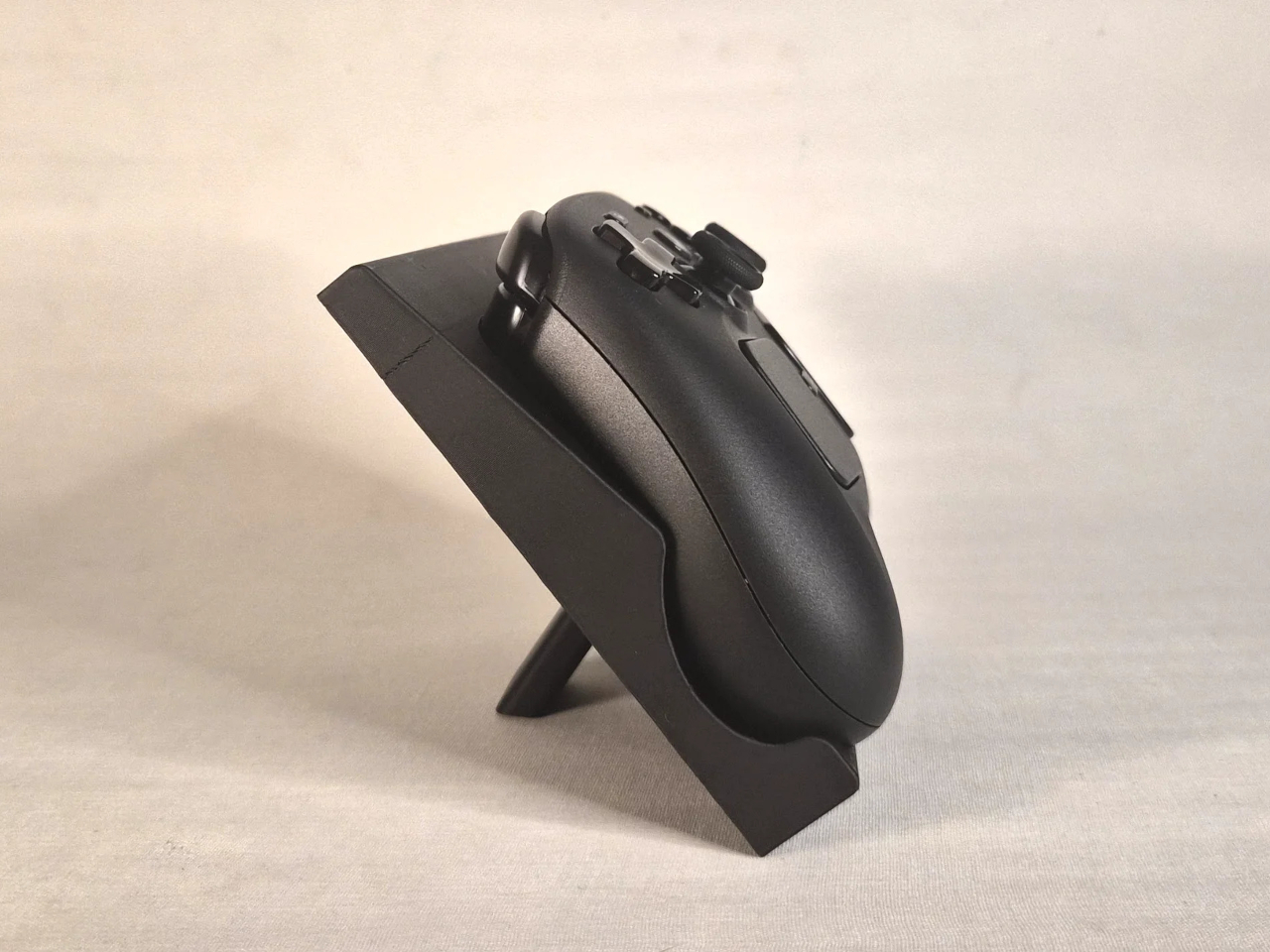
What makes it more than a wall mount with ambition is the kickstand built into the rear of the panel. It folds out from the back of the faceplate, propping the cradle up at an angle, turning the entire assembly into a standalone desk dock that works independently from the Steam Machine. Take the faceplate off the console and prop it up on a table, and it functions as a charging stand on its own terms.
The inspiration came partly from Valve’s own demonstration of an e-ink faceplate, which showed that the panel slot was capable of doing more than holding a decorative cover in place. That demonstration didn’t ship as a product, but it established the idea that the faceplate system had functional potential beyond aesthetics. This mod picks up that thread and takes it somewhere more immediately useful for anyone who has both pieces of Valve’s current hardware sitting on the same desk.
Design files haven’t been released yet, and there are no confirmed plans to sell finished units. The prototype is out, it works, and it raises a question worth asking about Valve’s approach to the faceplate ecosystem: if a single modder can turn the front panel into a functioning charging dock over a weekend, what would a dedicated accessory program actually look like at scale?
PC gaming has never had a proper physical media equivalent. Console players have always had something tangible to hold and shelve, a disc or cartridge that represents one specific game. On PC, games live in a library on a platform that’s only yours as long as the platform stays up. It’s convenient, but a lot of PC gamers quietly miss the ritual of picking something physical off a shelf.
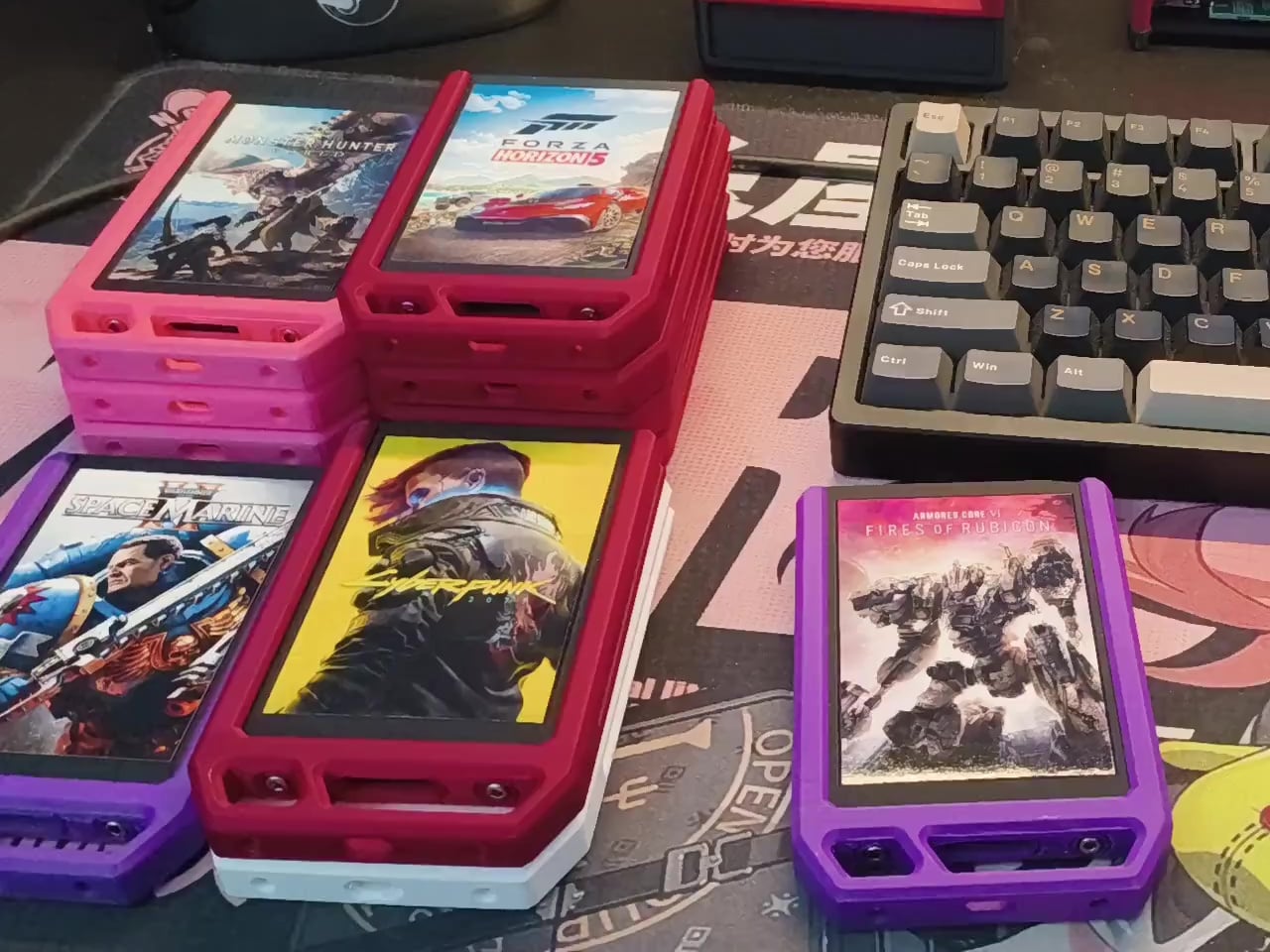
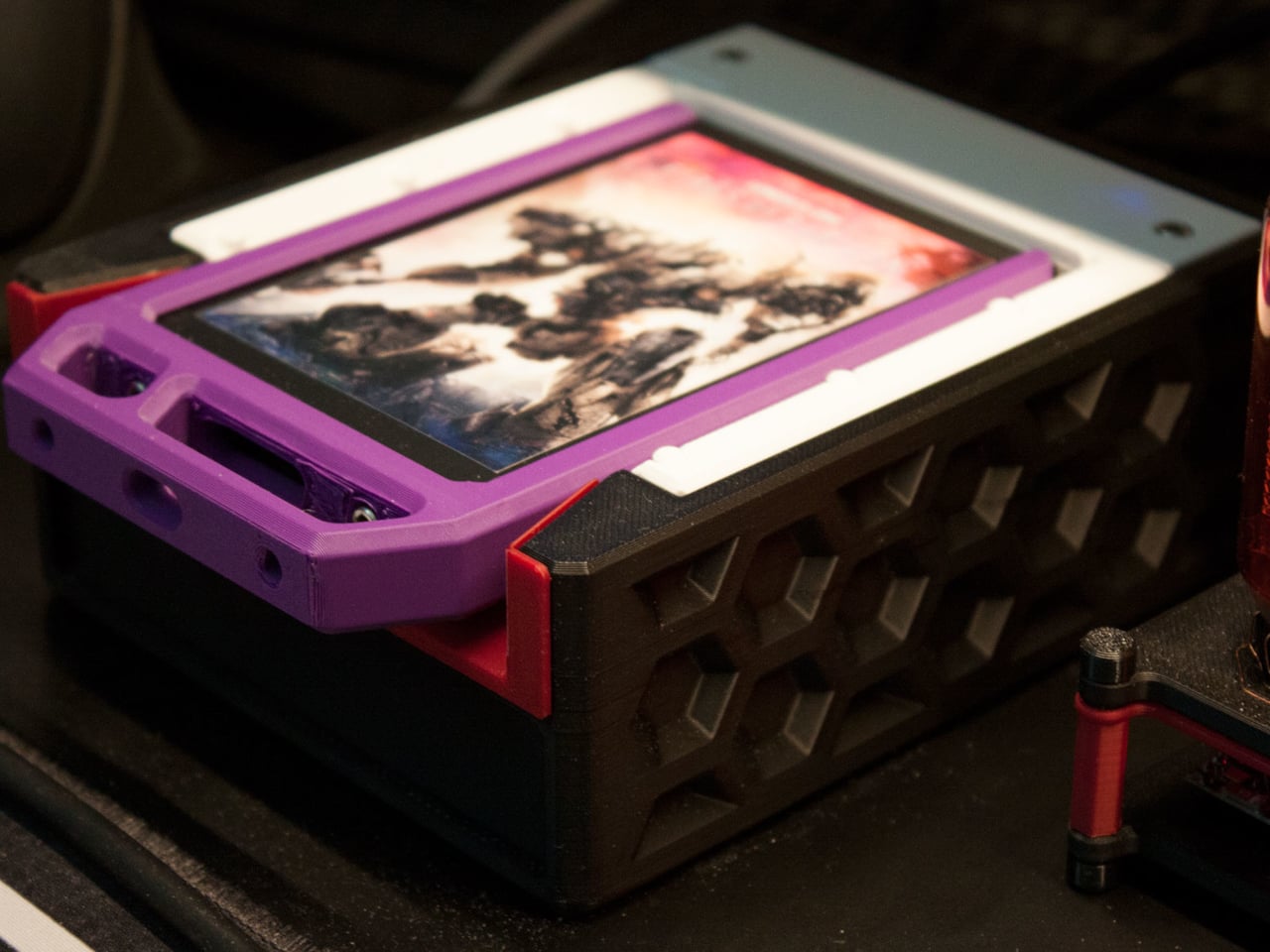
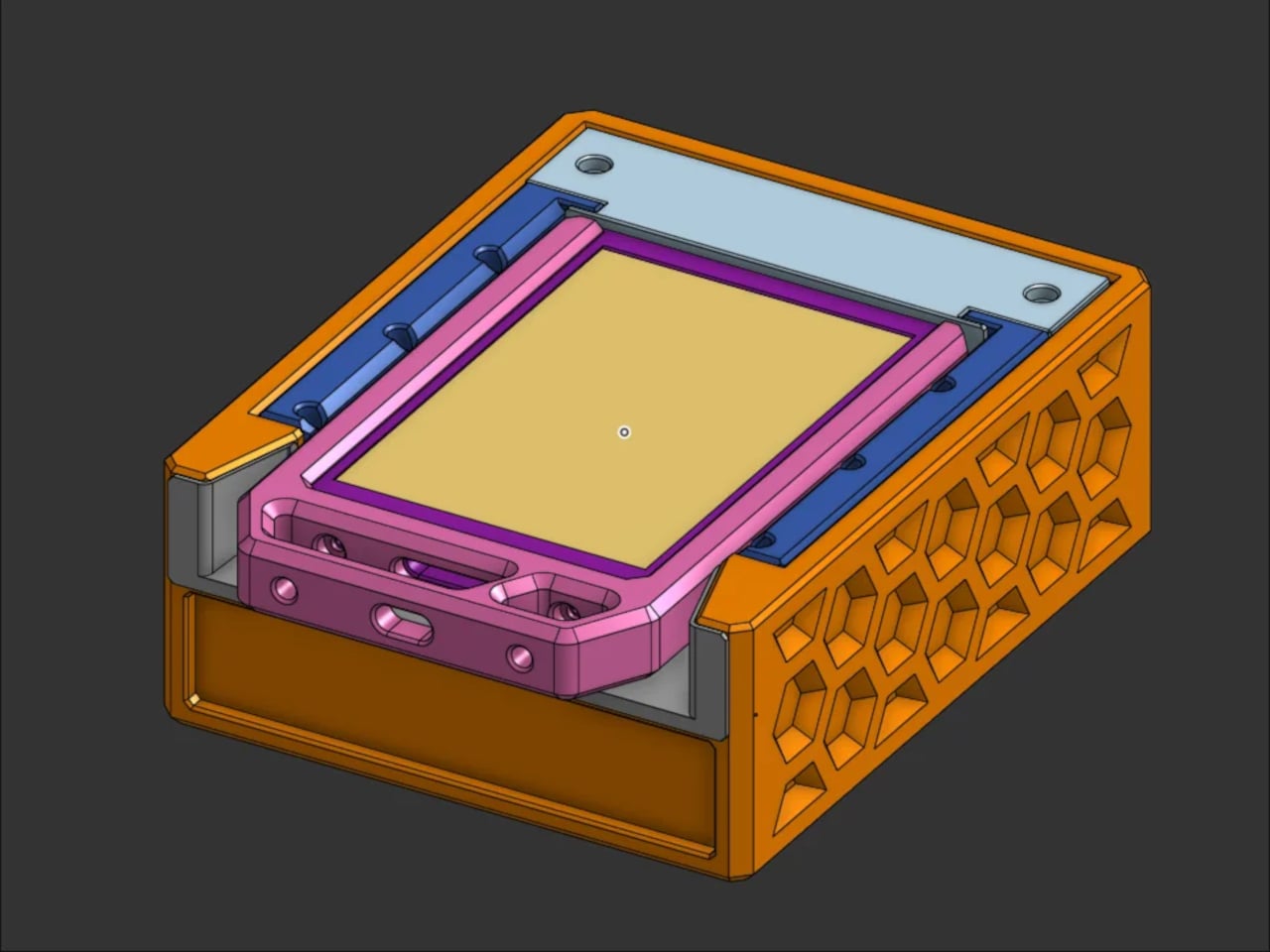
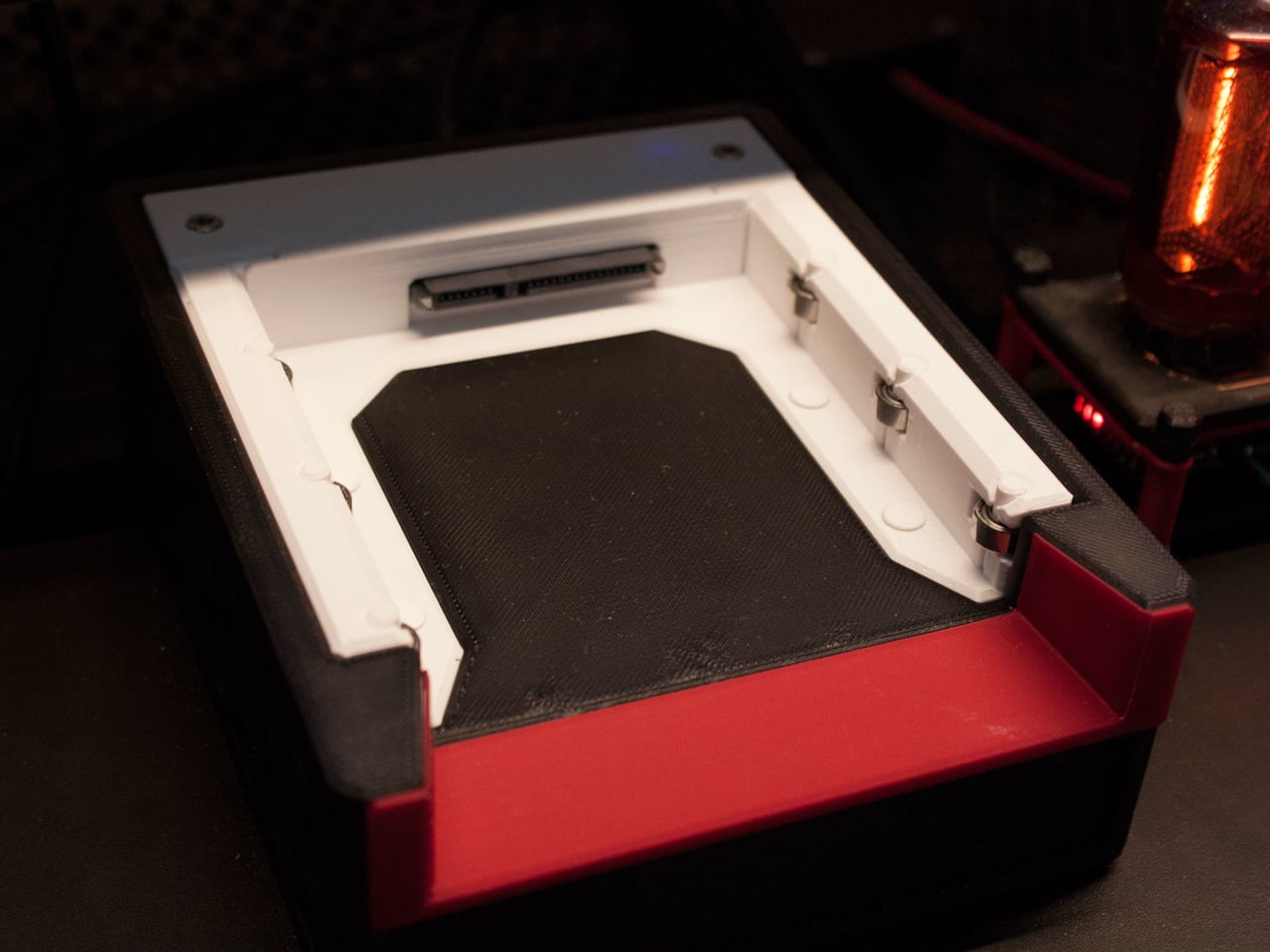
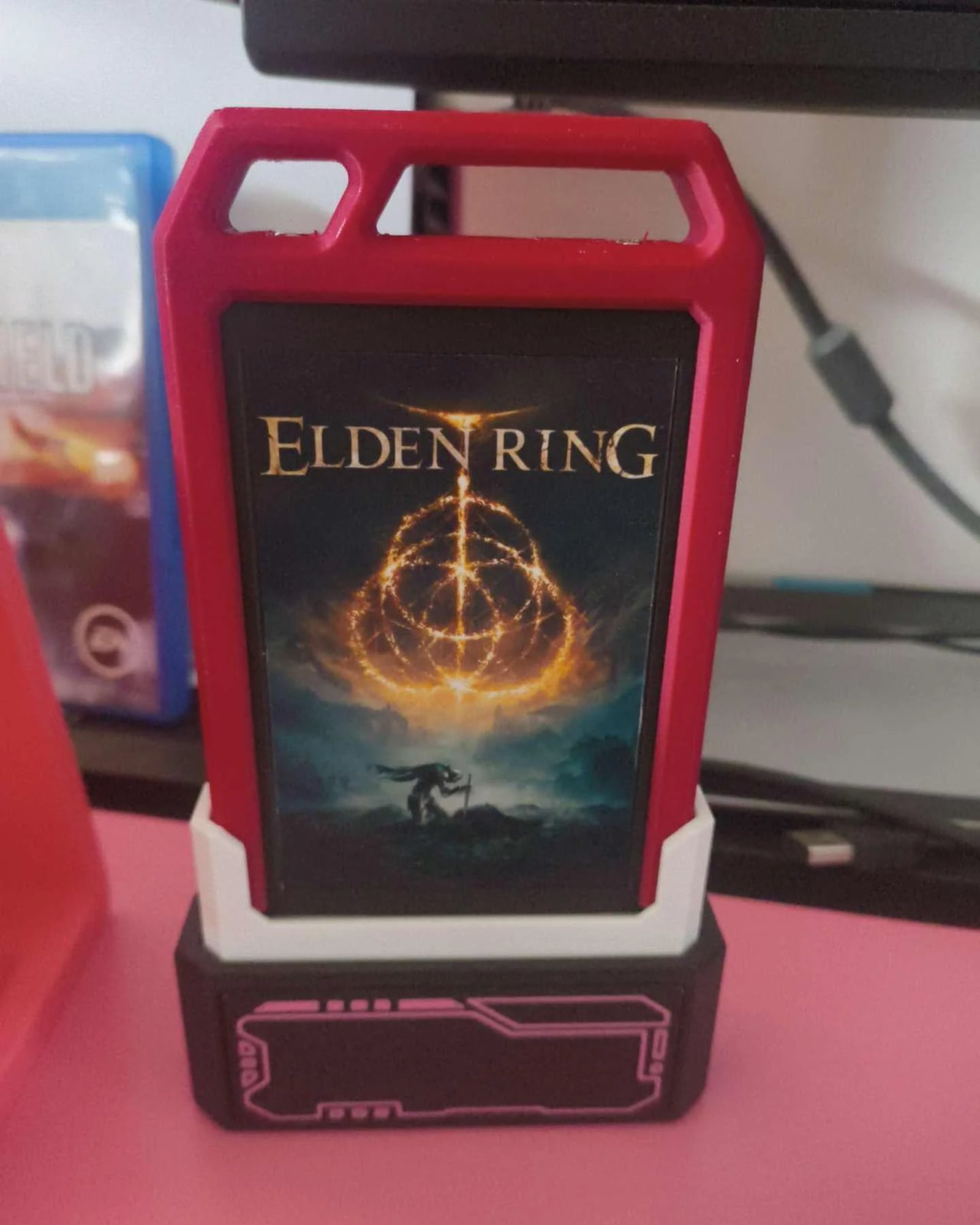
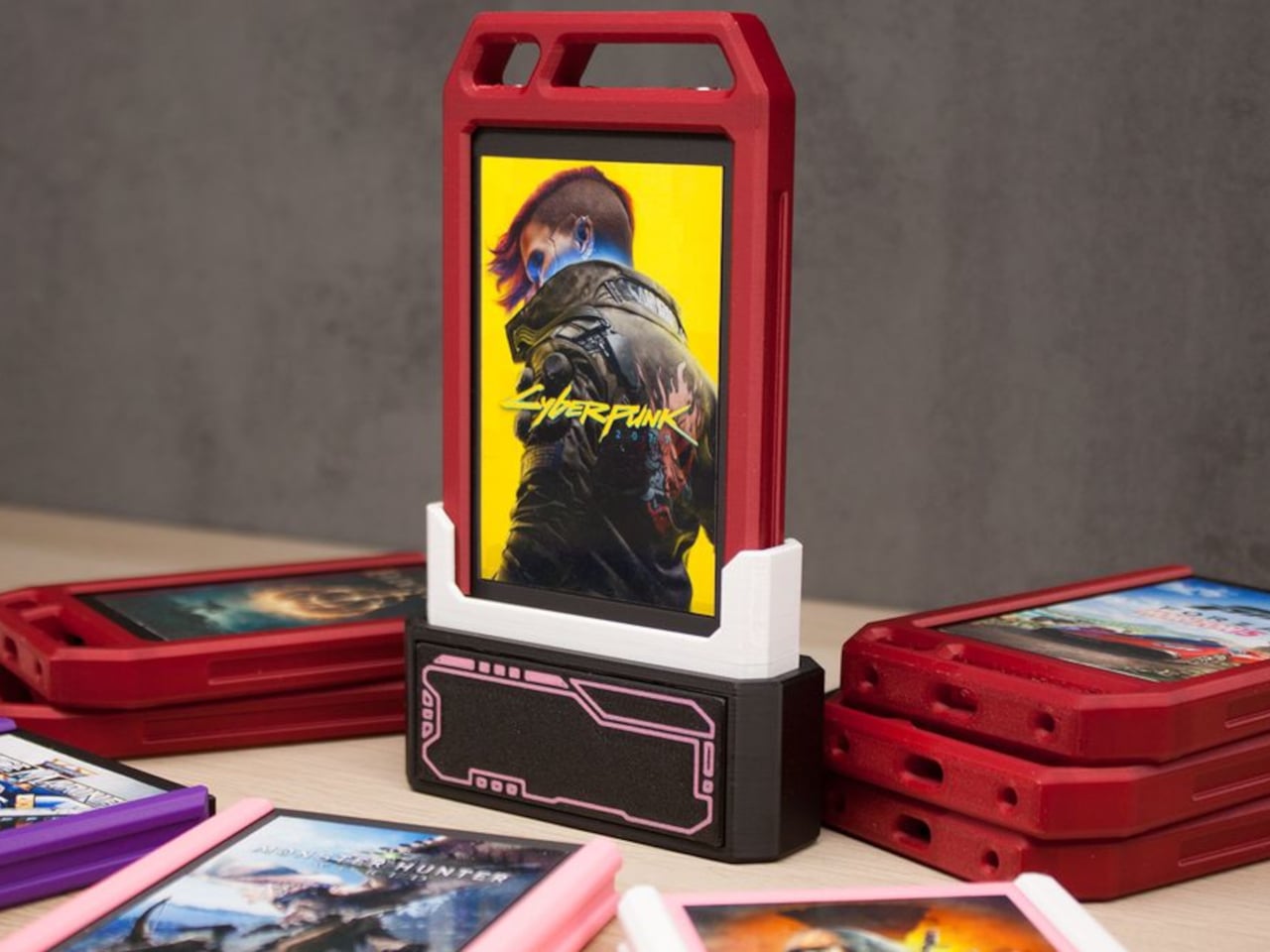
A post on Reddit recently took a direct swing at that gap. A gamer picked up a handful of secondhand 2.5-inch SATA SSDs, each 128 GB and priced at around €7 ($8) a piece, and built a cartridge system for Steam. Each drive holds a single game alongside a script that auto-navigates Steam to that game’s page once the drive is plugged in. Auto-launching the game directly is also possible.
What really sells the effect is the presentation. Rather than leaving the drives as bare hardware with labels stuck on, each SSD sits inside a colorful protective case with custom game art on the cover. The result looks genuinely like a cartridge collection, not a pile of storage drives. It’s the kind of detail that makes the idea land visually rather than just functioning as a clever technical trick.
The system runs on Linux. When an SSD is plugged into a SATA dock connected to the PC, a udev rule detects the mount event and triggers a systemd daemon, which finds the script on the drive and executes it. Valve’s Steam URL Protocol handles navigating to the game’s page or launching it. The hardware side requires nothing more unusual than a standard SATA dock.
There are genuine practical limits. Steam still needs to be installed, and the game needs to be in your library, so this isn’t a workaround for ownership or a way to share games. Updates are the bigger friction point, since multi-gigabyte patches push regularly even to older titles. The creator’s approach is to keep cartridges for games worth replaying occasionally rather than live-service titles that need constant updating.
The reaction ran heavily nostalgic, with comparisons to NES cartridges, Switch game cards, and the general ritual of pulling a game off a shelf. Some commenters want the system extended to GOG libraries. Others are already planning their own versions, with several suggesting 3D-printed cartridge shells to push the aesthetic even further.
What the project surfaces is how much the ritual of physical media matters, separate from convenience or ownership. These drives don’t give you anything you couldn’t already get by clicking a game in your Steam library. The Linux requirement narrows who can replicate it directly, but at €7 ($8) per drive, the cost to build a collection of ten or fifteen games is still less than a single new release.
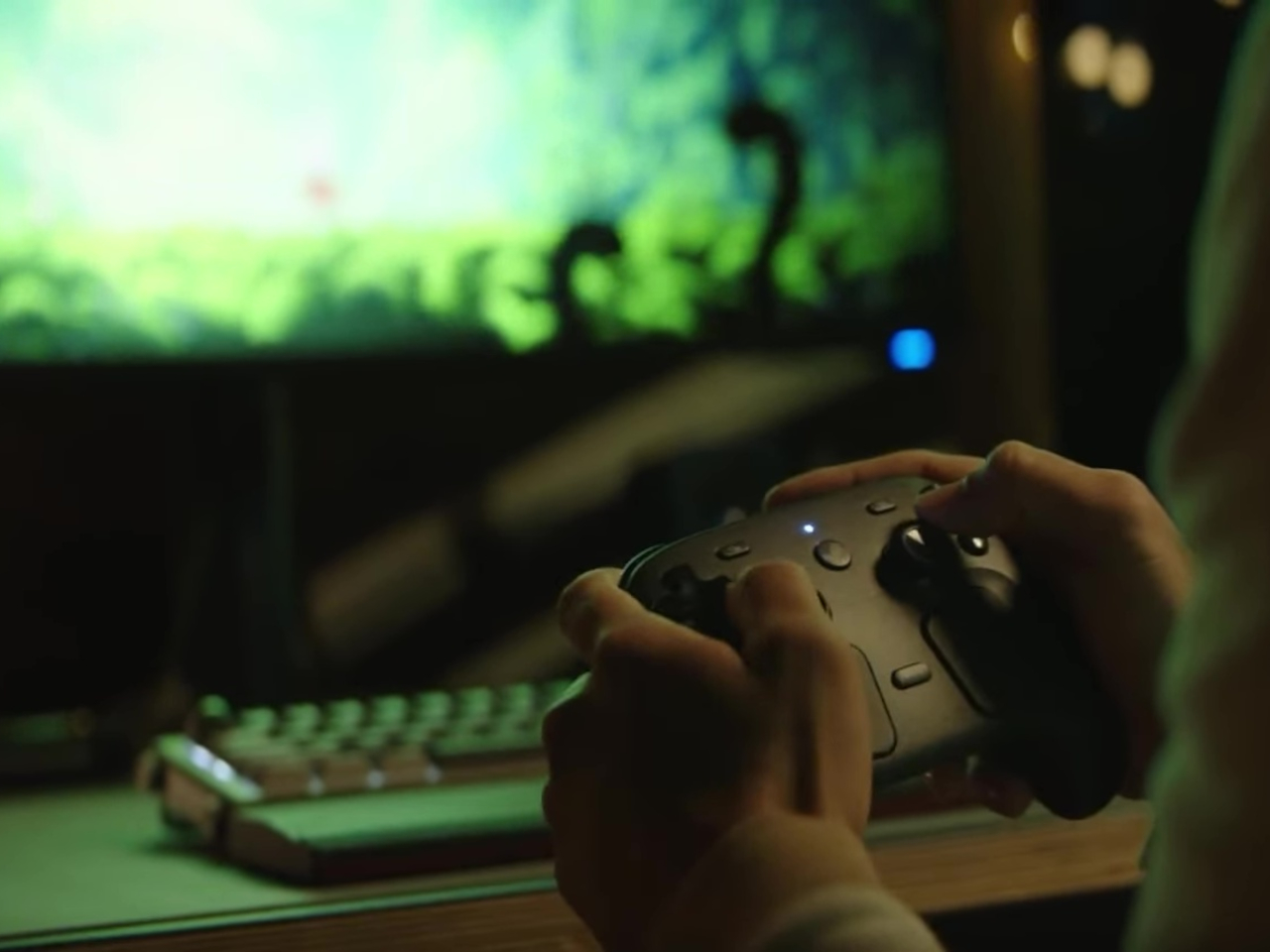
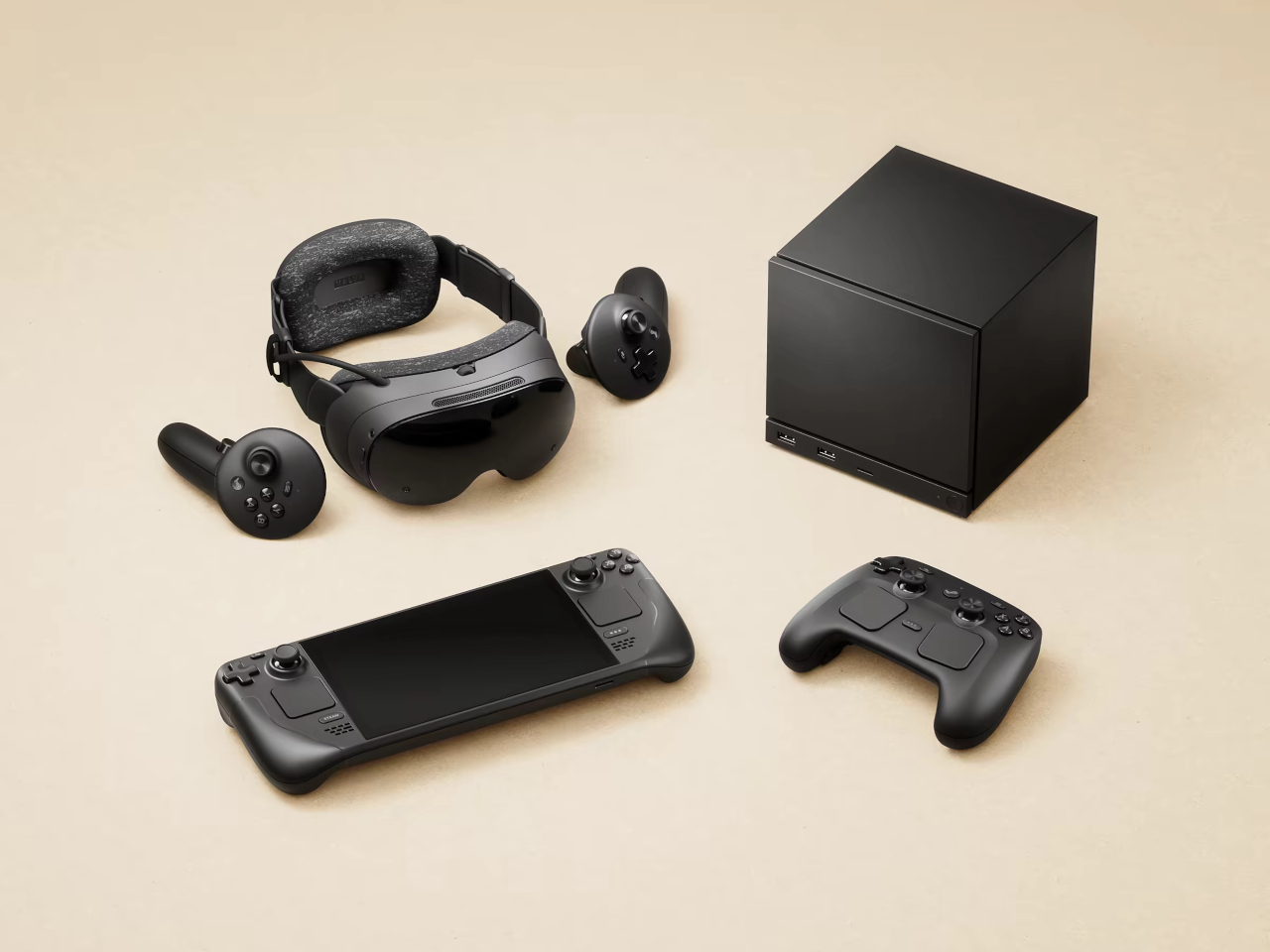
Steam surprised gamers with the announcement of three new products back in November 2025. Those were the Steam Machine gaming console, the Steam Frame wireless VR headset, and the brand new Steam Controller, marking the first-ever update in a decade. While the first two don’t yet have a clear release window, the Steam controller is almost here.
Priced at $99, the controller is scheduled to launch on May 4, putting it within immediate reach for gamers invested in the platform. However, details around pre-orders remain unclear, leaving some uncertainty about how quickly users will be able to secure one, subject to the RAM availability crisis. Regardless, the update represents a significant step forward from the original Steam Controller, which debuted in 2015 with a bold but divisive design that relied heavily on dual trackpads instead of traditional analog sticks.
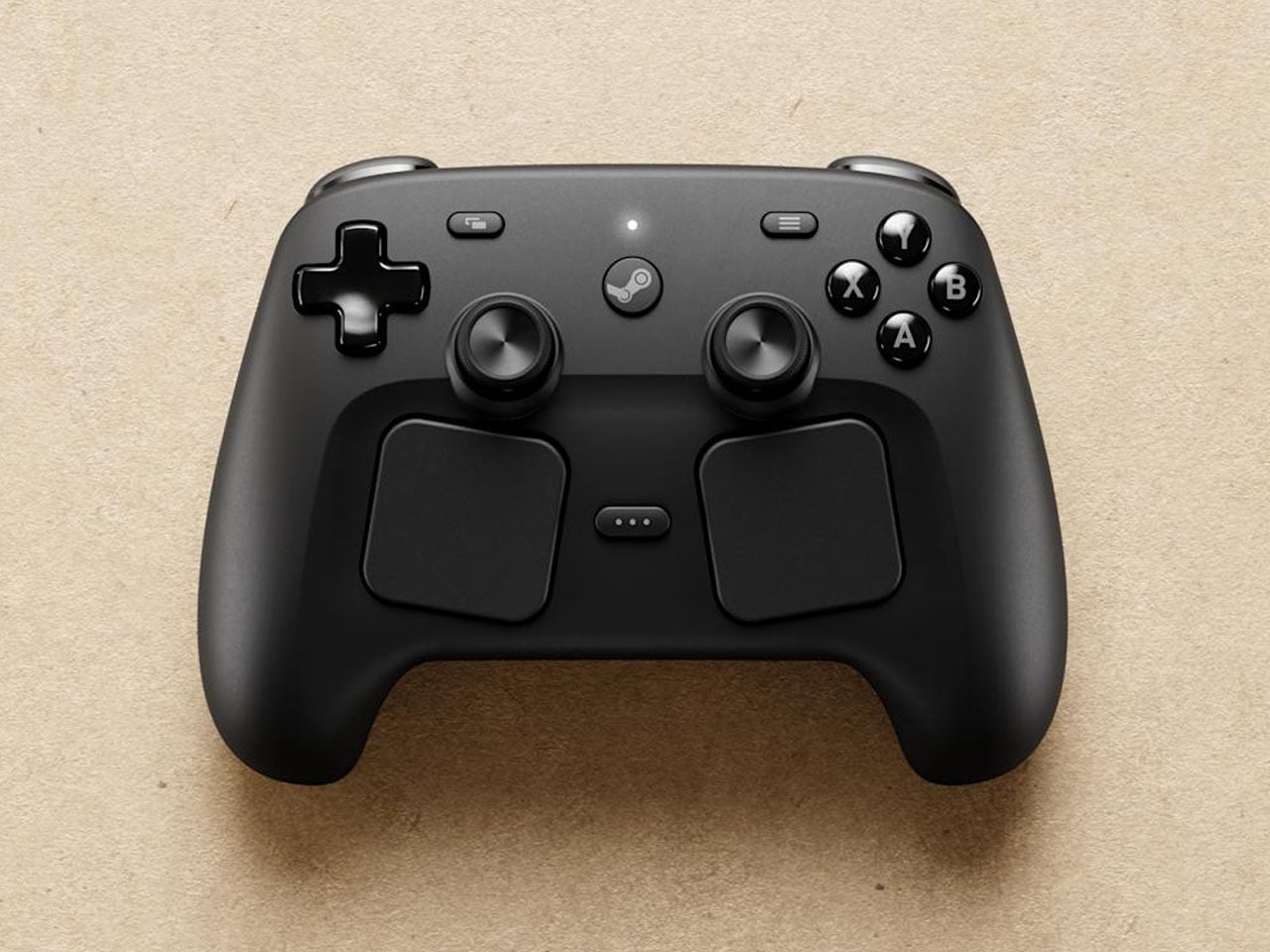
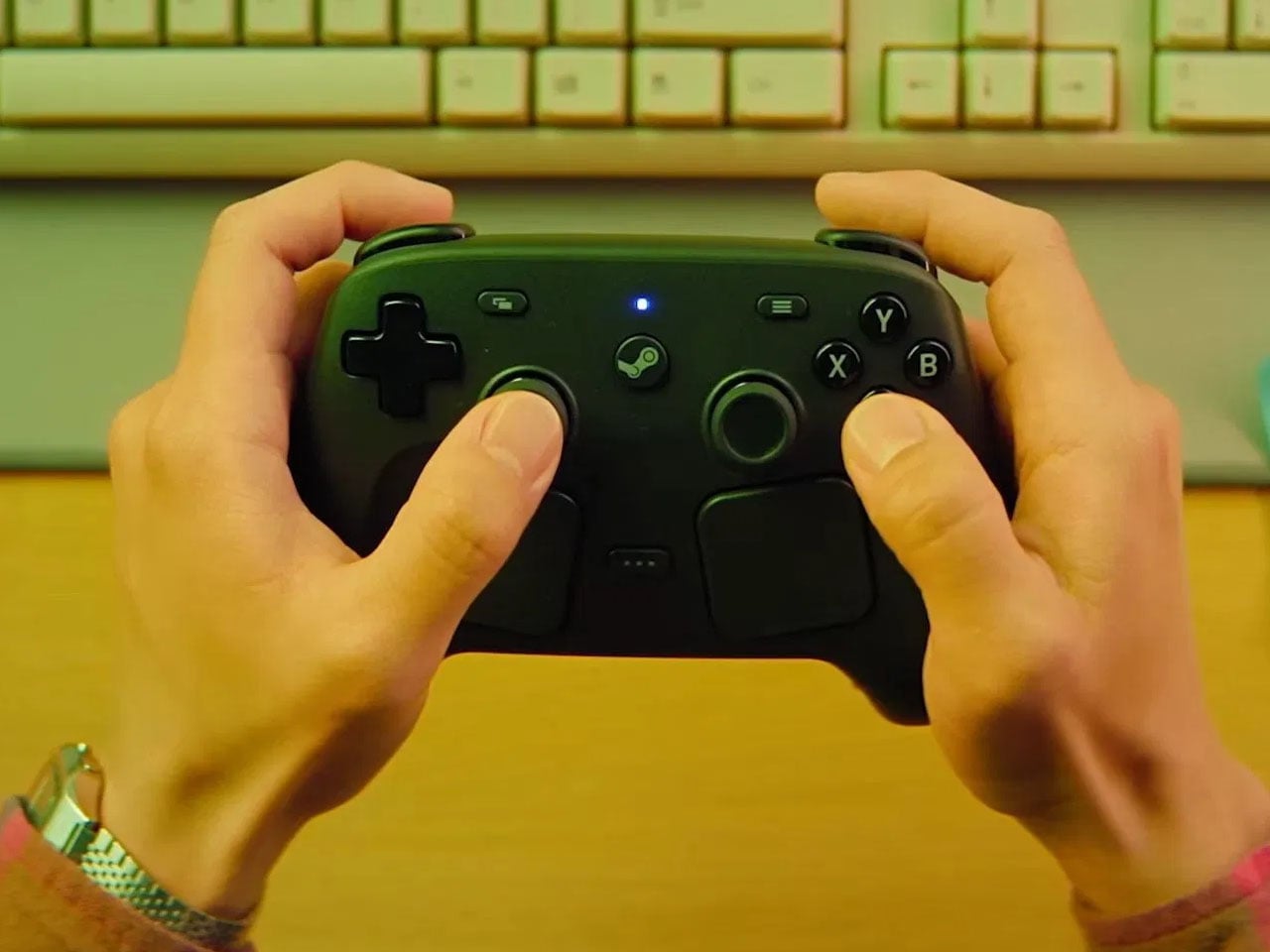
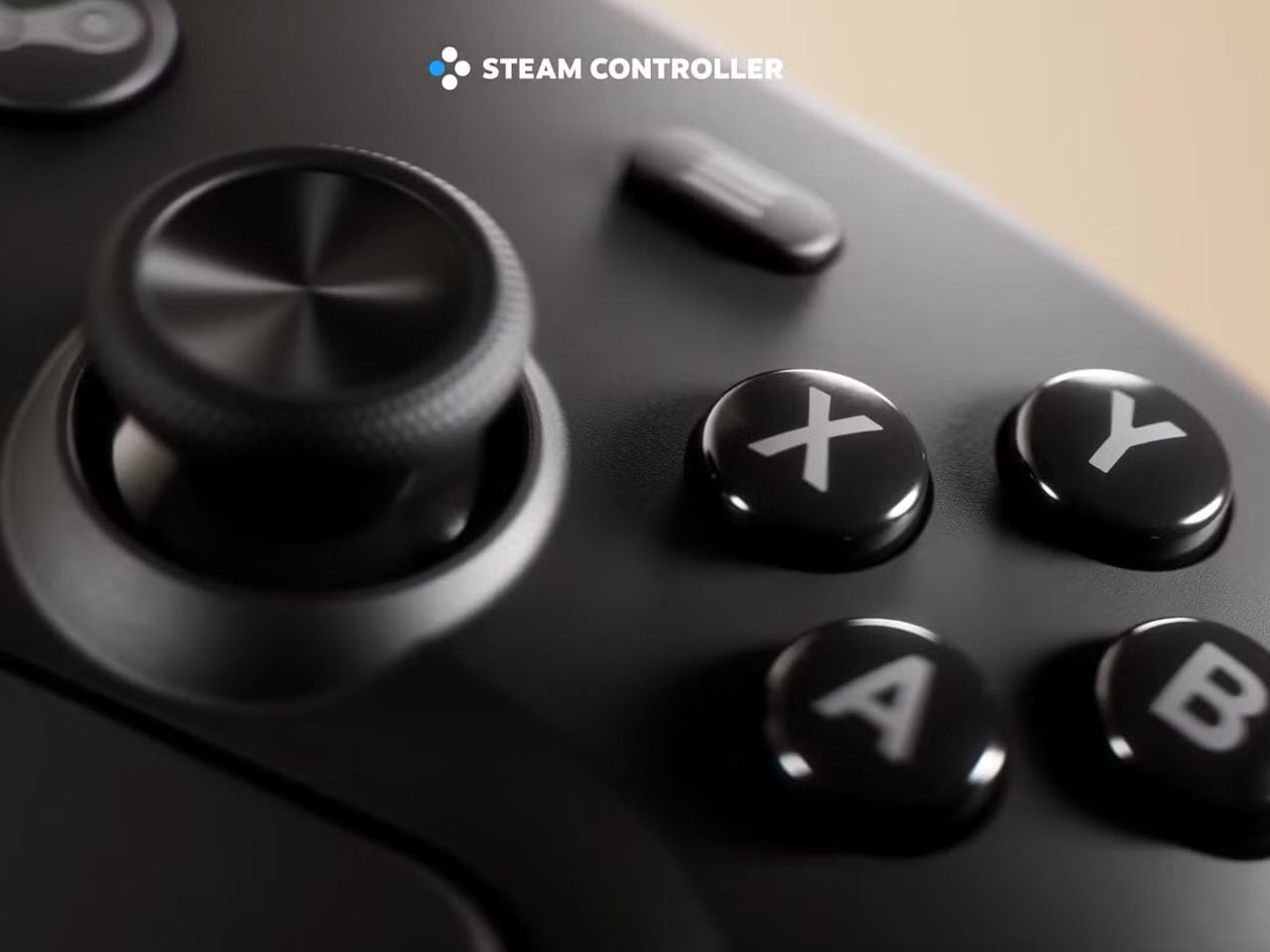
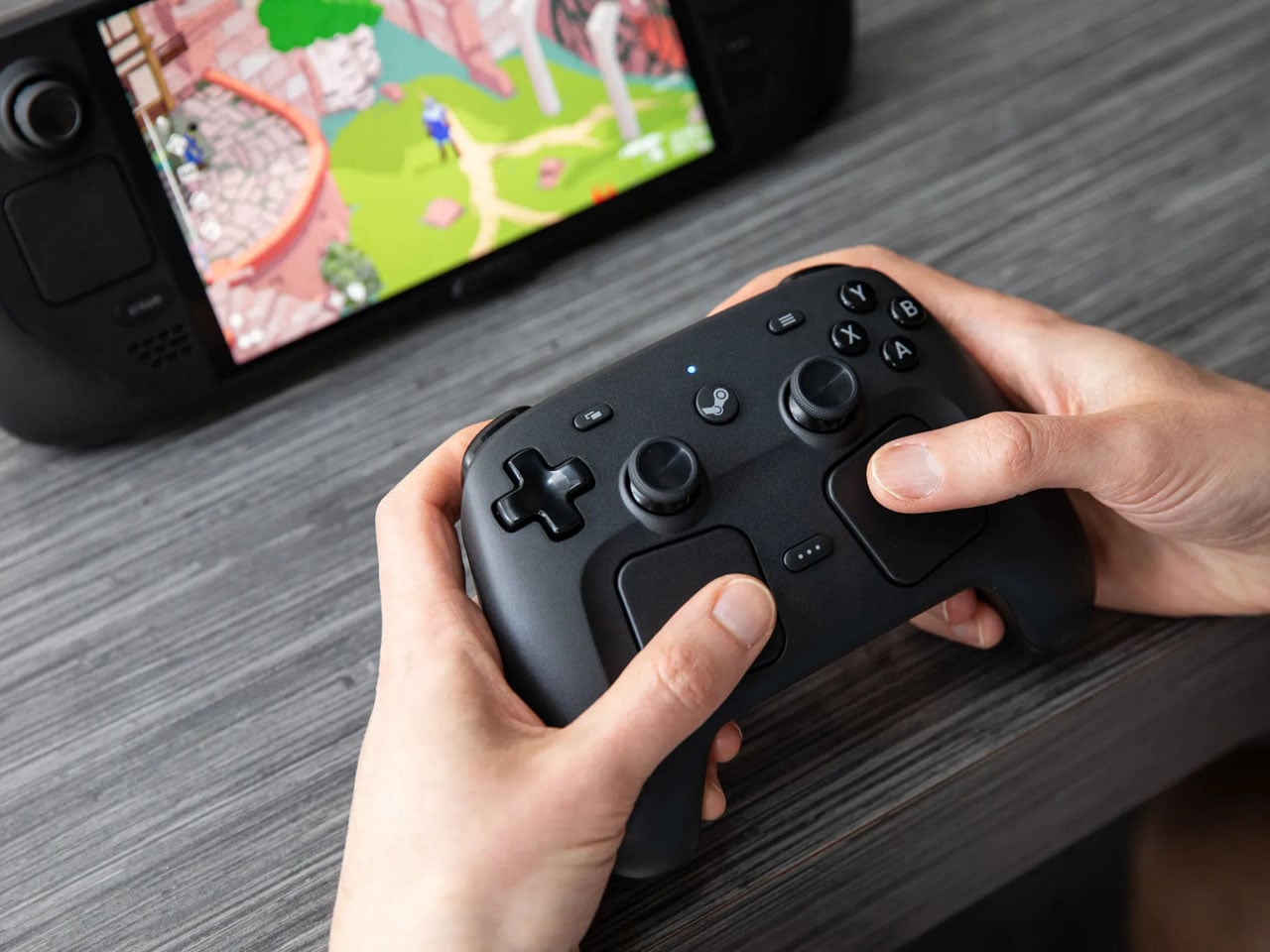
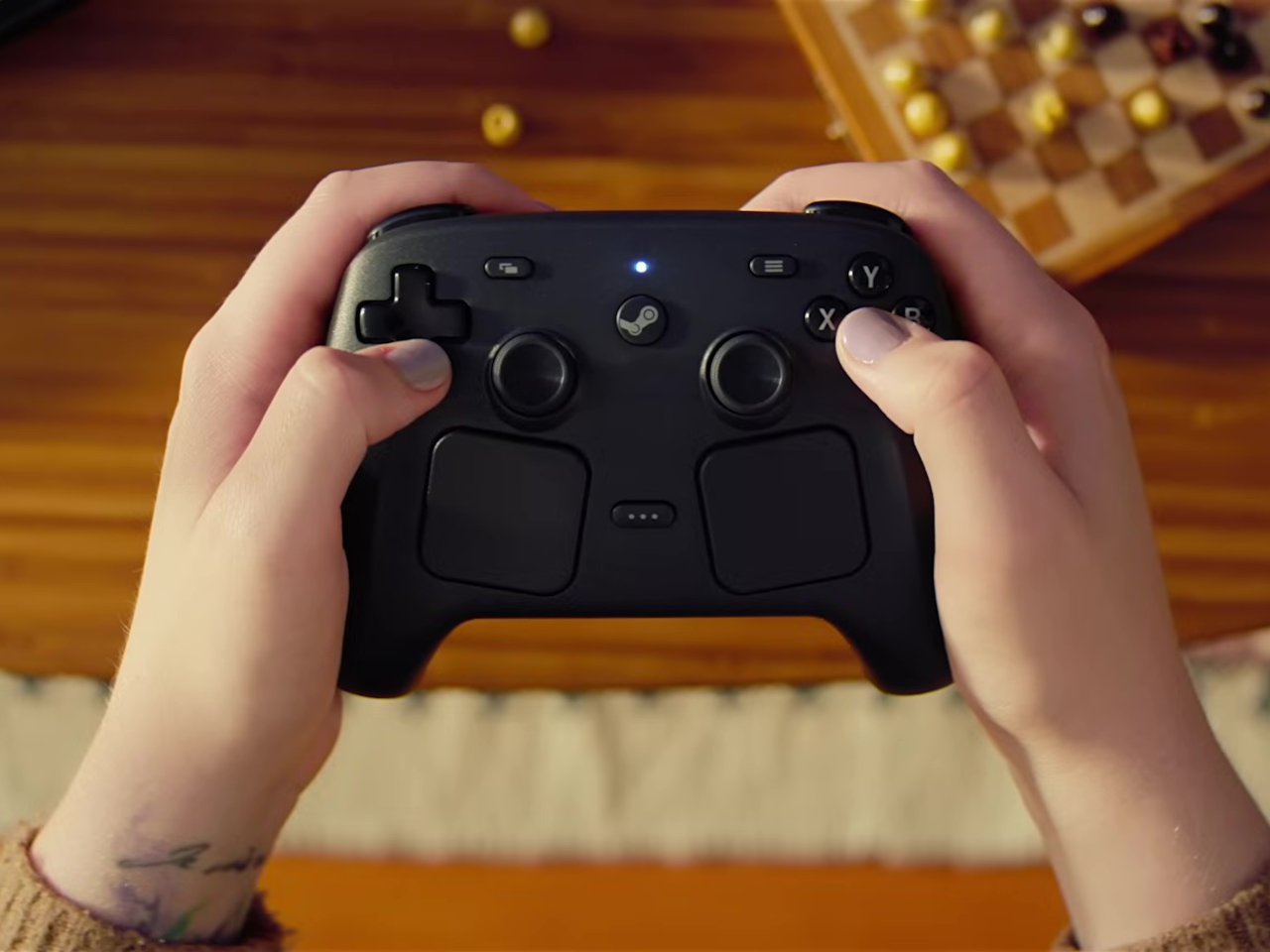
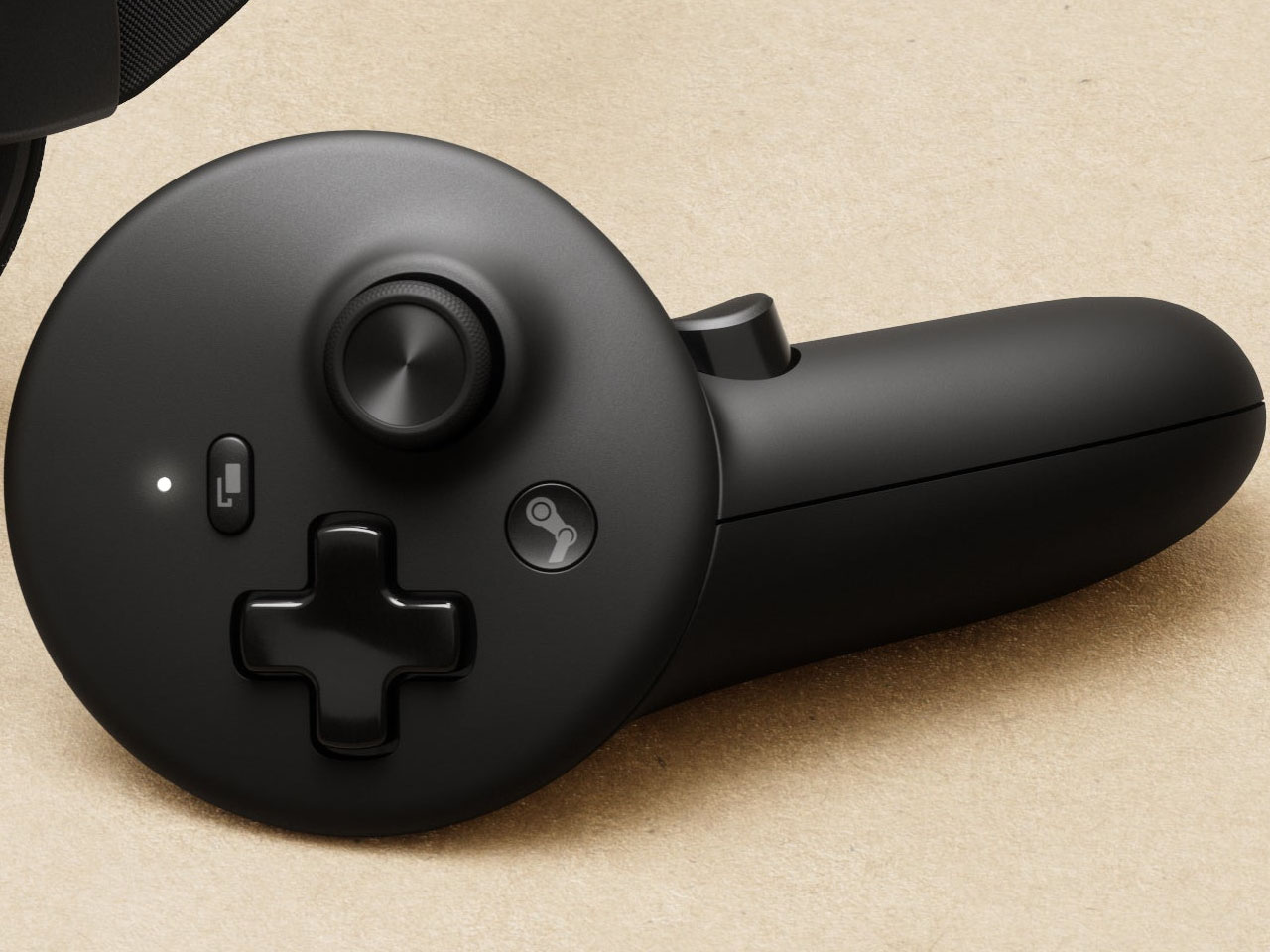
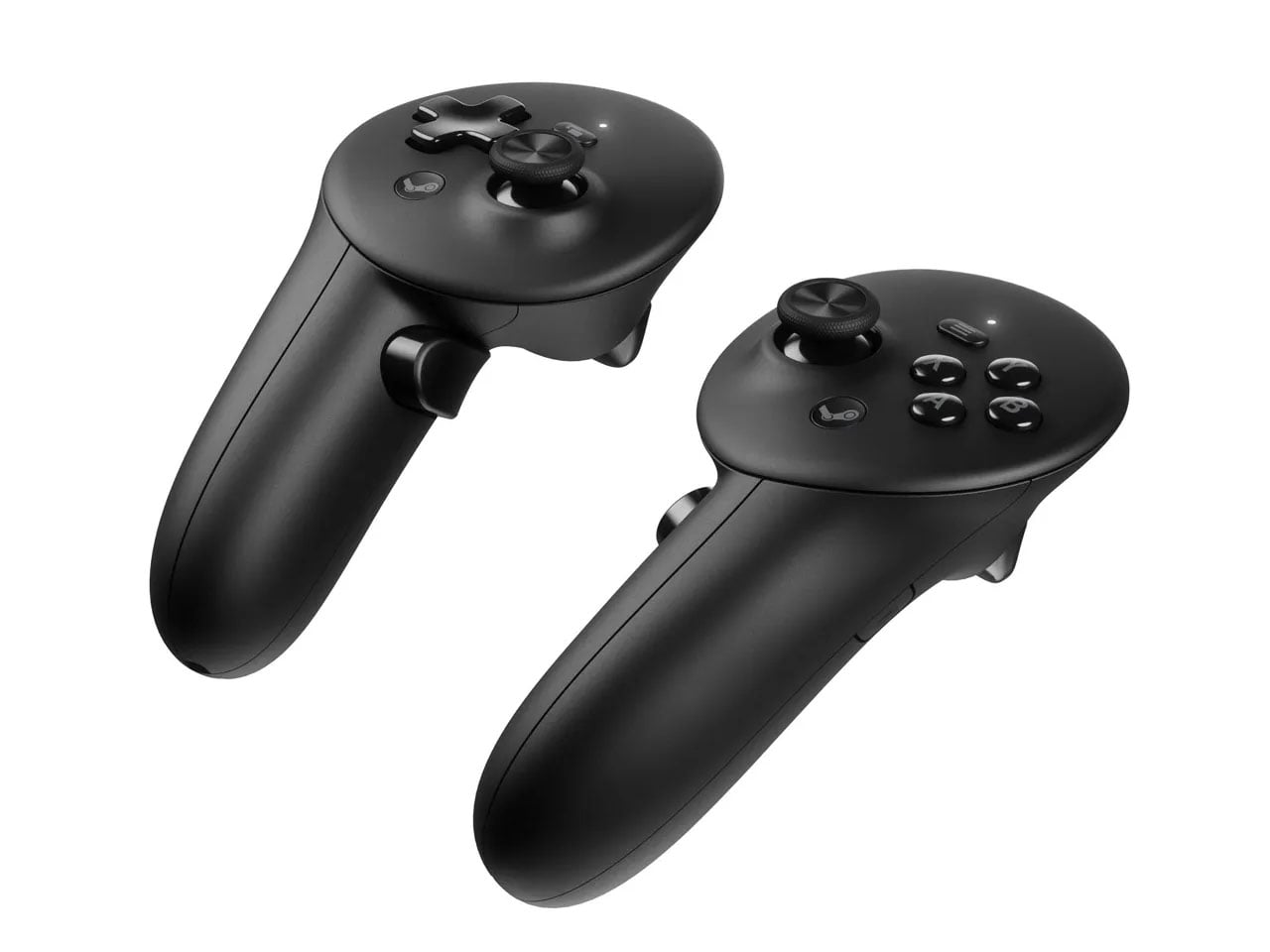
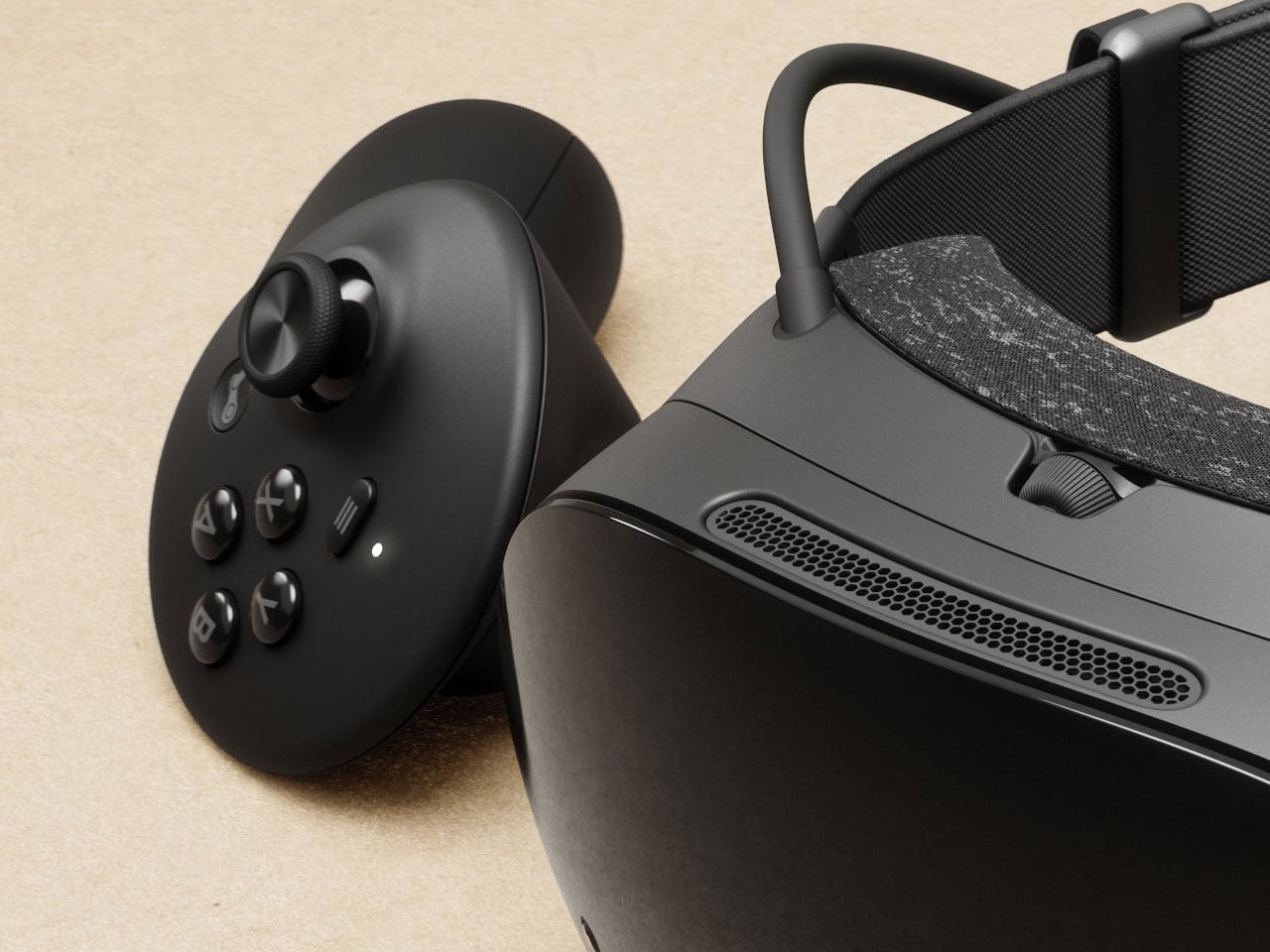
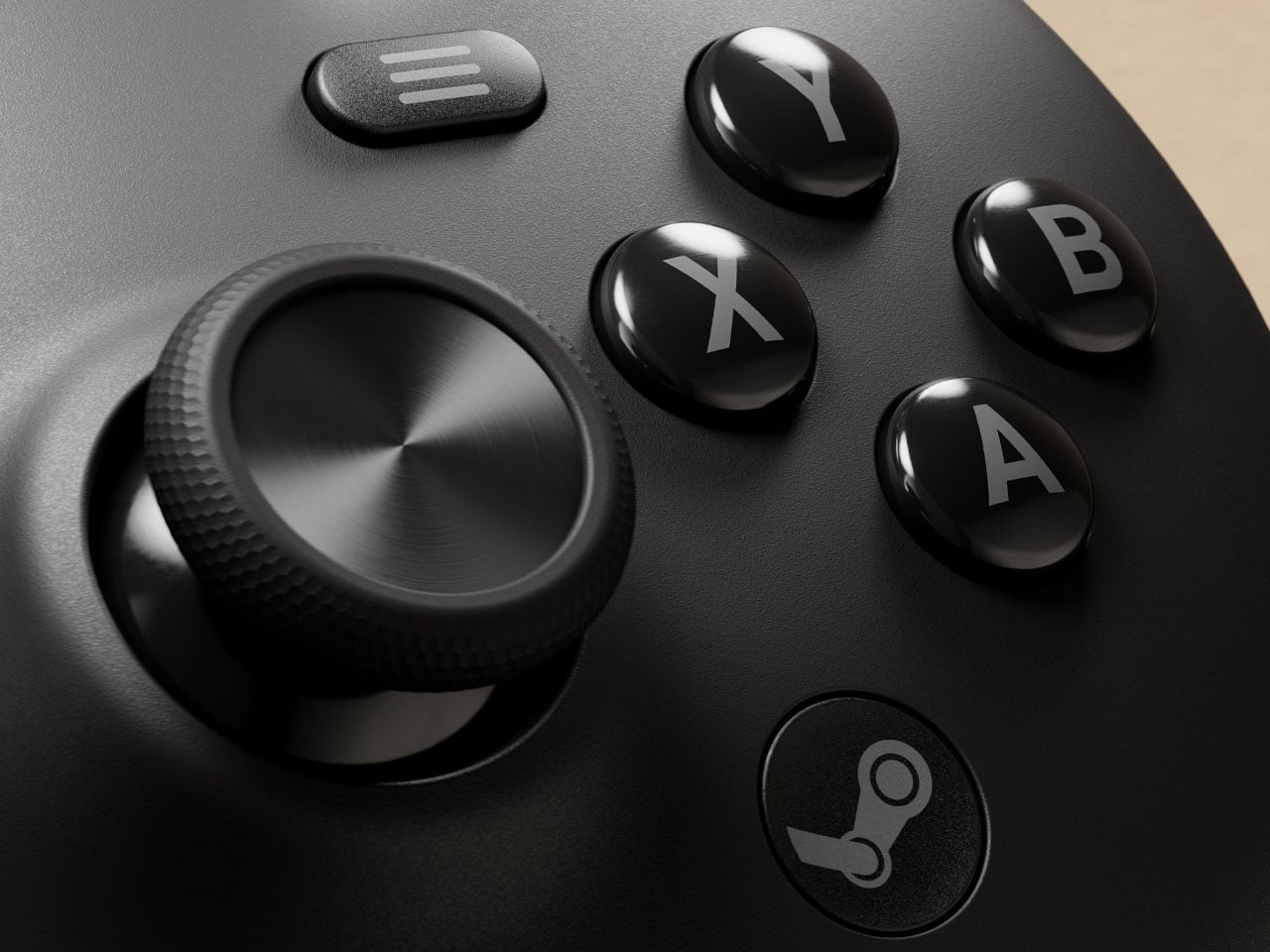
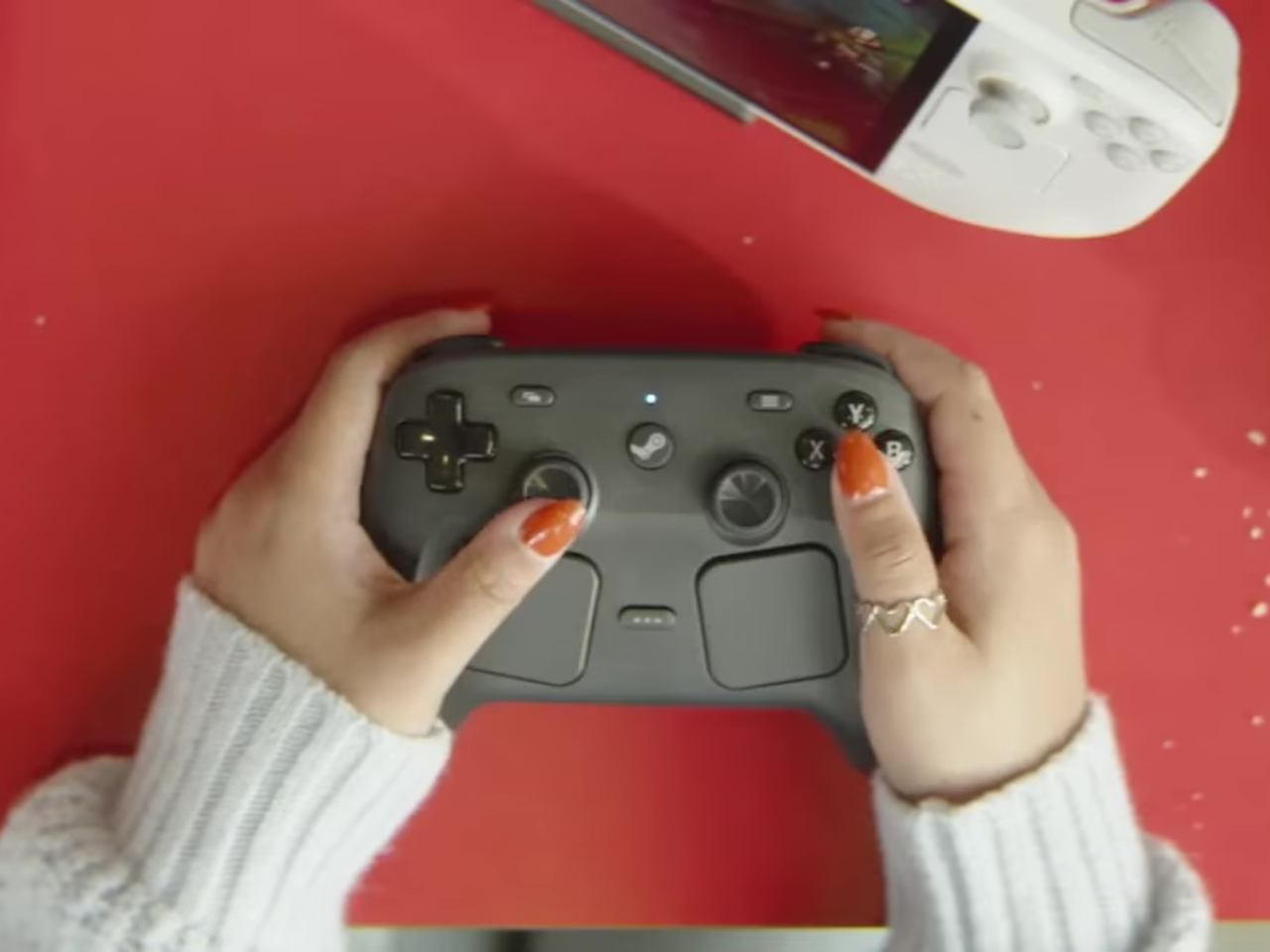
This new iteration reflects a more balanced approach as Valve appears to have taken feedback from years of community use and criticism, integrating more familiar elements while retaining some of its experimental DNA. The repositioned trackpads remain part of the experience but are no longer the dominant input method. Instead, the inclusion of a standard D-pad and a second thumbstick brings the controller closer to conventional gamepads, making it more intuitive for a wider audience. The overall layout bears a strong resemblance to the Steam Deck, suggesting tighter integration with Valve’s existing ecosystem and improved compatibility with modern game design.
That shift in design is not just cosmetic; it addresses one of the biggest barriers of the original controller: accessibility. Earlier, the reliance on trackpads required a learning curve that many players found difficult to overcome. By contrast, this updated model blends precision controls with familiarity, making it more suitable for a broader range of genres, including fast-paced AAA titles that demand responsiveness and accuracy.
Image Credit: The Verge
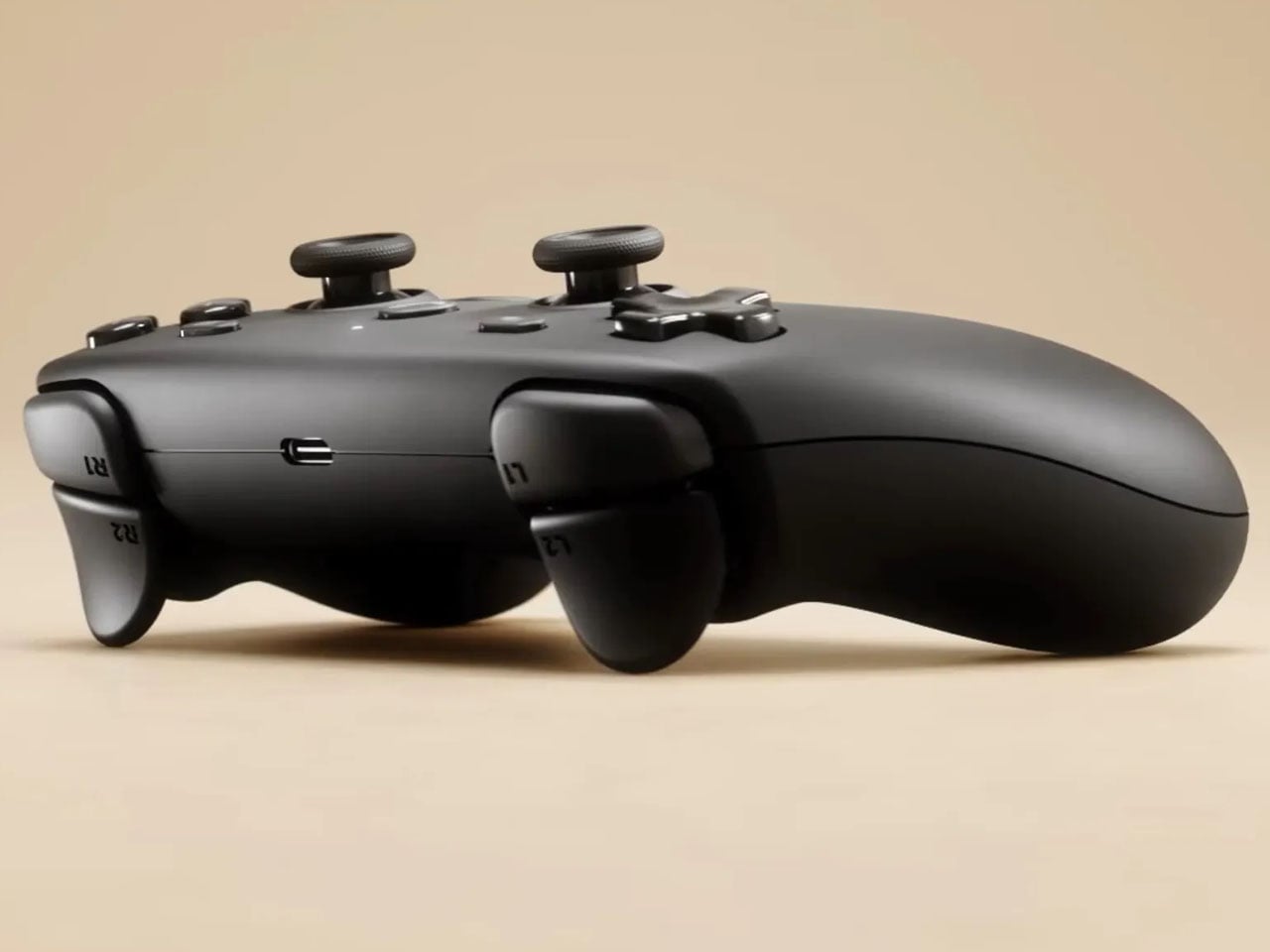
Connectivity has also been modernized. The controller supports both wired and wireless play, offering flexibility depending on user preference. A USB-C port ensures faster and more reliable wired connections, while built-in Bluetooth expands compatibility across devices. A notable addition is the magnetic charging puck, which simplifies the wireless charging process and reduces the friction typically associated with battery management. These upgrades align the controller with current hardware standards, ensuring it feels contemporary rather than experimental.
However, there is a limitation that may affect its appeal beyond dedicated users. The controller is designed primarily for the Steam ecosystem, meaning its full functionality is likely restricted to Valve-supported platforms. While this ensures deep integration and optimized performance within Steam, it could limit adoption among gamers who prefer a more universal controller that works seamlessly across consoles and third-party platforms. Despite this, the new Steam Controller represents a thoughtful evolution rather than a radical reinvention.
PC gamers have almost too many options when it comes to titles to play, which is a great problem to have. With decades of games to choose from (and the first port of call for most indie titles, too), the options are endless. You also get the perks of (nearly always flawless) backward compatibility and console-beating graphical performance — if you've got the coin for it when you’re building your perfect kit or picking up a high-powered gaming laptop.
The whole idea of what a gaming PC is and where you can play it is shifting, too, with the rise of handheld gaming PCs like the Steam Deck. We've tried to be broad with our recommendations here on purpose; here are the best PC games you can play right now.
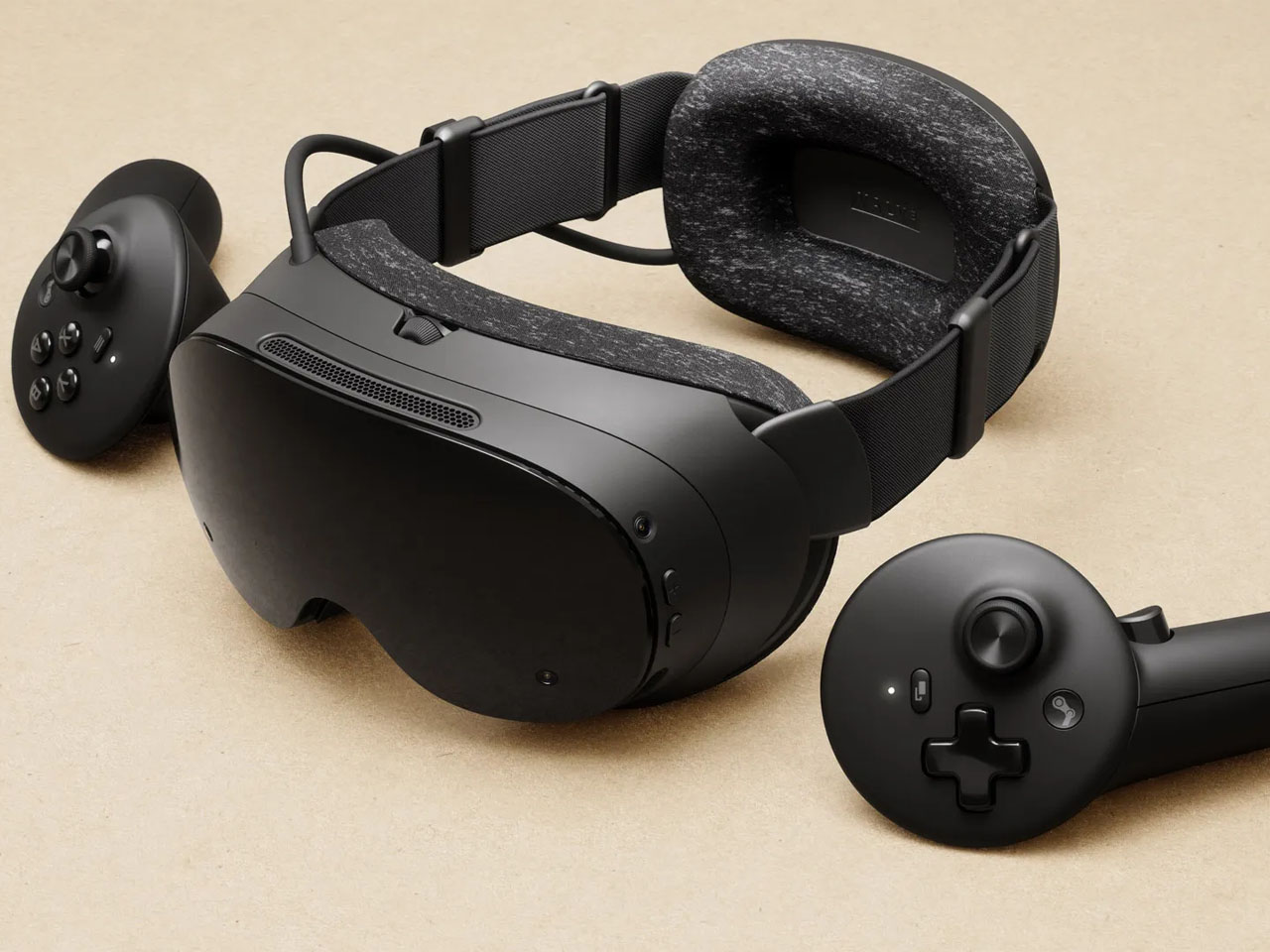
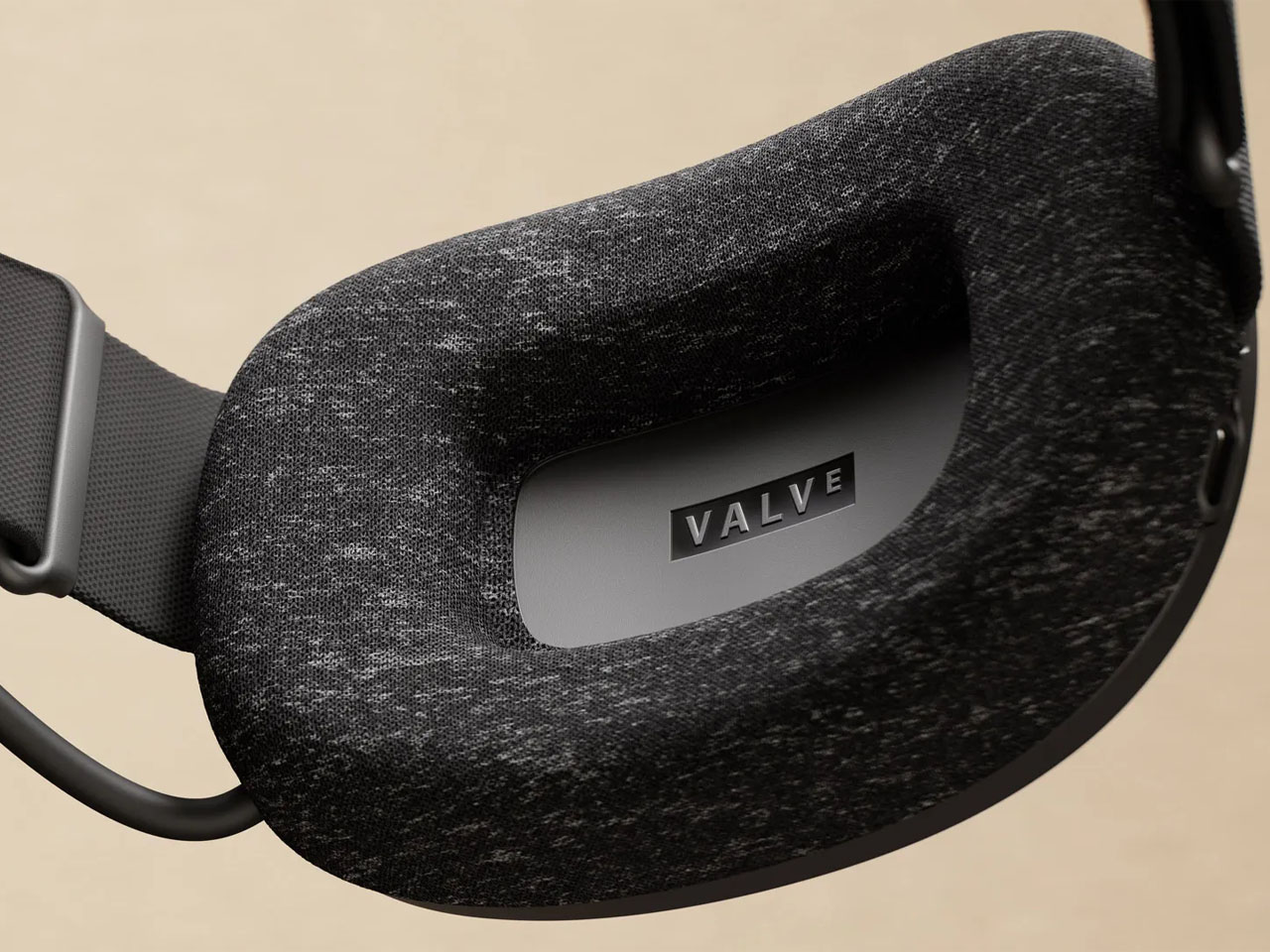
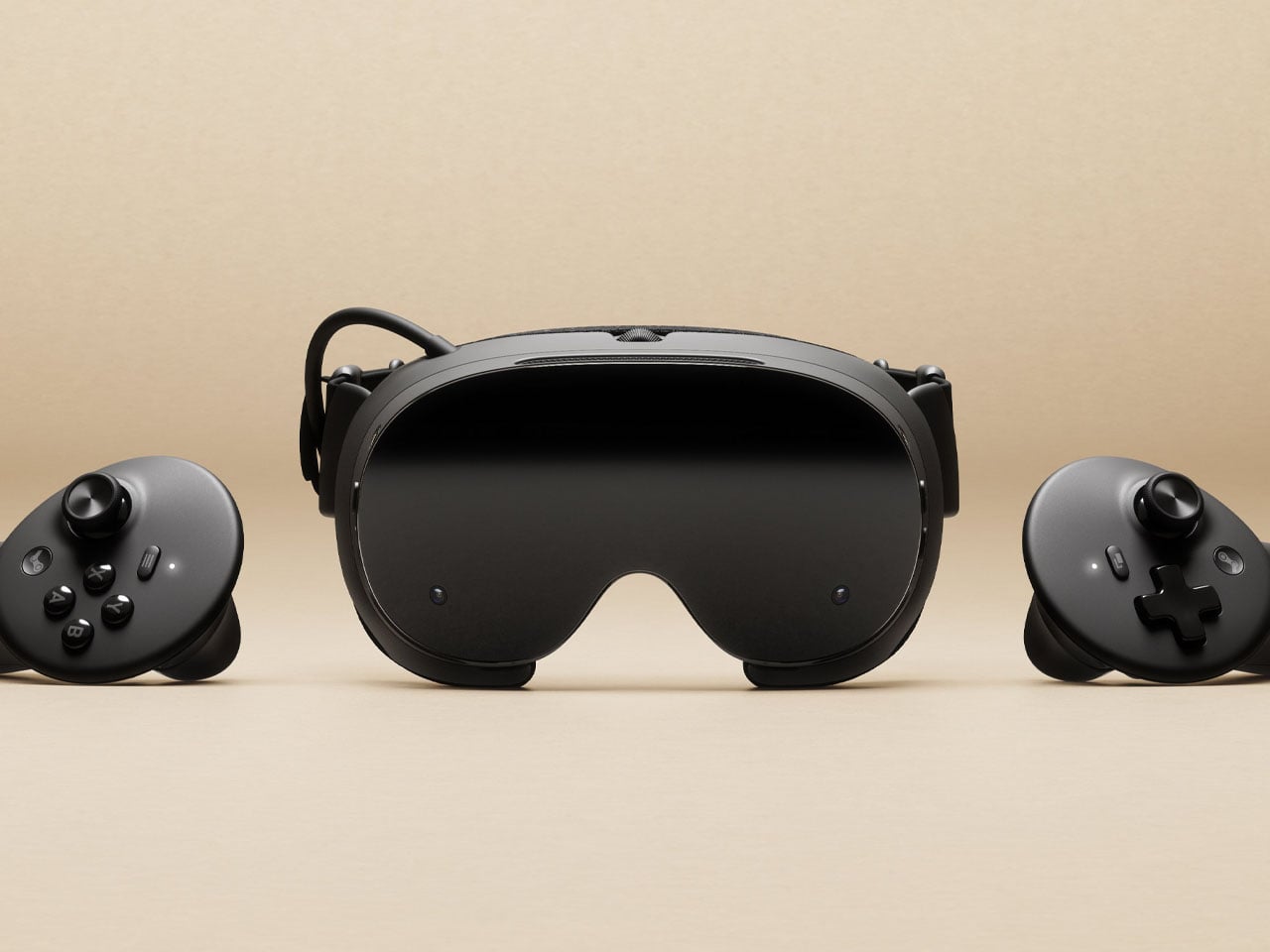
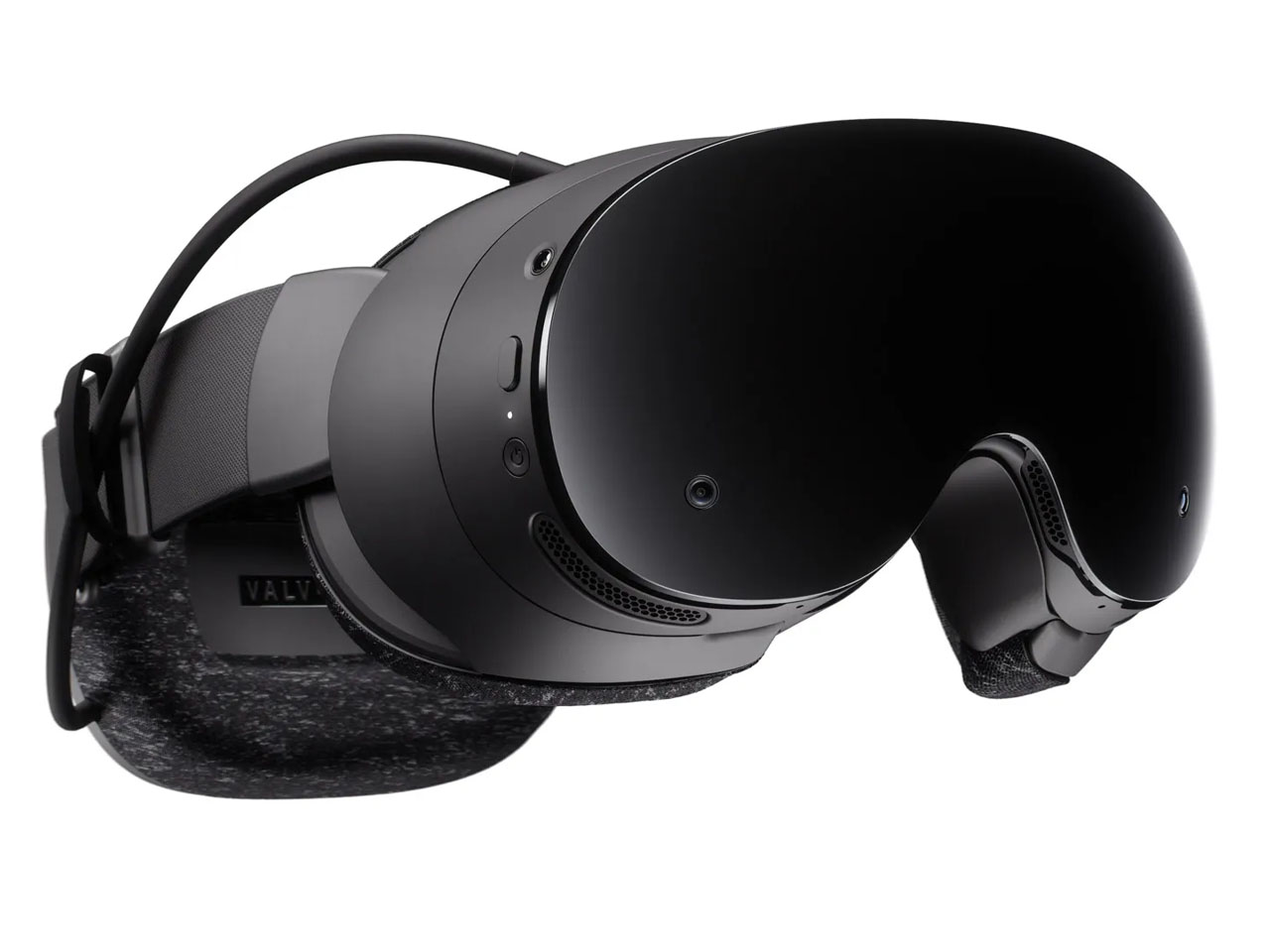
I can recall my experience strapping on a virtual reality headset for the first time. It promised me a new world experience, but the immersive presence was nothing more than stained eyes and a throbbing head. VR headsets have come a long way since then, and now the tech has advanced into a more comfortable and untethered domain. It has advanced beyond requiring cables and now connects to Steam wirelessly. Yes, this is made possible by the Steam Frame: a standalone VR headset that Valve Corporation has just announced silently on its website.
The new Steam Frame is designed to seamlessly connect with both PC and Steam games. You can also play games locally on the VR headset, thanks to an ARM chip onboard. After making its presence felt in the living room gaming scene, the American gaming giant, already recognized for its handheld Steam Deck, is now entering the immersive virtual reality gaming with the Steam Frame, which has been announced alongside the company’s gaming console, called the Steam Machine, and the Steam Controller featuring a cleaner design and a joystick.
While the cube-shaped Steam Machine gaming console is created to take on the market dominated by the PlayStation 5 and Xbox. To that accord, it is built compact, but it does not compromise power, which is assured by the custom AMD Zen 4 CPU, RDNA 3 GPU paired with Linux-based SteamOS. We have a detailed report on the gaming console here. Coming back to the Steam Frame, let’s try and understand what the VR headset entails.
The first standalone, wireless Steam VR headset comes with its own hand controller and is designed to handle your entire Steam game library. Whether it’s an immersive VR or no VR game, the standalone headset supports both. Unlike those initial headsets, Steam Frame is designed with comfort and ease of use in mind, and it is powered by an ARM processor for local emulation of PC games as well. For streaming games directly from the computer, Valve provides a 6GHz wireless dongle, which it claims provides low latency and high bandwidth to ensure a smooth game experience.
The headset draws its processing power from a Snapdragon 8 Gen 3 chip onboard, which is paired with 16GB of LPDDR5X RAM. It is available in two storage variants: 256GB or 1TB of UFS internal storage, which can be expanded using a microSD card. The Steam Frame features a rechargeable 21.6Whr battery with 45W fast charging support, and the device runs on SteamOS 3.
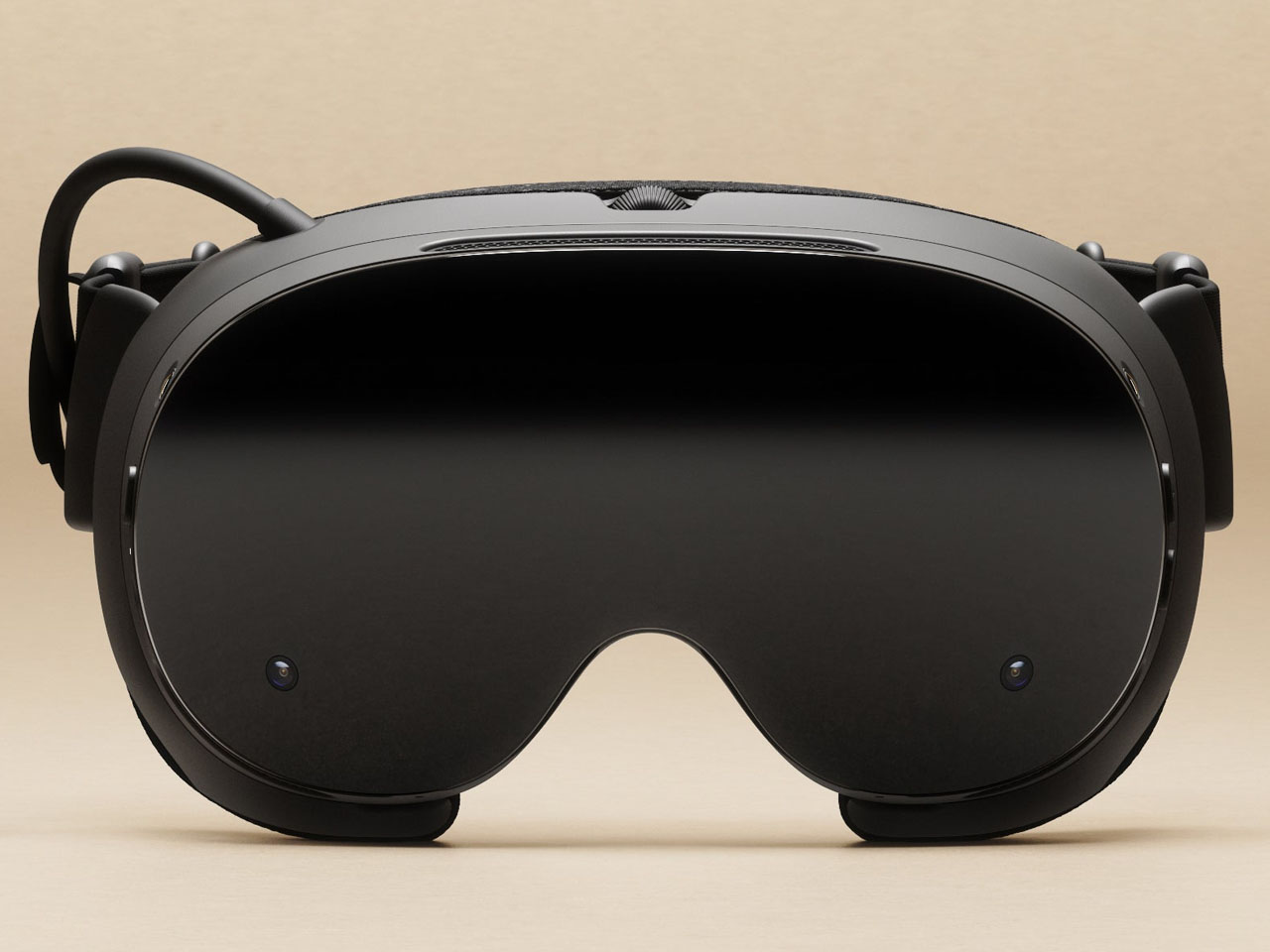
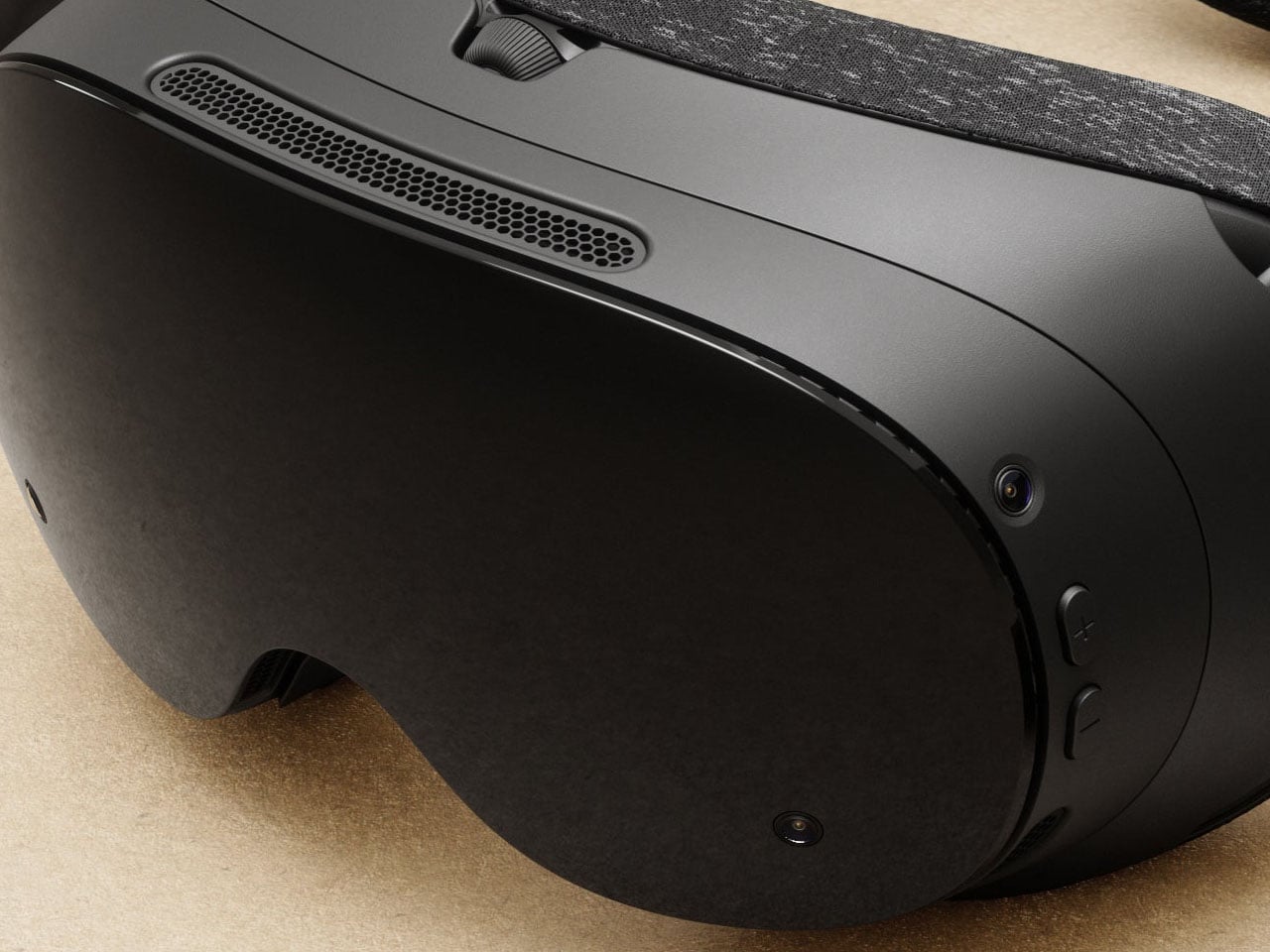
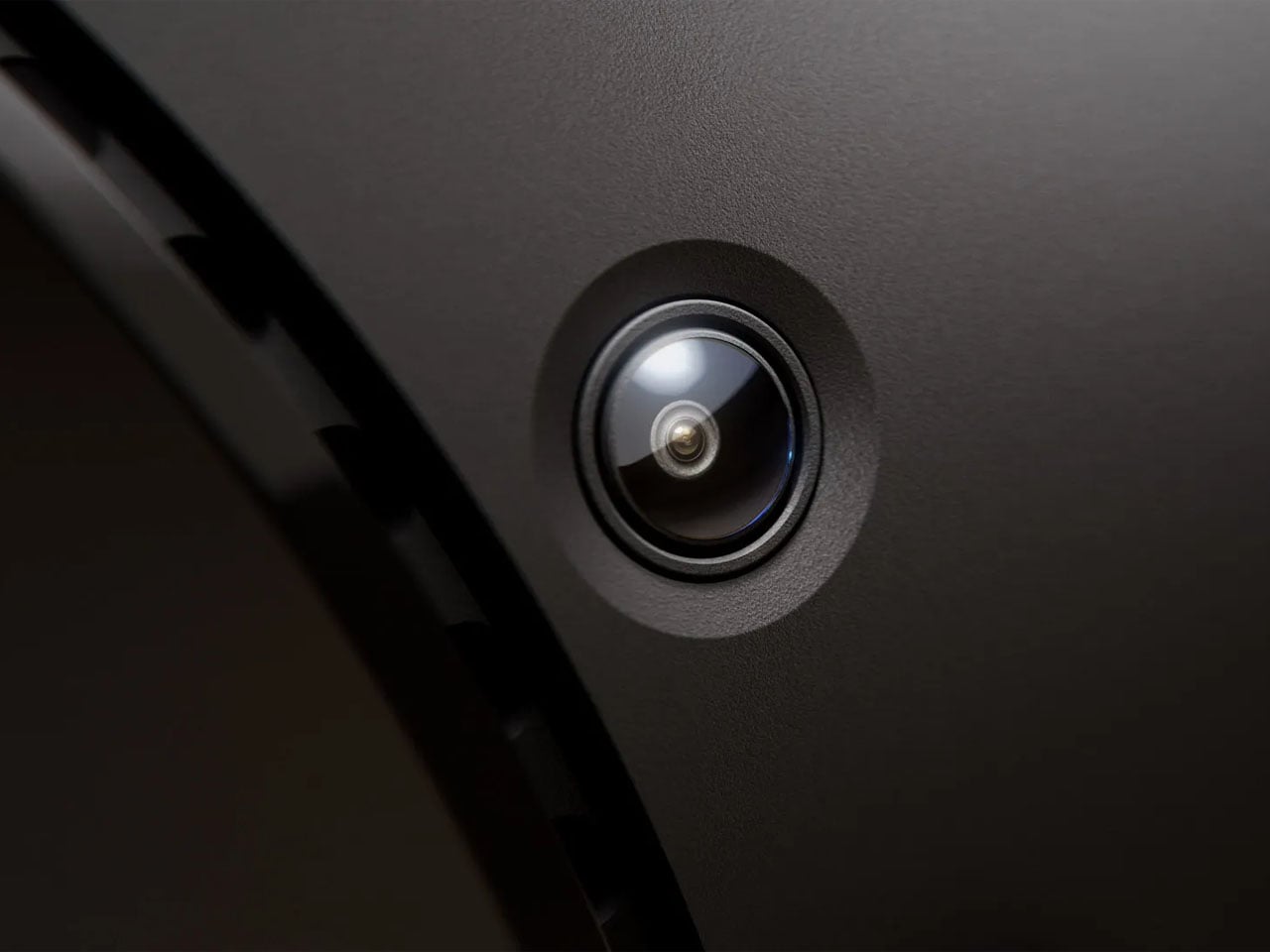
Starting off with the Steam Frame is as easy as lifting it up, strapping it around the head, and you’re right into the game. No setup, no wires required. The four high-res monochrome cameras are straight at tracking the headset and its controller, while the 2160 x 2160 LCD panels, one for each eye, with support for up to 144 Hz refresh rate make gameplay smooth and immersive. Thin and light custom pancake lenses provide up to 110 degrees FOV while infrared LEDs on the outside ensure the headset’s tracking right in all light conditions, even in a dark bedroom (letting you play quietly while your partner sleeps undisturbed).
The pricing structure of the Steam Frame VR headset remains unconfirmed at the time of writing, but rumors suggest a tentative $1,000 tag for it. What we know for certain is that the headset will ship in Spring 2026 with a detachable head strap featuring integrated dual-speakers, a battery that keeps it going for up to 40 hours, and its charging port. The 440g headset will support dual-band Wi-Fi 7 and Bluetooth 5.3 for connectivity. One of the biggest selling points of the Steam Frame could be the Steam Frame developer kit program that Valve is offering developers to bring their Android apps to Steam as well.
Living room gaming has always meant choosing between the simplicity of consoles and the raw power of PCs. Consoles offer plug-and-play convenience with hardware that fits neatly under your TV, but you’re locked into their ecosystems and performance limits. Gaming PCs deliver the horsepower and flexibility, but they’re often noisy, bulky, and require enough desk space to house a small village. Valve’s original Steam Machine experiment tried bridging this gap back in 2015, but awkward controllers and limited adoption meant the idea fizzled out before it could catch on.
Now Valve is trying again, and this time the pieces actually fit together. The new Steam Machine and Steam Controller arrive in early 2026 as part of a broader hardware ecosystem that includes the Steam Deck and Steam Frame VR headset. These aren’t just updated versions of old ideas; they’re built on years of learning from the Steam Deck’s success, with designs that finally deliver on the promise of powerful, flexible PC gaming in a package your living room won’t reject.
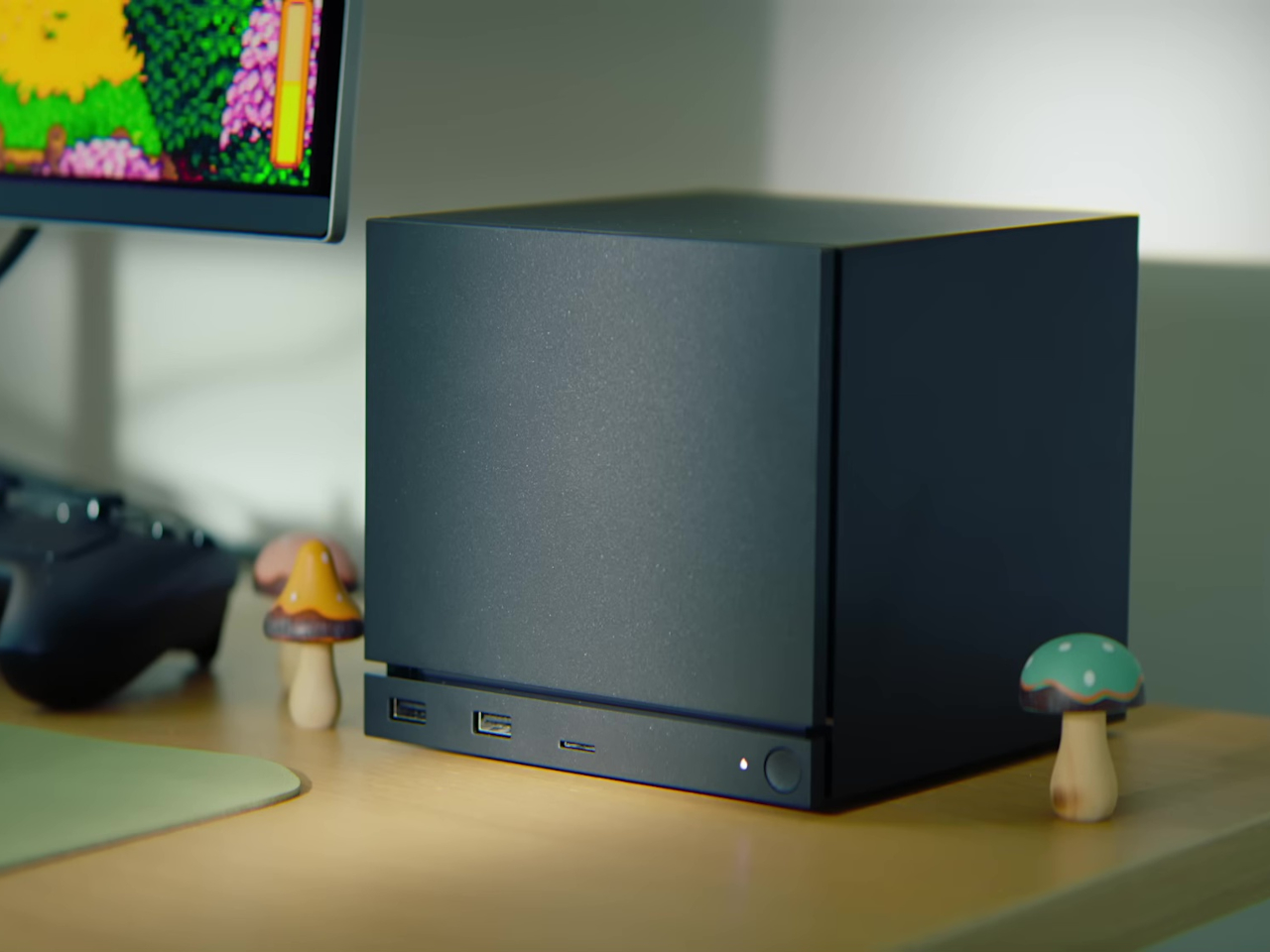
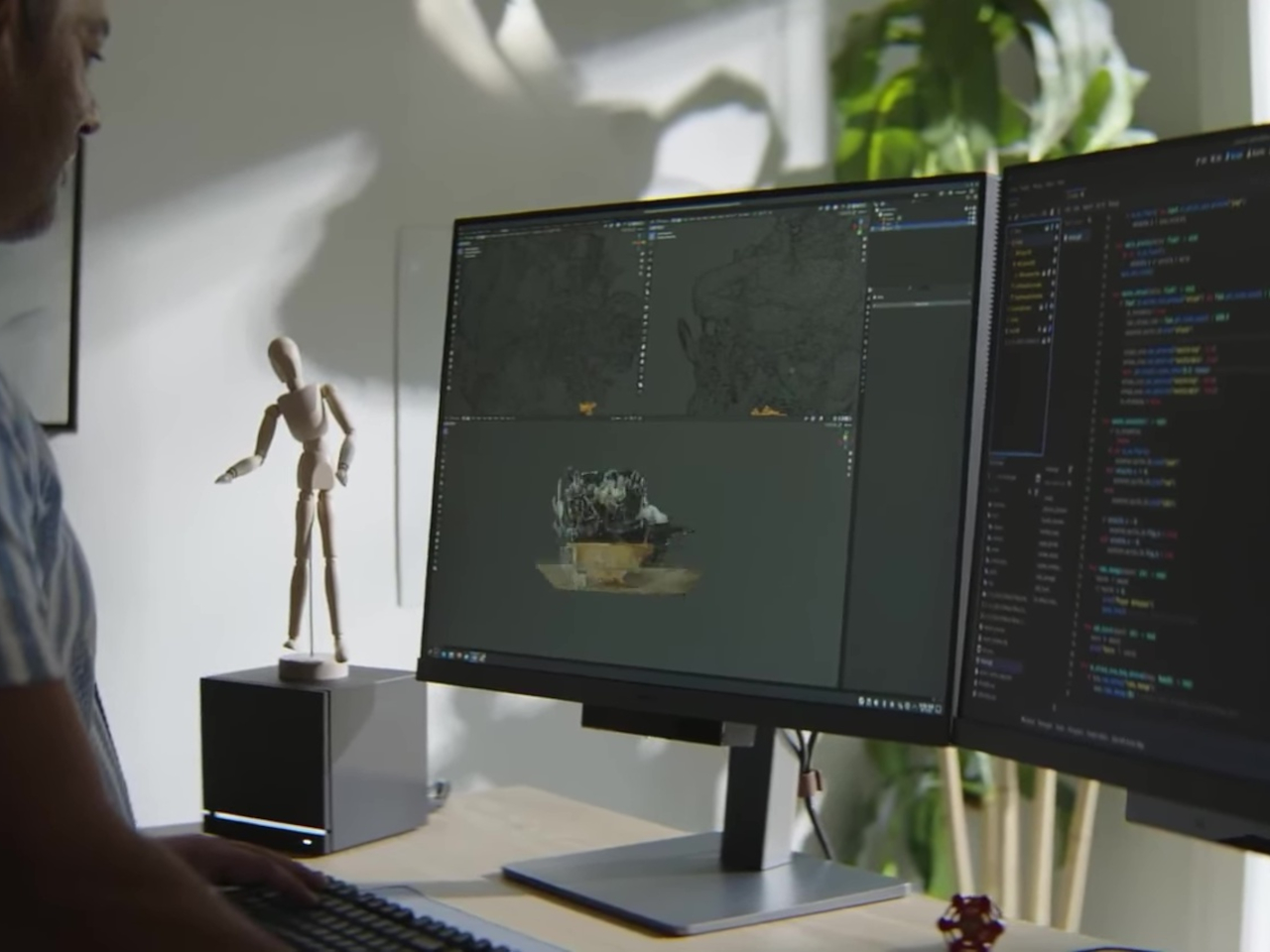
The Steam Machine packs desktop-class gaming into a cube that’s roughly six inches on each side. The matte black enclosure features a magnetically swappable front faceplate and a customizable LED strip that displays system status, download progress, or whatever color gradient suits your mood. It’s a minimalist design that hides pretty impressive hardware, including a semi-custom AMD Zen 4 CPU and RDNA3 GPU capable of 4K gaming at 60fps with FSR enabled. Valve claims it’s over six times more powerful than the Steam Deck, which should handle most AAA titles without breaking a sweat.
Inside, you get 16GB of DDR5 RAM plus 8GB of dedicated VRAM, with storage options of either 512GB or 2TB NVMe SSDs. Both models include microSD expansion if you need even more space. The internal power supply means no bulky external brick cluttering your entertainment center, and the whole thing runs whisper-quiet even under load. Valve designed the cooling system to handle demanding games without turning your living room into a wind tunnel, which is a thoughtful touch for something meant to sit in plain sight.
The I/O situation is refreshingly generous. You get DisplayPort 1.4 and HDMI 2.0 outputs for connecting to TVs or monitors, with support for resolutions up to 8K at 60Hz or 4K at 240Hz, depending on which port you use. There are five USB ports total, split between the front and back, plus Gigabit Ethernet and Wi-Fi 6E for connectivity. The Steam Machine also has a built-in wireless adapter that pairs directly with up to four Steam Controllers, letting you wake the system from your couch without fumbling for a keyboard.
Of course, the Steam Machine runs SteamOS, the same Linux-based operating system that powers the Steam Deck. The interface is designed for controllers rather than mice, with fast suspend and resume that works like a console. That said, it’s still a PC underneath, so you can install whatever apps or operating systems you want. Valve isn’t locking you into anything, which feels like a rare bit of freedom in hardware that’s otherwise pretty locked down these days.
Steam Controller
The new Steam Controller takes everything Valve learned from the Steam Deck’s controls and packages it into a standalone gamepad. The layout is familiar if you’ve used a Steam Deck, with two full-size magnetic thumbsticks, dual square trackpads, and all the standard buttons you’d expect. The thumbsticks use TMR technology for better durability and responsiveness, and they support capacitive touch for enabling motion controls. The trackpads are pressure-sensitive and include haptic feedback, making them viable for games that normally require a mouse.
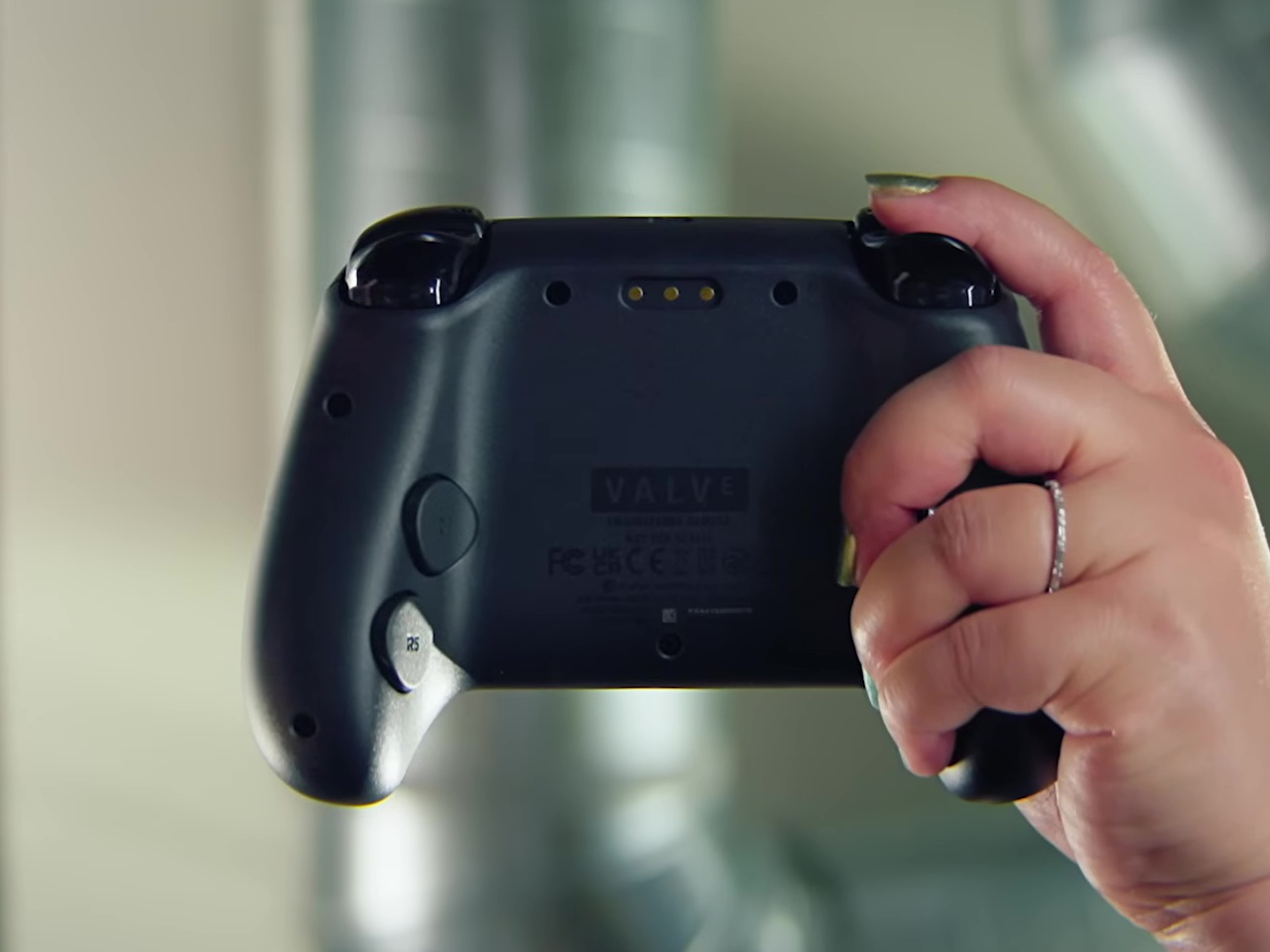
What sets this controller apart are the extras. Four assignable grip buttons sit on the back, letting you map additional controls without taking your thumbs off the sticks or pads. There’s also a feature Valve calls Grip Sense, which uses capacitive sensors along the handles to enable gyro aiming when you hold the controller and disable it when you let go. It’s a small detail that makes aiming in shooters feel more natural without requiring you to toggle a button every time you want precision.
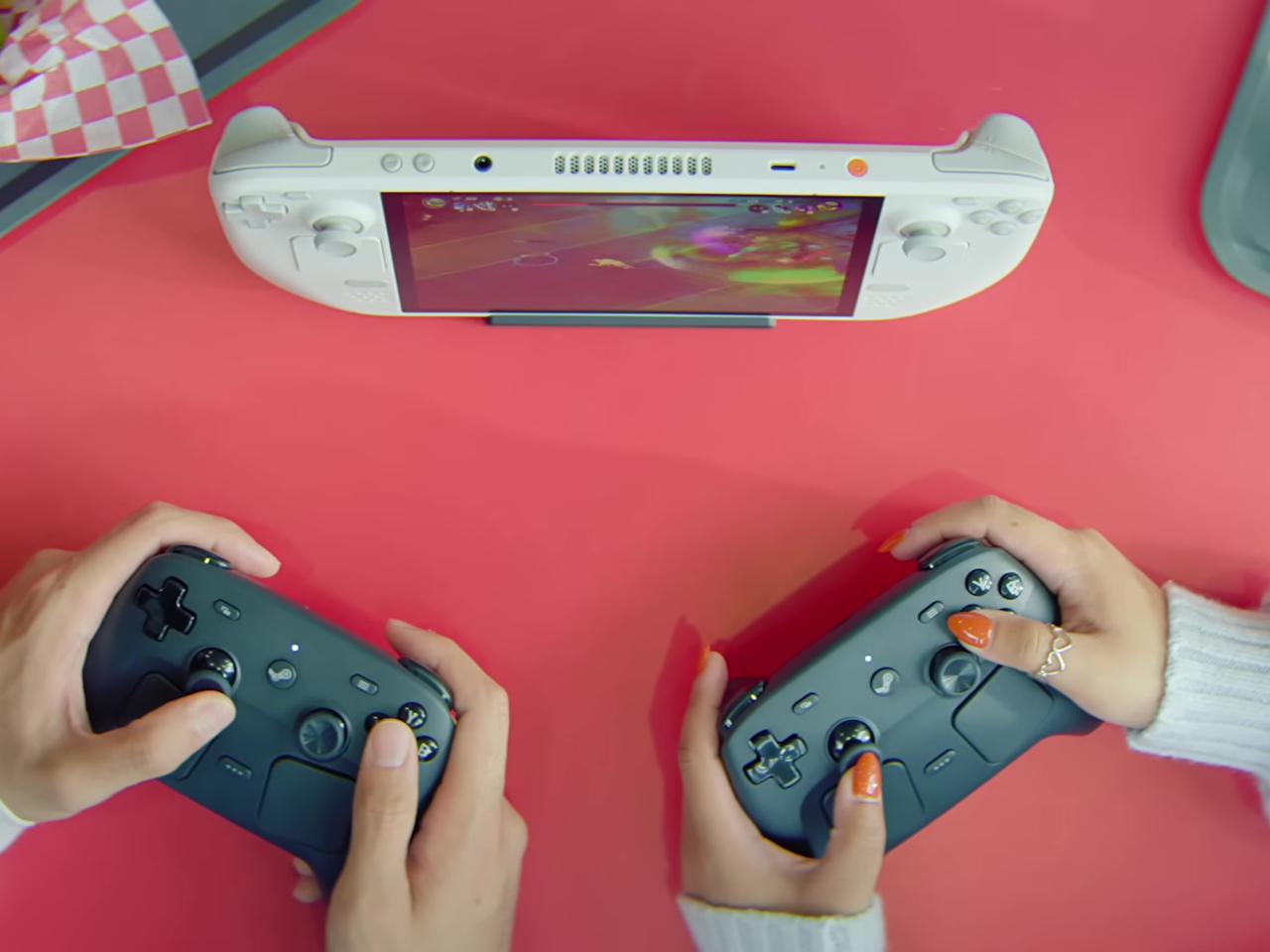
The controller connects via a dedicated wireless puck that doubles as a magnetic charging dock. The puck uses a 2.4GHz connection with about 8ms latency, which is noticeably faster than Bluetooth and feels snappy during gameplay. You can also connect via Bluetooth or USB-C if you prefer, and the 8.39Wh battery is rated for over 35 hours of play. One puck can handle up to four controllers, which makes local multiplayer setups pretty straightforward.
Customization runs deep thanks to Steam Input, which lets you remap every button, adjust sensitivity, and tweak haptics to your liking. Community configurations are available from day one, so you can load presets for thousands of games or build your own and share them. The controller also works across Valve’s entire ecosystem, from PCs and laptops to Steam Deck and the new Steam Machine, with infrared LEDs that let the Steam Frame VR headset track it for mixed-reality gameplay.
Valve’s hardware lineup is expanding into a proper ecosystem rather than just scattered experiments. The Steam Machine and Steam Controller arrive as the cornerstones of that vision, offering power and flexibility without forcing you to choose between the simplicity of consoles and the openness of PCs. Whether that’s enough to pull gamers off the couch and away from their PlayStations remains to be seen, but the pieces are finally in place.
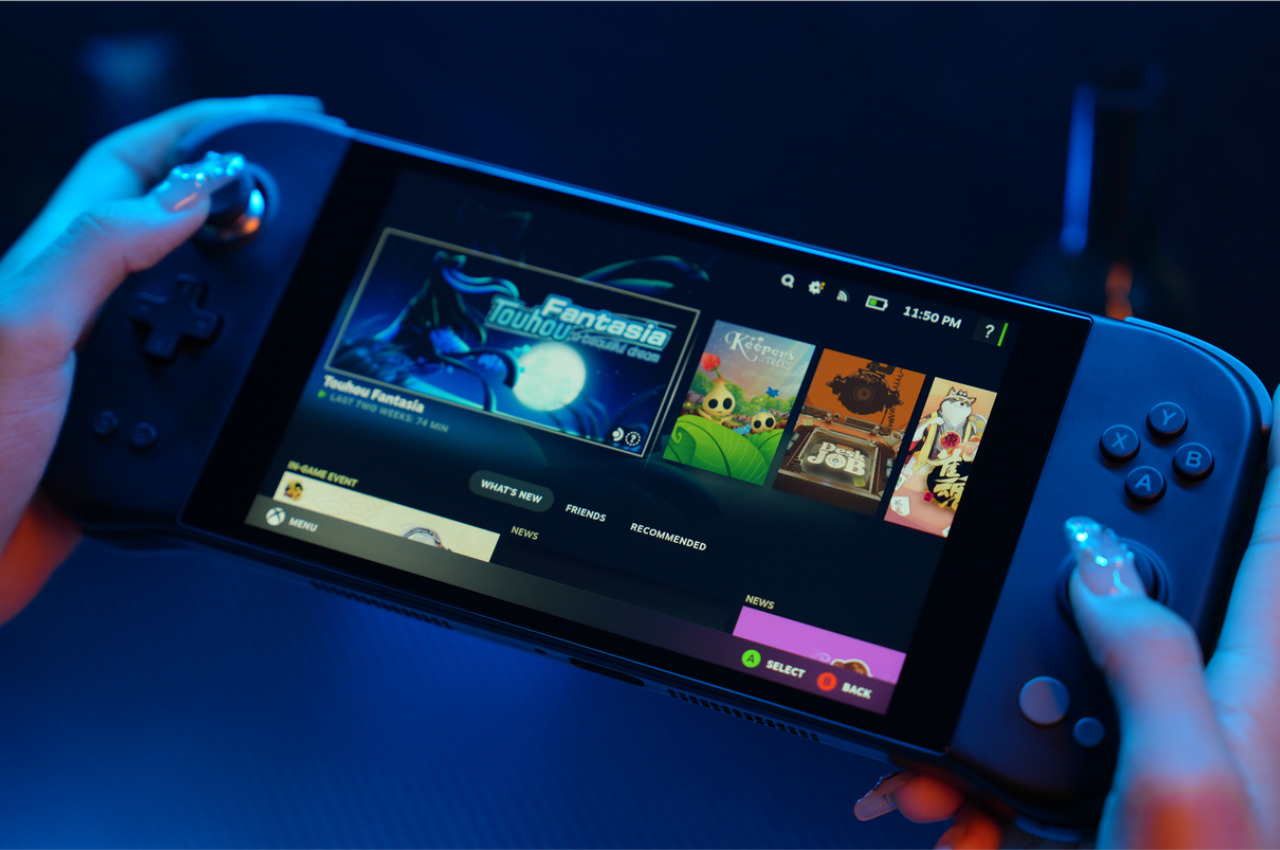
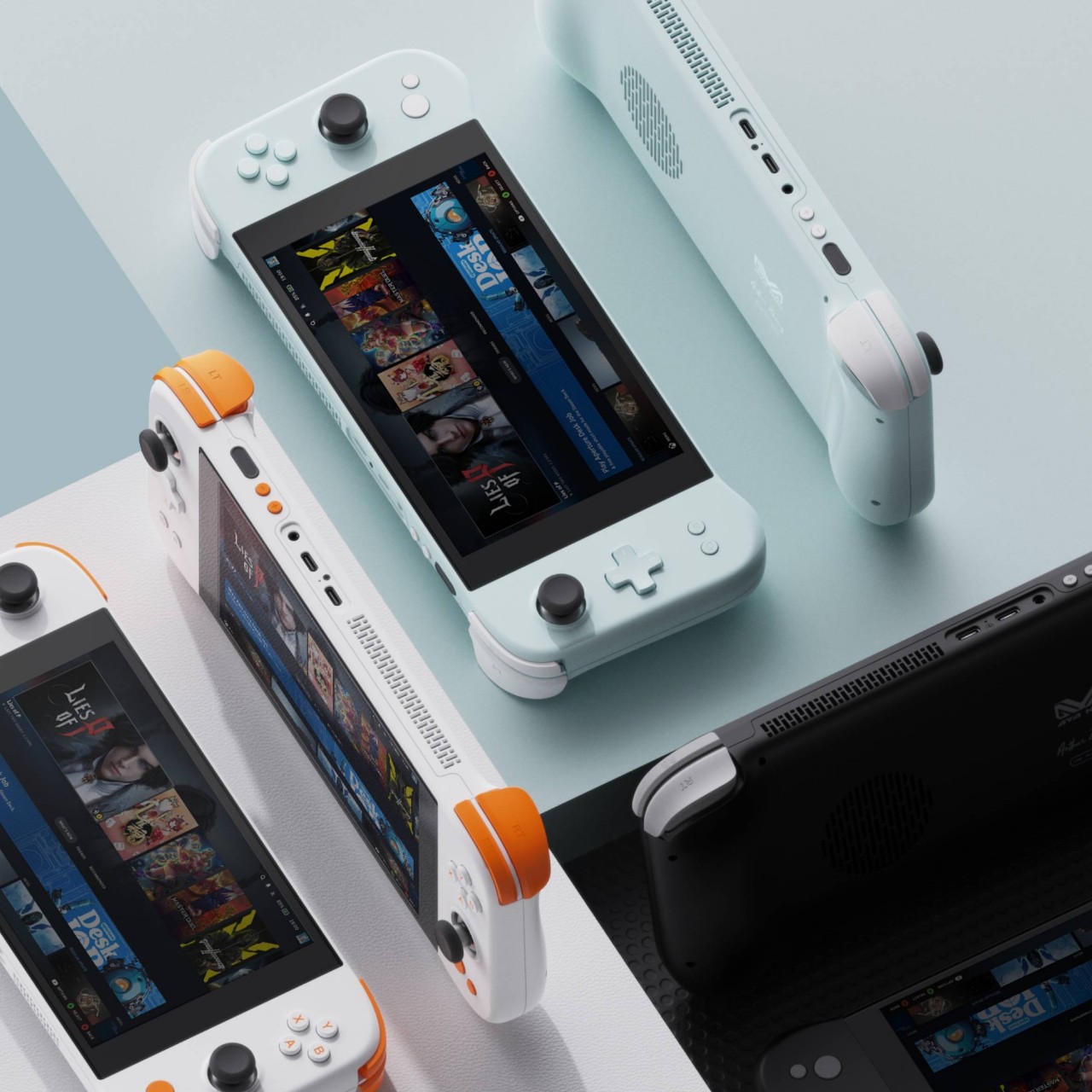
The Nintendo Switch may have rebooted the whole handheld gaming craze, but it was the Steam Deck that brought that fever to PCs. It was a strange device from a company famed for its game distribution platform but notorious for its spectacular Steam Machine failure. The doubt was further increased by Valve’s decision to install its own Linux-based Steam OS on the handheld PC instead of a more gaming-ready Windows. That’s why it came as a bit of a surprise that the Steam Deck was a resounding success, enough for major manufacturers like Acer, Lenovo, and now MSI to follow suit. Although not a giant, AYANEO has been churning out handheld gaming PCs for quite a while now, and it now has its sights on challenging the one that started it all with what is the world’s second-ever Steam OS handheld gaming PC.
The Steam Deck was a rather odd and ambitious product. It was huge, especially compared to the lightweight and slim Nintendo Switch. It ran the Linux operating system, which meant some games from Steam’s own library might not even run on it. It partnered with AMD for a custom mobile chip that no one has heard of, let alone tested for gaming. And it launched with a $349 price tag, at least for the eMMC storage model, which sounded too good to be true. By all accounts, it would have been yet another failure like the Steam OS consoles Valve tried to turn into a business, and yet the Steam Deck will now forever be remembered as the one that started it all.
Although major PC makers like Acer and Lenovo weren’t quick to jump on the trend, other brands were already launching similar devices every year, sometimes even more than once a year. GPD, which started out with Android gaming handhelds, breached that market even before the Steam Deck came to be. AYANEO followed not long after and now has half a dozen models under its name with different designs and approaches to gaming. Of these, the AYANEO NEXT from 2022 was its flagship product, and it’s now following it up with a “Lite” version that is trying to beat Steam at its own game.
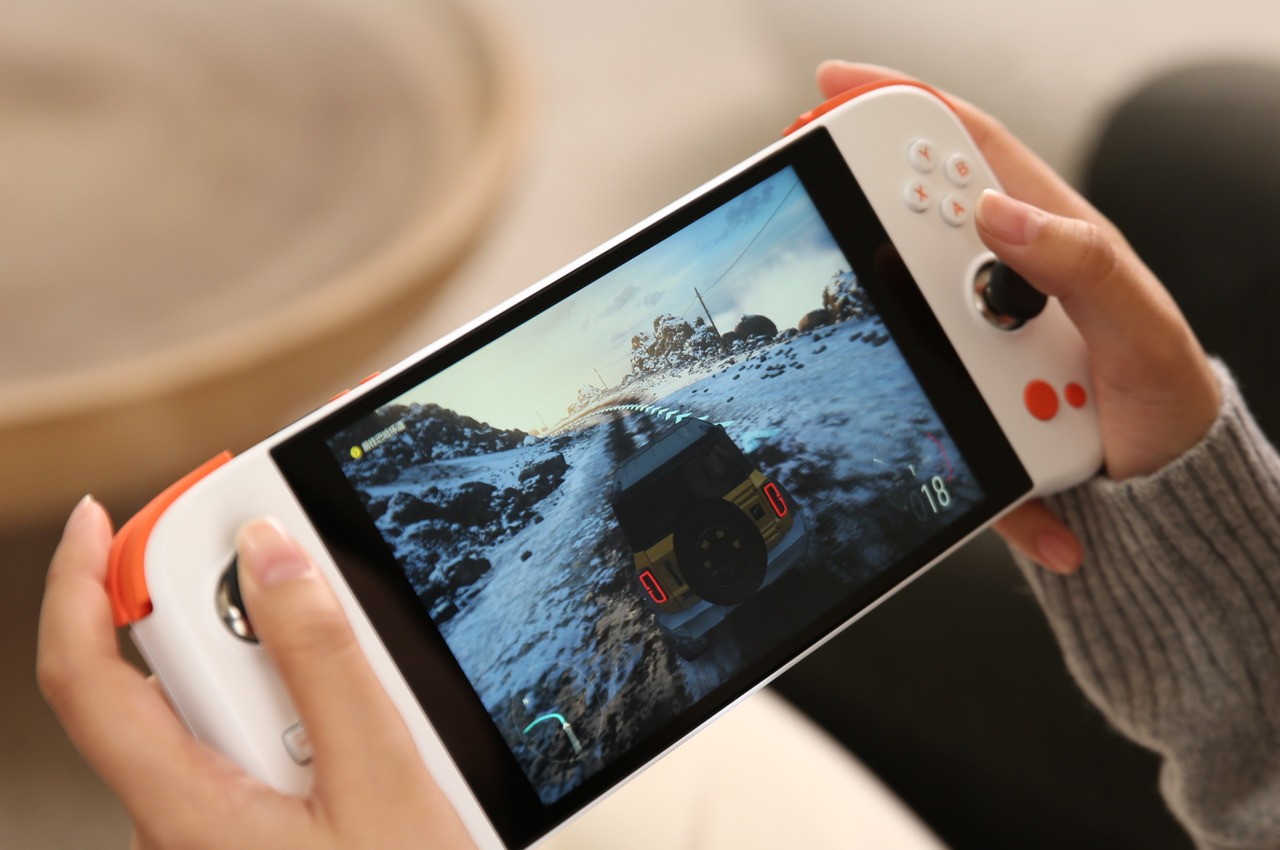
The company is playing coy with many of the device’s specs, revealing only its 7-inch 800p display and 47Wh battery which are exactly the same as the existing AYANEO NEXT. The design looks exactly similar as well, down to the color options. The only real difference is that it would be running that Linux-based Steam OS, which is actually quite a critical change. That means that software features will be worlds apart once you step outside the Steam interface for anything other than gaming. Given the popularity of the Steam Deck, you can at least be sure you’ll find solutions for most of the tasks and problems you might encounter, at least when it comes to software compatibility.
The AYANEO NEXT Lite and the Steam Deck, however, are also worlds apart because of the hardware. Valve has opted to keep its handheld PC quite modest and has yet to even talk about a Steam Deck 2. If its older Windows-toting sibling is to be considered, then the AYANEO NEXT Lite will house more recent, more powerful, more battery-hungry, and more expensive specs. That doesn’t bode well for the price, though AYANEO assures that it will be cost-effective, but that could still mean hundreds of dollars more than what the Steam Desk asks for.
The Nintendo Switch may have rebooted the whole handheld gaming craze, but it was the Steam Deck that brought that fever to PCs. It was a strange device from a company famed for its game distribution platform but notorious for its spectacular Steam Machine failure. The doubt was further increased by Valve’s decision to install its own Linux-based Steam OS on the handheld PC instead of a more gaming-ready Windows. That’s why it came as a bit of a surprise that the Steam Deck was a resounding success, enough for major manufacturers like Acer, Lenovo, and now MSI to follow suit. Although not a giant, AYANEO has been churning out handheld gaming PCs for quite a while now, and it now has its sights on challenging the one that started it all with what is the world’s second-ever Steam OS handheld gaming PC.
The Steam Deck was a rather odd and ambitious product. It was huge, especially compared to the lightweight and slim Nintendo Switch. It ran the Linux operating system, which meant some games from Steam’s own library might not even run on it. It partnered with AMD for a custom mobile chip that no one has heard of, let alone tested for gaming. And it launched with a $349 price tag, at least for the eMMC storage model, which sounded too good to be true. By all accounts, it would have been yet another failure like the Steam OS consoles Valve tried to turn into a business, and yet the Steam Deck will now forever be remembered as the one that started it all.
Although major PC makers like Acer and Lenovo weren’t quick to jump on the trend, other brands were already launching similar devices every year, sometimes even more than once a year. GPD, which started out with Android gaming handhelds, breached that market even before the Steam Deck came to be. AYANEO followed not long after and now has half a dozen models under its name with different designs and approaches to gaming. Of these, the AYANEO NEXT from 2022 was its flagship product, and it’s now following it up with a “Lite” version that is trying to beat Steam at its own game.
The company is playing coy with many of the device’s specs, revealing only its 7-inch 800p display and 47Wh battery which are exactly the same as the existing AYANEO NEXT. The design looks exactly similar as well, down to the color options. The only real difference is that it would be running that Linux-based Steam OS, which is actually quite a critical change. That means that software features will be worlds apart once you step outside the Steam interface for anything other than gaming. Given the popularity of the Steam Deck, you can at least be sure you’ll find solutions for most of the tasks and problems you might encounter, at least when it comes to software compatibility.
The AYANEO NEXT Lite and the Steam Deck, however, are also worlds apart because of the hardware. Valve has opted to keep its handheld PC quite modest and has yet to even talk about a Steam Deck 2. If its older Windows-toting sibling is to be considered, then the AYANEO NEXT Lite will house more recent, more powerful, more battery-hungry, and more expensive specs. That doesn’t bode well for the price, though AYANEO assures that it will be cost-effective, but that could still mean hundreds of dollars more than what the Steam Desk asks for.