Microsoft is ending support for Android apps on Windows

Microsoft is pulling the plug on Android apps for Windows. The company said it’s ending support for Windows Subsystem for Android (WSA), the underlying component behind the Amazon Appstore (and other Android apps) in Windows 11. Microsoft told Engadget it was responding to “evolving customer needs.”

Microsoft first said in 2021 that Windows 11 would be able to run Android apps. When it arrived the following year, users could install the Amazon Appstore, and some individual Android apps were found in the Microsoft Store. The rollout was viewed as an answer to the dual threats of Android apps on Chromebooks and iOS apps on Apple Silicon Macs.

A Microsoft spokesperson clarified to Engadget why it’s now terminating the feature. “As part of our commitment to meeting evolving customer needs, we periodically update our product offerings,” they said. “This involves introducing new technical innovations and retiring products. Microsoft remains dedicated to an open platform and ecosystem, and we look forward to continuing to bring the best experiences and apps to Windows.”

With Microsoft blazing full-tilt into all things AI, it may now see its past attempts at making Windows a dramatically better touch-focused platform as no longer worth the resources. Another possibility, as The Verge speculates, is that people hunting for Android apps on Windows expected the full Google Play Store experience — not Amazon’s variant, which has an inferior overall selection.

Microsoft says customers who installed the Amazon Appstore (or other apps and games using WSA) on their Windows 11 machines before Tuesday can keep using them until March 5, 2025. Meanwhile, Amazon clarified that its Appstore and associate apps will no longer be discoverable in the Microsoft Store beginning on Wednesday. In addition, developers can no longer submit new apps for the Amazon Appstore on Windows, but those with existing ones can continue to submit updates for them until this time next year.

As for what’s next for Microsoft, the company is rumored to launch new Surface devices on March 21. The Surface Pro 10 and Surface Laptop 6 are expected, with the company possibly marketing them as its first AI PCs.

This article originally appeared on Engadget at https://www.engadget.com/microsoft-is-ending-support-for-android-apps-on-windows-213534468.html?src=rss
Microsoft is ending support for Android apps on Windows

Microsoft is pulling the plug on Android apps for Windows. The company said it’s ending support for Windows Subsystem for Android (WSA), the underlying component behind the Amazon Appstore (and other Android apps) in Windows 11. Microsoft told Engadget it was responding to “evolving customer needs.”

Microsoft first said in 2021 that Windows 11 would be able to run Android apps. When it arrived the following year, users could install the Amazon Appstore, and some individual Android apps were found in the Microsoft Store. The rollout was viewed as an answer to the dual threats of Android apps on Chromebooks and iOS apps on Apple Silicon Macs.

A Microsoft spokesperson clarified to Engadget why it’s now terminating the feature. “As part of our commitment to meeting evolving customer needs, we periodically update our product offerings,” they said. “This involves introducing new technical innovations and retiring products. Microsoft remains dedicated to an open platform and ecosystem, and we look forward to continuing to bring the best experiences and apps to Windows.”

With Microsoft blazing full-tilt into all things AI, it may now see its past attempts at making Windows a dramatically better touch-focused platform as no longer worth the resources. Another possibility, as The Verge speculates, is that people hunting for Android apps on Windows expected the full Google Play Store experience — not Amazon’s variant, which has an inferior overall selection.

Microsoft says customers who installed the Amazon Appstore (or other apps and games using WSA) on their Windows 11 machines before Tuesday can keep using them until March 5, 2025. Meanwhile, Amazon clarified that its Appstore and associate apps will no longer be discoverable in the Microsoft Store beginning on Wednesday. In addition, developers can no longer submit new apps for the Amazon Appstore on Windows, but those with existing ones can continue to submit updates for them until this time next year.

As for what’s next for Microsoft, the company is rumored to launch new Surface devices on March 21. The Surface Pro 10 and Surface Laptop 6 are expected, with the company possibly marketing them as its first AI PCs.

This article originally appeared on Engadget at https://www.engadget.com/microsoft-is-ending-support-for-android-apps-on-windows-213534468.html?src=rss
Microsoft may debut its first ‘AI PCs’ later this month

Microsoft will reveal the Surface Pro 10 and Surface Laptop 6 on March 21, according to a report. This isn't likely to just be a matter of a hardware refresh, however. Microsoft is expected to call these systems its first AI PCs, as Windows Central notes.

The devices are set to be equipped with new Intel Core Ultra or Qualcomm Snapdragon X Elite-based processors that feature the latest neural processing units (NPUs) to boost AI capabilities. They're said to approximately match the iPad Pro and MacBook Pro in terms of efficiency and performance.

The Surface Pro 10 and Surface Laptop 6 are expected to be among the first machines to support upcoming AI features in Windows 11. Along with on-device Copilot support, these functions are expected to include real-time live captions and translations, upscaling for games, frame rate smoothing, upgraded Windows Studio Effects and something that (at least for the time being) is seemingly called AI Explorer.

Windows Central suggests the latter will be the feature that sets AI PCs apart from regular computers. AI Explorer will apparently work across any app and let you search through documents, web pages, images and chats using natural language. It's believed that the feature will create a history of everything you do on your computer and make it searchable. The tool is said to be capable of understanding context and suggesting tasks based on what's on the screen. AI Explorer is also expected to support text-based image editing. According to the report, these AI features are likely to roll out as part of this fall's 24H2 update for Windows 11.

As for what else to expect from Microsoft's next laptops, both are said to have all-day battery life. The Surface Pro 10 is slated to include an anti-reflective, HDR-capable OLED screen. Rumors suggest it will have a front-facing ultrawide webcam and an NFC reader.

The Surface Laptop 6 is believed to have a more significant redesign compared with its predecessors. Along with thinner bezels and rounded corners, it's expected to have a haptic touchpad, a dedicated key for Copilot and a revamped group of ports. It's also slated to be the first Surface Laptop with an Arm variant (it's worth noting that we had major reservations about the Arm-powered Surface Pro 9). The report suggests that the Intel versions of the Surface Laptop 9 and Surface Pro 10 will ship in April, with the Snapdragon variants to follow in June.

This article originally appeared on Engadget at https://www.engadget.com/microsoft-may-debut-its-first-ai-pcs-later-this-month-204522580.html?src=rss

Microsoft may debut its first ‘AI PCs’ later this month

Microsoft will reveal the Surface Pro 10 and Surface Laptop 6 on March 21, according to a report. This isn't likely to just be a matter of a hardware refresh, however. Microsoft is expected to call these systems its first AI PCs, as Windows Central notes.

The devices are set to be equipped with new Intel Core Ultra or Qualcomm Snapdragon X Elite-based processors that feature the latest neural processing units (NPUs) to boost AI capabilities. They're said to approximately match the iPad Pro and MacBook Pro in terms of efficiency and performance.

The Surface Pro 10 and Surface Laptop 6 are expected to be among the first machines to support upcoming AI features in Windows 11. Along with on-device Copilot support, these functions are expected to include real-time live captions and translations, upscaling for games, frame rate smoothing, upgraded Windows Studio Effects and something that (at least for the time being) is seemingly called AI Explorer.

Windows Central suggests the latter will be the feature that sets AI PCs apart from regular computers. AI Explorer will apparently work across any app and let you search through documents, web pages, images and chats using natural language. It's believed that the feature will create a history of everything you do on your computer and make it searchable. The tool is said to be capable of understanding context and suggesting tasks based on what's on the screen. AI Explorer is also expected to support text-based image editing. According to the report, these AI features are likely to roll out as part of this fall's 24H2 update for Windows 11.

As for what else to expect from Microsoft's next laptops, both are said to have all-day battery life. The Surface Pro 10 is slated to include an anti-reflective, HDR-capable OLED screen. Rumors suggest it will have a front-facing ultrawide webcam and an NFC reader.

The Surface Laptop 6 is believed to have a more significant redesign compared with its predecessors. Along with thinner bezels and rounded corners, it's expected to have a haptic touchpad, a dedicated key for Copilot and a revamped group of ports. It's also slated to be the first Surface Laptop with an Arm variant (it's worth noting that we had major reservations about the Arm-powered Surface Pro 9). The report suggests that the Intel versions of the Surface Laptop 9 and Surface Pro 10 will ship in April, with the Snapdragon variants to follow in June.

This article originally appeared on Engadget at https://www.engadget.com/microsoft-may-debut-its-first-ai-pcs-later-this-month-204522580.html?src=rss

Google is changing its search results to weed out SEO spam

Amid complaints that its search results have declined in quality, Google is tweaking its algorithms to do a better job of weeding out spammy or automated content. The company says the ranking updates, arriving in May, will “keep the lowest-quality content out of search.” Of particular note, Google says its engine will be better at eradicating today’s automated (read: AI-generated) content that’s harder to spot.

Google says it’s taking what it learned from a 2022 algorithmic tuneup to “reduce unhelpful, unoriginal content” and applying it to the new update. The company says the changes will send more traffic to “helpful and high-quality sites.” When combined with the updates from two years ago, Google estimates the revision will reduce spammy, unoriginal search results by 40 percent.

“This update involves refining some of our core ranking systems to help us better understand if webpages are unhelpful, have a poor user experience or feel like they were created for search engines instead of people,” Google product management director Elizabeth Tucker wrote. “This could include sites created primarily to match very specific search queries.”

Google sounds like it’s targeting AI-generated SEO spam with its notes about scaled content abuse. The company says it’s strengthening its approach to the growing problem of sites that generate garbage automated articles (as well as zeroing in on old-fashioned human-created spam).

“Today, scaled content creation methods are more sophisticated, and whether content is created purely through automation isn’t always as clear,” Tucker said. Google says the changes “will allow us to take action on more types of content with little to no value created at scale, like pages that pretend to have answers to popular searches but fail to deliver helpful content.”

AI-generated content farms shotgun-blasting content to game the system are an increasing problem, so Google’s changes — if they’re as effective as promised — will be welcome. Although sites spamming that content exclusively may be easier to spot, it will be interesting to see if scenarios where once-reputable outlets experimenting with AI-generated spam (CNET and Sports Illustrated are recent examples) will be affected.

Another change to the algorithm will tackle the practice of otherwise reputable sites hosting low-quality content from third parties designed to leech off the site’s good name. Google provides the example of an educational site hosting a third-party payday loan review. “We’ll now consider very low-value, third-party content produced primarily for ranking purposes and without close oversight of a website owner to be spam,” Tucker wrote.

Finally, Google’s updates will allegedly do better at rooting out expired domains bought by someone else and transformed into click mills. The search engine will begin treating those websites as spam.

You won’t see the improvements immediately as Google is giving site owners a two-month notice to adapt accordingly. The search engine changes will take effect on May 5.

This article originally appeared on Engadget at https://www.engadget.com/google-is-changing-its-search-results-to-weed-out-seo-spam-195259063.html?src=rss

Google is changing its search results to weed out SEO spam

Amid complaints that its search results have declined in quality, Google is tweaking its algorithms to do a better job of weeding out spammy or automated content. The company says the ranking updates, arriving in May, will “keep the lowest-quality content out of search.” Of particular note, Google says its engine will be better at eradicating today’s automated (read: AI-generated) content that’s harder to spot.

Google says it’s taking what it learned from a 2022 algorithmic tuneup to “reduce unhelpful, unoriginal content” and applying it to the new update. The company says the changes will send more traffic to “helpful and high-quality sites.” When combined with the updates from two years ago, Google estimates the revision will reduce spammy, unoriginal search results by 40 percent.

“This update involves refining some of our core ranking systems to help us better understand if webpages are unhelpful, have a poor user experience or feel like they were created for search engines instead of people,” Google product management director Elizabeth Tucker wrote. “This could include sites created primarily to match very specific search queries.”

Google sounds like it’s targeting AI-generated SEO spam with its notes about scaled content abuse. The company says it’s strengthening its approach to the growing problem of sites that generate garbage automated articles (as well as zeroing in on old-fashioned human-created spam).

“Today, scaled content creation methods are more sophisticated, and whether content is created purely through automation isn’t always as clear,” Tucker said. Google says the changes “will allow us to take action on more types of content with little to no value created at scale, like pages that pretend to have answers to popular searches but fail to deliver helpful content.”

AI-generated content farms shotgun-blasting content to game the system are an increasing problem, so Google’s changes — if they’re as effective as promised — will be welcome. Although sites spamming that content exclusively may be easier to spot, it will be interesting to see if scenarios where once-reputable outlets experimenting with AI-generated spam (CNET and Sports Illustrated are recent examples) will be affected.

Another change to the algorithm will tackle the practice of otherwise reputable sites hosting low-quality content from third parties designed to leech off the site’s good name. Google provides the example of an educational site hosting a third-party payday loan review. “We’ll now consider very low-value, third-party content produced primarily for ranking purposes and without close oversight of a website owner to be spam,” Tucker wrote.

Finally, Google’s updates will allegedly do better at rooting out expired domains bought by someone else and transformed into click mills. The search engine will begin treating those websites as spam.

You won’t see the improvements immediately as Google is giving site owners a two-month notice to adapt accordingly. The search engine changes will take effect on May 5.

This article originally appeared on Engadget at https://www.engadget.com/google-is-changing-its-search-results-to-weed-out-seo-spam-195259063.html?src=rss

Laptop cooling system concept extends its back to let air flow even better

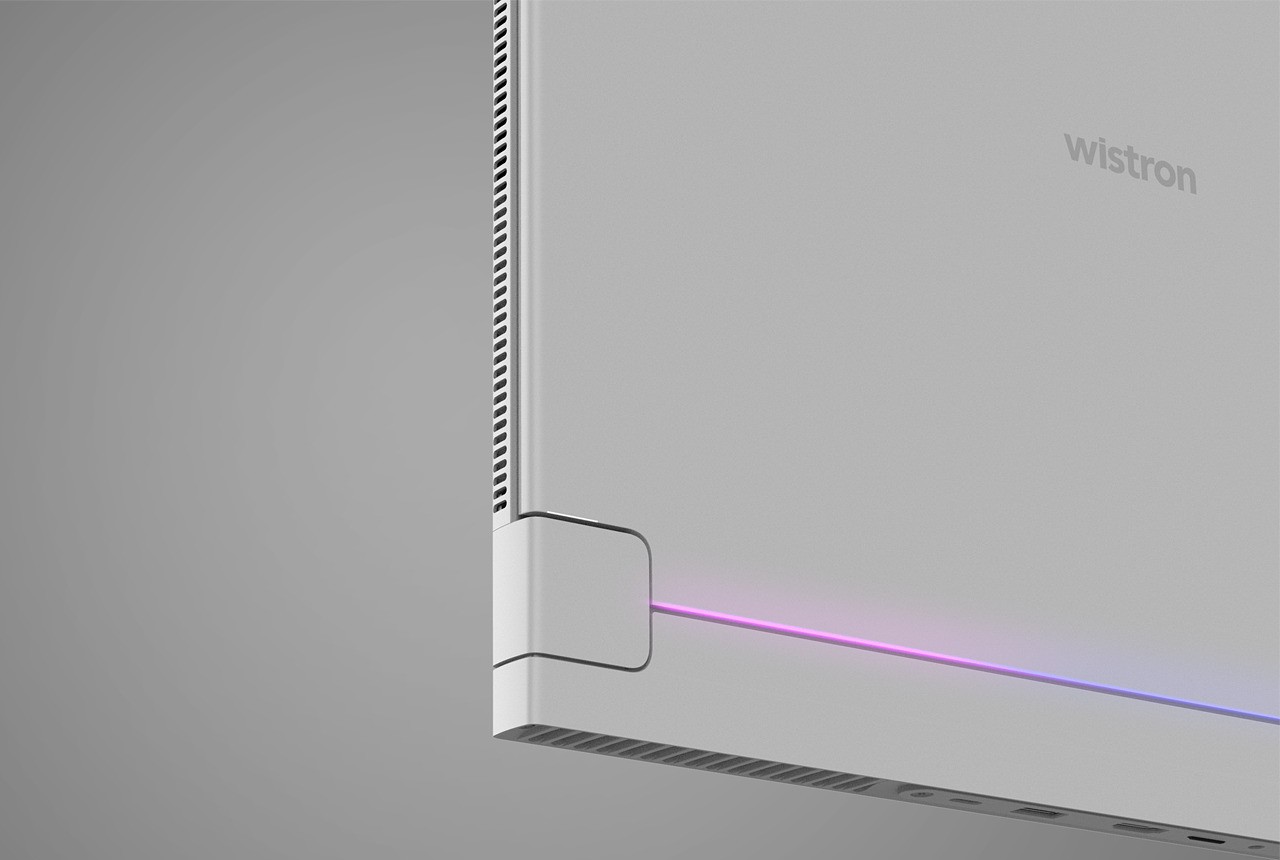
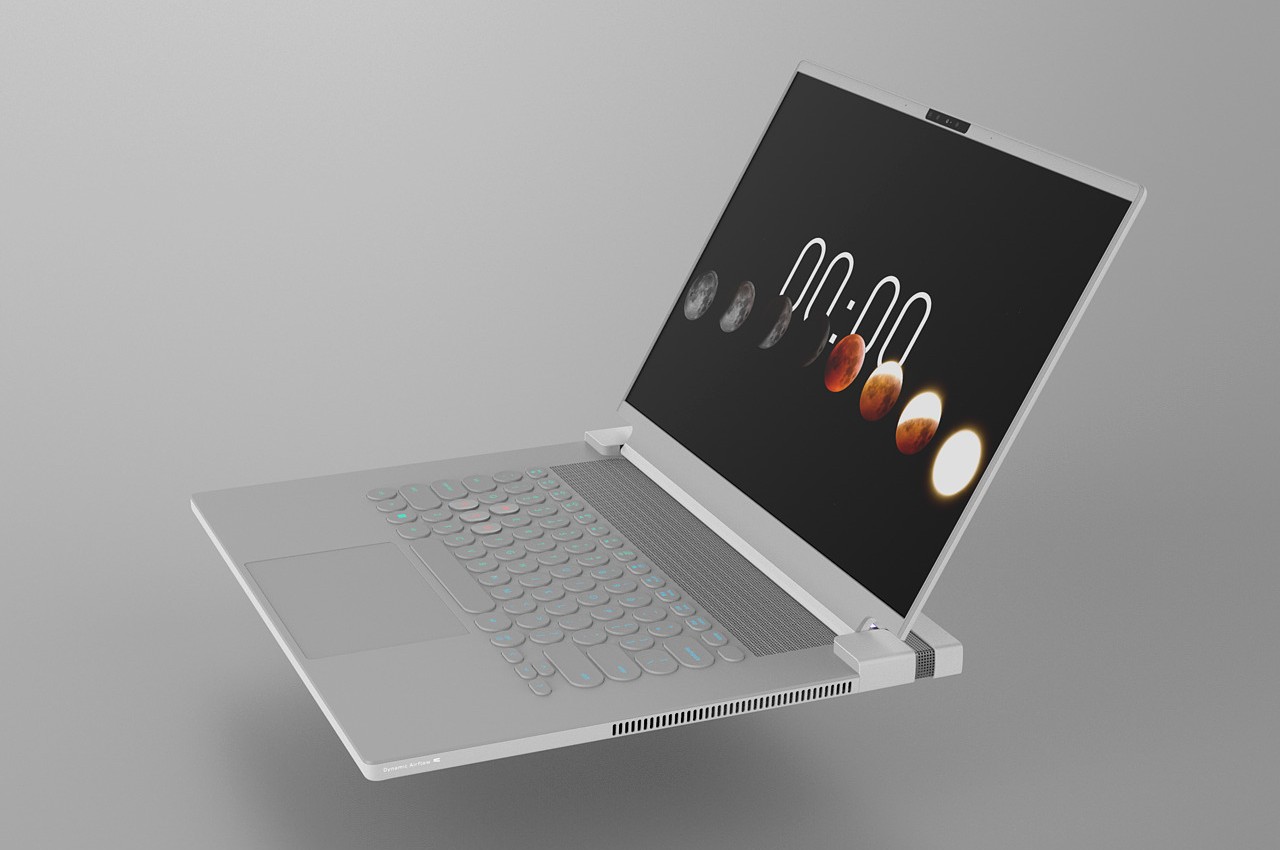
Laptops today have become quite powerful beasts, capable of handling AAA games and even multimedia creation that their predecessors would choke at. But with great power comes great heat generation, the bane of CPU performance and battery life. Keeping a laptop cool has been a very big puzzle for laptop designers, mostly because of the problem of squeezing an efficient cooling system inside an extremely thin chassis. There are many existing solutions available today, ranging from extra large fans to vapor cooling chambers, but this particular concept offers an additional level of thermal management where a portion of the laptop’s rear extends to facilitate better airflow to and from the internals.

Designer: Wistron

Laptop cooling systems might come with different names and gimmicks, but they all function with the same principle. You draw heat away from the processors and battery and blow out the hot air while simultaneously drawing in cooler air. Whether it’s passive cooling with vapor chambers or active cooling with fans, proper airflow is still a critical element in the system. Unfortunately, due to design requirements, laptop air vents are actually small and too few.

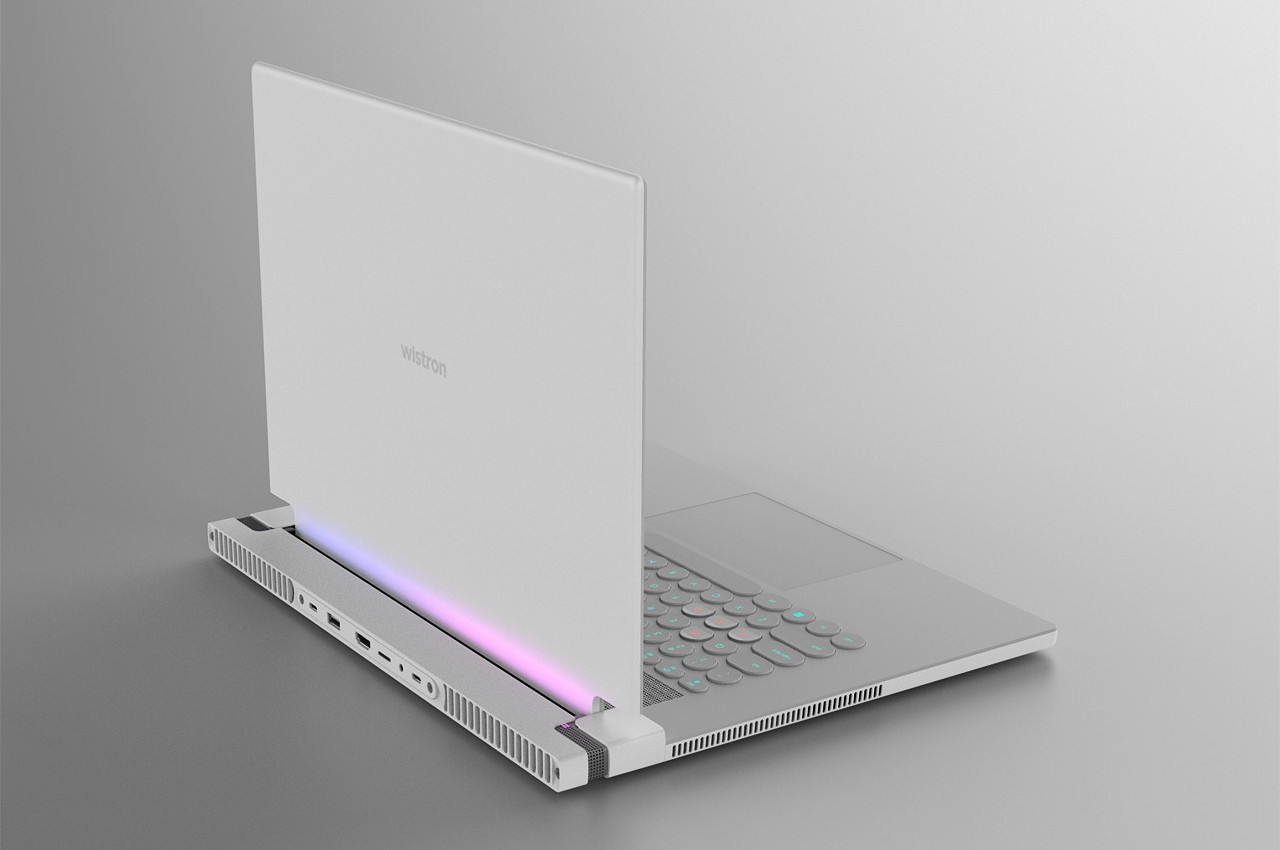
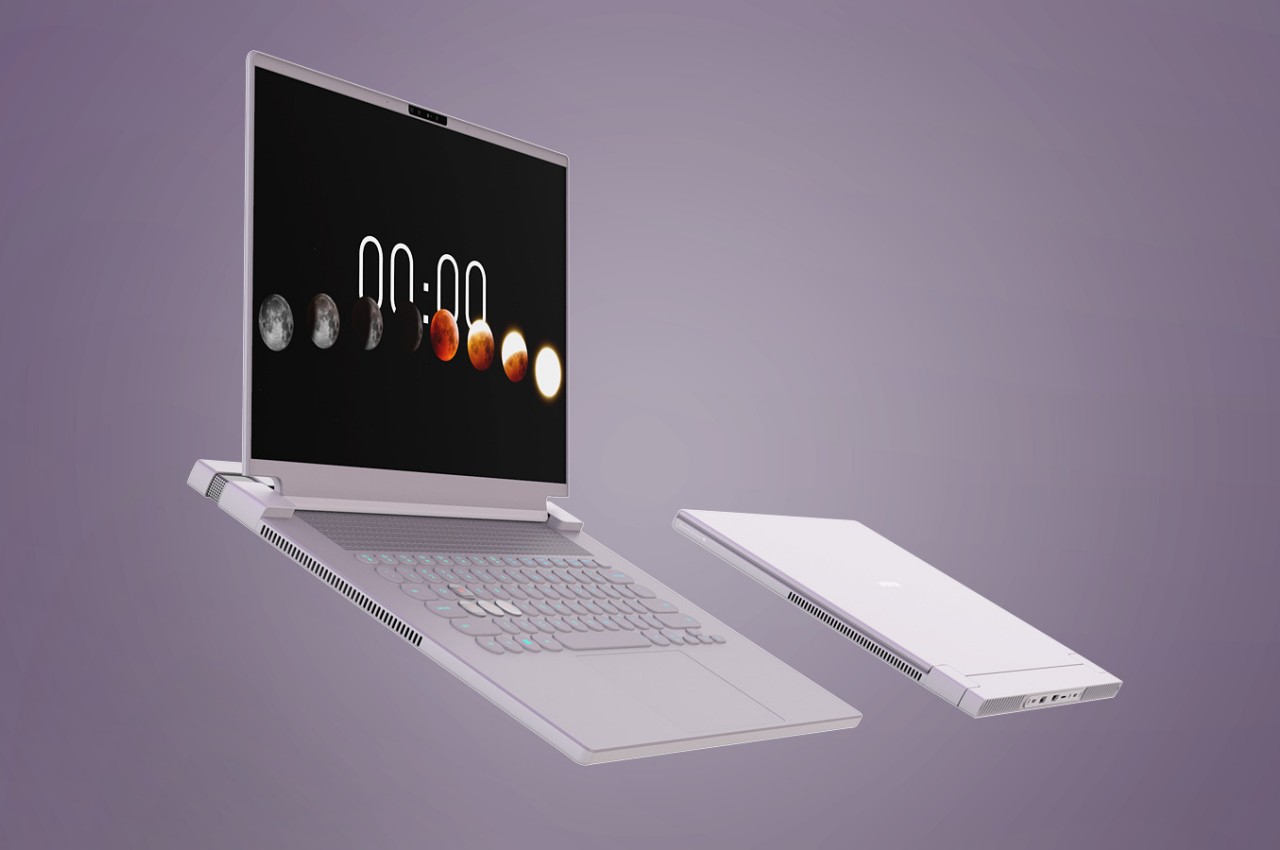
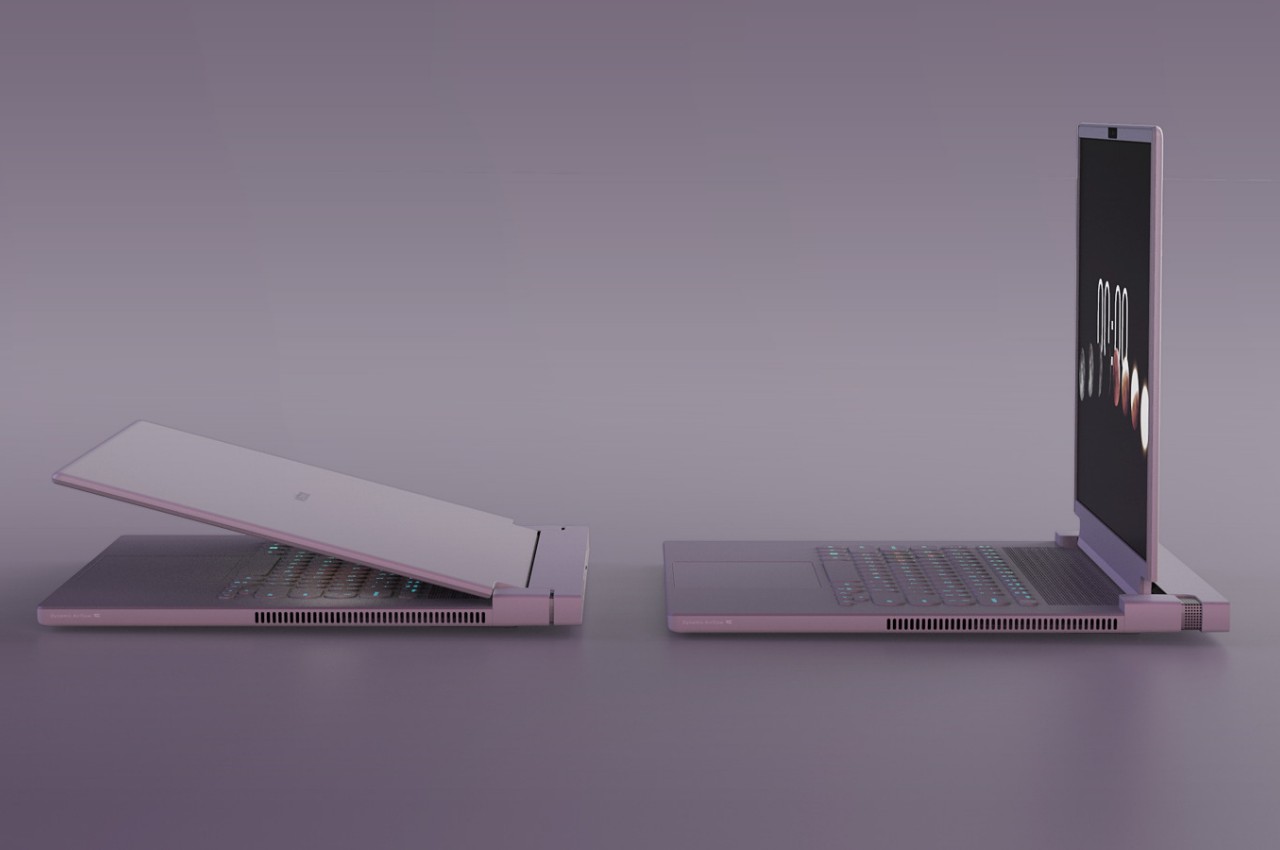
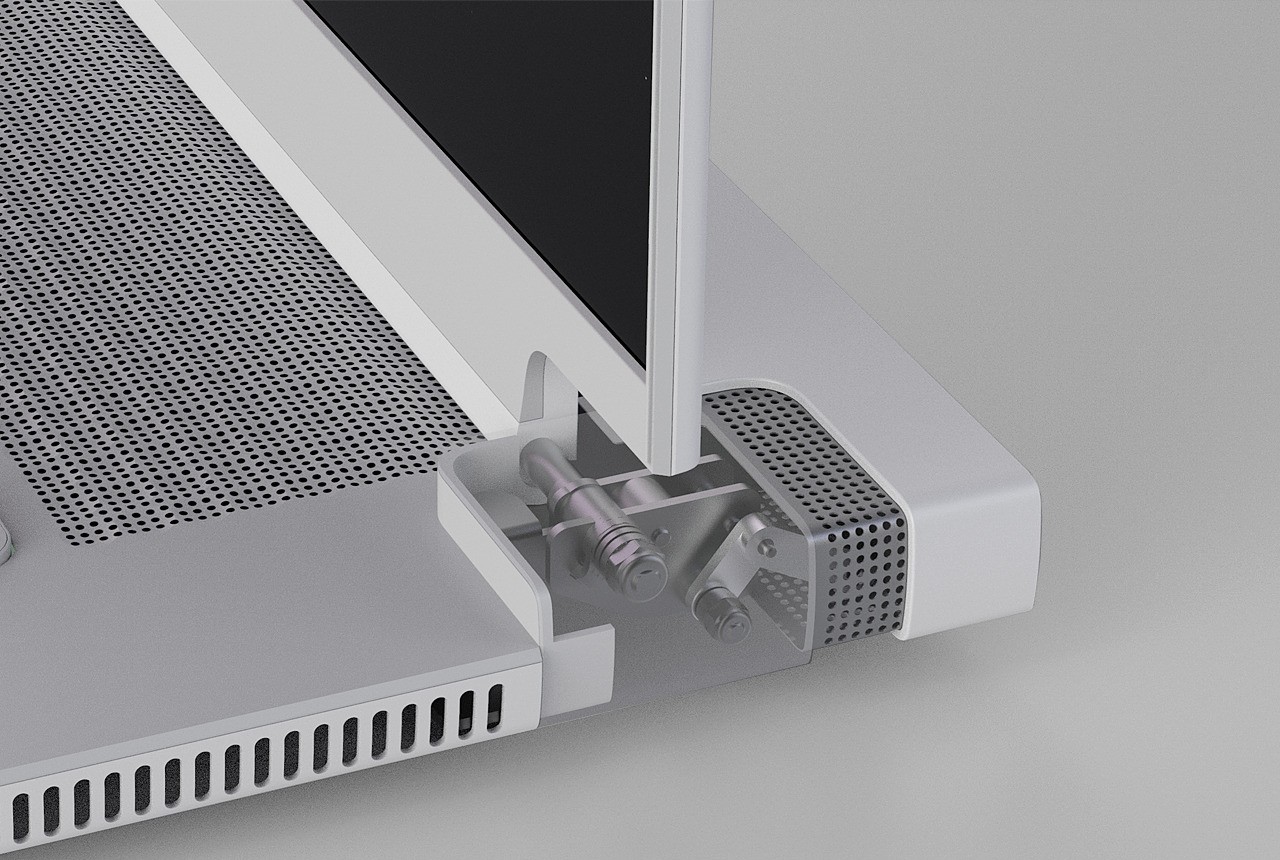
This design concept tries to fix that problem by almost literally opening up a part of the laptop in order to create more and bigger openings for air to pass. Dubbed “dynamic airflow,” the design has one part of the laptop extend and move, exposing more vents for better airflow. In this case, it’s the back of the laptop that moves further back once you open up the lid. Conversely, that rear panel retracts again as you close the lid.

This moving part can house the laptop’s “heat module,” which can be, for example, small fans that move the air around. Normally, thermal cooling systems are placed on top of the laptop’s motherboard, which ironically leaves little room for the air to flow. Separating this thermal component not only frees up more space for airflow, it also makes it theoretically possible to make the laptop even thinner with this arrangement.

Of course, it’s easier said than done, as the design will also have come with its own consequences. For one, it makes the laptop design more complicated with more moving parts and mechanisms to extend and retract that component, which, in turn, could introduce structural compromises and new points of failure. Given the company behind the design, we might actually see this dynamic airflow concept tested in the wild by some major laptop manufacturers, which will then give us a better handle on how effective the solution really is.

The post Laptop cooling system concept extends its back to let air flow even better first appeared on Yanko Design.

iOS 17.4 is here, enabling third-party app stores in the EU

Apple has rolled out its latest major iOS update, and there are some enormous changes for those in the European Union. With the arrival of iOS 17.4, the company is adhering to strict new rules in the bloc when it comes to the App Store. Apple now officially supports third-party app stores on iPhones in the EU, while developers can offer third-party payment options. Web browser makers no longer need to base their apps on Apple's WebKit, while Apple is opening up the NFC chip to wireless payments that have nothing to do with Apple Pay.

While those game-changing updates are limited to the EU, iOS 17.4 does have some snazzy new features for folks elsewhere too. Apple Podcasts now offers automatic transcriptions in English, Spanish, French and German. The text will be highlighted in sync with the audio to make it easy to follow along. You'll be able to search the text and tap it to start playing the audio at a certain point. 

Elsewhere, there are a bunch of new emoji for you to enjoy. They include a mushroom, phoenix, lime, broken chain and shaking heads. Apple has also updated 18 people and body emoji so that you can face them in either direction.

Other updates concern features like battery health, Siri (with the ability to read received messages in any supported language), stolen device protection and virtual card numbers for Apple Cash. Thanks to a caller ID update, when an Apple-verified business calls, you'll see its name, logo and department title. There are a slew of bug fixes too.  

Along with iOS 17.4, Apple also released iPadOS 17.4, which has many of the same changes including the App Store updates to comply with the EU's Digital Markets Act. The company is also expected to roll out visionOS 1.1 (for Apple Vision Pro), macOS 14.4, watchOS 10.4 and HomePod 17.4 imminently.

This article originally appeared on Engadget at https://www.engadget.com/ios-174-is-here-enabling-third-party-app-stores-in-the-eu-185812797.html?src=rss

iOS 17.4 is here, enabling third-party app stores in the EU

Apple has rolled out updates for many of its operating systems and none are more impactful than the changes to iOS — at least in the European Union. With the arrival of iOS 17.4, Apple is adhering to strict new rules in the bloc when it comes to the App Store. Apple now officially supports third-party app stores on iPhones in the EU, while developers can offer third-party payment options. Web browser makers no longer need to base their apps on Apple's WebKit, while Apple is opening up the NFC chip to wireless payments that have nothing to do with Apple Pay.

While those game-changing updates are limited to the EU, iOS 17.4 does have some snazzy new features for folks elsewhere too. Apple Podcasts now offers automatic transcriptions in English, Spanish, French and German. The text will be highlighted in sync with the audio to make it easy to follow along. You'll be able to search the text and tap it to start playing the audio at a certain point. 

Elsewhere, there are a bunch of new emoji for you to enjoy. They include a mushroom, phoenix, lime, broken chain and shaking heads. Apple has also updated 18 people and body emoji so that you can face them in either direction.

Other updates concern features like battery health, Siri (with the ability to read received messages in any supported language), stolen device protection and virtual card numbers for Apple Cash. Thanks to a caller ID update, when am Apple-verified business calls, you'll see its name, logo and department title. There are a slew of bug fixes too.  

Along with iOS 17.4, Apple has also released iPadOS 17.4, which has many of the same changes including the App Store updates to comply with the EU's Digital Markets Act. The company is also expected to roll out visionOS 1.1 (for Apple Vision Pro), macOS 14.4, watchOS 10.4 and HomePod 17.4 imminently.

This article originally appeared on Engadget at https://www.engadget.com/ios-174-is-here-enabling-third-party-app-stores-in-the-eu-185812797.html?src=rss

Samsung’s 32-inch smart monitor is $300 off right now

Samsung’s 32-inch M80C smart monitor is on sale for $400, down from $700. This $300 discount represents a savings of 43 percent and ties the lowest price ever recorded for the display.

The M80C is both a regular 4K computer monitor and a standalone streaming box, with native support for apps like Prime Video, Netflix and Disney+, among others. It also provides access to Samsung’s proprietary TV Plus service, with its selection of free live and on-demand programming.

Samsung’s monitor integrates with some of the biggest on-demand gaming platforms, including Xbox Cloud Gaming and NVIDIA GeForce Now. The 60Hz refresh rate won’t break any speed records, but should allow for fairly smooth gameplay. 

Beyond entertainment, the M80C offers some built-in productivity tools. There’s standalone access to Microsoft Office 365 and a tool that remotely connects to a PC or a Samsung mobile device, with no cables required. The integrated camera can even handle work meetings and the like. The line between computer monitor and entry-level PC continues to blur.

All of the above features can be controlled via the included remote or by using Alexa-assisted voice commands. This deal is for the white model and is available from both Amazon and Samsung. 

Follow @EngadgetDeals on Twitter and subscribe to the Engadget Deals newsletter for the latest tech deals and buying advice.

This article originally appeared on Engadget at https://www.engadget.com/samsungs-32-inch-smart-monitor-is-300-off-right-now-181556040.html?src=rss