These quirky bottles explore the iconic silhouette of wine bottles by mimicking the outline

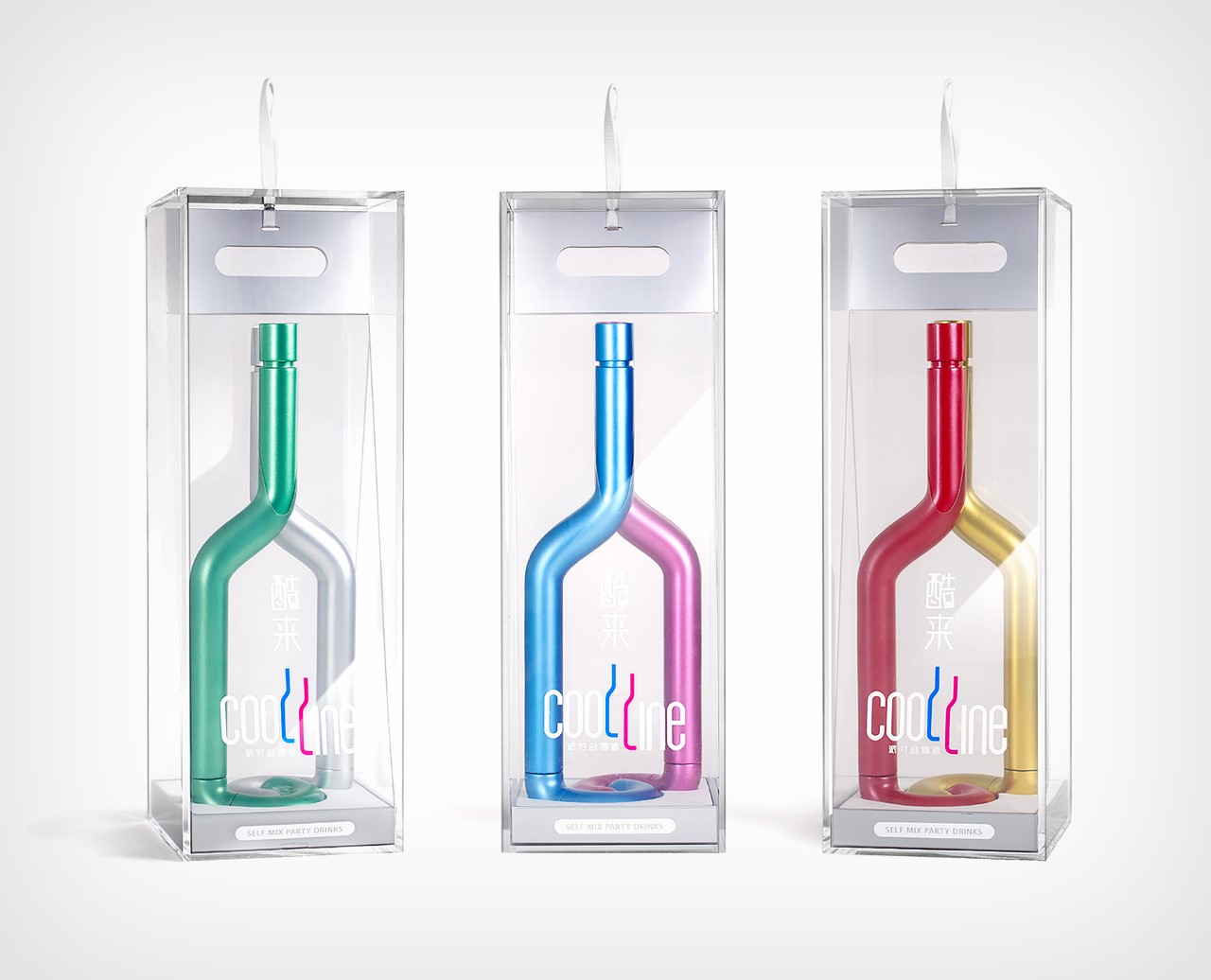
Introducing you to your drink’s new best friend – the Cool Line Liquor Bottle series… It’s not your ordinary bottle; it’s a magician’s hat of sorts, hiding not one, not two, but four secret compartments for your favorite drinks. Crafted from durable stainless steel and lined with a safety coating, it’s as tough as it is reliable. Amping up your indoor and outdoor parties and catering to varied choices in a compact form.

Designer: Quan Yuan

At first glance, the liquor bottle appears to defy convention. Its sleek and modern aesthetic diverges from the familiar silhouette of standard liquor bottles. Yet, beyond its striking exterior lies a remarkable fusion of form and function, carefully crafted to cater to the evolving preferences of contemporary consumers.

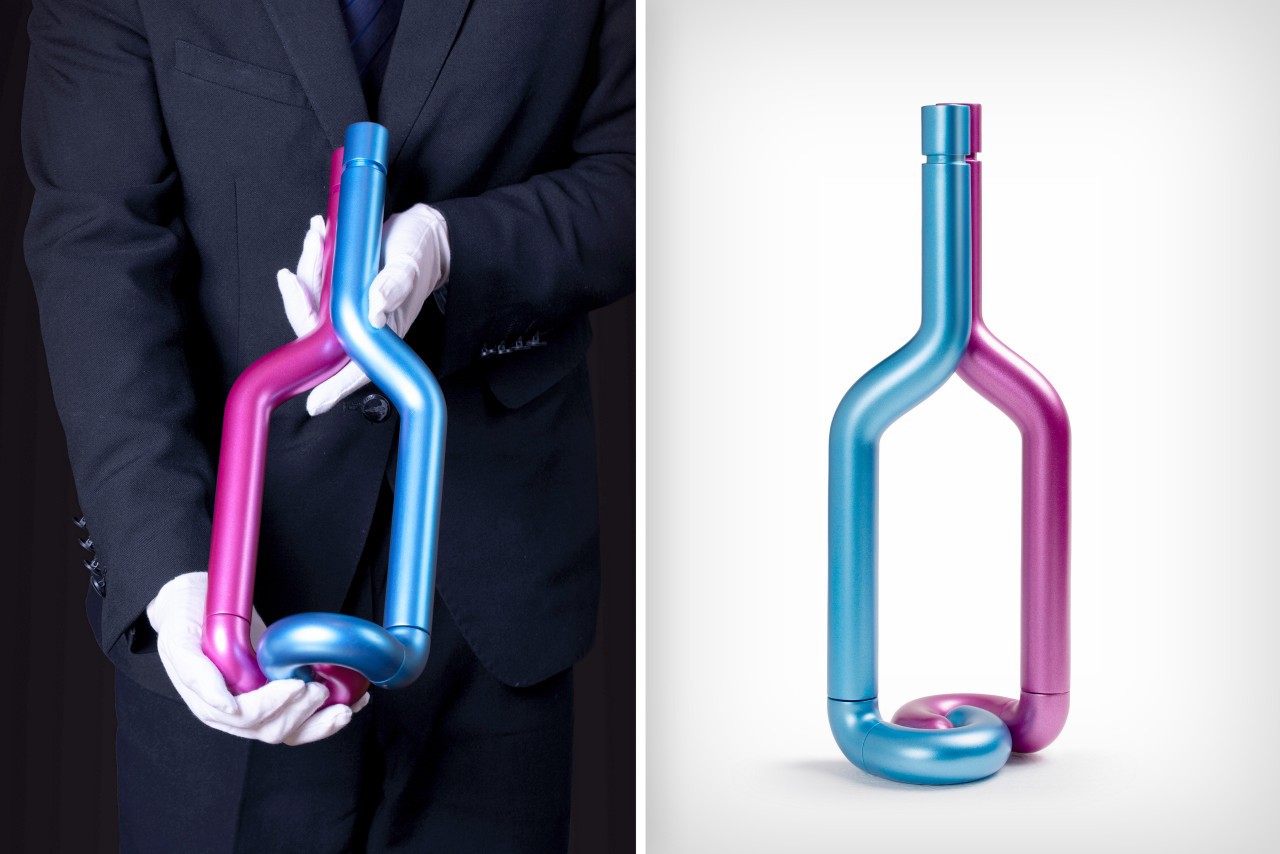
Imagine picking up a pencil and drawing in the air. With this bottle, those lines come to life in 3D! The designer took simple lines and turned them into a cool, futuristic liquor bottle. It’s not just about looks though – it’s super practical too. By smoothly combining thick lines and introducing a novel joint mechanism, the designer transforms ordinary lines into a tangible 3D representation of a liquor bottle. You can store not one, not two, but four different types of liquor in one bottle! How cool is that?

The transformative nature of this design extends beyond its visual appeal. Each unit comprises a pair of linear tubes, offering a unique solution for housing multiple varieties of liquor. The main upper tube, equipped with a convenient screw cap, facilitates easy pouring of the main liquor. Meanwhile, the C-shaped base tube, cleverly integrated with the joint mechanism, adds an element of versatility. By simply adjusting the position and unscrewing the cap, users can access a secondary liquor stored within the base tube.

Moreover, this bottle boasts not only innovation in form but also in material composition. Crafted from premium 304 stainless steel and featuring a food-grade inner coating, it ensures both durability and safety in beverage storage. The outer packaging, comprising cardboard, EVA-base, PET sheets, and acrylic plates, further enhances its appeal as a premium product.

Behind the scenes, extensive research and experimentation have paved the way for the realization of this groundbreaking design. The designer carefully looked at lots of other bottles to see what young people like. Through iterative prototyping and 3D printing, the optimal joint mechanism and tube thickness were determined, ensuring both functionality and aesthetic appeal. Undoubtedly, the journey of designing this liquor bottle was not without its challenges. The development of the joint mechanism, in particular, posed a challenging obstacle. Yet, through creativity and perseverance, the designer succeeded in creating a mechanism that allows for fluid rotation of the main tube while ensuring stability and balance.
The post These quirky bottles explore the iconic silhouette of wine bottles by mimicking the outline first appeared on Yanko Design.
Nintendo’s online servers for Wii U and 3DS shut down today

We knew it was coming, but that doesn’t make it any easier to say goodbye. Nintendo shut down the online servers for both the Wii U and 3DS today. This means the end of online multiplayer gaming for both consoles, turning Mario Kart 7 for 3DS and the original Splatoon for the Wii U into single player or couch co-op experiences. The first Super Mario Maker is also effectively dead, as there’s no way to browse for and download player-created levels.

Both consoles are relatively controversial. The 3DS was originally considered a lukewarm follow-up to the barn-busting DS, though it eventually became a success in its own right. This was thanks to a glut of incredible titles, from Super Mario 3D Land and The Legend of Zelda: A Link Between Worlds to more niche fare like Kid Icarus: Uprising and Fire Emblem Awakening. The portable console also had a robust lineup of online exclusive titles, like Pushmo and BoxBoy!.

The Wii U, on the other hand, never quite found a significant audience and is largely considered one of Nintendo’s biggest missteps. It was the next home console after the culture-defining Wii, so it had large shoes to fill. However, the company went with a name that was an absolute nightmare for the Wii’s core audience of casual gamers. Was it an accessory to the original Wii? A new console? A crappy iPad? Those of us glued to gaming media knew the answer, but the casuals never stood a chance.

There was also the console itself. The company never delivered a compelling use case for the “asymmetric gameplay” offered by the device. Simply put, the Wii U gave you two screens. There was the TV, of course, but also a touchscreen tablet. This was supposed to lead to unique gameplay mechanics that gave the person holding the tablet a different task than those holding traditional controllers, but only a few titles truly explored this concept.

Just like the 3DS, however, the Wii U was buoyed by a robust selection of first-party classics. I found the first-party offerings of the Wii era to be mostly underwhelming, with desperate attempts to shoehorn in finicky and gimmicky waggle. I still get panicked when remembering just how horrible it felt to fly Link around in The Legend of Zelda: Skyward Sword. The Wii U, on the other hand, brought Nintendo back to a novel concept called “just make good games.”

The console brought us Mario Kart 8, which is still the gold standard for digital kart racing, and the underrated Super Mario 3D World. There was also Super Mario Maker, a great Super Smash Bros. title, Donkey Kong Country: Tropical Freeze, Pikmin 3 and Captain Toad: Treasure Tracker, among many others.

Even if you never owned a Wii U, you’ve probably played some of these games. Nintendo knew the console itself was a flop, but the games were good. This led to numerous re-releases on the Switch. It’s worth noting that The Legend of Zelda: Breath of the Wild was originally developed for the Wii U. Also, it had Miiverse! Nintendo, for the love of Bowser, bring back Miiverse. It was the only pure social network.

Of course, there’s a strong case to be made that both the design of the Wii U and its failure led to the Switch. Both devices allow for portable play, but the Wii U required people to be tethered to a bulky console. The Switch, on the other hand, is the (not bulky) console. Nintendo’s smash hybrid has sold 140 million units, as of December. The Wii U sold under 14 million devices throughout its lifespan.

Nintendo already shut down the online stores for the 3DS and Wii U last year, so this is the final goodbye. Luckily, speedrunners managed to actually beat a Super Mario Maker level that was long thought to be impossible just a few days ago. Life always finds a way. Sleep well, my two old friends.

This article originally appeared on Engadget at https://www.engadget.com/nintendos-online-servers-for-wii-u-and-3ds-shut-down-today-183513670.html?src=rss

Nintendo’s online servers for Wii U and 3DS shut down today

We knew it was coming, but that doesn’t make it any easier to say goodbye. Nintendo shut down the online servers for both the Wii U and 3DS today. This means the end of online multiplayer gaming for both consoles, turning Mario Kart 7 for 3DS and the original Splatoon for the Wii U into single player or couch co-op experiences. The first Super Mario Maker is also effectively dead, as there’s no way to browse for and download player-created levels.

Both consoles are relatively controversial. The 3DS was originally considered a lukewarm follow-up to the barn-busting DS, though it eventually became a success in its own right. This was thanks to a glut of incredible titles, from Super Mario 3D Land and The Legend of Zelda: A Link Between Worlds to more niche fare like Kid Icarus: Uprising and Fire Emblem Awakening. The portable console also had a robust lineup of online exclusive titles, like Pushmo and BoxBoy!.

The Wii U, on the other hand, never quite found a significant audience and is largely considered one of Nintendo’s biggest missteps. It was the next home console after the culture-defining Wii, so it had large shoes to fill. However, the company went with a name that was an absolute nightmare for the Wii’s core audience of casual gamers. Was it an accessory to the original Wii? A new console? A crappy iPad? Those of us glued to gaming media knew the answer, but the casuals never stood a chance.

There was also the console itself. The company never delivered a compelling use case for the “asymmetric gameplay” offered by the device. Simply put, the Wii U gave you two screens. There was the TV, of course, but also a touchscreen tablet. This was supposed to lead to unique gameplay mechanics that gave the person holding the tablet a different task than those holding traditional controllers, but only a few titles truly explored this concept.

Just like the 3DS, however, the Wii U was buoyed by a robust selection of first-party classics. I found the first-party offerings of the Wii era to be mostly underwhelming, with desperate attempts to shoehorn in finicky and gimmicky waggle. I still get panicked when remembering just how horrible it felt to fly Link around in The Legend of Zelda: Skyward Sword. The Wii U, on the other hand, brought Nintendo back to a novel concept called “just make good games.”

The console brought us Mario Kart 8, which is still the gold standard for digital kart racing, and the underrated Super Mario 3D World. There was also Super Mario Maker, a great Super Smash Bros. title, Donkey Kong Country: Tropical Freeze, Pikmin 3 and Captain Toad: Treasure Tracker, among many others.

Even if you never owned a Wii U, you’ve probably played some of these games. Nintendo knew the console itself was a flop, but the games were good. This led to numerous re-releases on the Switch. It’s worth noting that The Legend of Zelda: Breath of the Wild was originally developed for the Wii U. Also, it had Miiverse! Nintendo, for the love of Bowser, bring back Miiverse. It was the only pure social network.

Of course, there’s a strong case to be made that both the design of the Wii U and its failure led to the Switch. Both devices allow for portable play, but the Wii U required people to be tethered to a bulky console. The Switch, on the other hand, is the (not bulky) console. Nintendo’s smash hybrid has sold 140 million units, as of December. The Wii U sold under 14 million devices throughout its lifespan.

Nintendo already shut down the online stores for the 3DS and Wii U last year, so this is the final goodbye. Luckily, speedrunners managed to actually beat a Super Mario Maker level that was long thought to be impossible just a few days ago. Life always finds a way. Sleep well, my two old friends.

This article originally appeared on Engadget at https://www.engadget.com/nintendos-online-servers-for-wii-u-and-3ds-shut-down-today-183513670.html?src=rss

Get free Chipotle chips and guac by playing Tekken 8 on PS5

After nearly seven years of activity across PlayStation 4 and PS5, the PlayStation Tournaments platform is getting its first branded competition, and the name at the top of the screen is smothered in tomatillo-red chili salsa. The Chipotle Challenger Series featuring Tekken 8 will kick off on PS5 Tournaments with a qualifier round from April 15 to 26, open to anyone who wants to test their fighting-game skills — or just score some free snacks. All participants in the qualifier round will receive a code for free chips and guacamole from Chipotle. According to the company's official rules, the freebie must be redeemed alongside a full-priced entrée item, purchased online or in-app only. Also, the offer expires on May 31. But, hey, there's still a clear path to free chips and guac via Tekken 8 playtime here.

The Chipotle Challenger Series continues with the closed qualifier and finals on May 3 and 4. First place takes home $5,000 and a trip for two to Evo 2024 in Las Vegas from July 19 to 21, plus free Chipotle for a year. Looking closer, that offer "consists of Chipotle Rewards credits good for one free regular entrée item per week for a year, or a total of up to fifty-two regular entrée items," which actually sounds much healthier than literally eating Chipotle every day for a year like some of you weirdos were already fantasizing about. 

Second place gets $3,500, a trip for two to Evo, and a $300 Chipotle gift card. Third place receives $2,500 plus a $250 gift card. Monetary payouts stop at 16th place ($475), but 17th through 1,250th (!) place will be awarded a free Chipotle entrée code. 

There's also an official Tekken 8 Battle Bowl (which sounds like a just-fine chicken situation) that you can order from the Chipotle app or website to be automatically entered for a chance to win a Tekken 8 Premium Collector's Edition signed by director Katsuhiro Harada. This deal is live from April 8 to 16.

Technically, it feels possible to put together a whole-ass Chipotle order for free from these prizes, and the only requirement is that you play Tekken 8 through PlayStation Tournaments on PS5. You'll have to be better than 1,249 people to claim the full bounty, but that sounds worth a shot. Good luck, fighters.

This article originally appeared on Engadget at https://www.engadget.com/get-free-chipotle-chips-and-guac-by-playing-tekken-8-on-ps5-180239947.html?src=rss

Get free Chipotle chips and guac by playing Tekken 8 on PS5

After nearly seven years of activity across PlayStation 4 and PS5, the PlayStation Tournaments platform is getting its first branded competition, and the name at the top of the screen is smothered in tomatillo-red chili salsa. The Chipotle Challenger Series featuring Tekken 8 will kick off on PS5 Tournaments with a qualifier round from April 15 to 26, open to anyone who wants to test their fighting-game skills — or just score some free snacks. All participants in the qualifier round will receive a code for free chips and guacamole from Chipotle. According to the company's official rules, the freebie must be redeemed alongside a full-priced entrée item, purchased online or in-app only. Also, the offer expires on May 31. But, hey, there's still a clear path to free chips and guac via Tekken 8 playtime here.

The Chipotle Challenger Series continues with the closed qualifier and finals on May 3 and 4. First place takes home $5,000 and a trip for two to Evo 2024 in Las Vegas from July 19 to 21, plus free Chipotle for a year. Looking closer, that offer "consists of Chipotle Rewards credits good for one free regular entrée item per week for a year, or a total of up to fifty-two regular entrée items," which actually sounds much healthier than literally eating Chipotle every day for a year like some of you weirdos were already fantasizing about. 

Second place gets $3,500, a trip for two to Evo, and a $300 Chipotle gift card. Third place receives $2,500 plus a $250 gift card. Monetary payouts stop at 16th place ($475), but 17th through 1,250th (!) place will be awarded a free Chipotle entrée code. 

There's also an official Tekken 8 Battle Bowl (which sounds like a just-fine chicken situation) that you can order from the Chipotle app or website to be automatically entered for a chance to win a Tekken 8 Premium Collector's Edition signed by director Katsuhiro Harada. This deal is live from April 8 to 16.

Technically, it feels possible to put together a whole-ass Chipotle order for free from these prizes, and the only requirement is that you play Tekken 8 through PlayStation Tournaments on PS5. You'll have to be better than 1,249 people to claim the full bounty, but that sounds worth a shot. Good luck, fighters.

This article originally appeared on Engadget at https://www.engadget.com/get-free-chipotle-chips-and-guac-by-playing-tekken-8-on-ps5-180239947.html?src=rss

Fly Me To The Moon trailer plays right into Apollo 11 conspiracy theorists’ hands

Fly Me To The Moon is an upcoming comedy-drama from Columbia Pictures and Apple that goes behind the scenes of NASA trying to improve its image while preparing for the Apollo 11 mission to the Moon. A trailer makes it seem like a lighthearted, fun time at the movies, though conspiracy theorists may have a field day with one of the key plot points.

Scarlett Johansson plays Kelly Jones, a PR expert who NASA brings in to improve public perception ahead of the launch. Along with butting heads with launch director Cole Davis (Channing Tatum) and turning the crew into global celebrities, Kelly is handed a particularly difficult task: to secretly create a fake version of the Moon landing, just in case the mission goes sideways. 

The rest of the cast, which includes Woody Harrelson, looks solid too. For one thing, the delightful Jim Rash (Community) plays the very much not Stanley Kubrick director of the phony Moon landing. The movie's director is Greg Berlanti, who was behind Love, Simon and a string of DC Comics TV shows.

Fly Me To The Moon will arrive in theaters on July 14, almost 55 years to the day after Apollo 11 launched.

This article originally appeared on Engadget at https://www.engadget.com/fly-me-to-the-moon-trailer-plays-right-into-apollo-11-conspiracy-theorists-hands-174547851.html?src=rss

Fly Me To The Moon trailer plays right into Apollo 11 conspiracy theorists’ hands

Fly Me To The Moon is an upcoming comedy-drama from Columbia Pictures and Apple that goes behind the scenes of NASA trying to improve its image while preparing for the Apollo 11 mission to the Moon. A trailer makes it seem like a lighthearted, fun time at the movies, though conspiracy theorists may have a field day with one of the key plot points.

Scarlett Johansson plays Kelly Jones, a PR expert who NASA brings in to improve public perception ahead of the launch. Along with butting heads with launch director Cole Davis (Channing Tatum) and turning the crew into global celebrities, Kelly is handed a particularly difficult task: to secretly create a fake version of the Moon landing, just in case the mission goes sideways. 

The rest of the cast, which includes Woody Harrelson, looks solid too. For one thing, the delightful Jim Rash (Community) plays the very much not Stanley Kubrick director of the phony Moon landing. The movie's director is Greg Berlanti, who was behind Love, Simon and a string of DC Comics TV shows.

Fly Me To The Moon will arrive in theaters on July 14, almost 55 years to the day after Apollo 11 launched.

This article originally appeared on Engadget at https://www.engadget.com/fly-me-to-the-moon-trailer-plays-right-into-apollo-11-conspiracy-theorists-hands-174547851.html?src=rss

This modular LP player with detachable controller is modernized digital player for your vinyl collection

Consuming music in digital format is as easy as compressing thousands of MP3 files into your phone storage and playing it with just a few taps on the screen. This is not the case with long play discs that ensure the unmatched sensory experience of sliding a record from the sleeve – featuring an artful cover design, – placing it on the turntable, adjusting the needle on the groove, and then enjoying the clean, clear music watching the disc rotate in visual ecstasy.

With vinyl disc players, you are treated to analog music where sound revibrates unlike any other medium. This fascination in the otherwise digitalized world has triggered a resurgence of record players in the last decades. Now, with the booming sales of vinyl, designers are willing to take the dive, presenting digital ways to playback LP’s and make them time-relevant without compromising the rich sound quality.

Designer: found/Founded

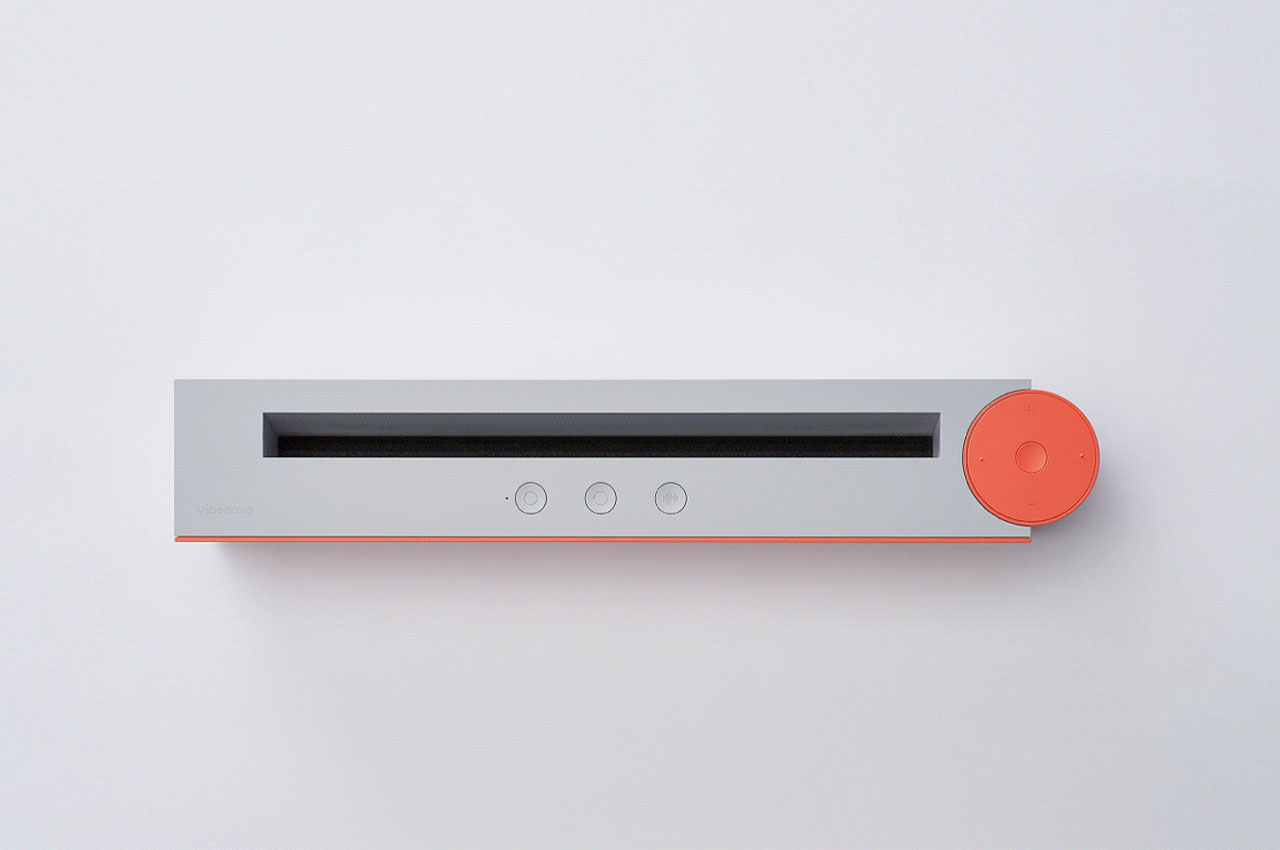
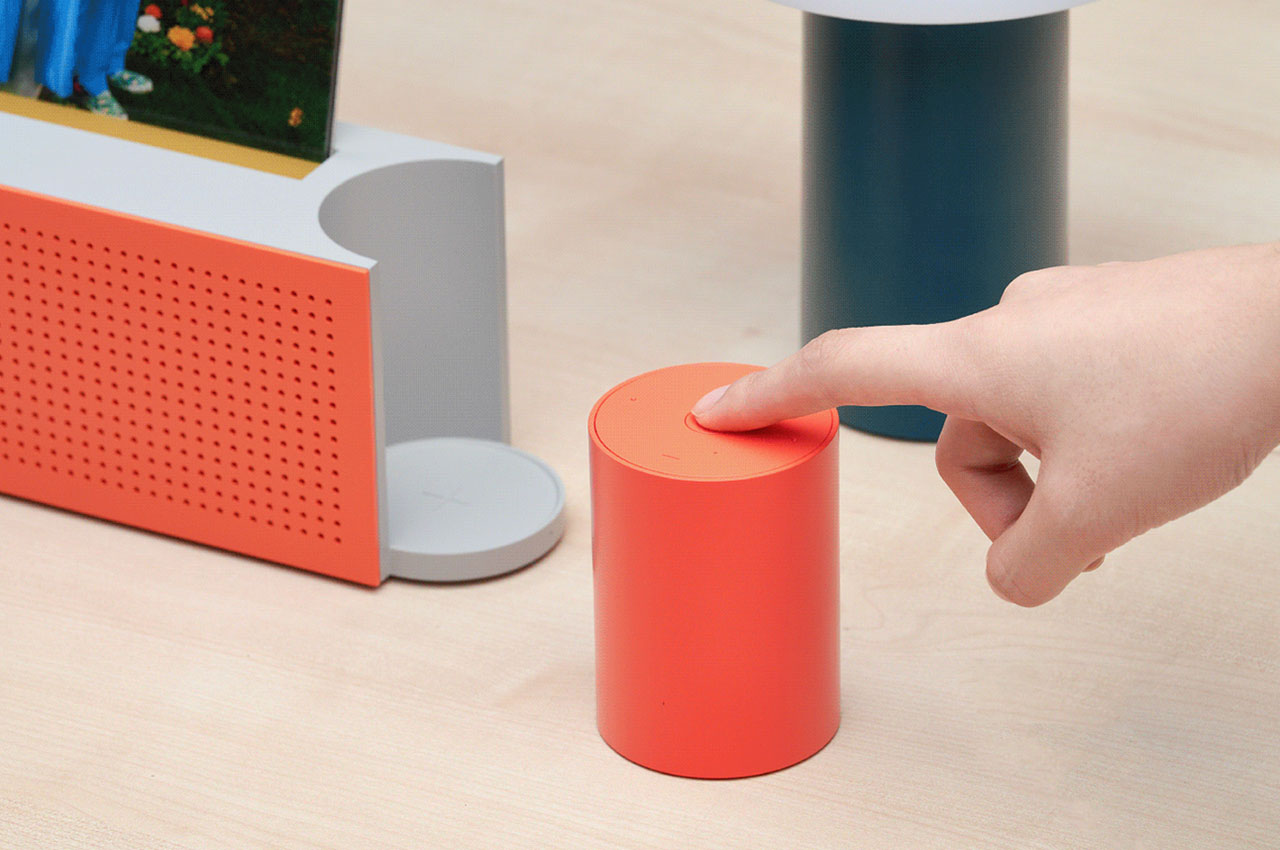
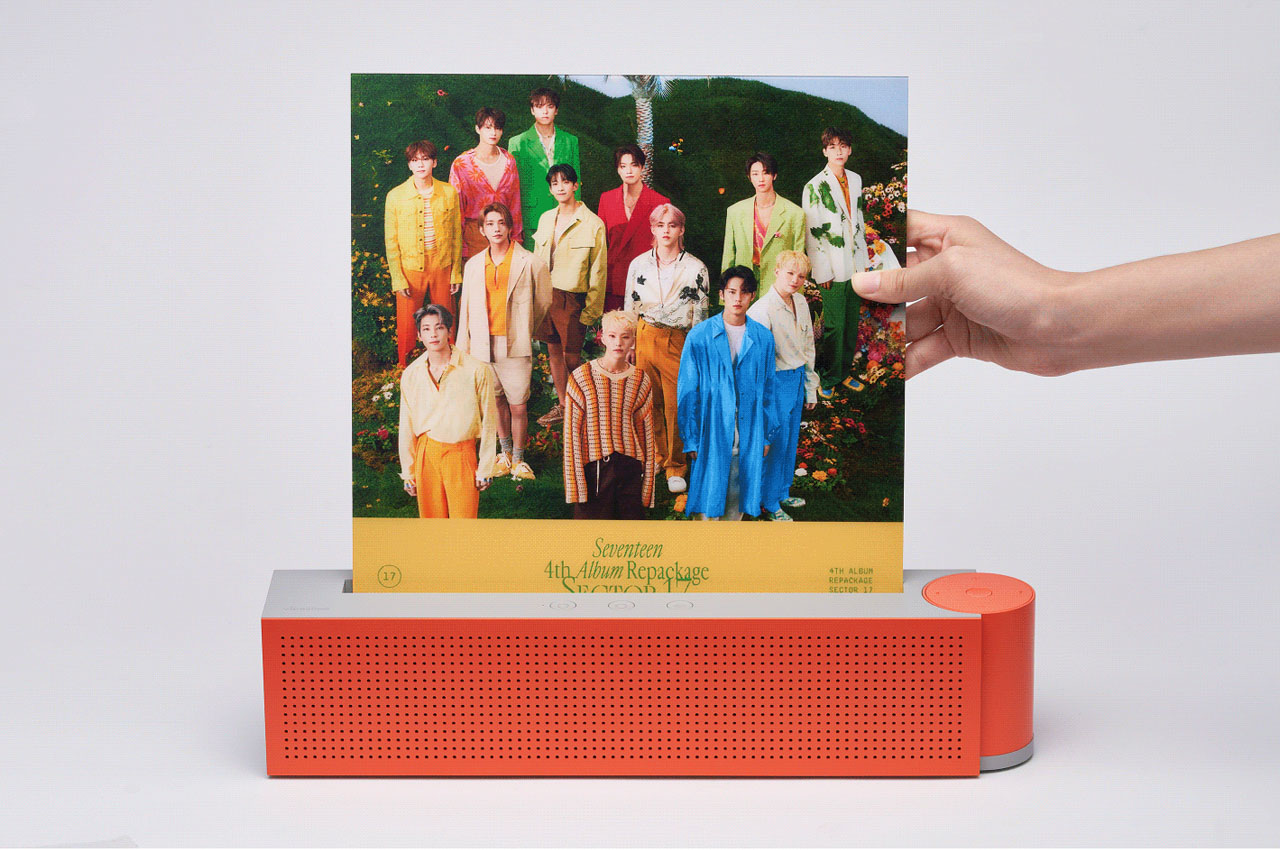
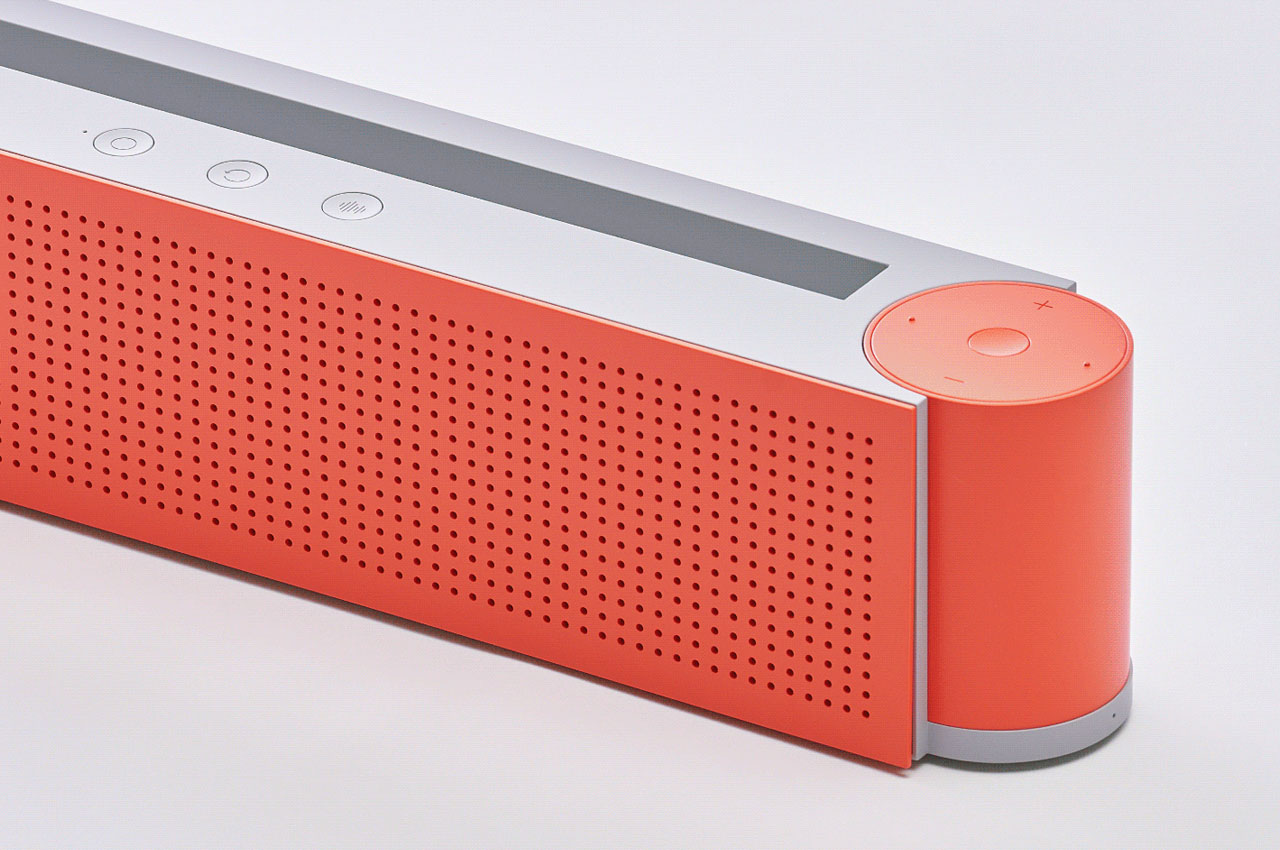
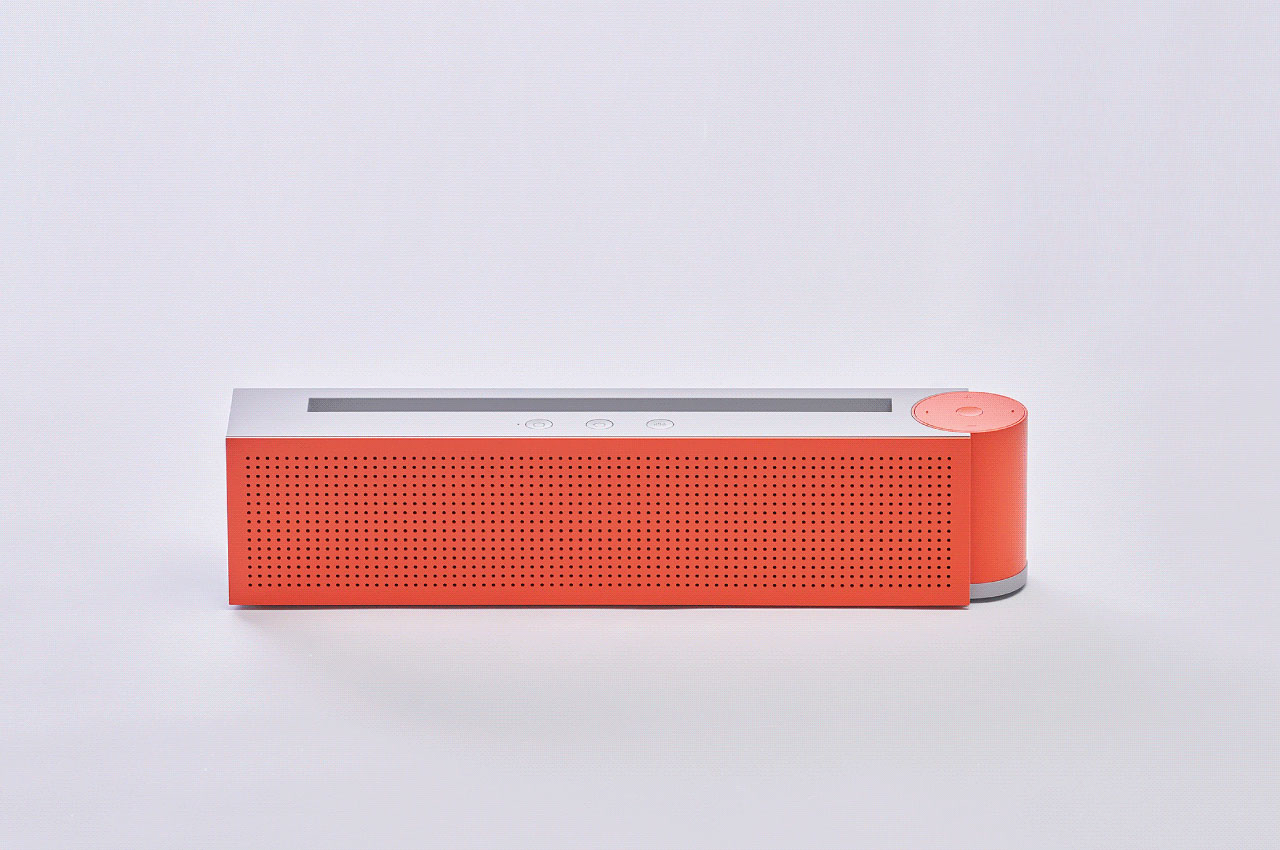
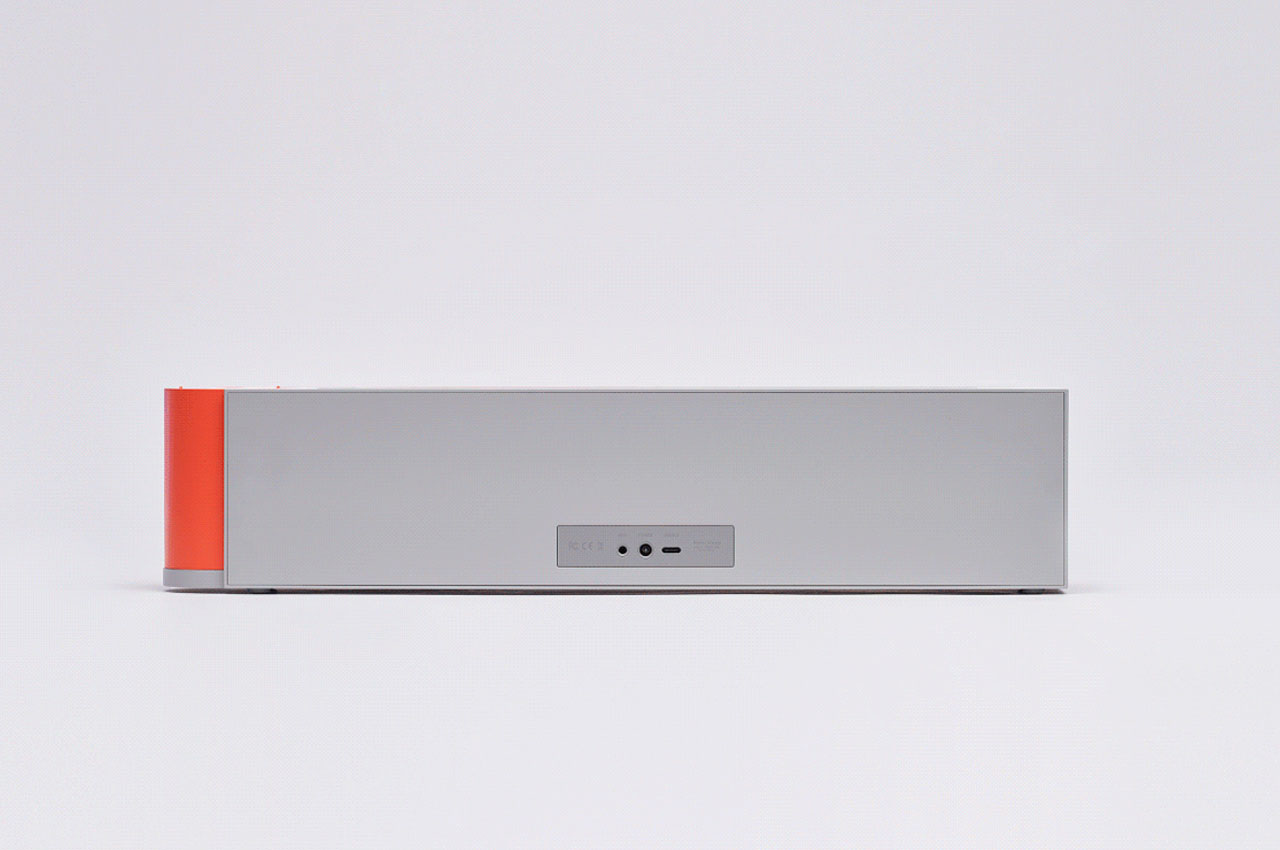
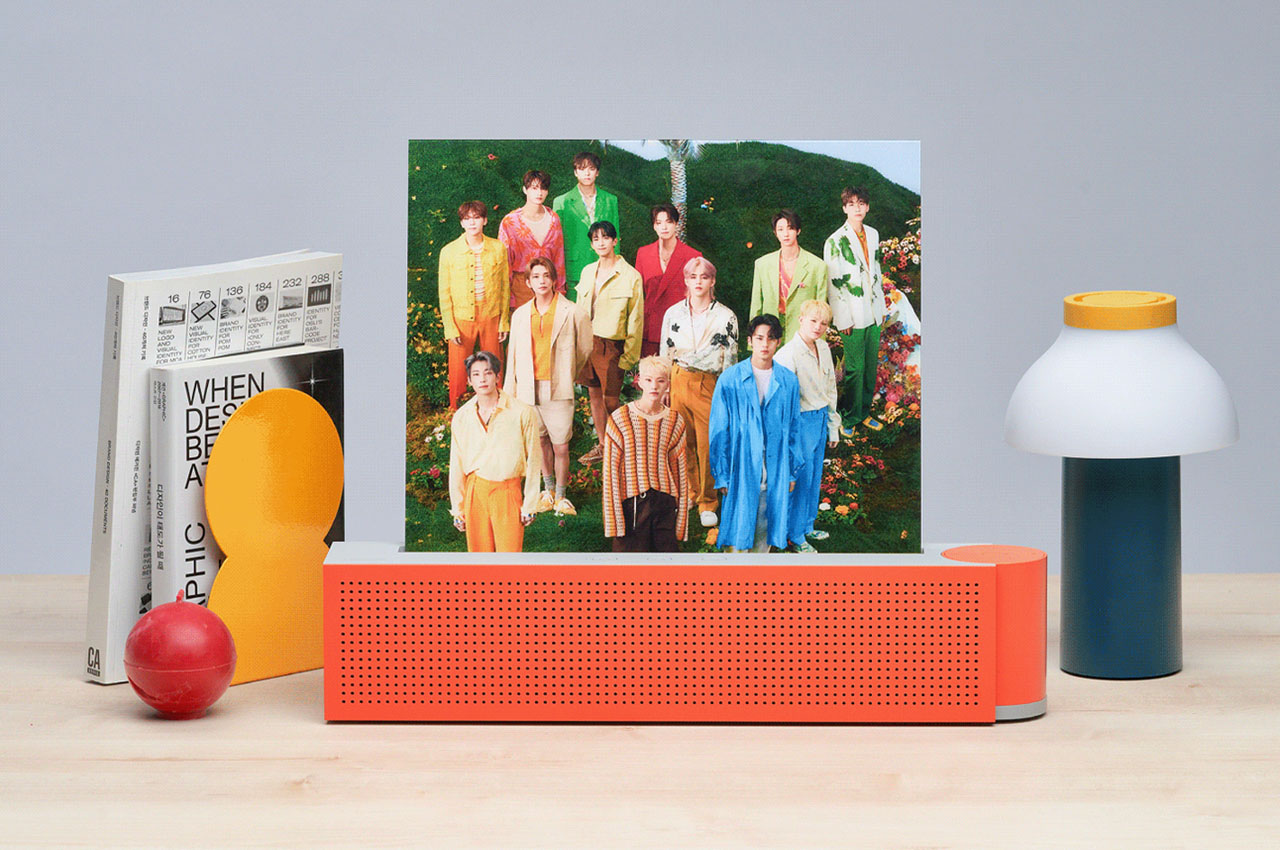
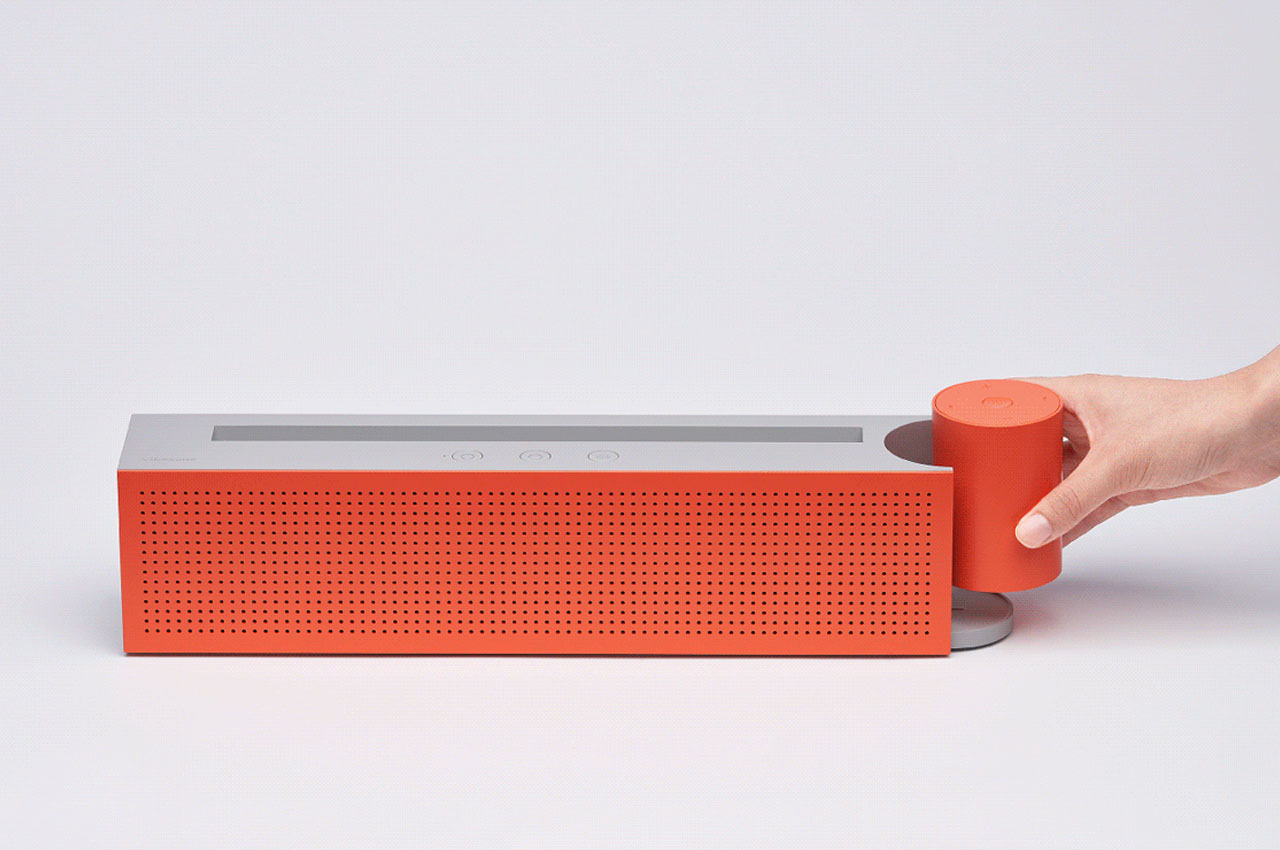
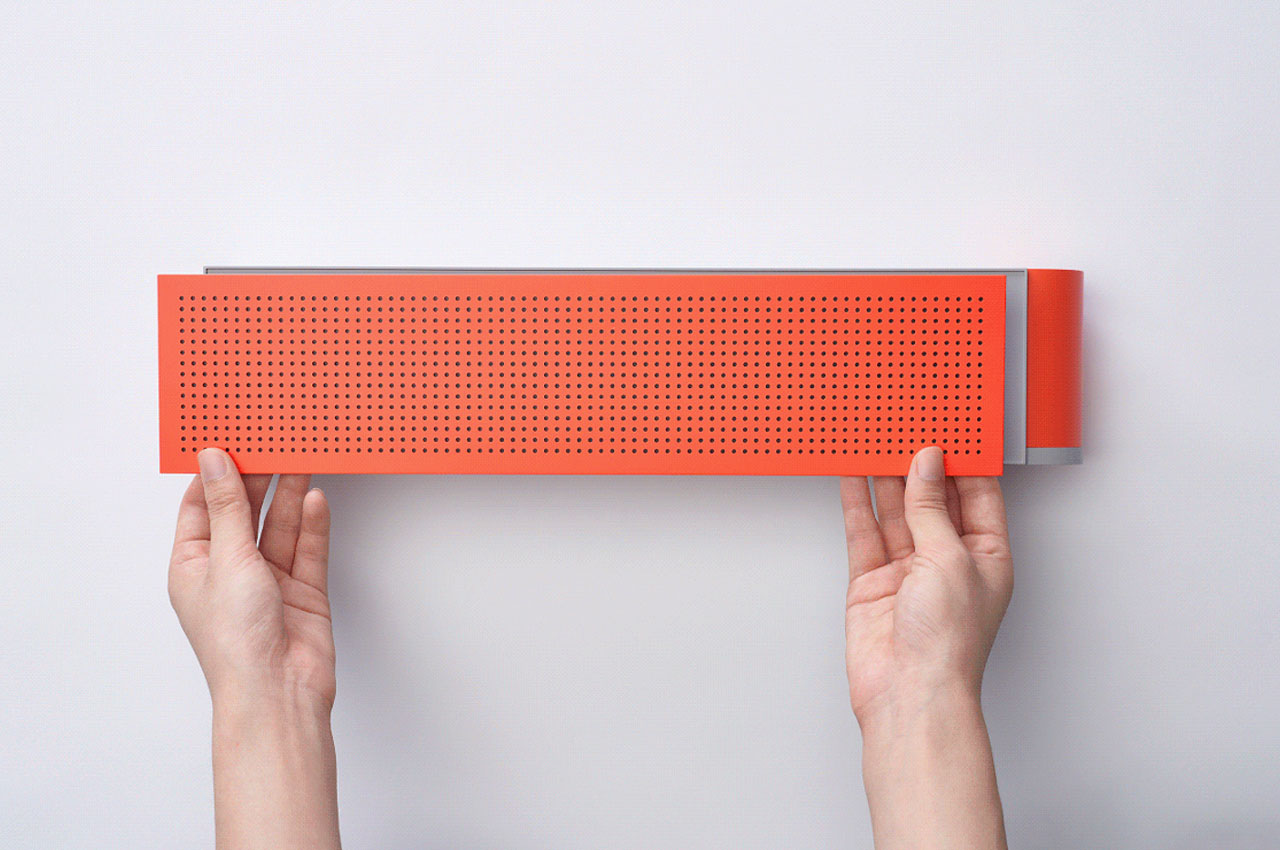
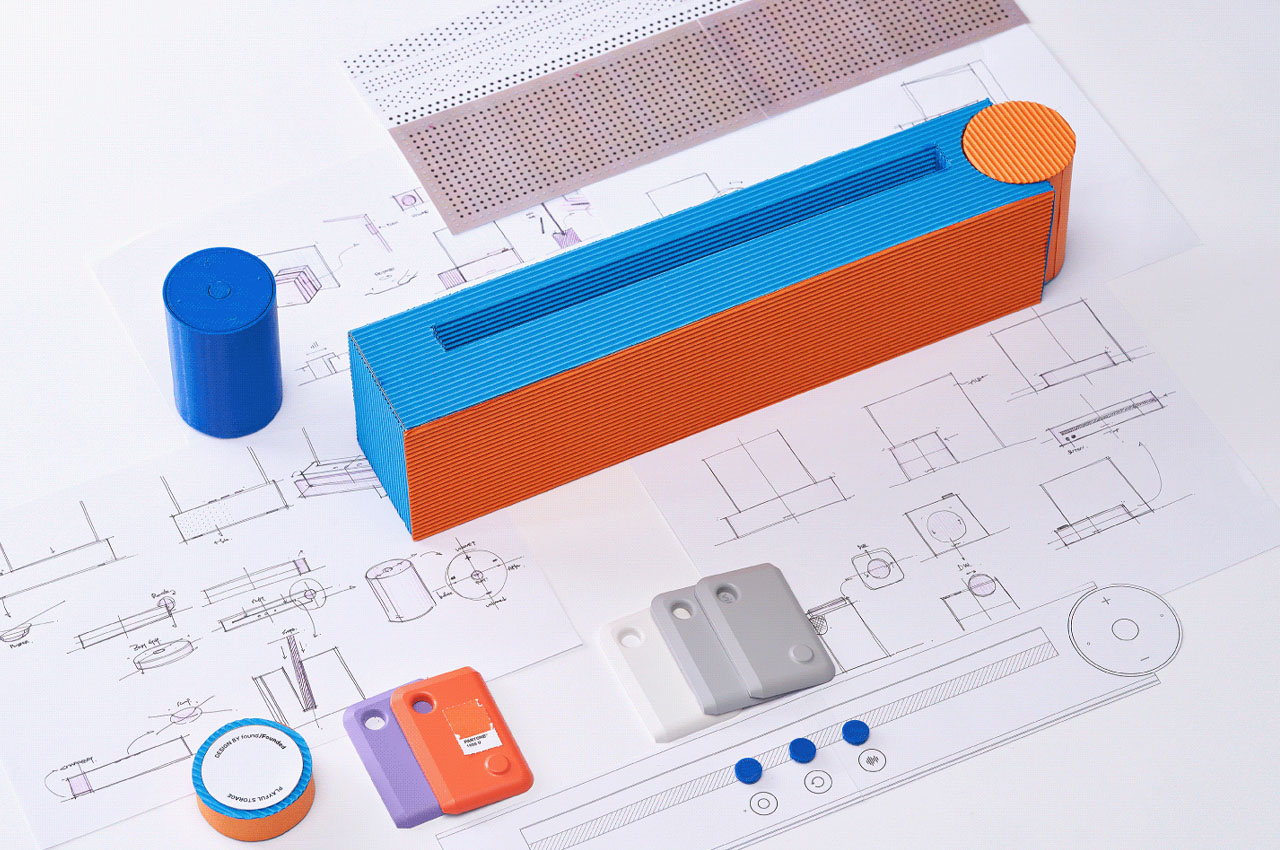
Case in point the Vibrary Digital LP Player that is more than its vibrant orange color and pleasant design. It is a modernized high-quality player for your vinyl collection that features a modular design you can customize with colors and materials of choice to match the artist’s official color and more. Of course, it’s not the most fascinating collector’s item still, but if you’re someone who is generally on the move and wants to carry their love for LPs along, the Vibrary Digital is a remarkable option.

While turntables offer a warm vinyl sound; this new design offers a tangible click-through operation for ease of use, and promises to match the sound experience through its long speaker body that houses the record.  The new Vibrary Digital concept digital album player, as it is referred to, is designed to enjoy your favorite records whenever and wherever you want.

It is envisioned with a detachable – cylindrical – wireless controller stationed next to the speaker (also with onboard controls), which would allow you to play music from the slotted record from a distance. Digitalizing the idea of a record player is not limited to size and altered vertical design, it is presented with state-of-the-art listening modes including spatial sound mode and a voice-specific mode that would allow you to customize sound according to the artist’s content.

The post This modular LP player with detachable controller is modernized digital player for your vinyl collection first appeared on Yanko Design.
TSMC snags $6.6 billion in CHIPS Act funding to open three factories in Arizona

President Biden’s CHIPS Act money continues to get doled out to semiconductor manufacturers. The White House just announced that the Taiwan Semiconductor Manufacturing Company (TSMC) is receiving $6.6 billion in grants to build three fabrication plants, otherwise called fabs, in the region of Phoenix, Arizona. This is in addition to around $5 billion in government loans.

As part of this deal, TSMC agreed to expand its planned investment in Arizona by $25 billion, to $65 billion. The company already announced two of the three factories it is building in the state, with a third promised by 2030. The White House says this represents the largest foreign direct investment in Arizona’s history, with expectations to bring 6,000 high-wage tech jobs and 20,000 construction jobs to the state.

One nifty aspect of these factories is that they’ll allow TSMC to complete every aspect of the chip-making process on US soil, including advanced packaging. I’m not talking about slapping a box and warranty information around the chip. In this context, packaging refers to arranging the various components to build the final product, in addition to adding power, inputs and outputs. As things currently stand, even components that are made in America are sent back to Taiwan for packaging and then mailed across the world yet again for the final sale. These Arizona factories will, eventually, put a stop to all of that jet-setting.

Once all three factories are humming along, they will reportedly manufacture tens of millions of chips to power products like smartphones, autonomous vehicles and, of course, AI datacenter servers. Future iPhones and Macs will use 4nm and 3nm chips made at the Phoenix plants, thanks to a partnership with Apple. TSMC has already reported some delays with the first two factories, but the current plan is for the first fab to be fully operational by next year, with the second to follow in 2028 and the third by 2030.

The White House says this investment, along with other CHIPS Act grants and loans, will turn the US into a global chip-making powerhouse. The federal government suggests that the US will manufacture 20 percent of the world’s leading-edge chips by 2030.

“America invented these chips, but over time, we went from producing nearly 40 percent of the world’s capacity to close to 10 percent, and none of the most advanced chips, exposing us to significant economic and national security vulnerabilities”, said President Biden.

One of the main goals of the CHIPS Act is to lure global chipmakers to build on US soil, and it looks like it’s working. Last week, Samsung announced it would be doubling its investment in Texas to $44 billion, with plans for an ambitious expansion. The multinational semiconductor company GlobalFoundries received a grant of $1.5 billion to help pay for a new fabrication facility in New York that will handle the manufacture of chips for the automotive, aerospace, defense and AI industries. Intel recently received the largest CHIPS grant to date, snatching up to $8.5 billion to continue various US-based operations.

This article originally appeared on Engadget at https://www.engadget.com/tsmc-snags-66-billion-in-chips-act-funding-to-open-three-factories-in-arizona-165945639.html?src=rss

TSMC snags $6.6 billion in CHIPS Act funding to open three factories in Arizona

President Biden’s CHIPS Act money continues to get doled out to semiconductor manufacturers. The White House just announced that the Taiwan Semiconductor Manufacturing Company (TSMC) is receiving $6.6 billion in grants to build three fabrication plants, otherwise called fabs, in the region of Phoenix, Arizona. This is in addition to around $5 billion in government loans.

As part of this deal, TSMC agreed to expand its planned investment in Arizona by $25 billion, to $65 billion. The company already announced two of the three factories it is building in the state, with a third promised by 2030. The White House says this represents the largest foreign direct investment in Arizona’s history, with expectations to bring 6,000 high-wage tech jobs and 20,000 construction jobs to the state.

One nifty aspect of these factories is that they’ll allow TSMC to complete every aspect of the chip-making process on US soil, including advanced packaging. I’m not talking about slapping a box and warranty information around the chip. In this context, packaging refers to arranging the various components to build the final product, in addition to adding power, inputs and outputs. As things currently stand, even components that are made in America are sent back to Taiwan for packaging and then mailed across the world yet again for the final sale. These Arizona factories will, eventually, put a stop to all of that jet-setting.

Once all three factories are humming along, they will reportedly manufacture tens of millions of chips to power products like smartphones, autonomous vehicles and, of course, AI datacenter servers. Future iPhones and Macs will use 4nm and 3nm chips made at the Phoenix plants, thanks to a partnership with Apple. TSMC has already reported some delays with the first two factories, but the current plan is for the first fab to be fully operational by next year, with the second to follow in 2028 and the third by 2030.

The White House says this investment, along with other CHIPS Act grants and loans, will turn the US into a global chip-making powerhouse. The federal government suggests that the US will manufacture 20 percent of the world’s leading-edge chips by 2030.

“America invented these chips, but over time, we went from producing nearly 40 percent of the world’s capacity to close to 10 percent, and none of the most advanced chips, exposing us to significant economic and national security vulnerabilities”, said President Biden.

One of the main goals of the CHIPS Act is to lure global chipmakers to build on US soil, and it looks like it’s working. Last week, Samsung announced it would be doubling its investment in Texas to $44 billion, with plans for an ambitious expansion. The multinational semiconductor company GlobalFoundries received a grant of $1.5 billion to help pay for a new fabrication facility in New York that will handle the manufacture of chips for the automotive, aerospace, defense and AI industries. Intel recently received the largest CHIPS grant to date, snatching up to $8.5 billion to continue various US-based operations.

This article originally appeared on Engadget at https://www.engadget.com/tsmc-snags-66-billion-in-chips-act-funding-to-open-three-factories-in-arizona-165945639.html?src=rss