A shaky year for American EVs could set the tone for 2026

If you like both electric vehicles and emotional roller coasters, 2025 was an excellent year. However, for those of us whose nerves are already sufficiently frazzled, the highs and lows of the last 12 months were a bit hard to stomach.

In 2025, we saw the introduction of new, compelling models like the Lucid Gravity and refreshed Nissan Leaf, the latter available at a price on par with its internally combusted competition. From a product availability standpoint, 2025 was the year the EV market started feeling more mature and less manic.

But 2025 also saw new heights of anti-EV vitriol stirred up during a particularly traumatic election cycle. The means of propulsion or badge on the hood of your commuter machine suddenly became an indicator of your political affiliations. Put simply, the car you drive is now a political statement, and it’s the latest unprecedented situation in an exhaustingly long and dire string of unprecedented situations. Yes, it's been a long year, and the pessimism of 2025 will surely carry us well into 2026, but not all hope is lost for EVs.

Tesla and the DOGE effect
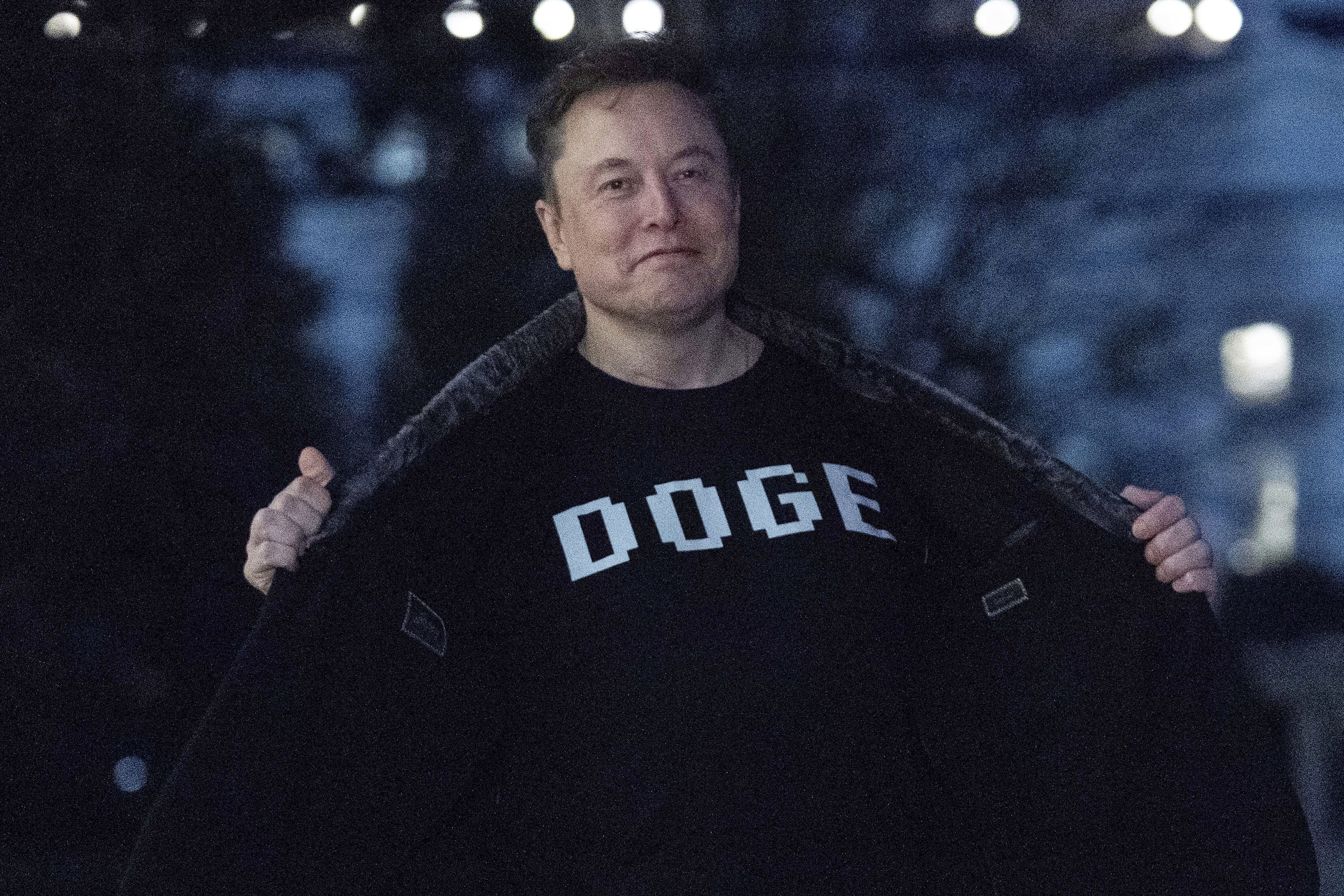
Elon Musk flashes his T-shirt that reads "DOGE" to the media as he walks on South Lawn of the White House, in Washington, March 9, 2025. (AP Photo/Jose Luis Magana, File)
Elon Musk flashes his T-shirt that reads "DOGE" to the media as he walks on South Lawn of the White House, in Washington, March 9, 2025.
ASSOCIATED PRESS

We've certainly seen some civic-minded CEOs in the past as auto executives have a long history of mixing their corporate interests with their political panderings. Chrysler CEO Lee Iacocca was even considered a potential presidential candidate once upon a time. However, we have never seen the kind of ass kissing and cronyism we were privy to in this year's fickle friendship between Elon Musk and President Trump.

Musk was (hyper) active on the Trump campaign trail, and wasted no time digging into what he described as government overspending. While the Department of Government Efficiency's efficacy is debatable, it certainly proved quite effective at decimating the accounts of Tesla investors. Between January and March, Tesla's stock price dropped by nearly half. Things didn't turn around until Musk left DOGE in May

Since then, Tesla's price has returned to its highs before the DOGE debacle. Its sales, however, have not. Q1 deliveries declined by 13 percent, then 14 percent in Q2. Deliveries bounced back 7 percent in Q3 as everyone scrambled to buy before the EV credits expired, but profits plunged 37 percent. Tesla's market share in the US electric vehicle space has halved, leading perennial pitchman Musk to start hawking everything from AI agents to spandex-clad robots — anything to distract from the numbers.

And it's apparently working. Musk's $1 trillion pay package was approved by Tesla’s shareholders without much worry. This could make him the world's first trillionaire, but only if he meets a series of aggressive targets and deadlines for sales, an area where the man has struggled in the past.

The big, beautiful sales spike
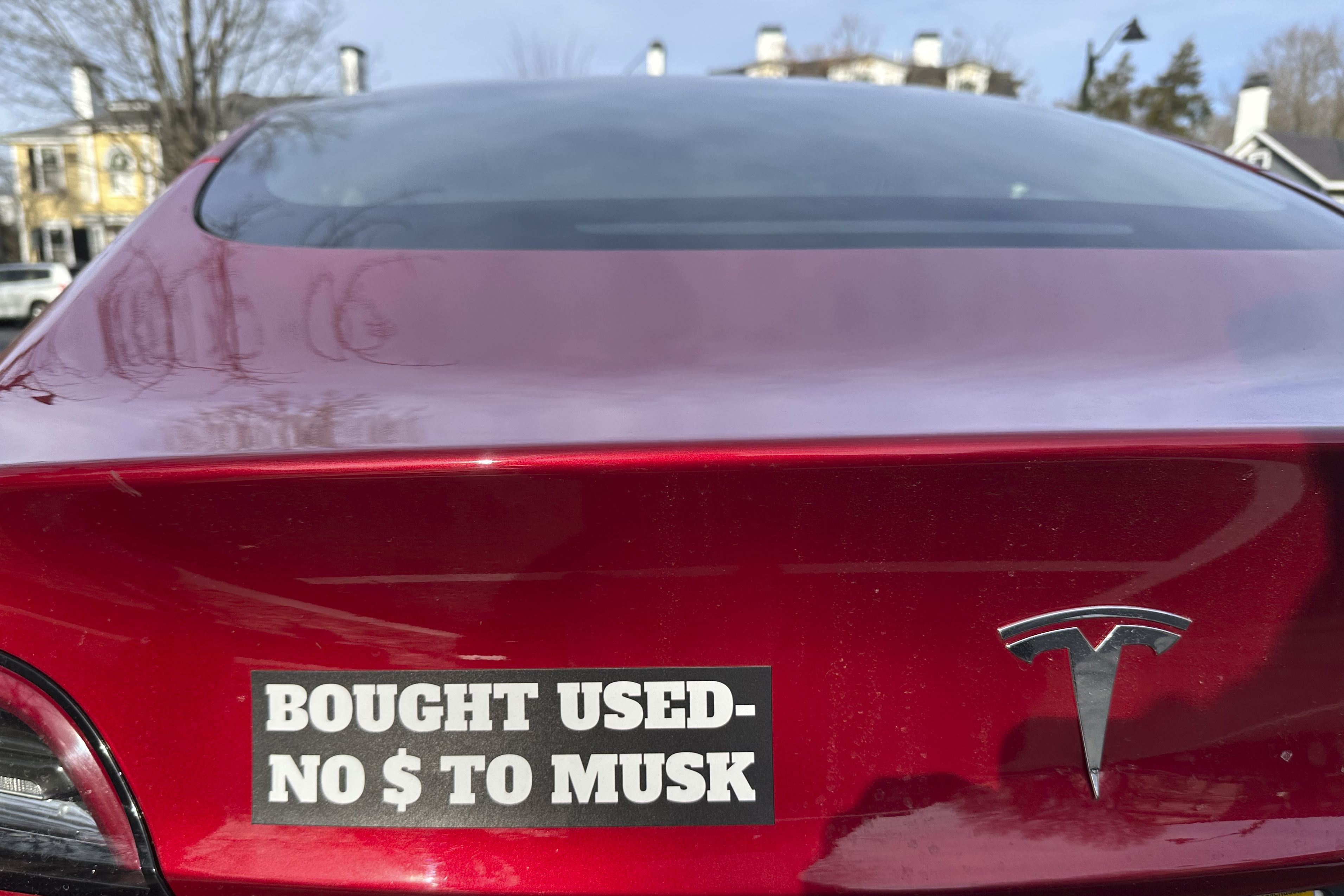
A Tesla with a sticker referring to the car's purchase is shown on Sunday, Dec. 15, 2024 in Concord, Mass.. (AP Photo/Peter Morgan)
A Tesla with a sticker referring to the car's purchase is shown on Sunday, Dec. 15, 2024 in Concord, Mass.
ASSOCIATED PRESS

Elon Musk and Donald Trump's bromance wasn't the only fallout from the latter's second term. So, too, died the $7,500 federal EV incentive, which expired in September as part of President Trump's "Big Beautiful Bill." That actually spurred a short-term sales spike ahead of the deadline. Many manufacturers even set new EV sales records riding that wave, but there's a disconcerting trough to come.

We still need to wait a bit to see just how bad Q4 EV sales are going to be, but early indications are not looking good. J.D. Power's October report says that EV sales in September were a record high, making up 12.9 percent of new vehicle sales in the US. In October, after the credit expired, they fell to a mere 5.2 percent. 

That's a worrying drop, and it's already affecting product planning. 

Cuts in EV production
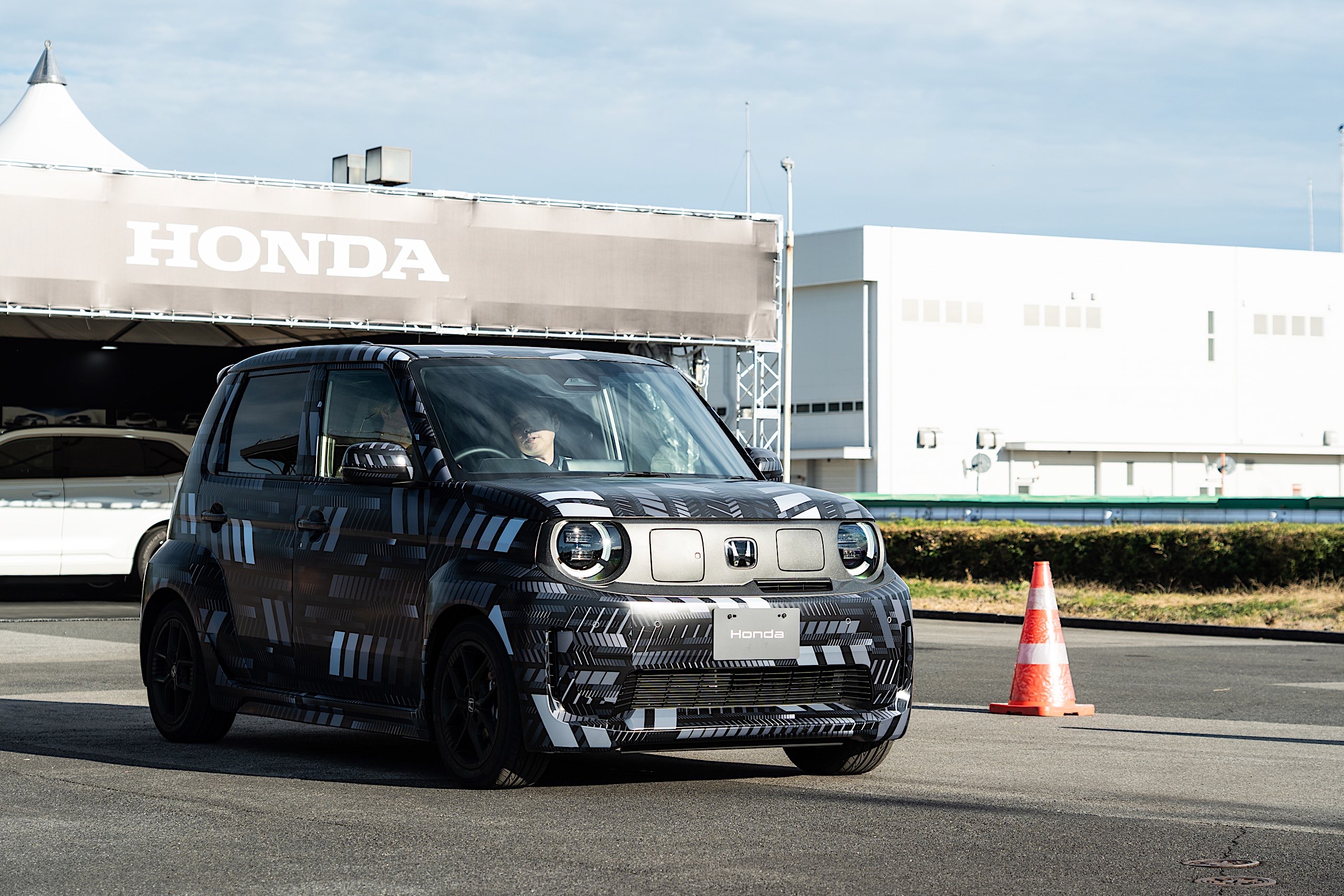
Test driving Honda's Super-One Prototype
Honda's Super-One Prototype isn't coming to the US.
Tim Stevens for Engadget

When I was in Japan last month, getting an early look at some next-gen hybrids from Honda, I wasn't expecting to hear talk of midterm American elections from the company's executives. But that's what was on CEO Toshihiro Mibe's mind. He's watching American voting trends closely to determine the nature of the company's upcoming releases.

Mibe said that Honda has already canceled plans for some EVs here in America, instead focusing on a broader selection of hybrid models. It's not the only company to do so. Ram also canceled its 1500 EV truck, but the hybrid version is still supposedly on the way. 

Scout Motors, too, has been focusing more on its extended-range hybrid offerings. The company's initial pitch was purely electric trucks and SUVs. Lately, it's been prioritizing its extended-range EV options based on the feedback from its 130,000 pre-orderers. 80 percent of them want the onboard generator, an add-on that may prove a saving grace for this EV startup.

There is reason for optimism

Some manufacturers may be throttling back on their EV aspirations, but others are forging ahead. There's a delightful collection of battery-powered machines coming next year, and that's worth getting excited about.

Again, the 2026 Nissan Leaf should be a hugely popular choice as its production ramps up. It's already hitting dealerships now, and with a starting price under $30,000, it'll be hard to beat. But, Chevrolet is going to try with a refreshed Bolt EV for similar money.

If you've got more to spend, you've got more options. BMW's stellar iX3 crossover SUV is due soon, as are both the electric CLA sedan and GLC SUV

The most anticipated EV of the year, though, might just be the Rivian R2. This electric SUV will join the stellar R1S and R1T, expanding Rivian's segment footprint while also hopefully expanding its market reach. A $45,000 starting price makes it far more attainable than any of the company's previous offerings. 
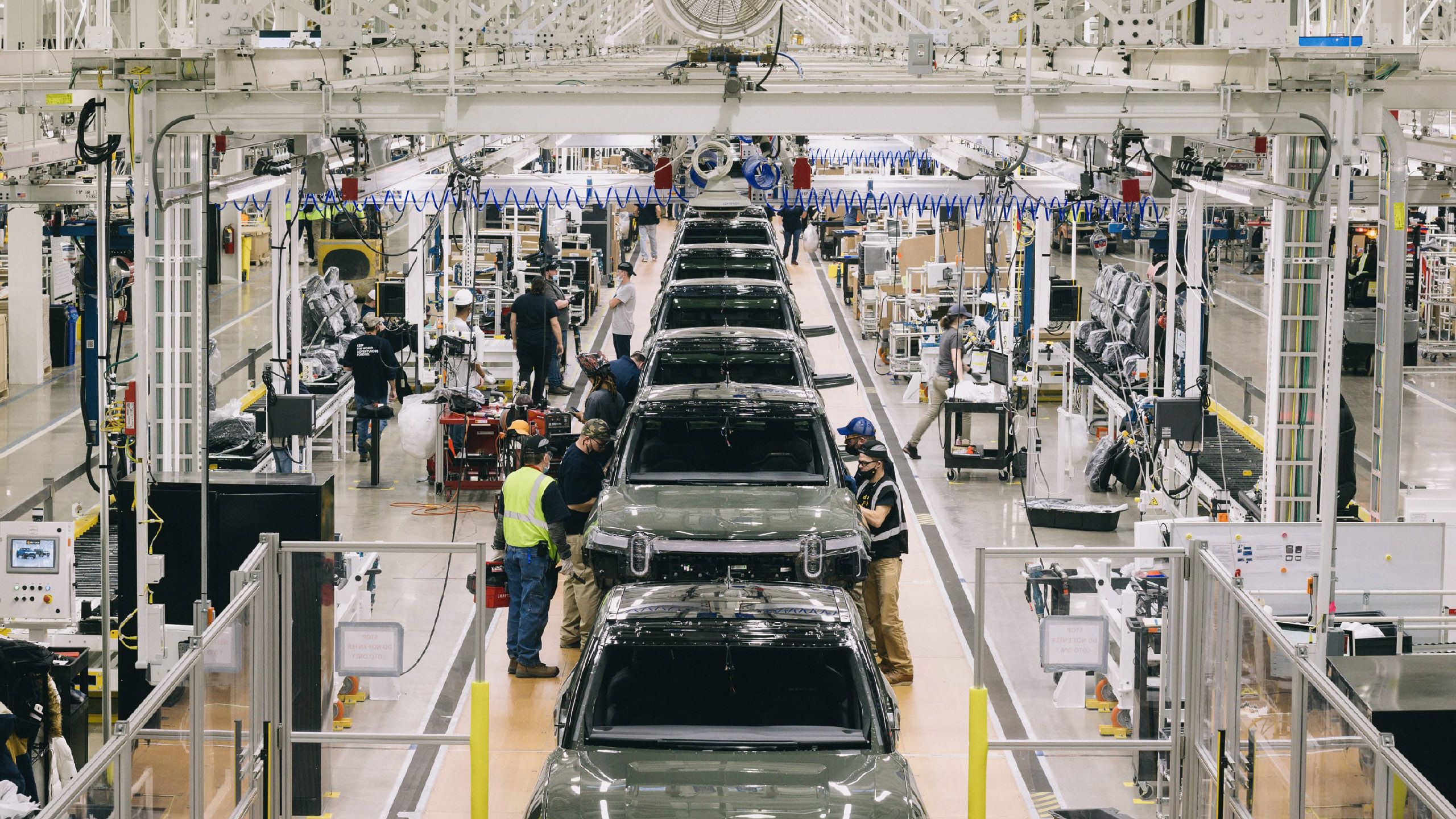
A photograph of the Rivian factory producing the company's R1 SUV variant.
Nathan Heleine / Rivian

If the prospect of a fun, affordable SUV from Rivian doesn't have you excited for the upcoming year in EVs, maybe some promising news from Europe will. After cutting its own EV incentive program in 2023, Germany's EV sales fell off a cliff, dropping 28 percent in 2024. Cue the predictions of the demise of EVs by many local pundits.

Since then, though, EV sales slowly climbed back up, and lately they've been booming, with German road traffic agency KBA saying the total number of newly registered electric vehicles increased by nearly 50 percent in October (year over year). Electric cars now make up 19 percent of the market there, and that's despite Tesla's sales cratering.

There's no guarantee that the American market will follow a similar rebound, especially if the anti-EV political messaging continues. Me, though, I've decided I'm staying optimistic, as exhausting as that can be these days.

This article originally appeared on Engadget at https://www.engadget.com/transportation/evs/a-shaky-year-for-american-evs-could-set-the-tone-for-2026-153000210.html?src=rss


Apple’s 2026 iPhone Leak: Everything Launching from Spring to Fall

Apple’s 2026 iPhone Leak: Everything Launching from Spring to Fall

Apple is preparing for a fantastic year in 2026, with its iPhone lineup showcasing a blend of refined updates and bold innovations. From the anticipated debut of a foldable iPhone to enhanced premium models and budget-friendly options, the company is redefining its approach to smartphone design and strategy. A staggered release schedule further highlights a […]

The post Apple’s 2026 iPhone Leak: Everything Launching from Spring to Fall appeared first on Geeky Gadgets.

Posted in Uncategorized

PlayStation teams up with Bad Robot and the creator of Left 4 Dead for a co-op shooter

Sony Interactive Entertainment has signed a deal to produce and publish a game from Bad Robot, JJ Abrams’ production company. The two sides are keeping most of the details close to their chest for now, but the game is a four-player co-op shooter for PlayStation 5 and PC directed by someone who knows a thing or two about that genre: Left 4 Dead creator Mike Booth.

Bad Robot Games — which is a fully remote studio — was formed in 2018 with the help of Tencent. It has lent a hand on games including Weird West (as an investor and creative consultant) as well as interactive streaming series Silent Hill: Ascension. This new game is the first one that Bad Robot Games is developing in-house.

A few months back, Booth dropped into the Left 4 Dead subreddit to say that he was working on a new co-op game “built on the foundations of what made L4D special. If you enjoyed the teamwork, tension and replayability of my past games, you’ll probably find this one interesting. It expands on the co-op formula in ways I’ve wanted to explore for a long time.” He added that, while the game was still in early development, Bad Robot was opening up a waitlist for access to playtests.

According to a press release, “Bad Robot Games is a dedicated game studio working on new and existing transmedia franchises.” So, this project could well be part of an entirely new franchise, but the prospect of co-op shooter from the designer of Left 4 Dead that’s set in the Cloverfield universe is pretty darn intriguing.

This article originally appeared on Engadget at https://www.engadget.com/gaming/playstation/playstation-teams-up-with-bad-robot-and-the-creator-of-left-4-dead-for-a-co-op-shooter-144637802.html?src=rss

Amazon reportedly considering ending ties with the US Postal Service

Amazon is reportedly considering discontinuing use of the US Postal Service and building out its own shipping network to rival it, according to The Washington Post. The e-commerce behemoth spends more than $6 billion a year on the public mail carrier, representing just shy of 8 percent of the service's total revenues. That's up from just shy of $4 billion in 2019, and Amazon continues to grow.

However, it sounds like that split might be due to a breakdown in negotiations between Amazon and the USPS rather than Amazon proactively pullings its business. Amazon provided Engadget with the following statement regarding the Post's reporting and its negotiations with the USPS: 

"The USPS is a longstanding and trusted partner and we remain committed to working together. We’ve continued to discuss ways to extend our partnership that would increase our spend with them, and we look forward to hearing more from them soon — with the goal of extending our relationship that started more than 30 years ago. We were surprised to hear they want to run an auction after nearly a year of negotiations, so we still have a lot to work through. Given the change of direction and the uncertainty it adds to our delivery network, we're evaluating all of our options that would ensure we can continue to deliver for our customers."

The auction Amazon is referring to would be a "reverse auction," according to the Post. The USPS would be offering its mailing capabilities to the highest bidder, essentially making Amazon and other high-volume shippers compete for USPS resources. This move would reportedly be a result of the breakdown in talks between Amazon and the USPS. 

Over the past decade, Amazon has invested heavily in shipping logistics, buying its own Boeing planes, debuting electric delivery vans and slowly building out a drone delivery network. Last year, Amazon handled over 6.3 billion parcels, a 7 percent increase over the previous year, according to the Pitney Bowes parcel shipping index. USPS, for its part, handled roughly 6.9 billion, just a 3 percent increase over 2023. That is to say that Amazon's shipping network can already handle over 90 percent of the volume of the US Postal Service (at least by sheer numbers).

The USPS has been in dire financial condition for some time, losing billions of dollars a year. Negotiations between Amazon and the public carrier have reportedly stalled, which, together with the agency's need to keep raising its prices, may create more urgency for the company to eliminate its reliance on the service altogether.

The Postal Service has struggled to modernize and adapt (its attempt to electrify the truck fleet was a bust) in a market where the likes of Amazon and Walmart are investing billions in delivering packages around the country at lightning speed. The ever-accelerating digitization of communication and heavy investment in privately owned shipping operations threatens the very existence of one of the country's greatest public goods.

Update, December 4, 2025, 2:24PM ET: This story has been updated with a statement from Amazon and more details about the "reverse auction" the USPS reportedly wants to conduct if it no longer works with Amazon.

This article originally appeared on Engadget at https://www.engadget.com/big-tech/amazon-reportedly-considering-ending-ties-with-the-us-postal-service-144555021.html?src=rss

The $599 MacBook e is Real: Apple’s ‘Chromebook Killer’ Revealed

The $599 MacBook e is Real: Apple’s ‘Chromebook Killer’ Revealed

Apple is preparing to introduce a new budget-friendly MacBook in 2026, with an anticipated price range of $599 to $699. This device, potentially named the MacBook E, MacBook SE, or MacBook Mini, is designed to appeal to students, families, and casual users seeking an affordable yet functional laptop. By using older MacBook designs and integrating […]

The post The $599 MacBook e is Real: Apple’s ‘Chromebook Killer’ Revealed appeared first on Geeky Gadgets.

Posted in Uncategorized

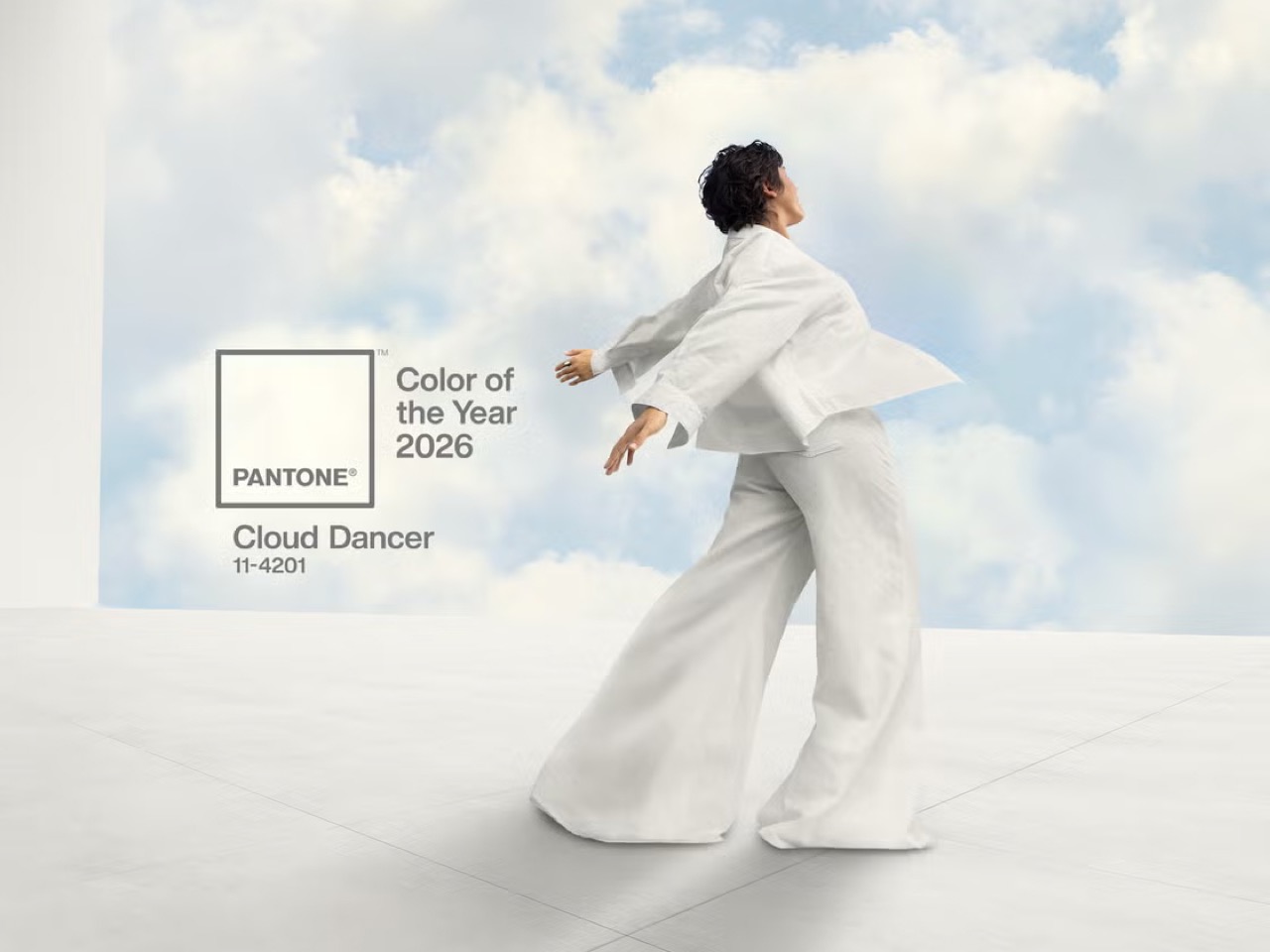
Pantone’s 2026 Color of the Year Finally Admits We’re All Exhausted

Pantone has officially called it: the prevailing mood for 2026 is exhaustion. This marks a sharp departure from recent years, when the annual announcement felt like a conversation happening in a different room. The world was navigating a pandemic hangover and digital burnout, while Pantone was prescribing electric purples for creativity and defiant magentas for bravery. Each choice, while commercially friendly, felt like a wellness influencer telling a tired person to simply manifest more energy.

This year, however, their choice of Cloud Dancer, a soft, billowy white, functions less like a statement and more like a surrender. It is the color of a blank page, an empty inbox, a quiet sky, a white flag, if you will. By choosing a hue defined by its peaceful lack of saturation, Pantone is finally acknowledging the dominant cultural mood – burnout. They are admitting that the most aspirational feeling right now is not vigor or joy, but rest.

Designer: Pantone

To understand why this feels so significant, you have to look at the recent track record. The disconnect between Pantone’s narrative and the world’s reality has been the core of the critique, which I made back in 2022, calling Pantone’s Very Peri an exercise in blind futility. The argument was that Pantone was no longer reading culture but trying to write it, pushing a top-down color prophecy that served its own marketing ecosystem more than it reflected any genuine grassroots sentiment. This critique felt especially potent with the last two selections, Peach Fuzz and Mocha Mousse.

Peach Fuzz, the choice for 2024, was sold with a story of tenderness, community, and tactile comfort. It was a lovely, gentle shade, but it landed in a year defined by rising inflation, geopolitical instability, and a pervasive anxiety about the acceleration of artificial intelligence. The narrative felt like a beautifully packaged lie of omission. Then came Mocha Mousse for 2025, a comforting brown meant to evoke groundedness and stability. It was a safe, aesthetically pleasing choice that aligned perfectly with coffee-shop interior trends, but it felt more like an algorithmic pick from a Pinterest board labeled “cozy” than a meaningful cultural statement. It was a color for a lifestyle, not for a life.

Which brings us to Cloud Dancer. On the surface, choosing white seems like the ultimate cop-out. It is the absence, the default, the non-choice. But Pantone’s justification is, for the first time in a long while, deeply resonant. Leatrice Eiseman, the executive director of the Pantone Color Institute, describes it as a “conscious statement of simplification” meant to provide “release from the distraction of external influences.” Laurie Pressman, the vice president, is even more direct, stating, “We’re looking for respite, looking for relief… we just want to step back.”

This is not the language of aspirational marketing; it is the language of burnout. Pantone is explicitly naming the problem: overstimulation, digital noise, and the overwhelming “cacophony that surrounds us.” Cloud Dancer is positioned as the visual antidote, a quiet space in a world that refuses to shut up. It is a breath of fresh air, a lofty vantage point above the chaos. By framing the color as a tool for focus and a symbol of a much-needed pause, Pantone has shifted from prescribing an emotion to validating one. It feels less like they are telling us how to feel and more like they are saying, “We hear you. You’re tired.”

Of course, we should not mistake this newfound self-awareness for a complete abandonment of the marketing machine. The Color of the Year is, and always will be, a commercial enterprise. But the choice of Cloud Dancer is a savvier, more sophisticated move. Choosing white cleverly sidesteps the pressure to project forced optimism. It aligns perfectly with existing design trends like soft minimalism and quiet luxury, making it an easy sell to brands. Most importantly, it allows Pantone to craft a story about retreat and renewal, a narrative that feels both authentic and highly marketable in a wellness-obsessed culture.

So, is the ‘marketing fluff’ gone? Not entirely. But it has been supplemented with something much more compelling. Instead of a tone-deaf declaration, we have a confession that feels a little more aware of a global sentiment. Cloud Dancer works because it is an admission of defeat. It is a white flag, a symbol of surrender to the relentless pace of modern life. In a world saturated with color, demanding our attention at every turn, the most radical and desired hue might just be the one that asks for nothing. Pantone did not just pick a color for 2026; it picked a feeling, and for the first time in a long time, it feels like our own.

The post Pantone’s 2026 Color of the Year Finally Admits We’re All Exhausted first appeared on Yanko Design.

Inside Mistral 3’s Big Return, Large 3 MoE and Mini 14B, 8B, 3B Bring Flexible Tuning

Inside Mistral 3’s Big Return, Large 3 MoE and Mini 14B, 8B, 3B Bring Flexible Tuning

What if the future of artificial intelligence wasn’t locked behind proprietary walls but instead placed directly in your hands? The Mistral 3 series is here to challenge the status quo, introducing four new models that promise to redefine the open source AI landscape. From the powerhouse Mistral Large 3, boasting an innovative mixture-of-experts design, to […]

The post Inside Mistral 3’s Big Return, Large 3 MoE and Mini 14B, 8B, 3B Bring Flexible Tuning appeared first on Geeky Gadgets.

Posted in Uncategorized

Apple’s AirPods 4 with ANC are back on sale for $99

If you missed the Black Friday sale on Apple's AirPods 4 with ANC, you're in luck — they're back on sale at the same $99 price for a substantial $80 savings (45 percent). What's more, if you're one who frets about damaging your gear, you can grab them with AppleCare+ for $118, saving 43 percent from the normal price. 

We think that the AirPods Pro 2 are the best AirPods overall, but the ANC-enabled AirPods 4 are also a solid choice, especially at this price. We gave them a score of 86 in our review.

Apple's AirPods 4 come in two variants, with and without ANC. Though the base model is solid, the version on sale here with ANC offers a number of advantages like Conversation Awareness, Adaptive Audio and Transparency mode. They also have a charging case that supports MagSafe and Qi-compatible wireless charging, along with a built-in speaker that emits beeps when you activate Find My. And as Apple recently announced, AirPods 4 with ANC supports the company's Live Translation feature. 

Our main reservation with the AirPods 4 with ANC is that the Airpods Pro 2 are a better noise-cancellation option when they go on sale. At this price, though, the AirPods 4 with ANC are a real bargain if you're looking for new buds — especially if you prefer the open-ears type. As mentioned, for extra peace of mind you can also get the Airpods 4 with ANC plus AppleCare+ protection for $118, or 43 percent off. 

Check out our coverage of the best Apple deals for more discounts, and follow @EngadgetDeals on X for the latest tech deals and buying advice.

This article originally appeared on Engadget at https://www.engadget.com/audio/apples-airpods-4-with-anc-are-back-on-sale-for-99-140903670.html?src=rss

iPhone 17 Pro Max vs Pixel 10 Pro XL: The Gap is Closing.

iPhone 17 Pro Max vs Pixel 10 Pro XL: The Gap is Closing.

The Pixel 10 Pro XL and iPhone 17 Pro Max stand as the flagship offerings from Google and Apple in 2025, representing the pinnacle of smartphone technology. These devices showcase distinct strengths, with the Pixel emphasizing AI-driven features and photography, while the iPhone focuses on design excellence, raw performance, and video capabilities. This detailed comparison […]

The post iPhone 17 Pro Max vs Pixel 10 Pro XL: The Gap is Closing. appeared first on Geeky Gadgets.

Posted in Uncategorized

Antigravity A1 drone review: FPV flying unlike anything else

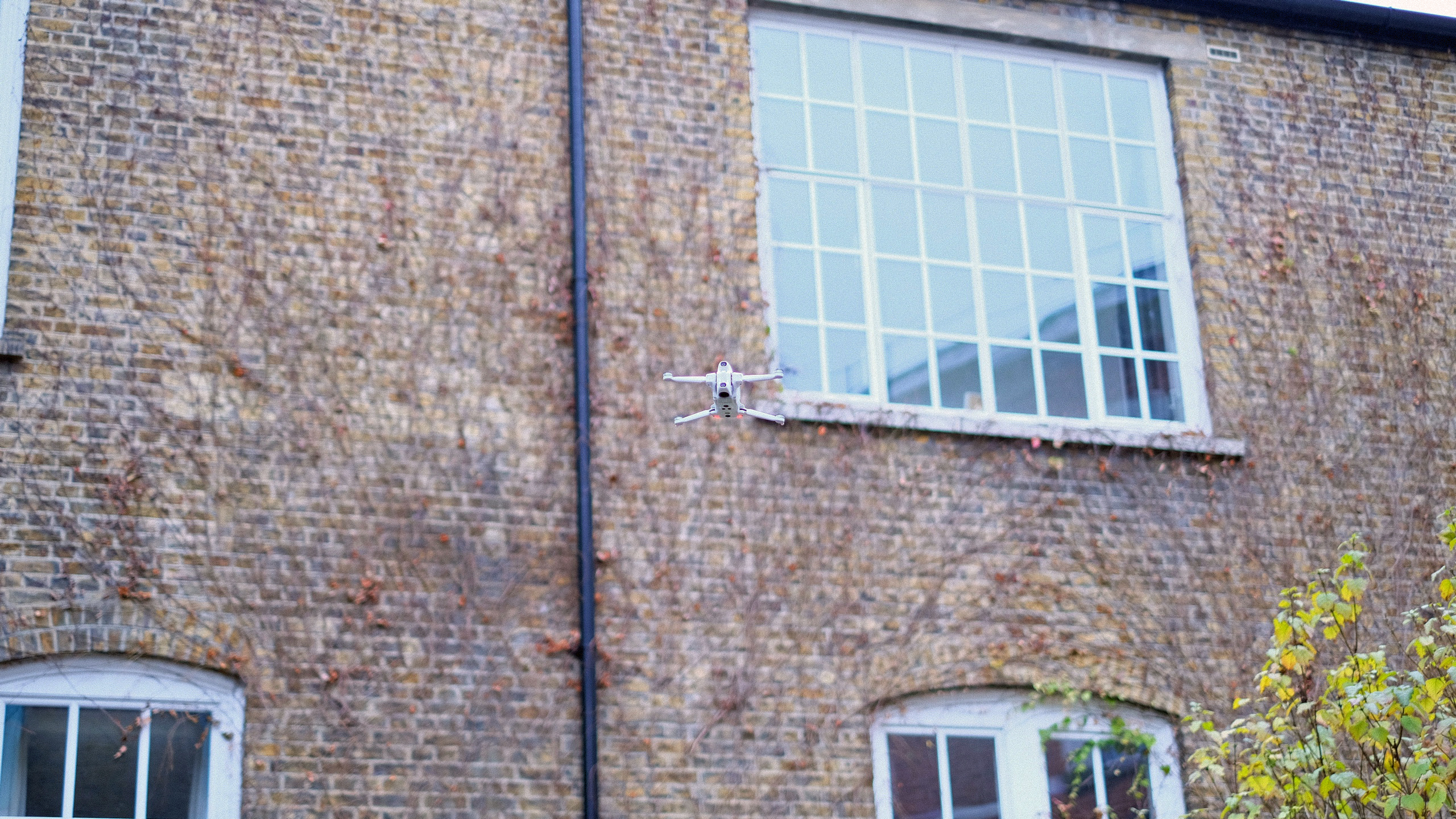
The Antigravity A1 is what happens when Insta360’s 360-degree cameras are given wings and flying feels like a video game. Spinning out as its own brand, Antigravity’s debut drone is a big swing: a three-piece set with a drone that captures 8K 360-degree video, FPV goggles and a motion controller.

Challenging the dominance of DJI’s (many!) consumer drones is a big ask. Antigravity’s approach is to play to its strengths in 360-degree video and smartphone-first editing. A lot of the appeal comes from how the A1 captures 8K video in all directions, meaning you can edit, cut and swap around your footage — and hopefully rarely miss a moment you’re trying to document. It’s a lot of fun, too, if you can get through the early teething issues, updates and the learning curve.

The drone

Antigravity A1 drone review
Image by Mat Smith for Engadget

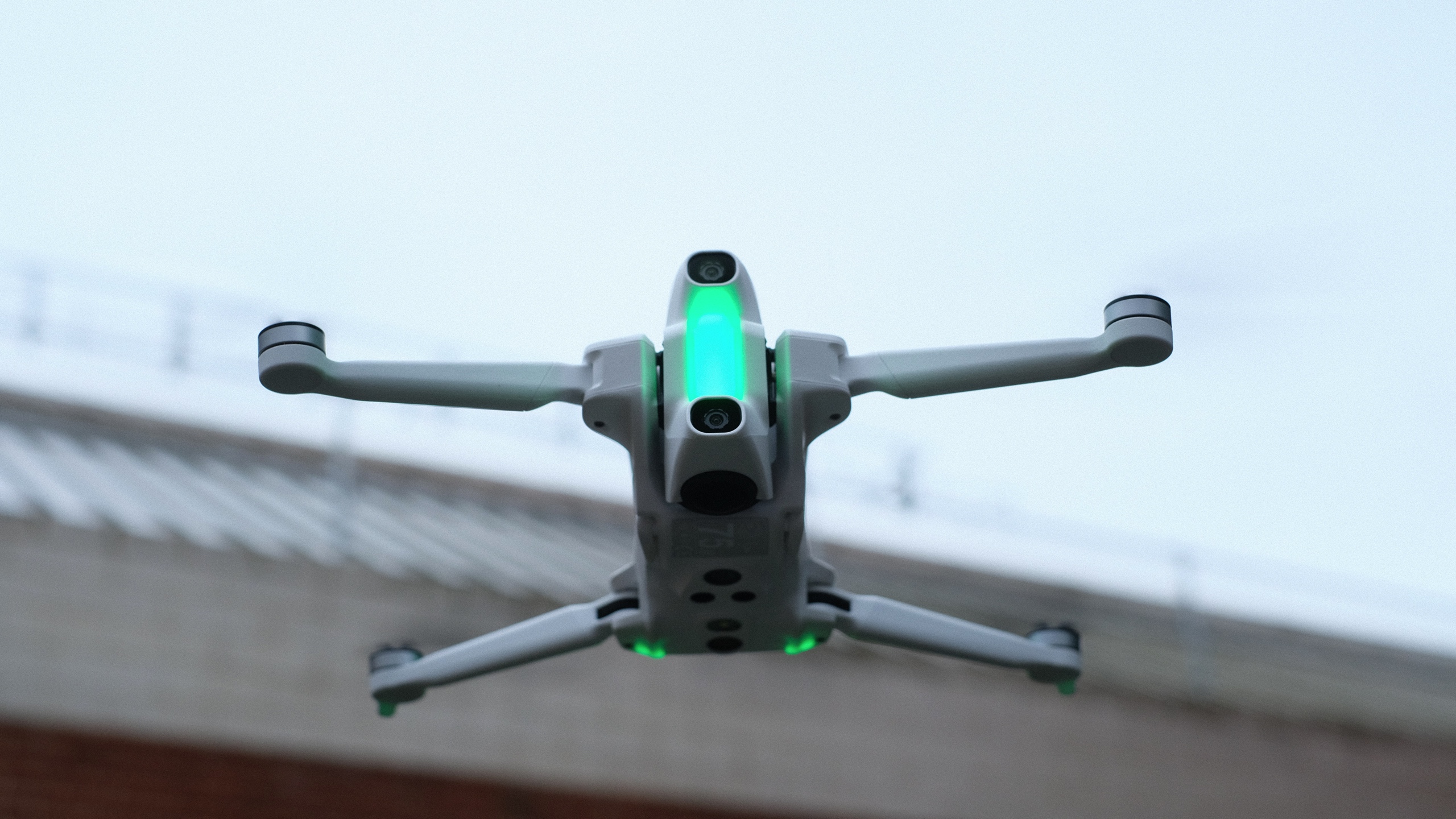
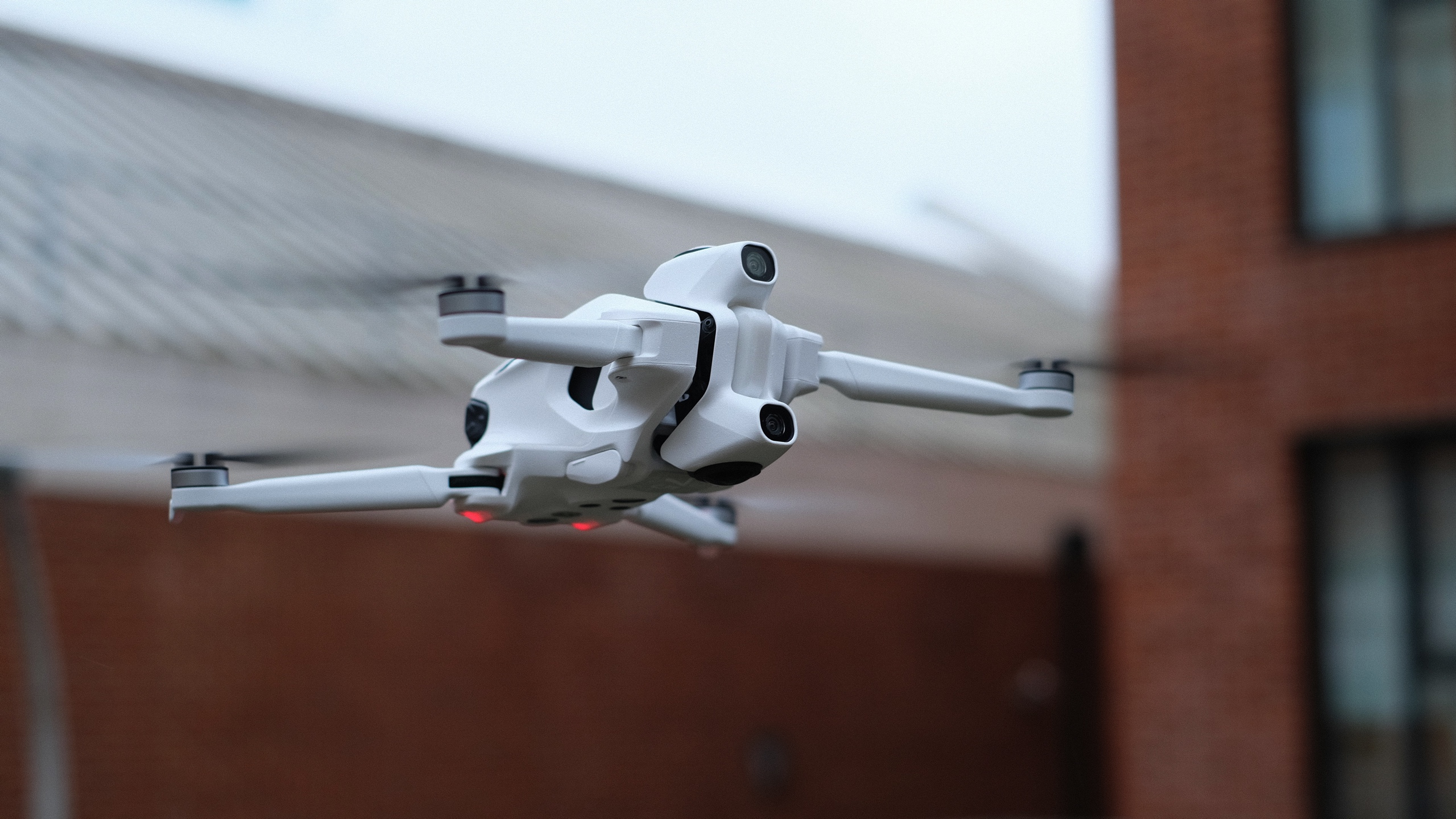
The A1 drone is just 249 grams (0.548 lbs). This helps it bypass some drone regulations, though flying permissions vary by region. The pair of cameras mounted on the top and bottom of the drone's body is one of its unique features. It’s difficult to directly compare the A1 against competitor drones, as it offers a mix of features found across different categories and some unique tools of its own.

The A1 can capture 360-degree video at up to 8K resolution, and thanks to Insta360’s action cam experience, it can magically remove the drone body from video. This means you can capture video and never see propellers or, well, any part of the drone itself.

Along the base of the drone, two landing gears automatically lower when you attempt to land the A1, although you will have to manually retract them when you’re looking to launch the drone. You can also lower the landing gear from one of the controller’s many buttons.

The removable battery has a handy one-touch gauge to monitor levels and provides over 20 minutes of flight time, depending on conditions and whether you’re recording video. Antigravity suggests it should last up to 24 minutes during normal filming use. My review device came with two spare batteries and a charging dock. It’s very easy to swap out the batteries, and the charging dock can fully charge a single cell in 45 minutes and even charge all three slots at once. There’s a microSD card slot on the rear of the drone, alongside a USB-C port for (slowly) charging the battery.

Antigravity A1 drone review
Image by Mat Smith for Engadget

The cameras have a 1/1.28-inch sensor, f/2.2 lens aperture and an ISO range from 100 to 6,400. To adjust those settings beyond auto, you’ll have to dive into the menu inside the goggles, which can be laborious to navigate with a gesture-based controller. Fortunately, auto ISO and white balance are usually good enough. Pro-level content creators might want to tinker with levels here, and there’s a histogram you can toggle on or even a zebra pattern to highlight overexposed shots and areas. and the A1 can record 8K video at up to 30fps or 4K at up to 100fps. You can also meet in the middle, with a 5.2k recording mode.

There are also three different flying modes, which are easy to select on the controller. Alongside Normal mode, Sport mode increases the maximum flight speed and offers “enhanced flight performance,” improves control sensitivity and turns off obstacle avoidance. Sport mode offers a tangible difference when flying the A1: it doubles the horizontal flight speed compared to Normal mode. There’s also a Cinematic (C) mode, with a lower max speed for smoother video footage.

The controller and goggles

Antigravity A1 drone review
Image by Mat Smith for Engadget

The flight mode switcher is one of many controls, wheels, buttons and sliders that pepper the surface of the A1’s grip controller. Intriguingly, though, the main way to control the A1 drone is through gestures, not joysticks or buttons. Instead of pitching control sticks to the left and right, up and down, it’s more akin to a video game, where you point the controller where you want to go, shown with a reticle, and pull the trigger. The A1 then shoots off in that direction.

The crucial part is that this doesn’t have to be where you’re “looking” from the drone’s POV. This means you can strafe and fly in any direction without your view being constrained by static cameras. It’s a sensation unlike any other drone I’ve flown. It feels more like playing a video game — like piloting a helicopter in GTA 5. You’re able to look in any direction, both while in motion and while hovering stationary.

There are controls for recording video, controlling vertical flight and rotating your POV without turning your head. There’s even a RTH (return to home) function that can be accessed by long-pressing the emergency brake button.

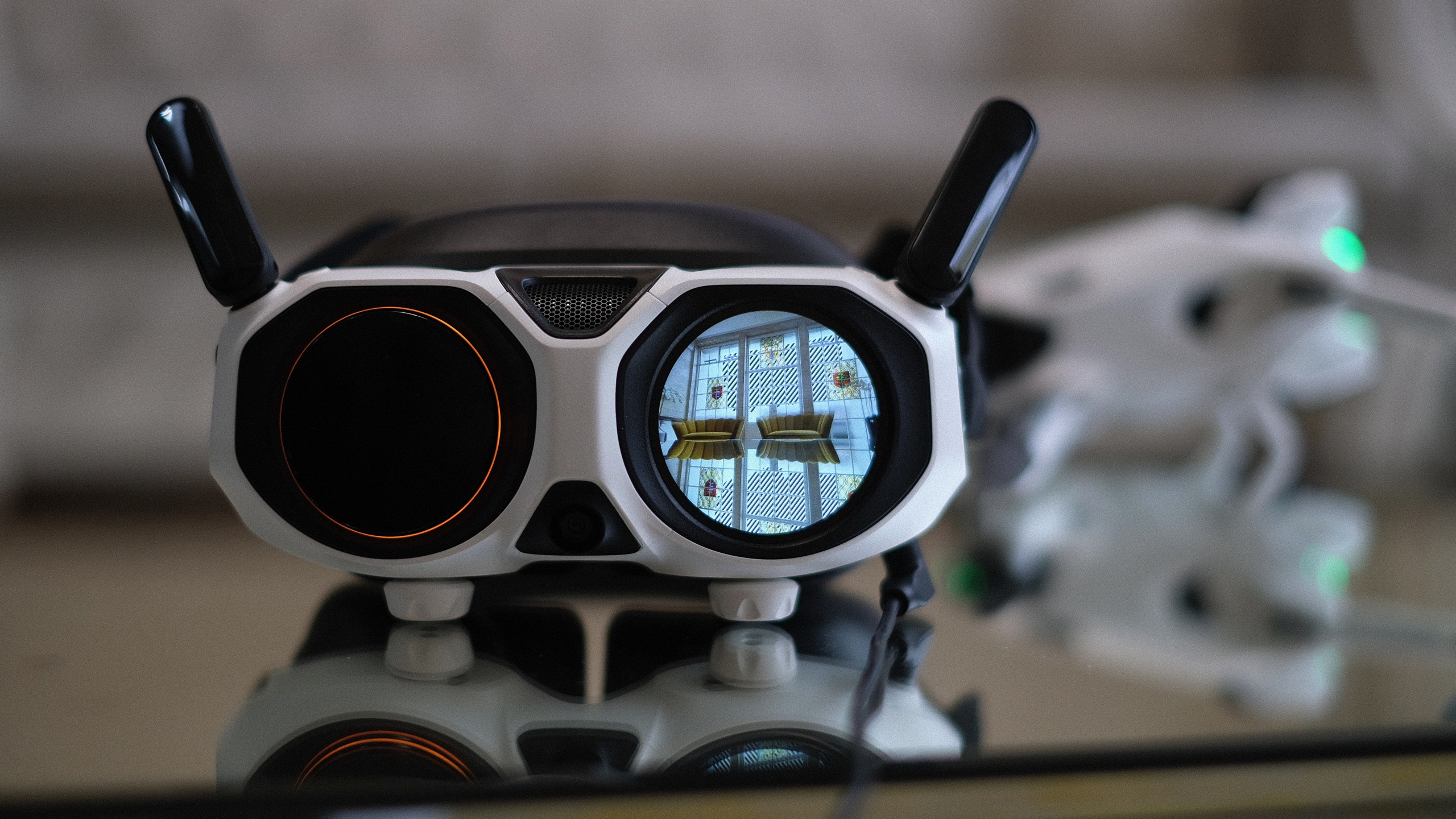
The included goggles deliver a crisp view of everything, with a pair of 1.03-inch micro-OLED displays with a resolution of 2,560 × 2,560 and a 72Hz refresh rate. Other FPV drone goggles typically offer 100Hz refresh rates, but it wasn’t a dealbreaker for me. I feared that latency hiccups could make airsickness an issue while flying the A1, but I didn’t experience it. My take is that being able to fully control your view makes nausea less of an issue.

Another nice touch, especially if you’re flying with friends, is a circular outer display on the goggles, so everyone can see what the A1 sees. Naturally, it can’t encompass the entire view of the drone pilot, but there’s also nothing duller than watching someone else fly a drone. This offers a mild respite. The other eyepiece is a touchpad for steering through menus inside the goggles without having to point and click with the controller.

Performance

Antigravity A1 drone review
Image by Mat Smith for Engadget

While the Antigravity A1 may offer a more immersive drone-flying experience, in pure numerical terms, it lags behind some competitors. For example, even in Sport mode, the A1 tops out at a maximum speed of just under 36 mph, falling behind the likes of DJI’s Avata 2 (60 mph).

I was still pleasantly surprised by how responsive the A1 felt, especially in Sport mode. An additional FPV mode (accessible from the goggles) adds more sensitive controls, although I haven’t been able to test it much since it was introduced in a recent firmware update.

For someone with more gaming experience than drone piloting hours, Antigravity’s central control system fits like a glove. I could fly where I wanted, confident in the controls and in the knowledge that I would capture what I wanted to. According to Antigravity, you can fly the A1 within a 10km transmission range, although I didn’t manage to test that limit in central London.

The experience of starting with the drone felt, at times, unnecessarily arduous. Pairing everything together has to be done in a specific order: power up drone, power up goggles, power up controller. And turning off each item isn’t a typical long press of the power button. Instead, you use a press-once-press-it-again-and-hold method that I forget pretty much every time.

Downloading video from the A1 to your phone is also laborious, but that’s not a flaw specific to this drone. Antigravity has attempted some shortcuts, including a microSD card quick reader that connects to your phone or PC via USB-C.

However, at the time of testing, manually connecting the microSD is less of an option and more of a necessity. The drone repeatedly failed to connect to the companion app and reliably transfer video files. Some video files recorded seemingly evaporated between firmware updates, only to reappear later. Another file had been converted to two separate circular views, one from each camera, which made it essentially unusable. Hopefully these intial teething problems have been solved by firmware updates and won't be in retail devices.

It’s a shame everything isn’t more stable, especially when both flying the A1 and using Antigravity’s editing software are bothis so beginner-friendly. It's something I’ve mentioned before with the parent company’s action cams, but the ability to create barrel rolls, tilt rotations with just one tap or click is, again, just fun. And because you can reframe and tinker with video warping, create tiny planet effects or simply crop to a more traditional, cinematic camera view, Antigravity’s software offers almost infinite ways to present your drone footage. Deeptracking can be done both during recording and editing in post, keeping a moving subject or point of interest centered as the A1 zips around.

There are also AI-powered video editing features to chop up your 20 minutes of flying footage into something digestible and engaging with minimal effort. Because it’s a 360-degree video, the footage can be easily cropped to suit both horizontal and vertical formats.

However, with a smaller sensor and 8K resolution spread across a 360-degree view, the A1 is not the best video drone. The video is pleasingly crisp and clear, and while the footage is best recorded in bright daylight or other well-lit locations, murky British November days didn’t affect it much. As the A1 has to stitch together its two sensors, there’s often a visible seam to your video, but it’s usually a very subtle glitch. It might stop some video creators from tapping it for their most polished aerial shots though. Recording video later in the day resulted in more noise and less detail. This is when the A1’s Cinematic mode (and generally slower flying) is a good idea, but it still won’t make up for the fact that this drone’s sensors are covering such wide angles. More video-centric drones will deliver cleaner video and better performance in less-than-ideal lighting conditions.

Wrap-up

Antigravity A1 drone review
Image by Mat Smith for Engadget

The Antigravity A1 is available now, with a standard bundle including the drone, controller and goggles for $1,599. The Infinity Bundle ($1,999) adds two extra batteries, quick reader dongle, sling bag and a charging dock. That does make it substantially more expensive than rival FPV drones like the DJI Avata 2, but the A1 is also a very different kind of drone.

The intuitive controls and ability to look all around you make it unlike anything else currently available. It’s a delightful introduction to drones, FPV or otherwise, but a shame that software issues marred my tests. Plus, pairing all the devices can be convoluted and frustrating at times.

If Antigravity is thinking about what to do next, I’d be intrigued to see a version with the camera bonafides to take on similarly priced DJI drones. But that shouldn’t detract from the company’s debut model since the A1 is arguably the most intriguing consumer drone since the Mavic Pro.

This article originally appeared on Engadget at https://www.engadget.com/cameras/antigravity-a1-drone-review-140026021.html?src=rss