5 Interactive Public Art Installations That Make You Part of the Design

Public art is often seen as a standalone feature, a striking sculpture or colorful mural that decorates a park or plaza. Yet its true impact goes far beyond visual appeal. When guided by thoughtful design, public art doesn’t just fill a space; it redefines it, shaping how people move, interact, and emotionally connect with their surroundings.

This seamless blend of art and environment is where design becomes transformative. By carefully considering scale, sightlines, materials, and community involvement, designers ensure that art integrates naturally into its setting. The result is a space that feels alive, engaging, memorable, and deeply connected to its community’s identity.

1. Designing Art with Context

For public art to truly connect, it must feel like it belongs. A site-specific approach begins with the environment itself, its history, architecture, pedestrian flow, and climate. By understanding these layers, designers ensure the artwork feels naturally rooted rather than placed, reflecting the spirit of its surroundings.

This thoughtful process helps art and place work in harmony. A sculpture in a historic district might echo local materials, while an installation in a park could invite interaction and rest. The goal is unity, where art enhances its setting and deepens the public’s connection to the space.

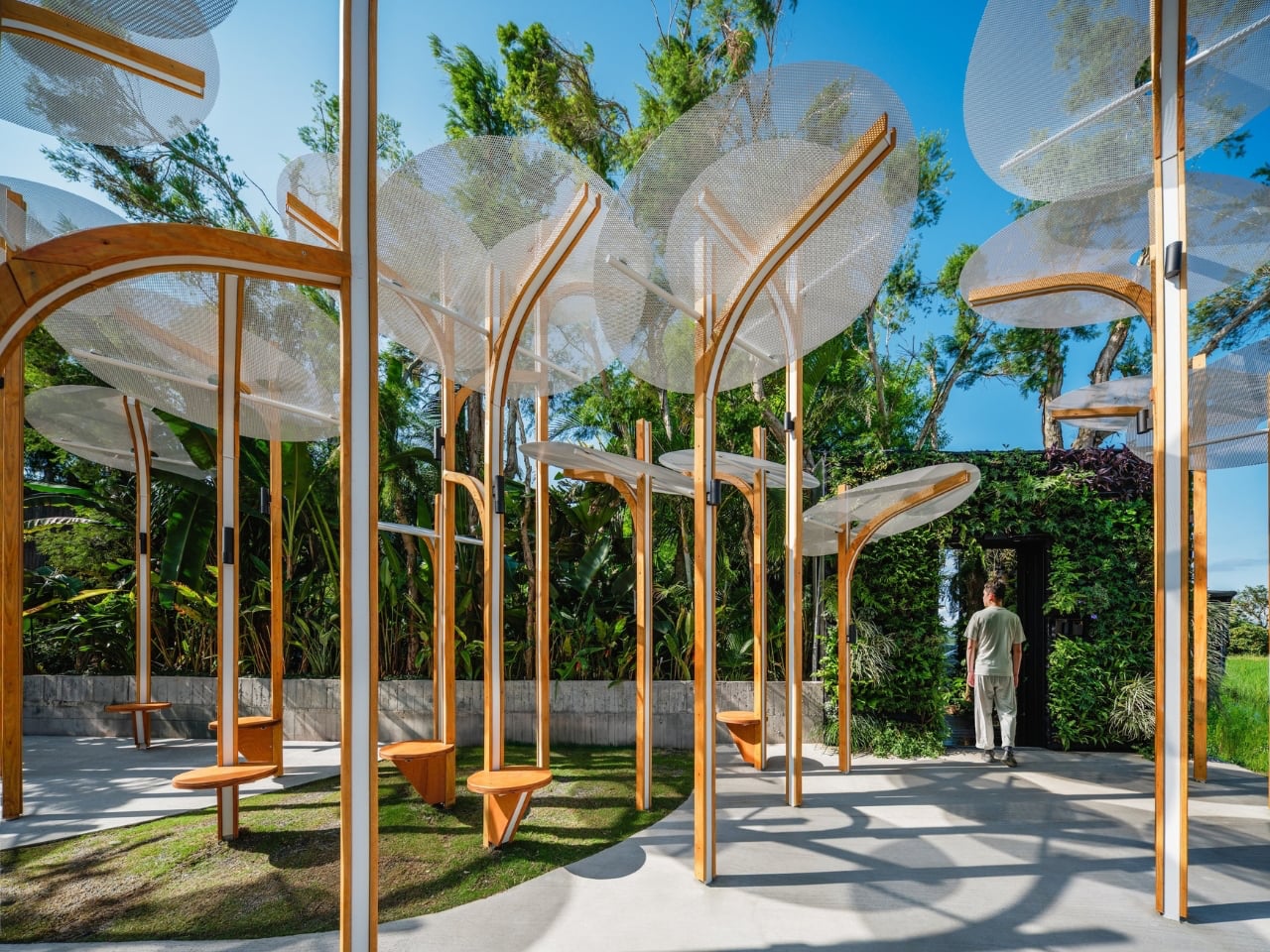
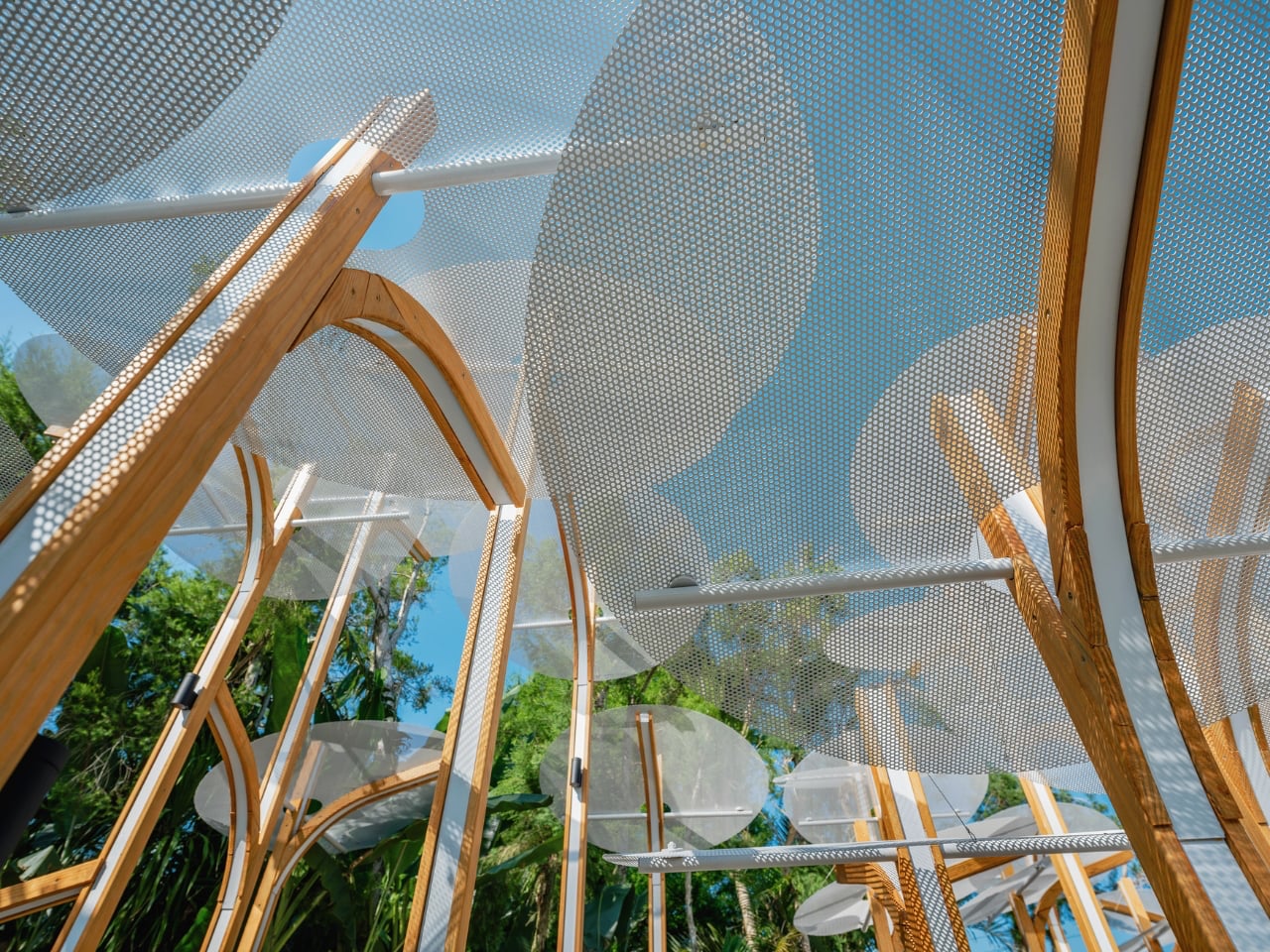
Cheng Tsung FENG’s Structural Botany: 25AP-263-43 is a compelling exploration of the intersection between art, nature, and modular construction. Installed at Swiio Villa Yilan in Zhuangwei, the work draws inspiration from the upright, clustered growth patterns of native plants, translating botanical forms into a sculptural rhythm. Standing between 2.5 and 5 meters tall, the installation consists of repeated modular “stems” that rise independently while maintaining deliberate spacing, echoing the equidistant patterns found in plant communities. FENG’s abstraction focuses on structural qualities rather than literal representation, highlighting resilience, interdependence, and the hidden patterns that govern natural growth.

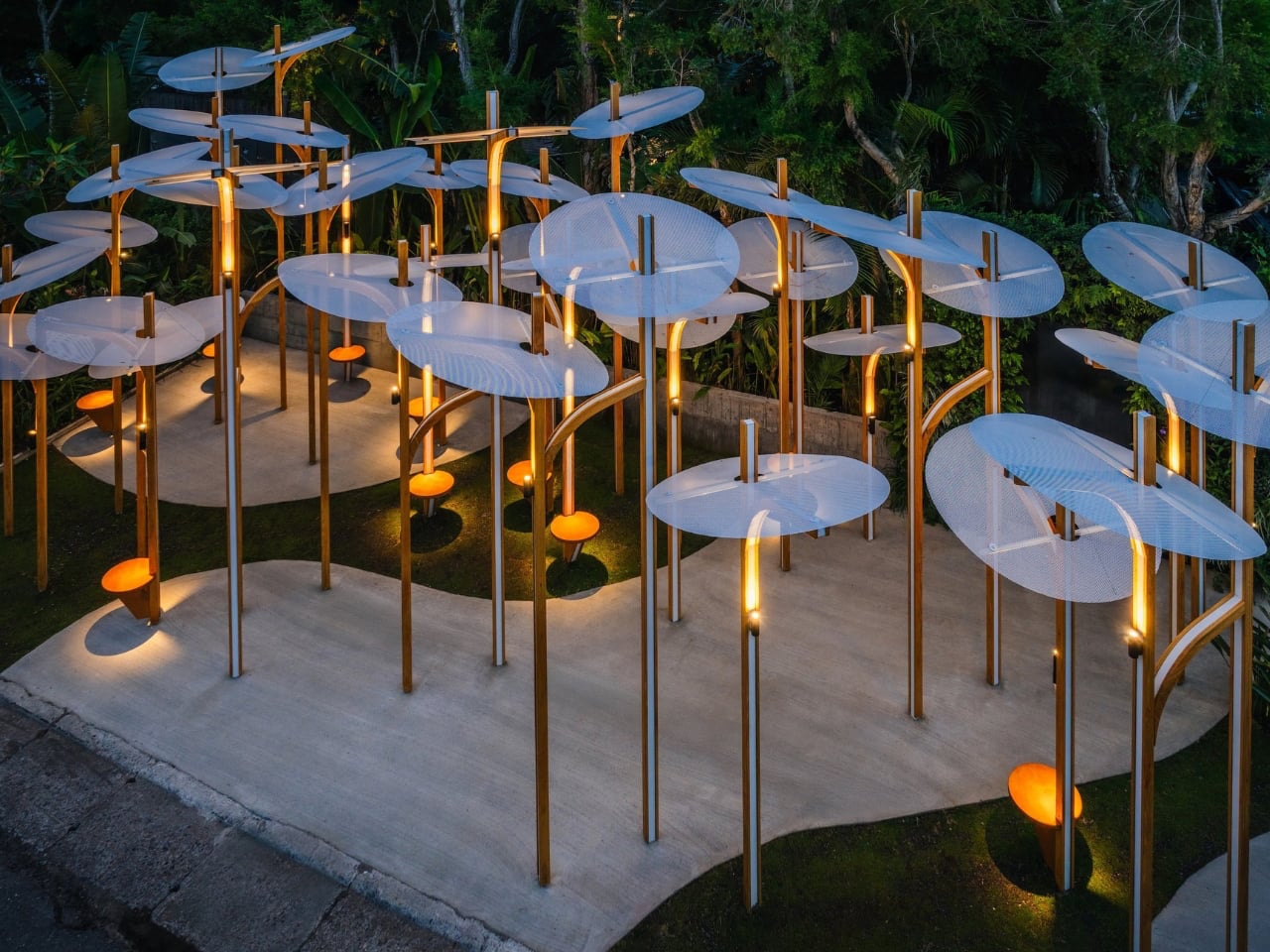
The modular design allows the work to adapt to different spaces, expanding or contracting like living plants responding to their environment. Its clean lines and muted palette integrate gracefully with the surrounding landscape, inviting visitors to move among the vertical forms. 25AP-263-43 transforms the space into an immersive experience, revealing how art can reflect the processes of growth, rhythm, and community inherent in nature.

2. Design That Shapes Interaction

The true power of design in public art lies in its ability to shape human behavior and foster connections. A well-placed installation isn’t static; it invites curiosity, conversation, and movement. The position of a sculpture, for instance, can turn it into a meeting point or encourage people to explore it from different angles, subtly guiding social flow through space.

Inclusive design ensures that everyone can experience this interaction. By considering pathways, seating, and lighting, designers make art accessible and inviting. The result is not just an artwork but a functional, social space that fosters comfort, inclusion, and community.


Interactive public art has a unique charm, and Love Continuum in London’s Chelsea area exemplifies this beautifully. Installed at Duke of York Square as part of Kensington + Chelsea Art Week, the piece immediately invites viewers—kids and adults alike—to touch, climb, or simply explore its form. At first glance, it appears to be a giant red spring or whimsical squiggly “worm,” a playful addition to the urban landscape.


The sculpture’s clever twist reveals itself from a certain angle: the word “love” emerges in elegant cursive, turning observation into a joyful discovery. Measuring 7.5 meters in length, Love Continuum continues artist Alter’s exploration of colorful, interactive forms that encourage engagement and play. Its hidden message adds a layer of delight, creating a shared experience for those who notice it. This combination of tactile fun, visual surprise, and thoughtful design makes it a memorable stop on London’s art trail.

3. The Power of Material and Durability

Material choice is one of the most crucial design decisions in public art, shaping its longevity and impact. Unlike gallery pieces, outdoor installations face constant exposure to weather, pollution, and human touch. Designers must therefore balance artistic vision with strength and endurance, using materials that preserve both beauty and integrity over time.

Selecting durable, often local options such as weathered steel, treated stone, or advanced composites ensures resilience and low maintenance. This thoughtful approach keeps the artwork safe, sustainable, and visually compelling for years, safeguarding the artist’s intent while respecting the realities of public spaces.
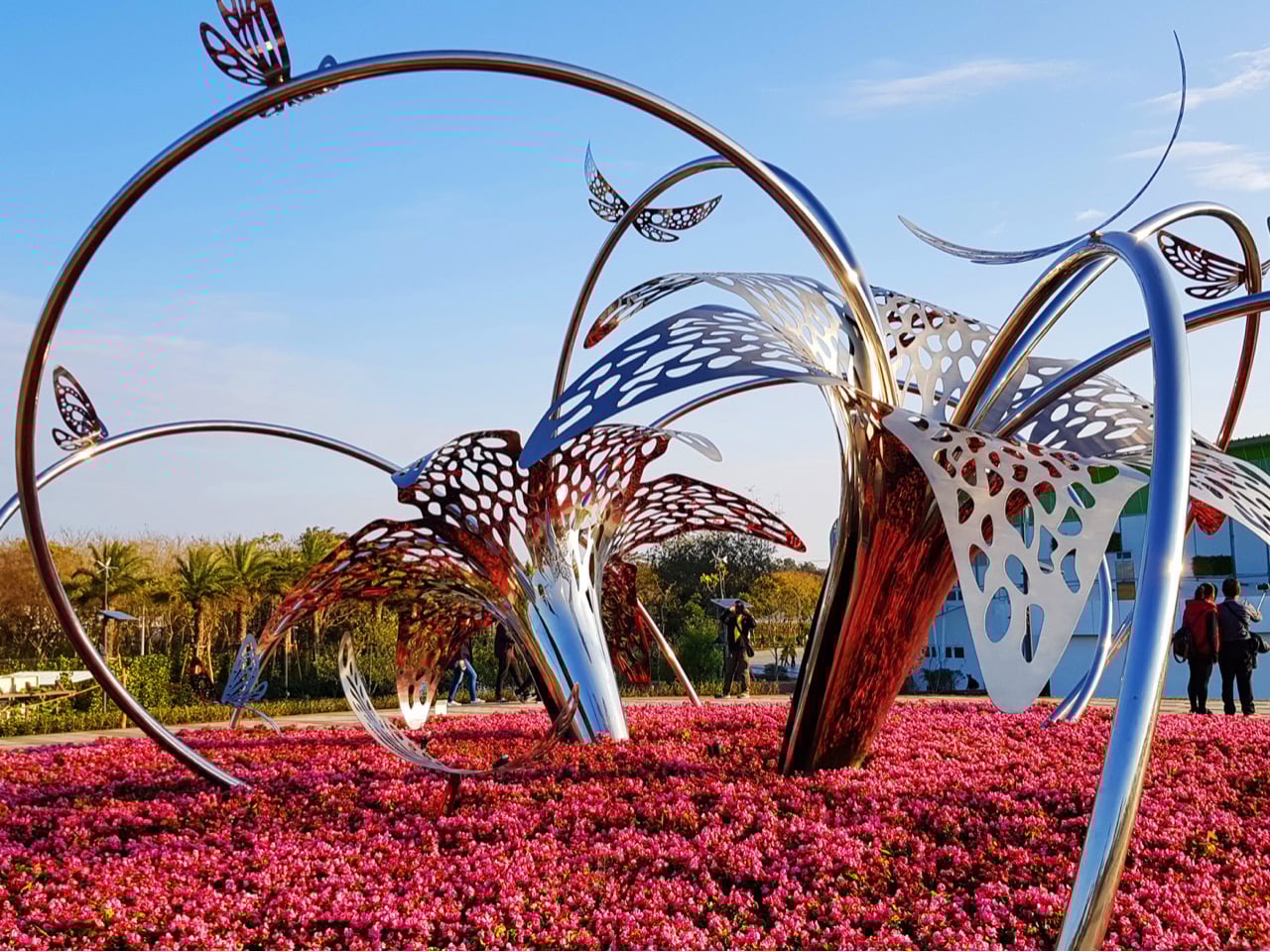
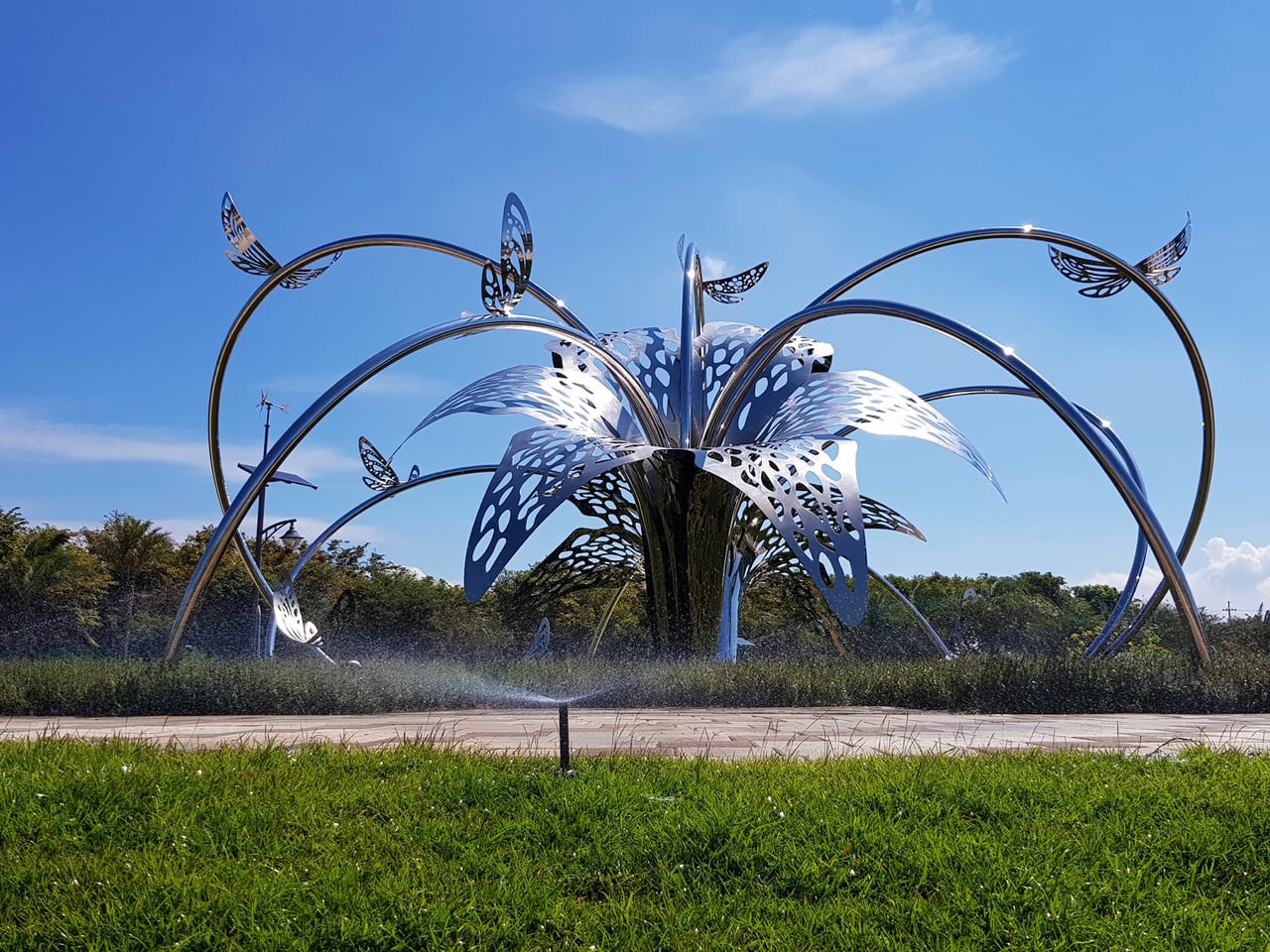
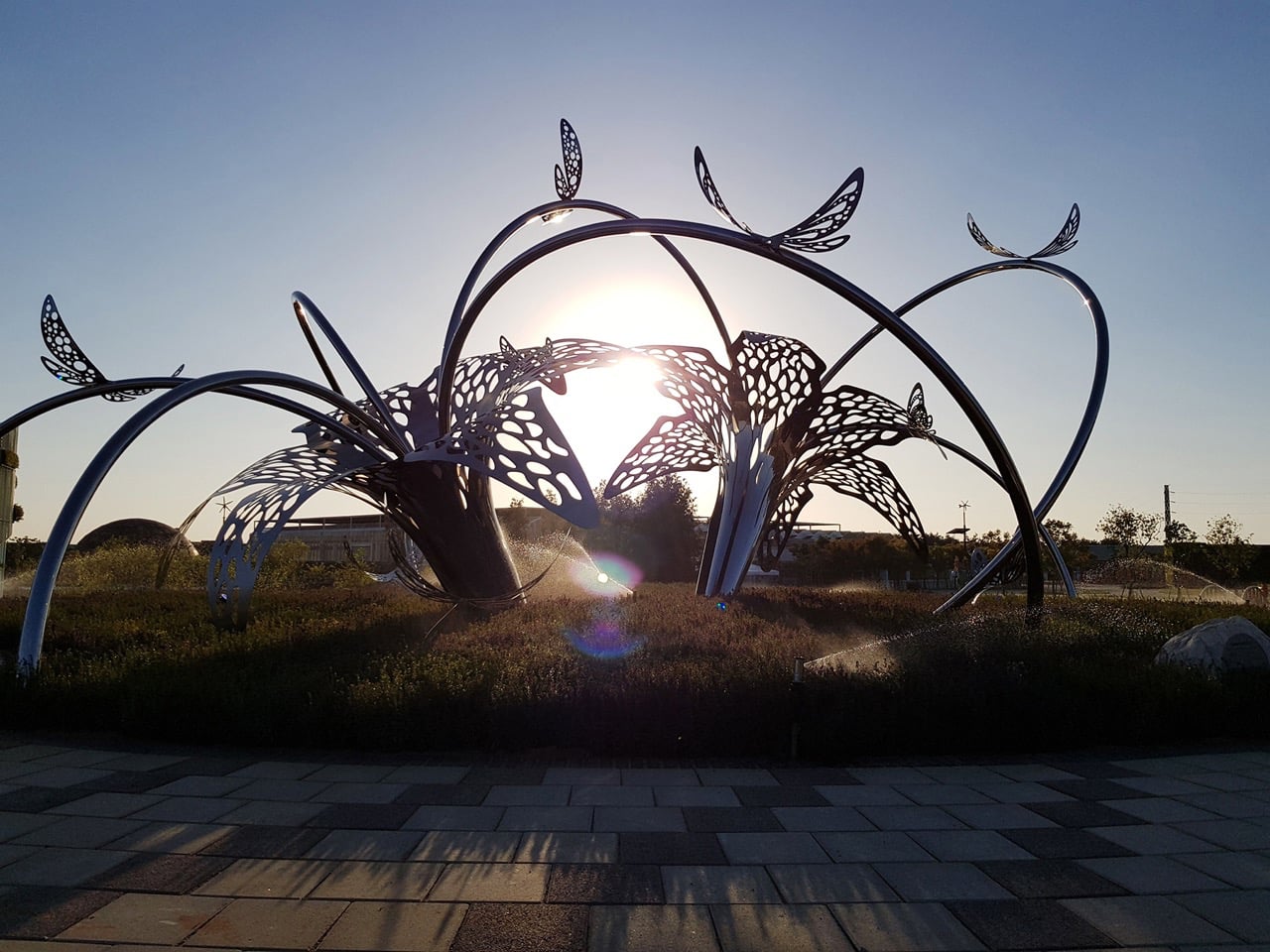
Kuo Hsiang Kuo’s “Flowers and Butterflies Are Dancing”, created for the 2018 Taichung World Flora Exposition in Taiwan, showcases the essence of contemporary public art. Using polished stainless steel, Kuo embraces the material’s reflective quality to mirror the vibrant flowers below and shifting clouds above, creating a constantly evolving dialogue with its surroundings. Sweeping arcs suggest the flutter of butterflies and the sway of flowers, while perforated panels cast intricate shadows. By night, strategically placed lighting transforms the sculpture into a glowing spectacle of purples and pinks, giving it a dynamic day-to-night presence.
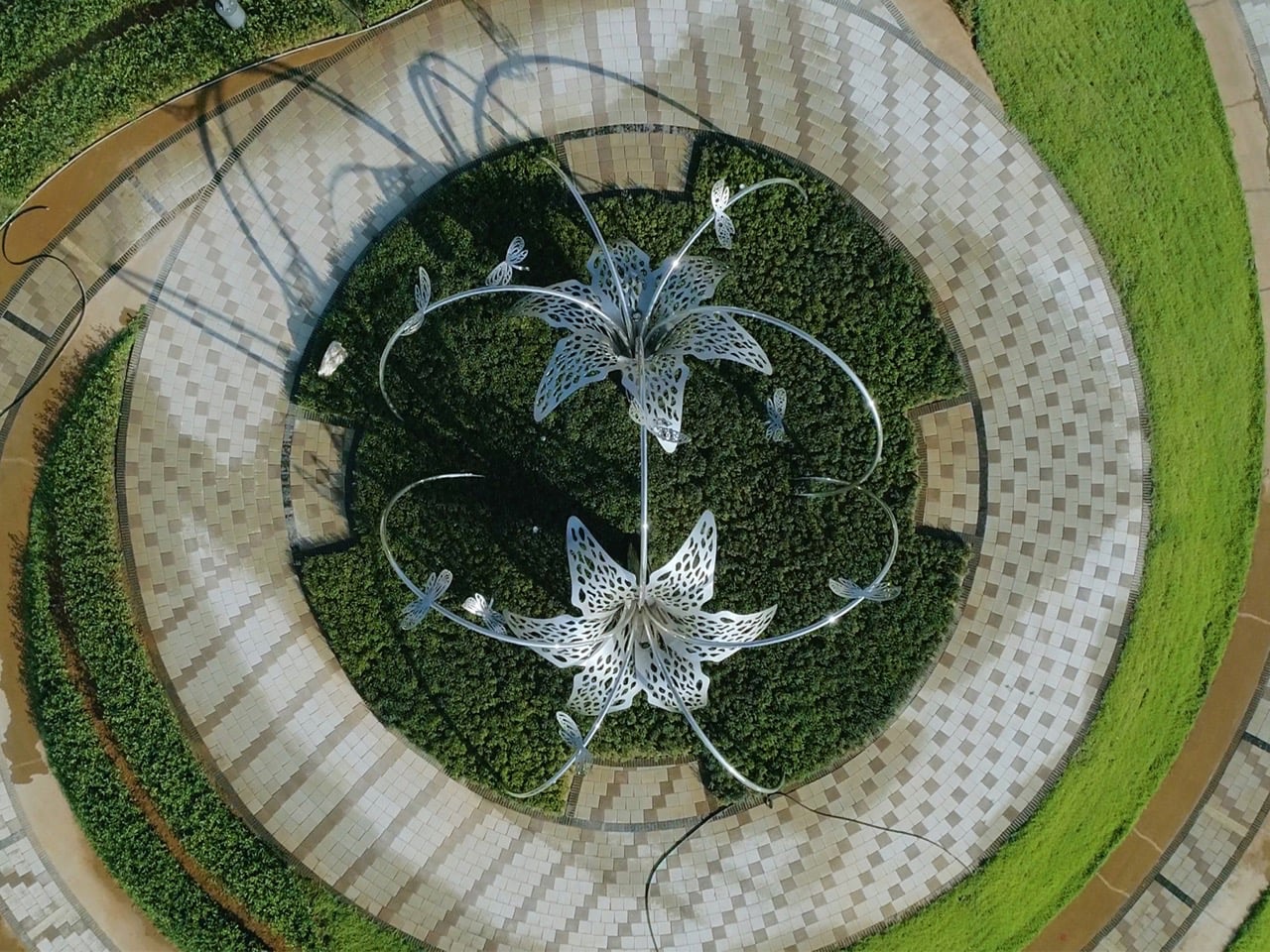
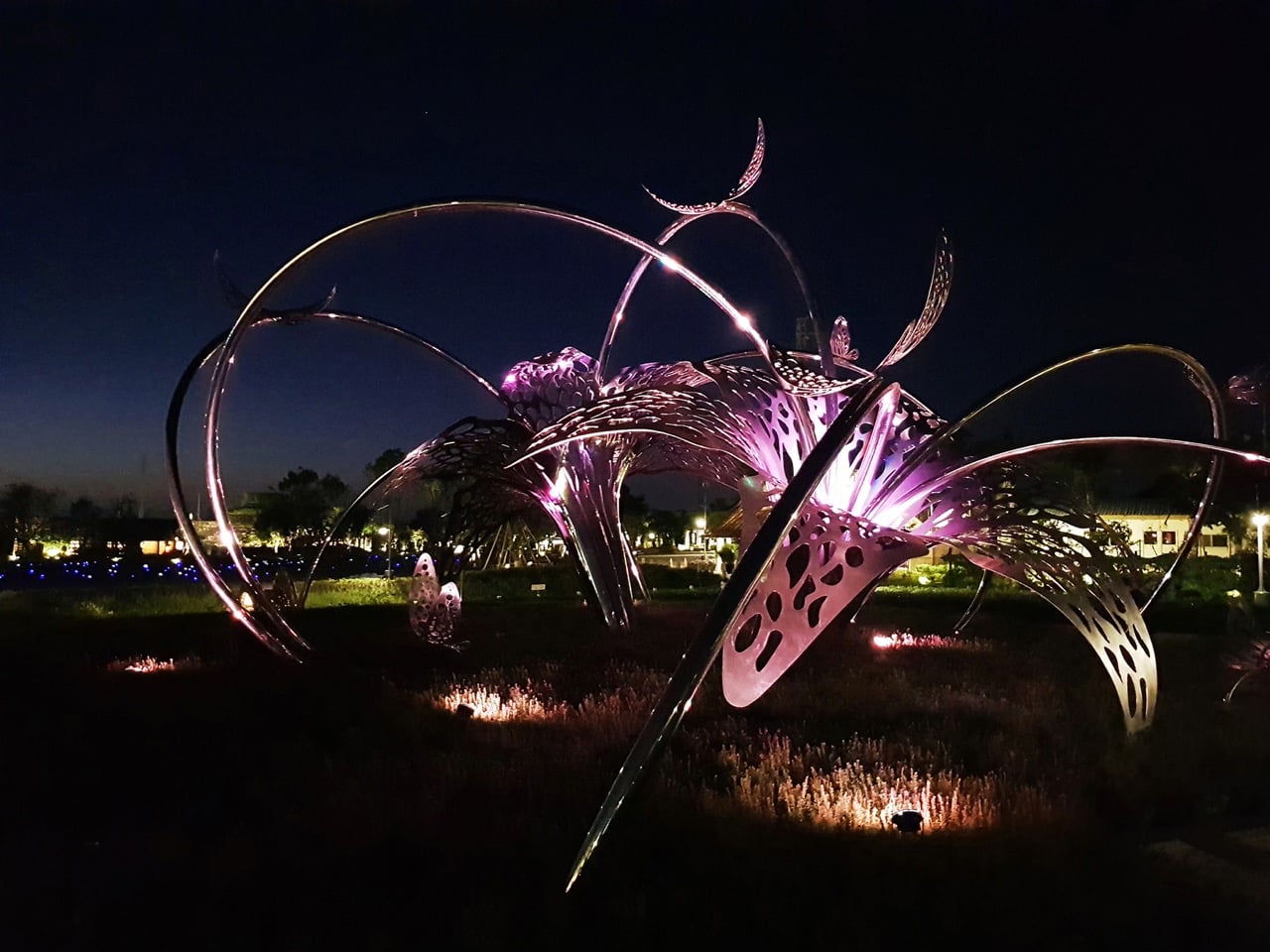
The installation balances structural precision with ethereal beauty, inviting visitors to explore it from multiple angles. Referencing Taiwan’s native Formosa Lily and butterfly motifs, it connects local identity with universal themes of transformation and renewal. Its multi-layered appeal engages children, adults, and design enthusiasts alike. “Flowers and Butterflies Are Dancing” proves that public art can be both visually stunning and deeply meaningful, transforming spaces and perspectives.

4. Lighting and Experiential Impact

Public art should shine even after sunset, and this is where thoughtful lighting design transforms perception. Proper illumination enhances textures, casts dramatic shadows, and can introduce dynamic colors, turning a daytime piece into a captivating nighttime feature and making the artwork a continuous part of the cityscape.

Lighting also serves safety and experiential purposes. By subtly brightening pathways while highlighting the art, designers create secure, inviting spaces. This blend of functionality and drama deepens emotional engagement, turning ordinary public areas into memorable, enchanting urban stages that captivate visitors day and night.

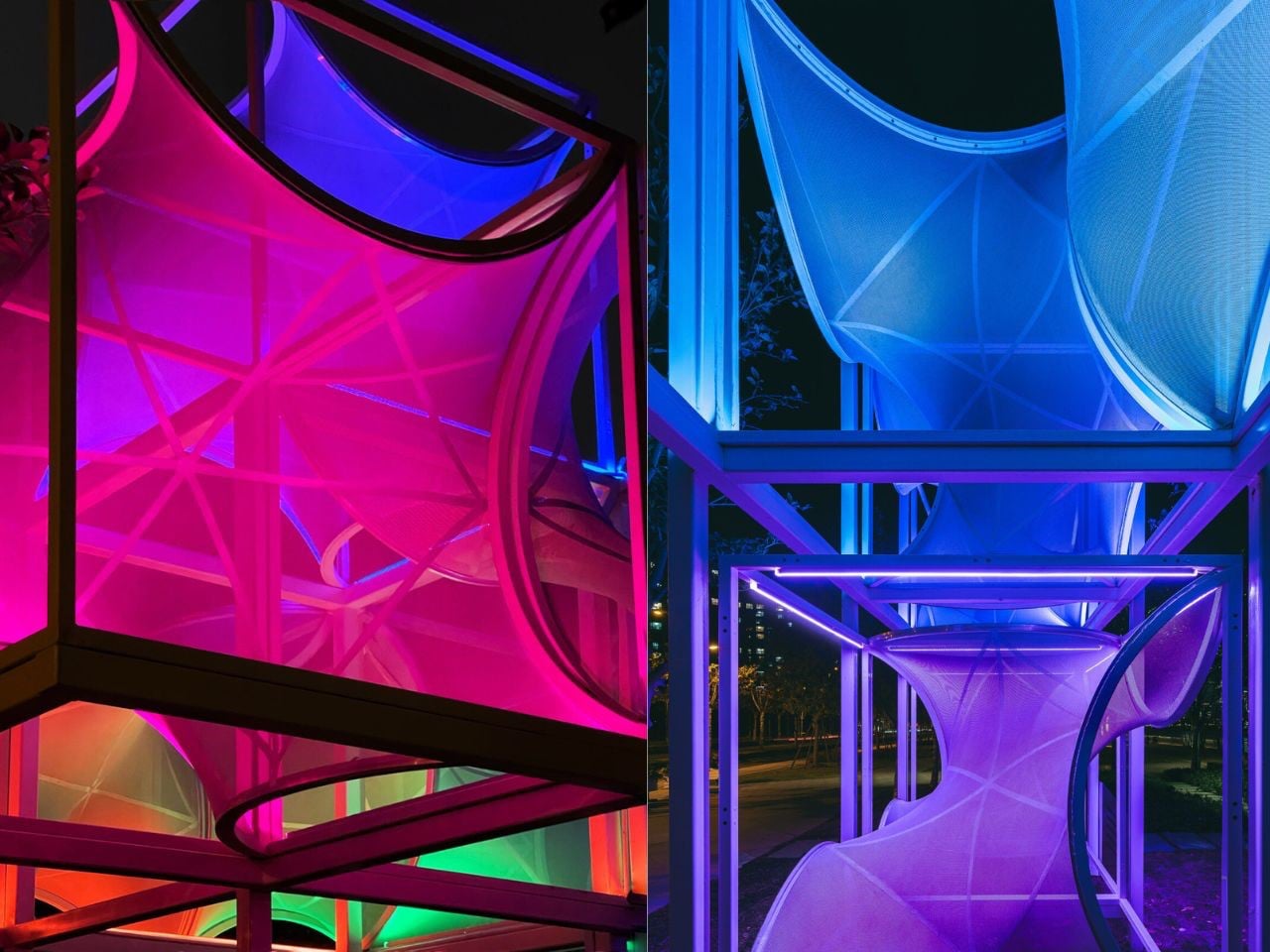
Along Shanghai’s Huangpu River, visitors encounter Curly Cube, a striking modular installation by the People’s Architecture Office (PAO). Combining flowing curves with sharp angles, it transforms an ordinary urban space into a dynamic playground of light, shadow, and interaction. Inspired by the Gyroid minimal surface, a natural form bridging mathematics and nature where the structure employs curvilinear tensile membranes stretched over lightweight square frames. The result is a form that appears both futuristic and organic, soft yet structured. By day, the translucent membranes filter sunlight into gentle, diffused patterns, offering shaded pockets where people can pause, explore, or relax amid the city’s bustle.


At night, integrated lighting casts shifting gradients across the silver membranes, turning the installation into a glowing social hub. Its modular design allows stacking, reconfiguration, or relocation, encouraging tactile and participatory engagement. Curly Cube showcases how adaptable public art can transform urban environments, transforming everyday walkways into immersive and memorable experiences for all visitors.

5. Community and Co-Creation

The most impactful public art grows from the community it serves, making co-creation essential. Designers act as bridges, translating local stories, needs, and identities into physical form. By involving residents, businesses, and leaders from the start, the artwork becomes a true reflection of the neighborhood’s spirit rather than an imposed object.

This collaborative process often enriches the project, making it more meaningful and relevant. When people see their ideas influence themes, materials, or placement, they become invested advocates. Inclusive design fosters public ownership, ensuring the artwork’s lasting cultural, social, and emotional impact.


Sitting on a public bench often reflects our comfort with social interaction. Extroverts may happily share a seat with strangers, while others prefer solitude. Martin Binder’s Balance Bench in Einbeck, Germany, challenges these habits by transforming a simple act of sitting into a shared experience. Constructed from oak slats atop a sleek steel frame, the bench rests on a single central cylinder, requiring at least two people on opposite ends to achieve balance. Attempting to sit alone either forces careful adjustment or playful observation, turning rest into cooperation and communication.


Located in the Garden of Generations, the 4.5-meter-long installation can accommodate up to eight people, encouraging dialogue and collective effort. By combining functional seating with interactive design, Binder’s work exemplifies how public art can foster connection, cooperation, and community engagement while making everyday urban experiences more playful and thought-provoking.

By harmonizing art with its site, guiding movement and interaction, ensuring durability, and creating safe, engaging environments day and night, thoughtful design transforms spaces into vibrant destinations. The result is artwork that enriches well-being, fosters community pride, and leaves a lasting social and cultural impact.

The post 5 Interactive Public Art Installations That Make You Part of the Design first appeared on Yanko Design.
Why Apple’s Foldable iPhone Could Crush the Competition

Why Apple’s Foldable iPhone Could Crush the Competition

Apple is poised to enter the foldable device market with its first-ever foldable iPhone, marking a significant step in its product evolution. Unlike competitors such as Samsung and Google, Apple is adopting a unique tablet-first approach, aiming to merge the portability of a smartphone with the functionality of a tablet. This strategy could reshape user […]

The post Why Apple’s Foldable iPhone Could Crush the Competition appeared first on Geeky Gadgets.

Posted in Uncategorized

Claude Code Update Adds LSP, Async Sub Agents, Ultrathink, Slack Handover, AutoCloud

Claude Code Update Adds LSP, Async Sub Agents, Ultrathink, Slack Handover, AutoCloud

What if your coding assistant could not only debug your code in real-time but also manage multiple tasks simultaneously, solve complex problems with advanced reasoning, and even integrate seamlessly with your favorite platforms like Slack and Chrome? In the latest breakdown by WorldofAI, the fantastic new update to Claude Code is explored in detail, showcasing […]

The post Claude Code Update Adds LSP, Async Sub Agents, Ultrathink, Slack Handover, AutoCloud appeared first on Geeky Gadgets.

Posted in Uncategorized

OLED MacBook Pro: Apple’s Bold Leap into the Future of Laptops

OLED MacBook Pro: Apple’s Bold Leap into the Future of Laptops

Apple is preparing to introduce a significant redesign of its MacBook Pro, expected to debut in 2026 or 2027. This next-generation laptop will feature an OLED display, a sleeker profile, and a host of advanced technologies. These updates aim to elevate the user experience, blending performance, usability, and design into an innovative portable computer. The […]

The post OLED MacBook Pro: Apple’s Bold Leap into the Future of Laptops appeared first on Geeky Gadgets.

Posted in Uncategorized

Gemini 3 Tips & Tircks : Free Chat, Zapier Workflows & AI Search

Gemini 3 Tips & Tircks : Free Chat, Zapier Workflows & AI Search

What if you could harness the power of advanced AI to enhance your productivity and creativity in everyday tasks? That’s exactly what Google’s Gemini 3 delivers. In the video below, Kevin Stratvert and team break down how this innovative platform is reshaping the way we engage with artificial intelligence. From simplifying research to generating stunning […]

The post Gemini 3 Tips & Tircks : Free Chat, Zapier Workflows & AI Search appeared first on Geeky Gadgets.

Posted in Uncategorized

Best EDC Knives of 2025: 7 Pocket Blade Innovations You Need to See

The everyday carry community has always valued function over flash, but 2025 proved you don’t need to choose between the two. This year brought knives that deploy using gravity, blades inspired by anime mechas, and utility tools that double as desk sculptures. Each design addresses the fundamental tension in EDC culture: creating something small enough to forget about until you need it, yet substantial enough to handle real work when called upon.

What separates these seven innovations from the flood of generic pocket tools is their refusal to play it safe. They experiment with opening mechanisms, embrace unconventional materials, and challenge assumptions about what compact really means. Whether you’re drawn to Damascus steel artistry or minimalist titanium efficiency, these designs prove that the best EDC gear elevates everyday tasks into something worth appreciating. The pocket knife evolved this year, and these are the designs leading that charge.

1. ScytheBlade: The Grim Reaper’s Weapon Goes Micro

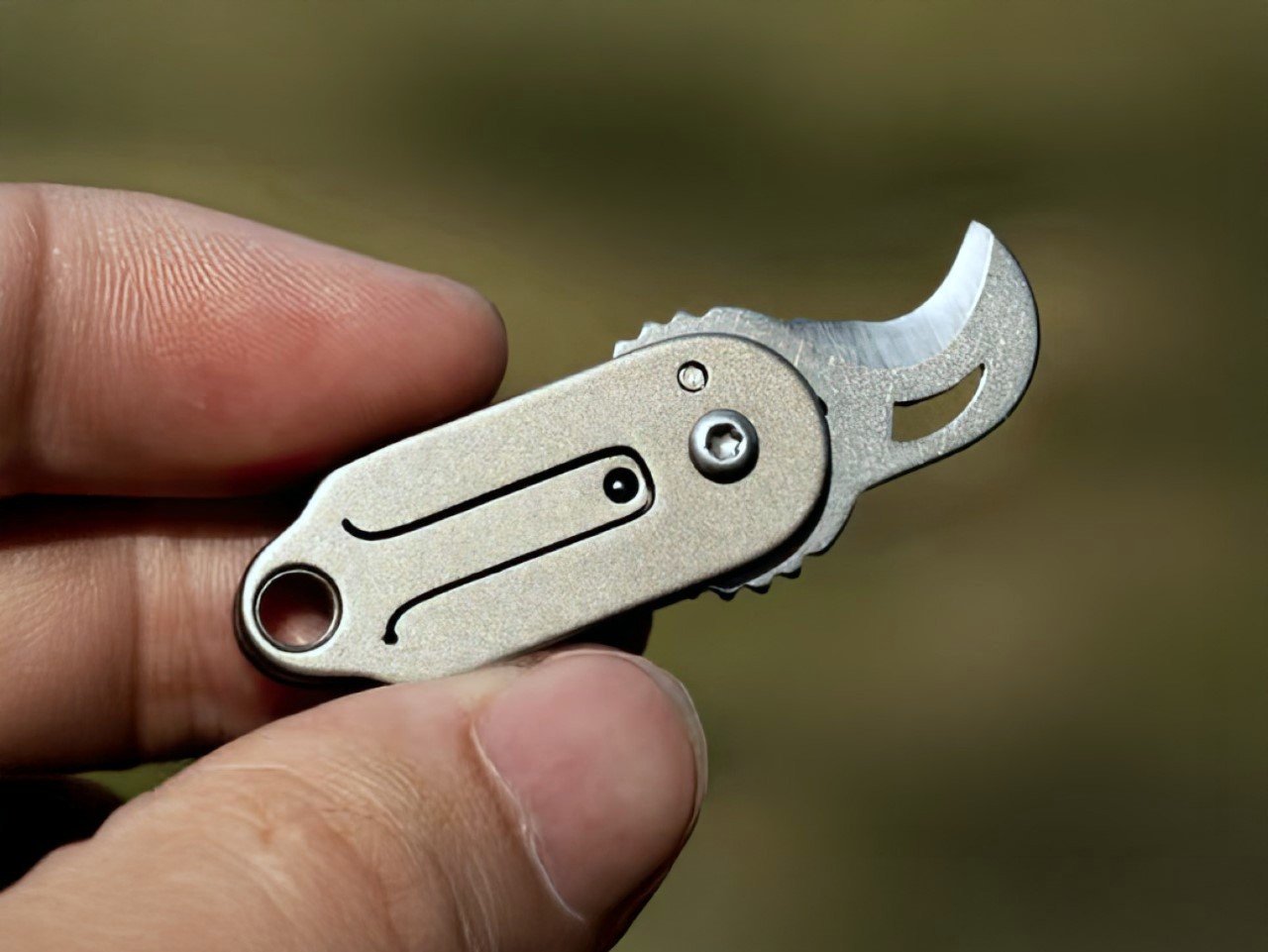
The curved blade of a scythe doesn’t seem like an obvious choice for pocket carry, but the ScytheBlade makes it work through radical miniaturization. This titanium EDC knife borrows the Grim Reaper’s iconic profile and shrinks it down to something resembling a tiger claw, creating a blade shape that looks dangerous because it genuinely is. At just 46mm when deployed, this folding knife challenges the idea that effective cutting tools need generous proportions. The curve concentrates force in ways straight blades can’t match.

Titanium construction keeps the ScytheBlade incredibly light at just 8 grams while delivering strength that feels disproportionate to its size. The material brings natural corrosion resistance without demanding constant maintenance, which matters when you’re carrying something this small. You won’t notice it clipped to your pocket until the moment you need it, then that curved blade profile becomes immediately relevant. The ScytheBlade proves that unconventional blade shapes can translate to micro formats when the engineering backs up the ambition.

What we like

  • The 46mm curved blade profile concentrates cutting force effectively.
  • Titanium construction delivers an 8-gram weight with serious durability.

What we dislike

  • The scythe shape may feel awkward for users accustomed to straight blades.
  • The extremely compact size limits cutting capacity for larger tasks.

2. Cubik: The Gravity-Powered Pocket Knife That Defies Convention

Knife designers typically rely on springs, flippers, or complex bearing systems to deploy blades, but the Cubik tosses those conventions aside in favor of gravity. Press the trigger, hold it upside down, and the blade casually emerges. Release the trigger, and it locks securely in place. This elegantly simple mechanism eliminates springs that rust, bearings that fail, and maintenance headaches that plague traditional folders. The knife works with physics rather than fighting it.

The satisfying simplicity doesn’t compromise capability. The Cubik locks solidly enough to pierce hardwood, proving that mechanical simplicity and functional strength aren’t mutually exclusive. The tungsten carbide glass breaker integrated into the rear end transforms this gentleman’s folder into a legitimate emergency tool. That addition elevates the Cubik beyond novelty into genuinely useful territory. When most EDC knives chase complexity through additional features, the Cubik finds innovation by stripping away everything unnecessary and trusting gravity to do the work.

What we like

  • The gravity-powered deployment eliminates complex mechanisms that fail or need maintenance.
  • The tungsten carbide glass breaker adds emergency capability without compromising the profile.

What we dislike

  • Gravity deployment requires a specific orientation that may feel awkward initially.
  • The mechanism works less reliably if debris enters the blade channel.

3. Split Handle Damascus Knife: Where Artistry Meets Engineering

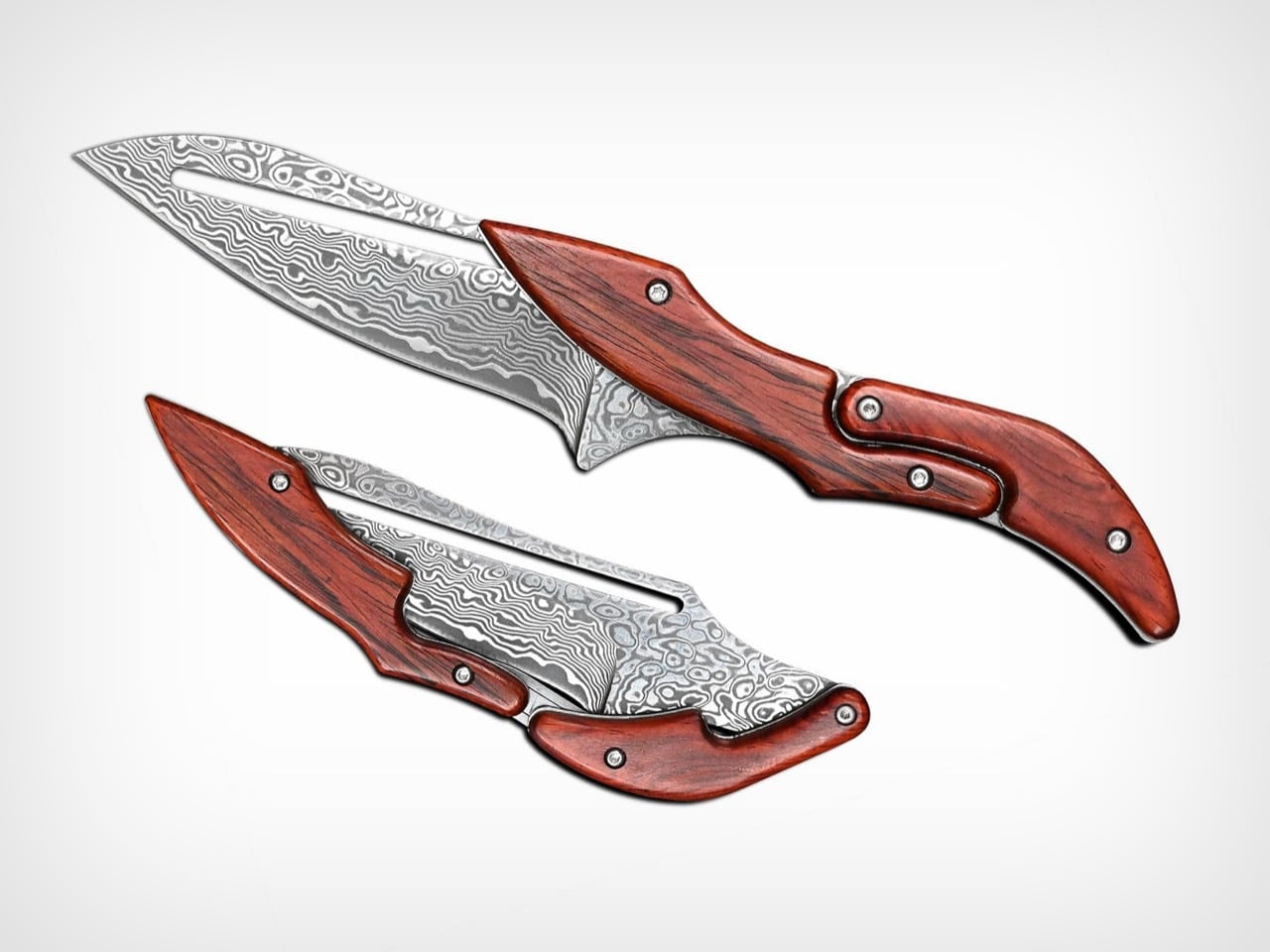
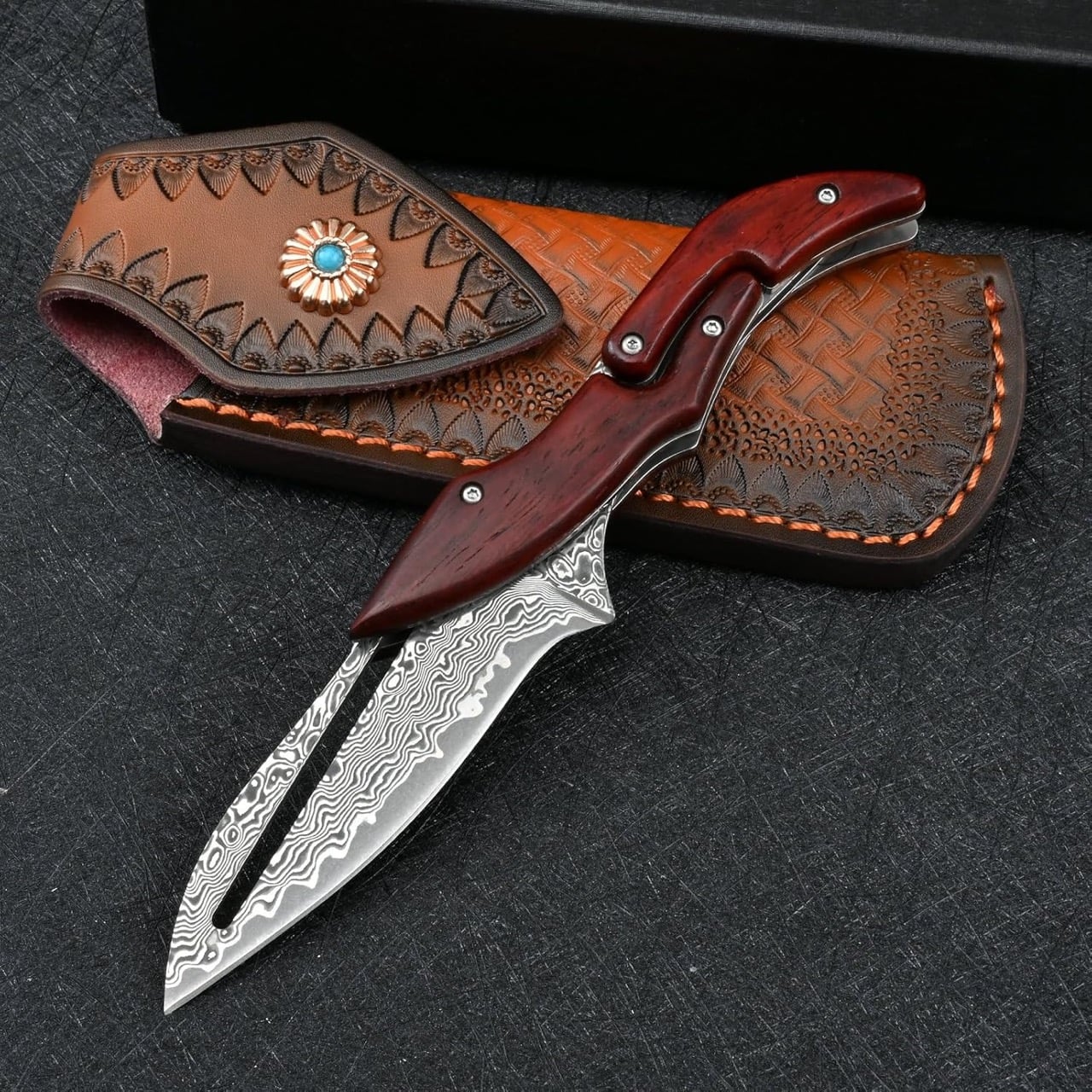
VG10 Damascus Steel paired with Yellow Sandalwood already positions this knife in elite material territory, but the split-handle opening mechanism pushes it into something approaching jewelry. Rather than flipping open conventionally, the handle disassembles before reassembling into an open knife through a clever linkage system. The transformation is mesmerizing, morphing from ergonomic grip to protective sheath and back again. This isn’t the knife you grab for tactical situations or utilitarian tasks.

Damascus Steel brings the visual appeal of marbled metal created by forge-welding multiple steel types together, then acid-etching to reveal the folded layers. The technique originated in Damascus, Syria, though the original method vanished into history. Modern Damascus pays homage to that lost art while remaining highly prized by collectors for the craftsmanship involved. The Split Handle Damascus Knife exists for people who appreciate knives as objects worth contemplating, not just using. It elevates pocket carry into something approaching art, which matters when craftsmanship becomes rarer in mass-produced EDC gear.

What we like

  • The split-handle mechanism creates a uniquely mesmerizing deployment process.
  • Damascus Steel and Sandalwood construction elevate this into collectible territory.

What we dislike

  • The complex mechanism prioritizes aesthetics over practical daily deployment speed.
  • Premium materials make this knife too precious for rough use or potential loss.

4. Nucleus Frame Lock: The Mecha-Inspired Pocket Knife

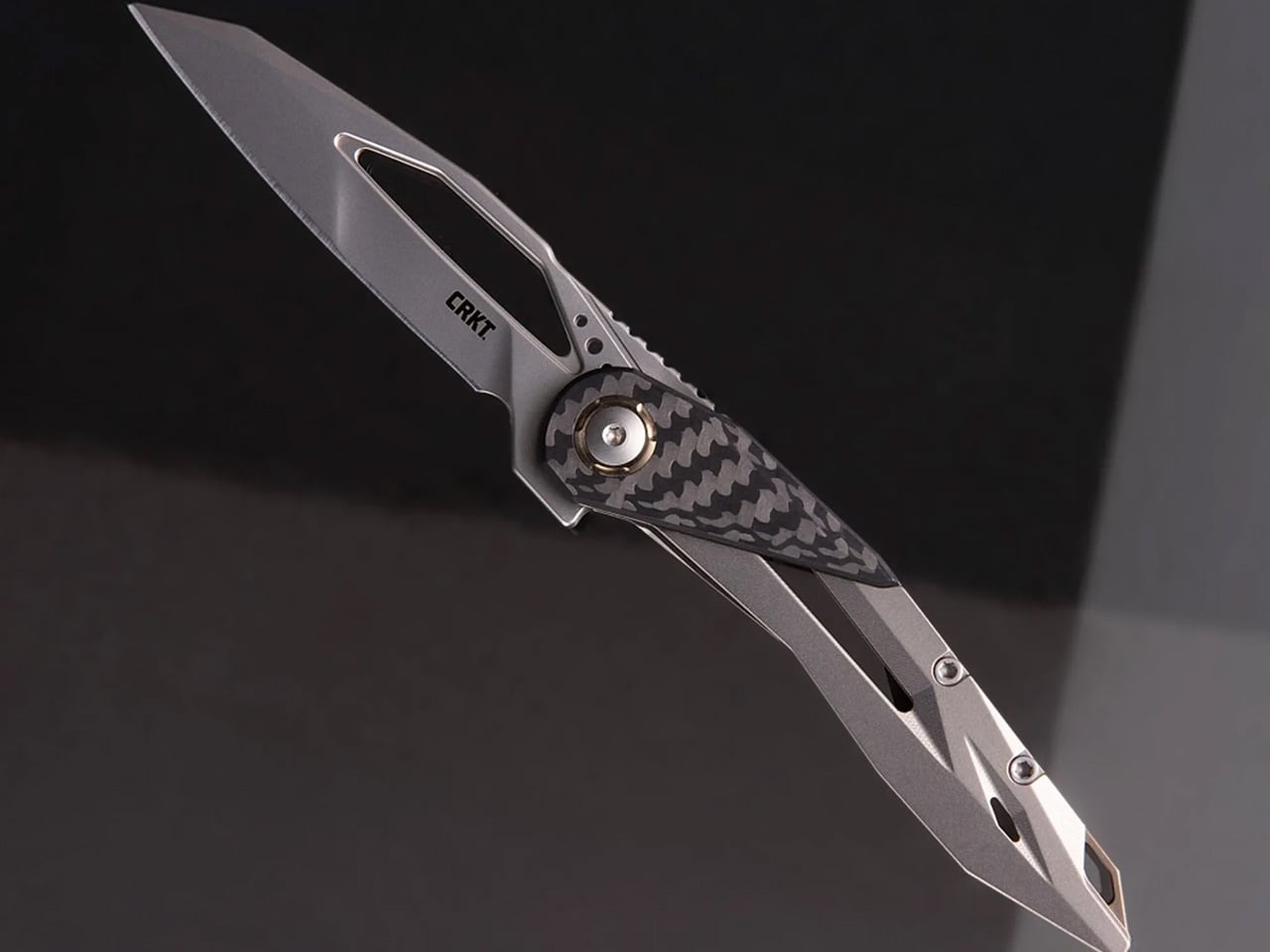
Princeton Wong designs knives that look like they escaped from anime, and his Nucleus Frame Lock for CRKT commits fully to that vision. Inspired by Mobile Suit Gundam, this Italian-made folder brings mecha aesthetics to everyday carry through sharp, angular lines characteristic of Japanese manga. The symmetrical bolster conceals the frame lock and mechanical notching with precision that reveals Wong’s obsessive attention to detail. This knife functions as a serious cutting tool and a fidget-friendly desk toy simultaneously.

Multiple opening options make the Nucleus genuinely fun to manipulate, delivering that fidget spinner satisfaction while remaining a capable blade. Wong derives inspiration from nature and pop culture, translating those influences into knives that refuse safe silhouettes. The angular design isn’t randomly achieved; it represents deliberate choices about how form can enhance rather than compromise function. While most knife makers stick to conservative profiles, Wong proves that unconventional aesthetics and practical performance can coexist when the designer understands both EDC fundamentals and visual impact.

What we like

  • The mecha-inspired angular design brings genuine visual personality to EDC.
  • Multiple opening options create satisfying fidget-friendly interaction.

What we dislike

  • The aggressive anime aesthetic won’t appeal to users preferring subtle carry pieces.
  • The complex bolster design may complicate maintenance and cleaning.

5. Pocket Tanto: Minimalist Elegance Meets Dual-Edge Capability

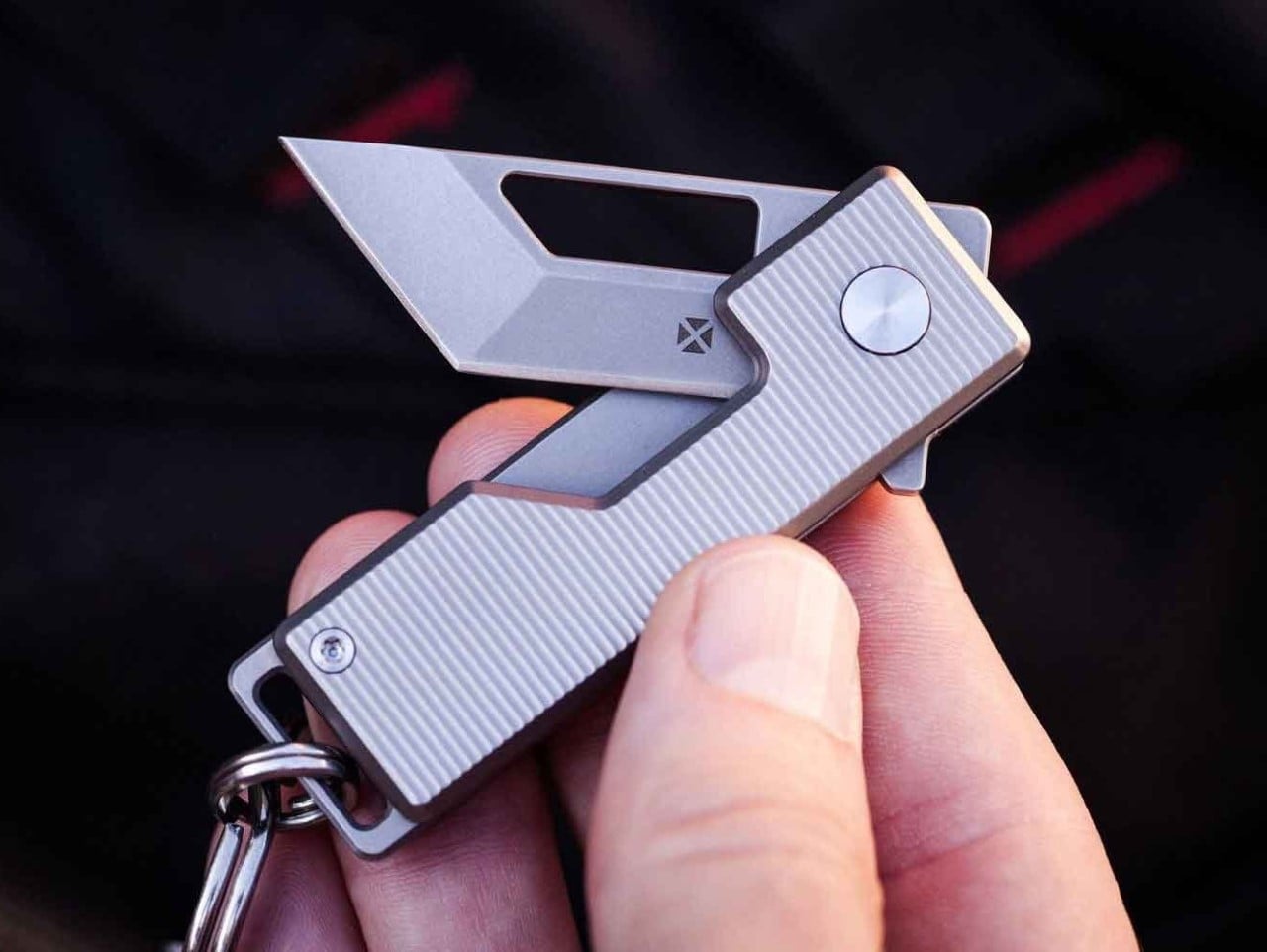
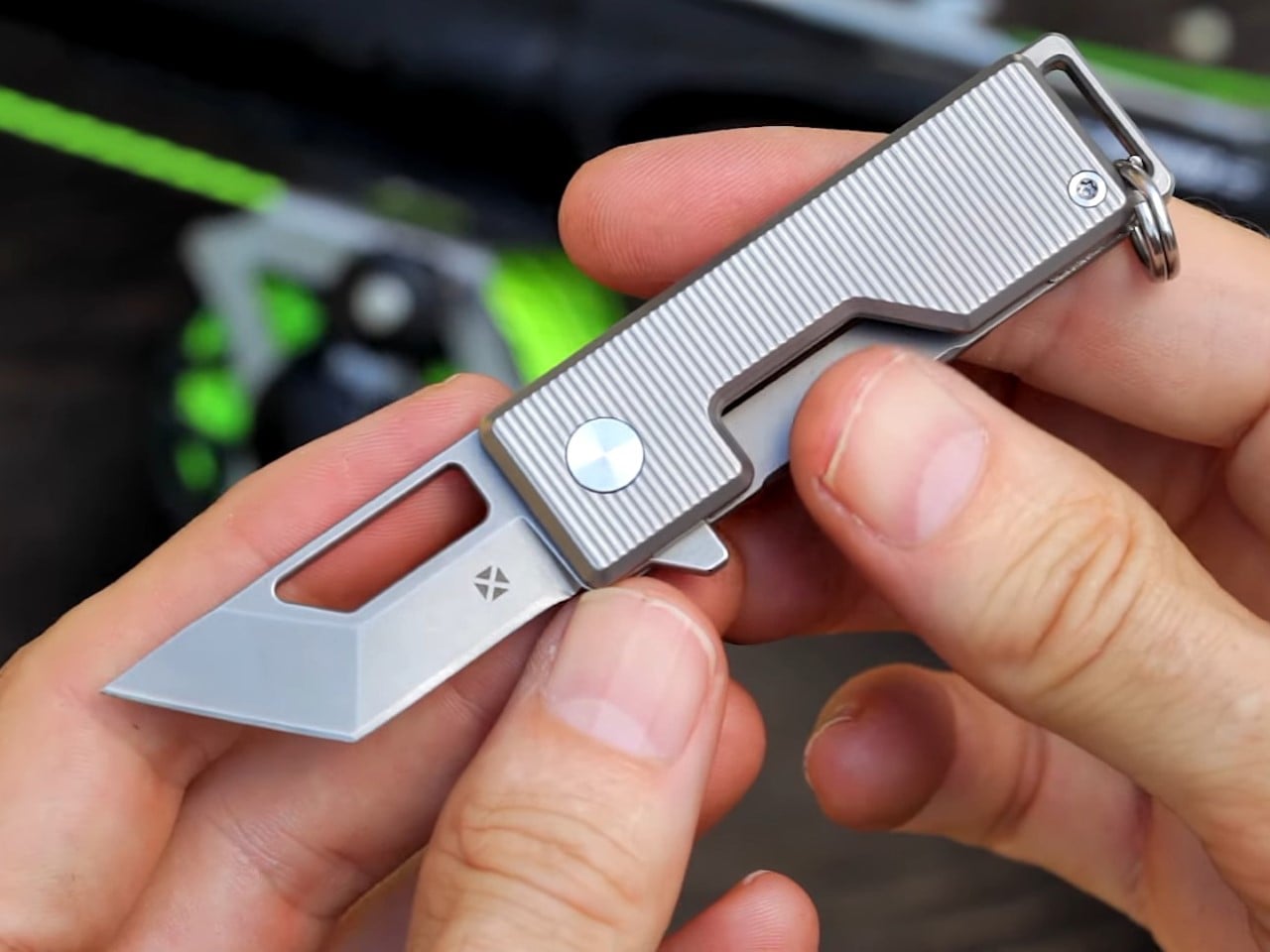
Most tanto knives lean into aggressive over-the-top styling, but the Pocket Tanto pursues restraint. The ribbed handle evokes Rimowa luggage more than tactical gear, housing an American Tanto blade forged from M390 steel. Two variants exist: all-titanium or carbon fiber scales, both delivering compact sophistication. The blade measures just 1.5 inches, which sounds inadequate until you understand how the dual-edge American Tanto format multiplies cutting versatility beyond what single-edge blades offer.

Two piercing points and two cutting edges transform this compact blade into something unexpectedly capable for activities from opening letters to scraping flint for fire starting. The tanto-shaped cutout reduces weight while creating a comfortable two-handed opening point. M390 steel brings high-performance edge retention without demanding constant sharpening. The Pocket Tanto fits most pockets easily, disappearing until needed. It succeeds by rejecting the notion that small knives need to look aggressive to be effective, proving that refined aesthetics and practical capability complement rather than contradict each other.

What we like

  • The American Tanto format delivers dual edges and dual points in a compact package.
  • M390 steel construction provides exceptional edge retention and durability.

What we dislike

  • The 1.5-inch blade length limits reach for certain cutting tasks.
  • The minimalist aesthetic may feel too understated for users wanting visual impact.

6. Berm Keychain Knife: Titanium-Coated Micro EDC

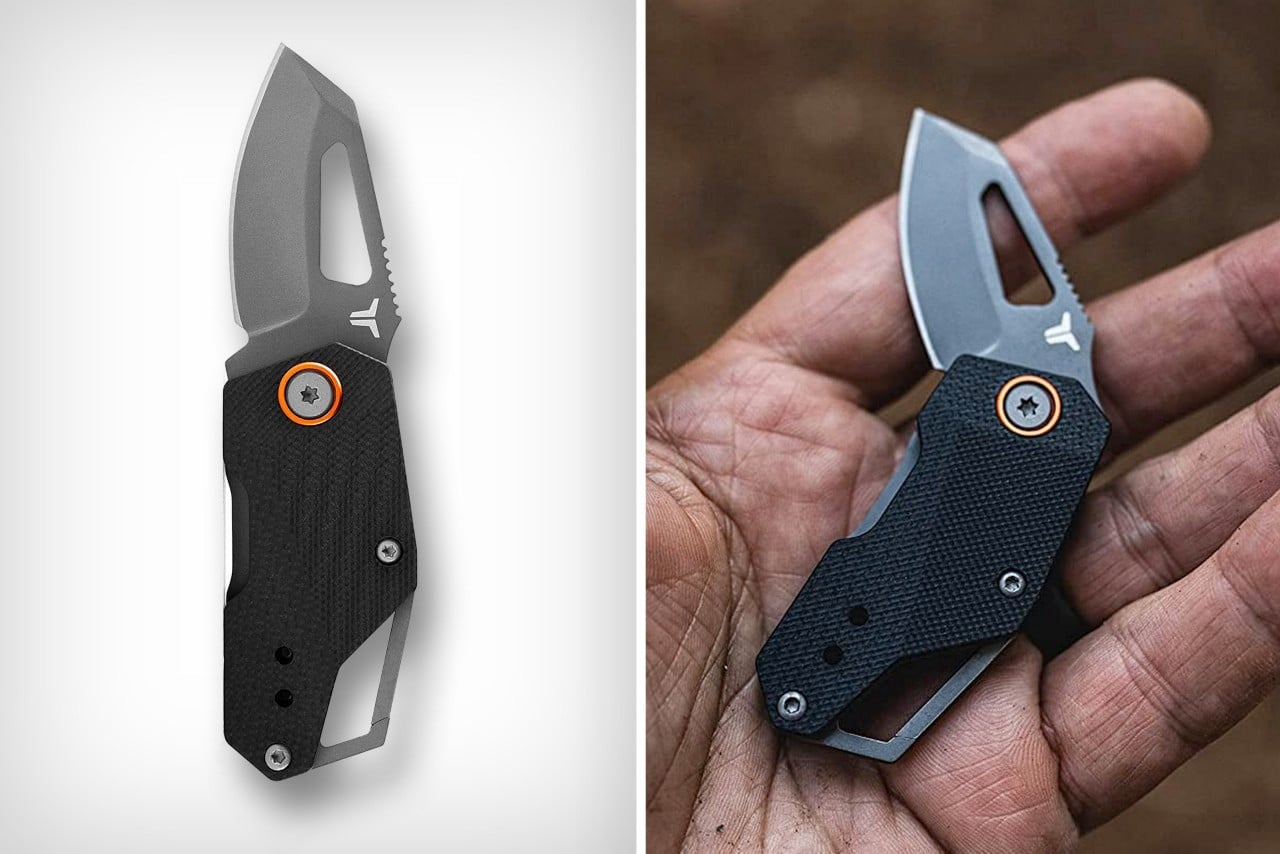
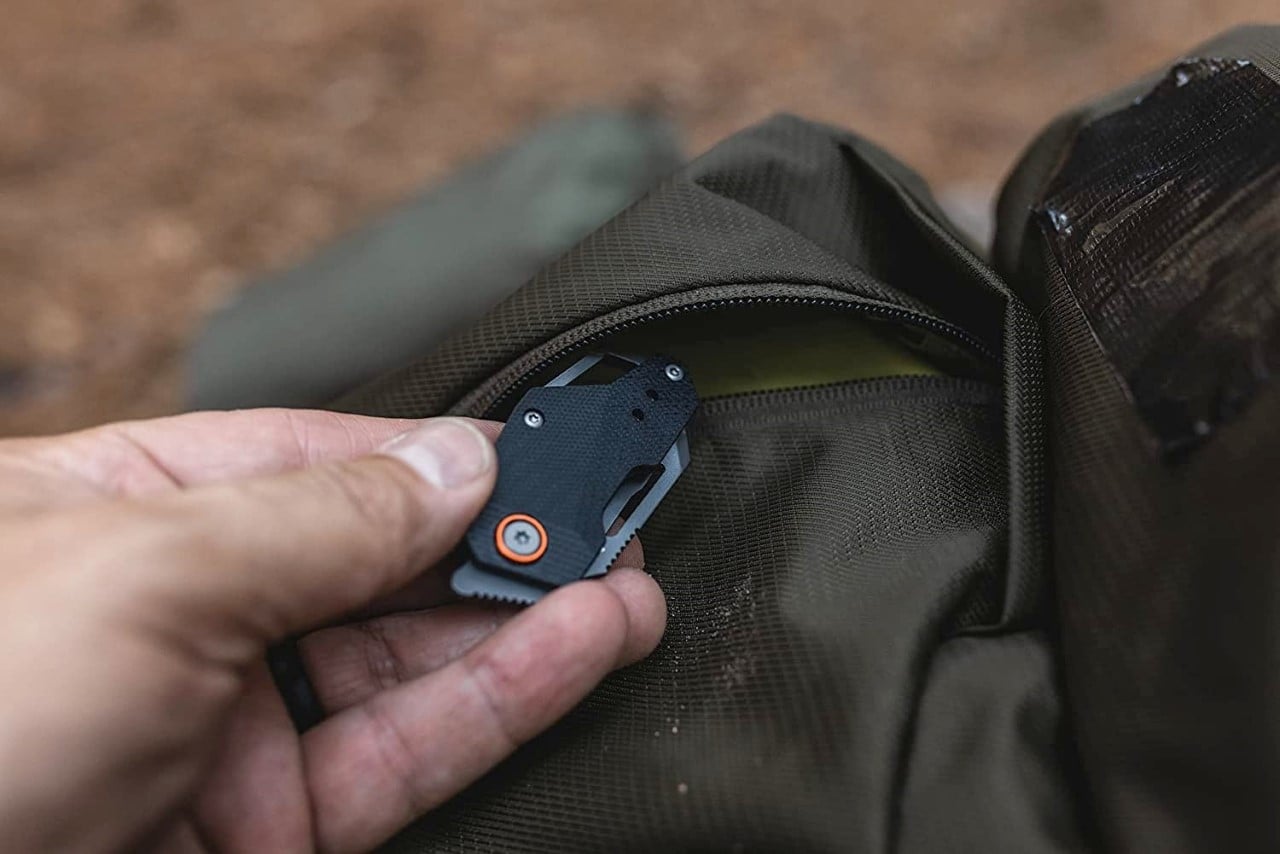
Measuring just 2.66 inches tall and weighing 77 grams, the Berm represents the keychain knife category done right. The G10 composite handle brings lightness and durability with exceptional grip, while the 7Cr17MoV stainless steel blade gets a titanium nitride coating for added toughness. The sheepsfoot profile excels at cutting and carving without the accidental piercing risk that pointed blades carry. The top cutout keeps weight minimal while maintaining structural integrity, making this genuinely pocket-friendly rather than just pocket-sized.

Ball-bearing pivot and liner-locking mechanisms make the Berm surprisingly reliable for outdoor use and emergencies despite its diminutive size. The reversible pocket clip and built-in carabiner offer carrying flexibility, whether you prefer pocket carry or backpack attachment. This knife succeeds by understanding that keychain EDC shouldn’t mean compromised capability. It remains dependable and portable simultaneously, which matters when you’re choosing something to carry literally every single day. The Berm proves you don’t need aggressive sizing to create a knife worth trusting.

What we like

  • The 2.66-inch size and 77-gram weight make this genuinely unobtrusive to carry.
  • Ball-bearing pivot and liner lock deliver reliable performance despite compact dimensions.

What we dislike

  • The sheepsfoot profile lacks the piercing capability of pointed blade designs.
  • The keychain size may feel too small for users with larger hands.

7. Craftmaster Utility Knife: The Desk-Worthy Cutting Tool

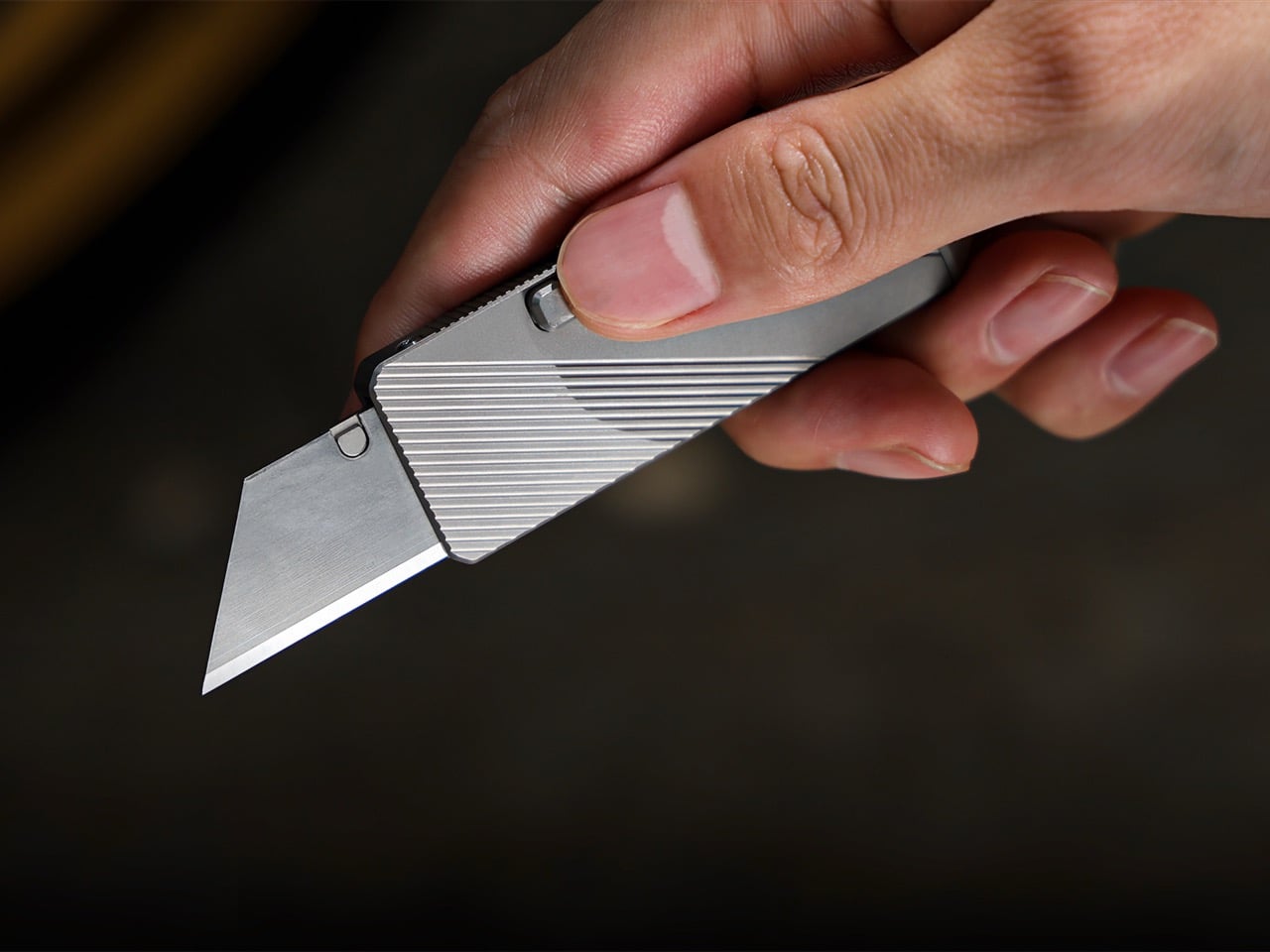
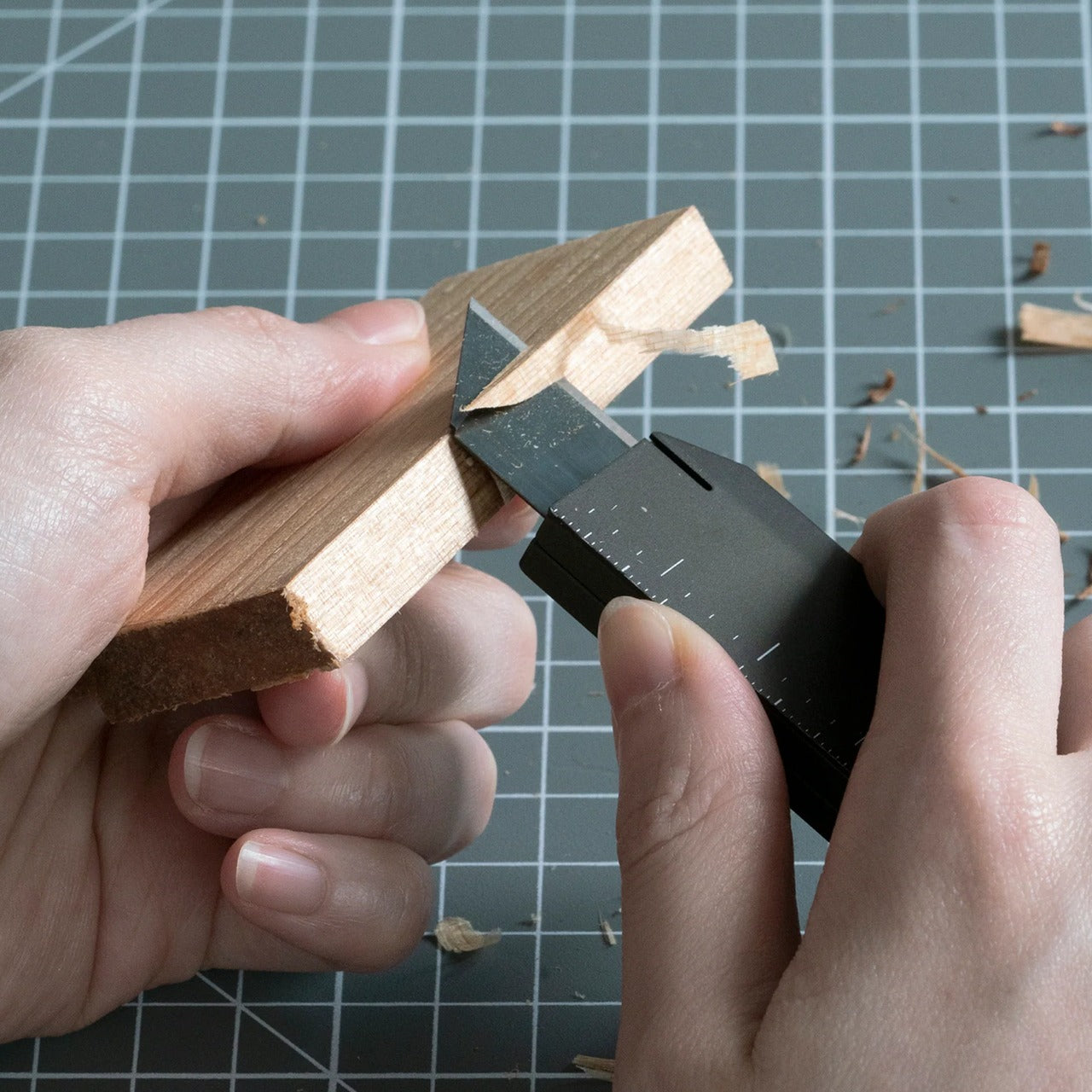
Most utility knives prioritize pure function, but the Craftmaster pursues something more refined. The clean metallic form and minimalist aesthetic transform this into a statement piece that works equally well on your desk as in your pocket. The hefty metal exterior feels substantial and reliable, while the OLFA blade deploys via a tactile rotating knob rather than cheap sliding mechanisms. At just 0.3 inches thick and 4.72 inches long, this knife disappears into pockets but commands attention when placed on surfaces.

The magnetic back docks a companion metal scale featuring both metric and imperial markings, a raised edge for easy lifting, and a blade-breaker for snapping off dulled edges. The scale’s 15-degree curvature prevents finger cuts during use, while the 45-degree inclination protects contents during box opening. The OLFA blade system allows easy replacement when edges dull, extending the knife’s usefulness indefinitely. This utility knife acknowledges that tools used in professional environments should look the part, bridging the gap between workshop utility and office aesthetic without compromising either.

Click Here to Buy Now: $79.00

What we like

  • The minimalist metal design elevates utility knife aesthetics to desk-worthy status.
  • The magnetic scale with blade-breaker adds genuinely useful functionality.

What we dislike

  • The metal construction adds weight compared to plastic utility knives.
  • The refined aesthetic makes this feel too nice for rough job site use.

The Evolution of Pocket Carry

These seven knives represent something larger than individual product excellence. They signal a shift in EDC design philosophy away from pure tactical utility toward pieces that deliver capability while respecting aesthetics. The days of choosing between function and visual appeal are ending, replaced by designs that demand both simultaneously. From gravity deployment to mecha styling, these innovations prove that knife design still has unexplored territory worth investigating.

What makes this collection particularly relevant is how each piece addresses different aspects of everyday carry. Some prioritize ultimate compactness, others embrace artistic materials, and a few experiment with unconventional mechanisms. The common thread is the refusal to accept established conventions as final answers. Whether you’re drawn to Damascus craftsmanship or minimalist utility, 2025 delivered EDC knives that respect both the practical demands of daily carry and the aesthetic pleasure of owning something genuinely well-designed. That balance feels increasingly rare and worth celebrating.

The post Best EDC Knives of 2025: 7 Pocket Blade Innovations You Need to See first appeared on Yanko Design.

Samsung Galaxy S26 Ultra Launch Delayed? What It Means for You

Samsung Galaxy S26 Ultra Launch Delayed? What It Means for You

Samsung has officially announced a delay in the release of its highly anticipated Galaxy S26 Ultra, now scheduled for late February 2026. While delays often raise concerns, this move appears to be a deliberate and strategic decision. By aligning the Galaxy S26 Ultra launch with the international debut of the Galaxy Z Trifold, Samsung is […]

The post Samsung Galaxy S26 Ultra Launch Delayed? What It Means for You appeared first on Geeky Gadgets.

Posted in Uncategorized

Hidden ChatGPT Skills, from Canvas Mini Apps to Private Chats & Reminders

Hidden ChatGPT Skills, from Canvas Mini Apps to Private Chats & Reminders

Imagine having access to an AI so versatile that it could not only chat with you but also adapt to your writing style, manage your tasks, and even build mini apps, all without breaking a sweat. That’s exactly what ChatGPT offers, yet most people only scratch the surface of its capabilities. Below, Skill Leap AI […]

The post Hidden ChatGPT Skills, from Canvas Mini Apps to Private Chats & Reminders appeared first on Geeky Gadgets.

Posted in Uncategorized

Is the 2026 Apple TV 4K Finally Coming? Everything We Know

Is the 2026 Apple TV 4K Finally Coming? Everything We Know

The release of the next-generation Apple TV 4K and the updated HomePod Mini has been delayed, leaving tech enthusiasts eagerly awaiting their arrival. Initially expected by the end of 2025, these devices are now projected to launch in early 2026. While the external design of the Apple TV 4K is likely to remain consistent with […]

The post Is the 2026 Apple TV 4K Finally Coming? Everything We Know appeared first on Geeky Gadgets.

Posted in Uncategorized

ChatGPT 5.2 Guide : Best Uses for Business, Research, Writing & More

ChatGPT 5.2 Guide : Best Uses for Business, Research, Writing & More

What if you could have a personal assistant that not only brainstorms new ideas but also helps you execute them with precision? Enter ChatGPT 5.2, the latest evolution in AI technology that’s redefining how professionals approach creativity, research, and strategic planning. With its enhanced ability to generate humanlike insights, integrate seamlessly with tools, and retain […]

The post ChatGPT 5.2 Guide : Best Uses for Business, Research, Writing & More appeared first on Geeky Gadgets.

Posted in Uncategorized