What if you could build a gaming PC in 2026 that crushes 1440p gaming without emptying your wallet, even with the increased RAM prices? ETA Prime explains how a carefully curated mix of affordable new parts and savvy second-hand finds can deliver smooth, high-quality performance in modern titles like Cyberpunk 2077 and Red Dead Redemption […]
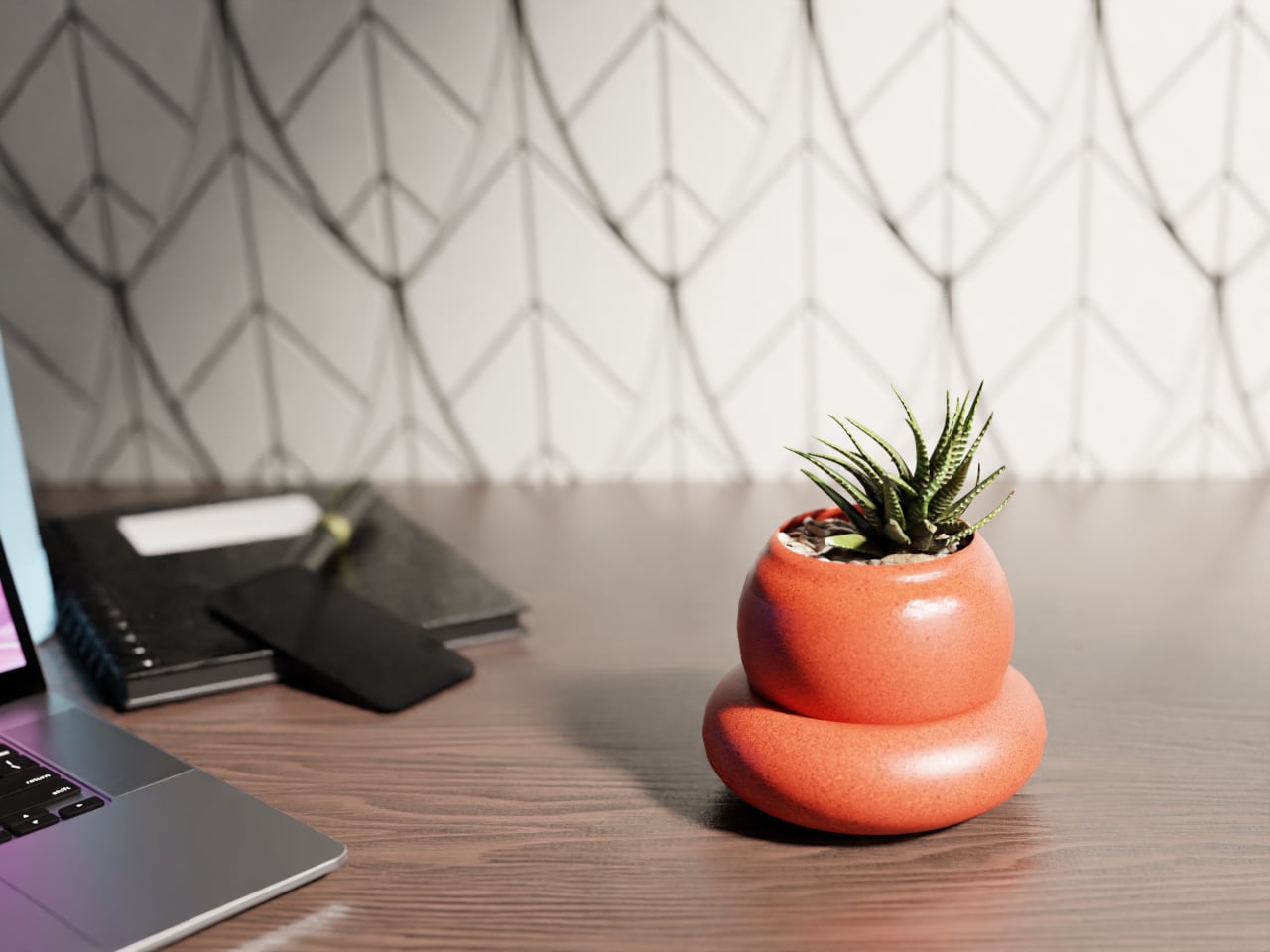
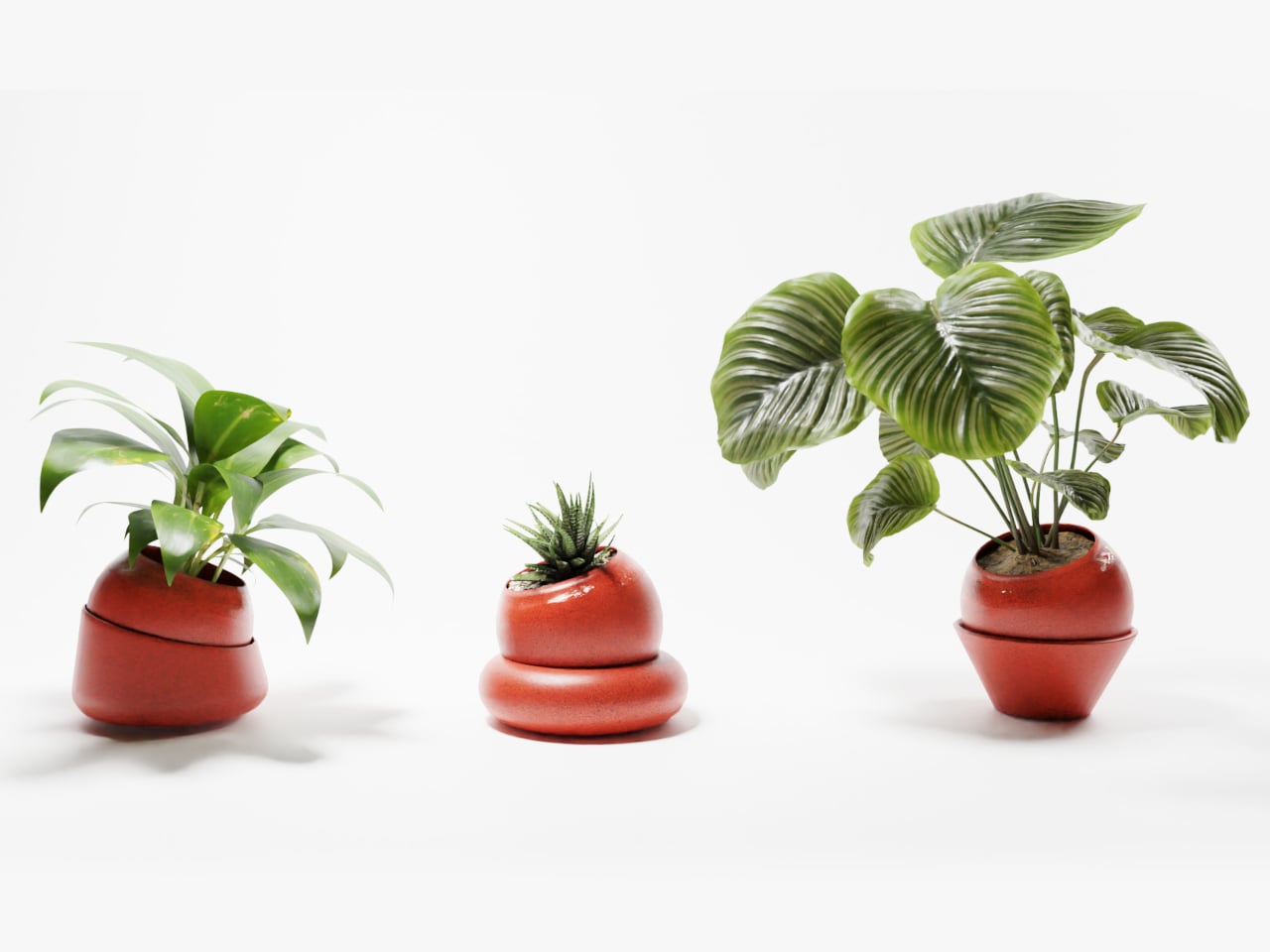
Most desk plants live in simple pots that depend entirely on memory. Watering is irregular, overwatering and underwatering are both common, and busy workdays do not help. Planters are usually treated as decorative containers, not as systems that could manage themselves. Posha is a self-watering desk planter that starts from a different premise, embedding care into the object instead of into the user’s to-do list or relying on guilt when leaves start to droop.
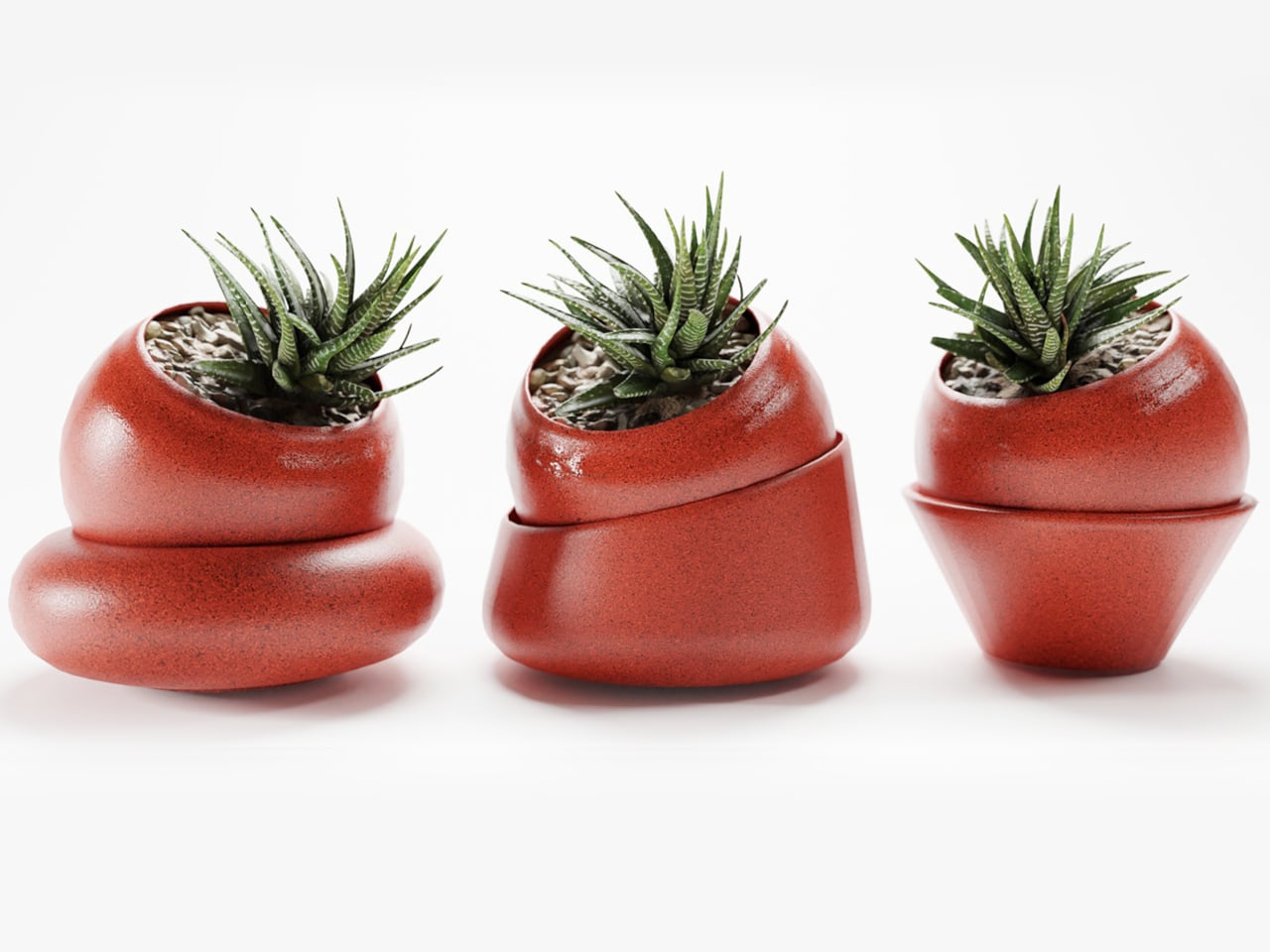
Posha is a compact desk planter built around a passive self-watering system. It separates water storage from the soil zone, with a concealed reservoir at the base and a wick or capillary pathway that draws moisture upward only as the plant needs it. The roots stay hydrated without sitting in water, which reduces overwatering and stretches the time between refills in a way that suits distracted desk life and unpredictable schedules.
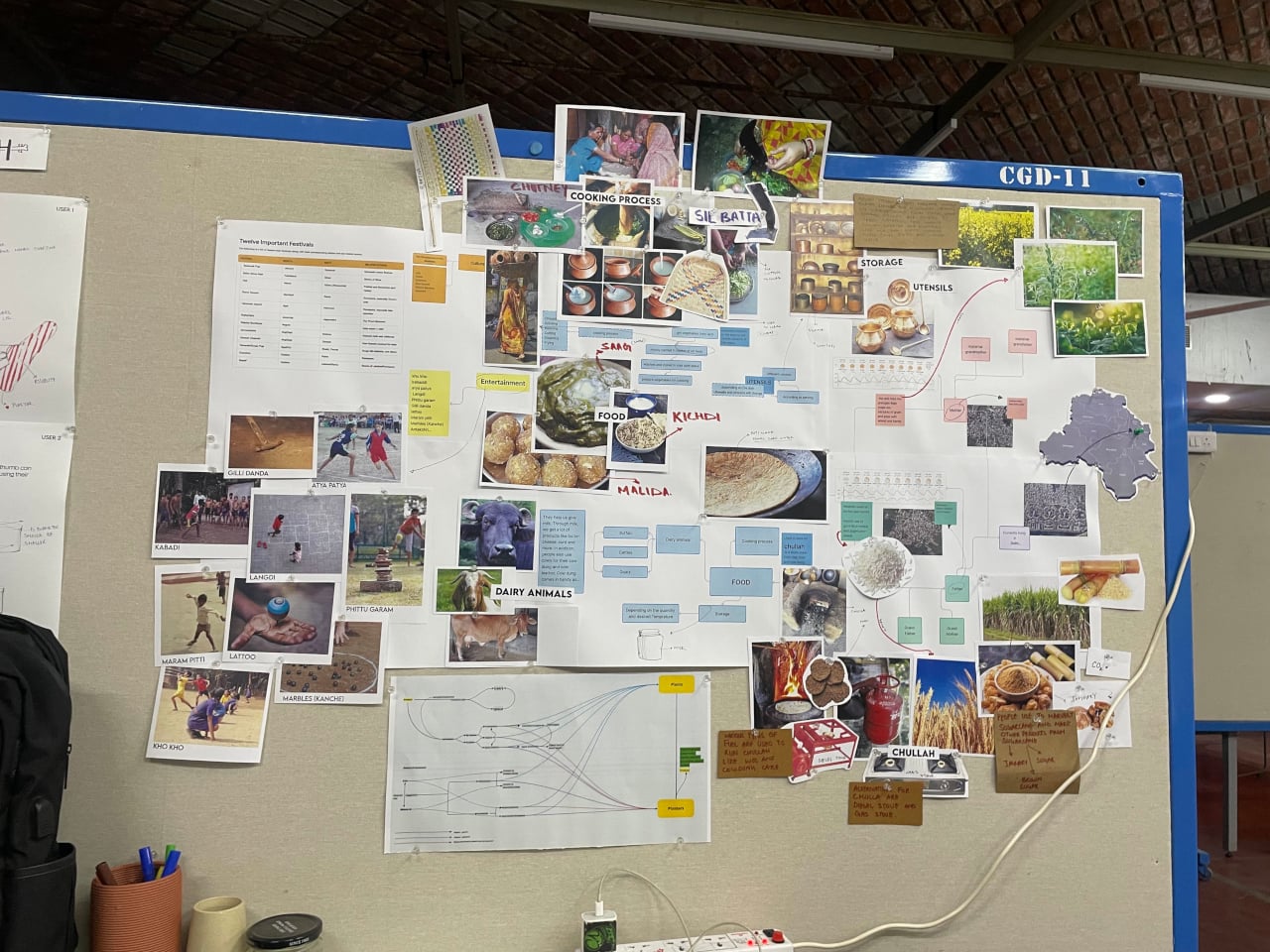
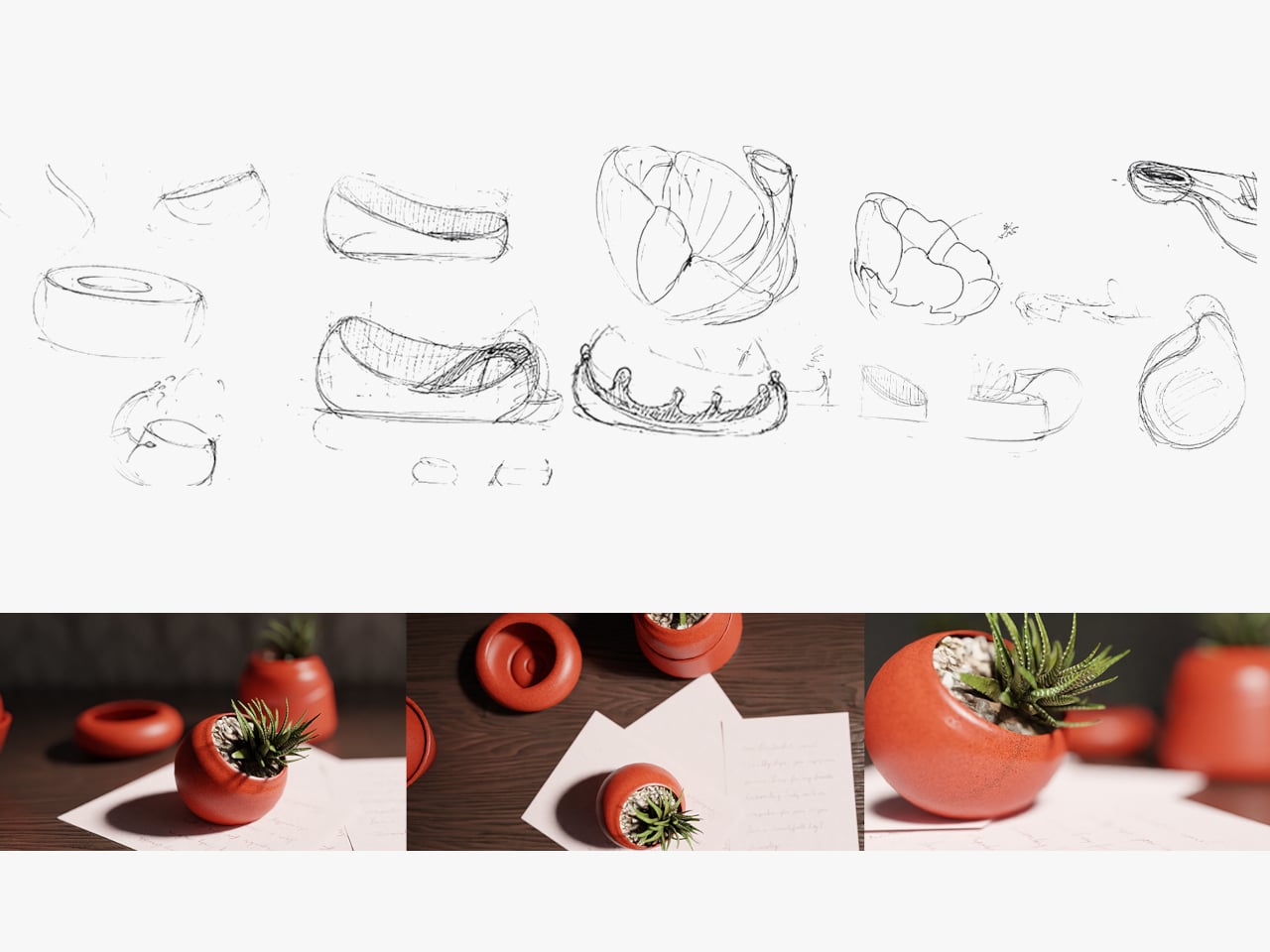
Early explorations focused on proportions and water behaviour, how much water a compact planter should realistically store, how fast it should release moisture, and how to keep the system stable without adding visual clutter. Several internal layouts were tested to balance soil volume, reservoir capacity, and airflow, so the plant remains healthy while the planter stays small and unobtrusive on a work surface next to keyboards and coffee cups.
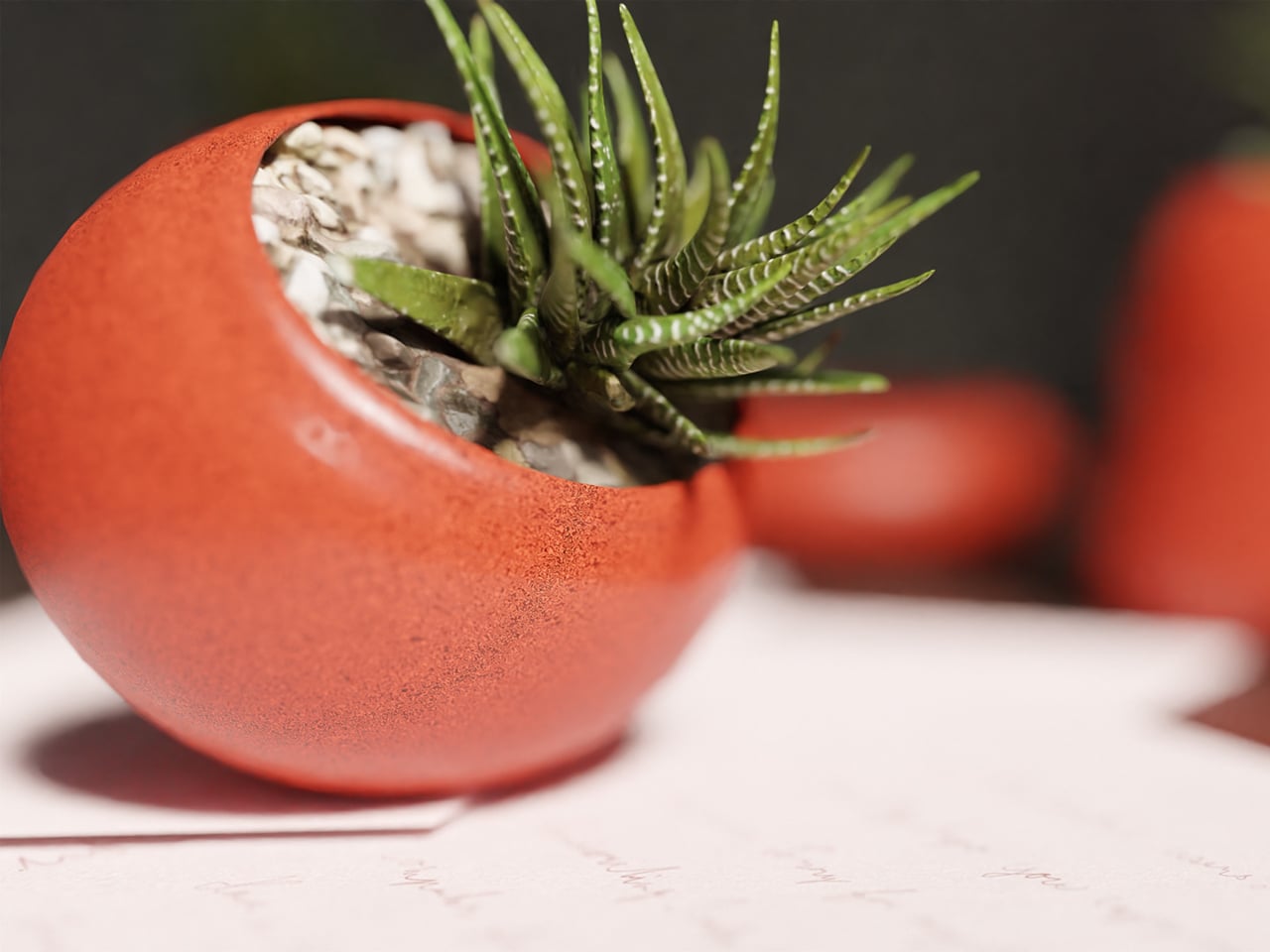
The form is deliberately minimal, so from the outside it reads as a simple desk object rather than a technical product. The complexity is pushed inward, where the water chamber, soil separator, and wicking element work together as a single system. The geometry avoids sharp transitions so water can distribute evenly, and the top opening is sized for common indoor plants without making planting or pruning awkward when you need to swap species.
Refilling is straightforward and non-disruptive; the water inlet is integrated into the form so it does not dominate the appearance, and the reservoir can be topped up without removing the plant. The system is designed to be reusable and serviceable, allowing the planter to be cleaned or replanted over time rather than treated as a disposable object that gets tossed when the first plant fails or the season changes.
What defines Posha is not a single interaction but how it behaves over weeks of use. The soil stays consistently moist, the plant experiences less stress, and the user interacts with it less frequently but more intentionally. Plant care shifts from a daily responsibility to an occasional check-in, better suited to desks, studios, and workspaces where attention is already stretched thin, and memory is unreliable at best.
Posha demonstrates how small functional decisions, like separating water and soil and hiding the reservoir, can significantly change user behaviour and plant health. By working quietly in the background and doing one job well, the self-watering desk planter supports healthier plants and a calmer relationship between people and the living things they keep nearby, which is a surprisingly meaningful outcome for such a small piece of desk real estate that could have easily stayed simple and decorative.
Meta has acquired an AI startup called Manus — known for its custom research and website-building agents — in a deal valued at more than $2 billion, according toThe Wall Street Journal. It's reportedly one of the largest acquisitions yet involving a startup nurtured in China's AI ecosystem.
Manus arrived in March 2025, shortly after another Chinese AI startup, DeepSeek appeared on the scene. The company (called Butterfly Effect at the time) originally described it as "the first general AI agent" to perform complex tasks autonomously, rather than just generating ideas. It draws from several third-party models, particularly Anthropic's Claude 3.5 Sonnet and versions of Alibaba's Qwen.
Manus is designed to automate certain tasks, like market research, coding, sales data analysis and website cloning and creation. (However, one skeptic called it "a product devilishly optimized for influencers, which is why it exploded so much.") The company claims that Manu is "already serving the daily needs of millions of users and businesses" and has an annualized average revenue of more than $100 million only eight months after launch.
Manus laid off most of its Beijing employees this summer before moving its headquarters to Singapore in an effort to expand globally.The company was reportedly seeking a funding round that would have valued it at $2 billion when it was approached by Meta. "Joining Meta allows us to build on a stronger, more sustainable foundation without changing how Manus works or how decisions are made," said Manus CEO Xiao Hong in a company news release.
This article originally appeared on Engadget at https://www.engadget.com/ai/meta-buys-startup-known-for-its-ai-task-automation-agents-140045275.html?src=rss
Google Pixel smartphones have established themselves as a unique presence in the highly competitive smartphone market. By offering a suite of exclusive features that emphasize usability, convenience, and innovative functionality, these devices cater to a wide range of user needs. Whether you’re looking for seamless day-to-day performance or advanced tools, the Pixel lineup delivers an […]
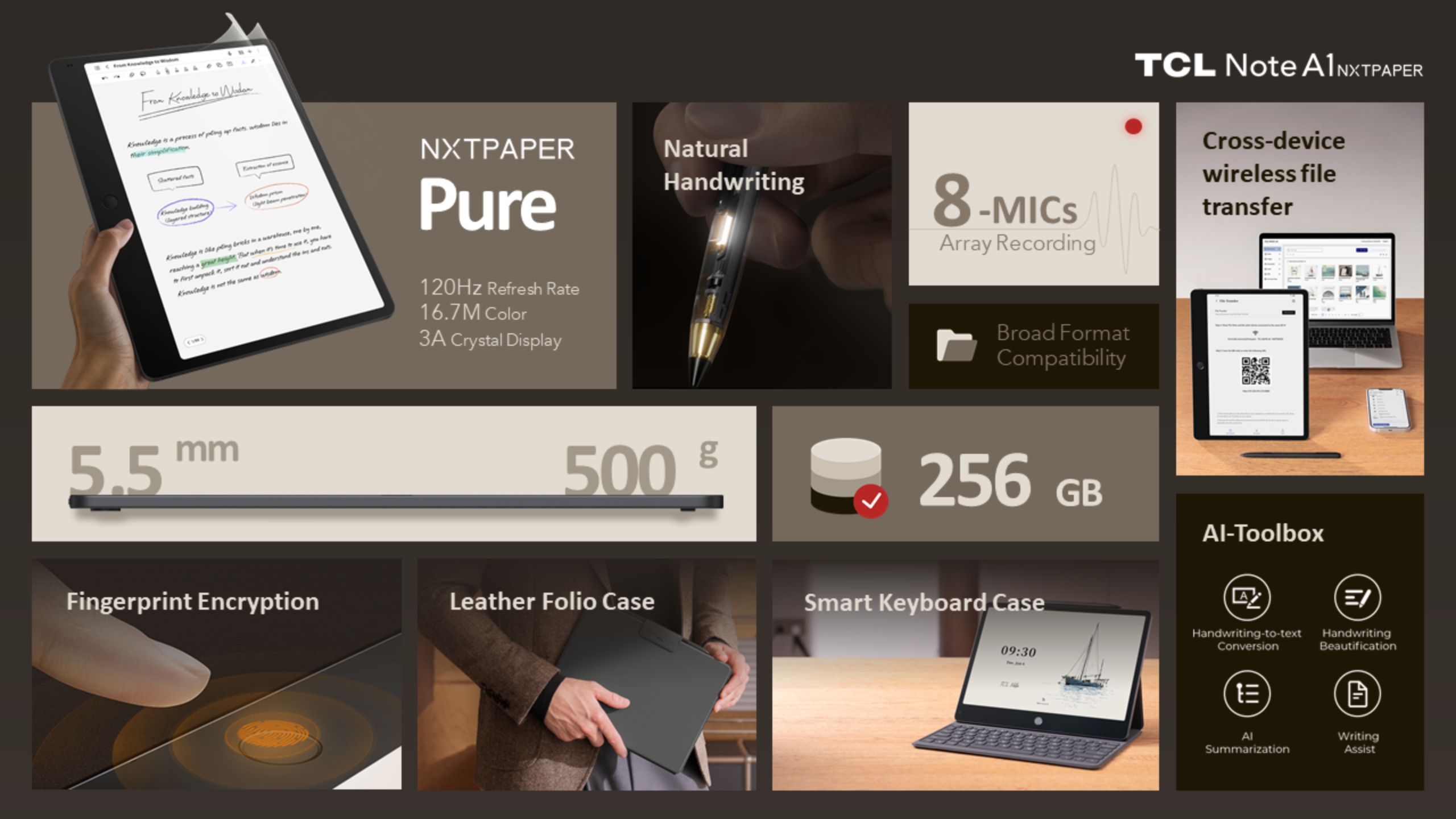
Hot on the tail of Amazon's Kindle Scribe Colorosoft, TCL is introducing its own take on a distraction-free note-taking and reading device. Unlike the new Scribe, however, it doesn't use E Ink. The TCL Note A1 NXTPAPER is the company's latest device to use NXTPAPER, TCL's custom paper-like LCD screen, which offers some of the qualities of E Ink without the limitations.
TCL says the 11.5-inch color "NXTPAPER Pure" display on the Note A1 has a 2,200 x 1,440 resolution and a 120Hz refresh rate, which should mean it looks clearer and feels much smoother to interact with than the color E Ink screen used on something like the reMarkable Paper Pro. The tablet supports TCL's T-Pen Pro for taking notes and drawing on the screen, but also features eight built-in microphones for recording and transcribing audio. The Note A1 also has a 13-megapixel camera for scanning documents, an 8,000mAh battery and 256GB of storage, with the option to access cloud services like Google Drive or Microsoft OneDrive if you want it.
A diagram of different Note A1 NXTPAPER features arranged in a grid.
TCL
Unlike TCL's past NXTPAPER tablets, the Note A1 doesn't prioritize media consumption — it's a productivity tool first and foremost. TCL says the device runs Android, but hasn't shared whether it'll have access to the Play Store. All the features the company has announced focus on taking notes and using AI to process and organize whatever you've written down. The device will also support real-time translation and "handwriting beautification," among a collection of other AI-powered features.
Engadget has reached out to TCL for more information on the Note A1 NXTPAPER's software. We'll update this article if we hear back.
There will likely never be one “Goldilocks” version of these note-taking devices, but the Note A1 NXTPAPER's combination of display and microphones does make it an intriguing, if limited, alternative to Boox's E Ink tablets. Anyone interested in TCL's new device won't have to wait long to try it, either.
The TCL Note A1 NXTPAPER is available to order now through Kickstarter (with additional bonuses and discounts) and will officially go on sale for $549 at the end of February.
This article originally appeared on Engadget at https://www.engadget.com/mobile/tablets/tcl-introduces-its-own-take-on-a-color-kindle-scribe-140000207.html?src=rss
Imagine walking into a bustling café where a humanoid robot greets you, takes your order, and expertly prepares your coffee, all while engaging in casual conversation. This scenario, once the stuff of science fiction, is rapidly becoming reality. Universe of AI breaks down how advancements in embodied artificial intelligence (AI) are propelling humanoid robots out […]
During CES 2025, NVIDIA spent much of its keynote touting its leading position in artificial intelligence. Still, the company managed to squeeze in a few notable hardware announcements, including its RTX 5000-series GPUs and Project Digits desktop supercomputer (later redubbed Spark). For this year's show, the company's website says it's "lighting up CES 2026 with the power of AI." To that end, NVIDIA is going big in Las Vegas, promising hands-on demos in its Fontainebleau booth, replete with the "latest NVIDIA solutions driving innovation and productivity across industries."
But if you won't be in Vegas for the action, don't worry. Here's how you can watch the livestream of the company's January 5 press conference, and what NVIDIA is expected to unveil at CES this year.
How to watch the NVIDIA CES 2026 keynote
NVIDIA CEO Jensen Huang will deliver a 90-minute keynote at CES 2026. The event will be livestreamed on Monday, January 5 at 4PM ET via NVIDIA's website (and likely on YouTube as well). We'll embed the link here once it's available.
What to expect
NVIDIA's game plan for CES is suitably vague so far, including "cutting-edge AI, robotics, simulation, gaming and content creation at the NVIDIA Showcase." It also notes there will be more than 20 demos. Although we're unsure if all of these will be shown during the keynote, we can at least expect to see them throughout the week of CES.
NVIDIA arrives at CES as the most valuable publicly traded company in the world (a stunning $4.6 trillion at the time of this writing, albeit down from an even higher valuation earlier in 2025). And given that the health of the US and global economy seems increasingly linked to infrastructure spending on AI data centers — largely powered by chips from NVIDIA and its competitors — expect Huang's remarks to be as closely followed by Wall Street investors as technology acolytes, if not more so. Will we get any insight on a successor to the company's Blackwell chip? A more detailed look at how NVIDIA's partners are applying AI to real-world robotics? Time will tell, but you might want to keep your stock portfolio in a split screen while taking in Huang's presentation.
This article originally appeared on Engadget at https://www.engadget.com/computing/how-to-watch-the-nvidia-ces-2026-press-conference-with-jensen-huang-live-130028602.html?src=rss
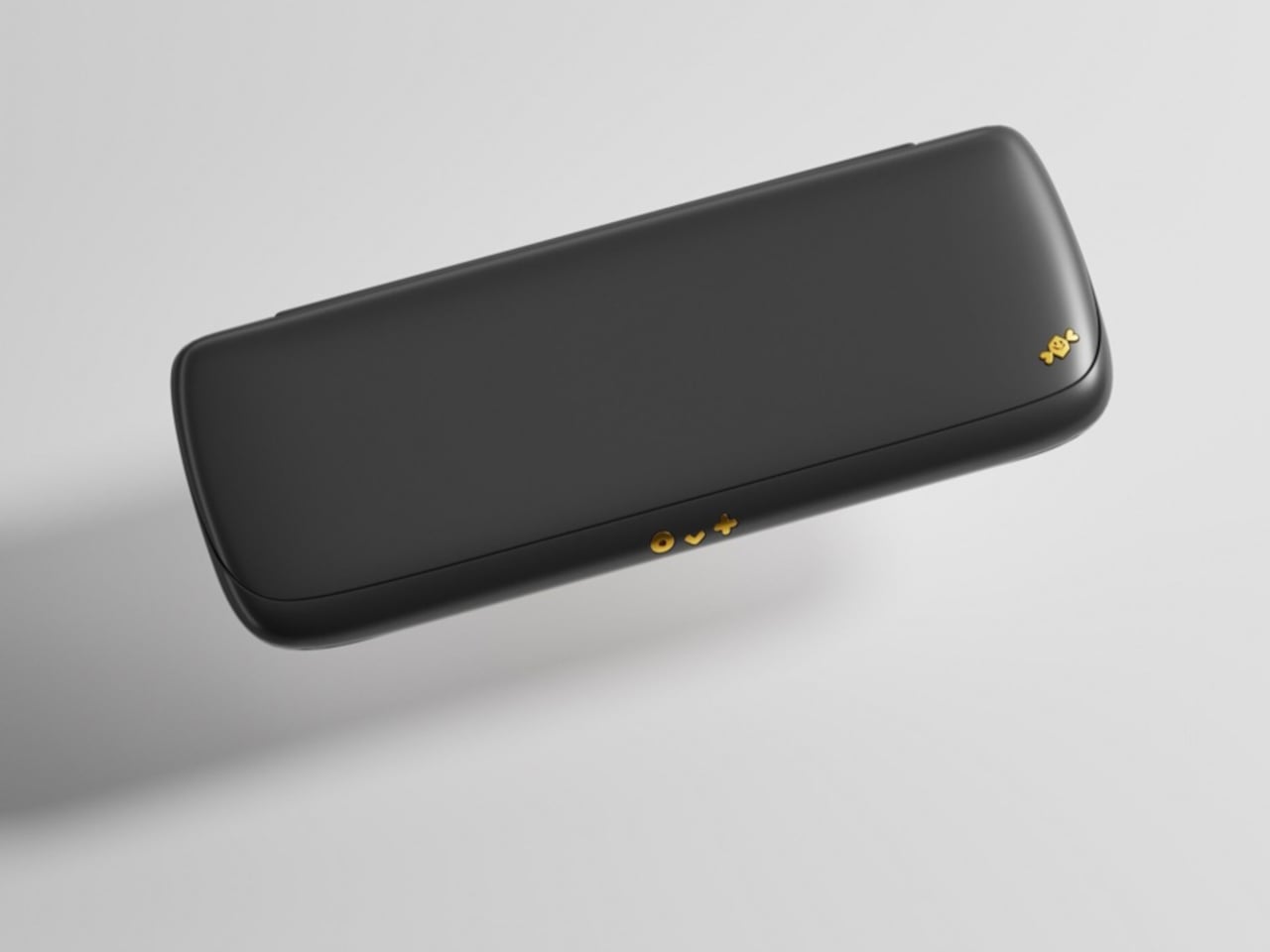
Most gaming handhelds today, from Steam Deck to ROG Ally, are big, loud slabs that look like shrunken consoles. They are great for playing, less great for slipping into a bag without announcing themselves. The category has settled into a familiar silhouette, thick bezels, and aggressive angles that scream gaming from across the room. ONEXSUGAR’s Wallet asks what happens if a handheld tries to look more like something you would quietly carry every day.
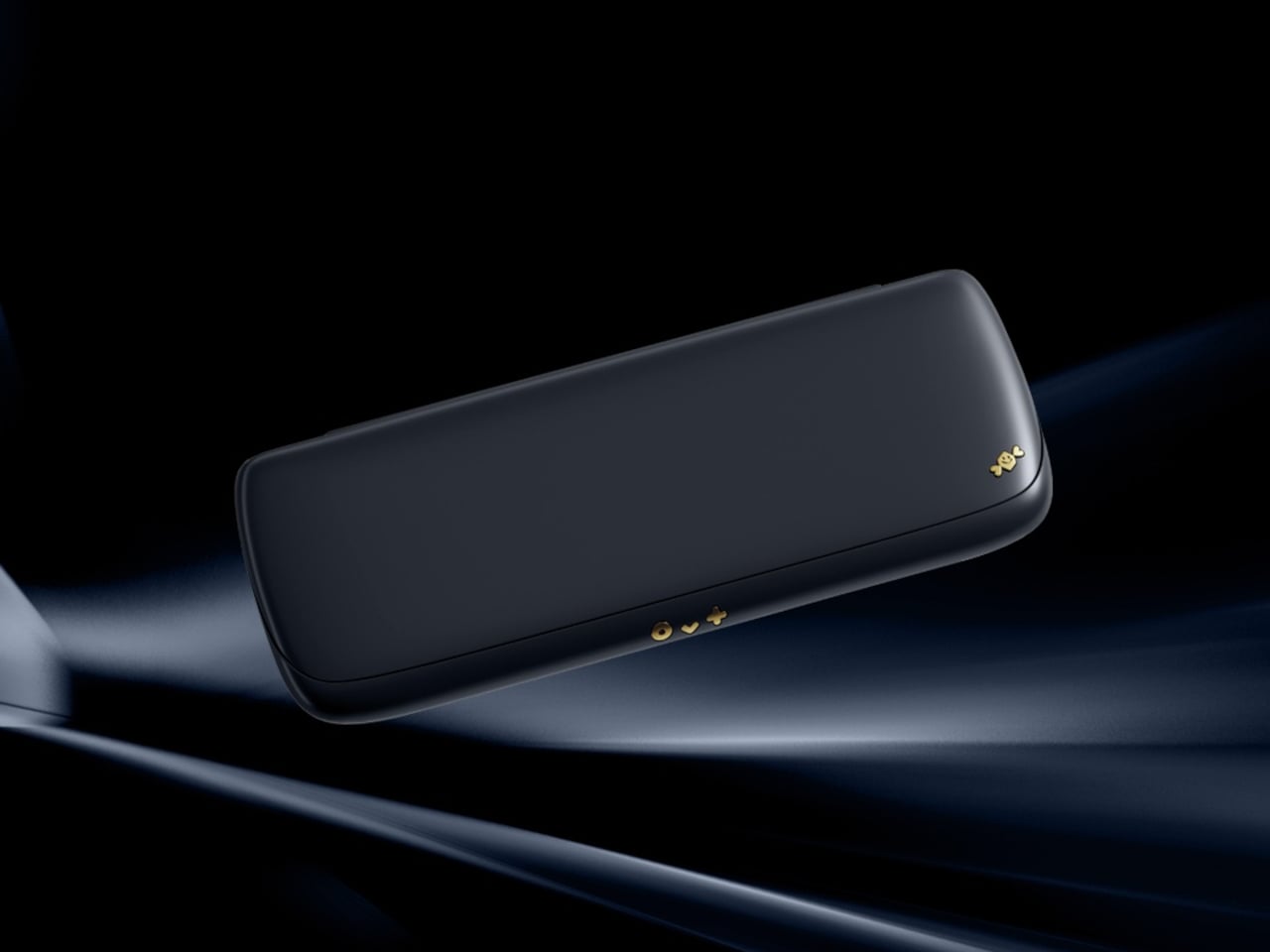
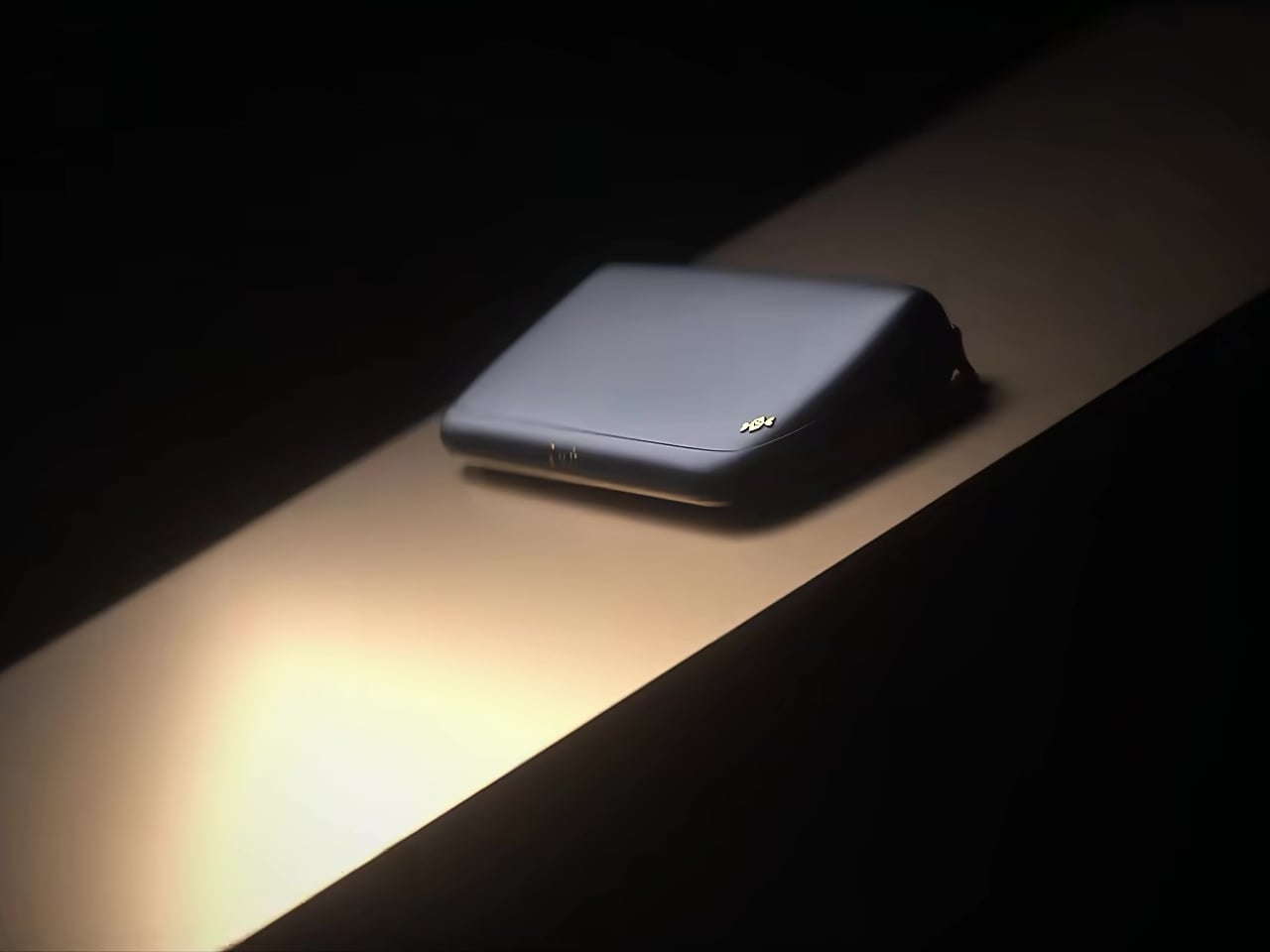
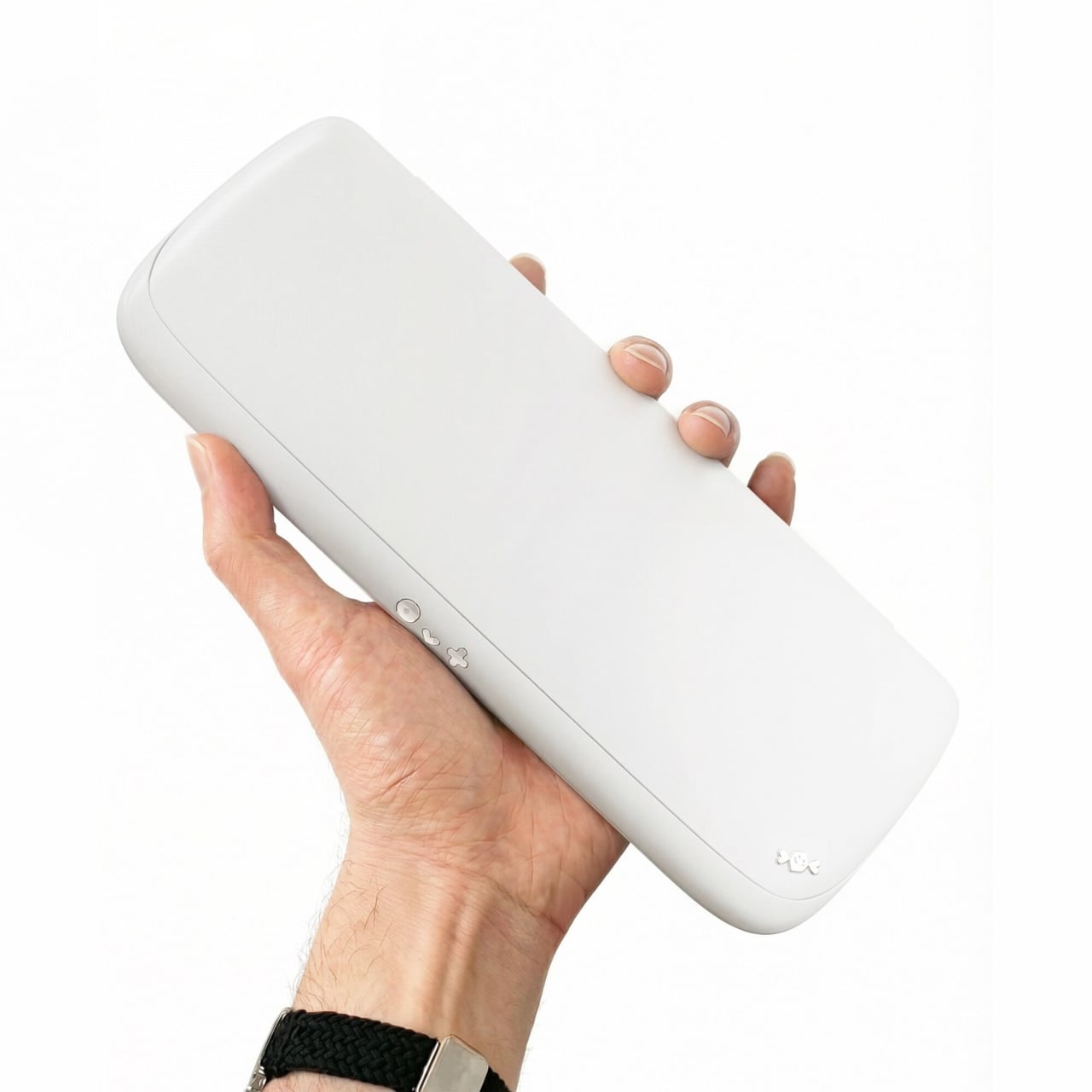
The ONEXSUGAR Wallet is a foldable-screen gaming handheld that, when closed, looks like an oversized wallet or clutch, a long, rounded rectangle with almost no visible tech. The name comes from this closed state, where it reads more like a personal object than a console. You can hold or pocket it without broadcasting that you are carrying a gaming PC, treating discretion as a core part of the design rather than an afterthought.
The Wallet uses a clamshell design with a flexible display inside. When you open it, the screen unfolds into a single large canvas, one continuous display bending at the hinge like a foldable phone scaled up to handheld size. That lets ONEXSUGAR keep the closed footprint small while giving games and media more room to breathe when you flip it open, reconciling portability with a genuinely usable screen.
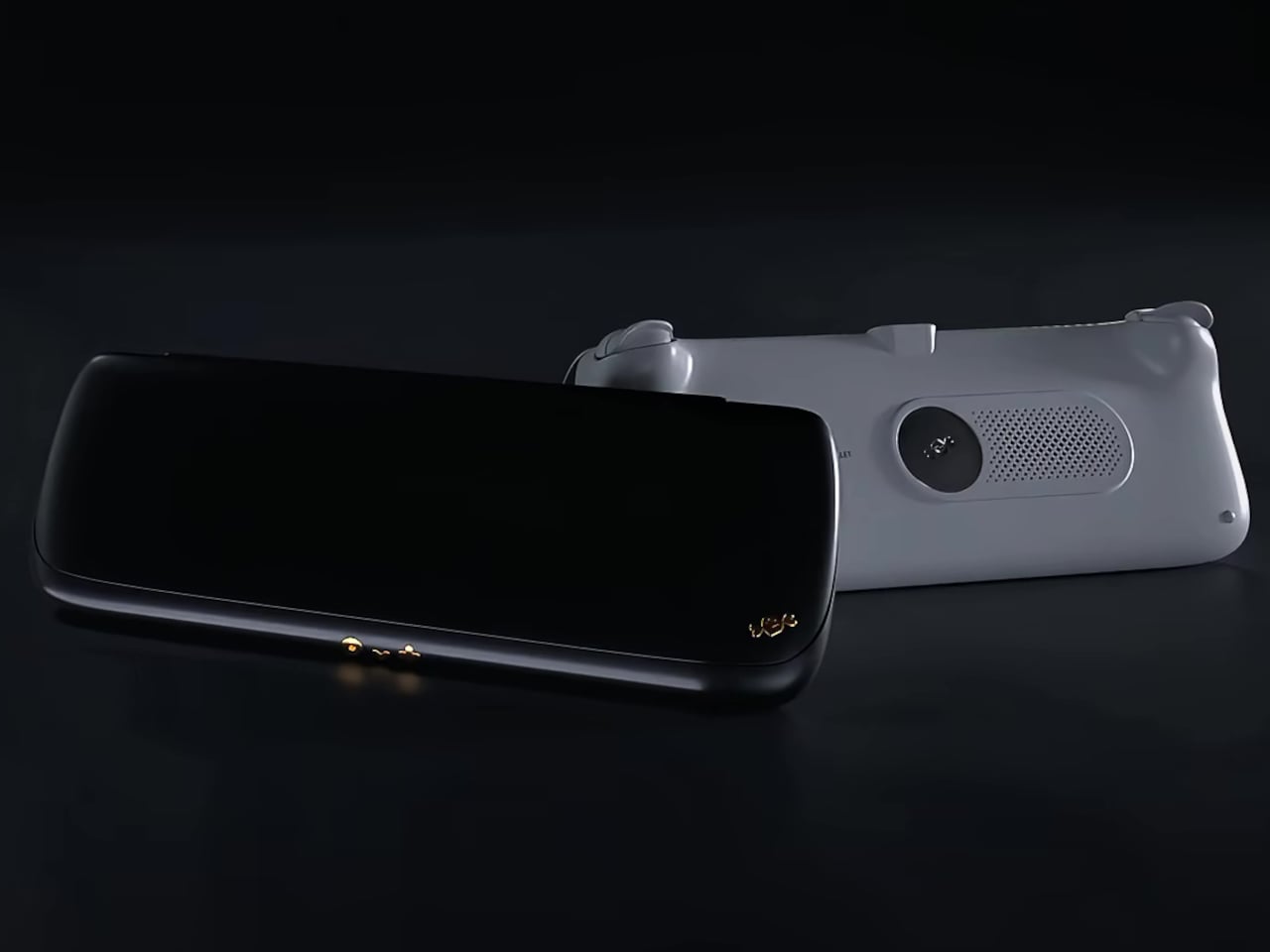
Once open, the Wallet reveals a familiar handheld layout, a central screen flanked by controls on the left and right. Each side has an analog stick, a D-pad or face buttons, and additional inputs and speaker grilles. The controls are baked into the chassis, not detachable, so the whole thing feels like a single, unified object rather than a tablet with clip-on gamepads, which should help with rigidity and ergonomics.
The aesthetic language leans soft and minimal, with heavily rounded corners, smooth surfaces, and almost no branding. Early shots show at least white and dark grey versions, with small gold accents and a subtle logo. It looks more like lifestyle tech than aggressive gamer gear, the kind of device that would not look out of place next to a phone and earbuds on a table, which is an unusual stance for a gaming product.
The wallet-like shape and clamshell closure change the relationship between device and user. Closed, it protects the screen and hides the controls, making it easier to toss into a bag or carry in hand without worrying about sticks catching or buttons being pressed. Opened, and it becomes a full-fledged handheld. That duality could make it more practical for people who want serious gaming hardware that does not dominate their everyday carry.
The ONEXSUGAR Wallet hints at a future where foldable screens reconcile big displays with discreet objects, and where handhelds borrow cues from wallets and clutches instead of only from consoles. It is still a tease rather than a shipping product, but as a piece of industrial design thinking, it suggests that gaming hardware can afford to be softer, quieter, and a bit more playful about how it shows up in the world.
CES 2026 is right around the corner, and the pre-show hype cycle/ early reveals suggest, yes, there’s going to be an awful lot of AI-powered insert-product-category-here alongside, thankfully, some major announcements from the likes of Intel, Sony and NVIDIA.
Intel is finally unveiling its Panther Lake (Core Ultra Series 3) chips. The first chips built on Intel’s 2nm process could offer a 50 percent performance boost, which is sorely needed amid intense competition. NVIDIA’s Jensen Huang is taking the stage for a keynote expected to feature a lot of AI hype, while AMD’s Lisa Su will likely counter with new Ryzen 9000-series chips and the latest on AI upscaling tech.
Over the years, CES has consistently been the show for TV innovation and heady next-gen displays. This year, we’ll be talking a lot about Micro RGB. LG is introducing a new Micro RGB Evo panel with over 1,000 dimming zones, while Samsung plans to launch a full range of Micro RGB TVs from 55 inches to 115 inches. In 2025, Sony introduced a new RGB LED panel that uses individual Mini LED backlights in red, green and blue to produce even brighter, more accurate colors. The company has trademarked “True RGB,” which could become what Sony calls its spin on RGB displays.
We’ll be covering all the keynotes, press conferences and big reveals in person. And figuring which of the 100s of AI-branded devices and gadgets are worth reporting on.
I’m also taking bets on the most niche celebrity appearance/endorsement at CES 2026. We’ve seen 50 Cent, Big Bird, Martha Stewart, Archbishop Desmond Tutu, Guillermo del Toro, Justin Bieber and will.i.am (multiple times), so who will join this pantheon of stars?
It isn’t just TVs with Samsung. The company has already teased a pair of new understated speakers. Likely inspired by the Samsung Frame, the new Wi-Fi speakers, called the Music Studio 5 and 7, blend into your living room. The Music Studio 5 has a four-inch woofer and dual tweeters, with a built-in waveguide to deliver better sound. The Music Studio 7 comes with a 3.1.1-channel spatial audio with top-, front-, left- and right-firing speakers. No prices yet. Expect to hear more at CES itself or once the speakers arrive in stores. And as the press image above suggests, we can't wait to sit stoically in front of one, with a glass of water (?).
Xiaomi’s latest smartphone is once again a spec beast. It features a 1-inch sensor 50MP f/1.67 main camera and 1/1.4-inch 200MP periscope telephoto camera. And it also has an interesting new mechanical feature: a manual zoom ring. This surrounds the rear camera unit.
Both the regular Xiaomi 17 Ultra and Leica edition come with a Snapdragon 8 Elite Gen 5 SoC with up to 16GB of LPDDR5X RAM and 1TB of UFS 4.1 storage, along with a 6.9-inch 120Hz AMOLED display that can hit up to 3,500 nits of peak brightness.
But the camera features are the standout elements. The 17 Ultra by Leica adds some very, well, Leica touches: a two-tone finish, red dot status symbol on the front, textured edges and film simulations, like Leica’s Monopan 50 black and white. Xiaomi says the zoom ring “[eliminates] the need for tedious screen taps... and can detect displacements as small as 0.03mm.” It can also be reprogrammed for manual focus.
Xiaomi’s 17 Ultra by Leica and the regular 17 Ultra start at CNY 7,999 ($1,140) and CNY 6,999 ($995), on par with the latest high-end Pixel 10s and Galaxy S25s.
A Google support page in Hindi says the feature is ‘gradually rolling out to all users.’
A Google support page in Hindi indicates the ability to change your Gmail address might be coming. The feature would allow you to replace your current @gmail.com address with another. Your old address would remain active as an alias on the account, and all your data would stick around, unaffected. The support page (translated) says “the ability to change your Google Account email address is gradually rolling out to all users.”
The iPhone 18 Pro and Pro Max, anticipated for release in 2026, are already shaping up to be some of the most talked-about devices in the tech world. Leaks and rumors suggest that these flagship models will introduce a host of advanced features designed to elevate the smartphone experience. In the video below, Matt Talks […]