Build a 2026 Excel Budget with Auto Bank Imports

Build a 2026 Excel Budget with Auto Bank Imports

What if managing your finances in 2026 could be as simple as updating a spreadsheet? My Online Training Hub outlines how an Excel-based personal finance tracker can transform the way you handle money, offering a seamless blend of automation and clarity. Imagine a system that categorizes your transactions, tracks your savings, and updates your financial […]

The post Build a 2026 Excel Budget with Auto Bank Imports appeared first on Geeky Gadgets.

Posted in Uncategorized

Apple Creator Studio : Features, Pricing, and Is It Worth It?

Apple Creator Studio : Features, Pricing, and Is It Worth It?

Apple has unveiled the Apple Creator Studio, a subscription-based service that consolidates its suite of creative applications, including Final Cut Pro, Logic Pro, and Pixelmator Pro. This offering is tailored for video editors, musicians, and designers, promising advanced tools, exclusive features, and seamless integration across Apple devices. While it introduces a streamlined solution for creative […]

The post Apple Creator Studio : Features, Pricing, and Is It Worth It? appeared first on Geeky Gadgets.

Posted in Uncategorized

AI Made Execution Cheap, Now What! : New Ways to Tackle Clarity, Ambition & Distribution

AI Made Execution Cheap, Now What! : New Ways to Tackle Clarity, Ambition & Distribution

What if the biggest challenge in your workday wasn’t about getting things done, but deciding what’s worth doing in the first place? Nate B Jones breaks down how artificial intelligence has shifted the bottlenecks of work, moving them away from execution and into areas that require uniquely human strengths like creativity, judgment, and collaboration. With […]

The post AI Made Execution Cheap, Now What! : New Ways to Tackle Clarity, Ambition & Distribution appeared first on Geeky Gadgets.

Posted in Uncategorized

Effortlessly Transfer iCloud Photos to Google Photos with This Guide

Effortlessly Transfer iCloud Photos to Google Photos with This Guide

Transferring your photos and videos from iCloud Photos to Google Photos is now a streamlined process, thanks to the collaboration between Apple and Google. This guide provides a detailed walkthrough to help you securely and efficiently move your digital media while maintaining its quality and privacy. Whether you’re switching to a new device or consolidating […]

The post Effortlessly Transfer iCloud Photos to Google Photos with This Guide appeared first on Geeky Gadgets.

Posted in Uncategorized

Claude Canvas Planning Assistant : Builds Custom UIs for Email, Travel or Your Calendar

Claude Canvas Planning Assistant : Builds Custom UIs for Email, Travel or Your Calendar

Can you imagine managing your entire schedule, drafting emails, and even planning trips, all without ever leaving your terminal? Better Stack explains how Claude Canvas, a new innovation powered by Claude Code, is reshaping the way we approach productivity. By combining natural language commands with a sleek, text-based interface, this AI-driven assistant transforms your terminal […]

The post Claude Canvas Planning Assistant : Builds Custom UIs for Email, Travel or Your Calendar appeared first on Geeky Gadgets.

Posted in Uncategorized

Students Just Built a Pavilion That Robots Can Rebuild Forever

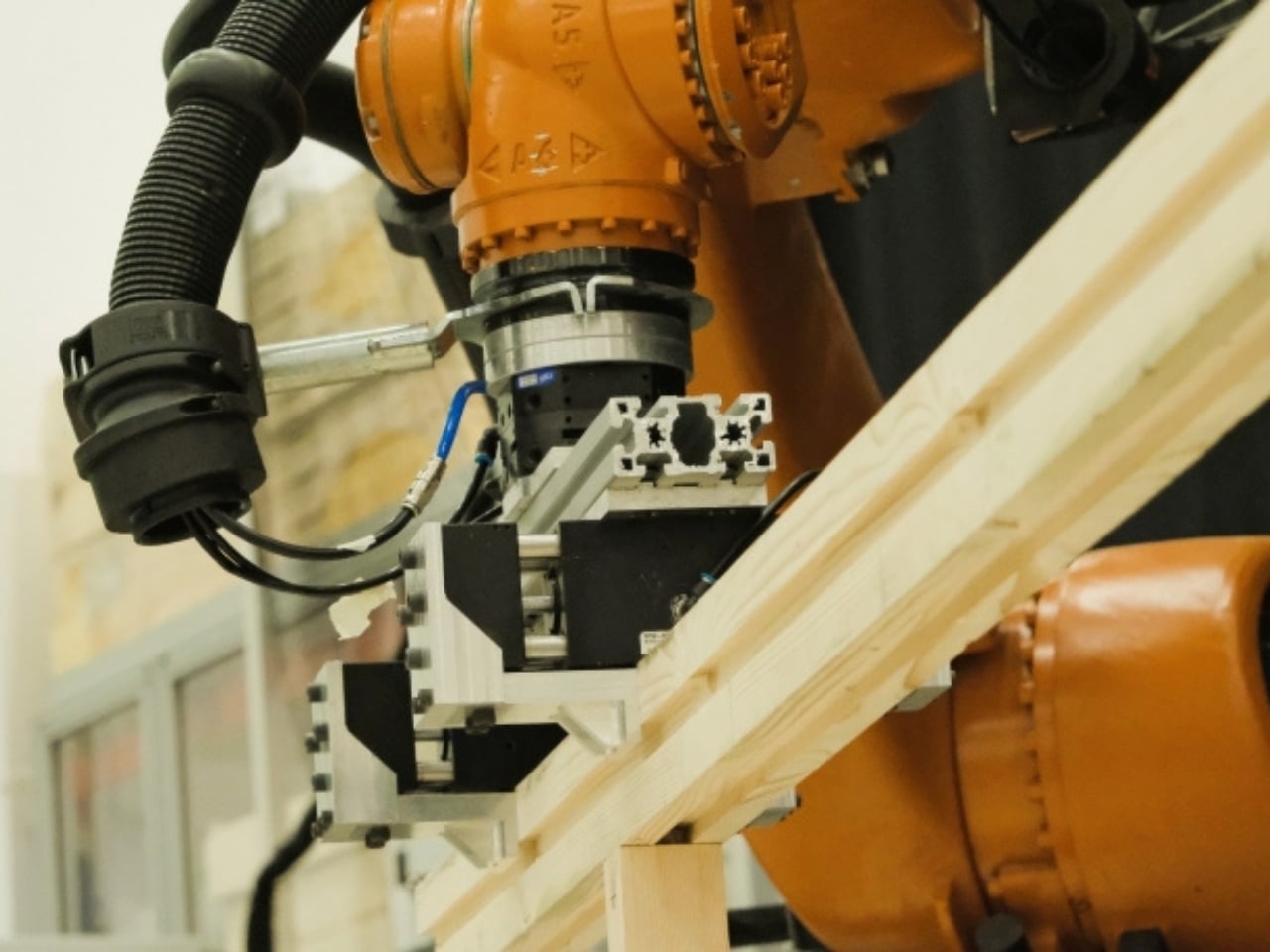
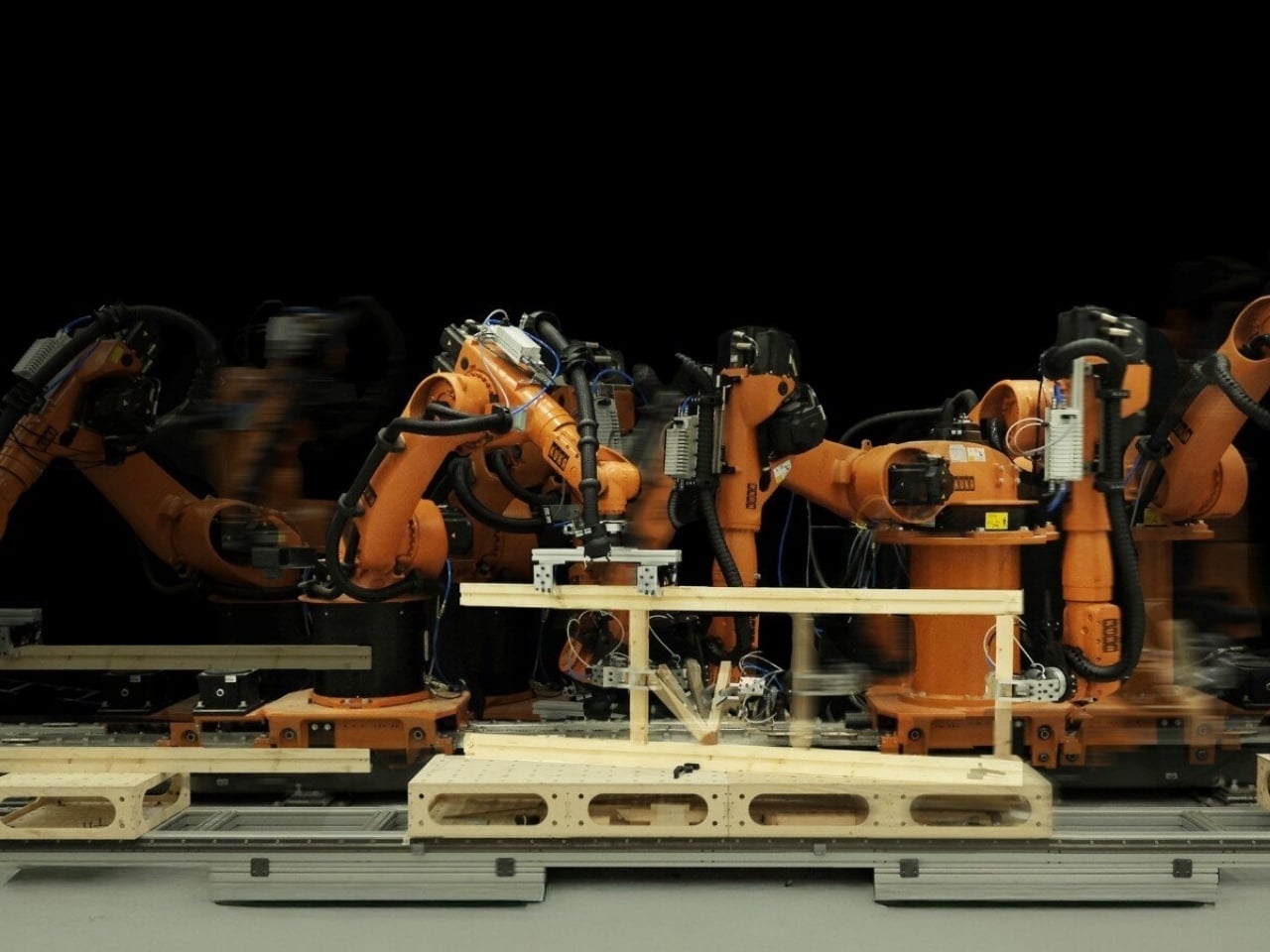
Here’s what I love about architecture that makes you stop and think: it’s not just about creating beautiful spaces anymore. It’s about imagining how we can build better, smarter, and in ways that don’t treat our planet like a disposable resource. That’s exactly what’s happening with Arkhive, a fascinating timber pavilion that’s part building project, part robotic experiment, and entirely rethinking how we approach construction.

Picture this: a wooden structure that looks like it could be straight out of a sci-fi movie, assembled entirely by industrial robotic arms with precision that human hands simply can’t match. But here’s the kicker. This isn’t just another flashy tech demo. Arkhive was created by students from University College London’s Design for Manufacture program, and it’s tackling one of construction’s biggest problems: waste.

Designers: Design for Manufacture, Bartlett School of Architecture, University College London

Think about how we typically build things. We design them, construct them, use them for a while, and then when we’re done, we tear them down and haul the debris to a landfill. It’s a pretty wasteful cycle when you actually stop to consider it. Arkhive flips that script entirely. Every single component of this pavilion can be taken apart and reassembled into completely different configurations without losing any material. It’s like architectural Lego blocks, but way more sophisticated.

The magic happens through something called reversible joinery. Instead of nails, screws, or adhesives that permanently bind materials together, these connections can be undone and redone as many times as needed. The timber components fit together in a modular system that prioritizes adaptability over permanence. So when the structure has served its purpose in one location or configuration, it doesn’t become yesterday’s trash. It becomes tomorrow’s building material for something entirely new.

What really sets this project apart is the marriage of sustainable design thinking with cutting-edge robotics. UCL recently invested over £400,000 in developing robotics facilities specifically focused on low-carbon construction materials and innovative building practices. The Arkhive project is part of this larger movement where architecture schools aren’t just teaching students to draw pretty buildings. They’re teaching them to wrestle with real-world problems using technology that’s reshaping entire industries.

The pavilion itself was installed at St Andrews Botanic Garden in Scotland during summer 2025, where it served as a venue for public events. Imagine attending a lecture or community gathering inside a space that represents a fundamentally different approach to building. It’s not just a conversation starter; it’s a working prototype of what circular construction could look like at scale.

This kind of project matters because it addresses something crucial in our current moment. The construction industry is responsible for a massive chunk of global carbon emissions and waste production. If we’re serious about tackling climate change and resource depletion, we need to completely reimagine how we build. Not just what we build with, but how we think about the entire lifecycle of structures.

The students behind Arkhive aren’t just learning architectural theory in classrooms. They’re getting hands-on experience with industrial robotic systems, working through the messy reality of taking ambitious ideas from concept to full-scale construction. That’s the kind of education that actually prepares people to transform industries rather than just perpetuate existing practices.

What excites me most about projects like this is how they make sustainable construction feel less like sacrifice and more like innovation. We’re not talking about settling for less sophisticated buildings in the name of sustainability. We’re talking about using advanced technology to create structures that are more adaptable, more efficient, and ultimately more intelligent than what we’ve been building for centuries. The future Arkhive points toward is one where buildings aren’t static monuments but dynamic systems that can evolve alongside our changing needs.

The post Students Just Built a Pavilion That Robots Can Rebuild Forever first appeared on Yanko Design.

Samsung’s LockStar Update Will Transform Your Galaxy Phone

Samsung’s LockStar Update Will Transform Your Galaxy Phone

Samsung has introduced a significant update to the LockStar module within its Good Lock app, offering an array of advanced customization features for Galaxy phone users. This update brings new unlock animations, Always-On Display (AOD) brightness controls, and lock screen text customization options. It also ensures compatibility with the latest One UI 8.5 beta while […]

The post Samsung’s LockStar Update Will Transform Your Galaxy Phone appeared first on Geeky Gadgets.

Posted in Uncategorized

ChatGPT vs Gemini : Which AI Called Trades More Successfully?

ChatGPT vs Gemini : Which AI Called Trades More Successfully?

What happens when two innovative AI systems go head-to-head in the high-stakes world of trading? The video below breaks down how ChatGPT vs Gemini performed in a fascinating experiment designed to test their ability to generate profitable trading signals. Starting with identical $1,000 portfolios, both AIs analyzed markets like Forex, cryptocurrency, and gold, delivering specific […]

The post ChatGPT vs Gemini : Which AI Called Trades More Successfully? appeared first on Geeky Gadgets.

Posted in Uncategorized

Obsidian Gemini CLI Workflows for AI Note-Taking, Daily Pages & More

Obsidian Gemini CLI Workflows for AI Note-Taking, Daily Pages & More

What if your note-taking system could do more than just store information, what if it could actively enhance the way you think and work? Coding With ADHD takes a closer look at how combining the versatility of Obsidian with the AI-driven power of Gemini CLI can transform knowledge management into a dynamic, intelligent process. This […]

The post Obsidian Gemini CLI Workflows for AI Note-Taking, Daily Pages & More appeared first on Geeky Gadgets.

Posted in Uncategorized

The best midrange smartphone for 2026

Gone are the days in which you needed to spend a fortune to get a good smartphone. In 2026, features once exclusive to high-end smartphones – big batteries, multi-camera arrays, high refresh rate OLED displays and more – have made their way down to more affordable models. Yes, you’ll still need to buy a flagship smartphone to get the best camera or fastest processor, but you don't have to make nearly as many compromises as you once did if you have a strict budget to adhere to when you go shopping for your next smartphone. If you have less than $600 to spend, let us help you figure out what features to prioritize when trying to find the best midrange smartphone.

While the term frequently appears in articles and videos, there isn’t an agreed-upon definition for “midrange” beyond a phone that isn’t a flagship or an entry-level option. Most of our recommendations cost between $400 and $600 — any less and you should expect significant compromises. If you have more to spend, you might as well consider flagships like the Apple iPhone 17 and the Samsung Galaxy S25 if you want the best smartphone experience. Devices like Pixel phones often sit in this price range too, offering some of the best value for Android buyers.

Buying a new device can be intimidating, but a few questions can help guide you through the process. First: what platform do you want to use? If the answer is iOS, that narrows your options down to exactly one phone. (Thankfully, it’s great.) And if you’re an Android fan, there’s no shortage of compelling options. Both platforms have their strengths, so you shouldn’t rule either out.

Of course, also consider how much you’re comfortable spending. Even increasing your budget by $100 more can get you a dramatically better product. Moreover, manufacturers tend to support their more expensive devices for longer with software updates and security updates, so it’s worth buying something toward the top limit of what you can afford. 

Having an idea of your priorities will help inform your budget. Do you want a long battery life or fast charging? Do you value speedy performance above all else? Or would you like the best possible cameras with high megapixel counts? While they continue to improve every year, even the best midrange smartphones still demand some compromises, and knowing what’s important to you will make choosing one easier.

Every year, the line between midrange and flagship phones blurs as more upmarket features and functions trickle down to more affordable models. When Engadget first published this guide in 2020, it was tricky to find a $500 phone with waterproofing and 5G. In 2026, the biggest thing you might miss out on is wireless charging – and even then, that’s becoming less true.

One thing your new phone probably won’t come with is a power adapter; many companies have stopped including chargers with all of their smartphones. Performance has improved in recent years, but can still be hit or miss as most midrange phones use slower processors that can struggle with multitasking. Thankfully, their camera systems have improved dramatically, and you can typically expect at least a dual-lens system on most midrange smartphones below $600 with decent camera quality, selfie performance and software support to keep things running smoothly for years to come..

Support varies by brand, but most midrange phones receive around three to five years of software and security updates. Apple tends to support iPhones longer while companies like Google and Samsung now promise several years of Android and security patches for their midrange models. Budget-focused brands might offer less so it’s worth checking the update policy before you buy.

Yes, many midrange phones handle gaming well, especially popular titles like Fortnite, Genshin Impact and Call of Duty Mobile. They usually include capable processors, though you won’t always get the smoothest performance in the most demanding mobile games or at max settings. If you play casually or stick to less graphically intensive titles a midrange phone will feel more than adequate.

Georgie Peru contributed to this report.

This article originally appeared on Engadget at https://www.engadget.com/mobile/smartphones/best-midrange-smartphone-183006463.html?src=rss