Samsung’s new Micro RGB TVs start at $1,600 for a 55-inch model

Samsung just released its lineup of Micro RGB TVs for 2026, and it includes models that start at 55 inches and go up to 85 inches. These 4K sets feature the company's Micro RGB display technology, which uses thousands of little red, green and blue LEDs to minimize color bleed and enable "expanded color with pinpoint accuracy."

The display is assisted by a new AI processor that has been specifically designed to calibrate the picture to bring out all of that gorgeous color. The company says this results in "stunningly sharp images with incredible detail." The processor also assists with motion smoothing, in addition to handling all of those smart TV apps.

These displays support HDR10+ Advanced, which is an updated standard co-developed by Samsung. This ensures genre-based optimization and enhanced brightness, among other features.

A TV.
Samsung

The TVs are split into two lines. The R95H is the beefier of the two, with access to Samsung's anti-glare technology and a 165Hz refresh rate. The R85H tops out at 144Hz. All models include Dolby Atmos sound and the ability to pair up to five Samsung sound devices via its Q-Symphony technology.

They can also all access Samsung's Art Store, which is a platform that originally launched alongside the company's The Frame display. This lets subscribers choose from thousands of art pieces which will then be displayed on the screen when it's not being used to watch TV or play video games.

The R95H line starts at $3,200 for a 65-inch model, going all the way up to $6,500 for an 85-inch display. Samsung promises a 100-inch version is coming later this year. The R85H line is cheaper, starting at $1,600 for the 55-inch release and shooting up to $4,000 for the 85-inch model. The TVs are available right now, directly from Samsung and from retailers like Best Buy.

The company recently did manufacture an absolutely massive 130-inch Micro RGB display, which it brought to CES 2026. However, this was just a concept design. 

This article originally appeared on Engadget at https://www.engadget.com/home/home-theater/samsungs-new-micro-rgb-tvs-start-at-1600-for-a-55-inch-model-150023242.html?src=rss
Google Search tackles sites that try to stop you from leaving when you hit the back button

Websites that act like a super-chatty colleague who just won't shut up and let you go when a conversation should be over are among the most annoying things on the internet. Google is now doing something about that scourge.

Picture the scene: you look up something on Google Search and — instead of relying on potentially hallucinating AI Overviews — you click through to an actual website for your information. But, when you try to leave the site by hitting the back button, your browser doesn’t immediately take you back to the previous webpage. Instead, the website first displays an "oh, while you're here..." page that suggests other content in which you may be interested in checking out or just a bunch of ads. 

This shady move that some traffic-hungry websites have adopted is called "back button hijacking." No one in their right mind likes it, and nor does Google.

Under a new policy that 9to5Google spotted, Google will treat back button hijacking as an "explicit violation of the 'malicious practices' of spam policies" alongside the likes of malware. As such, it may punish websites that engage in such practices by treating them as spam and downranking them in search results.

"Back button hijacking interferes with the browser's functionality, breaks the expected user journey and results in user frustration," Chris Nelson, from the Google Search Quality team, wrote in the announcement. "People report feeling manipulated and eventually less willing to visit unfamiliar sites. As we've stated before, inserting deceptive or manipulative pages into a user's browser history has always been against our Google Search Essentials."

Google says it has seen an increase in back button hijacking and it’s great that the company is taking steps to combat it. Developers and website operators have until June 15 to make sure they aren't interfering "with a user's ability to navigate their browser history" by engaging in the practice. Google will start enforcing this policy then. 

This article originally appeared on Engadget at https://www.engadget.com/general/google-search-tackles-sites-that-try-to-stop-you-from-leaving-when-you-hit-the-back-button-143302862.html?src=rss

Aya & Sfera Started as Planters. Now They’re Taking Over Desks.

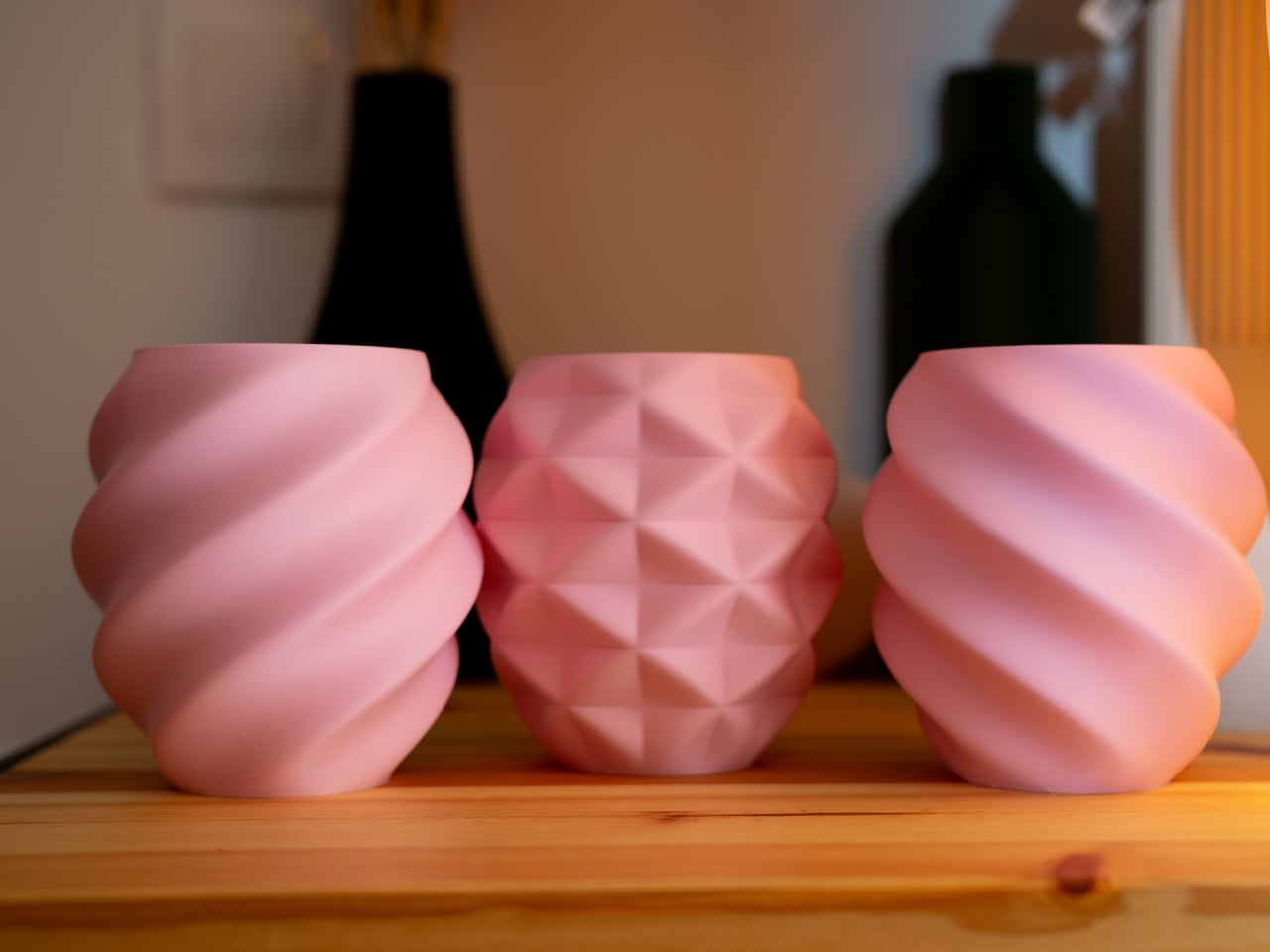
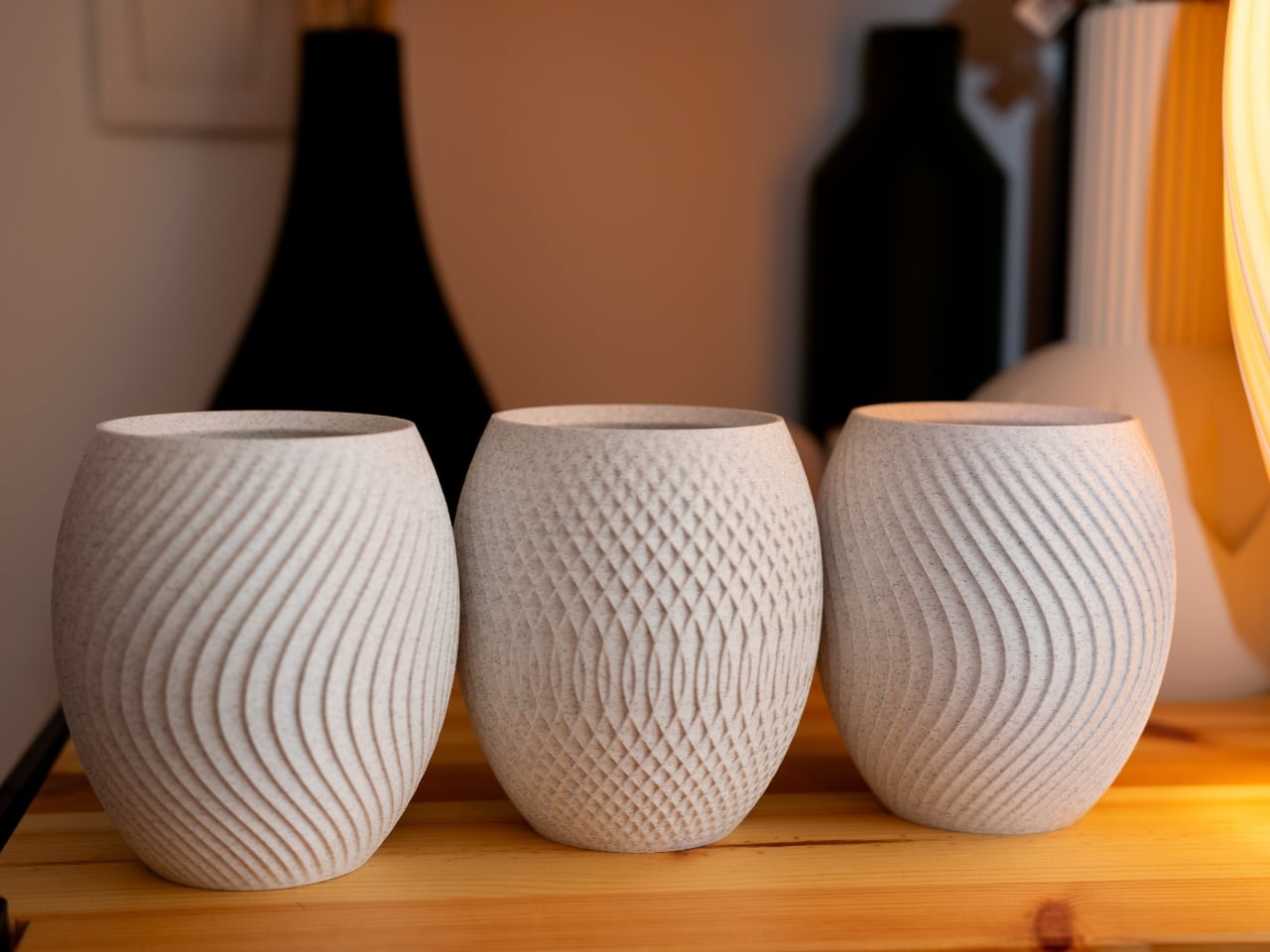
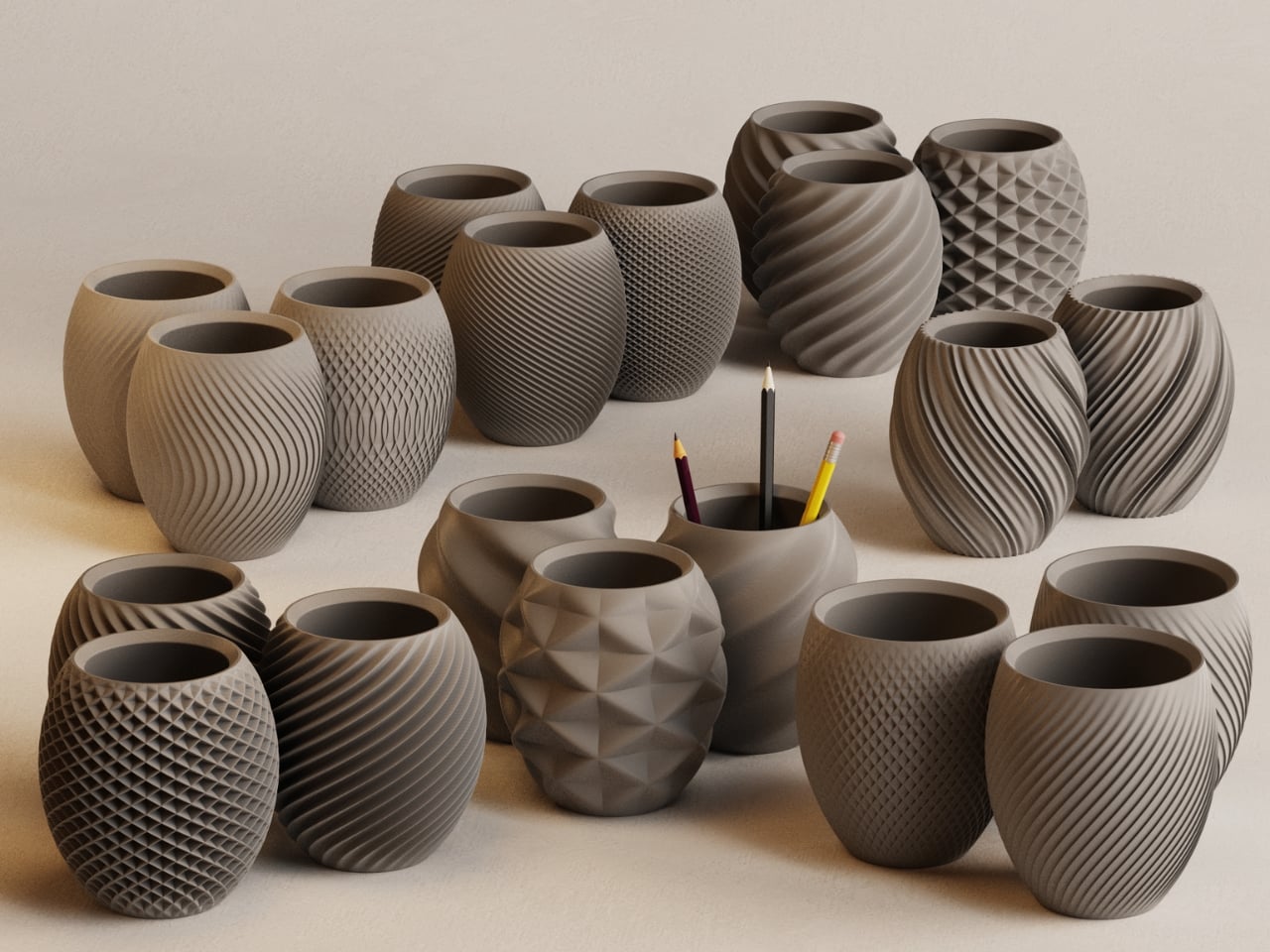
Most desk organizers solve a problem and stop there. They hold your pens, keep your paper clips from migrating, and that’s the entire story. Ikigaiform’s Aya & Sfera collection has a different agenda entirely. These small, 3D-printed cups manage to hold your belongings while looking like they were pulled from a gallery shelf, and the story behind how they got there is just as interesting as the objects themselves.

Ikigaiform describes their work as “Japanese minimalism meets parametric design,” and that phrase does a lot of heavy lifting. The studio creates objects that feel simultaneously ancient and futuristic, with a restraint to the forms, a quietness, but also a kind of visual complexity that rewards closer attention. Wabi-sabi aesthetics and Japandi sensibility run through everything they make, and Aya & Sfera is no exception. These are objects designed for calm spaces, and you can feel that intention even in the photographs.

Designer: Ikigaiform

What makes this collection particularly clever is where it came from. Aya and Sfera didn’t start as desk organizers. They began as full-size self-watering planters, part of Ikigaiform’s celebrated collection of organic-form pots with intricate surface patterns. The demand was apparently loud enough that the studio took those same exact geometries and scaled them down into compact cups, sized just right for a desk or bathroom shelf. The result is that your pen holder and your planter can share the same DNA, the same design language, the same almost-living quality.

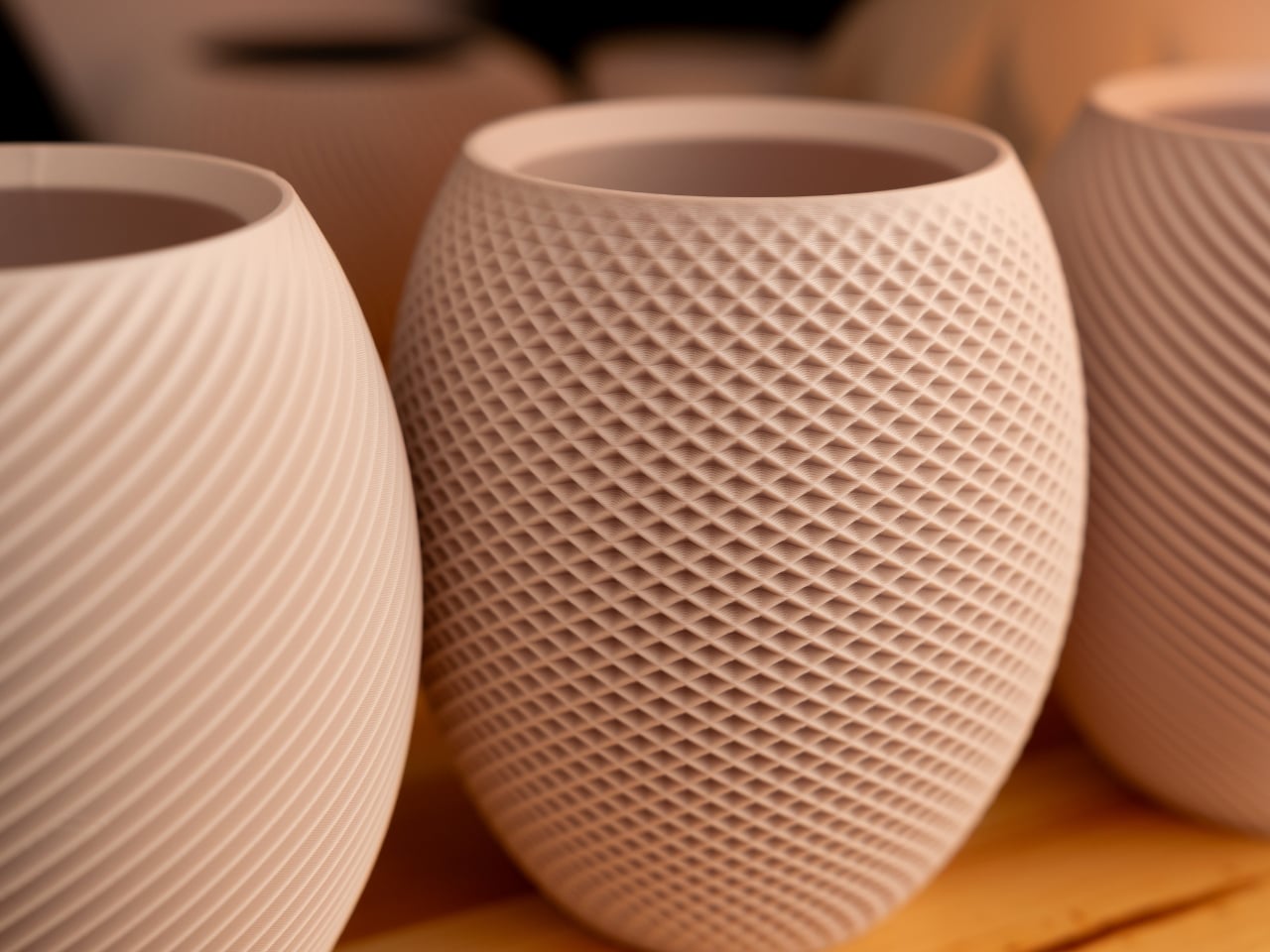
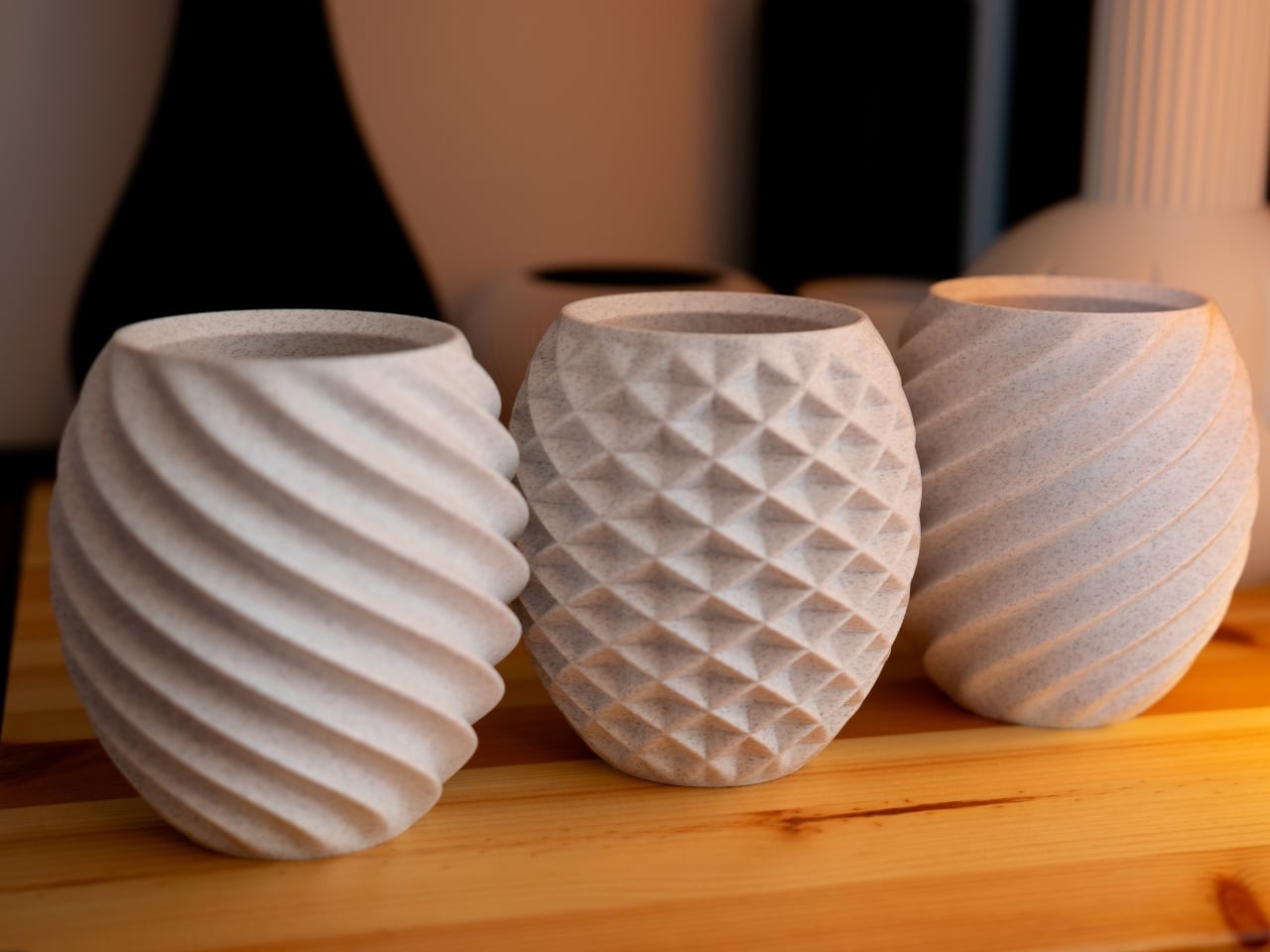
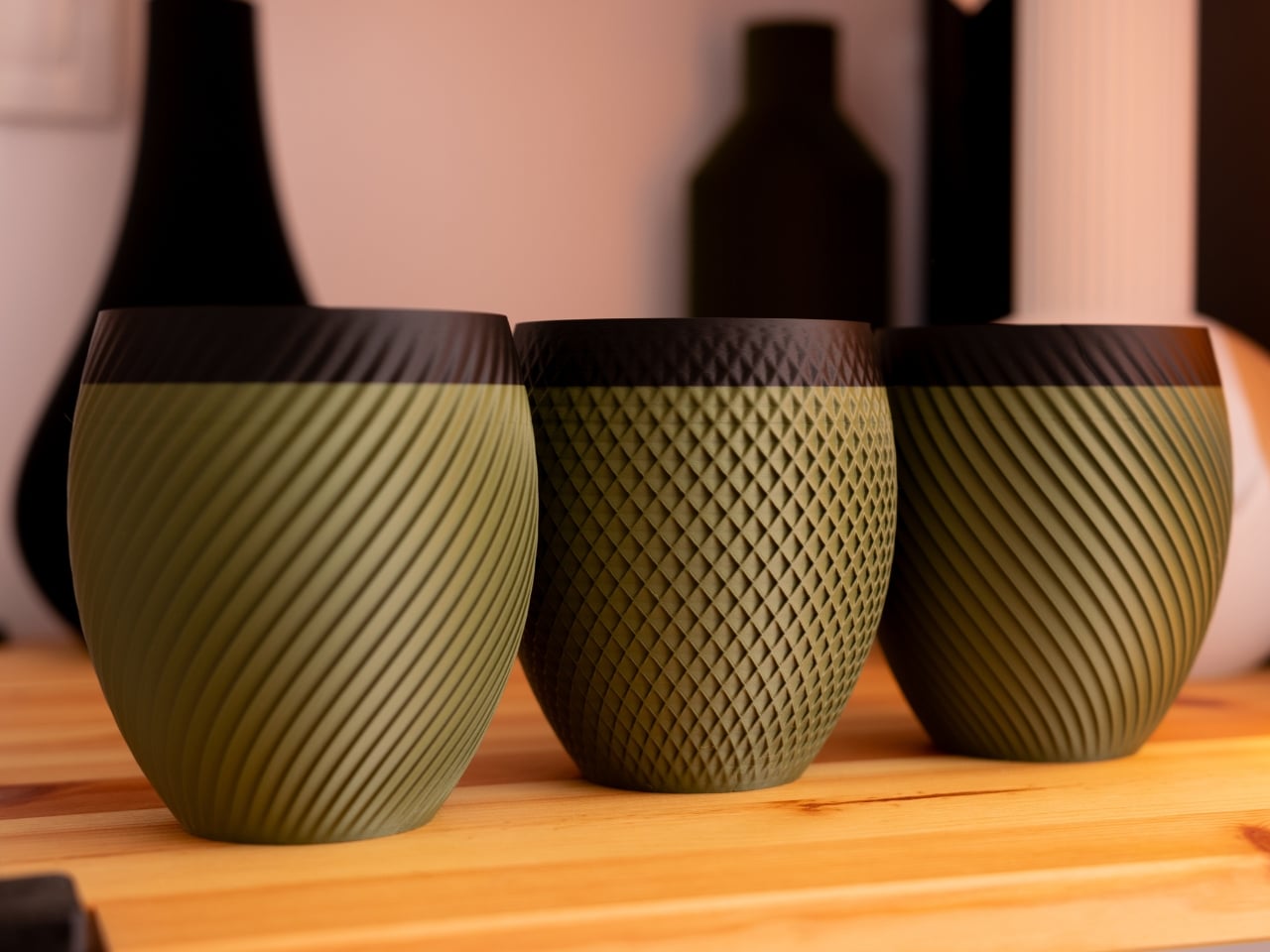
The Aya series draws its form from the twisting structure of Banisteriopsis caapi, a vine with a natural spiral growth pattern that creates a sense of continuous motion. The left and right twist variants in the Yagé pattern look like they’re caught mid-rotation, as if the object is slowly unwinding if you watch it long enough. The Sfera series takes a different route, with Ondula wave patterns and a Pinecone texture that plays beautifully with light along its ridged surface. Both series also introduce Meandro, a brand-new S-curve surface pattern making its debut here. Ikigaiform mentioned it had been in development for a while and they waited for the right moment. I think the timing works.

What I appreciate about this collection is that it refuses the idea of a hierarchy between decor and function. A pen holder has always felt like the kind of object you apologize for, something utilitarian and forgettable stuck in a corner of your desk that you only notice when it tips over. But these cups occupy the same visual space as a ceramic vase or a sculptural piece you’d actually seek out. They make you want to rearrange your entire workspace around them.

The fact that all files are free on MakerWorld is worth pausing on. Ikigaiform offers everything in both STL and 3MF formats, with print settings already baked into the file. No supports are required, and while the profiles are pre-configured for Bambu Lab printers, any FDM machine handles these geometries without issue. Each plate includes three cups so you can print the full set in one go, or individual plates if you only want one. At approximately 100mm by 110mm, they’re compact without feeling small.

The maker community’s response says a lot. Since dropping on MakerWorld in March, the collection has racked up thousands of boosts and prints, with people using them for exactly what you’d expect: pens, toothbrushes, markers, random desk things. But plenty of people are also printing them purely as decorative objects, with no functional intention at all. I find that telling. When someone prints something they don’t functionally need and displays it anyway because it looks good, the design has absolutely done its job.

The broader 3D printing world is still shaking off its reputation for producing chunky, plasticky objects that shout “I made this at home.” Aya & Sfera quietly push back on that. They’re proof that parametric design, handled with restraint and a clear aesthetic point of view, can produce objects that belong on any shelf, printed or otherwise.

The post Aya & Sfera Started as Planters. Now They’re Taking Over Desks. first appeared on Yanko Design.

OpenAI buys its second startup in a month

OpenAI has acquired Hiro Finance, a startup that offers AI-powered financial planning tools. As first reported by TechCrunch, fiscal terms of the deal, which was announced on Monday, were not disclosed by OpenAI. However, all signs point this to being an acquhire, with Hiro founder Ethan Bloch writing on LinkedIn that the company's product would stop working on April 20. Users have until May 13 to migrate their data off of Hiro's servers before everything is deleted.  

It's unclear if OpenAI plans to offer a dedicated financial planning tool in the mold of Hiro. At the start of the year, the company released Prism, a Claude Code-like app for scientific research that built on its acquisition of the startup behind Crixet. At the very least, it sounds like some of the expertise Hiro has built will make its way to OpenAI's chatbot. "For decades, personalized financial guidance has been too expensive, too generic, or too hard to access. ChatGPT is finally changing that," Bloch wrote on LinkedIn. 

The deal is the second acquisition in only two weeks to be announced by OpenAI. At the start of the month, the company bought Technology Business Programming Network (TBPN), a media company known for its daily tech podcast. For a company that has by all indications a long and tough road ahead to profitability, it sure does seem OpenAI is spending a lot of time and money on startups that might not end being central to its core business, which in recent months has seen it target the coding market to edge out Anthropic.   

This article originally appeared on Engadget at https://www.engadget.com/ai/openai-buys-its-second-startup-in-a-month-140550769.html?src=rss

OpenAI buys its second startup in a month

OpenAI has acquired Hiro Finance, a startup that offers AI-powered financial planning tools. As first reported by TechCrunch, fiscal terms of the deal, which was announced on Monday, were not disclosed by OpenAI. However, all signs point this to being an acquhire, with Hiro founder Ethan Bloch writing on LinkedIn that the company's product would stop working on April 20. Users have until May 13 to migrate their data off of Hiro's servers before everything is deleted.  

It's unclear if OpenAI plans to offer a dedicated financial planning tool in the mold of Hiro. At the start of the year, the company released Prism, a Claude Code-like app for scientific research that built on its acquisition of the startup behind Crixet. At the very least, it sounds like some of the expertise Hiro has built will make its way to OpenAI's chatbot. "For decades, personalized financial guidance has been too expensive, too generic, or too hard to access. ChatGPT is finally changing that," Bloch wrote on LinkedIn. 

The deal is the second acquisition in only two weeks to be announced by OpenAI. At the start of the month, the company bought Technology Business Programming Network (TBPN), a media company known for its daily tech podcast. For a company that has by all indications a long and tough road ahead to profitability, it sure does seem OpenAI is spending a lot of time and money on startups that might not end being central to its core business, which in recent months has seen it target the coding market to edge out Anthropic.   

This article originally appeared on Engadget at https://www.engadget.com/ai/openai-buys-its-second-startup-in-a-month-140550769.html?src=rss

$2,000 for an iPhone? Why the iPhone Fold’s Price Tag is Sparking Controversy

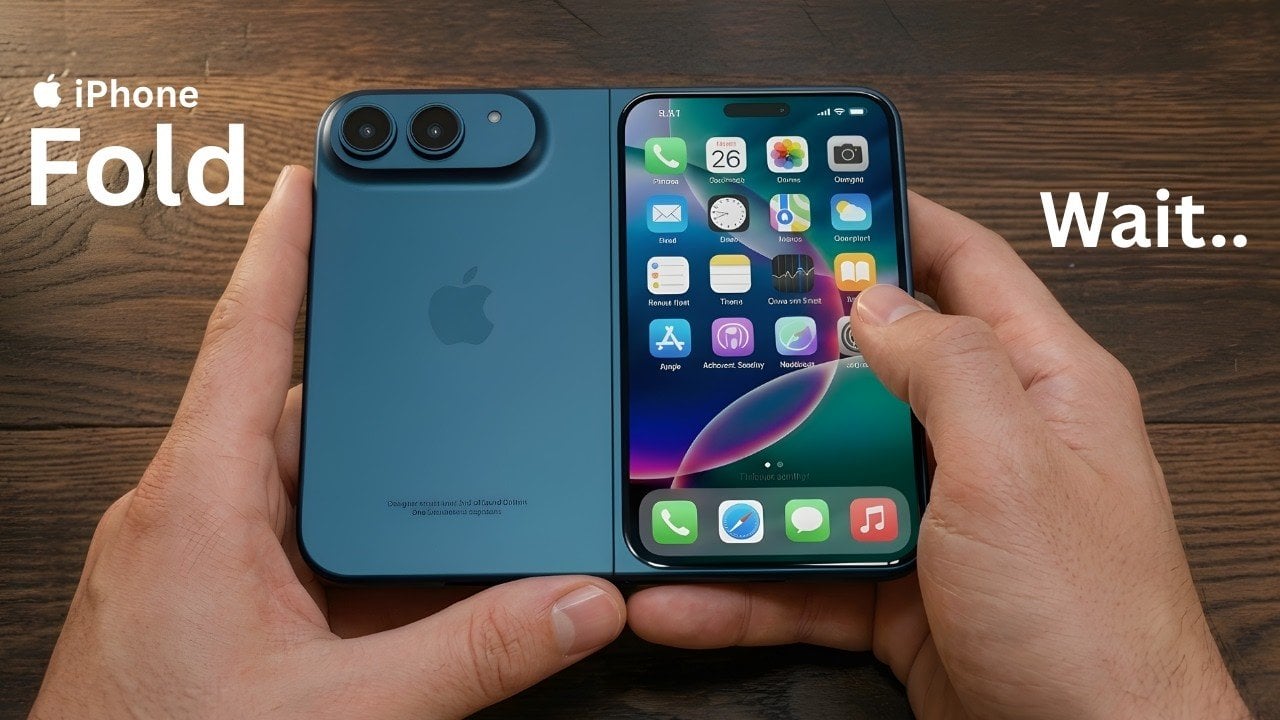
$2,000 for an iPhone? Why the iPhone Fold’s Price Tag is Sparking Controversy Calendar graphic pointing to September 2026, tied to Apple’s expected iPhone 18 launch event timing.

Apple’s much-anticipated entry into the foldable phone market is generating both excitement and skepticism. Reports indicate that the tech giant plans to unveil its first foldable iPhone in September 2026, aligning with its 50th anniversary. This milestone product, rumored to be part of the iPhone 18 Pro and Pro Max lineup, is expected to merge […]

The post $2,000 for an iPhone? Why the iPhone Fold’s Price Tag is Sparking Controversy appeared first on Geeky Gadgets.

Posted in Uncategorized

The $149 Toolbox That Turned Into a Coffee Ritual Kit

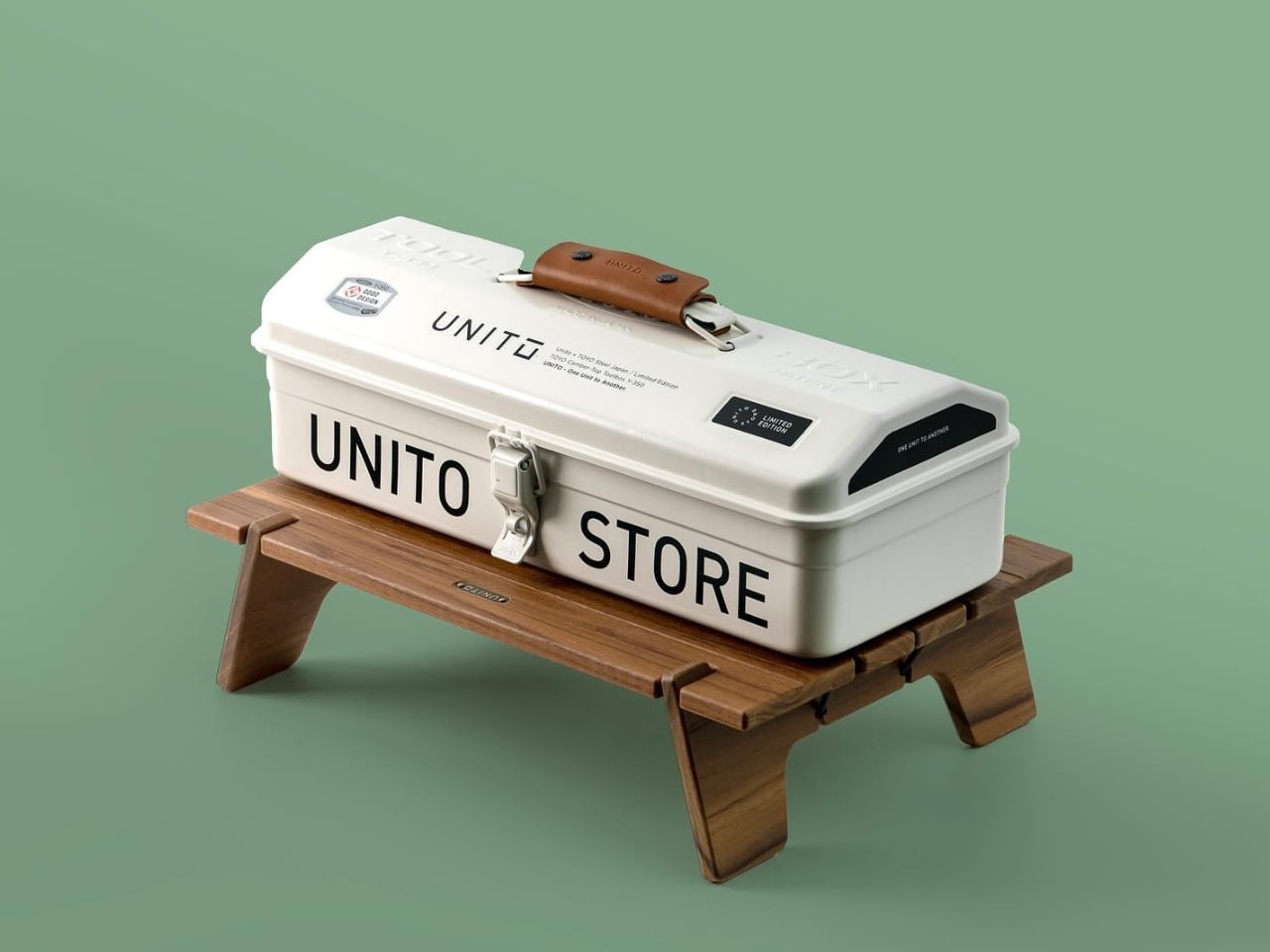
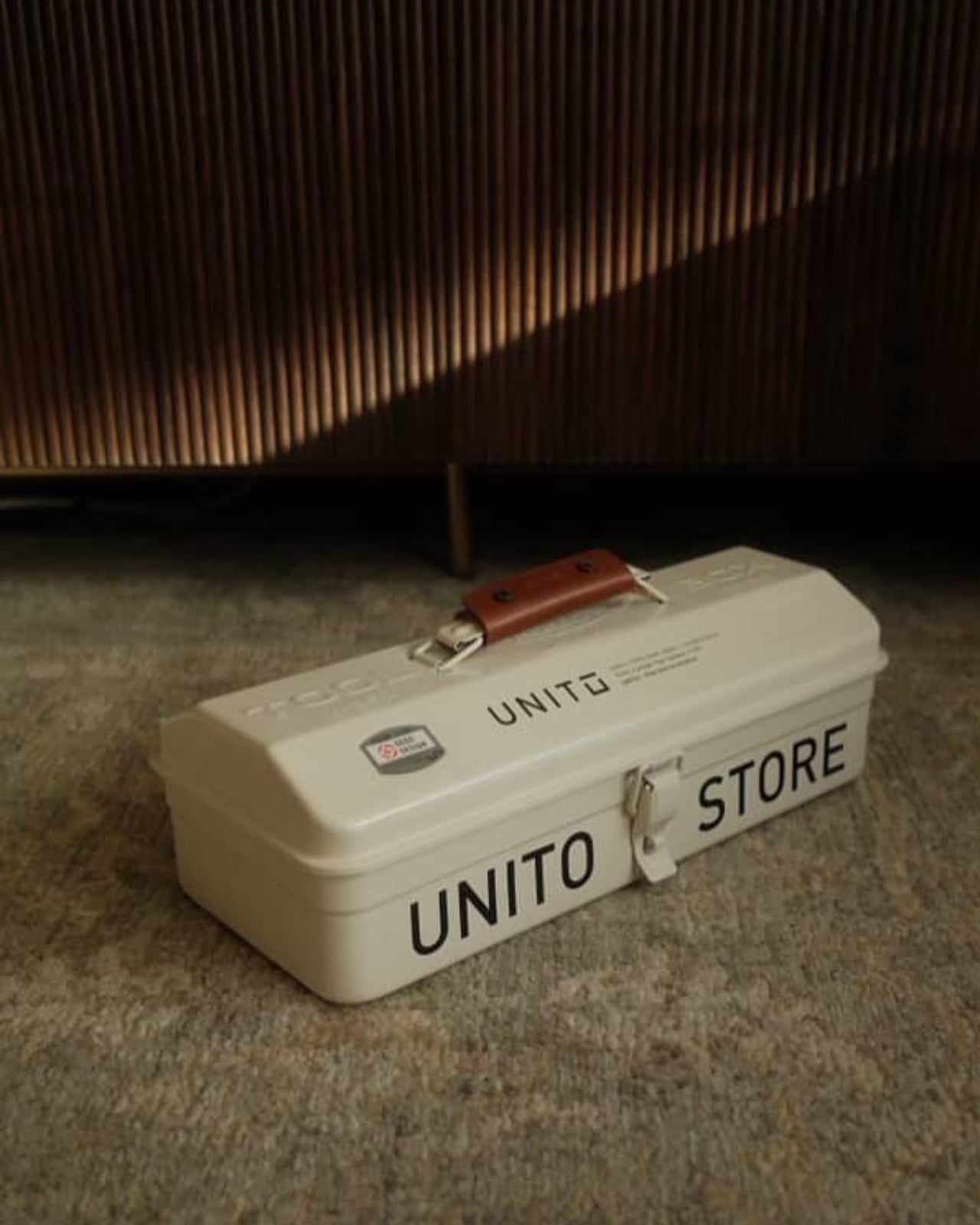
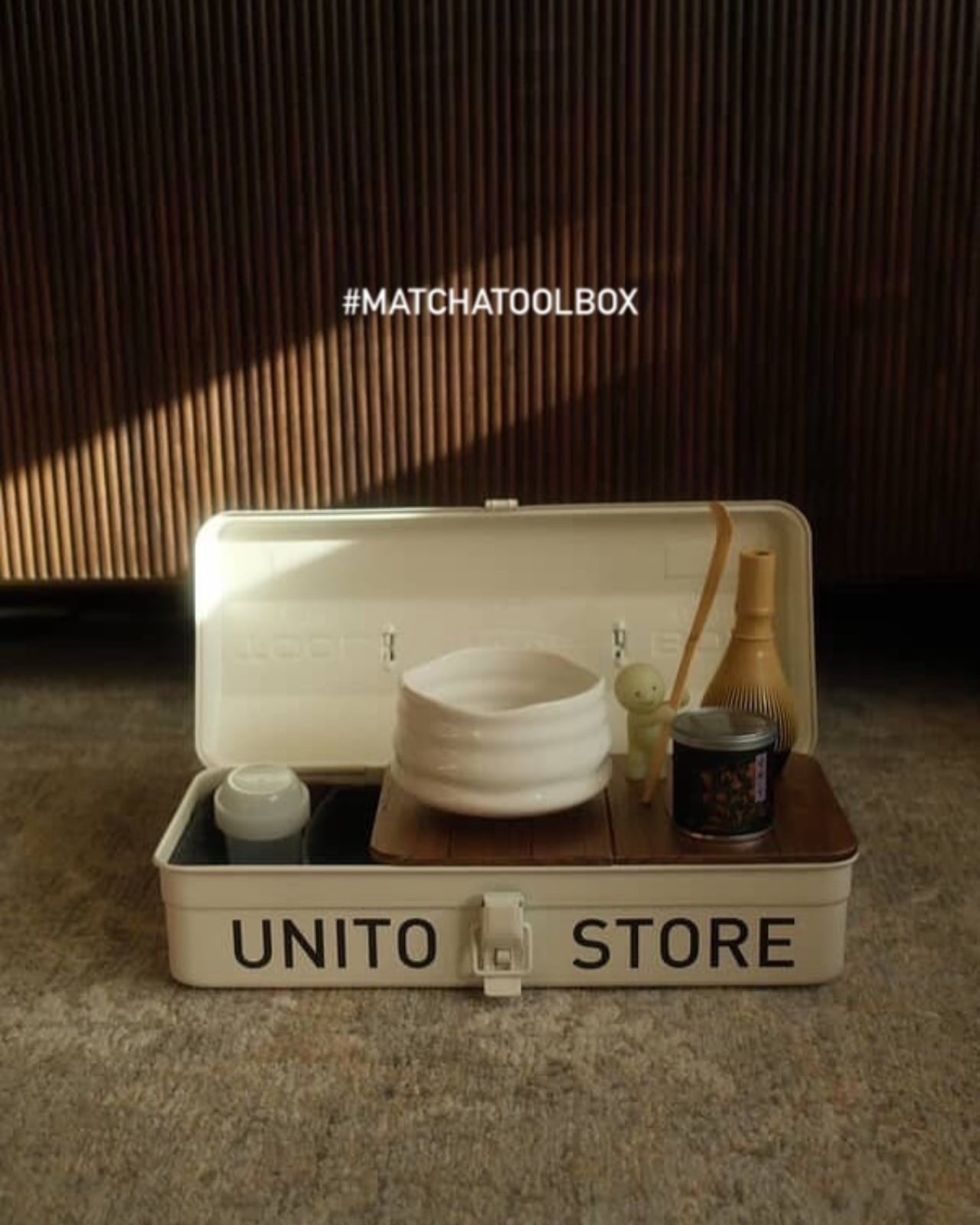
Most of us have been there: standing in front of something we absolutely do not need, talking ourselves into it anyway. The Unito x Toyo Coffee Box is that kind of object. It’s a steel toolbox dressed up in leather and felt and wood. It costs $149. It doesn’t even come with the coffee gear. I saw it and immediately wanted one.

Let me back up. The base of this collaboration is Toyo Steel’s Y-350 Camber-Top Toolbox, a piece that has been quietly adored in Japan for decades. Toyo Steel has been making these compact, beautifully engineered steel boxes for years, and they have the kind of loyal following that most consumer products never achieve. They’re practical, they’re durable, and they have this understated industrial charm that design people lose their minds over. The Y-350 in particular has that slightly arched lid, a clean latch system, and proportions that just feel right.

Designers: Unito x Toyo

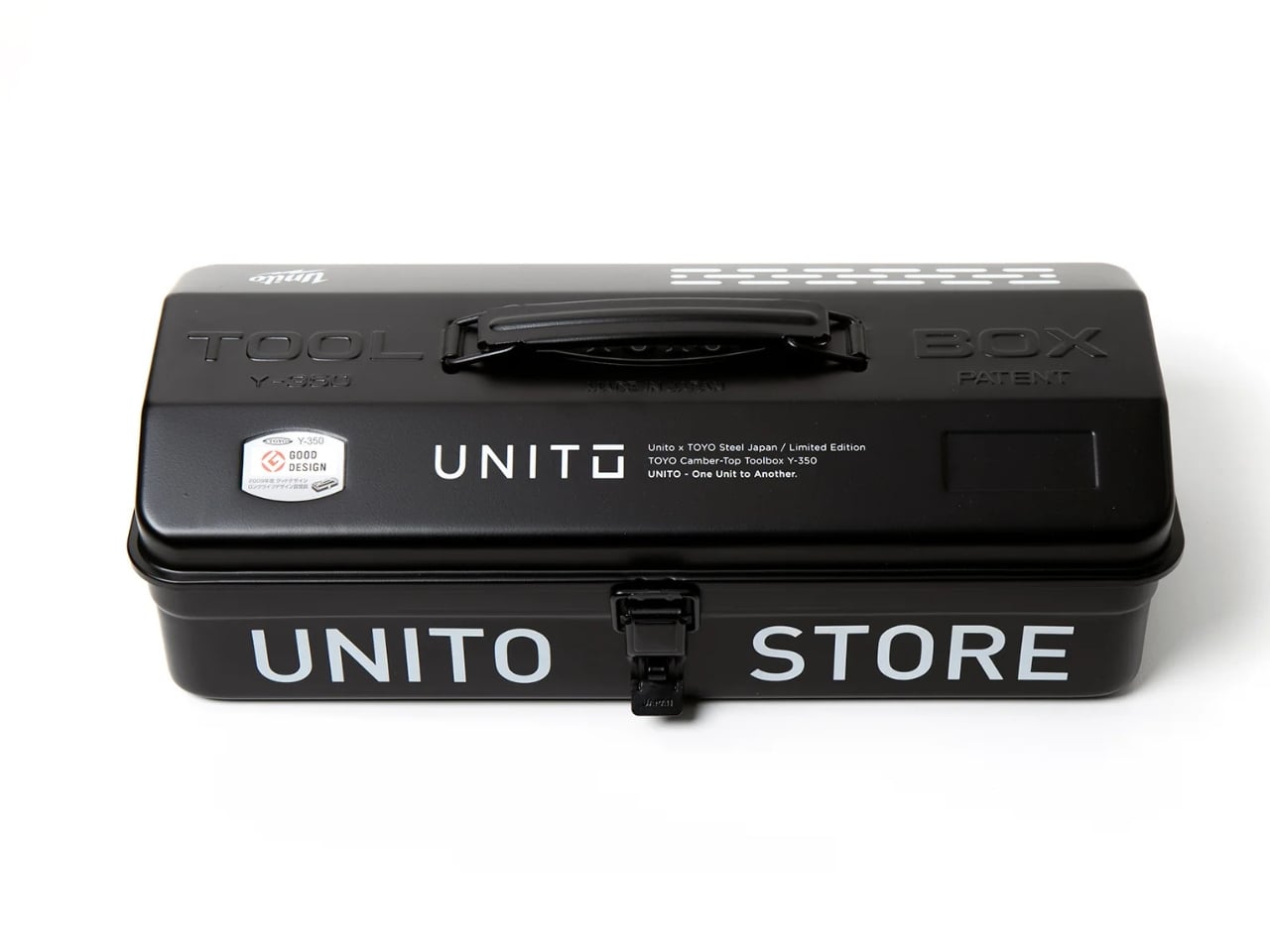
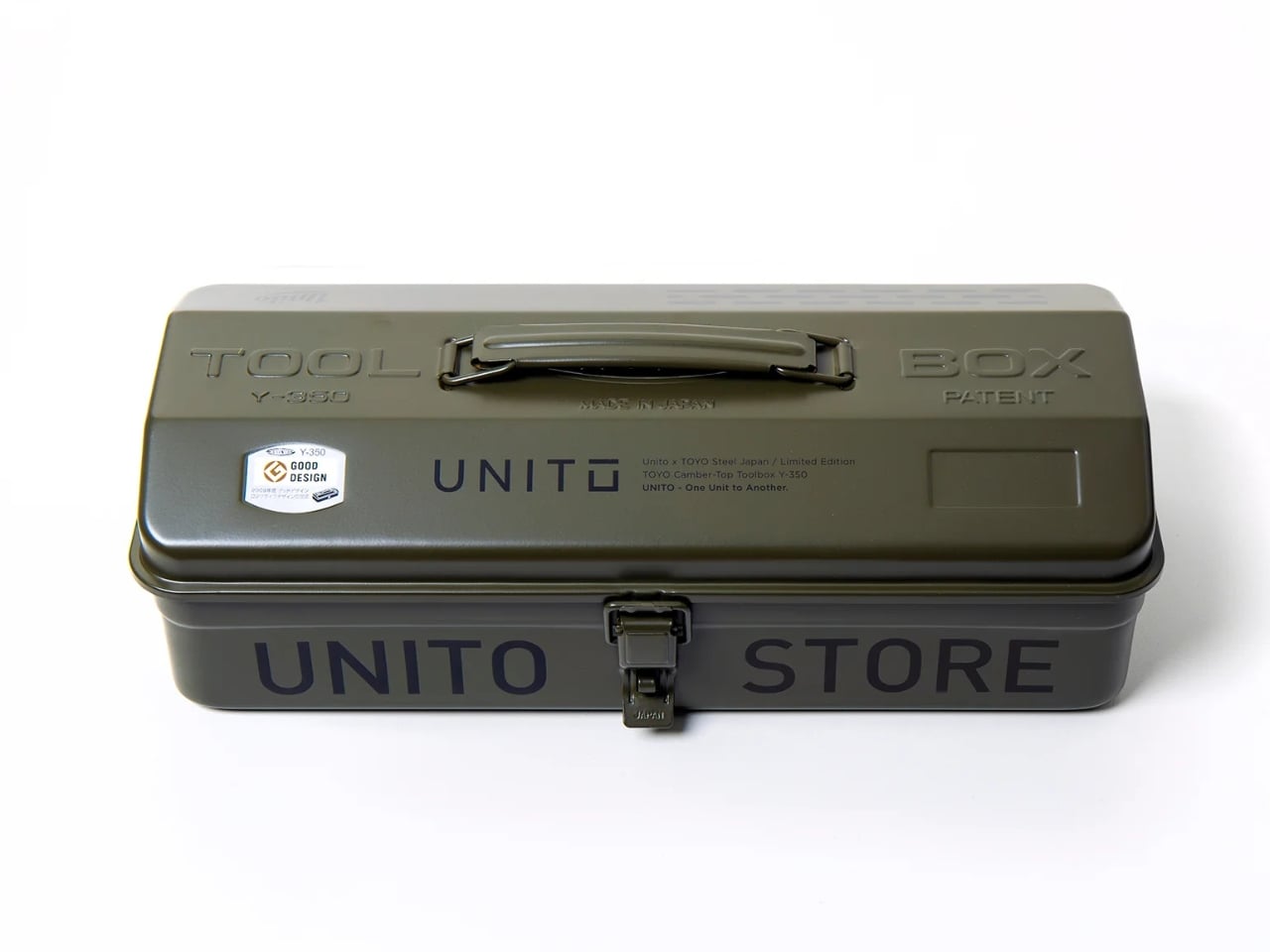
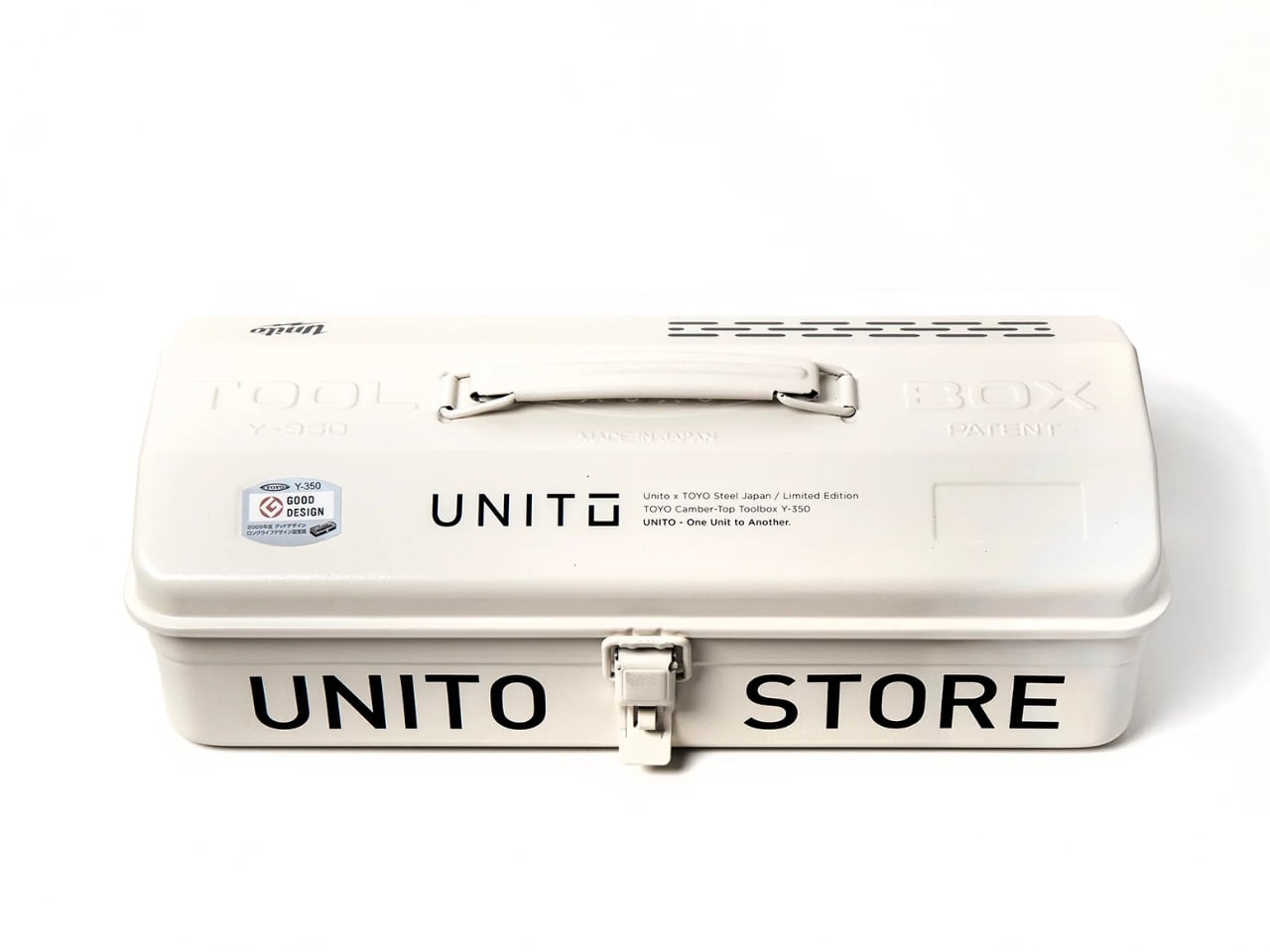
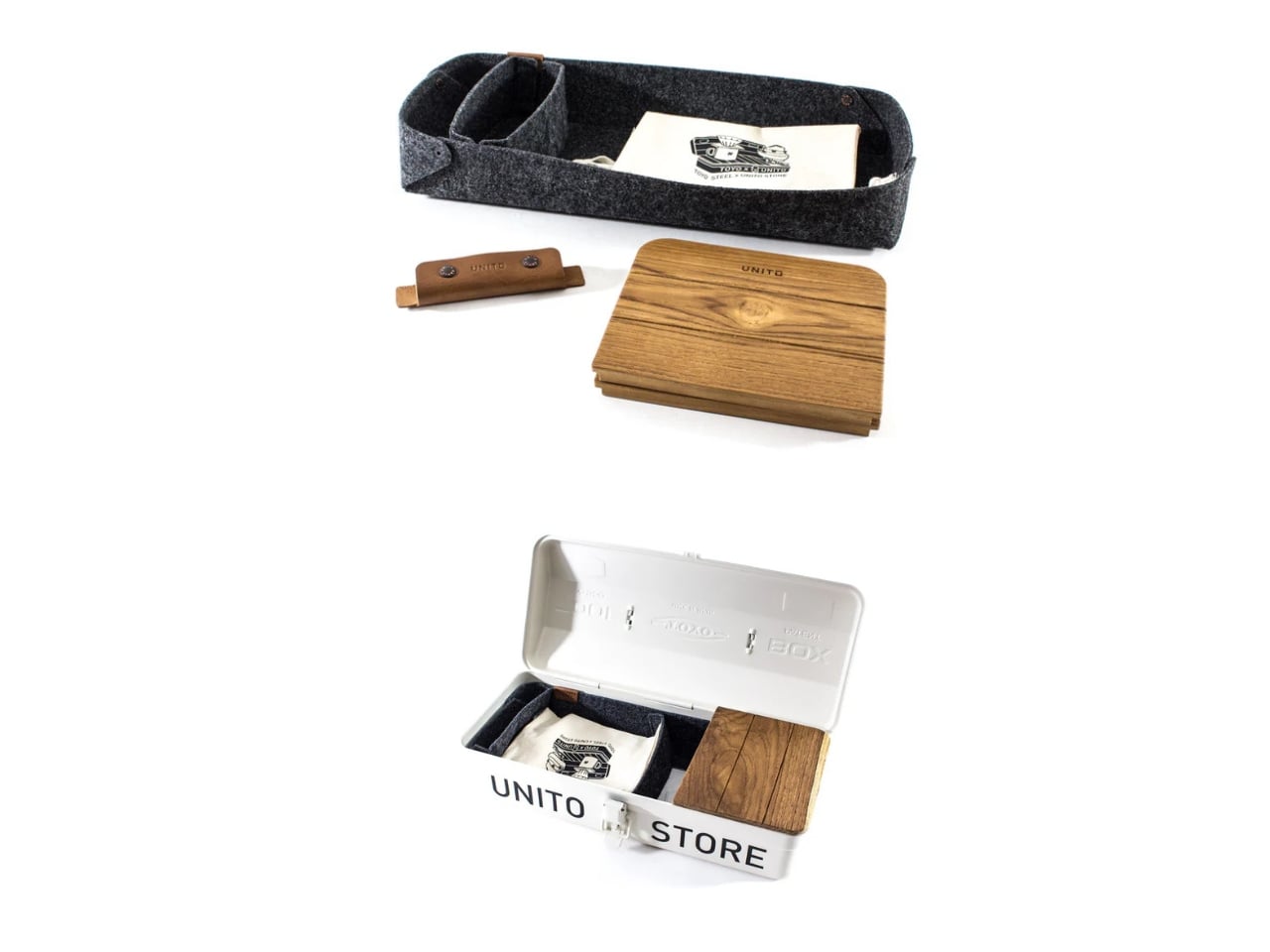
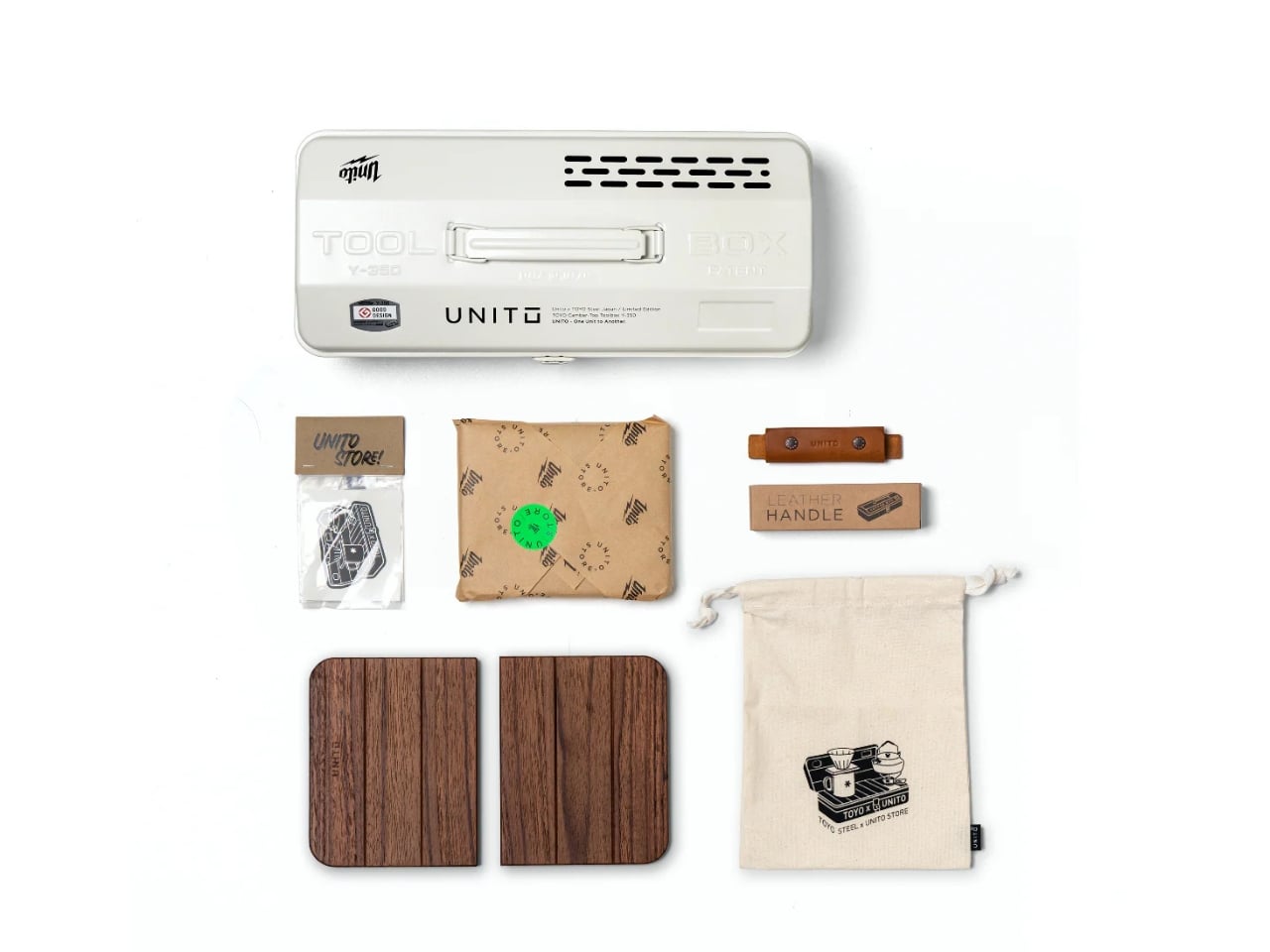
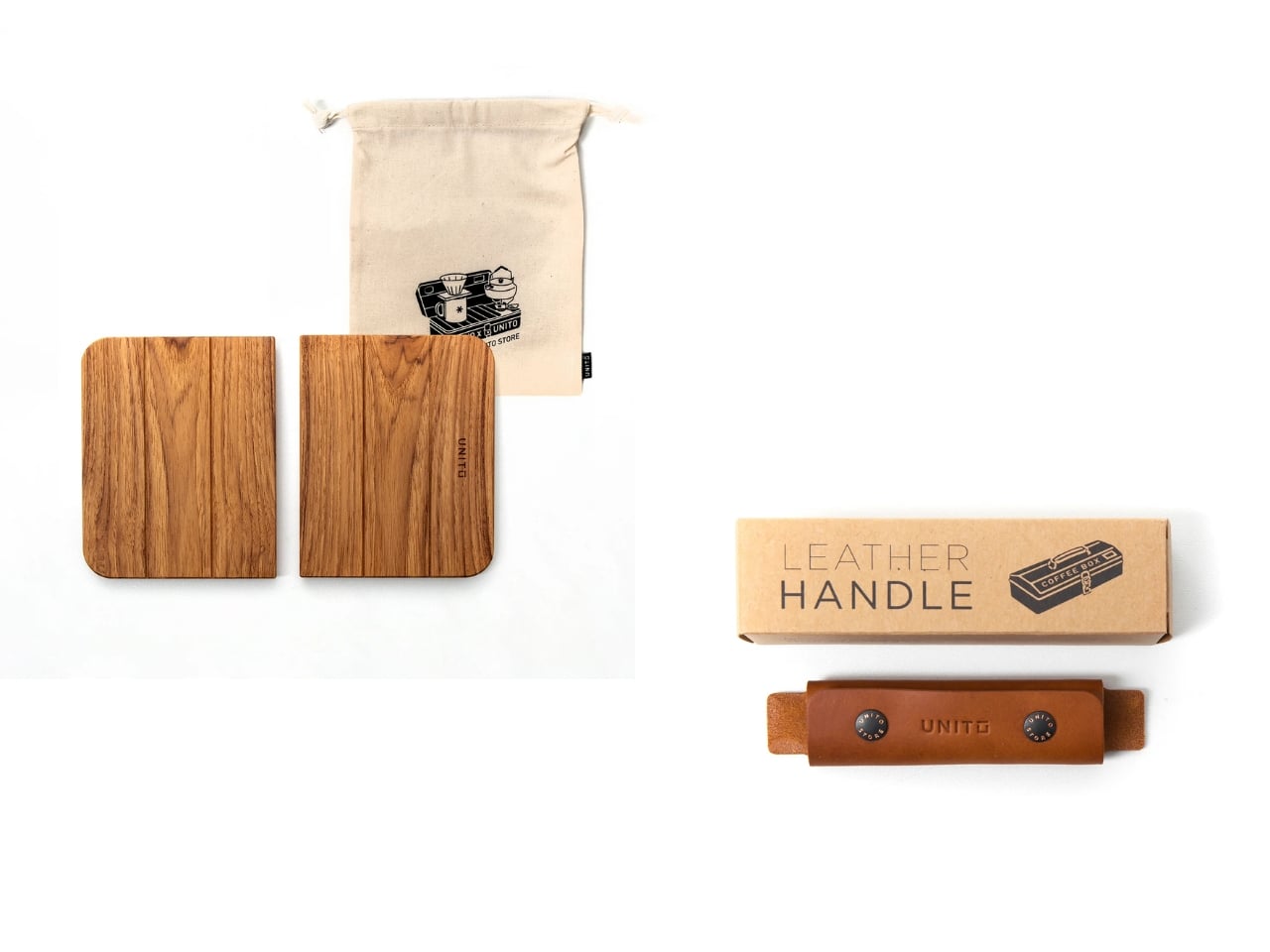
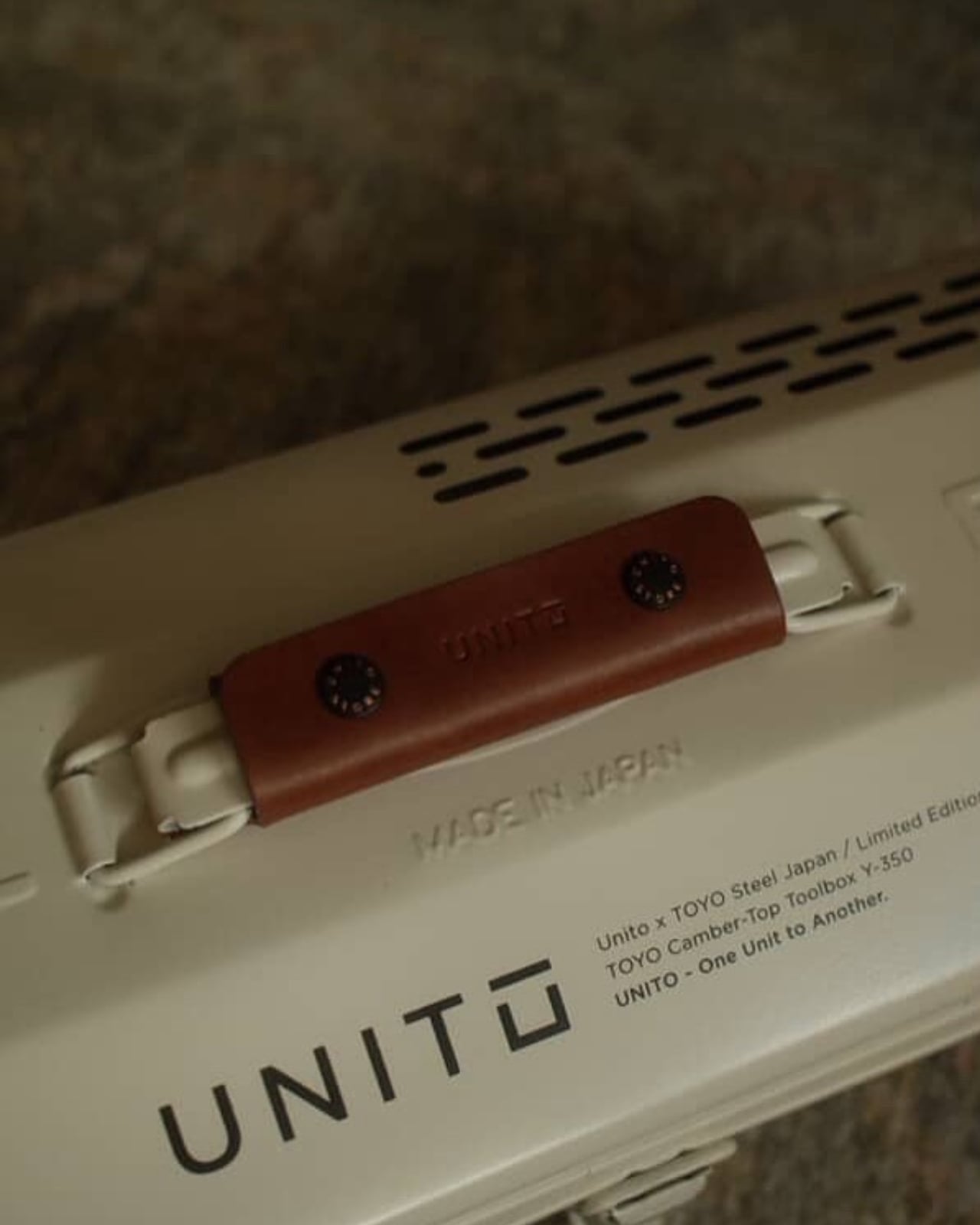
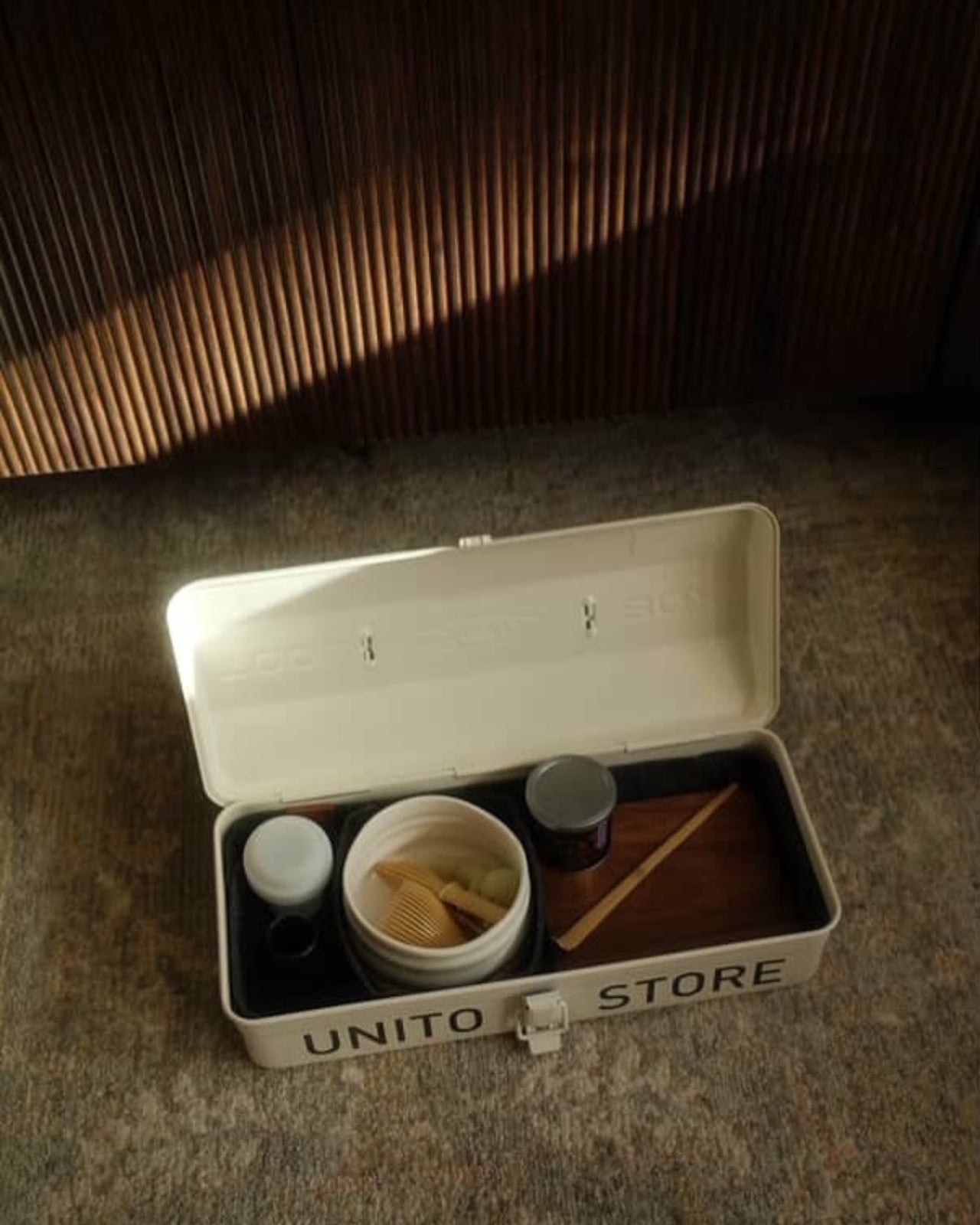
What Unito, an outdoor goods brand from Thailand, has done is take that already-loved object and rework it into something that sits comfortably at the intersection of camping culture and specialty coffee culture, two communities that have elevated their gear into an art form. They added a leather wrap on the handle, a soft felt interior tray, a wood accent on top, and their own typography to the exterior. The result comes in black, moss green, and white, all three of which look like they belong on a very curated flat-lay photo.

Here’s where I have to be honest about something. The design transformation is, objectively speaking, not radical. Unito didn’t redesign the box. They styled it. That distinction matters to some people, and I get that. A purist might argue that adding a leather wrap and a wood accent to someone else’s iconic product is more decorating than designing. But I think that misses what’s actually interesting here.

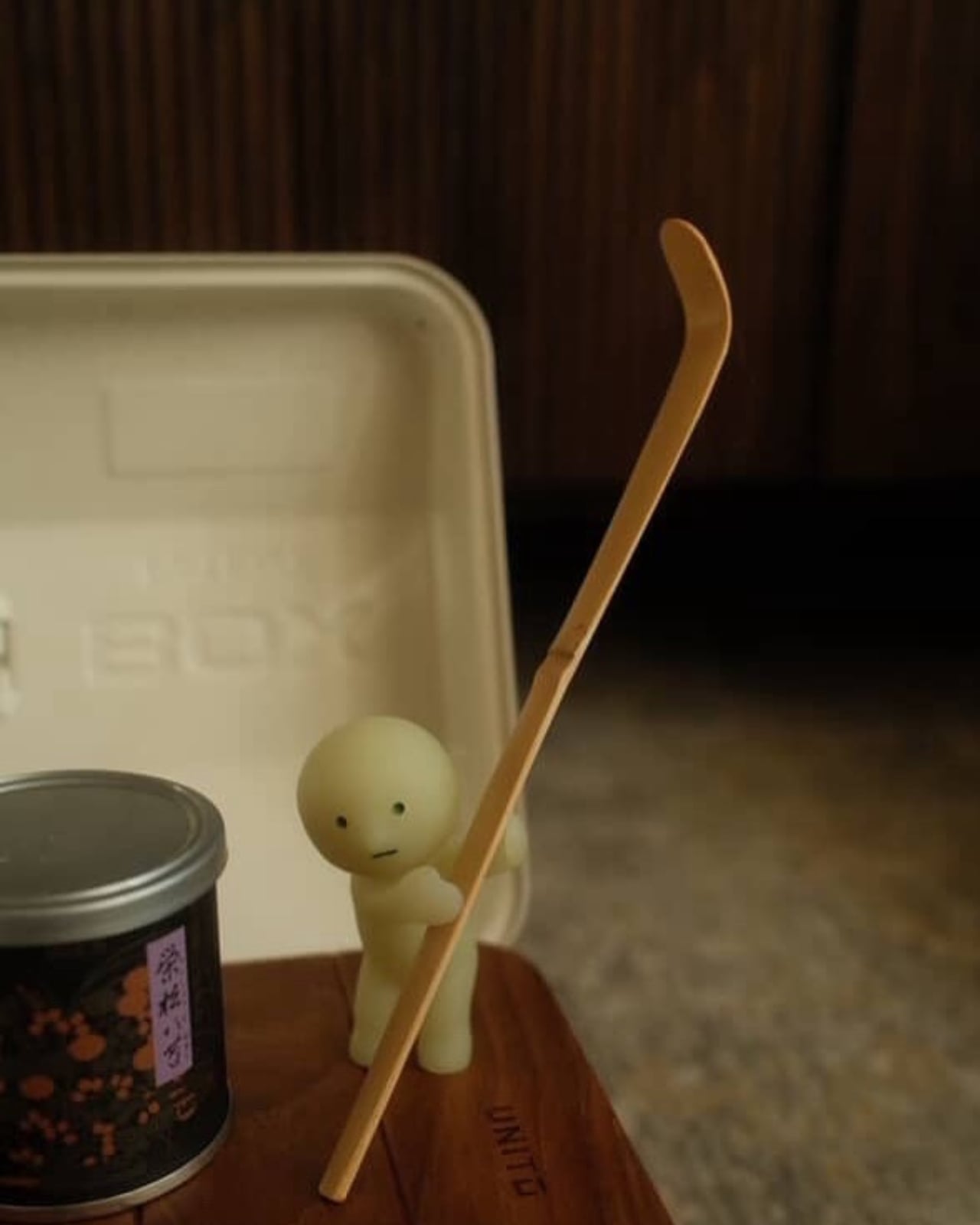
The collaboration is really about context. Toyo’s toolbox was built for workshops. Unito has relocated it to the campsite, the rooftop, the weekend market, the kind of slow Saturday morning where you grind your beans by hand and take your time about it. The felt tray organizes your coffee tools. The wood piece sits on top and gives the whole setup a kind of quiet ceremony. The leather handle signals that this is not a box for carrying wrenches anymore. Every material choice is a cue that reframes what the object is for.

That reframing taps into something real about how we relate to the things we own. Coffee culture, especially the third-wave, pour-over, traveling barista kind, has always been about ritual. The gear matters not just functionally but emotionally. Owning a beautiful setup is part of the experience. So a limited-edition box that houses your dripper and your kettle in a well-made Japanese steel case with a leather handle isn’t extravagant; it’s just playing by the rules of a game a lot of people are already playing.

The $149 price point is where people will either get it or not. You’re not paying for engineering. Toyo already handled that part. You’re paying for the curation, the collab, the materials, and the very specific lifestyle signal the object sends. That’s not a criticism; that’s just what premium objects are, and have always been.

What I keep coming back to is how well the two brands actually complement each other. Japan’s quiet precision and Thailand’s outdoor-first sensibility turn out to be a genuinely good pairing. Toyo brings the bones. Unito brings the warmth. The result is a limited-edition piece that feels considered rather than manufactured for a trend cycle. Whether you need it is the wrong question. The better one is whether it makes you want to get outside, make something slowly, and pay attention to the morning. Objects that do that earn their place.

The post The $149 Toolbox That Turned Into a Coffee Ritual Kit first appeared on Yanko Design.

Amazon buys the satellite internet company behind Apple’s SOS system

Amazon has today announced it is merging with satellite internet provider Globalstar Inc. to bolster Leo, its Starlink rival. Globalstar isn’t a household name but you do know its work, as it provides Apple’s emergency satellite connectivity for compatible iPhones and Watches. In a statement, Amazon says the deal will grow Leo’s space-based footprint and enable direct-to-device service for its burgeoning satellite network.

An interesting wrinkle is Apple owns 20 percent of Globalstar, which it bought for $1.5 billion in 2024, but that didn’t get a mention. Instead, the release says Amazon and Apple have agreed Leo will “power satellite services for supported iPhone and Apple Watch models.” And that this support will continue as Leo’s network evolves, as well as collaborating “with Apple on future satellite services using Amazon Leo’s expanded satellite network.”

The release adds Leo’s direct-to-device service won’t start until 2028, and the deal itself isn’t expected to close until 2027. That is, of course, unless Amazon doesn’t placate the FCC into extending its deadline to get more satellites into orbit before July 2026. At present, the company needs to have 1,600 satellites in orbit by that deadline, but only expects to have around 700 actually up in the heavens and working by then.

This article originally appeared on Engadget at https://www.engadget.com/general/amazon-buys-the-satellite-internet-company-behind-apples-sos-system-130150744.html?src=rss

Amazon buys the satellite internet company behind Apple’s SOS system

Amazon has today announced it is merging with satellite internet provider Globalstar Inc. to bolster Leo, its Starlink rival. Globalstar isn’t a household name but you do know its work, as it provides Apple’s emergency satellite connectivity for compatible iPhones and Watches. In a statement, Amazon says the deal will grow Leo’s space-based footprint and enable direct-to-device service for its burgeoning satellite network.

An interesting wrinkle is Apple owns 20 percent of Globalstar, which it bought for $1.5 billion in 2024, but that didn’t get a mention. Instead, the release says Amazon and Apple have agreed Leo will “power satellite services for supported iPhone and Apple Watch models.” And that this support will continue as Leo’s network evolves, as well as collaborating “with Apple on future satellite services using Amazon Leo’s expanded satellite network.”

The release adds Leo’s direct-to-device service won’t start until 2028, and the deal itself isn’t expected to close until 2027. That is, of course, unless Amazon doesn’t placate the FCC into extending its deadline to get more satellites into orbit before July 2026. At present, the company needs to have 1,600 satellites in orbit by that deadline, but only expects to have around 700 actually up in the heavens and working by then.

This article originally appeared on Engadget at https://www.engadget.com/general/amazon-buys-the-satellite-internet-company-behind-apples-sos-system-130150744.html?src=rss

Apple Glasses 2026: Everything We Know About the Late-Year Launch and Siri 2.0

Apple Glasses 2026: Everything We Know About the Late-Year Launch and Siri 2.0 Apple Glass

Apple is reportedly advancing its efforts in developing augmented reality (AR) glasses, a product that could redefine the wearable technology landscape. Expected to debut as early as 2026, these glasses are anticipated to feature Apple Intelligence, the company’s next-generation AI assistant, seamlessly integrating with Apple’s ecosystem. This strategic move positions Apple as a formidable competitor […]

The post Apple Glasses 2026: Everything We Know About the Late-Year Launch and Siri 2.0 appeared first on Geeky Gadgets.

Posted in Uncategorized