
OpenADR and Matter are collaborating to let your smart home talk to the grid
This should make it easier to connect appliances to demand response programs.
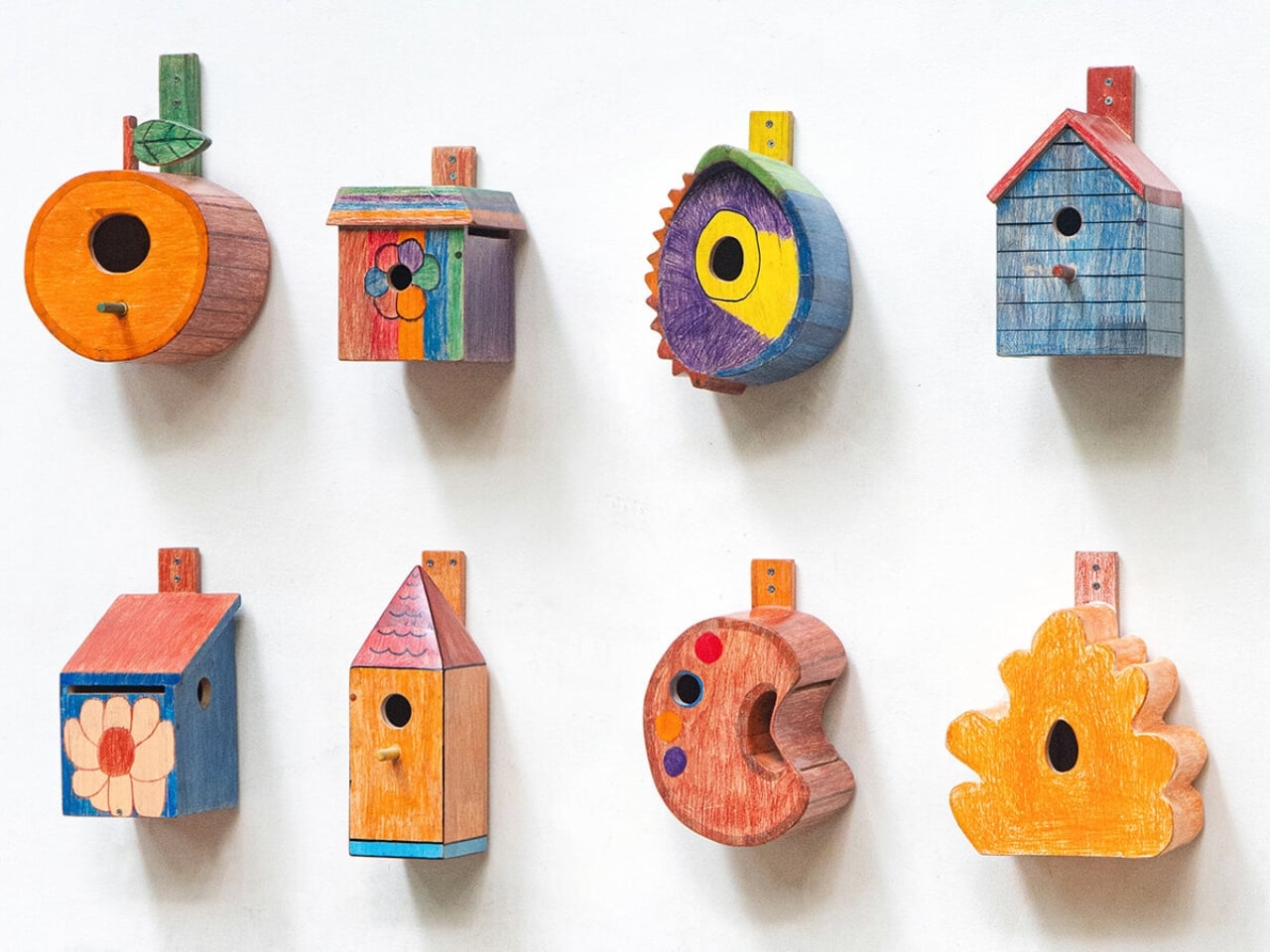
Most of us have a pretty fixed idea of what a birdhouse looks like. A small wooden box, a round hole, maybe a little perch. It’s one of those objects so familiar it barely registers anymore. Designer Taekhan Yun decided to blow that idea up entirely, and he handed the job over to the last people anyone in the design industry would think to consult: ninety children in Siem Reap, Cambodia.
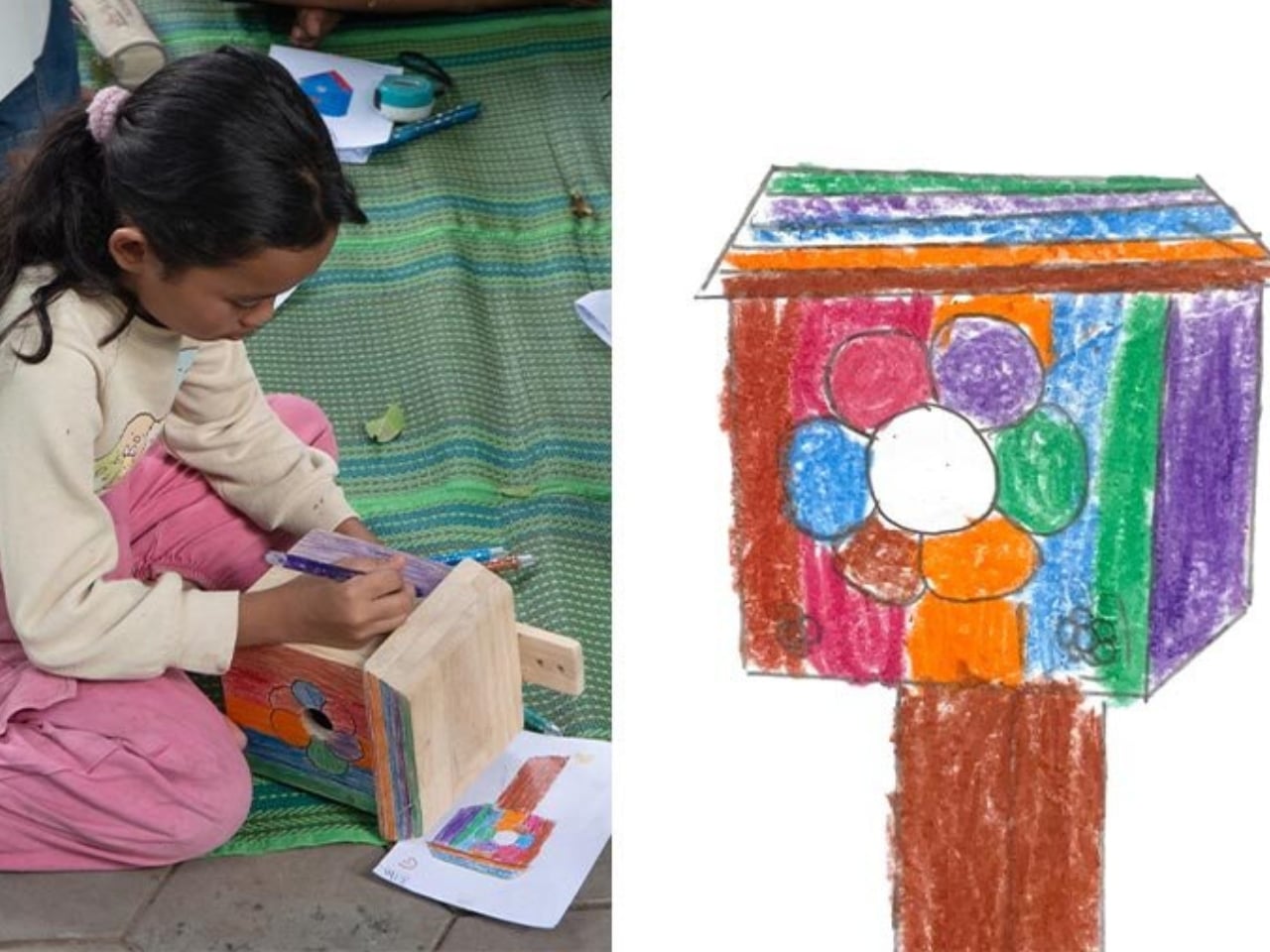
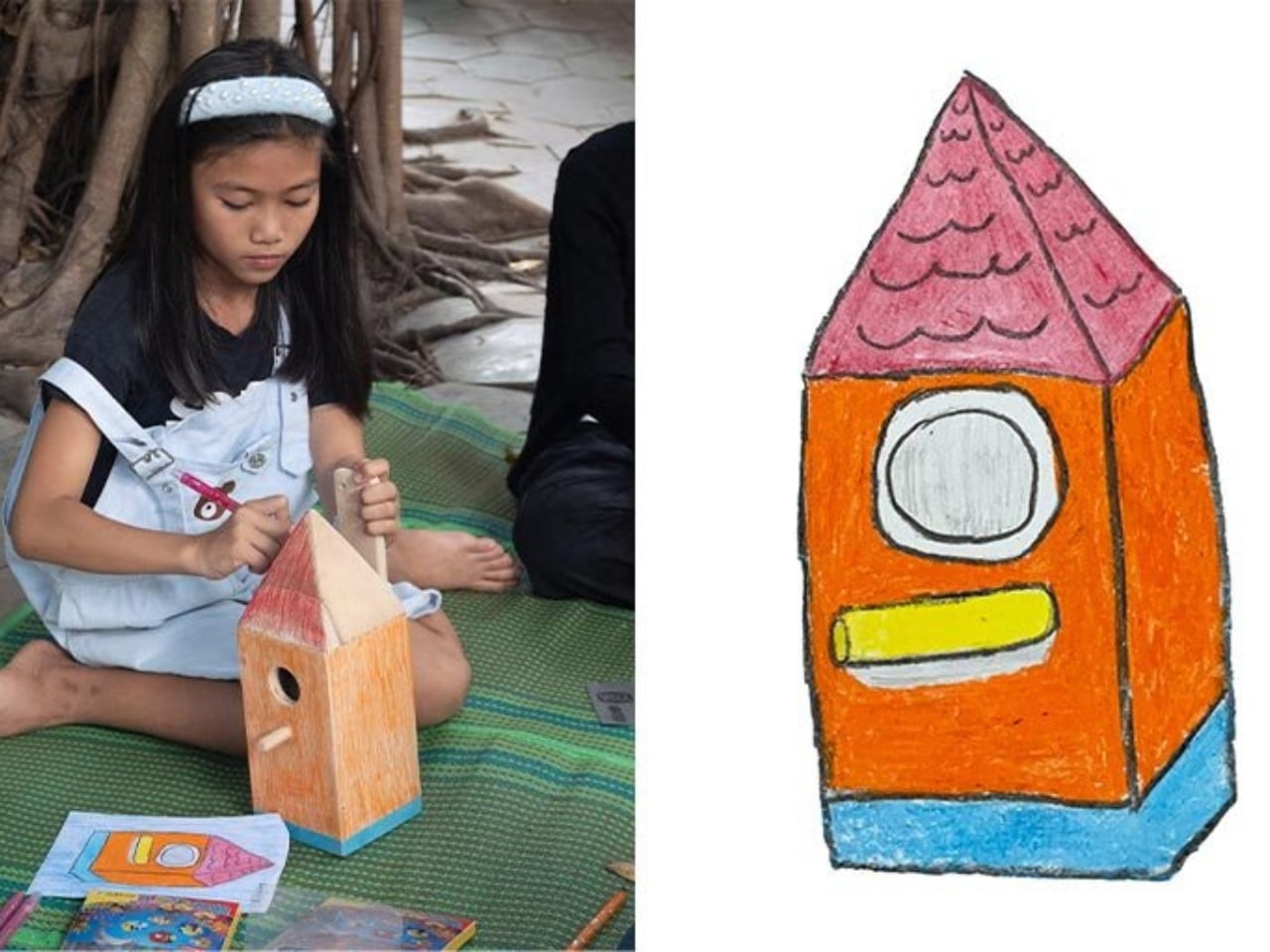
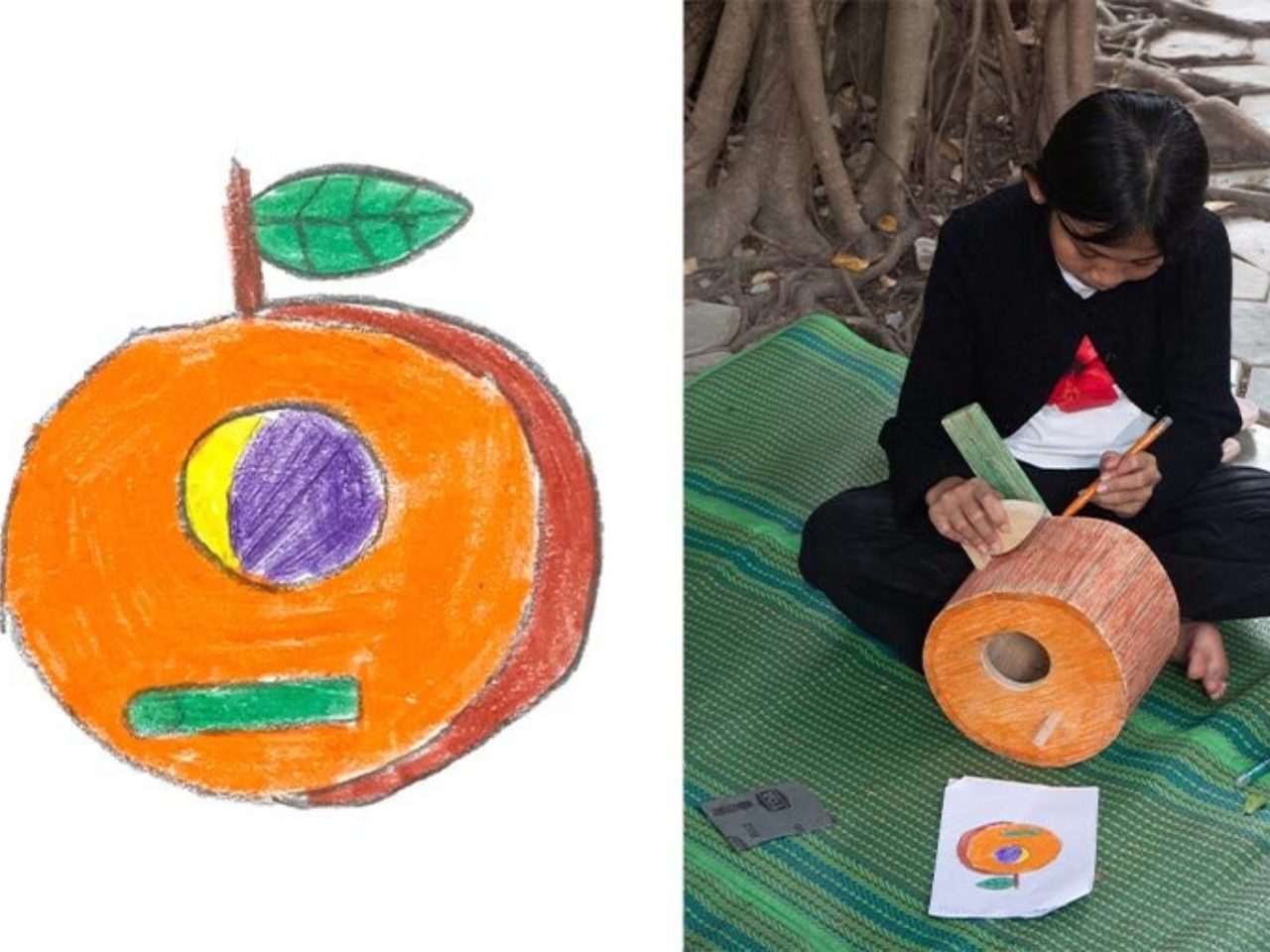
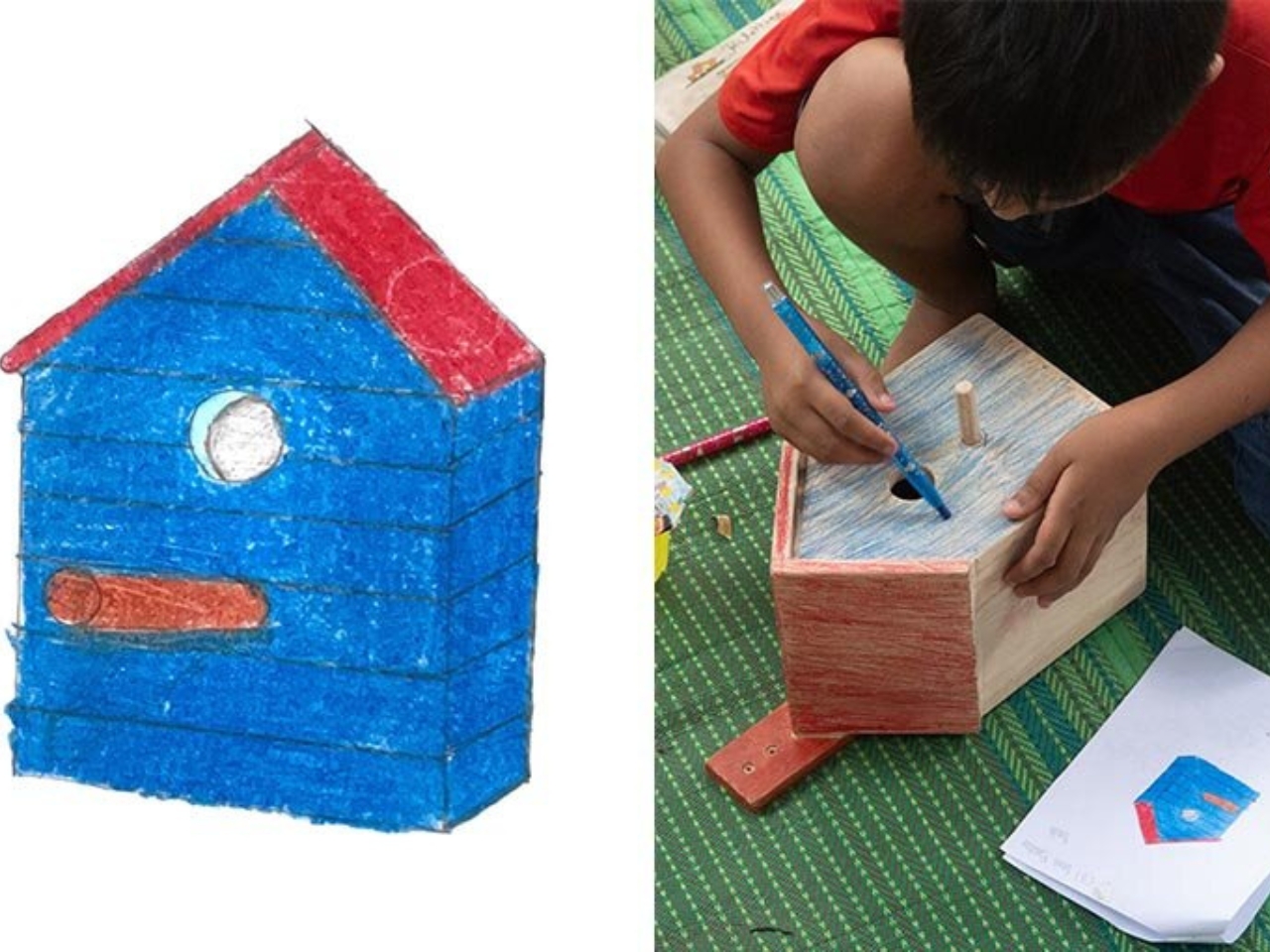
The project is called “Birdhouse by Kids,” and it is exactly what it sounds like, though the execution is far more considered than the name lets on. Yun, a Korean designer currently based in Cambodia, started the process by introducing the children to local bird species and basic birdhouse typologies. Not to teach them the “right” answer, but to give them just enough context before letting them loose with pencils and paper. The drawings that came out of that session were, predictably, wonderfully unruly. Rooftops that curve like waves, doors shaped more like portals, proportions that make zero structural sense and all the visual sense in the world.
Designer: Taekhan Yun
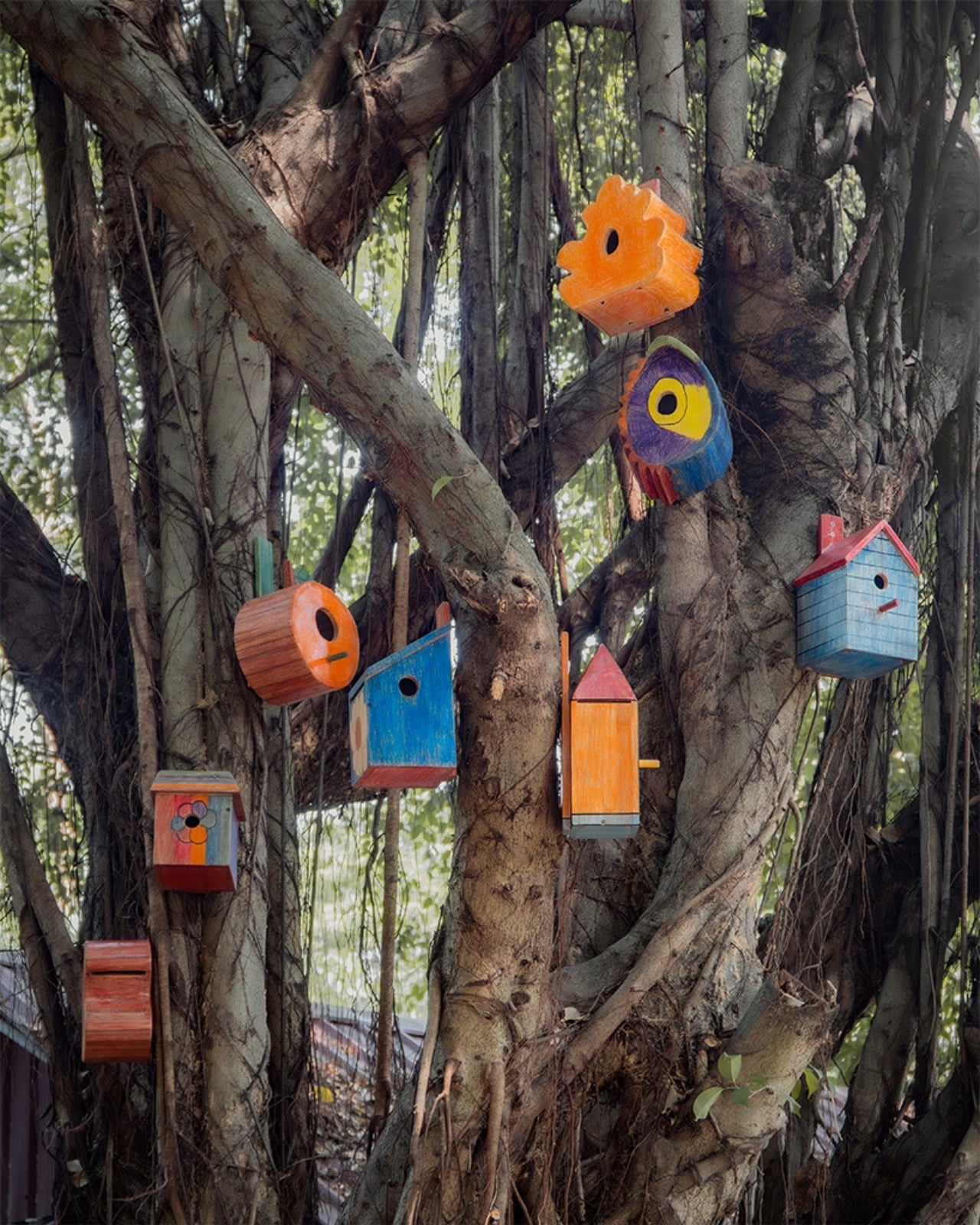
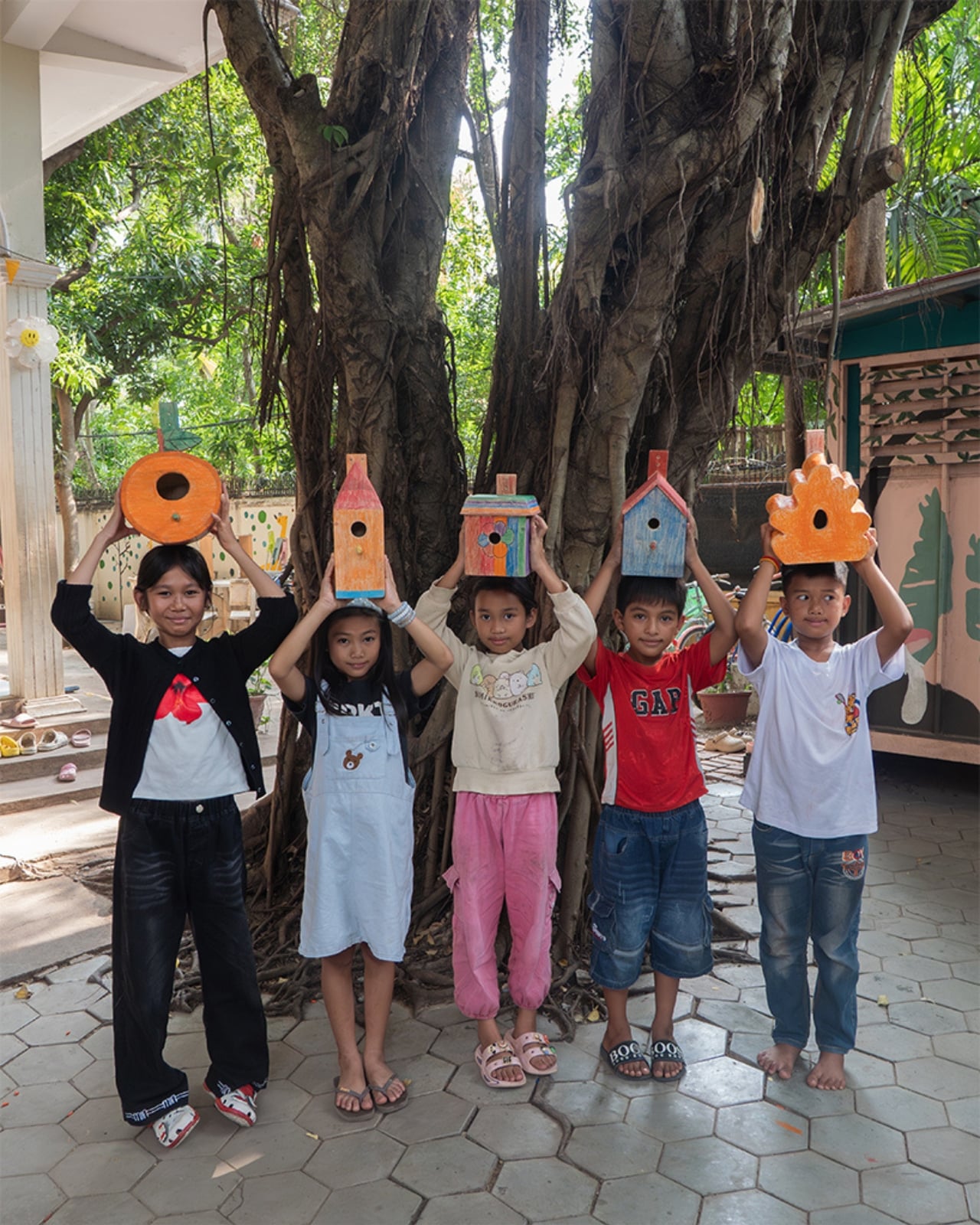
What Yun did next is the part that elevates this from a cute community project to something genuinely worth talking about. He didn’t correct the drawings. He translated them. There’s a massive difference between those two things, and most professional designers, trained to optimize and problem-solve, would have instinctively done the former. Yun chose the harder path, which was to honor the original intention of each design while figuring out how to make it stand upright, hold together, and actually function as a home for a bird.
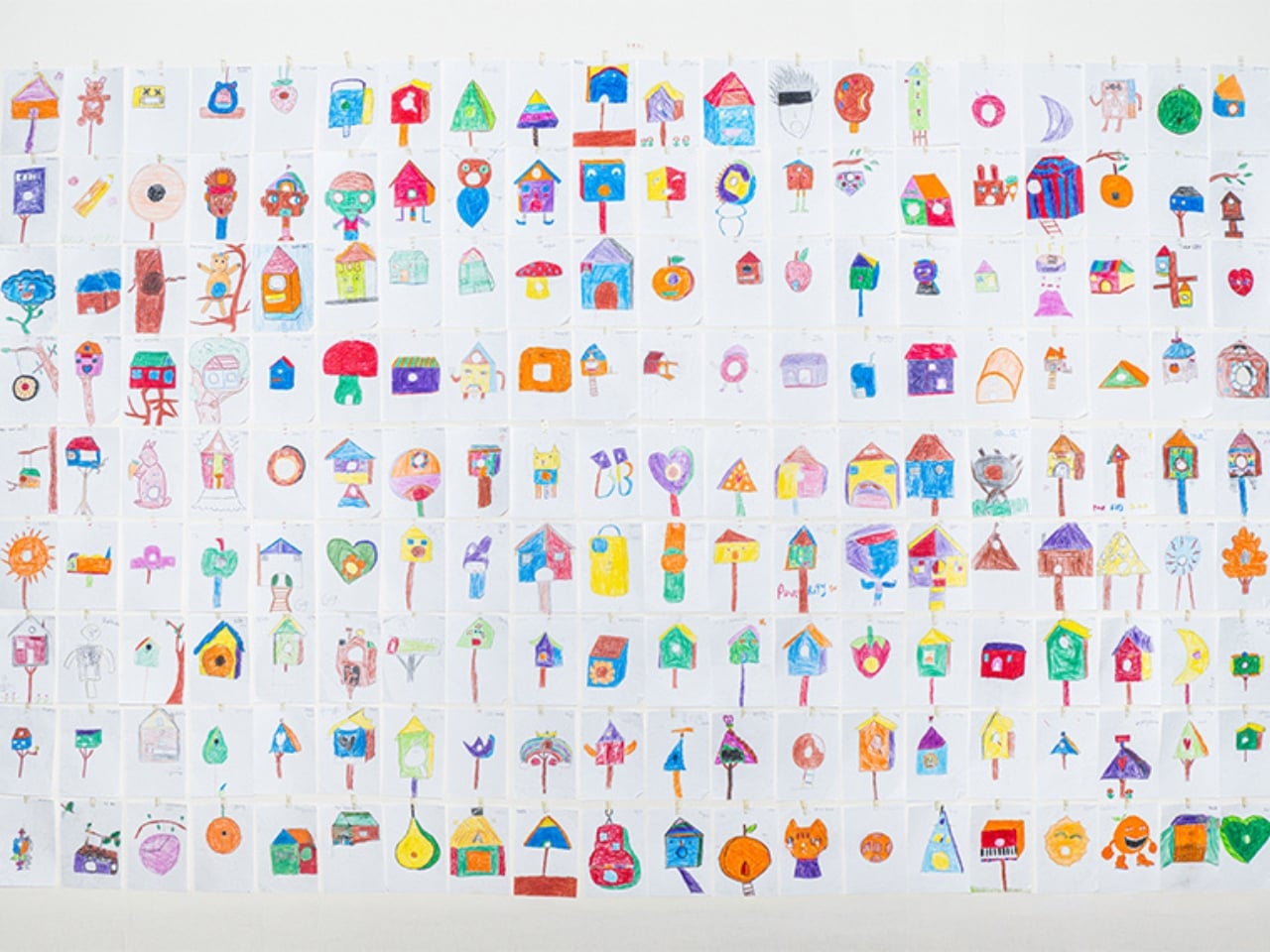
The children then made clay prototypes of their own designs, turning two-dimensional sketches into three-dimensional objects with their own hands. Eight of those designs were ultimately selected and built into full-scale birdhouses, with the children participating in the finishing process alongside Yun. The completed birdhouses now live at the school, sitting in the kind of spaces where children play and gather, and they look like nothing you’ve ever seen in a garden center or a hardware store. They look like imagination made solid, which, technically, is exactly what they are.
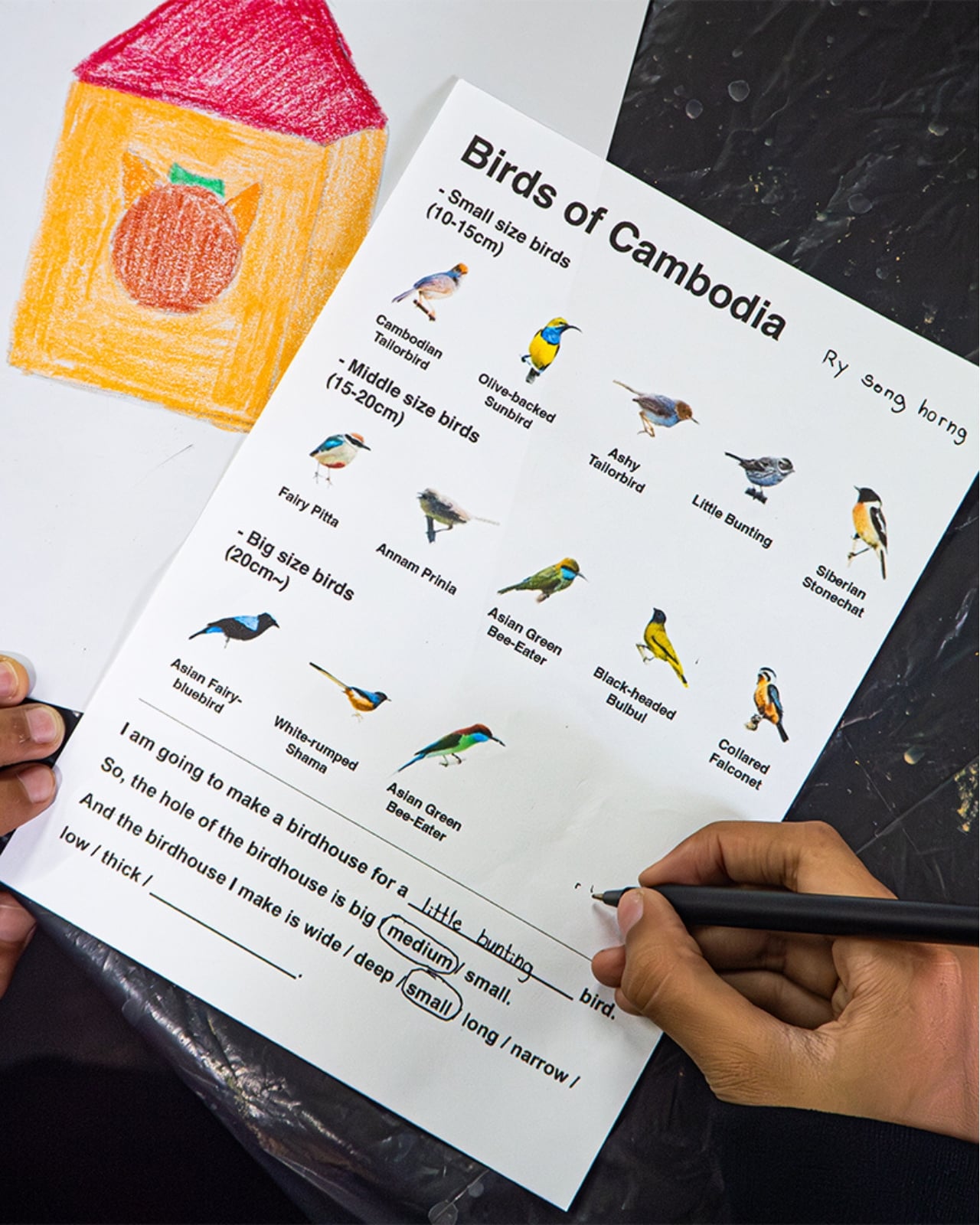
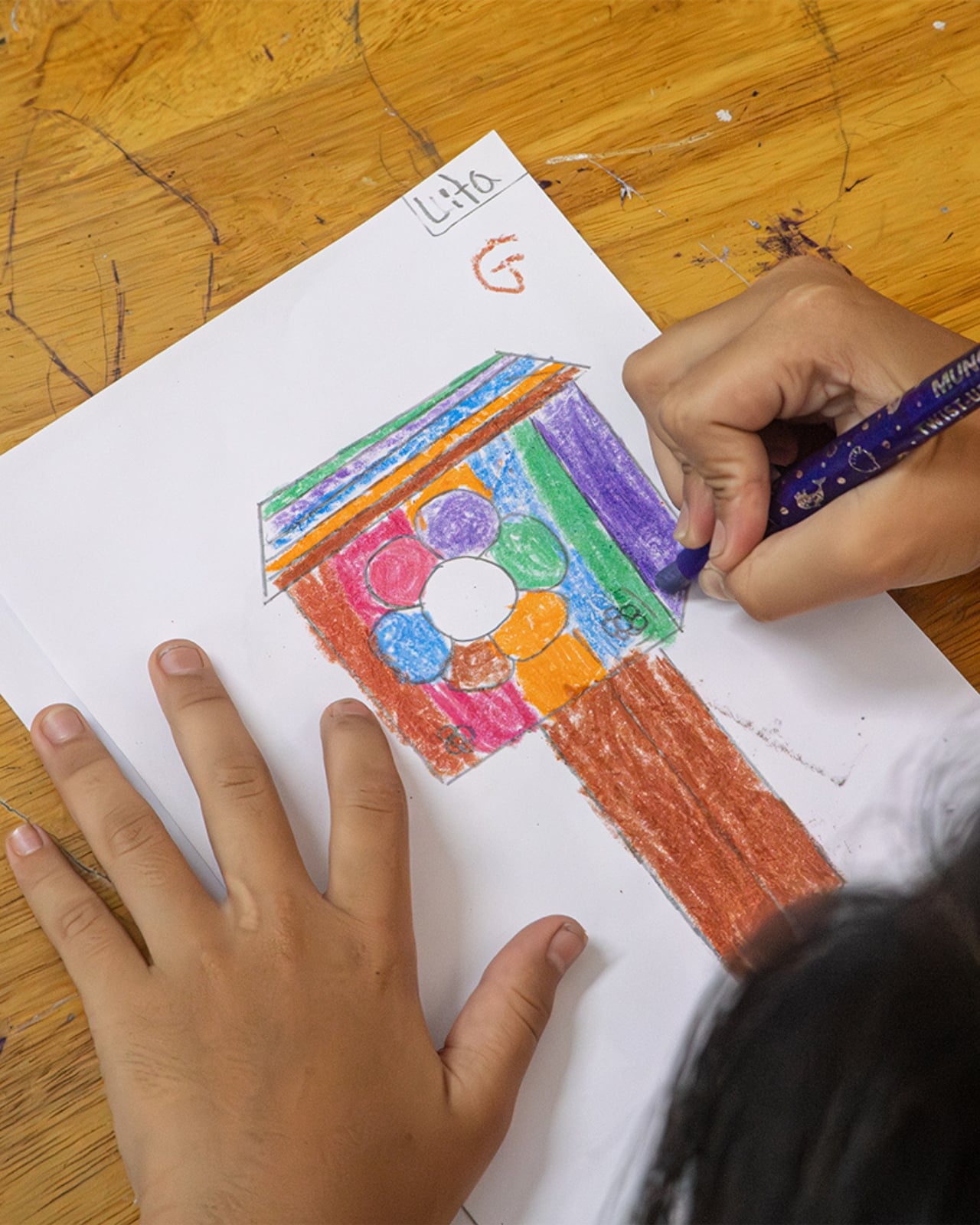
I keep thinking about how rarely the design world genuinely invites this kind of collaboration. There’s plenty of design “for” children, but design “by” children is a different conversation altogether. Yun has been exploring this territory for a while now. His earlier project, “Chair for Kids,” followed a similar participatory model, where children at the English School of Siem Reap drew their own chair designs, measured their bodies, and helped build the final pieces. His philosophy seems rooted in the idea that design is not just a skill for making objects but a way of thinking, and that children, unburdened by convention, are actually very good at it.

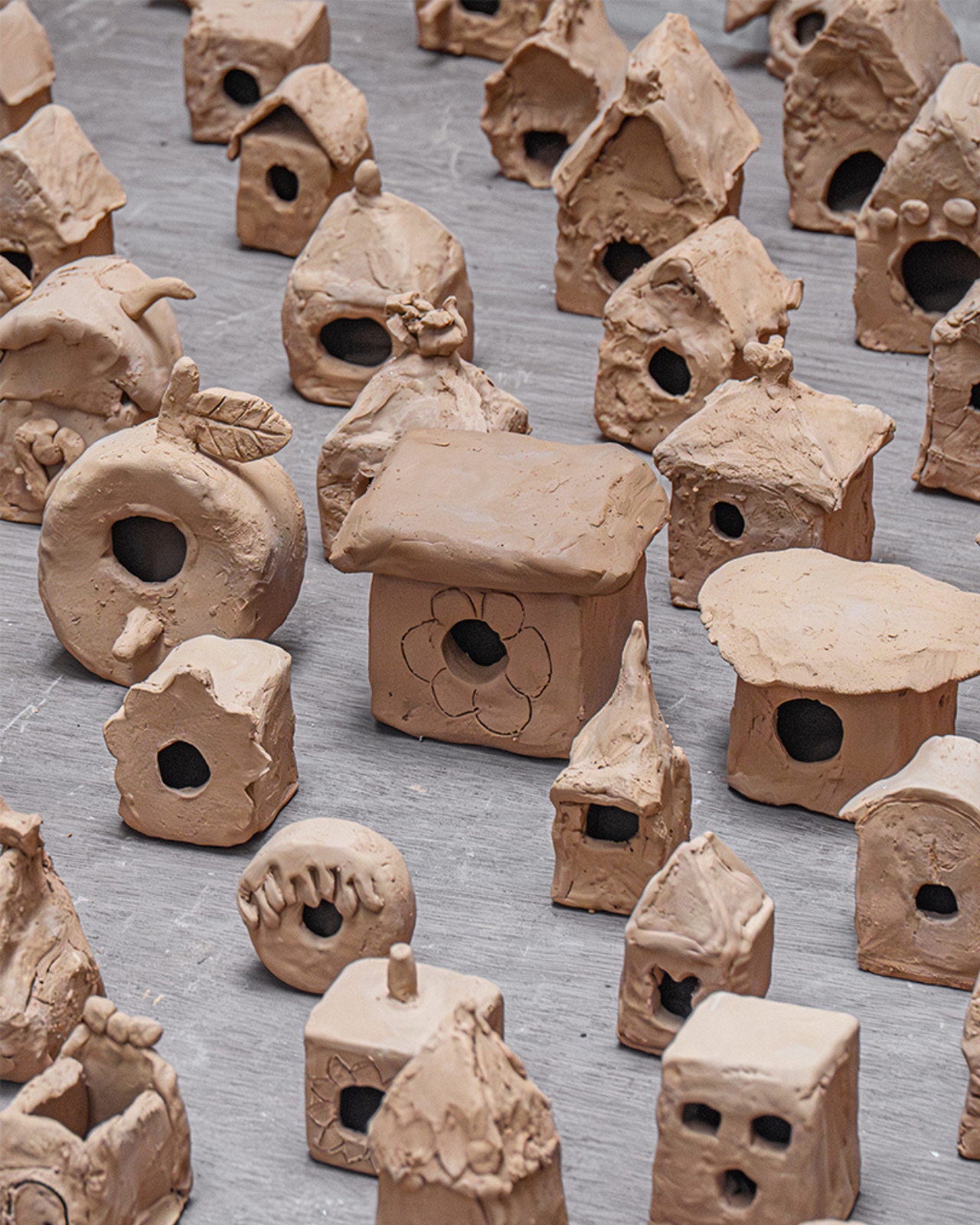
The birdhouse project also does something quietly radical in terms of concept. It shifts the design brief away from humans entirely. The end user isn’t a child or an adult. It’s a bird. Yun has described this as moving from human-centered design toward designing for other species, using children’s perspectives as the starting point. That framing might sound academic, but the result is tangible and a little poetic: a group of kids in Cambodia drawing houses for birds, without a single preconception about what a birdhouse is “supposed” to look like.
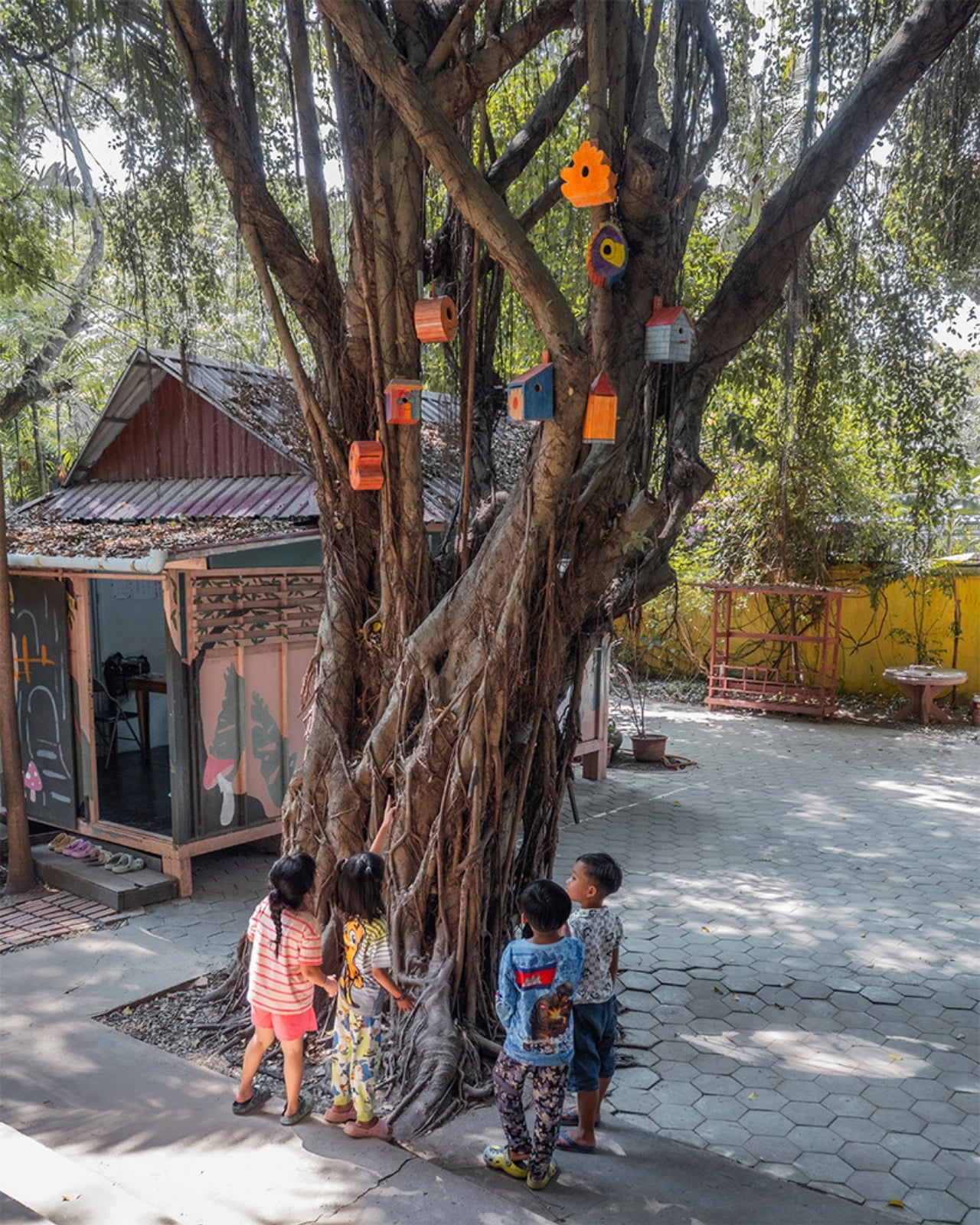
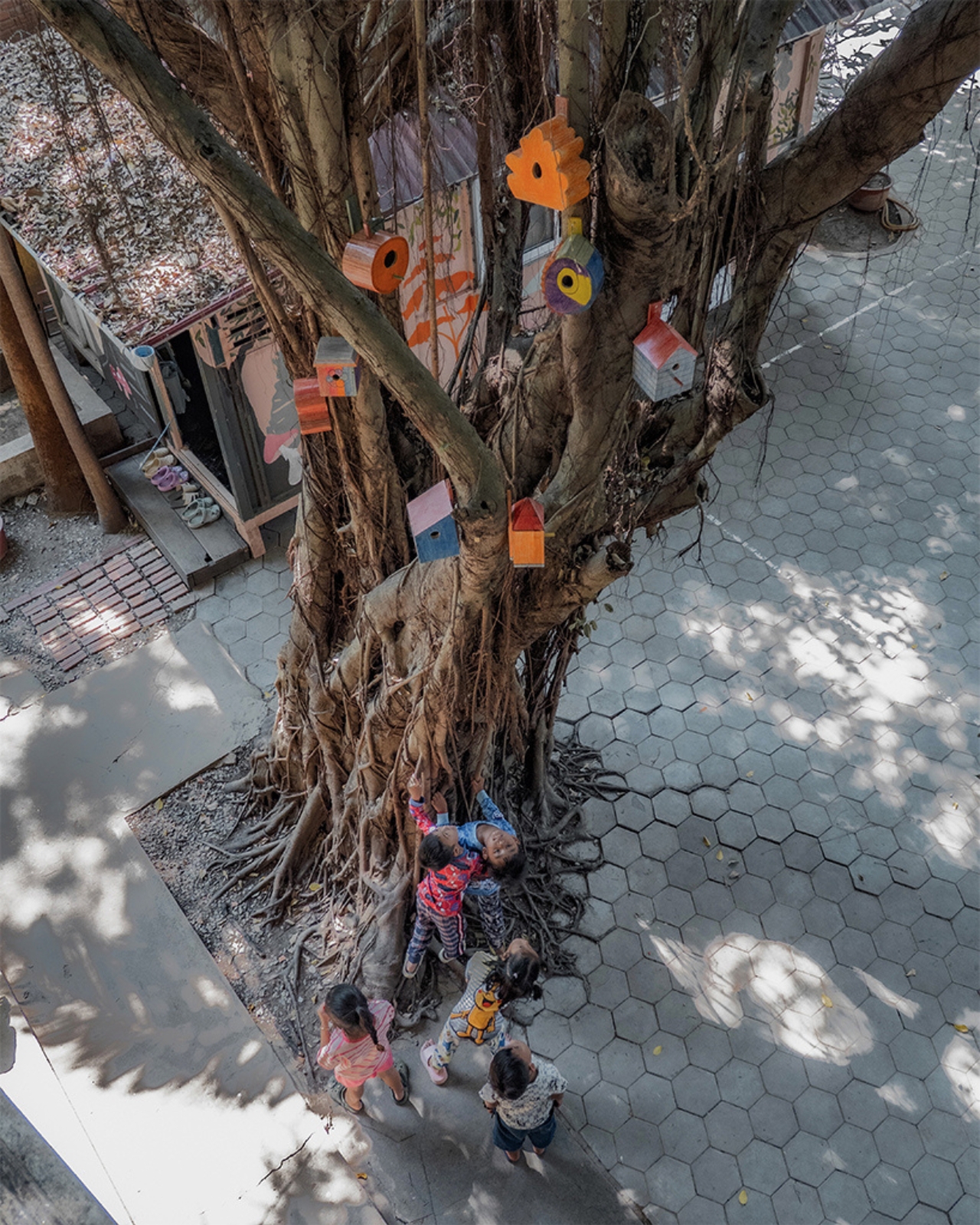
Good design often works this way. It finds a new angle by removing the assumptions. Yun removed two at once: the assumption that designers must be trained professionals, and the assumption that form should follow function in the most literal, efficient way possible. The forms these kids invented follow something else, something closer to feeling or instinct, and the objects are richer for it. They are also, somehow, more honest.
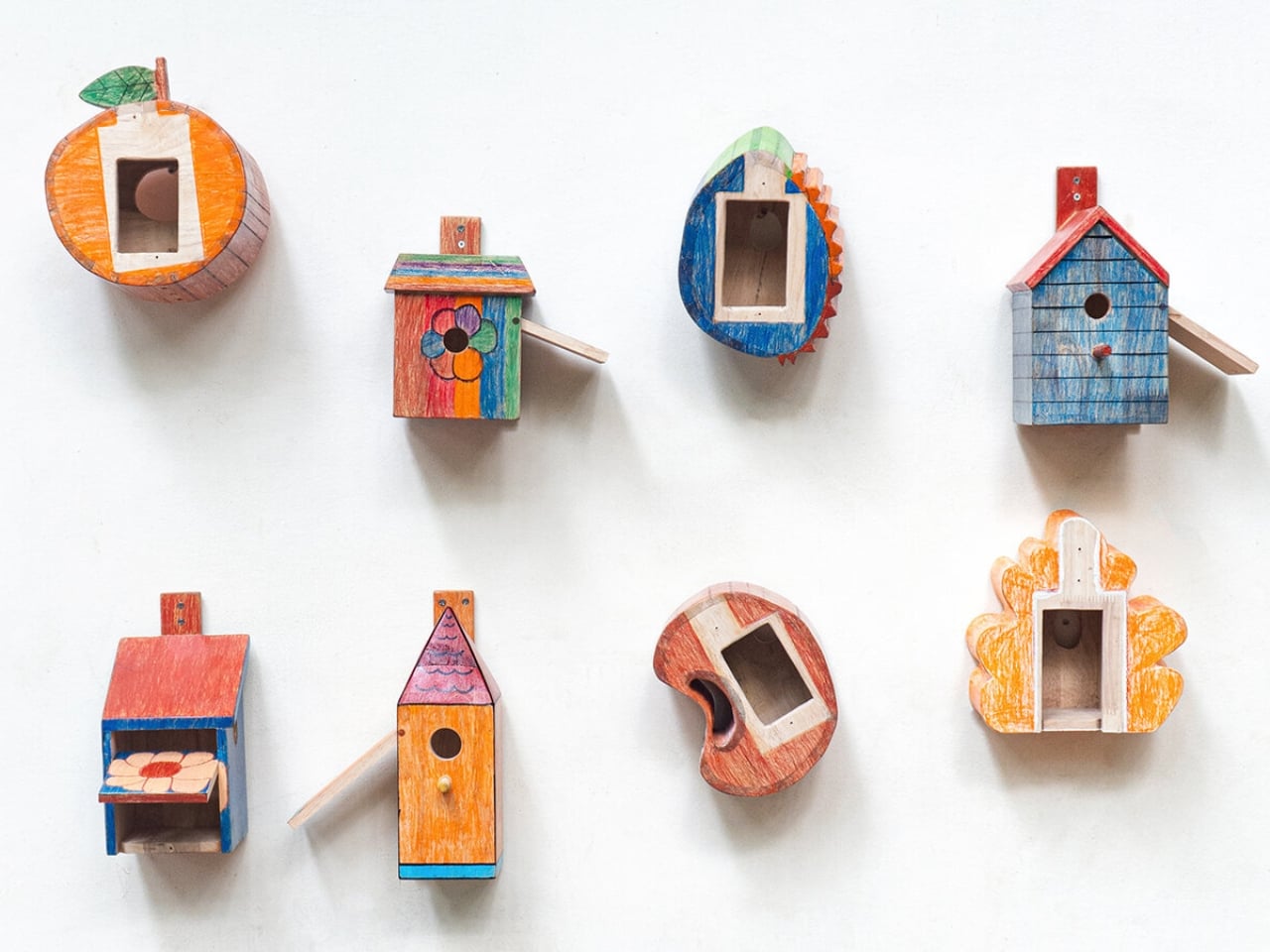
We talk a lot about innovation in design, about breaking from convention and thinking outside the box. It turns out one very reliable way to do that is to ask someone who has never been in the box to begin with.
The post What Happens When You Let 90 Kids Design a Birdhouse first appeared on Yanko Design.
Fiberglass travel trailers with off-grid capability are an undeniable combination. There are a few perks that make such travel trailers worth every adventurer seeking a longer and happier stay away from home on the road. Fiberglass campers such as those perfected by the Tennessee-based Oliver Travel Trailers are lightweight to tow, all-season compatible, easy to maintain, and built to last.
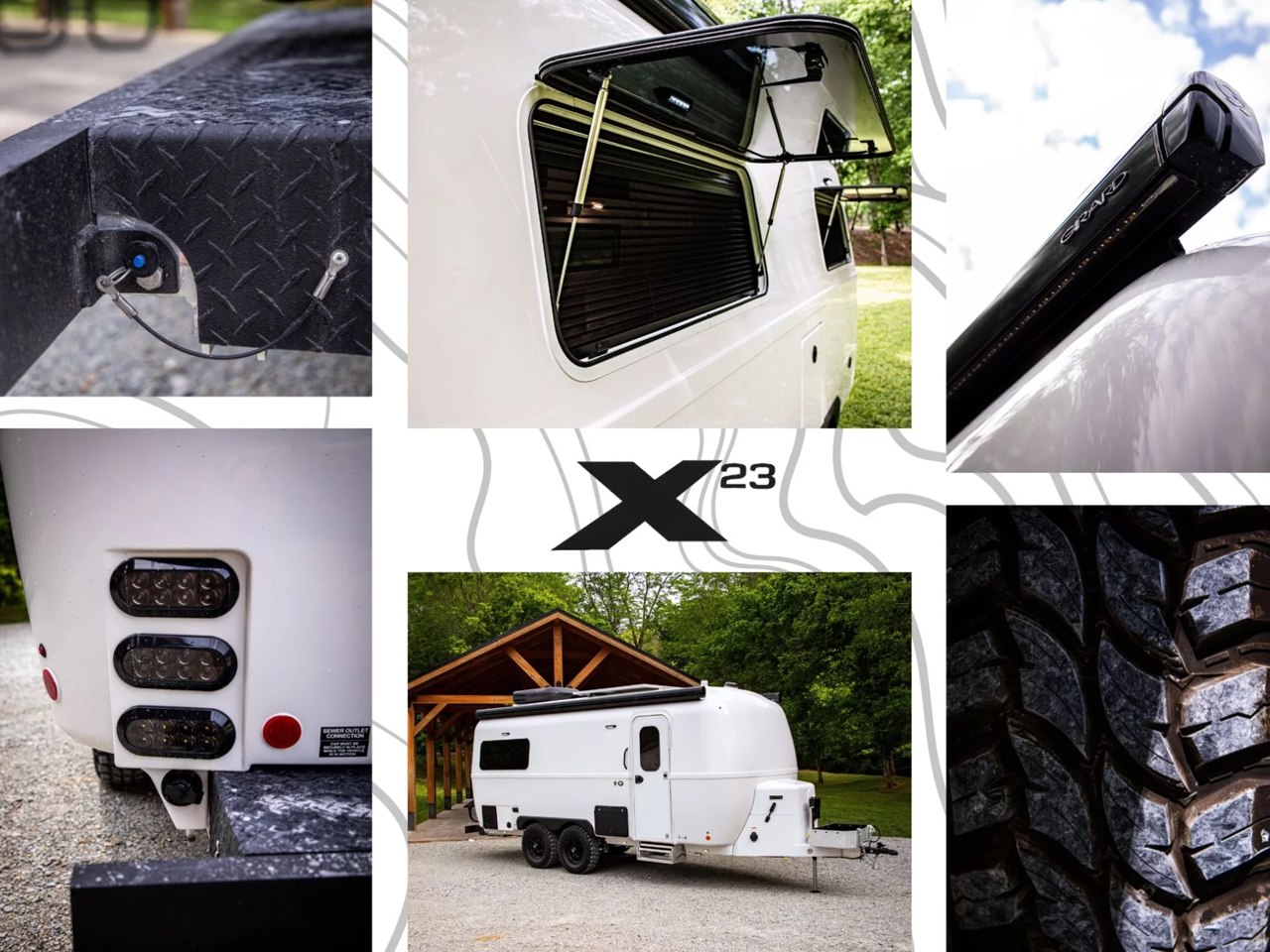
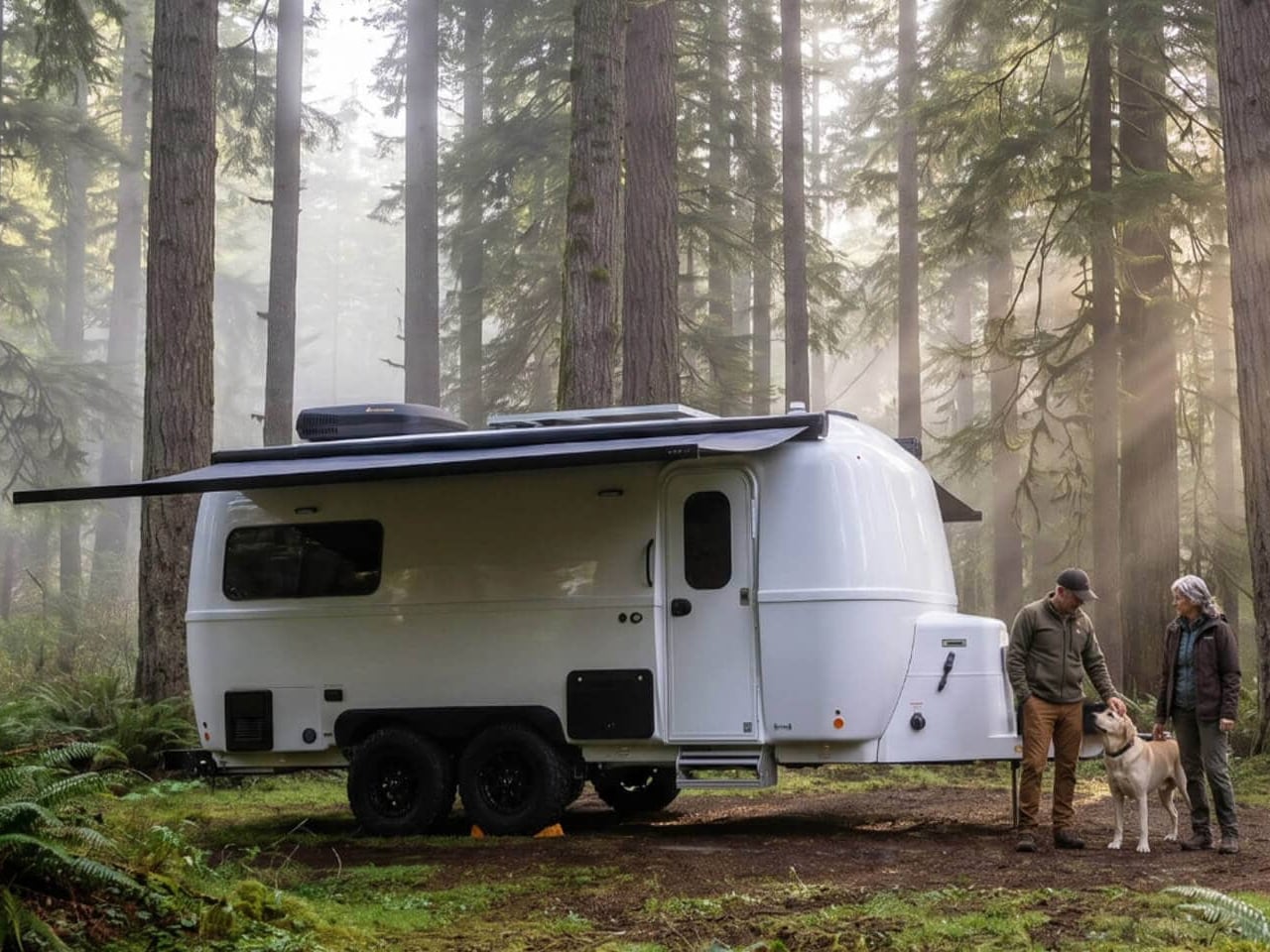
Oliver currently has two trailer models in its lineup. The Legacy Elite, built on an 18.5-foot (5.6-m) single-axle trailer, and the dual-axle Legacy Elite II, which measures 23 feet (7 meters). To extend its portfolio for 2027, the company has revealed the new Apex X23. Built to put the pace of trips back into your hands, the X23 comes fully packed with a lounge, sleeping area, kitchen, and bathroom, well within the confines of a 23-foot, all-season fiberglass body.
Designer: Oliver Travel Trailers
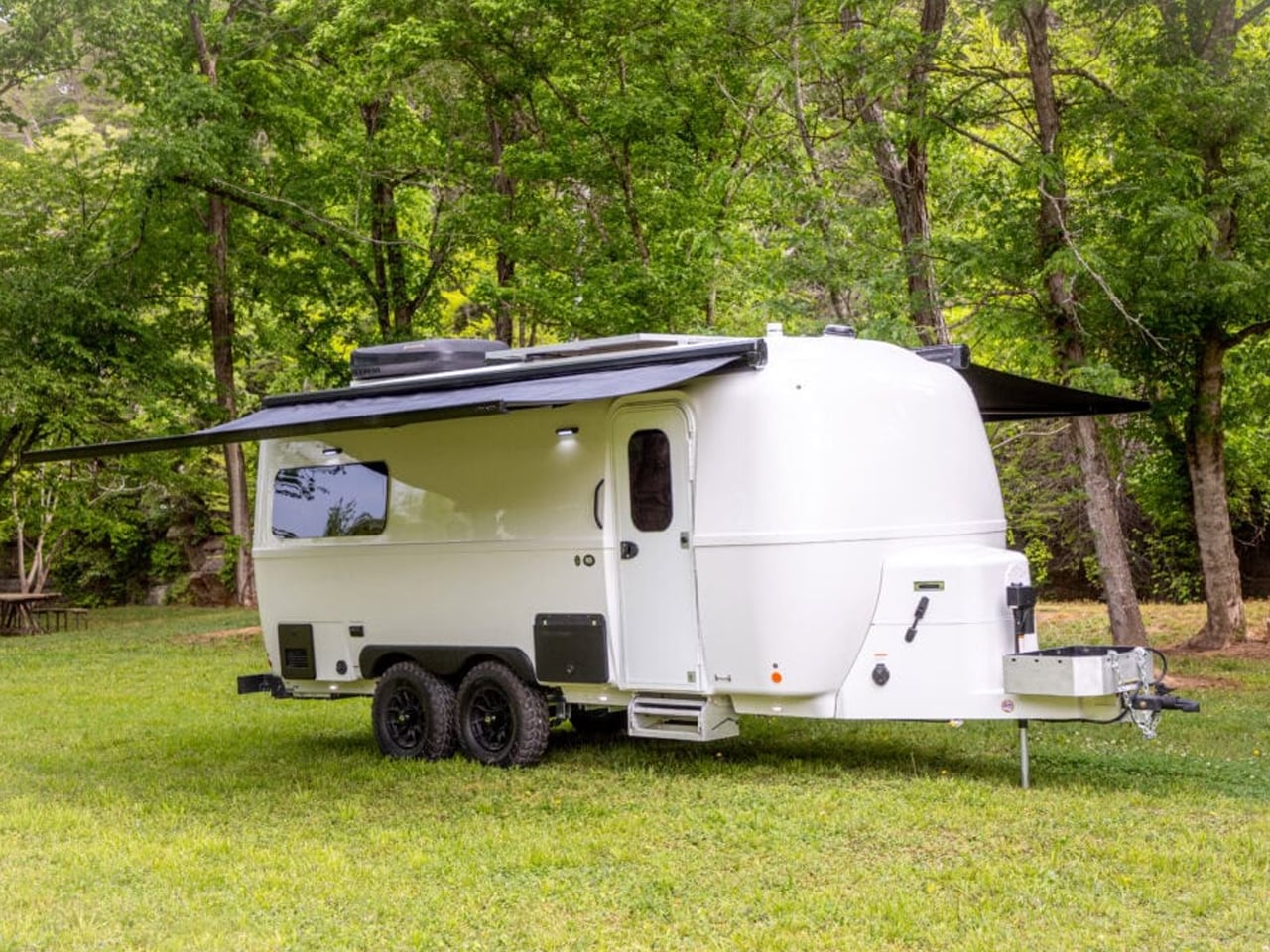
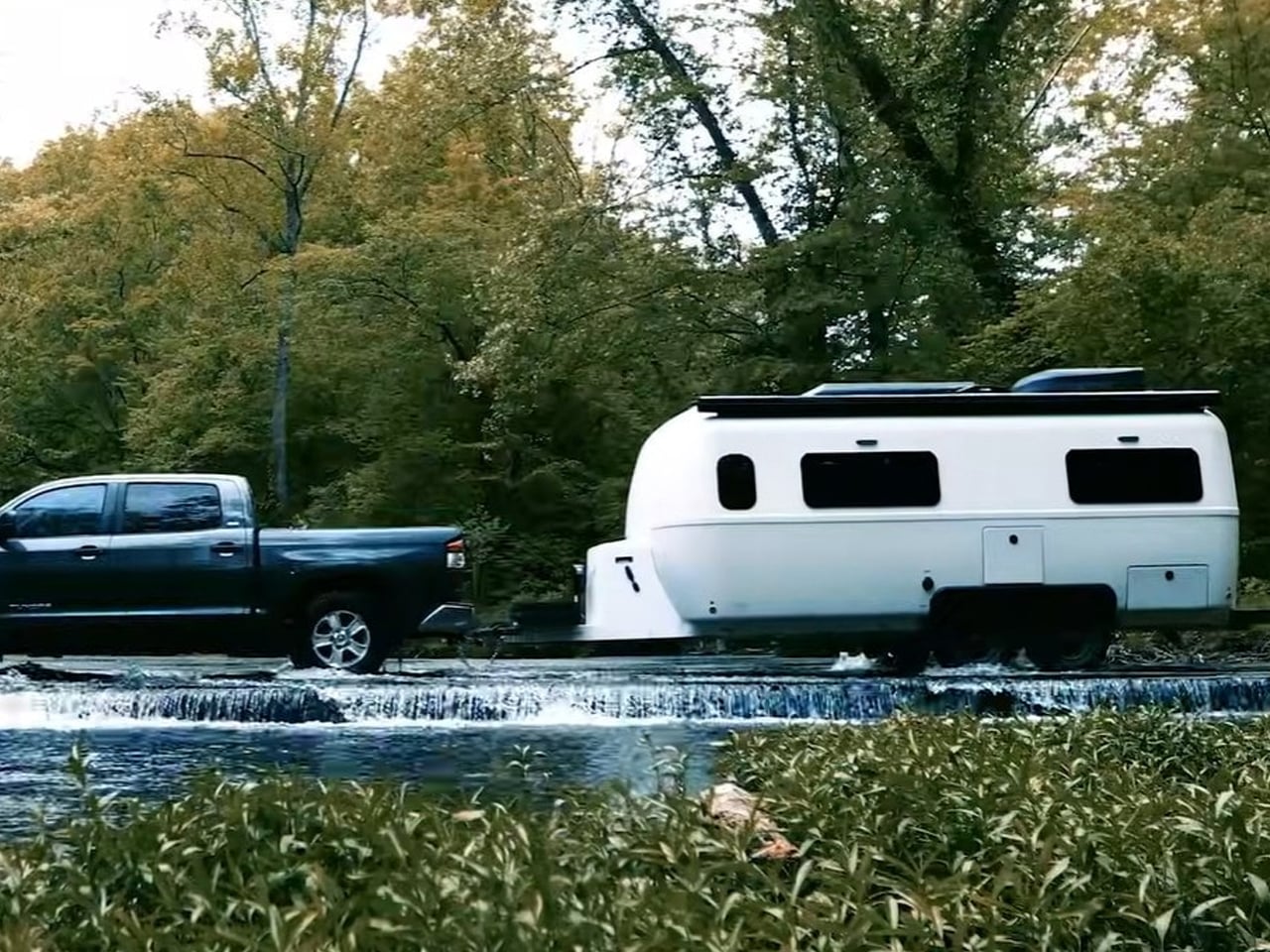
Oliver Apex X23 is off-grid ready. Powered by a 48-volt system, the trailer is customized from the factory for adventures that take you beyond the organized campgrounds. Oliver is secretive about their new travel trailer and hasn’t revealed a lot of information about it, but they recently showed it off for the first time in a public debut at the Lone Star Overland Adventure & Powersports Show. “The response was everything we hoped for,” the company informs.
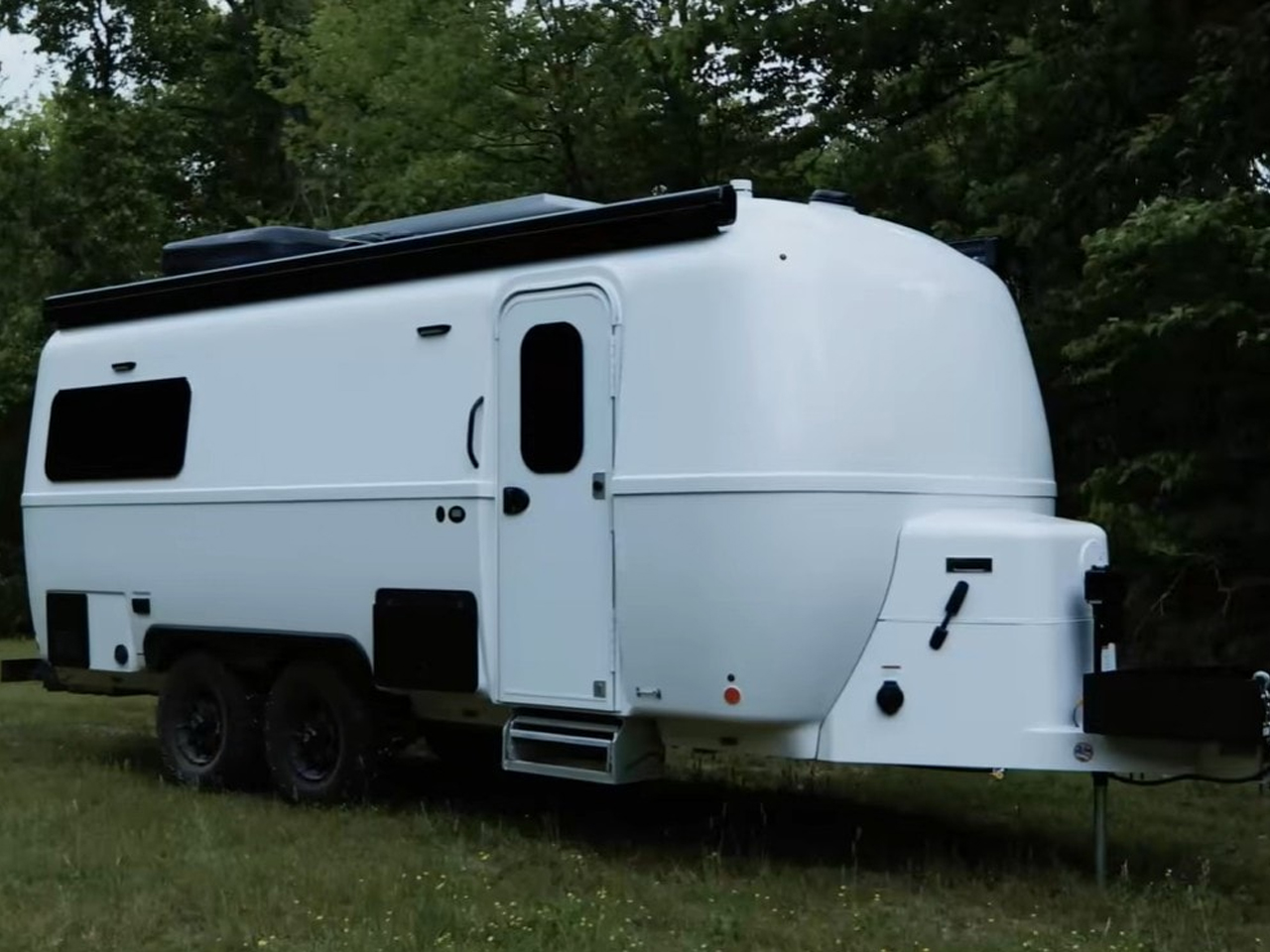
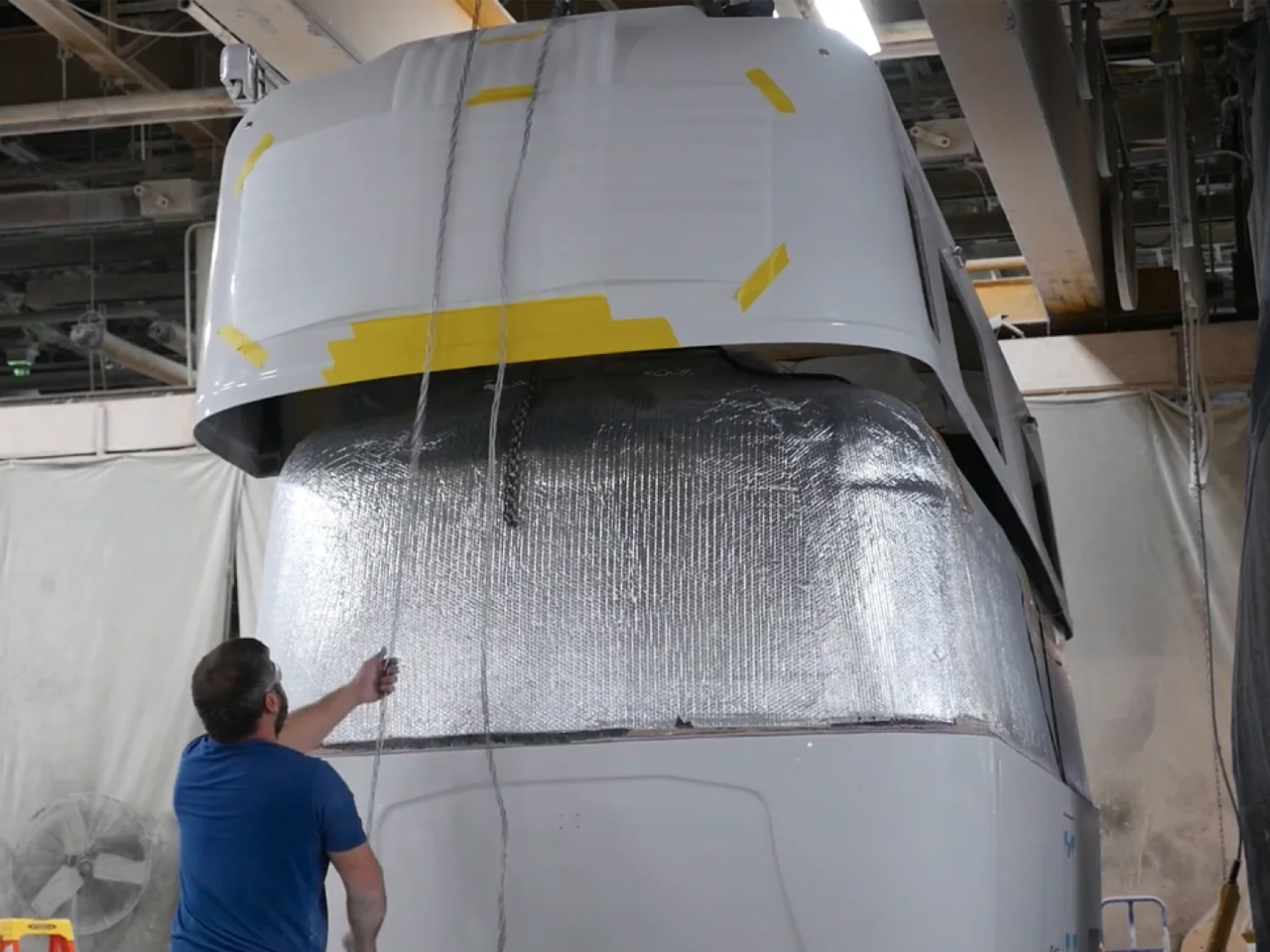
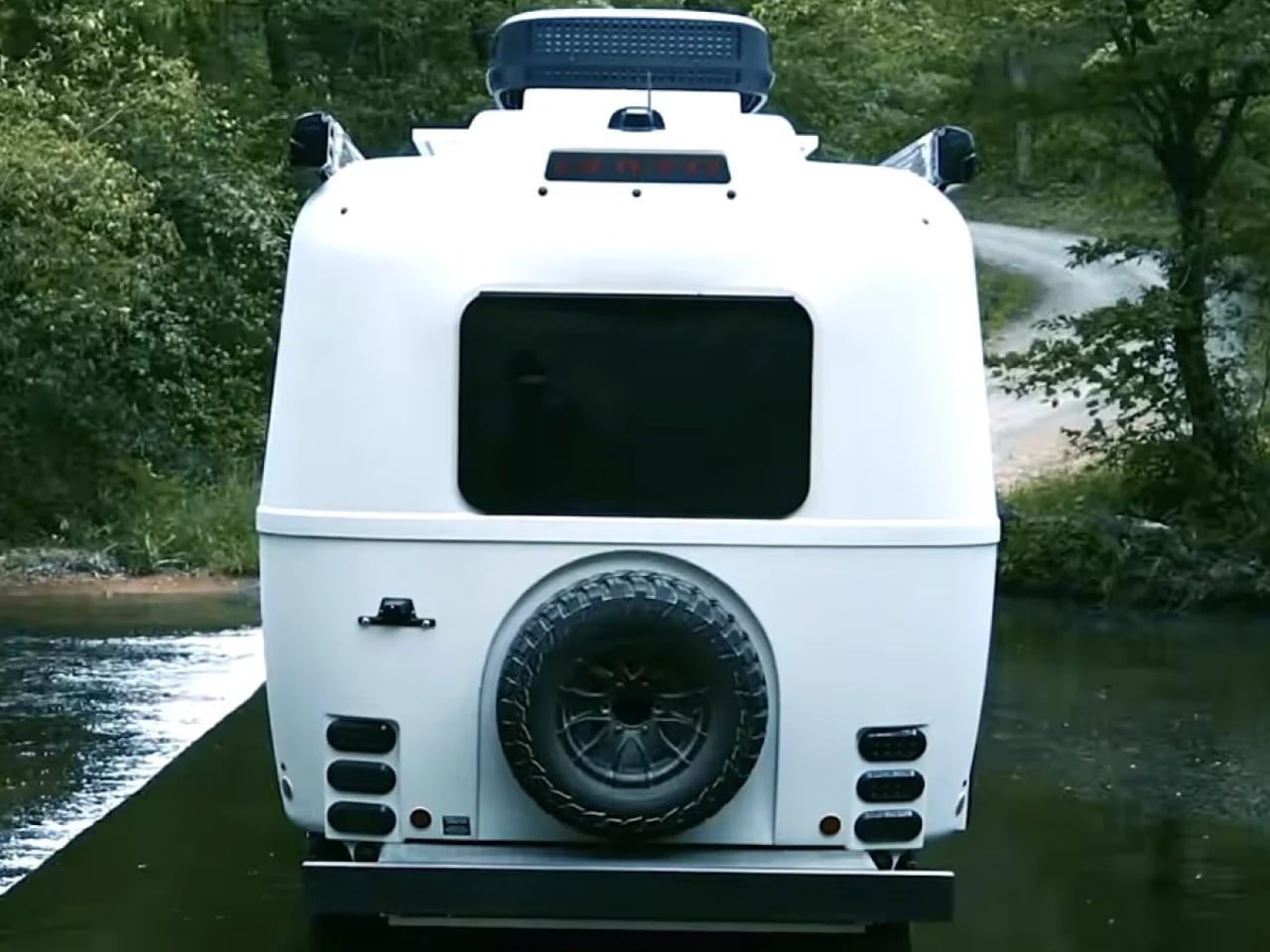
The X23 shares a very similar exterior to its predecessors; what actually differentiates it is the interior, which is now built around off-grid capabilities. The exterior is the same durable dual-hull construction. An insulation layer is sandwiched between the separate inner and outer fiberglass shells, which make the body completely airtight and stable for year-round use. The X23’s zero-wood construction body and interior are mold and corrosion-resistant, and the interior packs everything you need for a comfortable stay in the wild.
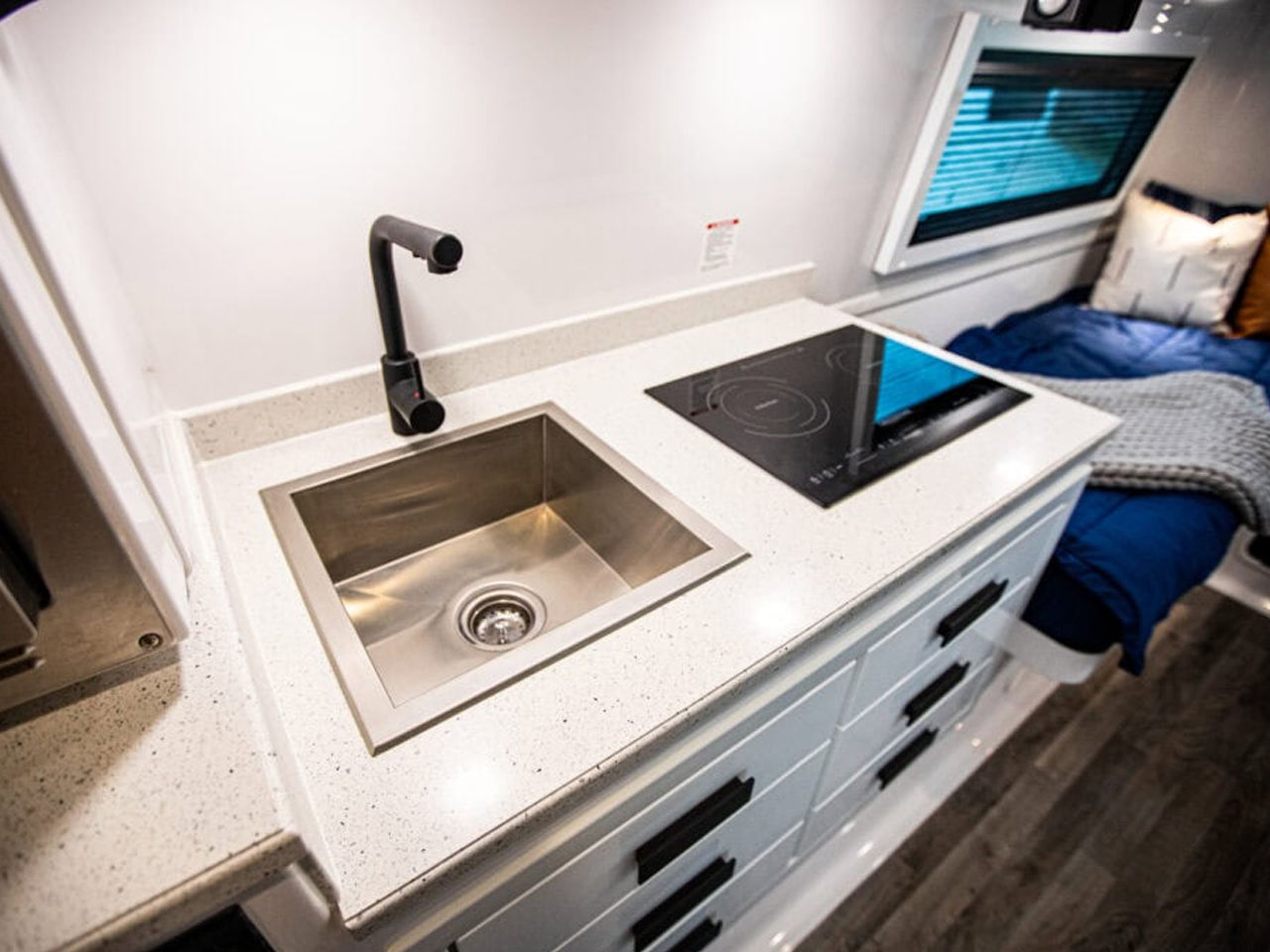
The travel trailer is aerodynamically designed for easy towing and increased fuel efficiency. The double-hull construction ensures that Oliver can easily hide away the water tank, plumbing, and many mechanical components within it. The interior is laid out with a twin bed or a choice of a king bed. The quilted leather dinette that converts into a third bed can seat up to seven people; however, it only has the capacity to sleep one additional person. The trailer fits almost a complete kitchen with an induction cooktop, a refrigerator, and a microwave with an air fryer.
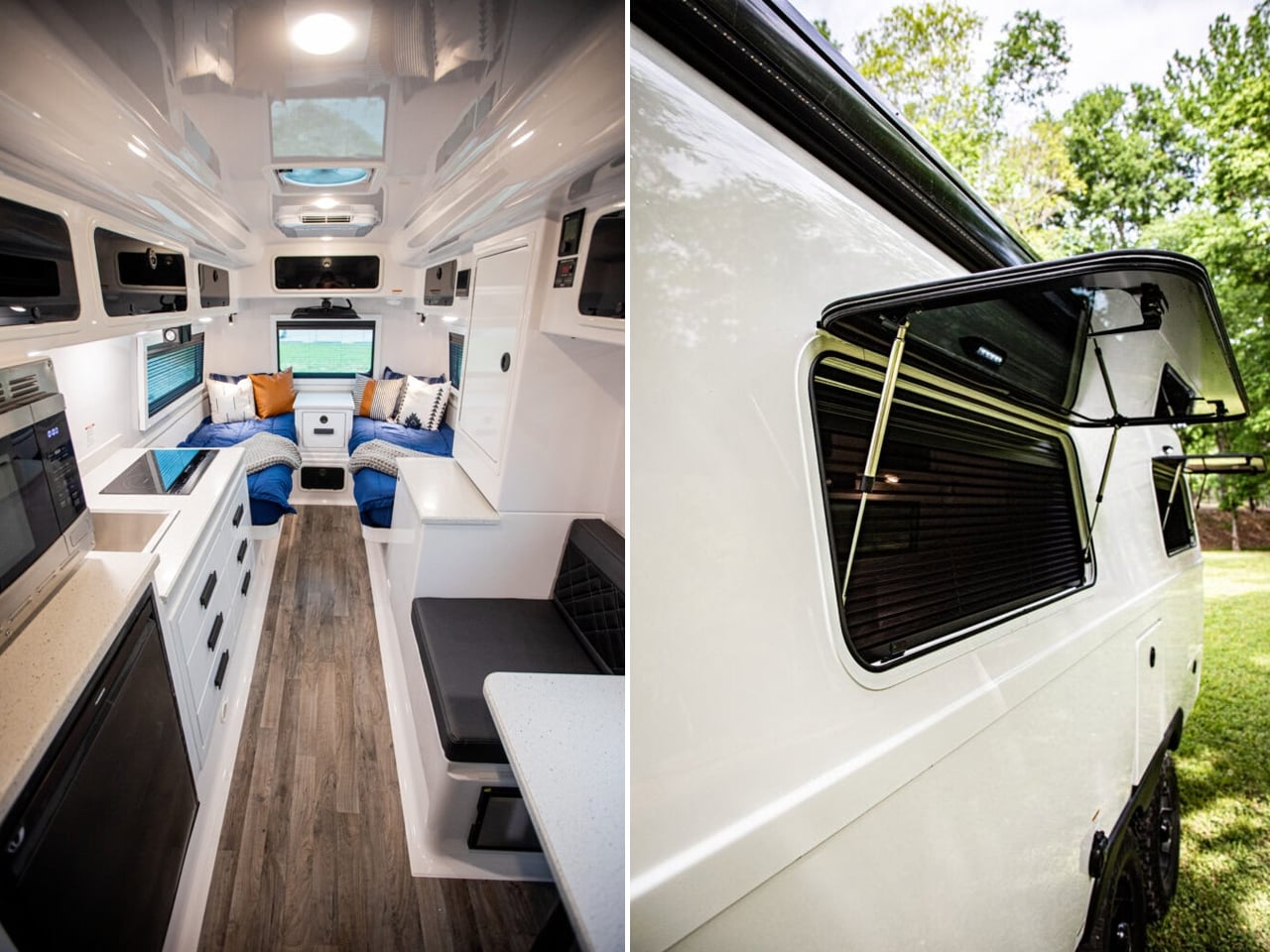
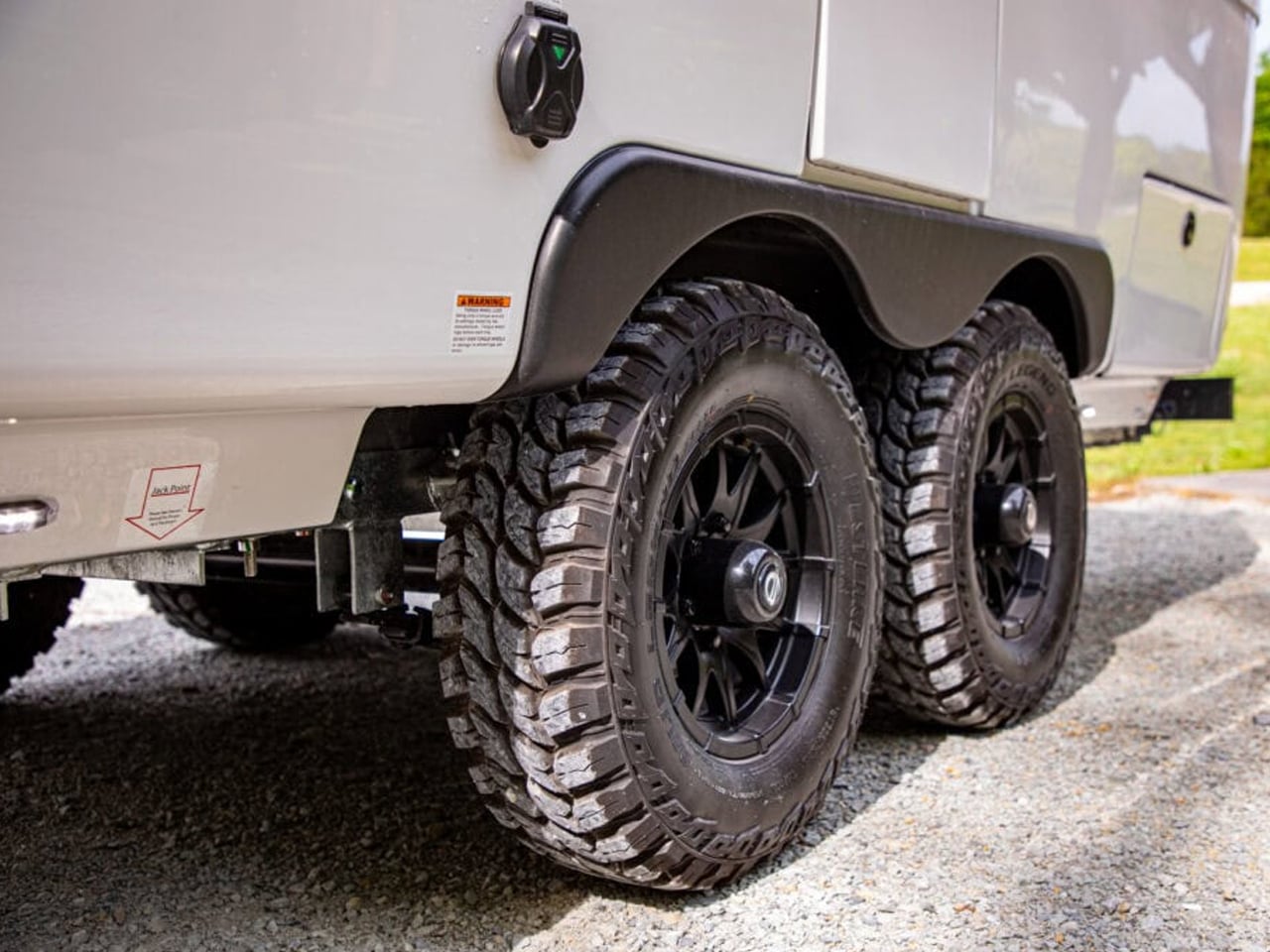
The 23-foot space reimagined for off-grid travel is also provided with a bathroom with a shower. The cabinetry inside the trailer is part of the mold and is integrated into the fiberglass body. This ensures the structural integrity of the X23, which is powered by a 48V system. It features a 1,360W solar panel paired with a 3,000W inverter, and the power system is controlled by a central touchscreen control panel. The Apex X23 with a 400W rooftop solar panel starts at $107,000, while the cost may shoot up for the top-of-the-line 1,360W solar capacity trailer.
The post This $107K Trailer Hides 400W Solar in Its Fiberglass Shell first appeared on Yanko Design.


Apple is expected to enter the foldable smartphone market with the iPhone Ultra (Fold), a device that seeks to combine a striking design with seamless integration into the Apple ecosystem. This foldable smartphone introduces a wide internal display, enhancing multitasking and content consumption. However, it comes with notable trade-offs in usability, hardware features, and pricing. […]
The post iPhone Ultra Leak: Watch Apple’s 4.5mm ‘Passport’ Design Come to Life appeared first on Geeky Gadgets.
Apple’s iOS 26.5 serves as the final major update for iOS 26, paving the way for the upcoming iOS 27. This update introduces a range of performance improvements and battery optimizations, making it a significant release for users aiming to enhance their device’s efficiency. Before proceeding with the update, there are five critical aspects to […]
The post 5 Things You Must Check Before Updating to iOS 26.5 appeared first on Geeky Gadgets.


Samsung is reshaping the foldable smartphone market with the Galaxy Z Fold 8 and Z Fold 8 Wide, marking a pivotal shift in its product strategy. By prioritizing foldables over the Ultra series, Samsung is positioning these devices as the centerpiece of its lineup. Packed with meaningful upgrades and designed for versatility, the Z Fold […]
The post Standard or Wide? Samsung’s New Dual-Fold Strategy Changes Everything for 2026 appeared first on Geeky Gadgets.