DJI Osmo Pocket 4P Adds Dual-Lens Gimbal Camera
DJI Osmo Pocket 4P combines dual lenses, a 1-inch sensor, 17-stop dynamic range, 4K/240fps video, and three-axis stabilization.
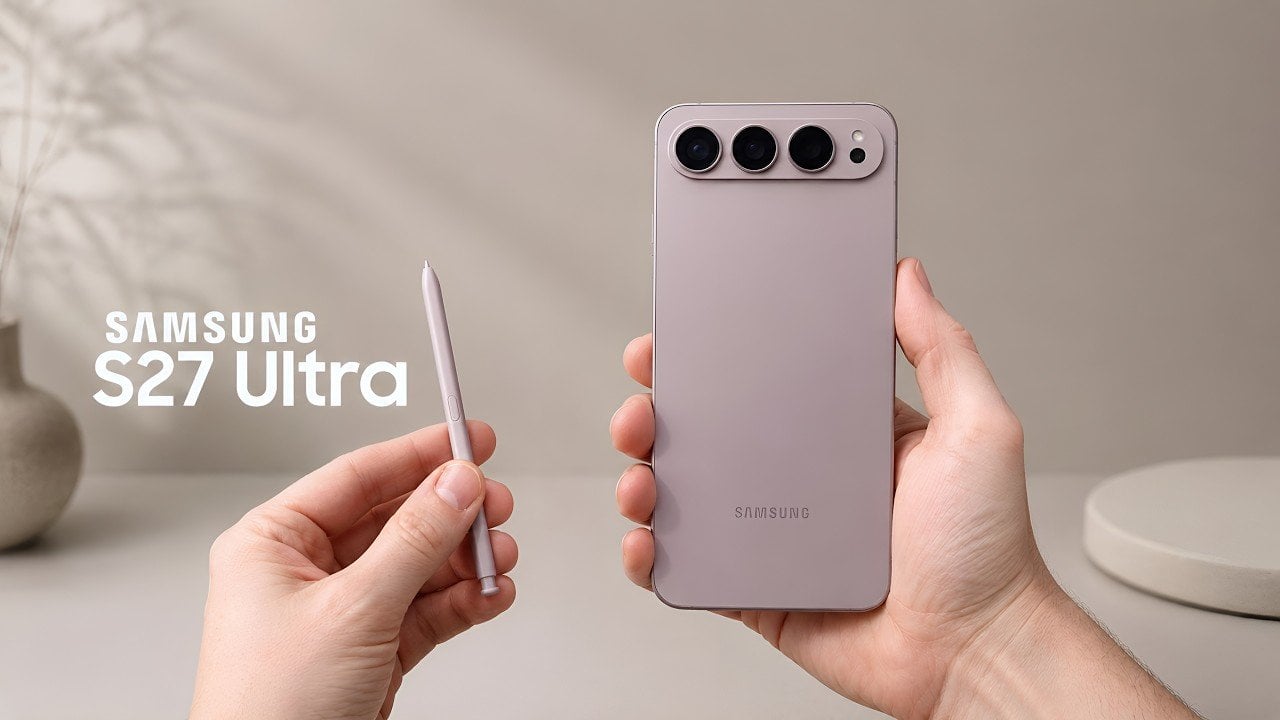
The highly anticipated Samsung Galaxy S27 series is already generating considerable excitement, particularly for its new advancements in camera technology. Leaks and rumors suggest that the Pro and Ultra models will introduce significant upgrades, including high-resolution sensors, enhanced zoom capabilities, and improved ultra-wide lenses. With a launch expected in Q1 2027, Samsung is poised to […]
The post Massive Samsung Galaxy S27 Ultra Camera Upgrade Just Leaked appeared first on Geeky Gadgets.
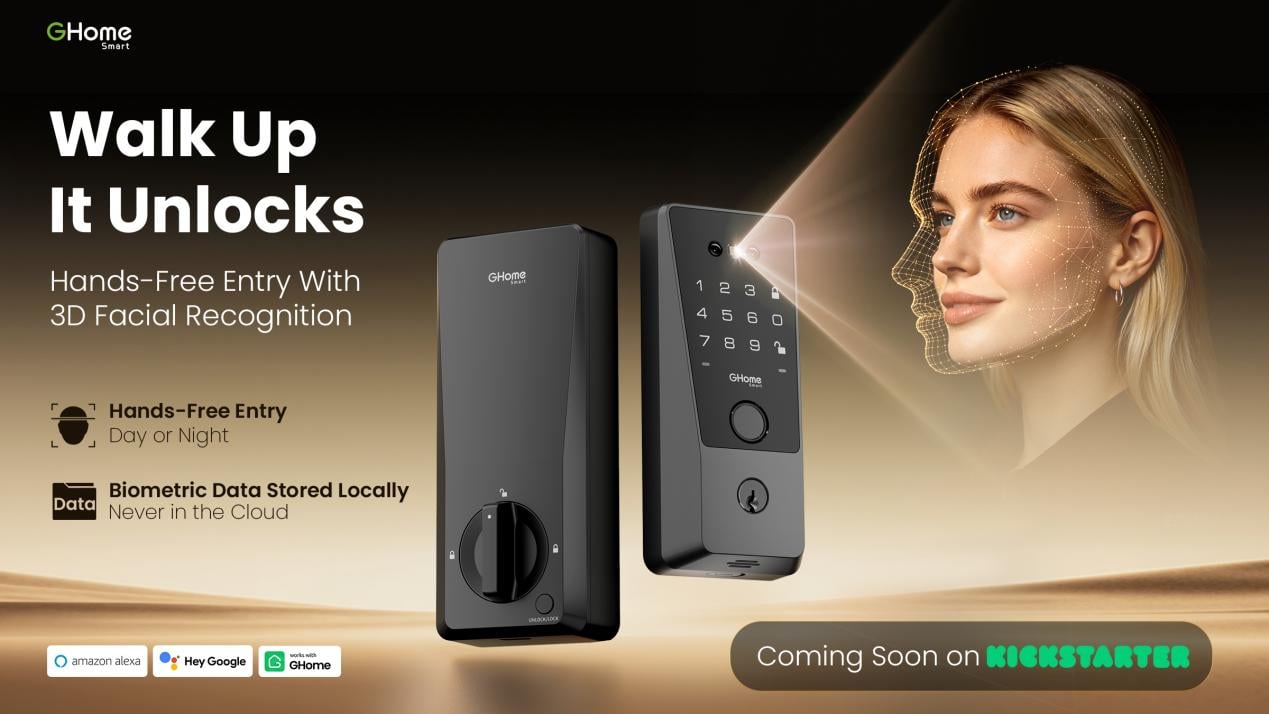
KD10F turns front-door access into a walk-up recognition experience, with local biometric storage and Kickstarter pre-launch access now open. Imagine walking up to your front door after a long day — coffee and groceries in one hand, a package tucked under the other arm, and a phone call still going. No keys. No passcode. No […]
The post Walk Up. It Unlocks: GHome Smart Introduces a 3D Face Recognition Smart Lock for Hands-Free Home Entry appeared first on Geeky Gadgets.
I tried to listen to an album last week. The whole thing, start to finish, like a functioning adult in the 90s. I made it four tracks before a Slack ping, a WhatsApp text, and a push notification from Hinge. By track six I was scrolling through IG. I started with conscientiously listening to an album, and I ended up in a rabbit hole on social media while the music played in the background. My phone is a magnificent piece of engineering that is somehow terrible at the one job I keep handing it.
Plenty of people figured this out before I did, and their fix was buying a discontinued Apple product from a stranger online. TikTok has north of 100,000 posts tagged for iPods, refurbished sales have grown as much as 15% a year since Apple killed the line in 2022, and some kids are using them to smuggle music past school phone bans, which is the most resourceful thing I’ve heard all year. The FiiO Snowsky Echo Nano is that same instinct, available new, for $49.99, with a DAC chip nobody was putting in fifty dollar hardware five years ago.
Designer: FiiO (Snowsky)
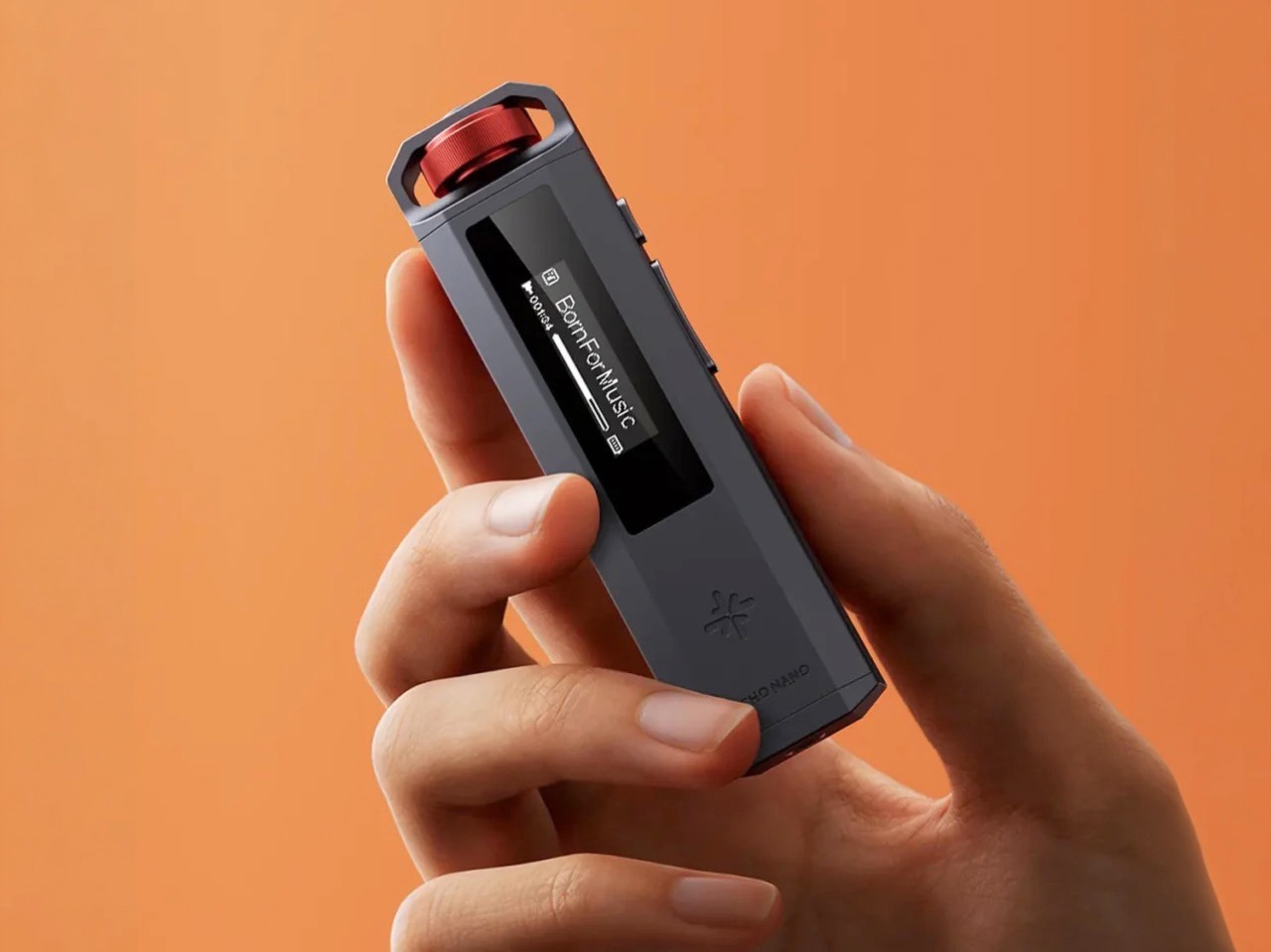
Kathryn Jezer-Morton coined the term “friction-maxxing” in a January essay for The Cut, and it went viral quickly enough to earn her a Wikipedia page inside six weeks. Her argument is that tech spent fifteen years making life easier, providing every song, every movie, every TV show episode at your fingertips for a simple (but steadily increasing) subscription fee. No looking for CDs, no scrolling through files, no visiting sketchy websites to download MP3s It was a simpler alternative, it killed torrenting for a vast population overnight… but Gen Z’s had enough. Friction-maxxing means picking the annoying option on purpose, and the Echo Nano is that philosophy machined out of aluminum. You load your own files. You turn a physical dial. You stare at a 0.91-inch monochrome OLED physically incapable of showing you album art,leave alone a notification. The screen’s poverty is the whole product.
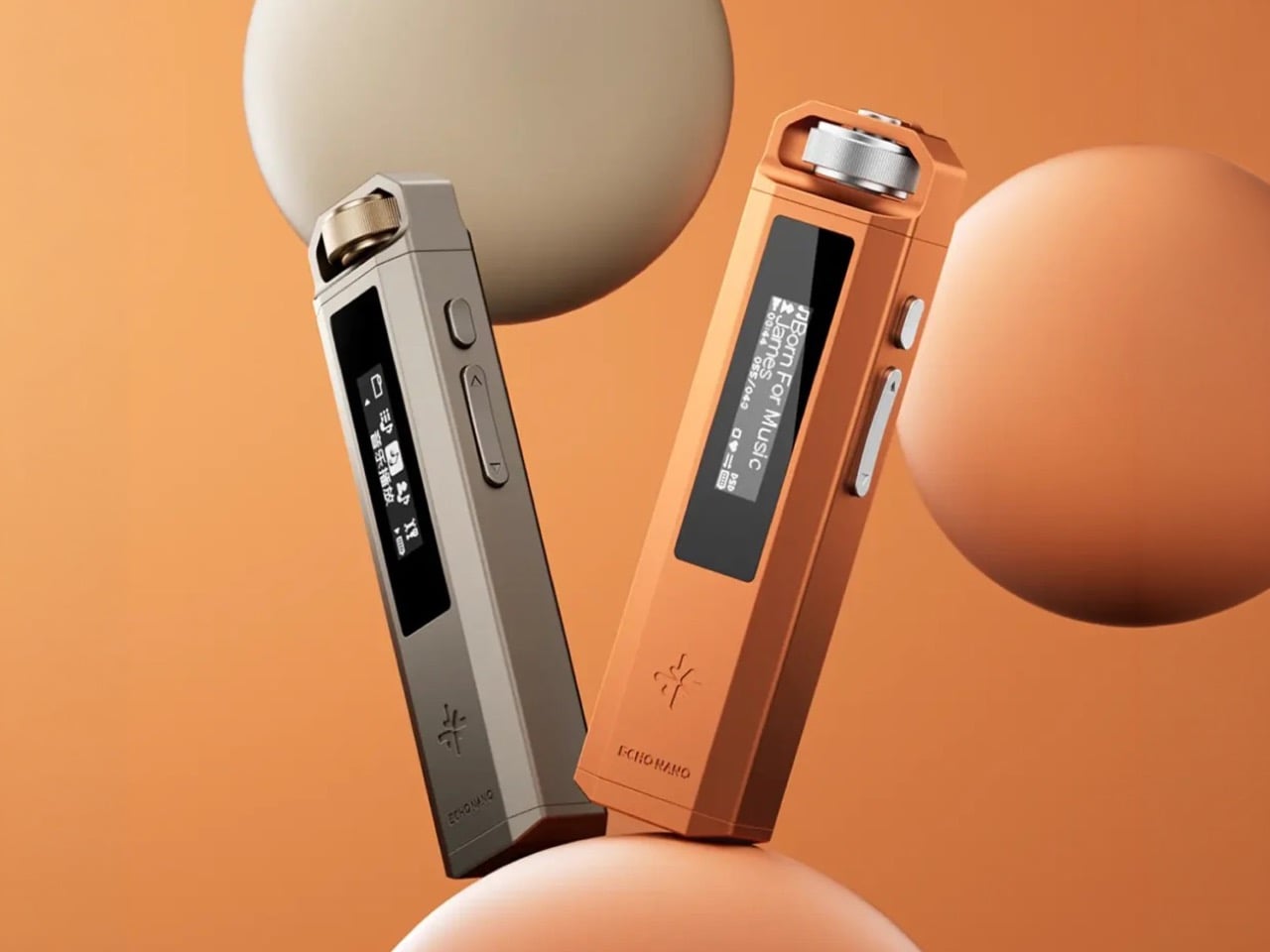
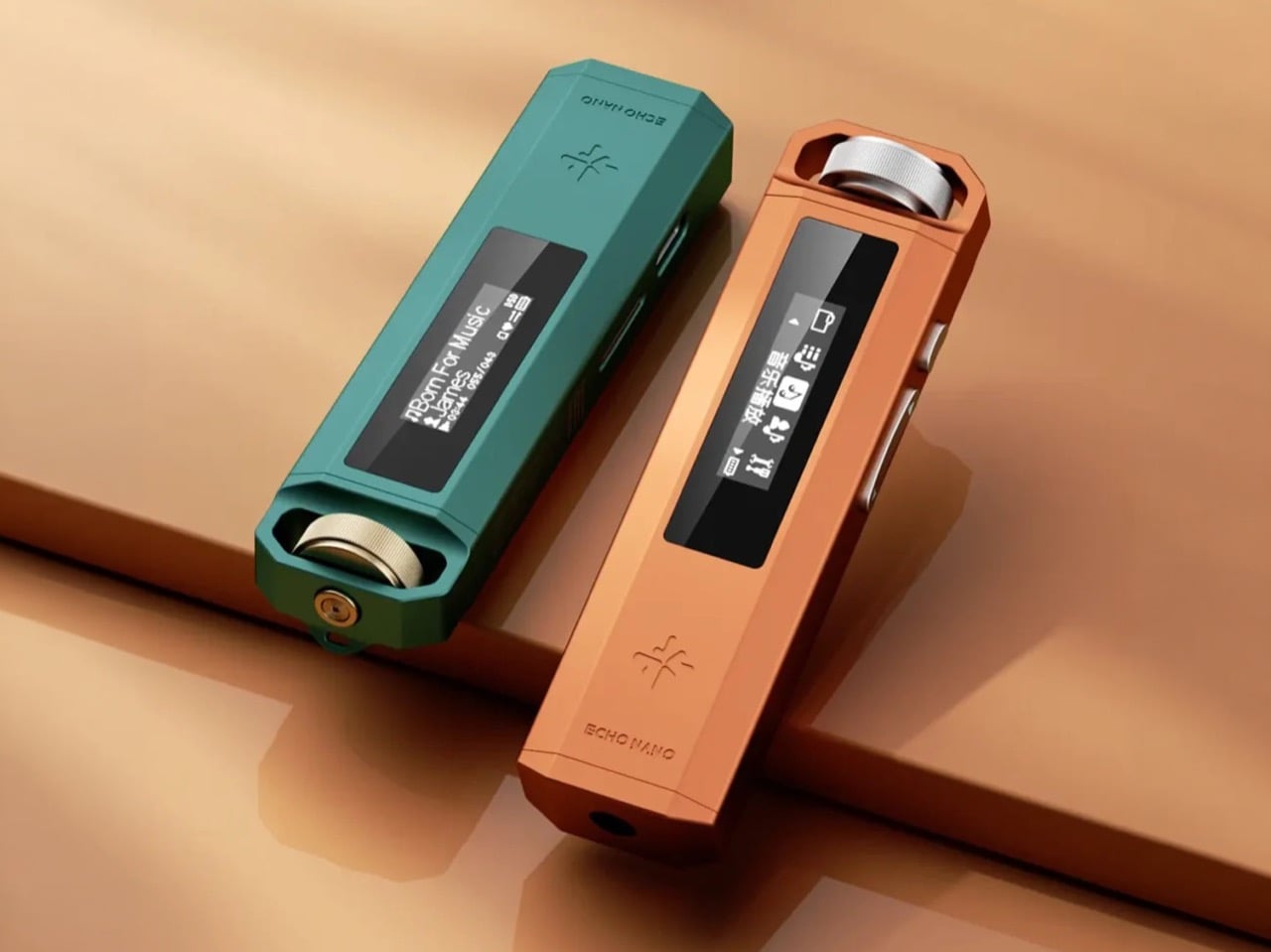
Everyone will call this an iPod, which is kind of understandable and also kind of wrong. The proportions are a vertical stick with a hexagonal cross section and a lanyard bracket built into the top like a tiny roll cage, which is Sony Network Walkman DNA rather than Cupertino’s. Apple built a rectangle for your palm, Sony built something you wore around your neck, and FiiO clearly went shopping in the second closet. The knurled anodized dial handles power, volume, screen, and playback with one thumb, sitting as the only piece of jewelry on an otherwise stern slab of CNC’d aluminum-magnesium alloy. Visible screws at both ends read as a small political statement about whether objects should open. Seven colorways, including a coral and a teal, are the one honest Apple quotation, straight off the iPod Mini.
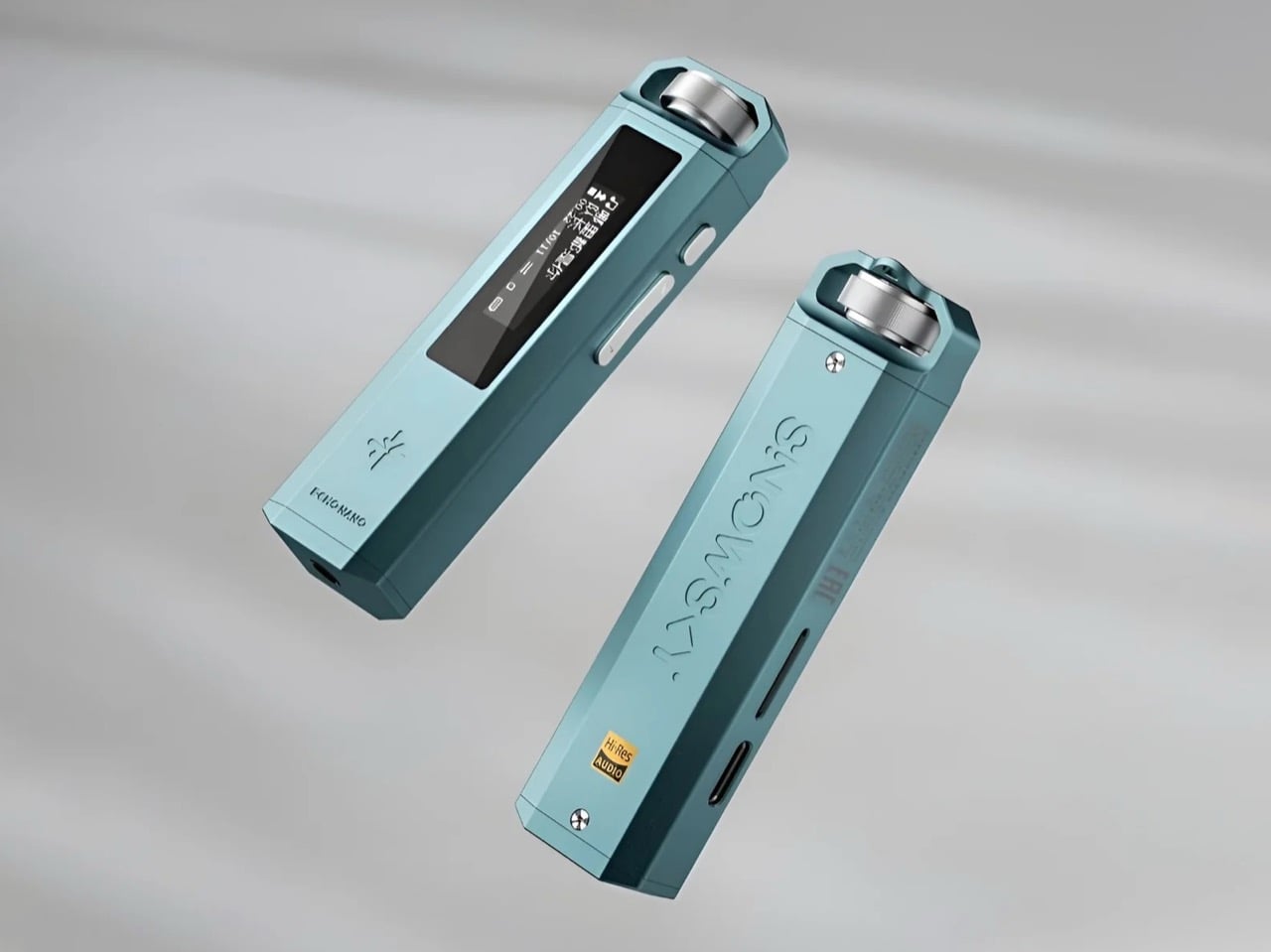
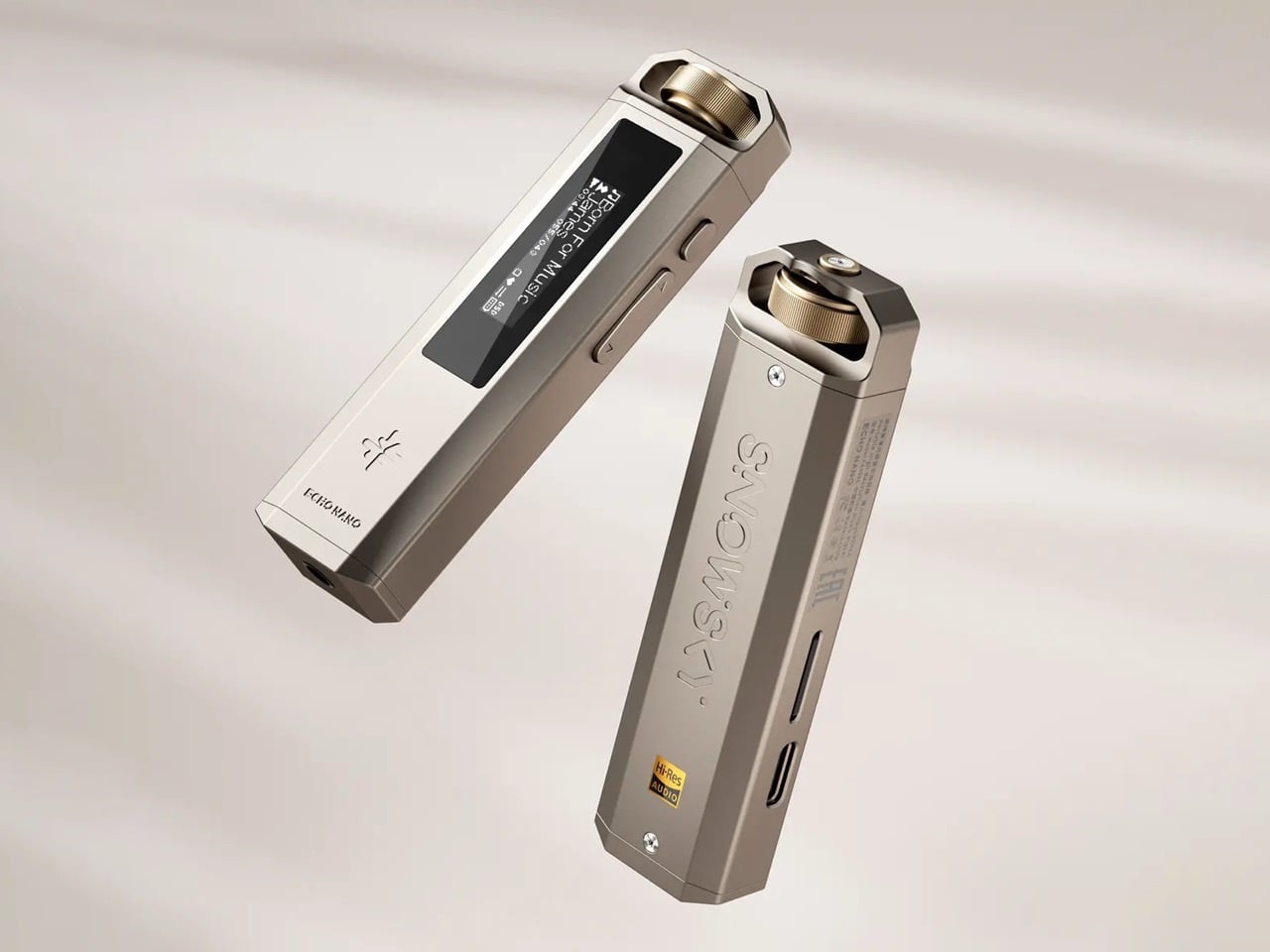
The 360mAh battery delivers around seven hours, and Reddit’s verdict on that figure has been a collective ‘meh’. Seven hours covers a commute and a workday rather than a weekend, and you will top it up more often than something this small should demand. Weigh that against $49.99 and what the money actually buys, because Spotify and Apple Music run roughly $12 a month, which is $144 a year, indefinitely, for a library you never own. An independent CS43131 DAC, DSD256 hardware decoding, and a dedicated audio-grade crystal oscillator would have meant flagship spending half a decade ago. Storage climbs to 256GB via microSD, and there’s a 3.5mm jack, which at this point qualifies as hospitality.
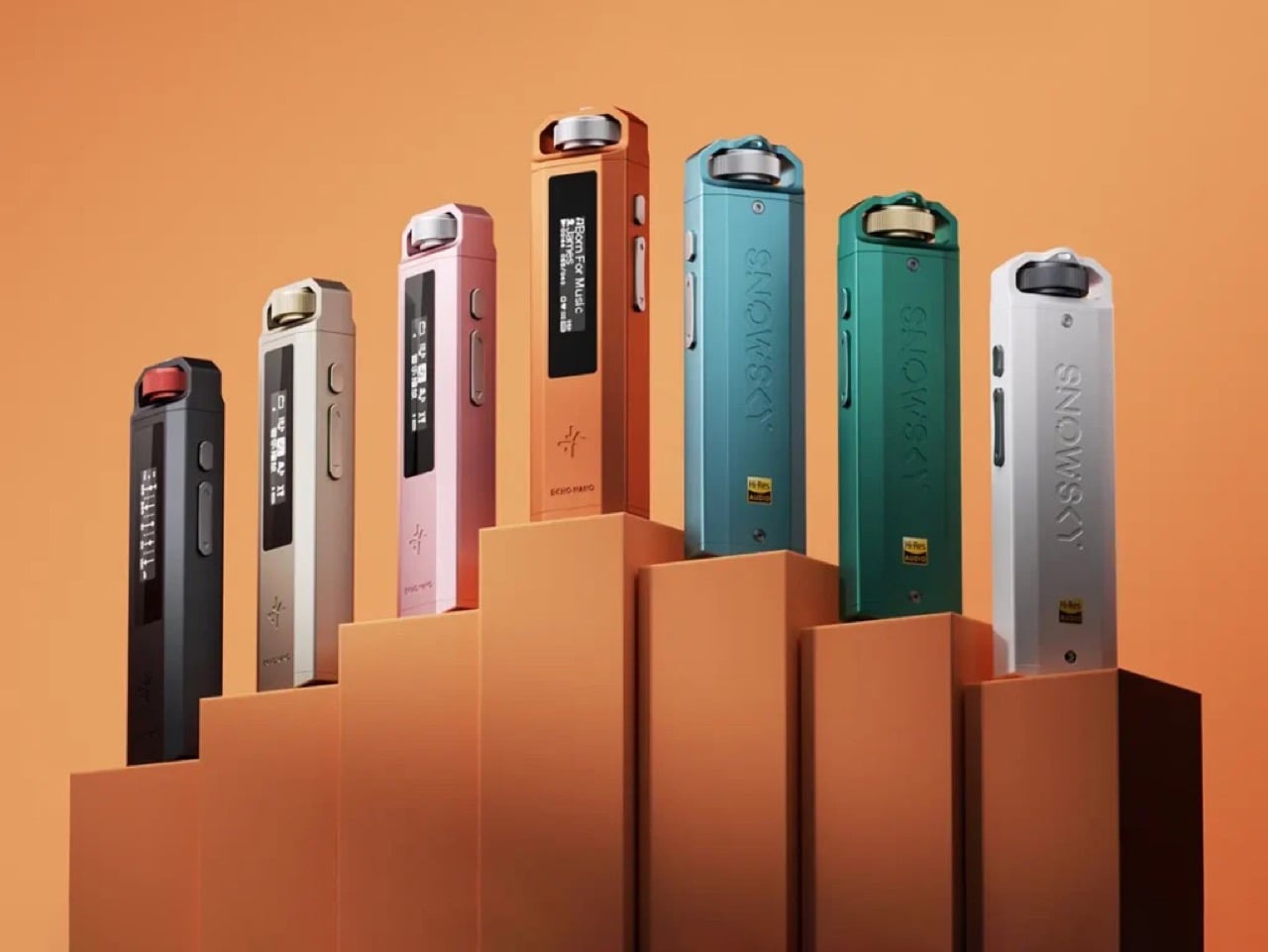
A used iPod Classic on eBay runs about eighty dollars for a fifteen-year-old machine with a spinning hard drive and a battery on its farewell tour, with higher-capacity units sailing past $150. The Echo Nano costs less, arrives new, charges over USB-C, and does the same single job with better silicon. It also works as a USB DAC for your phone or laptop, a funny hedge for a device sold on escaping your phone, and probably an accurate read of how anyone actually lives. Nobody is abandoning the smartphone. They’re carving out one protected activity and building a small aluminum fence around it, and fifty dollars is exactly the right price for a fence you’re allowed to walk away from.
The post Gen Z Is Buying Old iPods to Quit Spotify. Fiio’s $50 Hi-Fi MP3 Player Does It Better. first appeared on Yanko Design.
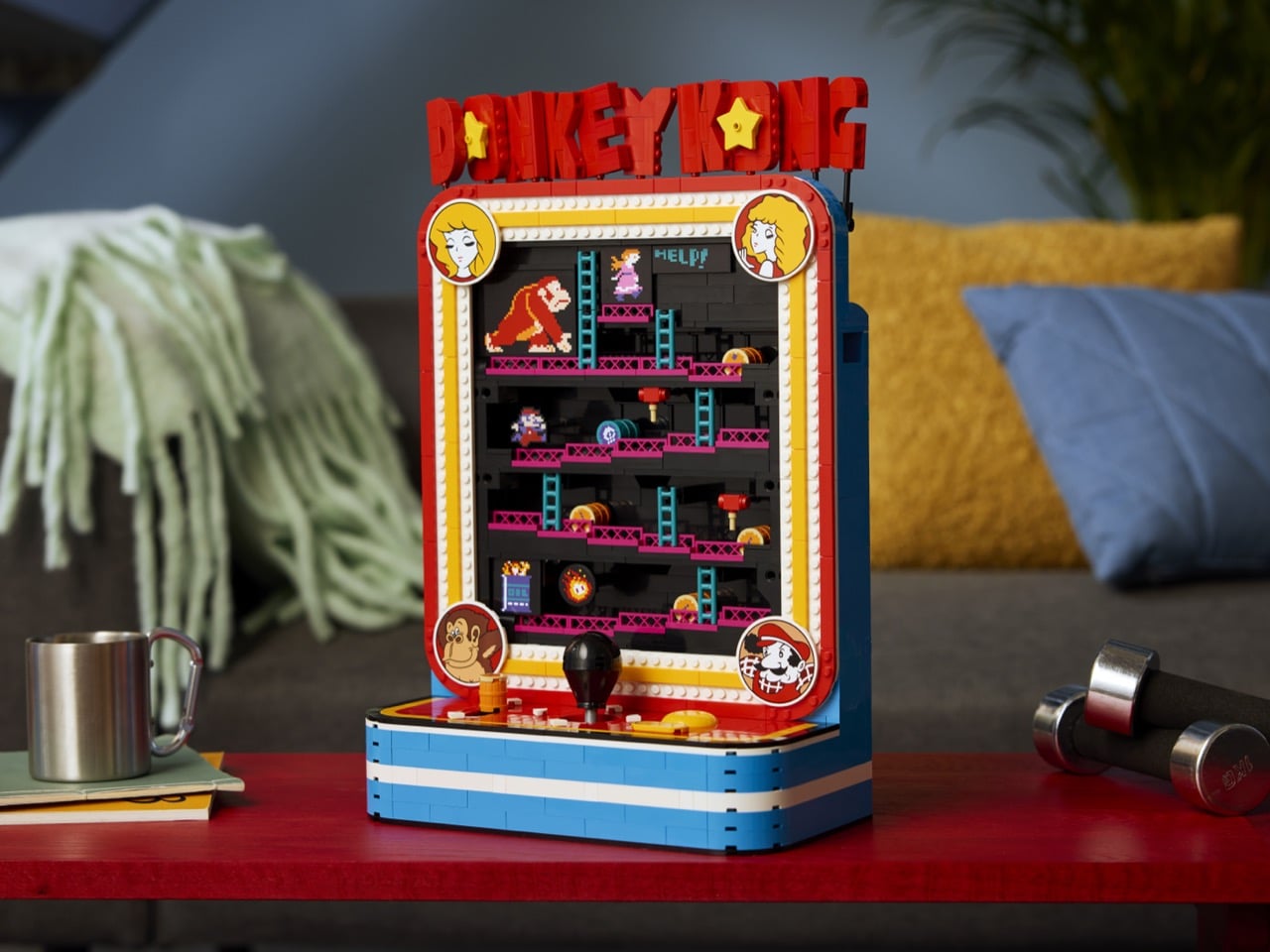
In 1982, Universal Studios looked at Donkey Kong, saw King Kong, and sent lawyers. Standard shakedown stuff, and most companies would have folded and paid up. Nintendo’s counsel Howard Lincoln did some digging instead and found that Universal had previously argued in court that King Kong was public domain, because it suited them at the time. The judge was not amused. Nintendo won, collected damages, and Lincoln eventually ended up running Nintendo of America. A cartoon ape throwing barrels down some girders survived a copyright fight against a Hollywood studio and helped bankroll a company that now sells more hardware than most of Hollywood sells tickets.
That ape finally gets his LEGO moment with the Donkey Kong Arcade (72051), a 1,367-piece brick cabinet standing 39 cm tall, 27 cm wide, and 15 cm deep. It’s slightly strange that LEGO got to the NES, a Pac-Man cabinet, and a pinball table before touching the game that saved Nintendo from a warehouse full of unsold Radar Scope machines, but here we are. Pull the lever and one of 21 barrels drops into play, rolls down the girders, and loops back around underneath for another run. No motors, no app, no sound. Purely mechanical, in the best possible way.
Designer: LEGO
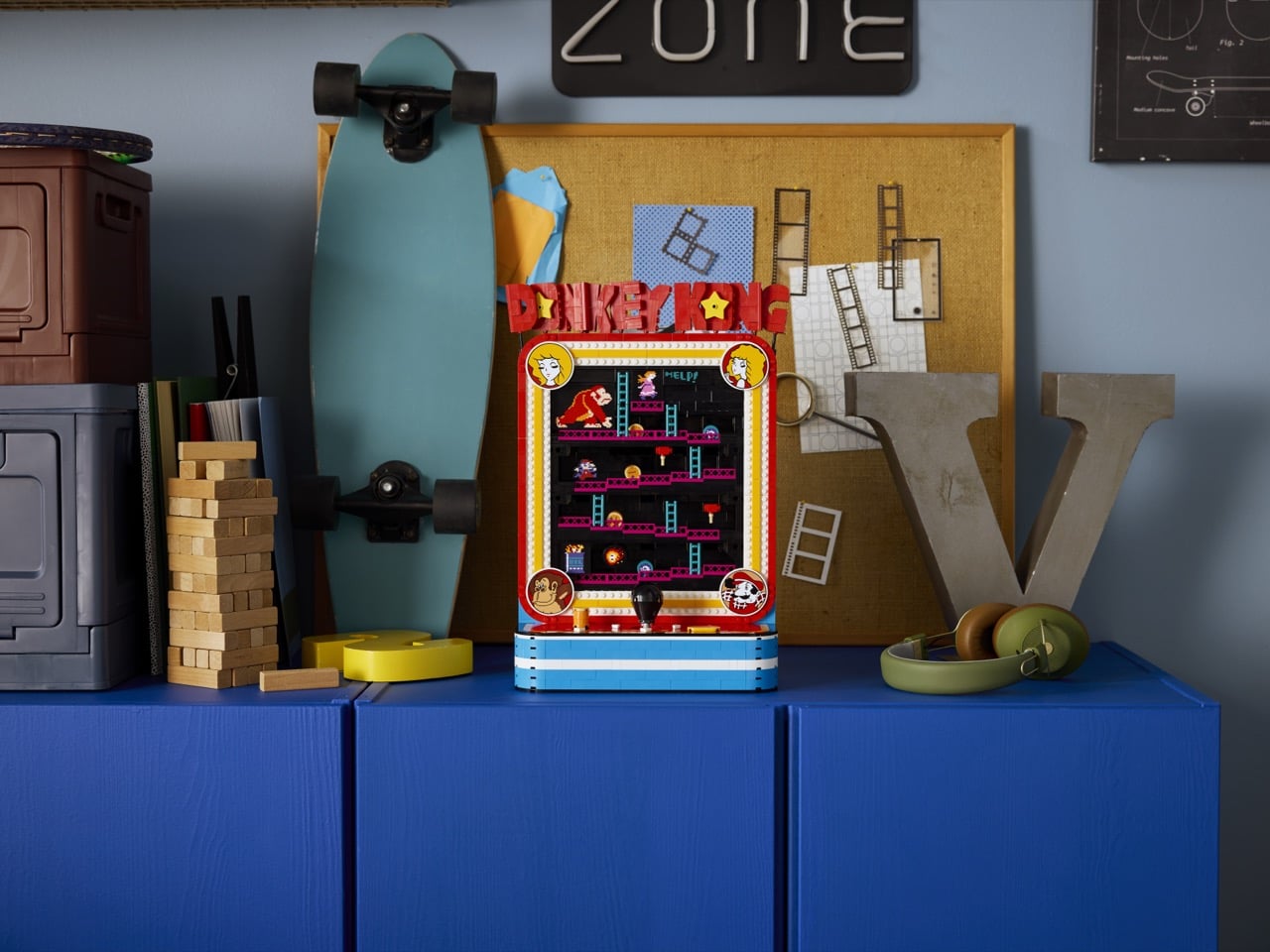
The screen is the showpiece and it’s built as flat pixel art, something that rectangularLEGO bricks do pretty well. Donkey Kong himself occupies the top left in that unmistakable stack of red-brown studs, Lady stands on the highest girder next to a tiled HELP! sign, and Jumpman sits a few floors below in his blue and red. The girders are magenta, the ladders are teal, and the hammers sit waiting on their little pedestals exactly where muscle memory expects them. There’s an oil drum with a flame sprouting out of it, four circular character portraits at the corners of the bezel, and a marquee where every letter of DONKEY KONG hangs off its own individual bar element. That last detail is the sort of thing you only notice from behind, and it’s a lovely bit of overengineering for what is essentially a sign.
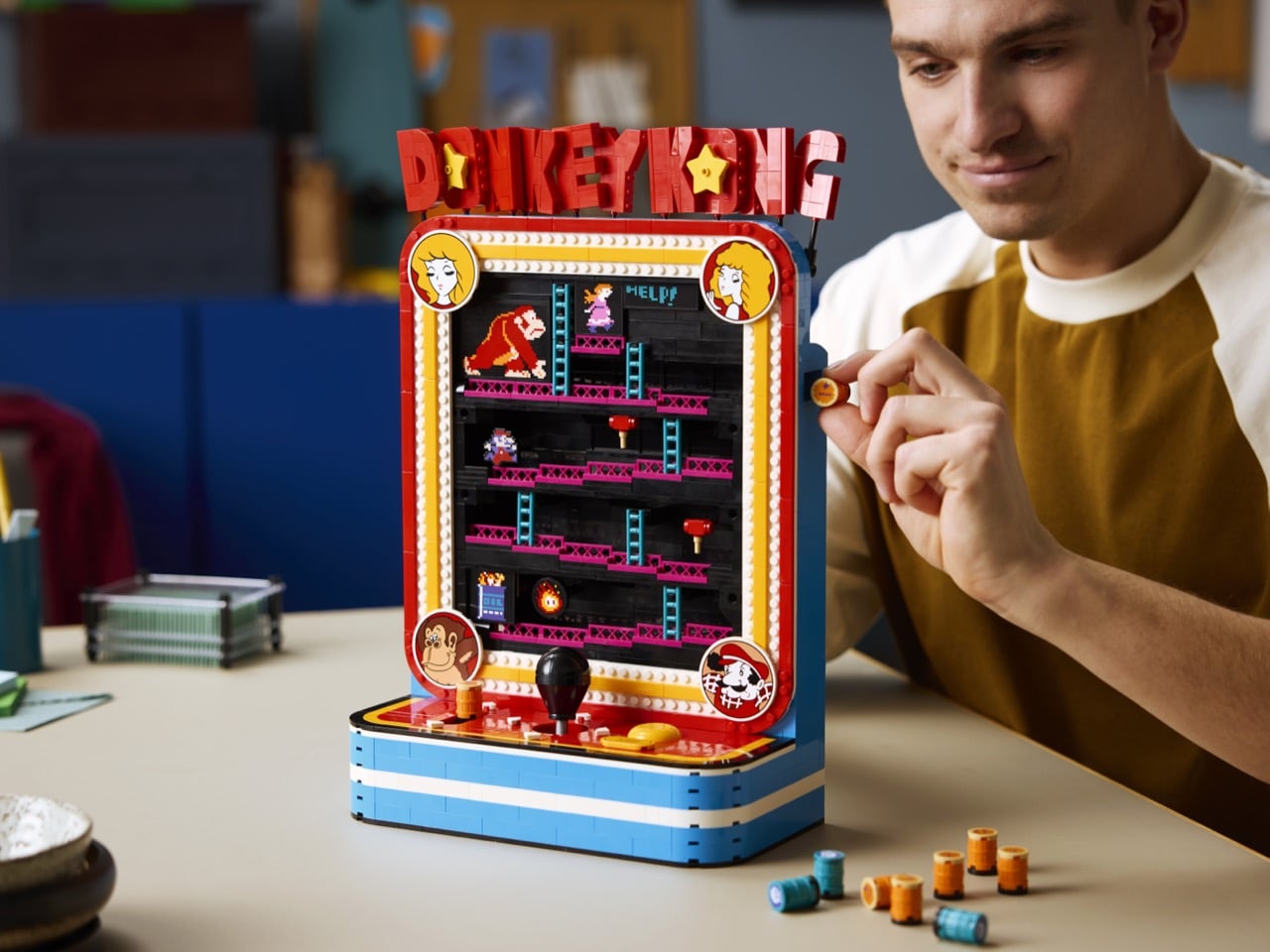
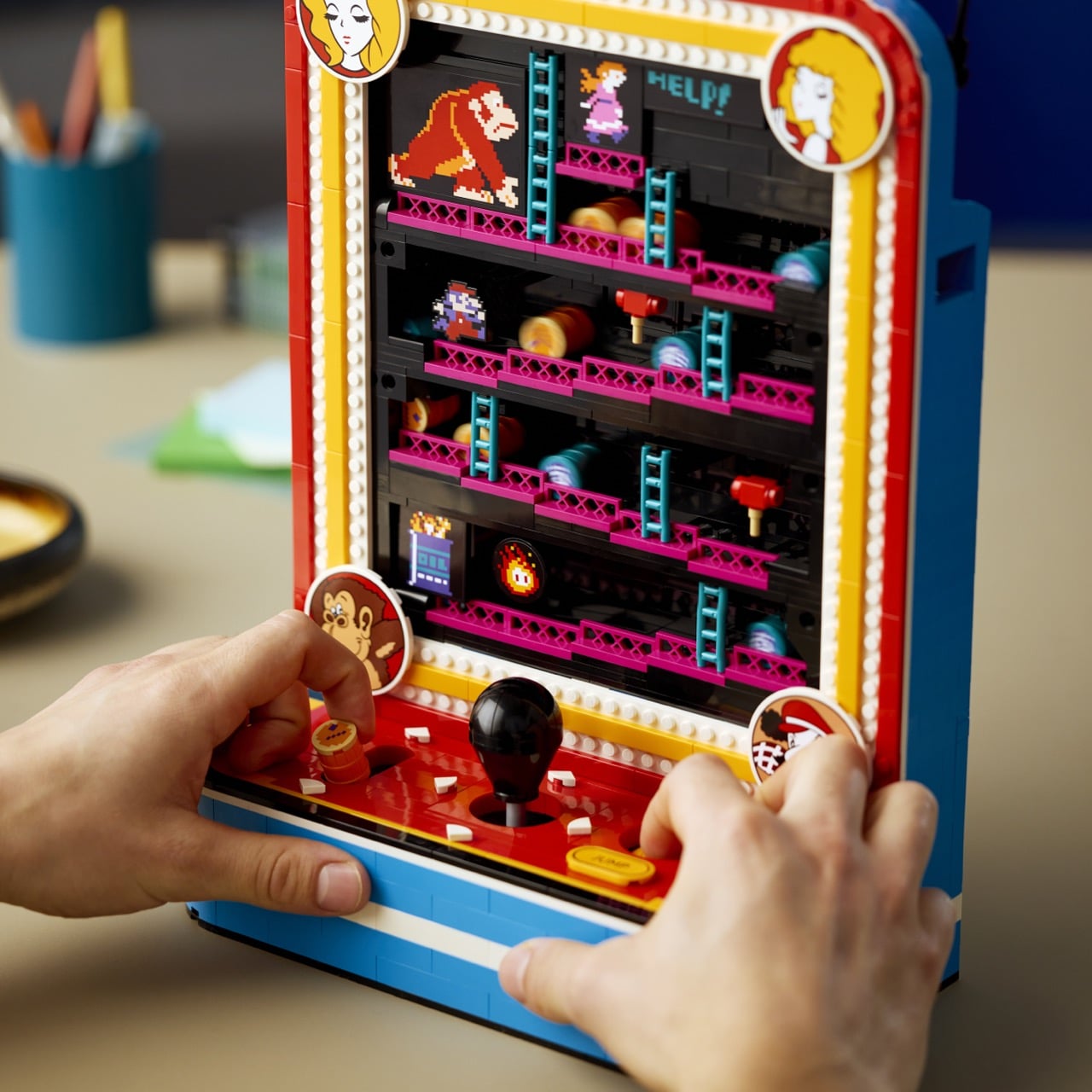
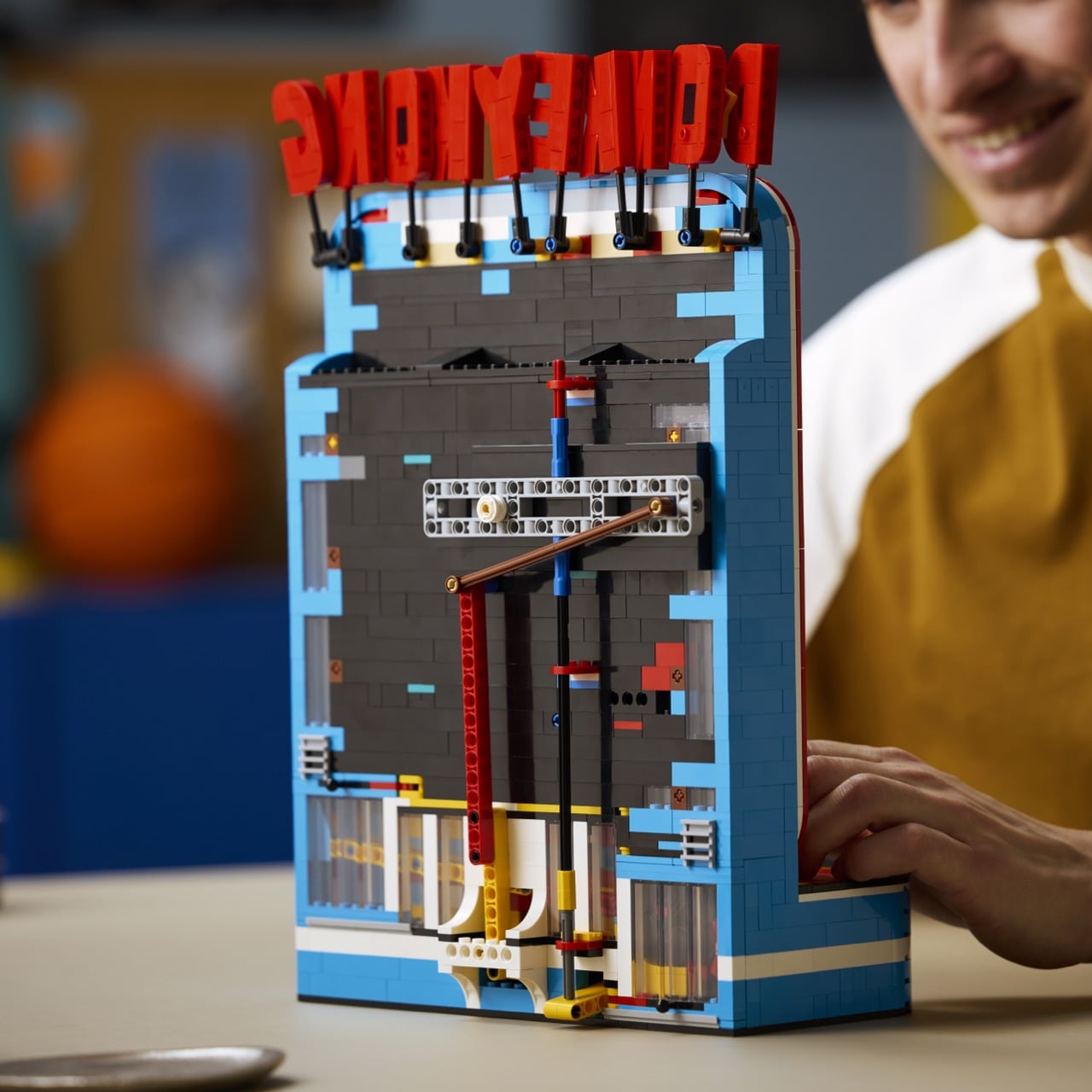
LEGO left the back completely open, which I personally love. Flip the cabinet around and you get the whole mechanism laid bare: Technic linkages, axles, a long lever arm running the height of the build, and transparent chutes at the base where the barrels queue up for their return trip. It reads like an open watch movement, and it does the thing good mechanical design always does, which is make you understand how it works just by looking at it. You load barrels into a slot on the control deck, the lever meters them out one at a time, gravity handles the rest, and the loop feeds them back. For a set that could easily have been a static wall piece, somebody in Billund clearly fought to keep it playable.

The controls are real controls too. The joystick shifts Jumpman along his girder and the yellow button makes him hop, which means you can genuinely attempt to dodge a barrel and genuinely fail. Purists will note that the cabinet itself is boxier than the 1981 original, with a flat screen where the real thing had a curved CRT and an angled control panel, so don’t expect a scale-accurate replica of the machine that ate your quarters. It’s an interpretation, and the blue and white striped base sells it well enough.
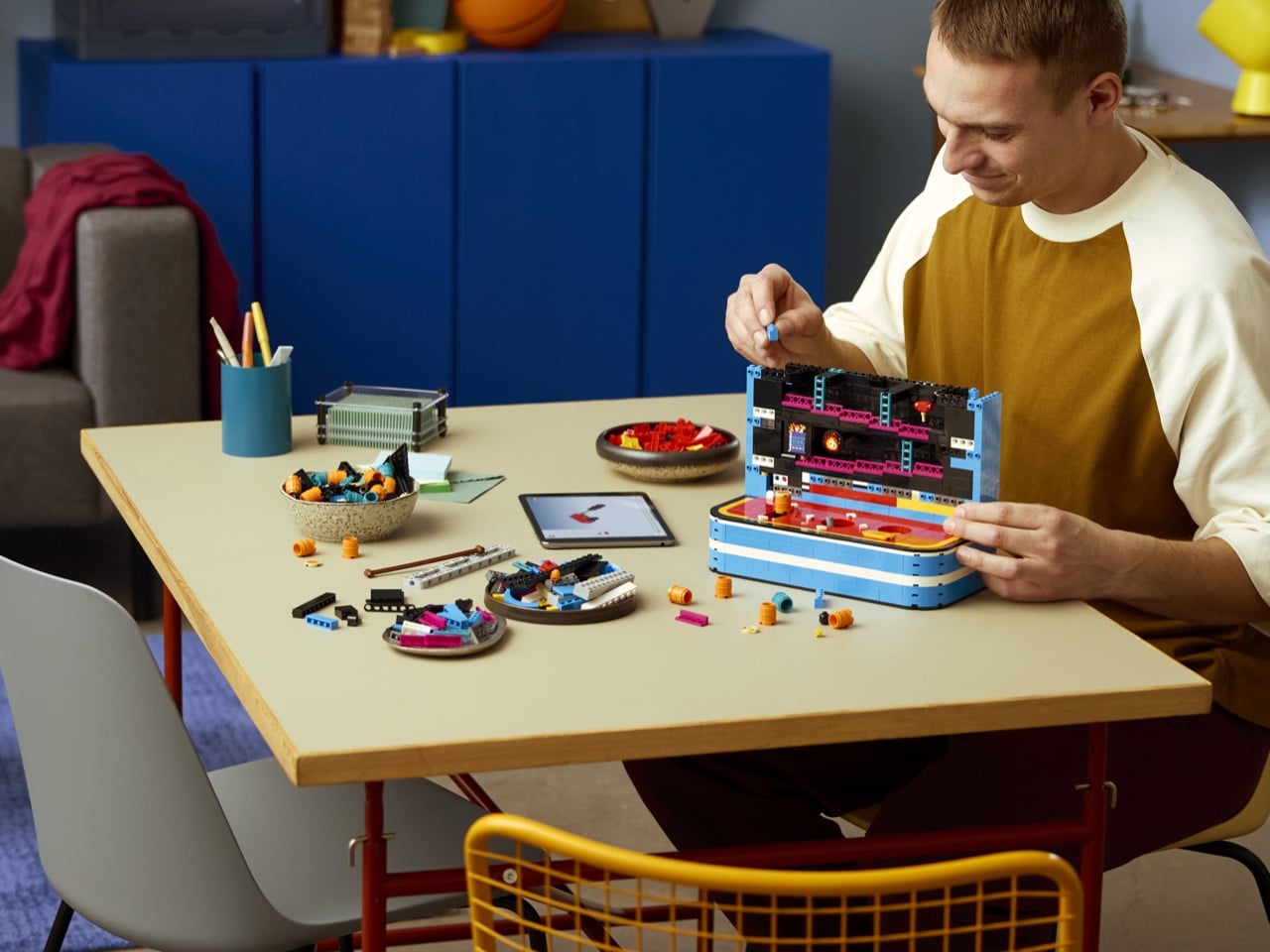
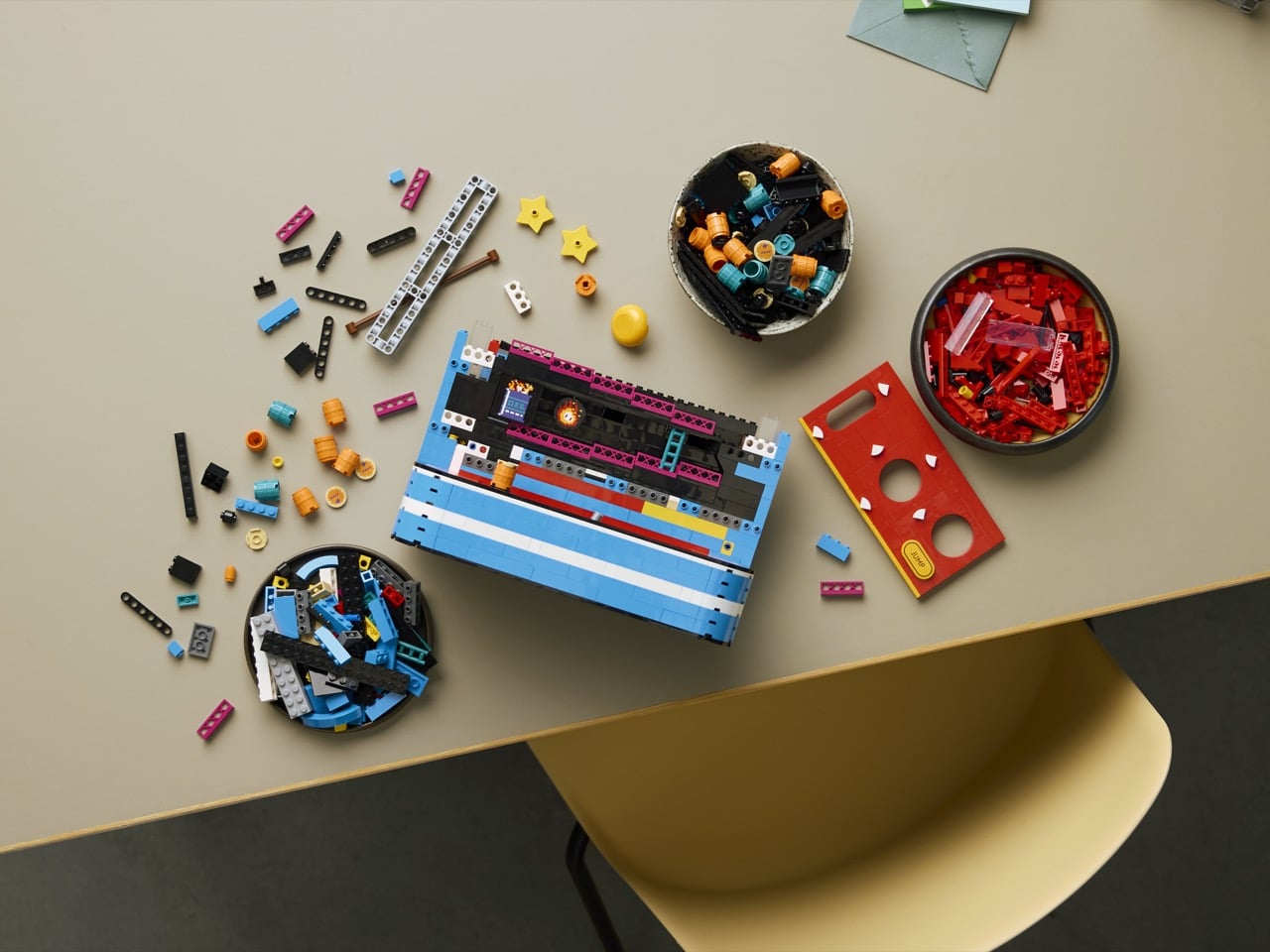
Worth flagging that this lands under LEGO Super Mario rather than Icons, where the Pac-Man cabinet and the Pinball Machine both live. Small thing, but it tells you LEGO is treating Donkey Kong as Mario canon rather than arcade history, which is arguably backwards given who came first.
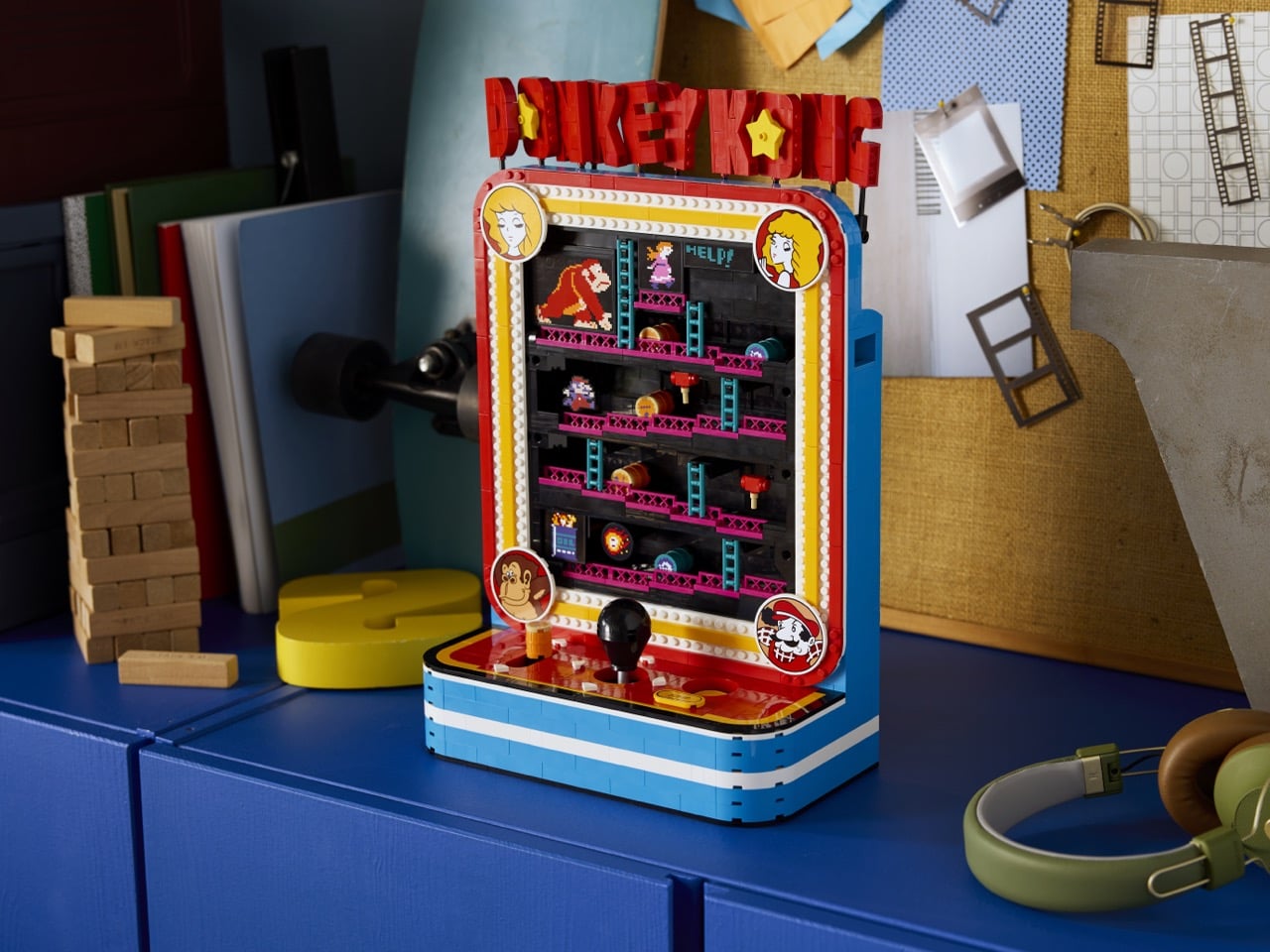
The Donkey Kong Arcade (72051) is up for pre-order at $199.99 with shipping from August 1, limited to three per household, and it nets you 1,300 LEGO Insiders points if you’re collecting those. LEGO’s own product page can’t decide whether it’s 1,367 or 1,371 pieces, so pick whichever number you prefer at parties. The one thing missing is sound. Give me a brick-built clicker that fires off that opening stomp, or even just a light behind the marquee, and this goes from very good to genuinely unbeatable.
The post LEGO built a working Donkey Kong arcade game that lets you throw barrels at Super Mario first appeared on Yanko Design.